
丽江古城之回响
In the embrace of the majestic Jade Dragon Snow Mountain, Lijiang is perfect travel place where the past dances gracefully with the present. As a UNESCO World Heritage site, this ancient town is a living canvas of culture and history, with its cobblestone streets, winding alleys, and traditional wooden houses steeped in stories of centuries gone by. Lijiang’s charm is undeniable, its picturesque beauty capturing the hearts of all who wander its enchanting pathways.
丽江坐落于雄伟壮丽的玉龙雪山怀抱之中,是一处古今交融的旅行胜地。作为联合国教科文组织旗下的世界遗产,这座古城如同一幅鲜活的历史画卷,各处鹅卵石街道、蜿蜒曲折的小巷和传统的木屋都承载着几个世纪的沧桑。丽江的魅力毋庸置疑,如画的美景俘获了所有漫步其中的游客的心。

For lovers, Lijiang is a dream come true. The town’s romantic allure is woven into the gentle flow of the canals, the blooming flowers, the soft glow of lantern-lit evenings, and the whispers of ancient melodies that linger in the air. Stroll hand-in-hand through the winding streets, where every turn reveals a new vista of beauty.
对情侣来说,丽江是充满爱意的地方。潺潺流水、繁花似锦、夜色下灯影摇曳,萦绕在空气中的古老旋律,交织着这座城市的浪漫魅力。情侣携手漫步在蜿蜒的街道上,每一次转角,都能发现新的美景。
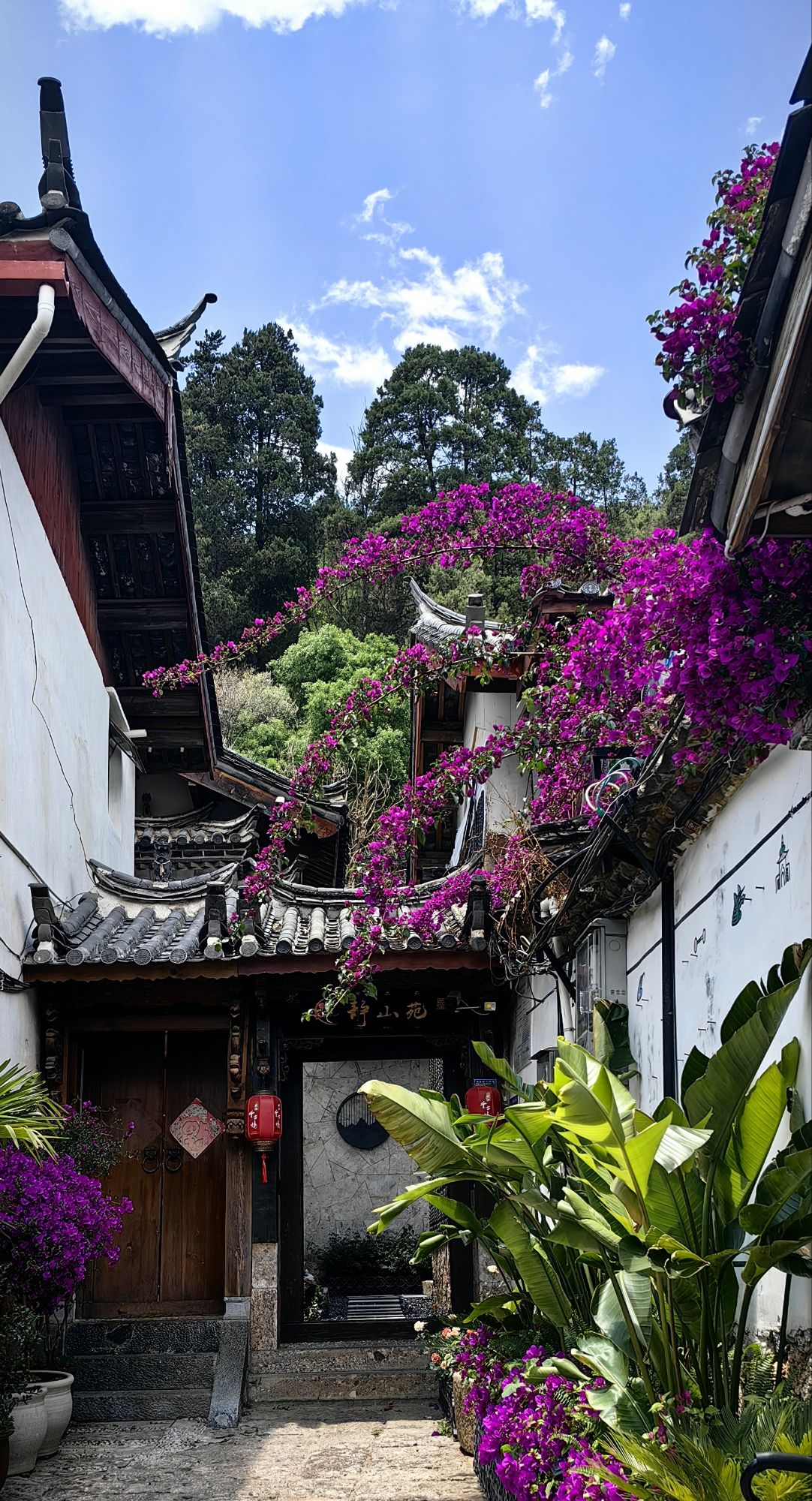
Lijiang is the historical homeland of the Naxi people, an ethnic minority whose culture is beautifully reflected in the town’s buildings. The Naxi people lived in Lijiang for more than one thousand years. Their houses typically include timber-framed structures with intricate carvings and flower-filled courtyards. The courtyards have sloped tiled roofs with upward-curving eaves reminiscent of Han Chinese design, but often adorned with local Naxi symbols like Dongba scripts and plum blossom. Carved wooden doors and lattice windows, showcases craftsmanship that passed down through generations.
丽江是纳西族的故乡。纳西族是中国的一个少数民族,其文化在丽江的建筑中得到了完美的体现。纳西族在丽江生活了超过一千年。他们的房屋通常为木结构建筑,雕刻精美,庭院内鲜花盛开。建筑体现为倾斜的瓦片屋顶,向上弯曲的屋檐,不由地令人想起汉族的建筑设计。不过这些建筑通常饰以比如东巴文字和梅花等纳西族的本土符号。而雕花木门和格子窗则展现了代代相传的工艺。

Unlike the rigid grid systems seen in many ancient Chinese cities, Lijiang’s street layout follows the natural topography of the land. Its streets are designed to flow with the natural slope of the terrain and the course of its canal network. Winding alleys, gentle inclines, and interwoven pathways are cobbled with smooth, dark stone.
与许多中国古代城市缺乏变化的网格系统不同,丽江的街道布局遵循自然的地势。街道的设计顺应着地形的自然坡度和运河网络的走向。蜿蜒的小巷、缓坡和交错的小路都以光滑的深色鹅卵石铺成。

The environment in this town attracted me a lot. It is often described as the “Venice of the East”, owing to its intricate network of crystal-clear canals and over 300 small stone bridges. Water from the Jade Dragon Snow Mountain flows into the town, guided by an ingenious water management system dating back to the Yuan Dynasty.
这座古镇的环境氛围深深吸引着我。错综复杂的水网,清澈见底的运河和300多座小石桥使它被誉为“东方威尼斯”。玉龙雪山的潺潺溪水流入小镇,其水源的管理源于元朝时期的精妙水利系统。
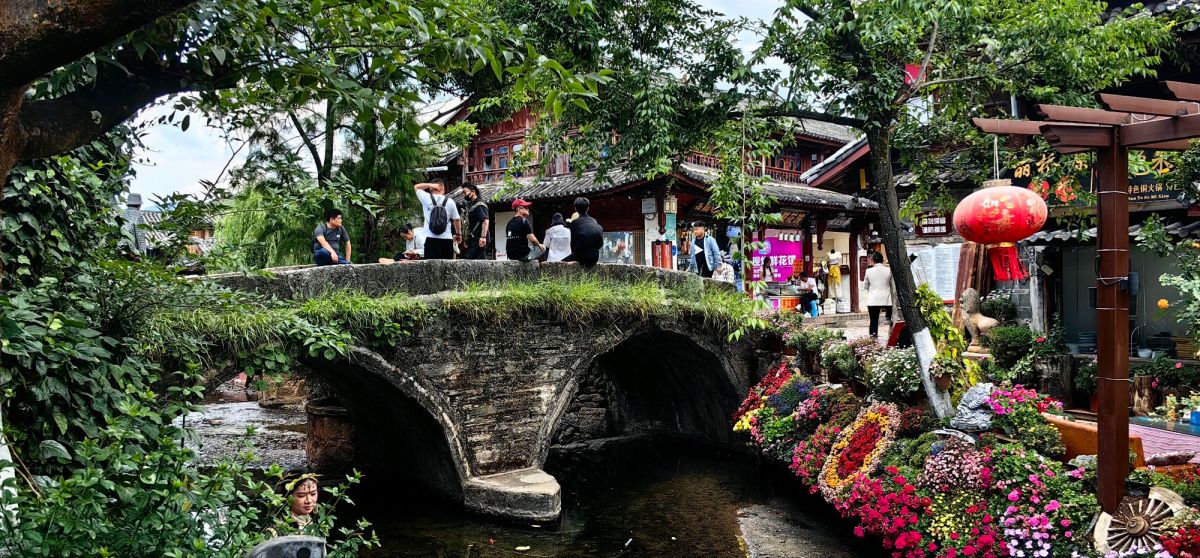
The famous Big Stone Bridge spans one of the main canals that meander through the Ancient Town called Dayan, gracefully connecting the bustling market streets and quiet residential alleys. Built from finely chiseled gray stone, the bridge features a gentle and elegant arch that rises just enough to allow water and small boats to pass beneath. Stone slabs of the bridge have been polished by time and reflect the town’s poetic beauty and deep-rooted history.
著名的大石桥横跨蜿蜒流经大研古镇的主水道,优雅地连接着熙熙攘攘的市街和静谧的民居小巷。桥身由精雕细琢的灰色石材砌成,优雅小巧的拱形恰好能让水流和小船从桥下穿行。桥面的石板历经岁月的风霜,向游客讲述着古镇的诗意和深厚的历史底蕴。

In summer, Lijiang Ancient Town bursts into a quiet, poetic splendor, with flowers blooming like brushstrokes across its cobblestone streets. Hanging flower baskets overflow from carved wooden balconies and tea house windows. Potted blooms line the narrow stone alleys, framing doorways and open courtyards with bursts of color. Green vines and creepers climb gracefully along tiled roofs and traditional wooden beams. The brillant summer flowers of this city left me a deep impression of a living scroll of color and scent.
夏日的丽江古城,静谧而诗意,繁花盛开,点缀鹅卵石铺就的街道。精雕的阳台和茶室窗外,悬挂的花篮里盛放着绽放的鲜花。色彩缤纷的盆栽花卉排列在狭窄的石巷两旁,点缀着门廊和庭院。绿油油的藤蔓和攀缘植物优雅地附着在瓦片屋顶和传统的木梁上。这座城市的绚烂夏花给我留下了深刻的印象,仿佛一幅色彩与芬芳交织的画卷。

The canals that run through Lijiang become floral mirrors. Willows dip their green tendrils into the water, and wildflowers peek through the stone edges. Floating petals drift along the surface, carried by the mountain-fed streams that wind through the town like silver threads.
丽江蜿蜒流淌的运河,仿若清澈的镜面。垂柳低吟,将柔绿的柳丝轻轻探入水中。野花在石缝间悄然探头,犹抱琵琶半遮面。山泉汇成的溪流,如银线般穿城而过,溪流中漂浮的花瓣随水无边曼舞。

The streets are narrow, winding, but it’s the color that captures my heart first. Strings of bright red lanterns sway gently overhead, casting warm light in the evenings and glowing softly against aged wooden walls. Shopfronts are adorned with vivid Naxi embroidery, batik fabrics, and handwoven scarves in deep blue, scarlet, and purple. The handmade paper umbrellas are more than beautiful objects—they are icons of romance and tradition. The hand-carved bamboo frame is lightweight. A young woman holding a paper umbrella is a traditional image of grace and refinement, common in Naxi and Han aesthetics.
街道狭窄蜿蜒,首先俘获我心的是那一抹色调。一串串鲜红的灯笼在头顶轻轻摇曳,在夜晚散发出温暖的光芒,在古老的木墙上泛着柔和的光芒。店面装饰着鲜艳的纳西刺绣、蜡染布,以及深蓝、猩红和紫色的编织围巾。手工制作的纸伞不仅仅是美丽的物品,更是浪漫和传统的代名词。这些手工雕刻的竹制伞架轻盈灵动。在纳西族和汉族的审美中撑着纸伞的年轻女子是优雅美女的传统象征。

Sifang Street (四方街) is a living square where history, culture, and daily life converge in a graceful, harmonious rhythm. It was an open plaza which served as the center of commerce, social life, and cultural exchange for centuries. Roads from all directions meet here, making it the natural gathering point of the town. The surrounding two-story timber buildings with tiled roofs and carved eaves are classic Naxi architecture.
四方街是一个充满活力的广场,历史文化和日常生活在此交汇,形成优美和谐的韵律。几个世纪以来,这里曾是一个开放的广场,是商业、社交和文化交流的中心。四面八方的道路在此交汇,使其成为小镇的聚集点。周围的两层瓦片屋顶和雕花屋檐的木制结构建筑是典型的纳西建筑风格。
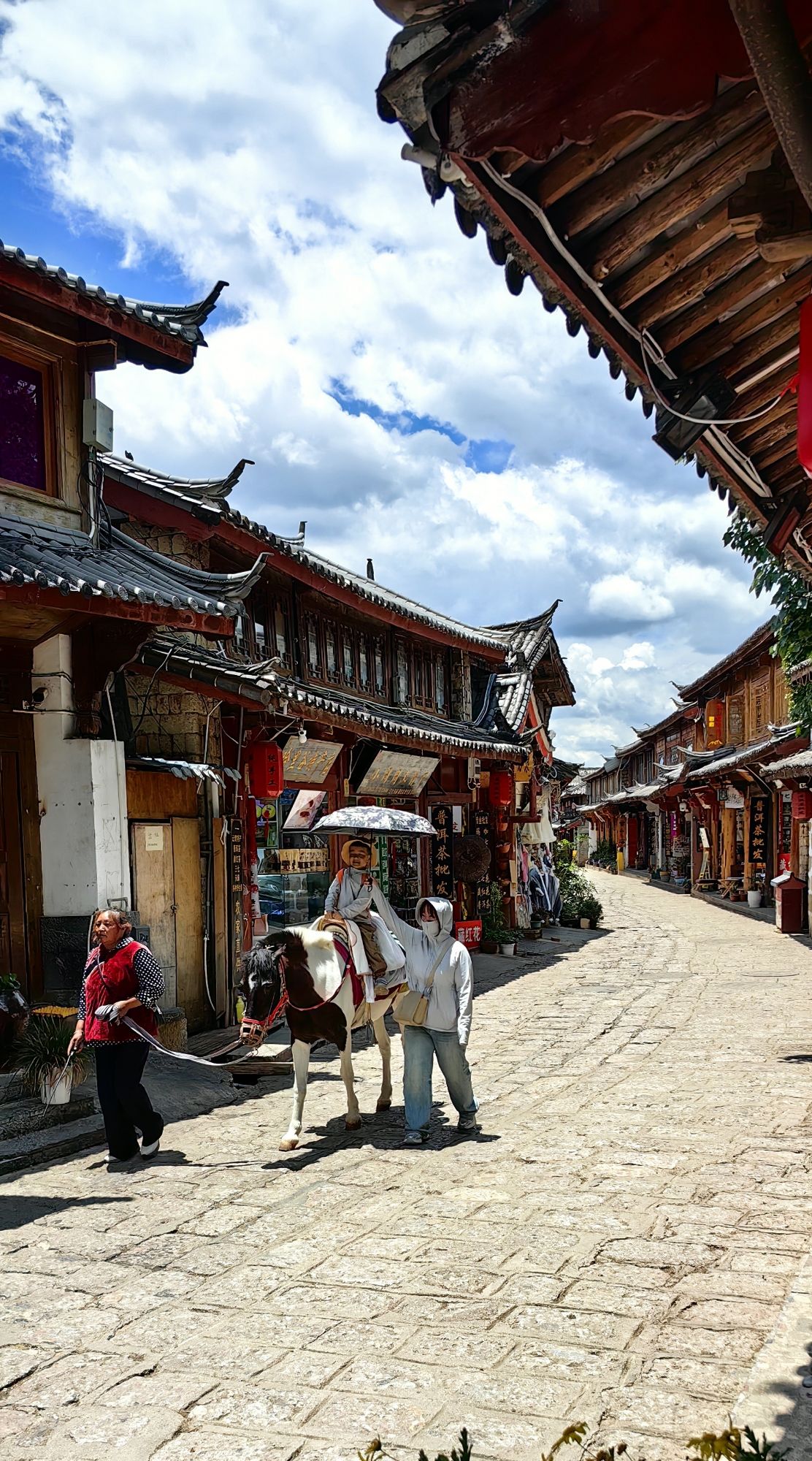
Historically, Lijiang was a vital hub on the Ancient Tea Horse Road, and the ancient city layout reflects its past as a trading center. Roads led toward gates and plazas that were once used for commerce transportations. The urban design ensured easy navigation and security while allowing for the smooth flow of goods and people. The Ancient Tea Horse Road was a vast network of trade routes that once linked the tea-growing regions of southwestern China with Tibet and eventually extended into India. Puer tea from Yunnan were traded out and strong Tibetan horses were traded to the Chinese for use in the military.
历史上,丽江是茶马古道上的重要枢纽,古城布局反映了它作为贸易中心的历史。条条道路通向曾经用于商业运输的城门和广场。城市设计确保了便捷的通行和安全,同时也促进了货物和人员的流通。茶马古道是一个庞大的贸易路线网络,连接着中国西南的茶区和西藏,并最终延伸到印度。来自云南的普洱茶被出口,强壮的西藏军用马则被进口到中国。
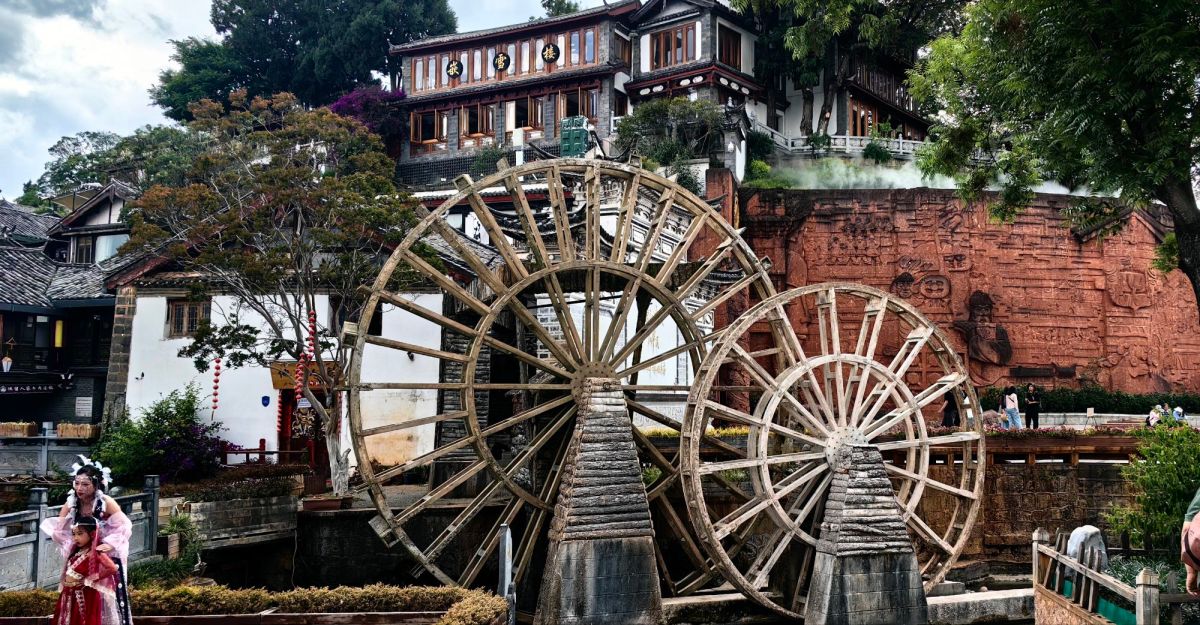
The big water wheel at the entrance of Lijiang Ancient Town is one of its most iconic landmarks—a symbol of tradition, harmony, and the town’s deep connection with water. It draws water from the flowing canals and uses the current to rotate continuously. Traditionally, water wheels were used in grinding grain or irrigation, and nowadays this big wheel in Lijiang is only symbolic. Visitors often take photos in front of the water wheel. It’s also a common backdrop for traditional Naxi dress photography and wedding shoots.
丽江古城入口处的大水车是最具标志性的地标,象征着传统以及这座城市与水的深厚渊源。它从流动的运河中汲水,并利用水流持续旋转。传统的水车用于磨坊或灌溉,如今,丽江的这辆大水车只是具有象征意义。游客们通常在水车前拍照。它也是游客身着纳西族传统服饰摄影和婚纱拍摄的常见背景。
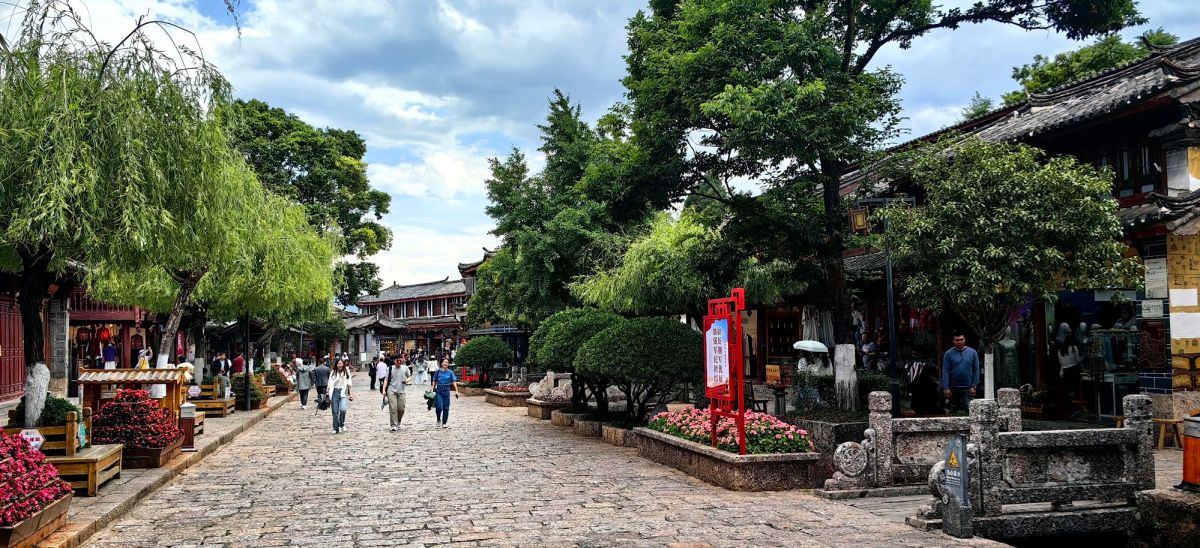
As I walked from the big water wheel, I entered the broad main street. It is a stone-paved roads, polished smooth over centuries by footsteps and time. The street is lined with a rich mix of traditional and contemporary experiences. There are tea houses with open balconies and live Naxi or modern music drifting into the air. Also everywhere there are shops selling handmade crafts, from silver jewelry and Dongba scrolls to embroidered scarves.
我从大水车旁走进了宽阔的主街。这是一条石板路,几个世纪以来,它已被人们的脚步和岁月磨得光滑平整。街道两旁,传统与现代交织在一起。这里有带开放式阳台的茶馆,现场演奏的纳西或现代音乐在空中悠然飘荡。此外,随处可见出售手工艺品的商店,从银饰、东巴卷轴到刺绣围巾,应有尽有。
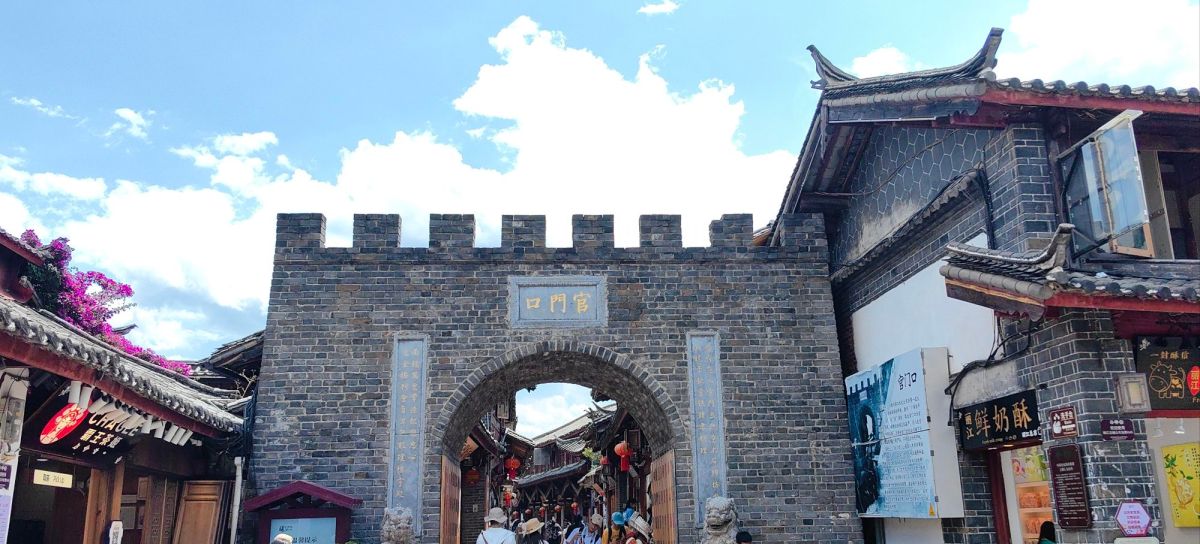
Unlike many ancient Chinese towns, Lijiang Ancient Town has no city wall. It is located in a relatively remote, mountainous region, protected by natural barriers like the Jade Dragon Snow Mountain and surrounding terrain. This reduced the need for defensive walls. The Naxi people, the main ethnic group of Lijiang, believe in openness, flow, and harmony with nature. This short section of wall called Guan Men Kou marked the entrance to the administrative and residential district of local government officials during the Ming and Qing dynasties.
与许多中国古城不同,丽江古城是没有城墙的。它地处相对偏远的山区,受到玉龙雪山等天然屏障和周围地形的保护。这自然减少了修建防御性城墙的必要性。而且丽江当地的主体民族纳西族崇尚开放自由,并与自然和谐相处。这段短墙被称为官门口,是明清两代地方政府官员行政和居住区的入口。
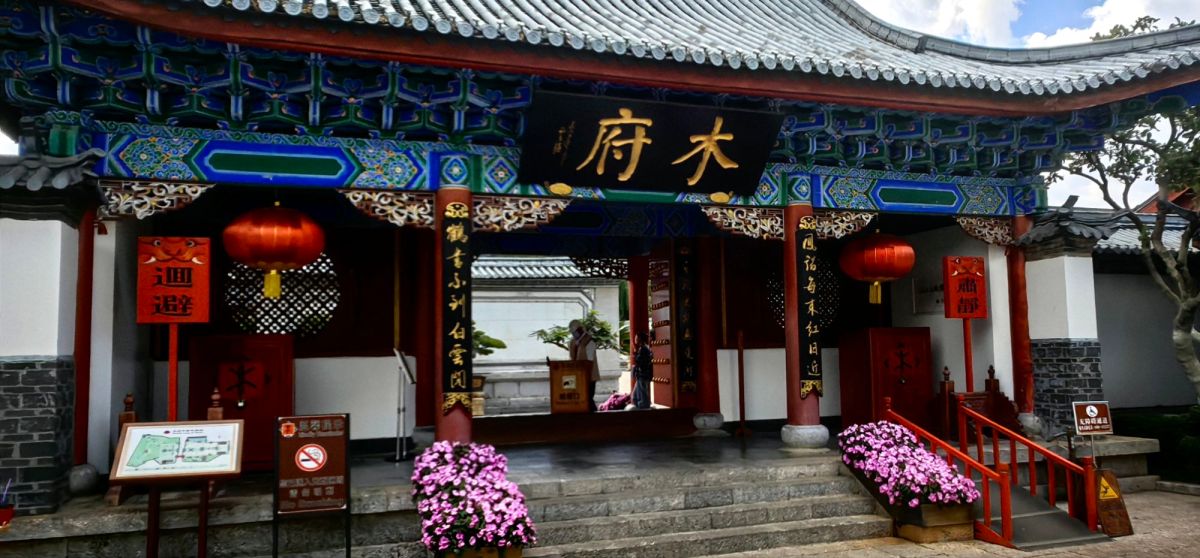
It was connected to the Mu Residence (木府)—home of the Mu family, hereditary Naxi chieftains who ruled the region for centuries. The Mu Residence is often called the “Forbidden City of Lijiang” — a grand, elegant architectural complex that was once the political and cultural center of Lijiang Ancient Town. The whole ancient city of Lijiang is ticket free, but visitors need to pay 20 RMB yuans to visit this building.
它与木府相连,木府是统治该地区数百年的纳西族世袭首领木氏家族的居所。木府常被称为“丽江紫禁城”,是一座宏伟典雅的建筑群,曾是丽江古城的政治和文化中心。丽江古城全城免门票,但参观木府需支付20元人民币。
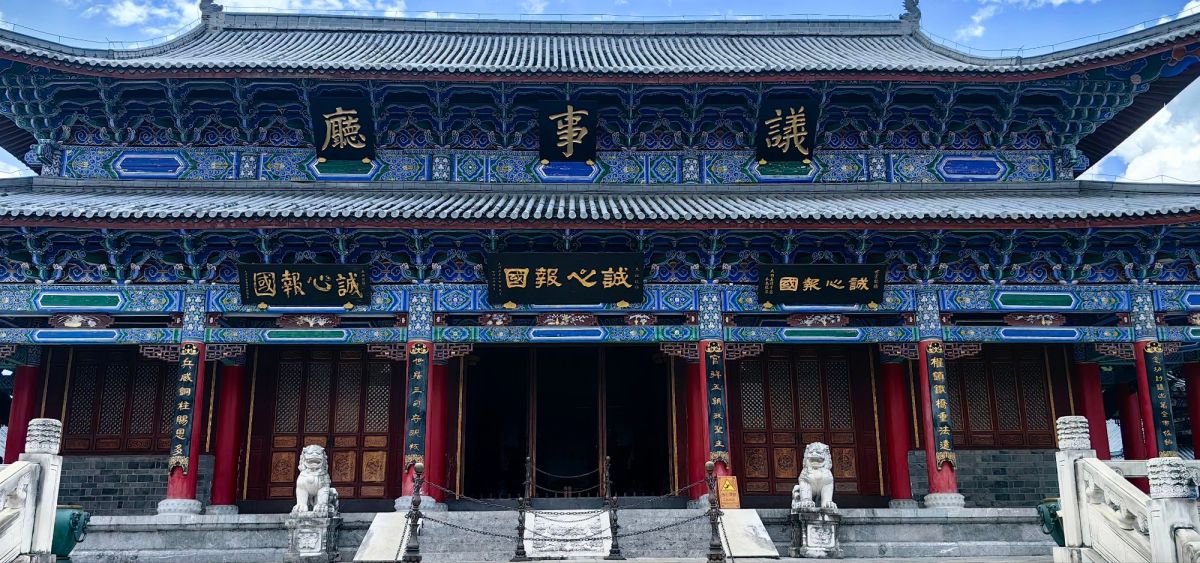
The Mu clan governed Lijiang for over 470 years, from the Yuan dynasty (13th century) through the Ming and Qing dynasties. As imperial-appointed Tusi (local rulers), they enjoyed considerable autonomy while serving as intermediaries between the central government and local ethnic groups. This is the majestic central ceremonial hall, where the Mu rulers met guests and conducted administrative duties.
木氏家族从元朝到明清两代统治丽江超过470年。作为皇帝任命的土司,他们享有相当大的自治权,同时充当着中央政府与当地民族之间的桥梁。这里是庄严的中央议事厅,木氏统治者在此接见宾客并行使行政职权。

There is a tranquil garden with stone paths, bamboo groves, and koi ponds—perfectly illustrating harmony between architecture and nature. The layout and detail express Confucian order, Daoist balance, and Dongba spiritual heritage.
庭院内静谧清幽,石径蜿蜒,竹林环绕,锦鲤池点缀,完美诠释了建筑与自然的和谐统一。庭院布局和细节处处体现着儒家的秩序、道家的平衡,以及东巴的精神传承。

From the higher vantage points of Mu residence, I saw a rippling expanse of traditional, gray-tiled rooftops stretching in every direction. These rooftops are curved and upturned at the edges, reflecting classic Chinese architectural style. They are arranged tightly together, each with its own courtyard-centered home, forming a labyrinthine patchwork.
从木家宅邸的较高位置向远望去,我看到一片片传统的灰瓦屋顶,层层叠叠,向四面八方延伸。这些屋顶呈弧形,边缘上翘,体现了中国古典建筑风格。它们紧密相连,每栋房子都以庭院为中心,构成了一座错落有致的迷宫。
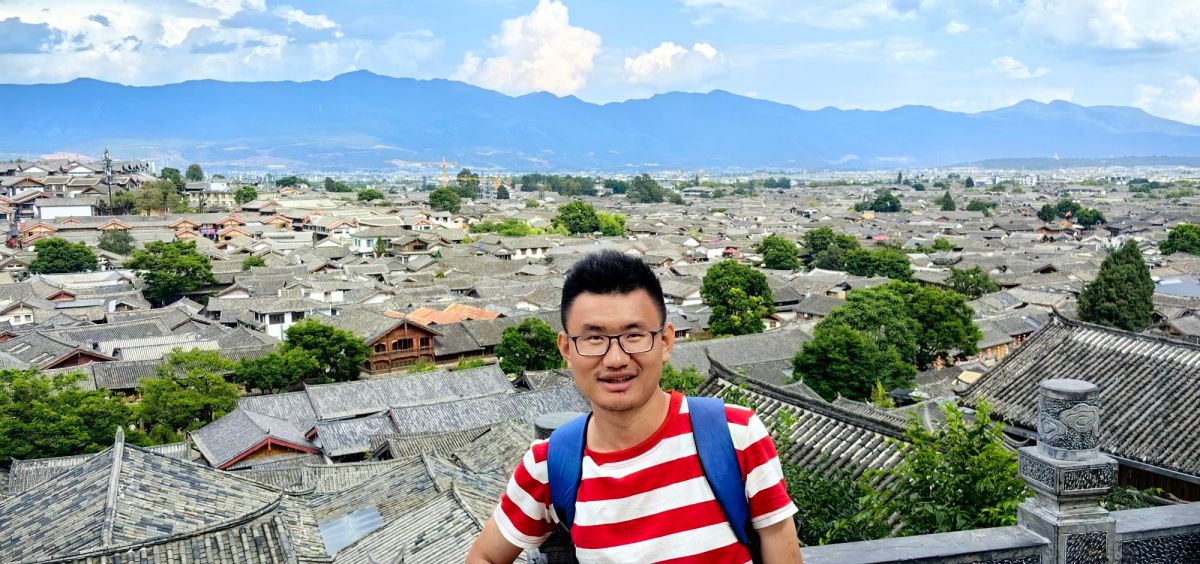
The panoramic view of the town in the sunny afternoon is overwhelming. Under the sunlight, golden light is cast across the rooftops, revealing layers of texture and age. The curved tiles, weathered by centuries of wind and rain, catch the light at different angles, creating a mosaic of shadows. The gray roof tiles reflect not just the light of the sun, but the light of a thousand yesterdays. In Lijiang, the clouds are rarely static. They move like dancers across the sky. Sometimes thunderous storm clouds rolling in from the mountains, suddenly turned the blue sky into a canvas of deep gray.
阳光明媚的午后,小镇的全景令人叹为观止。阳光下,金色的光芒洒落在屋顶上,展现出层层叠叠的纹理和岁月的痕迹。历经百年风雨的弧形瓦片,以不同的角度捕捉着天空光线,形成一幅光影交织的马赛克画。灰色的瓦片反射的不仅仅是阳光,更是无数个昔日的光辉。在丽江,云朵很少静止不动,它们像舞者一样在天空中摇曳流动。有时,雷鸣般的乌云从山间滚滚而来,将蔚蓝的天空瞬间染成一片深灰色。
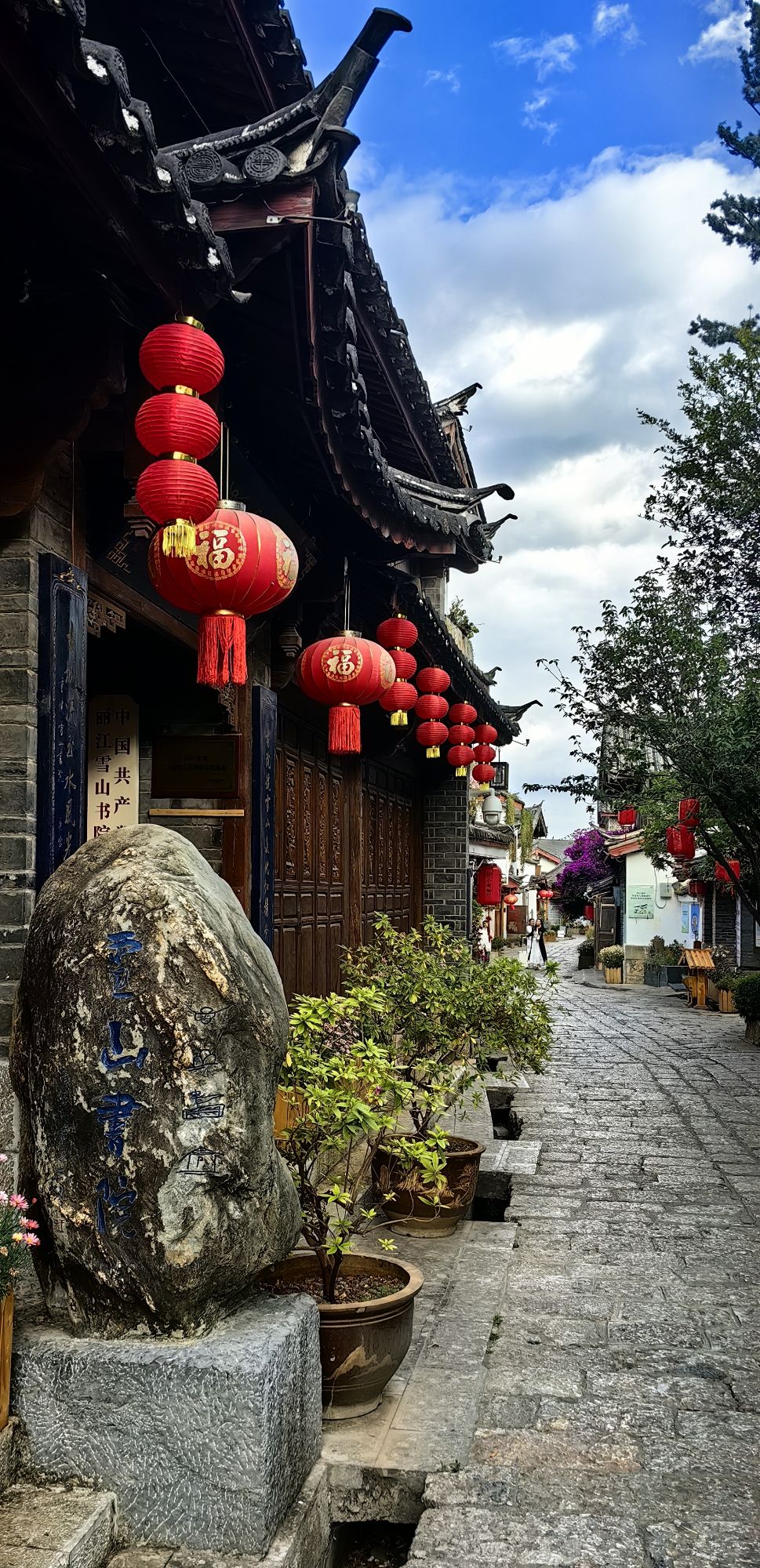
Snow Mountain Academy is a place for cultural exhibitions of preservation and promotion of Dongba culture. It has traditional Naxi and Han Chinese architecture with wooden pavilions with gracefully curved roofs and carved eaves and latticed windows, stone courtyards, and koi ponds. There are inscriptions of Dongba symbols and poetic couplets on the entrance.
雪山书院是保护和弘扬东巴文化的文化展览场所。书院拥有纳西族和汉族传统建筑风格,包括木结构凉亭、优美的弧形屋顶、雕花屋檐和格子窗、石砌庭院和锦鲤池。入口处刻有东巴文字和对联。

Small pavilions scattered throughout Lijiang Ancient Town. They are typical Chinese architecture elements. They have intricate wooden latticework, carved with floral patterns like phoenixes and red columns and painted beams, with calligraphy quoting poetry. Many are open on all sides, allowing gentle breezes to pass through and refreshing the visitors.
丽江古城里散落着许多小亭阁,它们是典型的中式建筑元素。亭阁拥有精致的木格,雕刻着凤凰等花卉图案,红色的柱子和彩绘的横梁上还刻有诗句和书法。亭阁四面敞开,微风轻拂,令人心旷神怡。
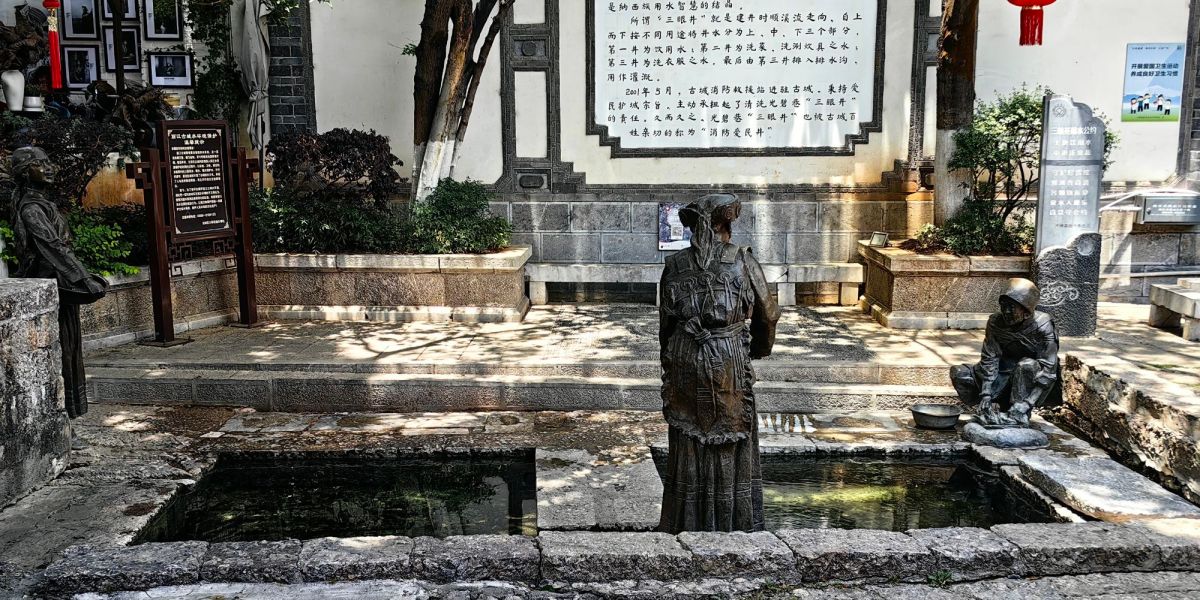
In Lijiang, I always found this traditional water system called The Three-Eyed Well. It consists of three connected stone basins or wells that are arranged in a tiered system. Spring water flows from the uppermost well to the lowest. Top basin contains drinking water and is reserved strictly for drinking and cooking, ensuring the cleanest, freshest water being protected. Middle basin is used for washing vegetables and rice. The water comes directly from the top and flows out again, it remains relatively clean. The bottom level was used for washing clothes or cleaning items, where the water, now used multiple times, would finally exit the system.
在丽江,我总能发现一种名为“三眼井”的传统水利系统。它由三个相连的石盆或井组成,呈阶梯状排列。泉水从最上层的井流到最底层。最上层的石盆盛有饮用水,仅供饮用和烹饪,以确保水源保持最洁净、最新鲜的状态。中间的石盆用于洗菜和洗米。水直接从顶层流出,进入中层后保持相对洁净。底层用于洗衣服或清洁物品,水经过多次使用后,最终会从石盆底部流出整个系统。
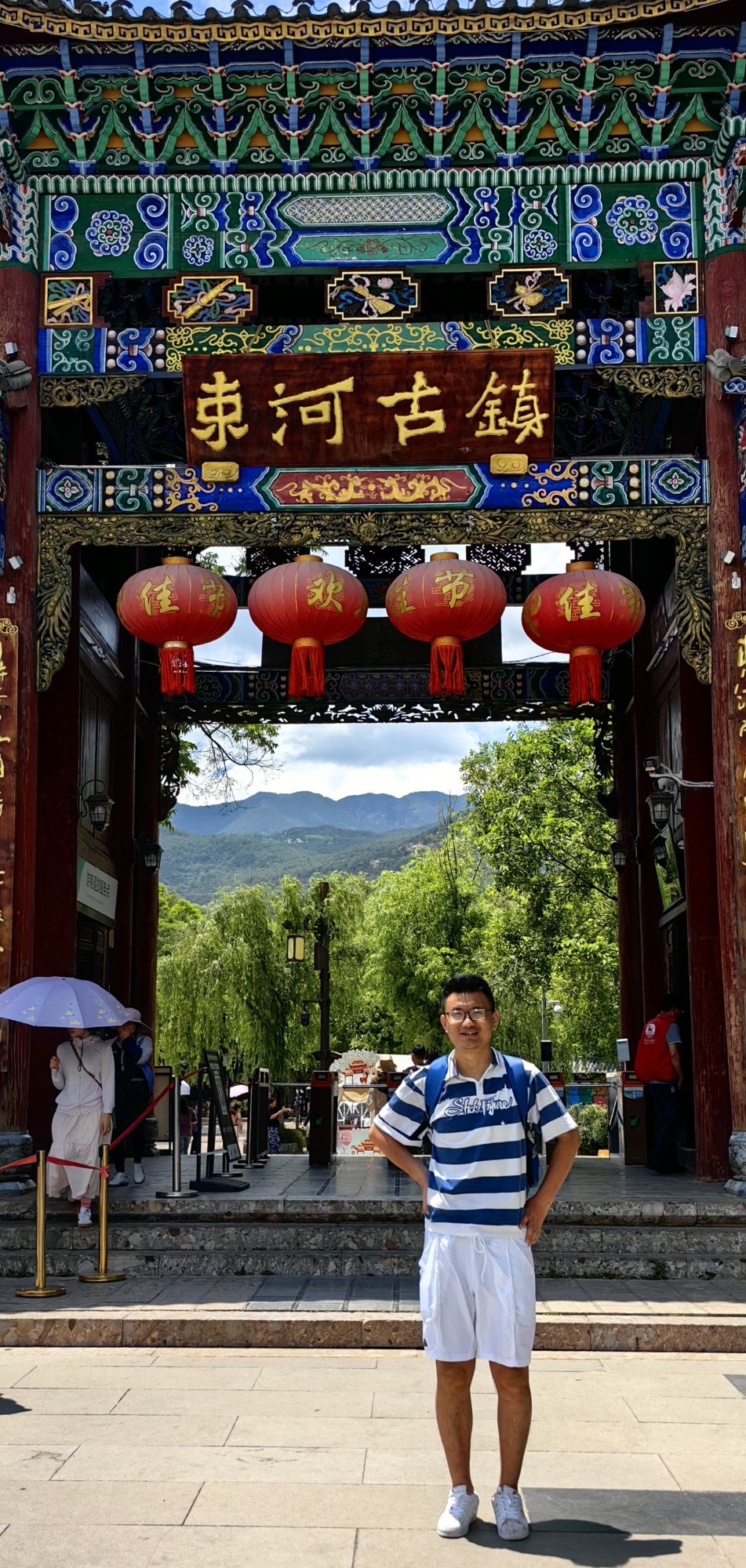
Shuhe Old Town is one of the three old towns in Lijiang worthy of visit. It was one of the earliest Naxi settlements in the Lijiang area, dating back more than 1,000 years. It was once a vital stop on the Ancient Tea Horse Road, that linked Yunnan with Tibet. This town has lush greenery of cypress and camphor trees.
束河古镇是丽江值得一游的三座古镇之一。它是丽江地区最早的纳西族聚居地,距今已有一千多年历史。它曾是连接云南和西藏的茶马古道上的重要驿站。古镇上柏树和樟树繁茂茂盛,绿树成荫。

Shuhe retains its original village charm, with stone-paved lanes that wind through traditional Naxi courtyard homes. There are clear canals running through small stone bridges, fed by mountain spring water. In one unnoticed corner, I found some sculpted animal heads—of oxen, horses, dragons, and tigers. The twelve Chinese zodiac animal heads are sculpted with fine attention to detail. They represent the Chinese cultural heritage.
束河保留着原始的村落韵味,石板小巷蜿蜒穿过传统的纳西式庭院。清澈由山泉滋润的溪水流经小石桥。在一个不起眼的角落里,我看到了一些牛、马、龙和虎的兽首雕塑。这些十二生肖兽首雕塑细节精致,代表着中华文化遗产。
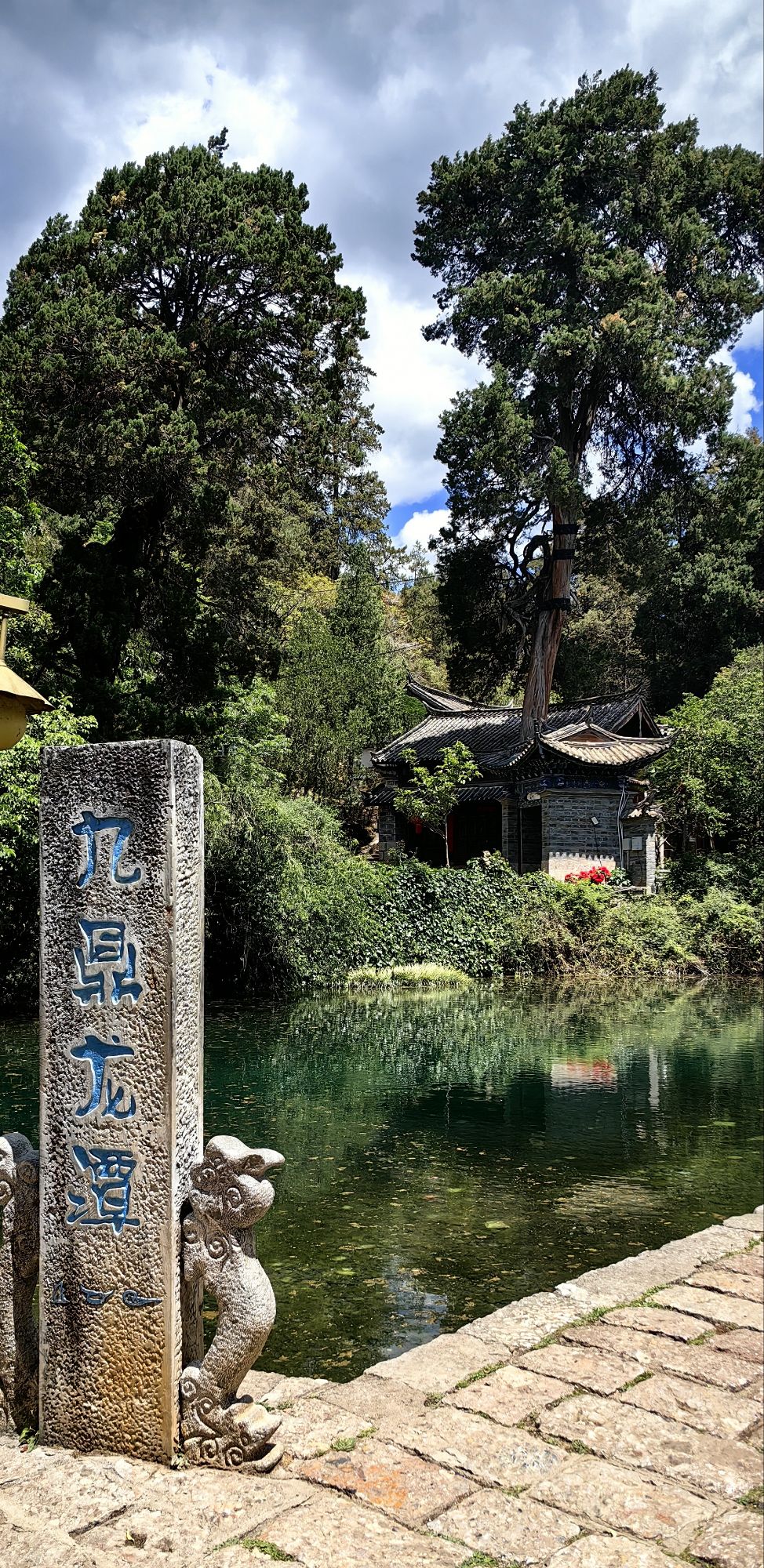
Water is the soul of Shuhe. The town is laced with fresh mountain springs and gentle canals, which flow from the nearby mountains and provide life to the land and people. The Qinglong River and a network of small canals run through the town, and water accumulated in the Nine Tripod Dragon Pool in this photo. The water is remarkably clear, with a deep jade-green hue, reflecting the sky and surrounding trees like a perfect mirror.
水是束河的灵魂。小镇遍布清澈的山泉和蜿蜒的运河,它们从附近的群山中流淌而出,为这片土地和人民提供生机。青龙河和纵横交错的小运河贯穿全镇,照片中的九鼎龙潭汇聚了丰富的水量。潭水清澈见底,呈现出深邃的碧绿,如同一面完美的镜子,映照着天空和周围的树木。
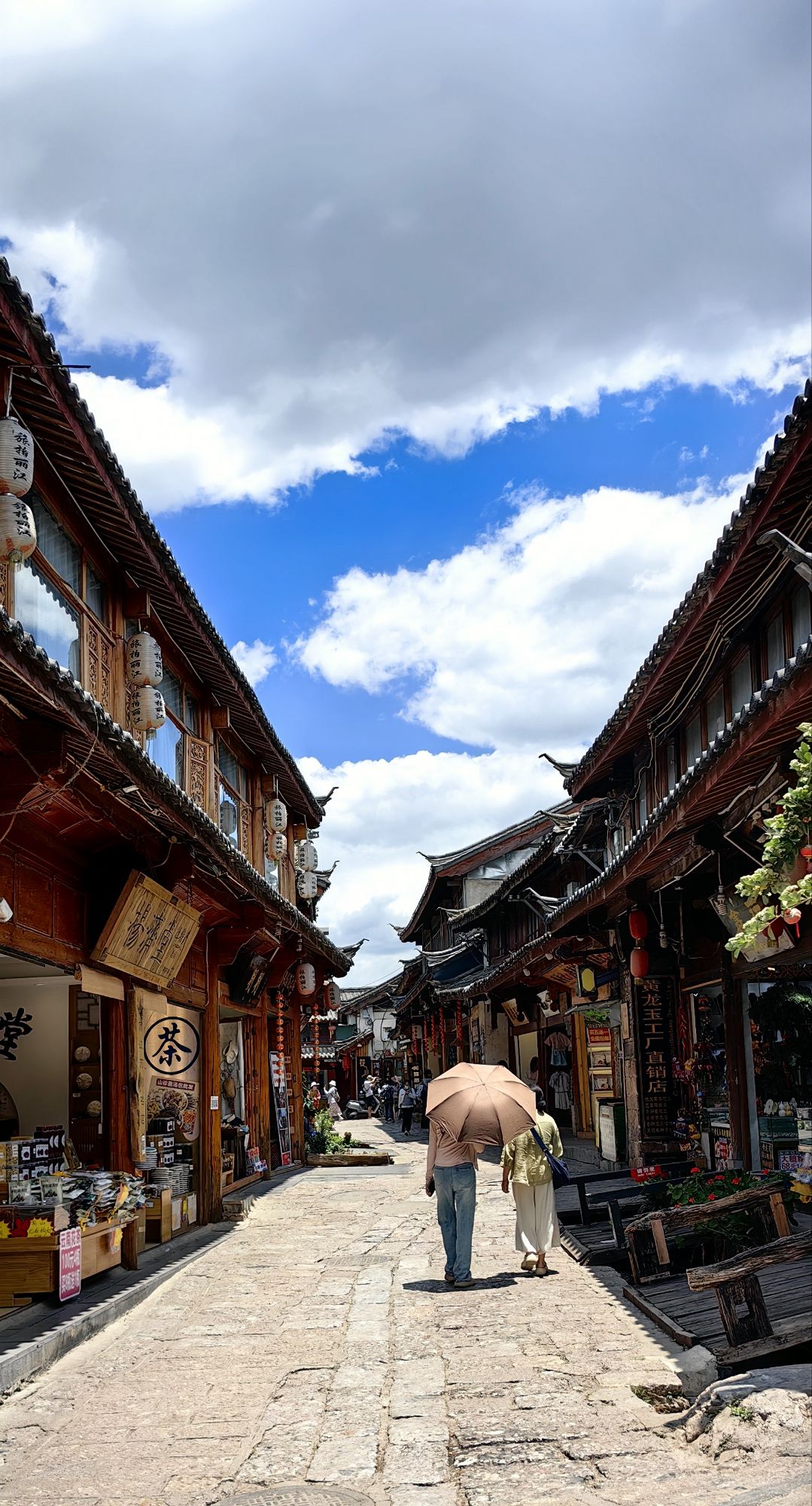
I enjoyed the feeling of walking along the cobbled street. The surface was smooth from centuries of footsteps, yet still retained the natural texture and rhythm of each stone. On sunny days, the cobblestones glisten softly. They were telling the long story of this city. These streets have guided caravans of horses, carried pilgrims and poets, and today, lead visitors like me.
我享受着沿着鹅卵石街道漫步的感觉。这些路面因数百年的磨损而变得光滑,却依然保留着每块石头的自然纹理和韵律。阳光明媚的日子里,鹅卵石泛着柔和的光泽。它们诉说着这座城市悠久的历史。这些街道曾引领着马队,承载着朝圣者和吟游诗人的希望,如今引领着像我这样的游客一路向前。
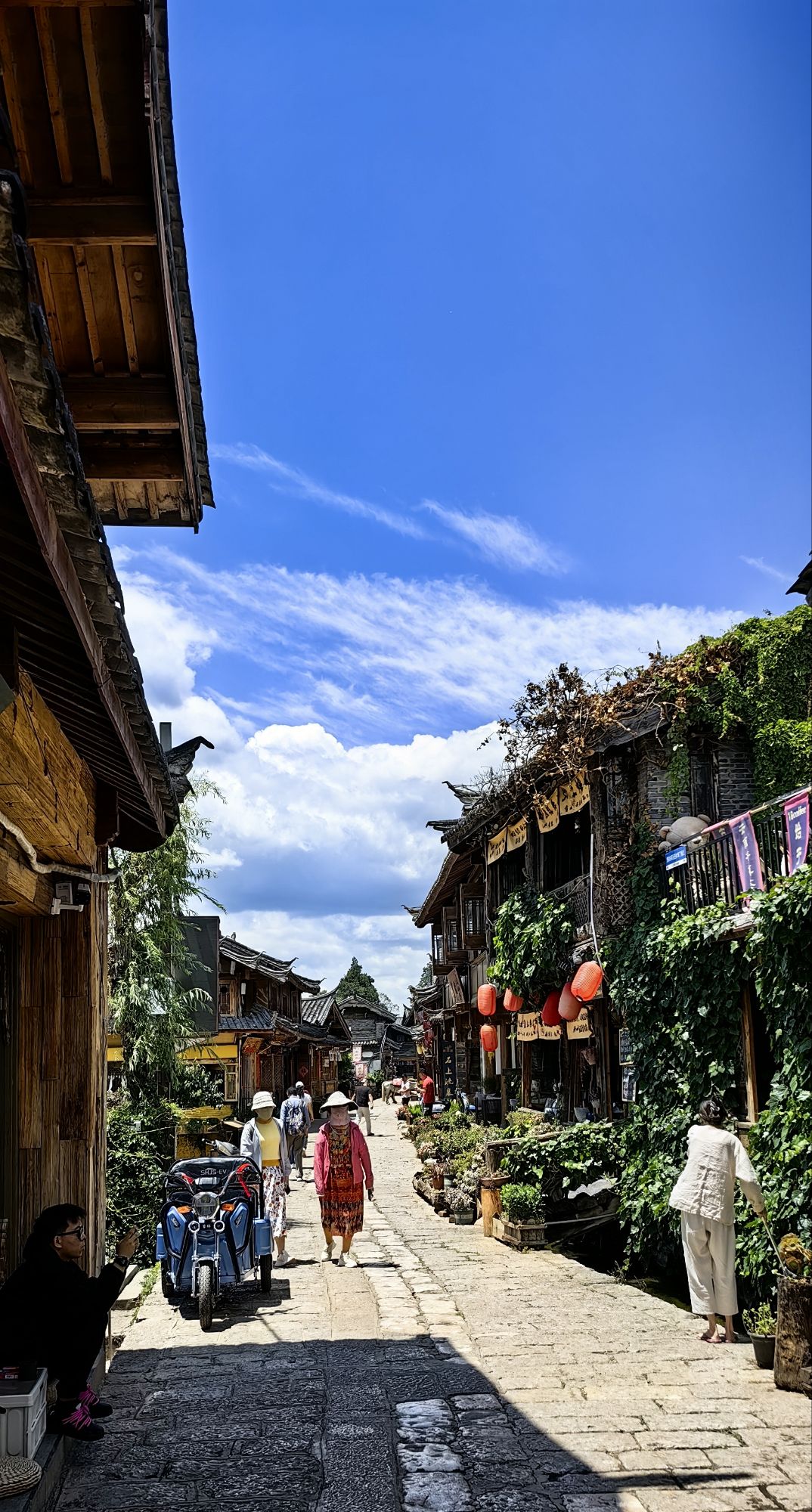
Similar to the towns (Eguisheim) I have visited in France, the timber walls of old houses are adorned with an enchanting array of climbing plants and blooming flowers. Creeper plants and grapevines twist gracefully up stone and brick walls. The combination of floral color, carved window frames, and creeping green creates a storybook atmosphere.
与我去过的法国小镇埃吉桑相似,老房子的木墙上装饰着各种迷人的攀缘植物和盛开的鲜花。攀缘植物和葡萄藤优雅地盘绕在石砖墙上。色彩缤纷的花卉、雕花窗框和蔓生植物的组合,营造出一种童话般的氛围。

The Baisha ancient town was a peaceful town in the north of Li Jiang. The town’s buildings are made of mud bricks, timber, and stone, featuring whitewashed walls, grey rooftiles, and Naxi-style wooden carvings. Unlike more commercial towns, Baisha retains an authentic, almost rustic character—every weathered beam and faded wall tells a story. It is less touristy, making it ideal for travelers seeking a more immersive experience.
白沙是丽江北部一个安静的小镇。古镇的建筑由泥砖、木材和石材构成,白墙黛瓦,还有纳西风格的木雕。与商业气息浓厚的其他城镇不同,白沙古镇保留着一种近乎质朴的原始风貌——每一根饱经风霜的梁柱和每一面褪色的墙壁都诉说着一个个故事。这里游客较少,非常适合寻求沉浸式体验的游客。
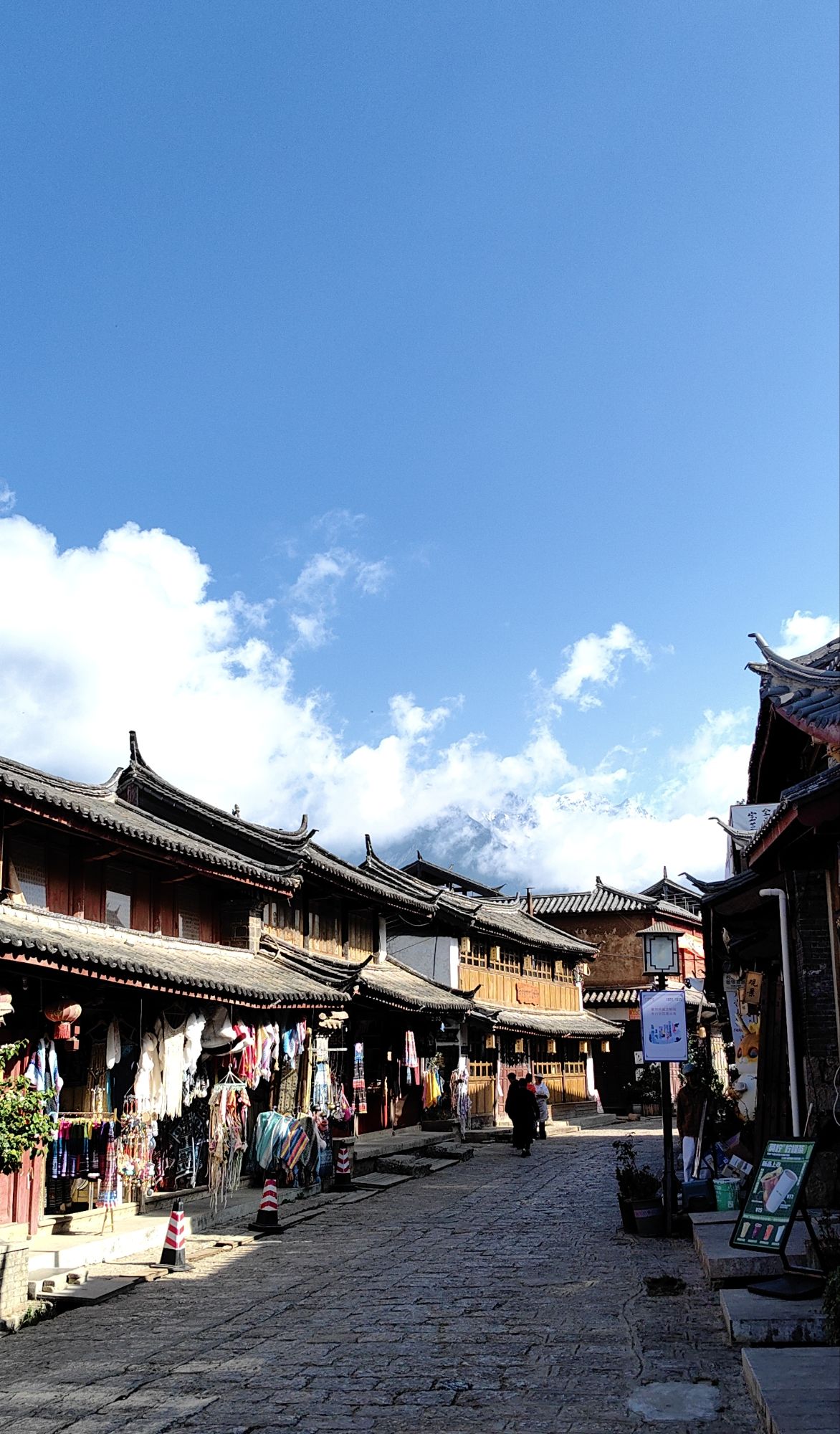
Located at the foot of Jade Dragon Snow Mountain, this town is a place where time lingers gently and tradition breathes in every small lane. I felt unhurried and myself seemed to be wrapped in the cool breath of Jade Dragon Snow Mountain. The morning is tranquil, with soft light spilling across stone paths, roosters calling in the distance. Elderly Naxi women in traditional blue garments sit by doorways, chatting quietly beneath overhanging eaves.
这座小镇就坐落在玉龙雪山脚下,时光静静地流淌,每条小巷都弥漫着传统的气息。我感觉自己仿佛置身于玉龙雪山清凉的气息之中,悠闲自在。清晨宁静祥和,柔和的阳光洒落在石板路上,远处传来公鸡的鸣叫。身着传统蓝色服饰的纳西族老妇人坐在门边,在屋檐下轻声交谈。
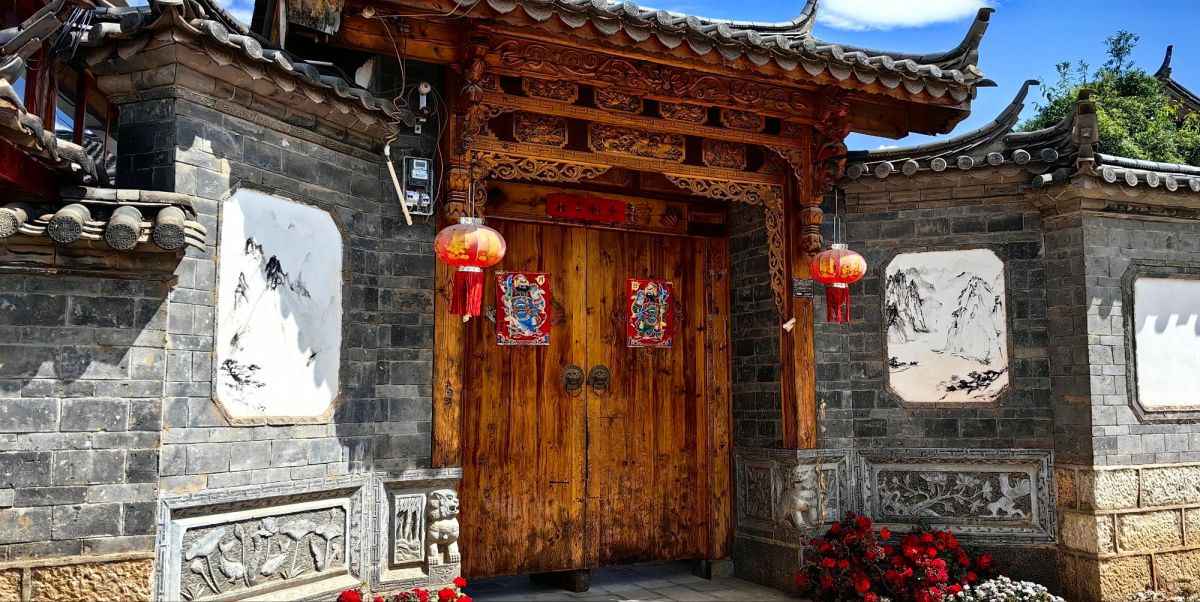
I noticed some traditional houses of courtyard in this town. During the day, warm light and shadow dance across the walls, and in the evening, red lanterns cast a soft glow over the polished stones. The doorway features stone or brick inlays at the base, with engraved patterns of waves, clouds, and animals to ward off bad luck. Flower pots and stone lions are set up along the doorway. The paintings on wooden doors flanking the entrance represents the god of doorways and are designed to welcome good fortune and ward off evil. If traveller has free time, it is a good choice to stay in this town for several days experiencing the Naxi life here.
我在这座小镇里看到了一些传统的院落民居。白天,温暖的阳光投撒在墙上;夜晚,红灯笼在光滑的石柱上投下柔和的光芒。门框底部嵌有石块或砖块,上面雕刻着海浪、云朵和动物的图案,以驱除厄运。门边摆放着花盆和石狮。入口两侧的木门上画着门神,象征着招财辟邪。如果游客时间充裕,在这个小镇住上几天,体验一下纳西族的生活,亦是个不错的选择。

The UNESCO World Heritage Site of Lijiang Ancient Town consists of four key parts, three ancient towns Dayan, Baisha, and Shuhe, and the ancient water system called Black Dragon Pool. The park of Black Dragon Pool was the last place I visited in Lijiang. The pool is fed by springs from the foot of Elephant Hill and serves as the headwaters of Lijiang’s ancient canal system, which winds through Dayan Old Town. The elegant white marble bridge arcs across the water drew my attention. Towering in the horizontal of sky, the snow-covered ridges gleamed silver under the sun.
丽江古城被联合国教科文组织列为世界遗产,由四个主要部分组成:大研、白沙和束河三个古镇,以及名为黑龙潭的古老水系。黑龙潭公园是我在丽江的最后一站。黑龙潭的水源来自象山脚下的泉水,是丽江古运河的源头,蜿蜒流经大研古镇。优雅的白色大理石桥横跨水面,吸引了我的目光。白雪皑皑的山脊高耸入云,在阳光下闪着银光。

Surrounded by willows, cypress trees, and seasonal blooms, the park is a haven for travelers seeking tranquility. The greenery creates picturesque scenes against the backdrop of traditional architecture. The mirror-like surface reflects the majestic Jade Dragon Snow Mountain, creating a postcard scene.
公园四周柳树、柏树环绕,四季鲜花盛开,是寻求宁静的游客的世外桃源。绿树成荫,在传统古建筑的映衬下,构成了如画的风景。镜面般的湖面倒映着雄伟的玉龙雪山,宛如明信片上的风景。

There is a museum here displaying the Naxi script of Dongba characters. They are pictographs and ideographs—symbols that visually represent ideas, objects, and actions. Each symbol can represent a word, a sound, or a meaning. Although no one use these characters now, they are cultural heritage of this land, and were used to pass down religious stories and cosmology.
这里有一座博物馆,展示纳西文字——东巴文。它们是象形和表意文字,用符号直观地表达思想、物体和行为。每个符号可以代表一个词、一个声音或一个含义。虽然如今已无人使用这些文字,但它们是这片土地的文化遗产,曾被用来传承纳西人的宗教故事和宇宙观。

I have stayed in Lijiang for three days. As I took my final steps of the ancient town, the echoes of rushing water and soft chimes from wind bells lingered in my heart like the fading notes of an old melody. In these days, I lost time among the painted doorways, the fragrance of fresh flowers and the cobbled ancient streets. As I left, I carried the lingering memories with me like a lantern glowing softly long after the sun has set.
我在丽江总计待了三天。当我踏上古城的最后一段旅程时,潺潺的流水声和轻柔的风铃声如同一首古老旋律萦绕在我的心头。这些日子里,我迷失在彩绘门楼、鲜花的芬芳和古老的鹅卵石街道之间久久不能自拔。离开时这些挥之不去的回忆就如同一盏在日落后依然柔和发光的灯火一般依然熠熠生辉。
 Gone like the wind