
探寻胡志明市的前世今生
Nestled along the banks of the winding Saigon River lies a city that pulsates with energy, history, and a unique blend of cultures. Ho Chi Minh City, a metropolis that serves as the beating heart of Vietnam’s southern region. Formerly known as Saigon, this dynamic city is a testament to the country’s resilience, having weathered centuries of colonialism, cruel wars, and rapid urbanization to emerge as a vibrant hub of commerce and culture.
蜿蜒的西贡河畔坐落着一座充满活力、历史悠久、文化独特的城市。胡志明市是越南南部地区的心脏地带。这座活力满满的城市原名西贡,是越南坚韧不拔的象征,在历经数百年的殖民统治、残酷战争的洗礼和快速的城市化后,如今的胡志明市已成为一个生机勃勃的商业和文化中心。

I have visited this city several times when I worked in Vietnam for around half years during 2018 and 2019. I used to walk along the Saigon River in the weekend. As it flows through Ho Chi Minh City, the Saigon River is a dynamic presence, its waters reflecting the ever-changing skyline of the city. Along its banks, I can find a mix of modern skyscrapers representing the modernism of Vietnam and lush greenery, creating a picturesque backdrop for the hustle and bustle of urban life. The river plays a crucial role in the daily life of the city, serving as a transportation route for goods and people, as well as a source of livelihood for local fishermen and farmers.
2018年和2019年间,我在越南工作了大约半年,曾多次到访这座城市。周末,我经常在西贡河边散步。连绵不绝的西贡河流经胡志明市,河水倒映着城市不断变化的天际线。河岸上,代表越南现代化的摩天大楼与郁郁葱葱的绿色植物交相辉映,在熙熙攘攘的城市生活中创造出一幅动人的风景。这条河在城市的日常生活中扮演着至关重要的角色,既是一条运输线,也是当地渔民和农民的生计来源。
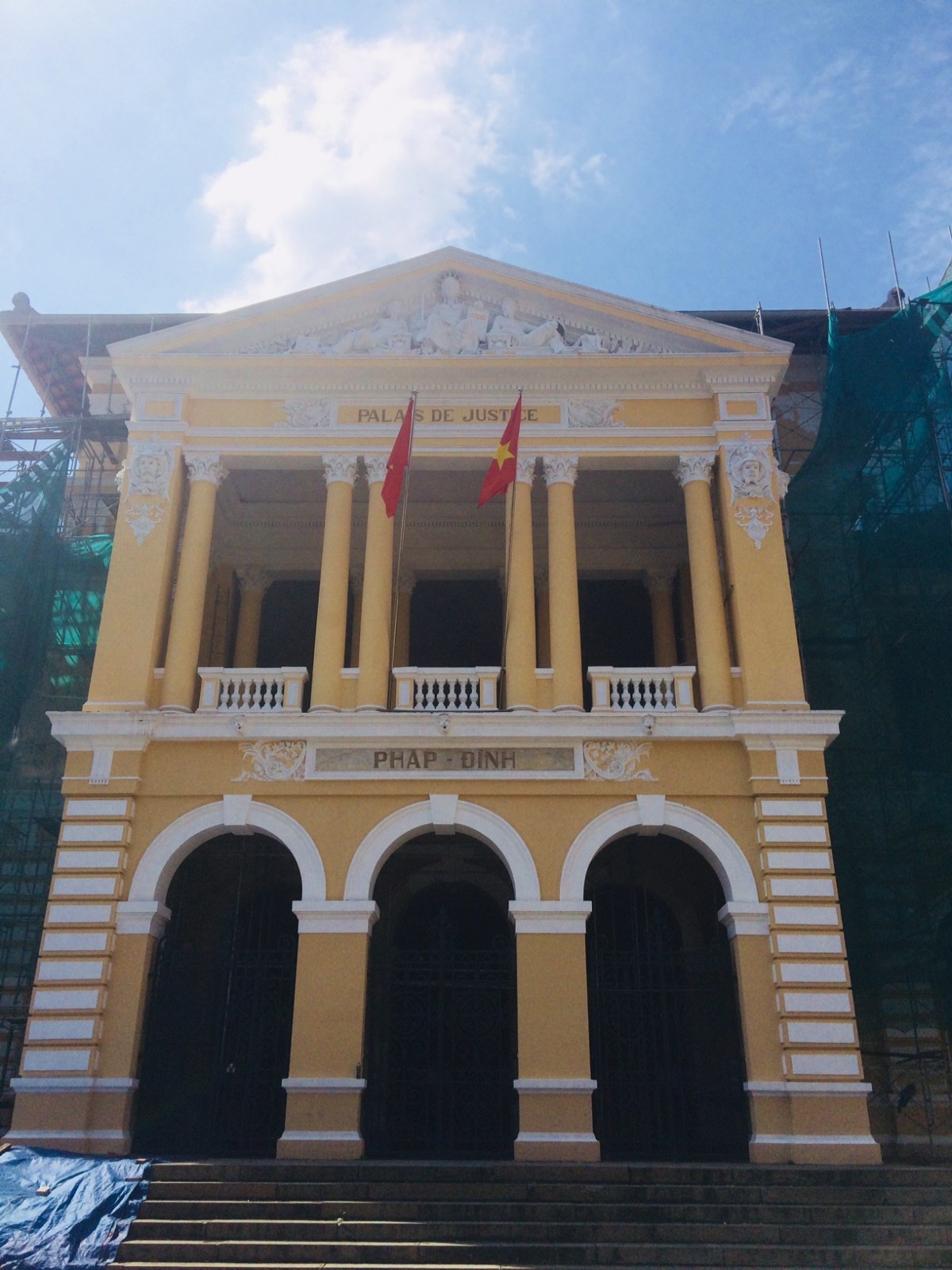
But beyond its modern facade, Ho Chi Minh City is a city rich in history and tradition. From the remnants of French colonial architecture to the scars of the Vietnam War, every corner of the city tells a story, inviting visitors to delve into its past and uncover the layers of its complex heritage. The Palais de Justice, of Saigon (now Ho Chi Minh City) stands as a striking testament to the city’s colonial past. Built during the French colonial era, this majestic building served as the seat of the judiciary and a symbol of French authority in Vietnam. Constructed between 1885 and 1890, the Palais de Justice was designed by the French architect Paul Gardès, who drew inspiration from classical French architectural styles. Its grand facade features neoclassical elements such as columns, arches, and intricate detailing, reflecting the opulence and grandeur of the time. Throughout its history, the Palais de Justice witnessed significant events, including trials during the colonial period and later during the Vietnam War era.
不过除了现代化的城市外观,胡志明市还是一座拥有丰富历史和传统的城市。从法国殖民时期建筑的遗迹到越南战争留下的伤痕,这座城市的每个角落都讲述着一个个故事,吸引游客深入了解它的过去,揭开其复杂的层层面纱。西贡的司法宫是这座城市殖民历史的生动见证。这座雄伟的建筑建于法国殖民时期,曾是司法机构的所在地,也是法国在越南权威的象征。司法宫建于1885 年至 1890 年间,由法国建筑师 Paul Gardès 设计,他从法国古典建筑风格中汲取灵感。其宏伟的外观采用了例如柱子、拱门和复杂的细节等新古典主义元素,反映了当时法式建筑的富丽堂皇。在其历史上,司法宫见证了包括殖民时期和后来越南战争时期的审判等重大事件。

The City Hall of Saigon, also known as Ho Chi Minh City Hall, is an iconic landmark that exudes grandeur and history in the heart of Ho Chi Minh City. Located at the end of Nguyen Hue Boulevard, the City Hall stands as a prime example of French colonial architecture. Designed by the French architect, Auguste Henri Vildieu, and completed in 1908, it served as the seat of the French colonial administration in Saigon. The building’s façade is adorned with elegant columns, ornate balconies, and a distinctive bell tower, reminiscent of the architectural styles of the late 19th and early 20th centuries.
西贡市政厅,又称胡志明市政厅,是胡志明市中心一座散发着宏伟和历史气息的标志性建筑。市政厅位于阮惠大道尽头,是法国殖民时期建筑的典范。它由法国建筑师奥古斯特·亨利·维尔迪厄 (Auguste Henri Vildieu) 设计,于1908年竣工,是法国在西贡的殖民政府所在地。该建筑的外墙装饰有优雅的柱子、华丽的阳台和独特的钟楼,让人联想到19世纪末和20世纪初的法国城市风格。

Many tourists will stand at this point to take a photo. Its creamy yellow exterior, punctuated by green shutters and a prominent clock tower, commands attention. Today, the City Hall continues to play a significant role as the headquarters of the People’s Committee of Ho Chi Minh City, overseeing the governance and administration of Vietnam’s largest city. While its function has evolved over the years, the building remains an enduring symbol of Saigon’s past and present, bridging the gap between history and modernity.
许多游客都站在此处拍照打卡。市政厅的乳黄色外观、绿色百叶窗和钟楼十分惹眼。如今,市政厅继续发挥重要作用,作为胡志明市人民委员会的总部,负责监督越南最大城市的治理和行政工作。虽然它的功能多年来一直在演变,但这座建筑仍然是西贡过去和现在的永恒象征,构建了历史与现代的联系。
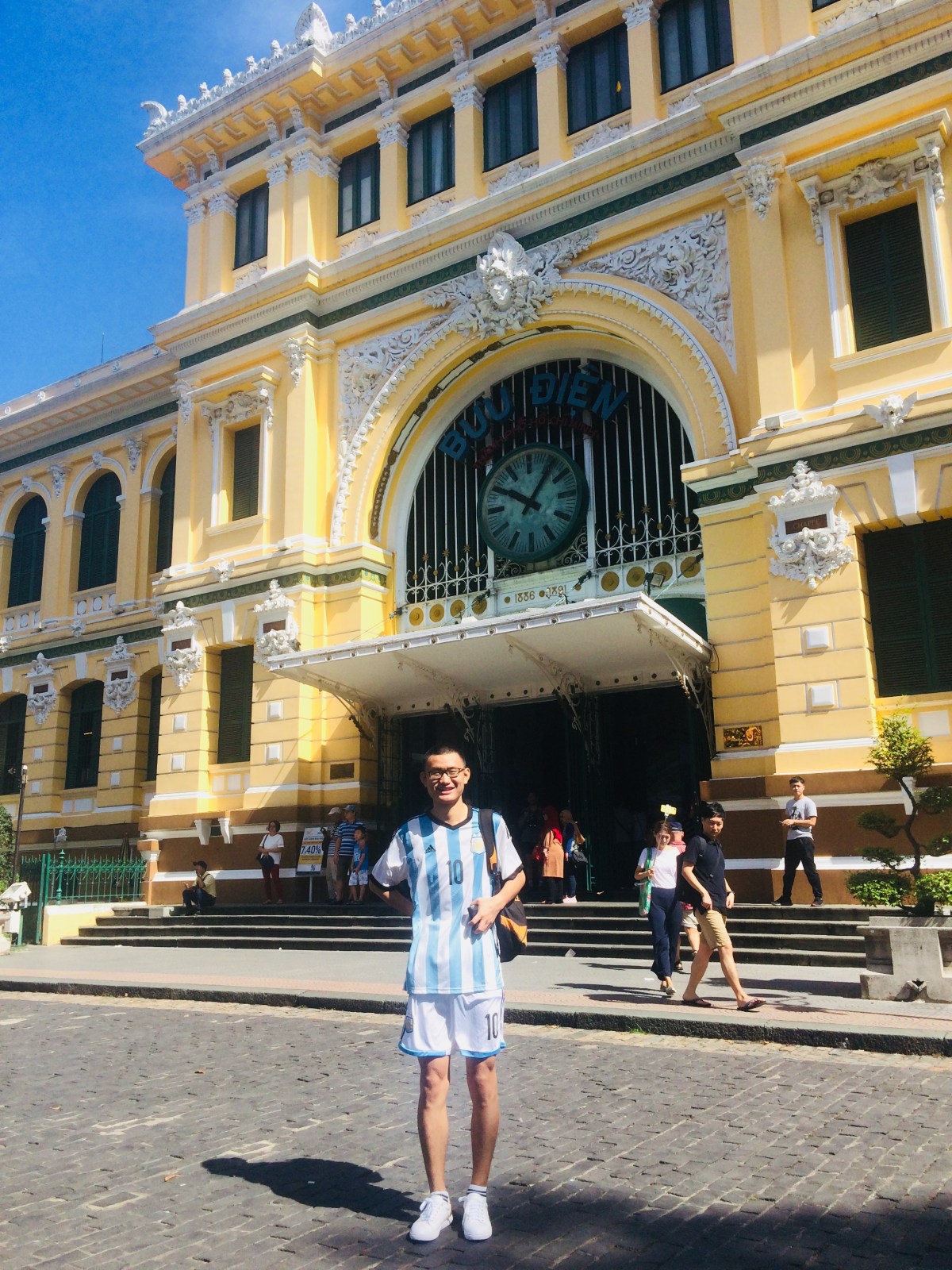
Many buildings here are influenced by French architecture style largely. The Saigon Central Post Office, constructed between 1886 and 1891 during the French colonial period, stands as a stunning example of neoclassical architecture. Designed by the renowned French architect Gustave Eiffel, the mastermind behind the Eiffel Tower in Paris, the building seamlessly blends European influences with local Vietnamese elements, creating a captivating fusion of styles.
这里诸多建筑深受法国建筑风格的影响。图中的西贡中央邮局建于1886年至1891年法国殖民时期,是新古典主义建筑的典范。该建筑由著名的法国建筑师巴黎埃菲尔铁塔的设计者古斯塔夫·埃菲尔设计,他将欧洲风格与越南当地元素完美融合,创造出迷人的混合风。

As I stepped through its grand entrance, I was greeted by a cavernous interior hall adorned with intricate wrought-iron arches, elegant marble floors, and a soaring vaulted ceiling. Sunlight streams through the building’s large windows, emitting a warm glow on the rows of wooden counters and antique telephone booths that line the hall. Perhaps the most striking feature of the Saigon Central Post Office is its vast dome, which dominates the central hall and serves as a focal point for visitors. Decorated with delicate mosaic tiles depicting the planets and zodiac symbols, the dome is a breathtaking display of craftsmanship and artistry. Despite its age, the Saigon Central Post Office remains a bustling hub of activity, with tourists flocking to its counters to send postcards as souvenirs.
踏入大门,映入眼帘的是宽敞的装饰着精巧的铸铁拱门、雅致的大理石地板和高耸的拱形天花板的内部大厅。阳光透过建筑上的大窗户映射进来,在大厅两旁成排的木质柜台和古董电话亭上散发出温暖的光芒。西贡中央邮局最引人注目的特征当属它巨大的圆顶,占据了中央大厅的大部分空间,令游客驻足。圆顶上装饰着描绘行星和十二星座符号的精致马赛克瓷砖,展现出了令人惊叹的工艺和艺术。尽管这座历史悠久,西贡中央邮局如今仍然是一个繁忙的中心,游客接踵而至在它的柜台寄送明信片作为纪念品。

Inherited from the French culture, Saigon kept the building of opera house like all the French cities. Built in the late 19th century during the French colonial period, this majestic structure stands as a testament to the enduring legacy of European influence in Vietnam. Designed by French architect Eugène Ferret and inaugurated in 1897, the Saigon Opera House has a stunning façade characterized by neoclassical features, including graceful arches, intricate carvings, and ornate balconies. Its elegant exterior, adorned with statues and embellishments, exudes an air of luxury and grandeur, inviting passersby to marvel at its beauty. On the day of my visit, the opera played is the Nutcracker composed by Pyotr Ilyich Tchaikovsky.
继承了法国文化,西贡像所有法国城市一样保留了歌剧院。这座雄伟的建筑建于19世纪末法国殖民时期,是欧洲文化在越南持久影响的见证。西贡歌剧院由法国建筑师欧仁·费雷设计,于1897年落成,外观是包括优美的拱门、精雕细琢的雕刻和华丽的阳台新古典主义风格,无处不散发着奢华的气息,令过往的人们惊叹不已。我参观的那天,上映的歌剧是柴可夫斯基的《胡桃夹子》。
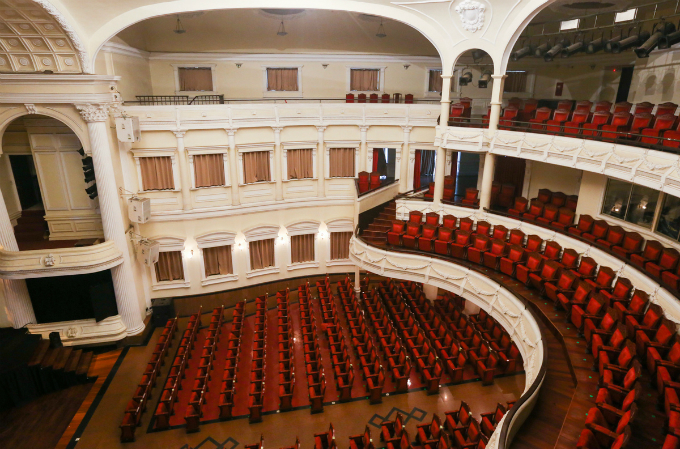
Step inside, and I was transported to a world of opulence and refinement immediately. The interior of the opera house is a masterpiece of architectural design, with its sweeping staircase, gleaming marble floors, and sumptuous décor evoking the glamour of a bygone era. The main auditorium, adorned with sparkling chandeliers and plush seating, provides an exquisite setting for the world-class performances that grace its stage.
步入歌剧院仿佛立刻卷入了一个富丽堂皇、精致典雅的世界。歌剧院内部绝对是建筑设计的杰作,它的旋转楼梯、闪闪发光的大理石地板和奢华的装饰唤起了法国旧时代的记忆。主礼堂装饰着闪闪发光的枝形吊灯和豪华座椅,为舞台上世界一流的表演增光添彩。

This is the street view along the opera house with a statue of Mozart playing flute. The weather of Ho Chi Minh City is characterized by a tropical climate that is generally hot and humid throughout the year. There are many tropical plants here like Coconut Palm and Rain Tree. I visited this city during the mild and dry winter without rain. The weather is suitable for travel.
这是歌剧院旁边的街景,旁边是莫扎特吹笛子的雕像。胡志明市的气候特点是热带气候,全年炎热潮湿。这里有许多诸如如椰子树和雨树等热带植物。我游览这座城市正值冬天,气候温和干燥少雨。天气适合旅行。

The iconic landmark of Ho Chi Minh City must be the Saigon Notre-Dame Cathedral Basilica. Constructed between 1863 and 1880 by the French colonial authorities, it was designed by the French architect Jules Bourard in the neo-Romanesque style, with distinctively red brick walls imported from France. Its twin bell towers rise gracefully above the city skyline, while its façade features intricate rose windows, ornate carvings, and statues of saints, creating a striking contrast against the modern skyscrapers that surround it.
胡志明市的标志性建筑非西贡圣母大教堂莫属。该教堂由法国建筑师 Jules Bourard 设计并由法国殖民当局于1863年至1880年间修建,它采用新罗马式风格,其独特的红砖墙是从法国进口的。教堂的双钟楼优雅地耸立在城市天际线之上,而其外墙则装饰着精致的玫瑰窗、华丽的雕刻和圣徒雕像,与周围的现代摩天大楼形成鲜明对比。

Throughout the exterior of the cathedral, smaller steel windows are placed to provide ventilation and natural light to the interior spaces. These windows are typically rectangular or arched in shape and are adorned with simple decorative grilles. Although they are not as elaborate as the rose window, these smaller windows contribute to the overall aesthetic of the cathedral’s facade。
大教堂的外部遍布小格的钢窗,为室内空间提供通风和自然光。这些窗户通常呈矩形或拱形,并饰有简单的窗饰格栅。虽然这些小窗户不如玫瑰窗那么精致,但它们为大教堂整体添加了美感。
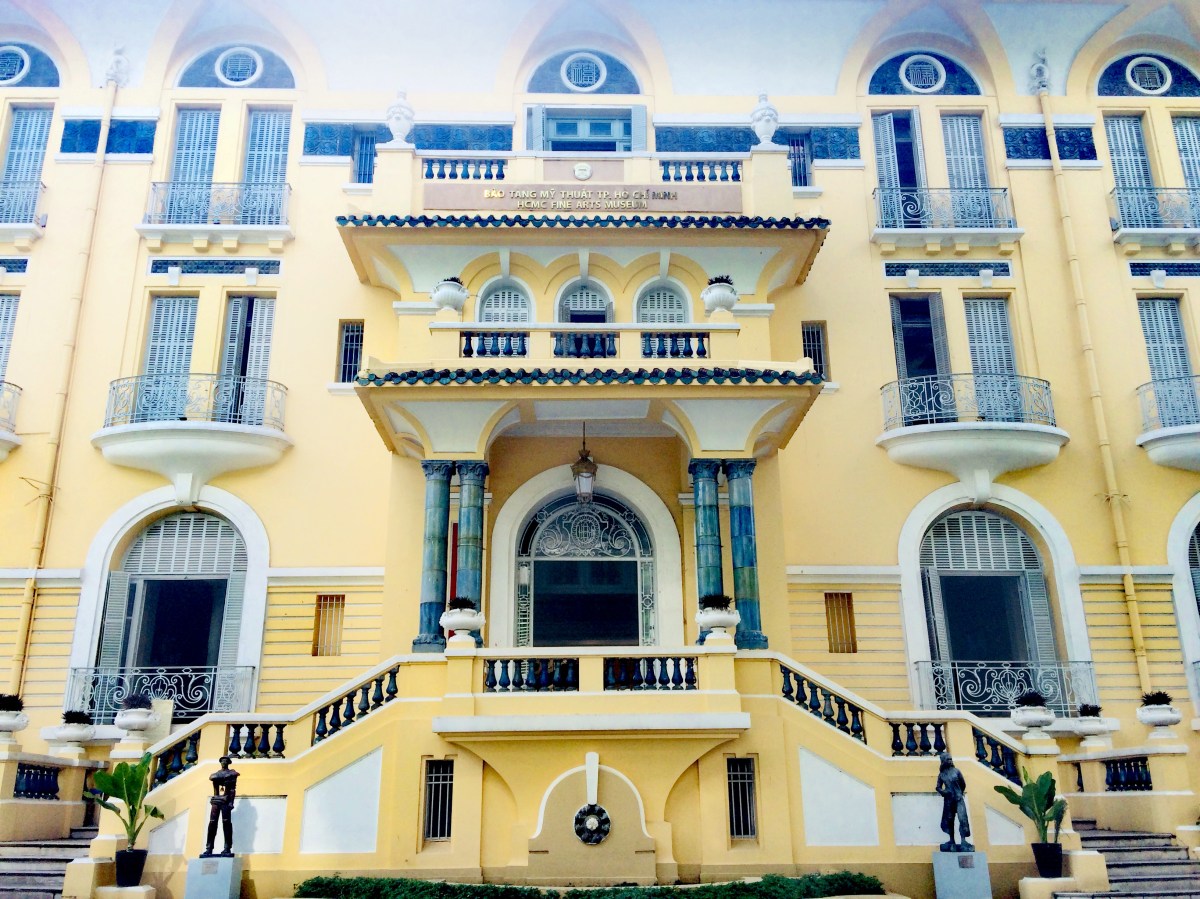
To know the history and culture of Vietnam, it is recommended to visit the Fine Arts Museum of Ho Chi Minh City. It has a blend of French colonial and Chinese architectural influences. Its graceful exterior features ornate balconies, arched windows, and intricate carvings, while its interior showcases spacious galleries adorned with elegant woodwork and furnishings.
想要了解越南的历史和文化,可以参观一下胡志明市的美术博物馆。它融合了法国殖民和中国建筑的影响。它优美的外观包括华丽的阳台,拱形的窗户和错综复杂的雕刻,而其内部向游客展示了宽敞的长廊,装饰着优雅的木制品和家具。
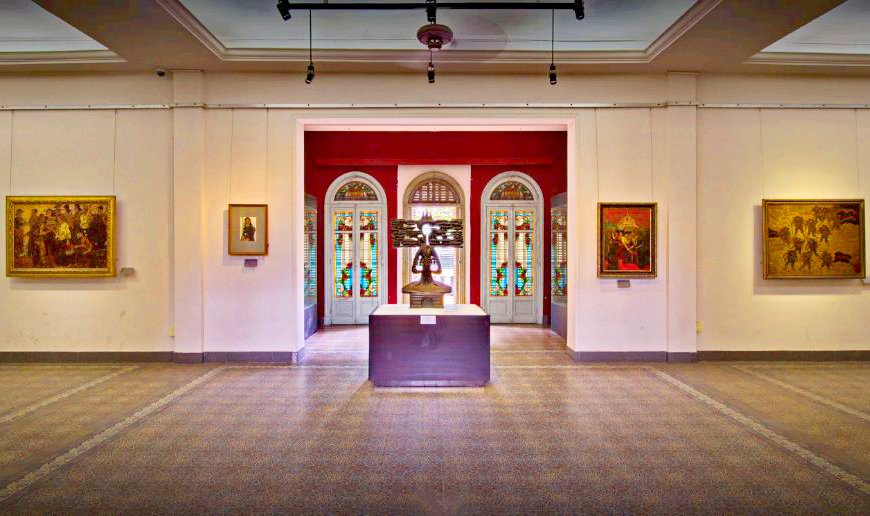
The museum’s extensive collection spans various periods and styles of Vietnamese art, ranging from ancient artifacts to contemporary works. Visitors can admire traditional Vietnamese paintings, sculptures, ceramics, lacquerware, and folk art, as well as exhibits showcasing the influence of French colonialism and Chinese influences on Vietnamese art.
博物馆的广泛收藏涵盖了越南艺术的各个时期和风格,从古老的文物到当代作品。游客可以欣赏传统的越南绘画,雕塑,陶瓷,漆器和民间艺术,这些展览同时也展示了法国殖民者和中国对越南艺术的影响。

The influence of China on Vietnam spans thousands of years and has had a profound impact on various aspects of Vietnamese culture, society, language, and history. Vietnam was ruled by Chinese domination for over a millennium, starting with the Han Dynasty’s annexation of the territory in 111 BC and lasting until the Tenth Century. Chinese characters were introduced to Vietnam and became the basis for written communication and literature. While Vietnamese eventually developed its own script, chu Nom, based on Chinese characters, the influence of Chinese characters can still be seen in Vietnamese writing, particularly in formal and scholarly texts. This photo is a military appointment during the reign of Emperor Thiệu Trị, the third emperor of the Nguyễn dynasty. Chinese characters are still used at that time.
历史上中国对越南的影响跨越数千年,中国对越南文化,社会,语言和历史的各个方面产生了深远的影响。越南曾由中国统治千年之久,从汉朝公元前111年对开始,一直持续到十世纪。汉字在那时也被引入越南,并成为当地书面交流和文学创作的基础文字。尽管越南人最终发明了自己的文字,基于汉字的Chu Nom,但在这些越南文字中尤其是在正式和学术文本中仍然可以看到汉字的影响。图中的照片是阮朝的第三位皇帝绍治皇帝统治期间的军事委任书。可以看到当时人民仍使用中字。
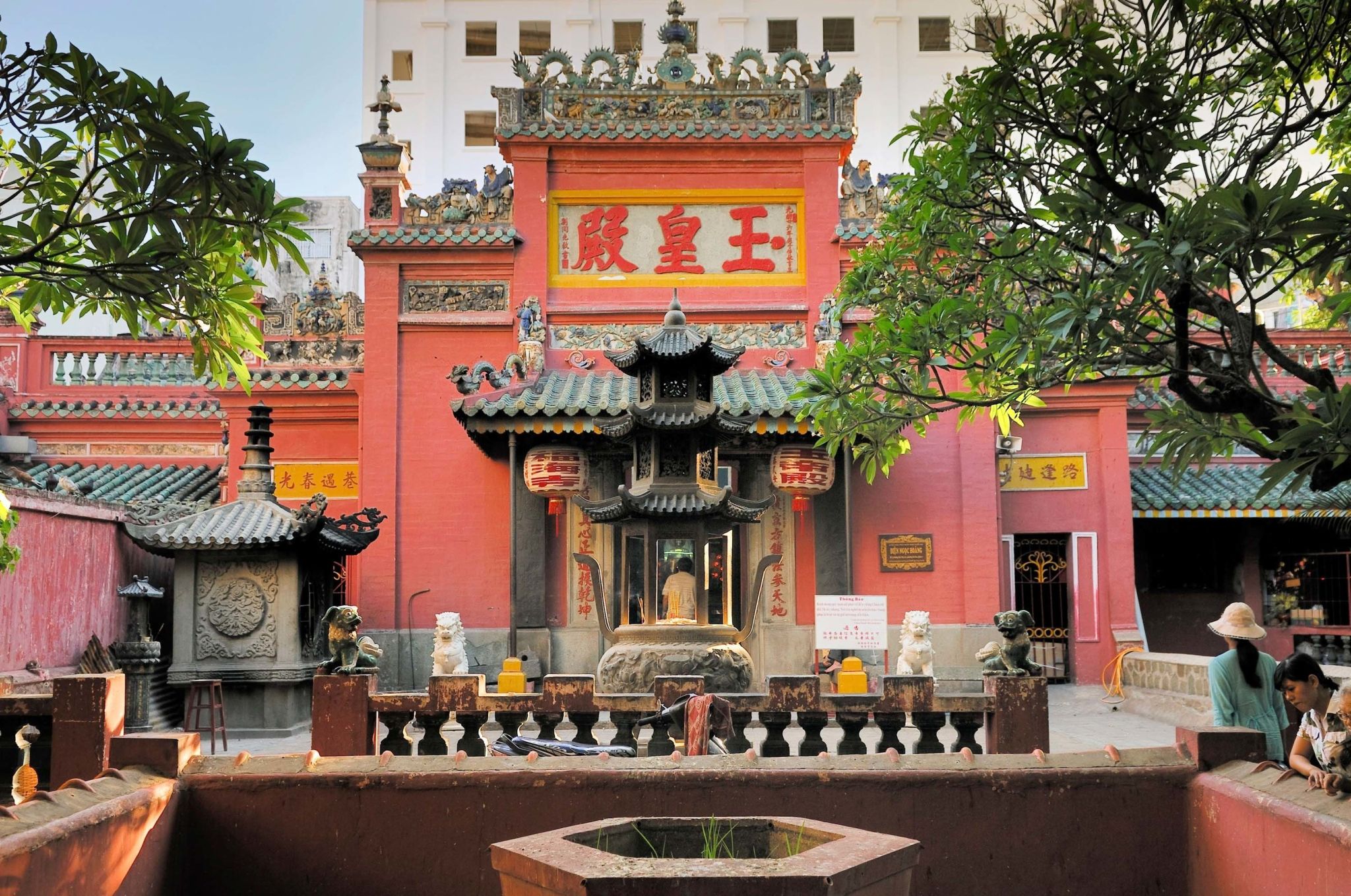
Some traditional buildings in this city with their architectural style, artwork, and religious practices bear witness to the enduring cultural connections between Vietnam and China. One of the pagodas in Ho Chi Minh City that bears important Chinese influence is the Jade Emperor Pagoda. While it is a Vietnamese Buddhist temple, it showcases architectural elements and cultural influences from Chinese Mahayana Buddhism. The pagoda’s architectural style is reminiscent of traditional Chinese temples, with curved roofs adorned with colorful ceramic tiles, intricate wood carvings, and ornate decorations. The layout of the pagoda follows the typical structure of Chinese temples, including a central hall, courtyards, and side halls. The pagoda hosts various festivals and religious ceremonies throughout the year, some of which are based on Chinese lunar calendar traditions. For example, the Lunar New Year (Tết Nguyên Đán) and the Mid-Autumn Festival (Tết Trung Thu) are celebrated with special rituals and performances.
这座城市的一些传统建筑的建筑风格,艺术品和宗教习俗见证了越南与中国之间的持久文化联系。在胡志明市的一个玉帝庙就特别具有中国印记。虽然它是一座越南佛教寺庙,但它展现了中国玛哈亚佛教的建筑元素和文化影响。这座庙宇的建筑风格让人一下就联想到传统的中国寺庙,弯曲的屋顶上装饰着五颜六色的陶瓷瓷砖,错综复杂的木雕和华丽的装饰。玉帝庙的布局遵循了包括中央大厅,庭院和边厅等中国寺庙的典型结构。宝塔全年举办各种节日和宗教仪式,其中一些基于中国的阴历。当地人会在这里进行表演,庆祝农历新年和中秋节。
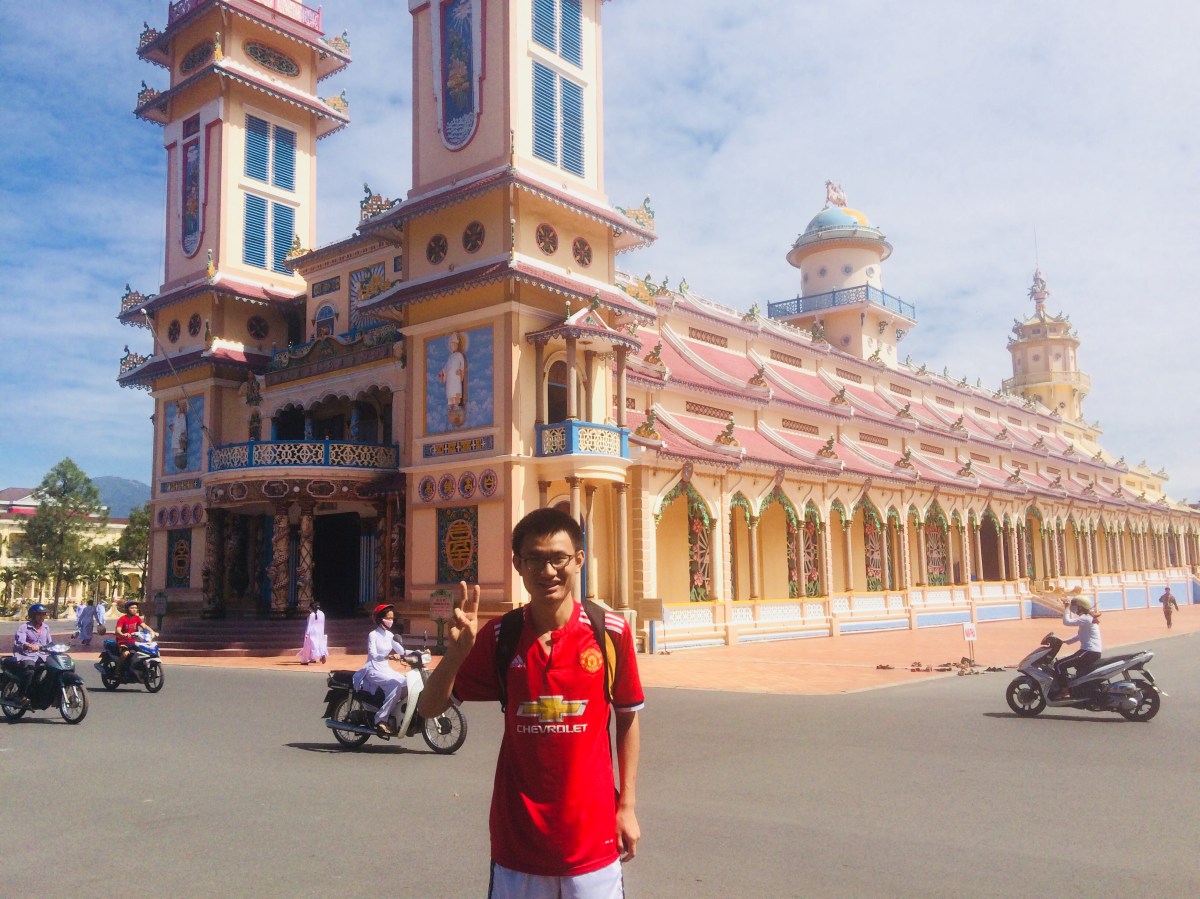
Mentioning the religion of Vietnam, I must highlight one characteristic religion called Cao Dai religion that I have never heard before. Located in Tay Ninh Province, approximately 90 kilometers northwest of Ho Chi Minh City, this Holy See Temple in this picture is the spiritual center of the Cao Dai religion. This religion was founded in 1926 by Ngo Van Chieu, a Vietnamese civil servant, and is based on a combination of elements from various world religions, including Buddhism, Taoism, Confucianism, Christianity, and Islam. The religion’s central tenet is the belief in a supreme deity known as Cao Dai, who governs the universe and embodies the principles of love, justice, and compassion.
说到越南的宗教,不得不提到一种闻所未闻的特色宗教——曹岱教。这张照片中的曹岱教寺庙位于泰宁省,距离胡志明市西北约90公里,是曹岱教的宗教中心。这个宗教由越南公务员吴文昭于1926年创立,融合了佛教、道教、儒教、基督教和伊斯兰教等世界各个宗教的元素。该宗教的核心教义是信仰一位至高无上的神祇曹岱,他统治着宇宙,体现了博爱、正义和怜悯的原则。

The Tay Ninh Holy See is characterized by its distinctive architectural style, which combines elements of Eastern and Western design. The main temple complex features a large, ornate structure with colorful facades, intricate carvings, and decorative motifs symbolizing the diverse religious influences of the Cao Dai faith. This religion is inspired from the mixture of other religions. When I saw the Eye of Horus which serves as a protective symbol and a potent emblem of divine authority in ancient Egyptian mythology on the wall of the temple, I was really shocked.
泰宁教廷的曹岱教建筑风格独具特色,融合了东西方的设计元素。主寺庙建筑群结构宏伟华丽,外墙色彩缤纷,雕刻精美,装饰图案象征着多元宗教影响。曹岱教的起源灵感来自其他宗教的融合。当我看到这座寺庙墙上的荷鲁斯之眼时,我真的感到特别震惊,荷鲁斯之眼在古埃及神话中是保护的象征,也是神圣权威的有力象征。

The Holy See Temple serves as a place of worship and pilgrimage for Cao Dai adherents, who gather for daily rituals, ceremonies, and prayers. Worshipers dress in traditional white robes and participate in elaborate rituals that involve chanting and meditation. The Cao Dai religion incorporates a rich tapestry of religious symbolism, rituals, and beliefs that reflect its syncretic nature. Followers believe in the existence of a spiritual hierarchy, including saints, spirits, and divine beings, who serve as intermediaries between humanity and the supreme deity.
曹岱庙是曹岱教信徒的礼拜和朝圣之地,信徒们每天聚集在一起举行仪式和祈祷。这些虔诚的信徒们身着传统的白色长袍,参加包括诵经和冥想在内的复杂仪式。吸取各种宗教精华的曹岱教融合了丰富的宗教象征、仪式和信仰。信徒们相信存在一个包括圣人、精灵和神灵的精神等级制度,他们是人类和最高之神间的媒介。

Vietnam is a resilient country in its history. It developed its own language and culture although influenced by China for nearly one thousand years. Later, it was colonized by France in the mid-19th century as part of French Indochina. Resistance against French colonial rule began to emerge in the early 20th century. One of the most influential figures in Vietnam’s fight for independence was Ho Chi Minh. He was a revolutionary leader who played a key role in founding the Vietnamese Communist Party (VCP) in 1930 and organizing resistance against both French colonial rule and Japanese occupation during World War II. The First Indochina War (1946-1954) was fought between the Viet Minh and French forces, culminating in the decisive Battle of Dien Bien Phu in 1954, where the Viet Minh successfully defeated the French, leading to the Geneva Accords and the partition of Vietnam into North and South. Following the partition of Vietnam, the communist-led government of North Vietnam, under Ho Chi Minh’s leadership, sought to reunify the country under communist rule. The Vietnam War (1955-1975) escalated into a protracted conflict between North Vietnam, supported by the Soviet Union and China, and South Vietnam, supported by the United States and its allies. In April 1975, North Vietnamese forces launched the Ho Chi Minh Campaign, leading to the capture of Saigon and the reunification of Vietnam under communist rule. The Reunification Palace is a symbol of Vietnam’s struggle for independence and reunification.
越南是一个历史上坚韧不拔的国家。尽管近一千年来受到中国的影响,但它仍然发展出了自己的语言和文化。后来19世纪中叶它被法国殖民又成为法属印度支那的一部分。反抗法国殖民统治的斗争在20世纪初开始兴起。越南独立斗争中最具影响力的人物就是胡志明。他是一位革命领袖,在1930年建立越南共产党并在二战期间组织反抗法国殖民统治和日本占领的斗争中发挥了关键作用。历史上第一次印度支那战争(1946-1954)是越盟和法国军队之间的战争,最终在1954年决定性的奠边府战役中越盟成功击败了法国军队,从而签署了日内瓦协议,并将越南分为南北两部分。越南分治后,在胡志明的领导下,北越共产党领导的政府寻求在共产党统治下重新统一国家。后来的越南战争(1955-1975)升级为苏联和中国支持的北越与美国及其盟友支持的南越之间的长期冲突。1975年4月,北越军队发动胡志明战役,攻占西贡,越南在共产党统治下重新统一。图中的统一宫是越南争取独立和统一斗争的象征。
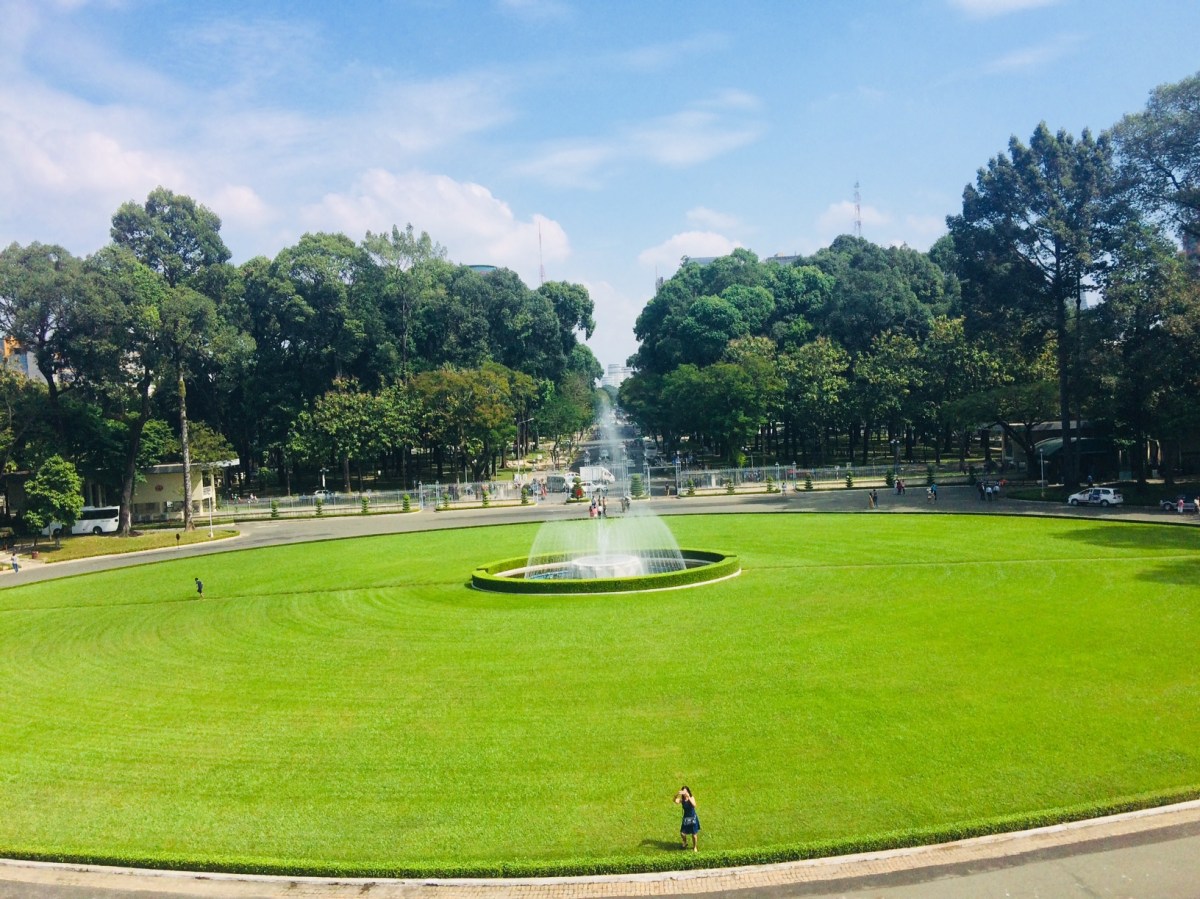
The palace surrounded by greenery is located in the city center with many people passing by. It has a large area of lawns and a fountain. It was originally constructed in the 1960s as the presidential residence and administrative headquarters of the South Vietnamese government. It replaced the former Norodom Palace, which was heavily damaged during a coup attempt in 1962. The new palace was designed by Vietnamese architect Ngô Viết Thụ and completed in 1966. The architecture of the Reunification Palace is a blend of modernist and traditional Vietnamese design elements. The building features clean lines, spacious halls, and minimalist decor, with an emphasis on functionality and efficiency.
这座绿树环绕的宫殿位于市中心,周围行人众多。它有大片草坪和喷泉,最初建于1960年代,是南越政府的总统官邸和行政总部。它取代了在1962年政变中遭到严重破坏的前诺罗敦宫。新宫殿由越南建筑师 Ngô Viết Thụ 设计,于1966年竣工。统一宫的建筑融合了现代主义和传统的越南设计元素。这座建筑线条简洁,大厅宽敞,装饰简约,注重功能性和效率。
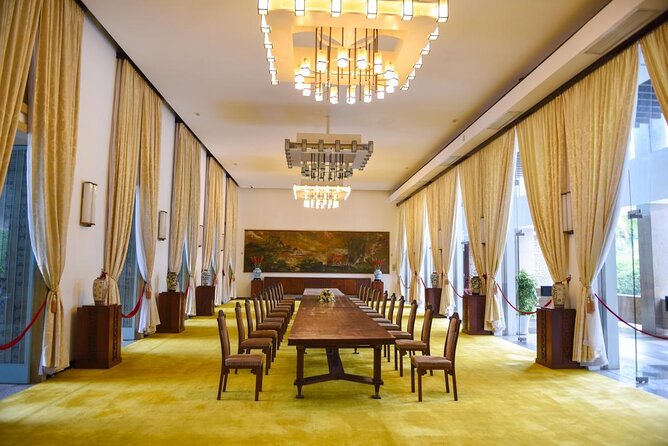
The Reunification Palace witnessed several key events during the Vietnam War, including the Tet Offensive of 1968 and the Fall of Saigon in 1975. Today, it serves as a museum and tourist attraction, offering visitors the opportunity to explore its historic rooms, and hallways. The museum showcases artifacts, documents, and photographs related to the palace’s history and the events that took place there during the Vietnam War. As a symbol of national unity and independence, the Reunification Palace holds special significance for the Vietnamese people. It serves as a reminder of the country’s struggle for independence and sovereignty.
统一宫见证了越南战争期间包括1968年的春节攻势和1975年的西贡攻陷的几场重大事件。如今它已成为博物馆和旅游景点,游客可以探索历史悠久的房间和走廊。博物馆展示了当年的历史以及越南战争期间发生的事件相关的文物、文件和照片。作为民族团结与独立的象征,统一宫对越南人民具有特殊意义,提醒人们这个国家为独立和主权而斗争的历史。
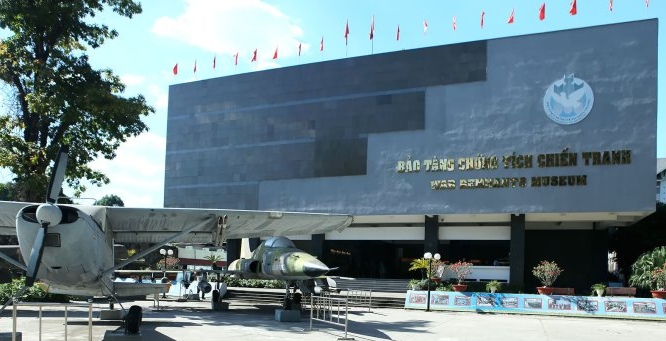
The War Remnants Museum stands as a testament to the resilience of the Vietnamese people as well. Established in 1975 shortly after the end of the Vietnam War, the War Remnants Museum was originally known as the “Exhibition House for US and Puppet Crimes.” Its primary mission was to document the atrocities committed by the United States and its allies during the war.
这座战争遗迹博物馆也是越南人民坚韧不拔的见证。战争遗迹博物馆成立于越南战争结束后不久的1975年,最初被称为 “美国和伪军罪行展览馆”。其主要使命是记录美国及其盟友在战争期间犯下的暴行。
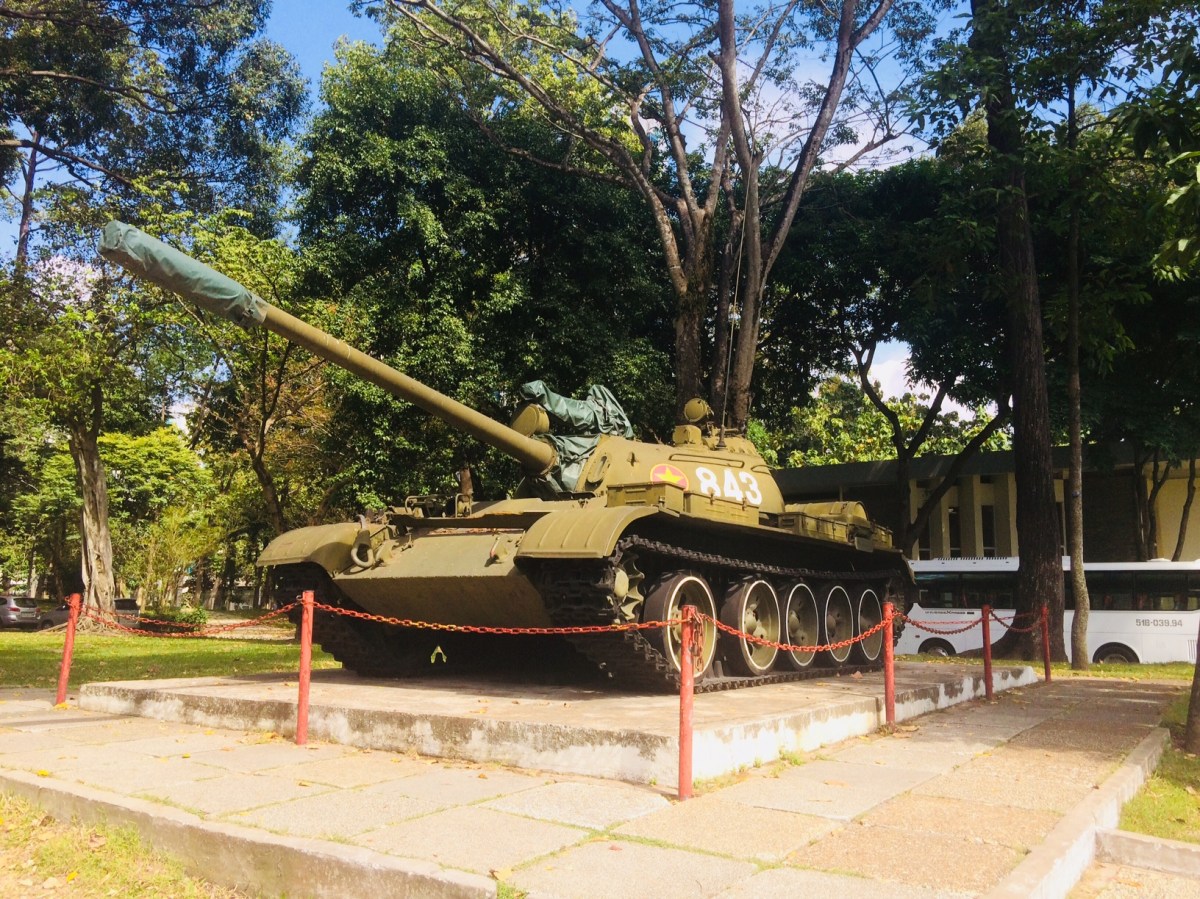
The museum’s outdoor area features a collection of military equipment, aircraft, tanks, and artillery used during the Vietnam War. These displays offer visitors a firsthand look at the machinery of war.
博物馆的室外区域展出了越南战争期间使用的军事装备、飞机、坦克和火炮。这些展品让游客可以亲眼目睹当时的战争机器。

During the Vietnam War, the United States deployed a wide range of aircraft to support its military operations in Southeast Asia. These aircraft played a crucial role in various missions. The F-105 Thunderchief was a supersonic fighter-bomber used primarily for bombing missions over North Vietnam. Despite massive investments in military resources and escalating bombing campaigns, the United States was unable to achieve its strategic objectives in Vietnam. The conflict became increasingly bogged down in a stalemate, with neither side able to secure a decisive victory. The North Vietnamese demonstrated remarkable resilience and great determination and the war resulted in the eventual withdrawal of American forces finally.
越南战争期间,美国部署了多种飞机来支援其在东南亚的军事行动。这些飞机在各种任务中发挥了至关重要的作用。F-105“雷公”是一种超音速轰炸机,主要用于轰炸北越的军事设施。尽管美国在越战投入了大量军事资源并不断升级轰炸行动,但仍然无法实现其战略目标。这场冲突最终越来越陷入僵局,双方都无法取得决定性的胜利。北越人民在这场战争中表现出非凡的韧性和坚定的决心,最终导致美军无奈撤离。
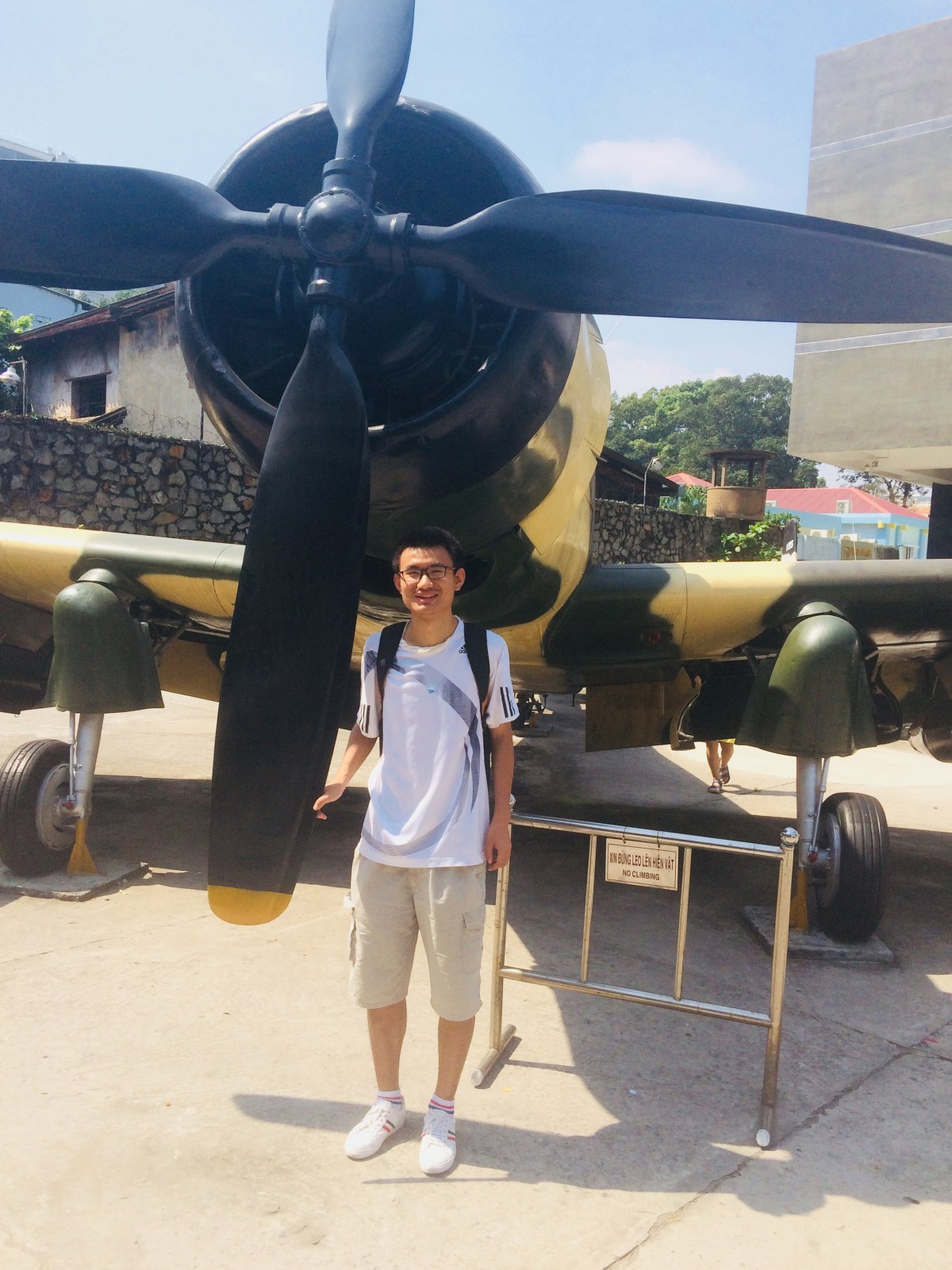
The museum’s exhibits are divided into several thematic sections, each offering a comprehensive and harrowing portrayal of different aspects of the war, especially the cruelty. Exhibits include photographs, artifacts, documents, and multimedia presentations that depict the human cost of the conflict, including the suffering of civilians, the use of chemical weapons such as Agent Orange, and the experiences of prisoners of war. I am always a fun of military strategy and history, so this museum is a perfect place for me.
博物馆的展品分为几个主题部分,每个部分都全面而令人痛心地描绘了战争的残酷。这些展品包括照片、文物、文件和多媒体演示,描绘了冲突造成的人员伤亡,还包括平民的受难、橙剂等化学武器的使用以及战俘的悲惨经历。我一直对军事战略和历史很感兴趣,所以这个博物馆对我来说很对胃口。

To know the history of this city, the visitors may visit the Ho Chi Minh City Museum established in 1975. The museum’s exhibits cover a wide range of topics related to the history, culture, and development of Ho Chi Minh City. Visitors can explore galleries dedicated to the city’s pre-colonial history, its role as a trading hub and colonial outpost, the impact of French colonialism, the struggle for independence, and the modernization and urbanization of Saigon in the 20th century.
想要了解这座城市的历史,游客还可以参观1975年成立的胡志明市博物馆。博物馆的展品涵盖了与胡志明市的历史、文化和发展有关的广泛主题。游客可以探索专门介绍该市殖民前历史、其作为贸易中心和殖民前哨的作用、法国殖民主义的影响、争取独立的斗争以及20世纪西贡的现代化和城市化的长廊。
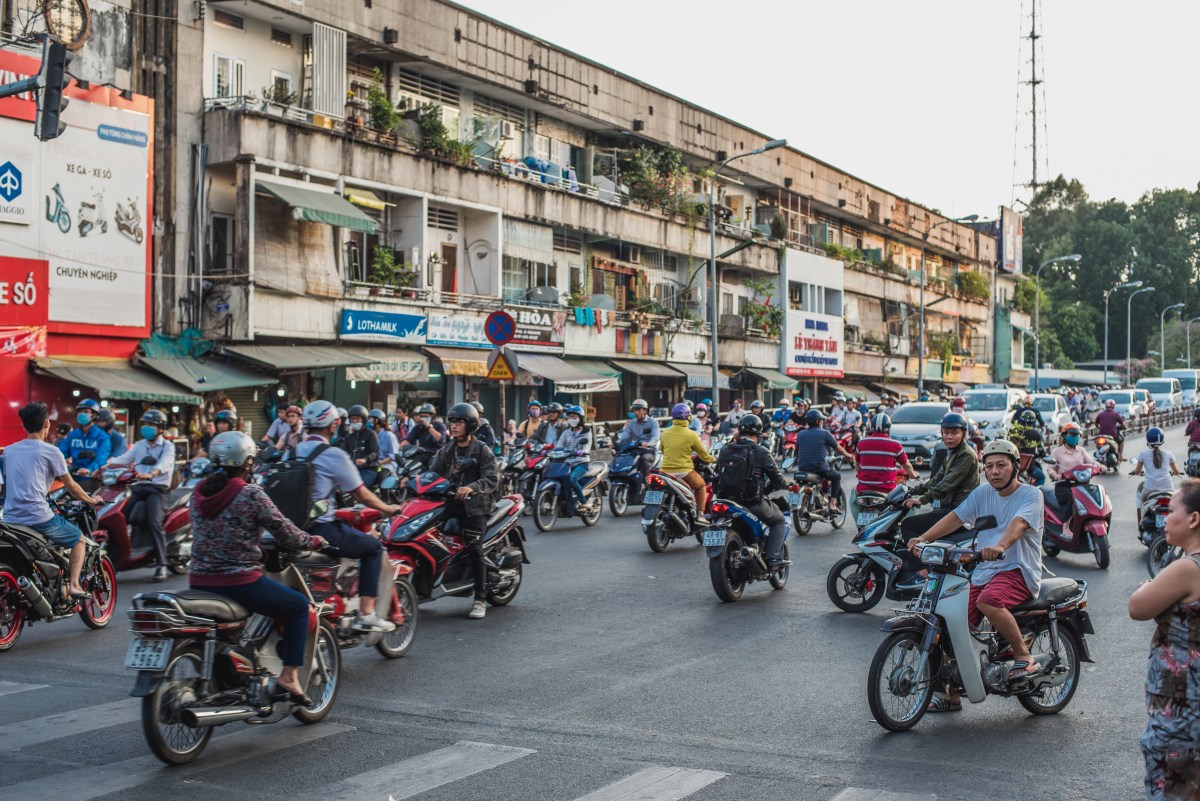
Although the Ho Chi Minh City is a quite modernized city with many skyscrapers. It lacks the facility of public transport like metro. Motorbikes play a significant role in Vietnam’s transportation landscape, serving as the primary mode of personal travel for millions of people across the country. On Vietnam’s roads, from bustling city streets to rural villages and scenic countryside, flocks of motorbikes always appeared in my eyes.
虽然胡志明市是一座相当现代化的城市,有许多摩天大楼。但它缺乏地铁等公共交通设施。摩托车在越南的交通中扮演着重要的角色,是全国数百万人出行的主要方式。在越南的道路上,从繁华的城市街道到风景秀丽的乡村,我的视线总是能看到成群的摩托车。

The night view of this city is splendid. It offers a vibrant and diverse nightlife scene from bustling night markets and lively bars that caters to a wide range of tastes and preferences. Ben Thanh Night Market is the place for people shopping for souvenirs, handicrafts, clothing, and local street food. These markets come alive with colorful lights, lively music, and the hustle and bustle of vendors and shoppers.
这座城市的夜景也美不胜收。它提供了充满活力和多样化的夜生活场景,从熙熙攘攘的夜市到热闹的酒吧,游客均可满足自己各种口味和喜好。图中的Ben Thanh夜市是人们购买纪念品、手工艺品、服装和当地街头小吃的地方。这个市场充满了五彩缤纷的灯光、热闹的音乐以及商贩和购物者的喧嚣。

Before I went to France for studies, I have worked in this city for nearly half year. As I bid farewell to Ho Chi Minh City, I carry with me a treasure trove of memories and experiences that have broadened my horizons, deepened my appreciation for Vietnamese culture, and left me yearning for more adventures in this captivating corner of the world. When I embark on the next chapter of my journey, the time spent in this remarkable city will always be kept in my memory.
在去法国留学之前,我在这座城市工作了将近半年。我带着无数的记忆告别了胡志明市,这段经历开阔了我的视野,加深了我对越南文化的了解,让我更加渴望在这个迷人的世界的各个角落中进行更多的冒险。当我踏上旅程的下一个篇章时,在这座城市度过的时光也将永远留存在我的记忆中。
 Gone like the wind