
古都大同追忆北魏历史
From 398 to 494 CE, Datong (known as Pingcheng) served as the capital of the Northern Wei dynasty. The dynasty, established by the Xianbei, a nomadic group from the northern steppes, chose Datong due to its strategic location, which provided a stronghold for military and administrative control. Pingcheng’s cosmopolitan atmosphere helped foster cultural integration between the nomadic Xianbei people and the settled Han Chinese population. Under the Northern Wei, Datong developed into a well-planned and fortified city. It holds numerous cultural and historical relics that showcase fully the grandeur of the dynasty.
在公元 398 年至 494 年期间,大同(即曾经的平城)一直是北魏的都城。北魏由来自北方草原的游牧民族鲜卑族建立,他们因为其战略位置优越而选择大同作为军事和行政中心。历史上的平城的国际化氛围浓厚,也促进了游牧的鲜卑人和居有其所的汉族人之间的文化融合。在北魏统治下,大同发展成为一座规划完善、防御坚固的都城。这里拥有众多文化和历史遗迹,充分展现了北魏王朝当年的辉煌。
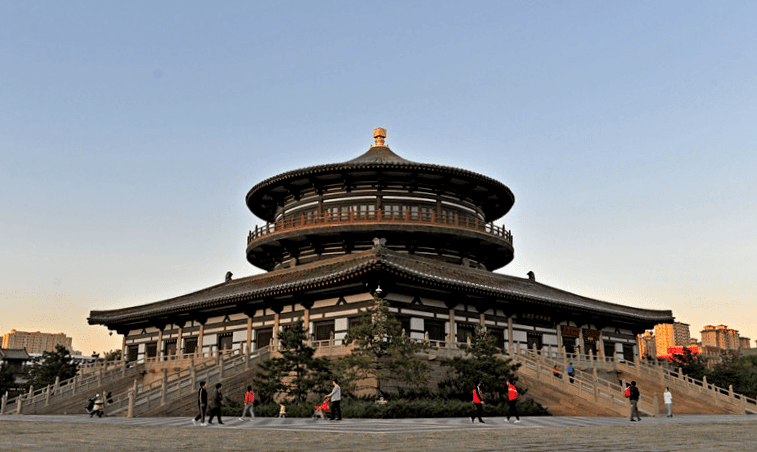
The Mingtang, or “Hall of Light,” was a structure rooted in ancient Chinese cosmology, symbolizing the emperor’s divine authority as the “Son of Heaven”. It served as a ritual space for major ceremonies, including seasonal sacrifices, state proclamations, and imperial gatherings. The Mingtang was also a symbol of harmony between Heaven, Earth, and humanity. The building in the photo was a replica of the Mingtang located at the Mingtang relic park in Da tong.
明堂是中国古代宇宙观的象征,代表着皇帝作为天子的神圣权威。它是举行包括季节性祭祀、昭告天下和皇室集会等重大仪式的场所。明堂也是天地人和谐的象征。照片中的建筑是位于大同明堂遗址公园的明堂复制品。
In the context of famous poem ‘The Ballad of Mulan’, there is one sentence (归来见天子,天子坐明堂) describing Mulan meeting the emperor in the Mingtang after her victorious military service. Mulan is a well-known heroine portrayed as a devoted daughter who disguised herself as a man to take her elderly father’s place in the army of North Wei against the Rouran Khaganate. She is also the character in the Disney animated film. Mulan’s decision to join the army replacing his father exemplifies Confucian values of filial piety. Every Chinese student learnt this poem in the secondary school.
在著名诗歌《木兰辞》中,有一句诗 “归来见天子,天子坐明堂”描述了木兰在获得赫赫战功后在明堂会见皇帝的情景。花木兰是一位耳熟能详的巾帼英雄,《木兰辞》根据她的事迹描绘了这位孝顺的女儿女扮男装代替年迈的父亲加入北魏军队,对抗柔然汗国的故事。她也是迪士尼动画电影木兰中的女主角。木兰决定代父参军,体现了儒家思想孝的价值观。每位中国学生都曾在中学阶段都学过这首诗。
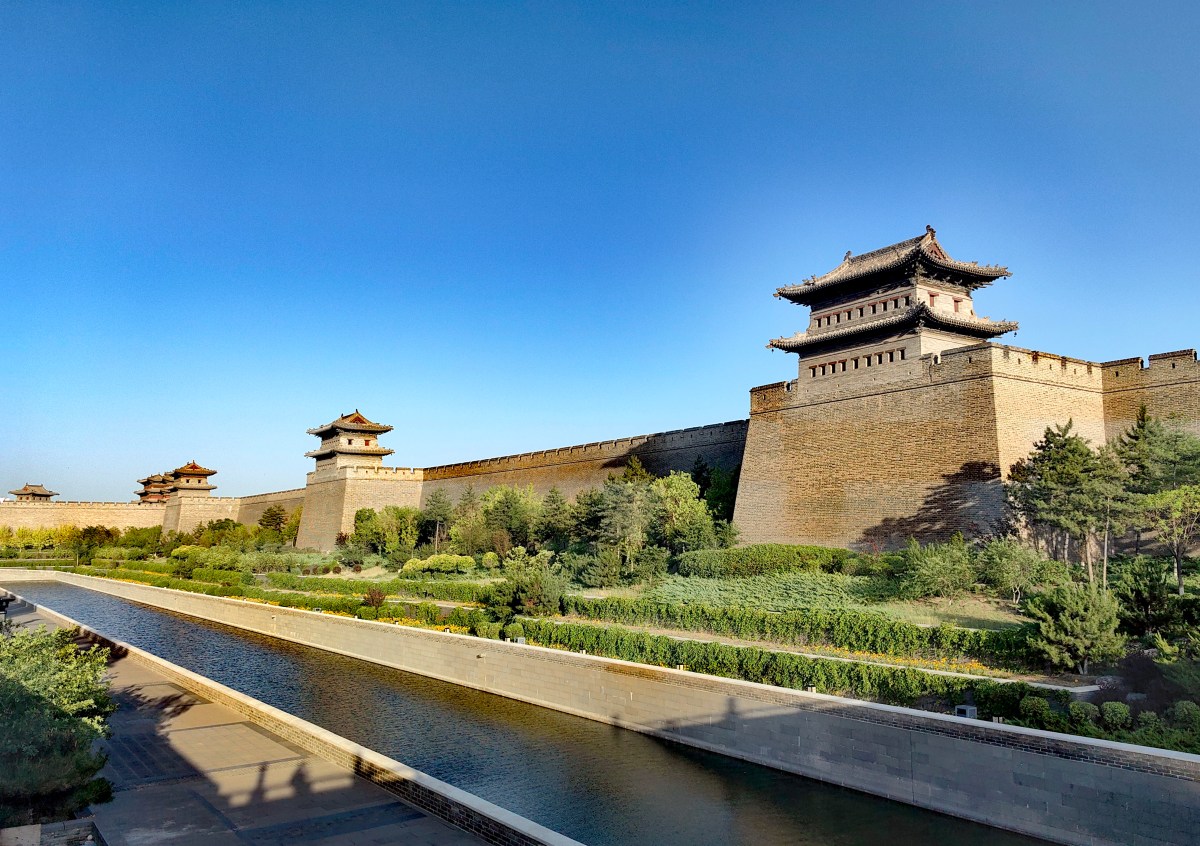
I visited this ancient city on July 7 2023 starting from the city wall. It was my last stop of my trip in Shanxi province. Datong served as the Northern Wei old capital and its city walls followed traditional Chinese fortification designs, influenced by earlier Han dynasty models. Like the walls of other cities, the walls were constructed using rammed earth. As I traveled around it, I found that they were equipped with watchtowers at regular intervals for surveillance and signaling and moats surrounding the walls to enhance defense.
2023 年 7 月 7 日,我从大同城墙开始参观了这座古城。这也是我山西之旅的最后一站。大同是北魏古都,其城墙遵循自早期汉朝以来中国传统的防御工事设计。与其他城市一样,这种城墙也是用夯土建造的。在城内游览时,我还发现城墙每隔一段距离就设有瞭望塔,用于监视敌军和发信号,城墙周围还设有护城河,以加强防御。

The Wild Goose Pagoda on the southeast wall of Datong Ancient City is a remarkable structure. Although less well-known than its counterpart in Xi’an, this pagoda is an essential feature of Datong’s urban and spiritual history. Datong was a major center of Buddhism during the Northern Wei Dynasty. Pagodas like this were often built to enshrine Buddhist relics and scriptures. It is a multi-tiered tower, with diminishing levels as it rises, creating a tapered and elegant silhouette. It is weird that the tower is positioned on the city wall. I guess that it might act as a watchtower, providing a vantage point to monitor the surrounding area.
古城东南城墙上的雁塔是一座引人注目的建筑。虽然它不如西安的大雁塔那么出名,但它是大同城市和历史的重要地标。大同在北魏时期是佛教的中心。像这样的宝塔通常是为了供奉佛教遗物和经文而建造的。它是一座多层塔,随着高度的增加,塔的层数逐渐减少,形成了一个锥形而优雅的轮廓。这座塔然而位于城墙上,这种设计的确诡异。我猜它极有可能是一个瞭望塔,便于士兵寻视周边区域。
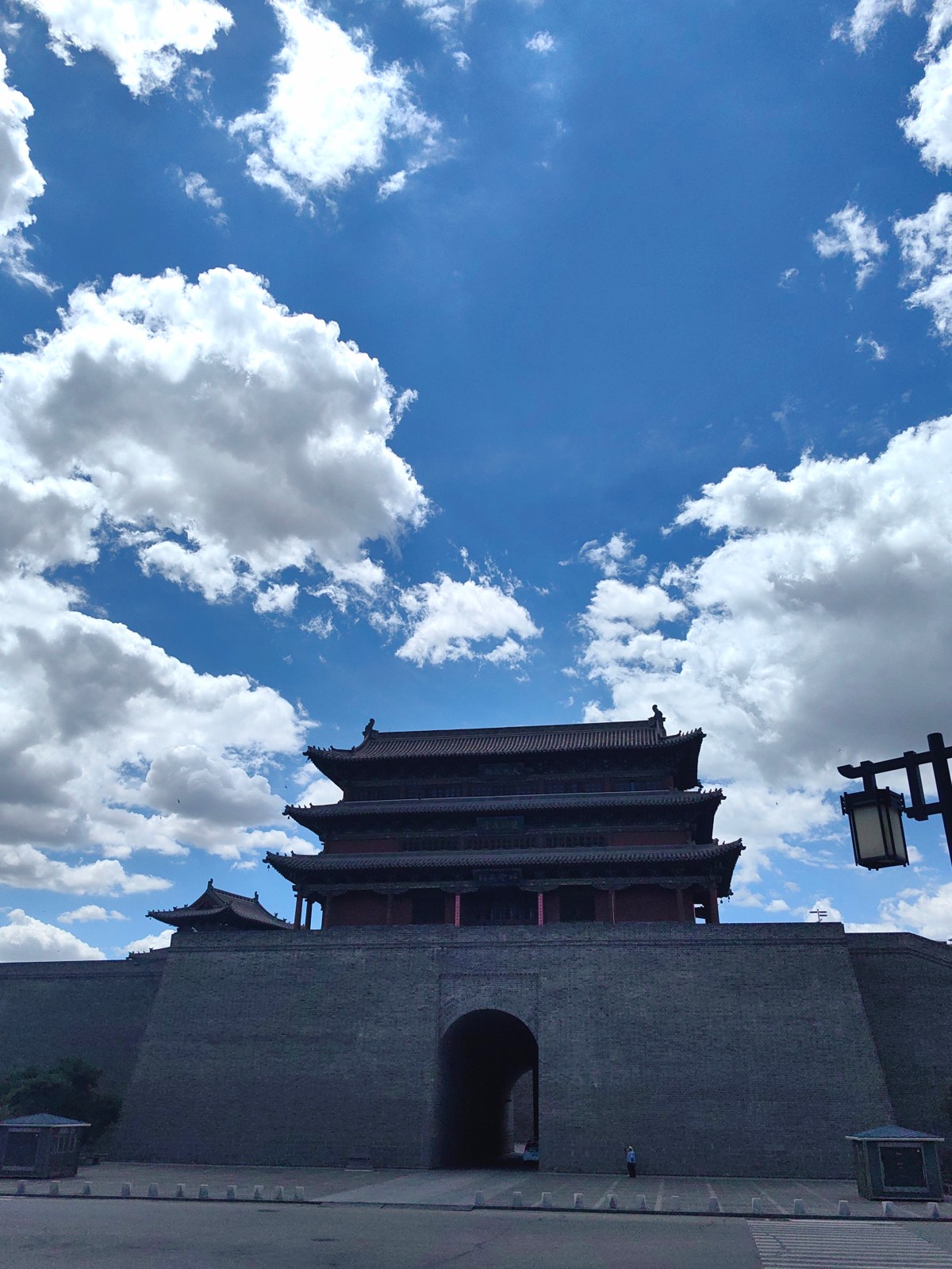
Datong’s current main gate, part of the city wall was rebuilt during the Ming Dynasty. The well-fortified dark colored sturdy city gate under the blue sky seemed to tell the story of thousand years. As the primary entrance to the Northern Wei capital, the gate would have symbolized the dynasty’s authority and connection to both the military frontier and the imperial heartland.
For history lover, the battle of Canhe Bei must be mentioned. It was a pivotal battle that took place in 395 CE between the Northern Wei and the Later Yan near Da Tong. The leader of North Wei Tuoba Gui used clever tactics to lure the Later Yan forces into a vulnerable position. He feigned a retreat, drawing the Yan forces into an ambush. The Northern Wei cavalry encircled and annihilated the Yan army. The Later Yan suffered a devastating defeat, with tens of thousands of soldiers killed or captured. The victory solidified the Northern Wei’s dominance and helped them unify northern China.
图中是大同现在的主城门,这部分城墙的是明代重建的。苍天下,坚固的深色城门似乎在诉说着千年的历史故事。作为北魏首都的主入口,这座城门象征着王朝的权威以及与边疆和帝国中心地带的联系。
对于历史爱好者来说,北魏参合陂之战不得不提。这是公元395年北魏与后燕在大同附近发生的一场关键之战。北魏首领拓跋珪运用巧妙的战术,诱使后燕军队陷入被动。他佯退后引燕军进入埋伏。北魏骑兵之后围歼燕军。后燕遭到惨败,士兵被杀或被俘数万。这次胜利巩固了北魏的统治地位,帮助他们后来统一了中国北方。
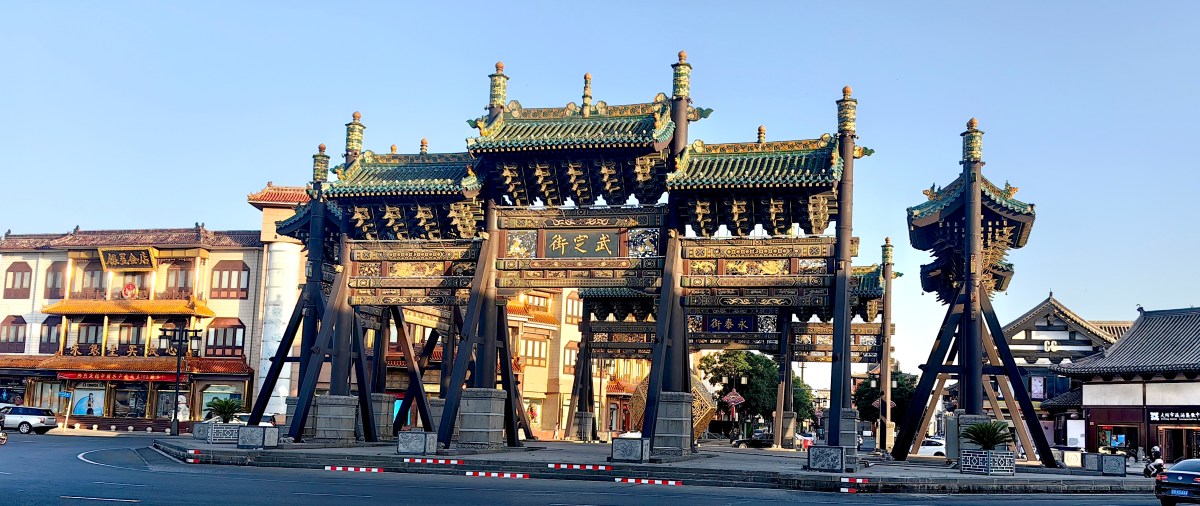
Entering the city wall, visitors can observe the paifang at Wuding Street at the first glimpse. Constructed from stone and wood, it was intricately carved, showcasing traditional Chinese craftsmanship. The paifang featured a three-tiered design, with one large central passage flanked by two smaller ones. The roof sections exhibit upturned eaves, characteristic of Chinese architecture, with decorative elements such as dragons, phoenixes, or floral motifs. The paifang reflects the Confucian values of reverence and respect in Chinese culture.
进入城墙内,游客首先看到的是武定街的牌坊。牌坊由石头和木材建造而成,雕刻精美,展现了中国传统工艺。牌坊采用三层设计,中间有一个大通道,两侧有两个较小的通道。屋顶部分呈现中国建筑的典型飞檐,并带有龙、凤或花卉等装饰元素。牌坊反映了中国文化中对儒家尊重的价值观。

There are many historical buildings in the city center that represent the rich history of this city. One of the most iconic buildings must be the Kui Star Pavilion. In Chinese culture, the Kui star is a Taoist deity associated with scholarly success and is often depicted as a celestial figure helping students excel in the imperial examination system. This building was likely constructed during the Ming or Qing Dynasty. Da Tong was a city with a deep cultural and historical legacy. In ancient China, success in the civil service examinations was a pathway to social prestige. This building was built to inspire scholars preparing for the imperial exams.
大同古城中心有许多历史建筑,代表着这座城市丰富的历史。其中最具标志性的建筑之一是奎星阁。在中国文化中,奎星是与学术成功有关的道教神灵,经常被描绘成帮助学生在科举制度中取得优异成绩的天神。图中这座建筑奎星阁很可能建于明朝或清朝。大同是一座拥有深厚文化和历史遗产的城市。在中国古代,科举考试成功是获得社会声望的重要途径。这座建筑在古代是为了激励准备科举考试的学子而建造的。

The most famous architectural relics of this city must be the Nine-Dragon Screen. It is one of the only three existing Nine-Dragon Screens in China, alongside those in the Forbidden City and Beihai Park in Beijing. The Nine-Dragon Screen in Datong was constructed in 1392 CE, during the early Ming Dynasty, as part of a palace complex. It was built as a spirit screen to block evil spirits from entering through the main gate, as per traditional Chinese architectural principles. There are totally nine well decorated coiled dragons, each distinct in posture, expression, and color (yellow, blue, white, and green). The dragons are surrounded by clouds, waves, and mountains, symbolizing imperial power, prosperity, and good fortune in Chinese culture. People came here to take a photo and wish to obtain good fortune from the dragons.
大同最著名的历史遗迹当属九龙壁了。它是中国现存的三座九龙壁之一,另外两座位于北京故宫和北海公园。大同九龙壁建于公元 1392 年,是明初宫殿建筑群的一部分。它按照中国传统建筑风水建造,作用是防止恶灵从大门进入。壁上九条盘龙装饰精美,每条龙的姿势、表情和颜色(主要是黄蓝白和绿色)都各不相同。龙周围环绕着云朵、海浪和山脉,在中国文化中象征着皇权、繁荣和好运。各地游人纷纷来到这里拍照留念,希望沾点龙气获得幸运。

The Drum Tower in this photo is a traditional Chinese structure historically used for public announcements, timekeeping, and ceremonial purposes. It was located exactly at the center of the old city and serves as the hub of this city. The Drum Pavilion is a multi-tiered wooden structure built atop a sturdy stone base. It features a rectangular base with a multi-eaved roof, reflecting the symmetry and balance of traditional Chinese architecture. A large ceremonial drum was traditionally housed on its upper level. Before the advent of modern clocks, the drum was used to signal the time of day in coordination with a bell tower so the combination of drum tower and bell tower can be found in every ancient Chinese city.
这张照片中的鼓楼是中国传统建筑,历史上用于公告宣示、报时和举行各种仪式。它位于古城的正中央,是这座城市的中心。鼓楼是一座多层木结构建筑,建在坚固的石基上。它的特点是矩形底座和多檐屋顶,体现了中国传统建筑的对称和平衡性。传统上,鼓楼上层都放置着一面巨大的礼鼓。在现代时钟出现之前,鼓楼被用来与钟楼配合报时,在中国古代每个城市都能看到鼓楼和钟楼的组合。
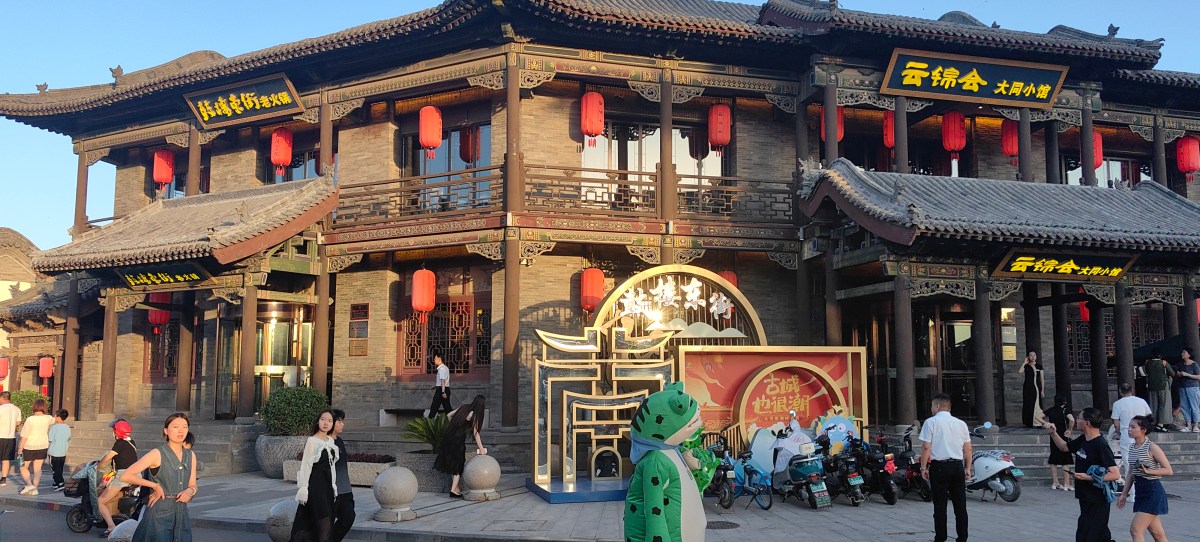
The Drum Tower East Street serves as a reflection of the traditional commercial and residential culture of this city. The street is part of Datong’s ongoing efforts to preserve and restore its historical core. Many traditional buildings have been renovated to showcase the architecture of past dynasties. There are many restaurants selling local food like cut noodles.
鼓楼东街是大同市传统商业文化的体现。这条街是大同市政府对传统文化保护和恢复历史核心遗产而努力的一部分。许多传统建筑都经过翻新,以展示过去的建筑风格。这里有许多餐馆出售例如刀削面等当地美食。

The shumai of Datong is a famous local delicacy that reflects the region’s rich culinary heritage. Unlike the Cantonese-style shumai commonly found in dim sum, Datong shumai has its own unique characteristics. As Datong was a crucial hub on the ancient Silk Road and a frontier city in northern China, its cuisine was influenced by a blend of Han Chinese and Mongolian flavors. The filling of Datong shumai is made from ground lamb or beef, often mixed with scallions, ginger, and various spices like cumin. The wrapper is made from thinly rolled wheat flour dough, soft yet strong enough to hold the juicy filling. The taste is savory and aromatic, with a balance of lamb’s natural flavor and the warmth of northern spices. The wrapper of Datong shumai is slightly thicker compared to Cantonese versions. It is often served with a side of famous Shanxi vinegar to enhance its flavor.
大同烧卖是当地著名的美食,体现了大同地区丰富的烹饪传统。与常见的广式烧卖不同,大同烧卖有自己特色。大同是古代丝绸之路的重要枢纽,也是中国北方的边疆城市,其菜肴融合了汉族和蒙古族风味。大同烧卖的馅料由羊肉或牛肉末制成,通常会混合葱、姜和孜然等各种香料。烧卖皮由薄面制成,柔软而结实,可以包裹多汁的馅料。烧卖味道鲜美芳香,羊肉的天然风味与北方香料的暖意完美融合。大同烧卖皮比广式烧卖略厚,通常会搭配著名的山西醋来增强其风味。
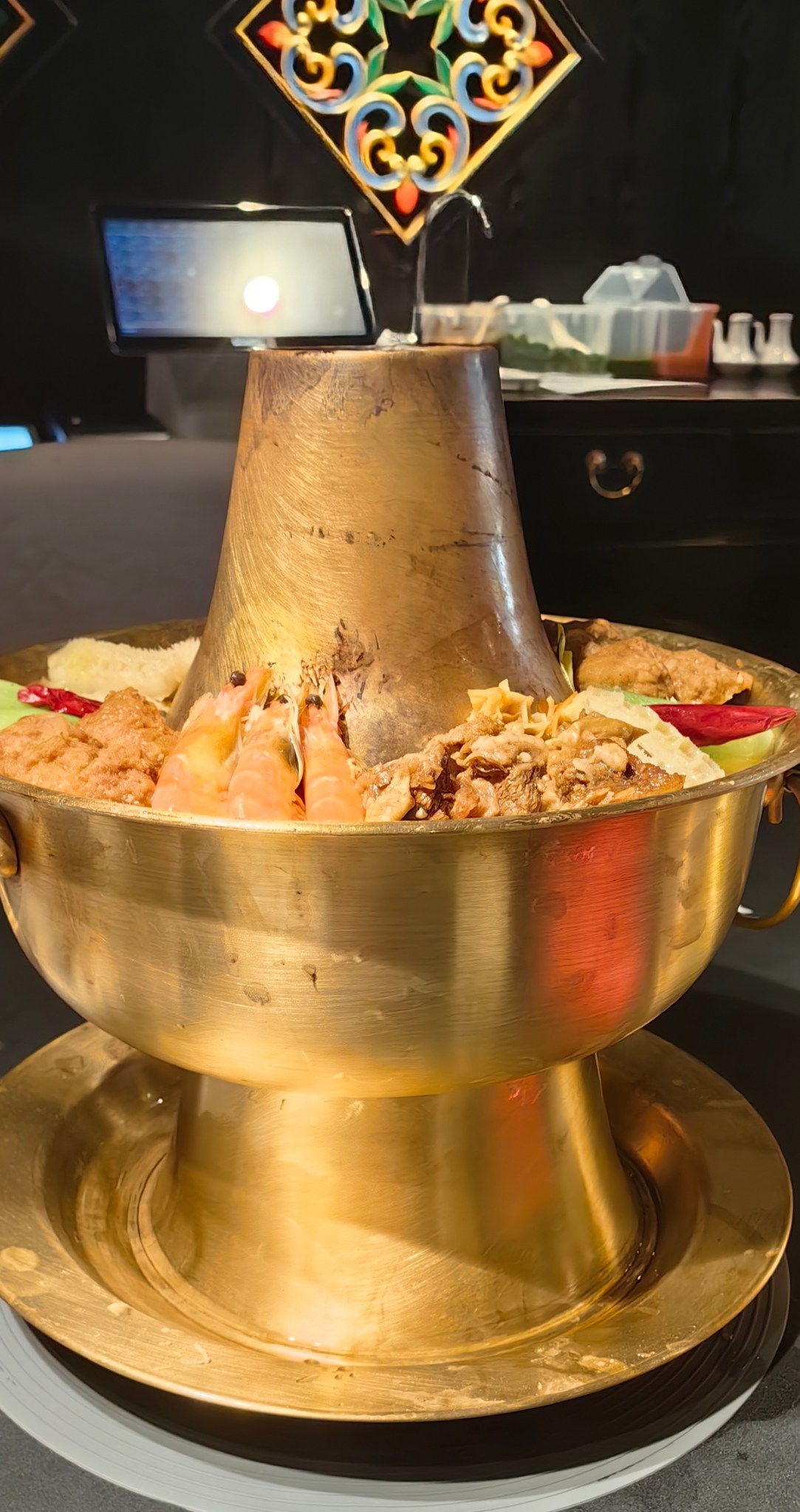
Datong is on the cold northern frontier of ancient China, so hotpot is a popular local food. The use of copper pots became widespread due to their durability and good heat conductivity. It has a round base and a chimney-style center, which is filled with burning charcoal. The outer ring of the pot holds the broth, while the chimney ensures consistent heat distribution, keeping the broth boiling steadily. The broth is made with lamb bones, ginger, and scallions for a light, aromatic flavor which is different with Sichuan hotpot. Lamb and beef is the star ingredient, reflecting the region’s northern and Mongolian culinary influence. A traditional dipping sauce accompanies the hotpot, typically made with sesame paste, fermented tofu, garlic, vinegar, soy sauce, and chili oil. Hotpot can be regarded as one of the most popular food in China. Almost everyone likes it.
大同位于寒冷的北方边疆,因此火锅是当地一种很受欢迎的美食。铜制的锅由于耐用且导热性好而广为使用。铜锅底部为圆形,中间为烟囱式,内填燃烧的木炭。锅的外圈盛有汤汁,而中间的烟囱则确保热量均匀分布,使汤汁稳定沸腾。汤汁由羊骨、生姜和葱制成,味道清淡芳香,味道与四川火锅不同。受蒙古烹饪的影响,羊肉和牛肉是当地人的主要食材。火锅搭配通常由芝麻酱、腐乳、大蒜、醋、酱油和辣椒油制成的传统蘸料。火锅可以说是中国最受欢迎的美食之一,几乎每个国人都喜欢它。

In the city center around the Drum tower, there is one pedestrian zone which is concentrated around the central axis of the city. It is designed for foot traffic only. The street is lined with restored Ming and Qing-style buildings, featuring gray brick facades, tile roofs, and traditional wooden carvings. Decorative elements like red lanterns, stone pavements, and paifang gates evoke the charm of ancient Datong. Landmarks like the Huayan Temple and Shanhua Temple are within walking distance of the zone.
鼓楼周围的市中心有一个步行区,集中在城市中轴线周围。它专为游客步行游览而设计。街道两旁是经过修复的明清风格建筑,以灰砖外墙、瓦片屋顶和传统木雕为特色。红灯笼、石板路面和牌坊门等装饰元素彰显大同古风。华严寺和善化寺等著名地标建筑距此只有一箭之遥。

This is the entrance of Huayan temple. The temple was originally constructed during the Tang Dynasty (618–907 CE) but has undergone multiple reconstructions and renovations over the centuries.
It was built to promote the Huayan school of Buddhism, which is based on the teachings of the Huayan Sutra, one of the most influential texts in Chinese Buddhism. As a major site for Buddhist practice and study, the temple has played a significant role in promoting the spread of Buddhism in northern China.
这是华严寺的入口。本寺始建于唐朝,但几个世纪以来经历了多次重建和修缮。修建华严寺是为了弘扬华严宗佛教,该宗派以《华严经》的教义为基础,《华严经》是中国佛教中最具影响力的经文之一。作为佛教修行和学习的主要场所,该寺在促进佛教在中国北方的传播方面发挥了重要作用。

Upon entering the temple complex, I first step into the main courtyard, which is an open space surrounded by various buildings and halls. The courtyard is an important part of the temple’s layout, providing a serene space for pilgrims to gather, meditate, and prepare for their religious practices. It is rectangular and spacious, offering a clear line of sight to the main hall. The area is paved with stones, and paths lead from one building to another. The layout adheres to the traditional Chinese principle of symmetry, with the most significant structures placed along a central axis. This space makes me feel at ease. It includes many green plants and the warm cozy sunlight under the blue sky was reassuring.
进入寺庙建筑群后,我首先迈入主庭院,这是一个被各种建筑包围的大型开放空间。庭院是寺庙布局的重要组成部分,为朝圣者提供了一个宁静的空间,供他们聚集、冥想和准备宗教活动。这种庭院一般呈矩形,空间宽敞,站在中央可以清晰地看到主殿。庭院的地面铺有石头,鹅卵石小路连接了一栋栋建筑。整体布局遵循中国传统的对称原则,最重要的建筑沿着中轴线放置。这片空旷的场地让我感到心情舒畅,摆放了许多绿色植物,蓝天下温暖舒适的阳光也令人安心。
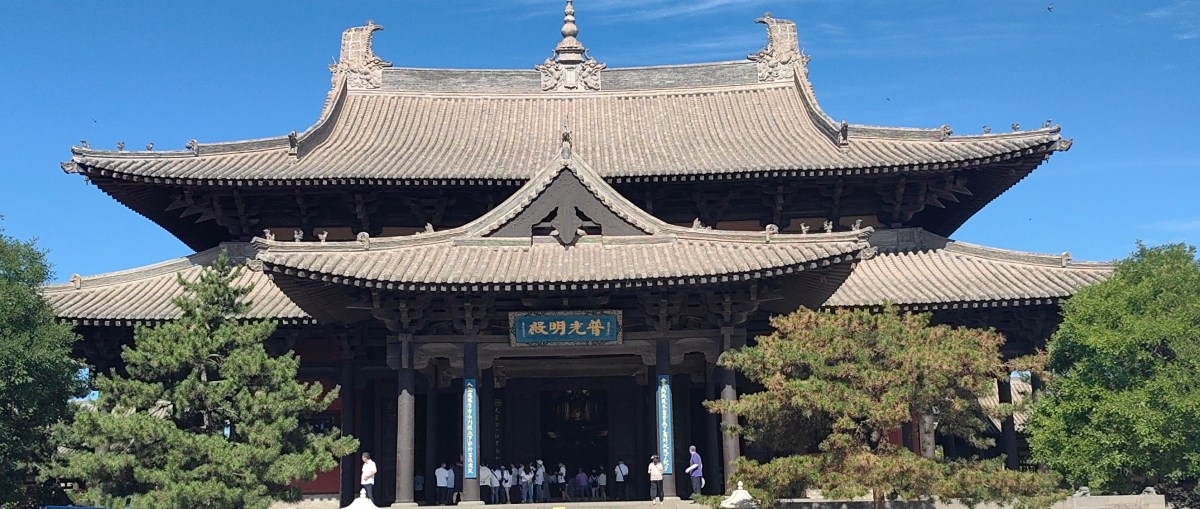
The Hall of Universal Light, is an important structure within Huayan Temple in Datong. It is located after the main entrance and before reaching the central halls like the Main Hall . The hall is dedicated to the worship of Bodhisattvas, and it emphasizes themes of light, wisdom, and the spreading of Buddhist teachings. The name “Universal Light” symbolizes the enlightenment that can guide all beings toward the path of liberation.
普光殿是大同华严寺内的重要建筑,位于正门后,位于大雄宝殿等中央殿堂之前。该殿供奉菩萨,强调光明、智慧和弘扬佛法的主题。“普光”这个名字象征着能够引导众生走向解脱之路的觉悟。
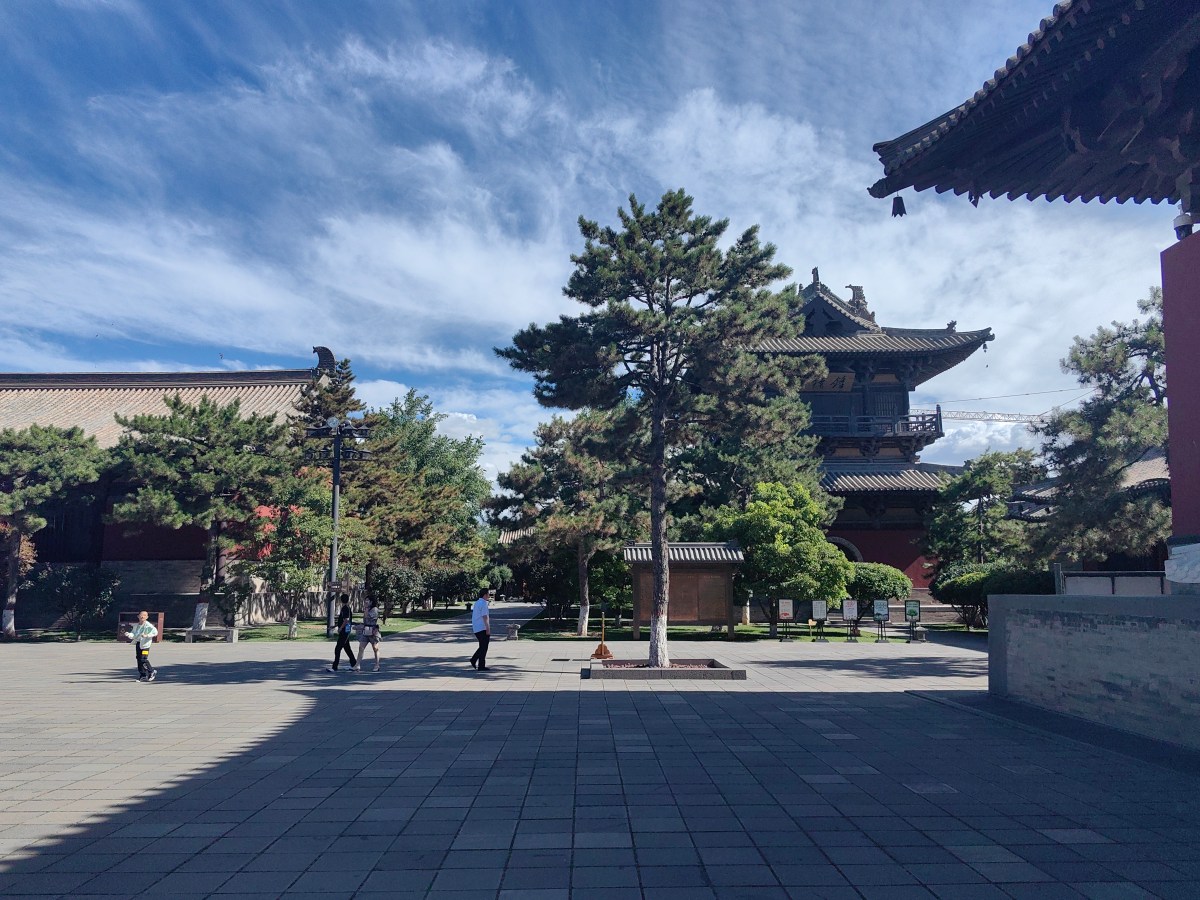
The Bell Tower and Drum Tower are two typical architecture elements of Chinese temple. They create a balanced and harmonious structure within the temple layout. It is located on an elevated platform to enhance its presence and acoustics, ensuring the sound of the bell carries across the temple grounds. In every Chinese temple, I can always catch sight of a small bell under the eave of temple hall. The small bell is often associated with the spiritual function of warding off evil spirits and bringing blessings to the temple. Passing through temple halls, I could hear the soft and delicate ringing of these small bells in the wind. Hopefully they will bring good luck to me.
钟鼓楼是中国寺庙的典型建筑元素。它们在寺庙布局中创造了一种平衡和谐的构造。钟鼓楼都位于高架平台上,以增强音质,确保钟声传遍整个寺庙。另外在每个中国寺庙里,我总能看到寺庙的大厅屋檐下的小铃铛。这些小钟通常能够驱赶邪灵并给寺庙带来祝福。徐徐穿过寺庙大厅,耳边依稀传来这些小钟在风中发出的柔和细腻的铃声,也希望它们今后能给我带来好运。

The Mahavira Hall was built during the Liao Dynasty, serving as the main hall of this temple. It is a real treasure, one of the largest surviving Liao-era wooden structures in China. Built using traditional timber-frame construction, the hall demonstrates advanced engineering techniques, including bracket sets for structural stability.
华严寺的大雄宝殿建于辽代,是该寺的主殿。它是一件真正的建筑瑰宝,是中国现存最大的辽代木制结构建筑。大殿采用当时先进的木结构工程技术,其中最明显的就是用于结构稳定性的支架组。

The hall houses numerous clay sculptures, crafted with exceptional detail. The clay sculptures are the most remarkable and well-preserved examples of ancient Buddhist art from the Liao (907–1125 CE) and Jin (1115–1234 CE) dynasties. The sculptures depict Buddhist deities, including the Vairocana Buddha, bodhisattvas, and arhats. The surfaces were finished with brightly colored paints and gold leaf, although much of the original coloring has faded over time.
大殿内陈列着许多泥塑,制作精良,细节精美。这些泥塑是辽朝和金朝时期古代佛教艺术中最杰出、保存最完好的代表。这些雕塑描绘了包括毗卢遮那佛、菩萨和罗汉等佛教神祇。雕塑表面涂有色彩鲜艳的颜料和金箔,不过大部分原始色彩已经随着时间的推移而褪色。

The walls are adorned with vivid frescoes depicting Buddhist cosmology, celestial realms, and moral teachings. These paintings use vibrant colors and intricate designs, reflecting the artistic sophistication of the Liao and Jin dynasties. Through their vivid storytelling, the frescoes served to educate visitors about Buddhist teachings and moral values. Although I did not believe in Buddhism, I still stood in front of the wall, trying to understand the stories of these frescoes.
大殿墙上布满了生动的壁画,描绘了佛教宇宙观、天界和道德教义。这些画色彩鲜艳,图案复杂,反映了辽金时期的艺术造诣。壁画通过生动的故事,教育游客了解佛教教义和道德价值观。虽然本人并不信佛,但我还是认真站在墙前,试图理解这些壁画的背后故事。

They are the statues of the Five Buddhas placed in the hall. They represent different aspects of enlightenment and cosmic wisdom. The Five Buddhas, also known as the Five Tathagatas were influenced by the Five Wisdom Buddhas in Mahayana Buddhism during the reign of North Wei Dynasty. At that period, the imperial court adopted Buddhism as the state religion, with significant support from Emperor Xiaowen who was one of the most transformative rulers in Chinese history. His reign is marked by a significant reform movement, known as the “Sinicization Reforms”, which aimed to integrate the Xianbei nomadic culture into the dominant Han Chinese culture.
这张照片是大厅中放置的五方佛像。它们代表着启蒙和宇宙智慧。五方佛是受到北魏时期大乘佛教五大智慧佛的影响。当时,北魏朝廷将佛教定为国教,并得到了孝文帝的大力支持,孝文帝是华夏历史上最具变革精神的统治者。他的统治以一场重大的汉化改革运动为标志,目的是将鲜卑游牧文化融入占主导地位的汉文化。

The emperor encouraged the Xianbei elite to adopt Han Chinese names, dress, language, and marriage customs. The use of the Chinese language in official documents and court proceedings became mandatory. Confucian ideals of governance and ethics replaced traditional Xianbei tribal customs as the official guiding principles of the state. As a result, Datong was transformed from a nomadic center into a Han-style city. Afterwards, many traditional buildings like Confucius Temple and Guandi Temple (in this photo) were constructed in line with Chinese architectural principles.
孝文帝鼓励鲜卑精英采用汉名和汉族婚姻习俗、着汉服。官方文件和法庭诉讼必须使用汉语。儒家理念和道德观取代了传统的鲜卑部落习俗,成为国家的官方政策。大同因此从游牧中心转变为汉族风格的城市。此后,许多传统建筑如孔庙和图中的关帝庙,都是按照传统汉族建筑原理建造的。

I walked through the ancient streets and historic buildings for over three hours. The last temple visited was the Shanhua Temple, one of China’s most important surviving examples of Liao and Jin dynasty Buddhist architecture. It was known for its well-preserved wooden structures, exquisite sculptures, and tranquil ambiance. The temple was originally built during the Tang Dynasty but was significantly reconstructed during the Liao Dynasty. Initially named Kaiyuan Temple during its Tang origins, the temple was later renamed Shanhua Temple during the Liao period, symbolizing the spread of Buddhist teachings.
我在古老的街道和历史建筑中走了三个多小时。参观的最后一座寺庙是善化寺,它是中国现存最重要的辽金佛教建筑之一。它以保存完好的木结构、精美的雕塑和宁静的氛围而闻名。这座寺庙最初建于唐代,但在辽代进行了大规模重建。这座寺庙最初在唐代被称为开元寺,后来在辽代改名为善化寺,象征着佛教教义的传播。

In every Chinese temple, I can always find the sculpture of the heavenly guardians at the entrance. They are often depicted as Lokapalas (Four Heavenly Kings), each overseeing one of the four cardinal directions. The guardians are depicted with fierce, intimidating expressions and wear intricately detailed armor, emphasizing their martial prowess and invincibility. Each guardian holds symbolic weapons, representing their unique powers. These colored and intricate sculptures were lively vivid and showed me the Liao and Jin Dynasty craftsmanship.
每个中国寺庙里,我都能在入口处看到四大天王的雕像,它们分别守护着四个方向。这些守护者被描绘成有凶猛、令人生畏的表情,身着精致的盔甲,他们的武艺也是天下无敌。每个守护者都手执代表性的武器(青锋宝剑、混元珍珠伞、碧玉琵琶、紫金花狐貂),代表他们独特的力量。这些色彩鲜艳、工艺精湛的雕像栩栩如生,向游客展示了辽金时期的工艺水平。
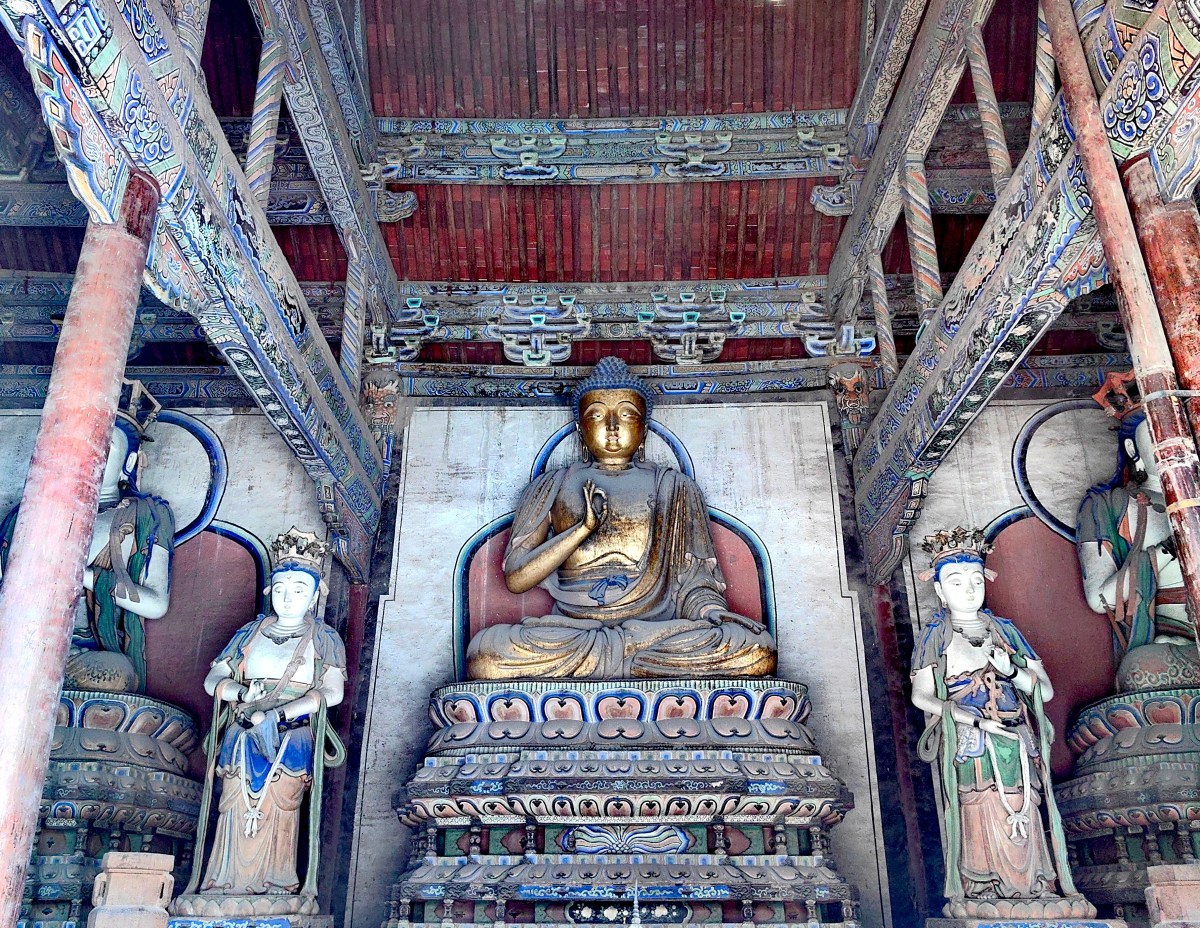
In the Mahavira Hall (also known as the Main Hall), there are many impressive statues. The central statue of Sakyamuni is depicted in a meditative pose, symbolizing peace, wisdom, and enlightenment. Above the Sakyamuni statue, it is a caisson which is an octagonal wooden ceiling that is painted and decorated. This is a very traditional decoration of Chinese architectures.
善化寺大雄宝殿内,有许多令人印象深刻的雕像。中央的释迦牟尼雕像呈现冥想的姿势,象征着和平、智慧和启蒙。释迦牟尼雕像上方是藻井,就是一个八角形的木制天花板,上面绘有彩绘和装饰。这是中国建筑非常传统的元素。
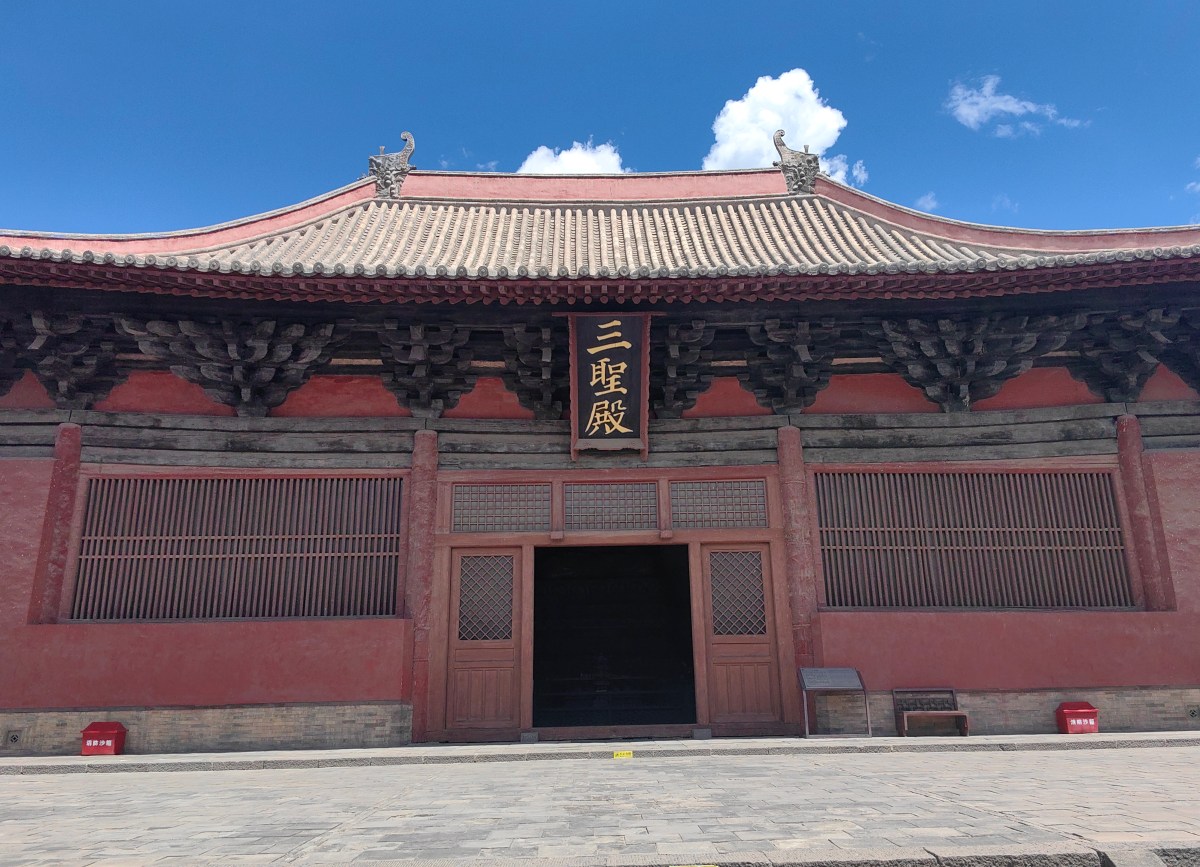
This is the interior of the Sansheng Hall which architecture follows traditional Chinese Buddhist temple design. The walls of the hall are adorned with paintings or murals depicting scenes from the Buddha’s life, important teachings, or Buddhist cosmology. The color scheme is warm and golden, with reds, yellows, and earth tones creating a sense of reverence and sanctity. In addition to the Buddha statues, there are statues of Vairocana, Manjusri and Samantabhadra, depicted in compassionate poses, emphasizing the compassionate and universal nature of Buddhist teachings. This kind of hall features painted colorful beams and high ceilings with ornate, carved wooden supports that exemplify classical Chinese craftsmanship.
这是三圣殿的内部,其建筑遵循中国传统佛教寺庙设计。殿内墙壁上装饰有描绘佛陀生平、重要教义或佛教宇宙观的绘画或壁画。配色方案是温暖的金色,红色、黄色和土色,营造出一种令人敬畏的神圣感觉。除了佛像外,还有毗卢遮那、文殊和普贤菩萨的雕像,强调了佛教教义的以慈悲为怀的特性。这种殿堂以令人眼花缭乱的彩色横梁和高高的天花板为特色,配有华丽的雕花木支架,体现了传统中国古典工艺。
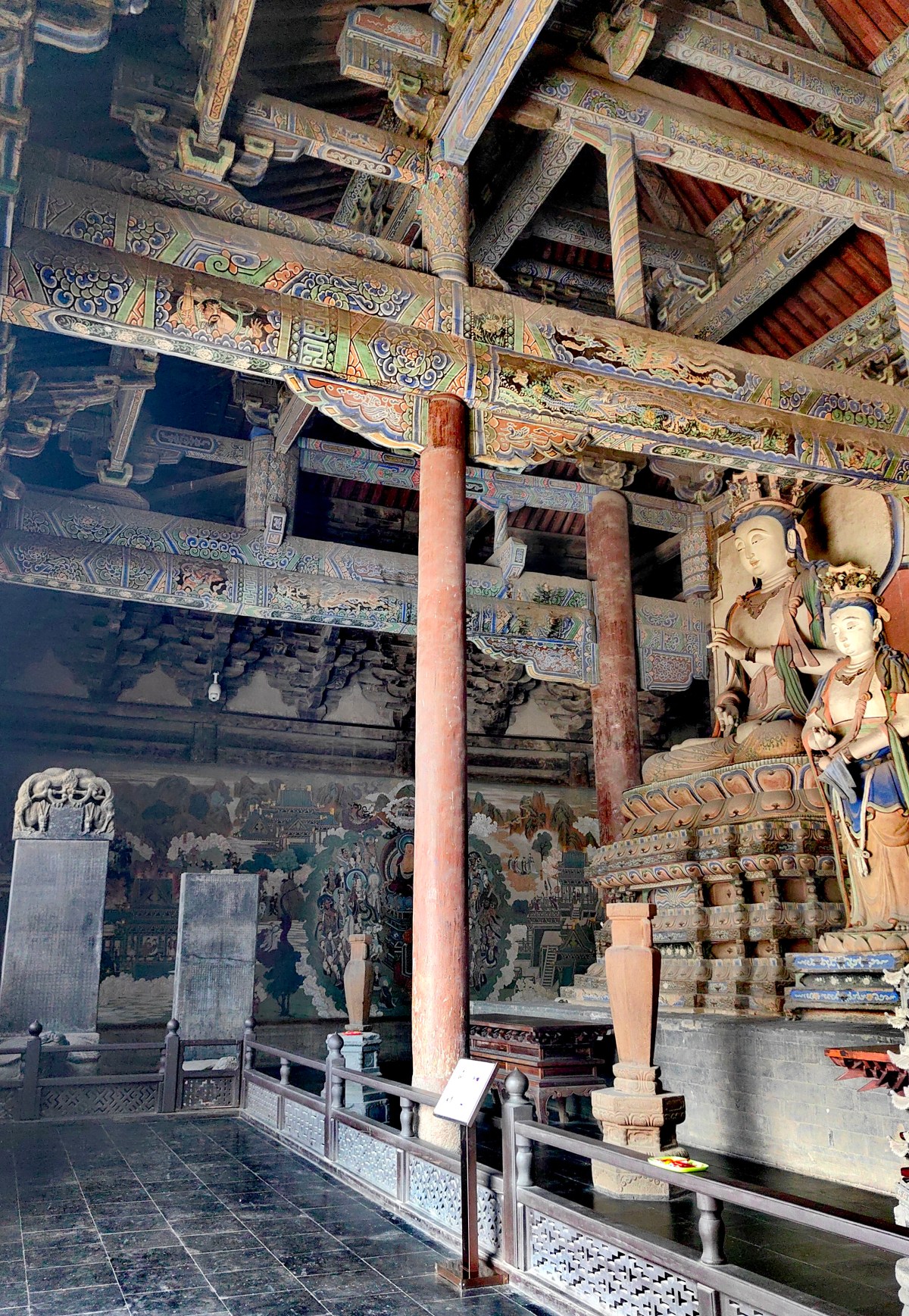
Some steles are mounted on the sidewalls of the hall near the columns that support the structure. These steles are important for preserving the history and culture of the temple. Inscriptions often commemorate the temple’s founding, its patrons, and the religious figures associated with it. They also record significant events in the life of the temple, such as renovations or notable pilgrimages.
我还发现了一些石碑矗立在大厅侧壁用于支撑整体结构的柱子旁。这些石碑对于保存寺庙的历史和文化非常重要。石碑上的碑文纪念寺庙的创立者、赞助人和相关的宗教人物。它们还记录寺庙生活中例如翻修或朝圣等重要事件。
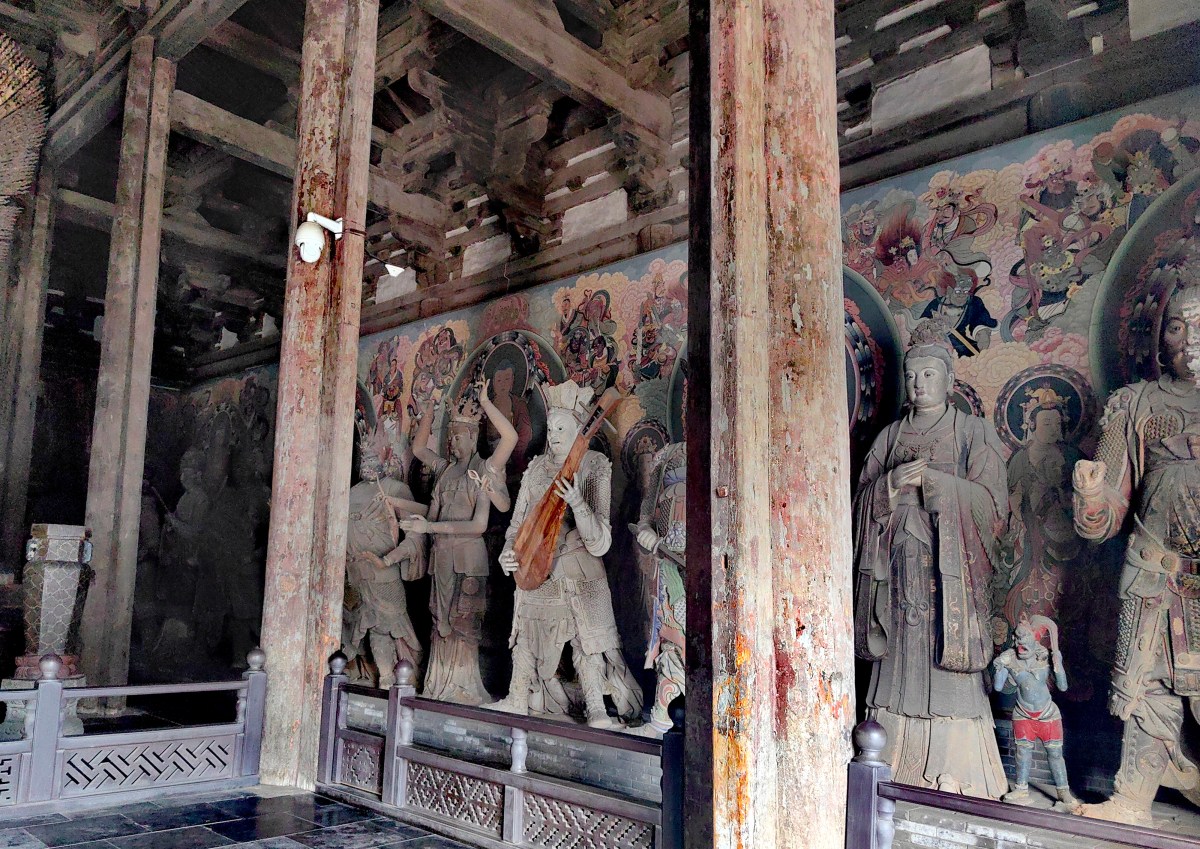
In this temple, there were many statues of devatà, that drew my attention. They are translated as “the Heavenly Kings” or “Celestial Deities” like Eight Heavenly Generals (八部天龙) or Vajra Kings. They are important figures in the temple’s representation of Buddhist cosmology. These celestial beings are typically depicted in Chinese Buddhist temples to symbolize the protection of the Buddhist law and the universe. They have ferocious faces, elaborate armor, and warrior regalia, reinforcing their protective roles. These statues are often made of wood and bronze and gilded or painted in bright colors to reflect their divine status.
这座寺庙里有许多诸天的雕像,特别引起了我的注意。诸天通常指八部天龙或金刚王等佛教众神。他们是中式寺庙里佛教宇宙观的重要代表。这些天神通常象征着佛家宇宙和佛法的保护。他们面目狰狞,身着精致的盔甲和武士服饰。这些雕像通常由木头和青铜制成,镀金或涂上鲜艳的颜色以凸显他们的神圣地位。

There is a traditional Chinese garden in the courtyard of Shanhua Temple. It includes a combination of natural features such as trees, rocks, and water, alongside carefully placed man-made structures. The garden is filled with a variety of trees, shrubs, and plants, some of which are centuries old. These trees provide shade and enhance the temple’s tranquil atmosphere. The use of evergreen trees is common in traditional Chinese gardens, symbolizing endurance and longevity. The use of rocks and stone formations is a key characteristic of Chinese gardens, and the Shanhua Temple garden is no exception.
善化寺的庭院里有一个传统的中式园林。它结合了树木、岩石和池水等自然景观,以及精心布置的人造建筑。花园里种满了各种各样的树木、灌木和植物,其中一些已有数百年历史。这些树木提供遮荫,增强了寺庙的宁静氛围。在中国传统园林中,冬青树特别常见,它们象征着耐久和长寿。大量使用假山和岩石也是中国园林的一个主要特点,善化寺的花园也不例外。

There are many temples in Datong. Most of them were built during the Liao dynasty and some of them can be dated back to North Wei Dynasty. The Xuankong Temple located at the suburb in this picture was built in that period and has been expanded and renovated over the centuries. It is built into a sheer cliff face and consists of wooden platforms, halls, and narrow walkways supported by wooden beams and stilts. This construction allows the temple to appear as though it is suspended in mid-air, offering spectacular views of the surrounding landscape.
大同有许多寺庙,大多数建于辽金时期而一些则可追溯到北魏时期。这张照片中位于郊区的悬空寺就是在那个时期建造的,几个世纪以来它经过各种扩建和翻新。如今它建在陡峭的悬崖上,由木制平台、大殿和狭窄的人行道组成,这些结构由木梁和高架支撑。这种结构使寺庙看起来好像悬在半空中,游客可以欣赏到周围壮丽的景色。

As the capital of the Northern Wei, Datong became a center of political and economic activity gradually. The city’s layout, planning, and infrastructure were influenced by the need to support a capital of such significance. Although the city’s appearance has changed over time drastically, walking through its ancient streets still evokes a sense of historical depth.
作为北魏的都城,大同历史上逐渐成为政治和经济活动的中心。城市的布局、规划和基础设施都因为都城的作用而有所改变。尽管这座城市的面貌随着时间的推移而发生了巨变,但漫步在古老的街道上仍然能让我感受到历史的厚重感。

The travel in this ancient city is quite meaningful for me. On one hand, it was a relaxing tour that relieved my fatigue accumulated in the work. On the other hand, I felt deeply immersed in the culture and history of the Northern Wei Dynasty. The awe-inspiring Yungang Grottoes, the serene temples, and the city’s ancient architecture have offered a vivid connection to the region’s rich past. Walking through these historic sites, I’ve gained a greater understanding of the Northern Wei’s influence, and the experience has left me with a lasting appreciation for the glorious historic legacy of this ancient dynasty.
这次大同古城之行对我来说意义非凡。一方面,这是一次极为放松的旅行,缓解了一年工作中累积的疲劳。另一方面,我则深深沉浸在北魏的文化和历史之中。令人叹为观止的云冈石窟、宁静的古寺庙和这座城市遗留的老建筑,都让我深刻了解了该地区丰富的历史。在这些历史遗迹中行走,我不由地身临其境深入北魏的历史,这段经历也让我对这个古老王朝的辉煌文化遗产产生了深深仰慕之情。
 Gone like the wind