
探索山西龙城太原的悠久历史
Taiyuan, the capital of Shanxi Province in northern China, is a city with a rich history, stretching back over 2,500 years. As a vital political, economic, and military hub, Taiyuan has played a crucial role in the defense of northern China throughout history. Known as “Dragon City,” it was a strategic stronghold during many dynasties, guarding the northern borders and serving as a key trading center due to its strategic position along the Fen River.
太原是山西省的省会,是一座历史悠久的城市,距今已有2500多年的历史。作为重要的政治、经济和军事中心,太原在历史上一直对中国北方地区的防御起到至关重要的作用。太原也被称为“龙城” ,是多个朝代的战略要地,供卫着北部边境,并因其位于汾河沿岸的战略位置而成为重要的贸易中心。
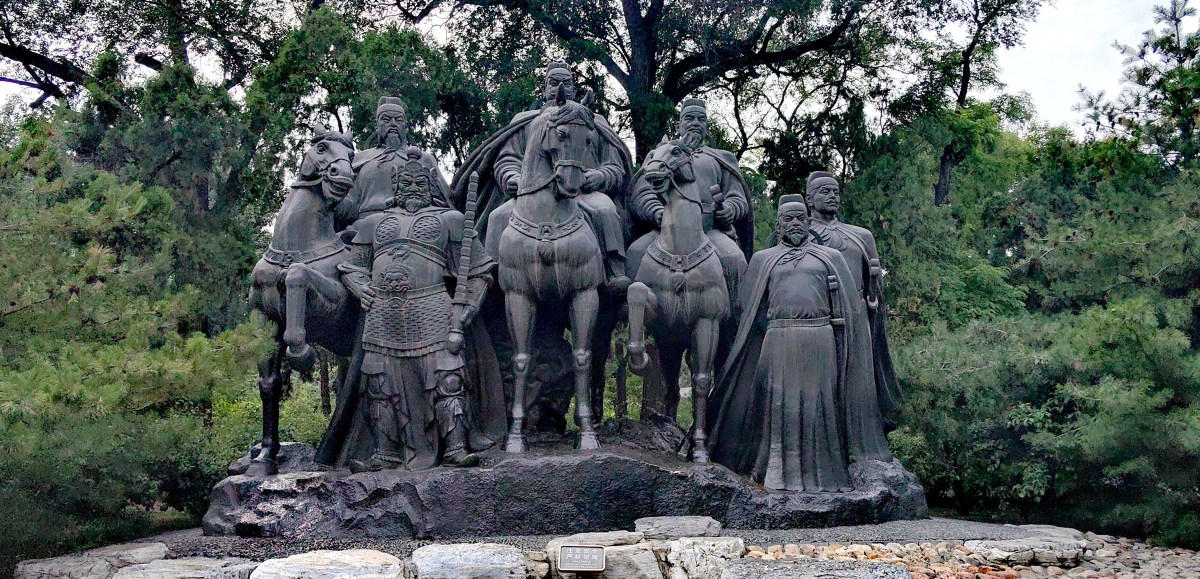
Historically, Taiyuan has been an essential city for both defense and industry. Its location—surrounded by mountains with access to fertile plains—made it ideal for military fortifications and agriculture. During the Tang Dynasty, Taiyuan was the birthplace of the dynasty’s founder, Emperor Li Yuan, and thus held immense symbolic importance as the “cradle” of the Tang. This the bronze statue of Emperor Li Shimin, also known as Emperor Taizong of the Tang Dynasty, accompanied by several of his loyal generals like Yuchi Gong who served as Li Shimin’s personal guard and became a legendary figure in Chinese folklore, sometimes represented as a door god in Chinese culture. Li Shimin, renowned for his military prowess and strategic brilliance, was instrumental in establishing and expanding the Tang Dynasty, which became one of China’s most prosperous and influential dynasties.
历史上,太原一直是国防和工业的重地。太原地理位置优越,四周群山环绕,可直通肥沃的平原,是军事要塞和农业生产的理想之地。太原是唐朝开国皇帝李渊的出生地,因此也被称作唐朝的龙兴之地。这是唐太宗李世民的龙兴晋阳雕塑,身边簇拥尉迟恭等几位忠诚的大将,尉迟恭曾担任李世民的私人护卫,后来成为中国民间传说中的传奇人物,在中国文化中被视为门神。李世民以其军事才能和战略才华而闻名,在建立和扩大唐朝版图方面发挥了重要作用,唐朝也成为中国最繁荣和最有影响力的王朝。

Taiyuan is a fascinating blend of the ancient and the modern. I visited it during my summer trip in July 2023. Nearly all the buildings in this city looked very modern. However, tourists can still explore some historical relics, such as the Jinci Temple and Twin Pagoda Temple, which offer a glimpse into its past, while the city’s industrial areas and modern infrastructure reflect its ongoing role in China’s development.
太原是一座古老与现代交融的城市。2023年7月,我在夏季旅行中顺路参观了太原。这座城市的几乎所有建筑看起来都非常现代。不过,游客仍然可以探索例如晋祠和双塔寺等历史遗迹,这些遗迹可以让人们一窥太原的过去,而如今太原的工业区和鳞次栉比的现代基础设施则反映了它在中国现代发展中持续的作用。

The Jinci Park is a renowned cultural and historical attraction located in the outskirts of Taiyuan. It is centered around the Jinci Temple, an ancient complex that dates back more than 1,400 years, but the park extends beyond the temple itself, encompassing a vast area of beautiful gardens, historic structures, and natural landscapes. The place with large history meaning is quite meaningful for Chinese history fans. I visited it from the southern part of the park.
晋祠公园是太原郊区著名的文化和历史景点。它以晋祠为中心,这是一座拥有1400多年历史的古老建筑群,公园的占地范围超出了晋祠本身,还包括大片美丽的花园、历史建筑和自然景观。这个地方有着深厚的历史意义,对中国古代史爱好者来说意义非凡。我是从公园的南端开始参观。
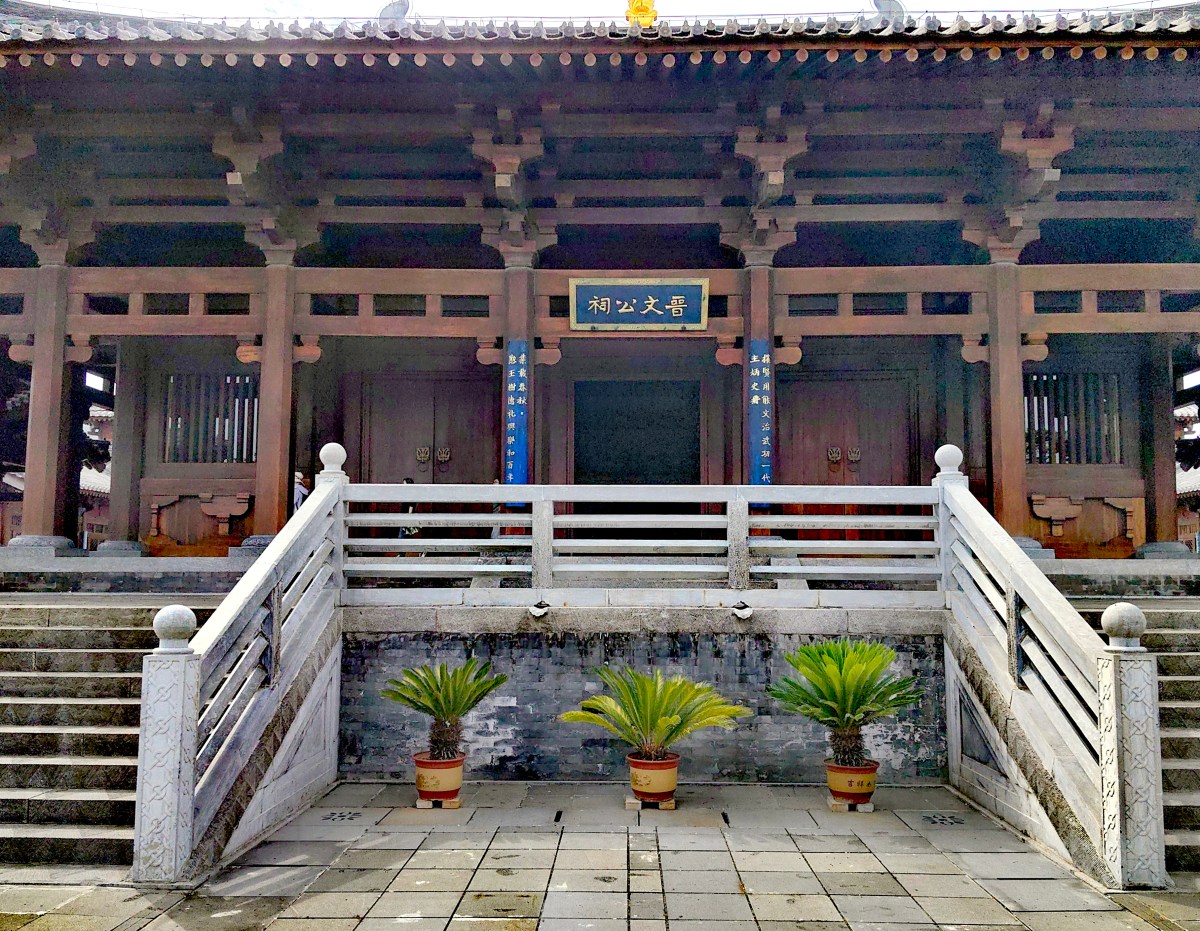
The Temple of Duke Wen of Jin was located here. Duke Wen of Jin was a prominent ruler of the Jin State during the Spring and Autumn Period. It was a chaotic period, and China has not become un unified country. There were many small states, and Jing was one of the powerful states. Duke Wen’s life was marked by adversity. After a prolonged exile caused by internal political struggles, he eventually returned to the Jin State and reclaimed his throne with the support of loyal allies. Under his leadership, Jin became a dominant power. His victory in the Battle of Chengpu (632 BCE) against the State of Chu solidified his position, earning him widespread respect as one of the five most powerful king during the Spring and Autumn Period.
晋文公庙就位于此处。晋文公是春秋时期晋国的一位杰出的君主。当时中国还未成为一个统一的国家,有许多小国林立,而晋国是其中一个强大的国家。晋文公的一生命运多蹇。由于内部政治斗争,他长期流亡国外,最终在忠诚部下的支持下回到晋国,夺回了王位。在他的领导下,晋国成为了一个强大的国家。他在城濮之战(公元前 632 年)中战胜了楚国,巩固了他的地位,并被尊为春秋五霸。
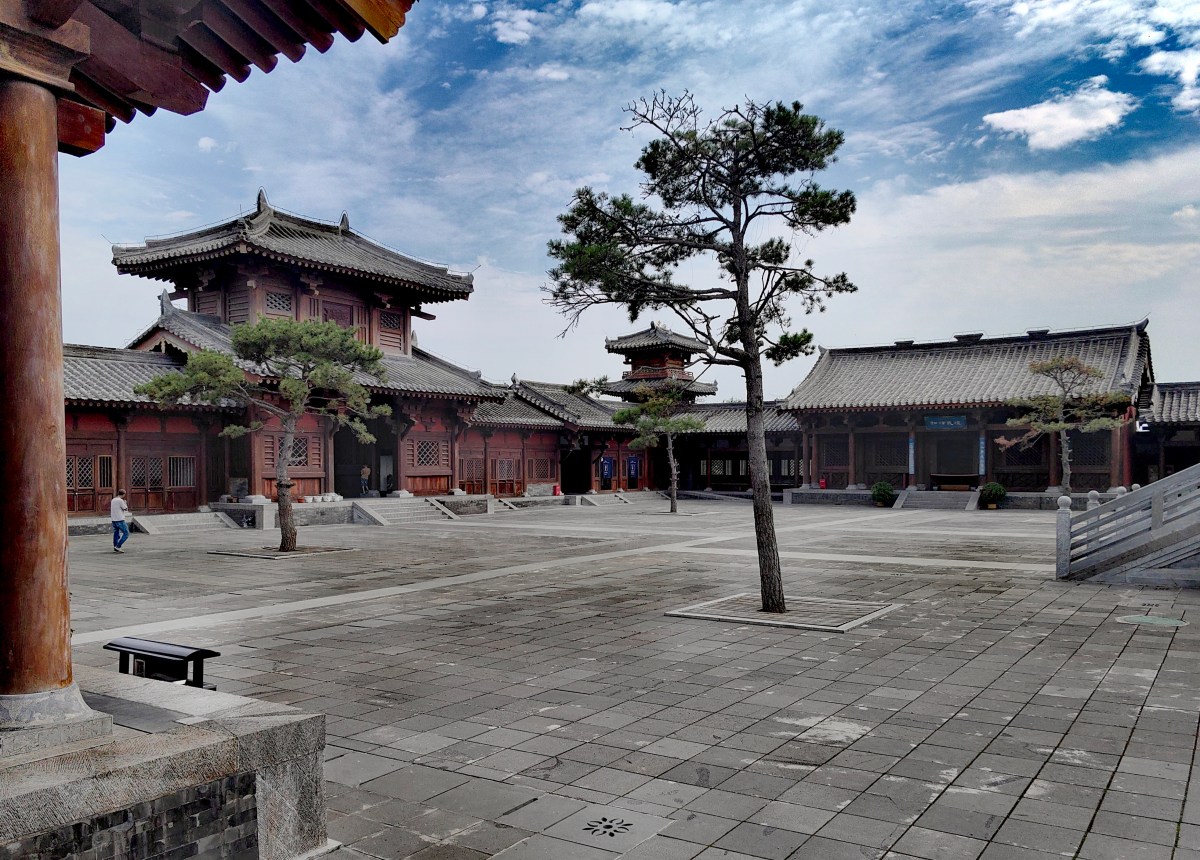
The temple reflects a combination of ancient Chinese architectural traditions. While its original construction dates back many centuries, the current structures have undergone restorations during later dynasties, including the Ming and Qing dynasty. The temple’s design embodies classical Chinese aesthetics, with wooden halls, intricately carved beams, and tiled roofs. Within the temple, visitors can find stone tablets and inscriptions that recount the life and achievements of Duke Wen. These texts provide invaluable insights into the political and military strategies that defined his reign.
这寺庙体现了中国古代建筑的融合。虽然其最初的建筑可追溯到许多世纪以前,但目前看到的建筑在后来的朝代(包括明朝和清朝)都经过了修复。寺庙的设计体现了中国古典美学,有木制大厅、精雕细琢的横梁和瓦片屋顶。在寺庙内,游客可以看到石碑和碑文,这些碑文讲述了文公的生平和成就。这些文字为了解文公统治时期的政治和军事战略提供了宝贵的见解。

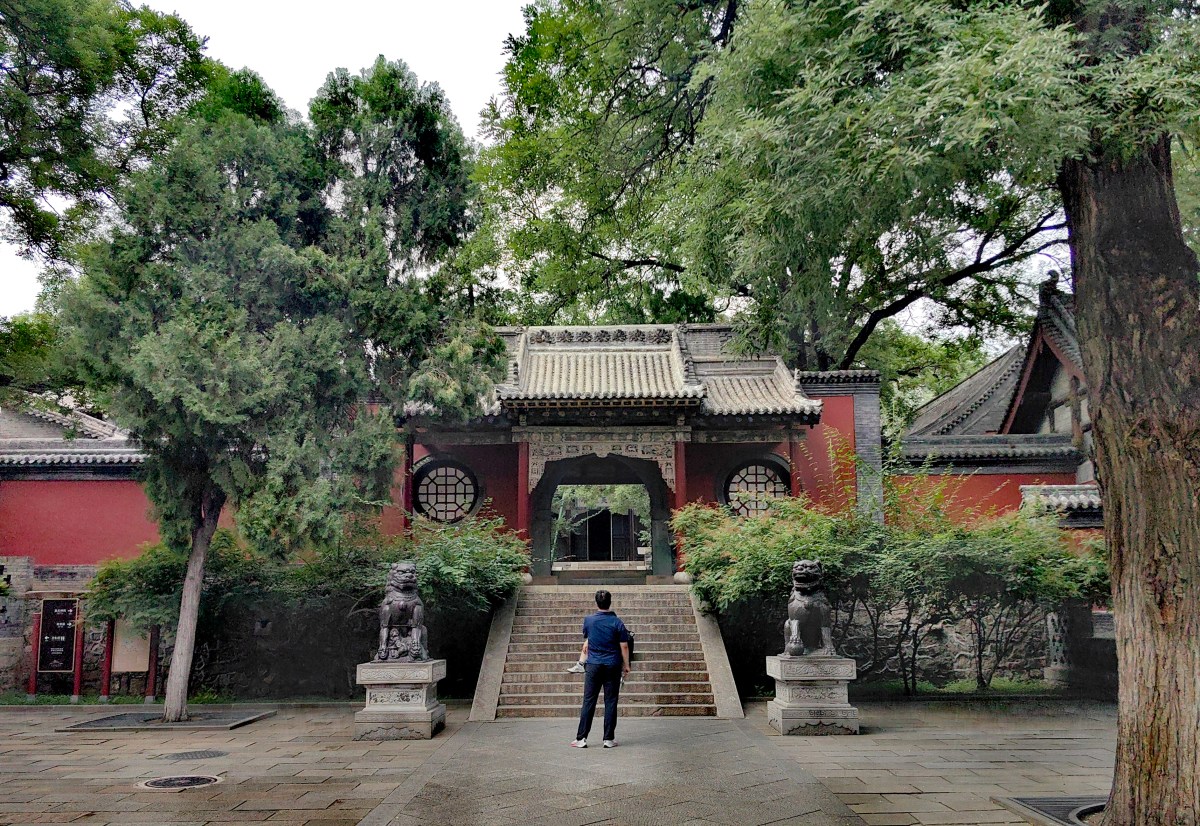
Xia Sheng Si also known as the Temple of the Earthly Birth, is a lesser-known site. This temple is unique in its dedication, focusing on the spiritual connection between the divine and the mortal realm, particularly in relation to the Earthly Mother or local deities believed to oversee human life and nature. In ancient Chinese beliefs, temples like Xia Sheng Si are often built to honor deities responsible for fertility and agriculture. The two stone lions at the gate are a common feature in Chinese architecture and are iconic symbols of protection. When I passed by, I touched them for good luck, as they were believed to bring blessings and ward off misfortune.
下生寺又名地生庙,是一个鲜为人知的景点。这座寺庙的供奉方式独一无二,注重神与人之间的精神联系,尤其是人与地母(或被认为掌管生命和自然的当地神灵)的关系。在古代中国信仰中,像下生寺这样的寺庙通常是为了纪念负责生育和农业的神而建造的。门口的两只石狮则是中国建筑的常见特征,象征庇护。当我经过时,我特意摸摸它们以求好运,相信石狮会带来祝福并避开厄运。
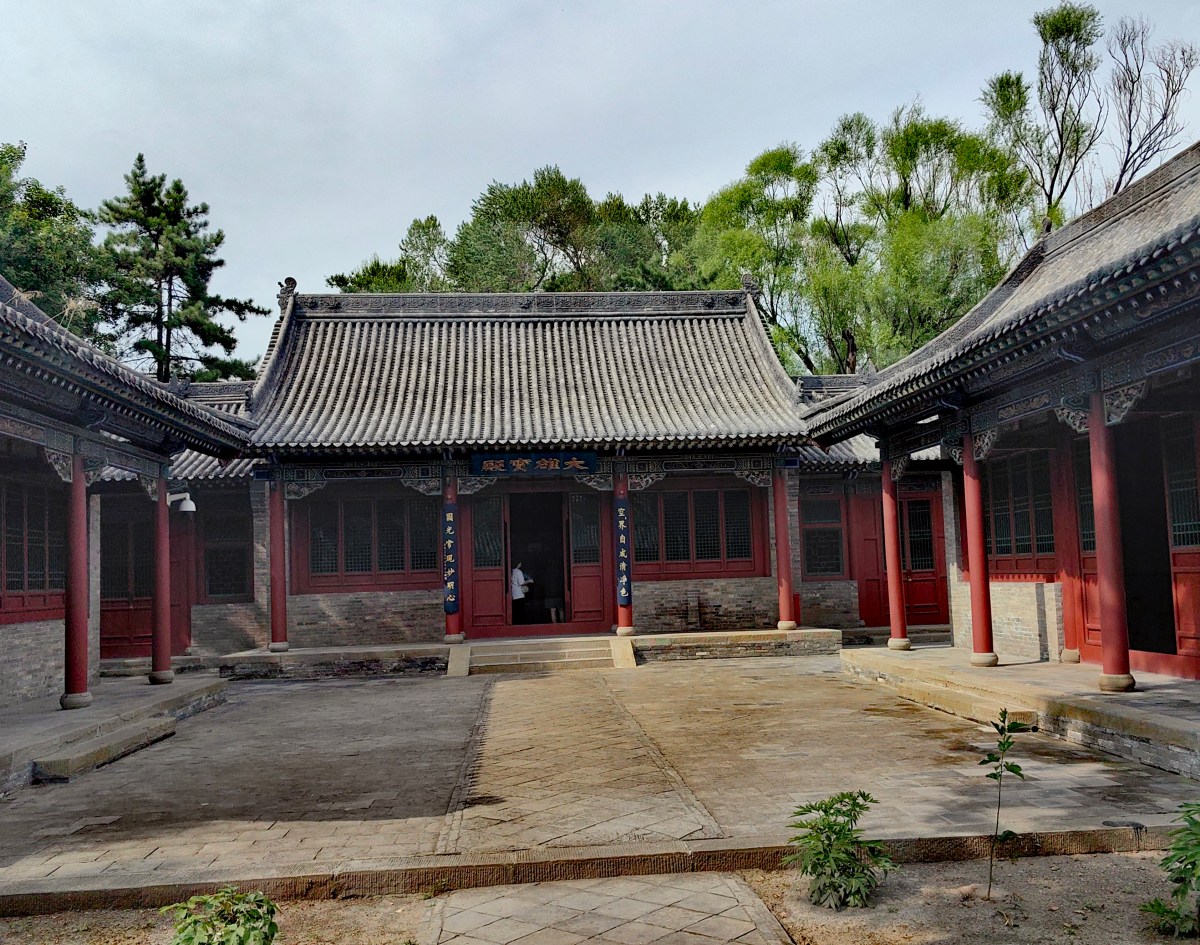
The central hall of Xia Sheng Si contains statues and tablets dedicated to the Earthly Mother or local guardian deities. These figures are typically depicted as benevolent protectors of the land and people. While Jinci Temple primarily honors the Holy Mother of the Jin State, Xia Sheng Si complements this by focusing on the nurturing aspects of nature and its direct influence on human life.
下生寺的中央大厅内有供奉地母或地方守护神的雕像和牌位。它们通常被描绘成土地和人民的仁慈保护者。虽然晋祠主要供奉着晋国圣母,但下生寺则通过关注自然的养育方面及其对人类生活的直接影响来进行补充。

The Bell Tower in Xia Sheng Si exemplifies traditional Chinese architecture, featuring multi-tiered, wooden structure with upturned eaves. It is a high platform, elevating the bell to a prominent position where its sound can travel across the temple grounds. This kind of architecture can be seen in every Chinese temple.
下生寺的钟楼是中国传统建筑的典型代表,采用多层木结构,檐口向上。钟楼是一个高台高高安置着大钟,钟声可以传遍整个寺庙。这种建筑在中国的每座寺庙中都可以看到。

Beyond its historical structures, the Jinci Park is known for its lush gardens, tranquil ponds, and shaded pathways. The centerpiece of the garden is a large, calm lake reflecting the surrounding trees, pavilions, and blue sky. The lake called nine dragons is fed by the Spring of the Immortals, a natural spring that has flowed continuously for centuries. The crystal-clear water symbolizes purity and life, an important theme in traditional Chinese gardens. Willows line the lake’s edge, their long branches gracefully dipping into the water, creating a poetic and serene scene.
除了历史建筑外,晋祠公园还以其郁郁葱葱的花园、宁静的池塘和林荫小道而闻名。花园的中心是一个平静的湖泊,倒映着周围的绿树、亭台楼阁和蓝天。九龙湖的水源来自天然泉眼难老泉,几百年来一直生生不息源源不绝。清澈的湖水象征着纯洁和生命力,这也是中国传统园林中的一个重要主题。慵懒的柳树排列在湖边,长长的枝条优雅地垂入水中,营造出诗情画意。

The garden is filled with ancient cypress and pine trees, some of which are over a thousand years old, providing shade and adding to the historical ambiance.
园内古柏古松遍布,有的树龄逾千年,遮阴蔽日,更增添了历史气息。
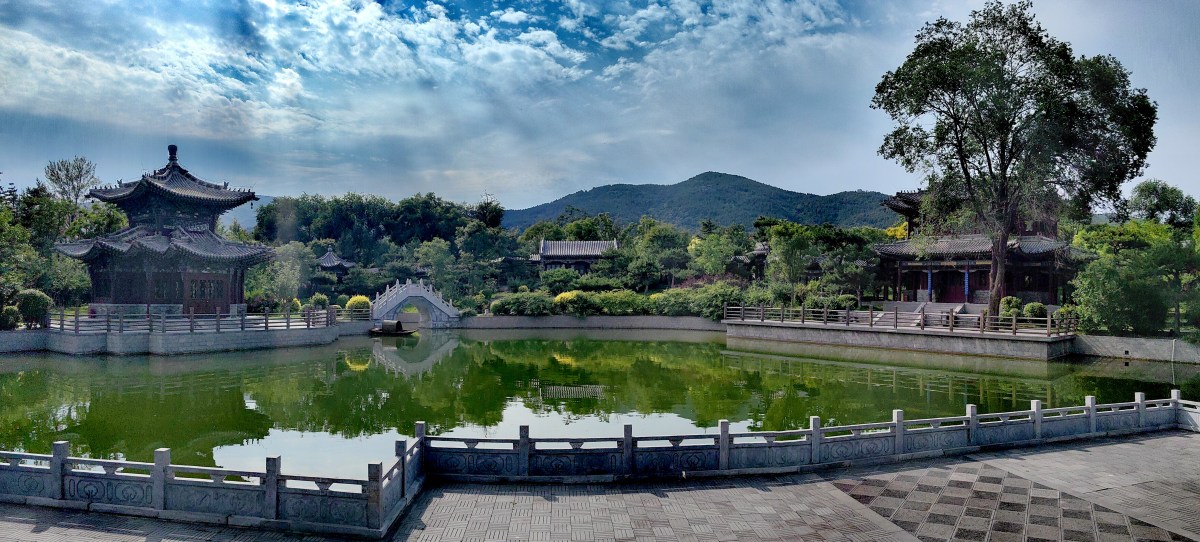
Scattered throughout the garden are elegant pavilions and gazebos, offering places for visitors to rest and take in the scenic views. Winding stone pathways lead visitors through the garden, encouraging a leisurely pace to fully appreciate its beauty. Artificial rockeries, a staple of Chinese garden design, add texture and depth to the landscape. These rocks, carefully arranged, mimic the appearance of natural mountain formations and symbolize stability and endurance.
花园各处散布着优雅的亭台楼阁,为游客提供休息和欣赏美景的地方。蜿蜒的石路引导游客层层穿过花园,悠闲地欣赏花园的美景。人造假山也是中国园林设计的主要元素,为景观增添了质感。这些精心布置的岩石模仿了自然山体的外观,象征着坚韧。
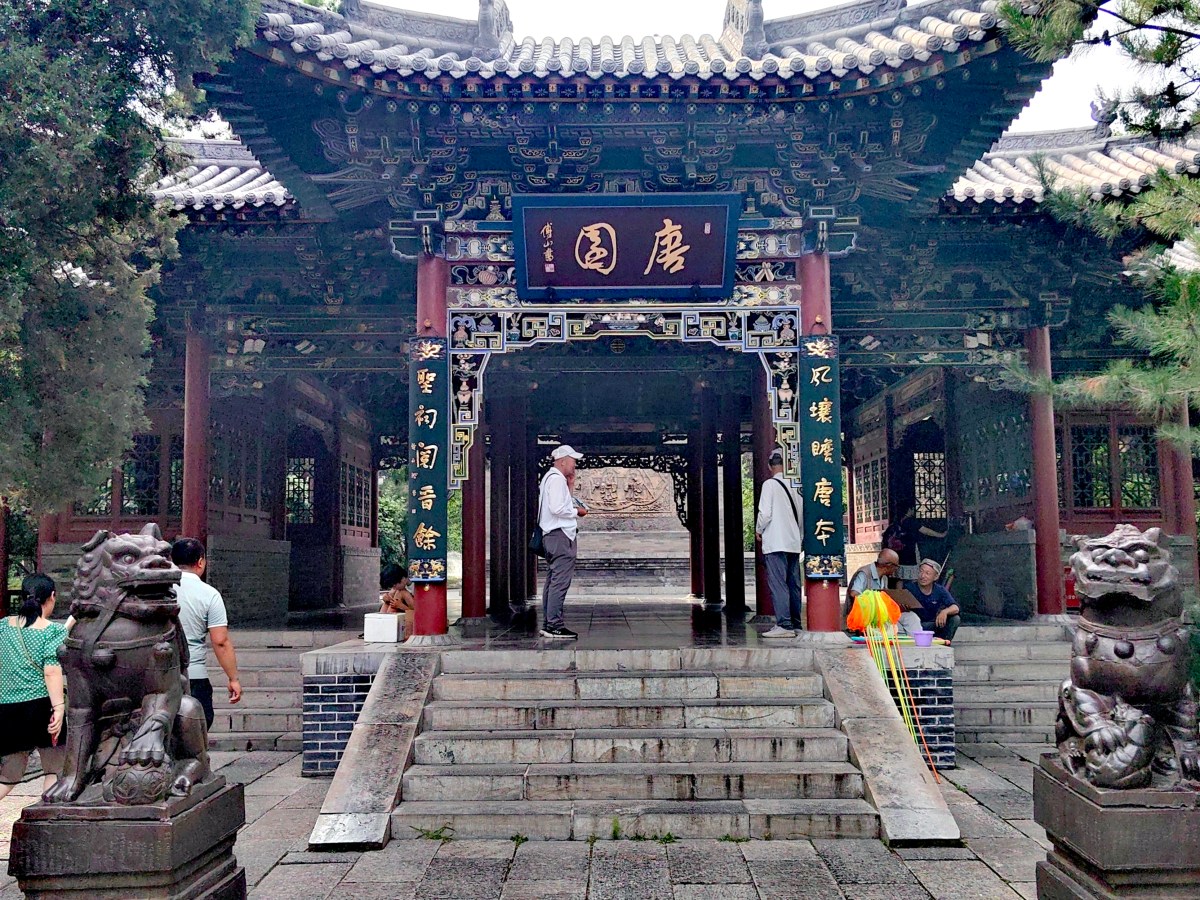
The Tang Garden is a beautifully divided landscaped area inspired maybe by the sophisticated garden styles of the Tang Dynasty. The Tang-inspired pavilions within the garden are characterized by their intricate wooden carvings and upturned eaves. Rockeries, bamboo groves, and flowering plants are frequently used in this garden.
唐园是一个风景优美的园林区,其设计灵感可能源自唐代的精致园林风格。园内的亭台楼阁以精致的木雕和上翘的屋檐为特色,并广泛使用了假山、竹林和开花植物作为装饰。

The Tang Dynasty is often regarded as a golden age of Chinese culture. The garden includes a serene pond and small stone bridges and steppingstones cross the pond, invites visitors to pause and enjoy the tranquil scenery from different vantage points. Walking along the garden’s stone paths, I could admire the lotus flowers up close, hear the gentle rustle of leaves, and watch koi fish weaving through the submerged stems. The large, emerald-green leaves float gracefully on the surface. Despite growing in muddy water, the lotus emerges clean and beautiful, symbolizing the ability to remain untainted by worldly impurities. So, lotus is revered in Chinese culture and often associated with purity and many poems drew inspiration from lotus flowers.
唐代通常被认为是中国文化的黄金时代。唐园花园里有一个宁静的小池塘,池塘上横跨着小石桥和踏脚石,让游客驻足欣赏,从不同的角度欣赏这片宁静的风景。沿着花园的石路漫步,我可以近距离欣赏含苞欲放的荷花,聆听树叶轻柔的沙沙声,观看锦鲤在沉下浮上的叶茎中穿梭。宽大而翠绿的荷叶优雅地漂浮在水面上。尽管生长在泥水中,荷花却纯净高雅,象征着不受世俗杂质污染的能力。荷花在中国文化中备受推崇,常常与纯洁联系在一起,许多诗歌也都是从荷花中汲取灵感。

Lingyun Ge is a towering structure that offers panoramic views of the surrounding landscape. is a multi-tiered wooden pavilion with an imposing yet graceful presence. Its name, “Soaring Clouds,” suggests its lofty position and the feeling of elevation one experiences when climbing it. The structure features intricately carved beams, colorful murals, and decorative eaves, showcasing the craftsmanship of traditional Chinese architecture. It was historically used as a place for scholars, monks, and visitors to draw inspiration from nature and create poetry here.
凌云阁是一座高耸的建筑,可俯瞰周围景观。它是一座多层木结构亭子,气势宏伟,又不失优雅。它的名字暗示了高耸的位置以及攀登时体验到的升华感。该建筑以精雕细琢的横梁、色彩缤纷的壁画和装饰性屋檐为特色,展示了中国传统建筑的工艺。历史上,这里曾是各种文人墨客僧侣游客从大自然汲取灵感并创作诗歌的地方。

In ancient Chinese garden, travelers can always see this kind of loft building with a tunnel at the ground level, which allows for pedestrian passage beneath the structure. It is a two-story brick loft, constructed using traditional Chinese masonry techniques. The upper floors feature small, lattice windows and ornamental brickwork. Positioned along a main pathway, it acts as a transition point, guiding visitors to the main gate of Jingci temple.
中国古代园林中,游客总能看到这种阁楼建筑,底层设有隧道,方便行人从建筑下方通过。这是一座两层砖砌阁楼,采用传统砌筑技术建造而成。上层设有小格子窗和装饰性砖砌结构。它位于主干道沿线引导游客前往晋祠的正门。

In front of the main gate of Jingci Temple, there is an array of bridges constructed from gray or white stone, with elegantly carved balustrades and decorative patterns. The intricate carvings of auspicious symbols, such as dragons and phoenixes are believed to bring good fortune and spiritual protection. The bridges are positioned directly in front of the temple’s main gate, creating a sense of grandeur and symmetry. The similar design can be seen in the Tiananmen square.
晋祠正门前有一排装饰精美的雕刻栏杆和图案的灰白色石头建造的桥梁。古人相信带有龙凤等吉祥符号的精雕细琢能带来好运。这些桥梁位于正门的前方,营造出一种宏伟和对称的感觉。天在著名的天安门广场上也可以看到类似的设计。

The Jinci temple origins date back to the Western Zhou Dynasty (11th century BCE – 771 BCE), although much of its current structure reflects later periods, including the Northern Wei, Tang, Song, and Ming Dynasties. Originally built to honor Shuyu which is the founding ruler of the ancient Jin State, Jinci served as a shrine dedicated to the Holy Mother of Jin later. This is the main hall of this temple. It is one of the few surviving Song Dynasty wooden structures in China, making it an invaluable resource for studying ancient Chinese architecture and construction techniques.
晋祠的起源可追溯到西周时期,但其大部分现有建筑反映了包括北魏、唐、宋和明朝时期的建筑风格。晋祠最初是为了纪念古代晋国的开国君王唐叔虞而建,后来成为了纪念晋国圣母的神殿。图中是晋祠的主殿。它是中国少数幸存的宋代木结构建筑,是研究中国古代建筑技术的宝贵资源。

The dragon carvings on the columns of the Hall are extraordinary examples of Song Dynasty artistry. The dragons are carved in high relief, giving them a three-dimensional, lifelike appearance. Each dragon appears to be in motion, coiling around the columns with an energetic sense of power. Their claws, depicted with sharp, grasping talons, clutch at the columns. The dragons’ faces are particularly expressive, with fierce eyes, flaring nostrils, and open mouths revealing sharp teeth and long, curling tongues.
The placement of the dragon carvings on multiple columns creates a sense of balance and harmony within the hall. In Chinese mythology, dragons are believed to control rivers and rain. Their carvings in the Hall of the Holy Mother highlight the temple’s connection to water, particularly the nearby Spring of the Immortals, which nourishes the complex.
晋祠大殿柱子上的盘龙雕是宋代艺术的杰出典范。这种柱子采用高浮雕设计,立体逼真。每条龙都动感十足,盘绕在柱子上,充满压迫力。龙爪锋利,紧抓着柱子。龙的面部表情特别生动,眼神凶狠,咧开嘴巴,露出锋利的牙齿和长而卷曲的舌头。
盘龙雕被安置在大厅多个柱子上,营造出一种平衡和谐的感觉。在中国神话中,龙被视为控制着河流、雨水的主神。圣母殿的盘龙雕则凸显了晋祠与水的联系,尤其是这个大殿附近的难老泉,它滋养了整个建筑群。
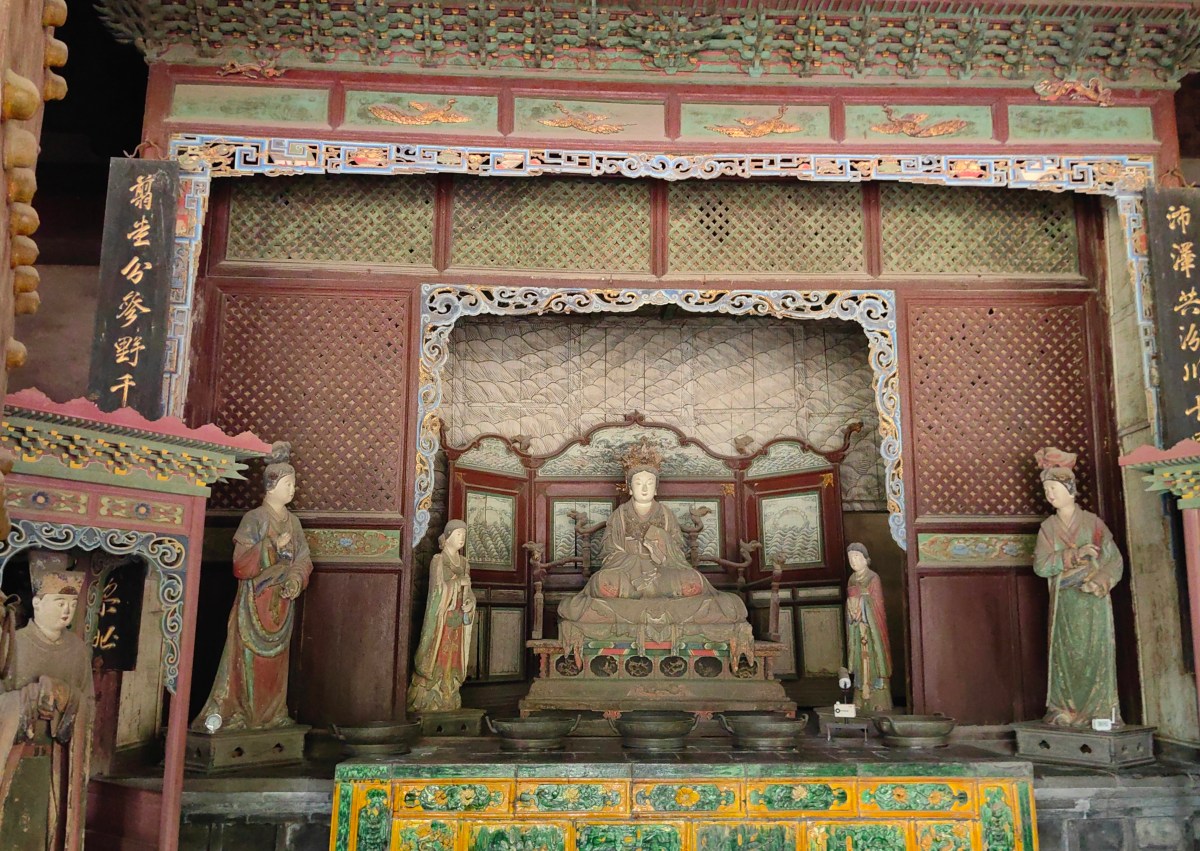
Inside the hall stands a life-sized clay statue of the Holy Mother, honored as a protective deity and matron of the ancient Jin State. The statue is made of painted clay, a medium that allowed for fine detailing and vibrant coloration. Her robes are elaborately adorned with flowing patterns and textures, reflecting the high status of her divine role. These sculptures made in Song Dynasty are celebrated for their lifelike appearance and intricate details.
主殿内矗立着一尊真人大小的圣母泥塑,圣母被尊为古代晋国的守护神。雕像由彩绘粘土制成,这种材料可以体现精准的细节和鲜艳的色彩。圣母的长袍上流畅的图案和纹理装饰精美,彰显圣母的崇高地位。这些宋代雕塑因其栩栩如生的外观和复杂的细节而闻名于世。

Flanking the Holy Mother are 42 life-sized attendant statues, each with a distinct role and character. These attendants include officials, warriors, and maidens. The statues are renowned for their realism, a hallmark of Song Dynasty sculpture. The artists paid meticulous attention to facial expressions, body proportions, and the texture of garments. Though the colors have faded over time, traces of red, gold, blue, and green paint still remain. The intricate designs on the robes and accessories demonstrate the high level of Chinese craftsmanship one thousand years ago.
圣母两侧是42尊真人大小的侍女雕像,每尊雕像都有不同的角色和性格。这些侍女包括办事员、武卫和服侍圣母的仆人。这些雕像以写实而闻名,写实风也是宋代雕塑的一大特色。艺术家对面部表情、身体比例和服装质地非常考究。虽然随着时间的推移,雕像的颜色已经褪色,但红金色蓝绿色的颜料痕迹仍然残留。长袍的配饰上复杂的图案也向我们展示了一千年前中国工艺的高超水平。

Jinci Temple is famous for three wonders: Maid Statues in the Hall of the Holy Mother, The Spring of the Immortals, and the Twin Cypress Trees. They are the unique cultural treasure. In this picture, one of the two ancient cypress trees stand near the Hall of the Holy Mother. It is estimated to be over 3,000 years old, making them some of the oldest trees in China. Now both trees are so old that they need a metallic pole to support them. These trees are seen as symbols of eternal life. They have survived countless historical events, embodying the resilience of Chinese civilization.
晋祠以三绝闻名:圣母殿侍女像、难老泉和双柏。它们是独一无二的文化瑰宝。这张照片中,圣母殿附近矗立着一棵老古柏。据说这棵古柏树已有 3000 多年的历史,是中国最古老的树木之一。如今这两棵树都已然垂垂老矣需要一根金属杆来支撑。这种柏树也被视为长生的象征。它们经历了千年岁月的洗礼,依然幸存至今,体现了中华文明的坚韧不拔的精神。

This is the pavilion of the famous Spring of the Immortals. It is a natural spring that has been continuously flowing for over a thousand years. Its name suggests that drinking its water can bring longevity. The water is clear, cool, and pure, feeding the surrounding ponds and streams within the temple complex during thousands of years.
这是著名的难老泉亭。这里是一处天然泉眼,已流淌一千多年。它的名字象征着饮用其水可以长寿。难老泉水清澈凉爽、纯净无比,数千年来一直滋润着寺庙建筑群周围的池塘和溪流。

The stone bridge that spans the central fishpond in front of the Hall of the Holy Mother is called Yuzhao Feiliang in Chinese which means Flying Bridge Over the Fishpond. It is named “Flying Bridge” because of its innovative design: the bridge is supported by piers and extends out in a cross-shape, connecting the four cardinal directions. This gives the impression of the bridge “flying” over the water. It is an outstanding example of Song Dynasty engineering. The innovative cross-shaped layout is rare in traditional Chinese architecture.
圣母殿前这条横跨鱼塘的石桥,名为“鱼沼飞梁”,意为鱼塘上的飞桥。飞桥因设计新颖而得名:桥身由石墩支撑,呈十字形延伸,连接四方,给人以“飞”在水面上的感觉。这是宋代工程的杰出典范。这种创新的十字形建桥布局在中国传统建筑中并不常见。

Apart from the three wonders, I visited other notable ancient architectures. The Water Mirror Terrace is an elevated stone platform for performing operas. It is now an important venue for activities during the Jinci Temple Fair. There is a plaque on the front and side with the four characters “Three Jin Famous Springs”. The west side (back) is a stage with a single-eaved curved roof. The east side is a double-eaved hip roof from the Ming Dynasty. There are eight water tanks under the stage. Every two of them are buckled together to form four groups of “large speakers”, which is a way for the ancients to increase the volume when performing.
除了晋祠三绝,我还参观了其他颇有意义的古建筑。这个水镜台是一座高架的石台,用于古人演戏剧,现在是晋祠庙会期间的重要活动场所。台的正面和侧面有一块匾额,上面写着“三晋名泉”四个大字。西侧(背面)是一座单檐曲顶戏台,东侧是明代重檐庑殿顶。戏台下有八个水缸,每两个水缸扣在一起,形成四组“大喇叭”,这是古人演出时用来增加音量的方法。
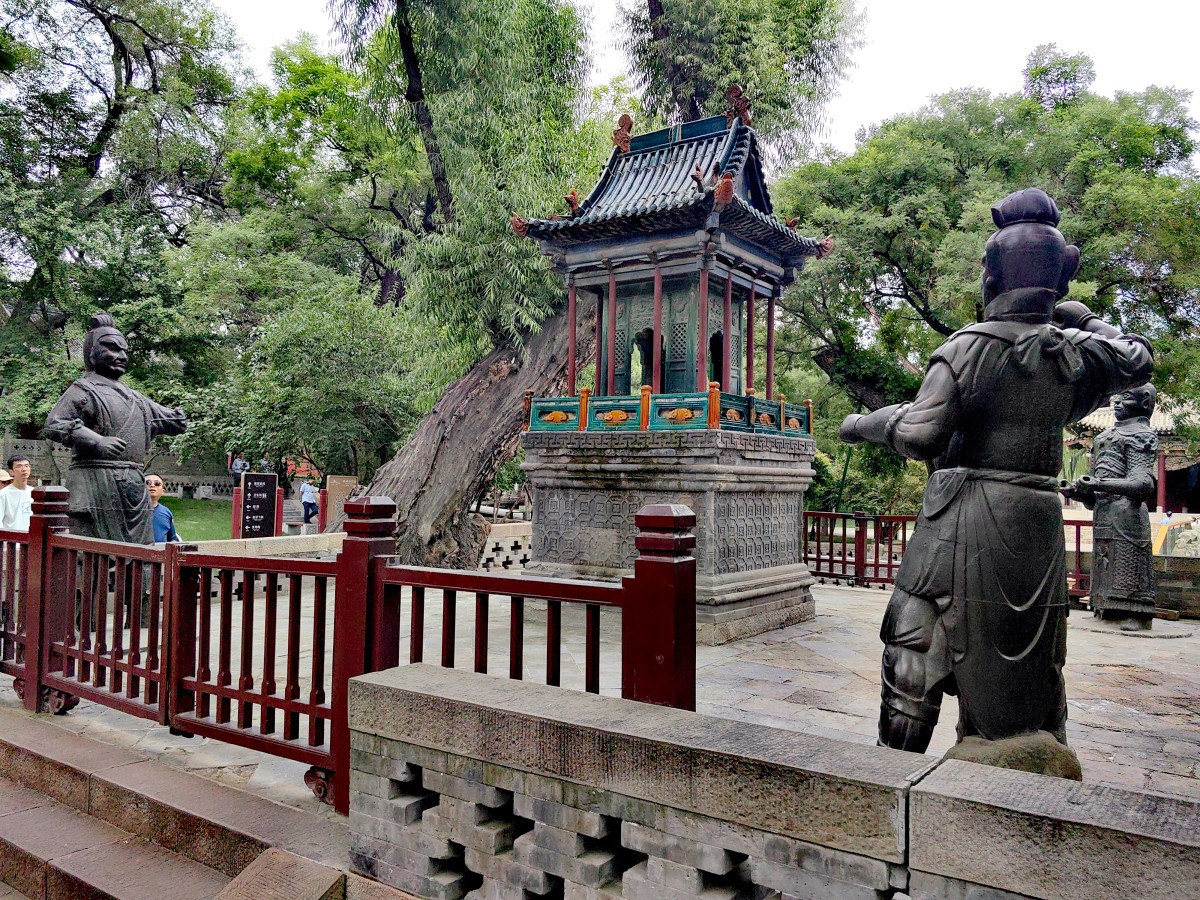
In this picture the Golden Figures Terrace is a stone terrace and an intriguing and historically significant feature. Its name derives from the presence of metal statues on the terrace. These figures were cast in bronze or covered in gold leaf in the Song Dynasty. Some historical experts suggest that the statues may have commemorated notable military figures or ancestors of the Jin State, emphasizing the importance of loyalty and heritage in Chinese culture.
这幅图中的金人台是一座石台,是一处具有重要历史意义的景点。它的名字源于台上的金属雕像。这些雕像在宋代用青铜铸造用金箔包裹。一些历史专家认为,这些雕像可能是为了纪念晋国著名的军事人物或祖先,强调忠诚在传统中国文化中的重要性。

This kind of archway is an important feature in Chinese architecture. The Duiyue Archway is constructed in the traditional Chinese memorial archway style with stone as its primary material. The archway is richly decorated with carved reliefs, including motifs of dragons, clouds, and lotus flowers. The calligraphy on the plague attributed to skilled artists of the Ming Dynasty. The archway is carefully positioned to align with the temple’s main axis. The term duiyue conveys a sense of offering deep respect, particularly to ancestral spirits. In Chinese, “Dui” means to repay; “Yue” means to promote. The two words combined together mean “repaying and promoting the merits of ancestors”
这种牌坊是中国建筑的一个重要特征。对越牌坊采用中国传统的牌坊风格建造,主要材料为石头。牌坊上雕刻着包括龙、云和莲花等丰富的浮雕。牌匾上的书法出自明代技艺精湛的艺术家之手。牌坊的位置也经过精心设计,与寺庙的中轴完全对齐。对越一词传达了一种深深的敬意,尤其是对先祖的敬意。在古汉文里,“对”的意思是报答;“越”的意思是弘扬。这两个词结合在一起的意思是“报答和弘扬祖先的功德”
The main character of the temple Tang Shuyu was the younger son of King Wu of Zhou. According to historical accounts, he was granted the land of Tang (modern-day Shanxi) as a fiefdom for his loyalty and contributions to the Zhou court.
He was credited with establishing the State of Jin, which later became a powerful force in northern China. The shrine and even the whole Jingci temple was built to honor Tang Shuyu. It has been a site of ancestral worship and ritual offerings for centuries.
晋祠的主人公唐叔虞是周武王的小儿子。据史料记载,他因对周朝廷的忠诚和贡献而被封为唐地(位于现山西)。后来他建立了晋国,而晋国则成为中国北方的一支强大的军事力量。这座神社乃至整个晋祠最初都是为了纪念唐叔虞而建的。几个世纪以来,这里一直是祭祀祖先的场所。
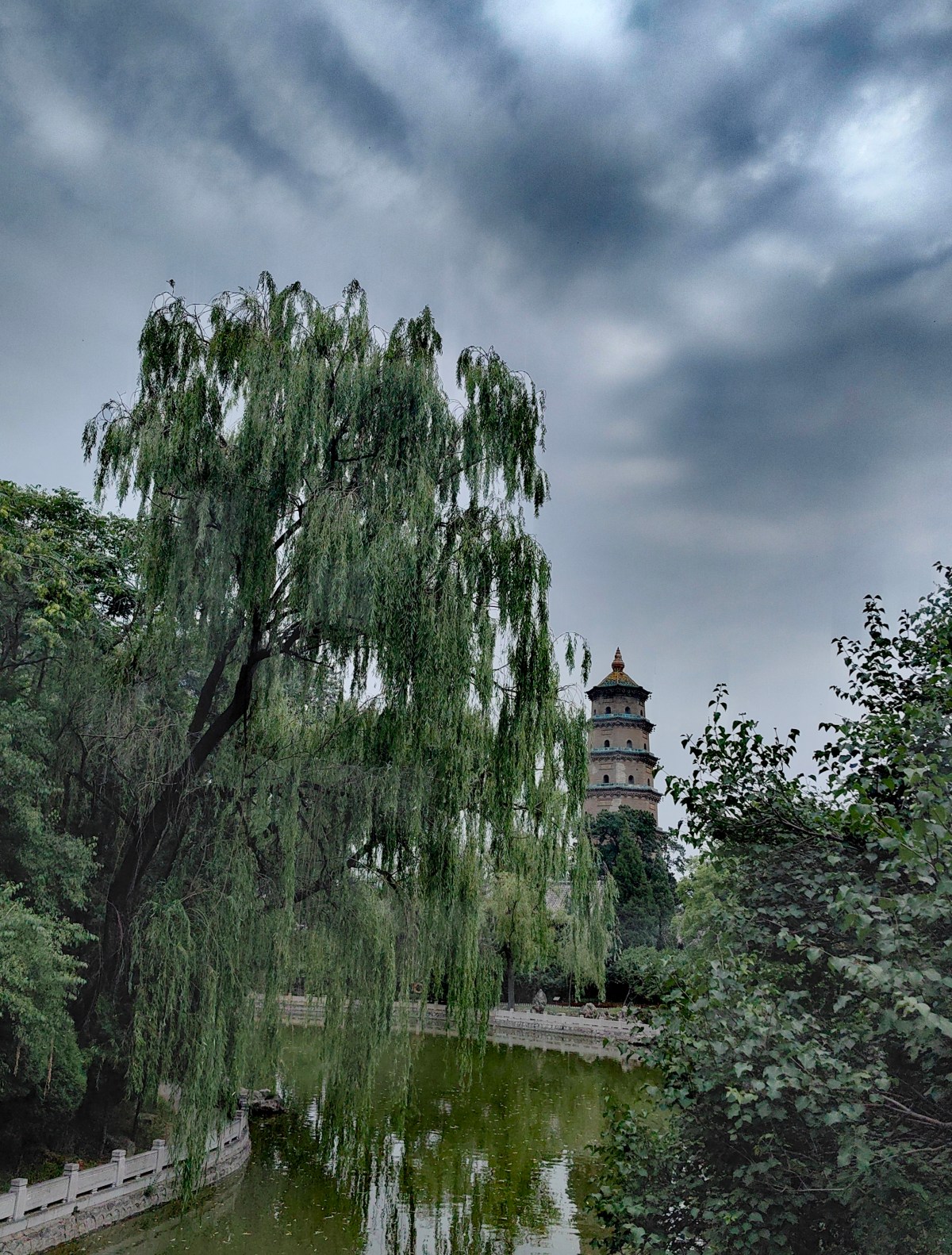
I traveled in this place for a whole afternoon. The old temple and towers of Jinci were enveloped by profuse greenery of pine and cypress trees. The gentle rustle of leaves, the soft chirping of birds, and the sound of flowing water created a meditative atmosphere. The enchanting environment here was really attractive for me, reminiscent of Jiangnan’s poetic charm.
我在晋祠景区游玩了一下午,这里的古刹宝塔被郁郁葱葱的松柏环绕,树叶沙沙自语,鸟儿轻声鸣叫绕林不绝,流水潺潺,令人心旷神怡,迷人的环境犹如江南诗情画意的感觉让我陶醉其中。

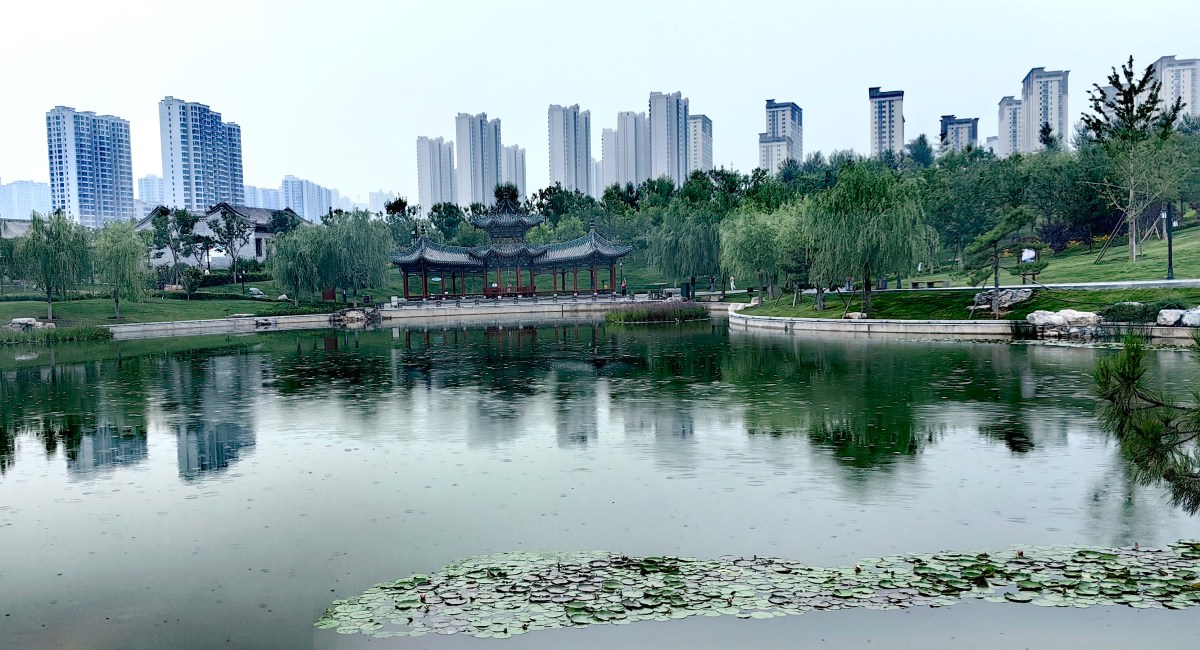
Tai Yuan is modern city and there are not so many ancient architectures in the city center which appears a bit boring. This is the landscape of the Fen River, known as the “Mother River of Shanxi”. It is the second-largest tributary of the Yellow River and holds immense historical, cultural, and economic significance for the region. Flowing through Taiyuan, the river traverses the city from north to south, creating a scenic corridor. There are many high rising apartments along the riverbank, marking the quick progress of modernism of cities in China.
太原是一座现代化城市,市中心没有太多的古建筑,并显得有些乏味。这里是被称为“山西母亲河”的汾河风景。它是黄河的第二大支流,对该地区具有巨大的历史文化和经济意义。汾河流经太原,从北向南横穿城市,形成一条风景走廊。河岸边有许多平地而起的高层公寓,标志着中国城市日新月异的现代化进程。
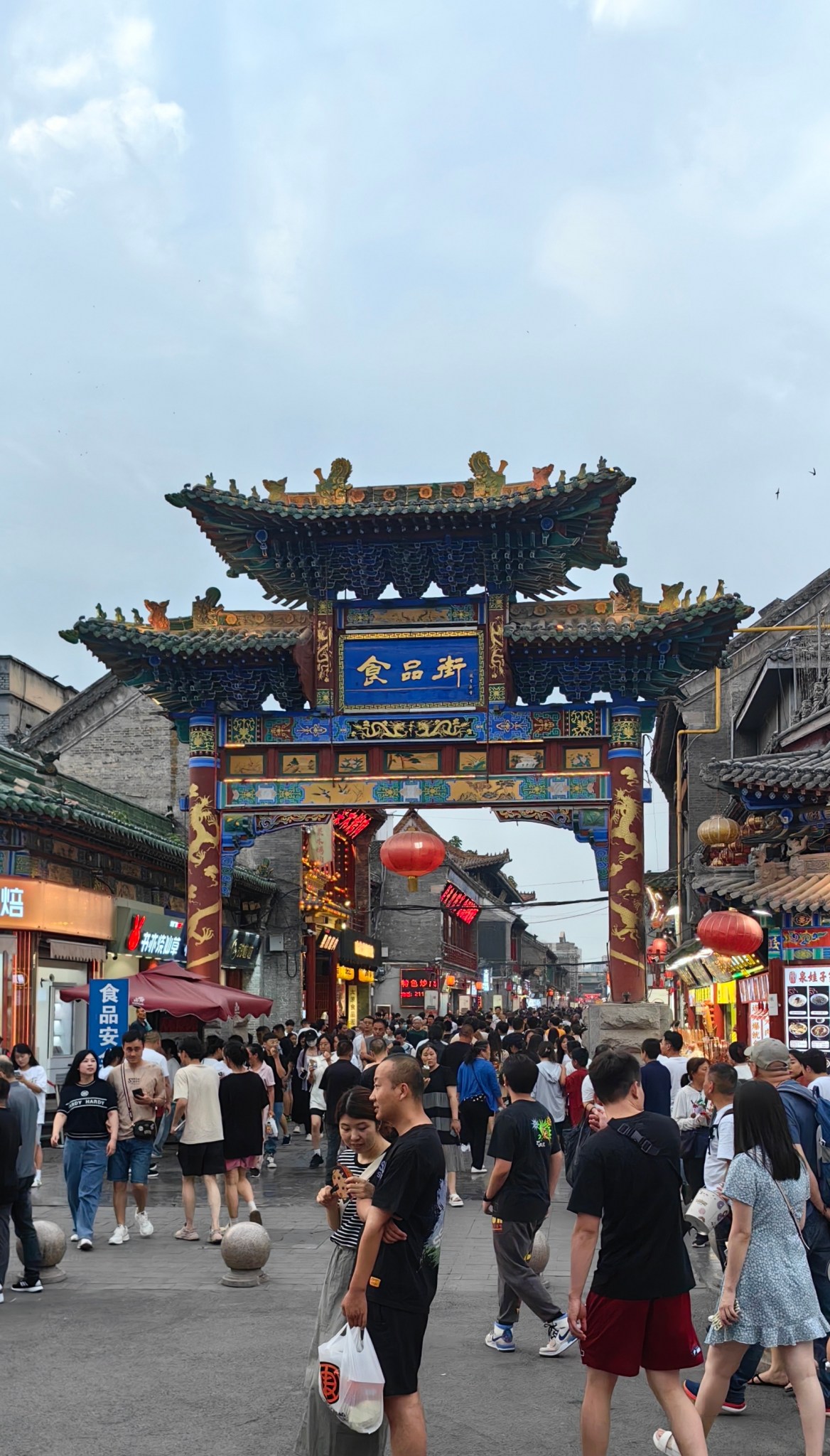
In the evening, when the darkness has fallen, I visited the Bell tower pedestrian street. It was extremely crowded. It was designed to reflect Taiyuan’s historical charm, with buildings showcasing traditional Chinese architectural elements such as upturned eaves and red lanterns. Numerous restaurants and food stalls lined the street, serving a mix of traditional Shanxi dishes.
夜幕降临,我来到太原市中心的钟楼步行街。一条街上人头攒动。这条街的设计反映了太原的悠久历史,并展示了如飞檐和红灯笼中国传统的建筑元素。街道两旁林立着许多餐馆和小吃摊,兜售各种传统的山西菜肴。

Enjoying delicious local food is always important for travelers. Shanxi cuisine is famous for noodles. Kaolaolao is a signature dish of Shanxi Cuisine. It is a type of steamed noodle roll, made by rolling thin strips of dough of oat flour into spirals or small hollow cylinders. Once steamed, the Kaolaolao has a soft, chewy texture. It is served together with minced garlic, aged vinegar, and spicy oil.
Shanxi cuisine is also renowned for its rich flavors and unique use of aged vinegar. The combination of tender beef of original taste and aromatic aged vinegar creates a balance of savory and tangy flavors that exemplifies the culinary art of the region. Made from sorghum, barley, and peas, the vinegar undergoes a lengthy aging process, often for several years, which gives it its distinct flavor profile—rich, mellow, and slightly sweet with a tangy kick. Travelers must try it when traveling in Shanxi province.
品尝美味的当地美食对异乡旅行者来说尤为重要。山西菜以面食闻名。莜面栲栳栳是招牌山西菜。它其实是一种蒸面卷,由燕麦粉制成的薄条面团卷成螺旋状或小空心圆柱体制成。蒸熟后栲栳栳质地柔软,有嚼劲。它通常与蒜末、陈醋和辣油一起食用。
山西菜也因大量使用浓郁独特的陈醋而闻名。比如原味嫩牛肉和芳香的陈醋相结合,营造出酸咸味的平衡,体现了该地区的烹饪艺术。这种醋由高粱、大麦和豌豆制成,经过通常长达数年的陈化过程,这使其具有浓郁、醇厚、略带甜酸味的独特风味。游客在山西省旅行时一定要尝尝当地的陈醋。

This was the Bell Tower on this street which was initially constructed during the Ming Dynasty. It is a multi-tiered wooden structure built on a solid stone foundation. Its design follows the traditional Chinese architectural style. The roof is covered with green-glazed tiles, and the tower is adorned with red pillars and ornamental brackets, giving it an imposing appearance. It acts as a hub for community activities and many people assemble in this area at night.
这是这条街上始建于明代的钟楼,为多层木结构建筑,石质基座十分坚固。它的设计遵循中国传统建筑风格,屋顶上覆绿琉璃瓦,塔身饰以红色柱子和斗拱,气势磅礴。钟楼区域是当地人活动的中心,晚上许多人聚集在附近。

Tai Yuan was only a transit stop of my trip in Shanxi province, and I stayed for one day in this city. Before I left, I visited the Yongzuo Temple, which is one of Taiyuan’s most iconic historical sites. Located southeast of the city, this temple is famed for its two towering pagodas that stand as a testament to the architectural and cultural achievements of the Ming Dynasty.
太原只是我山西之行的一个中转站,我在这个城市仅仅停留了一天。离开之前,我参观了永祚寺,它是太原最具代表性的历史遗迹之一。这座寺庙位于城市的东南部,以两座高耸的宝塔而闻名,这些宝塔是明代建筑和文化成就的见证。

The temple was originally built during the reign of Emperor Wanli in the late Ming Dynasty. It was named Yongzuo Temple, symbolizing the emperor’s hope for eternal peace and prosperity. Over the centuries, the temple has served as a center for Buddhist worship and cultural activities.
祚寺寺始建于明末万历年间,名字象征着皇帝对永世承平的期盼。几个世纪以来,永祚寺一直是佛教崇拜和文化活动的中心。

The Twin Pagodas, built entirely of bricks and standing approximately 54 meters tall, are octagonal in shape and have 13 stories each. Both pagodas exhibit classic Chinese architecture, characterized by their elegant proportions, intricate brick carvings, and flying eaves. The pagodas were originally constructed to house Buddhist scriptures and as a way to bring blessings to the land. They symbolize the balance of duality in Buddhism and are seen as guardians of the temple.
双塔全部由砖砌成,高约 54 米,呈八角形,每座塔都是13 层。它们均采用中国古典塔楼的建筑风格,其特点是上下比例优雅、砖雕精美和飞檐装饰。双塔最初是为了存放佛经和为土地带来神灵庇佑而建造的。它们象征着佛教中二元性的平衡,也被视为寺庙的守卫者。

The towers narrow as they ascend, creating a visually pleasing silhouette on the lake of Twin Pagoda Temple Park. Although Taiyuan is an industrial city, there are many parks built in the city to create a serene environment for people to have a rest in the weekend. The park is filled with ancient cypress trees, pine groves, and flower gardens. Traditional Chinese Pavilions are scattered throughout the park. In the morning, many local people come here to have a physical exercise.
双塔寺公园的塔身随高度逐渐收窄,在湖面上形成美观的剪影。太原虽然是一座工业城市,如今城市中却建有众多绿化公园,为人们周末的休憩营造出宁静的环境。这些公园内古柏参天,松林密布,花团锦簇,传统中式亭台楼阁散布各处。清晨,许多当地人会来此晨练。
This ancient city of thousands years history is a treasure of history and culture. From the grandeur of Jinci Temple, with its serene gardens and legendary springs, to the towering elegance of the Twin Pagoda Temple, every corner of Taiyuan tells a story of legacy. Although it is not a city famous of tourism, I think it is worthy to visit this city considering its pivotal role of Northern Gate in China’s history.
In the 2000 years history, Tai Yuan has always become the important town to fiercely resist the invasion from enemies like the Huns, Khitan-led Liao Dynasty, the Jin Dynasty, the Mongols, the Manchus and the Japanese in the second world war. There were many bloody combats happening here. Now the epics and heroes can only be found in the history book. May the spirit of Taiyuan’s ancient charm and heroism stay with every Chinese eternally.
这座拥有千年历史的古城的确是历史文化的宝藏。从宏伟的晋祠、宁静的花园和传奇的泉水,到高耸的双塔,太原的每一个角落都讲述着一段传奇故事。虽然太原不是一座以旅游闻名的城市,但考虑到它在中国历史上作为北境大门的关键地位,我认为这座城市依然值得一游。
太原在两千多年的历史长河中,一直是抗击匈奴、辽金、蒙古、满清、二战中的日本等强敌入侵的重镇,无数先烈在此浴血奋战,这些可歌可泣的抗争史如今只能在青史上寻觅,愿太原的古韵与英雄精神永远留存在每一个中国人心中。
后记:
刘琨(271年-318年),字越石,是西晋末年的名将、文学家,以忠勇和才华著称。他一生致力于抵御五胡的入侵,守卫北方的汉族百姓。刘琨当时镇守孤城太原十年,黄河以北的土地已经全部沦陷。面对敌强我弱的形势,誓死抵抗。刘琨最终因势单力薄未能扭转大局,他的绝命诗 ‘何意百炼钢,化为绕指柔。’千古流传。这首诗展现了刘琨临死前的内心独白和人生感悟。他将自己比作百炼钢,虽历经磨难,却因时代与命运的无情,终化为柔弱。尽管如此,他对“柔弱胜刚强”的智慧有了领悟,这种对生命的洒脱和哲理思考,正是中国古代文人武将那种豪放与细腻兼具的心境写照。太原旅行的时刻自然就想到了这句千古名句。
 Gone like the wind