
蓝色地平线下的厦门:一场海与心的旅行
Xiamen was my last stop in the Christmas trip 2024. It a beautiful city where the sea whispers to the shore draped in sunlight and sea breeze. Here, waves kiss the white sands of Huandao Road, and Kulangsu’s winding alleys hum with stories of a bygone era. Palm trees sway over seaside cafés, and each sunset spills gold into the harbor. Between the scent of salt in the air and the melody of the tides, Xiamen invites me to slow my pace, breathe deeply, and let the ocean’s rhythm guide me finish the whole journey.
厦门,是我2024年圣诞旅途的最后一站。这座海滨之城,阳光与海风温柔相拥。环岛路的白沙滩上,浪花如丝绸般抚过足迹;鼓浪屿的蜿蜒小巷间,则回荡着旧时光的低语。海边的咖啡馆里,棕榈树在微风中摇曳,夕阳的余晖染金了整片港湾。空气里弥漫着咸润的气息,潮汐谱写着舒缓的旋律。厦门,仿佛以海洋的脉动,邀请我放慢脚步,深深呼吸,让旅程在宁静与诗意中缓缓落幕。

When I just arrived, I found that Xiamen and Singapore share quite a few similarities, especially from a travel and lifestyle perspective. Both are island-based cities connected to the mainland by bridges. Surrounded by the sea, they have a strong maritime character and a history shaped by trade. Xiamen’s Kulangsu Island and old neighborhoods reflect a fusion of Chinese, Western, and Southeast Asian styles. Singapore also blends Chinese, Malay, Indian, and colonial heritage into its urban fabric.
初到厦门时,我惊喜地发现,这座城市尤其是在旅行体验与生活方式上与新加坡有着许多相似之处。两者皆是海岛城市,通过桥梁与大陆相连,四面环海,浸润着浓厚的海洋气息与因贸易而兴盛的历史。厦门的鼓浪屿与老街区展现出中西文化与东南亚风情的交融,而新加坡的城市肌理则汇聚了华人、马来人、印度人以及殖民时期遗留下来的多元文化遗产。
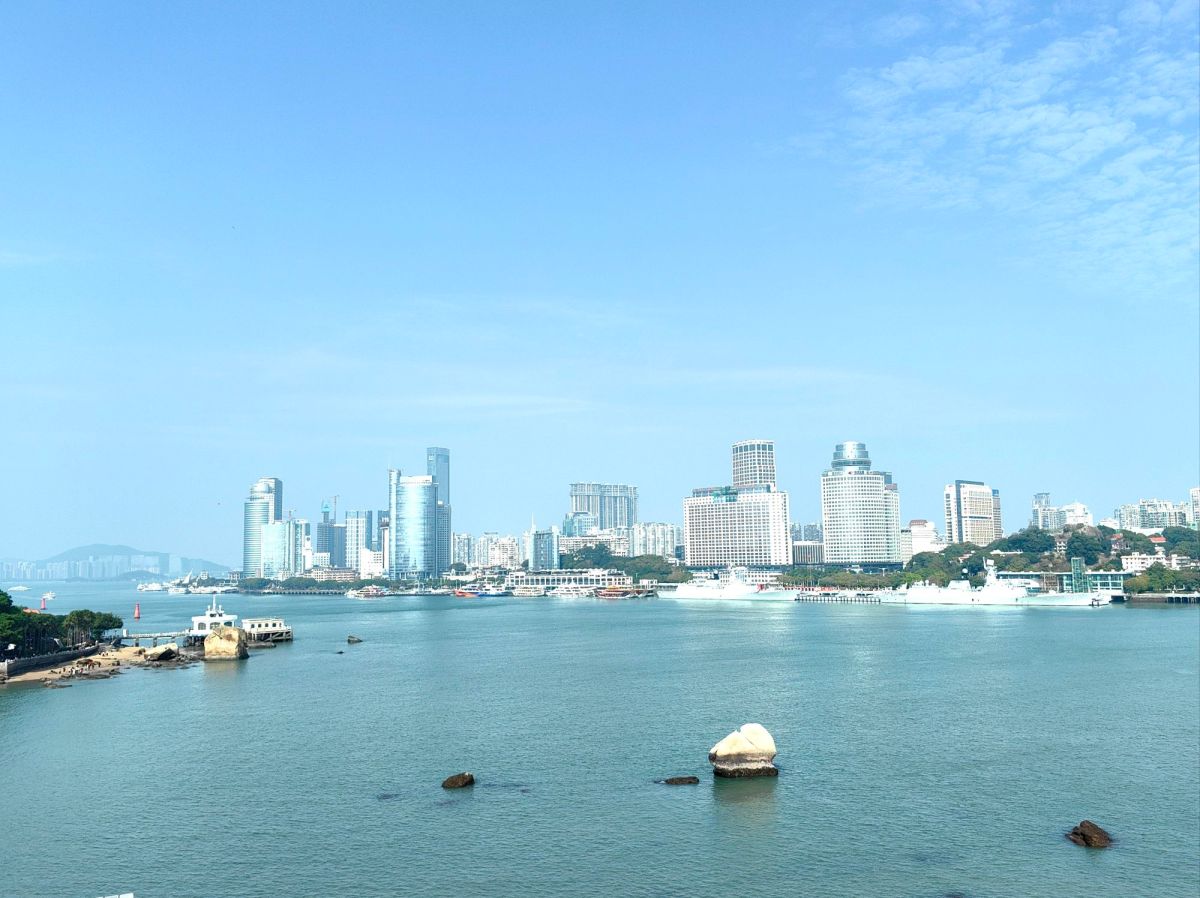
Xiamen’s story is written by the sea. Once a small fishing settlement, it rose to prominence in the 17th century as a key port for maritime trade along China’s southeastern coast. During the Ming and Qing dynasties, its deep-water harbor made it a gateway for merchants, tea exports, and cultural exchange. In the 19th century, Xiamen became one of China’s earliest treaty ports, opening to foreign trade after the signing of Treaty of Nanjing in the First Opium War. Nowadays, it is very modern city. The beautiful skyline rises beside palm-lined boulevards, and large ships share the horizon with ferries bound for nearby islands. Both mark a new chapter of this garden city on sea.
厦门的故事始于大海。最初,它只是东南沿海的一座小渔村,却在十七世纪间逐渐崛起,成为海上贸易的重要港口。明清时期,深水良港让这里汇聚四方商贾,茶叶自此远销海外,也孕育了多元的文化交流。十九世纪,随着《南京条约》的签订,厦门成为中国最早开放的通商口岸之一,见证了风云变幻的近代史。如今的厦门早已焕然一新:现代化的天际线在棕榈掩映的林荫大道旁傲然耸立,巨轮与渡船同绘海面,共同书写这座海上花园城市的新篇章。

In the 17th century, long before Xiamen became a modern port city, it was the stronghold of Zheng Chenggong, the Ming loyalist who resisted the Manchu conquest. Xiamen’s natural harbor and island setting made it a perfect marine base. From here, Zheng built a powerful naval force, controlling trade and defending the coast. In 1661, it was from Xiamen’s shores that his fleet set sail across the Taiwan Strait, launching the campaign that expelled the Dutch from Taiwan and established Chinese rule there.
早在17世纪,厦门还未成为现代化港口之前,这片海岛便是明朝名将忠臣郑成功的重要据点。他凭借这里的天然良港与险要地势,构筑起坚固的海上要塞,用以抵御清军的进犯。依托厦门的优越条件,郑成功组建起一支强大的海军,不仅掌控海上贸易,还守护着沿海疆土。1661年,他率领庞大的舰队自厦门启航,横渡台湾海峡,发起了驱逐荷兰殖民者的战役,最终在台湾确立了中国的统治。
Today, the central district of this city called ‘Siming’ recall Zheng Chenggong’s presence. He renamed the island’s name to “Siming”. The name, meaning “remembering the Ming Dynasty” reflected his loyalty to the fallen Ming dynasty and his opposition to the Qing conquerors. Standing by the water and staring at the powerful warships faraway, it’s easy for me to imagine the sails of his fleet catching the wind and fighting in the waves.
如今,城市的中心——思明区,依旧承载着人们对郑成功当年的记忆。他曾将这座岛屿易名 ‘思明’,寓意缅怀故国,寄托着对覆灭的明朝的忠贞与对清军入侵的抗争之志。伫立水边,远眺海上战舰的雄姿,仿佛眼前便浮现出他率领舰队劈波斩浪、扬帆远航的壮阔场景。

My trip started from the seaside promenade which stretched like a silver ribbon along the sea, with palm trees swaying gently above the turquoise waves. The salty breeze brushed against my face, carrying the faint scent of the ocean and the sound of gulls overhead. Each step felt lighter, as if the rhythm of the waves was syncing with my heartbeat.
我的旅程自海滨长廊启程。它宛如一缕银色丝带,沿着无际的海面舒展延伸。两侧的棕榈随碧波轻轻摇曳,仿佛在为海浪伴舞。微咸的海风拂面而来,带着淡淡的海洋气息,间或掺杂几声悠远的海鸥鸣叫。海边漫步步履间格外轻盈,似乎浪涛的律动正与我的心跳相互呼应。

The horizon seemed endless, and the air felt so fresh that every breath is a quiet celebration: cool, clean, and alive. Walking here, the bustle of the city slipped away, replaced by the soft music of the tide interwined with the simple joy of being by the sea. With each step along seaside promenade, the weight of the year’s work begins to loosen, like sand slipping through my fingers. Sunlight danced on the water, and I felt as though the tide is quietly washing my mind clean. By the time I reached the curve of the bay, the fatigue of whole year has dissolved into the horizon, leaving only a lightness.
地平线无边无际,空气澄澈清新,每一次呼吸都仿佛是一场静谧的庆典:清凉、纯净,饱含生机。漫步于此,城市的喧嚣渐渐褪去,只余下如潮水般轻柔的乐音,与海畔独有的惬意相互交织。沿着海滨长廊缓步而行,仿佛每一步都卸下了一分尘世的负担,犹如细沙从指间静静滑落。阳光在水面上闪烁起舞,潮汐轻声呢喃,似在为我拂去纷杂思绪。待我走到海湾的转角处,一年的疲惫早已消散在天际,只余心境澄明、轻盈自在。

Although it was December, the temperature on noon could reach 23 Celsius. I walked on the wide, sun-warmed sand of Huangcuo Beach and touched the coldness of sea water with my bare feet. The wave hit me like soft applause, greeting me with their gentle rhythm, as if reminding me to slow down. Out on the horizon, the sky melted into the sea. I let the breeze wrap around me, cool and salt sweet.
虽已至十二月,正午的气温却依然攀升到二十三度。黄厝的沙滩开阔而明亮,我赤脚行走在其上,脚尖触碰到海水时,清凉之意瞬间涌上心头。浪花轻柔拍来,如同一阵阵温婉的掌声,拍打着节奏,仿佛在提醒我放慢脚步。远方的天与海在地平线上交融,浑然无际。微风裹挟着一丝凉意与淡淡的咸甜,将我轻轻拥抱。
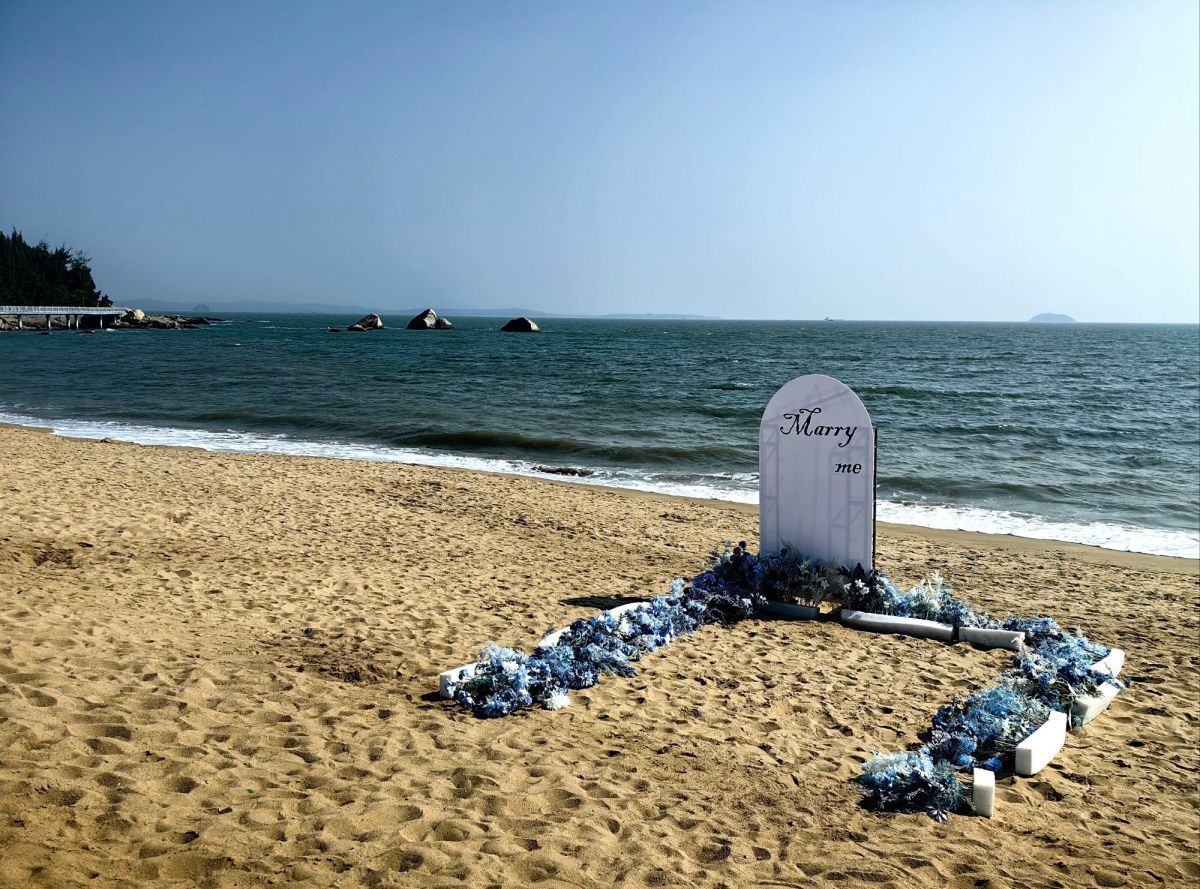
Huangcuo Beach is more than just a stretch of golden sand—it’s a stage for quiet romance. At sunset, the sky blushes over the sea, and the soft hiss of the waves becomes a gentle backdrop for whispered promises. Here, couples stroll hand in hand, leaving footprints side by side, some pausing to write Marry me in the sand or to embrace beneath a sky turning gold and rose. The openness of the sea seems to bless each moment, carrying it far beyond the horizon.
黄厝海滩不仅是一片金色的沙岸,更是一方静谧而浪漫的舞台。暮色降临,霞光轻洒在海面上,柔和的浪声宛如低语的伴奏。情侣们携手而行,在细沙上留下并肩的足迹;或在沙滩上写下 “嫁给我”的誓言,或在金与玫瑰色交织的天空下深情相拥。辽阔的大海仿佛化作见证与祝福,将每一个温柔的瞬间托付给无尽的地平线。

The main seaside promenade in Xiamen is along Huandao Road, which circles much of Xiamen Island’s coastline. I walked along the section that was most popular with walkers and cyclists. The section in the south of island, stretching from Xiamen University through Hulishan to Xiang’an Bridge is about 20 km long. The most iconic building on the way must be the Xiamen Twin Towers. Their glass façades curving like giant sails catching the sea breeze. This skyline creates a striking contrast. The calm rhythm of waves in the foreground, and the confident silhouette of a modern city just beyond. Walking here, I felt Xiamen’s unique blend of ‘la isla bonita’ and a metropolis.
厦门最著名的海滨长廊坐落于环岛路,几乎环绕了整个厦门岛的海岸线。我沿着最受步行者和骑行者青睐的路段缓缓前行。环岛路的南段,从厦门大学经胡里山延伸至翔安大桥,全长约二十公里。途中最引人注目的当属厦门双子塔,其玻璃幕墙宛如巨大的船帆在海风中轻轻起伏,勾勒出一条优美的曲线。天际线在双子塔的映衬下更显生动,前方是平静的海浪拍打节奏,远处则是现代化城市的自信轮廓。漫步其间,我深深感受到厦门独有的魅力。这是一座“美丽小岛” 与繁华都市的完美融合。

There are not so many historical buildings in Xiamen. Hulishan Fort is one living reminder of the city’s history. It was on the seaside promenade. Built in 1894 during the Qing Dynasty, the fort was designed to guard against foreign naval threats and overlooks the Taiwan Strait from a commanding seaside cliff. Its thick granite and red-brick walls enclose military tunnels and a watchtower. They are still intact and high although eroded by wind and rains of hundred years.
厦门的历史建筑不算多,但胡里山炮台却是这座城市历史的鲜活见证。它坐落于海滨长廊上,为了防御外国海军的威胁始建于清朝光绪二十年(1894年)。炮台俯瞰台湾海峡,依托一处高耸的海边悬崖而建。厚实的花岗岩与红砖筑成的城墙环绕着军事隧道与瞭望塔,历经风雨仍显雄伟。

The main attraction is the world’s largest surviving 19th-century coastal cannon, a German-made Krupp cannon stretching over 13 meters long. Its dark iron barrel stretches toward the Taiwan Strait, a silent giant that once promised both power and protection. Standing before it, I could feel the tension of history, the urgency of Qing dynasty arming itself against foreign fleets. Krupp was a leading German industrial and steel company in the 19th–20th century, renowned for heavy artillery. Qing Dynasty purchased many cannons from this company in the history.
最引人注目的是世界上现存最大的19世纪海岸炮:一门德国制造的克虏伯巨炮,长达十三米有余,漆黑的铁身宛如沉默的巨人,静静伸向台湾海峡,曾象征着力量与守护。站在它面前,我仿佛能触碰到历史的张力,感受到清朝武装自卫、抵御外国舰队的紧迫感。克虏伯公司是19至20世纪德国领先的钢铁与工业巨擘,以重型火炮闻名于世。历史上,清朝曾从这家公司采购过大量大炮。
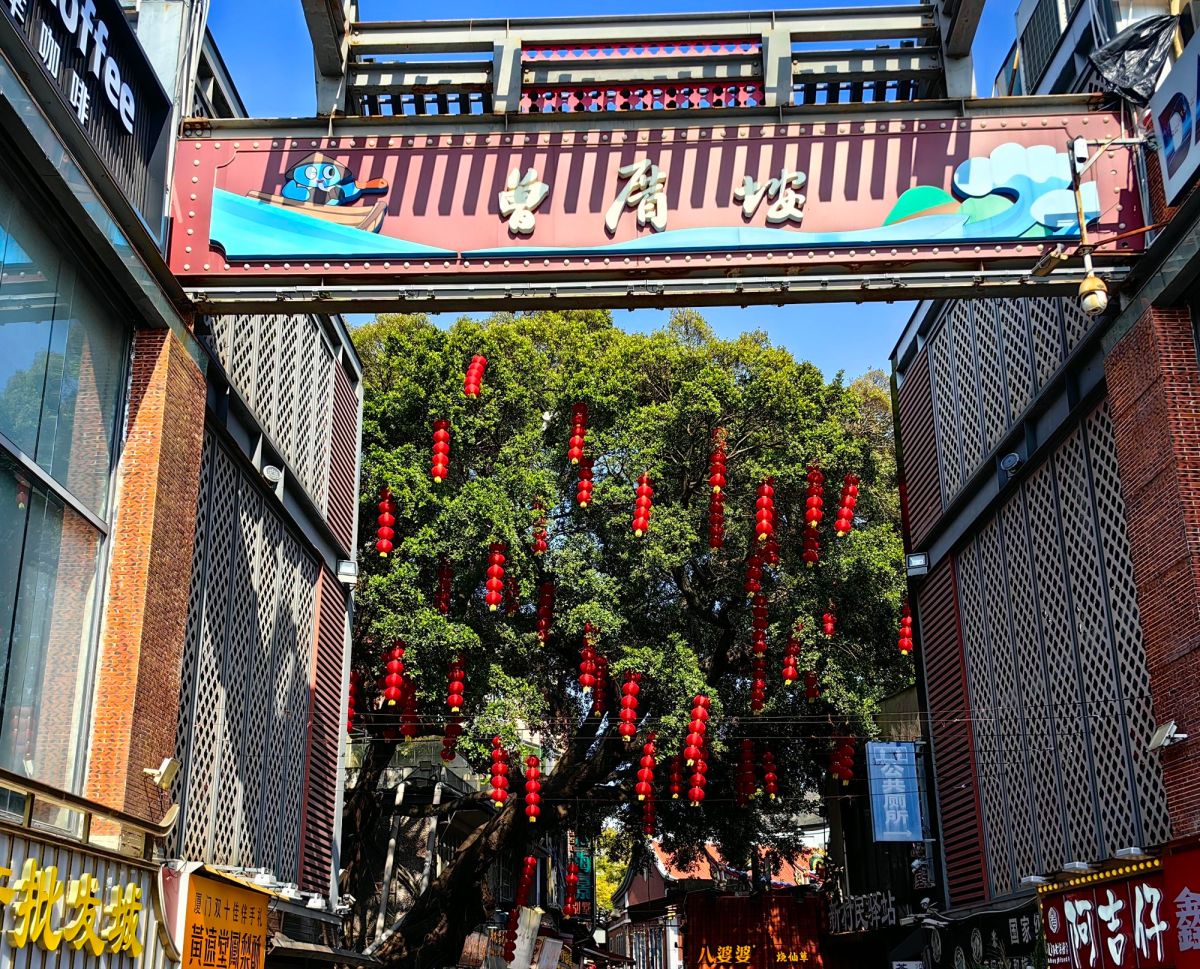
Another site marking the history of Xiamen is Zengcuoan. Once a quiet fishing village, it is now Xiamen’s lively “sea-side snack town,” where every narrow lane is scented with something tempting. Under strings of warm lights, stalls sizzle with local flavors. Vendors call out cheerfully, offering skewers of grilled squid, cups of mango shaved ice, and steaming bowls of satay noodles. In Zengcuoan, eating is the heart of the experience, a delicious stroll through Xiamen’s coastal soul.
曾厝垵是另一个见证厦门历史的景点。它曾是一个宁静的渔村,如今已成为厦门热闹的 “海滨小吃城”,每条小巷都弥漫着诱人的香味。在温暖的阳光下,摊位上摆满了当地风味小吃。小贩们兴高采烈地叫卖着烤鱿鱼串、芒果刨冰和热气腾腾的沙爹面。在曾厝垵,美食是体验旅游的核心,是一次探索厦门海滨灵魂的漫步。

There are many snacks here, but few delights could be compared to biting into a steaming crab roe soup bao. The thin, delicate wrapper trembles as I lifted it from the bamboo steamer. With one careful sip, the rich broth bursts forth. The taste is sweet and briny, infused with the essence of fresh crab and a hint of ginger. Then comes the filling itself and leaves a lingering savoriness that feels both indulgent and comforting. With a dash of vinegar and a hint of ginger, the flavor feels lighter and less greasy.
这里的小吃琳琅满目,但少有能比得上咬上一口热气腾腾的蟹黄汤包带来的满足感。我轻轻从竹蒸笼里取出一个,薄薄的包皮微微颤动。轻轻一抿,浓郁咸香的汤汁便溢满口腔,蟹的鲜香与姜的清爽巧妙融合。紧随其后的馅料香味回味悠长,令人难以忘怀。再蘸上一点醋与姜丝,清爽中带着微微酸香,既鲜美又不腻。
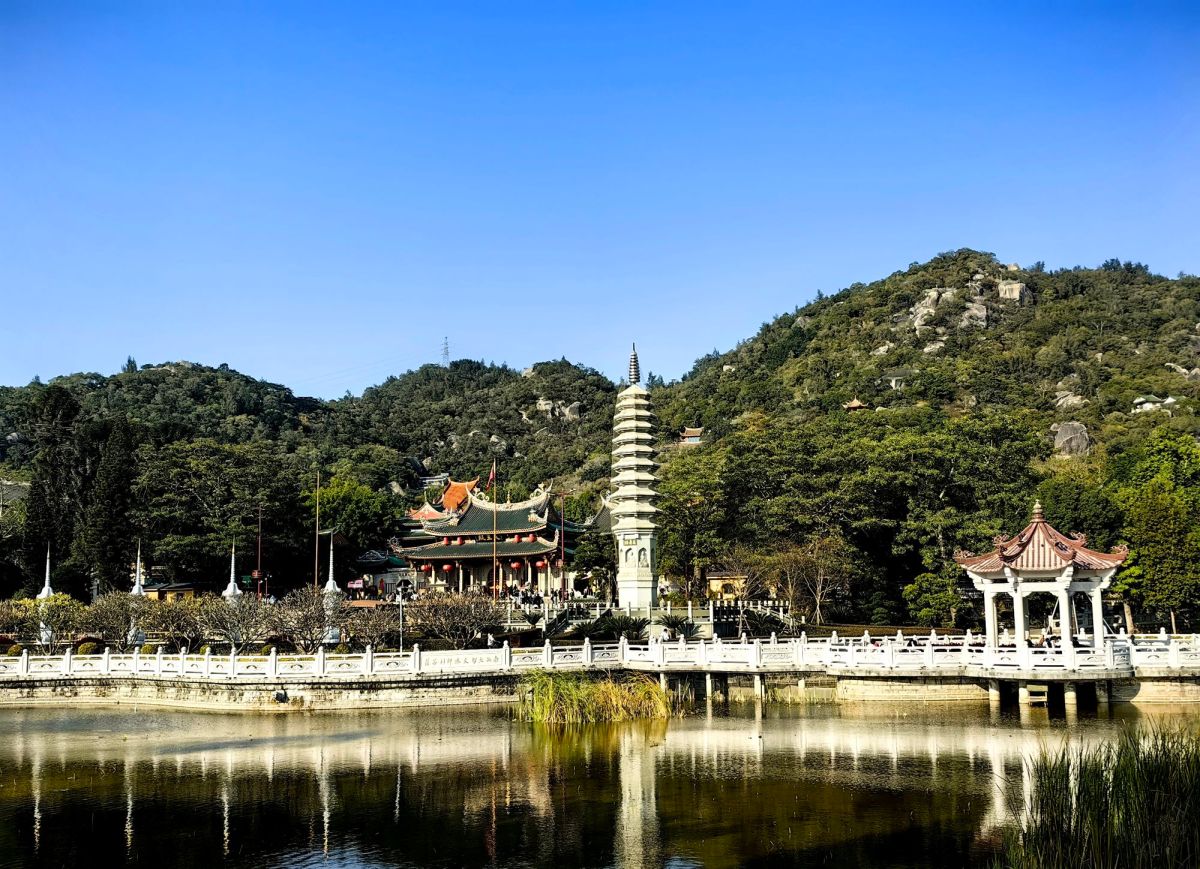
In the afternoon, after I finished the stroll along the seaside promenade, I visited the South Putuo Temple which is one of the most celebrated Buddhist temples in Fujian Province, located at the southern foot of Wulao Peak. With its back to the mountains and facing the sea, the temple enjoys a harmonious natural setting that has made it both a spiritual sanctuary and a major cultural landmark.
下午,漫步完海滨长廊后,我前往位于五老峰南麓的南普陀寺,它是福建省著名的佛教寺庙之一。寺院背山面海,自然环境和谐,既是精神圣地,也是重要的文化地标。

The temple’s history dates back to the Tang dynasty, but it gained its present name during the Ming dynasty, when it became associated with Guanyin (the Bodhisattva of Compassion). Since then, South Putuo temple has been regarded as the southern counterpart of Putuo mountain, one of the four sacred Buddhist mountains of China. The temple complex covers a large area and is built in a traditional symmetrical layout, with halls aligned along the central axis.
南普陀寺的历史可追溯至唐代,而“南普陀” 这一名称则始于明代,缘于对观世音菩萨(大悲菩萨)的虔诚信仰。自此,寺庙便被视为中国四大佛教名山之一——普陀山的南端圣地。南普陀寺占地广阔,建筑布局沿袭传统对称格局,殿堂沿中轴线依次排列。
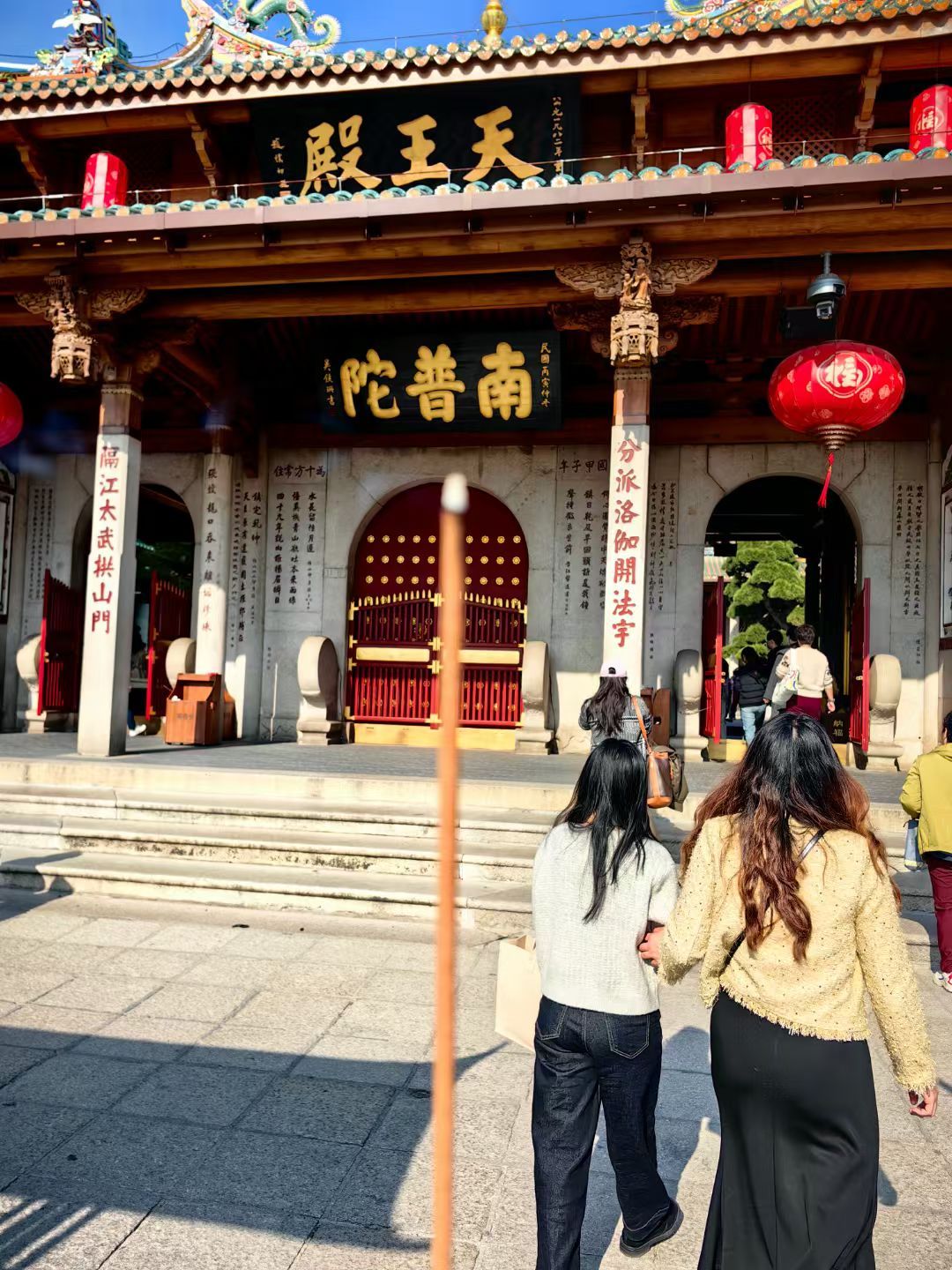
This is the entrance hall, Heavenly King Hall guarded by the Four Heavenly Kings and Maitreya Buddha. Because South Putuo is one of the most important Buddhist temples in southern China, people believe that incense offerings here carry special merit and spiritual power. I came here to burn incense on the last day of the year, seeking blessings for the upcoming New Year. Lanterns swayed gently in the breeze. The air was thick with the fragrance of sandalwood incense, mingling with the faint sound of chanting monks inside the grand halls.
眼前是入口大殿——天王殿,由四大天王与弥勒佛守护。南普陀作为中国南方最重要的佛教圣地之一,人们相信在这里焚香能积累殊胜功德。我在年末来到此地,虔心焚香,为即将到来的新年祈福。微风轻拂,红色灯笼轻轻摇曳,空气中弥漫着浓郁的檀香气息,与大殿内僧侣悠扬的诵经声交织回荡。

In the temple, there is a canteen selling local food. I ordered one bowl of Shacha noodles, one of the most iconic street foods of Xiamen. At first glance, the dish looks simple: yellow wheat noodles served in a steaming bowl of broth. But the soul of Shacha noodles lies in the shacha sauce — a deep, rich paste made from soybean oil, garlic, shallots, chilies, and especially dried seafood like shrimp. This sauce, with its smoky, slightly spicy, umami-packed taste, gives the dish its unforgettable character. The sip of broth is savory and aromatic, carrying the warmth of spices and the depth of seafood.
庙里有一家小小的食堂,专门售卖当地街头美食。我点了一碗沙茶面。这可是厦门最具代表性的特色小吃之一。乍看之下,它似乎简单:一碗热气腾腾的汤头中铺着金黄的小麦面条。然而,沙茶面的灵魂在于那一勺沙茶酱。酱料由大豆油、大蒜、红葱头、辣椒,以及虾等精心调制的海鲜干货熬制而成,浓郁醇厚,带着淡淡烟熏味和辛辣余韵,又鲜美异常,为整碗面注入独特的风味。舀一口汤底,香气扑鼻,鲜味浓郁,香料的温暖与海鲜的鲜美交织在舌尖上。
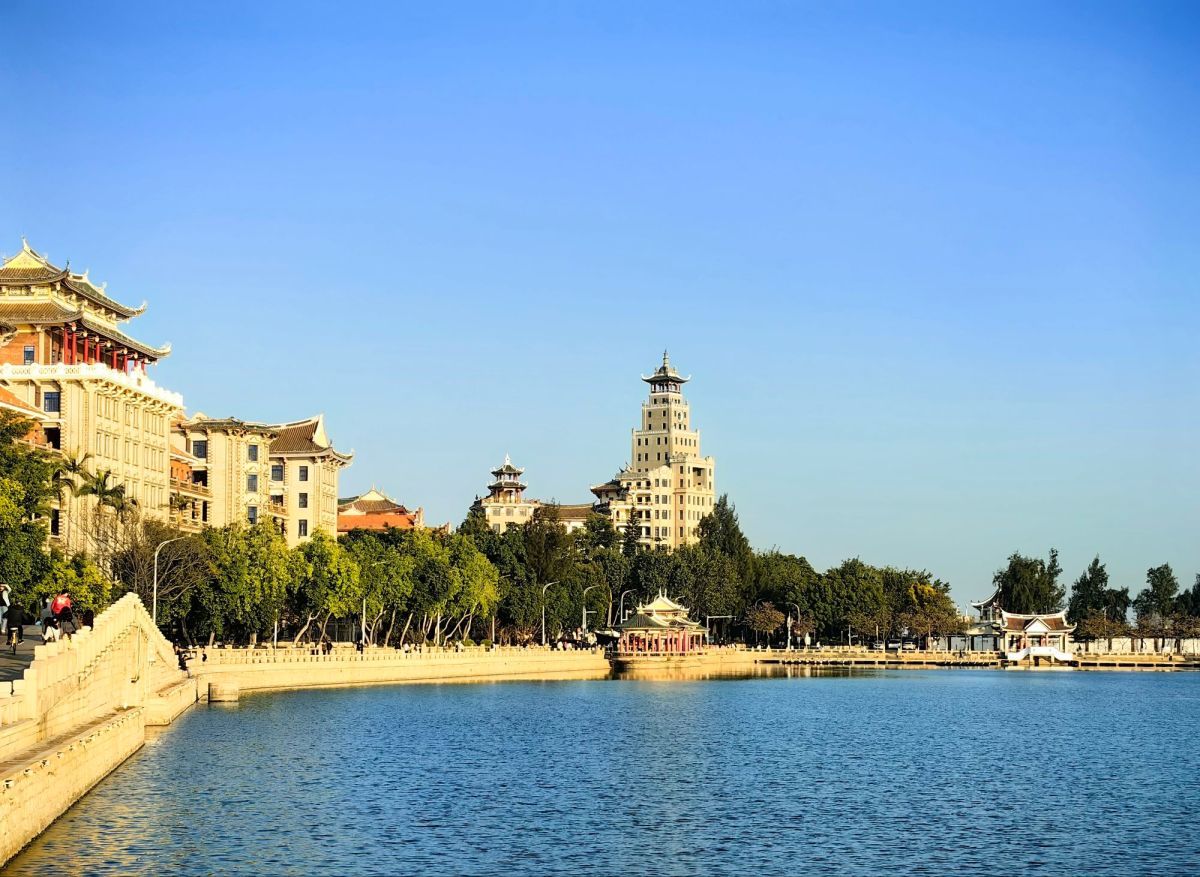
Jimei School Village, located on the northern side of Xiamen Island is a landmark of education, culture, and history founded by the famous overseas Chinese philanthropist Tan Kah Kee in the early 20th century. He established Jimei Primary School first, and over the years expanded it into a full educational complex that included middle schools, vocational schools, and eventually colleges. Today, it has grown into a network of institutions with a reputation that extends across China and overseas.
集美学村坐落于厦门岛北侧,由著名华侨慈善家陈嘉庚先生于20世纪初创立,是一处兼具教育、文化与历史价值的地标。陈嘉庚先生最初创办集美小学,随后不断拓展,将其发展成为涵盖中学、职业教育及大学的完整教育体系。如今,集美学村已成长为享誉海内外的学府,成为承载文化底蕴与学术精神的重要象征。
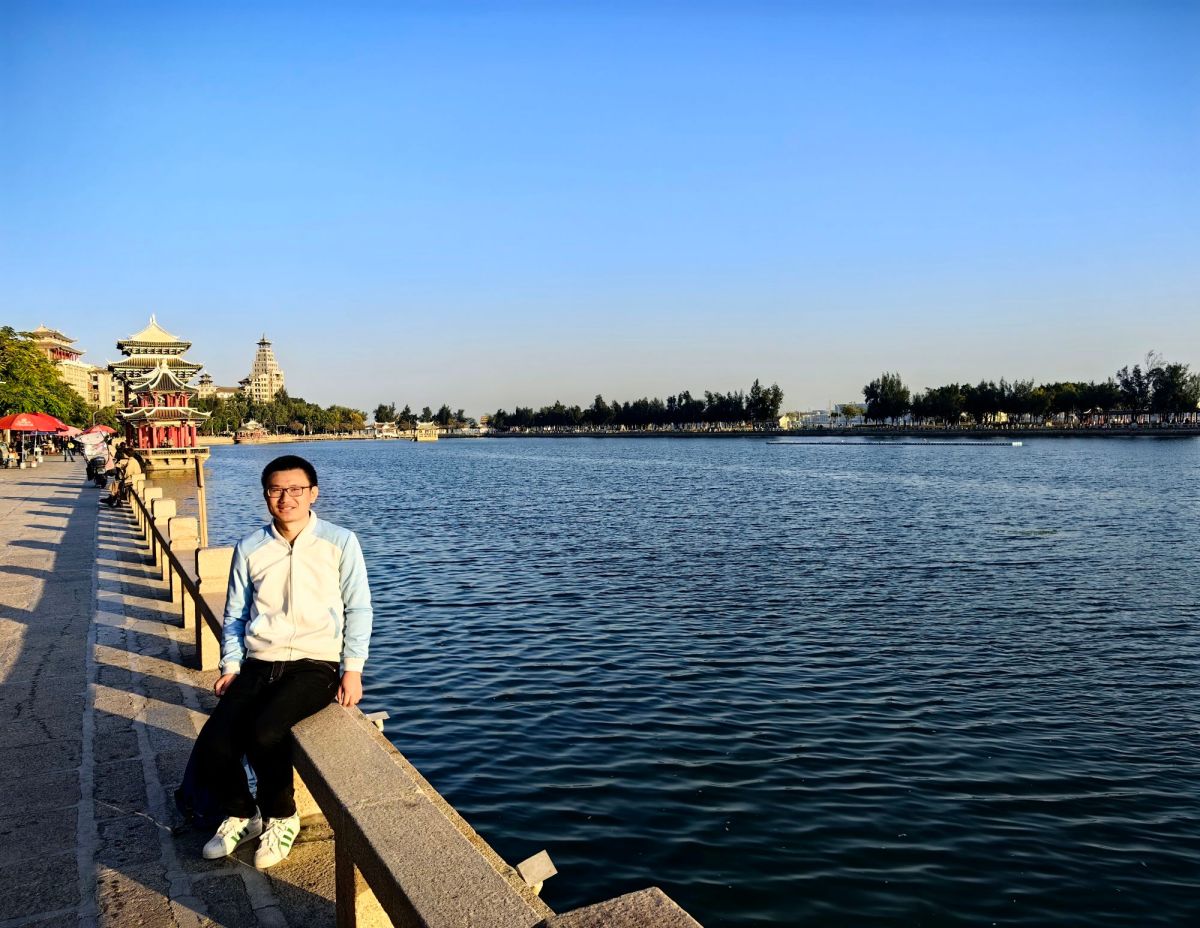
The campus architecture is one of its most striking features. Buildings here combine magnificent Western-style structures with traditional Southern Fujian architectural elements with red brick walls, swallowtail eaves, decorative tiles, and stone carvings. This unique blend creates a setting that is both scholarly and culturally distinctive, often described as “the Tan Kah Kee style.” I was sitting beside a large, scenic pool where dragon boat races are held during traditional festivals and enjoyed the tranquil environment which brought me back to the memory of my university life.
校园建筑是这里最引人注目的特色之一。西式建筑的宏伟气派与闽南传统元素的精巧雅致在此交融,红砖墙、燕尾檐、装饰瓷砖与石雕相映成趣。这种独特的融合营造出既饱含学术气息,又深蕴文化底蕴的环境,被人们称为 “陈嘉庚风格”。我坐在风景如画的人工湖旁,每逢传统节日,池上还会上演热闹的龙舟赛。静静凝望周围的景致,不由得涌上心头的是对大学时光的回忆。
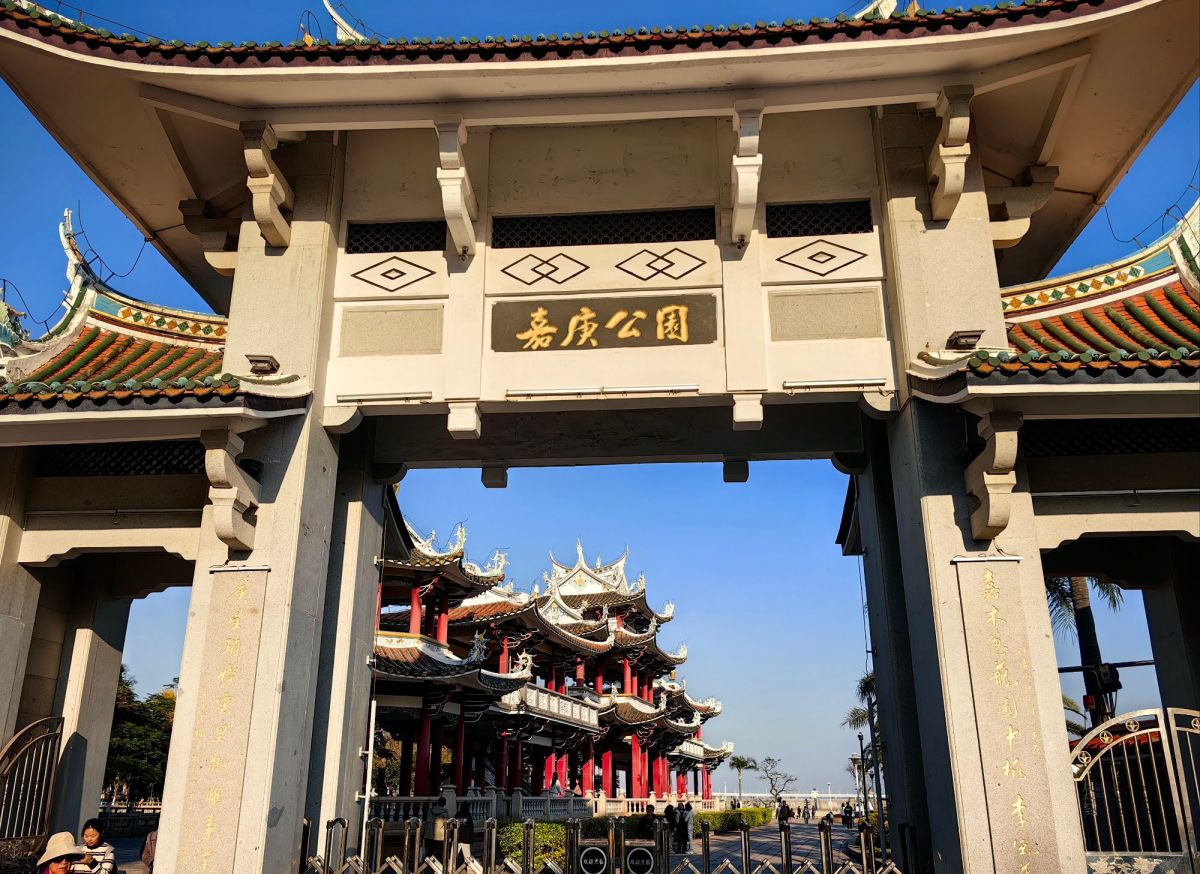
A museum and a park are dedicated to Tan Kah Kee’s life and contributions, filled with historical documents, photographs, and personal belongings. Tan Kah Kee was a legendary overseas Chinese entrepreneur and educator. Born in Jimei, he migrated to Singapore as a teenager to help with his father’s business. Believing education was the foundation of national strength, he established Xiamen University, the first university in China founded entirely by overseas Chinese funds. He played a decisive role in founding Nanyang University, the first Chinese-language university outside of China, which later became part of Nanyang Technological University.
这里设有博物馆和公园,以纪念陈嘉庚的一生及其卓越贡献。馆内收藏了丰富的历史文献、珍贵照片和个人物品,再现了这位传奇海外华人企业家与教育家的生平。陈嘉庚出生于集美,少年时期随父移居新加坡,协助家族经商。他坚信教育是国家的根本,创办了首所完全由海外华人出资兴办的大学厦门大学。在创办新加坡的南洋大学的过程中,他也发挥了关键作用。该校是中国境外首所中文大学,后发展成为南洋理工大学的重要前身。
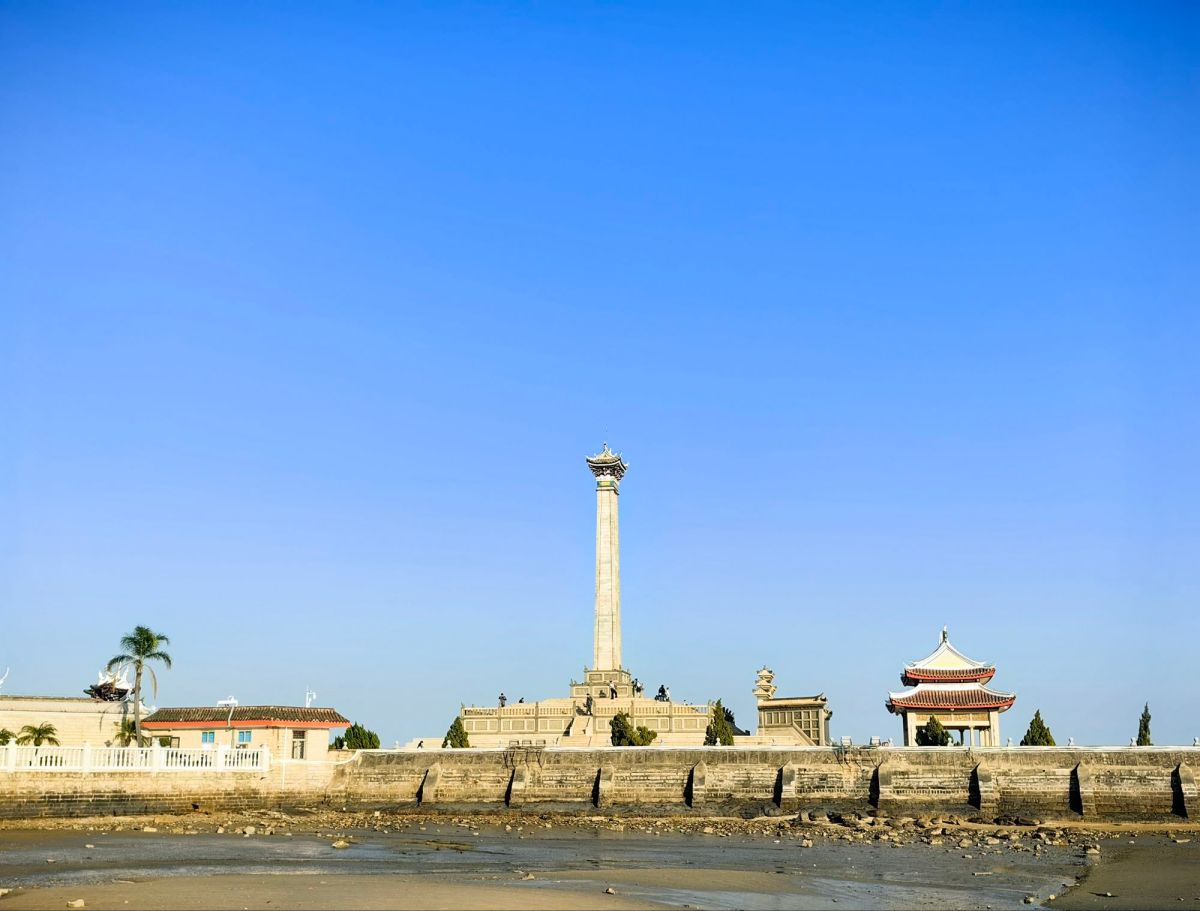
The turtle Garden includes garden and cemetery where Tan Kah Kee himself is buried, facing the sea. It is filled with stone carvings and sculptures that narrate episodes of history and culture. Now people still memorize how he poured his fortune into education for the Chinese community both at home and abroad after visiting this place.
这座鳌园集花园与墓园于一体,陈嘉庚先生长眠于此,面朝浩瀚大海。园中遍布精美的石雕与雕塑,每一处都讲述着历史的篇章与文化的故事。今日,游人漫步其间,仍能感怀先生将一生财富倾注于海内外华人教育的无私奉献。

The Nanyang-style architectures here left me a deep impression. It combines red brick and swallowtail roof ridges of Minnan houses with arched windows, colonnades, and verandas from Western colonial architecture. Roman columns, and Gothic-style arches are used as well, creating a cultural mix. When I visited Xiamen, I always felt that I seemed to visit Singapore. These school buildings and their styles reminded strongly of The Chinese High School in Singapore. There’s a real sense of déjà vu.
这里的南洋建筑风格给我留下了深刻的印象。它巧妙地融合了闽南民居的红砖燕尾脊与西方殖民时期建筑的拱形窗、柱廊和阳台,甚至融入了罗马柱与哥特式拱门,营造出一种独特的文化交融氛围。每次踏足厦门,我总有置身新加坡的错觉。这些校舍的风格,与新加坡华侨中学的建筑有着奇妙的呼应,让人心生似曾相识的温暖感。

Outside of the Jimei school village, it is the Ten Miles Long Causeway which is one of the most romantic places in Xiamen as the sun dips low over the horizon. It connects the island to mainland China. High speed train and metro tram pass over the bridges over the long causeway. I arrived at this place nearly at 6 pm and this was my last travel destination in this city.
集美学村之外,是十里长堤。夕阳西下之时,这里成为厦门最浪漫的去处之一。长堤上一道道桥梁,连接着厦门岛与大陆,高铁与地铁在其上疾驰而过。我抵达此地时,大约是傍晚六点,这也是我在这座城市的最后一站。

Stretching gracefully between the sea and the sky, the causeway was bathed in golden light, its stone path glowing softly under the warmth of dusk. On one side, the water shimmered with the reflection of the fading sun, rippling like liquid fire; on the other, the distant skyline slowly melted into silhouettes against the pastel sky. Couples strolled hand in hand along the path, and the evening breeze carried the scent of the ocean and the gentle waves lapped against the shore. As twilight deepened, the sky turned to orange, painting a canvas that seems endless above the causeway.
十里长堤优雅地延伸于海天之间,沐浴在金色的光芒中,石子路在黄昏的温暖中泛着柔和的光芒。一边,水面在落日的余晖中波光粼粼,宛如流动的火焰泛起涟漪;另一边,远处的天际线在柔和的天空映衬下缓缓消融,化作光影轮廓。情侣们手牵手漫步在小径上,晚风带来海洋的气息,轻柔的海浪轻拍着海岸。随着暮色渐深,天空转为金橙色,仿佛在堤道上方描绘出一幅无边的画布。

Xiamen was my last stop of travel in Fujian. As I lingered by the shore for another time, the waves rolled in gently, carrying away the noise of my thoughts, returning only a calm that feels rare in the rush of everyday life. Xiamen’s seaside doesn’t overwhelm like Cote D’Azur, but it soothes my soul. Sitting by the water, I felt my worries dissolve, replaced by the simple joy of watching the horizon blur between sea and sky. Perhaps that is the true gift of this city: a quiet reminder that peace in my heart can be found not in grand monuments, but in the gentle embrace of the ocean.
厦门是我此次福建之旅的最后一站。当我再一次在海边徘徊,海浪轻轻翻滚,带走了纷乱的思绪,只留下在喧嚣日常中难得的宁静。这里的海滨没有法国蔚蓝海岸那般惊艳,却以温柔抚慰着我的心灵。静坐水边,所有的烦恼仿佛随风而去,取而代之的是凝视海天交汇处模糊地平线时涌上的纯粹快乐。也许,这便是这座城市的真正馈赠:悄然提醒我们,心中的平静并非源自宏大叙事,而是来自大海温柔的拥抱。
 Gone like the wind