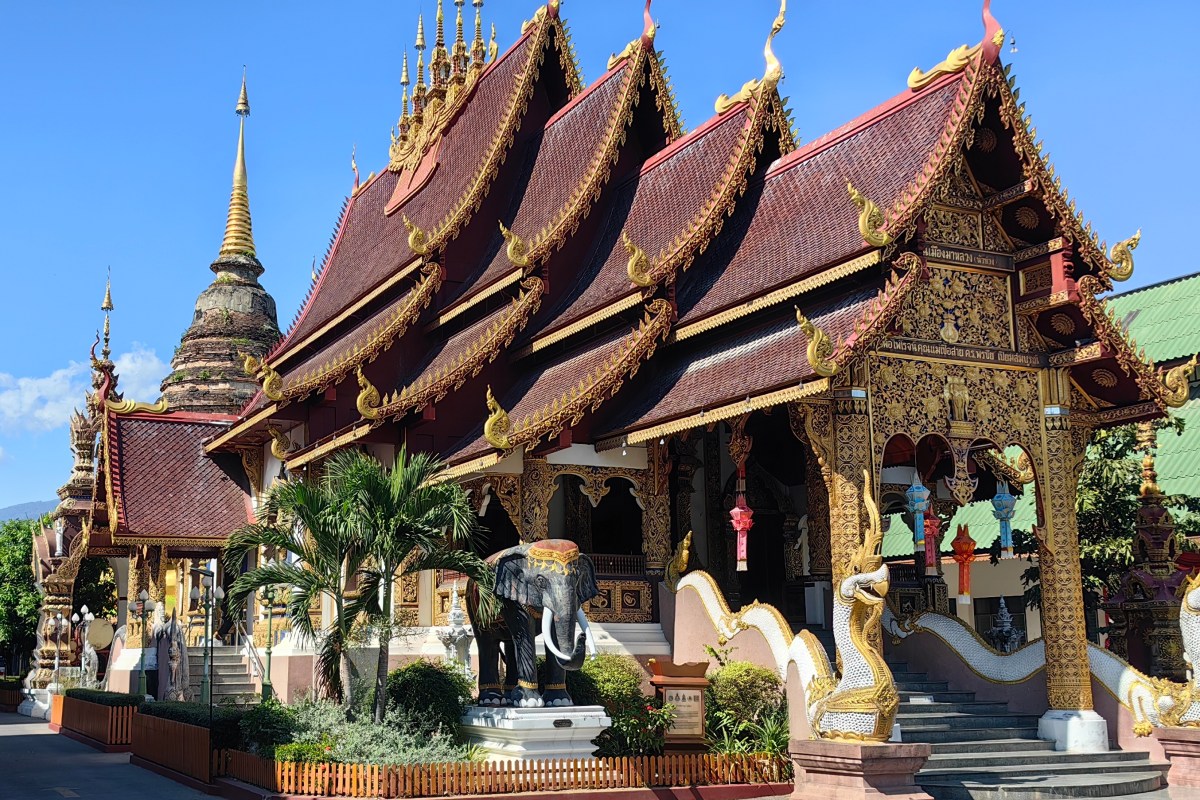
清迈寺庙的沉浸式旅行
In the lush mountainous region of northern Thailand, Chiang Mai is a city that beautifully blends ancient tradition with modern allure. Once the capital of the Lanna Kingdom, this city is known for its rich history, stunning temples, and vibrant cultural scene. With a serene backdrop of misty mountains, Chiang Mai offers a unique charm that captivates travelers seeking both adventure and tranquility.
坐落于泰国北部郁郁葱葱的山区中,清迈是一座将古老传统与现代魅力完美融合的城市。这里曾是兰纳王国的首都,以其丰富的历史、令人叹为观止的寺庙和充满活力的文化而闻名。清迈背靠云雾缭绕的群山,拥有独特的魅力吸引着众多寻求冒险和宁静生活的游客。
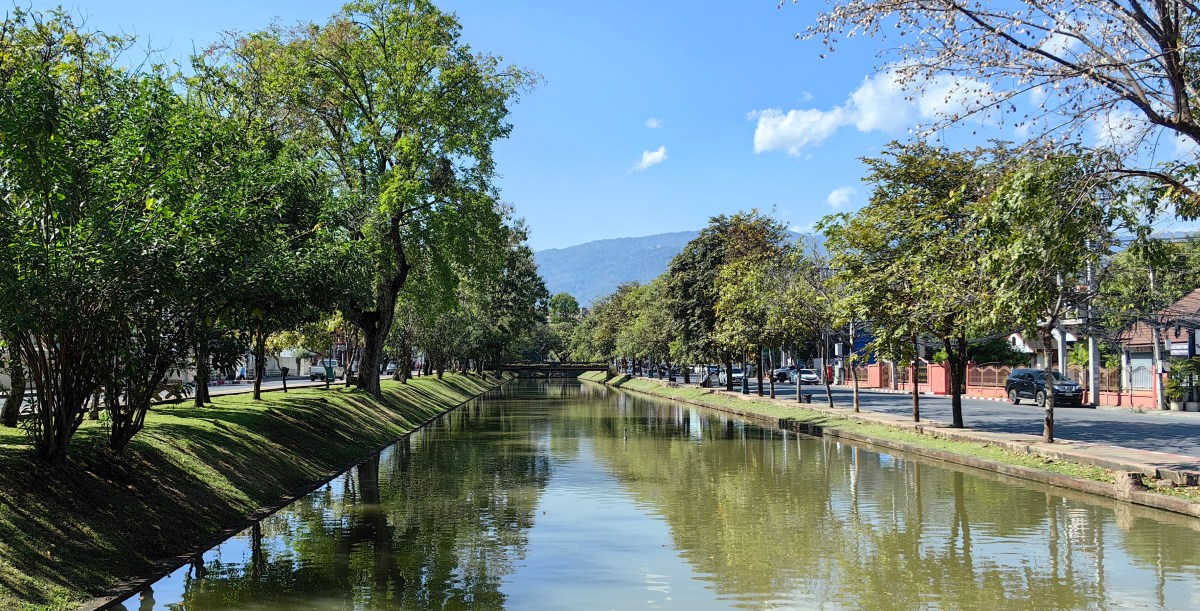
I visited this beautiful city on December 30th,2023 and stayed here for three days. The most attractive site of Chiang Mai is its old city which lies at the heart of Chiang Mai. It is a nearly perfect square that measures about 1.5 kilometers on each side. This area is defined by its ancient walls and moats, which were originally constructed in the late 13th century during the reign of King Mangrai to protect against invasions and rival kingdoms. Originally, the moat served as a defensive barrier, filled with water to deter invaders. Today, it is a tranquil feature that runs alongside the main roads and is lined with trees, providing a scenic backdrop for the hustle and bustle of city life.
本人于2023年12月 30日参观了这座美丽的城市,并在这里住了三天。清迈最吸引人的地方是位于市中心的老城区。它是一个近乎完美的正方形,每边长约 1. 5公里。这片区域以古老的城墙和护城河为特色,它们最初建于13世纪末曼莱国王统治时期,用于抵御外敌入侵。最初护城河是一道防御屏障,沟壑里注满水以阻止入侵者。如今它已成为一个宁静的景观,河水沿着主要道路延伸,两岸种满树木,在喧嚣的城市生活开辟出一个风景。

The Old City’s walls, although not fully intact, still feature several original and reconstructed sections that mark the perimeter. Four main gates—Tha Phae Gate, Chiang Mai Gate, Suan Dok Gate, and Chang Phuak Gate—serve as entry points and are named after their respective cardinal directions. In any corner of Chiang Mai, I could always see the majestic mountains surrounding the city that create a dramatic and picturesque backdrop. The Doi Suthep in the background rises over 1,600 meters above sea level and is very close to the city center.
古城的城墙虽然并非完好但仍保留着几段原始和后来重建的部分,它们标志着古城的边界。四座主要城门塔佩门、清迈门、松德门和昌普门是古城的四个入口,以各自的方向命名。在清迈的任何一个角落,我都能看到环绕城市的雄伟山脉,它们构成了一幅壮丽的景象。这个照片背景的素贴山海拔1,600多米,距离市中心非常近。

I visited numerous temples from south of the city towards north. Wat Sri Suphan, also known as the Silver Temple, is one of Chiang Mai’s most unique and striking temples. was originally built in 1501 during the reign of King Muang Kaew of the Lanna Kingdom. Over the centuries, it has undergone numerous renovations and expansions. The temple holds great historical significance as it served as a spiritual center for the local community and has been a part of Chiang Mai’s culture for over 500 years.
我从城市南到北参观了众多寺庙。这个照片中的素攀寺,又名银庙,是清迈最独特最引人注目的寺庙之一。它最初建于1501年,当时还是兰纳王国的 Muang Kaew 国王统治时期。几个世纪以来,它经历了多次翻修和扩建。这座寺庙具有重要的历史意义,它代表了当地人民的精神信仰,并且在这五百年间已成为清迈文化的一部分。
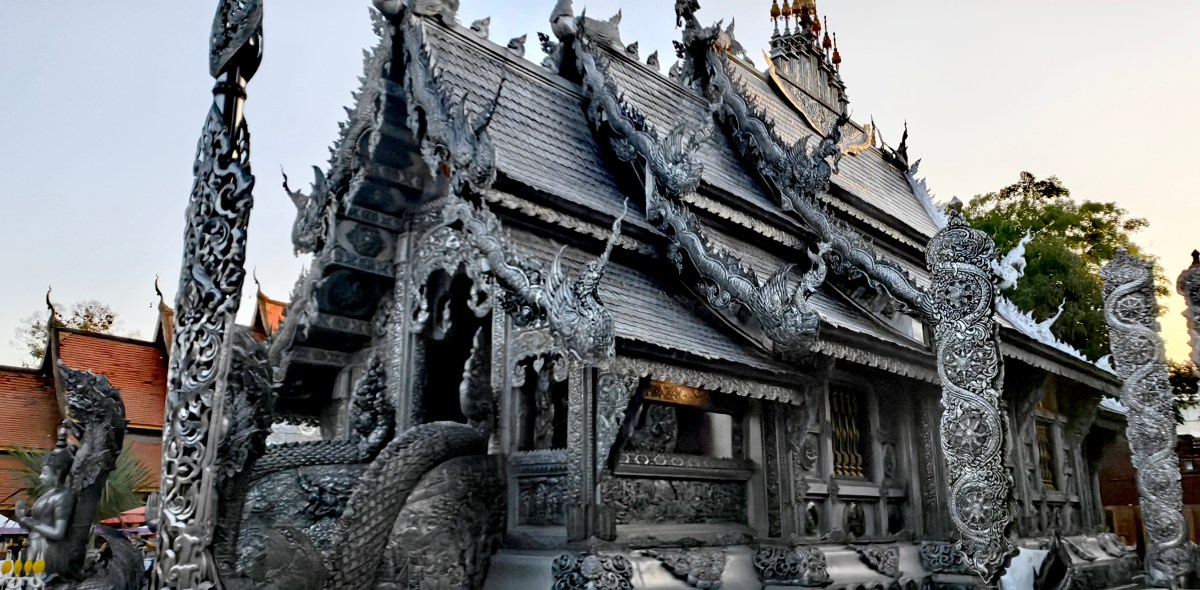
Located in the traditional silver-making district of Wua Lai, this temple is renowned for its intricate silver decorations and artistry. The entire exterior of the ordination hall (ubosot) is covered in silver, aluminum, and nickel alloy panels, meticulously crafted by local artisans. These panels depict intricate designs and scenes from Buddhist mythology, as well as Lanna culture and history. The entrance to the ordination hall is flanked by elaborately carved Naga (mythical serpent) staircases, which are common in Lanna temple architecture and symbolize protection and prosperity.
这座寺庙位于传统的银器制造区 Wua Lai,以其精致的银饰艺术而闻名。受戒堂 (ubosot) 的整个外部都覆盖着由当地工匠精心制作的由银、铝和镍合金铸成的面板。这些面板描绘了复杂的设计和佛教神话中的一些场景,以及兰纳文化和历史。受戒堂入口两侧是精心雕刻的娜迦形象的楼梯,这种神话种的蛇在兰纳寺庙建筑中很常见,象征着庇护和繁荣。
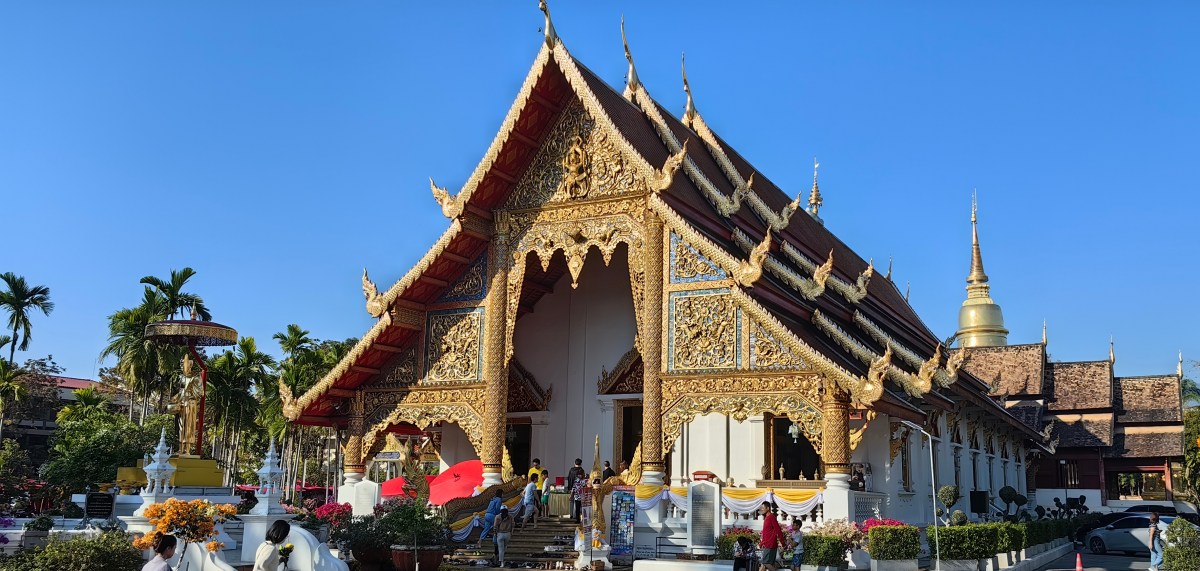
Among numerous temples in Chiang Mai, the most famous one was the Wat Phra Singh which was founded in 1345 by King Phayu of the Lanna Kingdom to house the ashes of his father. The temple complex is a prime example of Lanna architectural style. It is a significant pilgrimage site, especially during the Songkran festival (Thai New Year), when the revered Phra Buddha Singh statue is paraded through the streets of Chiang Mai. The temples in Chiang Mai usually include Viharn Lai Kham, Ubosot, Ho Trai, and Chedi.
清迈的众多寺庙中,最著名的是帕辛寺,它由兰纳王国的帕尤国王于1345年建造,用来安放他父亲的骨灰。这座寺庙建筑群是兰纳建筑风格的典范。它是一个重要的朝圣地,尤其是在宋干节(泰国新年)期间,人们会抬着受人尊敬的帕辛佛像穿过清迈的街道。清迈的寺庙结构通常包括主殿、受戒堂、藏经阁和佛塔。
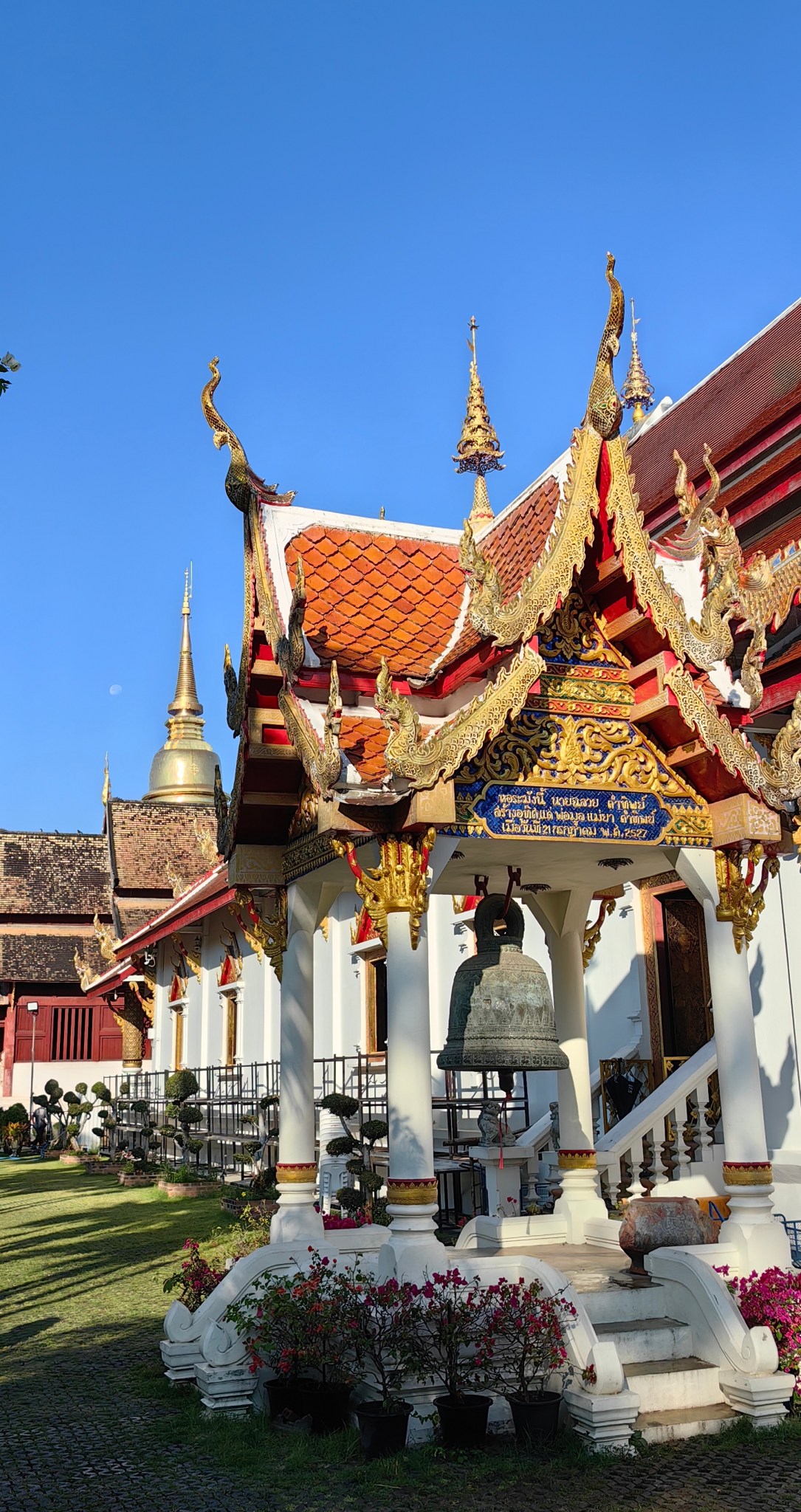
The Viharn Lai Kham or called main chapel is the temple’s most celebrated building, showcasing Lanna architecture. It features a multi-tiered roof, a characteristic element of Lanna temples, which adds to its grandeur. The roof is intricately decorated with gilded naga finials at the ends of each tier, symbolizing protection and fertility. The exterior of the viharn is adorned with exquisite carvings and gilded decorations.
这座主殿是寺庙最出色的建筑,充分展现了兰纳建筑风格。主殿采用多层屋顶,这是兰纳寺庙的典型特征,更显宏伟。屋顶装饰精美,每层顶端都有镀金的龙头饰,象征着庇护和生育。主殿外部装饰有精美的雕刻和镀金装饰。
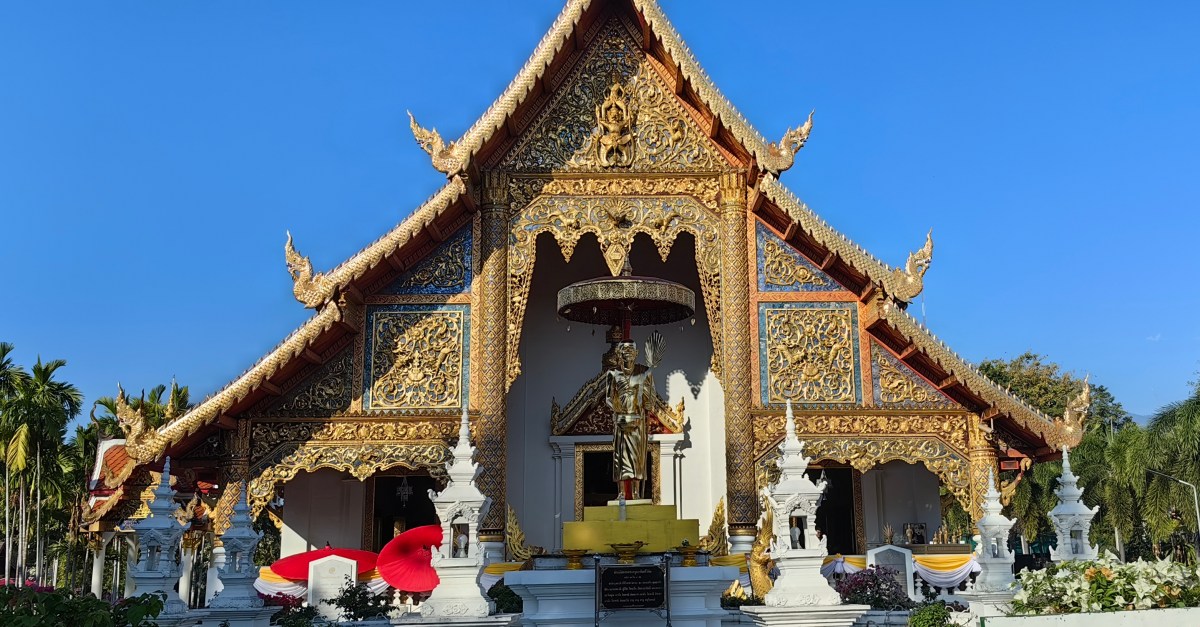
The entrance is particularly striking, with its intricately carved wooden panels depicting mythical creatures and floral motifs. The gable is richly decorated with gold leaf, and the doorways are framed with delicate, hand-carved wood, showcasing the skill of Lanna artisans.
主殿入口尤为引人注目,其精雕细琢的木板上描绘着神话中的生物和花卉图案。山墙上装饰着金箔,门框上镶着精致的手工雕刻木框,展现了兰纳工匠的精湛技艺。
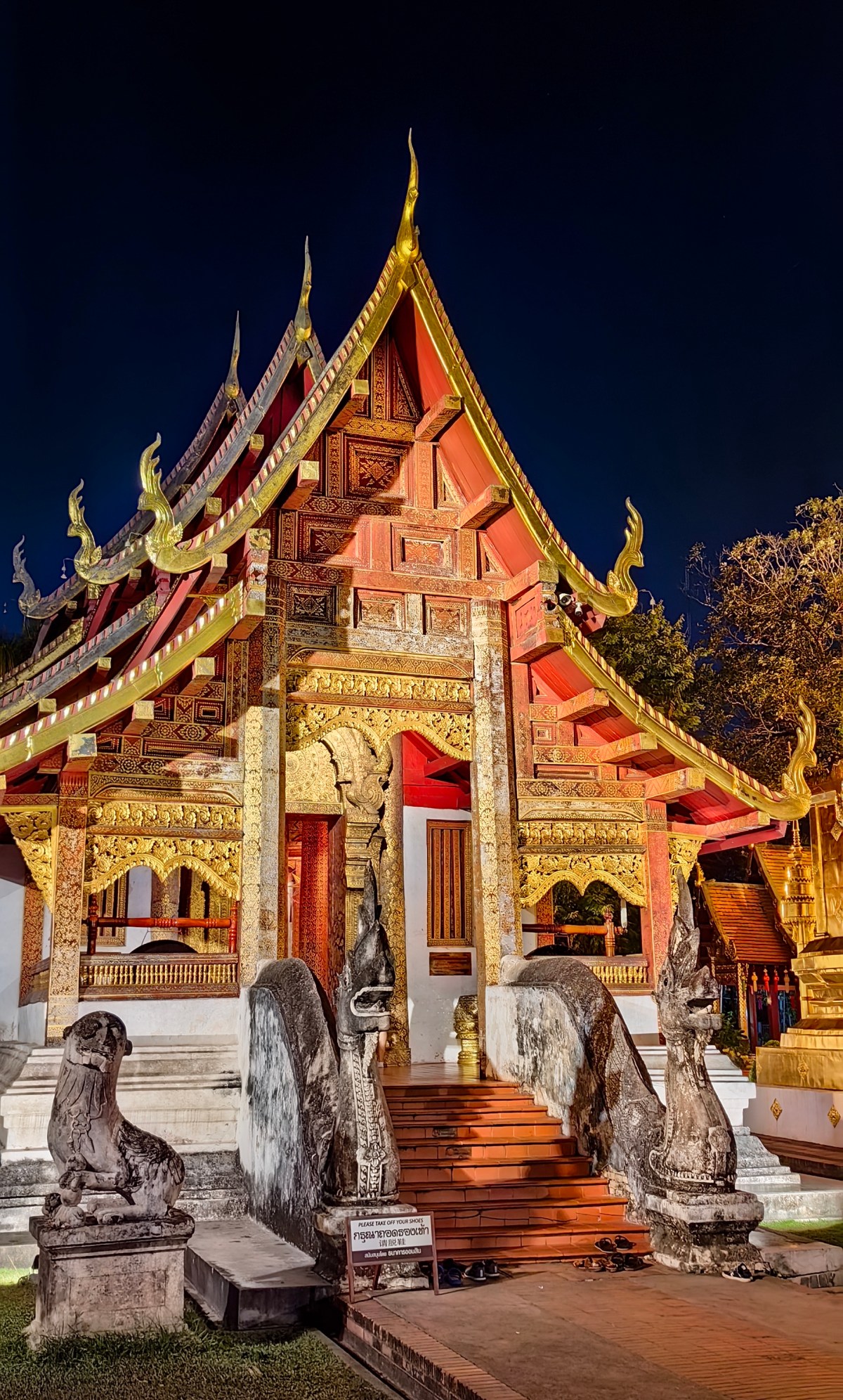
I lived near this temple and had a chance to visit it at night. This temple is illuminated all though the night and looked more splendid. The Ubosot at Wat Phra Singh, where monks are ordained, is a smaller but equally beautiful structure. It features similar Lanna architectural elements, with a steep, multi-tiered roof and intricate wood carvings. The ubosot is slightly elevated, with a platform surrounded by lotus-shaped boundary stones known as “Bai Sema,” which mark the sacred area. In Thailand, visitors must take off shoes before visiting the interior of any buildings of temples so it is better wear slippers to visit these temples.
我住在这座寺庙附近,因此有机会观赏它的夜景。这座寺庙整夜灯火通明,看起来更加壮丽。Ubosot 一般是僧侣受戒的地方,和主殿比规模较小,但同样美丽壮观。它具有类似的兰纳建筑元素,拥有陡峭的多层屋顶和复杂的木雕。房子整体略高建于平台之上,平台周围环绕着莲花形的界石,称为“Bai Sema”,标志着神圣的区域。在泰国,游客在参观任何寺庙建筑内部都必须脱鞋,因此穿拖鞋参观这些寺庙是最好的选择。

The Ho Trai, or called scripture library, is another example of classic Lanna architecture. This small, square building is elevated on a stone base, with a wooden upper structure. The stone base is often adorned with stucco reliefs depicting mythical creatures such as Garuda and Naga. Traditionally, the Ho Trai is used to store Buddhist scriptures, safeguarding them from insects and moisture. The wooden structure above is beautifully decorated with intricate carvings, gold leaf, and lacquer work, making it a jewel of Lanna design. On the high wall of the library, I can find many Buddha statues in the Chiang Saen style, characterized by their rounded faces, broad shoulders, and serene expressions.
图中的藏经阁是兰纳建筑的另一个典范。这座小巧的方形建筑建在石基上,上部结构为木制。石基上通常装饰有灰泥浮雕,描绘了迦楼罗和那伽等神话生物。传统上,藏经阁用于在高处存放佛经,以防虫蛀和受潮。上方的木制结构装饰精美,有复杂的雕刻、金箔和漆器,是兰纳建筑设计的瑰宝。在藏经阁的高墙上,我可以看到许多清盛风格的佛像,其特点是圆脸、宽肩和平和的表情。

The most prominent building in this temple must be the large, bell-shaped tower. This tower called chedi, was constructed in the classic Lanna style, and has a square base that gradually tapers into a cylindrical shape, crowned with a golden spire. The base of the chedi is adorned with elephant statues, a common motif in Lanna architecture, symbolizing strength and support. The spire is gilded, catching the sunlight and making it a focal point of the temple complex. The chedi is believed to house relics of the Buddha, making it an important site for pilgrims.
这座寺庙最引人注目的建筑一定是巨大的钟形塔。这种塔通常被称为Chedi,采用经典的兰纳风格建造,底座为方形,向上逐渐变细为圆柱形,顶部为金色尖顶。佛塔底座装饰着大象雕像,这是兰纳建筑中的常用的设计方案,象征着力量。镀金的尖顶在阳光下熠熠生辉,使其成为寺庙建筑群的焦点。佛塔内据说藏有佛陀的遗物,因此这座寺庙一直成为朝圣者的圣地。
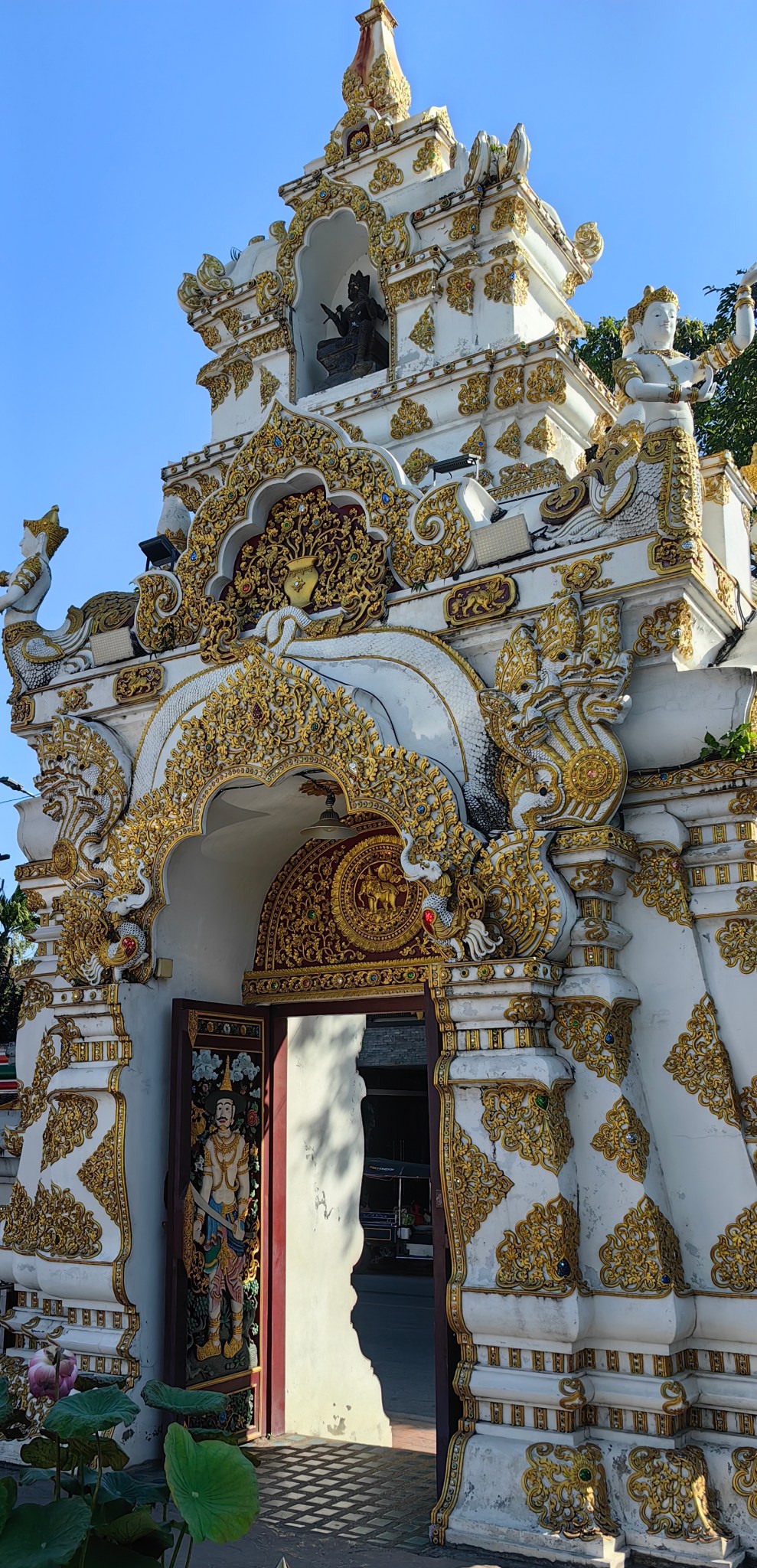
When I walked through the streets of Chiang Mai, I noticed some tower-like gates. These gates, often known as “Pratu” or “Prasat”, marking the entrance to the sacred temple grounds. These structures can range from simple, elegant designs to more elaborate and intricate constructions. The prasat is characterized by its tall, slender form that tapers as it rises, symbolizing the connection between the earthly realm and the heavens. The gates are typically coated in white stucco, which gives them a pristine, ethereal appearance. The white symbolizes purity and the spiritual sanctity of the temple grounds. This white surface is often contrasted by intricate gilded details, which add a sense of opulence and divine radiance. The gold leaf or gilding is applied to carvings of mythical creatures, floral motifs, and sacred symbols that adorn the gate, creating a striking visual effect.
当我在清迈的街道信步闲庭时,不经意间注意到一些塔状的大门。这些大门通常被称为“Pratu”或“Prasat” 象征着神圣寺庙的入口。这些结构通常可以从简单优雅的设计到更精致和复杂的结构。Prasat 的特点是它高而细长的形状,随着塔的上升而逐渐变细,它象征着人间与天堂之间的联系。大门通常涂有白色的灰泥,使其具有纯净空灵的外观。白色象征着寺庙的纯洁和精神神圣。白色表面通常与复杂的镀金细节形成鲜明对比,增添了富丽堂皇和神圣的感觉。镀金金箔用于装饰大门的神话生物、花卉图案和神圣符号的雕刻,创造了引人注目的视觉效果。

Wat Chedi Luang was another icon monument in Chiang Mai. It was constructed in the 14th century during the reign of King Saen Muang Ma, who intended it to house the ashes of his father. The construction of the chedi took nearly a century, with various additions and renovations made by subsequent rulers. At its peak, the chedi stood at an impressive height of 82 meters, making it the tallest structure in Chiang Mai at the time. However, in 1545, a major earthquake partially destroyed the chedi, reducing its height by almost half.
契迪龙寺是清迈的另一座标志性建筑。它建于14世纪,在国王 Saen Muang Ma 统治时期,他打算将父亲的骨灰安葬于此。这座佛塔耗时近一个世纪才建成,之后的统治者对其进行了多次扩建和翻新。在巅峰时期,佛塔高达82米,是清迈最高的建筑。然而,1545年的一场大地震摧毁了佛塔的部分建筑,使其高度降低了近一半。
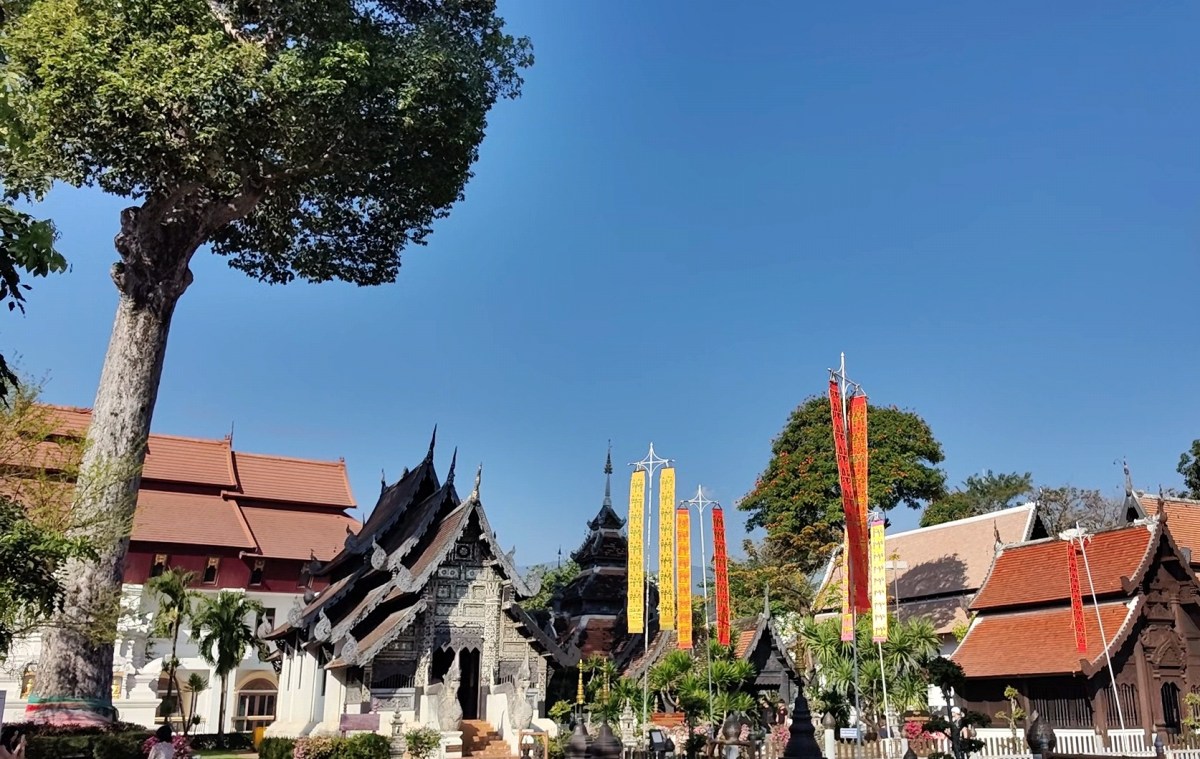
When I visited in Thailand, I found some interested cultures. City pillars, known as “Lak Mueang” in Thai, are a kind of sacred pillars found in many cities throughout Thailand. They hold deep cultural and spiritual significance and are considered the spiritual heart of a city. In the corner of this temple, the pillar of Chiang Mai is housed in a small shrine and is a focal point of the annual Inthakin Festival, where locals come to pay respects and make offerings to ensure the city’s prosperity and protection. The shrine itself is a small white and grey colored building in this photo, showcasing ornate Lanna-style carvings and designs.
在泰国旅行时,我发现了一些有趣的文化。泰语中称为“Lak Mueang”,意为城市支柱,它是泰国许多城市中的一根柱子。它们具有深厚的文化和精神意义,被认为是城市的精神支柱。在这座寺庙的一角,清迈的城市支柱被安置在一座小神殿里,它是一年一度的 Inthakin 节的焦点,当地人来这里表达敬意并进行祭拜活动,祈求对城市的保护。神殿本身是这张照片中的一座灰白色的小建筑,展示了华丽的兰纳风格雕刻和设计。

Like other major tempes, Wat Chedi Luang has the main assembly hall where devotees gather to pray and participate in religious ceremonies. It is a large, open structure featuring a multi-tiered roof, supported by massive teak columns. The roof is adorned with naga finials and other intricate woodwork typical of Lanna architecture.
与其他主要寺庙一样,契迪龙寺也拥有主殿,信徒们在此聚集祈祷并参加宗教仪式。这是一座大型开放式建筑,拥有多层屋顶,由巨大的柚木柱支撑。屋顶装饰有龙头饰物和其他典型的兰纳式的复杂木制品。

This is one street view of Chiang Mai. The old city is extremely small but there are numerous unknown temples sitting one by one along the street, reflecting the influence of Buddhism to this city. There are several monuments and iconic temples worthy to visit like Wat Chedi Luang, Wat Chiang Man, and Wat Phra Singh. These places are always overcrowded but tourists could still take their free time to visit others.
这是清迈的一条街景。老城区非常小,但街道两旁却坐落着许多不知名的寺庙,反映出佛教对这座城市的浸润。这里有例如契迪龙寺、清曼寺和帕辛寺等几座值得参观的古迹和标志性寺庙。这些地方总是人满为患,但游客仍然可以利用空闲时间去参观其他的寺庙。
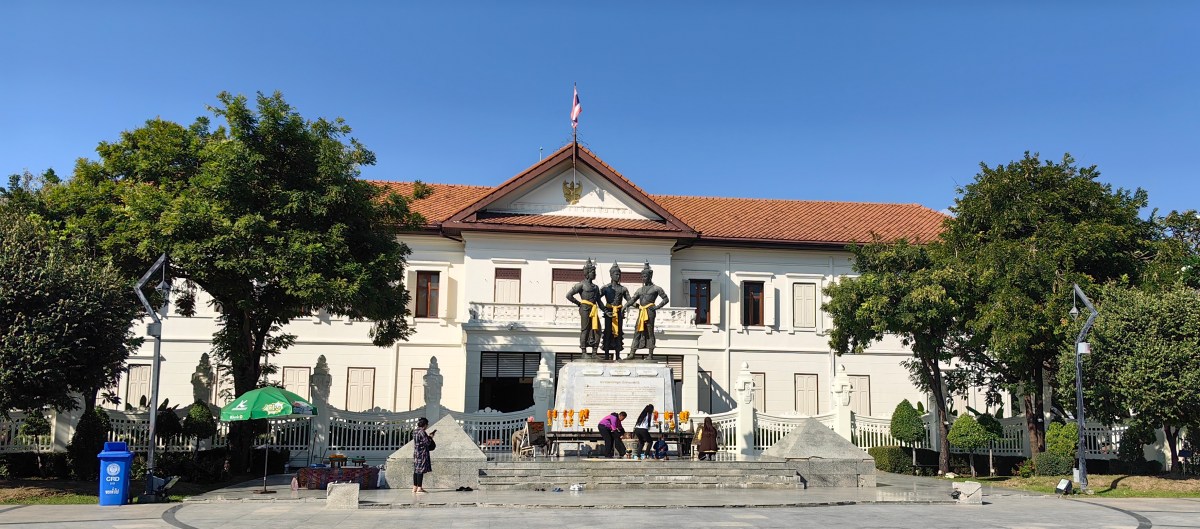
The Monument of the Three Kings, located in the heart of Chiang Mai’s Old City, is one of the most iconic and historically significant landmarks. This monument commemorates the founding of Chiang Mai and honors the three legendary kings who played pivotal roles in its establishment and development. The most prominent of the three, King Mengrai was the founder of Chiang Mai and the first ruler of the Lanna Kingdom. He selected the site for the new capital, Chiang Mai, in 1296, seeking a strategically advantageous location that was well-defended by natural barriers such as rivers and mountains. The ruler of the Sukhothai Kingdom, King Ramkhamhaeng is known for his friendship with King Mengrai. Their alliance strengthened the ties between the Lanna and Sukhothai kingdoms, facilitating cultural exchange. The king of Phayao, King Ngam Muang was another close ally of King Mengrai. The three kings formed a powerful alliance that fostered peace and prosperity in the region. The square where the monument is located is a popular gathering spot for both locals and tourists. It is often used for local festivals and markets.
三王纪念碑位于清迈古城中心,是这里最具标志性和历史意义的地标之一。这座纪念碑是为了纪念清迈的建立,并纪念在清迈的建立和发展中发挥关键作用的三位传奇国王。三王中最著名的是孟莱王,他是清迈的建立者,也是兰纳王国的首任统治者。1296年,他选定了一个具有战略优势、有河流和山脉等天然屏障保护的地点作为新都,这个地方就是清迈。另外素可泰王国的统治者兰甘亨国王以与孟莱国王的友谊而闻名。他们的联盟加强了兰纳王国和素可泰王国之间的联系,促进了文化交流。帕尧国王 Ngam Muang 是孟莱国王的另一位亲密盟友。这三位国王结成了强大的联盟,促进了该地区的和平与繁荣。纪念碑所在的广场是当地人和游客的热门聚会场所。它经常用于举办当地的节日和市场。
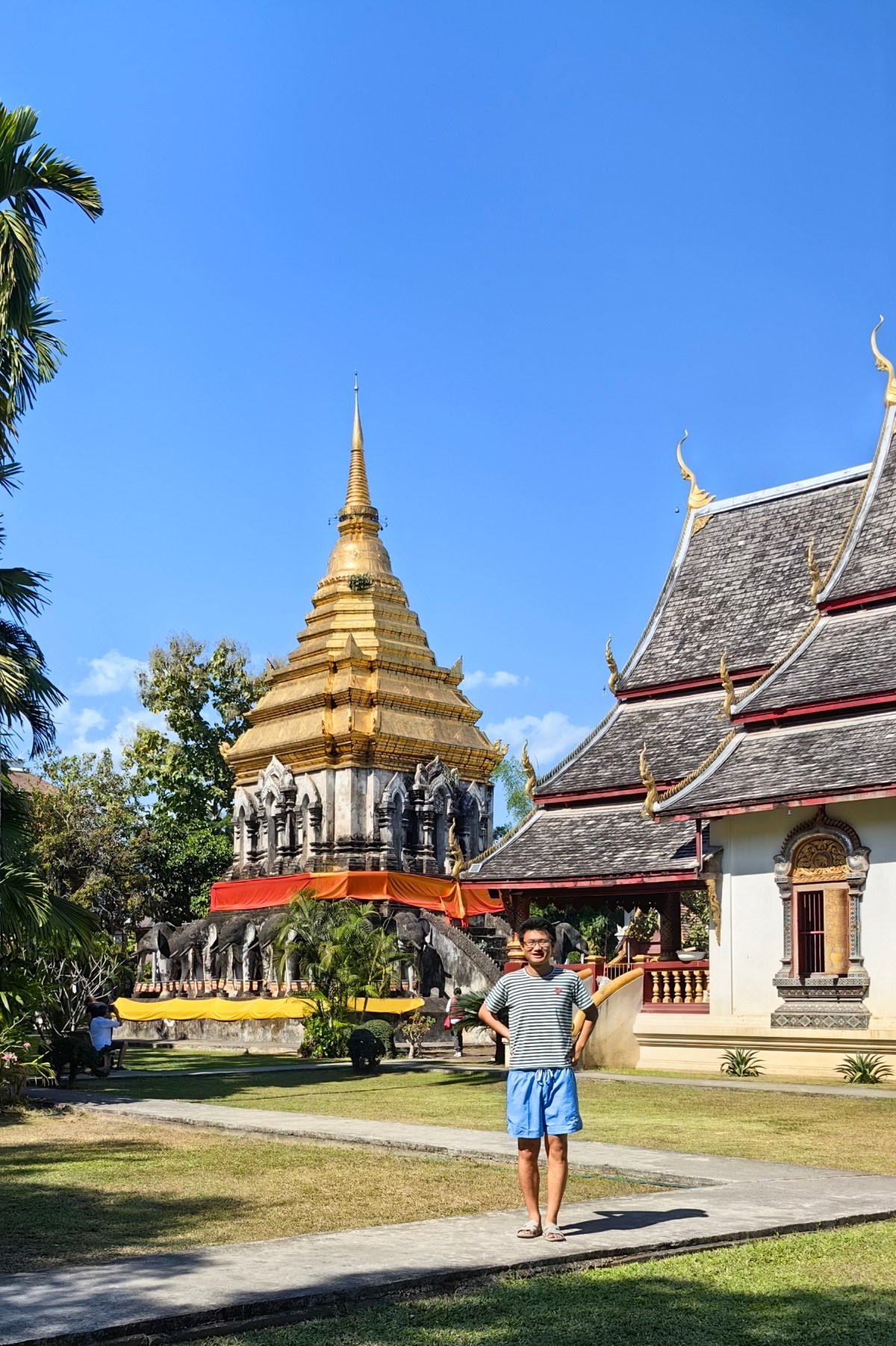
I travelled from the Wat Phra Singh to the north of the city. Wat Chiang Man is the most beautiful temple among so many temples in Chiang Mai in my mind. It is the oldest temple in Chiang Mai and a significant historical and spiritual site, deeply rooted in the city’s history. Founded in 1296, during the reign of King Mengrai, the temple is not only an architectural treasure but also a repository of some of the most revered and ancient Buddha images in Thailand. It has a small garden, filled with various native plants and flowers, adding to the temple’s tranquil atmosphere.
我从帕辛寺一直游到城北。在我心目中,清曼寺是清迈众多寺庙中最美丽的一座。它是清迈最古老的寺庙,也是重要的历史和精神圣地,相关的宗教信仰深深植根于这座城市的历史。这座寺庙建于1296年孟莱王统治时期,不仅是一座建筑瑰宝,也收藏者泰国最受尊敬的古老佛像。寺庙里有一个小花园,里面种满了各种本土植物和花卉,为寺庙增添了宁静的氛围。

One of the most striking features of Wat Chiang Man is the Chedi Chang Lom, also known as the Elephant Chedi. This chedi is a classic example of Lanna architecture, with a square base adorned with 15 life-sized elephant statues. These elephants, made of stucco, appear to be emerging from the base of the chedi. The upper part of the chedi is gilded, catching the sunlight and creating a stunning contrast with the stone and stucco elephants below. This gilded spire is a hallmark of Lanna-style stupas, symbolizing the connection between the earth and the heavens.
清曼寺最引人注目的景点之一是昌隆佛塔,也被称为大象佛塔。这座佛塔是兰纳建筑的典型代表,方形底座上装饰着 15 尊真实大小的大象雕像。这些大象由灰泥制成,仿佛从佛塔底座中出现。佛塔的上半部分完全镀金,反射着阳光,与下面的石头和灰泥大象形成了鲜明的对比。这座镀金尖顶是兰纳风格佛塔的标志,象征着天地之间的联系。
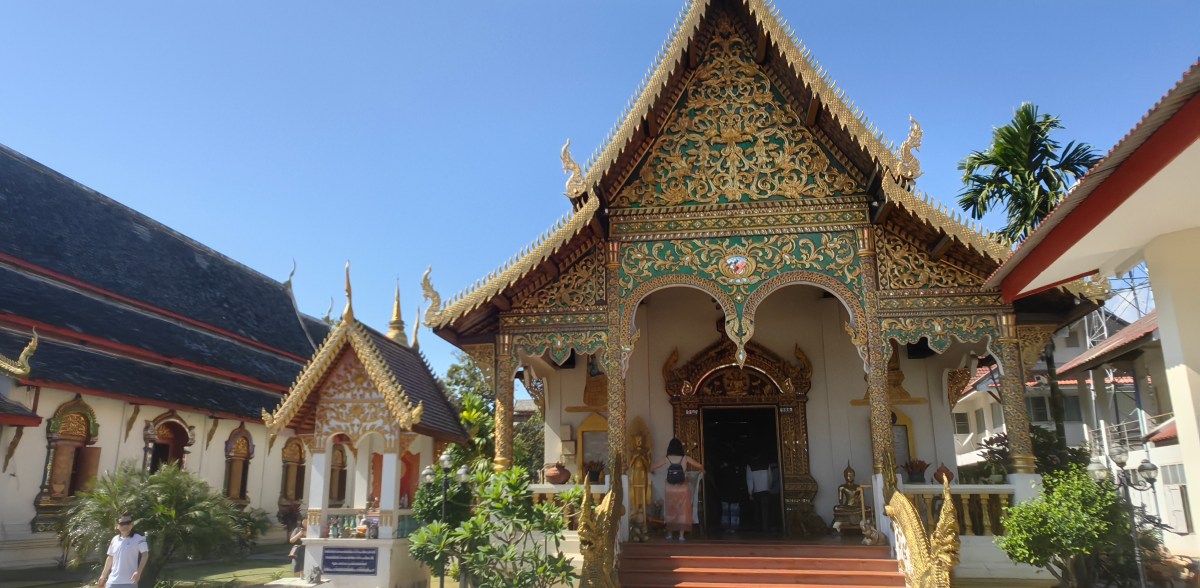
In this temple, green glazed tiles are frequently used on roofs. The green roofs contrast beautifully with the gold and red commonly used in other parts of the temple, creating a visually striking effect that blends with the natural surroundings. Green is often associated with nature, growth, and renewal. In a spiritual context, it can symbolize the idea of life, fertility, and the nurturing aspect of the natural world.
在这座寺庙中,绿色釉面在屋顶上使用很频繁。绿色的屋顶与寺庙常用的金色和红色形成鲜明对比,从而产生了与自然环境融合的视觉效果。绿色通常与自然和繁殖有关。精神层面上它可以象征着生命,生育能力和繁殖。

As the first temple built in Chiang Mai, Wat Chiang Man holds a special place in the hearts of the local people. It has been a center of religious and cultural life for centuries, maintaining its importance through various periods of the city’s history. The main assembly hall houses the state of Phra Sae Tang Khamani (Crystal Buddha).The temple is especially important during Thai New Year (Songkran), when it becomes a focal point for religious activities and celebrations.
作为在清迈建造的第一座寺庙,清曼寺在当地人民的心中占有特殊的位置。几个世纪以来,它一直是宗教和文化生活的中心,在城市历史的各个时期保持重要性。主殿收藏着水晶佛。在泰国新年中,这座寺庙尤为重要,它一直是宗教和庆祝活动的中心。
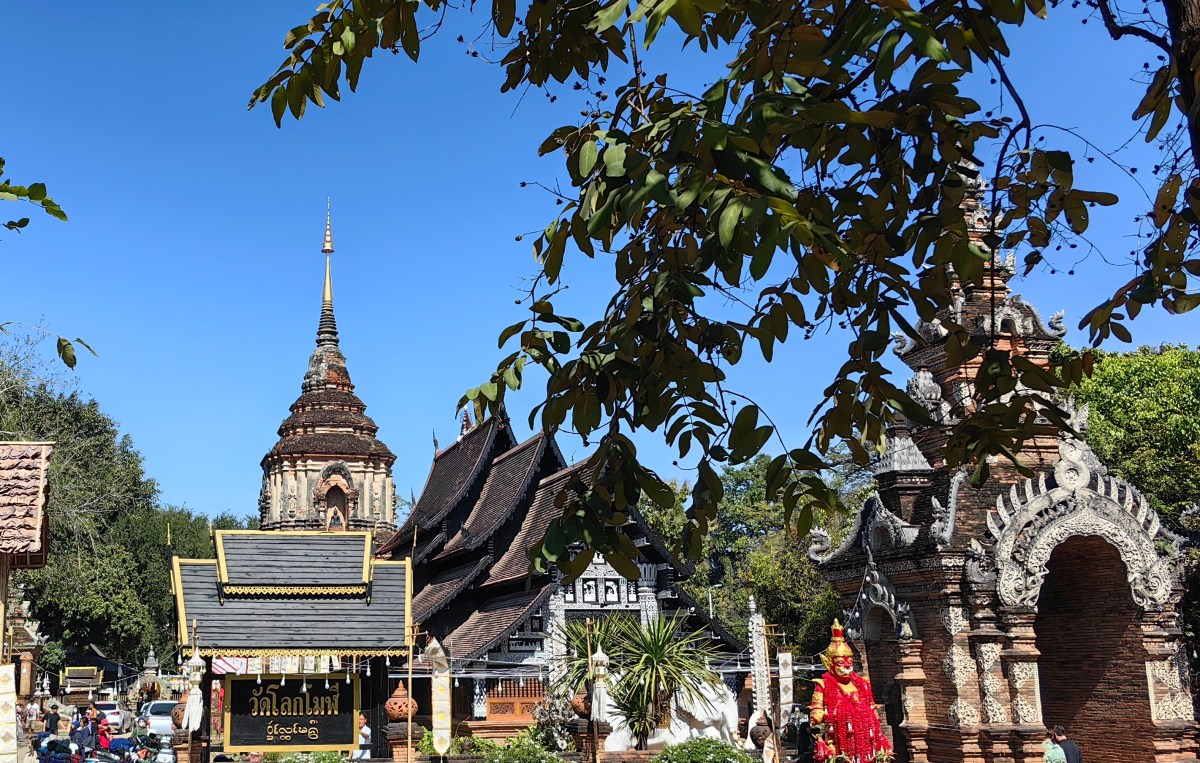
Continuing walking towards north, I arrived at the Wat Lok Moli near the Chang Phuak Gate. Its architecture looked a bit different. Wat Lok Moli built in the 14th century stands out for its connection to the Mengrai Dynasty, which played a crucial role in the history of the Lanna Kingdom. The entrance to Wat Lok Moli left me deep impression. This gate is tower-like and richly decorated, featuring intricate woodwork and symbolic imagery.
继续向北走,我到达了昌普门附近的罗摩利寺。它的建筑风格有些不同。罗摩利寺建于14世纪,因其与孟莱王朝的联系而闻名,孟莱王朝在兰纳王国的历史上发挥了至关重要的作用。罗摩利寺的入口给我留下了深刻的印象。这座门像佛塔一样,华丽装饰着复杂的木工和象征性的图腾。
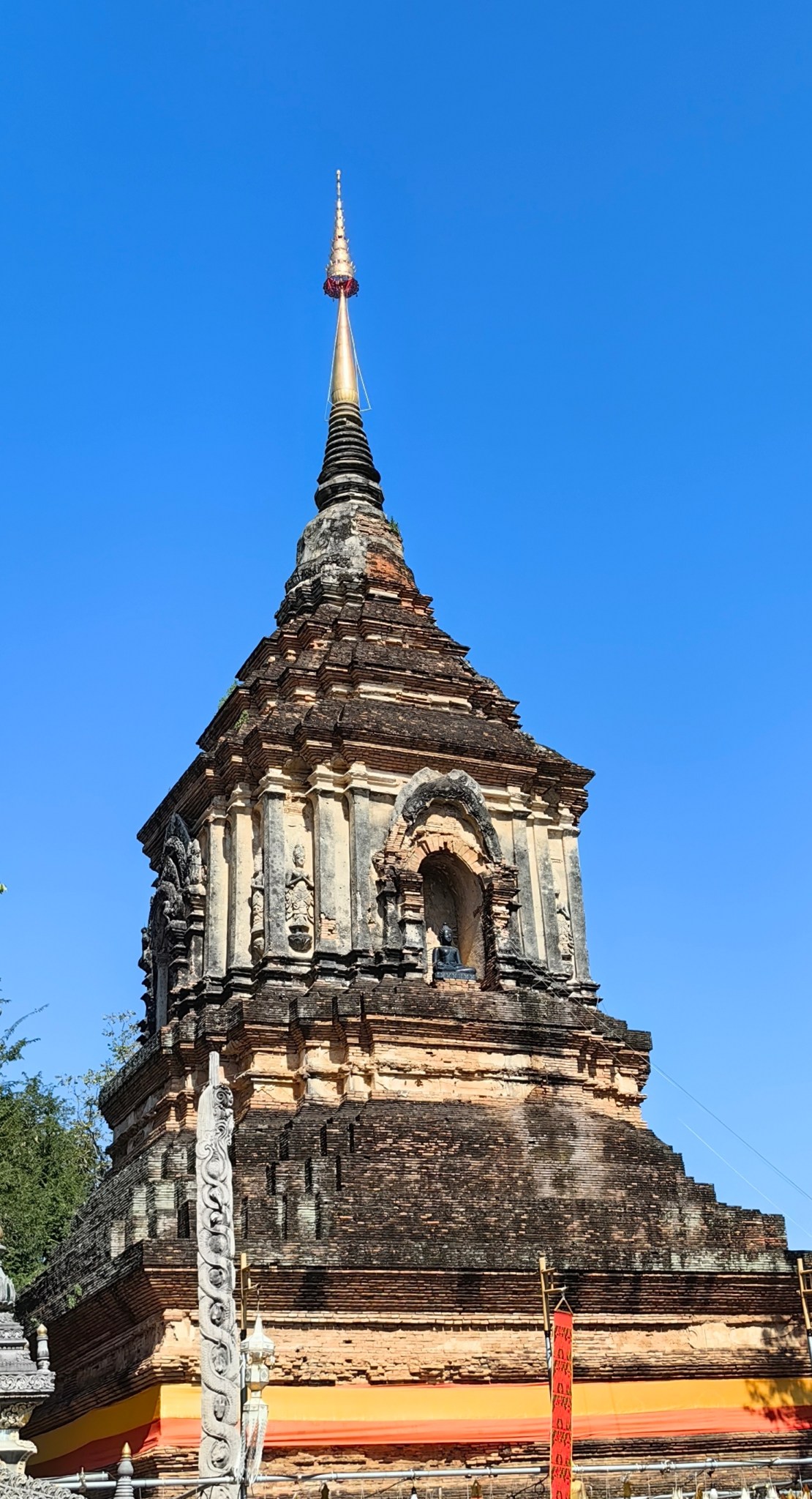
For every temple in Chiang Mai, the most prominent architecture must be the chedi. Unlike other temples, the chedi at Wat Lok Moli has been left largely unplastered, giving it a rustic and ancient appearance. The weathered bricks and the absence of stucco decoration highlight the raw beauty and historical authenticity of the structure.
对于清迈的每座寺庙来说,最突出的建筑一定是佛塔。与其他寺庙不同,罗摩利寺的佛塔大部分没有涂抹灰泥,呈现出一种质朴而古老的外观。风化的砖块和光秃秃的表面凸显了建筑的原始美感和历史真实性。

Except the major tourist attractions, I visited some small temples as well. Wat Umong Mahathera Chan is a lesser-known but historically significant temple located in the heart of Chiang Mai’s Old City. The temple is often overshadowed by more famous sites, yet it holds its own unique charm and importance.
除了主要的旅游景点,我还参观了一些小寺庙。乌蒙玛哈泰拉禅寺是一座鲜为人知但具有重要历史意义的寺庙,位于清迈古城中心。这座寺庙的风采经常被其他著名景点所掩盖,但它却拥有自己独特的魅力和重要性。

Wat Umong Mahathera Chan is notable for its historical architecture, including several ancient structures that reflect the rich heritage of the Lanna Kingdom. The old chedis at Wat Umong Mahathera Chan are typically constructed in the Lanna style, characterized by a bell-shaped base that tapers into a spire at the top. The chedis are usually built from brick and stucco, with the surfaces often covered in layers of weathered plaster, giving them an aged, venerable appearance.
乌蒙寺以其历史建筑而闻名,其中包括几座反映兰纳王国丰富遗产的古老建筑。乌蒙寺的古老佛塔通常采用兰纳风格建造,其特点是底座呈钟形,顶部逐渐变细为尖顶。佛塔通常用砖和灰泥建造,表面通常覆盖着一层层风化的石膏,使其看起来古老而庄严。
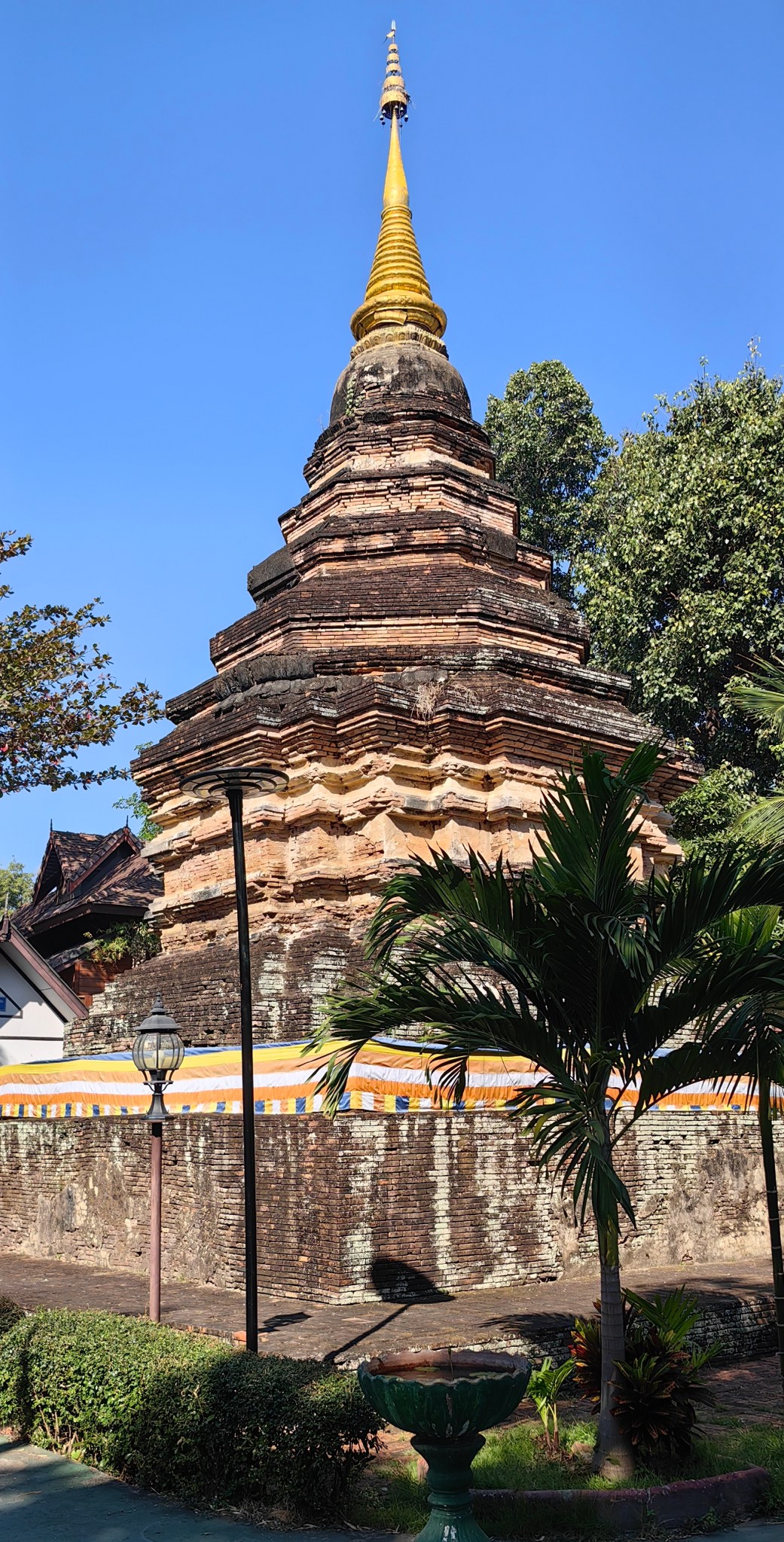
The base of the chedis is generally square or octagonal, with multiple tiers that create a sense of elevation. Each tier is often adorned with decorative motifs, such as lotus petals, which are common in Lanna architecture. The central part of the chedi, shaped like an inverted bell, is the most prominent feature. This section may be plain or decorated with stucco reliefs, sometimes featuring images of the Buddha, floral patterns, or mythical creatures like Nagas (serpents). The spire, or the uppermost section, tapers gracefully into a pointed tip, symbolizing the Buddhist path to enlightenment. The spire often includes a series of rings or parasol-like structures known as “chatra,” which are emblematic of royalty and spiritual authority.
佛塔的底座通常是方形或八角形,有多层结构,营造出一种高耸的感觉。每层都装饰有例如莲花瓣的图案,这在兰纳建筑中特别普遍。佛塔的中央部分形似倒置的钟,这部分可能是最简单朴素的,也可装饰有佛像、花卉图案或纳迦等神话生物为特色的灰泥浮雕。塔顶即最上层的部分,优雅地逐渐变细最后形成尖头,它象征着佛教的开悟之路。塔尖通常包括一系列被称为“chatra”的环形或阳伞状结构,象征着皇室和精神权威。

This kind of water jars, often made of stone or ceramics, are commonly placed around temple grounds as decorative elements. The jars are usually filled with water, and the lotus flowers are planted in them floating on the surface. The purple lotus is a beautiful and symbolic element commonly found in Thai temples. The lotus is a powerful symbol in Buddhism, representing purity, enlightenment, and spiritual rebirth.
图中这种石头或陶瓷制成水罐,通常放置在寺庙周围作为装饰元素。水罐注满水,莲花漂浮在水面上。紫色莲花是泰国寺庙中常见的美丽而具有象征意义的元素。莲花是佛教中代表着纯洁、启蒙和精神重生的象征。
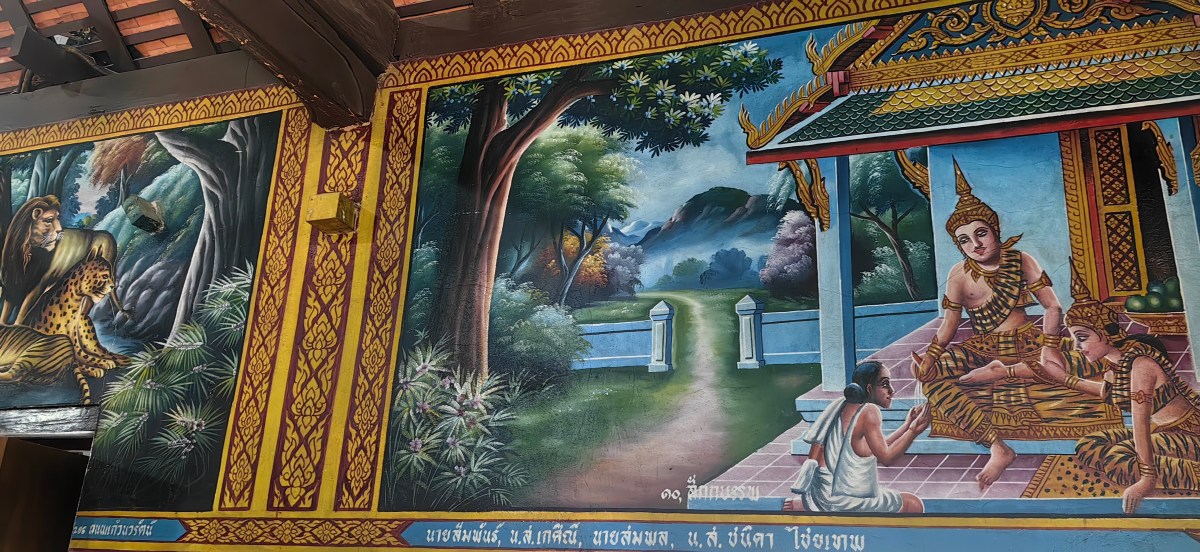
I noticed that there were always interior paintings in the halls of Thai temples, often depicting scenes from Buddhist mythology, the life of the Buddha, and traditional Lanna culture. One of the most common themes in temple murals is the Jataka tales, which are stories of the Buddha’s past lives. These stories are illustrated in a series of panels, each representing different moral lessons, such as compassion, self-sacrifice, and wisdom. Some murals often depict key events in the life of the historical Buddha, Siddhartha Gautama.
我注意到泰国寺庙的主殿大厅里总是装饰着一些室内绘画,它们通常描绘的是佛教神话、佛陀生平和传统兰纳文化的场景。寺庙壁画中最常见的主题之一是《本生经》,即佛陀前世的故事。这些故事以一系列故事在面板上连续呈现,每个面板代表不同的道德教训,例如同情、自我牺牲和智慧。另一些壁画则描绘历史上佛陀乔达摩悉达多一生中的关键事件。
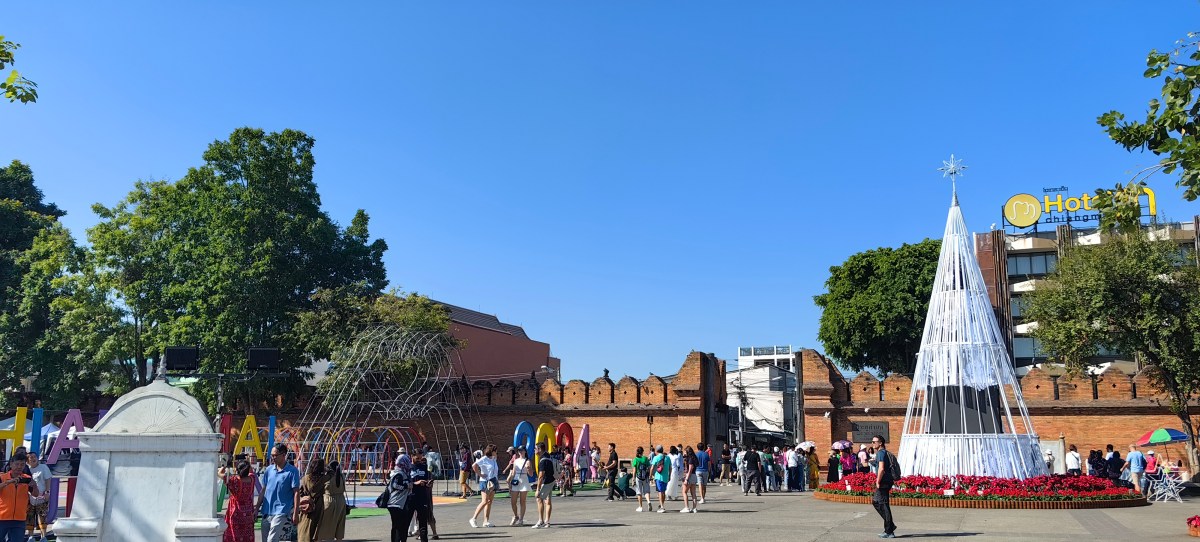
Except the old temples, the remnants of city gate marked the city’s history as well. The Tha Phae Gate is one of the most iconic landmarks in Chiang Mai, serving as a historical and cultural symbol of the city. Located on the eastern side of old city, the Tha Phae Gate is part of the ancient city wall established in 1296 by King Mengrai, the founder of the Lanna Kingdom. The original gate has been restored multiple times over the centuries. The current structure, with its distinctive red brick facade, is a result of renovations done in the 19th and 20th centuries. Today, Tha Phae Gate is more than just a historical structure; it is a vibrant cultural hub. The area around the gate hosts various events and celebrations like the countdown 2024.
除了古老的寺庙,城门遗迹也见证着这座城市的历史。塔佩门是清迈最具标志性的地标之一,是这座城市的历史和文化象征。塔佩门位于老城东侧,是兰纳王国建立者孟莱王于 1296年修建的古城墙的一部分。几个世纪以来,最初的城门经过多次修复。当前建筑结构独特的红砖外墙是19世纪和20世纪翻修的结果。如今,塔佩门不仅仅是一座历史建筑,更是一个充满活力的文化中心。城门周围会举办例如2024年新年倒计时等各种庆祝活动。

I have visited more than 50 temples in Chiang Mai and cannot list them one by one. Every temple has the chedi of different styles. These are the treasure of this city. This temple in the photo is the Haripunchai style which originates from the ancient Mon kingdom of Haripunchai, predating the Lanna Kingdom in the Chiang Mai region. This style is considered to be an earlier influence on Lanna architecture. Unlike the square bases of Lanna chedis, Haripunchai-style chedis often have a rounded or cylindrical base. These chedis may have a series of diminishing tiers stacked above the base, each decorated with small niches or Buddha images. The use of lotus petal motifs around the base and along the tiers is a distinctive feature of this style.
我总共参观过清迈50多座寺庙,无法这里一一列出。这里每座寺庙都有不同风格的佛塔。它们是这座城市的瑰宝。照片中的这座寺庙为哈利朋猜风格,源自古老的孟王国,这个王国历史早于清迈地区的兰纳王国。这种风格对兰纳建筑产生了早期影响。与兰纳佛塔的方形底座不同,哈利朋猜风格的佛塔通常具有圆形或圆柱形底座。这些佛塔的底座上方堆叠着一系列逐渐减小的层级,每层都装饰有小壁龛或佛像。底座周围和各层级上使用莲花瓣图案是这种风格的显著特征。

This is the tower of the Sri Lankan style, also known as Sinhalese or Anuradhapura style, which was introduced to Thailand through Theravada Buddhism. This style is characterized by its simplicity and smooth, rounded forms, representing purity and the Buddhist ideal of simplicity. The chedi is usually a smooth, rounded bell shape with little to no ornate decoration, emphasizing the purity and simplicity of the form. The dome has a simple spire on top. Unlike the more ornate Lanna style, Sri Lankan-style chedis are typically plain, focusing on the form rather than decorative details.
这是斯里兰卡风格的佛塔,也被称为僧伽罗风格或阿努拉德普勒风格,通过上座部佛教传入泰国。这种风格的特点是简洁的圆形,代表纯洁和佛教的简朴理想。佛塔通常是圆钟形,几乎没有华丽的装饰,强调了形式的纯洁和简朴。圆顶上有一个简单的尖顶。与更华丽的兰纳风格不同,斯里兰卡风格的佛塔通常很朴素,注重形式而不是装饰细节。
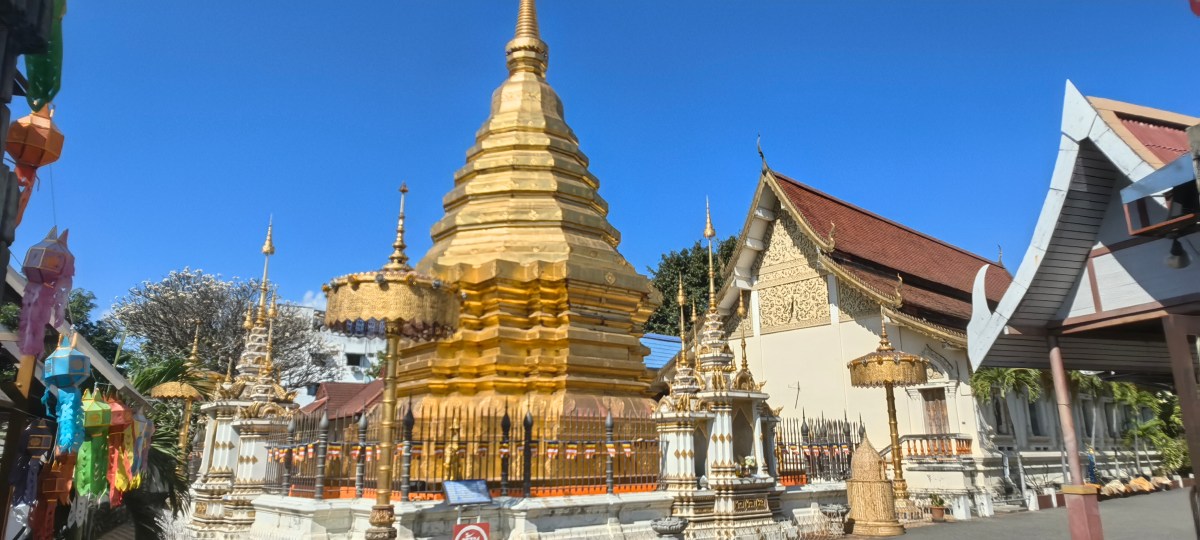
Due to Chiang Mai’s historical connections with Burma, Burmese-style chedis can also be found in the region. These chedis are influenced by the architecture of the Pagan era. Burmese chedis often have a stepped, pyramid-like structure with a series of terraces leading up to the spire. The chedis are typically more ornate than the Sri Lankan style, with intricate carvings and reliefs, often featuring scenes from the Jataka tales. The spire, often crowned with a multi-tiered umbrella, is a key feature, symbolizing the axis of the world in Buddhist cosmology.
由于清迈与缅甸的历史渊源,该地区也有缅甸风格的佛塔。这些佛塔受到异教时代建筑的影响。缅甸佛塔通常采用阶梯式金字塔结构,一系列露台通向塔尖。这些佛塔通常比斯里兰卡风格的佛塔更华丽,雕刻和浮雕也很精美,它们通常以《本生经》故事中的场景为特色。塔尖通常顶部有多层伞状结构,是其主要特征,象征着佛教宇宙观中的世界轴心。

Although not as numerous as other styles, Khmer-style chedis can still be found in and around Chiang Mai, showcasing the historical connections between the region and the Khmer civilization. The most recognizable feature of Khmer-style chedis is their prasat, a tower-like structure that resembles the central sanctuary of a Khmer temple. The base of a Khmer-style chedi is usually stepped, with multiple levels or terraces leading up to the central tower. In Chiang Mai, some Khmer-style chedis integrate elements of the local Lanna style, including stupa-like structures that blend the Khmer tower. This fusion creates a unique architectural form that reflects the cultural exchange between the Khmer and Lanna civilizations.
虽然数量不如其他风格那么多,但高棉风格的佛塔在清迈及其周边地区仍可见到,展现了该地区与高棉文明之间的历史联系。高棉风格佛塔最显著的特征是一种类似于高棉寺庙中央圣殿的塔式结构。高棉风格佛塔的底座通常是阶梯式的,有多个楼层或露台通向中央塔。在清迈,一些高棉风格的佛塔融合了当地兰纳风格的元素,包括与高棉中央塔融为一体的佛塔式结构。这种融合创造了一种独特的建筑形式,反映了高棉和兰纳文明之间的文化交流。

In the evening, I took some time to leisurely stroll around the Nimman Road and experienced the night life here. This road is outside the old city, and it is known for its eclectic mix of cafes, restaurants, boutique shops, and art galleries. Nimman Road is famous for its coffee culture, with a wide array of unique and stylish cafes. When the sun set, it is a place where traditional Thai culture meets modern global influences.
傍晚,我悠闲地在宁曼路漫步,感受这里的夜生活。这条路位于老城区外,以咖啡馆、餐厅、精品店和艺术画廊等各式各样的商店而闻名。宁曼路更以咖啡文化而闻名旅游圈,拥有众多独特而时尚的咖啡馆。当太阳落山时,这里是传统泰国文化与全球的现代影响碰撞的地方。
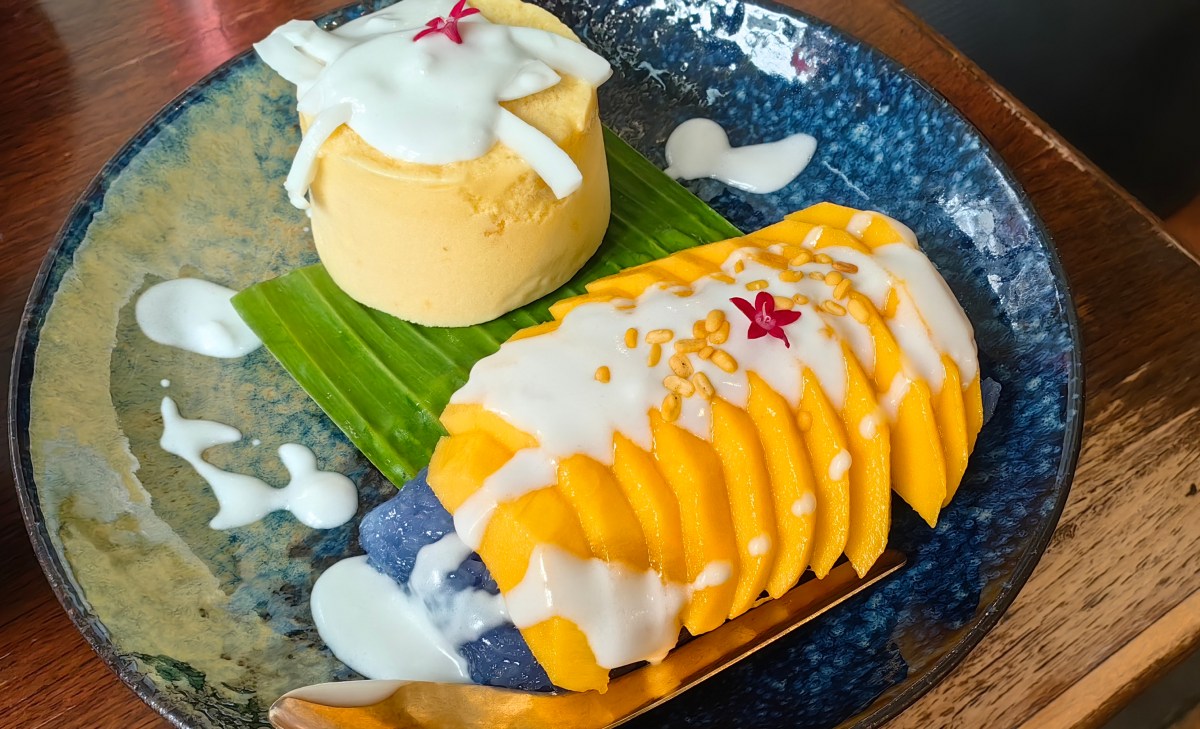
I tasted the Mango sticky rice in one of the stores here. The sticky rice, also known as glutinous rice, is the foundation of this dessert. It’s soaked, steamed, and then mixed with sweetened coconut milk to create a rich, creamy base. The mango adds a natural sweetness and juicy, refreshing texture to the dish, contrasting beautifully with the sticky rice. A key element of mango sticky rice is the coconut milk sauce, which is made by simmering coconut milk with sugar and a pinch of salt until it thickens slightly. The coconut milk sauce is often poured over the rice. This dish is one of Thailand’s most beloved desserts. It perfectly balances the sweet, creamy, and slightly salty flavors.
我在一家甜品店里品尝了芒果糯米饭。糯米是这种甜点的基础。它经过浸泡、蒸熟,然后与加糖的椰奶混合,形成浓郁的奶油状基底。芒果为这道菜增添了天然的甜味和多汁、清爽的口感,与糯米形成了绝妙的对比。芒果糯米饭的一个关键元素是椰奶酱汁,它是将椰奶与糖和少许盐一起煮至略微变稠而制成的。这种椰奶在上桌前通常直接倒在米饭上。这道菜是泰国最受欢迎的甜点之一。它完美地平衡了甜味、奶油味和微咸的味道。
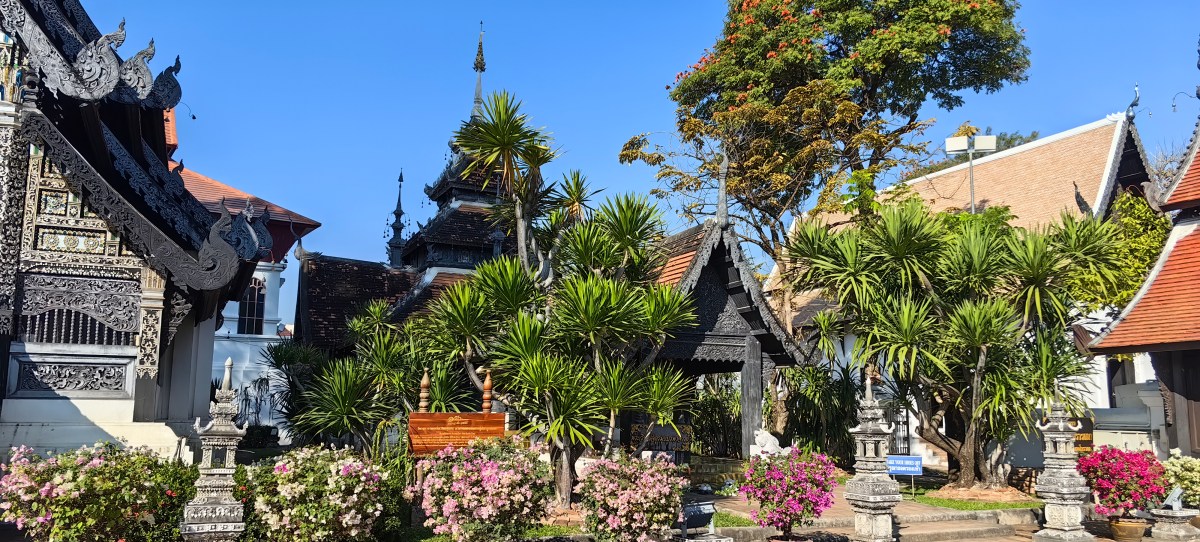
As my journey through Chiang Mai came to a close, I found myself reflecting on the myriad experiences that have woven together to create a tapestry of memories from the serene temples to the bustling markets. Chiang Mai is a place where the old and the new coexist in harmony. It’s a city that invites you to slow down, to fully relax, to savor the details. As I left Chiang Mai, I carried with me not just souvenirs and photographs, but a deeper appreciation for the Lanna culture of North Thailand.
尽管我的清迈之旅已经完结,自己经常回想起那些交织在一起的往事,从宁静的寺庙到熙熙攘攘的市场,这些经历交织在一起,形成了一幅一幅的画卷。清迈是一个历史和现代和谐共存的地方。这座城市令人可以放慢脚步,完全放松地细细品味细节。离开清迈时,我带走的不仅仅是纪念品和照片,还有对泰国北部兰纳文化的更深层次的了解。
 Gone like the wind