
我眼中的新加坡:二十载光阴里的故事
This blog is my 100th blog which is dedicated to Singapore where I have been living for more than twenty years. I will narrate in the view of a resident but not a tourist.
本文是我的第100篇博文,纪念新加坡,这座我已生活了二十多年的城市。我将不以游客,而是以当地居民的视角,讲述这里的一切。
In 2005, I arrived in Singapore as a secondary school student carrying little more than curiosity, uncertainty, and expectations for a new life. At that time, I never imagined that this small island would eventually become my second hometown. Over these two decades, Singapore has become more than a place where I studied and worked, it has become the backdrop of my youth and adulthood. Here, I learned to adapt to unfamiliar cultures, make friendships across different backgrounds, and find my own place in a fast-moving society. There were moments of excitement and achievement, but also periods of loneliness, pressure, self-doubt, and quiet persistence that few people could see.
2005年,我作为一名中学生来到新加坡,行囊中装着的,不过是好奇、忐忑,以及对新生活的憧憬。那时的我未曾想到,这座小岛终会成为我的第二故乡。二十年来,新加坡不仅是我求学、工作和生活的地方,更见证并承载了我的青春岁月与成长历程。在这里,我学会了适应陌生的文化,结识了来自不同背景的朋友,也在快节奏的社会中找到了属于自己的立足之地。这一路走来,有兴奋与成就,也有孤独、压力与自我怀疑,更有许多不为人知的默默坚持。
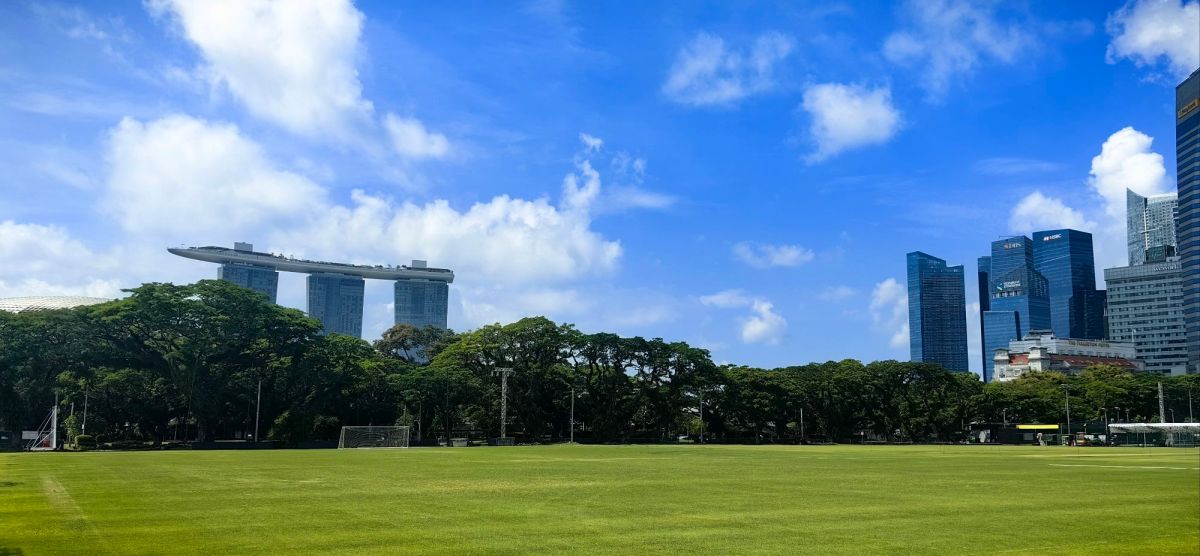
Life in Singapore has never felt one-dimensional to me. It tasted sweet in moments of growth and belonging; sour when plans did not go as expected; spicy in the intensity and competition that pushed me forward; and bitter in missed opportunities, and the distance from what once felt like home. Yet looking back, every stage became part of the person I am today.
对我而言,在新加坡的生活从来不是单调乏味的。它有成长与归属感的甘甜,也有计划赶不上变化的酸涩;有激烈竞争催人奋进的辛辣,也有错失良机、远离“家乡的苦涩。然而,当我回首这二十年的点滴,每一段经历都已融入我的生命,成为塑造今天这个我的一部分。
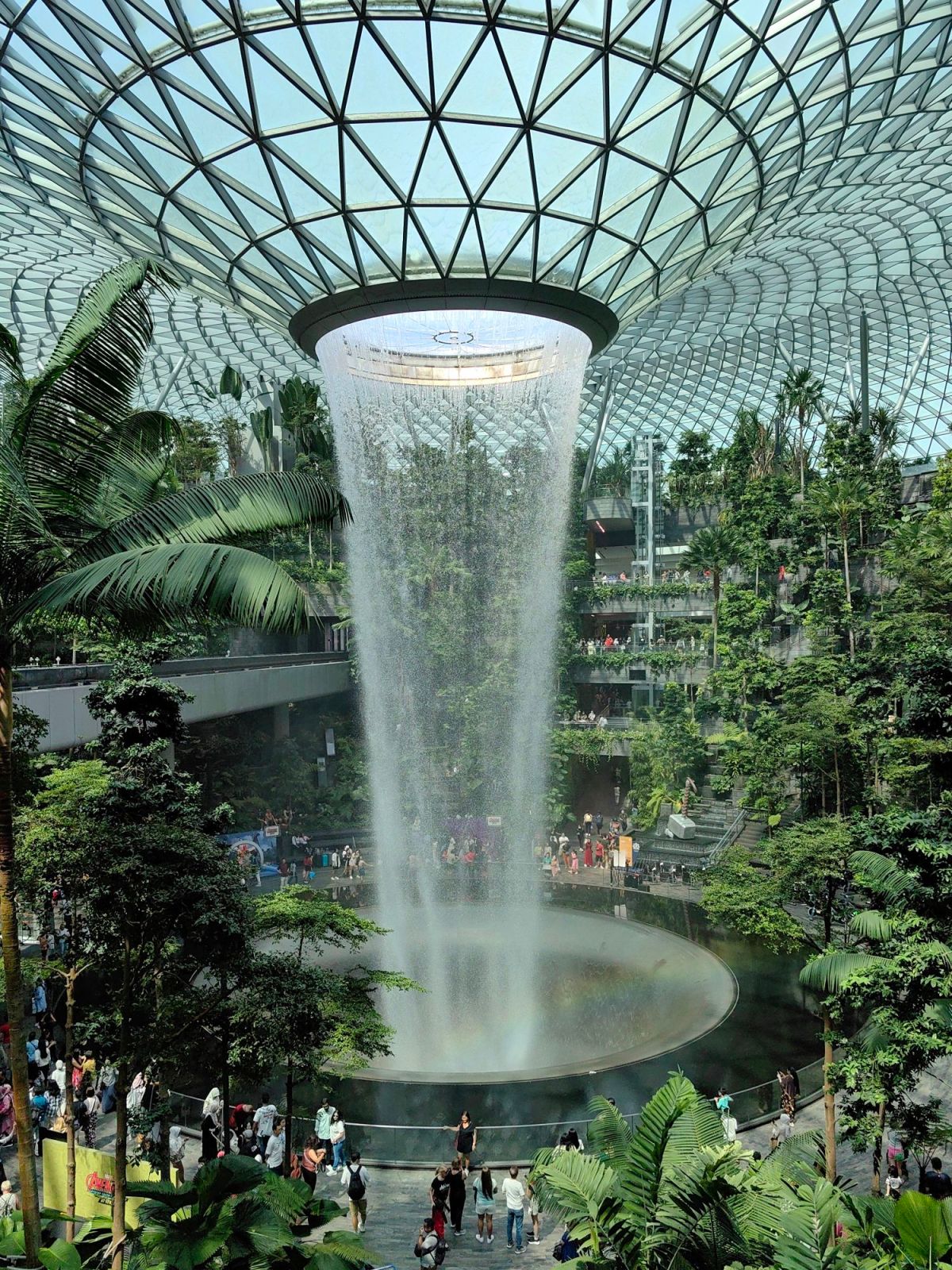
For many people arriving in Singapore, the first memory begins at the airport. Mine did too. The moment I stepped out of Changi Airport, I still remember the sensation vividly. Before I had time to notice the surroundings, I felt the warm, humid air wrapping around me instantly. It was so different from where I had come from. There was no dramatic welcome, no grand moment, just that quiet realization that I had entered a completely different climate, a different rhythm of life, and perhaps the beginning of a different version of myself.
对许多初到新加坡的人来说,最初的记忆往往始于机场,我也不例外。时至今日,我依然清晰记得走出樟宜机场那一刻的感受。还没来得及细看周围的景象,一股湿热的空气便扑面而来,瞬间将我包围。那种感觉与我出发时的环境截然不同。没有隆重的欢迎仪式,也没有宏大的场面,只有一种静静涌上心头的感悟:我已置身于一个气候迥异、生活节奏截然不同的新环境,而这或许也意味着,一个全新的人生,即将由此展开。
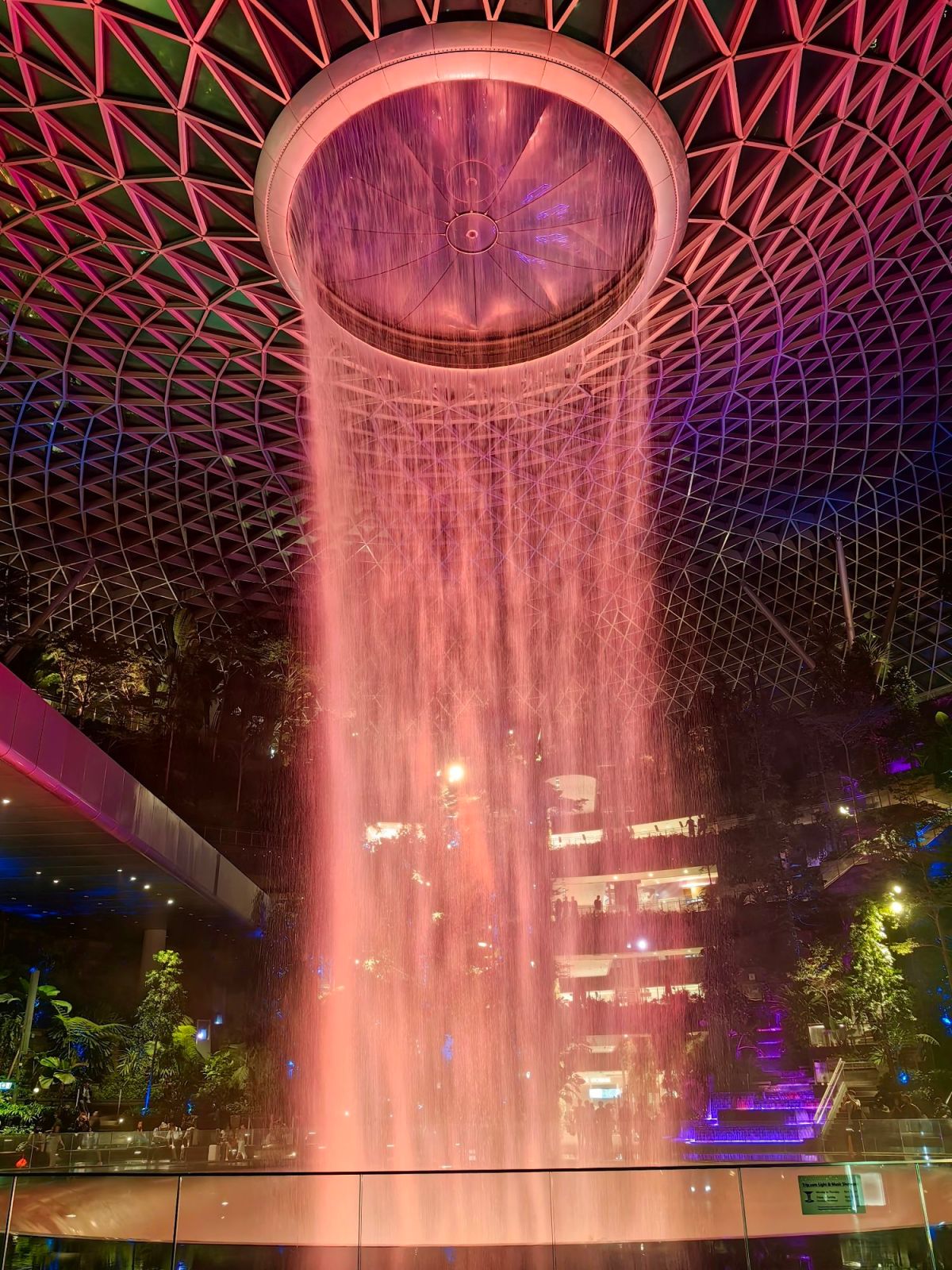
Changi Jewel was the landmark which was built years after I arrived in Singapore. What impressed me most was the vast glass dome filled with natural light and tropical greenery. At its center, water falls continuously from above. At night, streams of coloured light begin to move across the falling water while music fills the vast glass dome. The waterfall becomes a shifting curtain of light, changing from deep blue to warm gold, from soft waves to bursts of color and motion. Every time when I passed through and hear the sound of falling water beneath the glass roof, I am reminded of that first arrival many years ago.
星耀樟宜是我来到新加坡多年后才落成的地标性建筑。最令我印象深刻的,是那座沐浴在自然光下、绿意盎然的巨大玻璃穹顶。穹顶中央,一道瀑布自天而降,奔流不息。每当夜幕降临,流光溢彩的灯光便在飞泻的水幕间流转,悠扬的乐声回荡于宽阔的穹顶之下。此刻,瀑布仿佛化作一幅变幻莫测的光影画卷:色彩由深邃的蔚蓝渐渐过渡到温暖的金黄,形态则在柔和的水纹与绚丽的光影之间不断变换。每当我漫步于此,听着玻璃穹顶下潺潺的流水声,总会不由自主地想起二十多年前初次踏上这片土地时的情景。
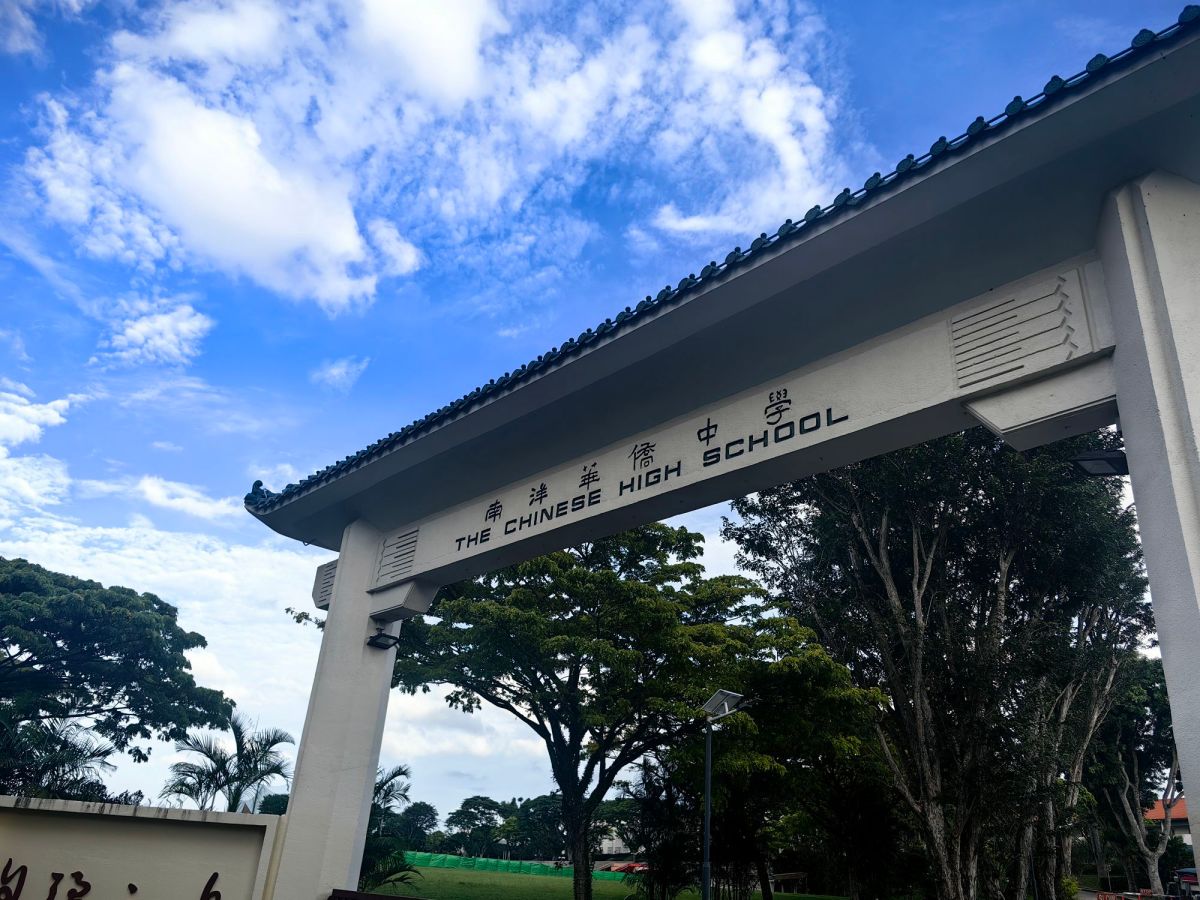
The first place I called home in Singapore was the Hwa Chong boarding school. Looking back now, it feels strange to realize that my understanding of Singapore did not begin in the city center, among skyscrapers, but in a school campus. In the mornings, birds would begin singing before the day fully started. Throughout the day, insects buzzed among the trees, creating a constant background soundtrack that made the environment feel alive.
我在新加坡的第一个“家”便是华中寄宿学校。如今回想起来,颇有些奇妙。我对新加坡最初的认识,并非始于市中心林立的摩天大楼,而是从一座校园开始。清晨,天色尚未完全放亮,鸟儿便已开始鸣唱;白日里,昆虫在树丛间此起彼伏地鸣叫,那连绵不断的声响,为整个校园增添了蓬勃的生机。
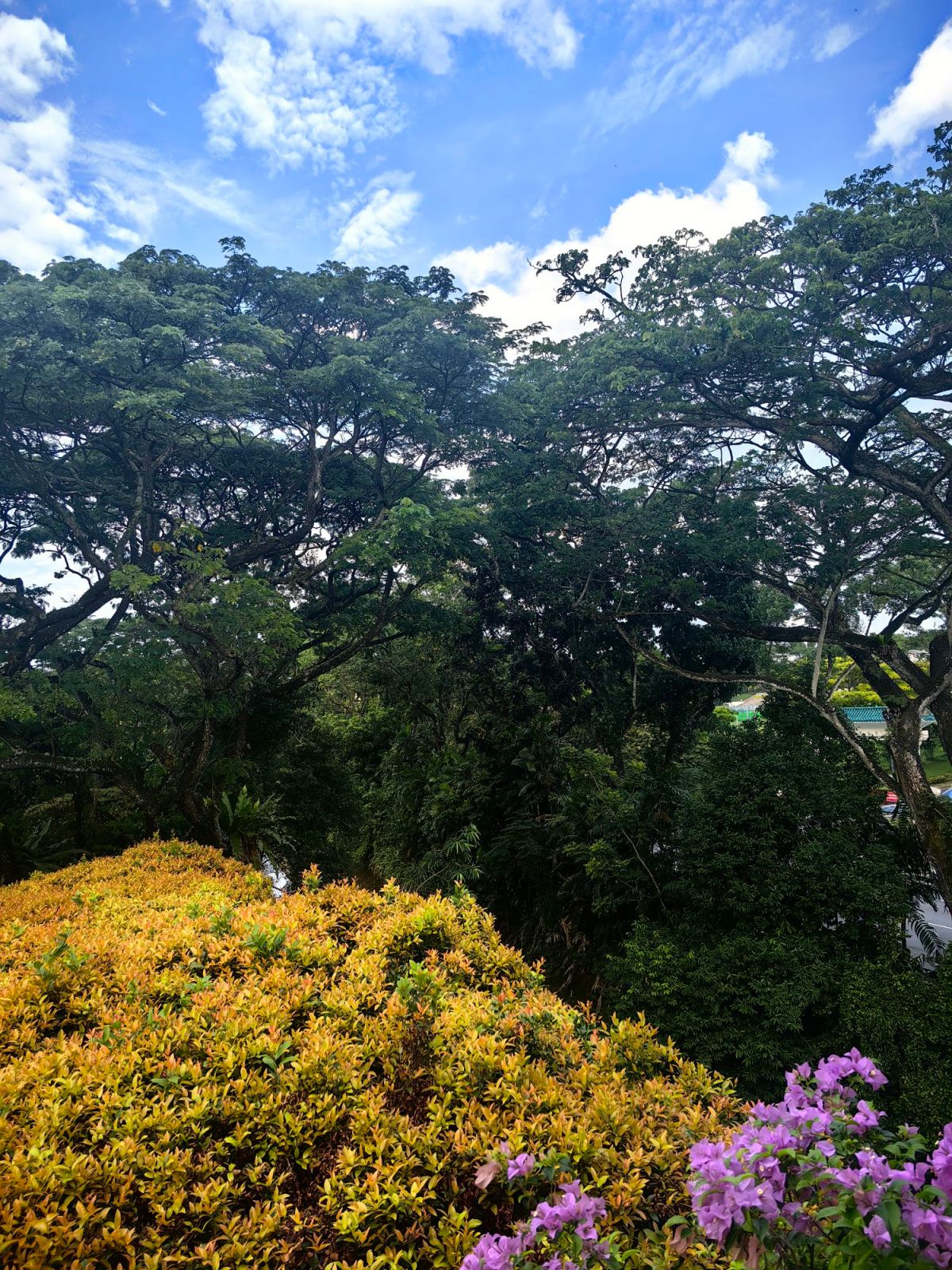
Coming from a different place, I was surprised that a highly developed city could still feel so green and so connected to nature. The sky seemed so blue, brighter than I expected. Everywhere was greenery. Trees lining the roads, lawns stretching between buildings, and tropical plants appeared dense and full of life. Angsana trees grow so tall and elegant with dense foliage and are planted extensively along the Bukit Timah Road.
来自不同的地方,我最初感到惊讶的是:这样一座高度发达的现代化城市,竟能保有如此浓郁的绿意,并与大自然如此和谐地相融。天空格外湛蓝,甚至比我想象中更加明亮。放眼望去,满目葱茏:道路两旁绿树成荫,建筑之间草坪绵延,热带植物郁郁葱葱,处处洋溢着蓬勃的生机。武吉知马路沿线广泛种植着紫檀树,它们枝繁叶茂,高大挺拔,姿态如此优雅。
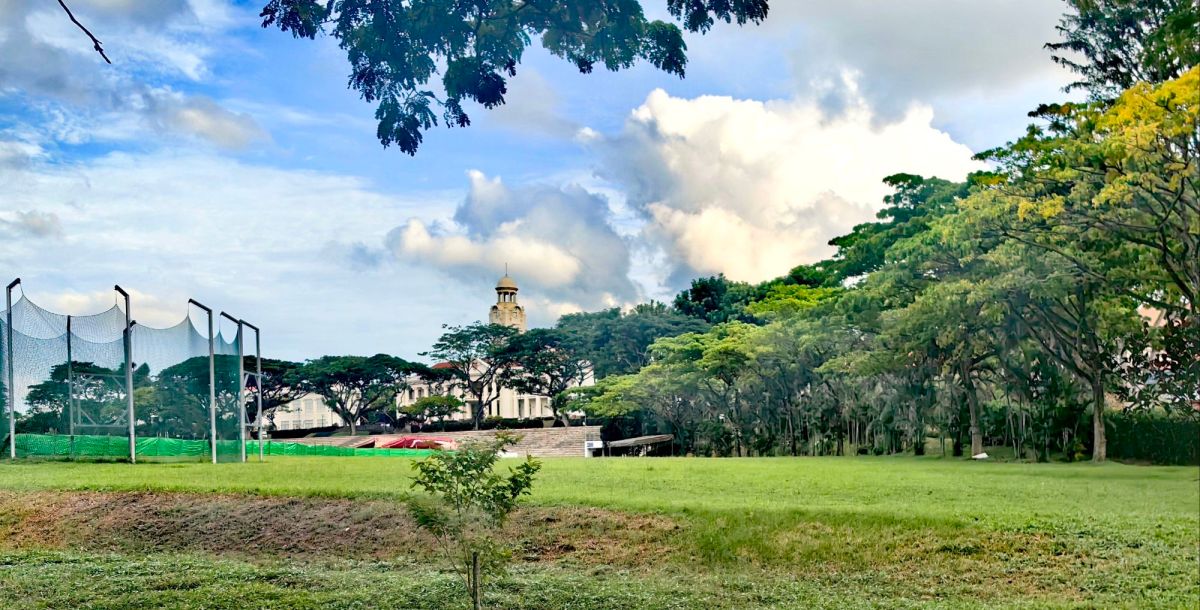
Although so many years passed, the memory of the campus still lingered in my memory. The campus was spacious, with broad roads, old buildings, soccer fields, and mature trees. The iconic clock tower standing above the grounds gave the place a certain solemnity. The school traces its origins to The Chinese High School, founded in 1919 by Tan Kah Kee, one of the most influential overseas Chinese philanthropists and educators. Years later, when I visited Jimei School Village in Xiamen, I experienced an unexpected sense of familiarity. Both were created through Tan Kah Kee’s educational vision and developed into a complete educational community.
尽管岁月流转,校园的记忆依然萦绕在我的脑海中。那是一片宽阔的校园,拥有宽敞的道路、古朴的建筑、足球场以及郁郁葱葱的参天大树;矗立其间的标志性钟楼,更赋予了这片土地庄严的气息。该校的渊源可追溯至由极具影响力的海外华人慈善家与教育家陈嘉庚先生于1919年创办的华侨中学。多年后,当我造访厦门集美学村时,竟产生了一种意想不到的熟悉感;这两处校园皆源于陈嘉庚先生的教育宏愿,并最终发展成为功能完备的教育社区。
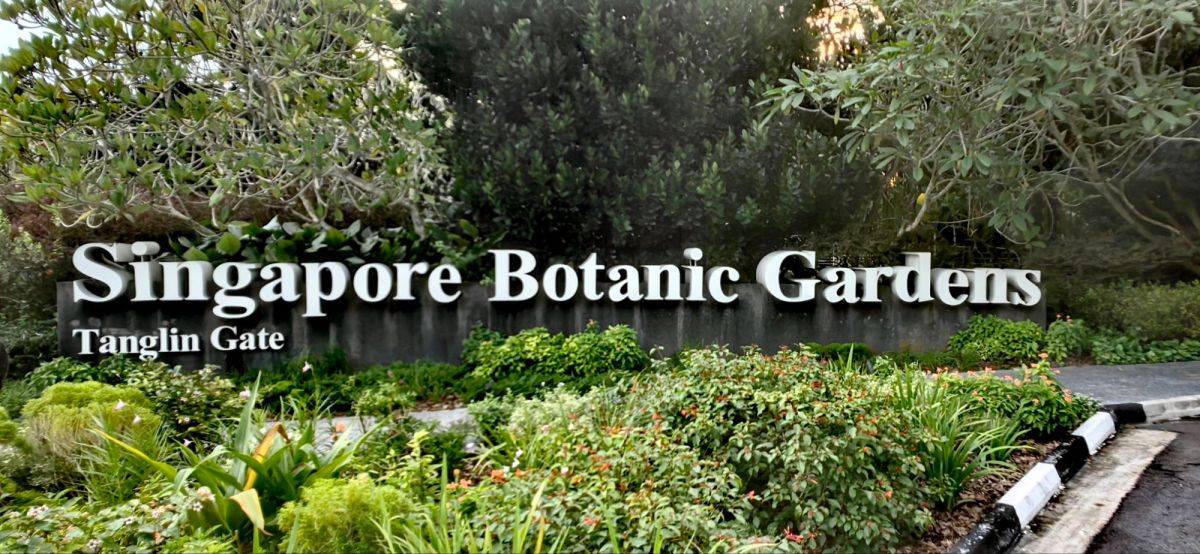
Life at the boarding school was also my first lesson in independence. Everything suddenly became my own responsibility: waking up on time, managing schoolwork, adjusting to new food, making friends, and learning how to live away from family. Not far from the boarding school was a place that quietly became part of my first memories of Singapore: the Singapore Botanic Gardens.
寄宿学校的生活,也是我学会独立的第一课。生活中的一切,突然都成了我需要承担的责任:按时起床、安排学业、适应新的饮食、结交朋友,以及学习如何离开家人的陪伴,独自面对生活。在离寄宿学校不远的地方,有一个去处悄然成为了我对新加坡最初记忆的一部分,那就是新加坡植物园。
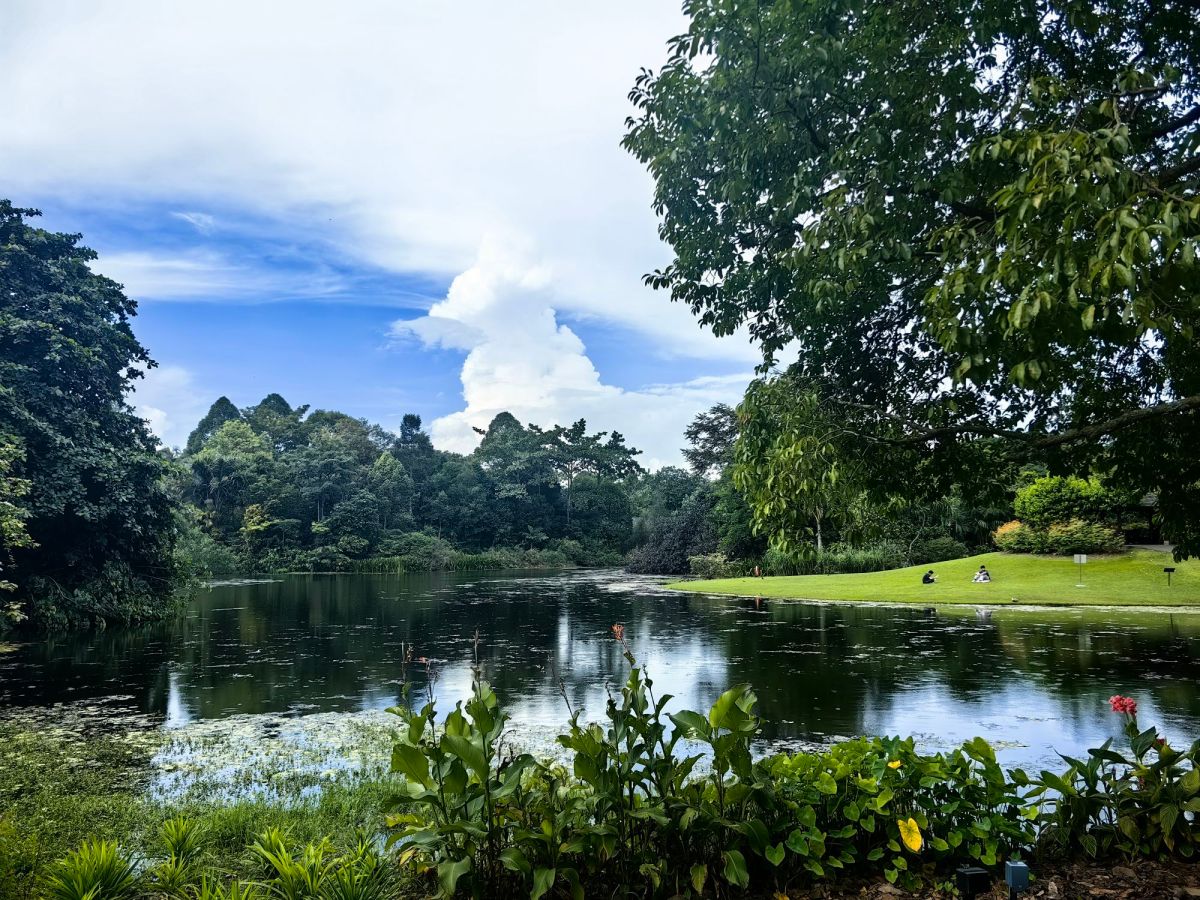
Whenever I visited it on weekends, I was struck by how natural everything felt. Tall rain trees stretched their branches across wide lawns, tropical plants grew in layers of green, and shaded paths curved gently instead of following rigid lines. The air always seemed cooler, softened by the dense vegetation. After a sudden tropical rain, the scent of wet soil would linger in the air. Many families would come here for a picnic on the lawns.
每逢周末造访此地,这里浑然天成的氛围总令我印象深刻。高大的雨树向宽阔的草坪舒展着枝桠,热带植物层层交叠,绿意盎然;林荫小径蜿蜒延伸,而非刻意修筑得笔直规整。茂密的植被让空气也显得格外清凉宜人。一场突如其来的热带阵雨过后,空气中总会弥漫着湿润泥土的芬芳。许多家庭也会来到这里,在草坪上共享野餐的惬意时光。
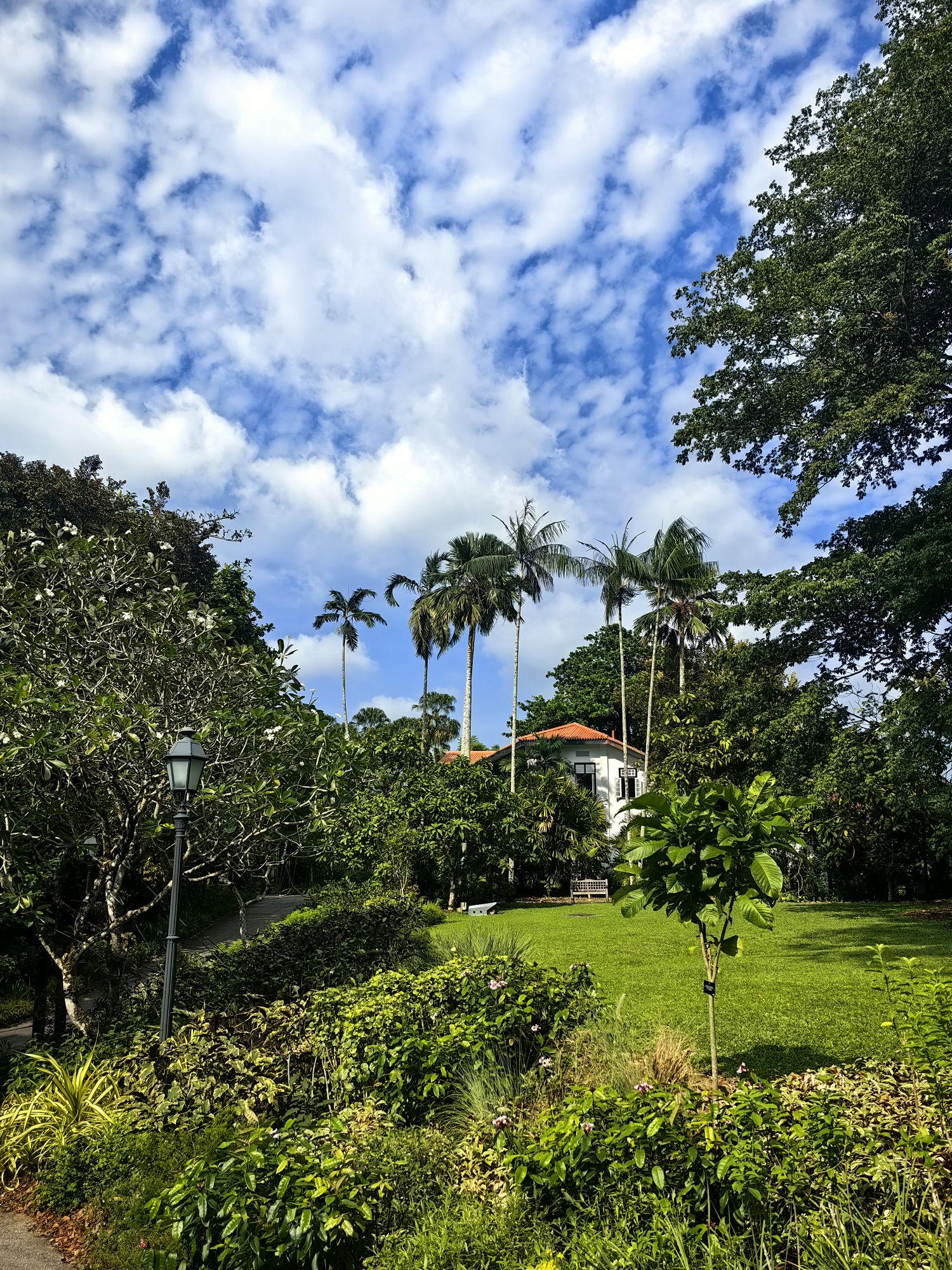
It has extraordinary historical significance. Founded in 1859, it became Singapore’s only UNESCO World Heritage Site in 2015. The gardens played an important role in the cultivation and distribution of rubber across Southeast Asia in the late nineteenth and early twentieth centuries, shaping the economic development of the region. UNESCO also recognized it as an exceptionally well-preserved example of a British tropical colonial botanic garden whose original landscape have remained remarkably intact over time.
它承载着非凡的历史意义。该园始建于1859年,并于2015年成为新加坡唯一一处列入联合国教科文组织世界遗产名录的遗产地。在19世纪末至20世纪初,它曾在东南亚地区橡胶的培育与推广过程中发挥重要作用,进而影响了这一地区的经济发展轨迹。联合国教科文组织也将其誉为保存极为完好的英国热带殖民地植物园典范,其原始景观历经岁月流转,至今仍保持着相当完整的面貌。
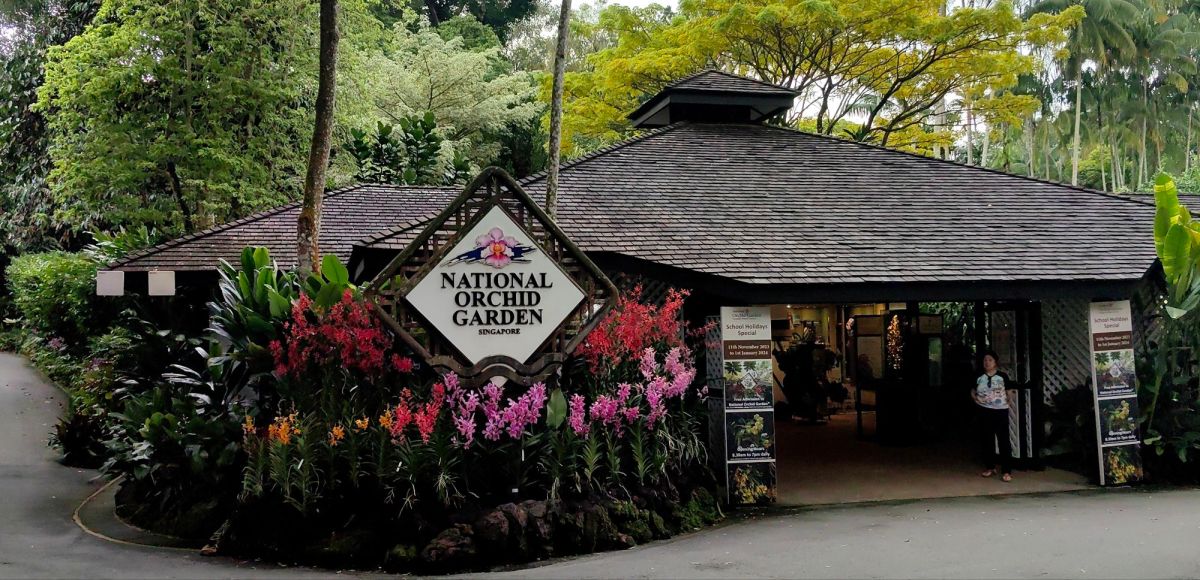
Unlike the wider Botanic Gardens, where greenery stretches quietly and naturally across the landscape, the Orchid Garden feels more curated. Walking through its entrance, I felt being greeted by layers of color. Against the tropical backdrop of palms, old trees, and filtered sunlight, the garden was like a living gallery.
与植物园其他区域那片绿意静谧、自然舒展的景致不同,兰花园所呈现出的,是一种更具匠心雕琢的美感。步入园中,层层交织的色彩仿佛在迎接着我的到来;在棕榈树、古木以及透过枝叶洒落的斑驳阳光所构成的热带背景映衬下,这座花园宛如一座鲜活而灵动的艺术画廊。
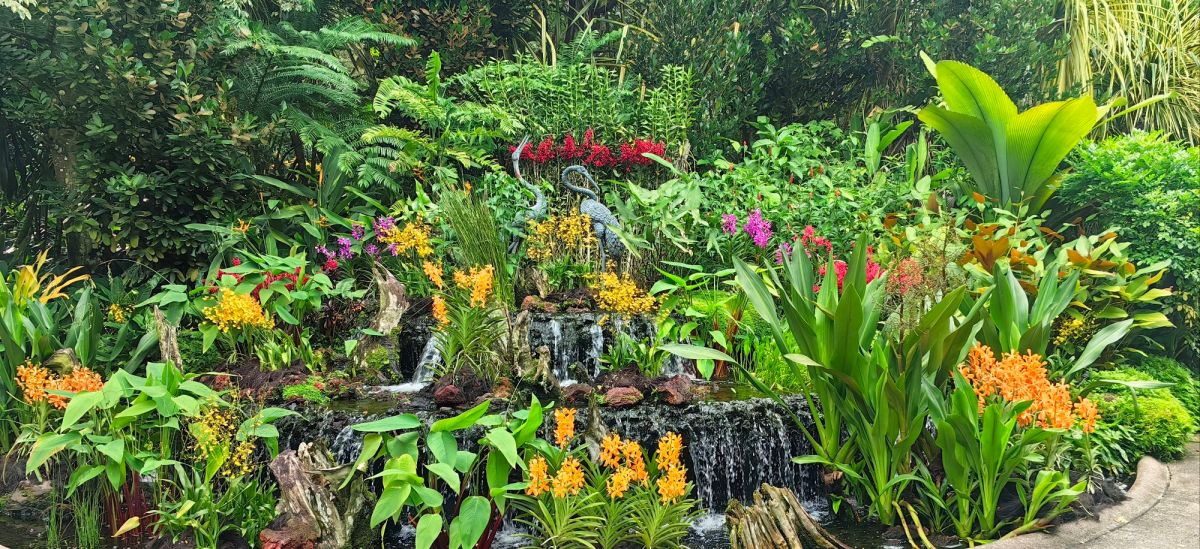
Before visiting it, I thought that orchids were elegant but simple flowers. Inside, I discovered how different they could be, tiny and delicate, large and sculptural, pure white, vivid purple, spotted and striped. The garden was designed with different sections with different color and landscape.
参观之前,我原以为兰花不过是一种优雅而简约的花卉。置身其中,我才发现它们竟拥有如此丰富的姿态:有的娇小精致,有的硕大如雕塑般令人惊叹;色彩上,既有纯净的白,也有浓郁的紫红,更有点缀着斑点与条纹的独特品种。这座花园被巧妙划分为不同的区域,每一处都展现出独具特色的色彩与景观风格。
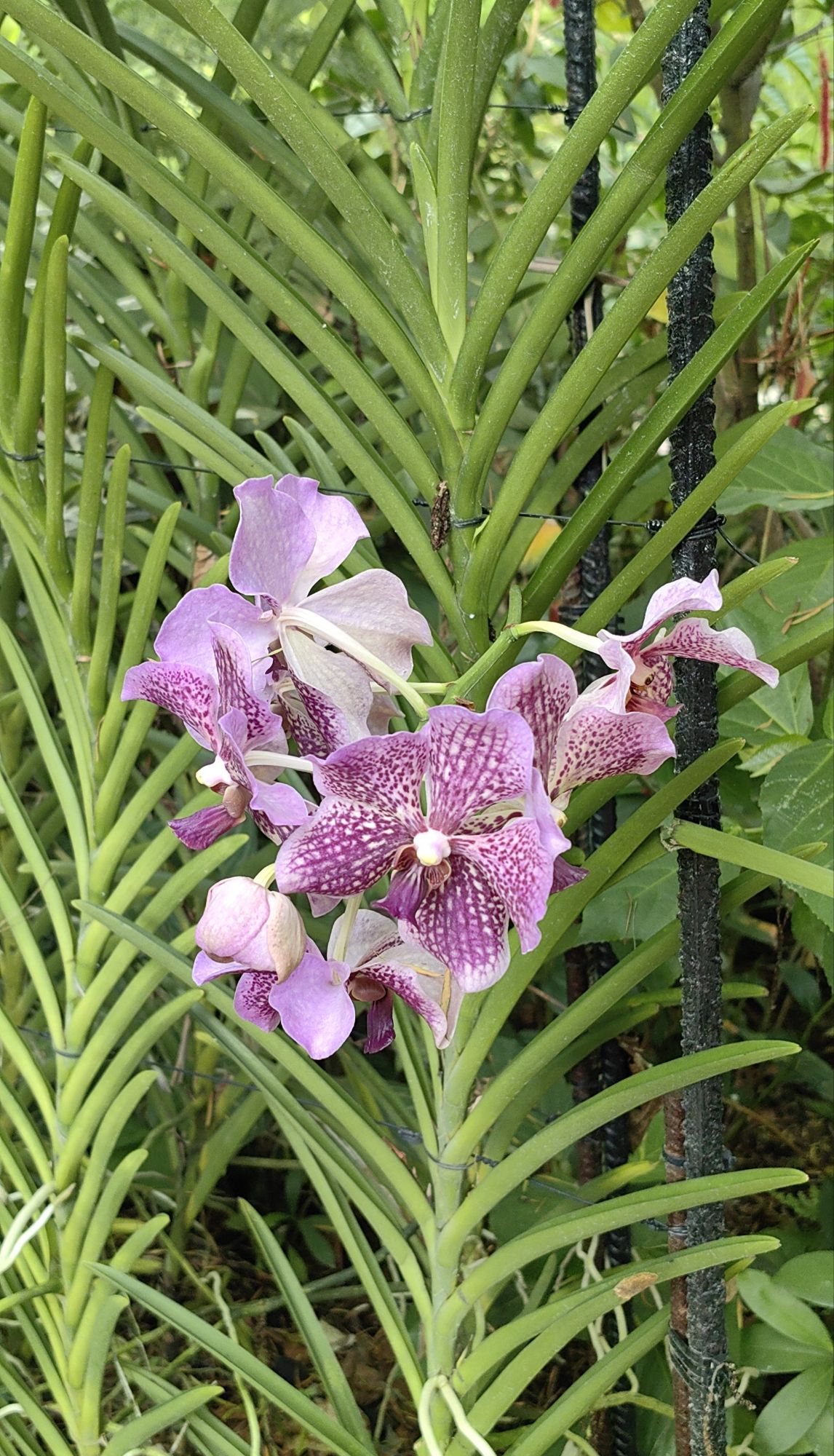
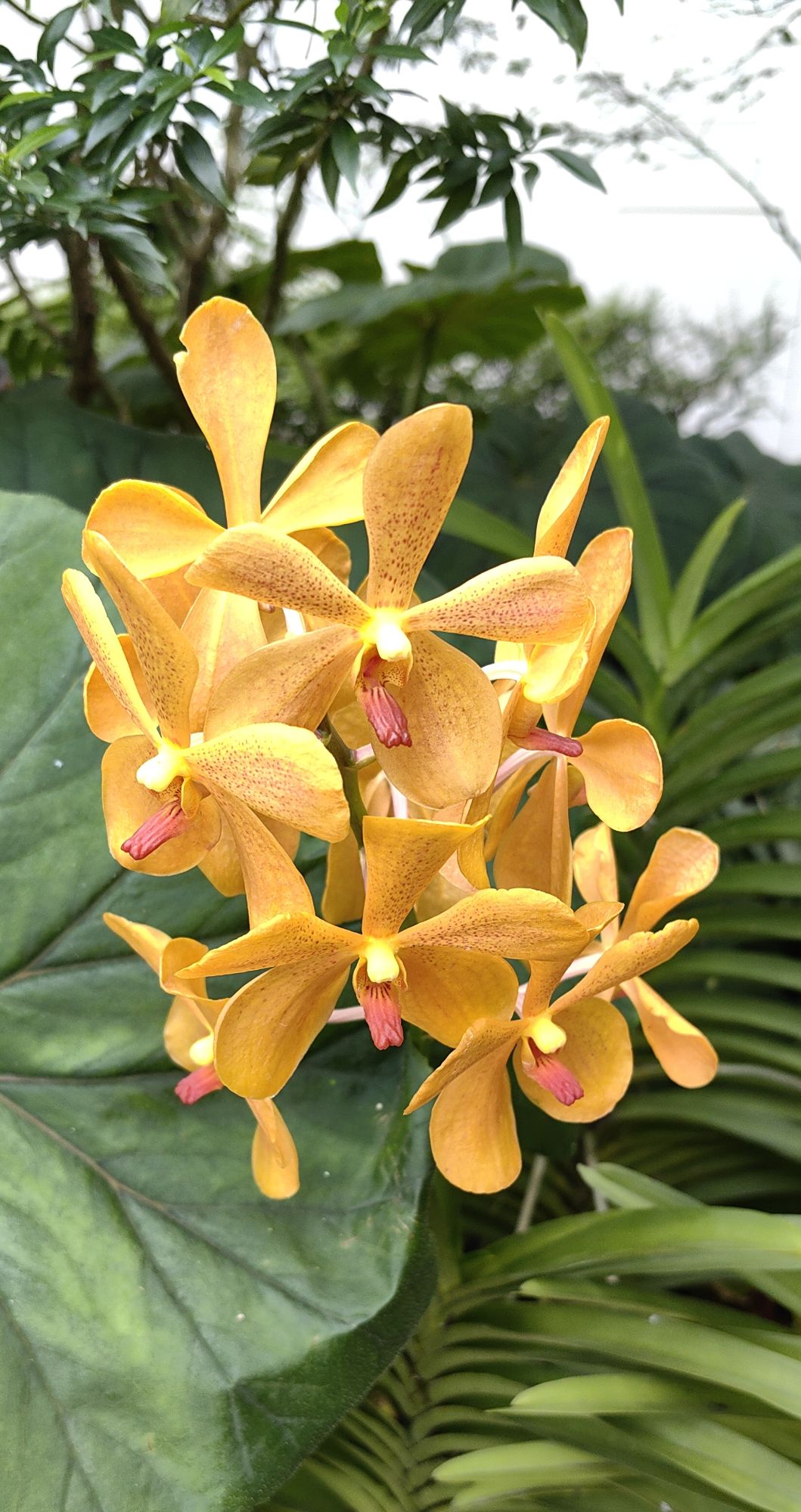
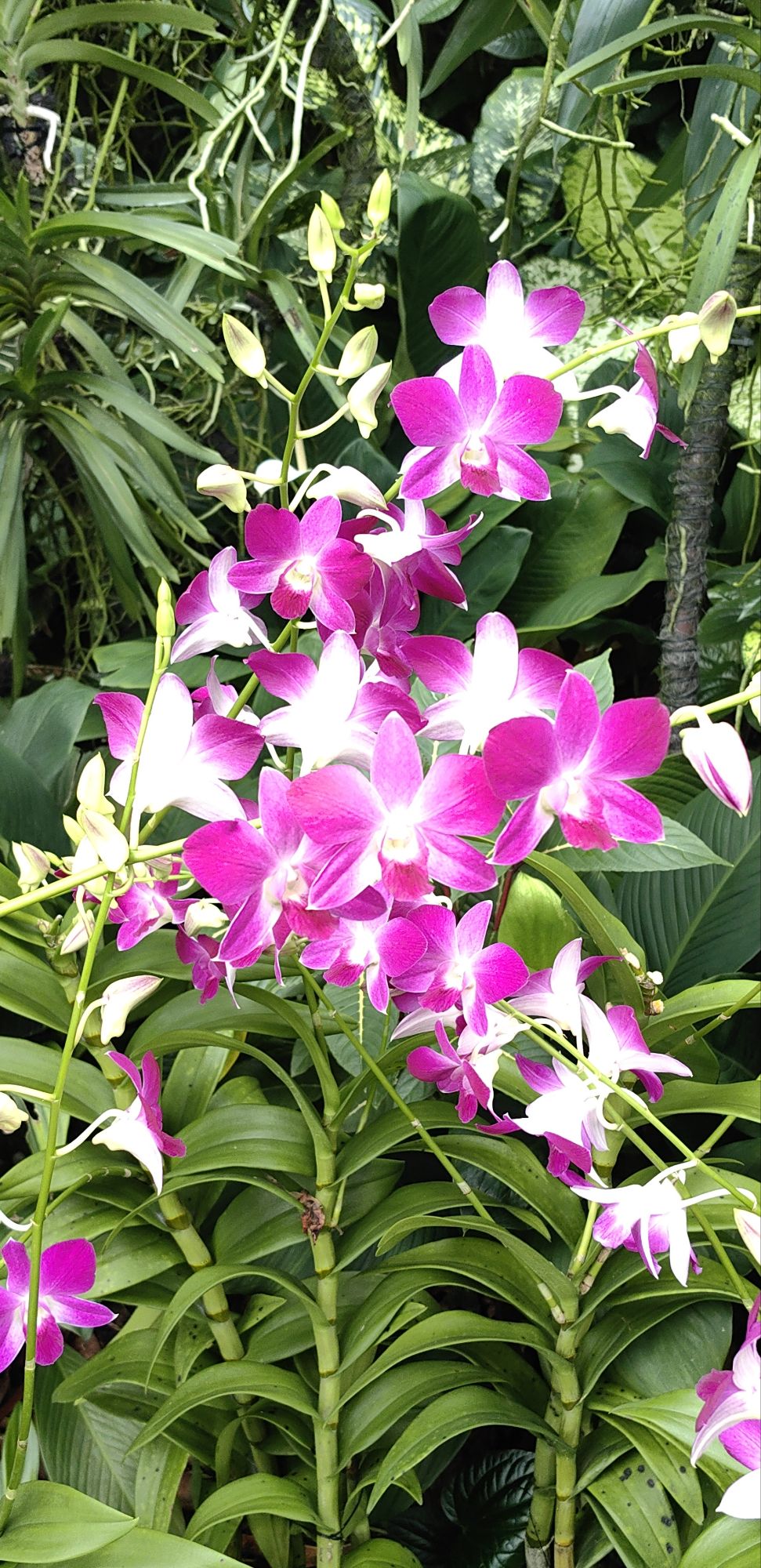
Orchids are more than ornamental flowers. They became part of the country’s identity, national flower of Singapore. The beautiful Vanda orchid is very commonly displayed in the garden. It has thick strap-like leaves growing along an upright stem and large flat flowers with the characteristic purple or pink tessellated pattern. They looked really elegant with long and wide petals and soft colors.
兰花不仅仅是一种供人欣赏的花卉,更已成为新加坡国家形象的一部分,并被定为国花。在花园中,人们常能见到美丽的万代兰。这种兰花拥有厚实而带状的叶片,沿着直立的茎干舒展生长;花朵硕大而扁平,带有标志性的紫色或粉色网格状纹理。宽长的花瓣与柔和的色调相互映衬,使其显得格外优雅。

I enjoyed the atmosphere around lakes in the garden. Early in the morning, the water is as smooth as glass, perfectly reflecting the surrounding rainforest trees, elegant palms, and the blue sky. A gentle breeze occasionally ripples the surface, causing the reflections to shimmer like an impressionist painting. Walking along the lakeside paths, I could hear birds singing and leaves rustling in the wind and felt completely removed from the pressures of school.
我很喜欢湖边的氛围。清晨湖面平静如镜,完美地映照着周围的热带雨林树木、挺拔的棕榈树和蔚蓝的天空。微风偶尔拂过,泛起涟漪,倒映出的水面波光粼粼,风景宛如一幅印象派画作。沿着湖边小径漫步,我能听到鸟儿的歌唱和树叶在风中沙沙作响,瞬间感觉摆脱了学校带来的学业压力。
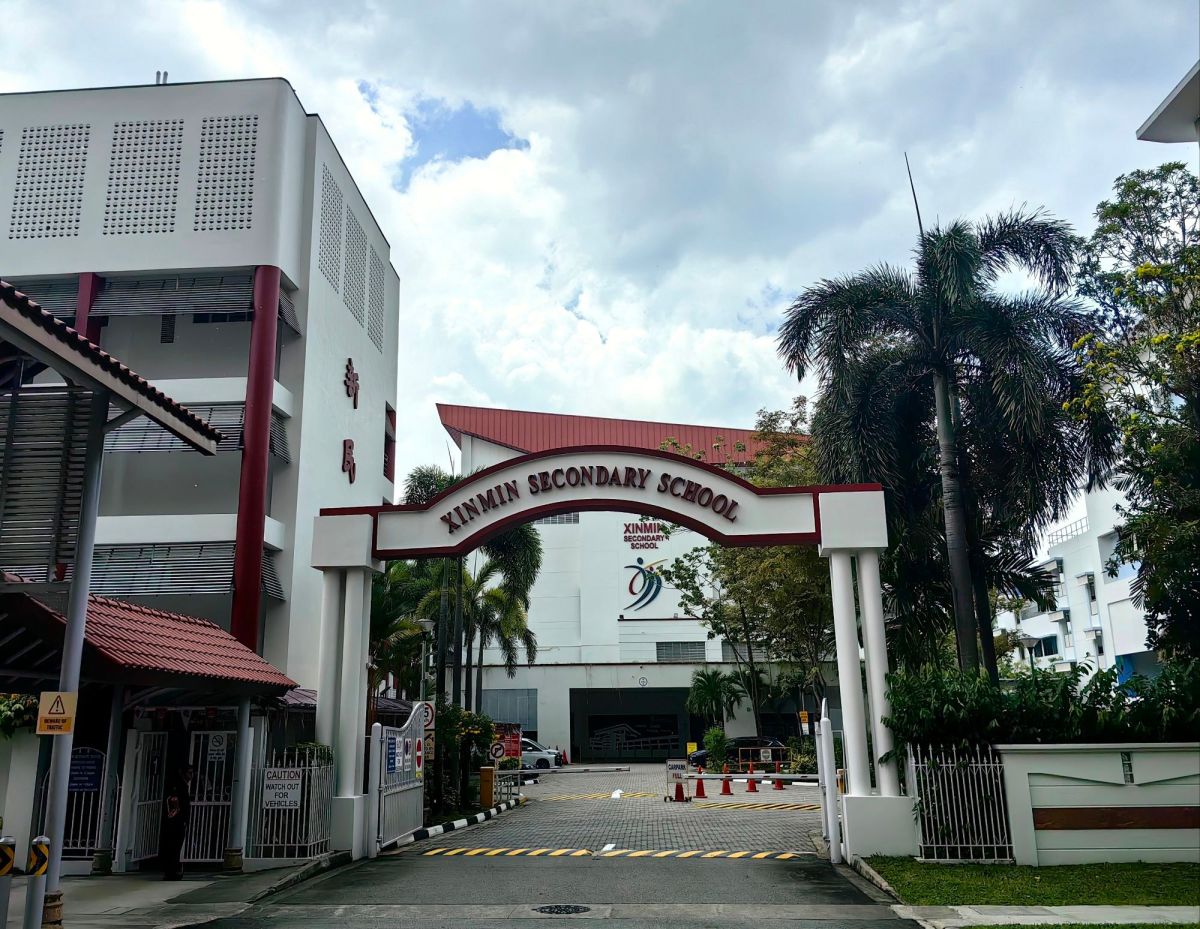
I spent two years in Xinmin Secondary School (my first school in Singapore) preparing for the O Level examinations, but looking back, the examinations themselves were only part of the challenge. The greater test was learning how to begin in a completely unfamiliar environment. The school system was different, and I must improve my English to adapt to it. The teaching methods were different, and I suddenly found myself surrounded by classmates who had grown up in a culture that was still new to me. Every day brought something unfamiliar, from the way lessons were conducted to the conversations happening around me. I gradually learnt to adapt to this international and multicultural environment.
我在新民中学(我在新加坡就读的第一所学校)度过了两年,当时要为“O水准”考试做准备。然而,回首往事,考试本身只是那段经历中的一部分挑战。更大的考验在于如何在一个完全陌生的环境中重新开始。这里的教育体系与以往截然不同,我必须提升英语能力,以适应新的学习方式;教学模式也与过去大相径庭。与此同时,我发现自己置身于一群成长背景与文化经历都与我有所不同的同学之中。从课堂授课的方式,到身边人的日常交谈,每一天都充满着新鲜感。我也在这样的过程中,逐渐学会适应这个国际化且多元文化交融的环境。
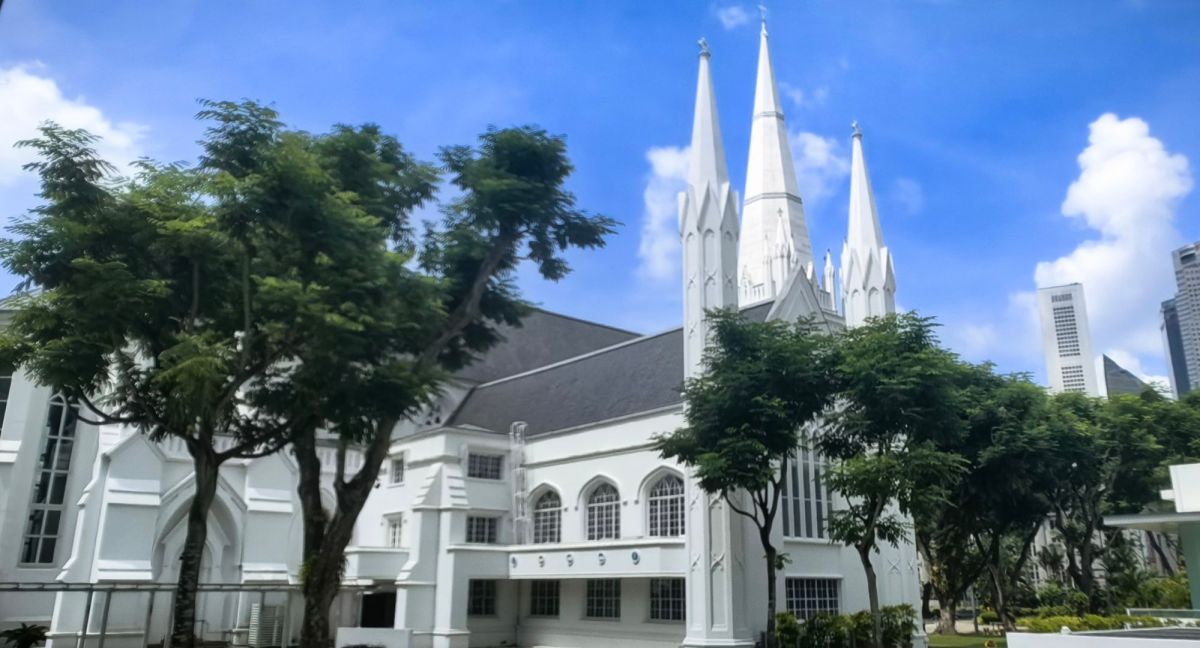
The first thing that Singapore left me deep impression was the co-existence of different cultures. Although Singapore is a small island, it is home to people of many different ethnicities and religions. Chinese, Malays, Indians, and Eurasians have lived together for generations, each contributing to the country’s identity while preserving their own traditions. Christian churches form an important part of Singapore’s architectural landscape. Historic buildings such as St Andrew’s Cathedral, with its elegant white Gothic Revival architecture, stand as reminders of Singapore’s past.
新加坡给我留下的第一印象,是多元文化在此交融共存的景象。尽管它只是一个小岛,却汇聚了众多不同族裔与宗教信仰的群体。华人、马来人、印度人以及欧亚裔人士世代生活于此,在延续各自传统文化的同时,也共同塑造了这个国家独特而丰富的面貌。基督教堂亦成为新加坡城市景观中不可或缺的一部分;其中,历史悠久的圣安德烈座堂以其优雅的白色哥特复兴式建筑风格闻名,静静见证并诉说着新加坡走过的岁月。
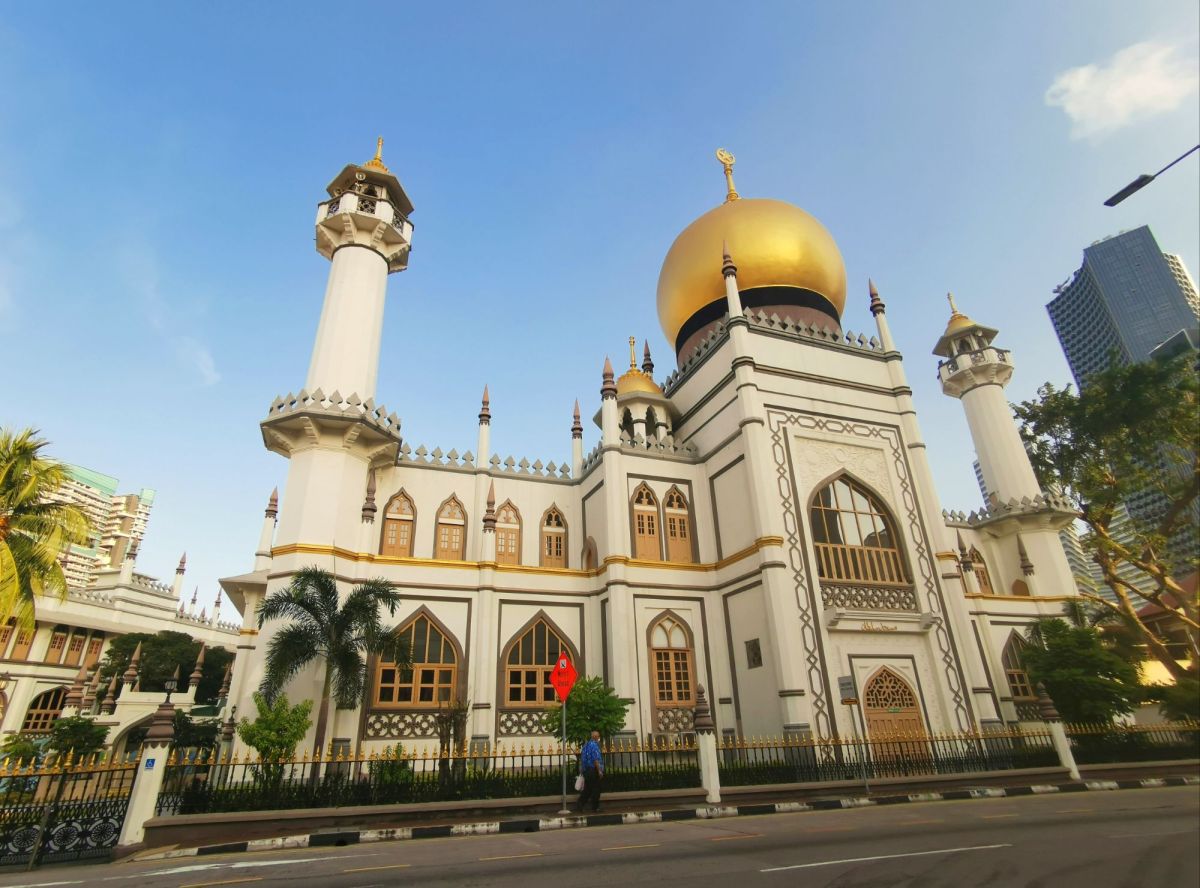
In Kampong Glam, the golden dome of Sultan Mosque rises above rows of restored shophouses. The district reflects Singapore’s rich Malay and Arab heritage, where traditional architectures and historic streets coexist with contemporary art and design, forming the unique charisma of this city.
在甘榜格南,苏丹回教堂的金色圆顶高高矗立于一排排修葺一新的店屋之上。这片街区展现了新加坡深厚的马来与阿拉伯文化底蕴,传统建筑与承载历史记忆的街巷在此交织,并与现代艺术和设计和谐共存,形成独具魅力的城市风貌。
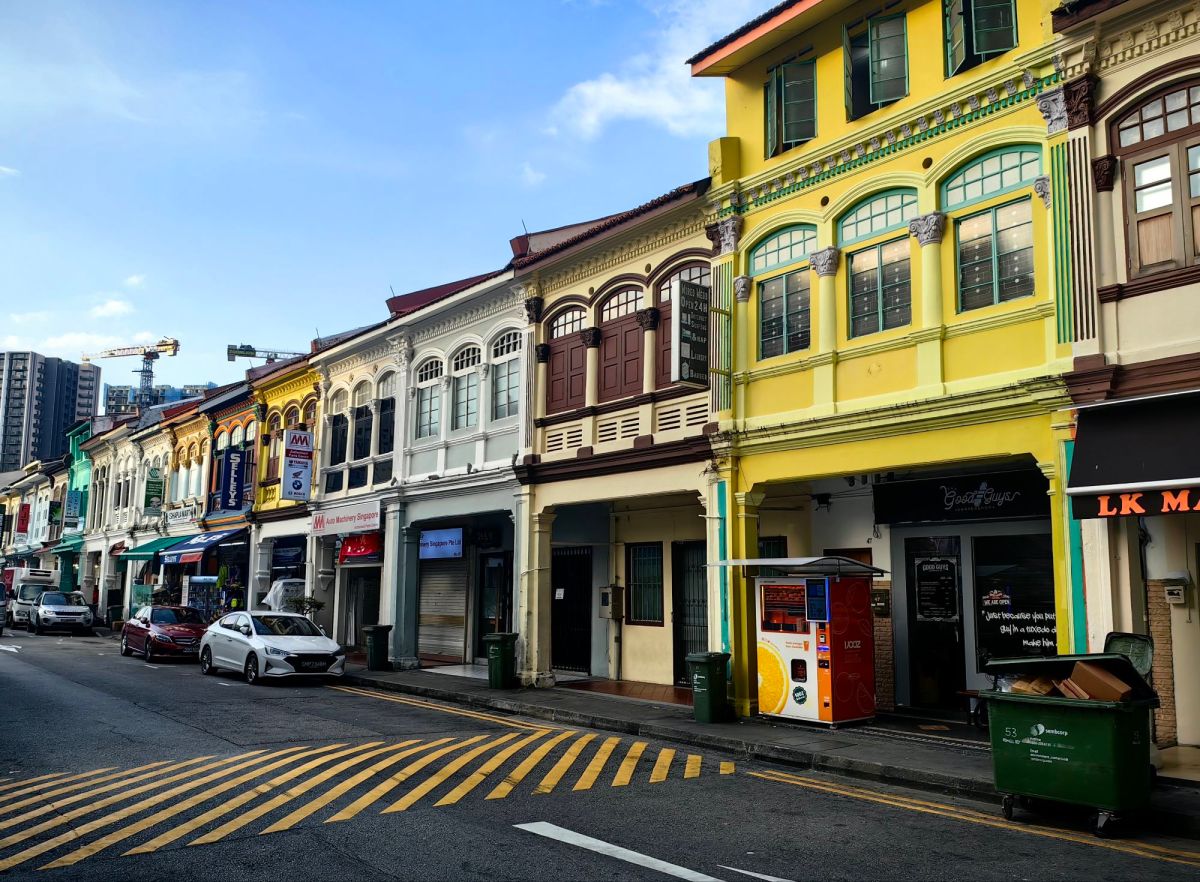
I passed by many traditional shophouses with colorful wooden shutters and decorative windows near Chinatown. Some of these historic streets, especially along Telok Ayer Street reminded me of the old streets of Quanzhou. Their rows of narrow shophouses, timber window shutters, and pastel-coloured façades share a similar architectural heritage, reflecting the influence of Southern Chinese migrants who settled throughout Southeast Asia in the nineteenth century.
在唐人街附近漫步时,我经过了许多带有彩色木质百叶窗与装饰性窗棂的传统店屋。这些历史悠久的街道,尤其是直落亚逸街一带,让我不禁联想到泉州的老街。那一排排狭窄的店屋、木制百叶窗,以及覆着柔和色调的外立面,展现出相似的建筑韵味,也映照出19世纪移居东南亚的华南移民所带来的文化影响。
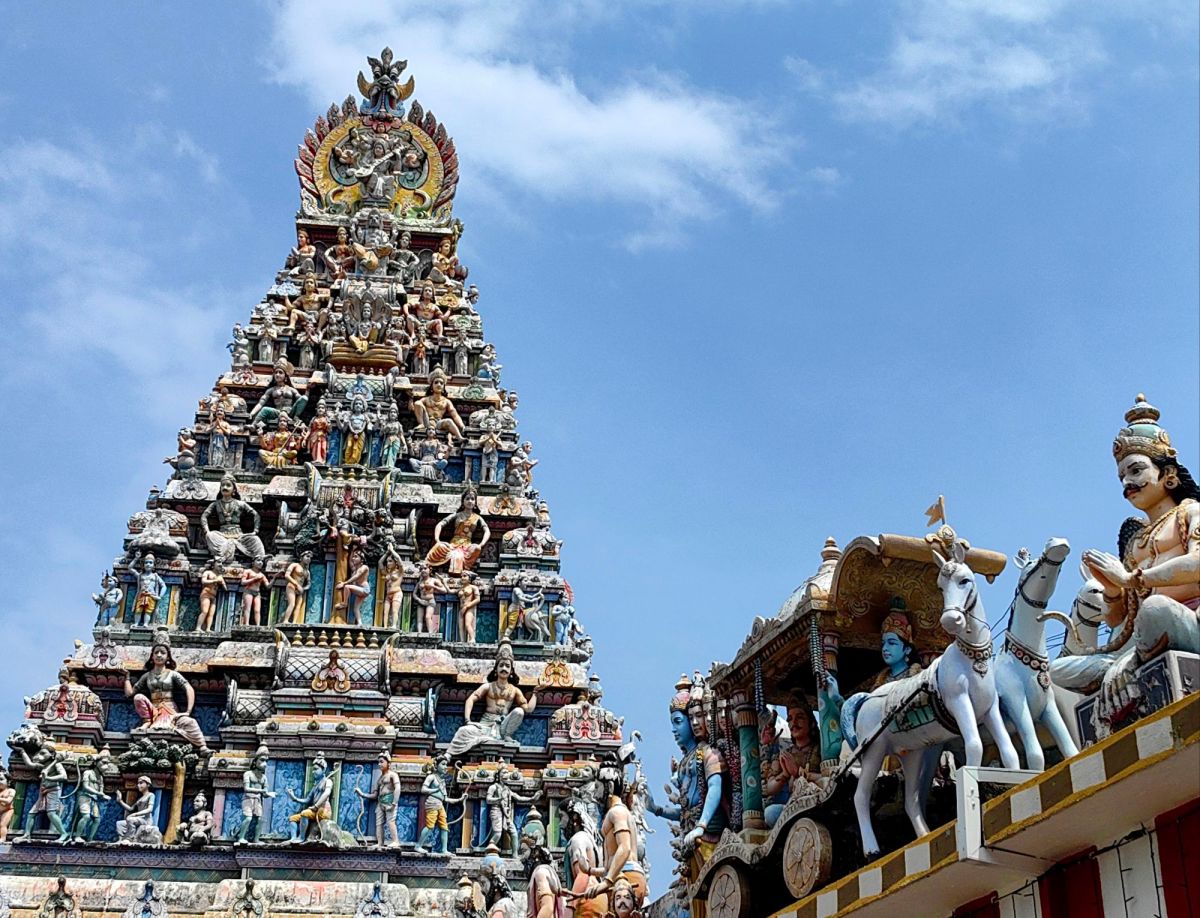
A short distance away lies Little India, where brightly painted buildings, colorful murals, and the magnificent Indian Temple create an atmosphere entirely different from Chinatown. Singapore places great importance on racial harmony and mutual respect. The architectures of different styles and neighborhoods quietly demonstrate how different cultures can preserve their own identities while contributing to a shared national community.
不远处便是小印度,那里色彩鲜明的建筑、绚丽多彩的壁画,以及庄严宏伟的印度庙宇,共同营造出一种与唐人街截然不同的文化氛围。新加坡始终重视种族和谐与彼此尊重;这些风格迥异的建筑与街区,静静诉说着不同文化如何在保留自身特色的同时,彼此交融,共同构筑起一个团结而多元的社会。
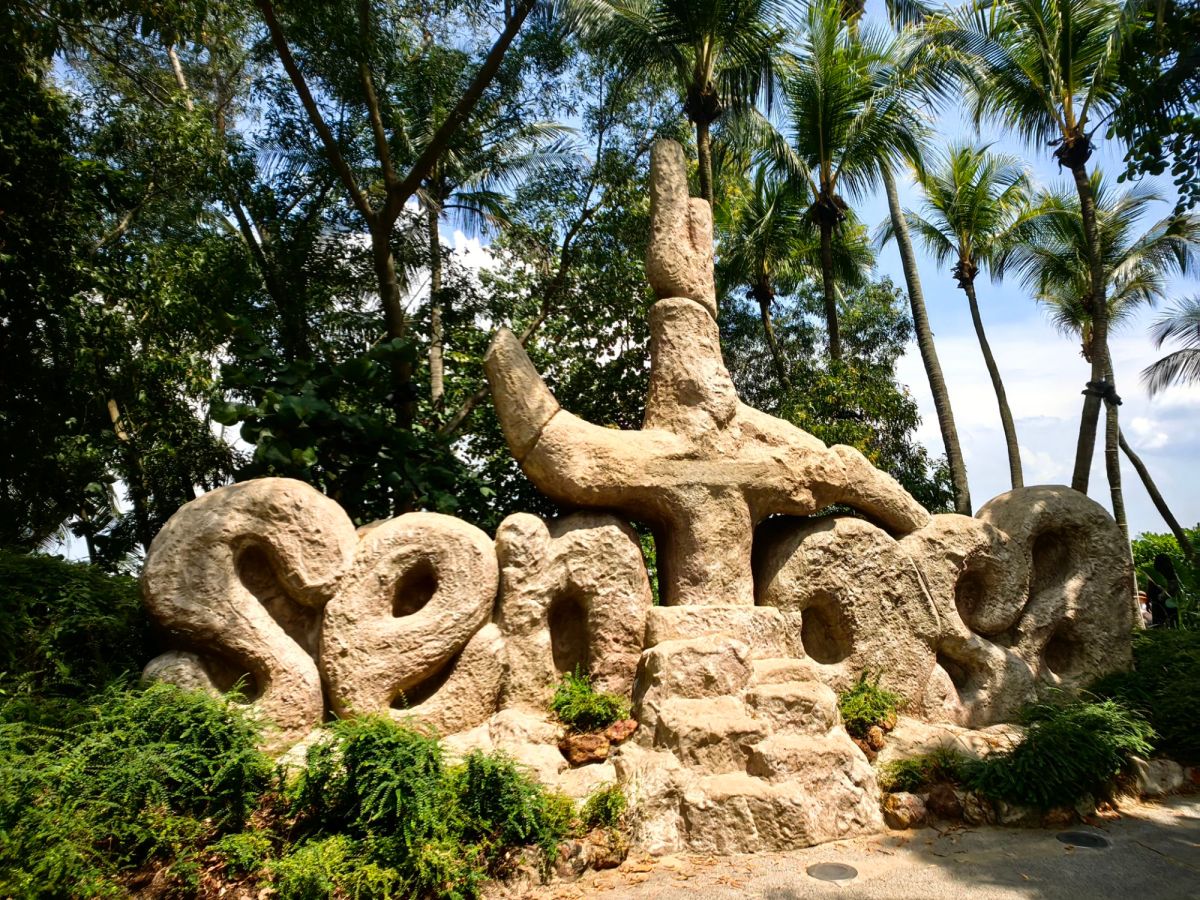
Although adapting to school demanded most of my time and energy, I also wanted to discover the country that had suddenly become my new home. Whenever I had a free weekend or during school holidays, I would visit different parts of Singapore. Everything was new to me. I remember taking my first trip to Sentosa, where the beaches and relaxed atmosphere made it feel like a tropical resort.
尽管适应学校生活占据了我大部分的时间与精力,但我也始终渴望探索这个突然成为我新家园的国家。每逢周末或学校假期,我都会前往新加坡各处游览。对当时的我而言,一切都充满了新鲜感。我至今仍记得第一次前往圣淘沙的情景:那里柔软的沙滩以及悠闲惬意的氛围,让人仿佛置身于一片热带度假胜地。
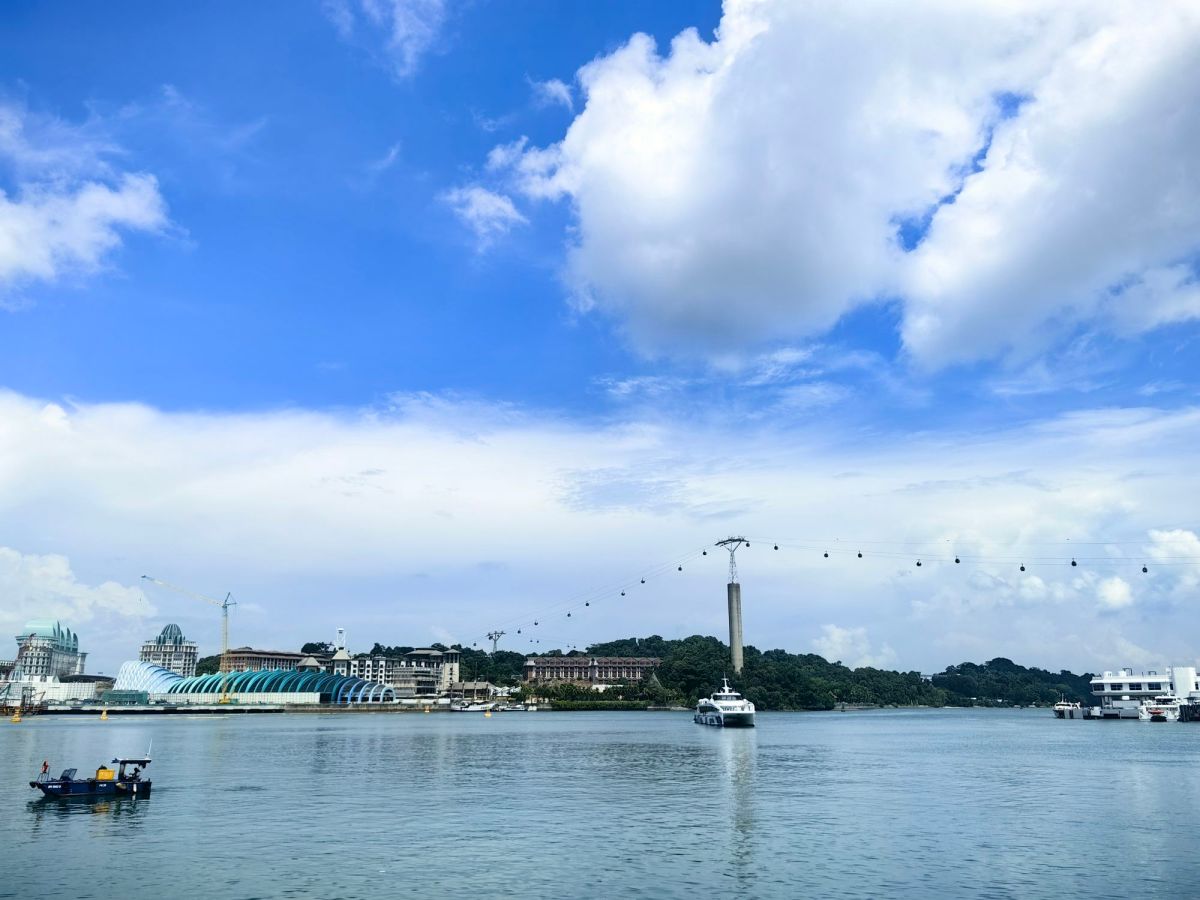
Most of the time, I did not take the monorail to Sentosa. Instead, I preferred to walk from HarbourFront along the Sentosa Boardwalk. Although it took a little longer, the journey itself became part of the experience. The promenade stretches gently over the water, connecting the mainland to the island. Walking there, I was accompanied by the sea breeze, the sound of waves lapping against the shore, and the warm tropical sunshine. On one side lay the calm blue waters of Keppel Harbour, where yachts rested quietly in the marina. On the other side, Sentosa’s beaches and lush greenery gradually came into view, making the island feel closer with every step. Above me, the cable car glided silently across the sky. Its colorful cabins looked almost like small floating lanterns moving steadily between HarbourFront and Sentosa.
大多数时候,我并不会乘坐轻轨列车前往圣淘沙,而更喜欢从港湾出发,沿着圣淘沙跨海步行道步行前往。虽然这段路程需要花费更多时间,但沿途的景致本身,也成为这趟旅程中独特体验的一部分。这条步道平缓地延伸于海面之上,连接着本岛与圣淘沙岛。漫步其间,海风轻拂脸庞,耳畔回荡着海浪拍打岸边的声音,温暖的热带阳光也一路相伴。一侧是吉宝港宁静湛蓝的水域,游艇静静停泊于码头;另一侧,圣淘沙的海滩与葱郁绿意逐渐映入眼帘。随着脚步不断向前,这座岛屿仿佛也在不知不觉间变得越来越近。头顶上方,缆车在天空中悄然滑行,色彩斑斓的车厢宛如一个个漂浮的小灯笼,在港湾与圣淘沙之间平稳穿梭。
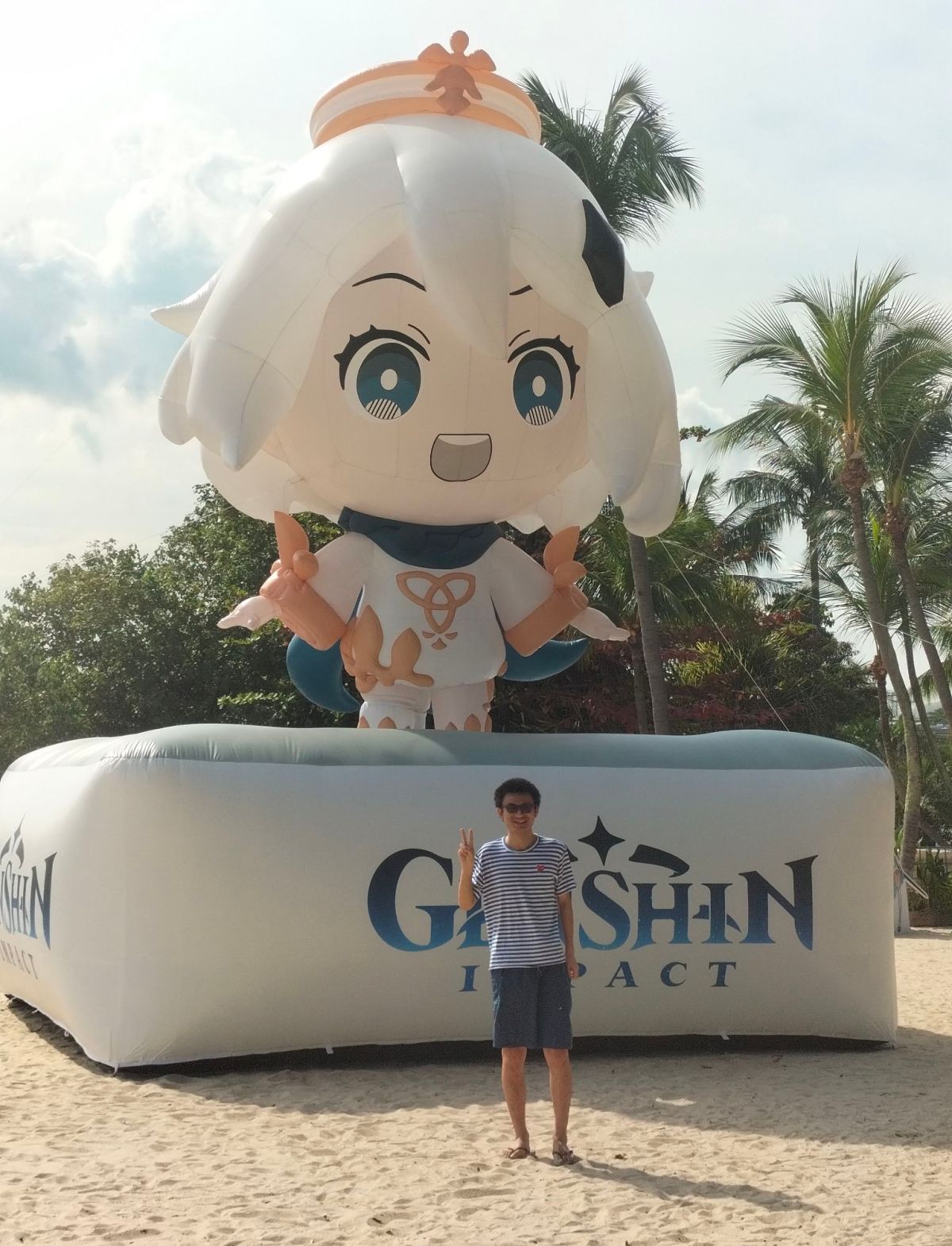
Sentosa feels like a place designed for leisure and escape. Surrounded by the sea, the island offers sandy beaches, tropical forests, waterfront promenades, and attractions that invite people to slow down and enjoy the outdoors. Over the years, I encountered several joint events of collaboration held on the island. This picture was taken on 2022 when Genshin Impact gained great reputation internationally and its main character and also my favorite character Paimon arrived at Sentosa.
圣淘沙仿佛是一处专为休闲与放松而打造的世外之地。这座岛屿四面环海,拥有柔软的沙滩、葱郁的热带丛林、悠闲的滨海步道以及各式各样的景点,让人不禁放慢脚步,尽情享受户外时光。多年来,我曾多次见证岛上举办的各种联名活动。这张照片拍摄于2022年,当时《原神》已风靡全球,而游戏中的核心角色、也是我最喜爱的角色之派蒙,也造访圣淘沙了。

These days, Disney brought its beloved characters and stories to the waterfront through family-friendly events. Familiar beaches that I had walked along countless times suddenly took on an entirely different atmosphere. What impressed me was how naturally these events blended with the tropical surroundings. Instead of feeling like temporary exhibitions placed on a beach, the colorful installations stood among coconut trees, against the backdrop of blue skies and the sea.
最近,迪士尼通过一系列适合全家参与的活动,将那些深受喜爱的角色与故事带到了海滨。那些我曾无数次漫步其间的熟悉海滩,也因此呈现出截然不同的气息。令我印象深刻的是,这些活动与热带环境融合得如此自然。那些色彩缤纷的立牌并非突兀地陈列于沙滩上的临时展品,而是与摇曳的椰林相互映衬,并以蓝天碧海为背景,仿佛本就属于这片海岸,显得浑然一体。
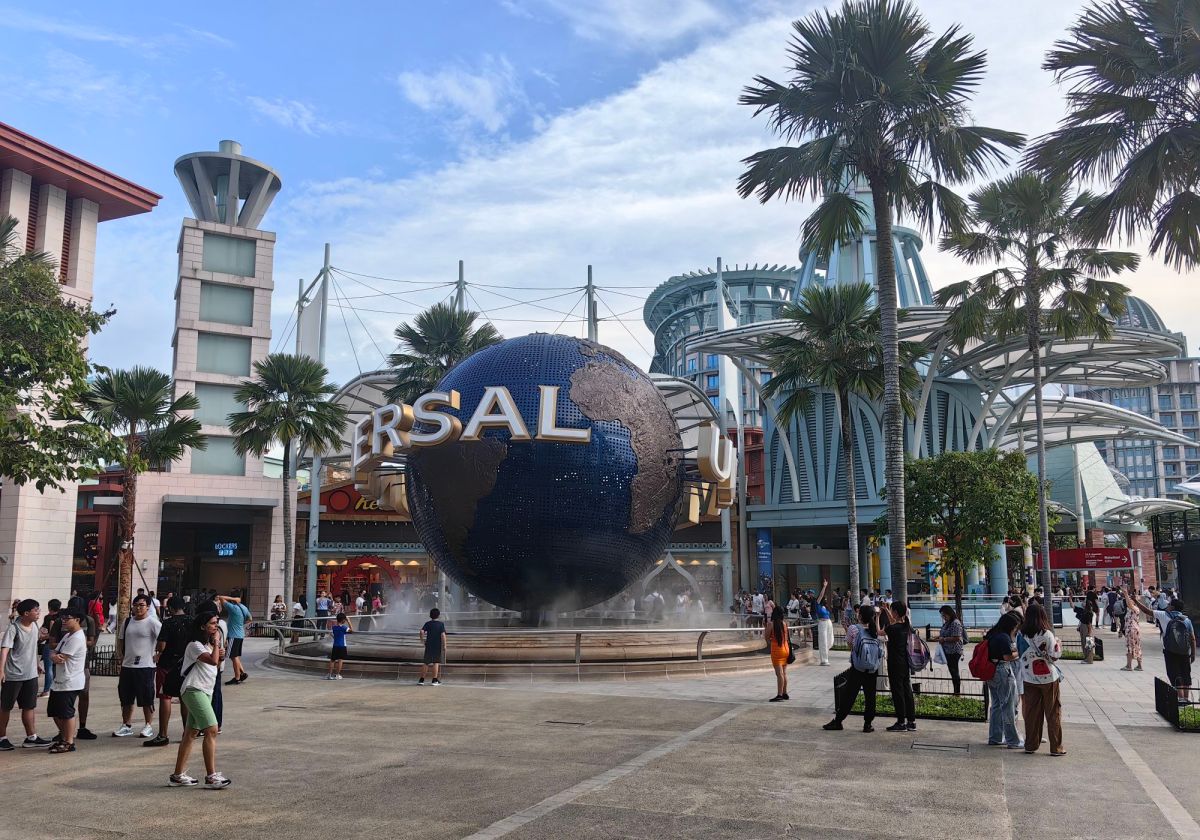
When I first arrived in Singapore, Sentosa was already a popular destination, but over the years I witnessed its remarkable transformation. New attractions, hotels, and entertainment facilities continued to emerge. One of the most significant additions was Resorts World Sentosa, an integrated resort that transformed the northern part of the island. At its heart stands Universal Studios Singapore, the first Universal Studios theme park in Southeast Asia. Walking beneath the iconic rotating globe at its entrance always feels like stepping into another world.
初到新加坡时,圣淘沙已是一处热门旅游胜地。然而,多年来,我亲眼见证了它令人瞩目的蜕变。新的景点、酒店与娱乐设施不断涌现,其中最具代表性的项目之一,便是圣淘沙名胜世界。这座综合度假胜地彻底改变了岛屿北部的面貌。在其核心区域,坐落着东南亚首个环球影城主题公园。每当漫步于入口处那座标志性的旋转地球仪之下,我总会产生一种奇妙的感觉,仿佛自己正一步步踏入另一个充满想象与惊喜的世界。
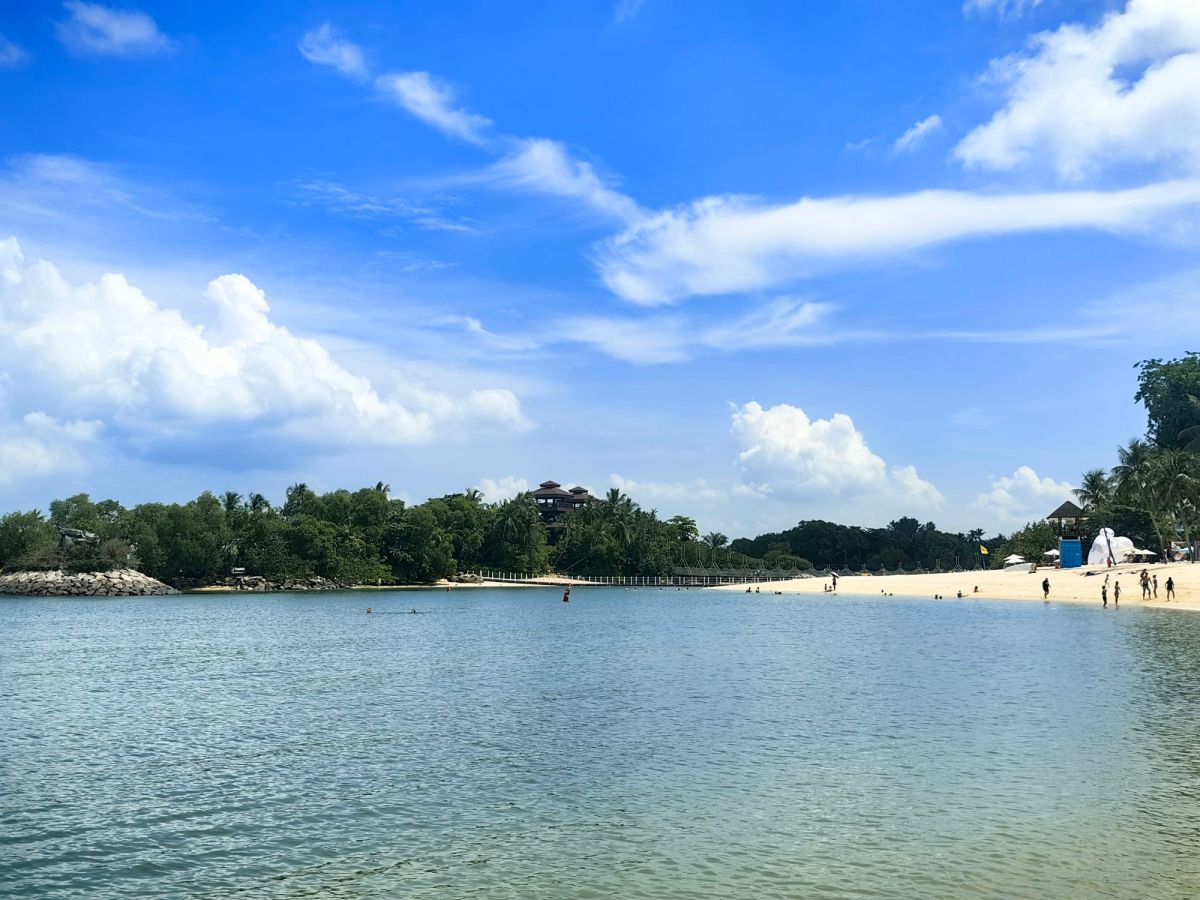
For me, I prefer beach more than those entertainment facilities. I enjoy the moment of stepping onto the soft sand of Palawan Beach. The white sandy shore curves gently around clear blue water, making it an ideal place for a leisure walk. The iconic suspension bridge leading to the small offshore islet has become one of Sentosa’s most recognizable landmarks. Standing there, surrounded by the sea and looking towards the horizon, I often felt far away from the bustling city.
对我而言,比起那些娱乐设施,我更喜欢海滩。我享受踏上帕拉万柔软沙滩的那一刻。洁白的沙滩沿着清澈湛蓝的海水蜿蜒延伸,是悠闲漫步的理想去处。那座通往离岸小岛的标志性吊桥,已成为圣淘沙最具辨识度的地标之一。每当伫立于此,环绕在碧海之中眺望天际,我总会感到自己仿佛远离了喧嚣的都市。
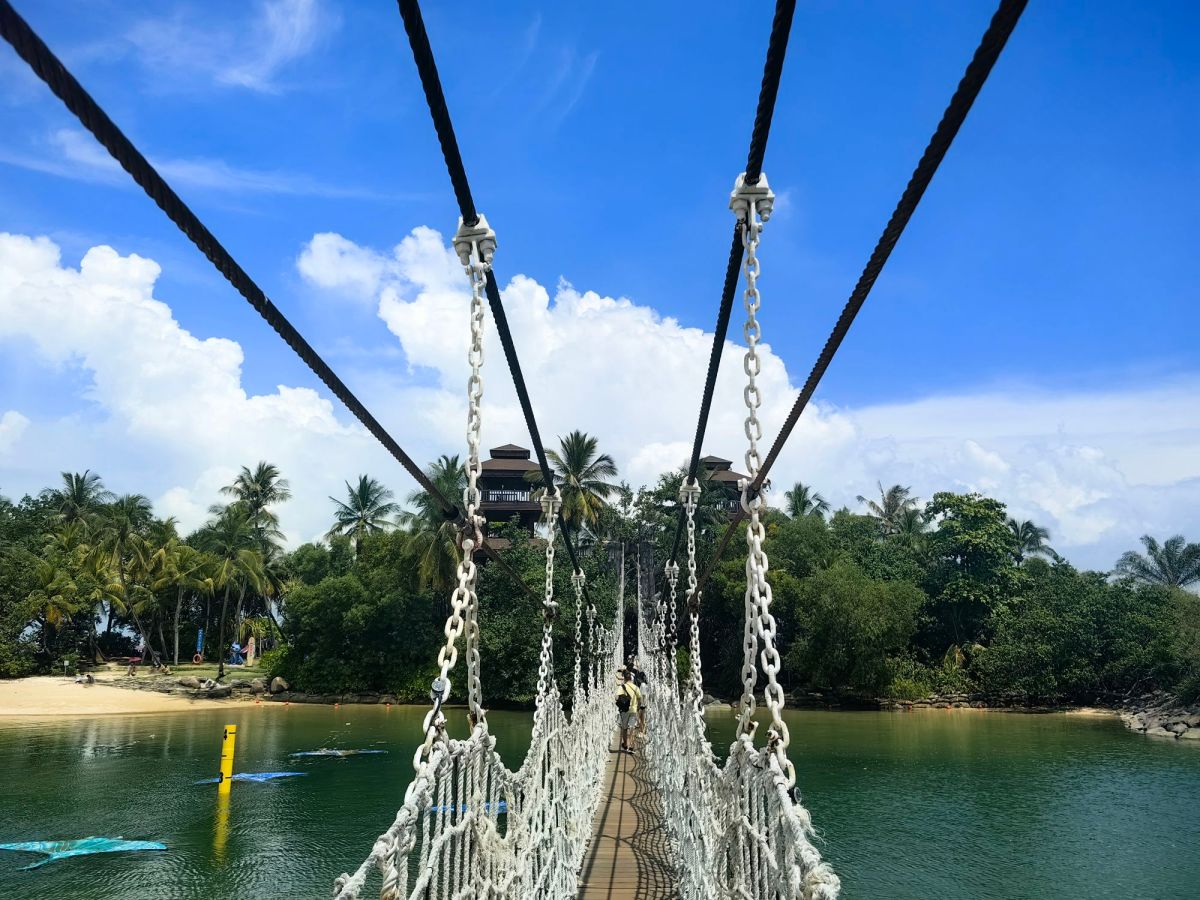
After crossing the suspension bridge. I was fascinated by the sign marking it as the “Southernmost Point of Continental Asia.” Standing there, surrounded by the sea on all sides, I felt as though I had reached the edge of a vast continent and was connected to the remoteness in an interesting way.
穿过吊桥后,那块标示着“亚洲大陆最南端”的牌子深深吸引了我。立于此处,四面环海,我仿佛站在广袤大陆的边缘,感受到一种与远方相连的奇妙感觉。
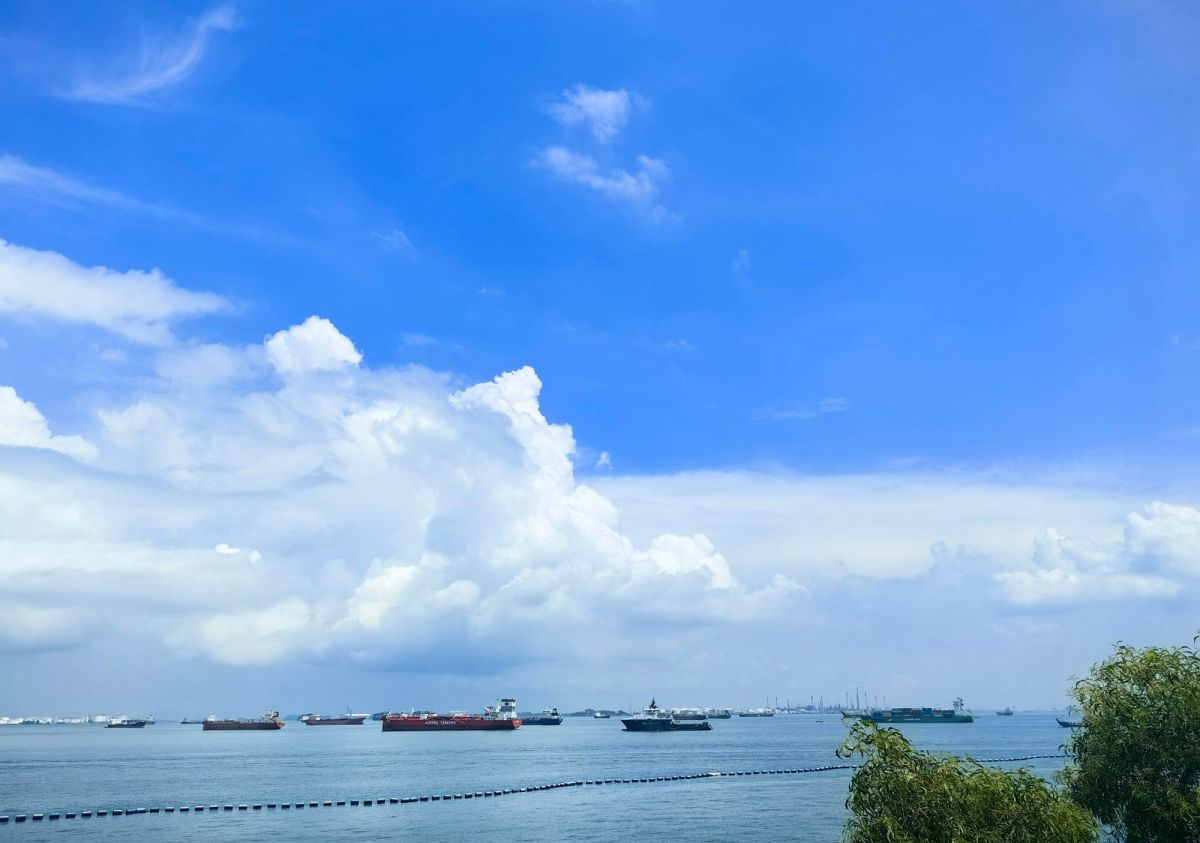
The observation towers offered panoramic views of the Malacca Strait. Every day, thousands of vessels pass through this narrow gateway linking the Indian Ocean with the South China Sea and the Pacific Ocean. Standing on the southern shore of the island, my eyes were always drawn towards the vast expanse of water stretching into the distance. On clear days, the sea and the sky seemed to merge into a single line at the horizon. Looking back toward the island, palm trees, beaches, and the skyline of Singapore appeared in the distance.
从观景塔上,可以饱览马六甲海峡的壮阔全景。每天,成千上万艘船只穿行于这条繁忙的航道,往来连接印度洋、南中国海与太平洋之间的海上通道。每当我站立在岛屿南岸,目光总会不由自主地被那片向远方延展的浩瀚海域所吸引。天气晴朗之时,海天仿佛在遥远的地平线上融为一体;回望岛内,远处的棕榈树、绵延的沙滩,以及新加坡的城市天际线,也尽收眼底。
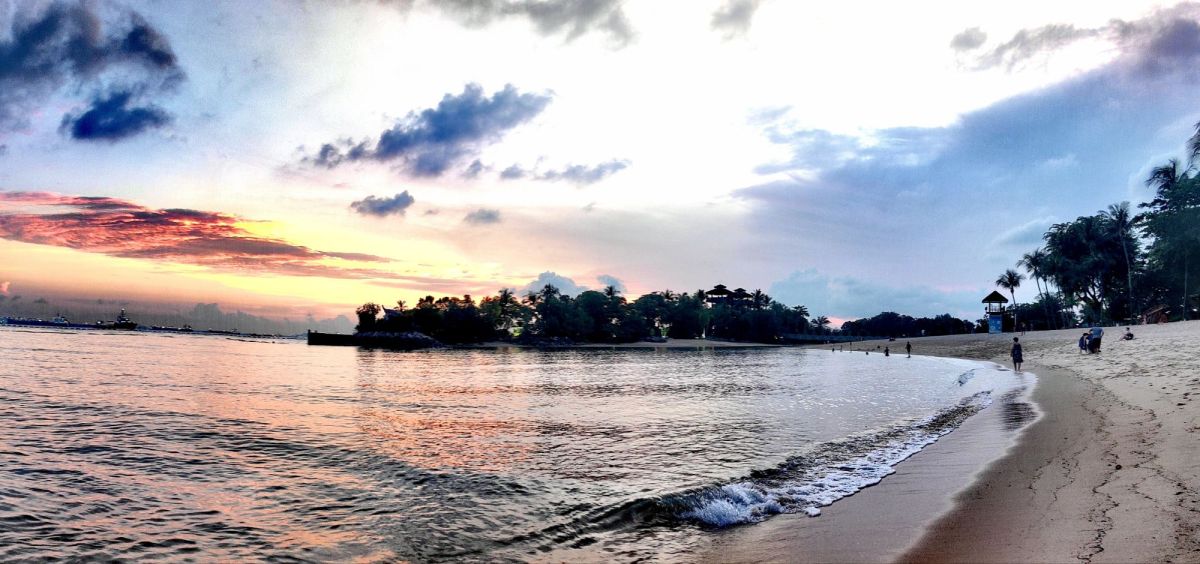
What I loved most was staying here until sunset. As evening approached, the tropical heat gradually softened, and the sea breeze became cooler. The sky transformed from brilliant blue to shades of gold, orange, pink, and finally deep purple. The sunlight shimmered across the calm water, creating a path of light that seemed to stretch endlessly toward the horizon. The silhouettes of coconut trees stood against the glowing sky, while small waves rolled gently onto the shore with a soothing rhythm. I walked barefoot along the beach, leaving footprints that disappeared with the next wave. I listened to the sound of the waves and felt the warm sea breeze brushing against my cheek. After days filled with studying and adapting to a new life, those evenings by the sea brought a rare sense of peace.
我最喜欢的便是在这里停留至日落时分。随着夜幕缓缓降临,热带的暑气逐渐消散,海风也随之变得凉爽宜人。天空的色彩不断变幻,从明亮的蔚蓝,渐渐过渡为金黄、橙红与粉红,最终化作深邃的紫罗兰色。阳光洒落在平静的海面上,闪耀出粼粼光芒,铺就一条仿佛向天际无限延伸的光之径。椰树的剪影映衬在漫天霞光之中,细碎的浪花轻柔地拍打着海岸,奏响舒缓的韵律。我赤脚漫步于沙滩之上,留下的足迹转瞬便被下一阵海浪悄然抹去。我聆听着此起彼伏的涛声,感受着温暖的海风拂过脸庞。在经历了连日忙于学业、适应新生活的奔波之后,这些海边的傍晚时光,给予了我一份难得的宁静与慰藉。
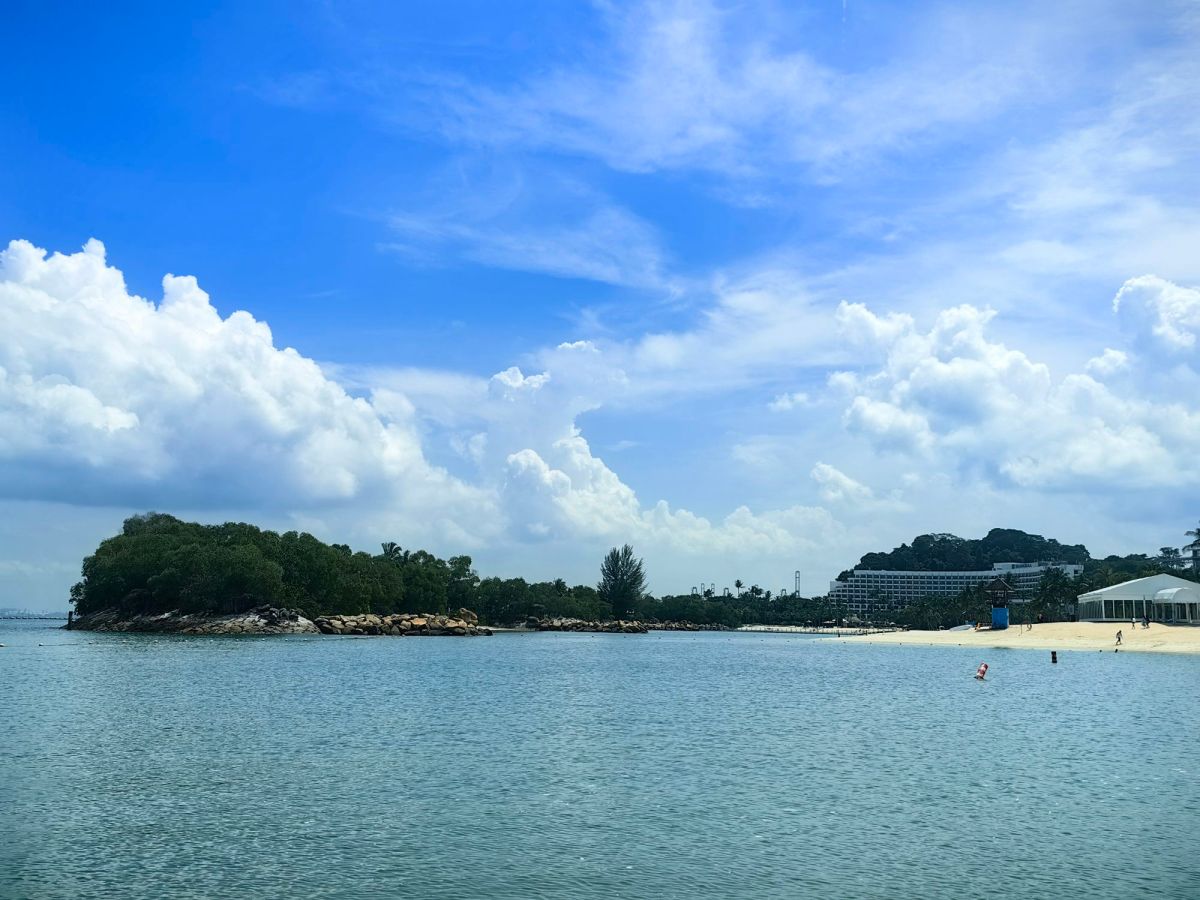
Compared with Palawan Beach, the Siloso Beach is livelier and more energetic, with beach volleyball courts, cafés, and people enjoying water sports or simply gathering with friends. Music drifts through the air, and the promenade is always full of joggers, cyclists, and families strolling beneath rows of palm trees. The background is the Shangri-la Sentosa hotel which is popular place for tourists.
与帕拉万海滩相比,西乐索海滩显得更加热闹,也更充满活力。这里设有沙滩排球场与咖啡馆,人们既可以尽情体验各类水上运动,也能与亲朋好友在海边悠闲相聚。空气中飘荡着音乐的旋律,海滨步道上随处可见慢跑者、骑行者,以及在成排棕榈树下漫步的家庭。作为这片海滨背景的一部分,圣淘沙香格里拉酒店静静坐落于此,也成为深受游客喜爱的热门去处。
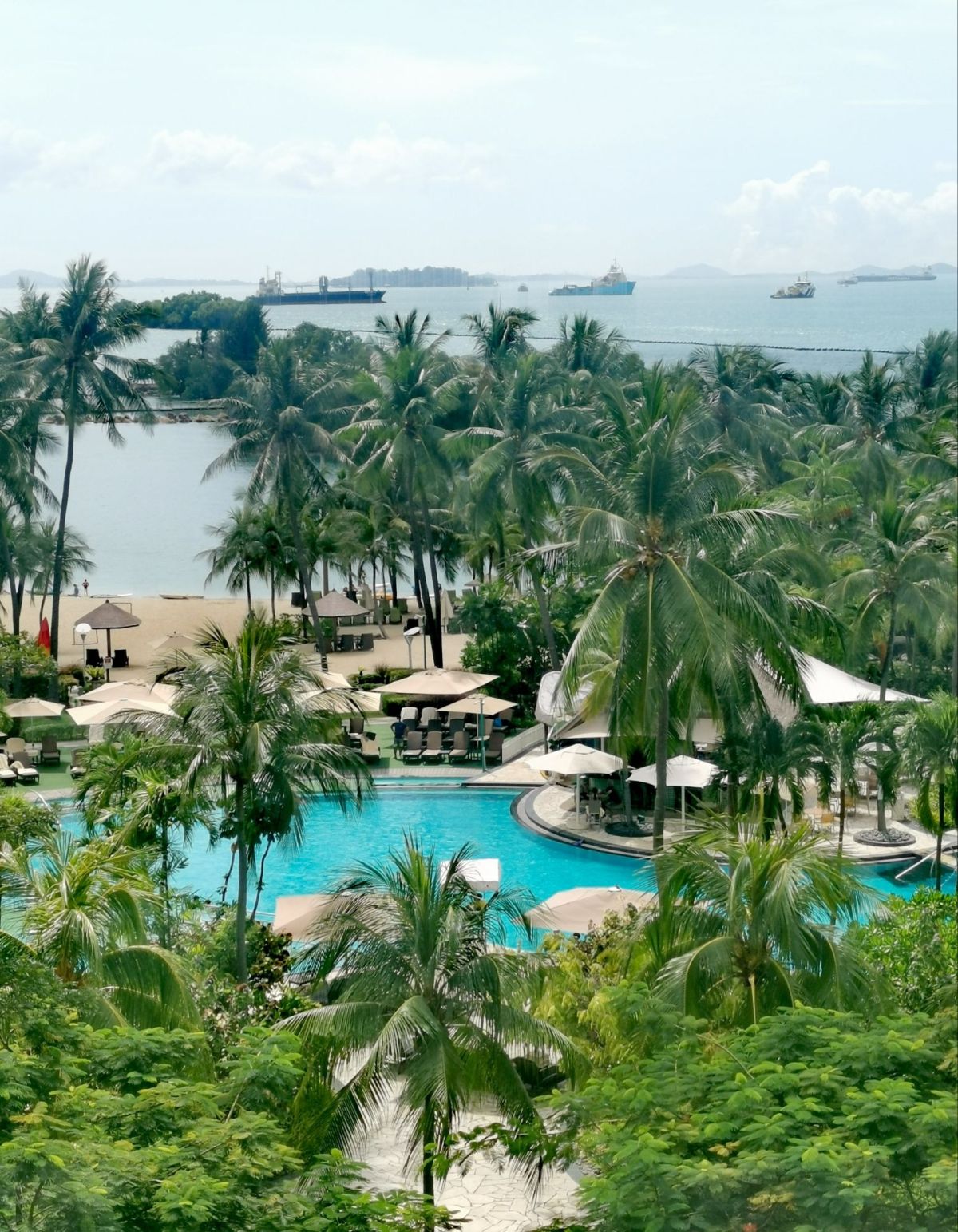
Unlike most luxury hotels in the city centre, which overlook skyscrapers and busy streets, this hotel faces the sea. Tucked away at the western end of Siloso Beach and surrounded by tropical greenery, it feels like a quiet sanctuary where the pace of life slows down. What I loved most was the view from the room’s balcony. Looking out through the floor-to-ceiling windows, the first thing that caught my attention was the endless blue sea stretching towards the horizon. Sunlight danced across the water, creating countless sparkling reflections that changed with every passing cloud. Rows of coconut palms swayed gracefully in the warm tropical breeze.
与市中心大多数俯瞰摩天大楼与繁忙街道的豪华酒店不同,这家酒店面朝大海,拥有截然不同的景致。它隐匿于西乐索海滩西端,掩映在繁茂的热带绿植之中,宛如一处能让生活节奏逐渐放慢的宁静避风港。我最喜欢的,是客房阳台上的那片景色。透过落地窗向外望去,首先映入眼帘的,便是那片向天际延展、仿佛无边无际的蔚蓝大海。阳光在水面上跃动,随着云朵缓缓飘移,变幻出无数闪烁的光影;成排的椰子树则在温暖的热带微风中轻轻摇曳,构成一幅宁静而生动的海滨画卷。

In my school weekends, I would visit the famous sites in the city center. For me, the city centre of Singapore is more than a collection of famous landmarks. It is a place where the country’s history, which I first learned in social studies lessons, comes alive. As a student, I memorized dates and events for examinations. Years later, walking through these same places, I realized that the lessons were no longer just words in a textbook. They had become part of the landscape around me.
求学期间的周末,我常常前往市中心那些著名的景点游览。对我而言,新加坡市中心并不仅仅是众多地标建筑的集合;它更像是一座让课本中曾经学习过的国家历史逐渐鲜活起来的城市空间。学生时代,为了应付考试,我曾无数次背诵那些历史年代与重要事件。然而多年以后,当我再次漫步于这些承载记忆的地方时,才恍然发现,课本上的文字早已不再只是抽象的知识,而是化作了眼前真实可触的风景的一部分。
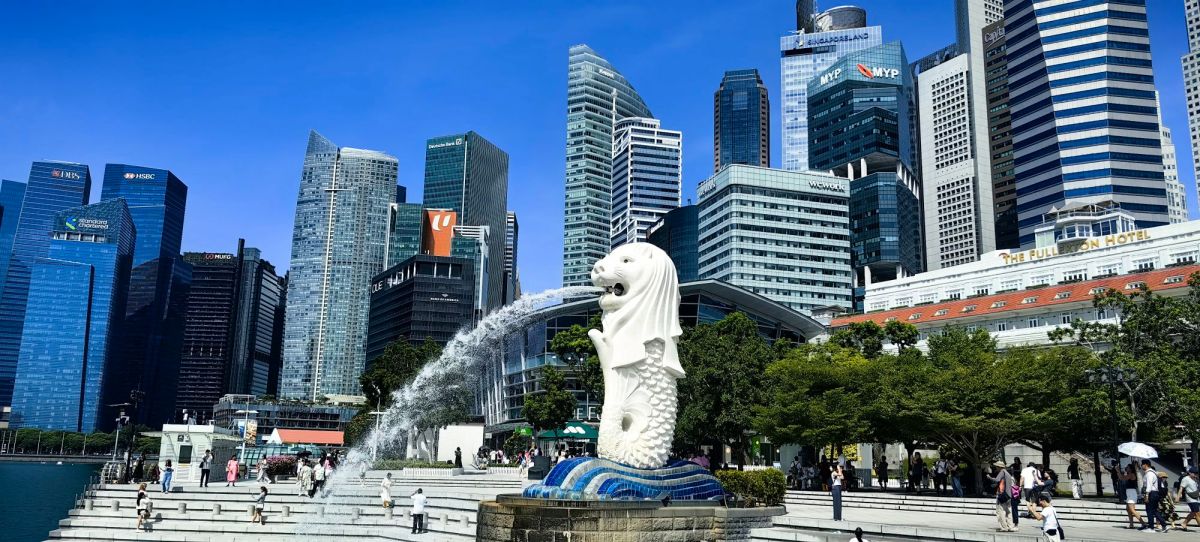
Whenever my friends or relatives visited Singapore, I would often take them on the same route. I usually began at Merlion Park. Standing beside the Merlion, with water continuously flowing from its mouth into Marina Bay. The lion represents the legendary story of discovery when explorer first landed in Singapore, while the fish body reflects the country’s humble origins as a fishing village known as Temasek. Behind the statue rose the gleaming skyline of the financial district, creating a striking contrast between Singapore’s distant past and its modern identity.
每当亲朋好友来到新加坡游玩,我常会带他们走一遍熟悉的游览路线。行程通常始于鱼尾狮公园。站在鱼尾狮旁,只见清澈的水流源源不断地从狮口喷涌而出,汇入滨海湾。狮身象征着探险家初抵新加坡时发现狮子的传奇传说,而鱼尾则承载着这个国家作为名为“淡马锡”(Temasek)的小渔村时期的质朴起源。雕像身后,金融区闪耀的摩天大楼群拔地而起,在新加坡遥远的过去与现代都市面貌之间形成了鲜明而独特的对比。
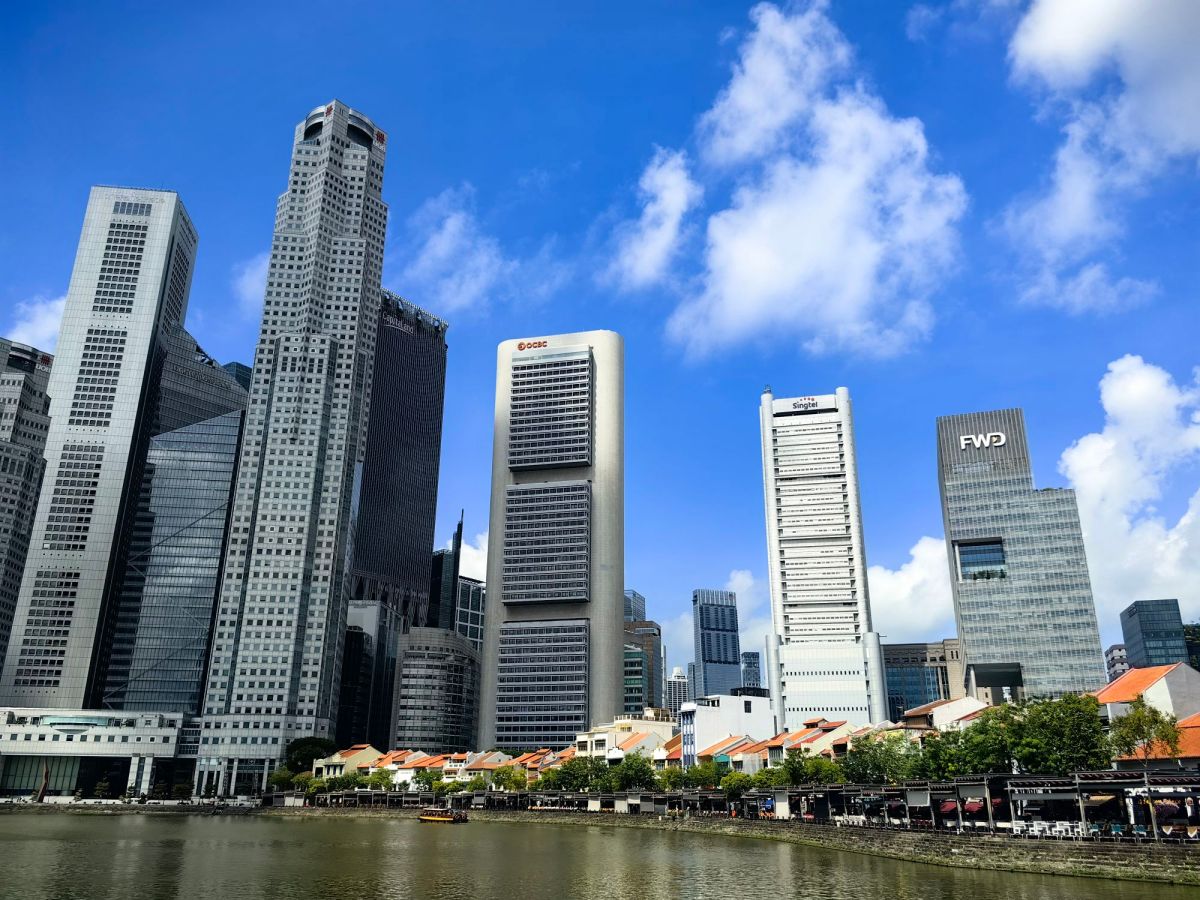
From there, the view naturally led towards Raffles Place, the heart of Singapore’s financial centre. Glass skyscrapers now dominate the skyline, housing banks, multinational corporations, and global financial institutions. Yet beneath this modern landscape lies the foundation laid by Sir Stamford Raffles in 1819, when Singapore was established as a British trading port.
由此望去,视野自然而然地延伸至新加坡金融中心的核心地带—莱佛士坊。如今,玻璃幕墙摩天大楼构成了这里的主体天际线,汇聚了各类银行、跨国公司及全球性金融机构。然而,在这现代都市景观之下,依然承载着由斯坦福·莱佛士爵士于1819年奠定的基石。当年,正是他将新加坡开辟为英国的贸易港口。
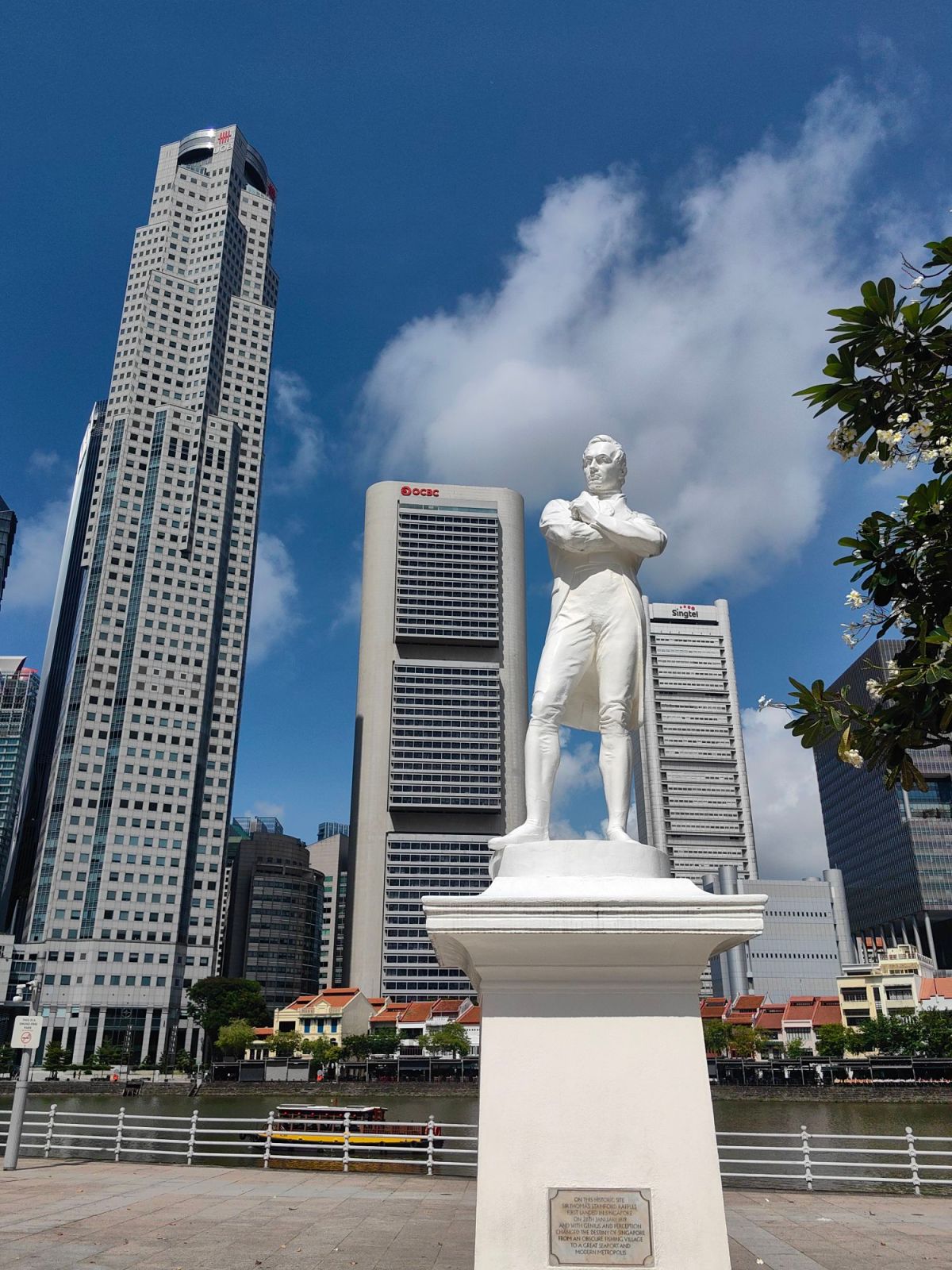
In my social studies and history classes, I learnt that Sir Stamford Raffles introduced the first town plan for Singapore, later known as the Jackson Plan. It organized the young settlement into districts for different communities. In 19th century, Singapore was a sparsely populated island at the Strait of Malacca, but Raffles recognized its extraordinary geographical advantage. His policy of free trade attracted traders from China, the Malay Archipelago, and the Middle East, laying the foundation for the multicultural society that defines Singapore today.
在社会历史课上,我了解到斯坦福·莱佛士爵士曾为新加坡制定了首个城市规划,即后来被称为“杰克逊规划”的蓝图。这份规划将当时的新兴定居点划分为不同的聚居区域,为日后城市的发展奠定了基础。19世纪时,新加坡还只是马六甲海峡上一座人烟稀少的岛屿,但莱佛士敏锐地察觉到了其独特的地理优势。他推行的自由贸易政策吸引了来自中国、马来群岛以及中东地区的商贾与移民,也为新加坡后来形成的多元文化社会格局埋下了深远的根基。
Walking through the Civic District today feels like stepping into that chapter of history. Along the Singapore River stand elegant white colonial buildings whose architecture contrasts sharply with the surrounding glass skyscrapers. Their tall columns, wide verandas, symmetrical façades, and high ceilings were designed not only to reflect British architectural traditions but also to adapt to Singapore’s tropical climate by encouraging natural ventilation.
如今漫步于市政区,仿佛仍能感受到那段历史留下的痕迹。新加坡河畔矗立着一座座优雅的白色殖民风格建筑,这些建筑韵味与周围闪耀的玻璃摩天大楼形成了鲜明对照。这些建筑高耸的立柱、宽阔的游廊、对称的立面,以及挑高天花板的设计,不仅延续了英国建筑传统,也通过促进空气流通,巧妙地适应了新加坡炎热潮湿的热带气候。
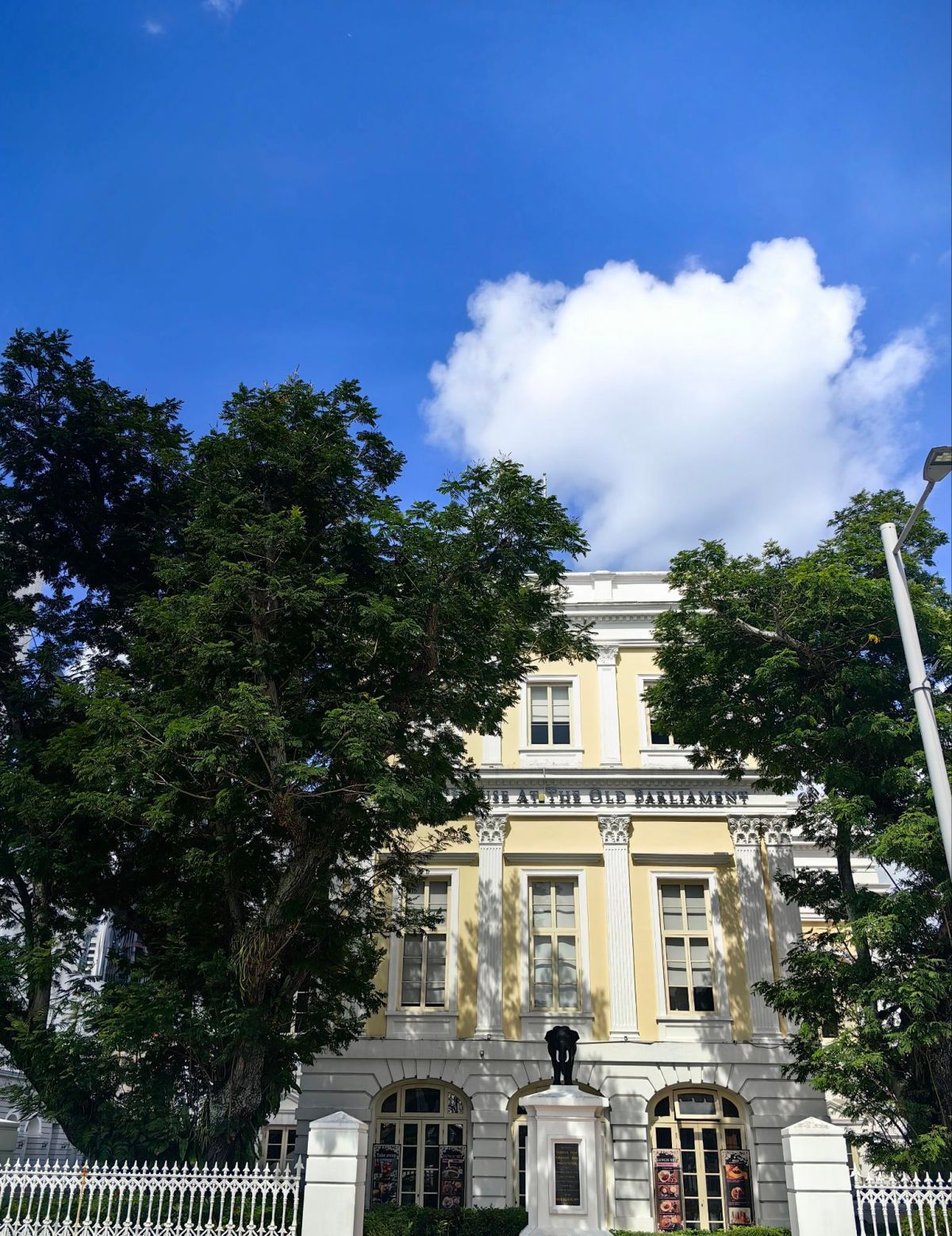
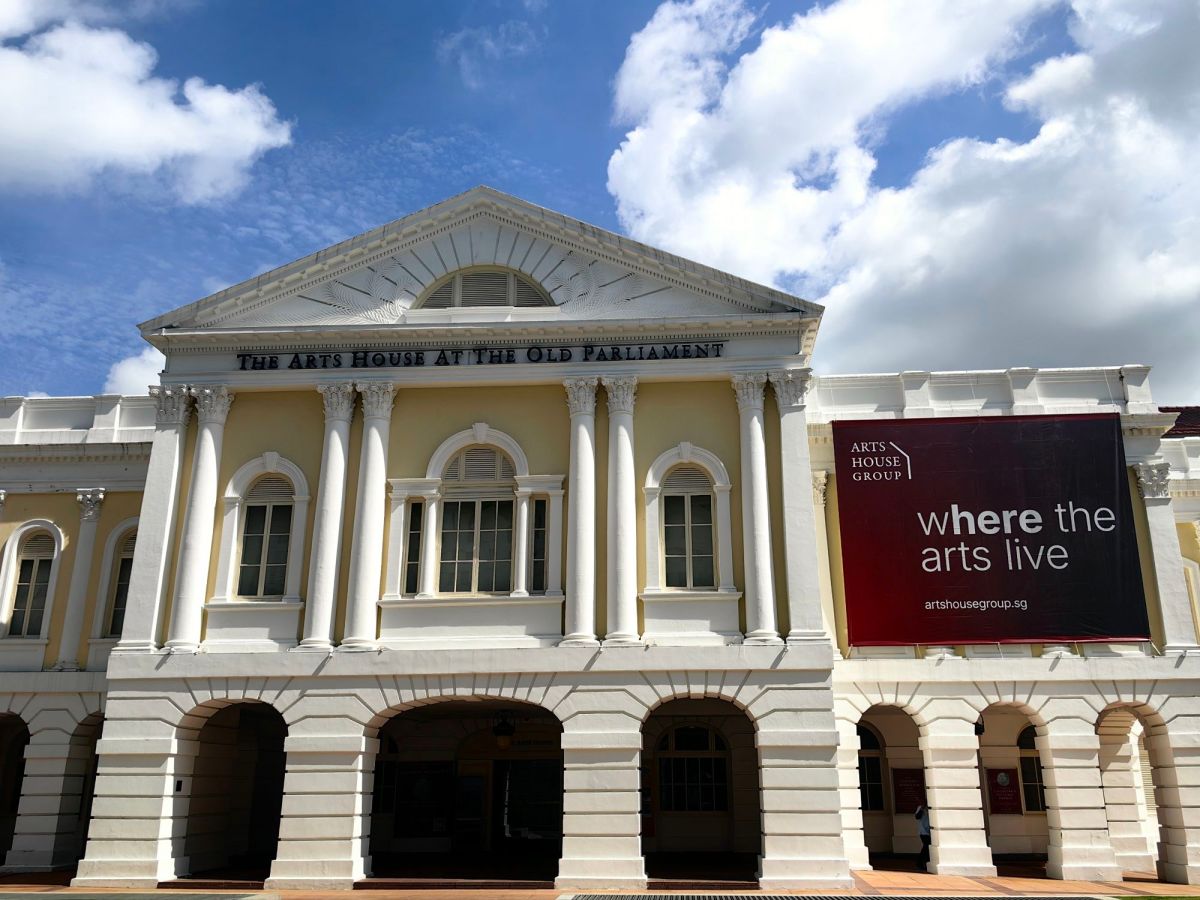
Among the most impressive is the former Parliament House, one of Singapore’s oldest surviving government buildings. It has a beautiful neoclassical facade. This building witnessed some of the country’s most important moments, from the Japanese surrender at the end of the Second World War to the political developments that eventually led to Singapore’s independence.
其中最引人注目的建筑之一,便是旧国会大厦。作为新加坡现存最古老的政府建筑之一,它拥有优雅的新古典主义风格外立面。这些历史建筑静静见证了这个国家发展历程中的重要时刻:从二战结束时日军投降,到最终推动新加坡走向独立的政治进程。
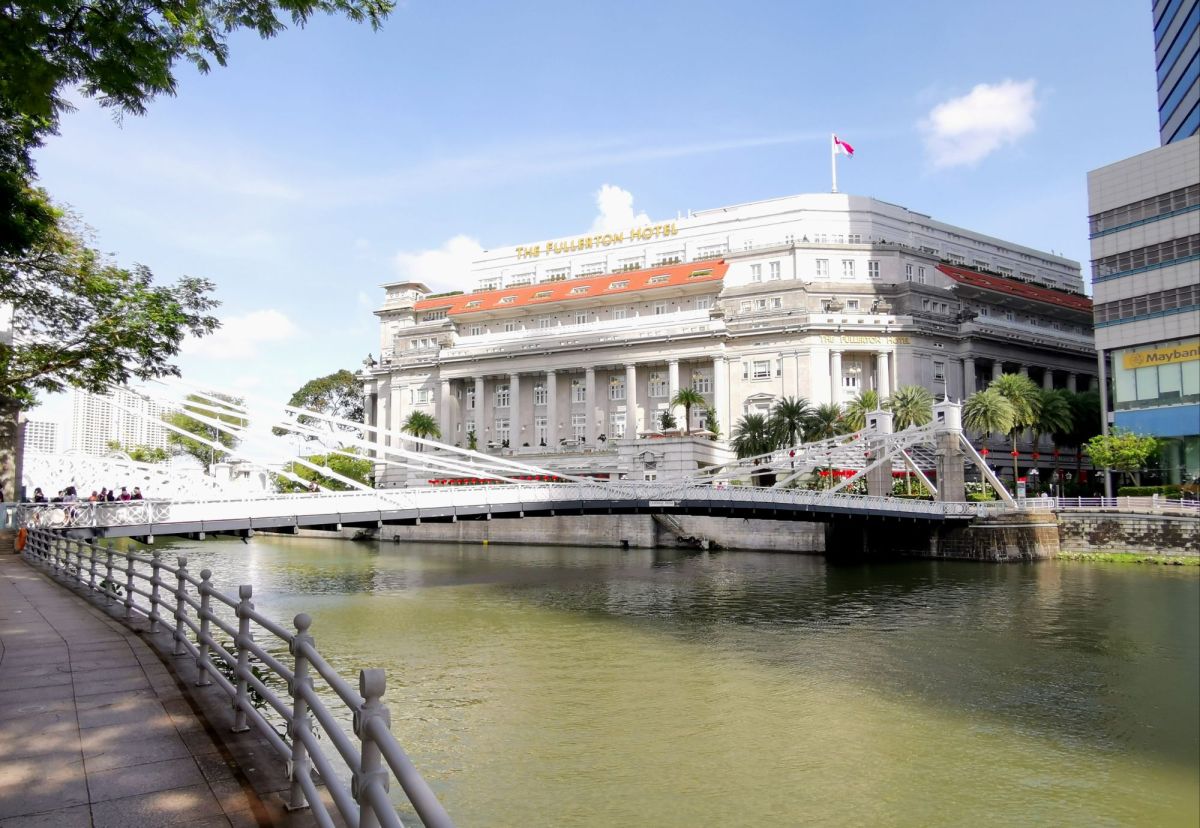
Further along the river is the former Fullerton Building. Once the General Post Office and an important administrative centre during the colonial era, it now serves as the luxurious Fullerton Hotel. Its transformation reflects Singapore’s approach to development: preserving historical architecture while giving old buildings new life.
沿河前行,便可见昔日的富丽敦大厦。这座建筑在殖民时期曾是邮政总局及重要的行政中心,如今已华丽转身,成为豪华的富丽敦酒店。它从历史建筑到现代酒店的蜕变,体现了新加坡的发展理念:在珍视历史遗产的同时,也赋予旧建筑新的生命与价值。
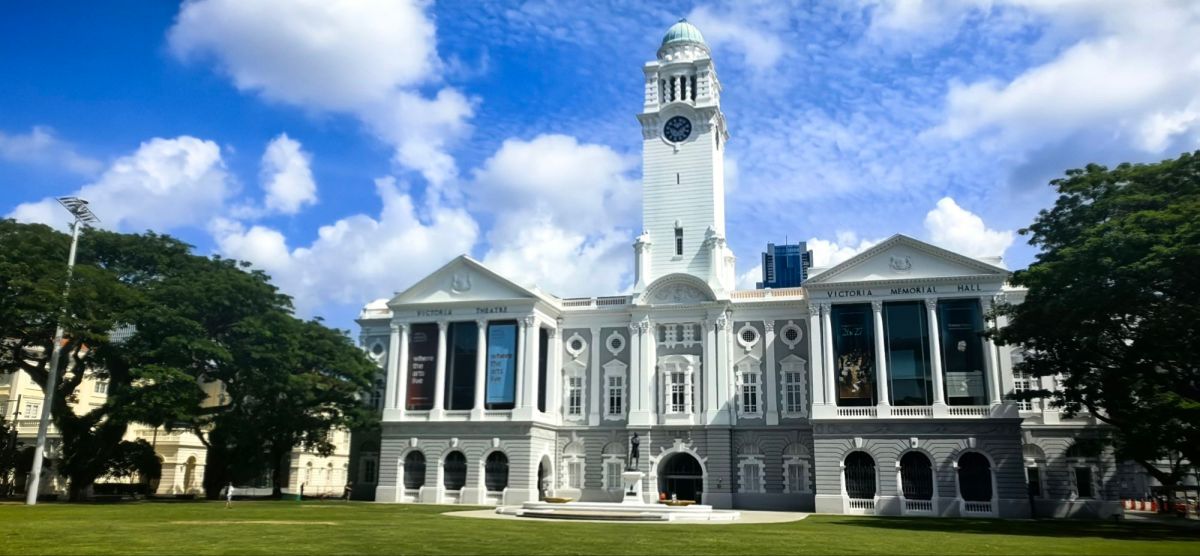
Not far away, Victoria Theatre and Victoria Concert Hall continue to host performances more than a century after they were built in 1905 as the Victoria Memorial Hall, which was erected to commemorate the death of Queen Victoria. The name “Victoria” appears throughout Singapore because of its history as a British colony. The clock tower remains one of the familiar landmarks along the river, quietly linking the colonial past with the cultural life of present-day Singapore.
不远处,维多利亚剧院和维多利亚音乐厅至今仍举办着各类演出。这两座建筑始建于1905年,最初被称为“维多利亚纪念堂”,为了缅怀维多利亚女王的逝世。受英国殖民历史的影响,“维多利亚”这一名称在新加坡的城市景观中随处可见。其中的钟楼至今仍是河畔广为人知的地标,静静连接着殖民时期的历史记忆与当代新加坡丰富多彩的文化生活。
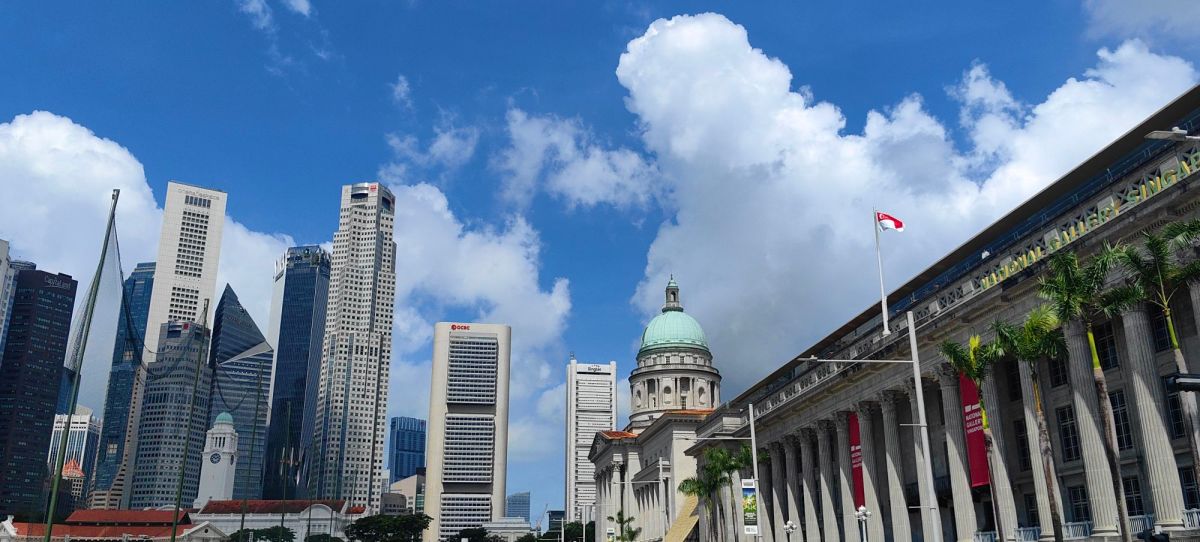
What fascinates me most is the contrast. Within a few minutes’ walk, I can move from nineteenth-century colonial buildings to some of the most futuristic skyscrapers in Asia. When I stand in front of the lawn in City Hall, I had a panoramic view of the city. On one side stand the grand colonial buildings: the Old Supreme Court and the former Parliament House which are reminders of the British era. On the other side rises a completely different Singapore: a skyline of glass, steel, and ambitious architecture built after the nation became independent in 1965.
最令我着迷的,正是这种强烈而鲜明的反差。只需步行片刻,我便能从十九世纪的殖民风格建筑中走出,转而置身于亚洲最具未来感的摩天大楼群之间。当我站在市政厅前的草坪上,整座城市的景致尽收眼底:一侧矗立着庄严宏伟的殖民时期建筑(旧最高法院与旧国会大厦),它们静静见证着英国殖民时期的历史;而另一侧,则展现出一个截然不同的新加坡。由玻璃、钢铁与充满雄心的现代建筑共同勾勒出的城市天际线,见证着这个国家自1965年独立以来的发展历程。
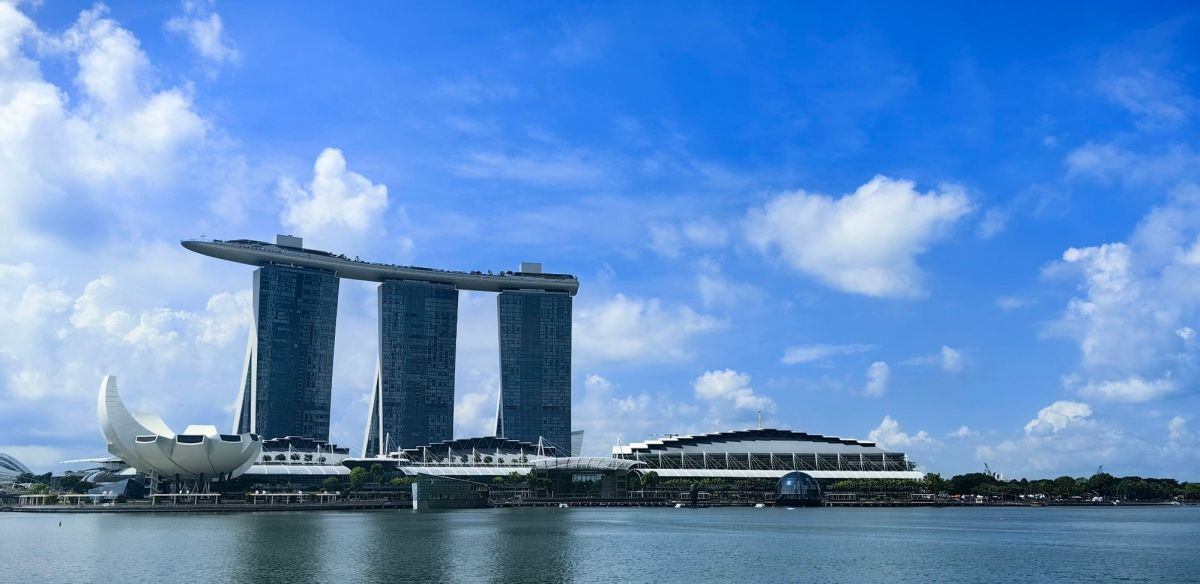
Once upon time, Marina Bay was far less developed. Some of today’s most famous landmarks did not exist. Over the years, I watched new buildings rise, new parks appear, and the waterfront gradually become recognizable cityscapes in the world. One of the most striking symbols of this transformation is the Marina Bay Sands built around 2010. Rising above the skyline of Marina Bay, it is one of Singapore’s most recognizable architectural masterpieces. Three elegant glass towers stand side by side, appearing like giant pillars reaching toward the sky. Resting across their summits is a remarkable structure that resembles a sleek ship floating high above the city. Every tourist will take a photo together with this building to memorize their trips of Singapore.
曾经的滨海湾远不如今日繁华,许多如今闻名于世的地标建筑在当时尚未出现。多年来,我亲眼见证了新建筑不断拔地而起,新公园陆续落成,也目睹了这片滨水区域一步步蜕变为举世闻名的城市景观。在这一巨变过程中,最引人注目的标志之一,便是约于2010年建成的金沙酒店。它屹立于滨海湾的天际线上,成为新加坡最具辨识度的建筑杰作。三座优雅的玻璃塔楼并肩而立,宛如直入云端的擎天巨柱;塔顶横跨着一座独特的建筑结构,造型犹如一艘流线型巨轮,仿佛悬浮于城市上空。几乎每一位来到这里的游客,都会与这座标志性建筑合影,以此留下属于他们的新加坡记忆。
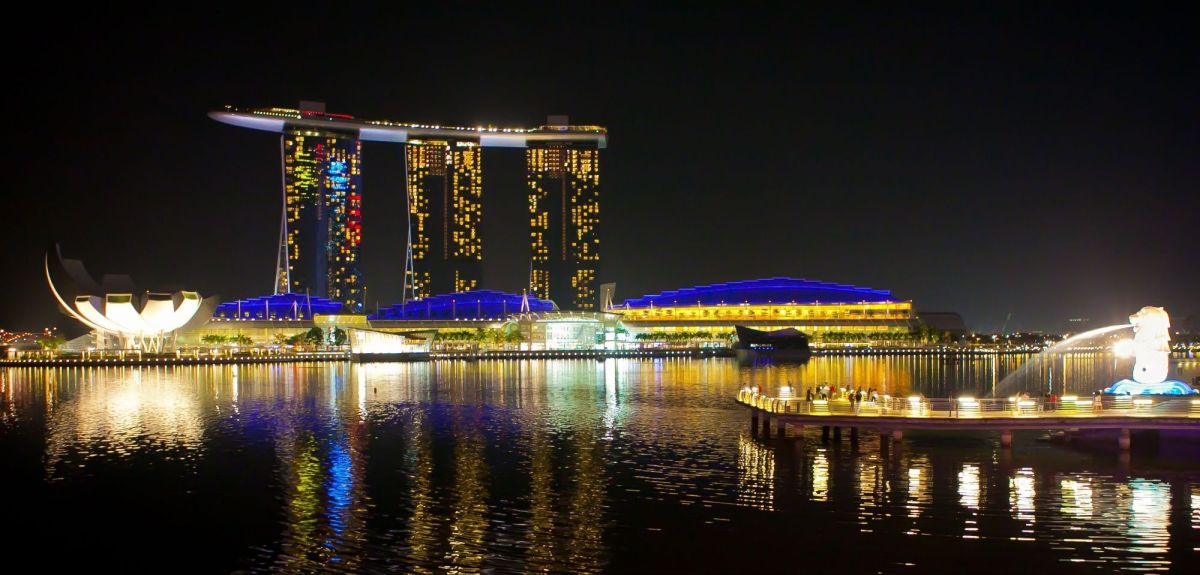
Standing along Marina Bay, the view is especially striking at night. Its illumination shimmer against the skyline, while music often drifts from the outdoor stages. From the seaside promenade, visitors can enjoy sweeping views of the bay, the illuminated city’s skyscrapers, and the sparkling surrounding landmarks.
置身于滨海湾畔,夜晚的景色尤为迷人。璀璨的灯光映照在城市天际线之下,熠熠生辉;户外舞台不时传来悠扬的乐声。沿着海滨步道漫步,游客可以尽览海湾全景、灯火璀璨的摩天大楼,以及周围闪耀的城市地标。
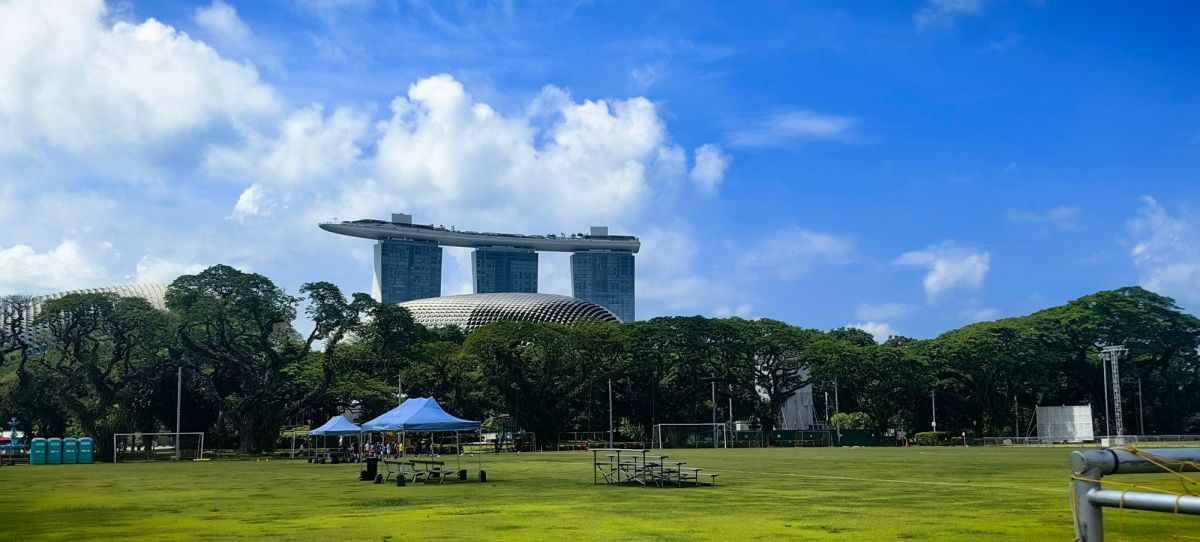
The Esplanade (Theatres on the Bay) has the nick name “Durian” due to its shape. The building is so recognizable because of its two distinctive domes covered with more than 7,000 triangular aluminum sunshades. Opened in 2002 along the Marina Bay waterfront, it makes the arts accessible to everyone. Throughout these years, it hosts hundreds of free performances ranging from local bands and traditional music to dance and school performance.
滨海艺术中心因其独特的外形而被昵称为“大榴莲”。这座建筑极具辨识度,其标志性特征在于两座独特的穹顶,表面覆盖着7000多块三角形铝制遮阳板。该中心于2002年在滨海湾水岸落成,致力于让艺术走近大众。多年来,这里举办了数百场免费演出,涵盖了从本土乐队表演、传统音乐舞蹈及学校CCA演出等多种形式。
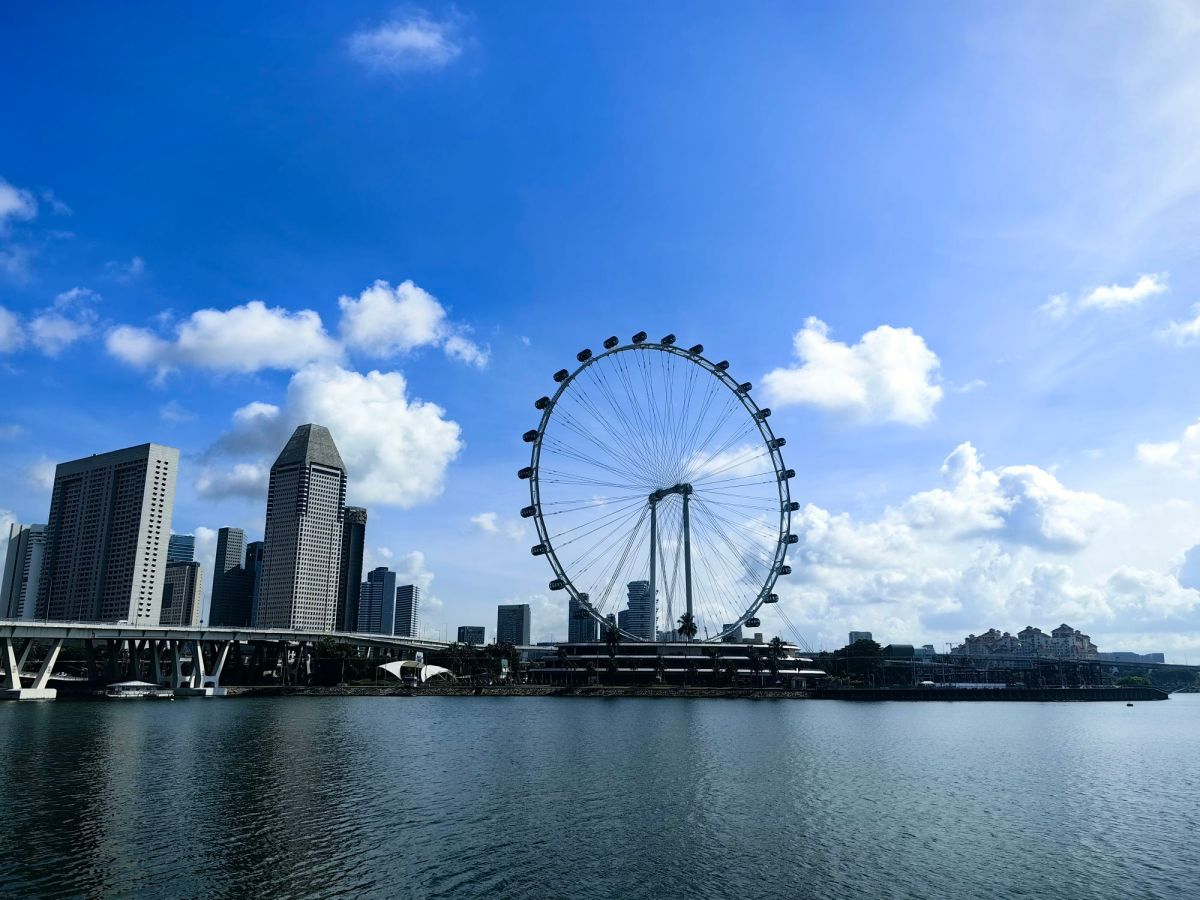
The Singapore Flyer which looks like the London Eyes is another quite recognizable landmarks and one of the world’s tallest observation wheels, standing 165 meters high. Completed in 2008, the Singapore Flyer was designed to symbolize the nation’s ambition and confidence as a modern global city. From a distance, its elegant circular form has become an iconic feature of the Marina Bay skyline.
外观酷似“伦敦眼”的新加坡摩天观景轮,是滨海湾另一处极具辨识度的地标,也是全球最高的观景轮之一,高达165米。这座摩天轮于2008年落成,其设计展现了新加坡作为现代化全球都市的雄心与自信。从远处眺望,它优雅的圆形轮廓已成为滨海湾天际线上一道独特而醒目的风景。
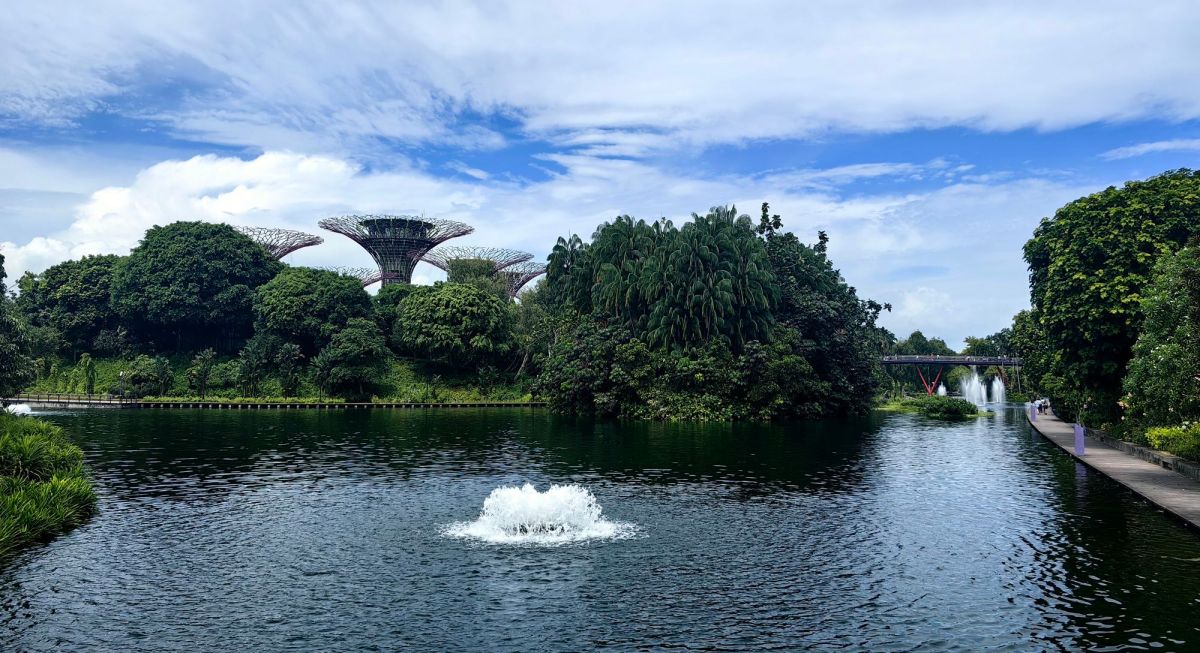
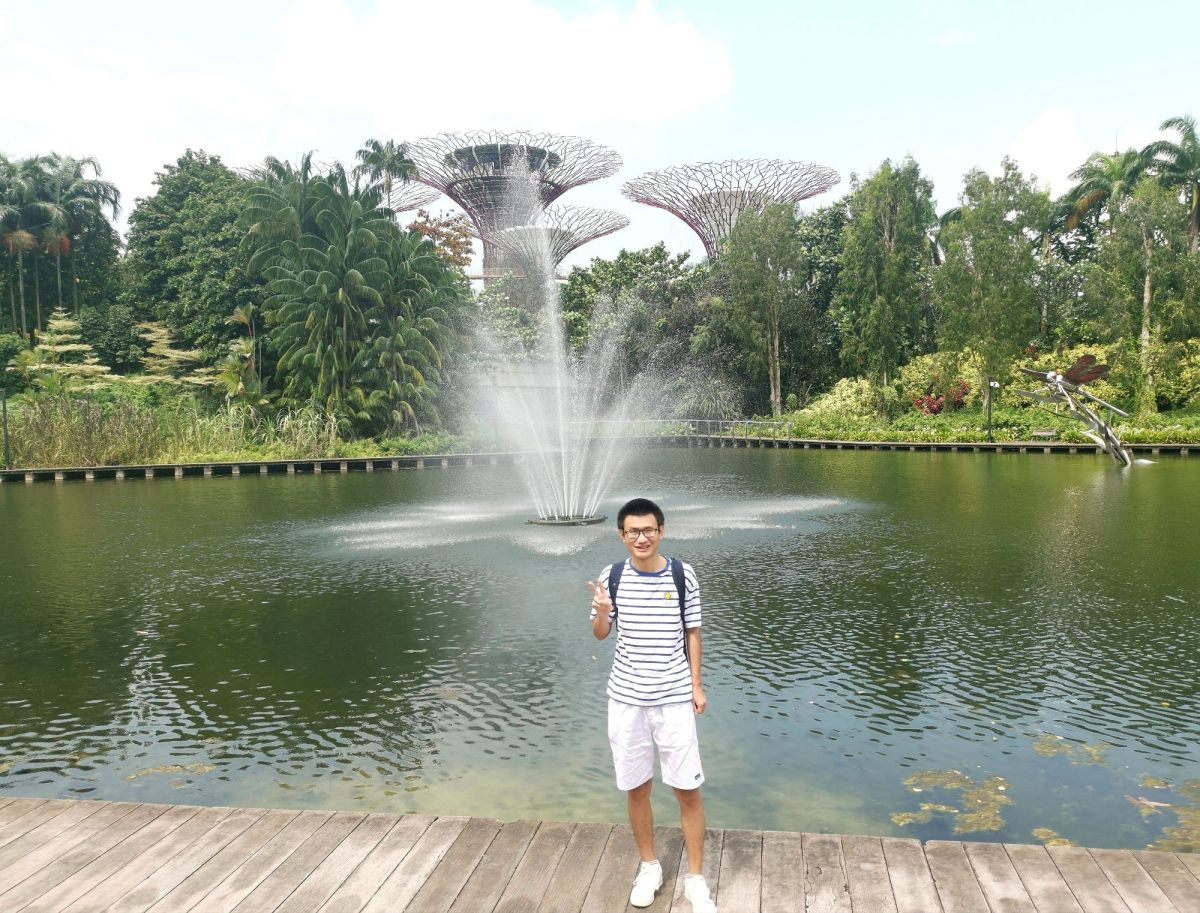
On the opposite side of Marina Bay stands the Garden by the Bay. The giant Supertrees, futuristic conservatories, and waterfront gardens show a vision of Singapore that goes beyond simple urban development. Instead of choosing between a modern city and nature, Singapore tried to combine both. This was one of the things that impressed me most over the years. Even as new skyscrapers appeared in the city center, greenery remained an essential part of the city.
滨海湾的另一侧,矗立着滨海湾花园。巨大的“擎天树”、充满未来感的温室,以及延伸于滨水之间的花园景观,共同展现了新加坡超越单纯城市发展的远见与愿景。新加坡并未在现代都市与自然之间做出取舍,而是努力将两者融为一体。这也是多年来这里最令我印象深刻的城市特质:即使市中心不断有新的摩天大楼拔地而起,盎然绿意依然始终是这座城市关键的一部分。
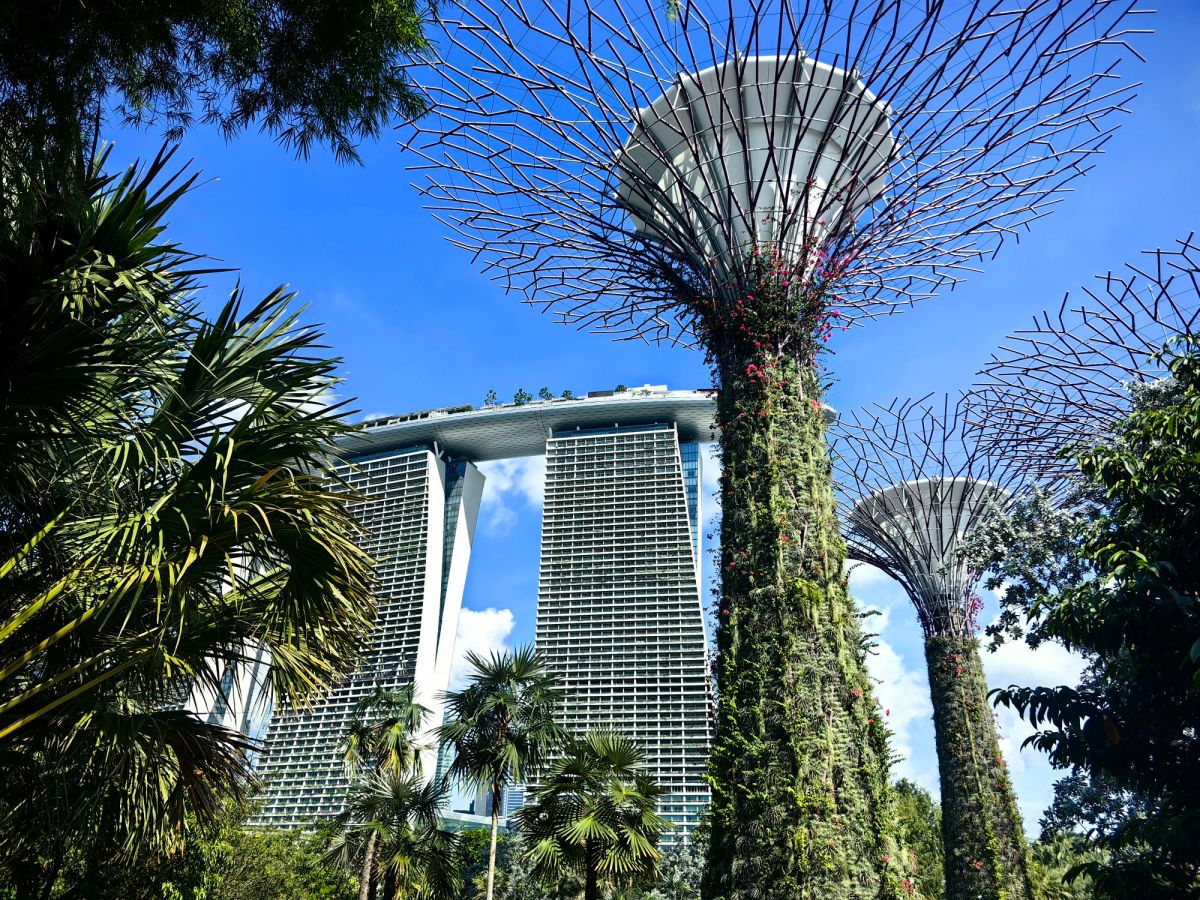
Whenever I walk through the gardens today, I think about how much Singapore has changed since my first arrival. Every time I raised my head, and I would watch new landmarks rise, new buildings emerge, and the skyline continually evolve. Gardens by the Bay is perhaps the clearest symbol of that transformation.
如今,每当我漫步于这些花园之中,总会感叹自初次抵达新加坡以来,这座城市所经历的巨大变化。每每抬头望去,我都能看见新的地标拔地而起,新的建筑不断涌现,城市的天际线也在岁月流转中持续演变。而滨海湾花园,或许正是这场蜕变最鲜明、最具象征意义的见证。
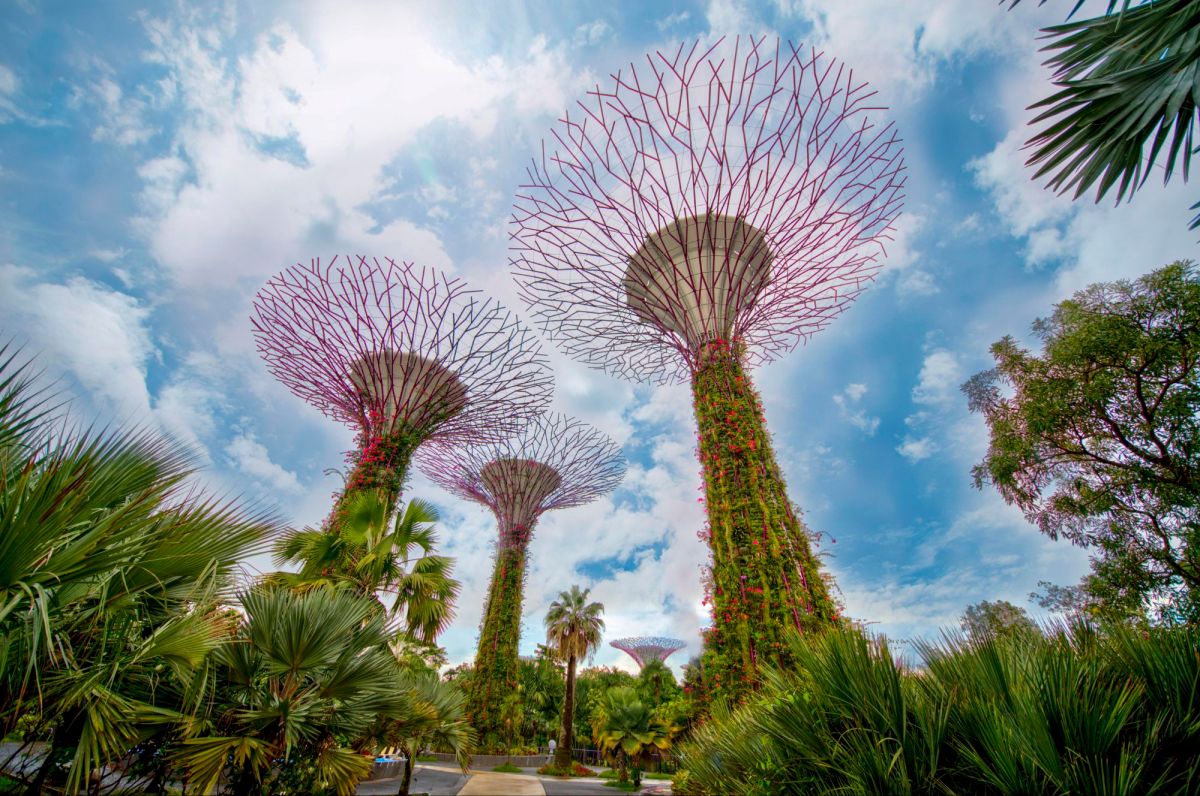
The most iconic feature in this garden is undoubtedly the Supertree Grove. Rising between 25 and 50 meters above the ground, these towering steel structures resemble giant trees from a science-fiction world. Covered with thousands of orchids, ferns, bromeliads, and other tropical plants, they are not merely sculptures but living vertical gardens.
这座花园中最具标志性的景观无疑是“擎天树丛”(Supertree Grove)。这些高耸的钢结构建筑拔地而起,高度在25至50米之间,宛如科幻世界中的参天巨树。它们覆盖着数以千计的兰花、蕨类植物、凤梨科植物及其他热带植被,不仅是雕塑艺术品,更是充满生机的垂直花园。
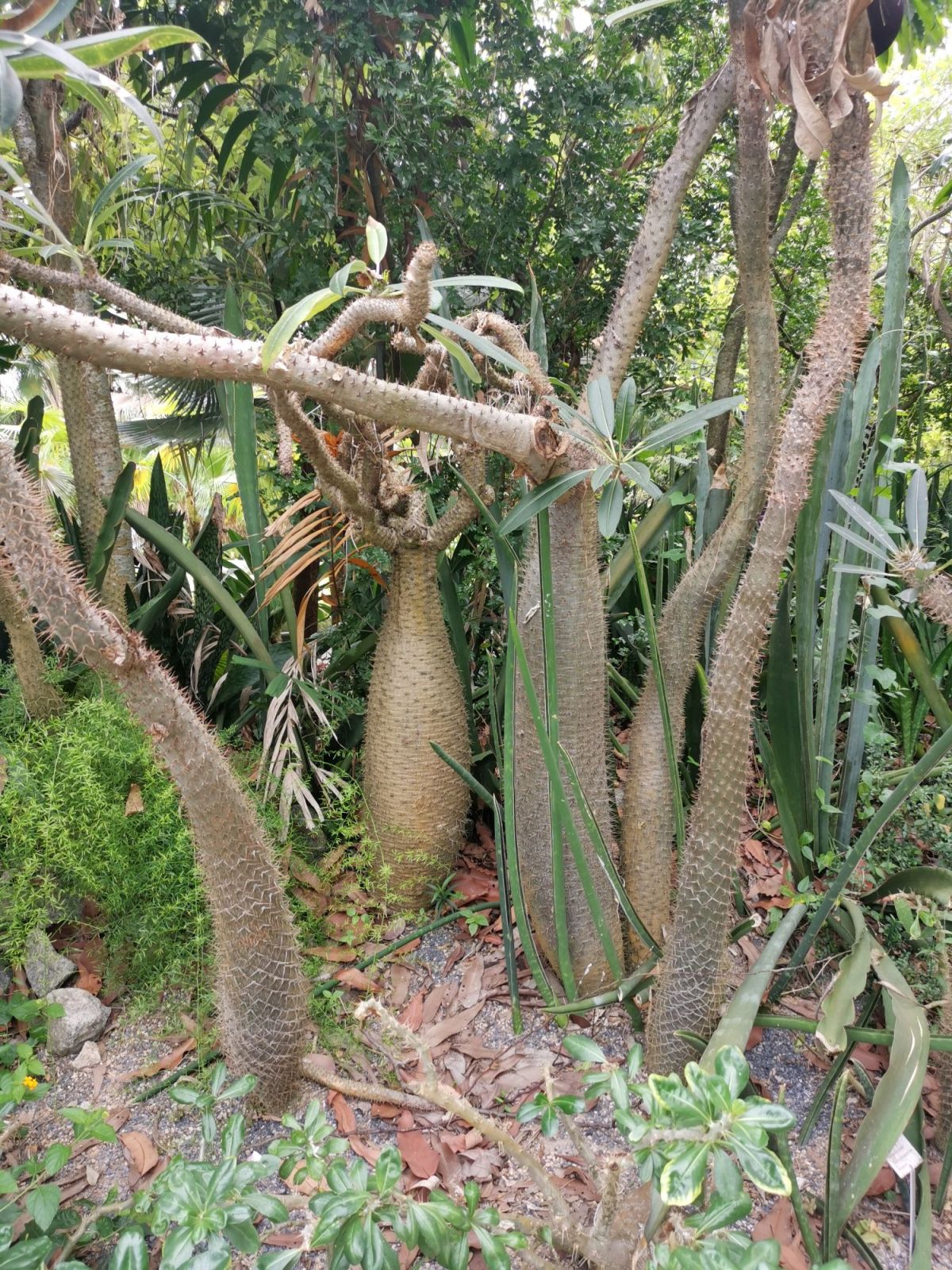
The extraordinary diversity of plants fascinated me as well. I had never imagined that a single garden could bring together vegetation from so many different climates and continents. I felt like walking through a living museum of the world’s most unusual plants like Madagascar Palm, Baobab Trees, Nepenthes…
这里令人惊叹的植物多样性,也深深吸引着我。我从未想过,一座花园竟能汇聚来自如此多元气候区域与不同大陆的植物。漫步其中,仿佛置身于一座鲜活的自然博物馆,眼前展示着来自世界各地的奇特植物比如马达加斯加棕榈、猴面包树、猪笼草等等。。。
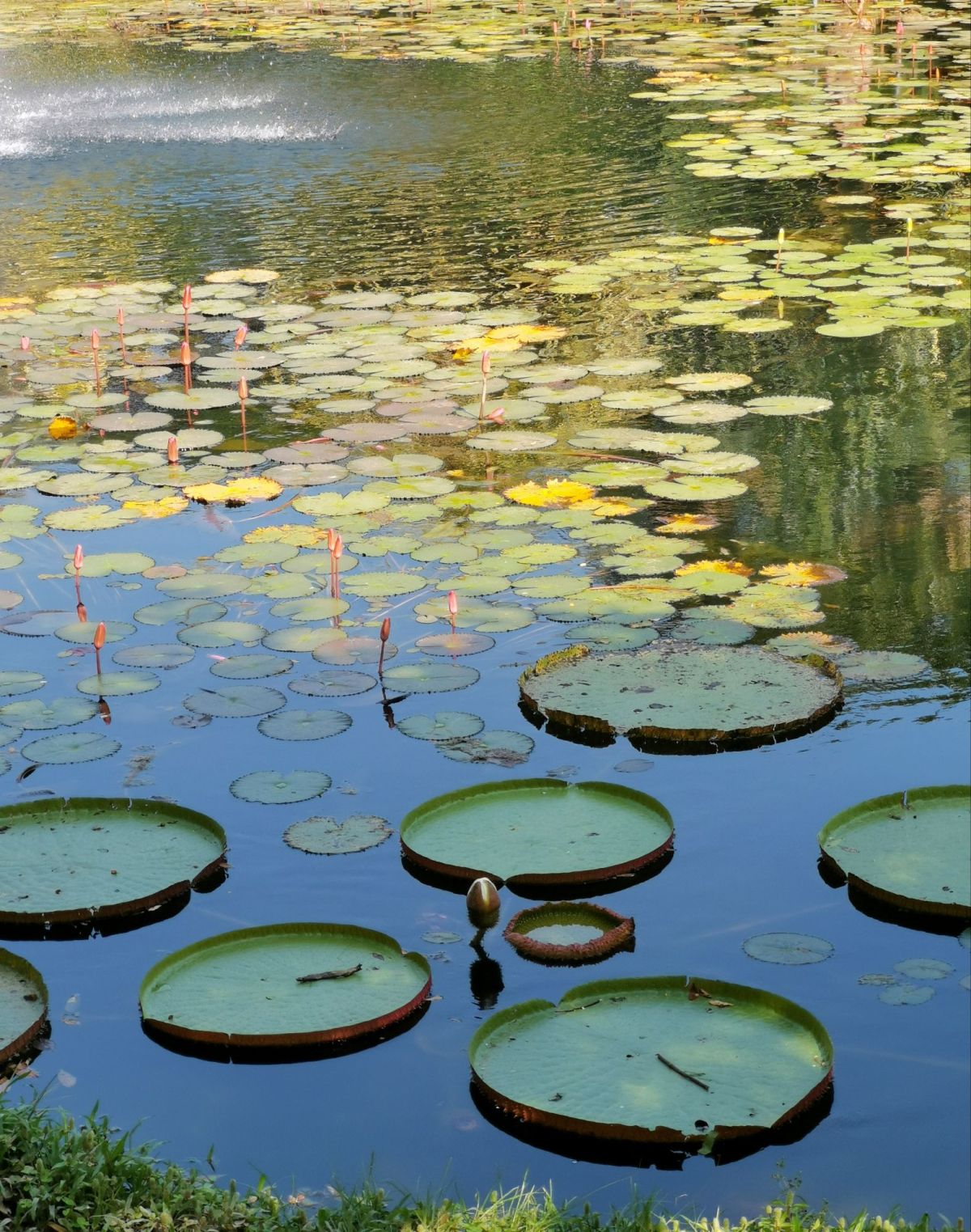
The outdoor gardens and lakes are home to elegant Amazon water lilies, one of my favorite sights. They are the most eye-catching aquatic plants. Their broad, circular leaves float effortlessly on the still water, while delicate flowers bloom in shades of white and pink. On calm mornings, the flowers are perfectly reflected on the water’s surface, creating a scene that feels almost like a landscape painting of Claude Monet.
户外花园的湖泊中,生长着优雅的亚马逊王莲,这是我最钟爱的景致之一。它们堪称最令人惊叹的水生植物:宽阔而圆润的叶片轻盈地漂浮于静谧的水面之上,娇嫩的花朵则绽放出白色与粉色交织的柔和色彩。在风平浪静的清晨,花影清晰地倒映于水面之中,营造出一种宛如克劳德·莫奈风景画般梦幻而宁静的意境。
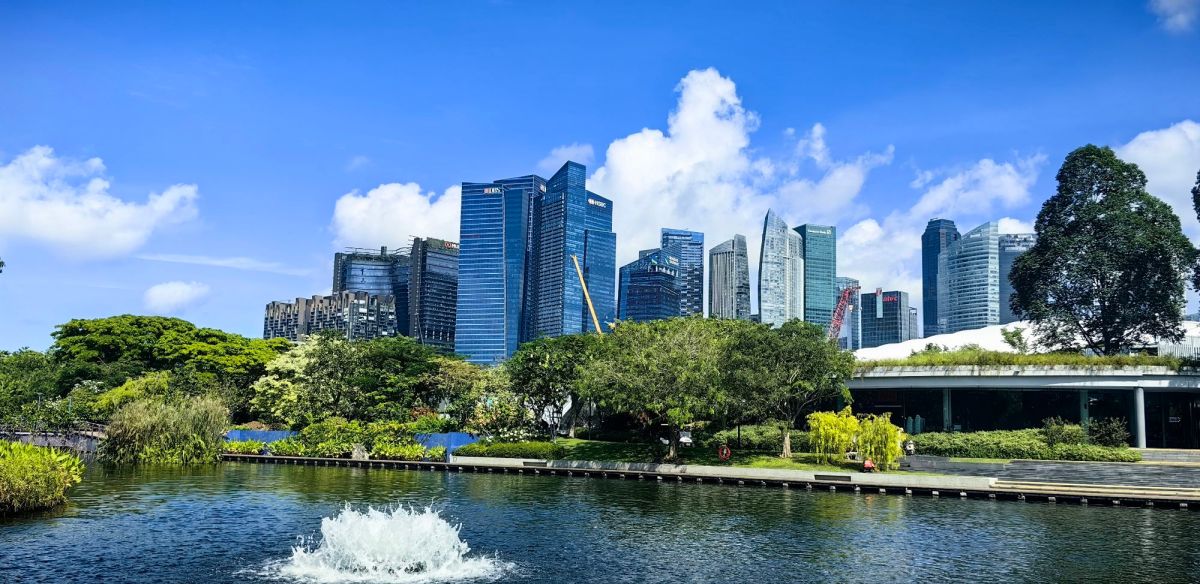
I enjoy walking along the seaside of Marina Bay. The skyline changed continuously during the years that I was growing up here. As a secondary school student, I learned Singapore’s history from textbooks. As an adult, I saw those chapters reflected in the city itself, from the colonial buildings around City Hall to the futuristic towers of Marina Bay. That is why these areas remains one of my favorite places. Within a single walk, I can move through more than two centuries of history and, at the same time, see a glimpse of the future that the city is still trying to build.
我尤其喜欢沿着滨海湾的滨水步道漫步。在我于此成长的岁月里,这里的城市天际线不断变化与延展。学生时代,我曾通过课本认识新加坡的历史;如今步入成年,我则亲眼见证了那些历史篇章如何在城市景观中留下印记:从市政厅周边保存至今的殖民风格建筑,到滨海湾充满未来感的摩天大楼。正因如此,这些地方始终是我最喜爱的去处。只需一次漫步,我便能穿越两百多年的历史长河,同时感受这座城市正在努力描绘的未来蓝图。
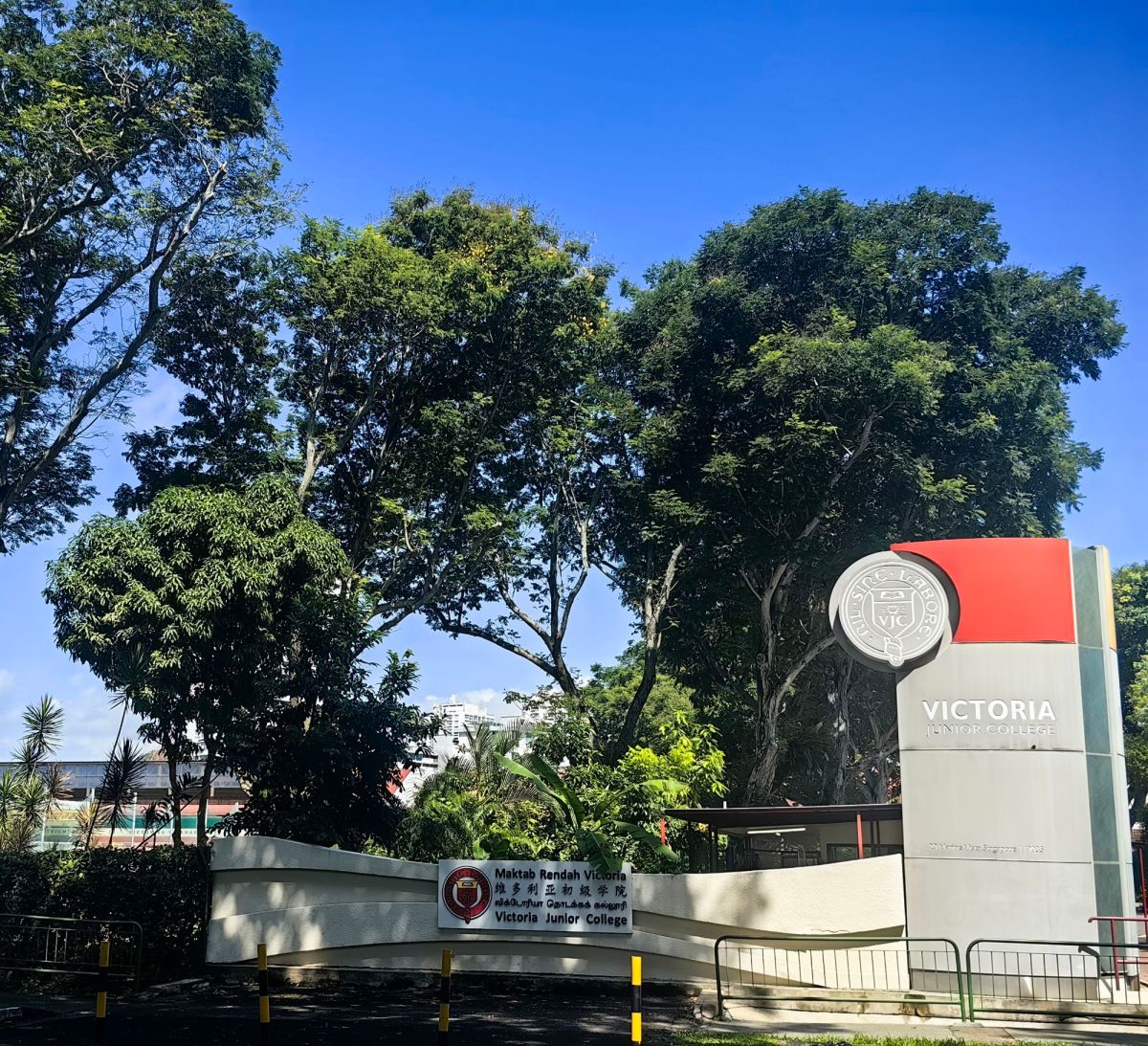
After O level exam, I entered the Victoria Junior College in 2008. For many students in Singapore, junior college is one of the next stages of education similar to pre-university school. The two years preparing for the A Levels often feel intense, because the results influence which university and path may open afterward. Looking back, my time at Victoria Junior College was one of the most demanding periods of my student life, but also one of the most memorable.
2008年,在完成“O水准”考试后,我进入了维多利亚初级学院就读。对于新加坡许多学生而言,初级学院是中学毕业后的重要升学阶段,其性质类似于大学预科。备战“A水准”考试的两年,往往伴随着巨大的压力,因为考试成绩在很大程度上决定了未来的大学选择与发展方向。回首往事,在维多利亚初级学院度过的岁月,虽是我学生时代最具挑战性的阶段之一,却也成为我记忆中最珍贵难忘的篇章。
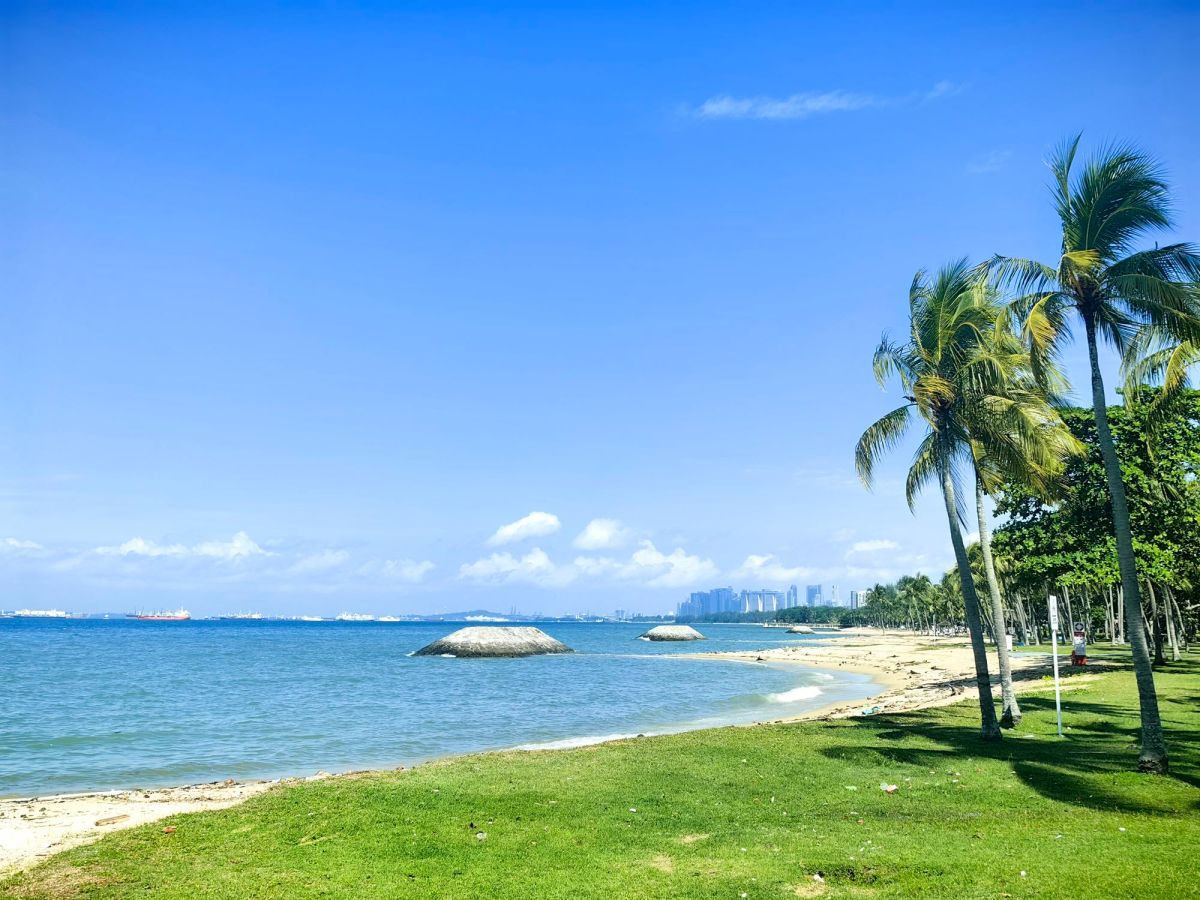
The campus was just five minutes’ walk distance from the East Coast, and that proximity changed the rhythm of life. Unlike the dense urban image many people have of Singapore, my memories of those school days are filled with open skies and the blue sea which is always my favorite landscape.
维多利亚校园距离东海岸仅五分钟步行路程,这样近的地理位置悄然改变了我的生活节奏。与许多人印象中新加坡密集而繁忙的都市景象不同,我对那段求学岁月的记忆中,更多的是开阔的天空与蔚蓝的大海。那片景色始终是我最中意的风景。
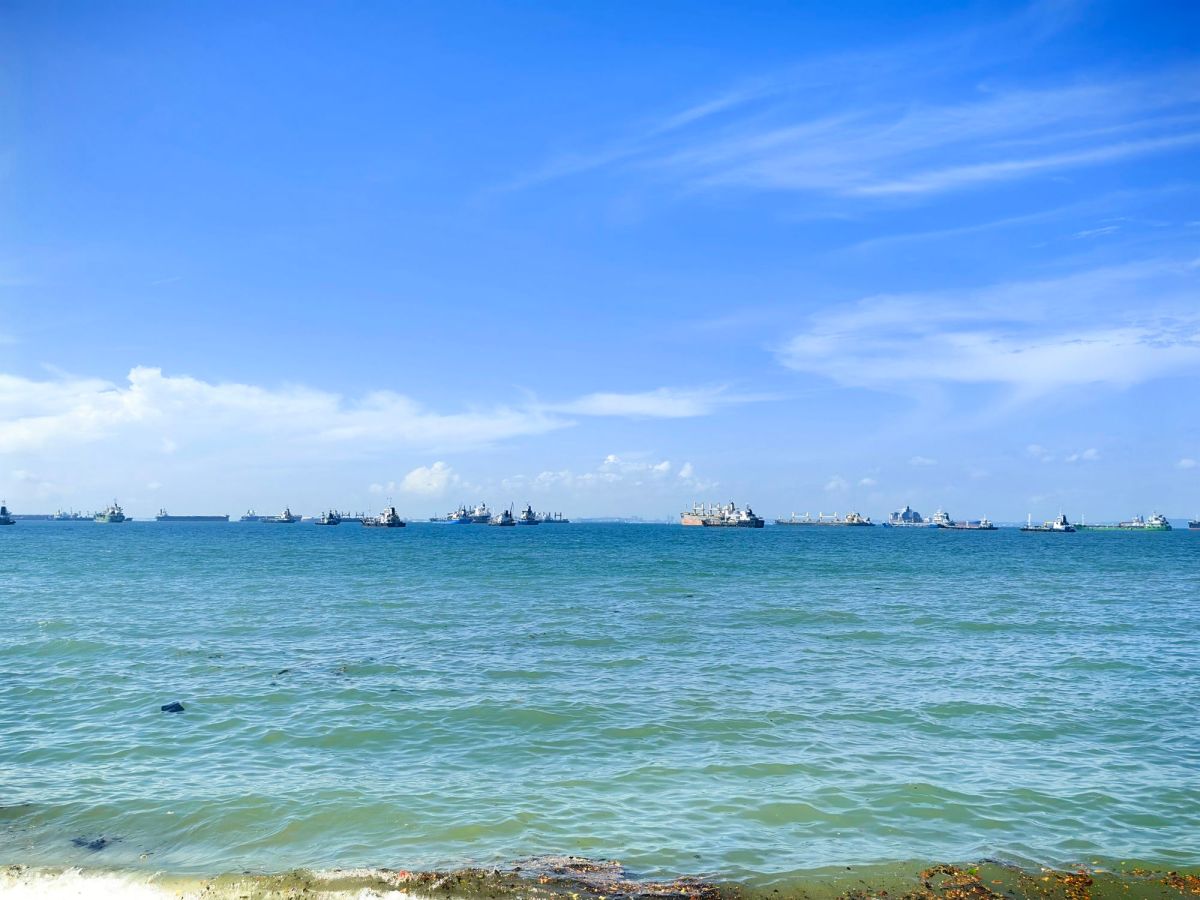
Life there required discipline and persistence. Weekdays were filled with lectures, tutorials, assignments. On some afternoons, after classes ended, I could see the blue water stretching into the distance. I would walk along the East Coast promenade beneath rows of coconut trees. The sea breeze softened the heat of the day, and for a while the pressure of studying seemed to drift away with the sound of the waves.
那时的生活,需要的不仅是自律,更是坚持。平日里,我的日程总被讲座、辅导课以及各类作业填满。有时课后,我会望向那片向远方延展的蔚蓝海域,沿着东海岸的步道漫步,穿行于一排排椰树之间。海风轻轻拂去白日的燥热,而在那一刻,学业带来的压力仿佛也随着阵阵涛声渐渐消散。
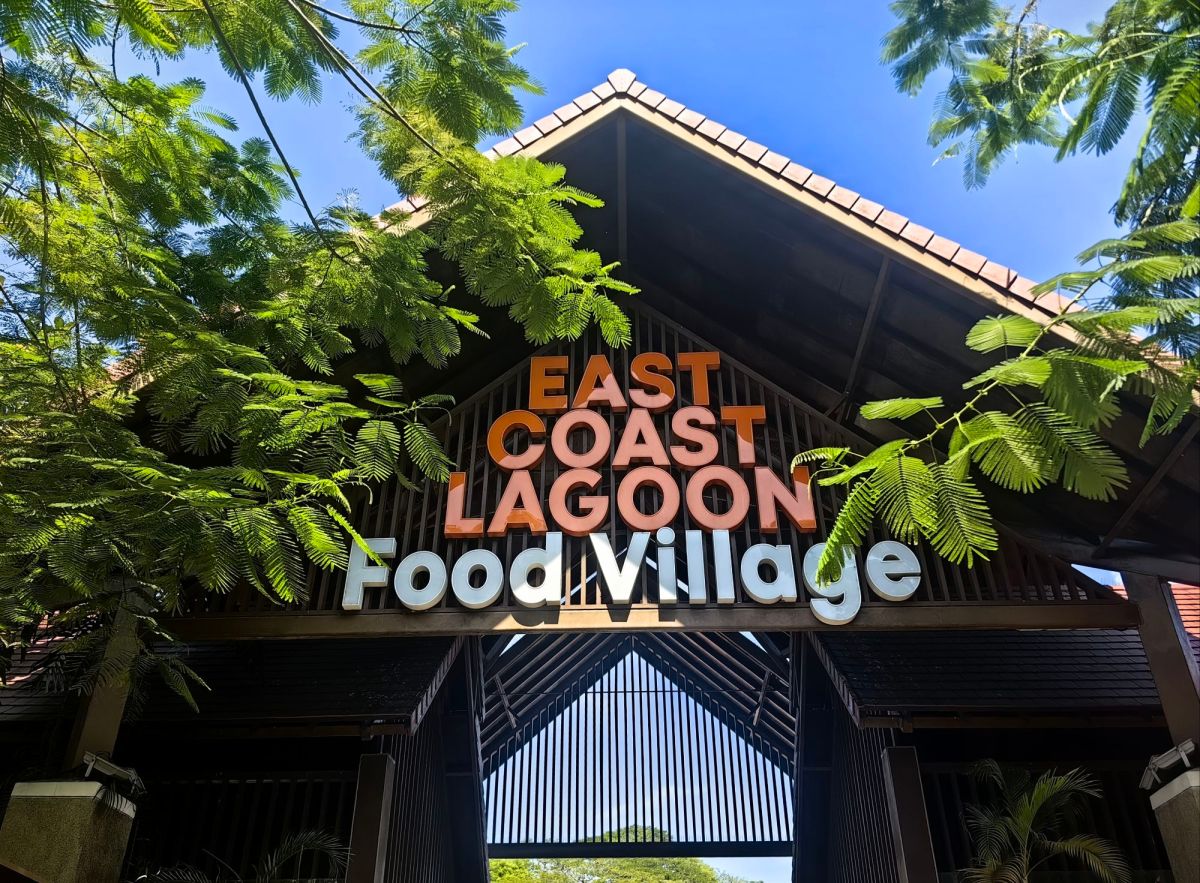
Weekends felt like small rewards after a week of studying. Sometimes I went with friends to the East Coast food village. We would sit together eating freshly fried chicken wings and drinking cold coconut juice while talking about school, exams and future plans. Other times, we rented bicycles and rode along the coastline. With the sea breeze greeting me and the wheels rolling along the coastal path, those simple, carefree moments remain to this day among my most cherished memories of my junior college years.
经过一周的学习,周末便像是一份小小的奖赏。有时,我会和朋友们前往东海岸的美食村。我们围坐在一起,品尝刚刚炸好的鸡翅,喝着冰凉的椰汁,聊起学校生活、考试压力,以及对未来的种种计划。还有些时候,我们会租上自行车,沿着海岸线缓缓骑行。海风迎面而来,车轮伴随着海岸步道向前延伸,那些简单而自在的时光,至今仍是我对初级学院岁月中最珍贵的记忆之一。
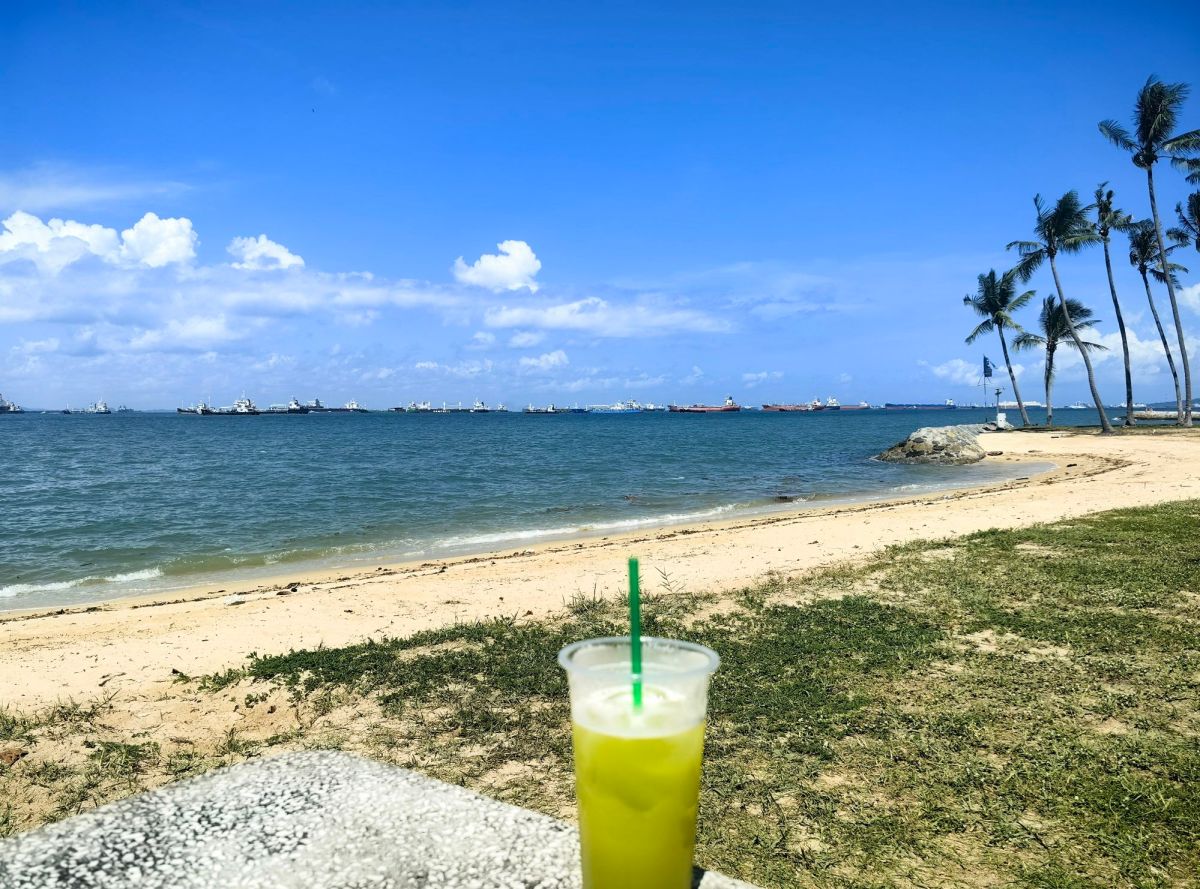
At the time, those moments felt ordinary. We rarely thought they would become memories worth keeping. But now, even years after graduation, when I think back to that period, what returns first is not exam scores. I remember the sea reflecting the evening light, the rows of coconut trees, the laughter of friends over simple food, and the feeling of freedom hidden inside a busy student life.
那时,那些时刻看似平凡无奇,我们很少意识到,它们终将在多年以后成为值得珍藏的回忆。然而,即使毕业多年,每当回望那段岁月,最先浮现在脑海中的并不是考试成绩,而是那些简单却深刻的画面:映照着晚霞的海面、成排的椰树、朋友们围坐在一起,伴随着简单饭菜而展开的欢声笑语,以及那段忙碌学生生活中所蕴藏的自由与惬意。
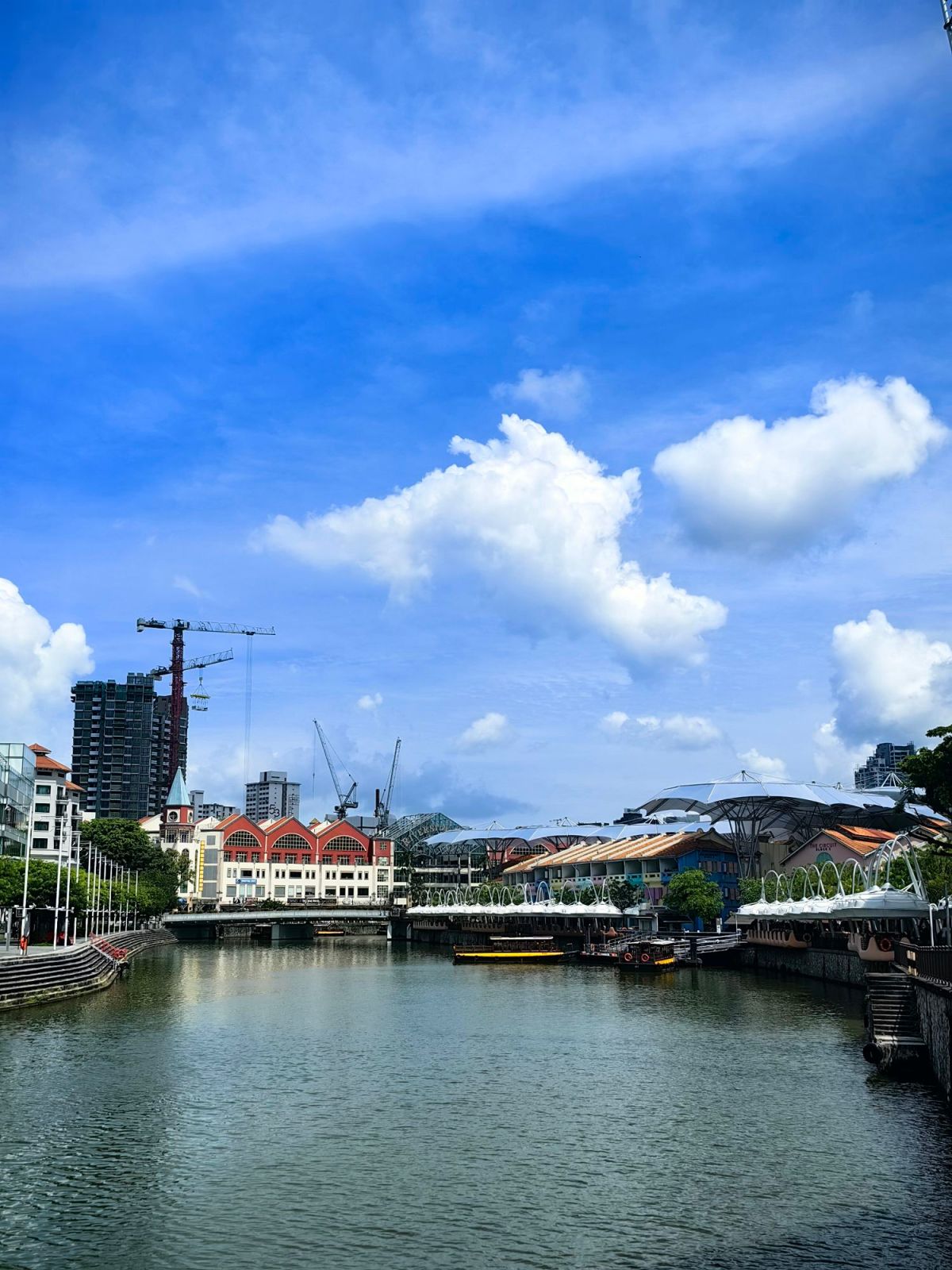
After the end of A-Level examinations in Dec 2009, life suddenly slowed down. There was 7 months gap before university started. Like many students, I took the opportunity to experience working life. I found a part-time job as a waiter in a hotel at the Clarke Quay, serving guests from all over the world. It was my first taste of earning my own salary and learning what it meant to be responsible in a professional environment. Standing for long hours, carrying trays, and serving customers was tiring, but it taught me lessons that could never be learned in a classroom.
2009年12月“A水准”考试结束后,我的生活节奏突然慢了下来。在大学开学之前,我迎来了长达七个月的空档期。像许多学生一样,我选择利用这段时间走入职场,体验与校园截然不同的生活。我在克拉码头一家酒店找到了一份兼职服务员的工作,负责接待来自世界各地的宾客。这是我第一次凭借自己的劳动获得收入,也让我开始理解在职场环境中承担责任的意义。长时间站立、端盘送餐,以及面对不同顾客提供服务,固然是一段辛苦的经历,但也让我收获了许多课堂之外无法学到的宝贵经验。
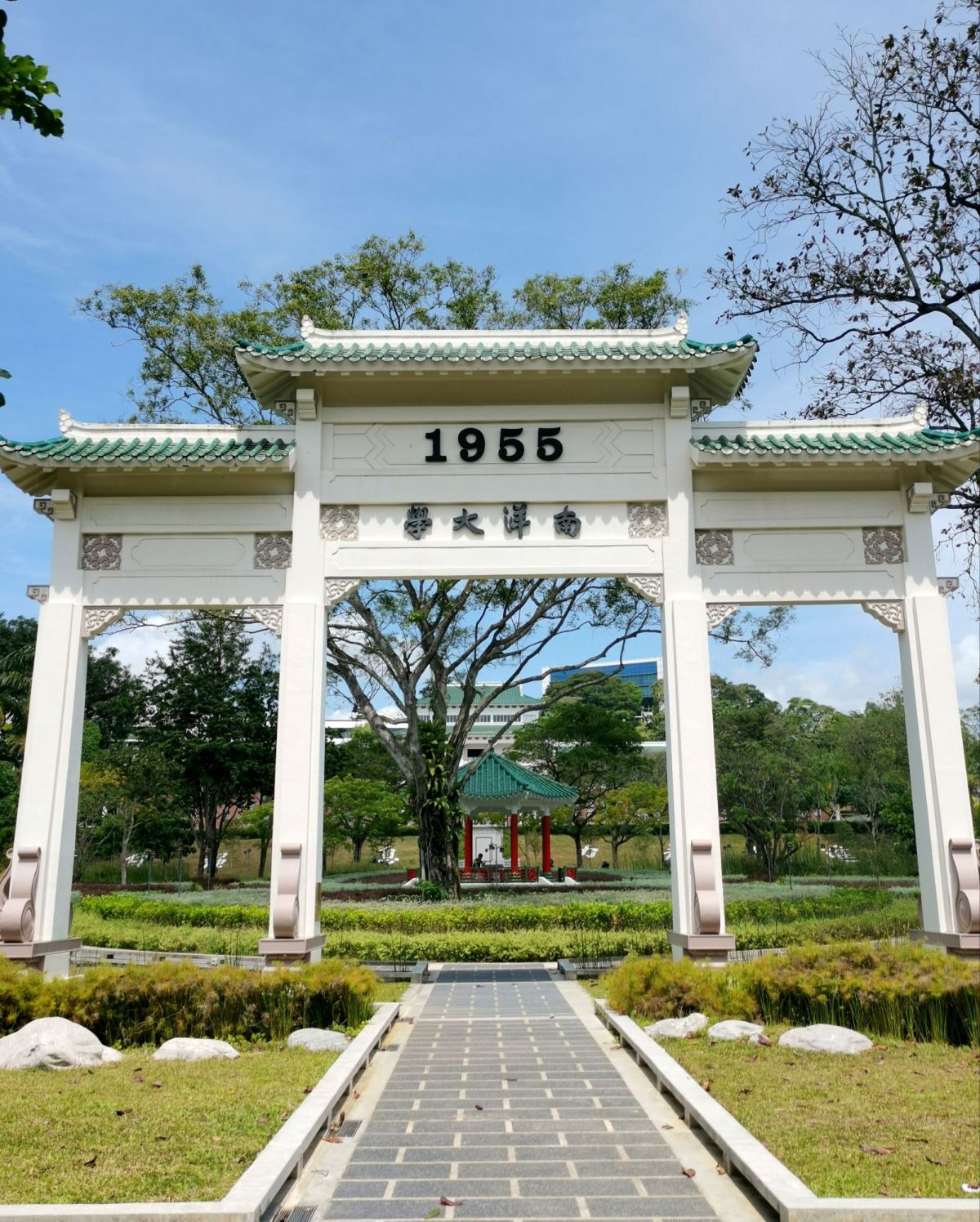
Looking back, those months formed a bridge between school and adulthood. In July 2020, I started my university life in Nanyang Technological University. Among all the places I studied in Singapore, it remains the most beautiful in my eyes. At the Yunnan garden stands the iconic memorial gate, one of the symbols linking the university to its origins. It traces back to Nanyang University, founded in 1955 through the vision and support of the Chinese community in Southeast Asia. The gate quietly connects the modern university with its historical roots.
回首往事,那段时光成为了我从校园生活迈向成年的重要桥梁。2020年7月,我在南洋理工大学开启了大学生涯。在我于新加坡求学经历过的所有地方中,这里至今仍是我心中最美丽的一处。云南园内矗立着标志性的牌坊,它不仅是校园景观的一部分,也是连接这所大学与其历史渊源的重要象征。这座牌坊追溯着南洋大学的源流。那所由东南亚华人社群怀抱愿景、共同筹建,并于1955年创办的学府。它静静伫立于校园之中,将现代大学的活力与深厚的历史根基紧密相连。
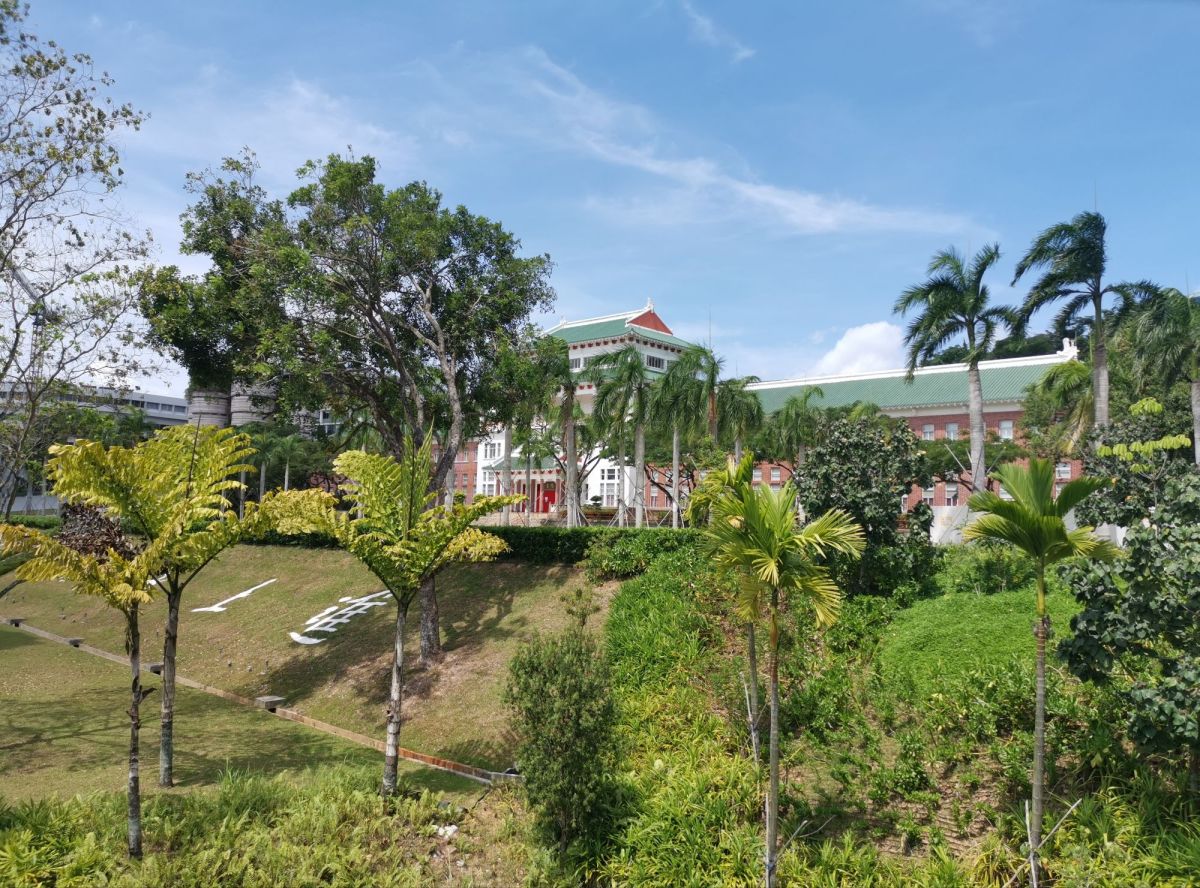
Yunnan Garden carries a different atmosphere from the rest of the university. Designed in the style of a traditional Chinese landscape garden, it combines water, stone, bridges, trees, and carefully arranged spaces to create a sense of calm and balance. Walking there in the evening felt like stepping into another world. There were flowering plants throughout the seasons, quiet ponds reflecting the sky, shaded paths, and corners where students sat to read or simply enjoy the silence.
云南园的氛围,与校园其他区域截然不同。它采用传统中式山水园林的设计理念,巧妙融合水景、奇石、桥梁、林木,以及经过精心布局的空间,营造出一种宁静而和谐的意境。傍晚漫步其中,仿佛进入了另一个世界:四季花卉在园中悄然绽放,静谧的池塘倒映着天际的光影,林荫小径蜿蜒穿行于绿意之间,还有许多安静的角落,供学生静心阅读,或独自享受片刻的宁静
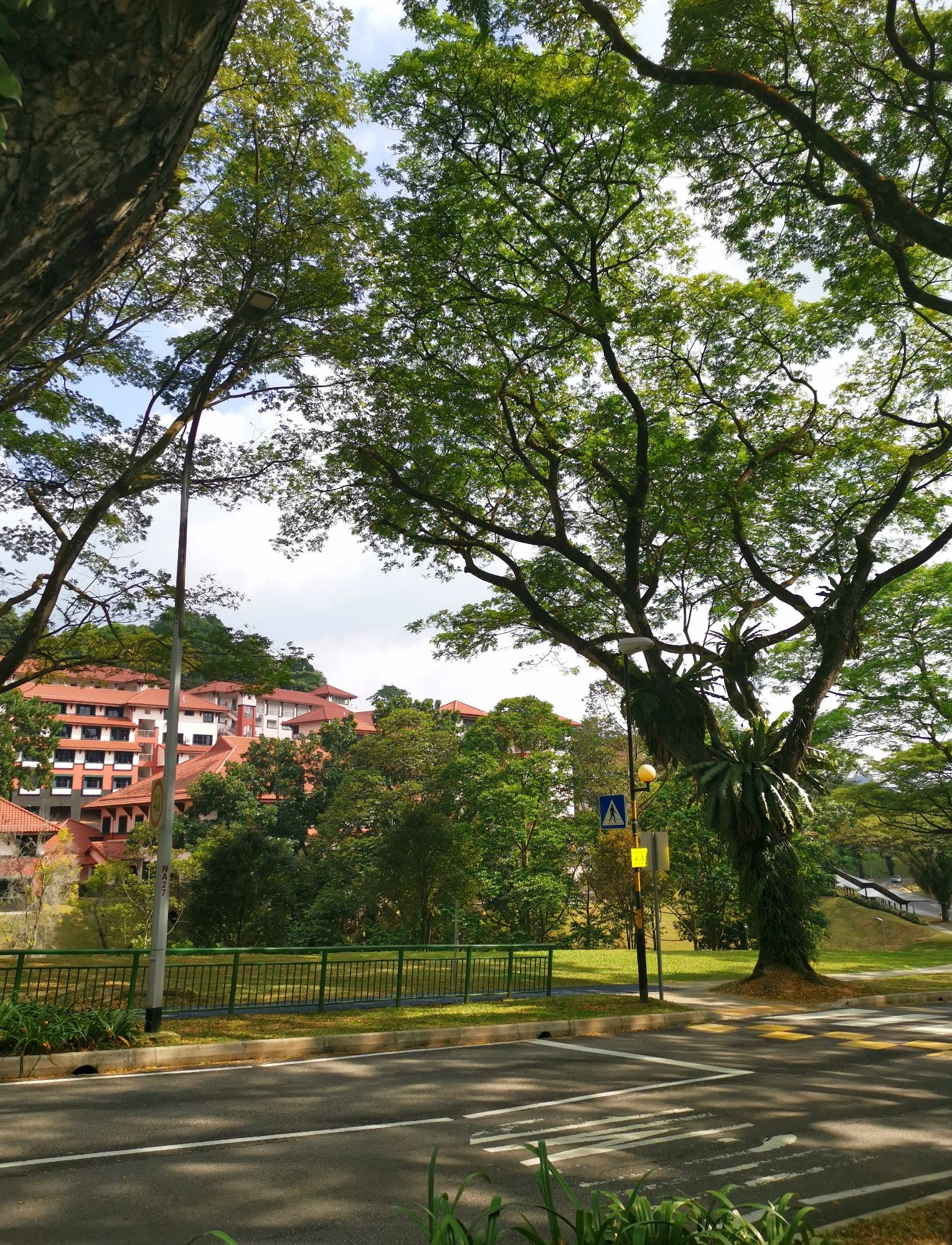
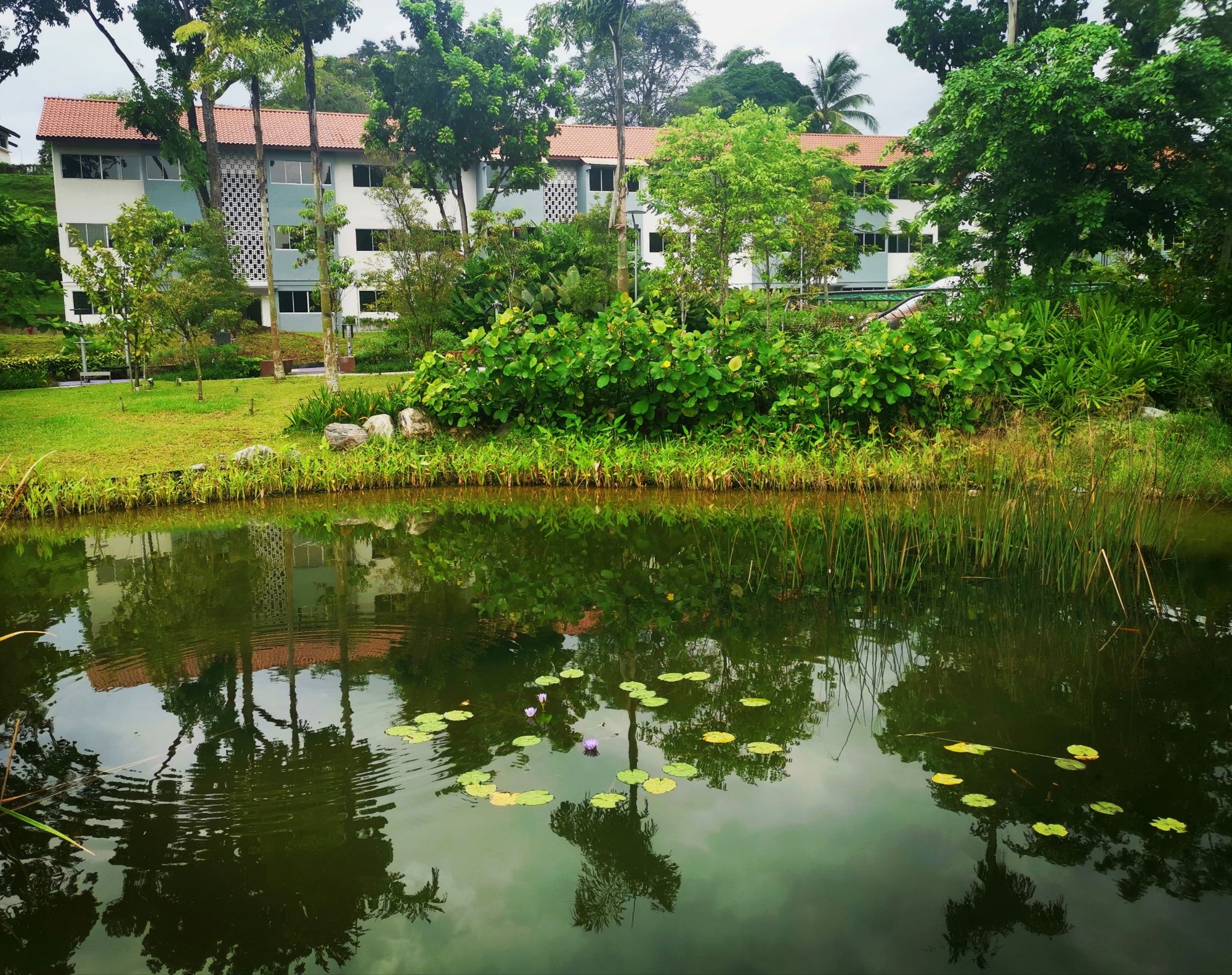
Unlike the dense urban landscape that many people associate with Singapore, the campus felt open and almost retreat-like. It was built on rolling land and surrounded by greenery. There were red-roofed residential halls scattered across the hills, small lakes reflecting the changing sky, tropical forests preserved between buildings, and gardens woven naturally into daily student life. In the mornings, the air often felt fresher than in the city, and after rain the scent of wet grass and trees lingered on the pathways.
与许多人印象中新加坡密集而繁忙的城市景观不同,这座校园给人的感觉格外开阔舒朗,宛如一处远离尘嚣的静谧之所。校园依循起伏的地势而建,绿意环绕其间。红顶的学生宿舍错落分布于山丘之上,小湖泊映照着天空流转的光影,建筑之间保留着葱郁的热带林木,而花园则自然而然地融入学生的日常生活。清晨时分,空气往往比城市中更加清新;一场雨后,湿润草木散发出的芬芳便久久萦绕在林间小径。
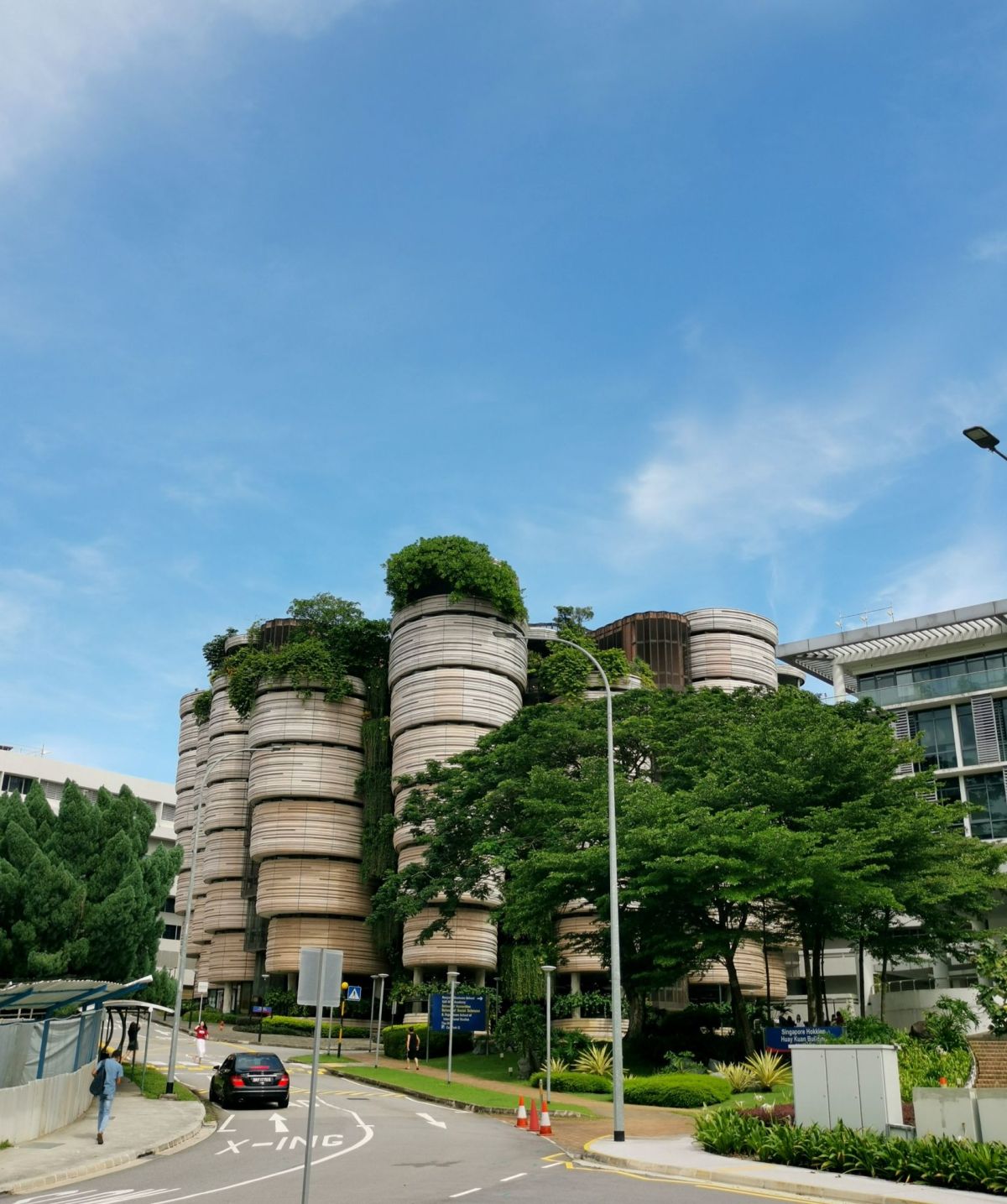
Today, many people associate NTU with The Hive which is the famous learning hub with its distinctive rounded towers that resembles beehives. It has surname ‘Xiaolongbao’ because it really looks like bamboo steamers of xiaolongbao stacked together. It has become one of the university’s most recognizable landmarks and appears in countless photographs. Yet it was completed after I had already graduated, so my memories belong to an earlier NTU. When I return and see The Hive standing there now, it feels like seeing a younger generation’s version of the university.
如今,许多人提起南洋理工大学(NTU),都会想到“The Hive”(蜂巢)。这座著名的学习中心以独特的圆形塔楼设计闻名,外观宛如蜂巢一般;由于其形态酷似一层层叠起的竹蒸笼屉,它也被学生亲切地戏称为“小笼包”。如今,“The Hive”已成为校园中最具辨识度的建筑之一,出现在无数照片之中。
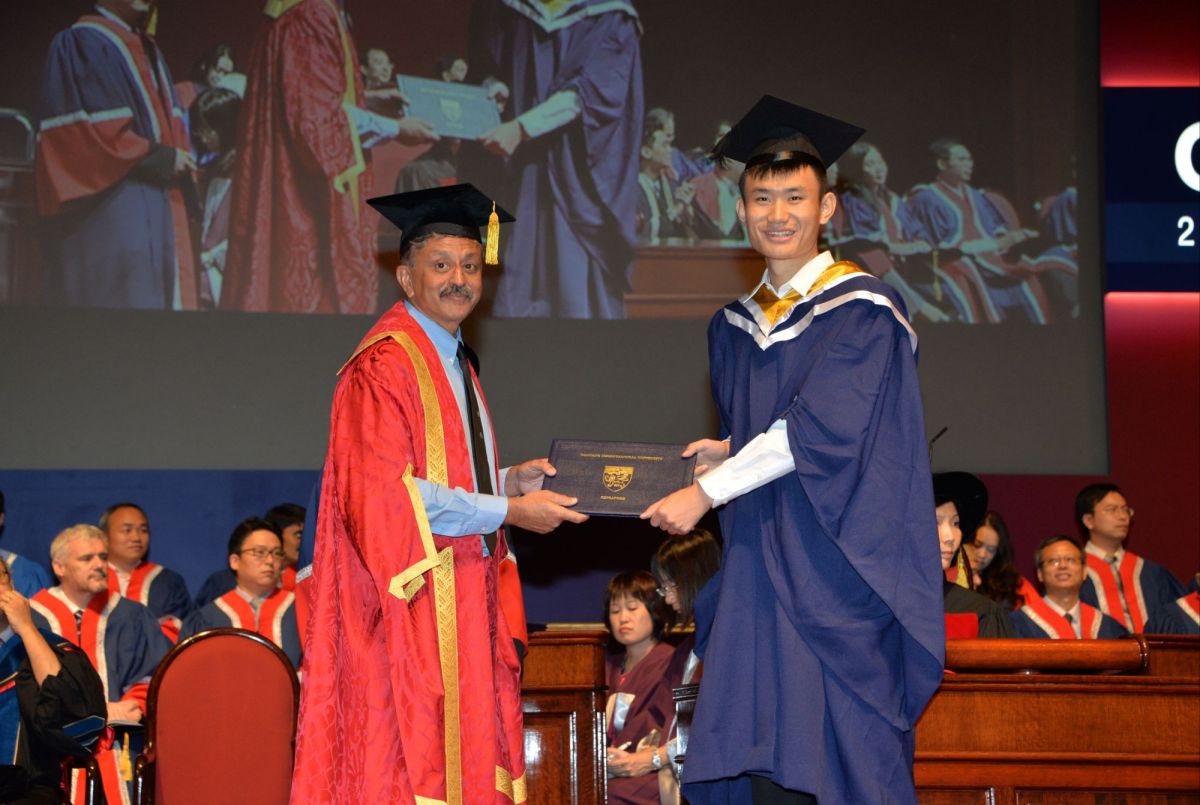
For me, I spent 8 years studying in Singapore. Finishing secondary school led to junior college, finishing A Levels led to university. But graduation in NTU marked something more final, it marked the transition from adolescence into adulthood. It was the end of nearly a decade of studies and the beginning of working life. Standing at the graduation ceremony in July 2014 in graduation robes, I realized that Singapore had quietly become more than a place where I came to study. It had become the place where I grew up.
我在新加坡度过了八年的求学岁月:从中学升入初级学院,再通过“A水准”考试进入大学。然而,南洋理工大学的毕业典礼却承载着更深远的意义.它象征着我从少年走向成年的蜕变。那不仅是近十年求学生涯的终点,也是迈向职场人生的起点。2014年7月,当我身穿学士袍站在毕业典礼现场时,我意识到,新加坡早已不只是我求学的地方,而是成为了见证我成长、陪伴我蜕变的家园。
Graduating from Nanyang Technological University marked the end of my years as a student, but it also marked the beginning of a new chapter in my life. For the first time, I entered the workforce and began building a career in Singapore. The island that had once been a place of study gradually became the place where I lived, worked, and planned my future. As the years passed, I became a Singapore Permanent Resident, and later, a Singapore citizen. For so many years, what impresses me most is its environment.
从南洋理工大学毕业,既意味着我学生时代的结束,也开启了人生新篇章的序幕。初入职场后,我开始在新加坡建立自己的事业。这座曾经只是求学之地的岛屿,逐渐成为我生活、工作,并规划未来的家园。随着岁月流逝,我先后成为新加坡永久居民,并最终成为新加坡公民。多年来,在这座城市生活的过程中,最令我印象深刻的特质之一,莫过于它独特的环境。
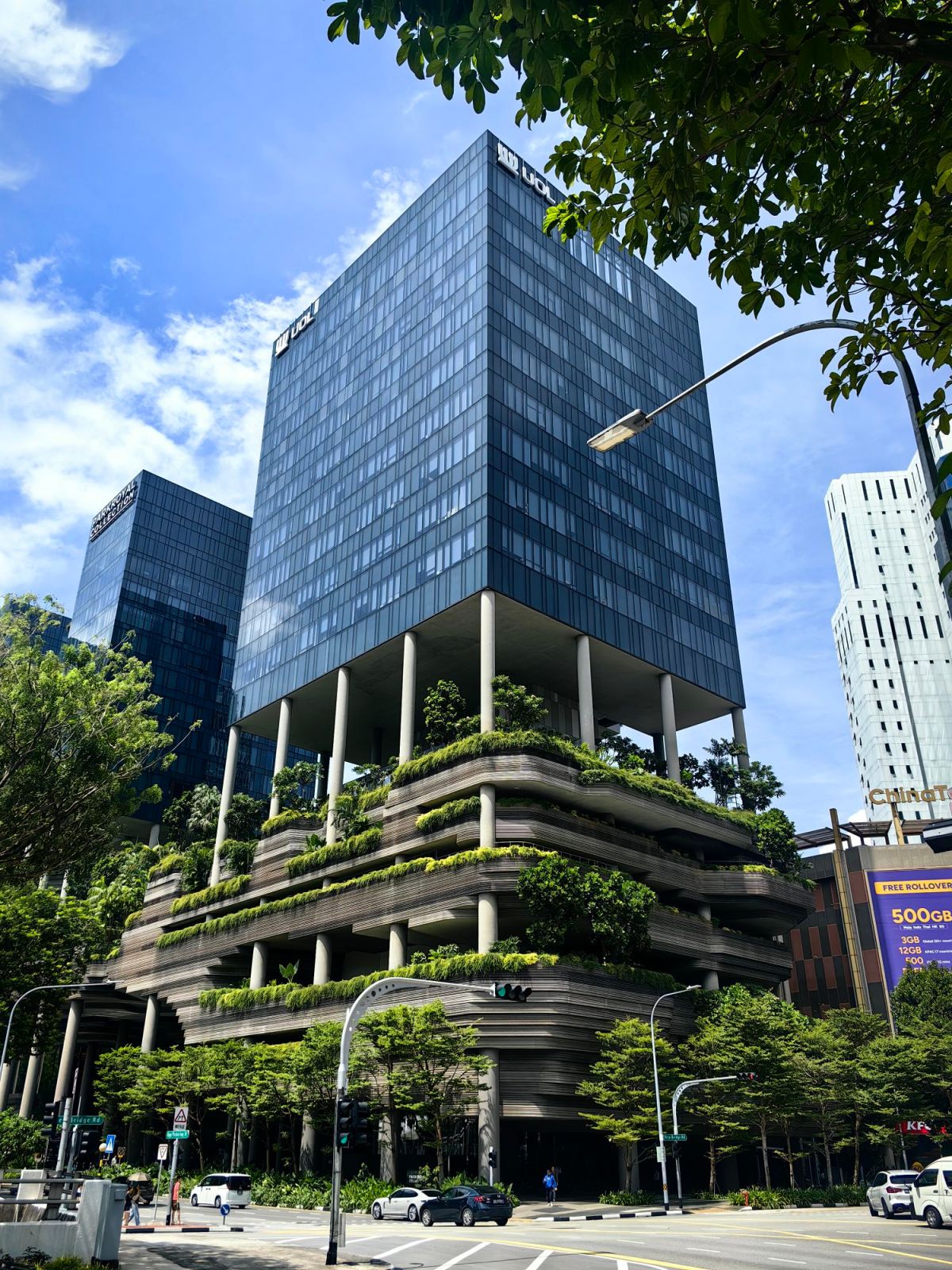
Singapore is often described as a “City in a Garden”. One of the most remarkable aspects of Singapore is the way nature coexists with urban life. In the Central Business District, towering skyscrapers of glass and steel rise above streets lined with rain trees and tropical palms. Vertical gardens climb the façades of office buildings, rooftop parks create green spaces high above the city.
新加坡常被称为“花园城市”,而其中最引人注目的地方,便是自然与都市生活之间的和谐共生。在中央商务区,鳞次栉比的玻璃与钢铁摩天大楼拔地而起,却与雨树、热带棕榈树环绕的街道相映成趣;写字楼外墙上绿意盎然的垂直花园,与高空中的屋顶花园彼此呼应,共同塑造出一片独具特色的城市绿洲。
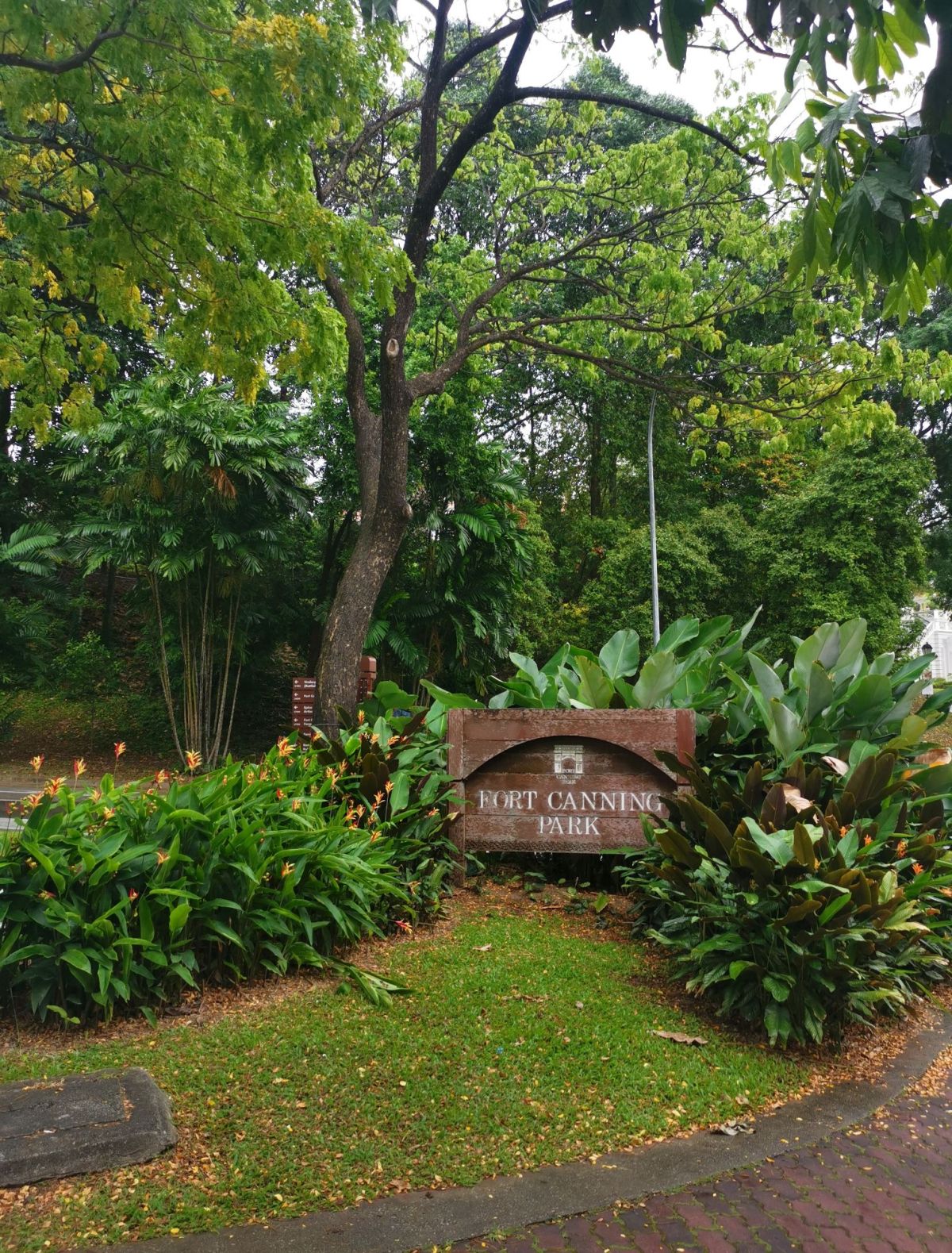
As a resident, I became interested in a different side of the country. Instead of rushing to the most popular tourist destinations, I found myself enjoying places where Singaporeans spend their everyday lives. I walked through the quiet trails of Fort Canning Park, where history is hidden beneath lush greenery and ancient trees. Standing on a hill in the heart of the city, the park offers a peaceful escape from the surrounding skyscrapers. It is hard to imagine that just beyond the trees lie Orchard Road, Clarke Quay, and the busy Central Business District.
作为一名居民,我开始逐渐探索这个国家不为游客所知的一面。我不再急于前往那些热门旅游景点,而是更喜欢走近新加坡人日常生活中的那些寻常去处。我漫步于福康宁公园幽静的小径之间,那里郁郁葱葱的绿植与古老树木掩映着岁月留下的历史痕迹。这座公园坐落于市中心的一处高地之上,为人们提供了一片远离周围摩天大楼喧嚣的宁静天地。很难想象,就在这片葱郁绿意之外,便是乌节路、克拉码头,以及繁忙的中央商务区。

Walking through the park, I often felt as though I was travelling through different periods of Singapore’s history. Long before the arrival of the British, this hill was believed to be the seat of the Malay kings of ancient Singapura. This Pancur Larangan garden on the way to the hilltop means “Forbidden Spring” in Malay. According to historical accounts and local legend, this was once a sacred spring reserved exclusively for the royal family of the ancient Kingdom of Singapura. Ordinary people were forbidden from using its waters, giving rise to the name that has survived for centuries.
漫步公园,我常有种仿佛穿梭于新加坡不同历史时期的感觉。早在英国人到来之前,这座山就被认为是古代马来君王的驻地。通往山顶途中经过的这座名为“Pancur Larangan”花园,在马来语中意为“禁泉”。据史料记载与民间传说,这里曾是一处专供古代王国皇室使用的圣泉。因严禁平民取用泉水,故而得名,这一名称也沿用至今。
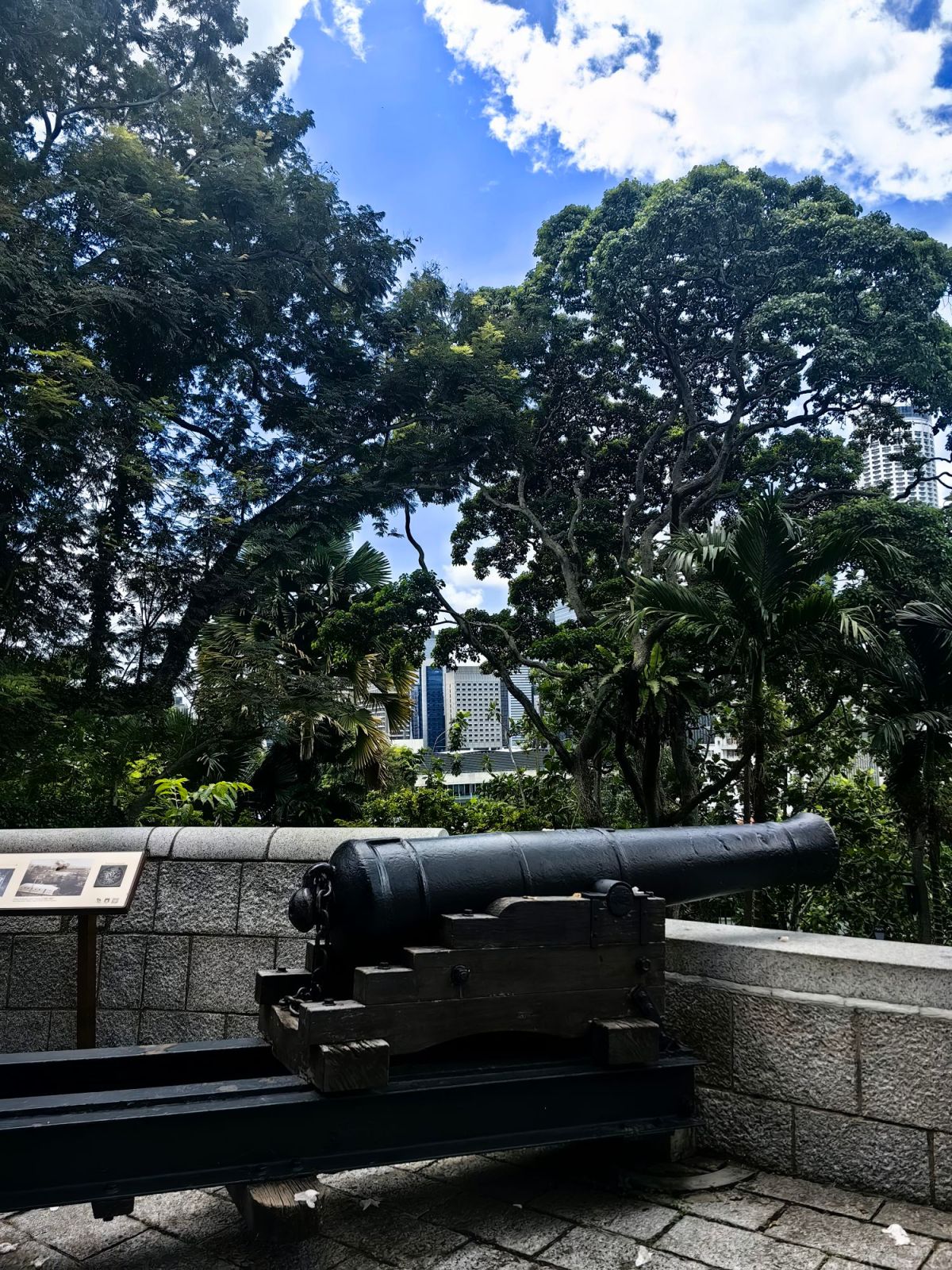
In the nineteenth century, Sir Stamford Raffles chose the hill as the site of his residence because of its commanding view over the Singapore River and the harbour. Later, the hill became an important military stronghold, and during the Second World War it served as the headquarters of the British Malaya Command. It was here that British commanders made the difficult decision to surrender Singapore to the Japanese in 1942.
19世纪,莱佛士爵士选中这座山作为官邸所在地,正是因为这里地势高耸,拥有俯瞰新加坡河与港口的开阔视野。后来,这座山逐渐成为重要的军事据点;第二次世界大战期间,它更成为英军马来亚司令部的指挥中心。正是在这里,英国指挥官们于1942年做出了向日军投降新加坡这一艰难而沉重的决定。这片如今被绿意环绕的宁静之地,也因此承载着新加坡历史上一段重要而深刻的记忆。
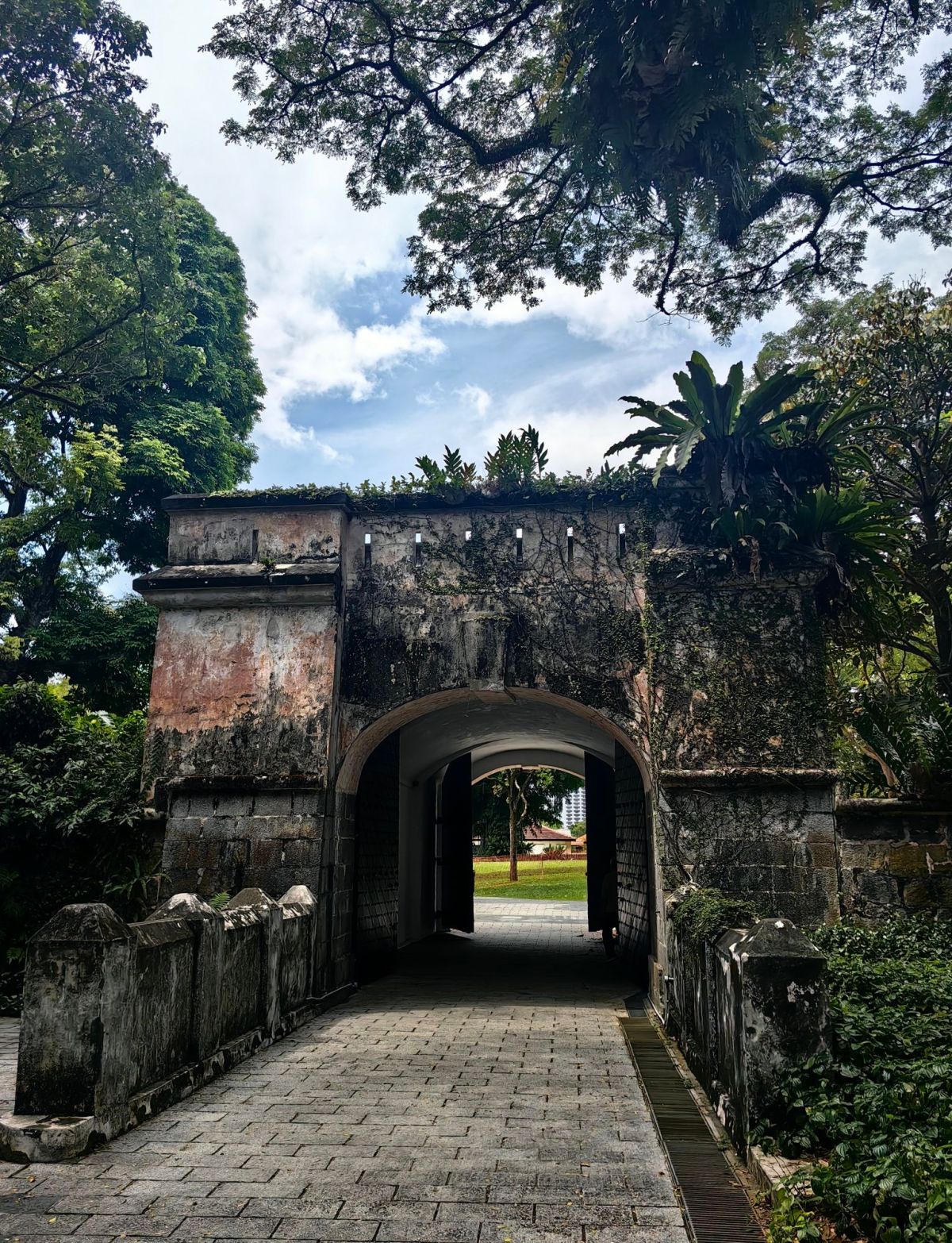
Now the park has wide lawns stretching beneath towering rain trees, and shaded pathways wind through tropical gardens, and colorful flowering plants brighten every corner. Ancient trees stand beside archaeological sites, while historic gates, stone walls, and colonial relics quietly blend into the landscape.
如今,公园内绿草如茵,在参天雨树的荫蔽下铺展开来;林荫小径蜿蜒穿行于热带花园之间,色彩斑斓的花卉点缀着每一个角落。古老树木静静伫立于考古遗址旁,而历史悠久的城门、石墙,以及殖民时期留下的遗迹,也悄然融入这片自然景致之中。
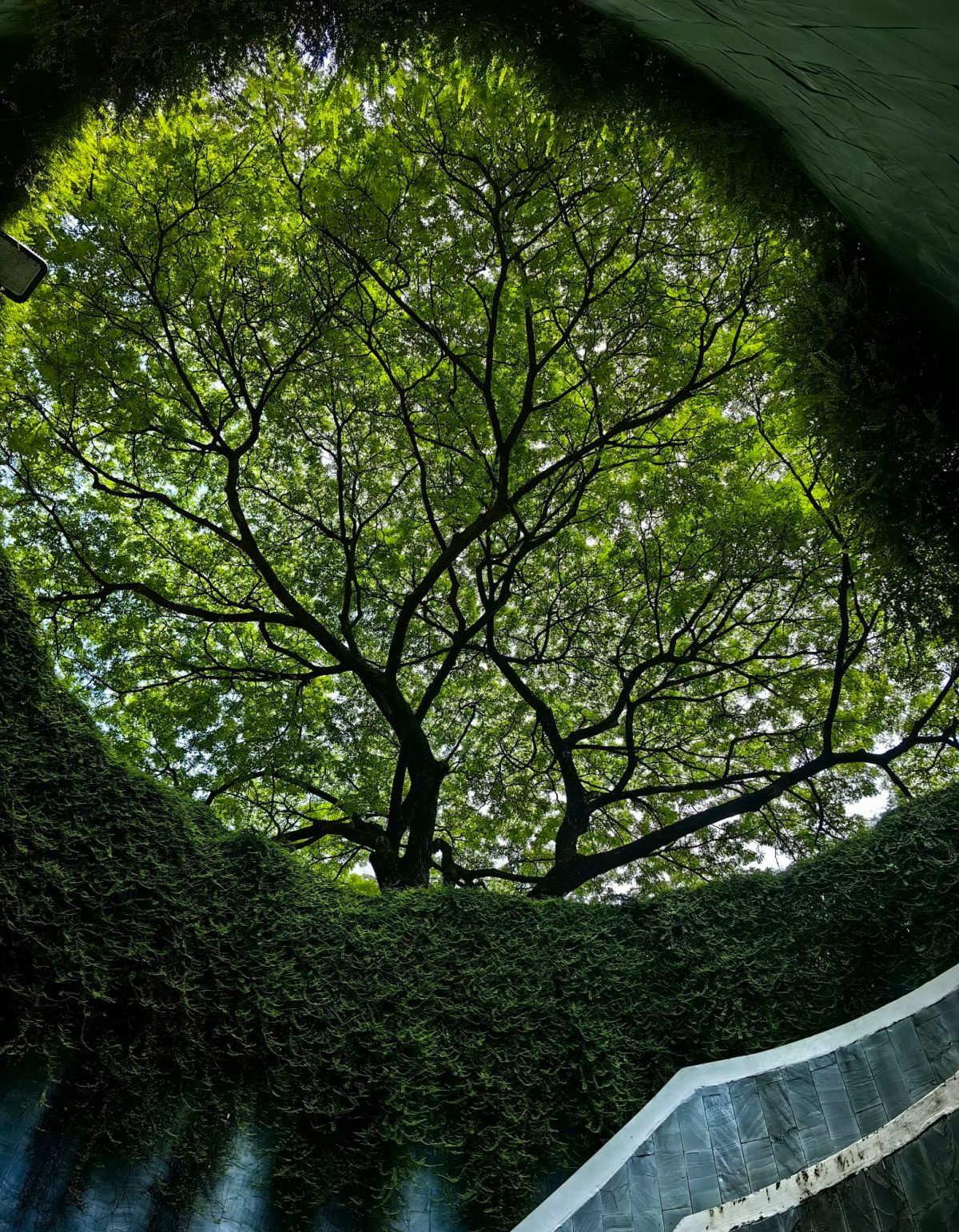
The famous spiral staircase at the exit of the park descends through a circular opening surrounded by enormous rain trees. Looking upward from the bottom, the layers of branches and leaves frame the sky like a natural cathedral. It has become one of Singapore’s most photographed locations.
公园出口处那座著名的螺旋楼梯,穿过一处被巨大雨树环绕的圆形开口,蜿蜒向下延伸。从底部仰望,只见层层交叠的枝叶舒展开来,宛如一座天然的大教堂,将澄澈的天空框入其中。这里如今已成为新加坡最受欢迎的网红拍照地点之一。
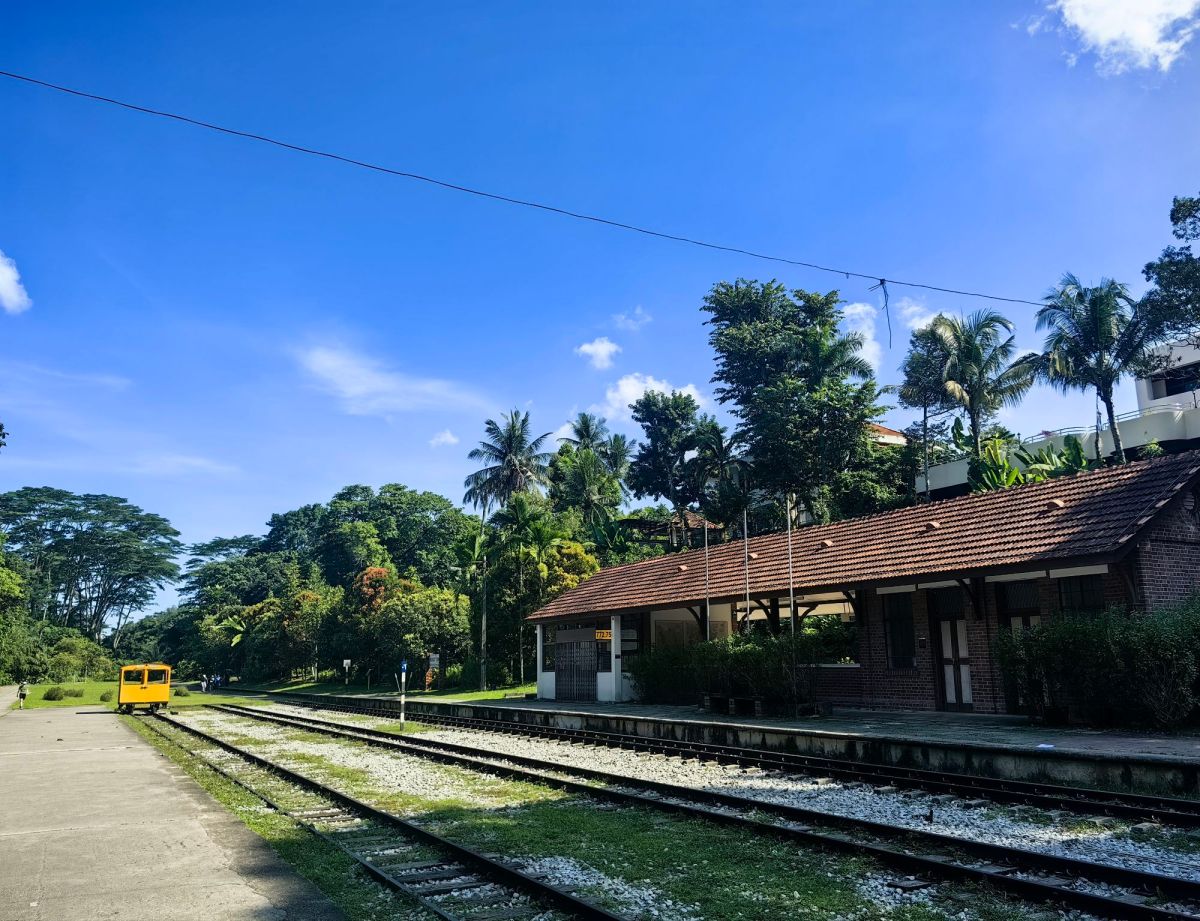
Singapore feels so different from many other global cities. Despite its high population density, the city rarely feels dominated by concrete. Instead, tropical trees, flowering shrubs, lakes, and parks create a sense of openness and calm. In many cities, disused railway lines are demolished and quickly replaced by new buildings. In Singapore, the former railway was preserved and transformed into a continuous ecological corridor that connects parks, forests, and nature reserves across the island. It is a perfect place for residents to have a jogging and approaching nature in the weekend.
新加坡给人的感受,与许多其他国际大都市截然不同。尽管人口高度密集,这座城市却很少让人产生被钢筋水泥包围的压迫感;相反,热带树木、花卉灌木、湖泊与公园共同营造出一种开阔而宁静的城市氛围。在许多城市,废弃的铁路线往往会被拆除,并被新的建筑开发所取代;而在新加坡,这些旧铁路线则被保留下来,并改造成一条贯穿全岛的生态廊道,将各处的公园、森林与自然保护区连接起来。如今,这里已成为居民周末慢跑、骑行,以及亲近自然的理想去处。
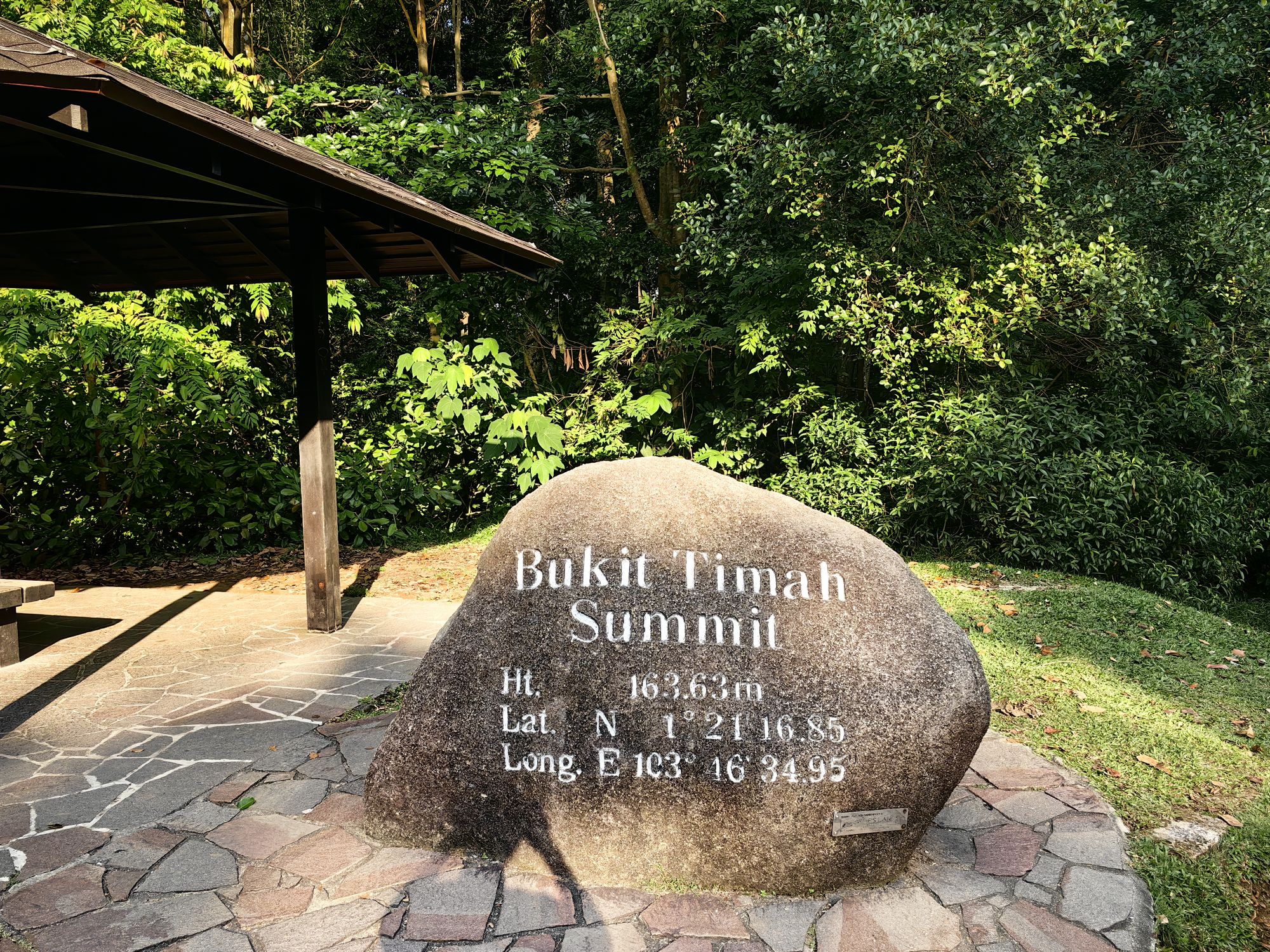
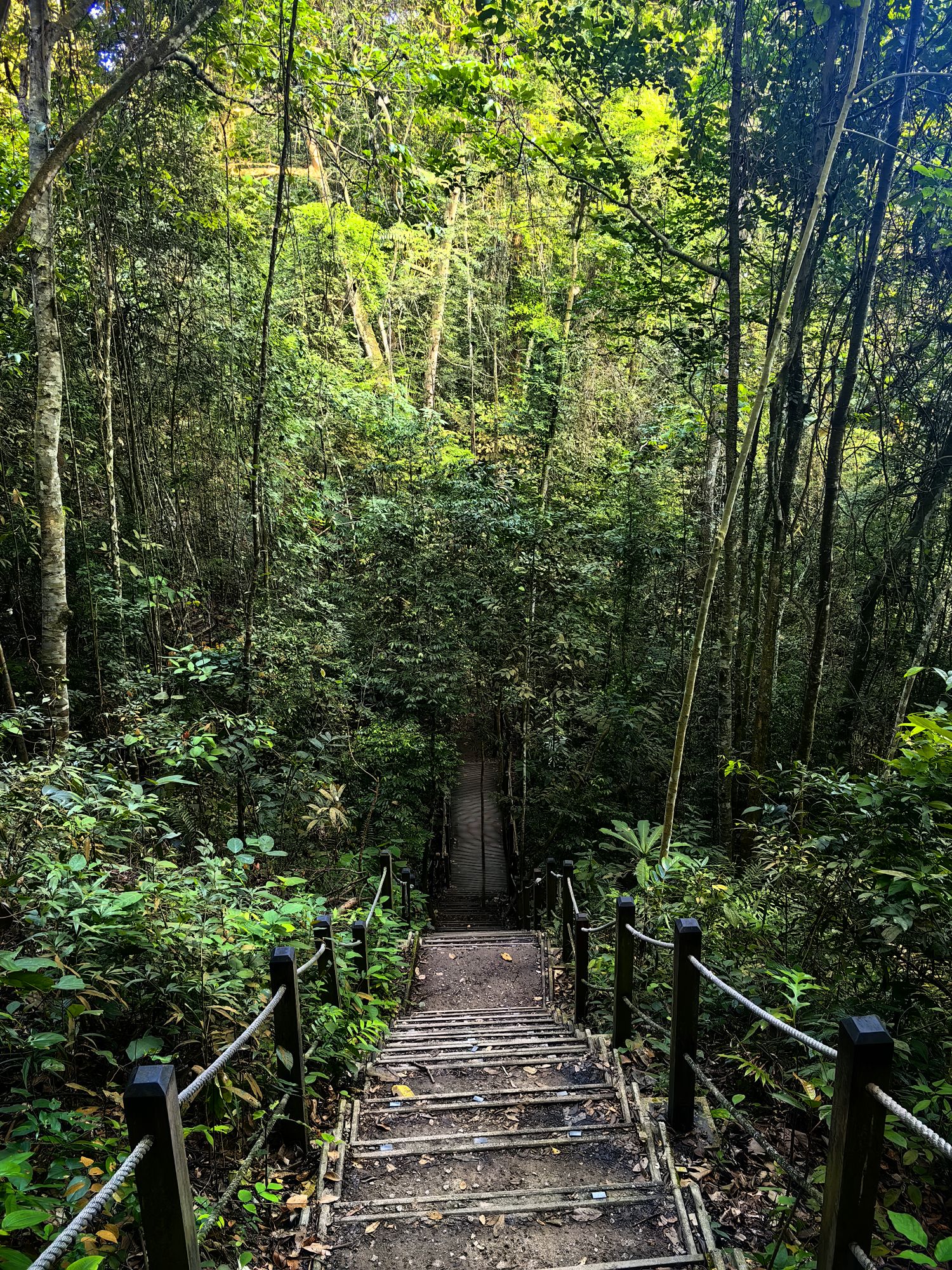
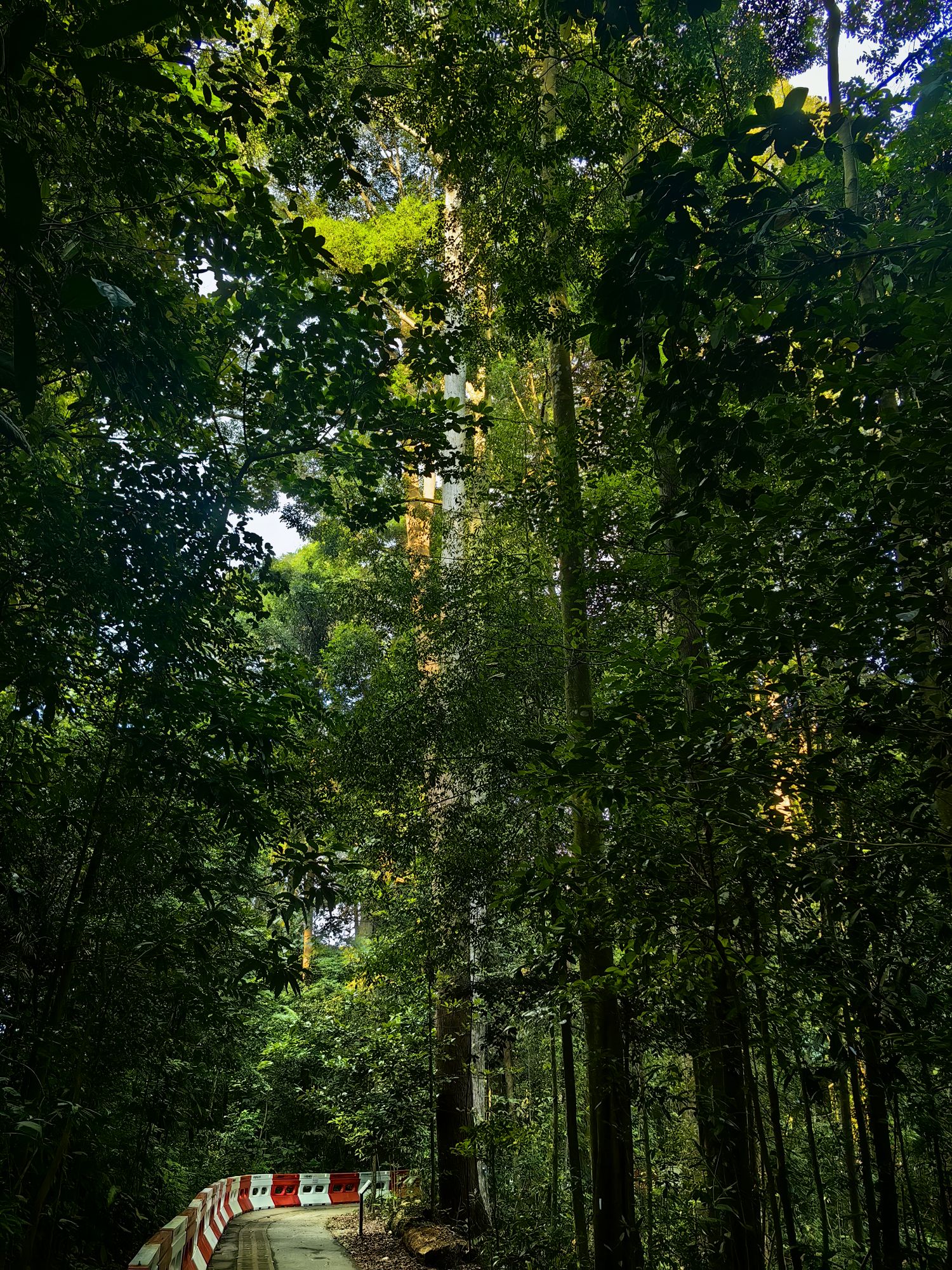
Nowadays, I live in the neighborhood not far away from Bukit Timah Nature Reserve, one of Singapore’s oldest and most important, protected rainforests. Whenever I have free time at the weekend, I enjoy walking through the reserve to the summit of Bukit Timah Hill, the highest natural point in Singapore, standing at just 163 meters above sea level. Although the hill is modest in height compared with mountains in other countries, the journey is surprisingly rewarding. The trail winds through one of the few remaining patches of primary rainforest in Singapore, where towering trees form a dense canopy overhead, allowing only scattered rays of sunlight to reach the forest floor.
如今,我住在离武吉知马自然保护区不远的街区,这里是新加坡历史最悠久、最重要的受保护雨林。每逢周末有空,我都会漫步穿过保护区,登上武吉知马山顶。武吉知马山是新加坡的最高点,海拔仅163米。虽然与一些国家的山峰相比,这座山并不算高,但这段旅程却令人惊喜。经由步道蜿蜒穿过新加坡仅存的几片原始雨林,高耸入云的树木形成茂密的树冠,只有零星的阳光才能照射到林地。
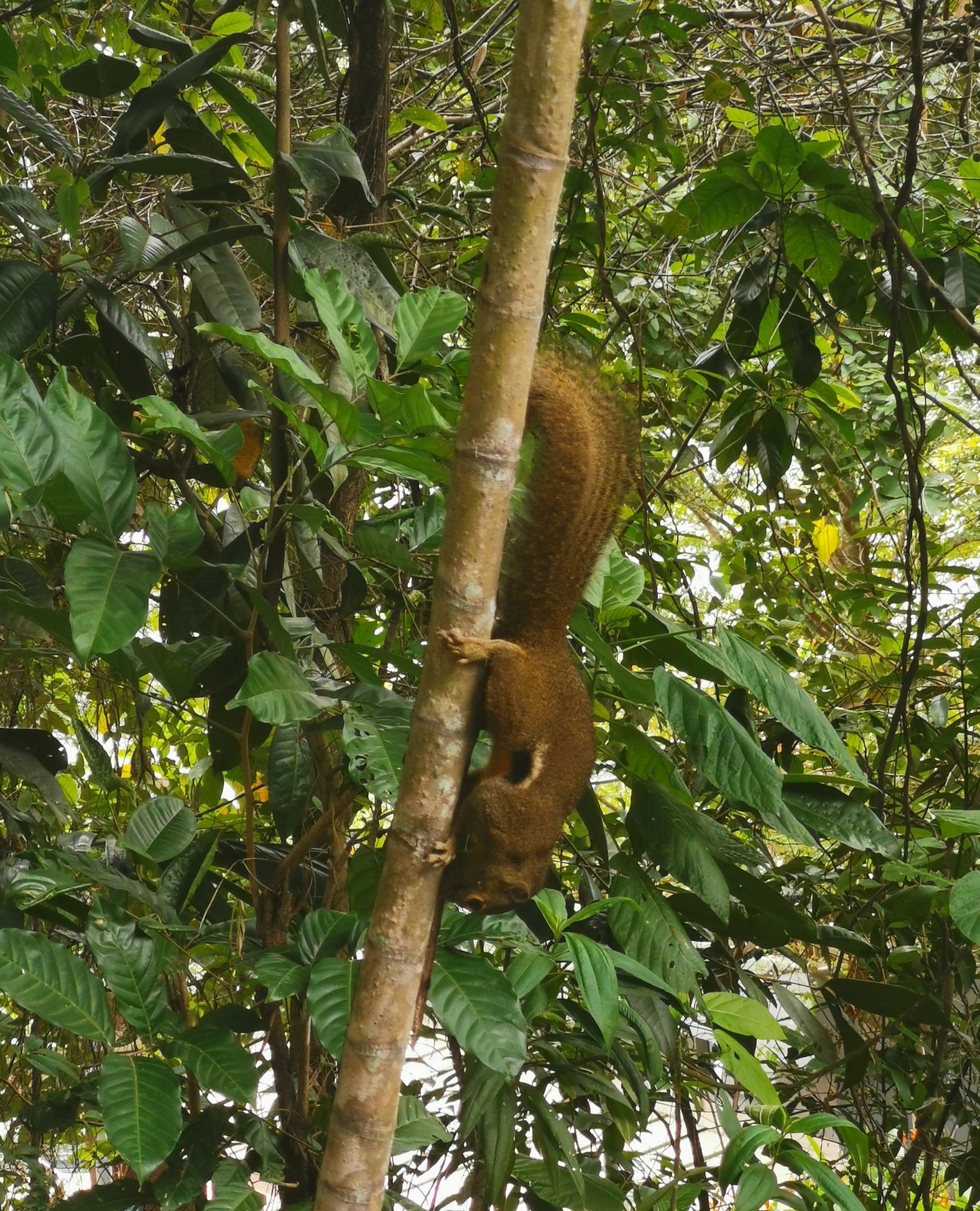
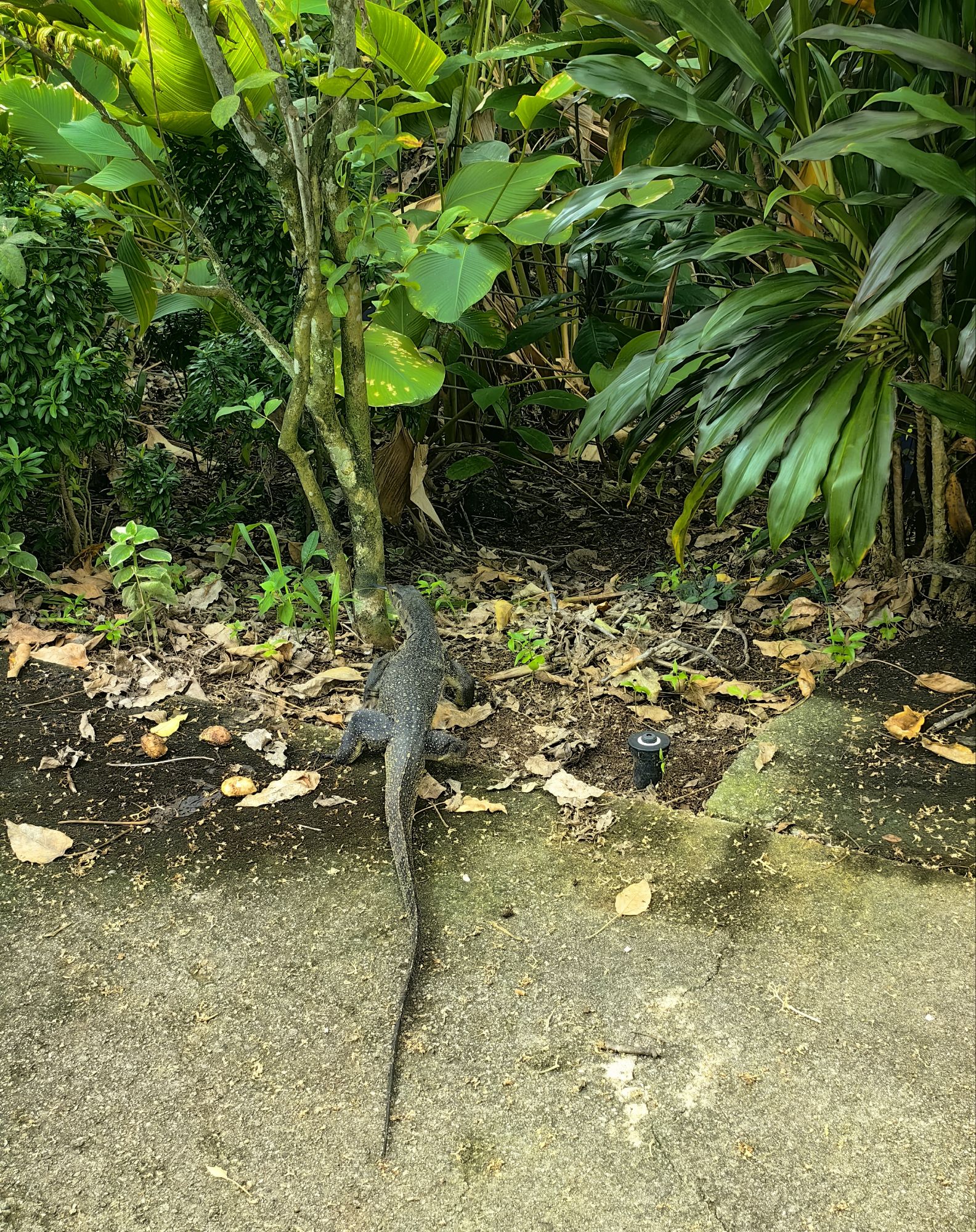
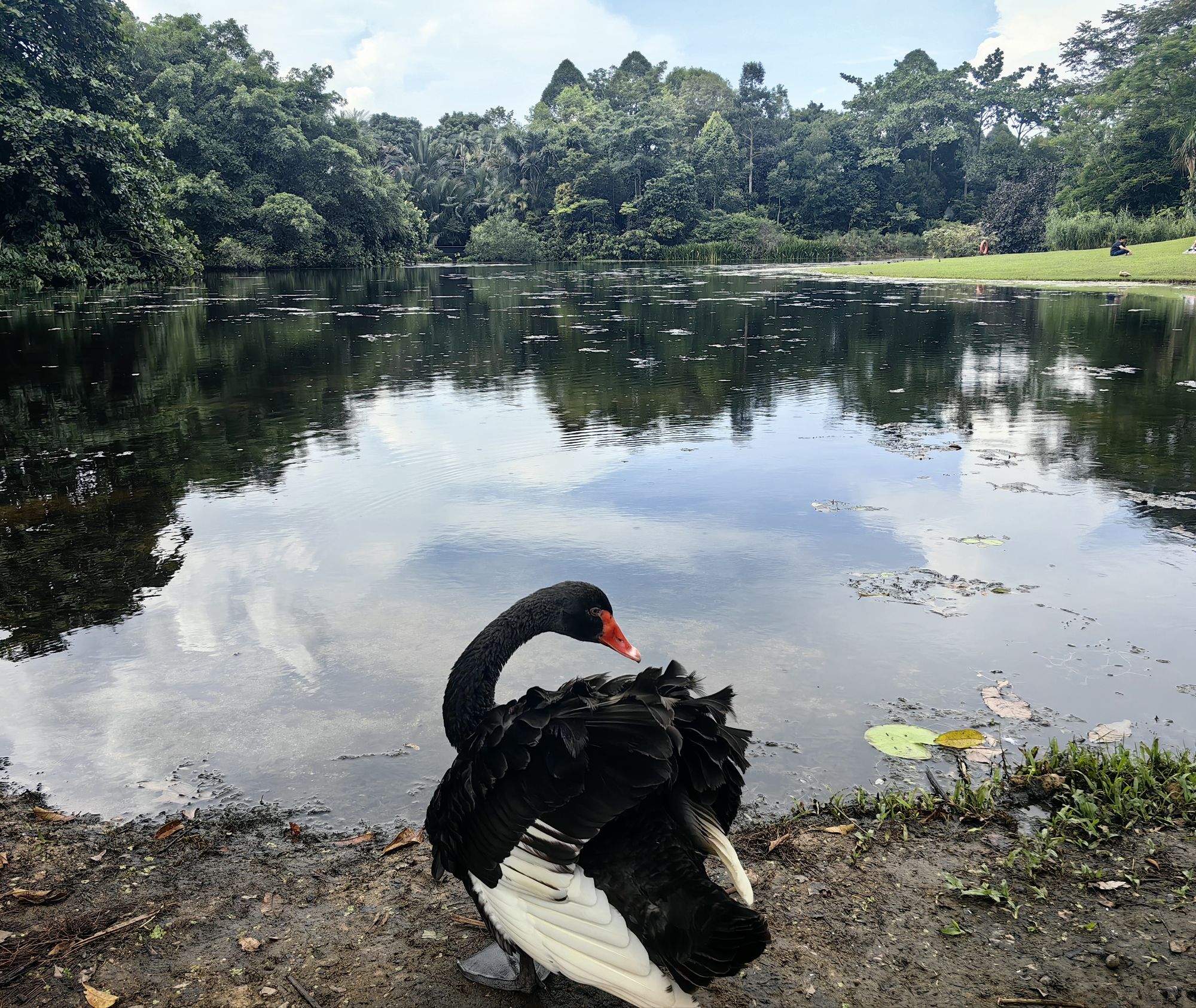
One of the things I have to appreciate most is how well the natural environment is protected inSingapore. Even near my home, I often encounter animals that remind me how closely the city and nature coexist. During my walks through nearby parks and nature reserves, it is common to see squirrels darting effortlessly between tree branches, pausing for a moment before disappearing into the canopy. Large lizards move slowly along the edges of lakes and streams. Elegant swans and other water birds glide across the reservoirs, their reflections mirrored on the still water.
我最欣赏新加坡的一点,便是自然环境受到的良好保护。即使在住所附近,我也常常能够遇见各种野生动物,这让我真切感受到城市与自然之间如何紧密共存。漫步于附近的公园与自然保护区时,经常能看到松鼠在枝头轻盈穿梭。它们偶尔停下脚步,警觉地张望片刻,随后便悄然隐入茂密的树冠之中。体型硕大的蜥蜴沿着湖泊与溪流边缘缓缓爬行,仿佛早已成为这片自然景观的一部分。优雅的天鹅与其他水鸟则在水库上悠然滑行,清晰的倒影映照在平静的水面之上,构成一幅宁静而生动的画面。
Singapore was the first foreign country I ever visited, and it became the gateway that opened my eyes to the wider world. Looking back over the past twenty years, my relationship with Singapore has evolved alongside my own life. It is the place that gave me the confidence to begin every journey that followed and also becomes my second hometown. Each time I walked through those arrival halls of Changi Airport with words ‘Welcome home’ and felt the familiar humid air again, there was always a quiet thought in my mind: I’m back home!
新加坡是我踏入海外世界的第一个国家,也成为我向更广阔天地打开视野的一扇窗口。回首过去二十年,我与新加坡的缘分始终随着人生阶段的变化而不断延伸。这里不仅赋予了我探索世界、开启此后每一次旅程的勇气与信心,更逐渐成为了我的第二故乡。每当我穿过樟宜机场那写着“欢迎回家”的到达大厅,再次感受到迎面而来的熟悉湿润空气时,心中总会浮现一个平静而笃定的念头:
我回家了!

