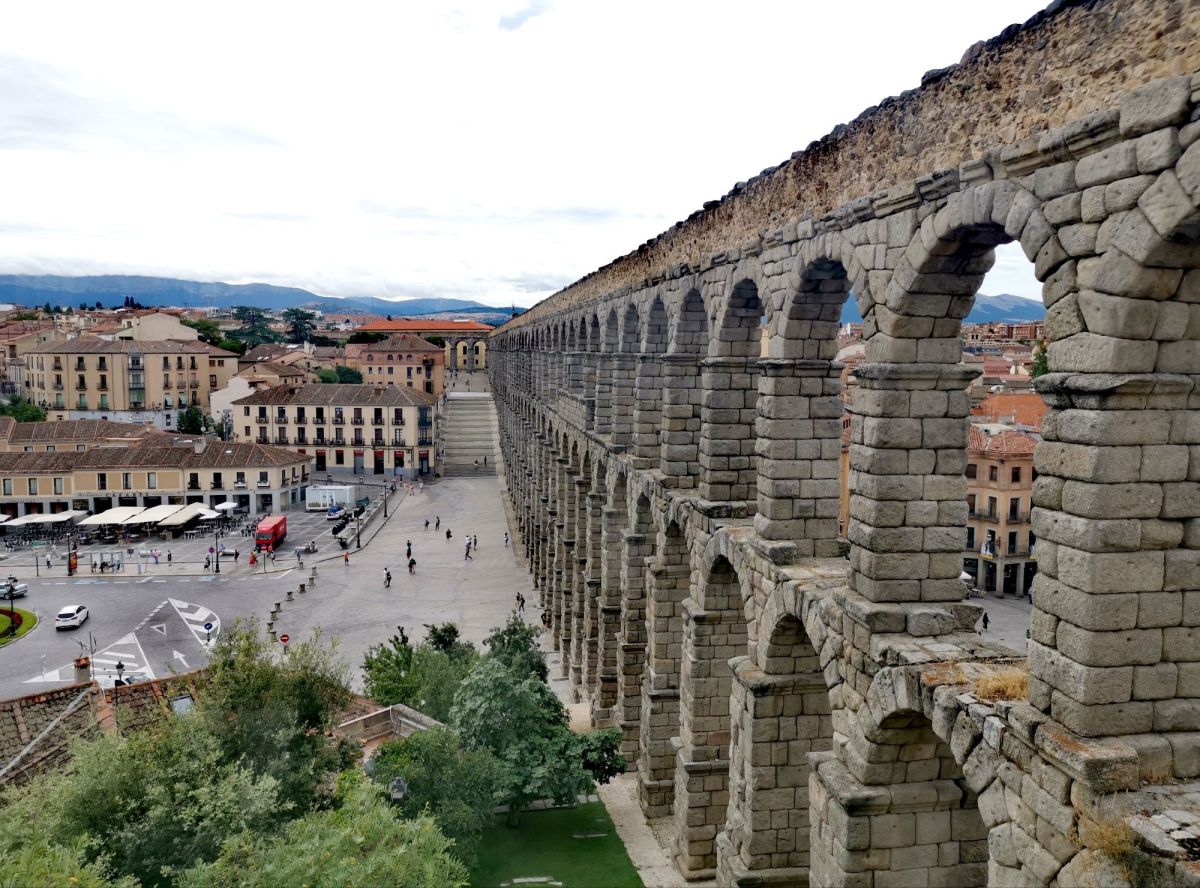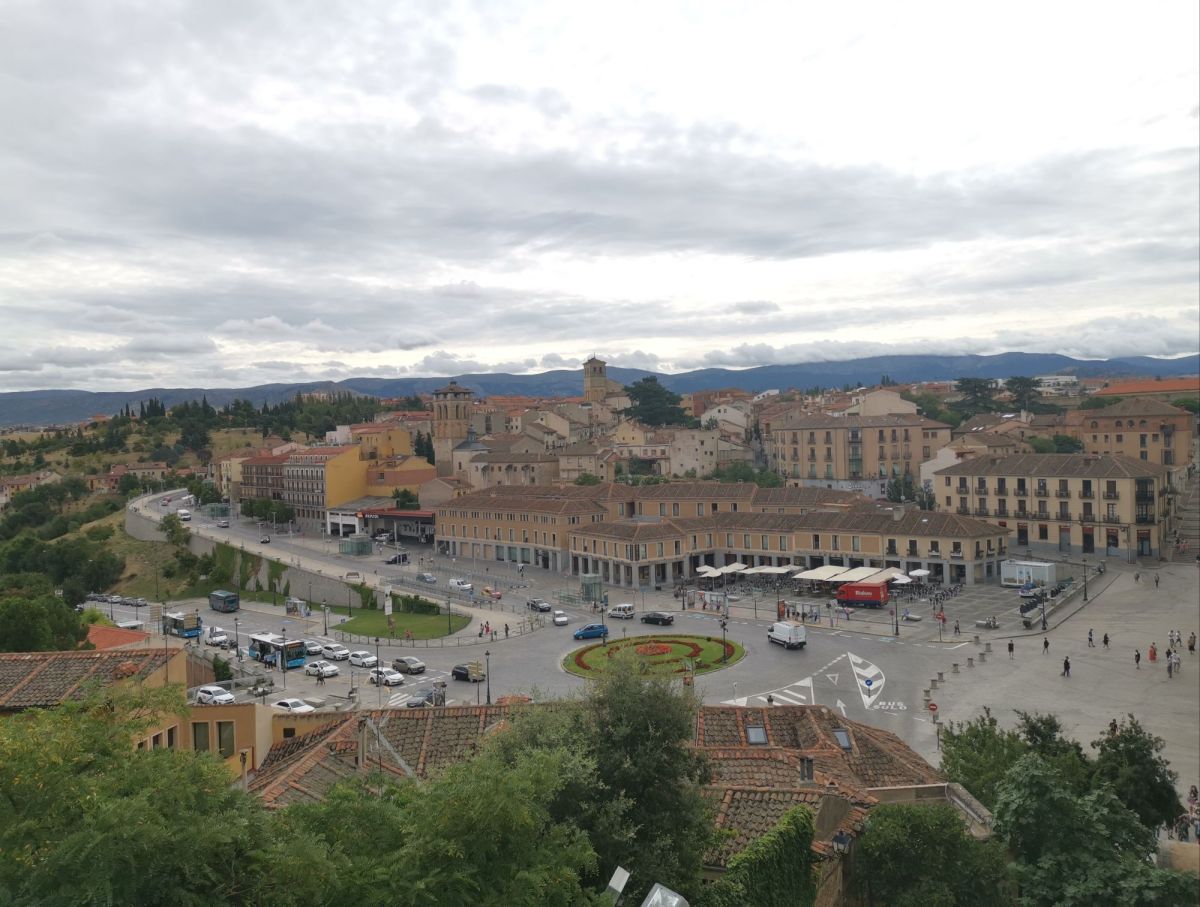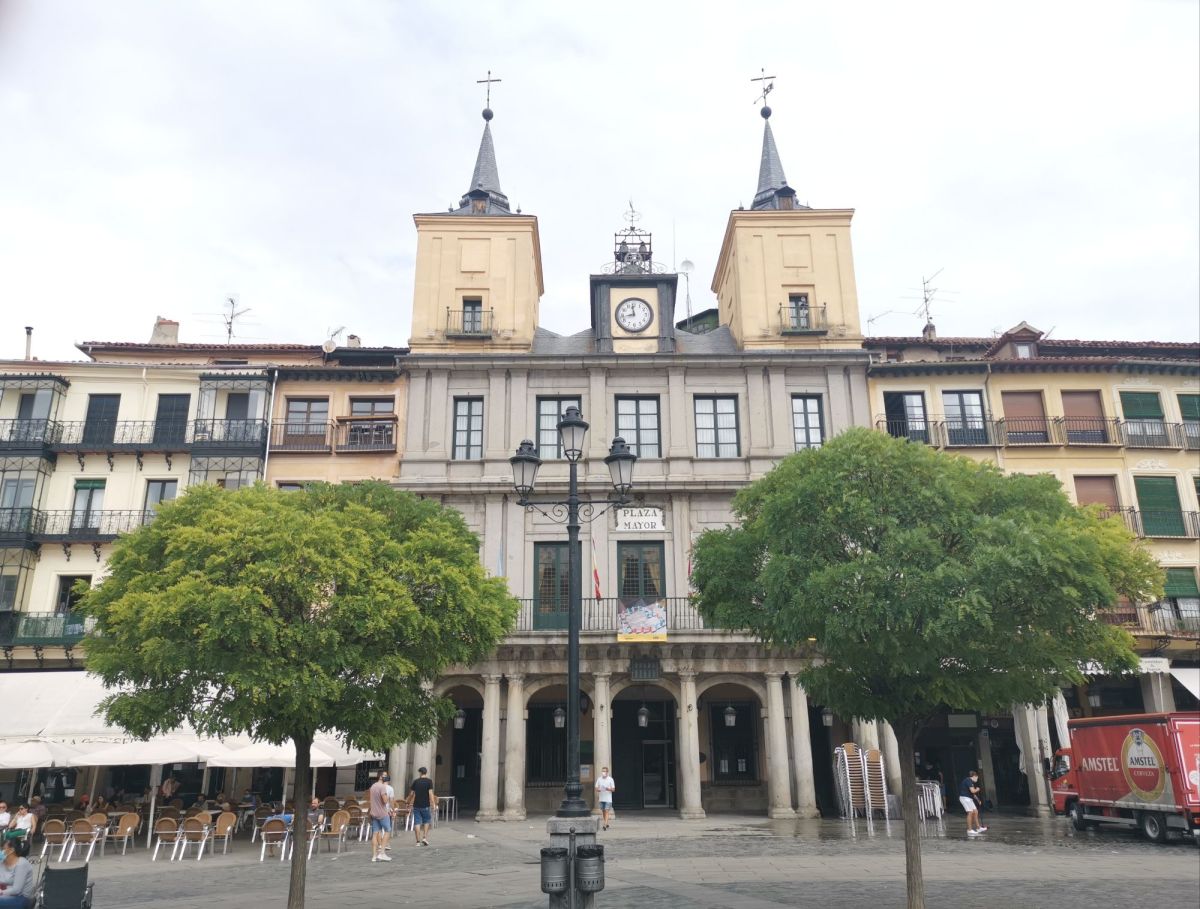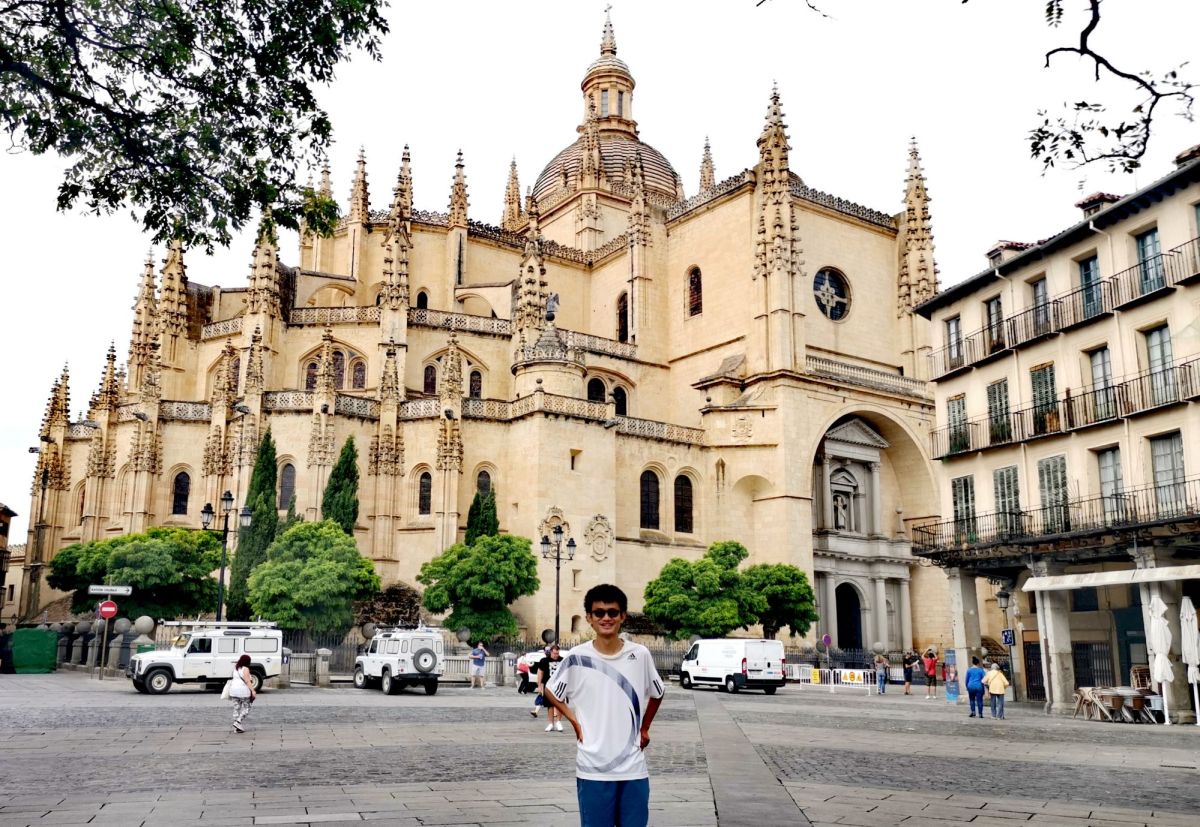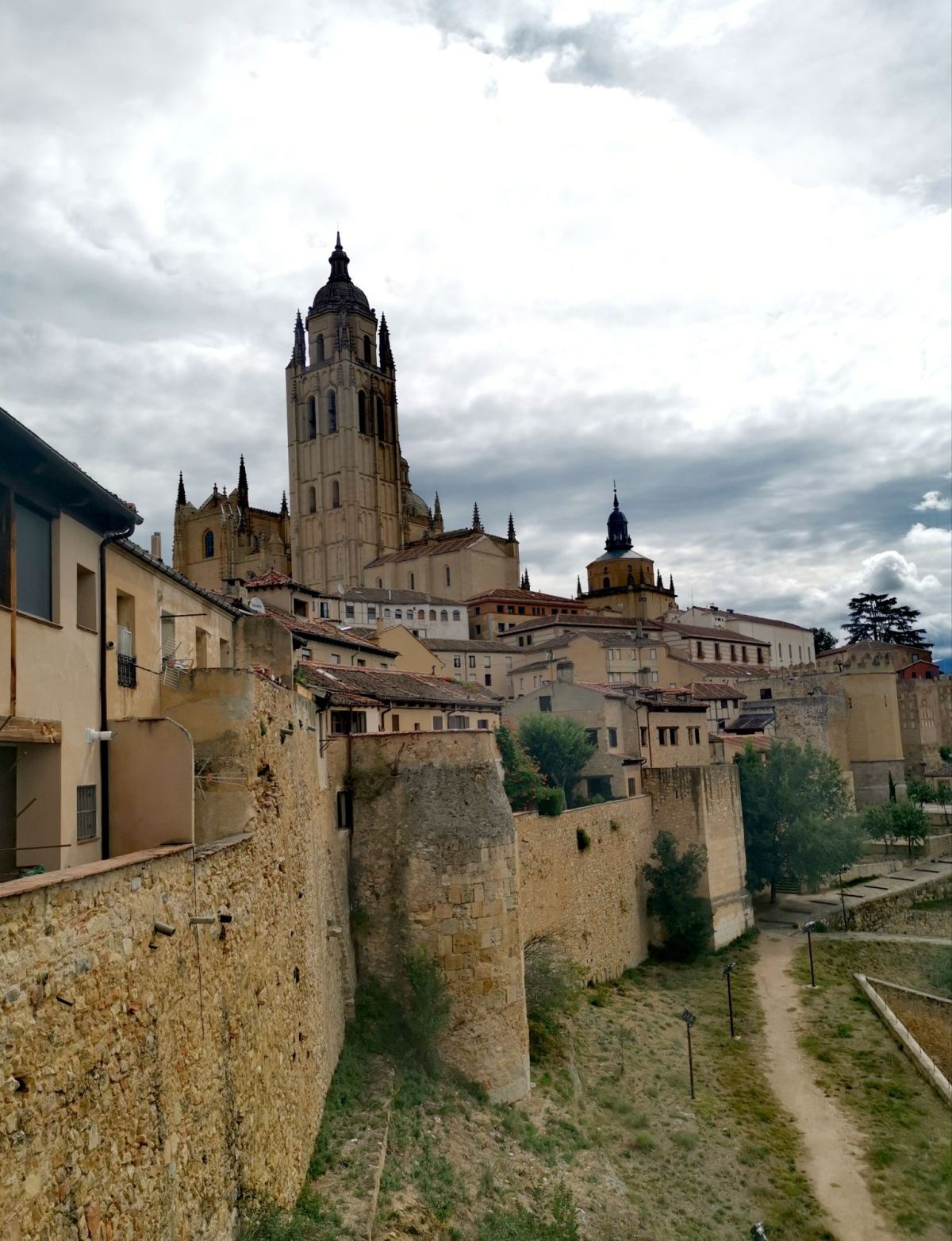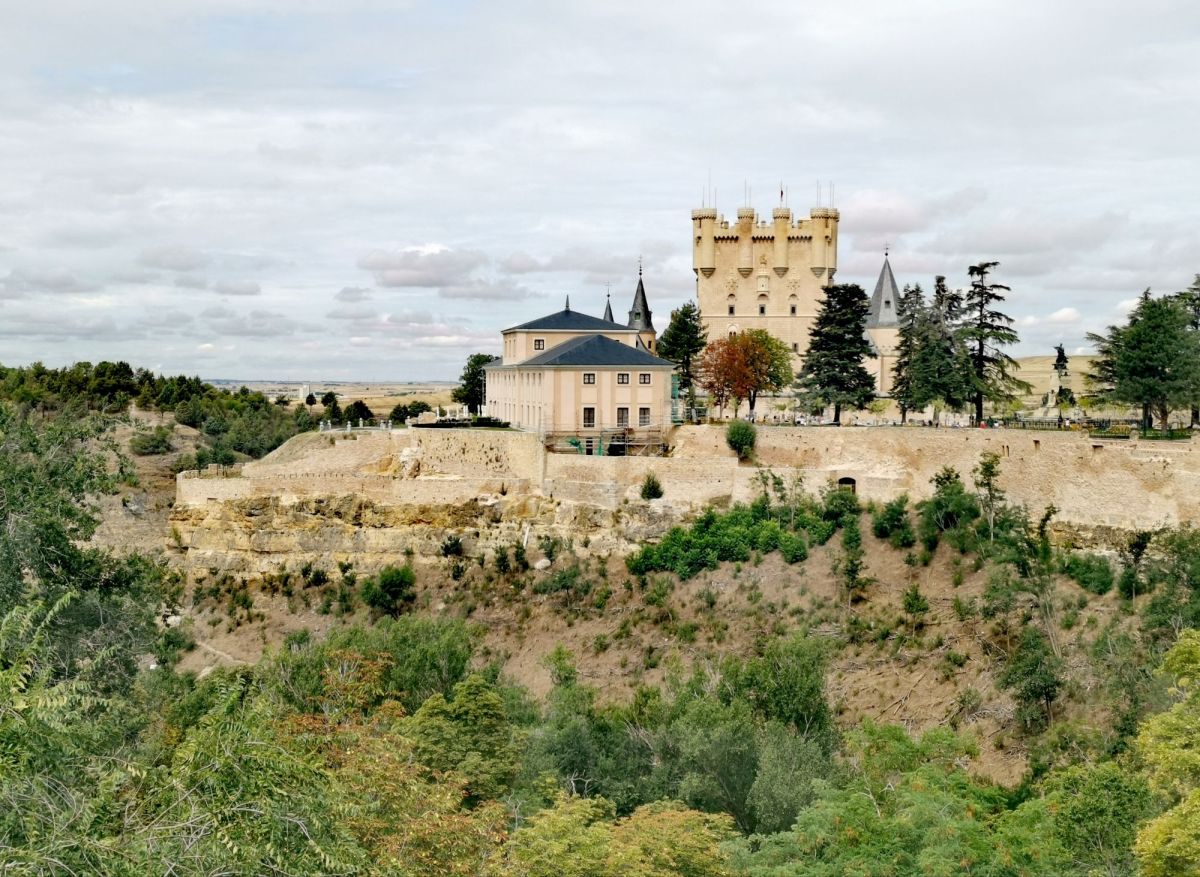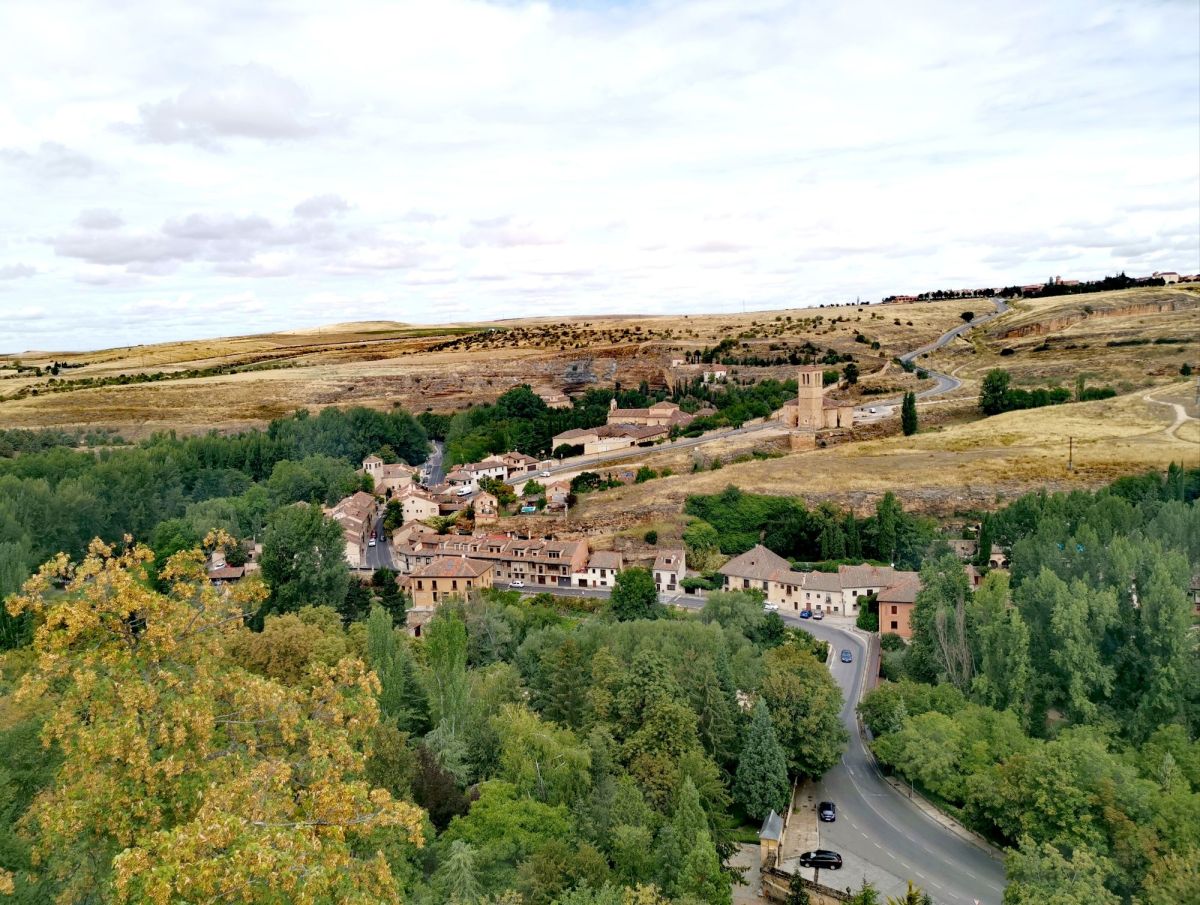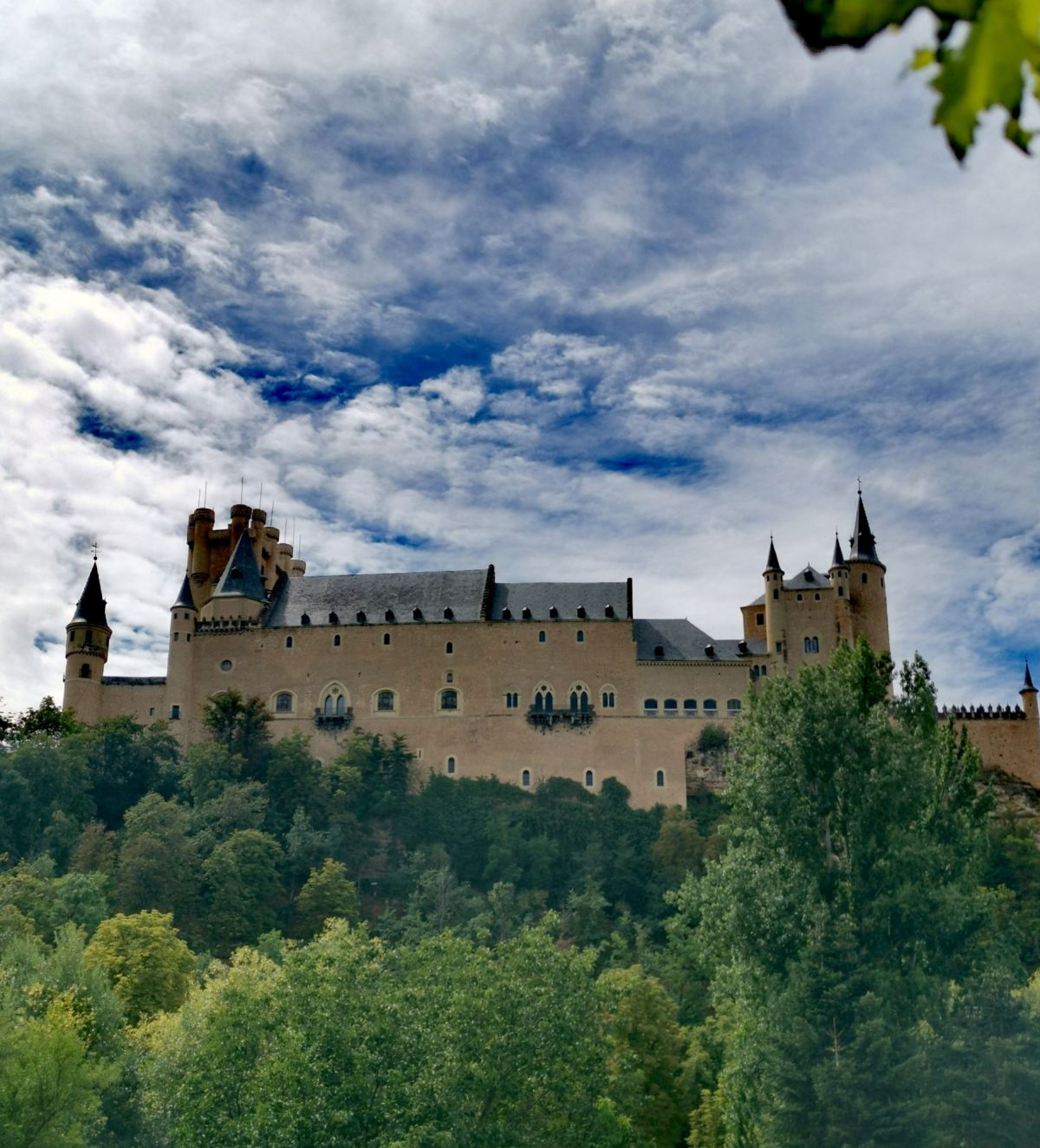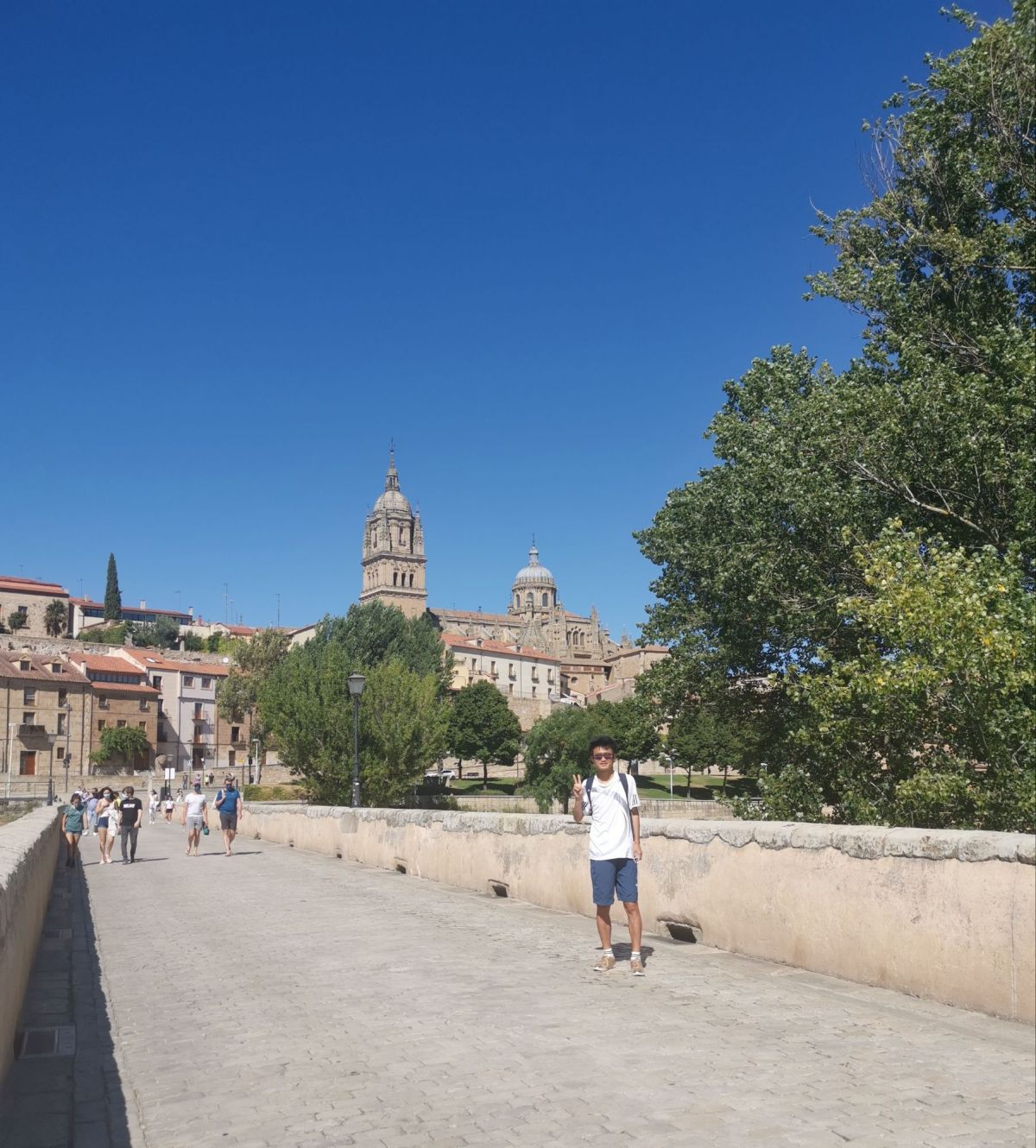
Ávila es una pequeña ciudad histórica de Castilla y León, conocida por su muralla medieval casi intacta que rodea el casco antiguo. Fue declarada Patrimonio Mundial por la UNESCO en 1985, ya que conserva uno de los mejores conjuntos de arquitectura medieval románica, con una muralla bien preservada y integrada en la ciudad histórica, lo que la convierte en un ejemplo único de urbanismo y defensa medieval.
La Basílica de los Santos Vicente, Sabina y Cristeta
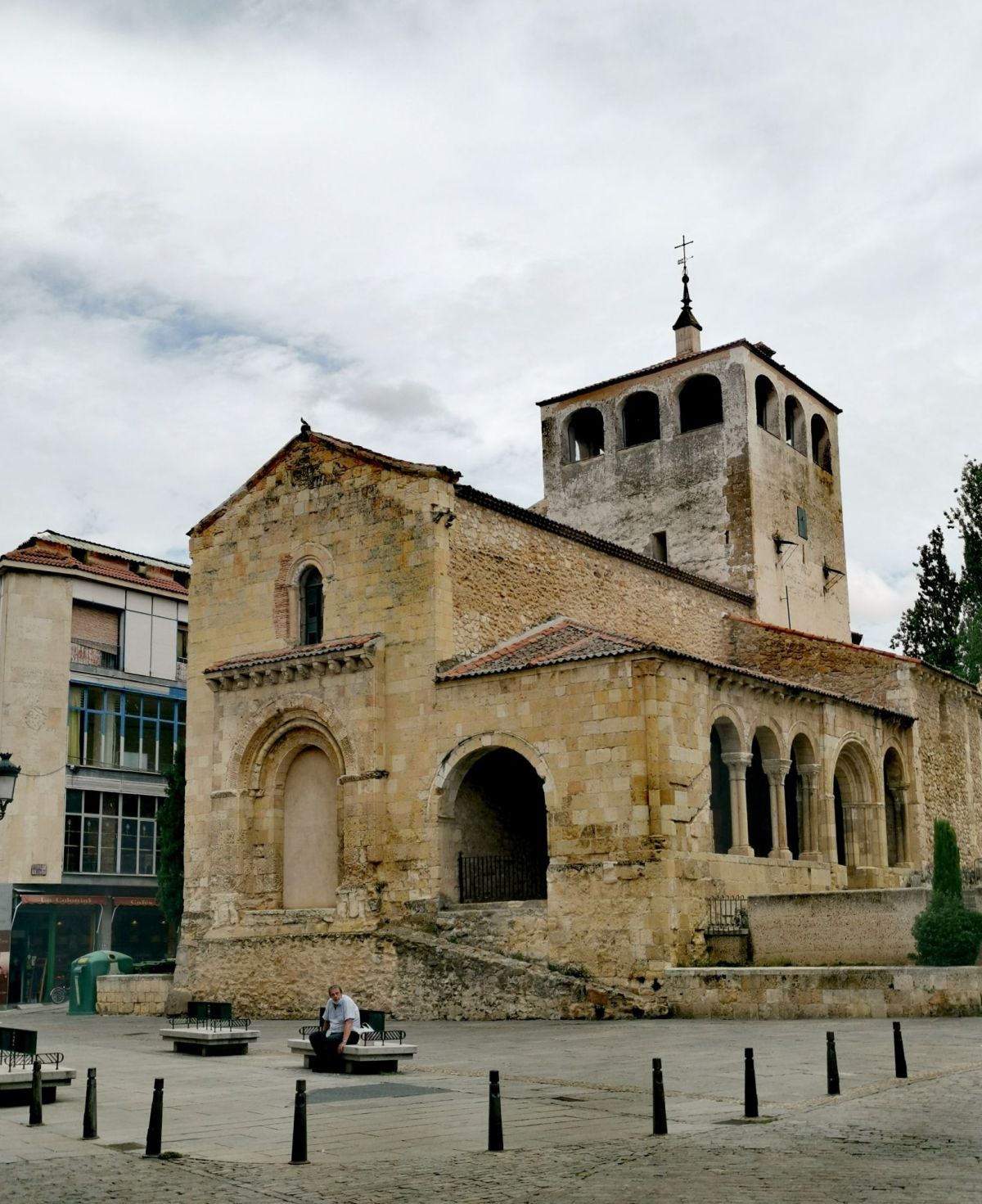
La Basílica de los Santos Vicente, Sabina y Cristeta era uno de los mejores ejemplos del románico español. Construida entre los siglos XII y XIV, se levantaba en el lugar donde, según la tradición, estos tres santos fueron martirizados por negarse a renunciar a su fe cristiana, lo que les costó ser torturados y ejecutados.
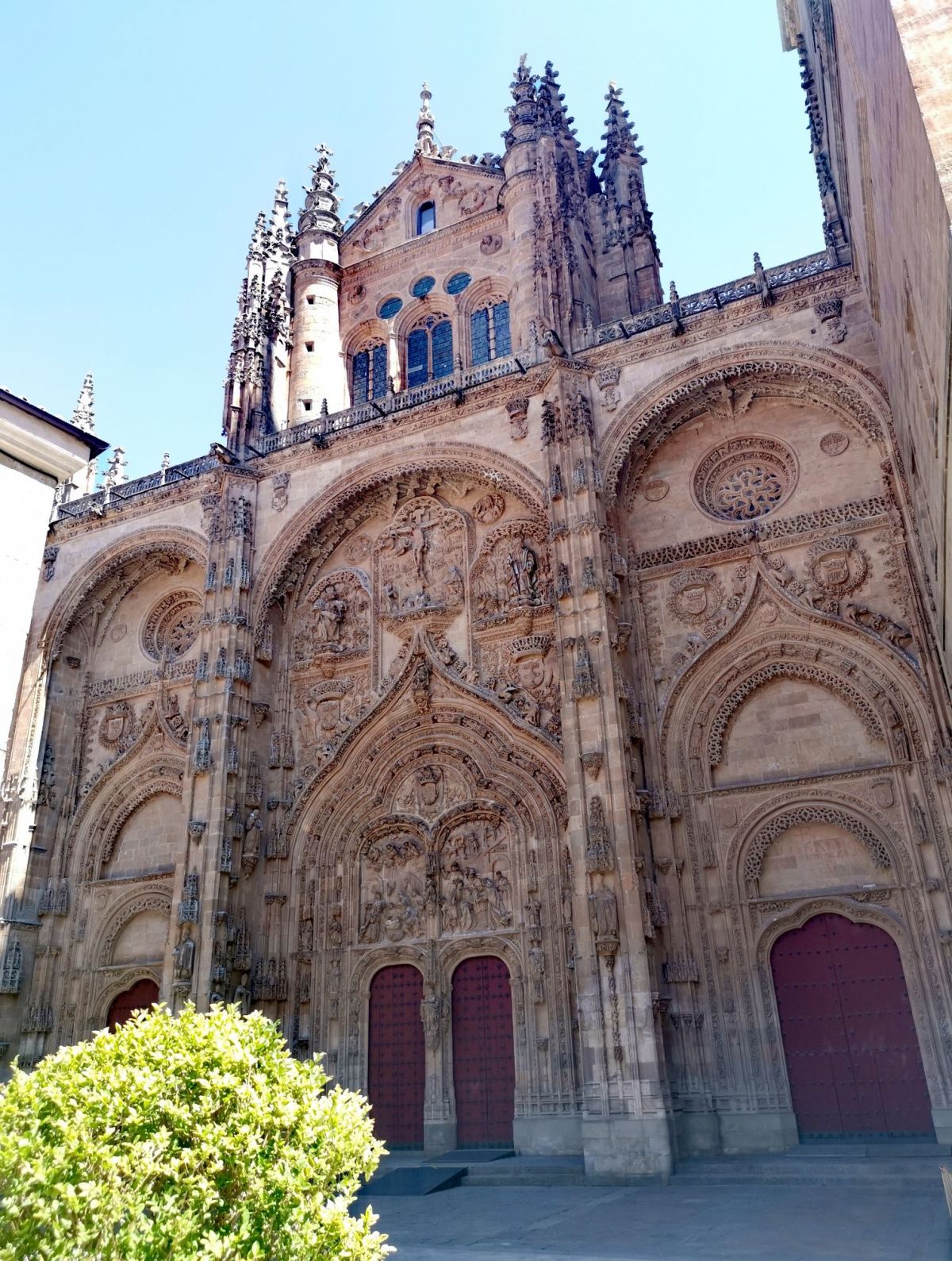
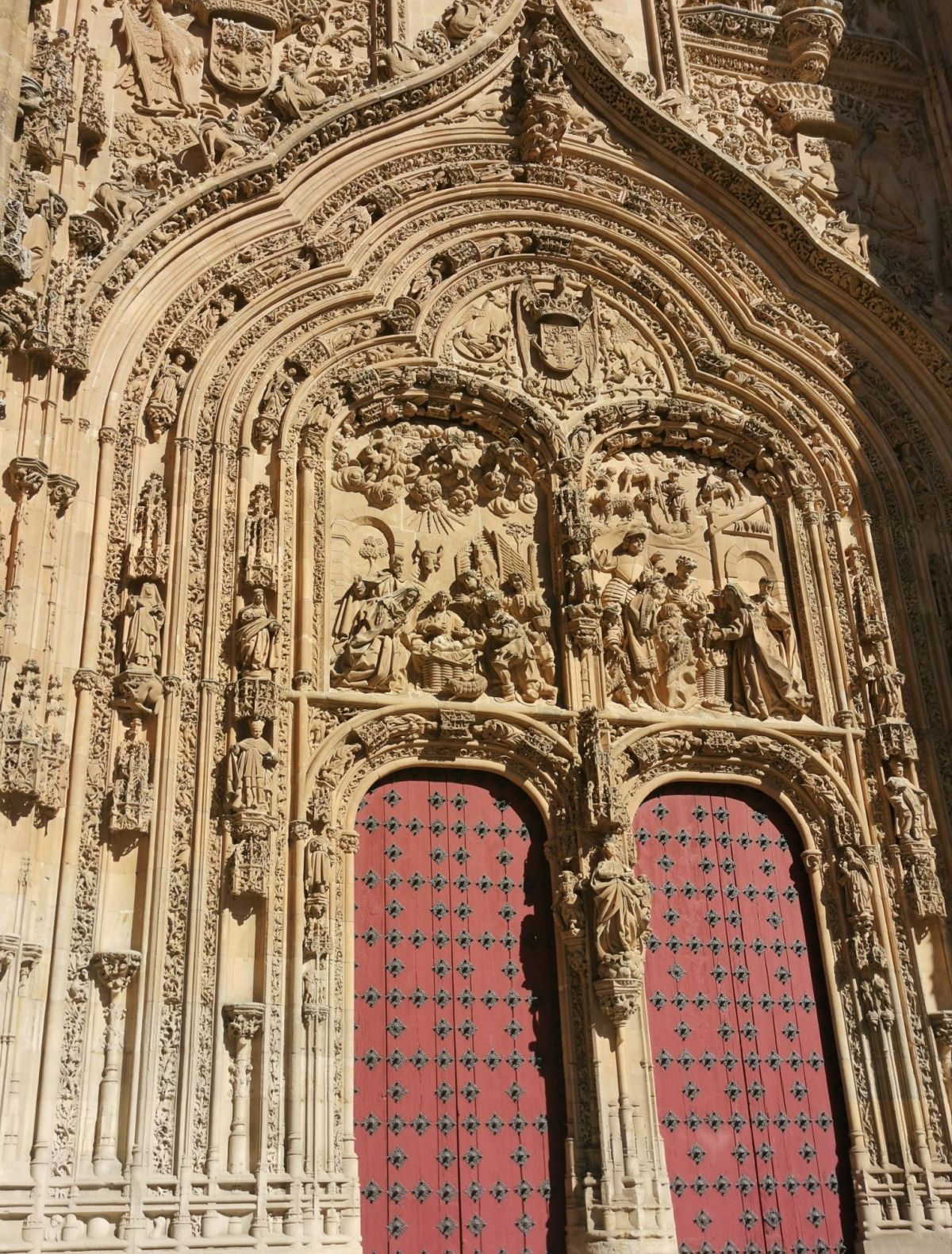
Tomé el tren desde la estación Madrid-Chamartín el 16 de agosto de 2020 y el trayecto duró alrededor de 1 hora y 26 minutos. La catedral fue el inicio de mi viaje. Destacaba por su imponente fachada y su cuidada escultura románica. El pórtico estaba formado por un arco con varias arquivoltas ricamente decoradas y columnas con capiteles esculpidos. La Oficina de Turismo se encontraba cerca de la basílica, donde se ofrecía información turística a los visitantes.
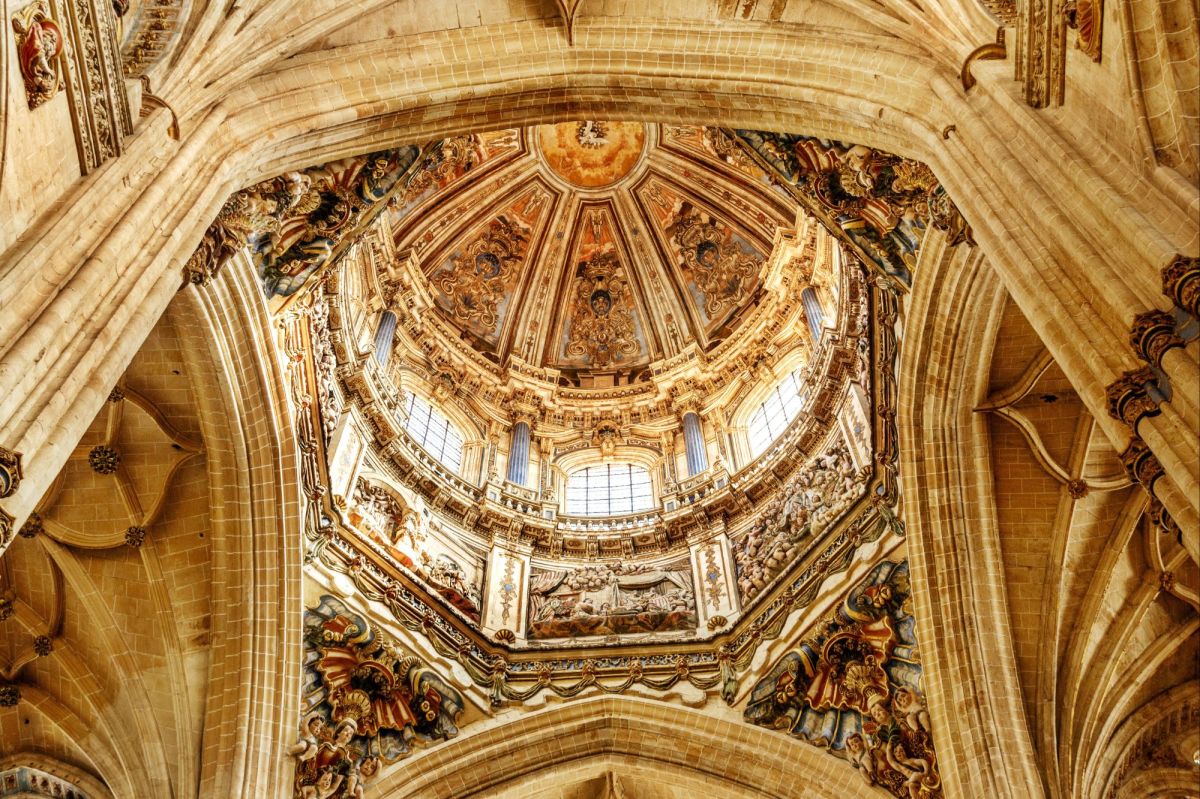
Las pinturas de colores apagados sobre las paredes de la catedral destacaban por su carácter antiguo y sobrio, acorde con la atmósfera medieval. Se trataba en su mayoría de pinturas murales realizadas directamente sobre la piedra. Las figuras representaban principalmente escenas religiosas, santos y motivos simbólicos.
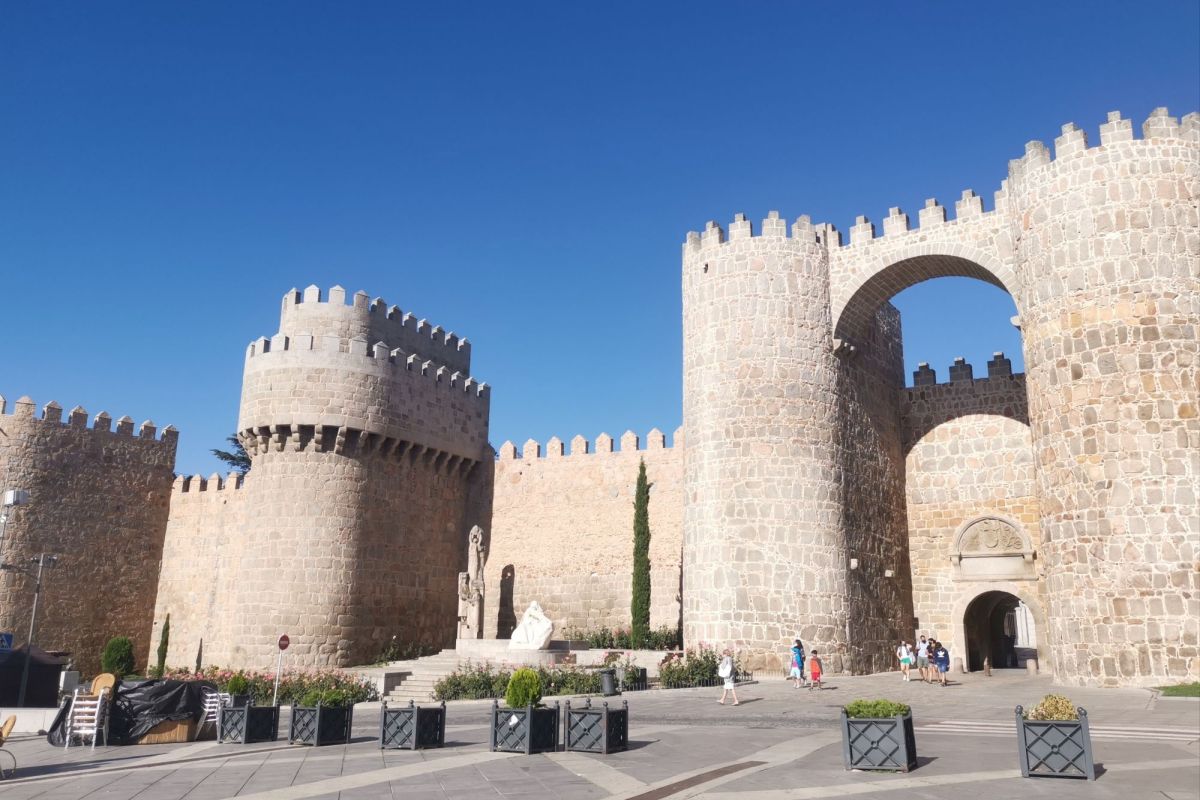
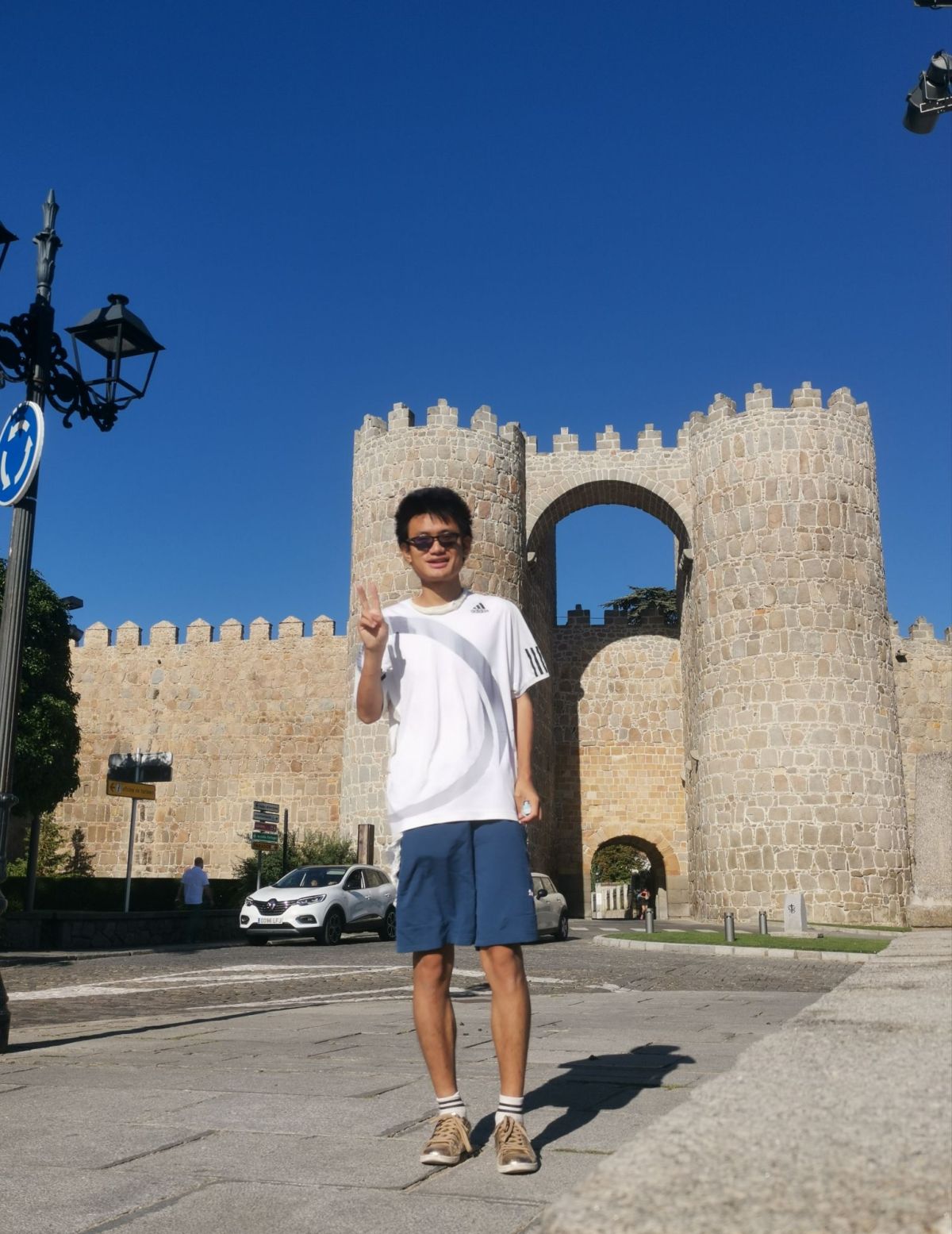
La puerta principal de la Muralla de Ávila era la Puerta del Alcázar, situada en el lado oriental del recinto amurallado. Es la más monumental y una de las mejor conservadas. Al verlo, pude sentir una mezcla de asombro. La puerta impresionaba por su tamaño y solidez, y transmitia una fuerte sensación de protección y antigüedad. Al estar frente a ella, es fácil imaginar a viajeros, comerciantes y soldados pasando por ese mismo lugar hace siglos.
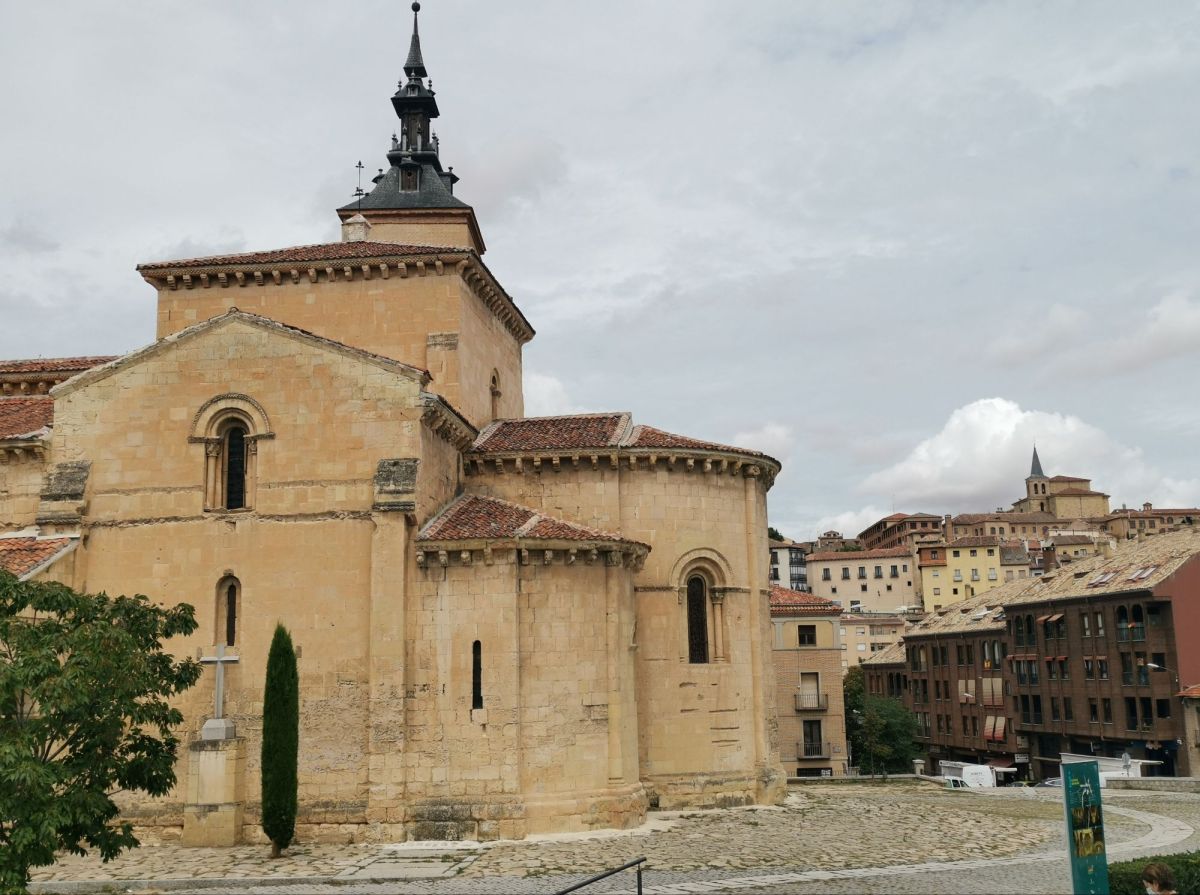
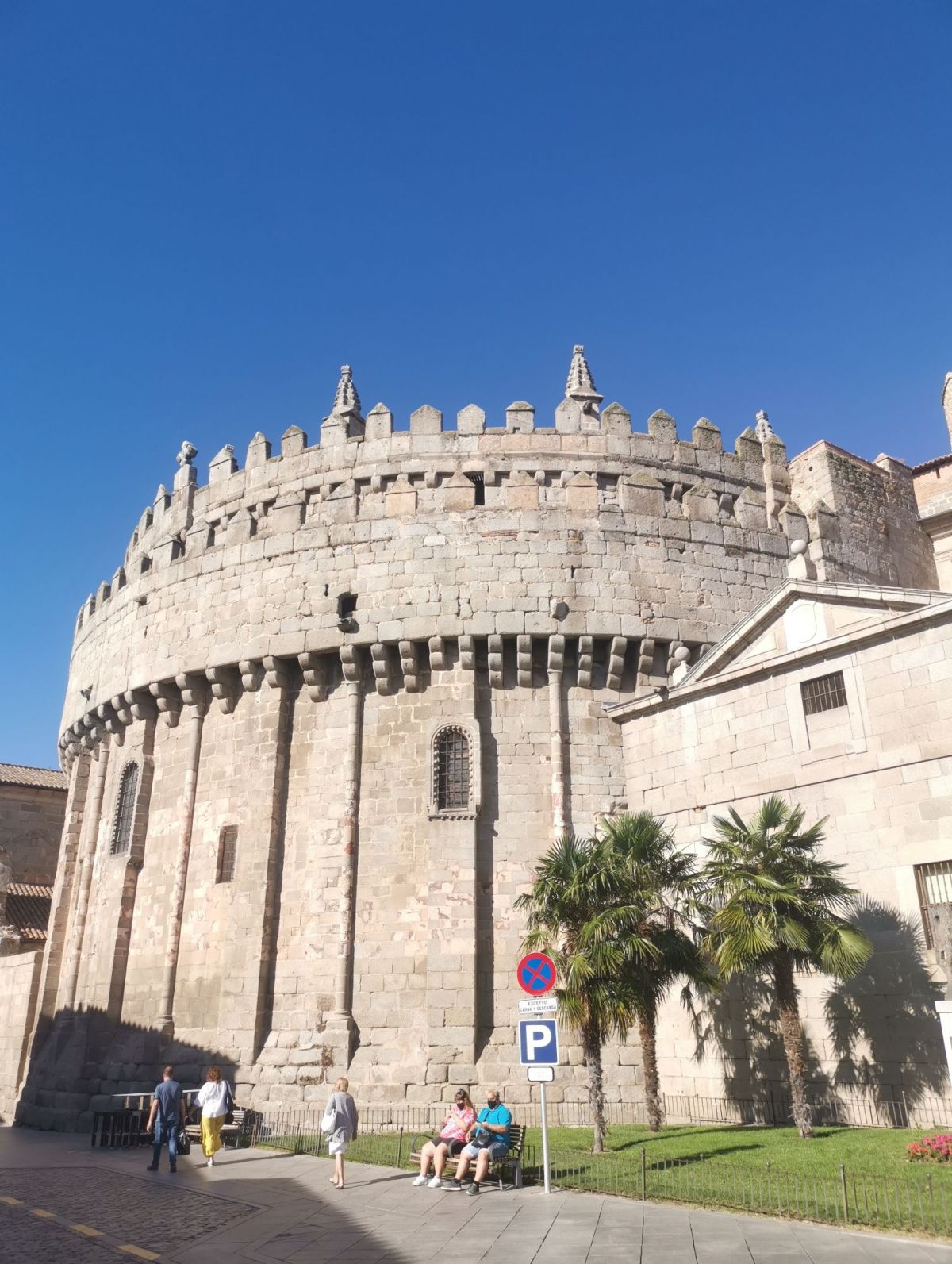
La Capilla de San Segundo, situada a las afueras de la muralla de Ávila, es un pequeño templo de estilo románico muy ligado a los orígenes cristianos de la ciudad. La decoración exterior de su ábside semicircular era muy sencilla, típica del románico: muros gruesos, pocos vanos y una marcada sensación de solidez. El ábside semicircular es muy común en el arte románico y simboliza la perfección y la eternidad.
En Ávila había muchos lugares encantadores donde podía sentarme en bancos bajo la luz del sol, descansar y disfrutar de la atmósfera tranquila del casco histórico.
在阿维拉,有许多地方可以让我坐在洒满阳光的长椅上,放松身心,静静体会老城区宁静而祥和的氛围
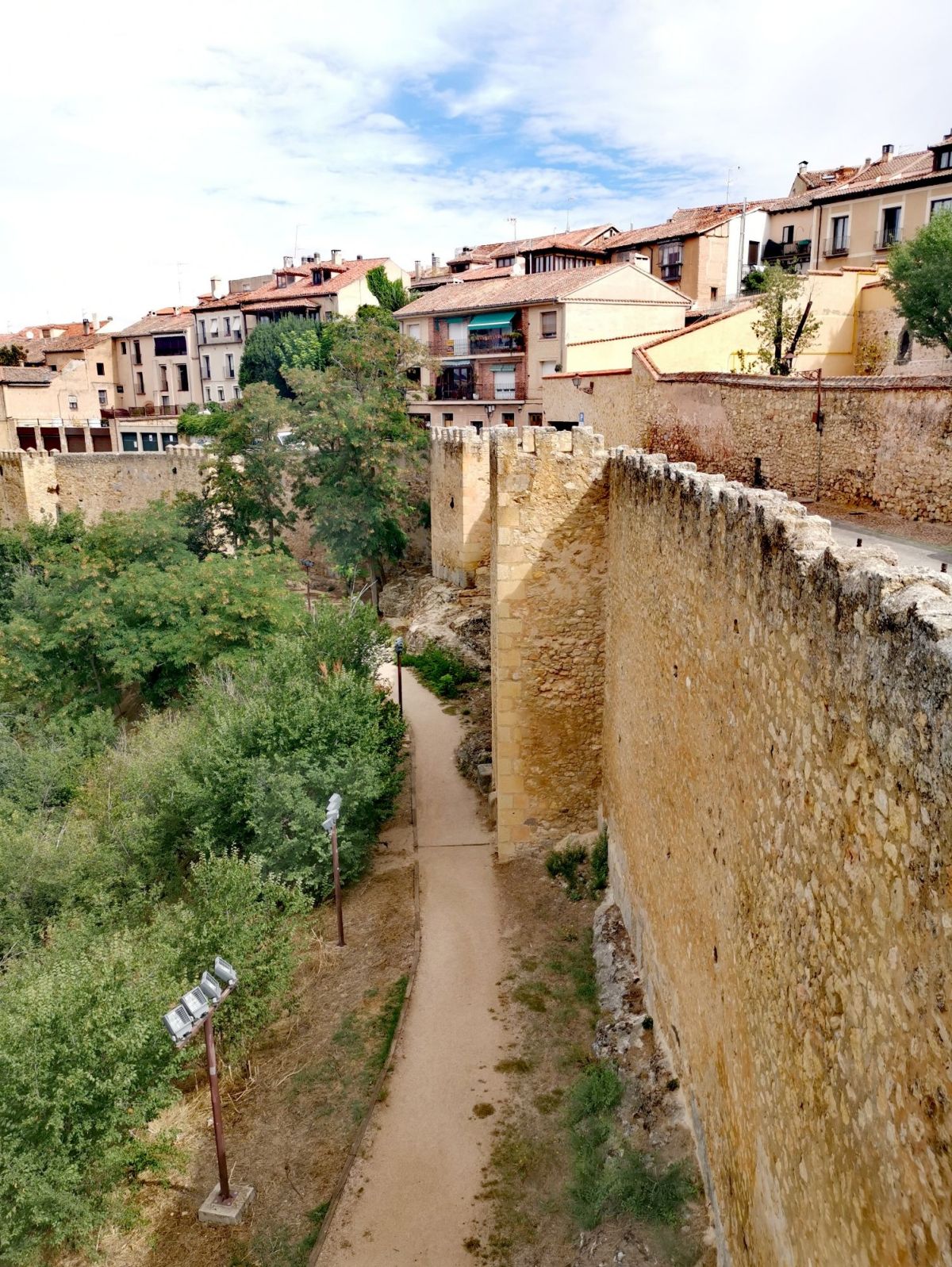
Las murallas de Ávila, construidas principalmente entre los siglos XI y XII, son uno de los conjuntos defensivos medievales mejor conservados de Europa. Su estilo es románico-militar medieval. Tienen unos 2,5 kilómetros de longitud y más de 80 torreones semicirculares. Están construidas en granito y alcanzan hasta 12 metros de altura. Las almenas, el adarve (camino de ronda) y las puertas fortificadas reflejaban su solidez y eficacia defensiva.
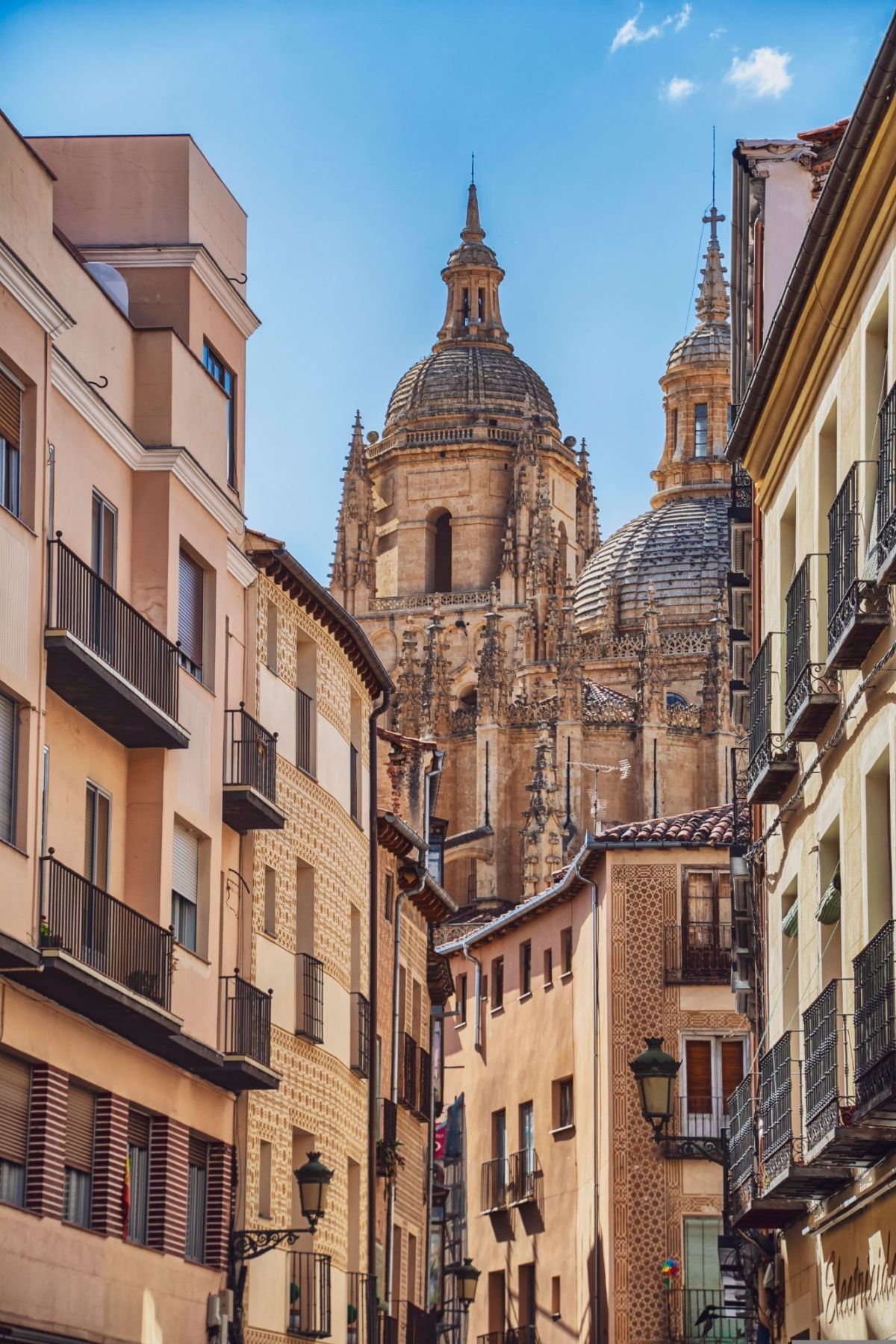
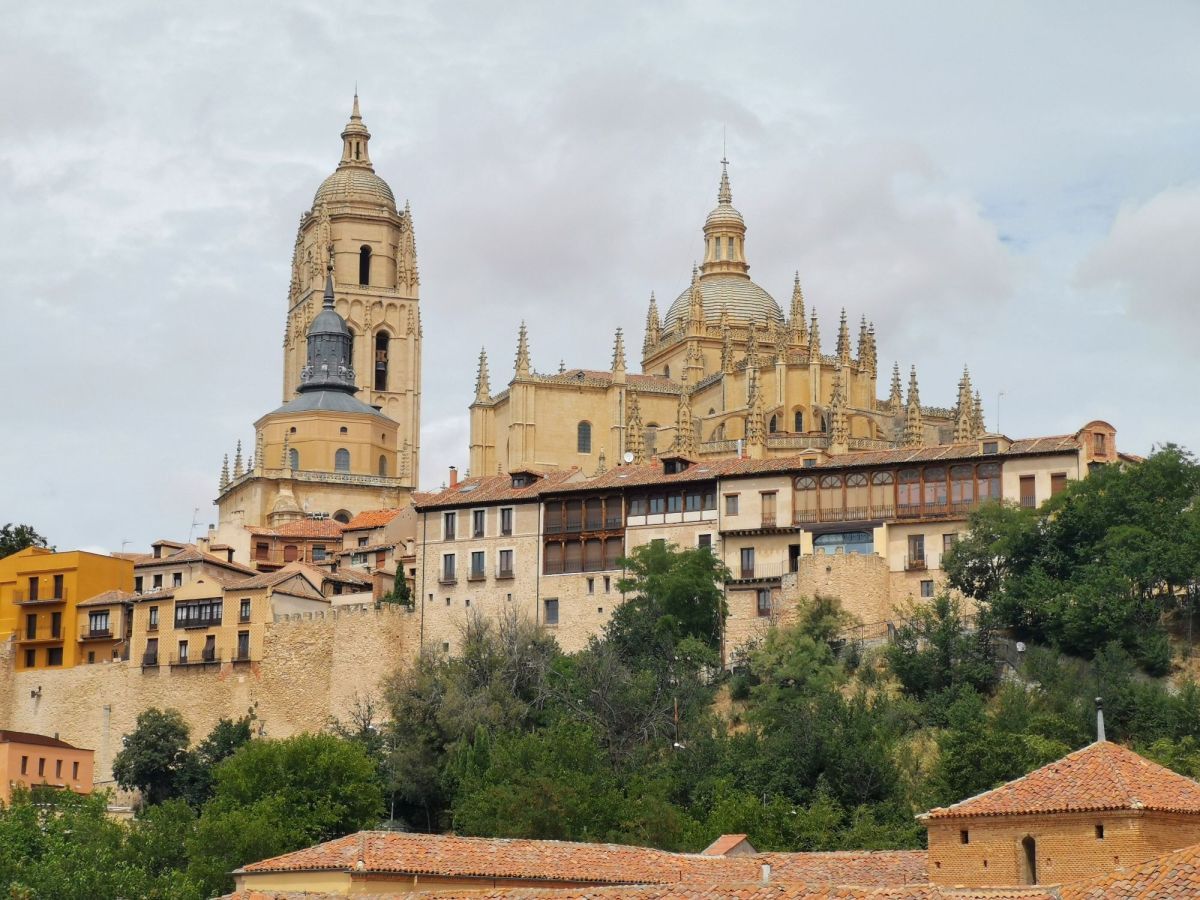
Desde lo alto de la muralla, la ciudad fortificada se desplegaba como un pequeño laberinto ordenado. Observaba un conjunto de edificios alineados dentro del recinto, con tejados que variaban en altura y materiales. Entre las construcciones sobresalían las torres y los campanarios de la Catedral de Ávila, que se elevaban por encima de los tejados y constituían el punto de referencia más llamativo del horizonte de la ciudad
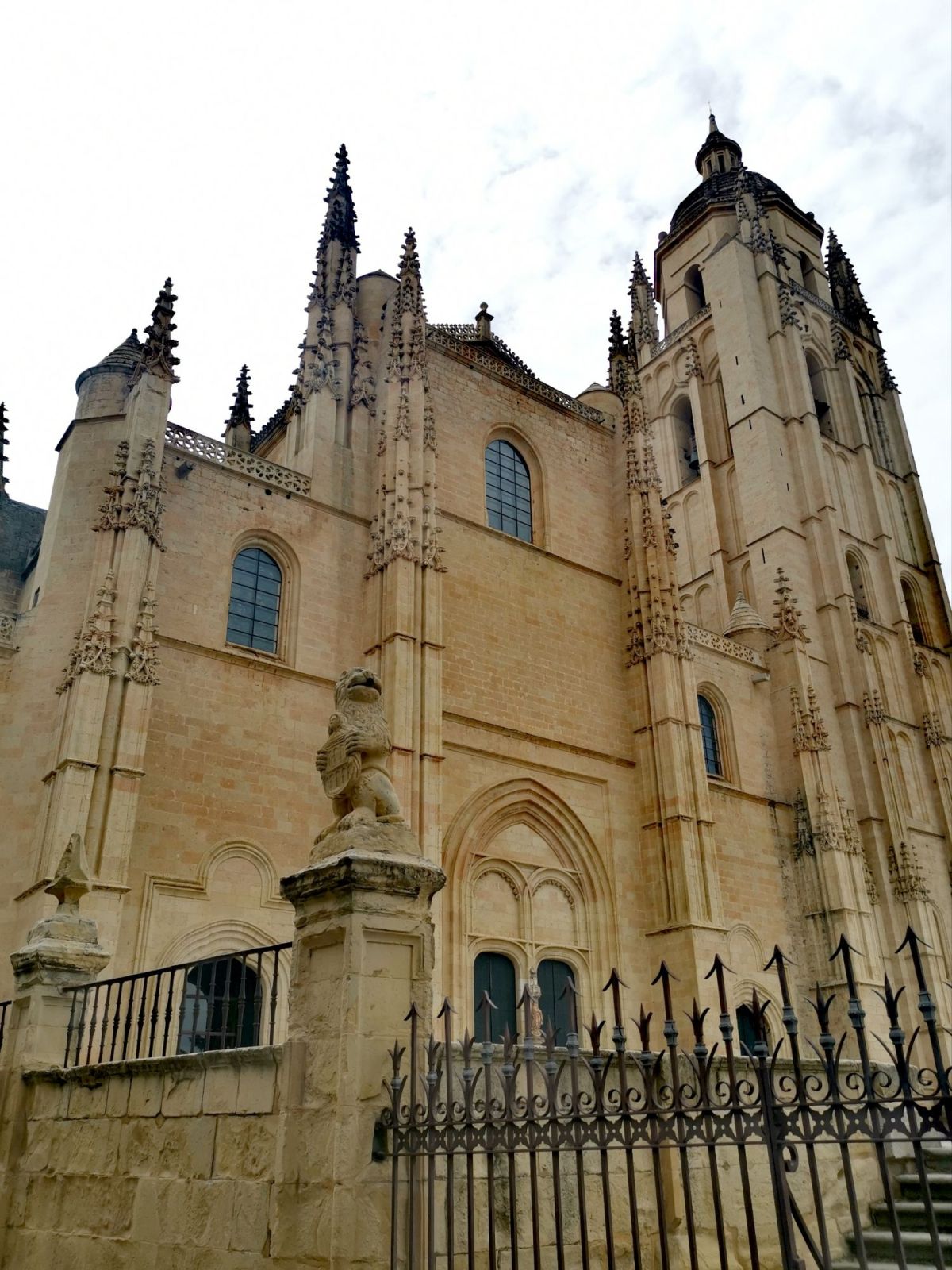
La Catedral de Ávila se alzaba majestuosa como una de las joyas del gótico español, incorporando también elementos románicos en su estructura. Su imponente fachada presentaba un estilo sobrio y sólido, con un rosetón central que permitía la entrada de luz filtrada hacia el interior y torres robustas que parecían fundirse con la muralla medieval. Talladas en piedra, las esculturas de leones situadas a la entrada de la catedral se erigían como figuras guardianas.
Las torres de ladrillo marcaban la silueta característica de la catedral en el skyline de Ávila. Los detalles decorativos eran sobrios, pero conservaban un aire de fortaleza medieval: cornisas simples, pequeños relieves y arcos apuntados. Me gustaban las columnas elegantes y esbeltas, rematadas con capiteles ricamente tallados.
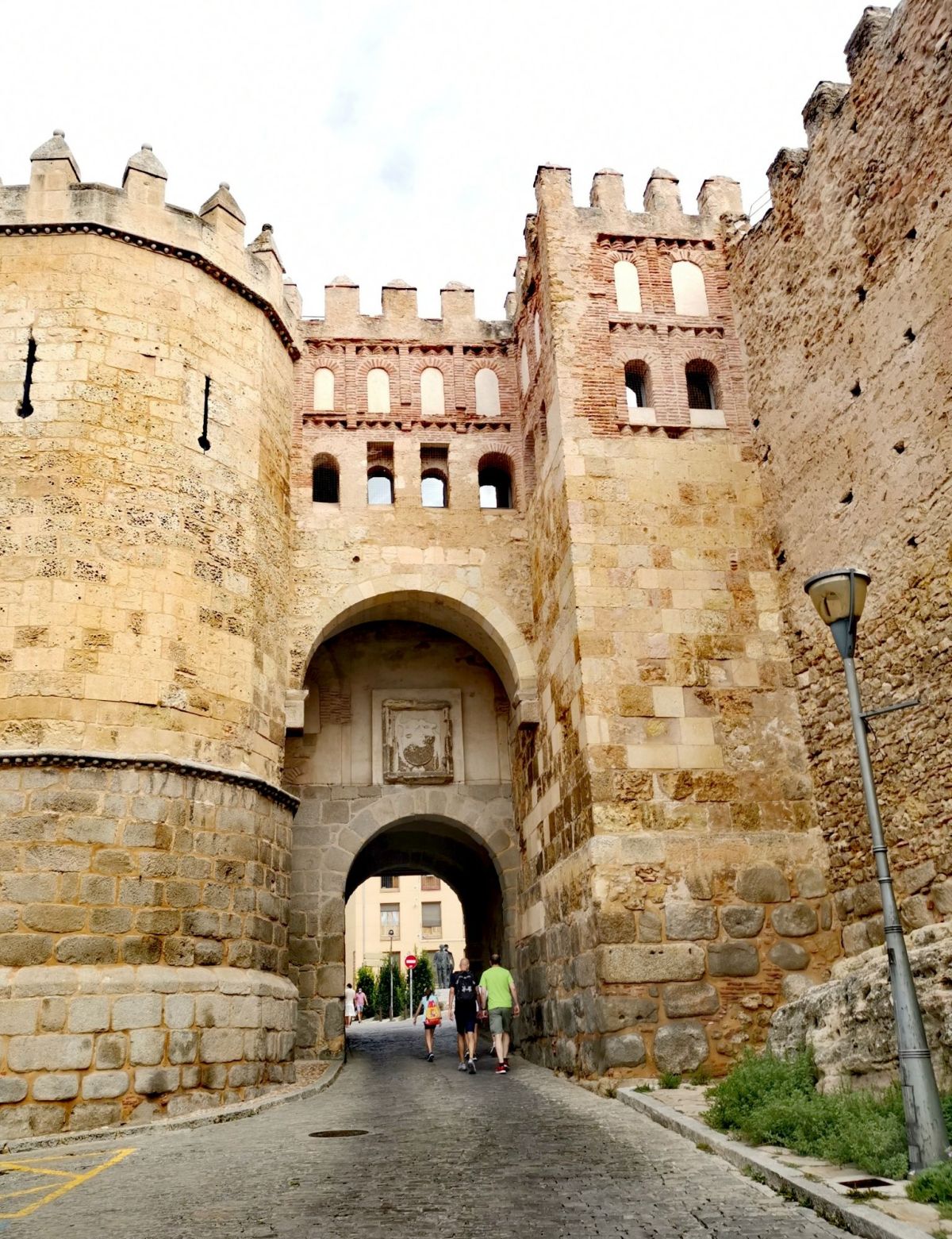
Circulé alrededor de las murallas. La Puerta de la Santa era una de las entradas más emblemáticas. Combinaba fortaleza y elegancia en un solo arco de piedra, reflejando la arquitectura defensiva de los siglos XI y XII. La puerta tenía un diseño clásico de arco de medio punto, reforzado con sillares graníticos. Dos torreones cuadrados vigilaban el acceso a la ciudad. Al atravesarla, sentí el paso del tiempo.
Dentro de la puerta, esta basílica de estilos neogótico y renacentista era el lugar natal de Santa Teresa. Santa Teresa de Jesús fue una monja, escritora y mística española, una de las figuras más importantes de la Iglesia Católica y de la literatura española del Siglo de Oro. Los bancos y las zonas de silencio permitían a los visitantes experimentar un momento de paz.
En el oeste de la ciudad, el río Adaja aportaba un respiro verde dentro del paisaje abulense, complementando la rigidez de la piedra de la ciudad. A lo largo de sus orillas crecían álamos, sauces y juncos, reflejando la vibrante escena del verano.
Podía mirar la panorámica de la ciudad. Se presentaba como una imagen serena, dominada por la muralla medieval que abrazaba el casco histórico como un anillo de piedra. Desde la distancia, la ciudad parecía surgir del paisaje castellano, recortándose contra un cielo amplio y limpio. Los techos rojos y ocres contrastaban suavemente con el gris claro de la piedra granítica. Esa paleta se volvía especialmente bella bajo el sol.
Aunque mi estancia en Ávila fue breve, ofrecía un viaje condensado al pasado. Las murallas medievales, sólidas y majestuosas, me impresionaban, pero no tenía tiempo suficiente para recorrerlas por completo. Cada piedra y cada tejado rojizo parecía contar una historia, dejándome la sensación de que la ciudad merecía un regreso más largo en el futuro.
Alcalá de Henares es una ciudad histórica de la Comunidad de Madrid, reconocida como Patrimonio Mundial por su excepcional casco renacentista, su emblemática Universidad fundada en 1499 y su legado literario como ciudad natal de Miguel de Cervantes. Con calles porticadas, patios universitarios y iglesias medievales, combina una rica herencia cultural con un vibrante ambiente universitario y numerosos espacios culturales, convirtiéndola en un referente histórico, arquitectónico y literario de España.
Llegué a esta ciudad el 17 de agosto de 2020 desde Madrid para un viaje corto pero significativo. Es una ciudad pequeña, pero posee algunos edificios interesantes que reúnen siglos de arquitectura. El Renacimiento es el gran protagonista, aunque los estilos gótico, barroco y mudéjar completan un conjunto monumental armónico y lleno de vida.
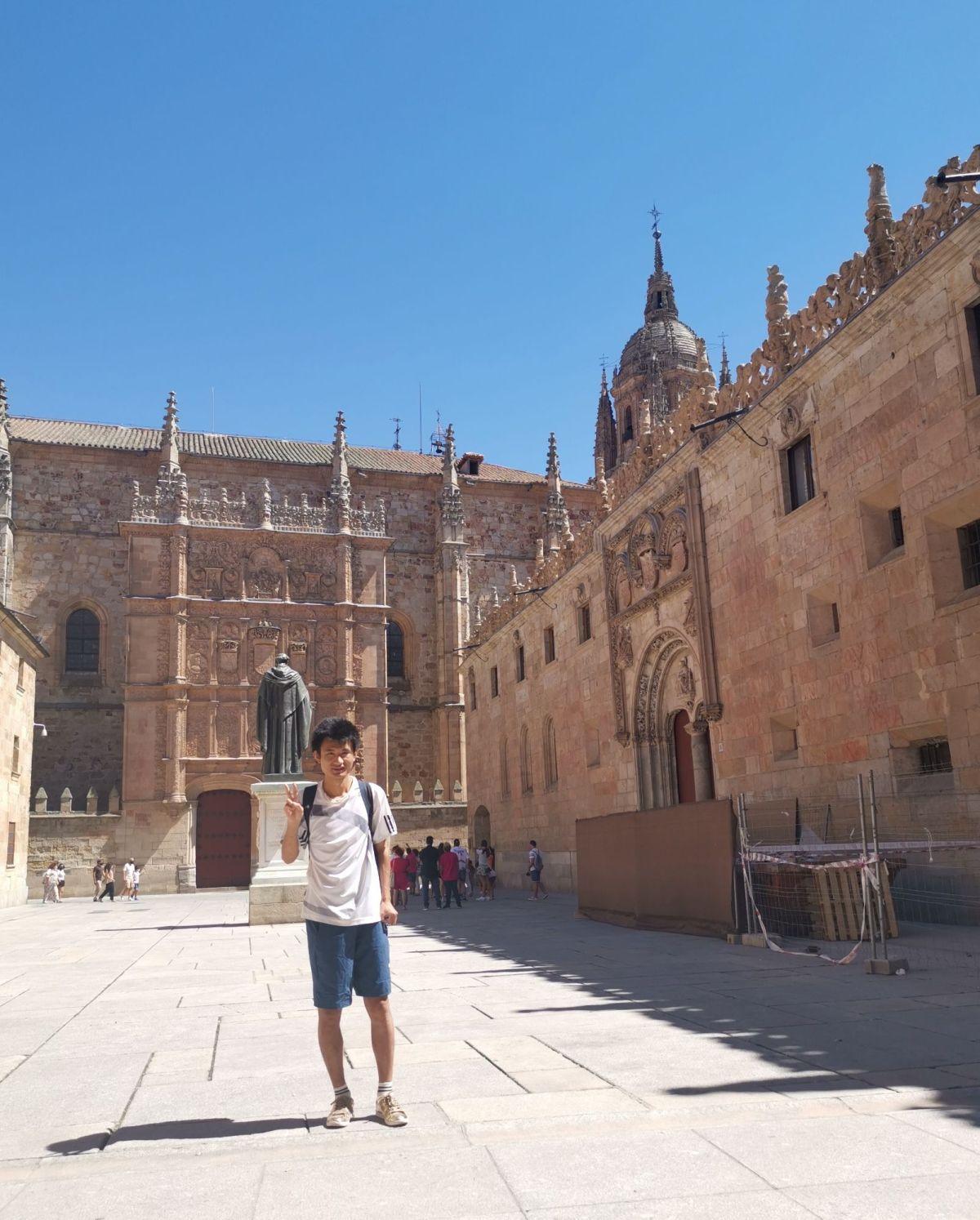
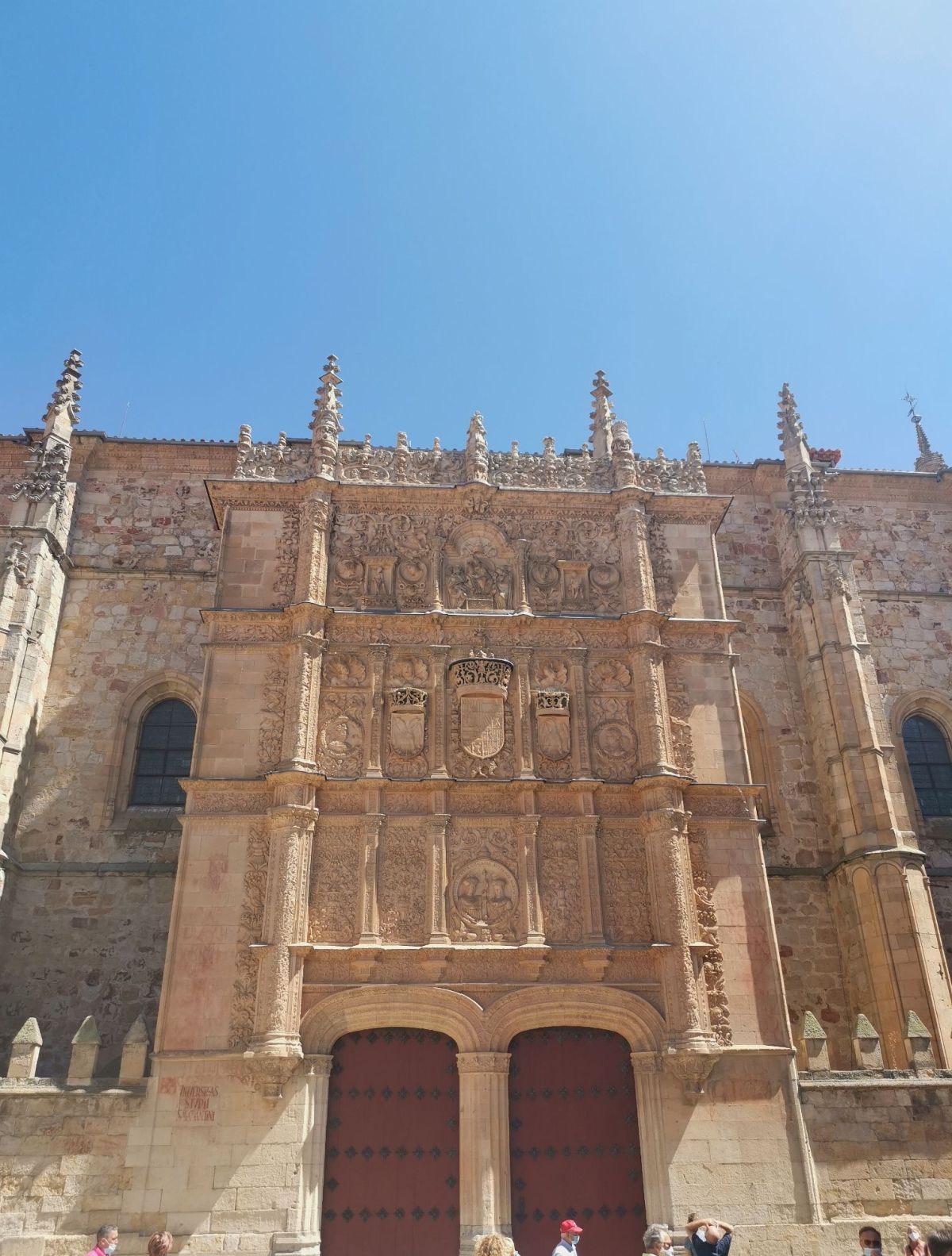
El estilo Renacimiento es más representativo de Alcalá. Aquí nació la primera ciudad universitaria planificada del mundo y muchas construcciones siguen este modelo. El Colegio Mayor de San Ildefonso de Universidad de Alcalá, con su impresionante fachada plateresca, es la gran joya de la ciudad. En su fachada destacaban los escudos y emblemas esculpidos con gran detalle y figuras simbólicas de sabiduría y poder académico. Parecían contar silenciosamente la gloria pasajera y los ideales de esta antigua institución de educación superior.
文艺复兴风格是阿尔卡拉最具代表性的建筑语言。世界上第一座规划完善的大学城便诞生于此,城市中的许多建筑都以这一理念为蓝本展开。阿尔卡拉大学的圣伊尔德丰索学院(Colegio Mayor de San Ildefonso)尤为璀璨,它那气势恢宏的立面堪称城市的象征。正立面上雕刻着繁复精美的纹章与徽章,人物形象象征着智慧、学术与人文精神,仿佛在静静诉说着这座古老学府的辉煌与理想。
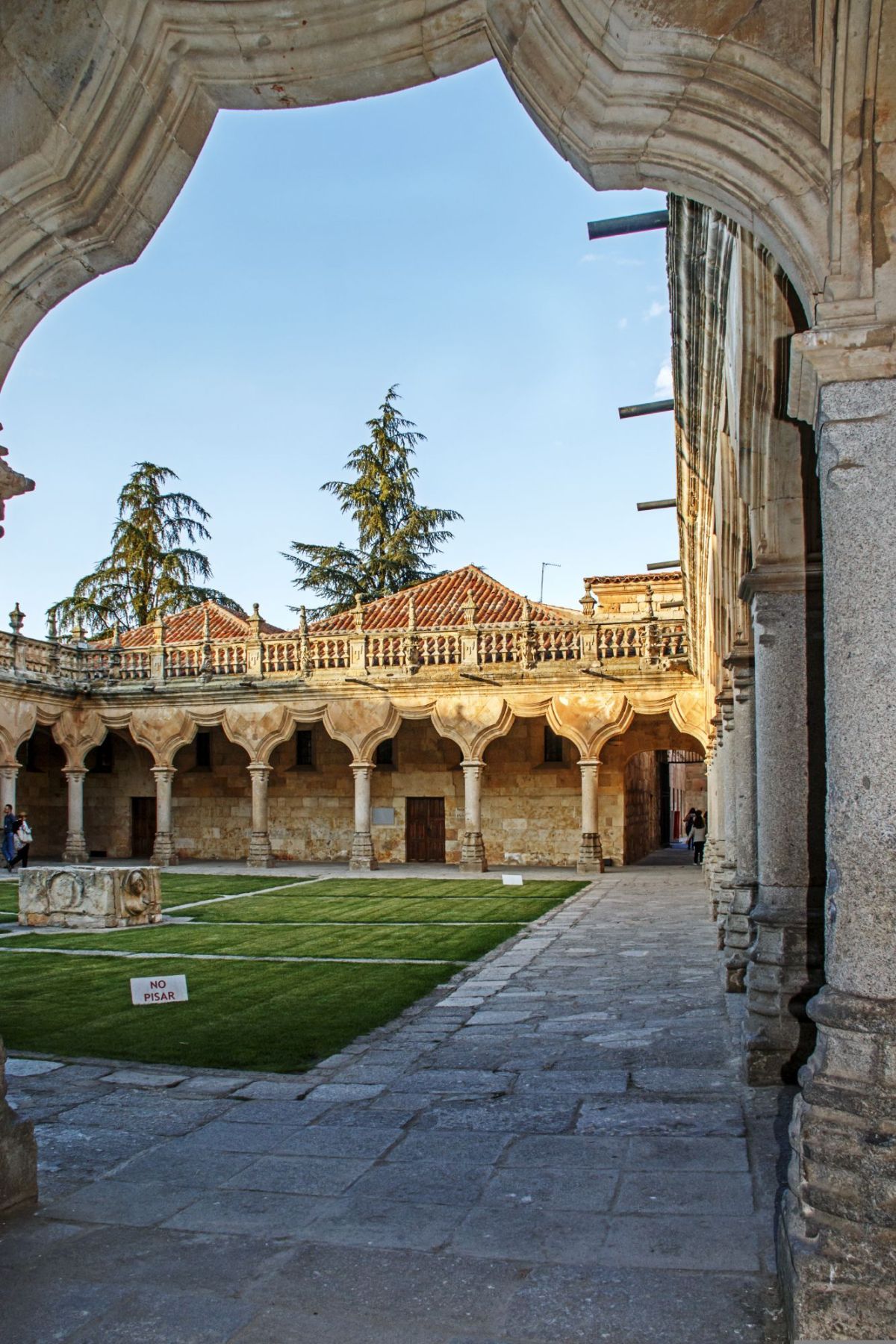
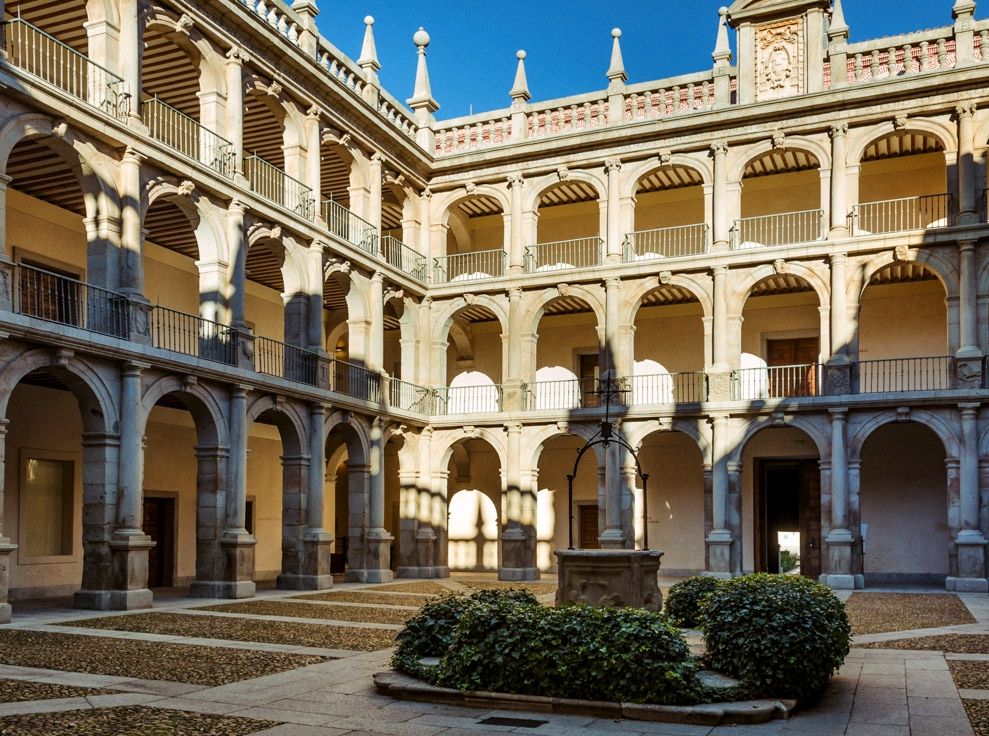
Al cruzar la puerta, se accedía a una sucesión de patios rodeados de columnas y arquerías. El Patio de Santo Tomás de Villanueva era amplio y emblemático, con un aire solemne que imponía respeto. Caminar por él era como atravesar un puente entre pasado y presente. Frente a tanta belleza arquitectónica, resultaba casi imposible no detenerse a contemplar cada detalle tallado en la piedra. La Universidad sigue cumpliendo hoy su función académica y acoge a miles de estudiantes, manteniendo vivo el legado de siglos de historia. Al observar a los jóvenes que caminaban por los pasillos y los patios, me imaginé que tal vez algún día yo también podría venir aquí a estudiar.
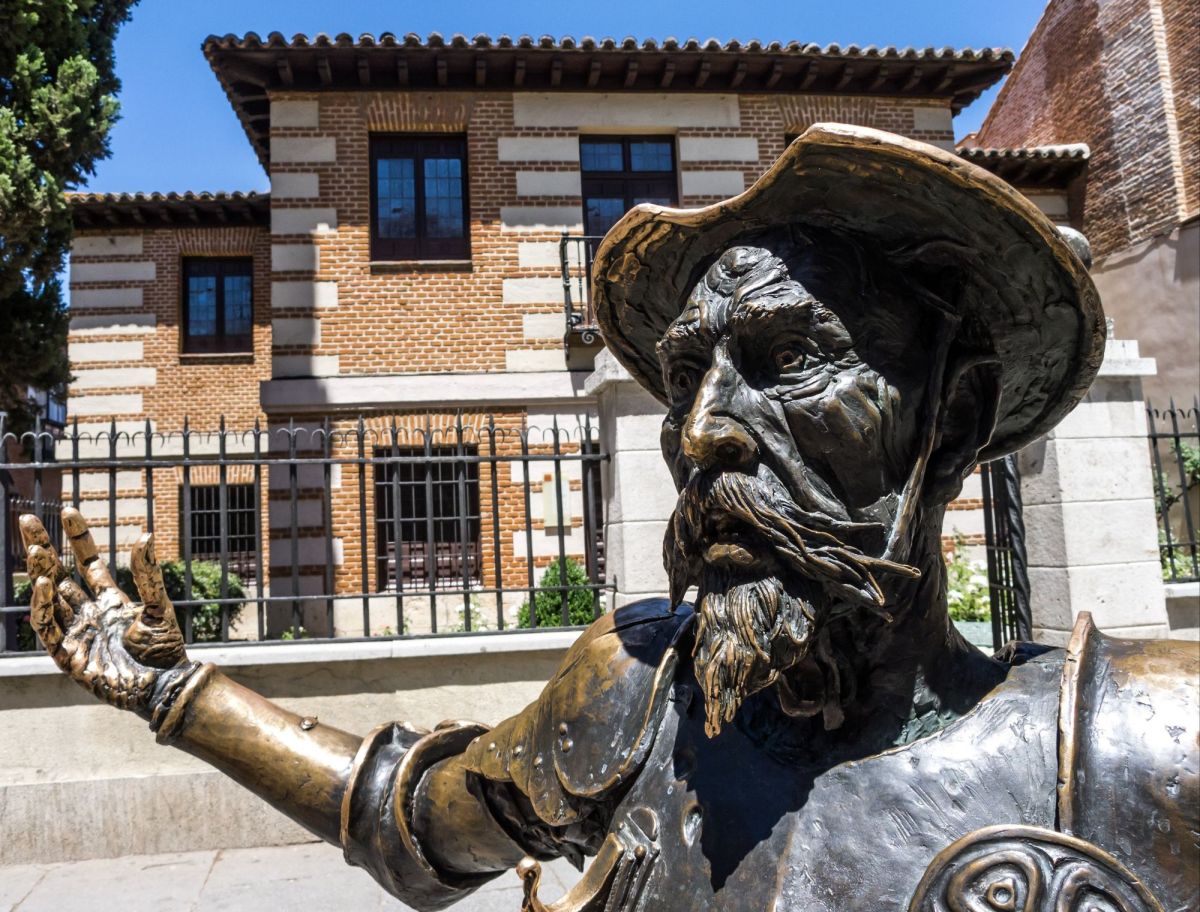
Fuera de la Universidad de Alcalá, la Plaza de Cervantes era un espacio amplio y lleno de vida, donde la historia se entrelaza con el pulso moderno de la ciudad. Estar allí me hizo sentir parte de Alcalá: sentado en un banco, frente a la estatua del gran escritor, observaba el ir y venir de la gente y no pude evitar sentirme conectado con el legado de Cervantes y las aventuras de Don Quijote. Era como si, por un instante, la literatura cobrara vida en ese rincón tan especial.
En el centro de la Plaza de Cervantes se alzaba la estatua de Miguel de Cervantes, inaugurada en 1879 como homenaje al más grande autor de la literatura en español. Cervantes nació en Alcalá de Henares. Por eso, erigir una estatua así en su ciudad natal tiene aún más significado. La figura mostraba a Cervantes de pie, con un porte majestuoso; en una mano sostenía un libro, símbolo eterno de su obra, mientras que en el pedestal se representaban escenas y personajes de Don Quijote.
Recordé que leí Don Quijote cuando era niño. El libro me pareció tan interesante que me llevó a conocer más sobre la Europa medieval. El tema central de Don Quijote es la confrontación entre la realidad y la fantasía. Don Quijote representa los ideales de la caballería y los valores nobles, mientras que Sancho Panza encarna una visión práctica del mundo. La obra reflexiona sobre la hipocresía y la rigidez de la sociedad española de su tiempo, utilizando el humor y la sátira.
Por un momento, imaginé al propio Cervantes contemplando esta plaza que llevaba su nombre, escuchando el bullicio y la vida que seguía floreciendo gracias a su legado.
Me gustaban los jardines bien cuidados, los amplios paseos y los edificios de estilo clásico con soportales que la rodeaban. El jardín estaba formado por rosales, flores de temporada y árboles altos que daban sombra a los bancos. Era un lugar perfecto para observar el movimiento de la ciudad y tomar fotos. Aunque era un espacio pequeño, me invitaba a disfrutar del ritmo tranquilo de Alcalá.
La Calle Mayor es uno de los lugares más emblemáticos de Alcalá de Henares. Es conocida por tener los soportales continuos más largos de España, un detalle único que le da un carácter histórico y muy fotogénico. Era una mañana tranquila. La calle era peatonal y amplia, y sentí que era un lugar para disfrutar sin prisa de la belleza sencilla de sus soportales interminables. A ambos lados de la calle, los soportales se sostenían sobre columnas de piedra y madera, muchas de las cuales eran de origen medieval, testigos silenciosos del paso del tiempo.
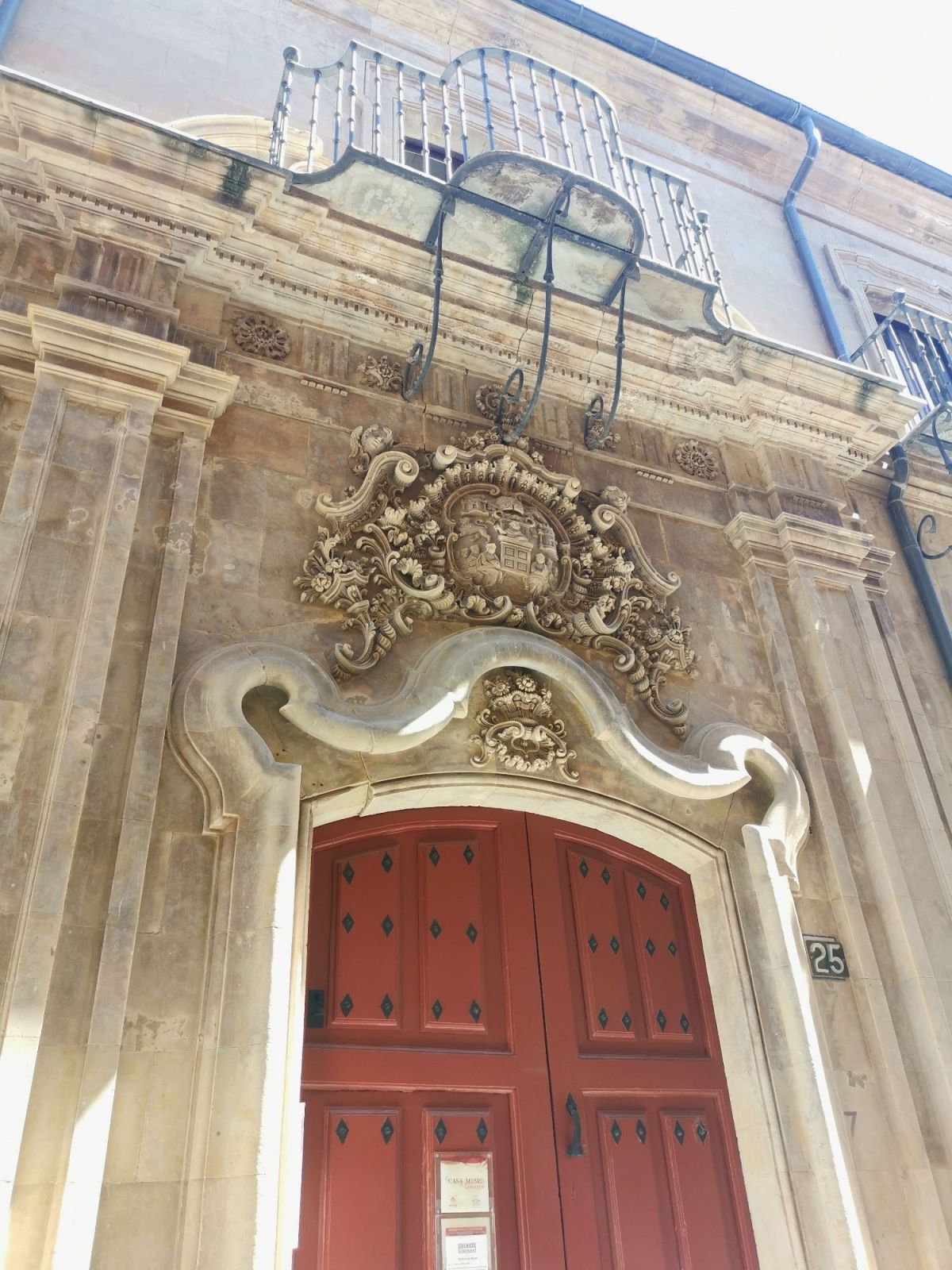
El barrio antiguo de Alcalá de Henares es un entramado histórico lleno de encanto, donde cada calle conserva la huella de los siglos. En este barrio se mezclan casas bajas con patios interiores y antiguos palacetes renacentistas. Situada en plena Calle Mayor, la Casa Natal de Cervantes ha sido reconstruida siguiendo el modelo de una vivienda acomodada del siglo XVI para ofrecer al visitante el ambiente en el que nació Miguel de Cervantes en 1547.
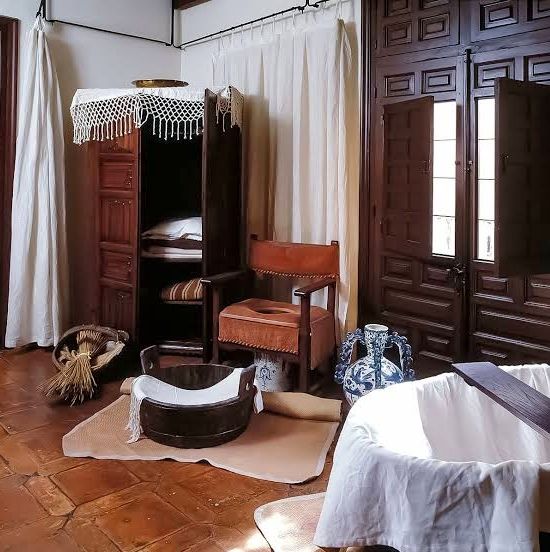
El interior estába decorado con mobiliario, utensilios y objetos propios del siglo XVI, que ayudan a imaginar el día a día de una familia de clase media acomodada: la cocina con sus fogones y vasijas de barro, las salas con arcones y tapices. En las salas dedicadas a la vida y obra del escritor, se encuentraban ediciones históricas del Quijote, grabados y documentos que narran cómo la obra cervantina fue expandiéndose por todo el mundo.
La Catedral Magistral de los Santos Justo y Pastor
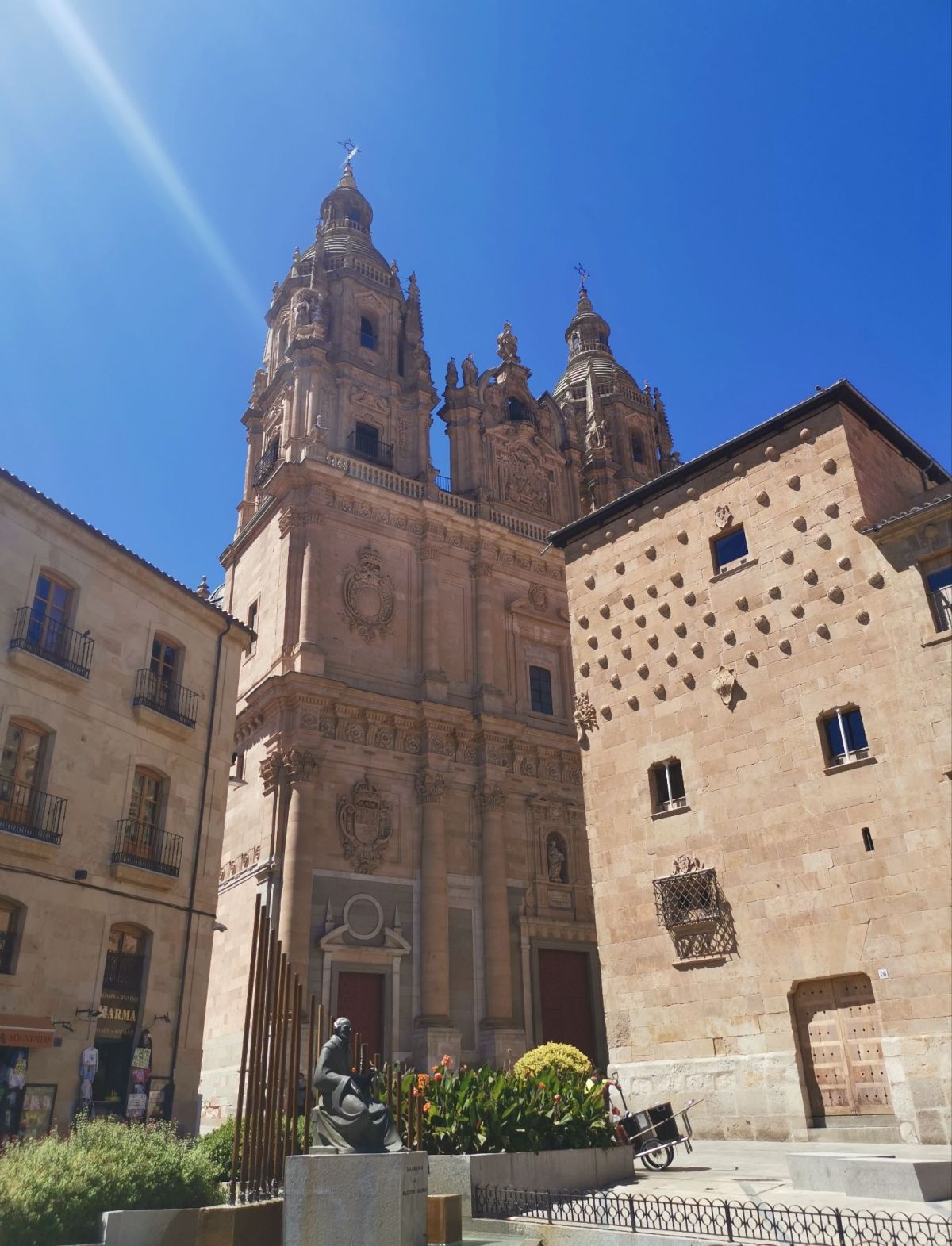
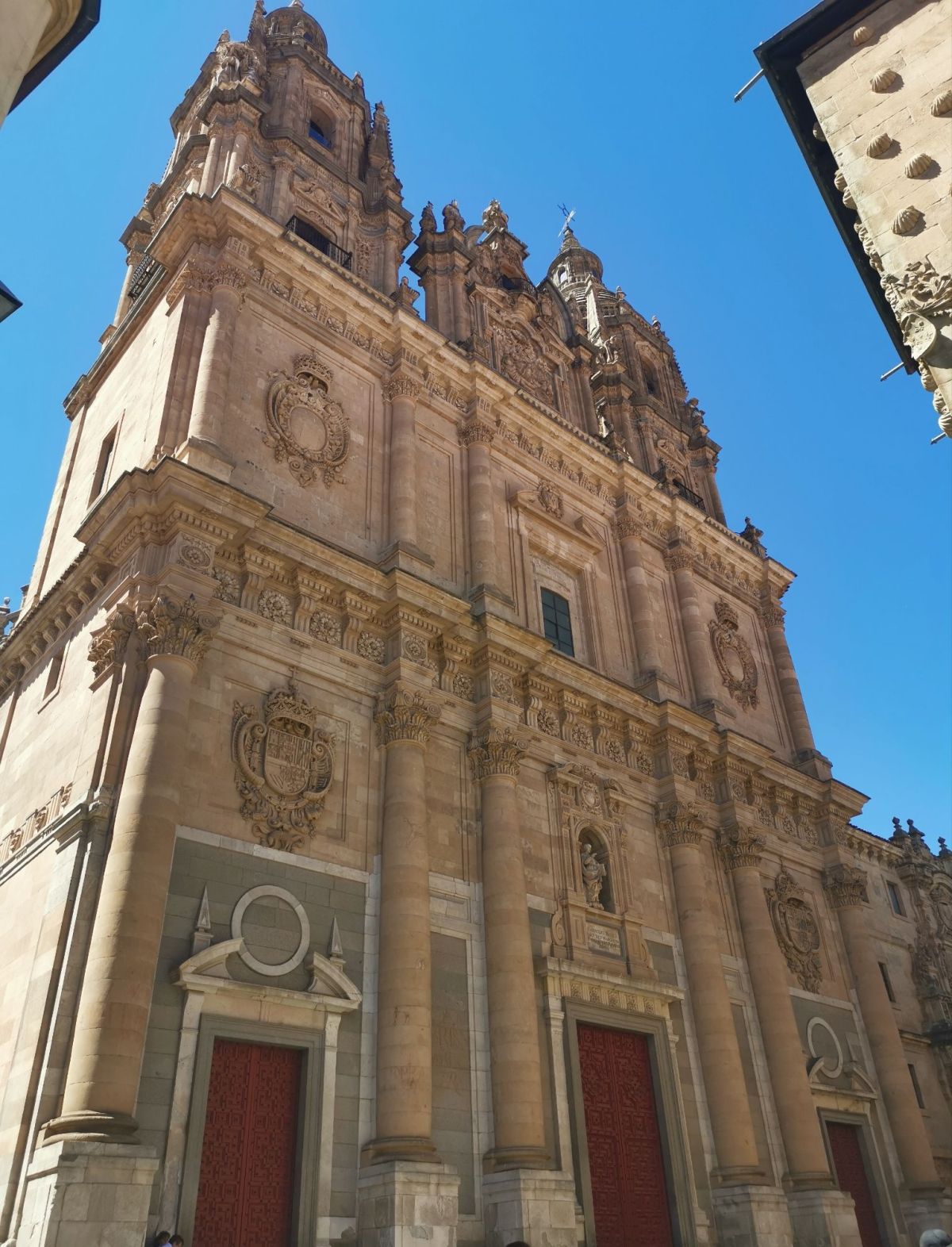
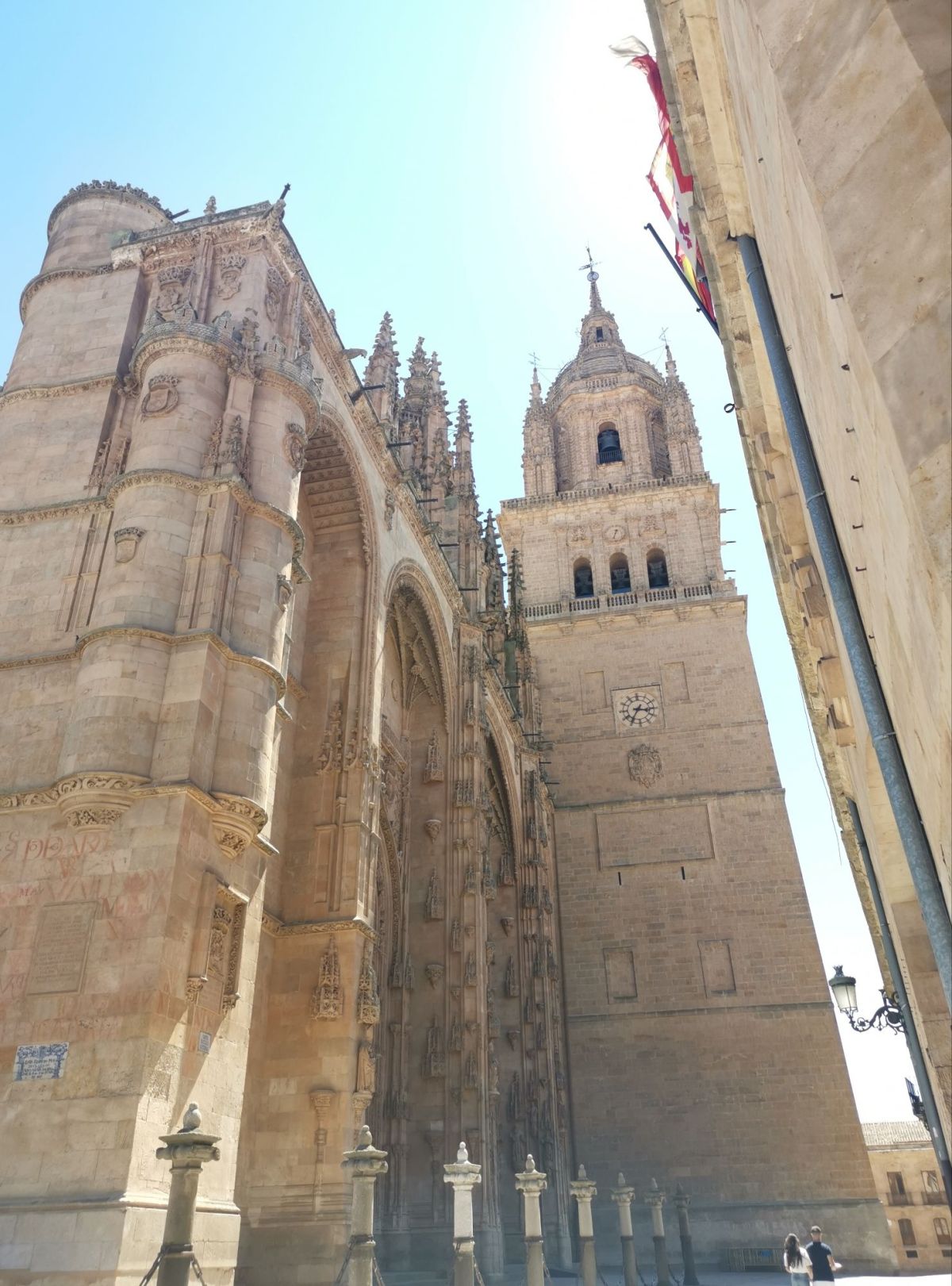
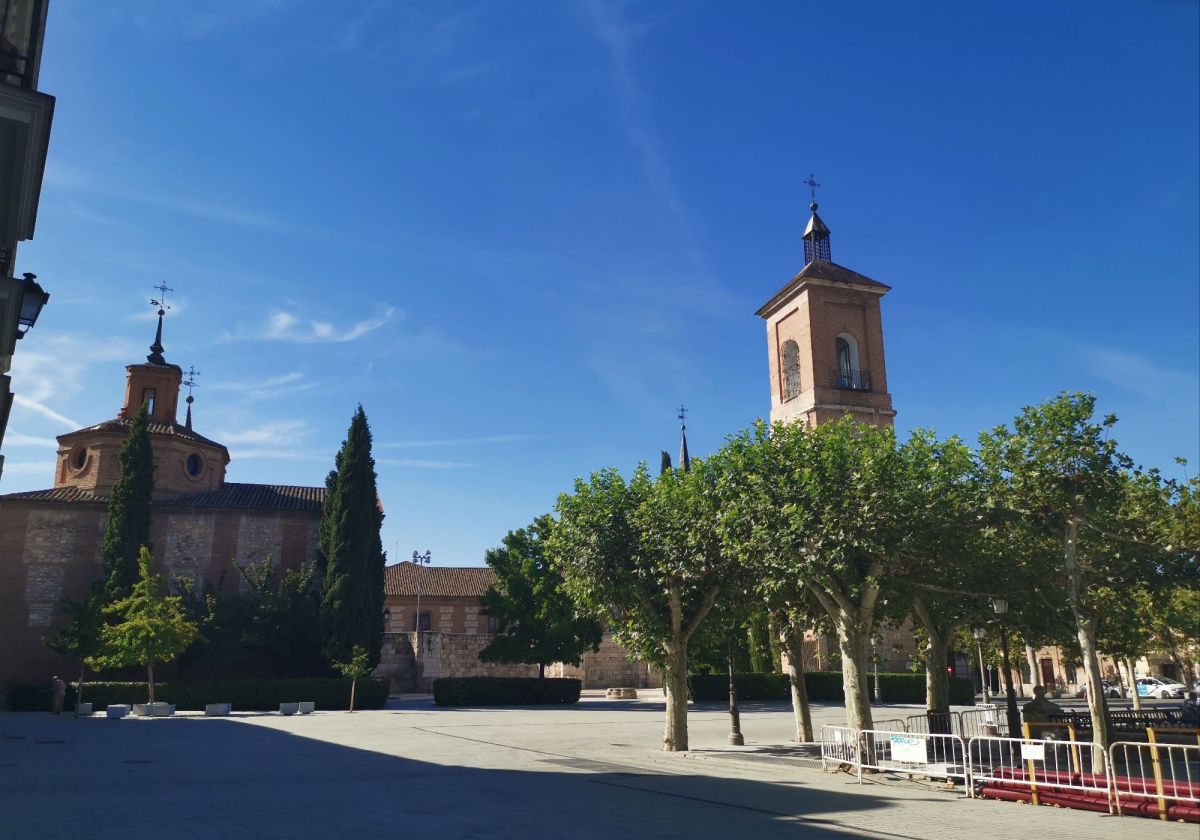
Al final de la Calle Mayor se encontraba la Catedral Magistral de los Santos Justo y Pastor. Una Catedral Magistral es un tipo de catedral único en el mundo: solo existen dos, y ambas están en España. El término “magistral” significa “maestro” o “doctor”, y se debe a que estas catedrales están estrechamente ligadas a la formación teológica; por ello, todos sus canónigos debían ser doctores en Teología. La torre campanario era uno de los elementos más llamativos del conjunto. Se elevaba con elegancia y se veía desde muchos puntos del casco histórico.
En la parte más alta de las torres se sitúaba una cruz de hierro forjado, acompañada de una veleta que indica la dirección del viento. Este remate es muy típico en las iglesias hispanas. En muchas zonas de España, especialmente en Castilla y Aragón, la arquitectura mudéjar incorporó remates metálicos en torres. La veleta no era solo decorativa. En las ciudades españoles antiguamente se usaba para saber la dirección del viento, importante para el clima y la agricultura.
Convento de Agustinas de Nuestra Señora de la Consolación
El Siglo de Oro, desde 1492 hasta aproximadamente 1682, fue el periodo más brillante de la historia cultural de España, una época en la que florecieron la literatura, con obras como Don Quijote, y el arte, representado por maestros como Velázquez. Tras el Siglo de Oro, la ciudad adoptó el estilo barroco, sobre todo en los interiores y en los conventos. Fundado en el siglo XVII, el Convento de Agustinas de Nuestra Señora de la Consolación conservaba intacto su aspecto original.
Su fachada, sobria y elegante, reflejaba la estética del barroco castellano temprano: líneas rectas y ladrillo visto. La pared presentaba una superficie moteada y texturada. El conjunto formaba parte esencial del barrio antiguo de Alcalá: una arquitectura que combinaba piedra y ladrillo antiguo, y transmitía la sensación de haber viajado a un tiempo en el que la vida transcurría a un ritmo más lento.
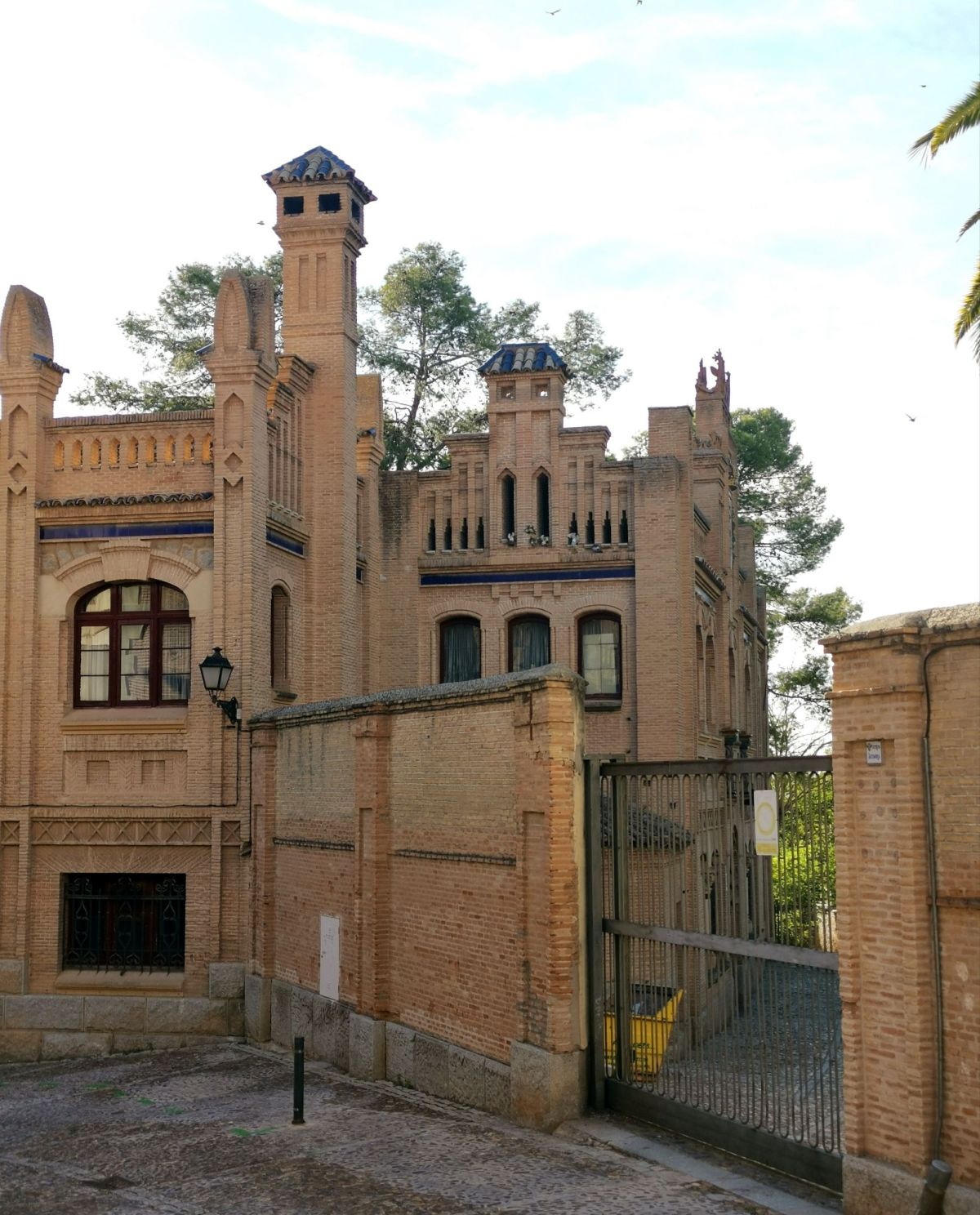
Antes de irme de Alcalá me encontré con este unico edificio cerca de la estación de tren. El Palacete de Laredo era, sin duda, uno de los monumentos más sorprendentes durante mi viaje. Construido en el siglo XIX por Manuel José de Laredo, el combinaba los estilos neo-mudéjar, neogótico y romántico. Su fachada de ladrillo, estaba decorada con arcos de herradura, frisos geométricos, cerámica vidriada y detalles que evocaban la Alhambra de Granada. Su torreón, rematado con delicados motivos mudéjares, se elevaba como un faro de fantasía en medio del barrio.
Aunque mi visita a Alcalá de Henares fue breve, cada rincón de la ciudad dejó una impresión profunda y duradera. Desde el primer instante, sentí que caminaba por un lugar donde el pasado y la literatura se entrelazan en cada esquina. Lo que más me impactó fue la conexión entre la herencia de Cervantes y los ecos del Siglo de Oro. Alcalá me ofreciera un instante de historia viva que, aunque efímero, permanecerá conmigo mucho tiempo.
Aranjuez, ciudad de jardines y aguas serenas, parece vivir al ritmo de una melodía eterna. Mi viaje hasta aquí nació de una música: el Concierto de Aranjuez de Joaquín Rodrigo. Sus notas suaves y melancólicas evocaban en mí la imagen de un lugar donde la historia y la naturaleza dialogan con armonía, levándome a esta encantadora ciudad real.
Mi viaje a Aranjuez comenzó con esa melodía. Desde que escuché por primera vez el Concierto de Aranjuez de Joaquín Rodrigo, supe que algún día debía conocer el lugar que inspiró aquella música de guitarra. Por eso, en la clara mañana del 18 de agosto de 2020, tomé el tren desde la estación de Atocha, en Madrid. El trayecto dura alrededor de 45 minutos. Los trenes pertenecen a la línea C-3 de Cercanías Renfe, y un billete sencillo cuesta alrededor de 4,50 €. Mientras el tren avanzaba hacia Aranjuez, sentí que seguía el rastro de unas notas musicales, como si me estuviera acercando a un reencuentro largamente esperado.
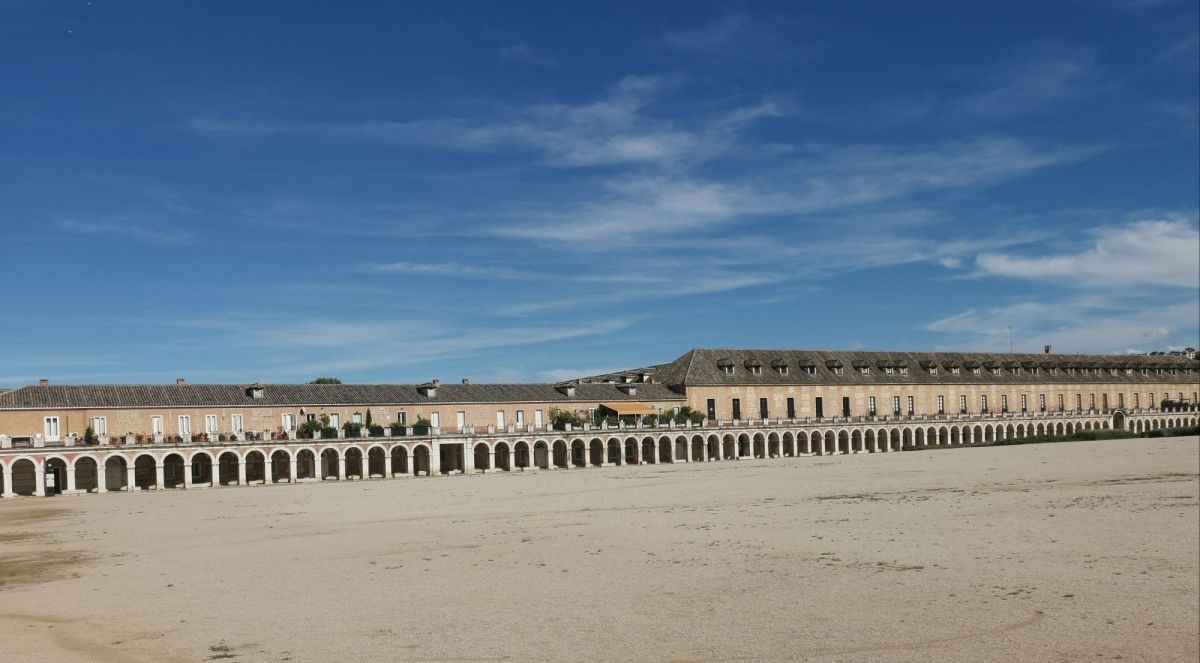
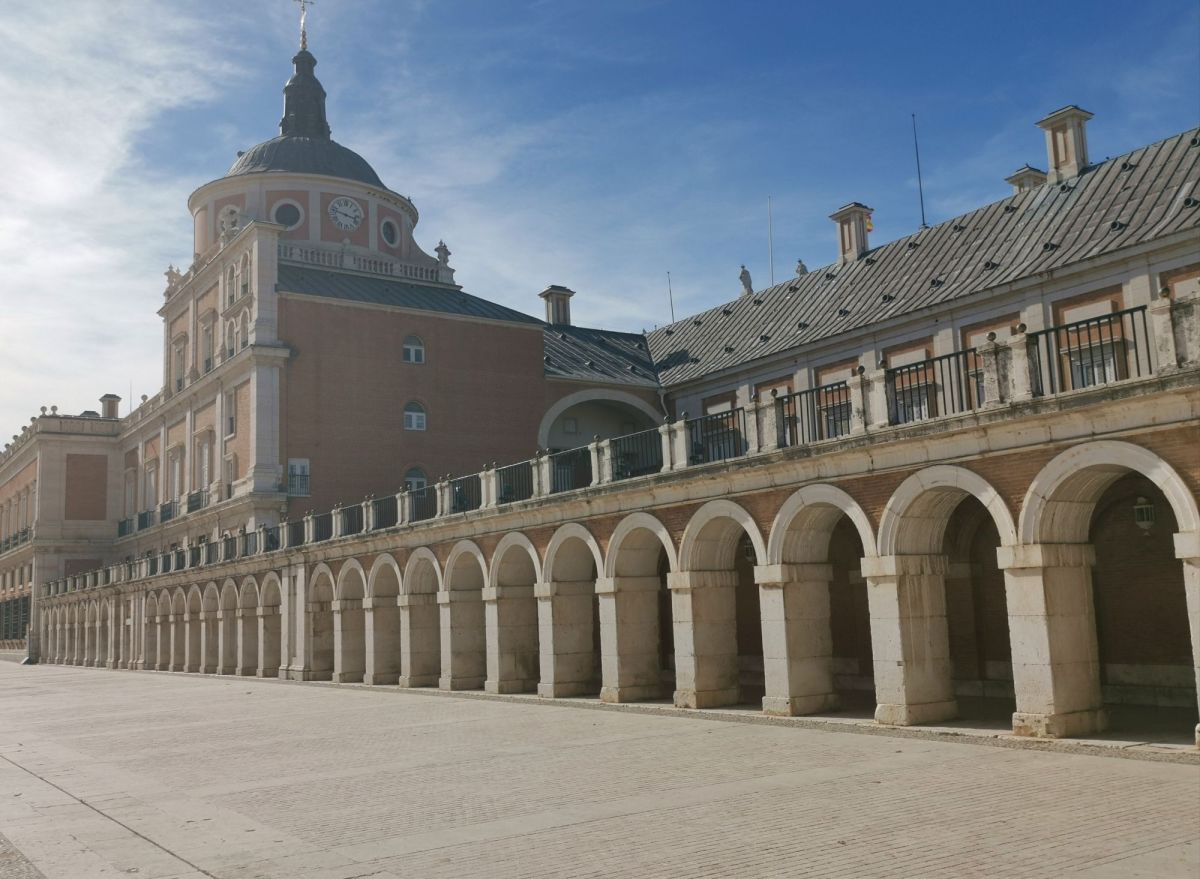
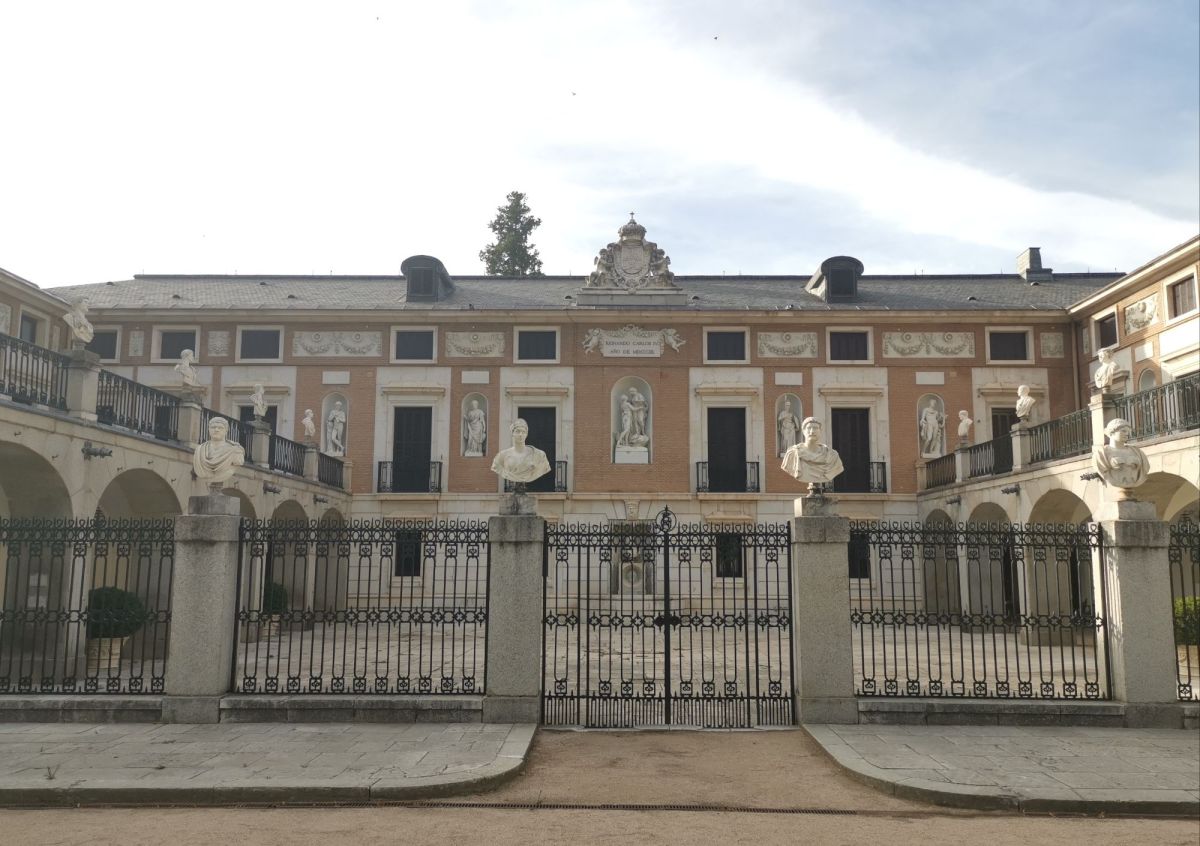
Al llegar a Aranjuez, lo primero que me sorprendió fue su tranquilidad. Las calles eran amplias, bordeadas de árboles y de edificios de tonos cálidos. Mi recorrido comenzó en el Palacio Real de Aranjuez, una residencia construida por los reyes de España como retiro de primavera. Frente al palacio se extendía un largo corredor arqueado, una galería porticada que invitaba a caminar bajo sus arcos.
La luz se filtraba entre los pilares de piedra y proyectaba sombras alargadas sobre el suelo, creando un juego rítmico de luces y silencios. Sus arcos de medio punto, repetidos con la precisión de un sueño clásico, dibujaban un camino que parecía no tener fin. Las columnas, altas y serenas, custodiaban la memoria de un tiempo en el que reyes y cortesanos paseaban entre murmullos. Cada sombra que se extendía bajo los arcos era una historia dormida; cada reflejo en el suelo gastado, una huella del esplendor que un día fue.
La fachada sur del Palacio Real de Aranjuez, abierta hacia la Plaza de Armas, destacaba por su elegante galería porticada de arcos de medio punto en la planta baja, sostenida por robustos pilares de piedra. Sobre esta arquería se alzaba la planta principal, con una sucesión de balcones enmarcados por pilastras y frontones, y coronada por una balaustrada adornada con esculturas y jarrones de piedra. Construida en ladrillo rojo y piedra blanca de Colmenar, la fachada combinaba con maestría el equilibrio clásico y la solemnidad heredada del barroco.
La Plaza de Armas es el corazón de Aranjuez. Sus amplias proporciones y su diseño simétrico evocan la elegancia clásica de las grandes cortes europeas. A un lado, la fachada del Palacio Real se alza luminosa, con su armoniosa combinación de mármol blanco y ladrillo rojo; al otro, los jardines se insinúan entre los muros, dejando escapar el aroma de las flores. En el centro de la plaza, el aire parecía quedarse quieto, interrumpido únicamente por el eco suave de mis pasos.
Allí comprendí por qué Joaquín Rodrigo pudo transformar Aranjuez en música. La fachada principal del Palacio Real de Aranjuez era majestuosa y luminosa bajo el sol. Desde el primer momento, me impresionó su fachada simétrica que transmitia una sensación de equilibrio. Tres niveles de arcadas y balcones se sucediban con una armonía casi musical, coronados por un frontón donde ondea el escudo real. En el centro, el gran balcón principal parecia un escenario desde el cual los reyes contemplaban sus jardines y el río Tajo. Cuando el sol iluminaba la fachada, los tonos cálidos del ladrillo se mezclaban con el brillo claro de la piedra, y el conjunto parecia vibrar como una nota sostenida en el aire.
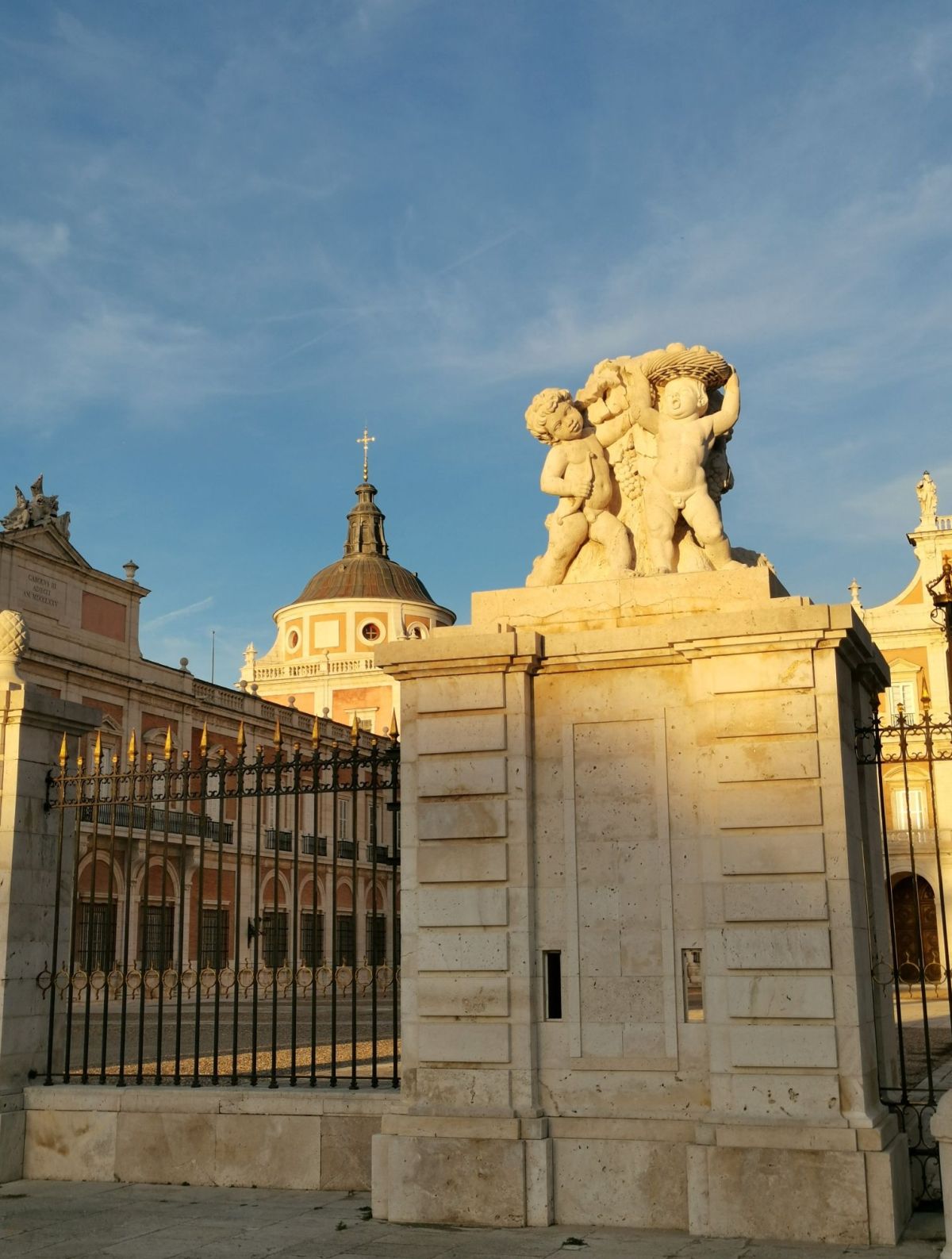
En la entrada del Palacio Real llamaban mi atención unas delicadas esculturas de niños pequeños, talladas en piedra clara. Representaban querubines y figuras juguetonas que sostenían guirnaldas y cántaros de agua. Sus rostros, llenos de serenidad y alegría, contrastaban con la solemnidad del palacio y aportaban un toque de ternura a la escena. La luz del sol resbalaba por sus mejillas redondeadas y destacaba los pliegues suaves de sus cuerpos. Al observarlos, uno siente que esos niños simbolizan el espíritu de Aranjuez: la unión entre la gracia y la nobleza, entre la infancia del arte y la madurez de la historia.
Al cruzar el umbral del Palacio Real de Aranjuez, lo primero que me impresionó fue la gran escalera de honor, una obra majestuosa. Construida en mármol claro, se abría en dos brazos simétricos que ascendían suavemente desde un vestíbulo luminoso, coronado por una bóveda decorada con relieves y molduras doradas. La barandilla, de hierro forjado y bronce, trazaba curvas elegantes que acompañaban el movimiento ascendente.
Al avanzar más, los salones se sucedían como una galería del tiempo: las brillantes lámparas de cristal, los tapices de patrones complejos, los frescos y espejos que reflejan siglos de historia. Cada estancia estaba concebida para impresionar a los visitantes, como si la arquitectura y la decoración formaran parte de una misma coreografía destinada a glorificar a la monarquía.
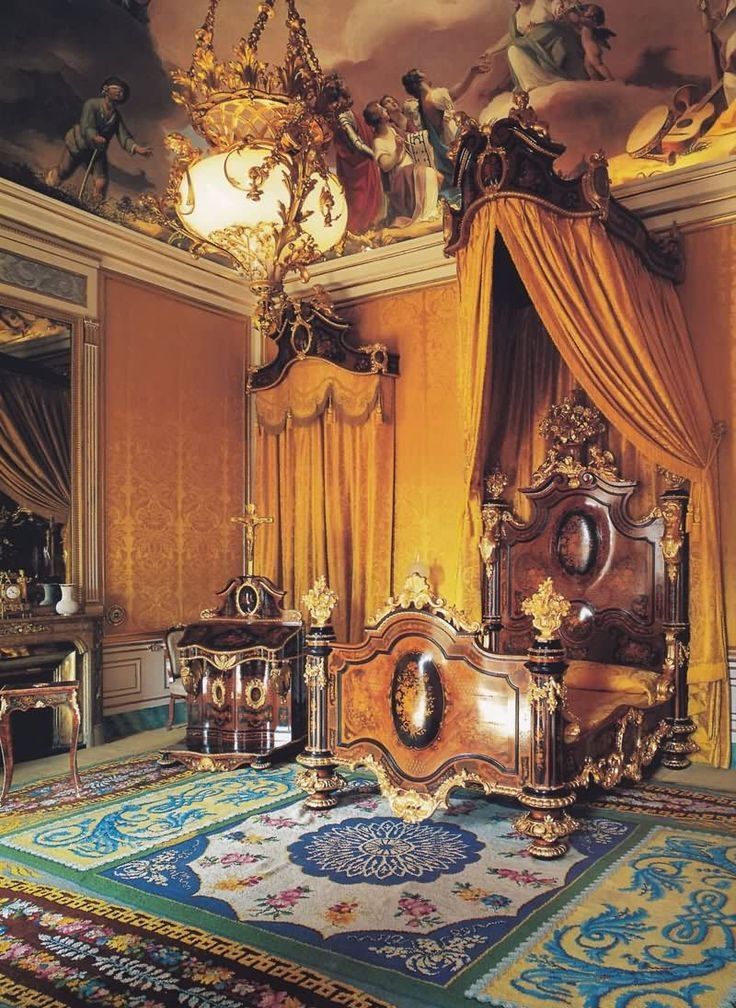
Entre los salones del Palacio Real, el Dormitorio de Isabel II destacaba por su delicada elegancia. Al entrar, todo parecía envuelto en una luz suave, filtrada por cortinas de seda que teñían la estancia de un tono dorado. Las paredes estaban cubiertas de tapices y telas finas, decoradas con motivos florales y detalles dorados que reflejaban el gusto refinado de la reina. En el centro, la cama con dosel, hecha de terciopelo y bordada con hilo de oro, estaba rodeada de espejos, muebles de marquetería y un pequeño tocador.
El Gabinete de Porcelana es, sin duda, una de las estancias más delicadas del Palacio Real de Aranjuez. Al cruzar su puerta, sentí que entraba en un mundo casi irreal, donde cada pared se convertía en una obra de arte. El espacio está revestido por completo de placas de porcelana en relieve, modeladas y pintadas a mano con una precisión exquisita. Flores, guirnaldas y aves exóticas parecían brotar de las paredes, como si fueran criaturas vivas congeladas en un instante eterno. La luz que entraba por la ventana se deslizaba sobre la superficie brillante de la porcelana, creando reflejos perlados. Era un espacio que no solo se miraba, sino que se sentía, como un susurro delicado que evocaba el ritmo luminoso del Concierto de Aranjuez.
El Salón de Baile es una estancia que impresiona por su elegancia. Lo primero que llamaba mi atención era la amplia luminosidad, reflejada en los espejos altos que multiplicaban la luz. Las paredes estaban decoradas con paneles dorados, líneas delicadas y motivos neoclásicos. En el centro, las brillantes lámparas de cristal revelaban la función original de la sala: un lugar para la celebración. El suelo de madera, pulido hasta el brillo, invitaba a imaginar los pasos de los bailarines, los acordes de una orquesta y el murmullo elegante de la corte.
El Despacho de la Reina reflejaba la vida privada y cotidiana de una reina. Había una atmósfera cálida, creada por las maderas nobles y los tapices de colores. El mobiliario era refinado sin llegar a ser ostentoso: un escritorio delicadamente tallado, donde la reina podía escribir cartas o atender asuntos personales, acompañado de sillas tapizadas con sedas finas. Las paredes estaban decoradas con cuadros de pequeño formato, grabados y retratos. La luz natural entraba filtrada por cortinas elegantes, otorgando a la estancia un tono casi doméstico.
Al salir del palacio, el paisaje del Jardine del Parterre se abría como un respiro: amplias avenidas arboladas, fuentes que murmuraban con un ritmo propio y parterres geométricos que recordaban la estética refinada de los grandes jardines europeos. Entre los caminos, pequeñas estatuas y grupos escultóricos aparecían de repente, casi escondidos entre el verdor. Los parterres simétricos, trabajados con precisión, mostraban flores de temporada cuyas formas y colores aportaban vivacidad. Me detuve frente a la Fuente de Hércules y Anteo, donde el sonido del agua cayendo parecía repetir las notas lentas del Adagio del Concierto de Aranjuez. Era fácil entender por qué los monarcas buscaban aquí descanso y por qué tantos artistas encontraron inspiración.
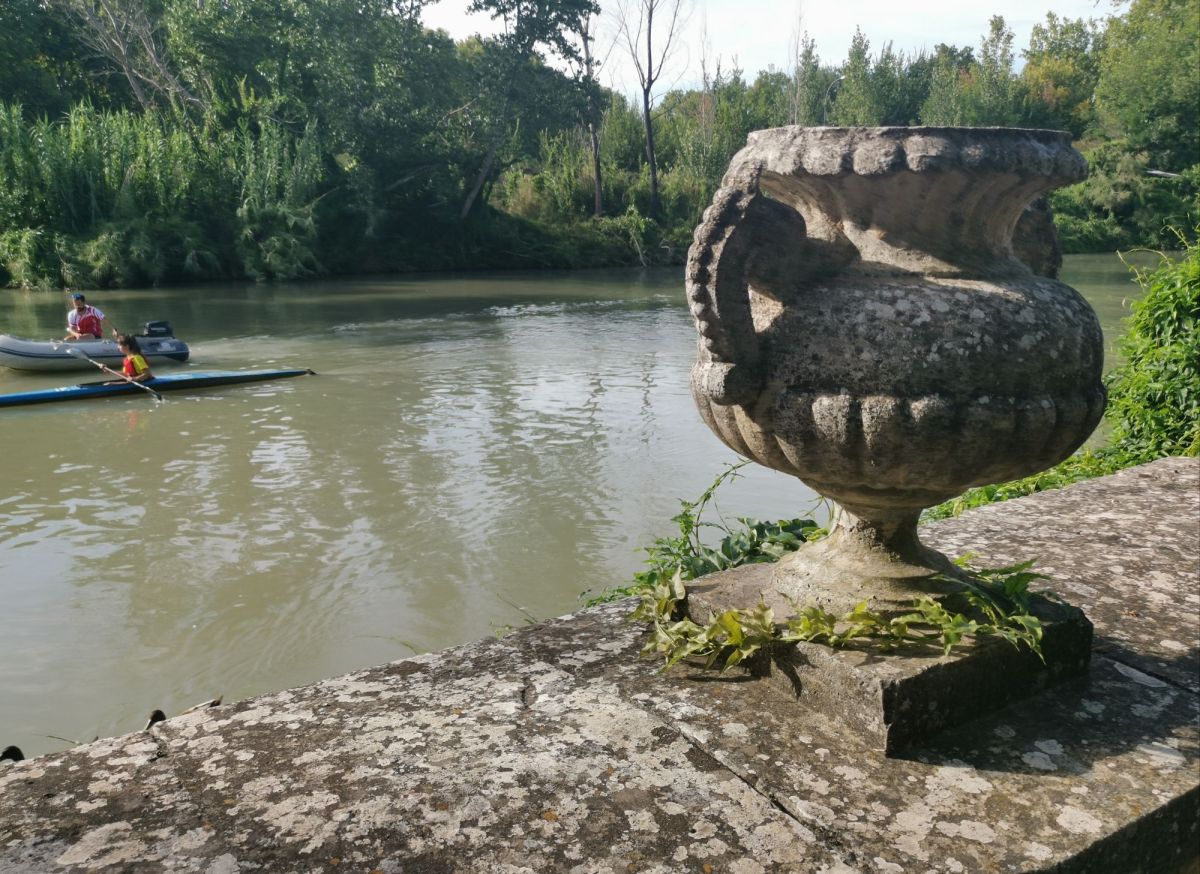
El río Tajo es el más largo de la Península Ibérica, con aproximadamente 1.007 km de longitud. En Aranjuez, el Tajo está acompañado por jardines, palacios y paseos, formando parte del Paisaje Cultural de Aranjuez, declarado Patrimonio de la Humanidad por la UNESCO. A lo largo de sus orillas se encontraban numerosas esculturas en forma de copa. Decoradas con motivos vegetales, geométricos o mitológicos, reflejaban la estética neoclásica y barroca del conjunto de jardines.
El muelle pequeño se adentraba como un dedo en las aguas del Tajo. La luz del mediodía se derramaba sobre el agua, tiñendo de oro y plata cada ondulación. Todo alrededor respiraba calma: el murmullo del río, el crujir de los sauces y el vuelo silencioso de las aves, como si el río y la tierra se encuentraban en un abrazo silencioso.
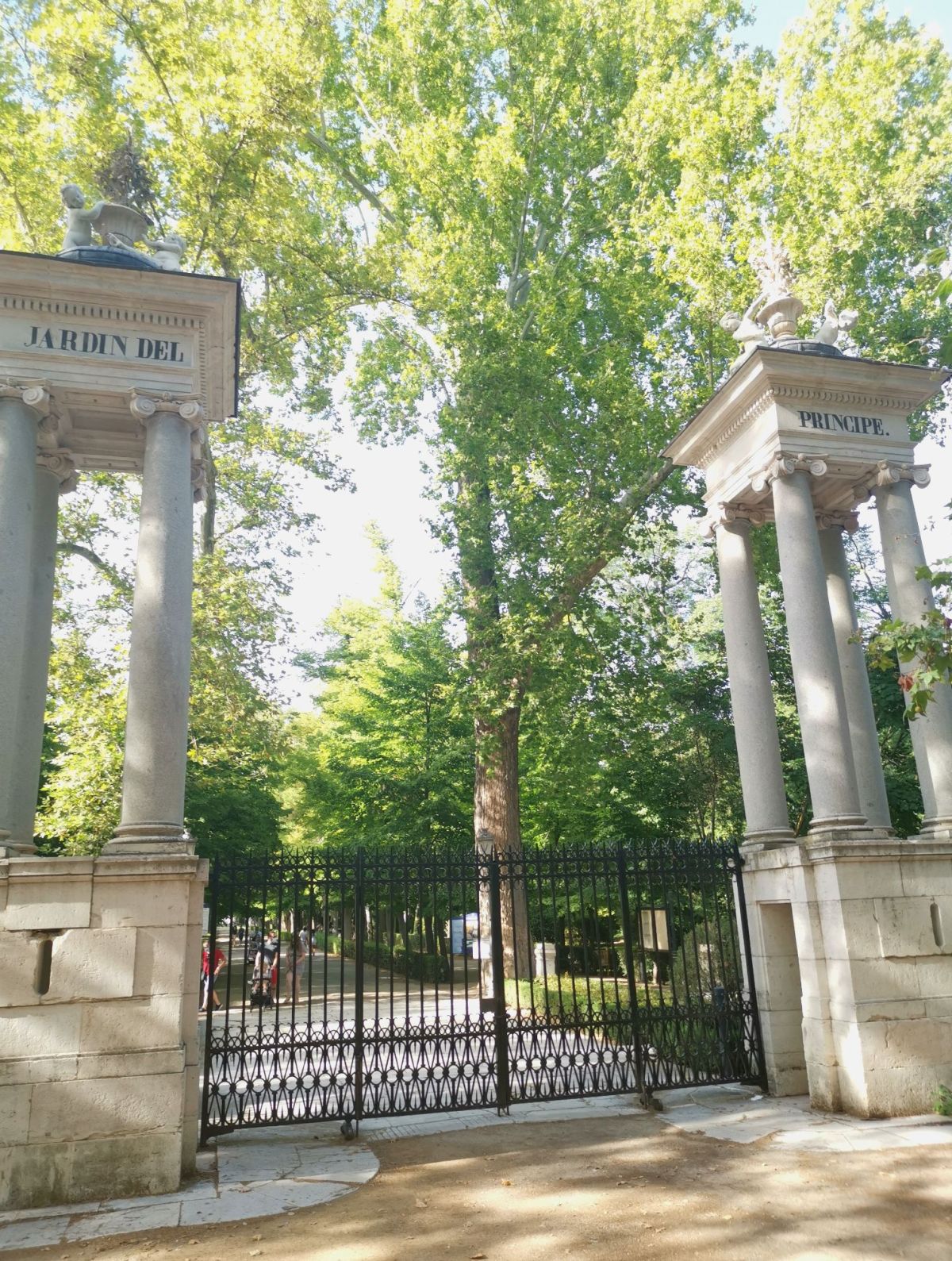
Siguiendo el curso del río Tajo, llegué a los Jardines del Príncipe. Era un inmenso paisaje verde, más cercano a un parque natural que a un jardín formal. A finales del siglo XVIII, el futuro Carlos IV quiso disponer de un jardín propio donde pudiera pasear, cazar, montar a caballo y disfrutar de la naturaleza sin las limitaciones del estricto diseño cortesano. Por eso se concibió como un gran parque de uso personal.
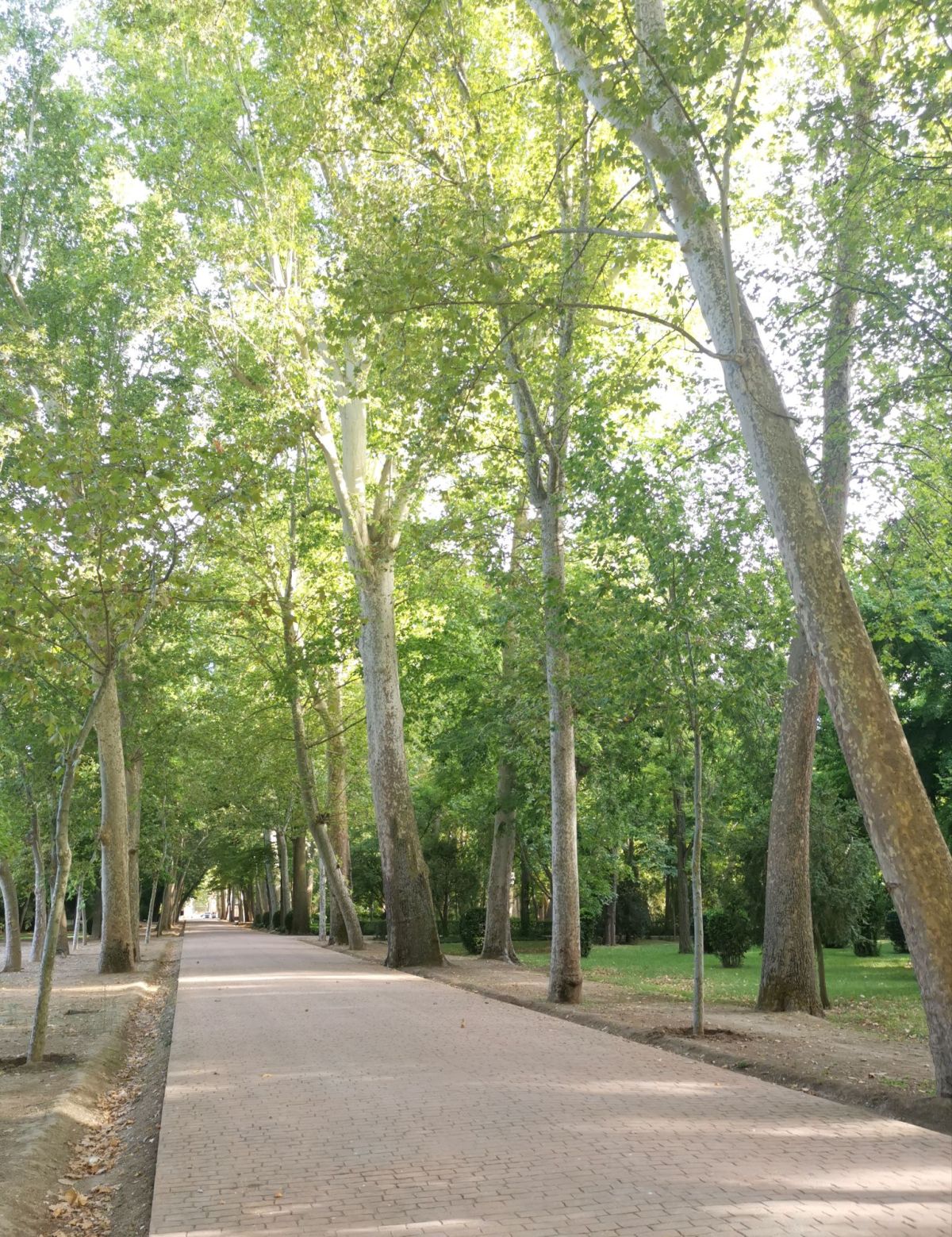
Sentí inmediatamente la amplitud. Los caminos eran amplios y se perdían entre bosques de árboles monumentales: plátanos, álamos, castaños de Indias y cedros. La luz se filtraba entre las hojas creando parpadeos dorados, mientras el aire se impregnaba del olor profundo del Tajo. Aquí, la naturaleza se desplegaba con libertad y creaba un equilibrio perfecto entre lo silvestre y lo refinado.
Rodeada de árboles altos, La Fuente de Narciso se inspiraba de la leyenda clásica de Narciso. En el centro, la figura del joven Narciso representado con una belleza idealizada y rasgos suaves se inclinaba ligeramente hacia el agua, como si buscara su reflejo eterno. Era una fuente monumental en la que la mitología se mezclaba con el paisaje. En los jardines occidentales, era habitual encontrar elegantes esculturas que adornan las fuentes.
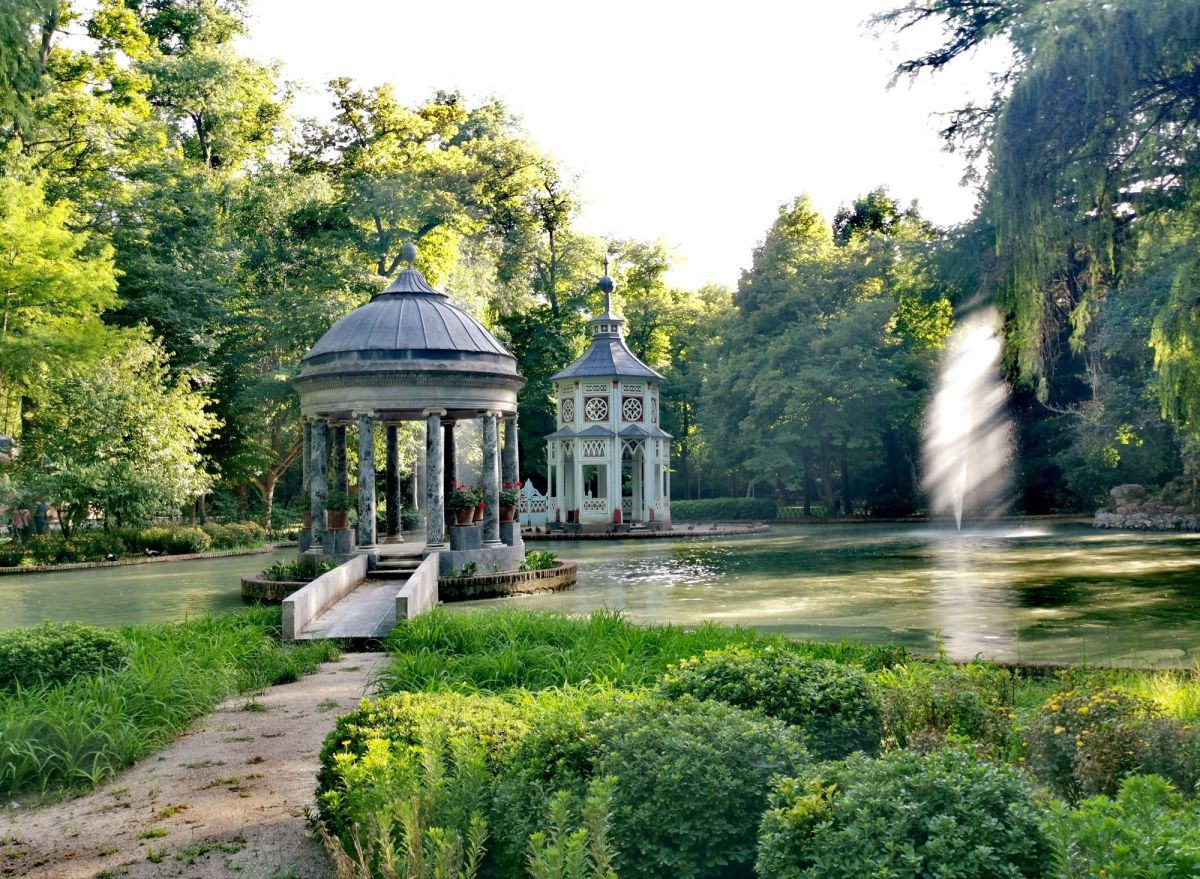
En toda Europa del siglo XVIII existía un gran gusto por lo “chino” o lo oriental. Durante esa época, la aristocracia europea se fascinó por lo exótico: porcelanas chinas, lacas japonesas, biombos, jardines con pabellones orientales… Los reyes españoles, al igual que otras cortes europeas, incorporaron elementos “chinescos” en sus palacios y jardines. El Estanque de los Chinescos aparecía como un pequeño mundo encantado dentro del jardín. Rodeado de vegetación, estaba adornado con delicados pabellones de inspiración oriental. En medio del estanque, pequeñas islas unidas por puentes ligeros invitaban a pasear lentamente.
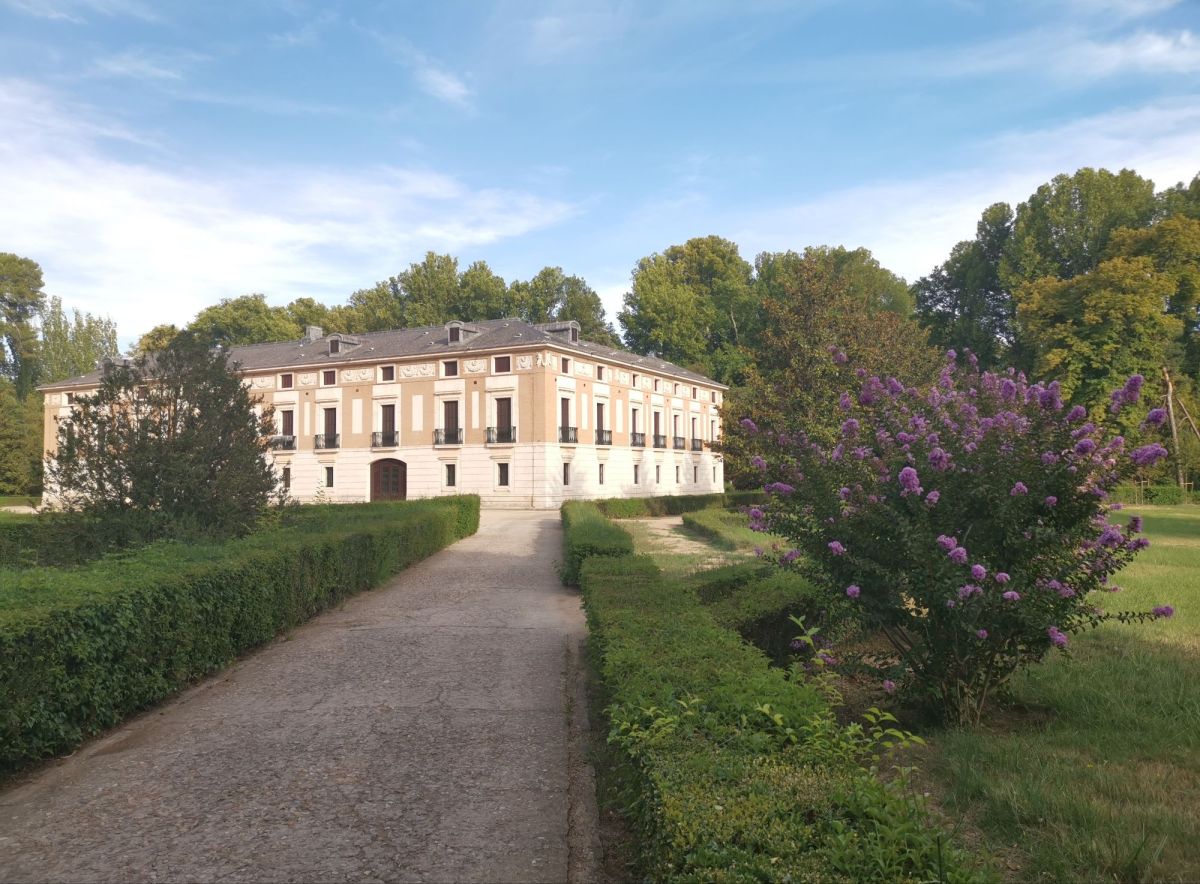
En el centro del jardín se encuentra la Casita del Labrador, una pequeña joya neoclásica que servía como residencia privada de los reyes. A primera vista, parecía un palacete exquisito, delicadamente construido entre los árboles. Su fachada, elegante y armónica, combinaba piedra clara, líneas neoclásicas y detalles refinados. Las esculturas en relieve que la decoran representan motivos alegóricos que evocan la paz y las artes, todas trabajadas con un cuidado minucioso. Creo que este pequeño palacio era un lugar perfecto para descansar, especialmente después de un largo y agotador paseo por el jardín.
Cerca de la Casita del Labrador, las flores púrpuras añadían un delicado toque de encanto al paisaje. Sus pétalos vibrantes resaltaban entre el verde profundo de los árboles y arbustos, creando un contraste lleno de vida. Su presencia ligera aportaba frescura al entorno y envolvía el jardín en un aire romántico.
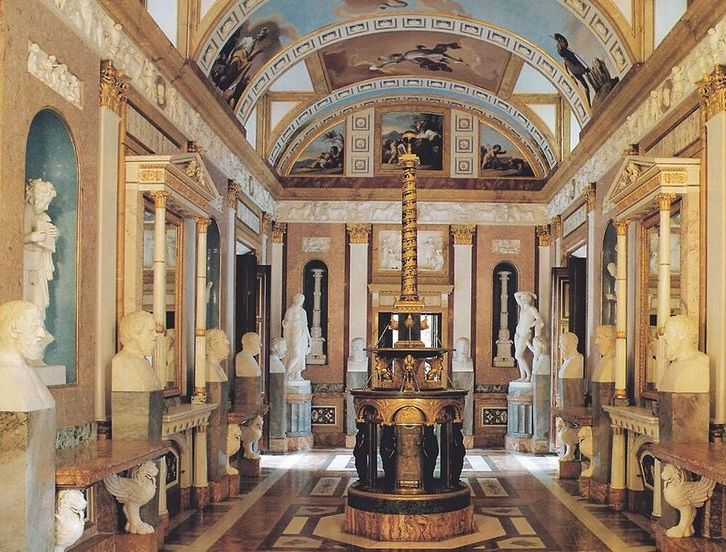
Lo verdaderamente impresionante está en el interior. La Casita del Labrador era un auténtico museo del refinamiento de finales del siglo XVIII. Cada sala parecía una obra de arte: suelos de mármol dispuestos en mosaico, muebles traídos de París y de Viena, relojes delicadísimos, sedas bordadas y lámparas de cristal que brillaban con una elegancia sutil. La decoración combinaba el gusto neoclásico con toques de una exuberancia heredada del rococó. La luz cálida inundaba las estancias gracias a los grandes ventanales.
La Isla Americana era un rincón especialmente interesante. Rodeada por un brazo del río Tajo, esta isla fue diseñada para acoger especies vegetales procedentes de América. Al entrar, el ambiente cambiaba de inmediato: los árboles se volvían más altos, más robustos y más insólitos que los habituales en los jardines europeos. Allí crecían plátanos gigantes, acacias, magnolios y ailantos cuyos follajes densos creaban una sombra profunda. Los troncos retorcidos y las hojas de gran tamaño daban al lugar un aire misterioso, casi primitivo.
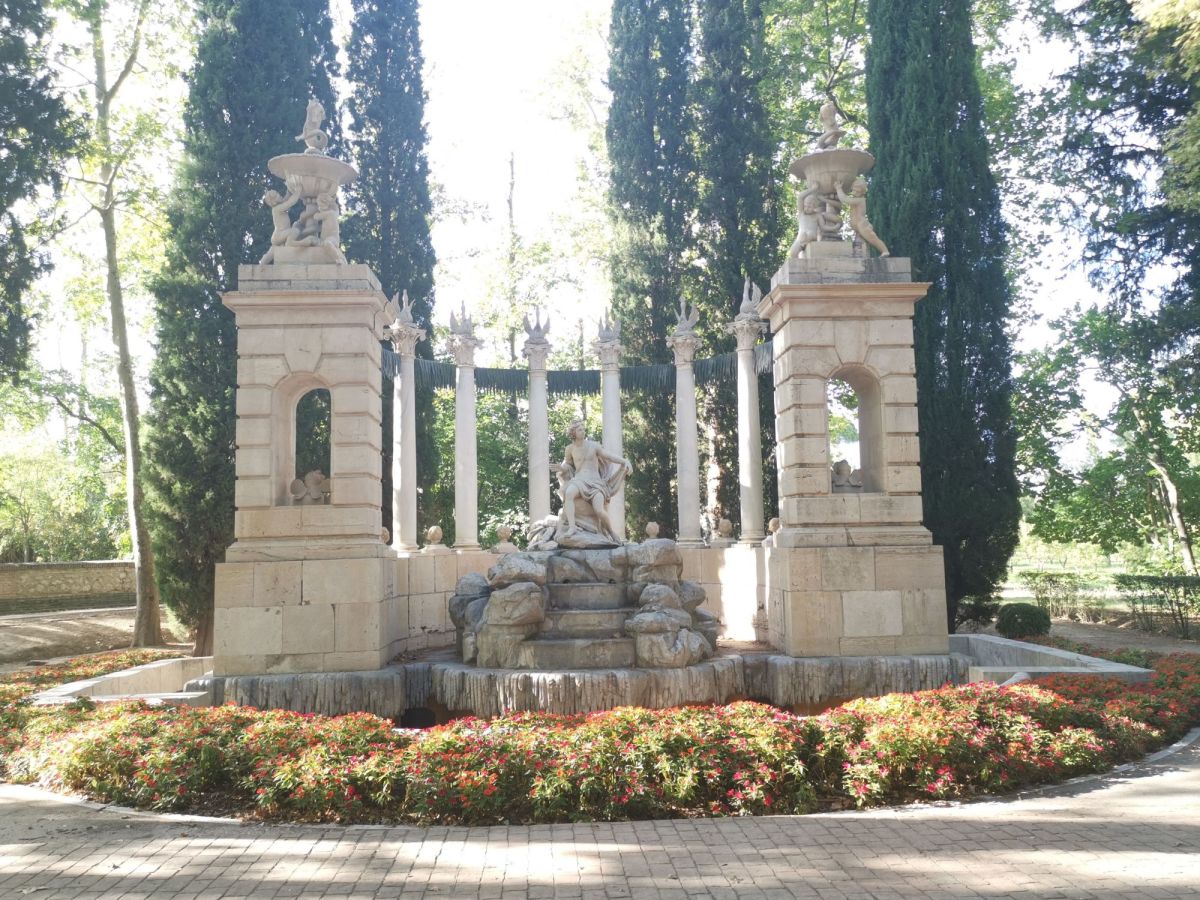
El Jardín del Príncipe es, además de un espacio natural, un auténtico museo al aire libre donde el arte dialoga con la vegetación. La Fuente de Apolo es un ejemplo perfecto de cómo el arte clásico se integraba en el paisaje. En el centro, la figura de Apolo, dios de la luz, encarnaba la belleza idealizada característica del neoclasicismo. A su alrededor, la fuente incorporaba elementos decorativos: pequeñas esculturas que evocaban ninfas y alegorías del agua. Me gustaban las esculturas de la arquitectura occidental, tan diferentes de los elementos característicos de la arquitectura oriental en China y Japón.
Me encantaba el atardecer en Aranjuez, como en el Concierto. Cuando el sol comenzaba a descender, la fachada del Palacio Real se transformaba en un lienzo dorado. La luz cálida de la tarde acariciaba los muros de ladrillo y piedra, haciendo que cada arco, cada cornisa y cada balcón pareciera encenderse por un instante. El rojo del ladrillo se volvía ámbar, la piedra blanca se teñía de rosa, y el conjunto brillaba como si el edificio respirara la última luz del día.
Al caer la tarde, mi viaje llegó a su fin y las sombras se alargaban sobre todo el palacio. Me senté en un banco, en un rincón tranquilo, y volví a escuchar el Concierto de Aranjuez en mis auriculares. Mientras sonaban las últimas notas, todo parecía detenerse: el tiempo, incluso el murmullo del viento. Cada acorde se transformaba en una hoja que se movía o en una fuente que cantaba. Y, como toda buena melodía, su recuerdo continúa resonando mucho después de que el último acorde se desvanece.
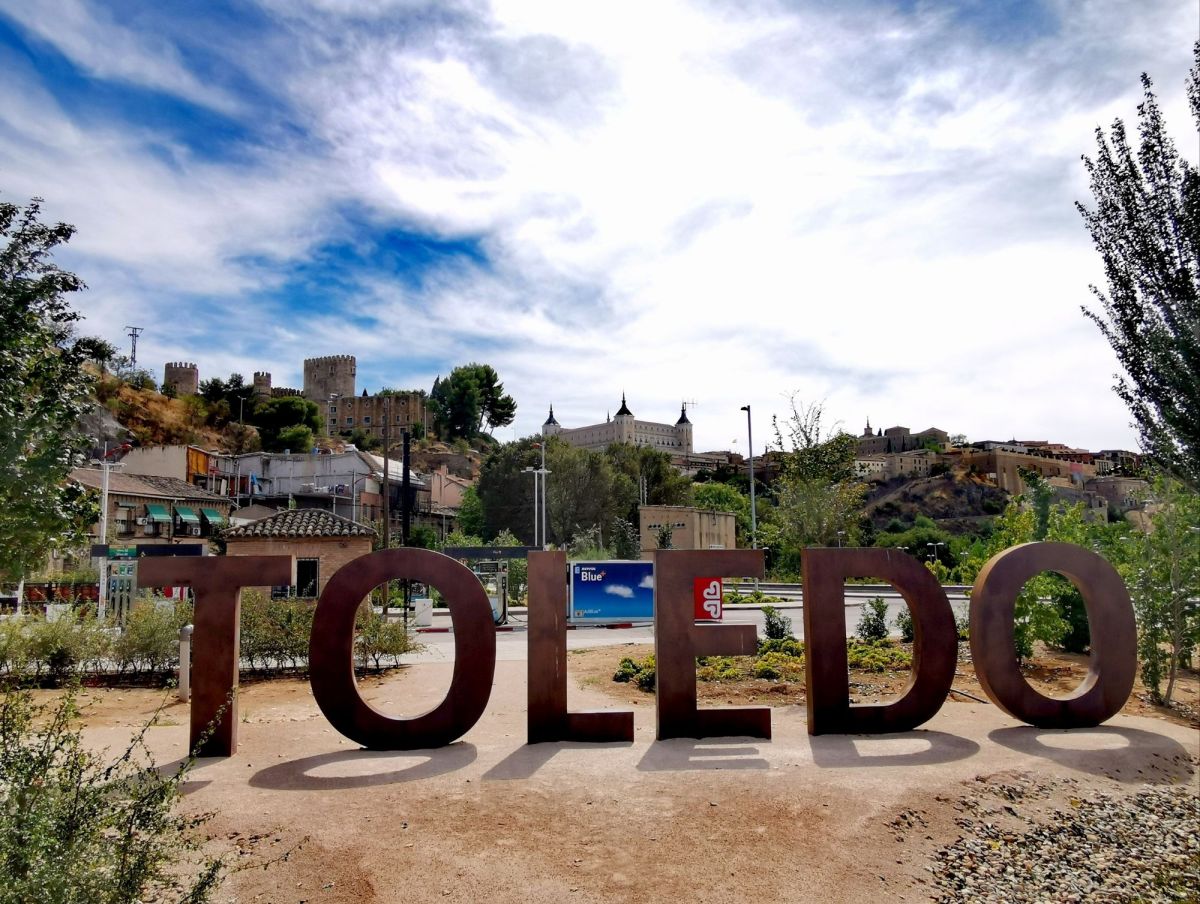
Toledo es una de las ciudades históricas mejor conservadas de Europa y un auténtico testimonio vivo del pasado. Conocida como la “Ciudad de las Tres Culturas”, Toledo fue durante siglos un crisol de convivencia entre cristianos, musulmanes y judíos, cuyas huellas aún se perciben en su arquitectura, su arte y su trazado urbano. Su bien conservado casco histórico, con callejuelas empedradas, majestuosos edificios religiosos y una muralla medieval que abraza la ciudad, me ofrece una experiencia única que transporta al visitante a la Edad Media.
Tomé el tren de alta velocidad desde Madrid para visitar esta ciudad el 17 de agosto de 2020. La estación de tren de Toledo, inaugurada en 1919, es una joya arquitectónica que destaca por su estilo neomudéjar, una corriente muy popular en España a finales del siglo XIX. Este estilo se inspira en la arquitectura islámica que floreció en la península ibérica durante la Edad Media, especialmente en el arte mudéjar, caracterizado por el uso de ladrillo, cerámica vidriada, arcos de herradura y elementos decorativos geométricos. Su torre del reloj, los arcos ornamentados y los detalles en azulejos son magníficos ejemplos del estilo neomudéjar. Entrar en la estación fue como atravesar un eco de la historia.
Viajar en tren de alta velocidad (AVE) entre Madrid y Toledo es muy conveniente. El trayecto Madrid–Toledo dura aproximadamente 30 minutos. El billete cuesta 13,90 € para trayectos directos si se reserva con antelación. Los trenes son modernos y limpios, con asientos cómodos, aire acondicionado y suficiente espacio para equipaje.
La historia de Toledo está profundamente marcada por su vínculo con el Islam, especialmente durante la Edad Media. Tras la conquista musulmana de la península ibérica en el año 711, Toledo que había sido una importante ciudad visigoda pasó a formar parte de Al-Ándalus, el territorio gobernado por los musulmanes en la región. La ciudad antigua de Toledo está construida sobre una colina rocosa que se eleva abruptamente sobre el río Tajo. La ciudad se organice en distintos niveles, adaptándose a la topografía del lugar.
La influencia islámica se dejó sentir en el urbanismo de la ciudad, con un trazado laberíntico y arquitectura característica, elementos que aún hoy pueden observarse en el casco antiguo. Las murallas de Toledo son uno de los elementos más emblemáticos del paisaje urbano de la ciudad. Las fortificaciones actuales son el resultado de múltiples ampliaciones y reconstrucciones realizadas durante los periodos visigodo y musulmán.
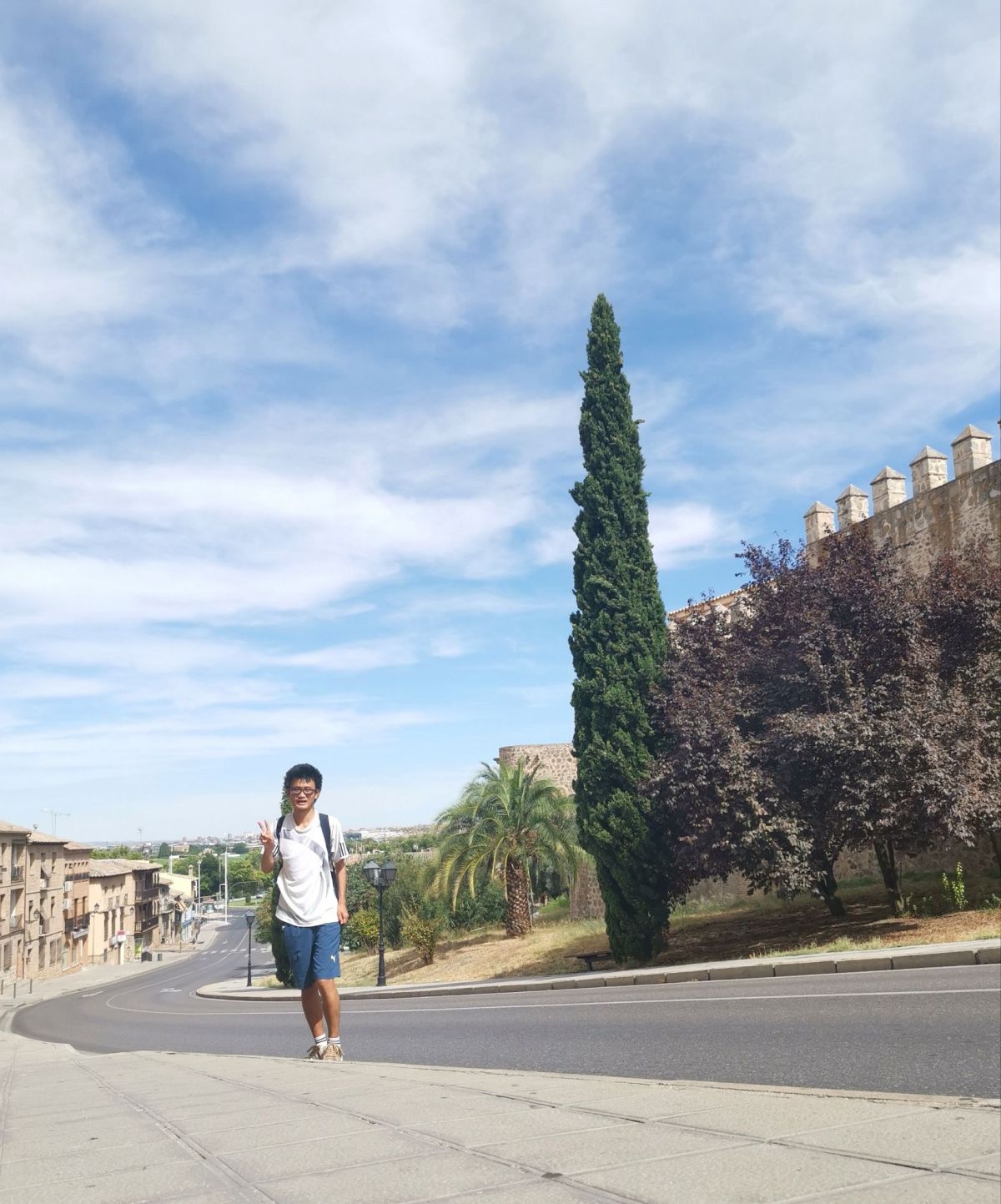
Toledo tiene ese encanto único que se siente aún más cuando las calles están tranquilas, sin multitudes. Caminar junto a sus antiguas murallas, rodeado de historia viva, entre piedras que han visto pasar los siglos, debía de ser una sensación casi mágica. Las exuberantes plantas tropicales que crecen a lo largo de las murallas aportan un hermoso contraste. La luz dorada sobre los muros y el eco de mis pasos en los callejones solitarios convirtieron mi paseo en un recuerdo imborrable.
Cuando Toledo fue reconquistada en 1085 por el rey Alfonso VI, comenzó una nueva etapa de transformación artística y religiosa en la ciudad, pero lejos de borrar el pasado musulmán, se produjo un fenómeno muy interesante de transmisión y fusión arquitectónica. Muchas de las antiguas mezquitas fueron convertidas en iglesias cristianas, pero mantuvieron buena parte de su estructura original islámica, dando lugar a un estilo propio conocido como mudéjar.
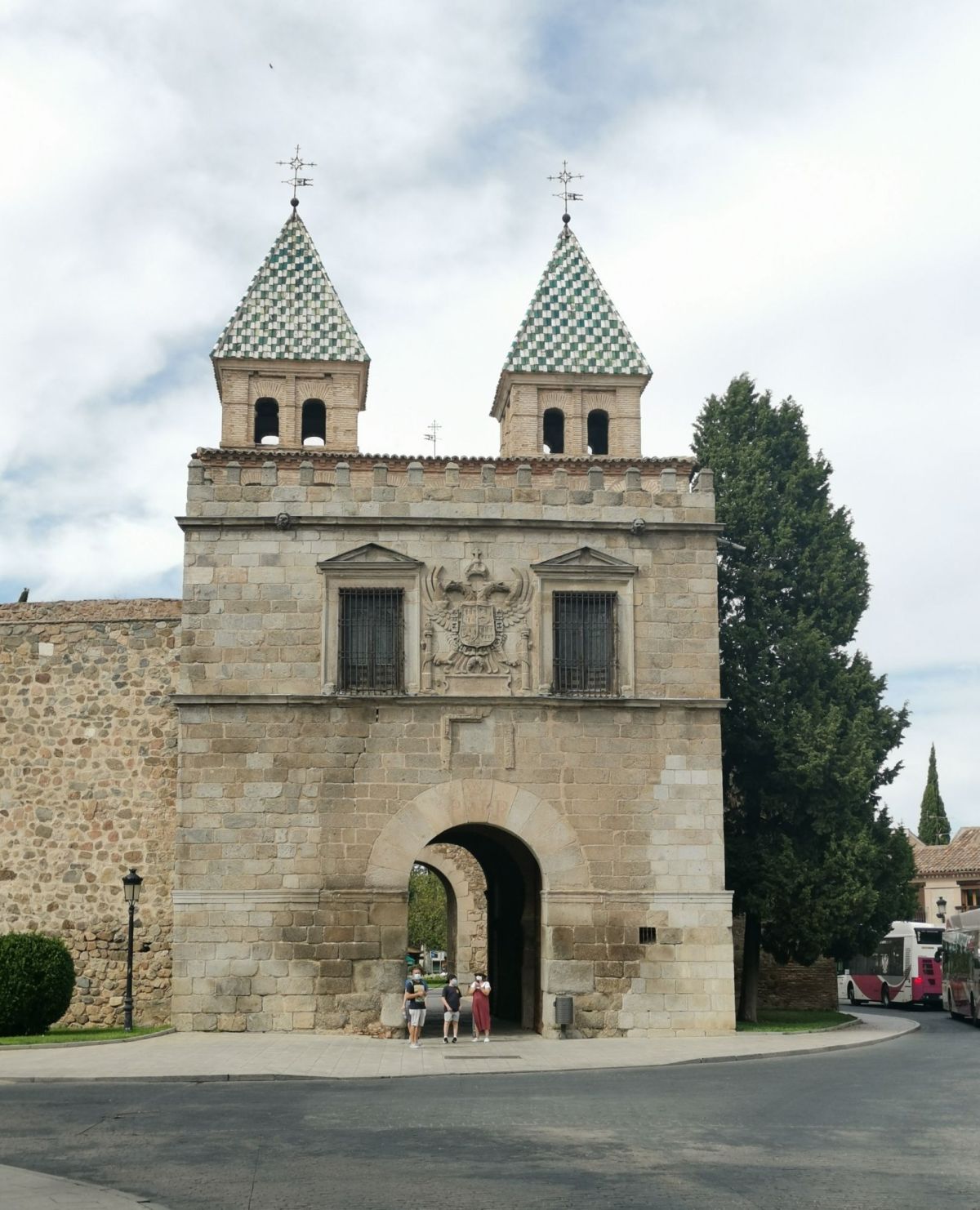
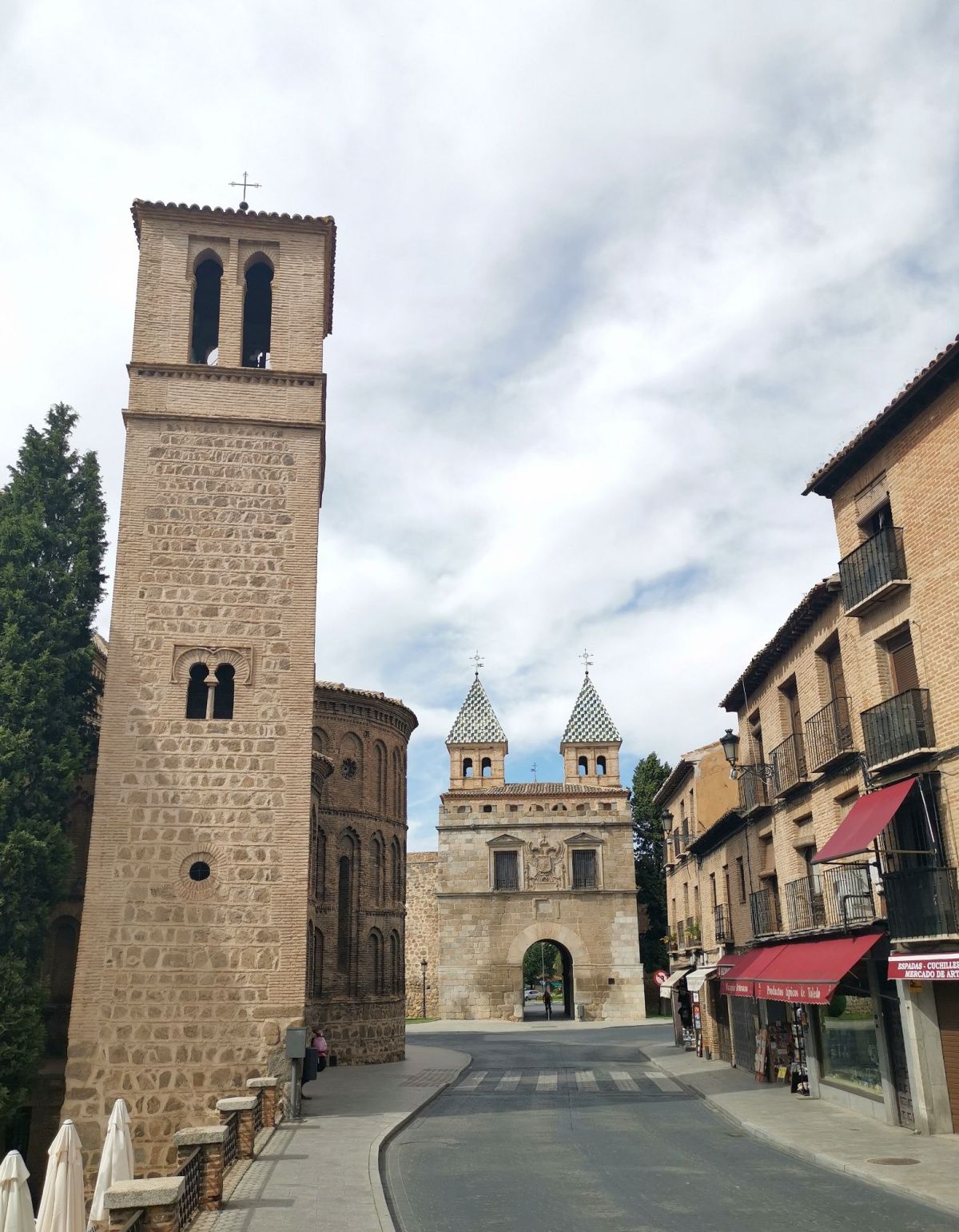
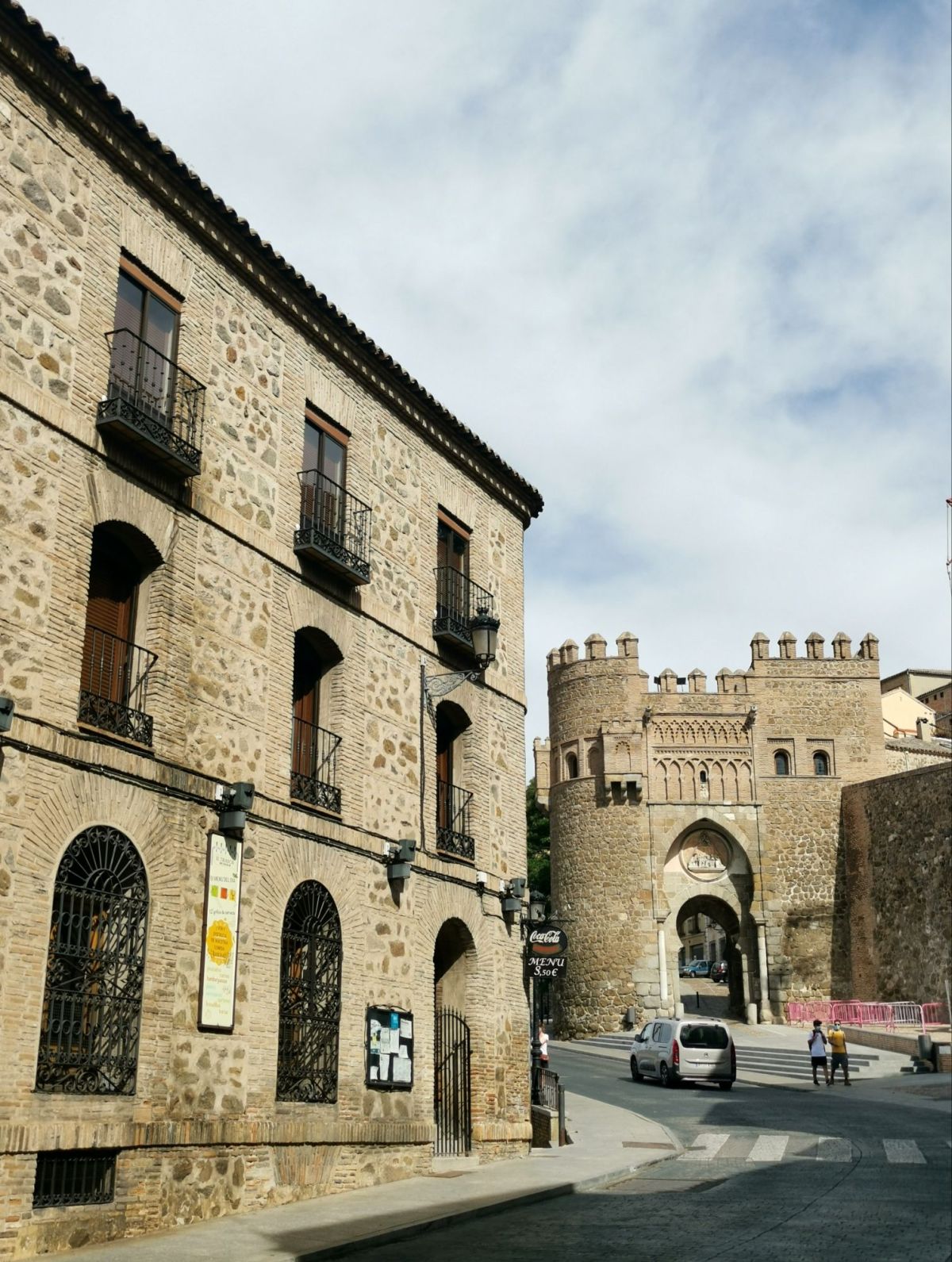
La Puerta de Alfonso VI fue construida durante el periodo de dominación musulmana. Formaba parte del primer cinturón defensivo de la ciudad. La puerta es de estilo islámico, con un arco de herradura flanqueado por dos torres. Su construcción en mampostería y ladrillo, junto con su decoración sobria, muestra claramente la estética defensiva y funcional del periodo andalusí. Fue durante siglos la entrada principal a Toledo desde el norte y formaba parte del sistema defensivo que protegía el acceso a la ciudad.
Sobre la puerta, vi el escudo imperial con el águila bicéfala. El águila bicéfala está esculpida en alto relieve. En el centro del águila se encuentra el gran escudo imperial de Carlos V quien gobernó Sacrosanto Imperio Romano Germánico. El alcance de su imperio comprendía territorios como Castilla, León, Aragón, Navarra, Sicilia, Austria, Borgoña y Flandes. En los siglos XIII al XVI, Toledo fue una ciudad clave para la monarquía castellana. Durante el reinado de Carlos V, la Corte residía en la ciudad, lo que de facto la convertía en el corazón del poder. En 1561, Felipe II trasladó la Corte a Madrid, que desde entonces pasó a convertirse en la capital permanente de España. Esta decisión marcó el inicio del declive político de Toledo.
Al caminar por las calles antiguas, de repente surgió frente a mí una torre cuadrada de ladrillo. Sus muros rojizos parecían absorber la luz del sol, cambiando de tono según la hora del día. Pequeñas ventanas estrechas, como ojos curiosos, me permitían imaginar la vida de los vigilantes que antaño recorrían sus pisos, atentos a cualquier movimiento en la ciudad. Desde lo alto, la torre se alzaba con sobriedad y autoridad, recordando su papel de centinela.
Dentro de las murallas de Toledo había muchas puertas. Toledo era una ciudad amurallada medieval, y cada una servía para vigilar un acceso concreto. Durante la noche, las puertas se cerraban completamente y los guardias vigilaban los accesos desde las torres. La Puerta del Sol se abría hacia los barrios del norte. Está decorada con arcos de herradura, escudos y relieves. Construida en el siglo XIV por los caballeros hospitalarios, protegía la entrada norte.
Dentro de las murallas, las calles parecían un laberinto. Eran estrechas, empedradas y serpenteantes, trazadas en tiempos medievales. Los muros de las casas, construidos con piedra y ladrillo, se alzaban tan cerca unos de otros que creaban pasajes donde apenas entraba la luz. Cada curva del camino guardaba una sorpresa: una puerta de madera tallada que parecía esconder historias antiguas; un arco mudéjar decorado con ladrillos entrelazados en formas geométricas; o una plaza diminuta, escondida entre muros.
Al caminar por ellas, sentí que me adentraba en un mundo antiguo, donde las casas de piedra y los muros de ladrillo se alzaban muy cerca unos de otros. Los balcones de hierro forjado y las puertas de madera tallada conservaban el encanto de siglos pasados. Me hicieron sentir el aliento de la historia y el espíritu de la ciudad.
Durante mi viaje a Toledo, una de las cosas que más me cautivaron fueron los balcones con patrones geométricos de estilo musulmán que adornan muchas de sus antiguas calles. Los patrones geométricos, formados por intrincadas celosías de hierro forjado o madera tallada, muestran esa búsqueda de equilibrio y perfección tan característica del arte islámico. Las líneas se entrelazan en simetrías casi infinitas, creando una sensación de orden. Mi experiencia de viaje se llenó de momentos de imaginar a las familias que alguna vez miraron la ciudad desde los balcónes.
Cada rincón realmente me asombró: una plazuela escondida, una iglesia que asomaba entre los tejados o una sinagoga silenciosa que recordaba la convivencia entre las culturas cristiana, judía y musulmana. El eco de mis pasos resonaba entre los muros y, al caer la tarde, las luces doradas transformaban el laberinto en un escenario de cuento.
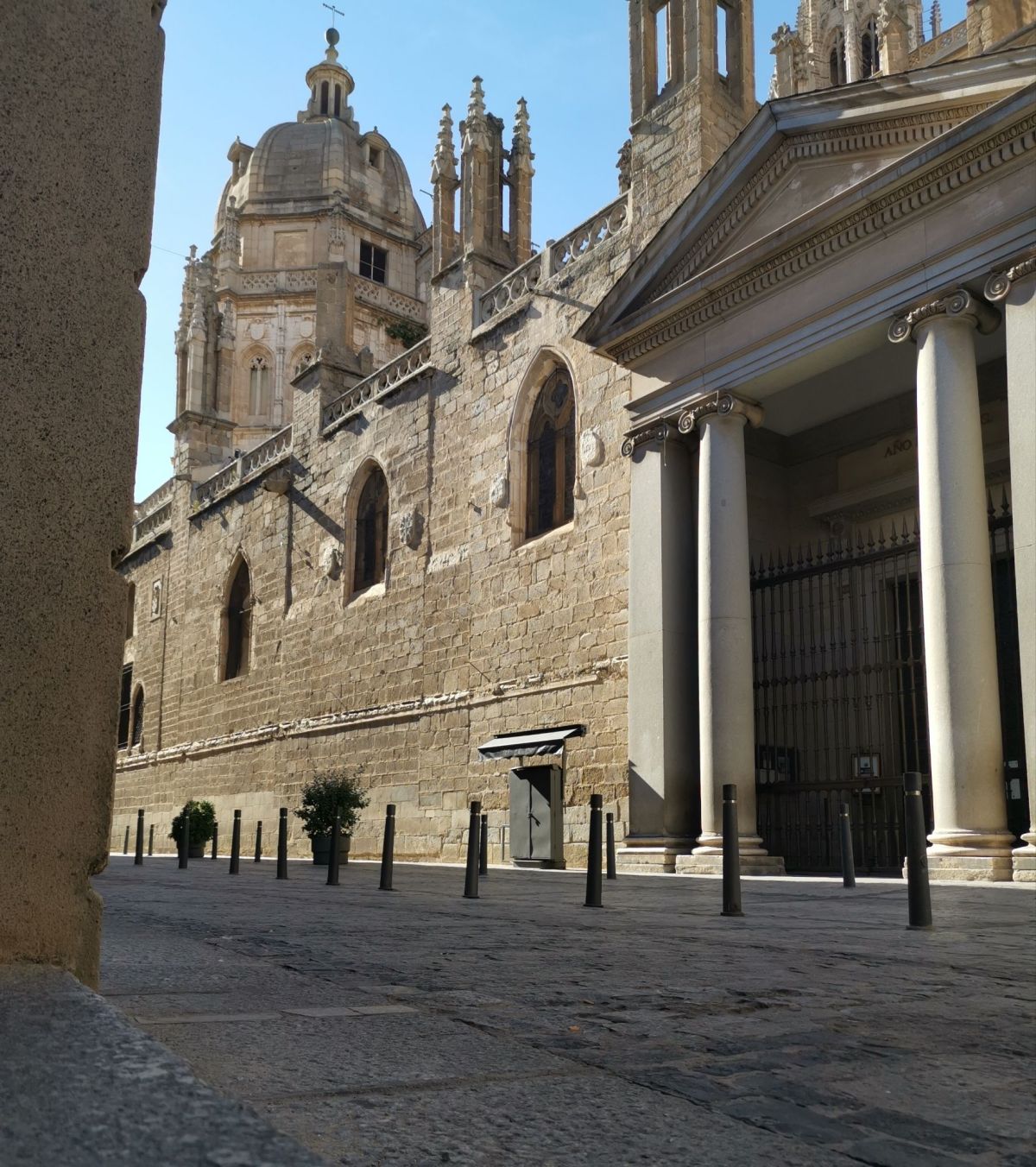
En medio del laberinto de calles, de pronto surgía la Catedral Primada de Santa María, casi oculta entre los edificios medievales. Su inmensa torre gótica me sorprendía; no esperaba encontrar una construcción tan grandiosa en un rincón tan estrecho.
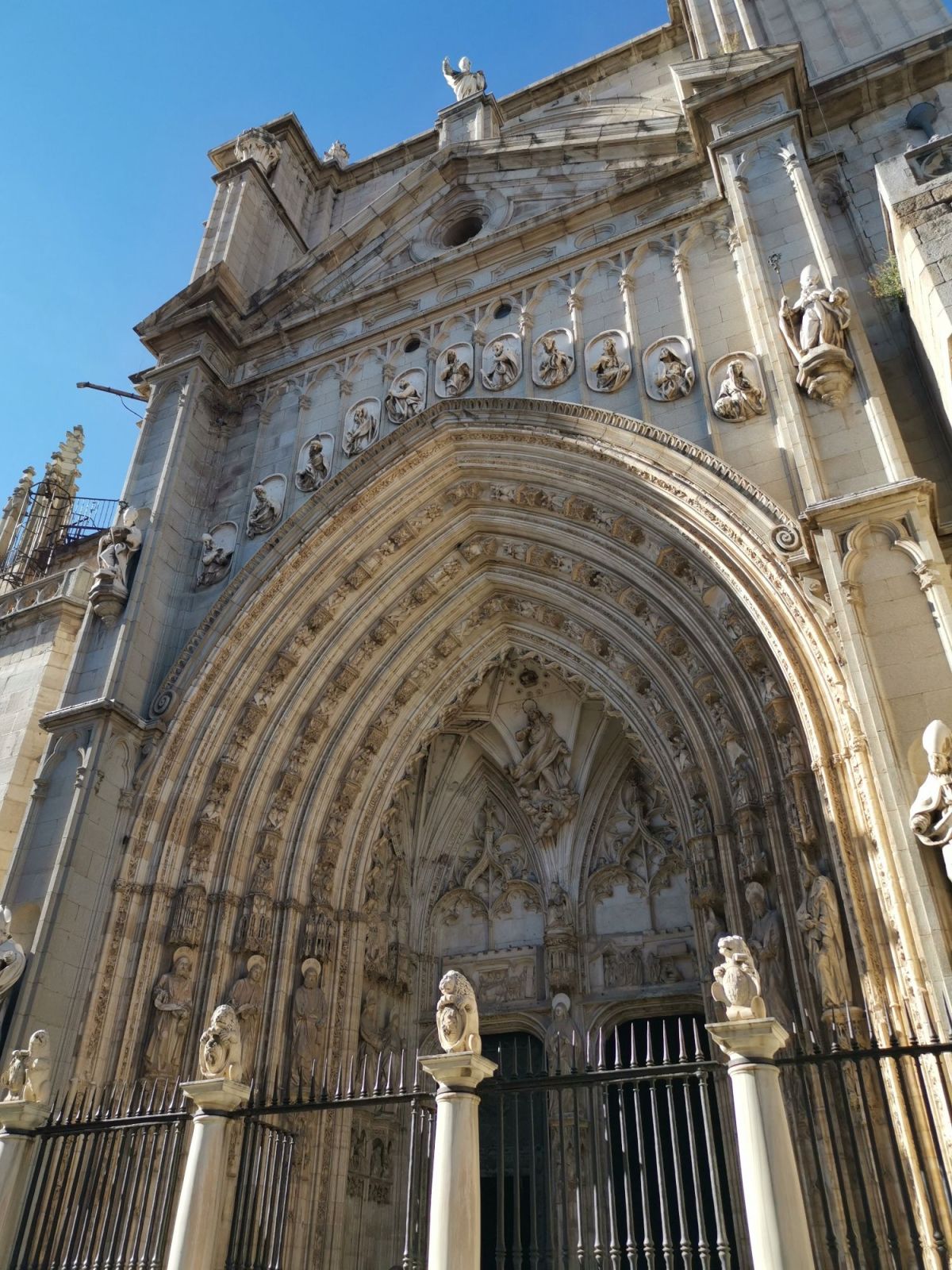
La Puerta del Perdón, tallada en piedra gótica, era un tapiz de esculturas y relieves que narraban historias sagradas. Sobre el arco central, la Virgen María sostiene al Niño, rodeada de una multitud de ángeles esculpidos con una delicadeza que emociona. Los arcos apuntados se elevaban como si buscaran el cielo, y las figuras de santos, apóstoles y ángeles parecían cobrar vida bajo la luz cambiante del día. La piedra, desgastada por siglos de fe y de tiempo, guardaba el tacto de generaciones que la cruzaron en silencio.
El interior era una sinfonía de piedra y arte. La penumbra se llenaba de una luz colorida que se filtraba a través de las vidrieras. Sus naves estaban separadas por columnas altísimas que se pierden en las bóvedas de crucería. Cada una de las capillas laterales tiene su propia historia, estilo y atmósfera, como si fueran pequeños mundos sagrados dentro del gran universo de la catedral. Pasear por ellas es como leer un libro tallado en piedra.
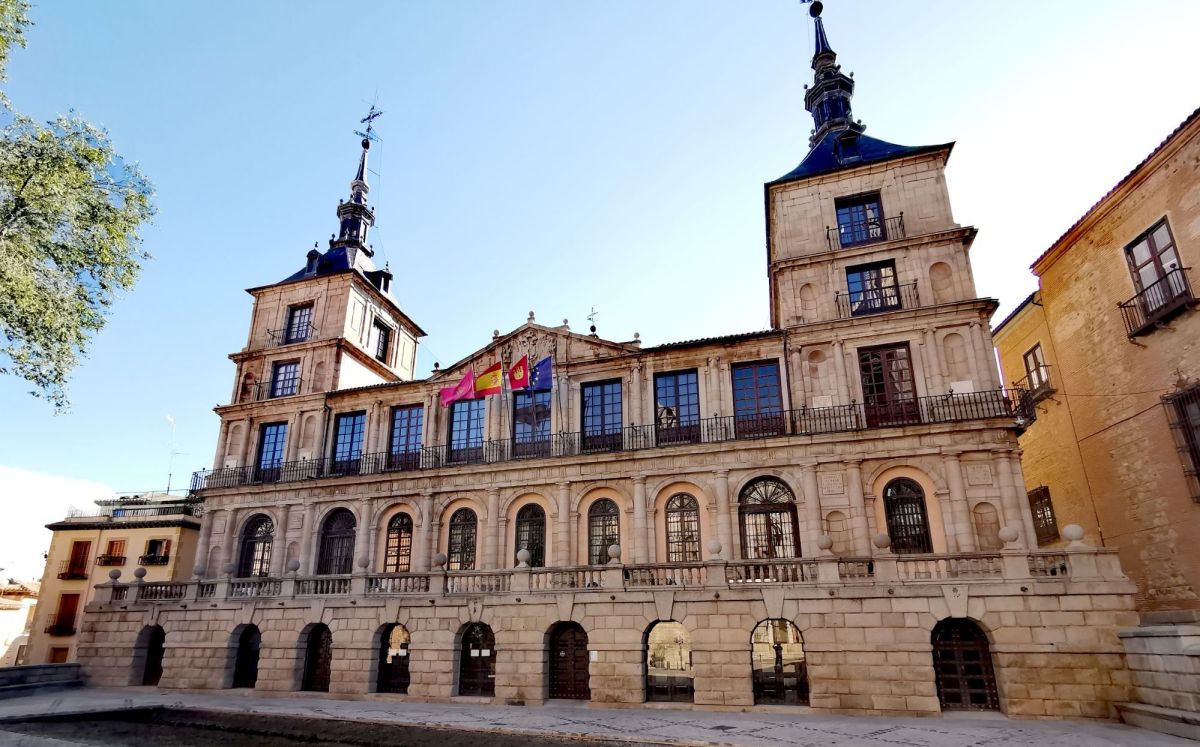
Frente a la majestuosa Catedral Primada, se alzaba el Ayuntamiento de Toledo, un edificio que parecía observar la historia con calma y elegancia. Su fachada simétrica de piedra estaba coronada por dos torres gemelas con cúpulas oscuras. Diseñado en el siglo XVI, el edificio combinaba la solidez castellana con la gracia italiana de su arquitectura. Sus balcones de hierro forjado se asomaban sobre la plaza, mientras los escudos tallados en piedra recordaban el orgullo de ese ciudad.
Durante el día, la luz del sol acariciaba su fachada, resaltando las molduras y los arcos del portal central. Al caer la tarde, el edificio se teñía de tonos dorados. A su alrededor, el bullicio de los turistas, los músicos callejeros y las conversaciones se mezclaban con el eco solemne de las campanas de la catedral.
El Palacio Arzobispal es uno de los edificios más representativos del poder eclesiástico en la ciudad, y forma parte del conjunto monumental que rodea la Plaza del Ayuntamiento. El palacio ha sido, desde la Edad Media, la residencia oficial de los arzobispos de Toledo, quienes durante siglos fueron figuras de enorme influencia religiosa, política y cultural en España. El palacio presentaba una fachada sobria y elegante, construida en piedra y ladrillo. Destaca su gran portada barroca, realizada en el siglo XVIII. La portada se adorna con columnas salomónicas, escudos arzobispales y un balcón central.
Pequeña y silenciosa, la Mezquita del Cristo de la Luz parece modesta frente a la grandeza de la Catedral. Es un testimonio vivo de la convivencia de culturas que definió a Toledo. Construida en el siglo X, cuando la ciudad aún era musulmana, su fachada de ladrillo y arcos de herradura recuerda el arte califal de Córdoba. Las columnas y los arcos se cruzan en una geometría perfecta, que parece hecha para guiar la mirada hacia lo alto. Siglos más tarde, cuando Toledo pasó a manos cristianas, la mezquita fue consagrada como iglesia. Se añadió un ábside románico, y en sus muros se superpusieron símbolos de ambas religiones: la cruz sobre el arco islámico, la piedra cristiana junto al ladrillo andalusí.
La Judería es el barrio donde, durante la Edad Media, se concentró la comunidad judía. Sus calles estrechas con casas de piedra y balcones de madera, conservan todavía el trazo medieval. Aunque muchas fueron convertidas en iglesias tras la expulsión de los judíos en 1492, algunas sinagogas históricas permanecen como testimonios del arte judío. La arquitectura judía también se refleja en las viviendas: casas decorados de yeserías y motivos geométricos, estrechas fachadas, y espacios íntimos. Los patios permitían la entrada de luz y ventilación, y muchos conservan arcos y alfarjes que recuerdan la fusión cultural con el estilo mudéjar.
El Alcázar de Toledo se alzaba majestuoso en lo más alto de la ciudad, dominando el paisaje con su imponente silueta de piedra. Visible desde casi cualquier punto de Toledo, este edificio no solo es un símbolo arquitectónico, sino también un testigo vivo de la historia de España. Elementos medievales, renacentistas y neoclásicos se entrelazan en su estructura. Sus cuatro torres cuadradas, situadas en las esquinas y coronadas por chapiteles, le otorgaban una apariencia de fortaleza inexpugnable. El edificio que vi es fruto de siglos de transformaciones, especialmente durante los reinados de Carlos V y Felipe II, quienes lo convirtieron en una de las residencias reales más representativas del poder imperial.
Hoy, el edificio alberga el Museo del Ejército y una biblioteca regional, combinando su valor histórico con un papel cultural y educativo. Visitar el Alcázar de Toledo es sentir la fuerza del pasado en cada piedra, es escuchar el eco de reyes, soldados y ciudadanos. Fue una de las experiencias más impresionantes de mi viaje a la ciudad. Me sorprendió la grandeza de su arquitectura.
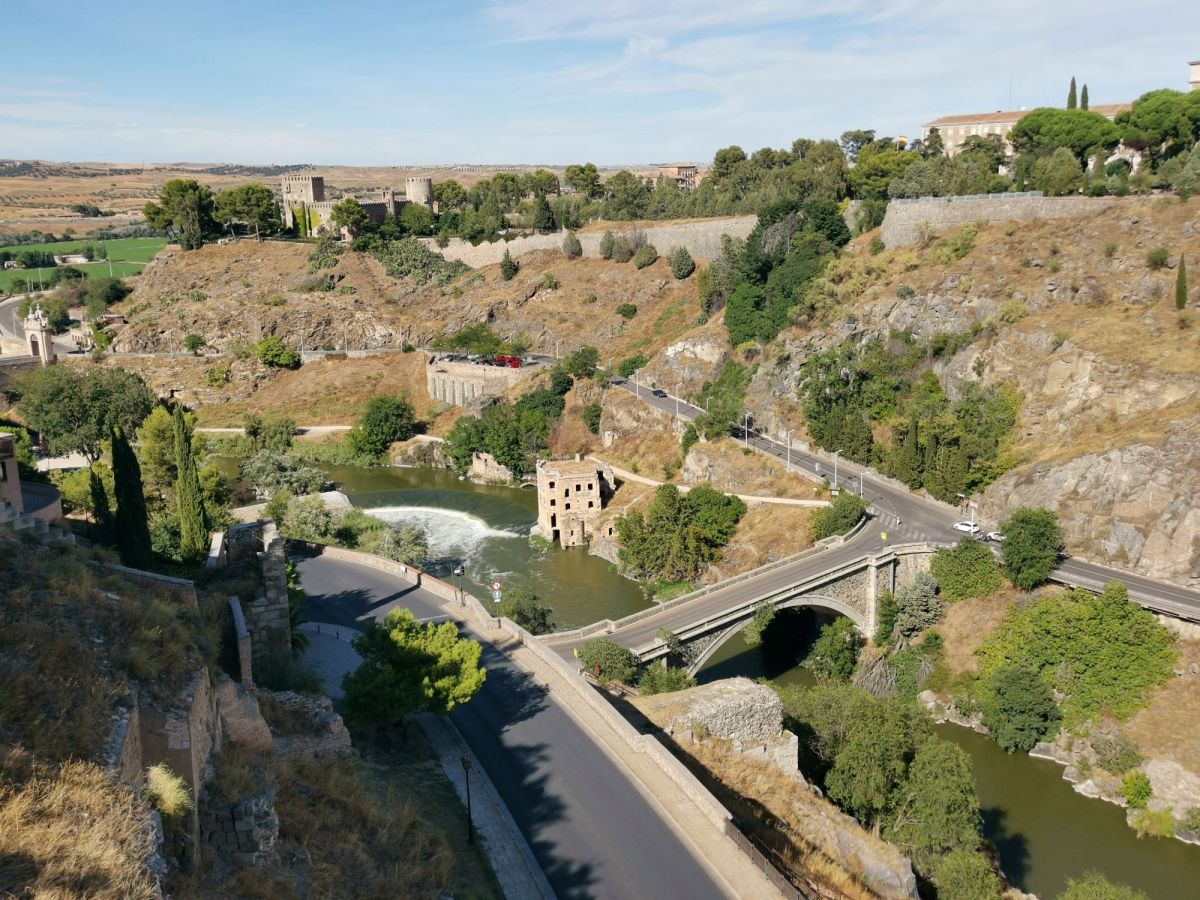
Desde los miradores del Alcázar de Toledo, la vista se abría como un lienzo inmenso. A mis pies se extendía el laberinto de calles medievales, con sus tejados rojizos. El río Tajo serpenteaba entre colinas doradas y barrancos, rodeando la ciudad como un abrazo protector. Sus aguas reflejaban la luz del sol en destellos. Al mirar al horizonte, la meseta castellana se extendía sin límites. Al atardecer, la luz dorada bañaba la ciudad, haciendo brillar las torres y las murallas mostrando la antigüedad y la magnificencia de Toledo.
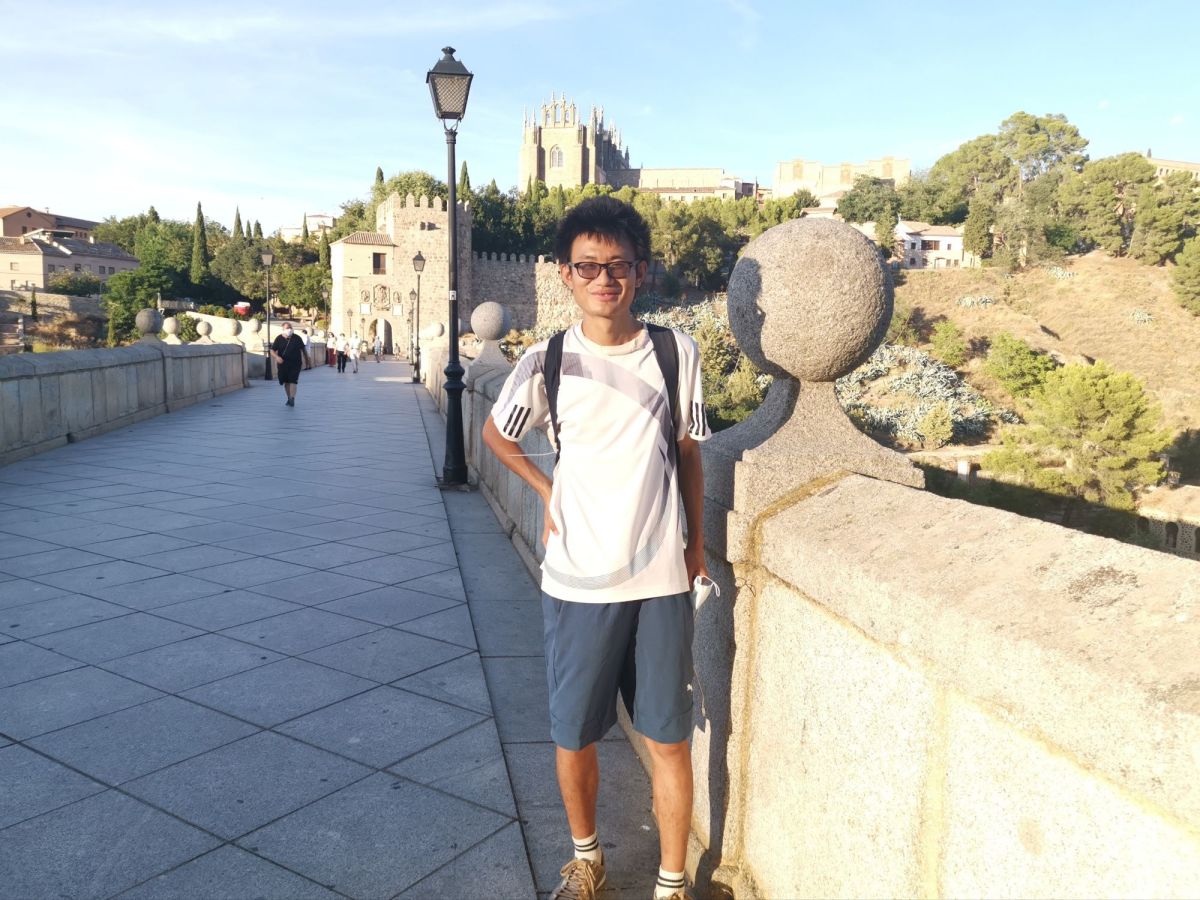
Los puentes de Toledo se tienden sobre el río Tajo como brazos de piedra que unen el pasado con el presente. El Puente de San Martín, majestuoso y firme, se levantaba al pie de las murallas. Construido por los romanos y reconstruido siglos después, su arco central reflejaba la perfección de la ingeniería antigua. Cruzarlo es como atravesar un umbral del tiempo: sobre sus piedras han pasado soldados, comerciantes, peregrinos y viajeros que, como yo, se detenían a mirar el río fluir bajo sus pies como si susurré a la historia.
La vista de Toledo desde el Puente de San Martín era una de las más bellas y evocadoras de mi viaje, una imagen que resumía siglos de historia suspendidos sobre el cauce del Tajo.
Desde el centro del puente, al mirar hacia la colina, la ciudad antigua se alzaba majestuosa sobre la curva del río, rodeada de murallas. Entre la vegetación y las huertas del valle se distinguían los tejados rojizos y las fachadas ocres de las casas, que reflejaban la luz del sol con un resplandor cálido, casi dorado al atardecer. El verde del río y de los olivos ofrecía un contraste suave a la piedra envejecida.
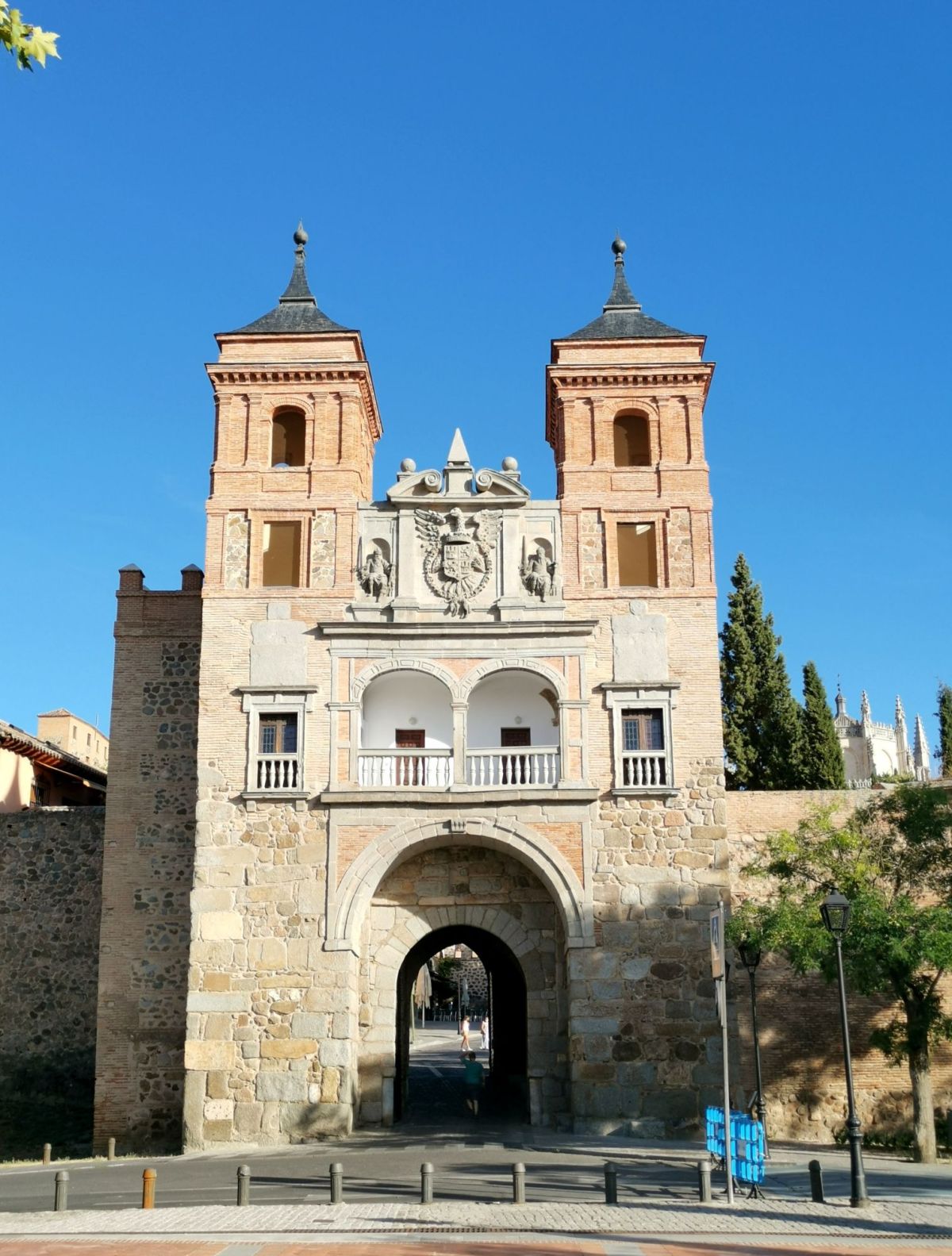
Me gusta la ciudad antigua de Toledo porque está muy bien conservada. Sus murallas y puertas mantienen el aspecto de otras épocas. La Puerta del Cambrón es una de las entradas históricas más bellas. Se encuentra en el lado occidental de la muralla. Su origen se remonta a la época musulmana y en el siglo XVI, durante el reinado de Carlos V, fue totalmente reformada en estilo renacentista. Está flanqueada por dos torres cuadradas de piedra y ladrillo. El escudo imperial de Carlos V adorna la fachada, recordando la época en que la puerta fue reconstruida.
La Puerta del Cambrón tiene un doble arco de entrada: uno exterior y otro interior. En la parte superior de puerta interior destaca una imagen de Santa Leocadia, patrona de Toledo, situada en una hornacina central. Por su posición junto al Puente de San Martín, a Puerta del Cambrón era uno de los principales accesos desde el oeste.
Las murallas de Toledo son uno de los elementos más emblemáticos que reflejan la rica historia de la ciudad. Los romanos construyeron los primeros recintos fortificados de Toledo. Fue capital del Reino Visigodo (siglo VI–VII) y conservó las murallas romanas. Durante la ocupación islámica (siglo VIII–XI), las murallas se reforzaron y se añadieron torres de vigilancia. Tras la reconquista en 1085, los cristianos ampliaron y restauraron las murallas. Testigos silenciosos de romanos, visigodos, musulmanes y cristianos, dejaron su huella en cada piedra.
Cuando el sol se escondía tras las murallas de Toledo, sentí que mi viaje llegaba a su fin, pero también que la ciudad me dejaba un regalo imborrable. La luz dorada del atardecer bañaba las casas de piedra y los tejados rojos, iluminando cada rincón de esta ciudad antigua que parecía detenida en el tiempo.
Mientras caminaba por sus calles empedradas, rodeado de murallas milenarias y torres que contaban historias de siglos, un sentimiento de asombro y nostalgia se apoderó de mí. Toledo, con su alma de ciudad antiqua, me hizo sentir pequeño ante la grandeza de su historia y, al mismo tiempo, parte de un instante eterno. La puesta de sol en los muros centenarios, quedó grabada en mi memoria como un cierre perfecto, suave y luminoso, de un viaje que nunca olvidaré.
Agosto de 2020 marcó un antes y un después en mi vida. Tras terminar mi máster, sentí la necesidad de regalarme un viaje que simbolizara libertad, celebración y nuevos comienzos. Ese destino fue Madrid. Llegar a la capital española fue como abrir la puerta a un mundo lleno de energía. Habian calles que respiran historia, plazas bañadas por el sol del verano, aromas de café y tapas que invitan a quedarse más tiempo del planeado. Caminar por Madrid se convirtió en una forma de redescubrirme, paso a paso, mientras la ciudad me ofrecía su calor, su arte y su vitalidad.
Tomé el tren de alta velocidad en la mañana del 15 de agosto de 2020, y en un abrir y cerrar de ojos, llegué a la estación de Atocha en Madrid. El AVE, como se conoce al tren de alta velocidad en España, es una tecnológica que conecta las principales ciudades, reduciendo tiempos de viaje considerablemente. Con una media de velocidades de hasta 300 km/h, este sistema ferroviario es uno de los más avanzados de Europa. Madrid, con su estación de Atocha, es un nudo neurálgico de estas rutas. Al llegar, mirando por la ventanilla del coche el contorno, poco a poco más claro, de la ciudad, no pude evitar sentir una mezcla de emoción y anticipación.
El calor del 15 de agosto también era inconfundible, típico de Madrid en pleno verano. Sentí una emoción entusiasta. Todo era nuevo: el bullicio de la ciudad, la arquitectura imponente, el aire cargado de historia. Era como si la ciudad me recibiera con los brazos abiertos, despertando en mí una gran curiosidad y el deseo de descubrir cada rincón.
El Museo del Prado, ubicado en el corazón de Madrid, es uno de los museos de arte más importantes y prestigiosos del mundo. Su imponente fachada neoclásica refleja la grandeza de las obras que alberga en su interior, con colecciones que incluyen a grandes maestros como Velázquez, Goya, Rubens y Tiziano. Frente a la entrada principal del museo, se alza una estatua de Diego Velázquez, uno de los pintores más célebres del Siglo de Oro español. La escultura lo muestra sentado, con paleta y pinceles en mano, en actitud reflexiva, como si observara a los visitantes que están por entrar. Es un símbolo del vínculo entre el arte y el museo, y un homenaje a su legado.
Alrededor, hay otras esculturas que completan el conjunto monumental, como las de Goya y Murillo, que también saludan discretamente a quienes cruzan las puertas del Prado. Francisco de Goya fue uno de los pintores más importantes de la historia del arte español. Su obra abarca desde el rococó hasta el romanticismo, y es considerado un precursor del arte moderno por su capacidad de representar tanto la belleza como la crudeza de la condición humana.
El Prado posee más de 8.000 pinturas, aunque solo una parte está expuesta al público debido a su tamaño. Su colección se centra especialmente en pintura española, italiana y flamenca. las Obras maestras destacadas son Las Meninas de Diego Velázquez, Las tres Gracias de Pedro Pablo Rubens y El 3 de mayo de 1808 de Francisco de Goya.
Las Meninas es una de las obras maestras más célebres de Diego Velázquez, quien fue pintor de cámara del rey Felipe IV. Su pintura logra una síntesis sorprendente de retrato, escena cortesana y autorrepresentación. En el centro aparece la infanta Margarita de Austria, hija del rey, rodeada de sus meninas. A la izquierda se autorretrata el propio Velázquez, pintando frente a un gran lienzo. Al fondo, en un espejo, se reflejan los reyes Felipe IV y Mariana de Austria. El uso de la perspectiva y la luz es magistral. La presencia del espejo ha sido interpretada como un homenaje a la pintura como arte ilusionista, capaz de incluir tanto lo visible como lo imaginado.
Las tres Gracias es una de las obras más reconocidas de Pedro Pablo Rubens, pintor flamenco del Barroco, realizada entre 1630 y 1635. Rubens fue un pintor al servicio de cortes y nobles europeos, y su estilo se caracteriza por la riqueza cromática, el dinamismo de las figuras y la exaltación del cuerpo humano. Representa a las Tres Gracias de la mitología grecorromana: Eufrosina, Talía y Áglae, diosas de la belleza, la alegría y la fertilidad. Se muestran desnudas, tomadas de la mano en un círculo íntimo, con un fondo de naturaleza y un cupido juguetón en la parte superior. Rubens exalta la belleza femenina natural, alejada del ideal clásico más estilizado, y lo hace con un gran sentido de vitalidad y frescura.
Alrededor del Museo del Prado descubrí un ambiente muy distinto al bullicio de la ciudad. Los árboles que bordean el Paseo del Prado regalan sombra en los días calurosos de agosto, y los bancos invitan a sentarse y observar la vida pasar con calma. El murmullo del tráfico se siente lejano, casi amortiguado por la elegancia de los jardines y la presencia solemne del edificio. Turistas y madrileños se mezclan en un ir y venir tranquilo. Es un rincón de Madrid donde el arte empieza incluso antes de entrar al museo, en la atmósfera serena que lo rodea.
La Iglesia de San Jerónimo el Real, cerca del Museo del Prado, es uno de los templos más emblemáticos de Madrid. Su silueta gótica, con torres puntiagudas y contrafuertes, contrasta con la sobriedad del Paseo del Prado. Fue construida en el siglo XVI como parte de un antiguo monasterio de monjes jerónimos. Su fachada principal, de estilo gótico tardío con toques renacentistas, luce un rosetón sencillo y una portada con arquivoltas que enmarcan figuras religiosas. Al acercarse, destacan las dos escaleras simétricas que conducen a la entrada, como si invitaran al visitante a elevarse. Me gusta el cesped frente a la portada.
Después visité el parque del Retiro cerca del museo del Prado. Sumergirme en el Parque fue como abrir una puerta a la historia, el arte y la serenidad en el corazón palpitante de Madrid. Caminé por senderos arbolados que parecían sacados de un lienzo impresionista, cada rincón una postal viviente, congelando la calidez y la belleza del tiempo. Su historia se remonta al siglo XVII, cuando fue concebido como jardín real para el disfrute de la corte de Felipe IV.
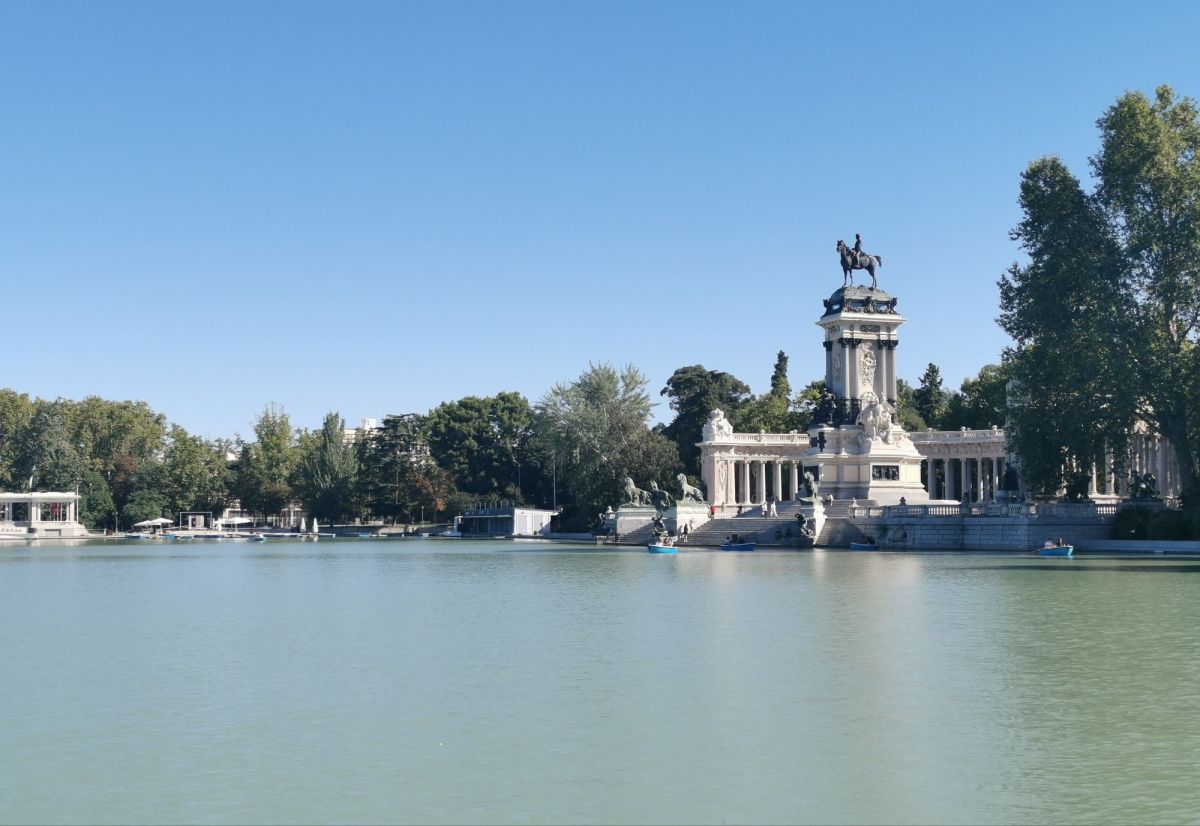
Uno de sus rincones más icónicos es el Estanque Grande, un lago rectangular con estatua ecuestre de Alfonso XII, rodeada de un imponente hemiciclo de columnas blancas,como un magnífico teatro al aire libre. Al acercarse, se abre ante mis ojos una lámina de agua amplia y serena, donde el reflejo del cielo madrileño y el verde de los árboles. Fue creado en el siglo XVII como escenario para espectáculos acuáticos organizados por la corte, donde se representaban batallas navales y fiestas para la realeza. Hoy, en cambio, es un lugar para el ocio.
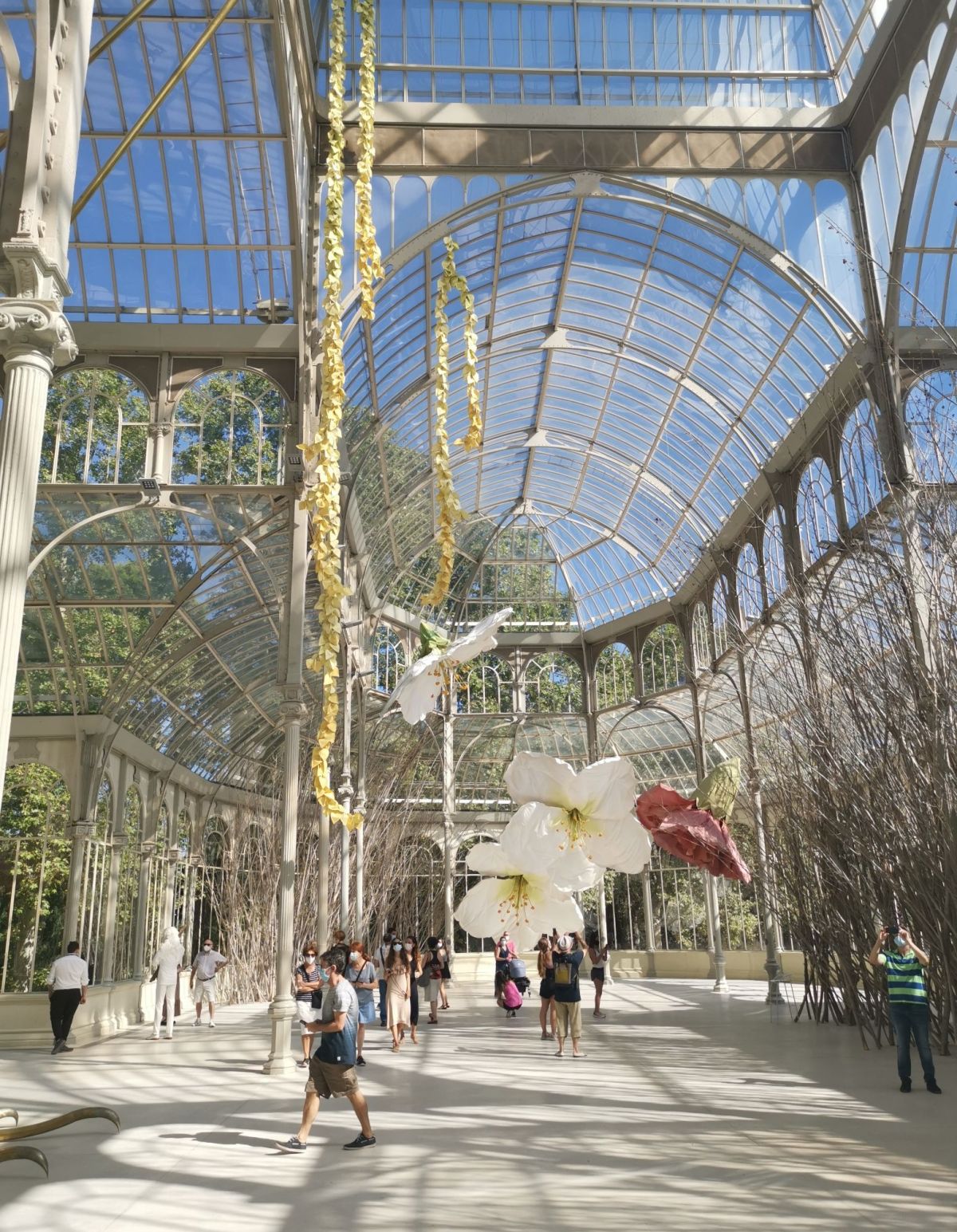
En medio del Parque del Retiro, entre altos árboles y senderos tranquilos, se alza esta estructura ligera y transparente que brilla bajo la luz del sol. Se trata del Palacio de Cristal, construido en 1887 como invernadero para una exposición de flora tropical. Combina hierro y vidrio en una armonía perfecta, y se ha convertido en uno de los ejemplos más bellos de la arquitectura del siglo XIX en Madrid.
Al atravesar sus puertas, tuve la sensación de entrar en un lugar suspendido entre lo real y lo mágico. Su cúpula central se eleva con elegancia, rodeada de arcos acristalados que dejan entrar la luz desde todos los ángulos. Al entrar, el visitante se siente envuelto en un espacio diáfano y luminoso, donde las paredes casi desaparecen y el interior se funde con el paisaje exterior. El suelo refleja las sombras de los árboles y el cielo, creando la sensación de estar dentro de un jardín cristalino.
A pocos pasos, un pequeño lago rodeado de árboles completa la escena. Los patos y cisnes nadan tranquilos. El palacio se reflejaba en el agua, multiplicando su belleza. El Parque del Retiro es Patrimonio Mundial de la UNESCO desde 2021, junto con el Paseo del Prado y el Palacio de Cristal. La UNESCO lo reconoce como un ejemplo excepcional de cómo el urbanismo puede unir cultura y naturaleza en beneficio de los ciudadanos. Es un espacio vivo, donde madrileños y visitantes conviven con siglos de historia y arte. Podría viajar aquí durante casi 3 horas.
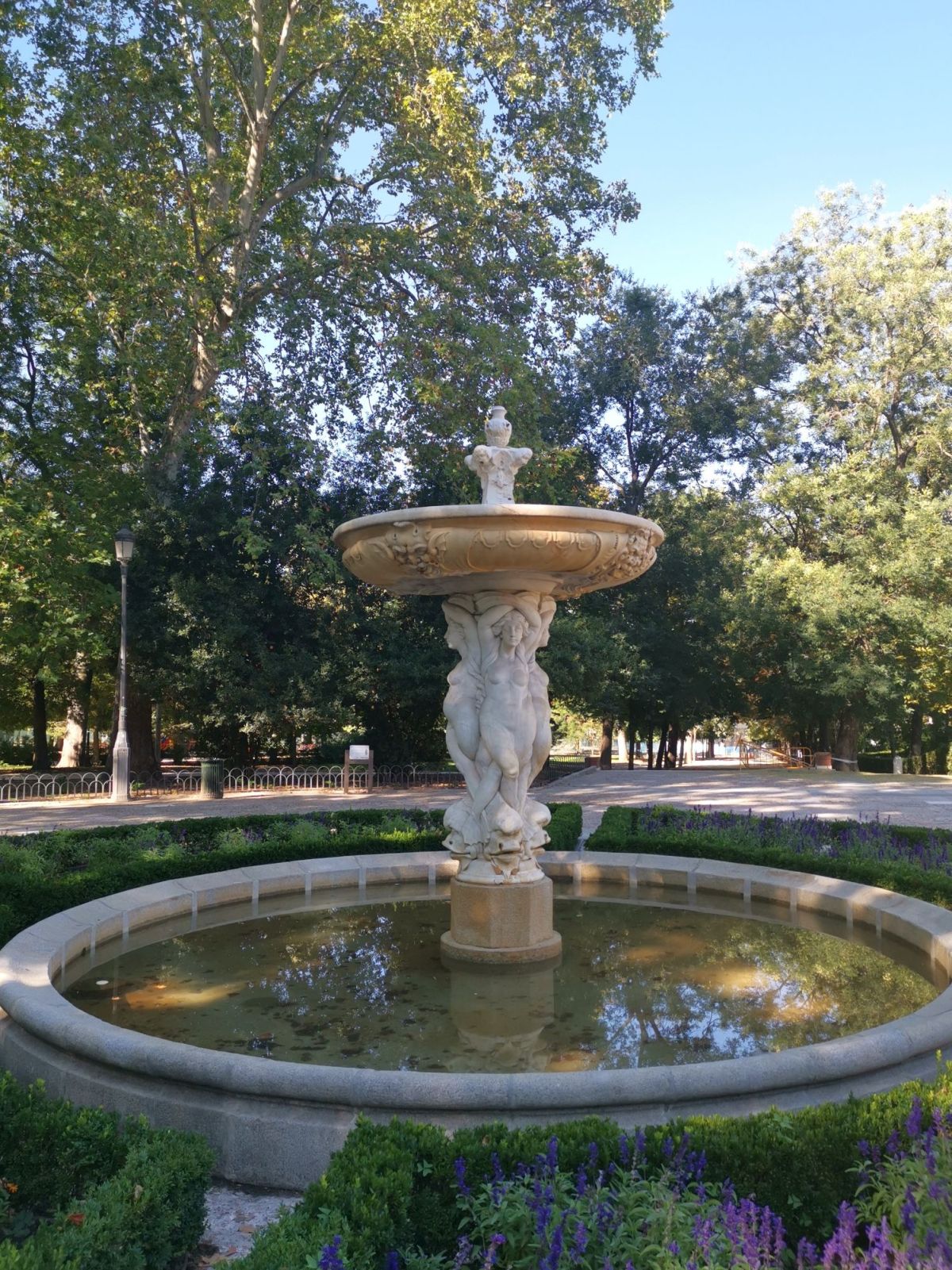
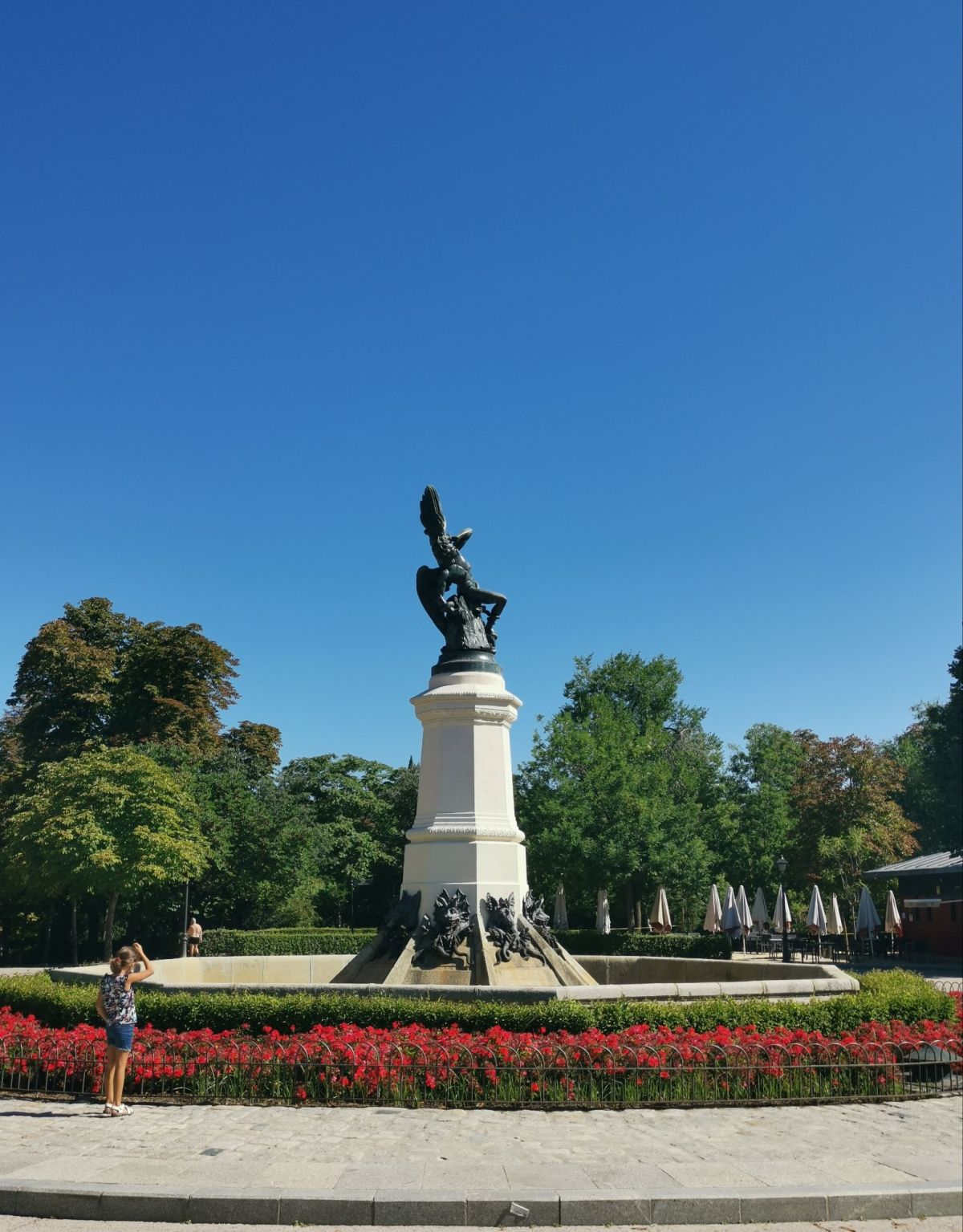
En el Parque del Retiro, hay tantas fuentes. El Retiro nació en el siglo XVII como jardines privados de la corte de Felipe IV. En esa época, las fuentes eran un símbolo de lujo y poder, no solo por su belleza, sino también porque el agua corriente era un privilegio. Muchas fuentes están decoradas con esculturas mitológicas y religiosas. La Fuente del Ángel Caído fue creada por Ricardo Bellver en 1877 y presentada en la Exposición Universal de París un año después. La estatua de bronce, de algo más de 2 metros, representa el momento exacto de la expulsión del Paraíso. El ángel, retorcido en una postura dramática, eleva la cabeza hacia el cielo en un gesto de desesperación.
La Fuente de los Galápagos fue inaugurada en 1832 para conmemorar el nacimiento de la reina Isabel II, cuando todavía era una niña. Por eso, su diseño combina elegancia con un aire casi lúdico. La fuente está formada por varios cuerpos superpuestos. En la base, tortugas y ranas lanzan chorros de agua hacia la pila, creando un movimiento alegre y fresco. Más arriba, cuatro delfines enroscados sostienen una gran taza, y en la cúspide se alza una escultura femenina que porta el escudo real, símbolo de la monarquía española. Su estilo es neoclásico, con líneas claras y una ornamentación cuidada. Disfruté del frescor que desprende en los días calurosos de Madrid.
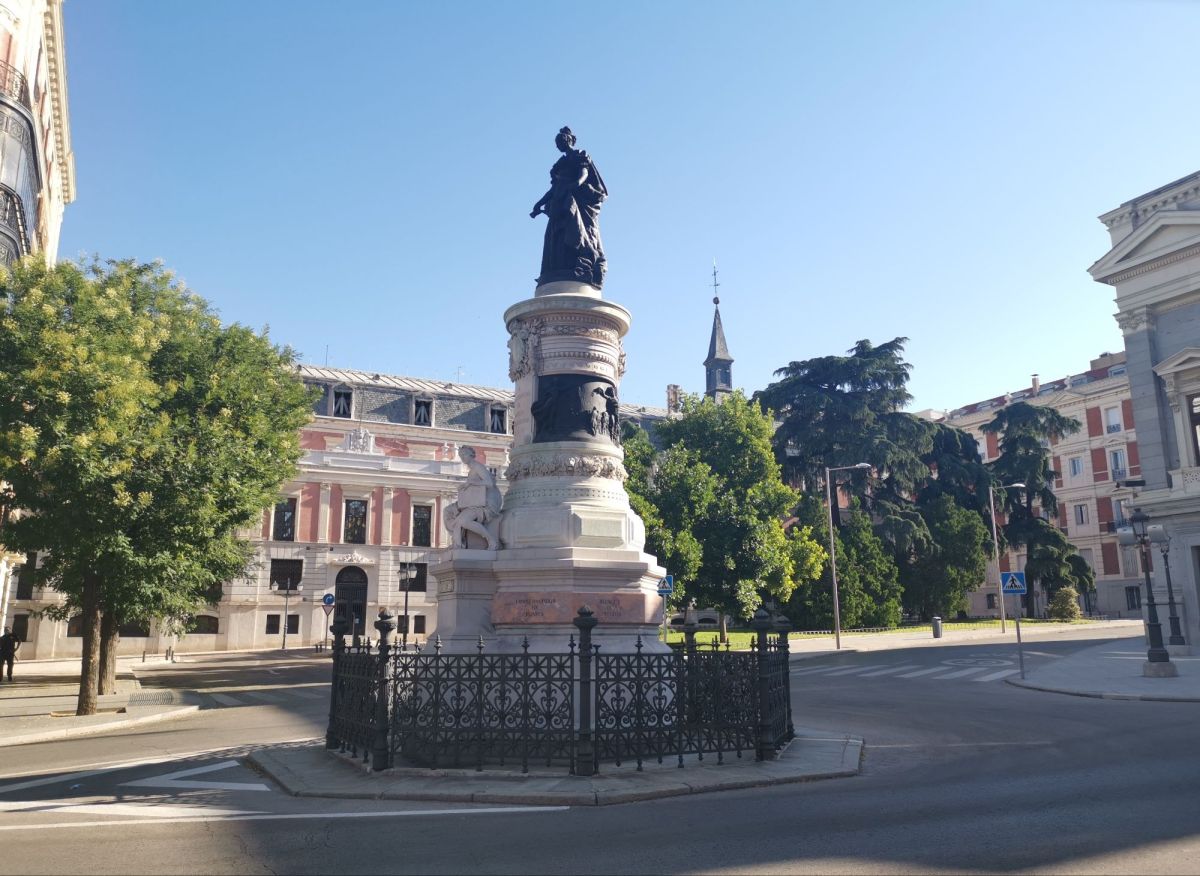
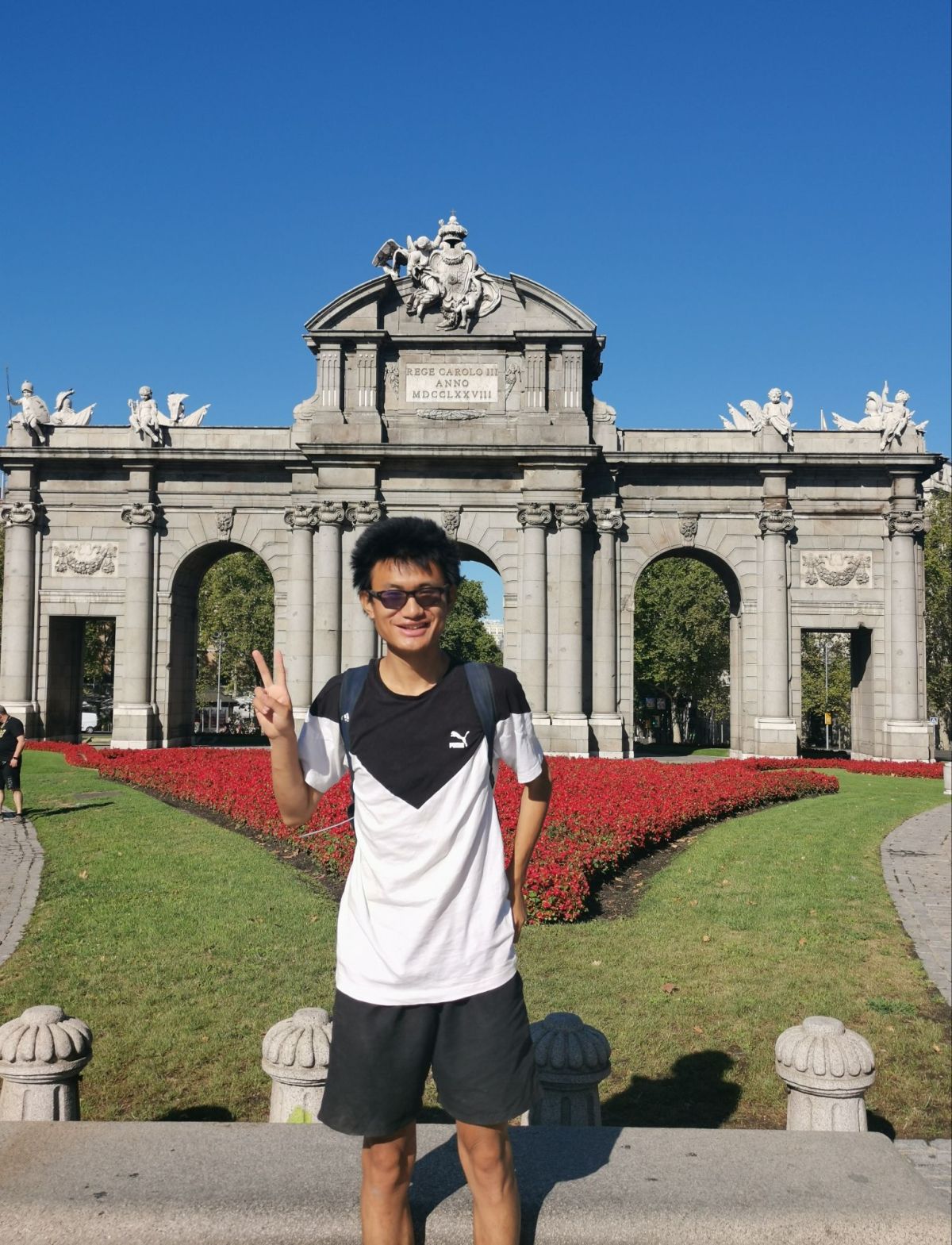
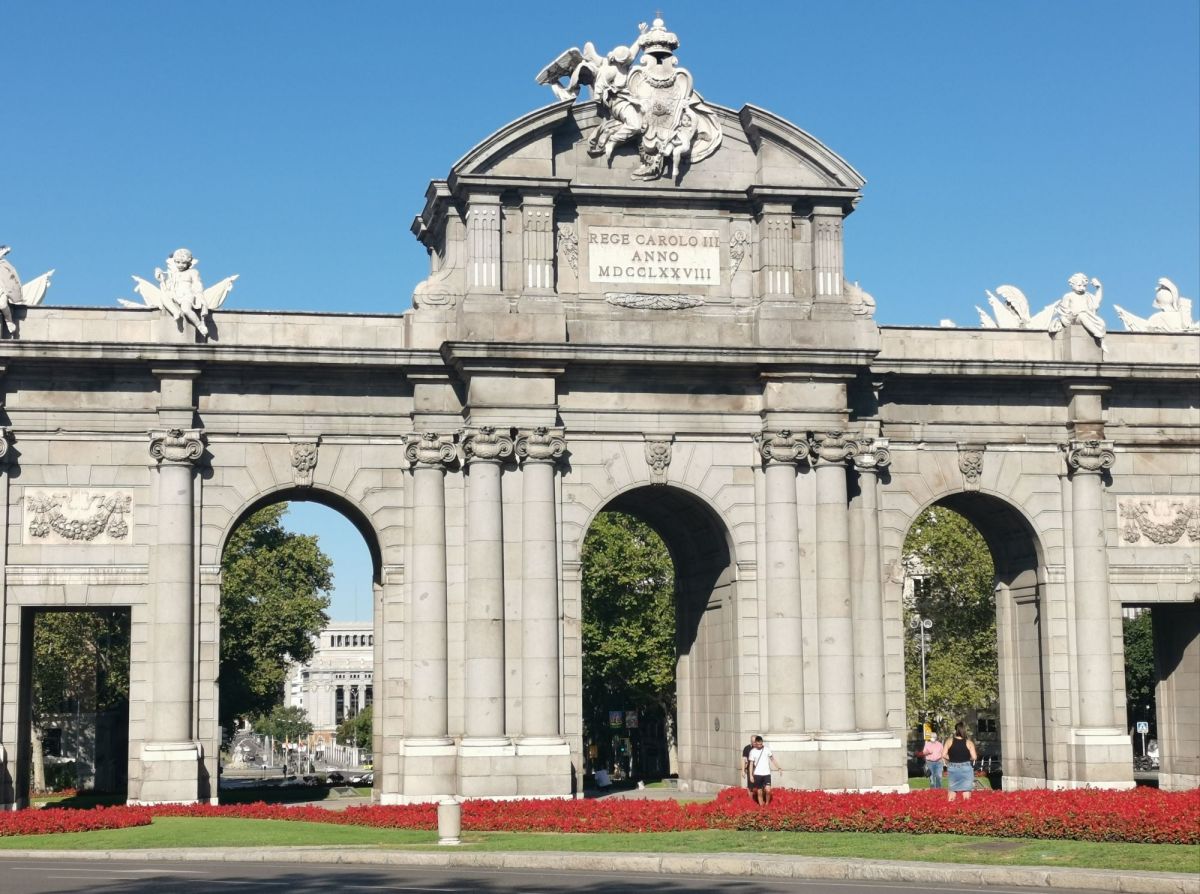
Al salir del Retiro, la Puerta de Alcalá se alza majestuosa en la Plaza de la Independencia, a pocos pasos del Parque del Retiro. Es un emblema de Madrid. Su silueta monumental me recordó al Arco de Triunfo de París, pero con un carácter distinto. Monumental y elegante, parecía abrir sus cinco arcos para darme la bienvenida. Me detuve un momento en medio de la plaza, escuchando el murmullo del tráfico moderno a mi alrededor, mirando la intersección entre la historia y la modernidad, y experimenté la esencia de esta ciudad.
Fue inaugurada en 1778 por orden de Carlos III, el “rey ilustrado”, que quiso embellecer la capital con monumentos dignos de una ciudad europea moderna. La obra fue diseñada por el arquitecto Francesco Sabatini, de origen italiano, y se convirtió en la primera gran puerta neoclásica de Europa. Construida en granito y piedra caliza, mide más de 19 metros de alto y presenta cinco arcos: tres centrales de medio punto y dos laterales adintelados. Cada lado de la puerta tiene una decoración distinta, lo que la hace única. Por un lado, aparecen figuras femeninas y guirnaldas de laurel, símbolo de la victoria; por el otro, se ven trofeos militares y adornos que recuerdan el poder y la grandeza de la monarquía. En la parte superior destacan las esculturas de ángeles y leones. La inscripción en latín recuerda a Carlos III como su promotor.
Ubicada en la Calle de Alcalá, la Fuente de Cibeles es una de las fuentes monumentales más emblemáticas de Madrid. La fuente representa a la diosa Cibeles, diosa de la tierra, la agricultura y la fertilidad en la mitología grecorromana. Cibeles aparece sentada en un carro tirado por dos leones. La diosa sostiene un cetro y una llave, símbolos del poder y el control sobre la naturaleza y la ciudad. El carro tiene un estilo clásico, con ruedas decoradas y relieves mitológicos. La fuente está rodeada por un estanque circular y banderas nacionales de España.
La Gran Vía de Madrid y sus alrededores tienen un estilo urbano y arquitectónico único y monumental, que refleja la transformación de Madrid en una ciudad moderna durante el siglo XX. Es una zona donde se mezclan el glamour del pasado, la vida cultural intensa, y la arquitectura ecléctica. Su diseño se inspira en las grandes avenidas europeas y se combina con estilos como el neobarroco, art déco, y modernismo. Aqui, no solo pude percibir los cambios y la integración del arte arquitectónico, sino también leer el ritmo de la evolución continua de una ciudad.
Caminar por la Gran Vía es como recorrer una galería al aire libre de la arquitectura madrileña. Entre los edificios modernos y los teatros luminosos, destacan las fachadas neoclásicas. El neoclasicismo se deja ver en los volúmenes simétricos, en las columnas corintias que enmarcan los balcones y en los frontones triangulares que coronan los tejados. Muchos de estos edificios fueron construidos a principios del siglo XX, cuando Madrid quería parecerse a las grandes capitales europeas.
Grabé un video en la Gran Vía, y fue un momento mágico como película. Habían organizado un concierto al aire libre, y entre el bullicio de la ciudad, sonó el famoso tango ‘Por una cabeza’. Su melodía elegante y apasionada llenó la calle, envolviendo a todos los que pasaban. Los peatones redujeron el paso y se sumergieron en aquella atmósfera romántica. Es uno de los tangos más famosos de Carlos Gardel. Fue compuesto en 1935, y es una obra icónica del tango que combina la pasión por las carreras de caballos con una metáfora sobre el amor. Me gusta la música clásica y ‘Por una cabeza’ es una de mis favoritas.
我在格兰大道上录下了一段视频,那一刻,宛如电影中的场景般神奇。一场露天音乐会在热闹的城市背景中悄然上演。就在车流与人潮之间,悠扬的探戈旋律《一步之遥》缓缓响起。这首优雅而又充满激情的曲子瞬间笼罩了整条街道,行人纷纷放慢脚步,沉浸在这突如其来的浪漫氛围中。《Por una cabeza》是卡洛斯·加德尔最著名的探戈之一,创作于1935年。它用赛马为喻,讲述一段若即若离的爱情故事。我一直热爱古典音乐,而这首探戈,无疑是我心中最动人的旋律之一。
La Plaza de la Puerta del Sol
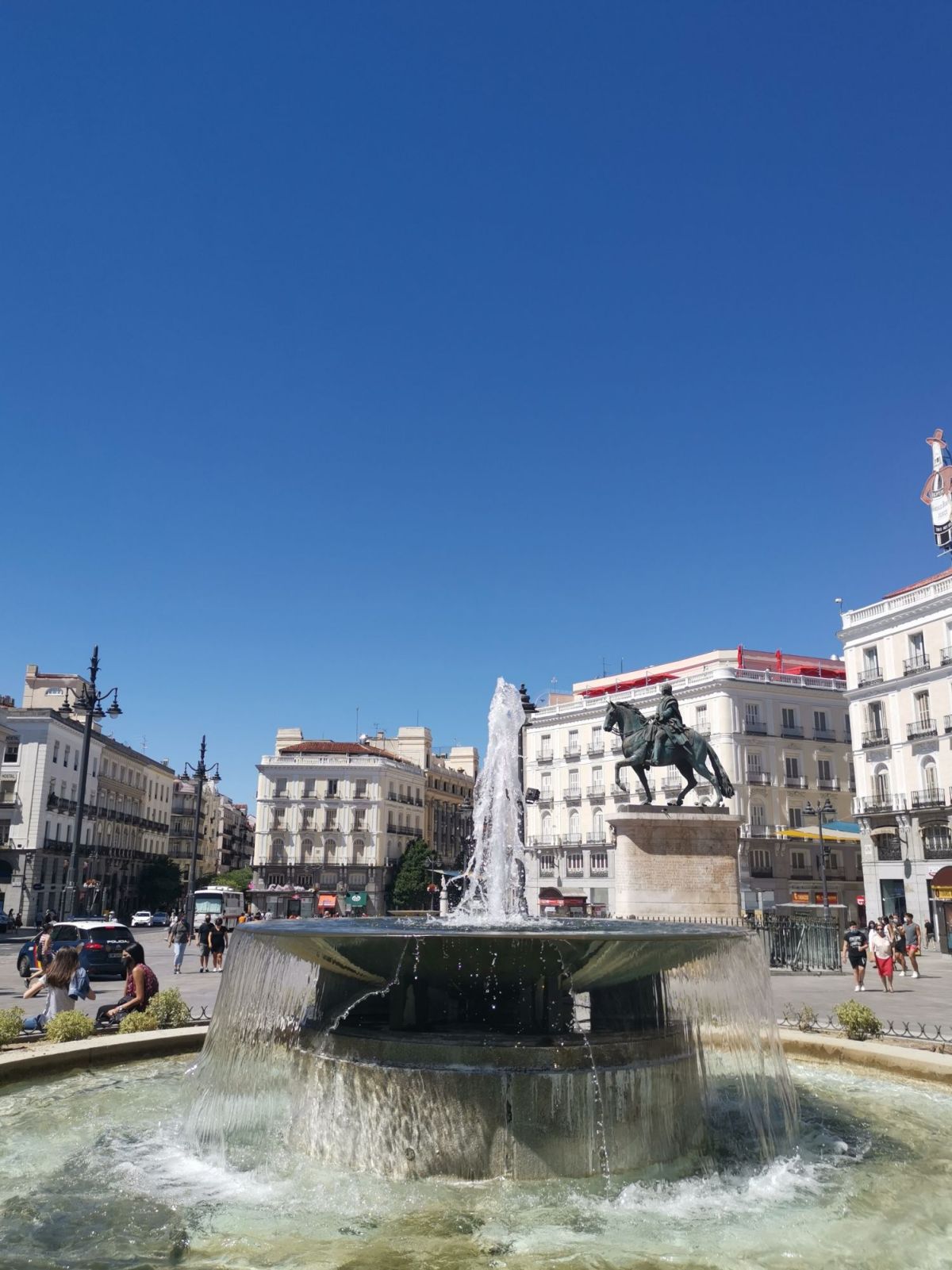
Seguí caminando hacia la Plaza de la Puerta del Sol. Está situada en el centro geográfico de Madrid. Es el punto de partida de las seis carreteras radiales nacionales. Ha sido testigo de eventos históricos como El alzamiento del 2 de mayo de 1808 contra las tropas napoleónicas y la proclamación de la Segunda República en 1931. Me encontré la estatua ecuestre de Carlos III en lo centro de la Plaza de la Puerta del Sol. Carlos III fue rey de España (1759–1788), conocido como el “mejor alcalde de Madrid” por sus reformas urbanas y sociales. Impulsó la arquitectura neoclásica y convirtió Madrid en una capital europea moderna.
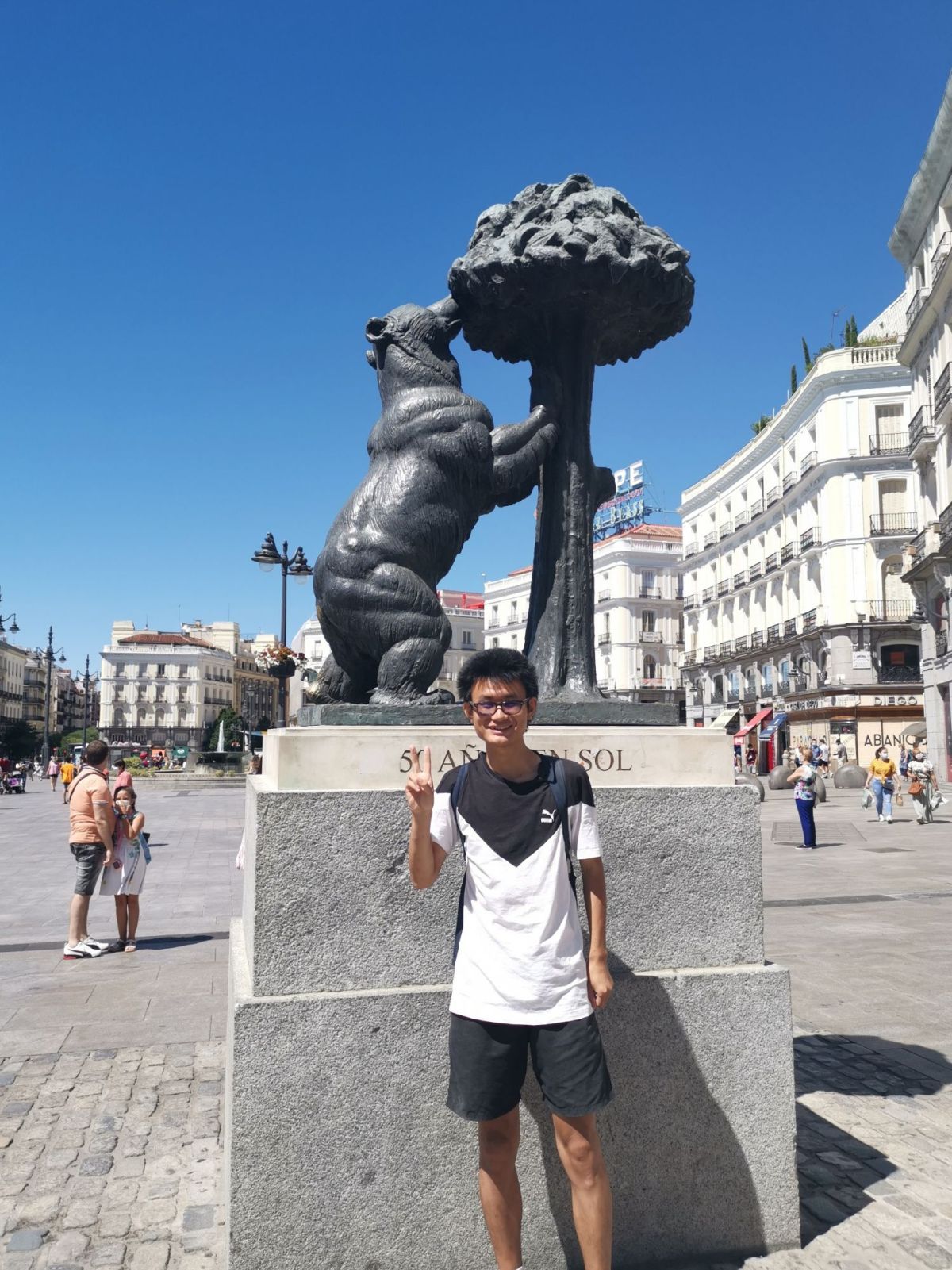
La Estatua del Oso y el Madroño en la Puerta del Sol es también uno de los símbolos más reconocibles de Madrid. La escultura muestra a un oso de pie apoyado en un madroño, un árbol típico del Mediterráneo. Esta imagen reproduce el escudo oficial de la ciudad de Madrid, que se remonta al siglo XIII. Ahora, es una de las esculturas más fotografiadas de la ciudad.
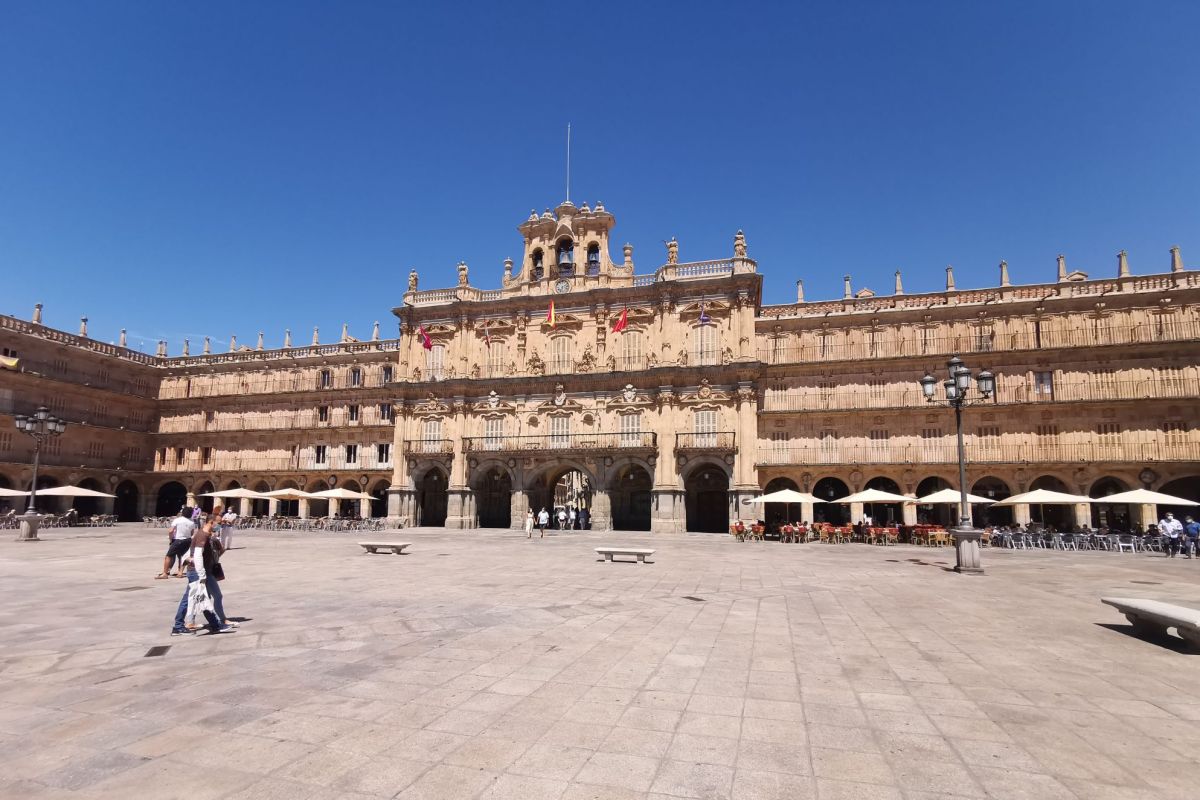
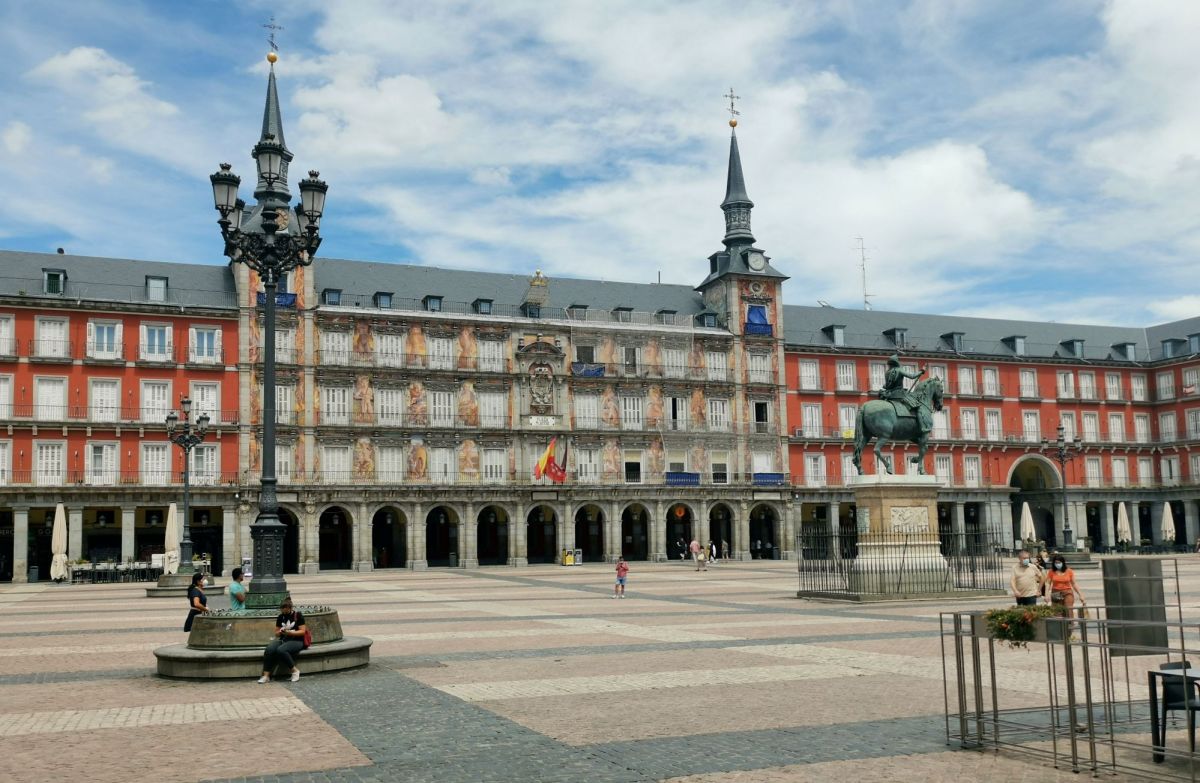
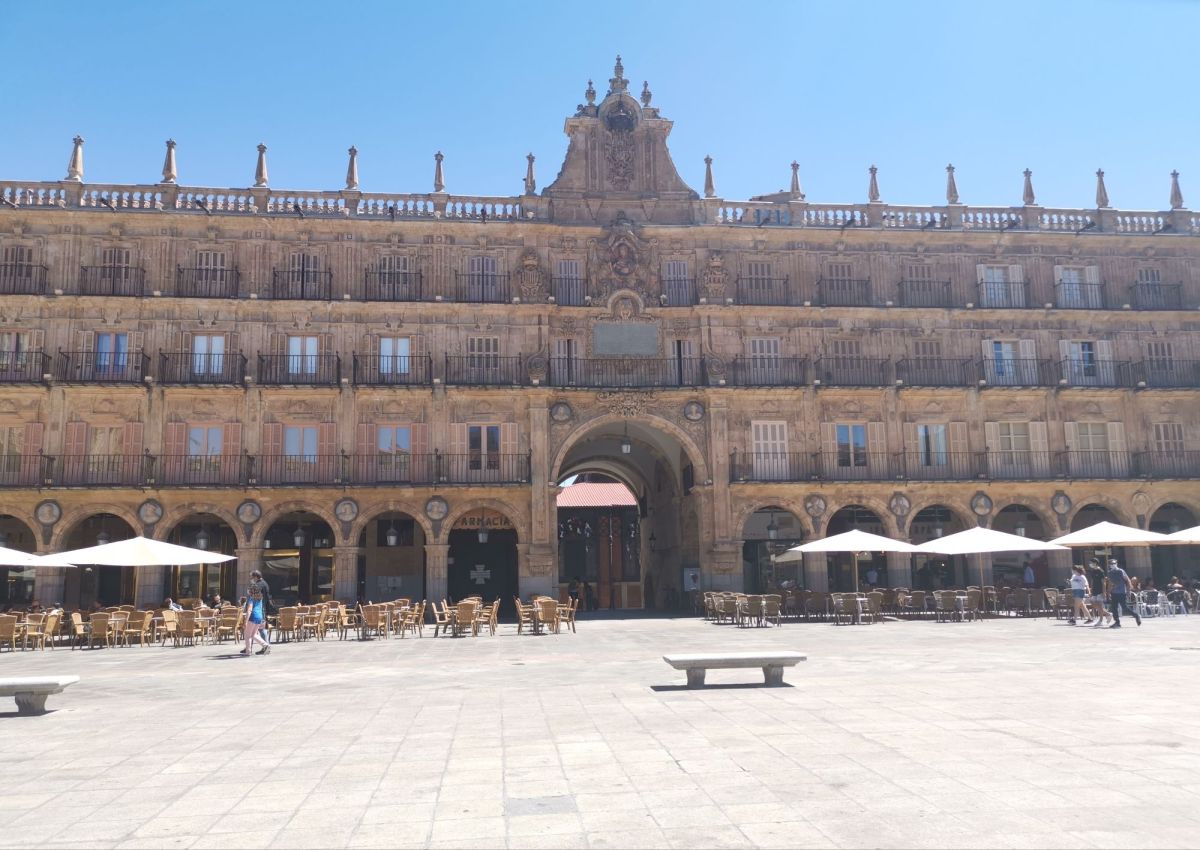
Seguí caminando hacia el oeste hasta llegar a la famosa Plaza Mayor. Al cruzar el último callejón estrecho, la vista se abrió de golpe: un inmenso rectángulo empedrado, rodeado de edificios uniformes de tres pisos con fachadas rojizas y balcones de hierro forjado. En el centro, una estatua ecuestre dominaba solemnemente el espacio, mientras terrazas de cafés y restaurantes llenaban los bordes con sus toldos blancos y murmullos de conversación en la tarde.
Me quedé sin aliento. No solo por la magnitud del lugar, sino por cómo todo parecía detenido en el tiempo. No me esperaba esa mezcla de solemnidad y vida cotidiana: turistas tomando fotos, niños corriendo tras palomas, y músicos callejeros tocando una melodía suave que flotaba entre los arcos. Era como entrar en una postal… pero real.
La plaza fue diseñada durante el reinado de Felipe III por el arquitecto Juan Gómez de Mora, y se inauguró oficialmente en 1619. Me agrada especialmente la Casa de la Panadería, considerada la fachada más representativa de la Plaza Mayor. Se sitúa en el lado norte y fue uno de los primeros edificios en construirse dentro de la plaza. Fue diseñada por Diego Sillero en 1590. Tiene dos torres con chapiteles puntiagudos a los extremos, que se han convertido en un icono visual. El edificio tiene un balcón central que domina la plaza y desde donde, en épocas pasadas, los reyes observaban eventos como corridas de toros o representaciones teatrales. La fachada está decorada con frescos de colores vivos, realizados por el artista Carlos Franco en la década de 1990. Las pinturas representan figuras alegóricas relacionadas con la mitología y la historia de Madrid.
广场由建筑师胡安·戈麦斯·德·莫拉在菲利普三世统治时期设计,并于1619年正式开放。我尤其喜欢马约尔广场最具代表性的建筑:“面包房”(Casa de la Panadería)。它位于北侧,是广场上最早建成的建筑之一,由迭戈·西列罗于1590年设计。建筑两端的尖顶塔楼极具辨识度,已成为广场的视觉象征。中央的阳台面向广场,昔日国王常在此观赏斗牛或戏剧表演。立面上装饰着色彩鲜艳的壁画,由艺术家卡洛斯·佛朗哥于20世纪90年代创作,描绘了与马德里神话与历史相关的寓言人物。
El Mercado de San Miguel
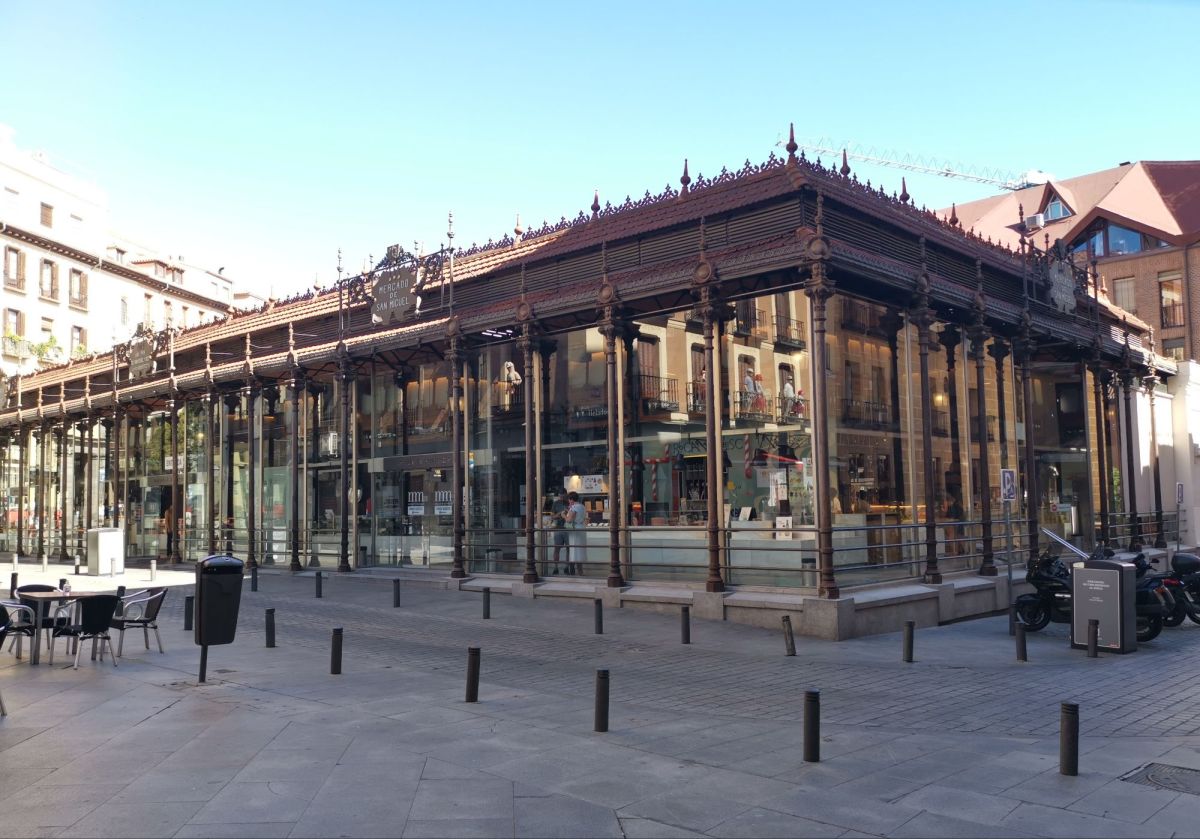
Situado a escasos pasos de la Plaza Mayor, el Mercado de San Miguel es uno de los espacios gastronómicos más icónicos de Madrid. Inaugurado originalmente en 1916 como un mercado de abastos tradicional, este edificio de estructura de hierro forjado y cristal fue restaurado y reabierto en 2009 como un mercado gourmet. Visitar el Mercado de San Miguel fue una experiencia sensorial inolvidable.
Es un punto de encuentro para locales y turistas, donde se combinan la tradición culinaria española con una presentación moderna. Aquí pude encontrar productos frescos, vinos, tapas y platos de autor servidos por algunos de los chefs más reconocidos de España. La arquitectura del lugar, con su estructura de hierro y sus amplios ventanales, me daba un encanto único. Comencé con una selección de tapas tradicionales: jamón ibérico cortado al momento, croquetas cremosas y pequeñas tostas con sabores intensos. Luego, me acerqué al puesto de mariscos y no pude resistirme a probar unas ostras fresquísimas. Para acompañar, una copa bien fría de sangría, dulce, afrutada y refrescante, que equilibraba perfectamente los sabores del mar.
Viajar al centro histórico de Madrid ha sido una de esas experiencias que dejan huella. Desde el momento en que puse un pie en sus calles, sentí que estaba caminando por las páginas de un libro antiguo, pero también por una ciudad que late con fuerza en el presente.
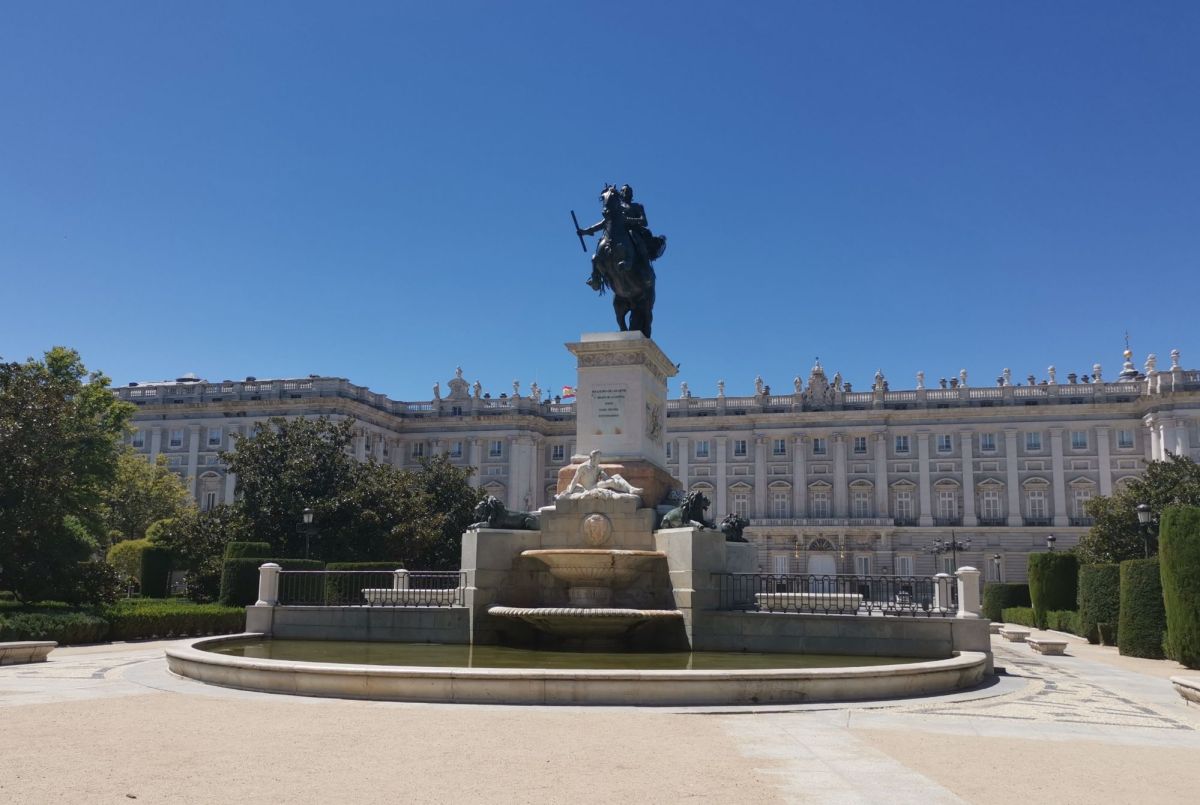
Uno de los momentos más impactantes fue mi visita al Palacio Real. Su grandeza me dejó sin palabras. Pasear por sus salones magníficos, ver sus tapices, su mobiliario, sus lámparas de cristal… fue como sumergirme en la historia de la monarquía española. El Palacio Real de Madrid es uno de los palacios más grandes de Europa. Aunque hoy no es la residencia habitual de los reyes de España, sigue siendo la sede oficial de la monarquía y se utiliza para ceremonias, recepciones oficiales y actos de Estado.
Fue construido en el siglo XVIII sobre los restos del antiguo Alcázar de Madrid. De estilo barroco con influencias neoclásicas, el palacio cuenta con más de 3.000 habitaciones. La fachada principal con pilastras y columnas es sobrio y majestuoso. Está construida principalmente con granito gris de la Sierra de Guadarrama y piedra blanca de Colmenar. El contraste de la piedra gris con el cielo azul de Madrid crea una imagen inolvidable.
El interior es lujoso y lleno de arte. Lo primero que vi fue el Escudo de España que es el símbolo oficial del Estado español y representa su unidad histórica y su diversidad territorial. Tiene forma tradicional española y está dividido en cuatro cuarteles principales, Reino de Castilla, Reino de León, Reino de Aragón, y Reino de Navarra. La corona real sitúa en la parte superior del escudo.
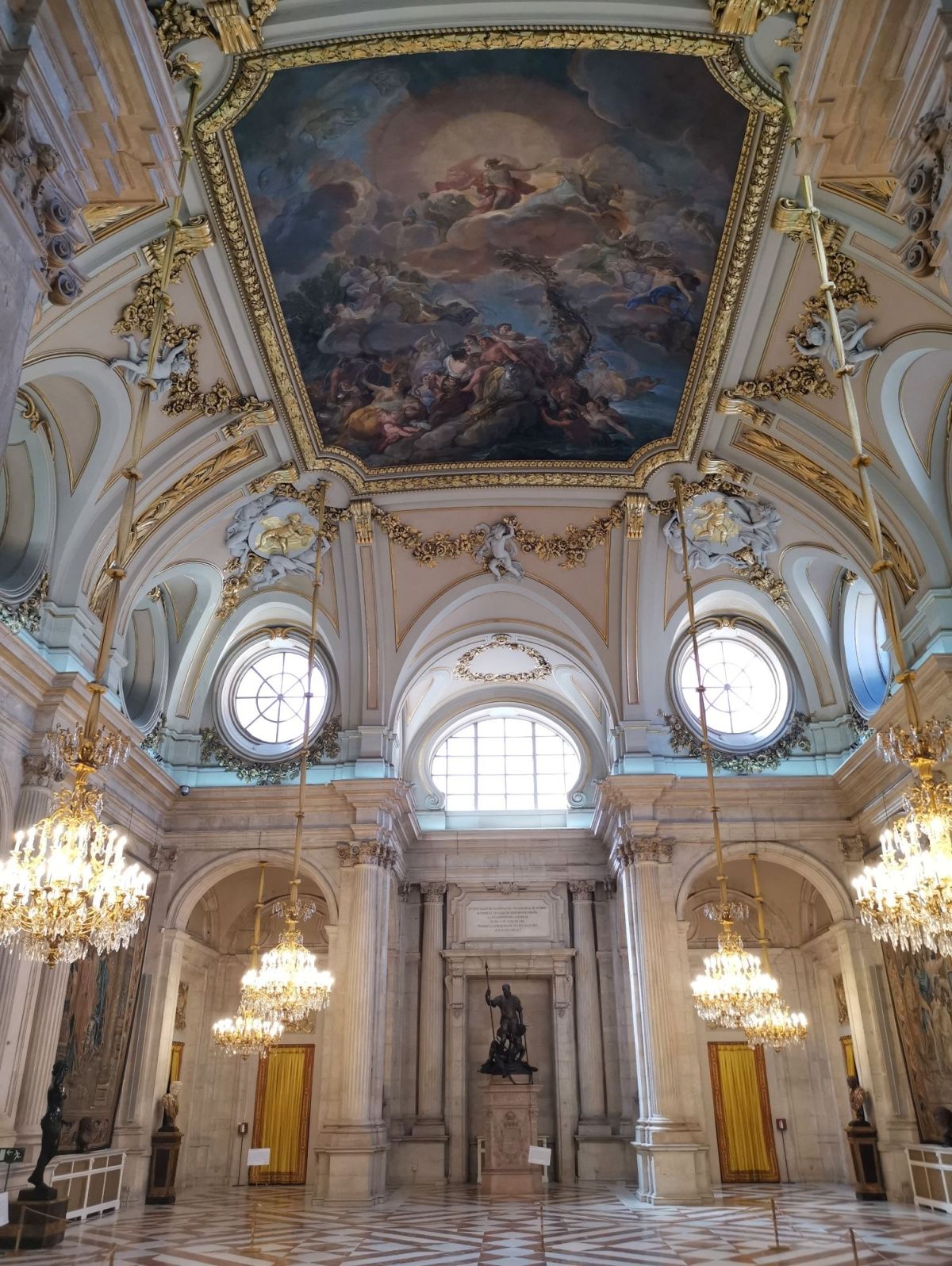
La escultura de Carlos III, atribuida al escultor Roberto Michel, situada en la gran escalera de entrada del Palacio Real de Madrid, es una pieza cargada de simbolismo urbano y monárquico, además de un interesante ejemplo de estética del siglo XVIII. Está ubicada en una hornacina, lo que la hace elemento de transición visual entre el patio de entrada y la gran escalera hacia los salones principales. Su colocación sirve para presidir el acceso, marcando el comienzo del espacio noble del palacio.
Al entrar al Palacio Real sentí una mezcla de asombro y admiración. Cada sala parecía un escenario de película, pero con la fuerza de lo real. El Salón de Gasparini es una obra maestra del estilo rococó, con influencias orientales y un enfoque claramente decorativo, donde cada detalle fue cuidadosamente pensado para crear una atmósfera exuberante y armónica. Las paredes están cubiertas de seda bordada a mano. El techo está decorado con un fresco de Giovanni Battista Tiepolo, uno de los grandes pintores italianos del barroco tardío. El suelo es uno de los aspectos más destacados: un complejo mosaico de madera marquetería con diseños geométricos y florales.
Entrar en las salas fue como cruzar el umbral a una época antica. Los techos eran auténticas obras de arte, cubiertos con frescos delicadamente pintados, molduras doradas y detalles que parecían flotar sobre mí. Las lámparas de cristal gigantes colgaban majestuosas en el centro de cada sala. Brillaban con una luz suave, multiplicada en cientos de fragmentos tallados. Era imposible no quedarse mirándolas.
El Comedor de Gala fue creado a mediados del siglo XIX, durante el reinado de Isabel II. Tiene una longitud de más de 30 metros, lo que permite colocar una única mesa larguísima que puede acoger a más de 140 comensales. Los techos son altísimos, decorados con molduras doradas y un gran fresco que representa escenas alegóricas. Las paredes están cubiertas con tapices, espejos y cuadros de gran valor histórico. Cuando entré al Comedor de Gala, imaginé a reyes y reinas sentados allí, en animadas conversaciones, con el sonido de copas brindando y platos de porcelana siendo servidos por camareros impecablemente uniformados.
Concebido en el siglo XVIII durante el reinado de Carlos III, el Salón de Columnas fue diseñado por los arquitectos Francesco Sabatini y Ventura Rodríguez como un espacio destinado a recepciones solemnes, bailes de gala y actos de Estado. Las altas columnas corintias de mármol blanco se alinean con elegancia a lo largo de las paredes. El suelo de mármol, dispuesto en intrincados dibujos geométricos, refleja la luz de las grandes lámparas de cristal. El techo, decorado con frescos de Corrado Giaquinto, representa alegorías de la monarquía española y la grandeza del reinado de Carlos III. Este salón ha sido escenario de momentos históricos decisivos: aquí se firmó en 1985 el tratado de adhesión de España a la Comunidad Económica Europea.
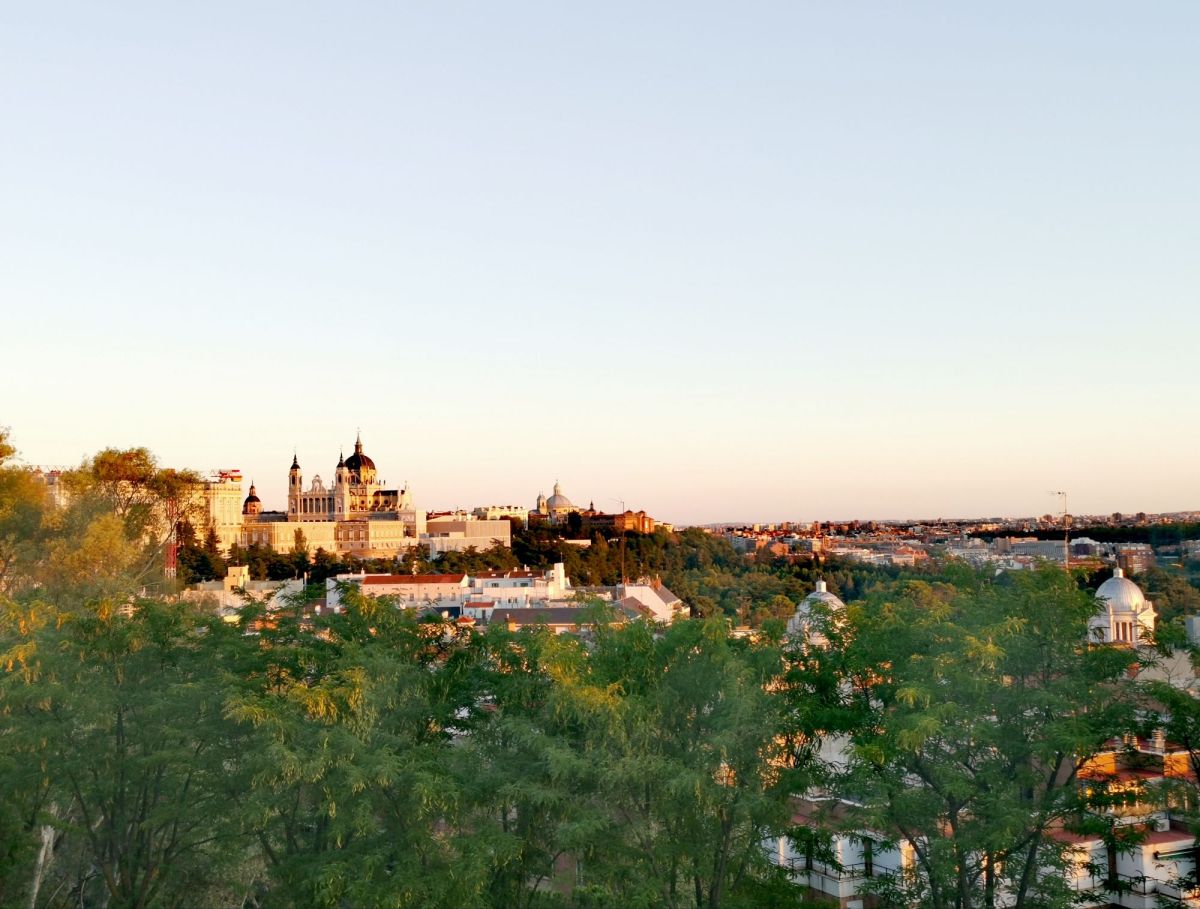
Después de salir del Palacio Real, visité la Catedral de la Almudena que se alza imponente frente al Palacio Real. Su fachada neoclásica, de piedra clara y líneas equilibradas, se integra perfectamente con la arquitectura del palacio. La historia de la catedral es relativamente reciente. Su construcción comenzó en 1883 y no se consagró hasta 1993. La larga duración de las obras explica su mezcla de estilos. El neoclásico domina el exterior y el neogótico se aprecia en el interior.
Nada más entrar, me impresionaron la altura y la luz que llenaban la nave central. Los vitrales modernos de colores azules, dorados, verdes y rojos ocupaban el espacio de las bóvedas de crucería gótica. A diferencia de otras catedrales europeas, la Almudena transmitía una sensación de claridad y modernidad.
Desde lejos, la cruz dorada brilla sobre el cielo de Madrid, visible desde muchos puntos del centro histórico. Se alza sobre la cúpula de plomo y piedra gris azulada, que alcanza unos 73 metros de altura, y marca el punto más alto de la catedral. Su presencia destaca entre los tejados y torres vecinas, como un faro espiritual que domina el paisaje urbano.
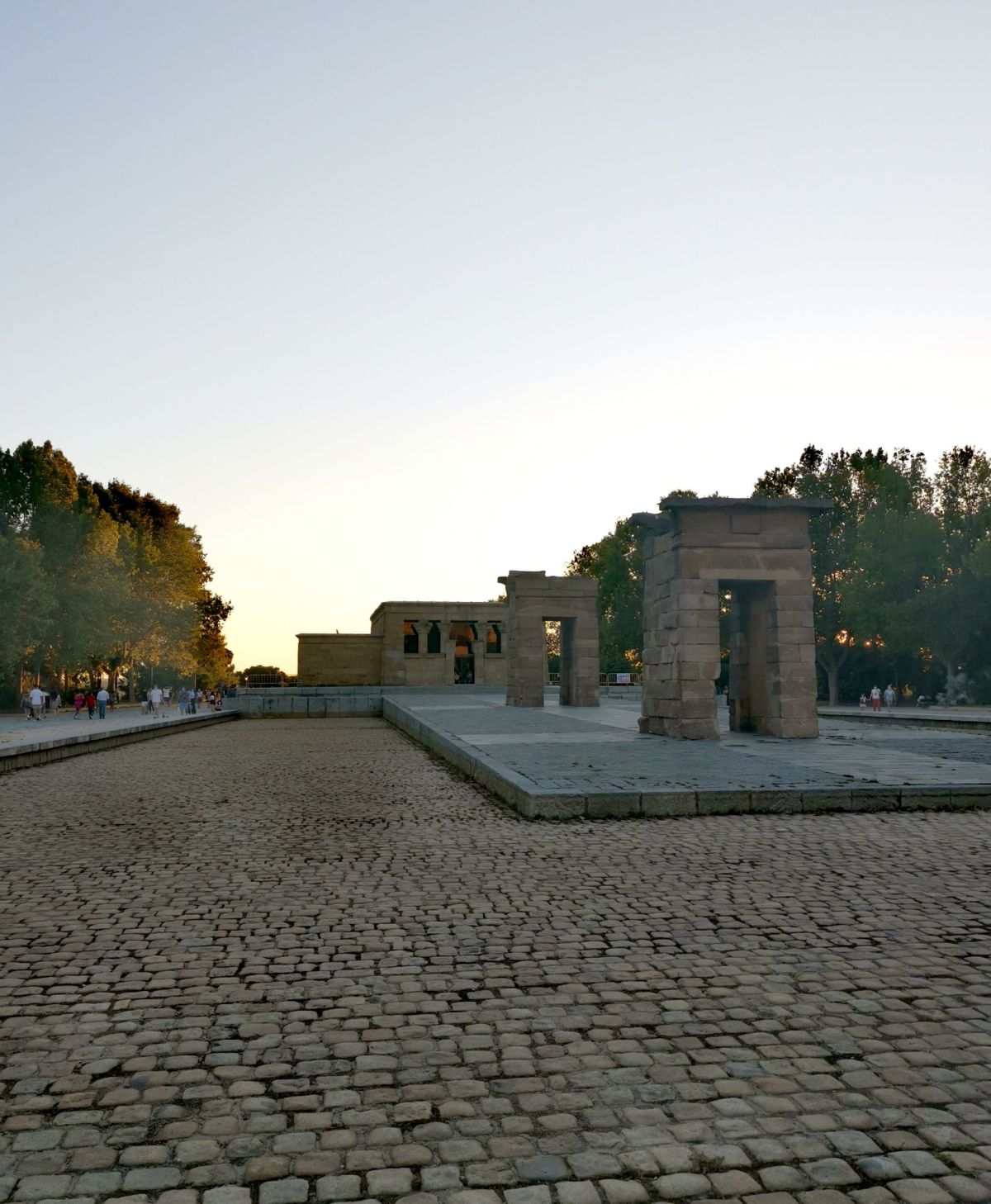
El Templo de Debod fue mi última parada en Madrid. A medida que el sol comenzaba a descender, el cielo se tiñó de tonos dorados. Las piedras antiguas, traídas desde Egipto, parecían encenderse con la luz del atardecer. Ese templo parecía flotar entre el pasado y el presente. Mientras el sol se escondía detrás de la sierra, el reflejo final iluminó la ciudad una última vez. Madrid me había acompañado durante días llenos de descubrimientos, historia, arte y música. Era el fin de mi viaje, pero también el comienzo de un recuerdo que me acompañará siempre.
Fujian Tulou are traditional communal residences built by the Hakka and other Han Chinese people in the mountainous areas of Fujian Province. These large, earthen buildings are circular or square, designed to house multiple families, functioning both as homes and fortresses. Constructed between the 12th and 20th centuries, tulou structures are made from rammed earth, mixed with stones, bamboo, wood, and other natural materials. Their thick walls provide insulation and protection from bandits and natural disasters. Inside, the buildings are arranged around a central courtyard, with rooms for storage, cooking, sleeping, and socializing.
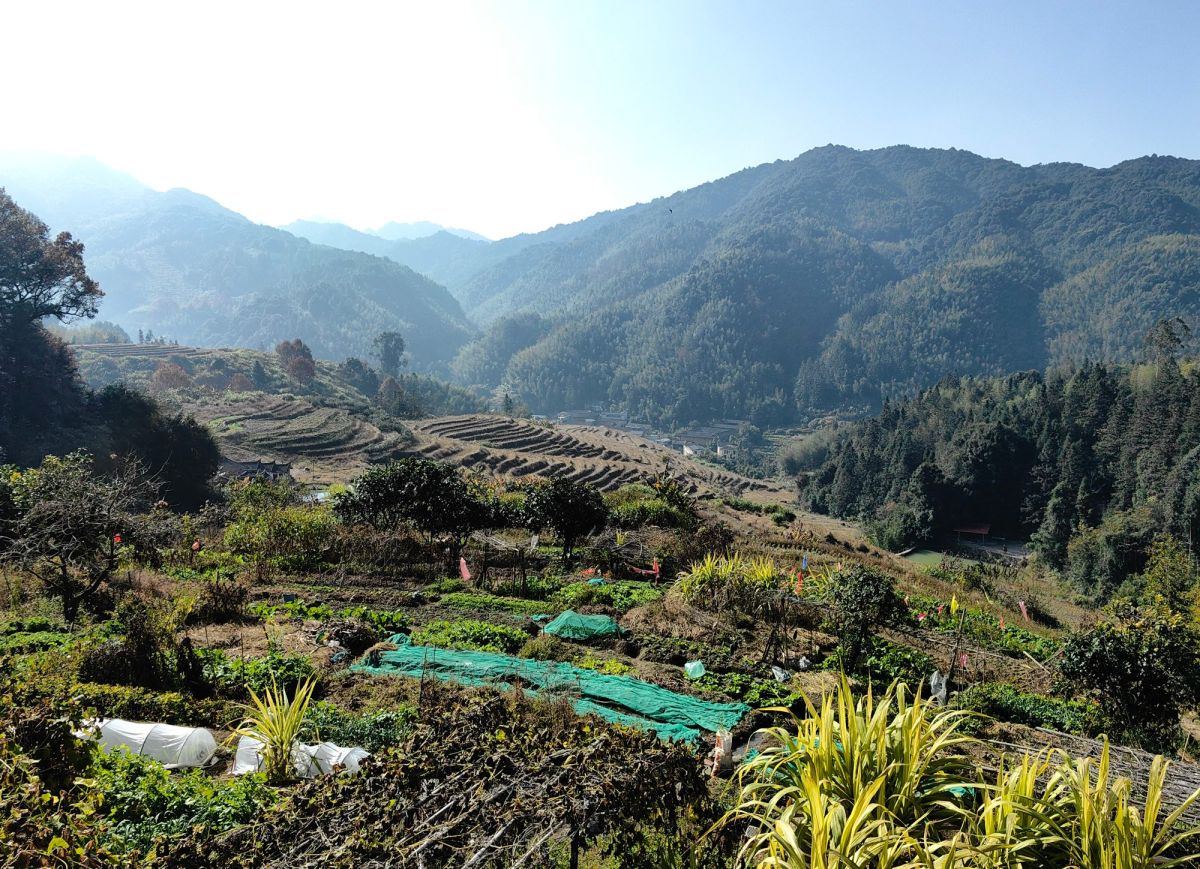
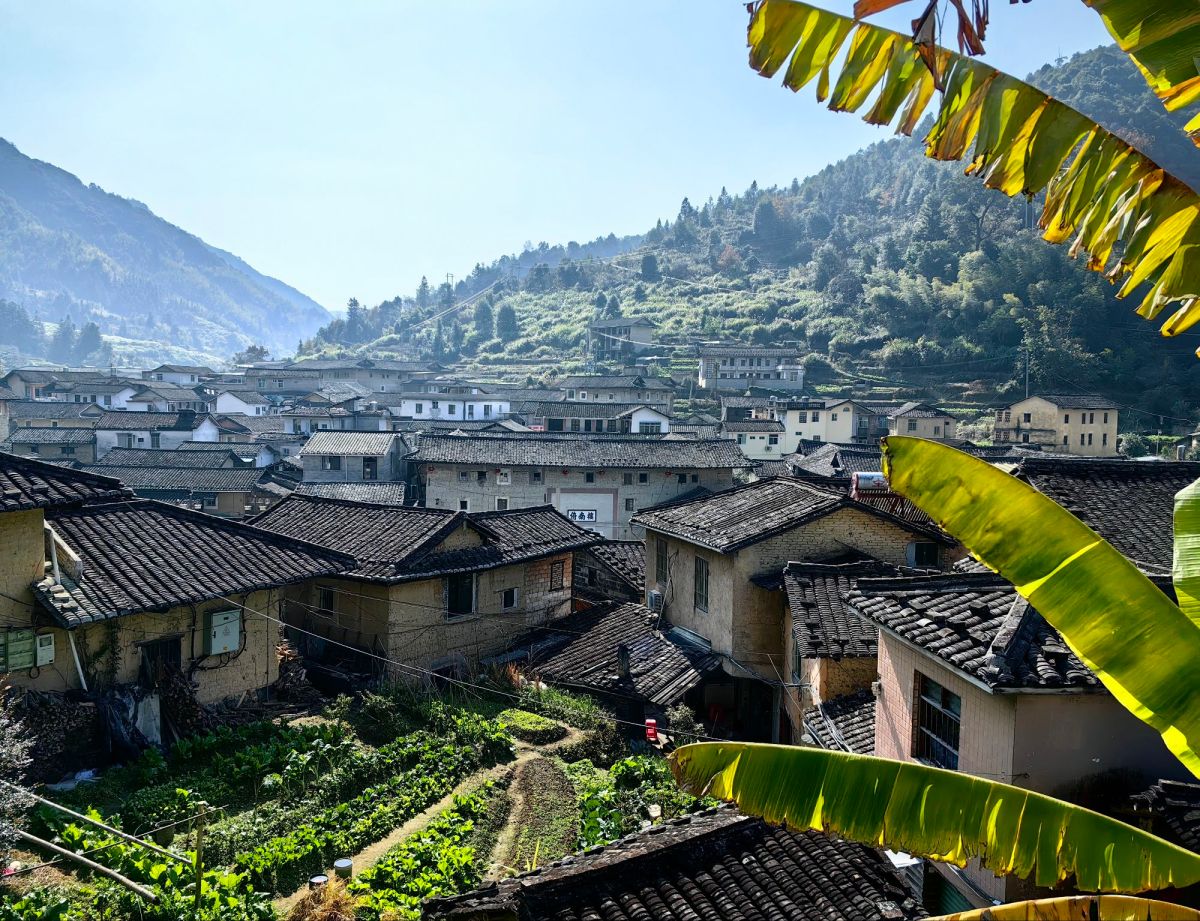
I visited the Nanjing area in the end of 2024. The village scene in this region is a picturesque blend of traditional architecture, lush nature, and communal rural life. Rolling hills and mountains surround the villages, covered with bamboo groves, pine forests, and terraced tea fields. Clear streams run through the valleys, beside narrow stone paths. Fog settles over the mountains in the early morning, creating a mystical, tranquil atmosphere.
Life in these villages follows the rhythm of nature. The air is filled with the scent of wood smoke, fresh soil, and steaming food. Stone-paved paths wind through the village, often lined with moss and wildflowers. Several tulous are grouped together, forming a cluster of earthen castles amidst the green backdrop.
My travel in Fujian was really refreshing for me. As I stepped away from the fast-paced, high-rise rhythm of life in Singapore, I felt a deep wave of relief and excitement wash over me. It was as if the noise, the deadlines, and the constant rush melted away the moment I arrived in this serene village. The tranquil rhythm of rural life: the slow mornings, the sound of roosters, the sight of villagers tending to their fields awakened something in me. I felt no longer tethered to my phone or the clock and found the meaning of life.
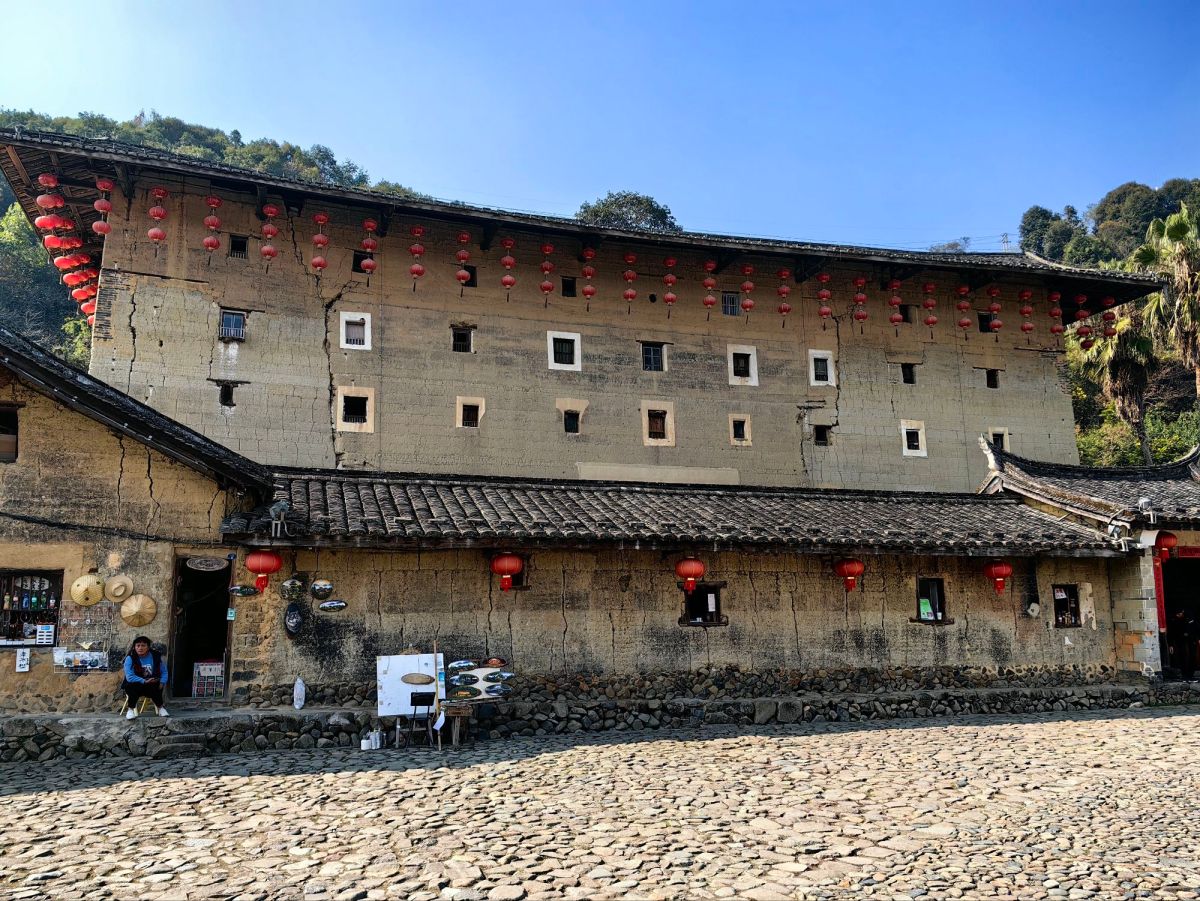
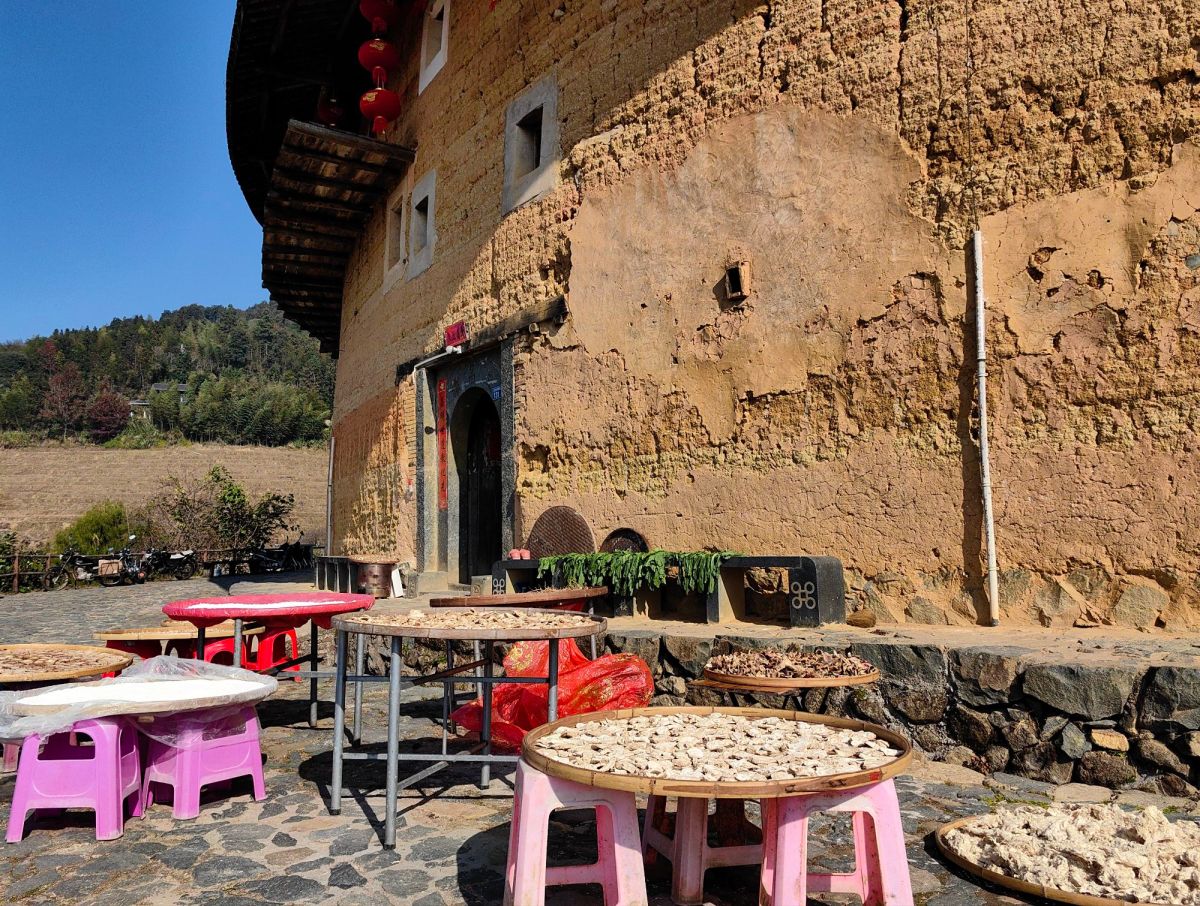
Hegui Lou is one of the most remarkable and unique tulou structures. It was my first tulou visited in this area. Built in 1732, Hegui Lou is a square-shaped building, with four stories and over 200 rooms. The name “Hegui” means “Harmony and Nobility”, symbolizing unity and high moral values of the clan. I was standing at the entrance set within thick rammed earth walls. The wooden door panels are thick and reinforced with iron studs and metal strips. Over the door, I found a solemn and ancient wooden plaque bearing its name as well as poetic couplets written on red scrolls.
What makes it especially unique is that it was built on a marshland, an uncommon choice for such heavy structures. Its foundation is made of wooden stakes, driven deep into the soft soil. The building’s rammed earth walls, more than a meter thick, have withstood floods, earthquakes, and wars for nearly 300 years. Above the entrance are some small observation windows, used historically to monitor approaching visitors or defend against intruders. Red lanterns hang along the eaves and add a splash of color and warmth to the austere and simple appearance.
Behind the towering earthen walls of Hegui Lou, at the edge of a gently sloping field, lies a lush patch of sugar cane. The tall, green stalks sway lightly in the breeze. The field is small but thriving, a reminder of the self-sufficient lifestyle the residents have upheld for generations. A local resident fed long stalks of sugar cane into a hand-cranked press. The machine groans slightly as the stalks are crushed, releasing a stream of cool, pale green juice.
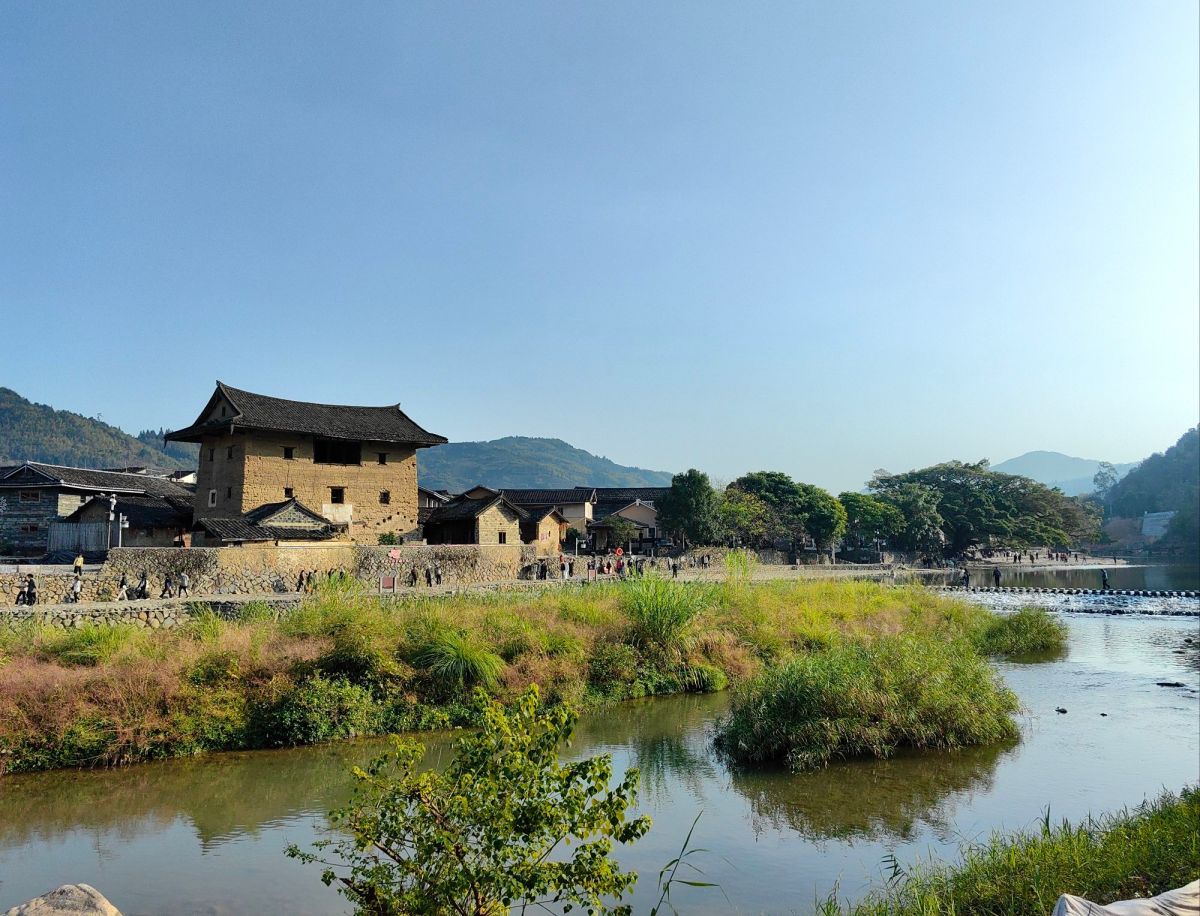
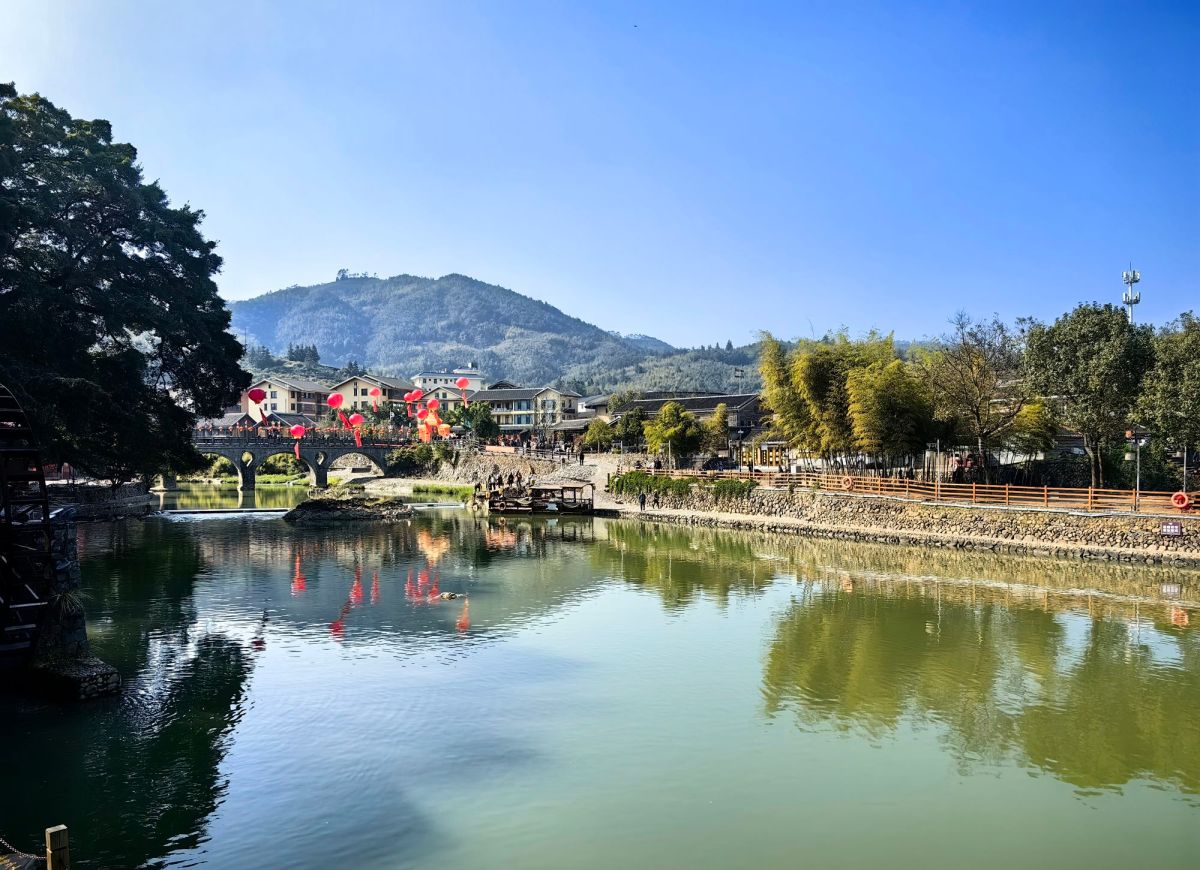
I lived in the small town called Yun Shuiyao for two days. Its name, which translates to “Ballad of Cloud and Water”, perfectly captures the town’s dreamlike atmosphere. It is surrounded by lush green hills and rice paddies. The streets of Yunshuiyao are paved with smooth river stones, worn by time and footsteps. Traditional wooden houses line the narrow lanes and their dark tiled roofs and red lanterns show the town’s historic charm.
The most iconic feature of the town is the meandering river that flows gently through it, reflecting the sky and the trees on its calm surface. Along its banks, there are massive ancient banyan trees, some over 800 years old, with their gnarled roots sprawling across stone paths and their branches forming a canopy overhead. I really enjoyed the life here, listening to the soft murmur of the stream and the whisper of wind through bamboo. Time seemed to slow down here.
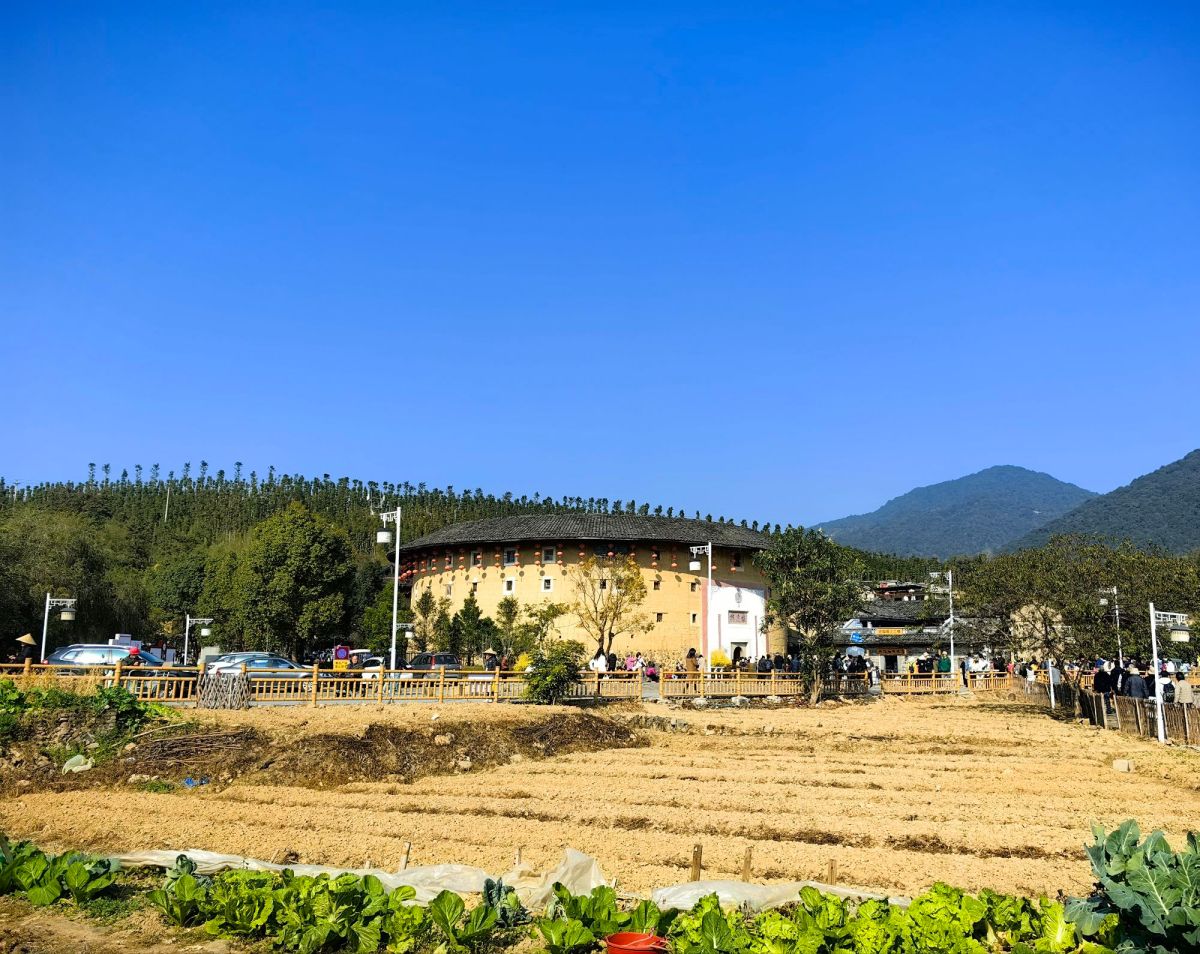
Yunshuiyao became well-known after it was featured in the Chinese romantic film “The Knot”. Scattered throughout Yunshuiyao are several well-preserved tulous, which have been home to generations of Hakka families. These earthen fortresses blend beautifully into the natural landscape, offering a sense of community, security, and tradition.
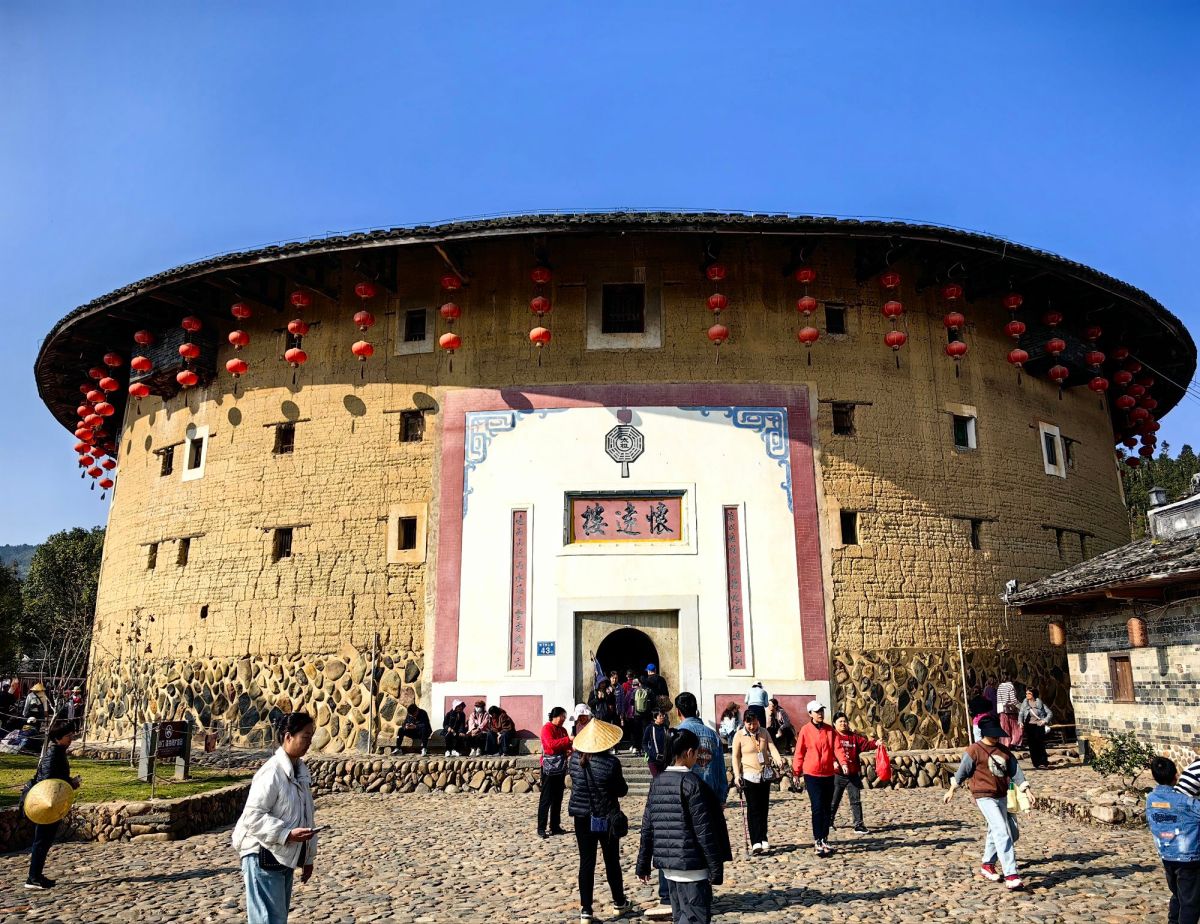
Huaiyuan Lou is the most well-preserved and architecturally representative tulou in Fujian Province. Built in 1905 during the late Qing Dynasty, it was constructed by the Jiang family, who were prosperous tea merchants and landowners. The name means ‘Cherishing Distant’ in Chinese. The structure is made with rammed earth walls, over 1 meter thick, supported by a wooden framework that has stood firm for over a century. There is only one heavily fortified gate connecting inside and outside.
It has two concentric rings. The outer ring is four stories high, with 32 rooms per floor, housing sleeping quarters and storage. The timber beams, columns, and staircases are arranged in concentric rings to create tiers of rooms stacked three to five stories high. The upper structures are capped with tiled, slightly upturned eaves, supported by a web of timber rafters. Rainwater is efficiently drained into the inner courtyard. Wooden columns are joined by horizontal beams using traditional mortise-and-tenon techniques without nails.
The inner ring is smaller and contains ancestral halls and communal spaces. Central to Hakka belief is the idea that deceased ancestors continue to watch over and protect their descendants. Showing respect through rituals ensures family prosperity and avoids misfortune. Ancestral hall with an altar, ancestral tablets, and painted couplets is the most important building. Wells, kitchens, and storerooms are placed in this area for communal use.
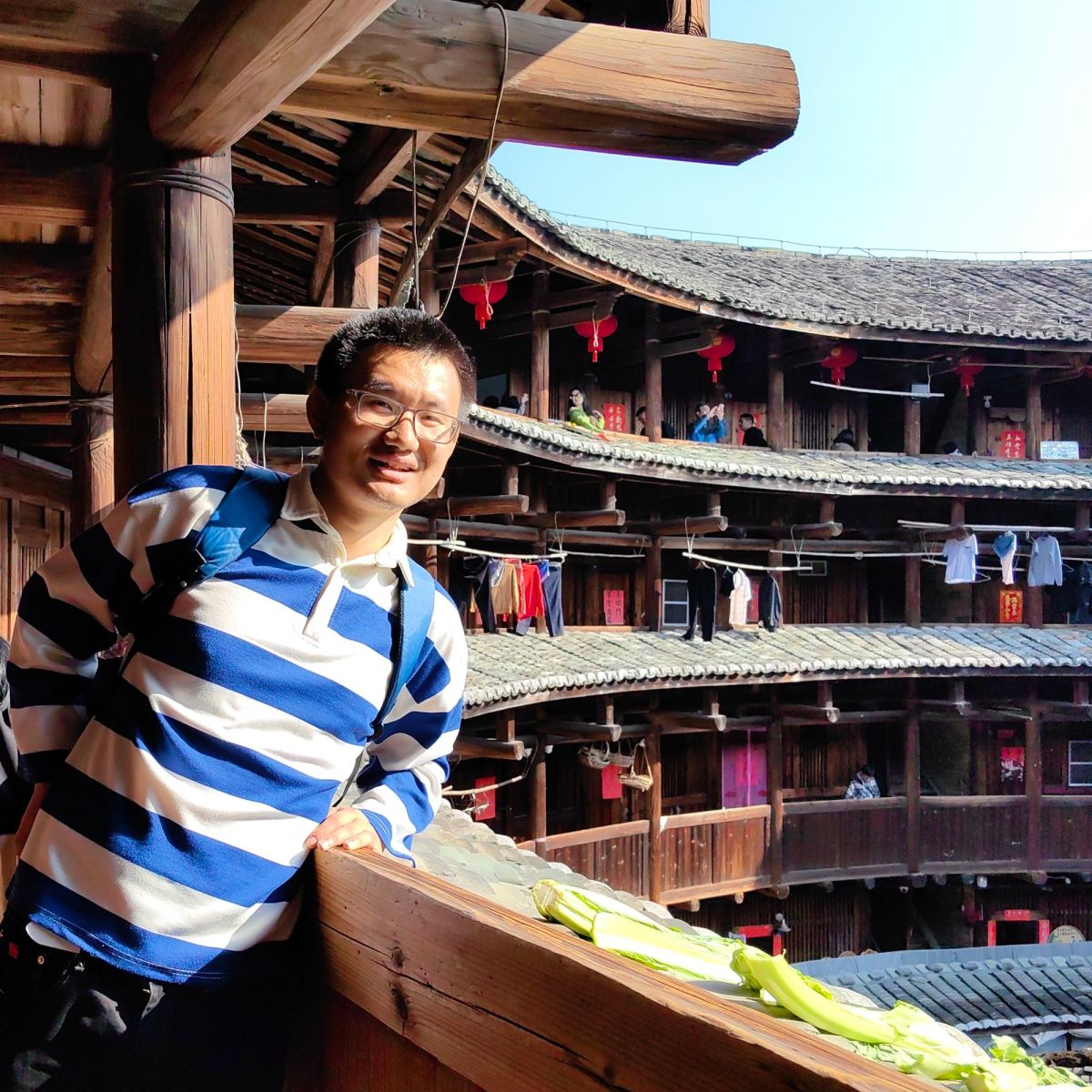
This is the panoramic view. The central courtyard is paved with cobblestones, where daily life and communal events unfold. The interior reflects a highly organized lifestyle, with rooms assigned by generation and seniority. Decorative wooden carvings, ancestral tablets, and red lanterns enhance the cultural richness of the space.
Unlike some older tulou, Huaiyuan Lou remains largely intact and still functions as a living residence. Residents still live in the building, maintaining traditional Hakka customs, such as ancestral worship, communal cooking, and shared farming. I was able to climb up the floors and see the local life. Outside wooden railings, freshly washed clothes are hung out to dry. Shirts, pants, and towels flap gently in the mountain breeze, swaying against the red backdrop of the wooden walls.
Along sunny spots, residents have laid out trays filled with vegetables like sliced radishes, chili peppers, and bamboo shoots to dry under the afternoon sun. The air is filled with a subtle mix of earthy, sun-baked scents. Homemade sausages or strips of cured meat are also strung up on wooden poles, slowly aging in the open air. It was really an interesting and unique trip to see the Hakka’s life that I have never experienced. The Hakka is a subgroup of the Han Chinese people with their own distinct language, culture, and traditions. They traced their roots to northern China, but over centuries, they migrated southward due to wars, famine, and social unrest. They settled mainly in southern provinces such as Guangdong, Fujian, and Jiangxi. Because they often arrived as migrants or newcomers, they were called “guest families” by local populations.
In the courtyard stands an ancient stone well, a silent witness to centuries of life unfolding within the earthen walls. The inside of well is surrounded by a simple stone curb, its surface now softened by a thick blanket of green moss. Tiny droplets of water glisten on the moss in the morning light. The well still provides clear and deep water to the local residents who lower a metal bucket on a rope, drawing water with a slow rhythm in the same way their ancestors did a hundred years ago.
I took two days to travel all the scenic areas. On the second day, I visited the Tianluokeng which is the most iconic and most photographed tulou sites. Located on a terraced hillside, the cluster is called the “Four Dishes and One Soup” because of its unique layout. One square tulou (the “soup”) sits in the middle. Surrounding it are four round tulous (the “four dishes”). There is a platform on the roadside for travelers to take photos.
Afterwards, I went down the staircases and visited them one by one. Built between the 15th and 20th centuries, these tulous with similar thick rammed-earth walls showcase the Hakka people’s communal living as well but they are smaller than the Huaiyuan Lou I visited the last day.
This cluster sits in a valley, surrounded by layer upon layer of rice terraces that climb the slopes of the green mountains. From above, the terraces look like rippling steps carved into the hillside. Traditionally, these terraces were cultivated with rice as the staple crop, sustained by ingenious irrigation systems that channel mountain spring water down through the fields.
In Hakka and Fujian villages, it’s very common to see foods being sun-dried for preservation. These colorful trays containing food are set out in courtyards and rooftop around tulou walls. Most of these foods are corn kernels which are golden yellow, often filling the whole tray, soybeans dried for making tofu, sweet potatoes which are sliced into thin pieces to make dried snacks, and scented tea leaves.
In late winter, when the air is crisp and less humid, families hang long strings of sausages across bamboo poles, or on wooden racks in open courtyards. The sight of these dark red sausages glistening in the sunlight is a hallmark of traditional Hakka villages. The sausage is made by fresh pork. The meat is mixed with salt, rice wine, soy sauce, sugar, and sometimes five-spice powder or peppercorns. The seasoned meat is stuffed into natural casings, then tied into uniform lengths. The sausages are hung outdoors to dry naturally for 1–2 weeks. Deeply savory with a balance of saltiness and gentle sweetness from rice wine and sugar.
The central square tulou called Buyunlou is the oldest structure of the cluster, built first by the ancestor of the family. Later generations expanded around it with round tulou. The square form is structurally simpler and sturdier to build, especially in earlier times when techniques were less advanced. Once wealth and skills grew, round tulou became more common. The square tulou in the middle acted like a fortified core, with the outer round tulou forming an additional layer of protection. Together, the cluster functioned almost like a miniature walled city.
In the afternoon, I took bus and continued the travel in the Taxia Village which is part of the Tianluokeng Scenic Area. It’s a well‑preserved example of Hakka culture and architecture. I enjoyed the scene of a “water town” combined with tulou architecture. When I walked among rural terrain, small bridges, cobblestones, I could see local everyday life.
The houses are constructed from blue-gray bricks, which age into a weathered, darker tone over time. Roofs are made with traditional gray clay tiles, sometimes glazed in deeper tones for water resistance. They are rectangular and one to two stories tall. Most of them are built closely along the stone-paved lanes or beside the winding stream. From a distance, I felt that the rooftops formed a soft ripple across the valley, framed by green mountains.
I visited one house compound belonging to Zhang Family. It has stone steps at door, small walled courtyards, and wooden window frames. It was built along the central stream, with bridges connecting them. Its layout includes gate, front hall, main sacrificial hall, with left-side and right-side chambers.
This is used as the clan shrine of the Zhang family, used for ancestor worship, clan ceremonies, rituals, and as a symbol of the Zhang clan’s history and status in the village. Built in the late Ming dynasty, over 400 years old. The gate is decorated with vivid motifs, notably “two dragons playing with a pearl”, inlaid with colored ceramic chips. Roof ridges, eaves, and parapets are ornate, with porcelain reliefs or ceramic decorations depicting legends.
One of the most striking features in front of the hall are the stone flagpoles rising from the stone slab near the pond. There are many of them and they are over 10 meters high. They are richly carved and serve as memorials to clan members who achieved official or civil/military ranks or otherwise made contributions. The latest family member carved on the pole is one student went overseas, studying in MIT.
During my trip, I found that the Hakka people have a culture deeply shaped by migration, resilience, and unity. Though historically considered “guests” , they forged strong, close-knit communities wherever they settled. At the heart of Hakka culture lies a powerful sense of clan. This isn’t just about bloodline but it’s a living, breathing system of values, rituals, and responsibilities. In every generation, Hakka people honor their ancestors through ancestral halls. Family histories are remembered. Even those who’ve migrated abroad trace their roots back to the clan village.
As night fell over Yunshui Yao, the village transformed into a quiet world. Lanterns glowed softly along cobbled paths, and the sound of flowing water echoed through the ancient alleys. The tulous stood silently in the moonlight, their thick earthen walls holding centuries of Hakka stories. In that stillness, I felt the heart of Hakka culture. It was a life rooted in simplicity and connection, so different from the pace I’m used to. This cultural journey of slower rhythm was more about experiencing a way of life that’s rare for me.
Rising gently from the waves of Xiamen’s coast, Kulangsu is an island where sea breezes carry the echoes of pianos and the scent of frangipani drifts through winding stone lanes. It is a place where cultures once met across the ocean, leaving behind villas with red-tiled roofs, colonial consulates, and quiet courtyards shaded by banyan trees. It is celebrated by UNESCO as a World Heritage Site for its rare tapestry of architecture and culture. From the European-inspired mansions of returning overseas Chinese to the fusion styles born of East and West, every building tells a story of global exchange in the 19th and early 20th centuries.
Kulangsu island is always a romantic place for travelers to explore. On December 27th 2024, the morning ferry skimmed across the waters of Xiamen, carrying me toward Nei Cuoao Ferry Point, the gateway to Kulangsu. As the city skyline softened behind me, the island slowly revealed its red rooftops and leafy hills, bathed in the gentle light of dawn. The sea breeze grew cooler, carrying with it a sense of anticipation—of slower rhythms, hidden gardens, and the music-filled streets waiting just beyond the pier.
After I arrived at the island in the morning, the first glimpse of it was the beach. Beach on Kulangsu is not the selling point of this island but it is still beautiful enough. It stretched like a pale ribbon along the edge of the island, its sand soft and fine beneath bare feet. The waves lap gently, leaving fleeting patterns of foam that glisten under the sun, while children’s laughter drifts across the breeze. Here the horizon was wide, the sea was calm, and the soft sand was a quiet comfort for travelers who came to rest by the water’s edge.
Automobile is not allowed on this island, so the only option is to walk along the sea slowly. This long curling bridge built on the sea seems to dance with the sea breeze, their arches tracing elegant curves above the tides. From the railing, I watched the waves rushing in from the horizon and breaking against the rugged cliffs below. Each crash of white foam is a rhythm, echoing like nature’s drumbeat against the stone, while the bridges carry me forward as if floating between sky and sea. It is a place where footsteps slow, and the vast power of the ocean meets the quiet beauty of human design.
Towering trees at the seaside rose like silent guardians of the island, their trunks weathered yet steadfast, their crowns heavy with shimmering green. Sunlight filtered through the leaves in shifting patterns, dappling the stone paths and courtyards below. When the sea breeze drifted inland, the branches swayed gently, whispering as if carrying stories of travelers long past. Looking up from below, the Sunlight Rock seems impossibly high, like a natural monument etched with shadows and light.
My travel route is from the Nei Cuoao Wharf in the west to the Sunlight Rock in the south, then to the Haoyue Park in the east, finally to the residence area in the central part. Sunlight Rock, the highest point on Kulangsu Island offers travelers both a natural wonder and a historic landmark. Its rugged cliffs are composed of granite, weathered over centuries into jagged yet graceful forms. From below, it appears almost vertical and looks very impressive.
Near the summit of Sunlight Rock, the Sunlight Temple is a serene retreat that seems to float between sky and sea. Its crimson walls and green-tiled roofs stand in gentle contrast to the rugged granite cliffs, while the incense smoke drifting from its altars adds a fragrant softness to the salty sea breeze. It is one of Kulangsu’s oldest religious sites, with roots tracing back to the Ming and Qing dynasties.
Inside the courtyard, carefully carved wooden beams and delicate statues reflect traditional Chinese temple artistry. Potted plants and small trees are carefully arranged along the stone pathways. Fragrant flowers peek from ceramic pots, and miniature bonsai trees twist gracefully and elegantly in the gentle breeze in this tranquil courtyard.
The path to the summit winds through lush vegetation, shaded by tall palm trees and clusters of banyans, with small resting spots offering glimpses of the surrounding sea. The red roof-tops are one of the most distinctive features of Kulangsu’s landscape. In the late 19th centuries, many Chinese merchants and families who had lived in Southeast Asia or Europe returned to Kulangsu. They brought with them Western architectural styles, where red-tiled roofs were common. Red clay tiles were durable and well-suited to the island’s humid, coastal climate. They shed rain efficiently and resisted the salty sea breeze better than thatched or flat roofs.
The rock is a commanding position, allowing visitors to gaze across the island and the surrounding sea. At the top, the sea breeze is strong and refreshing, and the panoramic view is really breathtaking. I could see clearly the undulating coastline of Xiamen, the sparkling waters surrounding Kulangsu, and the red-roofed villas dotted across the island all unfold beneath my feet. The sea of red rooftops is like a mosaic of history: a blend of Chinese tradition, overseas influence, and the island’s role as a hub of cultural exchange.
After going down from the top of Sunlight Rock, next I visited the Shuzhuang Garden which is one of the island’s most beautiful places. Here classical Chinese landscape design meets the island’s coastal beauty. It was built in 1913 by Lin Erjia, a wealthy overseas Chinese merchant, as a private seaside villa in memory of his father. This is the statue of the owner Lin Erjia.
The garden is famed for its clever use of space, following the traditional Chinese principle of “借景” (borrowing scenery). Pavilions, winding corridors, and moon gates frame the shifting views of the sea, distant islands, and the garden’s own bridges and rockeries. Every turn seems to reveal a new scene—quiet ponds reflecting the sky, bamboo groves whispering in the wind, or stone steps leading down to the shore where waves gently lap against the rocks. It seamed that I was placed in a flowing Chinese landscape painting.
In this limited area, it includes many artificial hills, winding paths, and groves of bamboo and pine which reproduce the feeling of mountain landscapes within a compact space. Small waterfalls, rockeries, and ponds complete the miniature world of hills and streams, inviting visitors to wander as if in nature itself.
From within Shuzhuang Garden, slender stone bridges curve outward like graceful arms reaching toward the sea. Their paths are never straight; instead, they twist and turn in gentle zigzags, following the classical garden tradition of slowing one’s pace and revealing scenery step by step. Low railings frame the edges, allowing the sound of waves and the salty breeze to flow freely across the walkway like spirits.
As I crossed the bridge, the view shifted constantly. One moment was framed by a round moon gate, the next opening wide to the endless horizon. The bridges seemed to hover between two worlds: behind me, the calm rockeries, bamboo groves, and pavilions of the garden; ahead, the vast, untamed sea which tide was high, and waves surged and crashed beneath the arches.
Walking through Shuzhuang Garden, I felt as if I had stepped into a living painting that slowly revealed itself with every turn. The zigzagging bridges drew me closer to the sea, and when the horizon suddenly appeared through a moon gate, it felt like a surprise being revealed. Standing on a bridge where the garden meets the ocean with Sunlight Rock at the backdrop, I felt that all noise and worry seemed to dissolve into the rhythm of the sea, leaving only a quiet joy.
The Piano Museum near the Shuzhuang Garden is the first of its kind in China. Opened in 2000, the museum reflects the island’s reputation as the “Island of Music” and its deep-rooted love for piano culture. The museum is housed in elegant garden pavilions surrounded by flowers and plants.
The hall displays more than a hundred pianos from around the world. Many of them are rare and antique instruments, some dating back centuries. Walking through the museum, I saw some famous pianos from the 18th century like Blüthner and Steinway & Sons. They are decorated with delicate carvings, and grand pianos once played in concert halls and noble salons. Each piece tells a story of craftsmanship, artistry, and the journey of music.
In the afternoon, I walked along the seaside of Kulangsu which felt alive with energy. The sea sparkled under the sun, waves rolling gently toward the stone promenade. At the far end, Xiamen’s skyline gleamed in the distance. Walking further along the curve of the shore, the huge statue of Zheng Chenggong came into view, standing tall on the rocks above the sea. His gaze was fixed firmly toward the horizon. Beneath him, the waves crashed against the cliffs, as if echoing his determination.
When I looked up at the statue, I imagined that he set sail from these shores in 1661, driving out the Dutch and reclaiming Taiwan, turning Xiamen into a stronghold of resistance and hope. I began to reminisce the history at the end of Ming Dynasty. Although fighting against Qing Dynasty all through his life, Zheng Chenggong gained high recognition from his enemy due to extraordinary loyalty and courage and after his death, the Kangxi Emperor of Qing praised him with the famous couplet:
“四镇多异心,两岛屯师,敢向东南争半壁。诸王无寸土,一隅抗志,方知海外有孤忠。”
The emperor’s words recognize Zheng as a singular figure of steadfast loyalty and daring, acting alone in defense of the Ming cause while much of the empire wavered. Zheng’s courage and strategic vision marked him as a “solitary loyalist” whose deeds would endure in history. Standing today on Kulangsu, gazing at his towering statue facing the sea, I felt the weight of his loyalty and the determination.
From the shores of Kulangsu, the view across the water feels like looking into another world. Beyond the gentle rhythm of waves and the red-tiled roofs of the island, Xiamen rises in shimmering glass and steel. Sleek high-rises and soaring towers stretch toward the sky. The contrast is striking. On one side, it’s Kulangsu’s quiet gardens, winding lanes, and echoes of history; on the other, it’s the bold skyline of a modern metropolis. It made me feel as though past and present are meeting in a single frame.
From the late 19th to early 20th century, luxurious villas and mansions in style like Mediterranean, Baroque, Rococo, and Art Deco were built on this island. Missionaries from Europe built churches, schools, and hospitals, adding Gothic spires, stained glass windows, and European-style chapels to the landscape. Meanwhile, traditional Chinese temples and gardens continued to flourish, preserving local spiritual and aesthetic traditions. Nowadays, Kulangsu retained most of its historic buildings. I wandered through the small lanes and wondered at the mixed cultures here.
‘Amoy Deco’ is the name given to a unique style that blossomed on this island during the early 20th century. It evolved as returning overseas Chinese merchants and students brought back Western influences, fusing them with Fujianese tradition. The name Amoy comes from the local Hokkien dialect pronunciation of Xiamen. Inspired by the global Art Deco movement, these buildings often feature streamlined facades, angular designs, and decorative motifs such as hexagonal patterns roof, symmetry, and zigzags. Unlike pure Western Art Deco, Amoy Deco integrates local craftsmanship, brick masonry techniques, and Chinese symbolic decorations. Wide verandas, open balconies, and shaded courtyards designed for ventilation in the humid subtropical climate.
Constructed in 1934, the Trinity Church was built jointly by three Christian congregations to cater to the growing number of worshipers on the island. The church showcases architectural influences rooted in Western ecclesiastical design like brick walls accented by cross motifs, arched windows and a steeply pitched white roof. Its first Sunday service in the renewed sanctuary was held in 2019, marking its restored role as a house of worship for the island’s community.
The Former British Consulate is a distinguished example of colonial architecture that reflects the island’s rich international heritage. The building is constructed from ancient Minnan red bricks and granite. The structure showcases a veranda style, which was prevalent in port cities during the 19th and early 20th centuries. In 1843, Xiamen opened to foreign trade, and the British government established a consular office on Kulangsu. Today, it has been repurposed and serves as the Kulangsu Historical and Cultural Exhibition Hall. This transformation allows visitors to explore the island’s rich history and the architectural heritage of its colonial past.
The Former Japanese Consulate stands as a testament to Kulangsu’s rich history as an international settlement. Constructed in 1879, it remains the only 19th-century embassy building still intact on the island. The building is primarily constructed using ancient Minnan red bricks and granite as well like most buildings in this island. The structure exhibits Victorian-style elements with a veranda-style layout, common in cities with open ports, and incorporates wood trusses, I-beams, and concrete slabs in its interior.
This building does not allow visiting inside so I could only take some photos surrounding it. Its façade, adorned with arched windows and a distinctive red-brick exterior, stands in contrast to the surrounding European-style buildings. Its well-preserved structure offers me a glimpse into the architectural diversity that characterizes the island.
In my opinion, the Huang Rongyuan Villa must be the most elegant and beautiful mansion in this island. The villa built in 1920 reflects a fusion of European classical style and Chinese aesthetics. Its massive granite columns and formal symmetry evoke Roman grandeur. Four giant Tuscan-style granite columns support a semi-circular portico. Rich ornamental details in column capitals, eaves, windows, balconies, and a rooftop adorned with grapevine motifs and balustrades really attract my eyes.
The villa stands within a lush courtyard, over 3,000 m² in size. In the courtyard, the garden is an exquisite fusion of Chinese and Western elements. One highlight is the use of traditional Chinese garden elements like Taihu rocks, winding paths, a pavilion, and a cloud-style rock wall. In contrast, the geometry and symmetry reflect Western villa gardens especially decorated with curved porch and grand Ionic columns. Now, it is home to the China Record Museum, preserving both architecture and musical heritage.
This Fanpo Mansion is celebrated for its rare blend of Chinese craftsmanship and European Rococo style. The gatehouse is particularly notable. It’s the tallest and largest on the island. Rococo influences surface in flourishes of curving lines and decorative sculptures. The gatehouse is crowned with a sculpture of two golden birds holding copper coins, symbolizing wealth and good fortune. The mansion was built in 1927 by a prosperous Chinese-Filipino entrepreneur, in honor of his mother, known as ‘Fan Po’. The exterior is composed of richly hued red bricks contrasted with white trims. The ground floor features a two-story red-brick cloister with graceful arches forming a shaded walkway. A set of elegant stairs ascends to the main entrance.
There are still some local residents in this island. I could even go to the second floor of the new residential house taking some photos. Life on Kulangsu may unfold under the gaze of countless tourists, but for its local residents, the rhythm is gentler, rooted in routines that have little to do with sightseeing. At dusk, when most tourists have left, the island grows peaceful. Residents stroll along the seaside promenade, and children chase each other under the glow of streetlamps.
Travel in this small island is tiring since I needed to continue walking up and down without rest. Chuncao Tang is situated on the cliff of Pen Holder Hill, offering expansive views of the surrounding landscape. Built in 1933, Chuncao Tang was designed by Xu Chuncao, the president of the Xiamen Construction Association. The villa resembles a Western-style nursing house. Its structure utilizes granite for the wall base, wall pillars, and corridor column. The villa includes a wide corridor outside the living room, providing a space for viewing and cooling off, enhancing the living experience with panoramic views of the surrounding area.
One of the most amazing buildings on this island must be the HSBC Bank Mansion. It is a three-leaf clover shaped English style villa, completed in 1876, and distinguished by its placement atop the cliff of Pen Holder Hill. I looked up at the high and straight cliff. This building sits solidly on a granite foundation anchored into the cliff’s rock. The mansion’s cliff-top location was purposefully chosen to offer sweeping sea views during both day and night. A colonnaded cloister runs alongside, opening to sea breezes and panoramic views of Xiamen’s Twin Towers and the iconic Bagua Mansion.
Before the sun set, the Bagua Mansion revealed itself like a beacon among Kulangsu’s green hills and tiled rooftops. Its bright red dome, rounded and regal, rose above the treetops, immediately catching my eyes. Against the soft sky and glittering sea, the dome shone with a warm glow in the winter chill, resting like a crown on the island’s outline. This distinct profile makes the mansion one of the most recognizable landmarks of Kulangsu. Founded in 1907, the Bagua Mansion was commissioned by Taiwanese businessman. Nowadays, the refurbished mansion became theOrgan Museum, housing Chinese most notable collections of pipe organs.
After eight hours of exploring this island on foot, my legs were utterly exhausted. Sauntering through the winding lanes was like stepping into a living museum, where each street and building tells a story of hybrid cultures and architectural fusion. Though time constraints meant I missed many remarkable structures, the glimpses I caught and these intricate details blending East and West made every step worthwhile. This UNESCO site is not just a place to see but a place to feel, where history and artistry coexist in the most vivid way.
Xiamen was my last stop in the Christmas trip 2024. It a beautiful city where the sea whispers to the shore draped in sunlight and sea breeze. Here, waves kiss the white sands of Huandao Road, and Kulangsu’s winding alleys hum with stories of a bygone era. Palm trees sway over seaside cafés, and each sunset spills gold into the harbor. Between the scent of salt in the air and the melody of the tides, Xiamen invites me to slow my pace, breathe deeply, and let the ocean’s rhythm guide me finish the whole journey.
When I just arrived, I found that Xiamen and Singapore share quite a few similarities, especially from a travel and lifestyle perspective. Both are island-based cities connected to the mainland by bridges. Surrounded by the sea, they have a strong maritime character and a history shaped by trade. Xiamen’s Kulangsu Island and old neighborhoods reflect a fusion of Chinese, Western, and Southeast Asian styles. Singapore also blends Chinese, Malay, Indian, and colonial heritage into its urban fabric.
Xiamen’s story is written by the sea. Once a small fishing settlement, it rose to prominence in the 17th century as a key port for maritime trade along China’s southeastern coast. During the Ming and Qing dynasties, its deep-water harbor made it a gateway for merchants, tea exports, and cultural exchange. In the 19th century, Xiamen became one of China’s earliest treaty ports, opening to foreign trade after the signing of Treaty of Nanjing in the First Opium War. Nowadays, it is very modern city. The beautiful skyline rises beside palm-lined boulevards, and large ships share the horizon with ferries bound for nearby islands. Both mark a new chapter of this garden city on sea.
In the 17th century, long before Xiamen became a modern port city, it was the stronghold of Zheng Chenggong, the Ming loyalist who resisted the Manchu conquest. Xiamen’s natural harbor and island setting made it a perfect marine base. From here, Zheng built a powerful naval force, controlling trade and defending the coast. In 1661, it was from Xiamen’s shores that his fleet set sail across the Taiwan Strait, launching the campaign that expelled the Dutch from Taiwan and established Chinese rule there.
Today, the central district of this city called ‘Siming’ recall Zheng Chenggong’s presence. He renamed the island’s name to “Siming”. The name, meaning “remembering the Ming Dynasty” reflected his loyalty to the fallen Ming dynasty and his opposition to the Qing conquerors. Standing by the water and staring at the powerful warships faraway, it’s easy for me to imagine the sails of his fleet catching the wind and fighting in the waves.
My trip started from the seaside promenade which stretched like a silver ribbon along the sea, with palm trees swaying gently above the turquoise waves. The salty breeze brushed against my face, carrying the faint scent of the ocean and the sound of gulls overhead. Each step felt lighter, as if the rhythm of the waves was syncing with my heartbeat.
The horizon seemed endless, and the air felt so fresh that every breath is a quiet celebration: cool, clean, and alive. Walking here, the bustle of the city slipped away, replaced by the soft music of the tide interwined with the simple joy of being by the sea. With each step along seaside promenade, the weight of the year’s work begins to loosen, like sand slipping through my fingers. Sunlight danced on the water, and I felt as though the tide is quietly washing my mind clean. By the time I reached the curve of the bay, the fatigue of whole year has dissolved into the horizon, leaving only a lightness.
Although it was December, the temperature on noon could reach 23 Celsius. I walked on the wide, sun-warmed sand of Huangcuo Beach and touched the coldness of sea water with my bare feet. The wave hit me like soft applause, greeting me with their gentle rhythm, as if reminding me to slow down. Out on the horizon, the sky melted into the sea. I let the breeze wrap around me, cool and salt sweet.
Huangcuo Beach is more than just a stretch of golden sand—it’s a stage for quiet romance. At sunset, the sky blushes over the sea, and the soft hiss of the waves becomes a gentle backdrop for whispered promises. Here, couples stroll hand in hand, leaving footprints side by side, some pausing to write Marry me in the sand or to embrace beneath a sky turning gold and rose. The openness of the sea seems to bless each moment, carrying it far beyond the horizon.
The main seaside promenade in Xiamen is along Huandao Road, which circles much of Xiamen Island’s coastline. I walked along the section that was most popular with walkers and cyclists. The section in the south of island, stretching from Xiamen University through Hulishan to Xiang’an Bridge is about 20 km long. The most iconic building on the way must be the Xiamen Twin Towers. Their glass façades curving like giant sails catching the sea breeze. This skyline creates a striking contrast. The calm rhythm of waves in the foreground, and the confident silhouette of a modern city just beyond. Walking here, I felt Xiamen’s unique blend of ‘la isla bonita’ and a metropolis.
There are not so many historical buildings in Xiamen. Hulishan Fort is one living reminder of the city’s history. It was on the seaside promenade. Built in 1894 during the Qing Dynasty, the fort was designed to guard against foreign naval threats and overlooks the Taiwan Strait from a commanding seaside cliff. Its thick granite and red-brick walls enclose military tunnels and a watchtower. They are still intact and high although eroded by wind and rains of hundred years.
The main attraction is the world’s largest surviving 19th-century coastal cannon, a German-made Krupp cannon stretching over 13 meters long. Its dark iron barrel stretches toward the Taiwan Strait, a silent giant that once promised both power and protection. Standing before it, I could feel the tension of history, the urgency of Qing dynasty arming itself against foreign fleets. Krupp was a leading German industrial and steel company in the 19th–20th century, renowned for heavy artillery. Qing Dynasty purchased many cannons from this company in the history.
Another site marking the history of Xiamen is Zengcuoan. Once a quiet fishing village, it is now Xiamen’s lively “sea-side snack town,” where every narrow lane is scented with something tempting. Under strings of warm lights, stalls sizzle with local flavors. Vendors call out cheerfully, offering skewers of grilled squid, cups of mango shaved ice, and steaming bowls of satay noodles. In Zengcuoan, eating is the heart of the experience, a delicious stroll through Xiamen’s coastal soul.
There are many snacks here, but few delights could be compared to biting into a steaming crab roe soup bao. The thin, delicate wrapper trembles as I lifted it from the bamboo steamer. With one careful sip, the rich broth bursts forth. The taste is sweet and briny, infused with the essence of fresh crab and a hint of ginger. Then comes the filling itself and leaves a lingering savoriness that feels both indulgent and comforting. With a dash of vinegar and a hint of ginger, the flavor feels lighter and less greasy.
In the afternoon, after I finished the stroll along the seaside promenade, I visited the South Putuo Temple which is one of the most celebrated Buddhist temples in Fujian Province, located at the southern foot of Wulao Peak. With its back to the mountains and facing the sea, the temple enjoys a harmonious natural setting that has made it both a spiritual sanctuary and a major cultural landmark.
The temple’s history dates back to the Tang dynasty, but it gained its present name during the Ming dynasty, when it became associated with Guanyin (the Bodhisattva of Compassion). Since then, South Putuo temple has been regarded as the southern counterpart of Putuo mountain, one of the four sacred Buddhist mountains of China. The temple complex covers a large area and is built in a traditional symmetrical layout, with halls aligned along the central axis.
This is the entrance hall, Heavenly King Hall guarded by the Four Heavenly Kings and Maitreya Buddha. Because South Putuo is one of the most important Buddhist temples in southern China, people believe that incense offerings here carry special merit and spiritual power. I came here to burn incense on the last day of the year, seeking blessings for the upcoming New Year. Lanterns swayed gently in the breeze. The air was thick with the fragrance of sandalwood incense, mingling with the faint sound of chanting monks inside the grand halls.
In the temple, there is a canteen selling local food. I ordered one bowl of Shacha noodles, one of the most iconic street foods of Xiamen. At first glance, the dish looks simple: yellow wheat noodles served in a steaming bowl of broth. But the soul of Shacha noodles lies in the shacha sauce — a deep, rich paste made from soybean oil, garlic, shallots, chilies, and especially dried seafood like shrimp. This sauce, with its smoky, slightly spicy, umami-packed taste, gives the dish its unforgettable character. The sip of broth is savory and aromatic, carrying the warmth of spices and the depth of seafood.
Jimei School Village, located on the northern side of Xiamen Island is a landmark of education, culture, and history founded by the famous overseas Chinese philanthropist Tan Kah Kee in the early 20th century. He established Jimei Primary School first, and over the years expanded it into a full educational complex that included middle schools, vocational schools, and eventually colleges. Today, it has grown into a network of institutions with a reputation that extends across China and overseas.
The campus architecture is one of its most striking features. Buildings here combine magnificent Western-style structures with traditional Southern Fujian architectural elements with red brick walls, swallowtail eaves, decorative tiles, and stone carvings. This unique blend creates a setting that is both scholarly and culturally distinctive, often described as “the Tan Kah Kee style.” I was sitting beside a large, scenic pool where dragon boat races are held during traditional festivals and enjoyed the tranquil environment which brought me back to the memory of my university life.
A museum and a park are dedicated to Tan Kah Kee’s life and contributions, filled with historical documents, photographs, and personal belongings. Tan Kah Kee was a legendary overseas Chinese entrepreneur and educator. Born in Jimei, he migrated to Singapore as a teenager to help with his father’s business. Believing education was the foundation of national strength, he established Xiamen University, the first university in China founded entirely by overseas Chinese funds. He played a decisive role in founding Nanyang University, the first Chinese-language university outside of China, which later became part of Nanyang Technological University.
The turtle Garden includes garden and cemetery where Tan Kah Kee himself is buried, facing the sea. It is filled with stone carvings and sculptures that narrate episodes of history and culture. Now people still memorize how he poured his fortune into education for the Chinese community both at home and abroad after visiting this place.
The Nanyang-style architectures here left me a deep impression. It combines red brick and swallowtail roof ridges of Minnan houses with arched windows, colonnades, and verandas from Western colonial architecture. Roman columns, and Gothic-style arches are used as well, creating a cultural mix. When I visited Xiamen, I always felt that I seemed to visit Singapore. These school buildings and their styles reminded strongly of The Chinese High School in Singapore. There’s a real sense of déjà vu.
Outside of the Jimei school village, it is the Ten Miles Long Causeway which is one of the most romantic places in Xiamen as the sun dips low over the horizon. It connects the island to mainland China. High speed train and metro tram pass over the bridges over the long causeway. I arrived at this place nearly at 6 pm and this was my last travel destination in this city.
Stretching gracefully between the sea and the sky, the causeway was bathed in golden light, its stone path glowing softly under the warmth of dusk. On one side, the water shimmered with the reflection of the fading sun, rippling like liquid fire; on the other, the distant skyline slowly melted into silhouettes against the pastel sky. Couples strolled hand in hand along the path, and the evening breeze carried the scent of the ocean and the gentle waves lapped against the shore. As twilight deepened, the sky turned to orange, painting a canvas that seems endless above the causeway.
Xiamen was my last stop of travel in Fujian. As I lingered by the shore for another time, the waves rolled in gently, carrying away the noise of my thoughts, returning only a calm that feels rare in the rush of everyday life. Xiamen’s seaside doesn’t overwhelm like Cote D’Azur, but it soothes my soul. Sitting by the water, I felt my worries dissolve, replaced by the simple joy of watching the horizon blur between sea and sky. Perhaps that is the true gift of this city: a quiet reminder that peace in my heart can be found not in grand monuments, but in the gentle embrace of the ocean.
Known as the starting point of the Maritime Silk Road, Quanzhou was one of the world’s busiest ports during the Song and Yuan dynasties. Even one thousand years ago, it is a multi-cultural city. Nowadays, Quanzhou’s streets echo with this unique cultural symphony. Within a few kilometers, traveler can find Buddhist temples, Taoist shrines, churches, and mosques. Due to its pivotal role as a maritime hub and a melting pot of global cultures, Quanzhou is often called “the Museum of World Religions. It was inscribed as a UNESCO World Heritage Site in 2021.
Quanzhou was the third stop of my Christmas 2024 journey through Fujian Province, following visits to Fuzhou and Wuyi Mountain. I spent two days exploring this historic city. My trip started from the Chaotian Gate in the south of city. Built during the Song dynasty, when Quanzhou was a flourishing maritime hub, this gate was once the primary entrance, through which envoys, merchants, and travelers passed, their ships anchored nearby in the busy harbor. The name “Chaotian,” meaning “Facing Heaven,” reflects its ceremonial role: it was traditionally used to greet imperial envoys and conduct ritual offerings to heaven and the sea. When I stood before Chaotian Gate, I easily imagined the scene centuries ago—caravans unloading goods, sails fluttering in the breeze, and languages from across Asia and the Middle East echoing through the air.
In the heart of Quanzhou’s old town center, I visited many ancient buildings. The white Clock Tower located on West Street is a distinctive and modern-looked structure built in 1934. Unlike the traditional ancient architecture around it, this tower showcases early 20th-century architectural design. The tower stands at 13.8 meters tall and is constructed from reinforced concrete. At the top of the tower, there are four round clocks, one on each side, allowing the time to be visible from multiple directions along the street. It is not only a building, but more like a time observer, silently witnessing the changing and flowing rhythm of the ancient city.
South of the Bell Tower on West Street, the street is lined with traditional Minnan (Southern Fujian) style buildings that beautifully blend regional craftsmanship with colonial-era influences, creating a unique streetscape. The buildings are predominantly two-level shop houses, raised on large white pillars that support the upper floors. These sturdy posts not only provide structural strength but also create a shaded arcade at street level, perfect for pedestrians and operations of small shops.
The walls feature red brick-lined windows and facades, a hallmark of Minnan architecture that brings warmth and texture to the buildings. The windows are framed with decorative wooden shutters or latticework, echoing the intricate patterns found in both Minnan and Southeast Asian architecture. The style closely resembles the Singaporean shop houses found in historic districts like Chinatown. This similarity highlights historical maritime trade connections and cultural exchanges between Fujian and Southeast Asia.
West Street is one of Quanzhou’s oldest and most charming thoroughfares. Here I wandered through a lively blend of tradition and experienced the dynamic energy of daily life. Lined with centuries-old shops, tea houses, and local eateries, the street buzzed softly with the mingling scents of fresh pastries and brewed tea. The ancient architecture here, a harmonious mix of southern Fujian style, reflected the city’s rich heritage. As I strolled along West Street, my eyes were naturally drawn to the skyline where two majestic towers rise side by side — the Kaiyuan Temple’s Twin Pagodas. These slender, towering structures, standing tall against the backdrop of blue sky, are iconic symbols of Quanzhou’s cultural and religious history. Their delicate brickwork and multi-tiered eaves cast graceful shadows over the surrounding streets, making the area solemn and poetic.
Kaiyuan Temple stands as one of the largest and most significant Buddhist temples in Fujian Province. Founded during the Tang Dynasty in 686 AD, it has witnessed over a millennium of spiritual devotion. Stepping into Kaiyuan Temple, I was embraced by an atmosphere of calm and reverence. The gentle scent of incense mingled with the soft chanting of prayers, creating a timeless space for reflection. Surrounding the temple, ancient stone lions and inscribed steles spoke of a rich history interwoven with the city’s vibrant maritime past.
The Main Hall, or Daxiong Baodian is the majestic centerpiece of Kaiyuan Temple and the focal point for worshipers. Inside, the hall houses the gold statue of Sakyamuni Buddha, the historical Buddha, seated serenely in the center. Surrounding the main statue are smaller figures of bodhisattvas and guardian deities, all carved or sculpted with delicate detail. The hall’s interior exudes a mystery aura, enhanced by soft natural light filtering through lattice windows, and the faint aroma of incense that lingers in the air.
Painted on an interior wall of the temple, this mural of Qilin is a rare and vibrant example of traditional religious art that has withstood the passage of centuries. The Qilin, often regarded as a benevolent and auspicious beast, is a composite creature with the body of a deer or horse, the scales of a dragon or fish, and a mane of fire. It symbolizes peace, virtue, and the arrival of a sage or enlightened ruler. What makes this mural especially striking is its brilliant use of color—tones of turquoise, cinnabar red, gold, and indigo still glimmer faintly despite age.
The Twin Pagodas of Kaiyuan Temple are the most iconic landmark of Quanzhou. Each pagoda stands over 40 meters tall, built during the Song Dynasty in the 13th century, replacing earlier wooden versions that were destroyed by fire. Crafted entirely of granite, the towers demonstrate remarkable engineering and aesthetic refinement. Delicate stone carvings of Buddhas, celestial beings, lotus patterns, and mythical creatures adorn the surfaces of both towers. Despite centuries of wind and rain, these details remain remarkably well preserved.
Beyond the grand halls and towering pagodas, there was a quieter world—a cluster of old temple buildings hidden in the greenery. Their weathered walls and wooden eaves were telling silent stories of centuries past. These structures, modest in scale but rich in character, were once home to monks and temple workers. Their moss-covered tiles, stone thresholds, and delicate wooden lattice windows reflect the elegance of traditional southern Fujian architecture. Time has softened the edges of these buildings: faded red doors, flaking paint, and ancient stone steps worn smooth by generations of footsteps. All are the silent testimony of vicissitude of life.
As I wandered through the old quarter of old Quanzhou, I came across charming two-story houses that seemed to capture the spirit of the city in a single glance. These buildings, made of brick, feature a unique blend of southern Fujian architecture, simple but full of taste of life. The first floor serves as a shop or family living space, its entrance marked by bright red lanterns hanging on the doorway. Above, the second-floor balcony burst into color. Clay pots and wooden planters overflow with blooming flowers—hibiscus, bougainvillea, orchids—cascading over the railings. At the top, a flat rooftop platform serves as an open-air terrace. Locals might use it to dry tea leaves or gather in the evening for conversation. This kind of life rhythm is neither fast nor slow, just like the temperament of Quanzhou city – leisurely, calm, showing the real way of local life.
In the Licheng District, there are many historical sites listed as UNESCO World Heritage Element which is a memory of the history. The site of Southern Clan Office is the official office overseeing Southern‑residing Song dynasty imperial clans based in Quanzhou. Established in the early 12th century, the office managed some 349 members of the imperial Zhao family who fled south during the Jin invasion. Now in the courtyard, stone steles and a sculpted statue stand as silent testaments to the site’s once majestic presence.
There is a small exhibition hall showcasing rich samples of excavated artifacts, 3D interpretive maps, and multimedia reconstructions. Beautiful vases and delicate lotus‑petal pattern bricks, and majestic looking beast‑face ridge tiles from the Song dynasty are displayed here. A large variety of ceramics with inscriptions such as “赵” on pottery bases, link them directly to the imperial clan. These findings strongly affirm the site’s status as a high‑level official administrative complex tied to both the imperial clan and maritime trade governance mechanisms of the Southern Song state.
It is an unknown archaeological site layered with quiet history. Its admission is free, and it has very few visitors, making it a peaceful stop for history enthusiasts. Here I had deeper understanding of how state institutions functioned during the Maritime Silk Road era, and how imperial families adapted to life far from the capital. Every stele and every piece of pottery bears a true trace of their lives during those turbulent times. This small site, although not renowned for its grandeur, quietly reveals a distant and complex history.
The Site of the Maritime Trade Office is another UNESCO heritage site. It was once the powerful nerve center of China’s official overseas trade during the Song and Yuan dynasties. This was no ordinary government office. It was China’s window to the maritime world, a place where Arab, Persian, Indian, and Southeast Asian merchants registered their ships, paid customs duties, exchanged goods, and interacted with Chinese officials. It witnessed the prosperity of Quanzhou as the “largest port in the East” and also embodied the integration of diverse civilizations on the Maritime Silk Road. Nowadays there are only some remaining excavated stone walls, water channels, and drainage systems.
Far away from the bustle of West Street, the Confucian Temple lie serenely in one corner. Acting as a civilization sanctuary, it is the city’s historical center of learning, moral cultivation, and scholarly reverence. Built originally during the Tang Dynasty and expanded in the Song and Ming periods, this temple is one of the oldest and best-preserved Confucian temples in Fujian Province. More than a religious space, the Quanzhou Confucian Temple in the history served as an educational and civic institution, where Confucian teachings guided the governance and values of society.
At the heart of the temple stands the Dacheng Hall, dedicated to Confucius, with statues and tablets honoring the great sage and his disciples. The hall is built in traditional southern Chinese style, with upturned eaves, carved beams, and tranquil courtyards. The courtyard is shaded by ancient pagoda trees which are symbols of scholarly virtue and integrity. These trees are often linked with success in the imperial examination system.
Walking through the Quanzhou Confucian Temple feels like stepping into a realm of quiet reverence. The symmetry of the architecture and the echo of footsteps in stone courtyards evoked a scholarly world of centuries past. In the center of Dacheng Hall, the solemn figure is the statue of Confucius. Carved with a calm, dignified expression, Confucius is depicted in traditional scholar’s robes, his hands gently clasped in front of his chest in the posture of respect and self-discipline. In the center upper plaque, the phrase 万世师表” means “The Eternal Model Teacher for All Time”. It reflects the deep respect and reverence that generations of Chinese people—especially scholars and officials—have held for Confucius.
The Chinese phrase “半城烟火半城仙” is a modern poetic description of Quanzhou, capturing its unique charm as a city where earthly life and spiritual heritage coexist in harmony. It means ‘Half a city of worldly bustle, half a city of sacred calm.’ As a major port in the Song-Yuan era, it was a global city, home to people of many religions, cultures, and trades. I walked through one historical street with centuries-old Buddhist pagoda, elegant mosque and shrine shrouded of incense smoke. Beliefs are not divided by East and West, and different cultures hold respect to each other.
The Qingjing Mosque was built in 1009 AD during the Northern Song Dynasty, it is the oldest extant Islamic mosque in China and a UNESCO-listed site. Unlike the wooden halls and eaves typical of Chinese religious structures, it is constructed primarily from white and gray granite in a style reminiscent of Middle Eastern Islamic architecture. This makes it visually and culturally distinct from the Buddhist and Daoist temples in the city. It is physical evidence of early Muslim communities in China, likely Yemeni or Persian merchants who settled in Quanzhou and assimilated into the local society during the Song and Yuan dynasties.
Embedded within the Qingjing Mosque’s courtyard wall, the imperial edict of the Yongle Emperor stands as a powerful symbol of the Ming dynasty’s recognition and protection of Islam in Quanzhou. Issued in the early 15th century, the edict praises the virtue and loyalty of the Muslim community in Quanzhou and commands officials to respect and safeguard their religious practices. This not only reflects the country’s recognition of the religious rights of ethnic minorities, but also demonstrates Quanzhou’s open-mindedness in the coexistence of diverse cultures and religions.
In Quanzhou, the most crowded temple must be the The Tonghuai Guandi Temple. It does not belong to any religion and is dedicated to Guan Yu, the legendary general from the Three Kingdoms era who was both loyal and courageous. Guan Yu is worshiped not only for his military prowess but more importantly for his unwavering loyalty, righteousness, and moral integrity. This temple perfectly captures the city’s unique mix of tradition and folk belief that stretches back through centuries.
Despite the centuries that have passed, the temple is always filled with curling incense smoke and steady streams of worshipers. People come here to seek strength in times of difficulty. Business owners and families burn incense to ask for protection and prosperity. The main building like red-painted walls, intricate wooden carvings, and a series of arched roofs adorned with ceramic dragons is beautiful. But the air was heavy with the scent of incense when I traveled here and the area in front of the temple was surrounded by devotees bowing before the altar and offering sticks of incense.
I continued to move to the Tianhou temple in the south of city. In Fujian province, for centuries, Mazu who is the Goddess of the Sea, has held a place of profound spiritual and cultural importance in the lives of the local people. Generations of their families lived by and through the sea. Mazu became their guardian deity. Even overseas, Fujianese migrants carried her image across oceans, building Mazu temples in Taiwan, Southeast Asia and Singapore. The Tianhou Temple is the sacred shrine dedicated to Mazu.
The temple is part of the UNESCO World Heritage site. At the heart of the temple, the statue of Mazu sits serene and dignified, often clothed in bright embroidered robes and wearing a crown of pearls. Flanking her are statues of her two loyal generals—Qianliyan and Shunfeng’er, said to help her see and hear everything happening across the seas. Red lanterns with many benedictory words line the eaves. Intricate stone carvings of dragons, phoenixes, and waves decorate the roof and doorways, evoking the temple’s connection to the ocean.
In just one day, I visited numerous temples, each representing a distinct religious tradition. Next, I arrived at the Chengtian Temple which is a quiet and historically rich Buddhist sanctuary. Unlike larger and crowded temples full of tourists, Chengtian Temple is tranquil and calm. Though it may not draw tourists in large numbers, Chengtian Temple remains a living temple, still functioning with monks, prayers, and rituals.
First built in the Song Dynasty, Chengtian Temple has undergone numerous reconstructions across the Yuan, Ming, and Qing dynasties. The name “Chengtian” (承天) literally means “receiving the mandate of Heaven” . As part of the UNESCO-listed heritage landscape, it shows how different religions coexisted peacefully in ancient Quanzhou. For the temple, there is nothing special but simple. The elegant layout follows traditional Chinese symmetry, with moss covered tiled roofs, historical wooden beams, and peaceful open courtyards. There is a small pagoda on top of the roof. It represents a connection between the earthly world and the spiritual realm and marks the temple as a sacred space where the divine and human meet.
The UNESCO World Heritage site “Quanzhou: Emporium of the World in Song-Yuan China” includes a total of 22 component sites like Kaiyuan Temple, Qingjing Mosque, and Tianhou Temple. Luoyang Bridge is one of them as well. Built during the Northern Song Dynasty, Luoyang Bridge is renowned for being the first stone bridge in China built over tidal waters. It was constructed using raft foundations and oyster reef technology. Workers placed oysters at the base of stone piers to bind the underwater structures together. This ecological method made the foundation resilient to tides, erosion, and currents.
When I walked across the bridge over 800 meters long, I noticed rows of stone piers standing steadily in the river. I could imagine its history of connecting the bustling port city with inland roads, facilitating the movement of goods, people, and ideas during the height of the Maritime Silk Road.
I stayed in Quanzhou for two days. My first day concentrated on the humanity heritages like old streets in the old city and my second day was on some natural scenes. Qingyuan Mountain in the north of city is a place where visitors come to reconnect with nature. It is also a spiritual landmark, a place where nature, history, and Daoist thought merge into quiet harmony. Daoism is about understanding how the world works and becoming one with it.
The Giant Stone Statue of Laozi is the mountain’s most famous feature. It was carved in the Song Dynasty. This makes Qingyuan Mountain a nationally significant site of Daoist worship and Laozi veneration. According to local legend and Daoist belief, Qingyuan Mountain is one of the places where Laozi, the ancient philosopher and founder of Daoism once visited, meditated, and eventually transcended the mortal world to become a Daoist deity. The inscription “老子天下第一” carved in front of the Laozi statue means “Laozi is the greatest under Heaven”. In Daoist tradition, Laozi is considered the origin of all wisdom, the one who taught the Dao—the Way that governs all things.
This mountain is not only spiritually important in Daoist tradition, but also celebrated for its natural beauty. The mountain was covered in lush vegetation like ancient cypress trees lining the stone paths and a mix of evergreen and deciduous trees. I climbed from bottom to top along this road using nearly 2 hours.
The mountain was dotted with weathered granite boulders, many of them engraved with ancient and durable calligraphy. These rocks were moss-covered, shaded by ferns and wildflowers. Natural springs bubbled from the mountain’s base and flowed gently through these rocks.
On this early morning, mist rolled over the mountain ridges, creating a dreamlike effect. The view from higher altitudes offered a glimpse of the city through drifting clouds, a striking contrast between the spiritual landscape and modern life. I could roughly see the outline of West Lake faraway. This shifting mist seemed to reflect the Daoist idea of impermanence, of the seen reality and unseen future constantly transforming.
In the afternoon, before I left, I took some time to visit the West Lake which is opposite to my hotel. Though not as famous as the West Lake in Hangzhou, it is still a beautiful, tranquil urban lake park that offers a peaceful escape and is infused with layers of historical charm. It is designed in the traditional Chinese garden style with curved stone bridges over calm water, lotus-filled ponds that bloom beautifully in summer, willow trees trailing their long branches into the lake, and graceful, poetic pavilions. The lake is far away from the city center, and I enjoyed a natural quietude.
The Quanzhou Museum opposite to the beautiful West Lake provides deep insights into the city’s maritime, religious, and cultural history, particularly during its golden age as a major port on the Maritime Silk Road. There are rich, immersive exhibitions suitable for history lovers, students, and general travelers.
There are collections of rare Nestorian Christian tombstones, Arabic inscriptions, and ancient epitaphs. Many pieces were unearthed from cemeteries of foreign communities who lived in medieval Quanzhou. The porcelain exhibitions are a highlight of the Maritime Silk Road displays, showcasing the city’s central role in ceramic trade and production during the Song and Yuan dynasties. Blanc de Chine (Dehua white porcelain) is famous for its smooth, ivory-white glaze and is exported widely to Southeast Asia and Europe.
Inside, there is a large-scale model of ancient Quanzhou city, offering visitors a panoramic and immersive view of how the city looked during its golden age in the Song-Yuan period. I could clearly see the sinuous city walls, towering main gates (like Chaotian Gate), crossing streets, and the two towers of Kaiyuan Temple and immersed in its old history.
During my trip I tasted the Minnan cuisine, which is especially representative of the southern Fujian region, including cities like Quanzhou, Xiamen, and Zhangzhou. It is known for its refined techniques, fresh ingredients, delicate flavors, and a touch of sweetness. The Four Fruit Soup is a cold dessert with four toppings like transparent jelly cubes, sweetened red beans, soft lotus seeds, and crisp Nata de coco. It is lightly sweetened and topped with condensed milk, taste not so saturated.
The Oyster omelette is one of the most iconic and beloved dishes in Minnan cuisine, widely enjoyed in Quanzhou as well as in Taiwan and parts of Southeast Asia like Singapore. It is a must-try street food that perfectly captures the flavors and textures unique to the coastal Fujianese palate. It a savory dish made with fresh oysters and eggs. Sweet potato starch slurry is mixed into the egg to give the dish a chewy texture. Chopped leafy greens or scallions are added. It is pan-fried on a flat griddle until crispy on the bottom and soft on top. A key part of the dish is the sweet-sour chili sauce that’s generously spooned over the omelette after it’s cooked. It can be a satisfying snack for a seafood lover like me.
Ginger Duck is a traditional and deeply flavorful dish of Minnan cuisine. It is made of aged ginger with stronger spiciness and tender duck meat. The dish is usually simmered in a clay pot over low heat, allowing the ingredients to infuse and develop a rich, savory broth. Sesame oil is used to stir-fry the ginger and rice wine is added, both for flavor and warmth. Herbs and spices like goji berries, red dates, star anise, and angelica root are included for their traditional medicinal value. The taste is nice, a bit warming, spicy and lightly sweet.
Exploring Quanzhou has been a deeply immersive journey. It felt like stepping into a living tapestry woven from centuries of history, culture, and spiritual harmony. Wandering through its ancient streets, majetic temples, and bustling markets, I sensed the city’s heartbeat pulsing with the stories of diverse peoples who once gathered here as traders or pilgrims. Quanzhou offers me a rare glimpse into a crossroads of world cultures — where Buddhism, Islam, Christianity, and Daoism coexist peacefully; where the legacy of the Maritime Silk Road still echoes in every stone bridge and mosque; where time slows down amidst verdant mountains and tranquil lakes.
In the quiet cradle of northwest Fujian lies a sacred land called Wuyi Mountain. This UNESCO World Heritage site is like a living poem, etched in cliffs and whispered by waters, where Taoist sages, Confucian scholars, and tea masters once walked in reflection. Wuyi is not only known for its breathtaking landscapes — crimson cliffs, emerald rivers, and cloud-kissed peaks — but for its legendary rock tea and the graceful balance between culture and nature. I spent three days in this beautiful place during my Christmas trip in 2024 and caught its most splendid moment from morning to evening using my camera.
As the first rays of morning pierced the veil of winter mist, the tea fields of Wuyi Mountain began to stir. The golden sun poured its light across the terraced slopes like warm honey. It spilled over the ridges with a quiet generosity, wrapping the emerald bushes in a soft glow. Shadows retreated behind stone ridges, and the winter chill that once clung to the earth began to ease. In that moment, under the golden winter sun, the tea fields breathe again — calm, green, and alive.
By midday, the sun stood high above its jade-carved ridges, the sunlight was no longer gentle, but bright and steady — like a lantern held by heaven itself. The mist of morning has melted away, revealing the full grandeur of the mountain’s contours. Below, the Nine-Bend Stream flowed with tranquil rhythm, its surface catching fragments of sunlight like broken mirrors. The river bends reflected the sky and mountain, turning blue and green into liquid silk. At this moment, the mountains basked in the warmth cozily.
As the sun began its descent behind the distant ridge lines, Xiannü Peak caught the day’s final light. Her gentle silhouette, carved with grace and quiet dignity, stood bathed in a golden radiance, as if she herself is aglow from within. Pale rose, soft gold, and lavender hues wrapped around her like flowing robes of silk. The surrounding peaks darkened, but Xiannü Peak remained luminous and serene, like a goddess suspended between heaven and earth.
I lived in the hotel not far away from the scenic area. From the streets of Wuyi City, the mountains rose not far away, their green silhouettes etched clearly against the sky. Standing on this bridge, I could easily catch sight of the rolling ridges and majestic cliffs. The boundary between city and mountain here feels soft.
It is really a sanctuary for the weary heart, a place where every breath feels lighter, every step slower. Here, the pace of life softens naturally. Even while walking along the quiet streets, relaxation comes easily. The sky stretched wide and endlessly blue, like a silk canopy unfurled above. The green peaks stood nearby, calm and ever-present. They seemed close enough to touch, always within sight, as if the mountains were quietly keeping company with the town below. As I strolled through the city, the scene was like a living painting—crystal-clear waters meandering through town, their surfaces shimmering under the sunlight, mirroring the sky and cliffs above. The river glided slowly, and its calm flow seemed to carry away every worry.
There are four major scenic spots in Wuyi Mountain: Tianyou Mountain, The One-Line Sky, Tiger Roaring Rock, and Xiannü Peak. Visitors can go to each place by buses connecting every scenic spot. The travel infrastructure in the area is perfect. Travelers can choose any ways they want like strolling quietly along the stream, direct buses, rugged mountain paths or a romantic trip of bamboo rafts.
Hailed as the most iconic peak of Wuyi Mountain, Tianyou Mountain — meaning “Heavenly Tour Peak” — is a place where the earth seems to merge with the sky. Rising to an elevation of about 408 meters, it is known as the “First Wonderland of Wuyi” and is a must-visit for those seeking the essence of Wuyi’s beauty. The mountain is straight and steep like a very tall wall raised in front of me.
The climb to the summit winds through 888 steep stone steps, ancient pines, and dramatic cliffs. Along the way, travelers are very tired but greeted by stunning views of emerald peaks and the famous Nine-Bend Stream curling gracefully below like a jade ribbon. As I ascended higher, the morning mist thinned, the beauty of Wuyi unfolded in my eyes gradually.
At the summit, the reward is breathtaking — a panoramic view of the entire Wuyi landscape. Tea fields ripple across the hills, the transparent and clear winding stream glistens like silk, and distant ridges stand in layered blues and greens. On clear days, the sky feels close enough to touch, and the clouds drift past at eye level, creating the sensation of walking through the heavens.
The tea terraces represent centuries of craftsmanship and culture of Wuyi. Layer upon layer, the terraces ripple across the slopes like emerald waves, following the curves of the mountains. Here, the famous rock tea grows and is nourished by the mineral-rich soil and the unique mountain mist that drifts through the air. The tea bushes cling to the rugged terrain, their deep roots reaching into cracks of ancient stone. In the early morning, the terraces were veiled in soft fog. As the sun rises, its light gradually melt away the mist, revealing glistening leaves covered with tiny dew droplets, shimmering under the golden glow.
Da Hong Pao is called the “King of Rock Teas”. The name Da Hong Pao, meaning “Big Red Robe,” originates from a centuries-old legend. It is said that during the Ming Dynasty, a scholar traveling to the imperial exams fell gravely ill while passing through Wuyi Mountain. Local monks brewed him tea from a special bush growing on the cliffs. After drinking it, he recovered miraculously, went on to excel in his exams, and became a high-ranking official. In gratitude, the emperor sent great red robes to cover the bushes that had produced the miraculous tea.
In this photo, the six mother trees of Da Hong Pao preserved in the red rails are regarded as national treasures. Due to their extreme rarity and cultural value, harvesting leaves from these ancient bushes has been strictly forbidden since 2006 to preserve them for future generations.
Wuyi Mountain is laced with countless winding paths, inviting travelers to explore its hidden corners. As I wandered through its serene valleys, it wasn’t just the towering cliffs and emerald waters that drew my gaze. Scattered across moss-covered walls and carved into the rugged cliffs are hundreds of stone inscriptions—some weathered and fading with time, others still strikingly vivid. These ancient etchings feel like whispers from the past. Walking past them, I felt as though I were retracing the footsteps of explorers like Xu Xiake, following the trails they once walked.
Winter is better time to visit Wuyi. Most of the evergreen trees—such as pine and bamboo—remain lush and steadfast, their deep green needles and leaves standing firm against the cool air. They blanket the slopes and line the streams. Some maples and sweet gum trees blush with lingering shades of amber, gold, and soft crimson, their leaves fluttering lightly in the wind. The colors are not as fiery as autumn.
I was heading towards the next destination. As sunlight filtered through the thin winter clouds, the mountain glowed with a quiet radiance—green pines, yellow flowers and golden-brown leaves weave a soft, peaceful tapestry. The air is fresh, cool, and still, and every step through the mountain feels like walking through an ink-wash painting, immersing into nature.
The One-Line Sky was the second scenic spot during my visit in Wuyi. It is a narrow gorge formed by the shifting and splitting of massive rock layers over countless years. It stretches for about 100 meters between two towering stone walls that lean so closely together that, in many parts, only a sliver of sky is visible overhead. I was really scary walking through it since the narrowest sections are barely wide enough for me to pass through, with only a faint band of light high above. The passage twisted and wound, revealing unexpected turns and I paused and looked up at the sliver of blue sky above. the air feels thick and cool. With every step deeper into the gorge, there was a growing sense of suffocation due to the overwhelming closeness of the space. The echo of footsteps reverberates eerily, amplifying the isolation.
I quickened my pace, drawn forward by the unspoken desire to escape the closing grip of the rocks. As I finally emerged from the tightest stretch, the gorge widened and light flooded back in. There is an undeniable sense of being safe and free as if the wideness and warmness of world has returned to me.
Among the many peaks that grace Wuyi Mountain, Xiannü Peak — also known as Fairy Maiden Peak stands out with its graceful beauty and timeless legend. Rising quietly by the riverbanks, this peak is famed for its elegant silhouette, said to resemble a celestial maiden wrapped in flowing robes, gazing softly over the landscape like a guardian.
Local legend tells of a celestial fairy who descended from heaven to help tame the floods and protect the people of Wuyi. She fell in love with the land and chose to remain, watching over the valleys and rivers below. Her spirit, as the story goes, became forever entwined with the mountain, her compassion and beauty eternally preserved in the stone.
I took a rest basked under the warm sunlight on the riverbanks to admire her from below. From this vantage point, the Fairy Maiden appears to watch over the winding Nine-Bend Stream , her reflection is visible in the shimmering waters. This must be the most iconic scene of Wuyi. On midday, when the sun cast clear shadows on the cliffs, her figure grew more distinct, standing tall and poised against the blue sky. In this quiet space, surrounded by mountains and clear stream, I simply sat — no rush, just basking in the sunlight. It felt as though the mountain itself was sharing its timeless serenity with me.
I enjoyed spending free time on the riverbank and looked at the bamboo rafts passing by one by one. The water here is as clear as glass, flowing gently over smooth stones and pebbles that glimmer beneath the surface like hidden jewels. In the quiet bends, the stream appears almost motionless, perfectly mirroring the surrounding cliffs, forests, and blue sky above. Lean closer and I could see right to the bottom—tiny fish dart between stones, leaves drift gracefully by, and the soft sands seems to glow with light.
For every traveler, drifting on a bamboo raft along the Nine-Bend Stream is an experience not to be missed on a journey through Wuyi. As the raft gently sets off from the riverbank, the world seems to quiet. The only sounds are the soft splash of water against bamboo and the occasional call of a distant bird echoing through the valley.
My trip of bamboo raft started in the very early morning with chill. The raft itself was simple — long bamboo poles lashed together, guided by a skilled boatman who stood at the stern, using a slender pole to steer. With each push, the raft glided smoothly over the crystal-clear waters, moving as effortlessly as a cloud drifting across the sky. The boatman paused halfway, allowing me to take beautiful photos while on the raft.
The scenery unfolded slowly, like a painting in motion. On both sides, towering cliffs rose steeply, their faces marked by ancient stone inscriptions and streaked with moss. Above, emerald peaks pierced the sky, some shrouded in mist, others basking in sunlight. Pine trees and bamboo groves leaned over the banks, their reflections swaying gently in the water below.
As the raft rounds each bend of the meandering stream, new vistas appeared—sometimes a narrow passage where cliffs almost touched. At that moment, I felt completely immersed in the landscape—half drifting, half dreaming. The mountain breeze brushed my face, carrying the faint scent of winter leaves. I enjoyed such a trip of around two hours. My boatman shared legends of the peaks like tales of immortals and lovers. As I glided along, there was no rush, only the soft rhythm of water and the endless unfolding of beauty.
Wuyi mountain is a perfect place for travelers to spend holidays. I enjoyed the moment when I walked alone the winding mountain path, surrounded by towering cliffs and whispering forests. The stone trail twisted ahead, empty and quiet—no voices, no footsteps, only the soft rustling of leaves and the distant murmur of water tumbling over rocks.
There were no other travelers in sight; it felt as though the entire mountain had been reserved just for me. With no one around, I unlocked my phone and switched on the music player. Soon, my favorite song filled my ears, wrapping me in its familiar melody. As the music played, every step seemed lighter, every turn in the path more magical. The rhythm of the song blended with the sounds of nature. In that moment, the whole world seemed to belong to me alone.
After ascending winding stone steps shaded by bamboo and ancient pines, I reached one ancient temple called Zhizhi An (止止庵), one of the mountain’s oldest and most secluded temples. Along the way, I could hear the sound of trickling springs and bird calls, as if leading me deeper into the mountain’s heart.
Unlike grand, ornate temples found elsewhere, Zhizhi An is modest, blending gracefully into its mountain setting. Its old stone walls are weathered and moss-covered. Built during the Song Dynasty, the temple has long been associated with Zhu Xi (朱熹), one of China’s most renowned Confucian scholars. It is said that Zhu Xi once practiced quiet meditation here, finding inspiration amid its peaceful surroundings.
When I arrived, I was greeted not by grandeur, but by quiet simplicity: a small courtyard framed by old trees and delicate pot plants, and I could smell the faint scent of incense drifting through the air. The tranquility here reminded me the name of this temple which means “Stop and Stop”—a phrase that speaks of halting both physical steps and restless thoughts. When I visited it, my travel in Wuyi would end soon and this will be my last stop of this journey in Wuyi.
Before I left, I tasted the local dishes in Wuyi Mountain. This region is close to the Jiangxi province and the food is quite spicy. The spicy bamboo shoots fried with sauerkraut is a dish that perfectly captures the bold, rustic flavors of the region. Fresh bamboo shoots, harvested from the thick groves surrounding the cliffs, are prized for their crisp texture. They are stir-fried together with local sauerkraut. The bamboo shoots soak up the rich, spicy flavors of dried chili peppers and fragrant oil, creating a satisfying contrast between crunchy, sour, and spicy. It pairs perfectly with a bowl of freshly steamed rice.
Wuyi Smoked Duck is one of the region’s most iconic dishes, known for its rich, smoky fragrance and tender meat. Every visitor should try it. The duck is first marinated with local spices and salt, then slowly smoked over a fire fueled by tea leaves, pinewood, and camphor branches—a method unique to the Wuyi region. The result is a beautifully bronzed duck with crisp skin and juicy, flavorful meat, infused with a subtle hint of tea and mountain herbs. It’s a dish that perfectly embodies Wuyi’s culinary style.
As a solo traveler, I found a rare kind of freedom here. Whether wandering the secluded mountain trails with only the sound of my footsteps or simply sitting by the river, letting the winter sun warm my face, I felt completely at ease. In Wuyi, there is no need to chase sights or rush between attractions. The beauty here is best savored slowly, like a fine cup of rock tea—letting the flavors unfold naturally, each moment revealing something new. For me, the best journeys are the ones where I can travel in my favorite rhythm and experience with my heart!
Fuzhou is the capital of Fujian Province along the Min River and facing the Taiwan Strait. With a history spanning over 2,200 years, Fuzhou was established during the Han Dynasty and later flourished as a prominent port city in the Tang and Song Dynasties. It played a key role in maritime trade and became one of China’s earliest gateways to the outside world.
I started my trip of two weeks in Fujian province during my Christmas holiday 2024. The first impression of this place is this photo of rugged and mountainous landscape taken in flight. Nearly 90% of Fujian’s land is covered by hills and mountains, making it one of the most mountainous provinces in China.
The wide Min River is the lifeline of Fuzhou and the most important river in Fujian Province, winding like a silver ribbon through this city. The river also played a central role in the rise of Mawei Port, a key base of China’s modern navy, Fujian Naval force in the 19th century. The riverbanks nowadays have been transformed into parks, walkways, and resident zones.
The city is best known for its well-preserved historical neighborhoods, such as Three Lanes and Seven Alleys, where visitors can walk through centuries of architectural heritage. The Three Lanes and Seven Alleys is often called the “living fossil of China’s ancient city street system.” It showcases traditional Chinese urban planning, architecture, and social life from the Ming and Qing dynasties. The houses in this area are classic examples of Fujian-style residential architecture, featuring white walls and gray-tiled roofs. My trip started from this alley. Walking through it feels like stepping into a time capsule of Qing dynasty life.
This neighborhood was home to over 500 notable historical figures, including Lin Zexu and Yan Fu. The area is named after its layout of three lanes (坊 ) and seven alleys (巷 ), arranged in a grid-like pattern running from west to east. These lanes and alleys were originally residential quarters for wealthy families, scholars, and high-ranking officials during the Ming and Qing dynasties. In the photo, this is the entrance of Pagoda Alley (塔巷) characterized by a small pagoda at the top of entrance.
Wang Qi’s residence is a fine example of traditional southern Chinese courtyard architecture. It exhibits many features typical of Fujian folk homes, while also displaying the elegance of an upper-class scholar’s estate. Wang Qi (王麒) was a prominent official during the Qing Dynasty. He came from a distinguished family of scholars and held high-ranking positions in the imperial bureaucracy. The residence follows a central axis, with rooms and halls arranged in balance on both sides.
Unlike the grand imperial gardens of Beijing, this garden of the residence is more subtle and scholarly in tone. A central stone-paved path winds through a small but well-planned green space and rockery feature (假山). Potted bonsai, flowering plants, and fragrant herbs are arranged with care, reflecting the taste of a cultured homeowner.
The presence of a water basin with koi fish in a traditional Chinese scholar’s residence is deeply rooted in Chinese culture. Koi fish symbolizes wealth and prosperity, making them popular in homes seeking a peaceful and auspicious atmosphere. There was an ancient legend of “Carp Leaping Over the Dragon Gate” , where a carp that successfully jumps a gate is transformed into a dragon—a metaphor for a scholar rising to official rank by passing the imperial exams.
Yan Fu’s Former Residence is another famous cultural heritage site in the Pagoda alley. Yan Fu was a renowned scholar, translator, and reform thinker during the late Qing Dynasty. He is best known for introducing Western ideas—such as liberty and democracy to Qing Dynasty through translations of influential works like The Wealth of Nations by Adam Smith. Yan Fu was one of the first Chinese intellectuals to realize the importance of modern science and Western political thought.
Yan Fu’s home is a typical late Qing scholar’s courtyard house, but it stands out for its simplicity and restrained elegance—reflecting Yan Fu’s own character and intellectual discipline. The woodwork, especially on door frames and windows, includes modest but refined carvings, with traditional motifs or calligraphic couplets.
The old wooden tables and chairs in Yan Fu’s residence reflect the scholar-official lifestyle of the late Qing dynasty. They are made of solid hardwood—likely elm, Chinese rosewood, or Red Sandalwood. These tables are sturdy and age-worn, rectangular with clean lines, mortise-and-tenon joints. High-backed armchairs are tall and upright, composed of a single, gently curved back splat, designed to support posture and encourage upright sitting—mirroring the scholar’s moral uprightness.
I took a photo with Yan Fu’s statue in the garden planted with many bamboos. In Chinese culture, bamboo is a symbol of the gentleman-scholar (君子)—upright, resilient, and humble. It bends but does not break, reflecting strength with flexibility. This perfectly mirrors Yan Fu’s character: principled but open to reform, rooted in tradition yet responsive to change.
Tianhou Gong (天后宫), also known as the Temple of the Queen of Heaven, is a traditional Chinese temple dedicated to Mazu. This kind of religious building can be found most in Fujian province. Mazu is venerated as the protector of fishermen, sailors, and merchants. The Tianhou Temple is a place where people pray for safe voyages, favorable weather, and bountiful catches. Mazu’s worship spread with Chinese emigrants, so these Tianhou temples can be found in Taiwan and Southeast Asia like Singapore.
The quiet alleys without name just allow one person to pass through and really attract me to explore. They are narrow and winding, paved with aged stone slabs, polished smooth by centuries of foot traffic. They weave between whitewashed walls of ancient residences which are living museums of Chinese urban life—whispering with the voices of history. The saddle-shaped walls are characteristic of Fuzhou’s traditional architecture. These mud-plastered walls curve outward at the top, resembling the shape of a saddle.
Lang Guan Alley is one of the seven major alleys. Its name literally means “Officials’ Alley,” reflecting its historical role as a residential area for government officials during the Ming and Qing dynasties. Shaded by ancient trees, the narrow flagstone path wound between stone door frames carved with calligraphy or age-old family mottoes.
Shen Baozhen’s Former Residence is one of the most significant cultural and historical site. Shen Baozhen (1820–1879) was a prominent naval reformer, and diplomat during the late Qing Dynasty. A native of Fuzhou, he was one of the earliest Chinese officials to actively promote Westernization and modernization.
His house is a spacious and well-preserved courtyard compound. The main hall with wooden beams, intricate lattice window was used for receiving guests and conducting family rituals. Now it is used to display his portrait, biography and personal achievements.
As a statesman, he founded Chinese first naval academy, the Fuzhou Naval Academy (船政学堂) in 1866 and oversaw the construction of China’s first modern navy. He also advocated for technological reform and industrial modernization during the Self-Strengthening Movement. This photo in the main hall shows the 1871 batch of students of navy academy in their graduation ceremony. Most of these students fought for their country in the Battle of the Yellow Sea between the Qing Dynasty of China and Meiji Japan.
Within the Three Lanes and Seven Alleys, there is a distinct heart-shaped ficus tree. It is a popular photo spot for couples and travelers. The tree standing against the backdrop of gray-brick walls, ancient eaves, and blue sky make it a perfect place of photography.
The most famous person lived in Three Lanes and Seven Alleys before must be Lin Zexu. He is one of the historical figures I respect most. He really did his best to help the country moving forward without considering self-interest. This is the historical museum of Lin Zexu and his former residence. He was a pioneer of China’s early modernization and anti-drug efforts. His life mark an effort in the nation’s struggle with foreign imperialism and internal reform.
It is a traditional Fuzhou architecture, including wooden beams, stone courtyards, and ancestral halls. It displays Lin Zexu’s calligraphy, family history, and personal items and offers a glimpse into the daily life of a high-ranking Qing official. The Main Exhibition Hall displays the chronicles of Lin’s life and moral philosophy. It exhibits the history of Opium War, and artifacts such as imperial edicts, inks, and maps.
These statues highlights Lin Zexu’s role as the founder of China’s anti-drug efforts. In 1839, Lin Zexu was appointed by the emperor as the Imperial Commissioner to eradicate the opium trade in Guangzhou. He famously ordered the confiscation and destruction of over 1,000 tons of opium at Humen, sending a clear message against foreign drug trade. His uncompromising stance brought him into direct conflict with British merchants who brought opium to China, becoming one of the catalysts for the First Opium War.
The couplet “苟利国家生死以,岂因祸福避趋之” is one of the most famous quotes from Lin Zexu. It means ‘If it benefits the nation, I shall sacrifice my life without hesitation; How could I shrink away from it because of personal gain or loss?’ He wrote while serving as an imperial envoy during the Opium War. It has become a moral touchstone in Chinese history, frequently quoted to inspire courage and self-sacrifice.
Tucked within the gray walls and wooden halls of Lin Zexu’s ancestral home lies a quiet and small garden. Winding stone paths guide visitors through small groves of bamboo, camellia, and osmanthus. A central pond mirrors the sky and soft eaves, adding a sense of stillness. A simple pavilion perhaps was once used by Lin Zexu himself to compose verses or study state affairs. Nowadays most people lived in the small and limited space within one apartment. The life will be wonderful if I can own such a small garden in my house!
Behind Lin Zexu’s residence, there is a small river. This is a very representative street view of Fu Zhou. This city has a long history of ficus tree planting along the river so it is called “The City of Ficus”. In AD 940, the city Governor Zhang Boyu of the North Song Dynasty officially promoted the planting of ficus trees throughout the city. His goal was to provide shade, control floods, and beautify the environment. From then on, the ficus became inseparable from the city’s identity.
The streets of Fuzhou are often described as green corridors where history and nature intertwine. Due to its subtropical climate and centuries of civic greening, the landscape is defined by lush vegetation that brings both aesthetic charm and practical comfort to daily life. Bougainvillea is planted along fences and garden walls. Palm Trees, Camphor Trees and Osmanthus are planted along wide boulevards and waterfront promenades.
The West Lake of Fuzhou is one of the city’s most cherished historical and scenic spots. It is not far away from the Three Lanes and Seven Alleys, and tourists can visit them all together within a whole day. Its history can be dated back to the Western Jin Dynasty (265–316 AD). When I arrived at 5:30 pm, the last light of the day spilled across the surface of the lake like melted gold, turning the still water into a mirror of warm amber. The sun dip slowly behind the distant pavilion rooftops and willow-covered banks.
The stone Nine-Bend Bridge glowed with a gentle fire. Overhead, a few egrets glide silently across the sky, their wings illuminated in the golden glow, leaving only ripples behind them. It was winter of Fuzhou, the cold air of evening settled gently over the city when darkness came. A faint mist began to rise from the lake’s surface, and the once-golden light gives way to shades of silver and soft indigo.
At night, I tasted the local food in a small restaurant. Lychee Meat is one of Fuzhou’s most iconic traditional dishes. Despite its name, it does not contain any actual lychee fruit—instead, the dish is named for its appearance, which mimics the shape and color of ripe lychees. Lean pork with some fat is covered by starch, then adding vinegar, sugar, soy sauce, and tomatoes or ketchup inside. The pork is deep-fried and then stir-fried in a sweet-and-sour sauce. The cuisine in Fuzhou always has sweet and sour taste and I really don’t like it.
I stayed in Fuzhou for three days and traveled a historic neighborhood called Upper and lower Hang Street on the second day. It was once the economic and commercial center of ancient Fuzhou, especially during the Ming and Qing Dynasties.
It was a key hub for maritime trade, especially along the Min River. The district used to be bustled with trading boats, merchant houses, ancestral halls, and courier stations, linking inland Fujian with ports in Southeast Asia. Now it’s a live storybook of Fuzhou’s past.
Today, this district has been restored and revitalized into a blend of living museum and modern lifestyle space. It has well-preserved Qing and Republican-era buildings with arched gateways, red-brick walls, and wooden lattice windows. Stone-paved lanes lined with tea houses, galleries, cafes, and boutiques. Old docks and riverfront views echoed its trading past.
I could have a quiet walk along the historic lanes and looked at former residences of wealthy merchants and influential families. They were built with red brick, gray granite, and timber beams, these homes have an earthy dignity. Time has softened their sharp lines, and moss grows gently along shaded walls.
Carved lintels and stone door frames still bear inscriptions of family mottoes, trade names, or poetic couplets, now faded but still legible in the morning light. Against the weathered gray of Fuzhou’s traditional masonry, some vivid details stand out. Painted wooden panels and colorful relief carvings told story scenes from Chinese opera or classic literature. Towering over these walls are ancient banyan trees. Their long, arching branches embrace the houses, providing shade.
One museum here displayed the traditional clothing of the She ethnic group which is one of China’s officially recognized ethnic minorities, living in the mountainous regions of Fujian. The traditional attire for She women is colorful. The blouse is a black or dark blue long-sleeved top, cross-collared or with side-fastening buttons. It is embellished with bright trims, hand embroidery, and silver ornaments around the collar and sleeves.
The Sui Gong Pavilion is a small but culturally rich pavilion tucked in one corner. Its dark-tiled roof is gently curved, typical of southern Chinese architectural style. The wooden beams are carved with subtle patterns and supported by sturdy timber pillars. A small wooden plaque bears the inscription “遂公亭” in graceful calligraphy. The space is small and simple but assembles the Chinese architecture details.
Fuzhou has many historical buildings. The most treasured monument must be the Hualin Temple. It is the oldest surviving wooden temples in southern China. It was first built during the Tang Dynasty, witness to over a thousand years of spiritual devotion.
The Main Hall was reconstructed during the Northern Song Dynasty and is the oldest wooden structure in Fuzhou. It is the only building remained in the temple, but indeed a Song dynasty masterpiece of dougong (bracket system) architecture. No nails or metal fittings were used to build it—only timber pieces are fitted together with precision. China once had an extraordinarily rich tradition of wooden architecture—some of the finest and most advanced in the ancient world—but relatively few ancient wooden structures have survived because they are vulnerable to time, nature, and war. This temple is a small number of ancient wooden buildings remain nowadays.
Fuzhou has many small hills and pagodas are built on these hills. The “Three Hills and Two Pagodas” are a poetic and historical symbol of Fuzhou, capturing the cultural, and architectural essence of the city. Yu Hill is one of the famous three hills and it has been a sacred and scholarly site since the Tang Dynasty. It was often visited by scholars, poets, and officials, who came here to write poetry.
The Qi Jiguang Memorial Shrine (戚公祠) was erected on its southern slopes to honor the Ming Dynasty general’s valiant battles against Japanese pirates in 1562. It was surrounded by scenic pavilions, engraved stones, and historic sites. At its heart stands a statue of Qi Jiguang in full armor, framed by murals depicting his naval battles.
Qi Jiguang is a legendary general of the Ming Dynasty. In the mid 16th century, China’s southeastern coast, including Fujian, was plagued by wokou —Japanese pirates. In 1562, Fuzhou and its surrounding regions were under siege, suffering from looting and burning. Qi arrived in Fujian and quickly assessed the weaknesses of local defenses. He reorganized the military, improved training, built watchtowers, naval fleets, and coastal fortifications. He introduced a new disciplined army, including his famous “Mandarin Duck Formation” (鸳鸯阵)—a tactical arrangement that balanced long and short-range attacks. In his way, the major sea routes are cleared, enabling trade and peace to return to the region.
Located at the western foot of Yushan Hill, it is one of the oldest and best-preserved ancient Buddhist temples in Fuzhou, Dinguang Temple. Founded during the Late Tang Dynasty (circa 904–905) by Wang Shenzhi, the ruler of the Min Kingdom. He first built the White Pagoda to honor his deceased parents.
The original pagoda was struck by lightning and burned down in the Ming Dynasty. In 1548, the seven-story octagonal brick White Pagoda was rebuilt at that time. The 41 meter tall tower is a striking city landmark and forms part of the famous “Three Hills and Two Pagodas” landscape, facing the counterpart Black Pagoda across town.
As part of the iconic “Three Hills and Two Pagodas” landscape, Wu Hill is opposite to the Yu Hill. It is a lush, quiet retreat nestled within the urban core. This hill’s altitude is only 84–87 meters but has many cliff inscriptions dating from Tang to Qing dynasties. Tourists can visit both cultural heritages together in one afternoon.
Daoshan Pavilion is one of the most historically and culturally significant buildings on Wu Hill. The pavilion is mentioned in Zeng Gong’s famous essay, which is record of a visit to Wu Hill, and made the Daoshan Pavilion a literary landmark. It has a description of the scene from this pavilion ‘From that spot, the splendor of the mountains and rivers, the vastness of the city, and the magnificence of the buildings—all could be taken in at a glance. Chancellor Cheng remarked that, situated above rivers and seas, this place for viewing the landscape could be compared to the Daoist fabled mountains of Penglai, Fangzhang, and Yingzhou. Thus, he named it the Pavilion of Daoshan.”
The Black Pagoda at the foot of Wu Hill is one of the city’s most iconic ancient landmarks, paired with the White Pagoda. This tower of height 30 meters was built of blackish granite during the Tang–Song transition period. In traditional Chinese feng shui, pagodas act as spiritual stabilizers, believed to ward off evil and bring cosmic balance. The two towers black and white, form an energetic yin-yang complement to protect the city.
My journey to Fuzhou unfolded in the quiet hush of winter, a season when few tourists wander its streets. Though it may not dazzle on the covers of glossy travel magazines or dominate influencer itineraries, Fuzhou holds an unusual authenticity. As I strolled through its lanes, the city’s enduring identity whispered through centuries-old architecture and timeworn traditions. Fuzhou did not seek to impress me—but that was its charm. It offered me a close encounter with a place deeply rooted in its own story.