Wutai Mountain: A Sanctuary of Buddhist Tranquility

与世无争的佛家圣地五台山

Wutai Mountain, located in central part of Shanxi Province, is one of the most revered Buddhist sites in the world and a UNESCO World Heritage Site. Known as the “Five Terrace Mountain” due to its unique topography of five flat peaks, it has been a center of Buddhist worship and pilgrimage for over a thousand years. The mountain is dedicated to Manjushri, the Bodhisattva of Wisdom, and is home to a series of ancient temples surrounded by stunning natural beauty.

五台山位于山西省中部,是世界上最受敬仰的佛教圣地之一,也被评为联合国教科文组织世界文化遗产。它因其独特的五座类似平台的山峰地貌而被称为“五台山”,一千多年来一直是佛教徒朝圣的目的地。这座名山供奉着象征智慧的文殊菩萨,山上有许多古老的寺庙,周围环绕着令人神往的自然美景。

Wutai Mountain is the transition stop in my voyage of Shanxi. It is not far away from Tai Yuan. I arrived at the entrance of this mountain at the noon of July 3rd,2024. The duration of this trip of pilgrim by bus is over two hours. It was a cloudy day, and from far view, the greenery of this mountain is shrouded by the white thick clouds which dim the sunlight.

五台山是本人此次山西之行的中转站,距离太原并不远。我于2024年7月3日中午到达这座山的入口。这趟朝圣之旅从太原乘坐巴士需要的时间大致刚超过两个小时。初抵五台山的时分阴云密布,远远眺望,山峰上郁郁葱葱的绿色植物被白色的厚厚云层笼罩,完全遮蔽了阳光。

I stayed for two days at the scenic spot center, Tai Huai Town from where the mountains stretch endlessly along the only road connecting outside. Their vastness is awe-inspiring, a tranquil realm where time seems suspended. The clouds drift and swirl as though the mountains are whispering secrets to the sky. The scene evokes a sense of mystery, where the boundless expanse of nature feels both humbling and infinite.

我在风景区中心台怀镇待了两天,这里的山势绵延不绝,只有一条与外界相连的道路。大山的浩瀚令人叹为观止,这里如此寂静,时间似乎停止了流动。云彩悬浮飘动,群山仿佛在向天空低声寄语。这一切不由地令我感到了一丝神秘感,在广阔无垠的大自然面前任何人都显得如此渺小。

Nanshan Temple

There are numerous temples in the scenic area of Wutai Mountain since it is too famous of Buddhism. At the first day, the weather in the mountain was bad, and I only visited some temples near the places I lived. The Nanshan Temple was located on the southern slopes of Wutai Mountain. It is one of the mountain’s most magnificent and historically rich temples. Originally constructed during the Yuan Dynasty, the temple was renowned for its unique architectural layout, which ascends in three tiers, symbolizing the Buddhist concept of spiritual elevation.

五台山因佛教名胜的盛名,景区内寺庙林立。第一天山上的天气极差,我只参观了住处附近的一些寺庙。南山寺位于五台山南坡可谓是最宏伟、历史最为丰富的寺庙之一。该寺始建于元代,以其独特的建筑布局而闻名,寺庙分三层以阶梯式上升,象征着佛教精神世界的升华。

The White Tower in the Nanshan Temple is a striking and iconic structure that embodies the essence of Tibetan Buddhist architecture. Rising majestically within the temple complex, the tower is shaped like an inverted lotus, symbolizing purity and enlightenment in Buddhist tradition. Its smooth, white exterior contrasts beautifully with the surroundings, creating a serene and sacred ambiance. This kind of tower, known as a stupa, serves as a reliquary and is said to house sacred Buddhist relics. It is topped with decorative elements such as prayer flags or bronze finials.

南山寺白塔是一座引人注目的标志性建筑,体现了藏传佛教建筑的精髓。该塔雄伟地矗立在寺庙建筑群内,形状像一朵倒立的莲花,象征着佛教的纯洁和开悟。其光滑的白色外观与周围环境形成鲜明对比,营造出宁静而神圣的氛围。这种佛塔据说存放着舍利子等佛教圣物。它的顶部有祈祷旗帜或青铜尖顶等装饰元素。
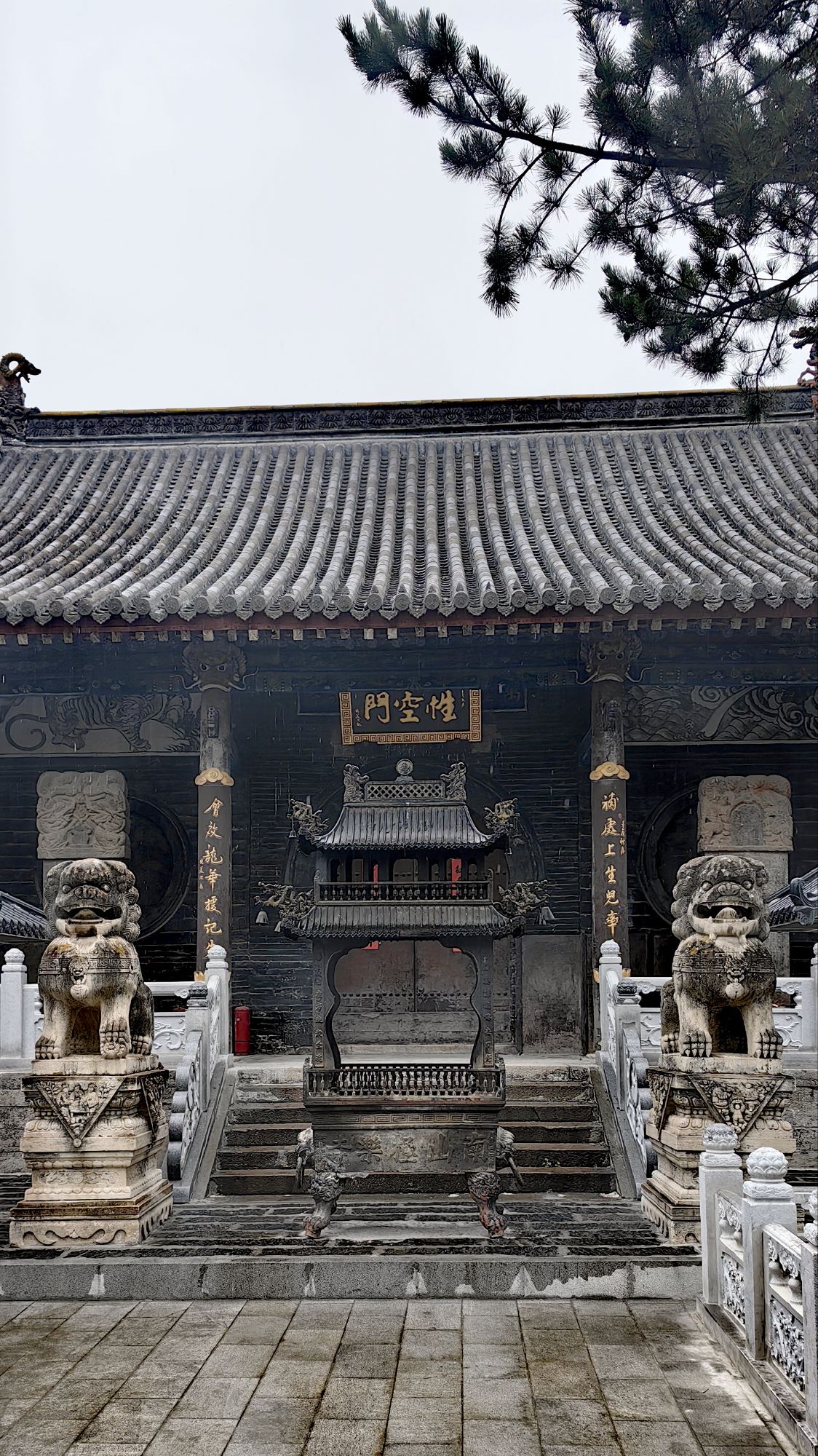
The halls within the temple showcase classic Chinese architectural features, such as curved eaves, painted beams, and intricate wood carvings. Guarding the entrances to the temple are pairs of stone lions, symbols of protection and power in Chinese culture. Carved with meticulous detail, these lions represent balance and symmetry. At the heart of the temple courtyard stands a large incense burner, an essential feature of Buddhist temples. Made of bronze, the burner is adorned with the name of the temple, Buddhist symbols, and auspicious motifs. Pilgrims and visitors light incense sticks here, offering prayers and seeking blessings as fragrant smoke wafts upward.

寺庙内的殿堂展现了如弧形飞檐、画梁和精美的木雕等中国古典建筑的特色。寺庙入口处有一对石狮,在中国文化中象征着庇护。这些石狮子雕刻细节丰富代表着中国传统对称平衡的观念。寺庙庭院的中心矗立着在普通佛教寺庙内都能见到的大型香炉。青铜制成的香炉饰有寺庙名称、佛教符号和吉祥图案。香客和游人在炊烟袅袅的香炉前焚香祈福。
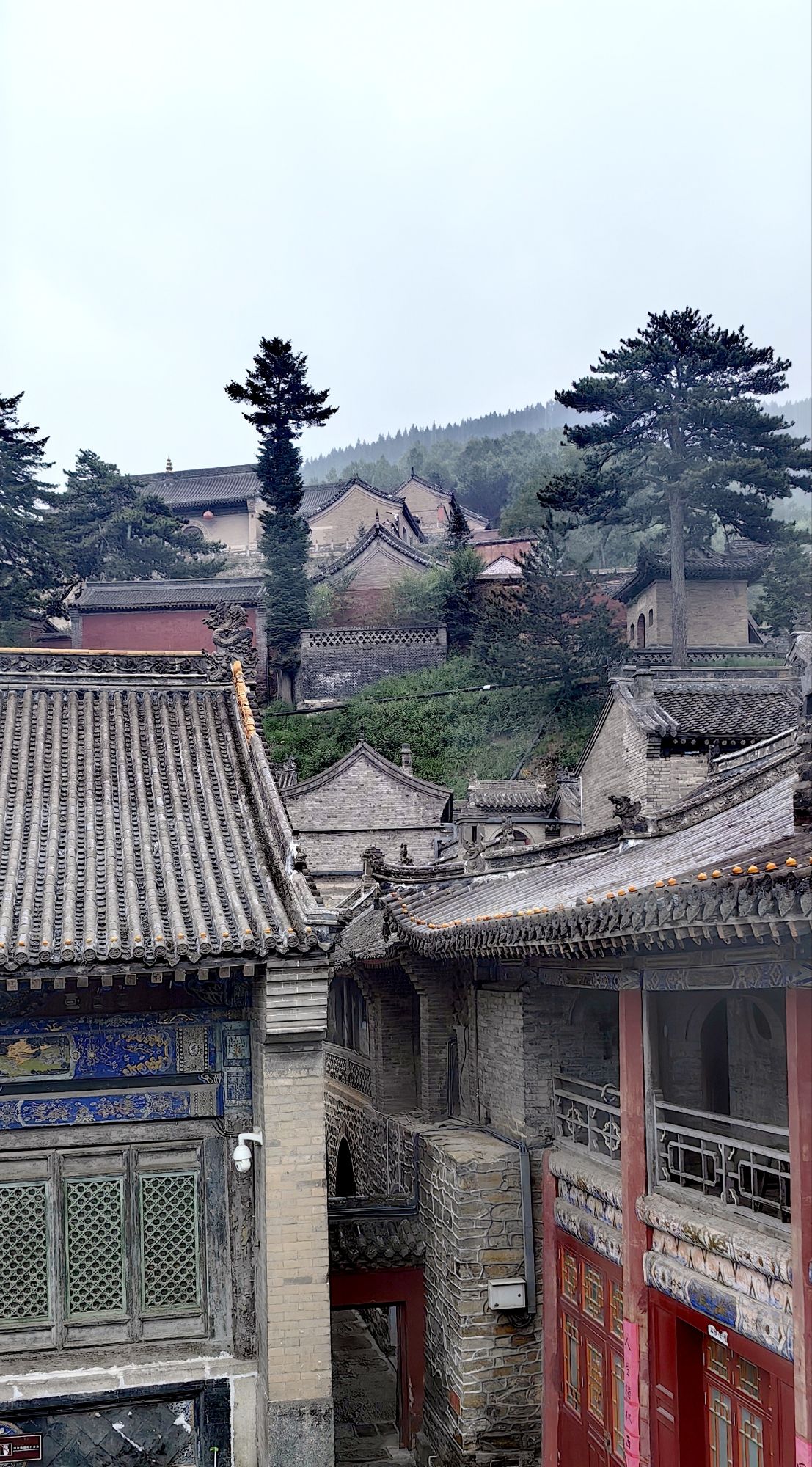
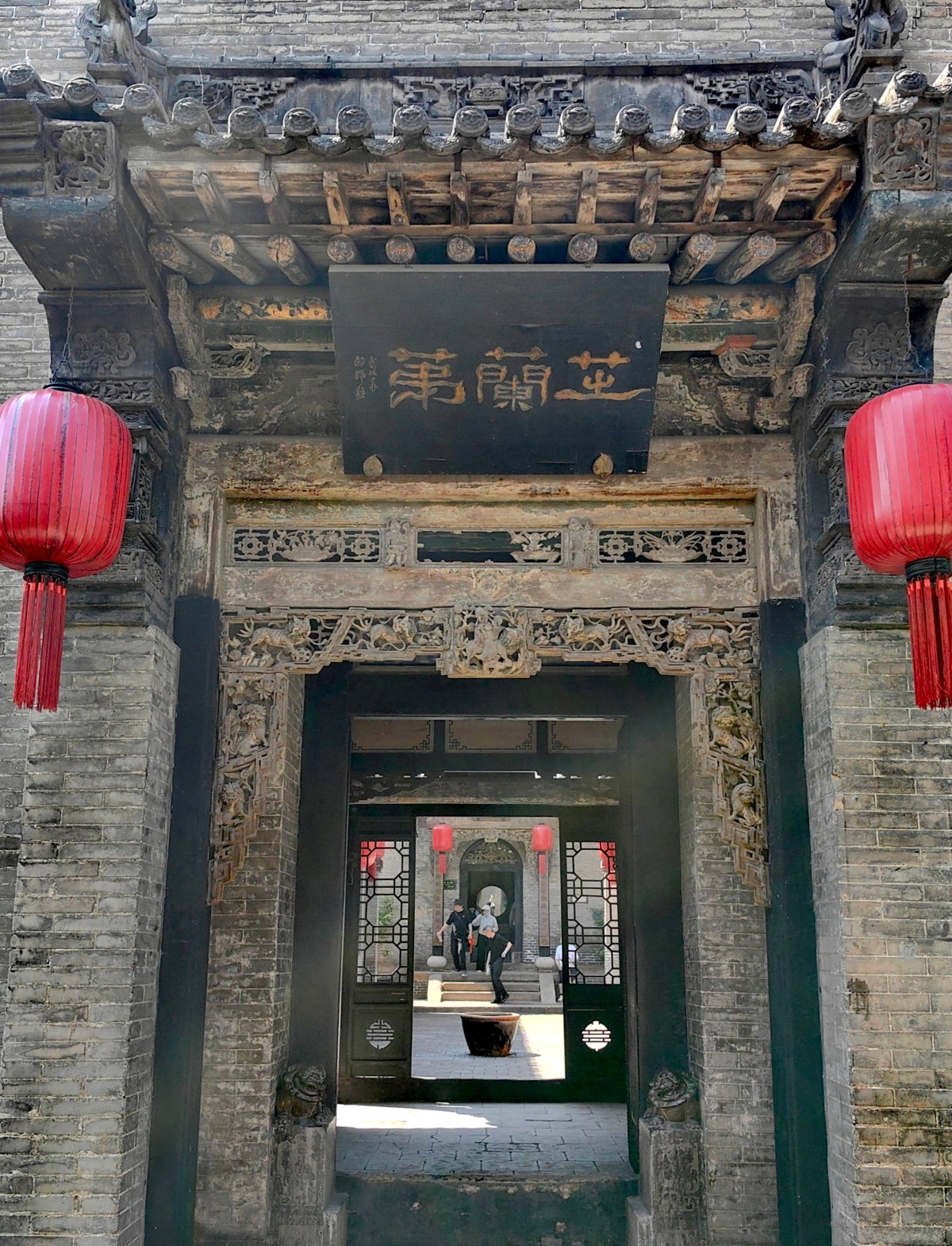
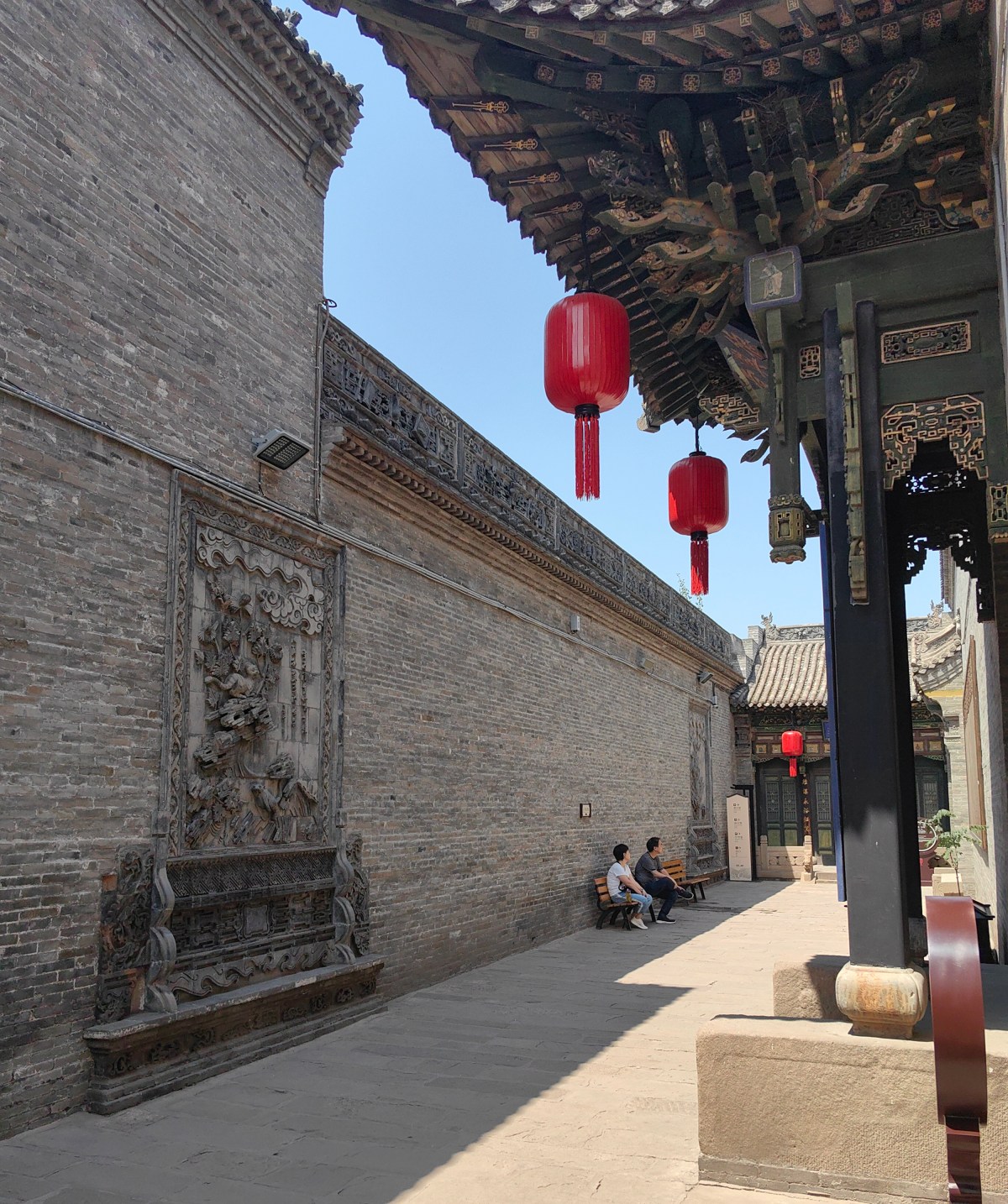
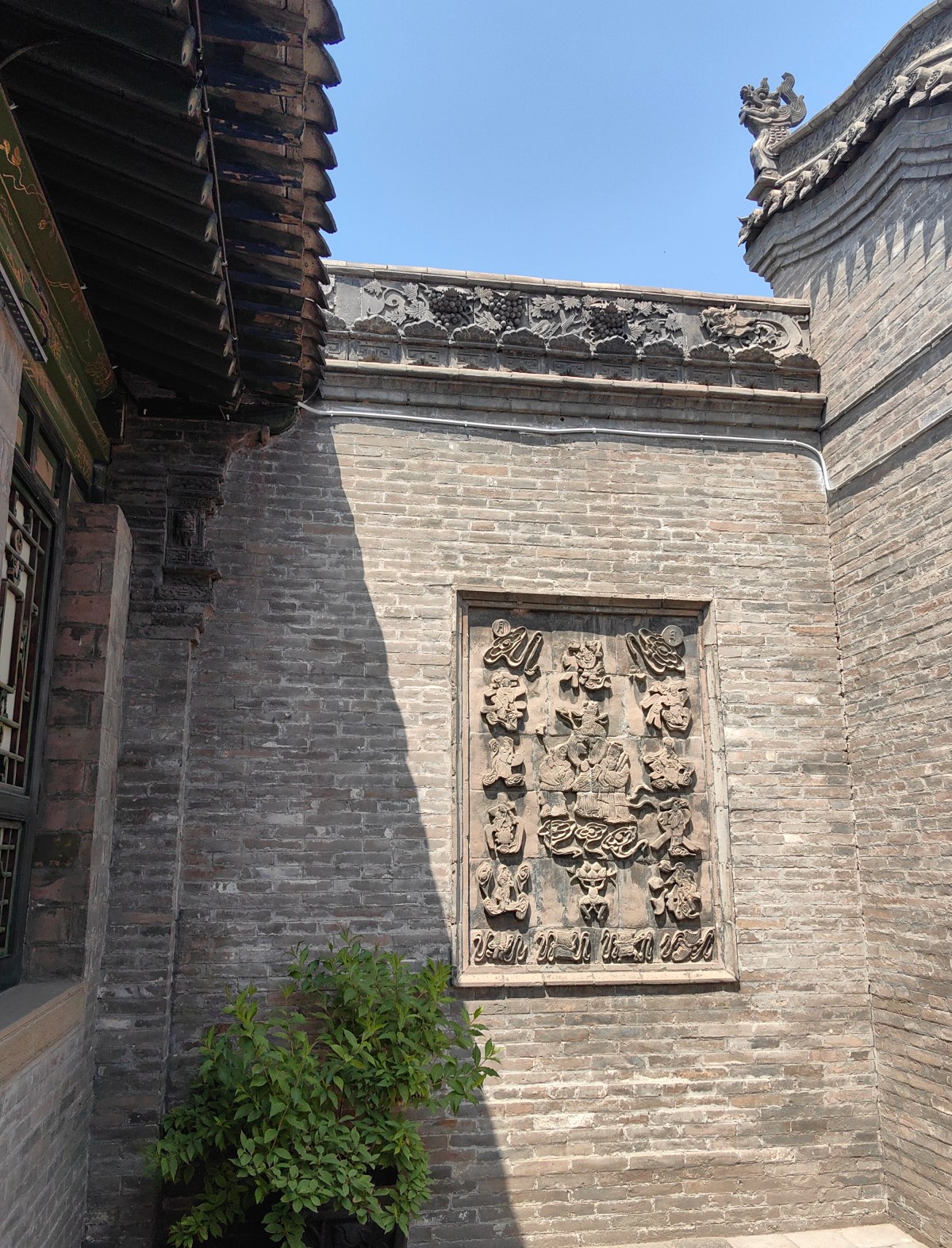
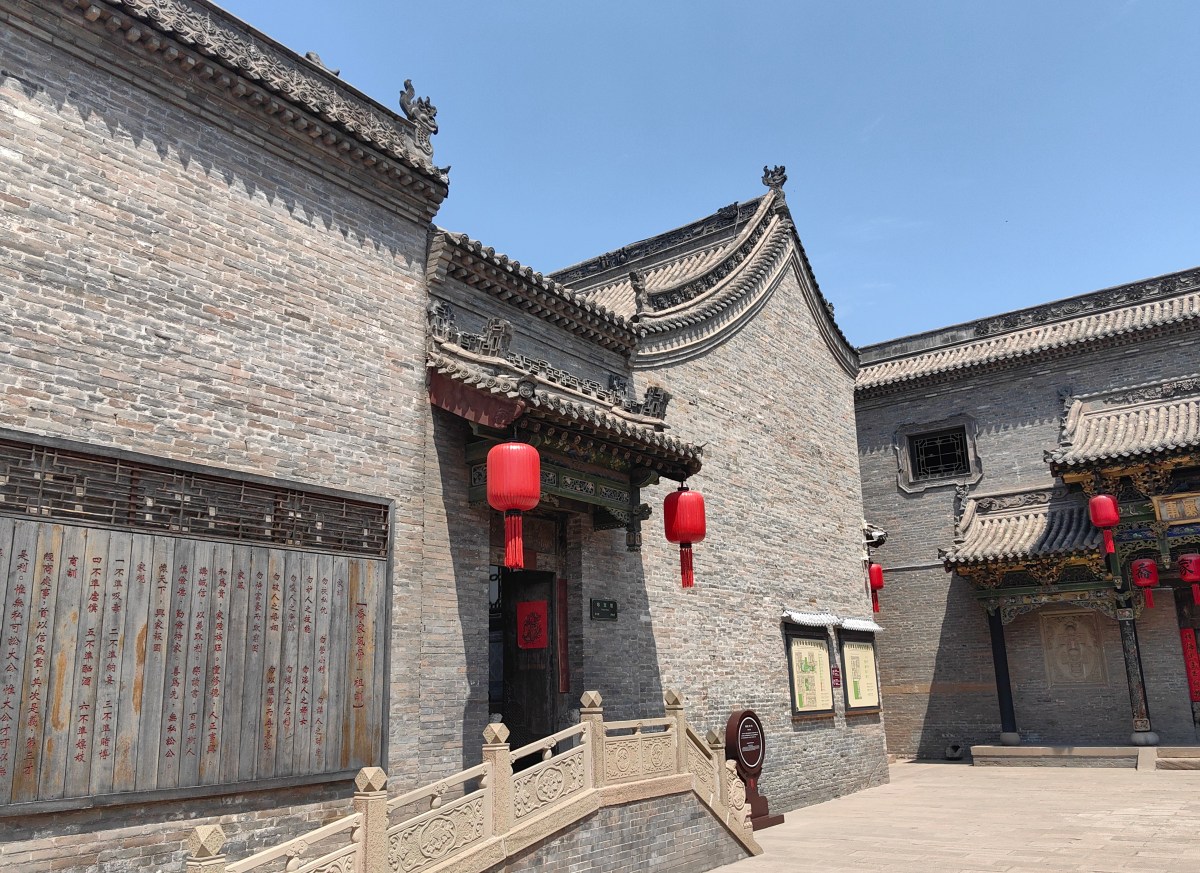
The grey-colored old houses in the temple stand as quiet in the , weathered witnesses to centuries of history and devotion. These buildings, with their muted, stone-gray façades, blend seamlessly into the rocky terrain and lush pine forests surrounding. The old stone and brick walls, softened by time carry a serene, almost ethereal quality. The grey hues of the houses, worn by the winds and seasons, create a feeling of peaceful solitude, perfectly suited to the sacred atmosphere of the mountain. The steep, tiled roofs with their curves and edges softened by years of exposure to the mountain’s mist and rain. The tiles, some slightly chipped or moss-covered, tell a story of time’s quiet passage.

寺庙里灰蒙蒙的老房子在细雨中静静地屹立在山边,它们饱经风霜见证了几个世纪的历史和信仰。这些建筑由柔和的石灰色外墙建成,与周围的岩石地形和茂密的松树林完美地融为一体。古旧的石砖墙随着时间的流逝而磨平了棱角,呈现出一种与世无争空灵的品质。抑郁的灰色色调经过风雨的洗涤显出依稀的孤独感,却与佛教超脱世俗的氛围完美契合。陡峭的瓦片屋顶由于长年暴露在山上的雾气和雨水中,其曲线和边缘也磨损严重。这些略有残缺的砖瓦布满青苔,静静地诉说着往事。

In front of these old simple houses, one monk rested quietly on wooden benches. His simple robes blend with the natural color palette of the temple. His faces are calm and contemplative. The monks in this temple are not in a rush; they move slowly, embracing the tranquility of their surroundings. The gentle rustling of the wind through the pine trees and the occasional chant or bell sound from the temple add to the mystery of the scene. Every element, whether man-made or natural, exists in perfect balance and harmony.

古朴的老房子前,一位僧人静静地端坐在木凳上。简单的僧袍与寺庙的色调融为一体。僧人的表情平静而略带思绪。这座寺庙里的僧人不急不躁节奏舒缓,享受这周围的宁静。微风吹过松树的轻柔沙沙声,以及寺庙里偶尔传来的诵经声或钟鸣声是如此的神秘令人浮想联翩。这里的一切元素,一切景物无论是人工的还是自然的,都如此浑然天成。
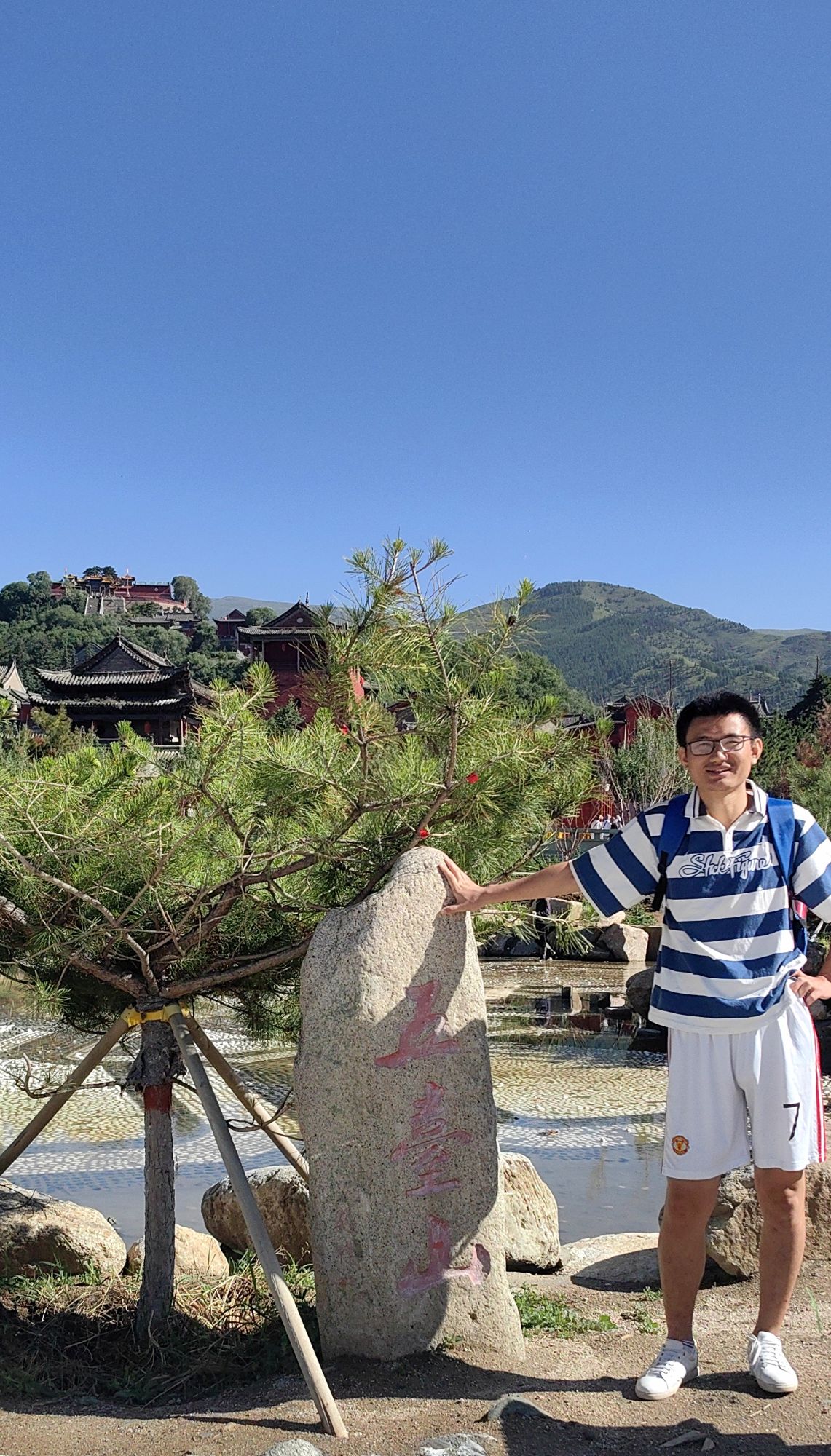
The first day in the mountain was rainy and I did not go to a lot of places due to the bad weather. Fortunately, the second day was sunny. I spent most of the time in traveling the temples in this mountain. This is a good point to take the photo including temples of different layers. The temples of Wutai Mountain are renowned for their unique layout, arranged in layers. The mountain’s sacred sites are distributed across its five main peaks—East, West, South, North, and Central. The temples like Shuxiang Temple and Tayuan Temple serve as main sites to the sacred journey. They are usually accessible at lower level. The higher layer of Wutai Mountain hosts some of the most significant temples, like Pusading Temple in the background of this photo. It is one of the highest-ranking monasteries on the mountain. These temples are situated along winding paths that ascend higher into the mountain, offering panoramic views of the landscape.

进山的第一天下雨,很多地方遗憾没去。幸运的是老天有眼,第二天天气晴朗。这一天大部分时间都在逛这座山上的几座寺庙。这里是拍摄五台山不同层次寺庙的照片的好地方。五台山寺庙以其布局独特、层层排列而闻名。这座山的圣地分布在东、西、南、北、中五座主峰上。像殊像寺塔院寺这样的寺庙是拜佛的主要目的地。它们交通便利,位于较低的山层。五台山的较高层还有一些最重要的寺庙,例如这张照片背景中的菩萨顶寺,它是山上等级最高的寺庙。这些寺庙坐落在通向高处的蜿蜒的小路上,在那里可以欣赏到五台山全景。
Shuxiang Temple

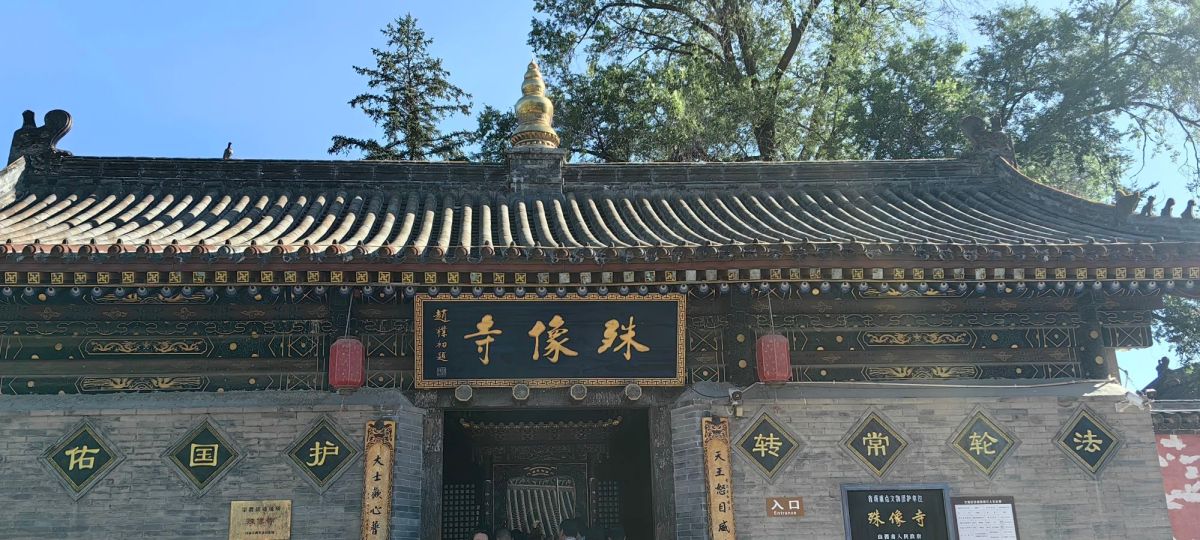
Shuxiang Temple is one of the most famous and significant temples in the area, renowned for its rich history and extraordinary cultural and spiritual importance. Its name, “Shuxiang,” translates to “Exquisite Image,” which reflects its dedication to Manjushri, the Bodhisattva of Wisdom, whose exquisite statues and imagery are a centerpiece of the temple.

殊像寺是该地区最著名最重要的寺庙之一,以其丰富的历史文化和宗教意义而闻名。它的名字“殊像”文言文翻译过来就是“精美的形象”,反映了对文殊菩萨的崇拜,寺中文殊菩萨的精美雕像和画像则是寺庙的核心。

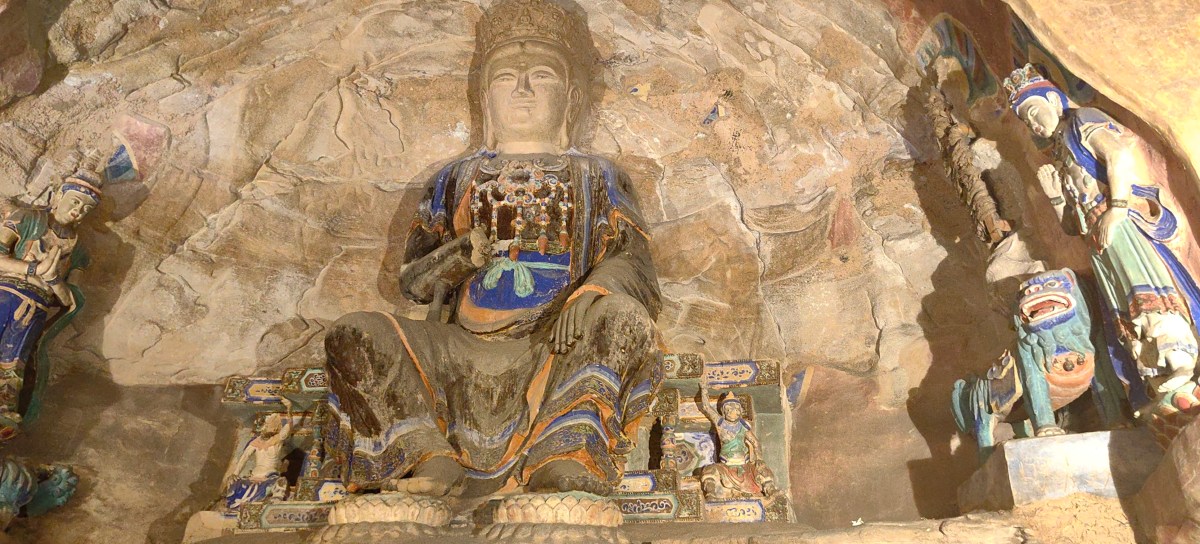
Shuxiang Temple dates back to the Northern Wei Dynasty, making it one of the oldest temples on Wutai Mountain. Over the centuries, it has undergone several renovations and expansions. The main hall of the temple houses a grand, intricately carved statue of Manjushri riding a lion, symbolizing ultimate wisdom and fearlessness. The statue is surrounded by depictions of Buddhist deities and disciples. The statue is richly adorned with vibrant colors, dazzling gold leaf, and detailed features that reflect the artistic brilliance of the time.

殊像寺始建于北魏,是五台山最古老的寺庙之一。几个世纪以来,它经历了多次翻新和扩建。寺庙的正殿供奉着一尊雕刻精美的文殊菩萨骑狮像,象征着至高智慧和无畏精神。雕像周围有佛教神灵和佛家弟子的描像。这座雕像装饰华丽,色彩鲜艳,闪亮的金箔和精细制作细节特征反映了当时的艺术辉煌。
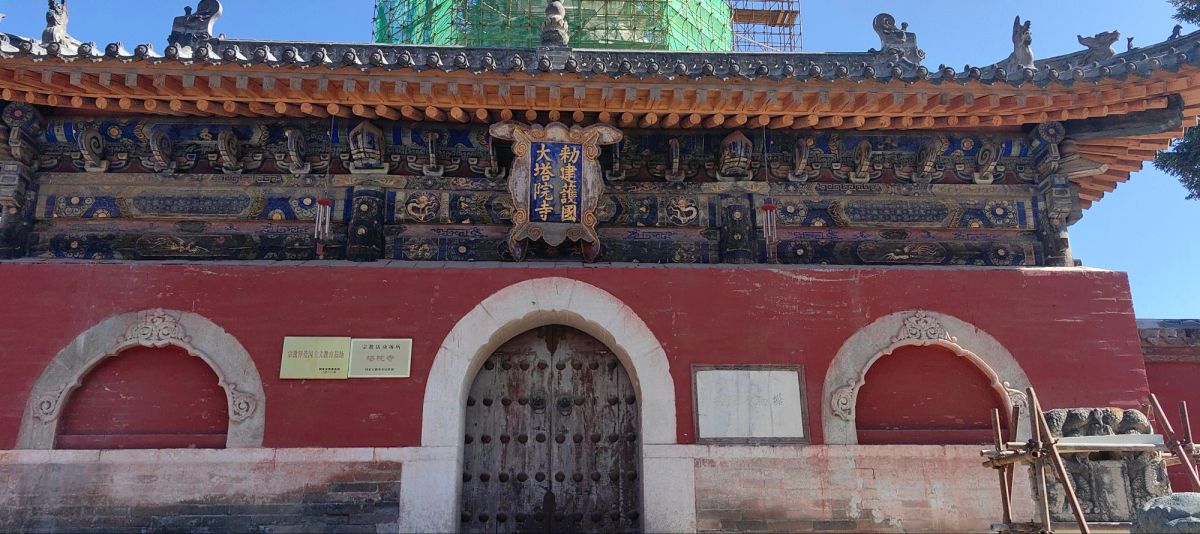
Tayuan Temple

Tayuan Temple is one of the most iconic and revered Buddhist temples in the area. Its history can be dated back to the Yuan Dynasty (1271–1368) and was later expanded during the Ming and Qing dynasties. Many people come to this temple to burn incense, show their devotions to Manjushri, symbolizing a prayer for wisdom, clarity, and enlightenment. Pilgrims hope to receive blessings for intellectual and spiritual growth.

塔院寺是五台山地区标志性和最受敬仰的佛教寺庙之一。其历史可以追溯到元朝,后来在明清时期得到扩建。许多人来到这座寺庙烧香,表达对文殊菩萨的虔诚信仰,象征着人们祈求智慧和开悟的决心。朝圣者希望通过祈福获得智力和精神成长的加持。

The towering Great White Pagoda, standing over 50 meters is the defining feature of Tayuan Temple and the tallest structure on Wutai Mountain. The pagoda is built in the Tibetan stupa style, symbolizing the unity of heaven and earth. Its body is smooth and white, representing purity, and it is topped with a gilded spire adorned with delicate bronze ornaments. This white pagoda is the symbol of this mountain, which picture is really impressive in the travel brochure of Wutai Mountain. Unfortunately, when I arrived, it was under reparation.

高达50多米的大白塔是塔院寺的标志性建筑,也是五台山最高的建筑。该塔采用藏族佛塔风格建造,象征天地合一。它的身体光滑洁白,代表着佛家信仰的纯洁,顶部有一个镀金的尖顶,上面装饰着精致的青铜饰物。这座白塔是五台山的代表,总是会出现在五台山的旅游手册里。可惜在我来这里希望一睹它风采的时候却正在修缮中。

This is the main hall of Tayuan Temple. It is a rectangular structure set on a raised stone platform. It is surrounded by a spacious courtyard, allowing pilgrims to gather and perform rituals such as incense burning. There are numerous tourists assembling here even in the early morning. The hall’s roof is a classic example of a hip-and-gable style. The curved eaves sweep upward at the corners. The ridges are adorned with decorative figures, such as dragons and phoenixes, believed to ward off evil and invite blessings. This hall houses a grand statue of Manjushri as well.

这是塔院寺的正殿。它是一个设置在凸起的石头平台上的长方形结构,周围有一个宽敞的庭院,可供香客聚集并进行烧香等仪式。即使清早这里也聚集着太多的游客。大殿的屋顶是歇山顶风格,弯曲的屋檐在拐角处向上略过。屋脊上饰有龙凤等装饰物,人们相信可以用它辟邪招福。正殿内还供奉着一尊宏伟的文殊菩萨雕像。

I arrived at the temple at 7 am and I was shocked that so many people came here to burn the first incense in the morning and knelt in front this hall in the photo to get the blessing. The first incense of the day is believed to be the most powerful and auspicious, as it symbolizes a fresh start and the first connection between the human and divine realms. Pilgrims and devotees wake up so early and cluster here to offer incense, hoping to be the first to receive blessings from the Manjushri.

我一大早7点就抵达寺庙,令我震惊的是,有太多人来这里烧头香,并在照片中的这座殿堂前跪下祈福。当天的第一缕香通常被认为是最有祝福力以及最吉祥的,它象征着一个新的开始以及人与神域之间的第一次共鸣。众香客和信众们早早起床聚在这里就为了上这头注香,希望能够第一个得到文殊菩萨的保佑加持。

Luo Hou Temple

The center area of Wu Tai Mountain hosts many temples. Luo Hou Temple is a Tibetan Buddhist temple surrounded by towering pine trees and enclosed by striking red walls. As one of the significant Tibetan Buddhist sites on the mountain, it embodies the deep influence of Tibetan Buddhism in this holy region. Tibetan Buddhism, commonly known as Lamaism, developed in Tibet and has unique practices and rituals distinct from Chinese Buddhism. The most prominent school of Tibetan Buddhism is the Gelug Sect, founded by the revered monk Tsongkhapa during the Ming Dynasty. Monks of the Gelug Sect traditionally wear yellow robes, which is why they are often referred to as the “Yellow Sect.” Luo Hou Temple has rich Tibetan architectural elements inside.

五台山中心地区有许多寺庙。罗喉寺是一座藏传佛教寺庙,周围环绕着高耸的松树以及引人注目的红墙。作为山上重要的藏传佛教寺庙,它代表了藏传佛教在这一圣地的深厚影响。藏传佛教,俗称喇嘛教,发源于西藏,具有与汉传佛教不同的独特习俗和仪式。藏传佛教最著名的教派是格鲁派,由明代高僧宗喀巴大师创立。格鲁派僧侣传统上身穿黄色袈裟,因此又被称为“黄教”。罗喉寺内部具有浓郁的藏族建筑元素。

Prayer wheels are an integral part of Buddhist practice. They can be found in the Tibetan temples. These wheels, inscribed with sacred texts, mantras, and symbols, hold deep spiritual significance. They are made of bronze and wood, often adorned with intricate carvings and Buddhist imagery. Some larger ones are made of metal and stand on beautifully crafted pedestals. The most common mantra found on these wheels is “Om Mani Padme Hum”, a powerful Tibetan Buddhist chant associated with wisdom and compassion. Pilgrims turn the prayer wheels in a clockwise direction, following Buddhist tradition. This movement symbolizes the cycle of karma and spiritual purification.

转经轮是佛教修行中不可或缺的一部分。它们可以在藏传佛教的寺庙中经常就能看到。这些轮子上刻有神圣的文字、咒语和符号,具有深刻的精神象征意义。它们由青铜或木材制成,通常装饰有复杂的雕刻和佛教图像。一些较大的转轮由金属制成,放置在制作精美的基座上。这些轮子上最常见的咒语是“唵嘛呢贝美吽”,这是一种与智慧和慈悲相关的强大藏传佛教圣歌。朝圣者遵循佛教传统,顺时针方向转动转经筒。这个动作象征着业力的循环和精神的净化。

This is the pavilion of ‘Doushuai’. In Chinese culture, Doushuai is known as Tuṣita in Sanskrit which is a heavenly realm where Bodhisattva resides before their final rebirth into the human world to attain Buddhahood. It holds great significance in Buddhist cosmology. It is one of the Six Heavens of the Desire Realm in Buddhist cosmology. This celestial realm is believed to be a place of bliss and enlightenment, where bodhisattvas cultivate wisdom before descending to the human world. This pavilion is dedicated to Maitreya Bodhisattva, the future Buddha who currently resides in Tuṣita Heaven. It is a multi-storied structure, a rare architectural feature in Buddhist temples, symbolizing the celestial nature of Tuṣita Heaven.

这里是兜率阁。在中国文化中,兜率在梵文中被称为兜率天,是菩萨在最后转世成佛之前居住的天国。它在佛教宇宙论中具有重要意义。是佛教宇宙观中欲界六天之一。这个天界被认为是极乐和开悟的地方,菩萨在下降到人间之前在这里修养智慧。这座阁楼供奉的是现居住在兜率天的未来佛弥勒菩萨。它是一座多层建筑,在佛教寺庙中是比较罕见,象征着兜率天的仙性。

The tiered golden roof is adorned with dharma wheels, lotus motifs, and small golden pagodas, symbolizing wisdom and enlightenment. The curved eaves sweep upward in the traditional Chinese style. The golden tower is a small, gilded stupa. The Dharma Wheel is one of the most sacred symbols in Buddhism, representing the Buddha’s teachings and the path to enlightenment.

层层叠叠的金色屋顶上装饰着法轮、莲花图案和小金塔,象征着智慧和开悟。弧形屋檐向上微微翘起,颇具中国传统风格。金塔其实就是一座微型镀金的小佛塔。而法轮是佛教最神圣的象征之一,代表着佛陀的教义和觉悟之道。

In the scenic spot of Wutai, Dai Luoding is one of the most important temples, known as the “Small Wutai” because it is home to five Manjushri Bodhisattva statues, symbolizing the five major peaks of Mount Wutai. It is a revered pilgrimage site where devotees come to worship, ascend the sacred steps, and seek wisdom from Manjushri Bodhisattva. Of course, visitors can choose cable car to the top, but it lost the sacred meaning.

五台风景区里,黛螺顶是最重要的寺庙之一,因供奉着象征五台山五大山峰的五尊文殊菩萨像,被称为“小五台” 。这里是一处备受尊崇的朝圣地,信徒们登上具有象征意义的台阶前来朝拜,向文殊菩萨寻求指点迷津。当然,游客也可以选择缆车登顶,但这样就失去了象征意义。

Dai Luoding

It is situated on a small peak, offering a panoramic view of the surrounding temples and landscapes of Mount Wutai. It is regarded as a miniature version of the Five Terraces of Wutai, allowing pilgrims who cannot visit all five peaks to complete their worship in one place. Devotees believe that climbing Dai Luoding and worshiping the five Manjushri statues brings the same blessings as visiting all five mountain peaks. To reach the temple at the summit, I climbed the 108 steep stone steps, symbolizing the 108 afflictions in Buddhism that one must overcome to attain enlightenment. It was really an exhausting trip of spirits.

黛螺顶坐落在一座小山峰上,可以将周围的寺庙和五台山的风景尽收眼底。它被视为五台的缩小版,让无法游览五台山五座山峰的香客能够在这一处完成朝拜。信众们相信,登上黛螺顶、朝拜五尊文殊菩萨像,就可以得到与游览五座山峰同样的信仰加持。为了登顶寺庙,我也努力爬了108级陡峭的石阶。它们象征着佛教中必须克服108种烦恼才能获得开悟的必经之路。这确实是一段令人筋疲力尽的修行之旅。

The Tianwang Hall is the first major hall that pilgrims encounter when they ascend the 108 sacred steps leading to the temple. It serves as the entrance to the sacred realm of Manjushri Bodhisattva. The Tianwang Hall follows a classic Chinese temple layout, with a grand double-eaved roof supported by intricately carved wooden beams. The roof ridges are adorned with mythical creatures and Buddhist symbols.

天王殿是香客登上通往寺庙的108级台阶时遇到的第一个大殿。它是进入文殊菩萨圣界的入口。天王殿遵循中国古典寺庙布局,宏伟的重檐屋顶由雕刻精美的木梁支撑。屋脊上装饰着神话生物和佛教符号。

In front of the main hall, many Buddhists and pilgrims burn incense outside the hall and offer prayers in front of the Manjushri statues in the main hall. It is believed that circumambulating (walking around) the incense burner in prayer brings wisdom and enlightenment. incense burning is not allowed inside the halls. Many temple halls are constructed with ancient wooden architecture, making them highly flammable. The smoke from incense can damage murals, ancient statues, and wooden structures as well.

大雄宝殿前,许多佛教徒和香客在殿外烧香祈福。游客们还相信,绕香炉一圈祈福后进香可以获得文殊菩萨保佑并给他们带来智慧和启迪。佛家殿堂内一般不准烧香。许多寺庙殿堂都是古老的木结构建筑,非常易燃。焚香产生的烟雾也会损坏壁画、古代雕像和木结构。

Standing atop Dai Luoding, I was greeted with a breathtaking panoramic view of Mount Wutai’s sacred landscape, where ancient temples, rolling peaks, and mist-covered valleys create a scene of profound serenity and spiritual grandeur. Although I have a bit fear of height, I still enjoy climbing to top of mountains. It will bring me a sense of conquest. From the elevated position of Dai Luoding, I could gaze down upon the cluster of ancient temples. During summer, the mountain comes alive with lush greenery and vibrant flowers. The surrounding pine trees, cypress groves, and meadows make the scene fresh and full of life. Whether admiring the golden temples below, the misty peaks beyond, or the ever-changing sky above, I could not help but feel a deep sense of cleansing of the soul.

站在黛螺顶上,五台山神圣威严的景观尽收眼底,古老的寺庙、连绵的山峰、云雾缭绕的山谷,营造出一种深沉的宁静和宏伟的精神寄托。虽然我一直有点恐高,但还是挺喜欢爬山,登顶会给我带来一种征服感。从黛螺顶的高处,我可以俯视那群古老的寺庙。夏季时分,山上绿树成荫,鲜花盛开,生机勃勃。周围的松柏树林、绿油油的草地使这里一切显得生机盎然。无论是欣赏下面的金色寺庙,远处云雾缭绕的群山,还是穹顶不断变化的天空,我都情不自禁地感受到一种心灵的洗涤。

Guanghua Temple

In Wutai Mountain, I have seen many temples of Tibetan style. Mount Wutai is believed to be the bodhimaṇḍa (道场, sacred site) of Manjushri Bodhisattva. Manjushri is highly revered in both Han Chinese Buddhism and Tibetan Buddhism, making the mountain a common pilgrimage destination for both traditions. Tibetan Buddhists also consider it a sacred place where Manjushri appears in various forms.

五台山的历程中我看到了很多藏式风格的寺庙。五台山被尊为文殊菩萨的道场。文殊菩萨在汉传佛教和藏传佛教中都受到高度尊崇,使这座山成为汉传佛教和藏传佛教共同的朝圣地。同时藏传佛教徒也认为它就是文殊菩萨显圣的圣地。

During the Yuan Dynasty, Tibetan Buddhism (Lamaism) gained imperial support. The rulers built Tibetan-style temples on Mount Wutai to establish religious unity and strengthen ties with Tibetan Buddhist leaders. The Qing Dynasty actively supported Tibetan Buddhism to maintain control over Tibet, Mongolia, and other Tibetan Buddhist regions. Emperor Kangxi and Emperor Qianlong frequently visited Mount Wutai and ordered the construction of Tibetan-style temples like the Guanghua Temple in this photo to promote harmonious coexistence between Han and Tibetan Buddhists.

元朝时期,藏传佛教(喇嘛教)得到了皇帝的支持。当时的统治者在五台山修建了藏式寺庙,确立宗教统一并加强与藏传佛教领袖的联系。后来清朝积极扶持藏传佛教,为了维持对西藏、蒙古等藏传佛教地区的控制。康熙和乾隆皇帝经常游览五台山,并下令修建像照片中的广化寺这样的藏式寺庙,以促进汉藏佛教的和谐共处。

The colorful stupa is the symbol of Tibetan Buddhism temple. It has multiple layers stacked in a gradually tapering form, representing the spiritual ascent toward enlightenment. It is adorned with bright reds, yellows, blues, purple and greens, which symbolize the Five Wisdom Buddhas. The spire begins with a lotus-shaped base, symbolizing purity and spiritual awakening. Above the lotus base, the spire features thirteen golden rings, symbolizing the thirteen stages of Buddhist enlightenment. A golden umbrella-shaped structure sits atop the rings, signifying royal dignity. At the very top of the spire is a flaming jewel, representing the highest state of spiritual awakening.

色彩缤纷的佛塔是藏传佛教寺庙的标志。它有多层以逐渐变细的形式堆叠,代表着精神世界向启蒙的提升。它以鲜艳的红、黄、蓝、紫、绿五色装饰,象征五明佛。尖顶以莲花形基座开启,象征纯洁和精神觉醒。莲花底座之上,塔尖有十三道金环,象征着佛教启蒙的十三重境界。金色的伞形结构坐落在圆环的顶部,象征着皇室的尊严。尖塔的最顶端有一颗燃烧的宝石,代表着精神觉醒的最高境界。

I spent nearly one day in visiting most of the famous temples. Pusading temple was the last one visited in the afternoon. Perched on a high ridge overlooking the valley. During the Ming and Qing Dynasties, it became a Tibetan Buddhist monastery where Dalai Lamas and Panchen Lamas would stay when visiting Mount Wutai.

This mountain was intertwined with the legend of Lu Zhishen. The Wenshu Monastery in Pusading templeis is where he took refuge as a monk. He is my favorite characters from the classic Chinese novel Water Margin. He’s a man of contradictions — a powerful warrior with a tender heart. I admire his unwavering sense of justice and it is a great honor for anyone to have a friend like him.

我花了将近一天的时间参观了五台山大多数所有著名的寺庙。菩萨顶寺是下午参观的最后一座寺庙。它坐落在高高的山脊上,俯瞰着整个山谷。明清时期,这里成为达赖班禅喇嘛游览五台山时下榻的寺院。

这座山亦与鲁智深有所羁绊。菩萨顶寺的文殊院就是他出家避难的地方。他是中国古典小说《水浒传》中我最喜欢的人物。剑胆琴心的鲁智深可以说是一个非常矛盾的人。不过我特别钦佩他坚定不移的正义感,有他这样的朋友对任何人来说都是莫大的荣幸。

Pusading Temple

Pusading Temple is famous for its dazzling golden-roofed halls of Manjushri, which shimmer in the sunlight, symbolizing divine imperial honor. The roofs are built in the Tibetan Buddhist style, featuring layered eaves and upturned corners, similar to the Potala Palace in Lhasa. Pair of deer is placed atop the main hall’s roof, these sacred symbols represent Buddha’s first sermon at Deer Park. The gold-plated tiles and finials symbolize spiritual enlightenment and the wisdom of Manjushri.

菩萨顶寺以其金顶大文殊殿而闻名,这个大殿在阳光下闪闪发光,象征着皇家的荣耀。屋顶采用藏传佛教风格,重檐翘角,与拉萨的布达拉宫类似。主殿屋顶上放置着一对鹿,这种神圣的符号代表佛陀在鹿野苑首次步道说法。镀金的瓷砖和尖顶则象征着精神启蒙和文殊菩萨的智慧。

From the Hall of Manjushri, visitors can enjoy a breathtaking panoramic view of Mount Wutai’s temple-studded landscape. It was one of the most memorable experiences of my trip. From the terraces of Pusading, my eyes are drawn to the countless temples scattered across the mountain slopes. In the distance, Tayuan Temple’s Great White Stupa rises majestically, its pristine silhouette standing out among the temple clusters.

从文殊殿,游客可以欣赏到五台山中寺庙林立的壮丽全景。这也是我此次旅行中印象最为深刻的场景之一。从菩萨顶的观景台上,我的目光被散布在山坡上的无数寺庙所吸引。远处,塔院寺的大白塔巍然耸立,其古朴的轮廓在寺庙群中格外醒目。
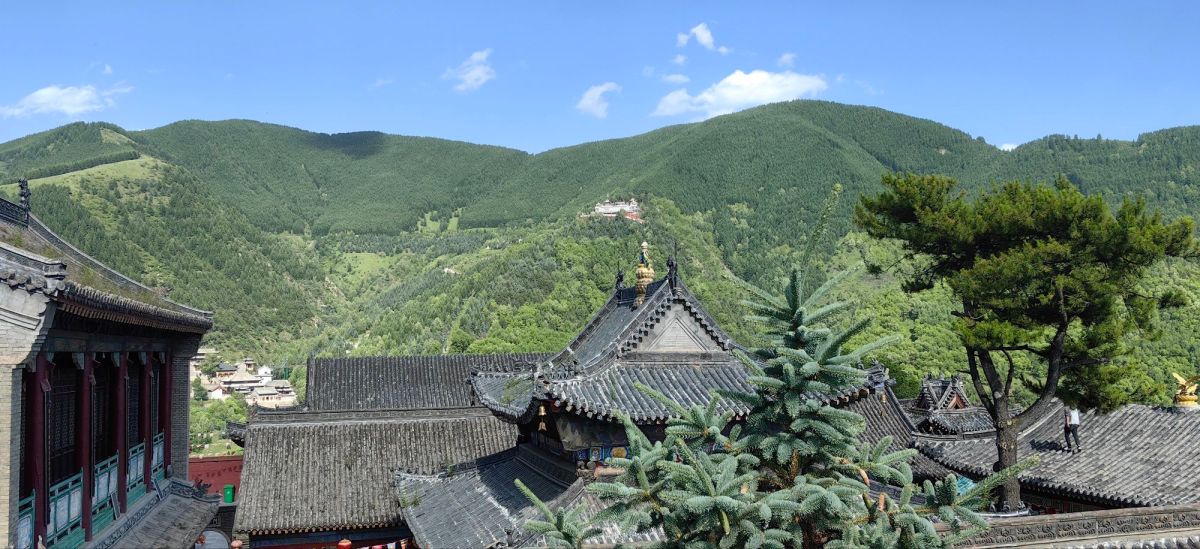
Looking beyond the temple complex, the vast five sacred peaks of Mount Wutai—stretch into the horizon, each bathed in golden sunlight under the blue sky. The rolling green valleys and deep ravines carve through the landscape. The distant echoes of Buddhist chants and the rhythmic ringing of temple bells float through the air, blending seamlessly with the gentle rustling of pine trees in the breeze.

向寺庙群外远眺,五台山五座雄伟的圣峰蜿蜒伸向地平线,在蓝天下沐浴着金色的阳光。连绵起伏的绿色山谷和深邃的沟壑贯穿天地。远处传来佛门吟唱的细密回声和寺院钟声的韵律在空中飘荡,与微风松树轻柔的沙沙声融为一体。
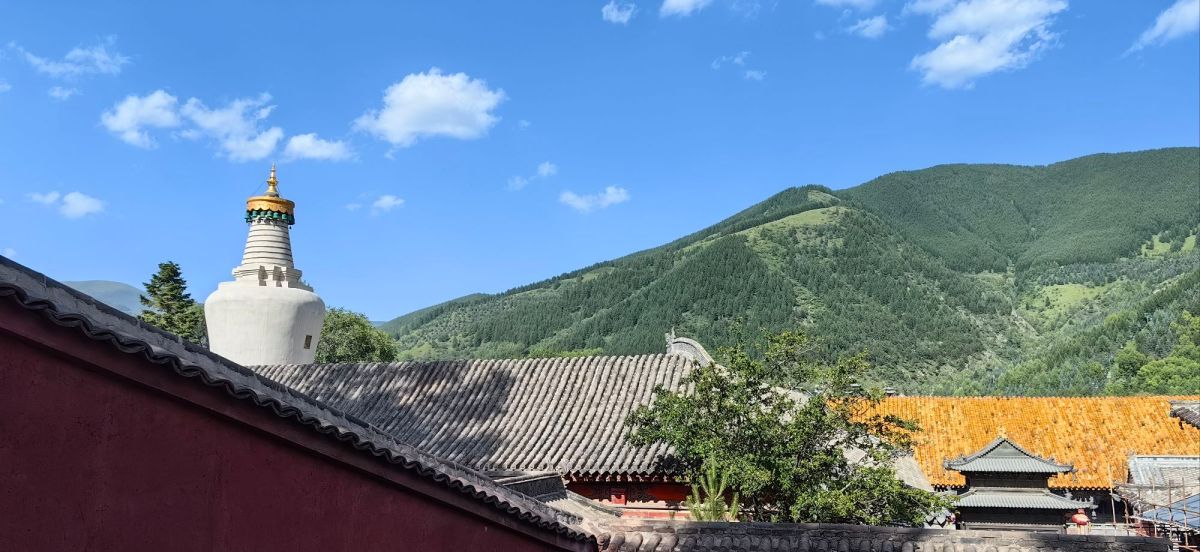
For my trip in Wutai Mountain, I cannot help but feel a profound sense of reverence and awe. The golden stupa tops, endless mountain peaks, and tranquil monastic life create a view that is not only visually stunning but deeply spiritual. Whether bathed in morning light or embraced by twilight mist, the soothing scenes capture the essence of Buddhist devotion and the eternal beauty of nature, making it an unforgettable experience for all who visit.

对于这次五台山之行,回忆之初不禁怀有深深的敬畏之情。金色的塔顶、连绵不断的山峰、宁静的寺院生活,一笔一划营造出的景色不仅令人惊叹而且颇具宗教精神意义。无论是沐浴在晨曦还是暮色薄雾中,这些舒缓兼具信念的画卷都体现了佛教虔诚的精髓和自然的永恒之美,为所有游客带来难忘的体验。

Tracing Northern Wei History in Datong

古都大同追忆北魏历史

From 398 to 494 CE, Datong (known as Pingcheng) served as the capital of the Northern Wei dynasty. The dynasty, established by the Xianbei, a nomadic group from the northern steppes, chose Datong due to its strategic location, which provided a stronghold for military and administrative control. Pingcheng’s cosmopolitan atmosphere helped foster cultural integration between the nomadic Xianbei people and the settled Han Chinese population. Under the Northern Wei, Datong developed into a well-planned and fortified city. It holds numerous cultural and historical relics that showcase fully the grandeur of the dynasty.

在公元 398 年至 494 年期间,大同(即曾经的平城)一直是北魏的都城。北魏由来自北方草原的游牧民族鲜卑族建立,他们因为其战略位置优越而选择大同作为军事和行政中心。历史上的平城的国际化氛围浓厚,也促进了游牧的鲜卑人和居有其所的汉族人之间的文化融合。在北魏统治下,大同发展成为一座规划完善、防御坚固的都城。这里拥有众多文化和历史遗迹,充分展现了北魏王朝当年的辉煌。

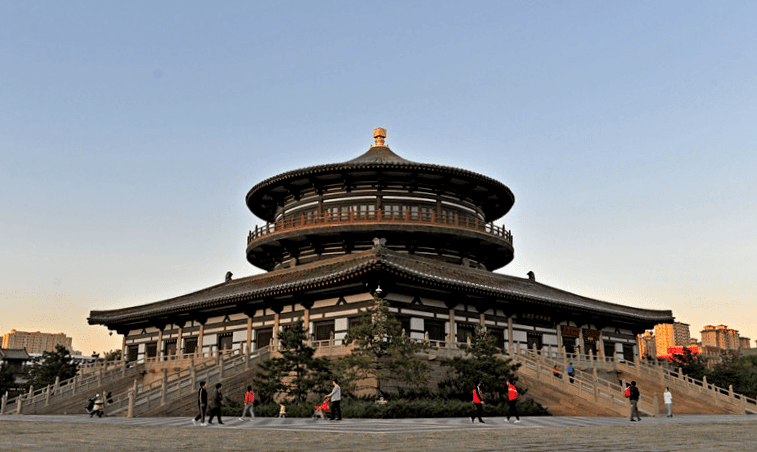
The Mingtang, or “Hall of Light,” was a structure rooted in ancient Chinese cosmology, symbolizing the emperor’s divine authority as the “Son of Heaven”. It served as a ritual space for major ceremonies, including seasonal sacrifices, state proclamations, and imperial gatherings. The Mingtang was also a symbol of harmony between Heaven, Earth, and humanity. The building in the photo was a replica of the Mingtang located at the Mingtang relic park in Da tong.

明堂是中国古代宇宙观的象征,代表着皇帝作为天子的神圣权威。它是举行包括季节性祭祀、昭告天下和皇室集会等重大仪式的场所。明堂也是天地人和谐的象征。照片中的建筑是位于大同明堂遗址公园的明堂复制品。
In the context of famous poem ‘The Ballad of Mulan’, there is one sentence (归来见天子,天子坐明堂) describing Mulan meeting the emperor in the Mingtang after her victorious military service. Mulan is a well-known heroine portrayed as a devoted daughter who disguised herself as a man to take her elderly father’s place in the army of North Wei against the Rouran Khaganate. She is also the character in the Disney animated film. Mulan’s decision to join the army replacing his father exemplifies Confucian values of filial piety. Every Chinese student learnt this poem in the secondary school.

在著名诗歌《木兰辞》中,有一句诗 “归来见天子,天子坐明堂”描述了木兰在获得赫赫战功后在明堂会见皇帝的情景。花木兰是一位耳熟能详的巾帼英雄,《木兰辞》根据她的事迹描绘了这位孝顺的女儿女扮男装代替年迈的父亲加入北魏军队,对抗柔然汗国的故事。她也是迪士尼动画电影木兰中的女主角。木兰决定代父参军,体现了儒家思想孝的价值观。每位中国学生都曾在中学阶段都学过这首诗。

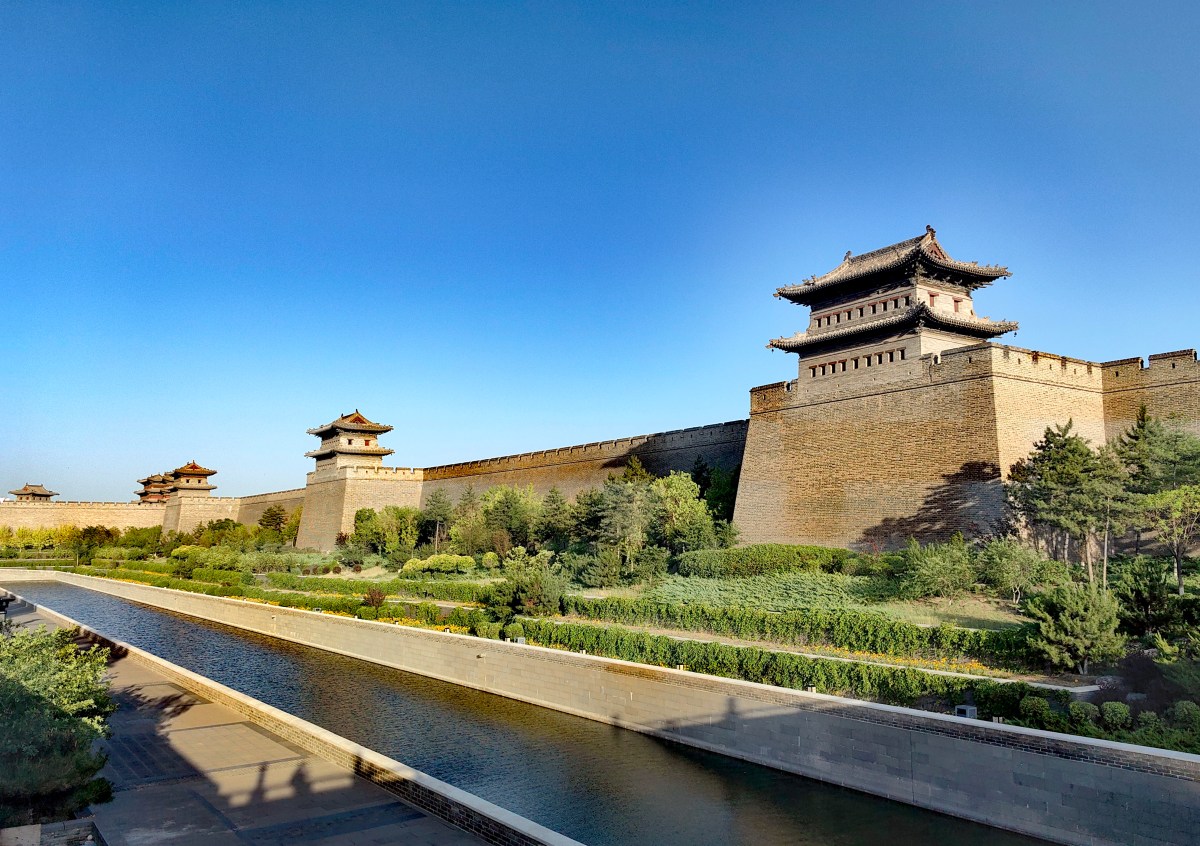
I visited this ancient city on July 7 2023 starting from the city wall. It was my last stop of my trip in Shanxi province. Datong served as the Northern Wei old capital and its city walls followed traditional Chinese fortification designs, influenced by earlier Han dynasty models. Like the walls of other cities, the walls were constructed using rammed earth. As I traveled around it, I found that they were equipped with watchtowers at regular intervals for surveillance and signaling and moats surrounding the walls to enhance defense.

2023 年 7 月 7 日,我从大同城墙开始参观了这座古城。这也是我山西之旅的最后一站。大同是北魏古都,其城墙遵循自早期汉朝以来中国传统的防御工事设计。与其他城市一样,这种城墙也是用夯土建造的。在城内游览时,我还发现城墙每隔一段距离就设有瞭望塔,用于监视敌军和发信号,城墙周围还设有护城河,以加强防御。

The Wild Goose Pagoda on the southeast wall of Datong Ancient City is a remarkable structure. Although less well-known than its counterpart in Xi’an, this pagoda is an essential feature of Datong’s urban and spiritual history. Datong was a major center of Buddhism during the Northern Wei Dynasty. Pagodas like this were often built to enshrine Buddhist relics and scriptures. It is a multi-tiered tower, with diminishing levels as it rises, creating a tapered and elegant silhouette. It is weird that the tower is positioned on the city wall. I guess that it might act as a watchtower, providing a vantage point to monitor the surrounding area.

古城东南城墙上的雁塔是一座引人注目的建筑。虽然它不如西安的大雁塔那么出名,但它是大同城市和历史的重要地标。大同在北魏时期是佛教的中心。像这样的宝塔通常是为了供奉佛教遗物和经文而建造的。它是一座多层塔,随着高度的增加,塔的层数逐渐减少,形成了一个锥形而优雅的轮廓。这座塔然而位于城墙上,这种设计的确诡异。我猜它极有可能是一个瞭望塔,便于士兵寻视周边区域。

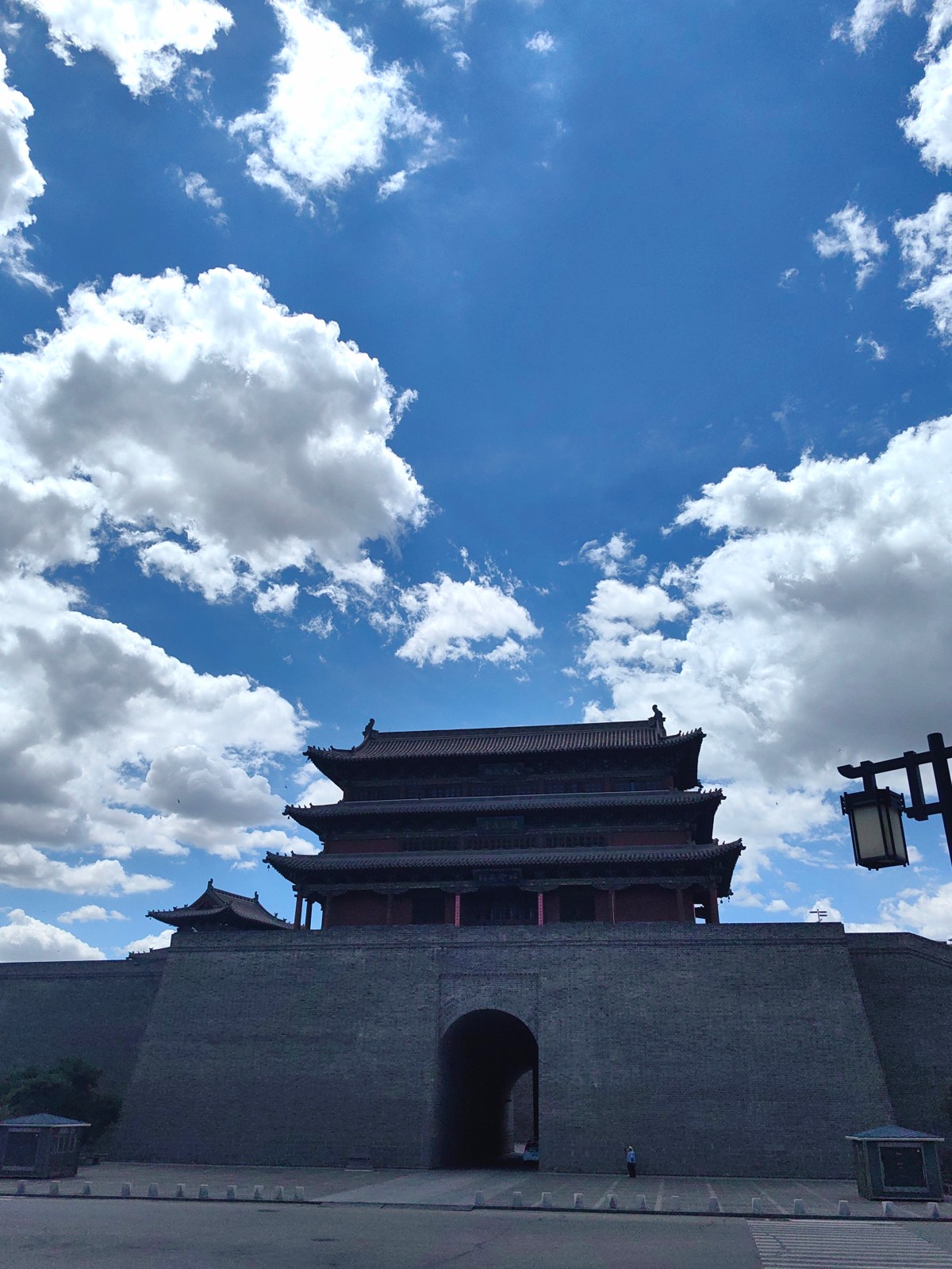
Datong’s current main gate, part of the city wall was rebuilt during the Ming Dynasty. The well-fortified dark colored sturdy city gate under the blue sky seemed to tell the story of thousand years. As the primary entrance to the Northern Wei capital, the gate would have symbolized the dynasty’s authority and connection to both the military frontier and the imperial heartland.

For history lover, the battle of Canhe Bei must be mentioned. It was a pivotal battle that took place in 395 CE between the Northern Wei and the Later Yan near Da Tong. The leader of North Wei Tuoba Gui used clever tactics to lure the Later Yan forces into a vulnerable position. He feigned a retreat, drawing the Yan forces into an ambush. The Northern Wei cavalry encircled and annihilated the Yan army. The Later Yan suffered a devastating defeat, with tens of thousands of soldiers killed or captured. The victory solidified the Northern Wei’s dominance and helped them unify northern China.

图中是大同现在的主城门,这部分城墙的是明代重建的。苍天下,坚固的深色城门似乎在诉说着千年的历史故事。作为北魏首都的主入口,这座城门象征着王朝的权威以及与边疆和帝国中心地带的联系。

对于历史爱好者来说,北魏参合陂之战不得不提。这是公元395年北魏与后燕在大同附近发生的一场关键之战。北魏首领拓跋珪运用巧妙的战术,诱使后燕军队陷入被动。他佯退后引燕军进入埋伏。北魏骑兵之后围歼燕军。后燕遭到惨败,士兵被杀或被俘数万。这次胜利巩固了北魏的统治地位,帮助他们后来统一了中国北方。

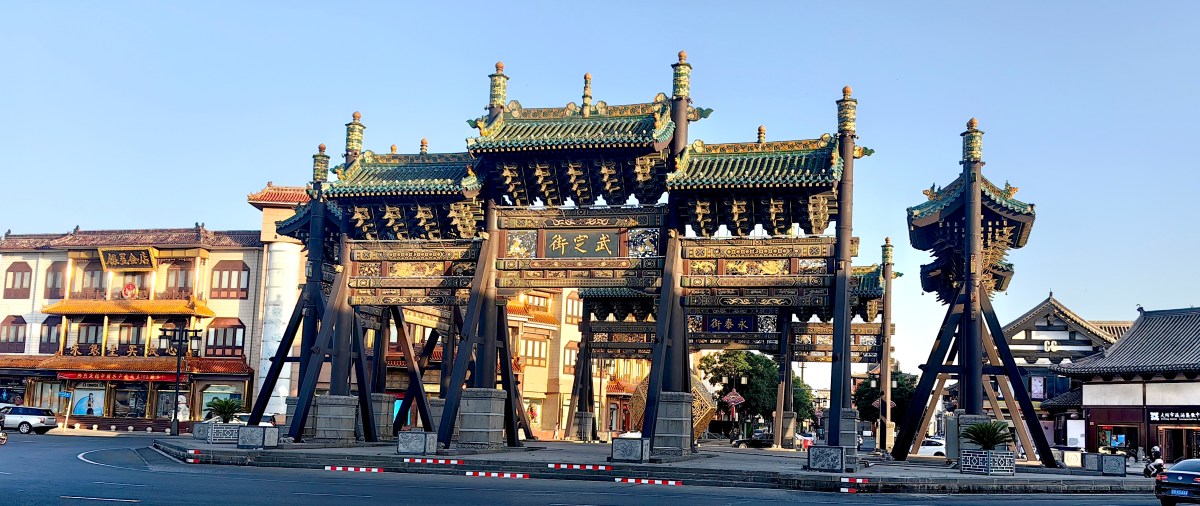
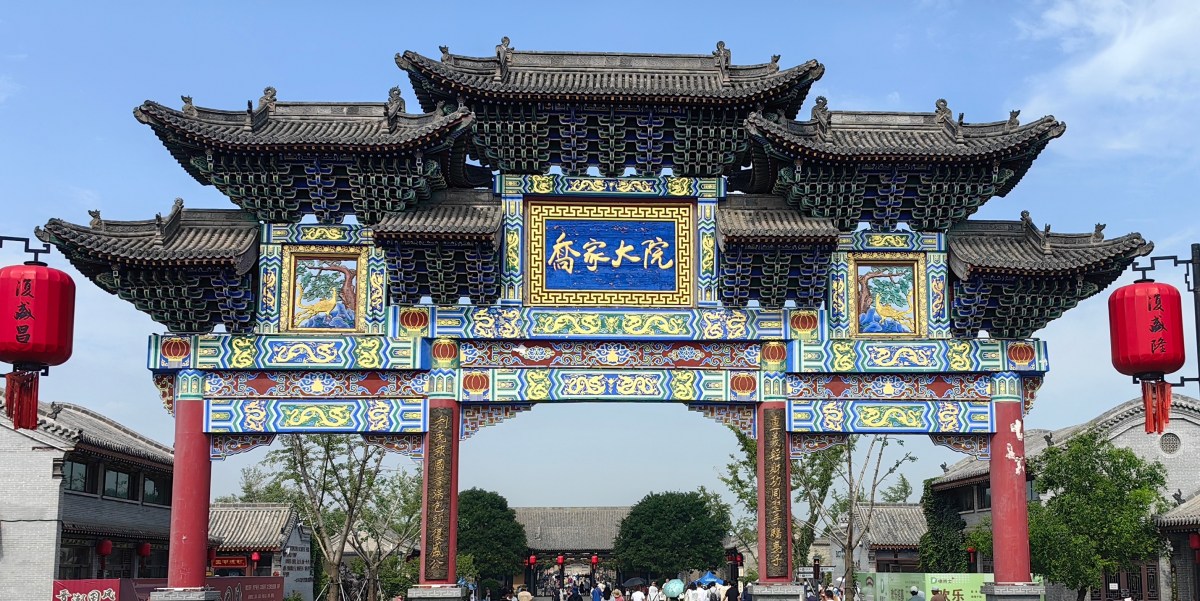
Entering the city wall, visitors can observe the paifang at Wuding Street at the first glimpse. Constructed from stone and wood, it was intricately carved, showcasing traditional Chinese craftsmanship. The paifang featured a three-tiered design, with one large central passage flanked by two smaller ones. The roof sections exhibit upturned eaves, characteristic of Chinese architecture, with decorative elements such as dragons, phoenixes, or floral motifs. The paifang reflects the Confucian values of reverence and respect in Chinese culture.

进入城墙内,游客首先看到的是武定街的牌坊。牌坊由石头和木材建造而成,雕刻精美,展现了中国传统工艺。牌坊采用三层设计,中间有一个大通道,两侧有两个较小的通道。屋顶部分呈现中国建筑的典型飞檐,并带有龙、凤或花卉等装饰元素。牌坊反映了中国文化中对儒家尊重的价值观。

There are many historical buildings in the city center that represent the rich history of this city. One of the most iconic buildings must be the Kui Star Pavilion. In Chinese culture, the Kui star is a Taoist deity associated with scholarly success and is often depicted as a celestial figure helping students excel in the imperial examination system. This building was likely constructed during the Ming or Qing Dynasty. Da Tong was a city with a deep cultural and historical legacy. In ancient China, success in the civil service examinations was a pathway to social prestige. This building was built to inspire scholars preparing for the imperial exams.

大同古城中心有许多历史建筑,代表着这座城市丰富的历史。其中最具标志性的建筑之一是奎星阁。在中国文化中,奎星是与学术成功有关的道教神灵,经常被描绘成帮助学生在科举制度中取得优异成绩的天神。图中这座建筑奎星阁很可能建于明朝或清朝。大同是一座拥有深厚文化和历史遗产的城市。在中国古代,科举考试成功是获得社会声望的重要途径。这座建筑在古代是为了激励准备科举考试的学子而建造的。

The most famous architectural relics of this city must be the Nine-Dragon Screen. It is one of the only three existing Nine-Dragon Screens in China, alongside those in the Forbidden City and Beihai Park in Beijing. The Nine-Dragon Screen in Datong was constructed in 1392 CE, during the early Ming Dynasty, as part of a palace complex. It was built as a spirit screen to block evil spirits from entering through the main gate, as per traditional Chinese architectural principles. There are totally nine well decorated coiled dragons, each distinct in posture, expression, and color (yellow, blue, white, and green). The dragons are surrounded by clouds, waves, and mountains, symbolizing imperial power, prosperity, and good fortune in Chinese culture. People came here to take a photo and wish to obtain good fortune from the dragons.

大同最著名的历史遗迹当属九龙壁了。它是中国现存的三座九龙壁之一,另外两座位于北京故宫和北海公园。大同九龙壁建于公元 1392 年,是明初宫殿建筑群的一部分。它按照中国传统建筑风水建造,作用是防止恶灵从大门进入。壁上九条盘龙装饰精美,每条龙的姿势、表情和颜色(主要是黄蓝白和绿色)都各不相同。龙周围环绕着云朵、海浪和山脉,在中国文化中象征着皇权、繁荣和好运。各地游人纷纷来到这里拍照留念,希望沾点龙气获得幸运。

The Drum Tower in this photo is a traditional Chinese structure historically used for public announcements, timekeeping, and ceremonial purposes. It was located exactly at the center of the old city and serves as the hub of this city. The Drum Pavilion is a multi-tiered wooden structure built atop a sturdy stone base. It features a rectangular base with a multi-eaved roof, reflecting the symmetry and balance of traditional Chinese architecture. A large ceremonial drum was traditionally housed on its upper level. Before the advent of modern clocks, the drum was used to signal the time of day in coordination with a bell tower so the combination of drum tower and bell tower can be found in every ancient Chinese city.

这张照片中的鼓楼是中国传统建筑,历史上用于公告宣示、报时和举行各种仪式。它位于古城的正中央,是这座城市的中心。鼓楼是一座多层木结构建筑,建在坚固的石基上。它的特点是矩形底座和多檐屋顶,体现了中国传统建筑的对称和平衡性。传统上,鼓楼上层都放置着一面巨大的礼鼓。在现代时钟出现之前,鼓楼被用来与钟楼配合报时,在中国古代每个城市都能看到鼓楼和钟楼的组合。

The Drum Tower East Street serves as a reflection of the traditional commercial and residential culture of this city. The street is part of Datong’s ongoing efforts to preserve and restore its historical core. Many traditional buildings have been renovated to showcase the architecture of past dynasties. There are many restaurants selling local food like cut noodles.

鼓楼东街是大同市传统商业文化的体现。这条街是大同市政府对传统文化保护和恢复历史核心遗产而努力的一部分。许多传统建筑都经过翻新,以展示过去的建筑风格。这里有许多餐馆出售例如刀削面等当地美食。

The shumai of Datong is a famous local delicacy that reflects the region’s rich culinary heritage. Unlike the Cantonese-style shumai commonly found in dim sum, Datong shumai has its own unique characteristics. As Datong was a crucial hub on the ancient Silk Road and a frontier city in northern China, its cuisine was influenced by a blend of Han Chinese and Mongolian flavors. The filling of Datong shumai is made from ground lamb or beef, often mixed with scallions, ginger, and various spices like cumin. The wrapper is made from thinly rolled wheat flour dough, soft yet strong enough to hold the juicy filling. The taste is savory and aromatic, with a balance of lamb’s natural flavor and the warmth of northern spices. The wrapper of Datong shumai is slightly thicker compared to Cantonese versions. It is often served with a side of famous Shanxi vinegar to enhance its flavor.

大同烧卖是当地著名的美食,体现了大同地区丰富的烹饪传统。与常见的广式烧卖不同,大同烧卖有自己特色。大同是古代丝绸之路的重要枢纽,也是中国北方的边疆城市,其菜肴融合了汉族和蒙古族风味。大同烧卖的馅料由羊肉或牛肉末制成,通常会混合葱、姜和孜然等各种香料。烧卖皮由薄面制成,柔软而结实,可以包裹多汁的馅料。烧卖味道鲜美芳香,羊肉的天然风味与北方香料的暖意完美融合。大同烧卖皮比广式烧卖略厚,通常会搭配著名的山西醋来增强其风味。

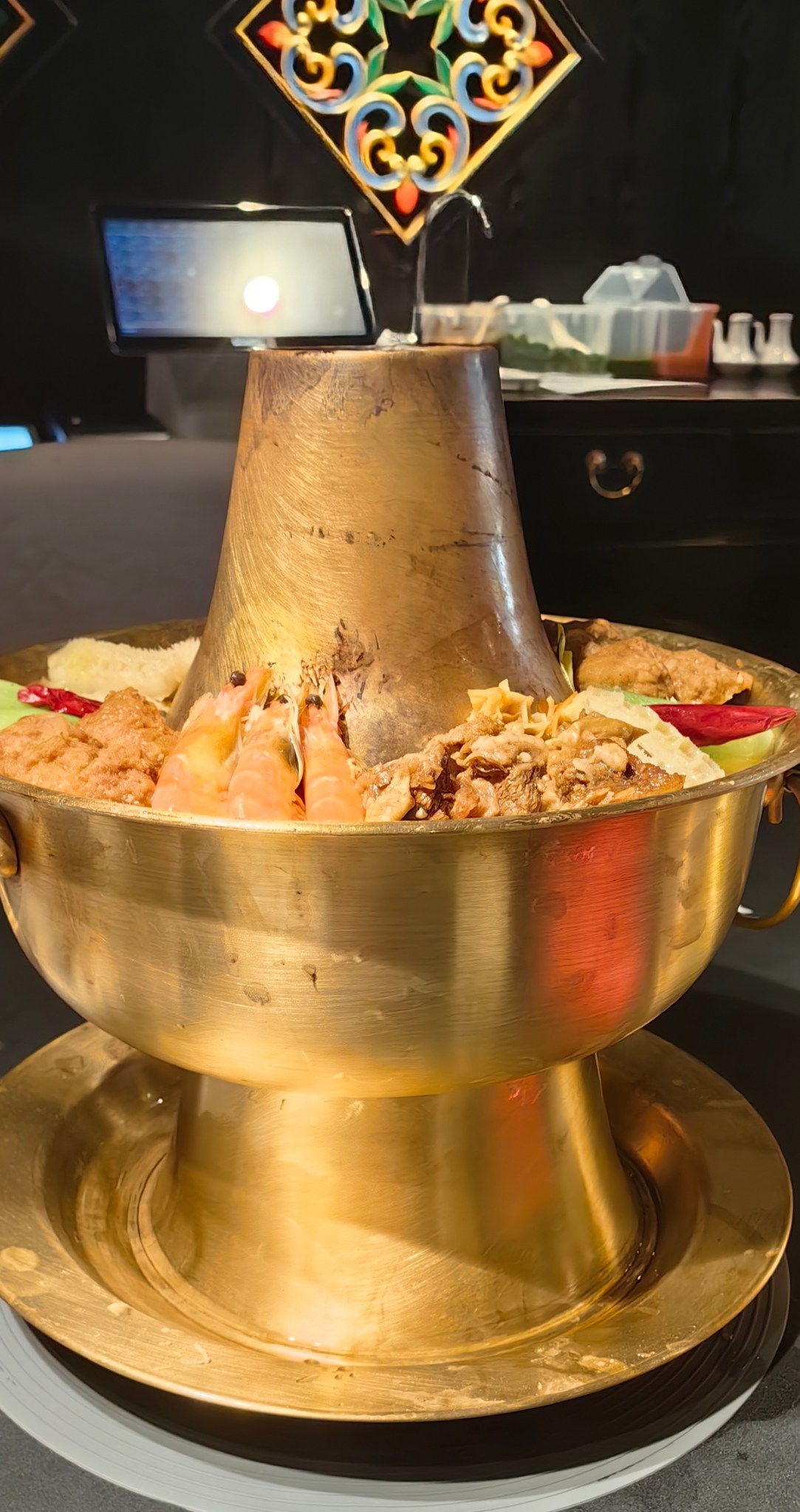
Datong is on the cold northern frontier of ancient China, so hotpot is a popular local food. The use of copper pots became widespread due to their durability and good heat conductivity. It has a round base and a chimney-style center, which is filled with burning charcoal. The outer ring of the pot holds the broth, while the chimney ensures consistent heat distribution, keeping the broth boiling steadily. The broth is made with lamb bones, ginger, and scallions for a light, aromatic flavor which is different with Sichuan hotpot. Lamb and beef is the star ingredient, reflecting the region’s northern and Mongolian culinary influence. A traditional dipping sauce accompanies the hotpot, typically made with sesame paste, fermented tofu, garlic, vinegar, soy sauce, and chili oil. Hotpot can be regarded as one of the most popular food in China. Almost everyone likes it.

大同位于寒冷的北方边疆,因此火锅是当地一种很受欢迎的美食。铜制的锅由于耐用且导热性好而广为使用。铜锅底部为圆形,中间为烟囱式,内填燃烧的木炭。锅的外圈盛有汤汁,而中间的烟囱则确保热量均匀分布,使汤汁稳定沸腾。汤汁由羊骨、生姜和葱制成,味道清淡芳香,味道与四川火锅不同。受蒙古烹饪的影响,羊肉和牛肉是当地人的主要食材。火锅搭配通常由芝麻酱、腐乳、大蒜、醋、酱油和辣椒油制成的传统蘸料。火锅可以说是中国最受欢迎的美食之一,几乎每个国人都喜欢它。

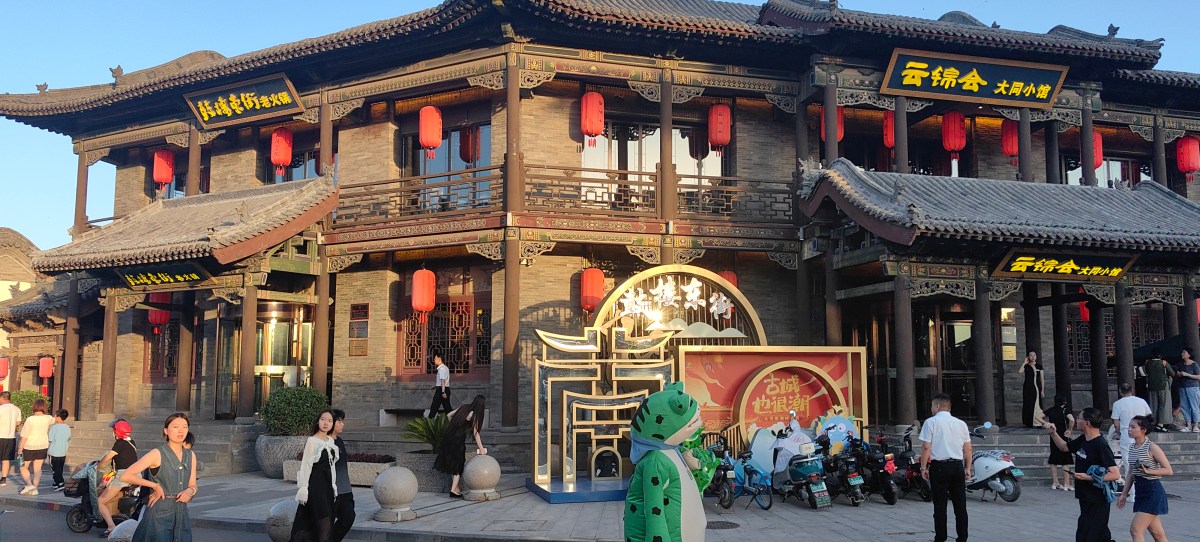
In the city center around the Drum tower, there is one pedestrian zone which is concentrated around the central axis of the city. It is designed for foot traffic only. The street is lined with restored Ming and Qing-style buildings, featuring gray brick facades, tile roofs, and traditional wooden carvings. Decorative elements like red lanterns, stone pavements, and paifang gates evoke the charm of ancient Datong. Landmarks like the Huayan Temple and Shanhua Temple are within walking distance of the zone.

鼓楼周围的市中心有一个步行区,集中在城市中轴线周围。它专为游客步行游览而设计。街道两旁是经过修复的明清风格建筑,以灰砖外墙、瓦片屋顶和传统木雕为特色。红灯笼、石板路面和牌坊门等装饰元素彰显大同古风。华严寺和善化寺等著名地标建筑距此只有一箭之遥。

This is the entrance of Huayan temple. The temple was originally constructed during the Tang Dynasty (618–907 CE) but has undergone multiple reconstructions and renovations over the centuries.
It was built to promote the Huayan school of Buddhism, which is based on the teachings of the Huayan Sutra, one of the most influential texts in Chinese Buddhism. As a major site for Buddhist practice and study, the temple has played a significant role in promoting the spread of Buddhism in northern China.

这是华严寺的入口。本寺始建于唐朝,但几个世纪以来经历了多次重建和修缮。修建华严寺是为了弘扬华严宗佛教,该宗派以《华严经》的教义为基础,《华严经》是中国佛教中最具影响力的经文之一。作为佛教修行和学习的主要场所,该寺在促进佛教在中国北方的传播方面发挥了重要作用。

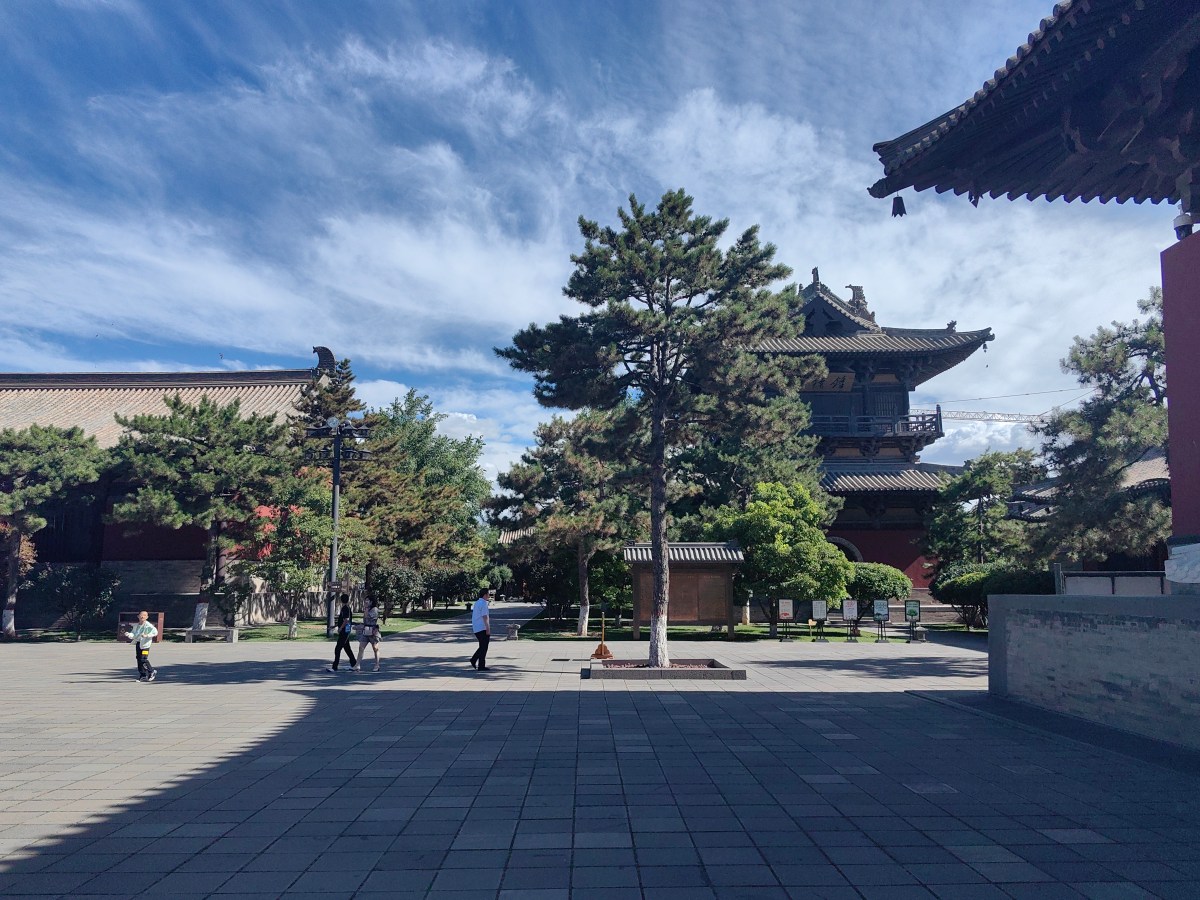
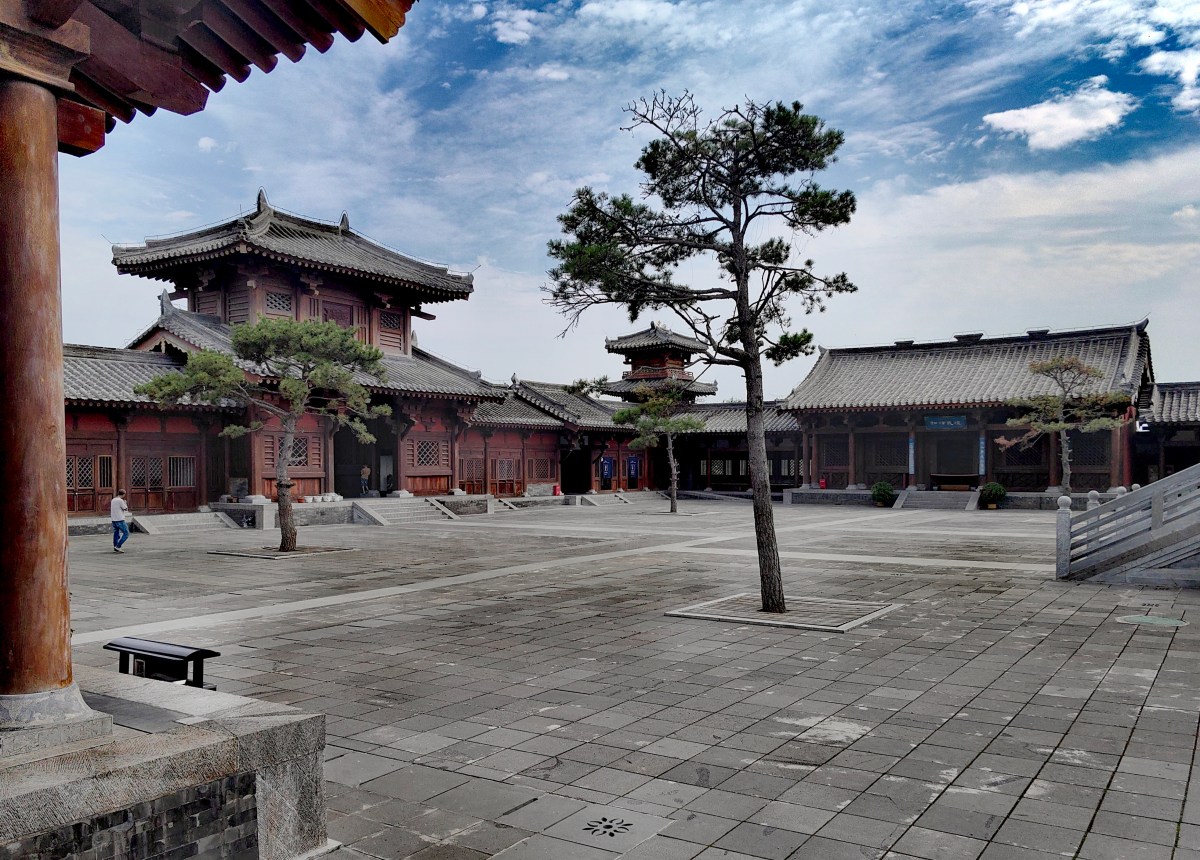
Upon entering the temple complex, I first step into the main courtyard, which is an open space surrounded by various buildings and halls. The courtyard is an important part of the temple’s layout, providing a serene space for pilgrims to gather, meditate, and prepare for their religious practices. It is rectangular and spacious, offering a clear line of sight to the main hall. The area is paved with stones, and paths lead from one building to another. The layout adheres to the traditional Chinese principle of symmetry, with the most significant structures placed along a central axis. This space makes me feel at ease. It includes many green plants and the warm cozy sunlight under the blue sky was reassuring.

进入寺庙建筑群后,我首先迈入主庭院,这是一个被各种建筑包围的大型开放空间。庭院是寺庙布局的重要组成部分,为朝圣者提供了一个宁静的空间,供他们聚集、冥想和准备宗教活动。这种庭院一般呈矩形,空间宽敞,站在中央可以清晰地看到主殿。庭院的地面铺有石头,鹅卵石小路连接了一栋栋建筑。整体布局遵循中国传统的对称原则,最重要的建筑沿着中轴线放置。这片空旷的场地让我感到心情舒畅,摆放了许多绿色植物,蓝天下温暖舒适的阳光也令人安心。

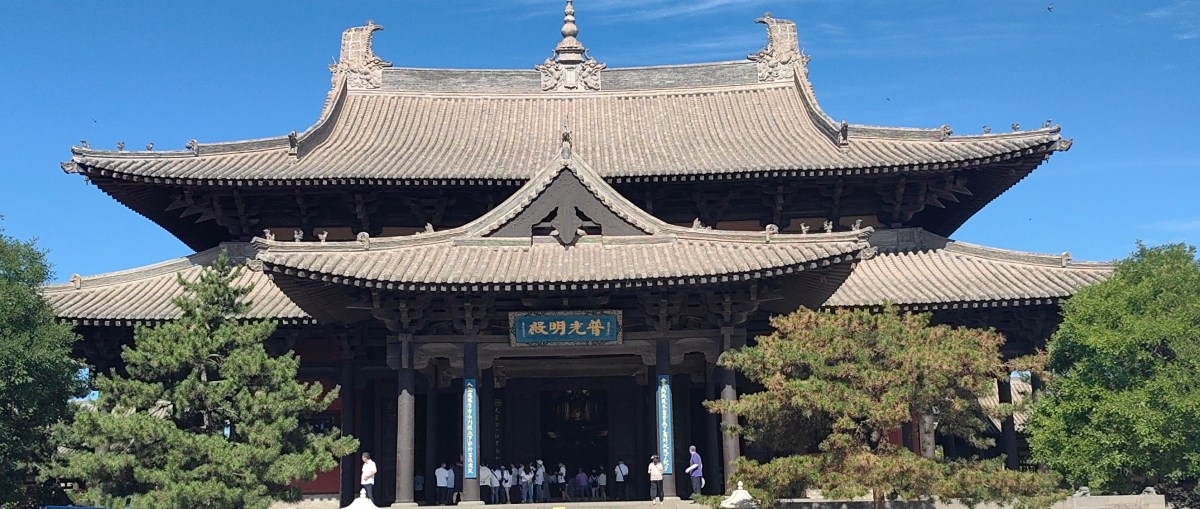
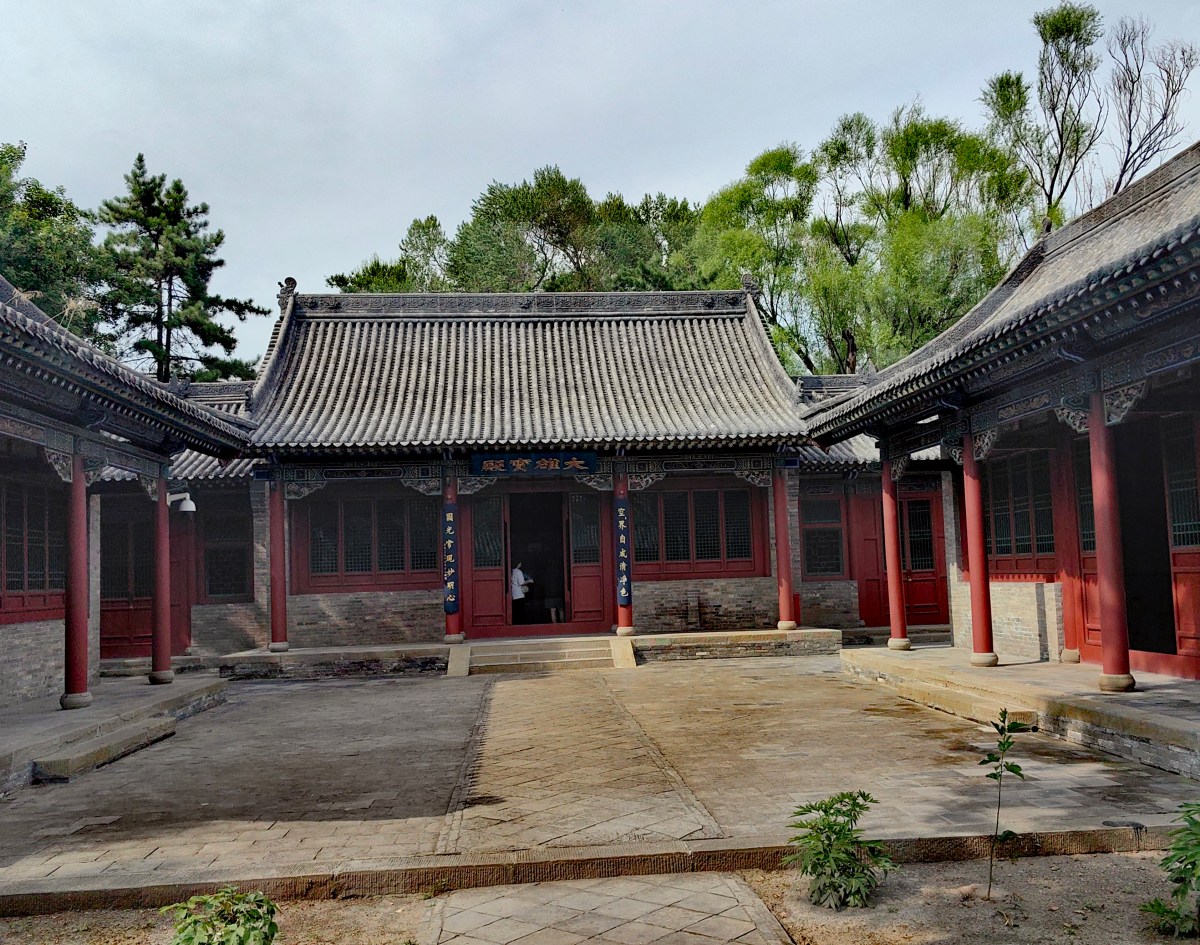
The Hall of Universal Light, is an important structure within Huayan Temple in Datong. It is located after the main entrance and before reaching the central halls like the Main Hall . The hall is dedicated to the worship of Bodhisattvas, and it emphasizes themes of light, wisdom, and the spreading of Buddhist teachings. The name “Universal Light” symbolizes the enlightenment that can guide all beings toward the path of liberation.

普光殿是大同华严寺内的重要建筑,位于正门后,位于大雄宝殿等中央殿堂之前。该殿供奉菩萨,强调光明、智慧和弘扬佛法的主题。“普光”这个名字象征着能够引导众生走向解脱之路的觉悟。

The Bell Tower and Drum Tower are two typical architecture elements of Chinese temple. They create a balanced and harmonious structure within the temple layout. It is located on an elevated platform to enhance its presence and acoustics, ensuring the sound of the bell carries across the temple grounds. In every Chinese temple, I can always catch sight of a small bell under the eave of temple hall. The small bell is often associated with the spiritual function of warding off evil spirits and bringing blessings to the temple. Passing through temple halls, I could hear the soft and delicate ringing of these small bells in the wind. Hopefully they will bring good luck to me.

钟鼓楼是中国寺庙的典型建筑元素。它们在寺庙布局中创造了一种平衡和谐的构造。钟鼓楼都位于高架平台上,以增强音质,确保钟声传遍整个寺庙。另外在每个中国寺庙里,我总能看到寺庙的大厅屋檐下的小铃铛。这些小钟通常能够驱赶邪灵并给寺庙带来祝福。徐徐穿过寺庙大厅,耳边依稀传来这些小钟在风中发出的柔和细腻的铃声,也希望它们今后能给我带来好运。

The Mahavira Hall was built during the Liao Dynasty, serving as the main hall of this temple. It is a real treasure, one of the largest surviving Liao-era wooden structures in China. Built using traditional timber-frame construction, the hall demonstrates advanced engineering techniques, including bracket sets for structural stability.

华严寺的大雄宝殿建于辽代,是该寺的主殿。它是一件真正的建筑瑰宝,是中国现存最大的辽代木制结构建筑。大殿采用当时先进的木结构工程技术,其中最明显的就是用于结构稳定性的支架组。

The hall houses numerous clay sculptures, crafted with exceptional detail. The clay sculptures are the most remarkable and well-preserved examples of ancient Buddhist art from the Liao (907–1125 CE) and Jin (1115–1234 CE) dynasties. The sculptures depict Buddhist deities, including the Vairocana Buddha, bodhisattvas, and arhats. The surfaces were finished with brightly colored paints and gold leaf, although much of the original coloring has faded over time.

大殿内陈列着许多泥塑,制作精良,细节精美。这些泥塑是辽朝和金朝时期古代佛教艺术中最杰出、保存最完好的代表。这些雕塑描绘了包括毗卢遮那佛、菩萨和罗汉等佛教神祇。雕塑表面涂有色彩鲜艳的颜料和金箔,不过大部分原始色彩已经随着时间的推移而褪色。

The walls are adorned with vivid frescoes depicting Buddhist cosmology, celestial realms, and moral teachings. These paintings use vibrant colors and intricate designs, reflecting the artistic sophistication of the Liao and Jin dynasties. Through their vivid storytelling, the frescoes served to educate visitors about Buddhist teachings and moral values. Although I did not believe in Buddhism, I still stood in front of the wall, trying to understand the stories of these frescoes.

大殿墙上布满了生动的壁画,描绘了佛教宇宙观、天界和道德教义。这些画色彩鲜艳,图案复杂,反映了辽金时期的艺术造诣。壁画通过生动的故事,教育游客了解佛教教义和道德价值观。虽然本人并不信佛,但我还是认真站在墙前,试图理解这些壁画的背后故事。

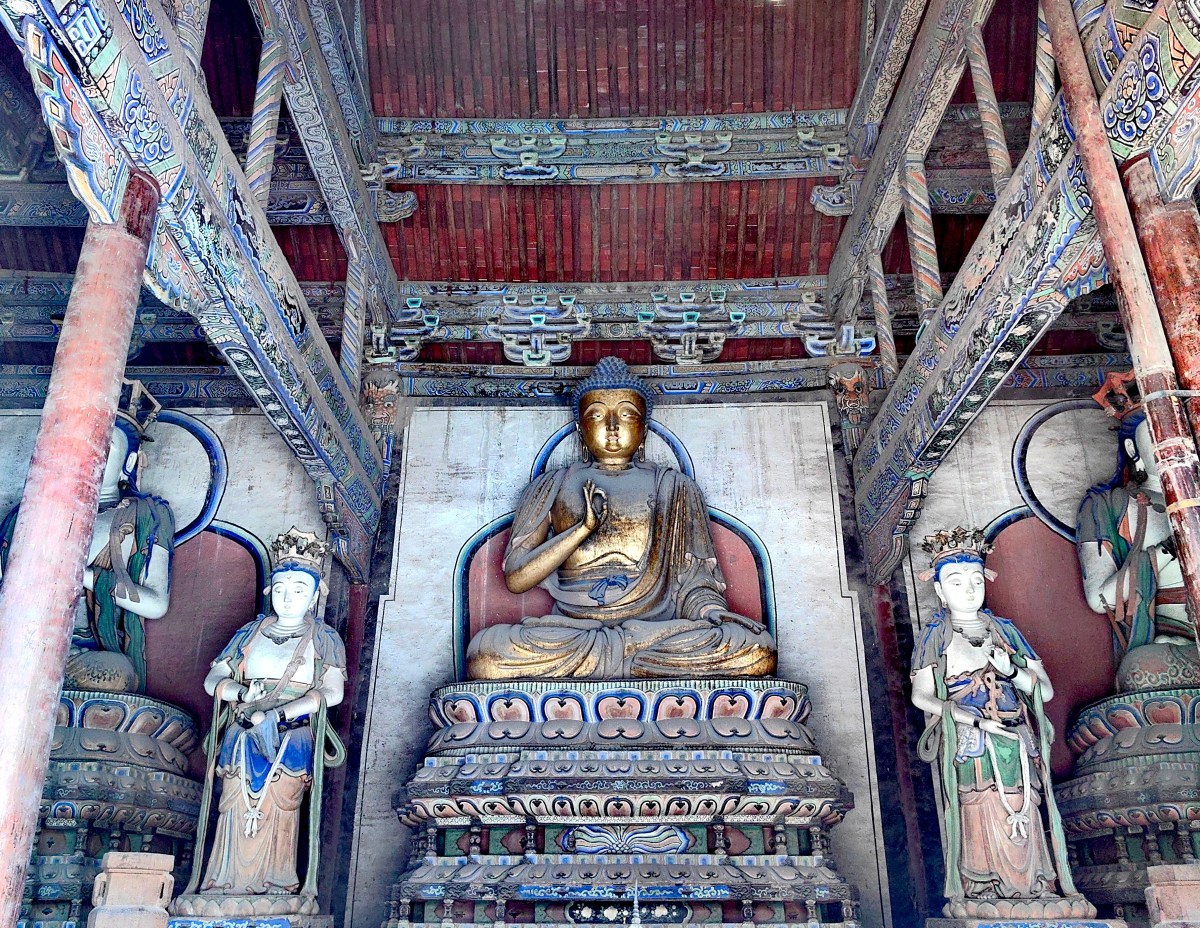
They are the statues of the Five Buddhas placed in the hall. They represent different aspects of enlightenment and cosmic wisdom. The Five Buddhas, also known as the Five Tathagatas were influenced by the Five Wisdom Buddhas in Mahayana Buddhism during the reign of North Wei Dynasty. At that period, the imperial court adopted Buddhism as the state religion, with significant support from Emperor Xiaowen who was one of the most transformative rulers in Chinese history. His reign is marked by a significant reform movement, known as the “Sinicization Reforms”, which aimed to integrate the Xianbei nomadic culture into the dominant Han Chinese culture.

这张照片是大厅中放置的五方佛像。它们代表着启蒙和宇宙智慧。五方佛是受到北魏时期大乘佛教五大智慧佛的影响。当时,北魏朝廷将佛教定为国教,并得到了孝文帝的大力支持,孝文帝是华夏历史上最具变革精神的统治者。他的统治以一场重大的汉化改革运动为标志,目的是将鲜卑游牧文化融入占主导地位的汉文化。

The emperor encouraged the Xianbei elite to adopt Han Chinese names, dress, language, and marriage customs. The use of the Chinese language in official documents and court proceedings became mandatory. Confucian ideals of governance and ethics replaced traditional Xianbei tribal customs as the official guiding principles of the state. As a result, Datong was transformed from a nomadic center into a Han-style city. Afterwards, many traditional buildings like Confucius Temple and Guandi Temple (in this photo) were constructed in line with Chinese architectural principles.

孝文帝鼓励鲜卑精英采用汉名和汉族婚姻习俗、着汉服。官方文件和法庭诉讼必须使用汉语。儒家理念和道德观取代了传统的鲜卑部落习俗,成为国家的官方政策。大同因此从游牧中心转变为汉族风格的城市。此后,许多传统建筑如孔庙和图中的关帝庙,都是按照传统汉族建筑原理建造的。

I walked through the ancient streets and historic buildings for over three hours. The last temple visited was the Shanhua Temple, one of China’s most important surviving examples of Liao and Jin dynasty Buddhist architecture. It was known for its well-preserved wooden structures, exquisite sculptures, and tranquil ambiance. The temple was originally built during the Tang Dynasty but was significantly reconstructed during the Liao Dynasty. Initially named Kaiyuan Temple during its Tang origins, the temple was later renamed Shanhua Temple during the Liao period, symbolizing the spread of Buddhist teachings.

我在古老的街道和历史建筑中走了三个多小时。参观的最后一座寺庙是善化寺,它是中国现存最重要的辽金佛教建筑之一。它以保存完好的木结构、精美的雕塑和宁静的氛围而闻名。这座寺庙最初建于唐代,但在辽代进行了大规模重建。这座寺庙最初在唐代被称为开元寺,后来在辽代改名为善化寺,象征着佛教教义的传播。

In every Chinese temple, I can always find the sculpture of the heavenly guardians at the entrance. They are often depicted as Lokapalas (Four Heavenly Kings), each overseeing one of the four cardinal directions. The guardians are depicted with fierce, intimidating expressions and wear intricately detailed armor, emphasizing their martial prowess and invincibility. Each guardian holds symbolic weapons, representing their unique powers. These colored and intricate sculptures were lively vivid and showed me the Liao and Jin Dynasty craftsmanship.

每个中国寺庙里,我都能在入口处看到四大天王的雕像,它们分别守护着四个方向。这些守护者被描绘成有凶猛、令人生畏的表情,身着精致的盔甲,他们的武艺也是天下无敌。每个守护者都手执代表性的武器(青锋宝剑、混元珍珠伞、碧玉琵琶、紫金花狐貂),代表他们独特的力量。这些色彩鲜艳、工艺精湛的雕像栩栩如生,向游客展示了辽金时期的工艺水平。

In the Mahavira Hall (also known as the Main Hall), there are many impressive statues. The central statue of Sakyamuni is depicted in a meditative pose, symbolizing peace, wisdom, and enlightenment. Above the Sakyamuni statue, it is a caisson which is an octagonal wooden ceiling that is painted and decorated. This is a very traditional decoration of Chinese architectures.

善化寺大雄宝殿内,有许多令人印象深刻的雕像。中央的释迦牟尼雕像呈现冥想的姿势,象征着和平、智慧和启蒙。释迦牟尼雕像上方是藻井,就是一个八角形的木制天花板,上面绘有彩绘和装饰。这是中国建筑非常传统的元素。

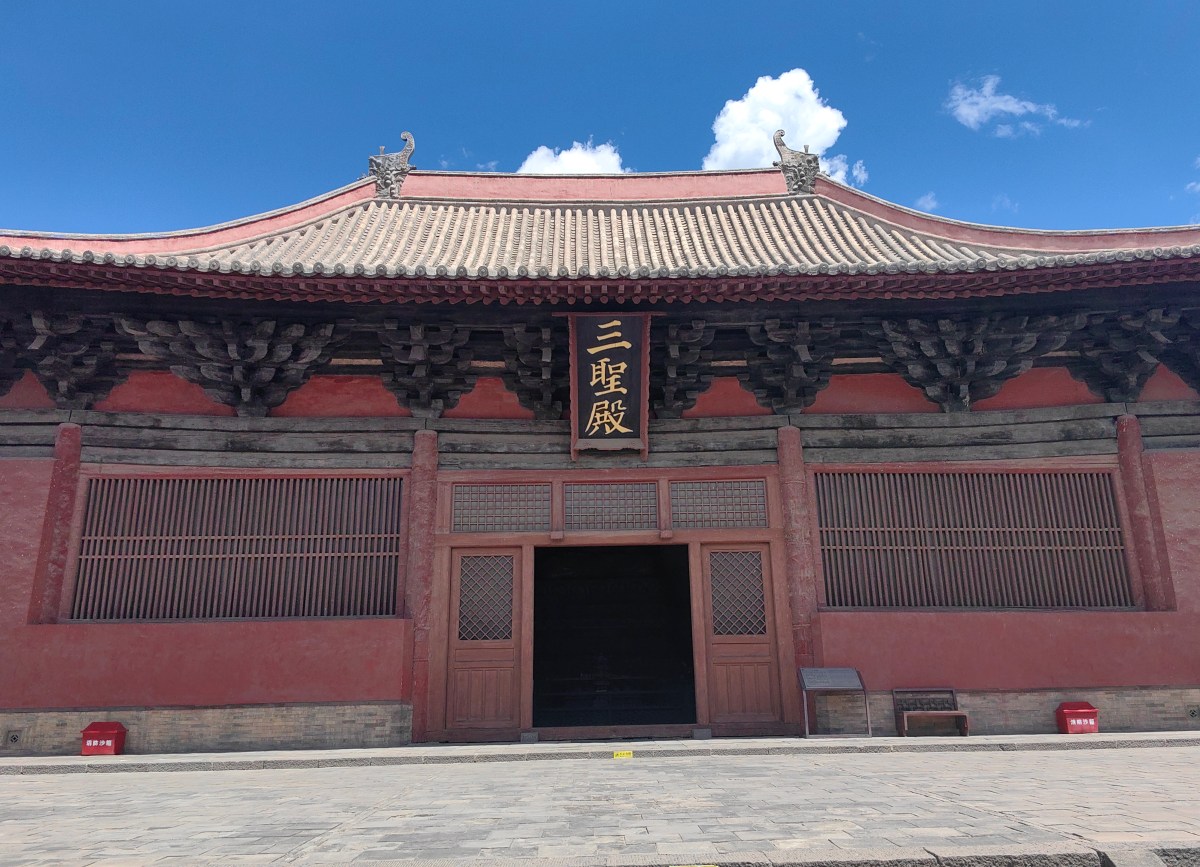
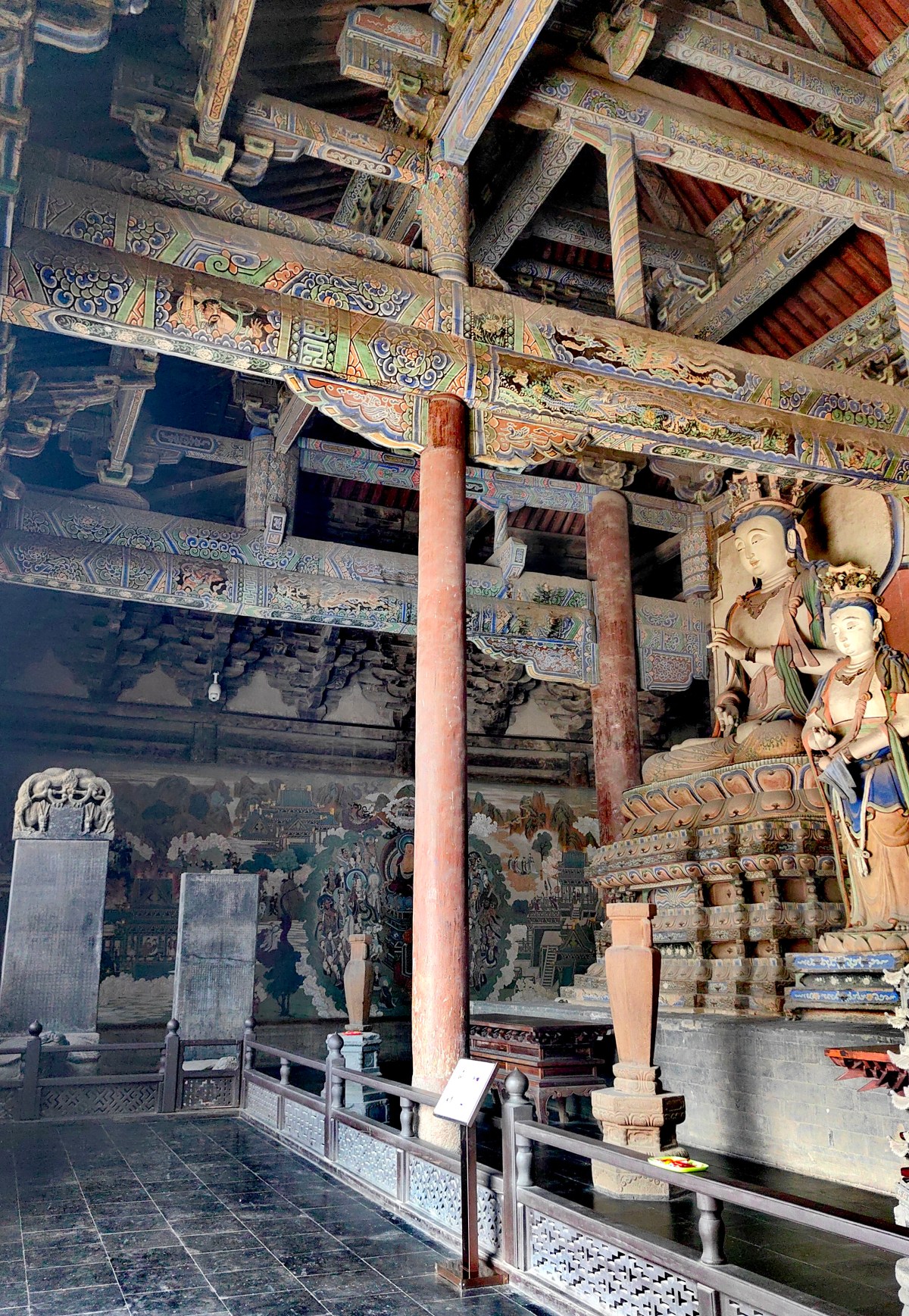
This is the interior of the Sansheng Hall which architecture follows traditional Chinese Buddhist temple design. The walls of the hall are adorned with paintings or murals depicting scenes from the Buddha’s life, important teachings, or Buddhist cosmology. The color scheme is warm and golden, with reds, yellows, and earth tones creating a sense of reverence and sanctity. In addition to the Buddha statues, there are statues of Vairocana, Manjusri and Samantabhadra, depicted in compassionate poses, emphasizing the compassionate and universal nature of Buddhist teachings. This kind of hall features painted colorful beams and high ceilings with ornate, carved wooden supports that exemplify classical Chinese craftsmanship.

这是三圣殿的内部,其建筑遵循中国传统佛教寺庙设计。殿内墙壁上装饰有描绘佛陀生平、重要教义或佛教宇宙观的绘画或壁画。配色方案是温暖的金色,红色、黄色和土色,营造出一种令人敬畏的神圣感觉。除了佛像外,还有毗卢遮那、文殊和普贤菩萨的雕像,强调了佛教教义的以慈悲为怀的特性。这种殿堂以令人眼花缭乱的彩色横梁和高高的天花板为特色,配有华丽的雕花木支架,体现了传统中国古典工艺。

Some steles are mounted on the sidewalls of the hall near the columns that support the structure. These steles are important for preserving the history and culture of the temple. Inscriptions often commemorate the temple’s founding, its patrons, and the religious figures associated with it. They also record significant events in the life of the temple, such as renovations or notable pilgrimages.

我还发现了一些石碑矗立在大厅侧壁用于支撑整体结构的柱子旁。这些石碑对于保存寺庙的历史和文化非常重要。石碑上的碑文纪念寺庙的创立者、赞助人和相关的宗教人物。它们还记录寺庙生活中例如翻修或朝圣等重要事件。

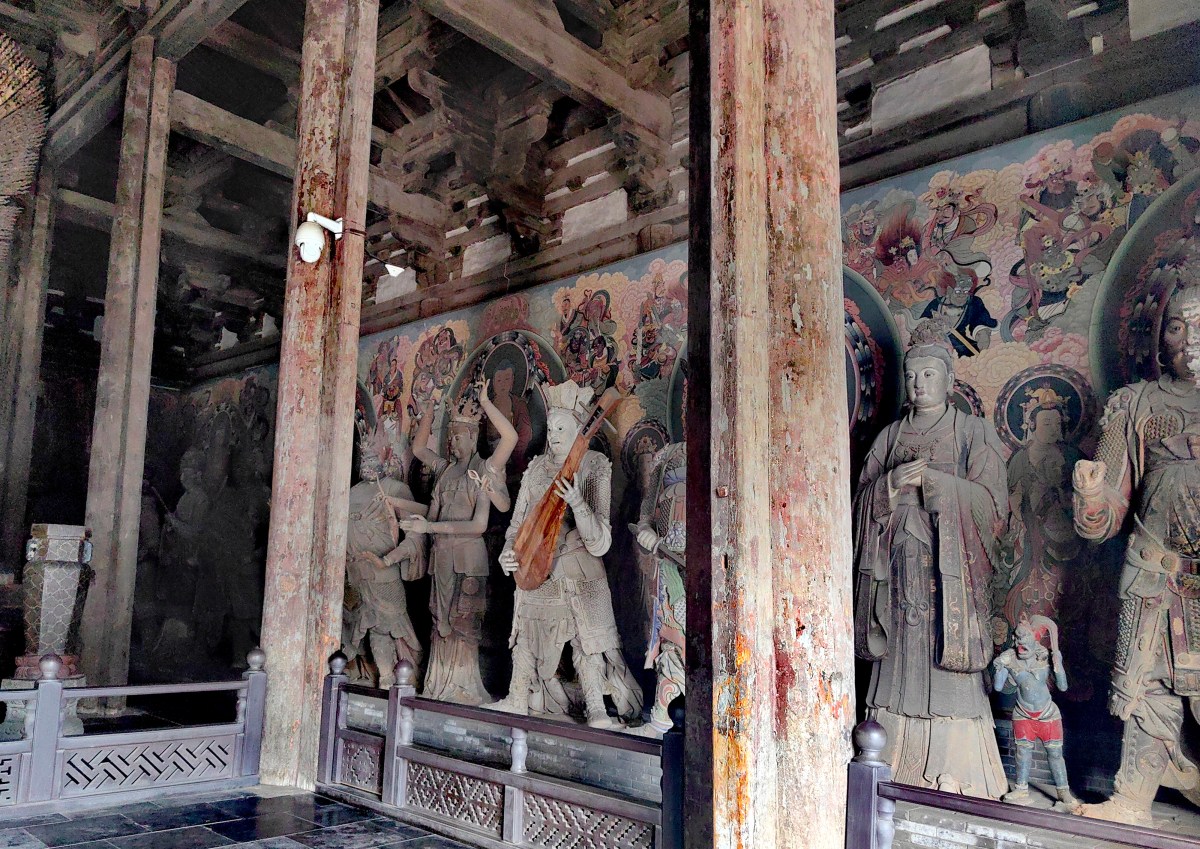
In this temple, there were many statues of devatà, that drew my attention. They are translated as “the Heavenly Kings” or “Celestial Deities” like Eight Heavenly Generals (八部天龙) or Vajra Kings. They are important figures in the temple’s representation of Buddhist cosmology. These celestial beings are typically depicted in Chinese Buddhist temples to symbolize the protection of the Buddhist law and the universe. They have ferocious faces, elaborate armor, and warrior regalia, reinforcing their protective roles. These statues are often made of wood and bronze and gilded or painted in bright colors to reflect their divine status.

这座寺庙里有许多诸天的雕像,特别引起了我的注意。诸天通常指八部天龙或金刚王等佛教众神。他们是中式寺庙里佛教宇宙观的重要代表。这些天神通常象征着佛家宇宙和佛法的保护。他们面目狰狞,身着精致的盔甲和武士服饰。这些雕像通常由木头和青铜制成,镀金或涂上鲜艳的颜色以凸显他们的神圣地位。

There is a traditional Chinese garden in the courtyard of Shanhua Temple. It includes a combination of natural features such as trees, rocks, and water, alongside carefully placed man-made structures. The garden is filled with a variety of trees, shrubs, and plants, some of which are centuries old. These trees provide shade and enhance the temple’s tranquil atmosphere. The use of evergreen trees is common in traditional Chinese gardens, symbolizing endurance and longevity. The use of rocks and stone formations is a key characteristic of Chinese gardens, and the Shanhua Temple garden is no exception.

善化寺的庭院里有一个传统的中式园林。它结合了树木、岩石和池水等自然景观,以及精心布置的人造建筑。花园里种满了各种各样的树木、灌木和植物,其中一些已有数百年历史。这些树木提供遮荫,增强了寺庙的宁静氛围。在中国传统园林中,冬青树特别常见,它们象征着耐久和长寿。大量使用假山和岩石也是中国园林的一个主要特点,善化寺的花园也不例外。

There are many temples in Datong. Most of them were built during the Liao dynasty and some of them can be dated back to North Wei Dynasty. The Xuankong Temple located at the suburb in this picture was built in that period and has been expanded and renovated over the centuries. It is built into a sheer cliff face and consists of wooden platforms, halls, and narrow walkways supported by wooden beams and stilts. This construction allows the temple to appear as though it is suspended in mid-air, offering spectacular views of the surrounding landscape.

大同有许多寺庙,大多数建于辽金时期而一些则可追溯到北魏时期。这张照片中位于郊区的悬空寺就是在那个时期建造的,几个世纪以来它经过各种扩建和翻新。如今它建在陡峭的悬崖上,由木制平台、大殿和狭窄的人行道组成,这些结构由木梁和高架支撑。这种结构使寺庙看起来好像悬在半空中,游客可以欣赏到周围壮丽的景色。

As the capital of the Northern Wei, Datong became a center of political and economic activity gradually. The city’s layout, planning, and infrastructure were influenced by the need to support a capital of such significance. Although the city’s appearance has changed over time drastically, walking through its ancient streets still evokes a sense of historical depth.

作为北魏的都城,大同历史上逐渐成为政治和经济活动的中心。城市的布局、规划和基础设施都因为都城的作用而有所改变。尽管这座城市的面貌随着时间的推移而发生了巨变,但漫步在古老的街道上仍然能让我感受到历史的厚重感。

The travel in this ancient city is quite meaningful for me. On one hand, it was a relaxing tour that relieved my fatigue accumulated in the work. On the other hand, I felt deeply immersed in the culture and history of the Northern Wei Dynasty. The awe-inspiring Yungang Grottoes, the serene temples, and the city’s ancient architecture have offered a vivid connection to the region’s rich past. Walking through these historic sites, I’ve gained a greater understanding of the Northern Wei’s influence, and the experience has left me with a lasting appreciation for the glorious historic legacy of this ancient dynasty.

这次大同古城之行对我来说意义非凡。一方面,这是一次极为放松的旅行,缓解了一年工作中累积的疲劳。另一方面,我则深深沉浸在北魏的文化和历史之中。令人叹为观止的云冈石窟、宁静的古寺庙和这座城市遗留的老建筑,都让我深刻了解了该地区丰富的历史。在这些历史遗迹中行走,我不由地身临其境深入北魏的历史,这段经历也让我对这个古老王朝的辉煌文化遗产产生了深深仰慕之情。

A UNESCO Gem: The Spiritual and Artistic Wonders of Yungang Grottoes


世界文化艺术遗产的瑰宝:云冈石窟

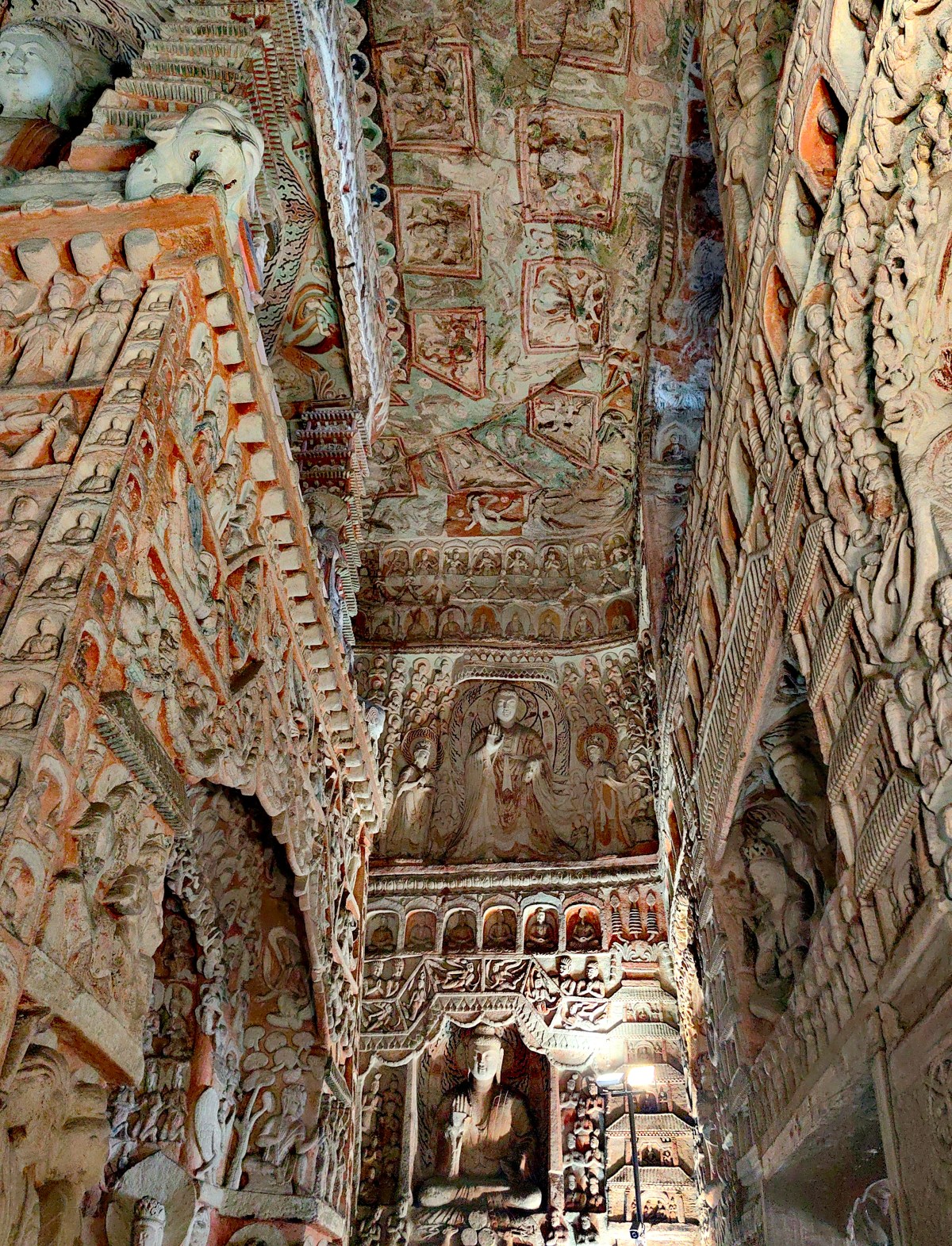
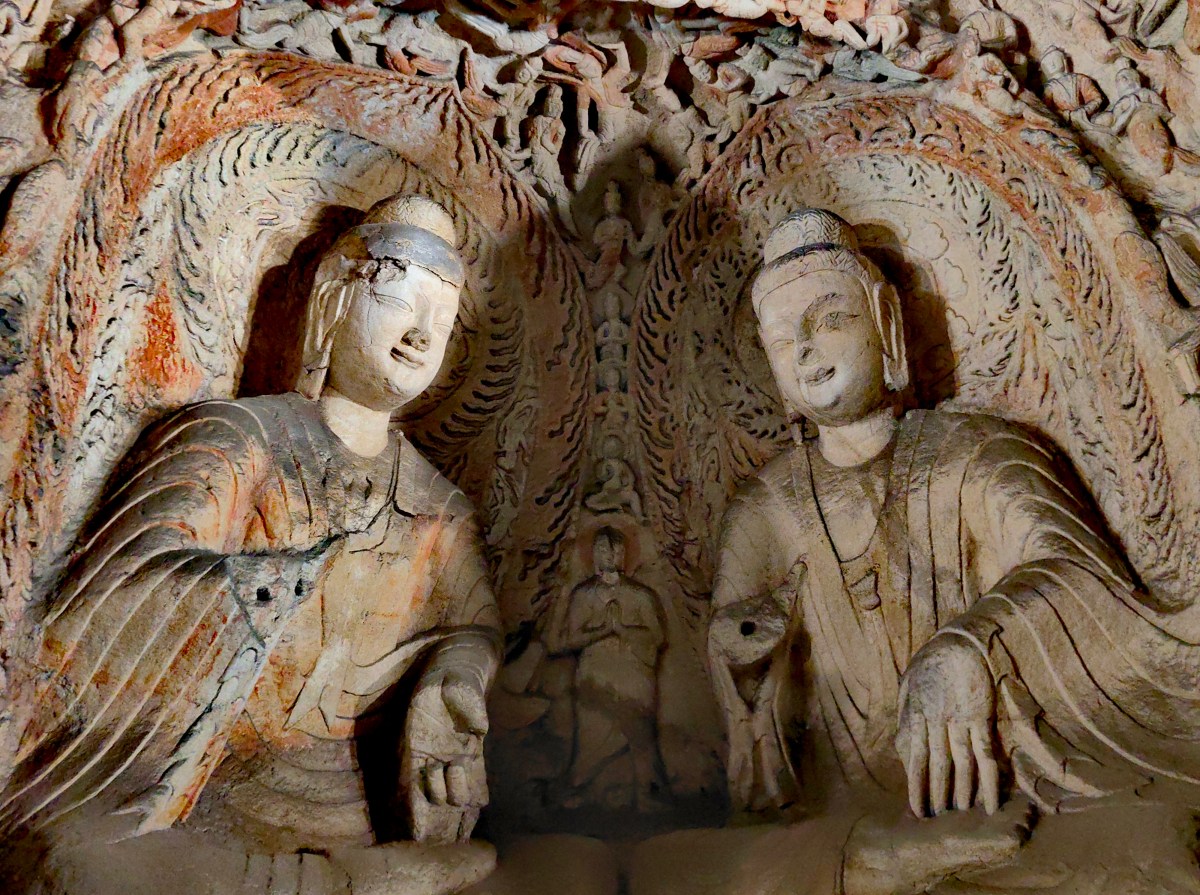
The Yungang Grottoes stand as one of China’s most magnificent examples of ancient Buddhist art, carved into the sandstone cliffs near Datong in Shanxi Province. This UNESCO World Heritage Site, dating back to the 5th and 6th centuries during the Northern Wei Dynasty, showcases a remarkable fusion of art, religion, and cultural exchange. Comprising 45 main caves and over 51,000 intricate statues, the Yungang Grottoes reflect the early spread of Buddhism along the Silk Road, blending Indian, Central Asian, and traditional Chinese artistic styles. The towering Buddha statues, detailed reliefs, and carvings within these caves transport visitors back to an era of profound spiritual devotion and artistic achievement.

云冈石窟是中国古代佛教艺术最恢弘的典范,这个世界文化遗产的历史可以追溯到五世纪和六世纪的北魏时期。它开凿于山西省大同附近的砂岩悬崖上,展示了艺术、宗教和文化交流的非凡融合。云冈石窟由 45 个主要洞窟和 51,000 多尊精美雕像组成,反映了佛教沿着丝绸之路的早期传播历史,并且融合了印度、中亚和中国各地的传统艺术风格。这些高耸的佛像、细致的浮雕和雕刻仿佛将游客带入了一个充满虔诚和艺术感的神奇世界。

Set against a rugged natural backdrop, the grottoes not only capture the essence of ancient craftsmanship but also tell the story of a pivotal period in Chinese history when Buddhism flourished as a unifying force. The Northern Wei Dynasty (386–534 CE) was a pivotal period in Chinese history, marking a significant cultural and political transformation. Initially established by the Tuoba clan, a nomadic people of Xianbei origin, the dynasty later underwent a comprehensive process of Sinicization (adoption of Chinese culture) to consolidate its rule over a predominantly Han Chinese population. Over centuries, intermarriage between Xianbei and Han Chinese resulted in the genetic assimilation of the Xianbei people. The Xianbei were absorbed into the Chinese ethnic and cultural identity gradually.

云岗石窟背靠崎岖的自然山脉,它不仅体现了中国古代工艺的精髓,还讲述了历史上佛教作为一股统一力量蓬勃发展的故事。北魏王朝(公元 386-534 年)是中国历史上的一个关键时期,标志着重大的文化和政治转型。该王朝最初由鲜卑游牧民族拓跋氏建立,后来经历了全面的汉化,以巩固其对以汉族人口为主的统治。几个世纪以来,鲜卑人和汉人的通婚导致了鲜卑人的同化。鲜卑人也逐渐融入中华的民族文化认同之中。

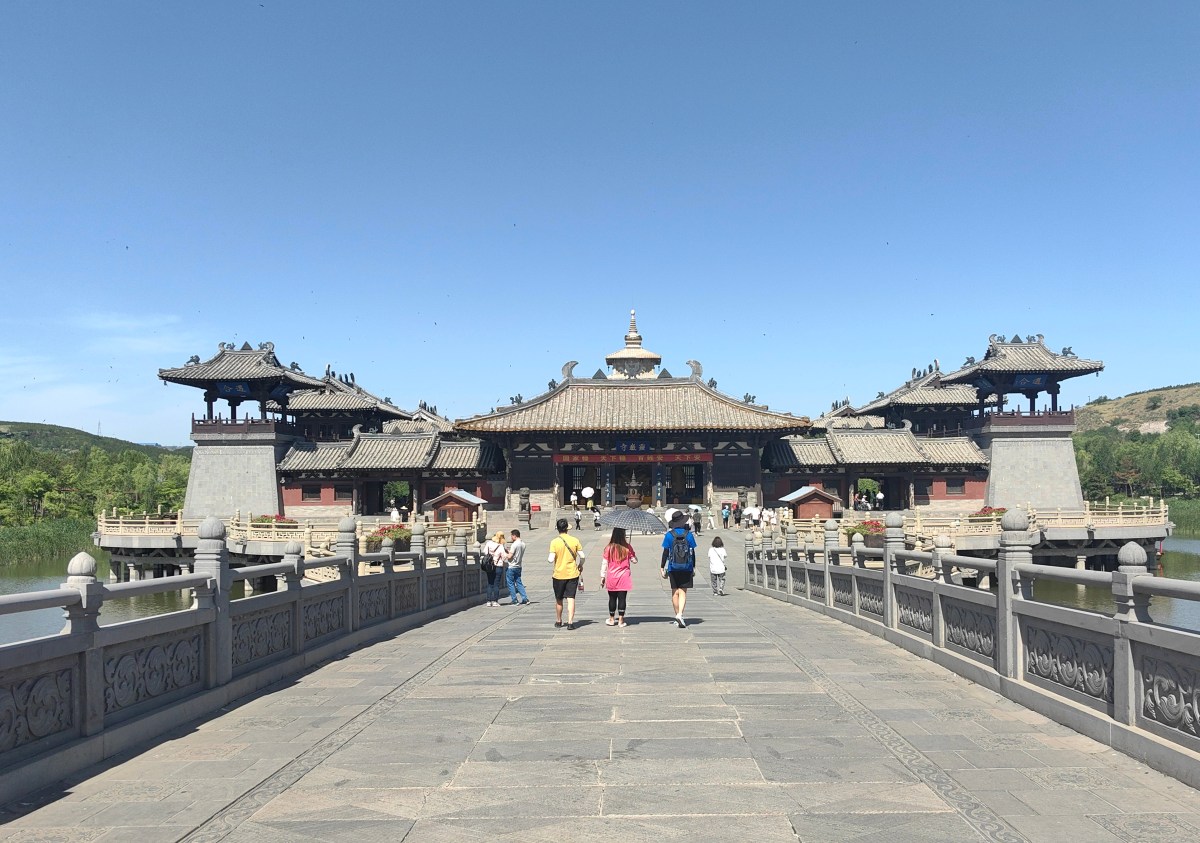
The Yungang Grottoes are located near the city of Datong, in Shanxi Province. They are situated about 16 kilometers west of Datong’s city center, along the southern foothills of the Wuzhou Mountains. I visited this famous world cultural heritage by bus on July 6th, 2023. The public transport system in China is well established and most attractive sites are easily accessible by public transport. This is the entrance of this monument, a specially designed hall with ancient architectural style.

云冈石窟景区位于山西省大同市附近。它们位于大同市以西约16公里处,沿着武州山脉南麓而建。 2023年7月6日,我乘坐公交车就轻松参观了这个著名的世界文化遗产。如今中国的公共交通系统十分完善,大多数极具吸引力的景点都可以通过公共交通轻松到达。这里就是景区的入口,一个专门设计的颇具古风的大厅。

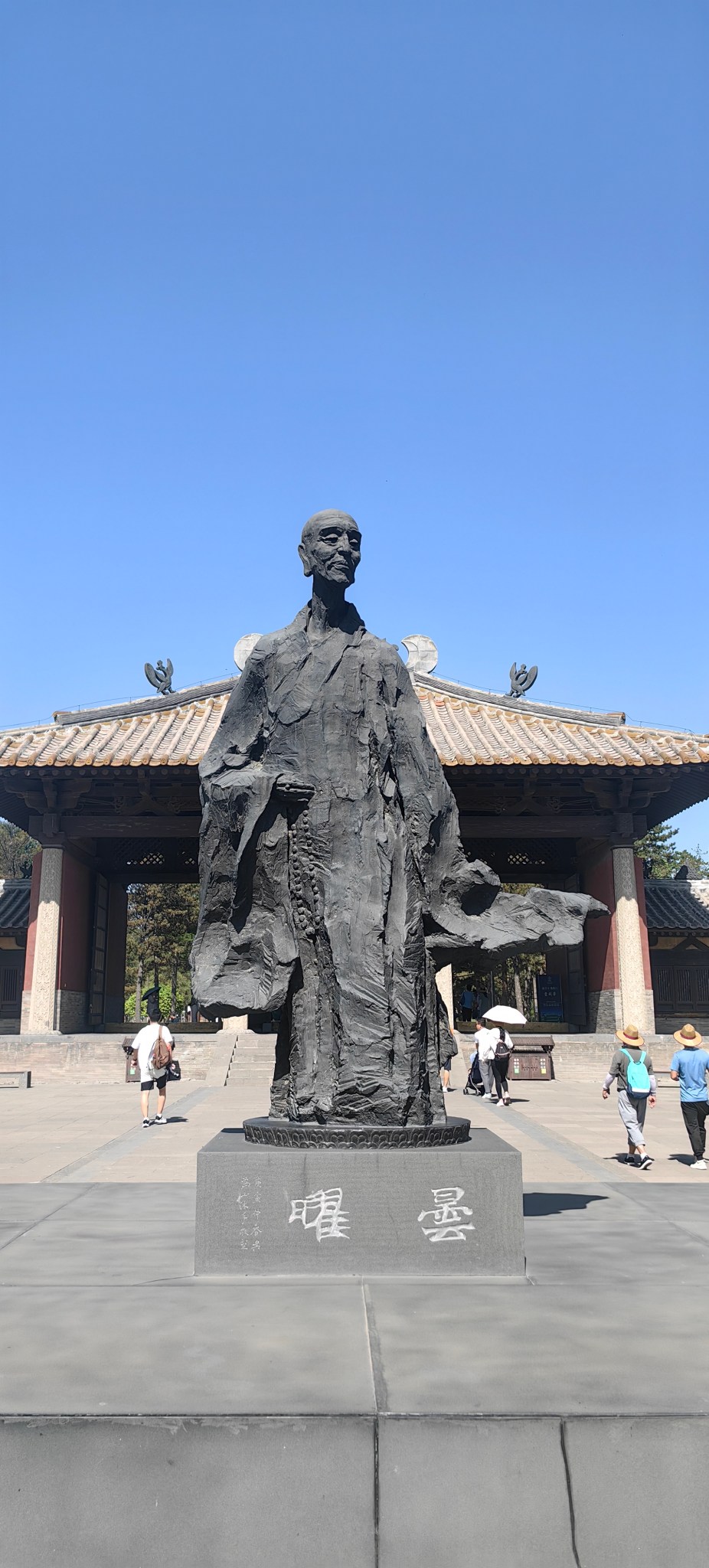
At the entrance, there is statue of Yun Yao. He was a key figure in the construction and artistic direction of the Yungang Grottoes during the Northern Wei Dynasty. As a prominent Buddhist monk, he played a leading role in promoting and overseeing the carving of the grottoes. The Yungang Grottoes were constructed as an imperial initiative under the Northern Wei Dynasty to demonstrate devotion to Mahayana Buddhism which was introduced to China via the Silk Road.

入口处有云曜师傅的雕像。他是北魏时期云冈石窟建设和艺术指导的关键人物。作为佛教高僧,他在推动和监督石窟开凿方面发挥了主导作用。云冈石窟是北魏皇帝为了表达对通过丝绸之路传入中国的大乘佛教的虔诚信仰而兴建的。

After the Northern Wei court officially embraced Buddhism, Yunyao was entrusted with the task of coordinating the creation of these massive cave temples. His influence is reflected in the grandeur and spiritual essence of the grottoes, as well as their intricate carvings and statues.

北魏王朝正式皈依佛教后,云曜师傅被委以协调建造这些大型石窟的任务。他的影响体现在石窟的宏伟规模以及复杂的雕刻和雕像上的精神象征意义。

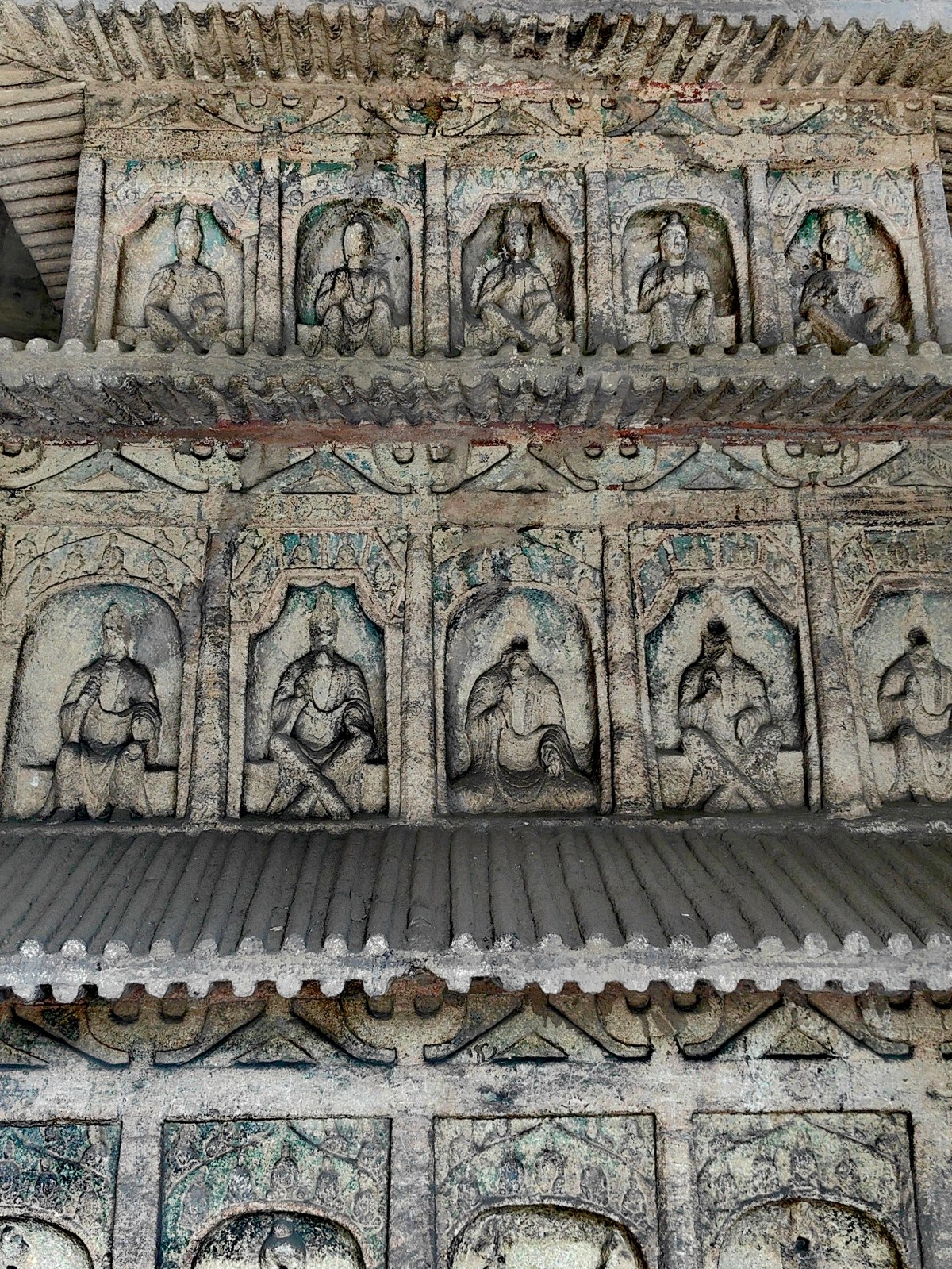
This is the example of one tower sculpture during the Northern Wei Dynasty. The Northern Wei Dynasty rulers used Buddhism to legitimize their authority, presenting themselves as Chakravartins (wheel-turning monarchs). Supporting Buddhism aligned the dynasty with divine and moral authority, reinforcing their position as rightful rulers.

这是北魏时期的塔雕。北魏统治者例如胡太后利用佛教来使自己的权威合法化,统治者自称为转轮圣王。支持佛教则使王朝的神圣和道德权威保持一致,巩固了他们作为合法统治者的地位。

The construction of pagodas became a significant expression of Buddhist devotion. Pagodas in this era were influenced by Indian stupa designs, but they gradually adopted a more vertical, multi-tiered structure to align with Chinese aesthetic preferences. Some pagodas had octagonal bases, a design seen as both practical and symbolic in Buddhist cosmology.

佛塔的建造成为对佛教虔诚信仰的重要体现。这个时代的佛塔受到印度佛塔设计的影响,但逐渐采用更加垂直、多层的结构,以符合中国人的审美偏好。一些宝塔有八角形底座,这种设计在佛教宇宙论中被视为既实用又具有象征意义。

On the route towards the grotto, there is a small man-made lake, providing reflective surfaces that mirror the grottoes and surrounding cliffs. The lake is surrounded by gardens, walking paths, and wooden bridges, offering visitors picturesque spots for relaxation and photography. Pagodas, pavilions, and stone carvings are strategically placed near the water, enhancing the Buddhist cultural theme of the area.

在通往石窟的路上,有一个人工小湖,湖面的反光反射着石窟和周围的悬崖。湖周围环绕着花园、步道和木桥,为游客提供风景如画的休息场所和摄影点。塔、亭、石雕巧妙地临水而建,彰显景区的佛教文化主题。

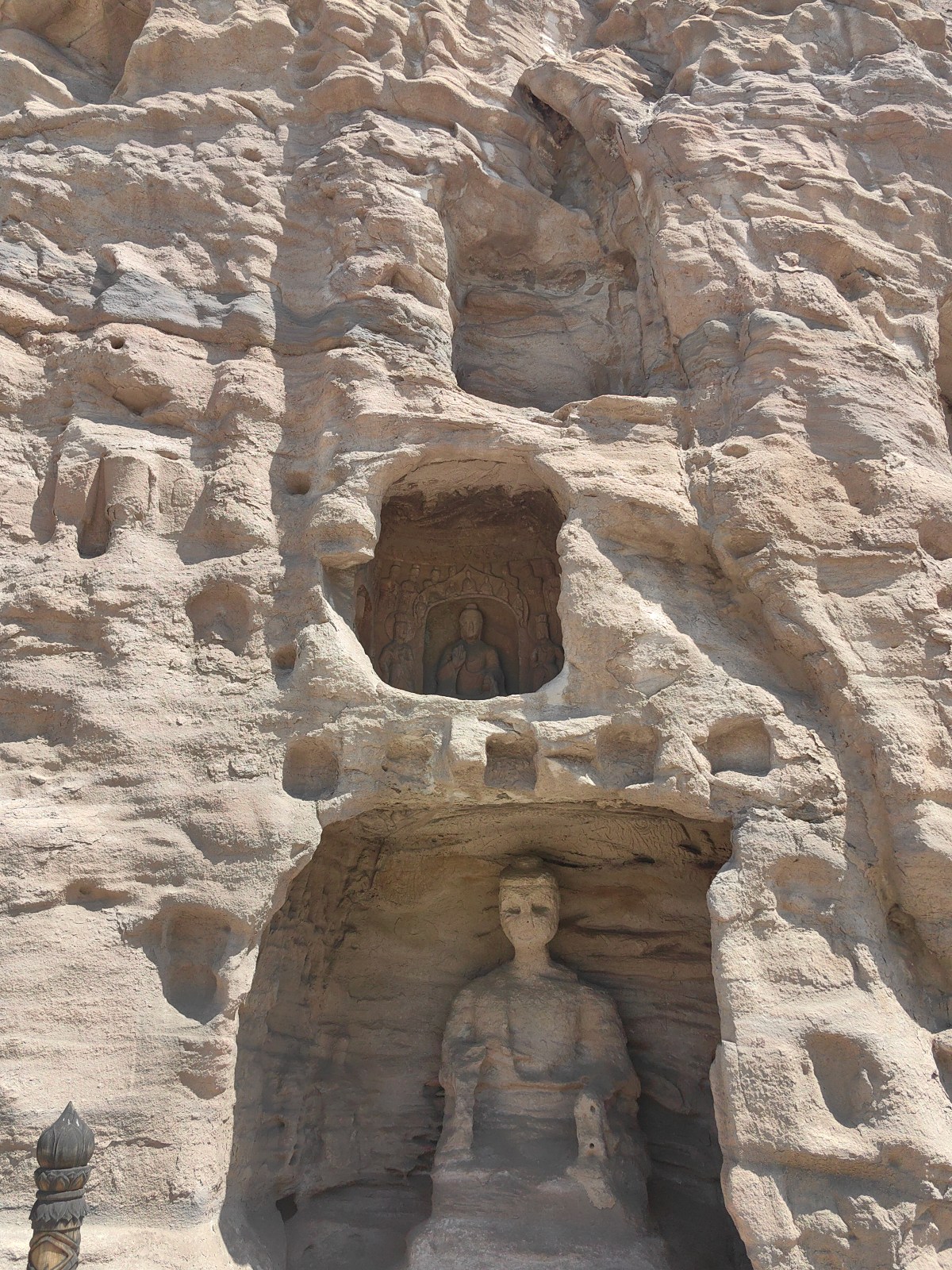
The grottoes are carved directly into the sandstone cliffs along a stretch of approximately 1 kilometer.
The cliff side is uneven and natural, but it has been transformed by the carved entrances, niches, and facades that house the caves, creating a dramatic visual effect. The grottos appear to rise from the mountain, with the larger caves recessed deep into the rock, while smaller niches dot the cliff face like a honeycomb.

这些石窟居然直接开凿在砂岩悬崖上,悬崖总共绵延约 1 公里。自然形成的悬崖起伏不平,面貌已被精细雕刻的壁龛和洞穴外墙所替换,产生了千疮百孔般奇特的视觉效果。这些石窟似乎从山中拔地而起,大型的石窟完全深入岩石中,而较小的壁龛则像蜂窝一样点缀在悬崖表面。

As I moved closer to the wall, I could observe clearly many caves with stone reliefs and ornamental carvings, including niches housing small Buddha statues. These carvings highlight the spiritual significance of the grottoes and showcase a fusion of Indian, Central Asian, and early Chinese Buddhist art styles. The sandstone cliffs have been weathered over time, giving the exterior an aged look now.

当我慢慢靠近墙壁时,我可以清楚地观察到众多带有石制浅浮雕和装饰的洞穴以及装有小佛像的壁龛。这些雕刻凸显了石窟的宗教象征意义,展示了印度、中亚和早期中国佛教艺术风格的融合。随着时间的推移,这些砂岩悬崖大多已经风化,现在的外观呈现出沧桑的历史感。

Cave 3

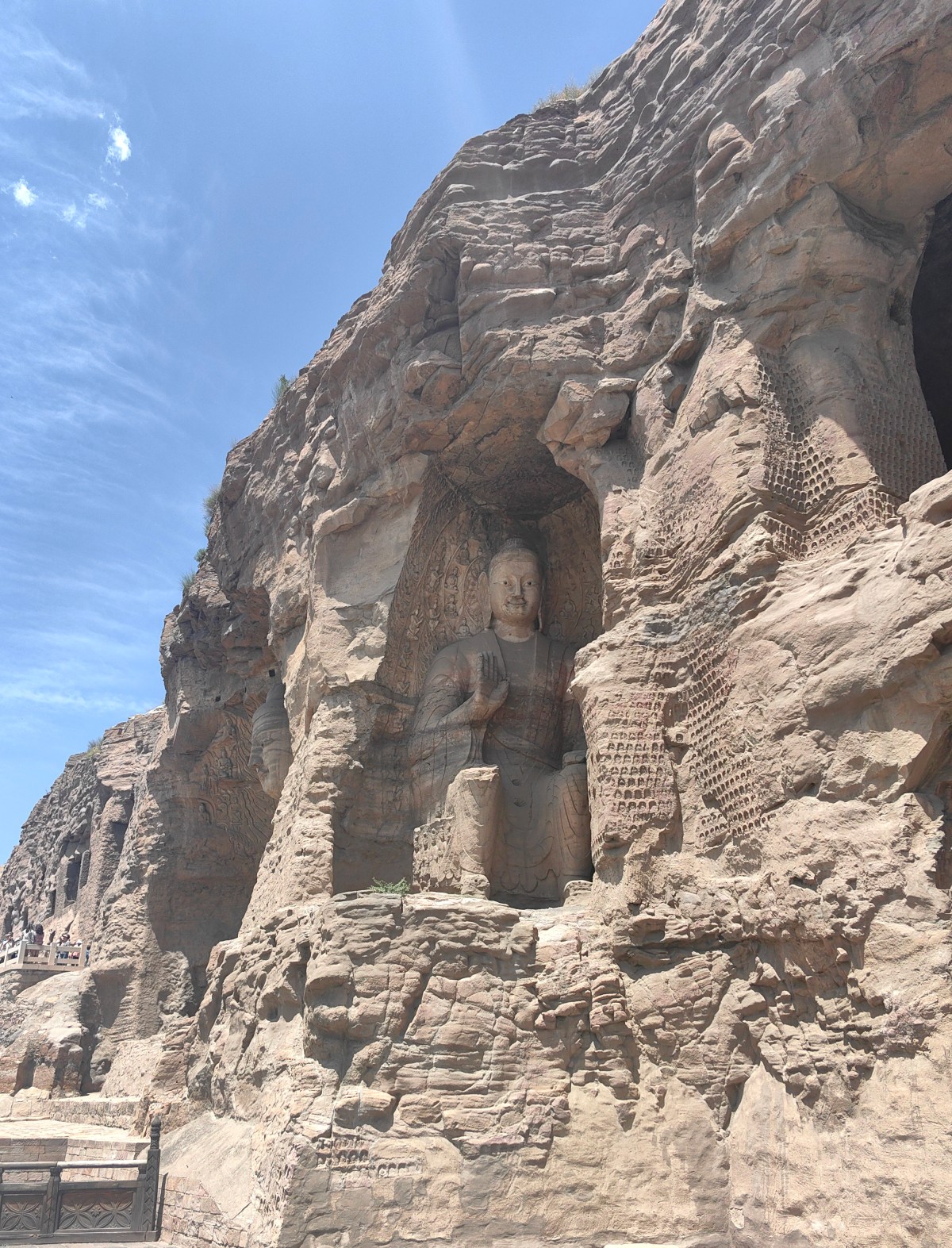
There are more than 20 caves in this scenic area and travelers can go through them slowly one by one. The Linyan Temple Cave is the third cave. It is named after the temple that once existed in its vicinity. The main Buddha statue of 10 meters height in this cave is a central focus, flanked by smaller figures of bodhisattvas, disciples, and guardian deities. This statue looked friendly and seemed to say hi to all the visitors. The carvings display a transition in artistic style, blending Indian Gandharan influences with early Chinese Buddhist art. Unfortunately the color of the surface has been eroded severely.

景区内有20多个洞窟供游客一一慢慢游览。临岩寺洞为第三洞。它以其附近曾经存在的寺庙而得名。洞内的主佛像高 10 米,占据C位,两侧是较小的菩萨、弟子和护法神像。这座大雕像看上去很友善,似乎在向所有的游客行礼。这些雕刻充分展示了魏晋时代艺术风格的转变,将印度犍陀罗的影响与中国早期佛教艺术融为一体。遗憾的是这些表面颜色已被严重侵蚀。

Cave 5

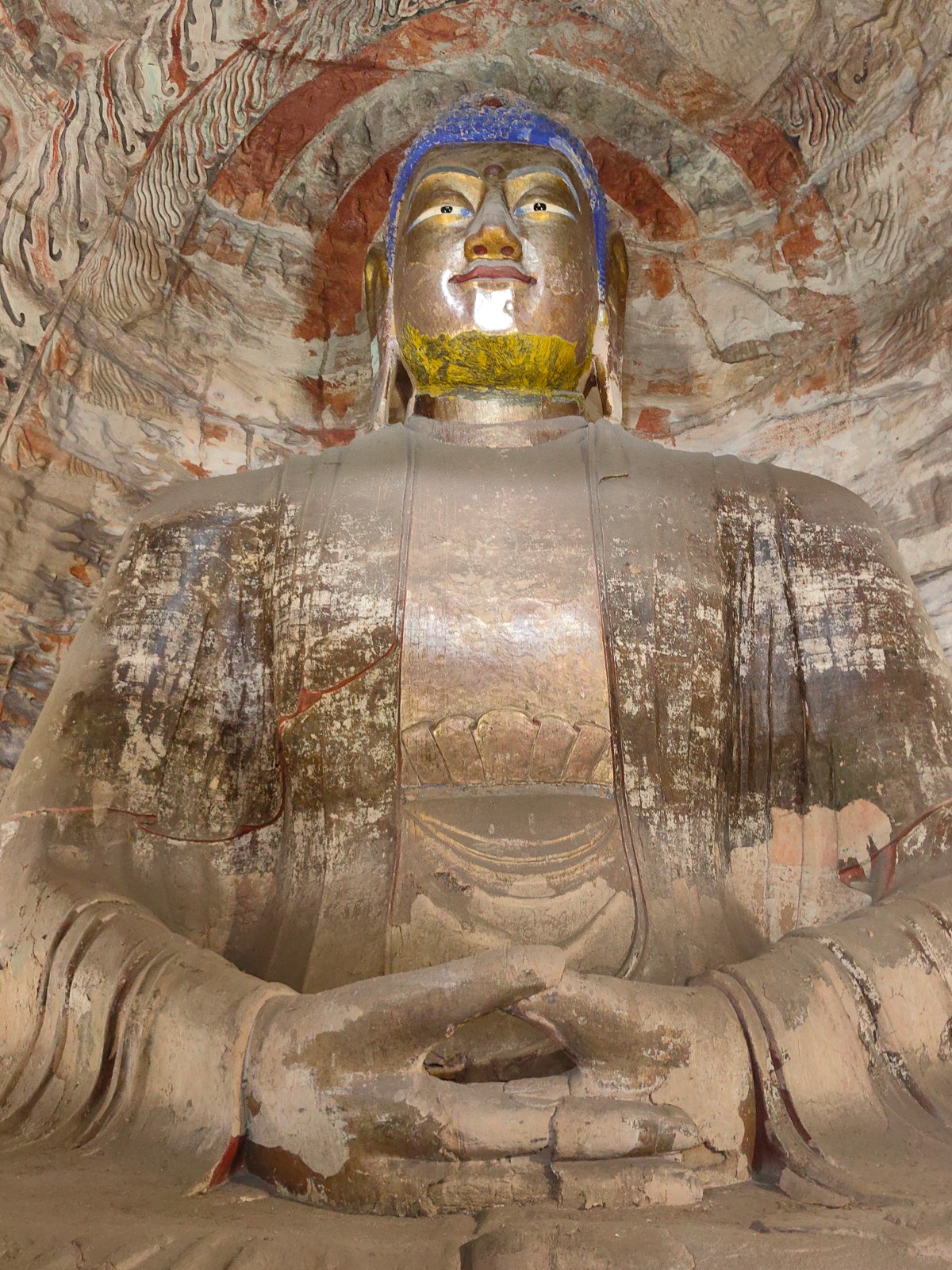
The Cave 5 is a very impressive cave. It has a rectangular layout, with the main Buddha of height 17 meters seated at the center facing the entrance. The Buddha of Gandharan style is depicted in a serene, meditative posture, embodying compassion and enlightenment. Surrounding the main Buddha are several bodhisattvas, disciples, and heavenly kings carved into the walls, each symbolizing different aspects of Buddhist philosophy. The open space within the cave is designed to inspire awe, allowing me to fully absorb the spiritual and artistic significance of the Buddha statue. This is the highest and largest Buddha statue of the Yungang grotto.

五号洞窟是一个非常令人印象深刻的洞穴。它的平面呈长方形,主佛高17米,端坐正中,面向入口。犍陀罗风格的佛陀以安详、冥想的姿势呈现,体现了我佛慈悲和心灵觉悟。主佛周围的墙壁上刻有几位菩萨、佛家弟子和天王,分别象征着佛教哲学的不同层次。洞内如此开阔的空间令人心生敬畏,让我充分领略佛像的宗教和艺术意义。这也是云冈石窟最高大的佛像。

The statues inside remain remarkably intact. The art style and the color combination really left me a deep impression. The ceiling was intricately decorated with lotus motifs and flying apsaras (celestial beings) in dynamic poses, symbolizing joy and divine presence. The cave walls are adorned with vivid bas-reliefs depicting Buddhist sutras and stories from the life of the Buddha, such as his enlightenment and teaching journeys.

洞穴里面的雕像保存十分完好。美术风格和各种色彩组合给我留下了深刻的印象。洞顶装饰着精美的莲花图案和动态的飞天像,象征着佛家欢乐和神圣的存在。而洞壁上装饰着生动的浅浮雕,描绘了佛经轶事和佛陀一生的启蒙和传法之旅的故事。

It shows the exceptional craftsmanship, with innovations in stone carving and iconography. Techniques such as high-relief carving, detailed mural painting, and layered sculptural arrangements illustrate the advanced artistry of the period.

这里也展示了当时卓越的工艺以及石雕和图像绘画方面的创新。高浮雕、细致的壁画、分层的雕塑排列等技术展现了这一时期先进的艺术水平。

Cave 6

This is the entrance cave 6. There are some elaborate carvings adorning the entrances of the larger caves like cave 5 and 6. These carvings depict guardians and heavenly kings. The walls are painted with images of the Eighteen Arhats, nine on each wall, holding different instruments and standing among the sea of ​​clouds. The guardians are often depicted with fierce expressions, dynamic postures, and ornate armor, contrasting with the calm demeanor of the Buddha. Cave 6 has been well-preserved compared to other caves in the complex, thanks to its relatively sheltered location.

这是第 6 窟的入口。第 5 窟和第 6 窟等较大洞穴的入口处陈列有一些精美的雕刻。这些雕刻描绘了佛家守护者和护法天王。墙壁上另外绘有十八罗汉的图像,每面九个罗汉,各个手持不同的法器,立在云海之中。护法天王雕刻通常表情凶猛,姿势动感,盔甲华丽,与佛陀平静的神态形成鲜明对比。由于位置相对隐蔽,与整个建筑群中的其他洞穴相比,第 6 窟保存特别完好。

Cave 6

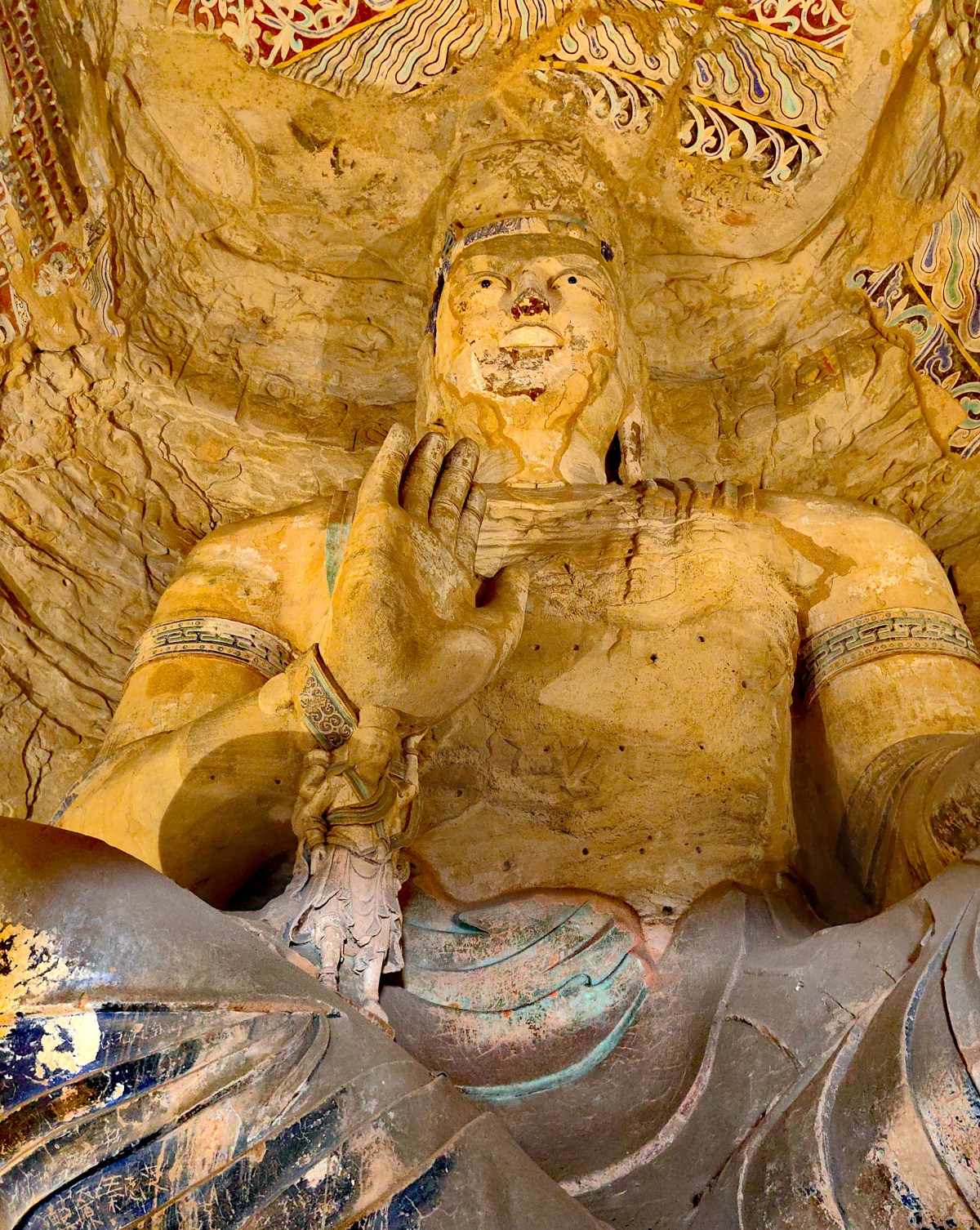
The figure in the cave 6 is a large, seated statue of Shakyamuni Buddha, radiating an air of wisdom and compassion. The Buddha is depicted in the teaching mudra (gesture), symbolizing his role as a spiritual teacher who imparts the path to enlightenment. The bas-reliefs and carvings are extremely extraordinary. They cover nearly every surface of the cave, depicting key moments from the life of Shakyamuni Buddha. Bodhisattvas stand alongside the Buddha, symbolizing compassion and the aspiration to help all sentient beings achieve enlightenment. They are elaborately adorned with jewelry, crowns, and flowing robes, reflecting their role as semi-divine beings who bridge the human and celestial realms.

第六窟内供奉释迦牟尼佛的大坐像,它的全身都散发着智慧与慈悲的气息。佛陀雕塑以传教手势雕刻,象征着他作为传授觉悟之道的精神导师的角色。这些浅浮雕华丽非凡,它们几乎覆盖了洞穴的每个表面,描绘了释迦牟尼佛一生的重要时刻。菩萨与佛并肩而立,象征着佛家的慈悲心和普度众生成佛的祈愿。精心装饰着珠宝、王冠和飘逸的长袍,鲜明地体现他们作为连接人类和天界的半神人物的独特性。

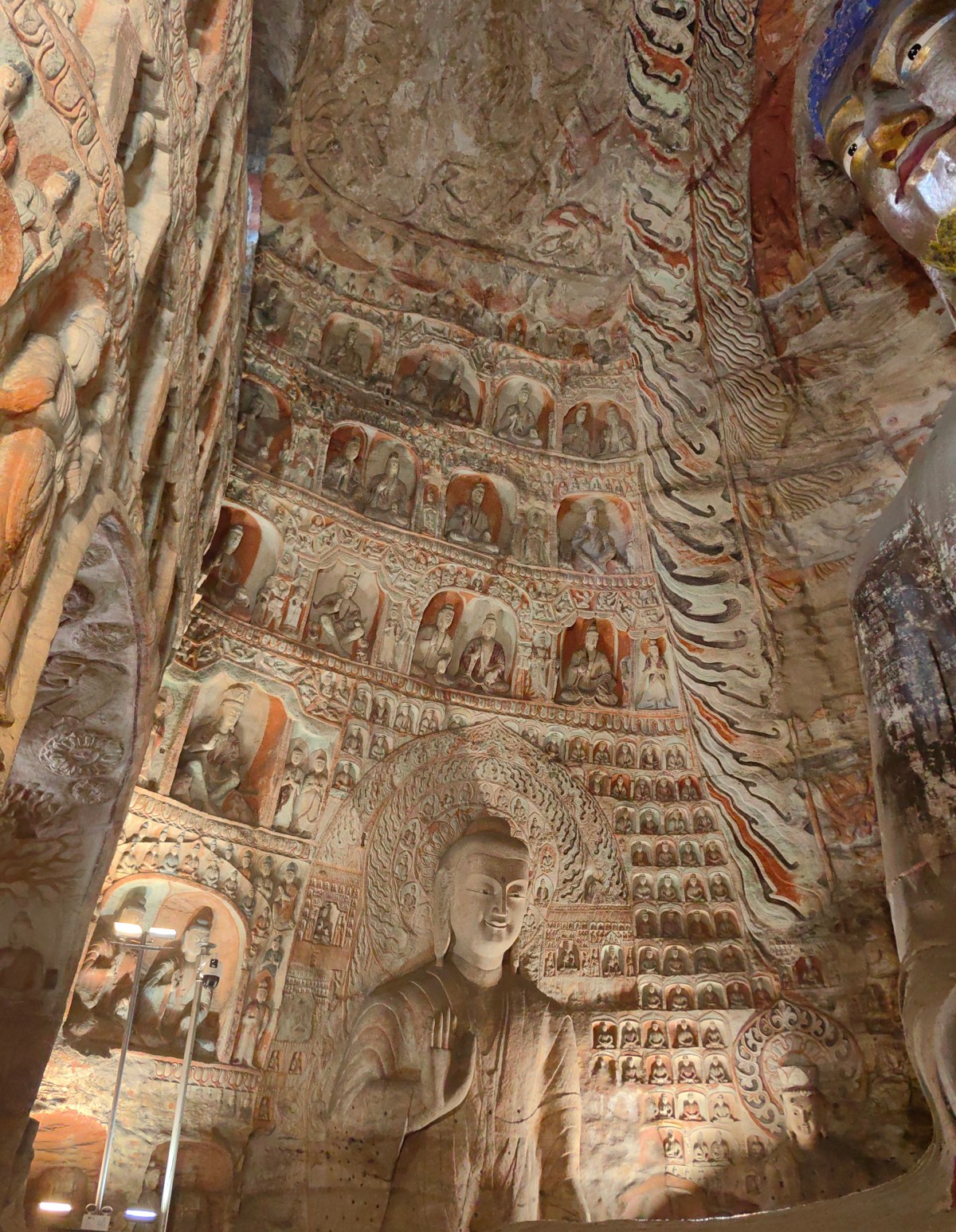
At the left side of this photo, it is a massive central pillar. Visitors walked around this pillar in admiration of the statues. They were carved on all sides of walls, richly decorated with scenes of Buddhist cosmology and stories. The reliefs depict dozens of stories about the life of Sakyamuni. They narrate the story of Siddhartha Gautama, a prince of the ancient Indian Sakya clan, who was born with extraordinary intelligence. He was deeply troubled by meaning of life, and decided to become a monk to look for personal liberation. He overcame all kinds of difficulties, defeating the demon army, and finally attained enlightenment and became the Sakyamuni.

在这张照片的左侧,有一个巨大的中央石柱。游客们绕着这座柱子走来走去,欣赏着这些雕像。墙壁的四面都雕刻着佛教宇宙观和佛经的场景。浮雕描绘了数十个有关释迦牟尼一生的故事。它们讲述了古印度释迦族王子悉达多·乔达摩的故事,他天生具有非凡的智慧同时对生命的意义深感困扰,便决定出家寻求个人精神解脱。后来他克服了种种困难,打败了魔军,最终证悟成佛,成为释迦牟尼。

The cave walls are covered with rows of small Buddha statues, known as thousand-Buddha motifs.
These figures are arranged in orderly tiers, symbolizing the omnipresence of the Buddha and the infinite nature of his teachings. Each figure is meticulously carved, despite their small size, and their uniformity emphasizes the collective spiritual power of the Buddhist community.

洞壁上还布满了成排的小佛像,它们被称为千佛图。这些人物排列有序,象征着佛陀的无所不在和佛法的无边本质。每尊佛像虽小,但都经过精心雕刻,其统一性强调了佛教界的集体精神力量。

The walls and ceilings of the cave feature numerous apsaras, or celestial beings, in mid-flight. These figures, often carved in dynamic poses, appear to float above the central statues, scattering flowers and playing musical instruments. In addition to apsaras, the cave features lokapalas (world protectors) and devas (celestial beings), depicted in graceful poses. For people who are interested in art of Buddhism, this place is really a treasure-house.

洞穴的墙壁和天花板上有许多飞天。这些人物通常以动态姿势雕刻,似乎漂浮在中央雕像上方,洒落鲜花并演奏乐器。除了飞天之外,洞穴中还有洛卡帕拉斯(世界保护者)和优雅的天神的雕塑。对于对佛教艺术感兴趣的人来说,这里真是一个宏大的宝库。

The Yungang Grottoes feature a wide array of niches, from tiny alcoves to large, open niches housing monumental statues. Early niches were influenced by Indian and Central Asian styles, emphasizing simplicity and symmetry. Later the niches evolved to include Chinese aesthetic elements, such as pagoda-inspired frames and detailed ornamentation. The integration of local culture led to unique styles, blending Indian iconography with Chinese craftsmanship. These niches are unique artist element. They are small but profound architectural and artistic features that encapsulate the spiritual essence of Buddhist devotion.

云冈石窟里有各种各样的壁龛,从微小的壁龛到装有纪念性雕像的大型开放壁龛。早期的壁龛受到印度和中亚风格的影响,强调简洁和对称。后来,壁龛演变为例如宝塔风格等包含中国美学元素的形式。文化的融合形成了这种独特的风格,将印度风格图案与中国工艺融为一体。这些壁龛是一种独特的艺术家元素。它们虽小,但意义深远且据艺术特色,浓缩了佛教的精神信仰。

There are many colored Buddhist statues in the Yungang Grottoes. The statues were painted with natural pigments, including red and yellow ochres derived from iron oxide, white kaolin clay for highlights.
azurite and malachite for blue and green tones. In that period, people could not manufacture dyes using chemical methods. Purple and gold are rare pigments, so they are not used so much in Yungang Grotto. In Chinese culture, red symbolized vitality and sacred energy, blue was associated with calmness and the infinite nature of the cosmos. Colors brought lifelike qualities to the statues, making them more relatable and engaging for devotees.

云冈石窟内有许多彩色佛像。这些雕像是用天然颜料绘制的,这些土颜料包括从氧化铁中提取的红色和黄色赭石,以及白色高岭土。蓝铜矿和孔雀石可呈现蓝色和绿色色调。那个时期,人们还不能用化学方法制造染料。紫色和金色在古代一直是稀有颜料,所以在云冈石窟中使用得不多。在中国文化中,红色象征着活力和神圣,蓝色则与平静和宇宙的无限本质相关。这些颜色为雕像带来了栩栩如生的品质,使它们对信徒来说更容易产生共鸣和吸引力。

Cave 13

I have visited more than 20 caves and I will only highlight the caves with most impressive statues. Cave 13 is dedicated to Manjushri Bodhisattva, the embodiment of wisdom in Buddhism. The central figure is Manjushri which is often depicted riding a lion, representing the power of wisdom to overcome ignorance. The statue is elegantly proportioned, with a serene expression, intricately carved robes, and elaborate adornments that reflect the high artistic standards of the Northern Wei period. Due to the huge size of the main statue, the Bodhisattva’s raised right hand could not be suspended in the air, so the Yungang craftsmen “tailor-made” a four-armed warrior to hold up the huge arm. This design solved the problem of supporting the huge arm.

我总共游览了超过20 个洞穴,此文只会重点介绍那些拥有令人印象深刻的洞穴。云岗第13窟供奉着佛教智慧的化身文殊菩萨。文殊菩萨在佛家典籍里经常被描绘成骑着狮子,代表着智慧战胜无知的人物形象。这座造像比例优雅,神态安详,衣袍雕工精细,装饰精美,体现了北魏时期的高艺术水平。由于主像体型巨大,菩萨举起的右手无法悬浮在空中,于是云冈工匠“量身定做”了一个四臂武士来托起巨大的手臂。这样的设计解决了支撑巨大手臂的问题。

cave 19

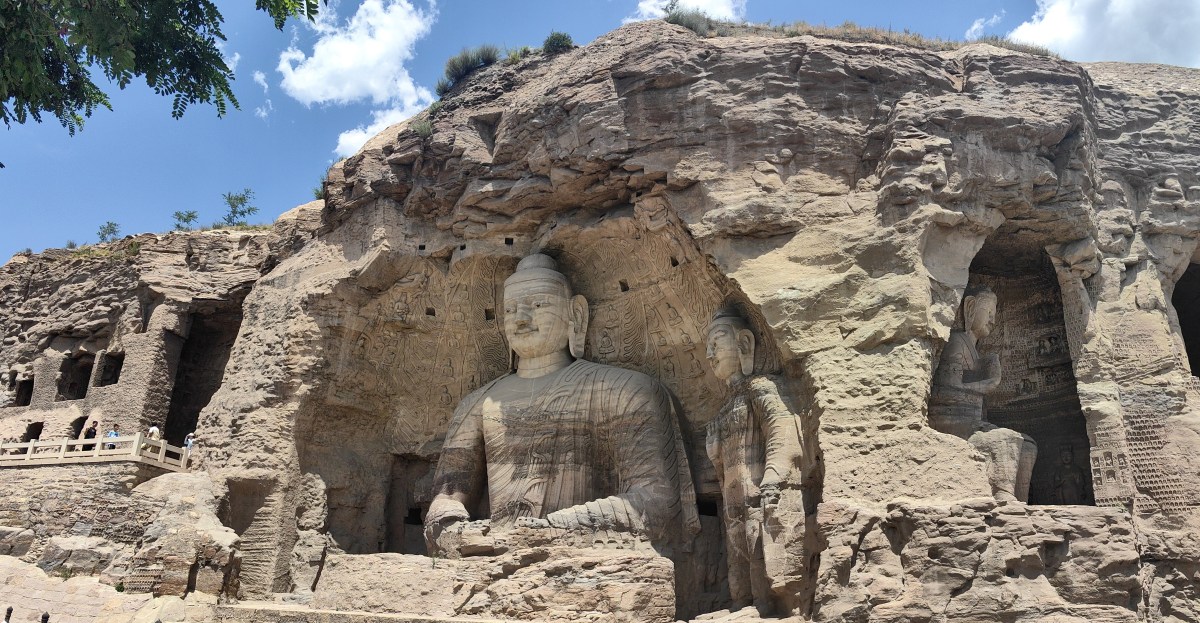
Several huge caves are exposed directly in air. Cave 19, known as the Baosheng Buddha Cave houses the second-largest Buddha statue in the entire complex. The Buddha statue of height 16.8 meter is colossal, with their serene faces and intricate details still visible despite centuries of exposure. It is carved directly into the cliff face. Exposed statues face greater risks of damage from natural elements and human activities. Efforts are ongoing to protect and preserve these cultural treasures, including stabilization of the cliff face and protective measures to prevent further degradation.

还有几个巨型洞穴则直接暴露在露天。第 19 窟被称为宝胜佛洞,供奉着整个建筑群中第二大的佛像。这座佛像高 16.8 米,体态巨大,尽管经历了几个世纪的风吹雨打,但其宁静的面容和复杂的雕塑细节仍然清晰可见。这个佛像直接雕刻在悬崖面上。裸露的雕像面临着更大的自然因素和人类活动损坏的风险。目前专家正在通过稳定悬崖面努力保护这些文化宝藏并采取保护措施防止风化。

Cave 20

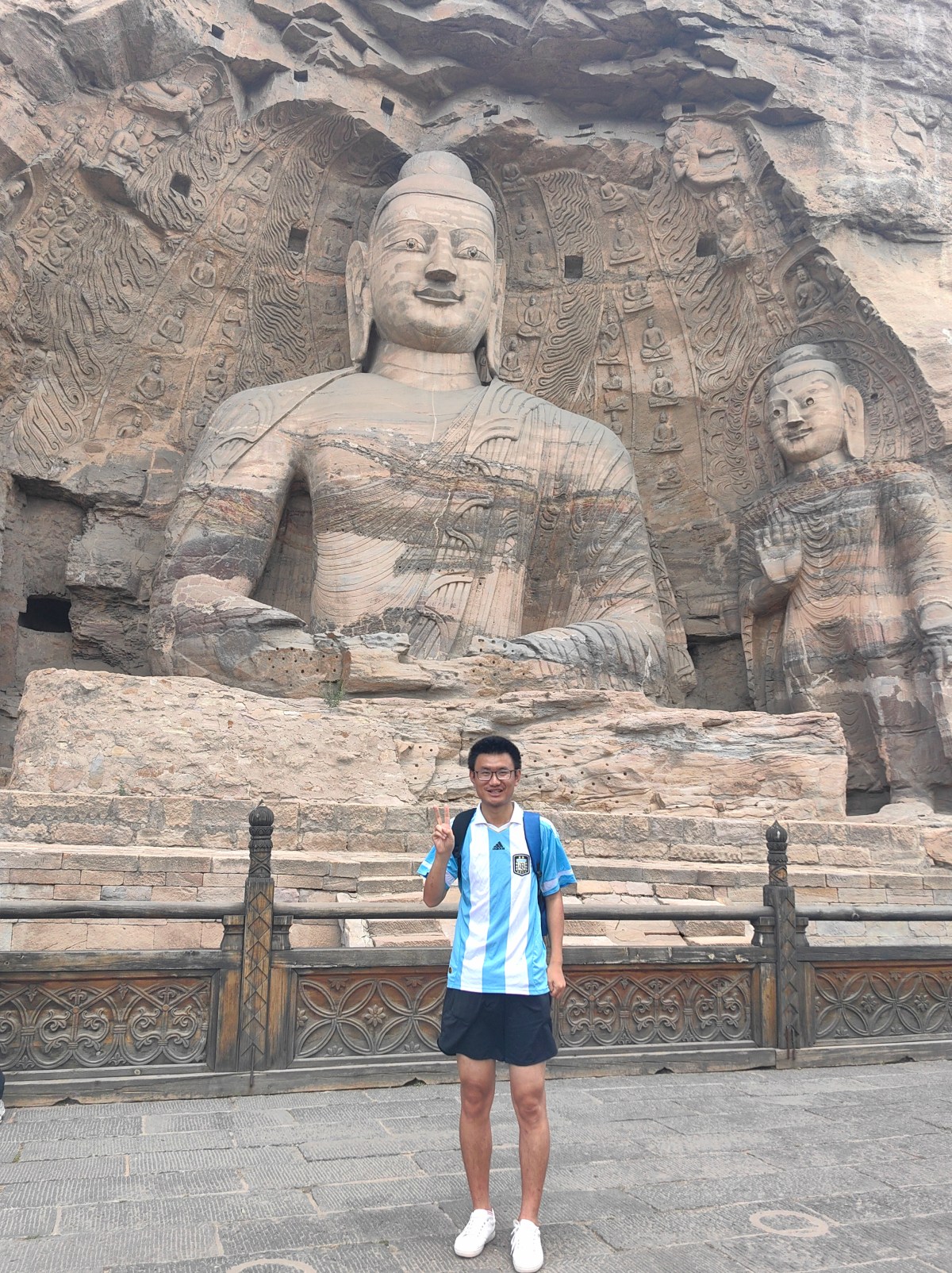
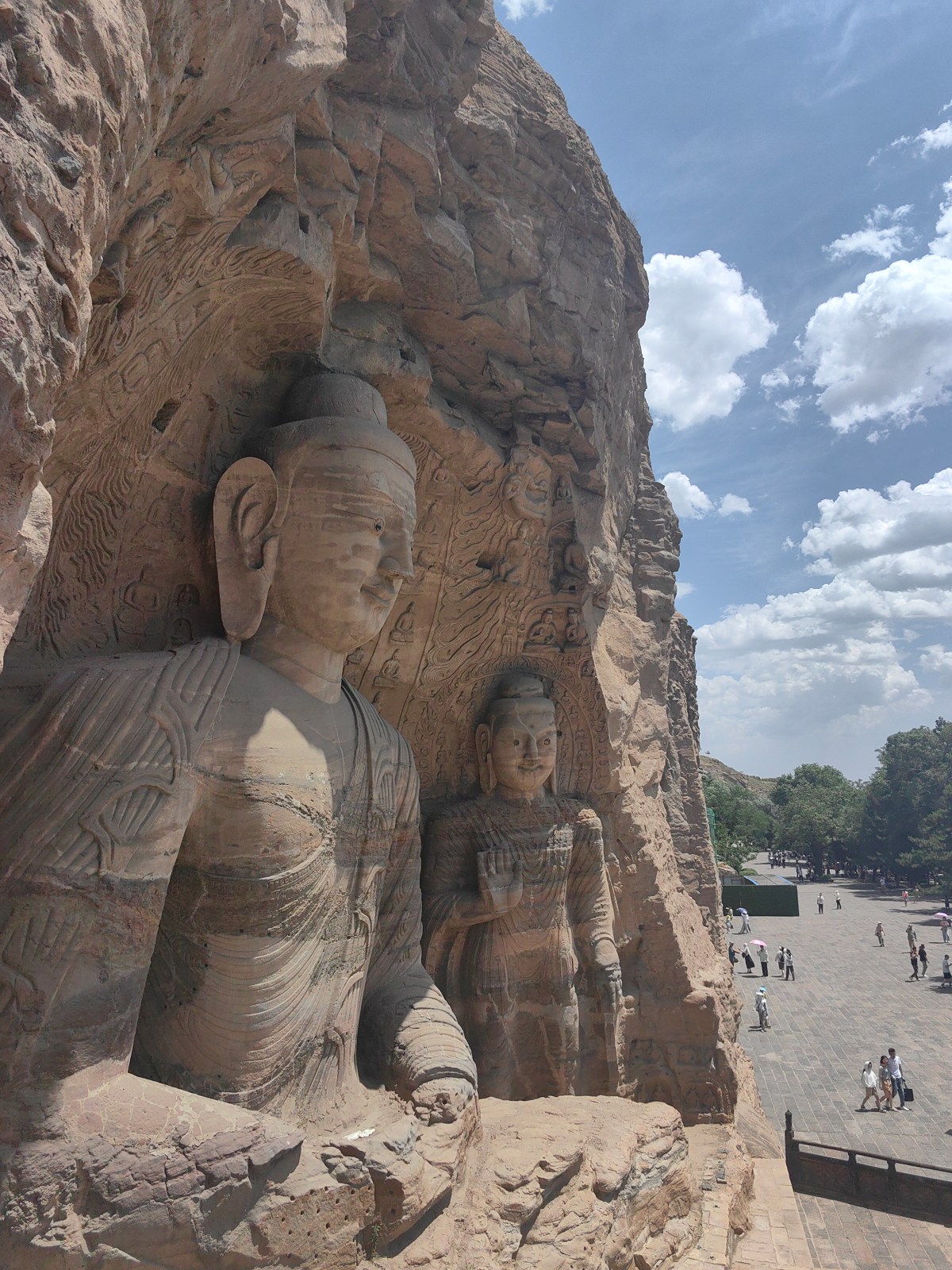
The most magnificent, iconic and representative statue must be the one in the cave 20. The seated Buddha is monumental, standing approximately 13.7 meters tall, with a serene expression. The Buddha’s face exudes tranquility and compassion, characterized by an elongated, oval shape, narrow eyes, and a slight smile. The both hands rest on the lap, symbolizing meditation and inner peace. The Buddha is framed by a carved halo (aureole) adorned with intricate patterns of lotus flowers and celestial motifs, symbolizing divinity and enlightenment.

整个云冈石窟最宏伟、最具标志代表性的雕塑当属第20窟的造像。整个佛像气势磅礴,高约13.7米,神态安详。佛陀的脸庞呈椭圆形,眼睛细长,面带微笑,散发着宁静和慈悲的气息。双手放置在腿上如同打坐的姿势,象征着冥想和内心的平静。佛陀的周围是雕刻的光环,装饰着复杂的莲花图案和星体图案,象征着神性和启蒙。

This is the panoramic view of the Buddha statue. Flanking the central Buddha are smaller statues of disciples, depicted with detailed robes and jewelry. The robe is really an artistic marvel, with finely carved folds that flow naturally over the body, showcasing the sculptor’s attention to detail and mastery of stone-carving techniques. The cave appears as an extension of the rock itself, seamlessly blending human artistry with the natural world.

这是佛像的全景图。中央佛像的两侧是较小的佛家弟子雕像,这些雕像清晰描绘出精致的袈裟和珠宝。佛像上的袈裟雕刻确实是一件艺术瑰宝,雕刻精美的褶皱在身体上自然流动,展示了雕塑家对细节的关注和对石雕技术掌握的如火纯青。这座洞窟如同岩石的延伸,将人类艺术与自然世界无缝地融合在一起。

Walking through this area felt like stepping into a living history book. The moment I oberseved it, the grandeur of the carved cliff face took my breath away. Towering statues of serene Buddhas gazed down with an air of wisdom, their expressions calm yet commanding. It was as if the past was alive, speaking silently through these ancient masterpieces.

漫游至此就如同卷入一本活生生的青史竹简。当我注视到它的那一刹那,雕像的的宏伟让我惊叹不已赞不绝口。如此高大的佛像安详地俯视众生,神情平静而威严依存。这一刻仿佛已逝去的岁月重新复活,依托在这些古老的杰作中无声地诉说着北魏王朝的昔日时光。

The artistic style of Cave 20 reflects a fusion of Indian Gupta influences (rounded faces, gentle expressions) and early Chinese aesthetics (elongated features, focus on symbolism). Its open structure allows natural light to illuminate the statues, creating dynamic shadows that enhance the sense of depth and divine radiance. Every visitor will take a memorable photo at the platform in front of the statues. Standing before the Grand Buddha was really a stunning experience, as its immense scale and intricate details create an overwhelming sense of spiritual awe. Human being looked so tiny at this moment.

第20窟的艺术风格体现了印度笈多王朝对中原文化的影响,这座雕像圆润的脸庞、温柔的表情和早期中国美学特征拉长的五官、注重象征意义等融合。另外其开放式结构使自然光充分照亮局部雕像,产生动态阴影,并增强深度和神性光辉。每位参观云岗石窟的游客都会在雕像前的平台上留下难忘的照片。站在大佛前确实是一种震撼的体验,它巨大的规模和错综复杂的细节营造了一种压倒性的精神敬畏感,人类在这一刻显得是如此的渺小。

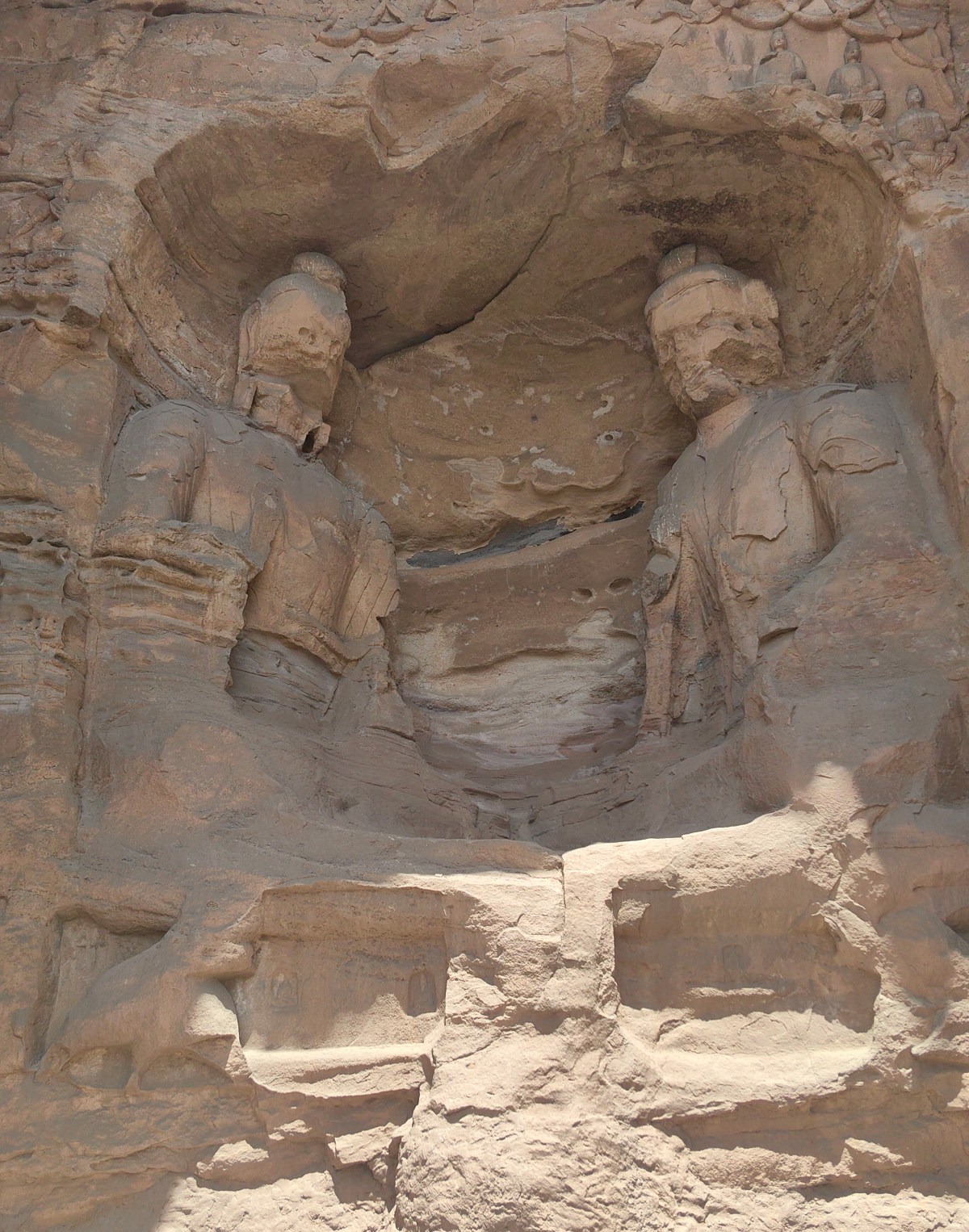
In the west of cave 20, there are some small caves which were built in the later period of North Wei Dynasty. Many of them were not conserved very well. Unlike the earlier caves adorned with intricate reliefs and detailed carvings, the small caves often feature minimalist designs. Due to their smaller scale, many of these caves have suffered significant erosion and degradation over time. The sandstone of the Yungang Grottoes is inherently soft and porous, making the smaller caves particularly vulnerable to erosion. Some caves have small side niches or inscribed panels, but they lack the complex architectural elements and spatial divisions seen in earlier caves. The small caves reflect a localization of Buddhist art as the religion became more integrated into Chinese society.

第20窟西侧有一些北魏后期所建的小窟。其中许多都没有得到很好的保存。与早期的洞穴装饰着复杂的浮雕和细致的雕刻不同,这些小洞穴通常采用简约的设计。由于规模较小,许多洞穴随着时间的推移遭受了严重的侵蚀和风化。云冈石窟的砂岩本质上柔软且多孔,使得较小的洞穴特别容易受到侵蚀。有些小洞穴里有小的侧壁龛或石刻板,但缺乏早期建造的洞穴中复杂的建筑元素和详细的空间划分。随着北魏后期佛教越来越融入中国社会,这些小洞穴则反映了佛教艺术的本土化。

Cave 39

There are totally 40 caves here and needs around 2 to 3 hours to finish all of them. At the heart of the cave 39 is a five-level stone pagoda carved entirely from the rock, symbolizing Mount Sumeru, the cosmic center in Buddhist cosmology. These pagodas are often multi-tiered with overhanging eaves, mimicking the design of wooden pagodas. The five levels represent spiritual ascension and the five elements in Buddhist philosophy: earth, water, fire, wind, and space. As I walked around it, I could see the miniature Buddha reliefs seated in niches. The delicate carvings and faded traces of paint really invited closer observation.

云冈石窟景区共有40个洞穴,大约需要2至3个小时才能全部游览完。第39窟的中心是一座完全由岩石雕刻而成的五层石塔,象征着佛教宇宙学的中心须弥山。这些塔通常是多层的,有悬檐,模仿传统木塔的设计。这五个层次代表了精神境界的逐步提升和佛教哲学中的五种元素:地、水、火、风和空。我绕它一周清晰看到壁龛里端坐着的微型佛像浮雕。这些精致的雕刻和褪色的油墨痕迹需要细品。

An upper-level platform allows visitors to explore the smaller caves after number 20 that is carved higher up along the cliff face. These caves were built as Buddhism spread and became more localized. Smaller caves catered to individual or small group meditation rather than grand communal ceremonies. The initial construction of the Yungang Grottoes involved significant state resources, reflecting the Northern Wei court’s commitment to promoting Buddhism. Over time, as the dynasty’s priorities shifted to the new capital Luo Yang, the scale of cave construction decreased, leading to smaller and simpler designs.

景区还搭建了一个上层平台供游客探索 20 号洞穴之后的较小洞穴,这些洞穴沿着悬崖面开凿,地势更高。这些洞穴是随着佛教的传播而后建造,并且风格变得更加本地化。较小的洞穴适合个人冥想,而不适用盛大的官方仪式。云冈石窟的初期建设动用了大量的国家资源,体现了北魏王朝弘扬佛教的决心。随着时间的推移,以及王朝的重点逐步转移到新都洛阳,洞穴建筑群的规模逐渐缩小。


As my journey through the Yungang Grottoes came to an end, the overwhelming sense of wonder remained etched in my heart. Each cave and each statue told a story of the spread of Buddhism along the Silk Road, the political aspirations of the Northern Wei Dynasty, and the universal human pursuit of enlightenment. Beyond their artistic splendor, the Yungang Grottoes is also a symbol of resilience of Chinese culture, which have endured the ravages of time, weather, and human impact, still standing proudly as a UNESCO World Heritage Site for travellers from all around the world to visit.

当我的云冈石窟之旅结束时,那份震撼人心的感官刺激仍深深地萦绕在我的心头。这里每一个洞窟、每尊雕像都细致阐述了佛教沿着丝绸之路传播的故事、北魏王朝的政治诉求以及佛家子弟追求启蒙的故事。除了艺术的辉煌,云冈石窟也是中华文明顽强的象征,它经历了时间的洗礼、风雨的摧残和人类的影响,如今仍然顶天立地作为世界文化遗产供全世界游客顶礼膜拜。

Explore Taiyuan: Dragon City of Shanxi’s Rich History

探索山西龙城太原的悠久历史

Taiyuan, the capital of Shanxi Province in northern China, is a city with a rich history, stretching back over 2,500 years. As a vital political, economic, and military hub, Taiyuan has played a crucial role in the defense of northern China throughout history. Known as “Dragon City,” it was a strategic stronghold during many dynasties, guarding the northern borders and serving as a key trading center due to its strategic position along the Fen River.

太原是山西省的省会,是一座历史悠久的城市,距今已有2500多年的历史。作为重要的政治、经济和军事中心,太原在历史上一直对中国北方地区的防御起到至关重要的作用。太原也被称为“龙城” ,是多个朝代的战略要地,供卫着北部边境,并因其位于汾河沿岸的战略位置而成为重要的贸易中心。

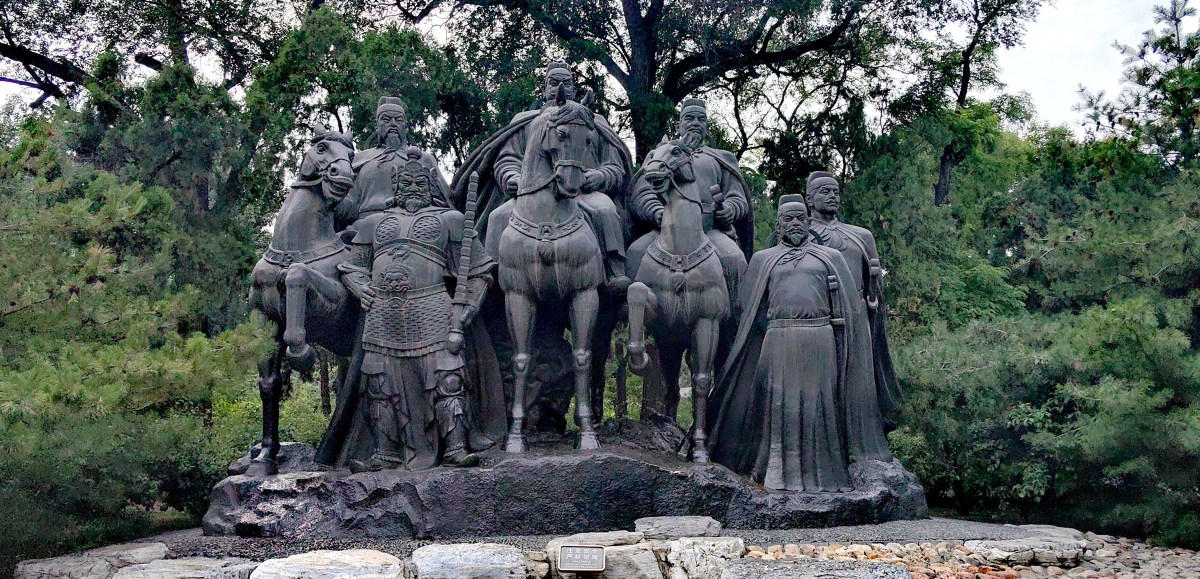
Historically, Taiyuan has been an essential city for both defense and industry. Its location—surrounded by mountains with access to fertile plains—made it ideal for military fortifications and agriculture. During the Tang Dynasty, Taiyuan was the birthplace of the dynasty’s founder, Emperor Li Yuan, and thus held immense symbolic importance as the “cradle” of the Tang. This the bronze statue of Emperor Li Shimin, also known as Emperor Taizong of the Tang Dynasty, accompanied by several of his loyal generals like Yuchi Gong who served as Li Shimin’s personal guard and became a legendary figure in Chinese folklore, sometimes represented as a door god in Chinese culture. Li Shimin, renowned for his military prowess and strategic brilliance, was instrumental in establishing and expanding the Tang Dynasty, which became one of China’s most prosperous and influential dynasties.

历史上,太原一直是国防和工业的重地。太原地理位置优越,四周群山环绕,可直通肥沃的平原,是军事要塞和农业生产的理想之地。太原是唐朝开国皇帝李渊的出生地,因此也被称作唐朝的龙兴之地。这是唐太宗李世民的龙兴晋阳雕塑,身边簇拥尉迟恭等几位忠诚的大将,尉迟恭曾担任李世民的私人护卫,后来成为中国民间传说中的传奇人物,在中国文化中被视为门神。李世民以其军事才能和战略才华而闻名,在建立和扩大唐朝版图方面发挥了重要作用,唐朝也成为中国最繁荣和最有影响力的王朝。

Taiyuan is a fascinating blend of the ancient and the modern. I visited it during my summer trip in July 2023. Nearly all the buildings in this city looked very modern. However, tourists can still explore some historical relics, such as the Jinci Temple and Twin Pagoda Temple, which offer a glimpse into its past, while the city’s industrial areas and modern infrastructure reflect its ongoing role in China’s development.

太原是一座古老与现代交融的城市。2023年7月,我在夏季旅行中顺路参观了太原。这座城市的几乎所有建筑看起来都非常现代。不过,游客仍然可以探索例如晋祠和双塔寺等历史遗迹,这些遗迹可以让人们一窥太原的过去,而如今太原的工业区和鳞次栉比的现代基础设施则反映了它在中国现代发展中持续的作用。

Jinci Park

The Jinci Park is a renowned cultural and historical attraction located in the outskirts of Taiyuan. It is centered around the Jinci Temple, an ancient complex that dates back more than 1,400 years, but the park extends beyond the temple itself, encompassing a vast area of beautiful gardens, historic structures, and natural landscapes. The place with large history meaning is quite meaningful for Chinese history fans. I visited it from the southern part of the park.

晋祠公园是太原郊区著名的文化和历史景点。它以晋祠为中心,这是一座拥有1400多年历史的古老建筑群,公园的占地范围超出了晋祠本身,还包括大片美丽的花园、历史建筑和自然景观。这个地方有着深厚的历史意义,对中国古代史爱好者来说意义非凡。我是从公园的南端开始参观。

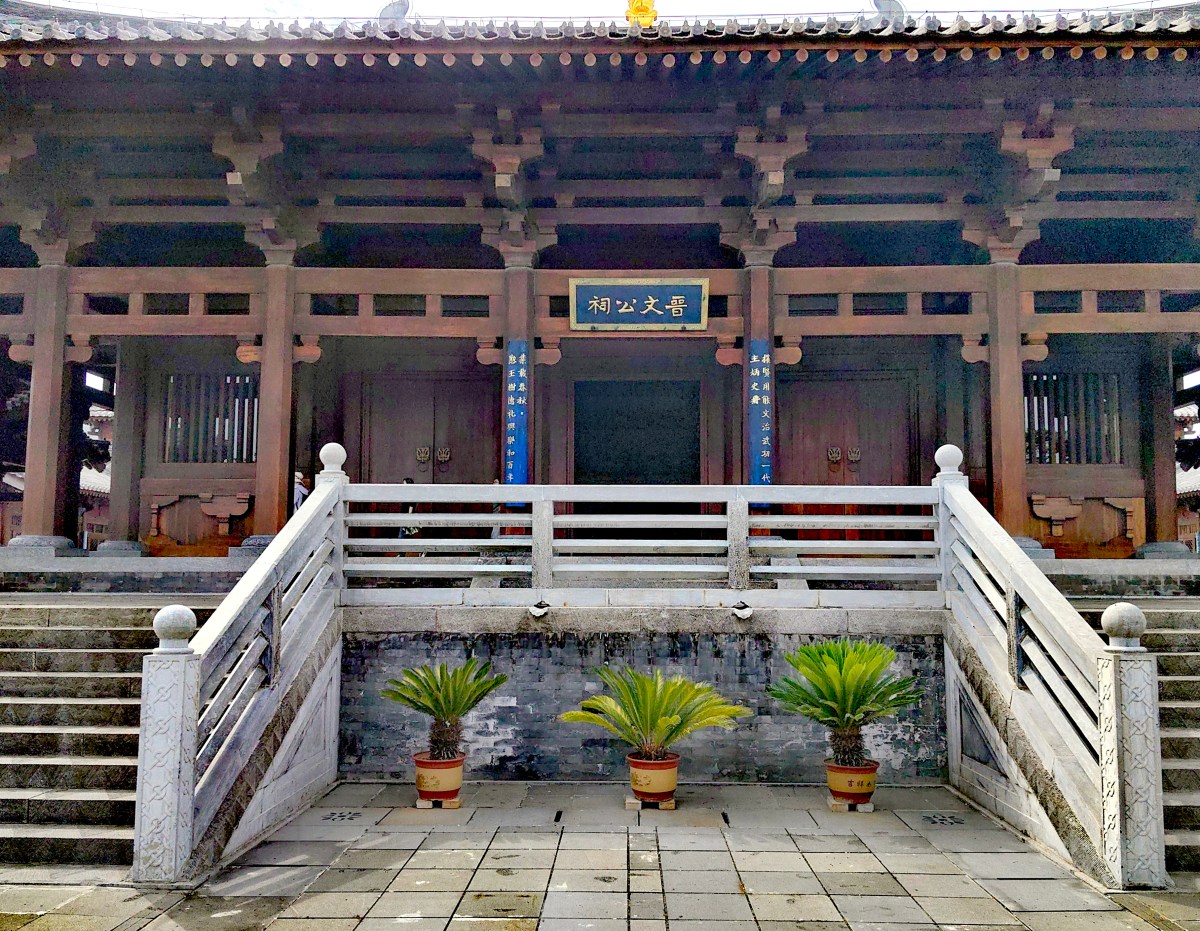
The Temple of Duke Wen of Jin was located here. Duke Wen of Jin was a prominent ruler of the Jin State during the Spring and Autumn Period. It was a chaotic period, and China has not become un unified country. There were many small states, and Jing was one of the powerful states. Duke Wen’s life was marked by adversity. After a prolonged exile caused by internal political struggles, he eventually returned to the Jin State and reclaimed his throne with the support of loyal allies. Under his leadership, Jin became a dominant power. His victory in the Battle of Chengpu (632 BCE) against the State of Chu solidified his position, earning him widespread respect as one of the five most powerful king during the Spring and Autumn Period.

晋文公庙就位于此处。晋文公是春秋时期晋国的一位杰出的君主。当时中国还未成为一个统一的国家,有许多小国林立,而晋国是其中一个强大的国家。晋文公的一生命运多蹇。由于内部政治斗争,他长期流亡国外,最终在忠诚部下的支持下回到晋国,夺回了王位。在他的领导下,晋国成为了一个强大的国家。他在城濮之战(公元前 632 年)中战胜了楚国,巩固了他的地位,并被尊为春秋五霸。

The Temple of Duke Wen of Jin

The temple reflects a combination of ancient Chinese architectural traditions. While its original construction dates back many centuries, the current structures have undergone restorations during later dynasties, including the Ming and Qing dynasty. The temple’s design embodies classical Chinese aesthetics, with wooden halls, intricately carved beams, and tiled roofs. Within the temple, visitors can find stone tablets and inscriptions that recount the life and achievements of Duke Wen. These texts provide invaluable insights into the political and military strategies that defined his reign.

这寺庙体现了中国古代建筑的融合。虽然其最初的建筑可追溯到许多世纪以前,但目前看到的建筑在后来的朝代(包括明朝和清朝)都经过了修复。寺庙的设计体现了中国古典美学,有木制大厅、精雕细琢的横梁和瓦片屋顶。在寺庙内,游客可以看到石碑和碑文,这些碑文讲述了文公的生平和成就。这些文字为了解文公统治时期的政治和军事战略提供了宝贵的见解。

Xia Sheng Si

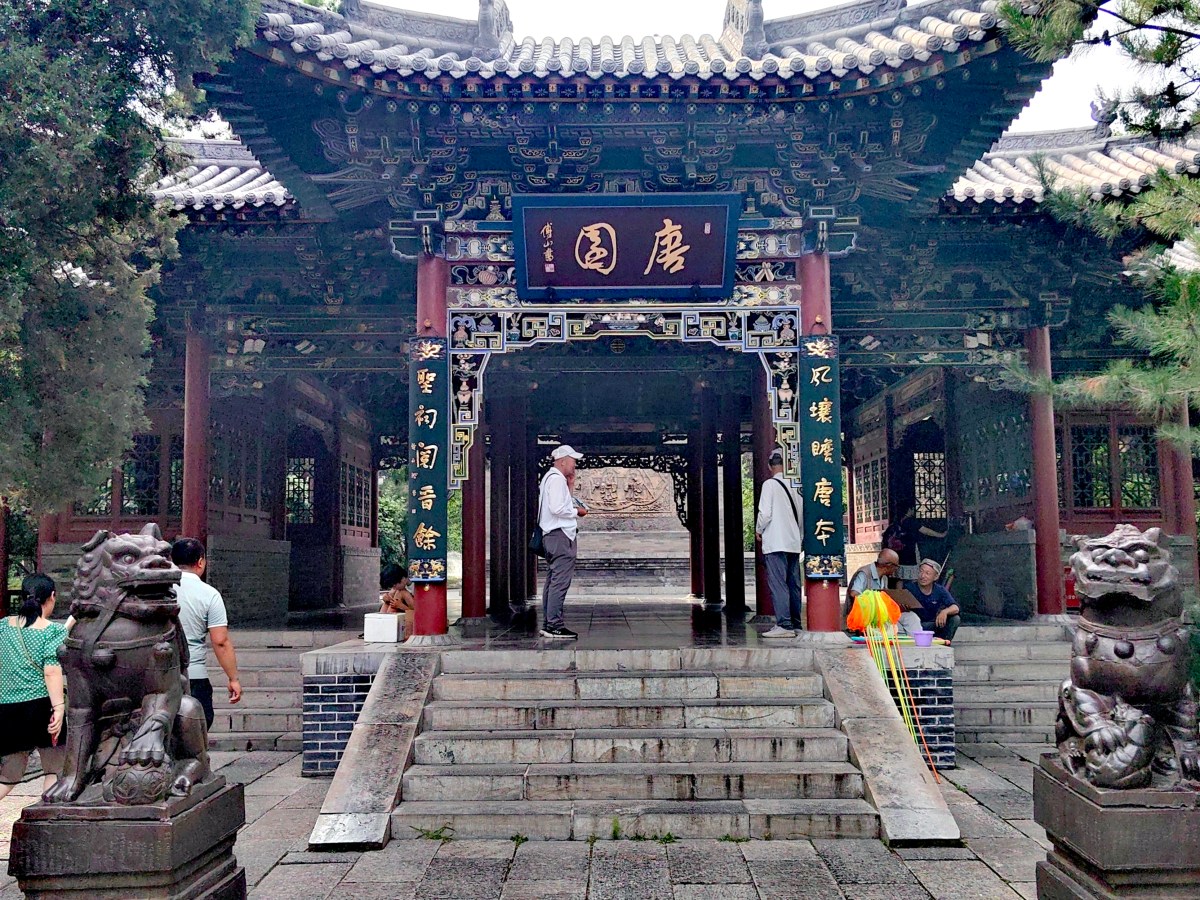
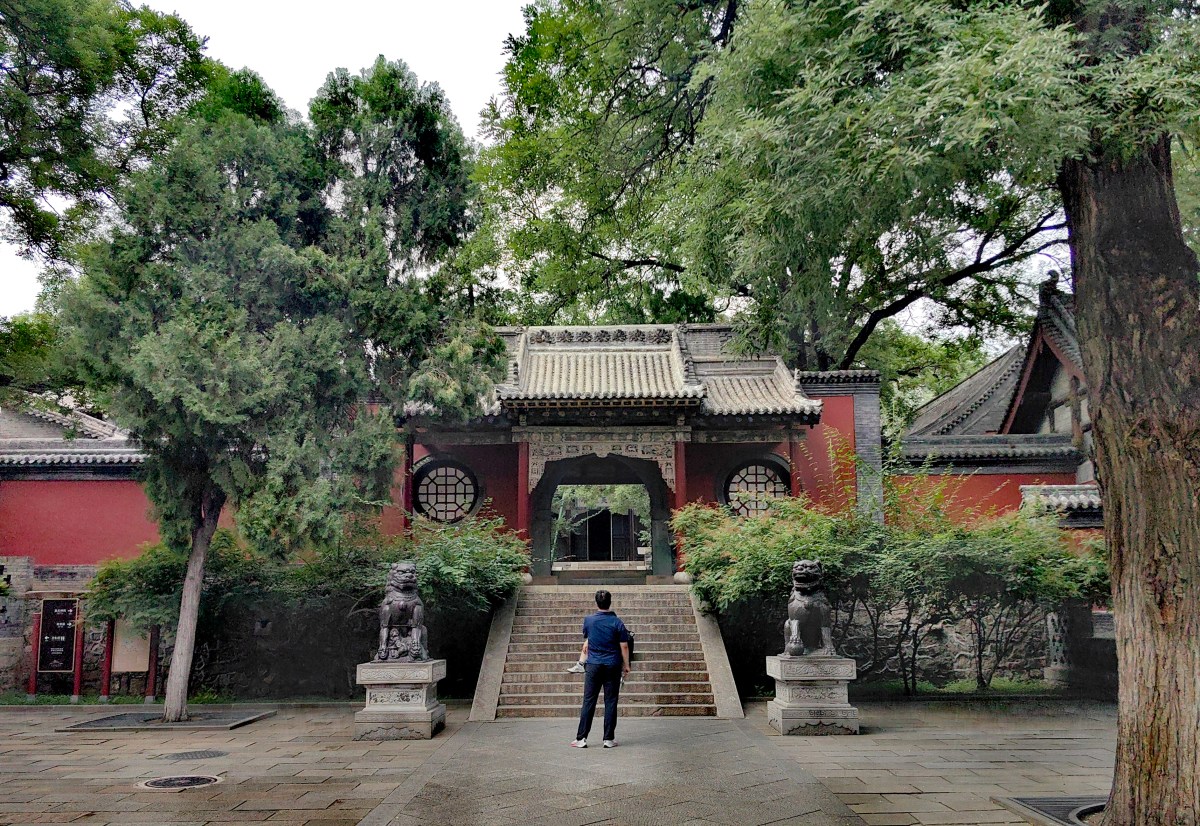
Xia Sheng Si also known as the Temple of the Earthly Birth, is a lesser-known site. This temple is unique in its dedication, focusing on the spiritual connection between the divine and the mortal realm, particularly in relation to the Earthly Mother or local deities believed to oversee human life and nature. In ancient Chinese beliefs, temples like Xia Sheng Si are often built to honor deities responsible for fertility and agriculture. The two stone lions at the gate are a common feature in Chinese architecture and are iconic symbols of protection. When I passed by, I touched them for good luck, as they were believed to bring blessings and ward off misfortune.

下生寺又名地生庙,是一个鲜为人知的景点。这座寺庙的供奉方式独一无二,注重神与人之间的精神联系,尤其是人与地母(或被认为掌管生命和自然的当地神灵)的关系。在古代中国信仰中,像下生寺这样的寺庙通常是为了纪念负责生育和农业的神而建造的。门口的两只石狮则是中国建筑的常见特征,象征庇护。当我经过时,我特意摸摸它们以求好运,相信石狮会带来祝福并避开厄运。

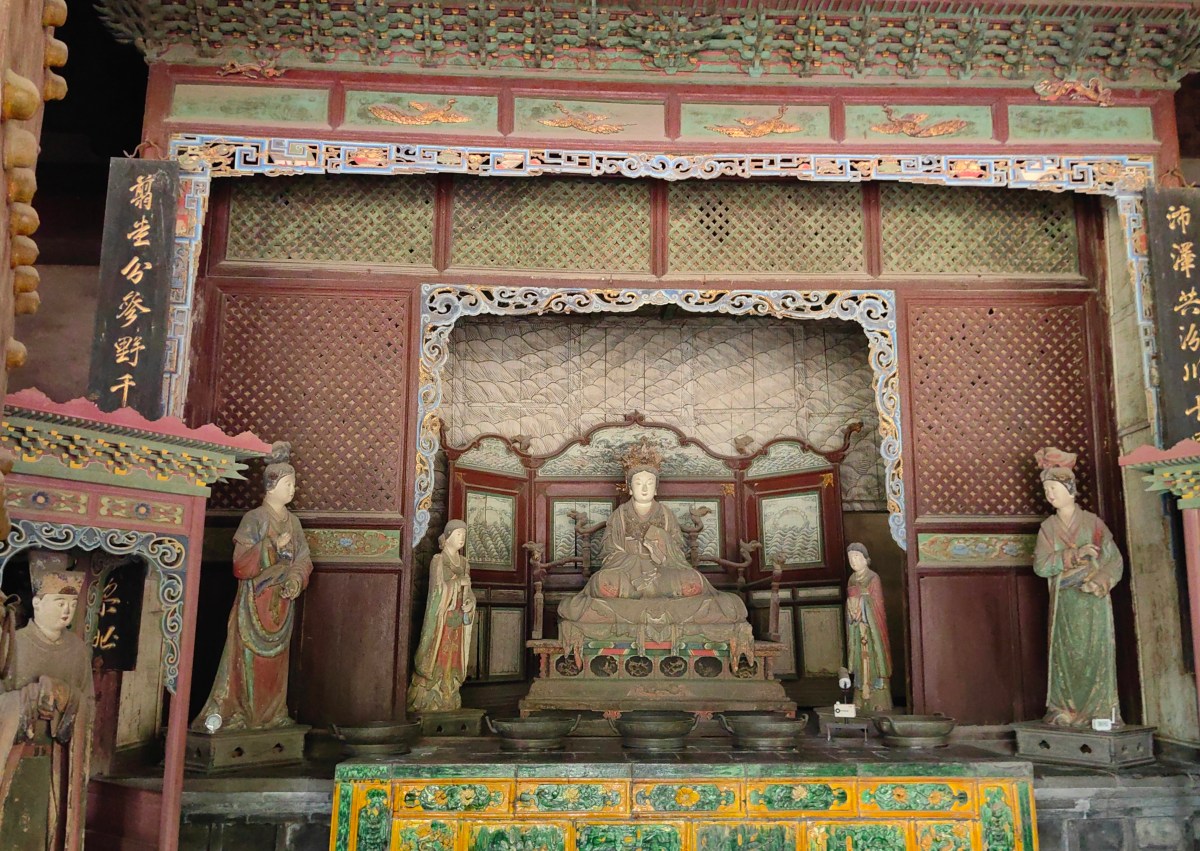
The central hall of Xia Sheng Si contains statues and tablets dedicated to the Earthly Mother or local guardian deities. These figures are typically depicted as benevolent protectors of the land and people. While Jinci Temple primarily honors the Holy Mother of the Jin State, Xia Sheng Si complements this by focusing on the nurturing aspects of nature and its direct influence on human life.

下生寺的中央大厅内有供奉地母或地方守护神的雕像和牌位。它们通常被描绘成土地和人民的仁慈保护者。虽然晋祠主要供奉着晋国圣母,但下生寺则通过关注自然的养育方面及其对人类生活的直接影响来进行补充。

The Bell Tower in Xia Sheng Si exemplifies traditional Chinese architecture, featuring multi-tiered, wooden structure with upturned eaves. It is a high platform, elevating the bell to a prominent position where its sound can travel across the temple grounds. This kind of architecture can be seen in every Chinese temple.

下生寺的钟楼是中国传统建筑的典型代表,采用多层木结构,檐口向上。钟楼是一个高台高高安置着大钟,钟声可以传遍整个寺庙。这种建筑在中国的每座寺庙中都可以看到。

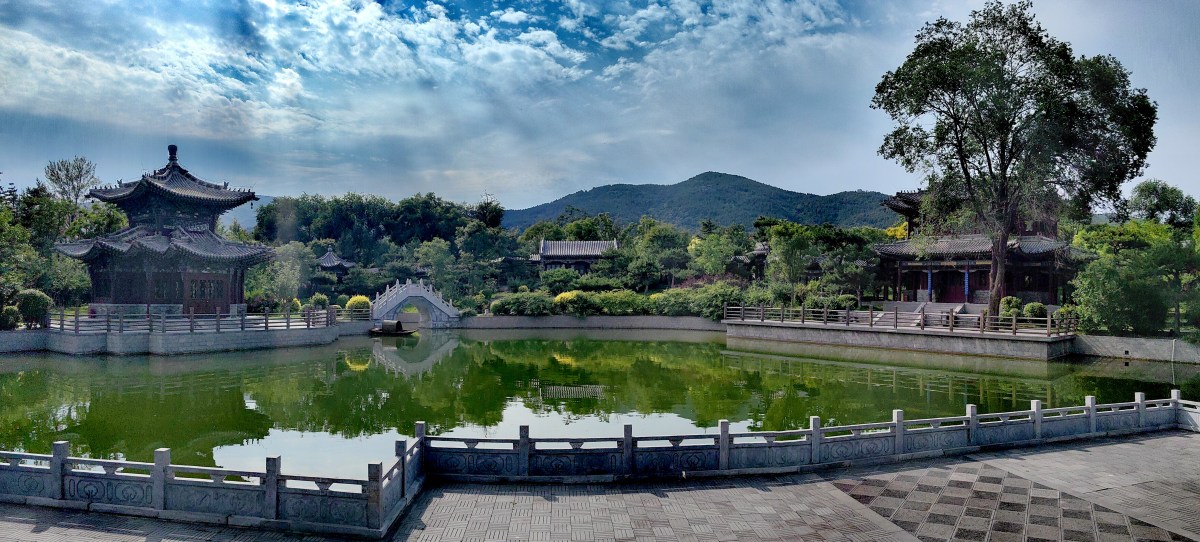
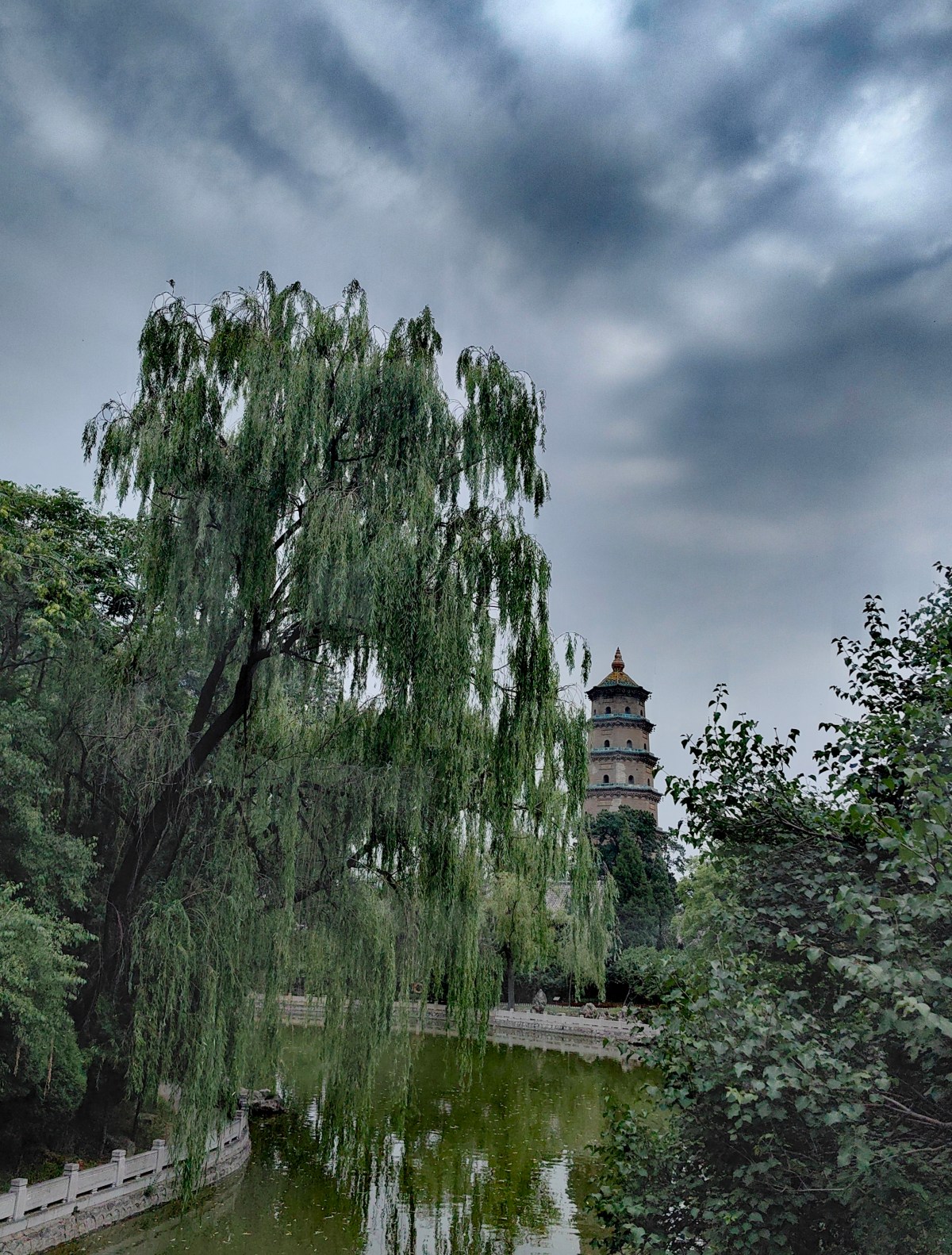
Beyond its historical structures, the Jinci Park is known for its lush gardens, tranquil ponds, and shaded pathways. The centerpiece of the garden is a large, calm lake reflecting the surrounding trees, pavilions, and blue sky. The lake called nine dragons is fed by the Spring of the Immortals, a natural spring that has flowed continuously for centuries. The crystal-clear water symbolizes purity and life, an important theme in traditional Chinese gardens. Willows line the lake’s edge, their long branches gracefully dipping into the water, creating a poetic and serene scene.

除了历史建筑外,晋祠公园还以其郁郁葱葱的花园、宁静的池塘和林荫小道而闻名。花园的中心是一个平静的湖泊,倒映着周围的绿树、亭台楼阁和蓝天。九龙湖的水源来自天然泉眼难老泉,几百年来一直生生不息源源不绝。清澈的湖水象征着纯洁和生命力,这也是中国传统园林中的一个重要主题。慵懒的柳树排列在湖边,长长的枝条优雅地垂入水中,营造出诗情画意。

The garden is filled with ancient cypress and pine trees, some of which are over a thousand years old, providing shade and adding to the historical ambiance.

园内古柏古松遍布,有的树龄逾千年,遮阴蔽日,更增添了历史气息。

Lake of nine dragons

Scattered throughout the garden are elegant pavilions and gazebos, offering places for visitors to rest and take in the scenic views. Winding stone pathways lead visitors through the garden, encouraging a leisurely pace to fully appreciate its beauty. Artificial rockeries, a staple of Chinese garden design, add texture and depth to the landscape. These rocks, carefully arranged, mimic the appearance of natural mountain formations and symbolize stability and endurance.

花园各处散布着优雅的亭台楼阁,为游客提供休息和欣赏美景的地方。蜿蜒的石路引导游客层层穿过花园,悠闲地欣赏花园的美景。人造假山也是中国园林设计的主要元素,为景观增添了质感。这些精心布置的岩石模仿了自然山体的外观,象征着坚韧。

The Tang Garden is a beautifully divided landscaped area inspired maybe by the sophisticated garden styles of the Tang Dynasty. The Tang-inspired pavilions within the garden are characterized by their intricate wooden carvings and upturned eaves. Rockeries, bamboo groves, and flowering plants are frequently used in this garden.

唐园是一个风景优美的园林区,其设计灵感可能源自唐代的精致园林风格。园内的亭台楼阁以精致的木雕和上翘的屋檐为特色,并广泛使用了假山、竹林和开花植物作为装饰。

Tang Garden

The Tang Dynasty is often regarded as a golden age of Chinese culture. The garden includes a serene pond and small stone bridges and steppingstones cross the pond, invites visitors to pause and enjoy the tranquil scenery from different vantage points. Walking along the garden’s stone paths, I could admire the lotus flowers up close, hear the gentle rustle of leaves, and watch koi fish weaving through the submerged stems. The large, emerald-green leaves float gracefully on the surface. Despite growing in muddy water, the lotus emerges clean and beautiful, symbolizing the ability to remain untainted by worldly impurities. So, lotus is revered in Chinese culture and often associated with purity and many poems drew inspiration from lotus flowers.

唐代通常被认为是中国文化的黄金时代。唐园花园里有一个宁静的小池塘,池塘上横跨着小石桥和踏脚石,让游客驻足欣赏,从不同的角度欣赏这片宁静的风景。沿着花园的石路漫步,我可以近距离欣赏含苞欲放的荷花,聆听树叶轻柔的沙沙声,观看锦鲤在沉下浮上的叶茎中穿梭。宽大而翠绿的荷叶优雅地漂浮在水面上。尽管生长在泥水中,荷花却纯净高雅,象征着不受世俗杂质污染的能力。荷花在中国文化中备受推崇,常常与纯洁联系在一起,许多诗歌也都是从荷花中汲取灵感。

Lingyun Ge

Lingyun Ge is a towering structure that offers panoramic views of the surrounding landscape. is a multi-tiered wooden pavilion with an imposing yet graceful presence. Its name, “Soaring Clouds,” suggests its lofty position and the feeling of elevation one experiences when climbing it. The structure features intricately carved beams, colorful murals, and decorative eaves, showcasing the craftsmanship of traditional Chinese architecture. It was historically used as a place for scholars, monks, and visitors to draw inspiration from nature and create poetry here.

凌云阁是一座高耸的建筑,可俯瞰周围景观。它是一座多层木结构亭子,气势宏伟,又不失优雅。它的名字暗示了高耸的位置以及攀登时体验到的升华感。该建筑以精雕细琢的横梁、色彩缤纷的壁画和装饰性屋檐为特色,展示了中国传统建筑的工艺。历史上,这里曾是各种文人墨客僧侣游客从大自然汲取灵感并创作诗歌的地方。

In ancient Chinese garden, travelers can always see this kind of loft building with a tunnel at the ground level, which allows for pedestrian passage beneath the structure. It is a two-story brick loft, constructed using traditional Chinese masonry techniques. The upper floors feature small, lattice windows and ornamental brickwork. Positioned along a main pathway, it acts as a transition point, guiding visitors to the main gate of Jingci temple.

中国古代园林中,游客总能看到这种阁楼建筑,底层设有隧道,方便行人从建筑下方通过。这是一座两层砖砌阁楼,采用传统砌筑技术建造而成。上层设有小格子窗和装饰性砖砌结构。它位于主干道沿线引导游客前往晋祠的正门。

In front of the main gate of Jingci Temple, there is an array of bridges constructed from gray or white stone, with elegantly carved balustrades and decorative patterns. The intricate carvings of auspicious symbols, such as dragons and phoenixes are believed to bring good fortune and spiritual protection. The bridges are positioned directly in front of the temple’s main gate, creating a sense of grandeur and symmetry. The similar design can be seen in the Tiananmen square.

晋祠正门前有一排装饰精美的雕刻栏杆和图案的灰白色石头建造的桥梁。古人相信带有龙凤等吉祥符号的精雕细琢能带来好运。这些桥梁位于正门的前方,营造出一种宏伟和对称的感觉。天在著名的天安门广场上也可以看到类似的设计。

Hall of Holy Mother

The Jinci temple origins date back to the Western Zhou Dynasty (11th century BCE – 771 BCE), although much of its current structure reflects later periods, including the Northern Wei, Tang, Song, and Ming Dynasties. Originally built to honor Shuyu which is the founding ruler of the ancient Jin State, Jinci served as a shrine dedicated to the Holy Mother of Jin later. This is the main hall of this temple. It is one of the few surviving Song Dynasty wooden structures in China, making it an invaluable resource for studying ancient Chinese architecture and construction techniques.

晋祠的起源可追溯到西周时期,但其大部分现有建筑反映了包括北魏、唐、宋和明朝时期的建筑风格。晋祠最初是为了纪念古代晋国的开国君王唐叔虞而建,后来成为了纪念晋国圣母的神殿。图中是晋祠的主殿。它是中国少数幸存的宋代木结构建筑,是研究中国古代建筑技术的宝贵资源。

The dragon carvings on the columns of the Hall are extraordinary examples of Song Dynasty artistry. The dragons are carved in high relief, giving them a three-dimensional, lifelike appearance. Each dragon appears to be in motion, coiling around the columns with an energetic sense of power. Their claws, depicted with sharp, grasping talons, clutch at the columns. The dragons’ faces are particularly expressive, with fierce eyes, flaring nostrils, and open mouths revealing sharp teeth and long, curling tongues.

The placement of the dragon carvings on multiple columns creates a sense of balance and harmony within the hall. In Chinese mythology, dragons are believed to control rivers and rain. Their carvings in the Hall of the Holy Mother highlight the temple’s connection to water, particularly the nearby Spring of the Immortals, which nourishes the complex.

晋祠大殿柱子上的盘龙雕是宋代艺术的杰出典范。这种柱子采用高浮雕设计,立体逼真。每条龙都动感十足,盘绕在柱子上,充满压迫力。龙爪锋利,紧抓着柱子。龙的面部表情特别生动,眼神凶狠,咧开嘴巴,露出锋利的牙齿和长而卷曲的舌头。

盘龙雕被安置在大厅多个柱子上,营造出一种平衡和谐的感觉。在中国神话中,龙被视为控制着河流、雨水的主神。圣母殿的盘龙雕则凸显了晋祠与水的联系,尤其是这个大殿附近的难老泉,它滋养了整个建筑群。

Inside the hall stands a life-sized clay statue of the Holy Mother, honored as a protective deity and matron of the ancient Jin State. The statue is made of painted clay, a medium that allowed for fine detailing and vibrant coloration. Her robes are elaborately adorned with flowing patterns and textures, reflecting the high status of her divine role. These sculptures made in Song Dynasty are celebrated for their lifelike appearance and intricate details.

主殿内矗立着一尊真人大小的圣母泥塑,圣母被尊为古代晋国的守护神。雕像由彩绘粘土制成,这种材料可以体现精准的细节和鲜艳的色彩。圣母的长袍上流畅的图案和纹理装饰精美,彰显圣母的崇高地位。这些宋代雕塑因其栩栩如生的外观和复杂的细节而闻名于世。

Flanking the Holy Mother are 42 life-sized attendant statues, each with a distinct role and character. These attendants include officials, warriors, and maidens. The statues are renowned for their realism, a hallmark of Song Dynasty sculpture. The artists paid meticulous attention to facial expressions, body proportions, and the texture of garments. Though the colors have faded over time, traces of red, gold, blue, and green paint still remain. The intricate designs on the robes and accessories demonstrate the high level of Chinese craftsmanship one thousand years ago.

圣母两侧是42尊真人大小的侍女雕像,每尊雕像都有不同的角色和性格。这些侍女包括办事员、武卫和服侍圣母的仆人。这些雕像以写实而闻名,写实风也是宋代雕塑的一大特色。艺术家对面部表情、身体比例和服装质地非常考究。虽然随着时间的推移,雕像的颜色已经褪色,但红金色蓝绿色的颜料痕迹仍然残留。长袍的配饰上复杂的图案也向我们展示了一千年前中国工艺的高超水平。

Twin Cypress Trees

Jinci Temple is famous for three wonders: Maid Statues in the Hall of the Holy Mother, The Spring of the Immortals, and the Twin Cypress Trees. They are the unique cultural treasure. In this picture, one of the two ancient cypress trees stand near the Hall of the Holy Mother. It is estimated to be over 3,000 years old, making them some of the oldest trees in China. Now both trees are so old that they need a metallic pole to support them. These trees are seen as symbols of eternal life. They have survived countless historical events, embodying the resilience of Chinese civilization.

晋祠以三绝闻名:圣母殿侍女像、难老泉和双柏。它们是独一无二的文化瑰宝。这张照片中,圣母殿附近矗立着一棵老古柏。据说这棵古柏树已有 3000 多年的历史,是中国最古老的树木之一。如今这两棵树都已然垂垂老矣需要一根金属杆来支撑。这种柏树也被视为长生的象征。它们经历了千年岁月的洗礼,依然幸存至今,体现了中华文明的坚韧不拔的精神。

Spring of the Immortals

This is the pavilion of the famous Spring of the Immortals. It is a natural spring that has been continuously flowing for over a thousand years. Its name suggests that drinking its water can bring longevity. The water is clear, cool, and pure, feeding the surrounding ponds and streams within the temple complex during thousands of years.

这是著名的难老泉亭。这里是一处天然泉眼,已流淌一千多年。它的名字象征着饮用其水可以长寿。难老泉水清澈凉爽、纯净无比,数千年来一直滋润着寺庙建筑群周围的池塘和溪流。

Flying Bridge Over the Fishpond

The stone bridge that spans the central fishpond in front of the Hall of the Holy Mother is called Yuzhao Feiliang in Chinese which means Flying Bridge Over the Fishpond. It is named “Flying Bridge” because of its innovative design: the bridge is supported by piers and extends out in a cross-shape, connecting the four cardinal directions. This gives the impression of the bridge “flying” over the water. It is an outstanding example of Song Dynasty engineering. The innovative cross-shaped layout is rare in traditional Chinese architecture.

圣母殿前这条横跨鱼塘的石桥,名为“鱼沼飞梁”,意为鱼塘上的飞桥。飞桥因设计新颖而得名:桥身由石墩支撑,呈十字形延伸,连接四方,给人以“飞”在水面上的感觉。这是宋代工程的杰出典范。这种创新的十字形建桥布局在中国传统建筑中并不常见。

Water Mirror Terrace

Apart from the three wonders, I visited other notable ancient architectures. The Water Mirror Terrace is an elevated stone platform for performing operas. It is now an important venue for activities during the Jinci Temple Fair. There is a plaque on the front and side with the four characters “Three Jin Famous Springs”. The west side (back) is a stage with a single-eaved curved roof. The east side is a double-eaved hip roof from the Ming Dynasty. There are eight water tanks under the stage. Every two of them are buckled together to form four groups of “large speakers”, which is a way for the ancients to increase the volume when performing.

除了晋祠三绝,我还参观了其他颇有意义的古建筑。这个水镜台是一座高架的石台,用于古人演戏剧,现在是晋祠庙会期间的重要活动场所。台的正面和侧面有一块匾额,上面写着“三晋名泉”四个大字。西侧(背面)是一座单檐曲顶戏台,东侧是明代重檐庑殿顶。戏台下有八个水缸,每两个水缸扣在一起,形成四组“大喇叭”,这是古人演出时用来增加音量的方法。

Golden Figures Terrace

In this picture the Golden Figures Terrace is a stone terrace and an intriguing and historically significant feature. Its name derives from the presence of metal statues on the terrace. These figures were cast in bronze or covered in gold leaf in the Song Dynasty. Some historical experts suggest that the statues may have commemorated notable military figures or ancestors of the Jin State, emphasizing the importance of loyalty and heritage in Chinese culture.

这幅图中的金人台是一座石台,是一处具有重要历史意义的景点。它的名字源于台上的金属雕像。这些雕像在宋代用青铜铸造用金箔包裹。一些历史专家认为,这些雕像可能是为了纪念晋国著名的军事人物或祖先,强调忠诚在传统中国文化中的重要性。

Duiyue Archway

This kind of archway is an important feature in Chinese architecture. The Duiyue Archway is constructed in the traditional Chinese memorial archway style with stone as its primary material. The archway is richly decorated with carved reliefs, including motifs of dragons, clouds, and lotus flowers. The calligraphy on the plague attributed to skilled artists of the Ming Dynasty. The archway is carefully positioned to align with the temple’s main axis. The term duiyue conveys a sense of offering deep respect, particularly to ancestral spirits. In Chinese, “Dui” means to repay; “Yue” means to promote. The two words combined together mean “repaying and promoting the merits of ancestors”

这种牌坊是中国建筑的一个重要特征。对越牌坊采用中国传统的牌坊风格建造,主要材料为石头。牌坊上雕刻着包括龙、云和莲花等丰富的浮雕。牌匾上的书法出自明代技艺精湛的艺术家之手。牌坊的位置也经过精心设计,与寺庙的中轴完全对齐。对越一词传达了一种深深的敬意,尤其是对先祖的敬意。在古汉文里,“对”的意思是报答;“越”的意思是弘扬。这两个词结合在一起的意思是“报答和弘扬祖先的功德”

Tang Shuyu Shrine

The main character of the temple Tang Shuyu was the younger son of King Wu of Zhou. According to historical accounts, he was granted the land of Tang (modern-day Shanxi) as a fiefdom for his loyalty and contributions to the Zhou court.
He was credited with establishing the State of Jin, which later became a powerful force in northern China. The shrine and even the whole Jingci temple was built to honor Tang Shuyu. It has been a site of ancestral worship and ritual offerings for centuries.

晋祠的主人公唐叔虞是周武王的小儿子。据史料记载,他因对周朝廷的忠诚和贡献而被封为唐地(位于现山西)。后来他建立了晋国,而晋国则成为中国北方的一支强大的军事力量。这座神社乃至整个晋祠最初都是为了纪念唐叔虞而建的。几个世纪以来,这里一直是祭祀祖先的场所。

I traveled in this place for a whole afternoon. The old temple and towers of Jinci were enveloped by profuse greenery of pine and cypress trees. The gentle rustle of leaves, the soft chirping of birds, and the sound of flowing water created a meditative atmosphere. The enchanting environment here was really attractive for me, reminiscent of Jiangnan’s poetic charm.

我在晋祠景区游玩了一下午,这里的古刹宝塔被郁郁葱葱的松柏环绕,树叶沙沙自语,鸟儿轻声鸣叫绕林不绝,流水潺潺,令人心旷神怡,迷人的环境犹如江南诗情画意的感觉让我陶醉其中。

Tai Yuan is modern city and there are not so many ancient architectures in the city center which appears a bit boring. This is the landscape of the Fen River, known as the “Mother River of Shanxi”. It is the second-largest tributary of the Yellow River and holds immense historical, cultural, and economic significance for the region. Flowing through Taiyuan, the river traverses the city from north to south, creating a scenic corridor. There are many high rising apartments along the riverbank, marking the quick progress of modernism of cities in China.

太原是一座现代化城市,市中心没有太多的古建筑,并显得有些乏味。这里是被称为“山西母亲河”的汾河风景。它是黄河的第二大支流,对该地区具有巨大的历史文化和经济意义。汾河流经太原,从北向南横穿城市,形成一条风景走廊。河岸边有许多平地而起的高层公寓,标志着中国城市日新月异的现代化进程。

In the evening, when the darkness has fallen, I visited the Bell tower pedestrian street. It was extremely crowded. It was designed to reflect Taiyuan’s historical charm, with buildings showcasing traditional Chinese architectural elements such as upturned eaves and red lanterns. Numerous restaurants and food stalls lined the street, serving a mix of traditional Shanxi dishes.

夜幕降临,我来到太原市中心的钟楼步行街。一条街上人头攒动。这条街的设计反映了太原的悠久历史,并展示了如飞檐和红灯笼中国传统的建筑元素。街道两旁林立着许多餐馆和小吃摊,兜售各种传统的山西菜肴。

Enjoying delicious local food is always important for travelers. Shanxi cuisine is famous for noodles. Kaolaolao is a signature dish of Shanxi Cuisine. It is a type of steamed noodle roll, made by rolling thin strips of dough of oat flour into spirals or small hollow cylinders. Once steamed, the Kaolaolao has a soft, chewy texture. It is served together with minced garlic, aged vinegar, and spicy oil.

Shanxi cuisine is also renowned for its rich flavors and unique use of aged vinegar. The combination of tender beef of original taste and aromatic aged vinegar creates a balance of savory and tangy flavors that exemplifies the culinary art of the region. Made from sorghum, barley, and peas, the vinegar undergoes a lengthy aging process, often for several years, which gives it its distinct flavor profile—rich, mellow, and slightly sweet with a tangy kick. Travelers must try it when traveling in Shanxi province.

品尝美味的当地美食对异乡旅行者来说尤为重要。山西菜以面食闻名。莜面栲栳栳是招牌山西菜。它其实是一种蒸面卷,由燕麦粉制成的薄条面团卷成螺旋状或小空心圆柱体制成。蒸熟后栲栳栳质地柔软,有嚼劲。它通常与蒜末、陈醋和辣油一起食用。

山西菜也因大量使用浓郁独特的陈醋而闻名。比如原味嫩牛肉和芳香的陈醋相结合,营造出酸咸味的平衡,体现了该地区的烹饪艺术。这种醋由高粱、大麦和豌豆制成,经过通常长达数年的陈化过程,这使其具有浓郁、醇厚、略带甜酸味的独特风味。游客在山西省旅行时一定要尝尝当地的陈醋。

This was the Bell Tower on this street which was initially constructed during the Ming Dynasty. It is a multi-tiered wooden structure built on a solid stone foundation. Its design follows the traditional Chinese architectural style. The roof is covered with green-glazed tiles, and the tower is adorned with red pillars and ornamental brackets, giving it an imposing appearance. It acts as a hub for community activities and many people assemble in this area at night.

这是这条街上始建于明代的钟楼,为多层木结构建筑,石质基座十分坚固。它的设计遵循中国传统建筑风格,屋顶上覆绿琉璃瓦,塔身饰以红色柱子和斗拱,气势磅礴。钟楼区域是当地人活动的中心,晚上许多人聚集在附近。

Tai Yuan was only a transit stop of my trip in Shanxi province, and I stayed for one day in this city. Before I left, I visited the Yongzuo Temple, which is one of Taiyuan’s most iconic historical sites. Located southeast of the city, this temple is famed for its two towering pagodas that stand as a testament to the architectural and cultural achievements of the Ming Dynasty.

太原只是我山西之行的一个中转站,我在这个城市仅仅停留了一天。离开之前,我参观了永祚寺,它是太原最具代表性的历史遗迹之一。这座寺庙位于城市的东南部,以两座高耸的宝塔而闻名,这些宝塔是明代建筑和文化成就的见证。

The temple was originally built during the reign of Emperor Wanli in the late Ming Dynasty. It was named Yongzuo Temple, symbolizing the emperor’s hope for eternal peace and prosperity. Over the centuries, the temple has served as a center for Buddhist worship and cultural activities.

祚寺寺始建于明末万历年间,名字象征着皇帝对永世承平的期盼。几个世纪以来,永祚寺一直是佛教崇拜和文化活动的中心。

The Twin Pagodas, built entirely of bricks and standing approximately 54 meters tall, are octagonal in shape and have 13 stories each. Both pagodas exhibit classic Chinese architecture, characterized by their elegant proportions, intricate brick carvings, and flying eaves. The pagodas were originally constructed to house Buddhist scriptures and as a way to bring blessings to the land. They symbolize the balance of duality in Buddhism and are seen as guardians of the temple.

双塔全部由砖砌成,高约 54 米,呈八角形,每座塔都是13 层。它们均采用中国古典塔楼的建筑风格,其特点是上下比例优雅、砖雕精美和飞檐装饰。双塔最初是为了存放佛经和为土地带来神灵庇佑而建造的。它们象征着佛教中二元性的平衡,也被视为寺庙的守卫者。

The towers narrow as they ascend, creating a visually pleasing silhouette on the lake of Twin Pagoda Temple Park. Although Taiyuan is an industrial city, there are many parks built in the city to create a serene environment for people to have a rest in the weekend. The park is filled with ancient cypress trees, pine groves, and flower gardens. Traditional Chinese Pavilions are scattered throughout the park. In the morning, many local people come here to have a physical exercise.

双塔寺公园的塔身随高度逐渐收窄,在湖面上形成美观的剪影。太原虽然是一座工业城市,如今城市中却建有众多绿化公园,为人们周末的休憩营造出宁静的环境。这些公园内古柏参天,松林密布,花团锦簇,传统中式亭台楼阁散布各处。清晨,许多当地人会来此晨练。

This ancient city of thousands years history is a treasure of history and culture. From the grandeur of Jinci Temple, with its serene gardens and legendary springs, to the towering elegance of the Twin Pagoda Temple, every corner of Taiyuan tells a story of legacy. Although it is not a city famous of tourism, I think it is worthy to visit this city considering its pivotal role of Northern Gate in China’s history.

In the 2000 years history, Tai Yuan has always become the important town to fiercely resist the invasion from enemies like the Huns, Khitan-led Liao Dynasty, the Jin Dynasty, the Mongols, the Manchus and the Japanese in the second world war. There were many bloody combats happening here. Now the epics and heroes can only be found in the history book. May the spirit of Taiyuan’s ancient charm and heroism stay with every Chinese eternally.

这座拥有千年历史的古城的确是历史文化的宝藏。从宏伟的晋祠、宁静的花园和传奇的泉水,到高耸的双塔,太原的每一个角落都讲述着一段传奇故事。虽然太原不是一座以旅游闻名的城市,但考虑到它在中国历史上作为北境大门的关键地位,我认为这座城市依然值得一游。

太原在两千多年的历史长河中,一直是抗击匈奴、辽金、蒙古、满清、二战中的日本等强敌入侵的重镇,无数先烈在此浴血奋战,这些可歌可泣的抗争史如今只能在青史上寻觅,愿太原的古韵与英雄精神永远留存在每一个中国人心中。

后记:

刘琨(271年-318年),字越石,是西晋末年的名将、文学家,以忠勇和才华著称。他一生致力于抵御五胡的入侵,守卫北方的汉族百姓。刘琨当时镇守孤城太原十年,黄河以北的土地已经全部沦陷。面对敌强我弱的形势,誓死抵抗。刘琨最终因势单力薄未能扭转大局,他的绝命诗 ‘何意百炼钢,化为绕指柔。’千古流传。这首诗展现了刘琨临死前的内心独白和人生感悟。他将自己比作百炼钢,虽历经磨难,却因时代与命运的无情,终化为柔弱。尽管如此,他对“柔弱胜刚强”的智慧有了领悟,这种对生命的洒脱和哲理思考,正是中国古代文人武将那种豪放与细腻兼具的心境写照。太原旅行的时刻自然就想到了这句千古名句。

Qiao Family Compound: A Glimpse into 18th Century Chinese Culture

从乔家大院一窥十八世纪中国文化

Situated in the heart of Shanxi Province, the Qiao Family Compound is a stunning testament to China’s rich cultural and architectural heritage. Built during the Qing Dynasty, this huge estate once belonged to the influential Qiao family, a symbol of wealth, power, and status in 18th-century China. With its intricate courtyards, beautifully carved woodwork, and grandiose halls, the compound offers a glimpse into the lifestyle of a prosperous merchant family in the Qing Dynasty. Often referred to as “the finest folk house in North China,” the Qiao Family Compound has not only preserved centuries of history but has also become a popular destination for travelers seeking to immerse in the grandeur of traditional Chinese culture.

乔家大院位于山西省中部,是中国丰富文化和建筑遗产的有力见证。这座巨大的庄园建于清朝,曾属于颇具影响力的乔家,乔家是18世纪中国财富权力和地位的象征。这座大院拥有错综复杂的庭院、精美的木雕和宏伟的大厅,令游客可以一窥清朝富裕商人家庭的生活方式。乔家大院通常被称为 “华北最好的民居”,不仅保留了数百年的历史,而且已成为寻求中国传统文化旅行者的热门目的地。

I visited this historical site on July 1st 2023 during my summer trip in Shan Xi. This place is far away from the city and the travelers can only choose taxi to get there. At the entrance of the Qiao Family Compound, there is an iconic feature that immediately captivates my eyes with its traditional Chinese design and symbolic meaning. The pai fang reflects the wealth and prestige of the Qiao family during the Qing Dynasty. Made of stone and intricately carved with traditional motifs such as dragons, phoenixes, and auspicious symbols, it shows the family’s deep connection to Chinese culture.

2023年7月1日,我在山西的夏季旅行中参观了这个历史遗迹。这个地方远离城市,旅行者只能选择出租车前往那里。在乔家大院的入口处,有一个标志性建筑,这种传统的中国设计立即吸引了我的眼球。大门入口的牌坊反映了清朝乔家的财富和威望。它由石头制成,上面精雕细刻着龙、凤凰和吉祥符号等传统图案,展示了乔家与中国文化的深厚联系。

Surrounding the entire Qiao Family Compound is a high, solid brick wall that adds to the estate’s fortification. In ancient China, these walls were essential not just for privacy, but also for security, protecting the household from intruders. The walls of the Qiao Family Compound are thick and sturdy, made from gray bricks, which were common materials in northern China due to their strength and durability. In traditional Chinese architecture, the placement and design of entrances, as well as certain protective elements, play a crucial role in symbolizing status, ensuring good fortune, and warding off evil. There is a small stele engraved with “泰山石敢当” (“Taishan Stone dares to be”). This inscription, which refers to the legendary protective power of Mount Tai, is believed to suppress negative forces and ward off evil spirits. On the other hands, most of the courtyard doors in Shanxi compounds are positioned in the southeast corner. This design aligns with Feng Shui principles, where the southeast is considered an auspicious direction, allowing the home to “capture sunlight” or “grab sun,” ensuring warmth and prosperity.

整个乔家大院四周环绕着高大的坚固砖墙,这增加了庄园的防御力。在古代中国,这些墙不仅对于保护隐私而且对于安全也至关重要,可以保护大户家庭免受他人侵扰。乔家大院的墙壁厚实坚固,由灰砖砌成,灰砖因其强度和耐用性而成为中国北方的常用材料。在传统的中国建筑中,入口的位置和设计以及某些保护元素在象征地位、确保好运和驱除邪恶方面起着重要的作用。这里有一块小石碑,上面刻着“泰山石敢当”。这句铭文指的是泰山的传奇保护力量,人们相信它可以抑制负面力量并驱除恶灵。另外山西大院的大多数庭院门都位于东南角。这种设计符合风水原理,东南被古人认为是一个吉祥的方向,面向东南可以“捕捉阳光”,确保房间温暖和事业繁荣。

Every visitor will see this wall when entering the entrance. The screen wall called zhaobi (照壁)in Chinese, is an essential architectural feature in traditional Chinese buildings. It is located directly in front of the gate of the Qiao Family compound. The wall is placed to block the view from the outside, ensuring that those entering do not immediately see into the private areas of the home. It is also believed to block negative energy and prevent evil spirits or bad fortune from entering the home. We can see an inscribed calligraphy with characters that express blessings, such as 福 (fortune) on the wall. It presents wealth preservation.

每位游客一进门就会看到这面叫做照壁的墙。照壁是中国传统建筑中必不可少的特色。它位于乔家大院大门正前方。这面墙的作用是阻挡外界视线,确保进入的人不会立即看到房子里的私人区域。人们还认为,照壁可以阻挡负能量,防止恶灵或厄运进入家中。我们还可以看到墙上刻着 “福”字的书法。它代表着财富永存。

I was standing at the entrance and to take this photo. The compound has a typical north-south orientation, with the main entrance facing south, adhering to traditional Chinese Feng Shui principles. The layout is symmetrical and organized into six large courtyards connected by smaller courtyards and passageways. The design of the compound follows Confucian principles, reflecting hierarchy and status. The central axis and main courtyard were reserved for the highest-ranking family members. Each courtyard is enclosed by walls, giving it a sense of privacy and protection.

我站在入口处拍了这张照片。这座大院为典型的南北向,正门朝南,符合中国传统风水原则。布局对称,分为六个大院落,由小院落和通道连接。大院的设计遵循儒家原则,体现了等级地位。中轴线和主院落是为最高级别的家庭成员保留的。每个院落都被墙包围,给人一种安全感。

Most traditional houses in Shanxi adopt a symmetrical layout. The main house is always the tallest and most spacious structure in the compound. The main house is where the most important family members reside. The main house is almost always south-facing, which is considered the ideal orientation in traditional Chinese architecture. A south-facing house maximizes exposure to sunlight, particularly during the colder months, which helps to keep the house warm. The wing houses flank the main courtyard on both sides and are smaller and lower in height compared to the main house. These houses are left for the younger generations, servants, or less important family members.

山西传统民居大多采用对称布局。图中的主屋总是院落中最高、最宽敞的建筑。主屋是最重要的家庭成员居住的地方。主屋坐北朝南,这是传统中国建筑的理想朝向。朝南的房屋可以最大限度地接受阳光照射,特别是在寒冷的冬月,有助于保持房屋温暖。厢房位于主庭院两侧,与主屋相比更小更矮。这些房屋是为年轻一代、仆人或不太重要的家庭成员准备的。

All traditional houses or courts in China have a special character at the doorway which is called door god. They serve as protective deities placed on doors to guard homes from evil spirits and misfortune. The most common representations of Door Gods are Qin Shubao and Yuchi Jingde, two famous generals from the Tang Dynasty who were deified due to their loyalty and bravery in protecting the emperor. For a wealthy family like the Qiaos, the craftsmanship of these Door Gods would have been of high quality, and the figures would likely be designed with great attention to detail, reflecting the family’s affluence and dedication to cultural heritage.

中国所有传统的民宅或庭院门口都有一个特殊的人物就是门神。他们是守护神,放置在门上保护家庭免受恶灵侵扰。最常见的门神形象是秦叔宝和尉迟敬德。他们是唐代两位著名的将军,因忠勇护国而被神化。他们经常被描绘在成对的门板上,仿佛面对面站立着拱卫入口。对于像乔家这样富裕的家庭来说,这些门神的制作工艺精湛,人物形象的设计也非常注重细节和色彩渲染。

In traditional Chinese architecture, particularly in grand estates like the Qiao Family Compound, plagues (or plaques) are inscribed with auspicious phrases, moral teachings, or family mottos. These plaques are most times prominently displayed in key locations such as entrance gates, main halls, or ancestral rooms, serving both decorative and didactic purposes. The phrase “毋不敬” (wú bù jìng) can be found on a plaque in this courtyard. Its purpose would be to remind family members and visitors to always act with respect and reverence.

在传统中国建筑中,尤其是在乔家大院这样的大宅中,匾额上会刻有吉语、道德教诲或家训。这些匾额通常醒目地悬挂在大门、主厅或祖上老屋等关键位置,既具有装饰作用,又具有教育意义。这座庭院的匾额上写着 “毋不敬”。其目的是提醒家庭成员和访客始终保持尊重和敬畏。

Above the lintel of one courtyard, there is a special plaque carved from a whole piece of walnut wood. The shape of the plaque is a lotus leaf, which symbolizes the pursuit of elegance by the Qiao family. The lotus leaf has curled edges and clear veins. The two characters “Hui Fang” are inscribed on it, which means that virtuous people gather together.

其中一院门楣上方,悬挂着一块用整块核桃木雕刻而成的匾额,匾额形状为荷叶,象征乔家追求高雅,匾额整体有荷叶边卷边,叶脉清晰,上面铭刻着“汇芳”二字,寓意有德之人汇聚。

When I travelled in the courtyards, I noticed that there were always many swallows hovering in the sky. The design of courtyards, with open central spaces and surrounding buildings, creates a sheltered environment where swallows can nest safely. The walls and eaves of the buildings provide ideal spots for swallows to build their nests. The courtyards, with their gardens and water features, attract a variety of insects, which are the primary food source for swallows. The natural abundance of food in the form of insects makes these courtyards a favorable environment for swallows to return to year after year. In Chinese tradition, swallows are seen as symbols of good luck, happiness, and prosperity. Seeing swallows building nests in a home or courtyard is believed to bring good fortune and positive energy to the family.

当我在庭院中穿行时,我注意到天空中总有许多燕子在盘旋。这种庭院的设计,有开放的中央空间和周围环绕的建筑,创造了一个燕子可以安全筑巢的环境。建筑物的墙壁和屋檐为燕子筑巢提供了理想的地点。庭院的花园和水景吸引了各种各样的昆虫,这些昆虫则是燕子的主要食物来源。燕子年复一年返回食物丰富的庭院。在中国传统中,燕子被视为好运和繁荣的象征。人们相信,看到燕子在家里或庭院里筑巢会给家庭带来好运和正能量。

Entering the house, I could see clearly the furniture used at the Qing Dynasty. The furniture in this grand estate was carefully designed to reflect the family’s wealth, status, and adherence to Confucian ideals. The primary material used for furniture in the Qiao Compound was high-quality hardwood, such as rosewood, red sandalwood, and huanghuali (a rare and valuable wood from the Hainan region). These types of wood were prized for their durability, beauty, and rich grain patterns. The armchairs were some of the most important pieces of furniture in traditional Chinese homes. Their high backs and grand design symbolized authority and were often used by the family elders or important guests. Square tables were used for a variety of purposes, from dining to playing chess. These tables were designed with clean lines and sometimes featured intricately carved aprons or legs. They were placed in the center of rooms or courtyards for gatherings. Traditional furniture was often adorned with intricate inlays made of materials like mother-of-pearl, jade, marble, or ivory. These inlays often depicted nature scenes, animals, or auspicious symbols and were considered a sign of luxury. Lacquered surfaces were used to protect the wood and give the furniture a glossy, polished appearance. The lacquer was a deep red or black, and sometimes decorated with gold leaf or painted motifs. In traditional Chinese interiors, furniture was arranged according to principles of symmetry and Feng Shui. Rooms were designed to be orderly, with furniture placed to ensure a balanced flow of energy.

进入大宅后我可以清楚地看到清朝时期使用的家具。这座大宅中的家具经过精心设计,反映了家族的财富地位和对儒家理想的坚持。乔家大院家具的主要材料是如玫瑰木、紫檀木和黄花梨(海南地区的一种稀有珍贵木材)等优质硬木。这些木材因其耐用美观性和丰富的纹理图案而备受推崇。图中的扶手椅是传统中国家庭中最重要的家具之一。它们的高背和宏伟的设计象征着权威,通常家里的长辈或重要的客人才能使用。低矮的方桌用于从用餐到下棋各种用途。这些桌子设计线条简洁,有时还配有精雕细琢的围裙或桌腿。它们经常被放置在房间或庭院的中央,供聚会使用。传统家具通常饰有复杂的镶嵌物,这些镶嵌物由珍珠母、玉石、大理石或象牙等材料制成。它们通常描绘自然景观、动物或吉祥符号,在当时被认为是奢华的象征。漆面用于保护木材,并使家具具有抛光的外观。漆通常是深红色或黑色,有时用金箔或彩绘图案装饰。在传统的中国室内装饰中,家具是根据对称和风水原则布置的。这样的房间设计得井然有序,家具的摆放位置根由讲究为了确保风水能量的平衡流动。

In the Qiao Family Compound, I can find many traditional Chinese decorative details which are totally different from what I have seen in Europe. In this picture, brick carving of turtle back pattern on the wall is a process of carving intricate designs, patterns, or images directly into bricks. The bricks are made of gray or black fired clay and are carefully shaped and carved by skilled craftsmen. Brick carvings are commonly found above doorways, especially at the main entrance of the compound and other wall panels. The motifs in brick carvings found in the Qiao Family Compound are rich in symbolism, derived from Chinese mythology, folklore, and Confucian values. Most of the intricate designs are carved by hand using specialized tools. These carvings not only serve as decorative elements but also carry cultural and symbolic meanings, reflecting the wealth, status, and values of the family.

在乔家大院,我到处都能发现了许多传统的中国装饰细节,它们与我在欧洲看到的完全不同。在这幅照片中,墙上的龟背砖雕是一种将复杂的图案样式直接雕刻在砖块上的工艺。砖块由灰色或黑色的烧制粘土制成,并由熟练的工匠精心塑造和雕刻。砖雕通常出现在门廊上方,特别是在大院的正门和其他墙板上。乔家大院砖雕中的图案富有象征意义,来源自中国神话、民间传说和儒家价值观。大多数复杂的图案都是用专门的工具手工雕刻的。这些雕刻不仅作为装饰元素,还具有文化和象征意义,反映了乔家的财富地位和价值观。

The doors in traditional Chinese architecture, especially in grand family compounds are carefully designed. Doors are often composed of two large hinged panels, usually made of solid wood, such as mahogany or rosewood. These panels are decorated with carved patterns or reliefs. The door frame, typically made of wood, is thick and heavy. The lintel (horizontal beam above the door) is inscribed with auspicious phrases or patterns meant to bring good fortune to the household. Traditional Chinese doors must have a high threshold preventing water or dust from entering the courtyard. A small, curved eave is placed above the doorway to protect it from rain and sunlight.

中式建筑尤其是像宏伟的大院的门也都是精心设计的。如图中的门通常由两个大型铰链面板组成,并由桃花心木或玫瑰木制成。这些面板以雕刻的图案或浮雕装饰。木制门框厚重。门上方的水平梁上刻有吉祥的词语或图案,为家庭带来好运。传统的中式门一定有很高的门槛,防止水或灰尘进入庭院。小巧而弯曲的屋檐位于门口上方,保护室内免受雨水和阳光的侵害。

In traditional Chinese houses, potted plant is one frequent used decorative element. Potted plants are arranged symmetrically in courtyards, doorways or along pathways to create a sense of harmony and balance. Potted plants are often planted in clay, stone, or porcelain pots. These containers might feature intricate designs, such as blue-and-white porcelain patterns or hand-painted scenes of nature, further enhancing the aesthetic appeal of the plants. Bamboo, Pine and Plum blossoms are the most common plants used by the scholars.

传统的房屋中,盆栽植物是一种经常使用的装饰元素。盆栽植物在庭院或门庭对称放置,营造一种和谐平衡感。盆栽植物通常种植于粘土,石头或瓷盆中。这些容器也会有例如蓝白色瓷器图案或手绘等复杂的设计,增添了艺术美感。松竹梅是文人墨客最偏爱的盆栽植物。

Stone carving is another significant decorative and architectural feature in traditional Chinese buildings. This picture is a typical showcase of stone carving in the courtyards. The doorways feature intricate stone carvings on the lintel (an horizontal beam above the door). These carvings depict auspicious symbols like dragons and phoenixes. Carvings of guardian lions are placed at the both sides of the main entrance. These carvings symbolize strength and protection, warding off evil spirits and ensuring the safety of the home and its inhabitants.

石雕则是中国传统建筑中的另一个重要装饰元素和建筑特征。这张照片是大院中石头雕刻的典范。门上方的水平梁上装饰着复杂的石雕刻。这些雕刻描绘了麒麟和凤凰等吉祥符号。石狮子的雕刻则被安置在正门的两侧。这些雕刻象征着力量和庇护,阻止邪灵进入,并确保房屋及其居民的安全。

Courtyard walls include carved stone panels depicting scenes from nature, such as pine trees, plum blossoms, and cranes, which symbolize longevity and renewal. These panels not only enhance the visual appeal of the walls but also serve to balance the energy within the space according to Feng Shui principles. The stone panels are embedded into the exterior walls or side walls of the compound, creating beautiful focal points within the outdoor spaces.

庭院的墙壁可见精雕细琢的石板,石板描绘了象征长寿以及万物再生的仙鹤松树等场景。这些石板不仅增强了视觉吸引力,还可以根据风水原则来平衡大院空间内的能量。这种石板嵌入大院的外墙或侧壁中的独特设计着实令游客回首驻足。

The artistry of stone carving is a highly skilled craft, involving several techniques to achieve different visual effects and textures. Relief carving is the most common technique used in stone panels. In bas-relief, the images or motifs are slightly raised from the background, creating a subtle, elegant effect. Whether depicting nature, mythology, or abstract patterns, the carved stone panels add a layer of sophistication and cultural depth to the architecture, showcasing the artistry and cultural richness of traditional Chinese estates.

石雕是一种高技能的工艺,涉及几种实现不同视觉效果和纹理的技术。照片中这种浅浮雕雕刻是最常见的技术。浮雕中刻画的图案从背景中略微突起,从而产生了优雅的视觉效果。无论是描述自然,神话故事还是抽象艺术,雕刻的石板都增添了一层精致和文化深度,也展示了中国传统庄园的文化艺术。

For the traditional architecture design, colorful painting cannot be ignored. The colorful paintings found on the lower part of the eaves in traditional Chinese architecture are known as caisson paintings. These paintings are designed to enhance the overall beauty and visual appeal of the structure. The eaves, being the lower edge of the roof and often visible to visitors and residents, provide a perfect canvas for artisans to showcase their intricate designs and vibrant colors. Cloud motifs, peonies, birds and flowers often swirling or stylized in abstract forms, are common in eave paintings. The vibrant colors used in eave paintings are derived from mineral pigments, which are long-lasting and resistant to weathering.

传统的建筑设计有一个绝不容忽视的元素就是彩绘。在传统的屋檐下,游客很容易就能发现五颜六色的绘画。这些绘画充分增强结构的整体美感。屋顶的下边缘的空间为工匠师傅提供了完美的画布,在这里大展身手描绘出复杂的色彩鲜艳的图案。云彩,牡丹,鸟类和各种花卉通常以抽象风格展现出来。屋檐彩绘中使用的鲜艳颜色源自矿物色素,这些矿物质持久且可抵抗风化。

In Chinese palaces, houses or gardens, railings and balustrades are important architectural elements. The designs carved into the railings and balustrades often carry deep symbolic meanings, representing prosperity, protection, harmony, and other auspicious elements. These symbols serve to bring good fortune to the household and reflect the cultural values of the family. Marble or limestone is commonly used for balustrades in this photo. Their ends include decorative elements such as dragon heads, cloud patterns, or lotus flowers, all of which carry auspicious meanings.

中式宫殿,房屋或花园中,栏杆也是重要的建筑要素。雕刻到栏杆上的设计通常具有深厚的象征意义,代表繁荣,庇护,和谐和其他吉祥元素。这些符号会带来了好运,并反映了文化价值。大理石或石灰石通常用于制作照片中这种栏杆。栏杆的末端则装饰有例如龙头,云图或莲花等带有吉祥的含义的饰物。

Chinese calligraphy is another form of Chinese culture as well. Opposite the main gate of the new courtyard at the Qiao Family Compound stands a brick-carved zhaobi. The wall is 3.10 meters high and 3.13 meters wide, with an exquisitely crafted open pavilion on top. The pavilion features a single-sloped roof and beautifully detailed Ming-style columns. The central part of the wall displays a 128-character inscription in clerical script (隶书). The inscription is the text of the “Shěngfēn Zhēn” (Admonition of Self-Restraint), a philosophical passage carved into brick. The content of the text is taken from the Songwenjian (宋文鉴), a literary anthology compiled by the Southern Song Dynasty philosopher and scholar Lü Zuqian. The passage illustrates the natural laws that govern all things by listing examples of natural phenomena.

中国书法也是中国文化的一种形式。乔家大院新庭院的主门对面是砖砌雕刻的照壁。墙壁高3.10米,宽3.13米,顶部是一座精美的单斜顶开放式凉亭,凉亭装饰着明朝风格的立柱。照壁中央部分是以隶书撰写的告诫自己的省分箴,这是一篇刻在砖块中的哲学经文。文本的内容取自宋文鉴,这是一部由南宋哲学家和学者吕祖谦编写的文学选集。这段经文说明了通过列举自然现象来解释所有事物的自然定律。

One of the rooms is used to display Chinese calligraphy and traditional Chinese tools. On the table, the abacus was a vital tool in traditional Chinese business, particularly for calculating profits, losses, and handling complex financial transactions. The Qiao family, being wealthy merchants, must have relied heavily on the abacus for their day-to-day operations. I was holding a writing brush with a right hand. The writing brush is a traditional Chinese tool used for calligraphy and painting, with a history spanning thousands of years. The tip of the writing brush is typically made from animal hair, such as goat and wolf. The handle is crafted from bamboo or wood. Nowadays, the writing brush remains a treasured symbol of Chinese culture and continues to be used by artists and calligraphers.

大院的一个房间用于展示中国书法和传统工具。在这个桌子上,算盘是中国传统用于计算利润,亏损和处理复杂的金融交易业务的重要工具。 乔家是富裕的商人,一定频繁依靠算盘来进行日常运营。我此时右手手执毛笔。这是一种传统的中国书写绘画工具,其历史涵盖了数千年。毛笔的尖端通常由动物毛(例如山羊和狼毫)制成。笔杆是用竹子或木头制成的。如今毛笔仍然是中国文化的象征,广大传统艺术家和书法家仍在使用。

The most valuable treasure in the Qiao’s compound is this mirror of ‘Rhinoceros gazing at the moon’. A bronze mirror in Chinese tradition serves as a tool for self-reflection and purification. Mirrors were often placed in prominent areas of wealthy households to protect against bad fortune and invite positive energy. The mirror features detailed bronze casting and engraving techniques, showcasing the artistry of Chinese metalwork during the era.

乔家大院中最有价值的珍宝就是图中的犀牛望月镜。中国传统中的青铜镜子是自我反省的工具,以铜为镜,可以正衣冠;以古为镜,可以知兴替;以人为镜,可以知得失。镜子经常被放置在富裕家庭的最显眼的地方积攒能量和运气。这面镜子采用细致的青铜铸造雕刻技术,展示了该时代中国金属制品的工艺。

Apart from the interior decorations, I noticed one statue of Empress Dowager Cixi in one room. The Qiao family were wealthy merchants who made their fortune through trade, including tea, silk, and medicinal herbs. By the late Qing Dynasty, the family had amassed significant wealth and influence, becoming one of the most prominent merchant families in China. Due to their wealth and social standing, the Qiao family had connections with influential political figures in the Qing court, including Empress Dowager Cixi, who was the de facto ruler of China during the latter part of the 19th century. According to local legends, Empress Dowager Cixi is said to have stayed at the Qiao Family Compound during her retreat to Xi’an in 1900. This occurred during the Boxer Rebellion, when foreign forces captured Beijing, forcing Cixi and the Guangxu Emperor to flee the capital. During my trip here, I can know more knowledge and history at that period.

除了室内装饰外,我还注意到一个房间里的慈禧雕像。乔家是富甲一方的商人,通过贸易赚钱。到清朝末期,该家庭积累了巨大的财富和影响力,成为中国最杰出的商人家庭。由于他们的财富和社会地位,乔家在清庭上与慈禧等有影响力的政治人物搭上关系。根据当地传说,慈禧在1900年撤退到西安的路途期间曾居住在乔家大院。这时正值义和团暴乱期间,八国联军攻入北京,迫使慈禧光绪皇帝这一对卧龙凤雏仓惶逃离首都。通过这次的旅行,我可以管中窥豹了解更多当时的知识和历史。

In the modern China, traditional drama is a form of art that gradually is forgotten by people. Only in this kind of old house, we can find this kind of drama stage which is designed in the traditional Chinese architectural style, featuring a raised platform with a roof supported by elaborately carved wooden columns. Traditional Chinese opera, known as Xiqu (戏曲), was a vital part of Chinese culture, and it was often performed during celebrations, festivals, and religious ceremonies. The Qiao family would invite professional opera troupes to perform for guests and family members, particularly during important holidays. The drama stage still kept its original form and visitors can watch the performance here.

在现代中国,传统戏剧是一种逐渐失传的艺术形式。只有在这种老房子中,我们才能看到这种戏剧舞台,这种凸起的平台以中国传统的建筑风格设计,上方是由精心雕刻的木柱支撑的屋顶。中国传统的歌剧戏曲是中国文化的重要组成部分,通常是在庆祝活动,节日和宗教仪式中进行的。 乔家会在这种重要时候邀请专业戏曲团为客人和家人表演。如今的戏曲舞台仍然保留当时风貌,游客也可以在这里观看表演。

Before I left, I visited the last attraction site, the garden. The traditional Chinese garden design prioritizes harmony with nature and creating a serene, secluded space amidst the grandeur of the estate. Stone pathways, small rockeries, bonsai plants, and small waterfall can always be seen here. Small pavilions within the garden offered me a place to rest and enjoy the surroundings, a spot for me to take in the garden’s serene beauty and look at the family’s cultural heritage.

离开之前,我参观了最后一个景点乔府花园。传统的中式花园设计优先考虑与大自然的和谐,在宏伟的大院之中开辟了一个宁静的空间。在花园中总是会点缀石路,假山,盆景和小瀑布。花园内的小凉亭为我提供了一个休息和享受环境的地方,这里可以在临别之际最后欣赏它的美。

The visit of the Qiao Family compound took me around 3 hours since it was really large. As I reached the end of our journey, I really immersed in the grandeur of traditional Chinese architecture which is totally different from what I have seen in Europe. Walking through its courtyards and halls has offered a glimpse into the life of an elite merchant family during the Qing Dynasty. It was a journey of real eye-opener, into the heart of Chinese culture, where tradition, art, and philosophy converge to create a lasting legacy.

乔家大院规模浩大足足花了我三个小时才堪堪游完。最后我的思绪仍然沉浸在这片中式建筑文化中,这里和我在法国留学时看到的欧洲建筑截然不同。在繁杂的结构里穿庭过院也让我充分领略到了清朝富家大户的生活。和儒家传统哲学相结合的中国文化艺术确实给后人留下了丰富的遗产,令我大开眼界。