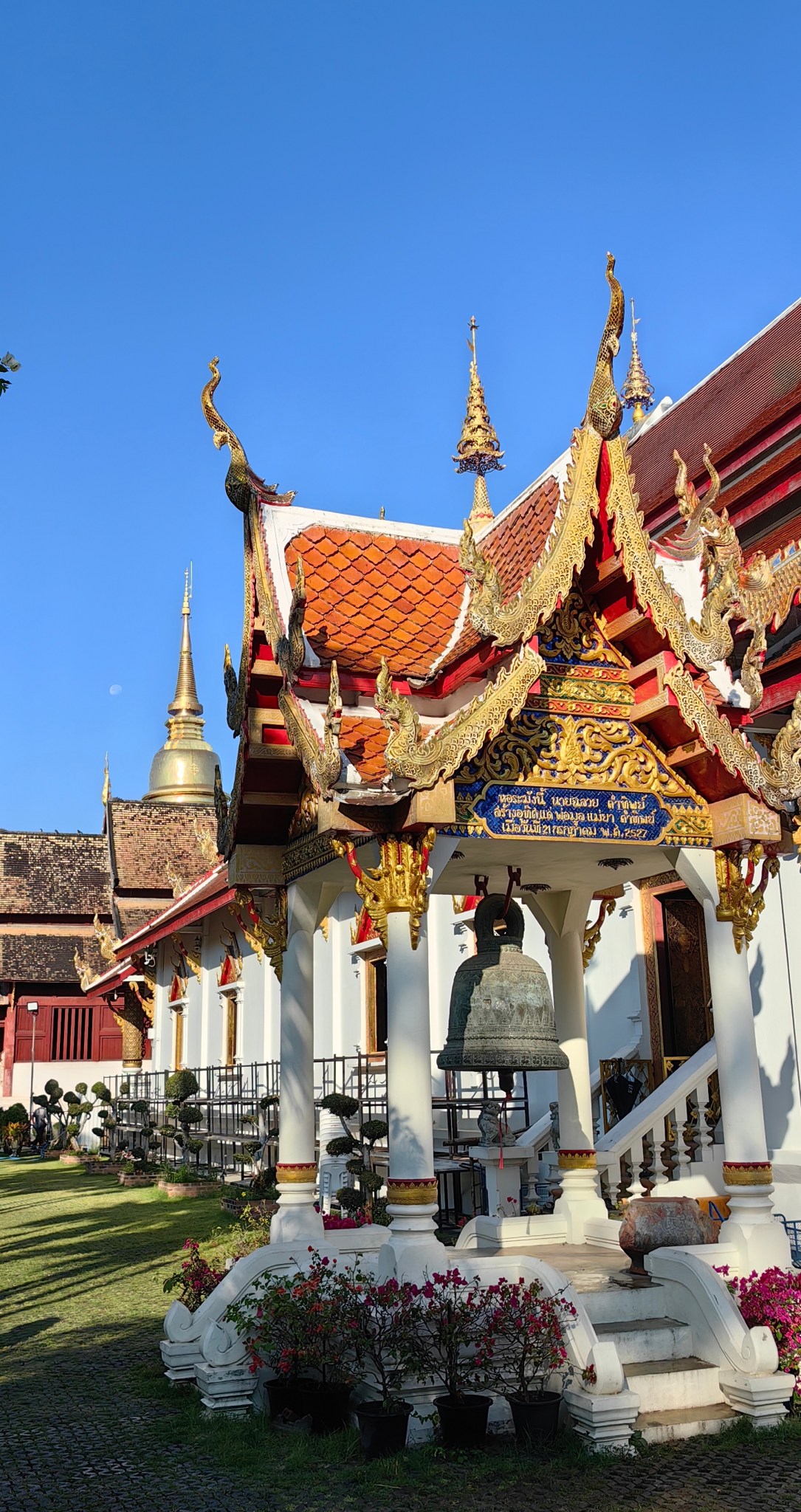
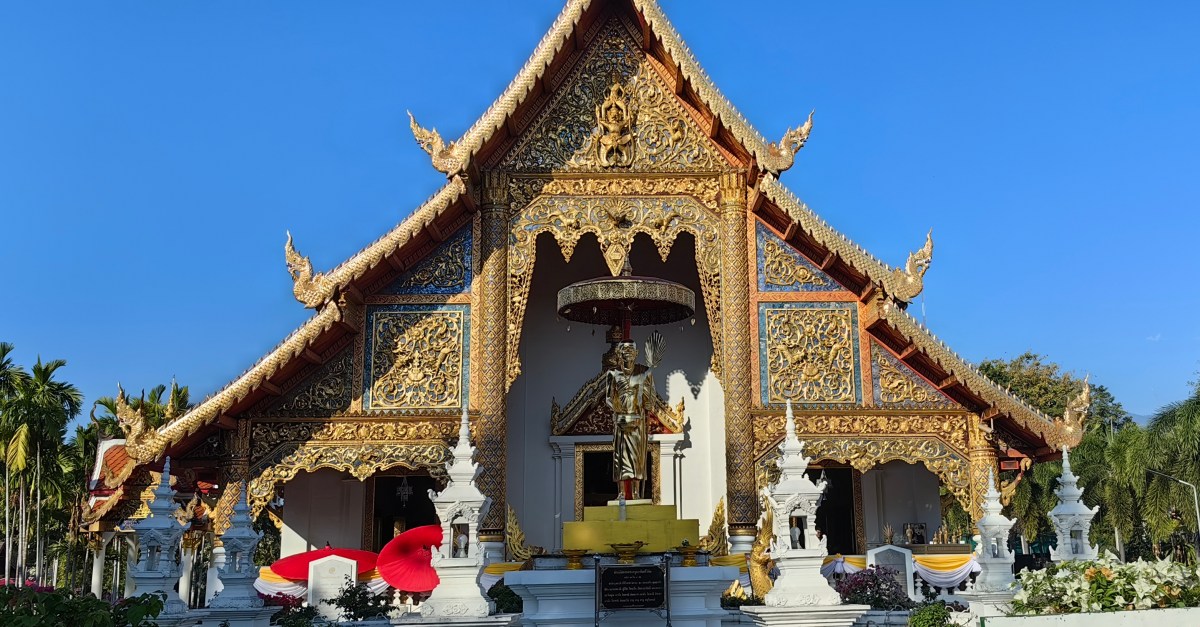
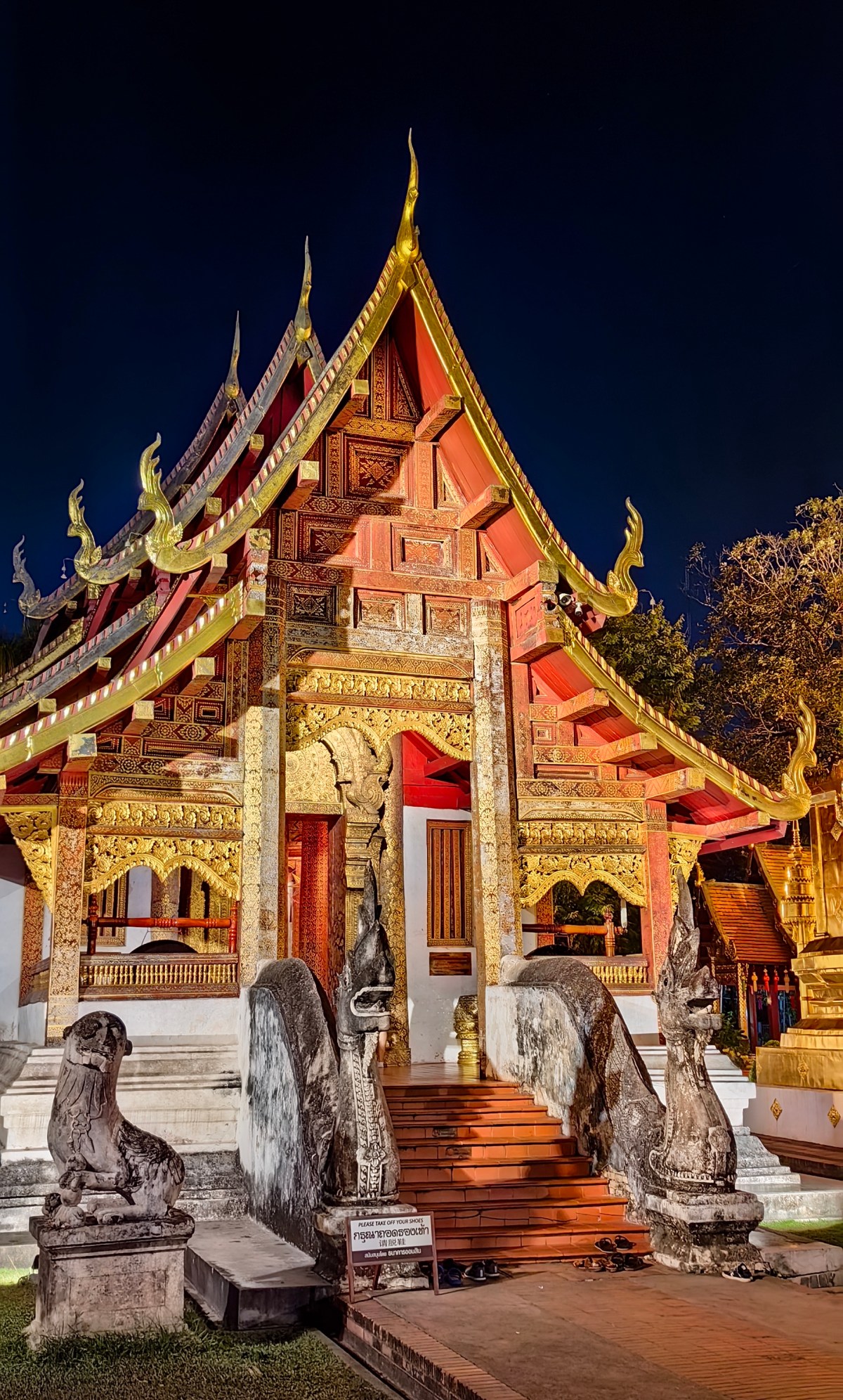
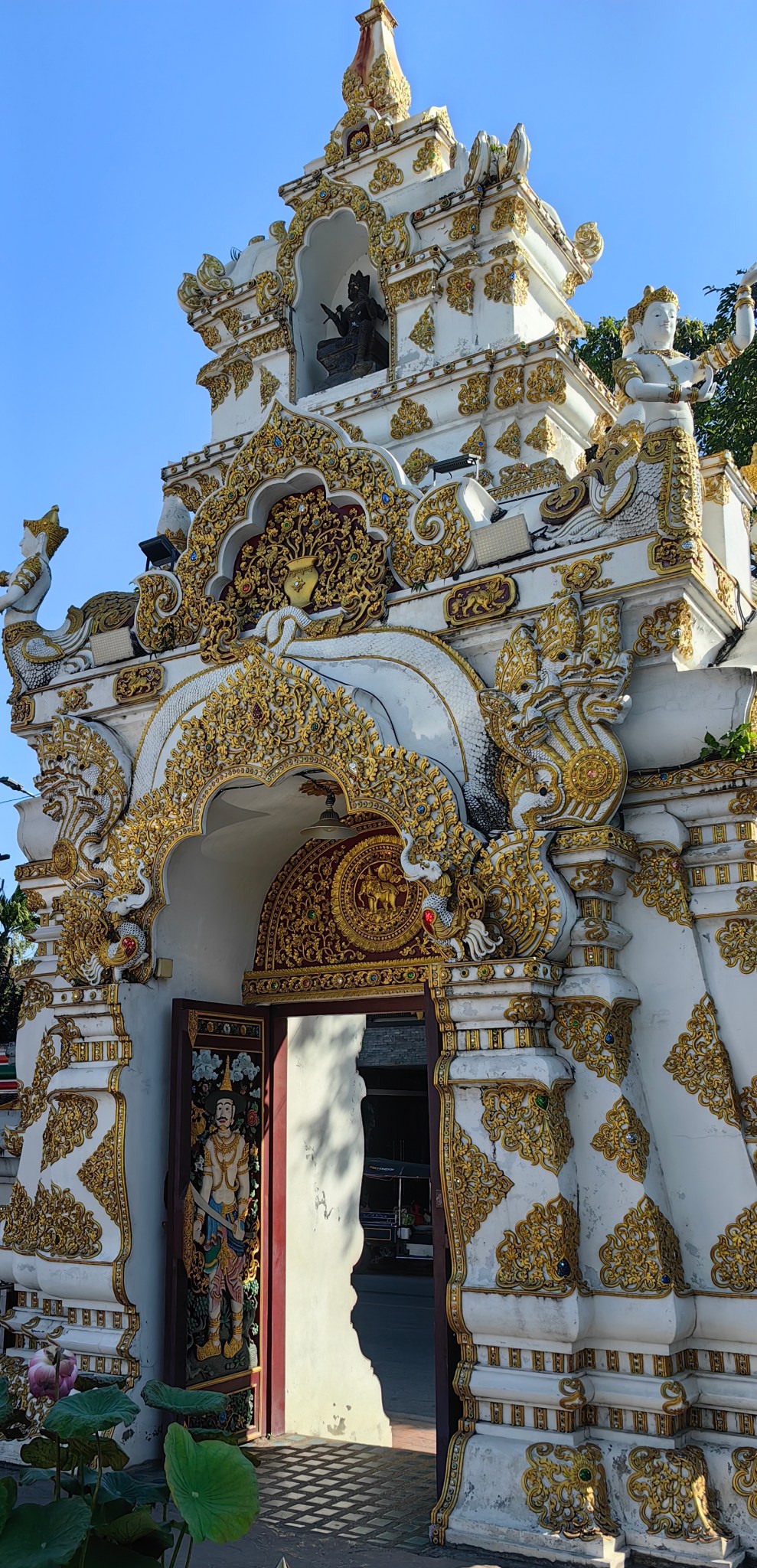
The Crossroads of Civilizations in Quanzhou

多文化的交汇地泉州

Known as the starting point of the Maritime Silk Road, Quanzhou was one of the world’s busiest ports during the Song and Yuan dynasties. Even one thousand years ago, it is a multi-cultural city. Nowadays, Quanzhou’s streets echo with this unique cultural symphony. Within a few kilometers, traveler can find Buddhist temples, Taoist shrines, churches, and mosques. Due to its pivotal role as a maritime hub and a melting pot of global cultures, Quanzhou is often called “the Museum of World Religions. It was inscribed as a UNESCO World Heritage Site in 2021.

泉州,作为海上丝绸之路的起点,在宋元时期曾是世界最繁忙的港口之一。早在千年前,这里便是多元文化交汇的热土。如今,漫步泉州街头,依然能聆听那穿越时空的文化交响——在短短几公里范围内,佛教寺庙、道教圣地、基督教堂与清真寺比邻而立,和谐共存。凭借其作为海上枢纽与全球文化熔炉的重要地位,泉州被誉为“世界宗教博物馆”,并于2021年被联合国教科文组织列入世界遗产名录。

Quanzhou was the third stop of my Christmas 2024 journey through Fujian Province, following visits to Fuzhou and Wuyi Mountain. I spent two days exploring this historic city. My trip started from the Chaotian Gate in the south of city. Built during the Song dynasty, when Quanzhou was a flourishing maritime hub, this gate was once the primary entrance, through which envoys, merchants, and travelers passed, their ships anchored nearby in the busy harbor. The name “Chaotian,” meaning “Facing Heaven,” reflects its ceremonial role: it was traditionally used to greet imperial envoys and conduct ritual offerings to heaven and the sea. When I stood before Chaotian Gate, I easily imagined the scene centuries ago—caravans unloading goods, sails fluttering in the breeze, and languages from across Asia and the Middle East echoing through the air.

继福州与武夷山之后,泉州成为我2024年圣诞节福建之旅的第三站。我在这座历史名城停留了两天,细细品味它厚重的文化底蕴。旅程自城南的朝天门启程——这座建于宋代的古老城门,曾是泉州作为繁盛海上枢纽的门户,是商贾、使节与旅人进出的要道,昔日无数船只便停泊在临近的港口边。

“朝天”意为“面向天空”,寓意庄严而神圣。这里不仅是迎接皇帝使者的场所,也曾举行祭天祭海等重要仪式,体现其深远的礼仪功能。站在朝天门前,我仿佛穿越时空,眼前浮现出数百年前的景象:商队忙碌卸货,风帆轻扬,来自亚洲与中东的异域语言在空气中交织回响——那是一幅世界交汇的壮丽画卷。

In the heart of Quanzhou’s old town center, I visited many ancient buildings. The white Clock Tower located on West Street is a distinctive and modern-looked structure built in 1934. Unlike the traditional ancient architecture around it, this tower showcases early 20th-century architectural design. The tower stands at 13.8 meters tall and is constructed from reinforced concrete. At the top of the tower, there are four round clocks, one on each side, allowing the time to be visible from multiple directions along the street. It is not only a building, but more like a time observer, silently witnessing the changing and flowing rhythm of the ancient city.

在泉州古城的中心,我漫步于古巷之间,参观了众多承载岁月痕迹的老建筑。而在西街,一座白色钟楼静静矗立,其造型简洁却不失独特气质,散发出上世纪初的现代风采。它建于1934年,与周围的闽南红砖古厝形成鲜明对比,宛如时代转折处的一笔注解。

这座高13.8米的钟楼由钢筋混凝土建成,坚实挺拔。塔顶设有四面圆形时钟,分别朝向不同方向,令街道上来自各个角落的行人都能一眼望见时间的踪迹。它不仅是一座建筑,更像是一位守时者,默默见证着古城节奏的更迭与流转。
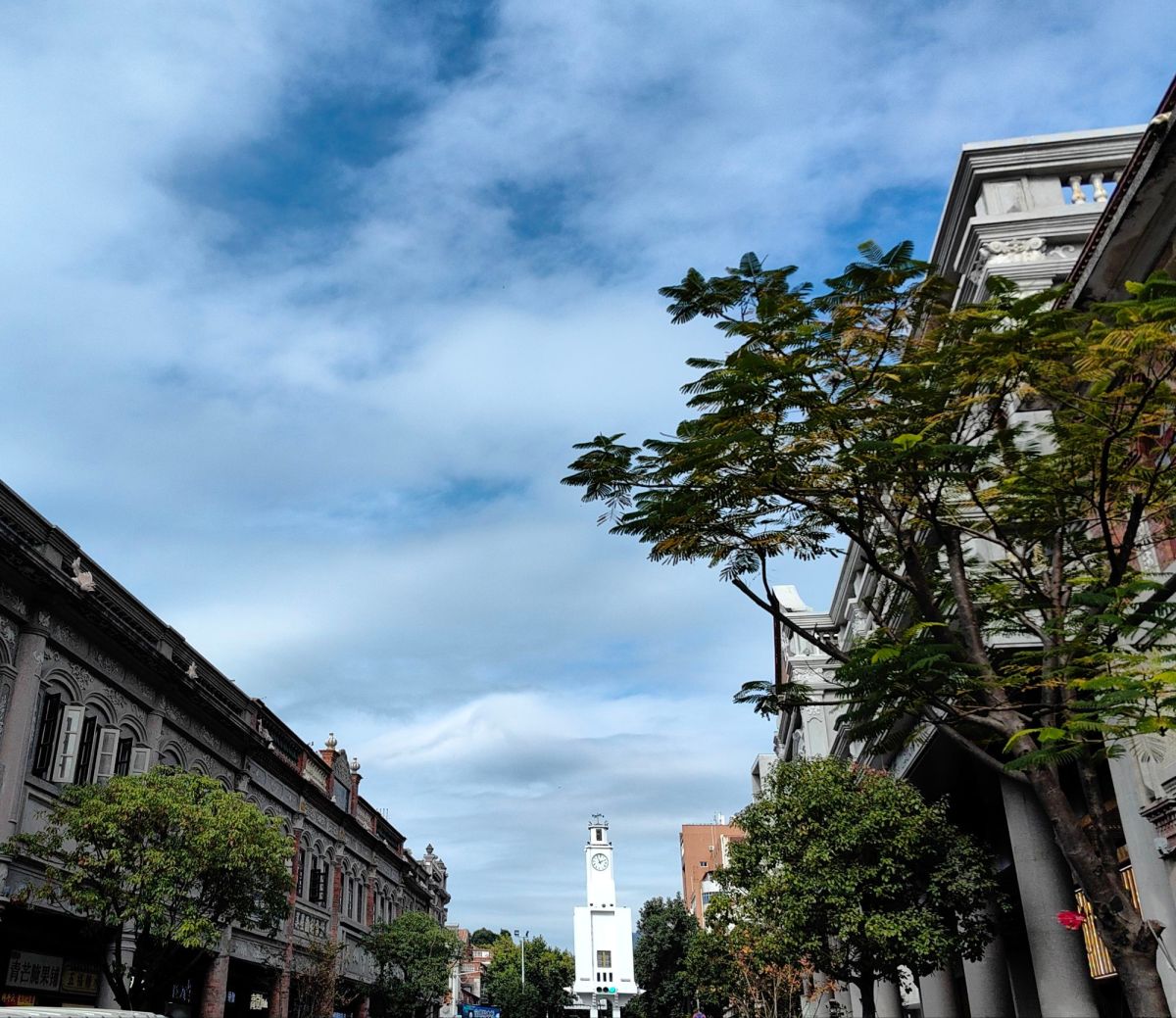

South of the Bell Tower on West Street, the street is lined with traditional Minnan (Southern Fujian) style buildings that beautifully blend regional craftsmanship with colonial-era influences, creating a unique streetscape. The buildings are predominantly two-level shop houses, raised on large white pillars that support the upper floors. These sturdy posts not only provide structural strength but also create a shaded arcade at street level, perfect for pedestrians and operations of small shops.

在西街钟楼以南,街道两旁耸立着一排排传统的闽南风格建筑,巧妙融合了本地工艺美学与殖民时期的异域风情,勾勒出一幅别具韵味的街景画卷。这些建筑多为两层楼的店屋,上层由一根根洁白粗壮的柱子支撑,既赋予结构坚实的力量,也在街道沿线形成连续的拱廊。这些拱廊不仅遮风避日,为行人提供舒适的步行空间,也为小商铺营造了宜人的经营环境。


The walls feature red brick-lined windows and facades, a hallmark of Minnan architecture that brings warmth and texture to the buildings. The windows are framed with decorative wooden shutters or latticework, echoing the intricate patterns found in both Minnan and Southeast Asian architecture. The style closely resembles the Singaporean shop houses found in historic districts like Chinatown. This similarity highlights historical maritime trade connections and cultural exchanges between Fujian and Southeast Asia.

墙体多以红砖砌成,窗户与立面呈现出典型的闽南建筑风貌,赋予整座建筑温暖而质朴的质感。窗户多为装饰性的木质百叶窗或格子窗框,其精致的雕饰与复杂的图案,正是闽南及东南亚建筑中常见的传统美学元素。这种建筑风格与新加坡牛车水等历史街区中的店屋颇为相似,不仅在视觉上唤起遥远南洋的联想,更鲜明地映射出福建与东南亚之间源远流长的海上贸易与文化交流。
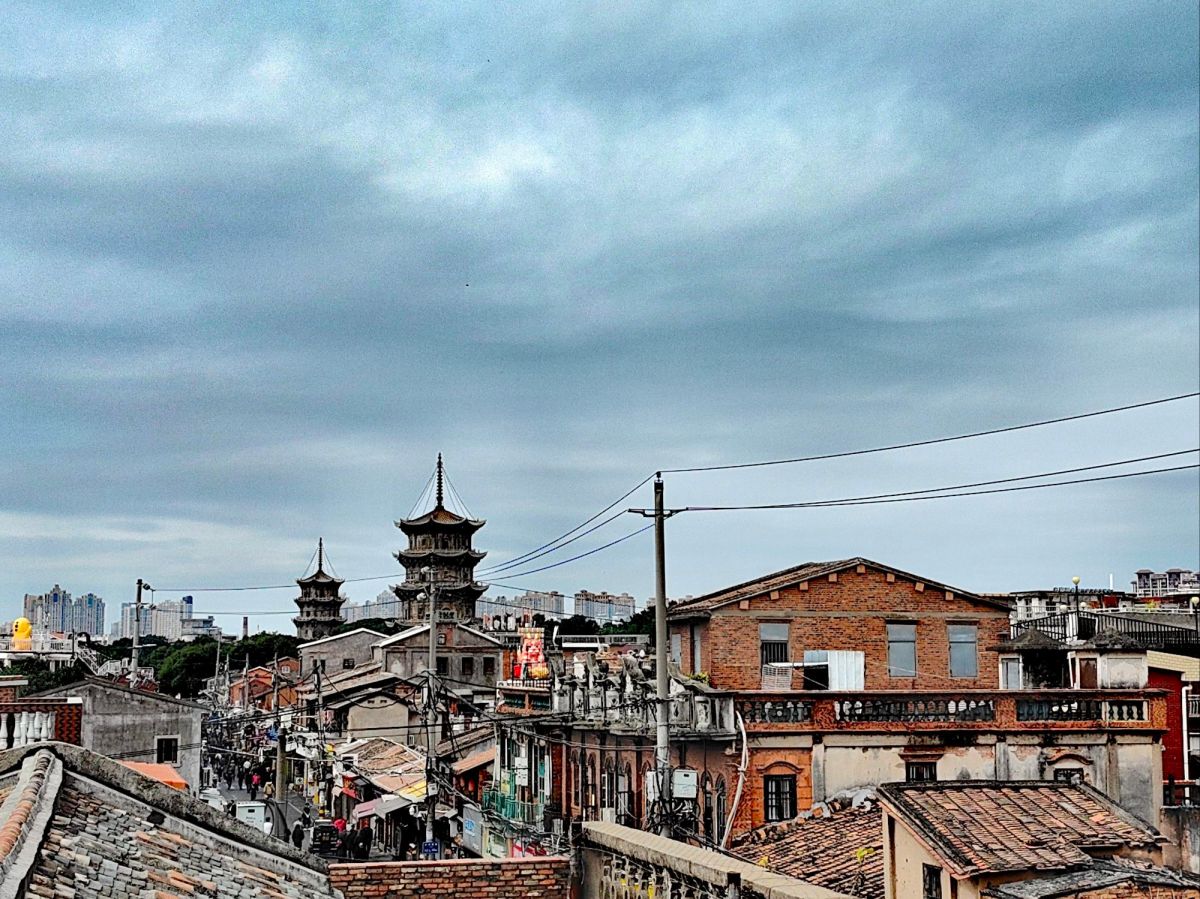
West Street is one of Quanzhou’s oldest and most charming thoroughfares. Here I wandered through a lively blend of tradition and experienced the dynamic energy of daily life. Lined with centuries-old shops, tea houses, and local eateries, the street buzzed softly with the mingling scents of fresh pastries and brewed tea. The ancient architecture here, a harmonious mix of southern Fujian style, reflected the city’s rich heritage. As I strolled along West Street, my eyes were naturally drawn to the skyline where two majestic towers rise side by side — the Kaiyuan Temple’s Twin Pagodas. These slender, towering structures, standing tall against the backdrop of blue sky, are iconic symbols of Quanzhou’s cultural and religious history. Their delicate brickwork and multi-tiered eaves cast graceful shadows over the surrounding streets, making the area solemn and poetic.

西街是泉州最古老、也最富魅力的街道之一。我缓步其间,仿佛置身于一幅流动的画卷中,感受到传统与日常生活交织出的蓬勃生机。街道两旁,百年老店、茶馆与地道小吃铺林立,糕点的甜香与茶水的清韵在空气中交融。古老的建筑依旧静默地守护着街道,闽南风格的细节随处可见,折射出这座城市深厚而多元的文化底蕴。行走在这条历史悠久的街道上,我的目光不由被天际线所吸引——两座巍峨挺拔的塔楼并肩而立,正是开元寺的双塔。

这对塔楼高耸入云,身姿纤巧而坚实,在蓝天白云的映衬下巍然屹立,静静诉说着泉州悠远的宗教与文化故事。它们精致的砖石结构与层层飞檐在阳光下投下斑驳的光影,为这片古老街区添上几分庄严与诗意。

Kaiyuan Temple stands as one of the largest and most significant Buddhist temples in Fujian Province. Founded during the Tang Dynasty in 686 AD, it has witnessed over a millennium of spiritual devotion. Stepping into Kaiyuan Temple, I was embraced by an atmosphere of calm and reverence. The gentle scent of incense mingled with the soft chanting of prayers, creating a timeless space for reflection. Surrounding the temple, ancient stone lions and inscribed steles spoke of a rich history interwoven with the city’s vibrant maritime past.

开元寺,是福建省规模最大、意义深远的佛教古刹之一。始建于唐朝公元686年,它历经千年风雨,见证着世代信众的虔诚。步入寺中,仿佛踏入一方超然尘世的净土。淡淡的香火缭绕空中,轻柔的诵经声随风流转,交织成一片宁静而深远的冥想氛围。古老的石狮静立两旁,斑驳的碑刻述说着历史的深沉与岁月的流转。这座千年古寺不仅承载着佛教文化的厚重底蕴,也与泉州这座城市的海洋精神交相辉映。

The Main Hall, or Daxiong Baodian is the majestic centerpiece of Kaiyuan Temple and the focal point for worshipers. Inside, the hall houses the gold statue of Sakyamuni Buddha, the historical Buddha, seated serenely in the center. Surrounding the main statue are smaller figures of bodhisattvas and guardian deities, all carved or sculpted with delicate detail. The hall’s interior exudes a mystery aura, enhanced by soft natural light filtering through lattice windows, and the faint aroma of incense that lingers in the air.

大雄宝殿是开元寺庄严肃穆的核心所在,也是信众心灵归依的圣地。殿内供奉着历史悠久的释迦牟尼佛金身,佛像安坐中央,神态慈悲庄严。主佛四周环绕着造型各异的菩萨与守护神像,皆雕刻精妙,线条流畅。殿内氛围静谧而深沉,仿佛将人引入一方超脱凡尘的净境。柔和的自然光透过格子窗悄然洒落,与空气中缭绕的淡淡香烟交织在一起,自有一种神秘感。
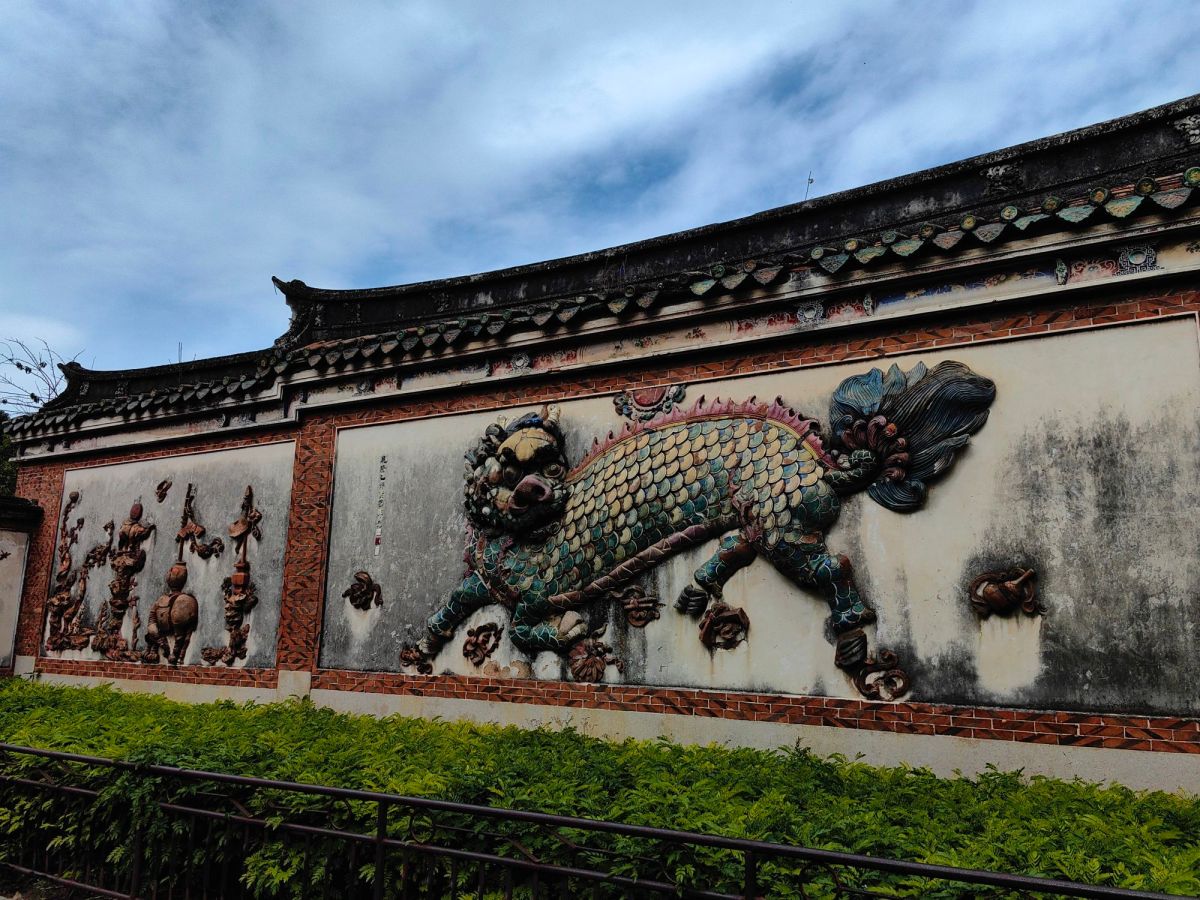
Painted on an interior wall of the temple, this mural of Qilin is a rare and vibrant example of traditional religious art that has withstood the passage of centuries. The Qilin, often regarded as a benevolent and auspicious beast, is a composite creature with the body of a deer or horse, the scales of a dragon or fish, and a mane of fire. It symbolizes peace, virtue, and the arrival of a sage or enlightened ruler. What makes this mural especially striking is its brilliant use of color—tones of turquoise, cinnabar red, gold, and indigo still glimmer faintly despite age.

这幅麒麟壁画绘于开元寺的内壁,是一件历经数百年风霜而依然绚丽如初的宗教艺术瑰宝。麒麟自古被视为仁慈与祥瑞的神兽,身形融合鹿或马的优雅、龙或鱼的鳞片之华美,以及火焰般鬃毛的灵动,象征着和平、美德,亦寓意圣贤或明君的降临。壁画最令人赞叹之处,在于其卓越的色彩运用——青绿清润、朱砂温雅、金色辉映、靛蓝深沉。纵使岁月斑驳,这些色调依然闪烁着柔和的光泽。
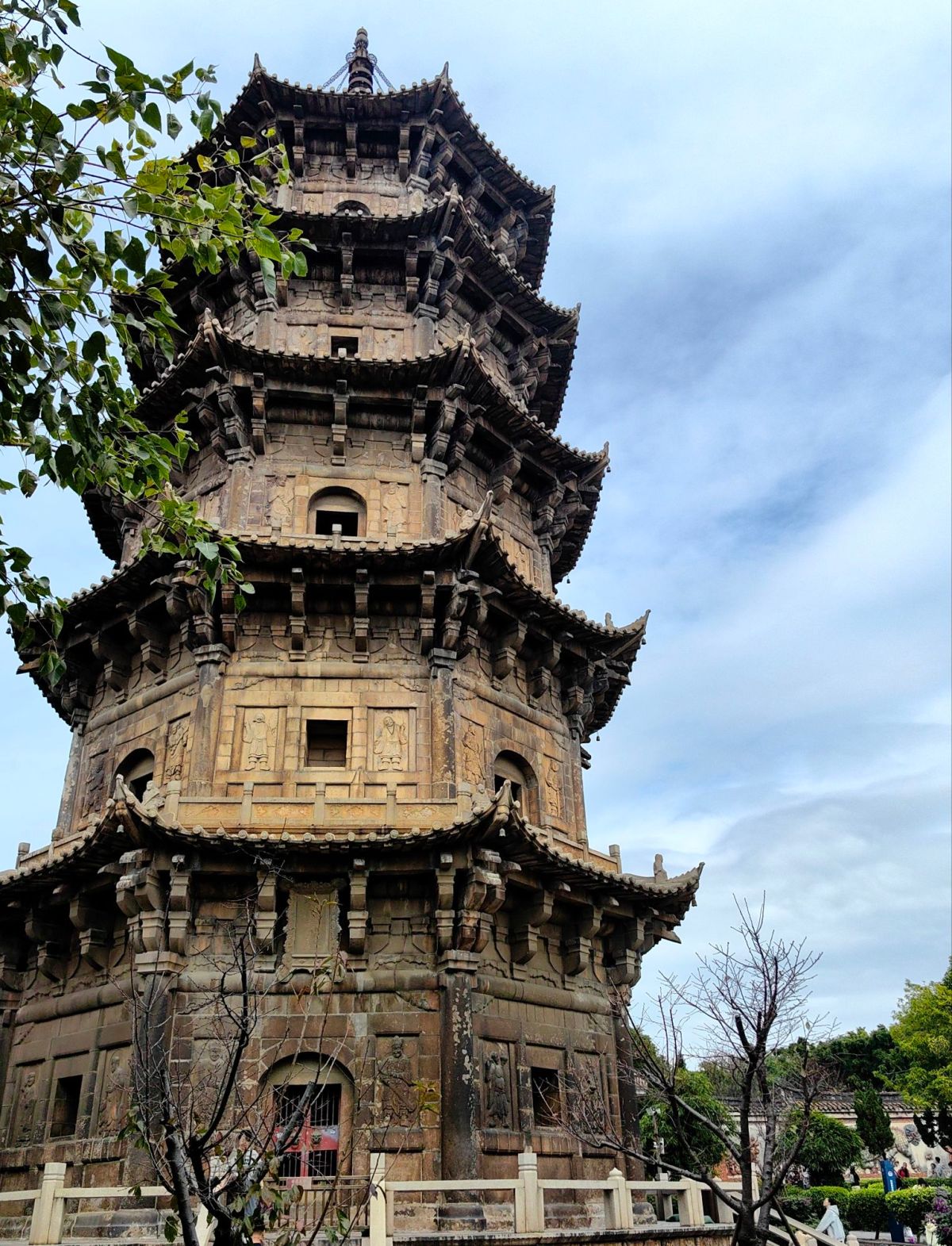
The Twin Pagodas of Kaiyuan Temple are the most iconic landmark of Quanzhou. Each pagoda stands over 40 meters tall, built during the Song Dynasty in the 13th century, replacing earlier wooden versions that were destroyed by fire. Crafted entirely of granite, the towers demonstrate remarkable engineering and aesthetic refinement. Delicate stone carvings of Buddhas, celestial beings, lotus patterns, and mythical creatures adorn the surfaces of both towers. Despite centuries of wind and rain, these details remain remarkably well preserved.

开元寺双塔,是泉州最具象征意义的地标之一。两座石塔高耸于古寺一隅,高逾四十米,建于宋代十三世纪,用以取代早年毁于战火的木塔。它们通体由坚硬的花岗岩砌筑而成,不仅体现了宋代高超的建筑技艺,也展现了卓越的审美。塔身雕刻繁复而精致,佛像庄严,仙人灵动,莲花清雅,神兽威武,每一处细节都凝聚着匠人的心血与虔诚。历经数百年风雨洗礼,这些浮雕仍清晰可见。
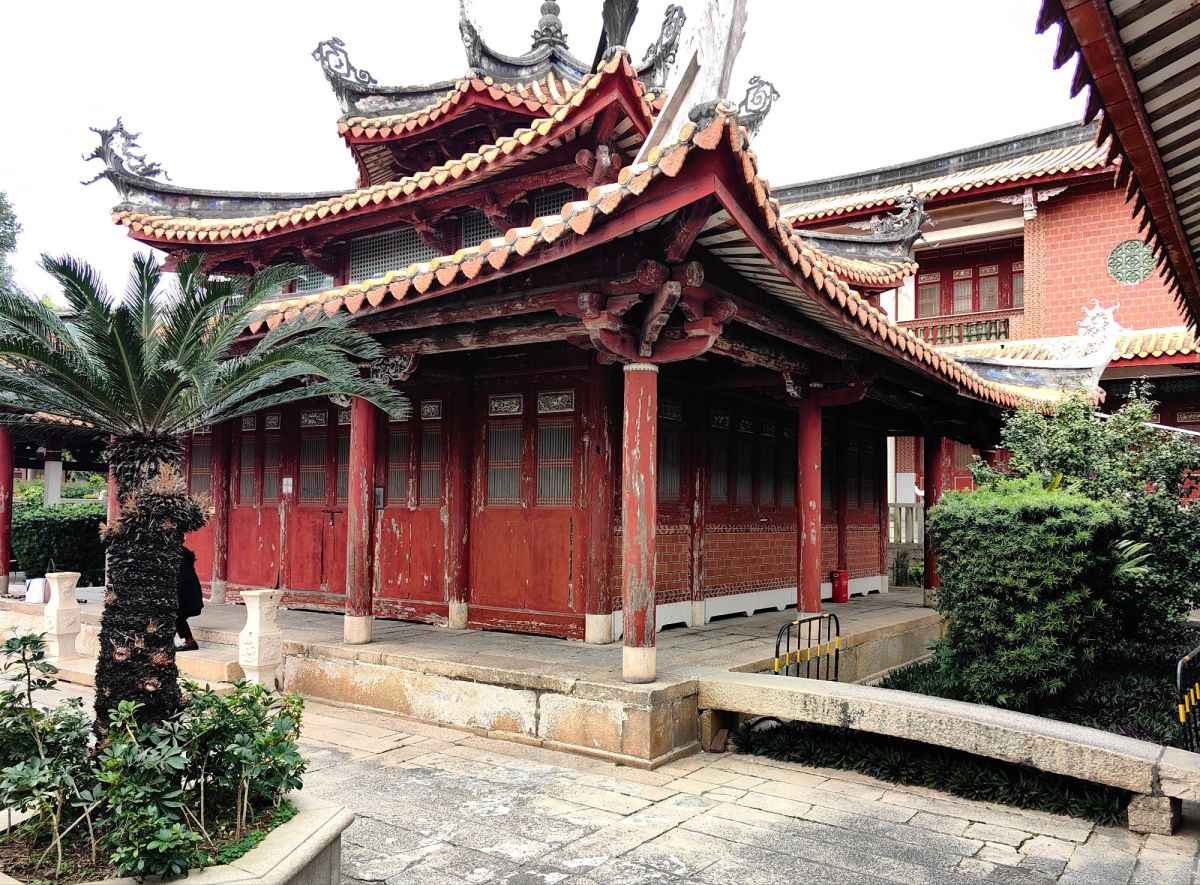
Beyond the grand halls and towering pagodas, there was a quieter world—a cluster of old temple buildings hidden in the greenery. Their weathered walls and wooden eaves were telling silent stories of centuries past. These structures, modest in scale but rich in character, were once home to monks and temple workers. Their moss-covered tiles, stone thresholds, and delicate wooden lattice windows reflect the elegance of traditional southern Fujian architecture. Time has softened the edges of these buildings: faded red doors, flaking paint, and ancient stone steps worn smooth by generations of footsteps. All are the silent testimony of vicissitude of life.

在宏伟的大殿与巍峨佛塔之外,开元寺还静静隐藏着一片安宁古雅的天地——一排排低矮的寺庙旧舍,掩映于绿意之间。斑驳的墙体与飞檐翘角的木屋顶仿佛在无声诉说着几个世纪前的清寂岁月与修行生活。这些建筑虽不宏大,却独具匠心,曾是僧侣居住与修行之所。青苔斑斓的瓦片、打磨光滑的石门槛、雕饰精巧的木格窗棂,无一不散发着闽南传统建筑的古韵之美。时间悄然在这些角落留下印记:褪色的朱红木门、斑驳剥落的油漆,以及那一阶阶被无数脚步踏磨得圆润光滑的石级,仿佛都在默默见证着人世的变迁。

As I wandered through the old quarter of old Quanzhou, I came across charming two-story houses that seemed to capture the spirit of the city in a single glance. These buildings, made of brick, feature a unique blend of southern Fujian architecture, simple but full of taste of life. The first floor serves as a shop or family living space, its entrance marked by bright red lanterns hanging on the doorway. Above, the second-floor balcony burst into color. Clay pots and wooden planters overflow with blooming flowers—hibiscus, bougainvillea, orchids—cascading over the railings. At the top, a flat rooftop platform serves as an open-air terrace. Locals might use it to dry tea leaves or gather in the evening for conversation. This kind of life rhythm is neither fast nor slow, just like the temperament of Quanzhou city – leisurely, calm, showing the real way of local life.

漫步于泉州的老城区,几处别致的两层楼房映入眼帘,仿佛在不经意间捕捉到了这座古城最真实的气息。这些砖砌民居融合了典型的闽南建筑风格,既质朴又充满生活情调。一层通常为商铺或家庭起居空间,门前常悬挂一对鲜红灯笼。二层则设有色彩斑斓的小阳台,阳台上摆满了陶罐与木制花盆,芙蓉、三角梅、兰花竞相绽放。屋顶为平顶露台,是生活的延伸空间。晴好时分,主人家会在此晾晒茶叶;入夜之后,则成了邻里闲聊纳凉的好去处。这样的生活节奏,不紧不慢,恰如泉州这座城市的气质——悠然、从容,又充满烟火人情。
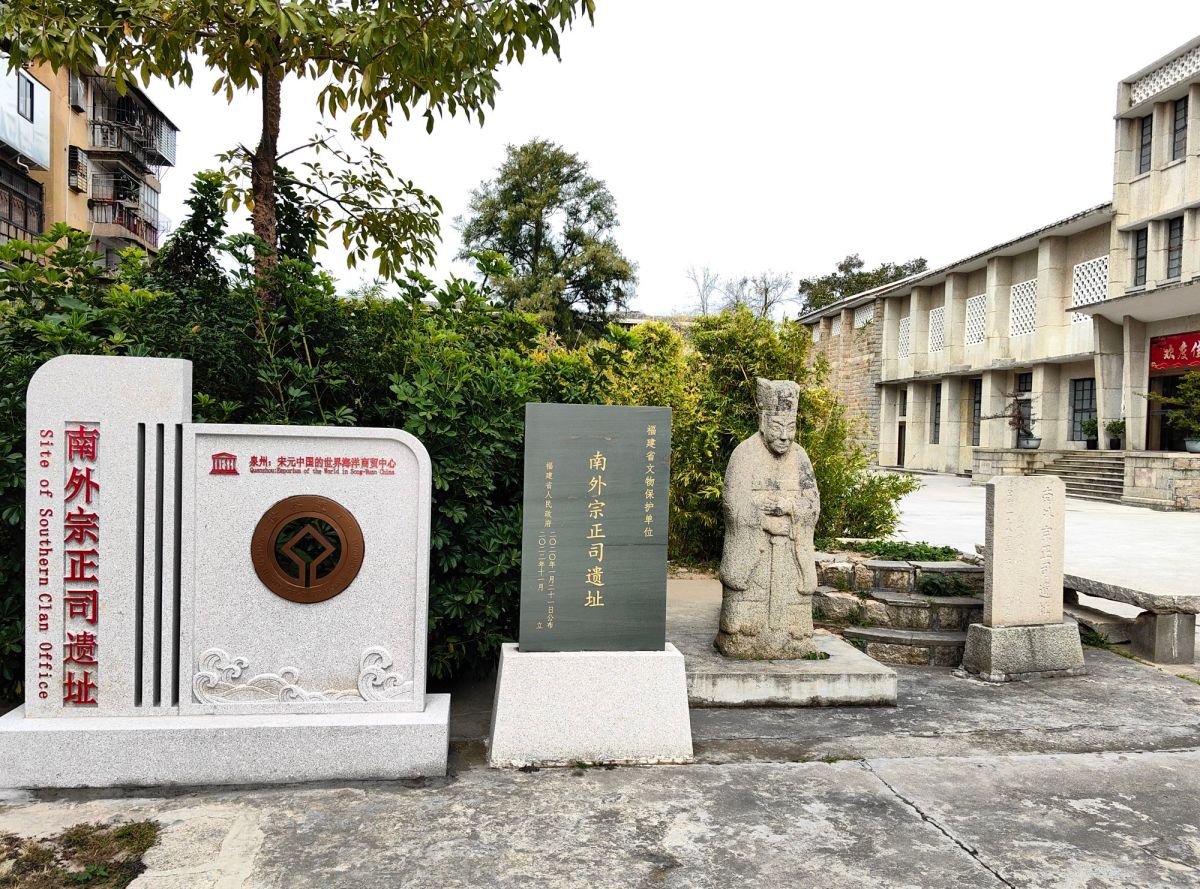
In the Licheng District, there are many historical sites listed as UNESCO World Heritage Element which is a memory of the history. The site of Southern Clan Office is the official office overseeing Southern‑residing Song dynasty imperial clans based in Quanzhou. Established in the early 12th century, the office managed some 349 members of the imperial Zhao family who fled south during the Jin invasion. Now in the courtyard, stone steles and a sculpted statue stand as silent testaments to the site’s once majestic presence.

泉州鲤城区,拥有众多列入联合国教科文组织世界遗产名录的珍贵遗迹,承载着深厚的历史与文化记忆。其中,南外宗正司遗址尤为独特,它曾是宋代宗室在泉州设立的官方机构,专责管理南迁宗室事务。始建于12世纪初,这里在金朝南侵之际,接纳并安置了约349位南逃的赵氏皇族成员,是南宋王朝血脉延续的重要据点。如今,遗址内静立的石碑与人物塑像,默默诉说着昔日王族的迁徙与沉浮。
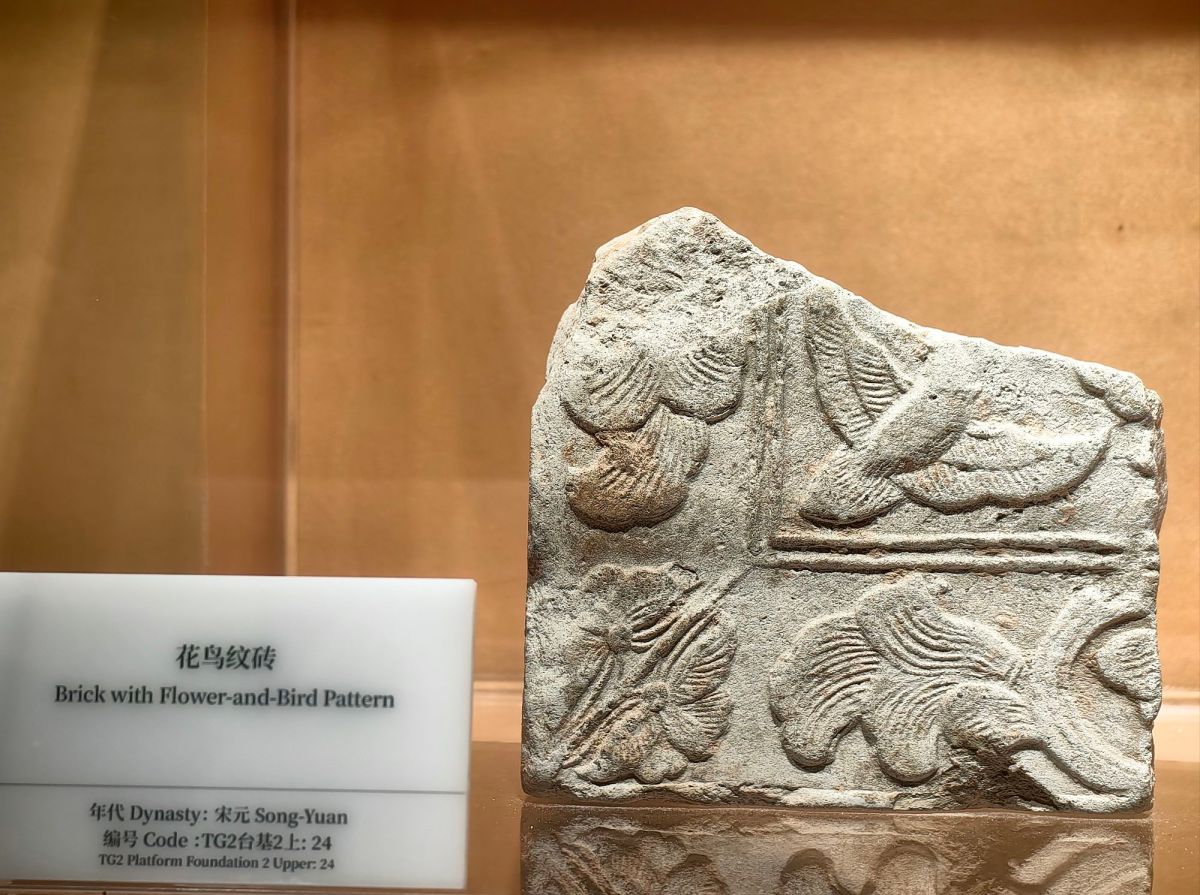
There is a small exhibition hall showcasing rich samples of excavated artifacts, 3D interpretive maps, and multimedia reconstructions. Beautiful vases and delicate lotus‑petal pattern bricks, and majestic looking beast‑face ridge tiles from the Song dynasty are displayed here. A large variety of ceramics with inscriptions such as “赵” on pottery bases, link them directly to the imperial clan. These findings strongly affirm the site’s status as a high‑level official administrative complex tied to both the imperial clan and maritime trade governance mechanisms of the Southern Song state.

博物馆内设有一个小型展厅,虽不宏大,却内容丰富。展厅通过出土文物、3D解说地图与多媒体复原图,生动再现了南外宗正遗址的历史风貌。其中展出的宋代文物尤为引人注目:玲珑精致的花瓶、雕刻细腻的莲瓣纹砖、神态威严的兽面脊瓦,无不展现出当时工艺美术的高超水准。此外,还出土了大量陶瓷器,其中一些陶胎上刻有“赵”字铭文,直指南宋皇室的身份印记,成为皇族南迁与驻地生活的直接物证。这些考古发现不仅印证了南外宗正作为高级官僚行政机构的地位,也揭示了它在南宋皇室与海上贸易治理体系中的重要作用。

It is an unknown archaeological site layered with quiet history. Its admission is free, and it has very few visitors, making it a peaceful stop for history enthusiasts. Here I had deeper understanding of how state institutions functioned during the Maritime Silk Road era, and how imperial families adapted to life far from the capital. Every stele and every piece of pottery bears a true trace of their lives during those turbulent times. This small site, although not renowned for its grandeur, quietly reveals a distant and complex history.

这是一处鲜为人知的考古遗址,却静静蕴藏着层层叠叠的历史回响。遗址免费开放,游人寥寥,恍若与尘世隔绝,成为历史爱好者得以静心沉浸的隐秘角落。在这里,我得以更深刻地理解海上丝绸之路鼎盛时期,国家机构的运行机制与权力布局,也窥见了南宋皇室成员在远离京师的异地如何安顿身心、延续传统。每一块碑石、每一片陶瓦,都是他们在动荡年代中书写下的真实生活痕迹。这座小小遗址,不以宏伟取胜,在不经意间,将一段遥远而复杂的历史悄然呈现眼前。
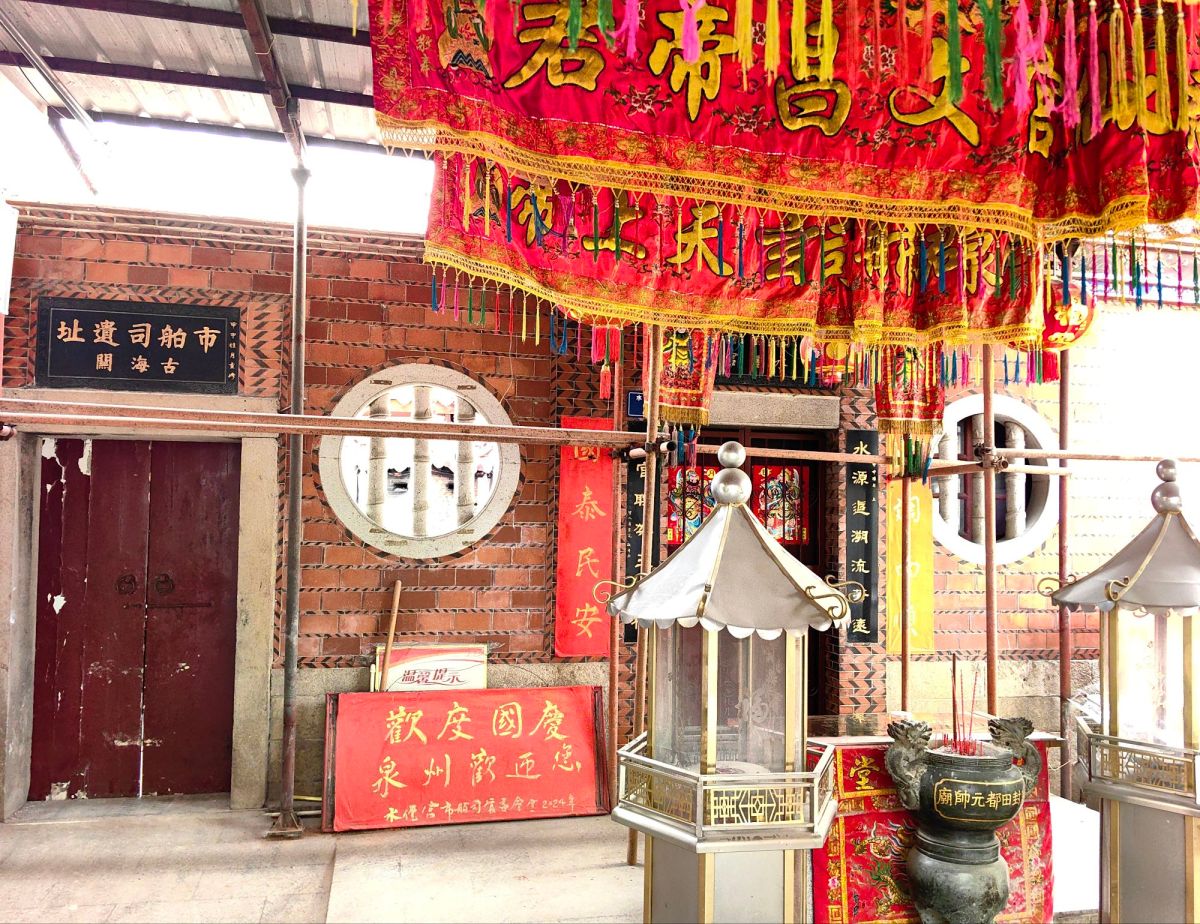
The Site of the Maritime Trade Office is another UNESCO heritage site. It was once the powerful nerve center of China’s official overseas trade during the Song and Yuan dynasties. This was no ordinary government office. It was China’s window to the maritime world, a place where Arab, Persian, Indian, and Southeast Asian merchants registered their ships, paid customs duties, exchanged goods, and interacted with Chinese officials. It witnessed the prosperity of Quanzhou as the “largest port in the East” and also embodied the integration of diverse civilizations on the Maritime Silk Road. Nowadays there are only some remaining excavated stone walls, water channels, and drainage systems.

市舶司旧址,是泉州另一处被列入联合国教科文组织世界遗产名录的重要遗迹。它曾是宋元时期中国对外贸易的中枢,不仅是一座行政机构,而是连接中原与阿拉伯、波斯、印度、东南亚等地区商贸往来的桥梁。往昔,来自异域的商人曾在此登记船只、缴纳关税、交换货物,并与中国官员展开繁复的外交与商业往来。市舶司见证了泉州作为“东方第一大港”的鼎盛,也凝聚了海上丝绸之路上多元文明的交融。时至今日,旧址仅存部分石墙、水渠与排水系统,静默于岁月之中。

Far away from the bustle of West Street, the Confucian Temple lie serenely in one corner. Acting as a civilization sanctuary, it is the city’s historical center of learning, moral cultivation, and scholarly reverence. Built originally during the Tang Dynasty and expanded in the Song and Ming periods, this temple is one of the oldest and best-preserved Confucian temples in Fujian Province. More than a religious space, the Quanzhou Confucian Temple in the history served as an educational and civic institution, where Confucian teachings guided the governance and values of society.

远离西街的喧嚣,泉州文庙静静伫立于城市的一隅。宛如一方宁静的文化圣地,它曾是这座古城悠久历史中修身养性与崇尚学问的重要中心。文庙始建于唐代,历经宋明数度扩建,成为福建省保存最为完整、历史最为悠久的文庙。这里不仅是儒家礼仪的祭祀场所,更是古代泉州社会的教育与公民治理重地。儒家思想在此根植,深刻影响着社会的道德准则与价值观念
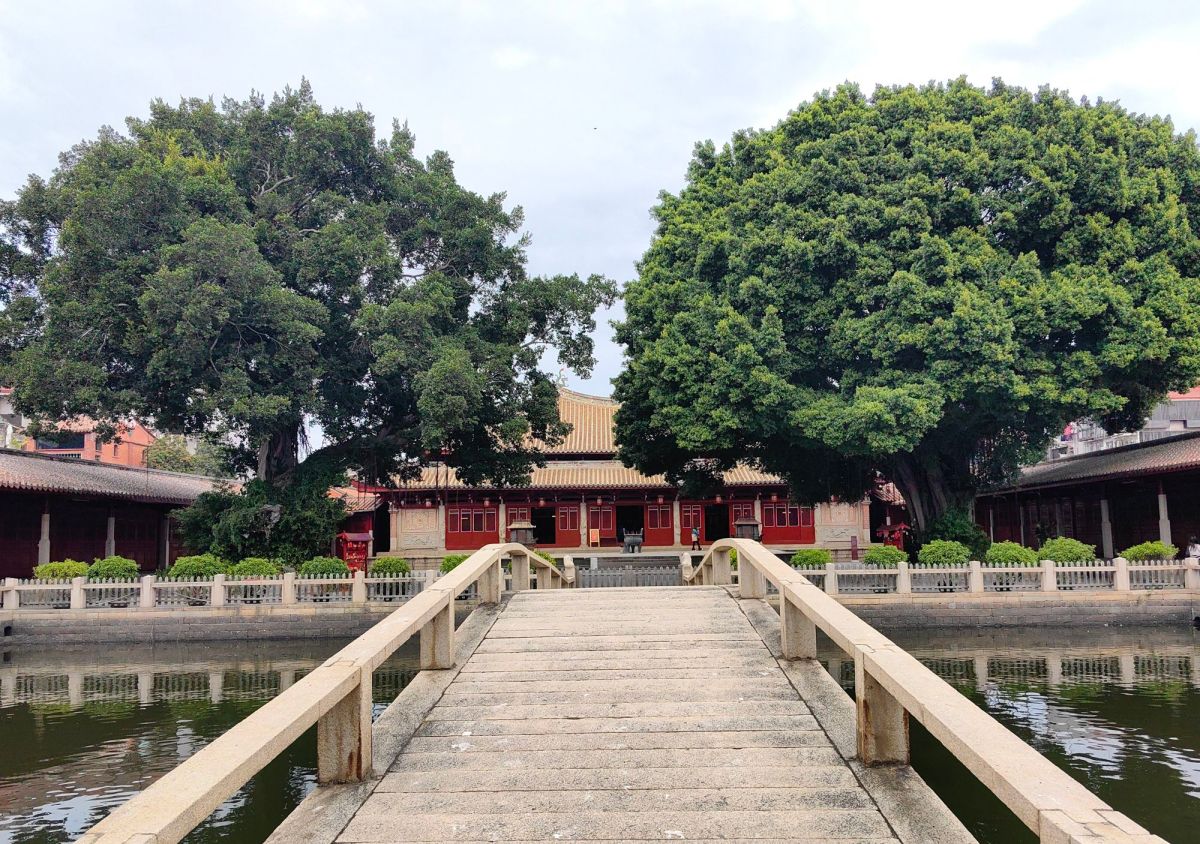
At the heart of the temple stands the Dacheng Hall, dedicated to Confucius, with statues and tablets honoring the great sage and his disciples. The hall is built in traditional southern Chinese style, with upturned eaves, carved beams, and tranquil courtyards. The courtyard is shaded by ancient pagoda trees which are symbols of scholarly virtue and integrity. These trees are often linked with success in the imperial examination system.

泉州孔庙的核心建筑,是庄严肃穆的大成殿,供奉着孔子及其弟子的塑像与牌位。大成殿采用典型的中国南方传统建筑风格,飞檐翘角、雕梁画栋。殿前庭院幽静古朴,绿荫掩映。这些古槐不仅增添了庭院的肃穆氛围,更象征着儒雅之德与正直之品,历来被视为文运昌盛、士子登科的吉兆。
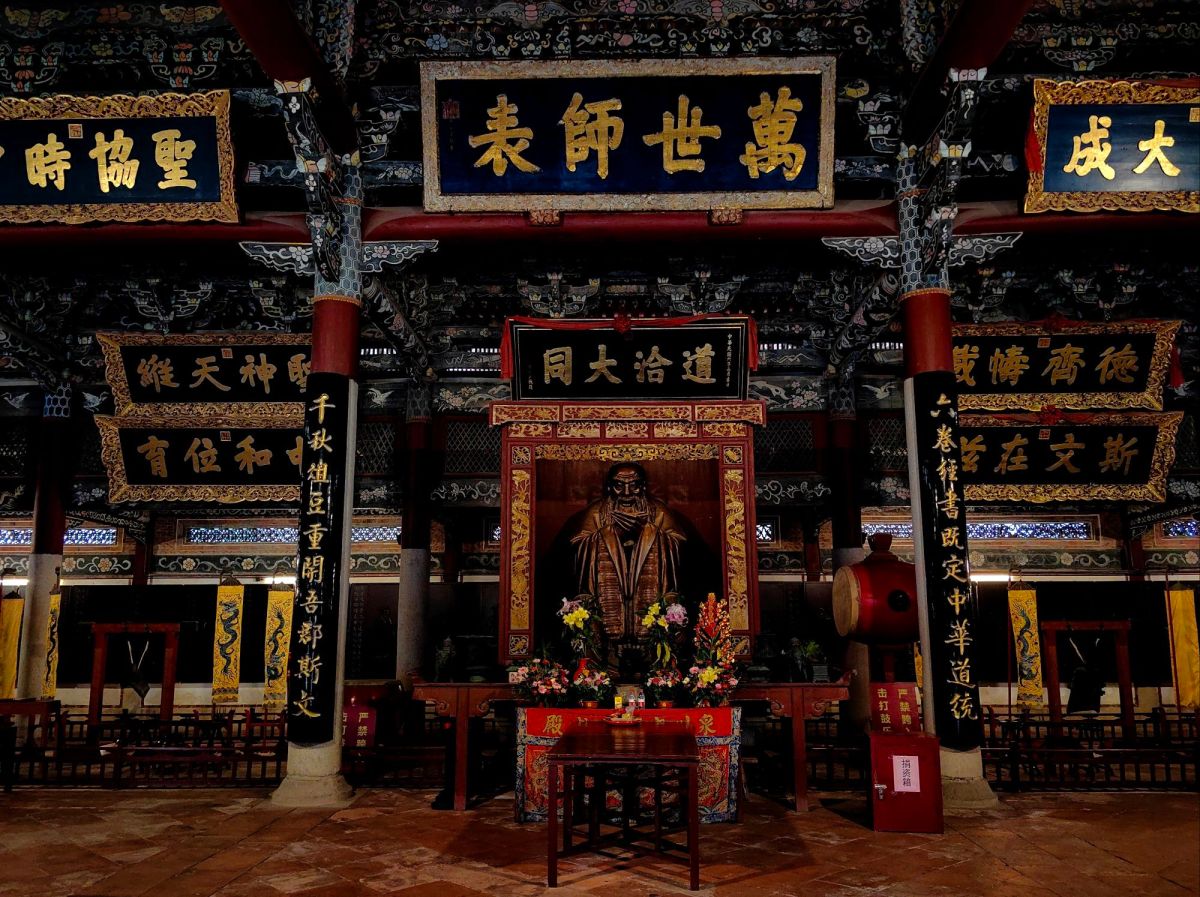
Walking through the Quanzhou Confucian Temple feels like stepping into a realm of quiet reverence. The symmetry of the architecture and the echo of footsteps in stone courtyards evoked a scholarly world of centuries past. In the center of Dacheng Hall, the solemn figure is the statue of Confucius. Carved with a calm, dignified expression, Confucius is depicted in traditional scholar’s robes, his hands gently clasped in front of his chest in the posture of respect and self-discipline. In the center upper plaque, the phrase 万世师表” means “The Eternal Model Teacher for All Time”. It reflects the deep respect and reverence that generations of Chinese people—especially scholars and officials—have held for Confucius.

漫步于泉州文庙,仿佛步入一片静谧而庄严的圣境。古老建筑严整对称,石砌庭院中回荡的脚步声轻缓悠长,仿佛唤醒了尘封的记忆,将人带回那个儒风蔚然的时代。大成殿正中,孔子塑像巍然屹立,身披传统士大夫袍服,双手合抱于胸前,神情沉静而肃穆。殿堂上方,高悬着“万世师表”四字匾额,映照着千百年来中国文人雅士、士子官宦对至圣先师的崇高敬仰
The Chinese phrase “半城烟火半城仙” is a modern poetic description of Quanzhou, capturing its unique charm as a city where earthly life and spiritual heritage coexist in harmony. It means ‘Half a city of worldly bustle, half a city of sacred calm.’ As a major port in the Song-Yuan era, it was a global city, home to people of many religions, cultures, and trades. I walked through one historical street with centuries-old Buddhist pagoda, elegant mosque and shrine shrouded of incense smoke. Beliefs are not divided by East and West, and different cultures hold respect to each other.

“半城烟火半城仙”是对泉州最富诗意的当代表达,它精准捕捉了这座城市尘世烟火与精神遗产和谐共生的独特魅力。作为宋元时期举世闻名的港口,泉州曾是国际贸易的重要枢纽,也是一座多元文化交融的海上都市,吸引着来自世界各地的宗教信仰、技艺行会与异域族群。漫步于泉州街头,一条古老的街道两旁,历史的痕迹清晰可见。古朴庄严的佛塔、静穆典雅的清真寺、香火缭绕的庙宇并肩而立。信仰不分东西,文化彼此尊重.

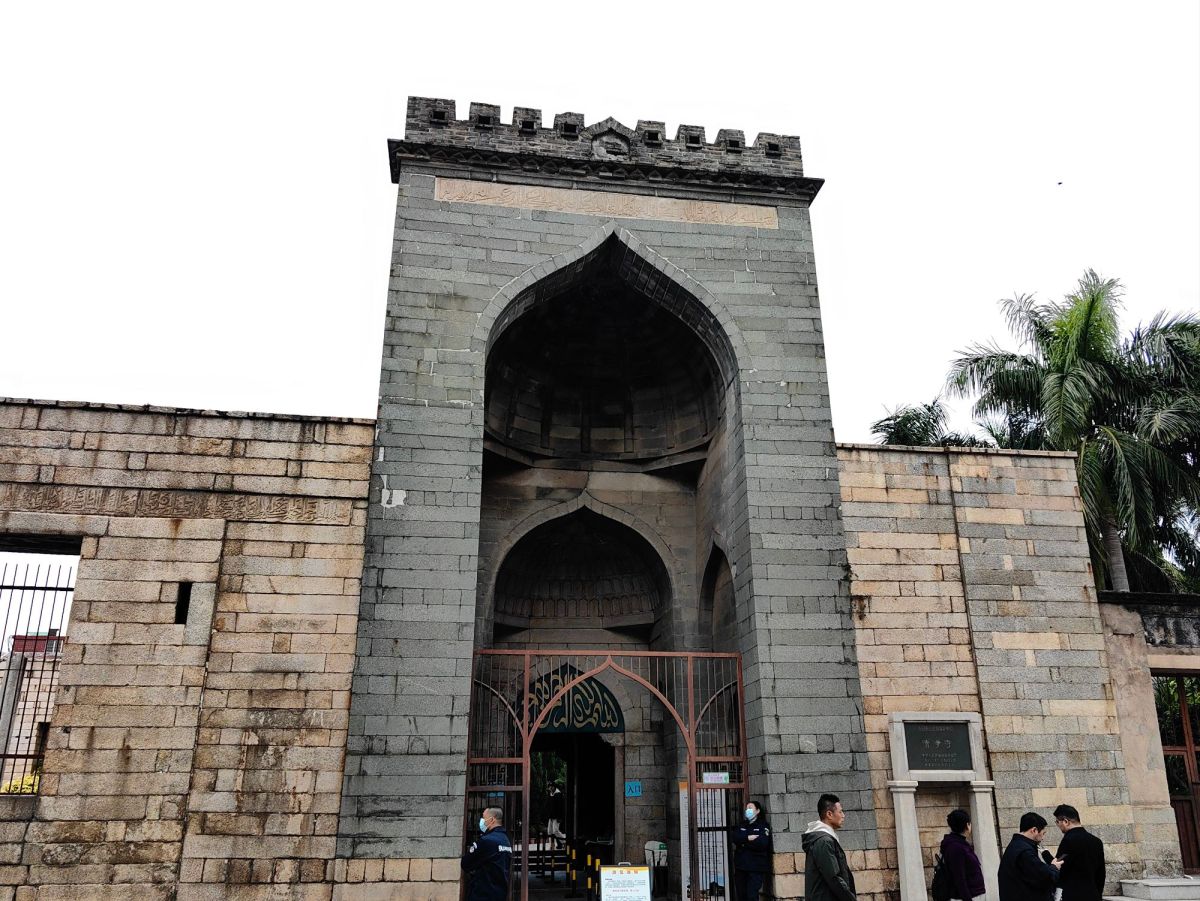
The Qingjing Mosque was built in 1009 AD during the Northern Song Dynasty, it is the oldest extant Islamic mosque in China and a UNESCO-listed site. Unlike the wooden halls and eaves typical of Chinese religious structures, it is constructed primarily from white and gray granite in a style reminiscent of Middle Eastern Islamic architecture. This makes it visually and culturally distinct from the Buddhist and Daoist temples in the city. It is physical evidence of early Muslim communities in China, likely Yemeni or Persian merchants who settled in Quanzhou and assimilated into the local society during the Song and Yuan dynasties.

清净寺始建于北宋大中祥符二年(公元1009年),是中国现存最古老的伊斯兰清真寺,亦被联合国教科文组织列入世界遗产名录。不同于中国传统宗教建筑常见的木结构与飞檐斗拱,清净寺通体以灰白色花岗岩砌筑而成, 使人联想到中东地区典型的伊斯兰建筑风格。这种独特的石砌形制在泉州众多佛教、道教寺庙中格外醒目。清净寺更是早期穆斯林社群在泉州扎根的实物见证。印证了宋元时期阿拉伯、波斯等地的穆斯林商人曾在此定居、通商并深度融入当地社会。

Embedded within the Qingjing Mosque’s courtyard wall, the imperial edict of the Yongle Emperor stands as a powerful symbol of the Ming dynasty’s recognition and protection of Islam in Quanzhou. Issued in the early 15th century, the edict praises the virtue and loyalty of the Muslim community in Quanzhou and commands officials to respect and safeguard their religious practices. This not only reflects the country’s recognition of the religious rights of ethnic minorities, but also demonstrates Quanzhou’s open-mindedness in the coexistence of diverse cultures and religions.

在清净寺幽静的庭院中有一道嵌于墙壁的明代圣旨。这道圣旨出自永乐皇帝之手,颁于15世纪初,是明朝中央政权承认并保护泉州伊斯兰教的有力象征。圣旨不仅赞扬了泉州穆斯林群体的忠诚与品德,还明令地方官员尊重并维护其宗教信仰与生活习俗。这不仅体现了明政府对少数族群宗教权利的认可,也彰显了泉州在多元文化与宗教共存方面的开放胸怀。

In Quanzhou, the most crowded temple must be the The Tonghuai Guandi Temple. It does not belong to any religion and is dedicated to Guan Yu, the legendary general from the Three Kingdoms era who was both loyal and courageous. Guan Yu is worshiped not only for his military prowess but more importantly for his unwavering loyalty, righteousness, and moral integrity. This temple perfectly captures the city’s unique mix of tradition and folk belief that stretches back through centuries.

在泉州,最为热闹香火鼎盛的庙宇,当属通淮关帝庙。这座庙宇不隶属任何单一宗教体系,而是供奉三国时期的传奇将领关羽——一位集忠义、勇武于一身的历史人物。关羽之所以广受敬仰,不仅因其卓越的军事才能,更因为他忠诚不渝、刚正不阿的品格,早已超越历史人物的范畴。在泉州,关帝庙的存在,完美体现了地方传统和民间信仰的深度融合。

Despite the centuries that have passed, the temple is always filled with curling incense smoke and steady streams of worshipers. People come here to seek strength in times of difficulty. Business owners and families burn incense to ask for protection and prosperity. The main building like red-painted walls, intricate wooden carvings, and a series of arched roofs adorned with ceramic dragons is beautiful. But the air was heavy with the scent of incense when I traveled here and the area in front of the temple was surrounded by devotees bowing before the altar and offering sticks of incense.

尽管沧海桑田,岁月更迭,寺庙中依旧香烟缭绕,香客络绎不绝。困境中的人们来到此处,寻求力量与慰藉;商贩与家庭也焚香祈愿,盼得庇佑与昌盛。主殿巍然矗立,红漆墙壁凝重典雅,木雕精巧细腻,拱形屋顶上陶瓷神龙昂首盘踞,尽显匠心与气韵。此刻,浓烈的香火味弥漫在空气中,寺庙前人潮汇聚,虔诚的信众在神坛前肃然鞠躬、献香。
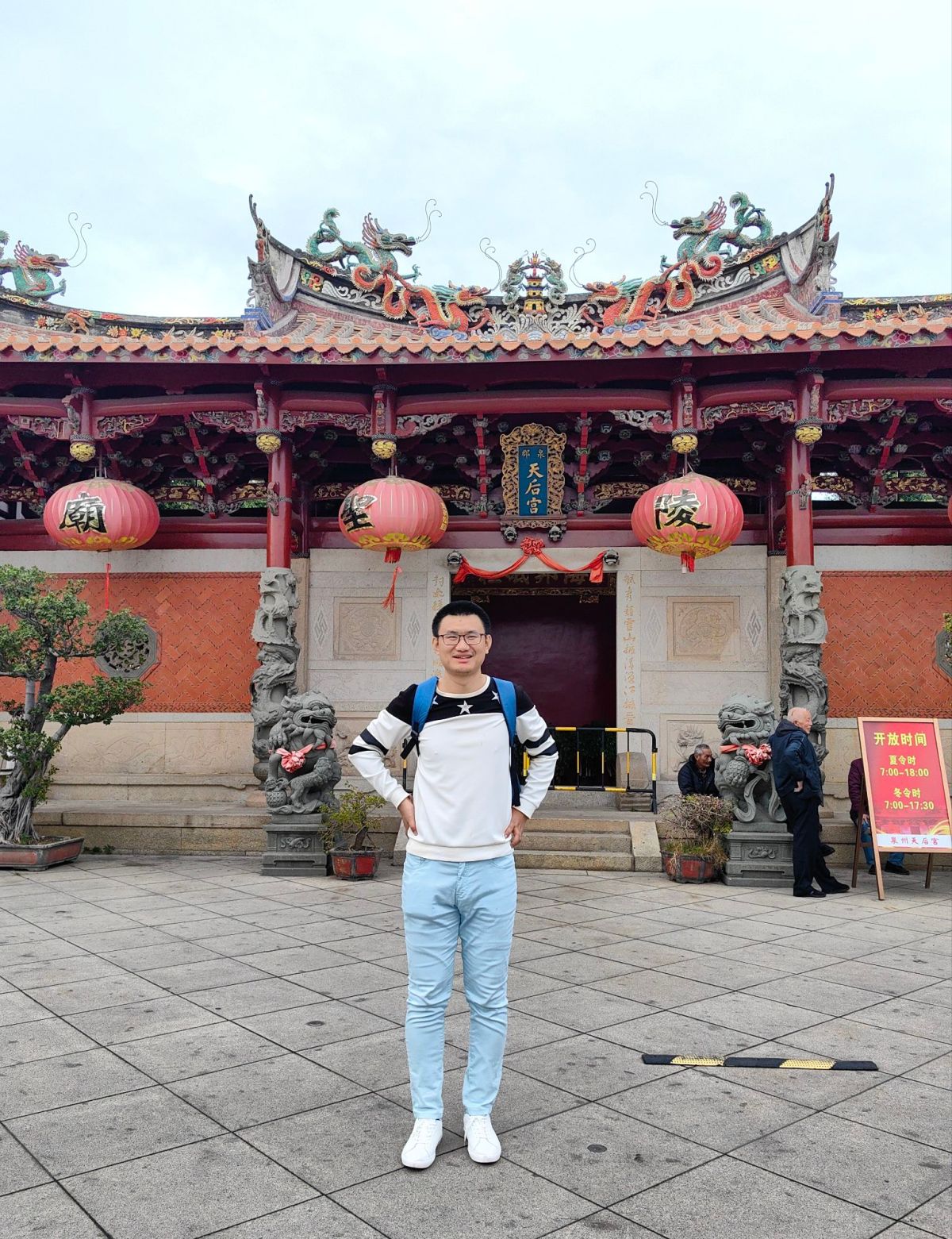
I continued to move to the Tianhou temple in the south of city. In Fujian province, for centuries, Mazu who is the Goddess of the Sea, has held a place of profound spiritual and cultural importance in the lives of the local people. Generations of their families lived by and through the sea. Mazu became their guardian deity. Even overseas, Fujianese migrants carried her image across oceans, building Mazu temples in Taiwan, Southeast Asia and Singapore. The Tianhou Temple is the sacred shrine dedicated to Mazu.

我继续向城南前行参观天后宫。几个世纪以来的福建,象征海洋庇佑的女神妈祖始终深深扎根于人们的精神与文化生活中。世世代代的闽人以海为生,他们的家族与海潮共息,与浪声为伴,妈祖便是守护他们平安归航的神灵。即使漂泊到万里之外,福建移民依然将妈祖的影响带往异乡,在台湾、东南亚乃至新加坡建立起一座座香火鼎盛的妈祖庙。天后宫便是这份信仰的圣地,承载着人们对海神的敬畏与崇敬。
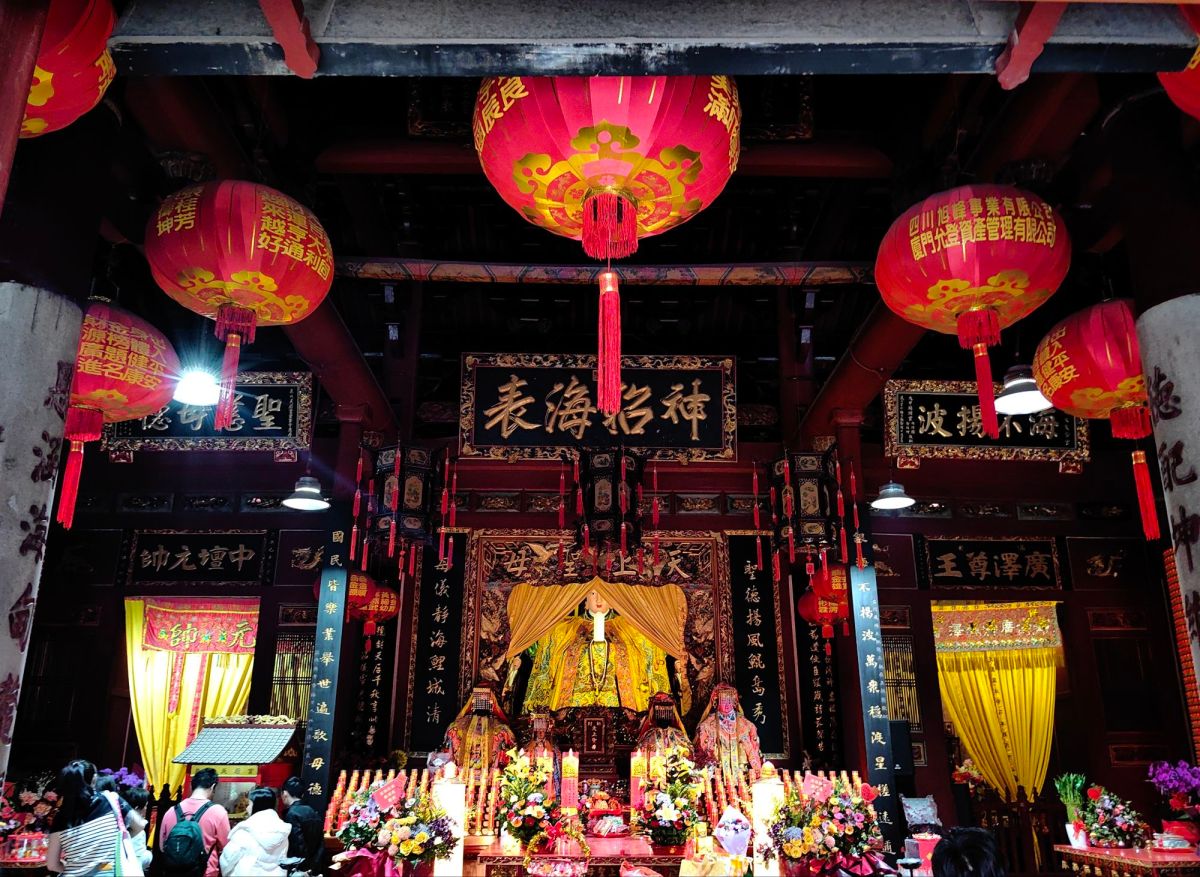
The temple is part of the UNESCO World Heritage site. At the heart of the temple, the statue of Mazu sits serene and dignified, often clothed in bright embroidered robes and wearing a crown of pearls. Flanking her are statues of her two loyal generals—Qianliyan and Shunfeng’er, said to help her see and hear everything happening across the seas. Red lanterns with many benedictory words line the eaves. Intricate stone carvings of dragons, phoenixes, and waves decorate the roof and doorways, evoking the temple’s connection to the ocean.

这座庙宇作为世界文化遗产的一部分。妈祖端坐于庙宇正中,神情庄严而安详,身披色彩鲜艳、绣工精美的长袍,头戴闪耀着珍珠光泽的冠冕。她的两侧立着千里眼与顺风耳的塑像,据传她们协助妈祖洞察海内外的风云变幻。檐下悬挂的红灯笼上书写众多的祝福语。屋顶与门道间,精雕细琢的龙凤与海浪纹饰交相辉映,诉说着庙宇与海洋血脉相连的深厚渊源。

In just one day, I visited numerous temples, each representing a distinct religious tradition. Next, I arrived at the Chengtian Temple which is a quiet and historically rich Buddhist sanctuary. Unlike larger and crowded temples full of tourists, Chengtian Temple is tranquil and calm. Though it may not draw tourists in large numbers, Chengtian Temple remains a living temple, still functioning with monks, prayers, and rituals.

短短一天,我已走访了众多寺庙,每一座都承载着独特的宗教传统与精神内涵。随后,我来到了承天寺这是一处静谧祥和、古韵悠长的佛教圣地。不同于那些香火鼎盛、游人如织的大型寺院,这里始终保持着从容与清净。或许它并不以规模与名声吸引大量游客,但殿宇之间依旧生机盎然:僧侣的诵经声、虔诚的祈祷与庄重的法事,依然如千百年来般流转不息。

First built in the Song Dynasty, Chengtian Temple has undergone numerous reconstructions across the Yuan, Ming, and Qing dynasties. The name “Chengtian” (承天) literally means “receiving the mandate of Heaven” . As part of the UNESCO-listed heritage landscape, it shows how different religions coexisted peacefully in ancient Quanzhou. For the temple, there is nothing special but simple. The elegant layout follows traditional Chinese symmetry, with moss covered tiled roofs, historical wooden beams, and peaceful open courtyards. There is a small pagoda on top of the roof. It represents a connection between the earthly world and the spiritual realm and marks the temple as a sacred space where the divine and human meet.

承天寺始建于宋代,历经元、明、清三代多次修葺。其名“承天”,寓意“承受天命、顺应天道”。作为联合国教科文组织世界遗产的一部分,它见证了古代泉州多元宗教和谐共存的历史画卷。寺庙本身并不以奢华取胜,却以古朴而动人心弦。中轴对称的布局、覆以青瓦的屋顶、古韵悠长的木梁、静谧开敞的庭院,无不透露着传统建筑的雅致。屋脊之上,那座小巧的塔宛如天地之间的纽带,寓意神与人相会于此。

The UNESCO World Heritage site “Quanzhou: Emporium of the World in Song-Yuan China” includes a total of 22 component sites like Kaiyuan Temple, Qingjing Mosque, and Tianhou Temple. Luoyang Bridge is one of them as well. Built during the Northern Song Dynasty, Luoyang Bridge is renowned for being the first stone bridge in China built over tidal waters. It was constructed using raft foundations and oyster reef technology. Workers placed oysters at the base of stone piers to bind the underwater structures together. This ecological method made the foundation resilient to tides, erosion, and currents.

When I walked across the bridge over 800 meters long, I noticed rows of stone piers standing steadily in the river. I could imagine its history of connecting the bustling port city with inland roads, facilitating the movement of goods, people, and ideas during the height of the Maritime Silk Road.

联合国教科文组织评选出的世界遗产 “泉州:宋元时期的世界海洋商贸中心”涵盖了开元寺、清净寺、天后宫等22处历史遗迹,洛阳桥便是其中的重要一员。始建于北宋的洛阳桥,是中国第一座建于潮水上的石桥,以其独特的筏式基础与牡蛎礁筑造工艺闻名于世。工匠们在石墩底部铺设牡蛎,让其在水下自然生长,将结构紧密相连。这种生态智慧不仅稳固了桥基,还能抵御潮汐、侵蚀与急流的冲击。

漫步在这座长达八百余米的古桥上,只见一列列石墩如守望的卫士,静立于河面之中,历经千年风潮而不移。仿佛穿越时空,我能想象它在海上丝绸之路繁盛之际,如何将这座繁华的港口城市与内陆大道紧密相连,承载着货物、商旅与思想交流的使命。
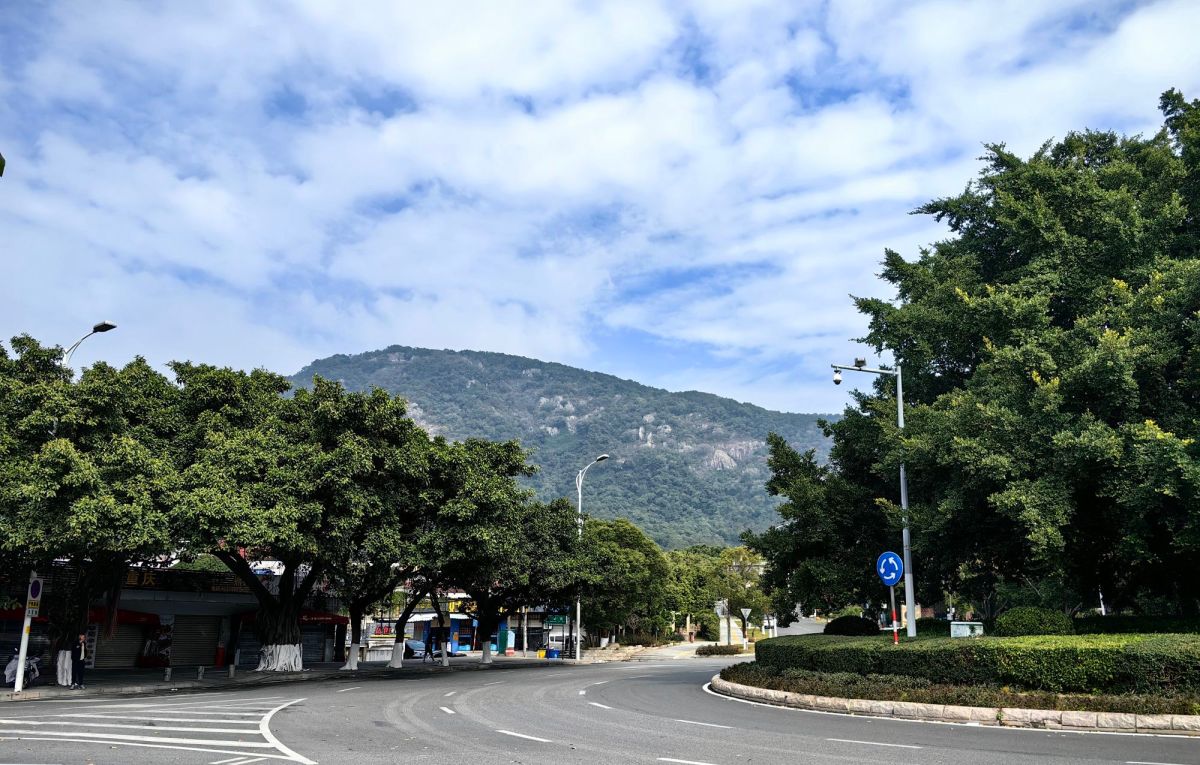
I stayed in Quanzhou for two days. My first day concentrated on the humanity heritages like old streets in the old city and my second day was on some natural scenes. Qingyuan Mountain in the north of city is a place where visitors come to reconnect with nature. It is also a spiritual landmark, a place where nature, history, and Daoist thought merge into quiet harmony. Daoism is about understanding how the world works and becoming one with it.

我在泉州停留了两天。第一天沉浸于古城的人文遗产,徜徉于街巷之间;第二天则走向自然,寻访城北的清源山。这里不仅是重拾自然之美的胜地,更是一座精神地标。青山环抱间,自然、历史与道家思想在此交融,织就出一幅静谧而和谐的画卷。道家倡导顺应天地的运行规律,天人合一。

The Giant Stone Statue of Laozi is the mountain’s most famous feature. It was carved in the Song Dynasty. This makes Qingyuan Mountain a nationally significant site of Daoist worship and Laozi veneration. According to local legend and Daoist belief, Qingyuan Mountain is one of the places where Laozi, the ancient philosopher and founder of Daoism once visited, meditated, and eventually transcended the mortal world to become a Daoist deity. The inscription “老子天下第一” carved in front of the Laozi statue means “Laozi is the greatest under Heaven”. In Daoist tradition, Laozi is considered the origin of all wisdom, the one who taught the Dao—the Way that governs all things.

清源山最负盛名的景观,莫过于宋代雕刻的巨型老子石像。正因这尊雕像,清源山自古便被视为全国重要的道教圣地与宗教中心。相传哲学家、道教创始人老子曾在此驻足参悟,最终超脱凡尘、羽化登仙。石像前镌刻的“老子天下第一”四字,不仅彰显着“对老子作为天下第一圣人”的尊崇,更寓意他是道即万物法则的传授者与万世智慧的源泉。

This mountain is not only spiritually important in Daoist tradition, but also celebrated for its natural beauty. The mountain was covered in lush vegetation like ancient cypress trees lining the stone paths and a mix of evergreen and deciduous trees. I climbed from bottom to top along this road using nearly 2 hours.

这座山在道教传统中享有崇高的精神地位,同时也以其秀丽的自然风光闻名遐迩。山间植被繁茂,石板路两旁古柏参天,常绿与落叶乔木交织成四季更迭的画卷。我循着这条小径,自山脚而上,历时近两个小时,方抵达峰顶。

The mountain was dotted with weathered granite boulders, many of them engraved with ancient and durable calligraphy. These rocks were moss-covered, shaded by ferns and wildflowers. Natural springs bubbled from the mountain’s base and flowed gently through these rocks.

山间错落散布着经岁月侵蚀而风化的花岗岩巨石。许多岩面镌刻着古老的书法,字迹遒劲而沧桑。青苔沿着石缝蔓延,蕨类植物和野花掩映其间。山脚下,清冽的泉水汩汩涌出,绕过石间缓缓流淌。

On this early morning, mist rolled over the mountain ridges, creating a dreamlike effect. The view from higher altitudes offered a glimpse of the city through drifting clouds, a striking contrast between the spiritual landscape and modern life. I could roughly see the outline of West Lake faraway. This shifting mist seemed to reflect the Daoist idea of impermanence, of the seen reality and unseen future constantly transforming.

清晨,薄雾如纱,轻绕山峦,仿佛为大地披上了一层梦境。登高远眺,云雾间隐约显现出城市的轮廓,灵性的山水与喧嚣的都市交织成一幅对比鲜明的画卷。远方,西湖的身影若隐若现。那一缕缭绕不散的雾气,恰似道家所言的“无常”。可见与不可见、现实与未知,在流转与变化中相互交融。

In the afternoon, before I left, I took some time to visit the West Lake which is opposite to my hotel. Though not as famous as the West Lake in Hangzhou, it is still a beautiful, tranquil urban lake park that offers a peaceful escape and is infused with layers of historical charm. It is designed in the traditional Chinese garden style with curved stone bridges over calm water, lotus-filled ponds that bloom beautifully in summer, willow trees trailing their long branches into the lake, and graceful, poetic pavilions. The lake is far away from the city center, and I enjoyed a natural quietude.

下午离开前,我特意抽空去了酒店对面的西湖。它或许不及杭州西湖那般闻名遐迩,却依然是一处清雅静美的城市湖泊公园,既为人们提供一方悠然栖息的天地,又蕴藏着深厚的历史韵味。园林布局沿袭传统中式风格,曲折的石桥横跨在澄澈的水面之上,池塘中荷花正值盛夏的灿烂绽放,垂柳轻垂长枝拂水,亭台楼阁点缀其间,透出几分诗意与古韵。远离喧嚣的市中心,这里的清风与湖光,让我尽情享受片刻难得的宁静。

The Quanzhou Museum opposite to the beautiful West Lake provides deep insights into the city’s maritime, religious, and cultural history, particularly during its golden age as a major port on the Maritime Silk Road. There are rich, immersive exhibitions suitable for history lovers, students, and general travelers.

泉州博物馆坐落在秀丽的西湖之畔,与湖水相望。馆内全面呈现了泉州悠久的航海、宗教与文化历史,尤其生动再现了这座古城作为海上丝绸之路重要港口的辉煌年代。丰富多彩的展览内容兼具知识性与趣味性,无论是历史爱好者、莘莘学子,还是闲暇漫游的游客,都能在此收获一段难忘的文化之旅。
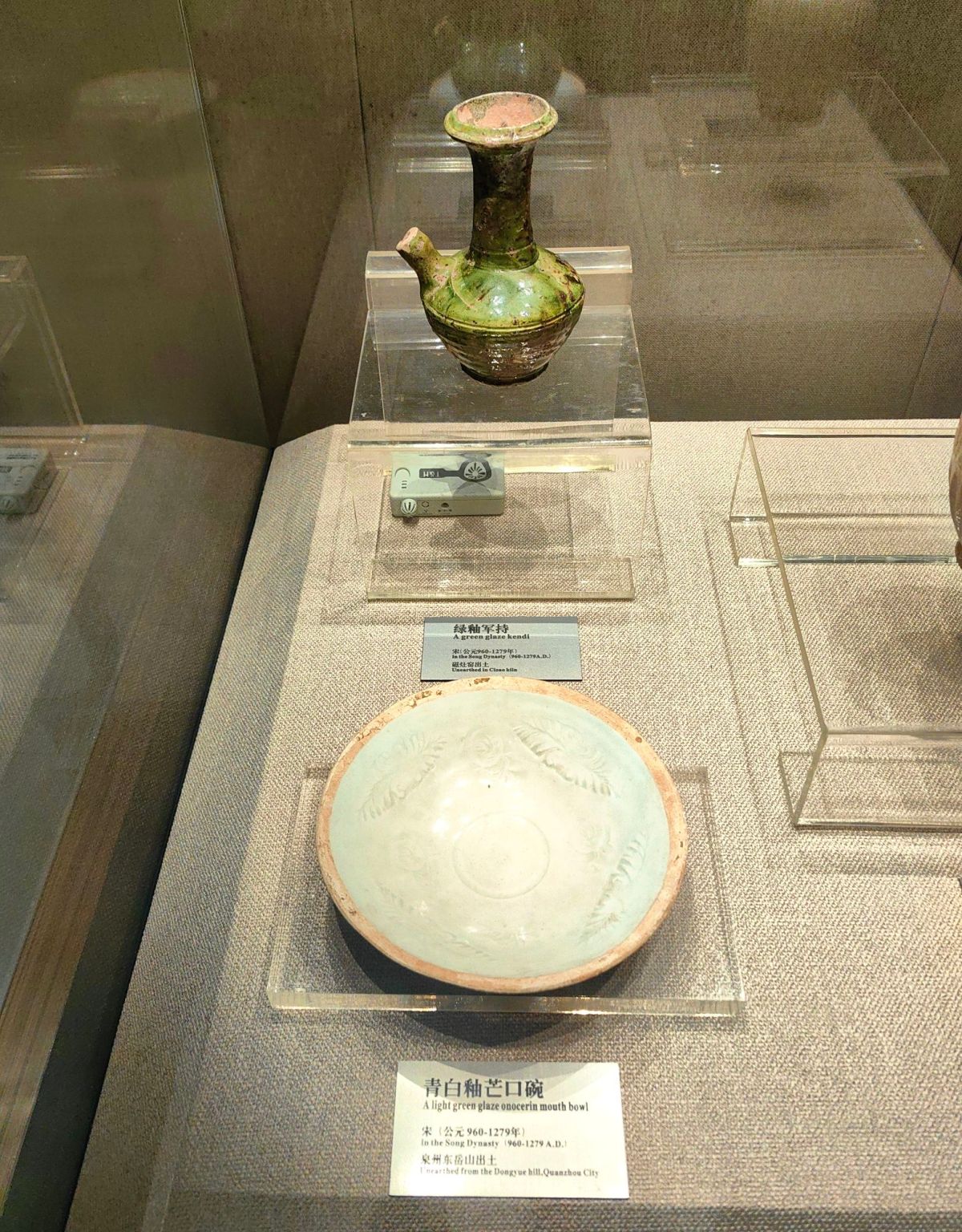
There are collections of rare Nestorian Christian tombstones, Arabic inscriptions, and ancient epitaphs. Many pieces were unearthed from cemeteries of foreign communities who lived in medieval Quanzhou. The porcelain exhibitions are a highlight of the Maritime Silk Road displays, showcasing the city’s central role in ceramic trade and production during the Song and Yuan dynasties. Blanc de Chine (Dehua white porcelain) is famous for its smooth, ivory-white glaze and is exported widely to Southeast Asia and Europe.

这里珍藏着稀有的基督教墓碑、阿拉伯文碑刻与古代墓志铭,其中许多出土于中世纪泉州外国社群的墓地。瓷器展区则是“海上丝绸之路”展览的亮点,生动呈现宋元时期泉州在陶瓷生产与贸易中的枢纽地位。德化白瓷以其温润如象牙的釉色闻名于世,远销东南亚与欧洲,见证了泉州海贸的辉煌与繁荣。

Inside, there is a large-scale model of ancient Quanzhou city, offering visitors a panoramic and immersive view of how the city looked during its golden age in the Song-Yuan period. I could clearly see the sinuous city walls, towering main gates (like Chaotian Gate), crossing streets, and the two towers of Kaiyuan Temple and immersed in its old history.

馆内陈设着一座宏伟的泉州古城模型,宛如将宋元盛世的辉煌凝固于眼前。城墙蜿蜒环绕,气势恢宏的朝天门巍然矗立,街道纵横交错,开元寺双塔相对而立,使人仿佛穿越时空,沉浸于古城的繁华与韵味之中。
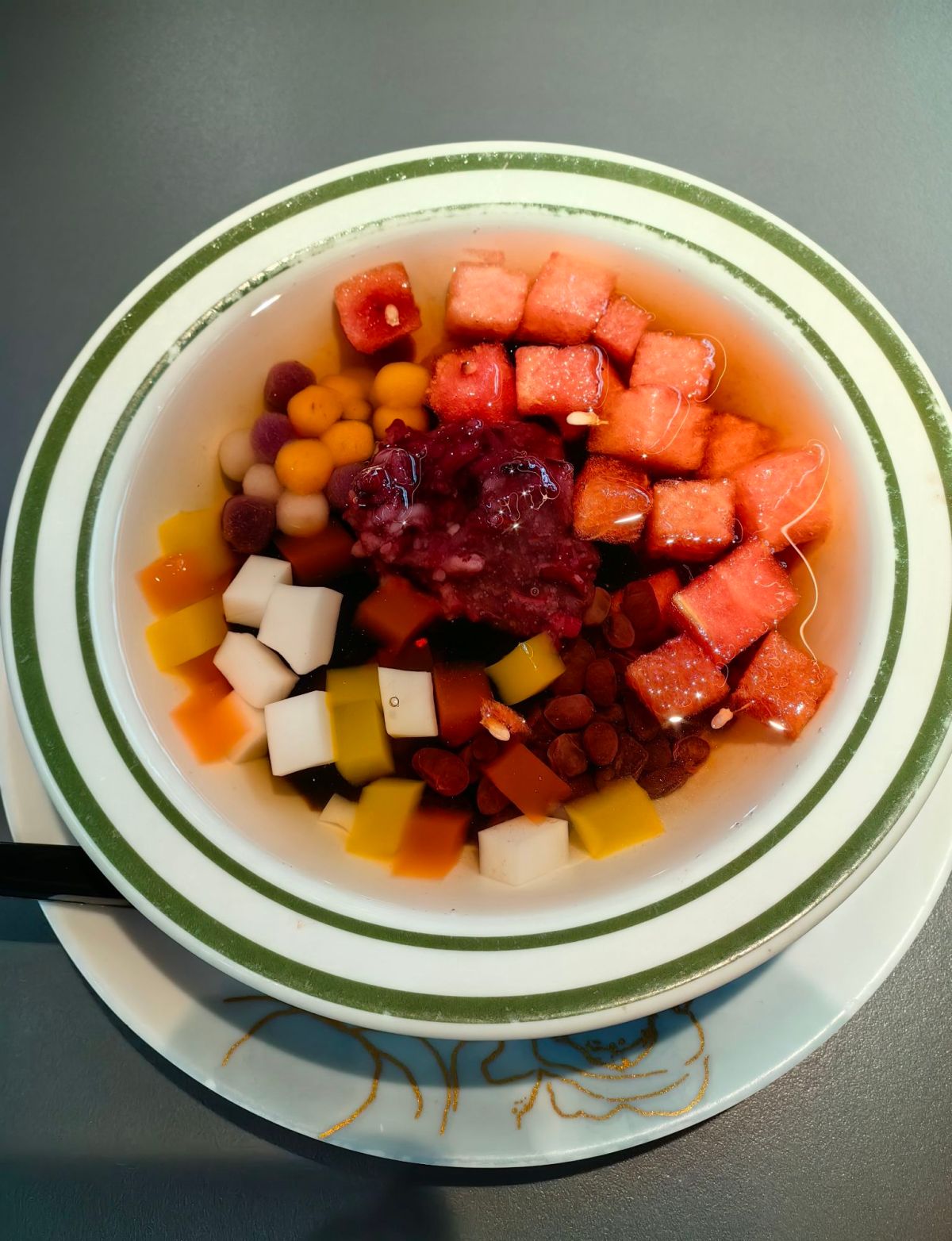
During my trip I tasted the Minnan cuisine, which is especially representative of the southern Fujian region, including cities like Quanzhou, Xiamen, and Zhangzhou. It is known for its refined techniques, fresh ingredients, delicate flavors, and a touch of sweetness. The Four Fruit Soup is a cold dessert with four toppings like transparent jelly cubes, sweetened red beans, soft lotus seeds, and crisp Nata de coco. It is lightly sweetened and topped with condensed milk, taste not so saturated.

旅途中,我品尝到地道的闽南菜。它是福建南部饮食文化的精粹,涵盖泉州、厦门、漳州等地的风味。闽南菜以精湛的烹饪技艺、新鲜食材、细腻而层次丰富的口感,以及那一抹恰到好处的甜味而闻名。其中,四果汤是一道沁人心脾的冷甜品,碗中盛着晶莹的果冻块、香甜的红豆、软糯的莲子与爽脆的椰果,四种配料交织成清凉的乐章,再淋上一圈浓郁的炼乳,甜而不腻。

The Oyster omelette is one of the most iconic and beloved dishes in Minnan cuisine, widely enjoyed in Quanzhou as well as in Taiwan and parts of Southeast Asia like Singapore. It is a must-try street food that perfectly captures the flavors and textures unique to the coastal Fujianese palate. It a savory dish made with fresh oysters and eggs. Sweet potato starch slurry is mixed into the egg to give the dish a chewy texture. Chopped leafy greens or scallions are added. It is pan-fried on a flat griddle until crispy on the bottom and soft on top. A key part of the dish is the sweet-sour chili sauce that’s generously spooned over the omelette after it’s cooked. It can be a satisfying snack for a seafood lover like me.

海蛎煎是闽南菜中最具代表性也最受喜爱的菜菜品,在泉州、台湾以及新加坡等东南亚地区都享有盛誉。它是街头小吃里的璀璨明珠,将福建沿海的独特风味与口感完美呈现。选用新鲜饱满的牡蛎,搭配鸡蛋与红薯淀粉浆,煎制出的蛋饼外脆内嫩,带着恰到好处的韧性。再拌入翠绿的蔬菜或清香的葱段,于热腾腾的铁板上煎至金黄酥香。出锅后,淋上一勺酸甜微辣的酱汁,咸香与酸辣并存。对于钟情海鲜的食客而言,这道小吃绝对是味蕾的满足。

Ginger Duck is a traditional and deeply flavorful dish of Minnan cuisine. It is made of aged ginger with stronger spiciness and tender duck meat. The dish is usually simmered in a clay pot over low heat, allowing the ingredients to infuse and develop a rich, savory broth. Sesame oil is used to stir-fry the ginger and rice wine is added, both for flavor and warmth. Herbs and spices like goji berries, red dates, star anise, and angelica root are included for their traditional medicinal value. The taste is nice, a bit warming, spicy and lightly sweet.

姜母鸭是闽南传统名肴,以浓郁醇厚的风味著称。精选肥嫩鸭肉,佐以辛香四溢的老姜,以芝麻油文火慢炒,激发姜香的同时,渗出温暖的热意。随后倾入米酒,酒香与姜辣交织,驱寒暖身。再加入枸杞、红枣、八角、当归等具传统药食价值的香料,历经陶罐慢火细炖。入口鲜美,辛辣中透着甘甜,温暖中蕴含滋补。
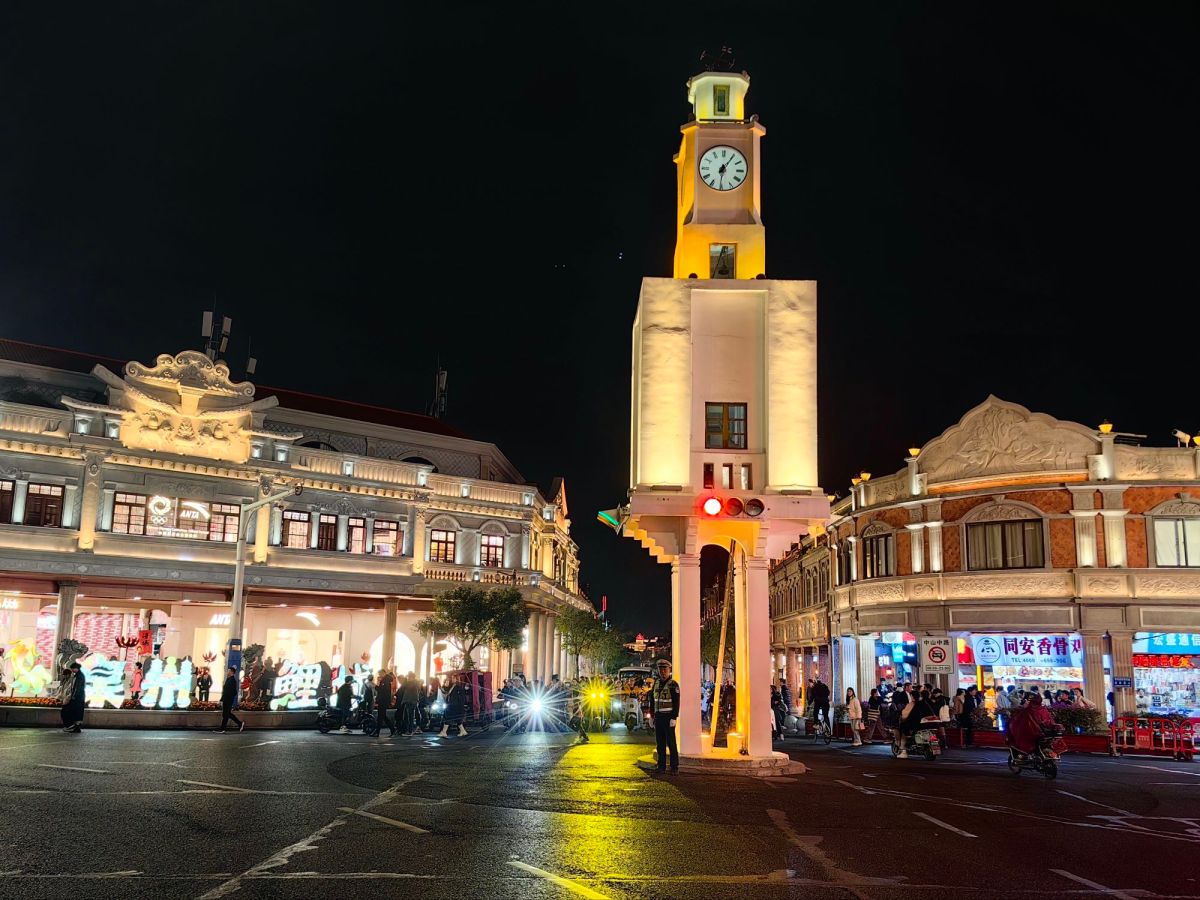
Exploring Quanzhou has been a deeply immersive journey. It felt like stepping into a living tapestry woven from centuries of history, culture, and spiritual harmony. Wandering through its ancient streets, majetic temples, and bustling markets, I sensed the city’s heartbeat pulsing with the stories of diverse peoples who once gathered here as traders or pilgrims. Quanzhou offers me a rare glimpse into a crossroads of world cultures — where Buddhism, Islam, Christianity, and Daoism coexist peacefully; where the legacy of the Maritime Silk Road still echoes in every stone bridge and mosque; where time slows down amidst verdant mountains and tranquil lakes.

泉州之行宛如一场深情的时光之旅,让人沉醉其中,仿佛步入了一幅由数百年历史、文化与精神交织而成的绚丽画卷。行走在古老的街巷、庄严的寺庙和熙攘的市集间,我仿佛能触摸到这座城市的跳动脉搏,那是多元民族的故事在时光长河中交织的回响。泉州展现了作为世界文化的交汇之地,佛教、伊斯兰教、基督教与道教和谐共处;海上丝绸之路的昔日遗产依旧在每一座石桥、每一座庙宇中低语。时光在翠绿群山与宁静湖泊间缓缓流淌,带给游客无尽的宁静与回味。

Tracing Northern Wei History in Datong

古都大同追忆北魏历史

From 398 to 494 CE, Datong (known as Pingcheng) served as the capital of the Northern Wei dynasty. The dynasty, established by the Xianbei, a nomadic group from the northern steppes, chose Datong due to its strategic location, which provided a stronghold for military and administrative control. Pingcheng’s cosmopolitan atmosphere helped foster cultural integration between the nomadic Xianbei people and the settled Han Chinese population. Under the Northern Wei, Datong developed into a well-planned and fortified city. It holds numerous cultural and historical relics that showcase fully the grandeur of the dynasty.

在公元 398 年至 494 年期间,大同(即曾经的平城)一直是北魏的都城。北魏由来自北方草原的游牧民族鲜卑族建立,他们因为其战略位置优越而选择大同作为军事和行政中心。历史上的平城的国际化氛围浓厚,也促进了游牧的鲜卑人和居有其所的汉族人之间的文化融合。在北魏统治下,大同发展成为一座规划完善、防御坚固的都城。这里拥有众多文化和历史遗迹,充分展现了北魏王朝当年的辉煌。

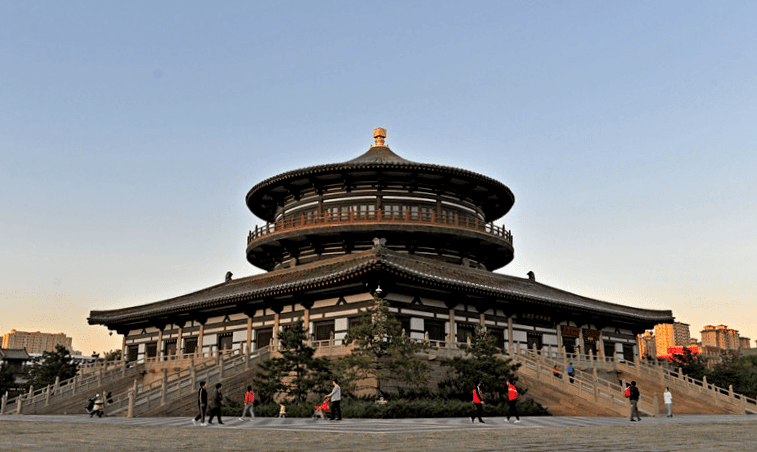
The Mingtang, or “Hall of Light,” was a structure rooted in ancient Chinese cosmology, symbolizing the emperor’s divine authority as the “Son of Heaven”. It served as a ritual space for major ceremonies, including seasonal sacrifices, state proclamations, and imperial gatherings. The Mingtang was also a symbol of harmony between Heaven, Earth, and humanity. The building in the photo was a replica of the Mingtang located at the Mingtang relic park in Da tong.

明堂是中国古代宇宙观的象征,代表着皇帝作为天子的神圣权威。它是举行包括季节性祭祀、昭告天下和皇室集会等重大仪式的场所。明堂也是天地人和谐的象征。照片中的建筑是位于大同明堂遗址公园的明堂复制品。

In the context of famous poem ‘The Ballad of Mulan’, there is one sentence (归来见天子,天子坐明堂) describing Mulan meeting the emperor in the Mingtang after her victorious military service. Mulan is a well-known heroine portrayed as a devoted daughter who disguised herself as a man to take her elderly father’s place in the army of North Wei against the Rouran Khaganate. She is also the character in the Disney animated film. Mulan’s decision to join the army replacing his father exemplifies Confucian values of filial piety. Every Chinese student learnt this poem in the secondary school.

在著名诗歌《木兰辞》中,有一句诗 “归来见天子,天子坐明堂”描述了木兰在获得赫赫战功后在明堂会见皇帝的情景。花木兰是一位耳熟能详的巾帼英雄,《木兰辞》根据她的事迹描绘了这位孝顺的女儿女扮男装代替年迈的父亲加入北魏军队,对抗柔然汗国的故事。她也是迪士尼动画电影木兰中的女主角。木兰决定代父参军,体现了儒家思想孝的价值观。每位中国学生都曾在中学阶段都学过这首诗。

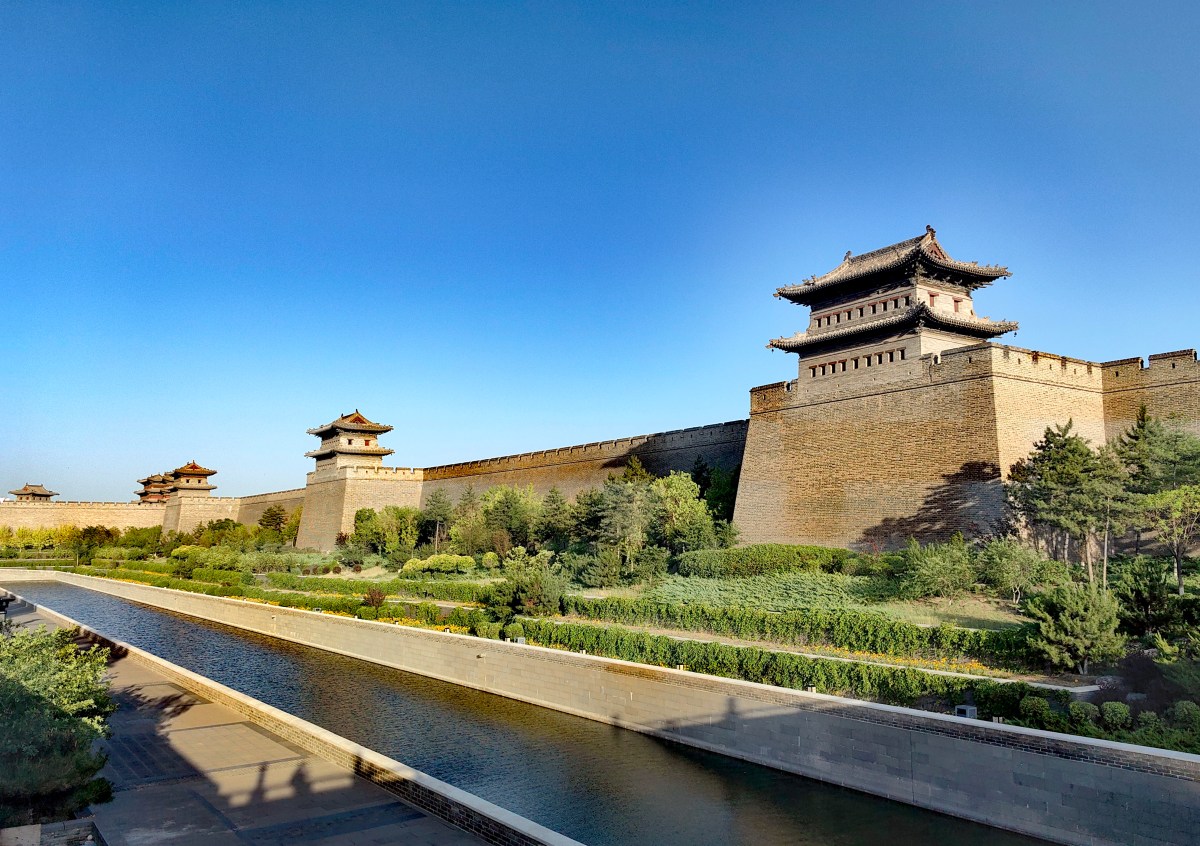
I visited this ancient city on July 7 2023 starting from the city wall. It was my last stop of my trip in Shanxi province. Datong served as the Northern Wei old capital and its city walls followed traditional Chinese fortification designs, influenced by earlier Han dynasty models. Like the walls of other cities, the walls were constructed using rammed earth. As I traveled around it, I found that they were equipped with watchtowers at regular intervals for surveillance and signaling and moats surrounding the walls to enhance defense.

2023 年 7 月 7 日,我从大同城墙开始参观了这座古城。这也是我山西之旅的最后一站。大同是北魏古都,其城墙遵循自早期汉朝以来中国传统的防御工事设计。与其他城市一样,这种城墙也是用夯土建造的。在城内游览时,我还发现城墙每隔一段距离就设有瞭望塔,用于监视敌军和发信号,城墙周围还设有护城河,以加强防御。

The Wild Goose Pagoda on the southeast wall of Datong Ancient City is a remarkable structure. Although less well-known than its counterpart in Xi’an, this pagoda is an essential feature of Datong’s urban and spiritual history. Datong was a major center of Buddhism during the Northern Wei Dynasty. Pagodas like this were often built to enshrine Buddhist relics and scriptures. It is a multi-tiered tower, with diminishing levels as it rises, creating a tapered and elegant silhouette. It is weird that the tower is positioned on the city wall. I guess that it might act as a watchtower, providing a vantage point to monitor the surrounding area.

古城东南城墙上的雁塔是一座引人注目的建筑。虽然它不如西安的大雁塔那么出名,但它是大同城市和历史的重要地标。大同在北魏时期是佛教的中心。像这样的宝塔通常是为了供奉佛教遗物和经文而建造的。它是一座多层塔,随着高度的增加,塔的层数逐渐减少,形成了一个锥形而优雅的轮廓。这座塔然而位于城墙上,这种设计的确诡异。我猜它极有可能是一个瞭望塔,便于士兵寻视周边区域。

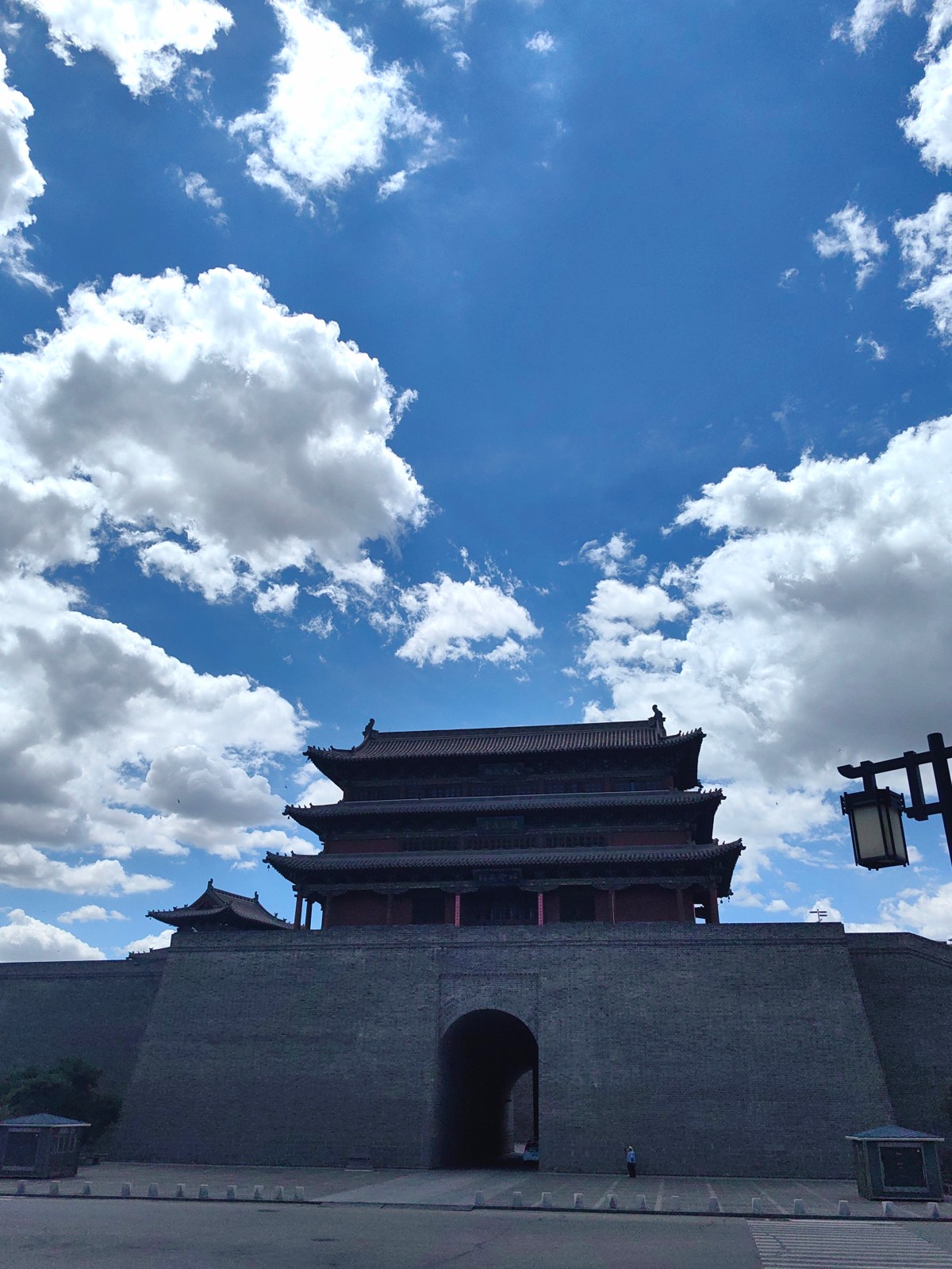
Datong’s current main gate, part of the city wall was rebuilt during the Ming Dynasty. The well-fortified dark colored sturdy city gate under the blue sky seemed to tell the story of thousand years. As the primary entrance to the Northern Wei capital, the gate would have symbolized the dynasty’s authority and connection to both the military frontier and the imperial heartland.

For history lover, the battle of Canhe Bei must be mentioned. It was a pivotal battle that took place in 395 CE between the Northern Wei and the Later Yan near Da Tong. The leader of North Wei Tuoba Gui used clever tactics to lure the Later Yan forces into a vulnerable position. He feigned a retreat, drawing the Yan forces into an ambush. The Northern Wei cavalry encircled and annihilated the Yan army. The Later Yan suffered a devastating defeat, with tens of thousands of soldiers killed or captured. The victory solidified the Northern Wei’s dominance and helped them unify northern China.

图中是大同现在的主城门,这部分城墙的是明代重建的。苍天下,坚固的深色城门似乎在诉说着千年的历史故事。作为北魏首都的主入口,这座城门象征着王朝的权威以及与边疆和帝国中心地带的联系。

对于历史爱好者来说,北魏参合陂之战不得不提。这是公元395年北魏与后燕在大同附近发生的一场关键之战。北魏首领拓跋珪运用巧妙的战术,诱使后燕军队陷入被动。他佯退后引燕军进入埋伏。北魏骑兵之后围歼燕军。后燕遭到惨败,士兵被杀或被俘数万。这次胜利巩固了北魏的统治地位,帮助他们后来统一了中国北方。

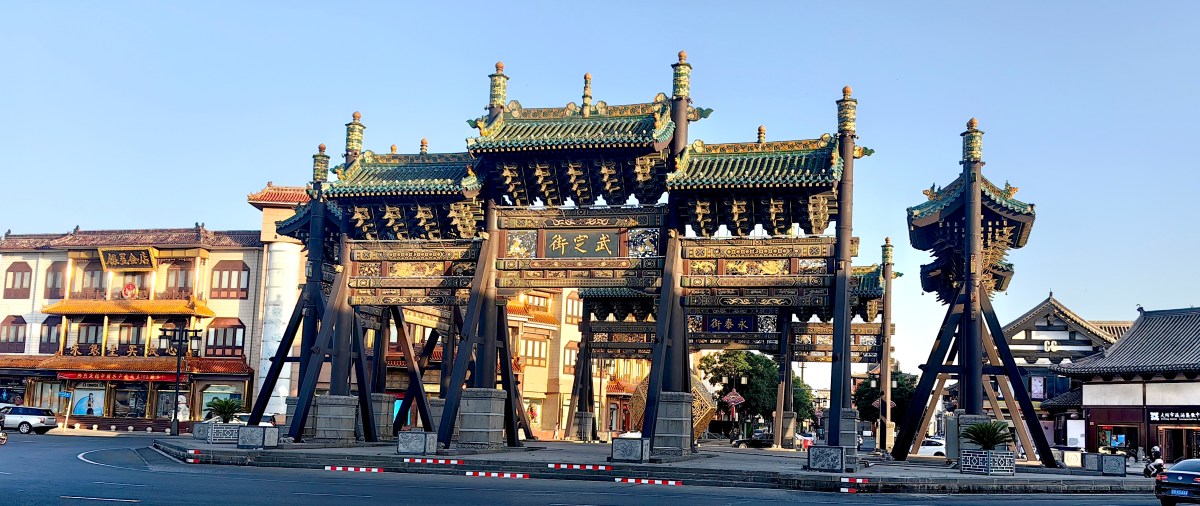
Entering the city wall, visitors can observe the paifang at Wuding Street at the first glimpse. Constructed from stone and wood, it was intricately carved, showcasing traditional Chinese craftsmanship. The paifang featured a three-tiered design, with one large central passage flanked by two smaller ones. The roof sections exhibit upturned eaves, characteristic of Chinese architecture, with decorative elements such as dragons, phoenixes, or floral motifs. The paifang reflects the Confucian values of reverence and respect in Chinese culture.

进入城墙内,游客首先看到的是武定街的牌坊。牌坊由石头和木材建造而成,雕刻精美,展现了中国传统工艺。牌坊采用三层设计,中间有一个大通道,两侧有两个较小的通道。屋顶部分呈现中国建筑的典型飞檐,并带有龙、凤或花卉等装饰元素。牌坊反映了中国文化中对儒家尊重的价值观。

There are many historical buildings in the city center that represent the rich history of this city. One of the most iconic buildings must be the Kui Star Pavilion. In Chinese culture, the Kui star is a Taoist deity associated with scholarly success and is often depicted as a celestial figure helping students excel in the imperial examination system. This building was likely constructed during the Ming or Qing Dynasty. Da Tong was a city with a deep cultural and historical legacy. In ancient China, success in the civil service examinations was a pathway to social prestige. This building was built to inspire scholars preparing for the imperial exams.

大同古城中心有许多历史建筑,代表着这座城市丰富的历史。其中最具标志性的建筑之一是奎星阁。在中国文化中,奎星是与学术成功有关的道教神灵,经常被描绘成帮助学生在科举制度中取得优异成绩的天神。图中这座建筑奎星阁很可能建于明朝或清朝。大同是一座拥有深厚文化和历史遗产的城市。在中国古代,科举考试成功是获得社会声望的重要途径。这座建筑在古代是为了激励准备科举考试的学子而建造的。

The most famous architectural relics of this city must be the Nine-Dragon Screen. It is one of the only three existing Nine-Dragon Screens in China, alongside those in the Forbidden City and Beihai Park in Beijing. The Nine-Dragon Screen in Datong was constructed in 1392 CE, during the early Ming Dynasty, as part of a palace complex. It was built as a spirit screen to block evil spirits from entering through the main gate, as per traditional Chinese architectural principles. There are totally nine well decorated coiled dragons, each distinct in posture, expression, and color (yellow, blue, white, and green). The dragons are surrounded by clouds, waves, and mountains, symbolizing imperial power, prosperity, and good fortune in Chinese culture. People came here to take a photo and wish to obtain good fortune from the dragons.

大同最著名的历史遗迹当属九龙壁了。它是中国现存的三座九龙壁之一,另外两座位于北京故宫和北海公园。大同九龙壁建于公元 1392 年,是明初宫殿建筑群的一部分。它按照中国传统建筑风水建造,作用是防止恶灵从大门进入。壁上九条盘龙装饰精美,每条龙的姿势、表情和颜色(主要是黄蓝白和绿色)都各不相同。龙周围环绕着云朵、海浪和山脉,在中国文化中象征着皇权、繁荣和好运。各地游人纷纷来到这里拍照留念,希望沾点龙气获得幸运。

The Drum Tower in this photo is a traditional Chinese structure historically used for public announcements, timekeeping, and ceremonial purposes. It was located exactly at the center of the old city and serves as the hub of this city. The Drum Pavilion is a multi-tiered wooden structure built atop a sturdy stone base. It features a rectangular base with a multi-eaved roof, reflecting the symmetry and balance of traditional Chinese architecture. A large ceremonial drum was traditionally housed on its upper level. Before the advent of modern clocks, the drum was used to signal the time of day in coordination with a bell tower so the combination of drum tower and bell tower can be found in every ancient Chinese city.

这张照片中的鼓楼是中国传统建筑,历史上用于公告宣示、报时和举行各种仪式。它位于古城的正中央,是这座城市的中心。鼓楼是一座多层木结构建筑,建在坚固的石基上。它的特点是矩形底座和多檐屋顶,体现了中国传统建筑的对称和平衡性。传统上,鼓楼上层都放置着一面巨大的礼鼓。在现代时钟出现之前,鼓楼被用来与钟楼配合报时,在中国古代每个城市都能看到鼓楼和钟楼的组合。

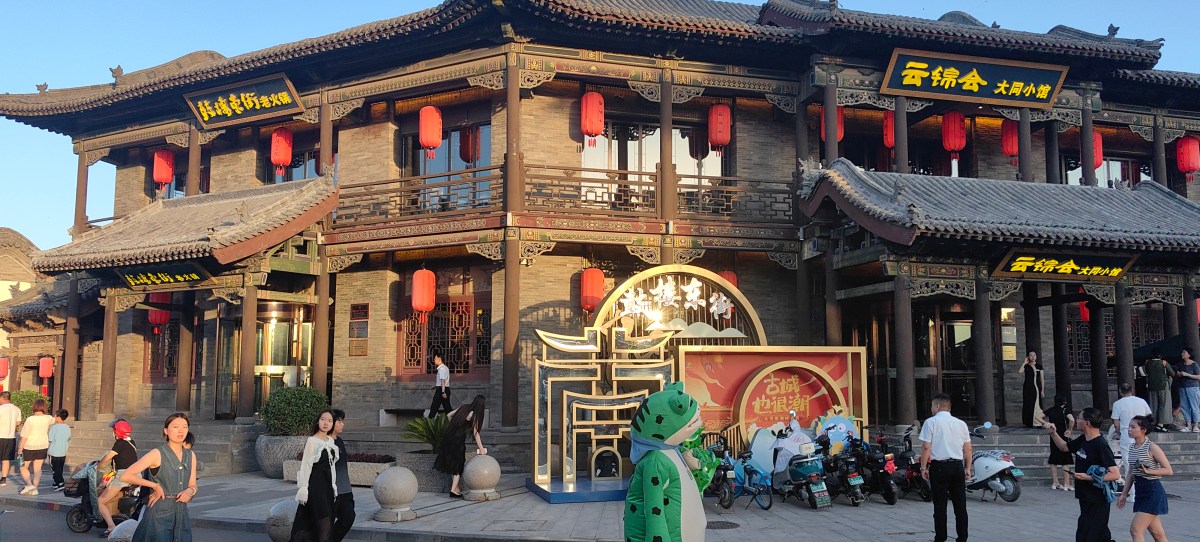
The Drum Tower East Street serves as a reflection of the traditional commercial and residential culture of this city. The street is part of Datong’s ongoing efforts to preserve and restore its historical core. Many traditional buildings have been renovated to showcase the architecture of past dynasties. There are many restaurants selling local food like cut noodles.

鼓楼东街是大同市传统商业文化的体现。这条街是大同市政府对传统文化保护和恢复历史核心遗产而努力的一部分。许多传统建筑都经过翻新,以展示过去的建筑风格。这里有许多餐馆出售例如刀削面等当地美食。

The shumai of Datong is a famous local delicacy that reflects the region’s rich culinary heritage. Unlike the Cantonese-style shumai commonly found in dim sum, Datong shumai has its own unique characteristics. As Datong was a crucial hub on the ancient Silk Road and a frontier city in northern China, its cuisine was influenced by a blend of Han Chinese and Mongolian flavors. The filling of Datong shumai is made from ground lamb or beef, often mixed with scallions, ginger, and various spices like cumin. The wrapper is made from thinly rolled wheat flour dough, soft yet strong enough to hold the juicy filling. The taste is savory and aromatic, with a balance of lamb’s natural flavor and the warmth of northern spices. The wrapper of Datong shumai is slightly thicker compared to Cantonese versions. It is often served with a side of famous Shanxi vinegar to enhance its flavor.

大同烧卖是当地著名的美食,体现了大同地区丰富的烹饪传统。与常见的广式烧卖不同,大同烧卖有自己特色。大同是古代丝绸之路的重要枢纽,也是中国北方的边疆城市,其菜肴融合了汉族和蒙古族风味。大同烧卖的馅料由羊肉或牛肉末制成,通常会混合葱、姜和孜然等各种香料。烧卖皮由薄面制成,柔软而结实,可以包裹多汁的馅料。烧卖味道鲜美芳香,羊肉的天然风味与北方香料的暖意完美融合。大同烧卖皮比广式烧卖略厚,通常会搭配著名的山西醋来增强其风味。

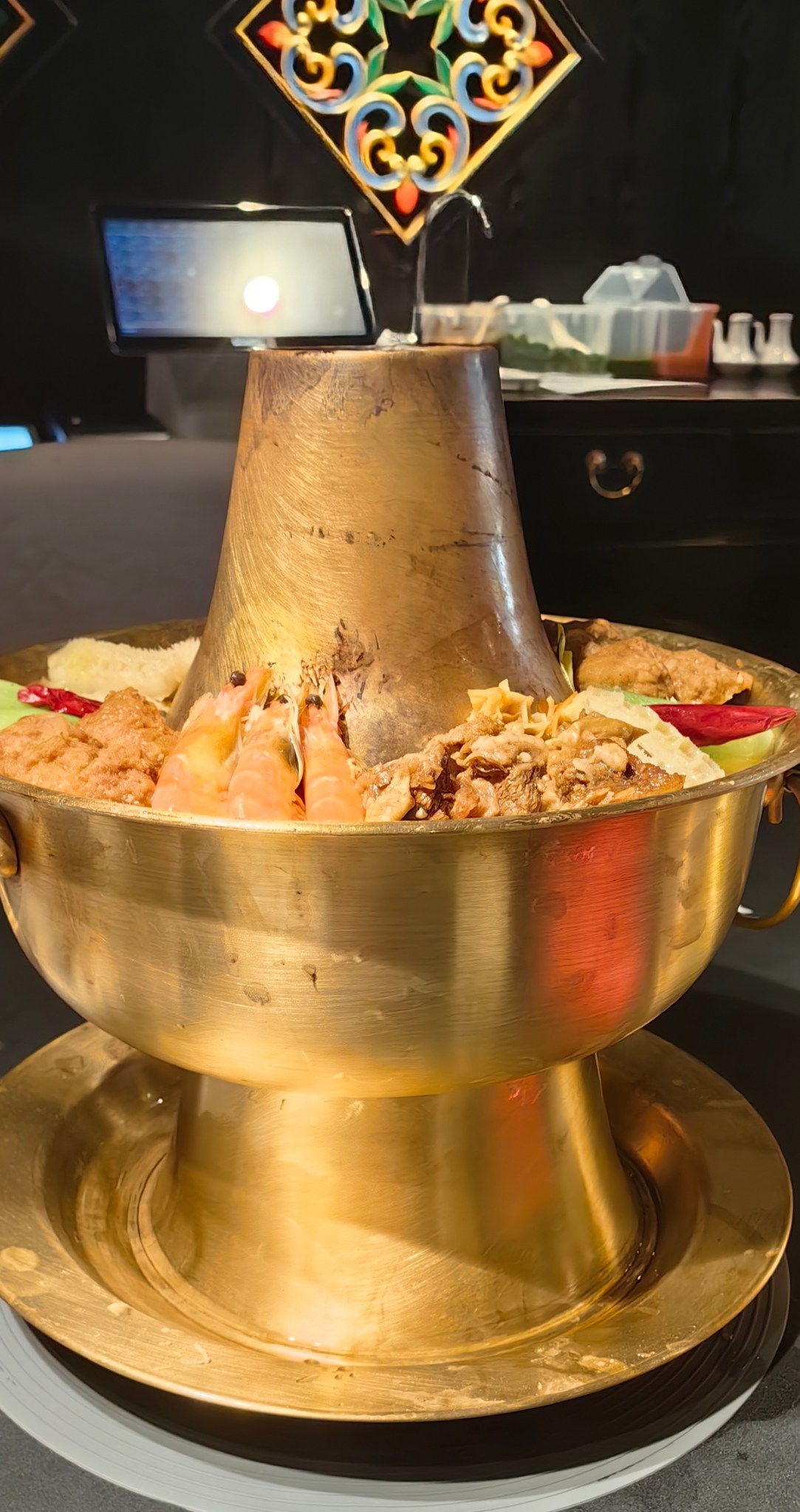
Datong is on the cold northern frontier of ancient China, so hotpot is a popular local food. The use of copper pots became widespread due to their durability and good heat conductivity. It has a round base and a chimney-style center, which is filled with burning charcoal. The outer ring of the pot holds the broth, while the chimney ensures consistent heat distribution, keeping the broth boiling steadily. The broth is made with lamb bones, ginger, and scallions for a light, aromatic flavor which is different with Sichuan hotpot. Lamb and beef is the star ingredient, reflecting the region’s northern and Mongolian culinary influence. A traditional dipping sauce accompanies the hotpot, typically made with sesame paste, fermented tofu, garlic, vinegar, soy sauce, and chili oil. Hotpot can be regarded as one of the most popular food in China. Almost everyone likes it.

大同位于寒冷的北方边疆,因此火锅是当地一种很受欢迎的美食。铜制的锅由于耐用且导热性好而广为使用。铜锅底部为圆形,中间为烟囱式,内填燃烧的木炭。锅的外圈盛有汤汁,而中间的烟囱则确保热量均匀分布,使汤汁稳定沸腾。汤汁由羊骨、生姜和葱制成,味道清淡芳香,味道与四川火锅不同。受蒙古烹饪的影响,羊肉和牛肉是当地人的主要食材。火锅搭配通常由芝麻酱、腐乳、大蒜、醋、酱油和辣椒油制成的传统蘸料。火锅可以说是中国最受欢迎的美食之一,几乎每个国人都喜欢它。
In the city center around the Drum tower, there is one pedestrian zone which is concentrated around the central axis of the city. It is designed for foot traffic only. The street is lined with restored Ming and Qing-style buildings, featuring gray brick facades, tile roofs, and traditional wooden carvings. Decorative elements like red lanterns, stone pavements, and paifang gates evoke the charm of ancient Datong. Landmarks like the Huayan Temple and Shanhua Temple are within walking distance of the zone.

鼓楼周围的市中心有一个步行区,集中在城市中轴线周围。它专为游客步行游览而设计。街道两旁是经过修复的明清风格建筑,以灰砖外墙、瓦片屋顶和传统木雕为特色。红灯笼、石板路面和牌坊门等装饰元素彰显大同古风。华严寺和善化寺等著名地标建筑距此只有一箭之遥。

This is the entrance of Huayan temple. The temple was originally constructed during the Tang Dynasty (618–907 CE) but has undergone multiple reconstructions and renovations over the centuries.
It was built to promote the Huayan school of Buddhism, which is based on the teachings of the Huayan Sutra, one of the most influential texts in Chinese Buddhism. As a major site for Buddhist practice and study, the temple has played a significant role in promoting the spread of Buddhism in northern China.

这是华严寺的入口。本寺始建于唐朝,但几个世纪以来经历了多次重建和修缮。修建华严寺是为了弘扬华严宗佛教,该宗派以《华严经》的教义为基础,《华严经》是中国佛教中最具影响力的经文之一。作为佛教修行和学习的主要场所,该寺在促进佛教在中国北方的传播方面发挥了重要作用。

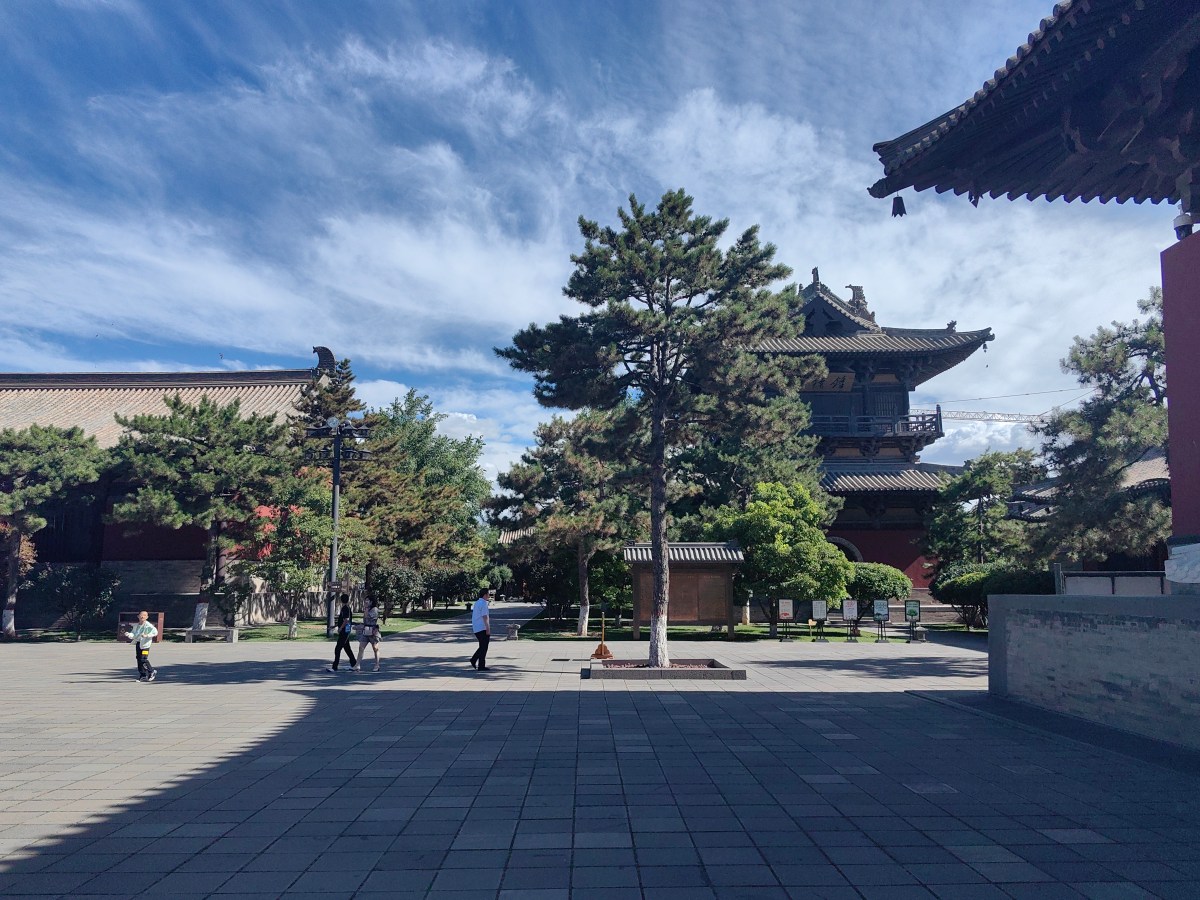
Upon entering the temple complex, I first step into the main courtyard, which is an open space surrounded by various buildings and halls. The courtyard is an important part of the temple’s layout, providing a serene space for pilgrims to gather, meditate, and prepare for their religious practices. It is rectangular and spacious, offering a clear line of sight to the main hall. The area is paved with stones, and paths lead from one building to another. The layout adheres to the traditional Chinese principle of symmetry, with the most significant structures placed along a central axis. This space makes me feel at ease. It includes many green plants and the warm cozy sunlight under the blue sky was reassuring.

进入寺庙建筑群后,我首先迈入主庭院,这是一个被各种建筑包围的大型开放空间。庭院是寺庙布局的重要组成部分,为朝圣者提供了一个宁静的空间,供他们聚集、冥想和准备宗教活动。这种庭院一般呈矩形,空间宽敞,站在中央可以清晰地看到主殿。庭院的地面铺有石头,鹅卵石小路连接了一栋栋建筑。整体布局遵循中国传统的对称原则,最重要的建筑沿着中轴线放置。这片空旷的场地让我感到心情舒畅,摆放了许多绿色植物,蓝天下温暖舒适的阳光也令人安心。

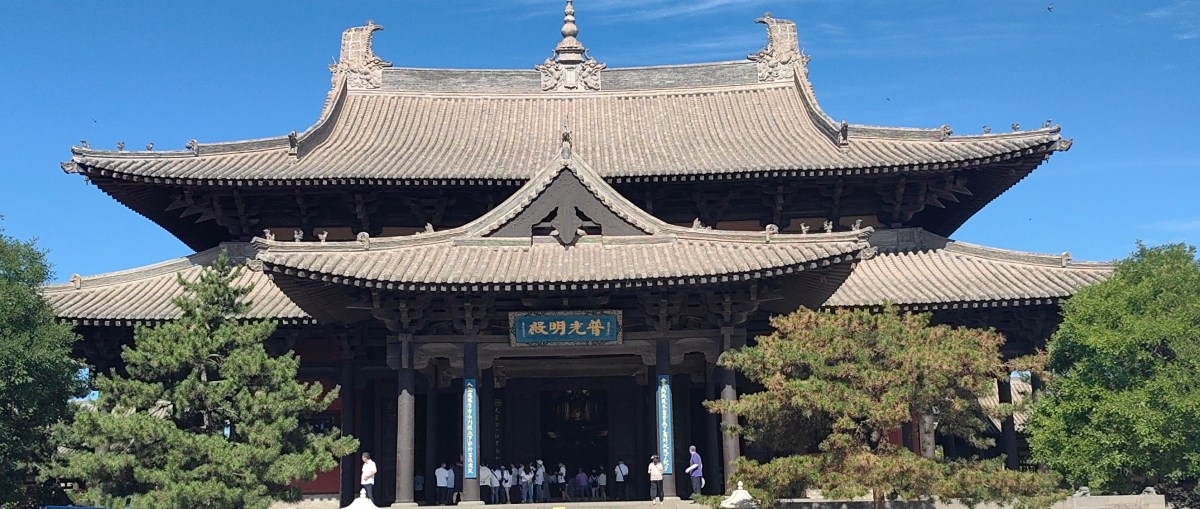
The Hall of Universal Light, is an important structure within Huayan Temple in Datong. It is located after the main entrance and before reaching the central halls like the Main Hall . The hall is dedicated to the worship of Bodhisattvas, and it emphasizes themes of light, wisdom, and the spreading of Buddhist teachings. The name “Universal Light” symbolizes the enlightenment that can guide all beings toward the path of liberation.

普光殿是大同华严寺内的重要建筑,位于正门后,位于大雄宝殿等中央殿堂之前。该殿供奉菩萨,强调光明、智慧和弘扬佛法的主题。“普光”这个名字象征着能够引导众生走向解脱之路的觉悟。

The Bell Tower and Drum Tower are two typical architecture elements of Chinese temple. They create a balanced and harmonious structure within the temple layout. It is located on an elevated platform to enhance its presence and acoustics, ensuring the sound of the bell carries across the temple grounds. In every Chinese temple, I can always catch sight of a small bell under the eave of temple hall. The small bell is often associated with the spiritual function of warding off evil spirits and bringing blessings to the temple. Passing through temple halls, I could hear the soft and delicate ringing of these small bells in the wind. Hopefully they will bring good luck to me.

钟鼓楼是中国寺庙的典型建筑元素。它们在寺庙布局中创造了一种平衡和谐的构造。钟鼓楼都位于高架平台上,以增强音质,确保钟声传遍整个寺庙。另外在每个中国寺庙里,我总能看到寺庙的大厅屋檐下的小铃铛。这些小钟通常能够驱赶邪灵并给寺庙带来祝福。徐徐穿过寺庙大厅,耳边依稀传来这些小钟在风中发出的柔和细腻的铃声,也希望它们今后能给我带来好运。

The Mahavira Hall was built during the Liao Dynasty, serving as the main hall of this temple. It is a real treasure, one of the largest surviving Liao-era wooden structures in China. Built using traditional timber-frame construction, the hall demonstrates advanced engineering techniques, including bracket sets for structural stability.

华严寺的大雄宝殿建于辽代,是该寺的主殿。它是一件真正的建筑瑰宝,是中国现存最大的辽代木制结构建筑。大殿采用当时先进的木结构工程技术,其中最明显的就是用于结构稳定性的支架组。

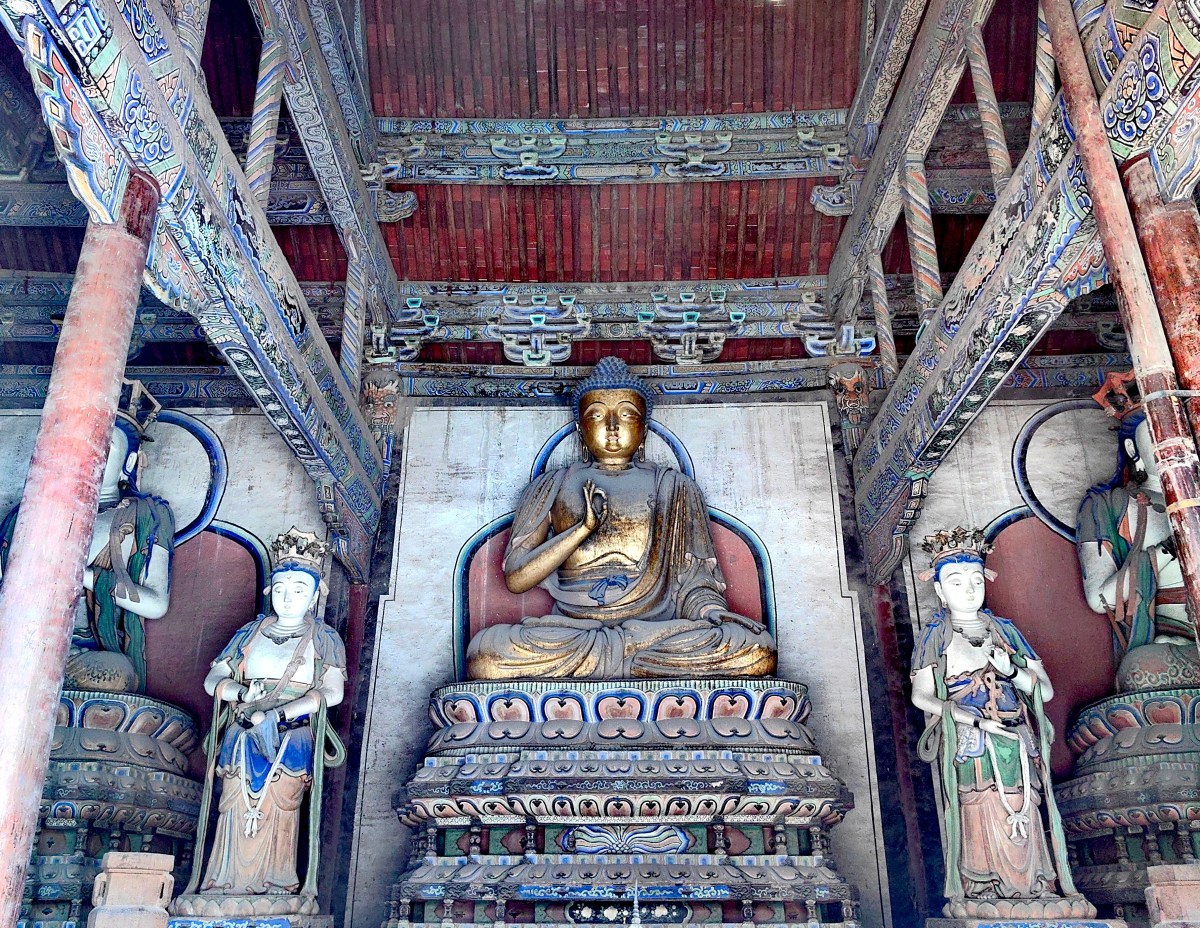
The hall houses numerous clay sculptures, crafted with exceptional detail. The clay sculptures are the most remarkable and well-preserved examples of ancient Buddhist art from the Liao (907–1125 CE) and Jin (1115–1234 CE) dynasties. The sculptures depict Buddhist deities, including the Vairocana Buddha, bodhisattvas, and arhats. The surfaces were finished with brightly colored paints and gold leaf, although much of the original coloring has faded over time.

大殿内陈列着许多泥塑,制作精良,细节精美。这些泥塑是辽朝和金朝时期古代佛教艺术中最杰出、保存最完好的代表。这些雕塑描绘了包括毗卢遮那佛、菩萨和罗汉等佛教神祇。雕塑表面涂有色彩鲜艳的颜料和金箔,不过大部分原始色彩已经随着时间的推移而褪色。

The walls are adorned with vivid frescoes depicting Buddhist cosmology, celestial realms, and moral teachings. These paintings use vibrant colors and intricate designs, reflecting the artistic sophistication of the Liao and Jin dynasties. Through their vivid storytelling, the frescoes served to educate visitors about Buddhist teachings and moral values. Although I did not believe in Buddhism, I still stood in front of the wall, trying to understand the stories of these frescoes.

大殿墙上布满了生动的壁画,描绘了佛教宇宙观、天界和道德教义。这些画色彩鲜艳,图案复杂,反映了辽金时期的艺术造诣。壁画通过生动的故事,教育游客了解佛教教义和道德价值观。虽然本人并不信佛,但我还是认真站在墙前,试图理解这些壁画的背后故事。

They are the statues of the Five Buddhas placed in the hall. They represent different aspects of enlightenment and cosmic wisdom. The Five Buddhas, also known as the Five Tathagatas were influenced by the Five Wisdom Buddhas in Mahayana Buddhism during the reign of North Wei Dynasty. At that period, the imperial court adopted Buddhism as the state religion, with significant support from Emperor Xiaowen who was one of the most transformative rulers in Chinese history. His reign is marked by a significant reform movement, known as the “Sinicization Reforms”, which aimed to integrate the Xianbei nomadic culture into the dominant Han Chinese culture.

这张照片是大厅中放置的五方佛像。它们代表着启蒙和宇宙智慧。五方佛是受到北魏时期大乘佛教五大智慧佛的影响。当时,北魏朝廷将佛教定为国教,并得到了孝文帝的大力支持,孝文帝是华夏历史上最具变革精神的统治者。他的统治以一场重大的汉化改革运动为标志,目的是将鲜卑游牧文化融入占主导地位的汉文化。

The emperor encouraged the Xianbei elite to adopt Han Chinese names, dress, language, and marriage customs. The use of the Chinese language in official documents and court proceedings became mandatory. Confucian ideals of governance and ethics replaced traditional Xianbei tribal customs as the official guiding principles of the state. As a result, Datong was transformed from a nomadic center into a Han-style city. Afterwards, many traditional buildings like Confucius Temple and Guandi Temple (in this photo) were constructed in line with Chinese architectural principles.

孝文帝鼓励鲜卑精英采用汉名和汉族婚姻习俗、着汉服。官方文件和法庭诉讼必须使用汉语。儒家理念和道德观取代了传统的鲜卑部落习俗,成为国家的官方政策。大同因此从游牧中心转变为汉族风格的城市。此后,许多传统建筑如孔庙和图中的关帝庙,都是按照传统汉族建筑原理建造的。

I walked through the ancient streets and historic buildings for over three hours. The last temple visited was the Shanhua Temple, one of China’s most important surviving examples of Liao and Jin dynasty Buddhist architecture. It was known for its well-preserved wooden structures, exquisite sculptures, and tranquil ambiance. The temple was originally built during the Tang Dynasty but was significantly reconstructed during the Liao Dynasty. Initially named Kaiyuan Temple during its Tang origins, the temple was later renamed Shanhua Temple during the Liao period, symbolizing the spread of Buddhist teachings.

我在古老的街道和历史建筑中走了三个多小时。参观的最后一座寺庙是善化寺,它是中国现存最重要的辽金佛教建筑之一。它以保存完好的木结构、精美的雕塑和宁静的氛围而闻名。这座寺庙最初建于唐代,但在辽代进行了大规模重建。这座寺庙最初在唐代被称为开元寺,后来在辽代改名为善化寺,象征着佛教教义的传播。

In every Chinese temple, I can always find the sculpture of the heavenly guardians at the entrance. They are often depicted as Lokapalas (Four Heavenly Kings), each overseeing one of the four cardinal directions. The guardians are depicted with fierce, intimidating expressions and wear intricately detailed armor, emphasizing their martial prowess and invincibility. Each guardian holds symbolic weapons, representing their unique powers. These colored and intricate sculptures were lively vivid and showed me the Liao and Jin Dynasty craftsmanship.

每个中国寺庙里,我都能在入口处看到四大天王的雕像,它们分别守护着四个方向。这些守护者被描绘成有凶猛、令人生畏的表情,身着精致的盔甲,他们的武艺也是天下无敌。每个守护者都手执代表性的武器(青锋宝剑、混元珍珠伞、碧玉琵琶、紫金花狐貂),代表他们独特的力量。这些色彩鲜艳、工艺精湛的雕像栩栩如生,向游客展示了辽金时期的工艺水平。

In the Mahavira Hall (also known as the Main Hall), there are many impressive statues. The central statue of Sakyamuni is depicted in a meditative pose, symbolizing peace, wisdom, and enlightenment. Above the Sakyamuni statue, it is a caisson which is an octagonal wooden ceiling that is painted and decorated. This is a very traditional decoration of Chinese architectures.

善化寺大雄宝殿内,有许多令人印象深刻的雕像。中央的释迦牟尼雕像呈现冥想的姿势,象征着和平、智慧和启蒙。释迦牟尼雕像上方是藻井,就是一个八角形的木制天花板,上面绘有彩绘和装饰。这是中国建筑非常传统的元素。

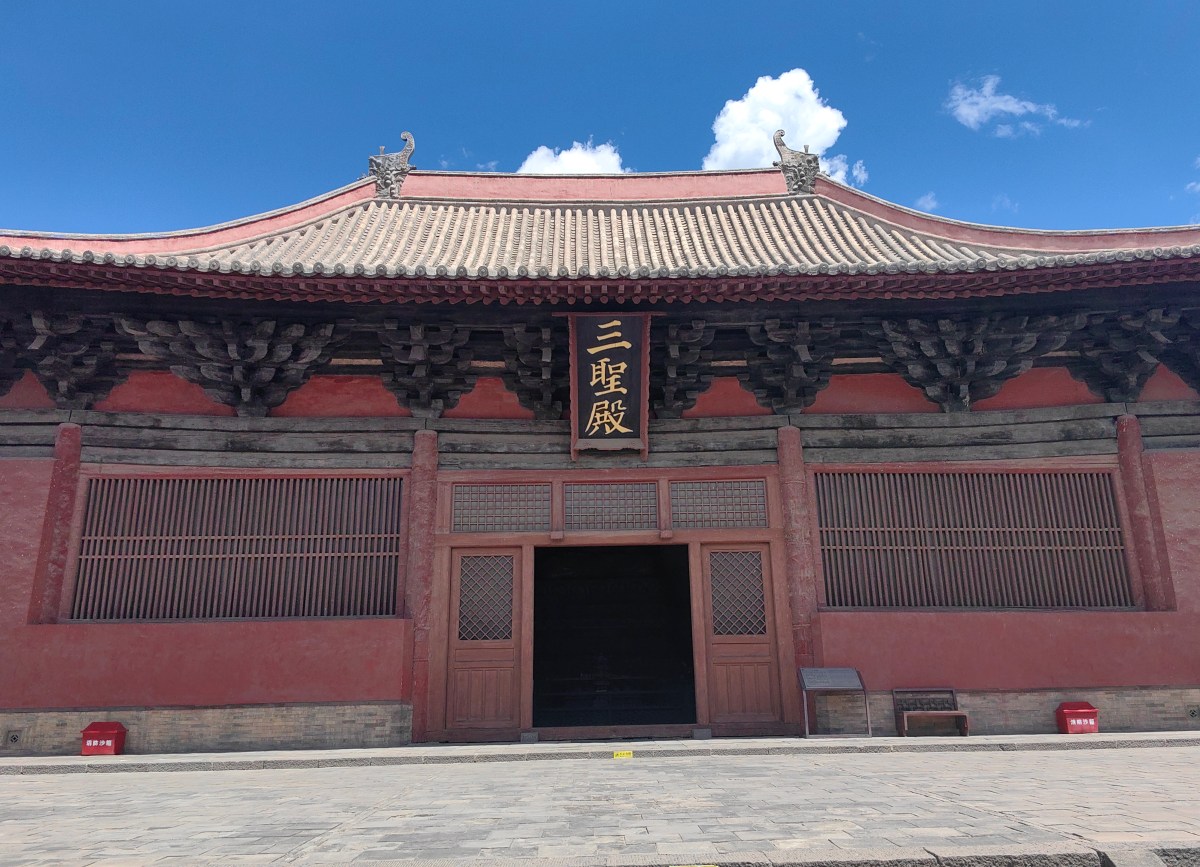
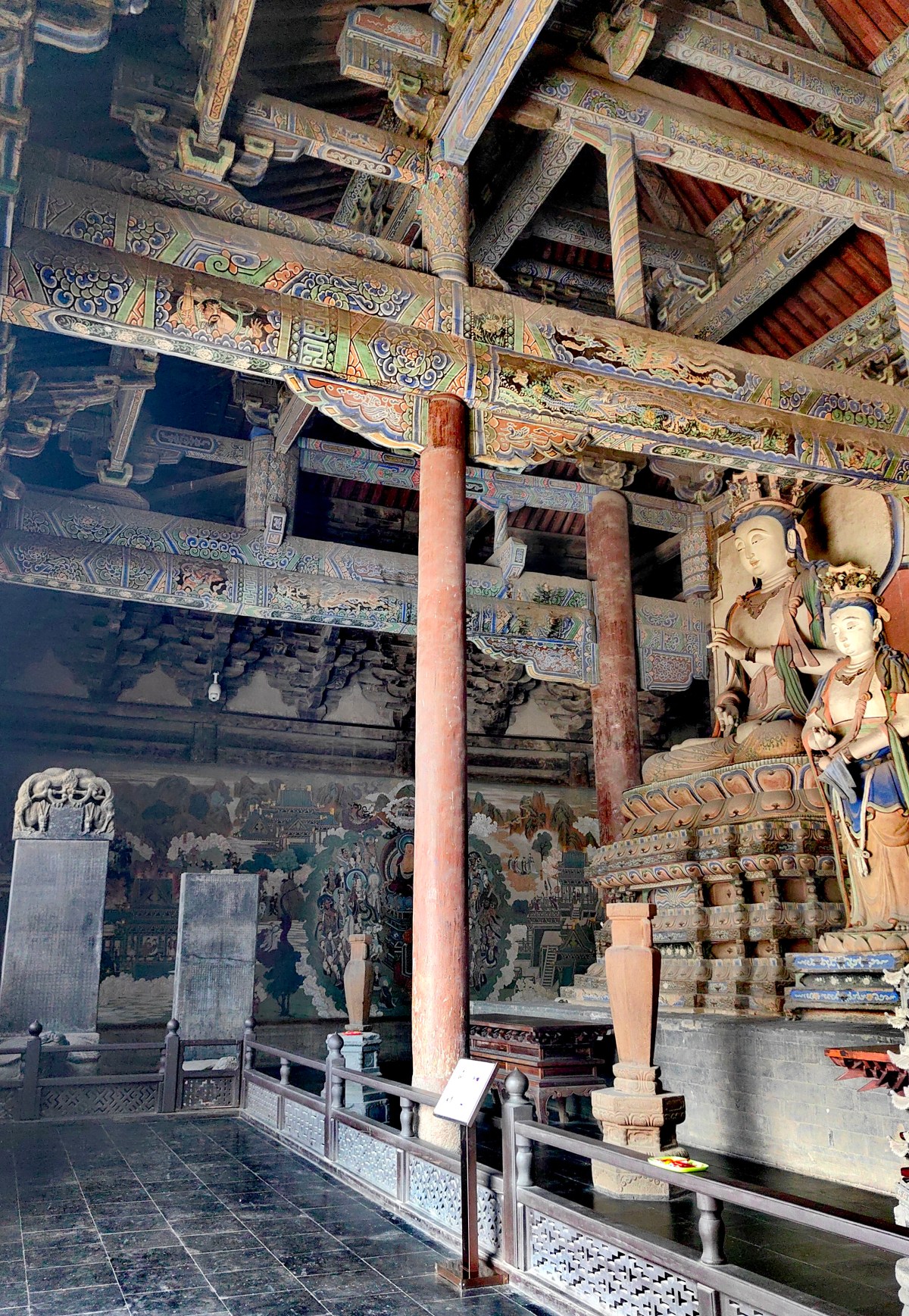
This is the interior of the Sansheng Hall which architecture follows traditional Chinese Buddhist temple design. The walls of the hall are adorned with paintings or murals depicting scenes from the Buddha’s life, important teachings, or Buddhist cosmology. The color scheme is warm and golden, with reds, yellows, and earth tones creating a sense of reverence and sanctity. In addition to the Buddha statues, there are statues of Vairocana, Manjusri and Samantabhadra, depicted in compassionate poses, emphasizing the compassionate and universal nature of Buddhist teachings. This kind of hall features painted colorful beams and high ceilings with ornate, carved wooden supports that exemplify classical Chinese craftsmanship.

这是三圣殿的内部,其建筑遵循中国传统佛教寺庙设计。殿内墙壁上装饰有描绘佛陀生平、重要教义或佛教宇宙观的绘画或壁画。配色方案是温暖的金色,红色、黄色和土色,营造出一种令人敬畏的神圣感觉。除了佛像外,还有毗卢遮那、文殊和普贤菩萨的雕像,强调了佛教教义的以慈悲为怀的特性。这种殿堂以令人眼花缭乱的彩色横梁和高高的天花板为特色,配有华丽的雕花木支架,体现了传统中国古典工艺。

Some steles are mounted on the sidewalls of the hall near the columns that support the structure. These steles are important for preserving the history and culture of the temple. Inscriptions often commemorate the temple’s founding, its patrons, and the religious figures associated with it. They also record significant events in the life of the temple, such as renovations or notable pilgrimages.

我还发现了一些石碑矗立在大厅侧壁用于支撑整体结构的柱子旁。这些石碑对于保存寺庙的历史和文化非常重要。石碑上的碑文纪念寺庙的创立者、赞助人和相关的宗教人物。它们还记录寺庙生活中例如翻修或朝圣等重要事件。

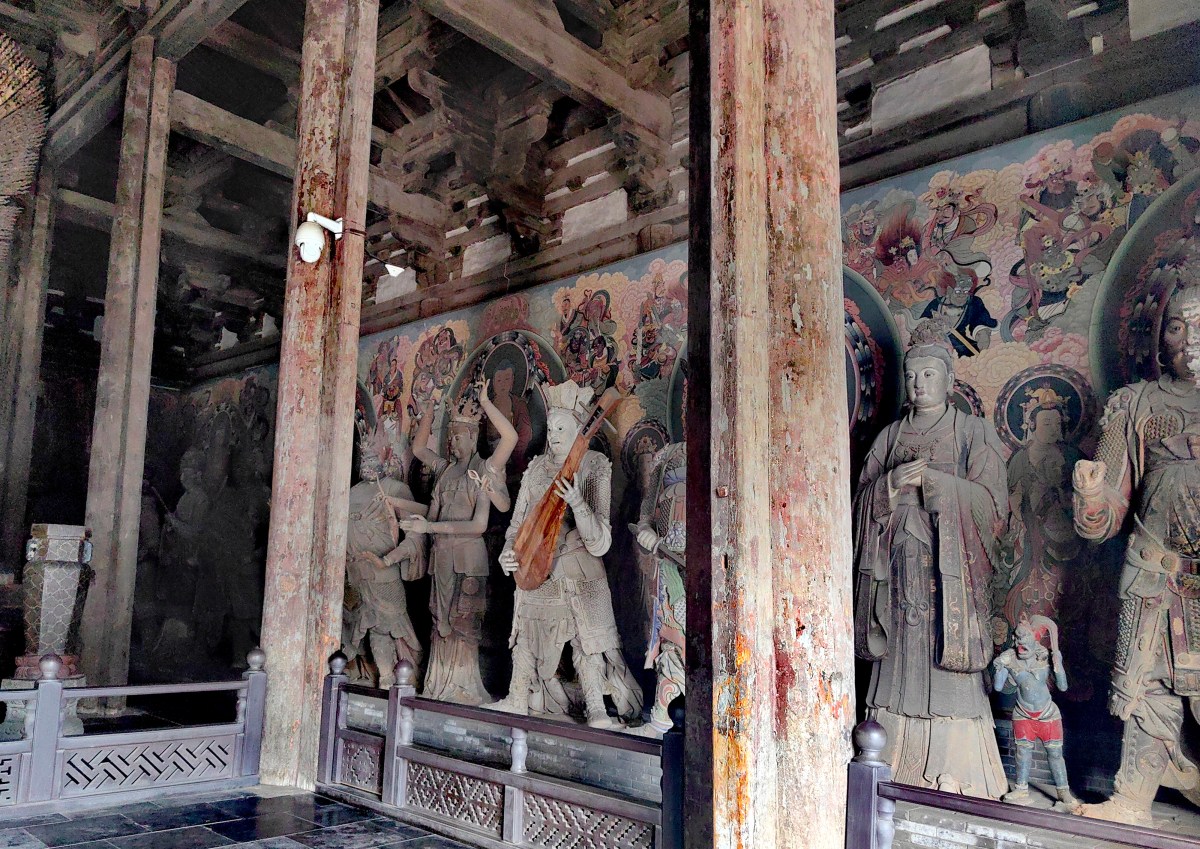
In this temple, there were many statues of devatà, that drew my attention. They are translated as “the Heavenly Kings” or “Celestial Deities” like Eight Heavenly Generals (八部天龙) or Vajra Kings. They are important figures in the temple’s representation of Buddhist cosmology. These celestial beings are typically depicted in Chinese Buddhist temples to symbolize the protection of the Buddhist law and the universe. They have ferocious faces, elaborate armor, and warrior regalia, reinforcing their protective roles. These statues are often made of wood and bronze and gilded or painted in bright colors to reflect their divine status.

这座寺庙里有许多诸天的雕像,特别引起了我的注意。诸天通常指八部天龙或金刚王等佛教众神。他们是中式寺庙里佛教宇宙观的重要代表。这些天神通常象征着佛家宇宙和佛法的保护。他们面目狰狞,身着精致的盔甲和武士服饰。这些雕像通常由木头和青铜制成,镀金或涂上鲜艳的颜色以凸显他们的神圣地位。

There is a traditional Chinese garden in the courtyard of Shanhua Temple. It includes a combination of natural features such as trees, rocks, and water, alongside carefully placed man-made structures. The garden is filled with a variety of trees, shrubs, and plants, some of which are centuries old. These trees provide shade and enhance the temple’s tranquil atmosphere. The use of evergreen trees is common in traditional Chinese gardens, symbolizing endurance and longevity. The use of rocks and stone formations is a key characteristic of Chinese gardens, and the Shanhua Temple garden is no exception.

善化寺的庭院里有一个传统的中式园林。它结合了树木、岩石和池水等自然景观,以及精心布置的人造建筑。花园里种满了各种各样的树木、灌木和植物,其中一些已有数百年历史。这些树木提供遮荫,增强了寺庙的宁静氛围。在中国传统园林中,冬青树特别常见,它们象征着耐久和长寿。大量使用假山和岩石也是中国园林的一个主要特点,善化寺的花园也不例外。

There are many temples in Datong. Most of them were built during the Liao dynasty and some of them can be dated back to North Wei Dynasty. The Xuankong Temple located at the suburb in this picture was built in that period and has been expanded and renovated over the centuries. It is built into a sheer cliff face and consists of wooden platforms, halls, and narrow walkways supported by wooden beams and stilts. This construction allows the temple to appear as though it is suspended in mid-air, offering spectacular views of the surrounding landscape.

大同有许多寺庙,大多数建于辽金时期而一些则可追溯到北魏时期。这张照片中位于郊区的悬空寺就是在那个时期建造的,几个世纪以来它经过各种扩建和翻新。如今它建在陡峭的悬崖上,由木制平台、大殿和狭窄的人行道组成,这些结构由木梁和高架支撑。这种结构使寺庙看起来好像悬在半空中,游客可以欣赏到周围壮丽的景色。

As the capital of the Northern Wei, Datong became a center of political and economic activity gradually. The city’s layout, planning, and infrastructure were influenced by the need to support a capital of such significance. Although the city’s appearance has changed over time drastically, walking through its ancient streets still evokes a sense of historical depth.

作为北魏的都城,大同历史上逐渐成为政治和经济活动的中心。城市的布局、规划和基础设施都因为都城的作用而有所改变。尽管这座城市的面貌随着时间的推移而发生了巨变,但漫步在古老的街道上仍然能让我感受到历史的厚重感。

The travel in this ancient city is quite meaningful for me. On one hand, it was a relaxing tour that relieved my fatigue accumulated in the work. On the other hand, I felt deeply immersed in the culture and history of the Northern Wei Dynasty. The awe-inspiring Yungang Grottoes, the serene temples, and the city’s ancient architecture have offered a vivid connection to the region’s rich past. Walking through these historic sites, I’ve gained a greater understanding of the Northern Wei’s influence, and the experience has left me with a lasting appreciation for the glorious historic legacy of this ancient dynasty.

这次大同古城之行对我来说意义非凡。一方面,这是一次极为放松的旅行,缓解了一年工作中累积的疲劳。另一方面,我则深深沉浸在北魏的文化和历史之中。令人叹为观止的云冈石窟、宁静的古寺庙和这座城市遗留的老建筑,都让我深刻了解了该地区丰富的历史。在这些历史遗迹中行走,我不由地身临其境深入北魏的历史,这段经历也让我对这个古老王朝的辉煌文化遗产产生了深深仰慕之情。

An Early Morning Hike to Doi Suthep

素帖山的徒步之旅

Doi Suthep is a mountain located in Northern Thailand, just a short distance from the city of Chiang Mai. It stands at an elevation of about 1,676 meters above sea level and is part of the Doi Suthep-Pui National Park, a protected area known for its rich biodiversity, lush forests, and stunning viewpoints. Hiking to Doi Suthep is highly recommended when visiting Chiang Mai. It offers breathtaking views of lush forests, cascading waterfalls, and panoramic vistas over the ancient city.

素帖山位于泰国北部,距离清迈市不远。海拔约1,676米,是素帖山国家公园的一部分。素帖山国家公园是一个保护区,以其丰富的生物多样性、茂密的森林和壮丽的景色而闻名。游览清迈时,游客可以徒步前往素帖山。从这里可以欣赏到茂密的森林、层叠的瀑布和古城的全景等各种令人叹为观止的风景。

My trip started from the Chiang Mai university which is located at the foot of Doi Suthep mountain. It has well-maintained gardens, tree-lined walkways, and lakes, creating a peaceful atmosphere. With Doi Suthep as a backdrop, the campus feels like a retreat from the busy city, offering stunning views of the surrounding mountains and forests. The air is fresher, and the abundance of greenery gives it a tranquil, almost park-like environment that is perfect for study and relaxation.

我的旅程从位于素帖山脚下的清迈大学开始。这个校园里有精心维护的花园、绿树成荫的人行道和湖泊,营造出一种宁静的氛围。以素帖山为背景,校园感觉就像是远离喧嚣城市的世外桃源,在这里可以欣赏到周围群山和森林的壮丽景色。空气清新,绿植茂盛,营造出一种宁静、近乎公园般的环境,非常适合学习和放松。

Ang Kaew Reservoir

One of the most picturesque spots on the campus is its iconic Ang Kaew Reservoir, a serene lake bordered by trees and walking paths. It’s a popular spot for visitors, providing breathtaking views of Doi Suthep in the background. The reflection of the surrounding greenery on the lake’s calm waters creates a tranquil atmosphere perfect for a peaceful stroll. I arrived at the lakeside at around 9 am. Many people walked around the lake.

校园里最美丽的景点就是标志性的安卡沃水库,这是一片宁静的湖泊,周围环绕着树木和步行道。它是热门旅游景点,背景是令人惊叹的素帖山美景。周围的绿色植物倒映在平静的湖面上,营造出一种宁静的氛围,非常适合悠闲地散步。我上午9点左右抵达湖边。一大早就有许多人在湖边散步。

Chiang Mai university

Adding to the charm of the campus are several fountains scattered throughout the grounds. These fountains, particularly the ones near the main entrance and academic buildings, bring a refreshing and calming presence to the university’s environment. Combined with the abundance of trees, plants, and flowers, they contribute to the feeling of being immersed in nature.

几座分布的喷泉也为校园增添了魅力。尤其是主入口和教学楼附近的喷泉为大学环境带来了清新和平静的感觉。加上丰富的树木、植物和鲜花,让人们仿佛沉浸在大自然中。

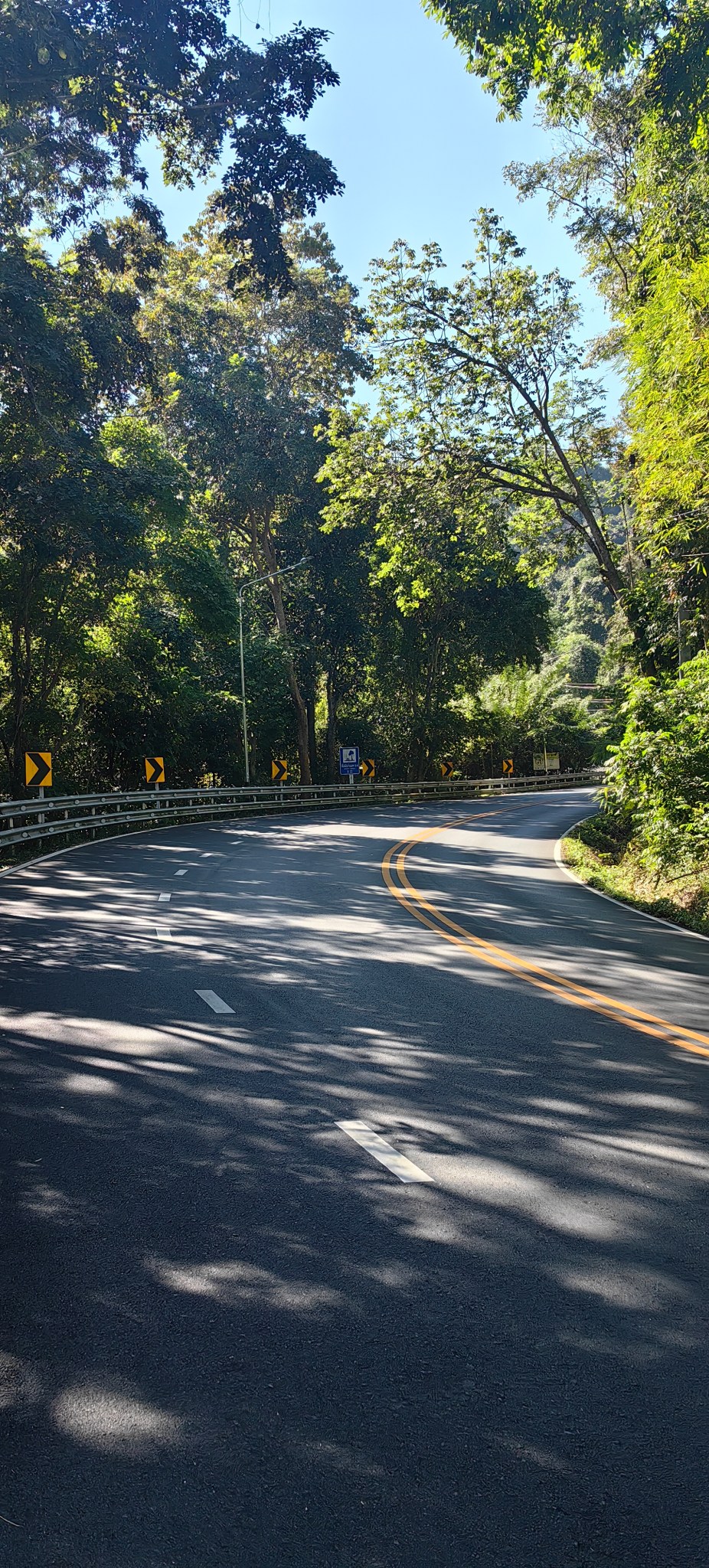
People usually take this road to Doi Suthep, which is known as Route 1004. It is a winding and scenic journey that starts from Chiang Mai university and ascends the mountain toward the famous Wat Phra That Doi Suthep. The road is paved in good condition. The length of the road is around 9km which is a challenge to most hikers especially in such a hot weather. Of course, tourists can choose to take cars up the mountain.

人们通常沿着这条1004 号公路登上素帖山。这是一条蜿蜒而风景优美的旅程,从清迈大学出发,沿着山路一直向著名的素帖山双龙寺前进。这条路修建得很好。路长约 9公里,在如此炎热的天气里对大多数徒步旅行者来说是一个挑战。当然,游客也可以选择乘车上山。

Wat Sri Soda

I took around 3 hours to walk to the summit. There are several viewpoints and temples along the road which make the trip no so boring. Wat Sri Soda is a serene Buddhist temple located at the base of Doi Suthep mountain. It is surrounded by greenery, making it a peaceful retreat away from the busier parts of Chiang Mai. It is a wonderful stop for those interested in exploring lesser-known temples in Chiang Mai, as well as for hikers looking to start the scenic trek up Doi Suthep.

我花了大约3个小时步行到山顶。沿路有几处观景点和寺庙,一路游览下来旅途就不会特别无聊。Wat Sri Soda 是一座宁静的佛教寺庙,位于素帖山脚下。它周围绿树成荫,是远离清迈繁华地区的一处宁静的休憩地。对于那些有兴趣探索清迈那些鲜为人知的寺庙以及想要开始徒步攀登素帖山的徒步旅行的徒步旅行者来说,这是一个绝佳的驻足点。

Huay Kaew Waterfall

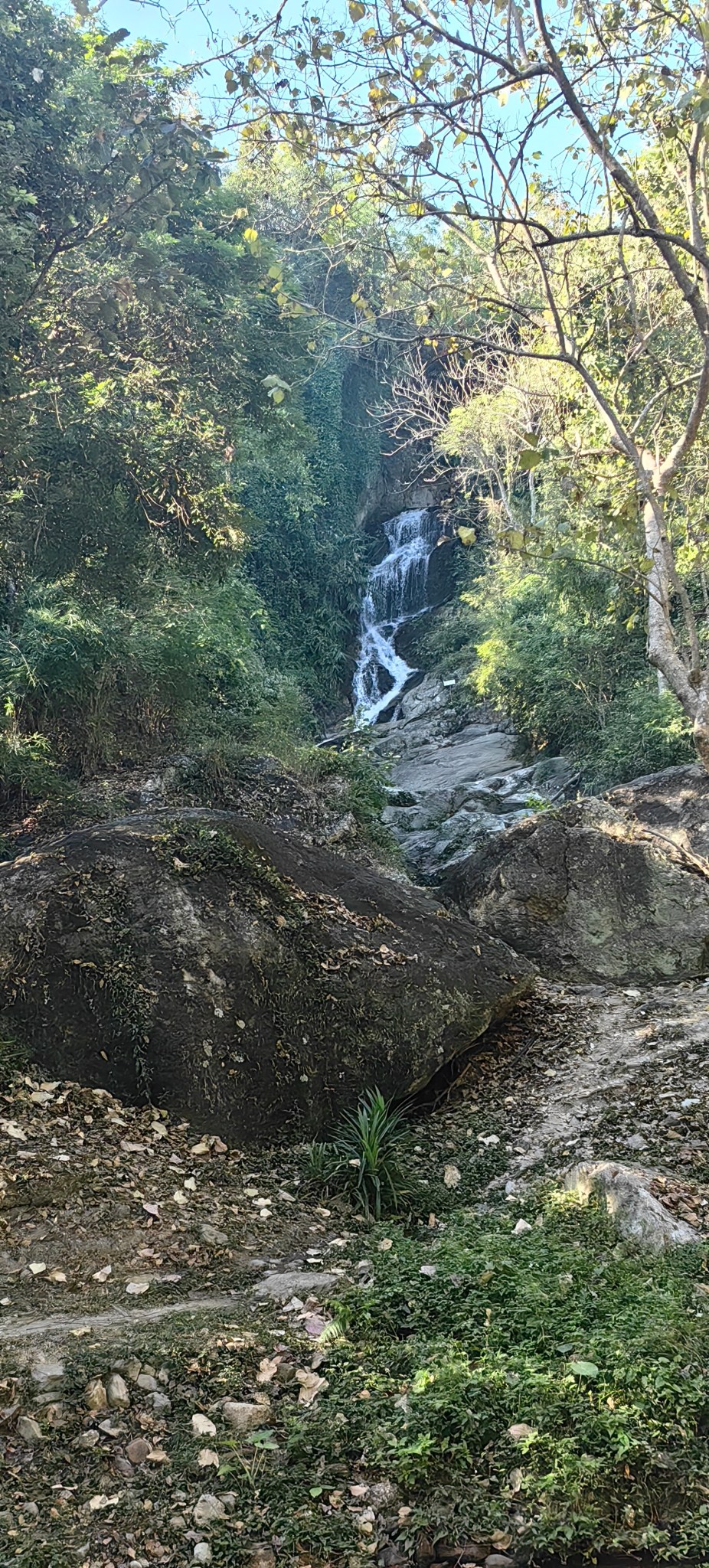
Huay Kaew Waterfall is a delicate and easily accessible waterfall located near the base of Doi Suthep mountain. The waterfall consists of multiple small cascades tumbling over rocks and boulders, with pools of water forming at various points. I could dip my feet in the cool water and relax by the stream. Though not very large, it is tranquil and provides a break from the city’s heat.

华凯瀑布位于素帖山脚下,是一个精致且交通便利的瀑布。瀑布由多个小瀑布组成,瀑布从岩石上倾泻而下,在各个地方形成水洼。旅途中将脚浸入清凉的水中,在溪边放松身心缓解疲劳是一个很惬意的事情。虽然瀑布不是很大,但却很宁静,可以让人暂时远离城市的炎热。

The waterfall doesn’t plunge in one dramatic drop but rather consists of several smaller cascades that flow down the rocks, creating a series of small falls. The stream weaves its way down the mountain, and small paths and trails run alongside parts of the watercourse. These pathways without many people are often used by hikers or visitors exploring the nearby area. Huay Kaew Waterfall is also the starting point for some of the more adventurous hikes up Doi Suthep, including the Monk’s Trail, which leads to Wat Pha Lat.

瀑布并非一泻而下,而是由几道较小的瀑布组成,溪水顺着岩石流下,形成一系列小瀑布。溪流一路蜿蜒而下,一条小径也伴随着溪流一路向下。徒步旅行者或者冒险家经常会使用这条人迹罕至的小径。华凯瀑布也是素帖山徒步旅行中通往帕拉寺的僧侣小径的起点。

Wat Pha Lat

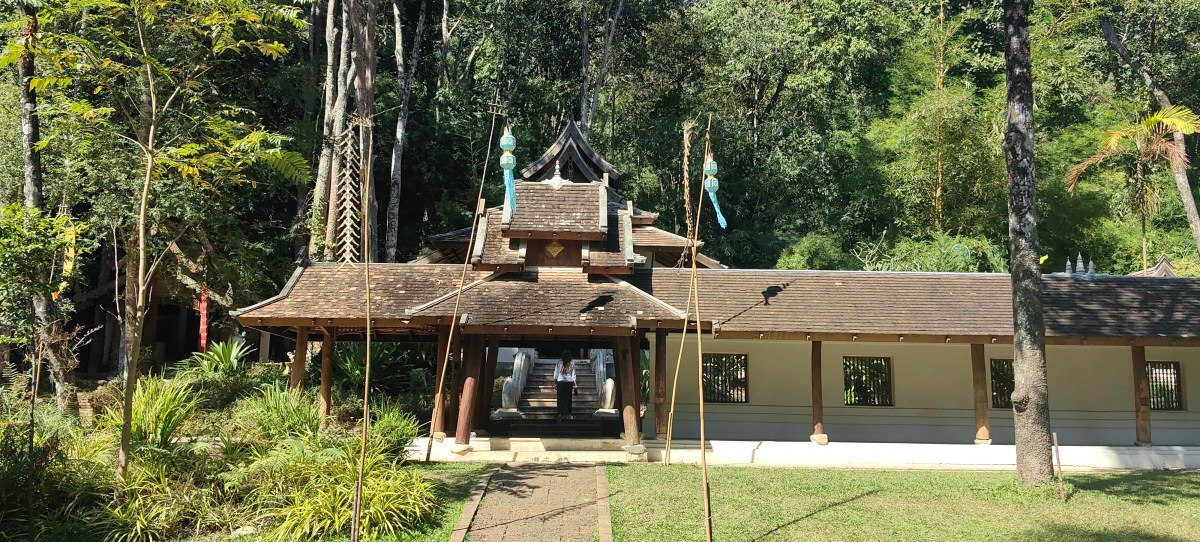
Wat Pha Lat, also known as “Monastery at the Sloping Rock,” was originally built as a resting point for pilgrims making the journey up the mountain to the revered Wat Phra That Doi Suthep. Legend has it that it was one of the spots where a sacred white elephant rested while carrying the Buddha’s relic up Doi Suthep, a significant event that led to the construction of Wat Phra That Doi Suthep at the mountain’s summit.

帕拉寺又名“斜岩寺”,最初是为前往素帖山的朝圣者修建的休息点。传说这里是一头神圣的白象在抬着佛祖的遗体上山时休息的地方,这一轶闻促使在山上修建了这座帕拉寺。

In my opinion, it was one historic temple really worth a visit. If the tourists took the car directly up towards the summit, they would have no such a chance to visit it. Wat Pha Lat is nestled deep in the jungle, surrounded by towering trees, bamboo groves, and the soothing sounds of a nearby stream. Its hidden location gives it a mystical, peaceful atmosphere that feels far removed from the hustle and bustle of the city.

这是一座我心目中特别值得一游的历史寺庙。如果游客直接乘车前往山顶,就没有机会参观它了。帕拉寺坐落在丛林深处,周围环绕着参天大树、竹林,还能听见附近溪流的潺潺流水声。它隐蔽的位置带来了一种神秘宁静的氛围,让人感觉远离了城市的喧嚣。

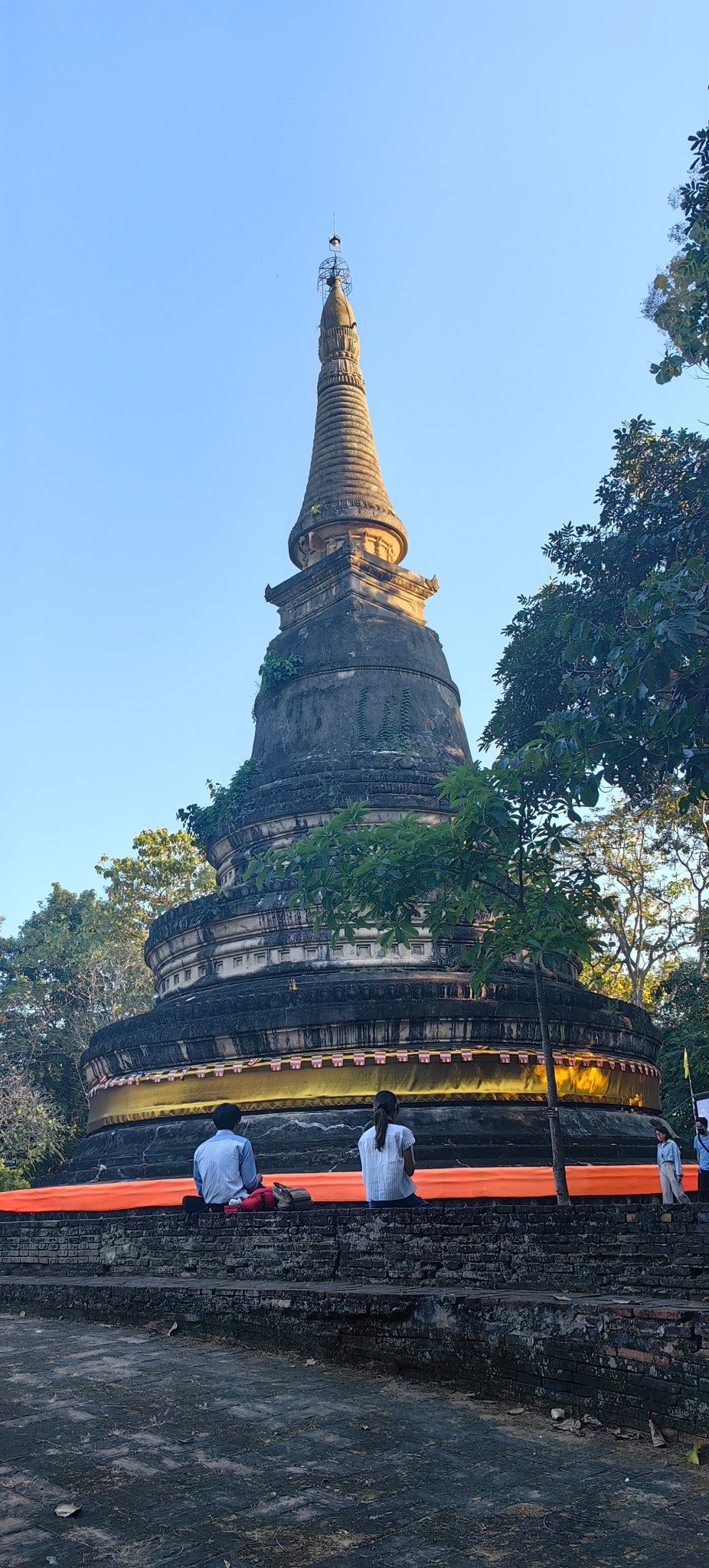
The temple’s architecture blends harmoniously with the natural landscape. Its structures, including a beautiful Buddha statue, meditation pavilions, and a stone chedi (stupa), are scattered along a hillside overlooking the valley below. Many of the temple buildings and shrines are adorned with intricate carvings and statues that have been weathered by time.

寺庙的建筑与自然景观融为一体。包括美丽的佛像、冥想亭和石佛塔等建筑散布在俯瞰山谷的山坡上。许多建筑和神殿里都装饰有精美的雕刻和雕像,许多雕像已经随着时间的流逝而风化。

Unlike many of the grand and golden temples in Bangkok, the unique Lanna-style architecture in this temple blends harmoniously with the surrounding jungle. The temple grounds are filled with beautiful stone pathways and staircases that wind through the jungle. The use of stone gives the temple a natural, earthy feel. Many of these pathways are lined with Buddhist statues, such as serene Buddhas and mythical creatures like nagas.

与曼谷许多宏伟而金碧辉煌的寺庙不同,这座独特的兰纳风格建筑与周围的丛林融为一体。寺庙内遍布美丽的石路和蜿蜒穿过丛林的楼梯。这种原始的石头给寺庙带来了一种自然朴实的感觉。许多石路两旁都摆放着如平和的佛像和龙等神话生物的雕像。

Wat Pha Lat features several small pagodas which are typical in Buddhist temple design. These structures are often adorned with delicate carvings and designs, including lotus motifs and floral patterns. Though modest in size, they stand as symbols of spiritual significance and are important elements of the temple’s layout.

帕拉寺还有几个小塔,它们在佛教寺庙中是非常典型的设计。这些结构通常装饰有包括莲花图案和花卉图案等精致的雕刻。它们大小适中具有精神意义的象征,也是圣殿布局的重要元素。

Scattered around the temple grounds are open-air pavilions where monks and visitors can sit in quiet reflection. Unlike more monumental temples, Wat Pha Lat’s architecture serves to complement the forested environment, offering a serene space for meditation, reflection, and quiet spiritual practice.

散落在寺庙周围的是露天凉亭,僧侣和游客可以安静地坐在那里休息。与一些巨大的寺庙不同,帕拉寺四周都是森林,为佛教徒冥想沉思提供了安静的空间。

It was an excruciating journey from mountain bottom to the top under a scorching sunlight. Fortunately, there are some viewpoints along the road for visitors to have a short break and get a panoramic view of Chiang Mai city. The blue sky is exceptionally clear which is dotted by white clouds. Some vendors will sell grilled pork or chicken skewers, marinated in a mix of Thai herbs and spices or fried sausages and coconuts at these places. It was really a necessary supply of food and drink for hikers like me after walking more than two hours.

头顶烈日一路从山底到山顶这真的是一段令人窒息的旅程。幸运的是,路上有一些观景台,让游客短暂休息并欣赏清迈城的全景。这天的蓝天异常晴朗,朵朵白云点缀着苍天。一些小贩会在这些地方出售融合泰国草药和香料的烤猪肉鸡肉串,炸香肠和椰子。奋力徒步两个多小时后,像我这样的徒步旅行者确实急需这些食物和饮料补给。

Rap Sadet Fall

I continued to walk upwards until I saw this waterfall. It was very close to the destination of this journey – Wat Phra That Doi Suthep. Rap Sadet is a beautiful, multi-tiered waterfall with several cascades that flow down rocks and boulders into small pools. The waterfall isn’t very tall but has a gentle and serene flow. It is surrounded by thick forest and lush vegetation, and there are no tourists here. The dense greenery, the sound of the cascading water, and the cooler mountain air make it a refreshing escape from the heat of Chiang Mai.

继续往上走当我看到这个瀑布时距离这次旅程的目的地——素帖双龙寺已经很近了。Rap Sadet 是一个美丽的多层瀑布,有几条瀑布从岩石和巨石上流下汇集成小水潭。这条瀑布不是很高,水流平缓而宁静。它周围是茂密的森林和茂盛的植被,几乎没有游客。茂密的绿植、瀑布的流水声和凉爽的山间空气,使这里成为逃离清迈避暑之地。

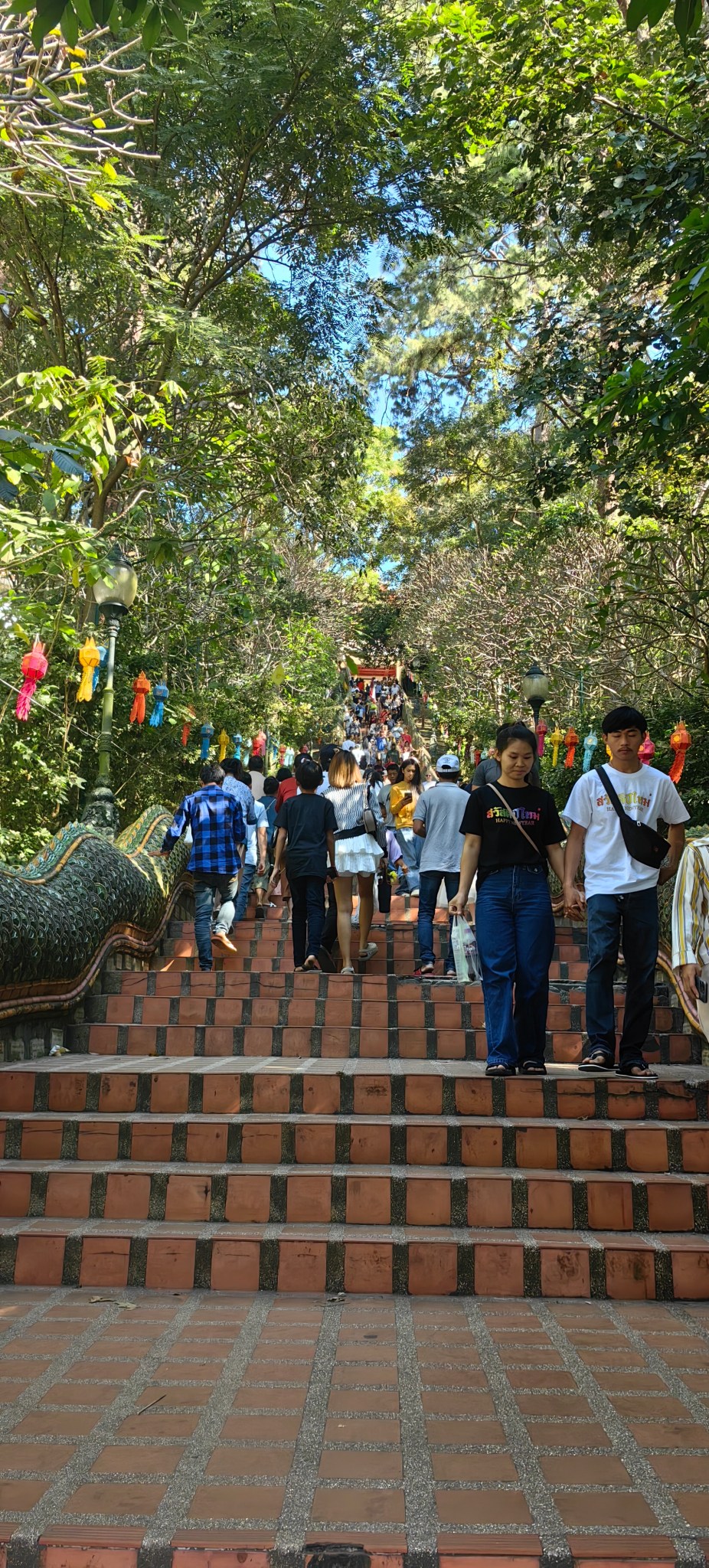
Wat Phra That Doi Suthep is one of the most iconic and revered temples in Thailand. The temple is an important pilgrimage site for Thai Buddhists, particularly during religious holidays. There are so many tourists here. Before visiting it, tourists must climb up this super high steps. The 306-step staircase is lined with intricately decorated naga figures that symbolize protection. It is believed that climbing the staircase is part of the spiritual journey.

素帖双龙寺是泰国最具标志性和最受尊敬的寺庙之一。这座寺庙是泰国佛教徒的重要朝圣地,尤其是在宗教节日期间游客信众众多。在参观寺庙之前,游客必须爬上图中这个超极高的台阶。这座306级台阶两侧是装饰精美的纳迦雕像,象征着保护意义。人们相信攀爬高梯亦是精神修行的一部分。

The central feature of Wat Phra That Doi Suthep is the golden chedi, which is visible from many parts of Chiang Mai. The chedi is covered in gold leaf and shines brightly in the sunlight, making it a striking symbol of the temple. It enshrines the sacred Buddha relic, and worshippers walk around it in a clockwise direction as part of their prayers.

素帖双龙寺最引人注目的就是金色的佛塔,即使从清迈城的许多地方都可以远远看到它。佛塔上覆有金箔,在阳光下闪闪发光,是寺庙的最具标志性的建筑。佛塔内供奉着佛陀的舍利,信徒们会顺时针绕着佛塔祈祷。

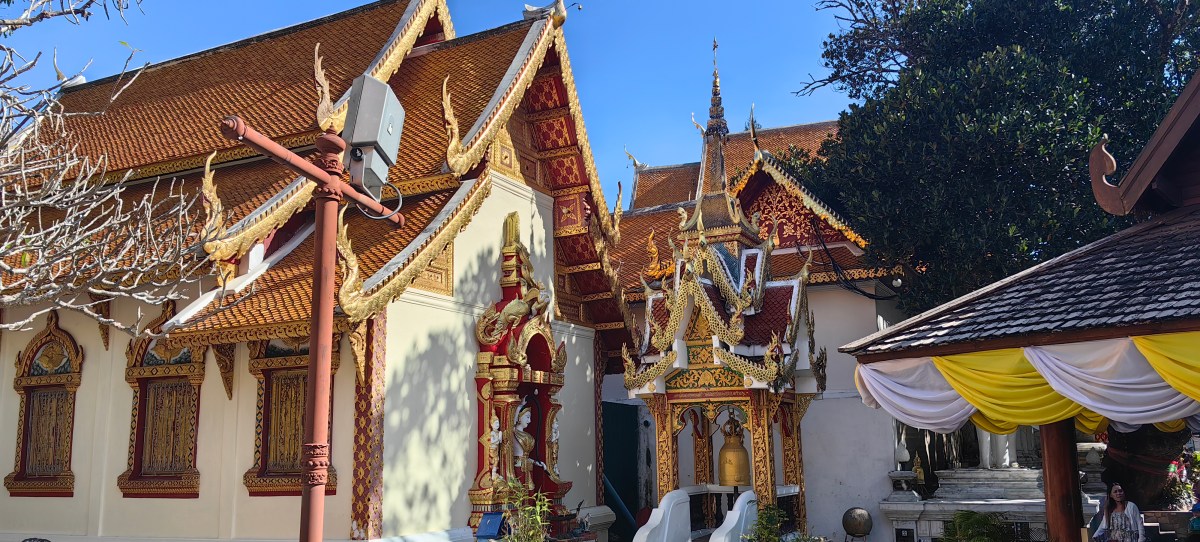
The temple’s architecture is a prime example of Lanna-style design, with intricately carved wooden structures, golden umbrellas, and detailed murals depicting the life of the Buddha. The roofs are adorned with gold and red, typical of Northern Thai temple design. Throughout the temple grounds, I can find statues of Buddha, shrines, and small pagodas, all contributing to the sense of reverence. Large bronze bells are located throughout the temple grounds, which visitors can ring for good luck.

寺庙的建筑是兰纳风格设计的典范,拥有精雕细琢的木结构、金色的装饰伞和描绘佛祖生平的精美壁画。屋顶装饰着金色和红色,这是泰国北部寺庙设计的典型风格。在整个寺庙中可以看到众多佛像、神龛和小塔,所有这些都反应了对它的尊崇。寺庙各处都有大铜钟,游客可以敲响铜钟祈求好运。

Founded in 1383, Wat Phra That Doi Suthep has a rich history linked to the legend of a sacred white elephant. According to the legend, the elephant carried a holy relic of the Buddha to the top of Doi Suthep and stopped at the site where the temple now stands, indicating that this was the place to build the temple. The relic is said to be enshrined in the temple’s central chedi. Wat Phra That Doi Suthep is a symbol of Chiang Mai’s religious and cultural heritage. It is not only an architectural marvel but also a deeply spiritual site that draws tourists seeking to connect with Thai Buddhist culture.

素帖双龙寺建于1383年,历史悠久,与一头神圣的白象传说息息相关。据传说,这头白象驮着佛陀的圣物来到素帖山顶,并停在了现在寺庙所在的位置,这些征兆表明这里就是建造寺庙的地方。据说,圣物就供奉在寺庙中央的佛塔。这座寺庙是清迈宗教和文化遗产的象征。它不仅是一座建筑奇迹,也是一个精神圣地,吸引了游客来此了解泰国佛教文化。

This temple is not the summit of this mountain. If visitors continue further up the road, they will reach Bhubing Palace, a royal residence known for its beautiful gardens, and eventually Doi Pui Village. After visiting this temple, I took a songthaew (shared taxi) back down to the city since I didn’t have enough energy to continue hiking. As the one day journey to Doi Suthep comes to an end, the golden glow of Wat Phra That Doi Suthep fades into the soft hues of dusk. Such a trip is really exhausting but mentally refreshing. The journey may be over, but the memory of this experience will always linger.

这座寺庙并不是这座山的顶峰。如果游客继续沿着这条路往前走,他们将到达以美丽花园而闻名的皇宫蒲屏宫,并最终到达 Doi Pui 村。参观完这座寺庙后,由于没有足够的精力继续徒步旅行,我只能乘坐双条车(一种共乘的出租车)返回市区。随着前往素帖山的一日游结束,远眺素帖山的金色光芒逐渐消失在黄昏的柔和色调中。这样的旅行躯体着实疲惫,但精神上却很放松。这次旅程也许已经结束,但旅行的经历却将弥留在脑海中永远挥之不去。

A Pilgrim’s Path: Immersing in the Temples of Chiang Mai

清迈寺庙的沉浸式旅行

In the lush mountainous region of northern Thailand, Chiang Mai is a city that beautifully blends ancient tradition with modern allure. Once the capital of the Lanna Kingdom, this city is known for its rich history, stunning temples, and vibrant cultural scene. With a serene backdrop of misty mountains, Chiang Mai offers a unique charm that captivates travelers seeking both adventure and tranquility.

坐落于泰国北部郁郁葱葱的山区中,清迈是一座将古老传统与现代魅力完美融合的城市。这里曾是兰纳王国的首都,以其丰富的历史、令人叹为观止的寺庙和充满活力的文化而闻名。清迈背靠云雾缭绕的群山,拥有独特的魅力吸引着众多寻求冒险和宁静生活的游客。

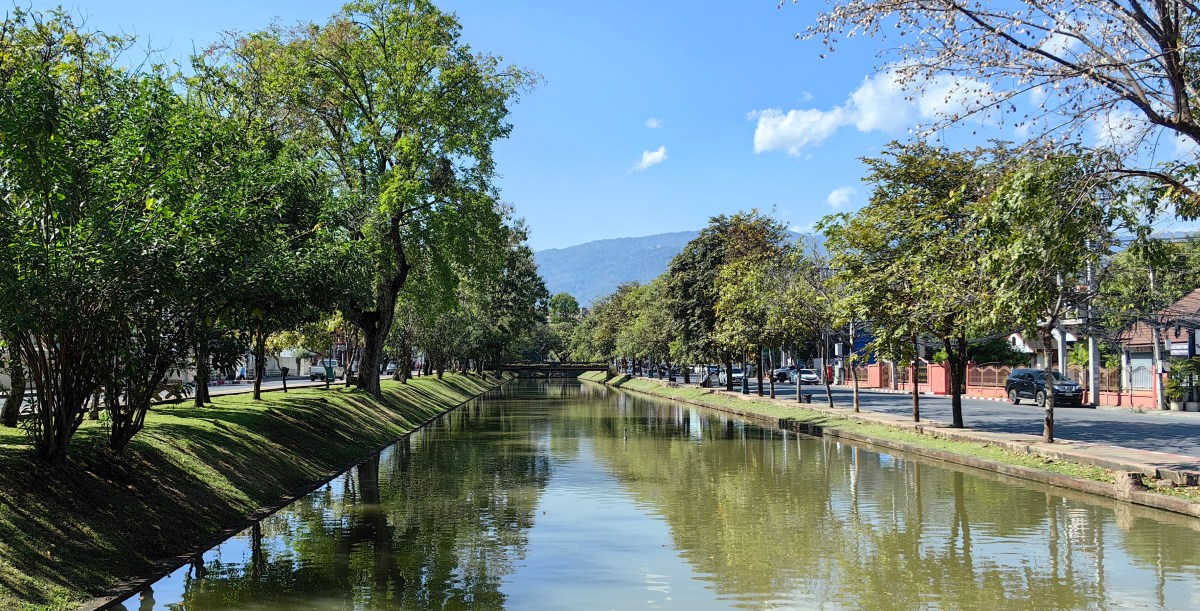
I visited this beautiful city on December 30th,2023 and stayed here for three days. The most attractive site of Chiang Mai is its old city which lies at the heart of Chiang Mai. It is a nearly perfect square that measures about 1.5 kilometers on each side. This area is defined by its ancient walls and moats, which were originally constructed in the late 13th century during the reign of King Mangrai to protect against invasions and rival kingdoms. Originally, the moat served as a defensive barrier, filled with water to deter invaders. Today, it is a tranquil feature that runs alongside the main roads and is lined with trees, providing a scenic backdrop for the hustle and bustle of city life.

本人于2023年12月 30日参观了这座美丽的城市,并在这里住了三天。清迈最吸引人的地方是位于市中心的老城区。它是一个近乎完美的正方形,每边长约 1. 5公里。这片区域以古老的城墙和护城河为特色,它们最初建于13世纪末曼莱国王统治时期,用于抵御外敌入侵。最初护城河是一道防御屏障,沟壑里注满水以阻止入侵者。如今它已成为一个宁静的景观,河水沿着主要道路延伸,两岸种满树木,在喧嚣的城市生活开辟出一个风景。

The Old City’s walls, although not fully intact, still feature several original and reconstructed sections that mark the perimeter. Four main gates—Tha Phae Gate, Chiang Mai Gate, Suan Dok Gate, and Chang Phuak Gate—serve as entry points and are named after their respective cardinal directions. In any corner of Chiang Mai, I could always see the majestic mountains surrounding the city that create a dramatic and picturesque backdrop. The Doi Suthep in the background rises over 1,600 meters above sea level and is very close to the city center.

古城的城墙虽然并非完好但仍保留着几段原始和后来重建的部分,它们标志着古城的边界。四座主要城门塔佩门、清迈门、松德门和昌普门是古城的四个入口,以各自的方向命名。在清迈的任何一个角落,我都能看到环绕城市的雄伟山脉,它们构成了一幅壮丽的景象。这个照片背景的素贴山海拔1,600多米,距离市中心非常近。

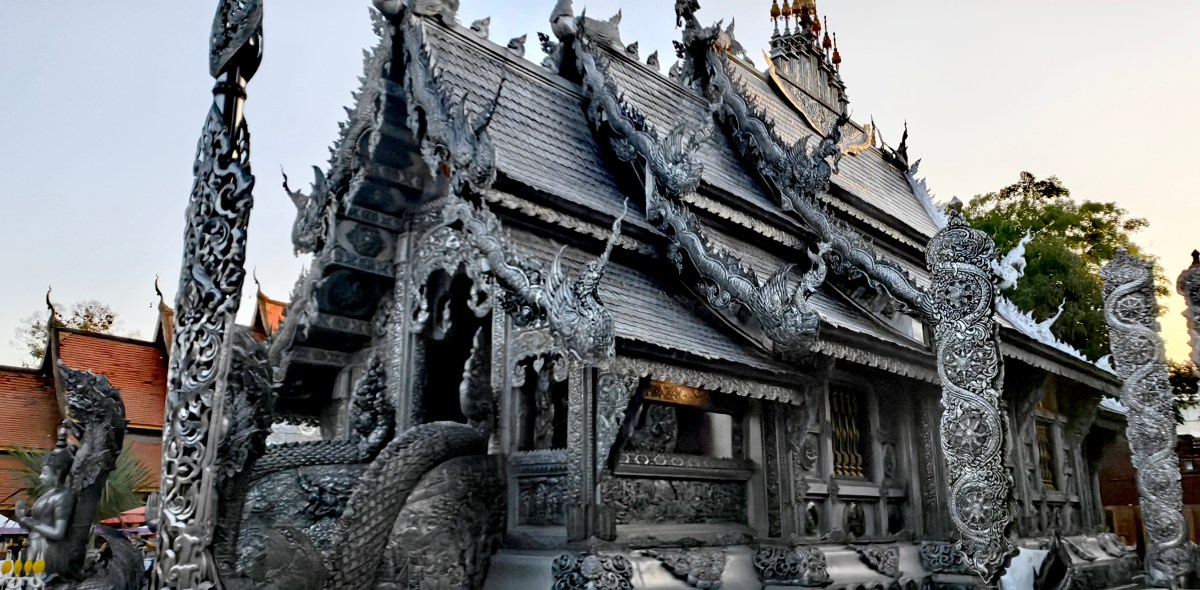
I visited numerous temples from south of the city towards north. Wat Sri Suphan, also known as the Silver Temple, is one of Chiang Mai’s most unique and striking temples. was originally built in 1501 during the reign of King Muang Kaew of the Lanna Kingdom. Over the centuries, it has undergone numerous renovations and expansions. The temple holds great historical significance as it served as a spiritual center for the local community and has been a part of Chiang Mai’s culture for over 500 years.

我从城市南到北参观了众多寺庙。这个照片中的素攀寺,又名银庙,是清迈最独特最引人注目的寺庙之一。它最初建于1501年,当时还是兰纳王国的 Muang Kaew 国王统治时期。几个世纪以来,它经历了多次翻修和扩建。这座寺庙具有重要的历史意义,它代表了当地人民的精神信仰,并且在这五百年间已成为清迈文化的一部分。

Wat Sri Suphan

Located in the traditional silver-making district of Wua Lai, this temple is renowned for its intricate silver decorations and artistry. The entire exterior of the ordination hall (ubosot) is covered in silver, aluminum, and nickel alloy panels, meticulously crafted by local artisans. These panels depict intricate designs and scenes from Buddhist mythology, as well as Lanna culture and history. The entrance to the ordination hall is flanked by elaborately carved Naga (mythical serpent) staircases, which are common in Lanna temple architecture and symbolize protection and prosperity.

这座寺庙位于传统的银器制造区 Wua Lai,以其精致的银饰艺术而闻名。受戒堂 (ubosot) 的整个外部都覆盖着由当地工匠精心制作的由银、铝和镍合金铸成的面板。这些面板描绘了复杂的设计和佛教神话中的一些场景,以及兰纳文化和历史。受戒堂入口两侧是精心雕刻的娜迦形象的楼梯,这种神话种的蛇在兰纳寺庙建筑中很常见,象征着庇护和繁荣。

Wat Phra Singh

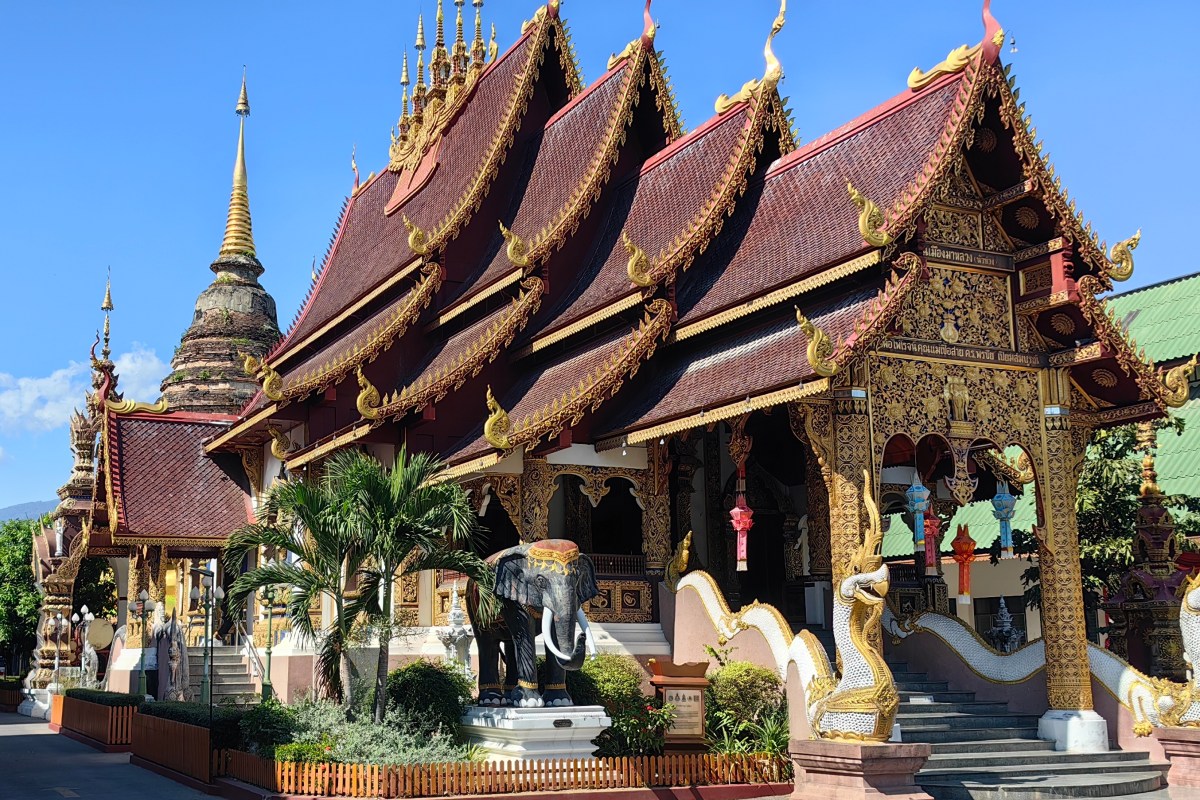
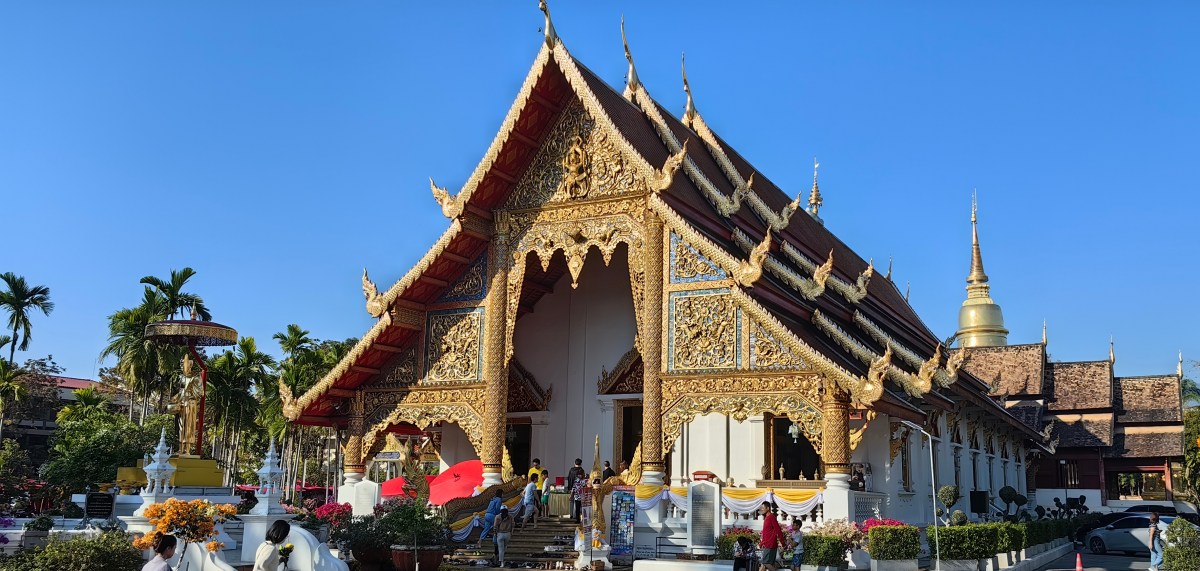
Among numerous temples in Chiang Mai, the most famous one was the Wat Phra Singh which was founded in 1345 by King Phayu of the Lanna Kingdom to house the ashes of his father. The temple complex is a prime example of Lanna architectural style. It is a significant pilgrimage site, especially during the Songkran festival (Thai New Year), when the revered Phra Buddha Singh statue is paraded through the streets of Chiang Mai. The temples in Chiang Mai usually include Viharn Lai Kham, Ubosot, Ho Trai, and Chedi.

清迈的众多寺庙中,最著名的是帕辛寺,它由兰纳王国的帕尤国王于1345年建造,用来安放他父亲的骨灰。这座寺庙建筑群是兰纳建筑风格的典范。它是一个重要的朝圣地,尤其是在宋干节(泰国新年)期间,人们会抬着受人尊敬的帕辛佛像穿过清迈的街道。清迈的寺庙结构通常包括主殿、受戒堂、藏经阁和佛塔。

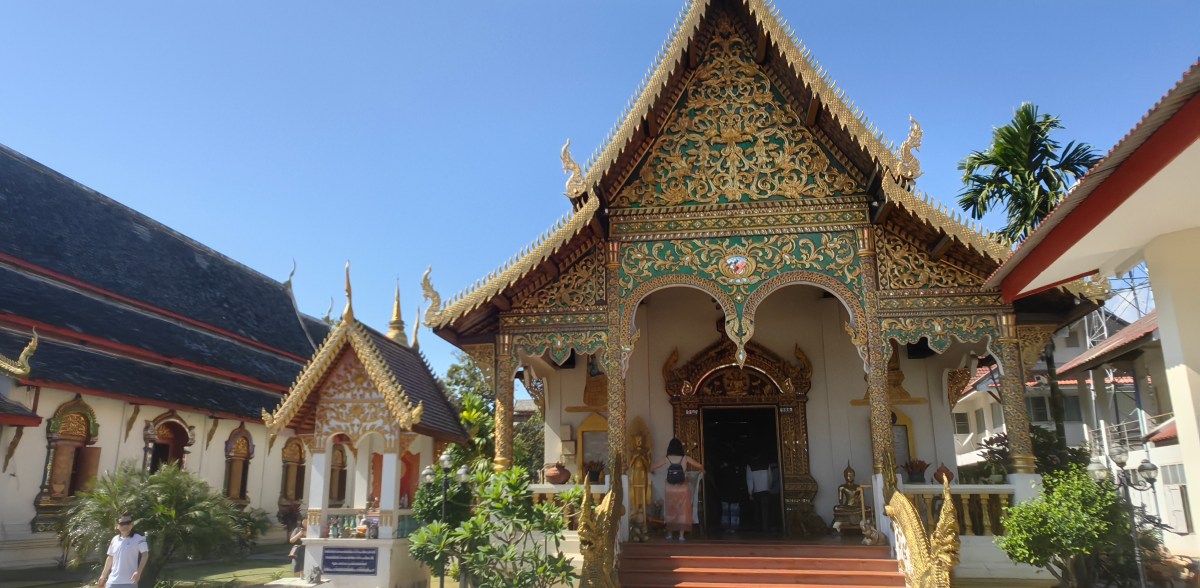
The Viharn Lai Kham or called main chapel is the temple’s most celebrated building, showcasing Lanna architecture. It features a multi-tiered roof, a characteristic element of Lanna temples, which adds to its grandeur. The roof is intricately decorated with gilded naga finials at the ends of each tier, symbolizing protection and fertility. The exterior of the viharn is adorned with exquisite carvings and gilded decorations.

这座主殿是寺庙最出色的建筑,充分展现了兰纳建筑风格。主殿采用多层屋顶,这是兰纳寺庙的典型特征,更显宏伟。屋顶装饰精美,每层顶端都有镀金的龙头饰,象征着庇护和生育。主殿外部装饰有精美的雕刻和镀金装饰。

The entrance is particularly striking, with its intricately carved wooden panels depicting mythical creatures and floral motifs. The gable is richly decorated with gold leaf, and the doorways are framed with delicate, hand-carved wood, showcasing the skill of Lanna artisans.

主殿入口尤为引人注目,其精雕细琢的木板上描绘着神话中的生物和花卉图案。山墙上装饰着金箔,门框上镶着精致的手工雕刻木框,展现了兰纳工匠的精湛技艺。

I lived near this temple and had a chance to visit it at night. This temple is illuminated all though the night and looked more splendid. The Ubosot at Wat Phra Singh, where monks are ordained, is a smaller but equally beautiful structure. It features similar Lanna architectural elements, with a steep, multi-tiered roof and intricate wood carvings. The ubosot is slightly elevated, with a platform surrounded by lotus-shaped boundary stones known as “Bai Sema,” which mark the sacred area. In Thailand, visitors must take off shoes before visiting the interior of any buildings of temples so it is better wear slippers to visit these temples.

我住在这座寺庙附近,因此有机会观赏它的夜景。这座寺庙整夜灯火通明,看起来更加壮丽。Ubosot 一般是僧侣受戒的地方,和主殿比规模较小,但同样美丽壮观。它具有类似的兰纳建筑元素,拥有陡峭的多层屋顶和复杂的木雕。房子整体略高建于平台之上,平台周围环绕着莲花形的界石,称为“Bai Sema”,标志着神圣的区域。在泰国,游客在参观任何寺庙建筑内部都必须脱鞋,因此穿拖鞋参观这些寺庙是最好的选择。

The Ho Trai, or called scripture library, is another example of classic Lanna architecture. This small, square building is elevated on a stone base, with a wooden upper structure. The stone base is often adorned with stucco reliefs depicting mythical creatures such as Garuda and Naga. Traditionally, the Ho Trai is used to store Buddhist scriptures, safeguarding them from insects and moisture. The wooden structure above is beautifully decorated with intricate carvings, gold leaf, and lacquer work, making it a jewel of Lanna design. On the high wall of the library, I can find many Buddha statues in the Chiang Saen style, characterized by their rounded faces, broad shoulders, and serene expressions.

图中的藏经阁是兰纳建筑的另一个典范。这座小巧的方形建筑建在石基上,上部结构为木制。石基上通常装饰有灰泥浮雕,描绘了迦楼罗和那伽等神话生物。传统上,藏经阁用于在高处存放佛经,以防虫蛀和受潮。上方的木制结构装饰精美,有复杂的雕刻、金箔和漆器,是兰纳建筑设计的瑰宝。在藏经阁的高墙上,我可以看到许多清盛风格的佛像,其特点是圆脸、宽肩和平和的表情。

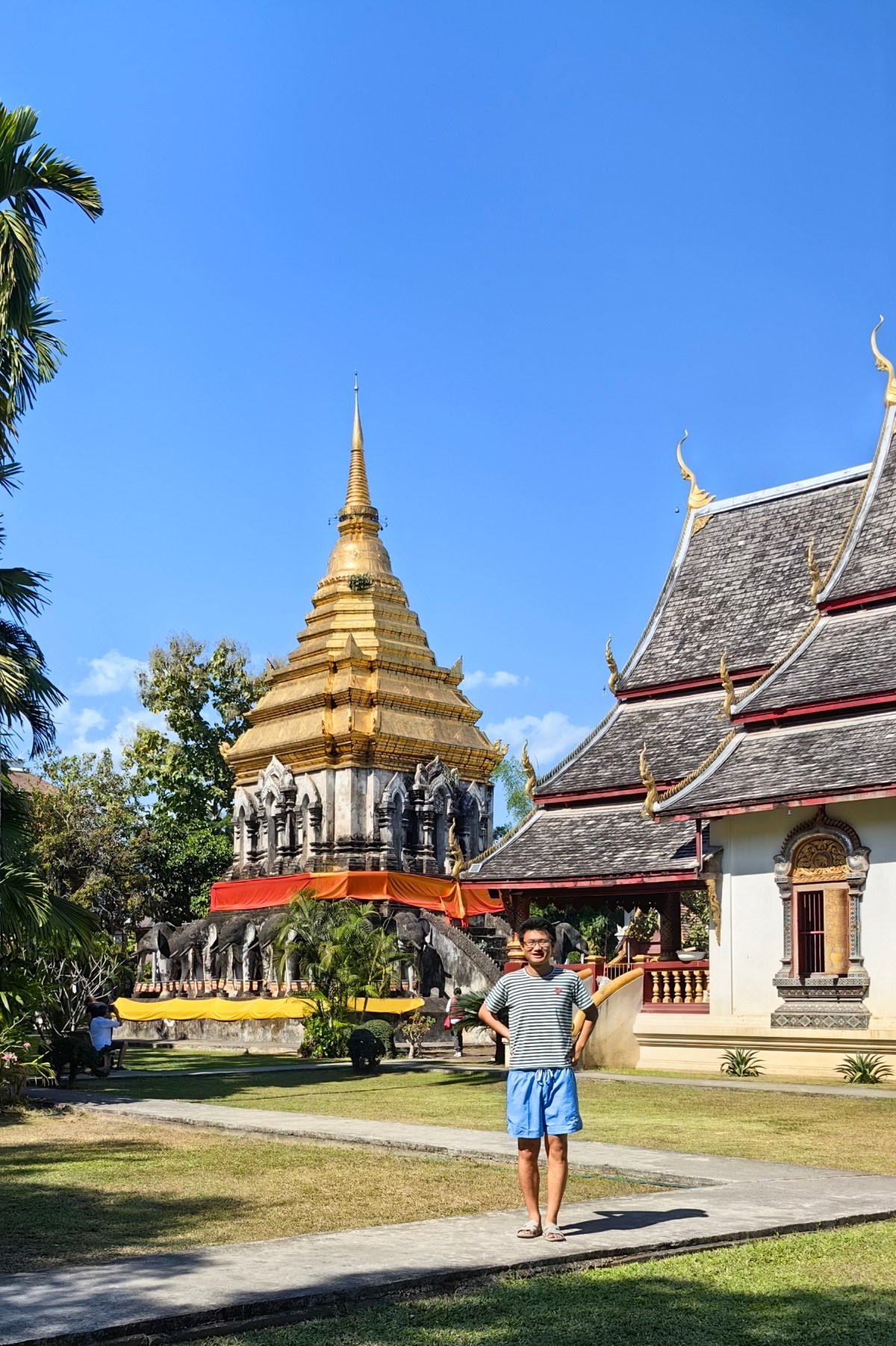
The most prominent building in this temple must be the large, bell-shaped tower. This tower called chedi, was constructed in the classic Lanna style, and has a square base that gradually tapers into a cylindrical shape, crowned with a golden spire. The base of the chedi is adorned with elephant statues, a common motif in Lanna architecture, symbolizing strength and support. The spire is gilded, catching the sunlight and making it a focal point of the temple complex. The chedi is believed to house relics of the Buddha, making it an important site for pilgrims.

这座寺庙最引人注目的建筑一定是巨大的钟形塔。这种塔通常被称为Chedi,采用经典的兰纳风格建造,底座为方形,向上逐渐变细为圆柱形,顶部为金色尖顶。佛塔底座装饰着大象雕像,这是兰纳建筑中的常用的设计方案,象征着力量。镀金的尖顶在阳光下熠熠生辉,使其成为寺庙建筑群的焦点。佛塔内据说藏有佛陀的遗物,因此这座寺庙一直成为朝圣者的圣地。

When I walked through the streets of Chiang Mai, I noticed some tower-like gates. These gates, often known as “Pratu” or “Prasat”, marking the entrance to the sacred temple grounds. These structures can range from simple, elegant designs to more elaborate and intricate constructions. The prasat is characterized by its tall, slender form that tapers as it rises, symbolizing the connection between the earthly realm and the heavens. The gates are typically coated in white stucco, which gives them a pristine, ethereal appearance. The white symbolizes purity and the spiritual sanctity of the temple grounds. This white surface is often contrasted by intricate gilded details, which add a sense of opulence and divine radiance. The gold leaf or gilding is applied to carvings of mythical creatures, floral motifs, and sacred symbols that adorn the gate, creating a striking visual effect.

当我在清迈的街道信步闲庭时,不经意间注意到一些塔状的大门。这些大门通常被称为“Pratu”或“Prasat” 象征着神圣寺庙的入口。这些结构通常可以从简单优雅的设计到更精致和复杂的结构。Prasat 的特点是它高而细长的形状,随着塔的上升而逐渐变细,它象征着人间与天堂之间的联系。大门通常涂有白色的灰泥,使其具有纯净空灵的外观。白色象征着寺庙的纯洁和精神神圣。白色表面通常与复杂的镀金细节形成鲜明对比,增添了富丽堂皇和神圣的感觉。镀金金箔用于装饰大门的神话生物、花卉图案和神圣符号的雕刻,创造了引人注目的视觉效果。

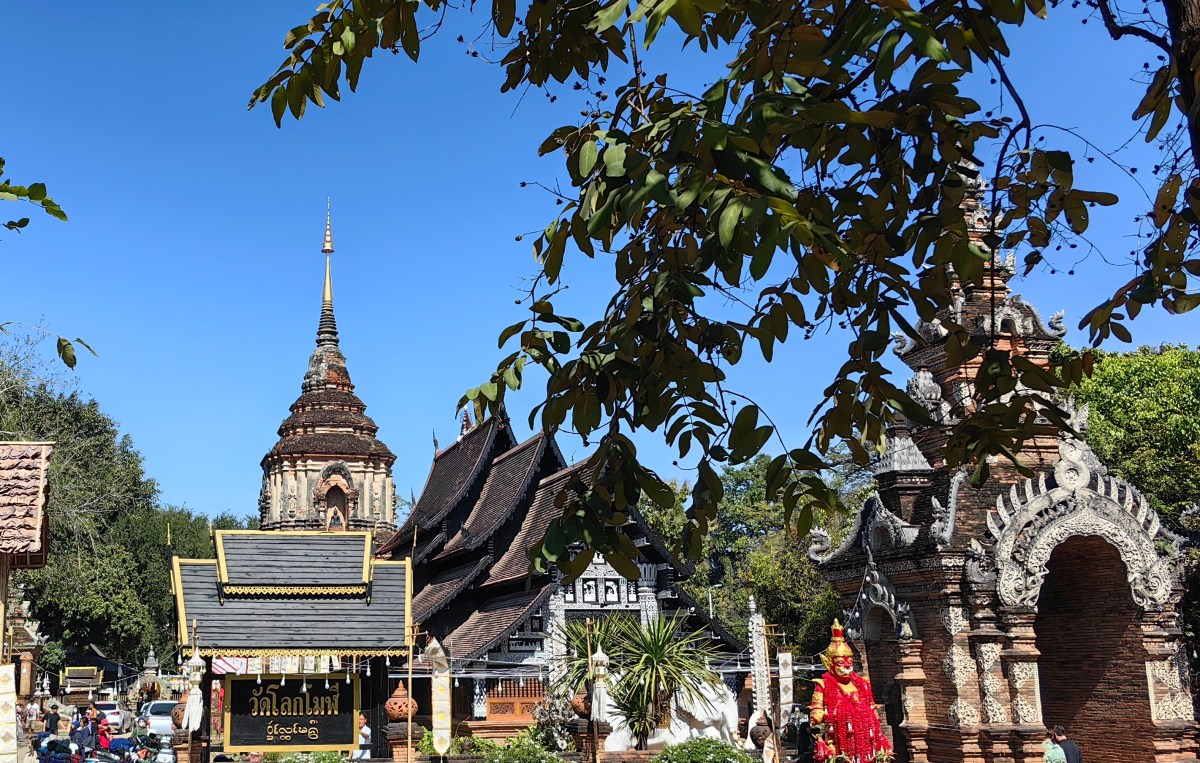
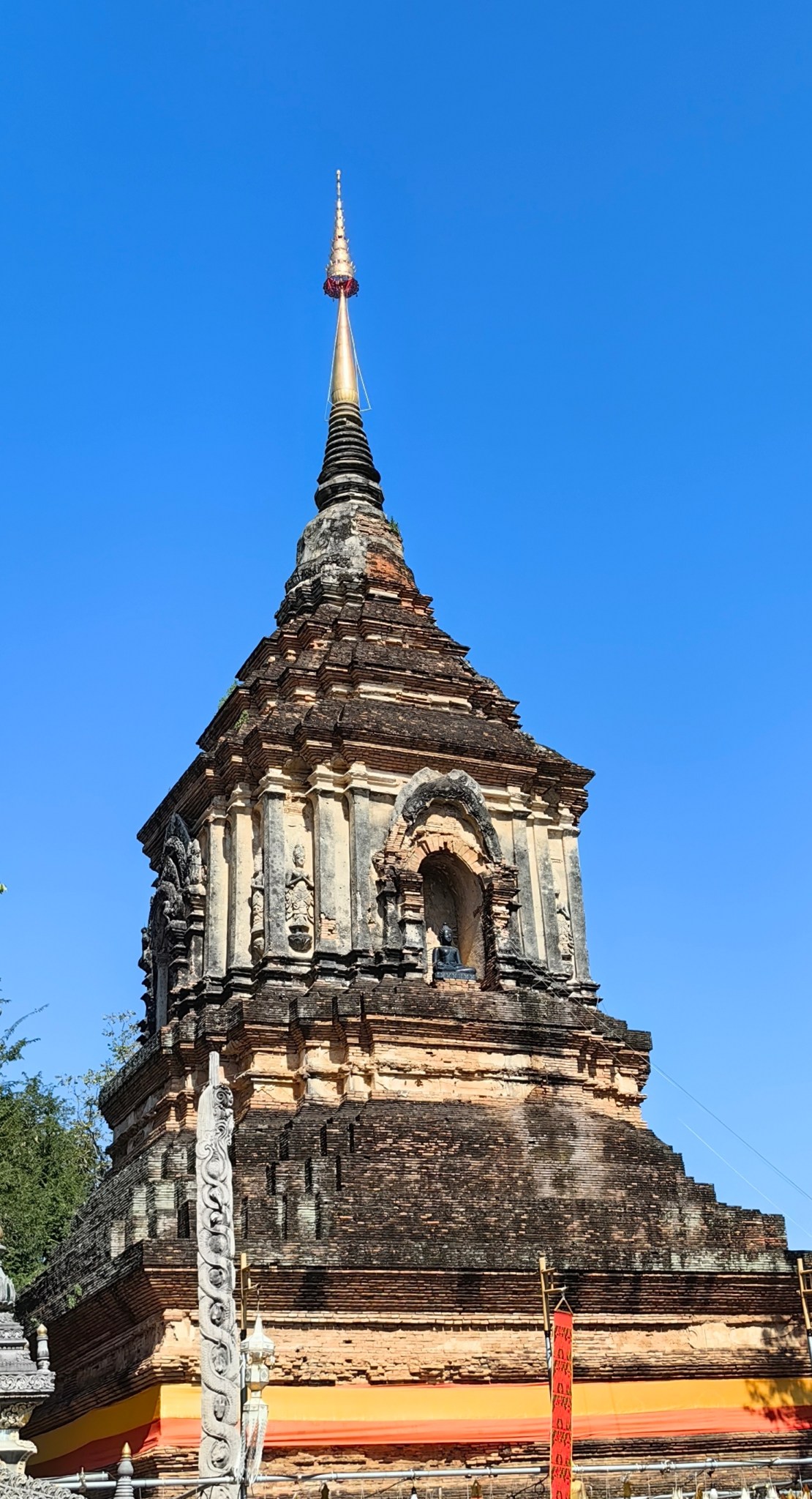
Wat Chedi Luang was another icon monument in Chiang Mai. It was constructed in the 14th century during the reign of King Saen Muang Ma, who intended it to house the ashes of his father. The construction of the chedi took nearly a century, with various additions and renovations made by subsequent rulers. At its peak, the chedi stood at an impressive height of 82 meters, making it the tallest structure in Chiang Mai at the time. However, in 1545, a major earthquake partially destroyed the chedi, reducing its height by almost half.

契迪龙寺是清迈的另一座标志性建筑。它建于14世纪,在国王 Saen Muang Ma 统治时期,他打算将父亲的骨灰安葬于此。这座佛塔耗时近一个世纪才建成,之后的统治者对其进行了多次扩建和翻新。在巅峰时期,佛塔高达82米,是清迈最高的建筑。然而,1545年的一场大地震摧毁了佛塔的部分建筑,使其高度降低了近一半。

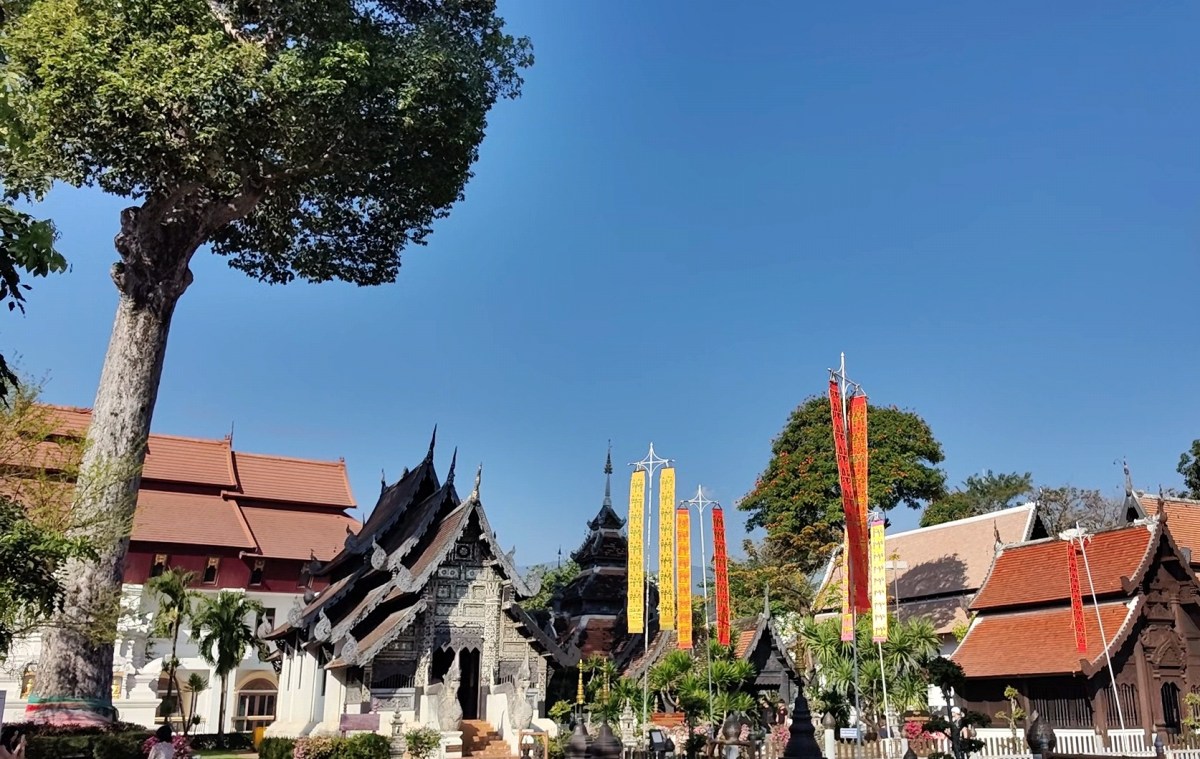
When I visited in Thailand, I found some interested cultures. City pillars, known as “Lak Mueang” in Thai, are a kind of sacred pillars found in many cities throughout Thailand. They hold deep cultural and spiritual significance and are considered the spiritual heart of a city. In the corner of this temple, the pillar of Chiang Mai is housed in a small shrine and is a focal point of the annual Inthakin Festival, where locals come to pay respects and make offerings to ensure the city’s prosperity and protection. The shrine itself is a small white and grey colored building in this photo, showcasing ornate Lanna-style carvings and designs.

在泰国旅行时,我发现了一些有趣的文化。泰语中称为“Lak Mueang”,意为城市支柱,它是泰国许多城市中的一根柱子。它们具有深厚的文化和精神意义,被认为是城市的精神支柱。在这座寺庙的一角,清迈的城市支柱被安置在一座小神殿里,它是一年一度的 Inthakin 节的焦点,当地人来这里表达敬意并进行祭拜活动,祈求对城市的保护。神殿本身是这张照片中的一座灰白色的小建筑,展示了华丽的兰纳风格雕刻和设计。

Like other major tempes, Wat Chedi Luang has the main assembly hall where devotees gather to pray and participate in religious ceremonies. It is a large, open structure featuring a multi-tiered roof, supported by massive teak columns. The roof is adorned with naga finials and other intricate woodwork typical of Lanna architecture.

与其他主要寺庙一样,契迪龙寺也拥有主殿,信徒们在此聚集祈祷并参加宗教仪式。这是一座大型开放式建筑,拥有多层屋顶,由巨大的柚木柱支撑。屋顶装饰有龙头饰物和其他典型的兰纳式的复杂木制品。

This is one street view of Chiang Mai. The old city is extremely small but there are numerous unknown temples sitting one by one along the street, reflecting the influence of Buddhism to this city. There are several monuments and iconic temples worthy to visit like Wat Chedi Luang, Wat Chiang Man, and Wat Phra Singh. These places are always overcrowded but tourists could still take their free time to visit others.

这是清迈的一条街景。老城区非常小,但街道两旁却坐落着许多不知名的寺庙,反映出佛教对这座城市的浸润。这里有例如契迪龙寺、清曼寺和帕辛寺等几座值得参观的古迹和标志性寺庙。这些地方总是人满为患,但游客仍然可以利用空闲时间去参观其他的寺庙。

The Monument of the Three Kings

The Monument of the Three Kings, located in the heart of Chiang Mai’s Old City, is one of the most iconic and historically significant landmarks. This monument commemorates the founding of Chiang Mai and honors the three legendary kings who played pivotal roles in its establishment and development. The most prominent of the three, King Mengrai was the founder of Chiang Mai and the first ruler of the Lanna Kingdom. He selected the site for the new capital, Chiang Mai, in 1296, seeking a strategically advantageous location that was well-defended by natural barriers such as rivers and mountains. The ruler of the Sukhothai Kingdom, King Ramkhamhaeng is known for his friendship with King Mengrai. Their alliance strengthened the ties between the Lanna and Sukhothai kingdoms, facilitating cultural exchange. The king of Phayao, King Ngam Muang was another close ally of King Mengrai. The three kings formed a powerful alliance that fostered peace and prosperity in the region. The square where the monument is located is a popular gathering spot for both locals and tourists. It is often used for local festivals and markets.

三王纪念碑位于清迈古城中心,是这里最具标志性和历史意义的地标之一。这座纪念碑是为了纪念清迈的建立,并纪念在清迈的建立和发展中发挥关键作用的三位传奇国王。三王中最著名的是孟莱王,他是清迈的建立者,也是兰纳王国的首任统治者。1296年,他选定了一个具有战略优势、有河流和山脉等天然屏障保护的地点作为新都,这个地方就是清迈。另外素可泰王国的统治者兰甘亨国王以与孟莱国王的友谊而闻名。他们的联盟加强了兰纳王国和素可泰王国之间的联系,促进了文化交流。帕尧国王 Ngam Muang 是孟莱国王的另一位亲密盟友。这三位国王结成了强大的联盟,促进了该地区的和平与繁荣。纪念碑所在的广场是当地人和游客的热门聚会场所。它经常用于举办当地的节日和市场。

Wat Chiang Man

I travelled from the Wat Phra Singh to the north of the city. Wat Chiang Man is the most beautiful temple among so many temples in Chiang Mai in my mind. It is the oldest temple in Chiang Mai and a significant historical and spiritual site, deeply rooted in the city’s history. Founded in 1296, during the reign of King Mengrai, the temple is not only an architectural treasure but also a repository of some of the most revered and ancient Buddha images in Thailand. It has a small garden, filled with various native plants and flowers, adding to the temple’s tranquil atmosphere.

我从帕辛寺一直游到城北。在我心目中,清曼寺是清迈众多寺庙中最美丽的一座。它是清迈最古老的寺庙,也是重要的历史和精神圣地,相关的宗教信仰深深植根于这座城市的历史。这座寺庙建于1296年孟莱王统治时期,不仅是一座建筑瑰宝,也收藏者泰国最受尊敬的古老佛像。寺庙里有一个小花园,里面种满了各种本土植物和花卉,为寺庙增添了宁静的氛围。

One of the most striking features of Wat Chiang Man is the Chedi Chang Lom, also known as the Elephant Chedi. This chedi is a classic example of Lanna architecture, with a square base adorned with 15 life-sized elephant statues. These elephants, made of stucco, appear to be emerging from the base of the chedi. The upper part of the chedi is gilded, catching the sunlight and creating a stunning contrast with the stone and stucco elephants below. This gilded spire is a hallmark of Lanna-style stupas, symbolizing the connection between the earth and the heavens.

清曼寺最引人注目的景点之一是昌隆佛塔,也被称为大象佛塔。这座佛塔是兰纳建筑的典型代表,方形底座上装饰着 15 尊真实大小的大象雕像。这些大象由灰泥制成,仿佛从佛塔底座中出现。佛塔的上半部分完全镀金,反射着阳光,与下面的石头和灰泥大象形成了鲜明的对比。这座镀金尖顶是兰纳风格佛塔的标志,象征着天地之间的联系。

In this temple, green glazed tiles are frequently used on roofs. The green roofs contrast beautifully with the gold and red commonly used in other parts of the temple, creating a visually striking effect that blends with the natural surroundings. Green is often associated with nature, growth, and renewal. In a spiritual context, it can symbolize the idea of life, fertility, and the nurturing aspect of the natural world.

在这座寺庙中,绿色釉面在屋顶上使用很频繁。绿色的屋顶与寺庙常用的金色和红色形成鲜明对比,从而产生了与自然环境融合的视觉效果。绿色通常与自然和繁殖有关。精神层面上它可以象征着生命,生育能力和繁殖。

As the first temple built in Chiang Mai, Wat Chiang Man holds a special place in the hearts of the local people. It has been a center of religious and cultural life for centuries, maintaining its importance through various periods of the city’s history. The main assembly hall houses the state of Phra Sae Tang Khamani (Crystal Buddha).The temple is especially important during Thai New Year (Songkran), when it becomes a focal point for religious activities and celebrations.

作为在清迈建造的第一座寺庙,清曼寺在当地人民的心中占有特殊的位置。几个世纪以来,它一直是宗教和文化生活的中心,在城市历史的各个时期保持重要性。主殿收藏着水晶佛。在泰国新年中,这座寺庙尤为重要,它一直是宗教和庆祝活动的中心。

Wat Lok Moli

Continuing walking towards north, I arrived at the Wat Lok Moli near the Chang Phuak Gate. Its architecture looked a bit different. Wat Lok Moli built in the 14th century stands out for its connection to the Mengrai Dynasty, which played a crucial role in the history of the Lanna Kingdom. The entrance to Wat Lok Moli left me deep impression. This gate is tower-like and richly decorated, featuring intricate woodwork and symbolic imagery.

继续向北走,我到达了昌普门附近的罗摩利寺。它的建筑风格有些不同。罗摩利寺建于14世纪,因其与孟莱王朝的联系而闻名,孟莱王朝在兰纳王国的历史上发挥了至关重要的作用。罗摩利寺的入口给我留下了深刻的印象。这座门像佛塔一样,华丽装饰着复杂的木工和象征性的图腾。

For every temple in Chiang Mai, the most prominent architecture must be the chedi. Unlike other temples, the chedi at Wat Lok Moli has been left largely unplastered, giving it a rustic and ancient appearance. The weathered bricks and the absence of stucco decoration highlight the raw beauty and historical authenticity of the structure.

对于清迈的每座寺庙来说,最突出的建筑一定是佛塔。与其他寺庙不同,罗摩利寺的佛塔大部分没有涂抹灰泥,呈现出一种质朴而古老的外观。风化的砖块和光秃秃的表面凸显了建筑的原始美感和历史真实性。

Wat Umong Mahathera Chan

Except the major tourist attractions, I visited some small temples as well. Wat Umong Mahathera Chan is a lesser-known but historically significant temple located in the heart of Chiang Mai’s Old City. The temple is often overshadowed by more famous sites, yet it holds its own unique charm and importance.

除了主要的旅游景点,我还参观了一些小寺庙。乌蒙玛哈泰拉禅寺是一座鲜为人知但具有重要历史意义的寺庙,位于清迈古城中心。这座寺庙的风采经常被其他著名景点所掩盖,但它却拥有自己独特的魅力和重要性。

Wat Umong Mahathera Chan is notable for its historical architecture, including several ancient structures that reflect the rich heritage of the Lanna Kingdom. The old chedis at Wat Umong Mahathera Chan are typically constructed in the Lanna style, characterized by a bell-shaped base that tapers into a spire at the top. The chedis are usually built from brick and stucco, with the surfaces often covered in layers of weathered plaster, giving them an aged, venerable appearance.

乌蒙寺以其历史建筑而闻名,其中包括几座反映兰纳王国丰富遗产的古老建筑。乌蒙寺的古老佛塔通常采用兰纳风格建造,其特点是底座呈钟形,顶部逐渐变细为尖顶。佛塔通常用砖和灰泥建造,表面通常覆盖着一层层风化的石膏,使其看起来古老而庄严。

The base of the chedis is generally square or octagonal, with multiple tiers that create a sense of elevation. Each tier is often adorned with decorative motifs, such as lotus petals, which are common in Lanna architecture. The central part of the chedi, shaped like an inverted bell, is the most prominent feature. This section may be plain or decorated with stucco reliefs, sometimes featuring images of the Buddha, floral patterns, or mythical creatures like Nagas (serpents). The spire, or the uppermost section, tapers gracefully into a pointed tip, symbolizing the Buddhist path to enlightenment. The spire often includes a series of rings or parasol-like structures known as “chatra,” which are emblematic of royalty and spiritual authority.

佛塔的底座通常是方形或八角形,有多层结构,营造出一种高耸的感觉。每层都装饰有例如莲花瓣的图案,这在兰纳建筑中特别普遍。佛塔的中央部分形似倒置的钟,这部分可能是最简单朴素的,也可装饰有佛像、花卉图案或纳迦等神话生物为特色的灰泥浮雕。塔顶即最上层的部分,优雅地逐渐变细最后形成尖头,它象征着佛教的开悟之路。塔尖通常包括一系列被称为“chatra”的环形或阳伞状结构,象征着皇室和精神权威。

This kind of water jars, often made of stone or ceramics, are commonly placed around temple grounds as decorative elements. The jars are usually filled with water, and the lotus flowers are planted in them floating on the surface. The purple lotus is a beautiful and symbolic element commonly found in Thai temples. The lotus is a powerful symbol in Buddhism, representing purity, enlightenment, and spiritual rebirth.

图中这种石头或陶瓷制成水罐,通常放置在寺庙周围作为装饰元素。水罐注满水,莲花漂浮在水面上。紫色莲花是泰国寺庙中常见的美丽而具有象征意义的元素。莲花是佛教中代表着纯洁、启蒙和精神重生的象征。

I noticed that there were always interior paintings in the halls of Thai temples, often depicting scenes from Buddhist mythology, the life of the Buddha, and traditional Lanna culture. One of the most common themes in temple murals is the Jataka tales, which are stories of the Buddha’s past lives. These stories are illustrated in a series of panels, each representing different moral lessons, such as compassion, self-sacrifice, and wisdom. Some murals often depict key events in the life of the historical Buddha, Siddhartha Gautama.

我注意到泰国寺庙的主殿大厅里总是装饰着一些室内绘画,它们通常描绘的是佛教神话、佛陀生平和传统兰纳文化的场景。寺庙壁画中最常见的主题之一是《本生经》,即佛陀前世的故事。这些故事以一系列故事在面板上连续呈现,每个面板代表不同的道德教训,例如同情、自我牺牲和智慧。另一些壁画则描绘历史上佛陀乔达摩悉达多一生中的关键事件。

Except the old temples, the remnants of city gate marked the city’s history as well. The Tha Phae Gate is one of the most iconic landmarks in Chiang Mai, serving as a historical and cultural symbol of the city. Located on the eastern side of old city, the Tha Phae Gate is part of the ancient city wall established in 1296 by King Mengrai, the founder of the Lanna Kingdom. The original gate has been restored multiple times over the centuries. The current structure, with its distinctive red brick facade, is a result of renovations done in the 19th and 20th centuries. Today, Tha Phae Gate is more than just a historical structure; it is a vibrant cultural hub. The area around the gate hosts various events and celebrations like the countdown 2024.

除了古老的寺庙,城门遗迹也见证着这座城市的历史。塔佩门是清迈最具标志性的地标之一,是这座城市的历史和文化象征。塔佩门位于老城东侧,是兰纳王国建立者孟莱王于 1296年修建的古城墙的一部分。几个世纪以来,最初的城门经过多次修复。当前建筑结构独特的红砖外墙是19世纪和20世纪翻修的结果。如今,塔佩门不仅仅是一座历史建筑,更是一个充满活力的文化中心。城门周围会举办例如2024年新年倒计时等各种庆祝活动。

I have visited more than 50 temples in Chiang Mai and cannot list them one by one. Every temple has the chedi of different styles. These are the treasure of this city. This temple in the photo is the Haripunchai style which originates from the ancient Mon kingdom of Haripunchai, predating the Lanna Kingdom in the Chiang Mai region. This style is considered to be an earlier influence on Lanna architecture. Unlike the square bases of Lanna chedis, Haripunchai-style chedis often have a rounded or cylindrical base. These chedis may have a series of diminishing tiers stacked above the base, each decorated with small niches or Buddha images. The use of lotus petal motifs around the base and along the tiers is a distinctive feature of this style.

我总共参观过清迈50多座寺庙,无法这里一一列出。这里每座寺庙都有不同风格的佛塔。它们是这座城市的瑰宝。照片中的这座寺庙为哈利朋猜风格,源自古老的孟王国,这个王国历史早于清迈地区的兰纳王国。这种风格对兰纳建筑产生了早期影响。与兰纳佛塔的方形底座不同,哈利朋猜风格的佛塔通常具有圆形或圆柱形底座。这些佛塔的底座上方堆叠着一系列逐渐减小的层级,每层都装饰有小壁龛或佛像。底座周围和各层级上使用莲花瓣图案是这种风格的显著特征。

This is the tower of the Sri Lankan style, also known as Sinhalese or Anuradhapura style, which was introduced to Thailand through Theravada Buddhism. This style is characterized by its simplicity and smooth, rounded forms, representing purity and the Buddhist ideal of simplicity. The chedi is usually a smooth, rounded bell shape with little to no ornate decoration, emphasizing the purity and simplicity of the form. The dome has a simple spire on top. Unlike the more ornate Lanna style, Sri Lankan-style chedis are typically plain, focusing on the form rather than decorative details.

这是斯里兰卡风格的佛塔,也被称为僧伽罗风格或阿努拉德普勒风格,通过上座部佛教传入泰国。这种风格的特点是简洁的圆形,代表纯洁和佛教的简朴理想。佛塔通常是圆钟形,几乎没有华丽的装饰,强调了形式的纯洁和简朴。圆顶上有一个简单的尖顶。与更华丽的兰纳风格不同,斯里兰卡风格的佛塔通常很朴素,注重形式而不是装饰细节。

Due to Chiang Mai’s historical connections with Burma, Burmese-style chedis can also be found in the region. These chedis are influenced by the architecture of the Pagan era. Burmese chedis often have a stepped, pyramid-like structure with a series of terraces leading up to the spire. The chedis are typically more ornate than the Sri Lankan style, with intricate carvings and reliefs, often featuring scenes from the Jataka tales. The spire, often crowned with a multi-tiered umbrella, is a key feature, symbolizing the axis of the world in Buddhist cosmology.

由于清迈与缅甸的历史渊源,该地区也有缅甸风格的佛塔。这些佛塔受到异教时代建筑的影响。缅甸佛塔通常采用阶梯式金字塔结构,一系列露台通向塔尖。这些佛塔通常比斯里兰卡风格的佛塔更华丽,雕刻和浮雕也很精美,它们通常以《本生经》故事中的场景为特色。塔尖通常顶部有多层伞状结构,是其主要特征,象征着佛教宇宙观中的世界轴心。

Although not as numerous as other styles, Khmer-style chedis can still be found in and around Chiang Mai, showcasing the historical connections between the region and the Khmer civilization. The most recognizable feature of Khmer-style chedis is their prasat, a tower-like structure that resembles the central sanctuary of a Khmer temple. The base of a Khmer-style chedi is usually stepped, with multiple levels or terraces leading up to the central tower. In Chiang Mai, some Khmer-style chedis integrate elements of the local Lanna style, including stupa-like structures that blend the Khmer tower. This fusion creates a unique architectural form that reflects the cultural exchange between the Khmer and Lanna civilizations.

虽然数量不如其他风格那么多,但高棉风格的佛塔在清迈及其周边地区仍可见到,展现了该地区与高棉文明之间的历史联系。高棉风格佛塔最显著的特征是一种类似于高棉寺庙中央圣殿的塔式结构。高棉风格佛塔的底座通常是阶梯式的,有多个楼层或露台通向中央塔。在清迈,一些高棉风格的佛塔融合了当地兰纳风格的元素,包括与高棉中央塔融为一体的佛塔式结构。这种融合创造了一种独特的建筑形式,反映了高棉和兰纳文明之间的文化交流。

In the evening, I took some time to leisurely stroll around the Nimman Road and experienced the night life here. This road is outside the old city, and it is known for its eclectic mix of cafes, restaurants, boutique shops, and art galleries. Nimman Road is famous for its coffee culture, with a wide array of unique and stylish cafes. When the sun set, it is a place where traditional Thai culture meets modern global influences.

傍晚,我悠闲地在宁曼路漫步,感受这里的夜生活。这条路位于老城区外,以咖啡馆、餐厅、精品店和艺术画廊等各式各样的商店而闻名。宁曼路更以咖啡文化而闻名旅游圈,拥有众多独特而时尚的咖啡馆。当太阳落山时,这里是传统泰国文化与全球的现代影响碰撞的地方。

I tasted the Mango sticky rice in one of the stores here. The sticky rice, also known as glutinous rice, is the foundation of this dessert. It’s soaked, steamed, and then mixed with sweetened coconut milk to create a rich, creamy base. The mango adds a natural sweetness and juicy, refreshing texture to the dish, contrasting beautifully with the sticky rice. A key element of mango sticky rice is the coconut milk sauce, which is made by simmering coconut milk with sugar and a pinch of salt until it thickens slightly. The coconut milk sauce is often poured over the rice. This dish is one of Thailand’s most beloved desserts. It perfectly balances the sweet, creamy, and slightly salty flavors.

我在一家甜品店里品尝了芒果糯米饭。糯米是这种甜点的基础。它经过浸泡、蒸熟,然后与加糖的椰奶混合,形成浓郁的奶油状基底。芒果为这道菜增添了天然的甜味和多汁、清爽的口感,与糯米形成了绝妙的对比。芒果糯米饭的一个关键元素是椰奶酱汁,它是将椰奶与糖和少许盐一起煮至略微变稠而制成的。这种椰奶在上桌前通常直接倒在米饭上。这道菜是泰国最受欢迎的甜点之一。它完美地平衡了甜味、奶油味和微咸的味道。

As my journey through Chiang Mai came to a close, I found myself reflecting on the myriad experiences that have woven together to create a tapestry of memories from the serene temples to the bustling markets. Chiang Mai is a place where the old and the new coexist in harmony. It’s a city that invites you to slow down, to fully relax, to savor the details. As I left Chiang Mai, I carried with me not just souvenirs and photographs, but a deeper appreciation for the Lanna culture of North Thailand.

尽管我的清迈之旅已经完结,自己经常回想起那些交织在一起的往事,从宁静的寺庙到熙熙攘攘的市场,这些经历交织在一起,形成了一幅一幅的画卷。清迈是一个历史和现代和谐共存的地方。这座城市令人可以放慢脚步,完全放松地细细品味细节。离开清迈时,我带走的不仅仅是纪念品和照片,还有对泰国北部兰纳文化的更深层次的了解。

Exploring Ayutthaya Historical Park: A Journey into Thai Heritage

探索泰国文化遗产大城府历史公园

Ayutthaya, the old capital of the Kingdom of Siam, stands as a testament to the grandeur and historical significance of Southeast Asia’s rich culture. Ayutthaya flourished as a major trading hub from the 14th to the 18th century, drawing merchants from all corners of the world. Today, the city is celebrated for its remarkable ruins and ancient temples, which have been meticulously preserved within the Ayutthaya Historical Park, a UNESCO World Heritage Site. Visitors to Ayutthaya are transported back in that glorious time as they explore the intricately designed wats, towering prangs, and serene Buddha statues that dot the landscape.

暹罗王国的旧都大城府见证了东南亚丰富的文化和宏伟的历史。这座城市曾经作为从14世纪到18世纪的主要贸易中心蓬勃发展吸引了来自世界各地的商人。如今这座城市因其巨大的历史遗迹和古老的寺庙而闻名,这些遗址和寺庙在联合国教科文组织世界遗产的大城府历史公园内被精心保存。当游客徜徉在精心设计的寺庙群,高耸的尖塔和宁静的佛陀雕像中时,仿佛回到了那个辉煌的时代。

I took the train connecting Bangkok to Chiang Mai from Bang Sue Station in Bangkok to the Ayutthaya train station on December 4th, 2023. There is no highspeed train in Thailand. The speed of train is around 80-90km/ hour and each tram of the train has many open windows for ventilation. It is a short trip taking around 1.5 hours.

我于2023年12月4日从曼谷的Bang Sue 火车站乘坐连接曼谷到清迈的火车抵达大城府火车站。泰国没有高速火车。普通火车的速度约为每小时80-90公里,火车的每节列车都有许多开放式的通风窗口。这是一段大约需要1.5小时的短途旅行。

Ayutthaya train station is very small station. Upon arrival, visitors can easily access the historical sites, either by renting a bicycle, or hiring a tuk-tuk stopped in front of the station. Tuk-tuks are three-wheeled motorized vehicles, usually in green or red colors, and typically open-air. It is a popular and iconic mode of transportation in Ayutthaya, offering a convenient and enjoyable way to explore this historic park.

大城府火车站是一座很小的车站。到达后游客可以通过租用自行车或者雇用一辆停在火车站前的突突车便可轻松抵达历史遗址。突突车是一种通常是绿色或红色敞篷的人力三轮车。这是大城府的一种流行标志性的交通方式,为游客提供了一种方便而愉快的方式来探索这座历史悠久的遗址公园。

Ayutthaya Historical Park represents the history of the ancient city of Ayutthaya. Founded in 1350 by King U Thong, Ayutthaya swiftly became the capital of the Kingdom of Siam and one of the most prosperous cities in Southeast Asia. For over four centuries, it thrived as a political, economic, and cultural hub until its destruction by the Burmese army in 1767. After that, the capital was moved to Bangkok. This is the entrance of the park, and the visitors need to pay 200 Baht to visit four major attractions in this park.

大城府历史公园代表了这座古城的历史。大城府由乌通国王于1350年建立,之后迅速成为暹罗王国的首都,它也是当时东南亚最繁荣的城市。四个世纪以来,它一直是一个政治经济和文化枢纽,直到1767年被缅甸军队彻底摧毁。此后泰国首都就搬到了曼谷。这里是公园的入口,游客需要支付200泰铢才能参观公园的四个主要景点。

Recognized as a UNESCO World Heritage Site in 1991, Ayutthaya Historical Park includes the ruins of this once-magnificent city, offering visitors a glimpse into its storied past. The park covers an area of approximately 289 hectares and includes a multitude of impressive temples, palaces, and monuments, reflecting a blend of various architectural styles influenced by different cultures such as Khmer, Sukhothai, and Lopburi.

大城府历史公园在1991年联合国教科文组织列入世界遗产名录,这个曾经无比辉煌的城市遗址如今另游客能够一瞥它曾经的历史。该公园覆盖了大约289公顷的区域,其中包括许多令人印象深刻的寺庙,宫殿和古迹,反映了受包括高棉,素可泰等不同文化影响的各种建筑风格的融合。

The visual impact of my first sight of these relics was striking. The towering prangs and chedis, though weathered by time, stand majestically against the blue sky, their intricate details still visible despite centuries of exposure to the air. The golden hues of sunlight play on the ancient bricks and stone, casting long shadows that add to the sense of timelessness. I felt that I took a time machine and travelled back to the past.

看到这些文物的第一眼着实令人震撼。高耸的主塔和周围的小尖塔虽然随着时间的流逝而风化,但仍朝蓝天高傲矗立。尽管几个世纪漫长的磨损,它们表面的错综复杂的雕刻细节仍然可见。金色的晨光照耀在古老的砖石上,修长的阴影留下一种永恒的感觉让我觉得我仿佛乘坐时间机器回到了几百年之前的过去。

Wat Mahathat

The first place I visited was the Wat Mahathat, also known as the Temple of the Great Relic. It was a royal monastery and one of the most important temples in Ayutthaya. It was established during the reign of King Borommaracha I (1370-1388). It is characteristic of Khmer-style architecture.

我参观的第一个地方是马哈特寺(Wat Mahathat),也称为大遗物寺庙。这是一座皇家寺庙,也是大城府中最重要的寺庙之一。它是在国王Borommaracha 一世(1370-1388)统治期间建立的,也是经典的高棉风格建筑。

The iconic Buddha head entwined in tree roots at Wat Mahathat caught my eyes immediately, a poignant symbol of the enduring spirit of the place. This unique feature originated during the Burmese invasion when the temple was destroyed, and the head fell to the ground, later embraced by the tree’s roots.

这座寺庙里缠绕在树根中的标志性佛陀头立即吸引了我的目光,它也是这个地方历史悠久长存的象征。这一独特的景观起源于缅甸入侵时期,当寺庙被摧毁时,佛陀头部落在地面上,后来被树根所包围。

Each Buddha statue scattered throughout Ayutthaya Historical Park tells a story, reflecting different styles, periods, and the deep devotion of the people who created them. Ayutthaya style of Buddha statue combines elements of Sukhothai and Khmer styles. These statues often have a broad, smiling face and a distinctive flame-like finial atop the head. For me, the unique element of Buddhism was the most attractive point to be explored when travelling in Thailand.

每个散布在大城府历史公园中的佛陀雕像都讲述了一个故事,它们也反映了创造者的不同风格以及对佛教深厚的笃信精神。这里佛陀雕像的风格结合了素可泰和高棉的建筑元素。这些雕像通常具有宽阔的笑脸,头顶上有特别的火焰般的端饰。对我来说独特的佛教元素是泰国旅游最有吸引力的地方。

The prangs of Ayutthaya are among the most distinctive architectural elements in the ancient city. These prangs are characterized by their tall, tower-like structure, often built on a square or rectangular base. The surfaces of prangs are often decorated with intricate stucco work, featuring floral patterns, mythical creatures, and scenes from Buddhist mythology.

图中这种高塔是古城最独特的建筑元素之一。这些建筑的特征是它们高大的塔式结构,通常建在正方形或矩形底座上。它们的表面通常装饰有包括花卉图案,神话生物和佛教神话中的场景等复杂的灰泥制品。

Wat Ratchaburana

The prangs of Ayutthaya are not just architectural wonders but also reflections of the rich cultural heritage and religious devotion of the Ayutthaya Kingdom. Wat Ratchaburana was one of the most impressive temple in this park. The prang at Wat Ratchaburana is one of the best-preserved in Ayutthaya. Wat Ratchaburana was established by King Borommaracha II in 1424 to honor his two elder brothers, Chao Ai Phraya and Chao Yi Phraya, who died in a duel for the throne.

大城府的高塔不仅是建筑奇观也是一种对Ayutthaya王国丰富文化遗产和宗教崇拜的传承。Ratchaburana寺庙是公园中最具有震撼力的寺庙之一。它的高塔也是这里保存最完好的。它是由Borommaracha 二世于1424年建立的,以纪念为了争夺王位决斗而死的两个哥哥Chao Ai Phraya和Chao Yi Phraya。

The prang is built in the traditional Khmer style, with a tall, tapering tower rising from a square base. It is adorned with stucco reliefs and ornamental details, showcasing the craftsmanship of the Ayutthayan artisans. The prang represents Mount Meru, the sacred mountain at the center of the universe in Hindu and Buddhist cosmology. It serves as a spiritual axis connecting the earthly realm with the heavens. Standing before this prang, I couldn’t help but feel a sense of awe and reverence. It dominates the landscape and serves as a visual and symbolic connection between the earthly and the divine.

图中的高塔以传统的高棉风格建造,是一座从正方形的底座上升而起的高锥塔。它装饰有灰泥的浮雕和众多建筑细节,展示了大城府工匠的工艺。这座高塔代表梅鲁山,它是印度教和佛教宇宙中心的圣山。也是将凡尘与高天神国联系起来的精神线。站在这个高塔之前,我不禁感到一丝敬畏和崇敬。它一览众世小,如同尘世与神之间的联系桥梁。

The prang of Wat Ratchaburana is adorned with a multitude of statues and sculptural elements that drew my attention when I climbed up the brick steps. I could see clearly the statues of dvarapalas. These statues are typically depicted in a standing position, holding weapons such as clubs or swords. They serve as protectors of the temple, warding off evil spirits and guarding the sacred space within. There are statues of devatas (deities) and thewada (celestial beings). These figures are often portrayed in elegant, flowing attire, with serene expressions and graceful poses. Devatas and thewadas represent divine beings who inhabit the celestial realms.

Ratchaburana寺庙的高塔还装饰着许多雕像和雕塑元素令人侧目,当我爬上砖制台阶时我可以清楚地看到德瓦拉帕拉斯的雕像。这些雕像通常以站立姿势呈现,手执拿着大棒或长剑等武器。他们充当圣殿的保护者,驱赶邪灵并守护着内在的神圣区域。这里还有devatas和Thewada的雕像。这些人物通常以优雅飘逸的服装造型进行描绘,有着镇静的表情和优美的姿势。 Devatas和Thewadas代表了居住在天神领域的神圣生物。

Ayutthaya Historical Park is super large. The lake in the center of Ayutthaya Historical Park is a tranquil and adds a natural element to the ancient city’s landscape. Surrounded by lush greenery and dotted with historical ruins, it is a good place to have a rest or stroll.

这个历史公园实在太大了。历史公园的中心有一个宁静的湖泊,在古城的历史景观中增添了自然的元素。周围都是郁郁葱葱的绿色植物,上面散布着历史遗迹,是休息或漫步的好地方。

Throne Halls

The Ayutthaya Palace has been destroyed totally in the war. Now I could only see the remnants of Throne Halls and ruins of residential areas. The whole area is covered by weeds. Standing among the ruins of the Ayutthaya Palace, I felt a profound sense of awe at the grandeur and historical transition of the ancient kingdom. The remnants evoke reflections on the speedy passage of time and the cruelty of wars.

大城府的王宫早已在战争中被彻底摧毁。现在我只能看到王座大厅废墟的残垣断壁。整个区域都被杂草覆盖。我站在这片废墟中,对古代王国的宏伟和历史变迁不由地深感敬畏。这些遗迹残骸令我感慨时间流逝的飞快和战争的残酷。

The Wat Phra Si Sanphet located within the palace grounds is well conserved fortunately. This temple served as the royal chapel. The temple was a central place for royal religious activities, highlighting the close connection between the monarchy and Buddhism.

位于宫殿区域内的Phra Si Sanphet寺所幸被完整保留。这座寺庙是皇家教堂,也是皇家宗教活动的中心地点,凸显泰国君主制与佛教之间的紧密联系。

Wat Phra Si Sanphet

Established in the 14th century during the reign of King Ramathibodi I, it was part of the royal palace complex. Its three large chedis, which still stand today, housed the ashes of three Ayutthayan kings. The three large chedis perfectly aligned is the most impressive and iconic architectures in this historic park. The chedis are bell-shape with intricate stucco reliefs. They are surrounded by smaller stupas and other structures.

建立于14世纪拉马西博迪一世统治期间,这座寺庙是皇家宫殿的一部分。它的三个大尖塔(Chedis)如今仍然屹立不倒,分别保存了三个国王的骨灰。三个巨大的尖塔完美地对齐排列是这个历史悠久的公园中最令人印象深刻的建筑。这种大尖塔一般是钟形,装饰有复杂的灰泥浮雕。它们被较小的佛塔和其他建筑结构包围。

The architectural style of Ayutthaya is affected by both Sukhothai and Khmer. The Sukhothai architectures are characterized by the small stupas which are typically bell-shaped or in the form of miniature chedis. These structures mirror the design of the larger chedis but on a more modest scale. The stupas often feature detailed stucco reliefs depicting lotus motifs, mythological creatures, and religious motifs.

大城府的建筑风格受素可泰和高棉两种风格的影响。素可泰建筑的特征是这种钟形或类似于上图大尖塔(Chedis)形式的微型小佛塔。这些结构复制了的大尖塔(Chedis)的设计,但总体规模较小。这种佛塔经常呈现莲花图案,神话生物和宗教图案的细腻浮雕装饰。

Sukhothai is renowned for its elegant Buddha statues, characterized by a flame-like ushnisha (a protuberance on the top of the head symbolizing wisdom) and a serene, meditative expression. Ayutthayan Buddha statues often replicate the Sukhothai style, with smooth, flowing lines and a focus on the spiritual tranquility of the Buddha.

素可泰以其优雅的佛像而闻名,其特征是头顶上如同火焰般的象征着智慧的突起和冥思的表情。 大城府的佛像通常复制素可泰的风格,这里的佛像有着平滑流动的线条并且似乎全神专注于佛陀的精神宁静。

Some small stupas contain niches that once held votive tablets or small Buddha statues. These items were often placed as offerings or to gain spiritual merit. The small stupas are strategically placed around the larger chedis and main temple structures, contributing to the overall harmony and balance of the temple complex.

一些小佛塔还包含者收纳小佛陀雕像或者印有佛陀拓片的龛。这些物品通常被放置在这里以获得精神上的升华。这些小佛塔在建筑排列上一般布置在更大的尖塔和主庙宇周围,这有助于达到一种整体的和谐与平衡。

Visitors were able to take the time to closely inspect the small stupas scattered all around the historical park. Their intricate decorations and architectural details are best appreciated up close. They are typically bell-shaped, a common form in Thai Buddhist architecture. This shape symbolizes the union of heaven and earth. They have an octagonal base, representing stability and the foundation of the spiritual path. Intricate floral motifs, such as lotus flowers and vines, adorn the surfaces. The spire is typically multi-tiered, each tier representing the ascent through the realms of existence towards enlightenment. It often culminates in a small, gilded umbrella-like structure, symbolizing protection and honor.

游客可以花些时间仔细观察散布在历史公园各处的小型佛塔, 近距离欣赏它们精致的装饰和建筑细节。它们的整体轮廓通常是钟形的,这是泰国佛教建筑的常见形式,这种形状象征着天地合一。它们有一个八角形底座,代表着稳定和精神的基础。表面装饰着如莲花和藤蔓等复杂的花卉图案。塔尖通常是多层的,每一层都代表着从肉体存在走向精神开悟的飞升。塔顶通常以一个小的镀金伞状结构收尾,象征着保护和荣誉。

Wat Phra Ram

Wat Phra Ram is another significant temple which was constructed in the late 14th century by King Ramesuan on the cremation site of his father, King U-Thong, the first king of Ayutthaya. The towering central prang is the most prominent feature of Wat Phra Ram. I could see many this kind of Khmer-style tower here. The influence of Khmer architecture on the architecture of Ayutthaya is profound in several key features within the Ayutthaya Historical Park. The Khmer Empire, which flourished in Southeast Asia from the 9th to the 15th centuries, left a lasting impact on the region.

帕拉姆寺是另一座重要的寺庙,由拉梅苏安国王于14世纪末在其父亲乌通国王(大城府第一任国王)的葬礼所在地上修建。高耸的中央主塔是帕拉姆寺最显著的特征。我在这个公园里看到了很多这种高棉风格的塔。高棉建筑对大城府建筑的影响在大城府历史公园中体现得淋漓尽致。高棉帝国在9世纪至15世纪在东南亚实力强大,对该地区产生了持久的影响。

Khmer architects often used sandstone and laterite in their constructions, materials that were also adopted in Ayutthayan architecture. These materials are durable and suitable for intricate carvings and large-scale structures. The stucco reliefs on the prang of Wat Phra Ram and other temples in Ayutthaya feature detailed carvings that echo the artistic style of Khmer bas-reliefs found at Angkor.

高棉建筑师经常在建筑中使用砂岩和红土,大城府的建筑也借鉴采用了这些材料。这些材料经久耐用,适合制作精美的雕刻品和大型建筑。帕拉姆寺和大城府其他寺庙的灰泥浮雕雕刻精细,与吴哥窟的高棉浅浮雕艺术风格相呼应。

There is an artificial lake located adjacent to Wat Phra Ram. The calm waters of the lake create a stunning mirror effect, reflecting the nearby temples towers and greenery. The lake planted with blooming lotus flowers looked like the Western Lake of Hangzhou.

帕拉姆寺旁边有一个人工湖,湖水平静如镜般倒映着附近的高阁塔楼和绿植,湖中种满了盛开的莲花,仿若杭州西湖。

Walking through the trail covered with gravel, I could not help to contemplate the history of Thailand one thousand year ago. The first centralized country Sukhothai Kingdom was founded in 1238 by King Sri Indraditya, marking the beginning of what is considered the first independent Thai kingdom. Sukhothai was a mandala state, where the central power radiated outward, and local rulers paid tribute to the king. Sukhothai became a center for Theravada Buddhism, with the construction of numerous temples in this style.

走在铺满碎石的小径上,我不禁回想起一千年前悠久的泰国历史。历史上第一个集权国家素可泰王国由因陀罗帝王于1238年建立,标志着泰国第一个独立王国的开端。素可泰是一个曼荼罗国家,中央权力向外辐射,地方统治者向国王进贡。素可泰成为上座部佛教的中心,当时就建造了许多这种风格的寺庙。

In 1438, Sukhothai was officially annexed by the Ayutthaya Kingdom. Ayutthaya was founded in 1350 by King U Thong. The kingdom expanded through military conquests and alliances, eventually controlling much of present-day Thailand, Laos, Cambodia, and parts of Myanmar. Ayutthaya continued to promote Theravada Buddhism. Ayutthaya engaged in numerous conflicts with neighboring states, particularly Myanmar. These wars were a source of eventual downfall. In 1767, after years of intermittent warfare, Burmese forces captured and sacked Ayutthaya, leading to the kingdom’s collapse. The whole city was destroyed, and many buildings were ruined.

1438年,素可泰王国被大城王国正式吞并。大城王国由乌通国王于1350年建立。王国通过军事征服和联盟不断扩张,最终控制了现在的泰国、老挝、柬埔寨和缅甸部分地区的大部分地区。大城王国继续推广上座部佛教并与邻国尤其是缅甸发生了多次冲突。这些战争最终导致了大城王国的衰落。1767年,经过多年的断断续续的战争,缅甸军队攻占并洗劫了大城王国,导致王国灭亡。整座大城府被摧毁,许多建筑物被毁。

Wat Nok

Wat Nok is one of the lesser-known temples in Ayutthaya. It has a quieter presence, often overlooked by the mainstream tourist trail. Unlike other temples, its main building is well conserved. It is enclosed by a wall, with a gate serving as the entrance. It includes a courtyard and a tranquil garden area. Visitors could know how the complete temple of Ayutthaya looked like after visiting it.

诺克寺是大城府鲜为人知的寺庙之一。它比较安静,经常被大众游客忽略。与其他寺庙不同,它的主建筑保存完好。它被一堵墙包围,有一扇门作为入口,其中包括一个庭院和一个宁静的花园。游客参观后就能知道一座完整的大城府寺庙的概况。

Wat Chaiwatthanaram

The last site visited was the Wat Chaiwatthanaram, which was built in 1630 by King Prasat Thong. It was constructed in honor of his mother and to commemorate his victory over the Khmer kingdom. It is a monument similar to the Arc de Triomphe and symbolizes the power and influence of the Ayutthaya Kingdom. Like the design of many temples in Ayutthaya, the central prang stands at 35 meters and is the most prominent feature of Wat Chaiwatthanaram. It is surrounded by smaller prangs and chedis. The three towers, standing majestically against the sky, inspired my appreciation for the historical and cultural achievements. There is a large piece of lawn behind the temple providing excellent panoramic photography opportunities, especially during sunset when the light enhances the details and colors.

这次旅行参观的最后一处景点就是柴瓦塔那兰寺,该寺由 Prasat Thong 国王为了纪念他的母亲和战胜高棉王国于1630年修建。它是一座类似于凯旋门的纪念碑,象征着大城王国的权力和影响。与大城府许多寺庙的设计一样,中央的塔高达35米,这是柴瓦塔那兰寺最突出的特征。它周围环绕着较小的佛塔。三座壮观的高塔巍然耸立在蓝天之下令我对泰国历史和文化成就感到由衷的赞赏。寺庙后面有一大片草坪,尤其是在日落时分,光线增强了景物的细节和色彩,为游客提供拍摄绝佳全景的机会。

Surrounding the central prang is a rectangular gallery lined with numerous Buddha statues. Most of the stuccos, bas-reliefs and architectures are well conserved. Continuous restoration and preservation efforts are undertaken by Thai government to maintain the structural integrity and aesthetic beauty of this temple. Such an impressive cultural heritage really needs people to protect it well in the long run.

中央佛塔周围是长方形的画廊,两旁摆放着许多佛像。大部分的灰泥浅浮雕和建筑如今都保存完好。泰国政府一直以来不断进行修复和保护工作,以保持这座寺庙的结构完整性和美感。如此令人印象深刻的文化遗产确实需要人们永远好好保护。

My trip in Ayutthaya historic park lasted a whole day. As the sun dipped low, casting golden hues across ancient stones, Ayutthaya this mystical land seemed to whisper tales of old stories and, kings and temples. Through ruins vast where echoes of history resided, I returned back to train station in wonder. Beneath tall and grand prangs, I felt the pulse of this sacred land. The memories of this journey will linger and always be etched in my mind.

我在大城府历史公园的旅行持续了一整天。当太阳渐渐落下,金色的光芒洒在古老的琢石上时,大城府这片神秘的土地似乎在低声诉说着古老的故事,讲述着国王和寺庙的依稀往事。穿过这片回荡历史的广阔遗迹,我满心惊奇地回到了火车站。在高大宏伟的佛塔下,我感受到了这片神圣土地的脉搏。这次旅行的记忆也将永远铭刻在我的脑海里。

Bangkok Unveiled: Discover the Gems of Thailand’s Capital

揭秘曼谷

Bangkok is the capital city of Thailand which a bustling metropolis but also a spiritual heartland for Buddhists. Before I traveled in this city, Bangkok is known to have numerous magnificent temples, or called “wats,” that reflect the city’s deep-rooted Buddhist heritage. The different culture of Buddhism attracted me to this country.

曼谷作为泰国的首都是一个繁华的大都市,也是佛教徒的精神圣地。在来到这个城市旅游之前,就曾了解曼谷以拥有众多宏伟的寺庙而闻名,这些寺庙在当地语言称为“wats”,体现了这座城市根深蒂固的佛教传统。具有佛教色彩的异域文化也吸引我来到这个国家旅行。

I visited this city on 2nd December 2023 and spent three days here. When I arrived at the city center from the Suvarnabhumi Airport, the sun has set, and evening came silently. The Grand Palace transformed into an enchanting spectacle, illuminated by a golden glow. The body of palace stood majestically against the night sky. Its intricate architecture was highlighted by the glaring lighting. The shimmering spires and rooftops, adorned with delicate carvings created a mesmerizing silhouette.

我于2023年 12 月 2 日参观了这座城市,并在这里待了三天。当我从素万那普机场抵达曼谷市中心时,太阳已经落山,夜幕悄然降临。大皇宫被金色的光芒照亮显得特别迷人。宫殿的主体在夜空中雄伟地矗立着。建筑群在耀眼的灯光下显得格外突出。闪闪发光的尖顶和屋顶上装饰着精致的雕刻,在光芒下映出神秘的轮廓剪影。

As I strolled around the perimeter, the reflections of the illuminated structures danced on the tranquil waters of nearby fountains. The surrounding gardens and temples, bathed in the gentle light, offered a serene contrast to the bustling city beyond the palace walls. Wandering through the tranquil streets at night, my eyes were always attracted by these illuminated temples and their golden spires.

当我漫步在宫殿周围时,这些灯火通明的建筑倒映在附近喷泉的宁静水面上。周围的花园和寺庙也沐浴在柔和的灯光下,这种宁静与宫墙外的繁华城市形成了一种对比。夜晚漫步在曼谷的街道,目光不由地被这些灯火通明的寺庙和金色的尖顶吸引。

The iconic skyline of Bangkok, dominated by towering skyscrapers and the Chao Phraya River, sparkled with countless lights. Viewed from any bar across the river, the sight of the famous temple Wat Arun at night is truly breathtaking. The Wat Arun, known as the Temple of Dawn, is a beacon of elegance as its spires reflected on the Chao Phraya River. The lights transform the temple adorned with colorful porcelain into a luminous masterpiece.

曼谷标志性的天际线当属高耸的摩天大楼和灯光闪耀的湄南河。从河对岸的任意一家酒吧望去,著名的黎明寺的夜景令人叹为观止。黎明寺的尖塔倒映在湄南河上,如同一座优雅的灯塔。灯光将装饰着彩色陶瓷的寺庙装点成一件熠熠发光的艺术杰作。

Khao San Road, located in the heart of Bangkok, is renowned for its vibrant nightlife. The road is lined with a variety of street bars and clubs. The atmosphere is lively and energetic, with neon lights and colorful signs creating a festive ambiance. Amidst the nightlife buzz, street food vendors set up stalls offering different kinds of Thai delicacies from pad thai and mango sticky rice to grilled skewers.

考山路位于曼谷市中心,以其丰富多彩的夜生活而闻名。路边遍布各种街头酒吧和俱乐部。这里的气氛热闹而充满活力,霓虹灯和色彩缤纷的招牌营造出节日氛围。在夜生活的喧嚣中,街头小吃摊贩摆出各种摊位,提供从泰式炒河粉、芒果糯米饭到烤串等各种泰国美食。

I tried Tom Yum Soup in one of the stalls of this street. It is a famous Thai soup known for its spicy, sour, and aromatic taste. The soup is usually made with a clear broth (often chicken or shrimp-based) that forms the foundation of its flavor. Lemongrass, galangal (similar to ginger but with a more peppery flavor), and kaffir lime leaves are essential aromatics. Some chili pastes are added to give the soup its characteristic spiciness. Fresh lime juice or tamarind paste provides the special sour element. The soup often includes mushrooms, tomatoes, and shrimps. I really liked spicy food so Thai cuisine suite my taste well.

我在这条街上的一家摊位上品尝了冬阴功汤。这是一道著名的泰式汤,以其辛辣、酸涩和芳香的味道而闻名。汤通常用清汤(通常以鸡肉或虾为原料)制成,这是汤的底味。柠檬草、高良姜(类似于姜,但具有更浓的胡椒味)和柠檬叶是必不可少的增香剂。加入一些辣椒酱使汤具有独特的辛辣味。新鲜的柠檬汁或罗望子酱则提供了特别的酸味。汤中通常配有蘑菇、西红柿和虾。我特别喜欢辛辣的食物,所以泰国菜很适合我的口味。

My trip started from the early morning in the next day. My first place to visit was the Wat Pho which is one of the oldest and largest temples in Bangkok. It is famed for its stunning architecture, historical significance, and as the birthplace of traditional Thai massage. In the early morning, there are not so many tourists, it was quite a nice trip.

我的旅程从第二天清晨开始。我首先参观就的是卧佛寺,它是曼谷最古老最大的寺庙之一,以其令人惊叹的建筑、历史地位和传统泰式按摩的发源地而闻名。清晨这里游客并不多,是一次相当不错的旅行。

The architecture style of Wat Pho is a perfect example of traditional Thai temple architecture, characterized by intricate details and vivid colors. Thai temples often include ornate wood carvings, golden statues, ceramic tiles, and glass mosaics depicting religious motifs, mythical creatures, and floral patterns. The use of gold leaf symbolizes spiritual richness and devotion. This kind of architecture can be seen in many temples of Thailand.

卧佛寺的建筑风格是典型的泰国传统寺庙建筑,其特点是细节精致、色彩鲜艳。泰国寺庙通常装饰华丽的木雕、金色雕像、瓷砖和玻璃马赛克,以及描绘宗教的图案、神话动物和花卉图案。金叶的使用象征着精神富足和虔诚。这种类型的建筑在泰国的许多寺庙中都可以看到。

Throughout Wat Pho, I could always find these groups of smaller stupas known as “Chedi Rai.” These chedis contribute to the temple’s grandeur and serve various religious and symbolic purposes. Each chedi is adorned with ceramic tiles, floral patterns, and ornamental details that reflect traditional Thai craftsmanship. The tiered structure typically tapers gracefully towards the top, crowned with a spire.

在整个卧佛寺,我总能发现这些被称为“Chedi Rai”的小型佛塔群。这些佛塔为寺庙增添了宏伟气势,并发挥着各种宗教象征作用。每座佛塔都装饰有瓷砖、花卉图案和装饰细节,体现了泰国的传统工艺。这种分层结构通常向上逐渐变细,顶部是一个细细的尖顶。

The Chedi Rai at Wat Pho enshrine relics of the Buddha or important religious texts. They serve as focal points for worship, symbolizing the presence of the Buddha’s teachings and the spiritual aspirations of the devotees. These Chedi Rais are strategically placed around the main structures of Wat Pho, including the central chedi and the ubosot (ordination hall).

卧佛寺的佛塔里供奉着佛祖的遗物或重要的宗教经文。人们来此纷纷膜拜这个象征着佛陀教义和信徒的精神的圣物。这些佛塔被精心安置在包括中央佛塔和授戒堂等卧佛寺主要建筑周围。

The surfaces of the Chedi Rai are often covered with colorful glazed tiles and decorated with intricate floral motifs, reflective of both Thai and Chinese artistic influences. The use of vivid colors like yellow and orange enhances the visual appearance of these chedis, making them standout features within the temple complex. The exterior surfaces are covered also with stucco and painted in bright colors.

佛塔的表面通常覆盖着彩色釉面瓷砖,并装饰着泰国和中国的艺术共同影响下复杂的花卉图案。黄色和橙色等鲜艳色彩的使用增强了这些佛塔的视觉效果,使它们成为寺庙建筑群中的突出元素。佛塔外表面也覆盖着灰泥,并涂上鲜艳的颜色。

One typical example of them is the Phra Maha Chedi Sri Sanphetdayarn constructed in the reign of King Rama I. The Chedi was lacquered with green glazed china mosaic tiles as green represents Wednesday, the birthday of King Rama I. It was decorated with Singha and lotus. In Buddhism, the Singha is lion which symbolizes strength, courage, and protection; and lotus represents purity and spiritual awakening. This Chedi is 16 meters long and 42 meters high.

这种佛塔的典型例子是图中拉玛一世时期修建的 Phra Maha 塔。这座佛塔用绿色釉面瓷质马赛克瓷砖覆盖表面,绿色代表拉玛一世的生日星期三。佛塔上装饰着 狮子和莲花。在佛教中狮子象征着力量、勇气和保护;莲花代表纯洁和精神觉醒。这座佛塔长16米,高42米。

The ubosot is the main prayer hall where important religious ceremonies and rituals take place. It typically features a multi-tiered roof with intricate gables adorned with mythical creatures and decorative elements. The interior houses the principal Buddha image and is often embellished with murals depicting scenes from the Buddha’s life or Buddhist teachings.

这座佛殿是主要的进行祈祷的大厅,重要的宗教仪式和典礼在此举行。佛殿通常采用多层屋顶,山墙错综复杂,上面饰有神话动物和佛教装饰元素。佛殿内部供奉主佛像,并装饰有描绘佛陀生平或佛教教义的壁画。

The Reclining Buddha is one of the most iconic attractions of Bangkok. It is an immense statue measuring 46 meters in length and 15 meters in height. The statue is primarily made of brick and stucco and is covered in gold leaf, giving it a radiant appearance. The reclining posture represents the Buddha’s final moments before entering Parinirvana, a state of ultimate liberation and release from the cycle of birth, death, and rebirth. The statue is housed in a specially constructed viharn surrounded by many chedis, and other smaller Buddha statues.

卧佛是曼谷最具代表性的景点。这座巨大的雕像长46米,高15米。雕像主要由砖和灰泥制成,表面覆盖着金箔,看起来光彩夺目。卧佛的姿势代表佛陀进入涅槃前的最后时刻,涅槃是佛陀从生死轮回中得到最终解脱的状态。这座雕像被安置在一座特制的佛殿中,周围环绕着许多佛塔和其他较小的佛像。

Next, I continued to walk towards the grand palace which is not far from the Wat Pho. It is one of Thailand’s most famous landmarks. Constructed in 1782, the Grand Palace served as the official residence of the Kings of Siam for over 150 years. It was also the administrative and religious center of the country. This is the entrance of the palace. It is required to dress trousers when visiting the Grand Palace.

接下来,我继续步行前往离卧佛寺不远的大皇宫。它是泰国最著名的地标。大皇宫建于1782年,作为暹罗国王的官邸已有150多年历史。它也是泰国的行政宗教中心。这里就是景区的入口,参观大皇宫时必须穿长裤。

The Grand Palace complex covers an area of over 218,000 square meters and is surrounded by walls built in 1782. The complex is divided into several courtyards and buildings, including the Outer Court, Middle Court, and Inner Court. The Temple of the Emerald Buddha is located at the Outer Court and it is considered the most sacred Buddhist temple in Thailand. It houses the Emerald Buddha, a highly revered statue carved from a single block of jade.

大皇宫建筑群占地面积超过 218,000 平方米,四周环绕着 1782 年修建的城墙。该建筑群分为包括外廷、中廷和内廷几个庭院。玉佛寺位于外廷,被认为是泰国最神圣的佛教寺庙。寺内供奉着一尊备受尊崇的玉佛,这尊佛像由一整块玉石雕刻而成。

At the entrances of the temple, visitors are greeted by imposing yakshas. These statues are typically depicted with fierce expressions, large eyes, and ornate armor. Each yaksha stands over six meters tall and is brightly colored with intricate designs. They often hold a mace or a club. The yakshas are believed to protect the temple from evil spirits and ensure the sanctity of the Emerald Buddha.

在寺庙的入口处,游客们会看到气势汹汹的夜叉。这些雕像表情凶狠,双眼圆睁,身者华丽的盔甲。每尊夜叉高达六米多,色彩鲜艳,图案复杂。它们手持狼牙棒或大棍。当地人们相信夜叉可以保护寺庙免受恶灵侵扰,并确保玉佛的神圣。

The frescoes of the Temple of the Emerald Buddha (Wat Phra Kaew) are among the most exquisite and detailed artworks in Thai religious architecture. They adorn the interior walls of the temple’s cloister, narrating historical, mythological, and religious stories. The frescoes prominently depict scenes from the Ramakien, the Thai version of the Indian epic Ramayana. This series of murals narrates the story of Prince Rama, depicting his adventures and battles against the demon king Ravana. The frescoes are arranged in a sequential manner, allowing visitors to follow the stories as they walk along the cloister.

玉佛寺的壁画是泰国宗教建筑中最精美细致的艺术品。它们装饰着寺庙回廊的内墙,讲述着历史神话和宗教故事。壁画主要描绘了泰国版的史诗《罗摩衍那》中的场景。这一系列壁画讲述了拉玛王子的故事,描绘了他与魔王拉瓦那的冒险和战斗。壁画按顺序排列,让游客在沿着回廊行走时可以一览故事的来龙去脉。

The Phra Ubosot is the main hall and the most sacred building in the temple. It is where the Emerald Buddha is housed. The hall is surrounded by eight boundary stones that demarcate the sacred area for ordination ceremonies. The roof is adorned with multi-tiered layers, featuring elegant chofahs (finials) at the gable ends, resembling the shape of a bird’s tail. The outer walls are decorated with intricate gold leaf patterns and colorful glass mosaics that shimmer in the sunlight. The whole body is really impressive, like a golden treasure.

这座大殿是寺庙的主殿,也是供奉着玉佛的最神圣的建筑。大殿四周有八块界石,划定了受戒仪式的神圣区域。屋顶采用多层装饰,山墙末端饰有形似鸟尾的优雅的尖顶。外墙装饰有复杂的金箔图案和色彩缤纷的玻璃马赛克,在阳光下闪闪发光。整个建筑令人印象深刻,就像一座金色珍宝。

There are some huge golden stupas in the temple. It is a prominent feature within the temple complex, representing the Buddha’s enlightened mind. It is built in the Sri Lankan-style, with a bell-shaped dome and a spire that reaches towards the sky. The stupa is entirely covered in gold tiles, giving it a radiant appearance that symbolizes purity and spiritual wealth. It is surrounded by mythical guardian statues, ensuring its sanctity and reverence. The golden statue in this photo is Kinaree which is mythical creature with the body of a bird and the torso of a human. It represents beauty, grace, and the harmony between the earthly and heavenly realms.

寺庙里有几座巨大的金色佛塔。它是这种寺庙建筑群中一个明显特征,佛塔代表着佛陀的开悟心灵。它采用斯里兰卡风格建造,有一个钟形圆顶和一个直抵苍穹的尖顶。佛塔表面完全覆盖着金色的瓦片,使其看起来光芒四射,象征着纯洁和精神财富。它周围环绕着神话中的守护雕像,确保了它的神圣地位。这张照片中的金色雕像是名为Kinaree,是一种神话生物,有着鸟的身体和人的躯干。它代表着美丽优雅以及人间和天界之间的和谐。

The Royal Pantheon is really impressive, it is a tall, elegant well decorated building with a central spire, surrounded by smaller spires, embodying the traditional Thai architectural style. It serves as a shrine for statues of past kings from the Chakri dynasty. The structure is richly adorned with intricate carvings, golden ornaments, and vibrant glass inlays.

皇家万神殿也令人印象深刻,它是一座高大优雅、装饰精美的建筑,中央有一个尖塔,周围环绕着较小的尖塔,体现了传统的泰国建筑风格。它是存放查克里王朝历代国王雕像的神殿。该建筑装饰华丽,有复杂的雕刻、金色饰品和鲜艳的玻璃镶嵌。

In this temple, I could see many statues of garudas, nagas (serpents), and other mythological beings, each symbolizing different meanings. Garuda is a mythical bird-like creature that appears in both Hindu and Buddhist mythology. It is often depicted as having the body of a bird with human features. It has large wings with a powerful beak, and human-like arms and legs. In Buddhism and Hinduism, Garuda is known as the mount of Lord Vishnu. In Thai culture, Garuda is a symbol of the monarchy and is often seen in royal emblems.

在这座寺庙里,我看到了许多迦楼罗、那伽和其他神话生物的雕像,每个雕像都象征着不同的意义。迦楼罗是一种神话中的鸟类生物,出现在印度教和佛教神话中。它通常被描绘成拥有鸟的身体和人类的特征。它有巨大的翅膀和强有力的喙,还有像人类一样的手臂和腿。在佛教和印度教中,迦楼罗被称为毗湿奴神的坐骑。在泰国文化中,迦楼罗是君主制的象征,经常出现在皇家徽章上。

The ticket of Grand Palace is 500 Baht, and it is worthy to visit it. Most of the time is spent in the temple of the Emerald Buddha It is a real masterpiece of Thai architecture, where each structure and decorative element contributes to the temple’s sacred atmosphere and historical significance. The unique architecture style is absolutely different from what I have seen in Europe and China.

大皇宫的门票是500泰铢,非常值得一游。我在这里大部分时间都花在玉佛寺。这是泰国建筑的真正杰作,每一个结构和装饰元素都为这座寺庙增添了神圣气氛和历史意义。这种独特建筑风格与我在欧洲和中国看到的完全不同。

The Middle Court is the heart of the Grand Palace, where the king’s official residences and important state buildings are located. It was the primary area for royal ceremonies and state functions, including coronations and official banquets. The Chakri Maha Prasat Throne Hall is a remarkable structure blending Thai and Western architectural styles. It was commissioned by King Rama V and built between 1876 and 1882. It served as a venue for the king to receive foreign dignitaries and host important state functions. Its facade is designed in the Renaissance and Neo-Classical styles, characterized by columns, arches, and symmetrical layouts. The roof is adorned with intricately decorated gables and chofahs, which are bird-like ornaments commonly found in Thai architecture.

中庭是大皇宫的中心,国王的官邸和重要的建筑都位于此。这里是举行皇家仪式和包括加冕典礼和官方宴会等政府活动的主要场所。查克里玛哈普拉萨王座大厅是一座融合了泰国和西方建筑风格的建筑,由拉玛五世国王下令建造,建于1876年至1882年间。它是国王接见外国政要和举办重要国家活动的场所。其外观采用文艺复兴和新古典主义风格,以柱子拱门和对称布局为特点。屋顶装饰着精美的山墙和鸟形装饰,这些鸟形装饰在泰国建筑中很常见。

The Phra Thinang Dusit Maha Prasat at the right side of the photo was commissioned by King Rama I in 1790, soon after the establishment of Bangkok as the new capital of Thailand. Originally built as a throne hall for various royal ceremonies, it is also used for the lying-in-state of deceased members of the royal family, where the body is displayed for public homage before the royal cremation. It is a classic example of Rattanakosin architectural style, characterized by its elevated platform, multi-tiered roof. The exterior walls are adorned with intricate stucco reliefs and gilded ornaments, showcasing traditional Thai craftsmanship.

这张照片右侧的 Phra Thinang Dusit Maha Prasat 是1790年曼谷成为泰国新首都后不久,由拉玛一世下令修建的。它最初是作为各种皇家仪式的王座大厅而建,也用于安放已故皇室成员的遗体,在皇家火葬之前,遗体会在这里供公众瞻仰。它是拉达那哥欣建筑风格的经典范例,其特点是高台、多层屋顶。外墙装饰着复杂的灰泥浮雕和镀金装饰,展现了泰国传统的工艺。

The area in the background is the Inner Court which was the residential area for the king’s consorts, daughters, and female attendants. It was a highly private and restricted area. The gardens of the Grand Palace are meticulously designed and maintained. Lush and well-maintained lawns are interspersed with flowerbeds. The extensive use of topiary, with various plants and shrubs carefully trimmed into shapes such as animals, mythical creatures, and geometric patterns add varieties of colors to this palace.

这个区域背景是大皇宫内院,是国王的妃子、女儿和女侍从的居住区。这是一个高度私密和游客受限制的区域。大皇宫的花园经过精心设计和维护。郁郁葱葱、维护良好的草坪上点缀着花坛。花园大量使用修剪过的植物,各种植物和灌木被精心修剪成动物、神话生物和几何图案等形状,为这座宫殿增添色彩。

After I quitted the Grand Palace, I took some time to take some street view of Bangkok. This city often referred to as the “City of Water,” is a metropolis interwoven with an extensive network of canals, known locally as “khlongs.” The network of canals play a vital role in transportation.

离开大皇宫后,我花了点时间拍了拍曼谷的街景。这座城市通常被称为“水城”,是一座被当地人称为“khlongs”的众多运河交织在一起的大都市。运河网络在交通运输中发挥着至关重要的作用。

There are some charming public parks that offer a tranquil retreat from the hustle and bustle of the city. Saranrom Park was originally part of the Saranrom Palace, built in the mid-19th century during the reign of King Rama IV. The palace served as a residence for royal family members. The surrounding gardens were later transformed into a public park, opened to the public in the early 20th century during the reign of King Rama V.

曼谷街头有一些迷人的公园,是远离城市喧嚣的宁静休憩之所。萨兰隆公园最初是萨兰隆宫的一部分,建于19世纪中叶,拉玛四世统治时期。这座宫殿曾是皇室成员的住所。周围的花园后来被改造成公园,并于20世纪初拉玛五世统治时期向公众开放。

The afternoon of Bangkok was scorching and not suitable for travel. I took the metro to the Lumphini Park and had some short rest here before back to hotel. The monument of King Rama VI is a prominent landmark situated at the entrance of Lumphini Park. The statue of King Rama VI is a bronze sculpture that depicts the king in full military uniform, symbolizing his role as a modernizer and a leader of the nation. King Rama VI, who reigned from 1910 to 1925, is celebrated for his efforts to modernize Thailand, promote education, and support cultural development.

曼谷的下午炙热难耐,不适合出行。我坐地铁去了伦披尼公园,在这里稍事休息后就回酒店了。伦披尼公园入口处有一座拉玛六世国王的纪念碑。拉玛六世国王的雕像是一尊青铜雕塑,描绘了国王身着军装的英姿,象征着他作为现代化的推动者和国家领袖。拉玛六世国王于1910年至1925年在位,他致力于泰国的现代化,推动教育,支持文化发展。

Lumphini Park, often referred to as the “green lung” of Bangkok, is one of the largest public parks in the city. The park spans over 142 acres, offering vast lawns, tree-lined pathways, and a variety of plant species. It has a large artificial lake where visitors can rent paddleboats and rowboats. The park is home to various wildlife species, including lizards, turtles, and numerous birds.

伦披尼公园通常被称为曼谷的“绿肺”,是曼谷最大的公园之一。公园占地 142 英亩,拥有宽阔的草坪、绿树成荫的小径和各种植物。公园内有一个大型人工湖,游客可以在那里租用脚踏船和划艇。公园里栖息着各种野生动物,包括蜥蜴、乌龟和众多鸟类。

After a night’s rest, I started the trip of second day. My hotel is located at a pier. Similar to Venice and Rotterdam, Bangkok has a public transport system of boats which play a crucial role in navigating the city’s extensive network of waterways, offering both locals and tourists a convenient and scenic way to travel between various destinations. The Chao Phraya Express Boat is one of the most popular modes of public transport in Bangkok. It operates on the Chao Phraya River and has several routes that connect different parts of the city.

经过一晚的休息,我开始了第二天的行程。我的酒店位于码头边。与威尼斯和鹿特丹类似,曼谷的公共交通系统由船只构成,船只在广泛的水道网络中起着至关重要的作用,为当地人和游客提供了一种便捷且风景优美的交通方式。湄南河快线是曼谷最受欢迎的公共交通工具之一。它在湄南河上运行,有多条路线连接城市的不同地区。

On the boat I could get a panoramic view of the city. The landscape along the Chao Phraya River offers a blend of modern skyscrapers, historic temples, bustling markets, and traditional Thai architecture. Such a boat trip is really a relaxing activity that relieved my fatigue of work.

在船上我可以一览整个城市的风景。湄南河沿岸的风景融合了现代化的摩天大楼、历史悠久的寺庙、繁华的市场和传统的泰式建筑。这样的乘船旅行确实身心放松可以有效缓解工作的疲劳。

Along the Chao Phraya River, I could see the facade of Phra Sumen Fort easily. The fortress is an octagonal structure made of brick. It has three levels with battlements and embrasures designed for cannons and other defensive artillery. It was constructed in 1783 during the reign of King Rama I, the founder of the Chakri Dynasty. The fort was strategically located along the Chao Phraya River to guard the city against naval attacks and to control river traffic. Tourist could explore a piece of Bangkok’s past by visiting it.

沿着湄南河可以一眼看到这座Phra Sumen城堡的外墙。这座堡垒是由砖制成,八角形结构。总共有三层其中包括为大炮和其他防御性火炮设计的发射孔。它于1783年在查克里王朝的创始人国王拉玛一世统治期间建造。这座堡垒的战略地位非常重要,防止曼谷免受海军袭击并扼守湄南河河流交通。游客可以通过参观它了解曼谷的过去。

As Bangkok has developed rapidly in the 20th century, modern skyscrapers have emerged along the banks of the Chao Phraya River. Areas such as IconSiam and Sathorn feature sleek office towers, shopping malls, and residential complexes that reflect the city’s rapid economic growth and urbanization these years. The scenery here is similar to the Singapore river.

随着曼谷在20世纪的迅速发展,现代摩天大楼沿着湄南河的河岸如雨后春笋般出现。 Iconsiam和Sathorn等地区的办公大楼,购物中心和公寓大楼鳞次栉比,这些地区反映了曼谷近年内的高速经济增长和城市化。这片河岸的风景特别类似新加坡河沿岸。

The Chao Phraya River is lined with some of Bangkok’s most famous temples including Wat Arun. Wat Arun, also known as the Temple of Dawn, is one of Bangkok’s most iconic landmarks and a significant cultural and religious site. It is believed to have been founded in the 17th century during the Ayutthaya period, but major renovations and expansions took place during the reign of King Rama II and King Rama III of the Rattanakosin Kingdom. The temple’s name translated to “Temple of Dawn,” is named after Aruna, the Hindu god of dawn.

湄南河沿岸分布了诸多曼谷最著名的寺庙,其中包括黎明神庙,它是曼谷最具标志性的地标之一,也是重要的文化宗教遗址。它是在17世纪阿瑜陀耶王朝时期建立的,并在拉玛二世和三世统治期间进行了重大翻新和扩大。这座寺庙的名字被翻译成“黎明神庙”,以黎明之神阿鲁纳(Aruna)的名字命名。

The most distinctive feature of Wat Arun is its central prang, a towering spire that rises over 70 meters high. The prang is decorated with intricate ceramic tiles and fragments of Chinese porcelain, giving it a shimmering appearance. The prang is surrounded by four smaller satellite prangs, each adorned with ornate sculptures and colorful patterns that depict mythical figures and stories from Buddhist cosmology.

黎明寺最显著的特征是中央的高塔,这是一座高达70多米的尖塔,塔顶上装饰着精美的瓷砖和瓷器散片,看起来闪闪发光。高塔周围有四个较小的小塔,每个小塔都装饰着华丽的雕塑和色彩鲜艳的图案,描绘了佛教宇宙观中的神话人物和故事。

One of the most striking features of Wat Arun’s prang is the use of colorful ceramic tile mosaics. These tiles are arranged in floral patterns and intricate designs, incorporating shades of blue, green, yellow, and white. The tiles form a shimmering surface that catches the sunlight, giving the prang its distinctive appearance observed from faraway. The ceramic tiles also depict symbols and stories from Thai mythology such as heavenly beings, mythical creatures, and scenes from the life of the Buddha.

黎明寺的佛塔最引人注目的特色就是其使用了色彩缤纷的马赛克瓷砖。这些瓷砖以花卉图案和复杂的设计排列,融合了蓝绿黄白色的色调。这些瓷砖形成了一个闪闪发光的亮面,远远看去仿佛具有独特的外观。瓷砖上还描绘了例如天神、神话生物和佛祖生平的场景等泰国神话中的符号和故事。

The temple complex includes an ubosot, or ordination hall, where religious ceremonies and rituals are conducted. It follows traditional Thai temple architecture, characterized by its rectangular shape and multi-tiered roof structure. The roof is adorned with intricate gables (chofah) and tiered finials (lud khan mai). Similar to the prang, the ubosot is constructed primarily of brick and covered with stucco. The exterior walls are embellished with delicate floral and geometric patterns rendered in stucco relief.

寺庙建筑群包括图中的授戒堂,用于举行宗教仪式和典礼。它遵循传统的泰国寺庙建筑风格,其特点是矩形和多层屋顶结构。屋顶装饰有复杂的山墙 和分层的尖顶。与主塔类似,授戒堂主要由砖块建造,并覆盖有灰泥。外墙上装饰有精致的花卉和几何图案,这些图案以灰泥浮雕呈现。

Surrounding the central prang are various smaller structures, pavilions, and small towers called Phra Prang which is a Khmer-style tower built to house relics of the Buddha. Wat Arun has long been associated with the Thai monarchy. It has received royal patronage over the centuries, highlighting its importance in Thai cultural and religious life. This temple and the Grand Palace are the two most famous sites in Bangkok, overcrowded by tourists from different countries.

中央的佛塔周围有各种较小的建筑、亭子和称为Phra Prang 的小塔,这是一座高棉风格的塔,用来存放佛祖的遗物。黎明寺长期以来一直与泰国皇室紧密相连。几个世纪以来,它一直受到皇家赞助,凸显了它在泰国文化和宗教生活中的重要性。这座寺庙和大皇宫是曼谷最著名的两个景点,人山人海挤满了来自不同国家的游客。

On the street of Bangkok, I can always see many temples and Buddhism related building. In Thai culture, temples are more than just places of worship. They serve as community centers where people gather for festivals, and ceremonies. The Thai monarchy has historically been a strong patron of Buddhism. Many temples in Bangkok were built under royal sponsorship.

曼谷的街道上,随处就能看到许多寺庙和与佛教有关的建筑。在泰国文化,寺庙不仅仅是礼拜场所。它们也是人们聚集在一起庆祝节日和举行仪式的社区中心。泰国皇室历来是佛教的坚定支持者。曼谷的许多寺庙都是在王室的赞助下建造的。

In many temples of Bangkok, I could find lotus planted in a large water jar. According to Buddhist lore, when the Buddha was born, lotus flowers bloomed wherever he stepped. This association makes the lotus an especially sacred flower in Buddhism. In Buddhist teachings, the lotus is not only a decoration but represents spiritual purity, resilience, and enlightenment.

曼谷的许多寺庙里,我都能看到大水缸里栽种的莲花。根据佛教传说,佛陀诞生时,他所到之处,莲花盛开。这种关联使得莲花在佛教中成为一种特别神圣的花。在佛教教义中,莲花不仅是一种装饰品,还代表着精神的纯洁、坚韧和启蒙。

Apart from the temples, I have visited some historic sites and landmarks. This Parutsakawan Palace has played an important role in Thai history and politics. It is not so well-known for the tourists, and I was the only visitors on that day. It was constructed in 1904 during the reign of King Chulalongkorn (Rama V). The palace served as the residence of Prince Paribatra and his family. Following the 1932 Siamese Revolution, which transitioned Thailand from an absolute monarchy to a constitutional monarchy, Parutsakawan Palace was confiscated by the government. The palace was repurposed for various governmental uses and has since housed different government offices and institutions.

除了寺庙,我还参观了一些著名的历史遗迹和地标。这座帕鲁萨卡万宫在泰国历史和政治中扮演着重要角色。对游客来说它显得默默无闻,那天我是唯一的游客。这座建筑建于1904年拉玛五世(朱拉隆功国王)统治时期。这座宫殿是帕里巴特拉王子及其家人的住所。1932年暹罗革命后,泰国从君主独裁制转变为君主立宪制,帕鲁萨卡湾宫被政府没收。这座宫殿被改作各种政府用途,此后曾设有不同的政府办公室和机构。

The architecture of Parutsakawan Palace reflects a blend of European and Thai styles, which was common during the reign of King Chulalongkorn. The design incorporates elements of neoclassical and Renaissance architecture, which were popular in France at the time.

帕鲁萨卡万宫的建筑融合了欧洲和泰国风格,这种风格在朱拉隆功国王统治时期非常普遍。其设计融合了当时在法国流行的新古典主义和文艺复兴时期的建筑元素。

The palace is a symbol of the transition from absolute monarchy to constitutional monarchy and the associated socio-political transformations. Today, it serves as a cultural and educational resource. It is a site where visitors can learn about Thailand’s history, architecture, and cultural heritage.

这座宫殿是君主专制向君主立宪制过渡的象征,也是当时社会政治变革的象征。如今,它已成为一个文化和教育资源。游客可以在这里了解泰国的历史、建筑和文化遗产。

Despite the European influence, the palace also incorporates traditional Thai architectural elements. These include the use of traditional Thai rooflines, decorative motifs, and intricate woodwork. The integration of Thai and European styles reflects the cultural exchange and modernization efforts of King Chulalongkorn.

尽管受到欧洲的影响,但宫殿也融入了传统的泰国建筑元素。这些元素包括使用传统的泰国屋顶线条、装饰图案和复杂的木工手艺。泰国和欧洲风格的融合反映了朱拉隆功国王为了文化交流和泰国现代化的努力。

Opposite to the palace is the Plaza of King Chulalongkorn. The plaza was established to honor King Chulalongkorn’s legacy and his contributions to the nation. The centerpiece of the plaza is a grand equestrian statue of King Chulalongkorn which was created by the French sculptor Georges Saulo and erected in 1908. The plaza is surrounded by important governmental buildings, which could not be visited by tourists.

宫殿对面是朱拉隆功国王广场。广场是为了纪念朱拉隆功国王对国家的贡献而建立的。广场的中心是一座宏伟的国王骑马雕像,由法国雕塑家乔治·索洛创作,于1908年竖立在广场中心。广场周围是重要的政府建筑,游客均不能参观。

Another historical site with significant cultural, architectural, and historical value is the Phaya Thai Palace. It was built in 1909 during the reign of King Chulalongkorn. It showcases a blend of European and Thai architectural styles as well which is a symbol of Thailand’s transition into the modern era. There is a beautifully landscaped gardens in front of the main buildings, which include ornamental plants, fountains, and pathways. Today, Phaya Thai Palace serves as a cultural and educational site. It offers visitors insights into Thailand’s royal history.

另一个具有重要文化、建筑和历史价值的遗迹是披耶泰宫。它建于1909年朱拉隆功国王统治时期,向游客展示了欧洲和泰国建筑风格的融合,亦是泰国向现代过渡的象征。主楼前有一个风景优美的花园,里面有各种观赏植物、喷泉和小径。如今,披耶泰宫是一个文化和教育场所,令游客能够充分了解泰国皇家历史。

Before I left Bangkok, the last place to visit was the Erawan Shrine. It is one of Bangkok’s most famous religious landmarks. Located near the bustling shopping Central World, this shrine is dedicated to Phra Phrom, the Thai representation of the Hindu god Brahma. The Erawan Shrine features a statue of Phra Phrom (Brahma) with four faces, each representing different aspects of life: peace and health, good fortune, prosperity, and protection against evil. The statue is adorned with intricate gold leaf and is positioned in a small, open-air pavilion that allows worshippers to walk around it and make offerings from all sides. Visitors from all over the world came here to pray for good fortune, success, and health.

离开曼谷前,最后一个参观的景点就是四面佛神社。它是曼谷最著名的宗教地标之一。这座神社位于繁华的购物中心Central World附近,供奉着四面佛,即泰国版本的印度教梵天。四面佛的梵天雕像面朝四个方向,每个方向代表着生活的不同方面:健康、财富、事业和平安。雕像装饰着精致的金箔,位于一个小型露天亭子里,信徒们可以绕着雕像走一圈,从四面进行供奉。来自世界各地的游客都会来到这里祈福。

CentralWorld in Bangkok is one of the largest shopping malls in Thailand and Southeast Asia. It has hosted numerous events, including concerts and fashion shows. On the day of my visit, there are many Pikachus that attracts fans of all ages. Before I took Metro to the airport, I had a lunch here. I really enjoyed the Thailand food with spicy and sour taste.

曼谷的 CentralWorld 是泰国和东南亚最大的购物中心之一,曾举办过包括演唱会和时装秀等许多活动。我旅游的当天,这里有很多皮卡丘玩具,吸引了各个年龄段的粉丝。在乘地铁去机场之前,我在这里吃了午饭,特别很喜欢酸辣口味的泰国菜。

Green Papaya Salad (Som Tum) is a classic Thai dish known for its mixing flavors and refreshing taste. It’s a popular street food and is often enjoyed as a side dish. The salad is a perfect blend of spicy, sour, sweet, and salty flavors. Its spicy taste is from the bird’s eye chilies. The sour taste is from the fresh lime juice. The sweet taste is from the palm sugar. The salty taste is from the fish sauce. It is a must-try dish for anyone interested in experiencing authentic Thai cuisine.

青木瓜沙拉(Som Tum)是一道经典的泰国菜,以其混合口味和清爽口感而闻名。它是一种受当地人欢迎的街头小吃,经常作为配菜。沙拉完美融合了辣酸甜咸四味。它的辣味来自鸟眼辣椒。酸味来自新鲜的酸橙汁。甜味来自棕榈糖。咸味来自鱼露。对于任何有兴趣体验正宗泰国美食的人来说,这都是一道必尝的菜肴。

Yellow Curry Fish( Kaeng Kari Pla) is a Thai dish with tender fish fillets like cod, snapper, or tilapia simmered in a rich and aromatic yellow curry sauce. Yellow curry is made from a blend of turmeric, coriander, cumin, lemongrass, galangal, garlic, and shallots. Coconut milk is used to add richness and creaminess to the curry. Vegetables like potatoes, bamboo shoots, carrots, and onions are used as additions. Yellow curry is less spicy compared to red or green Thai curries and suitable for most people.

黄咖喱鱼(Kaeng Kari Pla)是一道将鳕鱼、鲷鱼或罗非鱼等嫩鱼片放入浓郁芳香的黄咖喱酱中炖煮的经典泰国菜。黄咖喱由姜黄、香菜、小茴香、柠檬草、高良姜、大蒜和青葱混合制成。椰奶则用于增加咖喱的浓郁和奶油味。土豆、竹笋、胡萝卜和洋葱等蔬菜可作为配料。与红咖喱或绿咖喱相比,黄咖喱的辣味较淡,适合大多数人。

As my journey through Bangkok drew to a close, I could find that this city is a tapestry woven with cultural treasures, bustling street life, and culinary delights. From the tranquil temples to the busy markets, every corner of this city reveals a new adventure. The city’s modern skyline seamlessly blends with its historical roots, creating a dynamic contrast that mirrors Thailand’s journey from past to present. Whether navigating the maze of waterways in a traditional longtail boat on the Chao Phraya River or savoring the explosion of spicy flavors in dishes, Bangkok offers me an immersive experience that is worthy and unforgettable.

在我的曼谷之旅即将结束之际,我发现这座城市就像一幅汇聚了丰富文化、繁华的街头生活和美食的织锦。从宁静的寺庙到繁忙的市场,这座城市的每个角落值得游客去探索。它的现代天际线与历史完美融合,形成了反映了泰国从过去到现代的滚滚红尘。无论是乘坐传统的长尾船在湄南河上穿越迷宫般的水道,还是品尝菜肴中辛辣的味道,曼谷都为我提供了非常值得并且难忘的沉浸式体验。