Pendant mon voyage en France, j’ai fait l’exploration de quelque petite villes qui sont totalement différentes des attractions touristes populaires. Certaines petites villes dont Moissac, Annecy, Aigues-morts…… sont connues pour leur charme pittoresque, avec des rues étroites pavées, des bâtiments historiques et des églises anciennes. Ces villes ont souvent une ambiance tranquille et paisible qui attire les visiteurs à la recherche d’une évasion de la vie citadine trépidante.
Moissac est une petite ville inconnue de l’élégance rustique située dans la région Occitanie. Elle est paisible et agréable à visiter, offrant une atmosphère détendue. La ville est au bord de la rivière Tarn et entourée de collines verdoyantes. Le Canal des Deux Mers, qui relie la Méditerranée à l’océan Atlantique est un élément emblématique de Moissac et un lieu de détente et de loisirs pour les habitants. Il a été construit au XVIIIe siècle pour faciliter la navigation commerciale sur la Garonne.
Le canal est un lieu de navigation de plaisance populaire, offrant aux visiteurs des vues magnifiques sur la campagne ainsi que sur les villages historiques de la région. C’était une photo prise autour de la gare de Moissac pendant mon voyage au sud France le juin 20,2020. Je me réjouissais de l’ambiance paisible ici. Le ciel était bleu et les rayons du soleil illuminaient la surface de l’eau, créant des étincelles scintillantes. Les nuances de bleu dans le ciel sont également réfléchies dans l’eau, créant des teintes bleues douces.
Il y avait plusieurs petits ponts qui traversent le Canal des Deux Mers. Les petits ponts des arcs en pierre ou des garde-corps en fer forgé qui traversent le canal ajoutaient du charme et de la caractéristique à la région de Moissac. Les petits ponts de brique sont un élément important du patrimoine culturel et historique français. Au bord du canal, on se trouvait des maisons traditionnelles en briques rouges aux toits de tuiles.
Au sud de Moissac, c’était la rivière Tarn. Le pont Napoléon est un pont remarquable qui traverse la rivière Tarn. Ce pont a été construit sous l’ordre de Napoléon Bonaparte en 1810. Il est remarquable pour sa structure en pierre de taille, soutenue par sept arches élégantes, qui s’étendent sur une longueur de plus de 200 mètres. Les piles de pont sont décorées de colonnes corinthiennes, ajoutant une touche d’élégance. Les visiteurs peuvent se promener sur le pont et admirer la vue sur le Tarn et la verdure environnante.
Au bord de la rivière Tarn, c’était l’hôtel historique “Moulin de Moissac”. Il est situé dans un ancien moulin à eau datant du XVIIe siècle, qui a été transformé en hôtel luxe de charme offrant un cadre paisible et authentique. Le restaurant à ciel ouvert offre une vue magnifique sur la rivière Tarn.
塔恩河的岸边有一座历史悠久的酒店“Moulin de Moissac”。它坐落在一座可追溯至17世纪的古老水磨坊的位置,如今已改建成一家豪华酒店。游客在这里宁静的露天餐厅可以一睹塔恩河的美丽景色。
Moissac regorge de fleurs et de verdure. En été, les rues de Moissac sont bordées de fleurs colorés, ajoutant une touche de gaieté à la ville. Les plus belles et populaires fleurs de la région Occitanie sont la marguerite blanche, la glycine violette, et le tournesol. Elles apportent de la couleur et de la beauté à l’environnement urbain, contribuant à l’atmosphère paisible et accueillante de la ville.
La vie dans cette petite ville était tranquille et calme. A l’opposé de la vie métropolitaine et dynamique, le rythme de vie ici était lent et paisible. Le temps semblait s’écouler plus doucement. J’ai fait une promenade dans les rues pavées de briques qui sont généralement étroites et bordées de simples maisons en pierre, avec des magasins locaux, des cafés et des boulangeries qui se vendent les croissants frais, les pains……
L’architecture la plus représentative doit être l’Abbaye Saint-Pierre qui est un joyau de l’architecture romane et un site classé au patrimoine mondial de l’UNESCO depuis 1998. Il y a quelque différences entre une abbaye et une cathédrale. Une abbaye est un monastère chrétien, dirigé par un abbé ou une abbesse, où vivent des moines ou des moniales qui suivent une règle monastique spécifique. Les abbayes peuvent être associées à des ordres religieux spécifiques, tels que les Bénédictins, les Cisterciens, les Franciscains, etc. Une cathédrale est le siège d’un évêque et est la plus importante église d’une ville. Les cathédrales ont souvent une taille plus importante et un style plus élaboré que les abbayes, car elles sont construites pour représenter la puissance de l’évêque et de l’Église. Les abbayes sont souvent construites dans un style plus simple, en accord avec les vœux de pauvreté des moines.
Le development de tourisme en France est très bien. La France dispose d’un réseau d’offices de tourisme répartis sur l’ensemble du territoire. Moissac est une petite ville mais il y avait l’introduction détaillée de l’Abbaye Saint-Pierre dans l’office de tourisme.
L’abbaye est célèbre pour son portail sculpté, qui est considéré comme l’un des plus beaux exemples d’art roman en France. Le portail est richement décoré de sculptures représentant des scènes bibliques, des animaux fantastiques et des motifs floraux. Le côté gauche du portail représente Lazare et le mauvais riche mentionnés dans une parabole racontée par Jésus dans l’Évangile. Le mauvais riche est un homme riche et insensible qui ignore la pauvreté et la misère de Lazare, un mendiant couvert de plaies qui mendie à sa porte. Après leur mort, le mauvais riche est envoyé en enfer pour ses péchés, tandis que Lazare est envoyé au paradis.
À l’intérieur de l’abbaye, on pouvait admirer la nef romane avec ses voûtes en berceau, ainsi que des chapelles latérales et une abside. Les peintures murales de l’abbaye, qui datent du XIIe siècle, représentent des scènes de la vie de Jésus-Christ, ainsi que des figures bibliques et des saints.
Le clocher-porche de l’Abbaye Saint-Pierre est aussi une architecture romane typique. Construit au XIIe siècle, le clocher haut de plus de 22 mètres est caractérisé par son architecture massive et élégante. Le sommet du clocher est surmonté d’une croix en fer forgé, qui s’élève fièrement dans le ciel de Moissac. Le bâtiment comporte un chemin de ronde, un parapet crénelé, des archères et une galerie à mâchicoulis.
L’abbaye Saint-Pierre de Moissac est également célèbre pour son cloître, construit au XIe siècle. Le cloître est un bel exemple d’architecture romane, avec ses arcades en plein cintre et ses colonnes sculptées. Il est entouré d’une galerie couverte avec des arcades en plein cintre, soutenues par des colonnes finement sculptées. Le jardin du cloître, qui a été réaménagé en jardin médiéval, est un endroit paisible et agréable pour se promener. L’architecture romane est un style architectural qui s’est développé entre le 9ème et le 12ème siècle. Les caractéristiques principales incluent les arcs en plein cintre, les chapiteaux sculptés et les voûtes en berceau.
Les chapiteaux de Moissac sont sculptés dans la pierre calcaire blanche et représentent des scènes de la Bible par exemple Genèse et Enfance du Christ et des figures bibliques. Les chapiteaux sont célèbres pour leur style réaliste et détaillé, ainsi que pour leur forte expressivité. Les artistes ont cherché à représenter les personnages de la Bible de manière vivante, en utilisant des détails anatomiques précis et des expressions faciales complexes.
J’ai pris le train TER Occitanie à Moissac et je trouvais que l’abbaye Saint-Pierre était séparée de la ligne de chemin de fer. Une passerelle qui surplombait la voie ferrée raccordait les deux côtés. La ville de Moissac a été affectée par la construction de la ligne de chemin de fer Bordeaux-Toulouse au milieu du 19ème siècle. Le chemin de fer a été construite à travers la ville, ce qui a nécessité la démolition de certains bâtiments historiques.
Pendant mon voyage en France, je trouvais la présence d’un palais de justice dans chaque ville français. Le palais de justice est l’endroit où se déroulent les procès et où les juges rendent leurs décisions. Il est liée à l’histoire de l’organisation judiciaire qui a évolué au fil des siècles. Depuis XVIIe siècle, le roi Louis XIV a créé un système judiciaire centralisé, avec des tribunaux royaux implantés dans chaque ville. Les tribunaux ont été regroupés sous l’autorité des Parlements, qui étaient des juridictions supérieures chargées d’interpréter les lois et de rendre la justice en appel. Le palais de justice de Moissac a été construit au début du XXe siècle dans un style architectural éclectique mêlant des éléments néo-renaissance et néo-classiques. Sa façade est ornée de colonnes corinthiennes et d’une frise en relief représentant des scènes de justice. Il est le tribunal de grande instance de la ville aujourd’hui et aussi un lieu d’histoire et de patrimoine.
J’ai fait le voyage ici pour demi-jour. Moissac est une ville charmante et riche en histoire, qui vaut la peine d’être découverte lors d’un voyage au sud de France. Entre son abbaye, son marché couvert et son palais de justice imposant, Moissac offre de nombreuses activités et découvertes à ses visiteurs pour connaitre l’histoire et culture de la ville. Que vous soyez amateur d’architecture, de patrimoine ou simplement en quête d’un moment de détente, Moissac serait votre choix incontournable de voyage en France.
Bordeaux est une belle ville au sud de France. Elle avait un alias romantique et poétique. Bordeaux est appelé “le port de la Lune” depuis le Moyen Âge en raison de sa forme géographique en croissant, qui rappelle la forme d’un croissant de lune. Cette courbure est due à la façon dont la ville est située sur une boucle de la Garonne, un fleuve navigable qui traverse la région. Ce surnom est également lié à l’histoire de la ville, car Bordeaux était un important port de commerce maritime, où les navires venaient décharger leurs cargaisons de vin, de sel et d’autres produits importants de la région. La ville de Bordeaux et le port de la lune sont inscrits au patrimoine mondial de l’humanité par l’UNESCO en 2007.
J’ai visité Bordeaux le 22 juin 2020, pendant la vacance d’été, par le train Intercités entre Marseille et Bordeaux. Le centre-ville et les attractions touristiques sont à proximité de la gare Saint Jean donc il est facile de visiter la ville à pied. Bordeaux est une ville riche de patrimoine historique. Elle est la deuxième ville de France qui compte le plus grand nombre de monuments classés, juste après Paris. Un voyage dans le vieux quartier de Bordeaux est une expérience incroyable pour moi qui me plongeait dans l’histoire de la ville.
Le quartier vieux de Bordeaux est un endroit fascinant. En explorant les rues étroites et sinueuses, je pouvais découvrir une multitude de bâtiments historiques et de monuments. Les façades des bâtiments en pierre datant de plusieurs siècles sont décorées de détails magnifiques et de sculptures complexes. En parcourant les rues pavées, j’ai entendu le son doux des cloches des églises et le bruit des tramway qui transportent les touristes et j’ai senti également les arômes de la cuisine locale qui émanaient des nombreux restaurants et cafés à ciel ouvert.
L’architecture gothique et ses dimensions imposantes en font un monument remarquable de la ville. La tour Pey-Berland sur la photo est le campanile de la cathédrale Saint-André. Elle mesure près de 80 mètres de hauteur et est composée de cinq niveaux. Le sommet du tour est surmontée d’une statue de Saint. Elle est visible de loin et est un élément emblématique de la vue d’horizon de Bordeaux.
Mon voyage commençait depuis la Cathédrale Saint-André, qui était située en plein cœur du quartier. Ici était une attraction touriste animée. Je me suis assis sur le banc devant l’église et regardé soigneusement l’exterieur de l’église. Elle avait une façade impressionnante avec deux grandes tours carrées qui encadrent une rosace en son centre. Elle est un édifice imposant, construite au XIIIe siècle dans un style gothique. En entrant dans la cathédrale, je suis émerveillé par les hauts plafonds voûtés, les vitraux colorés et les sculptures détaillées qui ornent les murs.
La nef centrale de la cathédrale est large et haute, avec des arcs-boutants qui soutiennent la structure. La lumière qui traverse les vitraux est magnifique et crée une atmosphère mystique dans la cathédrale. Les chapelles latérales contiennent également des œuvres d’art remarquables, notamment des statues, des peintures et des retables. La cathédrale abritait un orgue magnifique, qui a été construit au XVIIIe siècle et est considéré comme l’un des plus beaux d’Europe.
J’ai fait un gros plan photo du tour de la cathédrale. Elle est connue pour son impressionnante flèche du transept, qui est l’une des caractéristiques les plus remarquables de l’architecture gothique française. Une flèche est la partie pointue d’édifice, qui surmonte sa partie haute. La flèche sur la tour est décorée de crochets et de pinacles. Une croix couronne la flèche et est ornée de motifs complexes.
Bordeaux est plus connu pour le port de la Lune qui présente un mélange des architectures gothique, classique et néoclassique. L’ensemble de la façade historique des quais est intègrement conservé. Le port représentait l’art architecture et l’histoire de Bordeaux depuis l’époque médiévale. Il y avait un boulevard pavé de brique qui s’étengnait le long de la Garonne. Le plan urbain ici était similaire au Bund de Shanghai. Je me suis promené sur ce boulevard sous la chaude lumière du soleil et pouvais voir des quais bordés d’arbres, des ponts historiques enjambant la rivière, des bâtiments historiques et des bateaux naviguant sur l’eau.
C’était un plaisir de profiter du paysage des architectures gothiques au côté gauche de Garonne. La flèche spectaculaire de la clocher de la Basilique St Michel était visible depuis chaque coin de Bordeaux. C’était un symbole iconique de la ville. Le clocher de la basilique est l’un des plus hauts de France, s’élevant à plus de 114 mètres de hauteur. La basilique Saint-Michel est inscrite sur la liste du patrimoine mondial de l’UNESCO depuis 1998 au titre des chemins de Saint-Jacques-de-Compostelle.
Un de bâtiments gothiques les plus remarquables était la Porte Cailhau datant du XVème siècle, construite sur ordre de Charles VII pour renforcer la défense de la ville. La porte fut édifiée au moment de la victoire du roi contre les Italiens. Elle servit d’arc de triomphe. La Porte Cailhau doit son nom à la famille Cailhau, qui habitait une maison voisine. Au fil des siècles, elle a servi de prison, de tribunal et de lieu d’exécution. Elle est caractéristique de la transition Gothique-Renaissance. Certains éléments architecturaux inclurent les accolades situées au-dessus des fenêtres à meneau, sa toiture conique, et ses dais flamboyants au-dessus des niches.
Le pont le plus emblématique situé dans la ville de Bordeaux doit être le pont de pierre. Il a été construit entre 1810 et 1822 sous la supervision de Napoléon Bonaparte. Le pont mesure 486 mètres de long et 17 mètres de large, et est construit en pierre de taille. Il est composé de 17 arches qui enjambent la Garonne et était le premier pont en pierre à traverser la Garonne et permettait de relier la rive droite et la rive gauche de la ville. C’etait un matin ensoleillé et en voyageant je trouvais un canard mignon qui dormait paresseusement sous le soleil.
L’architecture bordelaise alignée de façon ordonnée le long de Garonne utilise abondamment la pierre calcaire, comme moellon et pierre de taille. La couleur principale de corps de bâtiments est jaune. On pouvait observer des toits de couleur gris foncé dans cette région. La couleur de toit est appelée “ardoise” car elle ressemble à la pierre d’ardoise naturelle qui a été utilisée pour les toits depuis le Moyen Âge. L’ardoise est une roche métamorphique qui est facilement divisée en fines feuilles plates, ce qui la rend idéale pour les toits en raison de sa résistance à l’eau et aux intempéries. Avec le temps, la couleur gris foncé est devenue la norme pour les toits en France.
L’attraction touristique de Bordeaux le plus représentatif doit être le miroir d’eau. C’était une installation architecturale qui consiste en une surface plane recouverte d’une fine pellicule d’eau qui crée un effet de miroir lorsque la lumière se reflète sur celle-ci. Le miroir d’eau est également équipé de jets d’eau qui s’élèvent périodiquement de la surface, créant un brouillard d’eau rafraîchissant. Il mesure environ 3 450 mètres carrés et est rempli d’eau peu profonde (moins de 2 centimètres) qui reflète le bâtiment de la Place de la Bourse à l’arrière.
La Place de la Bourse est une place emblématique située à l’opposé du miroir d’eau. Elle est bordée par plusieurs bâtiments remarquables, dont le Palais de la Bourse, l’Hôtel des Fermes et la Chambre de Commerce et d’Industrie. Le Palais de la Bourse est le bâtiment le plus imposant de la place, avec sa façade néoclassique décorée de statues et de bas-reliefs. Le palais est caractérisé par un grand portique central de style corinthien, qui est composé de quatre colonnes imposantes. Les colonnes supportent un fronton triangulaire orné de sculptures représentant le commerce et la navigation.
交易所广场是位于水镜广场对面的一座标志性广场。 它与包括证券交易所宫、Fermes酒店和工商协会等几座引人注目的建筑接壤。证券交易所宫(Le Palais de la Bourse )是广场上最宏伟的建筑,其新古典主义的外观装饰着雕像和浅浮雕。 宫殿的特点是科林斯式的大型中央门廊,由四根雄伟的立柱组成。 这些柱子支撑着装饰着代表贸易和航海雕塑的三角形山墙饰。
Le bâtiment était de pierre blanche ornée de colonnes corinthiennes, de balustrades et de statues. Il est un symbole de l’architecture néo-classiques bordelais qui présente souvent des éléments tels que des colonnes doriques ou ioniques ou corinthienne, des frises sculptées et des frontons triangulaires. Aujourd’hui, le Palais de la Bourse abrite la Chambre de Commerce et d’Industrie de Bordeaux.
Au centre de la place on se trouvait la fontaine des Trois Grâces, une sculpture en bronze représentant les trois déesses de la mythologie grecque. La fontaine belle a été construite au XVIIIe siècle par l’architecte Ange-Jacques Gabriel pour commémorer la prospérité économique de la ville. La fontaine est composée de trois statues en marbre blanc, posées sur une base en pierre. Elle représente les trois Grâces: Aglaé, Euphrosyne et Thalie, symboles de la beauté, de la créativité et de la joie de vivre.
C’était une activité agréable pour moi faisant une promenade le long de la Garonne depuis la porte Cailhau jusqu’à la place de la Place de la Bourse. J’aime l’ambiance de la Place de la Bourse qui était vivante et animée, un endroit pour se promener, se détendre et prendre des photos. Le tramway de Bordeaux est aussi un moyen pratique et confortable pour se déplacer dans la ville. Tout au long de voyage, les touristes en tram peuvent découvrir des monuments historiques tels que la tour Pey-Berland, la cathédrale Saint-André ou encore le Palais de la Bourse.
Derrière la Place de la Bourse, on se trouvait L’Opéra National de Bordeaux. Sa façade en pierre blanche décorée de sculptures et de colonnes était impressionnée. Il a été construit au XVIIIe siècle dans un style néoclassique. L’architecture néo-classique bordelaise est en effet l’héritière de l’architecture classique. Elle s’inspire directement de l’architecture de l’Antiquité, en particulier de la Grèce et de Rome. Le Grand-Théâtre possède une grande place devant le bâtiment, appelée la Place de la Comédie. En Europe, place était un élément important de la vie culturelle de la ville.
L’architecture classique se caractérise par un style sobre, épuré et symétrique, avec des éléments tels que des colonnes, des frontons, des arches et des voûtes. Ce style a été utilisé dans de nombreux bâtiments publics et religieux à Bordeaux à partir du XVIIIe siècle. La façade de l’opéra se compose de trois niveaux, chacun orné de colonnes corinthiennes qui soutiennent un entablement décoré de bas-reliefs et de sculptures. Le niveau inférieur est constitué d’un portique à six colonnes qui abrite les entrées principales de l’opéra. Le niveau supérieur comporte des fenêtres cintrées encadrées de pilastres et de frontons, tandis que le niveau intermédiaire est décoré de sculptures représentant des muses, des divinités de la musique et de la danse, ainsi que des allégories de la poésie et de la peinture.
Une des autres places emblématique dans Bordeaux est la Place des Quinconces construit en 1820. Elle doit son nom au motif de plantation de quinconce utilisé dans les jardins aménagés au XVIIe siècle. La Place des Quinconces est bordée de nombreux bâtiments historiques, tels que les colonnes rostrales, l’hôtel de la préfecture, la fontaine des Girondins, le Grand Théâtre de Bordeaux. Quelques grandes colonnes rostrales se dressent au centre de la place. Elles ont été érigée en 1829 en l’honneur des soldats morts lors de la révolution française et des guerres napoléoniennes. Elles sont surmontées de statues représentant la Liberté et l’Égalité. Les colonnes rostrales sont devenues un symbole important de la ville de Bordeaux.
Il y a plusieurs sculptures sur la Place des Quinconces. C’était la sculpture de Montesquieu, un écrivain, philosophe et penseur politique français du XVIIIe siècle, né à La Brède près de Bordeaux. Quand j’étais au collège, j’ai connu son ouvrage majeur,”De l’Esprit des Lois”, qui a eu une grande influence sur la pensée politique et juridique de son temps, ainsi que sur les idées révolutionnaires qui ont mené à la Révolution française. Dans ce livre, Montesquieu expose sa théorie selon laquelle le pouvoir politique doit être divisé entre différents organes afin d’éviter la tyrannie et de garantir les libertés individuelles. Ses idées ont inspiré les mouvements pour les droits de l’homme et la démocratie dans le monde entier.
La théorie politique ‘Trois pouvoirs divisés’ remonte à la philosophie politique de Montesquieu. Il soutient que les pouvoirs gouvernementaux doivent être répartis entre trois branches distinctes pour empêcher toute concentration excessive de pouvoir entre les mains d’un seul individu ou groupe. La séparation de trois pouvoirs,’le pouvoir exécutif’, ‘le pouvoir législatif’, ‘le pouvoir judiciaire’ a pour objectif de garantir que chaque branche du gouvernement exerce son pouvoir de manière indépendante et sans interférence, afin de préserver la liberté, l’équité et l’efficacité du gouvernement.
Sur la place Quinconces, il y avait aussi une fontaine belle, la fontaine des Girondins. Le monument aux Girondins est une sculpture monumentale érigée en l’honneur des Girondins, un groupe de députés de la Révolution française originaires de la région de Bordeaux. La sculpture a été conçue par l’architecte Victor Rich et inaugurée en 1902. Le monument se compose d’un grand piédestal orné de bas-reliefs représentant des scènes de la Révolution française, surmonté d’une colonne de bronze sur laquelle est dressée une statue allégorique de la Liberté. Deux autres grandes statues représentant la Résistance et le Patriotisme encadrent la colonne. Le monument aux Girondins est devenu un symbole de Bordeaux et de la République française.
在Quinconces广场上,有一座美丽的名为吉伦特派喷泉。这个纪念碑是为纪念吉伦特派而竖立的纪念性雕塑,吉伦特派是一群来自波尔多地区的法国大革命代表。这座雕塑由建筑师 Victor Rich 设计,于1902年落成。纪念碑由一个大型基座组成,基座上装饰着描绘法国大革命的浅浮雕,顶部是一根青铜柱,柱上矗立着一尊自由女神像以及两个代表抵抗运动和爱国主义的大型雕像。这座吉伦特派的纪念碑已成为波尔多和法兰西共和国的象征。
Sculptures peuvent souvent représenter différents aspects de l’histoire d’une ville. Dans une rue inconnue, je trouvais la sculpture de la heroine Jeanne D’arc pour commémorer sa visite dans la ville. En 1451, Jeanne d’Arc s’est rendue à Bordeaux pour rencontrer le roi Charles VII, qui était en conflit avec son propre fils, le dauphin Louis. Jeanne d’Arc avait la mission de convaincre le roi de négocier avec son fils pour mettre fin à la guerre civile. Jeanne d’Arc a réussi à rencontrer le roi à Bordeaux, mais ses efforts pour résoudre le conflit ont été vains. Elle est ensuite retournée à Orléans pour continuer son travail de libération de la ville assiégée par les Anglais.
Bordeaux est une ville qui ne manque jamais légende. La Chanson de Roland est une épopée médiévale française datant du XIe ou XIIe siècle. Elle raconte l’histoire du chevalier Roland, qui a combattu et péri lors de la bataille de Roncevaux en 778. La Chanson de Roland décrit le combat entre les forces chrétiennes de Charlemagne et les Sarrasins, et est considérée comme un symbole de la résistance chrétienne face à l’islam. La mort de Roland est présentée comme un sacrifice héroïque pour la chrétienté, et sa mémoire est célébrée à travers la France comme un exemple de courage, de dévouement et de sacrifice. L’olifant de Roland est devenu un relique et un symbole de la chevalerie médiévale et de l’héroïsme. Il a dit que Charlemagne avait déposé l’olifant rempli de richesses sur l’autel de Saint-Seurin de Bordeaux sur cette photo.
C’etait l’entrée de La Basilique Saint-Seurin qui est considérée comme l’une des plus anciennes églises de la ville, remontant au VIe siècle. La basilique actuelle a été construite entre le XIe et le XIIIe siècle. La basilique est également connue pour ses magnifiques chapiteaux romans sculptés, qui représentent des scènes bibliques et historiques. Elle est aussi classé patrimoine mondial de l’Unesco, situé sur les chemins de St Jacques de Compostelle.
Bordeaux est une ville antique depuis l’empire Romain. Sur cette photo, le Palais Gallien est un ancien amphithéâtre romain. Il a été construit au IIe siècle et pouvait accueillir jusqu’à 15 000 spectateurs. Aujourd’hui, il ne reste que quelques vestiges du Palais Gallien, y compris les arcades extérieures de l’arène et les murs d’enceinte. Le Palais Gallien est un témoignage fascinant de l’histoire de Bordeaux et de la présence romaine à la région Aquitaine.
Après la visite de la plus part des d’intérêts à Bordeaux, j’étais un peu fatigué et je me reposais un peu dans un jardin public. Il a été créé au 19ème siècle dans le style des jardins anglais, avec des allées sinueuses, des pelouses, des plans d’eau et des arbres majestueux. Le jardin public était un lieu de détente très apprécié des Bordelais. Il abritait un grand nombre d’espèces végétales et offrait un havre de paix et de nature en plein cœur de la ville.
Avant de quitter Bordeaux, je suis passé par la porte d’Aquitaine sur la place de la Victoire et c’etait mon dernier aperçu de la ville. La porte a été construite en 1753 pour commémorer le mariage du futur roi Louis XVI avec Marie-Antoinette. Elle est de style néoclassique et est décorée de statues et de bas-reliefs représentant des allégories de la ville de Bordeaux. Ils sont les armes royales dans une coquille bivalve et dieux marins enlaçant l’écusson. Après la Seconde Guerre mondiale, elle a pris le nom de Porte de la Victoire.
J’ai passé une journée complète à visiter cette ville historique plein de charme et de caractère. J’ai découvert les quartiers vieux avec ses rues pavées et ses magnifiques bâtiments en pierre et les architectures médiévales. A mon avis, Bordeaux, riche en patrimoine historique, pourrait représenter bien la culture et l’histoire de la France. C’était une expérience inoubliable quand je cherchais à découvrir profondément la culture, l’authenticité et l’histoire de France lors de mon voyage en France pendant une année.
Narbonne est une ville au sud France qui se situe à mi-chemin de Toulouse et Montpellier. Elle est surnommée la “Petite Florence du Languedoc” en raison de son patrimoine architectural remarquable, en particulier son architecture gothique de l’époque médiévale. Similaire à Florence, Narbonne a une riche histoire artistique et culturelle, ainsi qu’un centre historique plein de rues pavées et de bâtiments médiévaux.
Narbonne se situe sur la grande ligne de Bordeaux à Sète qui relie Bordeaux et Toulouse à Montpellier et Marseille. J’ai visité Narbonne par le train TER Occitanie le 16 Juin 2020 pendant la vacance d’été. Apres la sortie de la station, la première vue était le monument aux morts. En Europe, la sculpture est un moyen pour représenter la culture et l’histoire d’une ville. C’etait une sculpture bronze dédiée aux soldats morts dans la guerre de 1870-1871. En 1870, en raison de la succession à la Couronne d’Espagne, la France de Napoléon III entre en guerre contre la Prusse de Guillaume Ier, alliée à plusieurs états allemands. Mais la France a perdu la guerre en 1871 et en consequence l’Alsace et la partie de la Lorraine sont cédées à l’Empire allemand.
C’était un matin paisible et serein. Le soleil commençait à se lever doucement, laissant derrière lui des teintes dorées qui se reflètent sur les murs de pierre des bâtiments historiques. Dans les rues pavées, le calme régnait encore. Le seul bruit que l’on entendait était le son léger des pas des habitants qui commençaient à sortir de leur maison pour commencer leur journée. Les bancs de pierre le long du canal petit offraient des endroits tranquilles pour s’asseoir et profiter de la sérénité matinale. Le temps semblait s’écouler lentement dans cette ville vieille, où chaque pierre et chaque bâtiment avaient une histoire à raconter.
Le canal de la Robine est bordé de maisons anciennes, ce qui en fait une attraction populaire pour les visiteurs qui souhaitent découvrir l’histoire de Narbonne. Les eaux tranquilles du canal reflètent les bâtiments environnants, créant ainsi une ambiance paisible et pittoresque. Le canal est une partie du canal du Midi et relie l’Aude et la mer Méditerranée.
罗宾运河 (Canal de la Robine) 两旁林立着旧式房子,对于游客而言这里是想要了解纳博讷历史热门景点。 运河平静的水面倒映着周围的建筑,营造出宁静如画的奇妙氛围。 这条运河是米迪运河的一部分,连接着奥德河和地中海。
Le Pont de l’escoute était un petit pont charmant avec une arche unique qui enjambe le canal de la Robine. Le pont est assez petit pour être traversé à pied, mais suffisamment large pour accueillir quelques personnes à la fois. Le pont est vieux et la mousse de couleur vert s’étale sur les interstices entre les briques, formant une couverture épaisse. De chaque côté du pont, des parterres de fleurs brillantes ont été aménagés, apportant une touche de couleur à l’environnement un peu deserté.
埃斯科特桥 (Pont de l’escoute) 是一座只有一个拱,横跨罗宾运河 (Canal de la Robine)的迷人小桥。 这座桥异常小巧,行人可以快速步行通过,不过它又足够宽可以容纳几个人同时穿过。 这座桥看似垂垂老矣,厚厚的青苔像毛毯一样铺在砖缝中。桥的两侧都布置了鲜艳的花坛,为周围略显清冷的环境增添了一抹色彩。
Le symbole de Narbonne doit être le Pont des Marchands traversant le canal de Robine. Il a été construit au XIIe siècle et est considéré comme l’un des ponts les plus anciens de France. Le pont se situe au centre-ville et j’y ai visité le pont à pied le long la rue ancienne sur cette photo. C’etait un pont couvert en pierre et était utilisé comme une marché couvert. Il était connu pour ses maisons médiévales en encorbellement qui bordent ses côtés. Ces maisons étaient des boutiques où les marchands vendaient leurs produits à l’époque médiévale. Le pont était à deux étages. Le niveau supérieur était historiquement utilisé pour les commerces et les habitations, tandis que le niveau inférieur était utilisé pour le passage des piétons et des véhicules.
纳博讷的标志一定是横跨罗宾运河的商旅桥(Pont des Marchands)。它建于12世纪,是法国最古老的桥梁之一。 这座桥位于老城区中心,我沿着这张照片中的老街步行参观了这座桥。 这是一座廊桥,它曾经是商旅交易的市场,以其两侧悬垂排列的中世纪房屋而闻名。这些房屋是中世纪商人出售商品的商店。 这座桥上下共分两层,上层历史上用于商业和住宅,而下层则用于行人和车辆的通行。
Le pont relie la place de l’Hôtel de ville, sur la rive droite. Le bâtiment de l’hôtel de ville a été construit en 1855 dans un style néo-classique, sur les plans de l’architecte Narbonnais Joseph Garrigou. Il est typiquement caractérisé par sa façade élégante avec des colonnes corinthiennes, des fenêtres en arc de cercle et un fronton triangulaire. Le bâtiment sur la photo était une partie du palais archiépiscopal de Narbonne. La grosse tour carrée du palais, servant de donjon avait été construite en 1308. Le architecture est un montage bizarre de palais romans et palais gothiques.
Le palais se situe sur l’emplacement du capitole de la ville romaine. Il est composé de plusieurs corps de bâtiments disposés autour d’une cour centrale. En entrant dans l’archade, j’étais immédiatement plongés dans l’atmosphère majestueuse de l’époque médiévale qui est seulement apparu dans les films. Les murs étaient couverts de mousse verde, et les pavés sous l’ombre étaient usés par le temps et les intempéries. L’odeur était totalement différente de ce à quoi je suis habitué.
A l’extérieur de l’arcade, c’était la France moderne mais à l’intérieur, le paysage m’amènait tout à coup à l’époque médiévale hors de portée. En continuant mon chemin, je pouvais voir les détails architecturaux qui témoignent de l’histoire de la rue – les fenêtres en ogive, une lampe à pétrole en suspension et les mur tachetés et inégaux. Les portes ou des fenêtres en fer forgé étaient fermées depuis longtemps, qui semblent donner l’impression que personne n’habitait dans ces bâtiments depuis des années. Ici était tel tranquille que le silence depuis des siècles pourrait être seulement interrompu par le bruit de mon pas sur les pavés.
La cour intérieure est entourée de bâtiments avec des arcades élégantes et des colonnes en pierre. Les façades sont décorées de sculptures, de motifs géométriques et de reliefs représentant des scènes bibliques ou mythologiques. a été utilisé comme résidence des archevêques pendant plusieurs siècles. La cour intérieure avec les arcs en plein cintre et les voûtes en berceau sont de style typique de renaissance.
Le palais abrite aujourd’hui le musée d’art et d’histoire de Narbonne, qui présente des expositions sur l’histoire de la ville. La Louve Capitoline est une statue en bronze représentant une louve allaitant Romulus et Remus, les fondateurs légendaires de la ville de Rome. La statue est considérée comme l’un des symboles les plus importants de la ville de Rome. La statue conservé dans le musée est offerte par la ville de Rome. Narbonne est la deuxième colonie romaine en Gaule. De 1 siècle a 5 siècle, Narbonne a été un centre commercial, culturel et stratégique important pour l’Empire romain, contribuant ainsi à son expansion et à sa prospérité. Les mot ‘SPQR’ sur la photo est une abréviation latine qui signifie “Senatus Populusque Romanus”, ce qui se traduit en français par “Le Sénat et le Peuple romain”. Cette expression était le symbole officiel de l’autorité et de la puissance de la République romaine.
Le musée abrite une riche collection d’objets d’art et d’archéologie depuis l’Antiquité romaine à la période moderne. Les visiteurs peuvent découvrir des œuvres d’art médiévales, des tapisseries, des peintures, des sculptures, des objets en céramique et en verre. Les salles d’exposition sont ornées de fresques et de plafonds voûtés remarquables.
La plus part de monuments historiques de l’empire Romain ont été malheureusement détruit et seulement quelque vestiges étaient conservés à Narbonne. Au centre de la place de l’Hôtel de Ville, je trouvais l’antique voie Domitienne (Via Domitia) qui était visible dans son état de la fin du IVe siècle. C’est un vestige de la première grande route romaine tracée en Gaule à partir de 120 av. J.-C. Elle relie l’Italie à l’Espagne en traversant la région du Languedoc-Roussillon.
Le vestige découvert en Narbonne présente une portion de voie dallée de calcaire dur, marquée par de profondes ornières. Elle est bordée de trottoirs et de la base d’une fontaine. La longueur est seulement 1 metre.
Derrière le palais, il y avait un petit jardin qui s’appelle ‘le Jardin de l’Archevêché ‘. C’était un parc public créé au XVIIIe siècle dans le style des jardins à la française, avec des allées géométriques, des parterres de fleurs et des statues. Ici il offre une vue magnifique sur la cathédrale Saint-Just-et-Saint-Pasteur.
La cathédrale Saint-Just-et-Saint-Pasteur est la cathédrale le plus prestigieux de Narbonne. Sa hauteur est 41m, la quatrième plus haute de France. Elle est célèbre pour son architecture gothique impressionnante, avec des voûtes en ogive élancées, des arcs-boutants massifs et des vitraux colorés. Elle abrite également une horloge astronomique datant du XIVe siècle.
C’etait le portail de la cathédrale qui était richement décoré avec des sculptures en pierre. Les sculptures représentent des scènes bibliques et des personnages de l’histoire de l’église, tels que les apôtres, les prophètes, les anges et les martyrs. Les sculptures sont finement détaillées et représentaient un travail artisanal exceptionnel à l’époque médiévale. Le portail de la cathédrale est célèbre pour ses deux tours jumelles qui s’élèvent de chaque côté. Les tours sont un symbole emblématique de Narbonne et sont visibles de loin dans la ville.
Je suis promené autour des vielles rues cerclant la grande cathédrale. Je m’approchais lentement de la façade majestueuse et touchais légèrement le mur tacheté. Je suis impressionné par sa grandeur et sa beauté. Les arcs-boutants de la cathédrale sont particulièrement impressionnants en raison de leur complexité. Les arcs-boutants sont des éléments de soutien en forme d’arches qui transfèrent le poids des murs et des voûtes de la cathédrale vers des contreforts extérieurs. Ils permettent ainsi de réduire la pression exercée sur les murs et d’alléger la structure de la cathédrale.
Les voûtes en ogive, les chapelles latérales ornées de vitraux colorés et les fresques murales semblaient me transportent dans un autre temps. En me promenant dans la cathédrale, j’admirais les différentes œuvres d’art comme la magnifique chaire en bois sculpté, les statues en pierre des différents saints et martyrs, ou encore les autels richement décorés.
Le cloître de la cathédrale est un exemple remarquable d’architecture gothique et a été construit entre le XIIIe et le XIVe siècle. Il est de forme rectangulaire et est entouré de colonnes et d’arcades élégantes. Les contreforts sont ornés de curieuses gargouilles. Les gargouilles sont des sculptures ornementales généralement placées sur les toits des édifices pour des raisons esthétiques et fonctionnelles. Historiquement, leur fonction principale était de servir de système de drainage pour les eaux pluviales qui s’accumulaient sur les toits, afin d’éviter que l’eau ne s’écoule sur les murs et n’endommage la structure du bâtiment. A midi, je me suis promené dans le cloître et admirais la beauté de l’architecture gothique en profitant du calme et de la tranquillité du jardin.
Narbonne est une ville riche en histoire, avec des monuments et des bâtiments qui datent de la Renaissance. L’hôtel de l’Archidiacre sur la photo est un immeuble du XVIIe siècle. Il est un exemple remarquable d’architecture de la Renaissance française, avec ses arcades et ses fenêtres à meneaux symboliquement. Aujourd’hui, il abrite la bibliothèque municipale de Narbonne.
纳博讷是一座历史悠久的城市,也拥有文艺复兴时期的建筑。 照片中的 Hôtel de l’Archidiacre 是一座17世纪的建筑。它是法国文艺复兴时期建筑的杰出典范,拥有标志性的拱廊和竖框窗户。 如今它是纳博讷市政图书馆的所在地。
La plus part d’attractions touristiques à Narbonne se situe autour du canal de la Robine qui traverse le vieux centre-ville. Un voyage le long du canal est une expérience agréable qui me permet de découvrir les charmes de Narbonne. Le canal est bordé de platanes, qui fournissent de l’ombre et créent une atmosphère paisible. J’ai finalement pris une photo au bord de la canal pour mémoriser ce voyage simple pedant la vacance d’été. C’est un chapitre court de mon voyage au sud de France. Il y a trois années depuis j’ai quitté France. La photo est vraiment un souvenir précieux pour revivre les memoires et les émotions!
Quelles sont les plus vieilles villes de France? Paris, Marseille? C’est faute. Selon de nombreuses fouilles archéologiques, Béziers est considérée comme la ville la plus ancienne du territoire français encore habitée. La date de sa création par les Grecs est précisément datée en 625 avant Jésus-Christ. Béziers était toujours un lieu important pour les échanges commerciaux au sud de France dans l’histoire de France. La ville se situe au bord du fleuve de l’Orb qui favorise le développement de l’agriculture et de la viticulture dans la région et était raccordée au chemin de fer en 1857.
Béziers est située dans le département de l’Hérault, d’environ 75 kilomètres depuis Montpellier. J’ai visité cette ville le 26 Septembre 2020. Le ticket aller-retour de Montpellier à Béziers est seulement 2 euros. C’était la vue d’une rue décorée de fontaines et fleurs en Béziers au premier coup d’œil. L’immeuble à l’arrière-plan est un immeuble traditionnelle en France. Il est en pierre de taille avec une façade similaire à l’architecture haussmannienne. Le bâtiment de cette type est décoré de vastes fenêtres qui donnent sur l’avenue. Les toitures sont en zinc gris avec combles habitables. On trouve les balcons en fer forgé. Il est un immeuble de banque mais décoré délicatement.
Le théâtre en France est une forme d’art très appréciée et célébrée. La France a une longue tradition de théâtre. En chaque ville, la théâtre est un monument historique pour visiter. Le Théâtre Municipal de Béziers est un parfait exemple de théâtre accueillante à l’italienne. Il est construit par l’architecte Charles Isabelle et inauguré en 1844. C’est un lieu essentiel des manifestations culturelles. Les quatre colonnades au-dessus de la porte sont inspirées de l’architecture Grecque classique.
Sa façade principale est décorée des bas-reliefs représentant des allégories d’Œdipe, du Cid et de Tartuffe, sculptés par David d’Angers. Œdipe, le Cid et Tartuffe représente l’ensemble de la tradition théâtrale occidentale. Œdipe est la tragédie de Sophocle racontant l’histoire d’un roi Grecque qui tente de fuir son destin tragique, mais qui finit par le réaliser. L’allégorie d’Oedipe est liée au thème de la destinée dans lequel le héros tente de lutter contre le destin, mais est finalement vaincu. Le Cid est la pièce de Corneille racontant l’histoire d’un héros qui défend son honneur, mais qui doit également faire face à des problèmes familiaux. L’allégorie du Cid est liée à la notion de l’honneur, de la loyauté et du courage, dans laquelle le héros doit faire preuve de ces qualités pour triompher. Tartuffe est la pièce de Molière, une comédie satirique qui se moque de l’hypocrisie religieuse et de la moralité. L’allégorie de Tartuffe est donc liée au thème de la comédie, de l’ironie et de la critique sociale, dans laquelle les personnages jouent des rôles pour cacher leur véritable nature.
A chaque coin de rue, Béziers raconte ses histoires. Cette ville est le lieu de naissance de Paul Riquet, l’ingénieur qui a conçu le canal du Midi. Au centre-ville, je trouvais une statue bronze de Paul Riquet qui a été érigée en 1838 en hommage sa création magnifique.
La sculpture se situe à la place Jean-Jaurès en plein centre-ville à proximité de nombreux commerces. La place est bordée d’arbres et dispose d’une grande fontaine musicale au centre. Ces fontaines sont équipées de jets d’eau programmables qui peuvent être synchronisés avec des lumières et de la musique pendant la nuit. La place est un lieu de rassemblement et de divertissement pour les événements locaux, notamment les marchés, les concerts et les festivals. Elle est entourée de bâtiments historiques par exemple, l’Hôtel de Ville de Béziers.
L’Hôtel de Ville de Béziers est construit au XVIIIe siècle. Il est un bâtiment de style néoclassique, doté d’une façade élégante et d’un dôme surmonté d’un campanile. L’architecture néoclassique met l’accent sur la symétrie, la simplicité et l’équilibre. Cet bâtiment néoclassique se caractérisent par des formes géométriques simples, des colonnes élancées et des ornements en relief. L’Hôtel de Ville fournit les services administratifs de la ville et la salle des mariages où les couples peuvent se marier civilement. Le bâtiment est ouvert au public pour découvrir l’histoire et la culture de Béziers.
La plus notable architecture dans Beziers doit être la cathédrale Saint-Nazaire. Elle se situe sur un large promontoire rocheux qui domine la plaine de l’Orb et visible presque partout de la route en arrivant à Béziers. Elle est célèbre pour son architecture impressionnante, avec une grande rosace en façade, des arcs en ogive, des voûtes d’arêtes, des chapiteaux sculptés et des portes richement décorées. L’église longueur de 50 mètres est de style gothique avec une tour-clocher en sommet.
Il y avait une terrasse près de la cathédrale. Les touristes peuvent faire une promenade au-dessous des ombres. La terrace est entourée de la riviere Orb. Le bruit de l’eau qui s’écoule doucement et la brise légère qui caresse la végétation créent une atmosphère paisible et sereine, propice à la méditation. Béziers n’est pas une ville submergée par les touristes donc il est bon lieu de se détendre pendant le weekend.
Le point de vue sur la terrace me permet de profiter une vue panoramique de la plaine du Languedoc et ses villages alentour jusqu’aux massifs de la montagne. Le moulin de Bagnols se lève au bord de l’Orb. Il a été construit au XVIIIe siècle et est l’un des derniers moulins de la région Hérault à avoir conservé sa toiture en chaume. L’Orb est une riviere belle a l’origine des Monts de l’Escandorgue en Aveyron. Elle serpente gracieusement à travers la vallée, bordée d’une végétation luxuriante et variée. Au loin, la montagne se dessine à l’horizon au nord, se dressant fièrement dans le ciel bleu. En harmonie avec la rivière, la montagne offre un décor naturel enchanteur, propice à la détente.
Quand je flânait dans les rues de Beziers, je trouvais une sculpture de Jeanne D’arc. Il existe de nombreuses sculptures de Jeanne d’Arc en France, qui honorent la célèbre héroïne nationale. La figure de Jeanne d’Arc est souvent associée à l’âme de la France, car elle est considérée comme une héroïne nationale qui a défendu son pays contre les forces ennemies pendant la guerre de Cent Ans.
L’un des symboles les plus emblématiques de la ville de Béziers doit être le Pont Vieux. Il enjambe la rivière Orb et relie la vieille ville à la ville basse. Il est le seul point de passage de l’Orb sur le chemin de la Provence à Toulouse à l’époque médiévale. Les touristes pourront voir la belle vue du pont et de la cathédrale Saint-Nazaire sur la colline s’ils prennent le train entre Montpellier et Toulouse, passant Béziers.
Le pont a été construit au XIIe siècle. Il est remarquable par sa longueur de 241 mètres et ses quinze arches. Le pont est bien conservé. Aujourd’hui, il est permit de traverser le pont à pied mais les automobiles sont interdites. Ce pont en pierre avait une apparence rustique et ancienne. Lorsque je me tenait sur le pont vieux, je pouvais ressentir une impression de stabilité bien que il avait être usées par le temps et les intempéries.
Dans la banlieue de Beziers, il y avait un système d’écluses qui s’appelle les écluses de Fonseranes. Cet ensemble d’écluses permet de franchir un dénivelé important de 21,5 mètres sur le canal du Midi. Il montre l’incroyable ingénierie hydraulique de France. Elles sont construites au XVIIe siècle pour permettre aux bateaux de naviguer entre le niveau de la mer Méditerranée et le niveau du canal du Midi, qui est plus élevé.
Le fonctionnement des écluses est basé sur le principe de l’équilibrage des niveaux d’eau. Le processus commence lorsque le bateau entre dans la première écluse, où il est attaché à une corde qui est fixée à une porte de l’écluse. Lorsque la porte est fermée, l’eau est pompée dans l’écluse à partir d’un réservoir situé en amont. Cela soulève le niveau de l’eau dans l’écluse et élève le bateau au-dessus du niveau du canal en aval. Lorsque le niveau de l’eau dans l’écluse atteint le niveau de l’écluse suivante, la porte supérieure s’ouvre et le bateau peut avancer vers la suivante.
Je suis marché jusqu’à la fin de écluses reliant le canal du Midi. Les écluses de Fonseranes est inscrit depuis 1996 sur la liste du patrimoine mondial de l’UNESCO au titre du canal du Midi. Le Canal du Midi est le canal construit au XVIIe siècle pour éviter de passer par le Détroit de Gibraltar. Il est connu pour son importance historique en tant que voie de transport commerciale importante au XVIIe et XVIIIe siècles. Cependant, l’arrivée du chemin de fer au XIXe siècle rendre le canal moins compétitif. Le canal est aujourd’hui devenu obsolète et utilisé seulement pour le tourisme. Les touristes peuvent faire une randonnée à pied ou à vélo le long des berges.
Au milieu de mon parcours de la ville, j’appréciais le charme des vieilles ruelles et les vestiges de l’empire Romaines. Les arènes antiques de Béziers sont construites au 1er siècle. Elles était abandonnées après la fin du IIIe siècle et commençait à se détériorer au fil du temp. Aujourd’hui, nombreux vestiges par exemples quelques gradins, galerie de circulation annulaire, et colonnes sont conservés. En tout cas, c’est un site historique qui témoigne de la richesse historique de l’époque romaine dans la province romaine, Gaule Narbonnaise.
Avant de quitter Beziers, J’ai visité un parc public en face de la station. Le Plateau des Poètes est le parc avec un jardin à l’anglaise crée à la fin du XIXe siècle. Le parc doit son nom aux poètes et écrivains qui y ont trouvé l’inspiration, tels que Paul Valéry, Arthur Rimbaud et Charles Cros. A l’entrée basse du parc, c’était le monument aux morts. Ensuite je voyais un bassin d’eau et des sentiers en pente et sinueux. Le Plateau des Poètes est un lieu de promenade et de détente, offrant une vue panoramique sur la ville.
Le parc est plein des fontaines, des statues et des bustes des poètes. Une statue la plus importante du plateau des poètes est la monumentale « Fontaine du Titan »en bronze représentant Atlas portant le poids du monde sur son dos. A l’arrière, on se trouve une représentation du dieu Pan crachant des eaux. Cette statue d’une hauteur de 17 mètres avec son socle rocheux est inaugurée en 1892.
Beziers n’est pas une ville très célèbre pour les touristes mais elle est une ville pleine de surprises et de richesses culturelles au sud de France. Je n’ai jamais oublié la belle vue du Pont vieux sur l’Orb. Je crois qu’avec son histoire fascinante et son patrimoine architectural unique, Beziers doit être une destination idéale pour les amoureux de la découverte de Languedoc.
Avignon est une ville culturelle du Sud de la France dans la région Provence. J’ai visite cette belle ville le 21 Septembre 2019. C’était la journée du patrimoine et les visites des sites et des monuments historiques sont généralement gratuits. La cite est célèbre pour ses remparts, son centre historique et son festival des arts. Elle est inscrite dans la liste du patrimoine mondial de l’UNESCO en 1995.
Après la sortie de la station Avignon Center, la première vue de la ville était les remparts d’Avignon. Avignon est l’une des rares villes françaises à conserver l’intégralité de ses remparts. Les remparts ceinturent la vieille ville et protègent aussi les habitants des crues du Rhône. Les remparts historique peuvent être daté de 1355. Le rempart actuel est construit à l’époque du pape Innocent VI. C’est la porte de la République en face de la gare centre. Autour des remparts, il y a une voie verte encerclant la ville. Les monuments sont à l’intérieur des remparts, dans le centre historique.
Le rempart était haut d’environ huit mètres, et garni de créneaux et de mâchicoulis. Il était renforcé par trente cinq grandes tours et cinquante tours intermédiaires. Les touristes peuvent marcher le long de la voie verte et peuvent se poser sur un banc voyant le paysage de Avignon. La totalité de son périmètre est de 4330 mètres donc il est facile de compléter un cercle autour du rempart moins d’une heure.
D’habitude, l’office de tourisme de chaque ville est le première lieu que je visitait dans mon voyage en France. Le personnel très sympathique pouvait souvent me donner de bon conseils et me fournir la carte de la ville. La office de tourisme Avignon se situe à l’Espace St-Martial, l’ancien emplacement du palais de la Reine Jeanne. Il y avait un jardin joli près de l’office. Pendant la période de 1309 à 1376, sept papes s’installèrent à Avignon. Clément VI racheta à la reine Jeanne la ville d’Avignon pour 80 000 florins d’or.
Avignon est une petite ville mais d’une longue histoire. Les monuments plus célébrés se situent au center historique, prés de la station de train. Je suis marché lentement le long de la rue étroite bordée des maisons vieux. C’était un matin ensoleillée. Au center ville, les restaurants sur la place sont fermés et quelque résidents Avignonnaises se bavardaient dans l’environ de la place tranquille.
J’aimait l’ambiance ancienne de cette ville. Dans chaque coin de la ville, j’y trouvait le vestige de l’age médiéval. Alors que je marchais sur la route de pierre, je n’ai pas pu m’empêcher de ressentir un sentiment d’admiration. La route était de petites pierres grossièrement taillées. Les pierres ont été usées par le passage d’innombrables pieds au fil des siècles. Elles me rappellent de la riche histoire de la ville et du talent artistique de ses bâtisseurs. La route serpentait à travers la vieille ville, reliant les différents quartiers et me menant aux coins secrets à découvrir.
Je sais que le palais de papes n’était pas loin. Comme Alexandre Dumas a écrit dans son voyage de Provence, ”Au détour d’une petite rue montante, mon regard alla heurter une arche colossale de pierre, jetée en arc-boutant au-dessus de cette ruelle. Je levai les yeux ; j’étais au pied du palais des papes.”
Le monument le plus célèbre en Avignon est bien sur le Palais des Papes qui est la plus grande forteresse du Moyen Age et le plus grand palais gothique d’Europe. Le palais représente l’histoire de la ville. Il est la résidence principale des papes durant la Papauté d’Avignon au XIVe siècle. De fait, la ville d’Avignon et son Palais sont la propriété papale de 1229 à 1791. Il y a une espace large devant le palais pour touristes prendre une photo parfaite. C’est la porte principale du palais flanquée de deux tourelles. La façade se compose de mâchicoulis à la hauteur de 15 mètres.
Le palais est édifié à partir de 1335 sous le pontificat de Benoît XII. Il est actuellement terminé en 1352. L’étendue du palais et la hauteur de ses tours sont incroyables. Il est difficile de prendre une photo panoramique du palais. C’est sans doute un miracle architecture à l’époque médiévale. Je suis impressionné par l’intégralité de l’architecture. Je pensais que la telle grande taille du palais doit représenter la puissance pontificale quand je m’arrêtais et levais mes yeux en le regardant.
Clément VI qui est le premier pape à s’installer dans cette ville commence la construction du palais neuf en 1343. Le Cour d’honneur dans le palais neuf est le lieu de passage et de rendez-vous au XIVe siècle. Les touristes peuvent observer les détails l’intérieur du palais ici. Il est un carré de 1800 mètres carrés et accueille aujourd’hui les visiteurs du Festival d’Avignon. Chaque année le festival de Théâtre avait lieu dans la cour d’honneur.
On y trouve les fenêtres gothiques. La fenêtre plus notable est la fenêtre de l’indulgence que le pape a donné sa triple bénédiction aux gens rassemblés sur la cours donc elle sur prend son nom de la triple bénédiction donnée par le pape. La grande fenêtre archée en face de la cours est en dessus de la sortie du palais.
Le palais des papes possède douze tours et les touristes pouvaient monter sur sa terrasse. C’est la tourelle de la façade principale. Il y a une voie en position sommitale, en saillie de la muraille. Elle est protégée par un parapet crénelé et équipé de mâchicoulis. Les mâchicoulis sont les petites ouvertures ou fentes dans les murs qui offrent aux archers et aux défenseurs un espace protégé pour tirer sur l’ennemi pendant qu’ils attaquaient les murs. La tète de la tourelle est fabriquées de pierre noir et décorée de crochets. Les culs-de-lampes qui est un ornement placé en bas d’une page de fin de chapitre supportent la tourelle sur un plan circulaire. La tourelle est tracée sur un plan octogone, avec nerfs saillants aux angles et au milieu des faces du prisme. Cette forme en octogone laisse plus de place et peut fournir plus d’espace dans la tourelle.
J’aime visiter les bâtiments historiques et toucher la surface de la muraille usée par les années par moi même. C’était une expérience unique et intéressante. Les vieux bâtiments me rappelait un sens de l’histoire que l’on ne retrouve pas dans les structures modernes. Ils pouvaient mener les visiteurs dans le temps et leur donner un aperçu du passé.
Sur la terrasse, je faisait une vue panoramique de cette belle ville. Face au palais, c’était l’hôtel des Monnaies et les bâtiments anciens. En 1619, le neveu du pape Paul V fait construire cet hôtel muni d’une superbe façade baroque avec le relief de bossages, masques, mufles de lions, aigles et dragons du pape. Les aigles et dragons sont les armes de la famille du cardinal de Borghèse. Au loin, la roue grande se tenait debout au coté de la rivière bleu de Rhône.
在露台上,我将这座美丽的城市尽收眼底。近处的宫殿对面是造币公馆(l’hôtel des Monnaies)和一些老建筑。1619 年,教皇保罗五世的侄子建造了这家公馆。精美的巴洛克式外观上装饰着面具、狮子、鹰和龙的浮雕。鹰和龙是红衣主教 Borghese 的家徽。远处,巨大的摩天轮矗立在湛蓝的罗讷河畔。
A l’intérieur du palais, 25 salles sont ouvertes au public. La visite permet de découvrir les grandes salles d’apparat, les chapelles et les appartements privés du pape. C’était la salle du grand Tinel. Elle était le lieu des festins de la papauté. Le terme de Tinel est employé en Italie pour désigner les salles à manger. Les banquets incluait en moyenne 5 services de 4 plats différents. La table pontificale est installée séparément sur une estrade et le pape y mange seul assis sur une cathèdre surmontée d’un dais et les convives sont installés le long des murs sur des bancs. Son lambris était recouvert au XIVe siècle d’étoiles bleues pour figurer la voûte céleste.
宫殿内共有25个房间向公众开放。游客可以看到宽大的仪式室、大教堂和教皇的私人住所。这个照片是大蒂内尔房间,la salle du grand Tinel。这里是教皇的宴会场所。 Tinel 一词在意大利语里用于指代餐厅。教皇的宴会一般包括 5 道菜,每道菜含有 4 种不同的菜肴。教皇的桌子单独安置在一个平台上,教皇独自坐在上有华盖的圣座上用餐,客人们沿着墙壁的长凳依次落座。这里的镶板在 14 世纪的时候覆盖着代表天穹的蓝色星星。
C’est la Haute Cuisine à côté de la salle de Grand Tinel. Elle est une hotte pyramidale d’une hauteur de 18 mètres. Les chefs préparent des aliments ici. Elle communique directement avec la salle Grand Tinel. Les repas comprennent bœuf, mouton, veau, chevreau, oie, canard, faisan, tourterelle, caille, vin rouge, . La nourriture la plus spéciale servie pour le pape est la baleine salée.
这是 Grand Tinel 房间旁边的高级厨房。它是一个金字塔形的罩子,高达18米。厨师在这里准备食物。它直接与 Grand Tinel 相连。餐点包括牛肉、羊肉、小牛肉、山羊肉、鹅、鸭、野鸡、鸽子、鹌鹑、红酒等。并且为教皇提供的最特别的食物还有腌鲸鱼肉。
La cathédrale Notre-Dame-des-Doms d’Avignon
La cathédrale Notre-Dame-des-Doms d’Avignon est une basilique catholique romaine à coté du palais de Pape. Elle est située sur un éperon rocheux avec le nom ‘le Rocher des Doms’. Cette cathédrale daté de 1150 est le siège de l’archidiocèse d’Avignon. Sur la parvis, il y a une statue de Jésus en croix. L’architecture de la porche est inspirée de Grèce antique, employant les caractéristiques stylistiques comme un grand arc orné d’une frise d’oves et les chapiteaux à feuilles d’acanthe.
Une voie derrière la cathédrale mène au sommet du rocher des Doms qui est couvert d’un jardin public nommé Jardin des Doms. Au cœur du Jardin des Doms, on trouve une fontaine avec une statue bronze de la Vénus aux Hirondelles et des canards. La statue est installée à l’origine la place Carnot mais le curé de l’église Saint-Pierre font les protestations en raison de la nudité de la statue. Elle est finalement déplacée au sommet du Jardin des Doms. Le jardin est aménagé depuis 1830 sur le rocher et cache un réservoir d’eau qui alimente la ville.
大教堂后面的一条小巷通向 岩石山(Rocher des Doms )的顶部,上面覆盖着一个名为岩石山花园 (Jardin des Doms) 的公共花园。在 花园中心,有一座喷泉,里面就是图中的名为Venus aux Hirondelles 的维纳斯女神青铜雕像,泉水里还有鸭子嬉戏。这座雕像最初安装在卡诺广场,但圣皮埃尔教堂的牧师因雕像的裸露部分提出抗议。它最终被转移到了岩石山顶部。这座花园建于1830年里面还含有一个为阿维尼翁市供水的水库。
Je faisait une promenade sur la terrasse de rocher des Doms sous un chaud soleil d’automne. Ici est vraiment un lieu parfait de détente. Je prenais l’air fraîche avec une légère brise soufflant à travers les arbres et profitais de la vue panoramique du Mont Ventoux et de la vallée du Rhône au loin. Au pied du Rocher, c’était le Pont d’Avignon.
Sur le côté opposé de Rhône, c’est le quartier Villeneuve-lès-Avignon. Il est aussi un village bâti sur un colline. Quelque monuments historiques Fort Saint-André et la tour Philippe le Bel se trouvent dans cette commune arborée.
Le nom du pont est à l’origine d’un jeune berger du nom de Bénezet. En 1177, il entendit la voix du Christ lui ordonnant d’aller construire un pont sur le Rhône. Il est construit en 1185. Long de 920 mètres, il comporte 22 arches et mesure 4 mètres de large. Au Moyen Age, le Pont Saint Bénezet se situe sur l’un point des plus importants itinéraires de pèlerinage entre l’Italie et l’Espagne. Il est aussi un lieu clé pour les marchandises qui le traversaient fréquemment. En 1603 et 1605, quatre arches s’effondrent suite à de fortes crues du Rhône. Parce que les travaux de réparation sont toujours interrompus, il ne subsiste que quatre arches aujourd’hui.
Le pont est un lieu parfait de voir le paysage joli de la vallée rhodanienne. Sur le coté droit de Rhône, les coteaux abrupts sont plantés de vignes en terrasses. La Rhône ne manque jamais la verdure. Les végétations des eaux couvrent complètement la berge du fleuve, comme une émeraude verte incrustée entre le ciel bleu et les eaux de Rhône.
Les touristes peuvent traverser la rivière Rhône par le pont moderne au sud du pont Saint-Bénézet. C’est la vue plus symbolique de cette ville avec le palais de Pape et le pont Saint-Bénézet en arrière-plan. La rivière Rhône scintillait au soleil, comme un ruban d’argent. Elle coulait doucement dont la surface est ridée par le mouvement des poissons et des bateaux passant. Les berges étaient vertes et luxuriantes, entourées de grands arbres. Les oiseaux volaient au-dessus de ma tête, gazouillant et chantant leurs chansons. Quelle une belle scène idyllique!
Villeneuve-lès-Avignon est la commune tranquille dans le nord de la rivière. Il n’y pas beaucoup de touristes ici. Je me promenait le long des chemins cahoteux et tortueux. Le village était un dédale de ruelles cachées. Les bâtiments étaient en pierre patinée, leurs façades ornées de maçonnerie détaillée.Les maisons de brique au bord de la route sont couvertes de vignes vertes. Il est agréable de se promener librement dans la campagne de Provence.
Le pont Saint Bénezet avant le effondrement, reliait le palais de Pape jusqu’à la Tour Philippe le Bel au coté droit de la Rhône. Elle est une forteresse militaire du XIVe siècle. Le roi de France Philippe le Bel et l’abbé de Saint-André ordonnent en 1292 la construction d’une forteresse et du fort Saint-André près du vieux port.
圣贝内泽桥在倒塌之前将教皇宫与罗纳河右岸的 Philippe le Bel 塔相连。这是一座14世纪的军事要塞。法国国王菲利普和圣安德烈修道院院长于 1292 年下令在旧港口附近建造这座要塞以及圣安德烈堡垒。
Le Fort Saint-André
En 1290, Philippe IV échange le Maine et l’Anjou contre une partie de territoire en Avignon. Pour protéger le point stratégique à la frontière du royaume marquée par le Rhône, il décide de la construction du château Saint-André. Jean de Loubières est l’architecte du fort et aussi l’architecte du palais des papes. Il est constitué d’une enceinte fortifiée longue de 750 mètres et quelques tours. C’est l’entrée du fort, fermée de deux herses et manœuvrée au moyen d’un treuil.
1290年,菲利普四世用缅因和安茹换取了阿维尼翁的部分领土。为了保护以罗纳河为界的战略要地,他决定建造圣安德烈城堡。让·德·卢比埃 (Jean de Loubières) 是这座城堡的建筑师,同时也是教皇宫的主建筑师。这座城堡由一个 750 米长的坚固围墙和几座塔楼组成。这是堡垒的入口,由绞车操作两个闸门关闭。
Le fort n’est pas grand et il prend trente minutes de visiter toutes les parties. Il comprend seulement deux tours jumelles et une tour à son point le plus élevé qui s’appelle la tour des Masques. Je faisais une promenade sur la muraille ancienne du fort qui domine la commune Villeneuve-les-Avignon, comme une promenade dans l’histoire. Je visitais aussi les salles dans les tours et les bâtiments du fort qui restent intacts depuis les guerres du Moyen Age jusqu’à la Révolution.
En plus des monuments historiques, la ville d’Avignon a plusieurs musées. Le musée Calvet est le principal musée d’Avignon. J’ai visité le Musée lapidaire d’Avignon qui est une annexe du Musée Calvet, regroupant les collections archéologiques de la ville. Le Musée est fondé l’église des Jésuites qui est en construit en 17 siècle.
Les collections couvrent plusieurs époques : préhistoire, antiquité grecque, antiquité romaine et art gaulois. C’était le fragment de peinture murale de la tombe de Nebamon située dans la nécropole thébaine située sur la rive ouest du Nil à Thèbes. Nebamon était un scribe officiel et un tenancier de comptoir à grains de rang moyen au complexe du temple de Thèbes.
Avignon fut sous domination de l’Empire romain après la conquête de Gaule donc il reste les vestiges de monuments de cette époque. Le nom antique de la ville est Avenio. Malheureusement, les monuments principaux comme temple, curie, arc de triomphe sont détruits. Si les touristes veulent voir l’architecture romaine, Avignon n’est pas le bon lieu.
Avignon est une ville exceptionnel pour voit les architectures médiévales. Le voyage en Avignon était réellement une expérience mémorable. Je n’oublie jamais ses paysages pittoresques, ses charmants villages et ses anciennes remparts. Pour les touristes, Il vaut mieux visiter Avignon et la périphérie en juillet. Le Festival d’Avignon juillet est la plus importante manifestation de théâtre en cette ville. Le festival attire les visiteurs du monde entier, et c’est sans doute une excellente occasion de découvrir le riche patrimoine culturel de la ville. Aussi ne manquez pas la symbole de la Provence – le champ de lavande!
Luxemburg is a small country in the north of France. I took one day to visit it during my trip of Alsace and Lorraine in the autumn of 2020. I took the TER train from Metz and it only took one and half hours to arrive in the capital of this country, Luxemburg city. Luxembourg is one of the smallest sovereign states in Europe but it has amazingly one of the the highest GDP per capita in the world.
卢森堡是法国北部的一个小国。 我在2020年秋天阿尔萨斯和洛林的旅行中特意花了一天时间参观了它。我从梅斯乘坐TER火车,只用了一个半小时就到达了这个国家的首都卢森堡市。 卢森堡是欧洲最小的主权国家之一,但令人惊讶的是,它是世界上人均 GDP 最高的国家。
Luxembourg railway station
Although this country is extremely small, it has its own railways systems connecting many villages in the country. This train station has a typical German façade in the traditional Moselle Baroque Revival style. It was built at the beginning of 20th century. At that period, German architects preferred to build train stations with a clock tower and a triangle roof-top main building.
I visited the city in late autumn on foot and it was a gloomy and cold morning accompanied by gusts of bleak wind which blew off the frosty dews from twigs. The first view of the city was the tortuous Petrusse valley. I walked from the train station in the south towards the city area and must cross this valley. The leaves of trees in autumn had turned to mixed red and yellow. From faraway, the colorful forest in the valley looked like a polychrome decorating the skyline of the city. At the bottom of the valley, I could see the Skatepark clearly. The visitors could go to the bottom and have a hiking along the valley.
There are two bridges connecting to the center of the city. I was standing on one of the bridge and staring at the another bridge called Adolphe Bridge which was the city landmark. This bridge was inaugurated in 1903 and named after Grand Duke Adolphe, who reigned over Luxembourg from 1890 until 1905. Under the bridge, the wild profusion of vegetation is shrouded by the autumn mists.
Across the bridge Passerelle, I walked along the main avenue towards the historic center Haute Ville which means high city. This area is located at the top of a rock called ‘Bock’. In 963, Count Siegfried named the rocky promontory as the Bock, and established his residence there. Later, a small fort called Lucilinburhuc stood on this spot, and the word “Luxembourg” evolved from this name. Travelers will see this high rising gothic building with a tower first when they cross the bridge Passerelle. The Notre-Dame Cathedral was built in 1613 and the only cathedral in Luxembourg.
Opposite to the cathedral, it’s the famous square of constitution where all the visitors will come and take a photo. It has the beautiful monument “Gëlle Fra”, which includes a golden statue at the top and two bronze statues in below. It was built in 1923 to honor the Luxembourgish volunteer soldiers who fought alongside the French army during the war. Here we could find the Luxemburg national flag waving in the cold wind.
I was standing at the edge of the square and enjoyed one of the most imposing views of the city. At the background, the bronze top tower building was the The State Bank and Savings Fund of Luxemburg. Also we could see the familiar Adolphe bridge together with the deep Pétrusse River Valley covered by the giant trees. This is the symbolic scene that always appears at the postcard of Luxemburg.
In the quarter of High city, there are many historical administrative buildings. Place Guillaume II is the major city square where the town hall of Luxemburg is located at. This neoclassical style building flanked by two leonine sculptures is the city hall. Lion represents the city of Luxembourg, which is reflected on its coat of arms. The history of this square could be traced back to the French Revolutionary Wars in 1797. At that time the original monastery at this place is changed to this square after the visit of Napoleon. Luxemburg’s major language is French and German. Most of its place is named in French.
In the center of the square, it is the equestrian statue of Grand Duke William II who was the King of the Netherlands and the Grand Duke of Luxembourg from 1840 to 1849. The pedestal of the monument shows the coat of arms of the House of Orange-Nassau and of Luxembourg and the ones of the 12 cantons of Luxembourg.
In medieval time, Luxembourg was part of the medieval Kingdom of Germany, and later the Holy Roman Empire. It became a grand duchy in 1815 and half-independent state under the Netherlands. It gained full independence in 1867. The constitution of 1841 created the Assembly of Estates which formed the parliament of Luxemburg nowadays. Most of the administrative and legislative buildings of Luxemburg are located in this area not far from the Place Guillaume II. This building is the official residence of the Grand Duke of Luxembourg where he performs most of his duties as head of state of the Grand Duchy. It was first the city hall of Luxembourg from 1572 to 1795. After Luxemburg gained independence, it became the Grand Ducal palace. Now it is used to accommodate the foreign heads of state. There are two guards at the entrance.
In 19th century, the Chamber of Deputies of Luxemburg had no regular meeting place, so such a building was built in 1860 next to the Grand Ducal palace for the parliament meeting. The angels at the façade symbolize the legislative power, that is administrated by the Grand Duke in conjunction with the Chamber. The Chamber of Deputies is unicameral and contains 60 seats. Deputies are elected to serve five-year terms.
At the back of the Square Guillaume II, I could see the statue of Grand Duchess Charlotte which was designed by the French sculptor Jean Cardot. On 29th April 1990, the 2.75-metre high bronze statue was officially inaugurated in the presence of the Grand Ducal family to honor Grand Duchess Charlotte who ruled Luxemburg from 1919 to 1964 and was very popular with the Luxembourgers. She was from the House of Nassau-Weilburg which still ruled Luxembourg today which is a branch of the Nassau family from Netherlands.
The most beautiful part of this city must be this road called the scenic road which connects to the Grund quarter under the ‘Bock promontory’. It is praised as the most beautiful balcony of Europe by the Luxembourg writer Batty Weber. It runs along the Alzette valley on the ramparts built by the Spaniards and the French in the 17th century. The visitors could lean over the remnants of the historical walls to have a superb panoramic view of the valley of the Alzette and the houses of city district of Grund.
The Casemates Bock is a network of underground fortifications, built in the 18th century. The fortifications are recognized as a UNESCO World Heritage Site in 1994. The Bock itself is the rock on which the first castle stood, founded in 963. Luxemburg used to a military fortification which is important for both French and German. The fortress was of great strategic importance for the control of the left bank of the Rhine and the border area between France and Germany. The fortification is later expanded by Vauban, the famous French military engineer. The subterranean defensive passages were placed on different levels and reached down as far as 40 meters. These impressive defensive works conferred Luxembourg the name of “Gibraltar of the North”.
This is the black-and-white photo taken in 1867. The Fortress of Luxembourg at that time looks exactly the same with what I have seen now. It’s a miracle that it could be kept well for so long time.
After the dismantling of the fortress in 1867, 17 kilometers of the casemates were spared, left in good condition. The Bock casemates have been open to the public for visit from 1933. When I walked around the Grund, I always stopped a while and looked at these remnants above me closely. The embrasures (shooting holes) of canons are still kept on the walls. They represented the long history of this city as a strong fortification.
The Grund is one of Luxembourg City’s oldest neighborhoods. As far back as the 14th century, there is a hospice located in the building that now houses the National Museum of Natural History. All the houses in this area have rooftops made of caesious brick and tiles. They will bring our memories back to the medieval times.
The Grund is a lower part of the city and there are many small routes that connect the Haute Ville with the Grund. The Alzette is a small river winding through the Grund. It is a pleasure to walk along the river and deplore the historical buildings in the quarter. The long bridge at the back ground is a two-track railway viaduct towards France.
Everyone will notice this building firstly when they glimpse through the Grund from faraway. After the original Benedictine abbey was destroyed in 1543, the Neumünster Abbey was built in the Grund. For centuries, its buildings were used as a prison, but today they are the site of the Neumünster cultural and community center.
The Grund district is known for its quietness and its atmosphere of a small preserved village. It has a population of less than one thousand. It is quite suitable for travel. I preferred the old brick bridges over the river and some cobbled streets dated back to the 10th century. A gust of light wind whiffled through the trees and blew the yellow leaves into the babbling river. The houses perched at the highland were mirrored in the stillness of water. All the things are so silent except the whispers of winds. Here I could escape the hustle and bustle of the city center totally.
I was standing on one bridge and glanced at the surroundings. Their houses have the irregular shapes rooftops and equipped with chimneys but I am not sure whether these chimneys could be used or not today. The whole town was tranquil and there were only a few pedestrians passing by. Some Luxemburg local people were spending a leisure afternoon in the outdoors cafés at the riverside despite of the coolness of deep autumn.
The buildings along the river were similar to the houses of German style. For me I liked this kind of old town with small rivers. It was nice to see some ducks frolicking in the stream. I preferred to spend more time in the Grund than the Haut ville. It is more like a scene in a bucolic poetry.
In the old town, I could always find many remnants of the Luxembourg fortress. This is the second gate of Trier constructed in 1590 in order to defend the fortress. It was equipped with a moat and a drawbridge that connected with the upper city. Today the drawbridge no longer exists and in its place it is just a footbridge over the Rue de Treves.
The Three Towers are the remains of the old fortress of Luxembourg City as well. The square central tower dates from probably around 1200 while two circular flanking towers were added in the 14th century. They are one of the entrances to the old Town. From here I was leaving the old town and on my way back to the train station.
Before I left this city, I passed by this building accidently. Due to its historical façade, I thought it might be a museum or a school. However, it is actually a retirement sanatorium built in 1892. In 1853, Jean-Pierre Pescatore donated half a million francs to Luxembourg City to build it so this building was named by this philanthropist. It was really a great achievement, even today many old people still benefited from it.
It has been two years since I visited this city. I still conserved some memories of it, the colorful autumn leaves in the long valley, the undulations of ridges and hills, and the waving flags in the Constitution square. Luxemburg is indeed a small country but it still has many things to be explored as long as you have interests of old buildings and history. It’s a bit cold, cloudy, and misty in the autumn but the beautiful florid colors of fall foliage will bring unique charm to this city.
Amsterdam is the capital of Netherlands and it was my last stop in the trip of Netherlands in September 2020. The name of the city originates from The Dam on the River Amstel since the city developed from a small village on the river Amstel. The city owns numerous canals which form a UNESCO World Heritage site. There are so many water cities in the world that are compared with Venice but in my opinion, Amsterdam is the one which is most similar to Venice.
Firstly, I took train from Rotterdam to Amsterdam central station. This stylish train station is surrounded by canals and behind the station there is a big lake. It is an historical building, and was designed by Dutch architect Pierre Cuypers and opened in 1889. It is a Gothic and Renaissance Revival station building with two turrets and many ornamental details like stone reliefs. When I stepped out of the gate of the train station, I was shocked as I felt that I was in a harbor.
Opposite to the train station, there is a neo-Baroque and neo-Renaissance Roman Catholic church. This will be the first grand building to be noticed by the tourists when you just got off train. Above its rose window, there is sculpture of the patron saint of the city of Amsterdam placed in a niche. The church is located in the old city center of Amsterdam. Most of the old buildings and beautiful canals are distributed around this area.
The top of church has a iconic central dome, glowing with reflected gold under the sunset. This is the view of the church from the Oudezijds Voorburgwal, which is a famous street and canal. The canal is also lined with monumental stepped gable houses from the Dutch Golden Age. Here assembles the most traditional street view of Amsterdam. The famous Red Light District is located in the area as well. Bicycle is one of the most important transportation tools in Netherlands. Here along the streets or on the bridges, I could always find so many bicycles. For tourists it’s easy to rent a bicycle and visit the whole city as you want.
The urban plan of Amsterdam is different with other cities in the world. It consists of three main canals (Herengracht, Prinsengracht and Keizersgracht), which were digged in the 17th century. The interlocked canals form several concentric belts around the city intersected with small waterways and streets so travelers need to cross numerous bridges when they walked in the city center. These canals were listed as UNESCO World Heritage Site in 2010. It is recommended to take a boat tour to see the houses erected in the 17th and 18th centuries at the both sides of canal banks and observes the wild ducks’ frolic in water.
In Amsterdam, I have crossed so many bridges with different styles under my feet. Some bridges are even removable. The bridges and houses in this city are more modern than the ones in Venice. Additionally, I could still find many cars at the roadside of Amsterdam. In Venice, cars are totally not allowed to enter the city. When I immersed myself in the city, I can not stop to compare it with Venice. They have so many similarities.
It is a pleasurable experience to walk along the canals after dinner. At night, this area is quite crowded with tourists. There are a lot of night clubs, coffee shops, and restaurants for people to spend a meaningful night life. The night of September is a bit colder. When the streetlights are all lighted, it bring a sense of warmness to me. I took a note of the lamp posts of this city. Its appearance is simple not like the richly decorated baroque style in Paris.
Amsterdam is a city intertwined with modernity and history. Some historical buildings hide in the unimposing corners of the streets. The Oude Kerk in this picture which in English means Old Church is Amsterdam’s oldest building. The building was founded around 1213 and after the Reformation in 1578, it became a Calvinist church, which it remains today. The church is located in the Red Light district In the history it became home to the registry of marriages and stored the city archives and the most important documents.
阿姆斯特丹是一座现代与历史交织的城市。一些古老建筑隐藏在不起眼的街角中。 这张照片中的 Oude Kerk 在英文中的意思是老教堂,是阿姆斯特丹最古老的建筑。 该建筑始建于 1213 年左右,在 1578 年宗教改革之后到今日,它成为了一座加尔文主义教堂。该教堂位于红灯区,历史上曾是市政婚姻登记处,并存放着城市档案和最重要的文件。
The church has a high brick tower with a crown like tower top. It well preserved the history of the city. The church contains 2,500 graves under which are buried 10,000 Amsterdam citizens. When I walked around this area, there is one interesting thing. The prostitute windows displaying the coquet are directly opposite to the solemn and divine church and there is a Bronze statue in front of the Oude Kerk with inscription saying “Respect sex workers all over the world.” So in Amsterdam, ‘sex’ is a culture of the city as well and the travelers should try to get used to it. Amsterdam is called the capital of sex as well.
Another historical tower that left impression on me was the Munttoren tower. It stands on the busy Muntplein square, where the Amstel river and the Singel canal meet. Due to its perfect position, when I travelled in Amsterdam, I had passed by this tower and seen it for many times. Originally, It was part of Amsterdam’s medieval city wall built in 1480. Its name means Mint tower because the guard house on side of it was used to mint coins in the 17th Century. It has a symbolic clockwork with four clock faces and a carillon of bells made in 1668. The current carillon consists of 38 bells which chime every quarter of an hour. Every Saturdays, between 2 and 3 p.m., the Amsterdam city carillon player will give a live concert on the bells.
In the evening, when darkness had fallen, the lights of every house were lightened up and silence enwrapped the streets. At this moment, the stillness of canals was temporarily interrupted by the shuttling boats. I even noticed that some tourists were still in sprits to visit the city by boats at night. I believe definitely this would be a romantic experience for them.
Before the darkness reigned the city completely, I still had enough time to sit at the bench at the river bank and caught a glimpse of the landscape by riverside. I enjoyed the free time during the busy journey. Although I was extremely tired, I still preferred to stay longer in the pleasant environment and leave more imprints of this city in my memory. The beautiful scene along the canal really reminded me the night in the Saint Marc square in Venice. It was really superb!
When night approached finally, I needed to look for something to fill in my stomach. Pancake is a good choice definitely. I would like to mention the Dutch pancake which is a bit different with the American pancake. Dutch pancake is larger and much thinner than the thick and fluffy American pancakes. The traditional pancake is too sweet with toppings like bacon and cheese. For me I think Dutch pancake is better, its taste is modified and added with salmon, chives, onion and even peppers. The taste is more acceptable for Chinese.
Amsterdam is the capital of Netherlands so at its street corners, tourists could easily find some symbols representing this country. This statue of Queen Wilhelmina of the Netherlands was sculpted in bronze by Theresia R. van der Pant. Wilhelmina, who is the member of the House of Orange-Nassau, was the Queen of the Netherlands from 1890 until her abdication in 1948. During the invasion of the Netherlands in the second world war, Wilhelmina fled to Britain and took charge of the Dutch government-in-exile. She frequently spoke to the nation over radio and was regarded as a symbol of the resistance. This statue and the national flag of Netherlands represent the tenacious spirit of the country.
This is another national monument which is located opposite to the famous Dam square. A national Remembrance of the Dead ceremony is held at the monument every year on 4th May to commemorate Dutch fallen soldiers in the second World War. The cenotaph made of white travertine stone consists of a main pillar with four chained male figures. Two male sculptures at the both sides represent members of the Dutch resistance and a depiction of a woman with a child and doves flying above represents victory, peace, and new life.
Dam square is the well-known and most important locations in Amsterdam. It derives its name from its original function which acts as a dam on the Amstel River built in 1270. This is the place where you could always find scores of pigeons, busy tourists, and freestyle street performers. The building at the background is the royal palace. The original structure was built as a town hall in the seventeenth century. In history the square is at the water side and thousands of ships stopped here every day. It was a market place as well at that period. In 1808, Louis Bonaparte, the Emperor Napoleon’s brother, also King of Holland took the city hall on Dam Square as his Royal Palace. The bronze statue on the façade of the building represents peace.
After entering the entrance of the royal palace, visitors will see this grand Citizens’ Hall at first. The hall’s marbled floor is formed of world maps and star charts. The statues inspired by Romans and Greek mythology and the chandeliers in the hall are really magnificent. The plaster statue bearing a celestial globe on his shoulders is Atlas, the Titan in the revolt against the gods.
The architect Jacob van Campen designed this building as a miniature universe. The marble reliefs with the four elements and garlands of flora and fauna together make up the terrestrial microcosm. The four elements are earth, water, fire and air. The figure enthroned at the center of this universe is the Maid of Amsterdam which represents the city. Around her are four child-like small statues depicting the four elements. The two sculptures at her flanks represent the symbol of Wisdom, Minerva, and the symbol of strength, Hercules.
建筑师 Jacob van Campen 将这座建筑设计为一个微型宇宙。四种元素的大理石浮雕和动植物花环共同构成了地表世界。 这四大元素分别是地、水、风和火。位于这个宇宙中心的人物雕像是代表这座城市的阿姆斯特丹女神。她的周围是四个孩子般的小雕像,代表了四大元素。她两侧的两尊雕塑分别是代表智慧的密涅瓦和象征力量的大力神。
This is the gallery connecting the citizen’s hall and other rooms. The palace is now used mainly for entertaining and official functions, such as state visits, New Year receptions and other official occasions. The royal family did not live or work here. The arched ceiling of the building is really amazing. I think it may symbolize sky and the numerous delicately decorated reliefs represents the gods. The blue globe above the chandelier looks like earth.
All of the rooms in the palace had a specific function. This is one of the most famous rooms in the palace. It is called the Burgomasters’ Cabinet or Former Councilors Chamber. In this room, Amsterdam’s four ruling mayors met with a group of previous mayors who acted as a sort of advisory board. Two enormous paintings above the two fireplaces constantly remind them that a good mayor must be honest, incorruptible and steadfast. The large painting called ‘An elephant behind the curtains’ hangs above.
This painting created by Ferdinand Bol depicts this story. The Consul Caius Fabritius Luscinus had to negotiate the release of prisoners-of-war with King Pyrrhus in Greece. When Pyrrhus who wears a turban and crown couldn’t buy Fabritius off with gold and silver, he set a dangerous elephant onto him. Everyone in the painting was afraid, except Fabritius. He wears the white plumed helmet and fearlessly holds his ground.
In 1806, Napoleon Bonaparte made his brother Louis the first King of Holland. This room belongs to King Louis’ bedroom. He ordered this four-poster mahogany bed decorated with gilded bronze from the Jacob-Desmalter firm in Paris. It is shaped like a boat and is therefore called ‘boat bed’. The interior decoration of this room is a bit similar to the style of Versailles Palace. The gorgeous damasks, gilded clocks, crystal chandeliers mark the luxury of royal house.
On the ground floor of the Palace, it is the tribunal space which later served as the king’s chapel. When the building was still a town hall, this was where the death sentence was pronounced. The Tribunal was decorated elaborately with the marble works of sculptor elder Artus Quellinus who was the most important representative of the Baroque in sculpture in the Southern Netherlands. On the wall, there are four huge sculptures of offenders waiting to be hanged.
On Dam Square, there is a 15th-century church called New Church located next to the Royal Palace. There is a sun dial on the façade. Now, it is no longer used for church services but is used as an exhibition space. The church is also used for Dutch royal investiture ceremonies and royal weddings. As usual, I liked to sit at the benches in the square and look around the old buildings like the palace and the church. It is the heart of Amsterdam and represents the long history of this old city. Besides there were always so many doves flying over the square and left me deep impressions.
In the city center of Amsterdam, you can easily find such a big shopping mall as well to satisfy your desire of shopping. The Magna Plaza is a modern shopping mall but with a historical appearance. It was built in 1895–1899 in Neo-Gothic and Neo-Renaissance style. The stylish two towers reminded me of a castle or a cathedral however this building was the Amsterdam Post Office in the history. Due to the iconic pear shaped crowns on top of the towers the building is named as ‘pear burg’. Its façade is decorated with polychromatic brick and dimension stone.
Amsterdam is a great place to explore the Dutch art and culture of the Golden Age. You can find many museums in this city. Among them the most representative is the Rijksmuseum which is the national museum of the Netherlands. The museum was founded in The Hague in 1798 and moved to the current building which was first opened in 1885. When I visited Amsterdam, there was a temporary exhibition of the work of Caravaggio. This museum collects many masterpieces created by the greatest Dutch painters like Rembrandt and Vermeer.
This museum has a beautiful garden with blooming flowers and small fountains. Even you don’t want to visit the museum, you could still take a short break here. The Dutch architect Pierre Cuypers who also designed Amsterdam’s Central Station designed this garden. The garden consists of four parts. Each part has different style. This garden in this photo is in French-Classicist style.
这个博物馆还包括了一个美丽的花园,里面有盛开的鲜花和小喷泉。即使没有参观博物馆的兴趣,不妨在这里稍作休息。同时设计了阿姆斯特丹中央车站的荷兰建筑师 Pierre Cuypers 设计了这个花园。它由四个部分组成,每个部分都有不同的风格。这张照片中的这个花园是法国古典主义风格的。
The Gallery of Honor
The Gallery of Honor is an extended corridor displaying the masterpieces by the great artists of the seventeenth century. The cast iron beams are inscribed with the names of the famous painters of the age. Semi-circular arched wall sections display the coats of arms of the eleven provinces of the Netherlands and their respective capital cities. The section of the gallery displayed the most famous painting created by Rembrandt – The night watch. This painting is extremely large, up to 363 by 437 centimeters. It is famous for its colossal size, the dramatic use of light and shadow and the perception of motion in what would have traditionally been a static military group portrait.
著名的荣誉画廊是一条延伸的长走廊,它展示了十七世纪伟大艺术家的杰作。铸铁横梁上刻有当时著名画家的名字。半圆形拱形墙部分展示了荷兰十一个省及其各自首府的徽章。这部分的画廊展示了伦勃朗创作的最著名的画作—夜巡。这幅画非常大,足足有 363 厘米 x 437 厘米。它以其巨大的尺寸、对光影的巧妙使用以及对本是静态团体人物的动态描绘而闻名。
De Melkmeid
Another master piece in this museum is this oil-on-canvas painting called ‘The milk maid’ which was created by the famous Dutch artist Johannes Vermeer. It is regarded as “one of the museum’s finest attractions”. The painting shows a milk maid pouring milk into a earthenware container on a table. Vermeer employs light well to depict this woman with downcast eyes and pursed lips. Its artistic effect is similar to the ‘Mona Lisa’. People can not help to think what this woman is thinking when she prepares the food.
Behind the Rijksmuseum, there is a large piece of meadow. The museum square is used for mass events such as festivals, celebrations, and demonstrations. Three major museums including the Rijksmuseum, Van Gogh Museum, and Stedelijk Museum are located near this square. It is recommended to come here and visit the two most influential museums together.
For me Van Gogh is one of my favorite artist and the best artist and Van Gogh museum is a must-see during my trip in Amsterdam. I have visited Arles before where Van Gogh created most of his work in his life. These works will only be seen in this museum. The building of the museum was a very modern one designed by Gerrit Rietveld and Kisho Kurokawa.
The museum was opened in 1973 and has the largest collection of Van Gogh’s paintings and drawings in the world. At the first floor the sculpture of Van Gogh could be seen. Most of his self portrait was collected here. I remembered in one British science-fiction television program ‘Doctor Who’, Van Goh was invited to visit his art gallery in Museum Orsay. When he saw his paintings and heard the comments of himself from one art master :’ Van Gogh is the finest painter of all time. His command of color is the most magnificent. He transformed his pain of his tormented life into ecstatic beauty.’, he was so excited that he could not control his tears.
The whole life of Van Gogh was a tragedy. Although he created so many great works, no one recognized his talent during his lifetime. I believe if Van Gogh could revive and visit his museum in Amsterdam, he would be extremely excited and be proud of himself. The museum of Van Gogh indeed proved his value. This painting is called ‘The Langlois bridge’ created in Arles. The sky was grey when Van Gogh painted this bridge in Provence. This painting had left me deep impression because when I visited Arles, I passed by it as well. The bridge is famous for his painting and is well conserved until today.
One of his most famous paintings must be the ‘Sunflowers’. He created this series of paintings in Arles as well. There ware several versions of ‘Sunflowers’ conserved in the different museums in the world. Van Gogh has used a lot of yellow pigments in this painting. I believe he must be influenced by the golden sunflower fields in Arles.
The ‘Sunflowers’ is so famous that this museum has set a wall with background of sunflowers for visitors to take a picture and share it on Instagram. I think it is a good method to let more people know Van Gogh and his art works. The duplicate of this painting could be purchased in the museum as well which costs 200 euros.
When I left the Van Gogh museum and stepped on the meadow, there was a beam of sunlight shining the building in the opposite. The weather is always gloomy in Netherlands so I would feel happy when it’s a sunny day. Sun light will give hope to people who always live in darkness. I like such a large piece of greenery amid the crowded city. It makes the traditional city landscape not so monotonous and more beautiful.
I have spent totally three days in Amsterdam. This is really a memorable experience. I always like cultural and historical cities at water sides. Confucius had said that the clever person prefers water and the kind person prefers mountain. Before I left at last, I took this picture on one bridge. It could best represent this charming city, the peaceful canal, the arched bridge, the clean streets, and the colorful flowers, they looked so amazing under the pleasant morning sun light. I wish I could come here again in the future.
Giethoorn is a small village in the east of Netherlands near the city Steenwijk. It is the most popular tourist site in Netherlands especially for Chinese tourists due to its fairytale and idyllic landscape with numerous bridges and canals. Giethoorn has a reputation of “Dutch Venice” as well. The village has only two thousands habitants but it receive over 1 million tourists each year. It’s really a great achievement for such a small place.
Giethoorn is located inside the National Park De Weerribben-Wieden. For tourists the easiest way to get there is to take bus No.70 or walk from the train station of Steenwijk. When I arrived, it was a rainy day in September 2020 and it was a bit cold outdoor. Although Steenwijk is just a stopover, I still had half-forgotten memory of its street view, especially its high cathedral tower and the neat brick-paved roads. It was a cloudy morning with patchy drizzle. I dragged my feet along the wet sidewalks. Only very few cyclists passed by and the whole town was so quiet that I could hear my foot steps clear.
On my way to Giethoorn, I accidently passed by one delicately decorated villa. It has flamboyant features of Art Nouveau like the colorful stained glass windows, curve formed doorway and its unsymmetrical design. This building was built in 1899 as a residence house of wealthy Tromp Meester family and now it becomes a museum for visiting. There is a beautiful English style garden in front of the villa and behind the villa it is a 10-hectare park. This area is spacious, really a suitable place for relaxing and breathing fresh air.
In the south of Steenwijk, there is a large piece of wetland full of vegetation like reeds, and quaking bogs. This land is the national park of Weerribben Wieden and its area is 100 square kilometers. It is a perfect place of feeling the breathtaking nature of Netherlands. It owns a typical Dutch landscape like wide lakes, stretching waterways, and sheep browsing on grass.
When I stepped on the National park, I was on this way in the photo straight towards Giethoorn. This famous village was just 3km ahead of me. The weather today was not very good but it did not affect my mood too much. Most people don’t like walk in their trips because they could not tolerate the unexpected bad weather or the exhaustion because of strenuous marches. However for me I think travel on foot is the only way to be close to your destination with zero distance and it’s the easiest and most direct way to discover the unknown beautiful world that only existed in other’s photo albums before.
Along the way towards Giethoorn, I found many private houses. The local people in this area all lived in this kind of triangle roof house. There is no fences or wall protecting the houses so I guess that social security in Netherlands should be very good. This kind of rural life is really admirable. The house is surrounded by trees and meadows. Everyday the people living here could see greenery and colorful flourishing flowers just outside the windows.
This is another private house hiding amid the forest. This area belongs to the village of Giethoorn but it is not at the crowded tourist site. Only when you walk to the village, you could find it on the way surprisingly. It is an ideal residential place with wonderful nature environment. The house perches exactly at one cape surrounded by waterways with reeds. At the beginning of autumn, the silent surface of water is padded with freely dispersed small lily pads. A slow breeze causes gentle ripples across the still surface. It forms a perfect rural landscape of Netherlands in my heart.
I walked around 1 hour in the light rain until I arrived at the entrance of the village. All the bus or cars can only stop here because the village is only accessible by foot or boat. The canal connect the small waterways in the village. There is one lift bridge over the canal. When boat passes by, the bridge will lift up automatically. This is the first time to see traffic light in the canal. It’s quite interesting!
The village consists of canals and small islands which are inter-connected by 176 bridges to the mainland. This is the service area of the village with more modern houses. Tourists could rent a boat to travel the village. There are some tourist shops and restaurants here. Because there are so many Chinese tourists every year, I can even find a Chinese beef noodle restaurant here. All the way towards the end, there is a small bridge which will lead the tourists towards east or west of the village.
I was standing on this old bridge which could be regarded as the entrance of the village center. From here the tourists could view the best picturesque landscape of Giethoorn. Behind me it was the most representative house here that appear on travel magazines for many times.
The center of the village is just a small area where the local residents live now. The tourists assemble in this area usually and take around 2 to 4 hours to visit every part of it. Its iconic landscape is the thatched roof farmhouses which are built in the 18th and 19th centuries. The houses are used as barn historically and surrounded by green well-kept lawns with beautiful flowering hydrangeas.
Although Giethoorn is called the Venice of Netherlands, it is obviously different with Venice. The waterway and canal here is not large as the Grand canal of Venice. Small boats cruising through the canal could only occupy two or four people. The verdant rural landscape with traditional thatched huts is different with the cultural renaissance palace in Venice as well. Giethoorn is a water village where people could embrace the nature fully. It is in fact more like a small piece of exquisite emerald which is not fully carved and polished.
Tourists could also visit Giethoorn on foot along the canal. On one side of the canal, it’s the path for bicycle and pedestrian. The footpath is very narrow and only allows one person to pass by. On the other side of the canal, they are the private houses of local people. Each house has one small bridge connecting to other side. Tourists could take a beautiful picture on the bridge but not disturb the life of the residents. In this village it’s easy to find some mini docks near the resident houses. Small private boats are just left there unattended under the autumn rain. What a leisurely and pleasant life!
On the small bridges it was easy to observe the panoramic view of the village. Historically, this village could only be accessed by water. The canal was the main gateway to connect it with the world outside. Obviously it was quite narrow as it’s the main transportation route. If there are many tourists, it will be too crowded on the water. I was fortunate enough to visit it at a suitable time. At this moment, only a few boats traversed to and fro under the bridges.
Most of the time I was travelling along the axis of the village which name is called Binnepad. The village has a long and narrow shape and is separated by three tiny settlements: Noordeinde, Middenbuurt and Zuideinde. The Dorpsgracht is the central canal that connects these separate settlements. Punter is a kind of traditional flat bottom boat similar to Gondola that is used for transportation over the canals. Some visitors prefer to rent such a boat to drift around the village under the wooden bridge one by one. And some visitors troll around on foot like me.
Although the village is very small, it still has one museum to record the local history. There are some renovated farmhouses which are the Giethoorn ‘t Olde Maat Uus museum. inside the museum, Visitor can discover how the local people lived more than 100 years ago and how they cut peat and built small boats at that time. There is also a fishing house and a boat house in the yard. It allows you to know how they live difficultly in the history and how they strived for the admirable life nowadays.
村子虽小仍有一座博物馆记录着当地的历史。一些经过翻新的农舍是 Giethoorn ‘t Olde Maat Uus 博物馆。在博物馆内,游客可以了解100多年前当地人的奋斗历程,以及当时他们是如何开采泥炭和建造小船的。院子里还有渔屋和船屋让游客了解历史上的艰难困苦以及如何争取出如今令人羡慕的生活。
The village was built on peatland historically. It was cut into many pieces by the workers and the small islands are formed in this way. The bultrugboerderij is a common type of old farm houses with chimney in Giethoorn. The canals are built to transport peat and the farmers lived in these neatly arranged houses since 16th century. It was really a serene place and what you could hear was only the quacking of a ducks and whispers of wind.
Giethoorn is not large but it’s recommended to visit it in a slow pace so that you can observe every its detail with your eyes. At noon, I enjoyed to take some time sitting at waterside under willows. Slight raindrops soaked my sleeves and a gust of not-so-cold wind stirred the willow twigs and blew my face at the same time. I kept my eyes on the every plants and animal. Lovely wild ducks filed in a row at the river bank and looked for food. It was really a natural environment to combine human beings and nature perfectly. You will easily be assimilated into it.
The major color style of this fairytale village must be green as there are so many luxuriantly green vegetation all around the village. However it’s not so monotonous since the greenery is always interspersed with some colorful flowers. Giethoorn is famous for hydrangeas or Hortensia. This kind of gorgeous purple and pink flowers bloom in the summer until the end of September. The life here is as beautiful like summer flowers.
Occasionally I found this is the flag of the village. As the its name Giethoorn states, it has a goat horn on the flag. Giethoorn’s name originates from the first inhabitants’ discovery of hundreds of goat horns (gietehorens) in the marshland in the 10th century.
I continued to walk forward until I arrived at this area, it was the end of the village. Of course, you could continue to move but the landscape is not as beautiful as the center area of the village. Here is a campsite where visitors could rent camping pods for two people or a wooden log cabin for family. Although the village is extremely small, it still provides enough facilities to spend a nice holiday.
I took around 3 hours to finish the visit of the whole village of flowers and trees. Every corner of this village was worth of taking photo. In the early autumn, the flourishing flowers brought special charm to the village. A blow of cool wind flew through flowers with dewdrops and several petals dropped down and floated on the flat surface of flowing water. It was undoubtfully a romantic place but it was only pity that the weather is not so good. All the photos taken appear to be too somber. So before you come it is necessary to check the weather forecast. I believe that rowing in Giethoorn on a sunny day will provide an unforgettable experience to travelers definitely.
Den Haag is a city on the west coast of Netherlands bordering the North Sea. It’s well known for the International Court of Justice of the United Nations. The city’s name originates from the name ‘des Graven hage’ in the 15th century which means “The Count’s Wood”. When you travel in Netherlands, you could take one day to look at it. The city is not large and its public transportation is very convenient. Most people know that Amsterdam is the capital of Netherlands but they may not know that Den Haag is the royal capital and the seat of government.
I took the RandstadRail tram from Rotterdam to Den Haag central station in the sunny morning of September 7th 2020. It’s an historical city perfectly combined with modernity and history. The train station is in the city center, just a stone’s throw away from the area of government office. This area has an old history. Faraway at this side of road I could see some pedestrians walking slowly across the ancient arches. Occasionally, at the street corner, some trolley cars passed by me with a soft silvery tinkling. Here I could really feel a tinge of the old past.
When I travelled in European city, I always paid attention to every statue erected in public square. The figures that could not speak represented the history of the city or the country perfectly. The bronze equestrian statue of King William II at the square Buitenhof is a replica of the equestrian statue of King William II by the French sculptors Antonin Mercié and Victor Peter, which was erected in Place Guillaume II in Luxembourg in 1884. During the reign of King William II, the Netherlands became a parliamentary democracy with the new constitution of 1848. Behind the statue, it is the lake called Hofvijver. The houses around the square were the lovely traditional Belgium triangle houses.
The most representative and inviting view of this city is the lake Hofvijver. In the middle of the lake, there is a small island with plants and trees. These ancient buildings with numerous small chimneys at the waterside are the government complex of Dutch republic since 1584. The city of Den Haag has a history of more than 700 years. Opposite to the lake, there is a piece of green land with long benches. Travelers could take a short rest under umbrage and look at the historical buildings in the surrounding. They kept the original appearance in medieval times.
Another historic building in the lakeside is the art museum, Maurituis. The museum houses the Royal Cabinet of Paintings which consists of 854 objects, mostly Dutch Golden Age paintings. It was the residence of count John Maurice, the governor of Dutch Brazil, and the Prince of Nassau-Siegen in the 17th century.
The most famous oil painting of this museum is the ‘Girl with a Pearl Earring’. It was created by the Dutch Golden Age painter Johannes Vermeer in 1665. It depicts a European girl wearing an exotic dress, an oriental turban, and a very large pearl as an earring. This painting is as famous as the ‘Mona Lisa’ since both young girls in each painting have an enigmatic smile on their beautiful faces. Vermeer has a wonderful mastery of light effect and he used chiaroscuro rather than line to create form. The reflection on her lips and on the earring show the effect of light on different surfaces. This painting is no doubt the centerpiece of the museum. Even faraway from the museum, the banner of this painting could be seen clearly.
Alongside the Mauritshuis, there is an ancient path of bricks leading towards the quiet inner courtyard of Binnenhof. The Binnenhof is a series of government complex. It houses the meeting place of both houses of the States General of the Netherlands and the Ministry of General Affairs. The houses look like the medieval gothic castles. They were built in 13th century and were the oldest Parliament buildings in the world. Even nowadays they are still in use and the North Wing is still the meeting place of the Upper House. The coat arm of Dutch Republic and the House of Nassau is a blue checkered shield with a lion grasping a sword in one hand and a bundle of arrows in the other. This kind of lion could be observed frequently in the Dutch royal building, for example on the lintel of the arch.
This area has been the center of Dutch politics for many centuries. The cathedral like building in the inner court yard is called Ridderzaal or Hall of Knights. It was completed in 1280 and used for festival occasions in the history. Only in the 20th century, the Hall of Knights was repaired and became the main venue used for the congress and important meetings. The interior is decorated delicately with nineteen wall hangings bearing the arms of the twelve Dutch provinces and the overseas parts of the Kingdom. The Dutch parliamentary democracy consists of three parts: execution, legislation, and jurisdiction. For legislation, the Dutch parliament is made up of two chambers: the 150-seat, directly-elected lower house (House of Representatives) and the 75-seat upper house (Senate). Both houses traditionally meet in the hall of Ridderzaal on the third Tuesday of September.
At the moment I was standing on the brick paved ground. Behind me, it’s the north wing of the government parliament. It has a beautiful arcade of renaissance style. There is small gate called Stadhouderspoort leading to the outside. It was a beautiful sunny morning in autumn and some Dutch people took bicycles and passed through the gate cozily. In the history, the gate was only available for the chief magistrate (stadholder) and after 1795 it was allowed to be used by everyone.
The political system of the Netherlands is a constitutional monarchy, similar to Great Britain. King acts as the head of state. Noordeinde Palace is one of the three official palaces of the Dutch royal family. It was used as the official workplace of King Willem-Alexander since 2013. The palace originated as a medieval farmhouse, which was converted into a spacious residence in 1533. This neoclassical palace looks modest and simple, hiding among the residential houses and shops. After the restoration in 1984, the Palace became the Dutch Monarch’s workplace and office. When I arrived, the flag at the back of the house was raised. It means that the King was working in the office that day.
In front of the palace it is the bronze statue of William I of Orange. This statue was erected in 1845 and designed by a French sculptor. William the prince of Orange was the founder of the House of Orange-Nassau. He played a critical role in the independence of the Netherlands. He organized the Dutch revolt against Spanish rule during the Eighty Years’ War and was assassinated for many times due to this reason. Several members of the Orange-Nassau house reigned the Netherlands Republic as governor or stadholder. After 1815, the Netherlands Republic became a monarchy under the House of Orange-Nassau.
The iconic building in Den Haag is the Peace Palace. It houses the International Court of Justice which is the principal judicial body of the United Nations. In 1903, the American steel magnate Andrew Carnegie donated US$1.5 million to build it. Laterally, an eternal peace flame was installed in front of its gates to reminder people the importance of peace. During the 19th century, the idea of peace flourished in the world. The “First Peace Conference” was hold in Den Haag to call for global disarmament, international jurisdiction and arbitration through the establishment of the Permanent Court of Arbitration and International Court of Justice. The Peace palace was built to house these organizations under the environment. Although it is an UN building, you could still book a tour online to visit the inside.
In the city center of Den Haag, I could still find some historical buildings although most of items are so modern. The New church is a Dutch Baroque Protestant church built in 1649 after the Great Church was too small to hold so many devotees. The church has an abundance of wood carvings from the 17th century, an oak roof construction and stained glass windows. Maybe because of Protestant belief, the outlook of this church is not like the traditional church, it has a weird hexagon shape instead.
From 1588 to 1672, it was a great period for Netherlands called The Dutch Golden Age. During this period, Dutch trade, science, and art were among the most acclaimed in Europe. The most important Dutch philosopher at that time must be Spinoza. In his book Ethics, Spinoza discusses his beliefs of three kinds of knowledge, the knowledge of experiences, the knowledge involves reasoning plus emotions, and the knowledge of God. His philosophy system is called Spinozism. If I didn’t come here, I would not know that such a great person was buried in this church. The Greek letters on his grave are ‘Terra hic Benedicti de Spinoza in Ecclesia Nova olim sepulti ossa tegit’ which means ‘The earth here covers the bones of Benedictus de Spinoza once buried in the New Church.’
1588 年到 1672 年间,这是属于荷兰的一个伟大时期,被称为荷兰黄金时代。 在这期间,荷兰的贸易、科学和艺术在欧洲广受赞誉的。当时最重要的荷兰哲学家一定是斯宾诺莎。斯宾诺莎在他的《伦理学》一书中讨论了他对三种知识的信仰,即经验知识、涉及推理和情感的知识以及对上帝的认识。他的哲学体系被称为斯宾诺莎主义。如果我不是恰巧路过这里,也就不会知晓这位伟大的哲学家就埋葬在这个教堂里。 他坟墓上的希腊字母是“Terra hic Benedicti de Spinoza in Ecclesia Nova olim sepulti ossa tegit”,意思是“这片土地覆盖了曾经埋葬在新教堂的斯宾诺莎的骸骨。”
Grote of Sint-Jacobskerk
The oldest building in Den Haag must be the Great church built in 13th century. Most of its structure are made of brick. It has a symbolic six-sided high tower up to 93 meter. On the top of the tower, the big bells’ history could be traced back to 17th century. Nowadays this church is not used for religious activities, except for royal baptisms and weddings. Members of the House of Orange-Nassau like King Willem-Alexander and his daughter Princess Catharina-Amalia have been baptized there. It was three o’clock in the afternoon at the moment of my arrival. I still remember that I passed by the church and looked up the brown tower against the blue sky in the autumn. Den Haag is not a city famous of tourism but it will still leave something in my memory.
The city hall today used today is a very modern building which is a bit boring however it’s recommended to visit the Old City Hall which is a Renaissance style building near the Great Church. It is the former seat of the city’s government, and still keeps a place where residents hold wedding ceremonies, and where the Royal family register their family births. On the façade, there is letter ANNO 1565 which means the city hall was built in 1565. The 5 statues on the roof top depict “Faith”, “Hope”, “Love”, “Strength”, and “Justice”. They were made by the Hague sculptor Jan Baptist Xavery before 1742.
如今使用的海牙市政厅是一座非常现代的建筑略显沉闷所以特别建议到大教堂附近的这座文艺复兴风格老市政厅参观。这里曾是市政府所在地,至今仍保留着居民举行婚礼和皇室登记出生的功能。它的正面有ANNO 1565字样,意思是市政厅建于1565年。屋顶上的5尊雕像分别代表了“信仰”、“希望”、“爱”、“力量”和“正义”。 它们由海牙雕塑家 Jan Baptist Xavery 在 1742 年之前陆续制作。
The city center of Den Haag is just a small area for travel. In the afternoon, I wandered around the outskirt of the city. Netherlands has perfect city plans. There are so many public parks and open spaces in the suburb. The life here is more comfortable compared to other crowded metropolis in the world. As we know, New York has a large central park but it only serves better the rich people living around it. The urban design in Netherlands is much better since everyone could easily visit the park which is near their houses and relax themselves fully on the weekend.
Clingendael park is one of the most beautiful park located between The Hague and Wassenaar. Since the sixteenth century, various garden and landscape architects have contributed towards its look and atmosphere. In the 19th century the garden architect Zocher replaced the garden’s original French design by the English landscape style. ‘Clingendael’ is the name of the 17th-century manor house in this picture. It means valley in the dunes. Nowadays the manor houses the Clingendael Institute.
This park is extremely spacious. Behind the manor, there is a large playground and field where children play and families enjoy picnics. Large pieces of meadows allow the lambs browsing on grass freely and leisurely. The world in Netherlands is placid and peaceful. I can always discover some wild animals living together with human beings harmoniously.
This is one street view of Den Haag. There are not so many tourist attractions in this city so I have plenty of time to observe how the local people live. Like other cities in Netherlands, bicycle is one important transportation for them. Also, Dutch people are friendly and can speak English very well. In deed, English is widely used in this country. For tourists, they will not feel difficult when they come here. Although there is nothing special in this city, I think it is still recommended to visit it in a relaxing manner and enjoy one common leisure day in the midst of your rushed trip.
Rotterdam is an important harbor connecting to North Sea. Unfortunately, it was completely destroyed in the World War II and rebuilt totally based on a modernist urban plan after the war. For tourists, if you want to explore the landscape of medieval city, it would not be your best choice definitely. It’s true that Rotterdam’s urban landscape is totally different from other cities in the Netherlands. However, in this city you could discover how it revived from the damages of the war tenaciously and how the architects modernists reinvented this city in the past 70 years.
I visited Rotterdam in September 2020 after my trip of windmills in Kinderdijk. This is my first view of the city from the south bank of Nieuwe Maas which is a distributary of the Rhine River, and a former distributary of the Maas River. Rotterdam has the nicknames ‘Gateway to Europe’ because the river Nieuwe Maas connects the North Sea and the heart of Western Europe (like the highly industrialized area Ruhr) directly. Most of the buildings at the riverside are closed aligned skyscrapers. Rotterdam is famous for the excellent urban design and plan. In 2015, it was crowned the best urbanized city in Europe.
The icon of city landscape is of course the Erasmus bridge stretching over the river. It is named by the city’s famous scholar Desiderius Erasmus and has a nickname ‘the swan’ due to its elegant shape. The bridge was designed by the Dutch architect Ben van Berkel and completed in 1996. It is a masterpiece of the urban modernism. The most awe-inspiring element is the span of the bridge, totally 802 meters.
It is a combined cable-stayed and bascule bridge. I walked from the southside of the river to the northside through the bridge enthusiastically. Under my feet, it is the busy water way for thousands of boats passing everyday. It has two platforms for pedestrians to have a rest and overlook the city. I took this picture under the bridge’s blue pylon which is extremely high, up to 139 meters. This single pylon is positioned on southside of the river with a backward lean and supported by 16 pairs of front stay cables and 2 sets of back stay cables.
In the north of the Erasmus bridge, it is the Maritime District of the city. Here the tourists could experience why Rotterdam was the most important harbor in the world. Dutch Republic used to be a maritime superpower in the 16th and 17th century. The Maritime museum that records the origin of Dutch navigation is also located in this district. This ancient brigantine harbored in the Leuvenhaven which is the commercial port nowadays represents the glorious history of this maritime empire who ruled South America (modern Guiana and Brazil), south Africa, west Africa (modern Ghana), and North America (New York) in the 17th century.
There are numerous boats, cargo ships, and gantry cranes at the pier. You could even get a Water taxi service like taking a bus normally. Overseas trade was always a traditional cornerstone of the Dutch economy. Rotterdam acted as a key role of connecting Netherlands with other parts of the world. From 1962 until 2004, it was the world’s busiest port by annual cargo tonnage. The port stretches over a distance of more than 40 kilometers so when you stood at the pier at the Maritime District and stared at the far west end, you could catch the view of hustle and bustle of those dockworkers under the glow of the setting sun.
In Netherlands, when you are free, you could always take your time to stroll along the river banks. The cities and villages in this countries are intersected by numerous canals and rivers. The Maritime District is also a piece of land divided by some artificial water ways. The new port and old port are connected with each other by the water ways. There are different types of boats wandering on the occupied river, barges, dinghies, and fishing boats assembling on this narrow water way. For Rotterdam, the life on water is so busy as well!
Although most of the old buildings are destroyed during the war, you could still find traces of past in the Oude Haven, i.e. old port. Many historic ships with stained and spotted hulls were narrating the origin of the city silently. The old port is the place where history and modernity fully unite. The building white glazed bricks at the background is the ‘White House’ built between 1897 and 1898 in the Art Nouveau style. At that time, it was the tallest building in the Netherlands. Also it was the only building remaining in the Oude Haven after the bombardment of German air force. In comparison with the surrounding uniform modernity, it is indeed a unique existence.
The old port is a popular place for locals to meet and have a fun night life. There are so many bars and restaurants here with which the tourists will feel difficult to choose. I was sitting at the terrace of one of the restaurants at the waterside and enjoyed the panoramic view of the port. The ripples under the sunsets and the reflected shadows were so appealing.
Another building surviving in the second world war is this bridge called Regentesse. When you traverse the waterways in the Maritime District, you will notice this bridge which architecture style is obviously different with the surroundings. This bridge made of Granite, cast iron, and sandstone was built in 1898. At that time, Art Nouveau was booming and the architecture style would approach modernism gradually however it still kept some decorative elements of the past. For example, you could easily find the sculpture of a small dolphin on each pillar of the bridge. In addition, the candlesticks invested with copper and the four bronze lions impressed me as well. When I walked on the bridge and touched the historical balustrade, I felt that It was really a miracle that it could withstand the damage of bombs and live until today.
Rotterdam’s modernism in architecture could be well reflected by some ‘bizarre’ and creative designs in the city center. When you pass by them occasionally, you will utter an ‘omg’ exclamation definitely. The yellow Cube Houses in the photo are one of the city’s most iconic attractions that impress the tourists all around the world. These cubes designed by architect Piet Blom are tilted 54.7 degrees and are optimized to create the available space. The design represents a village within a city, where each house represents a tree, and all the houses together, a forest. They are still the private houses. If you are really curious of its interior, you may explore the Show Cube Museum.
Another striking building to be mentioned must be the Markthal or market hall. Look at its ostentatious appearance! It has a shiny steel façade covered with glass that makes it look like a huge mirror. The shape is designed like a tennis racket. You could hardly imagine that this huge building which size is 40 m high, 70 m wide and 120 m long is just a indoor market. It is similar to the San Miguel Market in Madrid but it is really too large with more than 100 stalls selling from fresh bread to delicious cheese, fish, vegetable and poultry and even flowers and plants. Tourists could taste the local foods here and experience the exciting local life.
The vaulted interior is covered by a large mural painting, consisting of many small glass mosaics. Its theme is cornucopia which represents a symbol of plenty consisting of a goat’s horn overflowing with flowers, fruit, and corn in the Greek mythology. This modern art work is designed by artists Arno Coenen and Iris Roskam. It shows colorful images of so many foods and fruits alongside flowers and insects. The enlarged images are composed by Pixar software and printed onto perforated aluminum panels.
市场的拱形内部覆盖着一幅巨型壁画,它由许多玻璃小马赛克组成。它的主题就是希腊神话中代表着丰盛象征的开满了鲜花、水果和玉米的山羊的角。这件现代艺术作品由艺术家 Arno Coenen 和 Iris Roskam 设计。它展示了许多色彩缤纷的食物和水果以及鲜花和昆虫的图像。这些放大的图像由 Pixar 软件合成并打印在穿孔铝板上。
Grote of Sint-Laurenskerk
Although Rotterdam is a modernized city, there are still a few historic buildings in the city center. The Grote of Sint-Laurenskerk is a Protestant church built between 1449 and 1525. It is the only remnant of the medieval city of Rotterdam. It’s close to the market hall, its high tower is easy to be identified. This church is a special symbol of Rotterdam’s history. In the Middle Ages, citizenship of Rotterdam could be purchased by contributing 3000 stones to the construction of the church tower. It also represents the resilience of Rotterdam’s people who rebuilt this city from the rubbles of the second World War.
Behind the church it is a small square full of dense greenery. Dutch urban plan is really fantastic. Although it’s a populated country with limited land space, I could always find some lawns and trees in every corner of the city. It was a warm afternoon. Many people walked leisurely around this area.
In this square I found this bronze statue dedicated to Desiderius Erasmus, the Dutch philosopher who is considered one of the greatest scholars of the northern Renaissance. He lived in the time of European religious Reformation in 16th century and promoted syncretism, involving the merging or assimilation of several originally discrete traditions, especially in the theology and mythology of religion. His most notable work is ‘In Praise of Folly’ which attack on superstitions and on the Western Church satirically. This statue was designed by the Dutch sculptor Hendrick de Keyser in 17th century.
In the city center, another old building surviving the second world war is the city hall of Rotterdam. It was built between 1914 and 1940 as per Queen Wilhelmina’s request. It has a symmetrical design like a French palace and is designed in a Renaissance style that is not the typical style of Dutch city halls. The most impressive part of the building is the 70-meter high tower including a clock, a bell, and an angel of peace at the top. Tourists could enter the court yard through the arch entrance and look at the surroundings.
Close to the city center, I passed by a small piece of park with ornate gardens by the water. Het park is designed in 1852 by Dutch architect Zocher who was inspired by the English country style. There are small small pavilions and BBQ spots here. It’s a perfect place for family having a outdoor party. The park is at the corner of the observation tower Euromast.
Euromast is a modernism tower with height of 184.6 meters. It used to be the highest building of the Netherlands. Tourists could take lifts to the top of the tower and enjoy the panoramic view of Rotterdam. All the landscapes of row-upon-row skyscrapers, slender Erasmus bridge, scenic Het park, gushing Mass river are within my eyes. Indeed, from aerial view of city’s skyline, all the buildings no matter near or faraway are so modern!
I have spent one day in Rotterdam. Before I left the city, I remembered one more charming layout of this city is the canal lined with lawns on each side. The Westersingel is located near the Central Station and it’s a short canal decorated with old trees and vegetations. I could enjoy the view of modernism sculptures along this pretty canal and walk all the way towards the train station. During the second half of the nineteenth century, the city became overpopulated and the environment was unhealthy to live in. The Westersingel canal was dug as part of a water project in order to improve the quality of the surface water in the city. This was an effective way of tackling deadly diseases such as cholera.
At the end of the Westersingel canal, it’s the central station of Rotterdam under feet of high-rises and it’s the time to say goodbye to this lovely city. Compared with the black-and-white photos taken 100 years ago, all the things, buildings, and landscapes have experienced a total metamorphosis except the big clock on the front façade and the letters ‘Centraal Station’. Indeed, war had inflicted pains and damages on the old city but also gave a rebirth to the vibrant new city. The modern Rotterdam is like a volant phoenix, reviving from burnt ashes.
Before I visit Europe, in my mind, Netherlands is a distant country at the other end of the continent which is famous of tulip and windmill. I never imagine that one day I will have a chance to visit this wonder land like Alice visiting the world that exists in the imagination. Netherlands also means ‘lower country’ due to to its low elevation. Only about half of its land is above sea level. Canal and wetland spread over the whole country and this forms an unique idyllic landscape that you can not find in other places.
In September 2020, after I finished the trip in Brussels, I took the train towards Netherlands directly. My first stop is Dordrecht. It is a small city near Rotterdam. Actually urbanization in Netherlands has reached a high extent so there is not too much difference between city and rural area. The most common scene in the city of Netherlands is the interleaving of canals flowing through many small bridges.
I got off the train at the station of Dordrecht in this cool morning as it is the nearest place towards my dreamed destination Kinderdijk. This is my first time of visiting Netherlands so I was curious of every thing here. I didn’t stay a long time in Dordrecht but I still tried record what I had seen in my camera. There are not many high rise buildings in this city and most of the mansions and resident house look quite modern and new.
Next in a short while, I took the direct bus from Dordrecht to Kinderdijk and began this fantastic trip. The name Kinderdijk in Dutch stands for “Children dike”. The windmills of Kinderdijk are one of the best-known Dutch tourist sites. Tourists could rent boats to visit this village. It has been listed as a UNESCO World Heritage Site in 1997 since it represents the Dutch outstanding technology of handling water. From far away, their silhouettes against the sun light are really amazing, like the giants waving lance in the novel of Don Quixote.
Kinderdijk is a fascinating village with rural landscape of a total of nineteen 18th-century windmills. These ‘giants’ dancing in the wind are always the icon of Netherlands. These windmills are built to pump excess water into a reservoir from the polder and pump water from the reservoir into river when water level is low. Polder is a piece of low-lying land reclaimed from the sea. Its level will be below the surrounding water level in the long run due to the ground subsidence. As a result, it is a priority for Dutch people to get rid of water from the polder. Even today, this complex system composed of windmills, dykes, reservoirs, pumping stations are still used.
Among the 19 windmills, two of them are built as museum and open for visit. This Nederwaard Museum in the center of this photo was a wooden windmill built in 1738. If you observe closely, you could find the word ‘Anno 1738’ on the white plaque of the mill. You’ll feel like a time-traveler when you enter through the ancient small wooden gate and stare at those remaining black-and-white photos and items used by real miller families. In the creak of the antiquated wheel axis, everything here breathes the atmosphere of ages past.
Kinderdijk is situated in the Alblasserwaard polder at the south side of the river Lek. There is a visiting center at the entrance of the village. I walked along the canal from the entrance towards south. There is no need to buy any tickets if visitors just walk on the footpath at the both banks of the canal. 19 windmills are distributed evenly southwards. The distance between each windmill is quite large so I could just take picture with only one of them. Now I was standing at one small pier. It’s like a platform protruding from the path and is suitable for taking a perfect picture.
On the way, I met a group of local people riding bicycles. Unlike other countries, cycling is a very common mode of transport in the Netherlands. Dutch have built a vast network of cycle paths even in the villages around the country. In Kinderdijk, there are some small bridges connecting both banks. They are convenient for the bicycle riders and me as well to cross the canal.
The wide footpath is paved by bitumen flatly. It is well designed for both cyclists and pedestrians. On the road sides, reeds are planted and grow in exuberance. Here is a world away from the hubbub of city life and everything is so refreshing. The weather in Netherlands is not so good compared to the sunny Mediterranean coast. It has a typically moderate marine climate so in September, it is usually rainy everyday. I was fortune enough to see blue sky over this land on the day of my trip.
Dutch culture is closely interwoven with the water. It is easy to find small rivers or canals or ponds in the country. The local people like to walk at the riverside or shuttle back and forth in the canals on small boat. This kind of landscape is extremely close to the southeast of China at the side of Yangtze river. At the start of Autumn, numerous dead reed leaves fall all over the sandbar, and the shallow cold water flows and hits the bank silently.
Netherlands will give people an impression of a country with green, flat landscapes and grazing cows. Of course when I stepped on this land, I would know that such a porotype impression is 100% true. In the south of Kinderdijk, there is a large area of meadow where hundreds of cows live in. Cows do not like soggy meadows so it’s important to exclude the extra water and keep the meadow dry. The cows in Netherlands has a more free and better life as well. Based on statistic, 71 percent of Dutch dairy cows were allowed to graze in the meadow. They are fed by grass of high quality in this land. Holstein Friesians is one famous breed of dairy cattle that originates in Netherlands.
I definitely believe Kinderdijk is an heaven for animals. Many pieces of lands are reclaimed from the sea and lined out for raising livestock. One horse family was browsing on the meadow silently beside the sluiceway. Their territory is separated by the fences so that no one will disrupt their peaceful life. I like the idyllic landscape here. Every creatures could live well in harmony.
I gave a close-up shot to one of the horses browsing grass. Horse is one of my favorite animals because my Chinese zodiac belongs to horse. I believe that horses will bring luck to me but I did not have chance to observe closely at them before. It’s possible that this horse is the breed of The Dutch Warmblood. It is an athletic breed of competition horse with better stamina and courage.
I took around 2 hours to finish my trip in the country side of Kinderdijk. I seemed to gain endless energy from this magic land. Followingly, I walked around their residence area in Alblasserdam without any rest. The rural areas of Netherlands including their houses and streets really impressed me. These small canals which surfaces are interspersed with water lily pads extend to every corner of the neighborhoods. Small mansions with span-new walls and windows are lined up neatly along both banks.
The urban landscaping in the community is fantastic. There are always many trees, meadows, and water ponds. I love the cozy environment here. Under the umbrage of willows, I could tranquilly observe the ripples on the water, the frolics of swans, and overhear the whispers of the wind.
In the afternoon, I bade farewell to the windmills in Kinderdijk and headed towards my next destination Rotterdam. The public transport system in Netherlands is really convenient. Boat or called water bus is one main mode of transportation is well. In the water bus station Alblasserdam, travelers could take the waterbus No.20 towards Rotterdam Erasmusbrug. In Netherlands, you just need to buy one OV chipcard then you can go anywhere with just one card. It covers all the public transport like metro, bus, ferry, water bus and even train.
Lastly I would like to highlight that Kinderdijk is a really fantastic and worthy place to see the beautiful landscape of windmills but it is not the only one. Zaanse Schans is also one recommended place to see the similar scenery. As for which one is better, I could not make comments easily. It depends on your personal experience when you explore them by yourselves in reality. After that definitely like Alice you will find a new world that only existed in your dream before.

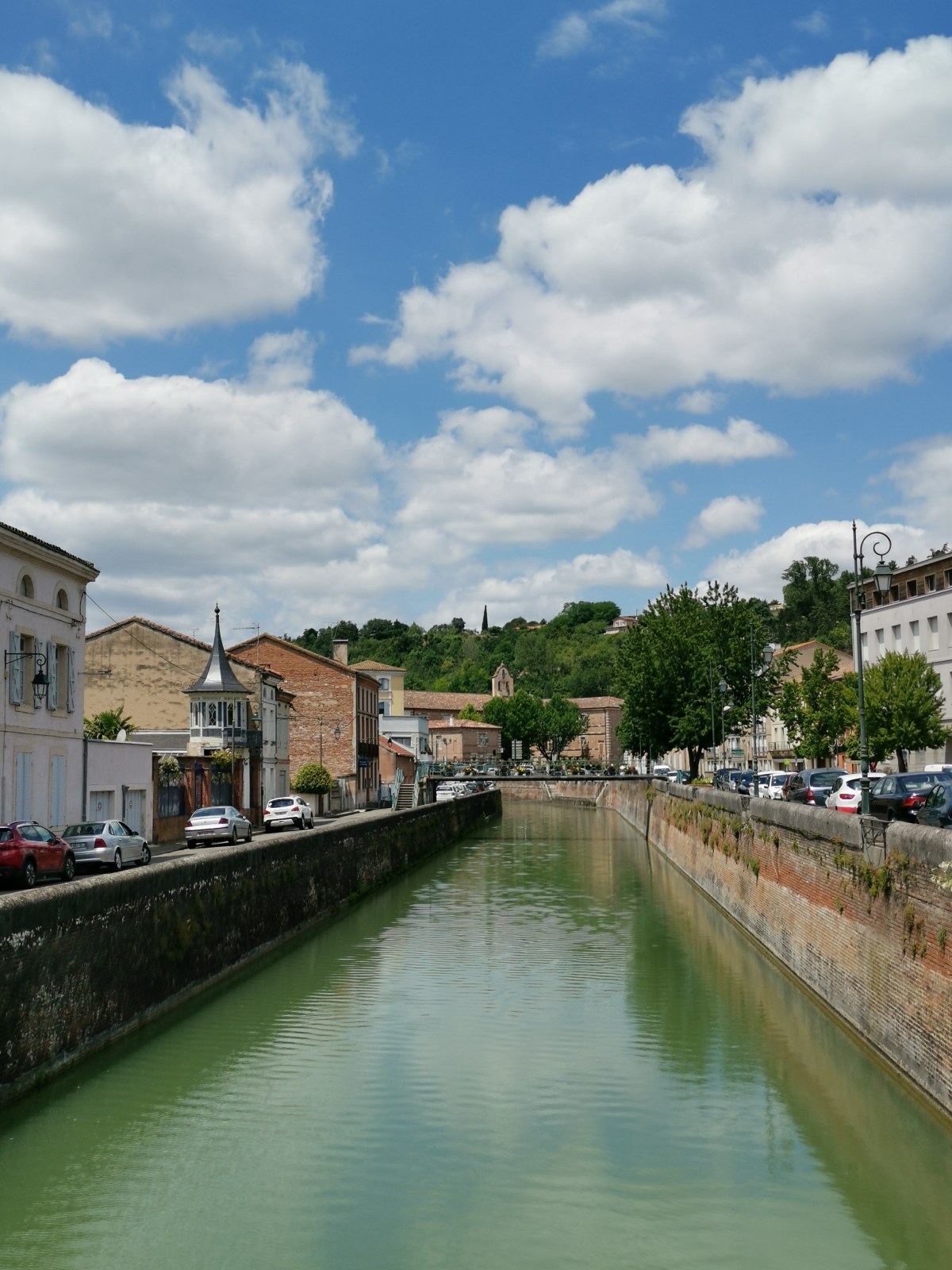
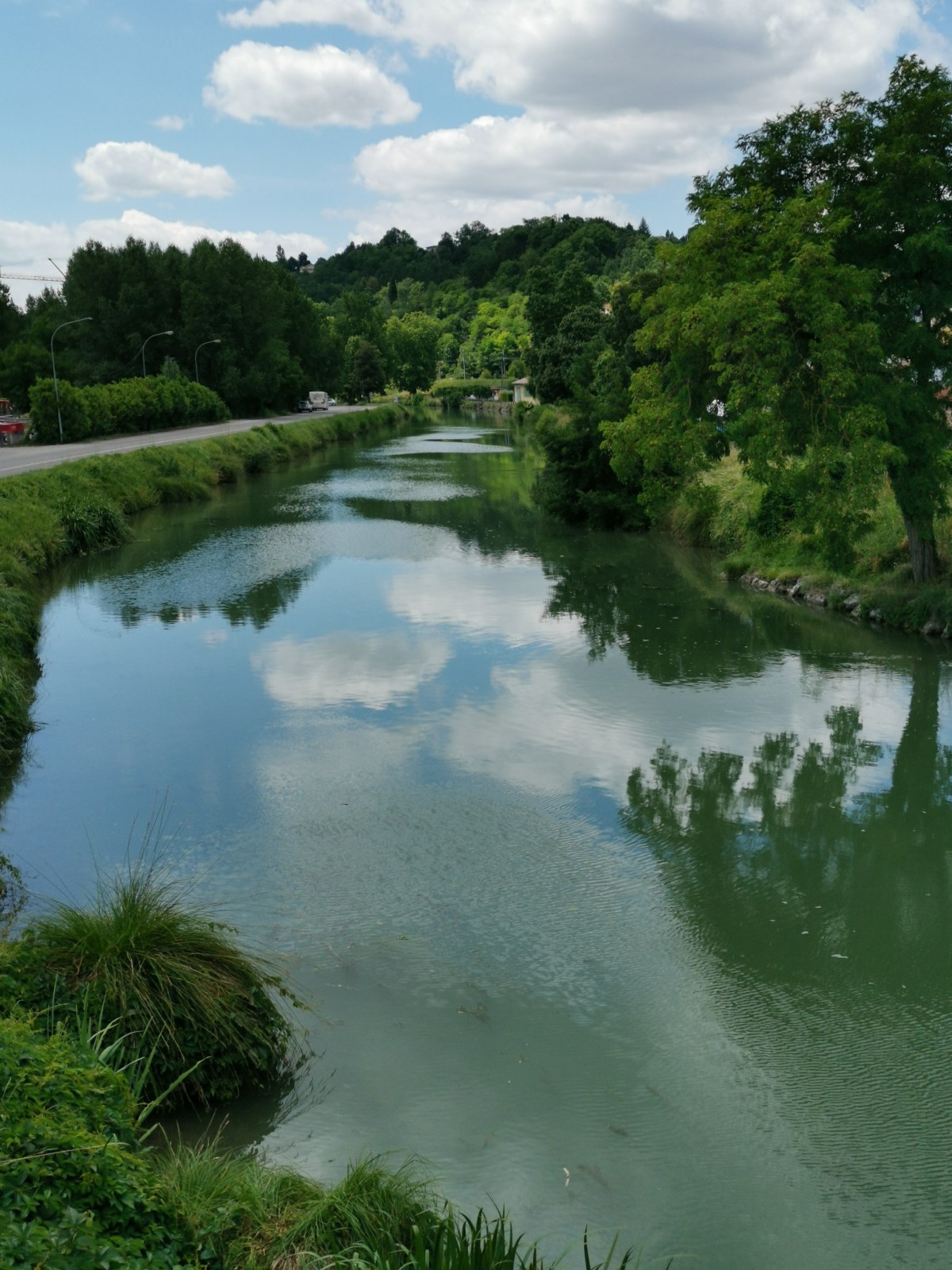

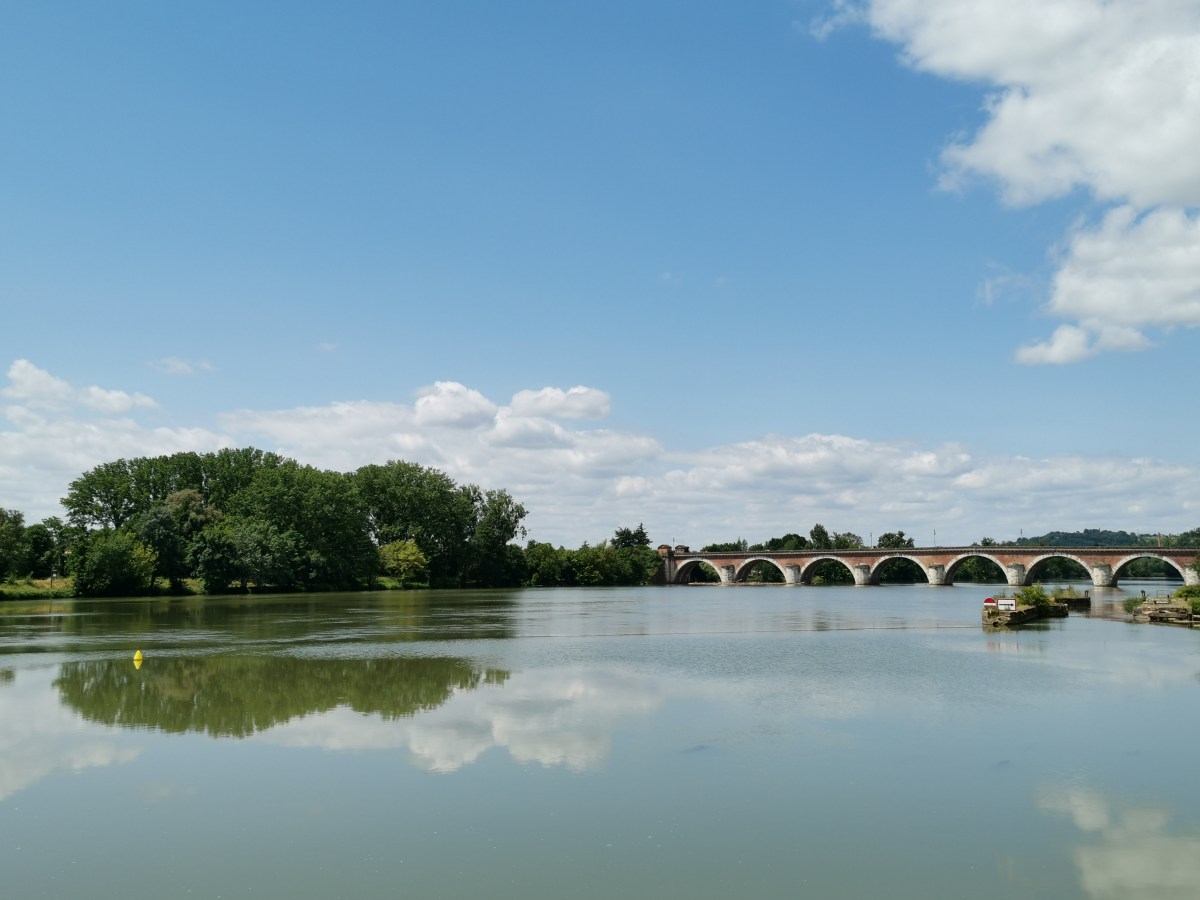


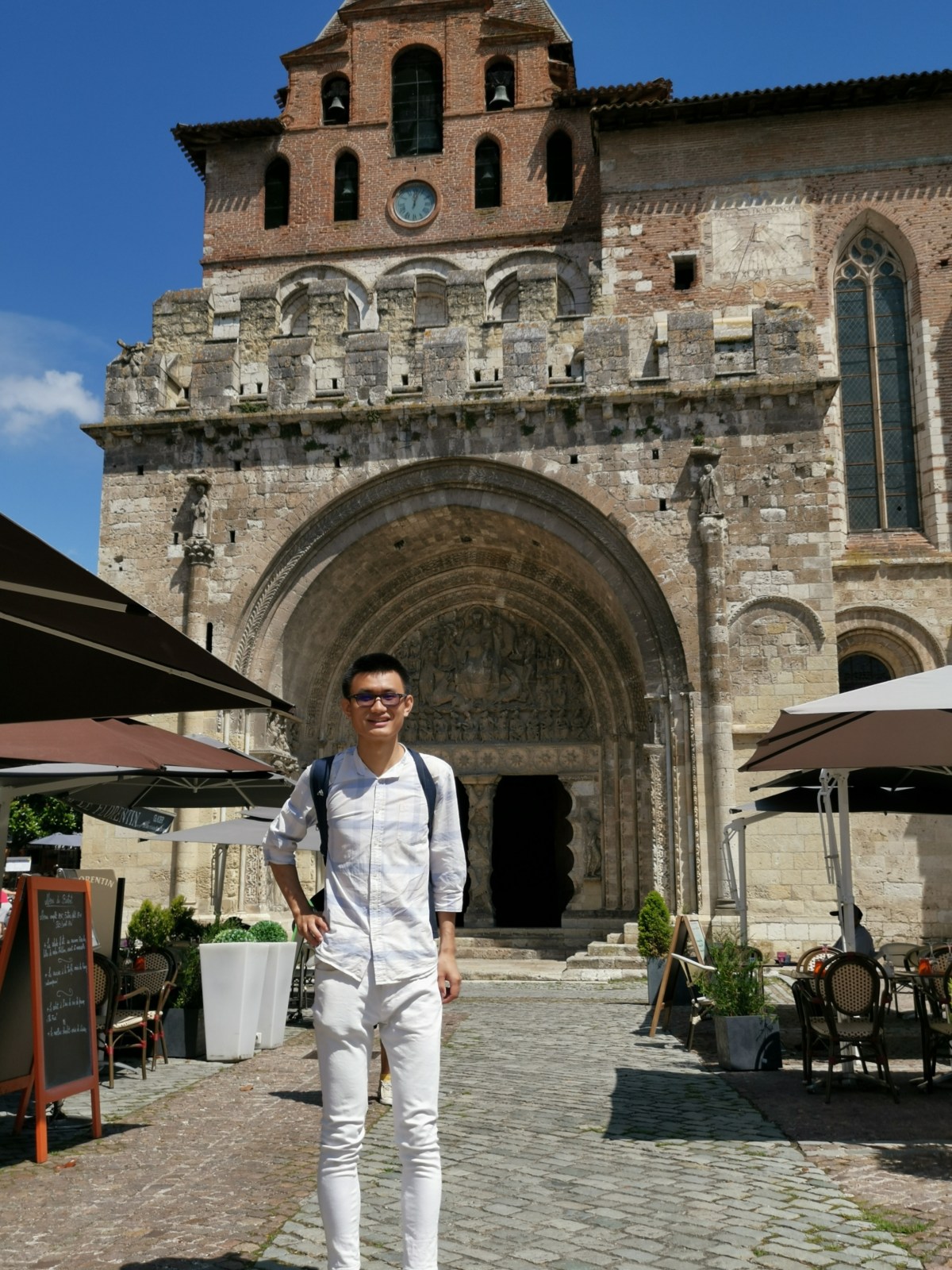


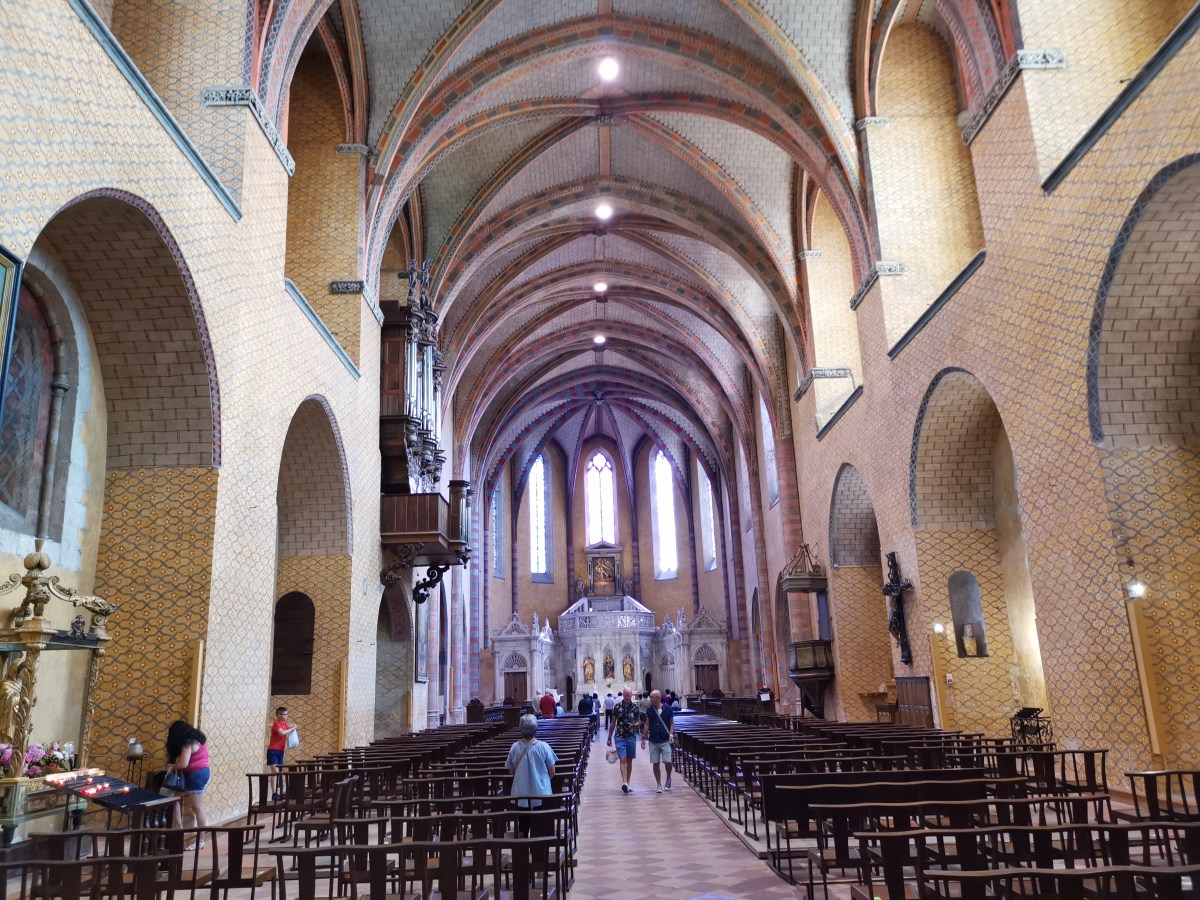


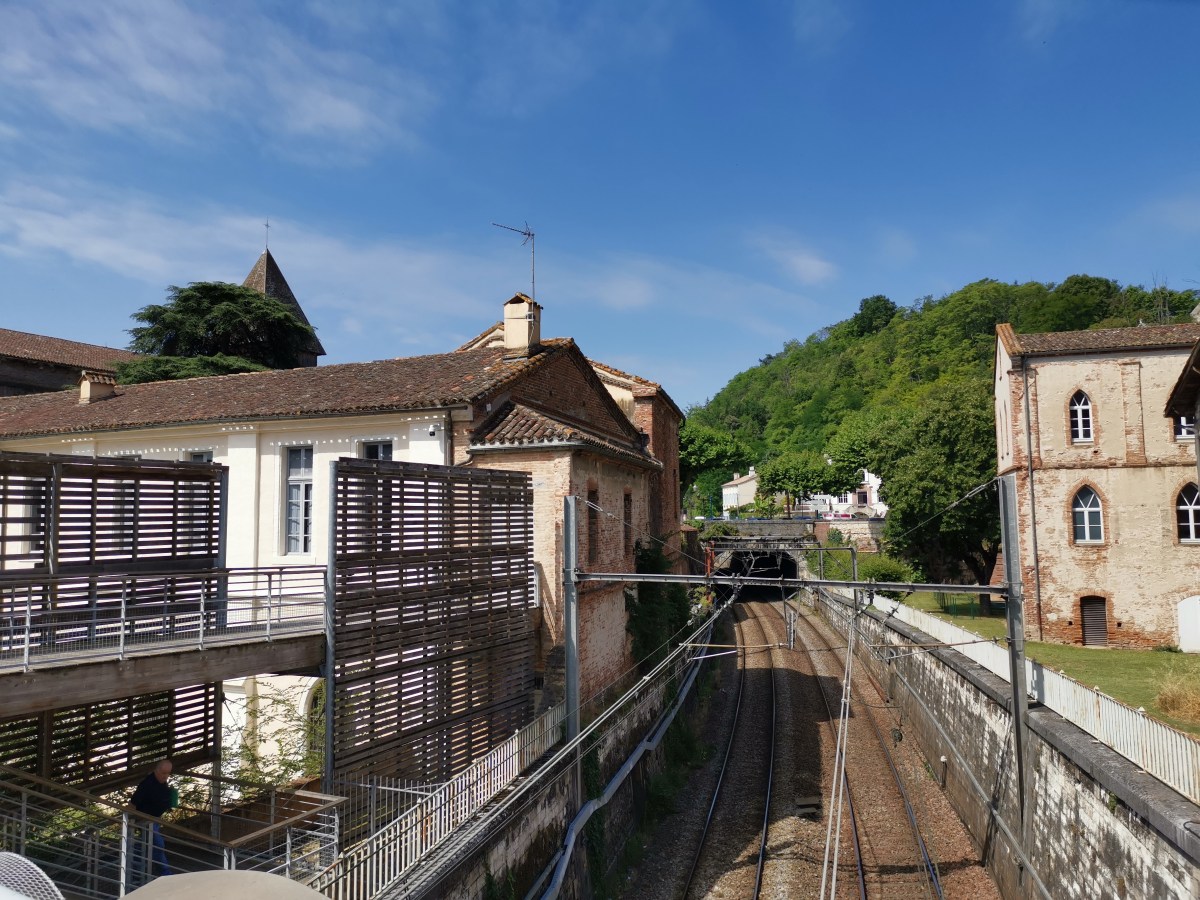
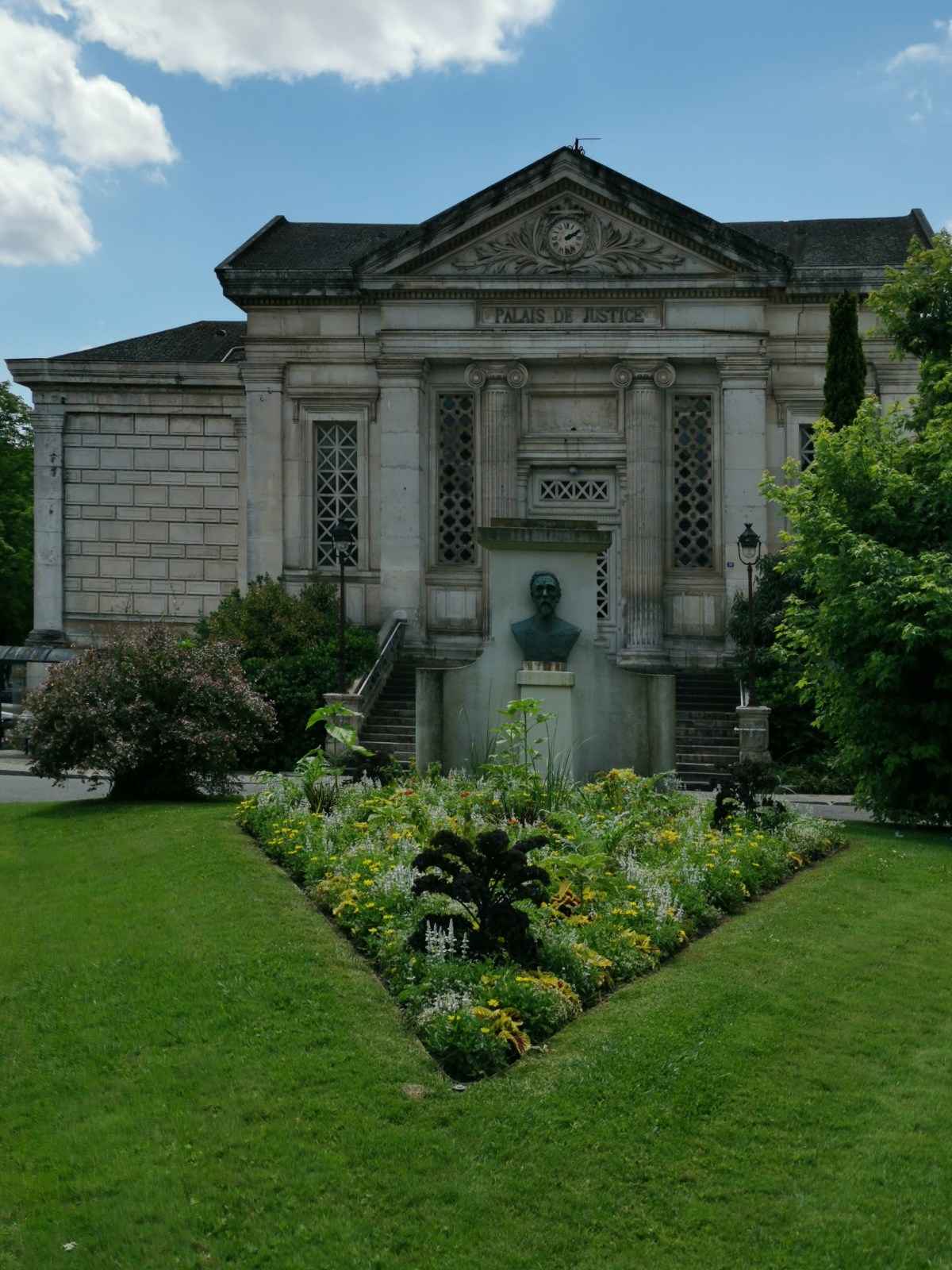


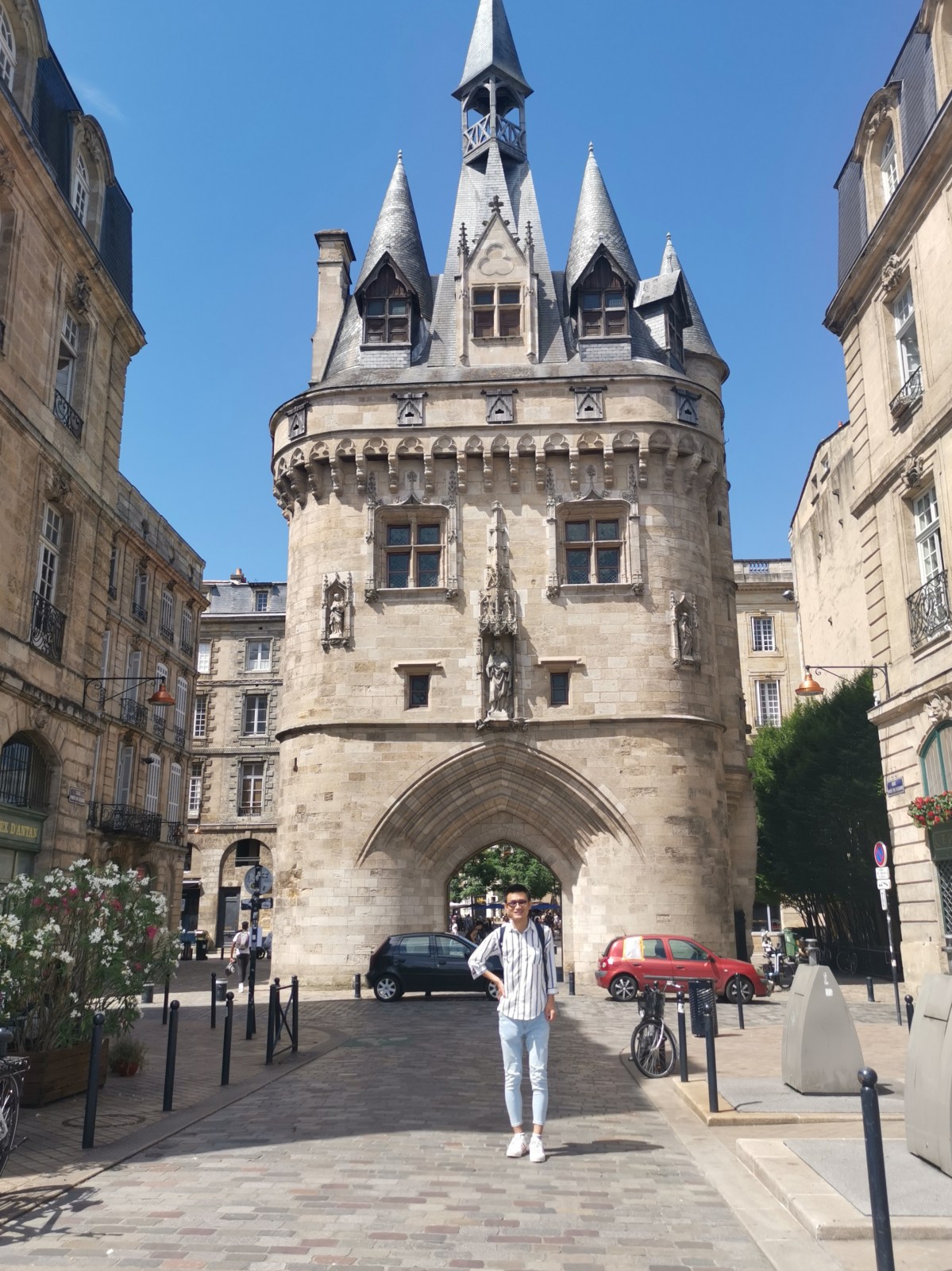

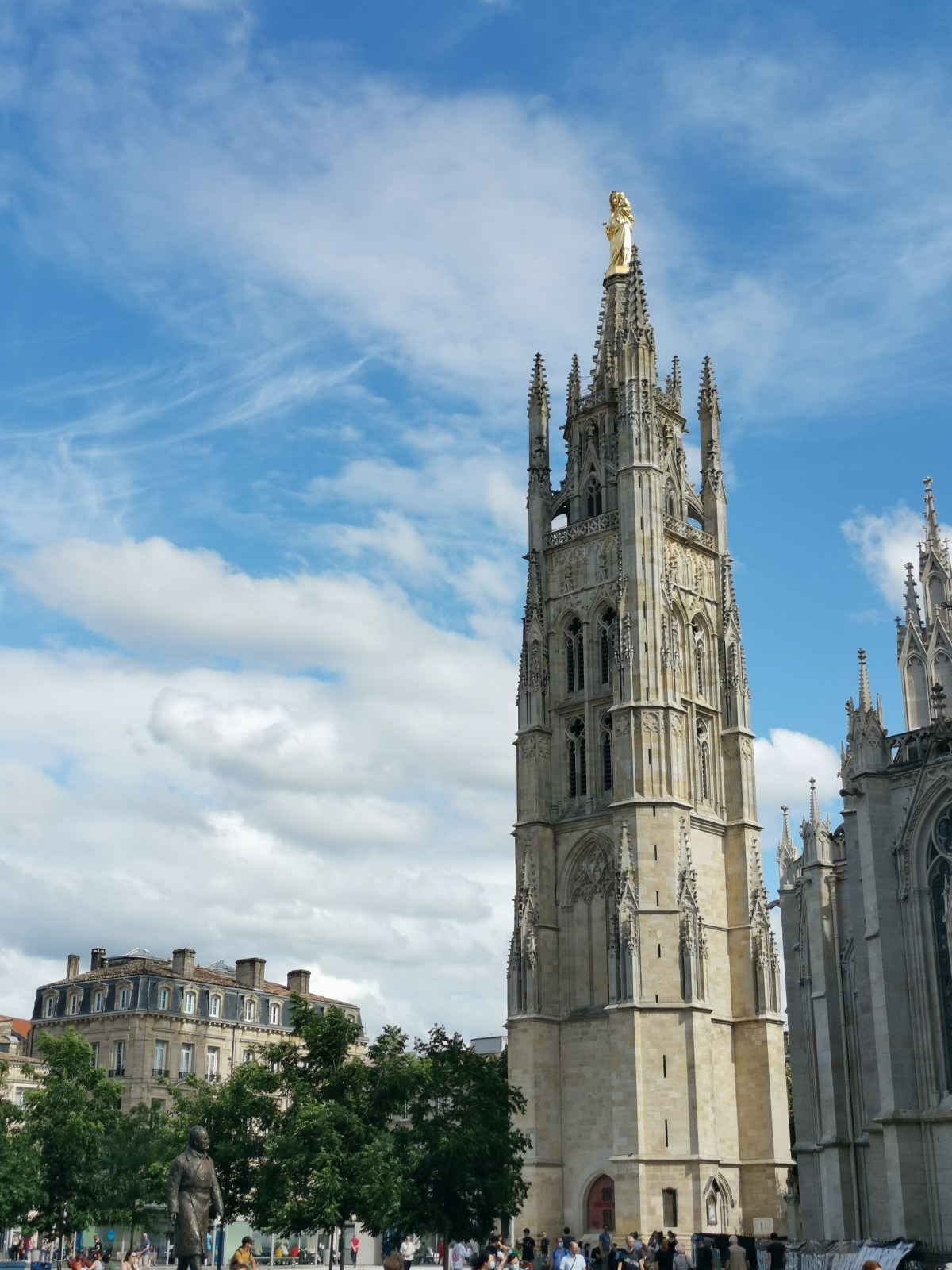

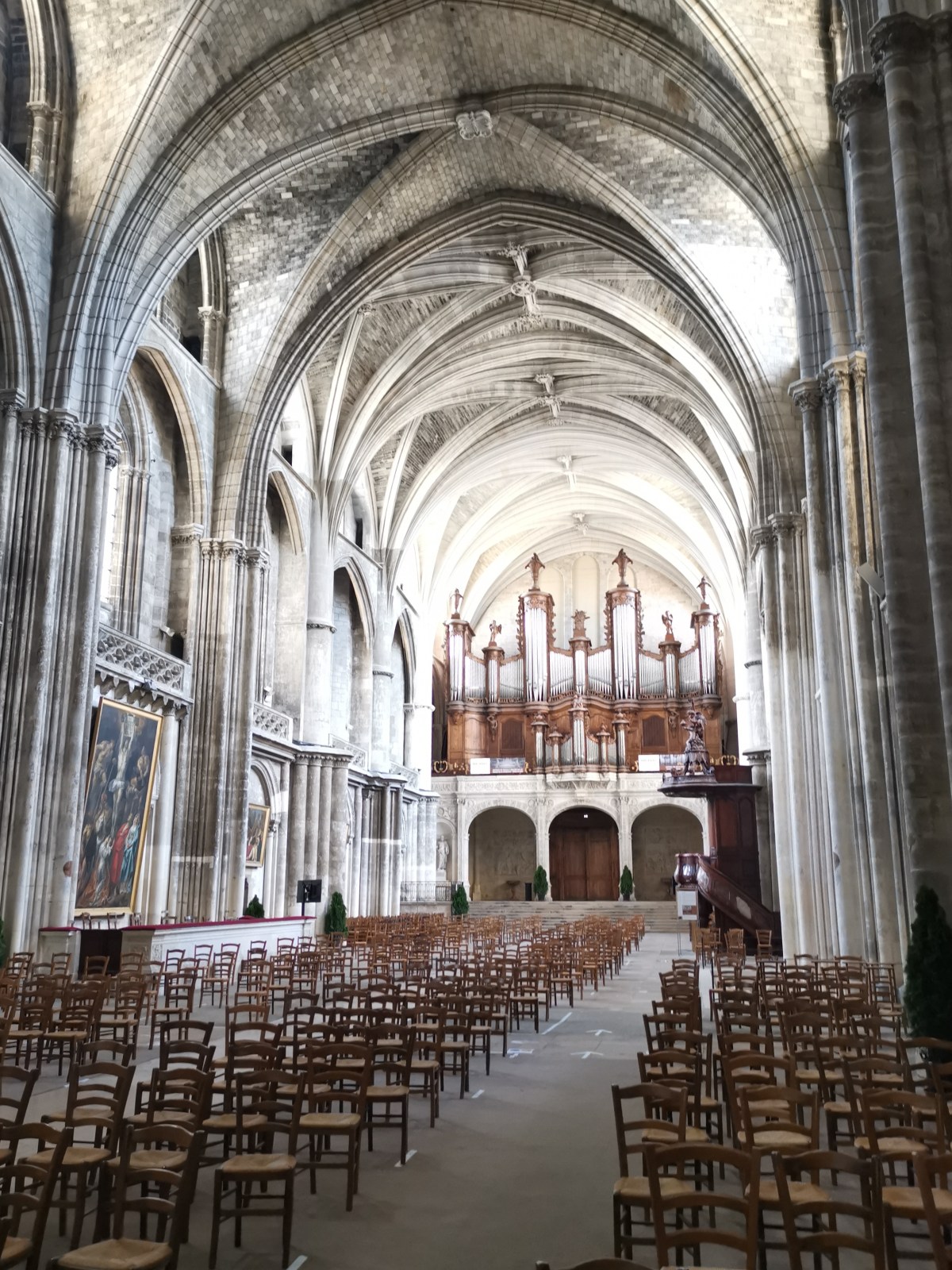

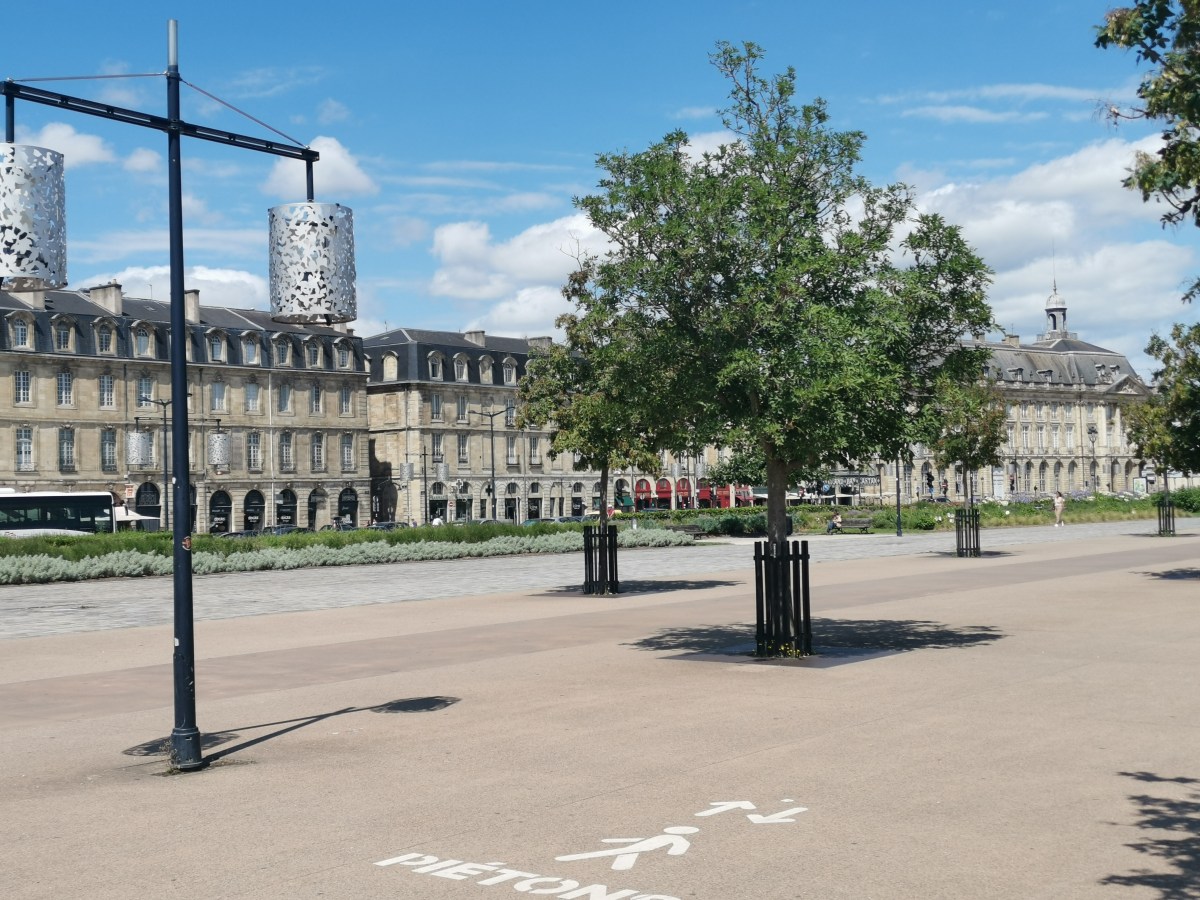
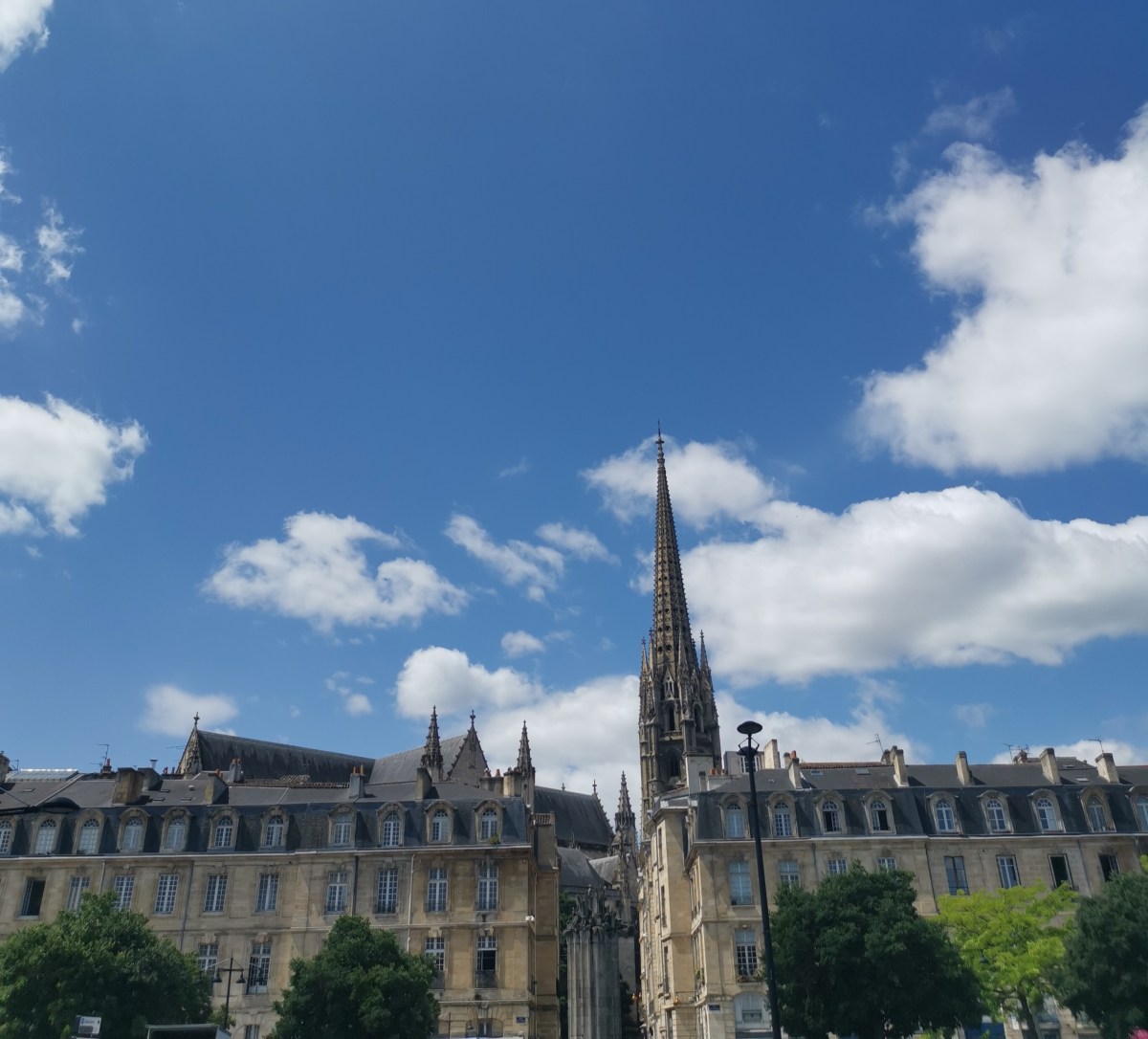
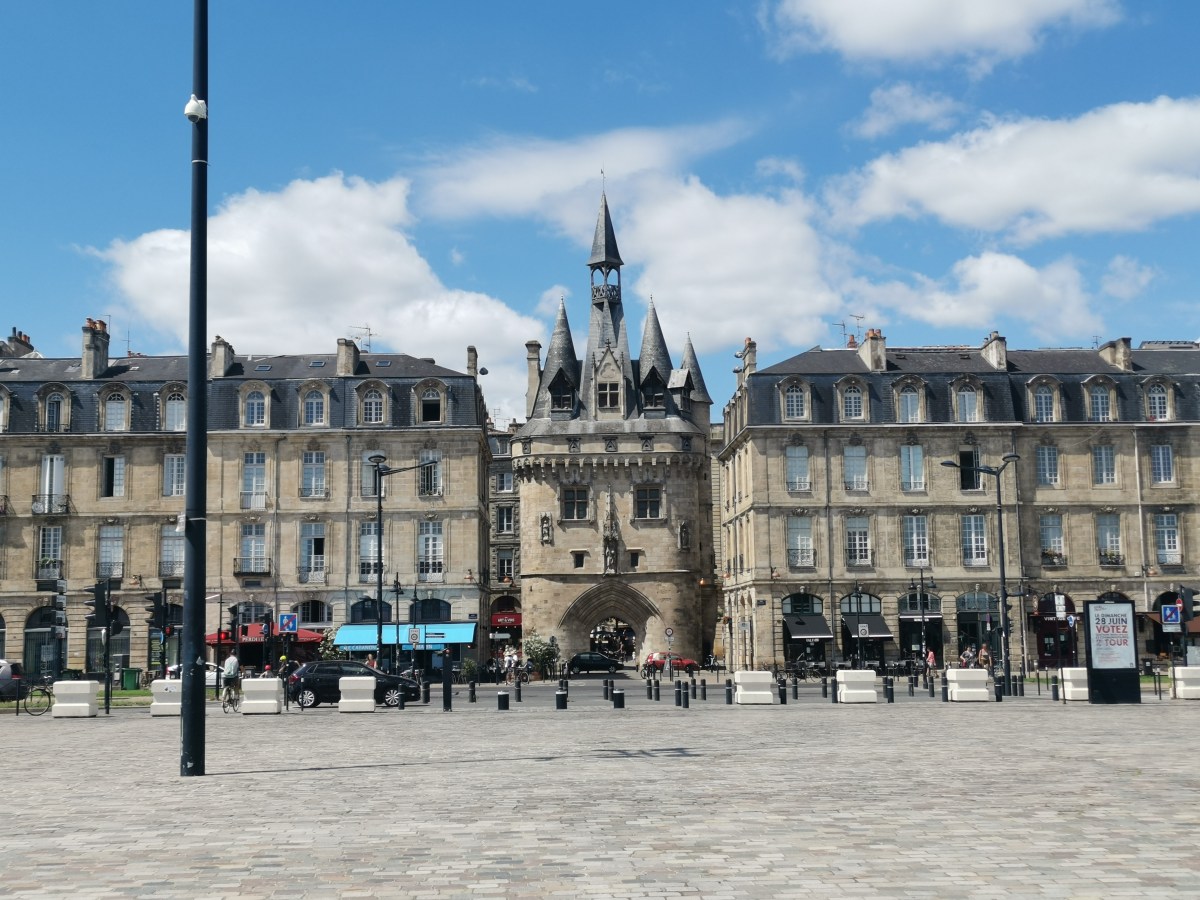
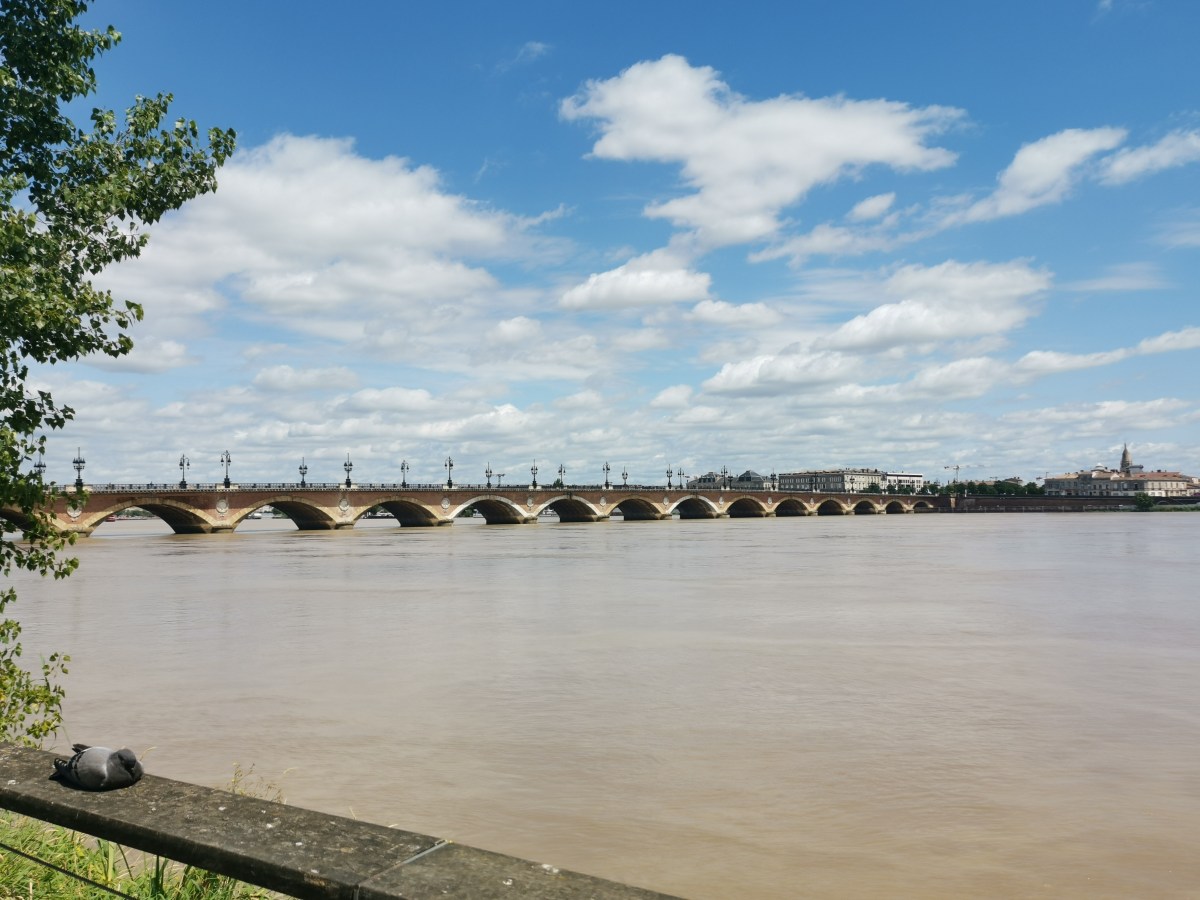


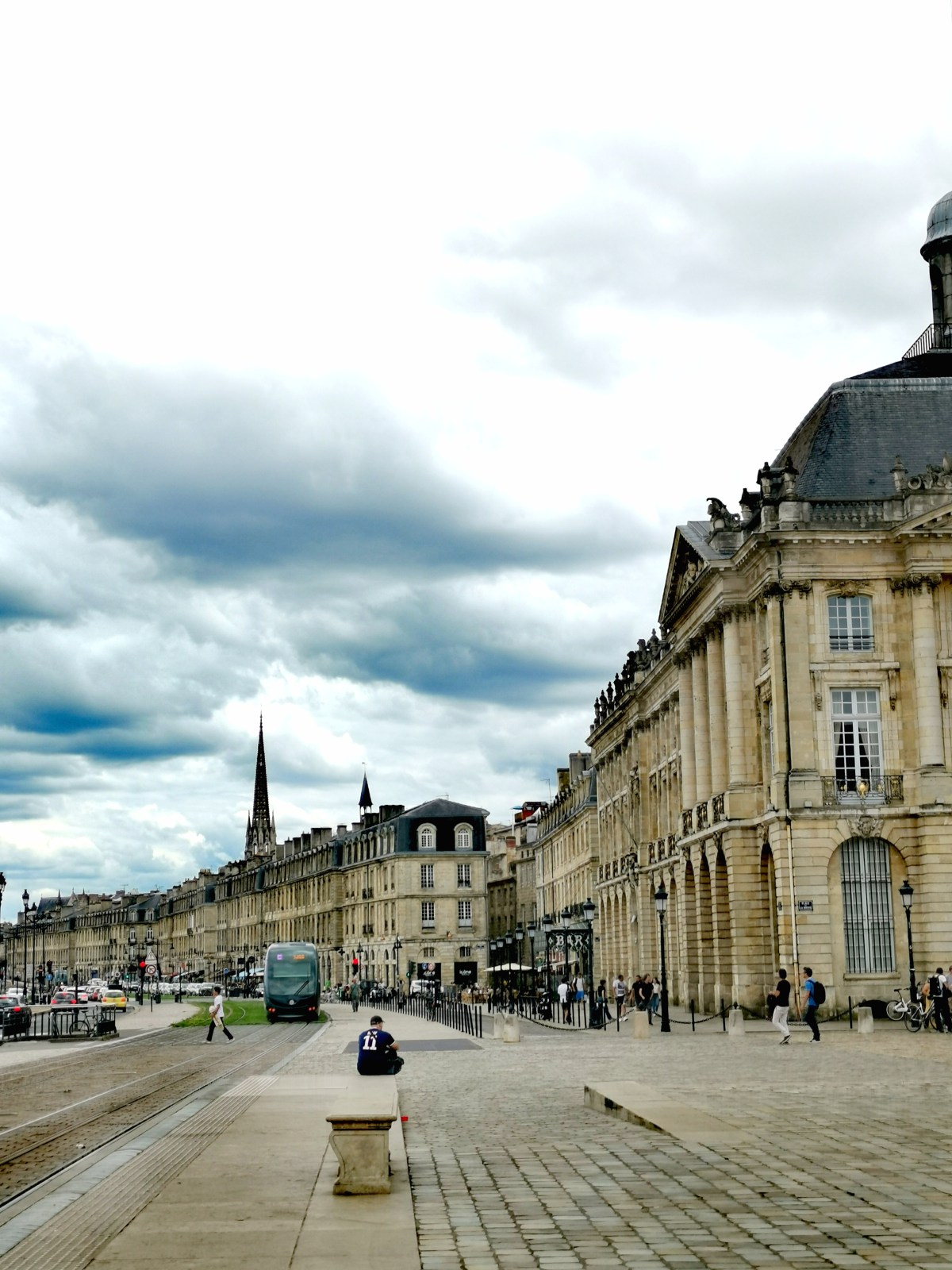
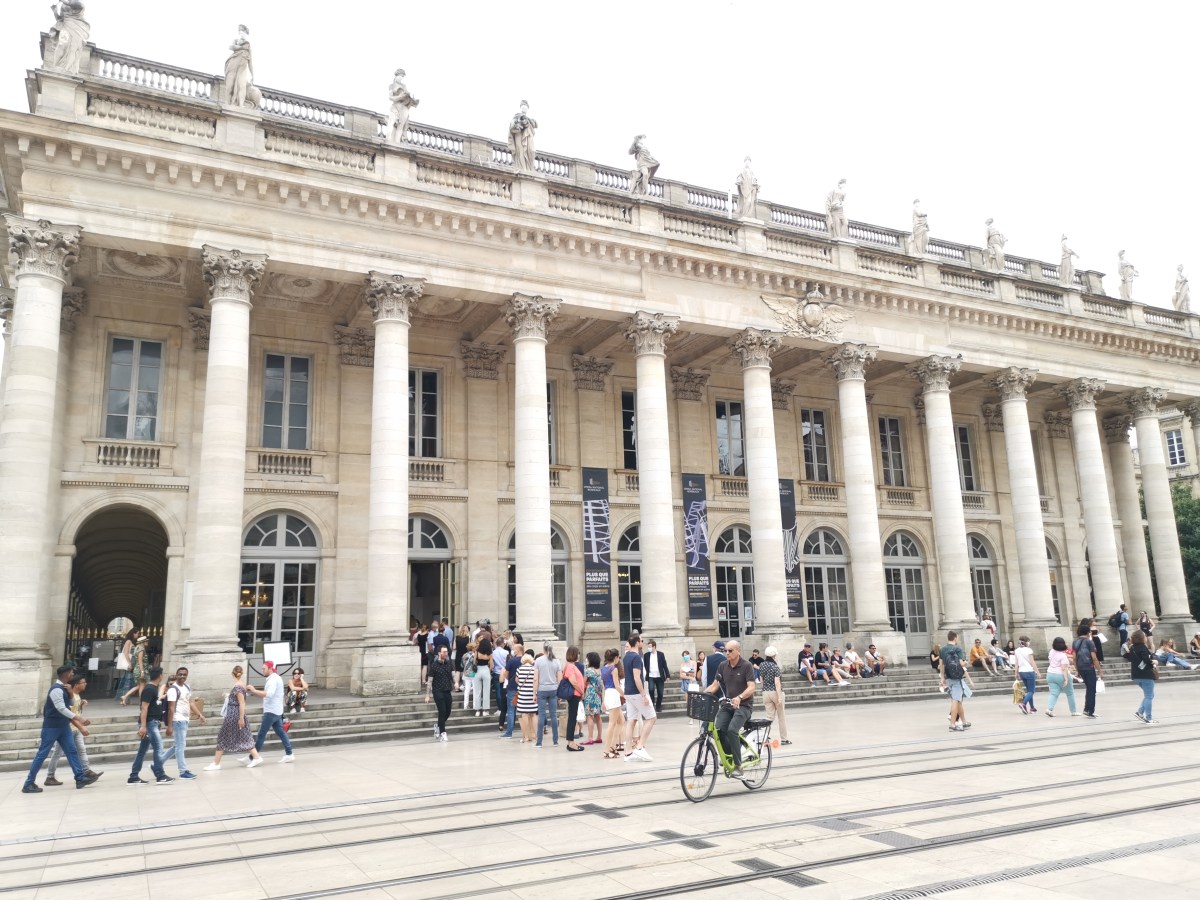


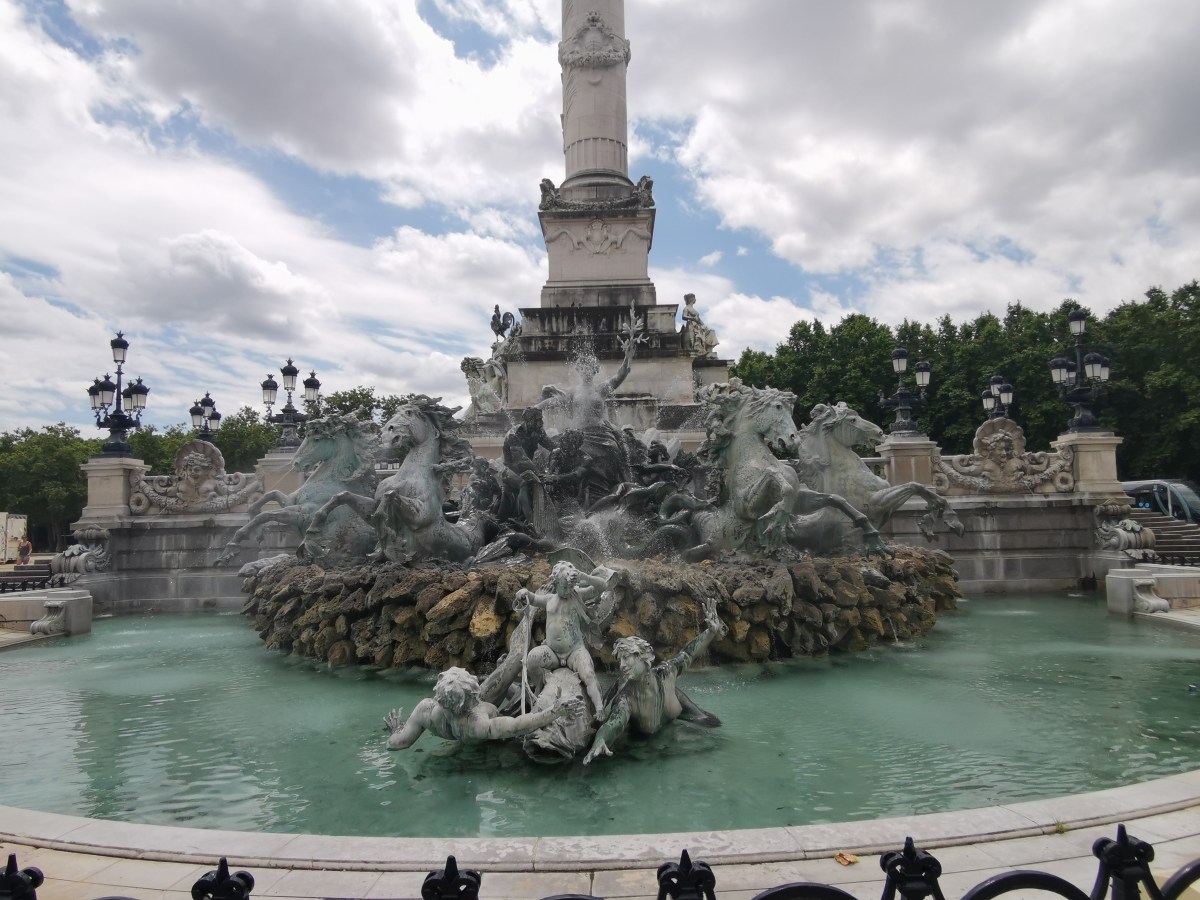


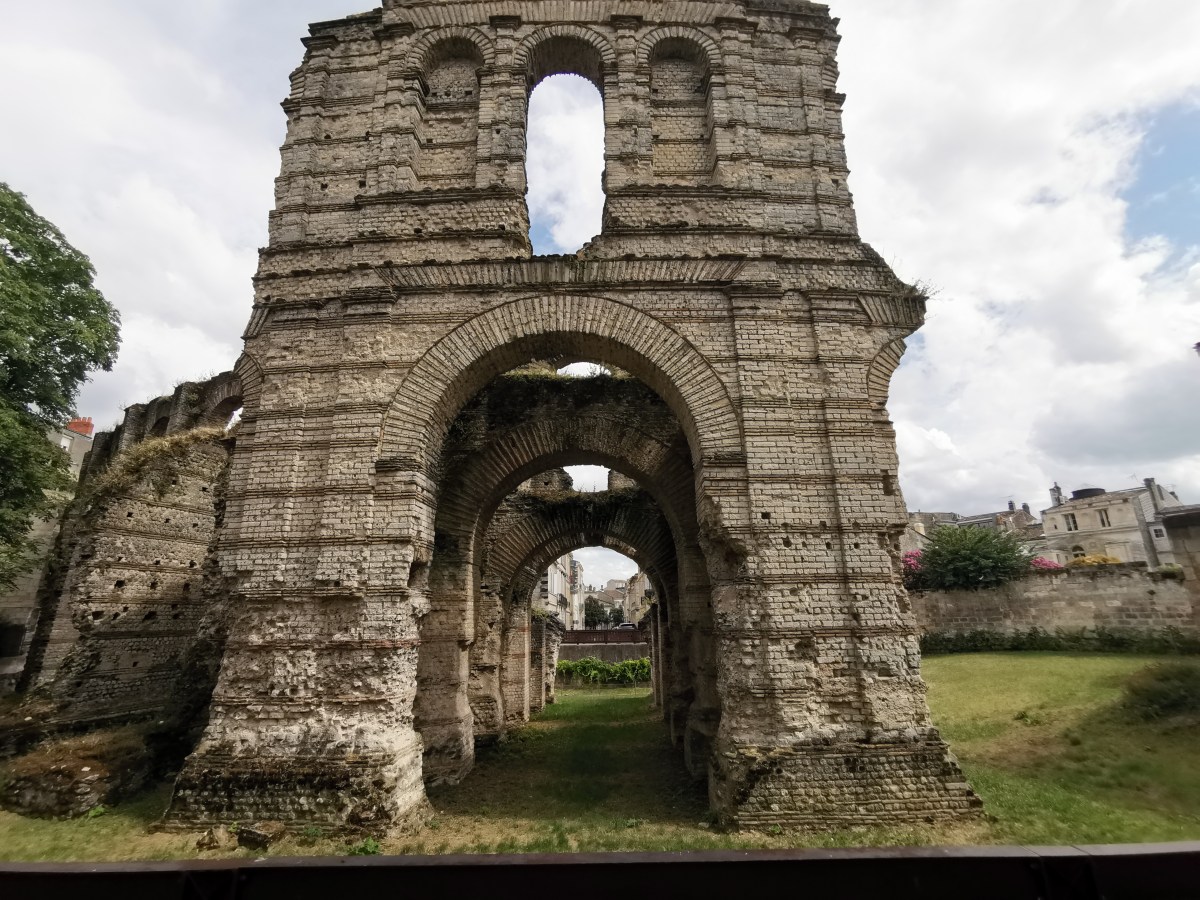
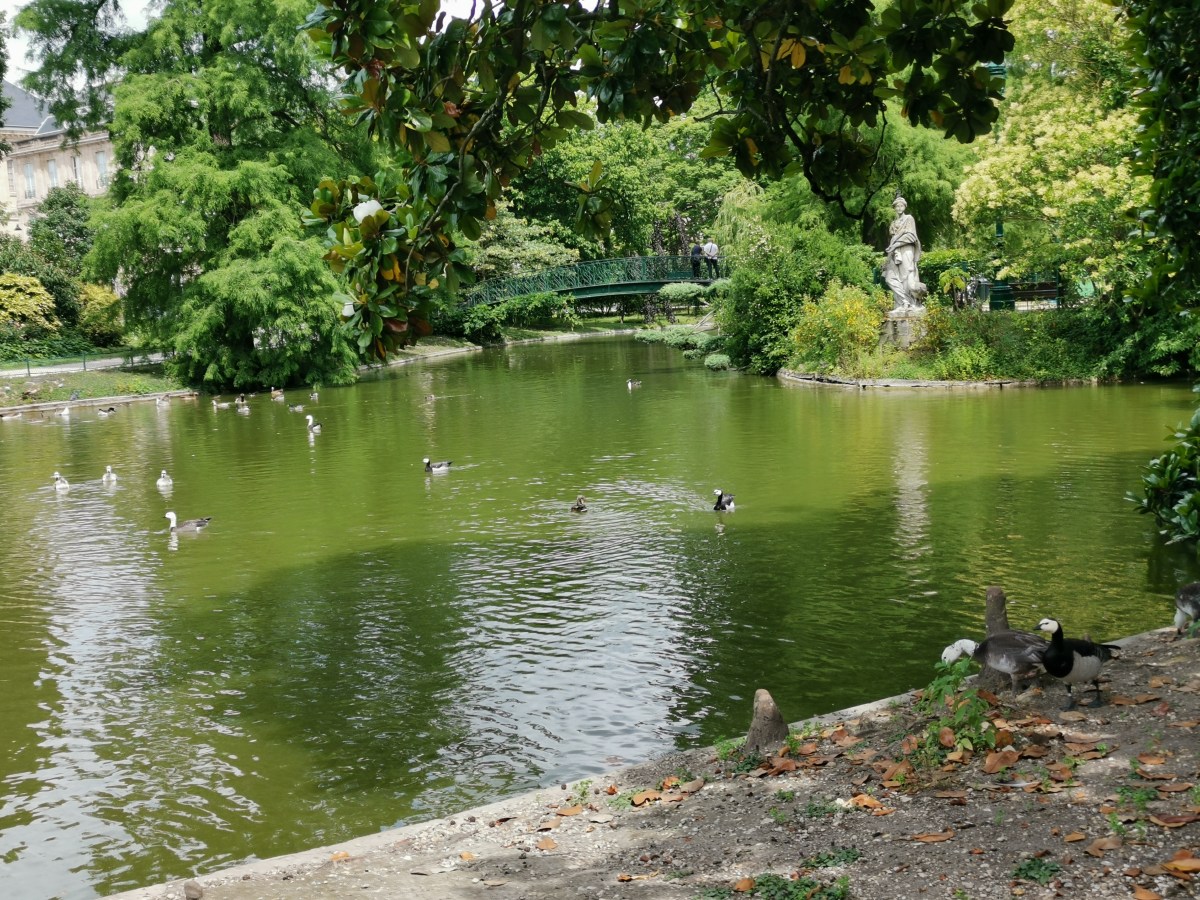


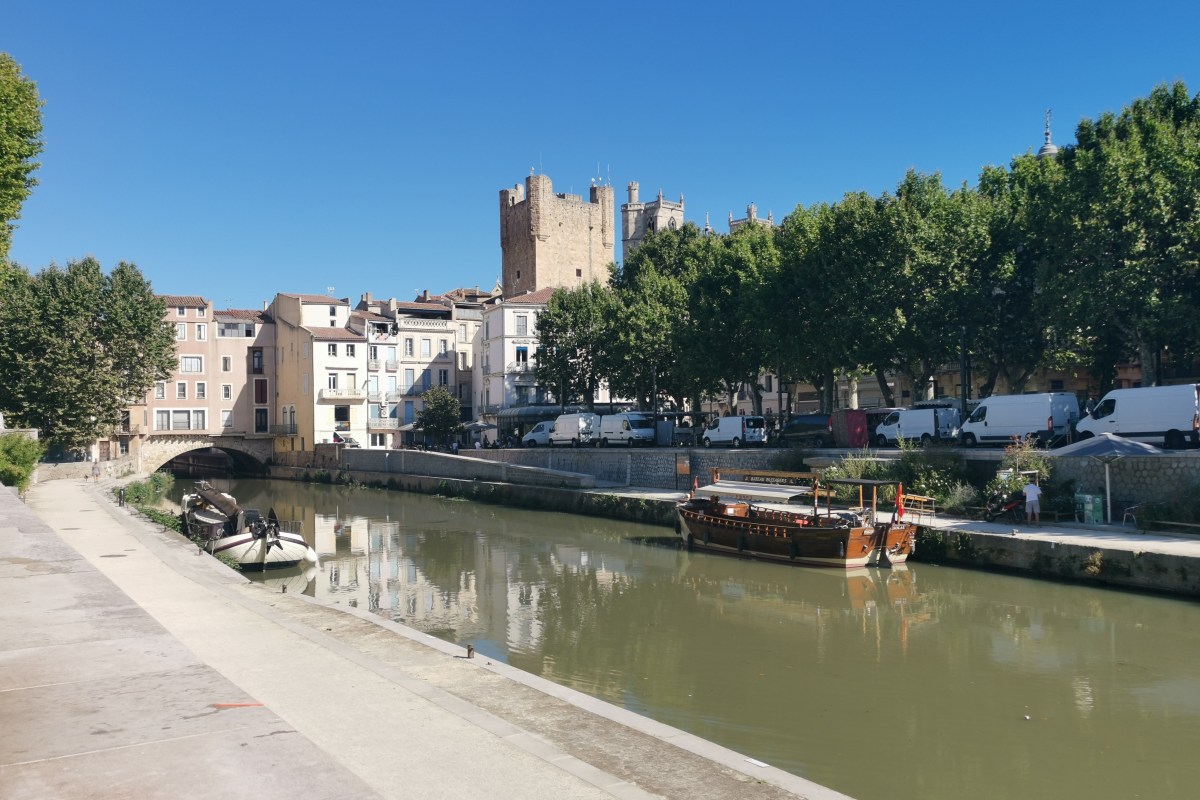


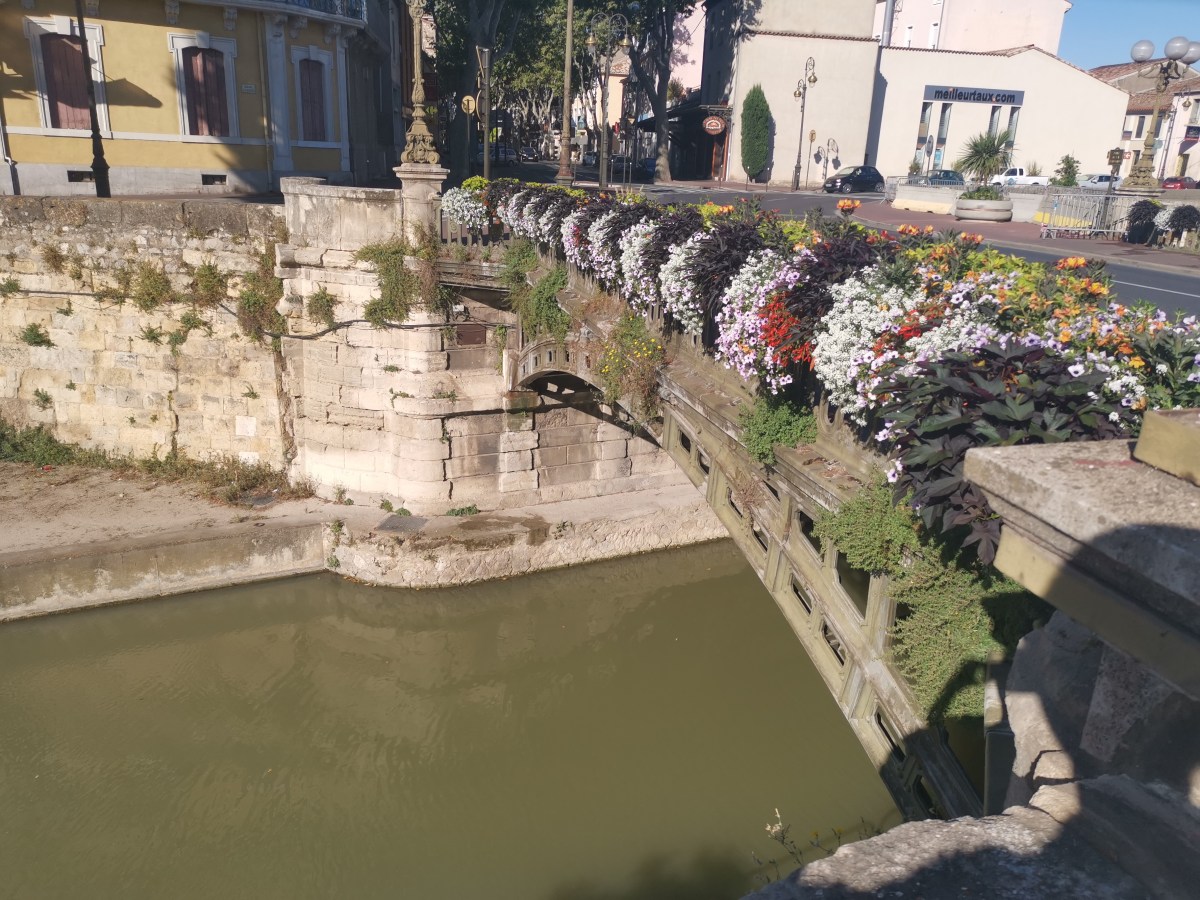
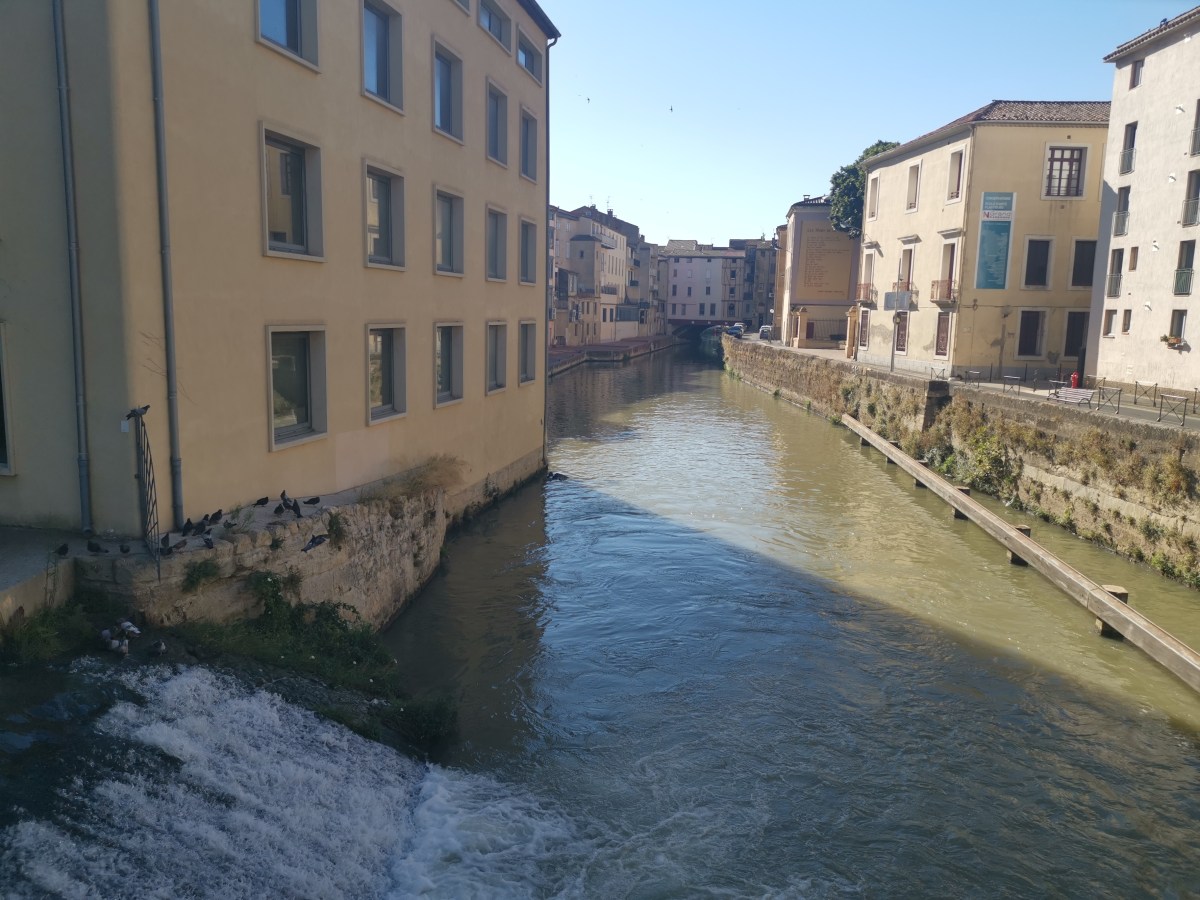


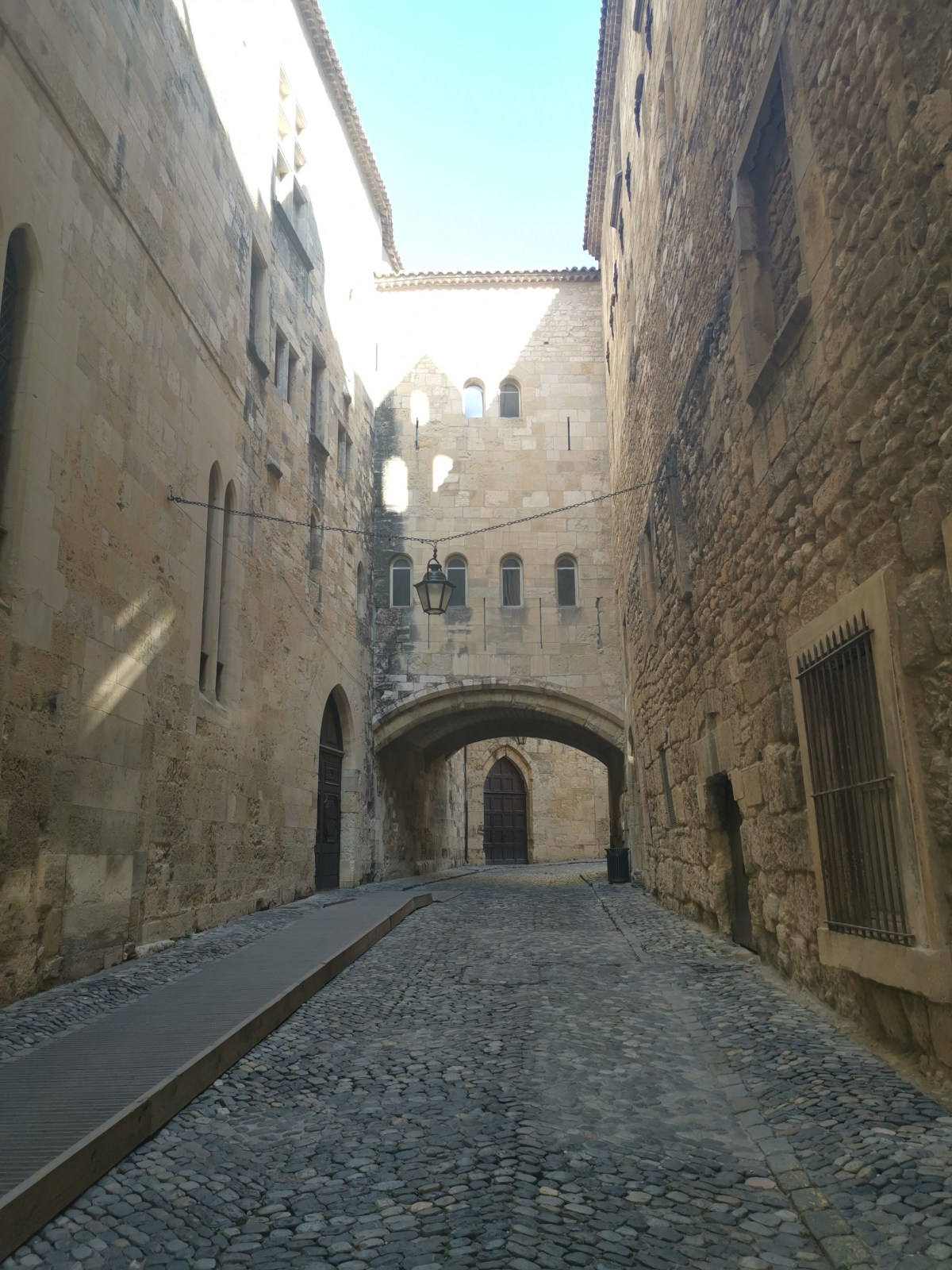
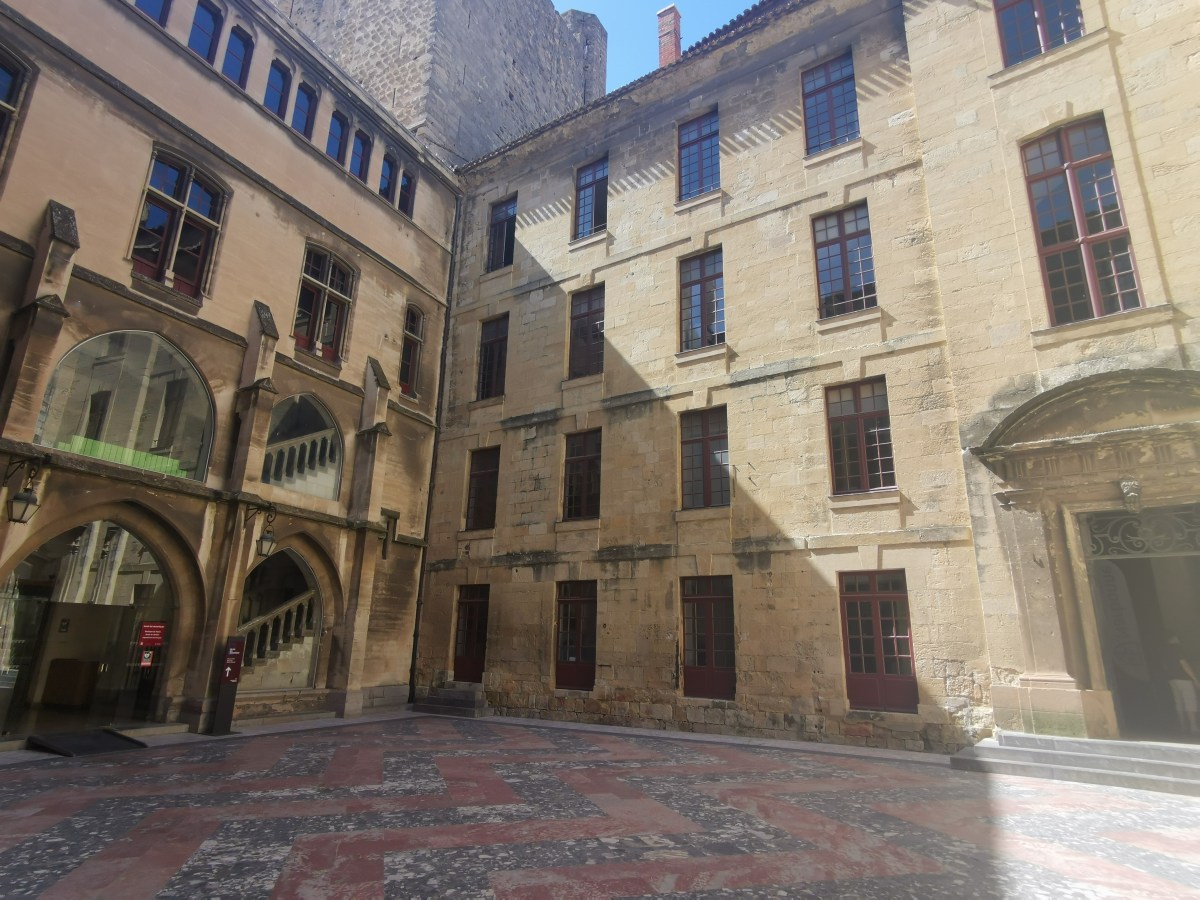
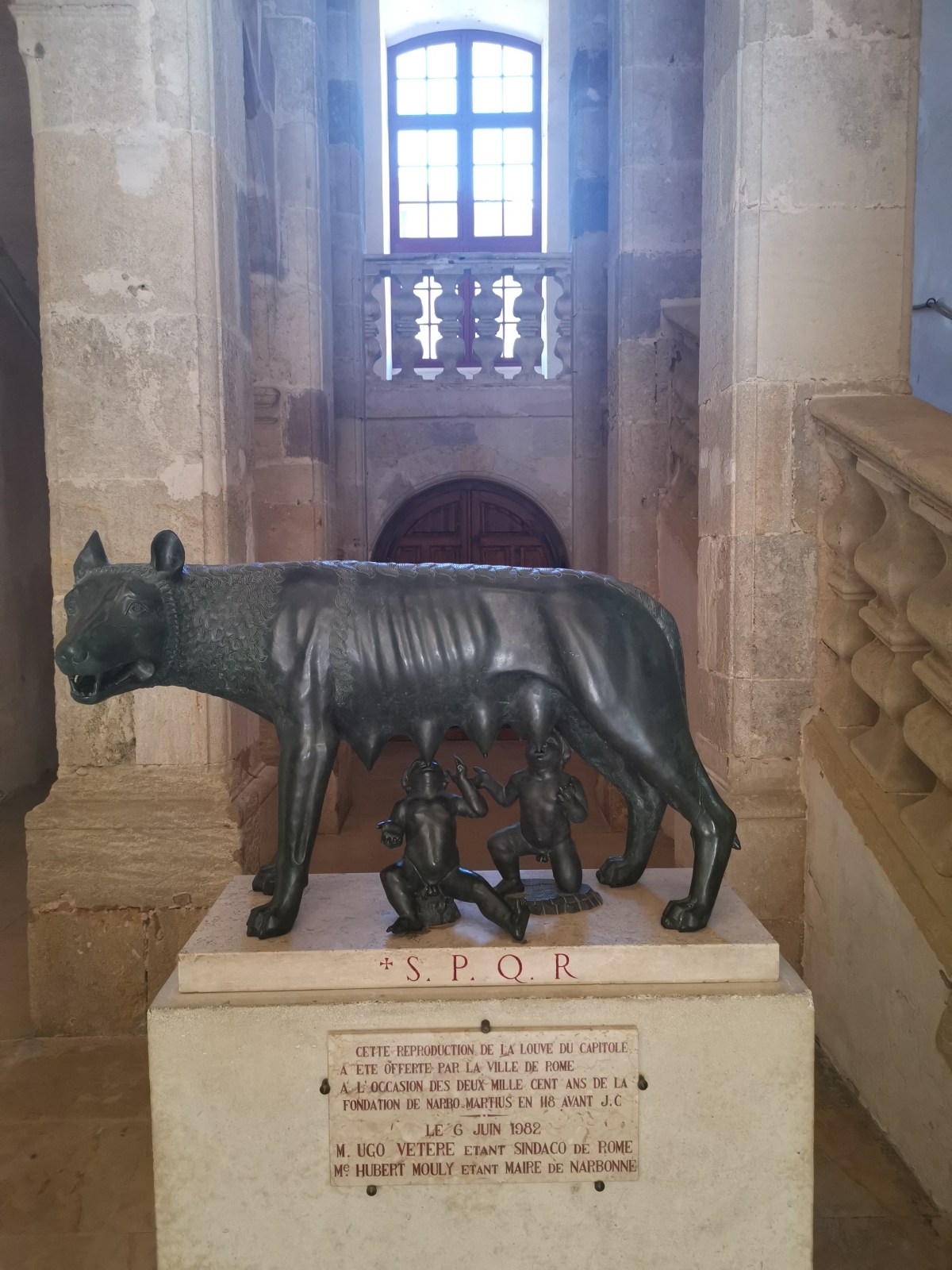


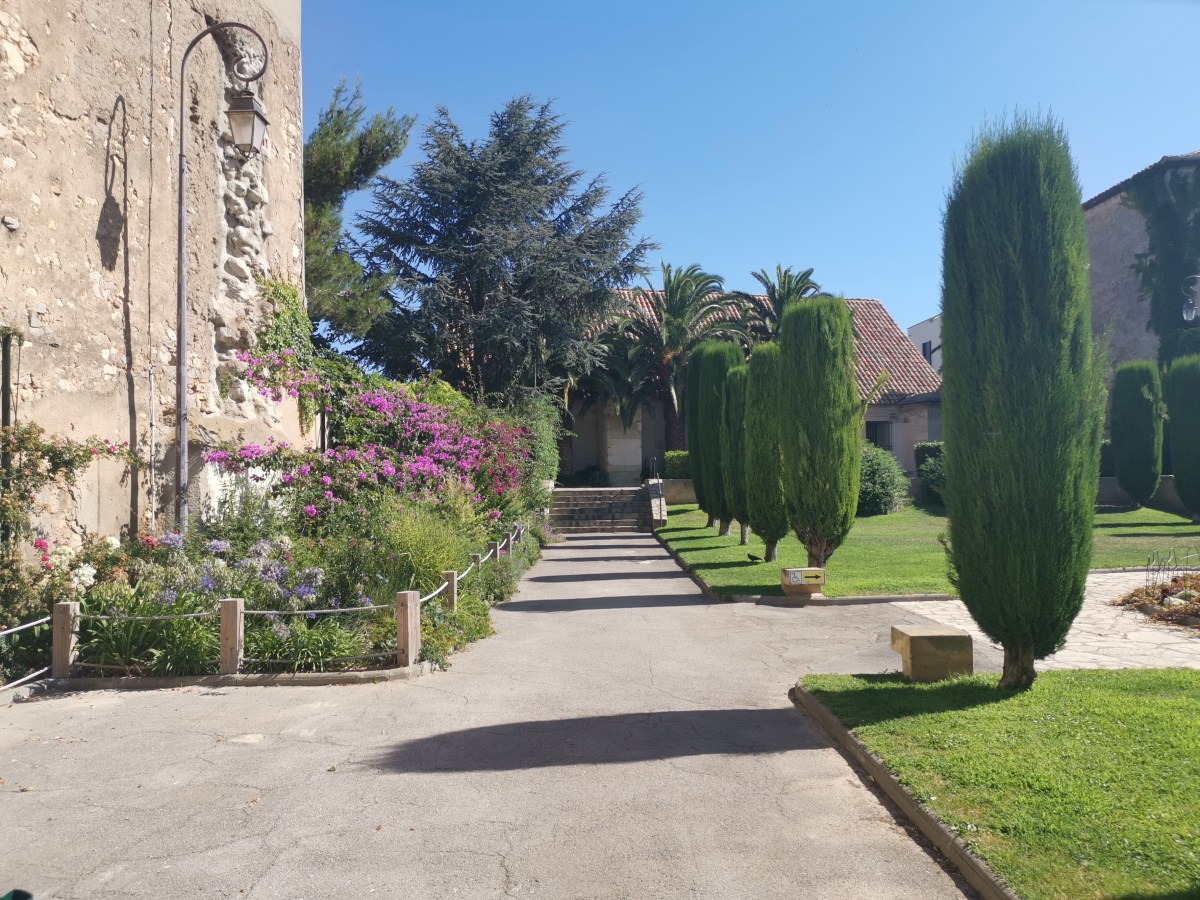


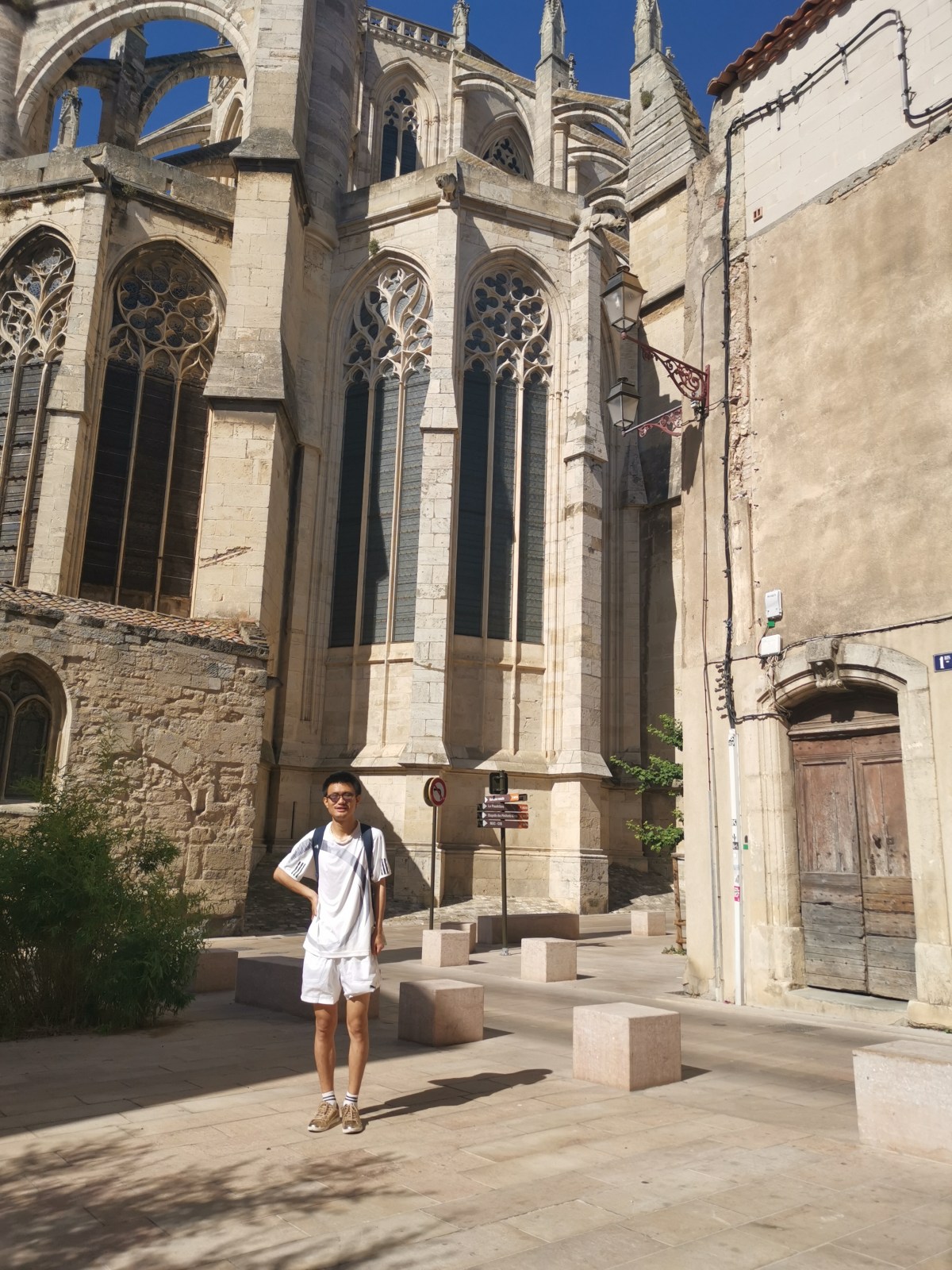
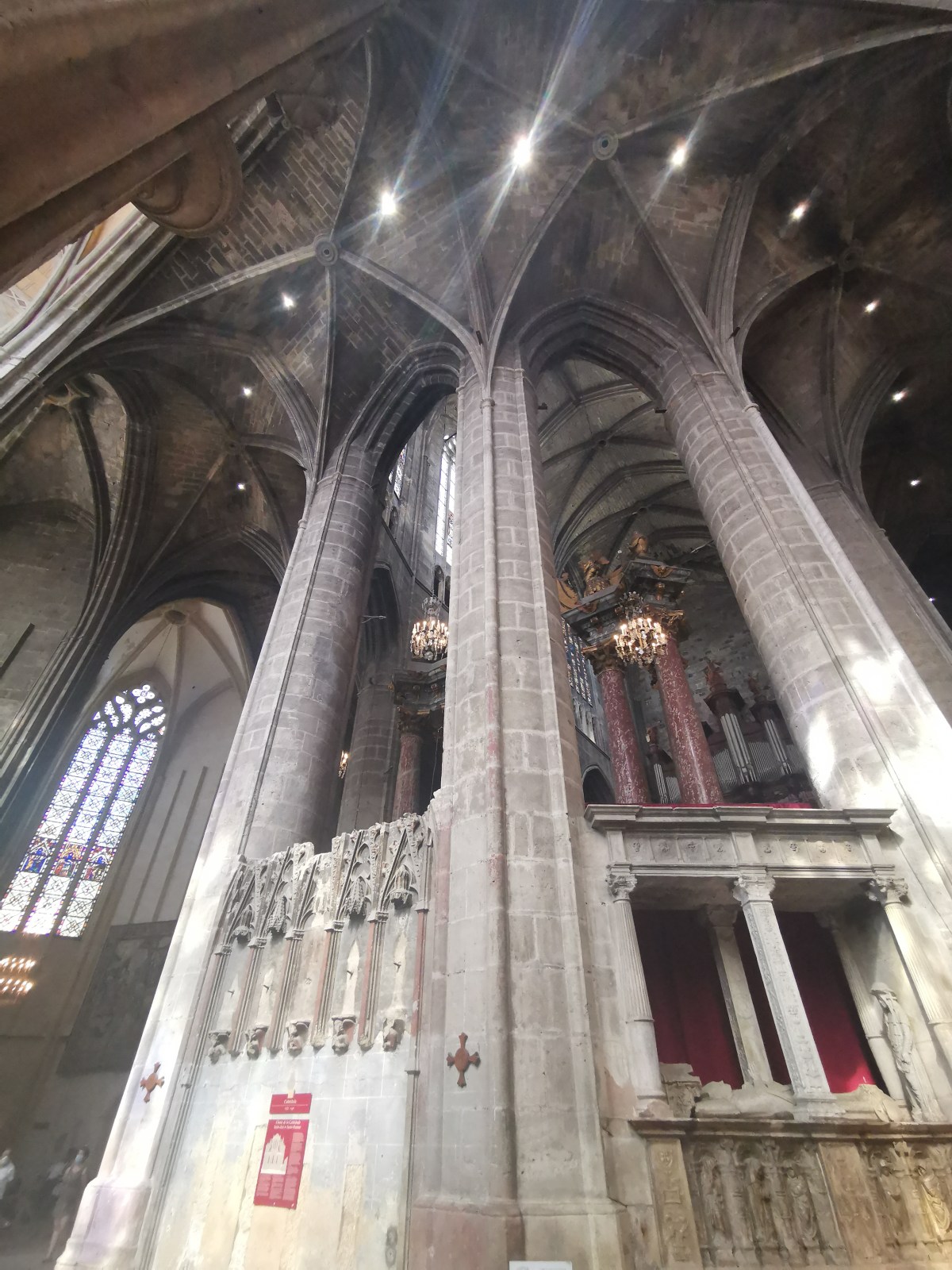


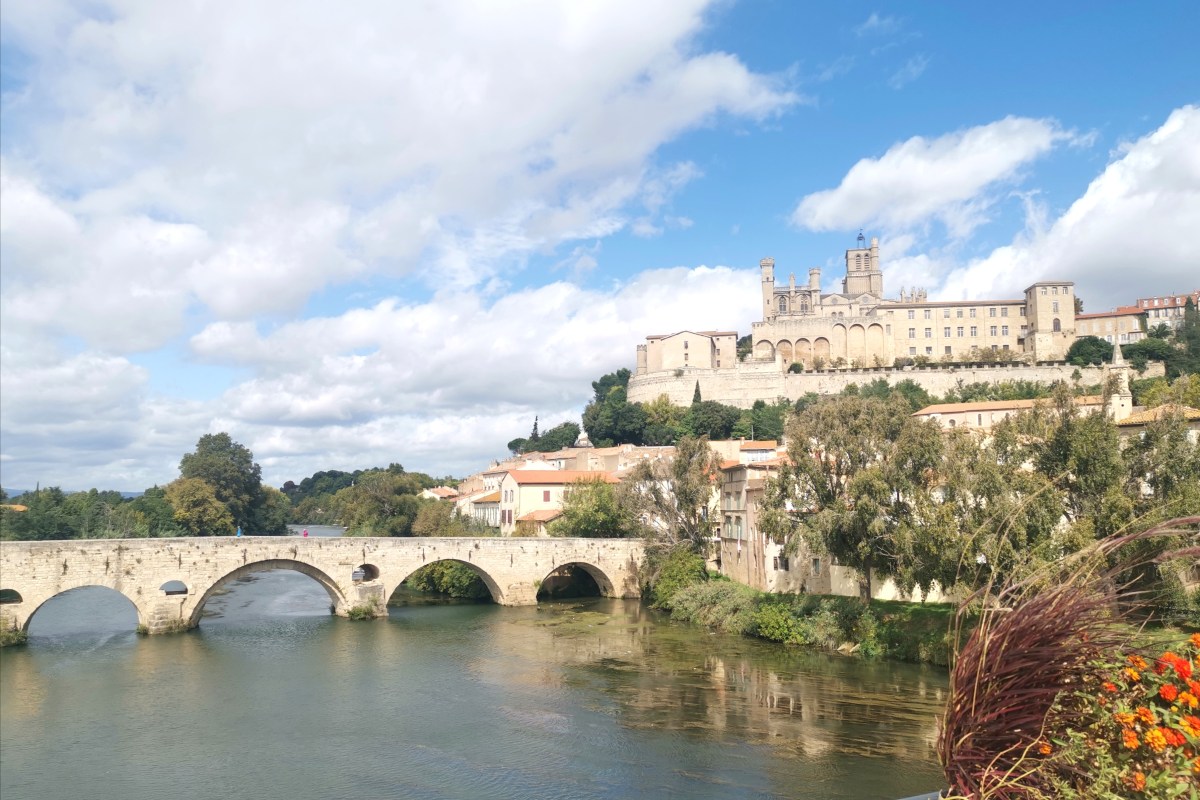

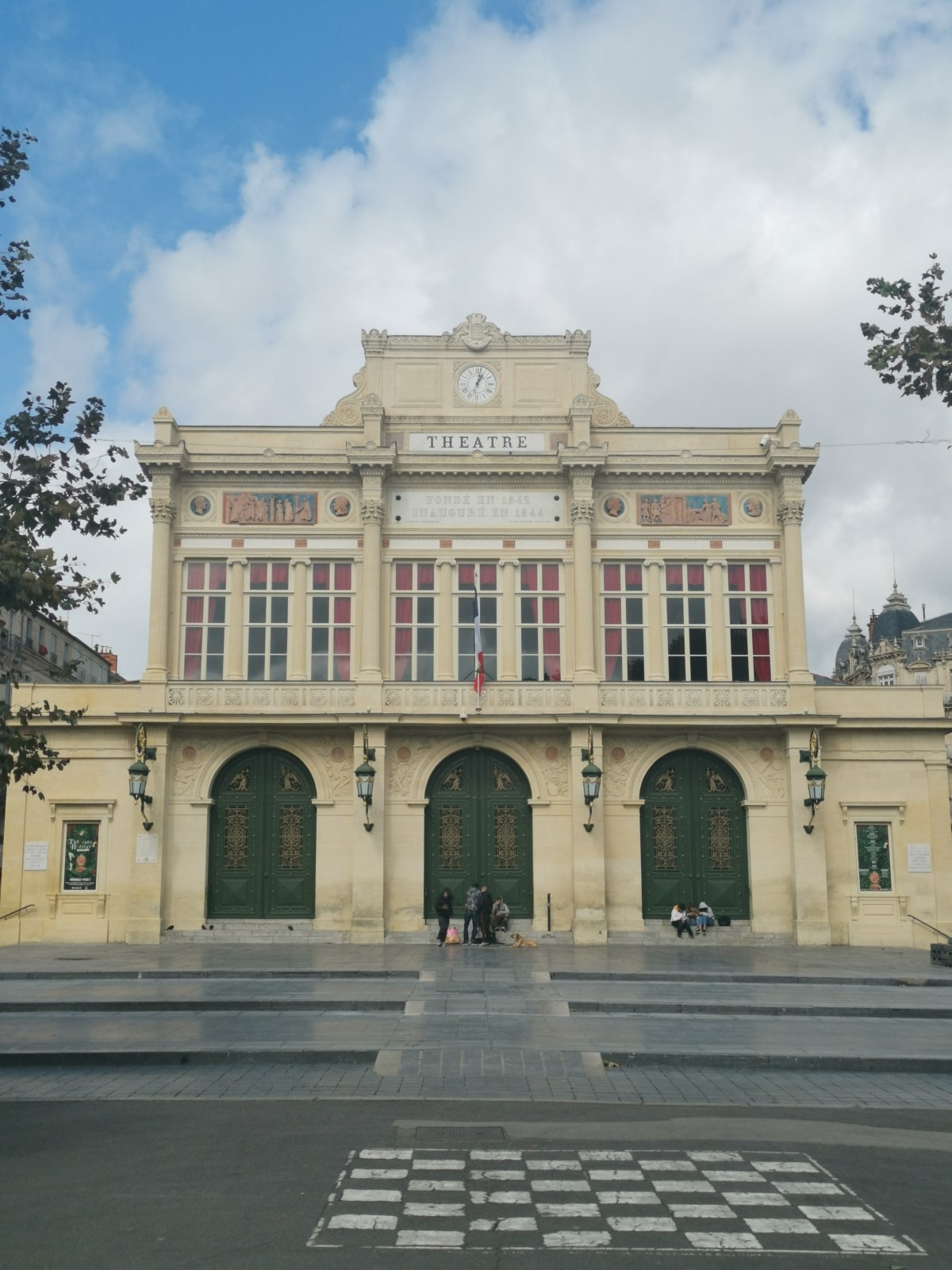

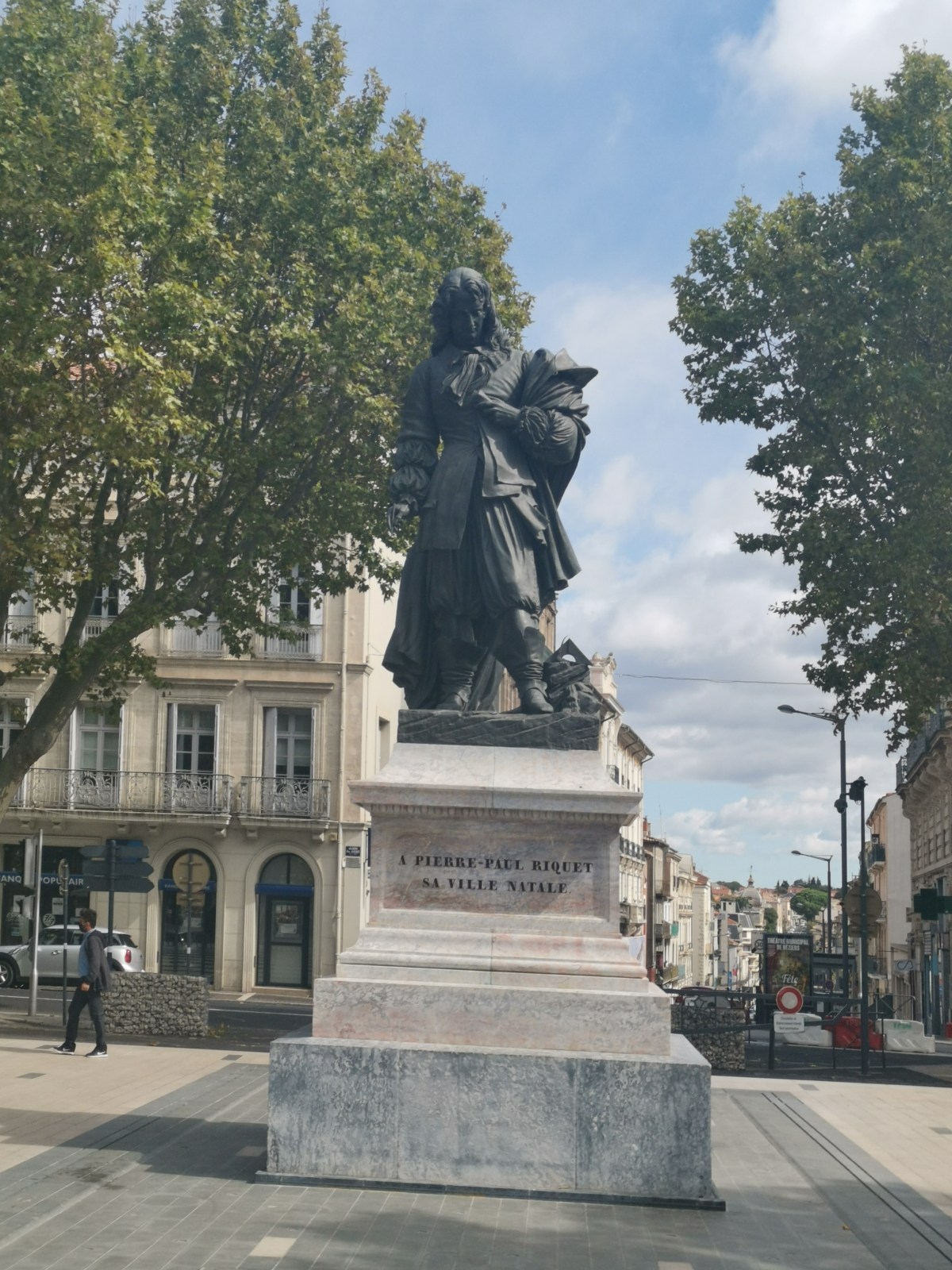


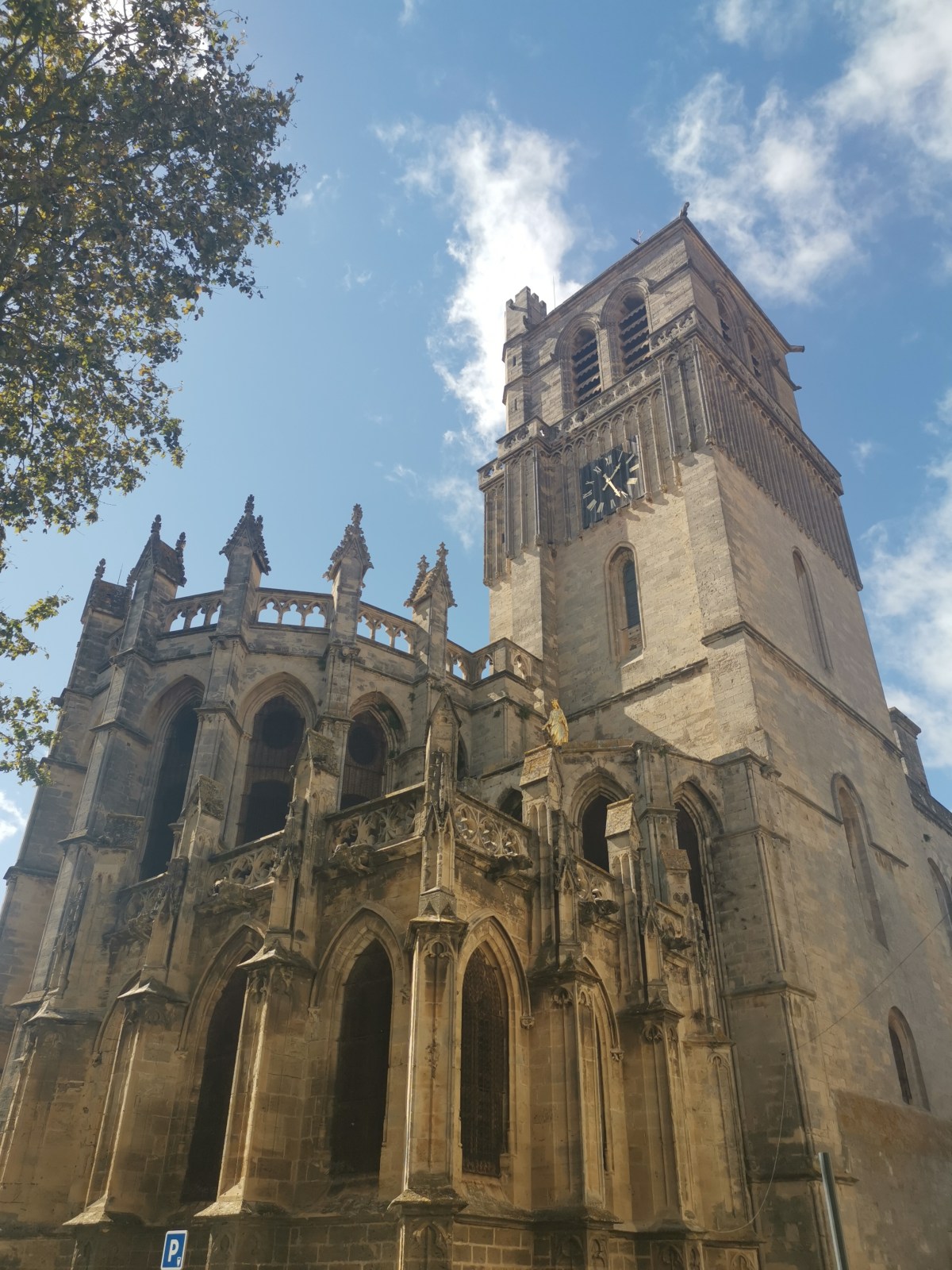

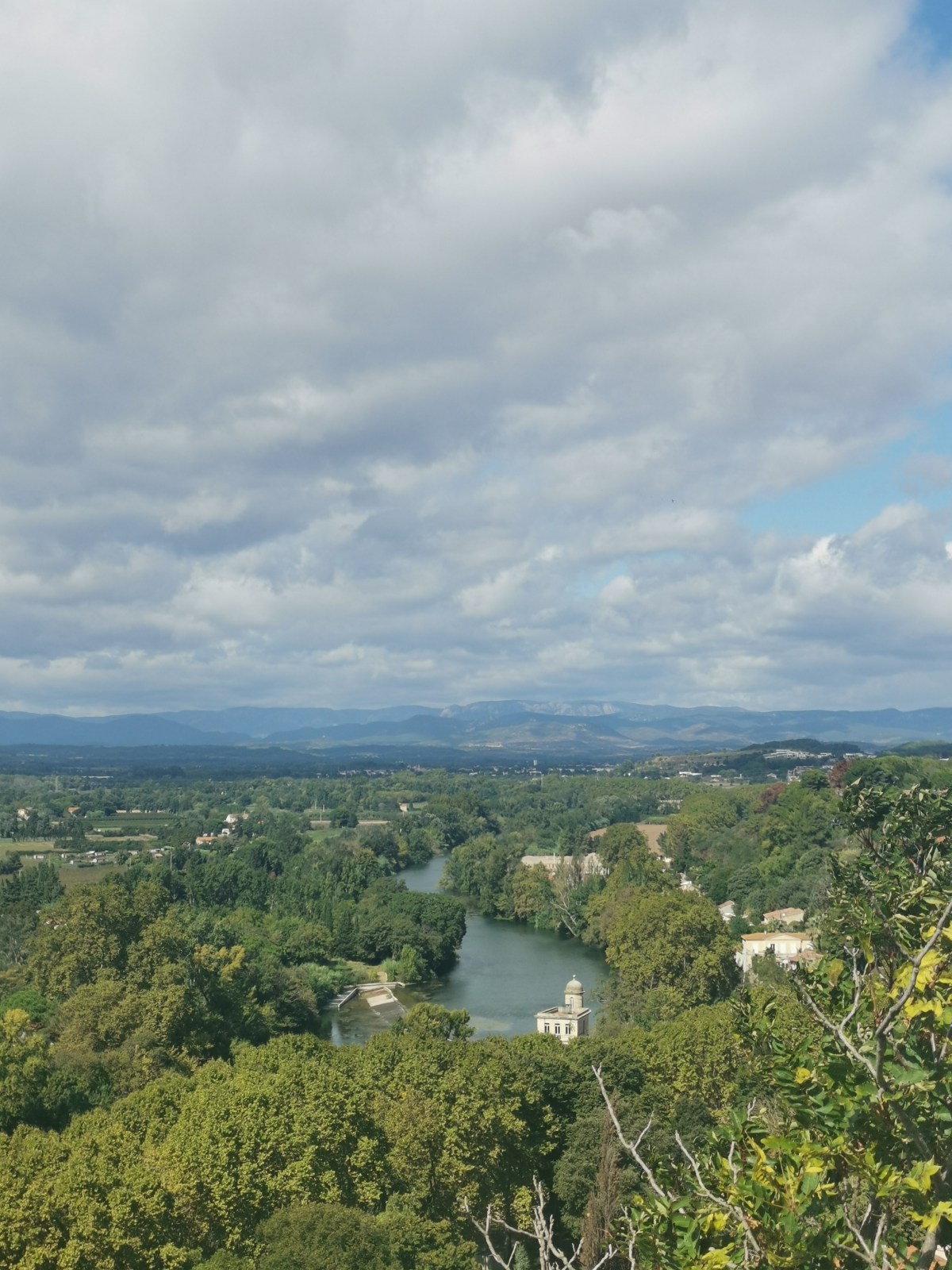
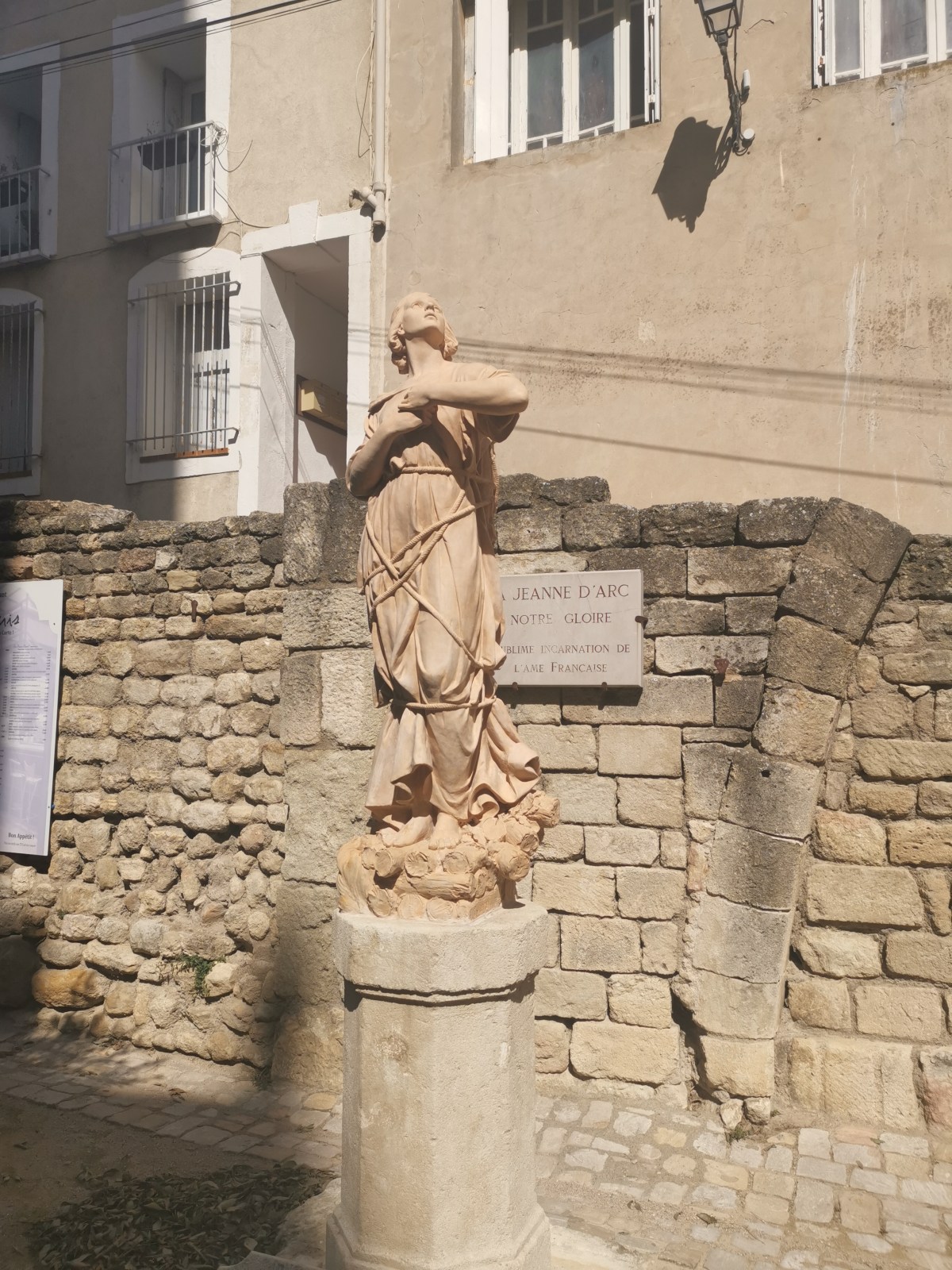


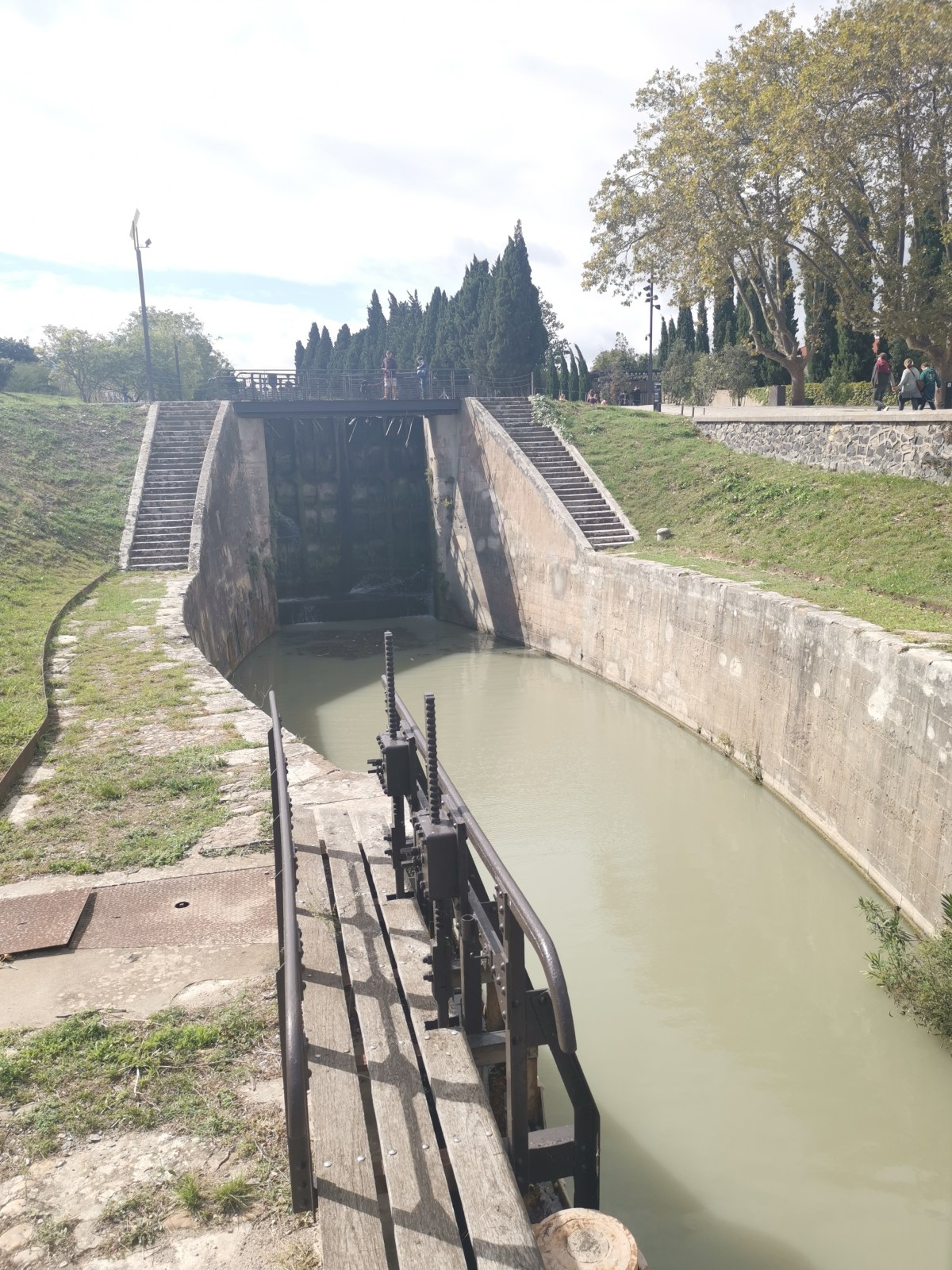
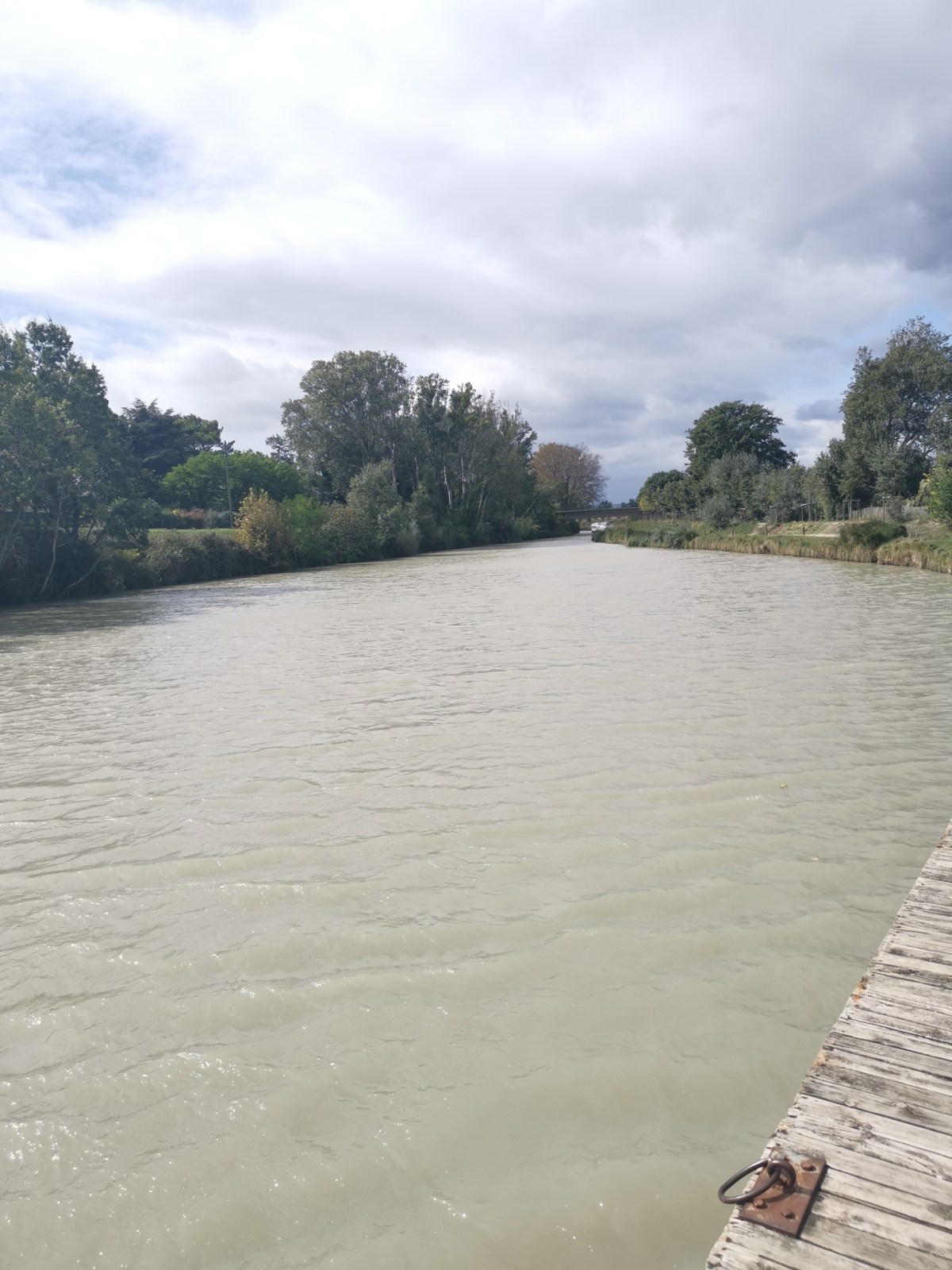


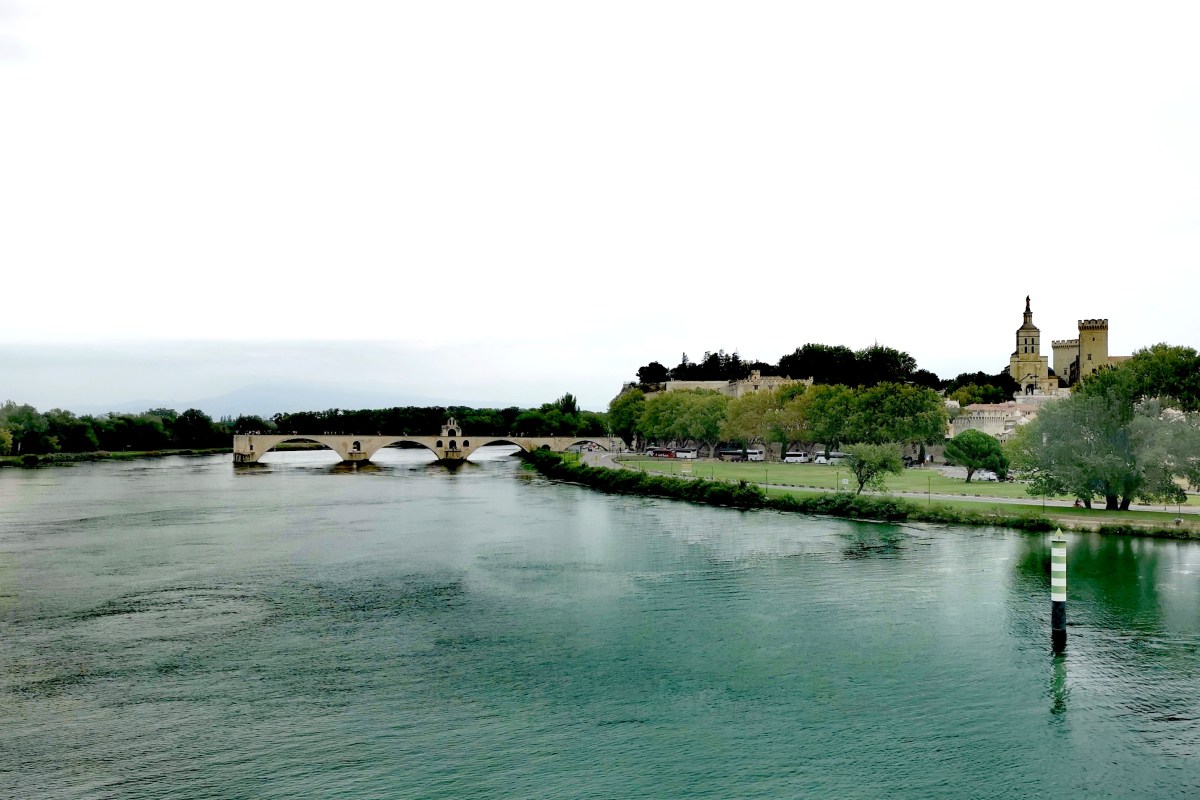

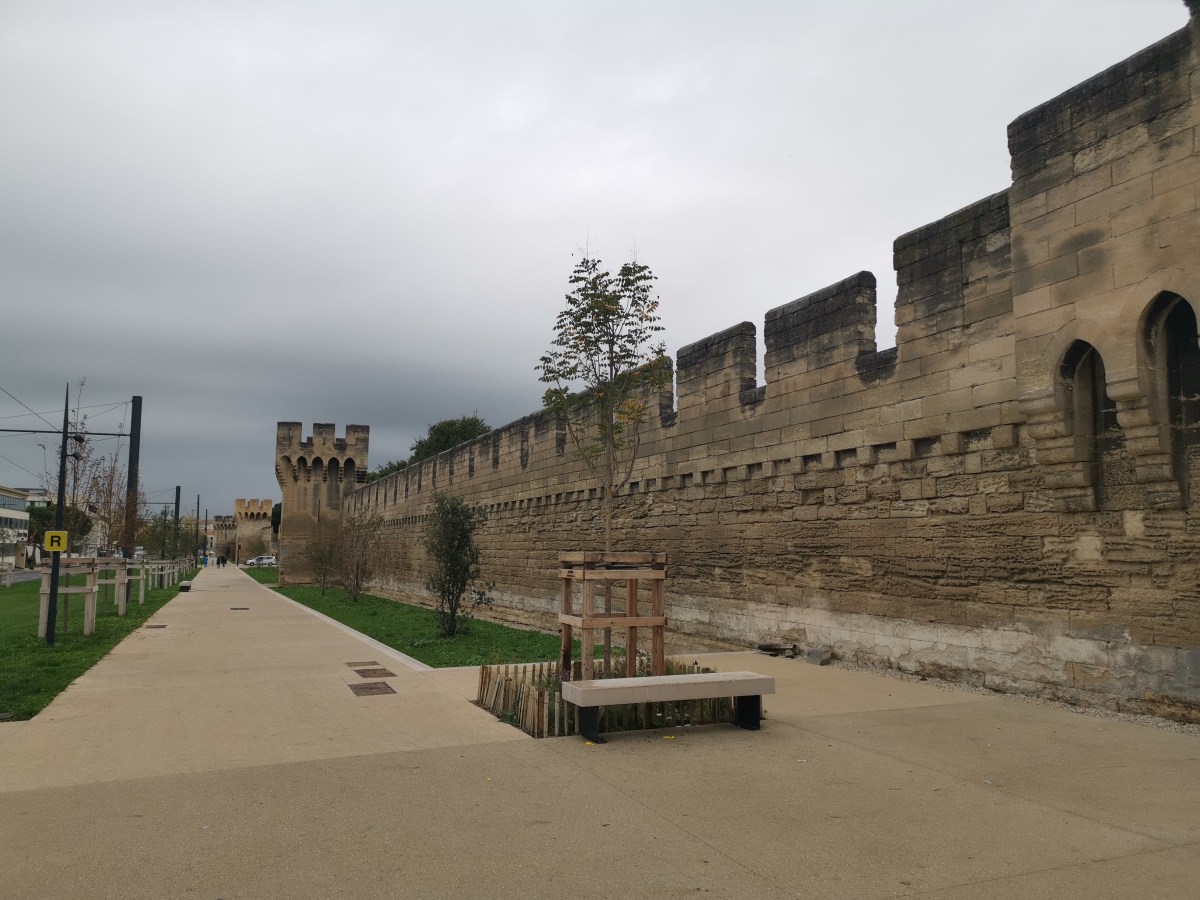
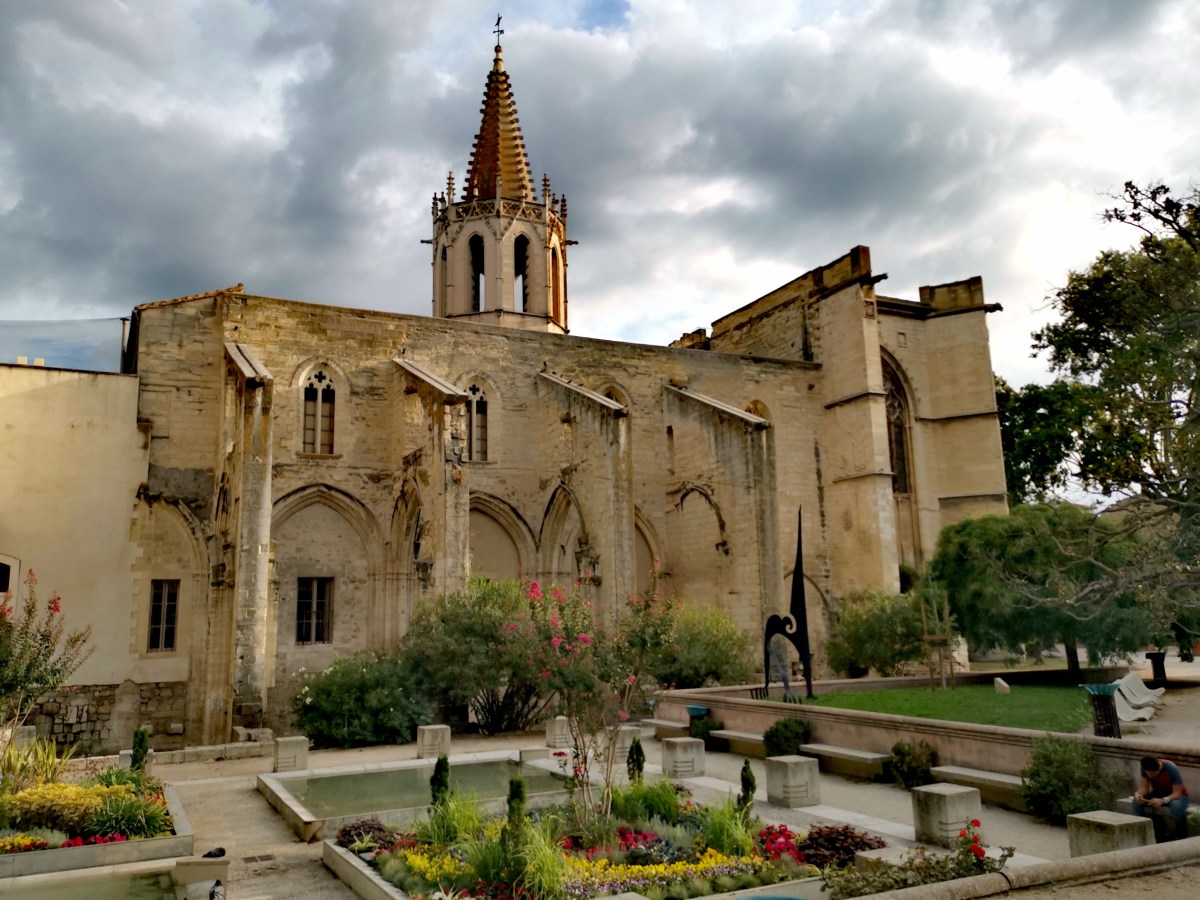


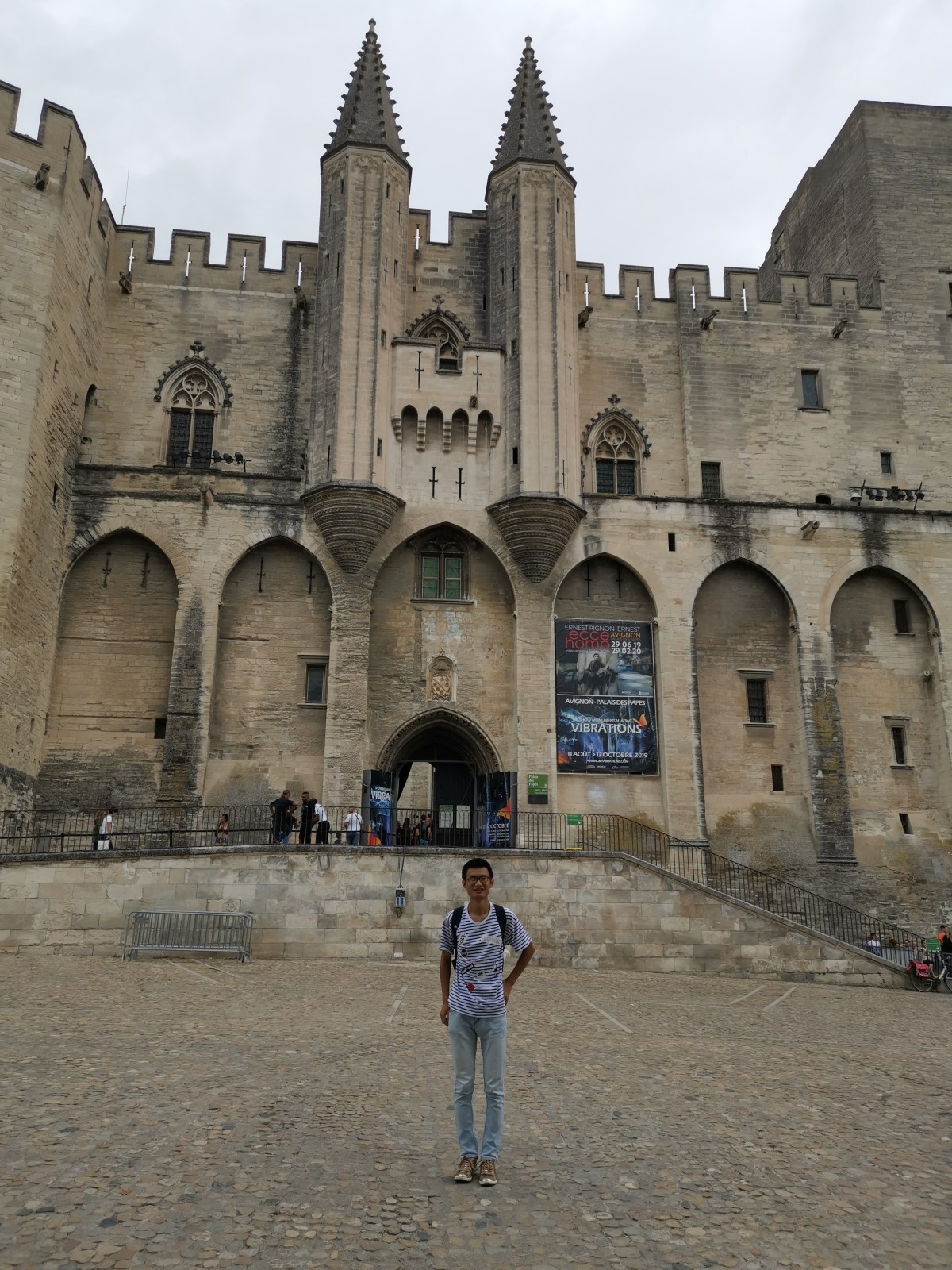


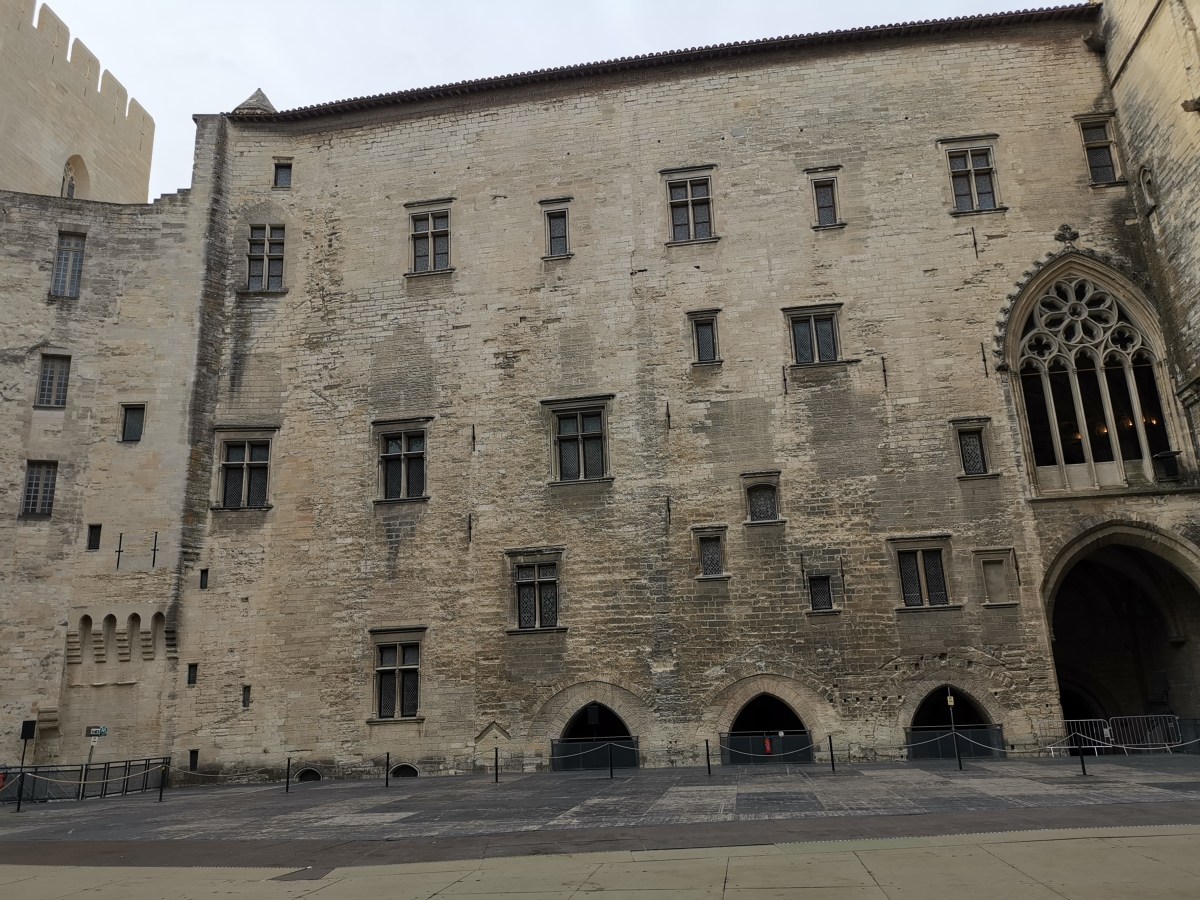


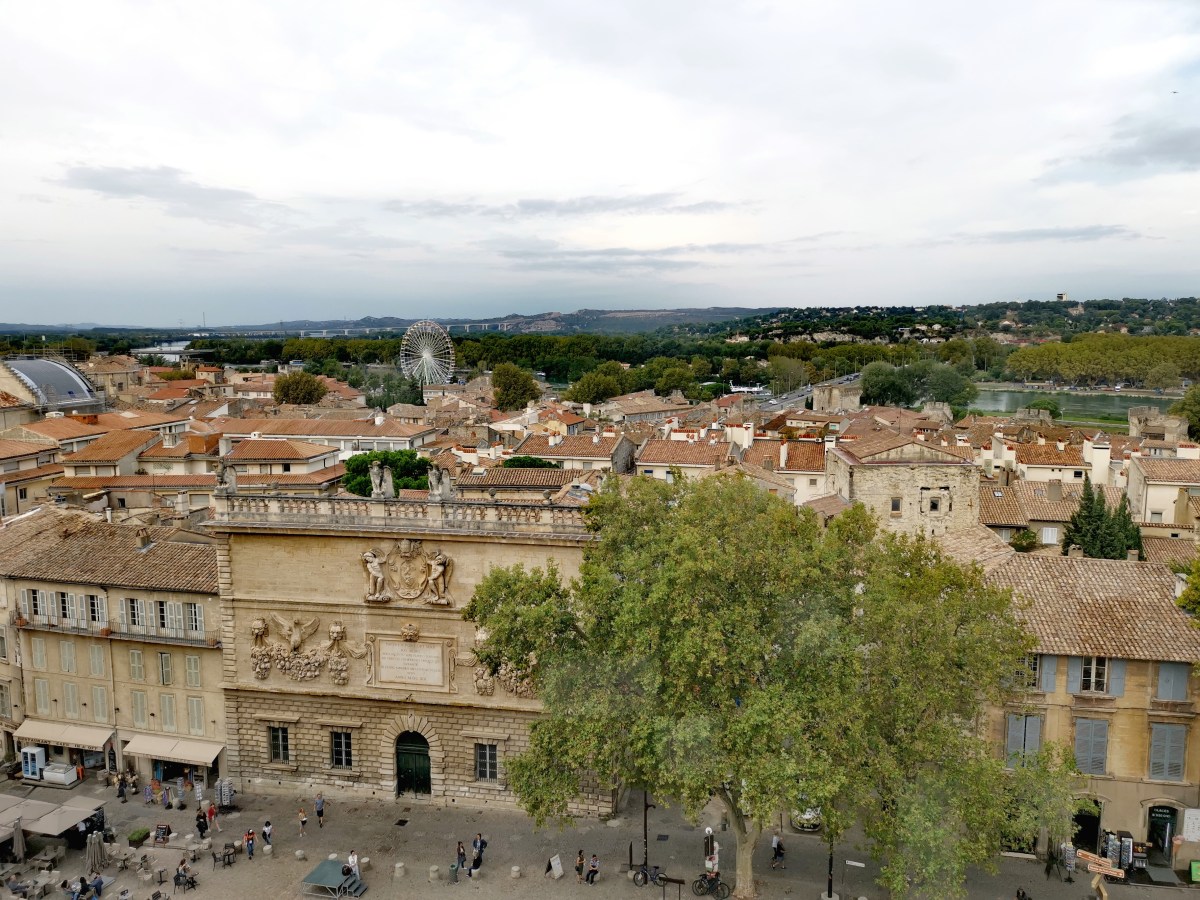


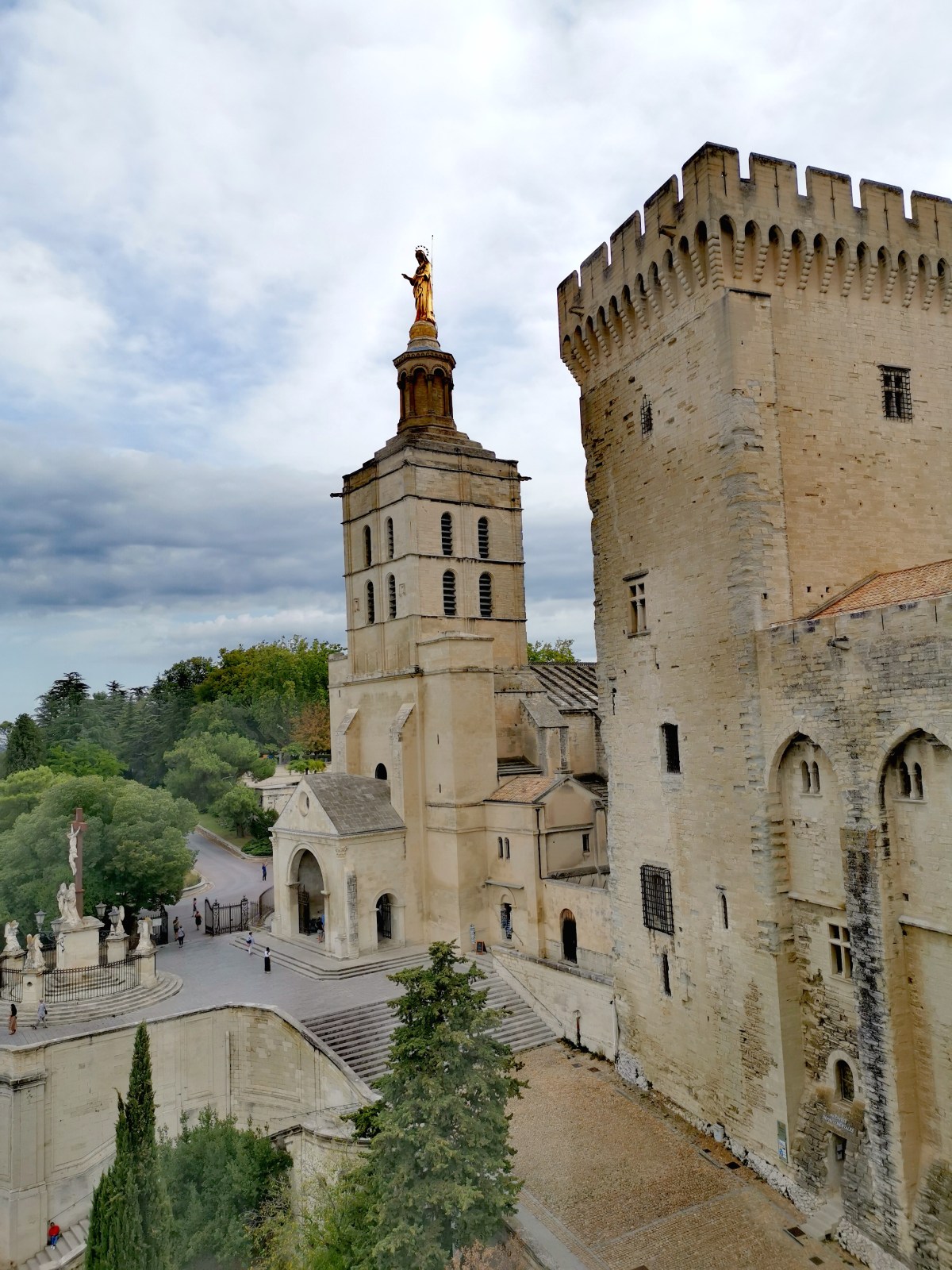
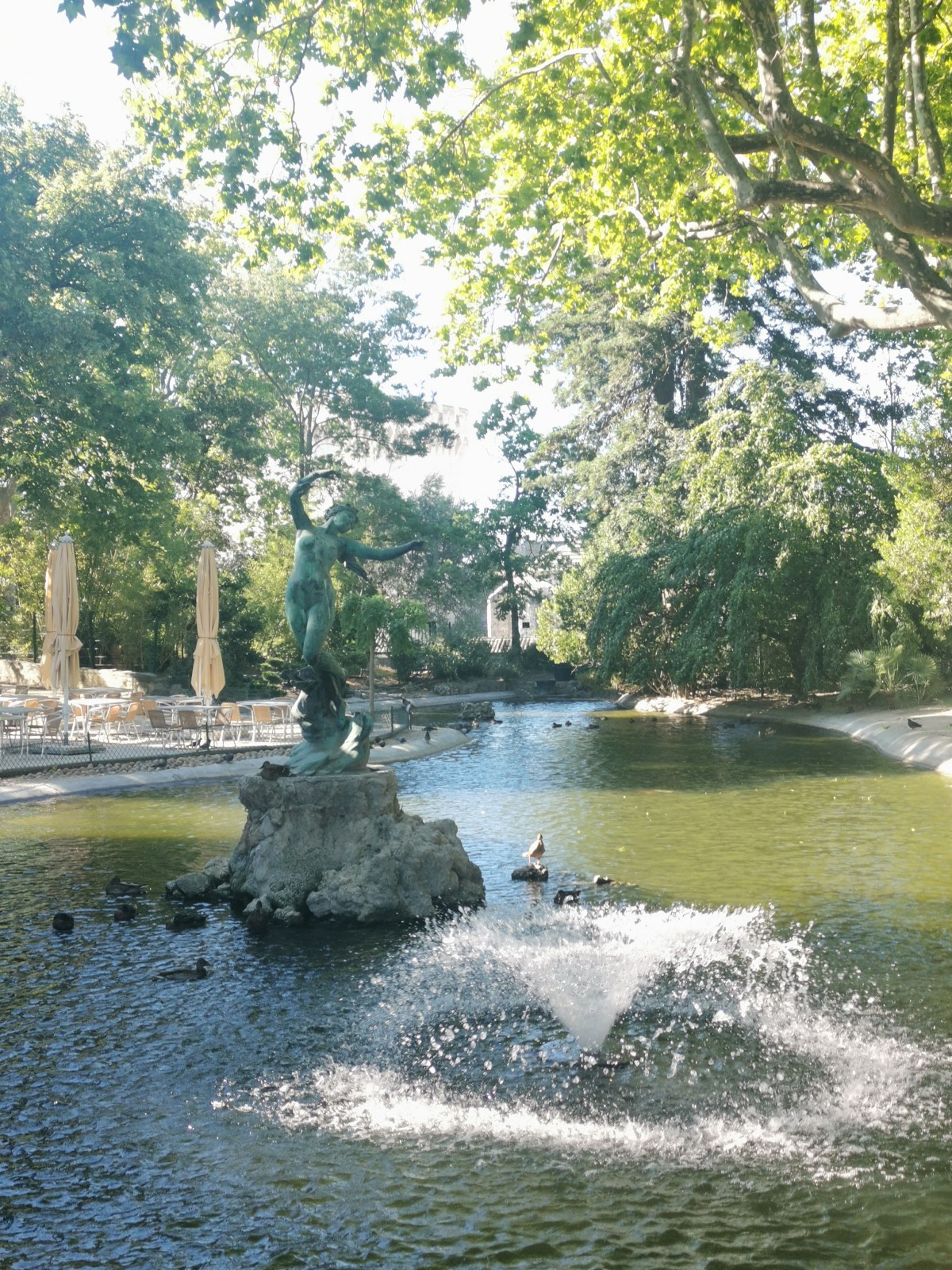
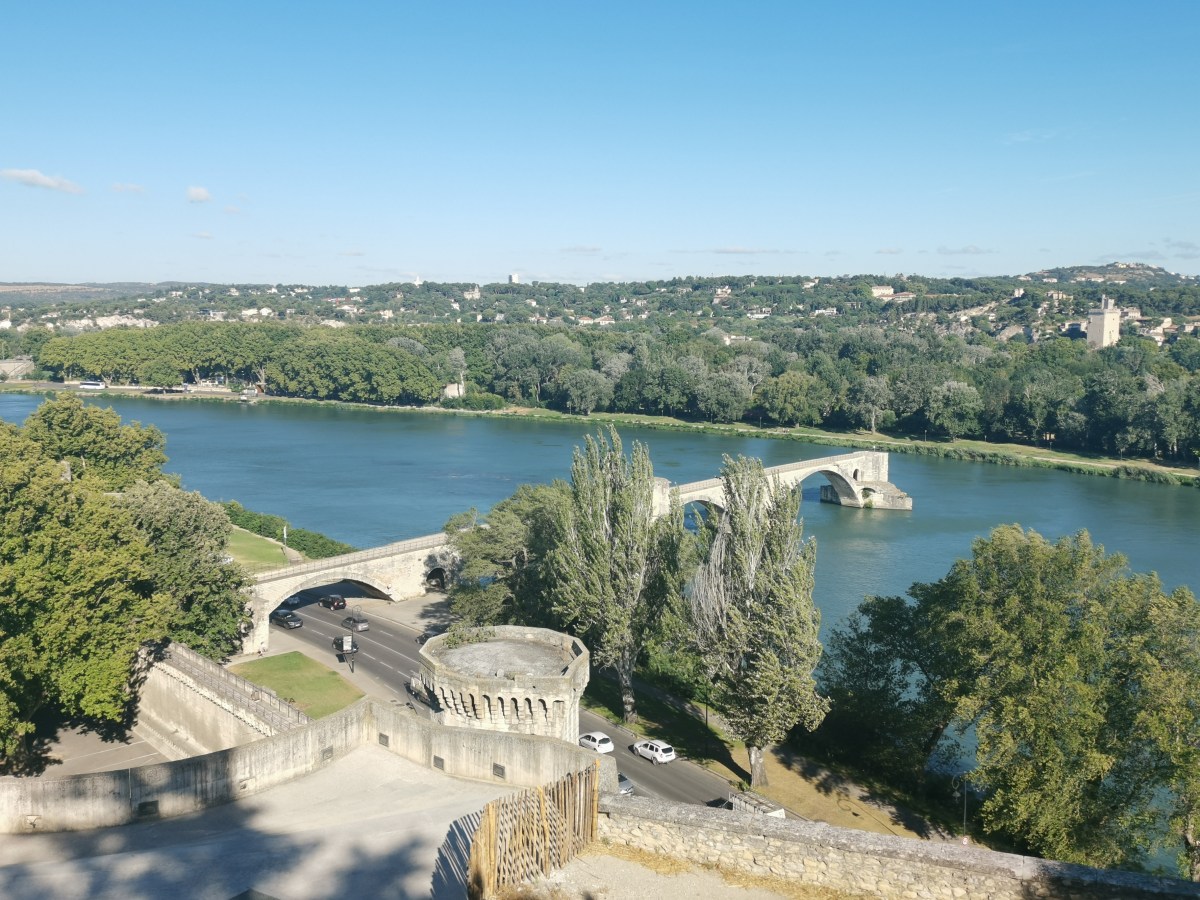


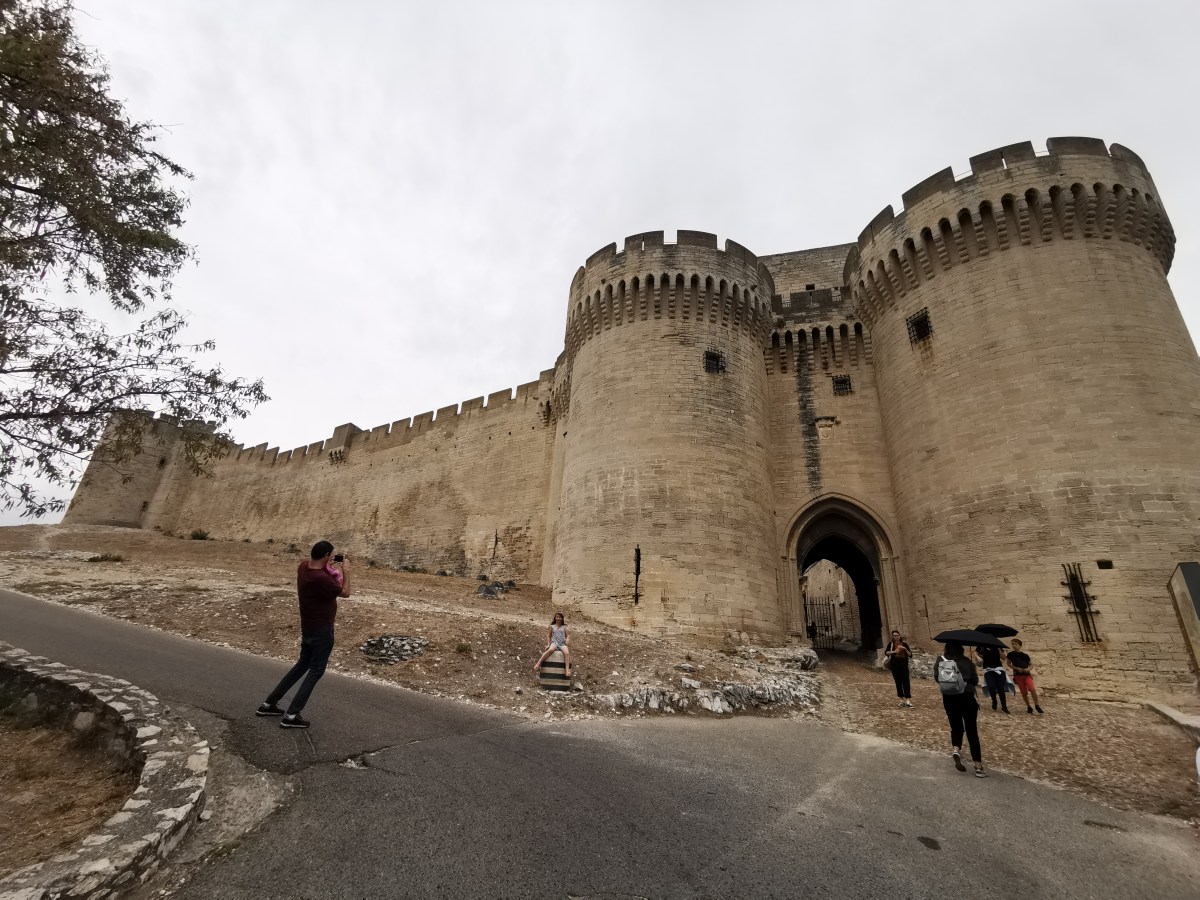

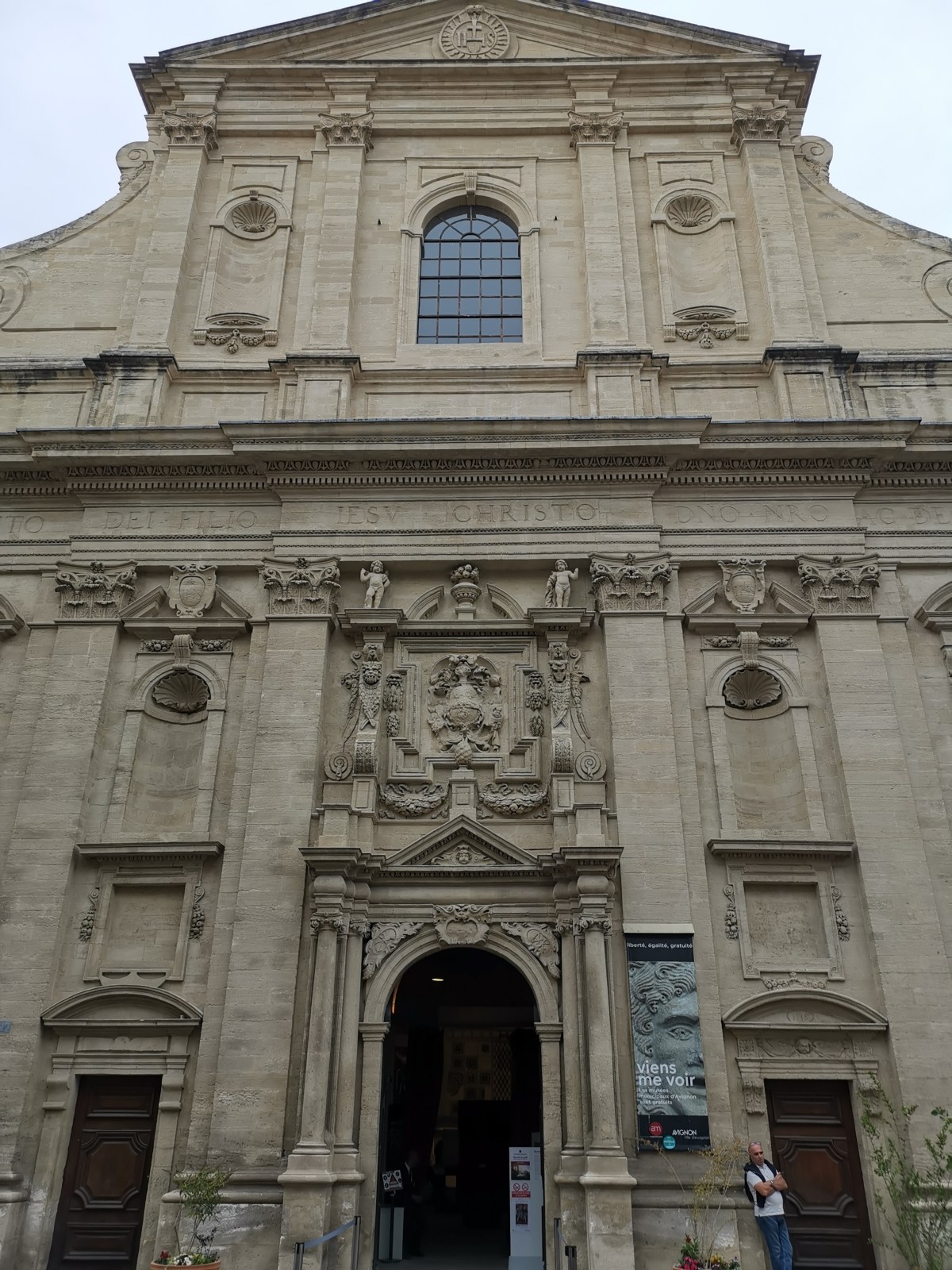

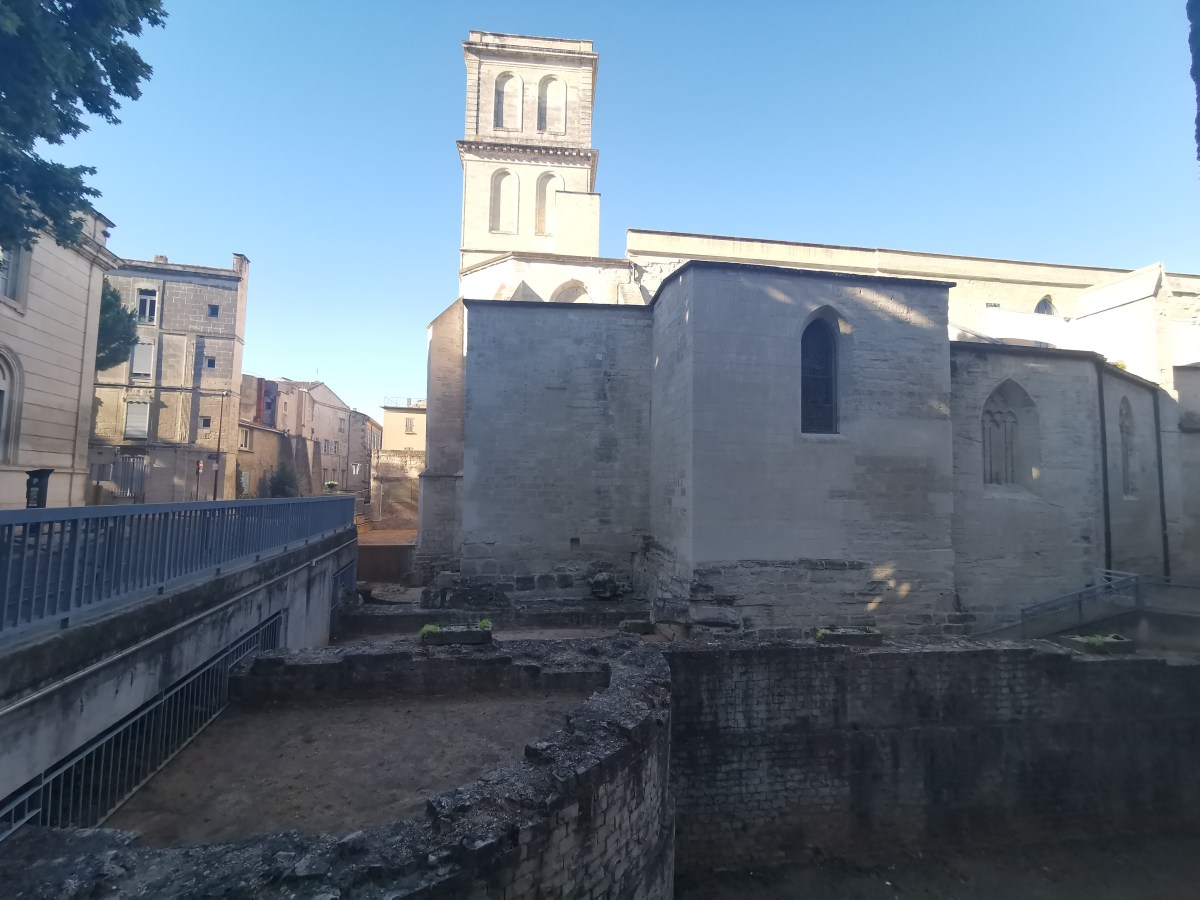

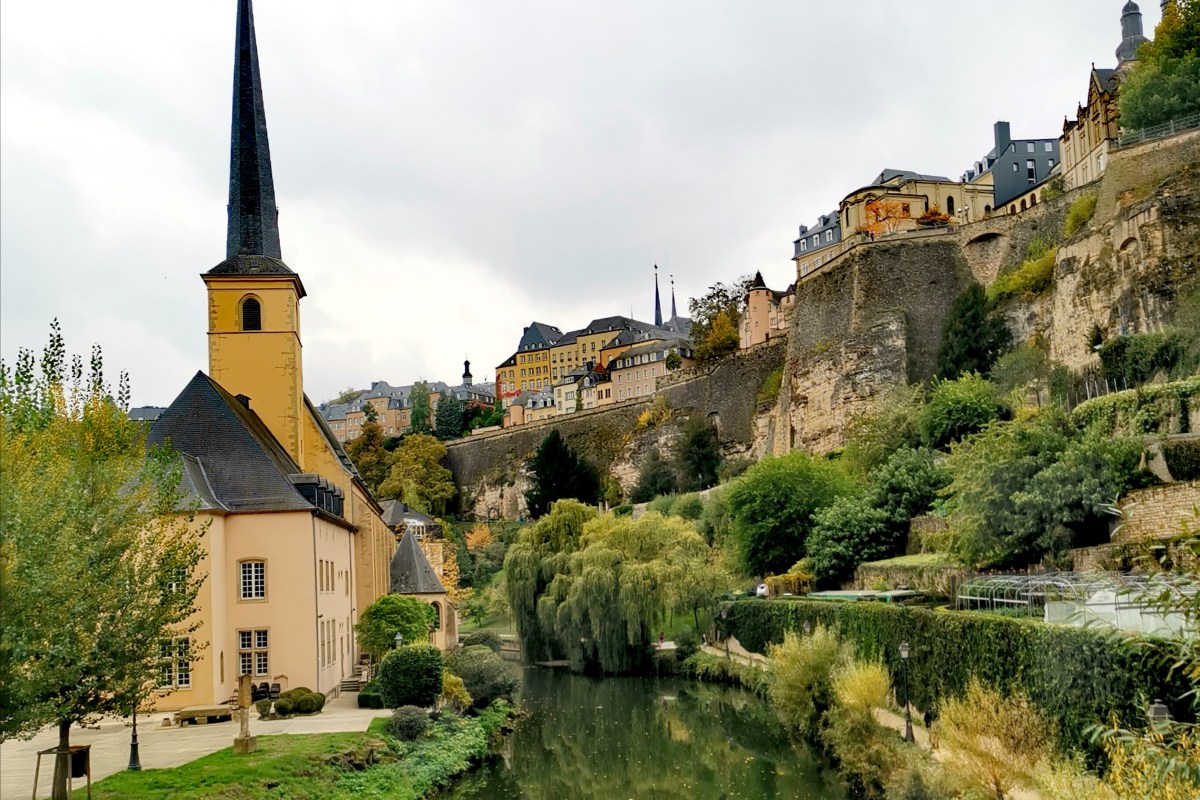


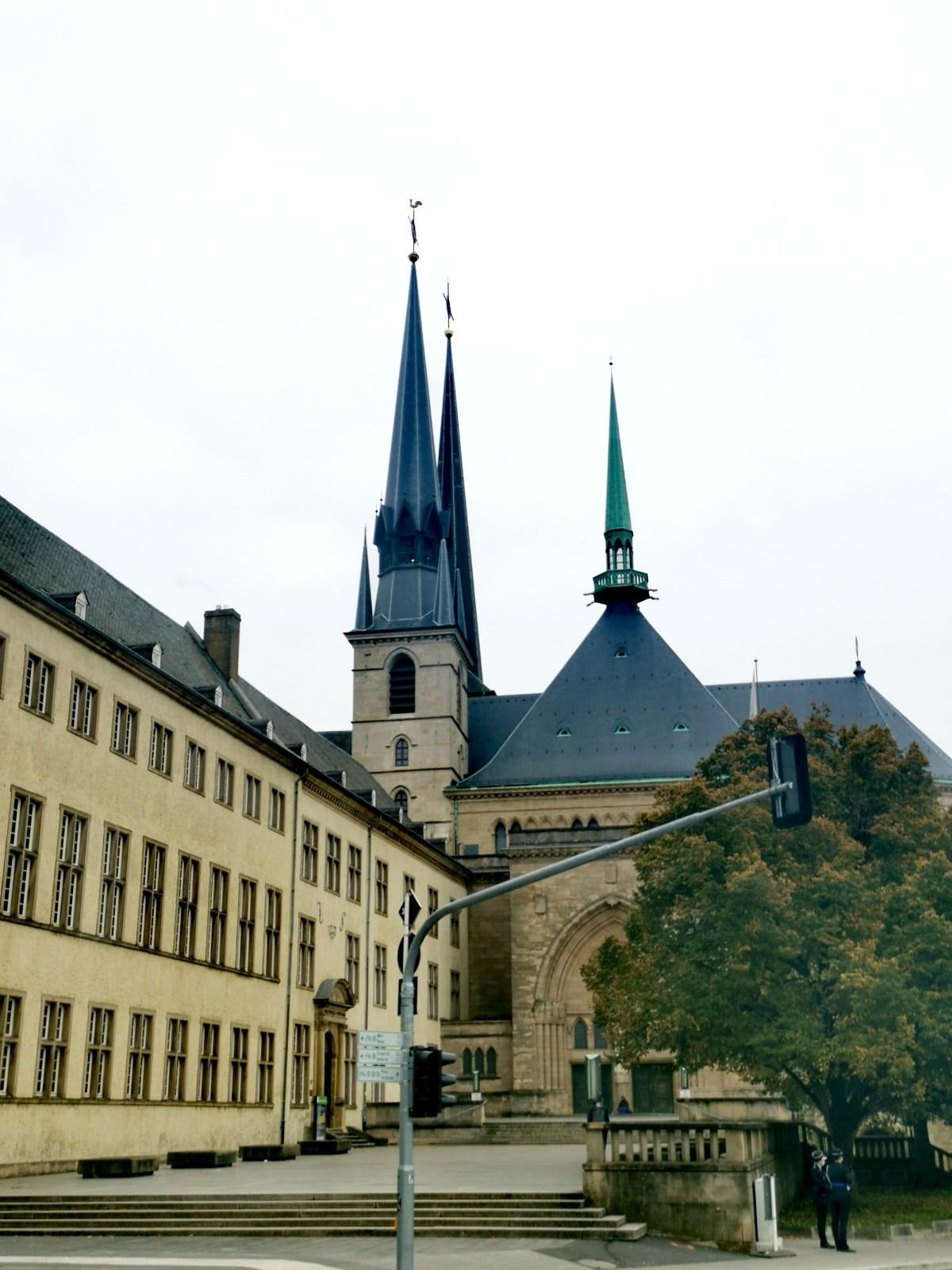


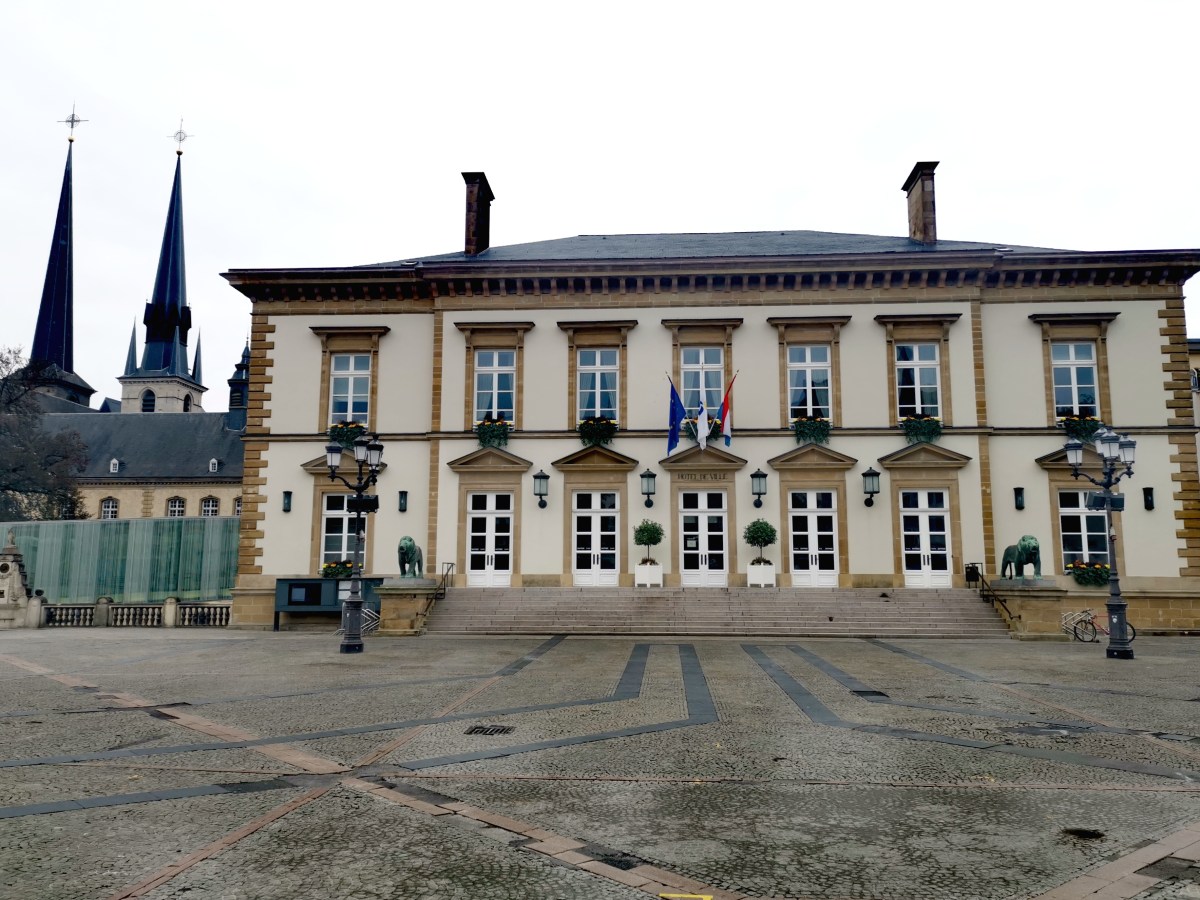

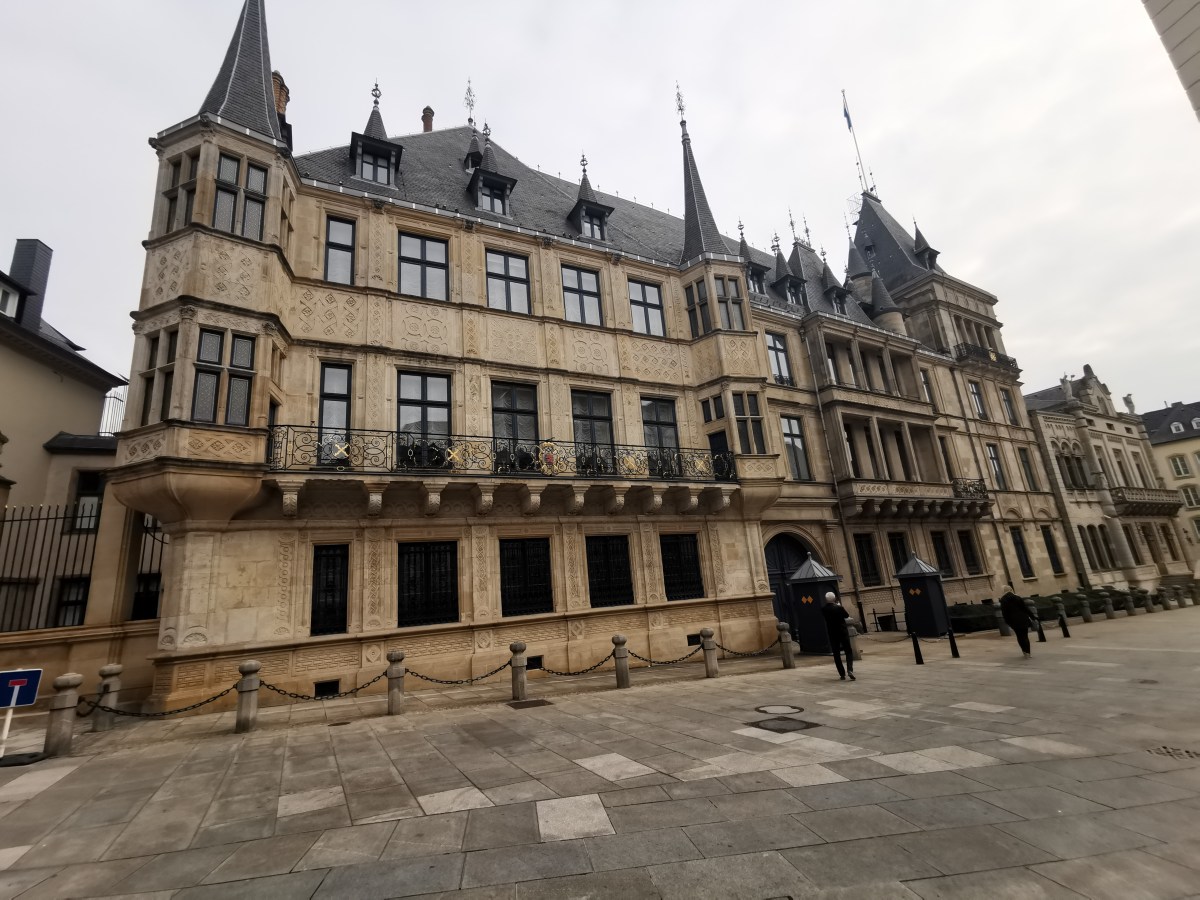

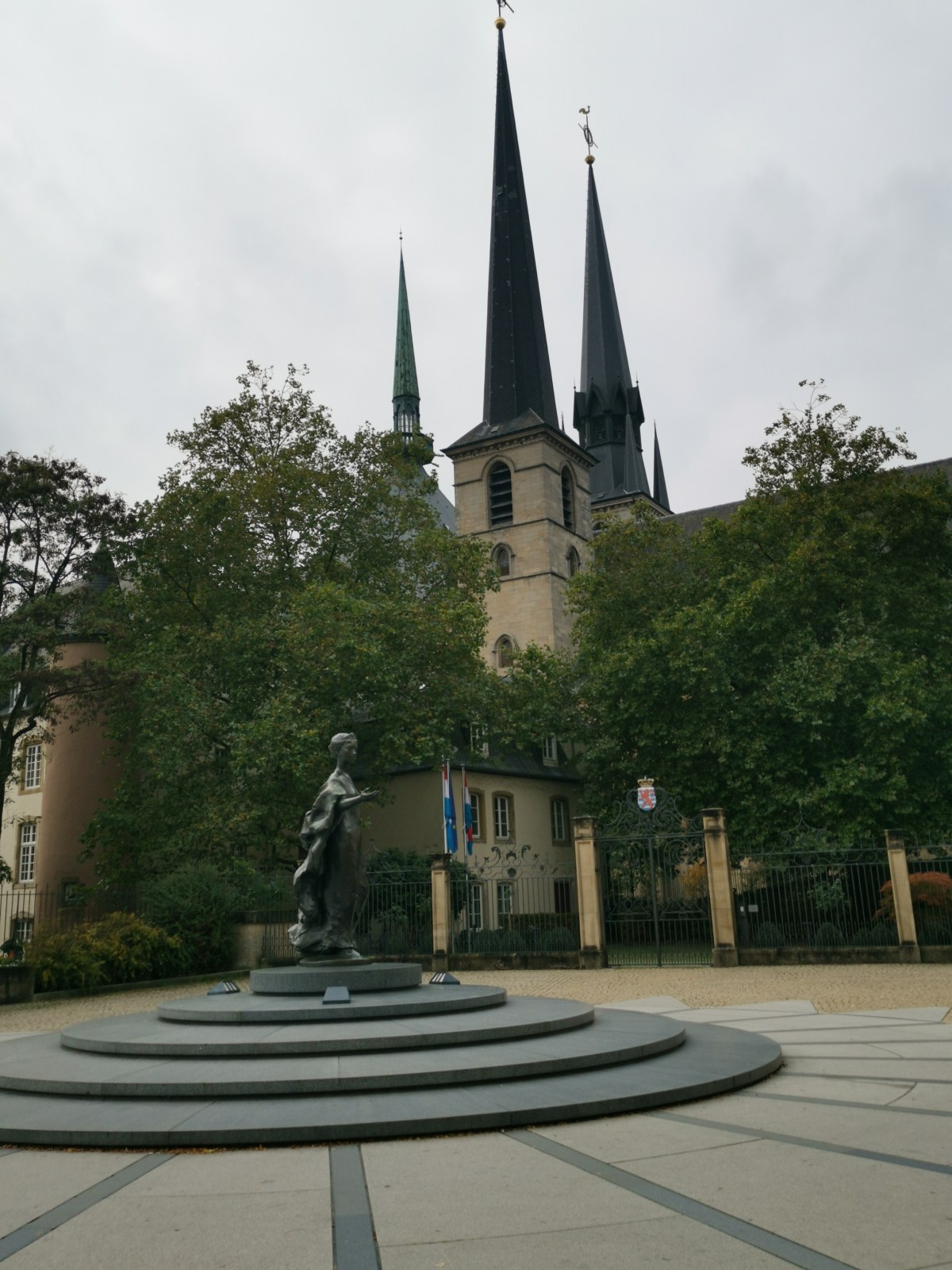
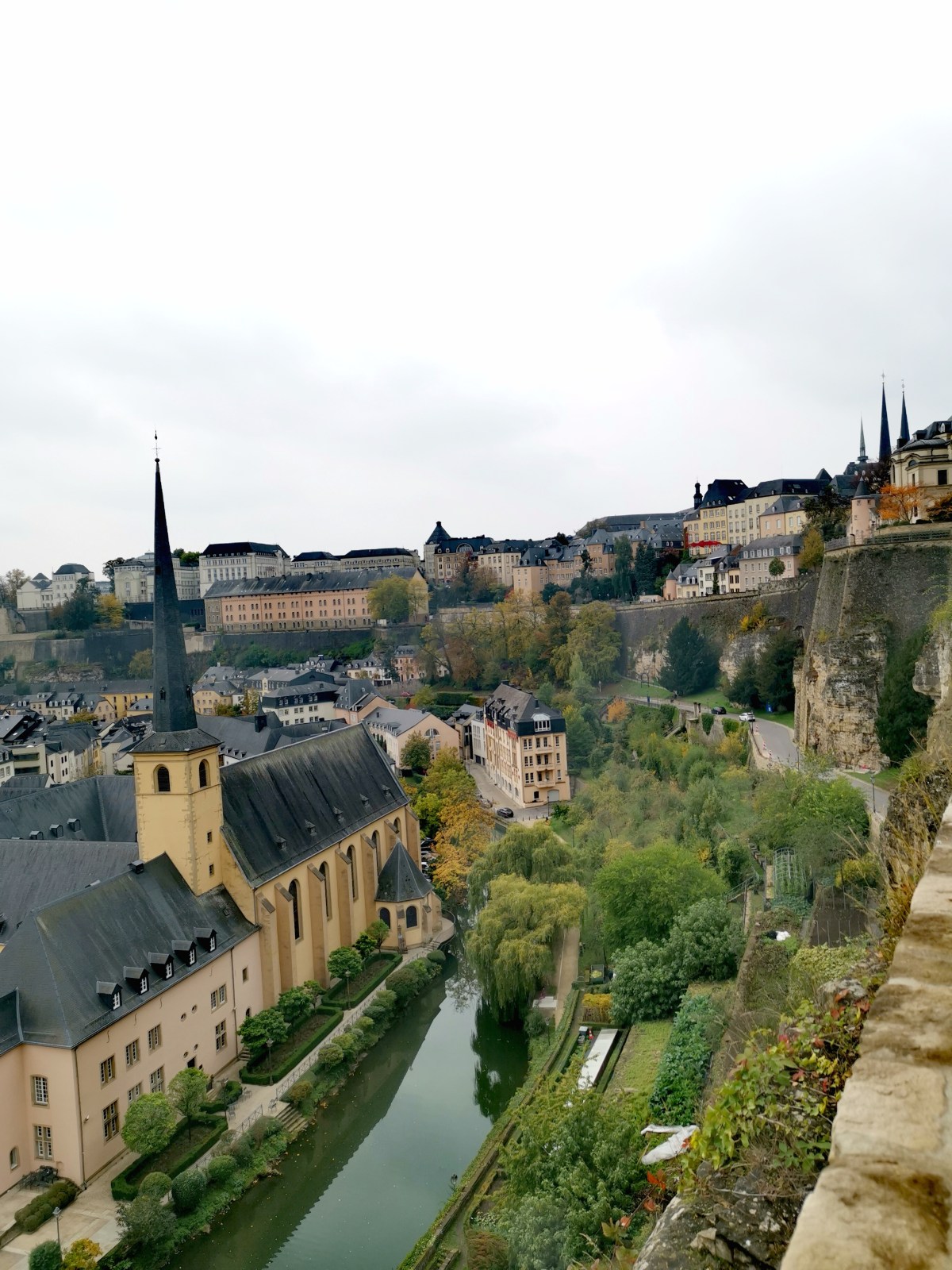
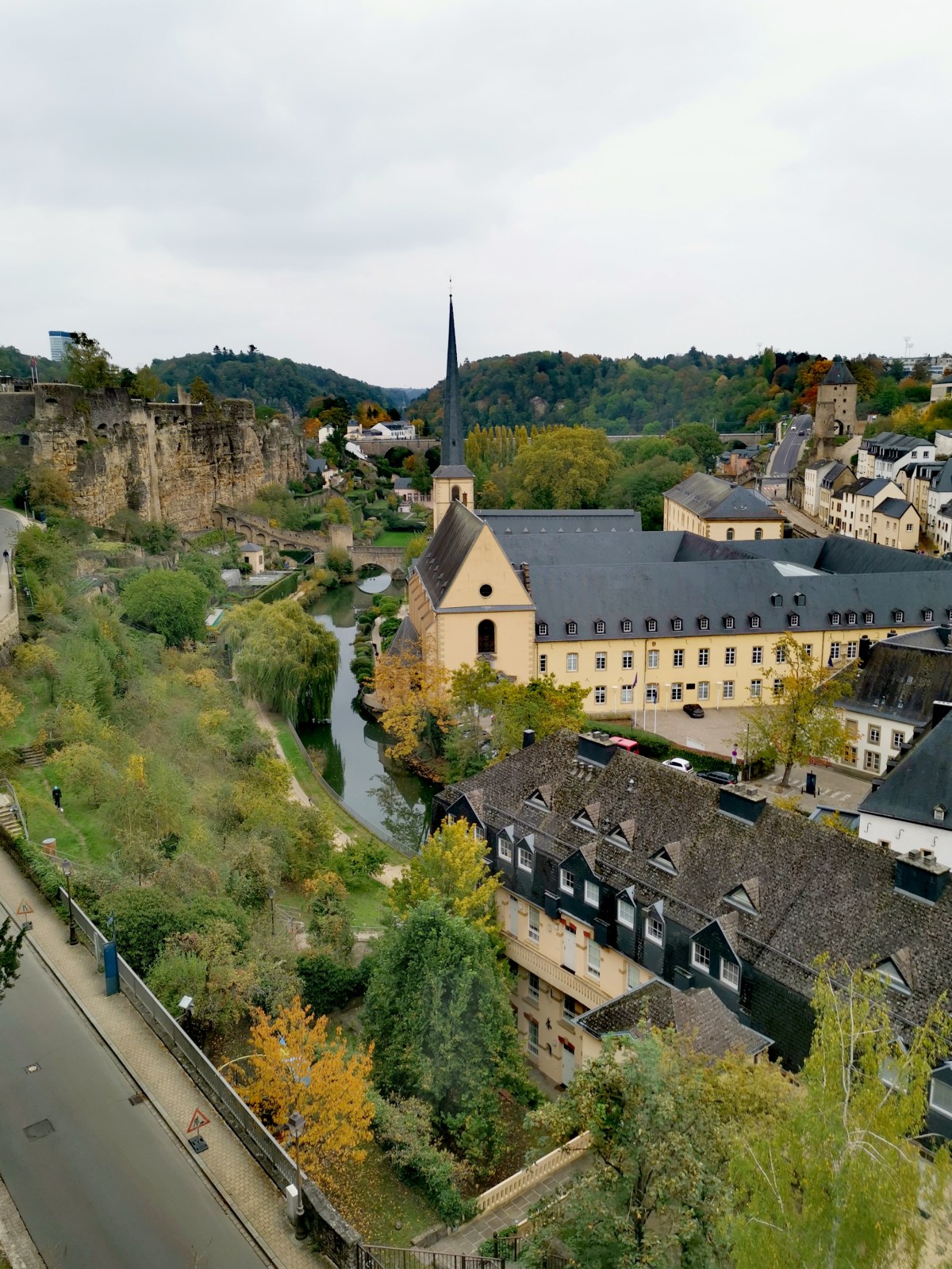
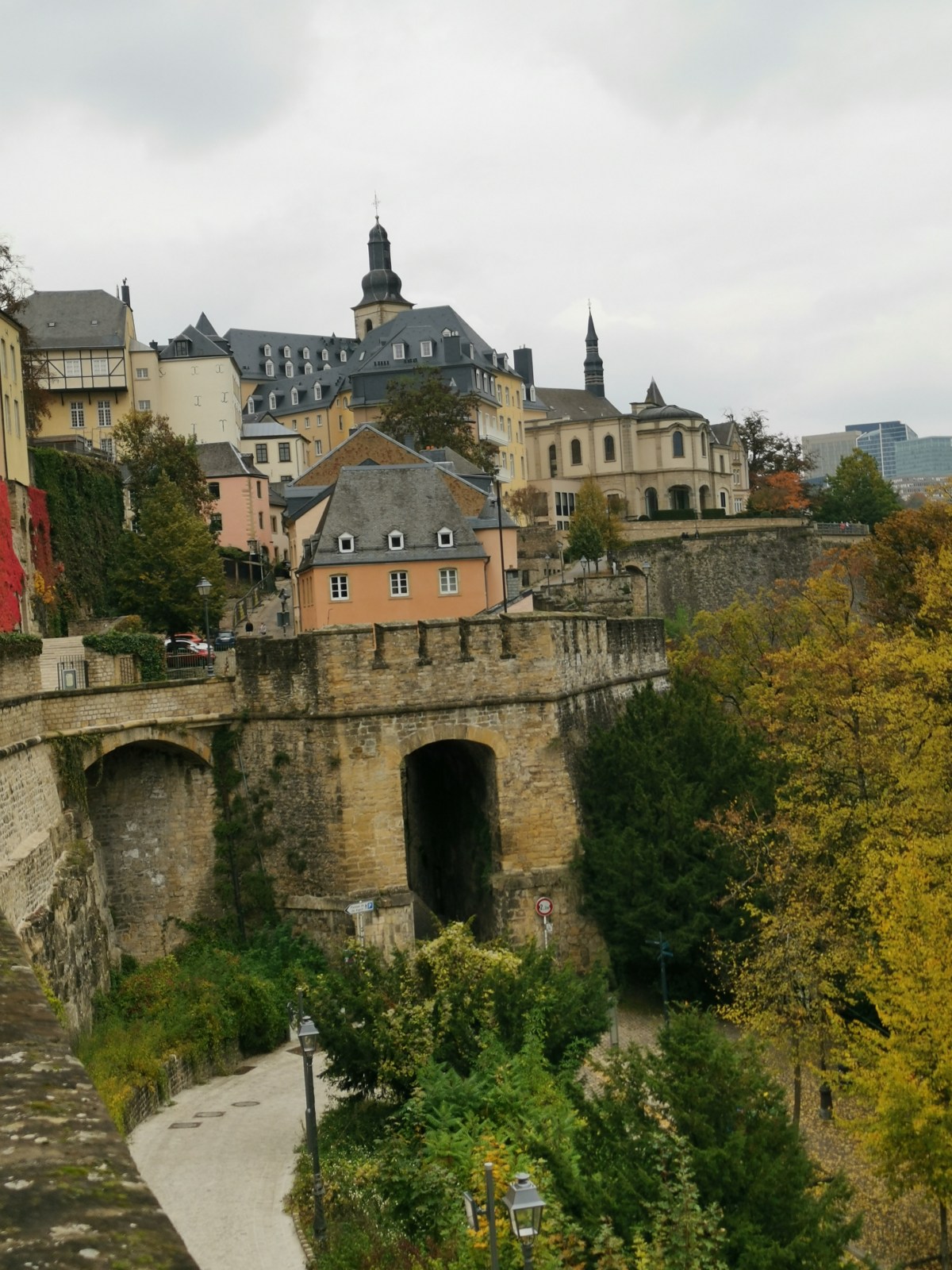
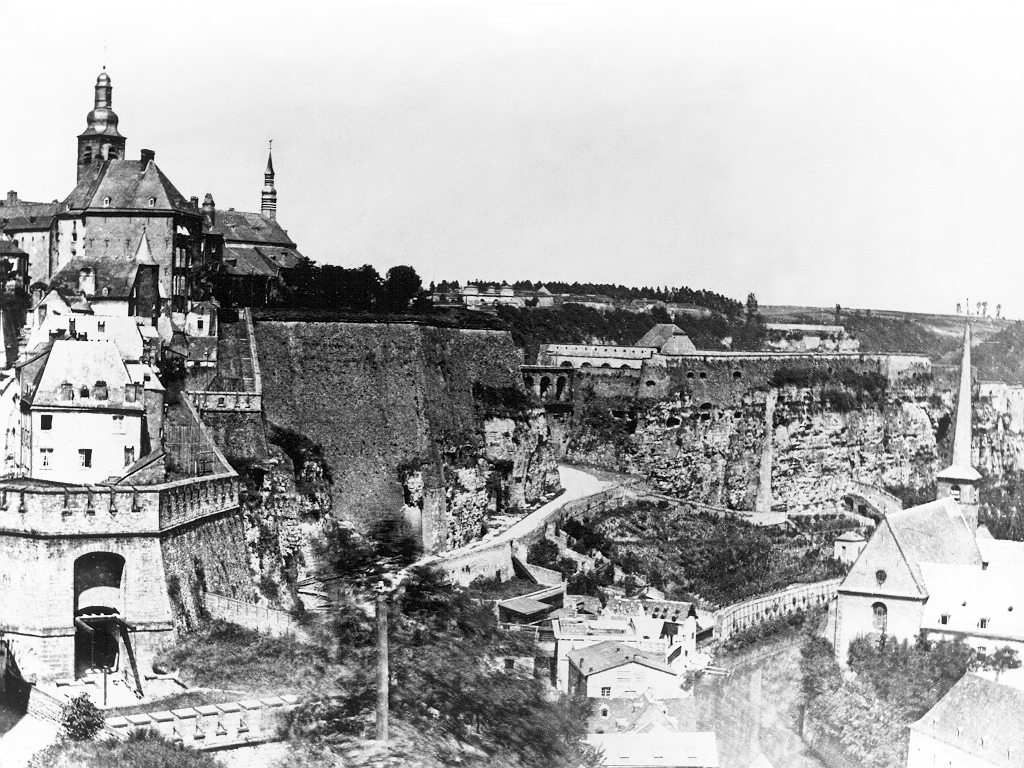


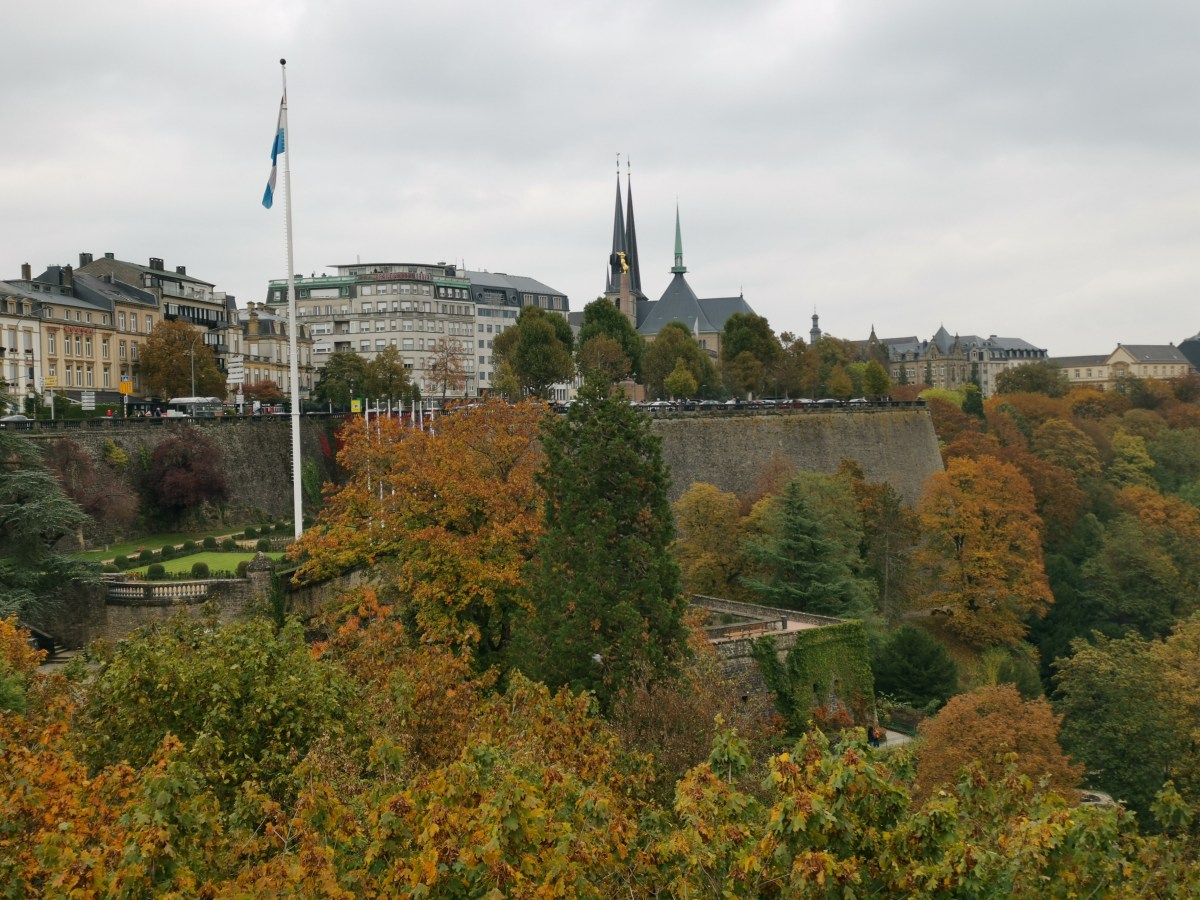
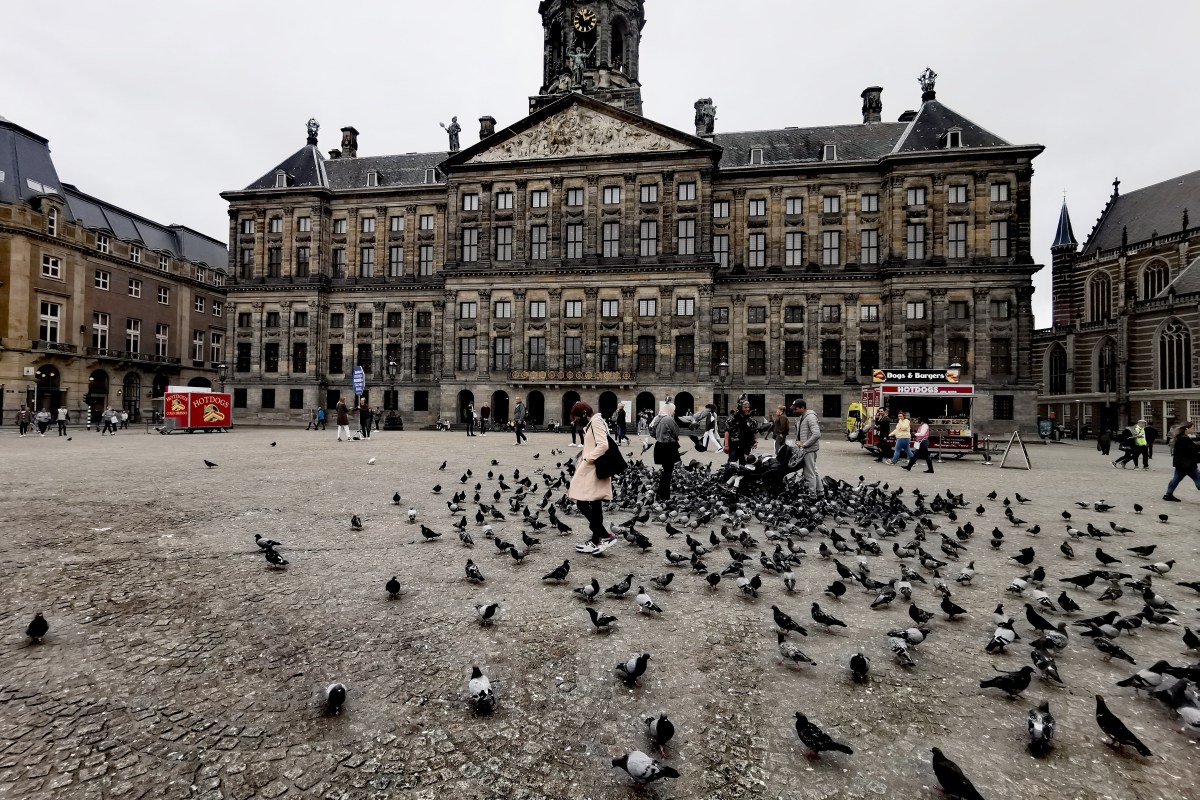


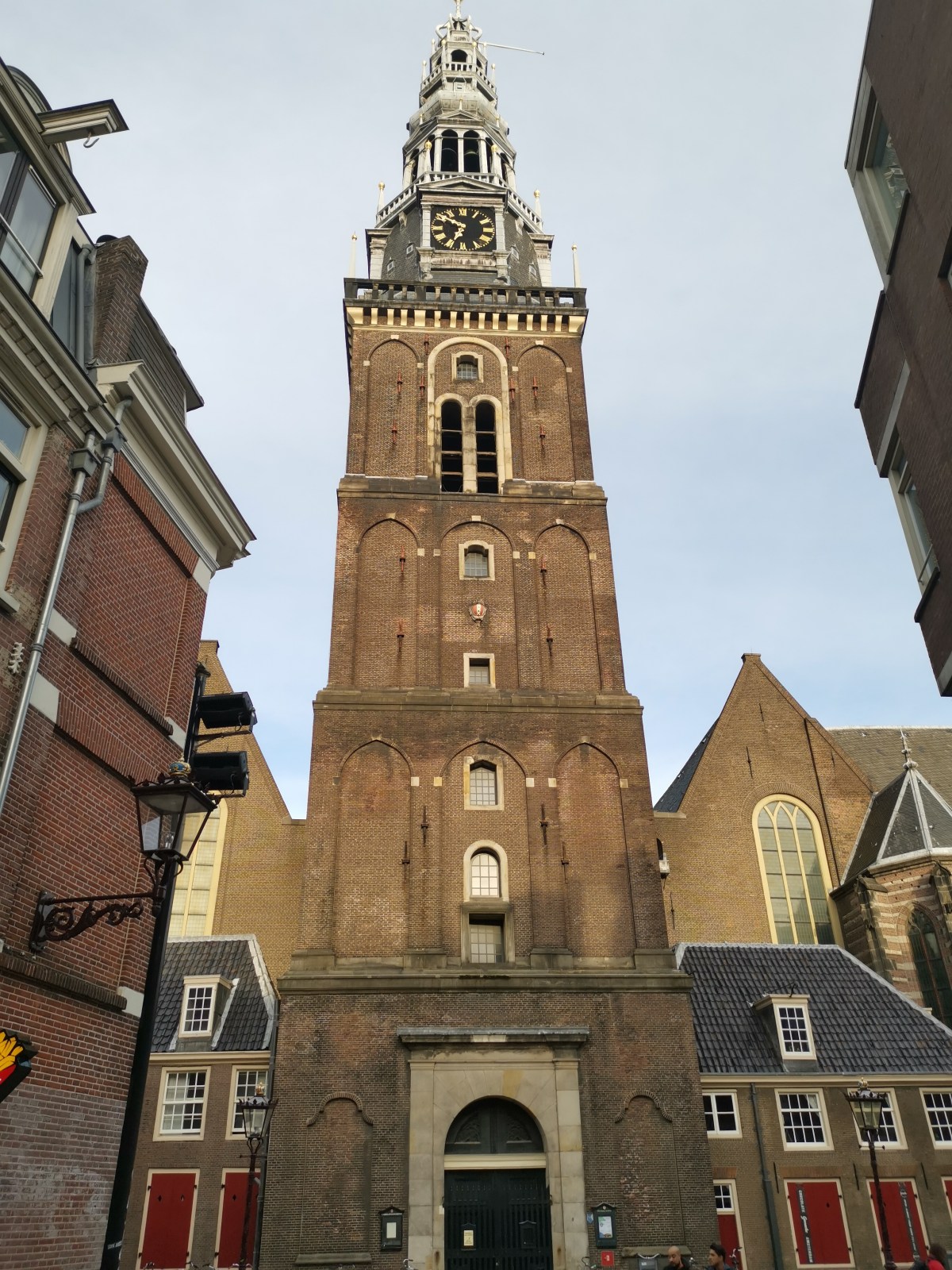
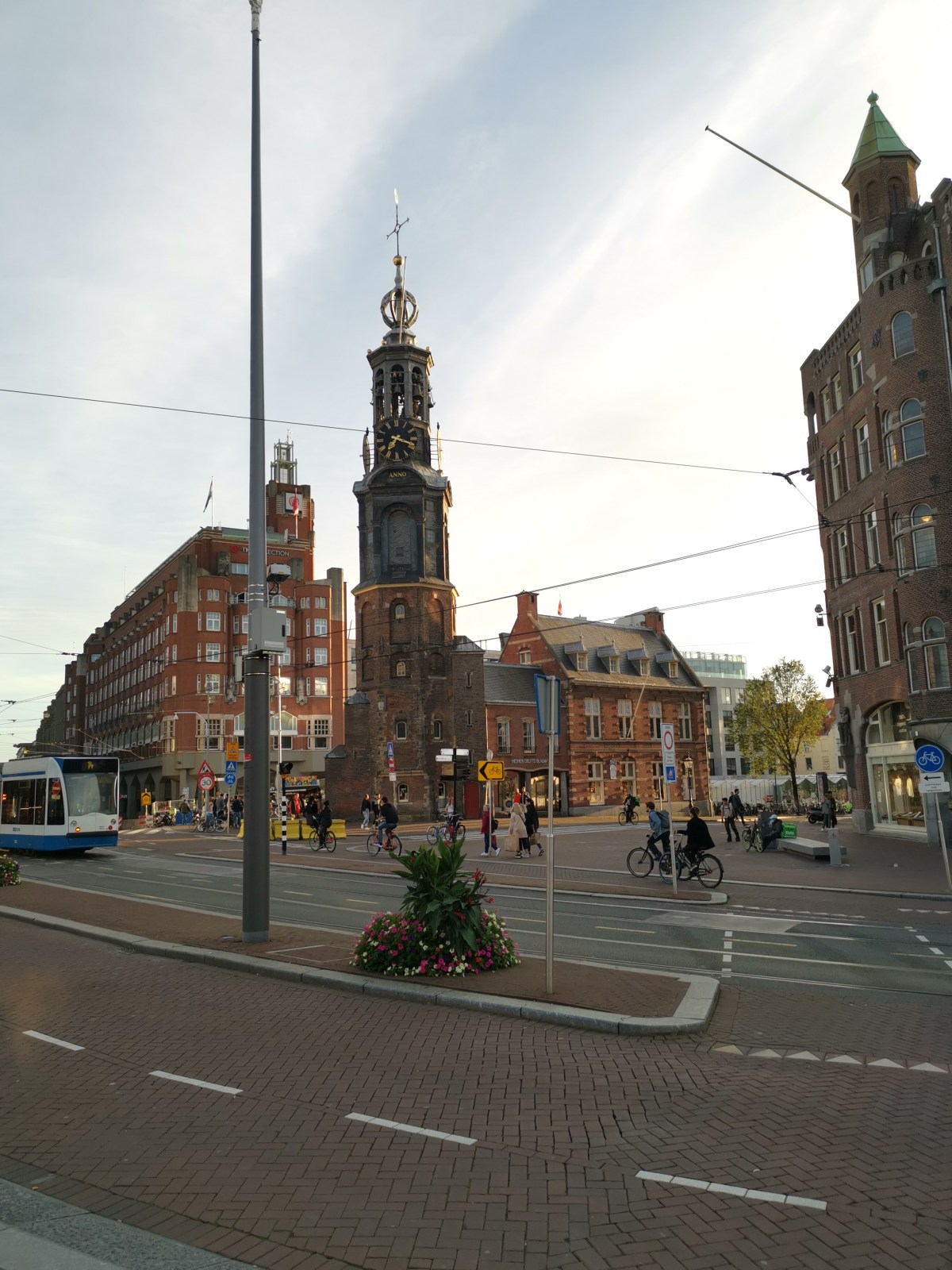
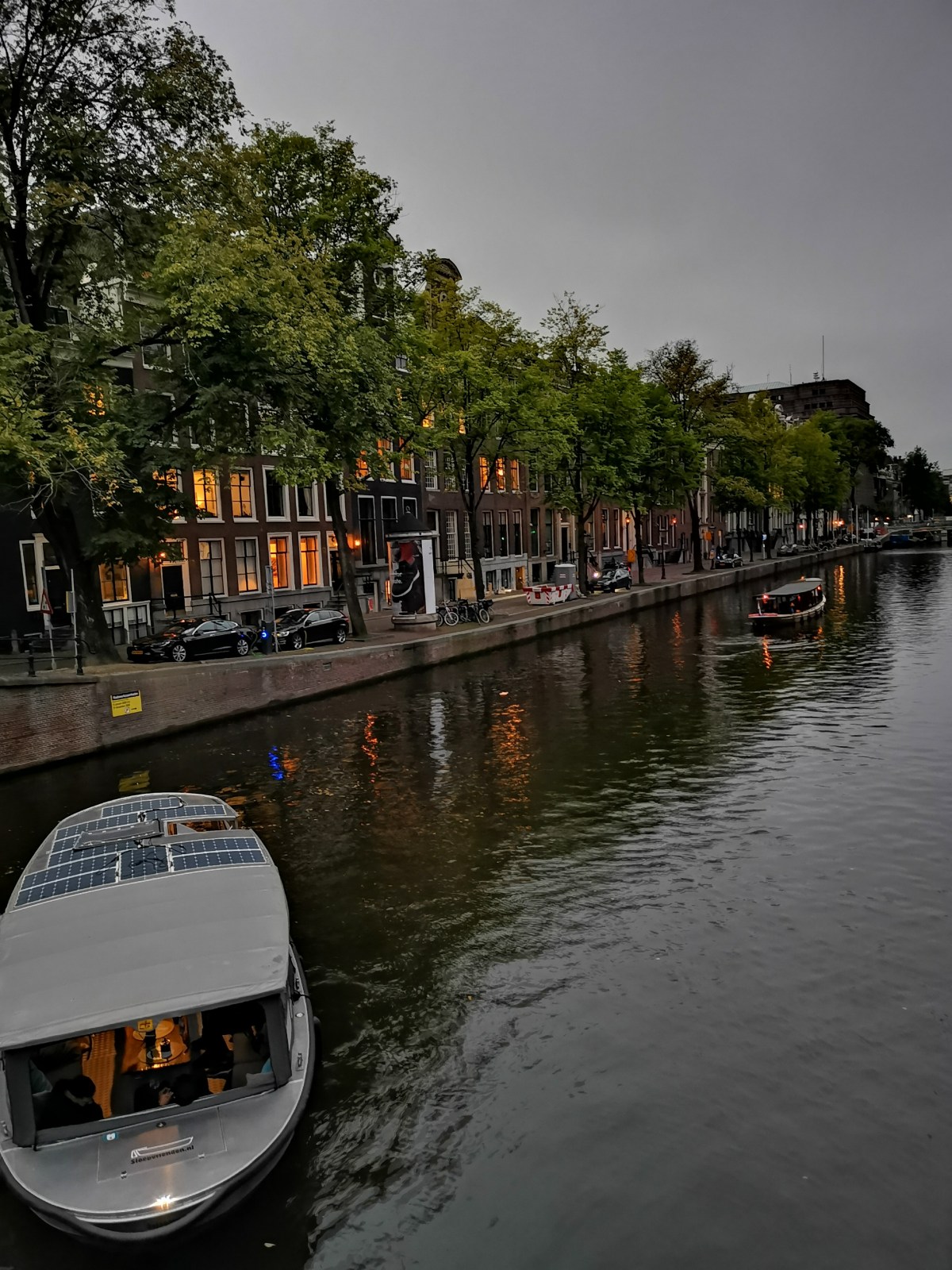


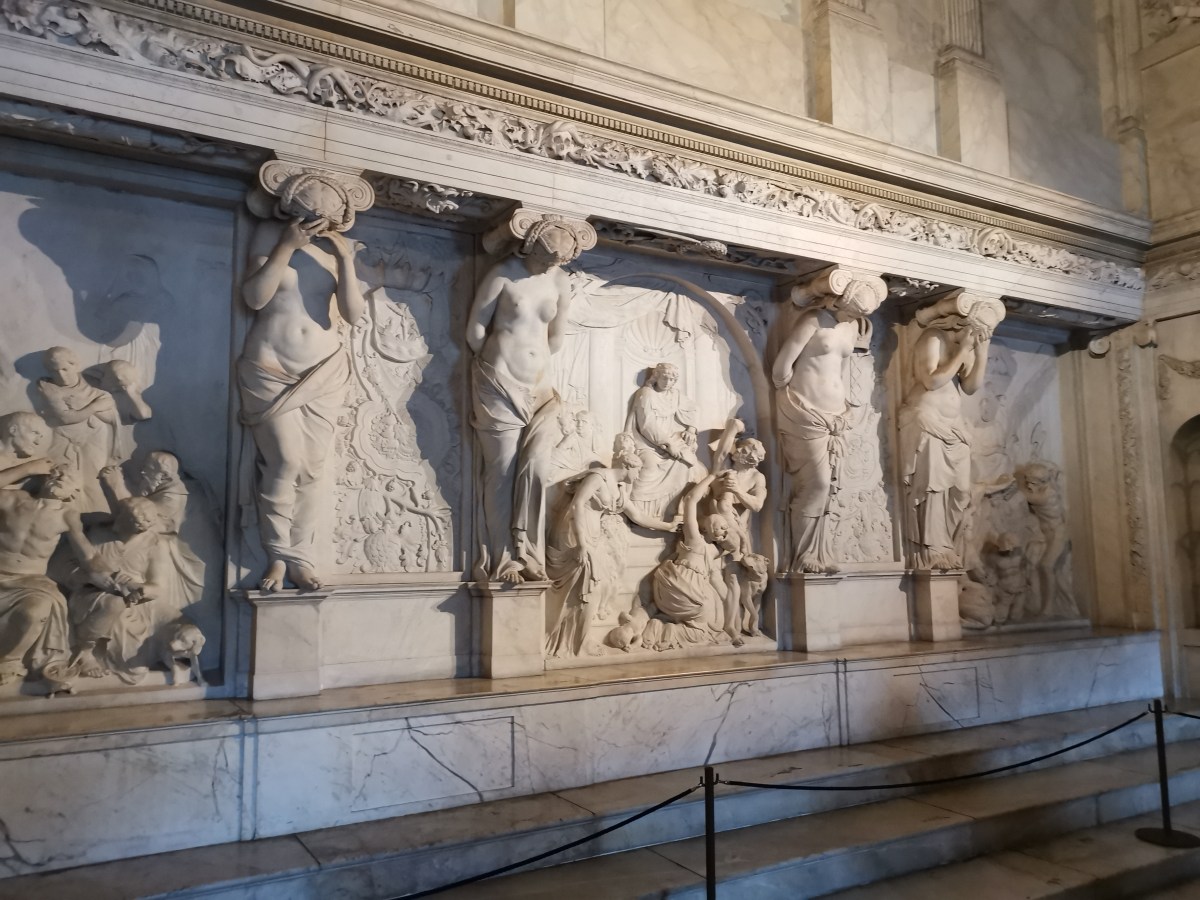


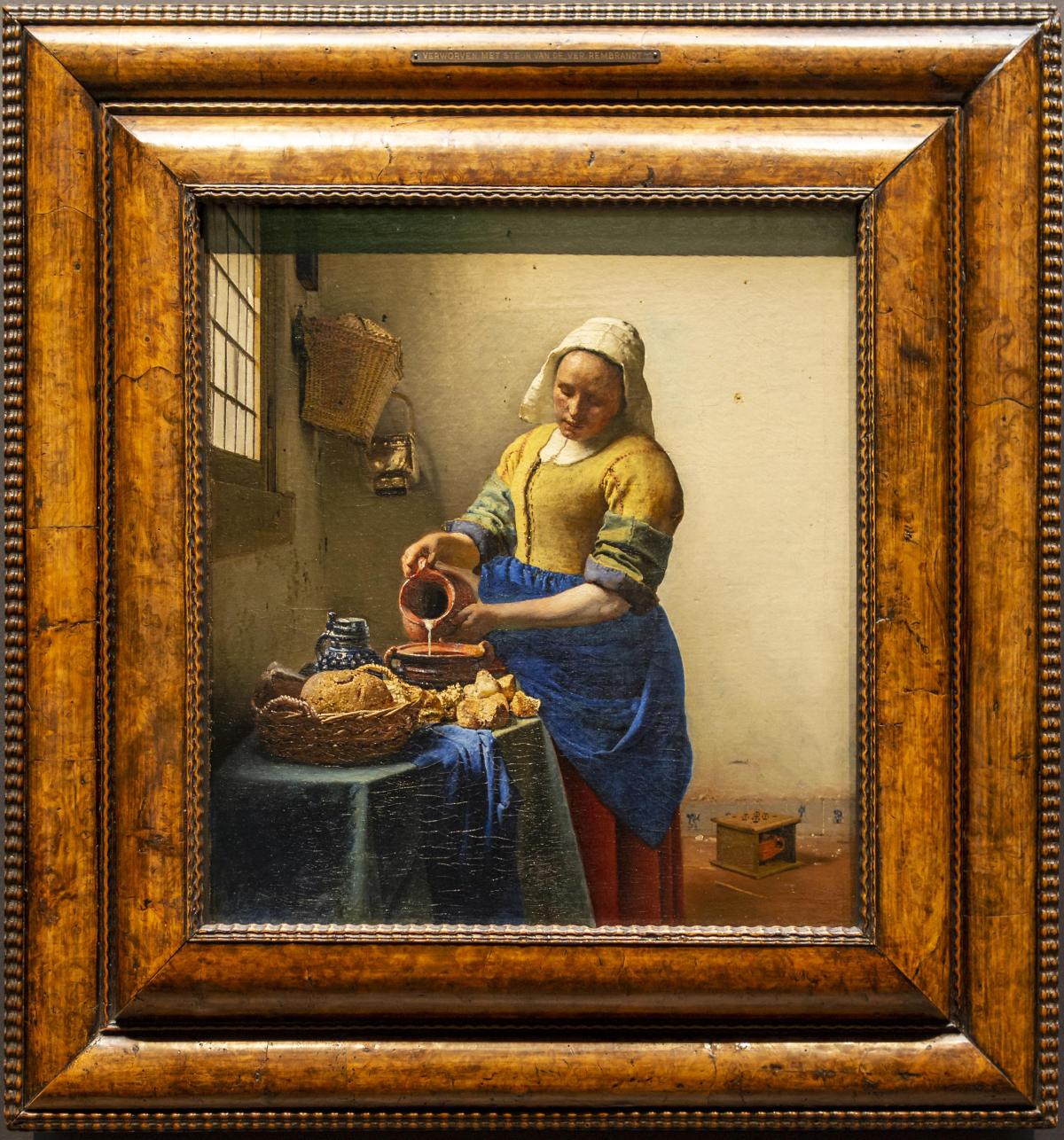


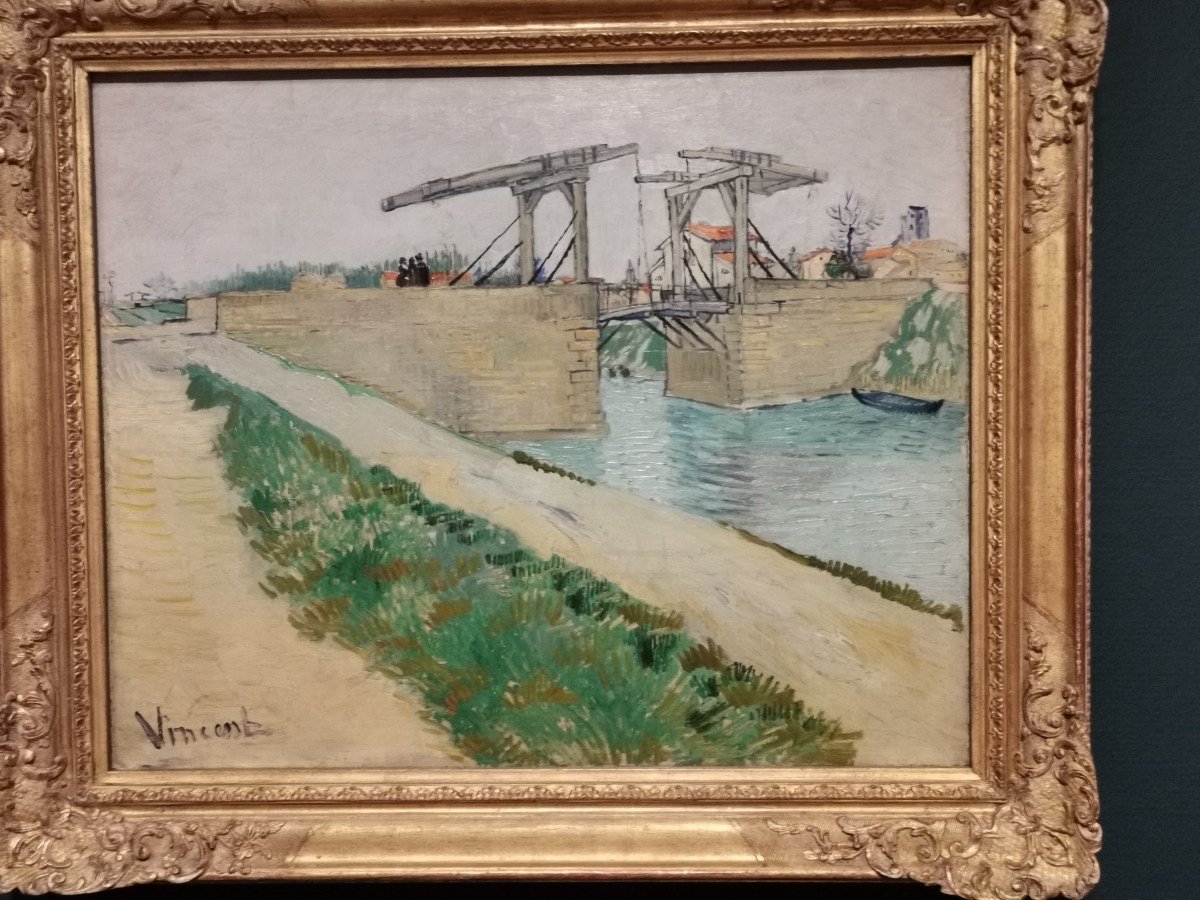

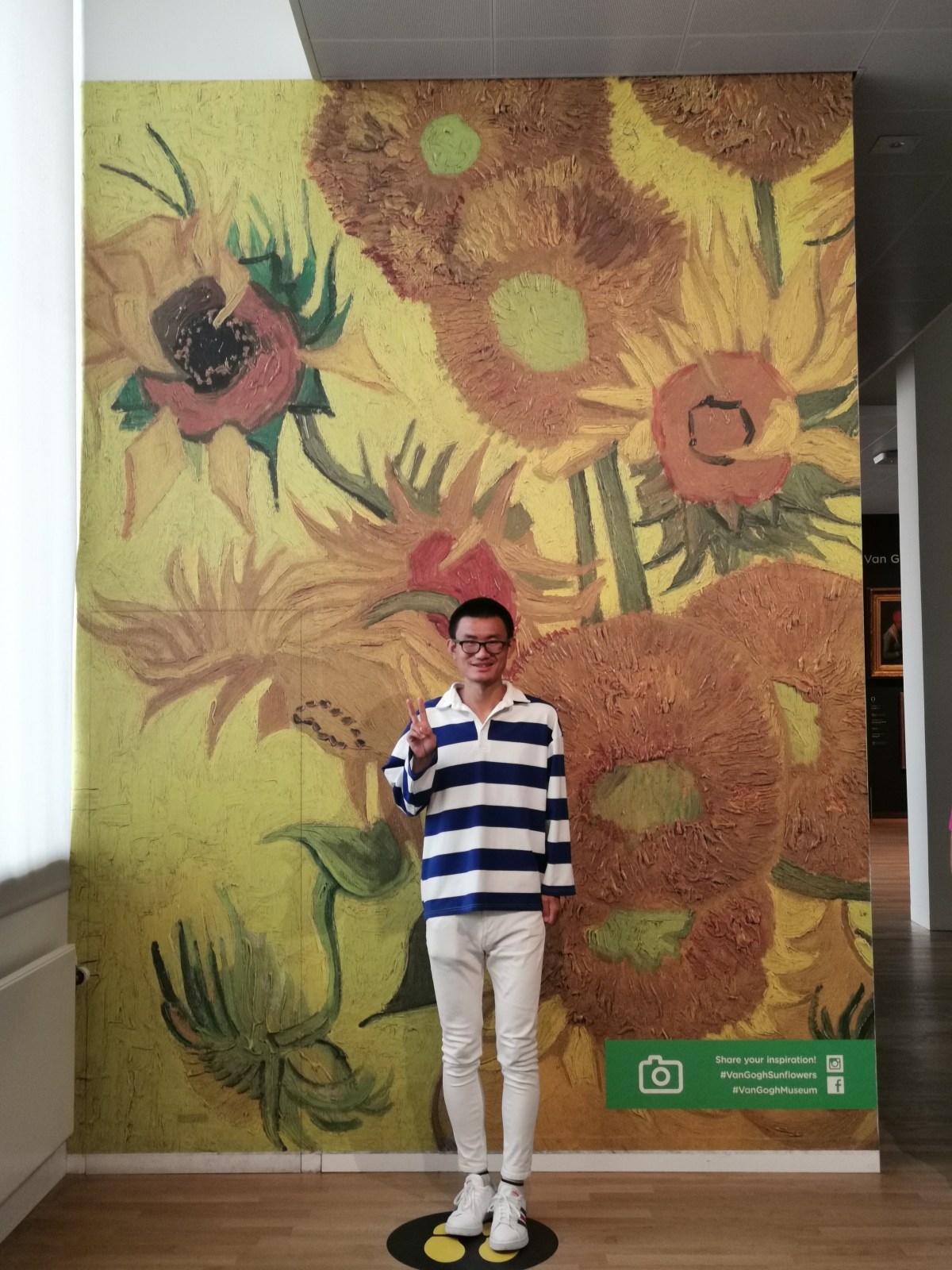


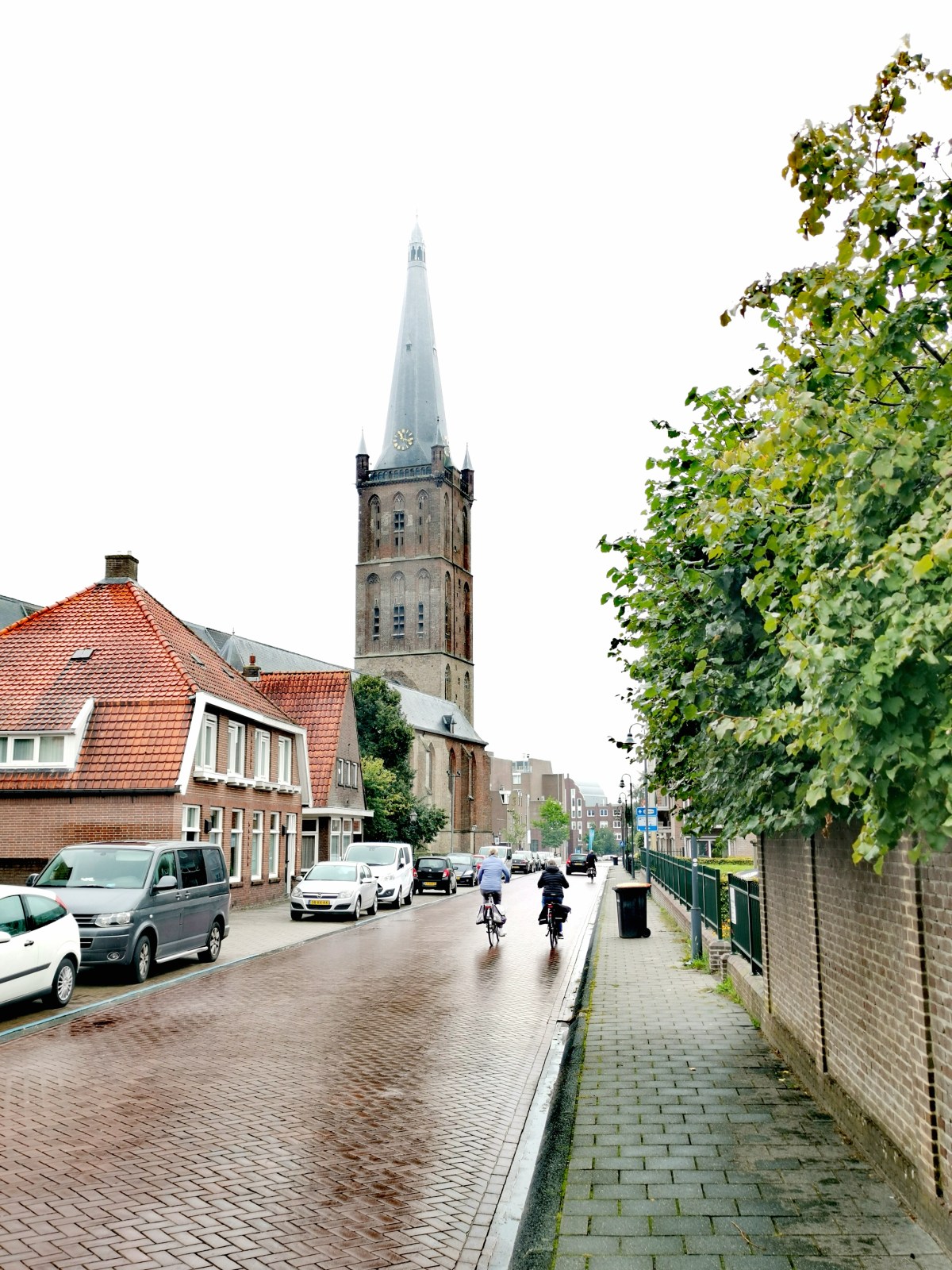

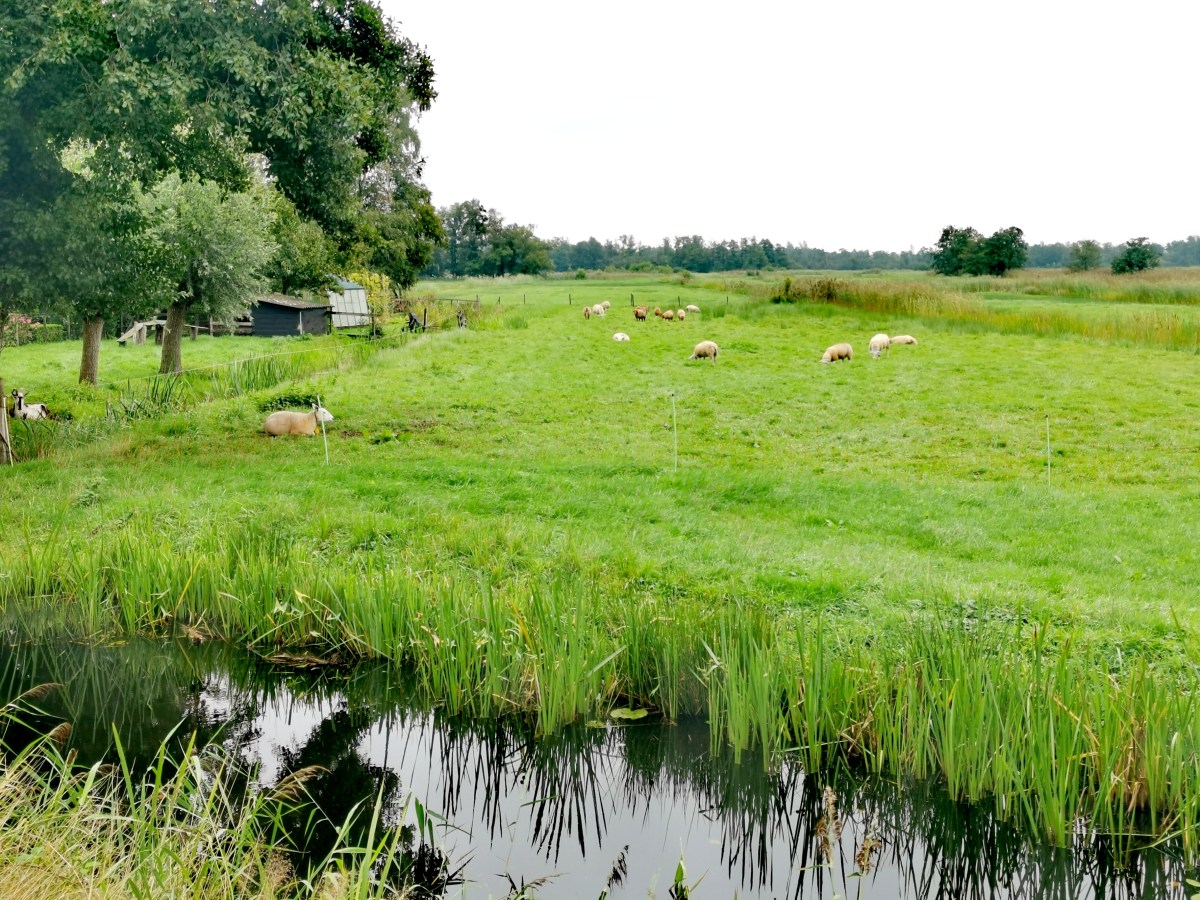


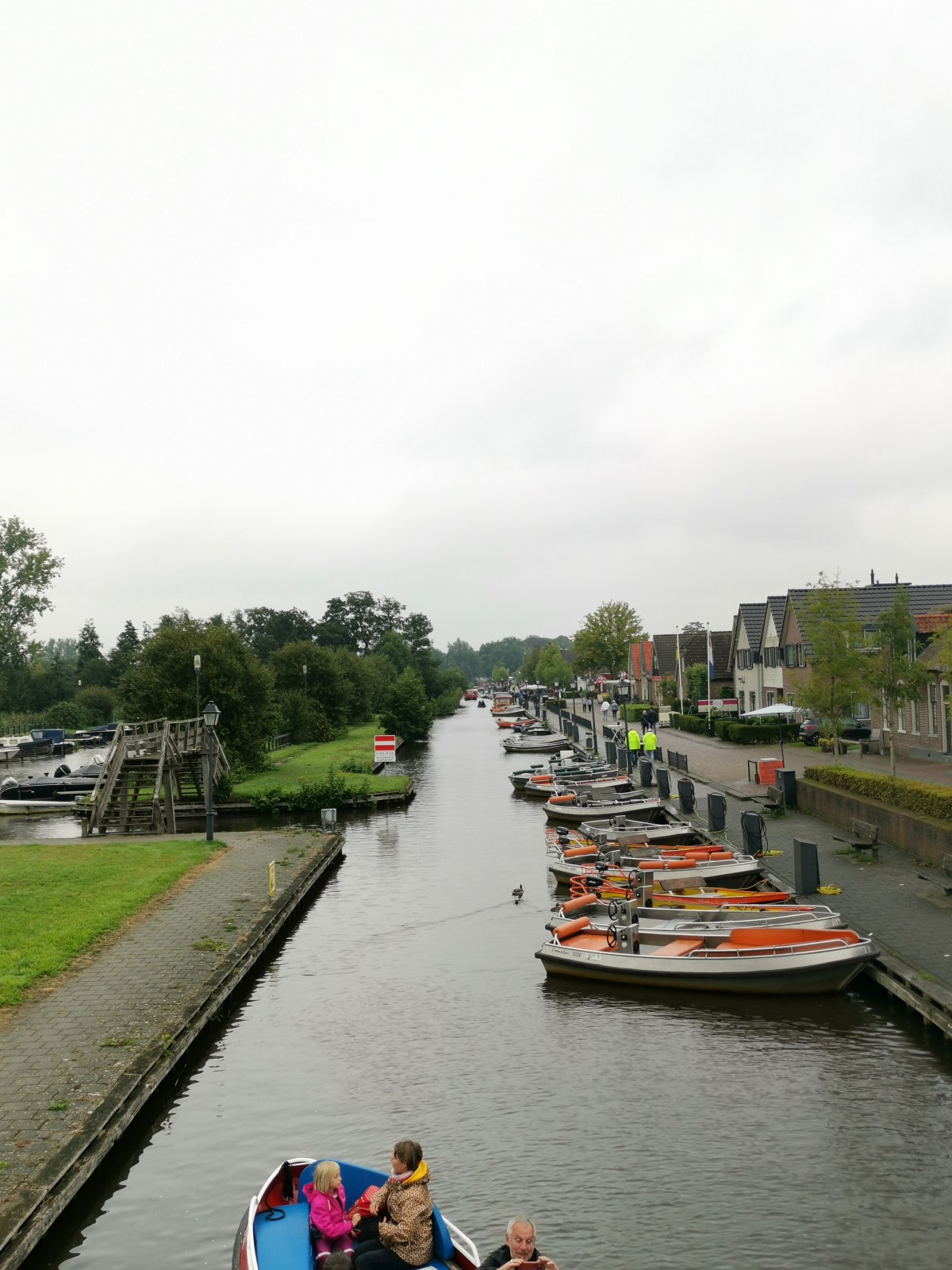
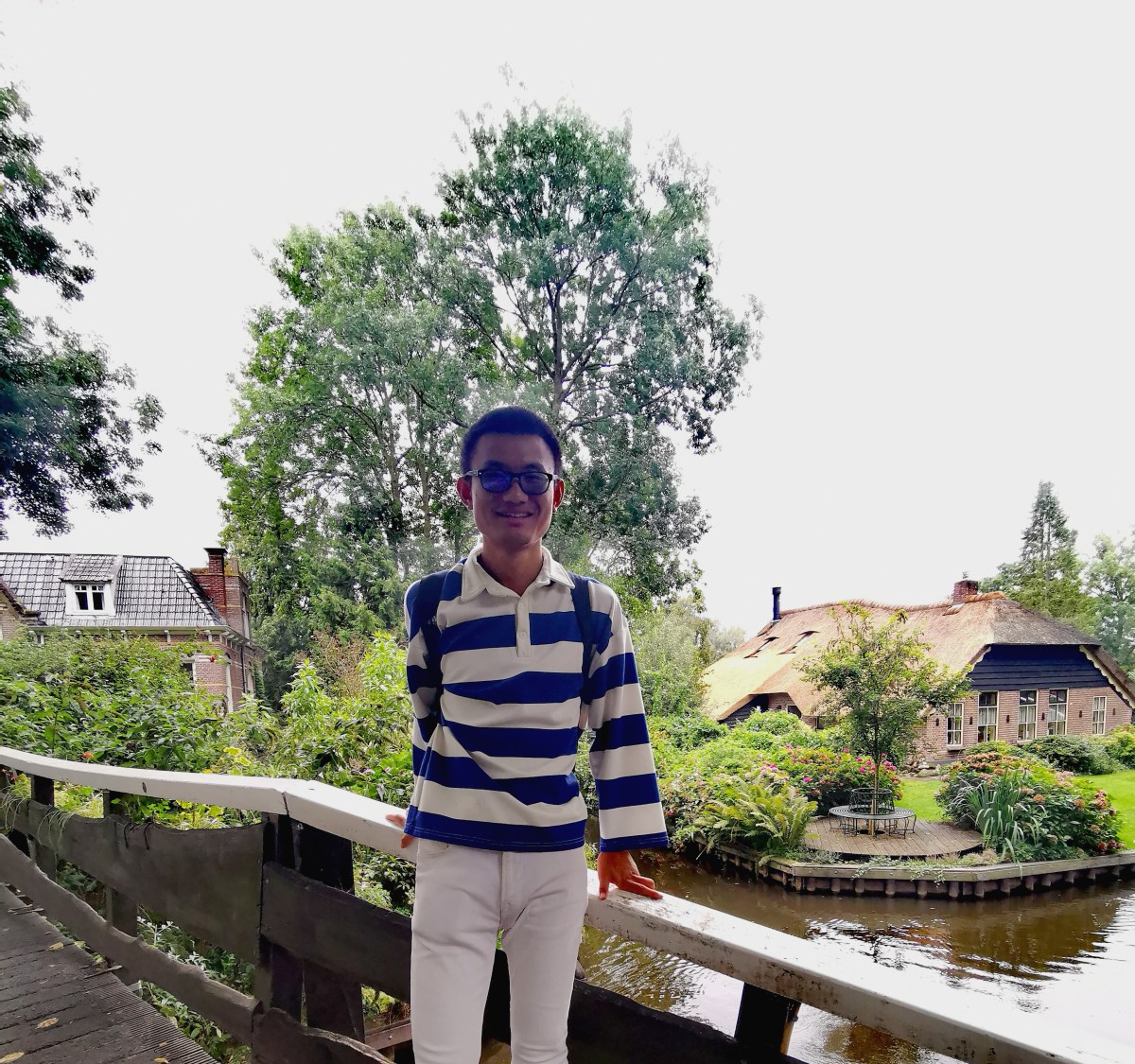
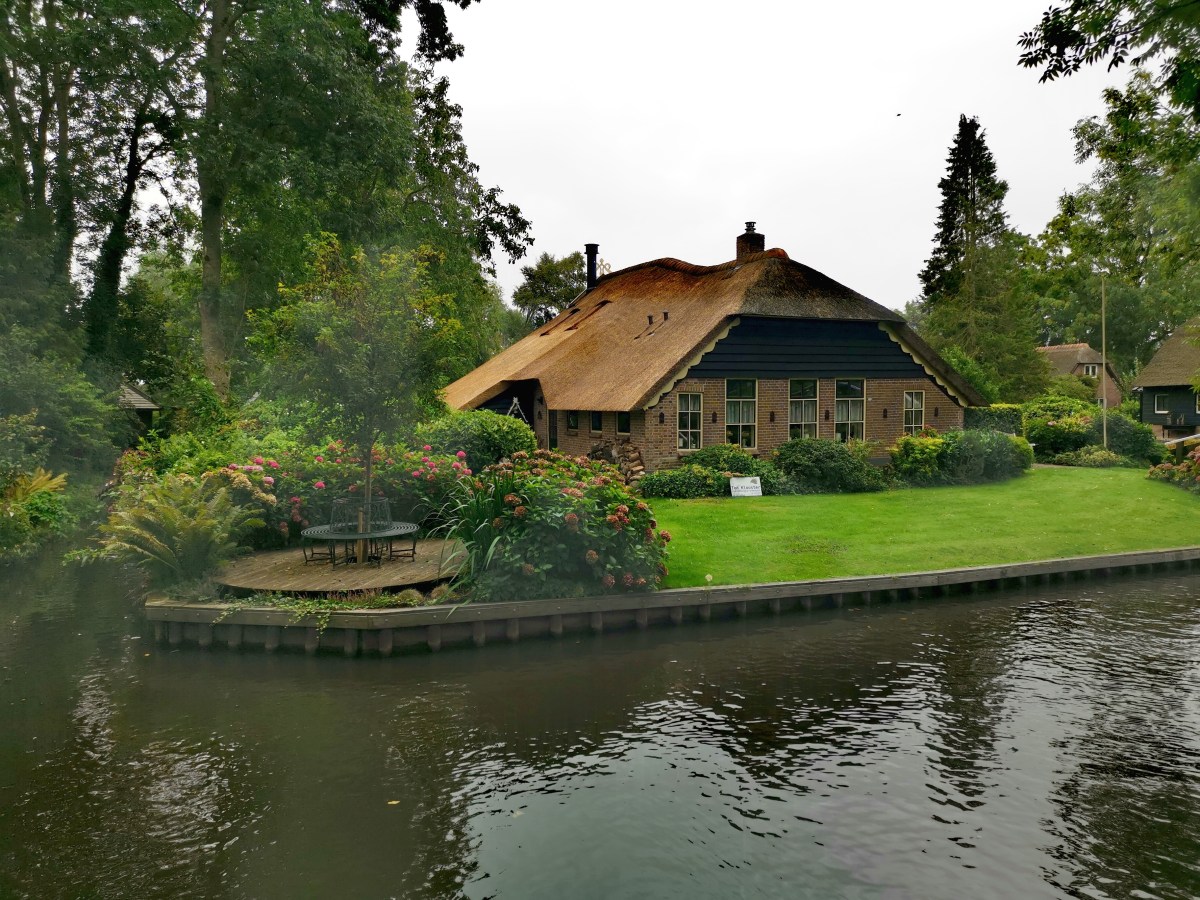


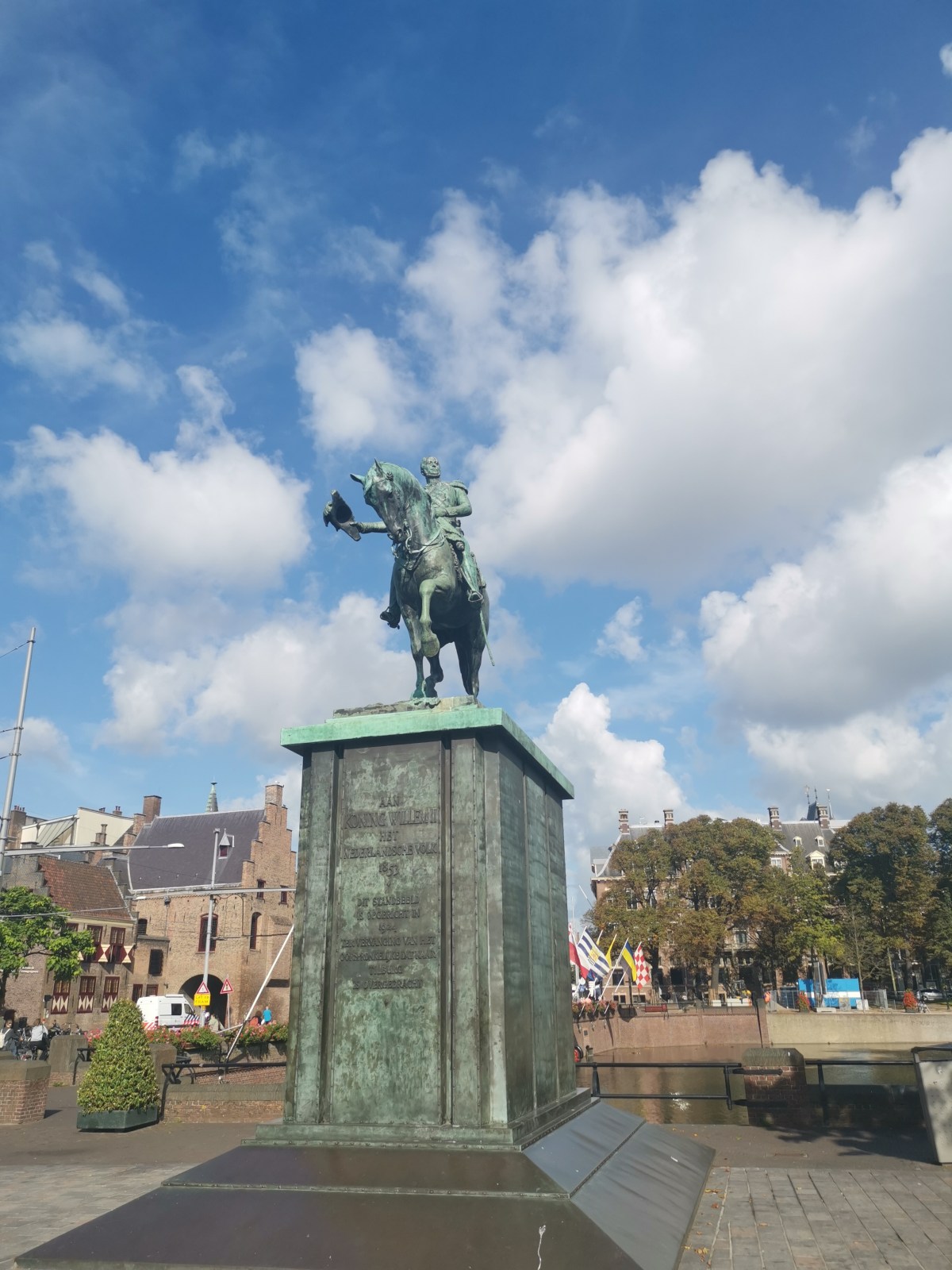


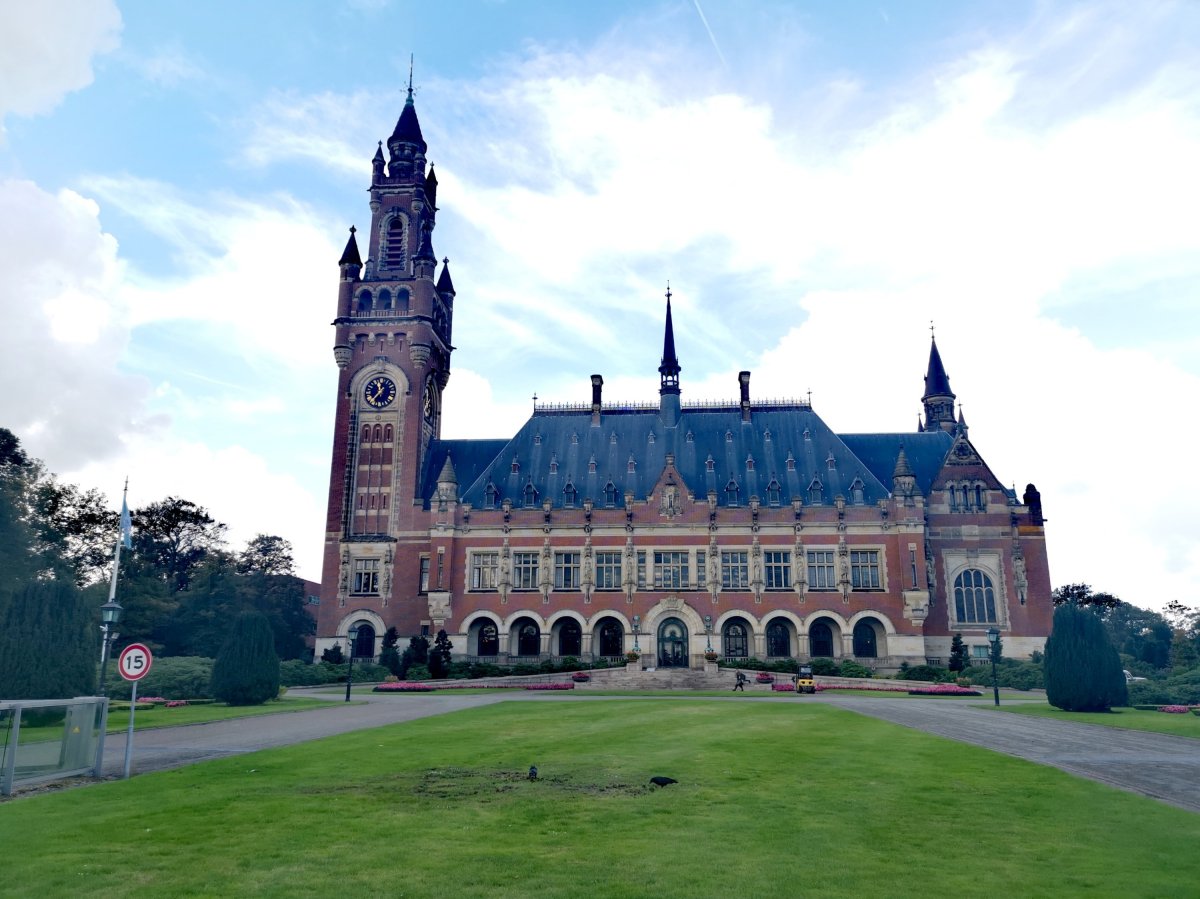

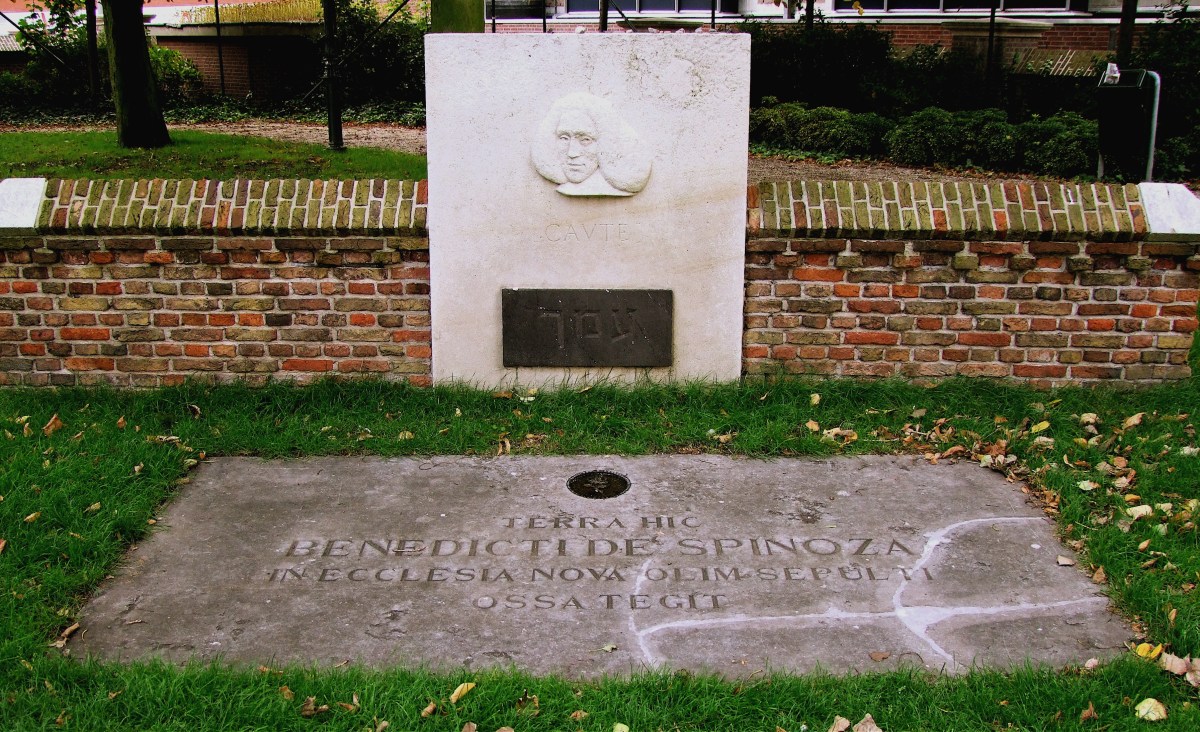


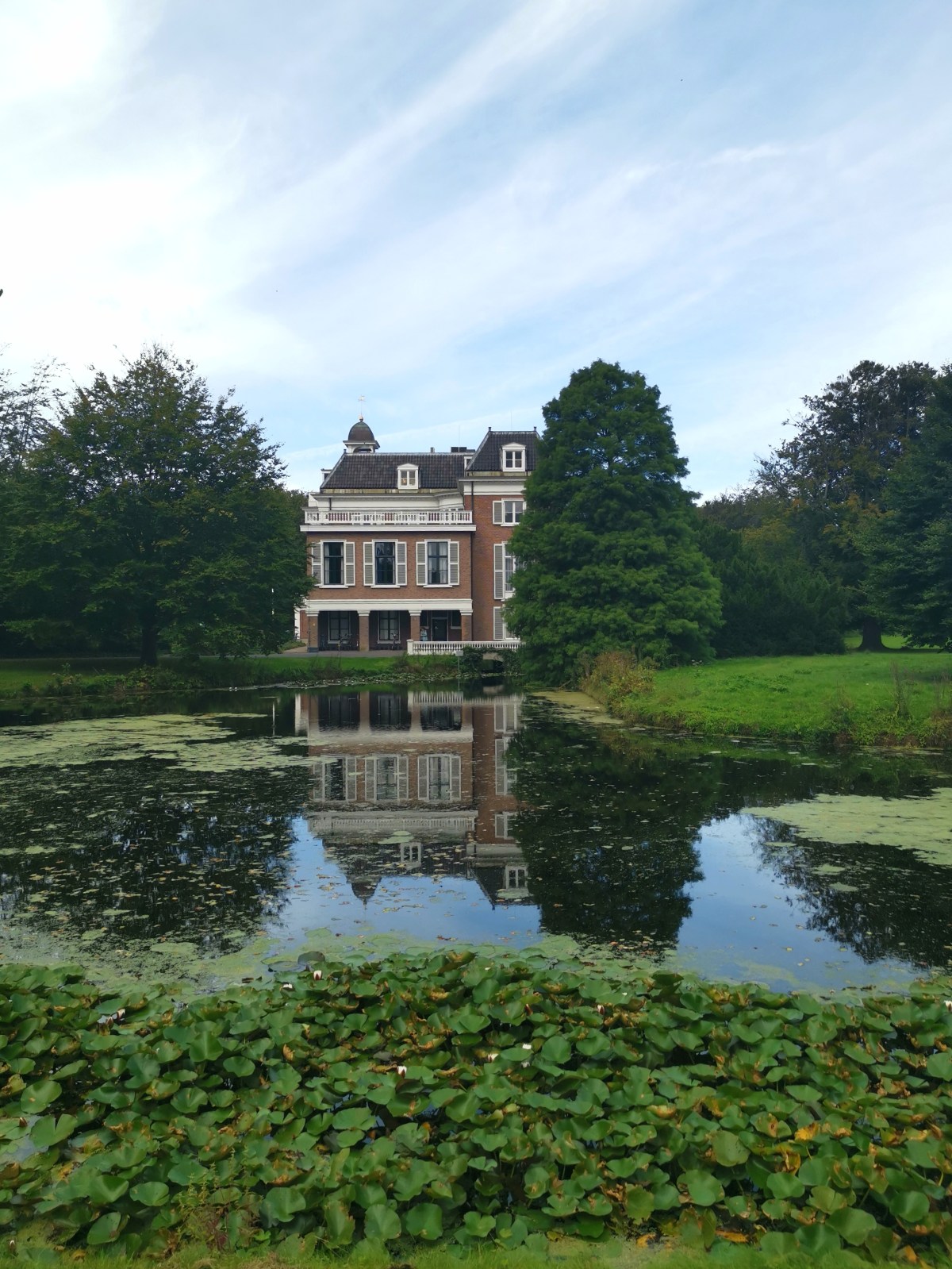
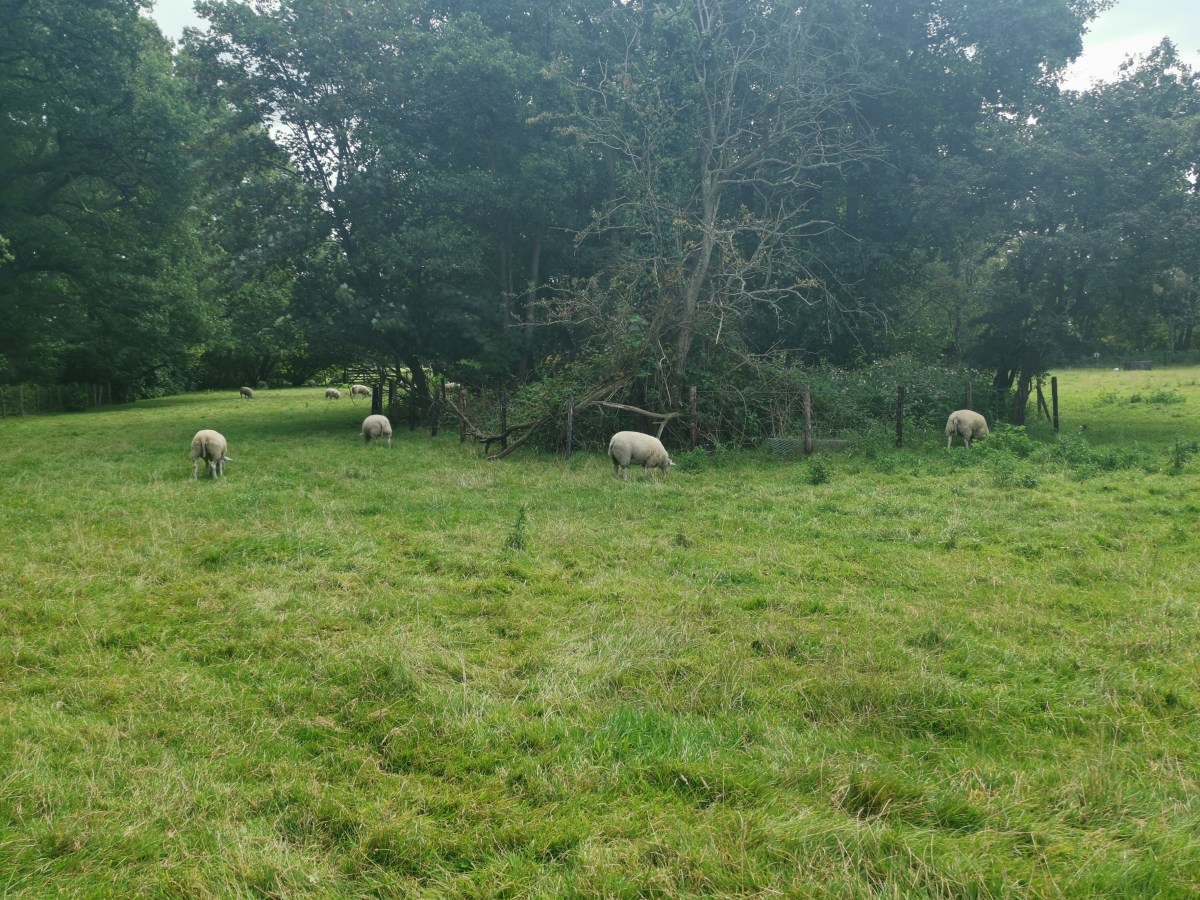

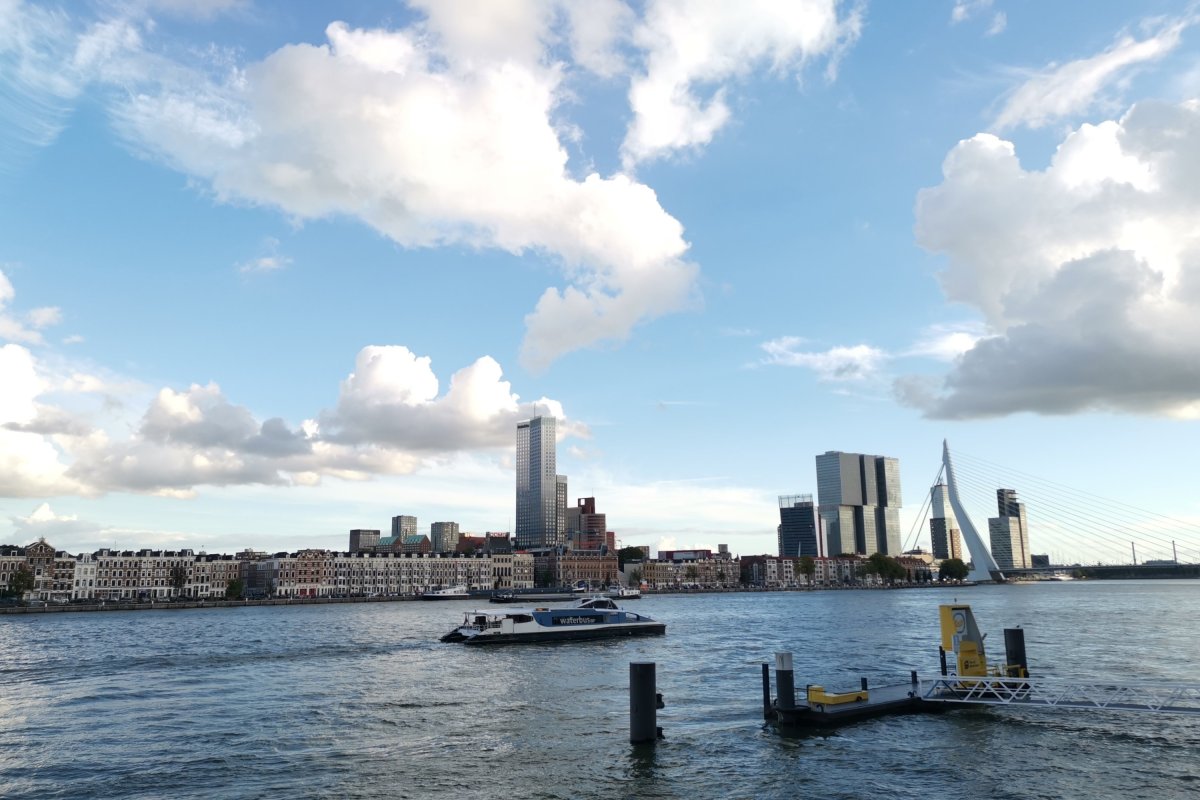
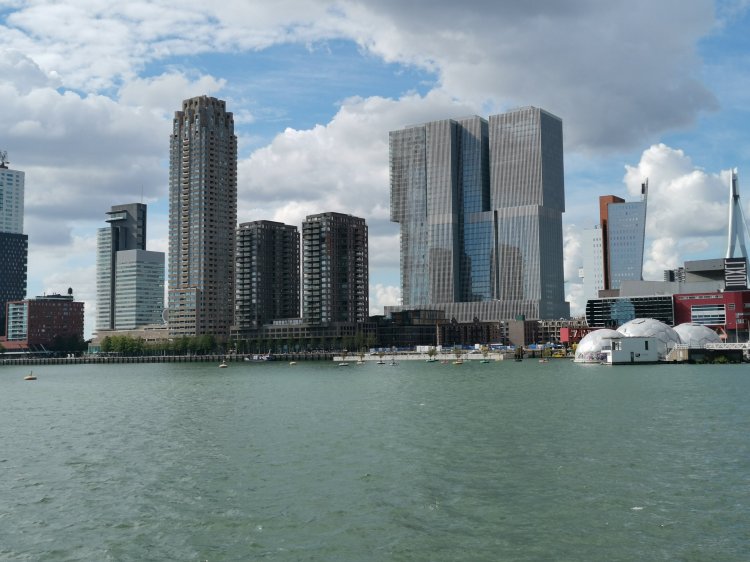


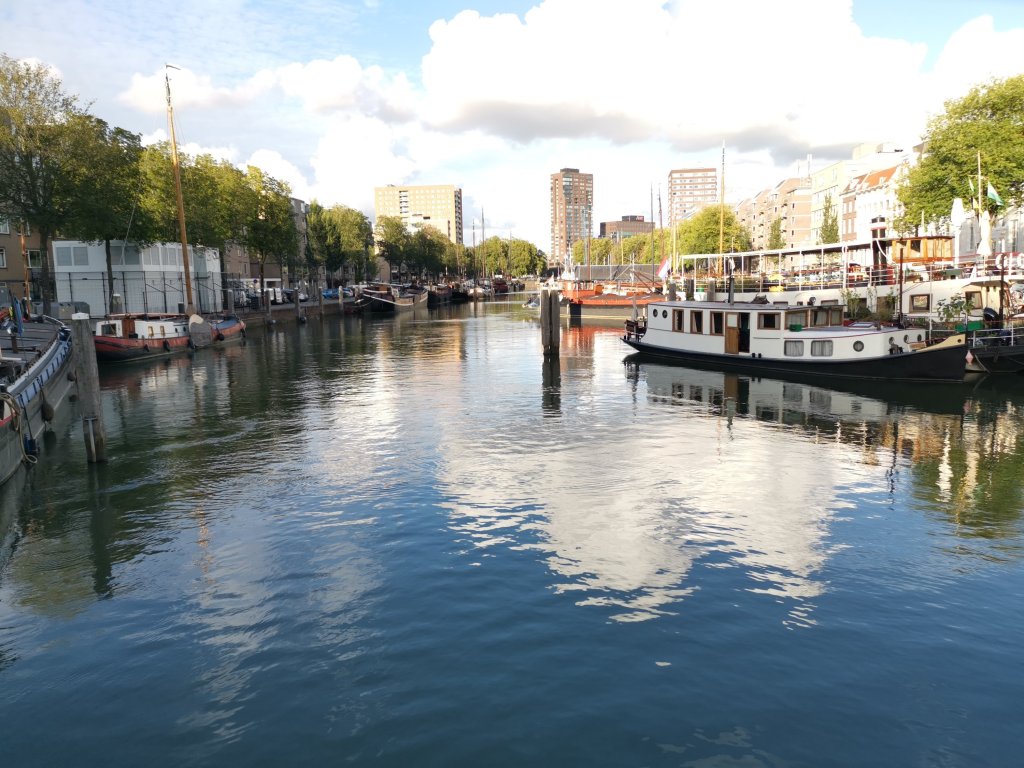
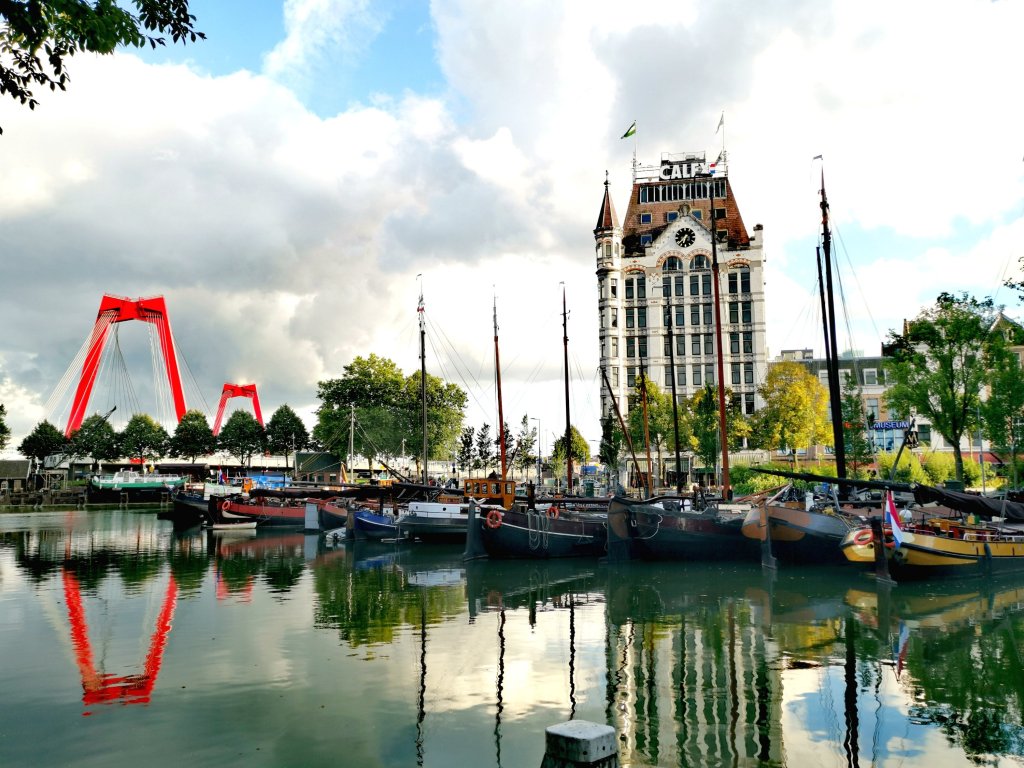
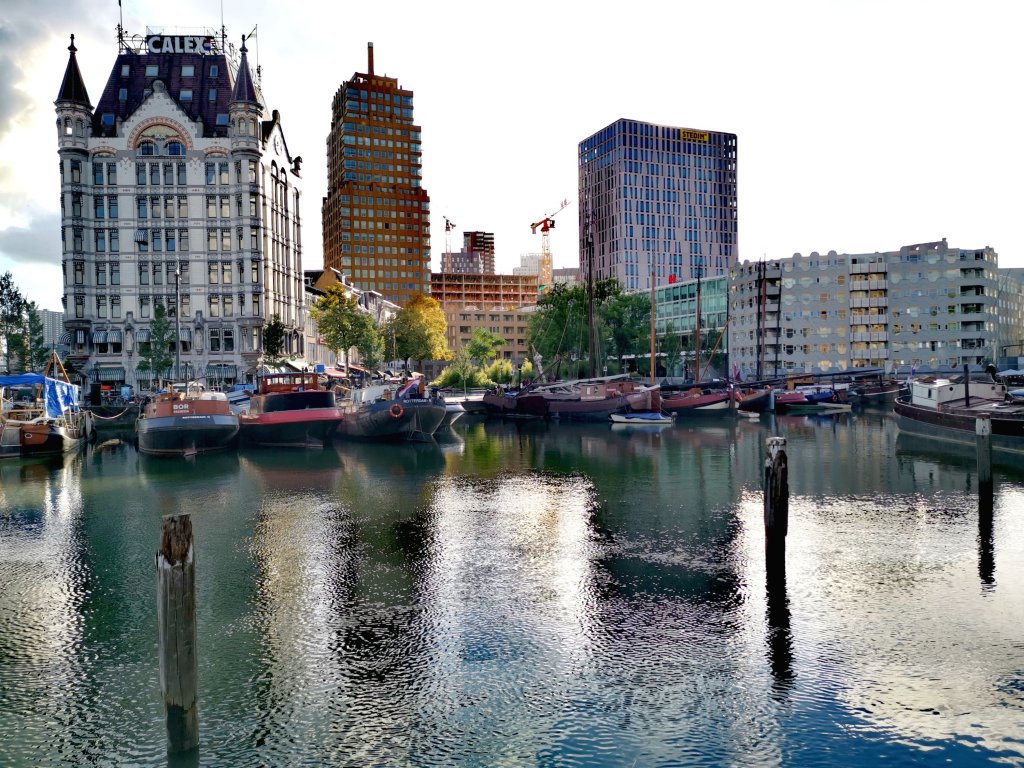


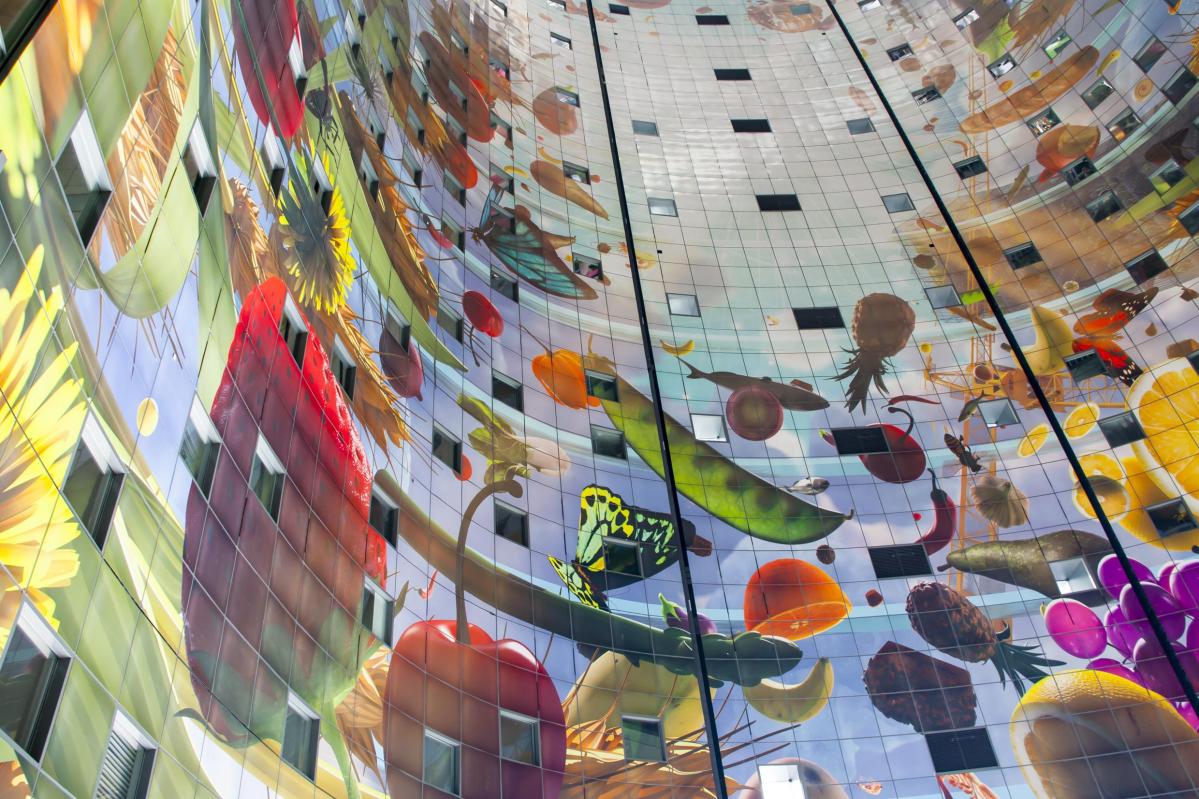
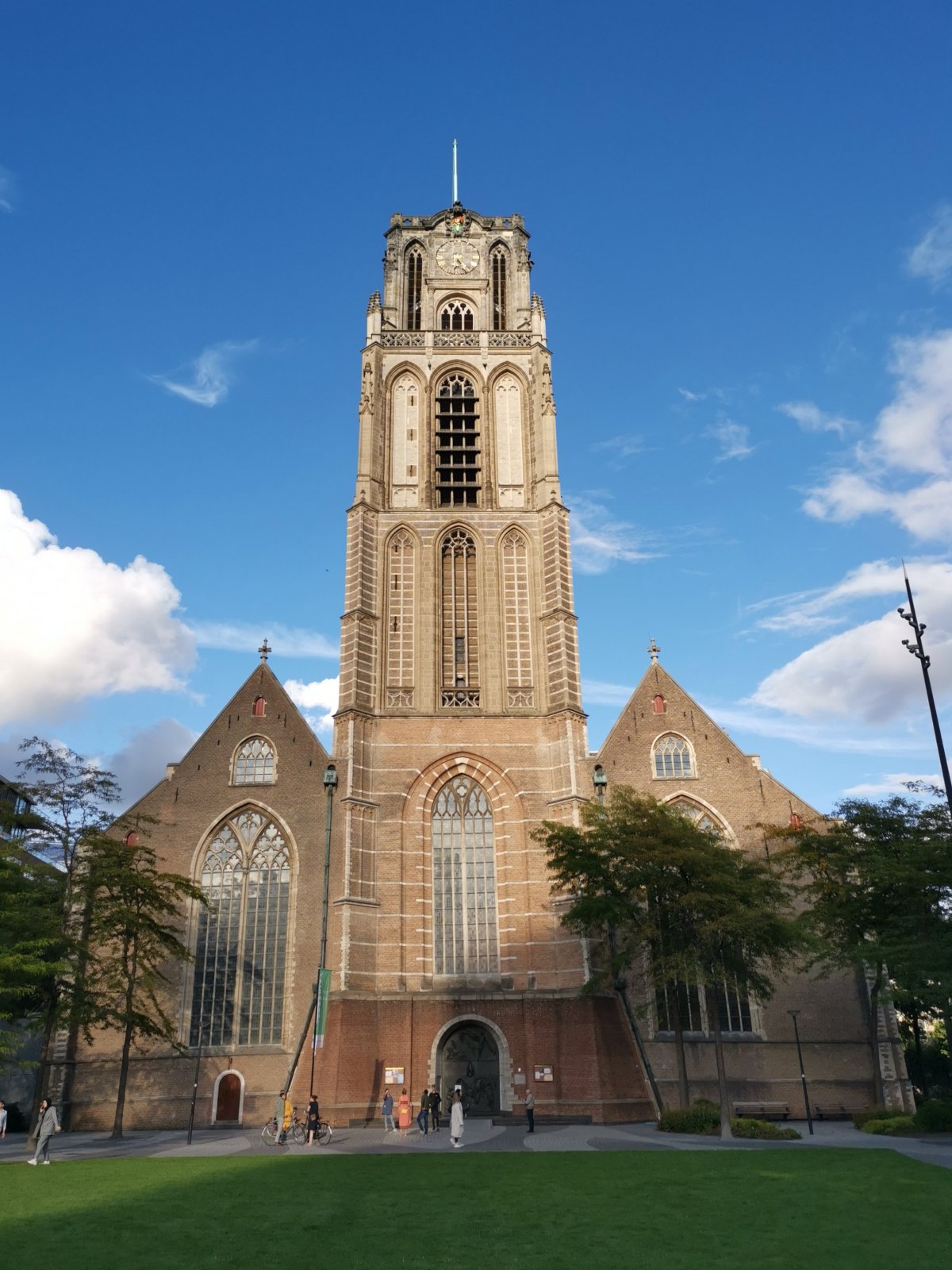


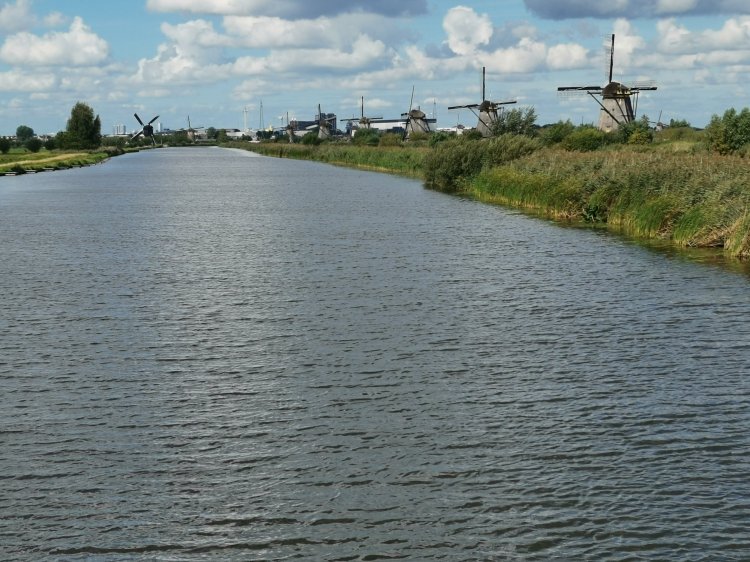




 Gone like the wind