Tours est une ancienne ville sur les rives de la Loire et du Cher. Cette ville historique est surnommé le Petit Paris en raison de son centre historique inscrit à l’UNESCO et des sites culturelles. La cité dont histoire est daté de l’époque de l’empire romain est fondé par Auguste. J’y suis resté pendant 3 jours pour passer la vacance d’été en 2020.
Tours dispose d’un bon système de transportation. Il y a deux gares pour desservir les trains TER et TGV. Je suis arrivé à la gare de Saint-Pierre-des-Corps par le TGV mais pour visiter les châteaux autour de Tours, il faut prendre les train TER à cette gare de Tours. La Gare de Tours est construit en 1896 dessinée par l’architecte Victor Laloux qui est aussi l’architecte de l’hôtel de Ville. Nous pouvons voir les quatre statues sur la façade. Les statues représentent les quatre cité de France, Limoges, Nantes, Bordeaux et Toulouse. Les panneaux de faïences peintes sont réalisés entre 1896 et 1898 par Eugène Martial Simas.
L’hôtel de ville de Tours à la place Jean Jaurès est l’œuvre principale de l’architecte français Victor Laloux. Il y a quatre atlantes sur la façade et deux cariatides à gauche et à droite de l’horloge. Un atlante est une figure sculptée qui supporte l’architrave et remplace une colonne. C’est une variante masculine de la cariatide. Deux personnages allongés aux côtés de l’horloge représentent la Loire (à gauche) et le Cher (à droit). Les deux ailes de bâtiments sont décorées des sculptures vivantes. Les sculptures incarnent à l’ouest, le Courage et la Force, et à l’est, l’Éducation et la Vigilance. N’import où j’ai visité à France, les architectures et les monuments historiques sont toujours bien protégé. C’est vraiment un miracle.
Jean Jaurès广场上的图尔市政厅是法国建筑师维克多·拉卢 (Victor Laloux) 的主要作品。正立面有四个男像柱,钟的两侧有两个女像柱。这种男像柱其实就是一个雕刻的人物,它支撑着楣板并取代了一根柱子的作用。男像柱和女像柱互为变体。钟旁边的两个人物雕塑代表卢瓦尔河(左侧)和雪儿河(右侧)。这个建筑的两翼也都装饰着栩栩如生的雕塑。西侧的雕塑代表勇气和力量,东侧的雕塑代表教育和谨慎。在我涉足过的法国每寸山河,它的建筑和历史古迹都得到了完好的保护。这确实是一个奇迹。
Théâtre de Tours
Dans les quartiers du Vieux-Tours, il y a beaucoup de monuments historiques construits de tuffeau et d’ardoise. Tuffeau est la matériau de la craie micacée ou sableuse à grain fin, de couleur blanche ou crème, et contenant quelques paillettes de mica blanc. Le tuffeau de la vallée de Loire permet de réaliser les décors typiques de l’architecture de la Renaissance que l’on trouve dans les régions autour de la Loire. L’ardoise est une roche métamorphique issue d’une argile ayant subi un métamorphisme général faible. Elle appartient à la famille des schiste, d’une couleur de gris et bleu. L’ardoise est résistante et schisteux donc elle est le matériau plus utilisé pour la couverture des bâtiments dans plusieurs régions de France.
C’est le grand Théâtre de Tours inauguré en 1889. Il est un théâtre à l’italienne établi de tuffeau et d’ardoise. Il a une salle qui contient plus de neuf cents spectateurs. Sur la façade, on voit les nommes sculpté des dramaturges les plus célèbres en France, par exemple, Molière, Jean Racine, Corneille et Voltaire.
Dans le Vieux-Tours, la cathédrale Saint-Gatien est l’architecture le plus haute. Elle est une cathédrale catholique romaine dont construction est daté de 1170. Son nom Saint Gatien est le premier évêque de Tours.
在 图尔老城区中,Saint-Gatien 大教堂是最高的建筑。它是一座罗马天主教大教堂,建于 1170 年。它的名字 Saint Gatien 是图尔的第一任主教。
C’est la photo de nef et chœur. La nef est une salle oblongue d’une basilique du portail à l’entrée du chœur. On trouve les fresques murales et les orgues sur les murs. Le chœur est la partie où se trouve le maître-autel et où se tiennent les clercs et les chantres. Les vitraux de l’abside du chœur sont très éblouissants et colorés. Il marque l’épanouissement de l’art du verre à l’époque médiévale.
L’ornementation de cathédrale est gothique et les sommets des deux tours sont dans le style Renaissance. La longueur totale est 100 m et la largeur est 28 m. L’hauteur des deux tours est 68-69 m. La tour avec une croix sur le sommet est élevée dans la première moitié du XVIe siècle. La cathédrale est devenu la symbole de la cité depuis la construction. Elle est aujourd’hui le siège de l’archidiocèse de Tours.
Tours est aussi une ville d’art. Dans l’ancien palais épiscopal de la ville, il se trouve le musée des Beaux-Arts de Tours avec les collections de peintures, sculptures et arts graphiques. Le musée est situé très proche de la cathédrale Saint-Gatien. On peut voir un grand cèdre du Liban dans le cour.
Le musée conserve deux peintures importante qui viennent de la prédelle du retable de San Zeno. Le retable du maître-autel est dans la basilique San Zeno, l’église principale de Vérone. Il comporte des parties peintes en polyptyque du peintre Andrea Mantegna, daté d’environ 1457-1460. Le retable entier a été dérobé par les troupes napoléoniennes en 1797, rendu en 1815 à l’exception des trois panneaux de la prédelle. Les deux tableaux Résurrection et Jésus au jardin des oliviers sont conservé aujourd’hui dans le musée.
Après la sortie de la cathédrale Saint-Gatien, je suis allée au nord et arrivé au château de Tours en bordure de la rivière Loire. Il est la trace d’un château médiéval comtal. Dans l’histoire, le château ont reçu un grand nombre de célébrités et il est aussi utilisé comme prison pour emprisonner quelqu’un important en raison d’échec dans la lutte pour le pouvoir. Geoffroy III d’Anjou est emprisonné au château en 1067 par son frère Foulque le Réchin. On a dit que le château avait accueilli Jeanne d’Arc qui venait à Tours avant la libération d’Orléans en avril 1429. Il est aujourd’hui un patrimoine historique et culturel important dans le Vieux-Tours.
离开Saint-Gatien大教堂后,我向北走,到达卢瓦尔河畔的图尔城堡。它是中世纪伯爵城堡的遗迹。历史上,大量名人拜访过这座城堡,它也曾被用作监狱,关押权力斗争中失败的重要人物。 安茹王朝的Geoffroy III 于 1067 年被他的兄弟 Foulque le Réchin 囚禁在城堡中。据说圣女贞德曾在 1429 年 4 月奥尔良解放前拜访过这里。如今它已成为图尔老城区重要的历史文化遗产。
L’enceinte gallo-romaine de Tours
L’histoire de Tours est daté de l’époque de l’empire romain. L’ancien nom de la ville est Caesarodunum. La cité de la Gaule romaine est encerclée d’une enceinte fortifiée. Maintenant, les vestiges de l’enceinte sont encore visibles prés du château de Tours et librement accessibles au public mais d’autre bâtiments de l’empire romain (les thermes, L’amphithéâtre) sont totalement détruits. Les vestiges de murailles bien conservés incluent les poternes, les courtines, les blocs gravés d’écritures Romaines, des colonnes et chapiteau.
A l’époque médiévale, le seul pont traversant la Loire à Tours est le pont d’Eudes mais il est remplacé par le pont Wilson construit entre 1765 et 1778. Le pont de pierre, long de 434 mètres, est un ouvrage d’art symbolique de la ville. Il est nommé de Woodrow Wilson, le président des États-Unis pendant la Première Guerre mondiale. Sur le pont, les visiteurs ont une vue panoramique de la rivière Loire.
Au coté sud du pont Wilson, il y a des bâtiments de vieille tradition. L’hôtel Goüin est un hôtel emblématique de l’architecture Renaissance de la ville. L’hôtel est construit au 15e siècle. Le bâtiment comprend un corps de logis principal, trois avant-corps et une tourelle d’escalier en vis. La façade est de style entre gothique flamboyant et Renaissance italienne caractérisée du porche d’escalier et de la loggia d’arcade. En 1738, Henri-François Goüin, la fondateur de la Banque Goüin, acquiert l’hôtel pour 18150 livres donc il donne son nom à l’hôtel. L’hôtel est un bijou de l’architecture de Tours et est ouvert au public librement avec des expositions d’arts.
Au cœur de Vieux-Tours, la place Plumereau est l’endroit idéal pour un repas ou une boisson. La place plein de nombreux cafés, bars et restaurants s’anime chaque soir. Elle est le centre économique de la ville du 13e au 16e siècle. La place élargie de la rue du Grand Marché est doublée en surface en 1869. Elle doit son nom actuel à Charles Plumereau, ancien conseiller municipal de Tours. A la place, les bâtiments les plus beaux et les plus remarquables sont lesmaisons à pans de boisdu 15e siècle. C’est une bonne expérience de boire un verre de mojito en terrasse.
Après le dîner, n’oubliez pas faire une promenade dans le jardin des Prébendes d’Oé. C’est un jardin à l’anglaise créé en 1872 qui offre une belle diversité d’arbres et de fleurs. Les arbres plantés en ligne sont cèdres, platanes, séquoias géants et tilleuls. Dans le jardin, il y a une statue de Pierre Ronsard qui est un des poètes français les plus importants du 16e siècle. Le jardin beau a inspiré l’écrivains d’Europe depuis sa création.
En plus du centre historique de Tours, le Val de Loire est un endroit incontournable pour les touristes. Le long de la rive, il y a plus de 100 châteaux dont le plus célébrés sont dans Amboise, Blois, Chinon,Anjou et Saumur. Il est recommandé de louer une bicyclette à Tours et faire une randonné de bicyclette autour de la région. Pour moi, j’ai seulement visité les deux châteaux à pied. Mais les paysages bucoliques de Loire caractérisés par la combinaison de la végétation riche de la forêt et nombreux châteaux Renaissance seront ma meilleure souvenir de l’été 2020.
Le château de Chambord est un château situé dans le département de Loir-et-Cher en région Centre-Val de Loire. L’origine du château date du XVIe siècle et son édification commence à partir de 1519 au règne du roi de France, François Ier. Il est inscrit au patrimoine mondial de l’UNESCO en 1981. Il est une oeuvre d’art de architecture et suscite toujours l’admiration et la fascination des touristes à travers le monde.
Je suis allée au château Chambord le juin 28, 2020. D’habitude, les touristes descendent à la station Blois et transfèrent le bus au château. Mais j’ai choisi l’autre option. Je suis descendu à la gare Mer et après allé au château à pied.
Mer est un petit village au côté nord de la rivière Loire, 12 km loin de Chambord. Il est située entre Blois et Orléans. C’est un matin tranquille sans touristes. Je suis la seule personne flânant autour des rues solitaire et peu animé.
Le val de Loire est une bonne région pour agriculture donc je peut voir une vaste étendue de cultures céréalières le long de la route à Chambord. Pour moi, je suis toujours resté aux villes. Le voyage est une bonne occasion pour découvrir librement la campagne de France.
Apres trois heurs de marche rapide à travers de bosquet, je suis arrivé à une pelouse verte et le château magnifique était soudainement juste devant mes yeux. La première vue du château lointain me choque beaucoup. Les édifices de Renaissance, décorés d’ornementations délicatement sculpté m’ont laissé une impression inoubliable.
C’était la façade nord du château, protégé par un douve en eau. Pour accéder à l’entrée, je traversais l’ancien pont de pierre sur la rivière Le Cosson.
它是城堡由护城河保护的北面。要到达入口,则需要穿过 Le Cosson 河上的这座古老的石桥。
C’était la non-symétrie axiale façade sud du château remarqué par ses grosses tours d’angle. Le château est composée d’un donjon (le bâtiment carré) et d’une enceinte. Le donjon est flanqué de quarte grosses tours rondes. L’ornementation du donjon, hérissées de cheminées et de tourelles d’escalier sont les éléments les plus spectaculaires que je n’ai jamais vu.
Le bureau de ticket s’est située dans une chambre à l’intérieur de l’enceinte. Il y avait une espace large entre l’enceinte et le bâtiment principal du château, le donjon. Quand j’ai levé la tète avec un angle de 60 degrés en regardant le sommet de hauteur de 56 mètres, je m’émerveillais des chefs-d’œuvre architecturaux.
Le voyage du château commençais quand j’ai repoussé la lourde porte de bois. Le donjon du château est composé de quatre larges vestibules formant un plan en croix grecque, dont le centre est occupé par le célèbre escalier à doubles révolutions. Au rez-de-chaussée, il y a 4 grands salles à visiter.
Cette vaste salle est la pièce principale d’un logis de courtisan au XVIe siècle. La Salle de chasses est aujourd’hui utilisée comme salon de réception. Ses décors y compris trophées de cerf et tableaux de chasse représentent la haut tradition cynégétique du domaine de Chambord. La salle dont surface de 118 m² est équipée d’une cheminée et d’un système de chauffage au sol, une place idéale pour organiser des cocktails et dîners.
La salle des illustres est une grande salle décorée des lustres cristal. Elle était cloisonnée en plusieurs espaces, chambre, garde-robe et couloir d’accès au XVIIe siècle. Au milieu du XVIIIe siècle, elle sert de salle à manger. Aujourd’hui, elle sert de salon de réception et présente des portraits de personnages illustres et anciens hôte de Chambord.
La salle des Bourbons est un vaste salon décoré de tapisseries brodées d’or et orné des nombreux portraits et bustes en hommage à la famille des Bourbons. Le première roi de la dynastie des Bourbons est Henri IV et la famille reste à la tête du royaume jusqu’à la révolution en 1793. Avec ses deux lustres brillant, ses poutres blanches et sa grande cheminée, cette salle avait une atmosphère majestueuse et luxueuse.
La salle des rabatteurs, est une chambre des murs bruts en tuffeau blanc. Elle est ornée de tapisseries et de trophées de chasse, illustrant l’une des premières fonctions du château, le relais de chasse. Dans la niche de chambre, je trouve l’insigne royale à l’époque de Bourbon.
Pour accéder au première étage et deuxième étage, il faut prendre l’escalier. L’escalier à double révolution est l’élément architectural le plus notable du château. Il est construit en centre du donjon, à la croisée de quatre salles. Il se compose de deux rampes jumelles hélicoïdales que s’enroulent l’une au-dessus de l’autre autour d’un noyau ajouré.
Cet escalier dessert les étages principaux de l’édifice, jusqu’aux terrasses sommitales. Deux personnes montant de chaque côté par l’une des rampes s’aperçoivent par les fenêtres dans le noyau mais ne se rencontrent jamais. Les touristes doivent être fascinés par cet escalier magique dessiné par Léonard de Vinci!
Les voûtes à caissons en arc surbaissé attiraient aussi mes attentions. Je pouvais vois les emblèmes de François Ier : le monogramme « F» et des salamandres crachant de l’eau pour éteindre le mauvais feu. Il y avait une couronne sur la tête de salamandre avec la devise : Nutrisco et Extinguo. Ça veut dire que « Je me nourris du bon feu, j’éteins le mauvais ». La salamandre qui est capable de vivre aussi bien sur la cheminée que dans l’eau pouvait résister au feu. François Ier croit que salamandre est le protecteur de son peuple parce qu’elle éteint le mauvais feu et se nourrit d’une force aussi destructrice que les flammes.
这里低垂的拱形格子拱顶也引起了我的注意。可以清晰辨认出弗朗西斯一世的皇家标志:字母“F”和吐水灭火的蝾螈图案。蝾螈头上有一顶冠冕,上面写着:Nutrisco and Extinguo。它的意思是“我以善火为食,熄灭世间恶火”。蝾螈是不畏惧火焰的生灵既能在烟囱里生存,也能在水中生存。弗朗西斯一世相信蝾螈是他的子民的守护者,因为它可以扑灭恶火,并以拥有像火焰一样破坏性的力量。
La Chambre XVIIIème
Les touristes peuvent connaitre plus des histoires de château au première étage, accessible par l’escalier à double révolution. La chambre XVIIIème est attribué au prince de Conti au XVIIIème. Elle reçoit les invités de Stanislas Leszczynski, le roi de Pologne et duc de Lorraine. La grande chambre décorée de faux plafond de plâtre est cloisonnée pour créer de multiples cabinets.
C’est la pièce principale de l’appartement, la chambre à coucher. Au XVIIIe siècle, elle est réaménagée au gout de l’époque. Elle est meublée de parquet au sol, de boiseries aux murs, de cheminée de marbre et de faux-plafond de tissus tendus pour en réduire la hauteur. Le faux plafond est une structure que l’on ajoute au plafond d’origine, et qui est totalement indépendante du plancher de l’étage supérieur. Au coin de la pièce, il y a une alcôve dans laquelle le lit est placé.
La salle du trône est aménagée par les princes de Bourbon-Parme, neveux du comte de Chambord, à la fin du XIXe siècle. Un trône du comte de Chambord est placé sur une estrade avec un ameublement composé d’un ensemble de tapisseries et d’une paire de chaises. Trois fleur-de-lis sur le couronne est l’insigne royale française.
Au XVIe siècle, c’est la chambre de François 1er. Apres, au XVIIe siècle, cette pièce devient la chambre de la reine, Marie-Thérèse d’Autriche, première épouse de Louis XIV. Selon l’étiquette de la cour de France, le lit de la reine est le lit conjugal et Louis XIV vient rejoindre sa femme par la galerie reliant cette pièce à son appartement.
En Europe le lit conjugal est latin et catholique mais les deux lits côte à côte sont protestants et anglo-saxons. Le roi d’habitude dort seul et rend visite, le cas échéant, à la reine. En France, le lit double se généralise au XVIIIe siècle. Les protestants préfèrent dormir séparé parce qu’ils croient que chacun reste un individu dans l’amour et il est bon pour la santé.
En 1680, Louis XIV aménage un nouvel appartement au centre du donjon. Cette pièce devient la chambre de parade. En 1748, le maréchal de Saxe redécore la chambre à coucher avec des boiseries provenant du château de Versailles. (Maurice de Saxe était le Maréchal général des camps et armées du roi, mort le 30 novembre 1750 au château de Chambord.) De taille plus réduite que la pièce d’origine, elle est complétée par une alcôve de lit et réservent à l’arrière une petite garde-robe chauffée par un poêle en faïence.
Le salon de compagnie est désignée comme salle des nobles sur l’ordre du roi au XVIIe siècle. Elle est formée par le cloisonnement de l’ancien Vestibule Nord et la réunion de deux appartements carrés. Au XVIII siècle, le maréchal de Saxe l’utilise comme salle divertissements. Elle est meublée de multiple sièges et table à jeux.
C’est l’antichambre de Louis XIV accessible librement aux courtisans. Elle est meublée de banquettes et de chaises. Les courtisans y attendent le roi. Louis XIV y installe également un billard, le jeu dont il se passionne. Au milieu du XVIIIe siècle, l’antichambre est utilisé comme salle à manger. Le maréchal de Saxe y expose les étendards pris aux ennemis sur les champs de bataille donc la salle s’appelle aussi salle des drapeaux.
Je trouvais aussi un théâtre des espaces ouvertes nommé par Molière. Monsieur Molière est le plus grand dramaturge français. Ses comédies continuent d’être jouées à travers le monde et d’être adaptées au cinéma et à la télévision. Il est l’artiste favori de Roi-Soleil Louis XIV. Molière présente pour la première fois à Chambord deux de ses célèbres comédies ballets.
Il y a beaucoup de chambres dans le donjon mais François 1er n’est pas satisfait. Il fait construire une aile à l’est pour abriter ses appartements. Comme dans ses autre châteaux, il a disposé à Chambord d’une salle de conseil, d’une garde de robe, d’un cabinet de travail, d’un oratoire et d’une galerie.
Une galerie relie le donjon aux deux ailes. Il y a deux escaliers hélicoïdaux au coin de la cour pour favoriser l’accès de logis royal depuis la cour. C’est la vue de l’escalier à double révolution depuis la cour du château. Un portique est aussi construit pour que les courtisans puissent se rendre a la salle depuis le donjon sans passer par la galerie réservée aux souverains.
C’est le logis de François 1er. Le roi réside à Chambord la dernière fois à 1545. Le logis est située à l’aile est.
这个就是弗朗索瓦一世的住所。国王最后一次住在香波堡是在 1545 年。这座房子位于东翼。
La tour de lanterne
Au deuxième étage, c’était la place le plus belle de donjon, les terrasses. Je suis frappé d’admiration par la tour de lanterne quand je suis arrivé sur la terrasse. Les terrasses sont hérissées de tourelles, de clochetons de petits dôme et de cheminée mais la tour de lanterne incrusté de marbre noir de losanges, carrés, demi-cercles et triangles et coiffé d’une fleur de lys au sommet sont unique. Elle s’élève à 32 mètres, la plus haute du château. Elle est maintenue par huit arcs , dont les deux faces s’ornent de médaillons sculptés de F et salamandres, emblèmes de François Ier. La tour de lanterne délicatement sculpté a montré la génie d’architectes français.
三层的阳台是城堡最美的地方。当我由螺旋楼梯到达露台时,我对眼前的这座灯笼塔赞叹不已。阳台上林立着各种尖塔、小圆顶的钟楼和烟囱。但这座用黑色大理石镶嵌的菱形、正方形、半圆形和三角形图案的塔以及顶部的鸢尾百合花装饰却令其他塔群相形见绌。它高达32米,是城堡中最高的塔。它由八个侧拱支持,拱两侧饰有刻有弗朗西斯一世标志的 F 字母图案和蝾螈图案的徽章。这座精雕细琢的灯笼塔,着实展现了法国建筑师的天才造诣。
Jardins à la française
Les terrasses ont aussi offert la vue panoramique sur le parc et les jardins. Le jardins à la française est esquissé en 1680 sous le règne du roi Louis XIV par l’architecte français Jules Hardouin-Mansart. Je m’enivrais d’ambiance aisé ici. Un doux souffle d’air me caressait le visage. Toutes les paysages, le pont, le jardin, la rivière, était soudainement tellement petites que j’imaginait que je me fondais dans le ciel bleu et l’air du Val Loire.
Le jardin à la française occupe 0,6 km2. Il a été planté de 600 arbres, 800 arbustes, 200 rosiers, 15 250 plantes délimitant les bordures et de 18 874 m2 de pelouses. Les plantes potagères inclurent la ciboulette, le fenouil, et l’aneth. Il est réhabilité et ouvert au public à 2017. Le jardin est une bonne place de prendre une photo pittoresque.
Après 3 heures de visite du château, je prenait des temps à visiter l’alentour de Chambord avant le départ. Il y a quelque cottages et des écuries établi par Louis XIV. Les rois de France aiment chasser le cerf et le sanglier dans la forêt de Chambord. Je crois qu’il doit être une expérience fantastique de faire des randonnées à cheval sur le forêt de Chambord comme les chevaliers à l’époque médiévale. Pour moi, je me réjouissais de faire cet voyage du Val de Loire mais c’est dommage aussi que je manque un voyage à cheval. C’est la vie, mélange de regret, de bonheur et de surprise!
Le Val de Loire est une région de vallée situé sur le centre de la France, y compris plusieurs villes, par exemple Blois, Amboise et Tours. Sur le territoire du val de Loire, on rencontre des châteaux les plus beaux qui représentent l’essence de l’architecture français. Ils sont inscrit sur la liste du patrimoine mondial de l’UNESCO en 2000.
Le château Chenonceux est l’un des châteaux du val de Loire situé sur la commune de Chenonceaux près de la ville Tours. Il est surnommé « le château des Dames » parce que quelques dames de la célébrité par exemple Katherine Briçonnet, Diane de Poitiers et Catherine de Médicis sont devenues les maîtresses du château. J’y suis allée le matin du juin 29, 2020 par le train RER. C’était la petite gare de Chenounceux. A traversée du chemin de fer, l’entrée du château est juste devant les yeux.
Avant de visiter le château, il est conseillé de flâner sur la grande allée d’honneur plantée de platanes et sur les jardins autour du château. Il y avait une paire de sphinx sur l’entrée d’allée menant au château.
Parmi les jardins de Chenonceux, le jardin de Diane est le plus grand. Il est un parterre de 12,000 m2, delimité par deux allées perpendiculaires et deux autres en diagonale. La roi Henri II fit don de Chenonceux en 1547 à sa favorite Diane de Poitiers. Elle fut la deuxième maîtresse du château et créa le jardin spectaculaire. Il y a huit grands triangles de pelouse décorés de volutes de santolines et des arbres. On découvre aussi des ifs, fusains, buis, lauriers-tins et hibiscus dans le jardin.
在舍农索的几个花园中,当属戴安娜花园最大。它有一个12,000平方米的花坛,由两个垂直的小路和对角线方向的两个小路分隔而成。亨利二世国王于1547年将舍农索城堡捐赠给了他最倾心的普瓦捷的戴安娜(Diane de Poitiers)。她是城堡的第二位女主人,并修建了这座壮观的花园。草坪上有八个大三角形,装饰着涡形薰衣草棉和树木。花园里到处可见紫杉,木炭,黄杨木,月桂树和芙蓉花等众多植物。
Le jardin est encadrée par les terrasses surélevées que protègent le parterre des crues de la rivière Cher. Les terrasses sont ornées de vasques en marbre blanc. Des rosiers grimpant habillent les murs que soutiennent les terrasses.
Le premier château de Chenonceaux remonte au XIIIe siècle. Il fut un moulin fortifié datant de 1230 sur la rivière Cher. La rivière était largement utilisé dans le transport de bois et de matériaux de construction. Il fut transformé en château par Thomas Bohier et sa femme Katherine Briçonnet de 1513 à 1521. C’était la première foi que j’ai visité un château établi sur la rivière. Il ressemble un pont de cinq arches enjambant la rivière. La terrasse le long de la rivière est un point superbe de prendre une photo.
Avant de visiter le château, les visiteurs doivent passer l’avant-cour où la tour des Marques est située. Au 16e siècle, Thomas Bohier, le Général des finances du royaume France et son épouse Katherine Briçonnet rasèrent le moulin de la famille de Marques et n’en gardèrent que la tour des Marque. L’avant-cour était entourée par les douves.
C’était la façade du château. On accédait à l’entrée par un escalier suivi d’un petit pont. Sur l’ancien porte de bois, il y avait deux armes sculptées, à gauche l’arme de Thomas Bohier, à droit l’arme de Katherine Briçonnet. Le château est constitué d’un bâtiment principale presque carré (22 m sur 23 m) de deux étages flanqué de tourelles d’angle et d’une galerie sur la rivière.
这里是城堡的正面。从此处的台阶以及后面的一座小桥进入城堡。在古老的木门上,有两个精雕细琢的家徽,左边是托马斯·波耶尔(Thomas Bohier)的,右边是凯瑟琳·布里昂内特(Katherine Briçonnet)的。这座城堡由一座几乎是正方形(22m x 23m)的两层主楼,两翼的角楼,以及一个俯瞰河面的画廊构成。
La salle des garde
J’ai visité depuis la salle des garde du rez-de-chaussée. Dans cette pièce, se tenaient les hommes d’armes chargés de la protection royale. Le blason de Thomas Bohier orne la cheminée du 16e siècle. On retrouve sur la porte en chêne la devise de Thomas Bohier et Katherine Briçonnet: S’il vient à point, me souviendra. Aux murs, une suite de tapisseries des Flandres du 16e siècle représente des scènes de la vie de château. Les coffres sont gothiques et le plafond à solive apparentes porte les deux C, entrelacés de Catherine de Médicis.
De la Salle de Gardes, la chapelle était accessible par une porte surmontée d’une statue de la vierge. Les vantaux de la porte en chêne représentent le Christ et Saint Thomas. Dans la loggia à droite, il y avait un relief de Vierge à l’Enfant crée par Mino da Fiesole sur le mur des peintures religieuses. La tribune royale d’où les reines assistaient à la messe datait de 1521.
从卫兵室可以通过一个顶上装饰着少女雕像的门进入小教堂。橡木大门的门扇代表基督和圣托马斯。在右侧的凉廊中是米诺·菲耶索莱(Mino da Fiesole)在绘制宗教画的墙上创作的浮雕《麦当娜和她的孩子》。皇后进行弥撒的皇家廊台始建于1521年。
La chambre de Diane de Poitiers
Ensuite, je suivais la flèche d’indication et visitais une chambre par chambre. C’était la chambre de la favorite du Roi Henri II, Diane de Poitiers. Dans la chambre de la style Renaissance, il y avait un lit à baldaquin, les fauteuils de Henri II recouverts de cuir de Cordoue et la magnifique table en marqueterie à coté du lit. Sur les murs, il y avait une tapisserie des Flandres du 16e siècle, Le Triomphe de la Force.
C’était l’ancien cabinet de travail de Catherine de Médicis, la Reine de France, pendant sa régence. Après la morte de son époux le roi Henri II, Catherine de Médicis qui vint de la famille Médicis de Florence gouverna la France. On retrouvait une tapisserie de Bruxelles de couleur verte dans cette pièce dont le thème est inspiré de la découverte des Amériques. La tapisserie décrit des végétations inconnues en Europe. La chambre était aussi de style Renaissance et décorée de plusieurs peintures dont La Reine de Saba, et Portrait d’un doge, par Le Tintoret et L’Enfant aux fruits par Van Dyck. Deux cabinets italiens du 16e siècle étaient disposés à côté de la porte.
Cette ancienne petite bibliothèque de Catherine de Médicis donnait une vue sur le Cher. Le plafond de 1525 en chêne compartimenté de beaux caissons datant de 1525. Il était un des premiers plafonds à caissons connus en France.
De la chambre de Diane de Poitiers, un petit passage rejoint la galerie du rez-de-chaussée. En 1576, Catherine de Médicis a ordonnée la construction de la galerie sur le pont. Longue de 60 mètres, large de 6 mètres, la galerie possède un sol carrelé de tuffeau et d’ardoise, 18 fenêtres et un plafond à solives apparentes. La série de médaillons sur les murs représentant des personnages célèbres est mise en exposition depuis le début du 19e siècle.
Les cuisines de Chenouncoux sont installées dans les soubassements que forment les deux piles dans le lit de la rivière. On y retrouve la cheminée du 16e siècle et le fours à pain. Les cuisines comprennent aussi une salle à manger, une boucherie, et un garde-manger. Je pense que ce sera une expérience fantastique si je fasse un déjeuner ici.
Dans la chambre de François Ier qui fut le roi de la France de 1515 à 1547, on se trouvait une belle cheminée Renaissance, trois crédences françaises du 15e siècle et un cabinet italien du 16e siècle, incrusté de nacre et d’ivoire gravée à la plume. Sur le mur, c’était la peinture Les Trois Grâces par Carle van Loo. Les trois figures dans la peinture sont les trois sœurs, favorites successives du roi Louis IV.
在1515年至1547年担任法国国王的弗朗索瓦一世的卧室里,有一个漂亮的文艺复兴壁炉,三个15世纪的法国储藏柜和一个16世纪的镶嵌有珍珠贝母和雕有羽毛的象牙的意大利橱柜。墙上是卡尔·范·卢(Carle van Loo)的画作《三重恩典》。这幅画中的三个人物是三姐妹,也是路易四世国王的继承人。
Le Salon Louis XIV
Le salon Louis XIV est facile à distinguer en raison du portrait de Louis XIV peint par Rigaud encadré par un grand cadre en bois sculpté et doré. Il est équipé de la cheminée de style Renaissance ornée de la Salamandre et de l’Hermine, en référence au roi François Ier et à Claude de France. La corniche entourant le plafond à solives apparentes porte les initiales de Bohier (T.B.K). A mon avis, la cheminée de couleur blanc décorée de symbole royal doré est la plus belle dans le château.
Après la visite de toutes les chambres de rez-de-chaussée, je suis allé au première étage par l’escalier. Du vestibule, une porte en chêne du 16e siècle donnait accès à l’escalier désigné spectaculairement. C’était un des premiers escaliers droits construits en France sur le modèle italien. Il est couvert d’une voûte rampante à nervures que se coupe à angle droit. Les joints de rencontre sont ornés de clefs et les caissons sont décorés de figures humaines, de fruits et de fleurs. L’escalier à deux rampes est coupé d’un palier formant loggia à balustrade d’ou l’on voit le Cher.
A partir du Vestibule de Catherine Briçonnet, c’est le voyage du première étage. Le vestibule est pavé de petits carreaux de terre cuite timbrés d’une fleur de lys. Une série de médaillons en marbre rapportés d’Italie par Catherine de Médicis est disposée au-dessus des portes. Ils sont les figures d’empereurs romains Galba, Claude, Germanicus, Vitellius et Néron.
Cette chambre luxurieuse s’appelle la chambre des cinq reines parce qu’elle rend hommage aux deux filles et aux trois belles-filles de Catherine de Médicis : la reine Margot (épouse de Henri IV), Élisabeth de France (épouse de Philip II d’Espagne), Marie Stuart(épouse de François II), Élisabeth d’Autriche (épouse de Charles IX), et Louise de Lorraine(épouse de Henri III). Le plafond à caissons du 16e siècle arbore les armoiries des cinq reines. La chambre se compose d’un lit à baldaquin, de deux crédences gothiques et d’un coffre de voyage recouvert de cuir clouté. Elle est aussi équipée de cheminée de style Renaissance et des tapisseries du 16e siècle.
Dans la chambre de Catherine de Médicis, je pouvait découvrir la vie de luxe de Catherine de Médicis à l’époque de 16e siècle. Le plafond en bois à caissons carrés, peints et dorés est extrêmement remarquable. Les caissons sont ornées de motifs végétaux sculptés. On y trouve aussi le blason de Médicis. Les tapisseries des Flandres sur les murs représentent un thème biblique. Au centre de la chambre, c’est le lit à baldaquin orné de frises et pilastre. Catherine de Médicis est d’origine de la famille de Médicis à Florence donc touts les mobiliers sont de style Renaissance.
Depuis la chambre de Catherine de Médicis, une petite pièce était accessible. Le cabinet des Estampes réunit une collection variée de dessins, gravures et estampes. Ils ont enregistré l’histoire du château aux différentes époques. Sur les murs, il y a aussi des plans de constructions, l’élaboration de jardins et les projets de aménagement des différentes propriétaires.
Pour approfondir la connaissance de l’histoire du château, il faut visiter la galerie de Médicis. Au 16e siècle, Catherine de Médicis fut la troisième maîtresse du château et fit élever la galerie à double étage pour y organiser de somptueuses fêtes. La galerie au première étage est comme la chambre d’archives avec la collection de peintures, tapisseries, mobilier et objets d’art. On comprend les étapes de la construction de château et les histoires inconnues. La visite s’enrichit aussi de la biographie des six Dames du château Chenonceux.
César de Vendôme est le fils légitimé du roi Henri IV et de Gabrielle d’Estrées. Il devint le propriétaire de Chenonceaux en 1624. La chambre de César de Vendôme sont équipée de la cheminée Renaissance dorée et de la fenêtre encadrée par deux caryatides de bois. Sur les murs, il y a trois tapisseries de Bruxelles du 17e siècle. Les décorations des chambres dans le château sont actuellement très similaires. J’ai toujours vu la cheminée, les tapisseries, etc dans toutes les pièces.
塞萨尔·旺多姆(César de Vendôme)是亨利四世国王和加布里埃尔(Gabrielle d’Estrées)的儿子。他于1624年成为舍农索的主人。塞萨尔·旺多姆的卧室也配有镀金的文艺复兴风格壁炉和由两个木制女象柱装饰的的窗户。墙上有三个17世纪的布鲁塞尔挂毯。这个城堡里房间的装饰确实非常相似。我在所有房间里都可以看到壁炉,挂毯等物品。
Le Vestibule du second étage
J’ai ensuite visité le second étage. Dans le vestibule, il y a une grande tapisserie sur le mur. Il lie la chambre de Louise de Lorraine, la seule chambre pour visiter dans le deuxième étage.
我接下来参观了三楼。三楼的大厅里的墙上有一幅巨大的挂毯。它连接了洛林的路易丝Louise de Lorraine的房间,这是二楼唯一可供游客参观的房间。
La chambre de Louise de Lorraine
Louise de Lorraine-Vaudémont fut la reine de France de 1575 à 1589 et reine de Pologne et grande-duchesse de Lituanie en 1575, à la suite de son mariage avec Henri III de France. Elle est la dernière maîtresse du château qui vient de la famille royale. La chambre est ornée d’attributs de deuil après l’assassinat de son époux Henri III donc l’ambiance de la chambre est un peu sombre.
Il y a deux grands jardins principaux à Chenonceux. Le balcon du première étage domine le jolie jardin de Catherine de Médicis que se situe à l’ouest du château. C’était la vue du jardin depuis le balcon.
Donnant sur l’eau, les allées permettent une magnifique vue sur la façade du château à l’ouest. Cinq panneaux engazonnées sont autour d’un élégant bassin de forme circulaire. Les rosiers Clair-Matin et lavandes se plantent dans le jardin. Au printemps, les fleurs multicolores ont en effet apporté quelque vivacité au château ancien.
Autour du château, il y a quelque petits jardins et une orangerie et des fermes du 16e siècle. C’était le Jardin Russell Page inauguré en juin 2018 pour faire souvenir de grand paysagiste contemporains, Russell Page. Le jardin est crée par Laure Menier. Il a vastement utilisé des éléments modernes mais a gardé la tradition du jardin français, par exemple, la présence de l’eau et les végétaux variés et raffinés.
Après trois heures de visite, j’ai fini le voyage inoubliable. J’aime beaucoup les grands jardins mélangés de caractéristiques français et italiens. Dans l’histoire, le domaine de château appartient à manoir de famille royale donc il est inaccessible pour les visiteurs. Mais, aujourd’hui, l’ensemble du domaine est le propriété de la famille Menier et est devenu le monument historique privé le plus visité de France. Pour moi, c’était un voyage superbe de découvertes culturelles que j’ai toujours gardé dans ma mémoire.
Brugge is one small but elegant city in the Flemish Region of Belgium. It is famous for its gothic architecture in the medieval time and the outstanding Flemish arts. Its historic center completely preserves the original physiognomy hundred years ago. Its quiet swan lake, tortuous canal, and idyllic park attract the touristes all around the world. I still remember when I checked in in the evening of 11 September 2020, the hotel manager told proudly to me that he was lucky to live in this beautiful city.
The historic Centre of Brugge is listed as the UNESCO world heritage in 2000. The city’s landmark is this square called ‘Market Square’. When I arrived at the hotel, it was a deep night so I only took some minutes to walk around nearby. It was a serene night with a slight biting coldness of autumn. At this moment, only a few visitors were still scattered on the square. Under the dim and shadowy lights along the streets, the darkness of night could not conceal the glamour of this medieval city.
Next morning, I started my memorable trip from the south of th city. The Minnewater park is located in this area, just a stone’s throw away from the train station. ‘Minnewater’ is the name of this tranquil and crystal lake which means the lake of love. In the chill morning of automn, the green willows on the bankside are shrouded in the light smog like water mist . The surface of the lake is flat like a smooth and shiny copper mirror.
It is a perfect place for lovers to date. There was an old story of a pretty girl named Minna who was in love with Stromberg, a warrior of a neighbouring tribe. However, her father did not agree with her love. Not willing to accept the arrangement of fate, Minna escaped sadly from her family and ran into the forest of Brugge. When Stromberg finally found her, she died in his arms. The lake was named after Minna and the bridge straddling the lake was considered as the bridge of love. It was said that if you walk over the bridge and kiss your loved one, it will become eternal love.
This lake was once the mooring place for barges that sailed the inland waterways between Brugge and Ghent. Nowadays, it is a reservoir and joined to the city’s canal system. We can see many wild animals here for example swan, the symbol of the city. In 1488, the people of Brugge executed one of the town administrators of Maximilian of Austria whose family coat of arms featured a white swan. It was said that Maximilian punished the local people by forcing them to keep white swans on their lakes and canals.
Following the steps of swan, next I arrived at one place called Begijnhof. It is an enclosed area on one peaceful island with a small garden, twisted trees and a row of low white houses. It is the only preserved beguinage in Brugge. This area could be accessed through the three arche bridge in the picture.
The beguinage is an architectural complex which was created to house beguines who are the religious women living in community without taking vows or retiring from the world. This kind of building has a characteristic white-painted gable. In the first decades of the thirteenth century, beguinages were formed as the houses for beguines and they were built around a central chapel or church where their religious activities took place. Some beguinages in Belgium are listed as UNESCO World Heritage site in 1998.
Nowadays there are no more Beguines living here but since 1927 it has functioned as a convent for Benedictines. In this early morning, a ray of slanting sunlight shined on this religious land where some devoted benedictine nuns could be observed in this area. I just lingered a while here because the racket of tourists might disrupt the halcyon atmosphere.
There is another bridge in the north to connect this isolated land of idyllic beauty with the outside mundane world. The canal of Brugge flows towards north of the city. Its bank is overgrown with a lavish profusion of vegetations.
The life style in Brugge is admirable. This is one photo taken on the bridge of Zonnekemeers. Its bridge is decorated with sun flowers of multiple colors. The carefree local people at the waterfront were having breakfast cozily and enjoyed the sunlight of early morning. What a beautiful day!
Following the babbling stream, next I arrived at this old building at the riverside. The Saint John’s hospital used to be a place where travellers could find shelter. It was also one hospital in the medieval ages and nowadays it was expanded to be a monastery and convent.
The hospital was founded in the 12th century, called Sint-Janshospitaal in Dutch. This was the entrance of the museum. Its façade was designed with a mixed romanesque and gothic style. The museum exhibits the works of one of Flanders’ most famous artists, Hans Memling.
The Shrine of St. Ursula is a carved and gilded wooden reliquary containing oil paintings completed by Hans Memling in 1489. The shrine is in the shape of a Gothic chapel. It depicted the scenes of St. Ursula like the Coronation of the Virgin with the Holy Trinity and St. Ursula Protecting the Holy Virguns and his arrival in Cologne, Basel, Rome.
There is a courtyard in front of the museum. I really enjoyed the quiet environment here. People could sit on the benches and bask in the sun leisurely. The architecture was extraodinary as well. All the brick walls eroded by ages are brown-red colored in nature with a classic style. The houses with low chimneys and gabled roof were totally different with what I have seen in Italy and France.
Through this old archway, I was at the foot of another landmark of Brugge – the Church of Our Lady. This church was famous for its 122-metre brick steeple, which could be seen in every corner of the city. It took totally two centuries (from 13th century to 15th century) to build the church. What a miracle!
This church is called ‘Onze Lieve Vrouwekerk’ in the local language. It is behind the Saint John’s hospital. This catholic church is in Gothic style with many typical flying buttresses on its exterior. Its tower is the second tallest brick tower in the world.
The most spectacular art treasure of the church is the white marble sculpture of the Madonna and Child completed by Michelangelo in 1504. It is located in the altarpiece of the large chapel and depicted the Virgin Mary and her son Jesus. This is an invaluable treasure because it was the only sculpture by Michelangelo which was outside Italy during his lifetime.
Behind the Our Lady’s church, there is a museum to memorize the richest families of this city in the medieval time, the Gruuthuse family. This house was the palace of the lords of Gruuthuse in 15th century. Nowadays it is a museum with collections of tapestries, furniture, silverware, and musical instruments. The flag with eight white-red stripes with a blue lion in the center fluttering on the top of tower. This is the city flag of Bruges.
This is the entrance of the museum. At the gate, we could see clearly the coat arm of the Gruuthuse family. In the old Flemish word ‘gruut’ means barley or wheat and huse means house. In the medieval age, Bruges was an important harbour and had a strategic location at the crossroads of the Hanseatic League and the southern trade routes. Wheat or barley was the main ingredient for beer-brewing. The lords of Bruges had full control of the trade at sea of these products. Because of the monopoly they became very wealthy and they were thus called Lord of Gruuthuse (wheat house).
The museum of Gruuthuse is at the riverside and connected to the other side by the Bonifacius bridge. This is a relatively young brick bridge that could be dated back to 1910. There is legend that once you cross the bridge the first person you see on the other side is the one you will marry.
This is one of the most beautiful places of Brugge. Many touristes will flock to the bridge to take the photo of the Our Lady’s church but for me I prefered the scenes of these old houses at the other side of the bank which was similar to the water town in southeast China.
After I crossed the bridge and continued to walked along the river, I arrived at this picturesque view point. This is the most well known landmark of Brugge – the Quay of the Rosary, Rozenhoedkaai in Dutch. All the touristes will frame this fairytale like landscape into their cameras.
From the quay, touristes could take the small boat and cruise in the canal together with the swans. The charming scenery here is like a post card. All the 15th-century buildings with medieval façades along the river, the old bridge and the wooden docks are well preserved despite their age. The white tower in the background is the belfry of Brugge.
Nextm,I would head towards the north coast of the river across this bridge. Now I was standing near the Huidenvettersplein (Tanners Square) to take this photo. This stone bridge is called Blinde-Ezelbrug in Dutch which means blind donkey.
A column of two lions and the emblem of the tanners is erected in the center of the Tanner square. It was a little square. In the Medieval Times, this was the location where the tanners worked their leather, but today it’s a place for local people to take a break on the cafe terraces.
The Blinde-Ezelstraat (Blind Donkey Street) is one alley connecting with the bridge that I mentioned above. It was called with such a funny name because there was an inn here during the 15th century called Den Blinden Ezel (the blind donkey). This old brick paved road leads to the city hall of Brugge. I liked the vault of the arch decorated with three sculptures of saints.
Exitting from the archway, I was arriving at an open space, the Burg square. In the ninth century, the count of Flanders chose the Burg square as his base of operation. It was so named due to the fortress built at this location by the first Count of Flanders in the 9th century. Nowadays, there is no more fortress but there are some major buildings instead like the city hall, the Palace of the Liberty, and the Basilica of the Holy Blood.
从拱门出来后,我到了一个宽敞的场所,即伯格广场。在九世纪,佛兰德伯爵选择伯格(Burg)广场作为他的经营基地。这里之所以如此命名(Burg意思是有城堡的城),是因为9世纪法兰德斯伯爵(Count of Flanders)在此建造了一座堡垒。如今,堡垒已然不复存在,但取而代之的是一些主要建筑物,例如市政厅,自由宫和圣血大教堂。
The city hall
This building with 6 long windows, statues in the niche and 3 octagonal turrets was the city hall of Brugge built in 14 century. Its facade is in gothic style with the coat of arms of subordinate towns and flags of European unions, Belgium, and Brugge. The name Brugge is probably from the old-Scandinavian word ‘Brygga’, which means ‘harbor’. In 1277, the first merchant fleet from the Republic of Genoa arrived in Brugge to start the trade at sea. Its gothic hall which walls are painted with scenes depicts the historic events of this city.
In the corner of the square, we could find the Basilica of the holy blood. It is a double layer church which consists of a lower church Saint-Basilius chapel that has maintained its Romanesque character and a neo-Gothic upper church Holy Bloodchapel, in which the relic of the Holy Blood is preserved. The two chapels are connected by a brick staircase which is behind the facade facing the square.
The Basilica of the Holy Blood was originally built in the 12th century as the chapel of the residence of the Count of Flanders houseing a venerated relic of the Holy Blood. The religious ceremony ‘Procession of the Holy Blood’ is held on each year’s Ascension Day in the spring. The bishop of Bruges carries the relic through the streets, accompanied by costumed residents. The tradition of the procession started from 1291 and is still followed today. It was included in the UNESCO’s list of the Intangible Cultural Heritage of Humanity in 2009.
At noon, I arrived at the symbol of the city – the market square. In the center of the market, it is the statue of Jan Breydel and Pieter de Coninck who led the uprising against Philip the Fair in the Franco-Flemish War between 1297 and 1305. This square was used as a marketplace since 958 and nowadays it became the meeting place for the local people. The square is occupied by restaurants and bustles with touristes from all over the world.
中午,我到达了布鲁日的标志-市场广场。在广场中心,是扬·布雷德尔(Jan Breydel)和彼得·德·科宁克(Pieter de Coninck)的雕像,他们在1297年至1305年的法兰西佛兰德战争中领导了反对菲利普国王的起义。这个广场自958年以来就一直被用作集市,如今已成为当地人的聚会场所。该广场到处都是餐馆和熙熙攘攘来自世界各地的游客。
Moules-frites
I had a rich lunch at the restaurant in the market square. It was a wonderful place to satiate my hunger on one side and enjoy the scenery around the square on the other side. The Moules-frites is a main dish of mussels and fries ordered by me. It can be found in nearly every restaurant in Belgium and is considered the national dish of Belgium. Mussels are cooked in a sauce containing beer together with tomato, onion, and parsley in a pan. The musselsand fries are served separately. It was definitely a nice experience to taste foods all around the world.
In the east side of the square, this neogothic building with 4 turrets and many small chimneys is the former meeting place for the provincial government of West Flanders. It was built in 1887 and used as the government meeting hall until 1999, and is now mainly a ceremonial building for exhibitions.
In the west of the square, there is a historic building called Cranenburg House that nowadays became a café or restaurant. In 1488 the Emperor Maximilian was incarcerated here and witnessed the execution of severel of his most loyal liegemen through one of the windows. Maximilian I was the Holy Roman Emperor, from the famous House of Habsburg. The flemish rebels openly rebelled against his reign twice in the period 1482–1492 and even caught him.
This square is the assembly point of horse drawn carriages as well. Touristes could enjoy a wonderful city tour on the carriages following the rhythm of the horse’s trot on the slate. This would definitely be a unique and romantic experience for everyone who has never tried carriage ride.
In the south of the square, it is the most prominent landmqrk of this city – the belfy. This bell tower of 83m height was the place where the important documents of the city were preserved. It was built in 1283 and its completion took two centuries’ time. This tower dominating the square became the symbol of city since its completion in 1483. When I sat at the square’s center, I really marvelled at this impressive architecture masterpiece.
Touristes could climb this tower from this courtyard. There are totally 366 steps up to the top of the tower. There is a carillon with 47 melodious bells in 16 century in the tower. Nowadays, the bells still ring to indicate the time or announce fire alarm to the residents of this city.
Near the market place, there are some old houses with crow-stepped gables. They are orderly aligned along the roads. These are the traditional Belgium houses. The top of the parapet wall projects above the roofline and the top of the brick or stone wall is stacked in a step pattern above the roof as a decoration and as a convenient way to finish the brick courses.
Belgium has the long tradition making chocolate. Its history could be traced back as far as 1635. The praline is an invention of the Belgian chocolate industry. It’s a form of confection containing culinary nuts, usually almonds and hazelnuts, and sugar. There are many shops of chocolate in this area but the price is not cheap. The price of this large royal box is 70 euros.
Another interesting place near the market place is the Beer museum, opened in 2014. Here you could know more about the raw ingredients of beer, the brewing process, different kinds of beer in Brugge. The Flanders region was famous for its special beers since the Medieval Times.
There are more than 600 beers brewed in Belgium varies from pale lager to amber ales, lambic beers, Flemish red ales, sour brown ales, strong ales and stouts. This is the picture taken at one beer store. The Chimay beer is one kind of the famous Trappist beer made by the Chimay brewery. It consists of three ales: Chimay Rouge, Chimay Bleue, and Chimay Blanche. Another beer in the window is the Tripel. It is a strong pale ale made from the brewery Westmalle. Drinking beer is one culture for Belgians. In 2016, UNESCO inscribed Belgian beer culture on their list of the intangible cultural heritage of humanity.
In the afternoon, I headed towards the north of the city. This was the Jan van Eyck Square, the so called Manhattan of Brugge. In the Medieval Times, it was a lively port where merchants assembled from all over Europe. There was a statue of the Northern Renaissance painter Jan van Eyck on the square.
下午,我前往城市北部。这里就是扬·范·埃克广场(Jan van Eyck Square),号称布鲁日的曼哈顿。在中世纪时期,这是一个热闹的港口,来自欧洲各地的商人聚集在此。广场上有北方文艺复兴时期画家扬·范·埃克的雕像。
Virgin and Child with Canon van der Paele
Jan van Eyck was a famous Netherlandish painter active in Brugge in 15 century who was one of the early innovators of Early Netherlandish painting, and one of the most significant representatives of Early Northern Renaissance art. His masterpiece ‘Virgin and Child with Canon van der Paele‘ was conserved in the Groeningemuseum in Brugge. It depicts the scene of The Virgin Mary being enthroned at the centre of the semicircular space, with the Christ Child on her lap.
扬·范·埃克(Jan van Eyck)是15世纪活跃于布鲁日的著名荷兰画家,他是早期荷兰绘画的创新者之一,也是早期北方文艺复兴时期艺术的最重要代表之一。他的代表作《圣母与圣婴》在布鲁日的格罗宁根博物馆中保存。它描绘了圣母玛利亚抱着圣婴加冕的场景。
Langerei
In the north of the square, there is a new canal called Langerei. It was a part of the canal connecting Ostend and Bruges. Most view points are distributed in the south and center of the city. There is nothing special to visit in the north and east of this canal except some town gates.
The ramparts of Bruges are a six-kilometer park which almost completely surrounds the old town. Walking along this park, 4 remaining town gates could be found. This gate called Kruispoort dates back to the start of the 15th century. During its lifespan the gate has incurred some alterations. It was originally much bigger.
Around the town gates, there are four ancient windmills. They stand on the remains of the earthwork bastions of the inner fortification line. The mill Bonne-Chièremolen in the picture was built in 1844 and nowadays it could not be used. It just stood silently at the river side and witnessed the vicissitude of time.
This is another town gate called The Ezelpoort (Donkey Gate). It was built during the construction of the second ring of ramparts at the end of the 13th century. It also incurred many structural changes. The original appearance of the gate was significantly altered in the 17th century. This castle like gate on the riverside was a good place to take beautiful pictures as well.
When I left the town gates in the north, I was on my way back to the train station with endless memory and exclamations. The essence of Brugge had been visited by me in one day. Its beautiful canals, soaring towers, peaceful ambiance, brilliant culture, and old history had vividly left deep marks in my brain. I had to exclaim with amazement that this fairytale like city could only exist in the paradise and I have never heard or seen a similar one like it in the world!
Doha is the capital of Qatar. It is the political and economic center of the country. The city was founded in 1820, not having a long history. Since Qatar gained independence in 1971, Doha was on the track of booming development. Nowadays, it is a very modernized and urbanized city with many sky scrapers and an artificial island called Pearl. It is really a miracle to build a modernized island on sea within such a short time period.
I visited this city on 15th August 2019. I transfered plane at the Hamad International Airport and stayed one night in this city. This is the first time that I visited the middle-east so for me it was like a whole new world that only exisited in my imagination from the stories of One Thousand and One Nights.
The city center is not too far from the airport. This is the area where I lived. The commercial center of Doha looks like the financial center Lujiazui in Shanghai. They both are international cities with numerous high towers standing. However Doha has a hot desert climate and its average temperature in August is above 40°C. At noon, the scorching sunlight will threaten people’s health so it is difficult to find even one person around the streets.
The Corniche is a beautiful waterfront promenade with palm trees along the Doha bay. It is easily accessible from the city center and is a great place for leisure. Walking along the Corniche encircling the bay, I could get a panaromic view of the city. At the moment, vaporized water had formed a layer of mist above the bay and blocked the view.
The most striking building along the Corniche is the museum of Islamic art designed by the Chinese-American architect Ieoh Ming Pei. This museum is built on an artificial island near the traditional Doha harbor. The island is connected to the land by two bridges. The architecture combines the elements of ancient Islamic architecture and modern design.
On the bridge towards the museum, the beautiful views of the old harbour could be exactly framed in the camera. The streaks of afternoon sunlight scatter on the corrugating surface of sea. The old wooden dhows hover dispersedly about the harbour which is shrouded by the water mist formed under the high temperature. It creates a beauty of obscure hazedness like an impressionist painting.
The museum was opened on November 22, 2008. It consists of the five floors, the main dome, and the central tower. The interior of the building is decorated by several Islamic arts, and a large metallic chandelier. In the central atrium of the building, there is large glass ring. Different geometric patterns are used in the design of ceiling.
The Museum of Islamic Art houses collections from three continents over 1,400 years. Its collection includes metal work, ceramics, jewelry, wood work, textiles, and glass obtained from Islamic countries and dating from the 7th to the 19th century. This iron urn in the picture was found in Iran.
There is a courtyard outside the main building which is decorated with arches and fountains. The use of arches and water is very important in the design of Islamic building.
主楼外有一个院子,院子里装饰着拱门和喷泉。在伊斯兰建筑的设计中,拱门和水的使用是重要的装饰元素。
The arch facing to the West Bay is definitely a perfect place to take the picture of sunset and Doha skyline. Today, all the scenes are unfortunately blurred by the water vapor. Even the sun was so shy that refuses to show its face.
Doha has many mosques in the city area. This is one of the most magnificant mosques. It is the Qatar State Grand Mosque named by Imam Muhammad Ibn Abd Al Wahhab. He was a religious leader, reformer, and theologian during the 18th century. The façade of the Grand Mosque is made up of sandstone. The building was in traditional Arab style with 28 domes on the top. There is a square in front of the mosque. At night, the illumination of the square will make it more spectacular.
When the night fell, the temperature returned to normal and the market of Doha became crowded. The Sous Waqif was a marketplace near the museum of Islamic art. It comprised of many small alleys and many restaurants are hiding inside.
The market is the best place to satisfy my stomach. This is one dish for my dinner. I was alone in this city and didn’t speak the local language so I choose one restaurant that looked not so intimidating and ordered this dish called fish Kibbeh. It is actually a Lebanen dish made of fish fillet, red onions, pepper, parsley leaves… and tastes like deep fried cod balls.
This is another Lebanese dish called Shish Tawook chicken kabob. I don’t know why there are so many Lebanese food in Qatar. This dish is made of marinated chicken in yogart, lemon and garlic and is eaten together with thin pancake and onions. Honestly saying, these foods are delicious but too oily for me.
After one rich dinner, I strolled around in the small alleys selling traditional garments, spices, and handicrafts under the dim lights. Here is the wonderful place where I could see the real lives of the local people.
I was not interested in the tapestries on sale on the market but was attracted by the pet stalls selling a variety of pets like rabbits, turtles and birds. I lingered at this stall for a while because of this clever parrot. It has the multicolored feather and mimiced my speaking.
At night, I returned to the hotel located in the city center by the metro. Doha had a beautiful night as well. The surroundings are the brightly lit skyscrapers and car streaming streets. I took this picture in the hotel room to memorize this trip.
The next day’s morning, I walked along this road towards the Katara culture village. In 2019, Qatar was preparing the infrastructures for the World Cup 2022 so many constructions were on the way, including the metro station near Katara. Along this way, it was a bit desolated and I could not see anyone.
After 40 minutes’ walk, I arrived at this cultural village but I was really exhausted. The high temperature made me nearly dehydrated. I walked around to visit some buildings of Islamic style nearby.
“Katara” was the historical name used for Qatar prior to the 18th century. The center is used to hold some cultural events. The buildings here could reflect the architecture style of the country.
There is an open ampitheatre in the village as well. It is a modern building and could be visited free of charge. In October 2012, Giuseppe Verdi’s classic opera Aida was hosted in this amphitheatre. It was the first opera to be held in Qatar.
Based on my previous plan, I would visit the Pearl island which was in the north of this village after I left this place. However the high temperature forced me to give up this plan. My whole body was drenched by sweats;I felt dizzy and had to go back to hotel immediately. To travel in middle east, temperature is defintely a factor to consider. Although it was not a successful trip for me, I believe it still could broaden my horizon and enrich myself so I would like to record it down and reminisced this experience when I was boring.
Somewhere In Time: Rachmaninoff’s Rhapsody On A Theme Of Paganini, Variation 18
Genoa is one important port in the Liguria region. From 12th century to 15 century, it was the most powerful maritime countries in Europe and controlled the routes of commercial trade in Mediterranean. At that time, it was the most properous city in the world. Nowadays, the city inherited the old tradition and travelling in its historical center and the port, I could still get a glimpse of the remaining glory of the city.
I took the train from Ventimigia, the town in the French Italien border and arrived at this city in the afternoon of July 18, 2020. This was the Genova Piazza Principe railway station located in the west of city.
This is the statue of Columbus near the train station. This great navigator who completed the voyages across the Atlantic Ocean was born in Genoa in 1451. In this statue, his left hand rests on an anchor while his right hand is on the shoulder of an American woman holding a cross in the right hand. At each of the four corners of the base, there are four statues, representing Piety, Science, Constancy and Prudence.
Genoa’s historic centre is in a maze of squares and narrow alleys. These buildings are extremely close to each other so it is very difficult to take the picture of their façade. This is the Via Balbi built by the Genoese aristocracy during the Renaissance. The famous Royal Palace of Genoa is on this street. The most interesting thing in Genoa is to cross numerous narrow passages and explore the ancient palaces one by one. In this picture, the old building is the university of Genoa designed by the famous architect Bartolomeo Bianco.
Another street that could best represent Genoa is the Via Giuseppe Garibaldi. This street together with the Via Balbi and many palaces in the city was listed as the UNESCO World Heritage Site with the name of ‘ Genoa: Le Strade Nuove and the system of the Palazzi dei Rolli’ in 2006. The renaissance and Baroque palaces built from the late 16th and early 17th centuries marked the glorious history of the Republic of Genoa. When I walked to and fro along this street, I was fascinated by the historical and artistical architectures and the sweet-sounding music of Paganini played from the loudspeakers on the buildings.
This palace called red palace in English was a art museum located in the street Via Garibaldi. This stylish palace made of red bricks was built in 1675 and was bequeathed to the Municipality of Genoa by the last descendant of the family in 1874. I liked its small balconies with baluster columns – a popular decoration in 17th century on its façade. This palace leaft a deep impression because it was the only red building in the street.
Another palace in the street Via Garibaldi was built between 1563 and 1569 by Nicolosio Lomellino. It was not open for public to visit. There were many renaissance reliefs of indistinguishable patterns and delicate sculptures of bust on its façade. It was hard to describe the color of the wall, looked like a dominant gloomy hue of greyish blue.
There are totally 42 palaces in Genoa that was listed as UNESCO world heritage. I will only list three of them. This palace, called Doria Spinola, became the seat of the Province of Genoa from 1877. There are four balconies on the palace and on each one of them one flag is erected. The eye appealling flag of a red cross on a white field was the national flag of Republic of Genoa.
Genoa is a populated city with many residential houses in the historical center. This is one Roman catholic church squeezed among the houses. When I walked towards the sea side, I passed by it and noticed its unique symmetrical design and two small towers with cross. The insignia on the entrance is also the St. George’s flag, i.e. a red cross on a white field.
The old harbour is an interesting place to visit in Genoa. There is a ship replica of the 17th-century Spanish galleon designed by Naval Architect David Cannell in the harbour. The ship was built in 1985 for Roman Polanski’s film Pirates. It portrays exactly the appearance of Spanish galleon oand reflects the marine power of Genoa at that time.
When the curtain of night falled down, the harbour left its silouette against the dark evening sky. The city is actually spread out along a narrow section of the Liguria coast and the north of city is blocked by the mountains. Many houses are built along the fluctuating ridge line. The old harbour is a nice place to relax in the summer evening. I sat cosily on the bench in the center of harbour and looked on the streaming crowds under the grand ferris wheel.
Other than the old harbour, Genoa is also famous for its grand squares, old castles, and medieval churches. The Piazza de Ferrari is the main square of Genoa decorated with a magnificent fountain. This square is surrounded by numerous office buildings like headquarters of banks, and insurance companies. At the end of the 19th century, it used to be the main financial centre of Italy.
除了古老的港口,热那亚还以其宏伟的广场,古老的城堡和中世纪时期的教堂而闻名。法拉利广场(Piazza de Ferrari)是热那亚的主要广场,装饰有宏伟的喷泉。这个广场周围有许多办公楼,比如银行总部和保险公司的大楼。在19世纪末,它曾经是意大利主要的金融中心。
Teatro Carlo Felice
The Teatro Carlo Felice is opposite to the Piazza de Ferrari. It is the principal opera house of Genoa. The neoclassical building designed by the local architect Carlo Barabino in 1825 was named for King Carlo Felice. The statue in front of the building is to memorize Giuseppe Garibaldi, one of the founders of modern Italy.
卡洛·费利斯剧院(Teatro Carlo Felice)位于法拉利广场(Piazza de Ferrari)对面。它是热那亚的主要歌剧院。这座剧院是由当地建筑师Carlo Barabino在1825年设计,这座新古典主义建筑以国王Carlo Felice命名。建筑物前的雕像是为了纪念现代意大利的创始人之一朱塞佩·加里波第。
Duomo di Genova, Cattedrale di San Lorenzo
As the capital of medieval religious kindom, cathedral is an indispensable element for Genoa. This church of San Lorenzo dedicated to Saint Lawrence is the seat of the Archbishop of Genoa. It was built between the twelfth century and the fourteenth century and was the major place to conduct religious ritual in Genoa. The bas-reliefs on the entrance depicted the story of Christ with St. Lawrence.
The main facade of the church with three ornate portals is Gothic from the early thirteenth century. Two marble lions of 19 century flanked its entrance. I tapped slightly the head of lion and had a short rest at the steps beside this lion.
When I was in Europe, I liked to stroll about the marketplaces . It could best show the local life. This is the marketplace on Piazza Matteotti in front of the Doge’s palace, with old books, small articles, and paintings for sale. It was the home of the Doges of Genoa, and was now a museum and a centre for cultural events and arts exhibitions. Today it exhibited the artwork of Claude Monet. This building has a neoclassical façade decorated with Doric columns qnd scupltures of god. It is in the north of Piazza de Ferrari.
Throughout the period of the Republic, there were different forms of government. The most notable was the Dogate which means an oligarchy ruled by a group of wealthy merchant families, from whom the doges were selected. The most representative family is the Doria, Spinola, Balbi family. Under their rules, many buildings were built and named after them.
Genoa is an ancient city of long history so nowadays people could discover the remainings of the wall in 10th century in the corners of the city. Porta Soprana is one well-known gate of the ancient walls. It was repaired and restored from dilapidation in 20th century. The two-towered gates are located at th east part of the city and looked over the house of Colombo.
This is the Christopher Columbus House reconstructed in the 18th-century. It was said that Christopher Columbus grew up here between approximately 1455 and 1470. Unfortunately, the house was destroyed in the war of 1684 and rebuilt on the basis of ruins. Despite of this, many touristes would like come and take pictures here.
After one day’s travel, I was extremely exhausted. On my way back to hotel, I have passed through numerous alleys paved with stone slabs. The alleys are named of Carrugi in the local language. Under the slim gleam of lamps, the dark and deep alleys evoked my imagination of the medieval Genoa but the funky graffiti on the peeling and crackling walls brought me relentlessly to the reality.
The next morning, I visited firstly this villa which is very close to my hotel. The Villa del Principe was built between the 1527 and the 1533 in the name of Andrea Doria, the admiral of the fleet of Charles V. He choose this place because it could overlook the gulf of Genoa. Nowadays, it became a museum with many splendid frescoes and tapestries.
第二天早上,我首先参观了这栋离我的酒店很近的别墅。王子别墅(Villa del Principe)建于1527年至1533年之间,以查理五世舰队的海军上将安德里亚·多里亚(Andrea Doria)的命名。他之所以选择建别墅在这个地方,是因为它可以俯瞰热那亚的海湾。如今,它已成为拥有许多精美壁画和挂毯的博物馆。
It has a long gallery displayed of plaster busts. It was a traditional Italien villa with walls painted of yellow-ochre stucco and a courtyard of renaissant style.
The villa includes a beautiful garden decorated with a small fountain as well. Previously as the wish of Andrea Doria, people could see the gulf of Genoa directly from the garden however now due to urban expansion, the view is blocked by the highway and the cruises in the harbour.
To get the panoromic view of Genoa gulf, I will recommend you to visit the castle Albertis. It was built on the top of the hill of Monte Galletto and its gothic brown red colored tower was easily recognized. This castle was built between 1886 and 1892. It was the home of sea captain Enrico Alberto d’Albertis, and was donated to the city of Genoa on his death in 1932. Its design get the inspirations from the palace of Florence.
要欣赏热那亚海湾的全景,我建议参观阿尔贝蒂斯(Albertis)城堡。它建在Monte Galletto山顶上,其哥特式棕红色塔顶很容易辨认。这座城堡建于1886年至1892年之间。它是船长Enrico Alberto d’Albertis的故居,并于1932年去世后捐赠给了热那亚市。其设计灵感来自于佛罗伦萨的宫殿。
On the top of tower of this castle, I could easily see the appearance of this harbour and the gulf. Many huge cruises berthed in the harbour and compared with them, even the tall lighthouse looks so tiny.
Now the castle becomes the Museum of World Cultures, inaugurated in 2004. The museum includes archaeological findings collected by both Enrico and Luigi Maria d’Albertis during their trips in the world. These are the findings belonging to the Maya civilization from Honduras.
现在,这座城堡成为2004年后开始启用的世界文化博物馆。该博物馆包括Enrico和Luigi Maria d’Albertis在世界旅行中收集的考古发现。这个图是在洪都拉斯发现的玛雅文明。
Palazzo Reale
For me, the most attractive viewpoint in Genoa is the Royal Palace. It was located in the street of Balbi. Its construction began in 1618 for the Balbi family. In 1677, it was inherited by Eugenio Durazzo, who transformed it into a Baroque-style building. In 1823, the palace was sold to the Royal House of Savoy. The House of Savoy led the unification of Italy in 1861 and ruled the Kingdom of Italy from 1861 until 1946.
It has the magificent and splendid mirror gallery decorated of gorgeous crystal chandeliers and ornate frescos. Its design is extremely similar with the gallery in Versaille. The hall was used as a dining room for important occasions, including the visit of Emperor Joseph II of Austria and Napoleon Bonaparte in 1805. The scupltures portrayed the Greek gods like Dionysius and Venus.
This is the throne room. There is one crown on the splendid throne with two metallic scepters on side. It marks the power of the king of the Savoy house. This room preserves the paintings by Luca Giordano. The oil painting on canvas in the right side of the picture is the Combat of Perseus and Phineus.
In the room of Tapestrie, it displayed this huge tapestry called The Impiety of Niobe made of wool, silk, thread of silver and gilded silver. It is related with myth of the impious Niobe who is proud of her divine origins and urged the Thebans not to sacrifice to Leto, who had given birth only to Apollo and Diana, and to worship her instead.
I have visited many palaces in Europe. Their overall arrangements are similar. There are always so many rooms with numerous artworks displayed. Before I left, I took the picture in the garden. This one is relatively small compared with the palace of Versaille and 1 hour is enough to visit all the places. 我参观过了欧洲的许多宫殿。它们的总体布置皆是如此相近。它们都有这么多房间,并且里面陈列着许多艺术品。在我离开此处之前,我在皇宫花园里拍了一张照。与凡尔赛宫相比,这是一个相对较小的宫殿,只需1小时即可参观所有的地方。
Palazzo Doria-Tursi
In the afternoon before I left this city, I visited the street Giuseppe Garibaldi again and this palace Doria-Tursi. From 1848 it has also become the city hall of Genoa. This is the largest palace in the street with a two-floor courtyard. It was designed in 1565 by the architects Domenico and Giovanni Ponzello, the pupils of the famous architect Galeazzo Alessi.
There is one statue on the staircase of the palace to memorize the great Italien politician Giuseppe Mazzini who was born in Genoa. He led the movement of unification of Italy in 19th century. He was a fervent advocate of republicanism and his ideas of social-democratic republicanism influenced on the European republican movements, even motivated the leaders of republican movement in other countries like Jawaharlal Nehru and Sun Yat-sen.
Il Cannone Guarnerius is the violin exhibited at the Palazzo Doria-Tursi. Its owner was the talent musician Niccolò Paganini who was born in Genoa. In the era of 18th and 19th century, many great musicians emerged in Italy. Among of them, Paganini was one of my favorite composers. I could never forget the superb melody of his violin masterpiece Caprice No.24. The other composers like Sergei Rachmaninoff and Franz Liszt had created works like ‘La Campanella’ and ‘Rhapsody variation 18th’ based on Paganini’s work.
Il Cannone Guarnerius是在多里亚-图尔西宫里展出的小提琴。它的所有者是出生于热那亚的才华横溢的音乐家尼克拉·帕格尼尼。在18和19世纪时期,意大利涌现了许多伟大的音乐家。其中,帕格尼尼是我最喜欢的作曲家之一。他的小提琴杰作第24号随想曲的美妙旋律令人永生难忘。谢尔盖·拉赫玛尼诺夫(Sergei Rachmaninoff)和弗朗兹·李斯特(Franz Liszt)等其他作曲家根据帕格尼尼的作品创作了诸如《钟声》和《狂想变奏曲18号》等伟大作品。
Arco della Vittoria
This arch of victory is located near the train station Brignole. At 4 o’clock in the afternoon, I took the trains here and left this city but I still immersed in the memory of this trip. This trip increase my knowledge of the history of the city. Genoa used to be the superpower in the sea and even extended its colonies in the Black Sea. However, since the economy and trade routes shifted to the New World and the Ottoman Empire controlled the east Mediterranean sea, Genoa lost gradually its political and economic power. Its ancient glory were buried in the dust of history little by littele but its eternity could still be slowly discovered by touristes in the historical ruins of this city.
Naples is the largest city in the south of Italy. It has history of 2,800 years with a wealth of historical buildings and monuments of Medieval, Renaissance and Baroque styles. Its historic centre was listed as world heritage site in 1995. I was familiar with this city because Diego Maradona had played in the club of S.S.C Napoli and brought great glory to this city. I was excited to visit here on 19th July 2020 by the express train from La Spezia.
When I arrived, I strolled along the seaside of the gulf Naples with a sense of novelty. The harbour of Naples is very close to the train station Napoli P. Garibaldi so I just took 10 minutes to walk from the station to here. Naples is one of the most important ports in Meditteranean that harbours many sailing boats and large ships.
当我到达后,怀揣着新鲜感沿着那不勒斯海湾边漫步。那不勒斯的港口非常靠近加里波第火车站(Napoli P. Garibaldi),所以我只花了10分钟就从火车站步行到这里。那不勒斯是地中海中最重要的港口之一,停泊着许多帆船和大型船只。
Castel Nuovo
There are some castles built near the sea side so I could see them faraway when I walked along the sea. This is a medieval castle located in front of the city hall. Its name in English is New Castle. It was built in 1279 and was a royal seat for kings of Naples, Aragon and Spain until 1815. It was defended by five large cylindrical towers.
I extremely like its spectacular arch. The white marble triumphal arch, built in 1470, commemorated Alfonso of Aragon’s entry to Naples in 1443. The kingdom of Naples was annexed to the Kingdom of Spain by Ferdinand II of Aragon so the city was under the control of Spanish in 15 century. The arch has two levels with totally 35 meters tall. The first level sculptures depict a triumphal quadriga of Alfonso’s parade. The second level has four niches with statues depicting the virtues of Alfonso.
The architecture of Naples combines the elements of modern and classic. The Galleria Umberto I was one example of employing modern elements. This Galleria built between 1887–1891 was named for Umberto I, the King of Italy at that time. It was a shoping gallery designed by Emanuele Rocco. Its entrance is flanked by the Corinthian columns. 那不勒斯的建筑融合了现代与古典的元素。翁贝托一世画廊是运用现代元素的典范。这座建于1887年至1891年之间的圆顶画廊以当时的意大利国王翁贝托一世命名。这是一个由Emanuele Rocco设计的购物长廊。它的入口两侧是科林斯式柱廊。
The inside of the gallery is similar to the gallery of Galleria Vittorio Emanuele II in Milan. It is a high and spacious cross-shaped structure. The top is a glass dome supported by 16 metal ribs. Its shiny mosaic floor could even reflect the profile of the dome. It was a early morning so the shops in the gallery had not yet been opened.
Opposite the gallery, it was the famous San Carlo theater. When I arrived, the whole building was under reparation so I could not know how this Neoclassical building actually looked like. The theatre was opened in 1737 with the exquisite decoration inside. It was one of the most luxurious theatres in the world with around 3000 seats.
Piazza del Plebiscito is a large public square beside the Teatro di San Carlo. The squre is named after the 1860’s plebiscite that brought Naples into the unified Kingdom of Italy. It was surrounded by the the Royal Palace, the Prefecture Palace and the church of San Francesco di Paola. The statue in the square is the Charles VII of Naples who ruled Naples as Charles of Bourbon (1734–1759) and Sicily.
The San Francesco di Paola church in the square is a neoclassical building with a special design of three cupola which is different with other churchs. Its façade is fronted by a portico of six columns and two Ionic pillars. This portico was designed by Leopoldo Laperuta and looked like the Pantheon in Rome.
Opposite the San Francesco di Paola church, it is the Royal Palace of Naples. When Charles III of Spain arrived Naples, the palace became the royal residence of the Bourbons. Under the rule of Bourbon Kings, it was decorated lavishly during the period of Kingdom of Naples (1735–1816) and the Kingdom of the Two Sicilies (1816-1861). Its façade facing the Piazza del Plebiscito displays a series of statues of prominent rulers of Naples in chronological order. The famous rulers include Frederick II of Holy Roman Emperor, Charles III of Spain, Murat, and Vittorio Emanuele II.
This is the entrance hall of the palace with the marble staircase leading to the rooms at the second floor. The whole palace is a square and there is a open courtyard in the middle. All the rooms are interconnected and could be visited by following the sequence. I will just introduce several rooms here.
In the Flemish hall, the ceiling is decorated with the coats of arm from Neapolitan provinces. The hall exhibits a collection of Dutch portraits from the 17th century. Like the palace of Verseille, the room is also equipped with crystal chandeliers and long red window curtains.
This is the office of Joachim Murat’s office. Murat was a Marshal of the Empire during the reign of Napoleon. He was also the king of Naples from 1808 to 1815. The ceiling of the room could be dated to 1840, decorated with tempera on plaster. This hall hosts some remarkable pieces of Murat period furniture, including a desk, commode, and bonheur du jour (a type of writing desk). These furnitures are crafted by Adam Weisweiler and given to Carolina Bonaparte, i.e Murat’s wife. There are two porcelain vases decorated with fleur-de-lis and delicate paintings in the room.
This is the queen’s room. Its ceiling features rare Rococo white and gilt stucco decorations made during the reign of Charles of Bourbon. The furniture was manufactured in Naples in 1840. The room is decorated with Neapolitan School paintings of 17th and 18th century.
The royal chapel was built by Francesco Antonio Picchiatti. It was used for the Palace’s religious ceremony. The altar in semi-precious stone and gilt copper is the work of Neopolitan baroque artiste Dioniso Lazzari in 1674. In the european palaces, chapel is a very important building because the power and rights of kings are endowed by the pope.
这座皇家教堂由弗朗切斯科·安东尼奥·皮基亚蒂(Francesco Antonio Picchiatti)建造。它被用于宫殿的各种宗教仪式。用半石和镀金铜制成的祭坛是那不勒斯巴洛克艺术家狄奥尼索·拉扎里(Dioniso Lazzari)1674年的作品。在欧洲的宫殿中,教堂是非常重要的建筑元素,因为教皇赋予了国王一切权利。
I spent around 1 hour in the royal palace. There is a Garden called Molosiglio behind the palace with the bronze statue of Augusto. From here I could survey the beautiful landscape of the gulf of Naples.
It was a sunny day. I was luxuriating in sunshine along the coastline. The sea lapping against the rocks shimmered in the sunlight and left ripples on the beach. The soaring mountain on the opposite side of the coast is the famous Mount Vesuvius and it seemed to wave to me endlessly.
I walked fast along the coastline until this huge castle appeared in my eyes. The Egg Castle is a seaside castle in the Gulf of Naples. The castle’s name comes from an ancient legend. The Roman poet Virgil put a magical egg into the foundations to support the fortifications. If this egg is broken, the castle would have been destroyed and a series of diaster would have followed. It is the oldest castle in Naples equipped by many cannons on the top.
There is only one road connecting the castle. I took this picture on this road. The castle is located at the island of Megaride. The castle faces Mergellina across the sea which is another harbour of the city.
Afterwards, I left the seaside and started my journey in the center area of the city. The Palazzo San Giacomo, known as the city hall, is located at the Piazza del Municipio. It is a Neoclassical style palace, completed in 1825. There is a beautiful fountain in front of its entrance. The fountain of Neptune was built in 17th century with collaboration of Michelangelo Naccherino and Pietro Bernini. It was originally located at the arsenal in the port and deplaced to the current location in 2015.
Another square that I want to highlight is the Martyrs’ Square. There is a monument in the center of the square. It is one single huge column built in the period of Bourbon rule with a bronze statue atop, depicting the Virtue of the Martyrs. The four lions at the corners of the base represent the patriots who died during the anti-Bourbon revolutions. The lion dying represents the martyr defending the short lived Parthenopean Republic in 1799. The lion pierced by a sword represents the martyrs during Carbonari revolution of 1820. The lion with 1848 statutes under paw represents the martyrs during the revolution of 1848. The lion striding on foot represents the successful Garibaldini Revolt of 1860. In 1861, Italy was finally united so this monument was to memorize the efforts and blood of martyrs during the revolutions.
In the afternoon, I visited the historical center from the Via dei Tribunal. It was a long but very norrow east-west street. Most of the churches in Naples were built in the area. The east end of the street was the Castel Capuano. It was built in the 12th century by William I, the son of Roger II of Sicily, the first monarch of the Kingdom of Naples. It was expanded by Frederick II of Hohenstaufen and became one of his royal palaces. From the 16th century, it became the hall of justice.
下午,我从Tribunali大街(Via dei Tribunali)参观了那不勒斯的老城区,那是一条漫长却非常狭窄的东西走向街道。那不勒斯的大多数教堂都建在该地区。街道的东端是卡斯帕诺城堡(Castel Capuano)。它由那不勒斯王国的第一任君主西西里岛的罗杰二世的儿子威廉一世在12世纪建造。并由霍亨斯陶芬王朝的腓特烈二世(Frederick II)扩建,成为他的皇宫之一。从16世纪开始,它后来成为了司法宫。
Obelisco di San Gennaro
The unique view points in Naples are the spires or obelisks i.e the monumental columns. The Spire of San Gennaro completed in 1650 was designed by Cosimo Fanzago, perhaps the greatest architect of the Neapolitan Baroque. The spire was built to celebrate the deliverance of the city from the great earthquake of 1631. It was located at the Via dei Tribunali.
The Spire of San Gennaro was behind the Cathedral of the Assumption of Mary. This Roman Catholic cathedral is the main church of Naples and the seat of the Archbishop of Naples. It is also named San Gennaro, in honour of Saint Januarius, the city’s patron saint. The construction of the church started from the King Charles I of Anjou, in the 13 century.
San Gennaro尖塔就位于圣母升天大教堂的后面。这座罗马天主教大教堂是那不勒斯的主教堂,也是那不勒斯大主教的所在地。它也命名为San Gennaro,以纪念该市的守护神Saint Januarius。教堂的建造始于13世纪的安茹国王查理一世。
The church has the magificant frescos drawn by Domenichino and Giovanni Lanfranco. Its dome with gorgeous colors and decorations is splendid. The church houses a vial of the blood of Saint Januarius, which is brought out three times a year. A ceremony of liquefying the blood would be hold. If the blood fails to liquefy, then it is said that disaster will befall Naples.
There are more than 100 churches in Naples so visitors will only visit few of them based on personal interests. This church San Paolo Maggiore is a basilica church, also the burial place of Gaetano Thiene, the founder of the Order of Clerics Regular (or Theatines). This baroque style church has two Corinthian columns and could be accessible by a staircase. This kind of design makes it different with other churches.
This area is full of historical buildings and monuments. This is another spire called Spire of San Domenico located in the square of San Domenico Maggiore. The spire was built after the plague of 1656 and was again designed by Fanzago. It was completed in 1737.
In the western side of the historic center, the church Gesù Nuovo could be found. It was originally a palace built in 1470 for Roberto Sanseverino, the Prince of Salerno and was sold in the 1580s for 45,000 ducats to construct a church from 1584 to 1601. That is why it has an unsual façade of the palace with rustic ashlar diamond projections.
The vault frescos representing Jesus befalling were completed by Belisario Corenzio and Paolo de Matteis. On the four pillars supporting the dome are frescos of the four Evangelists. There are three bronze bas-reliefs on a black marble base. Above the altar, there are eight busts of saints who glorified the Eucharist.
代表耶稣降临的穹顶壁画由Belisario Corenzio和Paolo de Matteis完成。支撑圆顶的四个大柱上有四位福音传教士的壁画。黑色大理石底座上有三个青铜浅浮雕。在祭坛上方,有八位圣人半身像成列以赞美圣体圣事。
Obelisco dell’Immacolata
Outside the church, there is another spire called spire of the Immaculate Virgin. It was built to invoke the Virgin Mary’s protection from the plague. Its construction began in the 17th century and was completed in 1750, also a prototype of Neapolitan Baroque art.
Besides art and architecture, Naples is also one paradise of delicious food. It is the origin of the pizza but here I will introduce one untraditional pizza. It is called pizza fritta sold in the store called Sorbillo. Unlike classic pizza cooked by a wood burning stove, it is just made by a frying pan but the dough is same as the classic pizza. It is filled with cicoli, Neapolitan salami with ricotta or mozzarella and ham. It is nice and cheap, costs only 3.5 euros. The taste is similar with one type of Chinese fried cake.
No matter how good the place is, there will be the final moment to say goodbye. The last memorable place in Naples is the Toledo metro station when I prepared for the departure. This station called Toledo, the same name of one Spanish city, has the perfect illumination effect that makes it look like a starry sky. The color of the sky will change periodically from blue to purple to green. The escalator seems to be like the steps leading the people to the heaven. I have never seen such an artistic metro station like this. It will forever leave a deep impression in my heart.
G. Puccini – O Mio Babbino Caro – Piano Solo by Matthias Dobler
In the remote coast of Mediterranean, there is such an idyllic and peaceful land called Cinque Terre. It means Five Lands in Italien and they are five characteristic villages hugging the cliffs along a short stretch of the Ligurian coast in the Linguria area. The five villages are Monterosso al Mare, Vernazza, Corniglia, Manarola, and Riomaggiore. The tortuous coastline, the villages on different levels of hillside, and the magnificent view of the surrounding hillsides constitues the Cinque Terre National Park which was listed as UNESCO World Heritage Site in 1997.
I took the intercity train from Genova and arrived at this wonderland in the sunny and scorching afternoon of July 18, 2020. This was the small train station of Manarola hiding between two tunnels in the ridges. From the platform the touristes could overlook the azure water of the sea. All the 5 villages are connected by the train line so it is quite convenient to visit all of them. Due to time limit, I only visited the two villages, Manarola and Riomaggiore this time.
The village of Manarola was accessible from the train station through an underground tunnel in just 5 minutes. The houses of the village were painted with different colors and were built on the precipitous cliff dominating the Mediterranean Sea since the start of the village. The arrangment of houses had highlighed the unique style of Cinq terre.
Beyond the coast, there was a small road leading to the restaurant at the hill top. On the halfway of the road, touristes could take the panaromic picture of Manarola at this place. It was a perfect scenic viewpoint but crowded. But everyone is patient enough to take this iconic picture of the village.
Walking slowly downwards from the steps, it was the dock of the village, harbouring many small boats. On the hill top, there was a restaurant called Nessun Dorma. It was a great place to order one drink like limoncello spritz cocktail and enjoy the beautiful view of Manarola.
Cinq Terre is famous for the luxuriant verdant lemon trees. The Nobel laureate Eugenio Montale has described it with the beautiful words like this,
The little path that winds down along the slope plunges through cane-tufts and opens suddenly into the orchard among the moss-green trunks of the lemon trees.
Except lemon drinks, Manarola also has the famous local wine, called Sciacchetrà which should be tasted by touristes.
The glamour of Cinq Terre also includes its wavy sea shore. Its upswelling tide pounds on the shore and the white waves flow over and hit on rocks like heaps of snow. At the dock of Manarola, there is one divided safety area for people to swim and experience the wildness of sea. I even saw some brave teenagers diving from the rock top into water; really crazy!
I had also spent 1 hour to walk in the village. Manarola may be the oldest of the towns in the Cinque Terre so there are many historical buildings here. Since their houses were built along the mountain, most of the time, I was padding along the tortuous mountain trail. Their houses had the decorations of warm color like red pink, and yellow.
This is one stone arch bridge in the village leading to one local residence. This bridge straddling one babbling brook had a long history. On the mountain top, there is a old church called San Lorenzo which could be traced to 1338.
There are many paths connecting the 5 villages of Cinq Terre. This is one famous walking trail between Manarola and Riomaggiore called Via dell’Amore, “Love’s Trail”. Many lovers had put locks with their names on the railings of the trail to memorize their precious loves. I firstly planned to walk from Manarola to Riomaggiore through the trail. Unfortunately, due to coronovirus, this trail was locked so I had to take train instead. At the train station, I really felt pity because I had to leave this beautiful place and I never knew what is my next time to come here.
When I arrived at Riomaggiore, it was nearly at dusk. There are many restaurants and bars in the village. I could smell the intoxicating scent of wine from the valley when I walked along the street. The colorful houses here are similar with the ones in Manarola. I did not visit many places here. I just sat on the bench at sea side and gazed at the village and its sea shore and enjoy this peaceful moment.
At 8:45 pm, the sun started to fall down slowly. The setting sun illuminated totally the sea level and tinged the water and sky with gold. The stylish houses along the mountains were silhouetted against the sun. At this moment, all the touristes pressed the button of their camera to grasp this incredible beautiful view. The distant horizon line waded little by little under the afterglow of the setting sun, leaving behind the last faint golden color. The breeze hits the flutuating waves and scatters the glow into numerous stars.
When the night resumed her reign, the sea shore of Cinq Terre falled into silence again. The skyline became a total darkness and the crowd gradually dissipated. The only remaining was the twinkle of distant lights of the village and the whisper of visitors who was not willing to miss every moment of this beautiful place.
Pompeii is an ancient city of Roman empire located in the south of Napoli. It was buried under volcanic ash of thickness up to 4 to 6 m in the eruption of Mount Vesuvius in AD 79. The city was well preserved under the ash for 2000 years. After the excavation, it displayed the unique view of Roman life and Roman buildings. It becomes a UNESCO World Heritage Site since 1997. For the fans of Roman Empire, this will be a place of must-see.
I took the circumvesuviana train to the station Pompei Scavi-Villa dei Misteri and visited this place on July 19th 2020. This is entrance of the pompeii archaeological park. From here to the insides of the city, the aspects of the city are gradually shown to my eyes.
我乘坐circumvesuviana火车到Pompei Scavi-Villa dei Misteri车站,在2020年7月19日参观了这个地方。这是庞贝考古公园的入口。从这里进入城市深处,庞贝的风貌在我眼里逐渐展现出来。
I walked along the streets of the city under the scorching sunlight. The wide streets are made of uneven stone blocks. There are many similar streets in the city arranged horizontally and vertically. The city is planned like a chess board. The brick made houses along the streets were the residential place for local people when they were buried under the volcanico ash. When I idled along this road, I was really amazed at the historical vicissitude.
The Via dell’Abbondanza was the main street of ancient Pompeii, which was in the direction east/west from the Forum to the Porta Sarno. The street used to be full of hustle and bustle with many shops, snack-bars and restaurants but now the only things remaining are the cold stones and bricks that recorded the city’s history.
There are many houses in the city and most of them are forbidden to visit for the reason of protection. This is one of the common residential houses that allow visitors to enter. I could enter and know more about the structure of their houses and how the room is arranged. The wall faces had showed signs of decay due to the infestation and erosions of ages.
In the southwest region of the city, I could see this small theatre The Odeon. It was a smaller roofed theatre built in 80 BC that could contain 1500 spectators. The Large Theatre in the city was used for staging drama whereas the Odeon was built for a more educated audience, as well as a musical concert performance.
It was said that Roman empire finally collapsed because they lost the desire to fight and indulged in comforts like baths. It was true that I could find the ruins of bath in many Roman cities like Arles, Pisa, Roma, Tarragona … Roman citizens really enjoyed having bath so they built many luxurious bath houses in their cities. The Central Baths were under construction at the time of the eruption so it was just an open court yard after it was excavated.
In Pompeii, every house records the daily activity of the local people before they are buried under the volcanico ash. This is the house of Cecilio Giocondo who was a banker. His identity and name was deduced from the archive of 154 waxed boards excavated which recorded the amounts paid by the persons who buy the goods or paid the rents.
This house attracted me a lot because of its elegant garden surrounded by the perystyliums; in the Roman epoch, perystylium is the symbol of residence of wealthy family and is regarded as the symbol of upper class in the classical era.
The garden was also decorated with reliefs and marble sculptures, and was dedicated to the Egyptian gods. There was a painting of Anubis, god of the dead, here. The house is called in this way because Cupids is engraved on two gold medallions that decorate the portico.
Before visiting Pompeii, I did not make a specific travel plan so I just visited in the city aimlessly and entered the room that I thought beautiful. This house has a small garden with a marble fountain. The statue inside the fountain is Silenus, a companion of the god of wine Dionysus in Greek mythology. The wall of the house is decorated with fresco and on the floor, there is a delicate moisac diagram.
The interesting thing in Pompeii is when you cross one street by street, you could not find any modern elements in every corner of the city. Every piece of stone and brick in this city has the history of 2000 years. In this street corner, I found this building called Lupanar which stands for brothel in Roman word. The building was classified as brothel because many erotic paintings and graffis were found after excavations. Prostitution in ancient Rome was legal and licensed so it would not be a surprise to find a brothel at that time.
The Pompeians relaxed in the weekends not only in brothels but have spa as well. The Stabiane bath is the place for them to have their daily break in the spa. The baths culture of Roman Empire had a long history. This bath could be traced back to the 2nd century BC. The heating was guaranteed by a piping system in the walls and double floors that circulated the hot air coming from the furnaces and from braziers.
This spectacular house was built in 2 century B.C. It belongs to Marcus Epidius Rufus so it is called house of Epidii. It draws my attenton due to its 16 doric columns in the center of the house. The columns are located in the atrium of Corinthian type which is widely applied in Athens but quite rare in Pompeii.
To see the most traditional building of Roman Empire, the Forum is always the best place. It is the core of daily life of the city and houses all the main public buildings for city administration and justice, business management, trade activities, and religious worships.
For example, we could find this temple of Jupiter at the north end of the forum, built in mid-2nd century BC. Jupiter was the ruler of the gods and the protector of Rome so his temple was always the center of Roman Religion. Unfortunately, now we could simply imagine how it looked like because the only remaining on the square is the base and several columns.
On the east of the forum, we could see the Macellum, the market of Pompeii. It is difficult to know the function of the buildings for me but the archeologists could judge it from the remains of cereals and fruits in the north side of the building and fish scales and bones in the middle of the courtyard. The entrance of the market could be recognized by the three marble columns at the left side of this picture.
On the sides of the temple of Jupiter, there were two old honorary arches made of bricks. This arch dedicated to Drusus, son of Emperor Tiberius was built in the era of Tiberius (14-37 AD) near the temple of Fortuna Augusta. The arch together with many buildings represented the imperial cult. It is a form of state religion in which an emperor of Roman Empire are worshipped as demigods or deities. This is an effective tool for dictators to rule the country.
This is the temple dedicated to the Emperor Augustu. It has marble capitals and columns and with the altar at the front. It is also one example of the imperial worship throughout the Roman Empire. This kind of worship has left a deep impact to many people even after the empire collapsed. Many european rulers had claimed that they inherited the Roman empire but obviously there is no such a relationship at all.
Another typical symbol of Roman city is the Amphitheatre. This one is the earliest Roman amphitheatre built of stone. It is located at the east side of the Via dell’Abbondanza. Its past represents the bloody gladiatorial culture of Roman Empire. Now it becomes a place for public event and concert.
I totally spent more than 5 hours in Pompeii. Lastly I have to highlight this one, Casa del Fauno. It was one of the largest and the luxurious private residences in Pompeii. The house was named by the bronze statue of the dancing faun located in the impluvium, a basin for catching rainwater. Fauns are spirits of untamed woodland.
我在庞贝旅游总共花了5个多小时。最后我要特意提一下这个房子Casa del Fauno。它是庞贝最大的豪华私人住宅之一。这座房子的名字是由舞池中的青铜雕像福恩命名的。福恩是未驯服的森林精灵。
Alexander Mosaic, the Battle of Issus
The House of the Faun covers nearly 3000 square metres and has two atriums, the Tuscan and the peristyle atrium. Its colonnaded gardens contain Ionic and Doric columns. The jewel of the crown for this house is the famous Alexander Mosaic, depicting the Battle of Issus in 333 BC between Alexander the Great and Darius III of Persia. The mosaic is now preserved in the museum of Napoli so we could not see it here.
The house 2000 years ago includes one kitchen, one living room and many bedrooms with furnitures. It is even equipped with a private bath system. Its owner must be a very wealthy person.
This is the exit of the archeological park. The park is so large that it is difficult to cover every corner in the city but for most people it was enough for them to familiarize with the buildings of Roman empire. In this picture, we could see clearly the volcano Vesuvius that caused the ruin of the city. On one hand, it was a tragedy that the volcano was the murderer who had killed 20,000 people in the instant. However, on the other side, the volcano ash kept the original form of the city and Pompeii is the only city of Roman empire that is well preserved. So whether the volcano did it correct or not? Who knows ?! Let the history jusge it.
When I was in high school, the name of Sorrento was known to me because of the famous Neapolitean song Torna a Surriento by Luciano Pavarotti. The outset of the song is ‘Vide ‘o mare quant’è bello, spira tantu sentimento’ which means ‘Look at the sea, how beautiful it is, it inspires so many emotions’. From that time, I wondered how beautiful the coast is until in 20 July 2020, I finally visited this place and glimpsed the eternal azureness.
Sorrento is a town located on the Sorrentine Peninsula accessible by the Circumvesuviana rail line from Napoli. It is quite convenient to come here from the Napoli Centrale station with just 3.6 euros. This town has the area of only 9 km2 so there is nothing special to visit here. This is the central area of Sorrento, the Piazza Tasso, named after the poet Torquato Tasso.
The town is surrounded by rough cliffs that rise 55 meters above the sea. The town look like being built on different layers. The town’s weather is the traditional Mediterranean weather; it is rich of vegetation like lemon trees. Lemon is the best choice for making homemade limoncello liqueur in Sorrento because its lemons are extremely aromatic with very few seeds.
The Piazza Sant’Antonino is one square that is close to the Piazza Tasso. There’s a statue of Sant’Antonino in front of the Conservatorio Santa Maria delle Grazie which forms part of the Santa Maria delle Grazie church. The color style of many building in this town is light yellow, traditional color of Italien renaissance building.
The Villa Comunale is small park on the cliff with beautifully-manicured gardens and the visitors could see one of the best views of the coast. There is a charged lift here and the visitors could take the lift down to the Marina Piccola coast.
After short thinking, I didn’t take the lift because there is a steep paved road towards the bottom of the cliff. When I travelled in Europe, walk was always my first choise. For me, it was the best way to relax.
This is the transportation area of the marina. When I went down quickly to the bottom of the cliff, I found many travel boats and some crowding restaurants and bars here. Please stop here for a while and enjoy the most beautiful view of Sorrento is in this area.
The visitors could enjoy the beach in the summer, warm sun light and endless blue sky as far eyes can see at the Sorrento coast. Also the stylish houses faraway on the cliff hiding in the trees are remarkable.
Most touriste will come here from Napoli or the coast of Amalfi by boat and rent a chaise longue under sun umbrellas at the sea side. They will bask idly in the bath of sun light for a whole beautiful day accompanied by red wine and beautiful girls.
This is one picture taken at the port. At this moment, when the warm intoxicating winds were blowing ashore, I am staring at the Mount Vesuvius which is visible at the far side of the sea and the sky. The sea reflects the pure azureness of the sky and both of them fuse together. Now it seams that my heart has also melted into this beautiful sea. Just as the song Torna a Surriento extolled ‘ chi ha girato tutto ‘o munno, nun l’ha visto comme’a ccà.’ (Even he has travelled all over the world, he has never seen a sea like this one.)
It is convenient to travel to other place nearby like Capri island and Amalfi from the port if the time is enough.By boat, you could fully experience the charisma of the sea in the Campania region.
For myself, travel is like on the way of looking for the new elements that I have never known before. I have to say that if I didn’t know the song Torna a Surriento, I would never come to this new land and would not know how it is. So I have to tell myself endlessly the meaning of the life is ‘always keep on exploring the novelty and your soul will be refreshed.’
Verona is a small city in the west of Venice. It is an old city ruled by the Della Scala Family in 13th and 14th century. Its old history could be traced back to the Roman Empire. Nowadays there are many monuments in the city center built during these periods. That’s why it is classified as a World Heritage Site by UNESCO. The famous love story of Romeo and Juliet is set in Verona so it attracts many touristes to visit every year.
I arrived at this city on the noon of July 23rd 2020 and afterwards I would catch the train towards Turin in the evening so there are only several hours for me to visit it.
我于2020年7月23日中午到达这座城市,之后我晚上乘火车前往都灵,在此期间我只有几个小时参观它。
This is the statue of gladiator outside the Verona train station. When I left the station and walked towards the city center, I could see this statue. It seems to tell the visitors that this city has an old history and the culture inherited from the Ancient Rome.
The Portoni della Brà is the town gate, enclosing the Piazza Brà to the south. Originally the Portoni della Brà was not designed as a city gate but as a passageway between the Castelvecchio and the Citadel. Now the last remains of the walls of the former Citadel could be seen. Both the archways and the former citadel were built by Gian Galeazzo Visconti in the 14th century.
When I entered the city gate, I could find this palace at the Piazza Brà. The Palazzo Barbieri looks like the Roman building but it is actually the neoclassical style; it now serves as the town hall. It was designed by Giuseppe Barbieri and was completed by 1848.
In the north of the Piazza Brà, it is the famous Verona arena which is the third largest Roman amphitheatre in Italy. The arena was built in the 1st century AD by the Flavian emperors. The gladiators fought here bloodily for 400 years until the emperor Honorius prohibited the gladiator games in 404 AD. Nowadays, it became a perfect place to see the opera and theatre performances.
This was one old church nearby, the chiesa di san fermo maggiore. Its history could be traced to the 8th century.
这是附近的一座古老教堂San fermo maggiore。它的历史可以追溯到8世纪。
The campanile was completed in the 13th century and contains six bells cast in 1755. It rung with the Veronese bellringing art which is a unique style of ringing church bells that developed around Verona from the eighteenth century. The bells are rung full circle, being held up by a rope and wheel until a note is required.
Near the church I could find the statue of Umberto I who was the King of Italy from 9 January 1878 until his assassination on 29 July 1900. Under his reign, the Triple Alliance with the German Empire and Austria-Hungary was formed. Also Italy has expanded their colonies in Eritrea and Somalia at that time.
Next I visited one square with very old history. The Piazza delle Erbe (Market’s square) was once the town’s forum during the time of the Roman Empire. Now it becomes one crowded marketplace selling clothes qnd small articles. The fountain in this picture is the Fountain Madonna Verona built in 1368 by Cansignorio della Scala. The statue called Madonna Verona was a Roman sculpture dating to 380 AD.
接下来,我参观了一个有着悠久历史的广场。香草广场(Plazza delle Erbe)曾经是罗马帝国时期的广场。现在它变成了一个熙熙攘攘的杂货市场,出售衣服和小物件。这张照片中的喷泉是维罗纳圣女喷泉。它由Cansignorio della Scala于1368年建造。这座雕像是公元380年的罗马雕塑。
Torre dei Lamberti
In the square, there is one 84 m high bell tower. The Torre dei Lamberti was constructed in 1172. This tower could be seen from the city streets very far away. The main color style of city is brownish red, the tower and archway on the square also follow this pattern.
On the north-western side of Piazza delle Erbe, we could find this Baroque style building Palazzo Maffei in the 15th century. It has five arcades. Over each arcade there is a window with an elegant balcony separated by Ionic semicolumns. There are six sculptures of Greek god on the top of the building. In front of the palace, we could see a white marble column. It is St. Mark’s Lion, symbol of the Republic of Venice.
Near the Piazza delle Erbe, there is another square, the Piazza dei Signori which was surrounded by the main buildings of the former city government, including the court and the seat of power of the Scaliger family. There is one statue of Italian poet Dante Alighieri in the middle of the square. Behind the statue, the yellow building is the Loggia del Consiglio. The Venetian Renaissance style house was built in 1476 by Fra Giocondo. It was decorated with columned double windows and small statues on the roof . The loggia with this kind of decoration is quite popular in Italy.
The Scaliger family ruled in Verona from the 13th to the late 14th century so it has left deep imprints on this city. This is the view of the tombs of Scaliger family. The gothic style tombs are located in a court outside the church of Santa Maria Antica, separated from the street by a wall with iron grilles. The rule of the Scaliger reached its peak during the period of Mastino II (1308-1351) and his son Cansignorio (1334-1375). A statue of the knight locates at the top of the tomb of Cansignorio.
The Santa Maria Antica church is Romanesque in style and dates to 1185, rebuilt after the earthquake of 1117. The original building could be dated back to the end of the period of Lombard domination in the 7th century.
The church has a small bell tower with three bells cast during the 17th century ringing in the Veronese syle.
教堂有一座小钟楼,钟楼上是17世纪铸造的钟,也是维罗纳式的钟鸣风格。
Casa di Romeo
‘Two households, both alike in dignity, In fair Verona, where we lay our scene ‘; this is the prologue from Shakespeare’s Romeo and Juliet. For visitors especially lovers, it is meaningful to follow the steps of Romeo and Juliet and visit their houses. This is the house of Romeo located in an alley, just behind the Scala Family tombs. It looks like a brick castle.
In Shakespear’s play Act 1, Romeo has tested Juliet’s feeling towards him using the metaphor, he said ‘ If I profane with my unworthiest hand This holy shrine, the gentle sin is this: My lips, two blushing pilgrims, ready stand To smooth that rough touch with a tender kiss. He uses the metaphors of shrine, and pilgrim which is romantic in the poetry.
This is the Juliet’s house with the most romantic balcony in the world. It was a beautiful Gothic style house from the 14th century. The city of Verona bought the house from the Dal Capello family in 1905 and made it to be a touriste attraction. It was said that the lovers who write down their love vows and stick them on the wall of the house will stay together for the rest of their lives.
In Shakespear’s play Act 1, Juliet answered Romeo with metaphor as well, ‘ Good pilgrim, you do wrong your hand too much, Which mannerly devotion shows in this; For saints have hands that pilgrims’ hands do touch, And palm to palm is holy palmers’ kiss.’
The so called Juliet balcony actually never existed. It was famous because there was the well known scene ‘ when the moon shone unusually bright, that whilst Romeo was climbing the balcony, the young lady … opened the window … After this they have a conversation in which they declare eternal love to each other. ‘
Of course people are willing to talk delighly of this romantic story for thousands of years and Verona have attracted many touristes looking for romance because of this. There is a bronze statue of Juliet in the small courtyard of the house. It is believed that touching the right breast of the statue will bring luck to all who are trying to find their true love.
When I walked northwards, I arrived at the river side of the Adige River. The five-arch bridge was originally built in the 16th but it was destroyed during the second world war. The bridge nowadays was restored in 1959 based on previous design. It was also a testimony of the city’s history.
I took this picture on the stone bridge. The sight of the city from the bridge has brought my memory to the time of reading Shakespear’s Romeo and Juliet. Shakespear has never gone to Verona in his life but he could write such a good story and whelm so many readers in the world. For me I was lucky enough to visit this wonderful land under the pens of Shakespear. My life is always full of imagination and travel is like a way to convert rich imagination to reality.

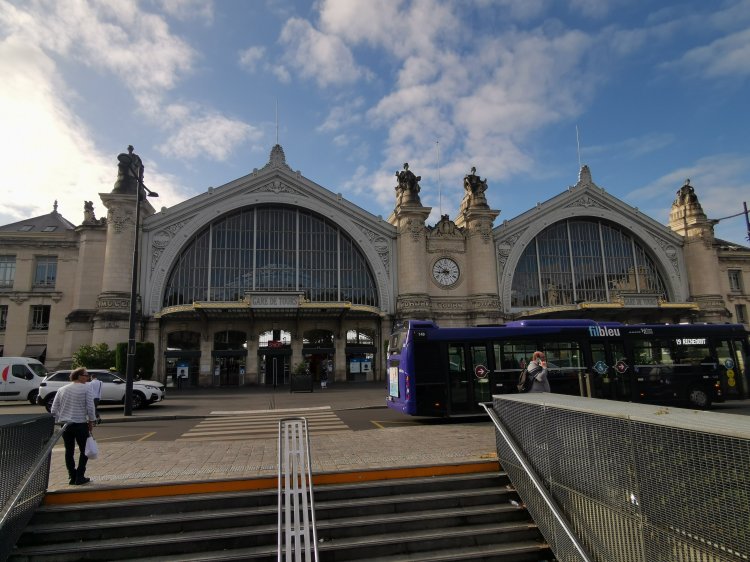
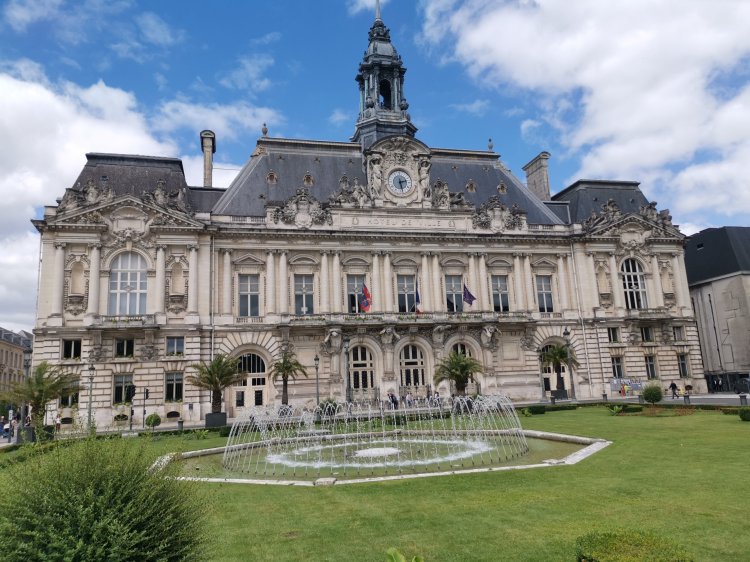

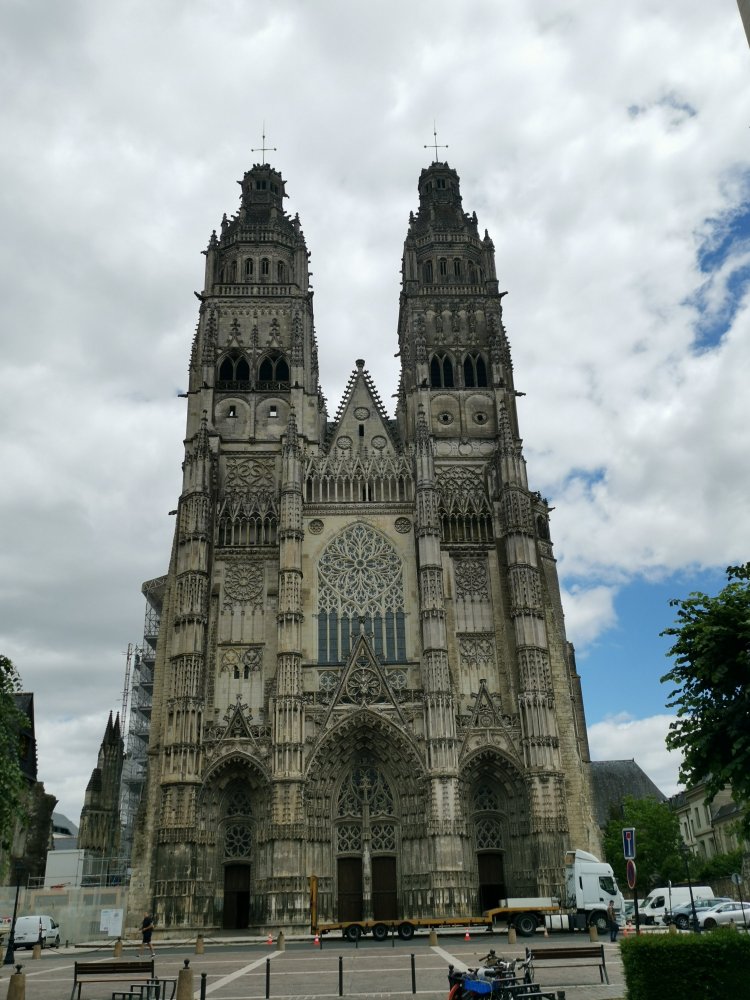

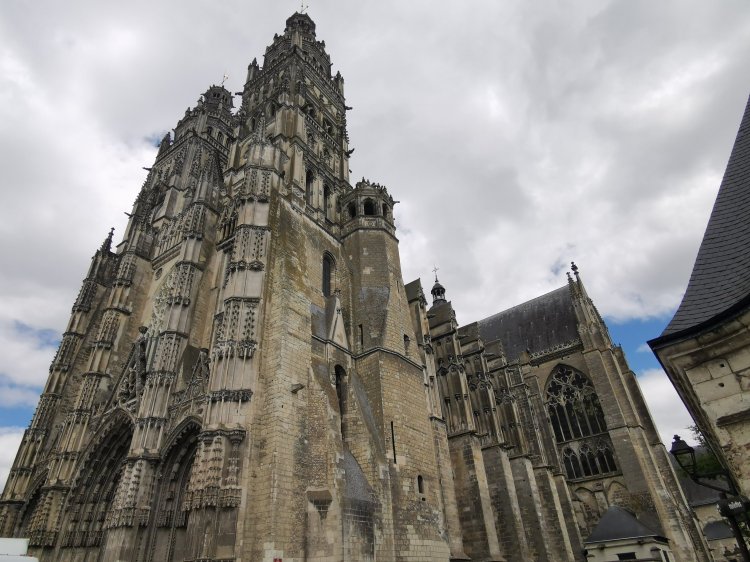


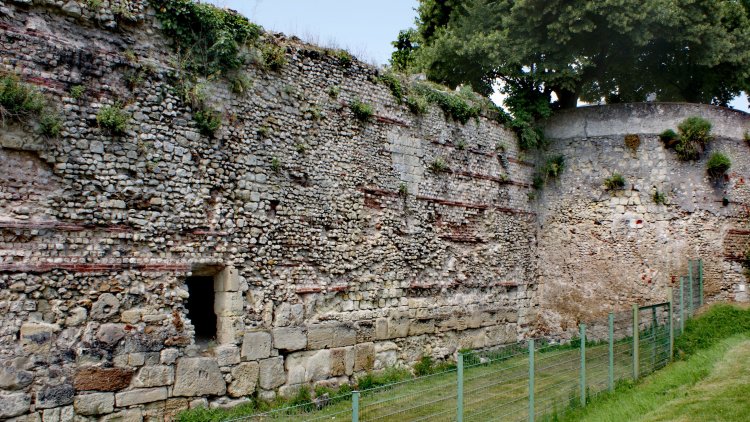
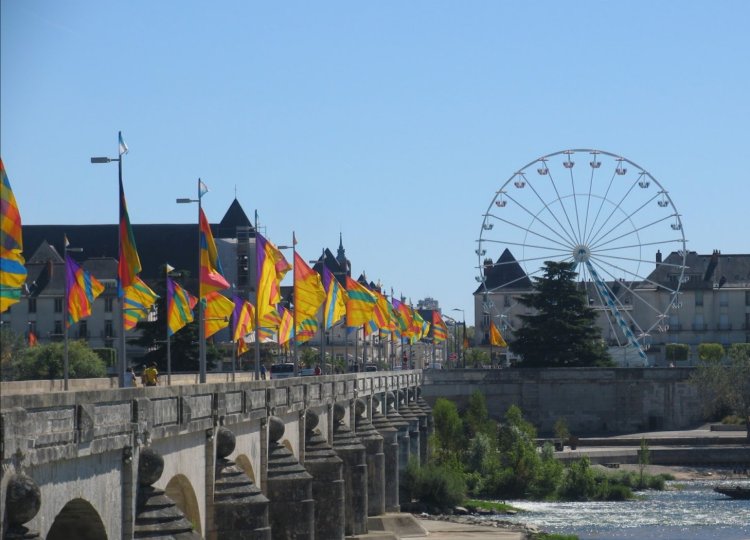

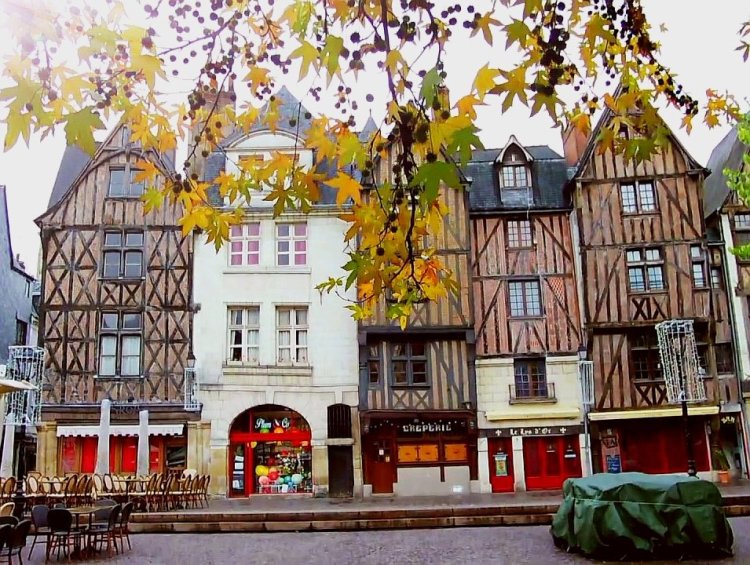

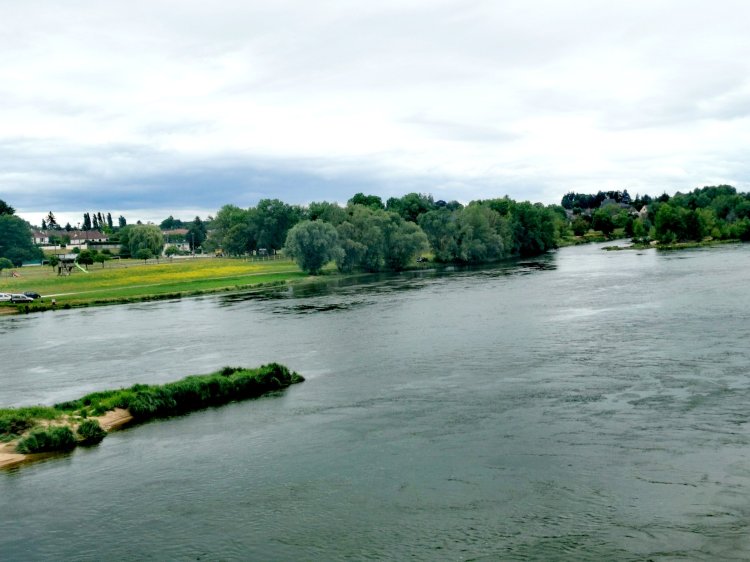


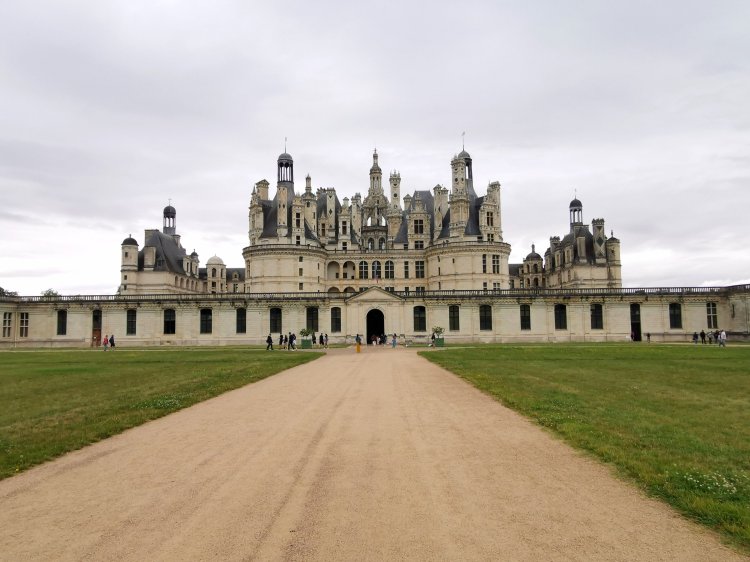
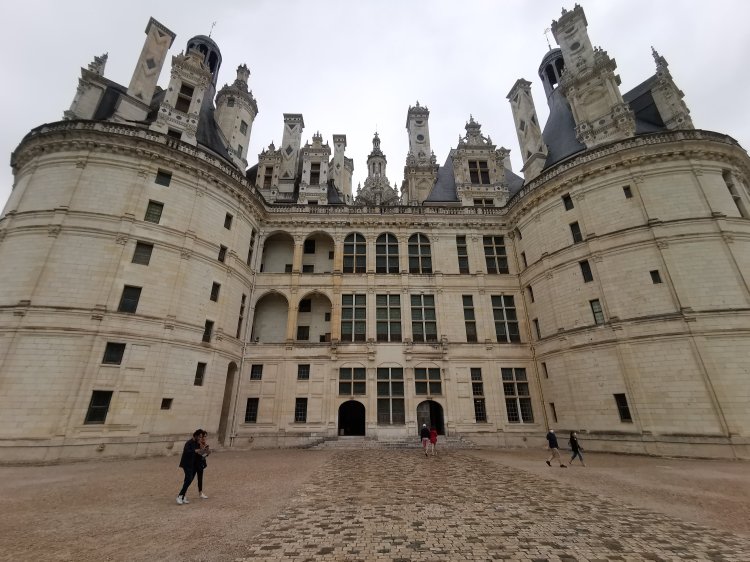
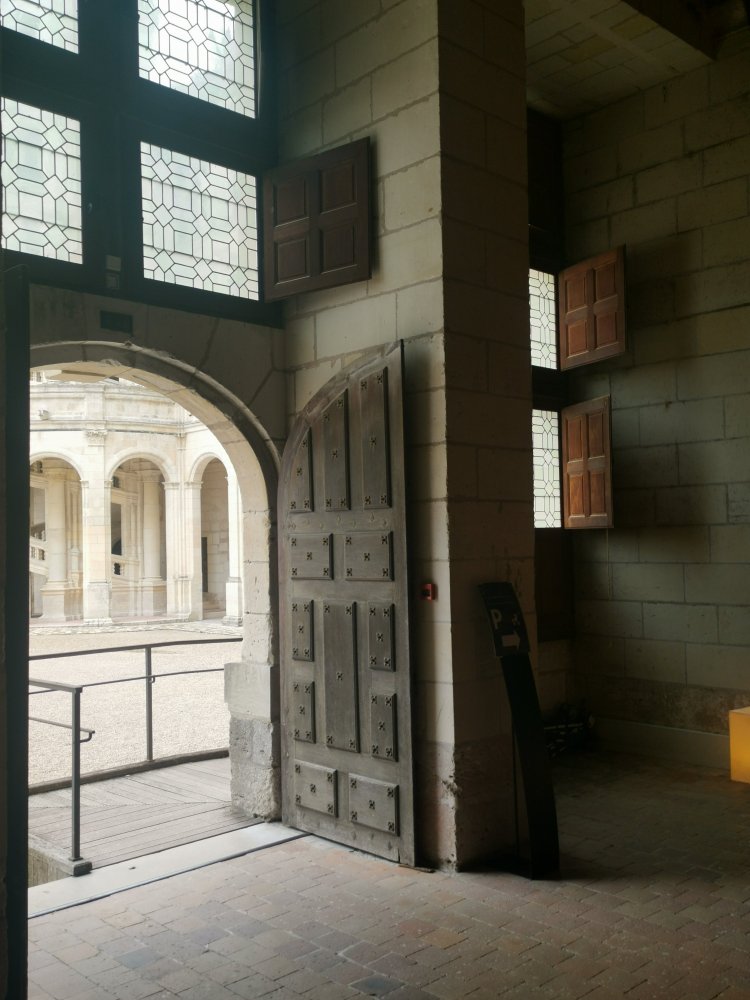
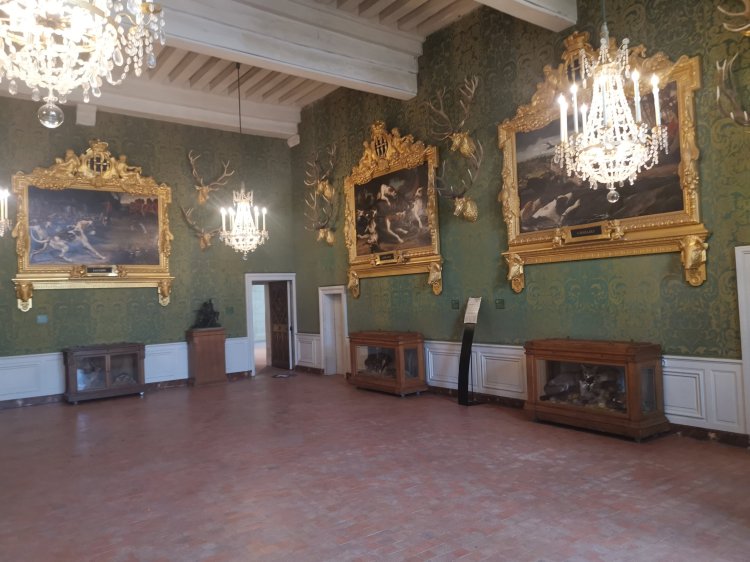
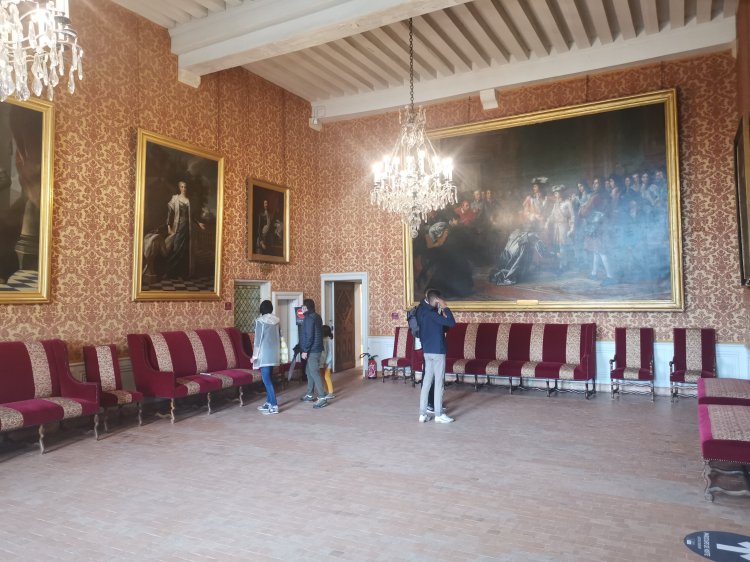
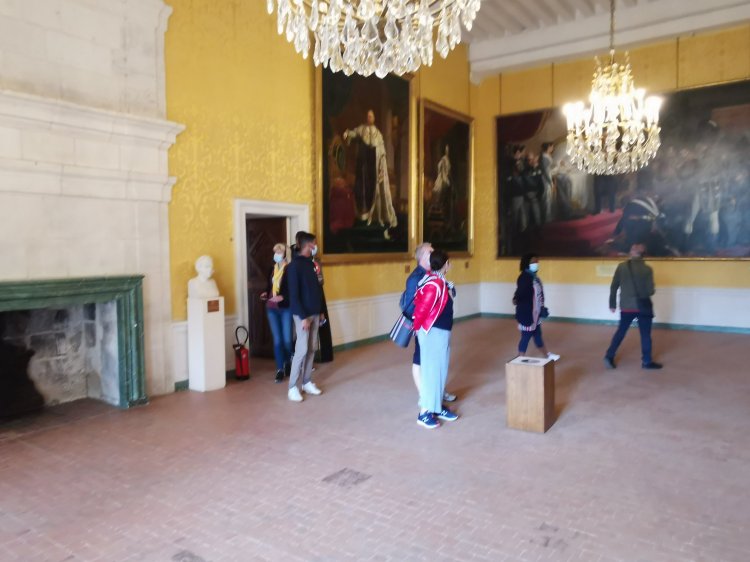

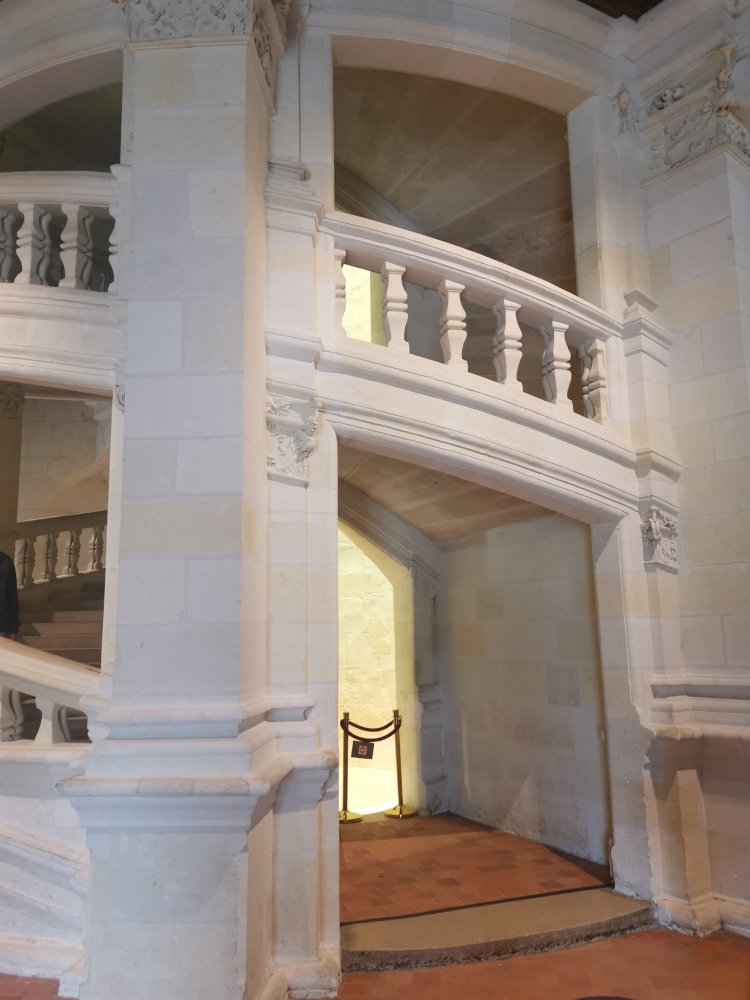
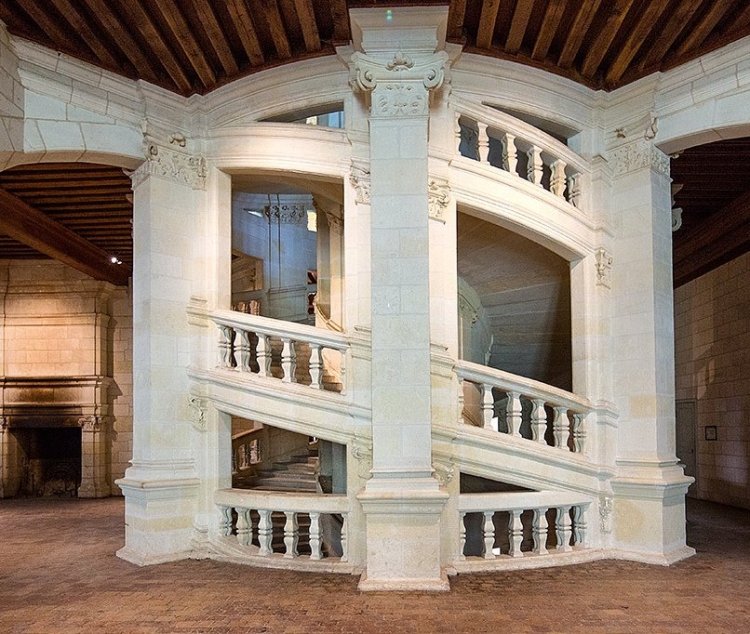
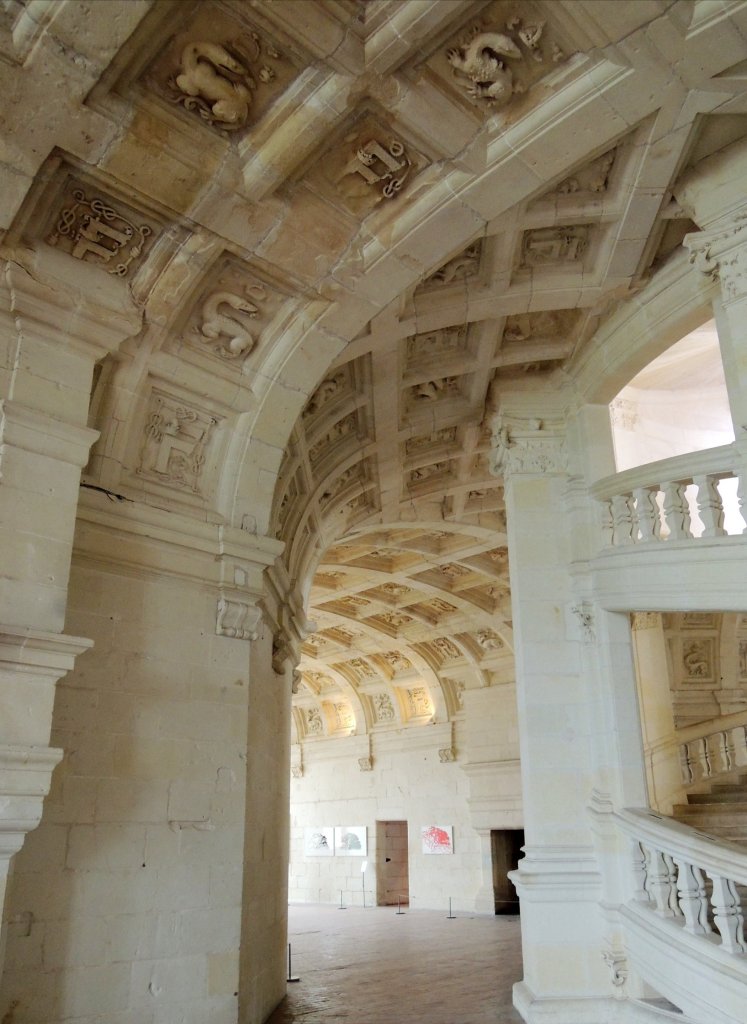


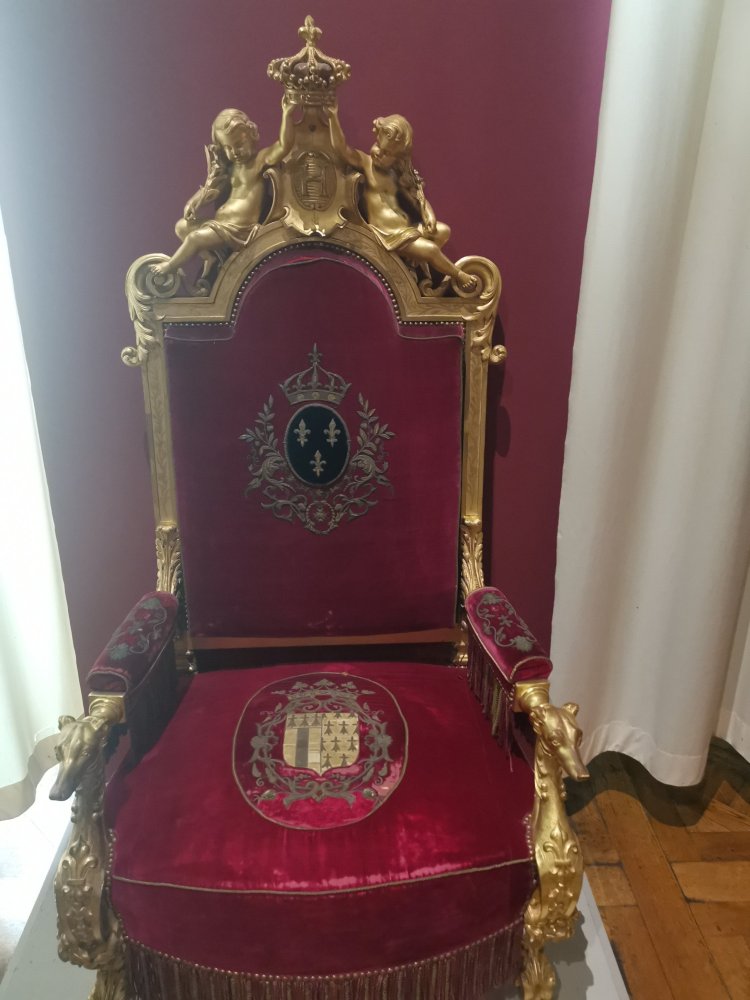
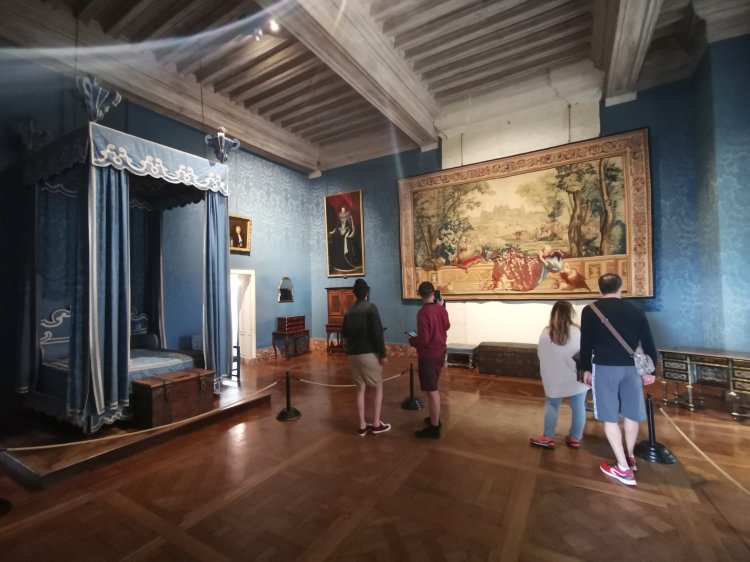
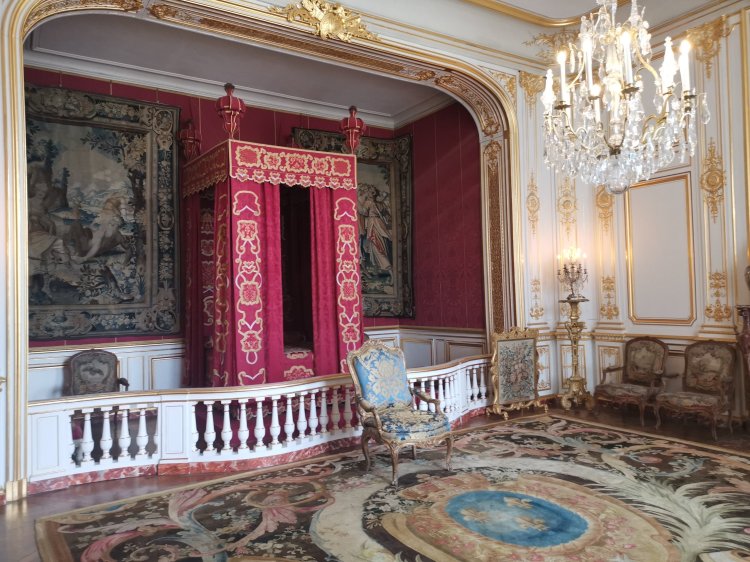

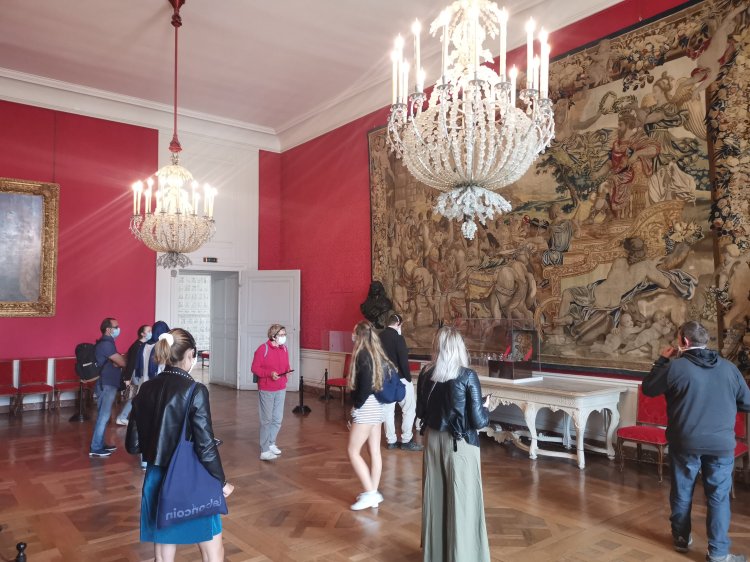


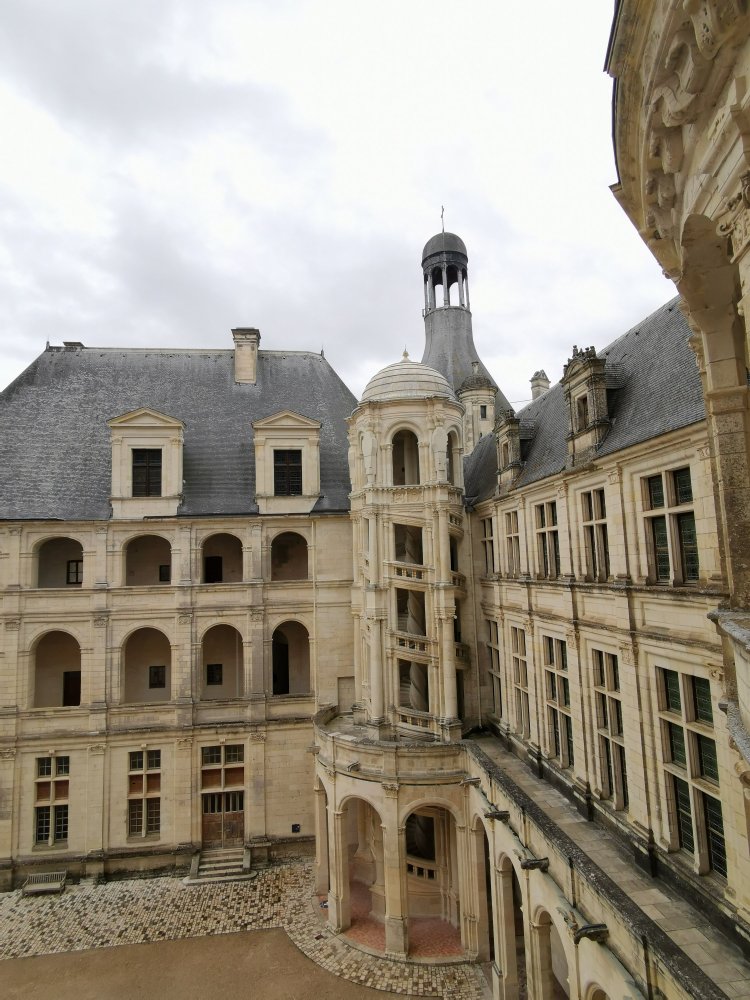


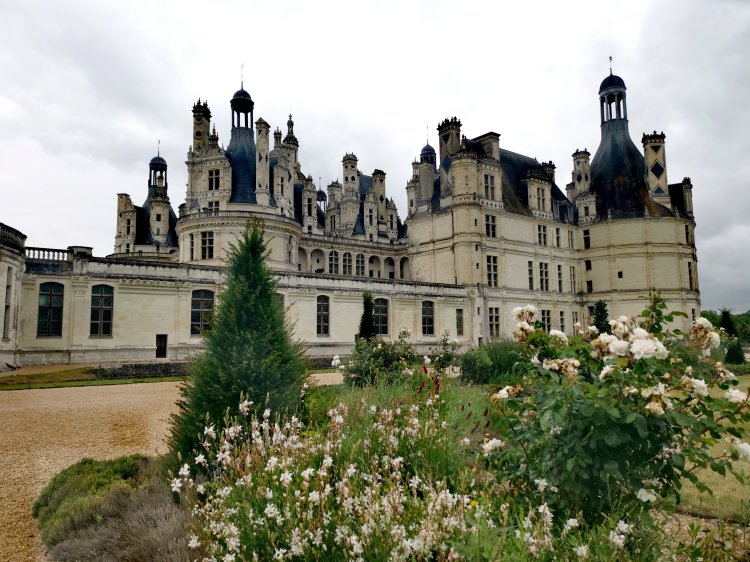
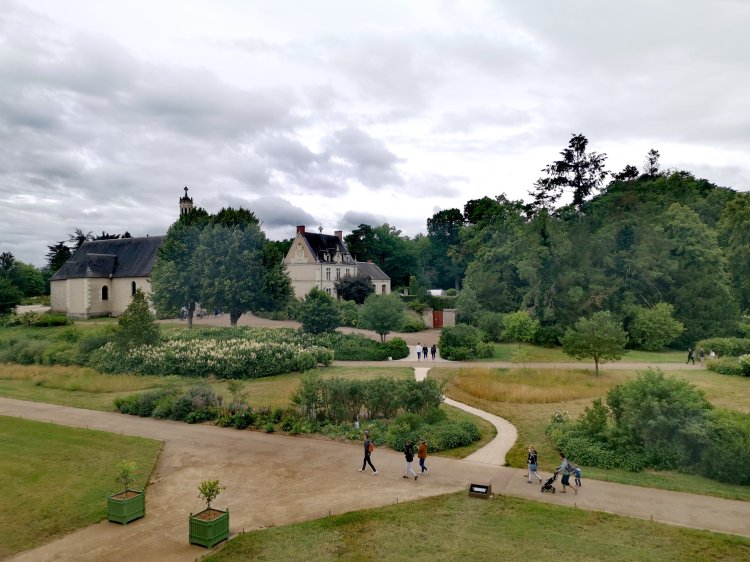


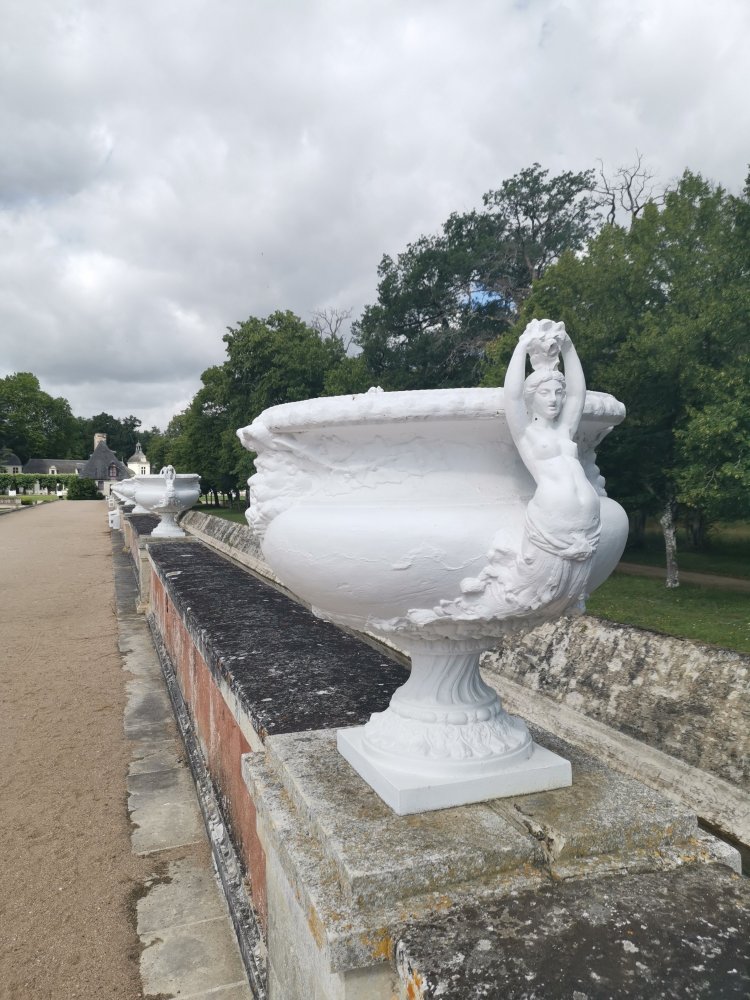

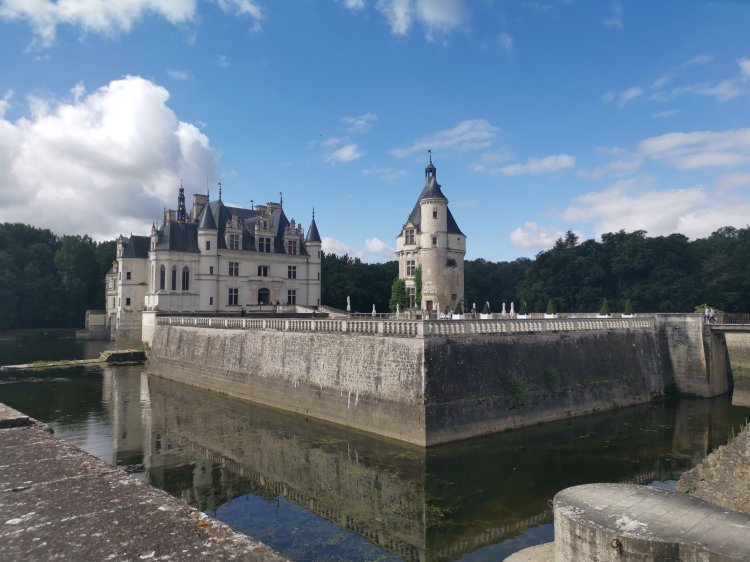

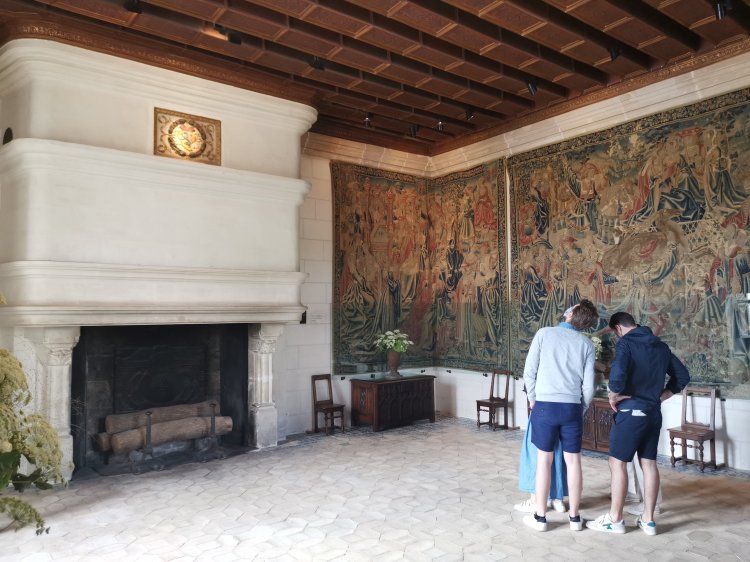
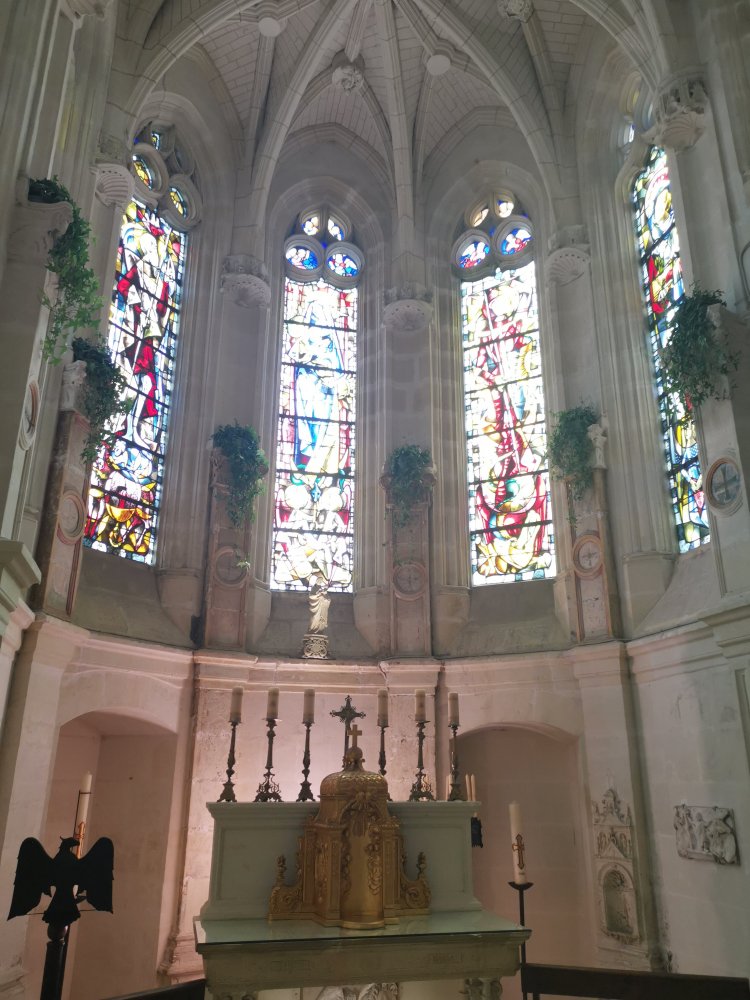
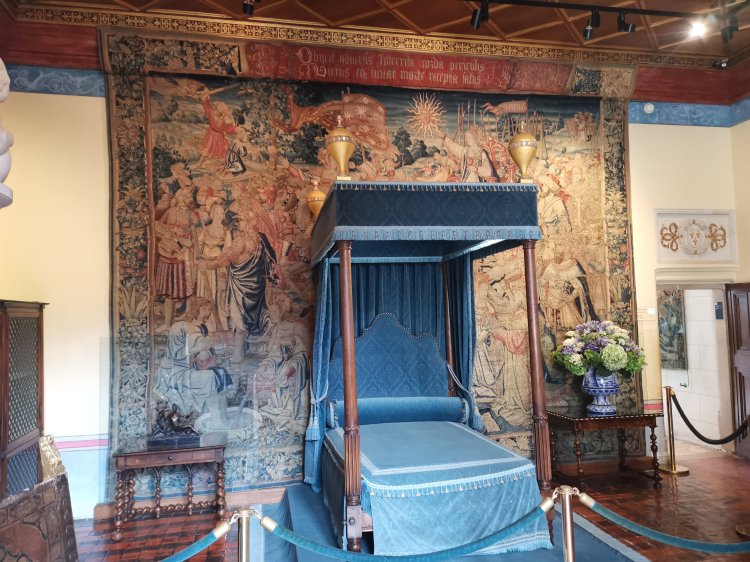
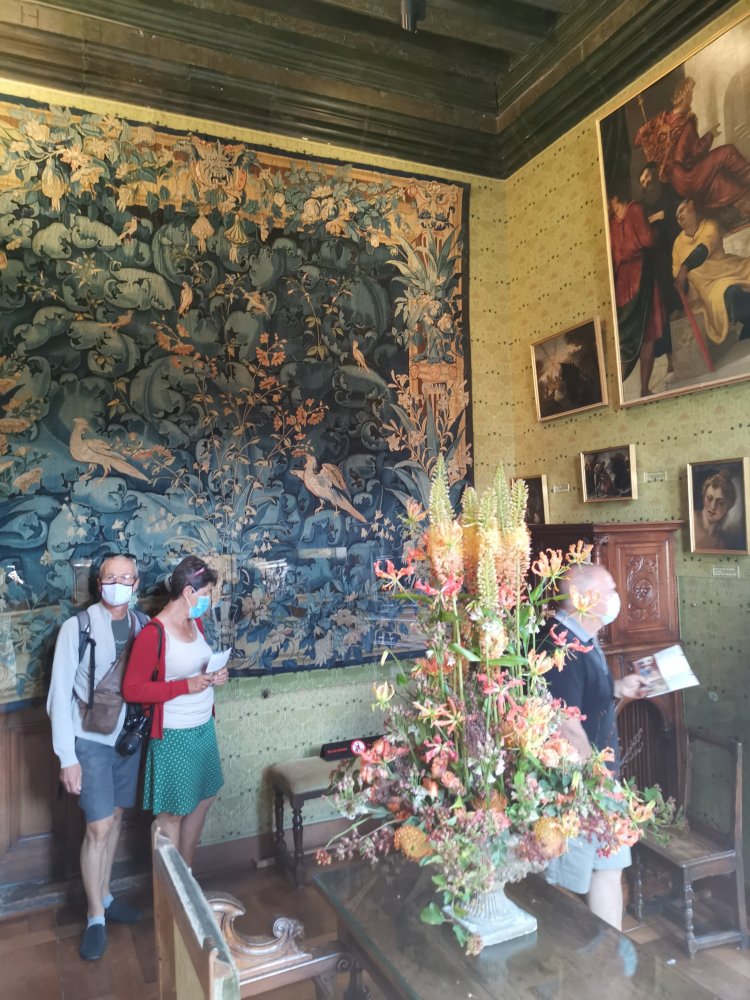
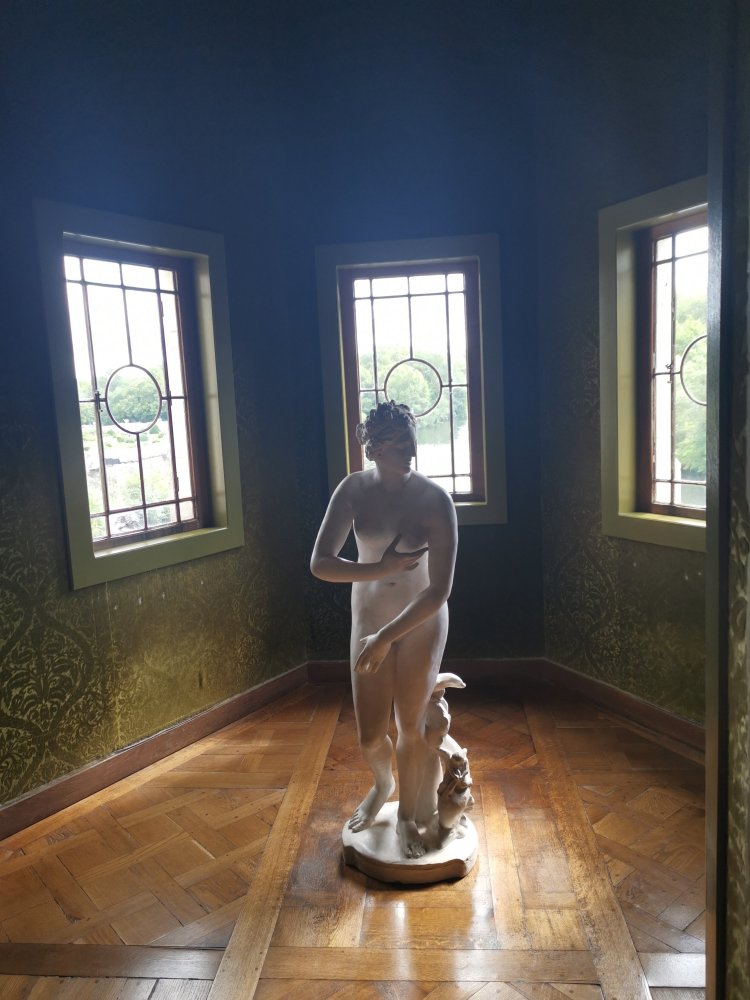
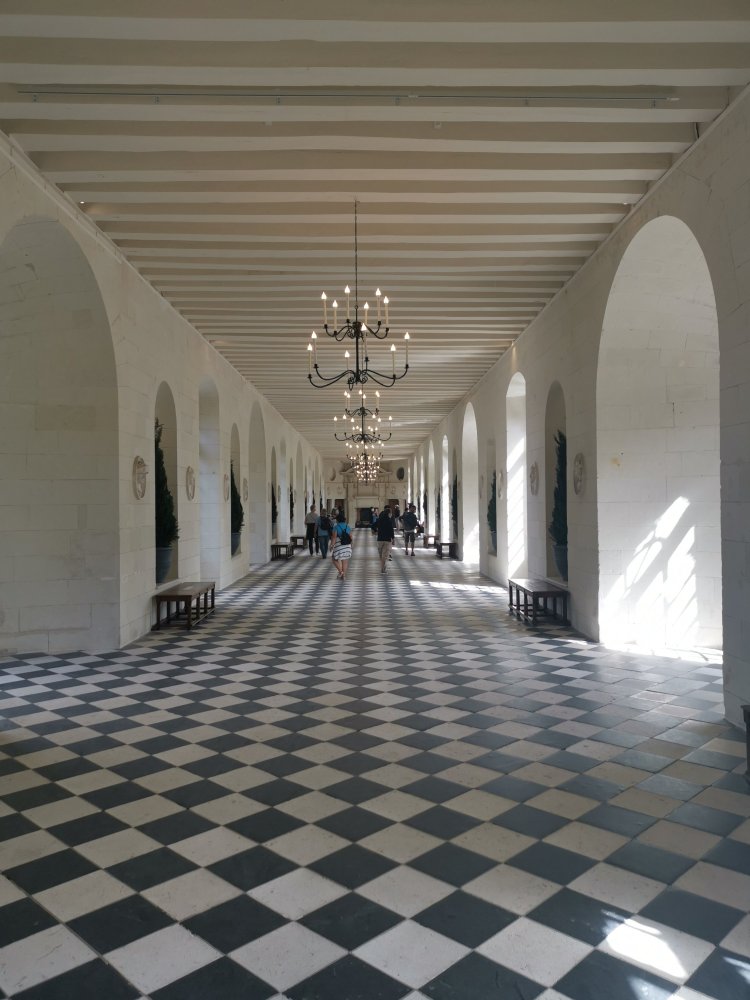
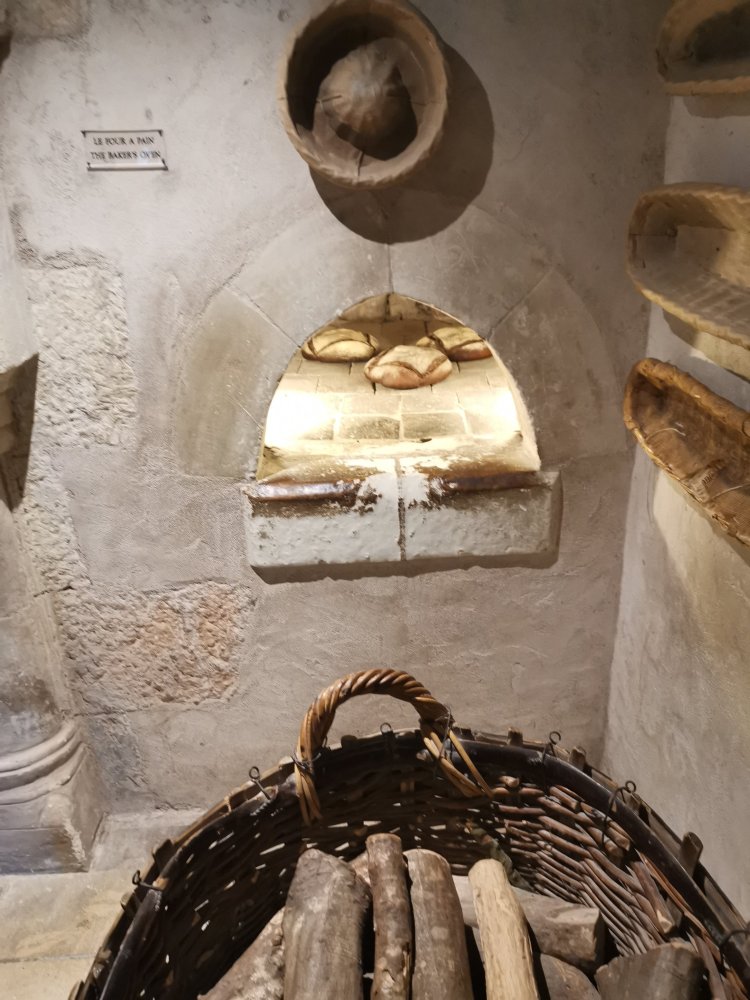

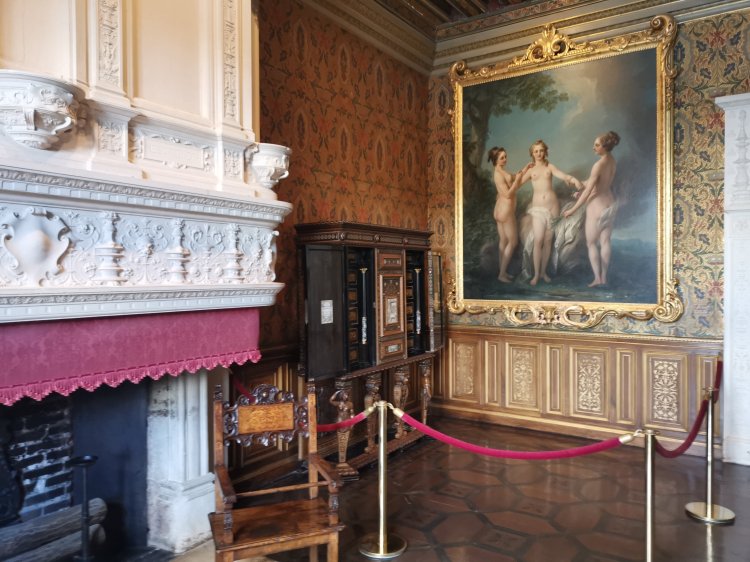


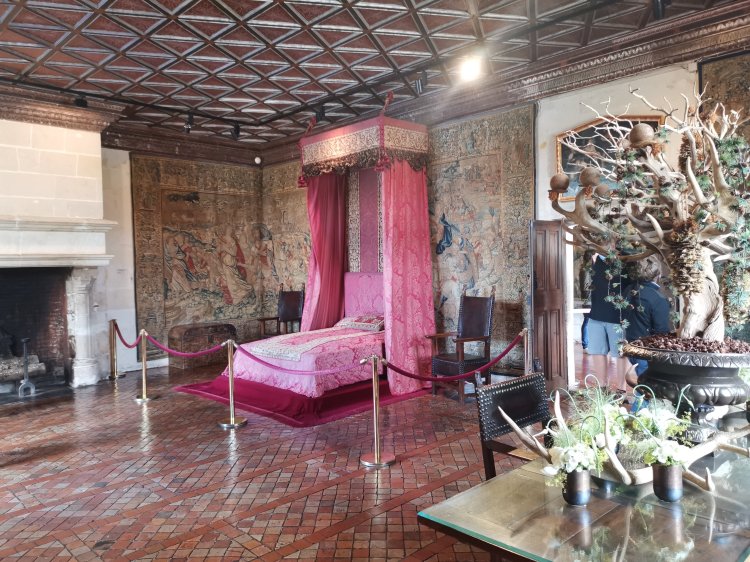


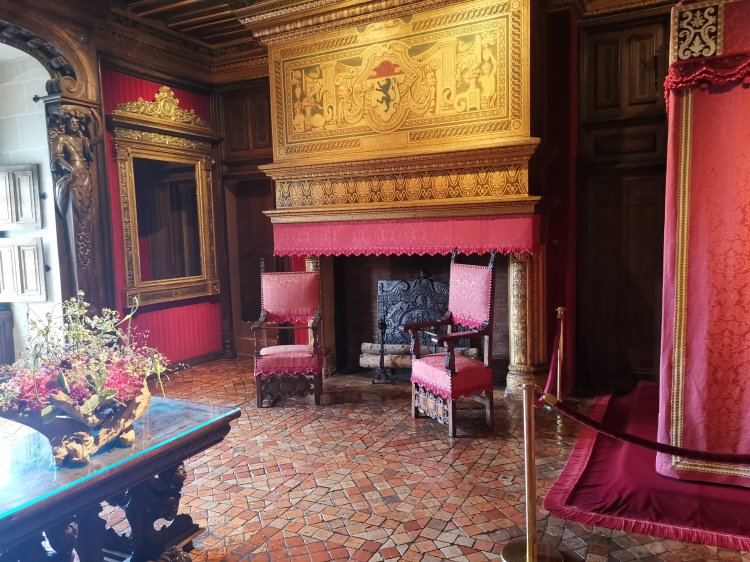

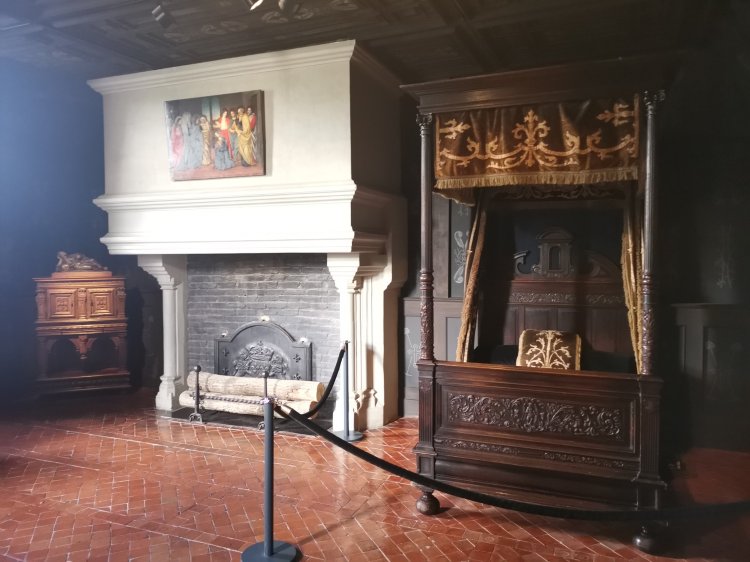
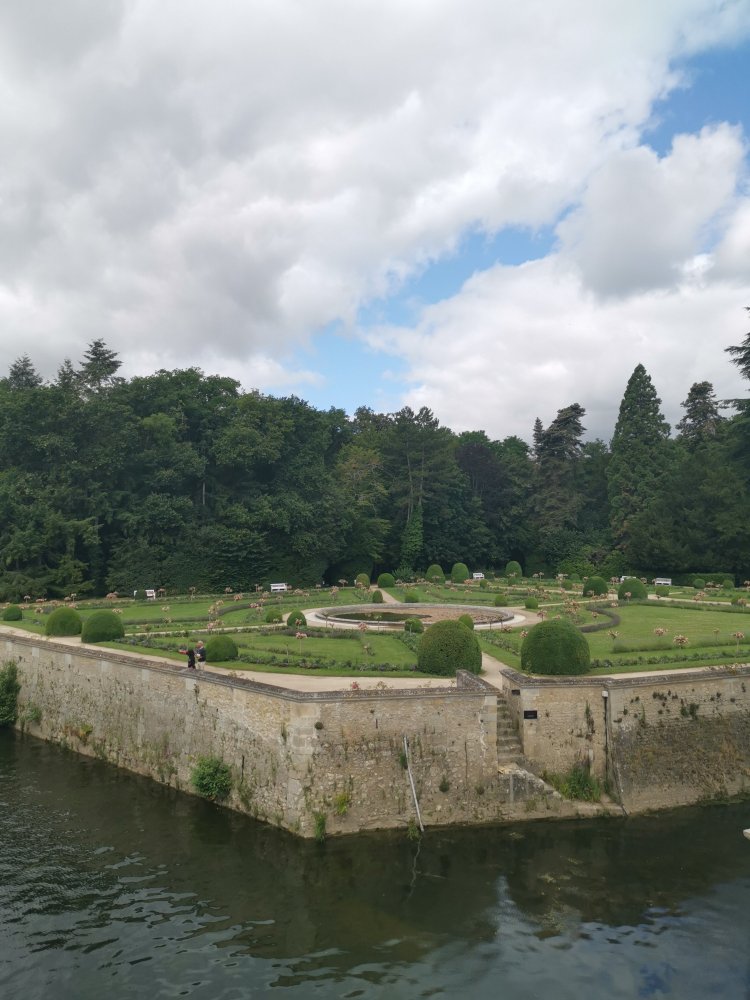
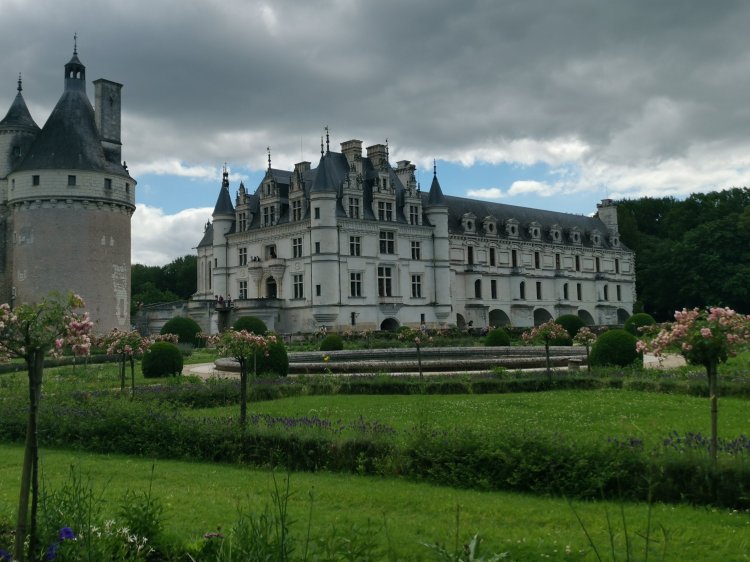


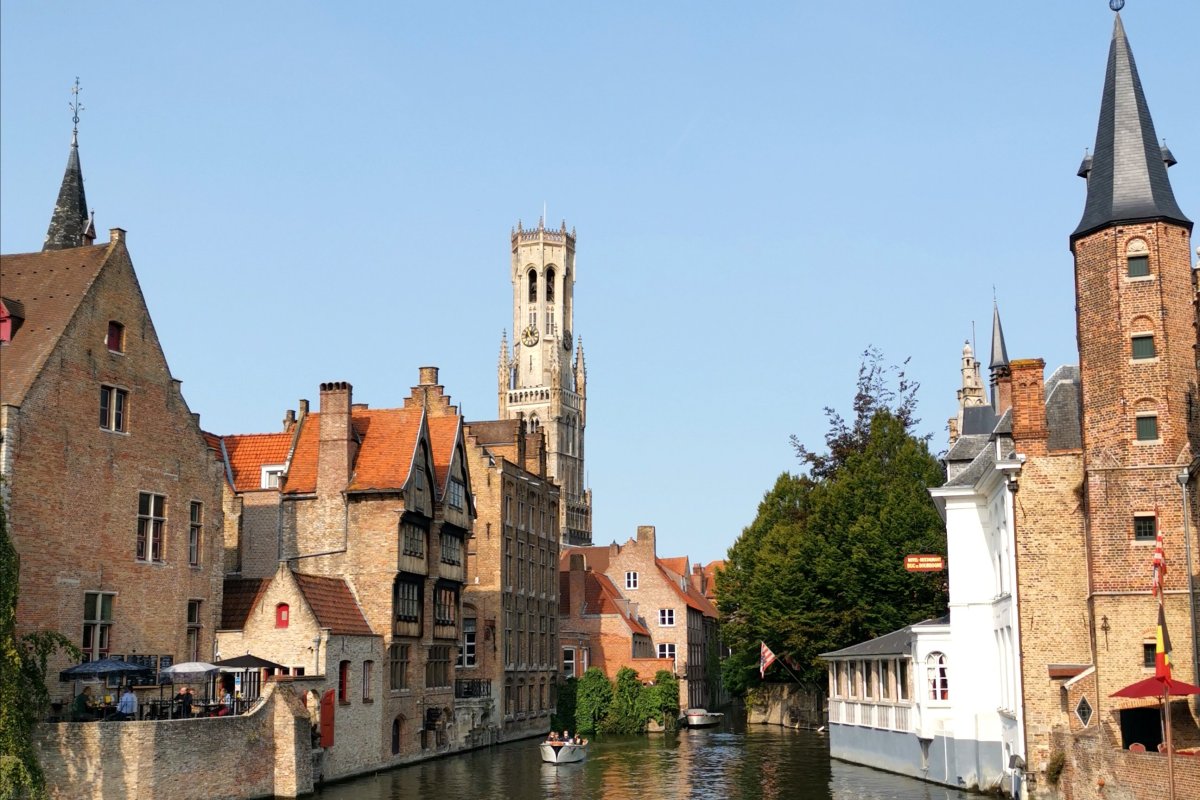
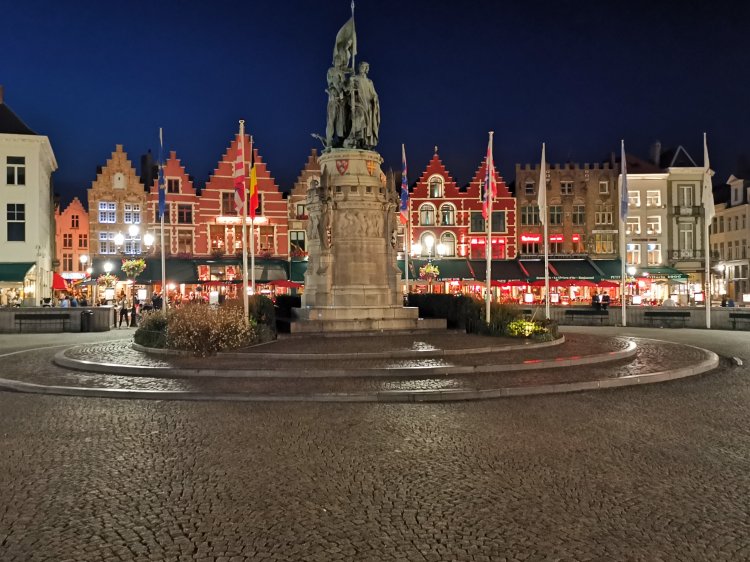

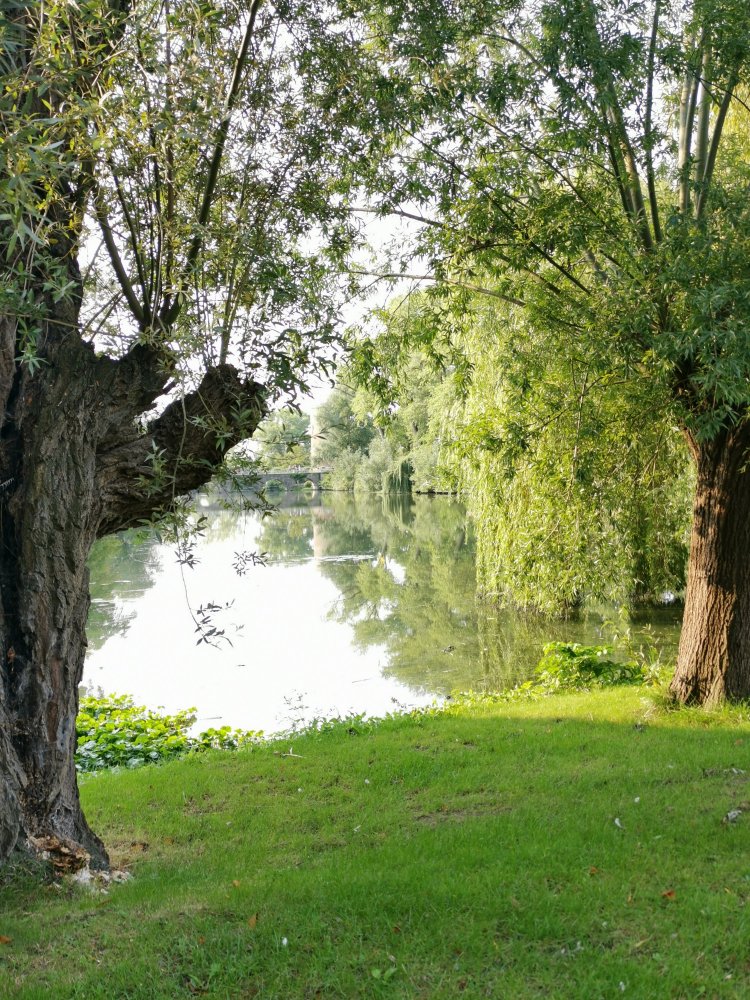
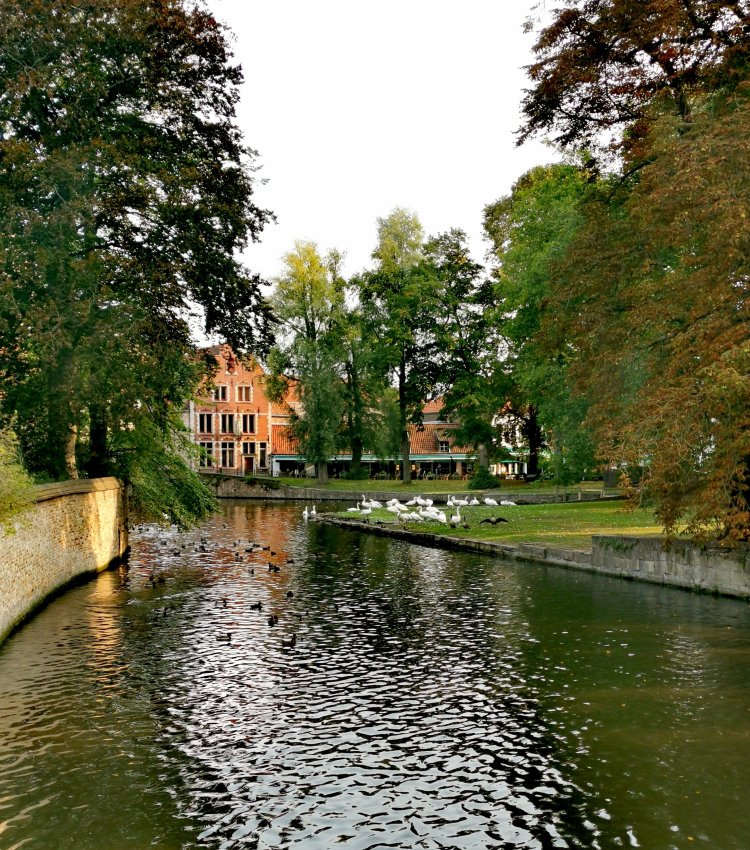


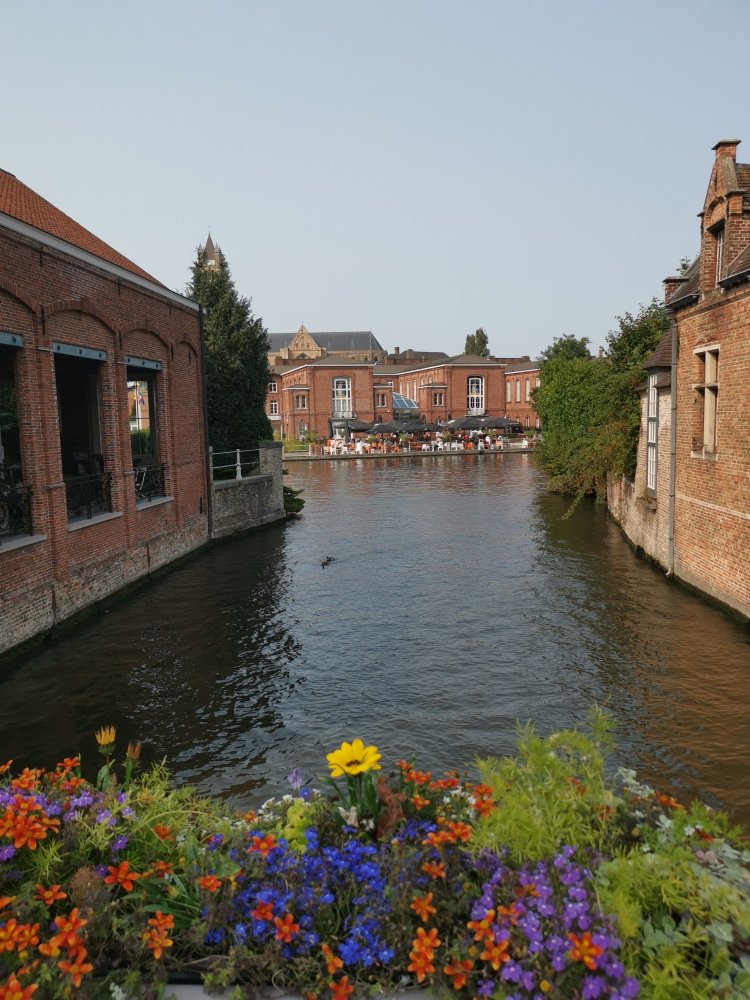


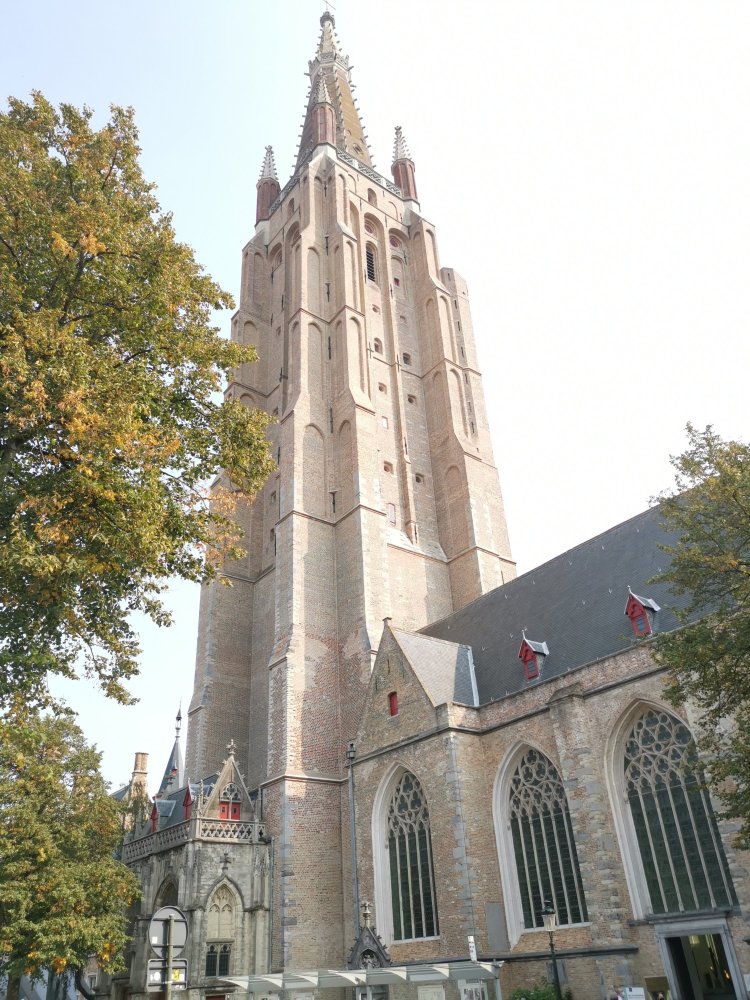
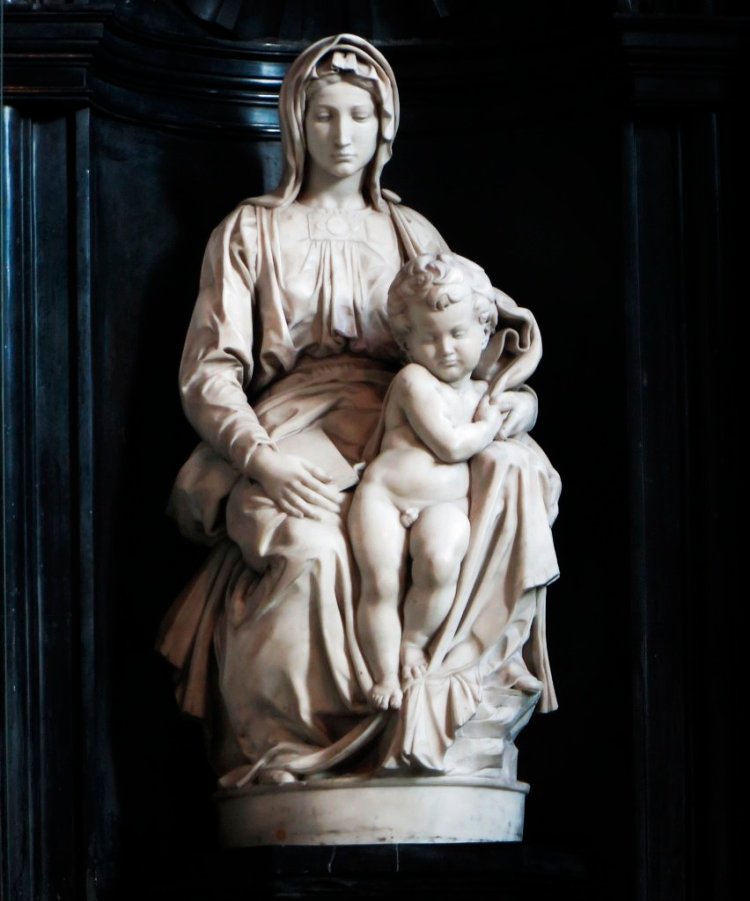


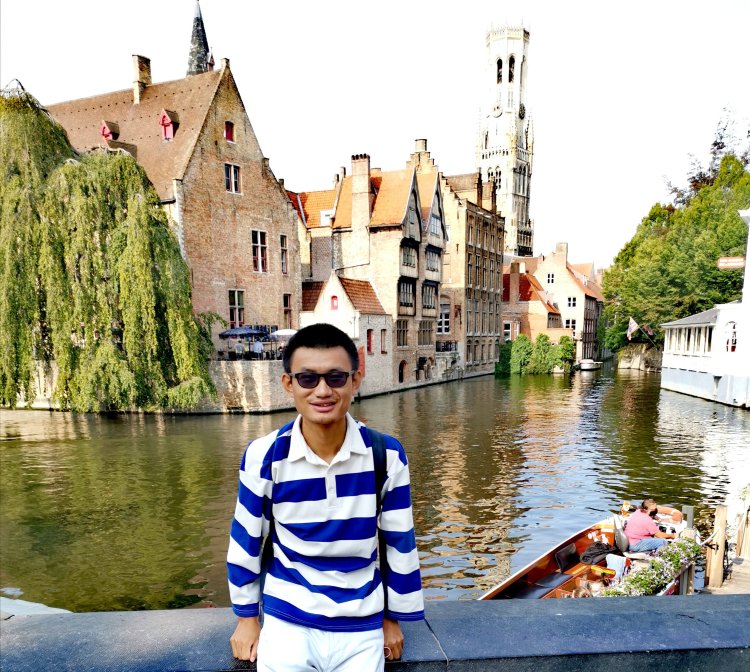

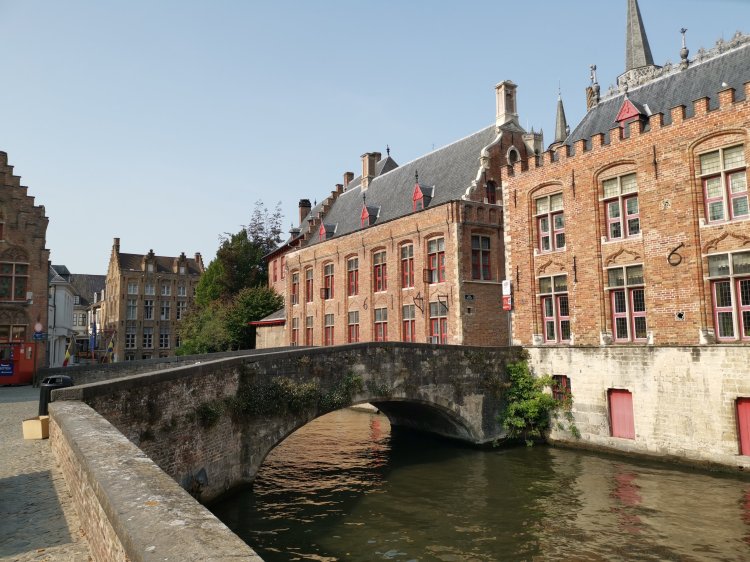
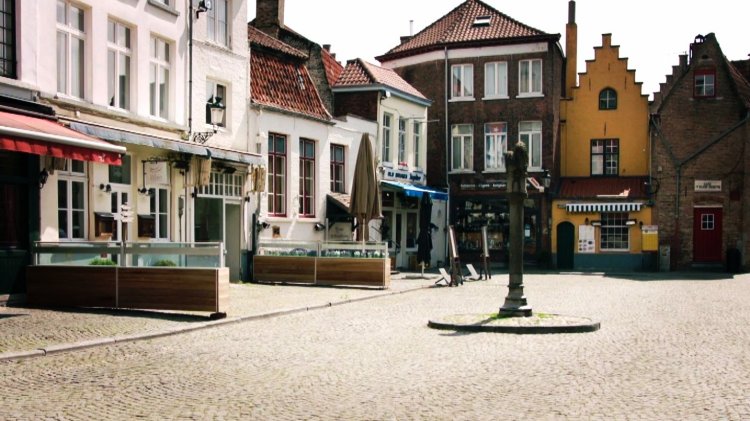

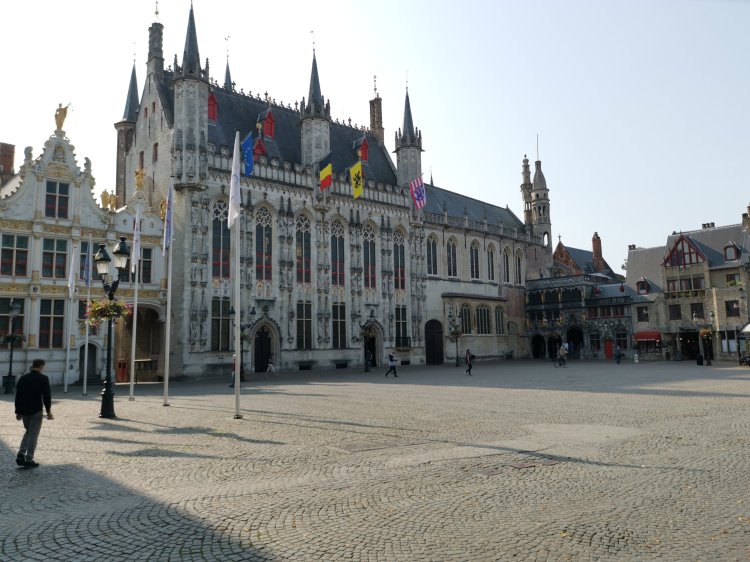


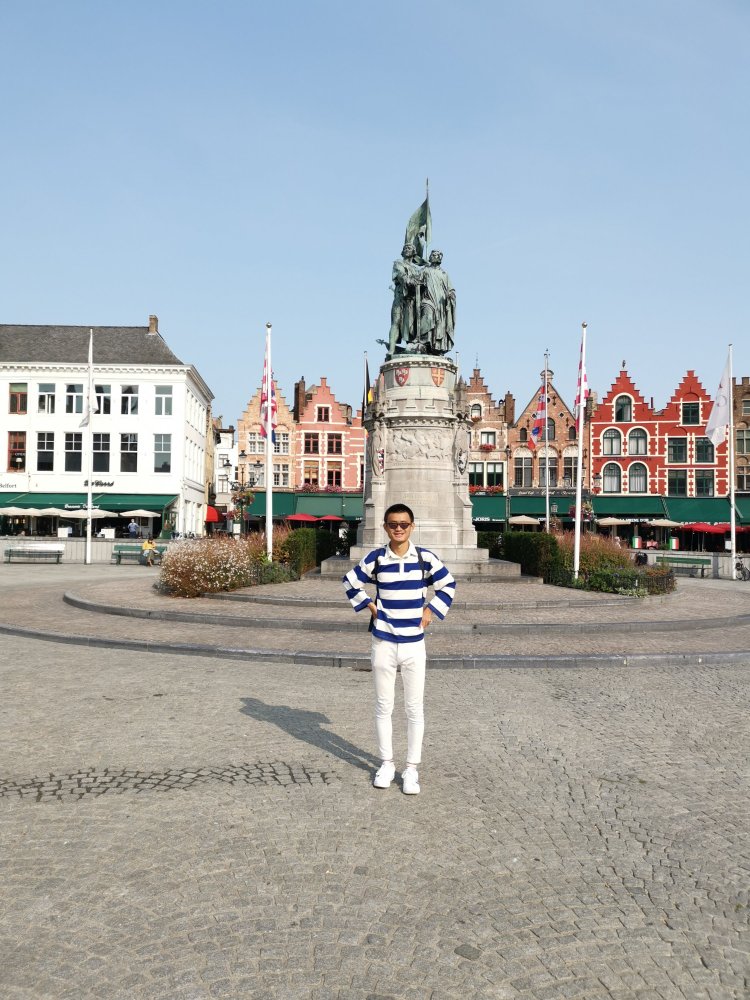
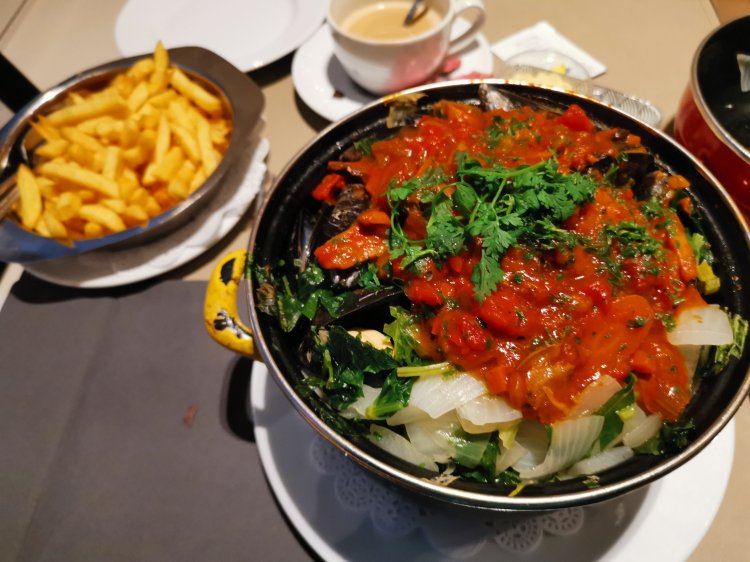
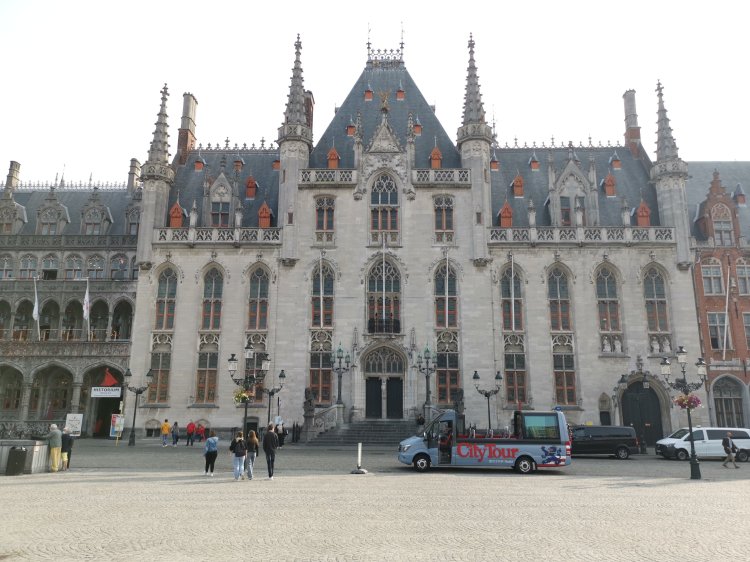
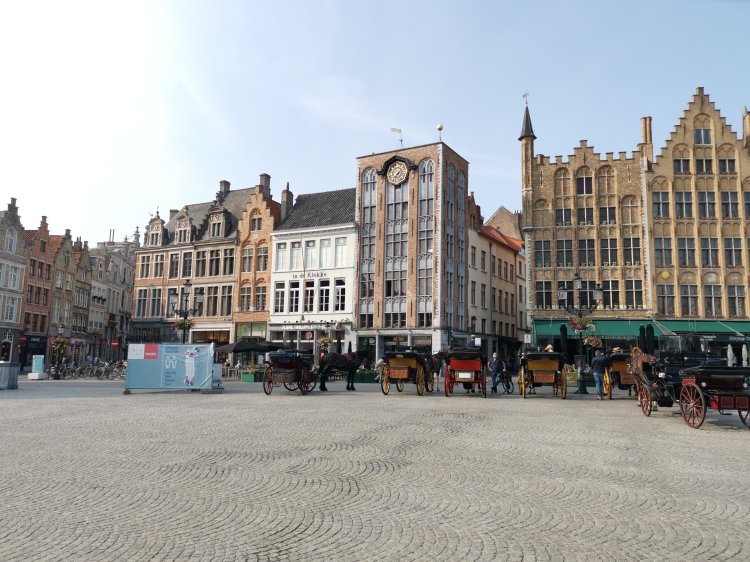
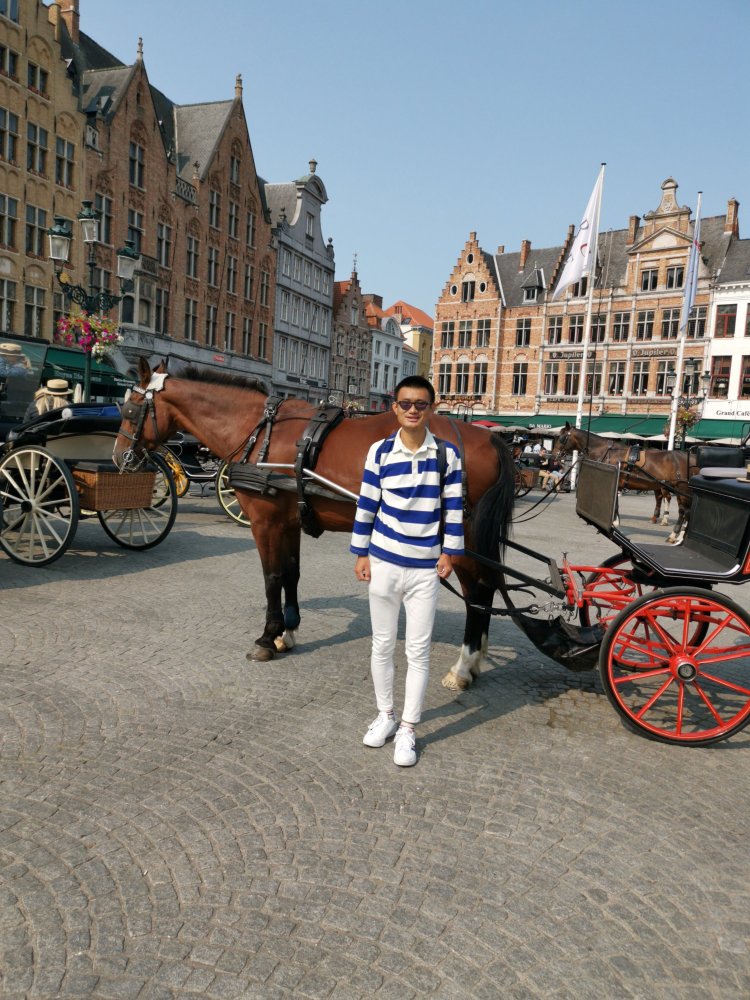


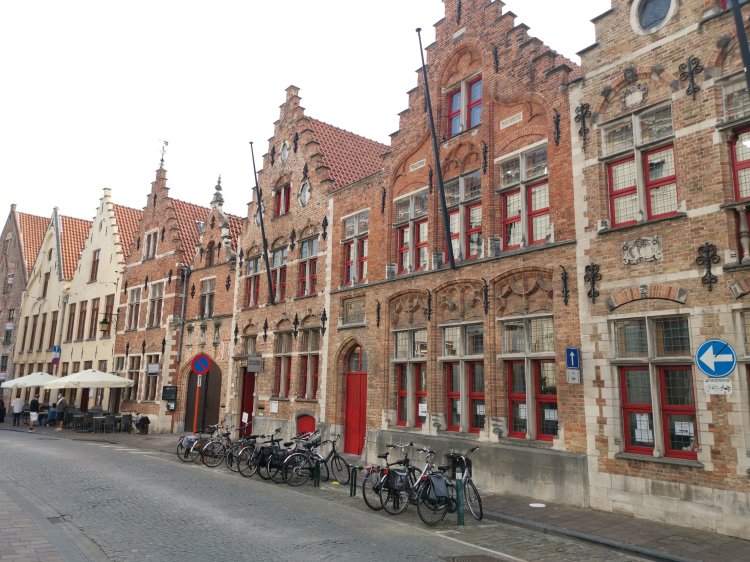


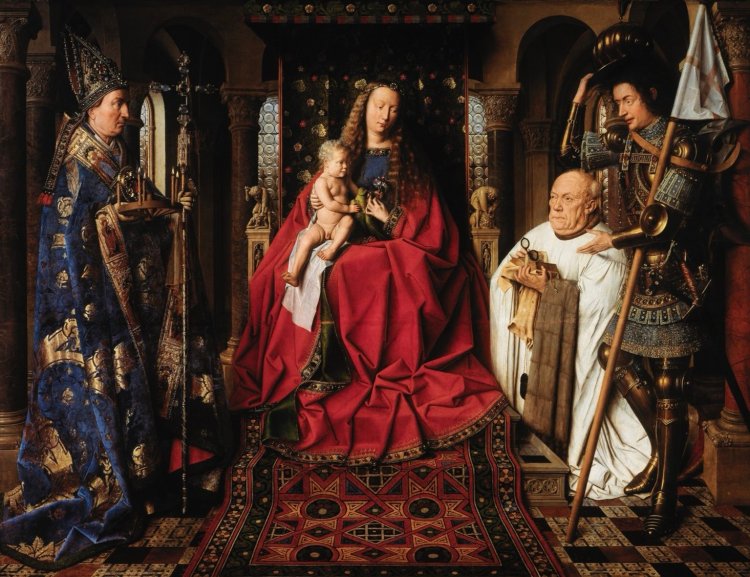

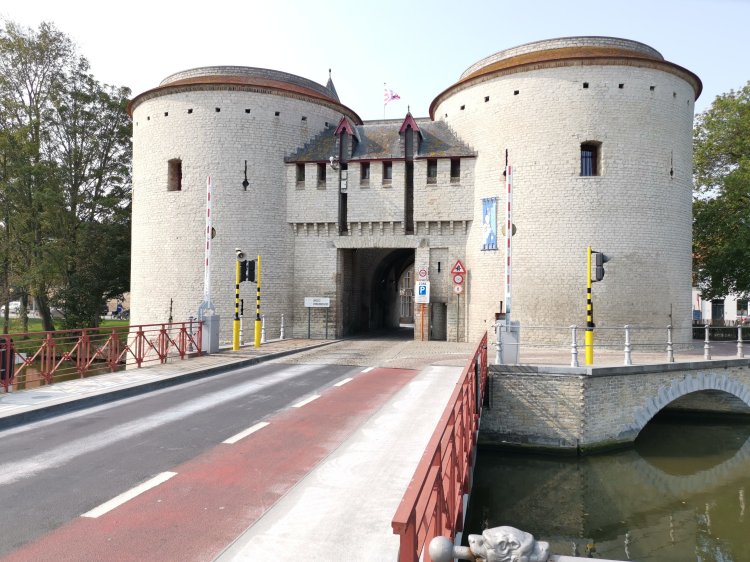


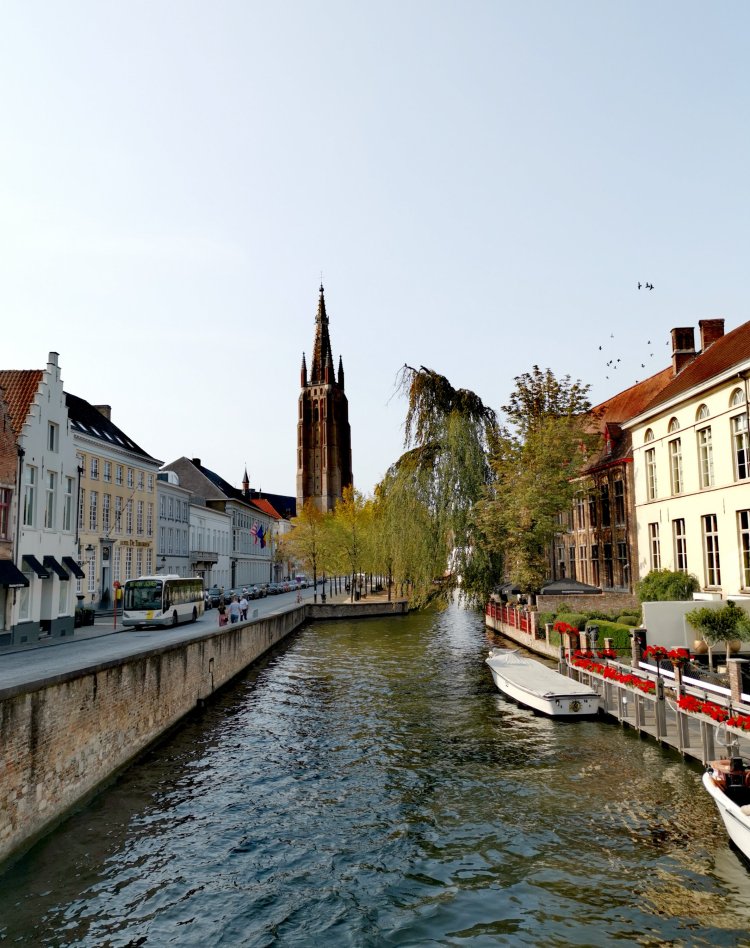


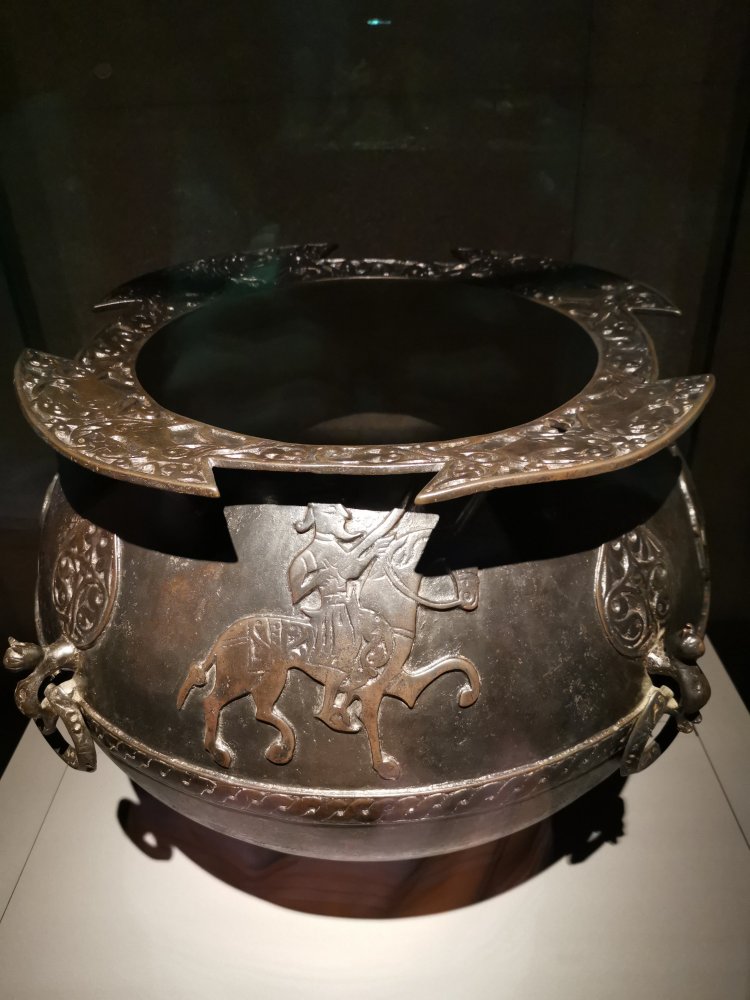


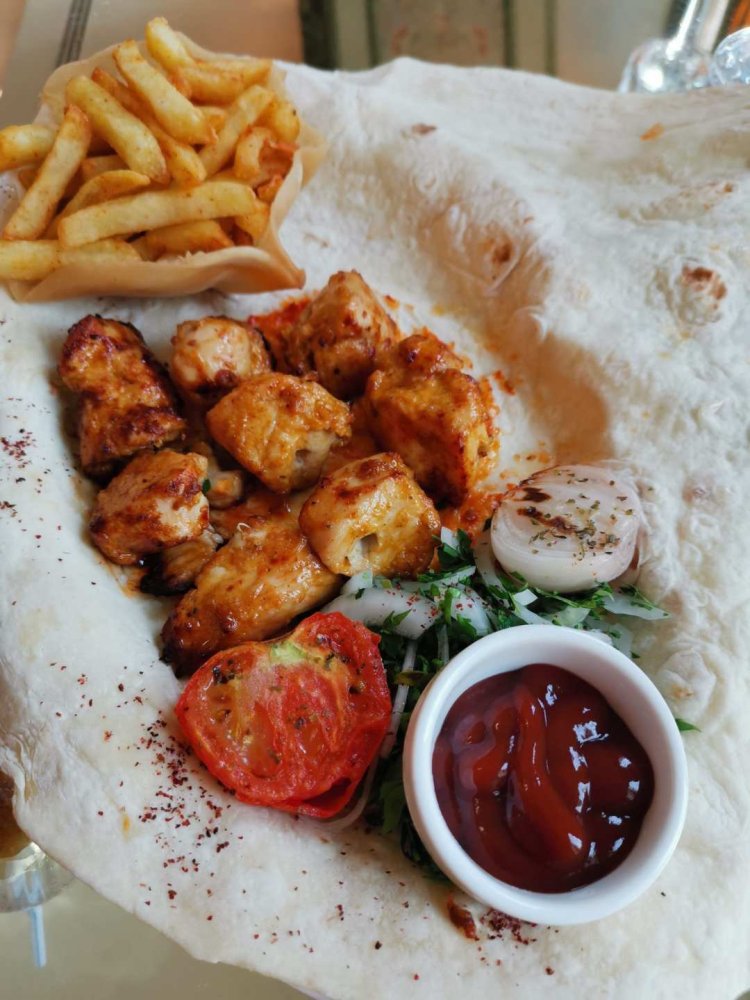


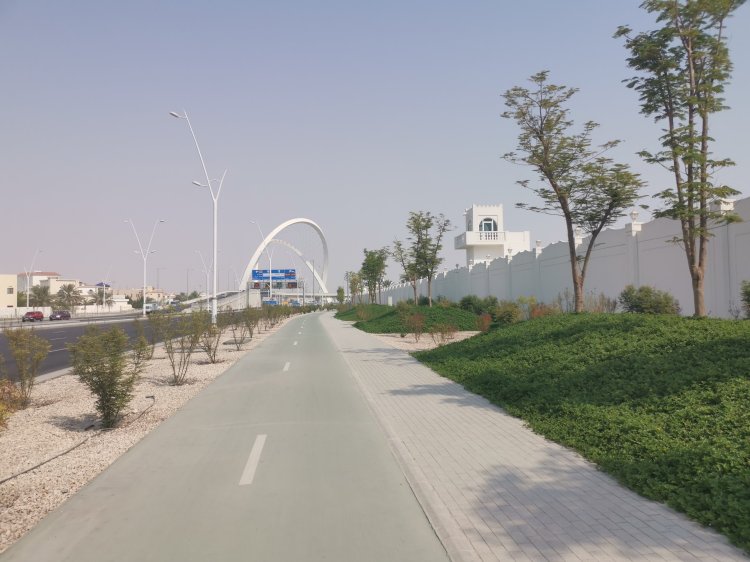
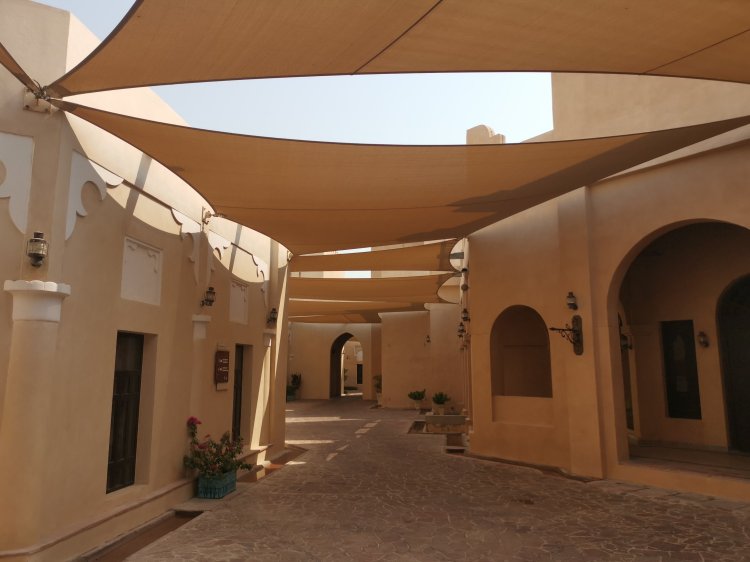


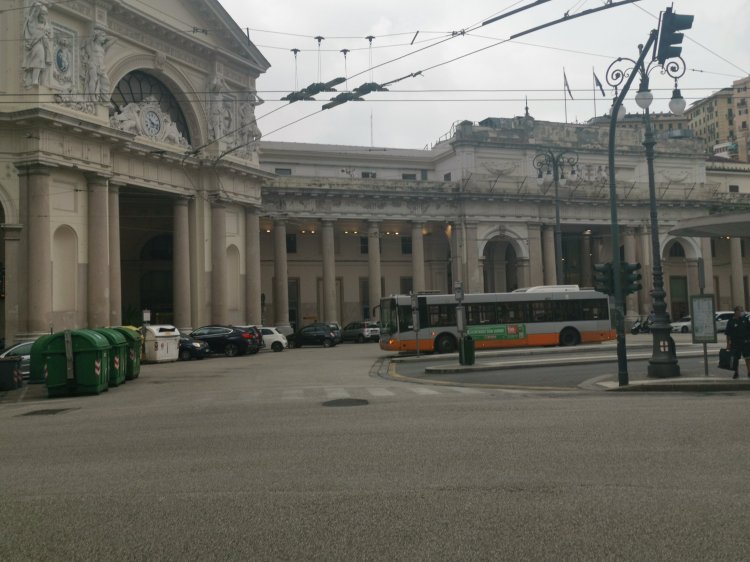

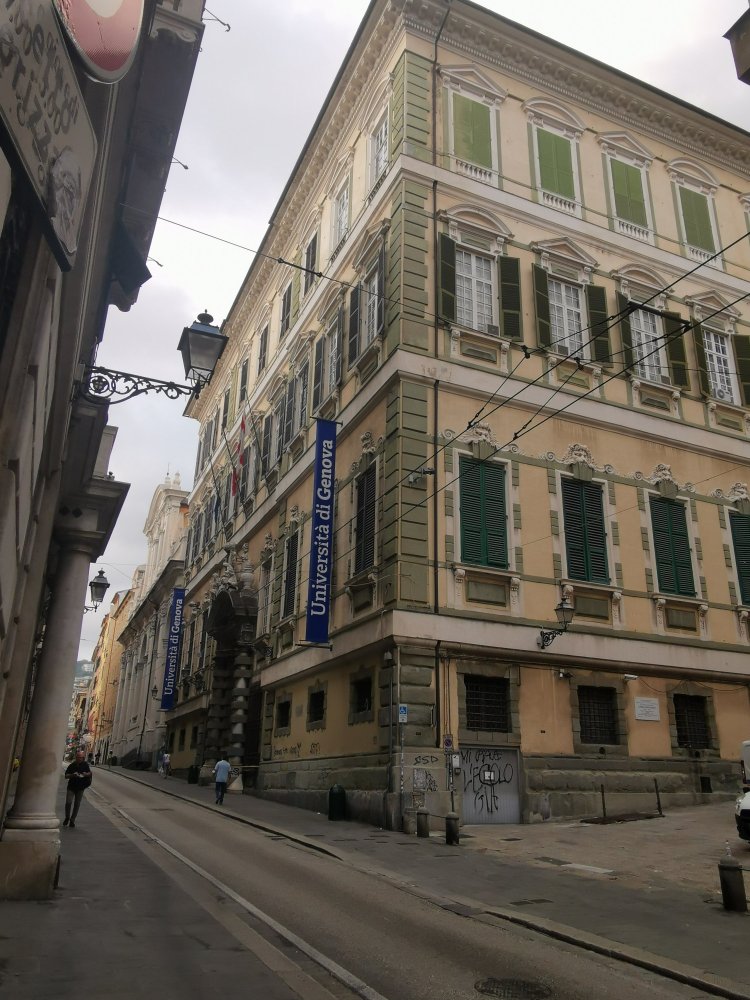
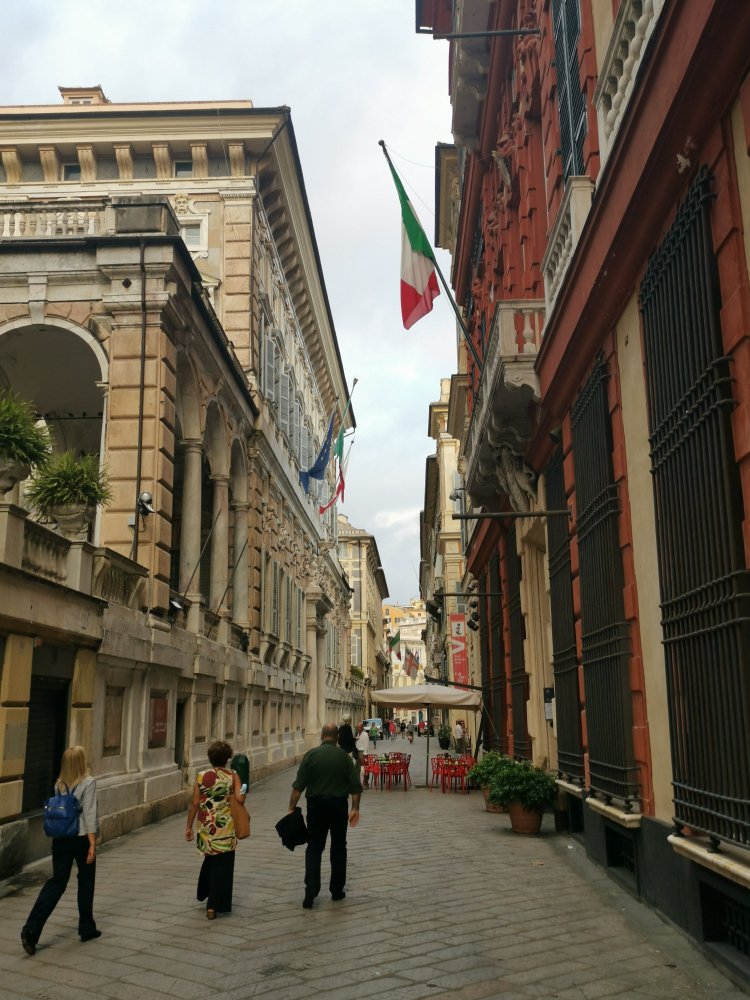
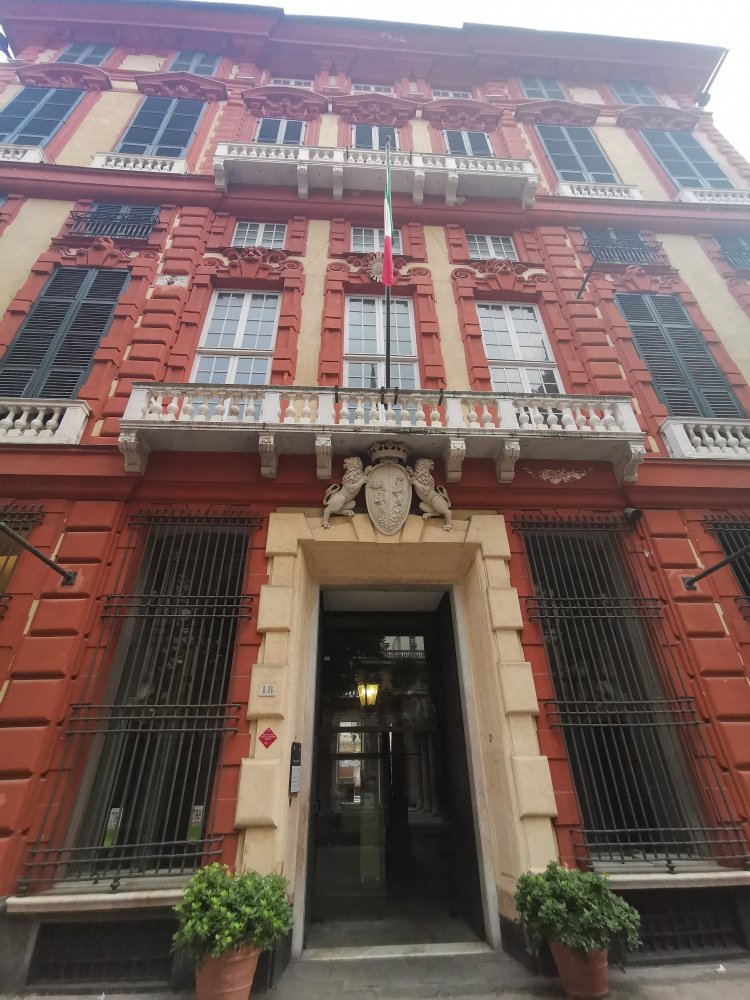
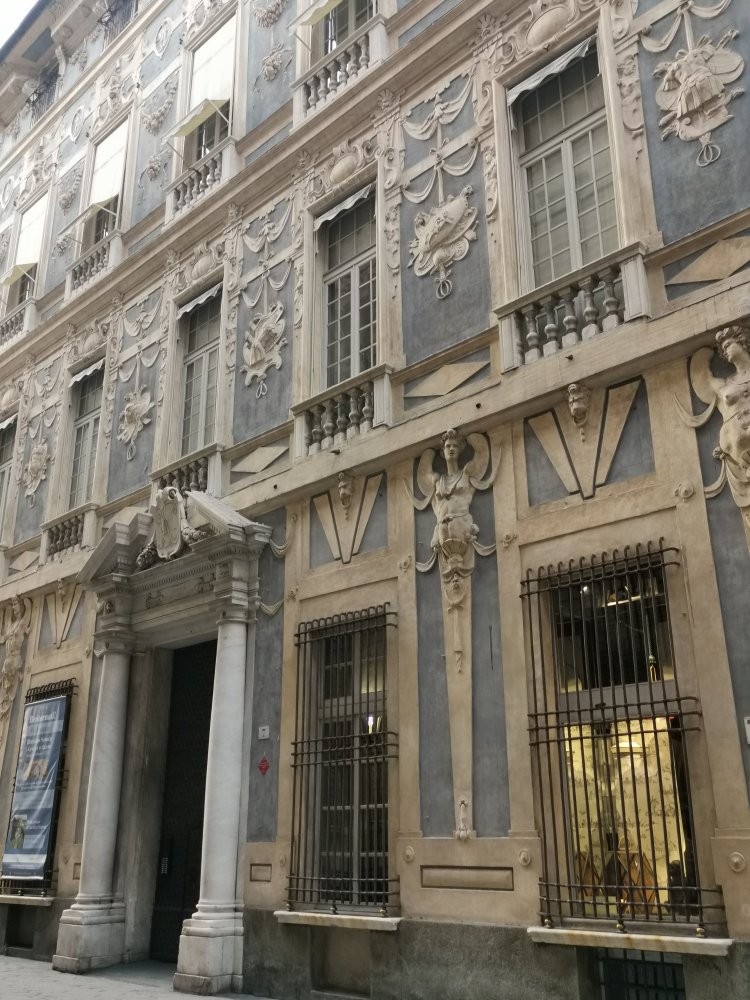


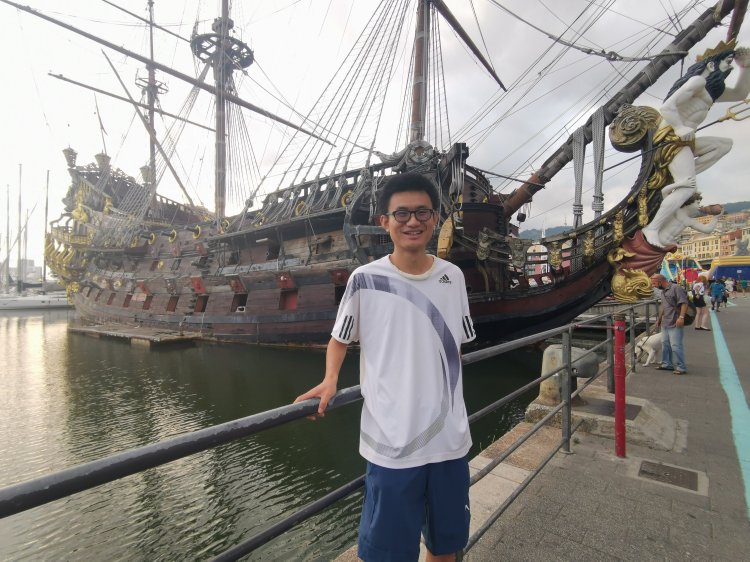
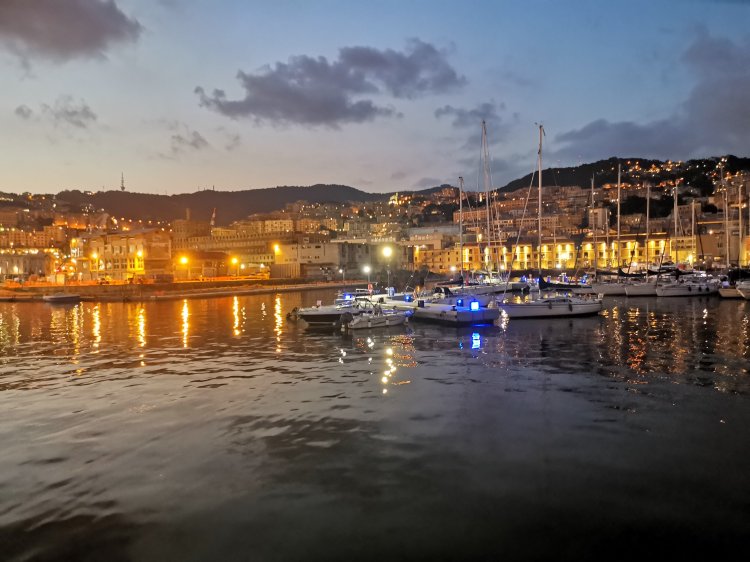


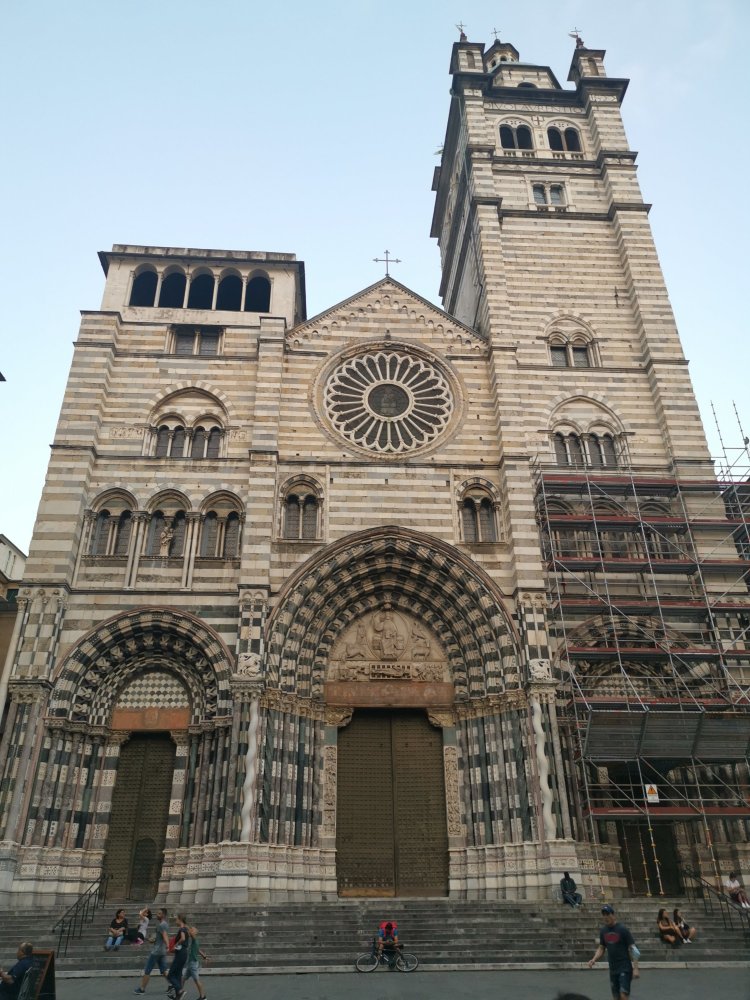
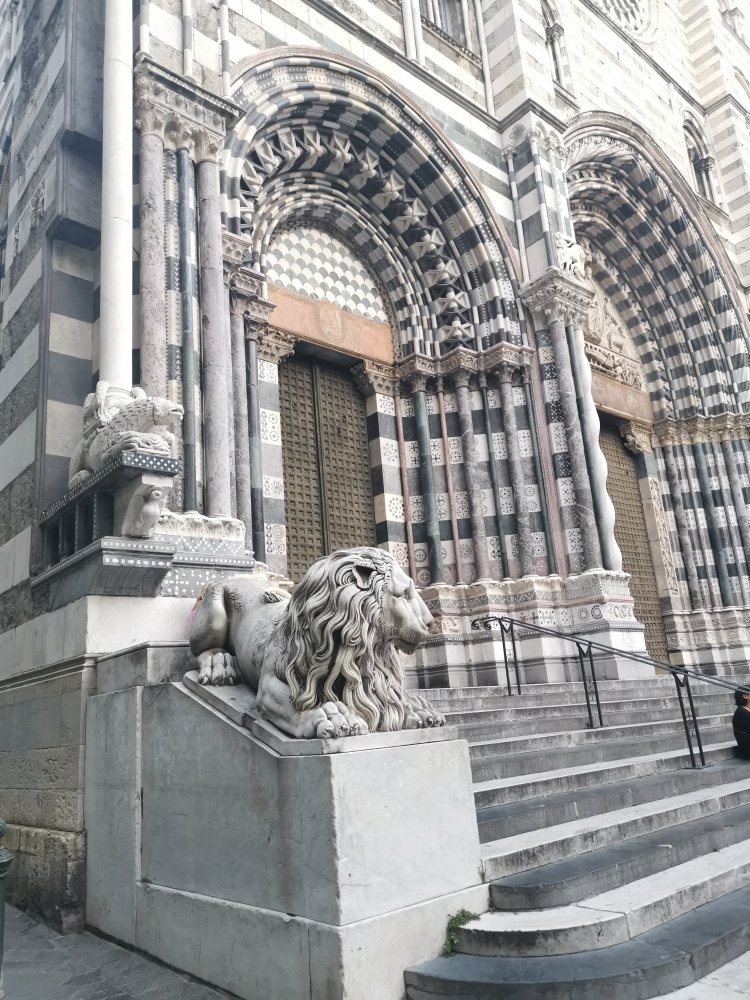

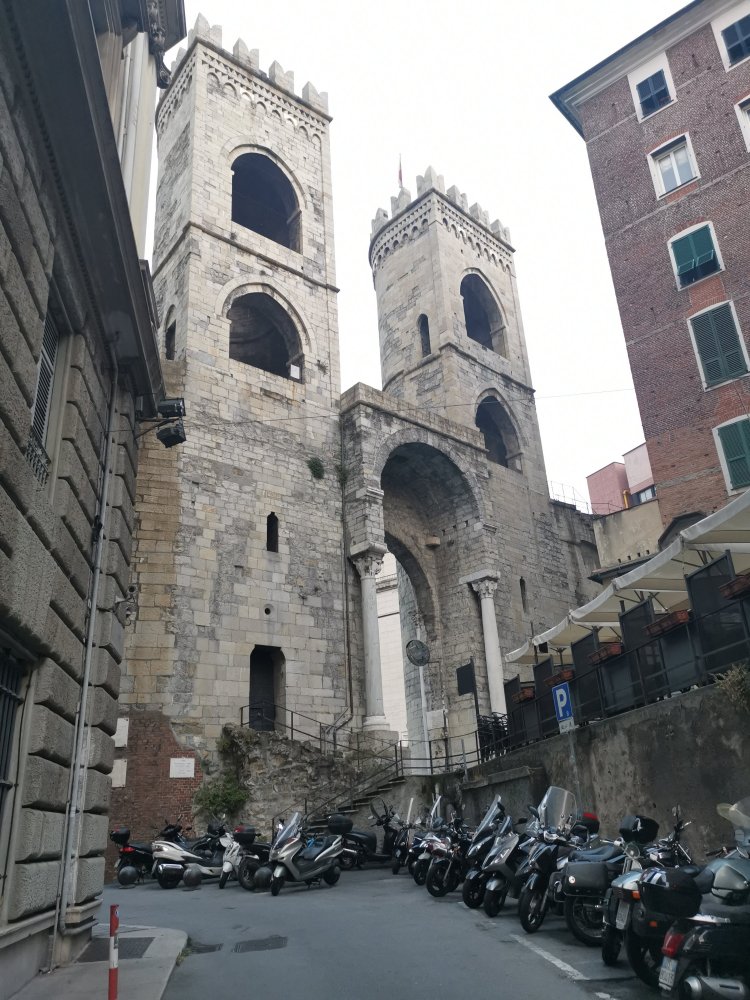
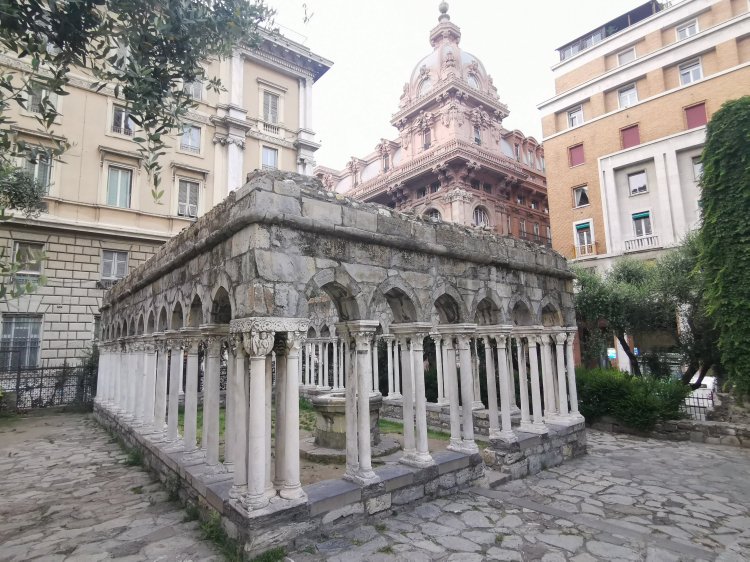
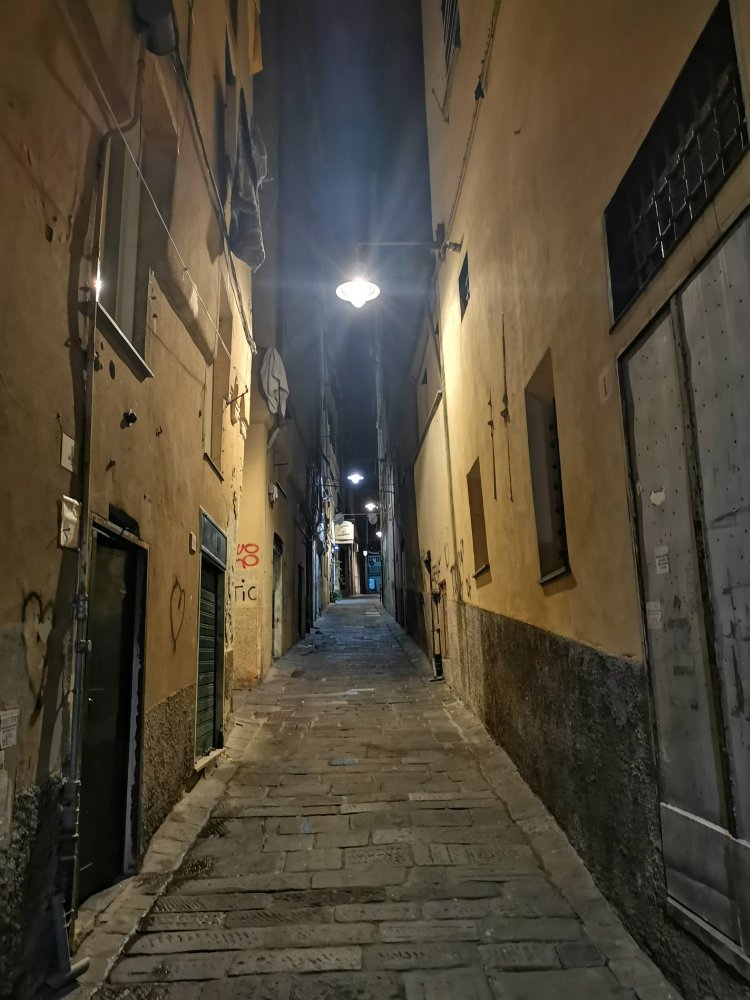

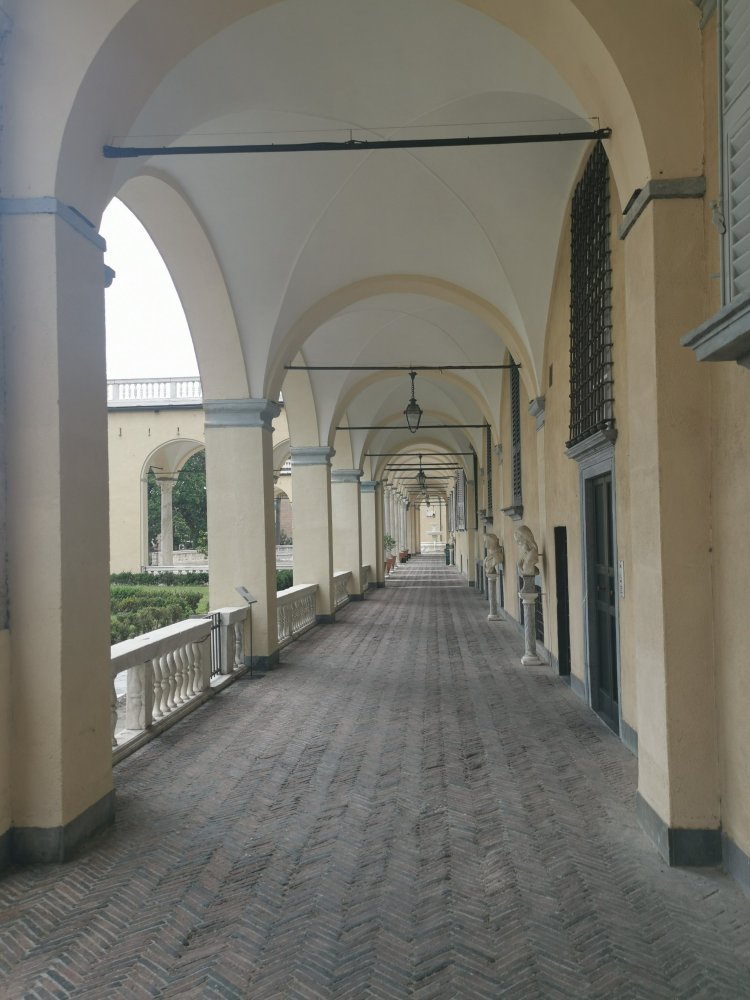


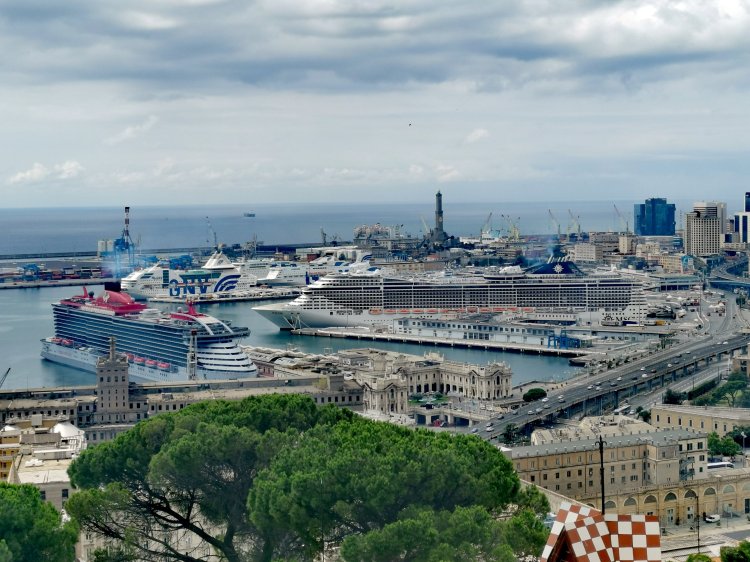

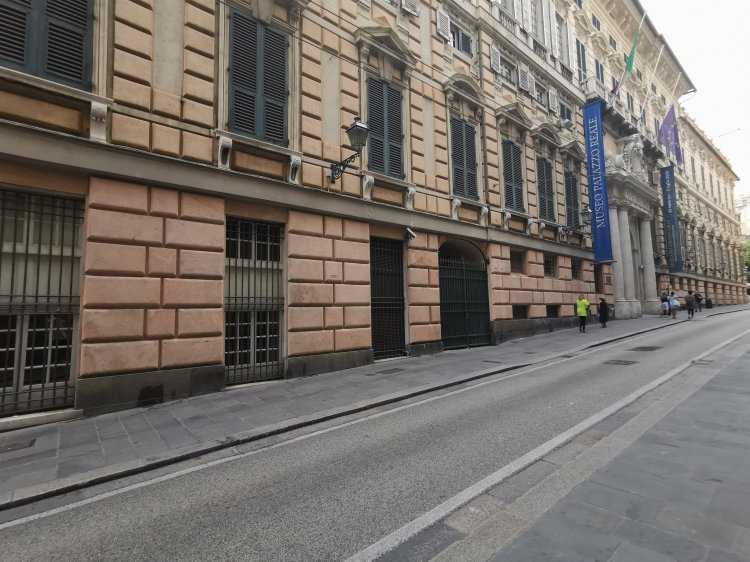

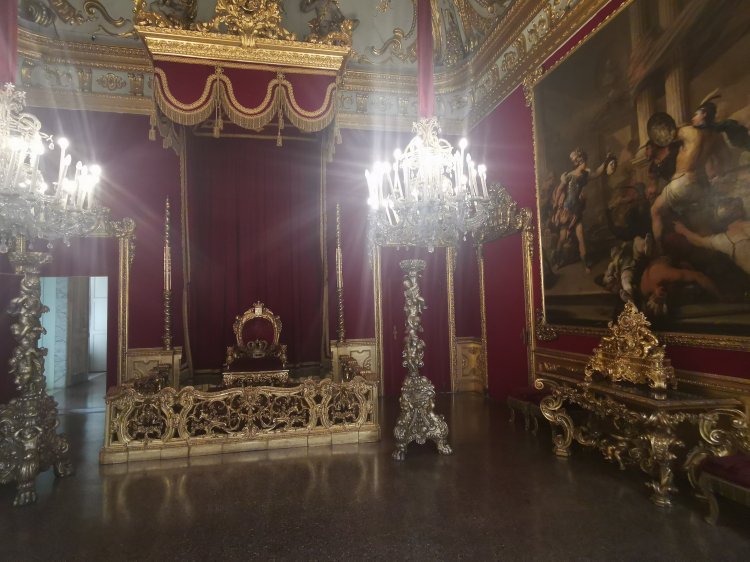
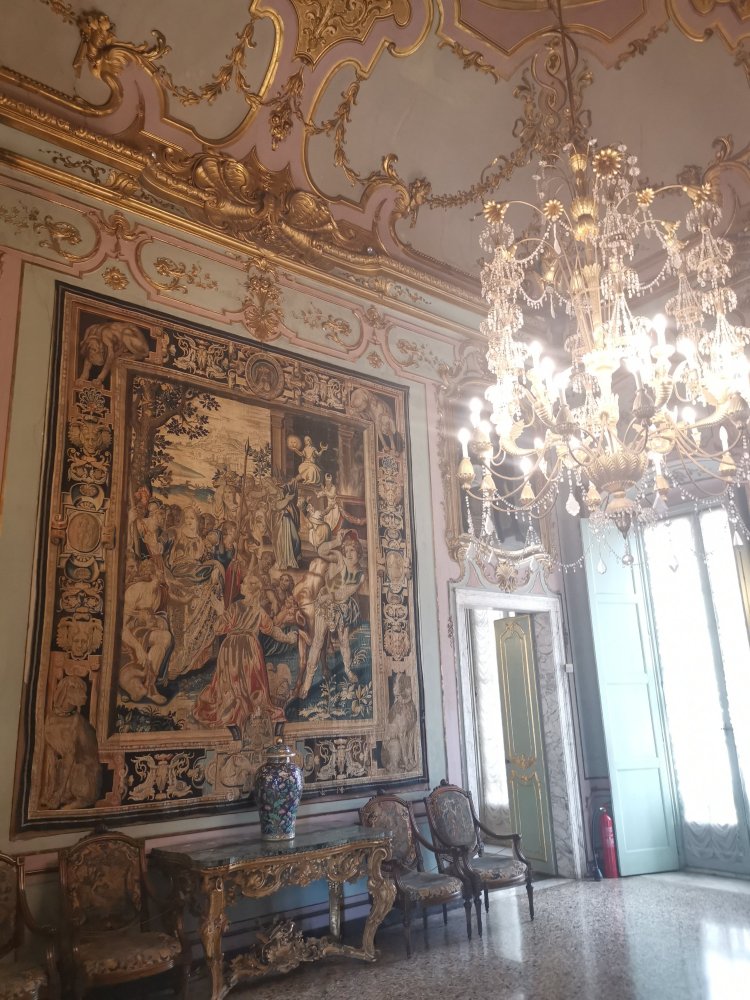

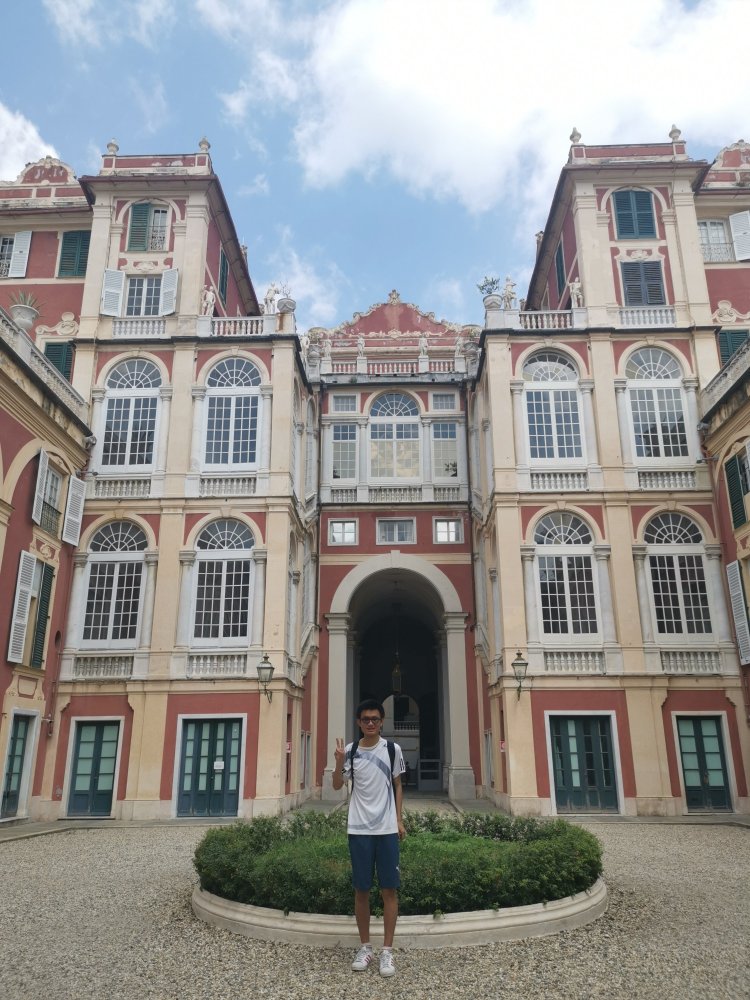
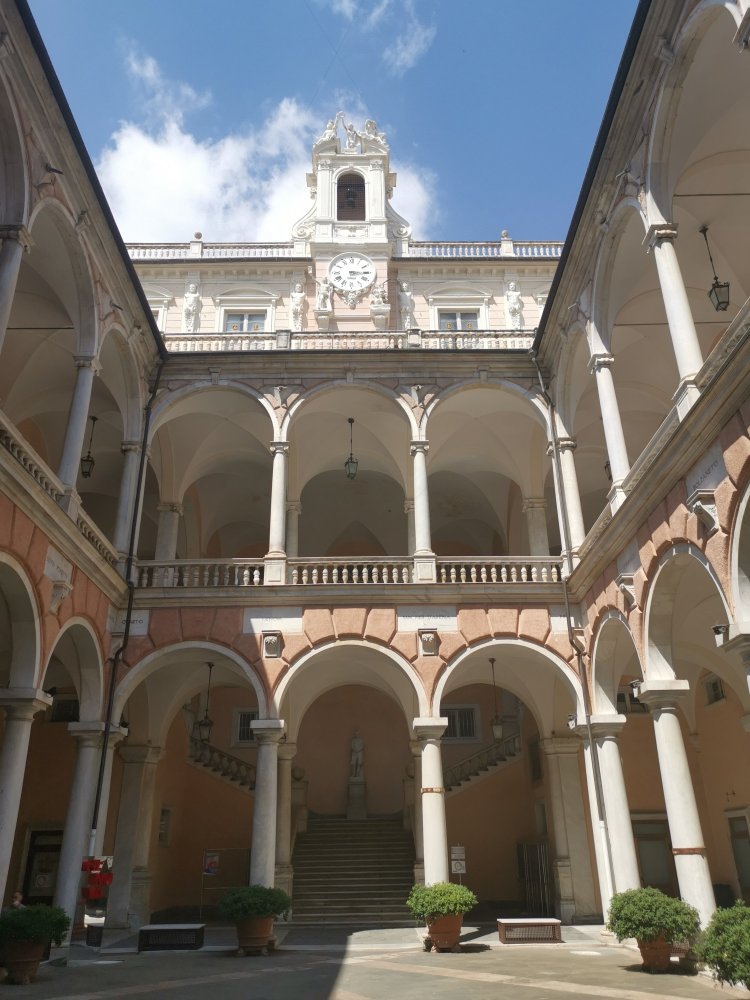


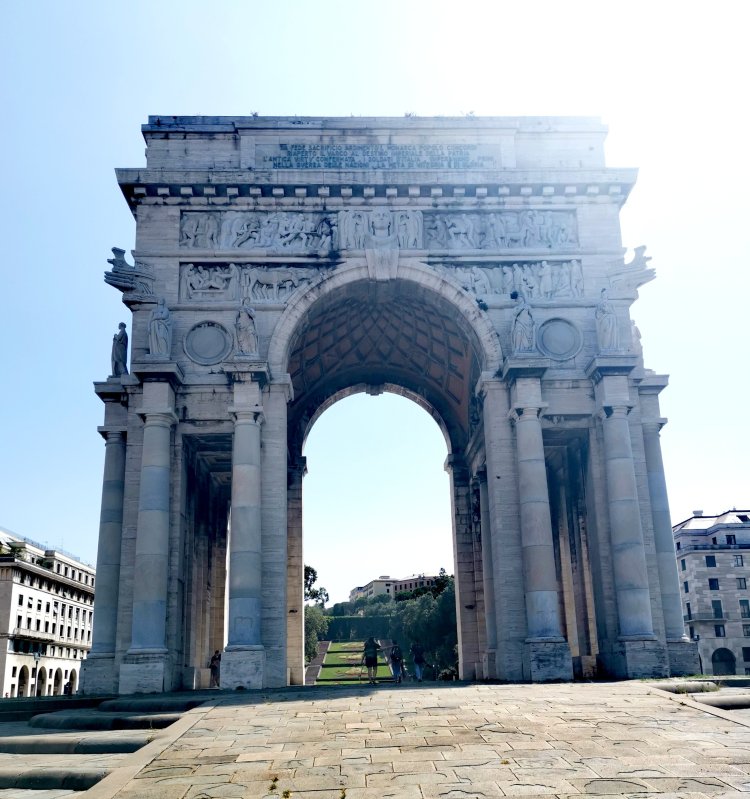


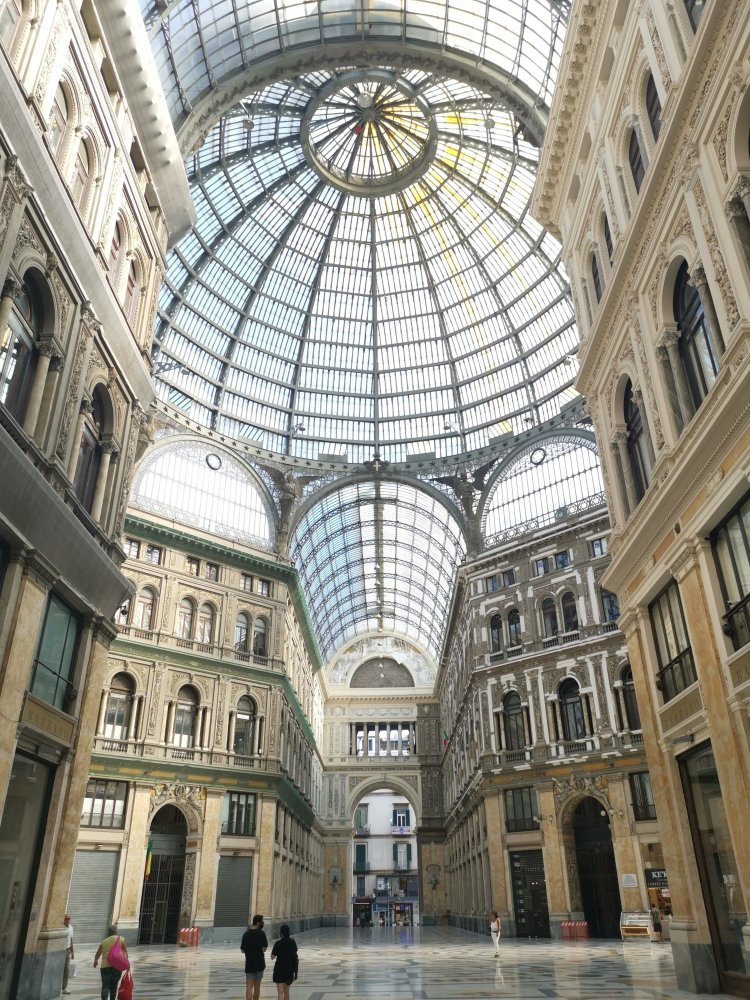


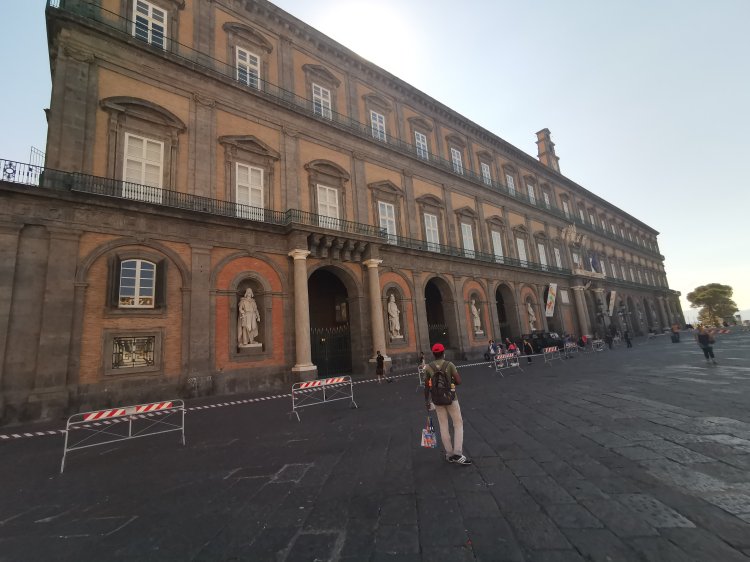

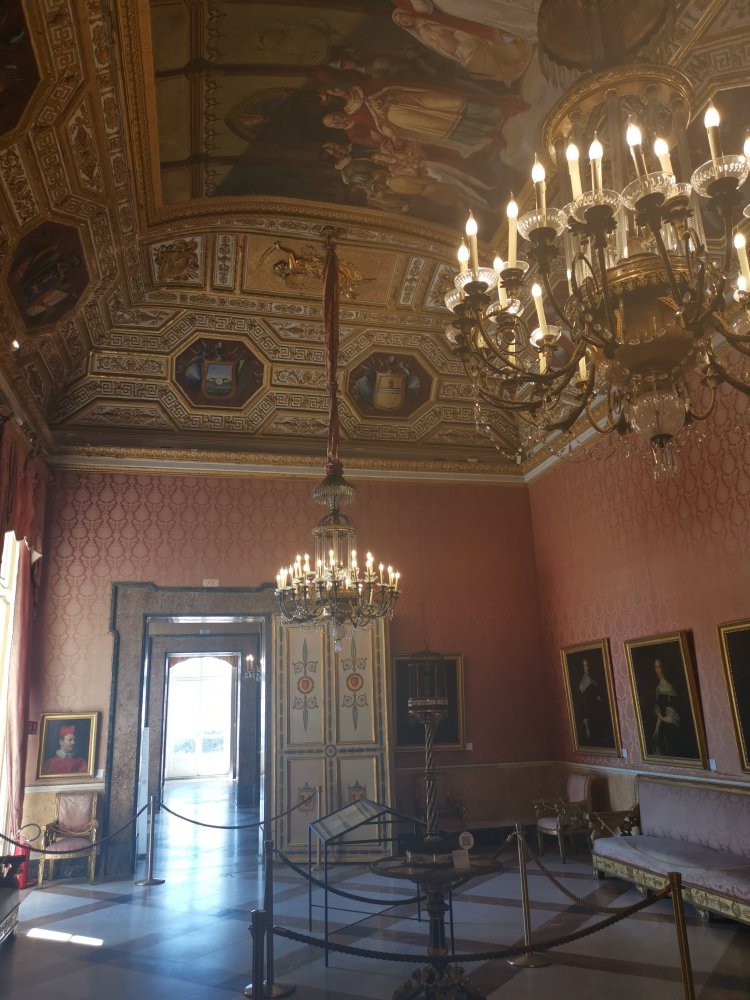
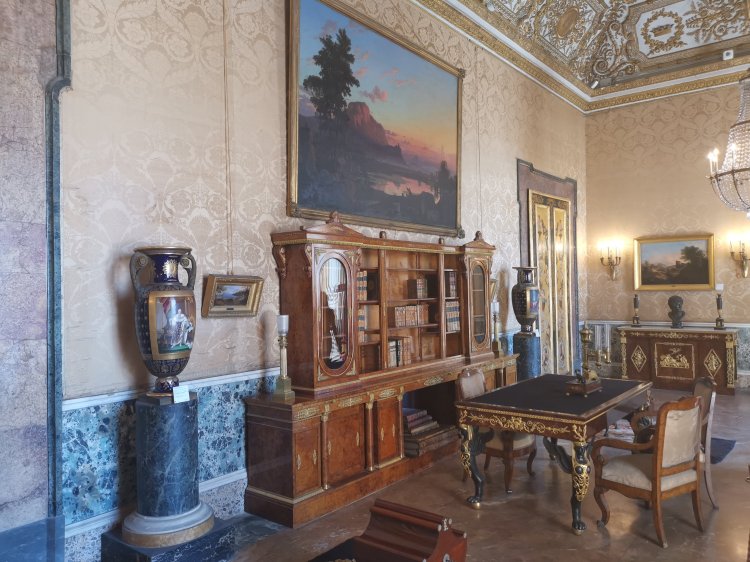

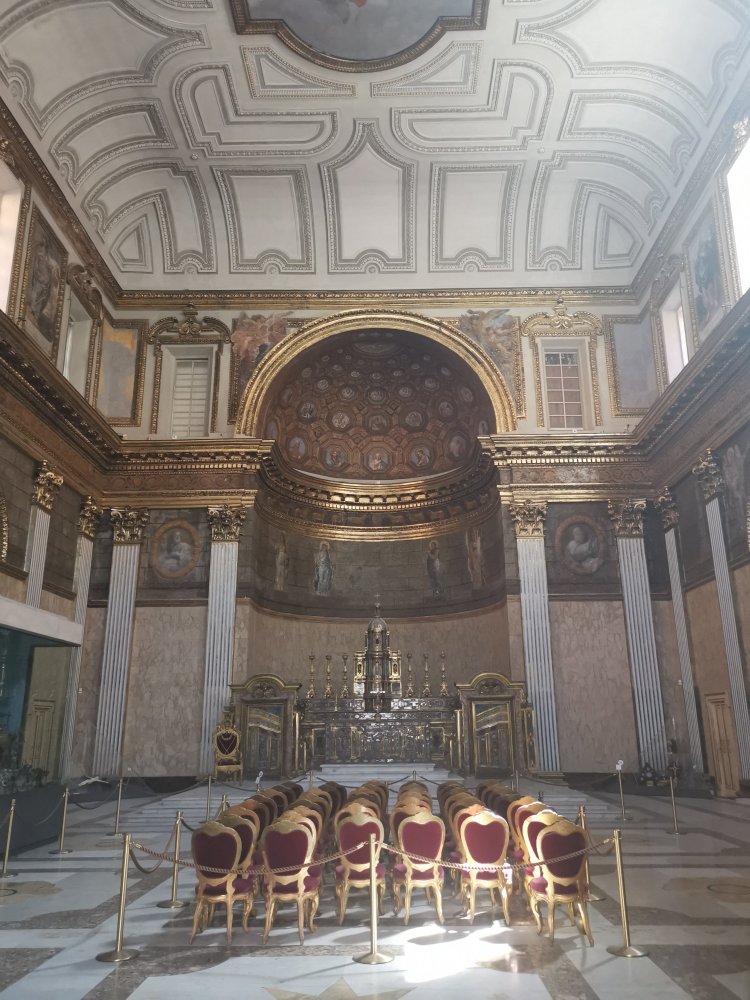


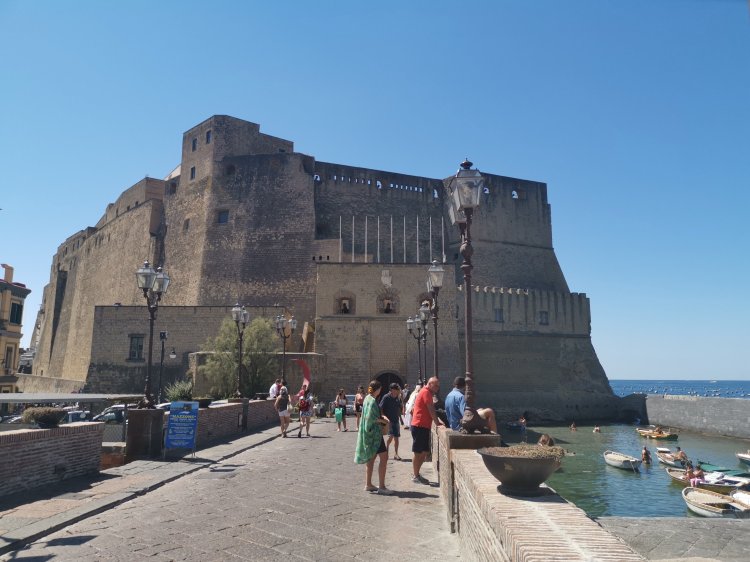


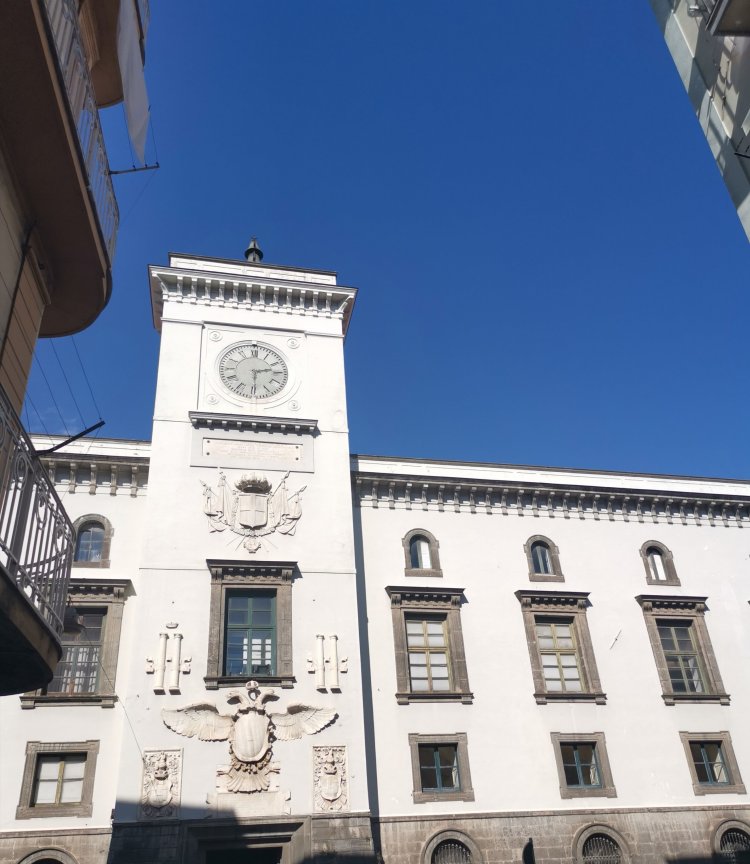


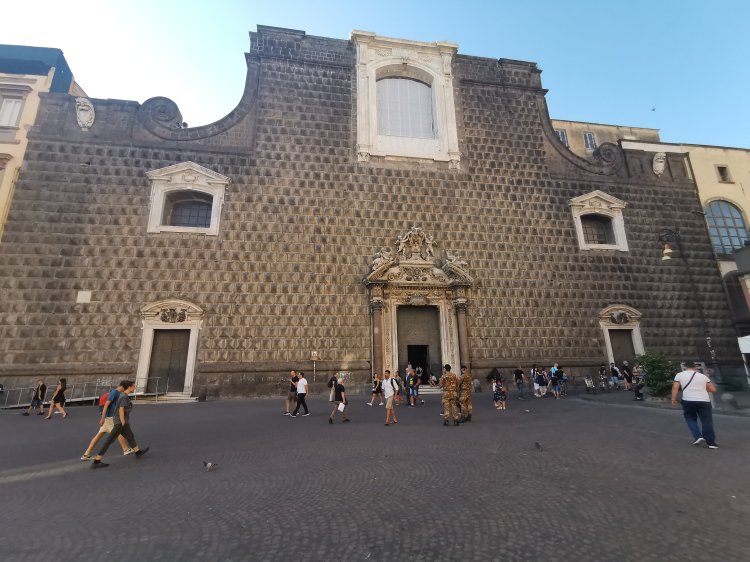
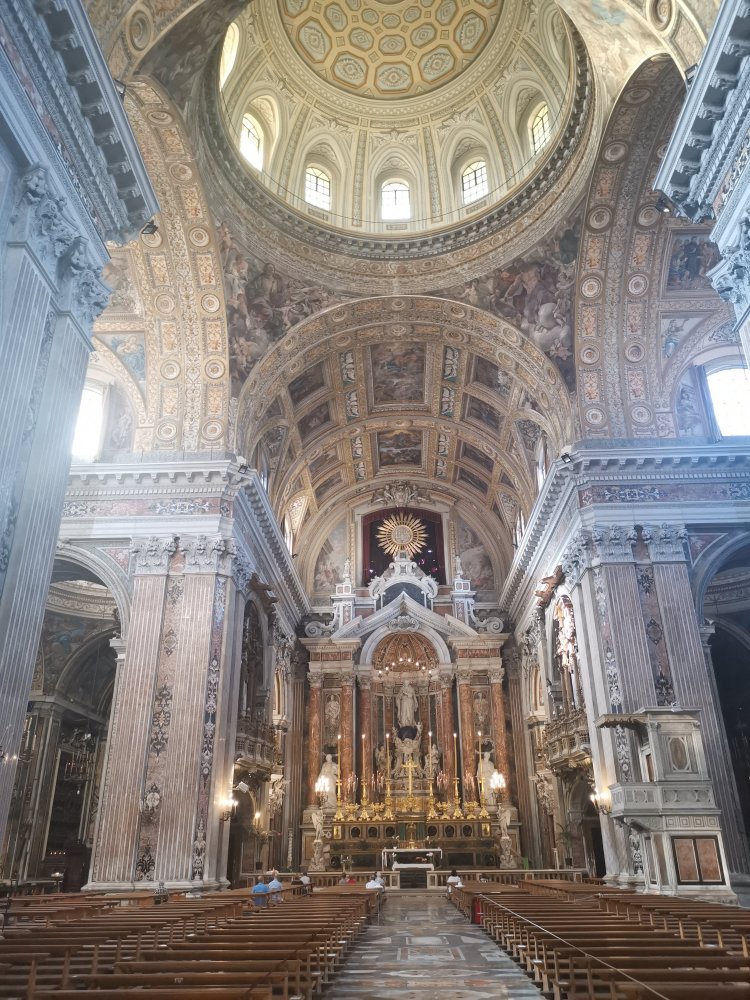
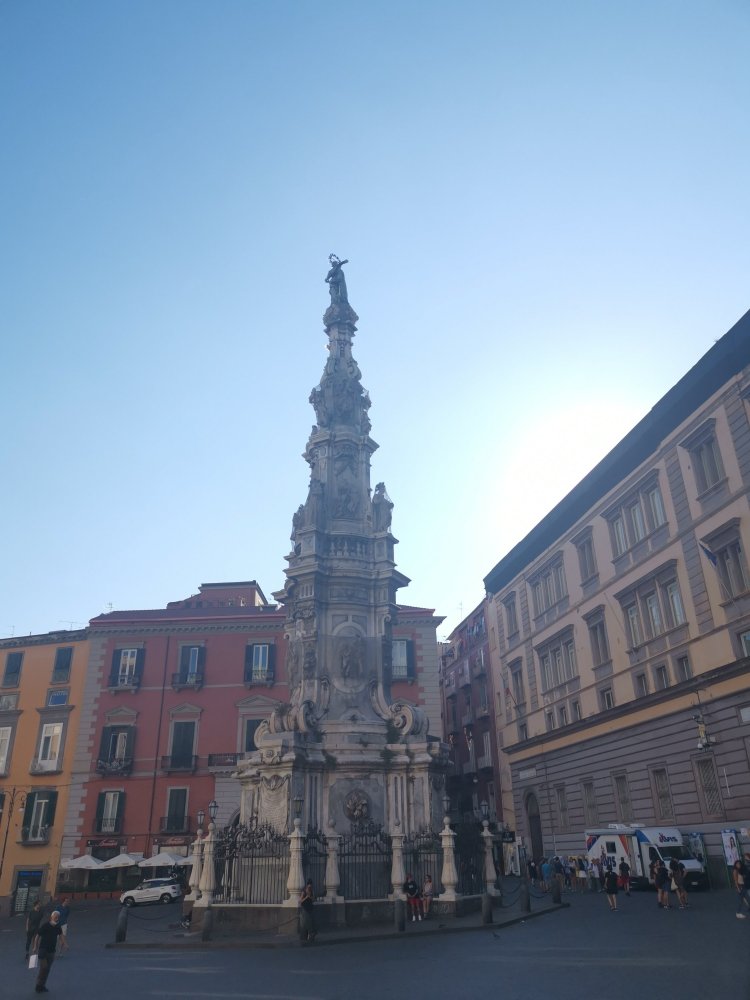


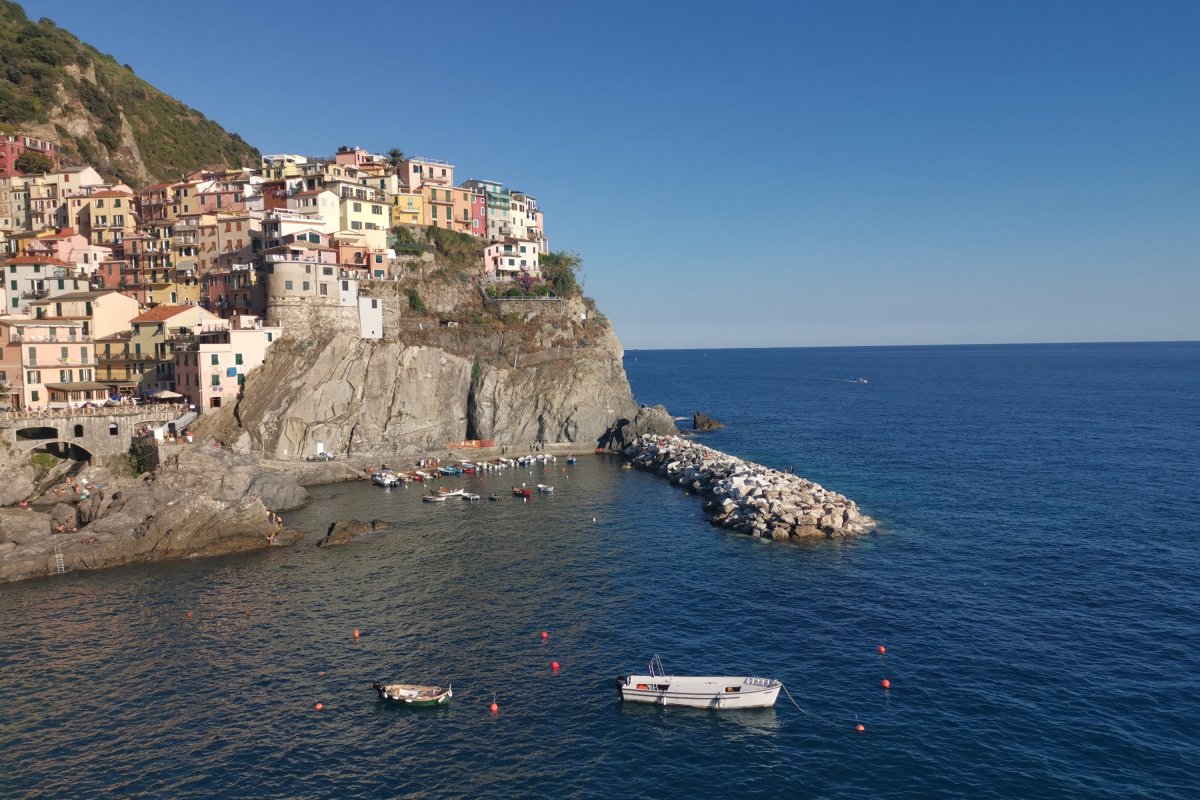


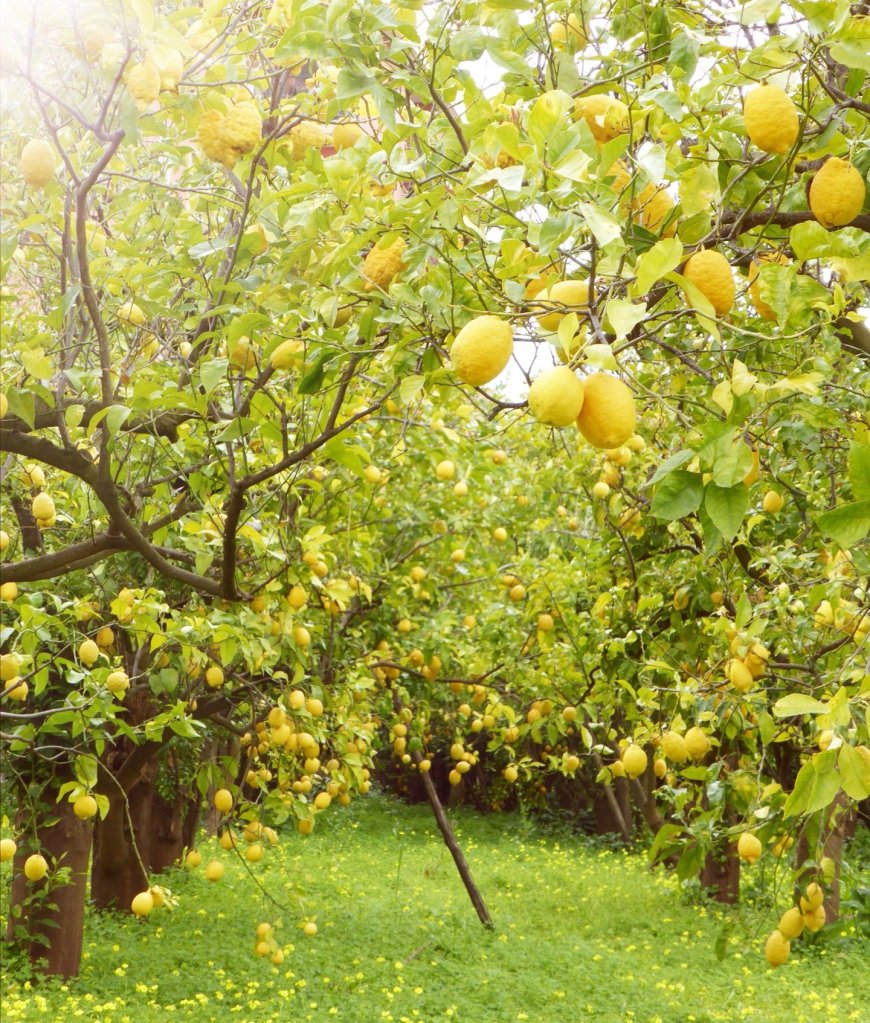

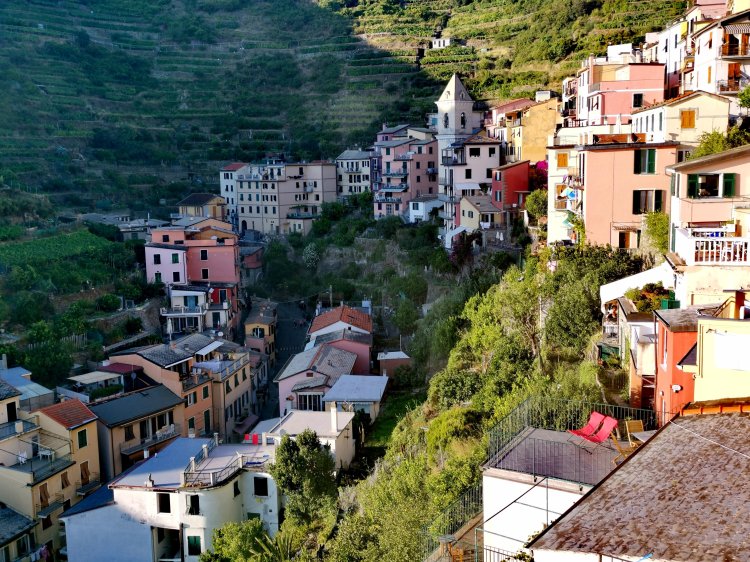
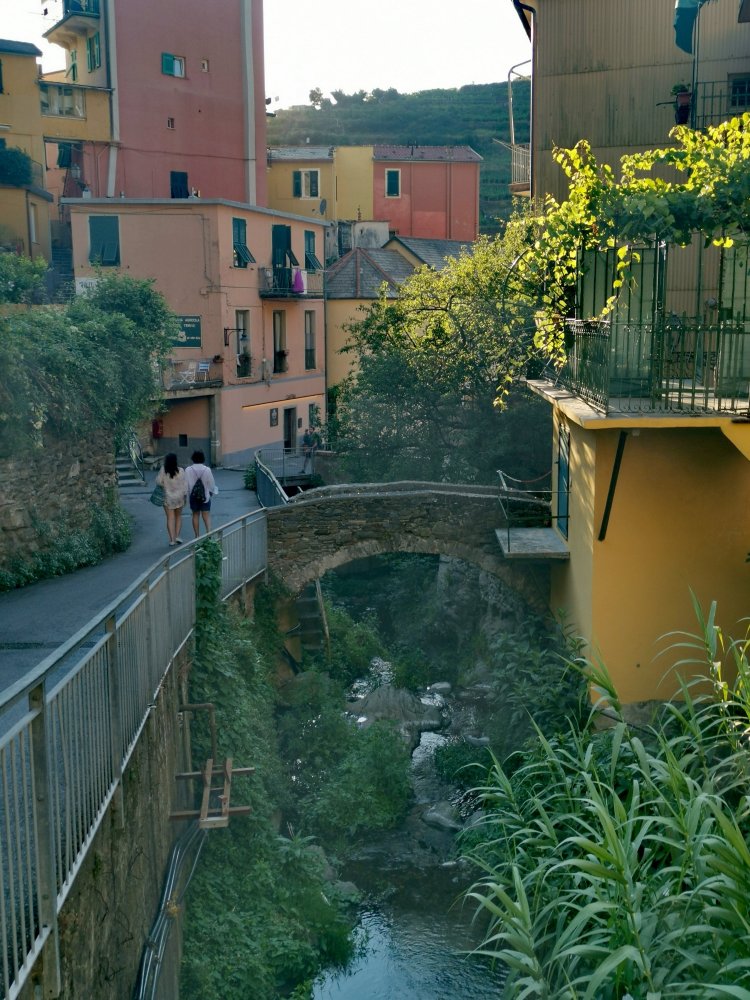
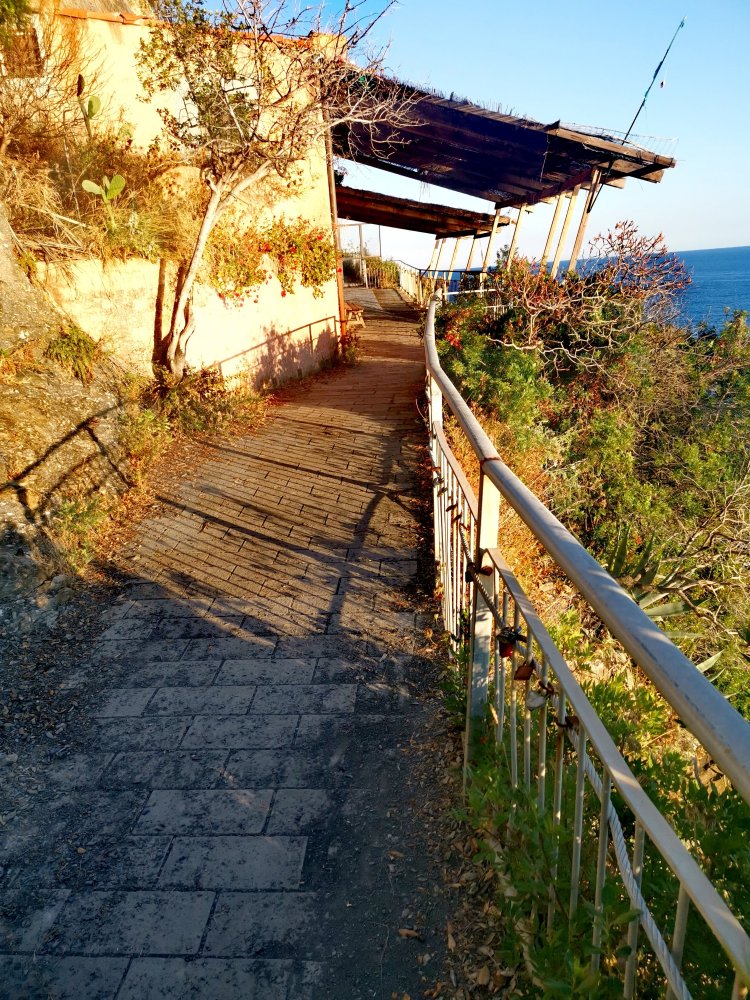
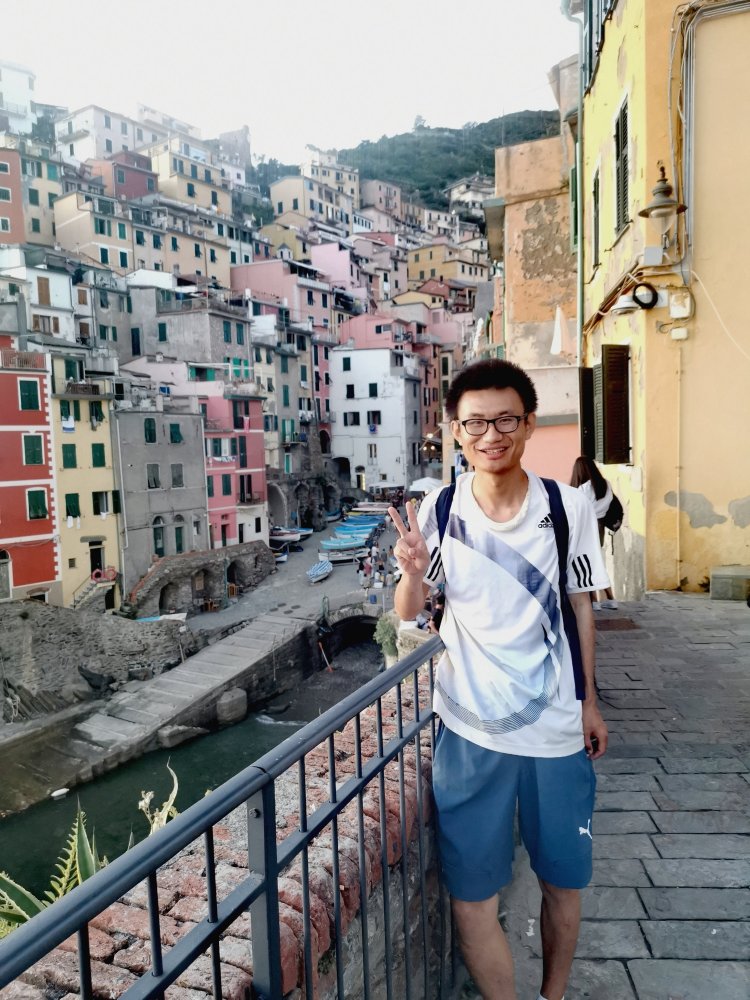
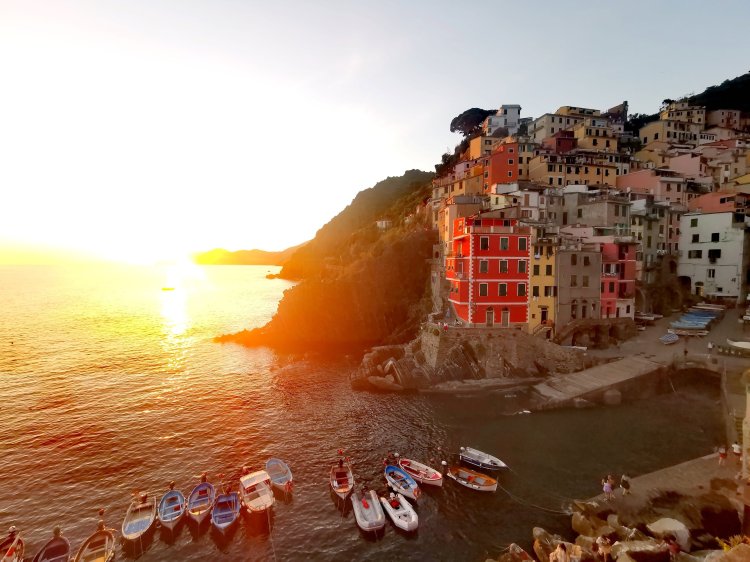



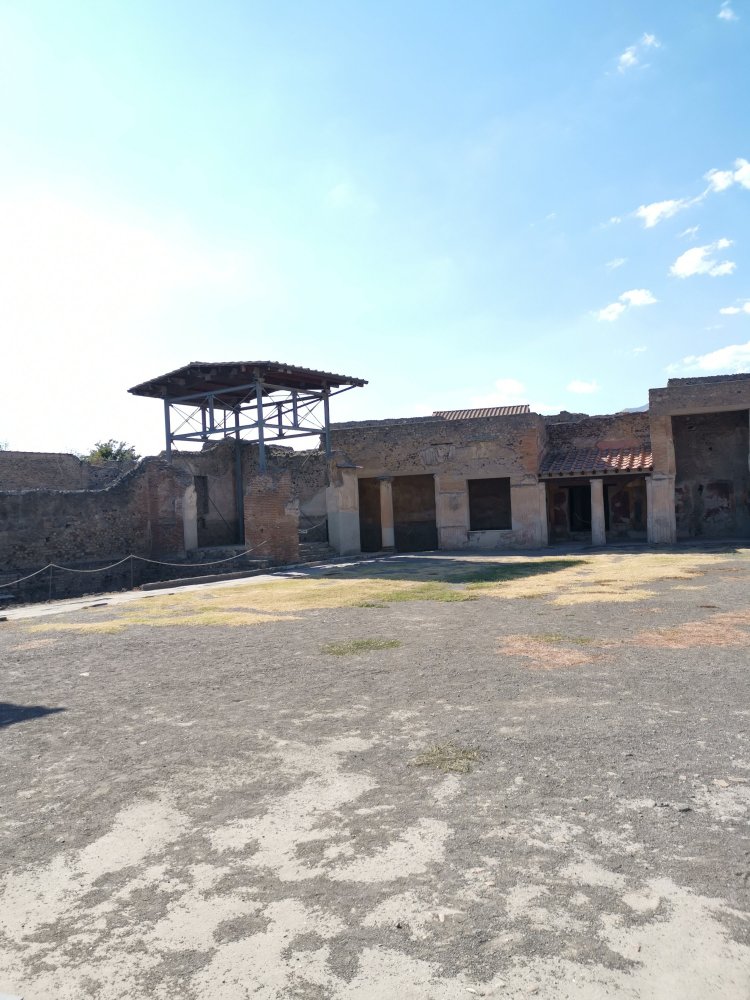
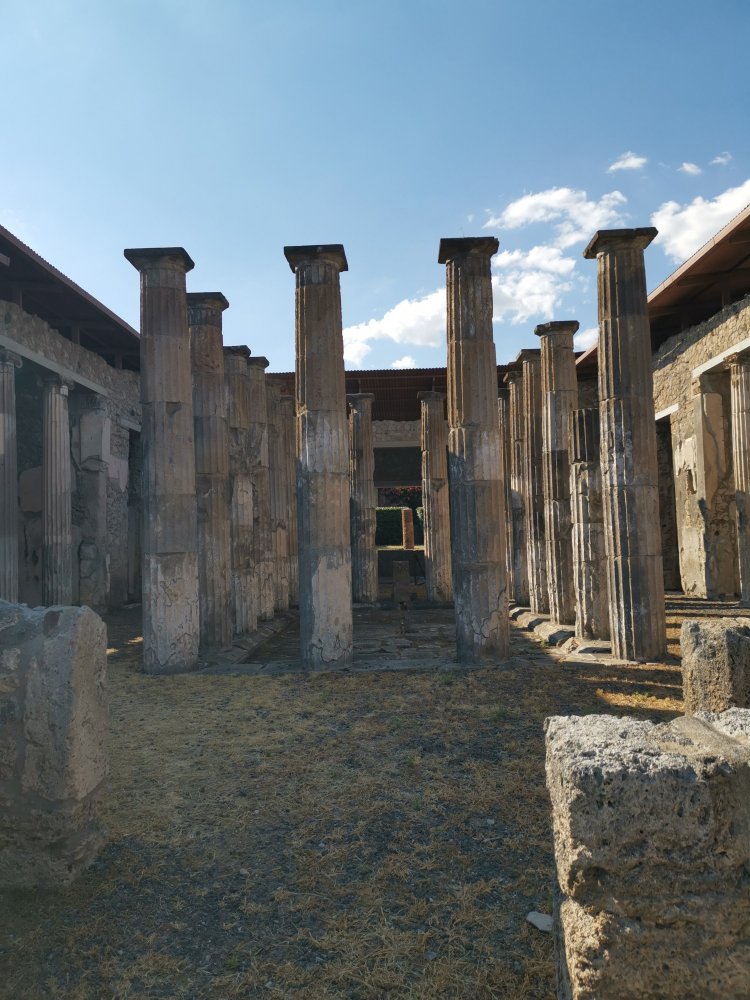

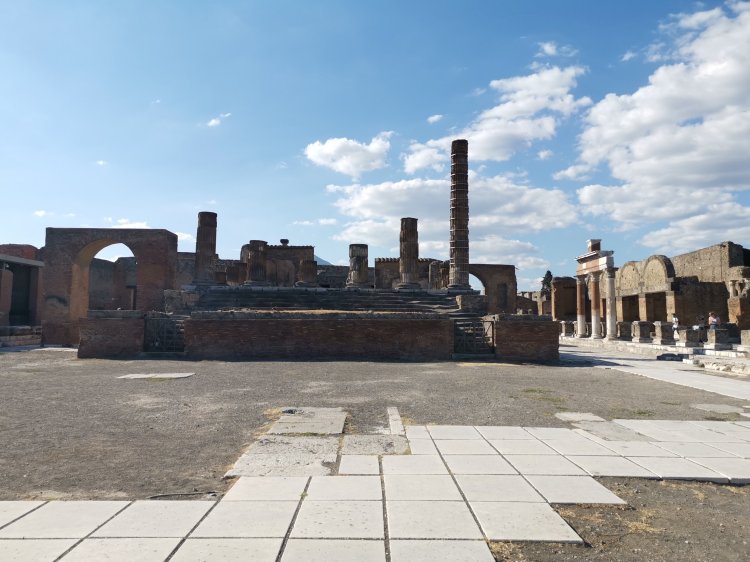

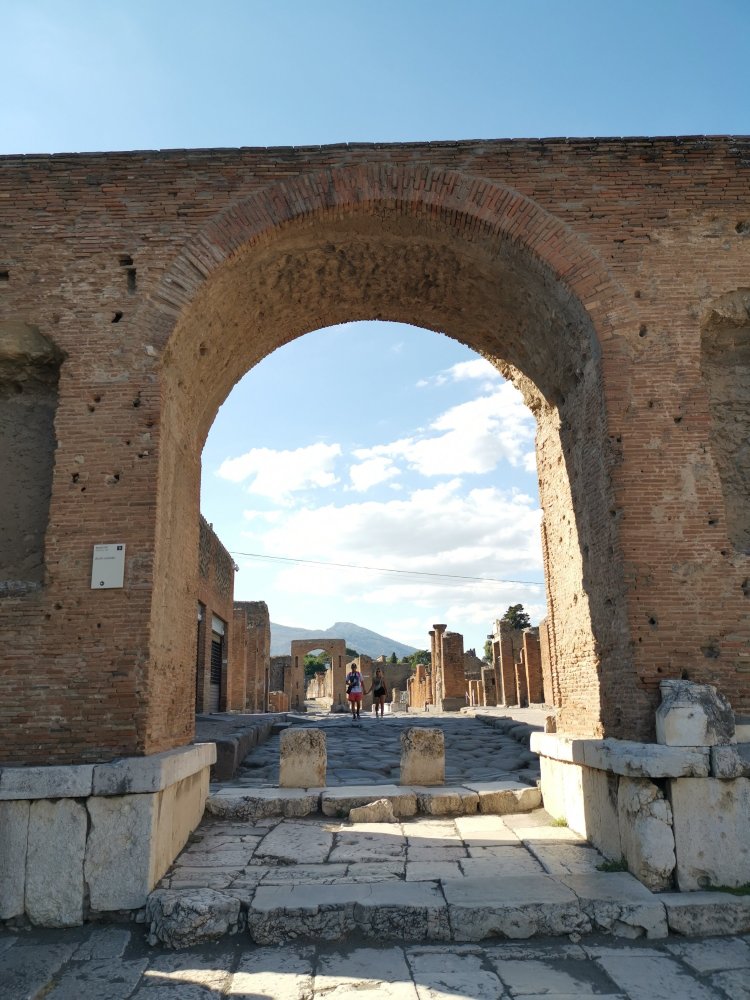


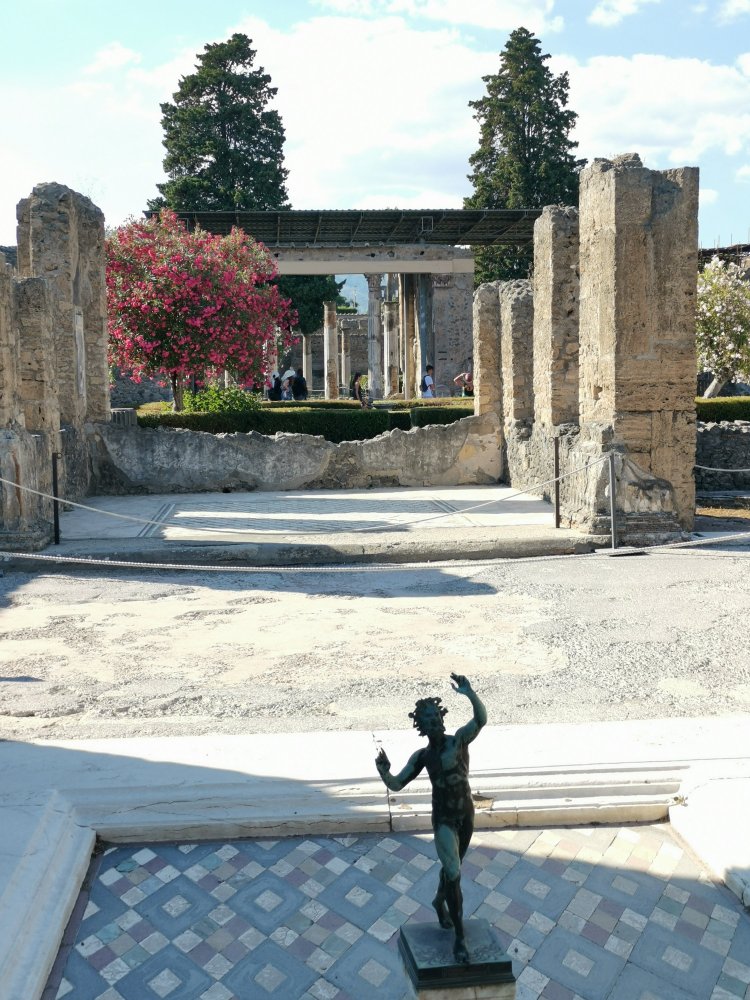


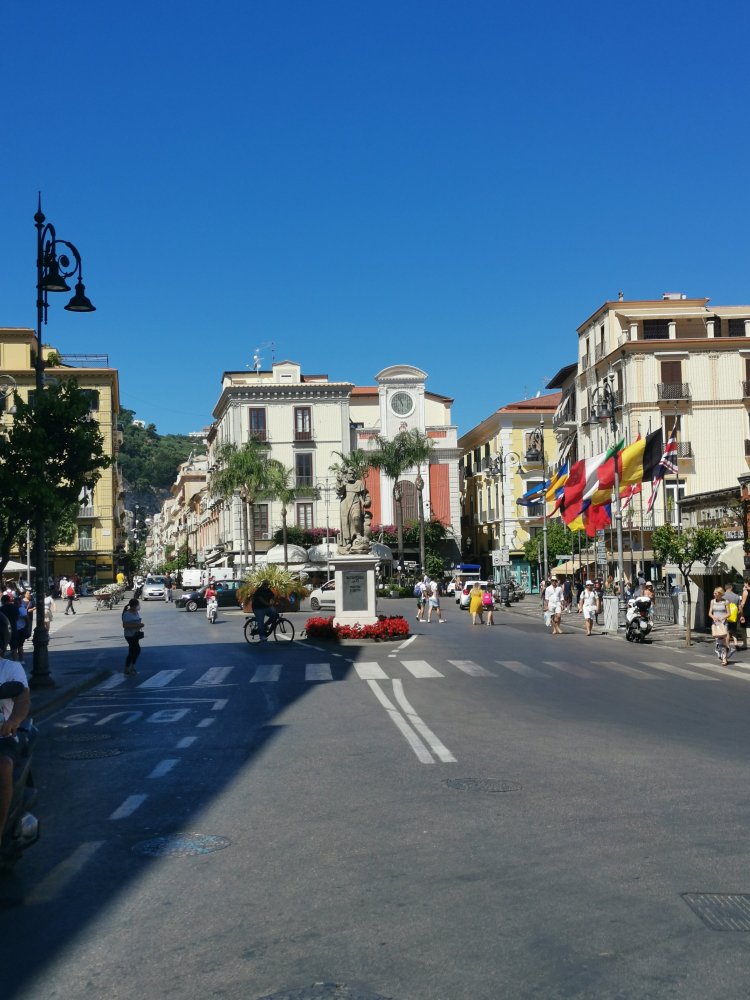


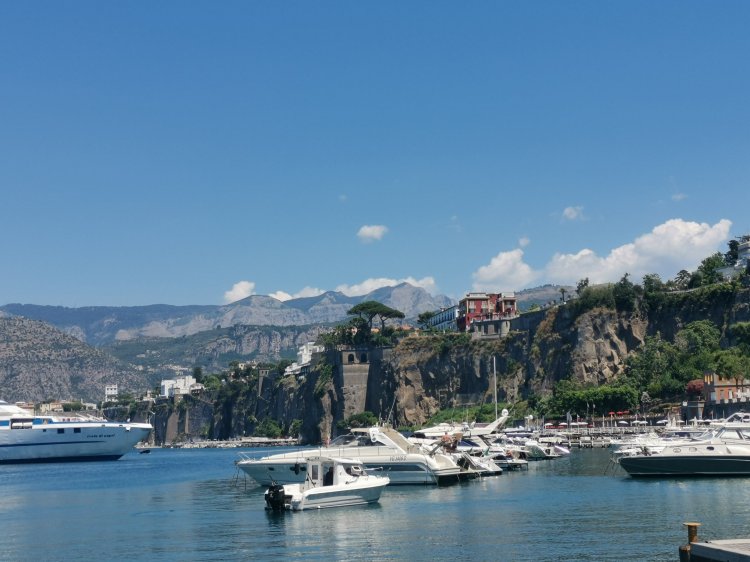


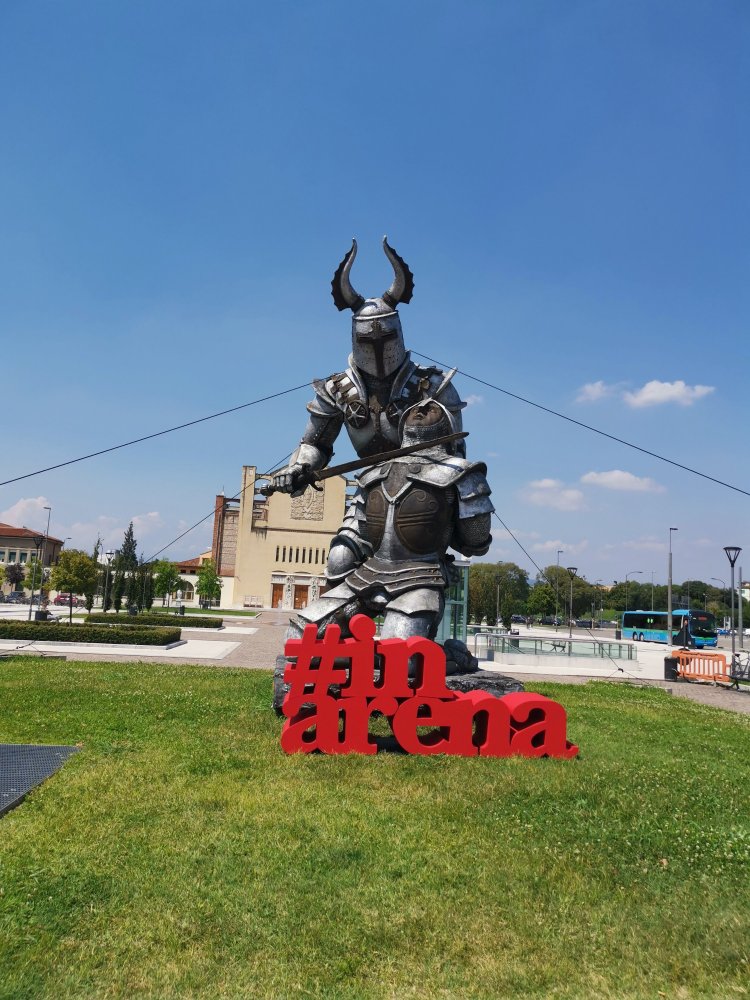
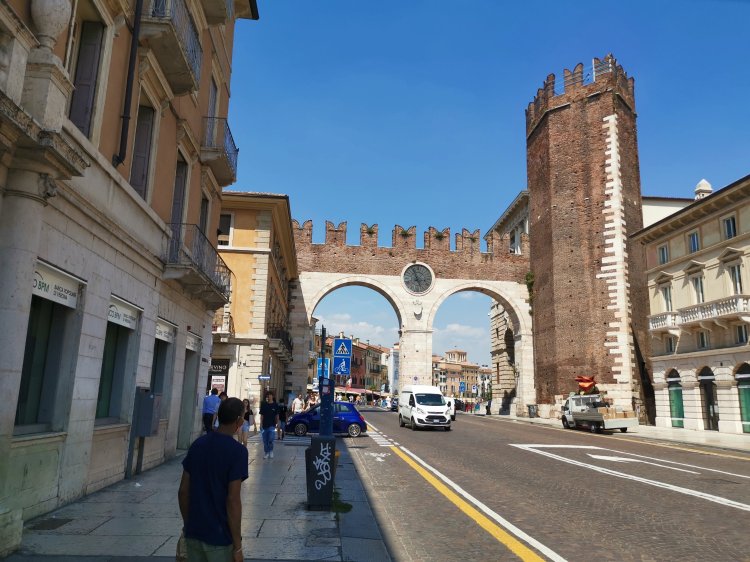

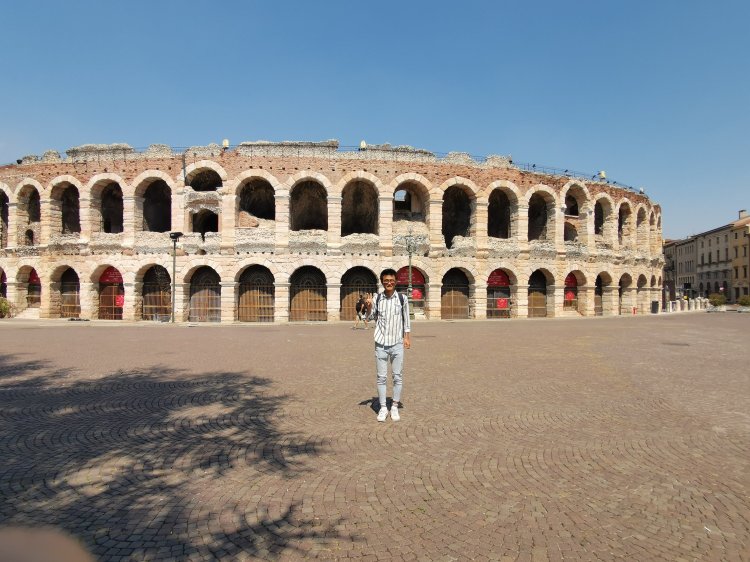


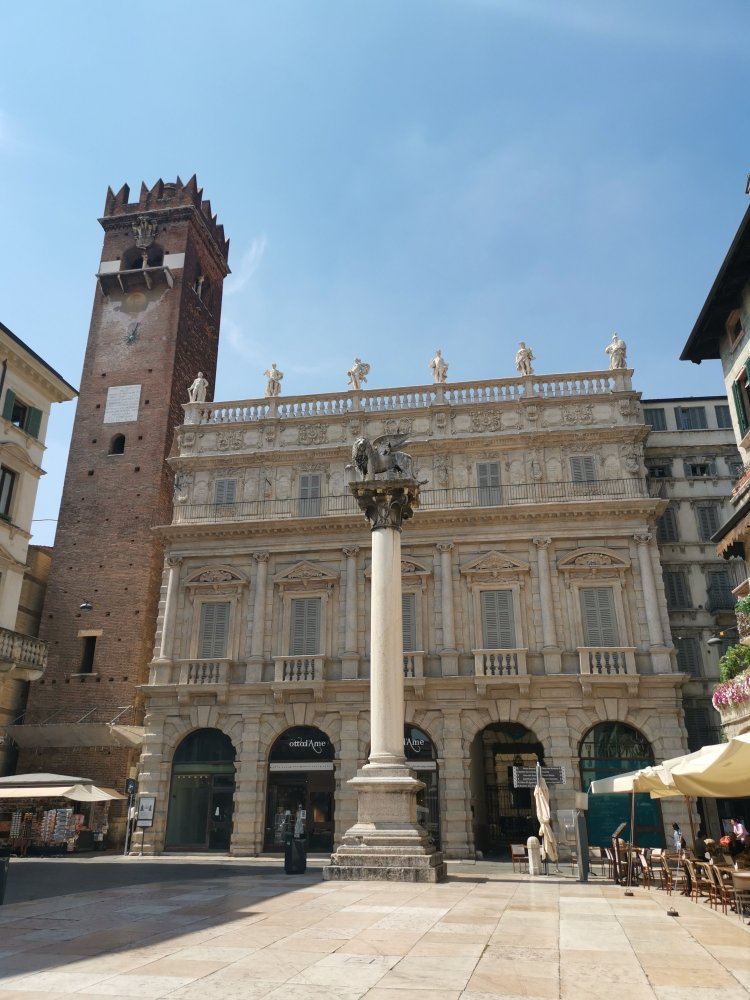
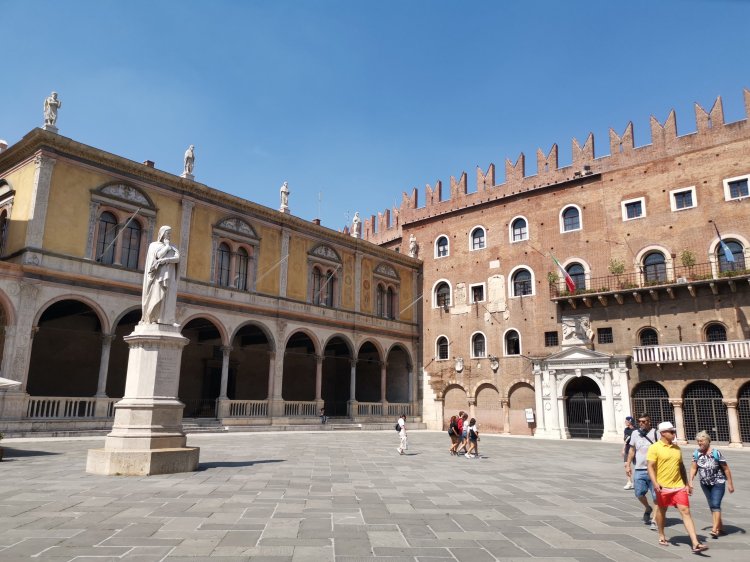

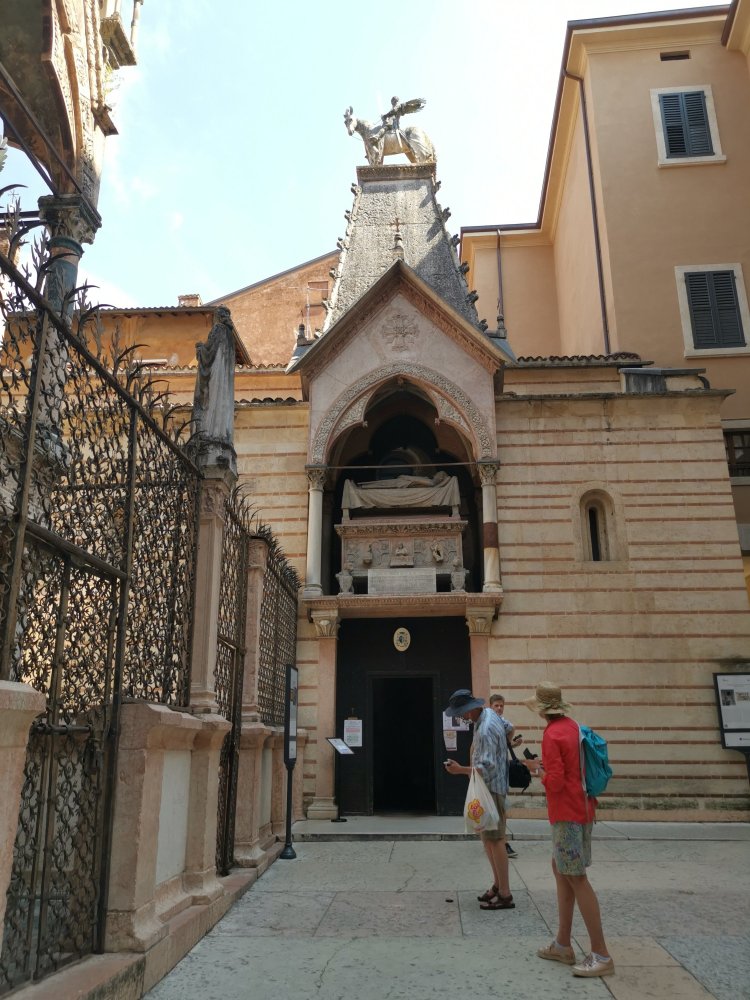

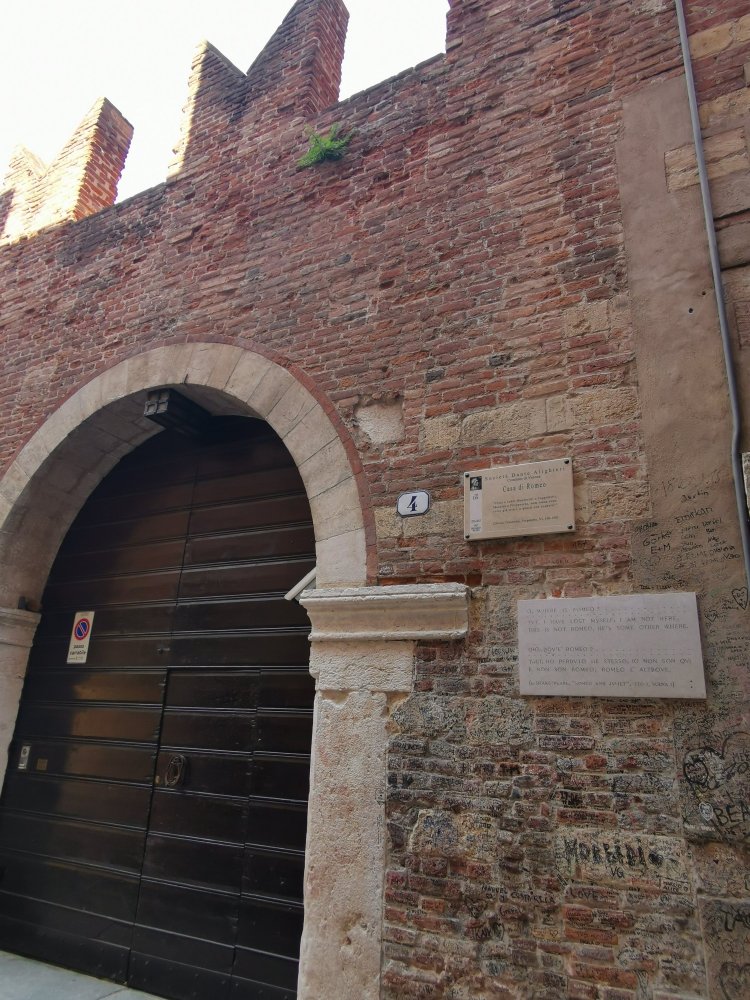
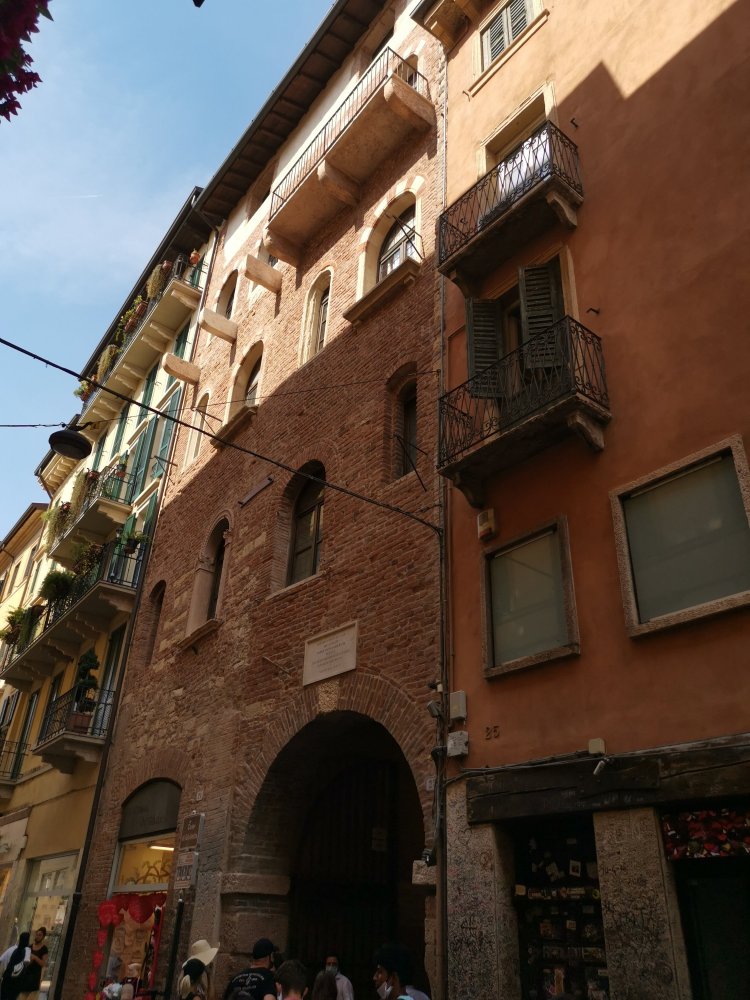
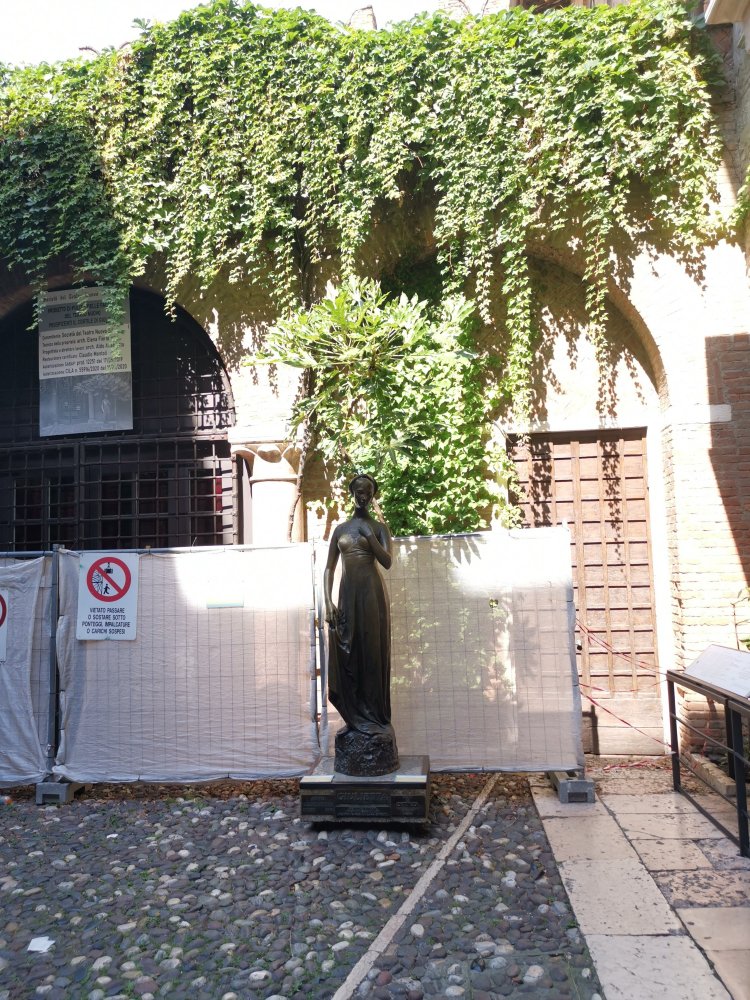
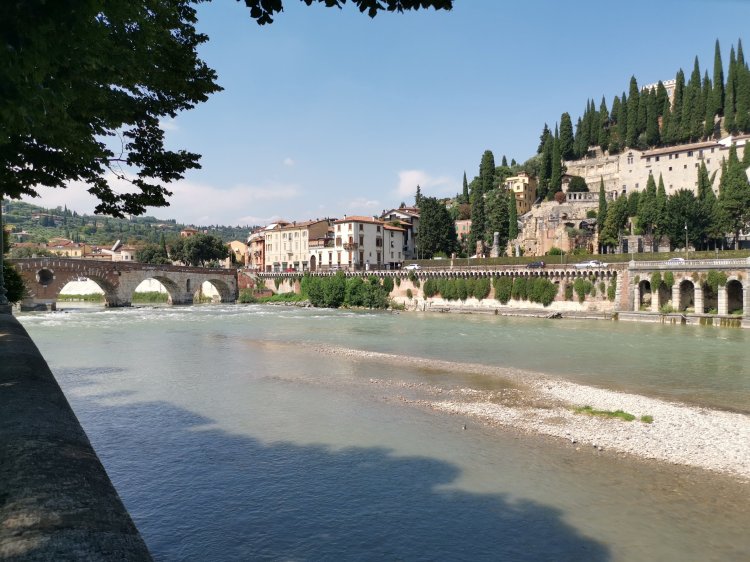
 Gone like the wind
