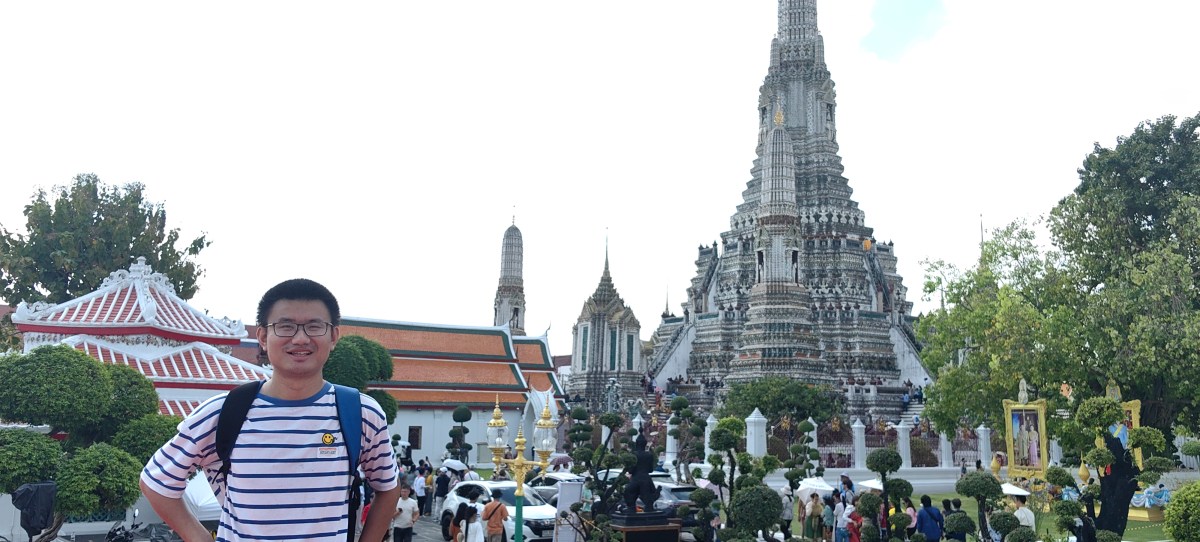
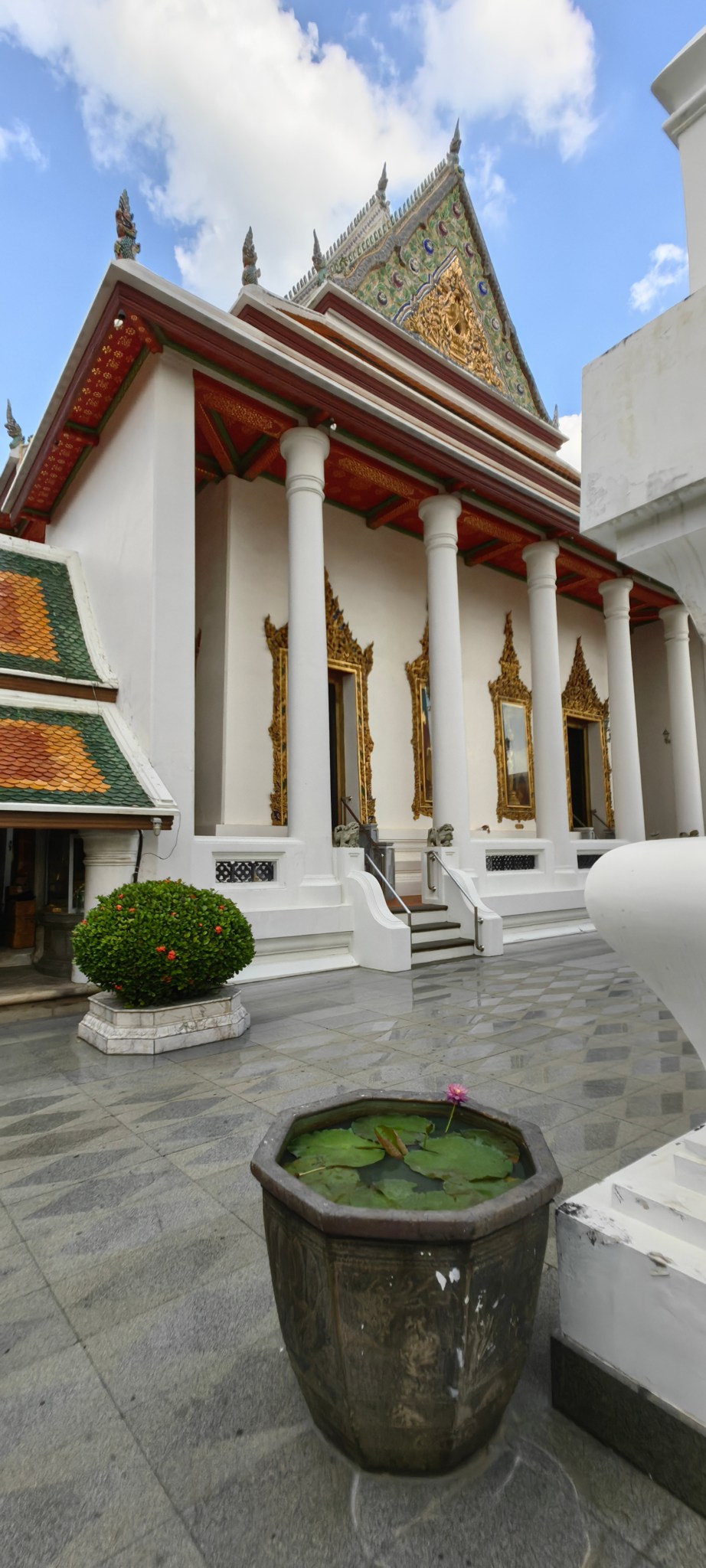
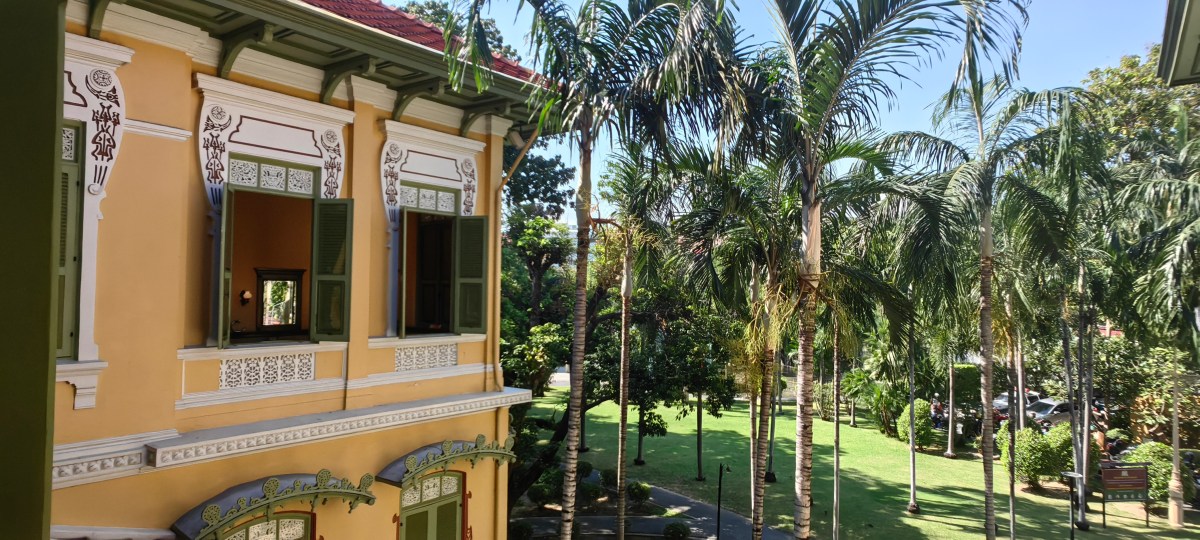
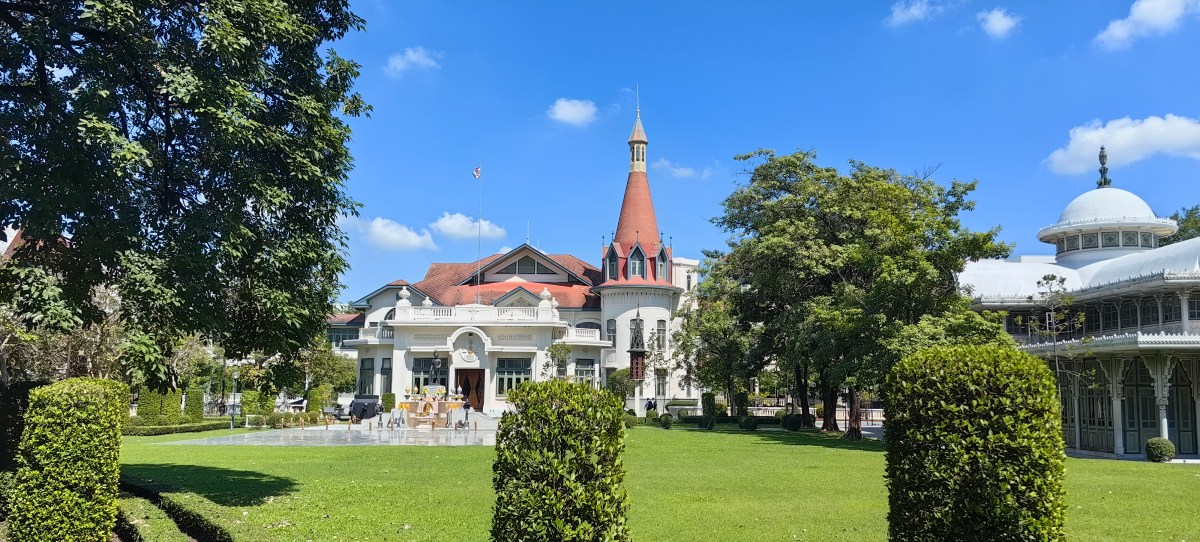
Beneath the Blue Horizon: Xiamen’s Sea-Kissed Trip

蓝色地平线下的厦门:一场海与心的旅行

Xiamen was my last stop in the Christmas trip 2024. It a beautiful city where the sea whispers to the shore draped in sunlight and sea breeze. Here, waves kiss the white sands of Huandao Road, and Kulangsu’s winding alleys hum with stories of a bygone era. Palm trees sway over seaside cafés, and each sunset spills gold into the harbor. Between the scent of salt in the air and the melody of the tides, Xiamen invites me to slow my pace, breathe deeply, and let the ocean’s rhythm guide me finish the whole journey.

厦门,是我2024年圣诞旅途的最后一站。这座海滨之城,阳光与海风温柔相拥。环岛路的白沙滩上,浪花如丝绸般抚过足迹;鼓浪屿的蜿蜒小巷间,则回荡着旧时光的低语。海边的咖啡馆里,棕榈树在微风中摇曳,夕阳的余晖染金了整片港湾。空气里弥漫着咸润的气息,潮汐谱写着舒缓的旋律。厦门,仿佛以海洋的脉动,邀请我放慢脚步,深深呼吸,让旅程在宁静与诗意中缓缓落幕。

When I just arrived, I found that Xiamen and Singapore share quite a few similarities, especially from a travel and lifestyle perspective. Both are island-based cities connected to the mainland by bridges. Surrounded by the sea, they have a strong maritime character and a history shaped by trade. Xiamen’s Kulangsu Island and old neighborhoods reflect a fusion of Chinese, Western, and Southeast Asian styles. Singapore also blends Chinese, Malay, Indian, and colonial heritage into its urban fabric.

初到厦门时,我惊喜地发现,这座城市尤其是在旅行体验与生活方式上与新加坡有着许多相似之处。两者皆是海岛城市,通过桥梁与大陆相连,四面环海,浸润着浓厚的海洋气息与因贸易而兴盛的历史。厦门的鼓浪屿与老街区展现出中西文化与东南亚风情的交融,而新加坡的城市肌理则汇聚了华人、马来人、印度人以及殖民时期遗留下来的多元文化遗产。
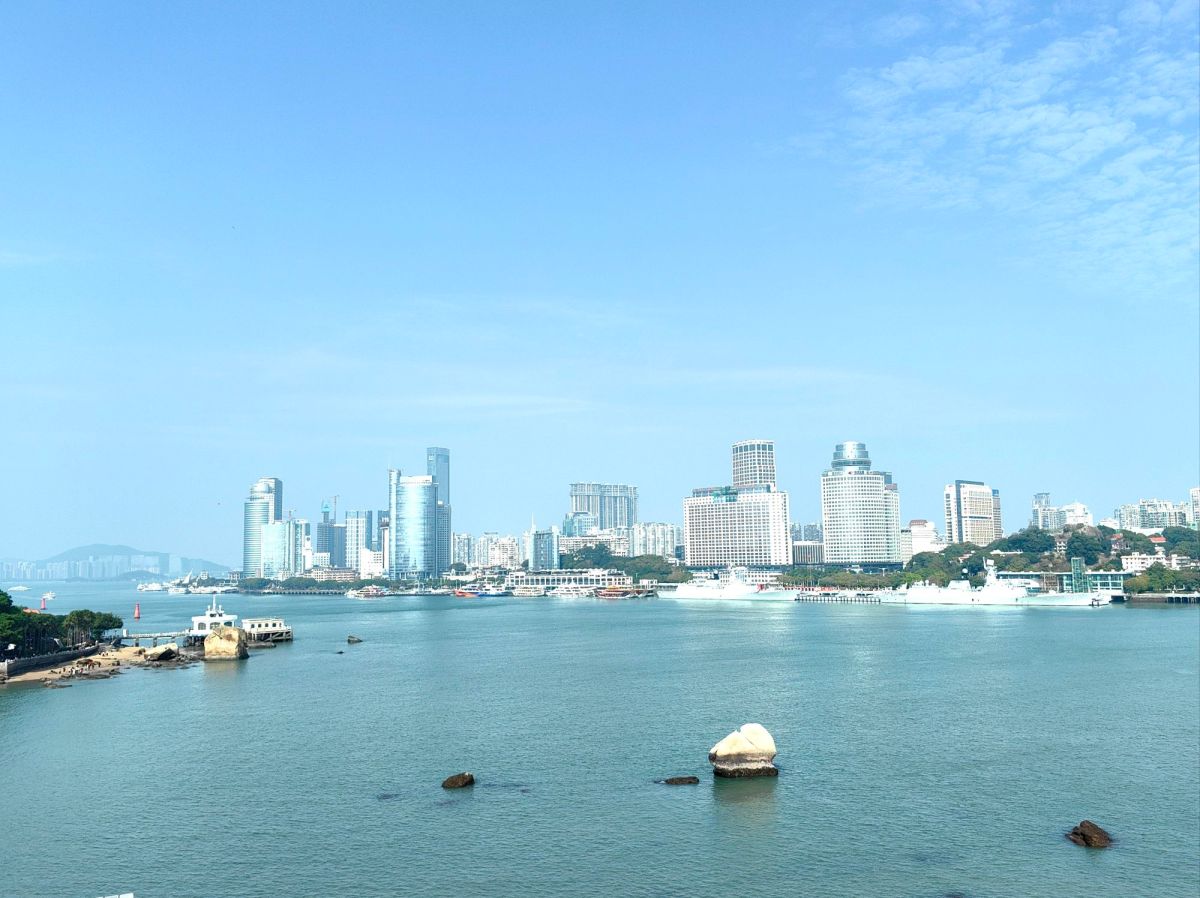
Xiamen’s story is written by the sea. Once a small fishing settlement, it rose to prominence in the 17th century as a key port for maritime trade along China’s southeastern coast. During the Ming and Qing dynasties, its deep-water harbor made it a gateway for merchants, tea exports, and cultural exchange. In the 19th century, Xiamen became one of China’s earliest treaty ports, opening to foreign trade after the signing of Treaty of Nanjing in the First Opium War. Nowadays, it is very modern city. The beautiful skyline rises beside palm-lined boulevards, and large ships share the horizon with ferries bound for nearby islands. Both mark a new chapter of this garden city on sea.

厦门的故事始于大海。最初,它只是东南沿海的一座小渔村,却在十七世纪间逐渐崛起,成为海上贸易的重要港口。明清时期,深水良港让这里汇聚四方商贾,茶叶自此远销海外,也孕育了多元的文化交流。十九世纪,随着《南京条约》的签订,厦门成为中国最早开放的通商口岸之一,见证了风云变幻的近代史。如今的厦门早已焕然一新:现代化的天际线在棕榈掩映的林荫大道旁傲然耸立,巨轮与渡船同绘海面,共同书写这座海上花园城市的新篇章。

In the 17th century, long before Xiamen became a modern port city, it was the stronghold of Zheng Chenggong, the Ming loyalist who resisted the Manchu conquest. Xiamen’s natural harbor and island setting made it a perfect marine base. From here, Zheng built a powerful naval force, controlling trade and defending the coast. In 1661, it was from Xiamen’s shores that his fleet set sail across the Taiwan Strait, launching the campaign that expelled the Dutch from Taiwan and established Chinese rule there.

早在17世纪,厦门还未成为现代化港口之前,这片海岛便是明朝名将忠臣郑成功的重要据点。他凭借这里的天然良港与险要地势,构筑起坚固的海上要塞,用以抵御清军的进犯。依托厦门的优越条件,郑成功组建起一支强大的海军,不仅掌控海上贸易,还守护着沿海疆土。1661年,他率领庞大的舰队自厦门启航,横渡台湾海峡,发起了驱逐荷兰殖民者的战役,最终在台湾确立了中国的统治。

Today, the central district of this city called ‘Siming’ recall Zheng Chenggong’s presence. He renamed the island’s name to “Siming”. The name, meaning “remembering the Ming Dynasty” reflected his loyalty to the fallen Ming dynasty and his opposition to the Qing conquerors. Standing by the water and staring at the powerful warships faraway, it’s easy for me to imagine the sails of his fleet catching the wind and fighting in the waves.

如今,城市的中心——思明区,依旧承载着人们对郑成功当年的记忆。他曾将这座岛屿易名 ‘思明’,寓意缅怀故国,寄托着对覆灭的明朝的忠贞与对清军入侵的抗争之志。伫立水边,远眺海上战舰的雄姿,仿佛眼前便浮现出他率领舰队劈波斩浪、扬帆远航的壮阔场景。

My trip started from the seaside promenade which stretched like a silver ribbon along the sea, with palm trees swaying gently above the turquoise waves. The salty breeze brushed against my face, carrying the faint scent of the ocean and the sound of gulls overhead. Each step felt lighter, as if the rhythm of the waves was syncing with my heartbeat.

我的旅程自海滨长廊启程。它宛如一缕银色丝带,沿着无际的海面舒展延伸。两侧的棕榈随碧波轻轻摇曳,仿佛在为海浪伴舞。微咸的海风拂面而来,带着淡淡的海洋气息,间或掺杂几声悠远的海鸥鸣叫。海边漫步步履间格外轻盈,似乎浪涛的律动正与我的心跳相互呼应。

The horizon seemed endless, and the air felt so fresh that every breath is a quiet celebration: cool, clean, and alive. Walking here, the bustle of the city slipped away, replaced by the soft music of the tide interwined with the simple joy of being by the sea. With each step along seaside promenade, the weight of the year’s work begins to loosen, like sand slipping through my fingers. Sunlight danced on the water, and I felt as though the tide is quietly washing my mind clean. By the time I reached the curve of the bay, the fatigue of whole year has dissolved into the horizon, leaving only a lightness.

地平线无边无际,空气澄澈清新,每一次呼吸都仿佛是一场静谧的庆典:清凉、纯净,饱含生机。漫步于此,城市的喧嚣渐渐褪去,只余下如潮水般轻柔的乐音,与海畔独有的惬意相互交织。沿着海滨长廊缓步而行,仿佛每一步都卸下了一分尘世的负担,犹如细沙从指间静静滑落。阳光在水面上闪烁起舞,潮汐轻声呢喃,似在为我拂去纷杂思绪。待我走到海湾的转角处,一年的疲惫早已消散在天际,只余心境澄明、轻盈自在。

Although it was December, the temperature on noon could reach 23 Celsius. I walked on the wide, sun-warmed sand of Huangcuo Beach and touched the coldness of sea water with my bare feet. The wave hit me like soft applause, greeting me with their gentle rhythm, as if reminding me to slow down. Out on the horizon, the sky melted into the sea. I let the breeze wrap around me, cool and salt sweet.

虽已至十二月,正午的气温却依然攀升到二十三度。黄厝的沙滩开阔而明亮,我赤脚行走在其上,脚尖触碰到海水时,清凉之意瞬间涌上心头。浪花轻柔拍来,如同一阵阵温婉的掌声,拍打着节奏,仿佛在提醒我放慢脚步。远方的天与海在地平线上交融,浑然无际。微风裹挟着一丝凉意与淡淡的咸甜,将我轻轻拥抱。
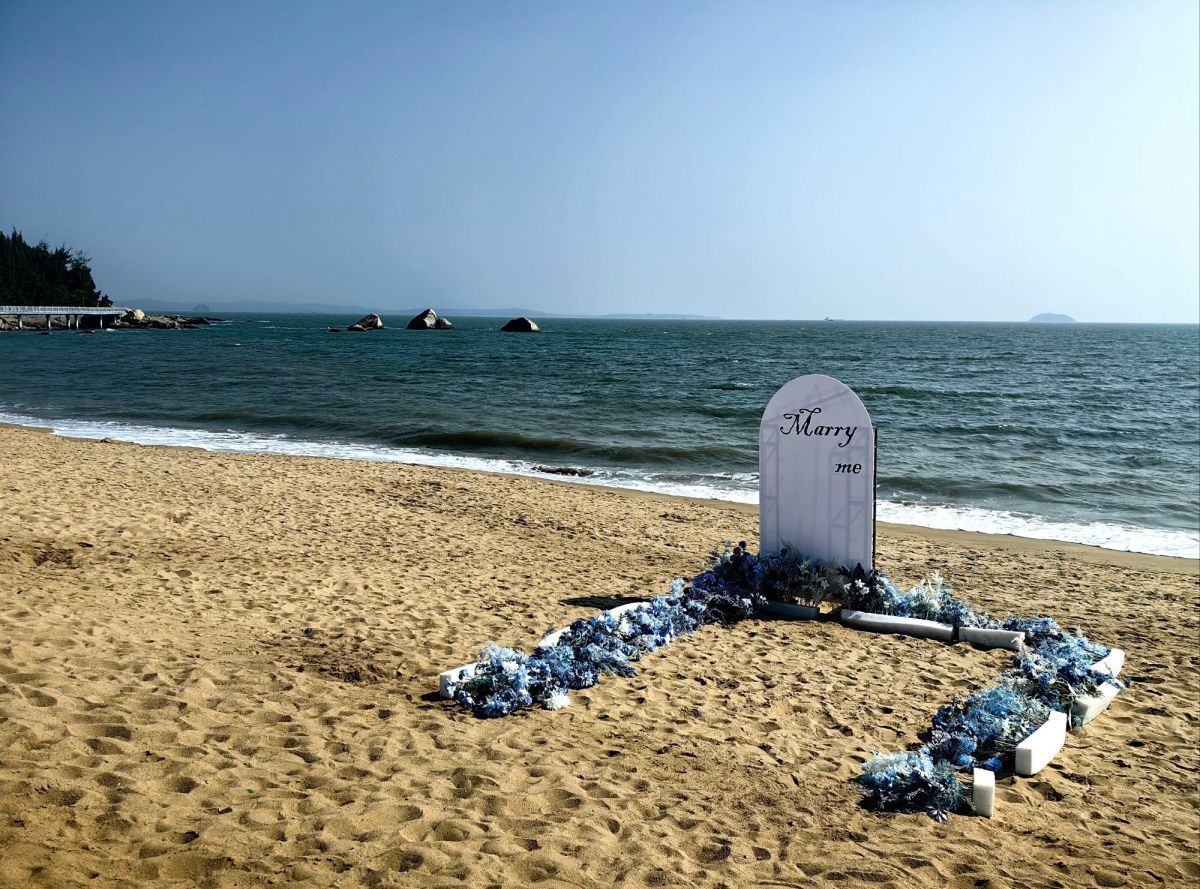
Huangcuo Beach is more than just a stretch of golden sand—it’s a stage for quiet romance. At sunset, the sky blushes over the sea, and the soft hiss of the waves becomes a gentle backdrop for whispered promises. Here, couples stroll hand in hand, leaving footprints side by side, some pausing to write Marry me in the sand or to embrace beneath a sky turning gold and rose. The openness of the sea seems to bless each moment, carrying it far beyond the horizon.

黄厝海滩不仅是一片金色的沙岸,更是一方静谧而浪漫的舞台。暮色降临,霞光轻洒在海面上,柔和的浪声宛如低语的伴奏。情侣们携手而行,在细沙上留下并肩的足迹;或在沙滩上写下 “嫁给我”的誓言,或在金与玫瑰色交织的天空下深情相拥。辽阔的大海仿佛化作见证与祝福,将每一个温柔的瞬间托付给无尽的地平线。

The main seaside promenade in Xiamen is along Huandao Road, which circles much of Xiamen Island’s coastline. I walked along the section that was most popular with walkers and cyclists. The section in the south of island, stretching from Xiamen University through Hulishan to Xiang’an Bridge is about 20 km long. The most iconic building on the way must be the Xiamen Twin Towers. Their glass façades curving like giant sails catching the sea breeze. This skyline creates a striking contrast. The calm rhythm of waves in the foreground, and the confident silhouette of a modern city just beyond. Walking here, I felt Xiamen’s unique blend of ‘la isla bonita’ and a metropolis.

厦门最著名的海滨长廊坐落于环岛路,几乎环绕了整个厦门岛的海岸线。我沿着最受步行者和骑行者青睐的路段缓缓前行。环岛路的南段,从厦门大学经胡里山延伸至翔安大桥,全长约二十公里。途中最引人注目的当属厦门双子塔,其玻璃幕墙宛如巨大的船帆在海风中轻轻起伏,勾勒出一条优美的曲线。天际线在双子塔的映衬下更显生动,前方是平静的海浪拍打节奏,远处则是现代化城市的自信轮廓。漫步其间,我深深感受到厦门独有的魅力。这是一座“美丽小岛” 与繁华都市的完美融合。

There are not so many historical buildings in Xiamen. Hulishan Fort is one living reminder of the city’s history. It was on the seaside promenade. Built in 1894 during the Qing Dynasty, the fort was designed to guard against foreign naval threats and overlooks the Taiwan Strait from a commanding seaside cliff. Its thick granite and red-brick walls enclose military tunnels and a watchtower. They are still intact and high although eroded by wind and rains of hundred years.

厦门的历史建筑不算多,但胡里山炮台却是这座城市历史的鲜活见证。它坐落于海滨长廊上,为了防御外国海军的威胁始建于清朝光绪二十年(1894年)。炮台俯瞰台湾海峡,依托一处高耸的海边悬崖而建。厚实的花岗岩与红砖筑成的城墙环绕着军事隧道与瞭望塔,历经风雨仍显雄伟。

The main attraction is the world’s largest surviving 19th-century coastal cannon, a German-made Krupp cannon stretching over 13 meters long. Its dark iron barrel stretches toward the Taiwan Strait, a silent giant that once promised both power and protection. Standing before it, I could feel the tension of history, the urgency of Qing dynasty arming itself against foreign fleets. Krupp was a leading German industrial and steel company in the 19th–20th century, renowned for heavy artillery. Qing Dynasty purchased many cannons from this company in the history.

最引人注目的是世界上现存最大的19世纪海岸炮:一门德国制造的克虏伯巨炮,长达十三米有余,漆黑的铁身宛如沉默的巨人,静静伸向台湾海峡,曾象征着力量与守护。站在它面前,我仿佛能触碰到历史的张力,感受到清朝武装自卫、抵御外国舰队的紧迫感。克虏伯公司是19至20世纪德国领先的钢铁与工业巨擘,以重型火炮闻名于世。历史上,清朝曾从这家公司采购过大量大炮。
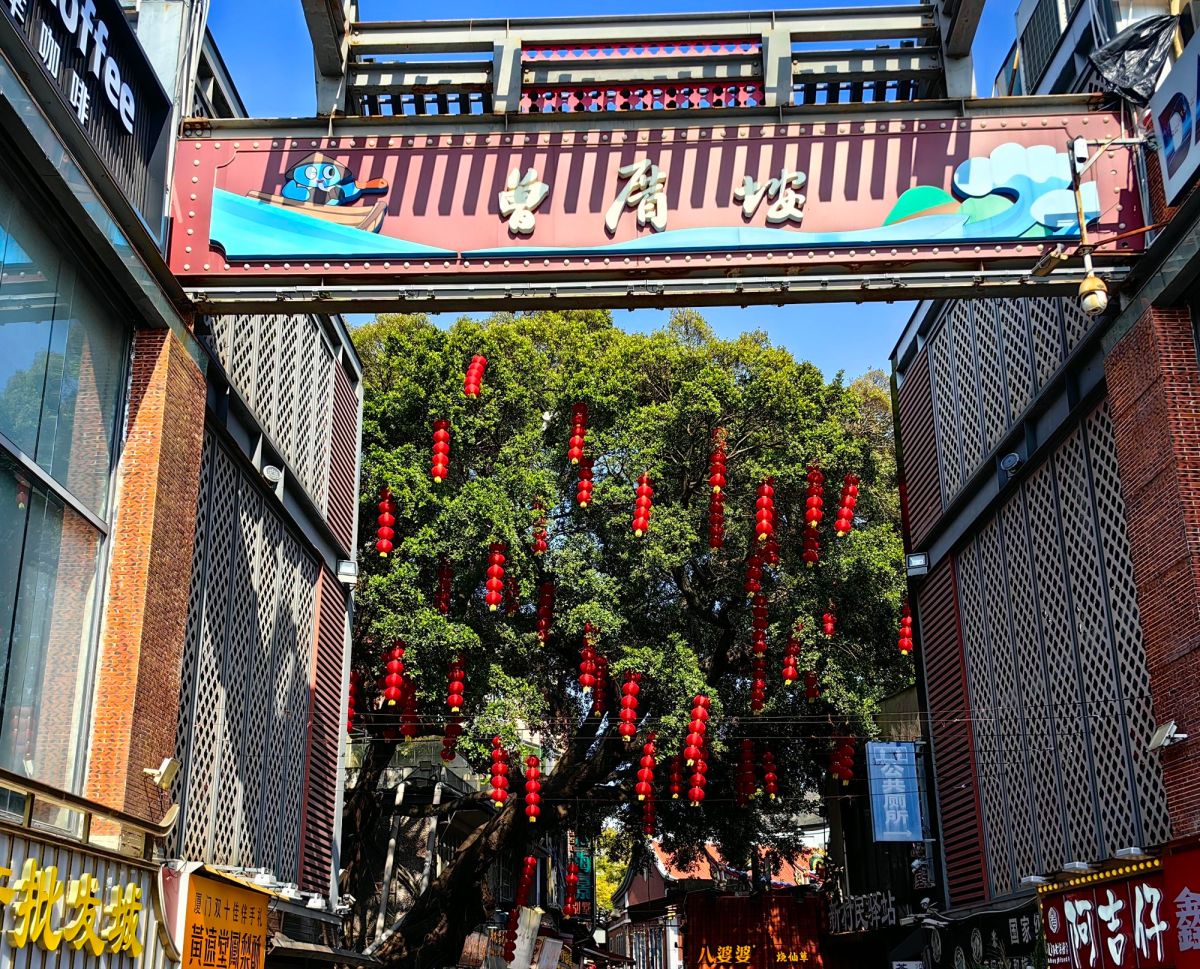
Another site marking the history of Xiamen is Zengcuoan. Once a quiet fishing village, it is now Xiamen’s lively “sea-side snack town,” where every narrow lane is scented with something tempting. Under strings of warm lights, stalls sizzle with local flavors. Vendors call out cheerfully, offering skewers of grilled squid, cups of mango shaved ice, and steaming bowls of satay noodles. In Zengcuoan, eating is the heart of the experience, a delicious stroll through Xiamen’s coastal soul.

曾厝垵是另一个见证厦门历史的景点。它曾是一个宁静的渔村,如今已成为厦门热闹的 “海滨小吃城”,每条小巷都弥漫着诱人的香味。在温暖的阳光下,摊位上摆满了当地风味小吃。小贩们兴高采烈地叫卖着烤鱿鱼串、芒果刨冰和热气腾腾的沙爹面。在曾厝垵,美食是体验旅游的核心,是一次探索厦门海滨灵魂的漫步。

There are many snacks here, but few delights could be compared to biting into a steaming crab roe soup bao. The thin, delicate wrapper trembles as I lifted it from the bamboo steamer. With one careful sip, the rich broth bursts forth. The taste is sweet and briny, infused with the essence of fresh crab and a hint of ginger. Then comes the filling itself and leaves a lingering savoriness that feels both indulgent and comforting. With a dash of vinegar and a hint of ginger, the flavor feels lighter and less greasy.

这里的小吃琳琅满目,但少有能比得上咬上一口热气腾腾的蟹黄汤包带来的满足感。我轻轻从竹蒸笼里取出一个,薄薄的包皮微微颤动。轻轻一抿,浓郁咸香的汤汁便溢满口腔,蟹的鲜香与姜的清爽巧妙融合。紧随其后的馅料香味回味悠长,令人难以忘怀。再蘸上一点醋与姜丝,清爽中带着微微酸香,既鲜美又不腻。
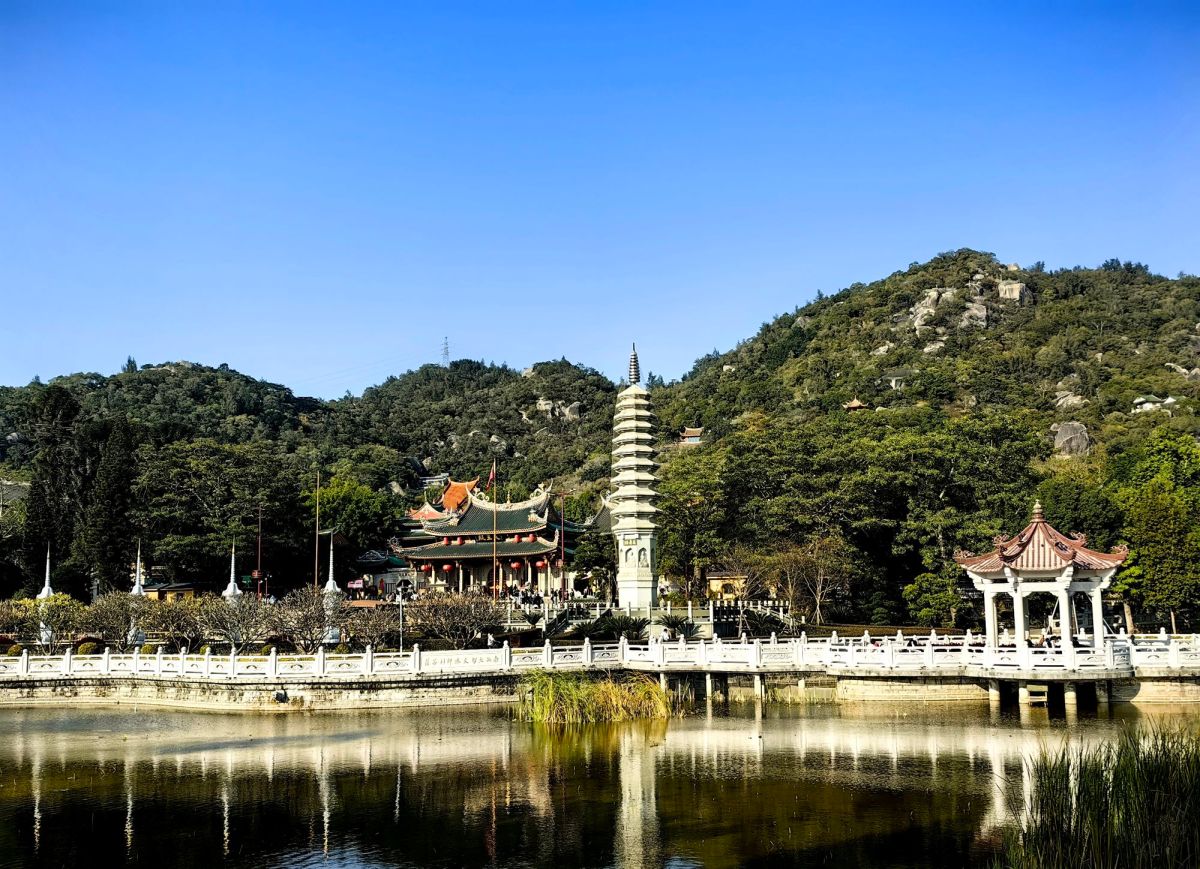
In the afternoon, after I finished the stroll along the seaside promenade, I visited the South Putuo Temple which is one of the most celebrated Buddhist temples in Fujian Province, located at the southern foot of Wulao Peak. With its back to the mountains and facing the sea, the temple enjoys a harmonious natural setting that has made it both a spiritual sanctuary and a major cultural landmark.

下午,漫步完海滨长廊后,我前往位于五老峰南麓的南普陀寺,它是福建省著名的佛教寺庙之一。寺院背山面海,自然环境和谐,既是精神圣地,也是重要的文化地标。

The temple’s history dates back to the Tang dynasty, but it gained its present name during the Ming dynasty, when it became associated with Guanyin (the Bodhisattva of Compassion). Since then, South Putuo temple has been regarded as the southern counterpart of Putuo mountain, one of the four sacred Buddhist mountains of China. The temple complex covers a large area and is built in a traditional symmetrical layout, with halls aligned along the central axis.

南普陀寺的历史可追溯至唐代,而“南普陀” 这一名称则始于明代,缘于对观世音菩萨(大悲菩萨)的虔诚信仰。自此,寺庙便被视为中国四大佛教名山之一——普陀山的南端圣地。南普陀寺占地广阔,建筑布局沿袭传统对称格局,殿堂沿中轴线依次排列。
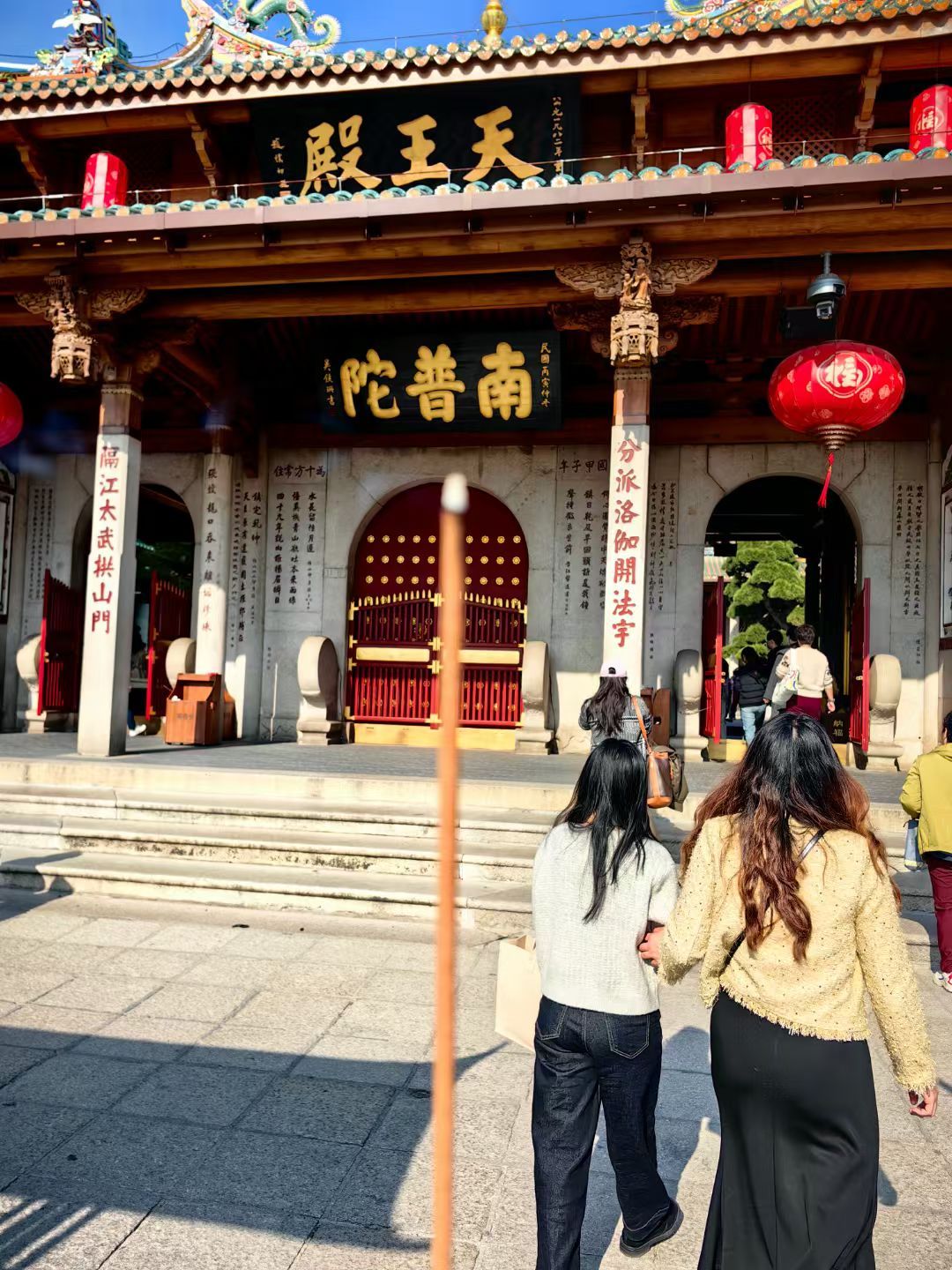
This is the entrance hall, Heavenly King Hall guarded by the Four Heavenly Kings and Maitreya Buddha. Because South Putuo is one of the most important Buddhist temples in southern China, people believe that incense offerings here carry special merit and spiritual power. I came here to burn incense on the last day of the year, seeking blessings for the upcoming New Year. Lanterns swayed gently in the breeze. The air was thick with the fragrance of sandalwood incense, mingling with the faint sound of chanting monks inside the grand halls.

眼前是入口大殿——天王殿,由四大天王与弥勒佛守护。南普陀作为中国南方最重要的佛教圣地之一,人们相信在这里焚香能积累殊胜功德。我在年末来到此地,虔心焚香,为即将到来的新年祈福。微风轻拂,红色灯笼轻轻摇曳,空气中弥漫着浓郁的檀香气息,与大殿内僧侣悠扬的诵经声交织回荡。

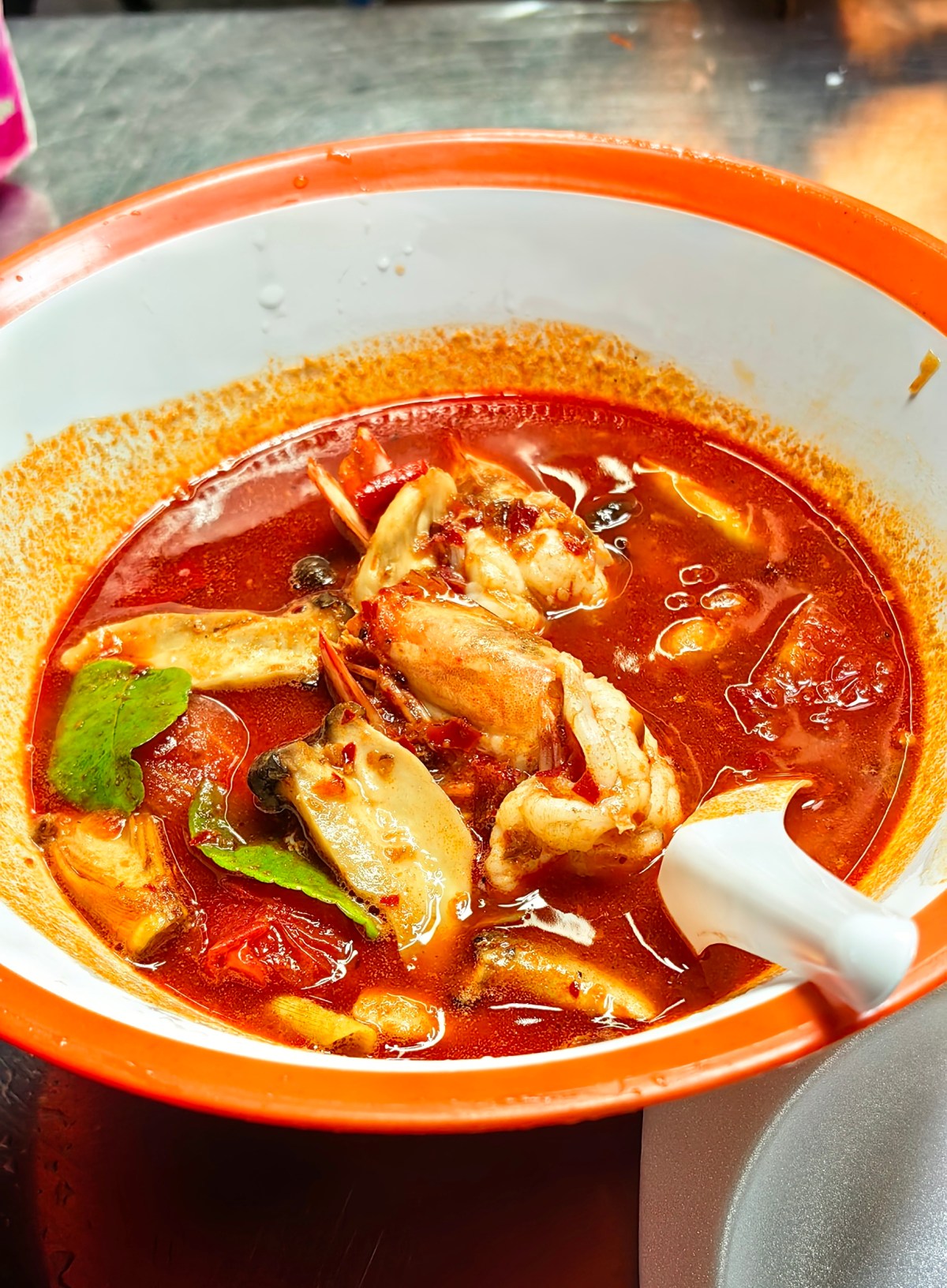
In the temple, there is a canteen selling local food. I ordered one bowl of Shacha noodles, one of the most iconic street foods of Xiamen. At first glance, the dish looks simple: yellow wheat noodles served in a steaming bowl of broth. But the soul of Shacha noodles lies in the shacha sauce — a deep, rich paste made from soybean oil, garlic, shallots, chilies, and especially dried seafood like shrimp. This sauce, with its smoky, slightly spicy, umami-packed taste, gives the dish its unforgettable character. The sip of broth is savory and aromatic, carrying the warmth of spices and the depth of seafood.

庙里有一家小小的食堂,专门售卖当地街头美食。我点了一碗沙茶面。这可是厦门最具代表性的特色小吃之一。乍看之下,它似乎简单:一碗热气腾腾的汤头中铺着金黄的小麦面条。然而,沙茶面的灵魂在于那一勺沙茶酱。酱料由大豆油、大蒜、红葱头、辣椒,以及虾等精心调制的海鲜干货熬制而成,浓郁醇厚,带着淡淡烟熏味和辛辣余韵,又鲜美异常,为整碗面注入独特的风味。舀一口汤底,香气扑鼻,鲜味浓郁,香料的温暖与海鲜的鲜美交织在舌尖上。
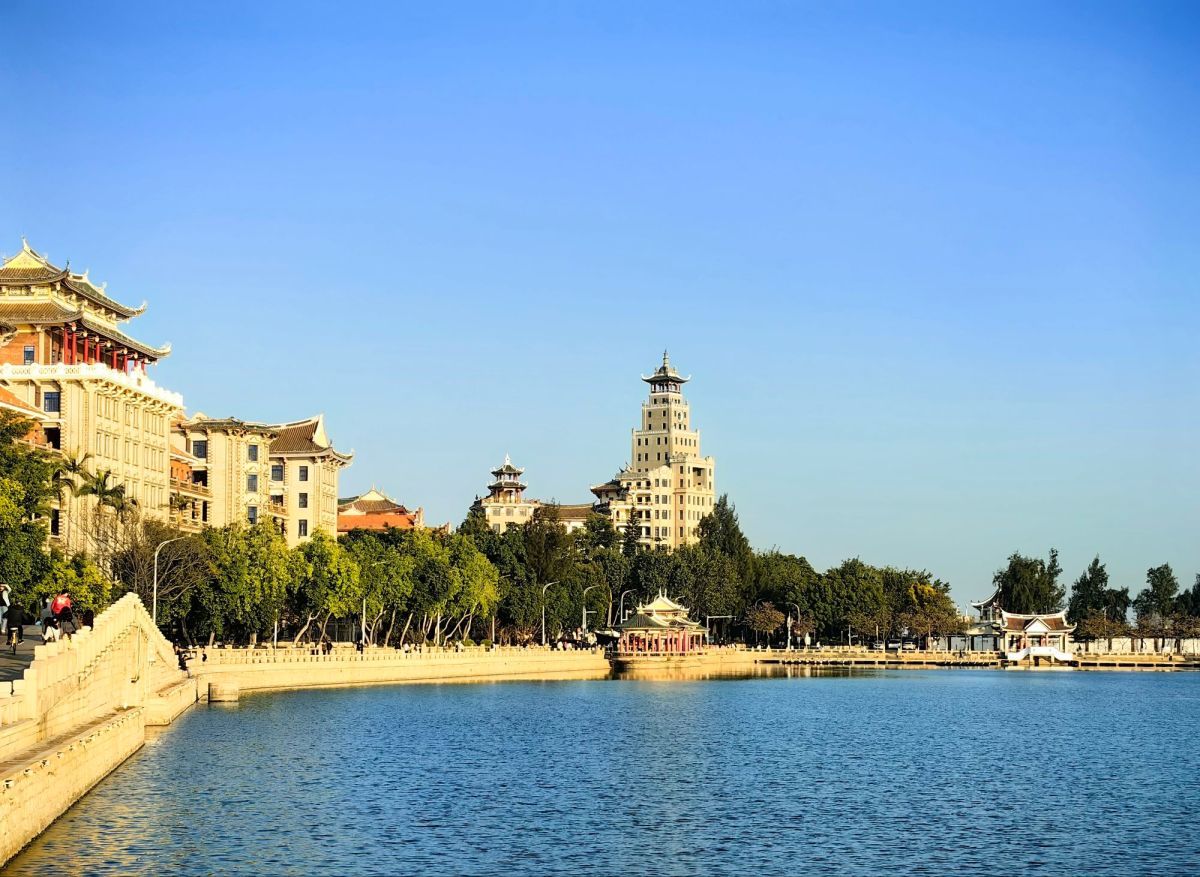
Jimei School Village, located on the northern side of Xiamen Island is a landmark of education, culture, and history founded by the famous overseas Chinese philanthropist Tan Kah Kee in the early 20th century. He established Jimei Primary School first, and over the years expanded it into a full educational complex that included middle schools, vocational schools, and eventually colleges. Today, it has grown into a network of institutions with a reputation that extends across China and overseas.

集美学村坐落于厦门岛北侧,由著名华侨慈善家陈嘉庚先生于20世纪初创立,是一处兼具教育、文化与历史价值的地标。陈嘉庚先生最初创办集美小学,随后不断拓展,将其发展成为涵盖中学、职业教育及大学的完整教育体系。如今,集美学村已成长为享誉海内外的学府,成为承载文化底蕴与学术精神的重要象征。
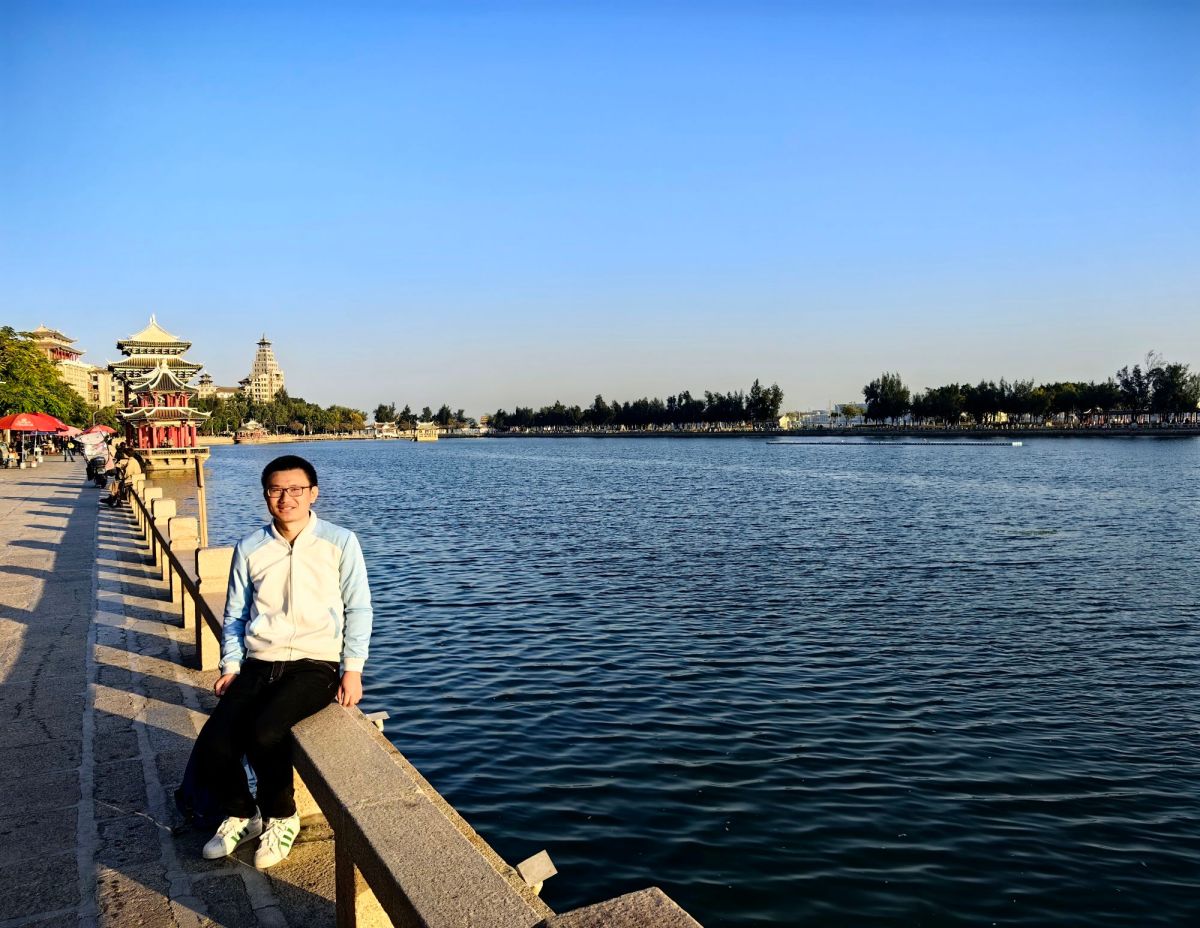
The campus architecture is one of its most striking features. Buildings here combine magnificent Western-style structures with traditional Southern Fujian architectural elements with red brick walls, swallowtail eaves, decorative tiles, and stone carvings. This unique blend creates a setting that is both scholarly and culturally distinctive, often described as “the Tan Kah Kee style.” I was sitting beside a large, scenic pool where dragon boat races are held during traditional festivals and enjoyed the tranquil environment which brought me back to the memory of my university life.

校园建筑是这里最引人注目的特色之一。西式建筑的宏伟气派与闽南传统元素的精巧雅致在此交融,红砖墙、燕尾檐、装饰瓷砖与石雕相映成趣。这种独特的融合营造出既饱含学术气息,又深蕴文化底蕴的环境,被人们称为 “陈嘉庚风格”。我坐在风景如画的人工湖旁,每逢传统节日,池上还会上演热闹的龙舟赛。静静凝望周围的景致,不由得涌上心头的是对大学时光的回忆。
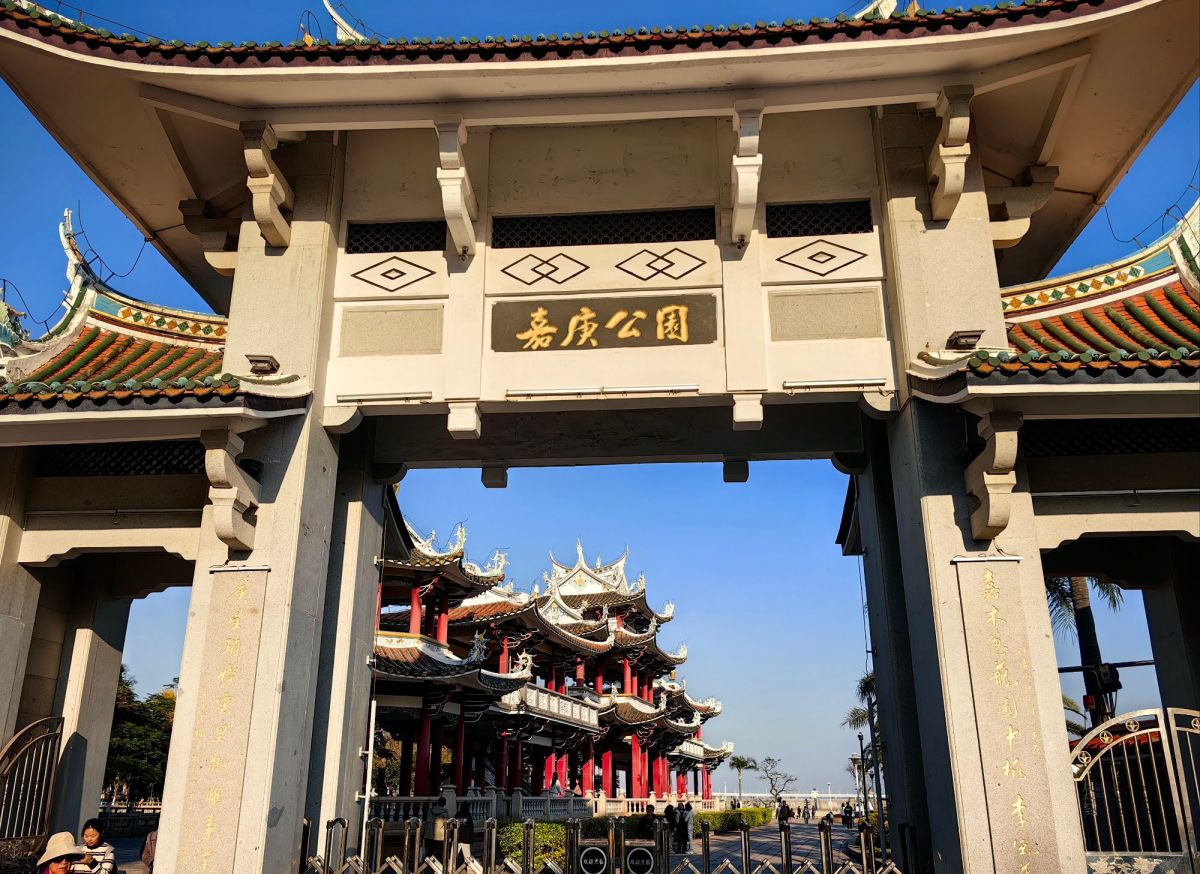
A museum and a park are dedicated to Tan Kah Kee’s life and contributions, filled with historical documents, photographs, and personal belongings. Tan Kah Kee was a legendary overseas Chinese entrepreneur and educator. Born in Jimei, he migrated to Singapore as a teenager to help with his father’s business. Believing education was the foundation of national strength, he established Xiamen University, the first university in China founded entirely by overseas Chinese funds. He played a decisive role in founding Nanyang University, the first Chinese-language university outside of China, which later became part of Nanyang Technological University.

这里设有博物馆和公园,以纪念陈嘉庚的一生及其卓越贡献。馆内收藏了丰富的历史文献、珍贵照片和个人物品,再现了这位传奇海外华人企业家与教育家的生平。陈嘉庚出生于集美,少年时期随父移居新加坡,协助家族经商。他坚信教育是国家的根本,创办了首所完全由海外华人出资兴办的大学厦门大学。在创办新加坡的南洋大学的过程中,他也发挥了关键作用。该校是中国境外首所中文大学,后发展成为南洋理工大学的重要前身。
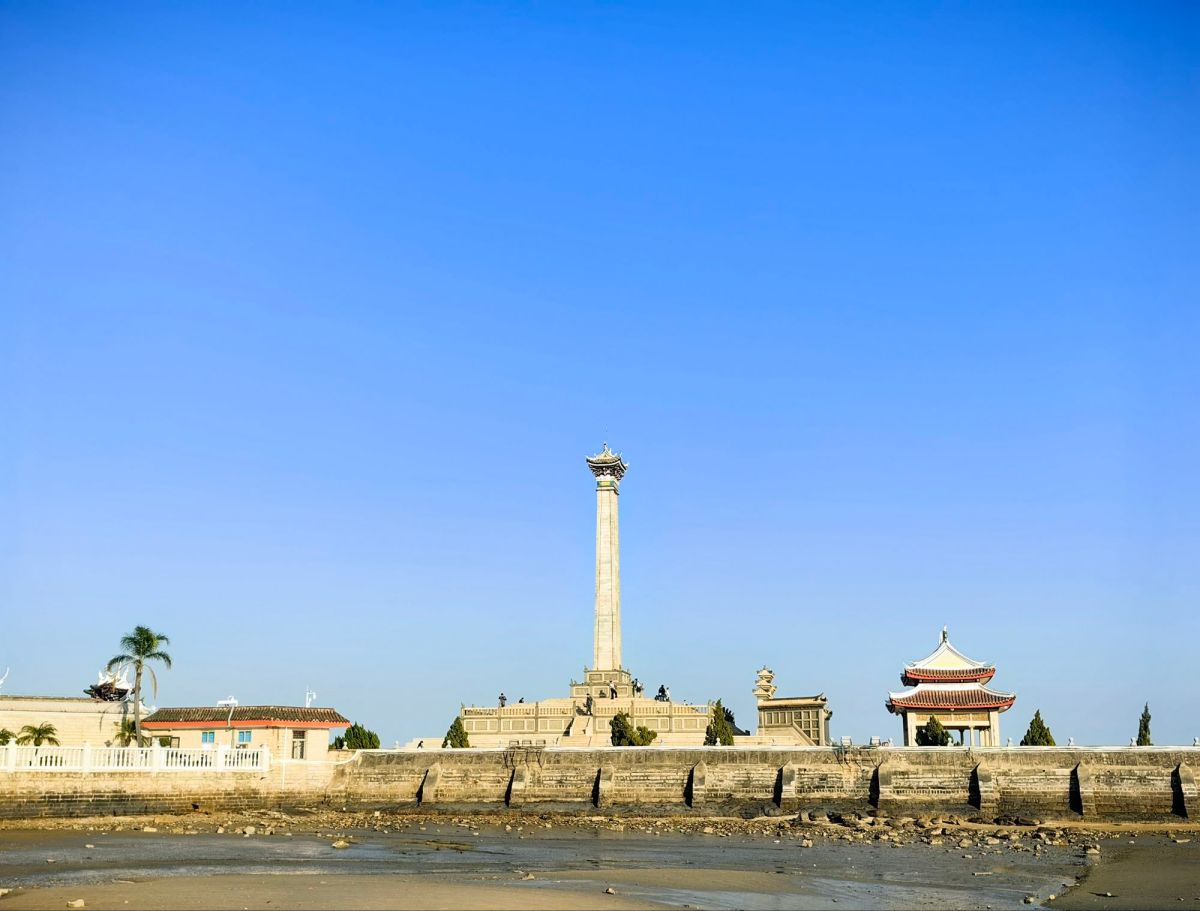
The turtle Garden includes garden and cemetery where Tan Kah Kee himself is buried, facing the sea. It is filled with stone carvings and sculptures that narrate episodes of history and culture. Now people still memorize how he poured his fortune into education for the Chinese community both at home and abroad after visiting this place.

这座鳌园集花园与墓园于一体,陈嘉庚先生长眠于此,面朝浩瀚大海。园中遍布精美的石雕与雕塑,每一处都讲述着历史的篇章与文化的故事。今日,游人漫步其间,仍能感怀先生将一生财富倾注于海内外华人教育的无私奉献。

The Nanyang-style architectures here left me a deep impression. It combines red brick and swallowtail roof ridges of Minnan houses with arched windows, colonnades, and verandas from Western colonial architecture. Roman columns, and Gothic-style arches are used as well, creating a cultural mix. When I visited Xiamen, I always felt that I seemed to visit Singapore. These school buildings and their styles reminded strongly of The Chinese High School in Singapore. There’s a real sense of déjà vu.

这里的南洋建筑风格给我留下了深刻的印象。它巧妙地融合了闽南民居的红砖燕尾脊与西方殖民时期建筑的拱形窗、柱廊和阳台,甚至融入了罗马柱与哥特式拱门,营造出一种独特的文化交融氛围。每次踏足厦门,我总有置身新加坡的错觉。这些校舍的风格,与新加坡华侨中学的建筑有着奇妙的呼应,让人心生似曾相识的温暖感。

Outside of the Jimei school village, it is the Ten Miles Long Causeway which is one of the most romantic places in Xiamen as the sun dips low over the horizon. It connects the island to mainland China. High speed train and metro tram pass over the bridges over the long causeway. I arrived at this place nearly at 6 pm and this was my last travel destination in this city.

集美学村之外,是十里长堤。夕阳西下之时,这里成为厦门最浪漫的去处之一。长堤上一道道桥梁,连接着厦门岛与大陆,高铁与地铁在其上疾驰而过。我抵达此地时,大约是傍晚六点,这也是我在这座城市的最后一站。

Stretching gracefully between the sea and the sky, the causeway was bathed in golden light, its stone path glowing softly under the warmth of dusk. On one side, the water shimmered with the reflection of the fading sun, rippling like liquid fire; on the other, the distant skyline slowly melted into silhouettes against the pastel sky. Couples strolled hand in hand along the path, and the evening breeze carried the scent of the ocean and the gentle waves lapped against the shore. As twilight deepened, the sky turned to orange, painting a canvas that seems endless above the causeway.

十里长堤优雅地延伸于海天之间,沐浴在金色的光芒中,石子路在黄昏的温暖中泛着柔和的光芒。一边,水面在落日的余晖中波光粼粼,宛如流动的火焰泛起涟漪;另一边,远处的天际线在柔和的天空映衬下缓缓消融,化作光影轮廓。情侣们手牵手漫步在小径上,晚风带来海洋的气息,轻柔的海浪轻拍着海岸。随着暮色渐深,天空转为金橙色,仿佛在堤道上方描绘出一幅无边的画布。

Xiamen was my last stop of travel in Fujian. As I lingered by the shore for another time, the waves rolled in gently, carrying away the noise of my thoughts, returning only a calm that feels rare in the rush of everyday life. Xiamen’s seaside doesn’t overwhelm like Cote D’Azur, but it soothes my soul. Sitting by the water, I felt my worries dissolve, replaced by the simple joy of watching the horizon blur between sea and sky. Perhaps that is the true gift of this city: a quiet reminder that peace in my heart can be found not in grand monuments, but in the gentle embrace of the ocean.

厦门是我此次福建之旅的最后一站。当我再一次在海边徘徊,海浪轻轻翻滚,带走了纷乱的思绪,只留下在喧嚣日常中难得的宁静。这里的海滨没有法国蔚蓝海岸那般惊艳,却以温柔抚慰着我的心灵。静坐水边,所有的烦恼仿佛随风而去,取而代之的是凝视海天交汇处模糊地平线时涌上的纯粹快乐。也许,这便是这座城市的真正馈赠:悄然提醒我们,心中的平静并非源自宏大叙事,而是来自大海温柔的拥抱。

The Crossroads of Civilizations in Quanzhou

多文化的交汇地泉州

Known as the starting point of the Maritime Silk Road, Quanzhou was one of the world’s busiest ports during the Song and Yuan dynasties. Even one thousand years ago, it is a multi-cultural city. Nowadays, Quanzhou’s streets echo with this unique cultural symphony. Within a few kilometers, traveler can find Buddhist temples, Taoist shrines, churches, and mosques. Due to its pivotal role as a maritime hub and a melting pot of global cultures, Quanzhou is often called “the Museum of World Religions. It was inscribed as a UNESCO World Heritage Site in 2021.

泉州,作为海上丝绸之路的起点,在宋元时期曾是世界最繁忙的港口之一。早在千年前,这里便是多元文化交汇的热土。如今,漫步泉州街头,依然能聆听那穿越时空的文化交响——在短短几公里范围内,佛教寺庙、道教圣地、基督教堂与清真寺比邻而立,和谐共存。凭借其作为海上枢纽与全球文化熔炉的重要地位,泉州被誉为“世界宗教博物馆”,并于2021年被联合国教科文组织列入世界遗产名录。
Quanzhou was the third stop of my Christmas 2024 journey through Fujian Province, following visits to Fuzhou and Wuyi Mountain. I spent two days exploring this historic city. My trip started from the Chaotian Gate in the south of city. Built during the Song dynasty, when Quanzhou was a flourishing maritime hub, this gate was once the primary entrance, through which envoys, merchants, and travelers passed, their ships anchored nearby in the busy harbor. The name “Chaotian,” meaning “Facing Heaven,” reflects its ceremonial role: it was traditionally used to greet imperial envoys and conduct ritual offerings to heaven and the sea. When I stood before Chaotian Gate, I easily imagined the scene centuries ago—caravans unloading goods, sails fluttering in the breeze, and languages from across Asia and the Middle East echoing through the air.

继福州与武夷山之后,泉州成为我2024年圣诞节福建之旅的第三站。我在这座历史名城停留了两天,细细品味它厚重的文化底蕴。旅程自城南的朝天门启程——这座建于宋代的古老城门,曾是泉州作为繁盛海上枢纽的门户,是商贾、使节与旅人进出的要道,昔日无数船只便停泊在临近的港口边。

“朝天”意为“面向天空”,寓意庄严而神圣。这里不仅是迎接皇帝使者的场所,也曾举行祭天祭海等重要仪式,体现其深远的礼仪功能。站在朝天门前,我仿佛穿越时空,眼前浮现出数百年前的景象:商队忙碌卸货,风帆轻扬,来自亚洲与中东的异域语言在空气中交织回响——那是一幅世界交汇的壮丽画卷。

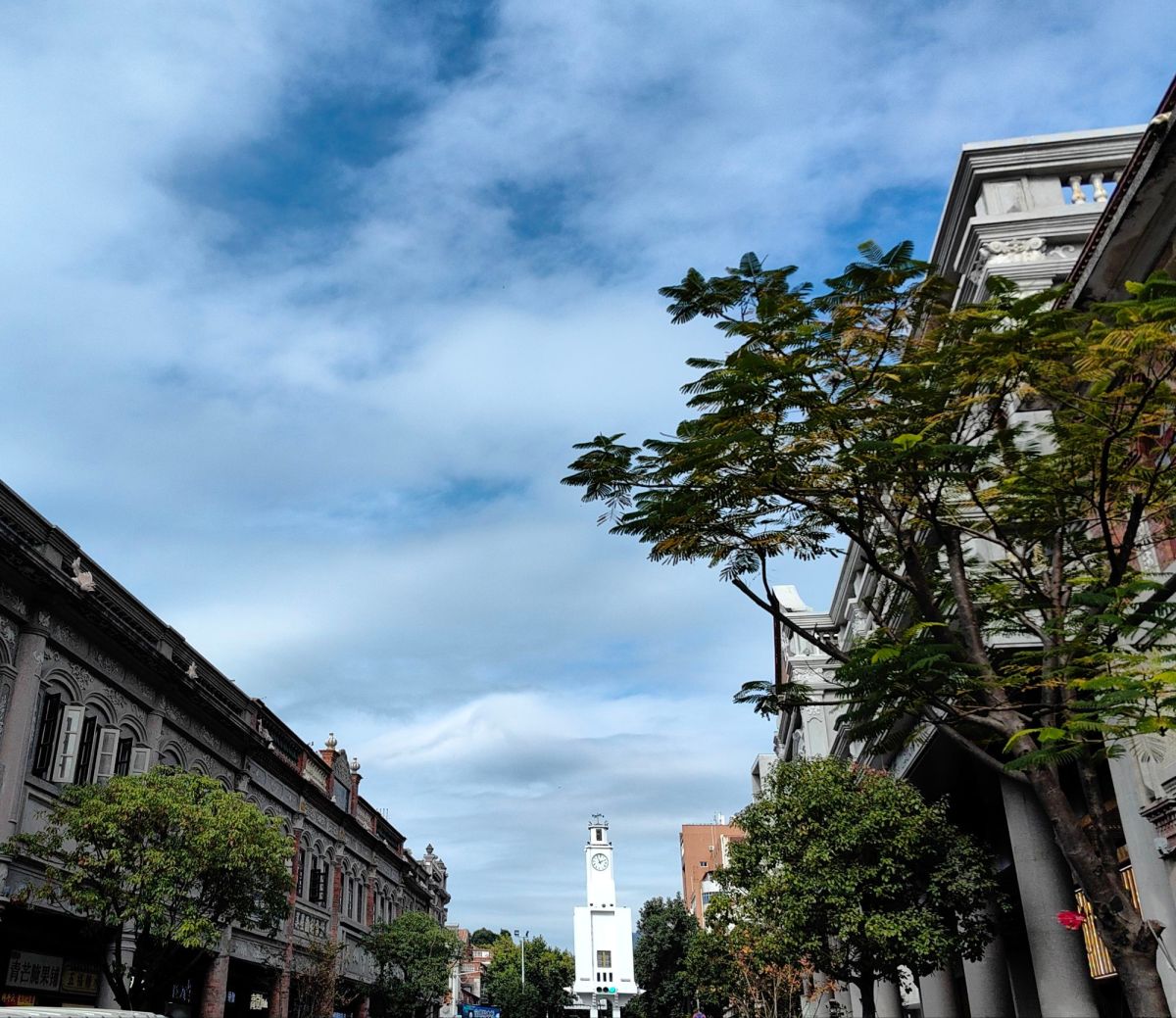
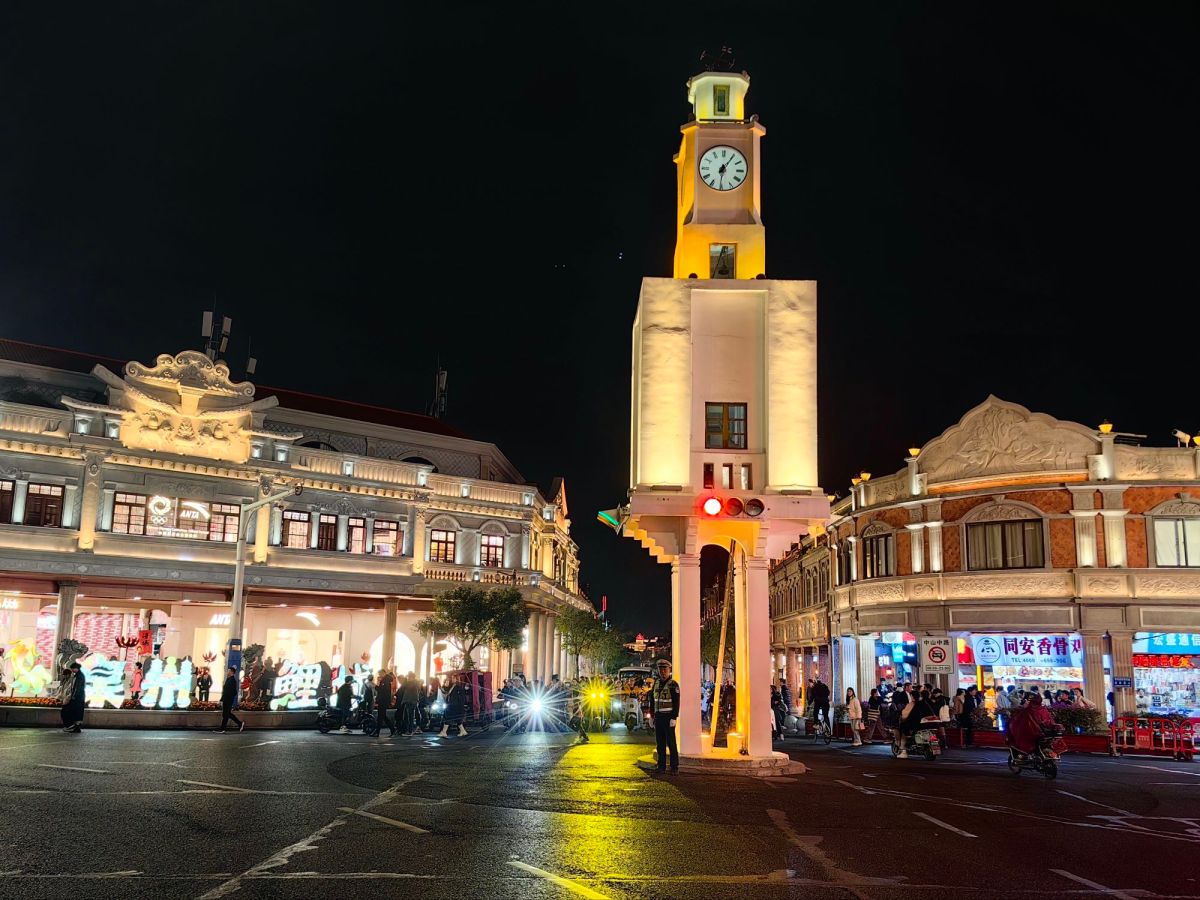
In the heart of Quanzhou’s old town center, I visited many ancient buildings. The white Clock Tower located on West Street is a distinctive and modern-looked structure built in 1934. Unlike the traditional ancient architecture around it, this tower showcases early 20th-century architectural design. The tower stands at 13.8 meters tall and is constructed from reinforced concrete. At the top of the tower, there are four round clocks, one on each side, allowing the time to be visible from multiple directions along the street. It is not only a building, but more like a time observer, silently witnessing the changing and flowing rhythm of the ancient city.

在泉州古城的中心,我漫步于古巷之间,参观了众多承载岁月痕迹的老建筑。而在西街,一座白色钟楼静静矗立,其造型简洁却不失独特气质,散发出上世纪初的现代风采。它建于1934年,与周围的闽南红砖古厝形成鲜明对比,宛如时代转折处的一笔注解。

这座高13.8米的钟楼由钢筋混凝土建成,坚实挺拔。塔顶设有四面圆形时钟,分别朝向不同方向,令街道上来自各个角落的行人都能一眼望见时间的踪迹。它不仅是一座建筑,更像是一位守时者,默默见证着古城节奏的更迭与流转。


South of the Bell Tower on West Street, the street is lined with traditional Minnan (Southern Fujian) style buildings that beautifully blend regional craftsmanship with colonial-era influences, creating a unique streetscape. The buildings are predominantly two-level shop houses, raised on large white pillars that support the upper floors. These sturdy posts not only provide structural strength but also create a shaded arcade at street level, perfect for pedestrians and operations of small shops.

在西街钟楼以南,街道两旁耸立着一排排传统的闽南风格建筑,巧妙融合了本地工艺美学与殖民时期的异域风情,勾勒出一幅别具韵味的街景画卷。这些建筑多为两层楼的店屋,上层由一根根洁白粗壮的柱子支撑,既赋予结构坚实的力量,也在街道沿线形成连续的拱廊。这些拱廊不仅遮风避日,为行人提供舒适的步行空间,也为小商铺营造了宜人的经营环境。


The walls feature red brick-lined windows and facades, a hallmark of Minnan architecture that brings warmth and texture to the buildings. The windows are framed with decorative wooden shutters or latticework, echoing the intricate patterns found in both Minnan and Southeast Asian architecture. The style closely resembles the Singaporean shop houses found in historic districts like Chinatown. This similarity highlights historical maritime trade connections and cultural exchanges between Fujian and Southeast Asia.

墙体多以红砖砌成,窗户与立面呈现出典型的闽南建筑风貌,赋予整座建筑温暖而质朴的质感。窗户多为装饰性的木质百叶窗或格子窗框,其精致的雕饰与复杂的图案,正是闽南及东南亚建筑中常见的传统美学元素。这种建筑风格与新加坡牛车水等历史街区中的店屋颇为相似,不仅在视觉上唤起遥远南洋的联想,更鲜明地映射出福建与东南亚之间源远流长的海上贸易与文化交流。

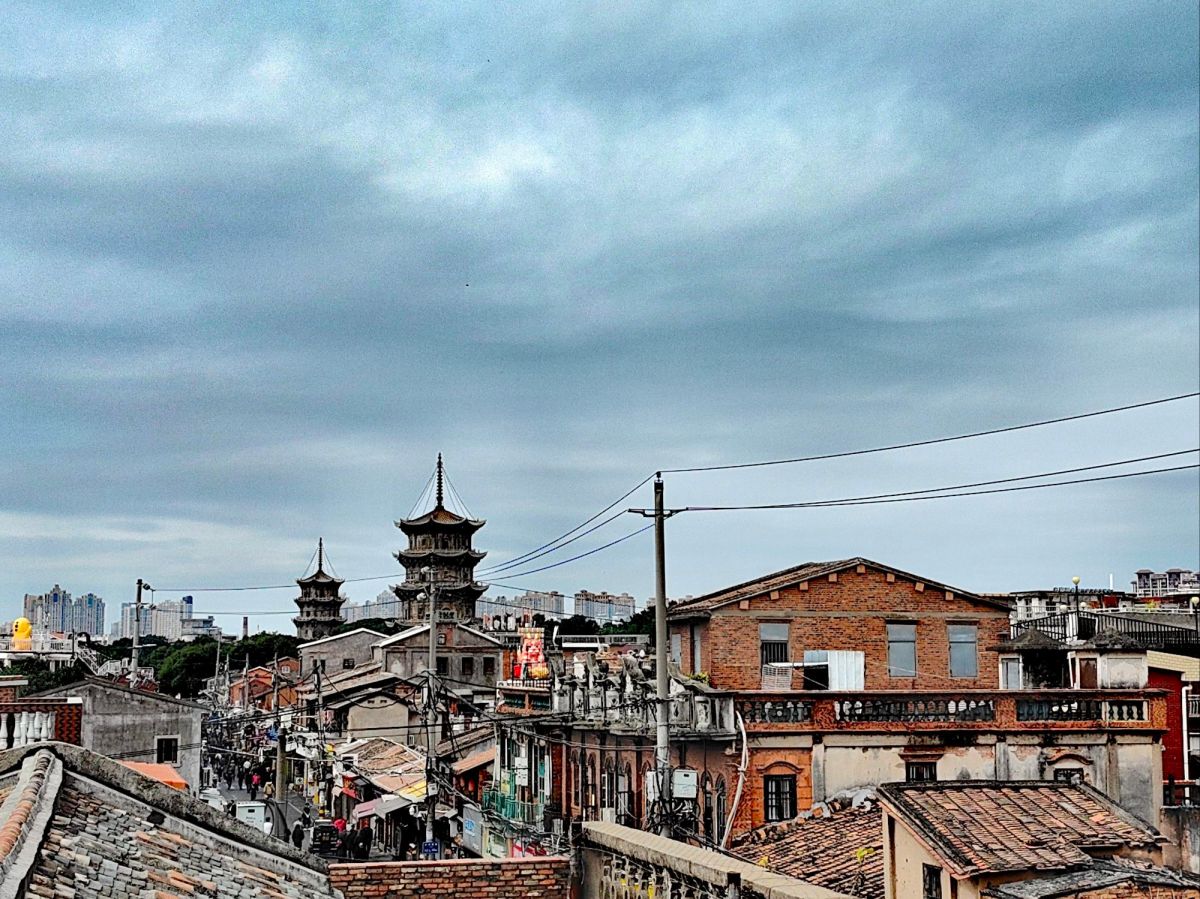
West Street is one of Quanzhou’s oldest and most charming thoroughfares. Here I wandered through a lively blend of tradition and experienced the dynamic energy of daily life. Lined with centuries-old shops, tea houses, and local eateries, the street buzzed softly with the mingling scents of fresh pastries and brewed tea. The ancient architecture here, a harmonious mix of southern Fujian style, reflected the city’s rich heritage. As I strolled along West Street, my eyes were naturally drawn to the skyline where two majestic towers rise side by side — the Kaiyuan Temple’s Twin Pagodas. These slender, towering structures, standing tall against the backdrop of blue sky, are iconic symbols of Quanzhou’s cultural and religious history. Their delicate brickwork and multi-tiered eaves cast graceful shadows over the surrounding streets, making the area solemn and poetic.

西街是泉州最古老、也最富魅力的街道之一。我缓步其间,仿佛置身于一幅流动的画卷中,感受到传统与日常生活交织出的蓬勃生机。街道两旁,百年老店、茶馆与地道小吃铺林立,糕点的甜香与茶水的清韵在空气中交融。古老的建筑依旧静默地守护着街道,闽南风格的细节随处可见,折射出这座城市深厚而多元的文化底蕴。行走在这条历史悠久的街道上,我的目光不由被天际线所吸引——两座巍峨挺拔的塔楼并肩而立,正是开元寺的双塔。

这对塔楼高耸入云,身姿纤巧而坚实,在蓝天白云的映衬下巍然屹立,静静诉说着泉州悠远的宗教与文化故事。它们精致的砖石结构与层层飞檐在阳光下投下斑驳的光影,为这片古老街区添上几分庄严与诗意。

Kaiyuan Temple stands as one of the largest and most significant Buddhist temples in Fujian Province. Founded during the Tang Dynasty in 686 AD, it has witnessed over a millennium of spiritual devotion. Stepping into Kaiyuan Temple, I was embraced by an atmosphere of calm and reverence. The gentle scent of incense mingled with the soft chanting of prayers, creating a timeless space for reflection. Surrounding the temple, ancient stone lions and inscribed steles spoke of a rich history interwoven with the city’s vibrant maritime past.

开元寺,是福建省规模最大、意义深远的佛教古刹之一。始建于唐朝公元686年,它历经千年风雨,见证着世代信众的虔诚。步入寺中,仿佛踏入一方超然尘世的净土。淡淡的香火缭绕空中,轻柔的诵经声随风流转,交织成一片宁静而深远的冥想氛围。古老的石狮静立两旁,斑驳的碑刻述说着历史的深沉与岁月的流转。这座千年古寺不仅承载着佛教文化的厚重底蕴,也与泉州这座城市的海洋精神交相辉映。

The Main Hall, or Daxiong Baodian is the majestic centerpiece of Kaiyuan Temple and the focal point for worshipers. Inside, the hall houses the gold statue of Sakyamuni Buddha, the historical Buddha, seated serenely in the center. Surrounding the main statue are smaller figures of bodhisattvas and guardian deities, all carved or sculpted with delicate detail. The hall’s interior exudes a mystery aura, enhanced by soft natural light filtering through lattice windows, and the faint aroma of incense that lingers in the air.

大雄宝殿是开元寺庄严肃穆的核心所在,也是信众心灵归依的圣地。殿内供奉着历史悠久的释迦牟尼佛金身,佛像安坐中央,神态慈悲庄严。主佛四周环绕着造型各异的菩萨与守护神像,皆雕刻精妙,线条流畅。殿内氛围静谧而深沉,仿佛将人引入一方超脱凡尘的净境。柔和的自然光透过格子窗悄然洒落,与空气中缭绕的淡淡香烟交织在一起,自有一种神秘感。

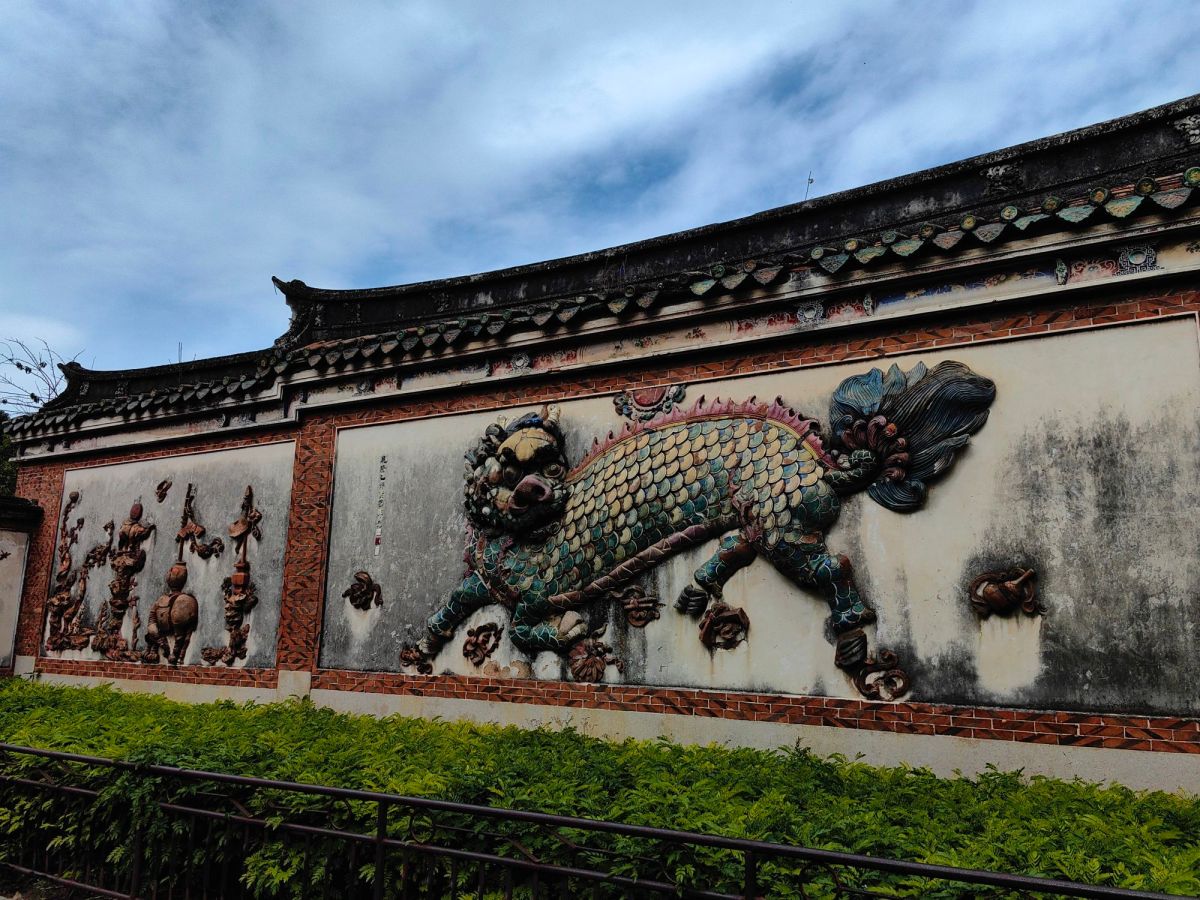
Painted on an interior wall of the temple, this mural of Qilin is a rare and vibrant example of traditional religious art that has withstood the passage of centuries. The Qilin, often regarded as a benevolent and auspicious beast, is a composite creature with the body of a deer or horse, the scales of a dragon or fish, and a mane of fire. It symbolizes peace, virtue, and the arrival of a sage or enlightened ruler. What makes this mural especially striking is its brilliant use of color—tones of turquoise, cinnabar red, gold, and indigo still glimmer faintly despite age.

这幅麒麟壁画绘于开元寺的内壁,是一件历经数百年风霜而依然绚丽如初的宗教艺术瑰宝。麒麟自古被视为仁慈与祥瑞的神兽,身形融合鹿或马的优雅、龙或鱼的鳞片之华美,以及火焰般鬃毛的灵动,象征着和平、美德,亦寓意圣贤或明君的降临。壁画最令人赞叹之处,在于其卓越的色彩运用——青绿清润、朱砂温雅、金色辉映、靛蓝深沉。纵使岁月斑驳,这些色调依然闪烁着柔和的光泽。

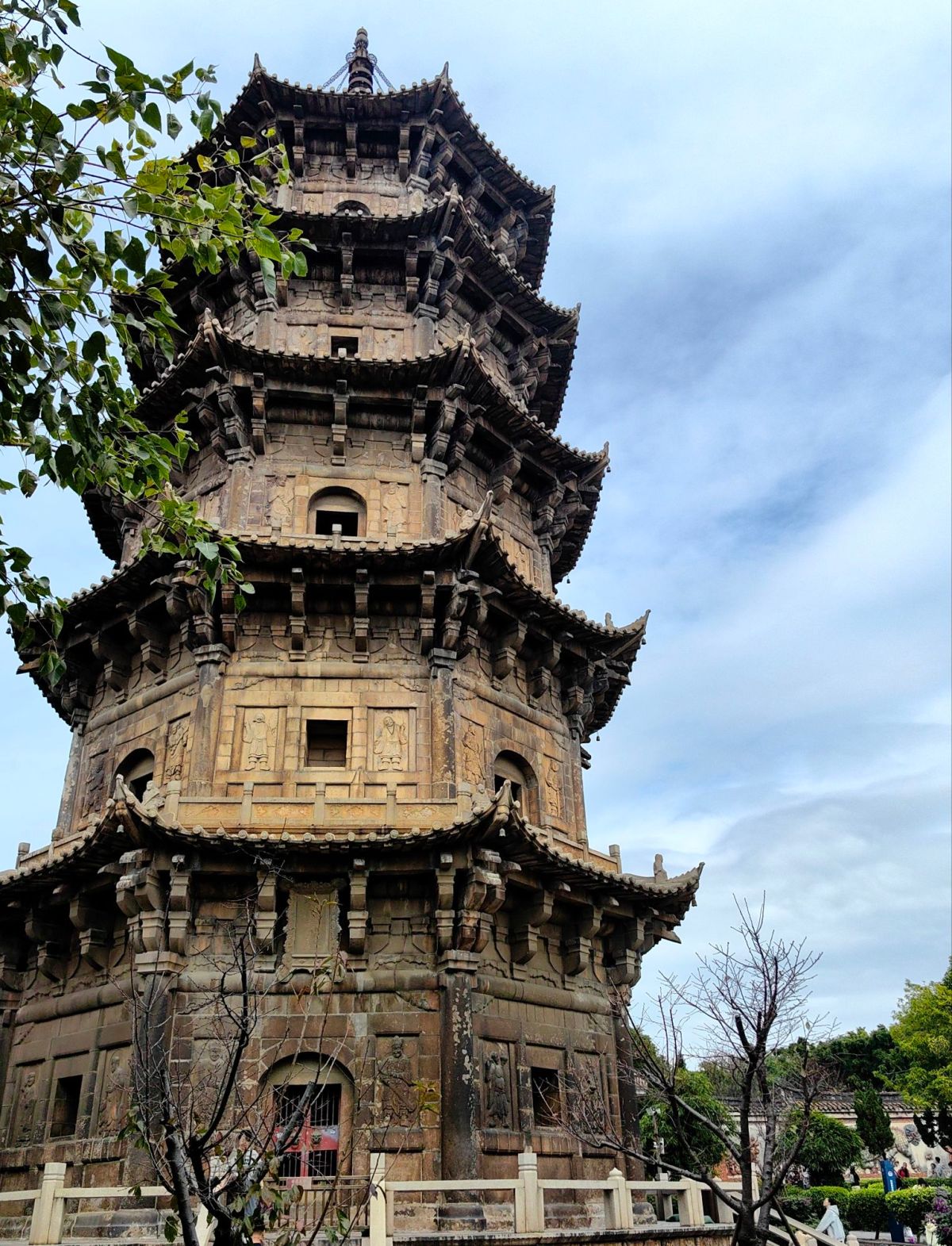
The Twin Pagodas of Kaiyuan Temple are the most iconic landmark of Quanzhou. Each pagoda stands over 40 meters tall, built during the Song Dynasty in the 13th century, replacing earlier wooden versions that were destroyed by fire. Crafted entirely of granite, the towers demonstrate remarkable engineering and aesthetic refinement. Delicate stone carvings of Buddhas, celestial beings, lotus patterns, and mythical creatures adorn the surfaces of both towers. Despite centuries of wind and rain, these details remain remarkably well preserved.

开元寺双塔,是泉州最具象征意义的地标之一。两座石塔高耸于古寺一隅,高逾四十米,建于宋代十三世纪,用以取代早年毁于战火的木塔。它们通体由坚硬的花岗岩砌筑而成,不仅体现了宋代高超的建筑技艺,也展现了卓越的审美。塔身雕刻繁复而精致,佛像庄严,仙人灵动,莲花清雅,神兽威武,每一处细节都凝聚着匠人的心血与虔诚。历经数百年风雨洗礼,这些浮雕仍清晰可见。

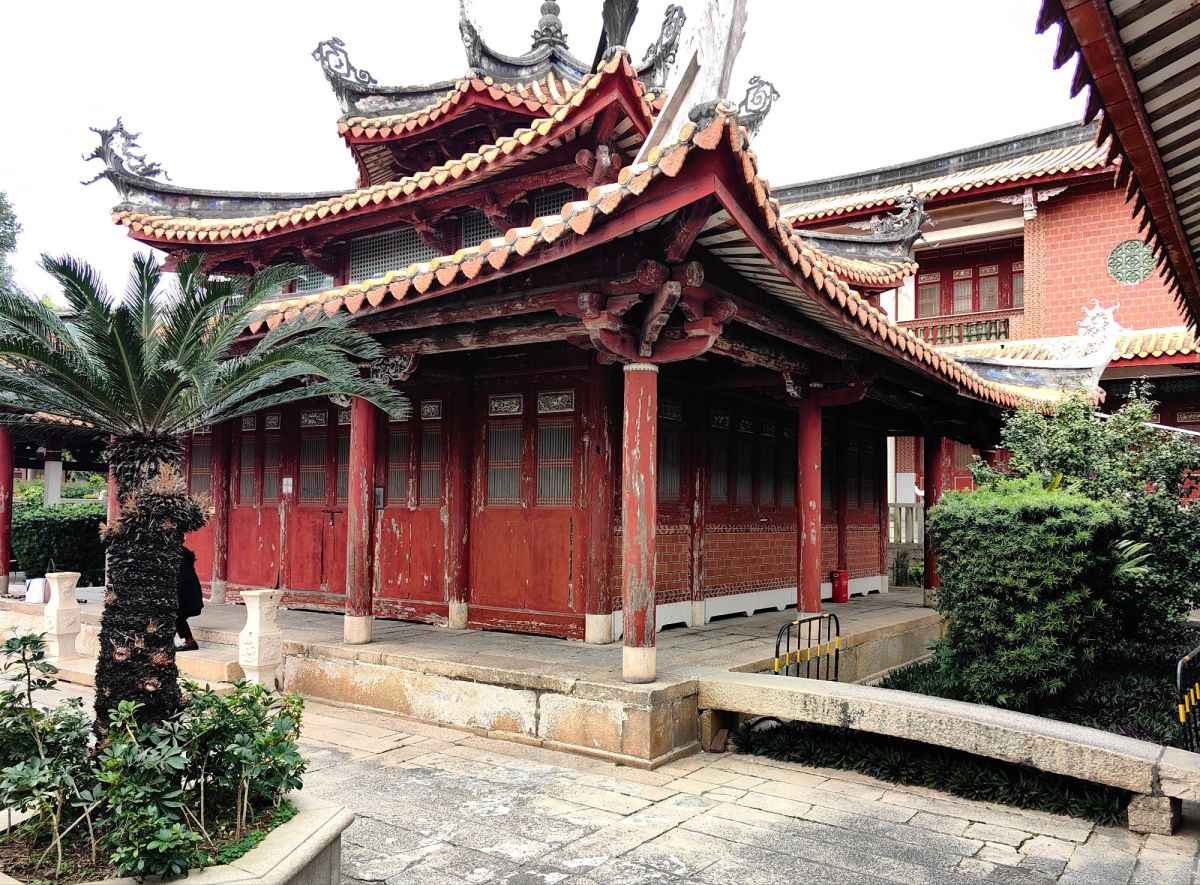
Beyond the grand halls and towering pagodas, there was a quieter world—a cluster of old temple buildings hidden in the greenery. Their weathered walls and wooden eaves were telling silent stories of centuries past. These structures, modest in scale but rich in character, were once home to monks and temple workers. Their moss-covered tiles, stone thresholds, and delicate wooden lattice windows reflect the elegance of traditional southern Fujian architecture. Time has softened the edges of these buildings: faded red doors, flaking paint, and ancient stone steps worn smooth by generations of footsteps. All are the silent testimony of vicissitude of life.

在宏伟的大殿与巍峨佛塔之外,开元寺还静静隐藏着一片安宁古雅的天地——一排排低矮的寺庙旧舍,掩映于绿意之间。斑驳的墙体与飞檐翘角的木屋顶仿佛在无声诉说着几个世纪前的清寂岁月与修行生活。这些建筑虽不宏大,却独具匠心,曾是僧侣居住与修行之所。青苔斑斓的瓦片、打磨光滑的石门槛、雕饰精巧的木格窗棂,无一不散发着闽南传统建筑的古韵之美。时间悄然在这些角落留下印记:褪色的朱红木门、斑驳剥落的油漆,以及那一阶阶被无数脚步踏磨得圆润光滑的石级,仿佛都在默默见证着人世的变迁。

As I wandered through the old quarter of old Quanzhou, I came across charming two-story houses that seemed to capture the spirit of the city in a single glance. These buildings, made of brick, feature a unique blend of southern Fujian architecture, simple but full of taste of life. The first floor serves as a shop or family living space, its entrance marked by bright red lanterns hanging on the doorway. Above, the second-floor balcony burst into color. Clay pots and wooden planters overflow with blooming flowers—hibiscus, bougainvillea, orchids—cascading over the railings. At the top, a flat rooftop platform serves as an open-air terrace. Locals might use it to dry tea leaves or gather in the evening for conversation. This kind of life rhythm is neither fast nor slow, just like the temperament of Quanzhou city – leisurely, calm, showing the real way of local life.

漫步于泉州的老城区,几处别致的两层楼房映入眼帘,仿佛在不经意间捕捉到了这座古城最真实的气息。这些砖砌民居融合了典型的闽南建筑风格,既质朴又充满生活情调。一层通常为商铺或家庭起居空间,门前常悬挂一对鲜红灯笼。二层则设有色彩斑斓的小阳台,阳台上摆满了陶罐与木制花盆,芙蓉、三角梅、兰花竞相绽放。屋顶为平顶露台,是生活的延伸空间。晴好时分,主人家会在此晾晒茶叶;入夜之后,则成了邻里闲聊纳凉的好去处。这样的生活节奏,不紧不慢,恰如泉州这座城市的气质——悠然、从容,又充满烟火人情。

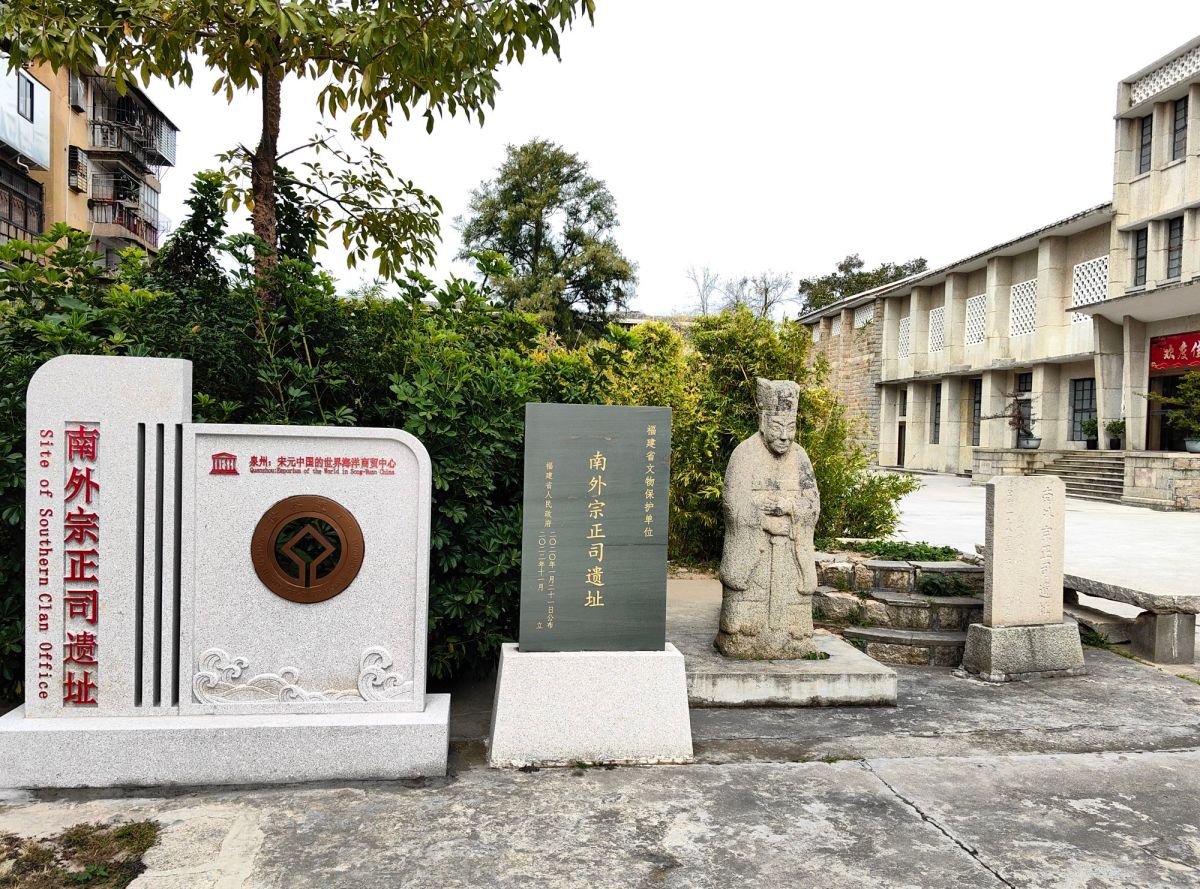
In the Licheng District, there are many historical sites listed as UNESCO World Heritage Element which is a memory of the history. The site of Southern Clan Office is the official office overseeing Southern‑residing Song dynasty imperial clans based in Quanzhou. Established in the early 12th century, the office managed some 349 members of the imperial Zhao family who fled south during the Jin invasion. Now in the courtyard, stone steles and a sculpted statue stand as silent testaments to the site’s once majestic presence.

泉州鲤城区,拥有众多列入联合国教科文组织世界遗产名录的珍贵遗迹,承载着深厚的历史与文化记忆。其中,南外宗正司遗址尤为独特,它曾是宋代宗室在泉州设立的官方机构,专责管理南迁宗室事务。始建于12世纪初,这里在金朝南侵之际,接纳并安置了约349位南逃的赵氏皇族成员,是南宋王朝血脉延续的重要据点。如今,遗址内静立的石碑与人物塑像,默默诉说着昔日王族的迁徙与沉浮。

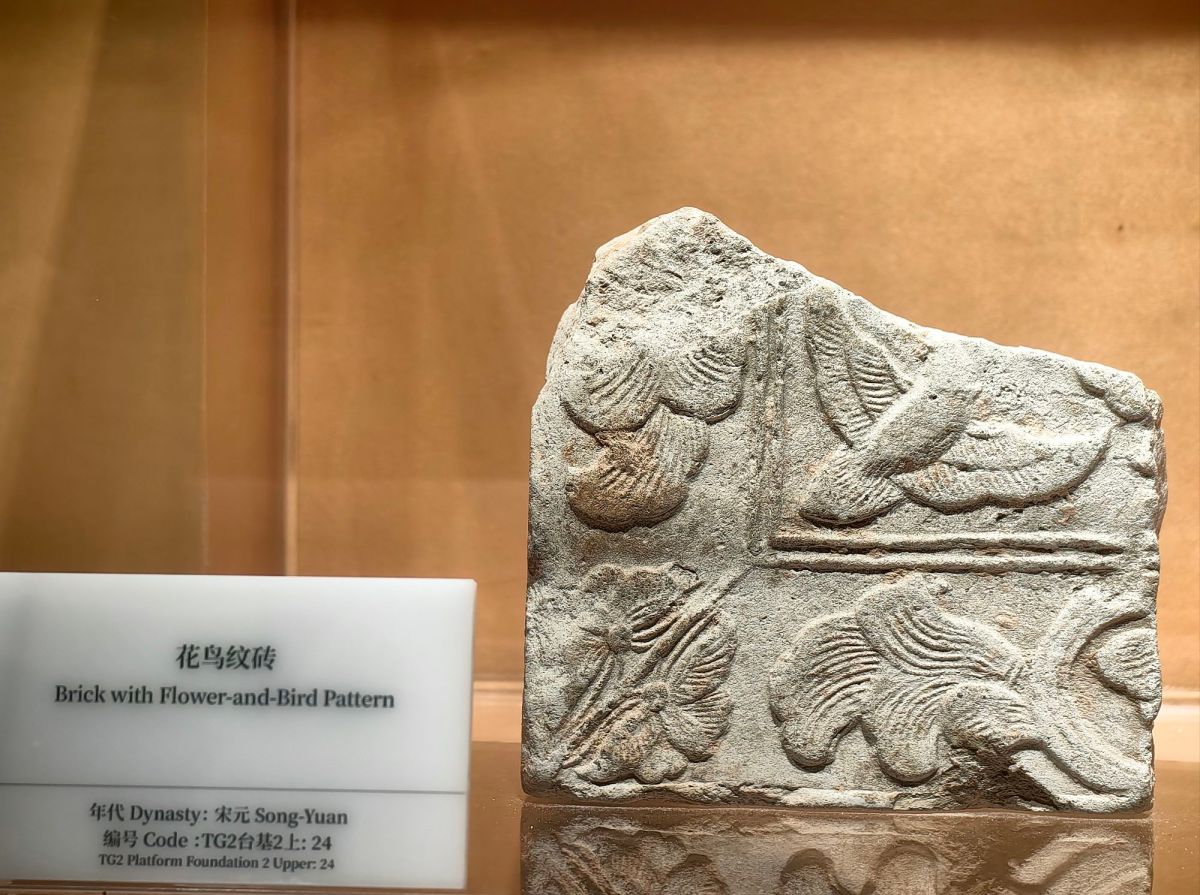
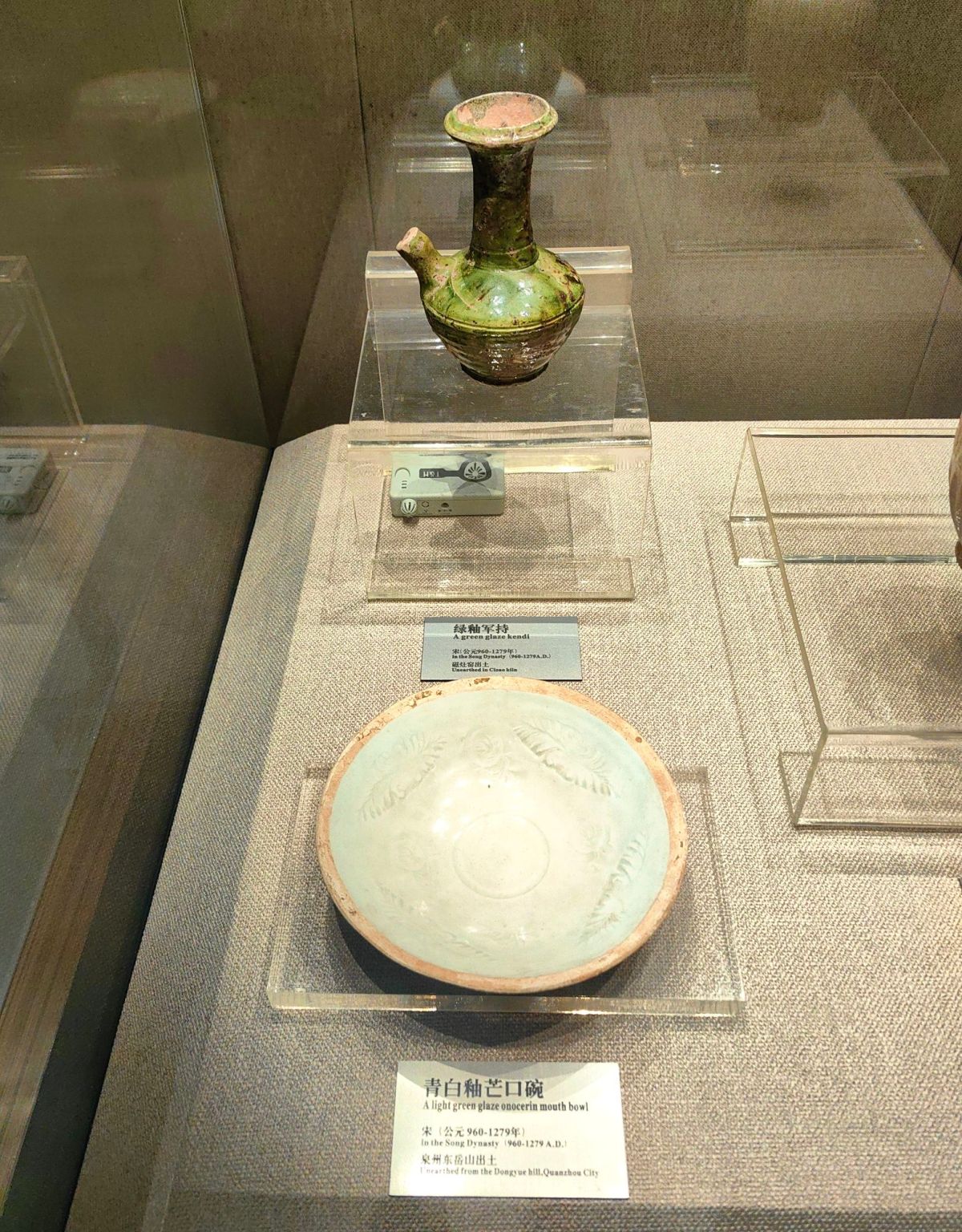
There is a small exhibition hall showcasing rich samples of excavated artifacts, 3D interpretive maps, and multimedia reconstructions. Beautiful vases and delicate lotus‑petal pattern bricks, and majestic looking beast‑face ridge tiles from the Song dynasty are displayed here. A large variety of ceramics with inscriptions such as “赵” on pottery bases, link them directly to the imperial clan. These findings strongly affirm the site’s status as a high‑level official administrative complex tied to both the imperial clan and maritime trade governance mechanisms of the Southern Song state.

博物馆内设有一个小型展厅,虽不宏大,却内容丰富。展厅通过出土文物、3D解说地图与多媒体复原图,生动再现了南外宗正遗址的历史风貌。其中展出的宋代文物尤为引人注目:玲珑精致的花瓶、雕刻细腻的莲瓣纹砖、神态威严的兽面脊瓦,无不展现出当时工艺美术的高超水准。此外,还出土了大量陶瓷器,其中一些陶胎上刻有“赵”字铭文,直指南宋皇室的身份印记,成为皇族南迁与驻地生活的直接物证。这些考古发现不仅印证了南外宗正作为高级官僚行政机构的地位,也揭示了它在南宋皇室与海上贸易治理体系中的重要作用。

It is an unknown archaeological site layered with quiet history. Its admission is free, and it has very few visitors, making it a peaceful stop for history enthusiasts. Here I had deeper understanding of how state institutions functioned during the Maritime Silk Road era, and how imperial families adapted to life far from the capital. Every stele and every piece of pottery bears a true trace of their lives during those turbulent times. This small site, although not renowned for its grandeur, quietly reveals a distant and complex history.

这是一处鲜为人知的考古遗址,却静静蕴藏着层层叠叠的历史回响。遗址免费开放,游人寥寥,恍若与尘世隔绝,成为历史爱好者得以静心沉浸的隐秘角落。在这里,我得以更深刻地理解海上丝绸之路鼎盛时期,国家机构的运行机制与权力布局,也窥见了南宋皇室成员在远离京师的异地如何安顿身心、延续传统。每一块碑石、每一片陶瓦,都是他们在动荡年代中书写下的真实生活痕迹。这座小小遗址,不以宏伟取胜,在不经意间,将一段遥远而复杂的历史悄然呈现眼前。

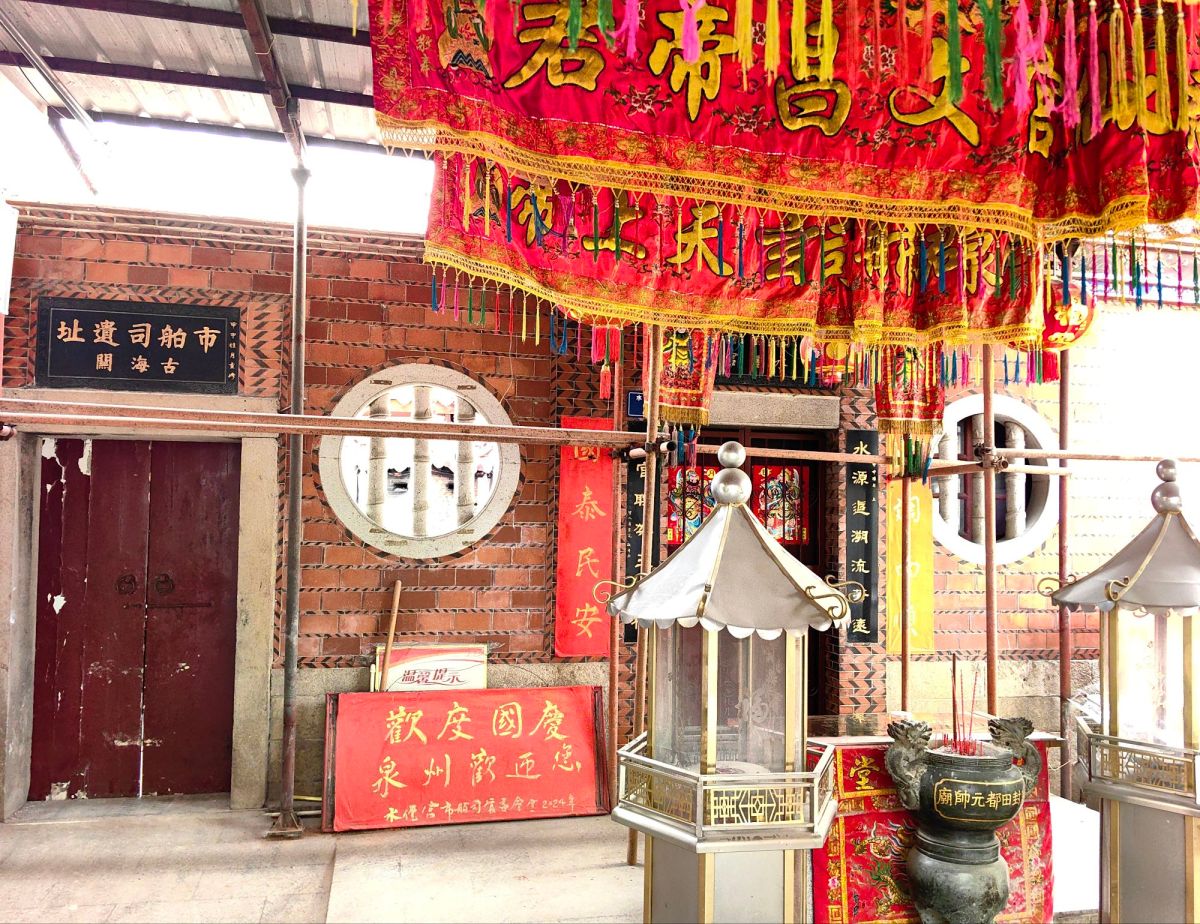
The Site of the Maritime Trade Office is another UNESCO heritage site. It was once the powerful nerve center of China’s official overseas trade during the Song and Yuan dynasties. This was no ordinary government office. It was China’s window to the maritime world, a place where Arab, Persian, Indian, and Southeast Asian merchants registered their ships, paid customs duties, exchanged goods, and interacted with Chinese officials. It witnessed the prosperity of Quanzhou as the “largest port in the East” and also embodied the integration of diverse civilizations on the Maritime Silk Road. Nowadays there are only some remaining excavated stone walls, water channels, and drainage systems.

市舶司旧址,是泉州另一处被列入联合国教科文组织世界遗产名录的重要遗迹。它曾是宋元时期中国对外贸易的中枢,不仅是一座行政机构,而是连接中原与阿拉伯、波斯、印度、东南亚等地区商贸往来的桥梁。往昔,来自异域的商人曾在此登记船只、缴纳关税、交换货物,并与中国官员展开繁复的外交与商业往来。市舶司见证了泉州作为“东方第一大港”的鼎盛,也凝聚了海上丝绸之路上多元文明的交融。时至今日,旧址仅存部分石墙、水渠与排水系统,静默于岁月之中。

Far away from the bustle of West Street, the Confucian Temple lie serenely in one corner. Acting as a civilization sanctuary, it is the city’s historical center of learning, moral cultivation, and scholarly reverence. Built originally during the Tang Dynasty and expanded in the Song and Ming periods, this temple is one of the oldest and best-preserved Confucian temples in Fujian Province. More than a religious space, the Quanzhou Confucian Temple in the history served as an educational and civic institution, where Confucian teachings guided the governance and values of society.

远离西街的喧嚣,泉州文庙静静伫立于城市的一隅。宛如一方宁静的文化圣地,它曾是这座古城悠久历史中修身养性与崇尚学问的重要中心。文庙始建于唐代,历经宋明数度扩建,成为福建省保存最为完整、历史最为悠久的文庙。这里不仅是儒家礼仪的祭祀场所,更是古代泉州社会的教育与公民治理重地。儒家思想在此根植,深刻影响着社会的道德准则与价值观念

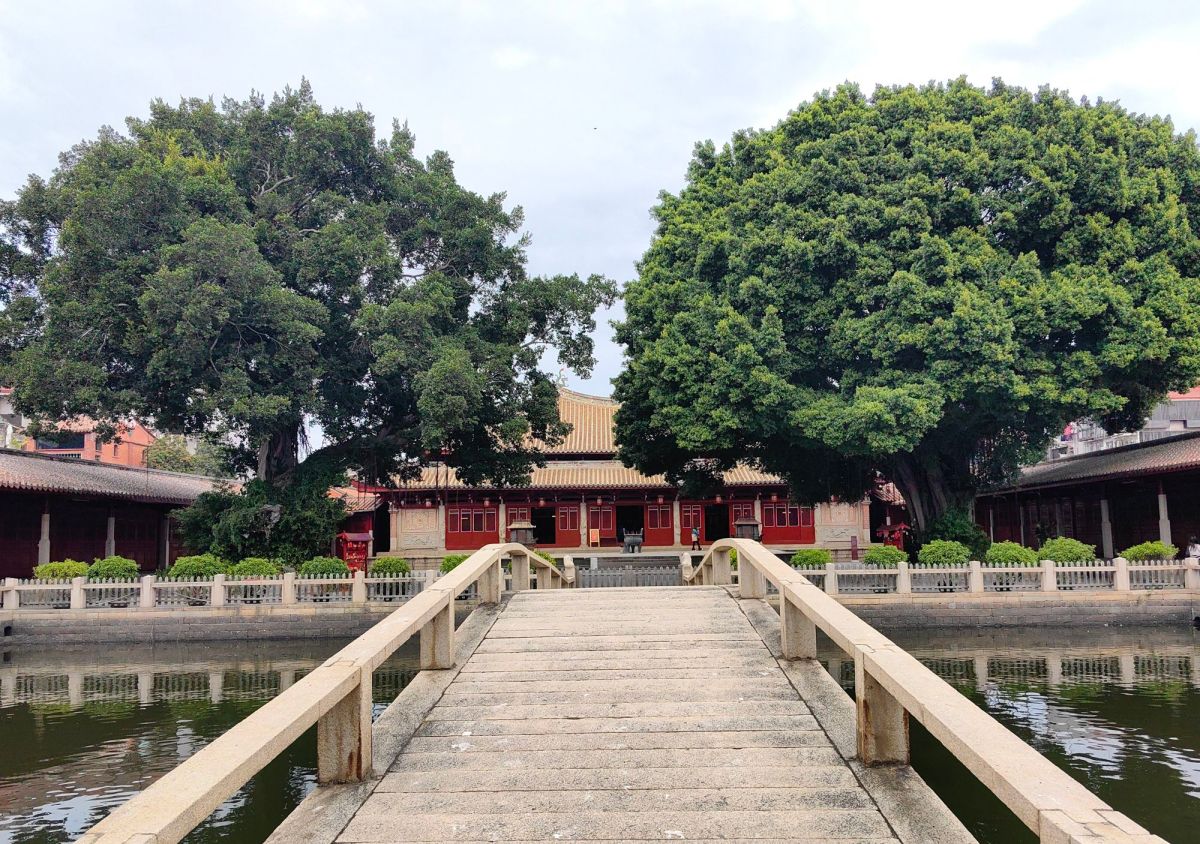
At the heart of the temple stands the Dacheng Hall, dedicated to Confucius, with statues and tablets honoring the great sage and his disciples. The hall is built in traditional southern Chinese style, with upturned eaves, carved beams, and tranquil courtyards. The courtyard is shaded by ancient pagoda trees which are symbols of scholarly virtue and integrity. These trees are often linked with success in the imperial examination system.

泉州孔庙的核心建筑,是庄严肃穆的大成殿,供奉着孔子及其弟子的塑像与牌位。大成殿采用典型的中国南方传统建筑风格,飞檐翘角、雕梁画栋。殿前庭院幽静古朴,绿荫掩映。这些古槐不仅增添了庭院的肃穆氛围,更象征着儒雅之德与正直之品,历来被视为文运昌盛、士子登科的吉兆。

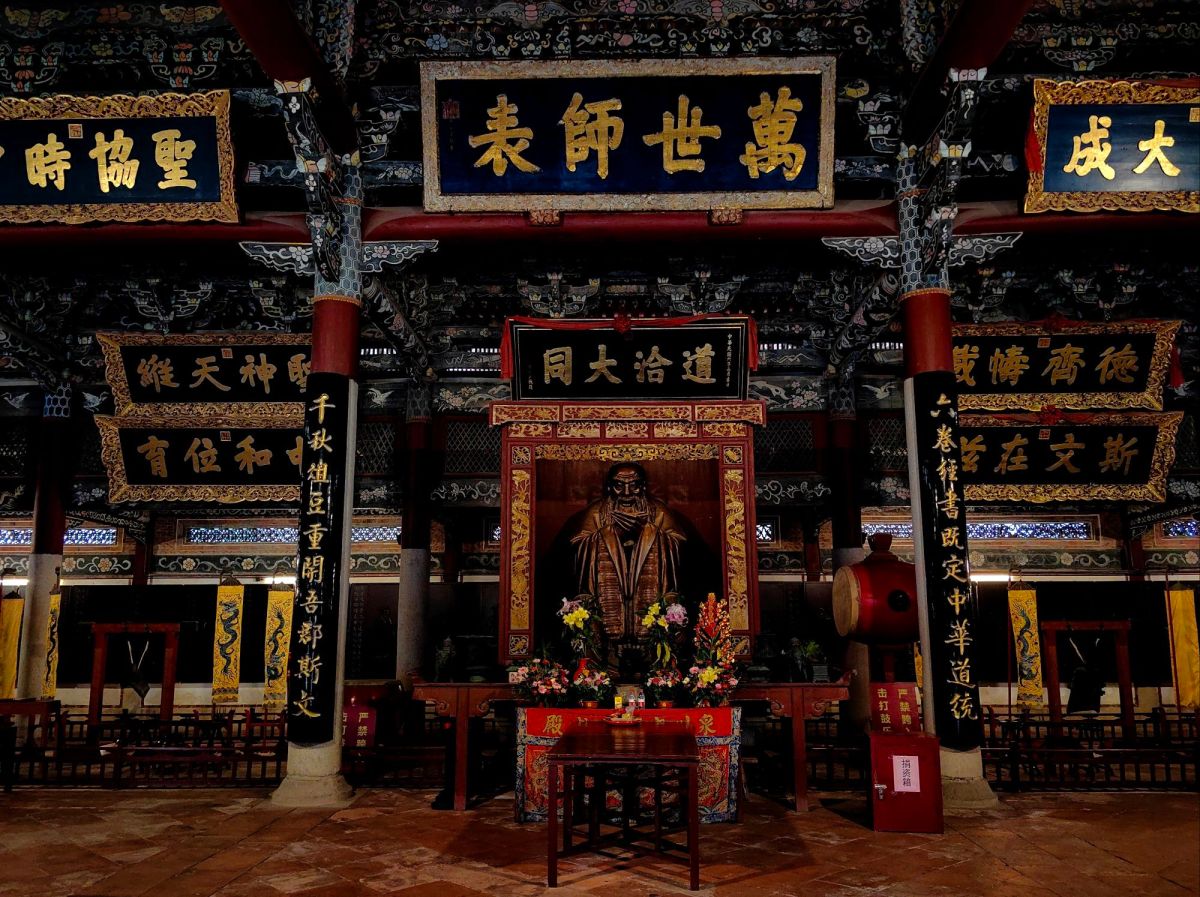
Walking through the Quanzhou Confucian Temple feels like stepping into a realm of quiet reverence. The symmetry of the architecture and the echo of footsteps in stone courtyards evoked a scholarly world of centuries past. In the center of Dacheng Hall, the solemn figure is the statue of Confucius. Carved with a calm, dignified expression, Confucius is depicted in traditional scholar’s robes, his hands gently clasped in front of his chest in the posture of respect and self-discipline. In the center upper plaque, the phrase 万世师表” means “The Eternal Model Teacher for All Time”. It reflects the deep respect and reverence that generations of Chinese people—especially scholars and officials—have held for Confucius.

漫步于泉州文庙,仿佛步入一片静谧而庄严的圣境。古老建筑严整对称,石砌庭院中回荡的脚步声轻缓悠长,仿佛唤醒了尘封的记忆,将人带回那个儒风蔚然的时代。大成殿正中,孔子塑像巍然屹立,身披传统士大夫袍服,双手合抱于胸前,神情沉静而肃穆。殿堂上方,高悬着“万世师表”四字匾额,映照着千百年来中国文人雅士、士子官宦对至圣先师的崇高敬仰

The Chinese phrase “半城烟火半城仙” is a modern poetic description of Quanzhou, capturing its unique charm as a city where earthly life and spiritual heritage coexist in harmony. It means ‘Half a city of worldly bustle, half a city of sacred calm.’ As a major port in the Song-Yuan era, it was a global city, home to people of many religions, cultures, and trades. I walked through one historical street with centuries-old Buddhist pagoda, elegant mosque and shrine shrouded of incense smoke. Beliefs are not divided by East and West, and different cultures hold respect to each other.

“半城烟火半城仙”是对泉州最富诗意的当代表达,它精准捕捉了这座城市尘世烟火与精神遗产和谐共生的独特魅力。作为宋元时期举世闻名的港口,泉州曾是国际贸易的重要枢纽,也是一座多元文化交融的海上都市,吸引着来自世界各地的宗教信仰、技艺行会与异域族群。漫步于泉州街头,一条古老的街道两旁,历史的痕迹清晰可见。古朴庄严的佛塔、静穆典雅的清真寺、香火缭绕的庙宇并肩而立。信仰不分东西,文化彼此尊重.

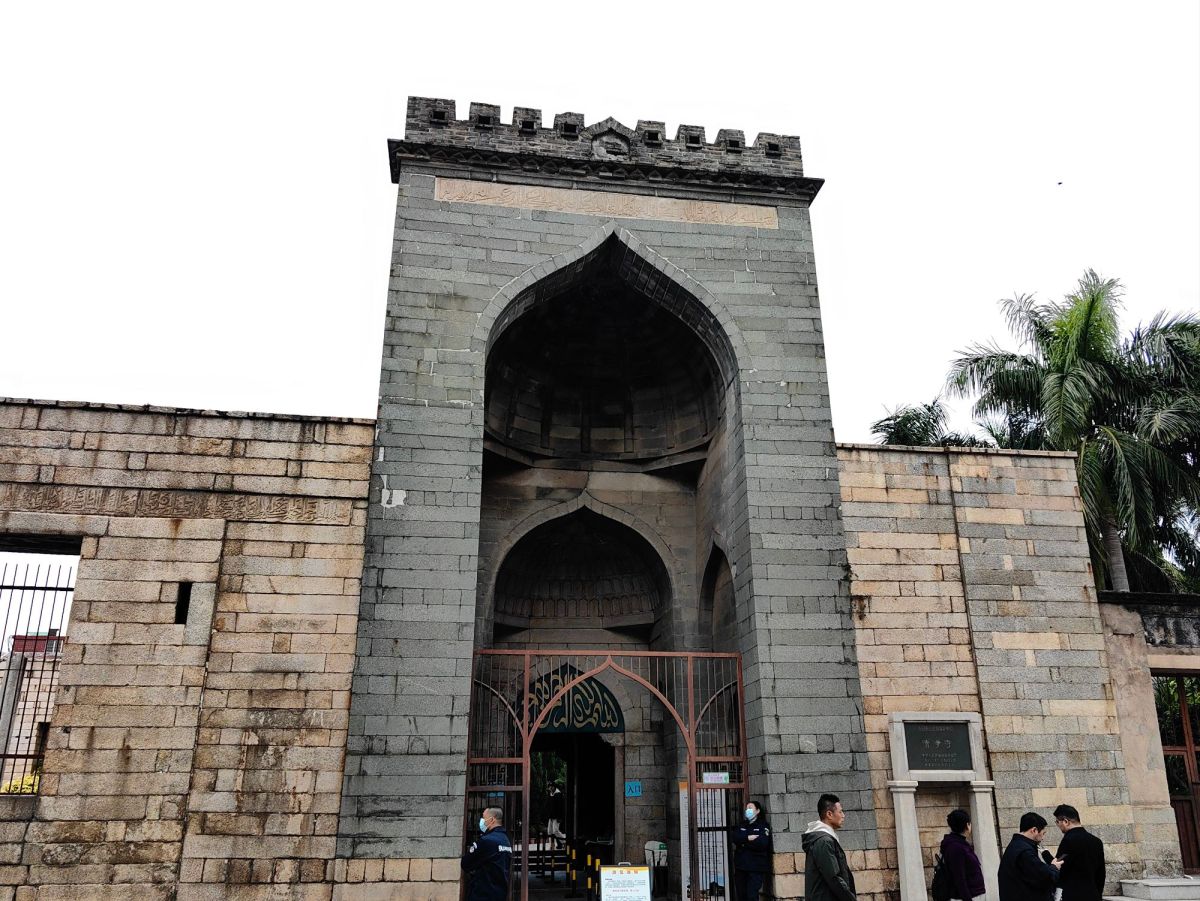
The Qingjing Mosque was built in 1009 AD during the Northern Song Dynasty, it is the oldest extant Islamic mosque in China and a UNESCO-listed site. Unlike the wooden halls and eaves typical of Chinese religious structures, it is constructed primarily from white and gray granite in a style reminiscent of Middle Eastern Islamic architecture. This makes it visually and culturally distinct from the Buddhist and Daoist temples in the city. It is physical evidence of early Muslim communities in China, likely Yemeni or Persian merchants who settled in Quanzhou and assimilated into the local society during the Song and Yuan dynasties.

清净寺始建于北宋大中祥符二年(公元1009年),是中国现存最古老的伊斯兰清真寺,亦被联合国教科文组织列入世界遗产名录。不同于中国传统宗教建筑常见的木结构与飞檐斗拱,清净寺通体以灰白色花岗岩砌筑而成, 使人联想到中东地区典型的伊斯兰建筑风格。这种独特的石砌形制在泉州众多佛教、道教寺庙中格外醒目。清净寺更是早期穆斯林社群在泉州扎根的实物见证。印证了宋元时期阿拉伯、波斯等地的穆斯林商人曾在此定居、通商并深度融入当地社会。

Embedded within the Qingjing Mosque’s courtyard wall, the imperial edict of the Yongle Emperor stands as a powerful symbol of the Ming dynasty’s recognition and protection of Islam in Quanzhou. Issued in the early 15th century, the edict praises the virtue and loyalty of the Muslim community in Quanzhou and commands officials to respect and safeguard their religious practices. This not only reflects the country’s recognition of the religious rights of ethnic minorities, but also demonstrates Quanzhou’s open-mindedness in the coexistence of diverse cultures and religions.

在清净寺幽静的庭院中有一道嵌于墙壁的明代圣旨。这道圣旨出自永乐皇帝之手,颁于15世纪初,是明朝中央政权承认并保护泉州伊斯兰教的有力象征。圣旨不仅赞扬了泉州穆斯林群体的忠诚与品德,还明令地方官员尊重并维护其宗教信仰与生活习俗。这不仅体现了明政府对少数族群宗教权利的认可,也彰显了泉州在多元文化与宗教共存方面的开放胸怀。

In Quanzhou, the most crowded temple must be the The Tonghuai Guandi Temple. It does not belong to any religion and is dedicated to Guan Yu, the legendary general from the Three Kingdoms era who was both loyal and courageous. Guan Yu is worshiped not only for his military prowess but more importantly for his unwavering loyalty, righteousness, and moral integrity. This temple perfectly captures the city’s unique mix of tradition and folk belief that stretches back through centuries.

在泉州,最为热闹香火鼎盛的庙宇,当属通淮关帝庙。这座庙宇不隶属任何单一宗教体系,而是供奉三国时期的传奇将领关羽——一位集忠义、勇武于一身的历史人物。关羽之所以广受敬仰,不仅因其卓越的军事才能,更因为他忠诚不渝、刚正不阿的品格,早已超越历史人物的范畴。在泉州,关帝庙的存在,完美体现了地方传统和民间信仰的深度融合。

Despite the centuries that have passed, the temple is always filled with curling incense smoke and steady streams of worshipers. People come here to seek strength in times of difficulty. Business owners and families burn incense to ask for protection and prosperity. The main building like red-painted walls, intricate wooden carvings, and a series of arched roofs adorned with ceramic dragons is beautiful. But the air was heavy with the scent of incense when I traveled here and the area in front of the temple was surrounded by devotees bowing before the altar and offering sticks of incense.

尽管沧海桑田,岁月更迭,寺庙中依旧香烟缭绕,香客络绎不绝。困境中的人们来到此处,寻求力量与慰藉;商贩与家庭也焚香祈愿,盼得庇佑与昌盛。主殿巍然矗立,红漆墙壁凝重典雅,木雕精巧细腻,拱形屋顶上陶瓷神龙昂首盘踞,尽显匠心与气韵。此刻,浓烈的香火味弥漫在空气中,寺庙前人潮汇聚,虔诚的信众在神坛前肃然鞠躬、献香。

I continued to move to the Tianhou temple in the south of city. In Fujian province, for centuries, Mazu who is the Goddess of the Sea, has held a place of profound spiritual and cultural importance in the lives of the local people. Generations of their families lived by and through the sea. Mazu became their guardian deity. Even overseas, Fujianese migrants carried her image across oceans, building Mazu temples in Taiwan, Southeast Asia and Singapore. The Tianhou Temple is the sacred shrine dedicated to Mazu.

我继续向城南前行参观天后宫。几个世纪以来的福建,象征海洋庇佑的女神妈祖始终深深扎根于人们的精神与文化生活中。世世代代的闽人以海为生,他们的家族与海潮共息,与浪声为伴,妈祖便是守护他们平安归航的神灵。即使漂泊到万里之外,福建移民依然将妈祖的影响带往异乡,在台湾、东南亚乃至新加坡建立起一座座香火鼎盛的妈祖庙。天后宫便是这份信仰的圣地,承载着人们对海神的敬畏与崇敬。

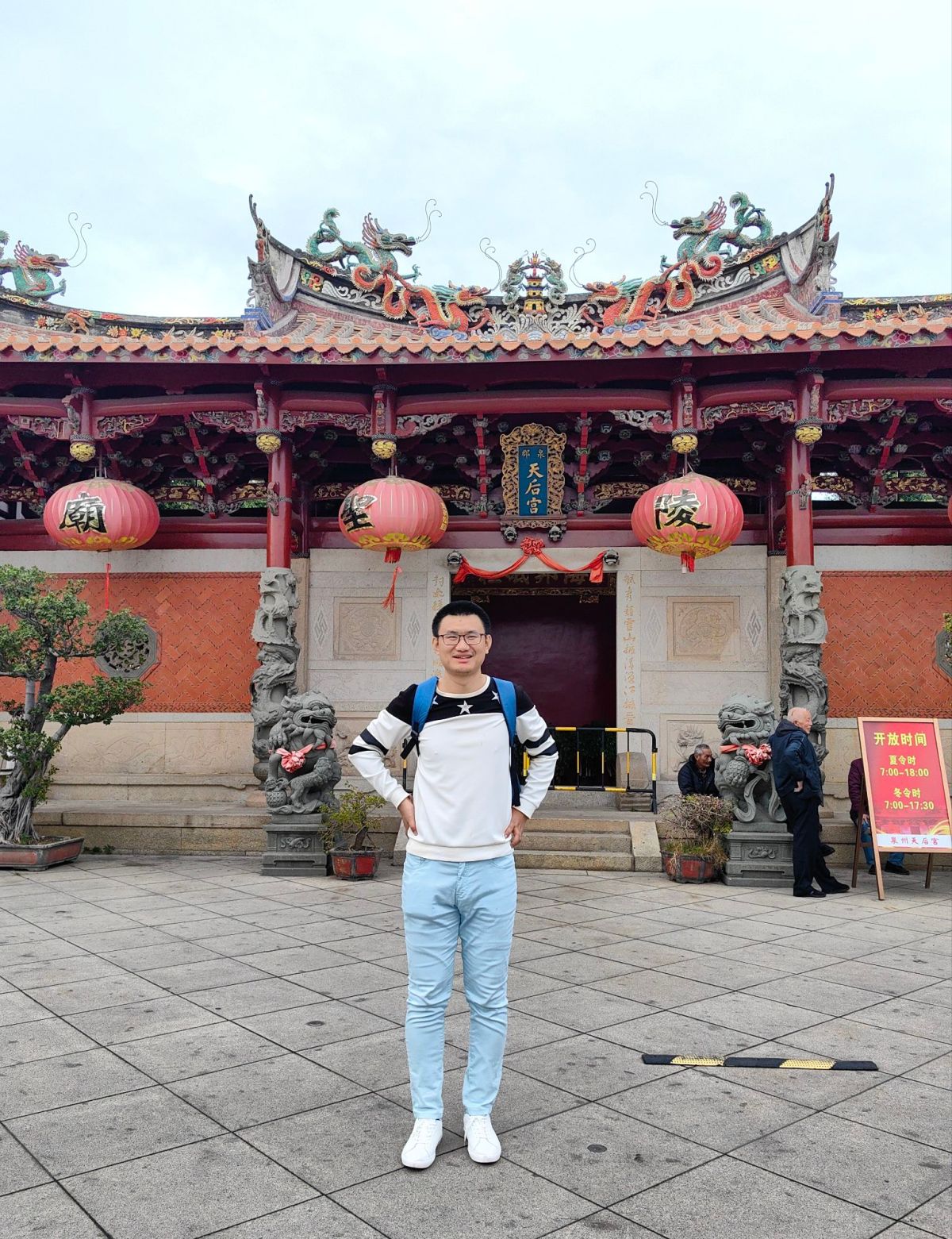
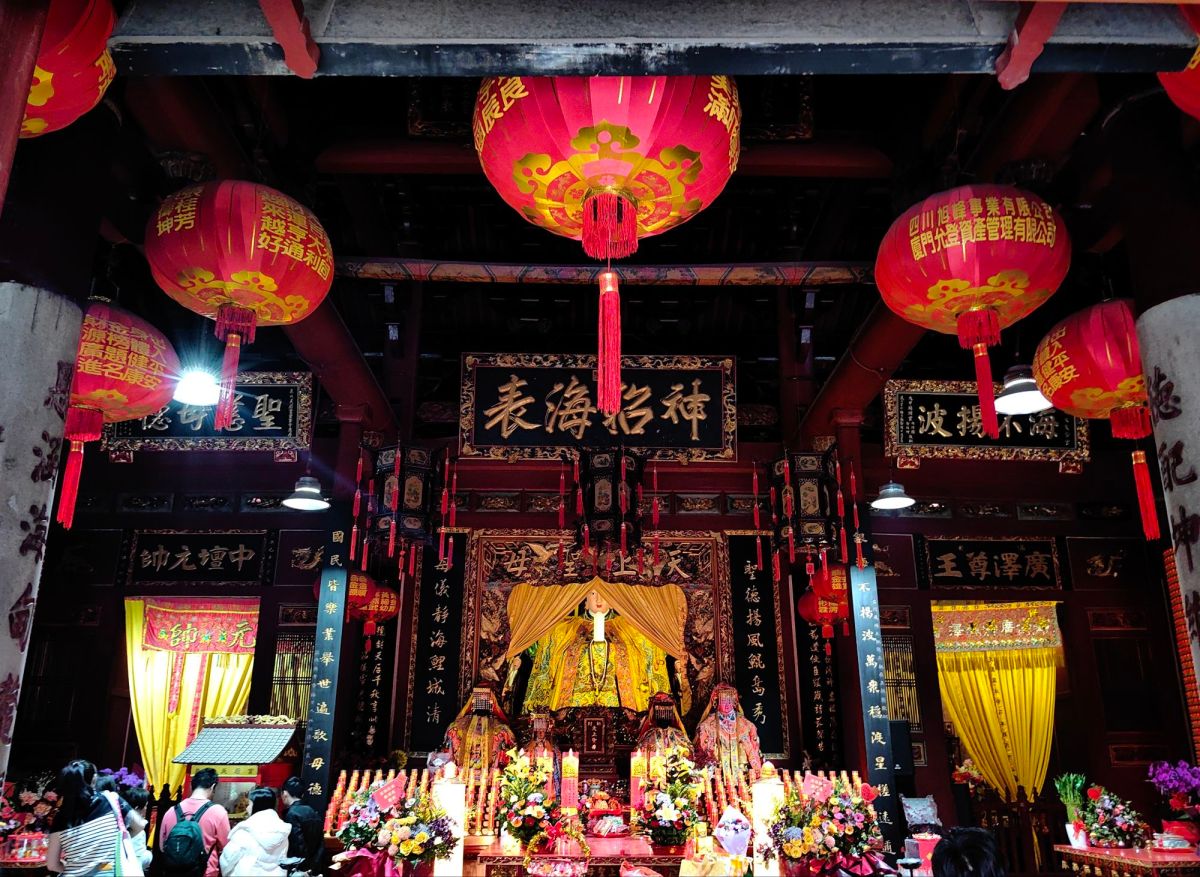
The temple is part of the UNESCO World Heritage site. At the heart of the temple, the statue of Mazu sits serene and dignified, often clothed in bright embroidered robes and wearing a crown of pearls. Flanking her are statues of her two loyal generals—Qianliyan and Shunfeng’er, said to help her see and hear everything happening across the seas. Red lanterns with many benedictory words line the eaves. Intricate stone carvings of dragons, phoenixes, and waves decorate the roof and doorways, evoking the temple’s connection to the ocean.

这座庙宇作为世界文化遗产的一部分。妈祖端坐于庙宇正中,神情庄严而安详,身披色彩鲜艳、绣工精美的长袍,头戴闪耀着珍珠光泽的冠冕。她的两侧立着千里眼与顺风耳的塑像,据传她们协助妈祖洞察海内外的风云变幻。檐下悬挂的红灯笼上书写众多的祝福语。屋顶与门道间,精雕细琢的龙凤与海浪纹饰交相辉映,诉说着庙宇与海洋血脉相连的深厚渊源。

In just one day, I visited numerous temples, each representing a distinct religious tradition. Next, I arrived at the Chengtian Temple which is a quiet and historically rich Buddhist sanctuary. Unlike larger and crowded temples full of tourists, Chengtian Temple is tranquil and calm. Though it may not draw tourists in large numbers, Chengtian Temple remains a living temple, still functioning with monks, prayers, and rituals.

短短一天,我已走访了众多寺庙,每一座都承载着独特的宗教传统与精神内涵。随后,我来到了承天寺这是一处静谧祥和、古韵悠长的佛教圣地。不同于那些香火鼎盛、游人如织的大型寺院,这里始终保持着从容与清净。或许它并不以规模与名声吸引大量游客,但殿宇之间依旧生机盎然:僧侣的诵经声、虔诚的祈祷与庄重的法事,依然如千百年来般流转不息。

First built in the Song Dynasty, Chengtian Temple has undergone numerous reconstructions across the Yuan, Ming, and Qing dynasties. The name “Chengtian” (承天) literally means “receiving the mandate of Heaven” . As part of the UNESCO-listed heritage landscape, it shows how different religions coexisted peacefully in ancient Quanzhou. For the temple, there is nothing special but simple. The elegant layout follows traditional Chinese symmetry, with moss covered tiled roofs, historical wooden beams, and peaceful open courtyards. There is a small pagoda on top of the roof. It represents a connection between the earthly world and the spiritual realm and marks the temple as a sacred space where the divine and human meet.

承天寺始建于宋代,历经元、明、清三代多次修葺。其名“承天”,寓意“承受天命、顺应天道”。作为联合国教科文组织世界遗产的一部分,它见证了古代泉州多元宗教和谐共存的历史画卷。寺庙本身并不以奢华取胜,却以古朴而动人心弦。中轴对称的布局、覆以青瓦的屋顶、古韵悠长的木梁、静谧开敞的庭院,无不透露着传统建筑的雅致。屋脊之上,那座小巧的塔宛如天地之间的纽带,寓意神与人相会于此。

The UNESCO World Heritage site “Quanzhou: Emporium of the World in Song-Yuan China” includes a total of 22 component sites like Kaiyuan Temple, Qingjing Mosque, and Tianhou Temple. Luoyang Bridge is one of them as well. Built during the Northern Song Dynasty, Luoyang Bridge is renowned for being the first stone bridge in China built over tidal waters. It was constructed using raft foundations and oyster reef technology. Workers placed oysters at the base of stone piers to bind the underwater structures together. This ecological method made the foundation resilient to tides, erosion, and currents.

When I walked across the bridge over 800 meters long, I noticed rows of stone piers standing steadily in the river. I could imagine its history of connecting the bustling port city with inland roads, facilitating the movement of goods, people, and ideas during the height of the Maritime Silk Road.

联合国教科文组织评选出的世界遗产 “泉州:宋元时期的世界海洋商贸中心”涵盖了开元寺、清净寺、天后宫等22处历史遗迹,洛阳桥便是其中的重要一员。始建于北宋的洛阳桥,是中国第一座建于潮水上的石桥,以其独特的筏式基础与牡蛎礁筑造工艺闻名于世。工匠们在石墩底部铺设牡蛎,让其在水下自然生长,将结构紧密相连。这种生态智慧不仅稳固了桥基,还能抵御潮汐、侵蚀与急流的冲击。

漫步在这座长达八百余米的古桥上,只见一列列石墩如守望的卫士,静立于河面之中,历经千年风潮而不移。仿佛穿越时空,我能想象它在海上丝绸之路繁盛之际,如何将这座繁华的港口城市与内陆大道紧密相连,承载着货物、商旅与思想交流的使命。

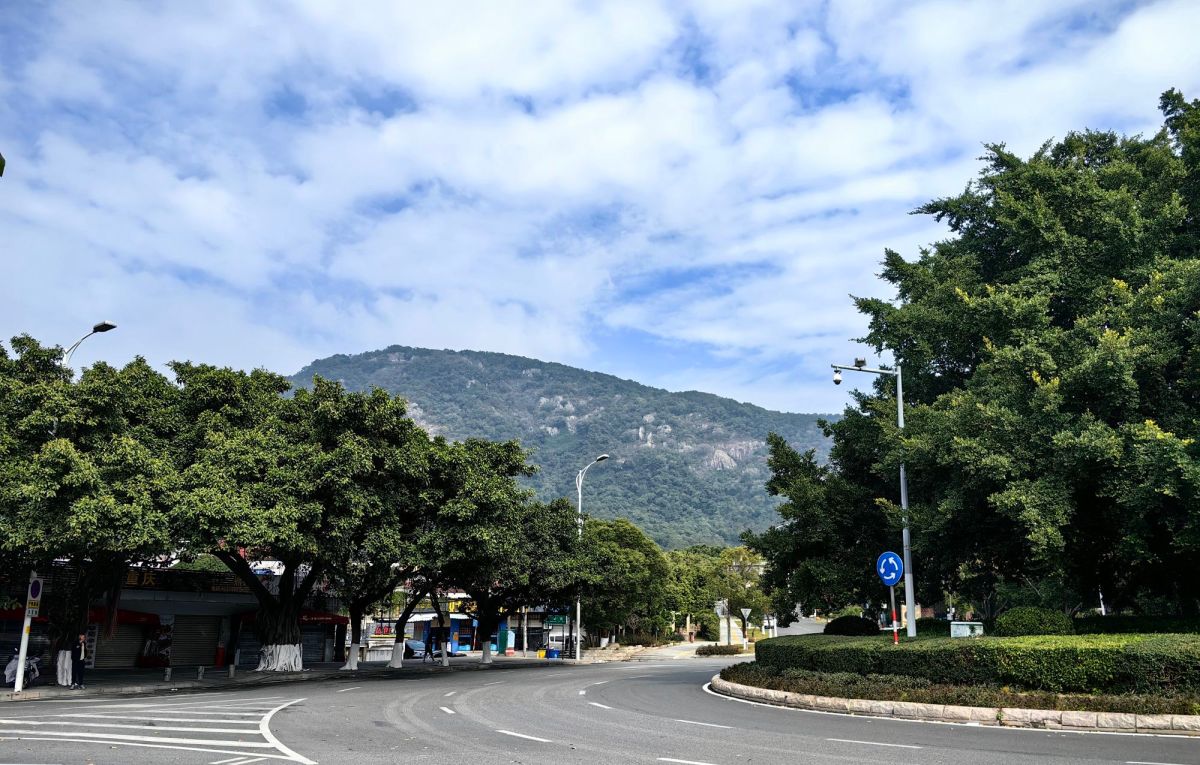
I stayed in Quanzhou for two days. My first day concentrated on the humanity heritages like old streets in the old city and my second day was on some natural scenes. Qingyuan Mountain in the north of city is a place where visitors come to reconnect with nature. It is also a spiritual landmark, a place where nature, history, and Daoist thought merge into quiet harmony. Daoism is about understanding how the world works and becoming one with it.

我在泉州停留了两天。第一天沉浸于古城的人文遗产,徜徉于街巷之间;第二天则走向自然,寻访城北的清源山。这里不仅是重拾自然之美的胜地,更是一座精神地标。青山环抱间,自然、历史与道家思想在此交融,织就出一幅静谧而和谐的画卷。道家倡导顺应天地的运行规律,天人合一。

The Giant Stone Statue of Laozi is the mountain’s most famous feature. It was carved in the Song Dynasty. This makes Qingyuan Mountain a nationally significant site of Daoist worship and Laozi veneration. According to local legend and Daoist belief, Qingyuan Mountain is one of the places where Laozi, the ancient philosopher and founder of Daoism once visited, meditated, and eventually transcended the mortal world to become a Daoist deity. The inscription “老子天下第一” carved in front of the Laozi statue means “Laozi is the greatest under Heaven”. In Daoist tradition, Laozi is considered the origin of all wisdom, the one who taught the Dao—the Way that governs all things.

清源山最负盛名的景观,莫过于宋代雕刻的巨型老子石像。正因这尊雕像,清源山自古便被视为全国重要的道教圣地与宗教中心。相传哲学家、道教创始人老子曾在此驻足参悟,最终超脱凡尘、羽化登仙。石像前镌刻的“老子天下第一”四字,不仅彰显着“对老子作为天下第一圣人”的尊崇,更寓意他是道即万物法则的传授者与万世智慧的源泉。

This mountain is not only spiritually important in Daoist tradition, but also celebrated for its natural beauty. The mountain was covered in lush vegetation like ancient cypress trees lining the stone paths and a mix of evergreen and deciduous trees. I climbed from bottom to top along this road using nearly 2 hours.

这座山在道教传统中享有崇高的精神地位,同时也以其秀丽的自然风光闻名遐迩。山间植被繁茂,石板路两旁古柏参天,常绿与落叶乔木交织成四季更迭的画卷。我循着这条小径,自山脚而上,历时近两个小时,方抵达峰顶。

The mountain was dotted with weathered granite boulders, many of them engraved with ancient and durable calligraphy. These rocks were moss-covered, shaded by ferns and wildflowers. Natural springs bubbled from the mountain’s base and flowed gently through these rocks.

山间错落散布着经岁月侵蚀而风化的花岗岩巨石。许多岩面镌刻着古老的书法,字迹遒劲而沧桑。青苔沿着石缝蔓延,蕨类植物和野花掩映其间。山脚下,清冽的泉水汩汩涌出,绕过石间缓缓流淌。

On this early morning, mist rolled over the mountain ridges, creating a dreamlike effect. The view from higher altitudes offered a glimpse of the city through drifting clouds, a striking contrast between the spiritual landscape and modern life. I could roughly see the outline of West Lake faraway. This shifting mist seemed to reflect the Daoist idea of impermanence, of the seen reality and unseen future constantly transforming.

清晨,薄雾如纱,轻绕山峦,仿佛为大地披上了一层梦境。登高远眺,云雾间隐约显现出城市的轮廓,灵性的山水与喧嚣的都市交织成一幅对比鲜明的画卷。远方,西湖的身影若隐若现。那一缕缭绕不散的雾气,恰似道家所言的“无常”。可见与不可见、现实与未知,在流转与变化中相互交融。

In the afternoon, before I left, I took some time to visit the West Lake which is opposite to my hotel. Though not as famous as the West Lake in Hangzhou, it is still a beautiful, tranquil urban lake park that offers a peaceful escape and is infused with layers of historical charm. It is designed in the traditional Chinese garden style with curved stone bridges over calm water, lotus-filled ponds that bloom beautifully in summer, willow trees trailing their long branches into the lake, and graceful, poetic pavilions. The lake is far away from the city center, and I enjoyed a natural quietude.

下午离开前,我特意抽空去了酒店对面的西湖。它或许不及杭州西湖那般闻名遐迩,却依然是一处清雅静美的城市湖泊公园,既为人们提供一方悠然栖息的天地,又蕴藏着深厚的历史韵味。园林布局沿袭传统中式风格,曲折的石桥横跨在澄澈的水面之上,池塘中荷花正值盛夏的灿烂绽放,垂柳轻垂长枝拂水,亭台楼阁点缀其间,透出几分诗意与古韵。远离喧嚣的市中心,这里的清风与湖光,让我尽情享受片刻难得的宁静。

The Quanzhou Museum opposite to the beautiful West Lake provides deep insights into the city’s maritime, religious, and cultural history, particularly during its golden age as a major port on the Maritime Silk Road. There are rich, immersive exhibitions suitable for history lovers, students, and general travelers.

泉州博物馆坐落在秀丽的西湖之畔,与湖水相望。馆内全面呈现了泉州悠久的航海、宗教与文化历史,尤其生动再现了这座古城作为海上丝绸之路重要港口的辉煌年代。丰富多彩的展览内容兼具知识性与趣味性,无论是历史爱好者、莘莘学子,还是闲暇漫游的游客,都能在此收获一段难忘的文化之旅。

There are collections of rare Nestorian Christian tombstones, Arabic inscriptions, and ancient epitaphs. Many pieces were unearthed from cemeteries of foreign communities who lived in medieval Quanzhou. The porcelain exhibitions are a highlight of the Maritime Silk Road displays, showcasing the city’s central role in ceramic trade and production during the Song and Yuan dynasties. Blanc de Chine (Dehua white porcelain) is famous for its smooth, ivory-white glaze and is exported widely to Southeast Asia and Europe.

这里珍藏着稀有的基督教墓碑、阿拉伯文碑刻与古代墓志铭,其中许多出土于中世纪泉州外国社群的墓地。瓷器展区则是“海上丝绸之路”展览的亮点,生动呈现宋元时期泉州在陶瓷生产与贸易中的枢纽地位。德化白瓷以其温润如象牙的釉色闻名于世,远销东南亚与欧洲,见证了泉州海贸的辉煌与繁荣。

Inside, there is a large-scale model of ancient Quanzhou city, offering visitors a panoramic and immersive view of how the city looked during its golden age in the Song-Yuan period. I could clearly see the sinuous city walls, towering main gates (like Chaotian Gate), crossing streets, and the two towers of Kaiyuan Temple and immersed in its old history.

馆内陈设着一座宏伟的泉州古城模型,宛如将宋元盛世的辉煌凝固于眼前。城墙蜿蜒环绕,气势恢宏的朝天门巍然矗立,街道纵横交错,开元寺双塔相对而立,使人仿佛穿越时空,沉浸于古城的繁华与韵味之中。

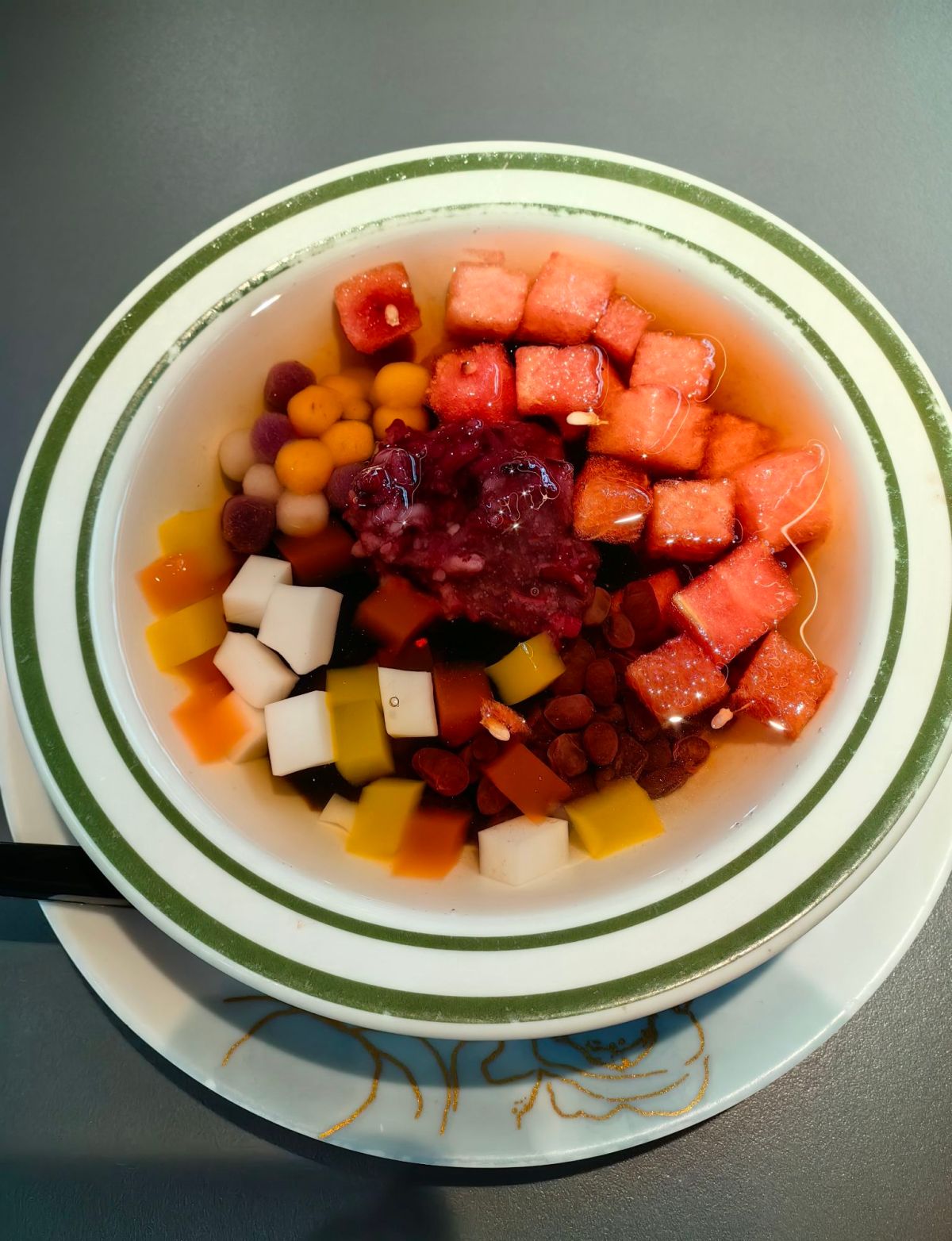
During my trip I tasted the Minnan cuisine, which is especially representative of the southern Fujian region, including cities like Quanzhou, Xiamen, and Zhangzhou. It is known for its refined techniques, fresh ingredients, delicate flavors, and a touch of sweetness. The Four Fruit Soup is a cold dessert with four toppings like transparent jelly cubes, sweetened red beans, soft lotus seeds, and crisp Nata de coco. It is lightly sweetened and topped with condensed milk, taste not so saturated.

旅途中,我品尝到地道的闽南菜。它是福建南部饮食文化的精粹,涵盖泉州、厦门、漳州等地的风味。闽南菜以精湛的烹饪技艺、新鲜食材、细腻而层次丰富的口感,以及那一抹恰到好处的甜味而闻名。其中,四果汤是一道沁人心脾的冷甜品,碗中盛着晶莹的果冻块、香甜的红豆、软糯的莲子与爽脆的椰果,四种配料交织成清凉的乐章,再淋上一圈浓郁的炼乳,甜而不腻。

The Oyster omelette is one of the most iconic and beloved dishes in Minnan cuisine, widely enjoyed in Quanzhou as well as in Taiwan and parts of Southeast Asia like Singapore. It is a must-try street food that perfectly captures the flavors and textures unique to the coastal Fujianese palate. It a savory dish made with fresh oysters and eggs. Sweet potato starch slurry is mixed into the egg to give the dish a chewy texture. Chopped leafy greens or scallions are added. It is pan-fried on a flat griddle until crispy on the bottom and soft on top. A key part of the dish is the sweet-sour chili sauce that’s generously spooned over the omelette after it’s cooked. It can be a satisfying snack for a seafood lover like me.

海蛎煎是闽南菜中最具代表性也最受喜爱的菜菜品,在泉州、台湾以及新加坡等东南亚地区都享有盛誉。它是街头小吃里的璀璨明珠,将福建沿海的独特风味与口感完美呈现。选用新鲜饱满的牡蛎,搭配鸡蛋与红薯淀粉浆,煎制出的蛋饼外脆内嫩,带着恰到好处的韧性。再拌入翠绿的蔬菜或清香的葱段,于热腾腾的铁板上煎至金黄酥香。出锅后,淋上一勺酸甜微辣的酱汁,咸香与酸辣并存。对于钟情海鲜的食客而言,这道小吃绝对是味蕾的满足。

Ginger Duck is a traditional and deeply flavorful dish of Minnan cuisine. It is made of aged ginger with stronger spiciness and tender duck meat. The dish is usually simmered in a clay pot over low heat, allowing the ingredients to infuse and develop a rich, savory broth. Sesame oil is used to stir-fry the ginger and rice wine is added, both for flavor and warmth. Herbs and spices like goji berries, red dates, star anise, and angelica root are included for their traditional medicinal value. The taste is nice, a bit warming, spicy and lightly sweet.

姜母鸭是闽南传统名肴,以浓郁醇厚的风味著称。精选肥嫩鸭肉,佐以辛香四溢的老姜,以芝麻油文火慢炒,激发姜香的同时,渗出温暖的热意。随后倾入米酒,酒香与姜辣交织,驱寒暖身。再加入枸杞、红枣、八角、当归等具传统药食价值的香料,历经陶罐慢火细炖。入口鲜美,辛辣中透着甘甜,温暖中蕴含滋补。

Exploring Quanzhou has been a deeply immersive journey. It felt like stepping into a living tapestry woven from centuries of history, culture, and spiritual harmony. Wandering through its ancient streets, majetic temples, and bustling markets, I sensed the city’s heartbeat pulsing with the stories of diverse peoples who once gathered here as traders or pilgrims. Quanzhou offers me a rare glimpse into a crossroads of world cultures — where Buddhism, Islam, Christianity, and Daoism coexist peacefully; where the legacy of the Maritime Silk Road still echoes in every stone bridge and mosque; where time slows down amidst verdant mountains and tranquil lakes.

泉州之行宛如一场深情的时光之旅,让人沉醉其中,仿佛步入了一幅由数百年历史、文化与精神交织而成的绚丽画卷。行走在古老的街巷、庄严的寺庙和熙攘的市集间,我仿佛能触摸到这座城市的跳动脉搏,那是多元民族的故事在时光长河中交织的回响。泉州展现了作为世界文化的交汇之地,佛教、伊斯兰教、基督教与道教和谐共处;海上丝绸之路的昔日遗产依旧在每一座石桥、每一座庙宇中低语。时光在翠绿群山与宁静湖泊间缓缓流淌,带给游客无尽的宁静与回味。

Following the Immortals on Heavenly Paths of Wuyi

仙踪云路武夷行

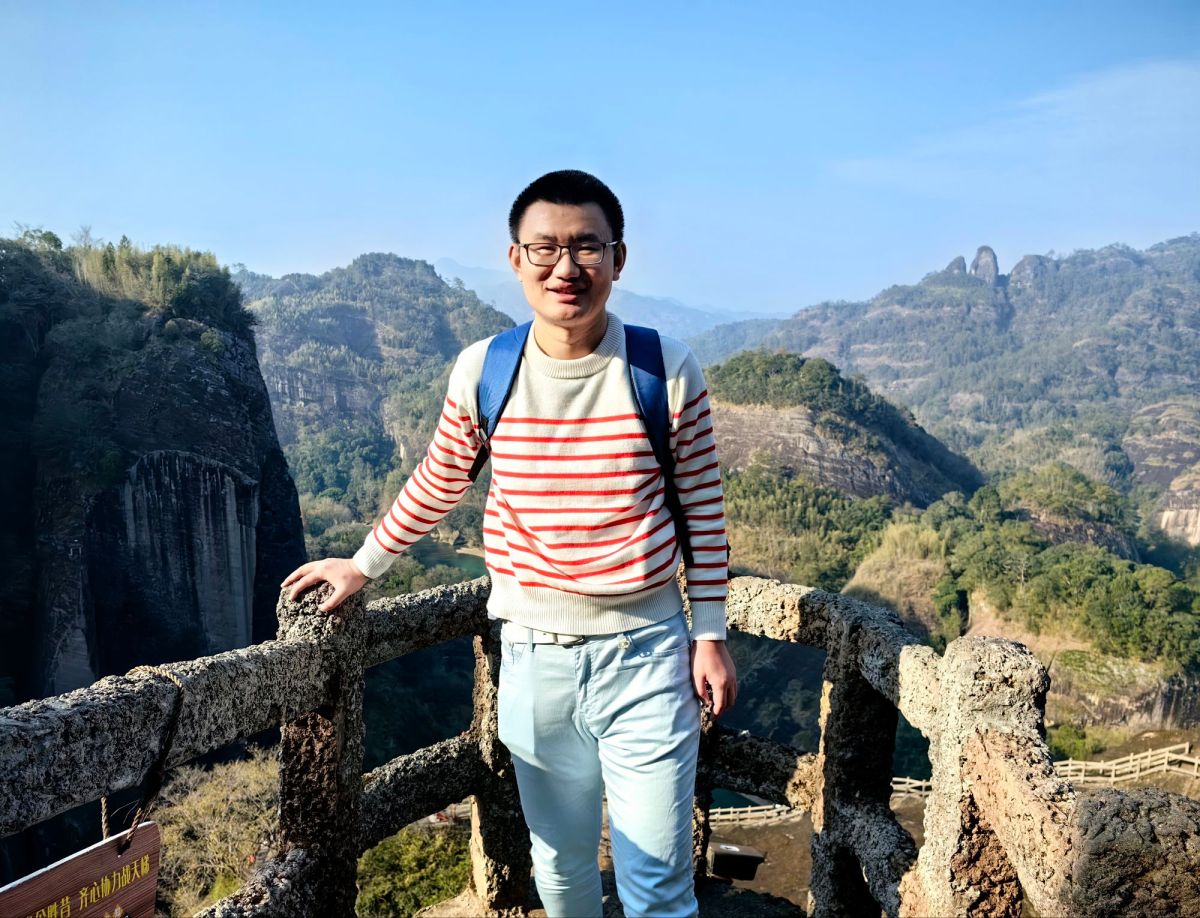
In the quiet cradle of northwest Fujian lies a sacred land called Wuyi Mountain. This UNESCO World Heritage site is like a living poem, etched in cliffs and whispered by waters, where Taoist sages, Confucian scholars, and tea masters once walked in reflection. Wuyi is not only known for its breathtaking landscapes — crimson cliffs, emerald rivers, and cloud-kissed peaks — but for its legendary rock tea and the graceful balance between culture and nature. I spent three days in this beautiful place during my Christmas trip in 2024 and caught its most splendid moment from morning to evening using my camera.

福建西北部静谧的群山坐落着一片名为武夷的旅游圣地。这座被联合国教科文组织列为世界遗产的瑰宝,如同一首镌刻在赤壁丹崖上的活诗,山水之间低吟浅唱,道家高士、儒家学者与茶道大师皆曾在此驻足沉思。武夷山不仅以其令人叹为观止的自然美景著称——赤红的岩壁、碧绿的溪流、云雾缭绕的山峰如画卷般铺展开来——更因其传奇的岩茶与自然、人文交融的独特气质而闻名于世。2024年圣诞节,我在这里度过了三天的悠然时光,用镜头追逐晨曦与暮霭,记录下武夷山最动人的瞬间

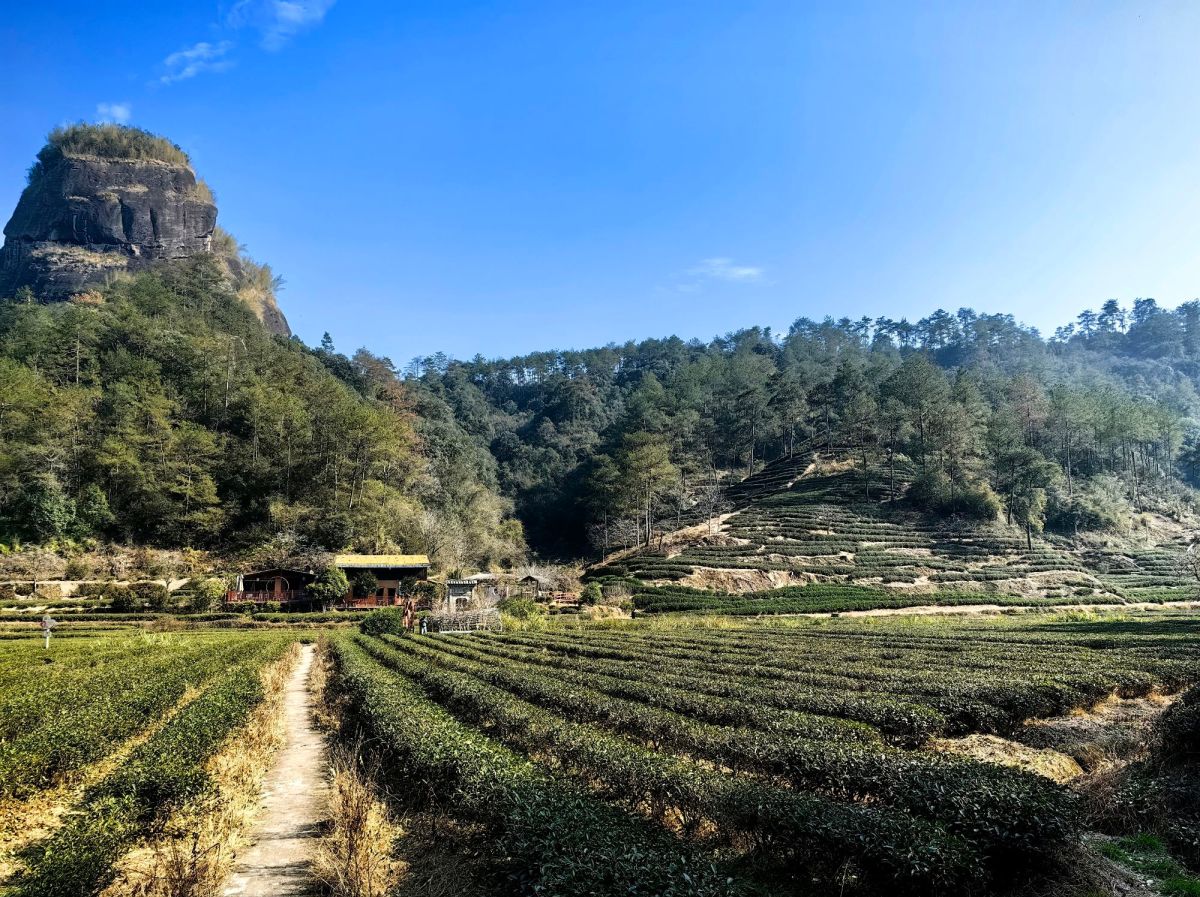
As the first rays of morning pierced the veil of winter mist, the tea fields of Wuyi Mountain began to stir. The golden sun poured its light across the terraced slopes like warm honey. It spilled over the ridges with a quiet generosity, wrapping the emerald bushes in a soft glow. Shadows retreated behind stone ridges, and the winter chill that once clung to the earth began to ease. In that moment, under the golden winter sun, the tea fields breathe again — calm, green, and alive.

当清晨第一缕柔光突破冬日的薄雾,武夷山的茶田悄然苏醒。金色的晨曦似温暖的蜜,倾泻于错落的梯田之上,为每一株翠绿的茶树披上了柔和的光纱。随着阴影渐渐退到石脊之后,那曾笼罩大地的寒意也随之散去。就在这金色的冬日晨光中,茶田再度焕发出生机——一片宁静、翠绿且充满生命力的景象。

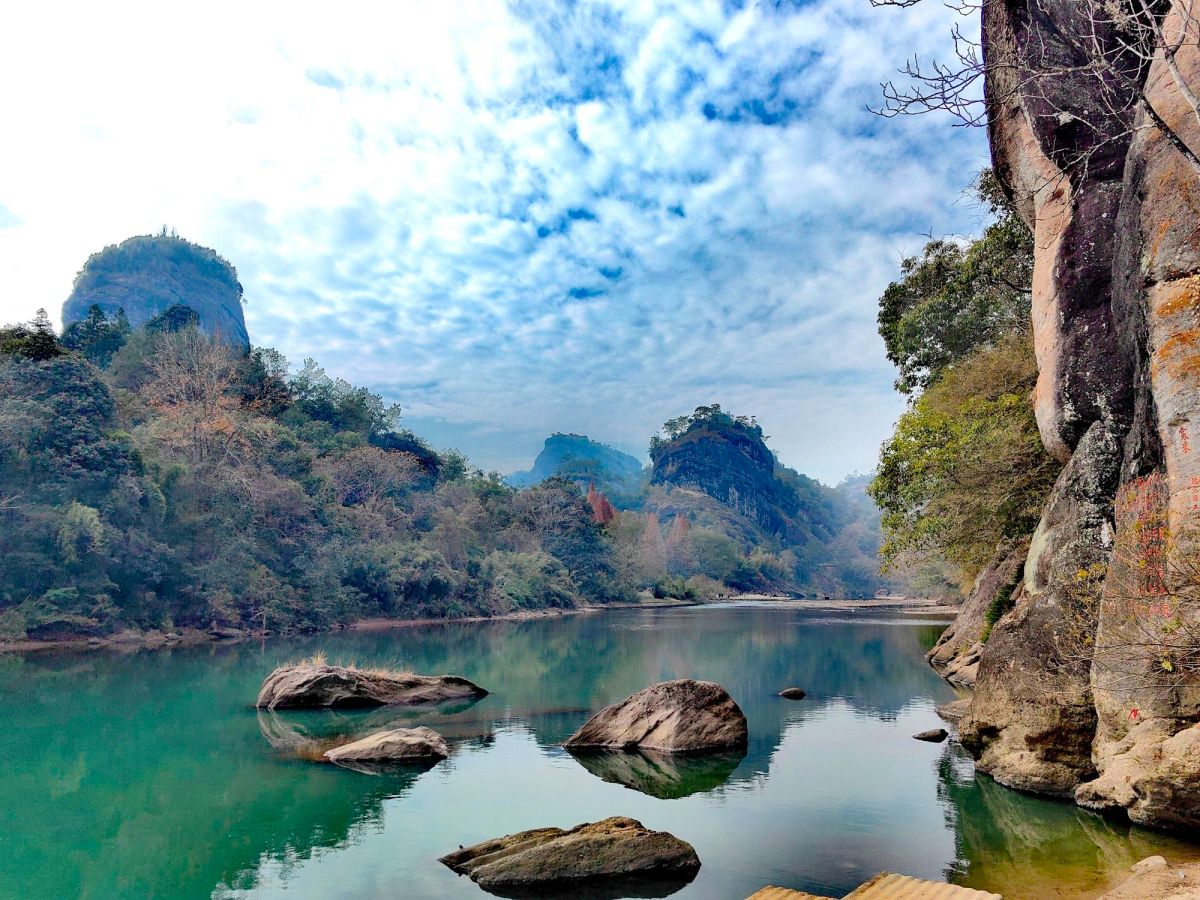
By midday, the sun stood high above its jade-carved ridges, the sunlight was no longer gentle, but bright and steady — like a lantern held by heaven itself. The mist of morning has melted away, revealing the full grandeur of the mountain’s contours. Below, the Nine-Bend Stream flowed with tranquil rhythm, its surface catching fragments of sunlight like broken mirrors. The river bends reflected the sky and mountain, turning blue and green into liquid silk. At this moment, the mountains basked in the warmth cozily.

正午时分,太阳高悬于玉脊之巅,阳光不再柔和,炙热而明亮,如同一盏高高升起的金色灯笼。晨雾早已散去,群山的雄伟轮廓清晰显现,仿佛沉默的巨人肃立在天地之间。九曲溪悄然流淌在山脚下,水面宛如碎裂的镜子,反射着阳光的碎金。河湾中,山峦与天空倒映其间,蓝与绿交织成流动的丝绸,轻轻荡漾。此刻,万物静谧,唯有阳光洒落在山巅与水面,群山仿佛在这金色的洗礼中微微舒展,尽显从容与惬意。

As the sun began its descent behind the distant ridge lines, Xiannü Peak caught the day’s final light. Her gentle silhouette, carved with grace and quiet dignity, stood bathed in a golden radiance, as if she herself is aglow from within. Pale rose, soft gold, and lavender hues wrapped around her like flowing robes of silk. The surrounding peaks darkened, but Xiannü Peak remained luminous and serene, like a goddess suspended between heaven and earth.

当夕阳缓缓沉入远方的山脊,仙女峰悄然捕捉到这一天最后的余晖。她柔和的轮廓在暮色中愈发清晰,如同被雕刻出的宁静与优雅,沐浴在一抹金色的光芒中,仿佛自身也在发光。淡玫瑰、柔金与浅紫交织成梦幻的色彩,如轻纱长裙般环绕其身,为她披上神秘而圣洁的外衣。周围群峰渐渐黯淡,唯有仙女峰依旧熠熠生辉,安详矗立,如一位悬浮于天地之间的女神,静观日落,凝视永恒。

I lived in the hotel not far away from the scenic area. From the streets of Wuyi City, the mountains rose not far away, their green silhouettes etched clearly against the sky. Standing on this bridge, I could easily catch sight of the rolling ridges and majestic cliffs. The boundary between city and mountain here feels soft.

我下榻在一间临近景区的酒店,举目望去,武夷山市街道的尽头便是群山环绕。翠绿的山峦在天幕下轮廓分明,仿佛触手可及。站在桥上眺望,连绵起伏的山脊与雄伟的悬崖一览无遗,如画卷般铺展开来。在这片土地上,城市与山脉仿佛渐渐融为一体,界限变得模糊,仿佛自然悄然渗入了城市的肌理之中

It is really a sanctuary for the weary heart, a place where every breath feels lighter, every step slower. Here, the pace of life softens naturally. Even while walking along the quiet streets, relaxation comes easily. The sky stretched wide and endlessly blue, like a silk canopy unfurled above. The green peaks stood nearby, calm and ever-present. They seemed close enough to touch, always within sight, as if the mountains were quietly keeping company with the town below. As I strolled through the city, the scene was like a living painting—crystal-clear waters meandering through town, their surfaces shimmering under the sunlight, mirroring the sky and cliffs above. The river glided slowly, and its calm flow seemed to carry away every worry.

这里真是一处治愈疲惫心灵的圣地。空气清新,连呼吸都变得轻盈,脚步也不由自主地慢了下来。在这里,生活的节奏仿佛自然地放缓了,就连随意走宁静的街道上,也能让人感到从容与自在。湛蓝如洗的天空,如丝绸般轻柔地铺展开来,令人心旷神怡。近处的群山苍翠欲滴,静谧安然,仿佛就守护在城市的边缘,不动声色地陪伴着每一位过客。它们始终停留在视野之中,带来一种踏实的安宁。漫步城中,眼前的景象犹如一幅流动的画卷。清澈的河水静静蜿蜒穿过城镇,水面在阳光下泛着粼粼波光,映照着蔚蓝的天空与巍峨的山崖。河水缓缓流淌,仿佛把心头的烦忧一并带走,让人心随水远,宁静而澄澈。

There are four major scenic spots in Wuyi Mountain: Tianyou Mountain, The One-Line Sky, Tiger Roaring Rock, and Xiannü Peak. Visitors can go to each place by buses connecting every scenic spot. The travel infrastructure in the area is perfect. Travelers can choose any ways they want like strolling quietly along the stream, direct buses, rugged mountain paths or a romantic trip of bamboo rafts.

武夷山风景区主要包括四大核心景区:天游山、一线天、虎啸岩和仙女峰。各景点之间有观光巴士相连,交通便利,游客可以轻松往返其间。武夷山的旅游基础设施十分完善,无论是沿溪漫步,感受宁静自然;还是搭乘直达巴士,快捷省心;亦或沿着蜿蜒的山路徒步探幽,体验探险之趣;又或是乘坐竹筏漂流于九曲溪上,享受诗意浪漫的水上之旅,游客皆可依自身喜好自由选择,畅游其间。

Hailed as the most iconic peak of Wuyi Mountain, Tianyou Mountain — meaning “Heavenly Tour Peak” — is a place where the earth seems to merge with the sky. Rising to an elevation of about 408 meters, it is known as the “First Wonderland of Wuyi” and is a must-visit for those seeking the essence of Wuyi’s beauty. The mountain is straight and steep like a very tall wall raised in front of me.

天游山被誉为武夷山最具标志性的山峰。在这里,天地仿佛交融,云雾缭绕间,仿佛步入人间仙境。山峰海拔约408米,有“武夷第一仙境”之称,是领略武夷山之美不可错过的胜地。山势陡峭挺拔,仿佛一道高墙巍然矗立在眼前,既震撼又令人心生敬畏。

The climb to the summit winds through 888 steep stone steps, ancient pines, and dramatic cliffs. Along the way, travelers are very tired but greeted by stunning views of emerald peaks and the famous Nine-Bend Stream curling gracefully below like a jade ribbon. As I ascended higher, the morning mist thinned, the beauty of Wuyi unfolded in my eyes gradually.

攀登顶峰之路蜿蜒曲折,沿途是888级陡峭的石阶,穿行于古松参天、悬崖峭壁交错的山林之间。一路上,游客们虽疲惫不堪,却也被眼前的美景所吸引:翠绿的山峰层层叠叠,九曲溪宛如玉带般在山谷中蜿蜒流淌。随着海拔逐渐升高,缭绕的晨雾缓缓散去,武夷山的壮丽风光也在我眼前徐徐铺展,令人心旷神怡,忘却疲惫。

At the summit, the reward is breathtaking — a panoramic view of the entire Wuyi landscape. Tea fields ripple across the hills, the transparent and clear winding stream glistens like silk, and distant ridges stand in layered blues and greens. On clear days, the sky feels close enough to touch, and the clouds drift past at eye level, creating the sensation of walking through the heavens.

登顶之时,眼前展现出令人叹为观止的壮丽景色——武夷山的秀美尽收眼底。茶田如绿毯般蜿蜒于起伏的山峦之间,清澈透明的溪流宛如丝绸般闪耀,远方的山脊层层叠叠,碧波荡漾。晴朗的天空仿佛伸手可及,云朵轻轻飘过眼前,犹如漫步于天际之间。

The tea terraces represent centuries of craftsmanship and culture of Wuyi. Layer upon layer, the terraces ripple across the slopes like emerald waves, following the curves of the mountains. Here, the famous rock tea grows and is nourished by the mineral-rich soil and the unique mountain mist that drifts through the air. The tea bushes cling to the rugged terrain, their deep roots reaching into cracks of ancient stone. In the early morning, the terraces were veiled in soft fog. As the sun rises, its light gradually melt away the mist, revealing glistening leaves covered with tiny dew droplets, shimmering under the golden glow.

茶叶梯田凝聚了武夷数百年的工艺与文化。层层叠叠的梯田宛如碧波荡漾,沿着山峦的曲线蜿蜒而上。这里生长着著名的岩茶,富含矿物质的土壤和弥漫于空气中的独特山雾滋养着茶树。茶树依傍着崎岖的地形,根系深入古老的石缝之中。清晨时分,梯田被轻柔的雾气笼罩,随着太阳冉冉升起,阳光渐渐驱散薄雾,露出晶莹剔透的茶叶,叶面挂满晶莹的露珠,在金色光芒的映照下熠熠生辉。

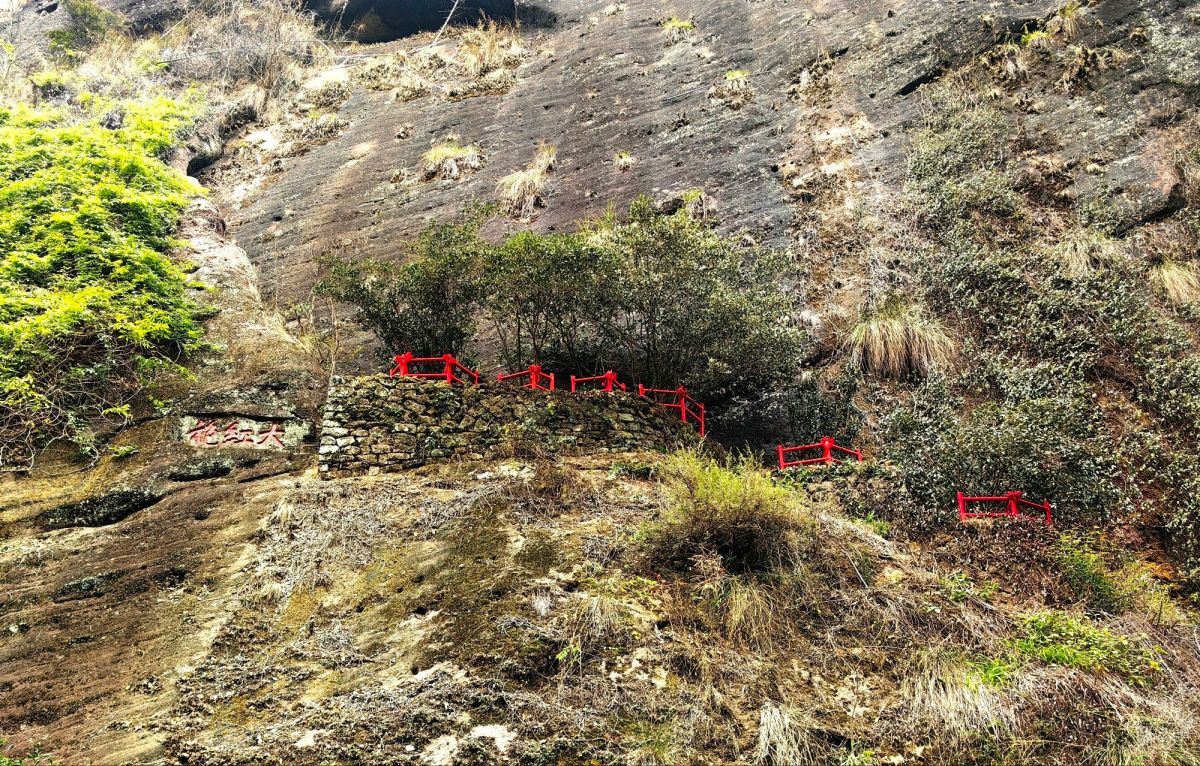
Da Hong Pao is called the “King of Rock Teas”. The name Da Hong Pao, meaning “Big Red Robe,” originates from a centuries-old legend. It is said that during the Ming Dynasty, a scholar traveling to the imperial exams fell gravely ill while passing through Wuyi Mountain. Local monks brewed him tea from a special bush growing on the cliffs. After drinking it, he recovered miraculously, went on to excel in his exams, and became a high-ranking official. In gratitude, the emperor sent great red robes to cover the bushes that had produced the miraculous tea.

大红袍,被誉为“岩茶之王”,因其背后流传百年的传奇故事而增添神秘色彩。相传在明朝,一位赴京赶考的书生途经武夷山,不幸染上重病。山中僧人以生长在悬崖峭壁上的一种奇特茶树之叶为他煮茶,书生饮后病体迅速痊愈,顺利参加科举并金榜题名,最终官拜高位。得知此事的皇帝为表嘉奖,特命人将大红袍披于这几株灵茶之上,“大红袍”之名由此流传至今。

In this photo, the six mother trees of Da Hong Pao preserved in the red rails are regarded as national treasures. Due to their extreme rarity and cultural value, harvesting leaves from these ancient bushes has been strictly forbidden since 2006 to preserve them for future generations.

照片中,红色篱笆围护着六棵大红袍母树,被誉为国宝。因其极为珍稀且具有重要的文化价值,自2006年起便被全面禁止采摘,以永久保护这一珍贵遗产,传承给子孙后代。

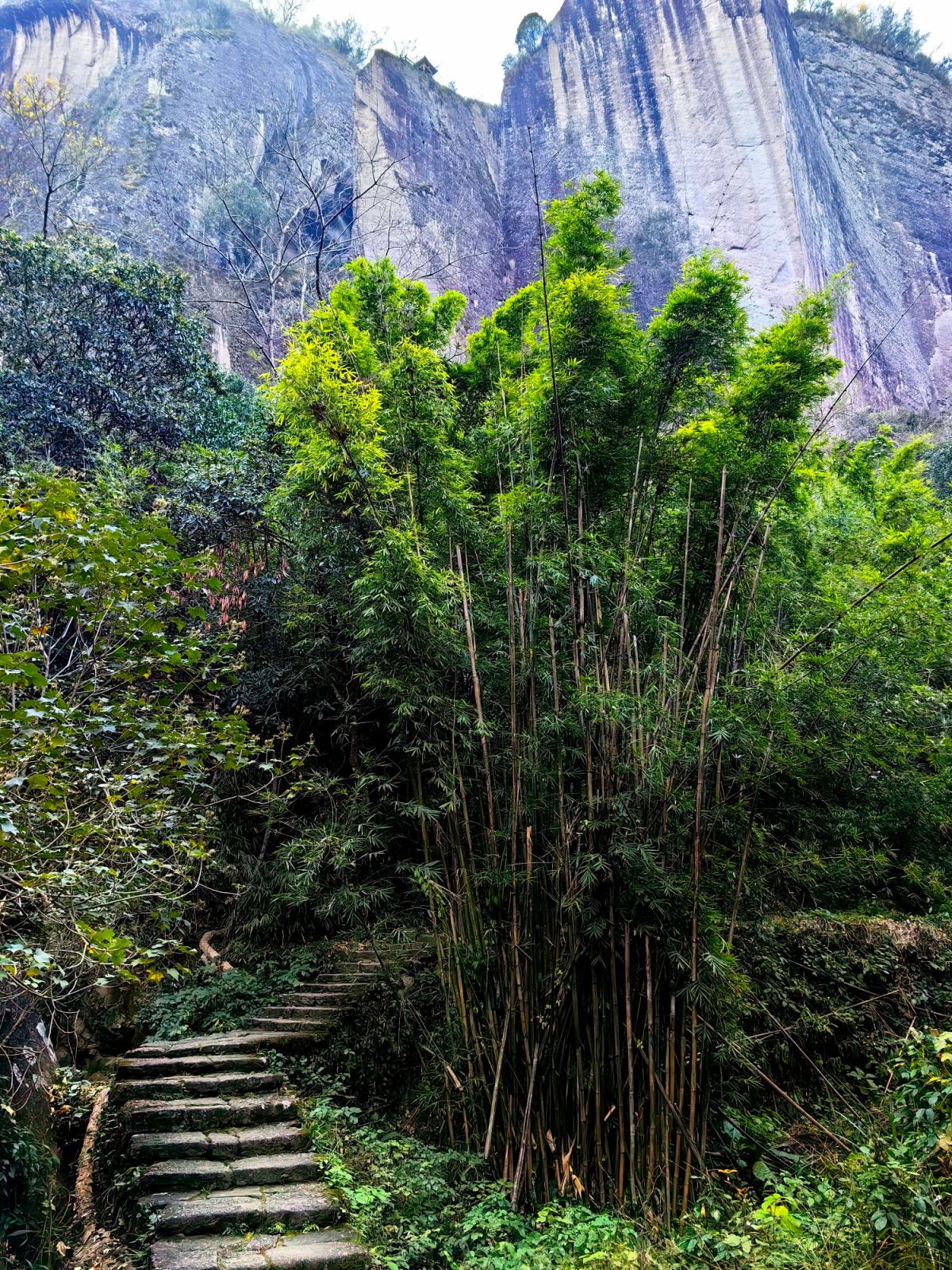
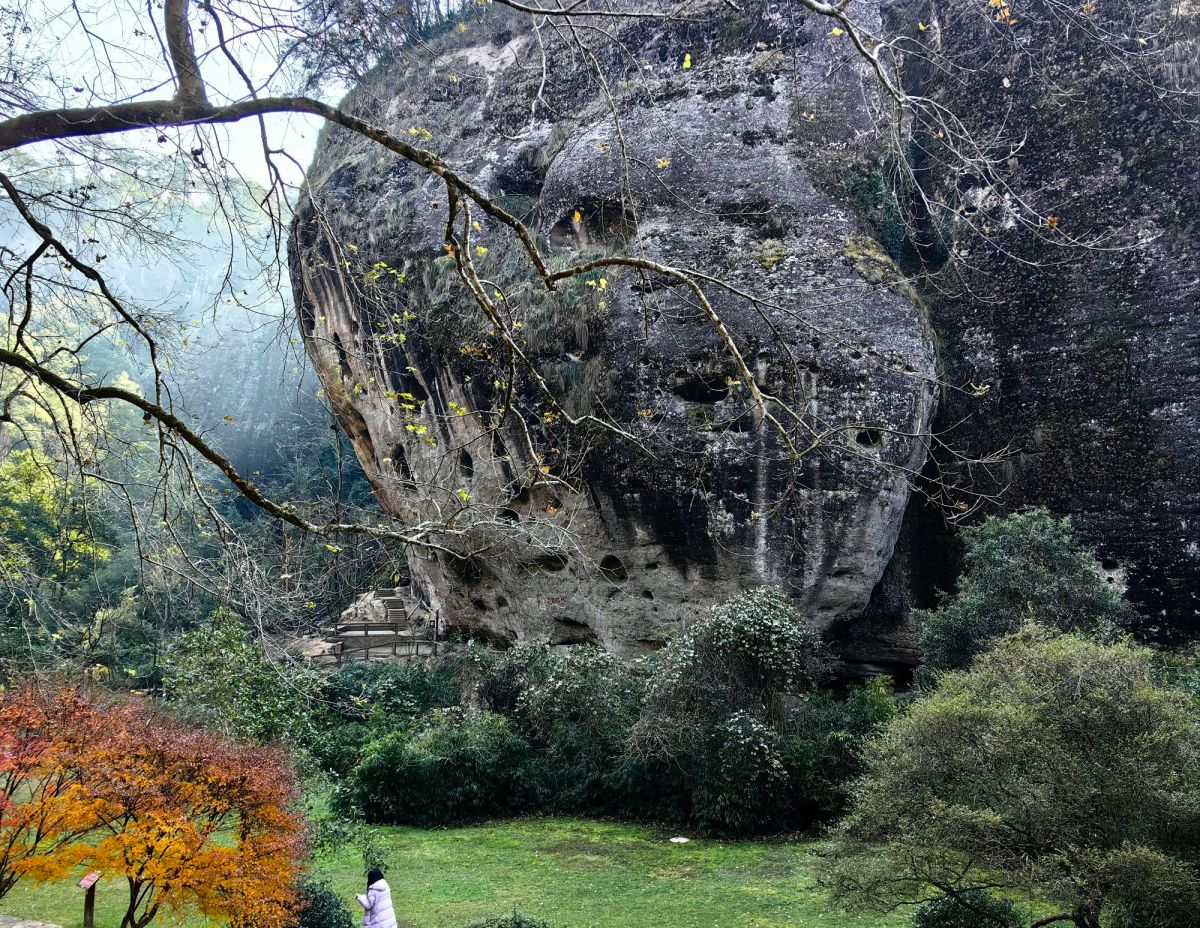
Wuyi Mountain is laced with countless winding paths, inviting travelers to explore its hidden corners. As I wandered through its serene valleys, it wasn’t just the towering cliffs and emerald waters that drew my gaze. Scattered across moss-covered walls and carved into the rugged cliffs are hundreds of stone inscriptions—some weathered and fading with time, others still strikingly vivid. These ancient etchings feel like whispers from the past. Walking past them, I felt as though I were retracing the footsteps of explorers like Xu Xiake, following the trails they once walked.

武夷山蜿蜒曲折,无数小径在山林间穿行,仿佛在邀请旅人去探寻那些隐秘而静谧的角落。漫步于宁静的山谷,不仅是巍峨的峭壁和碧波荡漾的溪流吸引着我,更多的是岩壁间那些沉默却深刻的印记。青苔斑驳的石壁上,散布着上百处石刻——有的已随岁月风化,模糊了轮廓;有的却依然清晰如昨,气韵犹存。它们仿佛是历史在低语,是前人留下的心声。在这样的山路上前行,我仿佛化身为徐霞客,沿着他当年的足迹,穿越时光。

Winter is better time to visit Wuyi. Most of the evergreen trees—such as pine and bamboo—remain lush and steadfast, their deep green needles and leaves standing firm against the cool air. They blanket the slopes and line the streams. Some maples and sweet gum trees blush with lingering shades of amber, gold, and soft crimson, their leaves fluttering lightly in the wind. The colors are not as fiery as autumn.

冬季是游览武夷山的最佳时节。山中大多数常绿树木,如松树和竹子,依然郁郁葱葱、挺拔苍翠,深绿的枝叶在清冷的空气中显得更加坚韧有力。这些绿色植物覆盖着山坡,沿着潺潺溪流蜿蜒伸展,构成一幅宁静而和谐的冬日画卷。而少数枫树与枫香树,则悄然披上了琥珀、金黄与浅红的斑斓色彩,叶片在山风中轻轻摇曳,虽不如深秋时节那般绚烂,却平添几分静美。

I was heading towards the next destination. As sunlight filtered through the thin winter clouds, the mountain glowed with a quiet radiance—green pines, yellow flowers and golden-brown leaves weave a soft, peaceful tapestry. The air is fresh, cool, and still, and every step through the mountain feels like walking through an ink-wash painting, immersing into nature.

我正缓步朝着下一个目的地前行。阳光穿透冬日薄云,洒落在山峦之间,为大地披上一层温柔的光辉。翠绿的松树、明黄的野花与金棕色的落叶交织成一幅宁静的锦绣画卷。空气清新而凉爽,四周静谧无声。每一步登上山道,都仿佛踏入一幅流动的水墨画,让人沉醉于大自然的诗意之中。

The One-Line Sky was the second scenic spot during my visit in Wuyi. It is a narrow gorge formed by the shifting and splitting of massive rock layers over countless years. It stretches for about 100 meters between two towering stone walls that lean so closely together that, in many parts, only a sliver of sky is visible overhead. I was really scary walking through it since the narrowest sections are barely wide enough for me to pass through, with only a faint band of light high above. The passage twisted and wound, revealing unexpected turns and I paused and looked up at the sliver of blue sky above. the air feels thick and cool. With every step deeper into the gorge, there was a growing sense of suffocation due to the overwhelming closeness of the space. The echo of footsteps reverberates eerily, amplifying the isolation.

一线天是我在武夷山游览的第二个景点。它是一条狭长幽深的峡谷,由亿万年间岩层的挤压与断裂逐渐形成,绵延百余米。两侧石壁高耸入云,几乎贴合在一起,只在顶部留下一线天光。踏入峡谷,最初是惊叹,但很快便被一种莫名的压迫感所笼罩。最狭窄的地方几乎无法侧身通过,头顶只剩下一道细如丝缕的蓝天。峡谷蜿蜒曲折,每一个转角都让人猝不及防。我不时停下脚步,抬头望向那一线天光。峡谷深处空气愈发阴冷,湿润的岩壁透出寒意。脚步声在狭窄空间中回荡,回声奇异,仿佛有人悄然跟随,让人倍感孤独与渺小。随着深入,一种窒息般的幽闭感慢慢加剧。

I quickened my pace, drawn forward by the unspoken desire to escape the closing grip of the rocks. As I finally emerged from the tightest stretch, the gorge widened and light flooded back in. There is an undeniable sense of being safe and free as if the wideness and warmness of world has returned to me.

我加快了脚步,心中那股无声的渴望驱使着我不断前行,只想逃离岩壁的压迫与束缚。终于,从那最狭窄的一段豁然走出,峡谷陡然开阔,阳光倾泻而下。一种难以言喻的安全感与自由感在胸中油然而生,仿佛重新呼吸到了世界的宽阔与温暖。

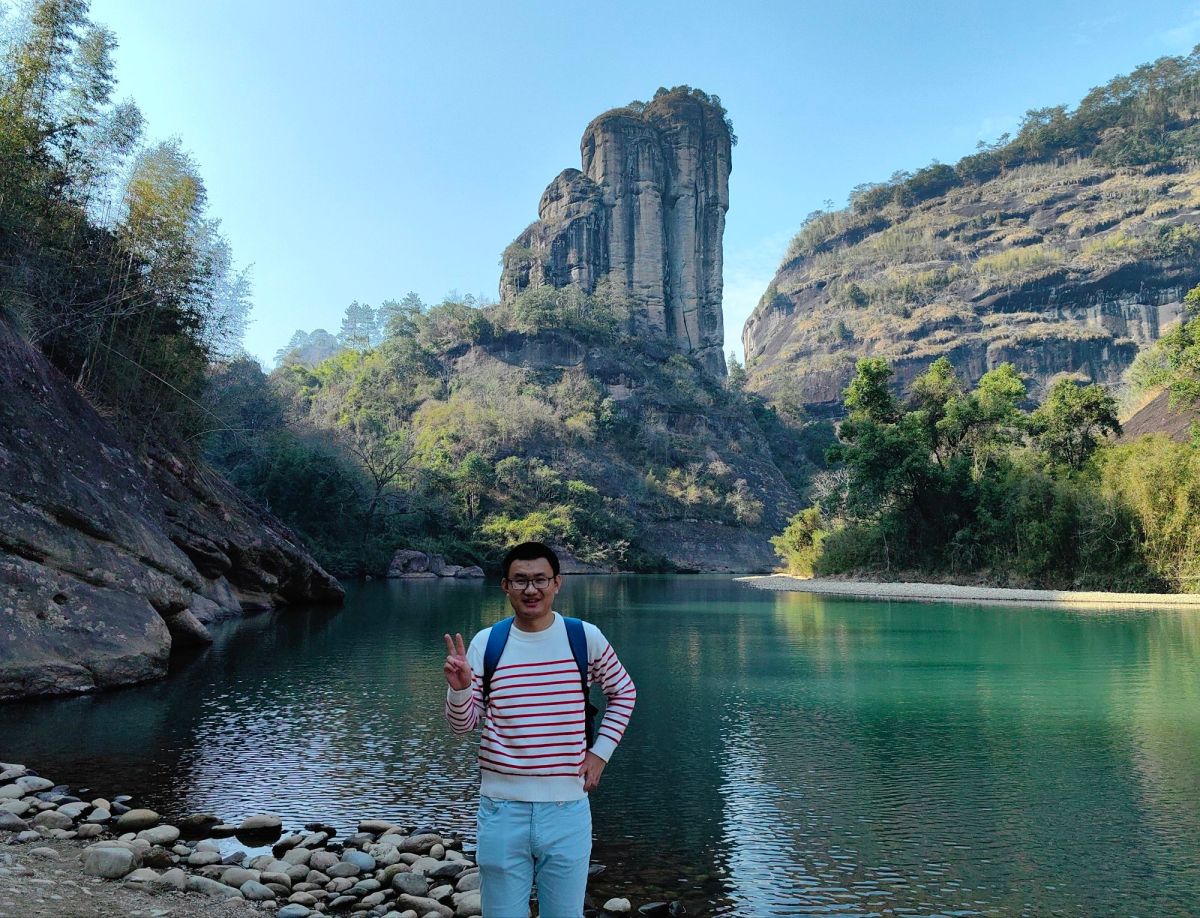
Among the many peaks that grace Wuyi Mountain, Xiannü Peak — also known as Fairy Maiden Peak stands out with its graceful beauty and timeless legend. Rising quietly by the riverbanks, this peak is famed for its elegant silhouette, said to resemble a celestial maiden wrapped in flowing robes, gazing softly over the landscape like a guardian.

武夷山群峰林立,其中仙女峰尤为引人注目,以其婀娜多姿的身姿与流传千古的传说而著称。仙女峰静静耸立在溪水之畔,线条柔美、轮廓清晰,远望宛如一位身着飘逸长袍的仙女,静静地凝望着四周的山水,仿佛在守护这片人间仙境。

Local legend tells of a celestial fairy who descended from heaven to help tame the floods and protect the people of Wuyi. She fell in love with the land and chose to remain, watching over the valleys and rivers below. Her spirit, as the story goes, became forever entwined with the mountain, her compassion and beauty eternally preserved in the stone.

相传,远古时有一位仙女自天而降,为助武夷百姓平息洪水,守护山川。她为这片青山绿水所倾心,甘愿留下,化作山灵,庇佑万物。人们说,她的灵魂早已与武夷山脉融为一体,她的慈悲与美丽,也悄然镌刻在山间岩石之上,亘古不灭。

I took a rest basked under the warm sunlight on the riverbanks to admire her from below. From this vantage point, the Fairy Maiden appears to watch over the winding Nine-Bend Stream , her reflection is visible in the shimmering waters. This must be the most iconic scene of Wuyi. On midday, when the sun cast clear shadows on the cliffs, her figure grew more distinct, standing tall and poised against the blue sky. In this quiet space, surrounded by mountains and clear stream, I simply sat — no rush, just basking in the sunlight. It felt as though the mountain itself was sharing its timeless serenity with me.

我坐在河岸边,沐浴着温暖的阳光,稍作歇息,抬头仰望那仙女般的山峰。从这个角度望去,仙女仿佛正俯瞰着脚下蜿蜒流淌的九曲溪,身影倒映在粼粼波光中,宛如一幅静谧的画卷。这里,大概是武夷山最具标志性的景致。正午的阳光洒落在峭壁之间,光影勾勒出仙女更加清晰的轮廓。在蓝天白云的映衬下,她显得巍峨而又优雅。四周群山环抱,溪水澄澈透明,我静静地坐着,不急不躁,只是安然地沉浸在这片阳光与山水交融的宁静中。此刻,仿佛连山峰本身也在与我一同分享它那恒久的安详与从容。

I enjoyed spending free time on the riverbank and looked at the bamboo rafts passing by one by one. The water here is as clear as glass, flowing gently over smooth stones and pebbles that glimmer beneath the surface like hidden jewels. In the quiet bends, the stream appears almost motionless, perfectly mirroring the surrounding cliffs, forests, and blue sky above. Lean closer and I could see right to the bottom—tiny fish dart between stones, leaves drift gracefully by, and the soft sands seems to glow with light.

我喜欢在河岸边悠闲地消磨时光,静静地看着一艘艘竹筏缓缓划过水面。这里的河水清澈如镜,轻柔地流过光滑的石块与圆润的鹅卵石,阳光透过水面洒下,它们在水中熠熠生辉,宛若深藏的宝石。静谧的河湾仿佛时光停驻,水面如天然画布,倒映着两岸的悬崖、茂密的林木,和蔚蓝天空。俯身靠近水面,我能清晰地望见河底的世界—小鱼灵巧地穿梭于石缝之间,落叶轻盈地随水漂流,细软的沙粒在阳光照射下泛着点点微光。

For every traveler, drifting on a bamboo raft along the Nine-Bend Stream is an experience not to be missed on a journey through Wuyi. As the raft gently sets off from the riverbank, the world seems to quiet. The only sounds are the soft splash of water against bamboo and the occasional call of a distant bird echoing through the valley.

对于每一位踏上武夷之旅的旅行者而言,乘坐竹筏漂流于九曲溪之上,都是不可错过的心灵体验。当竹筏缓缓离岸,喧嚣悄然退去,仿佛整个世界都静止了。耳畔只剩下潺潺水声轻拍竹筏,与山谷间偶尔传来的几声鸟鸣。

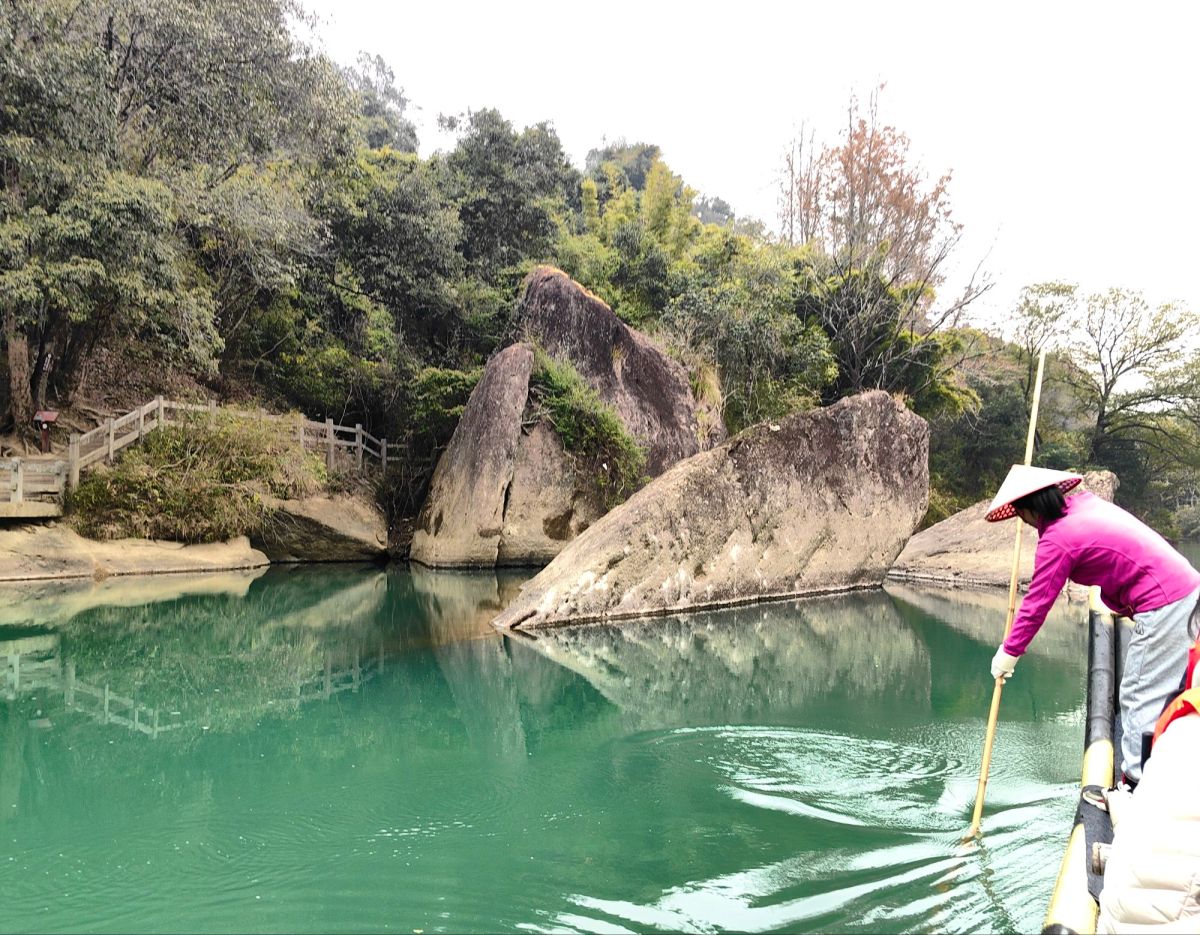
My trip of bamboo raft started in the very early morning with chill. The raft itself was simple — long bamboo poles lashed together, guided by a skilled boatman who stood at the stern, using a slender pole to steer. With each push, the raft glided smoothly over the crystal-clear waters, moving as effortlessly as a cloud drifting across the sky. The boatman paused halfway, allowing me to take beautiful photos while on the raft.

我的竹筏之旅始于空气清新,气温宜人的清晨。竹筏造型简易结实,由数根粗大的竹竿整齐捆扎而成。一位技艺娴熟的船夫站在筏尾,手持长杆掌舵。他每轻轻一撑,竹筏便在清澈的水面上平稳滑行,仿佛天边的云朵一般轻盈悠然。途中,船夫贴心地停下,让我可以在竹筏上尽情拍照,定格这份美好。

The scenery unfolded slowly, like a painting in motion. On both sides, towering cliffs rose steeply, their faces marked by ancient stone inscriptions and streaked with moss. Above, emerald peaks pierced the sky, some shrouded in mist, others basking in sunlight. Pine trees and bamboo groves leaned over the banks, their reflections swaying gently in the water below.

九曲溪景色徐徐铺展,如同一幅动态的画卷。两岸峭壁巍然耸立,崖壁间布满古老的石刻,青苔斑驳,诉说着岁月的痕迹。远处,翠峰高耸,或隐没在缭绕的云雾中,或沐浴在柔和的阳光里。岸边,松林与竹影相依,倒映在清澈的水面上,随风轻轻摇曳。

As the raft rounds each bend of the meandering stream, new vistas appeared—sometimes a narrow passage where cliffs almost touched. At that moment, I felt completely immersed in the landscape—half drifting, half dreaming. The mountain breeze brushed my face, carrying the faint scent of winter leaves. I enjoyed such a trip of around two hours. My boatman shared legends of the peaks like tales of immortals and lovers. As I glided along, there was no rush, only the soft rhythm of water and the endless unfolding of beauty.

木筏绕过蜿蜒溪流的每一个弯道,新的景致便悄然展开—有时是悬崖两岸几近相接的狭窄水道。此刻仿佛身心完全融入山水之间,半在漂流半入梦。冬叶的淡淡清香伴随山风轻抚我的脸庞,令人心神宁静。这趟约莫两个小时的旅程,如诗如画。船夫娓娓道来山峰的传说以及神仙与恋人的往事。当我随着水流缓缓前行,整个旅程不急不躁,只有溪水温柔的韵律,和眼前无尽的风景相伴。

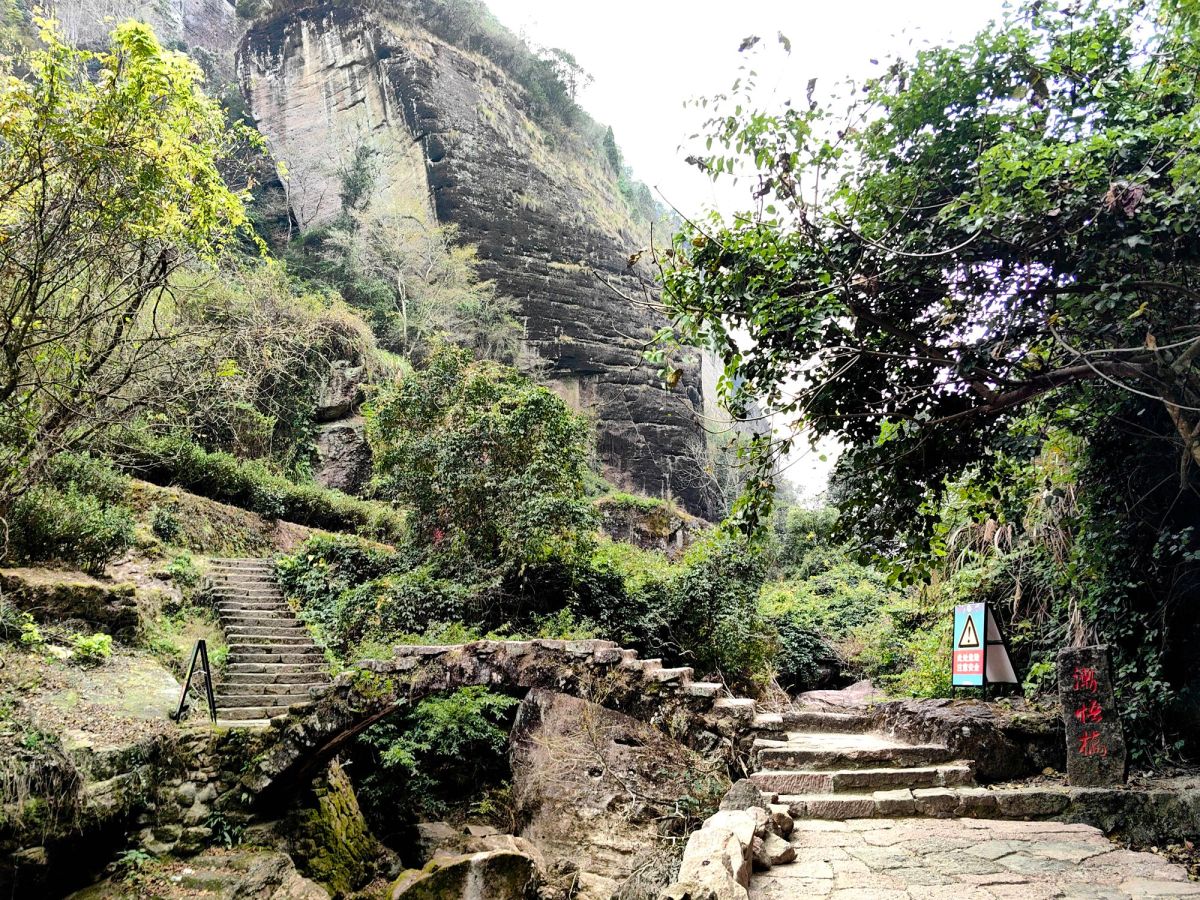
Wuyi mountain is a perfect place for travelers to spend holidays. I enjoyed the moment when I walked alone the winding mountain path, surrounded by towering cliffs and whispering forests. The stone trail twisted ahead, empty and quiet—no voices, no footsteps, only the soft rustling of leaves and the distant murmur of water tumbling over rocks.

武夷山绝对是旅行者度假的理想之地。漫步于蜿蜒山径之间,仿佛走入一幅静谧的山水画。四周是巍峨的崖壁与低语的森林,石板路在脚下延伸,空旷而宁静——无人的喧嚣,无声的脚步,只有树叶在风中细语,和远处溪水轻拍岩石的呢喃。

There were no other travelers in sight; it felt as though the entire mountain had been reserved just for me. With no one around, I unlocked my phone and switched on the music player. Soon, my favorite song filled my ears, wrapping me in its familiar melody. As the music played, every step seemed lighter, every turn in the path more magical. The rhythm of the song blended with the sounds of nature. In that moment, the whole world seemed to belong to me alone.

四周寂静无声,仿佛整座山峰都为我独自矗立。我掏出手机,打开音乐播放器。熟悉的旋律随即在耳畔响起,将我轻柔包裹。随着音乐缓缓流淌,每一步都变得轻盈,每一道山路的转角仿佛藏着惊喜。歌声与林间鸟鸣、风声水语交织成一首只属于我的交响乐。那一刻,天地辽阔,世界仿佛只为我一人存在。

After ascending winding stone steps shaded by bamboo and ancient pines, I reached one ancient temple called Zhizhi An (止止庵), one of the mountain’s oldest and most secluded temples. Along the way, I could hear the sound of trickling springs and bird calls, as if leading me deeper into the mountain’s heart.

沿着蜿蜒曲折的石阶前行,两侧竹林掩映,古松苍翠,我一步步走向深山中的一座古寺——止止庵。它是山中最古老也最幽静的寺庙之一。一路上,泉水潺潺流淌,鸟鸣清脆婉转,仿佛在引领我走进一片世外之境,

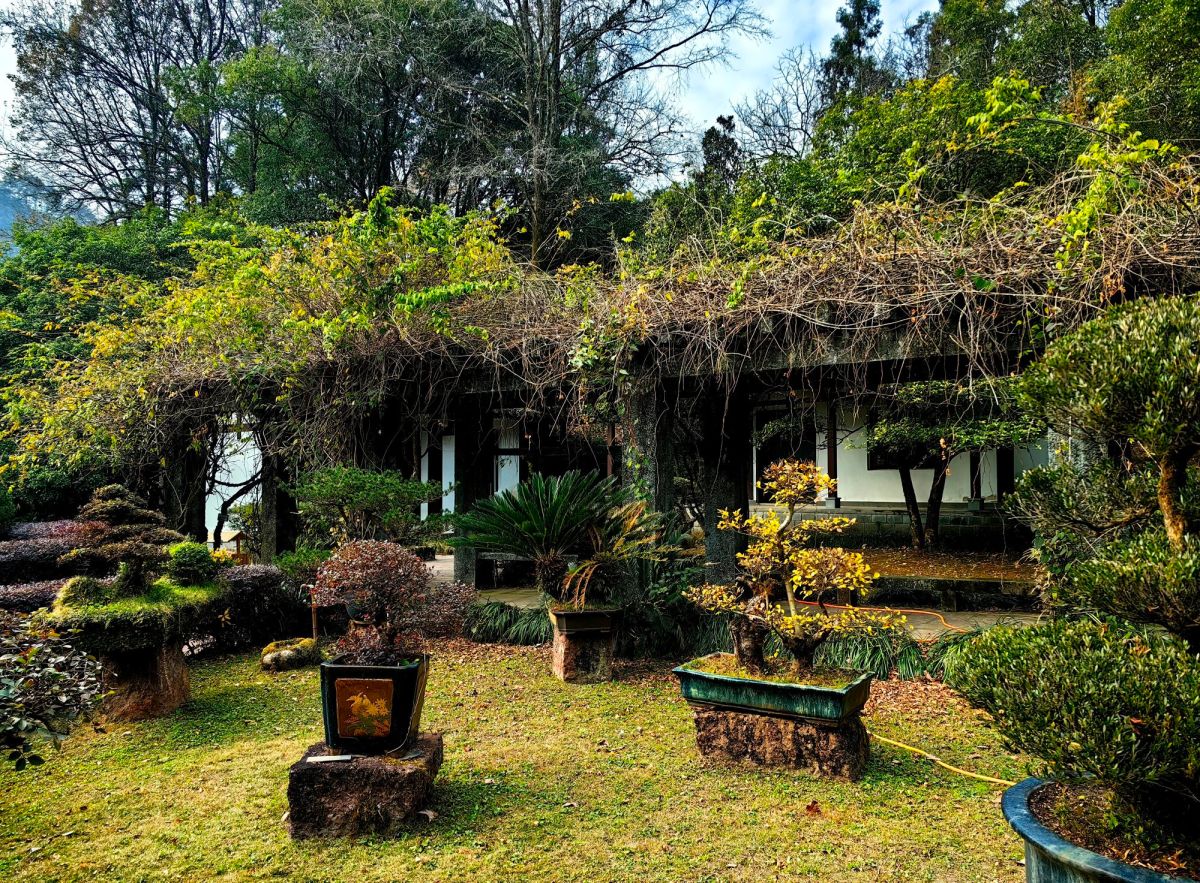
Unlike grand, ornate temples found elsewhere, Zhizhi An is modest, blending gracefully into its mountain setting. Its old stone walls are weathered and moss-covered. Built during the Song Dynasty, the temple has long been associated with Zhu Xi (朱熹), one of China’s most renowned Confucian scholars. It is said that Zhu Xi once practiced quiet meditation here, finding inspiration amid its peaceful surroundings.

止止庵与其他宏伟华丽的寺庙迥然不同,朴素而低调,优雅地融入群山之中。古老的石墙历经风霜洗礼,覆盖着青苔,诉说着岁月的痕迹。这座始建于宋代的寺庙,与中国著名儒学大家朱熹有着深厚渊源。传闻朱熹曾在此静心修学,于宁静幽雅的环境中汲取智慧与灵感。

When I arrived, I was greeted not by grandeur, but by quiet simplicity: a small courtyard framed by old trees and delicate pot plants, and I could smell the faint scent of incense drifting through the air. The tranquility here reminded me the name of this temple which means “Stop and Stop”—a phrase that speaks of halting both physical steps and restless thoughts. When I visited it, my travel in Wuyi would end soon and this will be my last stop of this journey in Wuyi.

抵达这里时,迎接我的不是壮丽的气势,而是一种宁静而古朴的氛围:一个幽静的小院落,古树环绕,盆栽点缀,空气中弥漫着淡淡的香火清香。这份静谧让我联想到寺庙的名字——“止”,寓意着脚步与思绪的停歇。此刻,武夷之旅即将画上句号。

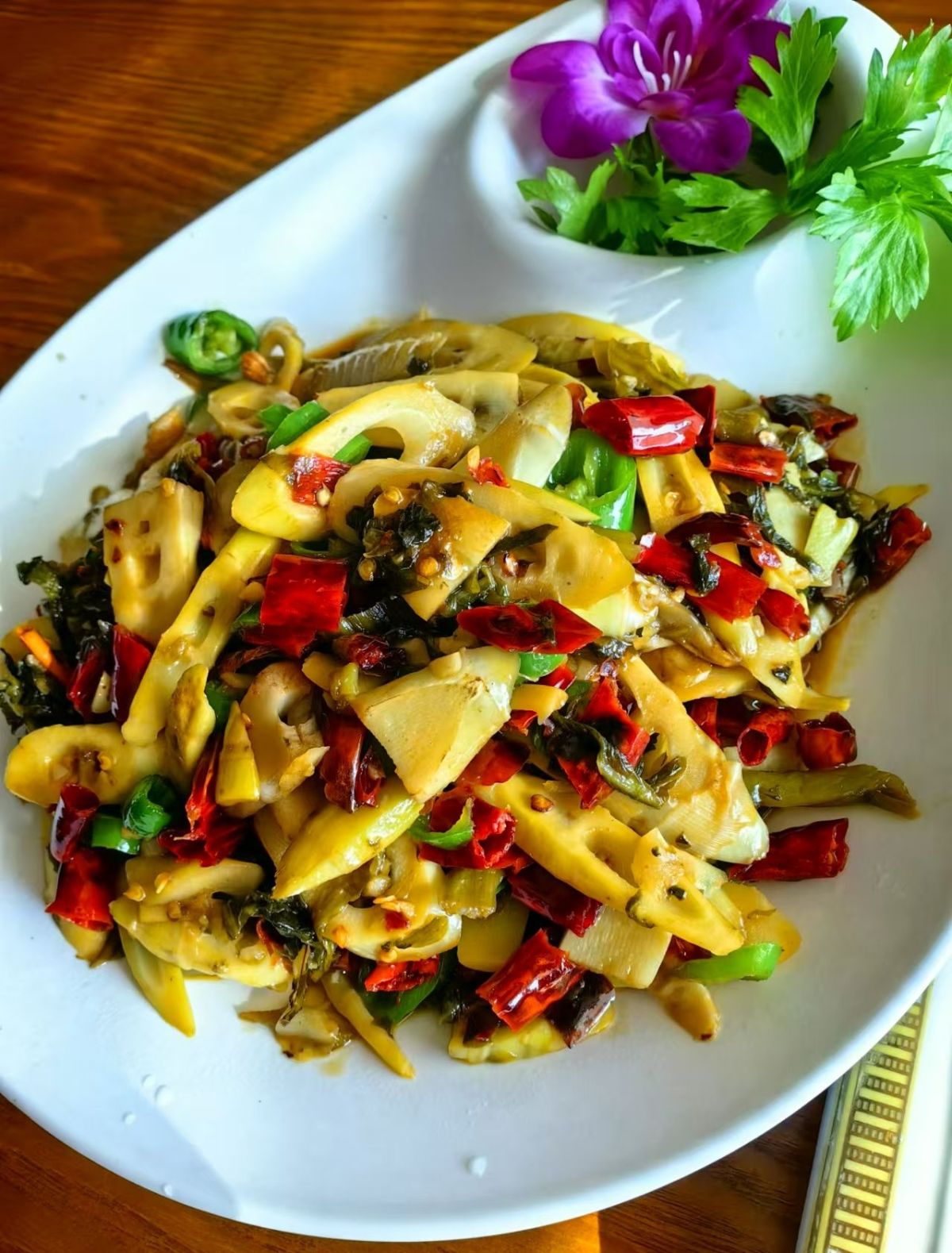
Before I left, I tasted the local dishes in Wuyi Mountain. This region is close to the Jiangxi province and the food is quite spicy. The spicy bamboo shoots fried with sauerkraut is a dish that perfectly captures the bold, rustic flavors of the region. Fresh bamboo shoots, harvested from the thick groves surrounding the cliffs, are prized for their crisp texture. They are stir-fried together with local sauerkraut. The bamboo shoots soak up the rich, spicy flavors of dried chili peppers and fragrant oil, creating a satisfying contrast between crunchy, sour, and spicy. It pairs perfectly with a bowl of freshly steamed rice.

离开武夷山之前,我特地品尝了这里的当地美食。武夷山靠近江西省,当地菜肴偏爱辛辣口味。其中,酸菜炒笋堪称一道地道的乡村佳肴。选用悬崖峭壁附近茂密竹林中采摘的新鲜竹笋,竹笋以其爽脆的质地闻名。竹笋与酸菜一同翻炒,充分吸收了干辣椒和香油的浓郁香辣,口感爽脆且酸辣交织,令人回味无穷。这道美味配上一碗新鲜出炉的米饭,堪称完美搭配。

Wuyi Smoked Duck is one of the region’s most iconic dishes, known for its rich, smoky fragrance and tender meat. Every visitor should try it. The duck is first marinated with local spices and salt, then slowly smoked over a fire fueled by tea leaves, pinewood, and camphor branches—a method unique to the Wuyi region. The result is a beautifully bronzed duck with crisp skin and juicy, flavorful meat, infused with a subtle hint of tea and mountain herbs. It’s a dish that perfectly embodies Wuyi’s culinary style.

武夷烟熏鸭是当地最具代表性的美味佳肴,以其浓郁的烟熏香气和鲜嫩多汁的肉质闻名遐迩。每位来到武夷的游客都不容错过这道特色美食。制作过程中,选用优质鸭子,先用当地独特的香料和盐进行腌制,再采用武夷特有的熏制工艺——用茶叶、松木和樟树枝点燃的柴火,缓缓熏烤而成。成品鸭色泽金黄诱人,外皮酥脆,肉质细嫩鲜美,伴随着淡淡的茶香和山药的清幽芳香,令人回味无穷。这道菜完美展现了武夷独特的烹饪魅力和地域风味。

As a solo traveler, I found a rare kind of freedom here. Whether wandering the secluded mountain trails with only the sound of my footsteps or simply sitting by the river, letting the winter sun warm my face, I felt completely at ease. In Wuyi, there is no need to chase sights or rush between attractions. The beauty here is best savored slowly, like a fine cup of rock tea—letting the flavors unfold naturally, each moment revealing something new. For me, the best journeys are the ones where I can travel in my favorite rhythm and experience with my heart!

作为一名独自旅行的旅人,我在这里找到了久违的自由与宁静。漫步在幽静的山间小径,脚步声在林间回响,仿佛与自然对话;坐在河畔,任由冬日暖阳洒在身上,温柔得让人几乎忘了时间。在武夷,无需赶路,无需打卡,每一处风景都不必刻意追寻。它如一杯上好的岩茶,越是静心品味,越能感受到层层叠叠的韵味与惊喜。对我而言,最理想的旅程,就是顺着自己的节奏,慢慢走、用心体验每一刻!

Explore Taiyuan: Dragon City of Shanxi’s Rich History

探索山西龙城太原的悠久历史

Taiyuan, the capital of Shanxi Province in northern China, is a city with a rich history, stretching back over 2,500 years. As a vital political, economic, and military hub, Taiyuan has played a crucial role in the defense of northern China throughout history. Known as “Dragon City,” it was a strategic stronghold during many dynasties, guarding the northern borders and serving as a key trading center due to its strategic position along the Fen River.

太原是山西省的省会,是一座历史悠久的城市,距今已有2500多年的历史。作为重要的政治、经济和军事中心,太原在历史上一直对中国北方地区的防御起到至关重要的作用。太原也被称为“龙城” ,是多个朝代的战略要地,供卫着北部边境,并因其位于汾河沿岸的战略位置而成为重要的贸易中心。

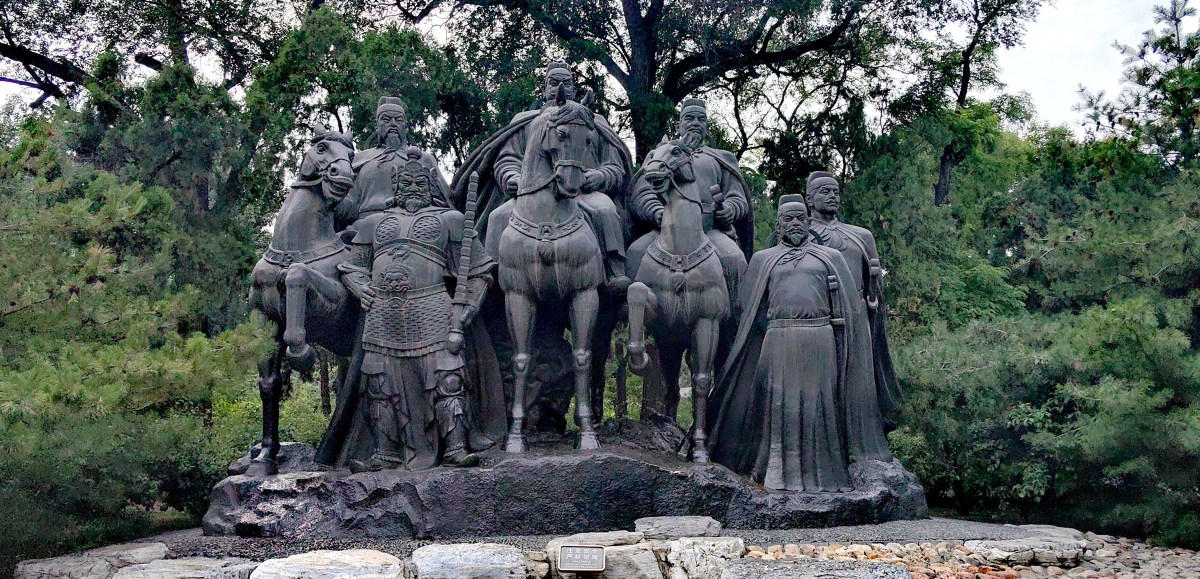
Historically, Taiyuan has been an essential city for both defense and industry. Its location—surrounded by mountains with access to fertile plains—made it ideal for military fortifications and agriculture. During the Tang Dynasty, Taiyuan was the birthplace of the dynasty’s founder, Emperor Li Yuan, and thus held immense symbolic importance as the “cradle” of the Tang. This the bronze statue of Emperor Li Shimin, also known as Emperor Taizong of the Tang Dynasty, accompanied by several of his loyal generals like Yuchi Gong who served as Li Shimin’s personal guard and became a legendary figure in Chinese folklore, sometimes represented as a door god in Chinese culture. Li Shimin, renowned for his military prowess and strategic brilliance, was instrumental in establishing and expanding the Tang Dynasty, which became one of China’s most prosperous and influential dynasties.

历史上,太原一直是国防和工业的重地。太原地理位置优越,四周群山环绕,可直通肥沃的平原,是军事要塞和农业生产的理想之地。太原是唐朝开国皇帝李渊的出生地,因此也被称作唐朝的龙兴之地。这是唐太宗李世民的龙兴晋阳雕塑,身边簇拥尉迟恭等几位忠诚的大将,尉迟恭曾担任李世民的私人护卫,后来成为中国民间传说中的传奇人物,在中国文化中被视为门神。李世民以其军事才能和战略才华而闻名,在建立和扩大唐朝版图方面发挥了重要作用,唐朝也成为中国最繁荣和最有影响力的王朝。

Taiyuan is a fascinating blend of the ancient and the modern. I visited it during my summer trip in July 2023. Nearly all the buildings in this city looked very modern. However, tourists can still explore some historical relics, such as the Jinci Temple and Twin Pagoda Temple, which offer a glimpse into its past, while the city’s industrial areas and modern infrastructure reflect its ongoing role in China’s development.

太原是一座古老与现代交融的城市。2023年7月,我在夏季旅行中顺路参观了太原。这座城市的几乎所有建筑看起来都非常现代。不过,游客仍然可以探索例如晋祠和双塔寺等历史遗迹,这些遗迹可以让人们一窥太原的过去,而如今太原的工业区和鳞次栉比的现代基础设施则反映了它在中国现代发展中持续的作用。

Jinci Park

The Jinci Park is a renowned cultural and historical attraction located in the outskirts of Taiyuan. It is centered around the Jinci Temple, an ancient complex that dates back more than 1,400 years, but the park extends beyond the temple itself, encompassing a vast area of beautiful gardens, historic structures, and natural landscapes. The place with large history meaning is quite meaningful for Chinese history fans. I visited it from the southern part of the park.

晋祠公园是太原郊区著名的文化和历史景点。它以晋祠为中心,这是一座拥有1400多年历史的古老建筑群,公园的占地范围超出了晋祠本身,还包括大片美丽的花园、历史建筑和自然景观。这个地方有着深厚的历史意义,对中国古代史爱好者来说意义非凡。我是从公园的南端开始参观。

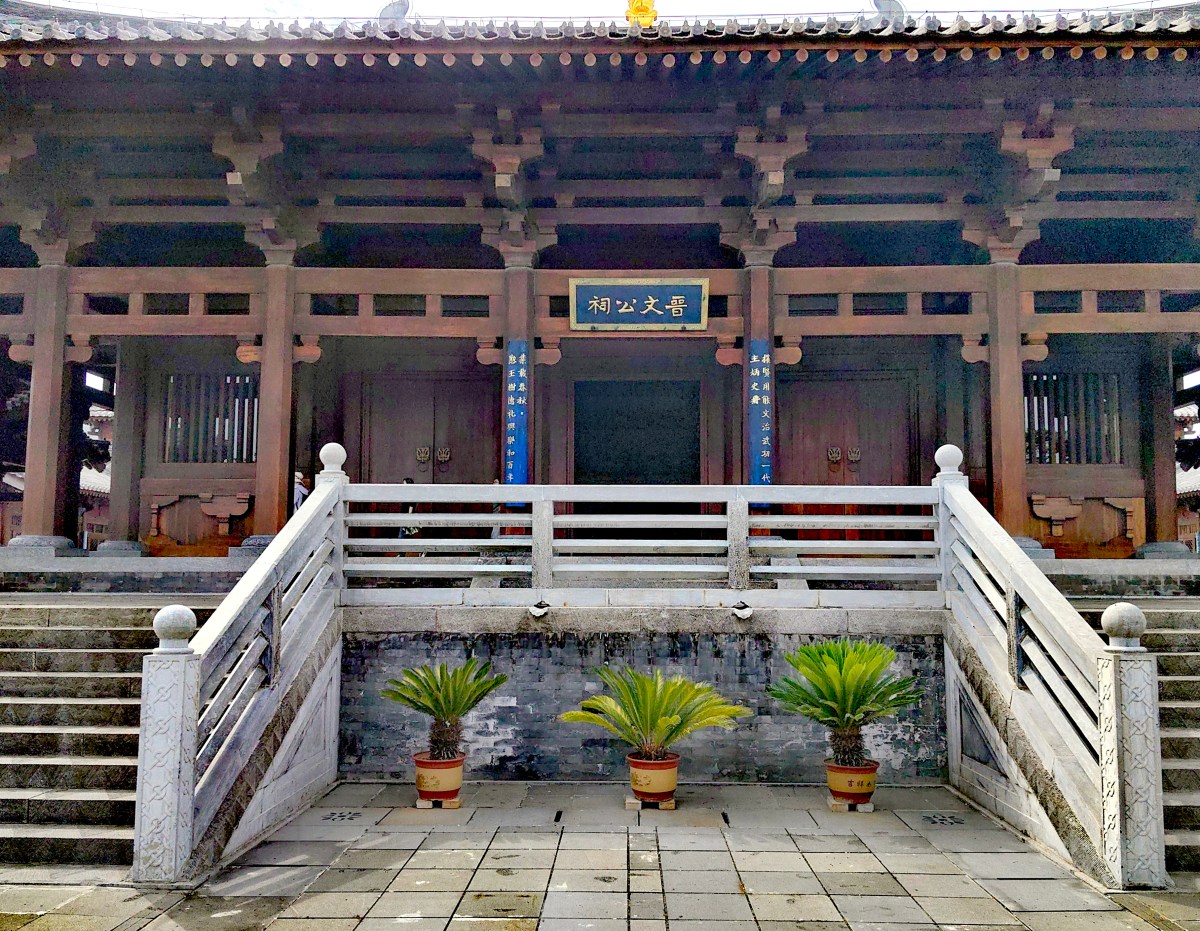
The Temple of Duke Wen of Jin was located here. Duke Wen of Jin was a prominent ruler of the Jin State during the Spring and Autumn Period. It was a chaotic period, and China has not become un unified country. There were many small states, and Jing was one of the powerful states. Duke Wen’s life was marked by adversity. After a prolonged exile caused by internal political struggles, he eventually returned to the Jin State and reclaimed his throne with the support of loyal allies. Under his leadership, Jin became a dominant power. His victory in the Battle of Chengpu (632 BCE) against the State of Chu solidified his position, earning him widespread respect as one of the five most powerful king during the Spring and Autumn Period.

晋文公庙就位于此处。晋文公是春秋时期晋国的一位杰出的君主。当时中国还未成为一个统一的国家,有许多小国林立,而晋国是其中一个强大的国家。晋文公的一生命运多蹇。由于内部政治斗争,他长期流亡国外,最终在忠诚部下的支持下回到晋国,夺回了王位。在他的领导下,晋国成为了一个强大的国家。他在城濮之战(公元前 632 年)中战胜了楚国,巩固了他的地位,并被尊为春秋五霸。

The Temple of Duke Wen of Jin

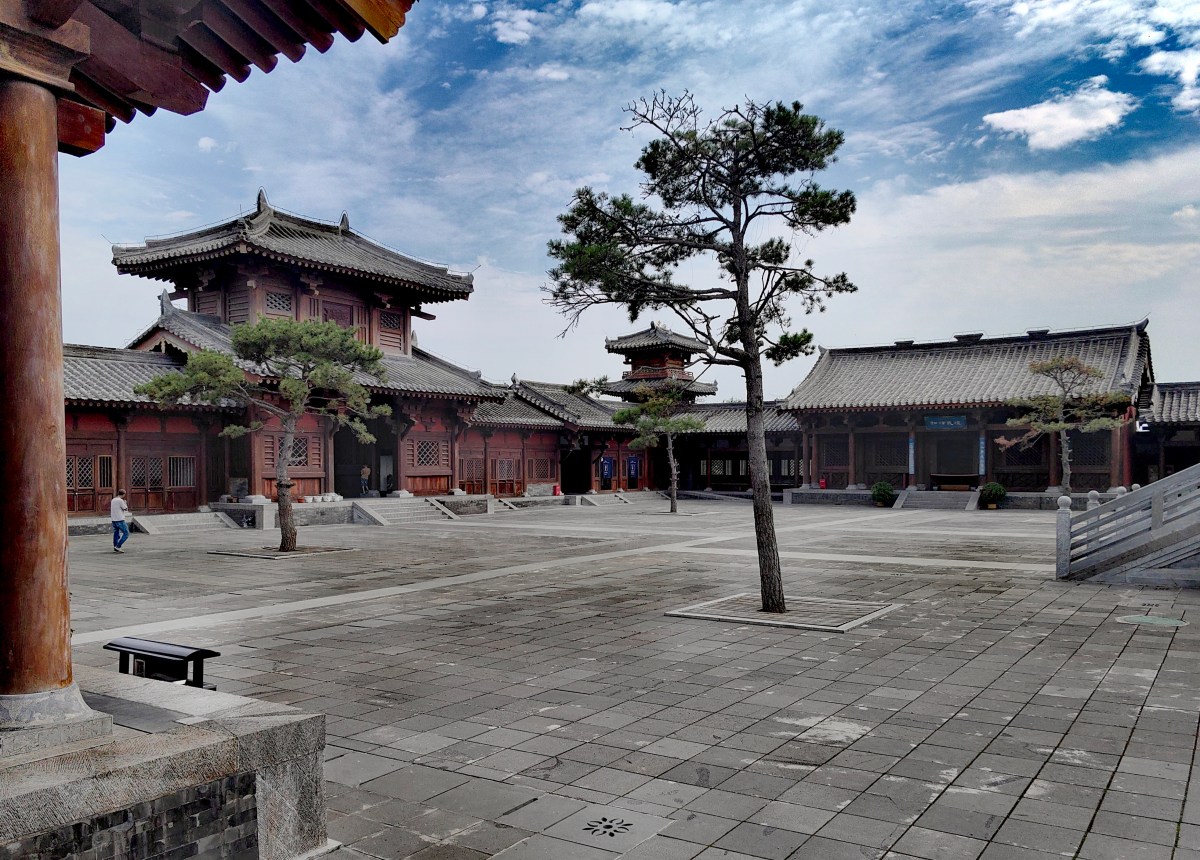
The temple reflects a combination of ancient Chinese architectural traditions. While its original construction dates back many centuries, the current structures have undergone restorations during later dynasties, including the Ming and Qing dynasty. The temple’s design embodies classical Chinese aesthetics, with wooden halls, intricately carved beams, and tiled roofs. Within the temple, visitors can find stone tablets and inscriptions that recount the life and achievements of Duke Wen. These texts provide invaluable insights into the political and military strategies that defined his reign.

这寺庙体现了中国古代建筑的融合。虽然其最初的建筑可追溯到许多世纪以前,但目前看到的建筑在后来的朝代(包括明朝和清朝)都经过了修复。寺庙的设计体现了中国古典美学,有木制大厅、精雕细琢的横梁和瓦片屋顶。在寺庙内,游客可以看到石碑和碑文,这些碑文讲述了文公的生平和成就。这些文字为了解文公统治时期的政治和军事战略提供了宝贵的见解。

Xia Sheng Si

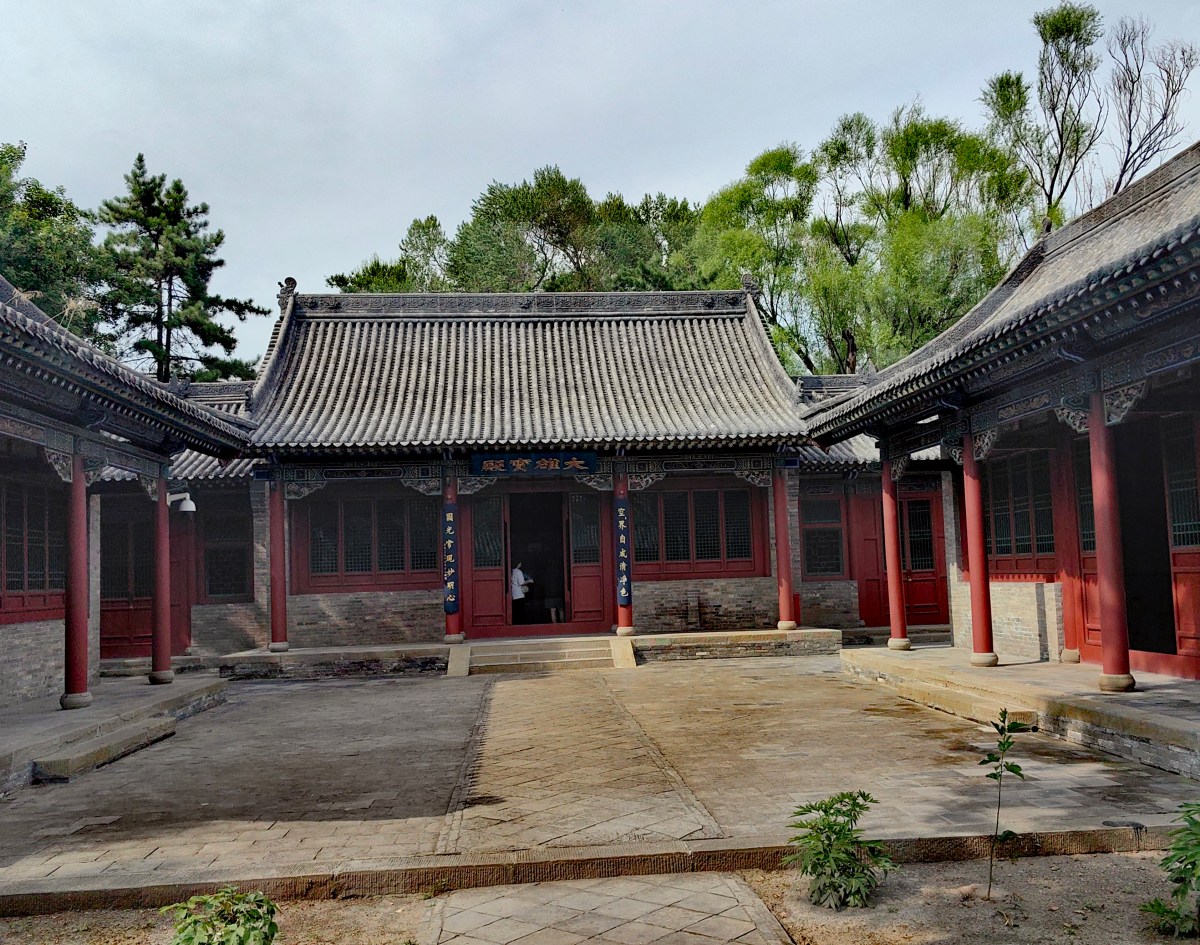
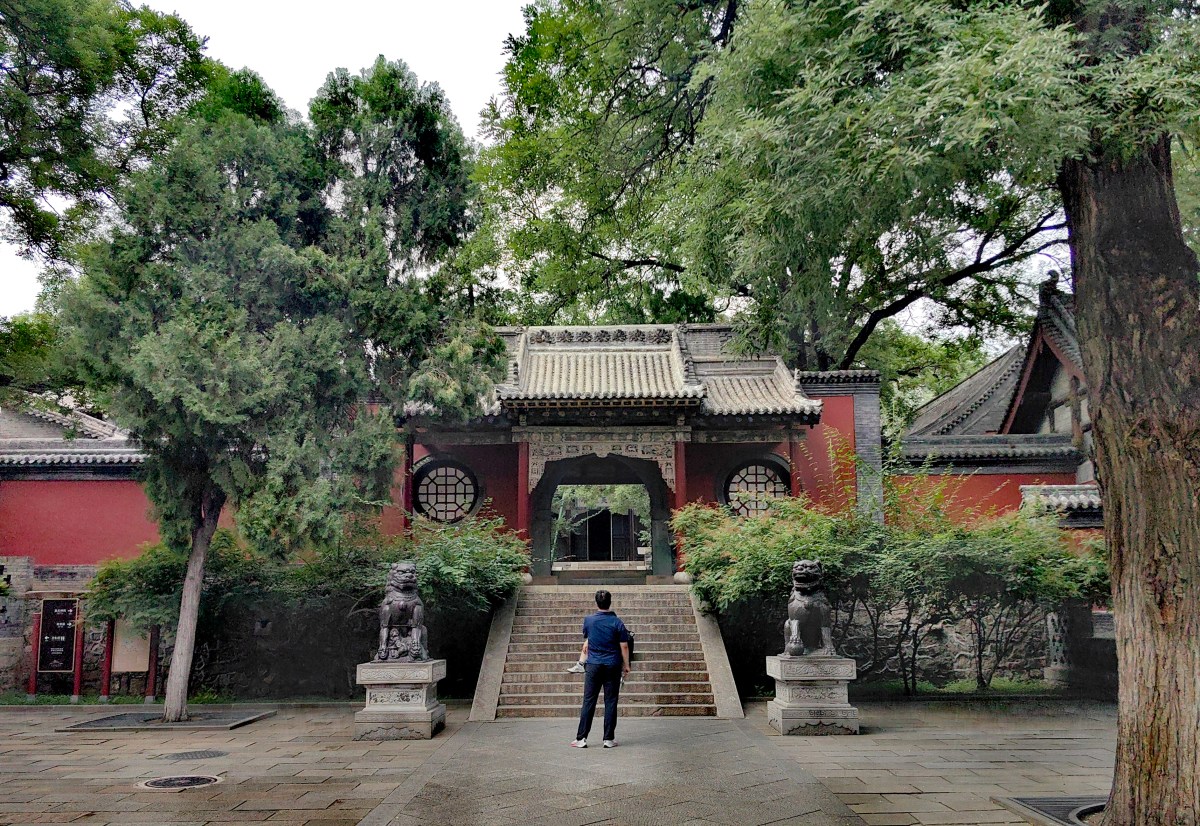
Xia Sheng Si also known as the Temple of the Earthly Birth, is a lesser-known site. This temple is unique in its dedication, focusing on the spiritual connection between the divine and the mortal realm, particularly in relation to the Earthly Mother or local deities believed to oversee human life and nature. In ancient Chinese beliefs, temples like Xia Sheng Si are often built to honor deities responsible for fertility and agriculture. The two stone lions at the gate are a common feature in Chinese architecture and are iconic symbols of protection. When I passed by, I touched them for good luck, as they were believed to bring blessings and ward off misfortune.

下生寺又名地生庙,是一个鲜为人知的景点。这座寺庙的供奉方式独一无二,注重神与人之间的精神联系,尤其是人与地母(或被认为掌管生命和自然的当地神灵)的关系。在古代中国信仰中,像下生寺这样的寺庙通常是为了纪念负责生育和农业的神而建造的。门口的两只石狮则是中国建筑的常见特征,象征庇护。当我经过时,我特意摸摸它们以求好运,相信石狮会带来祝福并避开厄运。

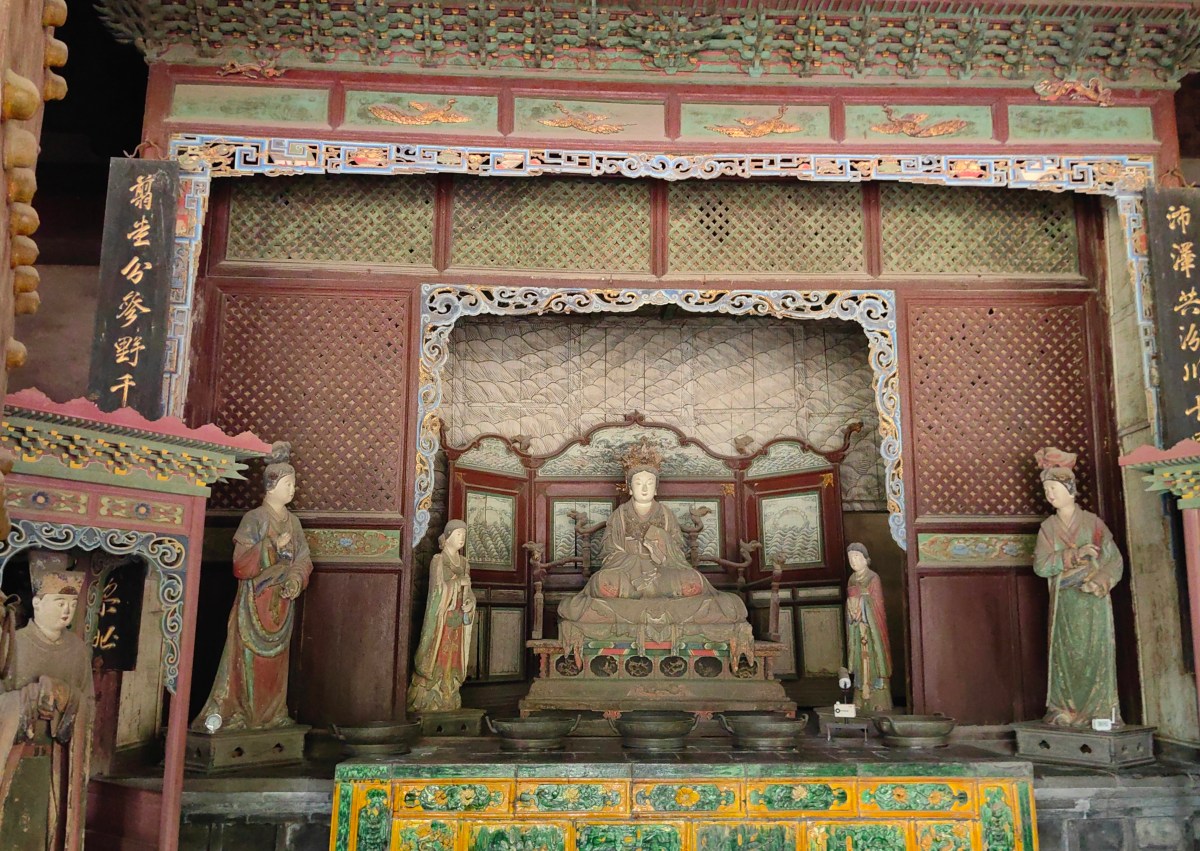
The central hall of Xia Sheng Si contains statues and tablets dedicated to the Earthly Mother or local guardian deities. These figures are typically depicted as benevolent protectors of the land and people. While Jinci Temple primarily honors the Holy Mother of the Jin State, Xia Sheng Si complements this by focusing on the nurturing aspects of nature and its direct influence on human life.

下生寺的中央大厅内有供奉地母或地方守护神的雕像和牌位。它们通常被描绘成土地和人民的仁慈保护者。虽然晋祠主要供奉着晋国圣母,但下生寺则通过关注自然的养育方面及其对人类生活的直接影响来进行补充。

The Bell Tower in Xia Sheng Si exemplifies traditional Chinese architecture, featuring multi-tiered, wooden structure with upturned eaves. It is a high platform, elevating the bell to a prominent position where its sound can travel across the temple grounds. This kind of architecture can be seen in every Chinese temple.

下生寺的钟楼是中国传统建筑的典型代表,采用多层木结构,檐口向上。钟楼是一个高台高高安置着大钟,钟声可以传遍整个寺庙。这种建筑在中国的每座寺庙中都可以看到。

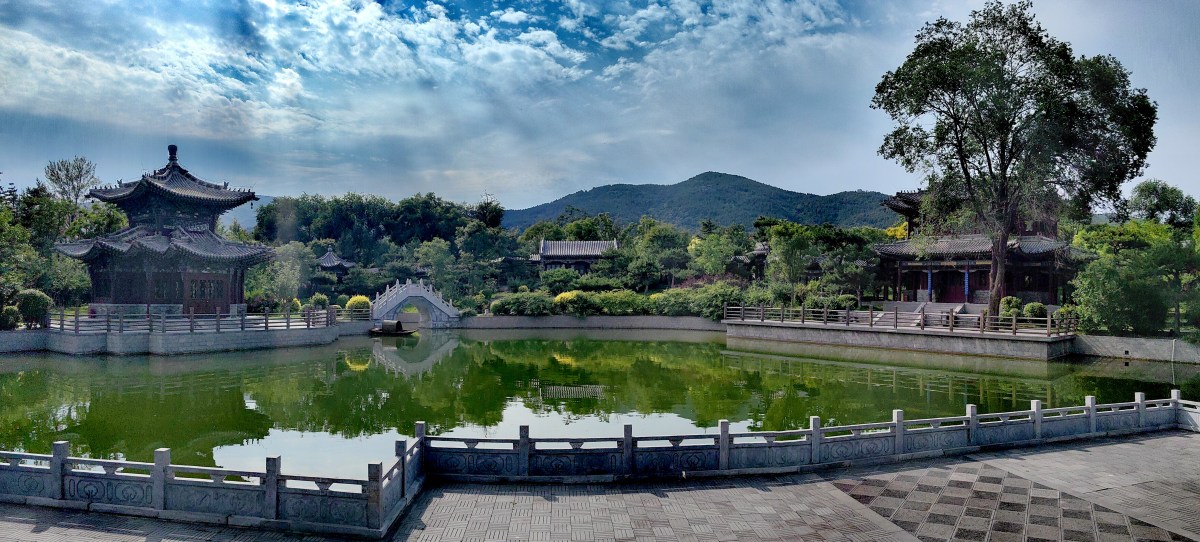
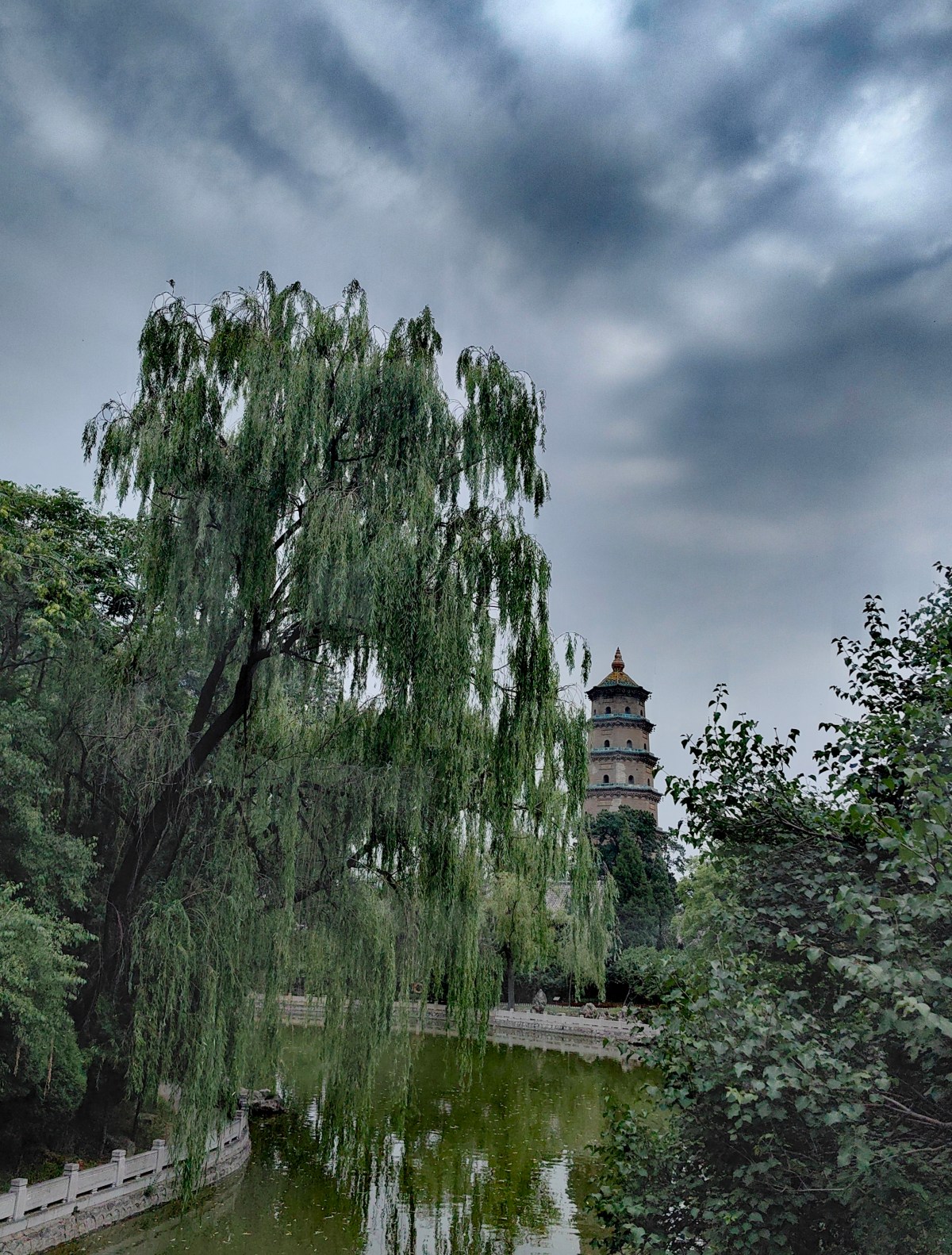
Beyond its historical structures, the Jinci Park is known for its lush gardens, tranquil ponds, and shaded pathways. The centerpiece of the garden is a large, calm lake reflecting the surrounding trees, pavilions, and blue sky. The lake called nine dragons is fed by the Spring of the Immortals, a natural spring that has flowed continuously for centuries. The crystal-clear water symbolizes purity and life, an important theme in traditional Chinese gardens. Willows line the lake’s edge, their long branches gracefully dipping into the water, creating a poetic and serene scene.

除了历史建筑外,晋祠公园还以其郁郁葱葱的花园、宁静的池塘和林荫小道而闻名。花园的中心是一个平静的湖泊,倒映着周围的绿树、亭台楼阁和蓝天。九龙湖的水源来自天然泉眼难老泉,几百年来一直生生不息源源不绝。清澈的湖水象征着纯洁和生命力,这也是中国传统园林中的一个重要主题。慵懒的柳树排列在湖边,长长的枝条优雅地垂入水中,营造出诗情画意。

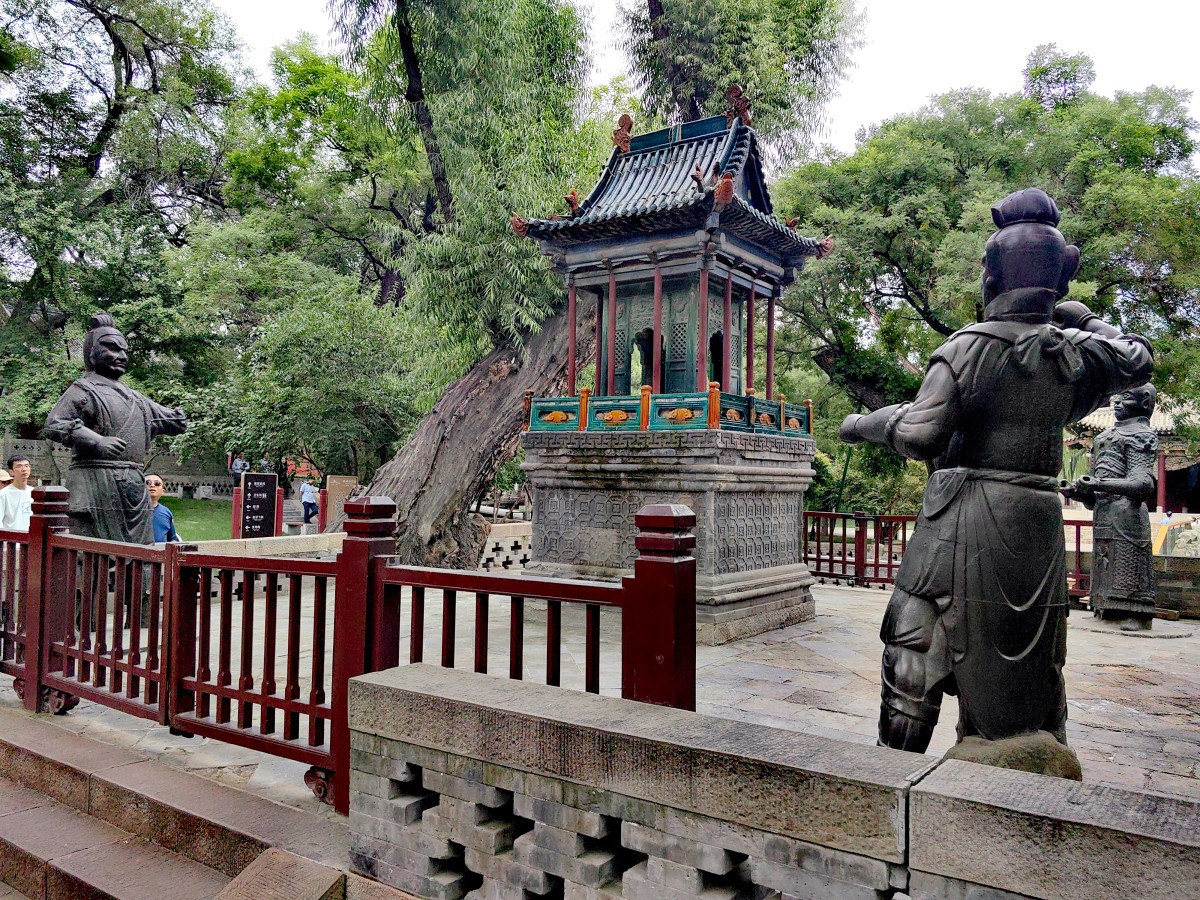
The garden is filled with ancient cypress and pine trees, some of which are over a thousand years old, providing shade and adding to the historical ambiance.

园内古柏古松遍布,有的树龄逾千年,遮阴蔽日,更增添了历史气息。

Lake of nine dragons

Scattered throughout the garden are elegant pavilions and gazebos, offering places for visitors to rest and take in the scenic views. Winding stone pathways lead visitors through the garden, encouraging a leisurely pace to fully appreciate its beauty. Artificial rockeries, a staple of Chinese garden design, add texture and depth to the landscape. These rocks, carefully arranged, mimic the appearance of natural mountain formations and symbolize stability and endurance.

花园各处散布着优雅的亭台楼阁,为游客提供休息和欣赏美景的地方。蜿蜒的石路引导游客层层穿过花园,悠闲地欣赏花园的美景。人造假山也是中国园林设计的主要元素,为景观增添了质感。这些精心布置的岩石模仿了自然山体的外观,象征着坚韧。

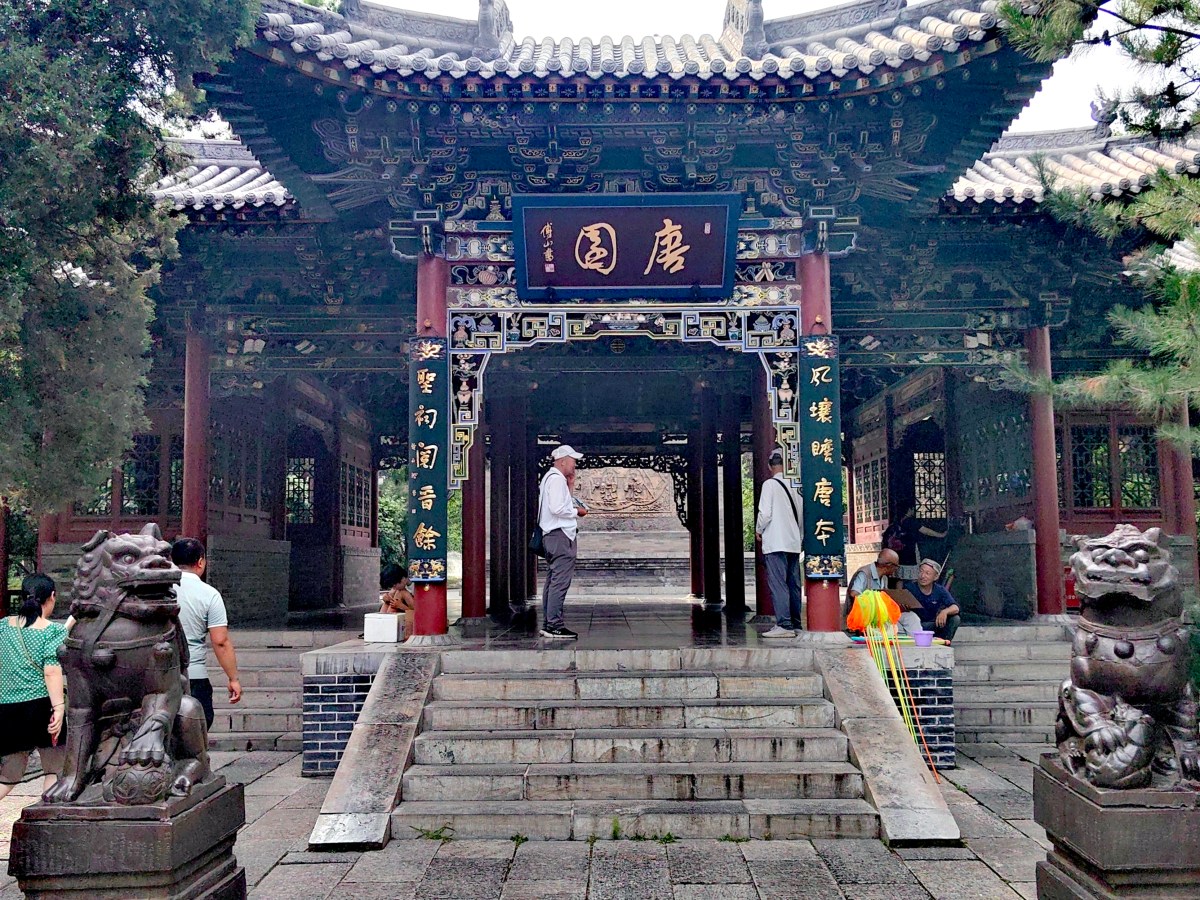
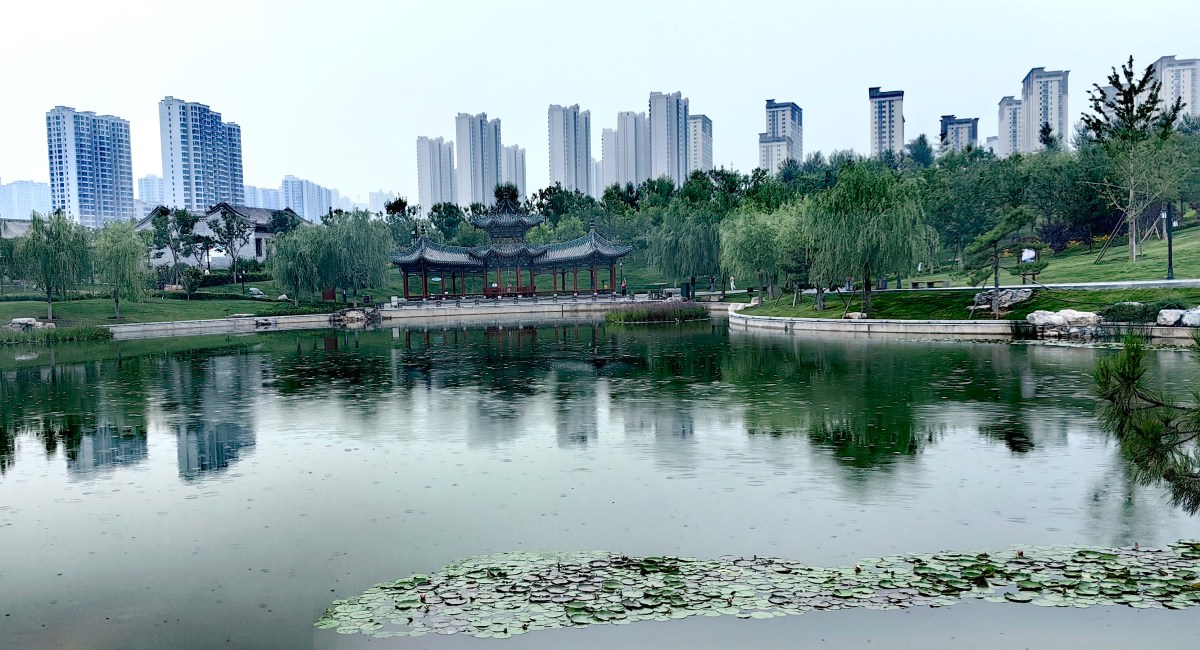
The Tang Garden is a beautifully divided landscaped area inspired maybe by the sophisticated garden styles of the Tang Dynasty. The Tang-inspired pavilions within the garden are characterized by their intricate wooden carvings and upturned eaves. Rockeries, bamboo groves, and flowering plants are frequently used in this garden.

唐园是一个风景优美的园林区,其设计灵感可能源自唐代的精致园林风格。园内的亭台楼阁以精致的木雕和上翘的屋檐为特色,并广泛使用了假山、竹林和开花植物作为装饰。

Tang Garden

The Tang Dynasty is often regarded as a golden age of Chinese culture. The garden includes a serene pond and small stone bridges and steppingstones cross the pond, invites visitors to pause and enjoy the tranquil scenery from different vantage points. Walking along the garden’s stone paths, I could admire the lotus flowers up close, hear the gentle rustle of leaves, and watch koi fish weaving through the submerged stems. The large, emerald-green leaves float gracefully on the surface. Despite growing in muddy water, the lotus emerges clean and beautiful, symbolizing the ability to remain untainted by worldly impurities. So, lotus is revered in Chinese culture and often associated with purity and many poems drew inspiration from lotus flowers.

唐代通常被认为是中国文化的黄金时代。唐园花园里有一个宁静的小池塘,池塘上横跨着小石桥和踏脚石,让游客驻足欣赏,从不同的角度欣赏这片宁静的风景。沿着花园的石路漫步,我可以近距离欣赏含苞欲放的荷花,聆听树叶轻柔的沙沙声,观看锦鲤在沉下浮上的叶茎中穿梭。宽大而翠绿的荷叶优雅地漂浮在水面上。尽管生长在泥水中,荷花却纯净高雅,象征着不受世俗杂质污染的能力。荷花在中国文化中备受推崇,常常与纯洁联系在一起,许多诗歌也都是从荷花中汲取灵感。

Lingyun Ge

Lingyun Ge is a towering structure that offers panoramic views of the surrounding landscape. is a multi-tiered wooden pavilion with an imposing yet graceful presence. Its name, “Soaring Clouds,” suggests its lofty position and the feeling of elevation one experiences when climbing it. The structure features intricately carved beams, colorful murals, and decorative eaves, showcasing the craftsmanship of traditional Chinese architecture. It was historically used as a place for scholars, monks, and visitors to draw inspiration from nature and create poetry here.

凌云阁是一座高耸的建筑,可俯瞰周围景观。它是一座多层木结构亭子,气势宏伟,又不失优雅。它的名字暗示了高耸的位置以及攀登时体验到的升华感。该建筑以精雕细琢的横梁、色彩缤纷的壁画和装饰性屋檐为特色,展示了中国传统建筑的工艺。历史上,这里曾是各种文人墨客僧侣游客从大自然汲取灵感并创作诗歌的地方。

In ancient Chinese garden, travelers can always see this kind of loft building with a tunnel at the ground level, which allows for pedestrian passage beneath the structure. It is a two-story brick loft, constructed using traditional Chinese masonry techniques. The upper floors feature small, lattice windows and ornamental brickwork. Positioned along a main pathway, it acts as a transition point, guiding visitors to the main gate of Jingci temple.

中国古代园林中,游客总能看到这种阁楼建筑,底层设有隧道,方便行人从建筑下方通过。这是一座两层砖砌阁楼,采用传统砌筑技术建造而成。上层设有小格子窗和装饰性砖砌结构。它位于主干道沿线引导游客前往晋祠的正门。

In front of the main gate of Jingci Temple, there is an array of bridges constructed from gray or white stone, with elegantly carved balustrades and decorative patterns. The intricate carvings of auspicious symbols, such as dragons and phoenixes are believed to bring good fortune and spiritual protection. The bridges are positioned directly in front of the temple’s main gate, creating a sense of grandeur and symmetry. The similar design can be seen in the Tiananmen square.

晋祠正门前有一排装饰精美的雕刻栏杆和图案的灰白色石头建造的桥梁。古人相信带有龙凤等吉祥符号的精雕细琢能带来好运。这些桥梁位于正门的前方,营造出一种宏伟和对称的感觉。天在著名的天安门广场上也可以看到类似的设计。

Hall of Holy Mother

The Jinci temple origins date back to the Western Zhou Dynasty (11th century BCE – 771 BCE), although much of its current structure reflects later periods, including the Northern Wei, Tang, Song, and Ming Dynasties. Originally built to honor Shuyu which is the founding ruler of the ancient Jin State, Jinci served as a shrine dedicated to the Holy Mother of Jin later. This is the main hall of this temple. It is one of the few surviving Song Dynasty wooden structures in China, making it an invaluable resource for studying ancient Chinese architecture and construction techniques.

晋祠的起源可追溯到西周时期,但其大部分现有建筑反映了包括北魏、唐、宋和明朝时期的建筑风格。晋祠最初是为了纪念古代晋国的开国君王唐叔虞而建,后来成为了纪念晋国圣母的神殿。图中是晋祠的主殿。它是中国少数幸存的宋代木结构建筑,是研究中国古代建筑技术的宝贵资源。

The dragon carvings on the columns of the Hall are extraordinary examples of Song Dynasty artistry. The dragons are carved in high relief, giving them a three-dimensional, lifelike appearance. Each dragon appears to be in motion, coiling around the columns with an energetic sense of power. Their claws, depicted with sharp, grasping talons, clutch at the columns. The dragons’ faces are particularly expressive, with fierce eyes, flaring nostrils, and open mouths revealing sharp teeth and long, curling tongues.

The placement of the dragon carvings on multiple columns creates a sense of balance and harmony within the hall. In Chinese mythology, dragons are believed to control rivers and rain. Their carvings in the Hall of the Holy Mother highlight the temple’s connection to water, particularly the nearby Spring of the Immortals, which nourishes the complex.

晋祠大殿柱子上的盘龙雕是宋代艺术的杰出典范。这种柱子采用高浮雕设计,立体逼真。每条龙都动感十足,盘绕在柱子上,充满压迫力。龙爪锋利,紧抓着柱子。龙的面部表情特别生动,眼神凶狠,咧开嘴巴,露出锋利的牙齿和长而卷曲的舌头。

盘龙雕被安置在大厅多个柱子上,营造出一种平衡和谐的感觉。在中国神话中,龙被视为控制着河流、雨水的主神。圣母殿的盘龙雕则凸显了晋祠与水的联系,尤其是这个大殿附近的难老泉,它滋养了整个建筑群。

Inside the hall stands a life-sized clay statue of the Holy Mother, honored as a protective deity and matron of the ancient Jin State. The statue is made of painted clay, a medium that allowed for fine detailing and vibrant coloration. Her robes are elaborately adorned with flowing patterns and textures, reflecting the high status of her divine role. These sculptures made in Song Dynasty are celebrated for their lifelike appearance and intricate details.

主殿内矗立着一尊真人大小的圣母泥塑,圣母被尊为古代晋国的守护神。雕像由彩绘粘土制成,这种材料可以体现精准的细节和鲜艳的色彩。圣母的长袍上流畅的图案和纹理装饰精美,彰显圣母的崇高地位。这些宋代雕塑因其栩栩如生的外观和复杂的细节而闻名于世。

Flanking the Holy Mother are 42 life-sized attendant statues, each with a distinct role and character. These attendants include officials, warriors, and maidens. The statues are renowned for their realism, a hallmark of Song Dynasty sculpture. The artists paid meticulous attention to facial expressions, body proportions, and the texture of garments. Though the colors have faded over time, traces of red, gold, blue, and green paint still remain. The intricate designs on the robes and accessories demonstrate the high level of Chinese craftsmanship one thousand years ago.

圣母两侧是42尊真人大小的侍女雕像,每尊雕像都有不同的角色和性格。这些侍女包括办事员、武卫和服侍圣母的仆人。这些雕像以写实而闻名,写实风也是宋代雕塑的一大特色。艺术家对面部表情、身体比例和服装质地非常考究。虽然随着时间的推移,雕像的颜色已经褪色,但红金色蓝绿色的颜料痕迹仍然残留。长袍的配饰上复杂的图案也向我们展示了一千年前中国工艺的高超水平。

Twin Cypress Trees

Jinci Temple is famous for three wonders: Maid Statues in the Hall of the Holy Mother, The Spring of the Immortals, and the Twin Cypress Trees. They are the unique cultural treasure. In this picture, one of the two ancient cypress trees stand near the Hall of the Holy Mother. It is estimated to be over 3,000 years old, making them some of the oldest trees in China. Now both trees are so old that they need a metallic pole to support them. These trees are seen as symbols of eternal life. They have survived countless historical events, embodying the resilience of Chinese civilization.

晋祠以三绝闻名:圣母殿侍女像、难老泉和双柏。它们是独一无二的文化瑰宝。这张照片中,圣母殿附近矗立着一棵老古柏。据说这棵古柏树已有 3000 多年的历史,是中国最古老的树木之一。如今这两棵树都已然垂垂老矣需要一根金属杆来支撑。这种柏树也被视为长生的象征。它们经历了千年岁月的洗礼,依然幸存至今,体现了中华文明的坚韧不拔的精神。

Spring of the Immortals

This is the pavilion of the famous Spring of the Immortals. It is a natural spring that has been continuously flowing for over a thousand years. Its name suggests that drinking its water can bring longevity. The water is clear, cool, and pure, feeding the surrounding ponds and streams within the temple complex during thousands of years.

这是著名的难老泉亭。这里是一处天然泉眼,已流淌一千多年。它的名字象征着饮用其水可以长寿。难老泉水清澈凉爽、纯净无比,数千年来一直滋润着寺庙建筑群周围的池塘和溪流。

Flying Bridge Over the Fishpond

The stone bridge that spans the central fishpond in front of the Hall of the Holy Mother is called Yuzhao Feiliang in Chinese which means Flying Bridge Over the Fishpond. It is named “Flying Bridge” because of its innovative design: the bridge is supported by piers and extends out in a cross-shape, connecting the four cardinal directions. This gives the impression of the bridge “flying” over the water. It is an outstanding example of Song Dynasty engineering. The innovative cross-shaped layout is rare in traditional Chinese architecture.

圣母殿前这条横跨鱼塘的石桥,名为“鱼沼飞梁”,意为鱼塘上的飞桥。飞桥因设计新颖而得名:桥身由石墩支撑,呈十字形延伸,连接四方,给人以“飞”在水面上的感觉。这是宋代工程的杰出典范。这种创新的十字形建桥布局在中国传统建筑中并不常见。

Water Mirror Terrace

Apart from the three wonders, I visited other notable ancient architectures. The Water Mirror Terrace is an elevated stone platform for performing operas. It is now an important venue for activities during the Jinci Temple Fair. There is a plaque on the front and side with the four characters “Three Jin Famous Springs”. The west side (back) is a stage with a single-eaved curved roof. The east side is a double-eaved hip roof from the Ming Dynasty. There are eight water tanks under the stage. Every two of them are buckled together to form four groups of “large speakers”, which is a way for the ancients to increase the volume when performing.

除了晋祠三绝,我还参观了其他颇有意义的古建筑。这个水镜台是一座高架的石台,用于古人演戏剧,现在是晋祠庙会期间的重要活动场所。台的正面和侧面有一块匾额,上面写着“三晋名泉”四个大字。西侧(背面)是一座单檐曲顶戏台,东侧是明代重檐庑殿顶。戏台下有八个水缸,每两个水缸扣在一起,形成四组“大喇叭”,这是古人演出时用来增加音量的方法。

Golden Figures Terrace

In this picture the Golden Figures Terrace is a stone terrace and an intriguing and historically significant feature. Its name derives from the presence of metal statues on the terrace. These figures were cast in bronze or covered in gold leaf in the Song Dynasty. Some historical experts suggest that the statues may have commemorated notable military figures or ancestors of the Jin State, emphasizing the importance of loyalty and heritage in Chinese culture.

这幅图中的金人台是一座石台,是一处具有重要历史意义的景点。它的名字源于台上的金属雕像。这些雕像在宋代用青铜铸造用金箔包裹。一些历史专家认为,这些雕像可能是为了纪念晋国著名的军事人物或祖先,强调忠诚在传统中国文化中的重要性。

Duiyue Archway

This kind of archway is an important feature in Chinese architecture. The Duiyue Archway is constructed in the traditional Chinese memorial archway style with stone as its primary material. The archway is richly decorated with carved reliefs, including motifs of dragons, clouds, and lotus flowers. The calligraphy on the plague attributed to skilled artists of the Ming Dynasty. The archway is carefully positioned to align with the temple’s main axis. The term duiyue conveys a sense of offering deep respect, particularly to ancestral spirits. In Chinese, “Dui” means to repay; “Yue” means to promote. The two words combined together mean “repaying and promoting the merits of ancestors”

这种牌坊是中国建筑的一个重要特征。对越牌坊采用中国传统的牌坊风格建造,主要材料为石头。牌坊上雕刻着包括龙、云和莲花等丰富的浮雕。牌匾上的书法出自明代技艺精湛的艺术家之手。牌坊的位置也经过精心设计,与寺庙的中轴完全对齐。对越一词传达了一种深深的敬意,尤其是对先祖的敬意。在古汉文里,“对”的意思是报答;“越”的意思是弘扬。这两个词结合在一起的意思是“报答和弘扬祖先的功德”

Tang Shuyu Shrine

The main character of the temple Tang Shuyu was the younger son of King Wu of Zhou. According to historical accounts, he was granted the land of Tang (modern-day Shanxi) as a fiefdom for his loyalty and contributions to the Zhou court.
He was credited with establishing the State of Jin, which later became a powerful force in northern China. The shrine and even the whole Jingci temple was built to honor Tang Shuyu. It has been a site of ancestral worship and ritual offerings for centuries.

晋祠的主人公唐叔虞是周武王的小儿子。据史料记载,他因对周朝廷的忠诚和贡献而被封为唐地(位于现山西)。后来他建立了晋国,而晋国则成为中国北方的一支强大的军事力量。这座神社乃至整个晋祠最初都是为了纪念唐叔虞而建的。几个世纪以来,这里一直是祭祀祖先的场所。

I traveled in this place for a whole afternoon. The old temple and towers of Jinci were enveloped by profuse greenery of pine and cypress trees. The gentle rustle of leaves, the soft chirping of birds, and the sound of flowing water created a meditative atmosphere. The enchanting environment here was really attractive for me, reminiscent of Jiangnan’s poetic charm.

我在晋祠景区游玩了一下午,这里的古刹宝塔被郁郁葱葱的松柏环绕,树叶沙沙自语,鸟儿轻声鸣叫绕林不绝,流水潺潺,令人心旷神怡,迷人的环境犹如江南诗情画意的感觉让我陶醉其中。

Tai Yuan is modern city and there are not so many ancient architectures in the city center which appears a bit boring. This is the landscape of the Fen River, known as the “Mother River of Shanxi”. It is the second-largest tributary of the Yellow River and holds immense historical, cultural, and economic significance for the region. Flowing through Taiyuan, the river traverses the city from north to south, creating a scenic corridor. There are many high rising apartments along the riverbank, marking the quick progress of modernism of cities in China.

太原是一座现代化城市,市中心没有太多的古建筑,并显得有些乏味。这里是被称为“山西母亲河”的汾河风景。它是黄河的第二大支流,对该地区具有巨大的历史文化和经济意义。汾河流经太原,从北向南横穿城市,形成一条风景走廊。河岸边有许多平地而起的高层公寓,标志着中国城市日新月异的现代化进程。

In the evening, when the darkness has fallen, I visited the Bell tower pedestrian street. It was extremely crowded. It was designed to reflect Taiyuan’s historical charm, with buildings showcasing traditional Chinese architectural elements such as upturned eaves and red lanterns. Numerous restaurants and food stalls lined the street, serving a mix of traditional Shanxi dishes.

夜幕降临,我来到太原市中心的钟楼步行街。一条街上人头攒动。这条街的设计反映了太原的悠久历史,并展示了如飞檐和红灯笼中国传统的建筑元素。街道两旁林立着许多餐馆和小吃摊,兜售各种传统的山西菜肴。

Enjoying delicious local food is always important for travelers. Shanxi cuisine is famous for noodles. Kaolaolao is a signature dish of Shanxi Cuisine. It is a type of steamed noodle roll, made by rolling thin strips of dough of oat flour into spirals or small hollow cylinders. Once steamed, the Kaolaolao has a soft, chewy texture. It is served together with minced garlic, aged vinegar, and spicy oil.

Shanxi cuisine is also renowned for its rich flavors and unique use of aged vinegar. The combination of tender beef of original taste and aromatic aged vinegar creates a balance of savory and tangy flavors that exemplifies the culinary art of the region. Made from sorghum, barley, and peas, the vinegar undergoes a lengthy aging process, often for several years, which gives it its distinct flavor profile—rich, mellow, and slightly sweet with a tangy kick. Travelers must try it when traveling in Shanxi province.

品尝美味的当地美食对异乡旅行者来说尤为重要。山西菜以面食闻名。莜面栲栳栳是招牌山西菜。它其实是一种蒸面卷,由燕麦粉制成的薄条面团卷成螺旋状或小空心圆柱体制成。蒸熟后栲栳栳质地柔软,有嚼劲。它通常与蒜末、陈醋和辣油一起食用。

山西菜也因大量使用浓郁独特的陈醋而闻名。比如原味嫩牛肉和芳香的陈醋相结合,营造出酸咸味的平衡,体现了该地区的烹饪艺术。这种醋由高粱、大麦和豌豆制成,经过通常长达数年的陈化过程,这使其具有浓郁、醇厚、略带甜酸味的独特风味。游客在山西省旅行时一定要尝尝当地的陈醋。

This was the Bell Tower on this street which was initially constructed during the Ming Dynasty. It is a multi-tiered wooden structure built on a solid stone foundation. Its design follows the traditional Chinese architectural style. The roof is covered with green-glazed tiles, and the tower is adorned with red pillars and ornamental brackets, giving it an imposing appearance. It acts as a hub for community activities and many people assemble in this area at night.

这是这条街上始建于明代的钟楼,为多层木结构建筑,石质基座十分坚固。它的设计遵循中国传统建筑风格,屋顶上覆绿琉璃瓦,塔身饰以红色柱子和斗拱,气势磅礴。钟楼区域是当地人活动的中心,晚上许多人聚集在附近。

Tai Yuan was only a transit stop of my trip in Shanxi province, and I stayed for one day in this city. Before I left, I visited the Yongzuo Temple, which is one of Taiyuan’s most iconic historical sites. Located southeast of the city, this temple is famed for its two towering pagodas that stand as a testament to the architectural and cultural achievements of the Ming Dynasty.

太原只是我山西之行的一个中转站,我在这个城市仅仅停留了一天。离开之前,我参观了永祚寺,它是太原最具代表性的历史遗迹之一。这座寺庙位于城市的东南部,以两座高耸的宝塔而闻名,这些宝塔是明代建筑和文化成就的见证。

The temple was originally built during the reign of Emperor Wanli in the late Ming Dynasty. It was named Yongzuo Temple, symbolizing the emperor’s hope for eternal peace and prosperity. Over the centuries, the temple has served as a center for Buddhist worship and cultural activities.

祚寺寺始建于明末万历年间,名字象征着皇帝对永世承平的期盼。几个世纪以来,永祚寺一直是佛教崇拜和文化活动的中心。

The Twin Pagodas, built entirely of bricks and standing approximately 54 meters tall, are octagonal in shape and have 13 stories each. Both pagodas exhibit classic Chinese architecture, characterized by their elegant proportions, intricate brick carvings, and flying eaves. The pagodas were originally constructed to house Buddhist scriptures and as a way to bring blessings to the land. They symbolize the balance of duality in Buddhism and are seen as guardians of the temple.

双塔全部由砖砌成,高约 54 米,呈八角形,每座塔都是13 层。它们均采用中国古典塔楼的建筑风格,其特点是上下比例优雅、砖雕精美和飞檐装饰。双塔最初是为了存放佛经和为土地带来神灵庇佑而建造的。它们象征着佛教中二元性的平衡,也被视为寺庙的守卫者。

The towers narrow as they ascend, creating a visually pleasing silhouette on the lake of Twin Pagoda Temple Park. Although Taiyuan is an industrial city, there are many parks built in the city to create a serene environment for people to have a rest in the weekend. The park is filled with ancient cypress trees, pine groves, and flower gardens. Traditional Chinese Pavilions are scattered throughout the park. In the morning, many local people come here to have a physical exercise.

双塔寺公园的塔身随高度逐渐收窄,在湖面上形成美观的剪影。太原虽然是一座工业城市,如今城市中却建有众多绿化公园,为人们周末的休憩营造出宁静的环境。这些公园内古柏参天,松林密布,花团锦簇,传统中式亭台楼阁散布各处。清晨,许多当地人会来此晨练。

This ancient city of thousands years history is a treasure of history and culture. From the grandeur of Jinci Temple, with its serene gardens and legendary springs, to the towering elegance of the Twin Pagoda Temple, every corner of Taiyuan tells a story of legacy. Although it is not a city famous of tourism, I think it is worthy to visit this city considering its pivotal role of Northern Gate in China’s history.

In the 2000 years history, Tai Yuan has always become the important town to fiercely resist the invasion from enemies like the Huns, Khitan-led Liao Dynasty, the Jin Dynasty, the Mongols, the Manchus and the Japanese in the second world war. There were many bloody combats happening here. Now the epics and heroes can only be found in the history book. May the spirit of Taiyuan’s ancient charm and heroism stay with every Chinese eternally.

这座拥有千年历史的古城的确是历史文化的宝藏。从宏伟的晋祠、宁静的花园和传奇的泉水,到高耸的双塔,太原的每一个角落都讲述着一段传奇故事。虽然太原不是一座以旅游闻名的城市,但考虑到它在中国历史上作为北境大门的关键地位,我认为这座城市依然值得一游。

太原在两千多年的历史长河中,一直是抗击匈奴、辽金、蒙古、满清、二战中的日本等强敌入侵的重镇,无数先烈在此浴血奋战,这些可歌可泣的抗争史如今只能在青史上寻觅,愿太原的古韵与英雄精神永远留存在每一个中国人心中。

后记:

刘琨(271年-318年),字越石,是西晋末年的名将、文学家,以忠勇和才华著称。他一生致力于抵御五胡的入侵,守卫北方的汉族百姓。刘琨当时镇守孤城太原十年,黄河以北的土地已经全部沦陷。面对敌强我弱的形势,誓死抵抗。刘琨最终因势单力薄未能扭转大局,他的绝命诗 ‘何意百炼钢,化为绕指柔。’千古流传。这首诗展现了刘琨临死前的内心独白和人生感悟。他将自己比作百炼钢,虽历经磨难,却因时代与命运的无情,终化为柔弱。尽管如此,他对“柔弱胜刚强”的智慧有了领悟,这种对生命的洒脱和哲理思考,正是中国古代文人武将那种豪放与细腻兼具的心境写照。太原旅行的时刻自然就想到了这句千古名句。

Bangkok Unveiled: Discover the Gems of Thailand’s Capital

揭秘曼谷

Bangkok is the capital city of Thailand which a bustling metropolis but also a spiritual heartland for Buddhists. Before I traveled in this city, Bangkok is known to have numerous magnificent temples, or called “wats,” that reflect the city’s deep-rooted Buddhist heritage. The different culture of Buddhism attracted me to this country.

曼谷作为泰国的首都是一个繁华的大都市,也是佛教徒的精神圣地。在来到这个城市旅游之前,就曾了解曼谷以拥有众多宏伟的寺庙而闻名,这些寺庙在当地语言称为“wats”,体现了这座城市根深蒂固的佛教传统。具有佛教色彩的异域文化也吸引我来到这个国家旅行。

I visited this city on 2nd December 2023 and spent three days here. When I arrived at the city center from the Suvarnabhumi Airport, the sun has set, and evening came silently. The Grand Palace transformed into an enchanting spectacle, illuminated by a golden glow. The body of palace stood majestically against the night sky. Its intricate architecture was highlighted by the glaring lighting. The shimmering spires and rooftops, adorned with delicate carvings created a mesmerizing silhouette.

我于2023年 12 月 2 日参观了这座城市,并在这里待了三天。当我从素万那普机场抵达曼谷市中心时,太阳已经落山,夜幕悄然降临。大皇宫被金色的光芒照亮显得特别迷人。宫殿的主体在夜空中雄伟地矗立着。建筑群在耀眼的灯光下显得格外突出。闪闪发光的尖顶和屋顶上装饰着精致的雕刻,在光芒下映出神秘的轮廓剪影。

As I strolled around the perimeter, the reflections of the illuminated structures danced on the tranquil waters of nearby fountains. The surrounding gardens and temples, bathed in the gentle light, offered a serene contrast to the bustling city beyond the palace walls. Wandering through the tranquil streets at night, my eyes were always attracted by these illuminated temples and their golden spires.

当我漫步在宫殿周围时,这些灯火通明的建筑倒映在附近喷泉的宁静水面上。周围的花园和寺庙也沐浴在柔和的灯光下,这种宁静与宫墙外的繁华城市形成了一种对比。夜晚漫步在曼谷的街道,目光不由地被这些灯火通明的寺庙和金色的尖顶吸引。

The iconic skyline of Bangkok, dominated by towering skyscrapers and the Chao Phraya River, sparkled with countless lights. Viewed from any bar across the river, the sight of the famous temple Wat Arun at night is truly breathtaking. The Wat Arun, known as the Temple of Dawn, is a beacon of elegance as its spires reflected on the Chao Phraya River. The lights transform the temple adorned with colorful porcelain into a luminous masterpiece.

曼谷标志性的天际线当属高耸的摩天大楼和灯光闪耀的湄南河。从河对岸的任意一家酒吧望去,著名的黎明寺的夜景令人叹为观止。黎明寺的尖塔倒映在湄南河上,如同一座优雅的灯塔。灯光将装饰着彩色陶瓷的寺庙装点成一件熠熠发光的艺术杰作。

Khao San Road, located in the heart of Bangkok, is renowned for its vibrant nightlife. The road is lined with a variety of street bars and clubs. The atmosphere is lively and energetic, with neon lights and colorful signs creating a festive ambiance. Amidst the nightlife buzz, street food vendors set up stalls offering different kinds of Thai delicacies from pad thai and mango sticky rice to grilled skewers.

考山路位于曼谷市中心,以其丰富多彩的夜生活而闻名。路边遍布各种街头酒吧和俱乐部。这里的气氛热闹而充满活力,霓虹灯和色彩缤纷的招牌营造出节日氛围。在夜生活的喧嚣中,街头小吃摊贩摆出各种摊位,提供从泰式炒河粉、芒果糯米饭到烤串等各种泰国美食。

I tried Tom Yum Soup in one of the stalls of this street. It is a famous Thai soup known for its spicy, sour, and aromatic taste. The soup is usually made with a clear broth (often chicken or shrimp-based) that forms the foundation of its flavor. Lemongrass, galangal (similar to ginger but with a more peppery flavor), and kaffir lime leaves are essential aromatics. Some chili pastes are added to give the soup its characteristic spiciness. Fresh lime juice or tamarind paste provides the special sour element. The soup often includes mushrooms, tomatoes, and shrimps. I really liked spicy food so Thai cuisine suite my taste well.

我在这条街上的一家摊位上品尝了冬阴功汤。这是一道著名的泰式汤,以其辛辣、酸涩和芳香的味道而闻名。汤通常用清汤(通常以鸡肉或虾为原料)制成,这是汤的底味。柠檬草、高良姜(类似于姜,但具有更浓的胡椒味)和柠檬叶是必不可少的增香剂。加入一些辣椒酱使汤具有独特的辛辣味。新鲜的柠檬汁或罗望子酱则提供了特别的酸味。汤中通常配有蘑菇、西红柿和虾。我特别喜欢辛辣的食物,所以泰国菜很适合我的口味。

My trip started from the early morning in the next day. My first place to visit was the Wat Pho which is one of the oldest and largest temples in Bangkok. It is famed for its stunning architecture, historical significance, and as the birthplace of traditional Thai massage. In the early morning, there are not so many tourists, it was quite a nice trip.

我的旅程从第二天清晨开始。我首先参观就的是卧佛寺,它是曼谷最古老最大的寺庙之一,以其令人惊叹的建筑、历史地位和传统泰式按摩的发源地而闻名。清晨这里游客并不多,是一次相当不错的旅行。

The architecture style of Wat Pho is a perfect example of traditional Thai temple architecture, characterized by intricate details and vivid colors. Thai temples often include ornate wood carvings, golden statues, ceramic tiles, and glass mosaics depicting religious motifs, mythical creatures, and floral patterns. The use of gold leaf symbolizes spiritual richness and devotion. This kind of architecture can be seen in many temples of Thailand.

卧佛寺的建筑风格是典型的泰国传统寺庙建筑,其特点是细节精致、色彩鲜艳。泰国寺庙通常装饰华丽的木雕、金色雕像、瓷砖和玻璃马赛克,以及描绘宗教的图案、神话动物和花卉图案。金叶的使用象征着精神富足和虔诚。这种类型的建筑在泰国的许多寺庙中都可以看到。

Throughout Wat Pho, I could always find these groups of smaller stupas known as “Chedi Rai.” These chedis contribute to the temple’s grandeur and serve various religious and symbolic purposes. Each chedi is adorned with ceramic tiles, floral patterns, and ornamental details that reflect traditional Thai craftsmanship. The tiered structure typically tapers gracefully towards the top, crowned with a spire.

在整个卧佛寺,我总能发现这些被称为“Chedi Rai”的小型佛塔群。这些佛塔为寺庙增添了宏伟气势,并发挥着各种宗教象征作用。每座佛塔都装饰有瓷砖、花卉图案和装饰细节,体现了泰国的传统工艺。这种分层结构通常向上逐渐变细,顶部是一个细细的尖顶。

The Chedi Rai at Wat Pho enshrine relics of the Buddha or important religious texts. They serve as focal points for worship, symbolizing the presence of the Buddha’s teachings and the spiritual aspirations of the devotees. These Chedi Rais are strategically placed around the main structures of Wat Pho, including the central chedi and the ubosot (ordination hall).

卧佛寺的佛塔里供奉着佛祖的遗物或重要的宗教经文。人们来此纷纷膜拜这个象征着佛陀教义和信徒的精神的圣物。这些佛塔被精心安置在包括中央佛塔和授戒堂等卧佛寺主要建筑周围。

The surfaces of the Chedi Rai are often covered with colorful glazed tiles and decorated with intricate floral motifs, reflective of both Thai and Chinese artistic influences. The use of vivid colors like yellow and orange enhances the visual appearance of these chedis, making them standout features within the temple complex. The exterior surfaces are covered also with stucco and painted in bright colors.

佛塔的表面通常覆盖着彩色釉面瓷砖,并装饰着泰国和中国的艺术共同影响下复杂的花卉图案。黄色和橙色等鲜艳色彩的使用增强了这些佛塔的视觉效果,使它们成为寺庙建筑群中的突出元素。佛塔外表面也覆盖着灰泥,并涂上鲜艳的颜色。

One typical example of them is the Phra Maha Chedi Sri Sanphetdayarn constructed in the reign of King Rama I. The Chedi was lacquered with green glazed china mosaic tiles as green represents Wednesday, the birthday of King Rama I. It was decorated with Singha and lotus. In Buddhism, the Singha is lion which symbolizes strength, courage, and protection; and lotus represents purity and spiritual awakening. This Chedi is 16 meters long and 42 meters high.

这种佛塔的典型例子是图中拉玛一世时期修建的 Phra Maha 塔。这座佛塔用绿色釉面瓷质马赛克瓷砖覆盖表面,绿色代表拉玛一世的生日星期三。佛塔上装饰着 狮子和莲花。在佛教中狮子象征着力量、勇气和保护;莲花代表纯洁和精神觉醒。这座佛塔长16米,高42米。

The ubosot is the main prayer hall where important religious ceremonies and rituals take place. It typically features a multi-tiered roof with intricate gables adorned with mythical creatures and decorative elements. The interior houses the principal Buddha image and is often embellished with murals depicting scenes from the Buddha’s life or Buddhist teachings.

这座佛殿是主要的进行祈祷的大厅,重要的宗教仪式和典礼在此举行。佛殿通常采用多层屋顶,山墙错综复杂,上面饰有神话动物和佛教装饰元素。佛殿内部供奉主佛像,并装饰有描绘佛陀生平或佛教教义的壁画。

The Reclining Buddha is one of the most iconic attractions of Bangkok. It is an immense statue measuring 46 meters in length and 15 meters in height. The statue is primarily made of brick and stucco and is covered in gold leaf, giving it a radiant appearance. The reclining posture represents the Buddha’s final moments before entering Parinirvana, a state of ultimate liberation and release from the cycle of birth, death, and rebirth. The statue is housed in a specially constructed viharn surrounded by many chedis, and other smaller Buddha statues.

卧佛是曼谷最具代表性的景点。这座巨大的雕像长46米,高15米。雕像主要由砖和灰泥制成,表面覆盖着金箔,看起来光彩夺目。卧佛的姿势代表佛陀进入涅槃前的最后时刻,涅槃是佛陀从生死轮回中得到最终解脱的状态。这座雕像被安置在一座特制的佛殿中,周围环绕着许多佛塔和其他较小的佛像。

Next, I continued to walk towards the grand palace which is not far from the Wat Pho. It is one of Thailand’s most famous landmarks. Constructed in 1782, the Grand Palace served as the official residence of the Kings of Siam for over 150 years. It was also the administrative and religious center of the country. This is the entrance of the palace. It is required to dress trousers when visiting the Grand Palace.

接下来,我继续步行前往离卧佛寺不远的大皇宫。它是泰国最著名的地标。大皇宫建于1782年,作为暹罗国王的官邸已有150多年历史。它也是泰国的行政宗教中心。这里就是景区的入口,参观大皇宫时必须穿长裤。

The Grand Palace complex covers an area of over 218,000 square meters and is surrounded by walls built in 1782. The complex is divided into several courtyards and buildings, including the Outer Court, Middle Court, and Inner Court. The Temple of the Emerald Buddha is located at the Outer Court and it is considered the most sacred Buddhist temple in Thailand. It houses the Emerald Buddha, a highly revered statue carved from a single block of jade.

大皇宫建筑群占地面积超过 218,000 平方米,四周环绕着 1782 年修建的城墙。该建筑群分为包括外廷、中廷和内廷几个庭院。玉佛寺位于外廷,被认为是泰国最神圣的佛教寺庙。寺内供奉着一尊备受尊崇的玉佛,这尊佛像由一整块玉石雕刻而成。

At the entrances of the temple, visitors are greeted by imposing yakshas. These statues are typically depicted with fierce expressions, large eyes, and ornate armor. Each yaksha stands over six meters tall and is brightly colored with intricate designs. They often hold a mace or a club. The yakshas are believed to protect the temple from evil spirits and ensure the sanctity of the Emerald Buddha.

在寺庙的入口处,游客们会看到气势汹汹的夜叉。这些雕像表情凶狠,双眼圆睁,身者华丽的盔甲。每尊夜叉高达六米多,色彩鲜艳,图案复杂。它们手持狼牙棒或大棍。当地人们相信夜叉可以保护寺庙免受恶灵侵扰,并确保玉佛的神圣。

The frescoes of the Temple of the Emerald Buddha (Wat Phra Kaew) are among the most exquisite and detailed artworks in Thai religious architecture. They adorn the interior walls of the temple’s cloister, narrating historical, mythological, and religious stories. The frescoes prominently depict scenes from the Ramakien, the Thai version of the Indian epic Ramayana. This series of murals narrates the story of Prince Rama, depicting his adventures and battles against the demon king Ravana. The frescoes are arranged in a sequential manner, allowing visitors to follow the stories as they walk along the cloister.

玉佛寺的壁画是泰国宗教建筑中最精美细致的艺术品。它们装饰着寺庙回廊的内墙,讲述着历史神话和宗教故事。壁画主要描绘了泰国版的史诗《罗摩衍那》中的场景。这一系列壁画讲述了拉玛王子的故事,描绘了他与魔王拉瓦那的冒险和战斗。壁画按顺序排列,让游客在沿着回廊行走时可以一览故事的来龙去脉。

The Phra Ubosot is the main hall and the most sacred building in the temple. It is where the Emerald Buddha is housed. The hall is surrounded by eight boundary stones that demarcate the sacred area for ordination ceremonies. The roof is adorned with multi-tiered layers, featuring elegant chofahs (finials) at the gable ends, resembling the shape of a bird’s tail. The outer walls are decorated with intricate gold leaf patterns and colorful glass mosaics that shimmer in the sunlight. The whole body is really impressive, like a golden treasure.

这座大殿是寺庙的主殿,也是供奉着玉佛的最神圣的建筑。大殿四周有八块界石,划定了受戒仪式的神圣区域。屋顶采用多层装饰,山墙末端饰有形似鸟尾的优雅的尖顶。外墙装饰有复杂的金箔图案和色彩缤纷的玻璃马赛克,在阳光下闪闪发光。整个建筑令人印象深刻,就像一座金色珍宝。

There are some huge golden stupas in the temple. It is a prominent feature within the temple complex, representing the Buddha’s enlightened mind. It is built in the Sri Lankan-style, with a bell-shaped dome and a spire that reaches towards the sky. The stupa is entirely covered in gold tiles, giving it a radiant appearance that symbolizes purity and spiritual wealth. It is surrounded by mythical guardian statues, ensuring its sanctity and reverence. The golden statue in this photo is Kinaree which is mythical creature with the body of a bird and the torso of a human. It represents beauty, grace, and the harmony between the earthly and heavenly realms.

寺庙里有几座巨大的金色佛塔。它是这种寺庙建筑群中一个明显特征,佛塔代表着佛陀的开悟心灵。它采用斯里兰卡风格建造,有一个钟形圆顶和一个直抵苍穹的尖顶。佛塔表面完全覆盖着金色的瓦片,使其看起来光芒四射,象征着纯洁和精神财富。它周围环绕着神话中的守护雕像,确保了它的神圣地位。这张照片中的金色雕像是名为Kinaree,是一种神话生物,有着鸟的身体和人的躯干。它代表着美丽优雅以及人间和天界之间的和谐。

The Royal Pantheon is really impressive, it is a tall, elegant well decorated building with a central spire, surrounded by smaller spires, embodying the traditional Thai architectural style. It serves as a shrine for statues of past kings from the Chakri dynasty. The structure is richly adorned with intricate carvings, golden ornaments, and vibrant glass inlays.

皇家万神殿也令人印象深刻,它是一座高大优雅、装饰精美的建筑,中央有一个尖塔,周围环绕着较小的尖塔,体现了传统的泰国建筑风格。它是存放查克里王朝历代国王雕像的神殿。该建筑装饰华丽,有复杂的雕刻、金色饰品和鲜艳的玻璃镶嵌。

In this temple, I could see many statues of garudas, nagas (serpents), and other mythological beings, each symbolizing different meanings. Garuda is a mythical bird-like creature that appears in both Hindu and Buddhist mythology. It is often depicted as having the body of a bird with human features. It has large wings with a powerful beak, and human-like arms and legs. In Buddhism and Hinduism, Garuda is known as the mount of Lord Vishnu. In Thai culture, Garuda is a symbol of the monarchy and is often seen in royal emblems.

在这座寺庙里,我看到了许多迦楼罗、那伽和其他神话生物的雕像,每个雕像都象征着不同的意义。迦楼罗是一种神话中的鸟类生物,出现在印度教和佛教神话中。它通常被描绘成拥有鸟的身体和人类的特征。它有巨大的翅膀和强有力的喙,还有像人类一样的手臂和腿。在佛教和印度教中,迦楼罗被称为毗湿奴神的坐骑。在泰国文化中,迦楼罗是君主制的象征,经常出现在皇家徽章上。

The ticket of Grand Palace is 500 Baht, and it is worthy to visit it. Most of the time is spent in the temple of the Emerald Buddha It is a real masterpiece of Thai architecture, where each structure and decorative element contributes to the temple’s sacred atmosphere and historical significance. The unique architecture style is absolutely different from what I have seen in Europe and China.

大皇宫的门票是500泰铢,非常值得一游。我在这里大部分时间都花在玉佛寺。这是泰国建筑的真正杰作,每一个结构和装饰元素都为这座寺庙增添了神圣气氛和历史意义。这种独特建筑风格与我在欧洲和中国看到的完全不同。

The Middle Court is the heart of the Grand Palace, where the king’s official residences and important state buildings are located. It was the primary area for royal ceremonies and state functions, including coronations and official banquets. The Chakri Maha Prasat Throne Hall is a remarkable structure blending Thai and Western architectural styles. It was commissioned by King Rama V and built between 1876 and 1882. It served as a venue for the king to receive foreign dignitaries and host important state functions. Its facade is designed in the Renaissance and Neo-Classical styles, characterized by columns, arches, and symmetrical layouts. The roof is adorned with intricately decorated gables and chofahs, which are bird-like ornaments commonly found in Thai architecture.

中庭是大皇宫的中心,国王的官邸和重要的建筑都位于此。这里是举行皇家仪式和包括加冕典礼和官方宴会等政府活动的主要场所。查克里玛哈普拉萨王座大厅是一座融合了泰国和西方建筑风格的建筑,由拉玛五世国王下令建造,建于1876年至1882年间。它是国王接见外国政要和举办重要国家活动的场所。其外观采用文艺复兴和新古典主义风格,以柱子拱门和对称布局为特点。屋顶装饰着精美的山墙和鸟形装饰,这些鸟形装饰在泰国建筑中很常见。

The Phra Thinang Dusit Maha Prasat at the right side of the photo was commissioned by King Rama I in 1790, soon after the establishment of Bangkok as the new capital of Thailand. Originally built as a throne hall for various royal ceremonies, it is also used for the lying-in-state of deceased members of the royal family, where the body is displayed for public homage before the royal cremation. It is a classic example of Rattanakosin architectural style, characterized by its elevated platform, multi-tiered roof. The exterior walls are adorned with intricate stucco reliefs and gilded ornaments, showcasing traditional Thai craftsmanship.

这张照片右侧的 Phra Thinang Dusit Maha Prasat 是1790年曼谷成为泰国新首都后不久,由拉玛一世下令修建的。它最初是作为各种皇家仪式的王座大厅而建,也用于安放已故皇室成员的遗体,在皇家火葬之前,遗体会在这里供公众瞻仰。它是拉达那哥欣建筑风格的经典范例,其特点是高台、多层屋顶。外墙装饰着复杂的灰泥浮雕和镀金装饰,展现了泰国传统的工艺。

The area in the background is the Inner Court which was the residential area for the king’s consorts, daughters, and female attendants. It was a highly private and restricted area. The gardens of the Grand Palace are meticulously designed and maintained. Lush and well-maintained lawns are interspersed with flowerbeds. The extensive use of topiary, with various plants and shrubs carefully trimmed into shapes such as animals, mythical creatures, and geometric patterns add varieties of colors to this palace.

这个区域背景是大皇宫内院,是国王的妃子、女儿和女侍从的居住区。这是一个高度私密和游客受限制的区域。大皇宫的花园经过精心设计和维护。郁郁葱葱、维护良好的草坪上点缀着花坛。花园大量使用修剪过的植物,各种植物和灌木被精心修剪成动物、神话生物和几何图案等形状,为这座宫殿增添色彩。

After I quitted the Grand Palace, I took some time to take some street view of Bangkok. This city often referred to as the “City of Water,” is a metropolis interwoven with an extensive network of canals, known locally as “khlongs.” The network of canals play a vital role in transportation.

离开大皇宫后,我花了点时间拍了拍曼谷的街景。这座城市通常被称为“水城”,是一座被当地人称为“khlongs”的众多运河交织在一起的大都市。运河网络在交通运输中发挥着至关重要的作用。

There are some charming public parks that offer a tranquil retreat from the hustle and bustle of the city. Saranrom Park was originally part of the Saranrom Palace, built in the mid-19th century during the reign of King Rama IV. The palace served as a residence for royal family members. The surrounding gardens were later transformed into a public park, opened to the public in the early 20th century during the reign of King Rama V.

曼谷街头有一些迷人的公园,是远离城市喧嚣的宁静休憩之所。萨兰隆公园最初是萨兰隆宫的一部分,建于19世纪中叶,拉玛四世统治时期。这座宫殿曾是皇室成员的住所。周围的花园后来被改造成公园,并于20世纪初拉玛五世统治时期向公众开放。

The afternoon of Bangkok was scorching and not suitable for travel. I took the metro to the Lumphini Park and had some short rest here before back to hotel. The monument of King Rama VI is a prominent landmark situated at the entrance of Lumphini Park. The statue of King Rama VI is a bronze sculpture that depicts the king in full military uniform, symbolizing his role as a modernizer and a leader of the nation. King Rama VI, who reigned from 1910 to 1925, is celebrated for his efforts to modernize Thailand, promote education, and support cultural development.

曼谷的下午炙热难耐,不适合出行。我坐地铁去了伦披尼公园,在这里稍事休息后就回酒店了。伦披尼公园入口处有一座拉玛六世国王的纪念碑。拉玛六世国王的雕像是一尊青铜雕塑,描绘了国王身着军装的英姿,象征着他作为现代化的推动者和国家领袖。拉玛六世国王于1910年至1925年在位,他致力于泰国的现代化,推动教育,支持文化发展。

Lumphini Park, often referred to as the “green lung” of Bangkok, is one of the largest public parks in the city. The park spans over 142 acres, offering vast lawns, tree-lined pathways, and a variety of plant species. It has a large artificial lake where visitors can rent paddleboats and rowboats. The park is home to various wildlife species, including lizards, turtles, and numerous birds.

伦披尼公园通常被称为曼谷的“绿肺”,是曼谷最大的公园之一。公园占地 142 英亩,拥有宽阔的草坪、绿树成荫的小径和各种植物。公园内有一个大型人工湖,游客可以在那里租用脚踏船和划艇。公园里栖息着各种野生动物,包括蜥蜴、乌龟和众多鸟类。

After a night’s rest, I started the trip of second day. My hotel is located at a pier. Similar to Venice and Rotterdam, Bangkok has a public transport system of boats which play a crucial role in navigating the city’s extensive network of waterways, offering both locals and tourists a convenient and scenic way to travel between various destinations. The Chao Phraya Express Boat is one of the most popular modes of public transport in Bangkok. It operates on the Chao Phraya River and has several routes that connect different parts of the city.

经过一晚的休息,我开始了第二天的行程。我的酒店位于码头边。与威尼斯和鹿特丹类似,曼谷的公共交通系统由船只构成,船只在广泛的水道网络中起着至关重要的作用,为当地人和游客提供了一种便捷且风景优美的交通方式。湄南河快线是曼谷最受欢迎的公共交通工具之一。它在湄南河上运行,有多条路线连接城市的不同地区。

On the boat I could get a panoramic view of the city. The landscape along the Chao Phraya River offers a blend of modern skyscrapers, historic temples, bustling markets, and traditional Thai architecture. Such a boat trip is really a relaxing activity that relieved my fatigue of work.

在船上我可以一览整个城市的风景。湄南河沿岸的风景融合了现代化的摩天大楼、历史悠久的寺庙、繁华的市场和传统的泰式建筑。这样的乘船旅行确实身心放松可以有效缓解工作的疲劳。

Along the Chao Phraya River, I could see the facade of Phra Sumen Fort easily. The fortress is an octagonal structure made of brick. It has three levels with battlements and embrasures designed for cannons and other defensive artillery. It was constructed in 1783 during the reign of King Rama I, the founder of the Chakri Dynasty. The fort was strategically located along the Chao Phraya River to guard the city against naval attacks and to control river traffic. Tourist could explore a piece of Bangkok’s past by visiting it.

沿着湄南河可以一眼看到这座Phra Sumen城堡的外墙。这座堡垒是由砖制成,八角形结构。总共有三层其中包括为大炮和其他防御性火炮设计的发射孔。它于1783年在查克里王朝的创始人国王拉玛一世统治期间建造。这座堡垒的战略地位非常重要,防止曼谷免受海军袭击并扼守湄南河河流交通。游客可以通过参观它了解曼谷的过去。

As Bangkok has developed rapidly in the 20th century, modern skyscrapers have emerged along the banks of the Chao Phraya River. Areas such as IconSiam and Sathorn feature sleek office towers, shopping malls, and residential complexes that reflect the city’s rapid economic growth and urbanization these years. The scenery here is similar to the Singapore river.

随着曼谷在20世纪的迅速发展,现代摩天大楼沿着湄南河的河岸如雨后春笋般出现。 Iconsiam和Sathorn等地区的办公大楼,购物中心和公寓大楼鳞次栉比,这些地区反映了曼谷近年内的高速经济增长和城市化。这片河岸的风景特别类似新加坡河沿岸。

The Chao Phraya River is lined with some of Bangkok’s most famous temples including Wat Arun. Wat Arun, also known as the Temple of Dawn, is one of Bangkok’s most iconic landmarks and a significant cultural and religious site. It is believed to have been founded in the 17th century during the Ayutthaya period, but major renovations and expansions took place during the reign of King Rama II and King Rama III of the Rattanakosin Kingdom. The temple’s name translated to “Temple of Dawn,” is named after Aruna, the Hindu god of dawn.

湄南河沿岸分布了诸多曼谷最著名的寺庙,其中包括黎明神庙,它是曼谷最具标志性的地标之一,也是重要的文化宗教遗址。它是在17世纪阿瑜陀耶王朝时期建立的,并在拉玛二世和三世统治期间进行了重大翻新和扩大。这座寺庙的名字被翻译成“黎明神庙”,以黎明之神阿鲁纳(Aruna)的名字命名。

The most distinctive feature of Wat Arun is its central prang, a towering spire that rises over 70 meters high. The prang is decorated with intricate ceramic tiles and fragments of Chinese porcelain, giving it a shimmering appearance. The prang is surrounded by four smaller satellite prangs, each adorned with ornate sculptures and colorful patterns that depict mythical figures and stories from Buddhist cosmology.

黎明寺最显著的特征是中央的高塔,这是一座高达70多米的尖塔,塔顶上装饰着精美的瓷砖和瓷器散片,看起来闪闪发光。高塔周围有四个较小的小塔,每个小塔都装饰着华丽的雕塑和色彩鲜艳的图案,描绘了佛教宇宙观中的神话人物和故事。

One of the most striking features of Wat Arun’s prang is the use of colorful ceramic tile mosaics. These tiles are arranged in floral patterns and intricate designs, incorporating shades of blue, green, yellow, and white. The tiles form a shimmering surface that catches the sunlight, giving the prang its distinctive appearance observed from faraway. The ceramic tiles also depict symbols and stories from Thai mythology such as heavenly beings, mythical creatures, and scenes from the life of the Buddha.

黎明寺的佛塔最引人注目的特色就是其使用了色彩缤纷的马赛克瓷砖。这些瓷砖以花卉图案和复杂的设计排列,融合了蓝绿黄白色的色调。这些瓷砖形成了一个闪闪发光的亮面,远远看去仿佛具有独特的外观。瓷砖上还描绘了例如天神、神话生物和佛祖生平的场景等泰国神话中的符号和故事。

The temple complex includes an ubosot, or ordination hall, where religious ceremonies and rituals are conducted. It follows traditional Thai temple architecture, characterized by its rectangular shape and multi-tiered roof structure. The roof is adorned with intricate gables (chofah) and tiered finials (lud khan mai). Similar to the prang, the ubosot is constructed primarily of brick and covered with stucco. The exterior walls are embellished with delicate floral and geometric patterns rendered in stucco relief.

寺庙建筑群包括图中的授戒堂,用于举行宗教仪式和典礼。它遵循传统的泰国寺庙建筑风格,其特点是矩形和多层屋顶结构。屋顶装饰有复杂的山墙 和分层的尖顶。与主塔类似,授戒堂主要由砖块建造,并覆盖有灰泥。外墙上装饰有精致的花卉和几何图案,这些图案以灰泥浮雕呈现。

Surrounding the central prang are various smaller structures, pavilions, and small towers called Phra Prang which is a Khmer-style tower built to house relics of the Buddha. Wat Arun has long been associated with the Thai monarchy. It has received royal patronage over the centuries, highlighting its importance in Thai cultural and religious life. This temple and the Grand Palace are the two most famous sites in Bangkok, overcrowded by tourists from different countries.

中央的佛塔周围有各种较小的建筑、亭子和称为Phra Prang 的小塔,这是一座高棉风格的塔,用来存放佛祖的遗物。黎明寺长期以来一直与泰国皇室紧密相连。几个世纪以来,它一直受到皇家赞助,凸显了它在泰国文化和宗教生活中的重要性。这座寺庙和大皇宫是曼谷最著名的两个景点,人山人海挤满了来自不同国家的游客。

On the street of Bangkok, I can always see many temples and Buddhism related building. In Thai culture, temples are more than just places of worship. They serve as community centers where people gather for festivals, and ceremonies. The Thai monarchy has historically been a strong patron of Buddhism. Many temples in Bangkok were built under royal sponsorship.

曼谷的街道上,随处就能看到许多寺庙和与佛教有关的建筑。在泰国文化,寺庙不仅仅是礼拜场所。它们也是人们聚集在一起庆祝节日和举行仪式的社区中心。泰国皇室历来是佛教的坚定支持者。曼谷的许多寺庙都是在王室的赞助下建造的。

In many temples of Bangkok, I could find lotus planted in a large water jar. According to Buddhist lore, when the Buddha was born, lotus flowers bloomed wherever he stepped. This association makes the lotus an especially sacred flower in Buddhism. In Buddhist teachings, the lotus is not only a decoration but represents spiritual purity, resilience, and enlightenment.

曼谷的许多寺庙里,我都能看到大水缸里栽种的莲花。根据佛教传说,佛陀诞生时,他所到之处,莲花盛开。这种关联使得莲花在佛教中成为一种特别神圣的花。在佛教教义中,莲花不仅是一种装饰品,还代表着精神的纯洁、坚韧和启蒙。

Apart from the temples, I have visited some historic sites and landmarks. This Parutsakawan Palace has played an important role in Thai history and politics. It is not so well-known for the tourists, and I was the only visitors on that day. It was constructed in 1904 during the reign of King Chulalongkorn (Rama V). The palace served as the residence of Prince Paribatra and his family. Following the 1932 Siamese Revolution, which transitioned Thailand from an absolute monarchy to a constitutional monarchy, Parutsakawan Palace was confiscated by the government. The palace was repurposed for various governmental uses and has since housed different government offices and institutions.

除了寺庙,我还参观了一些著名的历史遗迹和地标。这座帕鲁萨卡万宫在泰国历史和政治中扮演着重要角色。对游客来说它显得默默无闻,那天我是唯一的游客。这座建筑建于1904年拉玛五世(朱拉隆功国王)统治时期。这座宫殿是帕里巴特拉王子及其家人的住所。1932年暹罗革命后,泰国从君主独裁制转变为君主立宪制,帕鲁萨卡湾宫被政府没收。这座宫殿被改作各种政府用途,此后曾设有不同的政府办公室和机构。

The architecture of Parutsakawan Palace reflects a blend of European and Thai styles, which was common during the reign of King Chulalongkorn. The design incorporates elements of neoclassical and Renaissance architecture, which were popular in France at the time.

帕鲁萨卡万宫的建筑融合了欧洲和泰国风格,这种风格在朱拉隆功国王统治时期非常普遍。其设计融合了当时在法国流行的新古典主义和文艺复兴时期的建筑元素。

The palace is a symbol of the transition from absolute monarchy to constitutional monarchy and the associated socio-political transformations. Today, it serves as a cultural and educational resource. It is a site where visitors can learn about Thailand’s history, architecture, and cultural heritage.

这座宫殿是君主专制向君主立宪制过渡的象征,也是当时社会政治变革的象征。如今,它已成为一个文化和教育资源。游客可以在这里了解泰国的历史、建筑和文化遗产。

Despite the European influence, the palace also incorporates traditional Thai architectural elements. These include the use of traditional Thai rooflines, decorative motifs, and intricate woodwork. The integration of Thai and European styles reflects the cultural exchange and modernization efforts of King Chulalongkorn.

尽管受到欧洲的影响,但宫殿也融入了传统的泰国建筑元素。这些元素包括使用传统的泰国屋顶线条、装饰图案和复杂的木工手艺。泰国和欧洲风格的融合反映了朱拉隆功国王为了文化交流和泰国现代化的努力。

Opposite to the palace is the Plaza of King Chulalongkorn. The plaza was established to honor King Chulalongkorn’s legacy and his contributions to the nation. The centerpiece of the plaza is a grand equestrian statue of King Chulalongkorn which was created by the French sculptor Georges Saulo and erected in 1908. The plaza is surrounded by important governmental buildings, which could not be visited by tourists.

宫殿对面是朱拉隆功国王广场。广场是为了纪念朱拉隆功国王对国家的贡献而建立的。广场的中心是一座宏伟的国王骑马雕像,由法国雕塑家乔治·索洛创作,于1908年竖立在广场中心。广场周围是重要的政府建筑,游客均不能参观。

Another historical site with significant cultural, architectural, and historical value is the Phaya Thai Palace. It was built in 1909 during the reign of King Chulalongkorn. It showcases a blend of European and Thai architectural styles as well which is a symbol of Thailand’s transition into the modern era. There is a beautifully landscaped gardens in front of the main buildings, which include ornamental plants, fountains, and pathways. Today, Phaya Thai Palace serves as a cultural and educational site. It offers visitors insights into Thailand’s royal history.

另一个具有重要文化、建筑和历史价值的遗迹是披耶泰宫。它建于1909年朱拉隆功国王统治时期,向游客展示了欧洲和泰国建筑风格的融合,亦是泰国向现代过渡的象征。主楼前有一个风景优美的花园,里面有各种观赏植物、喷泉和小径。如今,披耶泰宫是一个文化和教育场所,令游客能够充分了解泰国皇家历史。

Before I left Bangkok, the last place to visit was the Erawan Shrine. It is one of Bangkok’s most famous religious landmarks. Located near the bustling shopping Central World, this shrine is dedicated to Phra Phrom, the Thai representation of the Hindu god Brahma. The Erawan Shrine features a statue of Phra Phrom (Brahma) with four faces, each representing different aspects of life: peace and health, good fortune, prosperity, and protection against evil. The statue is adorned with intricate gold leaf and is positioned in a small, open-air pavilion that allows worshippers to walk around it and make offerings from all sides. Visitors from all over the world came here to pray for good fortune, success, and health.

离开曼谷前,最后一个参观的景点就是四面佛神社。它是曼谷最著名的宗教地标之一。这座神社位于繁华的购物中心Central World附近,供奉着四面佛,即泰国版本的印度教梵天。四面佛的梵天雕像面朝四个方向,每个方向代表着生活的不同方面:健康、财富、事业和平安。雕像装饰着精致的金箔,位于一个小型露天亭子里,信徒们可以绕着雕像走一圈,从四面进行供奉。来自世界各地的游客都会来到这里祈福。

CentralWorld in Bangkok is one of the largest shopping malls in Thailand and Southeast Asia. It has hosted numerous events, including concerts and fashion shows. On the day of my visit, there are many Pikachus that attracts fans of all ages. Before I took Metro to the airport, I had a lunch here. I really enjoyed the Thailand food with spicy and sour taste.

曼谷的 CentralWorld 是泰国和东南亚最大的购物中心之一,曾举办过包括演唱会和时装秀等许多活动。我旅游的当天,这里有很多皮卡丘玩具,吸引了各个年龄段的粉丝。在乘地铁去机场之前,我在这里吃了午饭,特别很喜欢酸辣口味的泰国菜。

Green Papaya Salad (Som Tum) is a classic Thai dish known for its mixing flavors and refreshing taste. It’s a popular street food and is often enjoyed as a side dish. The salad is a perfect blend of spicy, sour, sweet, and salty flavors. Its spicy taste is from the bird’s eye chilies. The sour taste is from the fresh lime juice. The sweet taste is from the palm sugar. The salty taste is from the fish sauce. It is a must-try dish for anyone interested in experiencing authentic Thai cuisine.

青木瓜沙拉(Som Tum)是一道经典的泰国菜,以其混合口味和清爽口感而闻名。它是一种受当地人欢迎的街头小吃,经常作为配菜。沙拉完美融合了辣酸甜咸四味。它的辣味来自鸟眼辣椒。酸味来自新鲜的酸橙汁。甜味来自棕榈糖。咸味来自鱼露。对于任何有兴趣体验正宗泰国美食的人来说,这都是一道必尝的菜肴。

Yellow Curry Fish( Kaeng Kari Pla) is a Thai dish with tender fish fillets like cod, snapper, or tilapia simmered in a rich and aromatic yellow curry sauce. Yellow curry is made from a blend of turmeric, coriander, cumin, lemongrass, galangal, garlic, and shallots. Coconut milk is used to add richness and creaminess to the curry. Vegetables like potatoes, bamboo shoots, carrots, and onions are used as additions. Yellow curry is less spicy compared to red or green Thai curries and suitable for most people.

黄咖喱鱼(Kaeng Kari Pla)是一道将鳕鱼、鲷鱼或罗非鱼等嫩鱼片放入浓郁芳香的黄咖喱酱中炖煮的经典泰国菜。黄咖喱由姜黄、香菜、小茴香、柠檬草、高良姜、大蒜和青葱混合制成。椰奶则用于增加咖喱的浓郁和奶油味。土豆、竹笋、胡萝卜和洋葱等蔬菜可作为配料。与红咖喱或绿咖喱相比,黄咖喱的辣味较淡,适合大多数人。

As my journey through Bangkok drew to a close, I could find that this city is a tapestry woven with cultural treasures, bustling street life, and culinary delights. From the tranquil temples to the busy markets, every corner of this city reveals a new adventure. The city’s modern skyline seamlessly blends with its historical roots, creating a dynamic contrast that mirrors Thailand’s journey from past to present. Whether navigating the maze of waterways in a traditional longtail boat on the Chao Phraya River or savoring the explosion of spicy flavors in dishes, Bangkok offers me an immersive experience that is worthy and unforgettable.

在我的曼谷之旅即将结束之际,我发现这座城市就像一幅汇聚了丰富文化、繁华的街头生活和美食的织锦。从宁静的寺庙到繁忙的市场,这座城市的每个角落值得游客去探索。它的现代天际线与历史完美融合,形成了反映了泰国从过去到现代的滚滚红尘。无论是乘坐传统的长尾船在湄南河上穿越迷宫般的水道,还是品尝菜肴中辛辣的味道,曼谷都为我提供了非常值得并且难忘的沉浸式体验。

Discovering Ho Chi Minh City’s Past and Present

探寻胡志明市的前世今生

Nestled along the banks of the winding Saigon River lies a city that pulsates with energy, history, and a unique blend of cultures. Ho Chi Minh City, a metropolis that serves as the beating heart of Vietnam’s southern region. Formerly known as Saigon, this dynamic city is a testament to the country’s resilience, having weathered centuries of colonialism, cruel wars, and rapid urbanization to emerge as a vibrant hub of commerce and culture.

蜿蜒的西贡河畔坐落着一座充满活力、历史悠久、文化独特的城市。胡志明市是越南南部地区的心脏地带。这座活力满满的城市原名西贡,是越南坚韧不拔的象征,在历经数百年的殖民统治、残酷战争的洗礼和快速的城市化后,如今的胡志明市已成为一个生机勃勃的商业和文化中心。

I have visited this city several times when I worked in Vietnam for around half years during 2018 and 2019. I used to walk along the Saigon River in the weekend. As it flows through Ho Chi Minh City, the Saigon River is a dynamic presence, its waters reflecting the ever-changing skyline of the city. Along its banks, I can find a mix of modern skyscrapers representing the modernism of Vietnam and lush greenery, creating a picturesque backdrop for the hustle and bustle of urban life. The river plays a crucial role in the daily life of the city, serving as a transportation route for goods and people, as well as a source of livelihood for local fishermen and farmers.

2018年和2019年间,我在越南工作了大约半年,曾多次到访这座城市。周末,我经常在西贡河边散步。连绵不绝的西贡河流经胡志明市,河水倒映着城市不断变化的天际线。河岸上,代表越南现代化的摩天大楼与郁郁葱葱的绿色植物交相辉映,在熙熙攘攘的城市生活中创造出一幅动人的风景。这条河在城市的日常生活中扮演着至关重要的角色,既是一条运输线,也是当地渔民和农民的生计来源。

But beyond its modern facade, Ho Chi Minh City is a city rich in history and tradition. From the remnants of French colonial architecture to the scars of the Vietnam War, every corner of the city tells a story, inviting visitors to delve into its past and uncover the layers of its complex heritage. The Palais de Justice, of Saigon (now Ho Chi Minh City) stands as a striking testament to the city’s colonial past. Built during the French colonial era, this majestic building served as the seat of the judiciary and a symbol of French authority in Vietnam. Constructed between 1885 and 1890, the Palais de Justice was designed by the French architect Paul Gardès, who drew inspiration from classical French architectural styles. Its grand facade features neoclassical elements such as columns, arches, and intricate detailing, reflecting the opulence and grandeur of the time. Throughout its history, the Palais de Justice witnessed significant events, including trials during the colonial period and later during the Vietnam War era.

不过除了现代化的城市外观,胡志明市还是一座拥有丰富历史和传统的城市。从法国殖民时期建筑的遗迹到越南战争留下的伤痕,这座城市的每个角落都讲述着一个个故事,吸引游客深入了解它的过去,揭开其复杂的层层面纱。西贡的司法宫是这座城市殖民历史的生动见证。这座雄伟的建筑建于法国殖民时期,曾是司法机构的所在地,也是法国在越南权威的象征。司法宫建于1885 年至 1890 年间,由法国建筑师 Paul Gardès 设计,他从法国古典建筑风格中汲取灵感。其宏伟的外观采用了例如柱子、拱门和复杂的细节等新古典主义元素,反映了当时法式建筑的富丽堂皇。在其历史上,司法宫见证了包括殖民时期和后来越南战争时期的审判等重大事件。

The City Hall of Saigon, also known as Ho Chi Minh City Hall, is an iconic landmark that exudes grandeur and history in the heart of Ho Chi Minh City. Located at the end of Nguyen Hue Boulevard, the City Hall stands as a prime example of French colonial architecture. Designed by the French architect, Auguste Henri Vildieu, and completed in 1908, it served as the seat of the French colonial administration in Saigon. The building’s façade is adorned with elegant columns, ornate balconies, and a distinctive bell tower, reminiscent of the architectural styles of the late 19th and early 20th centuries.

西贡市政厅,又称胡志明市政厅,是胡志明市中心一座散发着宏伟和历史气息的标志性建筑。市政厅位于阮惠大道尽头,是法国殖民时期建筑的典范。它由法国建筑师奥古斯特·亨利·维尔迪厄 (Auguste Henri Vildieu) 设计,于1908年竣工,是法国在西贡的殖民政府所在地。该建筑的外墙装饰有优雅的柱子、华丽的阳台和独特的钟楼,让人联想到19世纪末和20世纪初的法国城市风格。

Many tourists will stand at this point to take a photo. Its creamy yellow exterior, punctuated by green shutters and a prominent clock tower, commands attention. Today, the City Hall continues to play a significant role as the headquarters of the People’s Committee of Ho Chi Minh City, overseeing the governance and administration of Vietnam’s largest city. While its function has evolved over the years, the building remains an enduring symbol of Saigon’s past and present, bridging the gap between history and modernity.

许多游客都站在此处拍照打卡。市政厅的乳黄色外观、绿色百叶窗和钟楼十分惹眼。如今,市政厅继续发挥重要作用,作为胡志明市人民委员会的总部,负责监督越南最大城市的治理和行政工作。虽然它的功能多年来一直在演变,但这座建筑仍然是西贡过去和现在的永恒象征,构建了历史与现代的联系。

Many buildings here are influenced by French architecture style largely. The Saigon Central Post Office, constructed between 1886 and 1891 during the French colonial period, stands as a stunning example of neoclassical architecture. Designed by the renowned French architect Gustave Eiffel, the mastermind behind the Eiffel Tower in Paris, the building seamlessly blends European influences with local Vietnamese elements, creating a captivating fusion of styles.

这里诸多建筑深受法国建筑风格的影响。图中的西贡中央邮局建于1886年至1891年法国殖民时期,是新古典主义建筑的典范。该建筑由著名的法国建筑师巴黎埃菲尔铁塔的设计者古斯塔夫·埃菲尔设计,他将欧洲风格与越南当地元素完美融合,创造出迷人的混合风。

As I stepped through its grand entrance, I was greeted by a cavernous interior hall adorned with intricate wrought-iron arches, elegant marble floors, and a soaring vaulted ceiling. Sunlight streams through the building’s large windows, emitting a warm glow on the rows of wooden counters and antique telephone booths that line the hall. Perhaps the most striking feature of the Saigon Central Post Office is its vast dome, which dominates the central hall and serves as a focal point for visitors. Decorated with delicate mosaic tiles depicting the planets and zodiac symbols, the dome is a breathtaking display of craftsmanship and artistry. Despite its age, the Saigon Central Post Office remains a bustling hub of activity, with tourists flocking to its counters to send postcards as souvenirs.

踏入大门,映入眼帘的是宽敞的装饰着精巧的铸铁拱门、雅致的大理石地板和高耸的拱形天花板的内部大厅。阳光透过建筑上的大窗户映射进来,在大厅两旁成排的木质柜台和古董电话亭上散发出温暖的光芒。西贡中央邮局最引人注目的特征当属它巨大的圆顶,占据了中央大厅的大部分空间,令游客驻足。圆顶上装饰着描绘行星和十二星座符号的精致马赛克瓷砖,展现出了令人惊叹的工艺和艺术。尽管这座历史悠久,西贡中央邮局如今仍然是一个繁忙的中心,游客接踵而至在它的柜台寄送明信片作为纪念品。

Inherited from the French culture, Saigon kept the building of opera house like all the French cities. Built in the late 19th century during the French colonial period, this majestic structure stands as a testament to the enduring legacy of European influence in Vietnam. Designed by French architect Eugène Ferret and inaugurated in 1897, the Saigon Opera House has a stunning façade characterized by neoclassical features, including graceful arches, intricate carvings, and ornate balconies. Its elegant exterior, adorned with statues and embellishments, exudes an air of luxury and grandeur, inviting passersby to marvel at its beauty. On the day of my visit, the opera played is the Nutcracker composed by Pyotr Ilyich Tchaikovsky.

继承了法国文化,西贡像所有法国城市一样保留了歌剧院。这座雄伟的建筑建于19世纪末法国殖民时期,是欧洲文化在越南持久影响的见证。西贡歌剧院由法国建筑师欧仁·费雷设计,于1897年落成,外观是包括优美的拱门、精雕细琢的雕刻和华丽的阳台新古典主义风格,无处不散发着奢华的气息,令过往的人们惊叹不已。我参观的那天,上映的歌剧是柴可夫斯基的《胡桃夹子》。

Step inside, and I was transported to a world of opulence and refinement immediately. The interior of the opera house is a masterpiece of architectural design, with its sweeping staircase, gleaming marble floors, and sumptuous décor evoking the glamour of a bygone era. The main auditorium, adorned with sparkling chandeliers and plush seating, provides an exquisite setting for the world-class performances that grace its stage.

步入歌剧院仿佛立刻卷入了一个富丽堂皇、精致典雅的世界。歌剧院内部绝对是建筑设计的杰作,它的旋转楼梯、闪闪发光的大理石地板和奢华的装饰唤起了法国旧时代的记忆。主礼堂装饰着闪闪发光的枝形吊灯和豪华座椅,为舞台上世界一流的表演增光添彩。

This is the street view along the opera house with a statue of Mozart playing flute. The weather of Ho Chi Minh City is characterized by a tropical climate that is generally hot and humid throughout the year. There are many tropical plants here like Coconut Palm and Rain Tree. I visited this city during the mild and dry winter without rain. The weather is suitable for travel.

这是歌剧院旁边的街景,旁边是莫扎特吹笛子的雕像。胡志明市的气候特点是热带气候,全年炎热潮湿。这里有许多诸如如椰子树和雨树等热带植物。我游览这座城市正值冬天,气候温和干燥少雨。天气适合旅行。

The iconic landmark of Ho Chi Minh City must be the Saigon Notre-Dame Cathedral Basilica. Constructed between 1863 and 1880 by the French colonial authorities, it was designed by the French architect Jules Bourard in the neo-Romanesque style, with distinctively red brick walls imported from France. Its twin bell towers rise gracefully above the city skyline, while its façade features intricate rose windows, ornate carvings, and statues of saints, creating a striking contrast against the modern skyscrapers that surround it.

胡志明市的标志性建筑非西贡圣母大教堂莫属。该教堂由法国建筑师 Jules Bourard 设计并由法国殖民当局于1863年至1880年间修建,它采用新罗马式风格,其独特的红砖墙是从法国进口的。教堂的双钟楼优雅地耸立在城市天际线之上,而其外墙则装饰着精致的玫瑰窗、华丽的雕刻和圣徒雕像,与周围的现代摩天大楼形成鲜明对比。

Throughout the exterior of the cathedral, smaller steel windows are placed to provide ventilation and natural light to the interior spaces. These windows are typically rectangular or arched in shape and are adorned with simple decorative grilles. Although they are not as elaborate as the rose window, these smaller windows contribute to the overall aesthetic of the cathedral’s facade。

大教堂的外部遍布小格的钢窗,为室内空间提供通风和自然光。这些窗户通常呈矩形或拱形,并饰有简单的窗饰格栅。虽然这些小窗户不如玫瑰窗那么精致,但它们为大教堂整体添加了美感。

To know the history and culture of Vietnam, it is recommended to visit the Fine Arts Museum of Ho Chi Minh City. It has a blend of French colonial and Chinese architectural influences. Its graceful exterior features ornate balconies, arched windows, and intricate carvings, while its interior showcases spacious galleries adorned with elegant woodwork and furnishings.

想要了解越南的历史和文化,可以参观一下胡志明市的美术博物馆。它融合了法国殖民和中国建筑的影响。它优美的外观包括华丽的阳台,拱形的窗户和错综复杂的雕刻,而其内部向游客展示了宽敞的长廊,装饰着优雅的木制品和家具。

The museum’s extensive collection spans various periods and styles of Vietnamese art, ranging from ancient artifacts to contemporary works. Visitors can admire traditional Vietnamese paintings, sculptures, ceramics, lacquerware, and folk art, as well as exhibits showcasing the influence of French colonialism and Chinese influences on Vietnamese art.

博物馆的广泛收藏涵盖了越南艺术的各个时期和风格,从古老的文物到当代作品。游客可以欣赏传统的越南绘画,雕塑,陶瓷,漆器和民间艺术,这些展览同时也展示了法国殖民者和中国对越南艺术的影响。

The influence of China on Vietnam spans thousands of years and has had a profound impact on various aspects of Vietnamese culture, society, language, and history. Vietnam was ruled by Chinese domination for over a millennium, starting with the Han Dynasty’s annexation of the territory in 111 BC and lasting until the Tenth Century. Chinese characters were introduced to Vietnam and became the basis for written communication and literature. While Vietnamese eventually developed its own script, chu Nom, based on Chinese characters, the influence of Chinese characters can still be seen in Vietnamese writing, particularly in formal and scholarly texts. This photo is a military appointment during the reign of Emperor Thiệu Trị, the third emperor of the Nguyễn dynasty. Chinese characters are still used at that time.

历史上中国对越南的影响跨越数千年,中国对越南文化,社会,语言和历史的各个方面产生了深远的影响。越南曾由中国统治千年之久,从汉朝公元前111年对开始,一直持续到十世纪。汉字在那时也被引入越南,并成为当地书面交流和文学创作的基础文字。尽管越南人最终发明了自己的文字,基于汉字的Chu Nom,但在这些越南文字中尤其是在正式和学术文本中仍然可以看到汉字的影响。图中的照片是阮朝的第三位皇帝绍治皇帝统治期间的军事委任书。可以看到当时人民仍使用中字。

Some traditional buildings in this city with their architectural style, artwork, and religious practices bear witness to the enduring cultural connections between Vietnam and China. One of the pagodas in Ho Chi Minh City that bears important Chinese influence is the Jade Emperor Pagoda. While it is a Vietnamese Buddhist temple, it showcases architectural elements and cultural influences from Chinese Mahayana Buddhism. The pagoda’s architectural style is reminiscent of traditional Chinese temples, with curved roofs adorned with colorful ceramic tiles, intricate wood carvings, and ornate decorations. The layout of the pagoda follows the typical structure of Chinese temples, including a central hall, courtyards, and side halls. The pagoda hosts various festivals and religious ceremonies throughout the year, some of which are based on Chinese lunar calendar traditions. For example, the Lunar New Year (Tết Nguyên Đán) and the Mid-Autumn Festival (Tết Trung Thu) are celebrated with special rituals and performances.

这座城市的一些传统建筑的建筑风格,艺术品和宗教习俗见证了越南与中国之间的持久文化联系。在胡志明市的一个玉帝庙就特别具有中国印记。虽然它是一座越南佛教寺庙,但它展现了中国玛哈亚佛教的建筑元素和文化影响。这座庙宇的建筑风格让人一下就联想到传统的中国寺庙,弯曲的屋顶上装饰着五颜六色的陶瓷瓷砖,错综复杂的木雕和华丽的装饰。玉帝庙的布局遵循了包括中央大厅,庭院和边厅等中国寺庙的典型结构。宝塔全年举办各种节日和宗教仪式,其中一些基于中国的阴历。当地人会在这里进行表演,庆祝农历新年和中秋节。

Mentioning the religion of Vietnam, I must highlight one characteristic religion called Cao Dai religion that I have never heard before. Located in Tay Ninh Province, approximately 90 kilometers northwest of Ho Chi Minh City, this Holy See Temple in this picture is the spiritual center of the Cao Dai religion. This religion was founded in 1926 by Ngo Van Chieu, a Vietnamese civil servant, and is based on a combination of elements from various world religions, including Buddhism, Taoism, Confucianism, Christianity, and Islam. The religion’s central tenet is the belief in a supreme deity known as Cao Dai, who governs the universe and embodies the principles of love, justice, and compassion.

说到越南的宗教,不得不提到一种闻所未闻的特色宗教——曹岱教。这张照片中的曹岱教寺庙位于泰宁省,距离胡志明市西北约90公里,是曹岱教的宗教中心。这个宗教由越南公务员吴文昭于1926年创立,融合了佛教、道教、儒教、基督教和伊斯兰教等世界各个宗教的元素。该宗教的核心教义是信仰一位至高无上的神祇曹岱,他统治着宇宙,体现了博爱、正义和怜悯的原则。

The Tay Ninh Holy See is characterized by its distinctive architectural style, which combines elements of Eastern and Western design. The main temple complex features a large, ornate structure with colorful facades, intricate carvings, and decorative motifs symbolizing the diverse religious influences of the Cao Dai faith. This religion is inspired from the mixture of other religions. When I saw the Eye of Horus which serves as a protective symbol and a potent emblem of divine authority in ancient Egyptian mythology on the wall of the temple, I was really shocked.

泰宁教廷的曹岱教建筑风格独具特色,融合了东西方的设计元素。主寺庙建筑群结构宏伟华丽,外墙色彩缤纷,雕刻精美,装饰图案象征着多元宗教影响。曹岱教的起源灵感来自其他宗教的融合。当我看到这座寺庙墙上的荷鲁斯之眼时,我真的感到特别震惊,荷鲁斯之眼在古埃及神话中是保护的象征,也是神圣权威的有力象征。

The Holy See Temple serves as a place of worship and pilgrimage for Cao Dai adherents, who gather for daily rituals, ceremonies, and prayers. Worshipers dress in traditional white robes and participate in elaborate rituals that involve chanting and meditation. The Cao Dai religion incorporates a rich tapestry of religious symbolism, rituals, and beliefs that reflect its syncretic nature. Followers believe in the existence of a spiritual hierarchy, including saints, spirits, and divine beings, who serve as intermediaries between humanity and the supreme deity.

曹岱庙是曹岱教信徒的礼拜和朝圣之地,信徒们每天聚集在一起举行仪式和祈祷。这些虔诚的信徒们身着传统的白色长袍,参加包括诵经和冥想在内的复杂仪式。吸取各种宗教精华的曹岱教融合了丰富的宗教象征、仪式和信仰。信徒们相信存在一个包括圣人、精灵和神灵的精神等级制度,他们是人类和最高之神间的媒介。

Vietnam is a resilient country in its history. It developed its own language and culture although influenced by China for nearly one thousand years. Later, it was colonized by France in the mid-19th century as part of French Indochina. Resistance against French colonial rule began to emerge in the early 20th century. One of the most influential figures in Vietnam’s fight for independence was Ho Chi Minh. He was a revolutionary leader who played a key role in founding the Vietnamese Communist Party (VCP) in 1930 and organizing resistance against both French colonial rule and Japanese occupation during World War II. The First Indochina War (1946-1954) was fought between the Viet Minh and French forces, culminating in the decisive Battle of Dien Bien Phu in 1954, where the Viet Minh successfully defeated the French, leading to the Geneva Accords and the partition of Vietnam into North and South. Following the partition of Vietnam, the communist-led government of North Vietnam, under Ho Chi Minh’s leadership, sought to reunify the country under communist rule. The Vietnam War (1955-1975) escalated into a protracted conflict between North Vietnam, supported by the Soviet Union and China, and South Vietnam, supported by the United States and its allies. In April 1975, North Vietnamese forces launched the Ho Chi Minh Campaign, leading to the capture of Saigon and the reunification of Vietnam under communist rule. The Reunification Palace is a symbol of Vietnam’s struggle for independence and reunification.

越南是一个历史上坚韧不拔的国家。尽管近一千年来受到中国的影响,但它仍然发展出了自己的语言和文化。后来19世纪中叶它被法国殖民又成为法属印度支那的一部分。反抗法国殖民统治的斗争在20世纪初开始兴起。越南独立斗争中最具影响力的人物就是胡志明。他是一位革命领袖,在1930年建立越南共产党并在二战期间组织反抗法国殖民统治和日本占领的斗争中发挥了关键作用。历史上第一次印度支那战争(1946-1954)是越盟和法国军队之间的战争,最终在1954年决定性的奠边府战役中越盟成功击败了法国军队,从而签署了日内瓦协议,并将越南分为南北两部分。越南分治后,在胡志明的领导下,北越共产党领导的政府寻求在共产党统治下重新统一国家。后来的越南战争(1955-1975)升级为苏联和中国支持的北越与美国及其盟友支持的南越之间的长期冲突。1975年4月,北越军队发动胡志明战役,攻占西贡,越南在共产党统治下重新统一。图中的统一宫是越南争取独立和统一斗争的象征。

The palace surrounded by greenery is located in the city center with many people passing by. It has a large area of lawns and a fountain. It was originally constructed in the 1960s as the presidential residence and administrative headquarters of the South Vietnamese government. It replaced the former Norodom Palace, which was heavily damaged during a coup attempt in 1962. The new palace was designed by Vietnamese architect Ngô Viết Thụ and completed in 1966. The architecture of the Reunification Palace is a blend of modernist and traditional Vietnamese design elements. The building features clean lines, spacious halls, and minimalist decor, with an emphasis on functionality and efficiency.

这座绿树环绕的宫殿位于市中心,周围行人众多。它有大片草坪和喷泉,最初建于1960年代,是南越政府的总统官邸和行政总部。它取代了在1962年政变中遭到严重破坏的前诺罗敦宫。新宫殿由越南建筑师 Ngô Viết Thụ 设计,于1966年竣工。统一宫的建筑融合了现代主义和传统的越南设计元素。这座建筑线条简洁,大厅宽敞,装饰简约,注重功能性和效率。

The Reunification Palace witnessed several key events during the Vietnam War, including the Tet Offensive of 1968 and the Fall of Saigon in 1975. Today, it serves as a museum and tourist attraction, offering visitors the opportunity to explore its historic rooms, and hallways. The museum showcases artifacts, documents, and photographs related to the palace’s history and the events that took place there during the Vietnam War. As a symbol of national unity and independence, the Reunification Palace holds special significance for the Vietnamese people. It serves as a reminder of the country’s struggle for independence and sovereignty.

统一宫见证了越南战争期间包括1968年的春节攻势和1975年的西贡攻陷的几场重大事件。如今它已成为博物馆和旅游景点,游客可以探索历史悠久的房间和走廊。博物馆展示了当年的历史以及越南战争期间发生的事件相关的文物、文件和照片。作为民族团结与独立的象征,统一宫对越南人民具有特殊意义,提醒人们这个国家为独立和主权而斗争的历史。

The War Remnants Museum stands as a testament to the resilience of the Vietnamese people as well. Established in 1975 shortly after the end of the Vietnam War, the War Remnants Museum was originally known as the “Exhibition House for US and Puppet Crimes.” Its primary mission was to document the atrocities committed by the United States and its allies during the war.

这座战争遗迹博物馆也是越南人民坚韧不拔的见证。战争遗迹博物馆成立于越南战争结束后不久的1975年,最初被称为 “美国和伪军罪行展览馆”。其主要使命是记录美国及其盟友在战争期间犯下的暴行。

The museum’s outdoor area features a collection of military equipment, aircraft, tanks, and artillery used during the Vietnam War. These displays offer visitors a firsthand look at the machinery of war.

博物馆的室外区域展出了越南战争期间使用的军事装备、飞机、坦克和火炮。这些展品让游客可以亲眼目睹当时的战争机器。

During the Vietnam War, the United States deployed a wide range of aircraft to support its military operations in Southeast Asia. These aircraft played a crucial role in various missions. The F-105 Thunderchief was a supersonic fighter-bomber used primarily for bombing missions over North Vietnam. Despite massive investments in military resources and escalating bombing campaigns, the United States was unable to achieve its strategic objectives in Vietnam. The conflict became increasingly bogged down in a stalemate, with neither side able to secure a decisive victory. The North Vietnamese demonstrated remarkable resilience and great determination and the war resulted in the eventual withdrawal of American forces finally.

越南战争期间,美国部署了多种飞机来支援其在东南亚的军事行动。这些飞机在各种任务中发挥了至关重要的作用。F-105“雷公”是一种超音速轰炸机,主要用于轰炸北越的军事设施。尽管美国在越战投入了大量军事资源并不断升级轰炸行动,但仍然无法实现其战略目标。这场冲突最终越来越陷入僵局,双方都无法取得决定性的胜利。北越人民在这场战争中表现出非凡的韧性和坚定的决心,最终导致美军无奈撤离。

The museum’s exhibits are divided into several thematic sections, each offering a comprehensive and harrowing portrayal of different aspects of the war, especially the cruelty. Exhibits include photographs, artifacts, documents, and multimedia presentations that depict the human cost of the conflict, including the suffering of civilians, the use of chemical weapons such as Agent Orange, and the experiences of prisoners of war. I am always a fun of military strategy and history, so this museum is a perfect place for me.

博物馆的展品分为几个主题部分,每个部分都全面而令人痛心地描绘了战争的残酷。这些展品包括照片、文物、文件和多媒体演示,描绘了冲突造成的人员伤亡,还包括平民的受难、橙剂等化学武器的使用以及战俘的悲惨经历。我一直对军事战略和历史很感兴趣,所以这个博物馆对我来说很对胃口。

To know the history of this city, the visitors may visit the Ho Chi Minh City Museum established in 1975. The museum’s exhibits cover a wide range of topics related to the history, culture, and development of Ho Chi Minh City. Visitors can explore galleries dedicated to the city’s pre-colonial history, its role as a trading hub and colonial outpost, the impact of French colonialism, the struggle for independence, and the modernization and urbanization of Saigon in the 20th century.

想要了解这座城市的历史,游客还可以参观1975年成立的胡志明市博物馆。博物馆的展品涵盖了与胡志明市的历史、文化和发展有关的广泛主题。游客可以探索专门介绍该市殖民前历史、其作为贸易中心和殖民前哨的作用、法国殖民主义的影响、争取独立的斗争以及20世纪西贡的现代化和城市化的长廊。

Although the Ho Chi Minh City is a quite modernized city with many skyscrapers. It lacks the facility of public transport like metro. Motorbikes play a significant role in Vietnam’s transportation landscape, serving as the primary mode of personal travel for millions of people across the country. On Vietnam’s roads, from bustling city streets to rural villages and scenic countryside, flocks of motorbikes always appeared in my eyes.

虽然胡志明市是一座相当现代化的城市,有许多摩天大楼。但它缺乏地铁等公共交通设施。摩托车在越南的交通中扮演着重要的角色,是全国数百万人出行的主要方式。在越南的道路上,从繁华的城市街道到风景秀丽的乡村,我的视线总是能看到成群的摩托车。

The night view of this city is splendid. It offers a vibrant and diverse nightlife scene from bustling night markets and lively bars that caters to a wide range of tastes and preferences. Ben Thanh Night Market is the place for people shopping for souvenirs, handicrafts, clothing, and local street food. These markets come alive with colorful lights, lively music, and the hustle and bustle of vendors and shoppers.

这座城市的夜景也美不胜收。它提供了充满活力和多样化的夜生活场景,从熙熙攘攘的夜市到热闹的酒吧,游客均可满足自己各种口味和喜好。图中的Ben Thanh夜市是人们购买纪念品、手工艺品、服装和当地街头小吃的地方。这个市场充满了五彩缤纷的灯光、热闹的音乐以及商贩和购物者的喧嚣。

Before I went to France for studies, I have worked in this city for nearly half year. As I bid farewell to Ho Chi Minh City, I carry with me a treasure trove of memories and experiences that have broadened my horizons, deepened my appreciation for Vietnamese culture, and left me yearning for more adventures in this captivating corner of the world. When I embark on the next chapter of my journey, the time spent in this remarkable city will always be kept in my memory.

在去法国留学之前,我在这座城市工作了将近半年。我带着无数的记忆告别了胡志明市,这段经历开阔了我的视野,加深了我对越南文化的了解,让我更加渴望在这个迷人的世界的各个角落中进行更多的冒险。当我踏上旅程的下一个篇章时,在这座城市度过的时光也将永远留存在我的记忆中。