Nice est une belle ville entre mer et montagne dans la région Provence-Alpes-Côte d’Azur. Les eaux azures de la mer Méditerranée et les plages ensoleillés attirent beaucoup de touristes. La ville de Nice est inscrite sur la liste des sites du patrimoine mondial de l’UNESCO en 2021. J’ai l’honneur de visiter la cité le 14 février 2020 pour passer le week-end de Saint Valentin.
La promenade des Anglais est une avenue au bord de la mer dans la baie des Anges. Elle s’appelle promenade des anglais parce que dès le début du XVIII siècle, des nombreux Anglais fortunés avaient choisi la ville de Nice comme le lieu de passer l’hiver. C’ est le symbole de la ville. C’est un lieu privilégié pour les jogging et rollers.
La baie des Anges est bordée par la promenade des Anglais. La promenade est une voie piétonne qui vous permet à flâner pendant les belles après-midi et à profiter de la douceur et du romance de méditerranée . Cette promenade bordée de palmiers a la longueur de 7 km à partir de lacolline du Château jusqu’à l’aéroport. Le plage de Nice est parsemé de petit galet, non de sable. Je suis frappé d’admiration par la couleur d’eau de mer. Elle est azur et clair comme un saphir.
J’ai rencontré un pianiste sur l’avenue de la promenade des Anglais lors du voyage.Il a joué au piano avec élégance au cote de la mer. France est réellement une pays de bonne mélodie.
我在英国人步行大道上偶遇一个钢琴家。他优雅地在海边弹奏钢琴。法国真是个音乐国度!
Le château de Nice
Le château de Nice, quasiment visible sur la colline verdoyant, a divisé Nice en deux parties. La vieille ville se situe à l’ouest du château et on se trouve le port de Nice à l’est du château.
尼斯城堡在绿色的丘陵中依稀可见,将尼斯分成两页,西部是老城区,东部是尼斯港。
La colline du Château
Le château de Nice est actuellement une fortification, présent du XI au XVIII siècle sur une colline rocheuse, mais il est déjà détruit dans la guerre. Le sommet de la colline est accessible par l’ascenseur. Il y a un parc sur le sommet. Les touristes montent à la Colline du Château pour voir le coucher du soleil.
C’est la vue panoramique du port Lympia depuis la colline du château. Le phare de Nice se situe sur un cap et donne signalisation aux bateaux venant du méditerranée. L’entrée du port est un peu étroit donc il n’est pas de grand vaisseau sur le port.
Il y a beaucoup de voiliers amarrés tranquillement ici sous la soleil saumon d’après midi. Quand je promenais le long du port, je pouvais voir les vieux bâtiments de Nice. Les maisonnettes autour du port sont décorées des fenêtres rectangulaires et volets colorés.
La statue de Charles-Félix de Savoie se situe sur le côté gauche du port. Elle était dessinée par Paul-Émile Barberi et érigée en 1828 pour remercier le roi d’avoir confirmé les privilèges du port franc, ça va dire que Nice était une zone franche non soumise au service des douanes sous le règne du roi.
Nice est aussi une vielle ville avec des site historiques. La place Masséna est une place au centre-ville en hommage au maréchal André Masséna. André Masséna,né le 6 mai 1758 à Nice est un général français de la Révolution et de l’Empire, élevé à la dignité de maréchal d’Empire par Napoléon en 1804. Il est l’un des 26 grands généraux de la période révolutionnaire.
C’est la statue de Masséna sur la Promenade du Paillon, seulement 300 m distance loin de la place de Masséna.Masséna participe beaucoup de batailles de l’époque Napoléon, par exemple, la bataille d’Essling et les batailles du Portugal et d’Espagne.
Le musée Masséna est un musée municipal installé sur la villa au bord de la mer. La villa grande plein de végétations verdoyantes était construite en 1898 par Victor Masséna, le petit fil du maréchal André Masséna. Il est devenu un musée en 1921.
C’est une autre place célèbre de Nice, la place Garibaldi dessinée par Antoine Spinelli. Construit à 1773, elle est la plus ancienne grande place de la ville. Le monument sur le centre de place est dédié au Giuseppe Garibaldi qui fut né le 4 juillet 1807 à Nice. Il conquit la Sicile et Rome avec son armée de « chemises rouges » et est aussi devenu le héro de l’unité d’Italie.
Le palais préfectoral de Nice est aujourd’hui le siège de la préfecture des Alpes-Maritimes mais en 1720, il était le palais des ducs de Savoie à Nice et le palais des rois de Sardaigne depuis 1814. Nice est une partie de Sardaigne mais le territoire de Nice est officiellement cédé à la France le 14 juin 1860 en échange de l’aide de France dans la guerre d’unification Italienne.
Le cours Saleya est proche du palais.Il est le lieu où vous pouvez vous y arrêter pour prendre un café ou essayer une glace italienne. C’est aussi la principale voie piétonne du Vieux-Nice. Au matin il y a un marché aux fleurs.
L’architecture de Nice est aussi un élément notable. On se trouve la magnifique Cathédrale Sainte-Réparate à la place Rossetti. Elle est une cathédrale catholique romaine construite entre 1650 et 1699.
L’intérieur de la cathédrale est de la style baroque. Elle est ornée de frescos religieuses et des dessins colorées.
教堂内部是巴洛克风格。它装饰着各种宗教壁画和彩绘。
Le carnaval de Nice
Quand je suis arrivé à Nice, c’était le fameux carnaval de Nice, l’un des plus célèbres du monde. Il est l’un des trois plus grands carnavals au monde. La thème de 2020 est Roi de la Mode. Pendant la fête, il y a beaucoup de chars de fleurs et parades dans les rues et la place est décorée des figures de dessin animé.
Nice est aussi une ville d’art. Le musée Matisse est consacré à l’œuvre du peintre français Henri Matisse. Il se situe au nord de la ville, le quartier de Cimez.
尼斯也是一座艺术之城。马蒂斯博物馆位于城北的西梅区,用于收藏亨利马蒂斯的画作。
Madeleine II
Henri Matisse est mort le 3 novembre 1954 à Nice. Il avait le grand succès dans l’utilisation de la simplification, de la stylisation, de la synthèse et de la couleur comme seul sujet de la peinture. Il est aussi le chef de la style Fauvisme. C’est son chef-d’œuvre, la sculpture Madeleine II.
Il y a quelques reliques romanes dans le quartier de Cimiez qui marque l’ancienne gloire d’empire Roman. Les thermes romains de Cimiez sont un ensemble thermal de l’antique cité romaine de Cemenelum. Des tronçons de l’antique voie romaine, la Via Julia Augusta peuvent être observés.
L’autre monument de la ville antique de Cemenelum est les arènes de Cimiez. Il est construit des Ier et IIe siècles mais il y avaient aujourd’hui seulement des vestiges ici. Quel dommage !
这里还有一个古罗马的遗迹就是竞技场,它建于1世纪到2世纪,但如今只剩下残垣断壁依存,令人唏嘘。
La cathédrale Saint-Nicolas
Avant de partir de Nice, il faut jeter un coup d’œil à la cathédrale Saint-Nicolas. La cathédrale est près de la gare de Nice. Elle est un édifice religieux orthodoxe russe, l’un des plus importants hors de Russie. Construite à partir de 1856, elle est la première église russe d’Europe de l’Ouest. Son style est totalement différent, comparé avec la cathédrale traditionnelle d’Europe de l’Ouest.
Nice est généralement un bon endroit pour se détendre. J’ai pris une vidéo au-dessus pour me souvenir le voyage. C’est la ville de mélange d’art et d’histoire. J’aime la nature et l’élégance, le plage de galet, la ciel bleu, la promenade de palmier, les reliques romanes, trop de choses fantastiques à s’en souvenir. Quel bon paysage ! Ne le manquez pas !
La ville rose est le surnom de Toulouse parce que la grande majorité des immeubles sont bâtis en brique ou autrement dite brique foraine avec la couleur rouge. La cité, la quatrième commune la plus peuplée de France, est aussi le chef-lieu de la région Occitanie, du département de la Haute-Garonne.
J’ai visité la cité le 28 septembre 2019. C’était la vue de la rue des Lois près de la Basilique Saint-Sernin. La brique de terre cuite a été largement utilisée du XIe siècle au XIXe siècle. Tous les bâtiments sont construits en la brique foraine aux dimensions spécifiques (42 x 28 x 5 cm) donc la couleurrose éternel se racine à la façade de bâtiment de Toulouse à ce moment.
我在2019年九月28号游览了这座城市。这是圣赛尔南教堂附近的街景。烧制的土砖从十一世纪到十四世纪被广泛使用。所有的房子都是用这种42 x 28 x 5cm大小的红砖建造而成,那一抹永恒的玫瑰红自此扎根在这座城市。
La Basilique Saint-Sernin
La Basilique Saint-Sernin est un des symboles de Toulouse. Elle est construite aussi en la brique foraine, entre le XIe et le XIVe siècle en l’honneur de saint Sernin, premier évêque de la ville. C’est l’architecture romane méridionale et attire la visite de nombreux pèlerins sur le chemin de Saint-Jacques-de-Compostelle. Elle est inscrite au patrimoine mondial de l’UNESCO au titre des chemins de Saint-Jacques-de-Compostelle depuis 1998.
La nef est longue de 115 mètres. Elle est composée de 5 vaisseaux et son vaisseau principal est large de 8 mètres. La nef présente des tribunes sur les collatéraux. La hauteur de la voûte en plein cintre est de 21 mètres.
Dans les transepts richement décorés, on découvre des fresques médiévales émouvantes, par exemple, un Agnus Dei au plafond.
在装饰精美的教堂十字形翼部可以看到中世纪的壁画,比如”上帝的一只羊在天花板上” 。
Le clocher
Au-dessus de la croisée du transept, c’est un clocher de 65 mètres de haut et de forme octogonale de 5 niveaux. Il a l’air de mélange de style Romane et Gothique. La façade de la basilique est construite en brique foraine et en pierre blanche ou légèrement verdâtre.
C’est une cathédrale au quartier de Saint-Étienne. La cathédrale Saint-Étienne est une cathédrale catholique romaine qui date de 1071. Elle est fameuse parce qu’elle est composée d’éléments architecturaux de diverses époques.
这个天主教罗马教堂位于圣艾蒂安区,最早追溯于1071年。它以包含不同时期的建筑风格而出名。
Le clocher
Le clocher du XVIe siècle renferme 17 cloches sacrées. C’est l’édifice de Toulouse qui contient le plus de cloches anciennes.
这座16世纪的钟塔藏有17个圣钟,它是图卢兹藏有最多古钟的建筑。
Le monument à Jeanne d’Arc
Au centre ville de Toulouse, on trouve le monument à Jeanne d’Arc, une statue équestre en hommage à la héroïne nationale. La station métro ici est aussi surnommée de Jeanne d’Arc.
在图卢兹市中心有个圣女贞德的雕像,纪念这位国家女英雄。这里的地铁站也以圣女的名字命名。
Le Capitole
Le Capitole est un autre monument de la ville. Le nom Capitole est tiré de origin de la montagne de Rome. Le bâtiment est construit par les Capitouls en 1190 avec la fonction de palais et le siège du pouvoir municipal. Maintenant, il est utilisé comme l’Hôtel de ville et le théâtre.
Les capitouls décident de construire le donjon en 1525 avec le but de renforcer le rempart de défense de la porte Villeneuve. Le donjon est restauré par Viollet-le-Duc entre 1873 et 1887 parce que il risque de s’effondrer à l’époque. Il est devenu l’office du Tourisme de la ville depuis 1948. J’ai acheté une carte postale là et demandé d’une carte de la ville. Le service de tourisme en France était réellement superbe.
Au sud du capitole, c’est le musée des Augustins. Le musée ouvert en 1795 rassemble des collections importantes de peinture et de sculpture, par exemple, Le Sultan du Maroc dessinée par Eugène Delacroix.
Le long de la rivière Garonne, il y a un monument historique célèbre, l’hôtel d’Assézat , qui a la style typique de Renaissance. Il est dessiné par l’architecture Nicolas Bachelier et terminé entre 1560 et 1562 par son fils, Dominique Bachelier. L’hôtel est bien conservé et vaut la visite.
La plus belle vue de Toulouse est située sur la berge de la rivière Garonne. C’est le pont Saint-Pierre au tablier métallique, reconstruit en 1987. Le premier Pont Saint-Pierre en bois a été construit entre 1849 et 1852, mais détruite malheureusement par l’inondation.
C’est le lieu de prendre les bateaux et naviguer sur la Garonne pour les touristes mais les toulousains préfèrent de faire bronzette ici les weekends. La quai est entre les deux ponts de Toulouse, le Pont neuf et le Pont Saint-Pierre. Les films de promotions touristiques de Toulouse sont toujours tournés ici et les touristes n’oublient pas bien sûr le dôme à l’autre côte de rivière.
Le dôme est visible sur la rive droit de la ville. Quand j’ai croisé la rivière, je trouvait que le dôme était actuellement une partie du bâtiment de l’hôpital. L’hôpital servit durant le Moyen Âge aux populations malades de la peste mais il est aujourd’hui devenu un monument historique. On doit déplorer la fluctuation rapidement de temps.
En dépit de son nom, lePont-Neuf est le plus vieux pont de la ville. La construction du nouveau pont remonte à 1541 parce que le pont de la Daurade n’est pas en bonne statut. Le pont est construit en brique et pierre et il est inauguré par le roi Louis XIV, le 19 octobre 1659. il est aussi un symbole de Toulouse à partir de l’inauguration.
Toulouse est une grande ville mais je n’ai pas la chance de visiter toutes les attractions touristiques, par exemple la Cité de l’espace et Canal Midi. J’ai passé plus de temps à promener le long de la rivière. Il y a actuellement beaucoup d’éléments intéressants à découvrir ici, non seulement la rivière Garonne. Je voudrais les visiter la prochaine fois. Au revoir, Toulouse!
Albi est la petite ville du Sud-Ouest de la France, pas loin de Montpellier. Elle est devenue le siège de l’archevêché depuis XIIIe siècle. Albi est surnommée la ville rouge en raison de la couleur des briques de sa cathédrale et de son centre historique. Je suis allé à la cité le 27 septembre 2019. Il est nécessaire de changer le train à Toulouse parce que il n’y pas le train direct.
Albi est une ville très petite avec la population de 50,000. Il a besoin de seulement demi jour pour parcourir toute la ville. La fameuse cathédrale Sainte-Cécile est telle grande que elle est toujours visible dans tous les coins de la cité.
C’est la vue de bâtiment traditionnel auprès de la cathédrale Sainte-Cécile. Tous les bâtiments sont en briques rouges dans le quartier au sud de la rivière.
这是在圣塞西尔大教堂旁的传统建筑。在塔恩河南岸这片区域都是这种红砖建筑。
Quand je flânais dans la rue dans le centre historique, j’ai vu des maisons à colombages héritées du Moyen-Age. Les maisons étaient décorées de fleurs et plantations de pot. La vie ici était heureuse et paisible.
Depuis le Moyen-Age, la brique a constitué le matériau de construction de bâtiments à Albi parce que c’est le matériau très esthétique qui engendre des variations chromatiques selon la lumière et les saisons.
从中世纪开始,红砖便成了阿尔比的建筑材料,因为它是一种非常美观的材料,可根据光和季节产生色彩变化。
La cathédrale Sainte-Cécile
La brique rouge est aujourd’hui la symbole d’Albi. La cathédrale Sainte-Cécile est la plus grande construction de brique au monde. Elle est construite sur un sommet qui domine le rivière Tarn. Deux siècles sont nécessaires pour son édification, de 1282 à 1480. La cathédrale est construite de style gothique méridional pour lutter contre les cathares, avec longueur totale de 113.5 m, largeur de 35 m, hauteur de 78 m( y compris le clocher-donjon).
La cathédrale Sainte-Cécile a été édifiée par les évêques d’Albi devenus seigneurs d’Albi après la croisade contre les Albigeois. Les Albigeois sont les hétérodoxes qui rejettent déterminément les principes de l’Église catholique donc il y avait cruellement un conflit religion à l’époque entre les deux factions mais malheureusement les Albigeois ont échoué dans les combats finals avec les croisades.
Dominique de Florence fait construire l’escalier d’accès à l’édifice côté sud, la porte. C’est la entrée de touriste.
C’est l’intérieur de la cathédrale avec les décors de style Renaissance italienne. Les fresques datent du XIVe siècle, par exemple, le chef-d’œuvre Le jugement dernier. Les murs sont décorés du plus grand orgue classique de France. On dit que il y a une ancienne salle du trésor qui garde un trésor, le fac-similé de la Mappa Mundi en 1452 mais je n’en voyais pas. Je ne connait pas l’histoire de religion donc je ne fais pas trop d’attention sur les peintures sur le Grand orgue et sur les murs.
C’est la vue de la cathédrale de l’autre coté, prés du palais de la Berbie.
这是贝尔比宫旁边,大教堂另一侧的景色。
Le palais de la Berbie
Le palais de la Berbie est l’ancien palais des évêques, située à proximité de la cathédrale. Il est construit au XIIIème siècle, un des plus anciens châteaux de France. Le Palais est un édifice militaire, connu pour sa hauteur et son épaisseur exceptionnelles. Il a pris la forme d ‘une forteresse qui permet de se protéger d’éventuelles attaques extérieures.
Après la mort d’Henri de Toulouse-Lautrec en 1922, il est devenu le musée en l’honneur de Toulouse-Lautrec, le dessinateur, né à Albi .
Les jardins de la Berbie sont à coté de la rivière Tarn donc on peut voir la beauté de la cité le long de rivière. Sur le chemin de promenade, il ouvre une vue panoramique sur les berges du Tarn.
贝尔比宫花园就在塔恩河旁,所以我们可以在河畔遍览胜景。在园中小路上将塔恩河两岸的风光尽收眼底。
La rivière Tarn
La rivière du Tarn traverse la ville d’Albi. C’est le troisième affluent de la Garonne après la Dordogne et le Lot. J’adore le paysage ici à ce moment. Il est devant moi comme la peinture vivide de Camille Corot. Il est difficile d’en décrire avec quelque mots.
Il y a actuellement 4 ponts enjambant le rivière Tarn. C’est le nouveau pont. La couleur est aussi rouge.
有4座桥横跨塔恩河。这座桥是新桥,它也是红色的。
Le pont-vieux
Le pont-vieux est d’origine médiévale mais encore en service. En visite de la ville, il permet d’accéder à l’un des plus beaux panoramas sur le palais de la Berbie et la cathédrale Sainte-Cécile. Au XIIème siècle, Albi est un carrefour important sur les routes entre méditerranée et océan donc le Pont-vieux fonctionne actuellement de prélever un péage au passager à l’époque. Il est bâti vers 1030 -1040 et est la clé de la prospérité commerciale au Moyen-Age.
C’est la panorama de la cité épiscopale d’Albi, vue depuis la rive droite du Tarn. Il est un ensemble architectural, y compris le pont, la cathédrale et le palais. La cité épiscopale d’Albi est ajoutée à la liste du Patrimoine mondial de l’UNESCO à 2010. Dans la cité, art roman et art gothique se mêlent. C’est une cité petite mais il est très convenable pour voyage et prendre une photo fantastique.
Sète est une petite ville à proximité de Montpellier, seulement 35 minutes de voyage en train. Elle est une cité de caractère spéciale. Elle est surnommée la « Venise du Languedoc » pour son canal croisé et littoral de sable. Il est un port de commerce où se trouve les grands voiliers. J’ai visité la belle ville le 15 septembre 2019.
Les canaux de Sète étendent depuis la gare SNCF jusqu’à la mer. C’était la vue de canal quand je suis sorti de la gare. Je pensais que il y a plus de bateaux que de voitures ici et pas de pollution!
C’était un matin nuageux. Tout le monde dans la ville dormait à ce moment et les bateaux de commerce étaient tranquillement amarrés sur le côté de canal.
这是一个阴云密布的早晨。小镇的居民尚在酣睡。商船安静地停泊在岸边。
Il y avaient beaucoup de oiseaux avec la panache grise et blanche dans la région. Ils tournaient en rond sur les bateaux pour trouver la nourriture. Je pense que le oiseau est une espèce de goéland ou de mouette.
众多灰白羽毛的海鸟在上空翱翔觅食。这些海鸟可能是海鸥的一种。
La Maison Régionale de la Mer
Dans un de l’intersections de canal, on trouve la Maison Régionale de la Mer. Cet édifice de style art déco abrite les commissions du Parlement de la Mer. Il est caractérisée par le toit rouge et la tour de style baroque. Des expositions et événements y ont été organisées.
Sète est une ville d’îlots reliés par ses ponts de pierre ou de métal. Le canal Royal, qui relie le bassin de Thau au nord à la mer au sud, permet aux bateaux et à leurs marchandises d’atteindre la Méditerranée. C’est le pont de la civette construit en 1965 qui enjambe le canal Royal. C’est intéressant de promener au fil de ses canaux bordés de façades colorées, traversés de ponts levis et tournants.
Sète est aussi une ville au pied du mont St-Clair, culminant à 183 m de haut. Le mont couvert par la verdure est au ouest de la cité.
赛特也是一座山脚下的城市。郁郁葱葱的圣克莱尔山海拔高183米位于城市的西边。
L’Église décanale Saint-Louis
Sur le chemin du Mont St-Clair, je trouvait l’église décanale Saint-Louis. Elle est construite au XVIIe siècle par l’architecte Augustin-Charles d’Aviler, la plus ancienne et la plus importante de la ville.
Je pouvais voir l’ étang de Thau au sommet de Mont St-Clair. Il est au nord de Sète, le plus grand étang de la région Occitanie avec une superficie d’environ 7 500 hectares et une profondeur moyenne de cinq mètres. L’étang de Thau est le lieu de la production d’huîtres et de moules. En France, il y a des regulations strictes sur les productions donc le prix est assez élevé.
Je pouvais aussi avoir la vue panoramique de la cité et du port sur le sommet de mont. Tous les bateaux, les ponts, les bâtiment étaient visibles ici.
在山顶可以看到城市和港口的全景。各种船只,桥梁,房屋一览无余。
Le phare Saint-Louis
Le port de Sète était plus intéressant. C’était le phare Saint-Louis, le symbole de la cité. C’est au bout du môle Saint Louis, construit lors de la fondation de la ville. Le phare est construit vers 1680, mais démoli en 1944 par des mines allemandes, et a été reconstruit en 1948. Depuis la construction, il a toujours servi de donner la direction aux bateaux venant de méditerranée.
La plus belle vue de la cité est au port. On pouvait voit les voiliers, le mont, la Méditerranéen, le ciel bleu, le nuage blanc, les mouettes, la vague de la mer. Je me suis réjoui que je pouvais passer quelque heures à côté de la mer.
A coté du port, c’est la théâtre de la Mer, qui est en fait un ancien fort, le fort Saint-Pierre. Le fort Saint-Pierre était construit par Antoine Niquet à la suite d’une attaque anglaise sur la côte. Mais il était réaménagé en théâtre à partir de 1959.
Il y avait une promenade le long du littoral. Les touristes peuvent promener sur la promenade jusqu’à la plage.
在岸边有一条滨海大道,游客可以沿着此道直到海滩。
L’essence de la sud de France est actuellement la plage de sable fin et d’eau azur. C’est parfait pour un après-midi ensoleillé de détente ici. J’aime la vie calme à Sète, spécialement une après-midi a la plage sans trouble. Il n’y pas beaucoup de personnes dans la région et les résidents locaux mangent les fruits de mer tout les jours. C’est tellement une vie admirable!
C’est la fin de confinement en France. Je suis resté à la maison pendant 3 mois. Je me toujours souviens du voyage au sud de France la dernière année.
法国的封城已经结束,我在家足足待了三个月,在这期间,我一直怀念我去年在南法旅游的日子。
Debussy – Arabesque No.1
Le 7 septembre 2019, j’ai visité la cité de Carcassonne, une petite ville à proximité de Toulouse. Je suis toujours intéressé par le jeu de société. Il y a un jeu nommé de ‘Carcassonne’ avec la thème de la construction d’un paysage médiéval. C’est la raison pour laquelle je suis familier avec la cité.
La Cité de Carcassonne est un ensemble architectural médiéval qui est située sur la rive droite de l’Aude. Elle est classée au patrimoine mondial de l’UNESCO depuis 1997.
C’est la pont de rive Aude qui lie la cité de Carcassonne et la gare de SNCF.
这座横跨奥德河的桥连接卡尔卡松城堡和火车站。
Le cité de Carcassonne
C’est la vue panoramique de la cité de Carcassonne depuis la pont de l’Aude. Il est située entre la Montagne noire et les Pyrénées donc il est un lieu stratégique du sud de la France. La cité est construit à l’extrémité d’un petit plateau à environ 150 mètres d’altitude au-dessus de la ville basse. C’est la plus grosse forteresse d’Europe à l’époque médiévale.
C’est l’entrée de le cité, la porte narbonnaise. Elle est construite en 1280 durant le règne de Philippe III le Hardi. Elle doit son nom à son orientation vers la cité Narbonne. La cité de Carcassonne consiste en deux parties, la fortification et le château de Comtal. La porte narbonnaise est une porte de la fortification et l’entrée est gratuit mais on doit payer 10 euros pour l’entrée du château de Comtal.
Tout le monde peut voir le buste de la Dame Carcas devant la porte narbonnaise. Dame Carcas est un personnage légendaire de la ville de Carcassonne. Elle est la femme de Ballak, prince musulman de Carcassonne, qui est tué au combat contre Charlemagne. Après la morte de prince, elle prend la commande de l’armée.
Le siège de Charlemagne à duré 5 années. Elle a utilisé une ruse consistant en la réalisation d’hommes de paille, chacun avec son arbalète, qu’elle fait fabriquer et placer dans chaque tour de l’enceinte. Après chaque attaque, les hommes de paille sont remplacés. Les soldats de Charlemagne sont découragé de plus en plus parce qu’il y a toujours nombreux faux soldats.
Au début de la sixième année la nourriture et l’eau sont épuisés et la plupart des soldats sont morts. Dame Carcas a choisi un pourceau de bonne santé et un sac de blé. Elle fait engraisser le porc avec le sac de blé puis le précipite depuis la plus haute tour de la Cité au pied des remparts extérieurs. Charlemagne et ses hommes, croyant que la Cité déborde encore de nourritures au point de gaspiller un porc nourri au blé, lève le siège.
C’est la histoire légendaire de Dame Carcas et son nom est gardé perpétuellement avec la cité de Carcassonne.
这就是巴拉克夫人的传奇故事。她的名字也和这座城堡一起永久保留了下来。
Les remparts de la Cité de Carcassonne
La fortification de la cité est constituée de deux remparts. La première enceinte date de l’époque gallo-romaine. La deuxième enceinte date du XIIIe siècle. Les rois de France ordonnent la construction d’une seconde enceinte extérieure autour de la cité. On peut découvrir les différents caractères de l’architecture militaire d’époques différents.
À l’ouest du château, c’est la porte d’Aude. Cette porte se prolonge par la barbacane de l’Aude détruite en partie en 1816. La porte représente des systèmes de défense à l’époque. Actuellement, j’aime jouer le jeu vidéo Medieval Total War mais je ne comprends pas comment la porte fonctionne pour la meilleur défense.
Cette porte a servi aussi de décor pour de nombreux tournages de films comme Les Visiteurs, Robin des Bois : Prince des voleurs ou Le Corniaud.
这个门同时也是许多电影取景的地方,比如时空急转弯,罗宾汉和暗渡陈仓。
Les tours
Les tours pointues gardent leur forme traditionnelles avec une façade extérieure bombée et une façade intérieure plate.
这些尖塔依然保持着传统的圆弧顶的外墙和平缓的内墙。
Le château comtal
Le château Comtal est dans la fortification. Il fut construit au XIIe siècle par les Trencavel, Vicomtes de Carcassonne. On peut voir une fossé sec, des tours pointues, les murs solides et deux donjons ici. Il y a un pont qui aboutit le château.
La porte d’entrée du château encadrée par deux tours est constituée d’un mâchicoulis, d’une herse et de vantaux.
进入城堡的入口在双塔之间由堞眼, 铁闸门, 门扇构成。
Un système de hourds repose sur l’enceinte. Les hourds sont reconstitué par Viollet-le-Duc.
在城墙上装有一些木制的绞手架系统,它们是文物修复建筑家维奥莱特公爵后来安置的。
La tour Pinte
Le château comporte 9 tours dont deux sont d’époque wisigothe : la tour de la chapelle et la tour Pinte. La tour Pinte est une tour de guet carrée, la plus haute de la Cité.
Ces tours sont constituées de trois étages et d’un rez-de-chaussée. Le rez-de-chaussée et le premier étage comportent un plafond voûté tandis que les étages supérieurs sont dotés de simples planchers.
这些塔结构有四层,底下两层包括拱形天花板,上面两层则只是装有简单的木板。
L’accès du château mène à une cour d’honneur rectangulaire entourée de bâtiments. Les murs nord et est de la cour sont flanqués de simples portiques tandis qu’au sud et à l’est se trouvent deux bâtiments.
Il y a une basilique à l’intérieur de château de Comtal. La basilique Saint-Nazaire construite en grès est une église d’origine romane dont les parties les plus anciennes remontent au XIe siècle. La basilique est agrandie entre 1269 et 1330 dans le style gothique. Jusqu’au XVIIIe siècle, la cathédrale Saint-Nazaire demeure le principal centre religieux de Carcassonne.
C’est le modèle du château à la fin de visite . Il est facile de trouver la cathédrale et les tours. Les touristes peuvent connaître plus clairement les structures.
Je pense que c’est un voyage mémorable parce que c’est la premier fois que je visite le château de l’époque médiéval. Les remparts magnifiques donnent une idée précise du système de défense et une superbe vue sur les alentours. Il est un excursion extraordinaire parce que je pouvais voir le château, les tours avec mes yeux. La durée de visite n’est pas longe mais c’est suffisant pour flâner autour des remparts. Si vous êtes aussi un fan de l’histoire médiéval, Carcassonne doit être un lieu de visite incontournable!
Turin is the city in the south of mountain Alps. It is the last stop before I went back to France. Due to its proximity to the mountain, I could immediately feel the icy chill eating into my bone after I alighted at the Porta Nuova station. When I looked over the Alps mountain, I could perceive the bright morning sun light splattering on the leafs and feel the more fierce coldness from the mountain.
Menuet Luigi BoccheriniMuseo nazionale del Risorgimento
Turin is not a big city. Most of the attractions are in the north of the train station. This is the entrance of the museum of of the Italian Risorgimento. Risorgimento means the political and social movement that consolidates different states of the Italian peninsula into the single unified state in the 19th century. The museum actually is one part of the Palazzo Carignano from 1878. This is the picture of its façade.
This is the rear façade of the Palazzo Carignano. It used to be a private residence of the Princes of Carignano. This is a Baroque style building. From 1848 to 1861 the palace was used as the House of Deputies of the Subalpine Parliament.
This is the Egyptian museum which is close to the Palazzo Carignano. I don’t know why Turin exhibits the Egypt culture. It collects more than 30,000 ancient Egyptian antiquities, like the famous Bembine Tablet, books of the dead, and Papyrus Map. If you are a fan of ancient Egypte, this will be a superb place.
The most famous palaces in Turin are located at Piazza Castello. This is the façade of the Palazzo Madama. There is a scuplture representing the Sardinian troops, erected by Milanese exiles during the triumphant visit to Milan of Austrian Emperor Franz Joseph, 15 January 1857. It was the first Senate of the Italian Kingdom.
On the square, there is another palace, the Palazzo Reale di Torino, which entrance looks very common, not like a royal palace. It is a historic palace of the House of Savoy , a royal dynasty that was established in 1003 in the historical Savoy region. The House of Savoy-Carignano led the unification of Italy in 1861 and ruled the Kingdom of Italy from 1861 until 1946. In 1946, the building became the property of the state and was transformed into a museum. In 1997, it was listed on the UNESCO World Heritage Site.
This is the staircase connecting the entrance and the Hall of the Swiss guard. There are always many reliefs on the wall in the palace of Italy.
这是连接入口和瑞士卫队大厅的楼梯。意大利皇宫的墙上总是装饰着许多浮雕。
Hall of the Swiss guard
This is the place of transit and reception. The hall rise up two floors and is dominated by a monumental fireplace in polychrome marble and a large painting of the Battle Saint-Quentin by Palma the Younger to celebrate the victory of Emmanuel Philibert. The Battle of Saint-Quentin of 1557 was between the Kingdom of France and the Habsburg empire at Saint-Quentin in Picardy. A Habsburg Spanish force under Duke Emmanuel Philibert of Savoy defeated a French army under the command of Duke Louis Gonzaga and Duke Anne de Montmorency. In the 17th centuary, the room was known as the Hall of Saxon Glory.
这是客人中转和接待的地方,瑞士卫队大厅。大厅足足有两层楼高,占据大厅主位的是一个彩色大理石的壁炉和一幅为庆祝Emmanuel Philibert的胜利而创作的圣昆廷战役的巨画。1557年的圣昆廷之战是法兰西王国和哈布斯堡帝国在皮卡迪的战役。哈布斯堡王朝的西班牙军队在萨瓦的Emmanuel Philibert公爵领导下击败了Louis Gonzaga公爵和Anne de Montmorency公爵指挥的法国军队。在17世纪,这个房间被称为撒克逊人荣耀的大厅。
Chamber of the cuirassiers
Next is the chamber of the cuirassiers. It is called chamber of dignities but in the 17th century, the decoration is destroyed in a fire then the antechamber is named from the military order in charge of the its security, the cuirassier.
This is the most beautiful gallery in the palace. The scupltures of cavalry were standing orderly in two columns. There are many weapons of medieval times like spears, sabers, pistols, panoply of cavalry displayed in the glass-fronted board. We could learn some histories about the battles of medieval at that time.
This is the other gallery , Daniel Gallery designed by architect Carlo Emanuele Lanfranchi. The decoration here looks like the palace of Versaille with glittering crystal chandeliers and magnificant frescos on the dome.
There are many rooms in the palace. This is the most important room the throne room. It became the room of king from 1831. The color theme in the room is depressing due to the influence of gilded ceiling, red canvas, and the dark light. I don’t like it at all. It is like the scene of The masque of the red death by Edgar Allan Poe.
This room has the red color as well, quite monotonous. It was used to hold the wedding before but after some renovation work, it became the private audience room of the king.
This is the splendid ballroom. The function was fixed during the reign of king Carlo Alberto. Now it was still christmas period so there is a christmas tree. There is one piano that could autoplay music, quite amazing.
At the ground level, there is one chapel. Inside there is one Antonio Bertola Altar which houses the Holy Shroud which is a length of linen cloth bearing the negative image of a man. It was believed that the image depicts Jesus of Nazareth and the fabric is the burial shroud in which he was wrapped after crucifixion. The holy shourd was kept in the central urn from 1694 to 1993.
After the visit of the insides of palace, people could take fresh air at the garden behind the palace. The garden is not large but there is a beautiful fountain here.
参观宫殿后,游客可以在宫殿后面的花园里呼吸新鲜空气。花园不大,不过有一个美丽的喷泉。
Turin university
After I left the royal palace, I walked sluggishly around the area until I found this building. On the map, it shows that it is the Turin university but it looks like a palace or an art gallery. The design is similar with the gallery in Florence.
In Turin, it is easy to see the top of this building even far away. The tall building Mole Antonelliana is the landmark of this city. It was built in 1863. It now houses the Museo Nazionale del Cinema, and is believed to be the tallest museum in the world. The 2 euro coin use the pattern of this building as well.
On the way from train station to the royal palace, there is one small square Piazza San Carlo. There is a monument of Emmanuel Philibert, Duke of Savoy from 1553 to 1580. He was regarded as the hero of his family since he recovered the savoyard state invaded and occupied by France when he was a child and made Italian the official language in Piedmont.
On the square, there are two churches called San Carlo Borromeo and Santa Cristina. They mirror each other, really a strange idea of design.
广场上有两座教堂,分别叫圣卡洛·博罗密欧和圣克里斯蒂娜。它们互相对称互成镜像,真是一个奇怪的设计。
Consiglio Regionale del Piemonte – Palazzo Lascaris
This is another palace near the square. It is the regional council of Piemont area. It looks stylish with the ondulating balcony and the arching brim on the window.
This is the end of the trip in Italy for me. For all the tourists travelling between Italy and France, they need to use the tunnel of Fréjus. This fountain is built to memorize the workers who died in the construction.
When I left the fountain, it was late afternoon. I finished this unforgettable trip in Italy lasting 7 days and took the Flixbus back to France. On the way home, I could see the beautiful Alps mountain with snow on the summit among the clouds. It was the last day of 2019. Good luck in the upcoming 2020!
Pisa is a famous city in the west of Florence. It is well known in the world due to its leaning tower. In the Chistmas of 2019, I just took one hour train from Florence to visit this beautiful town during the christmas.
Caprice No. 24 For Solo Violin – PaganiniPonte Solfreno
The city straddles the Arno river. Along the river sides, I could see many old buildings that could be traced back to the medieval times. This is the picture I took on the bridge of Solfreno.
这座城市横跨阿诺河。沿着河边,可以看到许多追溯到中世纪的古老建筑。这是我在索尔弗雷诺桥上拍的照片。
Santa Maria della Spina
At the south bank of river, this small church could be found just near the bridge. It is the Santa Maria della Spina built round 1230 with the Pisan Gothic style. This church is extremely small, even lower than the common 4 level house. Compared with the huge church in Milan and Florence, it looks like a toy.
This is another bridge called Ponte di Mezzo. The fluttering flag in the wind is the flag of Tuscany. This is one of the two major bridges connecting both sides of the river.
这是另一座叫Mezzo的桥。风中飘扬的旗帜就是托斯卡纳的区旗。这是连接河流两岸的两座主要桥梁之一。
Piazza del Duomo
The most famous view points are in the square Piazza del Duomo. The square is dominated by four great religious edifices of medieval architecture: the Pisa Cathedral, the Pisa Baptistry, the Campanile, and the Camposanto Monumentale. In 1987, it was declared as a UNESCO World Heritage Site. This day is a sunny day in cold winter. At the center of square, I basked in the warm sun light at ease and gazed at the streaming crowds around the bell tower like the King of Tuscany browsing through his citizens.
Of course, all the people come here because of the leaning tower which construction could be traced to 1173. M The height of the tower is 55.86 metres from the ground on the low side and 56.67 metres on the high side with nearly 4 degree lean. From my view at the field, it toppled seriously, looks like falling down at any time. This tower is also famous for the story which was taught in the physics class when I was in high school. Galileo Galilei had dropped two cannonballs of different masses from the tower to demonstrate that their speed of descent was independent of their mass.
The Battistero di San Giovanni is a Roman Catholic ecclesiastical building in the square. The baptistery was designed by Diotisalvi, whose signature can be read on two pillars inside the building, with the date 1153. Its façade looks elegant with white columns and brown dome. There is an interesting small bronze scuplture on the top of the dome.
Cattedrale Metropolitana Primaziale di Santa Maria Assunta
This cathedral is the Pisa Cathedral. It is a notable example of Romanesque architecture, in particular the style known as Pisan Romanesque. It was built in in 1063. The interesting point of this church is the bronze griffin on the cathedral roof. It seems that the designers of the buildings in Pisa prefered to add some unique elements at the top.
On this square, I could see the city surrounded by the city walls. It is heard that the wall was built in 11 century. The walls were built to protect the cathedral and baptistery from assault of other city state. The visitors could climb on the walls and discover more beauties of this medieval city.
When I walked along the city wall, I found this Roman relic near the Porta a Lucca. It is the Baths of Nero, the only Roman remaining still standing in the city. The building on the picture is the laconicum, the dry sweating room.
There are some interesting buildings in Pisa as well that display the art of architecture in the region. This is a church near the roman relic in the picture above. Its name is Chiesa di Santa Caterina d’Alessandria. The design of the façade is similar with the one in Florence.
This is another church in the Piazza dei Cavalieri called Chiesa Nazionale di Santo Stefano dei Cavalieri which was built in 1565. The façade is similar with the house of Medici family in Florence with white marble column. The bulding has a sculpture on the top of the roof as well. Maybe it is the characteristic style of Tuscany.
This is the major building in piazza dei Cavalieri. It was built between 1562 and 1564. Now it becomes a school. There are some busts sitting in the niche on the wall of façade. The art of Italien sculpture is always so fantastic. The omniform sculptures are on every building in every place.
Italy is the country famous for the opera. The theater of Verdi is the theater built in 1865. It takes the name from the famous musician Guiseppe Verdi. When I passed the gate, I catched a glimpse of the posters. The opera to be played that day was the Swan lake.
Pisa is a small city and it only takes half day to finish the visit. At four o’clock , I took the train and returned to Florence. The station is decorated with Chistmas tree with still remaining the atmosphere of festival. Although the trip was not as amazing as the one in Florence, it was worth enough to see the old buildings here especially the famous leaning tower. Anyway I will always treasure every place that I have visited.
Milan was the first place of Italy I visited during the Christmas trip. Before I came here, the impression of the city lies in the abundance of luxury brands shops and fiery Milan Derby in San Siro. Until my arrival, I realized that it was also a gorgeous city combined with classical and artistic elements. It was the old capital of the Western Roman Empire, also collects larges amounts of works of Leonardo da Vinci.
Puccini – Tosca – E lucevan le stellePiazza del Duomo
I arrived at the city at Christmas night. The Piazza del Duomo was aswarm with frantical people celebrating Christmas. This is the main visiting point of Milan. Tonight, the focus of attention was the large Christmas tree with splendid colors. The large square was illuminated by the eye-dazzling lustre like daytime.
This is the stature of Victor Emmanuel II in the center of the square. He became the first king of a united Italy and was repected as the father of the country.
这是在广场中心维克托·伊曼努埃尔二世的雕像。他是统一的意大利的第一位国王,并被尊为国父。
Galleria Vittorio Emanuele II
On the square, even quite far away, I could also see the famous Galleria Vittorio Emanuele II which is the Italy’s oldest shopping mall with a four-story double arcade. The Galleria is named after Victor Emmanuel II. It was designed in 1861 and built by architect Giuseppe Mengoni between 1865 and 1877. The façade of the gallery is the magnificent triumphal arch, decorated with the colonnades.
In the glamorous gallery, the tall and fully decorated Christmas tree was silhouetted against the scintillating glass dome that highlights the ardent ambience of festival these days. The gallery had the large spans of the vaults and the ethereal effect of the entire glass canopy. It displayed numerous luxury brands shops of haute couture and jewelry in the arcades, showcase of the luxurious and glorious history of the city. Italians are the born talents of paintings and sculptures. Even on the wall of the shopping mall, I could still discover many reliefs of eagle shape and scuplture of Santa Maria.
Milan is an ancient city with long history. There are many old gates scattering in the different areas. Porta Venezia is one of the historical gates of the city. Its origins can be traced back to the medieval period but now it just stands tranquilly among the sparkling glims of the modern city, with the testimony of the vicissitude of life.
On the way back to hotel, I could see many streets with the luxury brands shops. Although it was the christmas night, those stores were still open. Shadows of pendent lamps flicked on the windows of the shops. The gaudy ornaments and garments displayed inside are telling us that it is indeed the capital of fashion.
After one night’s rest, I came here again to take the picture of this magnificant church, the famous Milan Cathedral. The cathedral took nearly six centuries to complete. It is the largest Gothic church in the world with the construction starting from 1386. It is the symbol of Milan, also the fourth largest church in the world.
The roof of the cathedral is renowned for the forest of openwork pinnacles and spires. In 1805, Napoleon Bonaparte, about to be crowned King of Italy, ordered the finish. Finally, after it was finished, a statueof Napoleon was placed at the top of one of the spires. The decoration is so fantastic that it is hard to describe it with simple words. When I was staring it at the bottom of its wall, I was just amazed at its imposing grandiosity and the tininess of myself.
Near the square opposite to the Vittorio Emanuele II gallery, the Royal Palace of Milan could be found. It was the seat of government in the middle ages but now served as a cultural center and it is home to international art exhibitions. Compared with the luxuirious palace in France, it was really too ‘plain’.
On the north entrance of the gallary of Vittorio Emanuele II. There is another museum displaying the art works of Filippino Lippi. It is the Palazzo Marino, a 16th-century palace located in Piazza della Scala. It has been Milan’s city hall since 9 September 1861. The palace was built for, and is named after, the Genoan trader and banker Tommaso Marino. The famous opera house Scala is also around the square.
There is another building attracting my attention due to its eight obvious outruding figures. Casa degli Omenoni is the name of the historic palace which was designed by sculptor Leone Leoni. He lived and worked there. It owes its name to the eight atlantes decorating its facade, termed “omenoni” (“big men” in Milanese). Actually I have no ideas of the meaning of these atlantes with different postures.
There are not only luxury shops but many old churches in Milan as well. The Basilica of San Lorenzo Maggiore church was originally built in Roman times and subsequently rebuilt several times over a number of centuries. It is one of the oldest churches in Milan. The statue in front of the church seems to be the emperor Auguste.
This is the side view of the church from the Basilicas park. It has the old towers and brick walls eroded by times.
这是在大教堂公园一侧的教堂的背面,古老的塔和被时间侵蚀的和砖墙。
Colonne di San Lorenzo
The Colonne di San Lorenzo is a group of ancient Roman ruins, located in front of the Basilica of San Lorenzo. In the 4th century, the columns were moved here, after removal from a likely 2nd century pagan temple or public bath house structure. These columns are similar with the ones in the temple of Rome.
Another church with very long history is the Basilica di Sant’Ambrogio, built by St. Ambrose from 379 to 386. Numerous martyrs of the Roman persecutions had been buried here. The first name of the church was in fact Basilica Martyrum. I have no knowledge about architecture but I found this building is different with other church. It has two bell towers and its entrance is an arched arcade. The main color style of the building is red instead of white.
Next one is the super famous Santa Maria delle Grazie which is a church and Dominican convent. It is a UNESCO World Heritage site due to the mural of The Last Supper by Leonardo da Vinci, which is in the refectory of the convent. This church is free to visit but the visit of the Last Supper is charged and needs to be appointed in advance. Because of this reason I could not see the painting in person. What a pity!
The mural painting is the one of the most well-known paintings in the world. It was finished by Leonardo Da Vinci in 1490 with dimensions of 700 cm × 880 cm. It was the scene of the Last Supper of Jesus with his apostles. The painting depicted vividly the consternation that occurred among the twelve apostles when Jesus announced that one of them would betray him.
Parrocchia di Santa Maria Segreta is a small catholic church. There is nothing special about it. I just took the picture because of several beautiful sculptures in the niche on the facade. All these churches actually are not far from each others. 1 hour walk is enough to visit all of them.
Arco della Pace is the triumphal arch at the entrance of Sforza Castle. It is at the gate of Sempione which origins could be traced back to a gate of the Roman walls. It’s a neoclassical triumphal arch, 25 m high and 24 m wide. There are some bronze sculptures of roman cavalries on the top of the arch.
Another symbol of Milan is the Sforza Castle that was built in the 15th century by Francesco Sforza, Duke of Milan. Later renovated and enlarged, in the 16th and 17th centuries it was one of the largest citadels in Europe. Rebuilt by Luca Beltrami from 1891 to 1905, it became city’s museums with many art collections.
In 1450, Francesco Sforza began reconstruction of the castle to turn it into his princely residence. In 1452 he hired architect Filarete to design and decorate the central tower, which was known as Torre del Filarete. After Francesco’s death, the construction was continued by his son Galeazzo Maria, under architect Benedetto Ferrini.
This castle has been used as the military fortress so now some of its defense systems are still kept.
This sculpture at the gate of the castle memorizes the great general Giuseppe Maria Garibaldi. He contributed greatly to the Italian unification and the creation of the Kingdom of Italy. He is considered one of the greatest generals of modern times and one of Italy’s “fathers of the fatherland” along with Camillo Benso, Count of Cavour, Victor Emmanuel II and Giuseppe Mazzini.
This is the street view that was randomly taken before I left. There are many old styles of trams in Milan so the electric cables are everywhere in the street.
这是我离开米兰前随便拍摄的街景。米兰有许多老式的电车,所以街道上到处都是电车的电缆。
Stazione Milano Centrale
I only stayed in Milan for 1 day so there are many places that I didn’t have chance to visit. There are so many museums in Italy that it is difficult to visit them one by one. This last photo is the Milan central station that looks quite beautiful, like a museum. I would take high speed trains from here to Firenze. Hopefully I could have chance to come here again and see The Last Supper next time.
Viajé por España por primera vez en mi vida. Tomé el tren de alta velocidad de Montpellier a la estación de Barcelona Saints el 17 de enero. Siempre había esperado visitar esta hermosa ciudad debido a las atraccions intensas de las artes architectonicas de Gaudí.
El 17 de enero, el primer lugar de visita fue el parque Güell porque habité cerca del distrito de Gracia. De camino al parque, pude ver el Templo Expiatori del Sagrat Cor en la cumbre muy lejos. Es una iglesia católica romana ubicada en la cima del monte Tibidabo.
El edificio es obra del arquitecto español Enric Sagnier y fue completado por su hijo Josep Maria Sagnier i Vidal.
这座建筑是西班牙建筑师Enric Sagnier建造的,由他的儿子Josep Maria Sagnier I Vidal完成。
El Parque Güell
El Parque Güell es un sistema de parque público compuesto por jardines y elementos arquitectónicos ubicados en Carmel. El comerciante Eusebi Güell asignó el diseño del parque a Antoni Gaudí.El parque fue construido entre 1900 y 1914 y se inauguró oficialmente como parque público en 1926. En 1984, se inscribió en la lista del Patrimonio Mundial de la Humanidad bajo “Obras de Antoni Gaudí”.
El Parque Güell es el reflejo de la plenitud artística de Gaudí, que pertenece a su fase naturalista, él perfeccionó su estilo personal a través de la inspiración de figuras orgánicas. Puso en práctica una serie de nuevas soluciones estructurales en el análisis de la geometría. El parque es una obra de arte entre el realismo y la utopia.
Es la salamandra de mosaico de Gaudí, conocida como “el drac” en la entrada principal.El colorido mosaico es un elemento de arte utilizado por Gaudí con frecuencia.
这是高迪的马赛克蜥蜴,坐落在主入口处,被称之为龙。彩色马赛克是高迪经常使用的艺术元素。
Hospital de la Santa Creu i Sant Pau
No muy lejos del parque Güell es el Hospital de la Santa Cruz y San Pablo. Es proyectados por el arquitecto Lluís Domènech i Montaner, uno de los principales representantes del modernismo catalán. El Hospital se fundó en 1401, por la fusión de seis hospitales. El nombre de la nueva institución fue Hospital de la Santa Creu (Hospital de la Santa Cruz). Hasta 1904, fue la principal institución asistencial del principado de Cataluña.En 1997, se inscribió en la lista del Patrimonio Mundial de la Humanidad.
离桂尔公园不远的地方是圣克鲁斯和圣保罗的医院。该医院是由建筑师Lluis Domènech i Montaner设计,他是现代加泰罗尼亚主义的主要代表之一。这个医院建于1401年,由6个医院合成。新医院的名称是圣克鲁医院。1904年以前,它是加泰罗尼亚王国的主要医疗援助机构。1997年,它被列入世界文化遗产。
El pabellón de acceso, coronado por una esbelta torre y un reloj, cuenta con una fachada de ladrillo de cara vista que domina todo el conjunto, enriquecida con mosaicos de temas históricos y capiteles y ménsulas de piedra con forma de ángeles, unas obras sintéticas realizadas por un joven escultor, Pau Gargallo. También destacan los mosaicos de Mario Maragliano y la gran escalera y los techos, de reminiscencias islámicas. El hospital fue concebido para disponer de todos los servicios dentro. En el diseño se proyectaron calles, jardines, edificios con suministro de agua, una iglesia y un convento. El todo hospital ocupa una superficie equivalente a nueve manzanas.
En el sur del hospital es el Templo Expiatorio de la Sagrada Familia diseñada por el arquitecto Antoni Gaudí. Iniciada en 1882, está todavía en construcción… tal vez esté terminada hasta 2026. Cuando esté finalizada será la iglesia cristiana más alta del mundo. Los cuatro pináculos altos y descatados con decoraciones de cuentos de hadas han siempre sido el simbolo de Barcelona. La parte centrale representa a Jesucristo, y se rodea de cuatro torres identificadas como los evangelios. La torre del ábside simboliza a María, mientras que las doce restantes han vinculadas con los apóstoles.
Hay mucha gente aquí y es difícil de tomar una buena foto pero vale la pena visitarlo. La estructura exterior de la Sagrada Familia se parece al edificio extraterrestre. Las ventanas azules parecen ojos de animales. Me gustan el Árbol de la Vida, los pináculos de las torres y las vitrales multicolors. Es una pena que no he visitado el interior de la Sagrada Familia porque muchos turistos hicieron cola.
La Plaza Monumental de Barcelona es cerca de la Sagrada Familia. Fue la última plaza de toros de la ciudad de Barcelona. El Parlamento de Cataluña, tras una votación, prohibió los espectáculos taurinos el 28 de julio de 2010.
Caminé hacia el sur hasta el Arc de Triomf. El Arco de Triunfo fue diseñado por el arquitecto José Vilaseca como entrada principal a la Exposición Universal de Barcelona de 1888. A diferencia de otros arcos de triunfo de marcado carácter militar, él tiene un mayor componente civil, caracterizado por el progreso artístico, científico y económico.
Entonces, caminé a lo largo de la hermosa playa y pude ver un monumento alto. El Monumento a Colón es una escultura en homenaje al descubridor Cristóbal Colón. El monumento fue construido con motivo de la Exposición Universal de Barcelona de 1888. Inaugurado el 1 de junio de 1888, se convirtió enseguida en uno de los iconos más característicos de la ciudad. La dirección que apunta la sculptura Colón es el continente americano.
El Monumento a Colón es situado en la plaza del Portal de la Paz. El puerto de Barcelona está aquí. Podemos ver muchas gaviotas en el puerto. Aunque es invierno, hay muchos exuberantes bosques al lado del mar.
La plaza de España es un importante centro del tránsito de la ciudad. Fue construida durante la Exposición Internacional de 1929. Los turistas pueden acceder a la zona de Montjuïc, y donde se sitúa el Museo Nacional de Arte de Cataluña.
El Museo Nacional de Arte de Cataluña se constituyó en 1990 con la unión de las colecciones del Museo de Arte Moderno. La sede principal está ubicada en el Palacio Nacional, edificio situado en la montaña de Montjuïc, inaugurado en 1929 con motivo de la Exposición Internacional.
En la cumbre de Montjuïc es el Castillo de Montjuic, una antigua fortaleza militar. Históricamente el castillo ha tenido un importante papel en diversos episodios de la historia de Barcelona. Durante la época franquista, fue ejecutado aquí el presidente de la Generalidad de Cataluña, Lluís Companys. Es evidente que en la historia de España hay feroces conflictos entre el gobierno central y Catalunya.
Es el mejor lugar en Barcelona para ver la puesta de sol en la terrazza.
在蒙锥克山的天台上是巴塞罗那最好的欣赏落日的地方。
Paella
Sangria
Para la cena me gustaba los platos tradicionales españoles, la paella de frutos de mar y la Sangria. La paella es una receta de cocina con base de arroz, con origen en la actual Comunidad Valenciana. El arroz se cocina junto a otros alimentos por ejemplo fruto de mar, carne y marisco en una sartén, generalmente ancha y con asas.
La sangría es una bebidaalcohólica preparada originaria de España y Portugal. Aunque existen multitud de recetas, generalmente consiste en vino, trozos de fruta, gaseosa, algún licor y azúcar. Sabia un poco dulce y agrio y me sentí mareado después de beberlo.
Visité la Casa Batlló la mañana del 19 enero. Es un edificio obra de Gaudí. La construcción se realizó entre los años 1904 y 1906. La fachada se hizo con piedra arenisca de Montjuïc, tallada según superficies regladas en forma alabeada. Las columnas tienen forma ósea, con representaciones vegetales. La carpintería es igualmente de superficies curvas, y las ventanas son de vidrios de colores de formas circulares. Gaudí conservó la forma rectangular de los balcones del edificio anterior, añadiendo unas barandillas de hierro con forma de antifaz, y dando al resto de la fachada una forma ondulada en sentido ascendente.
En la parte central del edificio se ubica el patio de luces, que fue ampliado por Gaudí para conseguir una mayor iluminación y ventilación. Este patio se cubrió con una claraboya de cristal sostenida por una estructura de hierro con forma de doble T, que apoya en una serie de arcos catenarios, y fue igualmente revestido de azulejos con una ingeniosa gradación de color desde el azul de la parte superior hasta el blanco de la inferior, para mejor aprovechamiento de la luz, lo que provoca la sensación de estar en una cueva submarina.
La terraza se enmarca con cuatro grupos de chimeneas decoradas con el perfil del dragón. Gaudí concibió este espacio de una forma funcional, para situar las salidas de humo y de ventilación. Las azoteas de los edificios eran como los sombreros de las personas, que denotan personalidad.
Visité después la plaza de Cataluña, uno de los centros de la ciudad. Hay muchas palomas en la plaza.
我随后游览了加泰罗尼亚广场,这是巴塞罗那的一个中心。广场上有很多鸽子。
La Santa Iglesia Catedral Basílica Metropolitana de la Santa Cruz y Santa Eulalia
En el sur de la plaza, es la catedral gótica de Barcelona. La catedral actual se construyó durante los siglos XIII a XV sobre la antigua catedral románica. Está dedicada a la Santa Cruz desde el año 599 y a la Santa Eulalia,patrona de la ciudad de Barcelona a partir del año 877.
La Cascada del parque de la Ciudadela fue construido entre 1875 y 1888 con un diseño general de José Fontseré, mientras que el proyecto hidráulico fue de Antoni Gaudí. La Cascada se sitúa en el ángulo norte del parque Ciudadela, cerca de la entrada por el Paseo Lluís Companys, donde se encontraba el Arco de Triunfo que daba la bienvenida a los visitantes de la Exposición de 1888. El monumento destaca por su profusión escultórica. Me gustan los carros dorados y la Esfinge que escupe agua.
Visité el Palais of Music la mañana del 20 de enero. El Palacio de la Música Catalana fue proyectado por el arquitecto barcelonés Lluís Domènech i Montaner. La construcción se llevó a cabo entre los años 1905 y 1908, con soluciones en la estructura muy avanzadas con la aplicación de grandes muros de cristal y la integración de todas las artes, escultura, mosaicos, vitrales y forja. En 1997 la Unesco incluyó el edificio en su relación del Patrimonio de la Humanidad.
1月20日上午,我游览了音乐宫。加泰罗尼亚音乐宫是由本地建筑师Llis Domènech i Montaner设计的。他在1905年至1908年期间进行了这项工作,采用了非常先进的构建方法,应用了大型玻璃墙,以及完整结合了所有雕塑、马赛克、水晶玻璃以及铸造元素。1997年,教科文组织将该建筑物列入世界文化遗产。
Escenario de la Sala de conciertos
En la boca del escenario,se encuentra el grupo escultórico de Diego Massana y continuado por el joven Pablo Gargallo que representa en la parte derecha el busto de Beethoven debajo de la cabalgata de las Valquirias con una clara simbología de la música clásica centroeuropea de Wagner y la representación de la música popular catalana en el lado izquierdo, con el busto de José Anselmo Clavé debajo de un gran árbol a los pies del cual se encuentra un grupo de cantantes.
El edificio de Gaudi esta siempre distintivo. La Casa Milà es un edificio modernista obra del arquitecto Antoni Gaudí, construido entre los años 1906 y 1910. La fachada presenta una continuidad formal y estilística que, por su forma sinuosa y ondulada, parece una roca modelada por las olas del mar. El edificio no tiene una sola línea recta, la fachada está diseñada de tal manera que es imposible trazar una línea vertical desde el techo hasta el suelo.
En la azotea se encuentran un total de 30 chimeneas, dos torres de ventilación y seis salidas de escalera, diseñadas con diferentes soluciones estilísticas. Las chimeneas semejantes a cascos de guerrero son uno de los elementos más famosos y singulares de la azotea.
El interior de la Casa Milà está diseñado de forma funcional. Esto es la sala de estar.
米拉之家的内部根据不同功能而设计。这是起居室。
Camp Nou
El ultimo lugar es Camp Nou. Pero no es el fan de Barcelona. Solo tomé la foto fuera del estadio.
最后一个去的地方是诺坎普球场,但我不是巴塞罗那的球迷,我只是在体育场外面拍了一张照片。
Pasé tres días en Barcelona. Estoy muy cansada pero fue un buen viaje. Experimenté las culturas únicas de Catalunya.Aunque no me gusta el estilo de Gaudi, disfruté del viaje que es diferente con la Francia. ¡Intento escribir mi nota de viaje en español como el mejor recuerdo de mi vida!El tiempo pasa facilmente pero no lo olvidaré nunca!
Florence is the capital city of the Tuscany region. It is the birthplace of the Renaissance, and has been called the Athens of the Middle Ages. The historic centre of Florence is listed as a World Heritage Site in 1982. It is regarded as one of the most artistic city of the world in my eyes. You could find the David staring at faraway and the Venus emerging slowly from the Po river. This Christmas holiday , I finally visited this famous city to filfill my dreams.
When I just arrived at the station Firenze Santa Maria, it was at night already. The dome of the famous cathedrale Santa Maria del Fiore was immediately within my sight. Just within a few minutes’ walk, I could scrutinize the huge cathedrale from top to bottom. Although it was a cold winter night, large amounts of visitors flocked here and took pictures with the christmas trees in front of the church.
After one night’s rest, I started my trip from the Piazza San Marco because it was quite near my hotel. The convent on the picture is now the Museo Nazionale di San Marco; during the 15th century it was home to two famous Dominicans, the painter Fra Angelico and the preacher Girolamo Savonarola.
Florence is a small city but it owns many art galleries. Next I arrived at the Galleria dell’Accademia. It is an art museum known as the home of Michelangelo’s sculpture David. It was the first professional art academy in Europe. It keeps large amounts of sculptures finished by Michelangelo and a large collection of paintings by Florentine artists.
David is a marble sculpture created between 1501 and 1504 by the Italian artist Michelangelo. It was originally placed in a public square, outside the Palazzo Vecchio but was moved to the Galleria dell’Accademia in 1873, and replaced at the original location by a replica. It symbolizes the defence of civil liberties of the Republic of Florence.
Beside the gallery, it is the Palazzo Medici Riccardi. It is a Renaissance palace designed by Michelozzo di Bartolomeo for Cosimo de’ Medici, head of the Medici banking family, and was built between 1444 and 1484. The palace was inhabited by the members of the family until 1659, when Ferdinando II sold it to the Riccardi marquises.
At the south of the Palazzo Medici Riccardi, it is the symbol of Florence, the Cattedrale di Santa Maria del Fiore. It was built in 1296 in the Gothic style, designed by Arnolfo di Cambio and was completed by 1436, with the brown dome designed by Filippo Brunelleschi. The dome had a brillant colored decoration, even from far away, it could be recogonized easily. The design of the exterior of the basilica is special with polychrome marble geometric panels in various shades of green and pink, bordered by white. There is tall bell tower next to the cathedral. It is so tall that you have to look up to the sky and see the top. The whole cathedral is so large that it is impossible to take a full picture of it.
The bell tower represents the standard Gothic architecture designed by Giotto with rich sculptural decorations and its polychrome marble encrustations. It is 84.7 metres tall and has polygonal buttresses at each corner.
There was another church near the train station with the similar decoration. It is the Basilica di Santa Maria Novella, the first great basilica in Florence. Its name is taken by the train station.
Florence is a city that you will always find surprise in any place. After I walked through one huge arch, I arrived at one square Piazza della Repubblica. It was originally the site of the city’s forum; The square’s Giubbe Rosse cafe has long been a meeting place for famous artists and writers, notably those of futurism. Now you could still have a drink here. The porticos with the triumphal arch, called the “Arcone”, was designed by Micheli. The words on the Arc are L’ANTICO CENTRO DELLA CITTÀ DA SECOLARE SQUALLOREA VITA NUOVA RESTITUITO. It means the ancient centre of the city / restored from age-old squalor / to new life.
佛罗伦萨是一个你在任何角落都会感到惊奇的城市。穿过一个巨大的拱门后,我来到了共和广场。它最初是城市论坛的举办地;广场的朱比·罗西咖啡馆长期以来一直是著名艺术家和作家的聚会场所。你也可以像那些未来主义的艺术名流一样在这里喝一杯。凯旋门的门廊被称为“拱门” ,是由米凯利设计的。拱门上的文字是意大利语 L’ANTICO CENTRO DELLA CITTÀDA SECOLARE SQUALLOREA VITA NUOVA RESTITUITO。它的意思是古老的城市中心从旧时代的肮脏恢复到新的生活。
Orsanmichele
On the south side of the square, there is one church called Orsanmichele that was originally built as a grain market in 1337 by Francesco Talenti, Neri di Fioravante, and Benci di Cione. Between 1380 and 1404, it was converted into a church used as the chapel of Florence’s powerful craft and trade guilds. On the ground floor of the square building are the 13th-century arches that originally formed the loggia of the grain market.
Further south of the Orsanmichele, we could find another symbole of Florence, Piazza della Signoria, that is a L-shaped square in front of the Palazzo Vecchio. It records the long history of the Florentine Republic and is still the political focus of the city. On this square, there are some two wheel cabriolet for tourists to ride. For me, it was really amazing to see the real cariolet driven by horse.
The Fontana del Nettuno is situated on the Piazza della Signoria in front of the Palazzo Vecchio. It was built in 1565 and designed by Baccio Bandinelli and created by other collaborators. The bronze and marble sculptures are river gods, laughing satyrs and sea-horses emerging from the water. The scupltures in Italy could always impress me even if it is just a small one in the fountain.
The Palazzo Vecchio (“Old Palace”) is the town hall of the city. This massive, Romanesque, crenellated fortress-palace overlooks the square with its copy of Michelangelo’s David statue. Tourists like to take pictures here.
Going through the entrance, it was the first courtyard designed in 1453 by Michelozzo. The Putto with Dolphin on top of the basin is a copy of the original. This small statue was originally placed in the garden of the Villa Medici at Careggi.
This palace is famous for displaying arts in its hall and rooms. The Salone dei Cinquecento was a big hall built in 1494 by Simone del Pollaiolo. On the walls, there are large and expansive frescoes that depict battles and military victories by Florence over Pisa and Siena. The famous works were lost fom here, including the Battle of Cascina by Michelangelo and the Battle of Anghiari by Leonardo da Vinci. Even now no one knows where they are.
This is the picture Defeat of the Pisans at the Tower of San Vincenzo drawn by Giorgio Vasari displayed in Salone dei Cinquecento.
这是乔治·瓦萨里绘制的比萨人在圣文森佐塔的失败的画作,陈列在这个大厅里。
Room of Leo x
This is one of the room in the palace. Every room here has beautiful paintings and each painting has a story, there is one room is named after Jupiter and another room has the style of the four elements. There are too many rooms in the palace so I will not list all of them.
After I finished the tour of all the rooms, I could climb to the top of the tower of the palace and have the panoromic view of the city. Most of the houses in Florence were built with the red bricks. I could see clearly the Arno river and the bridges over the river. The old houses alongside the river are the testimony of the old history of this medieval city.
The oldest and most beautiful bridge in Florence is the Ponte Vecchio. It is a medieval stone closed-spandrel segmental arch bridge. There are some shops on the roof covered bridge and it makes the road too narrow so I would like cross the river through another bridge to avoid the crowd on the bridge.
The Ponte Santa Trìnita is another Renaissance bridge, the oldest elliptic arch bridge in the world, characterised by three flattened ellipses. Standing on this bridge, I can observe meticulously the whole structure of the beautiful Ponte Vecchio.
After I crossed the river, the next destination is the Palazzo Pitti. It dated from 1458 and was originally the town residence of Luca Pitti, an ambitious Florentine banker. The palace was bought by the Medici family in 1549 and became the chief residence of the ruling families of the Grand Duchy of Tuscany.
In the late 18th century, the palazzo was used as a power base by Napoleon and later served for a brief period as the principal royal palace of the newly united Italy. The palace was donated to the Italian people by King Victor Emmanuel III in 1919. It is now the largest museum in Florence. Here we could see many paintings of Raphael.
This is one room in the palace. In the Medici perod, it was the antechamber of the Grand Prince Ferdinando.
这是宫殿里的一个房间。在美第奇时期,它是费迪南多大王子的前厅。
Sala del Trono
It was the Audience room of the apartment of the Grand prince Ferdinando. From 1865, under the House of Savoy, it became the throne room. This is the seat of the King of Savoy.
This room used to be the music room of the apartment of the Grand Prince Ferdinando. In the 18th century, it was used as the dining room by the Lorraine family. The chandelier in this room was very spectacular. It was the only one thing that has survived from the Medici period.
I have spent much time in the palace Piti because there were so many things displaying. When I left it, the sun began to go down. The Piazzale Michelangelo is a good place to see the sun set since it is a high point in Florence. At this place, all the major land marks of the city could be seen without any obstructions.
On this high land, we could not only see the cathedral Sainta Maria del Fiore and palazzo Vechio, but also the bell tower of Badia Fiorentina. These are most obvious buidings. The Badìa Fiorentina is an abbey and now becomes home to the Monastic Communities of Jerusalem. It was said that Dante used to live near the area so I would like to see it.
When I went back to the north side of the river, the sun has started to go down and sky was aglow with sunset colours. The bridge was immersed slowly into the darkness.
当我回到河的北边时,太阳已经开始下山,余晖照红了天空。桥慢慢地浸入在黑暗之中。
Basilica di Santa Croce
After taking pictures at the high land, the night had come and I was on my way back. This is another famous church Basilica of Santa Croce. It buried the most illustrious Italians, such as Michelangelo, Galileo, Machiavelli, the poet Foscolo, the philosopher Gentile and the composer Rossini, so it is known also as the “Temple of the Italian Glories”.
On the square of Santa Croce, the statue of poet Dante Alighieri could be found next to Basilica of Santa Croce. It was built in 1865 by Italian sculptor Enrico Pazzi. Dante’s Divine Comedy is widely known as the most important poem of the Middle Ages.
When I went back to have dinner, I passed by the famous Galleria degli Uffizi. It was one of the most important Italian museums also one of the largest and best known in the world and holds a collection of priceless works, particularly from the period renaissance. There too many tourists here. It is recommended to book the ticket online before the visit.
One of the most famous work in the gallery is The Birth of Venus painted by the Italian artist Sandro Botticelli in the mid 1480s. It depicts the goddess Venus arriving at the shore after her birth, when she had emerged from the sea.
Another famous work The Venus of Urbino is painted by the Italian painter Titian. It depicts a nude young woman, representing the goddess Venus, reclining on a couch in the sumptuous surroundings of a palace.
The Loggia dei Lanzi is a building on a corner of the Piazza della Signoria adjoining the Uffizi Gallery. It consists of wide arches open to the street. Here there are many statues to be seen. If you are insterested in statues, this will be a great place.
Lastly on my way back to hotel,there was a square with fountains and scupltures. The square is named after the church of the Annunziata at the head of the square. In the center of the square, there is the bronze Equestrian statue of Ferdinando I. This would be my last place to visit in Florence before I went back back to hotel.
Generally, Florence is superb place for people who are interested in arts and the history of renaissance. Although I am not a big fan of arts, I still felt it worthy and I think that 2 days are not enough at all to visit all the famous museums. If I could come next time, I will visit the Uffizi Gallery and the Boboli garden that I missed this time. Due to the different reasons, I could not visit them, it was a pity for me.
This christmas holiday, I have spent 8 days in Italy. That is a great experience for me. I have played the game Roma Total War before and I really enjoy it so Rome has always been a city that I dreamed of. I went there by the high speed train Frecciarosa, it is really fast. Since there are too many places to visit, I will only introduce the most important ones.
The story of the founding of Rome city comes from Romulus and Remus, twins who were suckled by a wolf as infants in the 8th century BC. This statue shows this story. Another stories say that the Roman people are descended from Trojan War hero Aeneas, who escaped to Italy after the war, and whose son, Iulus, was the ancestor of the family of Julius Caesar.
This was the first place I visited after I left the station Roma Termini because it was near the station. The church of Santa Maria Maggiore is the largest Catholic Marian church in Rome. It was built under Celestine I (422–432). Vatican City still fully owns the Basilica although it is in Italy territory.
This is the view of the church from backside, from the Piazza dell’Esquilino. There is an obelisk on the square. This kind of building could be found in many squares of Rome.
After 10 minutes walk, I arrived at the most beautiful place in Rome, the Piazza Venezia. It is located at the historical center of Rome. On this square, we could see the Palazzo Venezia and the statue of Victor-Emmanuel II who was the first king of Italy and get the panaromic view of ruins of ancient Rome. Piazza Venezia was named after the Cardinal Venezia, who ordered the construction of his own place, Palazzo Venezia, in 1455.
There are three important main roads around this square, la via dei Fori imperiali, la via del Corso and la via del Teatro di Marcello. As the idiom said, all roads lead to Rome. We could find many statues of goddess here. The 16 scupltures of pediment marks the regions of Italy and the two fountains represent the Tyrrhenian Sea and the Adriatic Sea. The Romans call this building as “the cake of mariage” due to the shape of the building.
This is the statue of Vittorio Emanuele II who leads the unification of Italy. Italiens respect him much, as the father of the country. The base of statue is made of marbre, built by Giuseppe Sacconi on 19th century.
Also we could find a monument in the square as a memorial to the death solders. This is the Tomb of the Unknown Soldier.
我们还可以在广场上看到一座纪念碑,纪念意大利的阵亡战士。这是牺牲的无名战士的陵墓。
Forum Traiani
On the east side of the square, the Forum Traiani could be seen clearly with three relics Basilica Ulpia, Colonna Traiana and Macellum Traiani. This forum was built on the order of the emperor Trajan due the conquest of Dacia, which was done in 106. There is a long post with 38 meters length. That is the famous Colonna Traiana, i.e Trajan’s Column. The column is most famous for its spiral bas relief, which artistically represents the wars between the Romans and Dacians. The whole history of Roman empire was the history of conquest and war.
On the terrasse of the square staring far away, the major historical building of Rome and the skyline could be oberved, like the Colosseo, the Roman theater, the Roman forum. At the moment of watching the beautiful scenes , it was really difficult to describe it with just several words. It is as if all the scenes in the game of Rome Total War suddenly becomes reality and the history of thousand years’ fall and rise of Roman empire flashes into my eyes like replays of movies.
The Macellum Traiani is a ruin of Roman market located on the Via dei Fori Imperiali built in 100-110 AD by Apollodorus of Damascus. It was the world’s oldest shopping mall. The shops were built in a multi-level structure and it is still possible to visit several of the levels.
Rome is famous for beautiful fountains. This is one fountain located at the corner of the square, Fontana Del Tirreno. This fountain represents the Tyrrhenian Sea.
Not far from the square, in the north of the square Venezia, there is one famous fountain attracting many tourists around the world. It is designed by Italian architect Nicola Salvi and completed by Giuseppe Pannini and several others in 1762. Standing against the Palazzo Poli, it is the largest Baroque fountain in the city. The fountain represents the ocean and there is the statue of the god of ocean Neptune in the center of the fountain. It is heard that if you want to return to Roma, you should throw a coin to the basin. Of course I did it, and made a wish for the upcoming new year.
Next I went to a magnificant building with many large granite Corithian columns. The Pantheon is a former Roman temple, now a church. It was completed by the emperor Hadrian. It means relating to all the gods. The temple Maison Carré in Nimes looks similar with this one but this one is bigger. After the Battle of Actium (31 BC), Marcus Agrippa started an impressive building program including the Pantheon. There is Latin words on the front of the temple which reads: M·AGRIPPA·L·F·COS·TERTIVM·FECIT. It means “Marcus Agrippa, son of Lucius, made [this building] when consul for the third time.
On the west of the Pantheon, it is the Piazza Navona, built in the 1st century AD, and it has a long oval shape because it was once the site of the Stadium of Domitian where festivals and sporting events took place. There are three fountains on the square. Surrounded by the restaurant, this is a pleasant place to have a drink or meal.
In the center of the square, it is the famous Fontana dei Quattro Fiumi or Fountain of the Four Rivers (1651) designed by Gian Lorenzo Bernini. The Fountain of the Four Rivers depicts Gods of the four great rivers in the four continents as then recognized by the Renaissance geographers: the Nile in Africa, the Ganges in Asia, the Danube in Europe and the Río de la Plata in America. Each location is represented by one characteristic sculpture. The Ganges carries a long oar, representing the river’s navigability. The Nile’s head is draped with a loose piece of cloth, meaning that no one at that time knew exactly where the Nile’s source was. The Danube touches the Papal coat of arms, since it is the largest river closest to Rome. And the Río de la Plata is sitting on a pile of coins, a symbol of the riches America might offer to Europe.
Another is the Fontana del Moro with a basin and four Tritons sculpted by Giacomo della Porta in 1575 and Bernini added a statue of a Moor, wrestling with a dolphin in 1673.
In the south of the square Navona and west of the square Venezia, there is one square with four Roman Republican temples and the remains of Pompey’s Theatre. Julius Caesar was killed in the Curia of the Theatre of Pompey. This should be the place where he had been assassinated.
After I walked along the road eastward, I went back to the Venezia square and discovered the Palazzo Venezia. There are many palms planted in the garden. This building could trace back to 15th centuary and used to be the residencial place of pope. In 20th centuary, it was occupied by Mussolini. Mussolini used it as the regime’s main palace, with its balcony, famous for being the place from which war was announced.
In this area, there are many ways leading to the Via dei Fori Imperiali. I chose another road with steps instead of the main road. This road leads me to the Piazza del Campidoglio (Capitole square). There is the statue of Marc Aurele in the center of the square. Marc Aurele was the Roman emperor from 161 to 180 and a stoic philosopher. He was the last of the rulers known as the Five Good Emperors.
The most magnificant place of Rome certainly is the Via dei Fori Imperiali which means the road of empire. This is a long road connecting Piazza Venezia and the Coliseo. Along this road, all the Roman relics could be seen and you will feel that you are walking on the street of Roman Empire. The Coliseo of course is the icon of Rome. It was built of travertine limestone, tuff (volcanic rock), and brick-faced concrete; it was the largest amphitheatre ever built and held 50,000 to 80,000 spectators. Its construction began under the emperor Vespasian in AD 72 and was completed in AD 80 under his successor Titus.
The Colosseum is just east of the Roman Forum. The forum is a rectangularsquare surrounded by the ruins of several important ancient government buildings. I have seen many cute sea gulls in the square, they like to land at the places with many people. They are really friendly with the visitors.
Along the Via dei Fori Imperiali, I could see clearly The Arch of Septimius Severus (Arco di Settimio Severo) at the northwest end of the Roman Forum; it is a white marble triumphal arch to commemorate the victories of Emperor Septimius Severus and his two sons, Caracalla and Geta, in the two campaigns against the Parthians of 194/195 and 197–199.
The temple of Saturn is the temple dedicated to Saturn built at the beginning of Rome republic. In the forum of Rome there are many remnants of the bases of temples or basilique and it is difficult to distinguish them but this one is quite obvious. In Roman mythology, Saturn ruled during the Golden Age and he is associated with wealth. His temple housed the treasury, the aerarium, where the Roman Republic’s reserves of gold and silver were stored.
Along this road there are some statues of Roman leaders for example Julius Caesar; also we could find the S.P.Q.R on the statues and many places in Rome. This is the symbol of Roman Republic and represents the political power of Rome. In movies and games, we could see the S.P.Q.R symbols on the flag of Roman armies!
After one night’s rest, I started my trip from the Piazza del Popolo. It is a square with style of neo-classic. It is the important starting point of via Flaminia leading to the north of Italy. Before the period of railway, this is the first view point seen by the visitors when they arrived at Rome. The cathedrales on the square is totally symmetrical, a strange design.
Walking along the Piazza del Popolo southwards, there is another romantic square, the Piazza di Spagna. One scene of the famous movie Roman Holiday is taken here. Audrey Hepburn was eating ice cream together with Gregory Peck at the step of the square.
Next I moved towards the direction of Vatican city. On the way, there is a beautiful square Piazza Cavour. The building on this picture is the palace of justice of Italy.
接下来我朝梵蒂冈城的方向走去。在路上,有一个美丽的卡武广场。这个照片上的建筑是意大利司法宫。
The statue on the square is the Count of Cavour who led the movement toward Italian unification. After the unification of Kingdom of Italy, Cavour took office as the first Prime Minister of Italy.
广场上的雕像是领导意大利统一运动的卡武伯爵。意大利王国统一后,他就任意大利的第一任首相。
Ponte Sant’Angelo
The Vatican city is at the west side of the Tibre river. To cross the river, I needed to cross the Ponte Sant’Angelo. It was a Roman bridge completed in 134 AD by Roman Emperor Hadrian to span the Tiber from the city centre to his newly constructed mausoleum, the Castel Sant’Angelo.
The Castel Sant’Angelo was built starting from 123-125, ending in 139, designed to be the mausoleum of the emperor Hadrian. It is a very large castle but I did not enter it due to a long queue. On the top of the castle, there is a statue of Saint Michel with swords in the hands.
Vatican City is the smallest country in the world which is located at the west side of the Castel Sant’Angelo. It is the main travelling site for every visitors. Huge amounts of tourists come so it took me 2 hours for the queue of visiting the Basilica Saint-Pierre which is the largest in the world. It is also listed as the world heritage by UNESCO. It was built under the order of Constantine 1st, finished on 1626. The tourists could only visit the museum and the basilica but could not access to other parts of the country.
Constantine I was the first Roman emperor to convert to Christianity. From that time, Christianity has become the dominating religion in Europe.
The basilica has a big dome and the decoration inside is beautiful including many pictures on the wall and dome. It is highly recommended to visit it despite of the long queue. The building itself is like a masterpiece of arts. Outside the basilica, there is one post office. Visitors could send postcards with postmark of Vatican City.
After I left the Vatican City, it was afternoon, and I had to be on my way to the train station. This basilica is a famous one. It was bult under Calixte 1st, and became the first place of Christian religion that is open to the public.
When the sun started to go down, I visited the last site of my trip in Rome, the Sainta-Maria in Cosmedin. It is a common church but many people come here because of the Bocca della Verità.
Bocca della Verità means Mouth of Truth. It is a marble mask in the corner of the Sainta-Maria in Cosmedin. It weighs about 1300 kg and depicts the face of the sea titan god Oceanus. Many visitors will put their hands in the mouth and it was said that if you were talking the lies, the mouth of truth will bite your hand. Very interesting!
I would end my travel by the mouth of truth and I hope I will always be on the way of pursuing the truth. Rome is a fantastic city with so many relics, architectures, statues in the periods of Roman Empire, and it is really worth of visiting. I hope the Trevi fountain could bring good luck to me in the new year 2020 and I will come Rome next time!
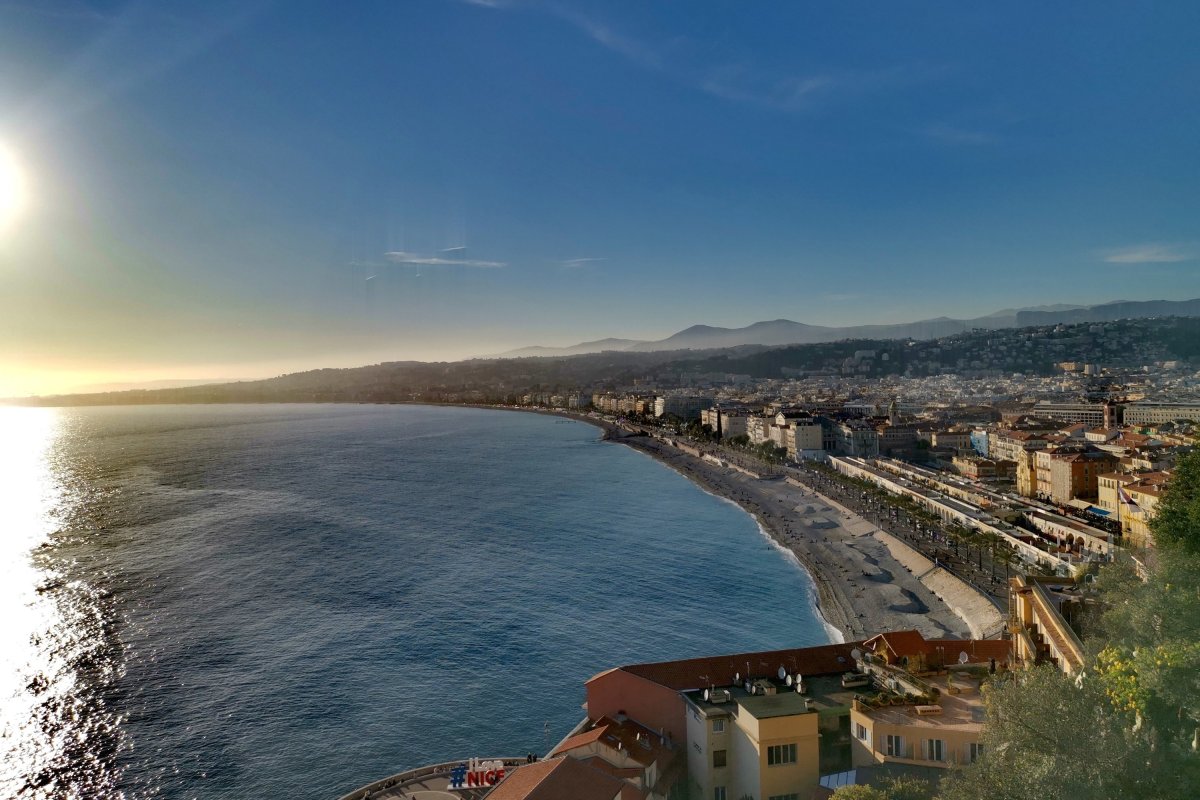


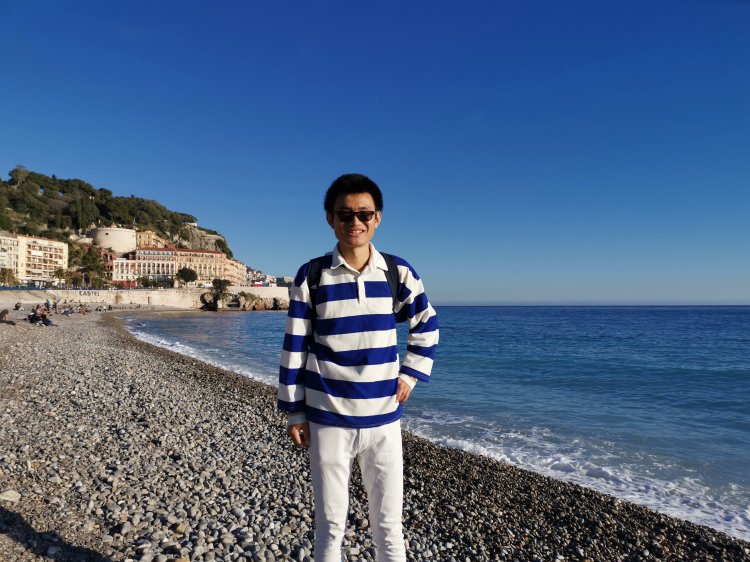

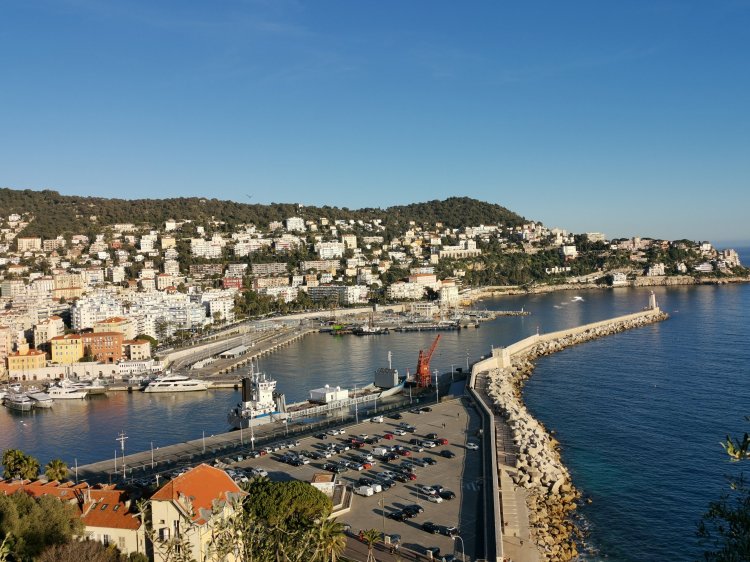
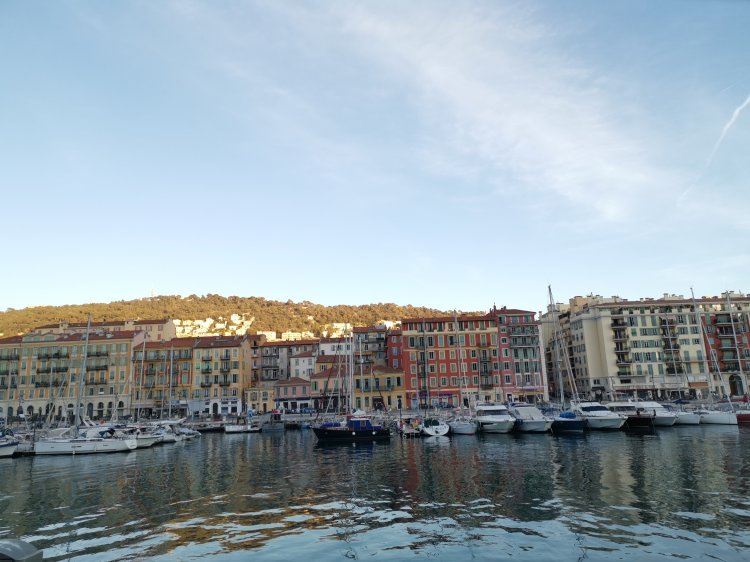
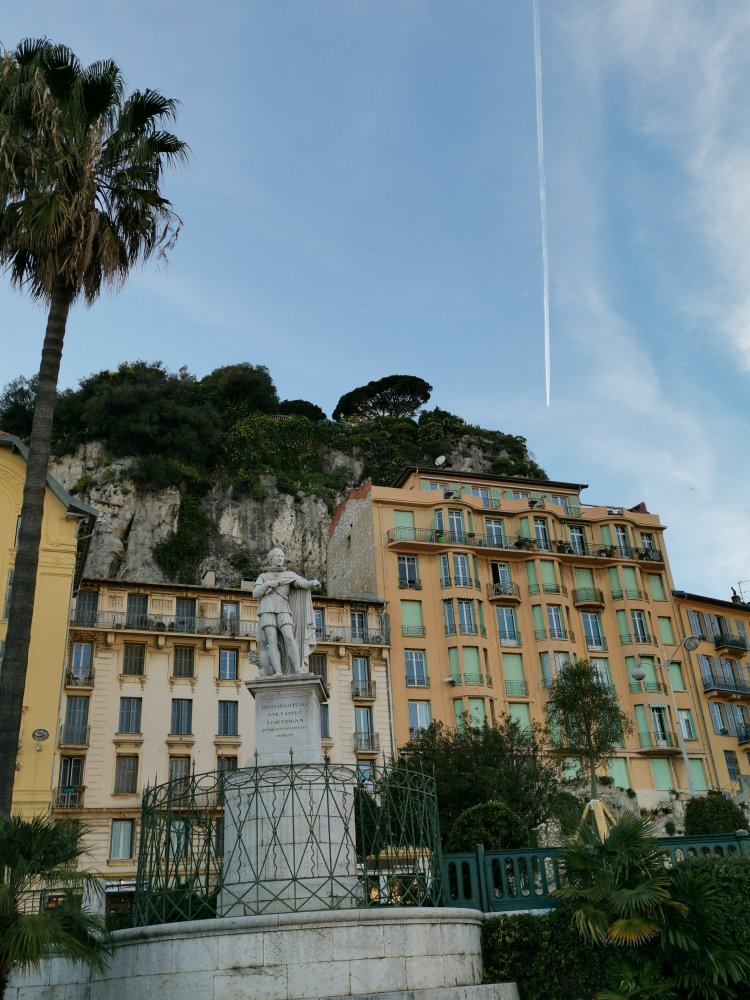


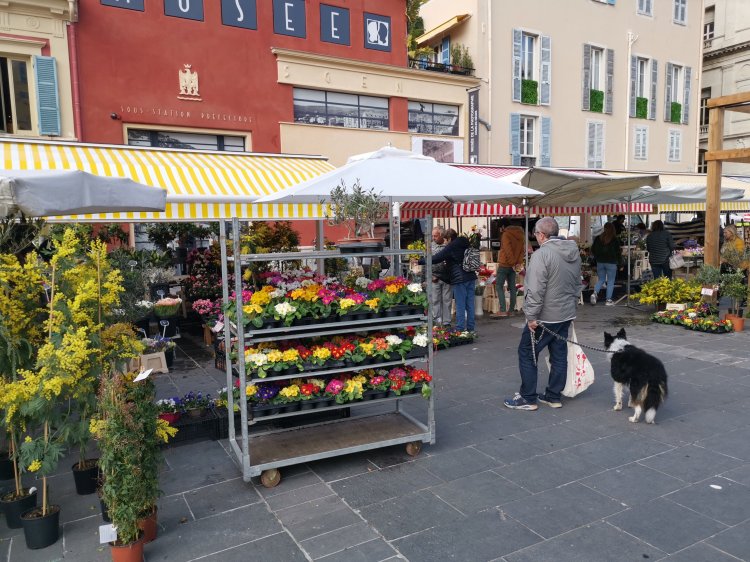

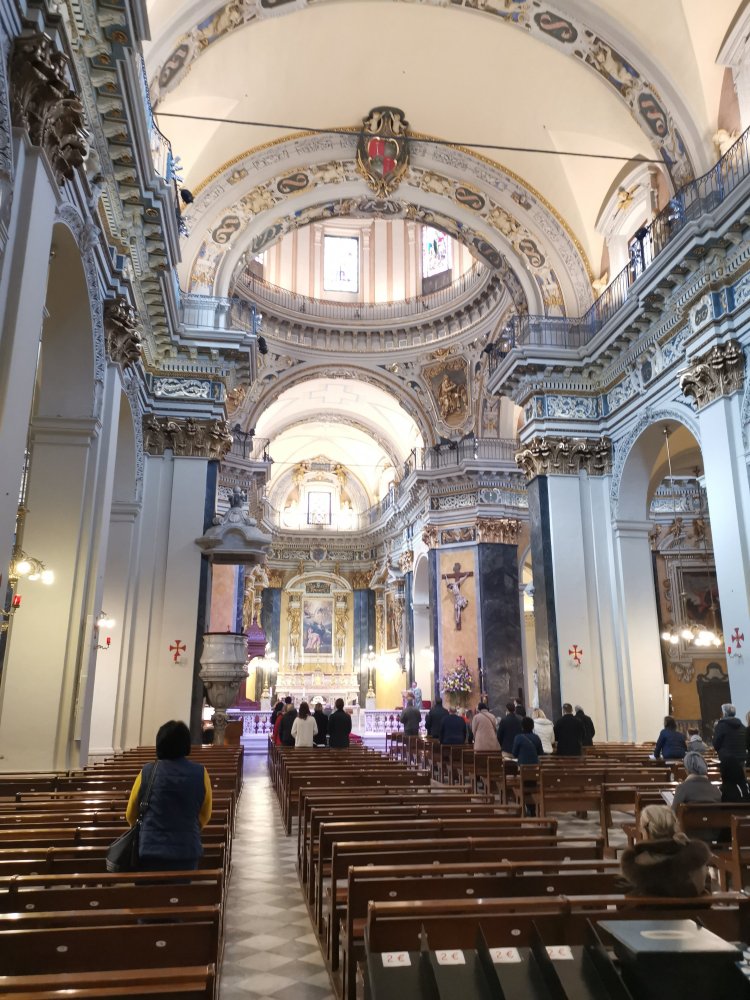


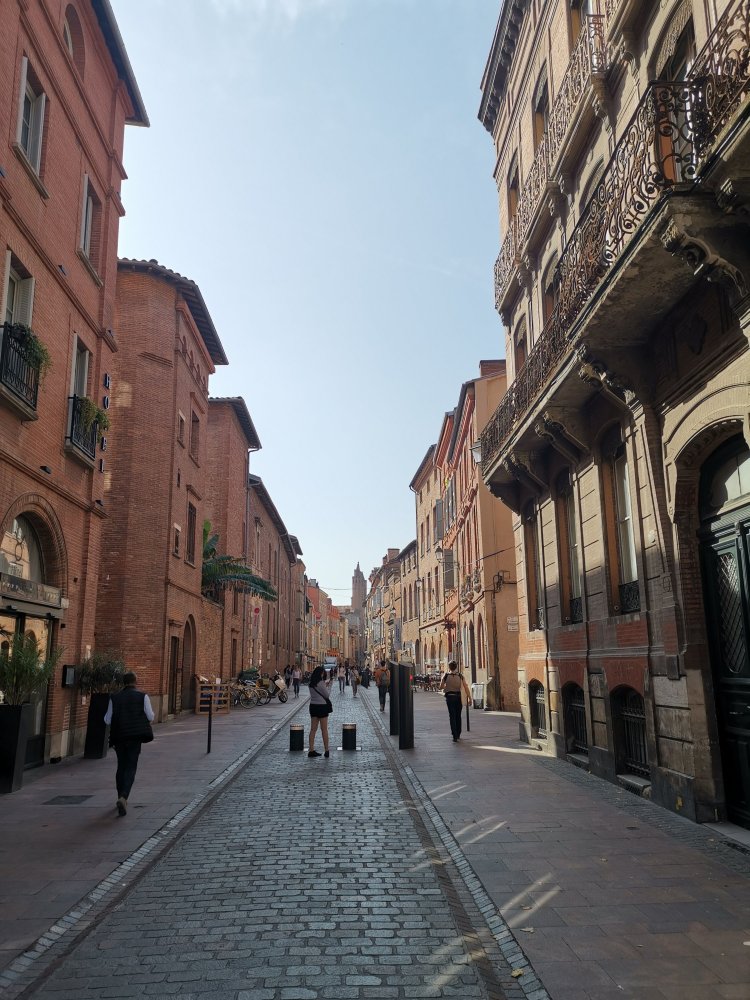


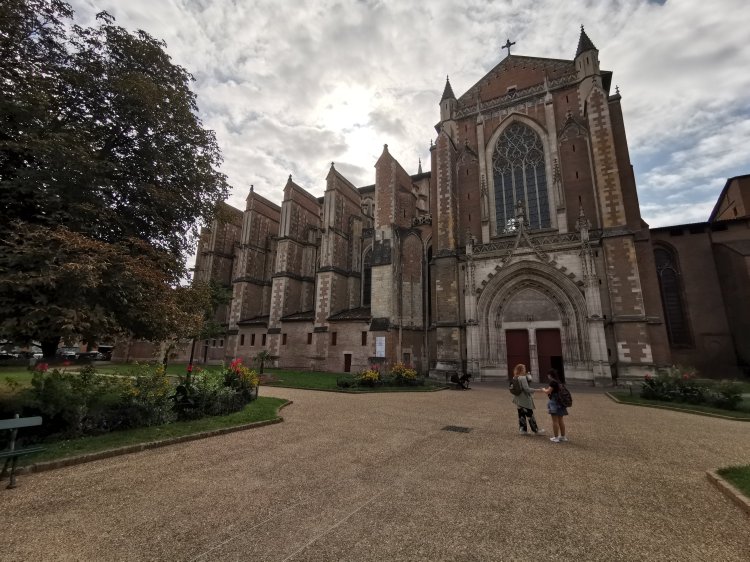


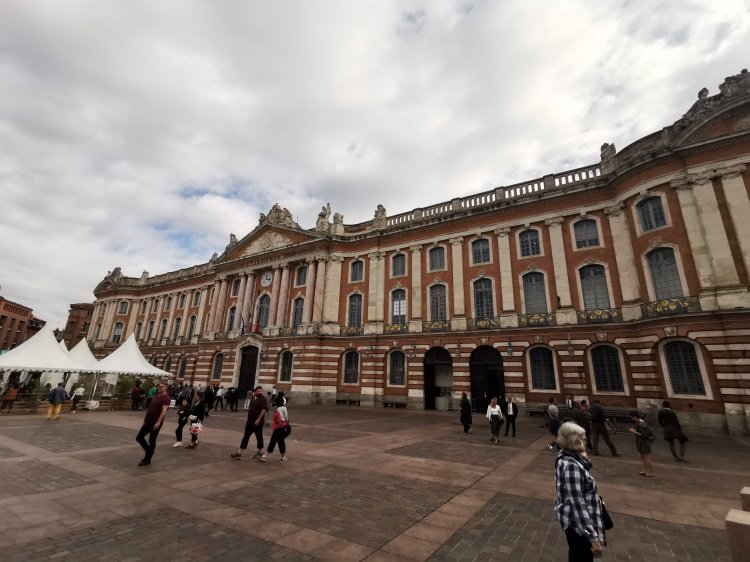

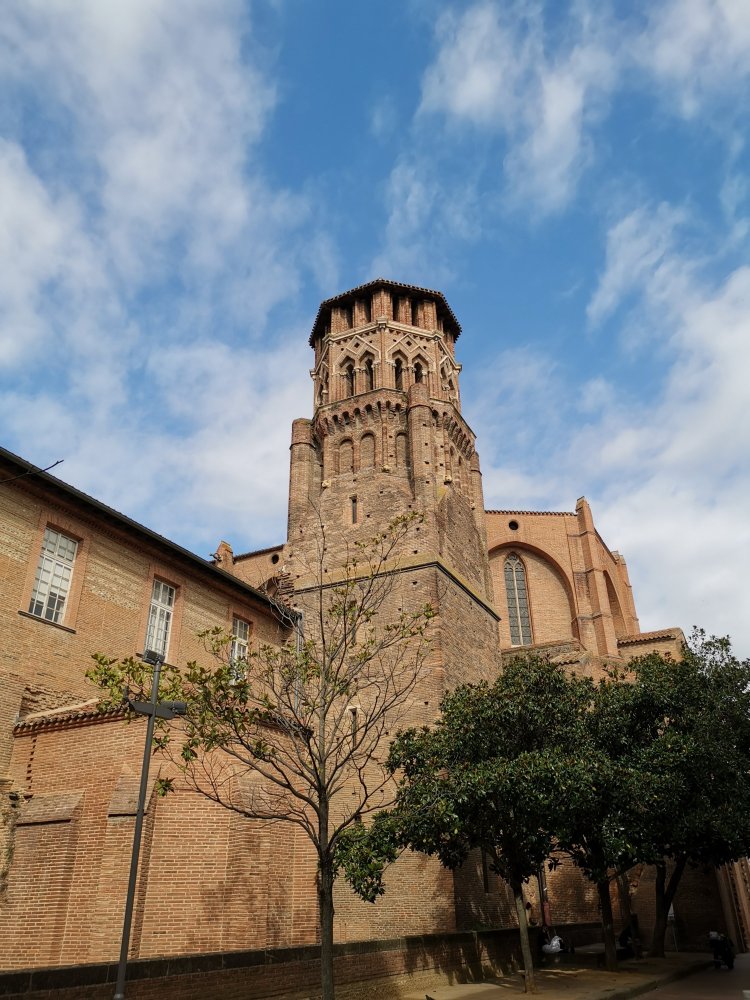


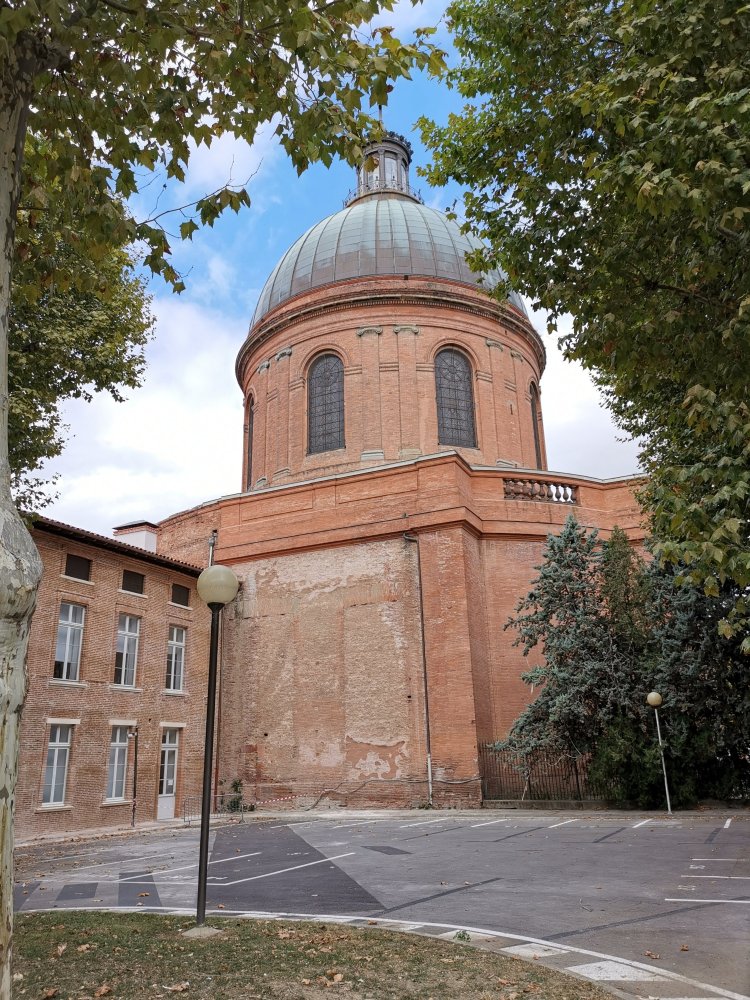

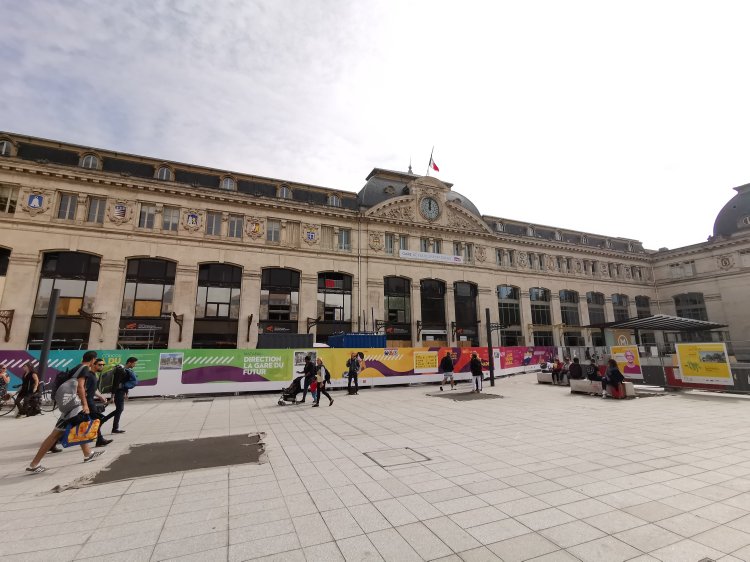
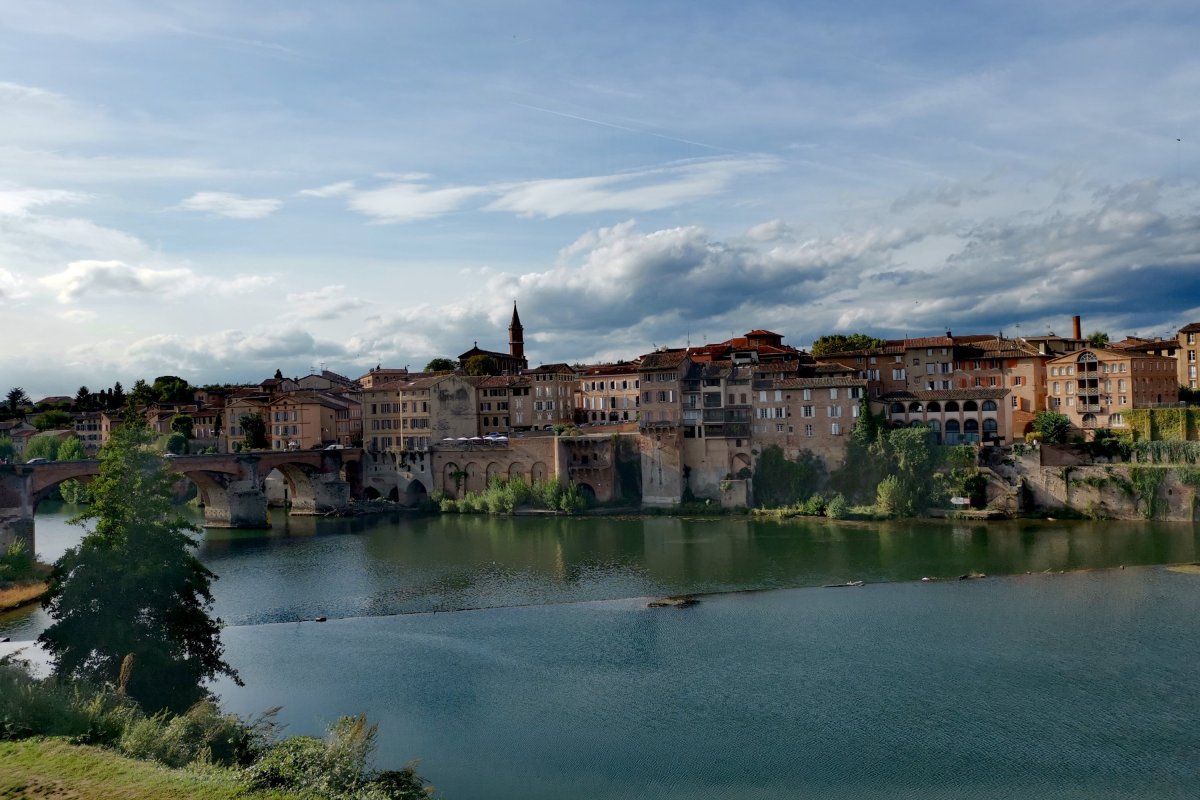


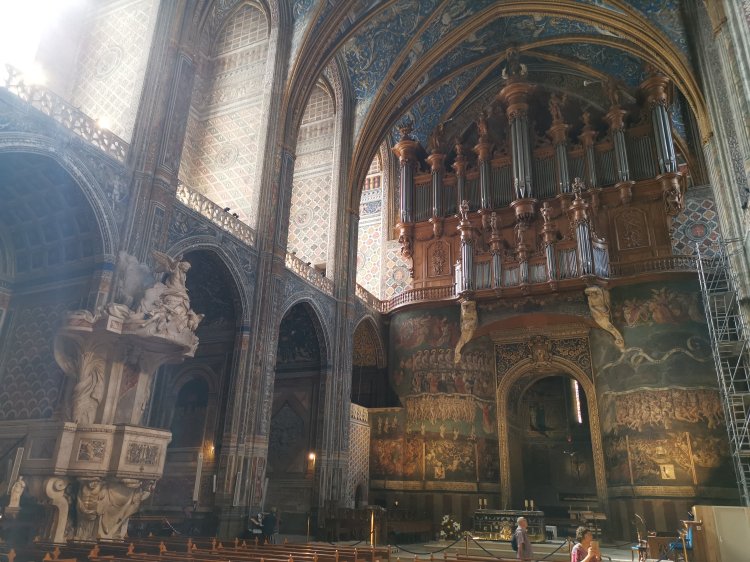
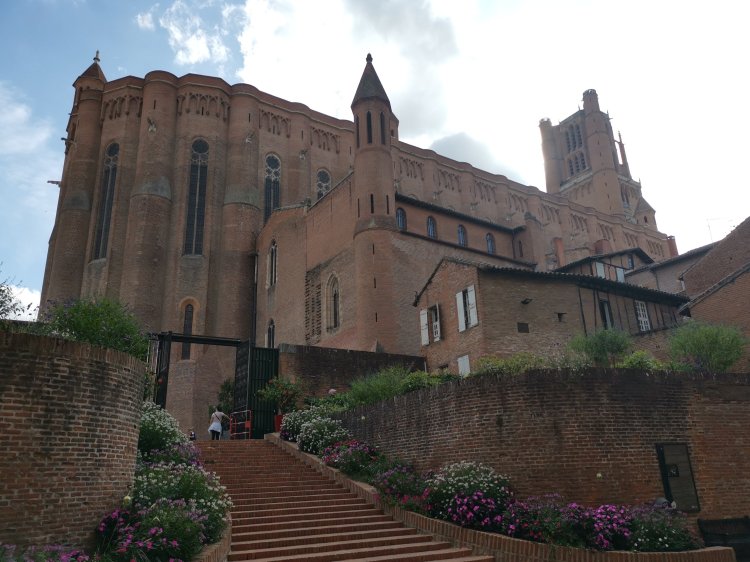
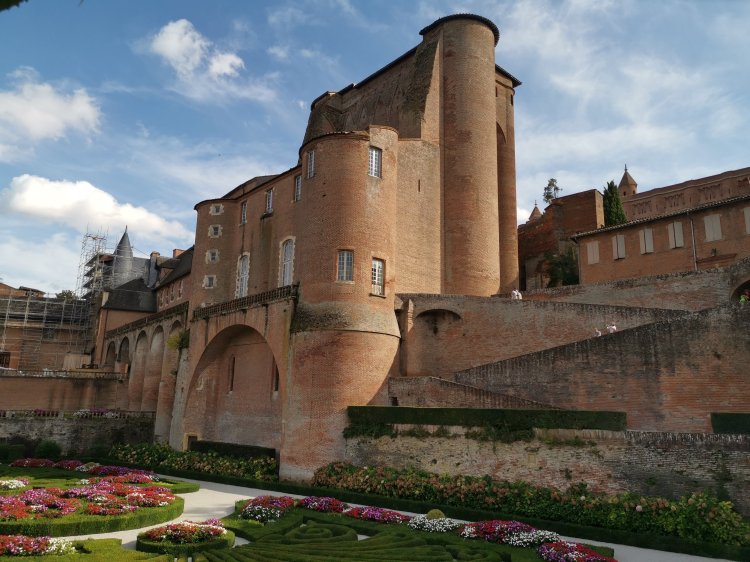

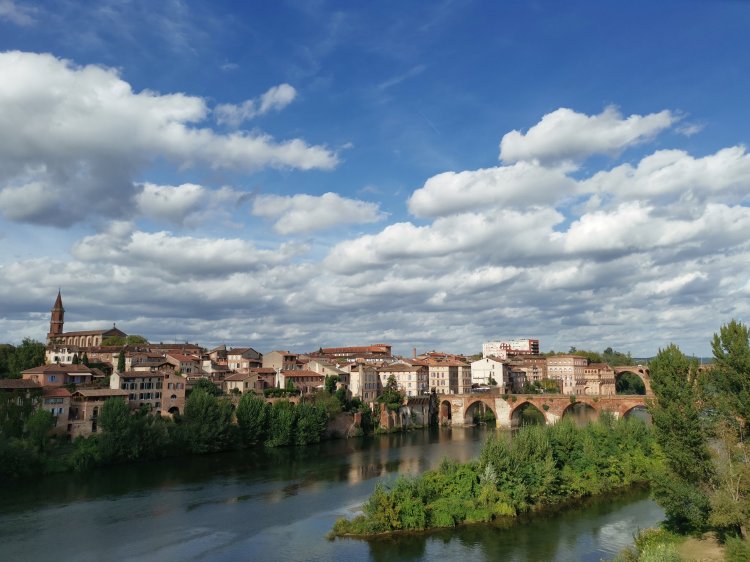

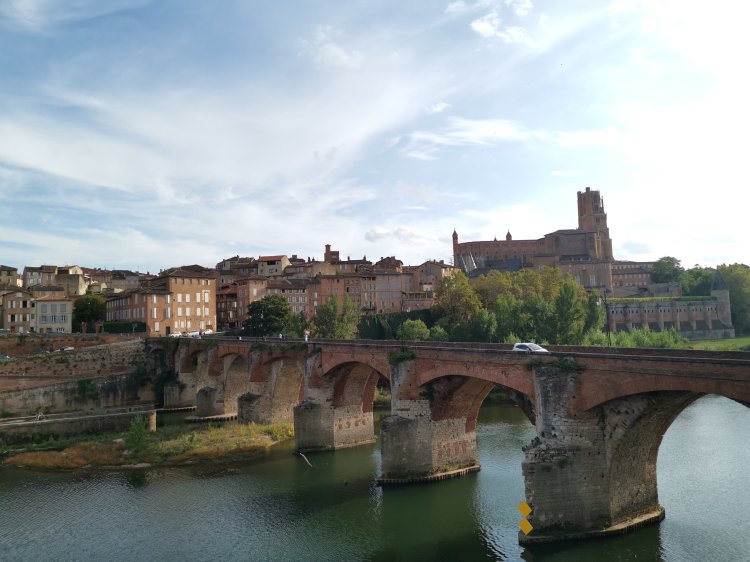


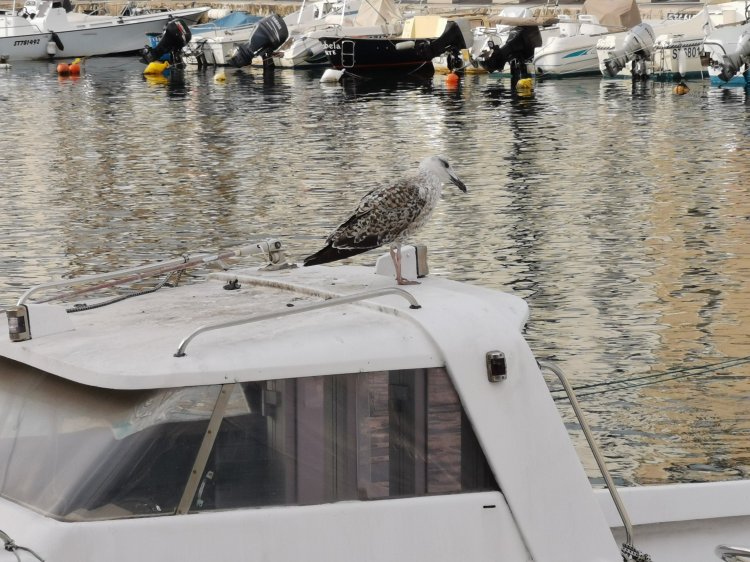

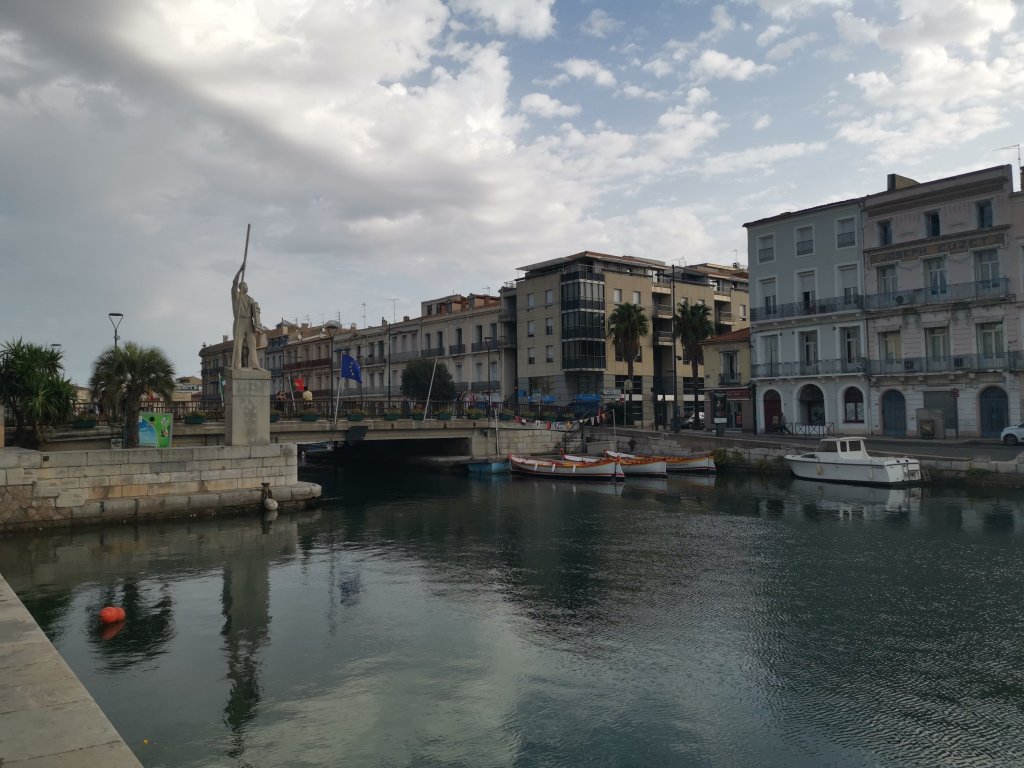
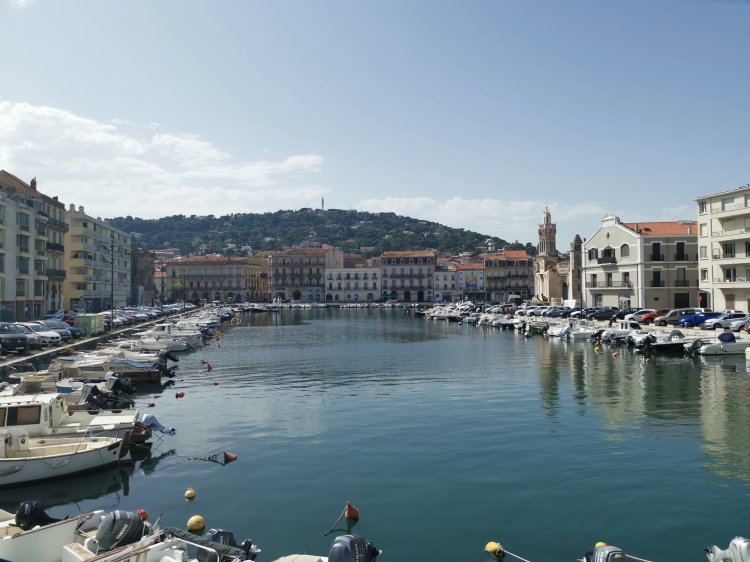
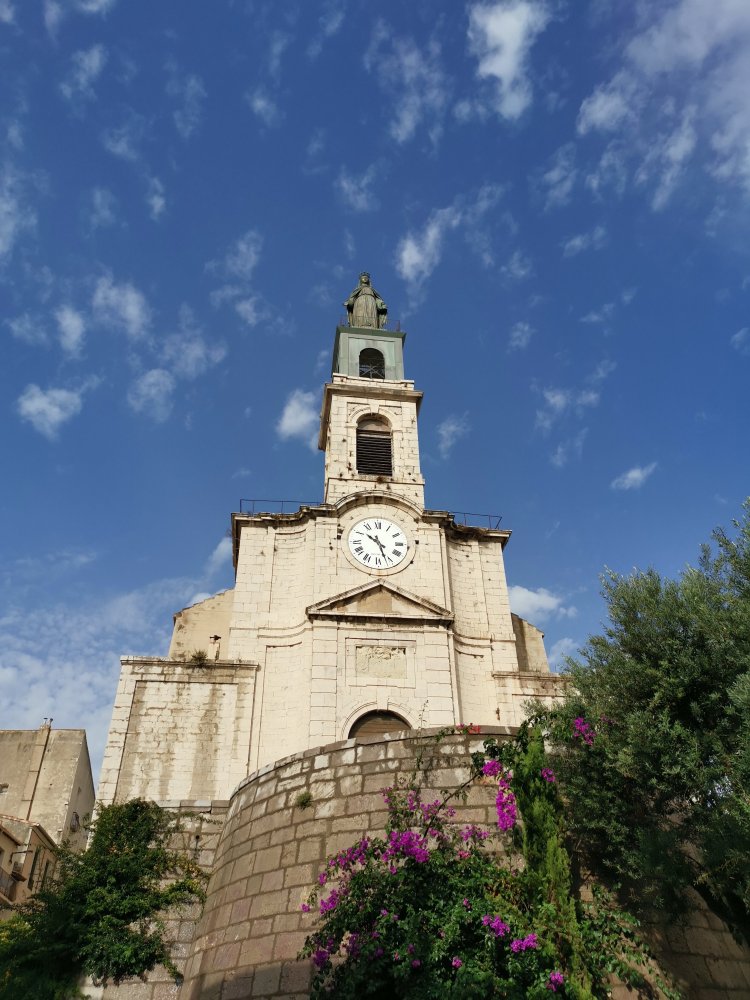


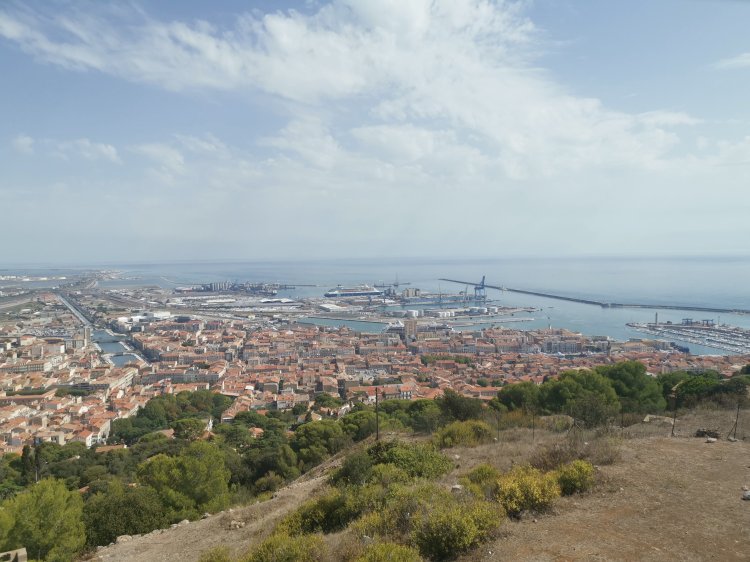

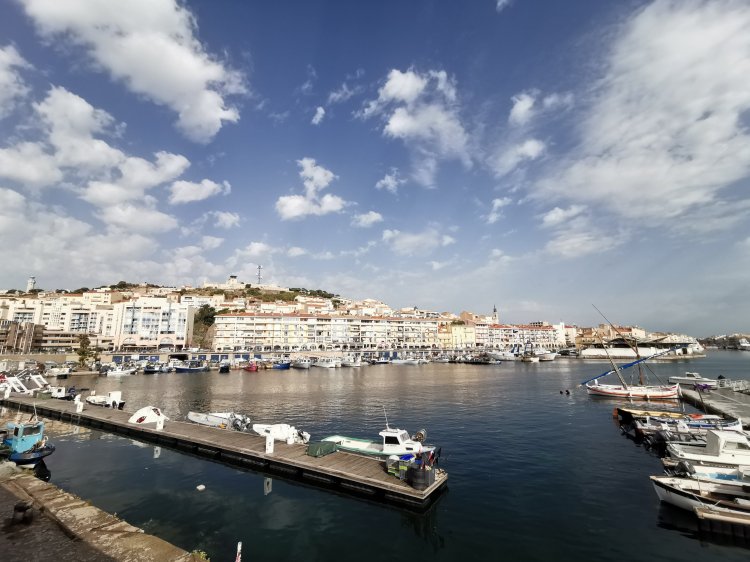


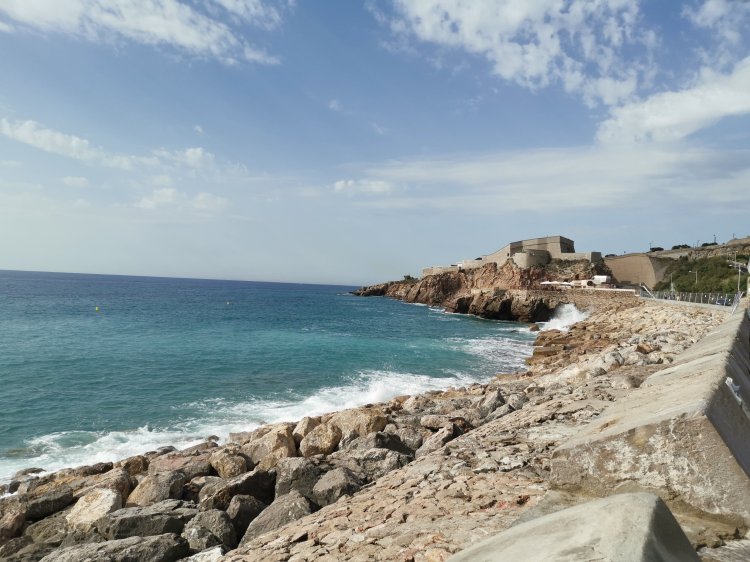

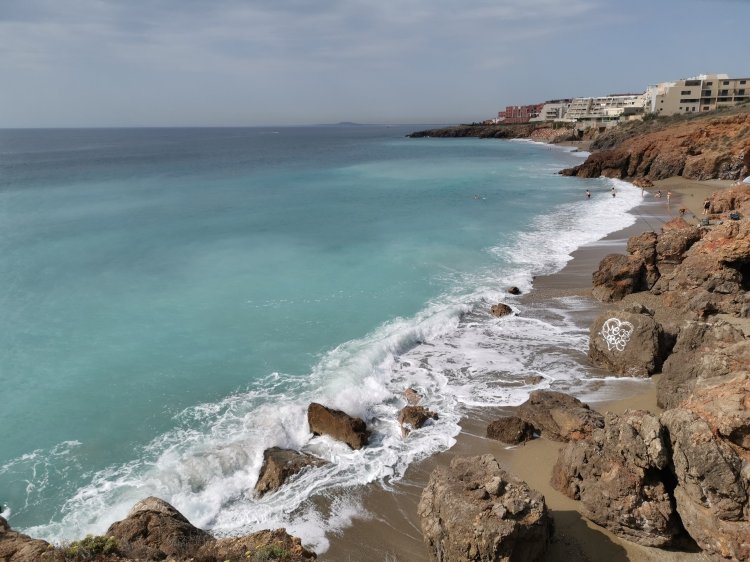

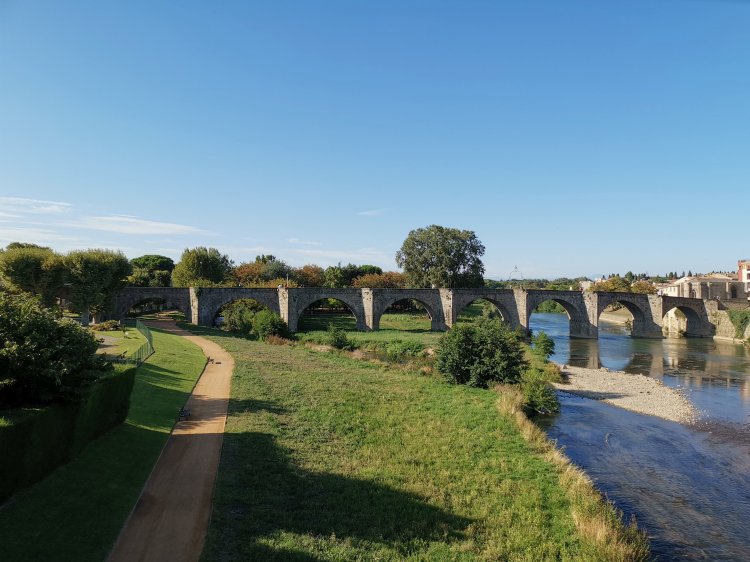

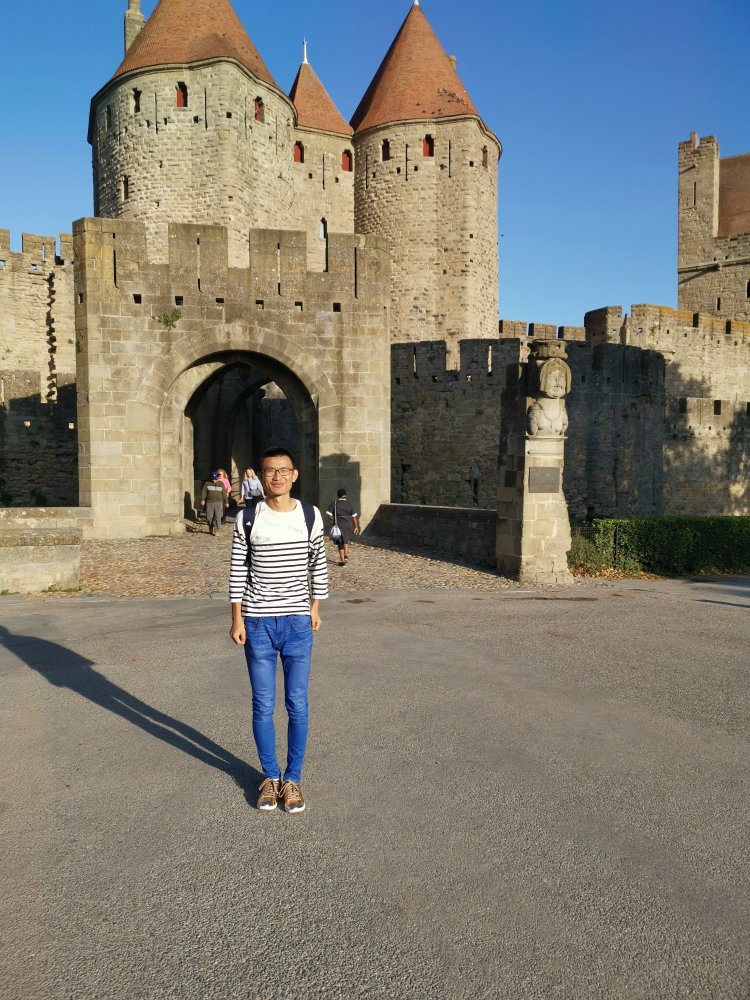

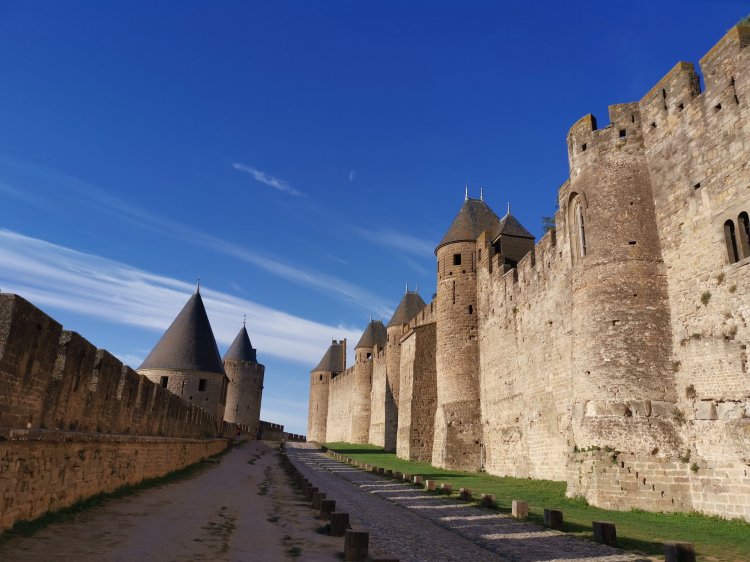


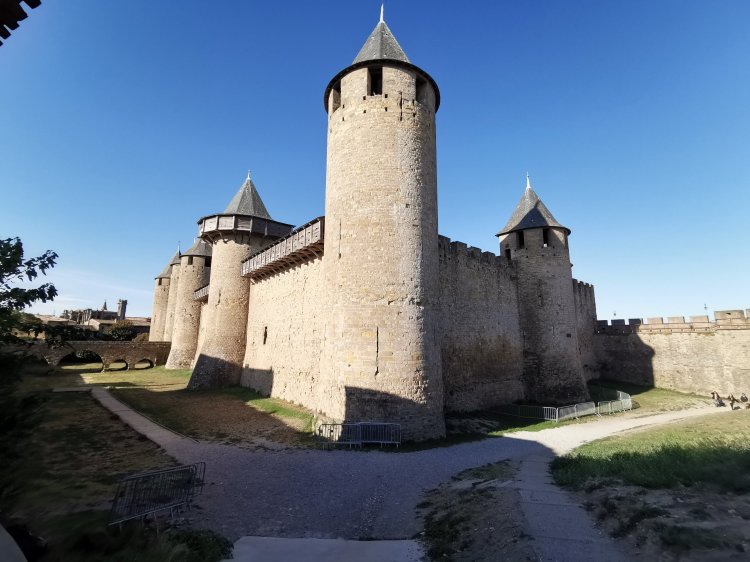


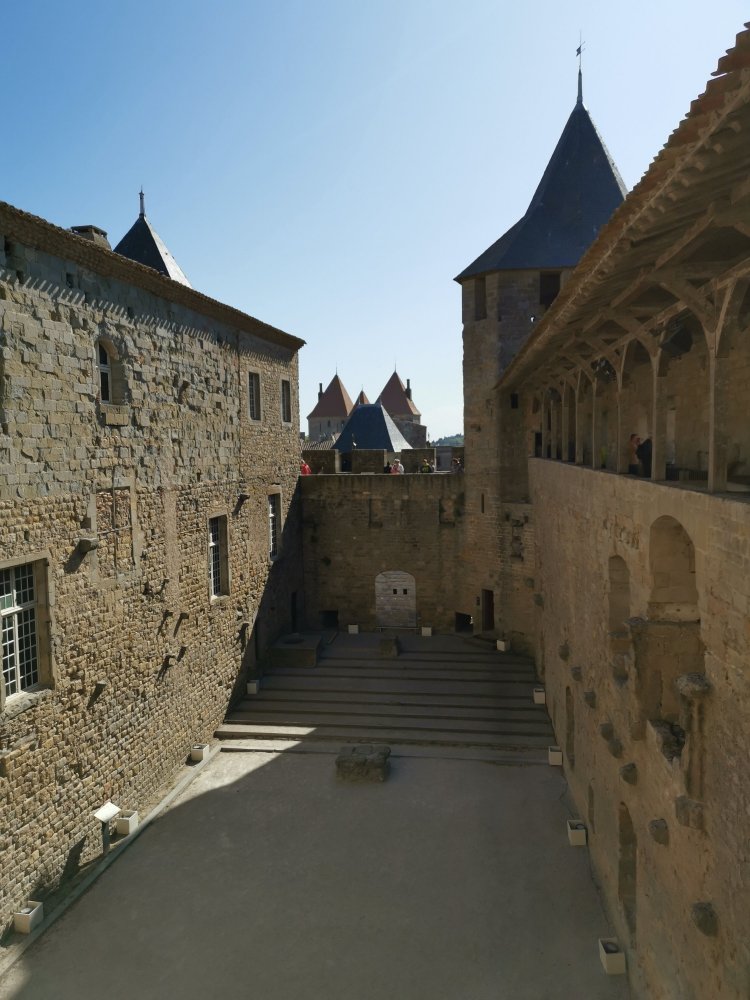


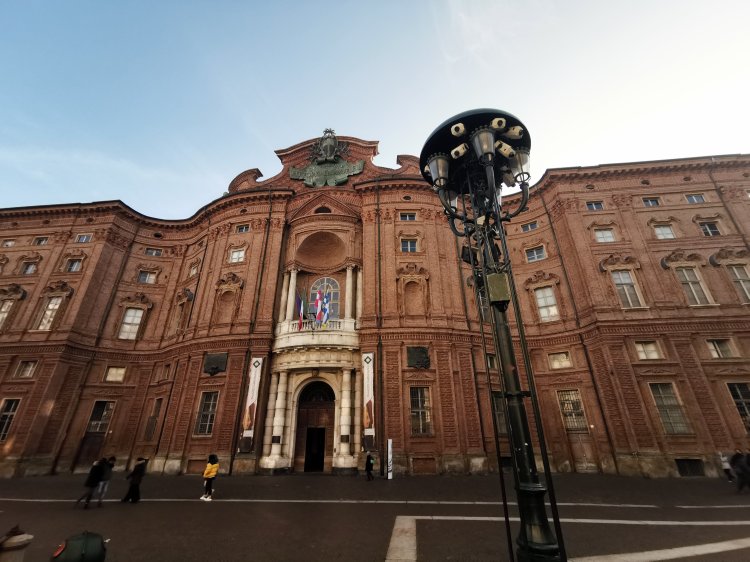


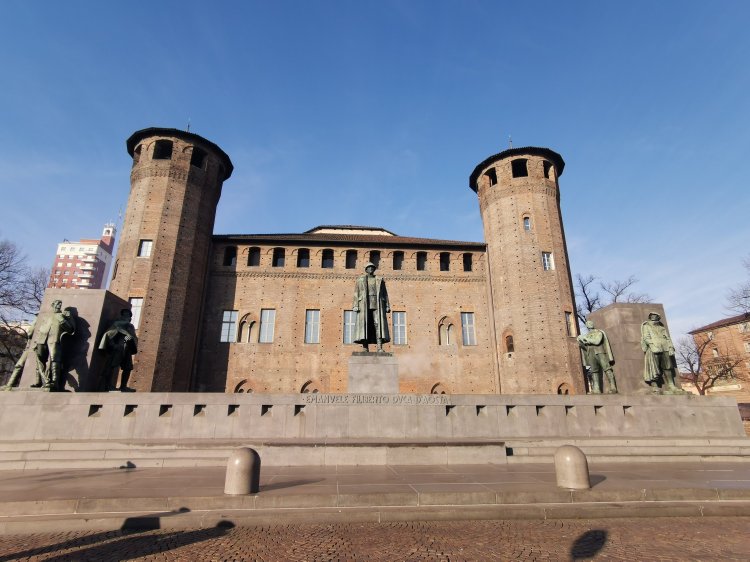


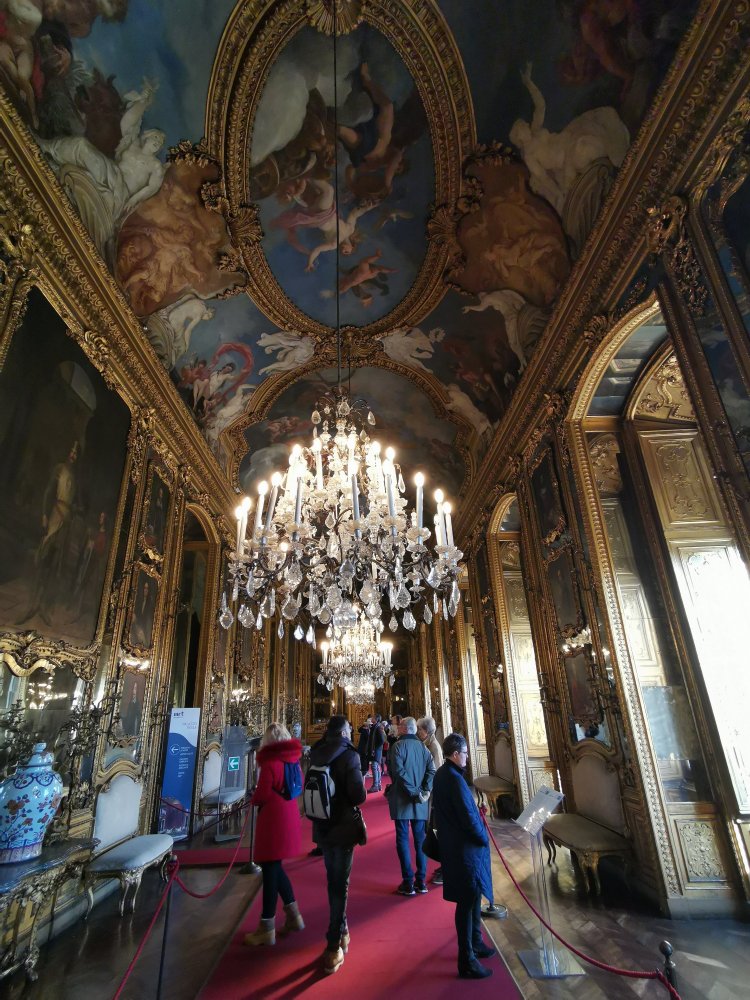


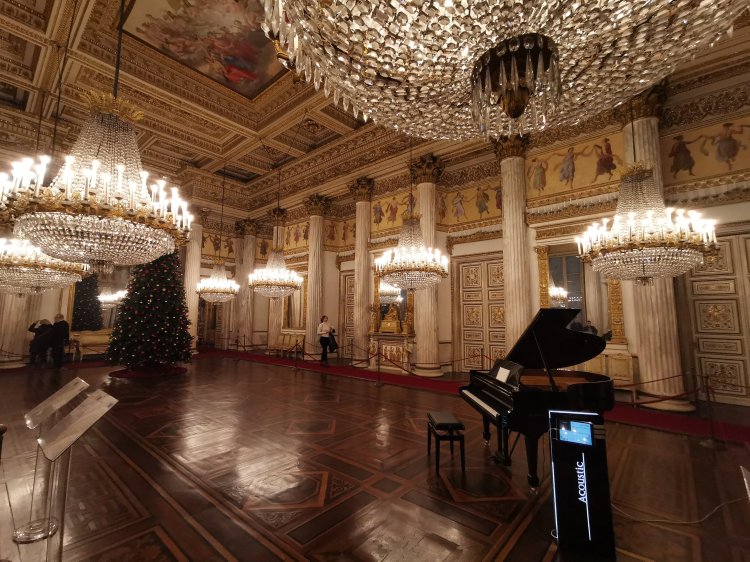
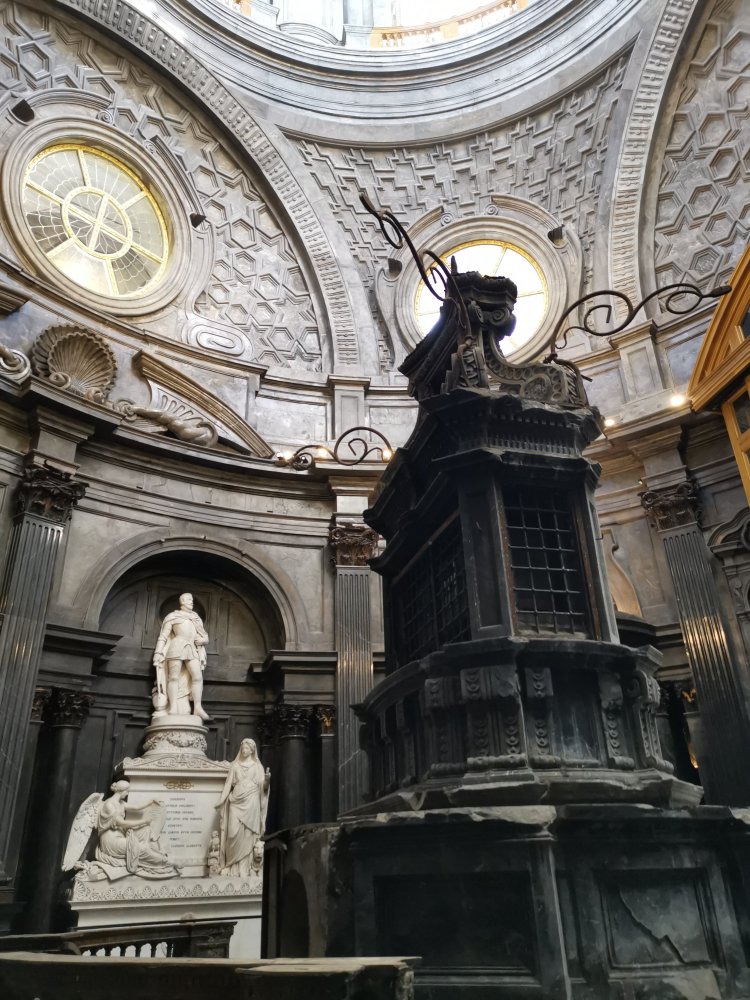
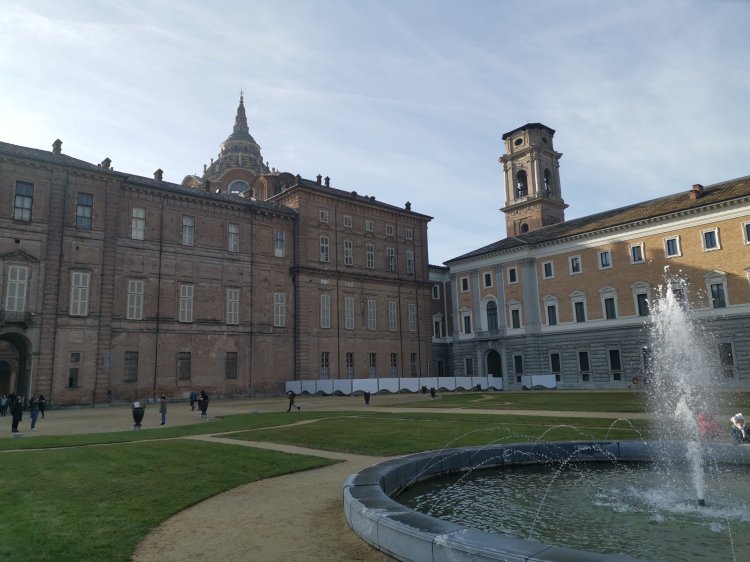


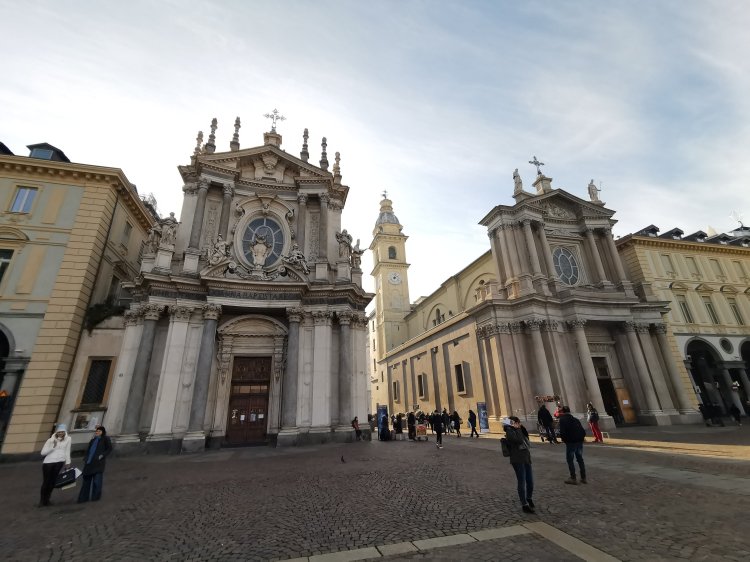


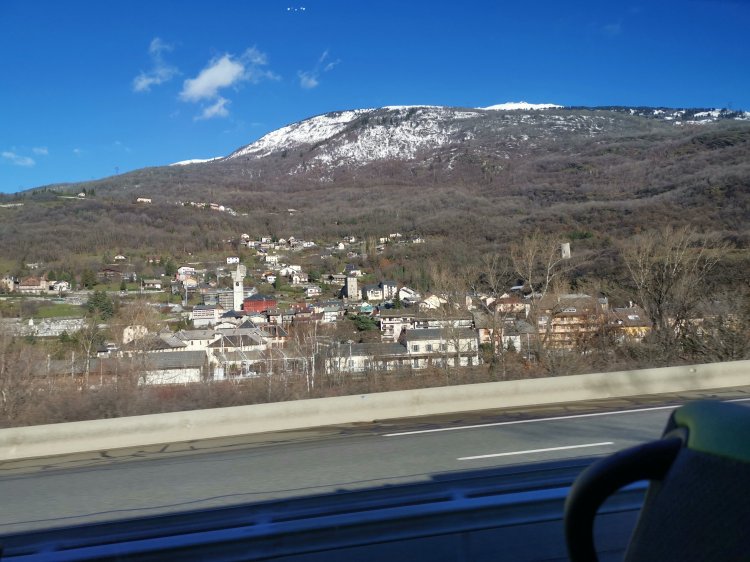
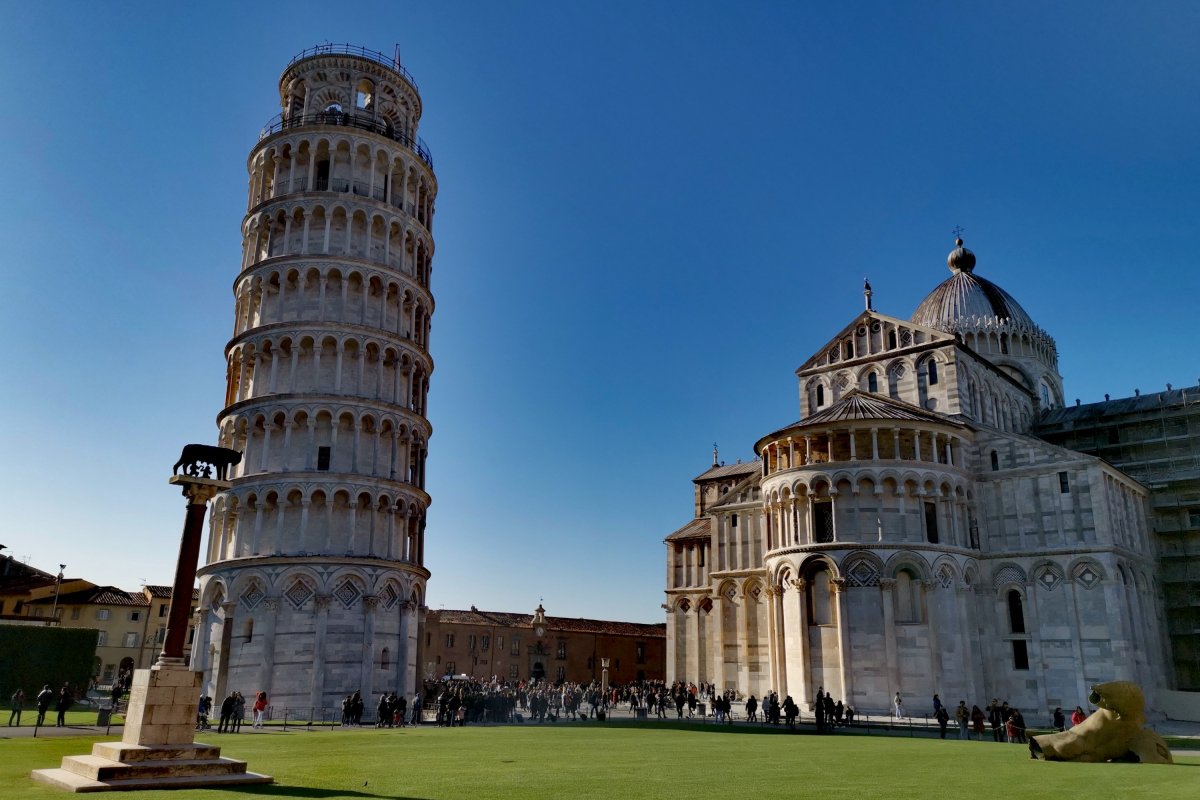


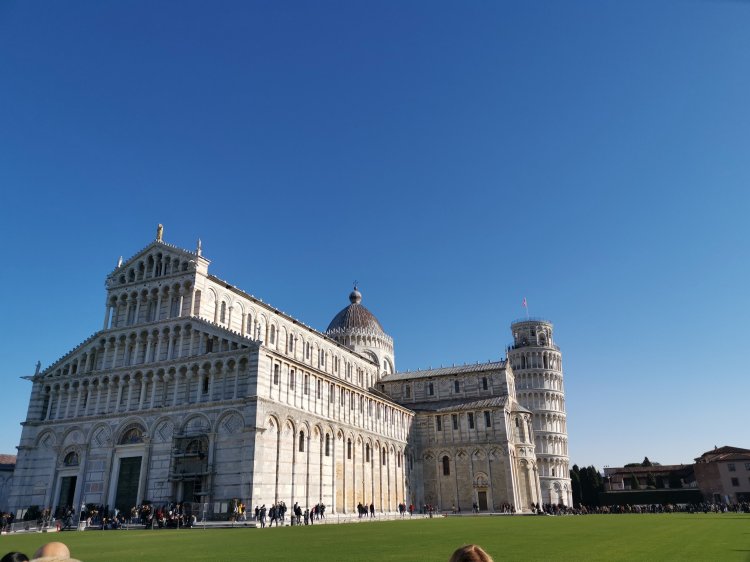


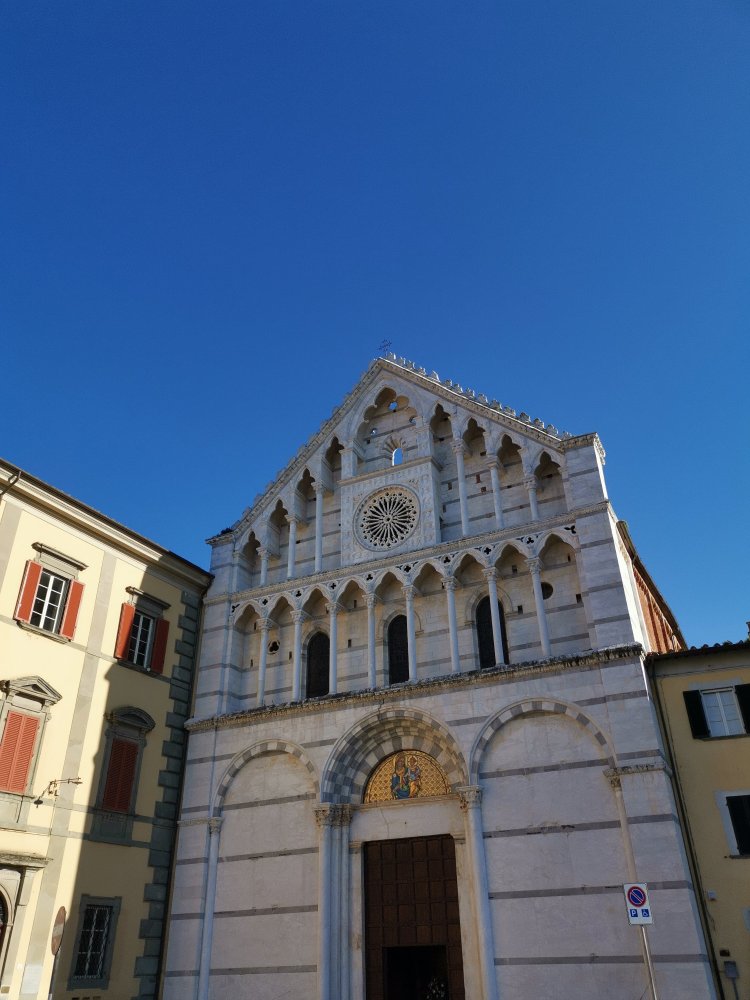
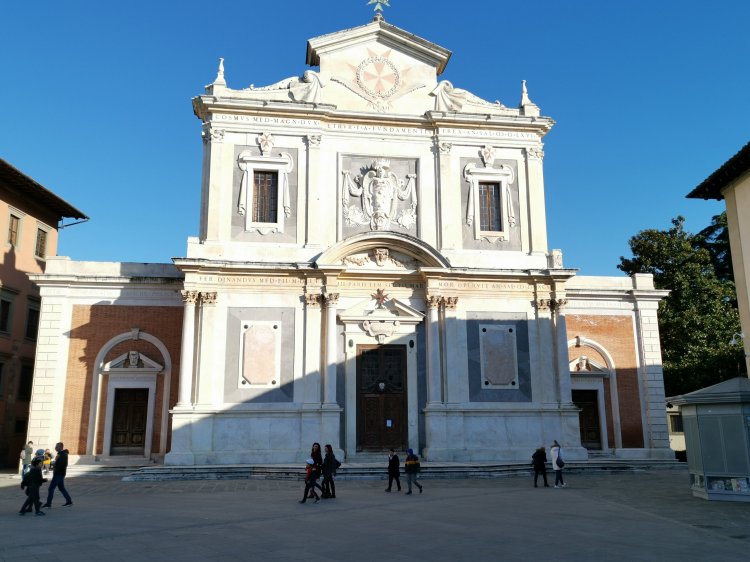

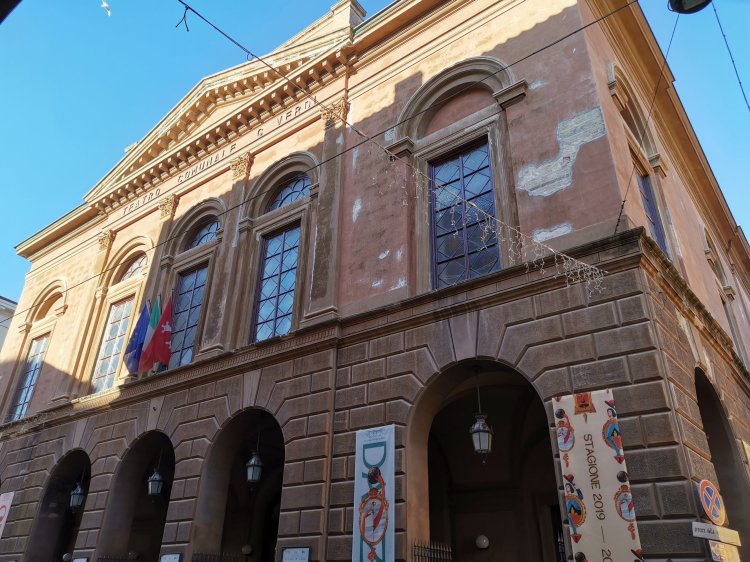
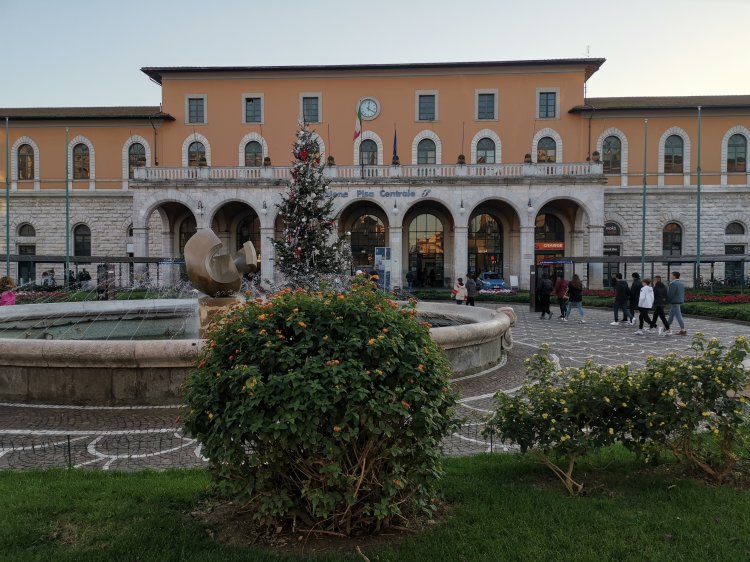

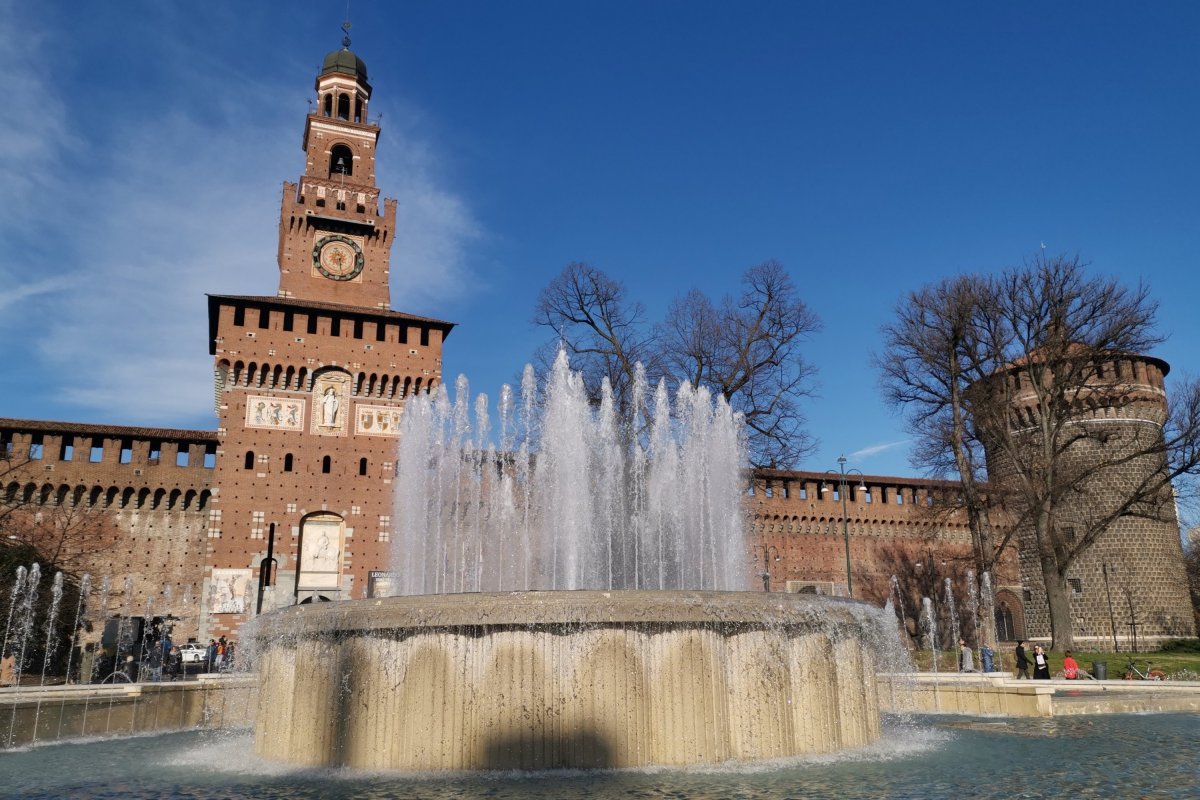

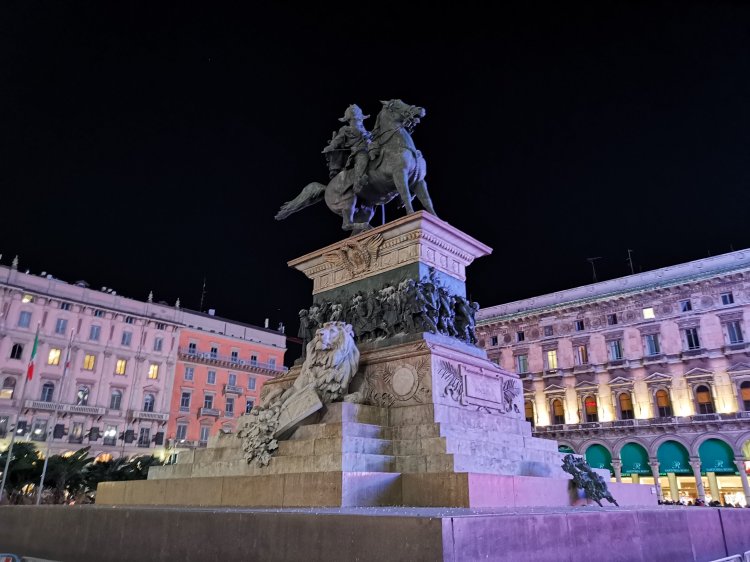

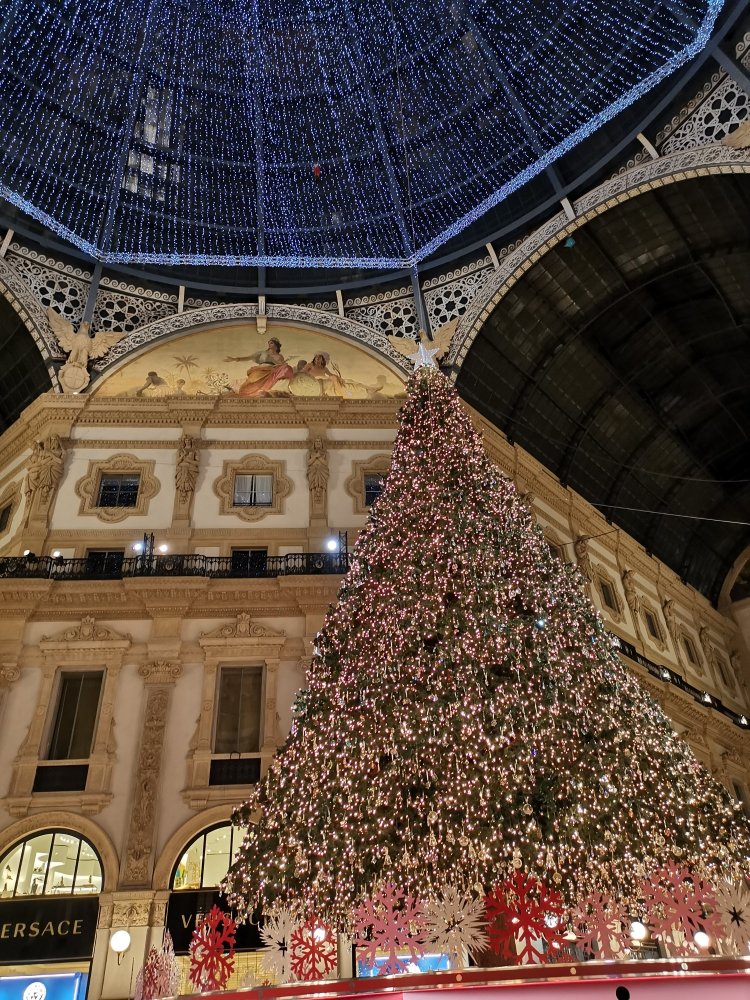


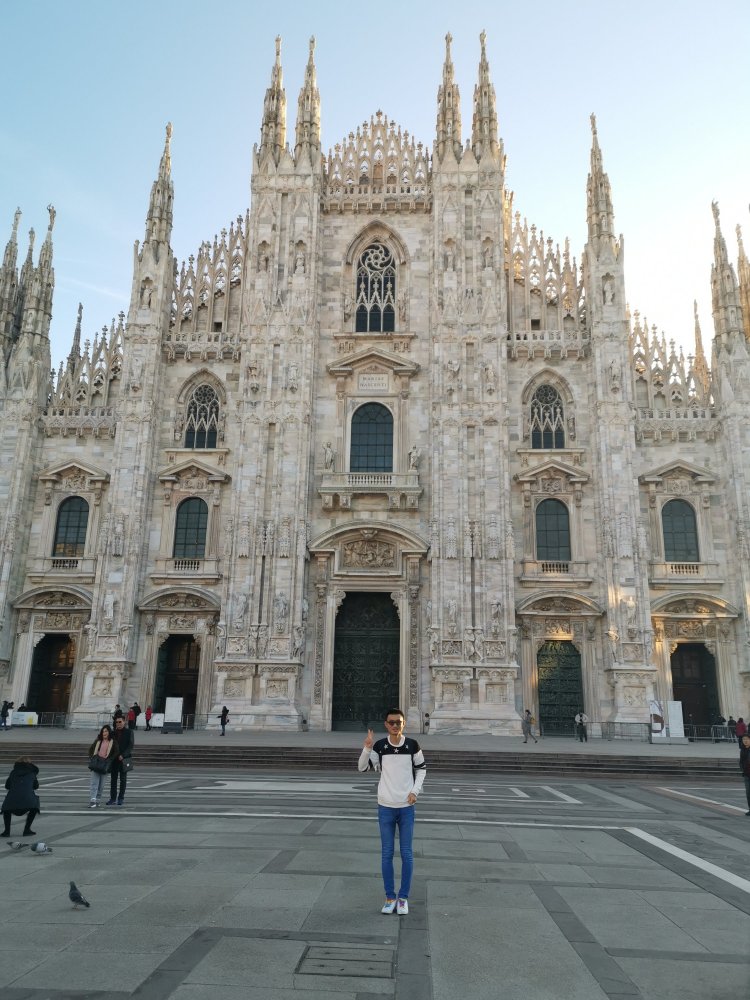


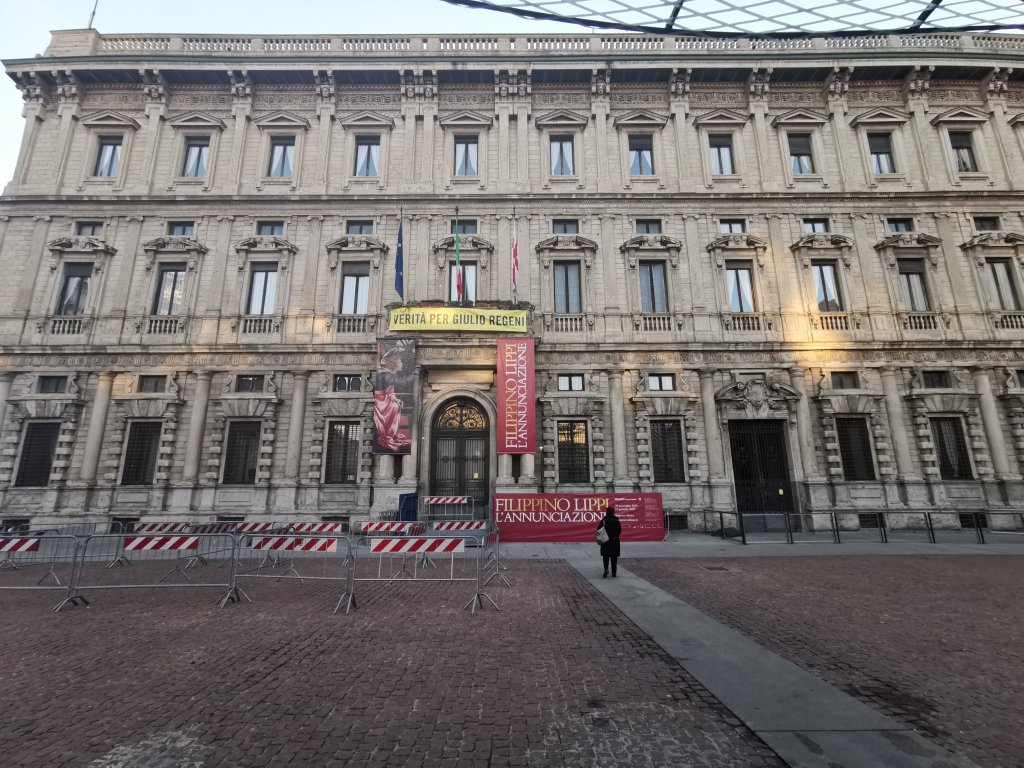


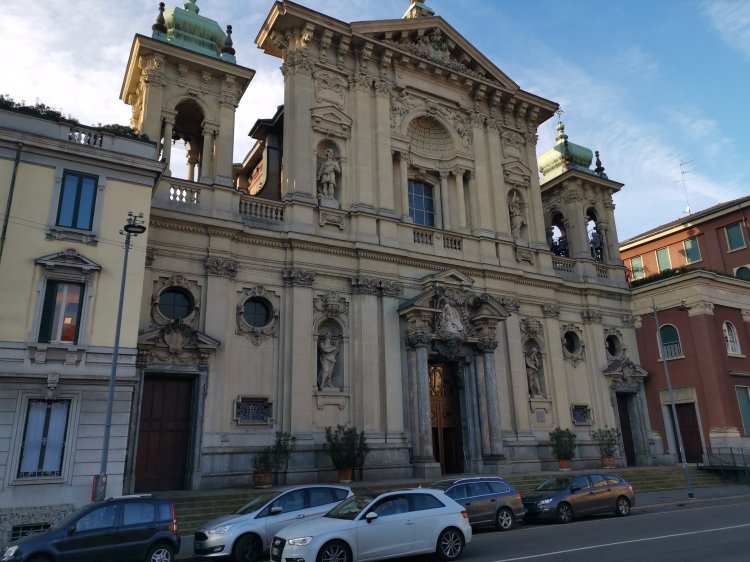
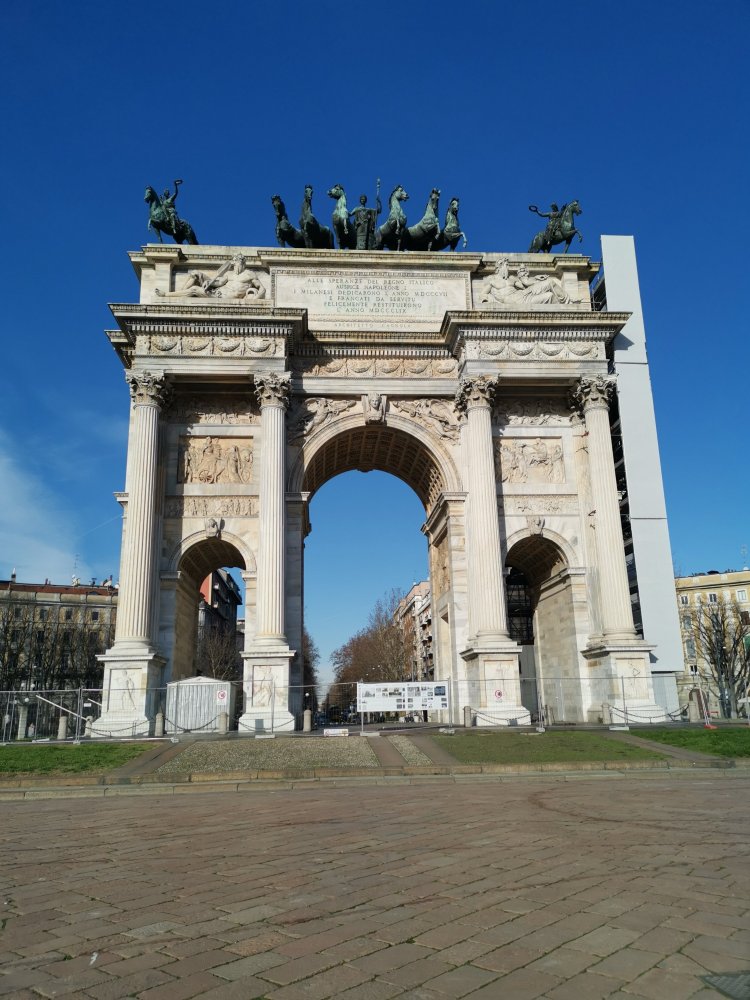


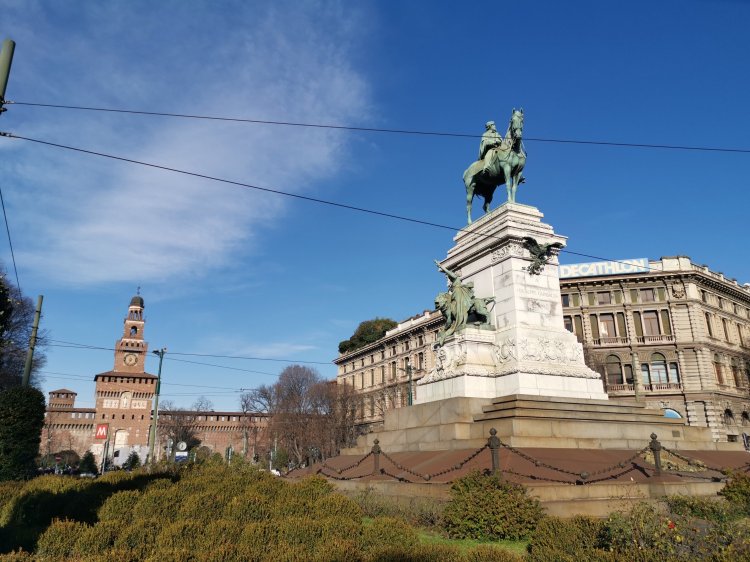
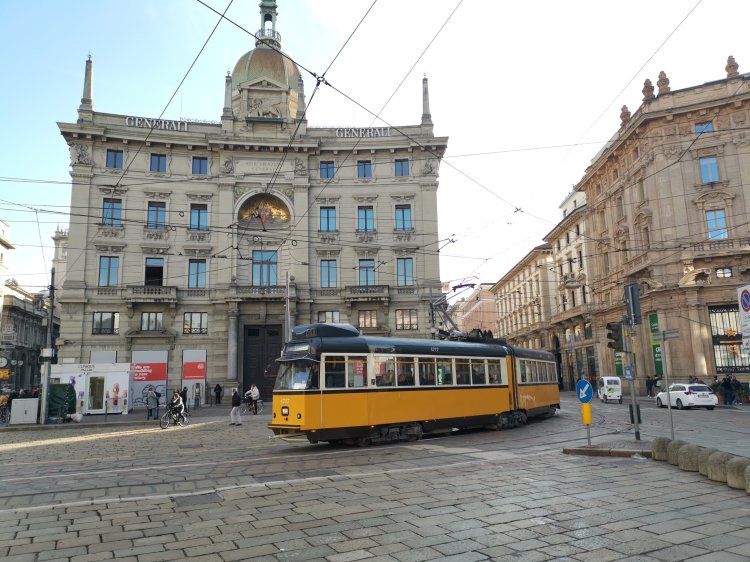
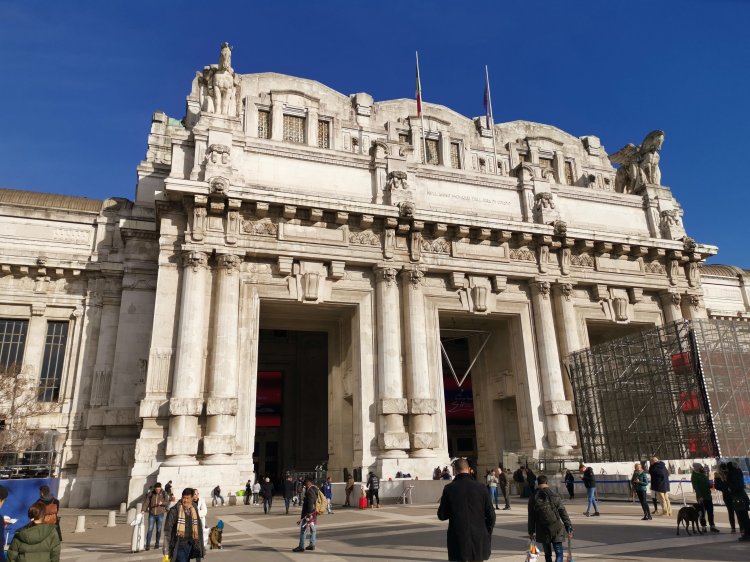


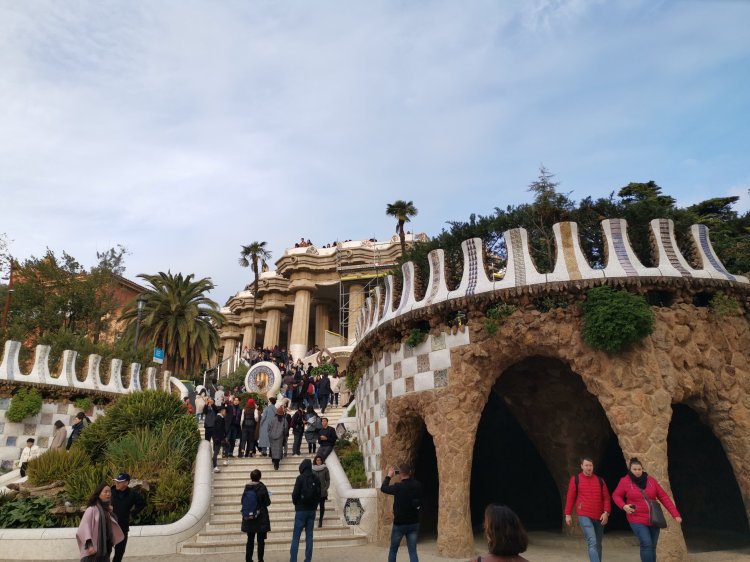
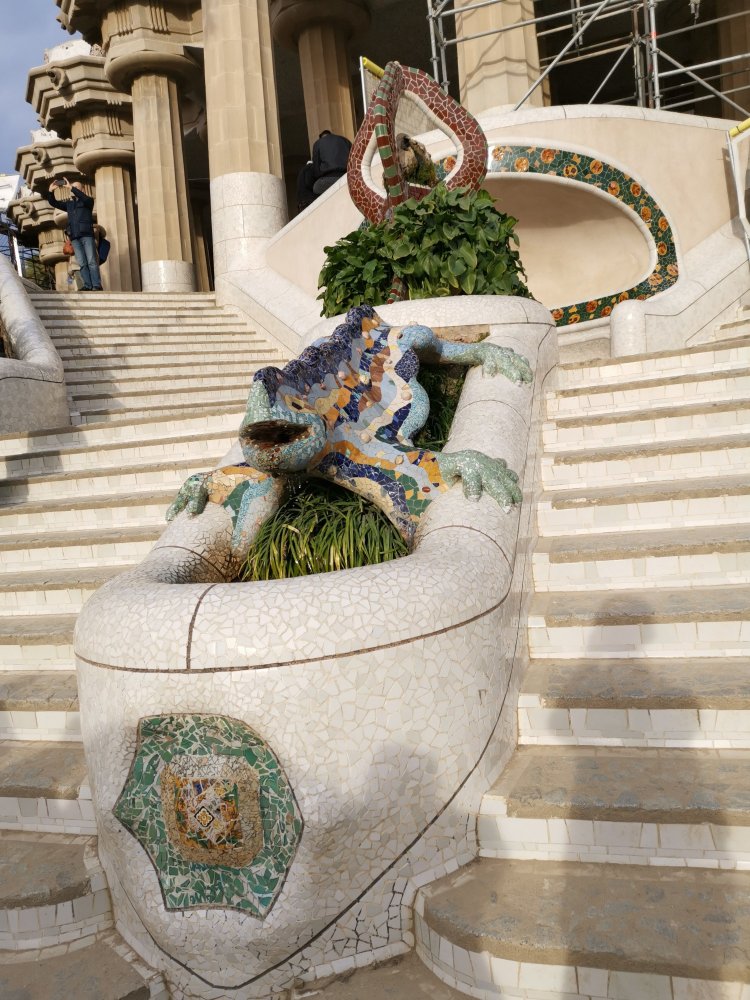
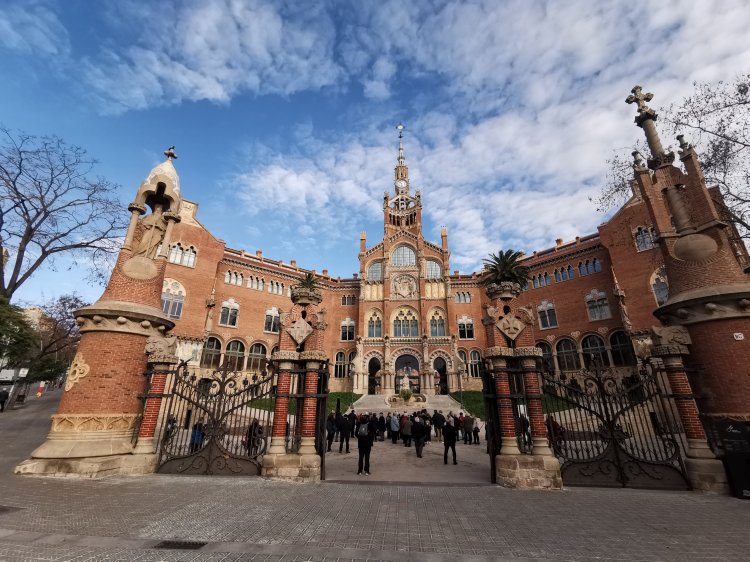
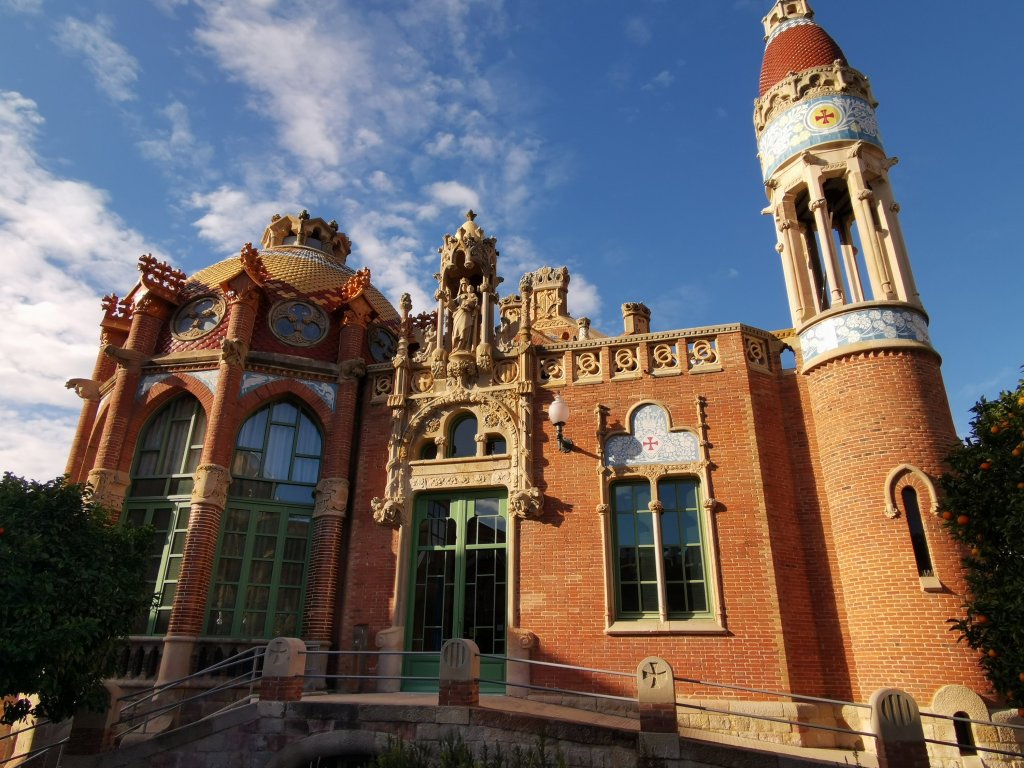
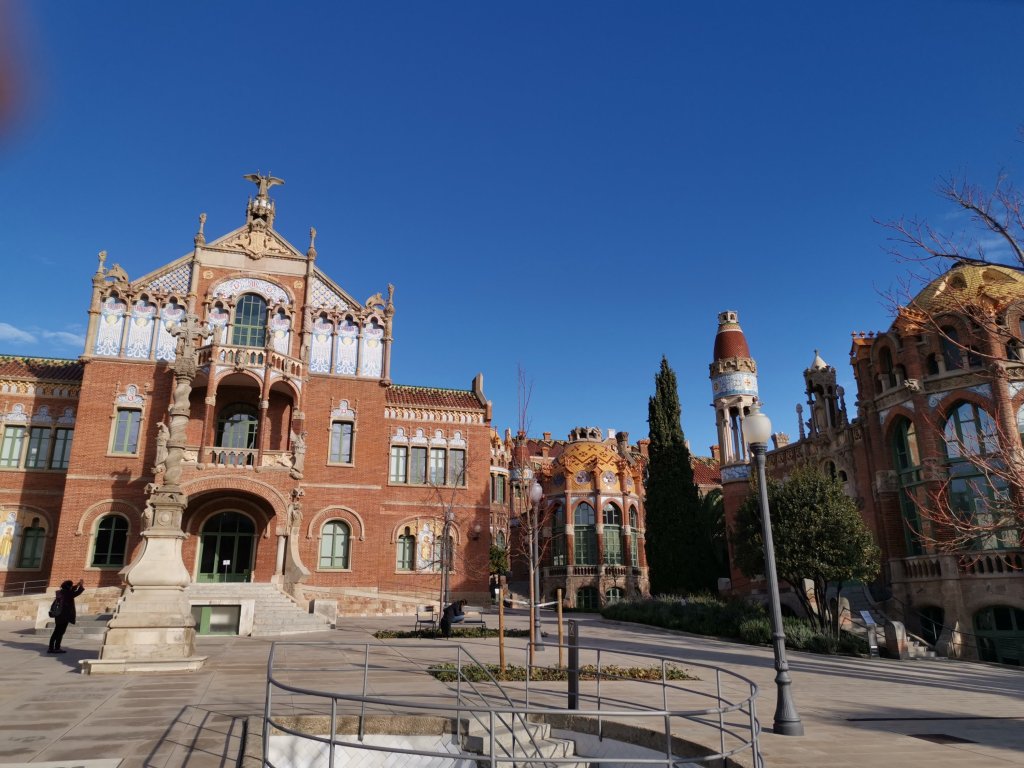
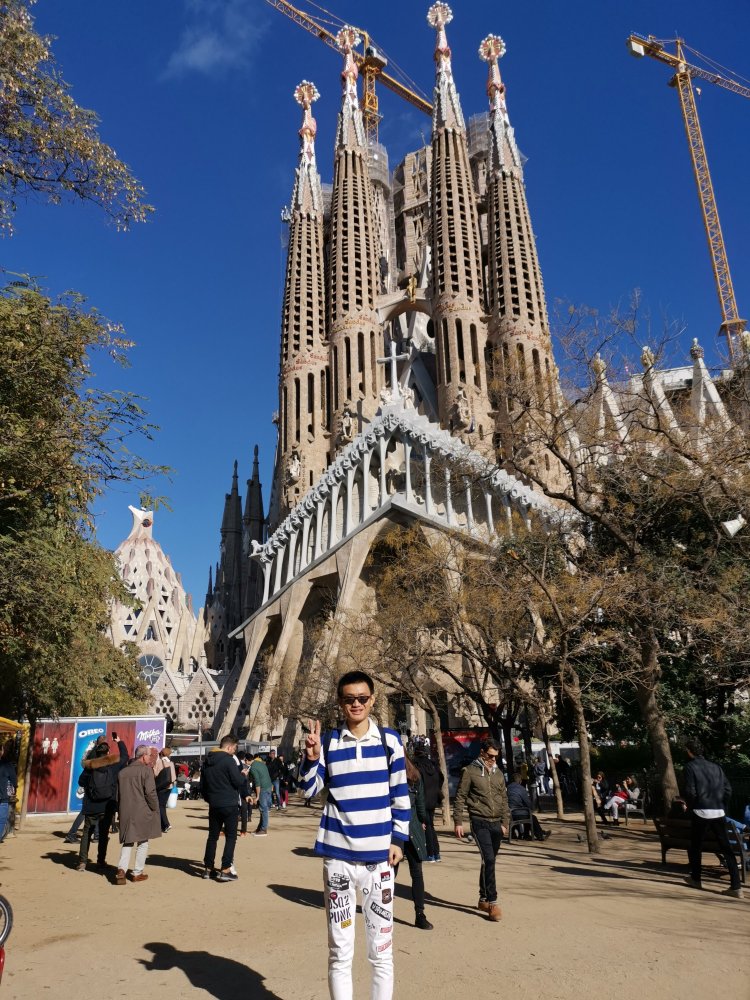


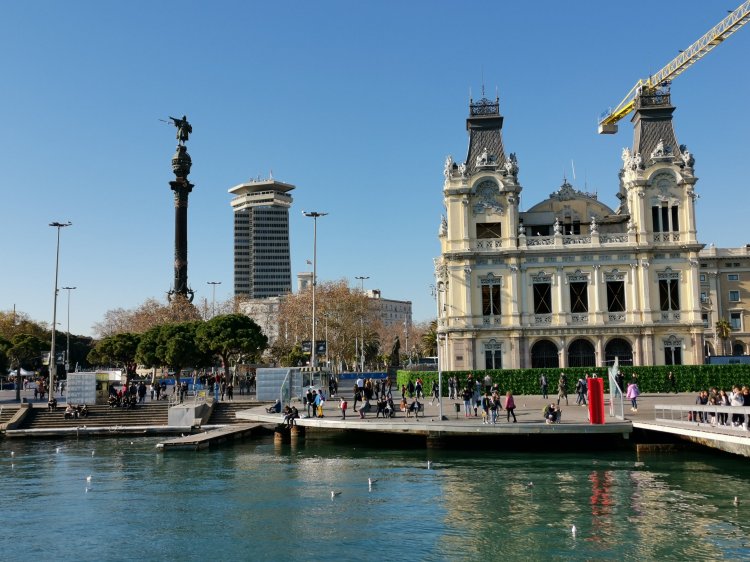

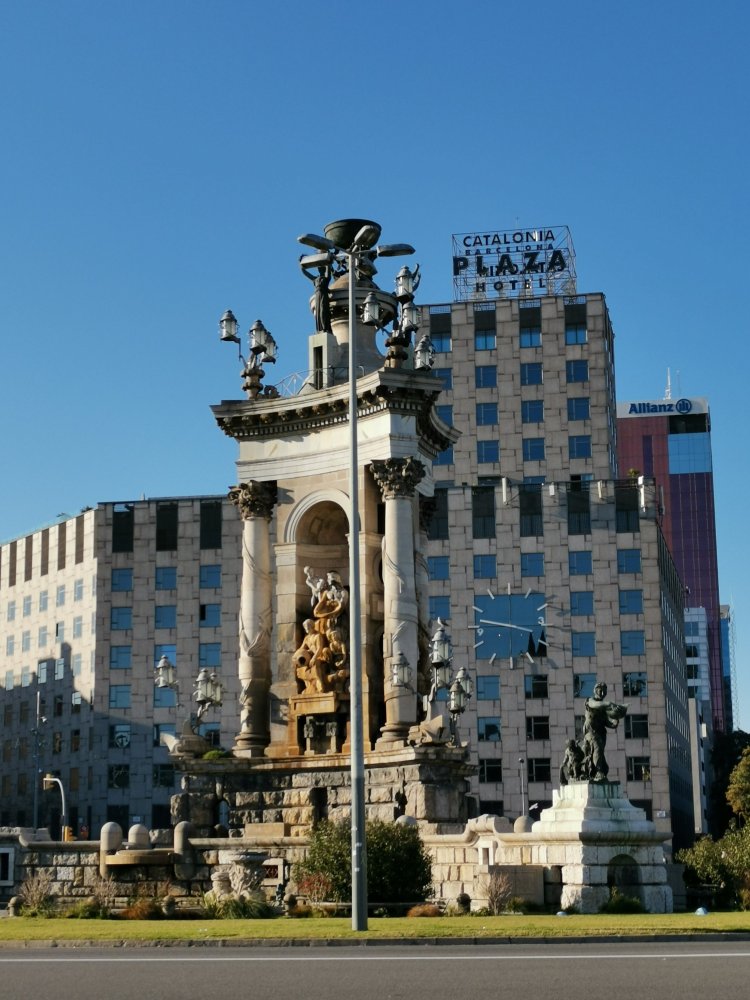


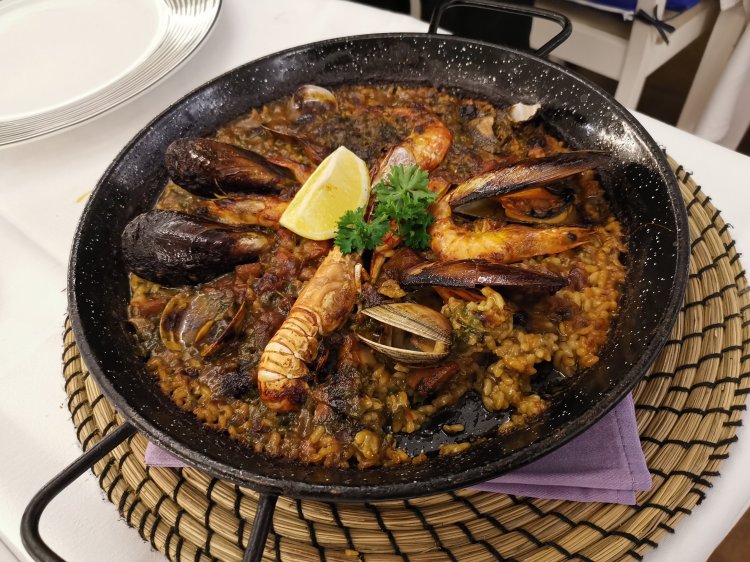


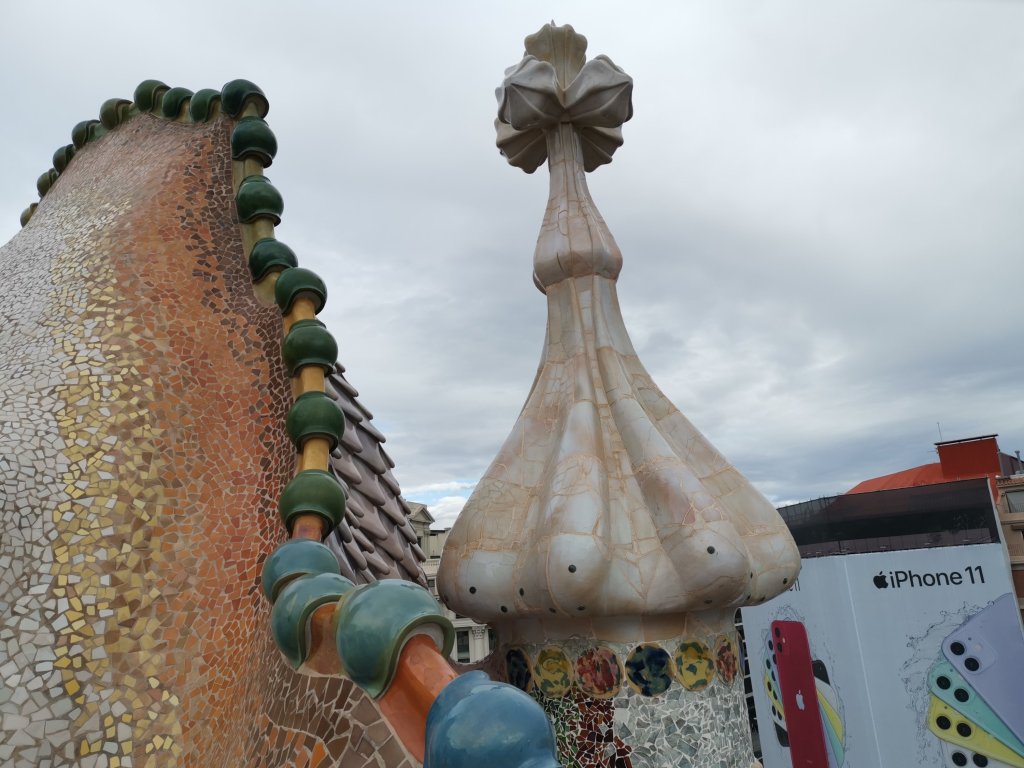


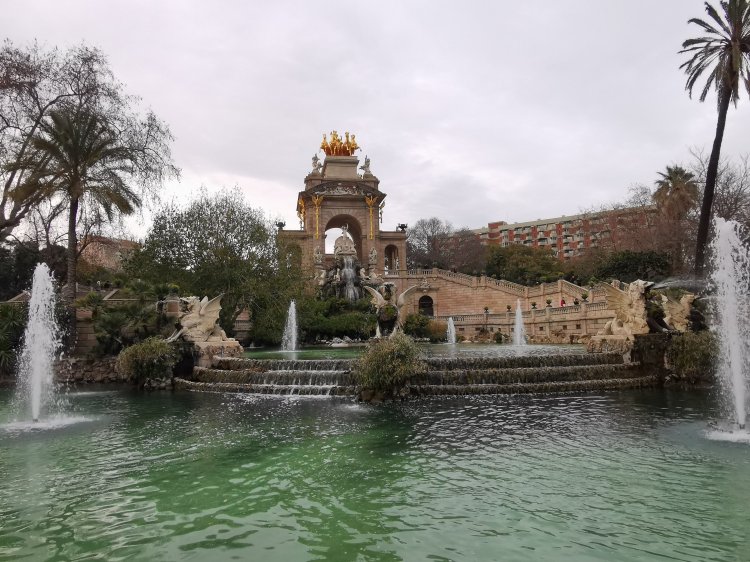

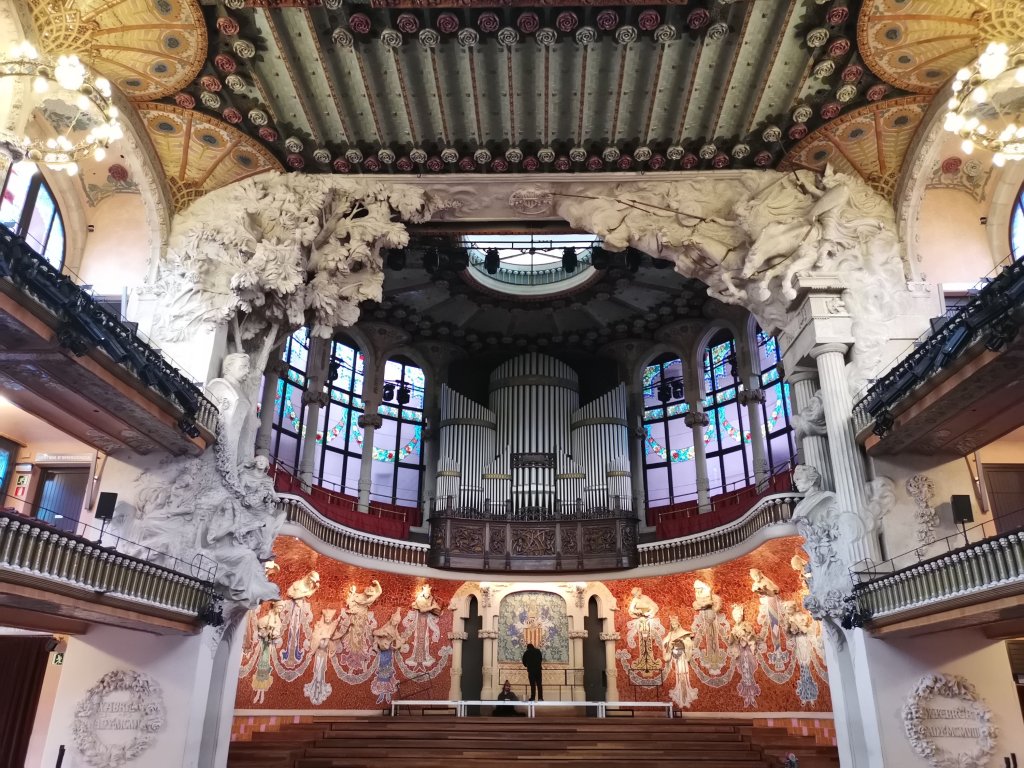
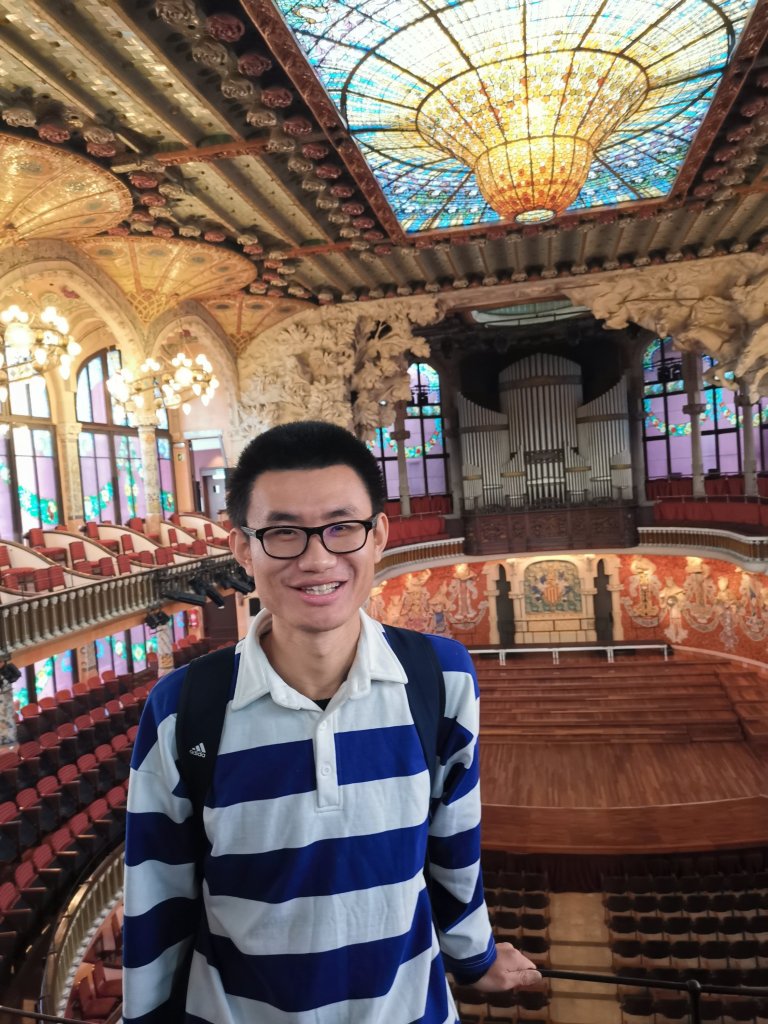


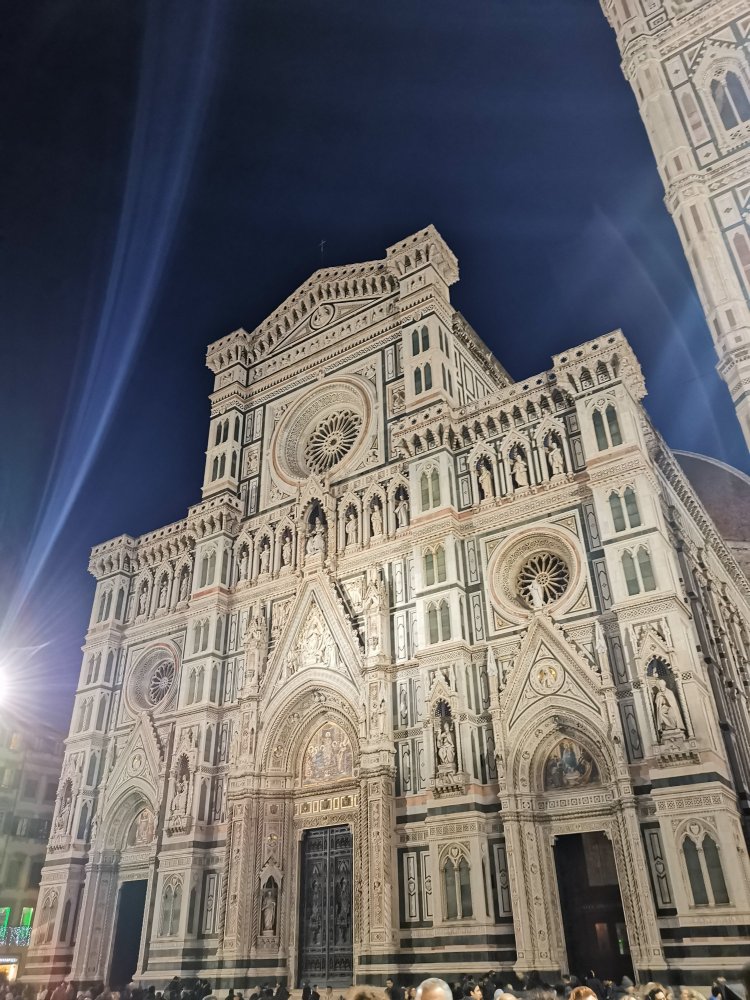

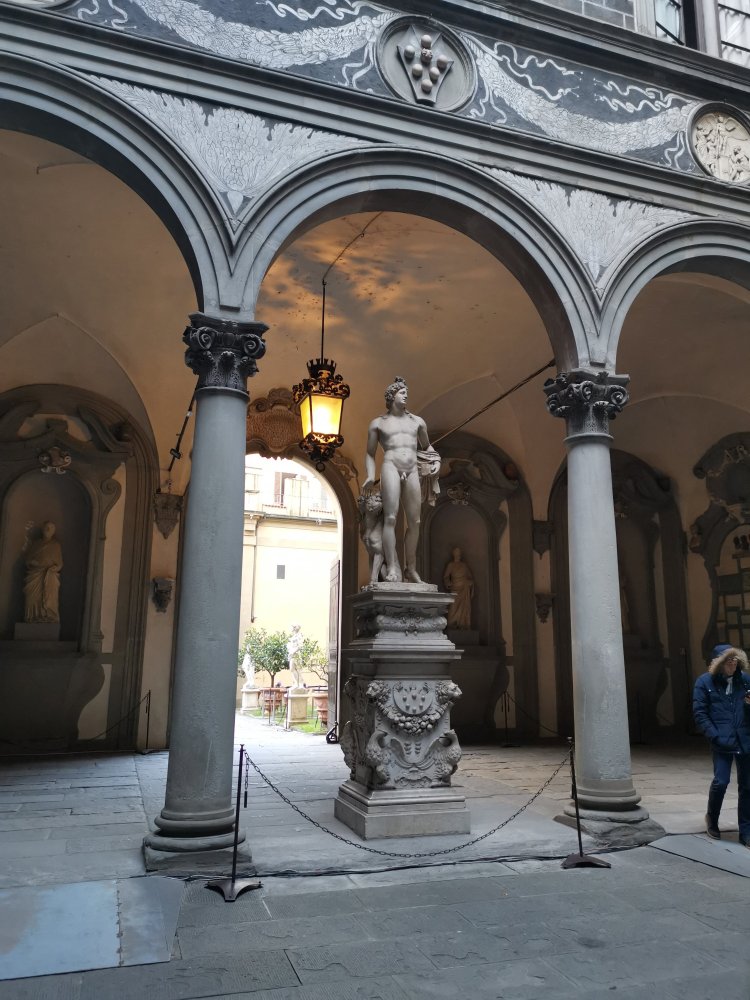
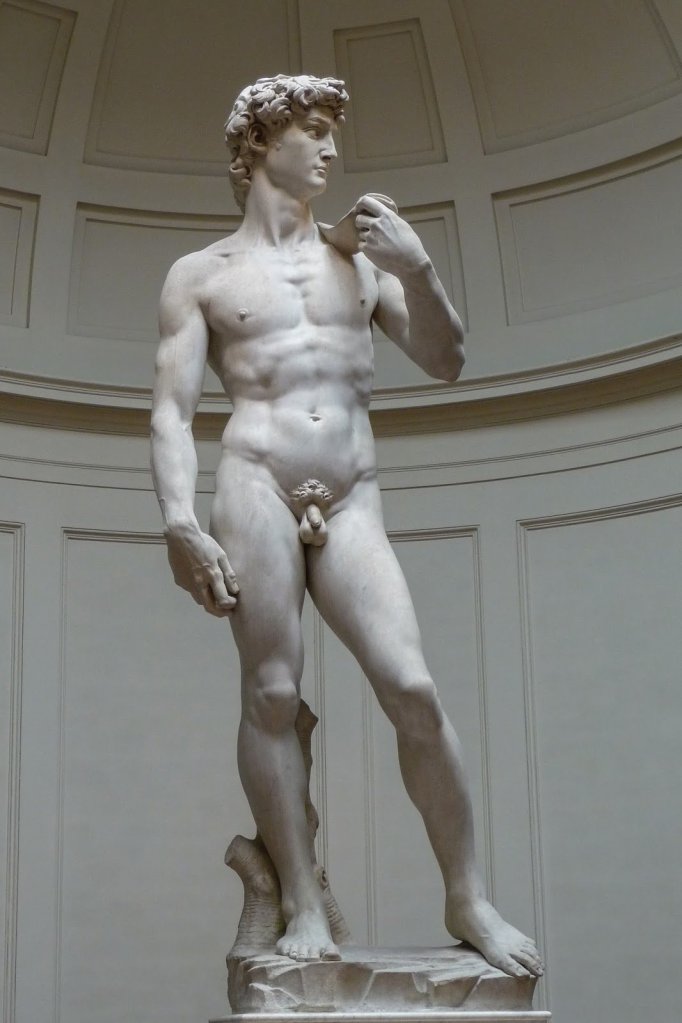


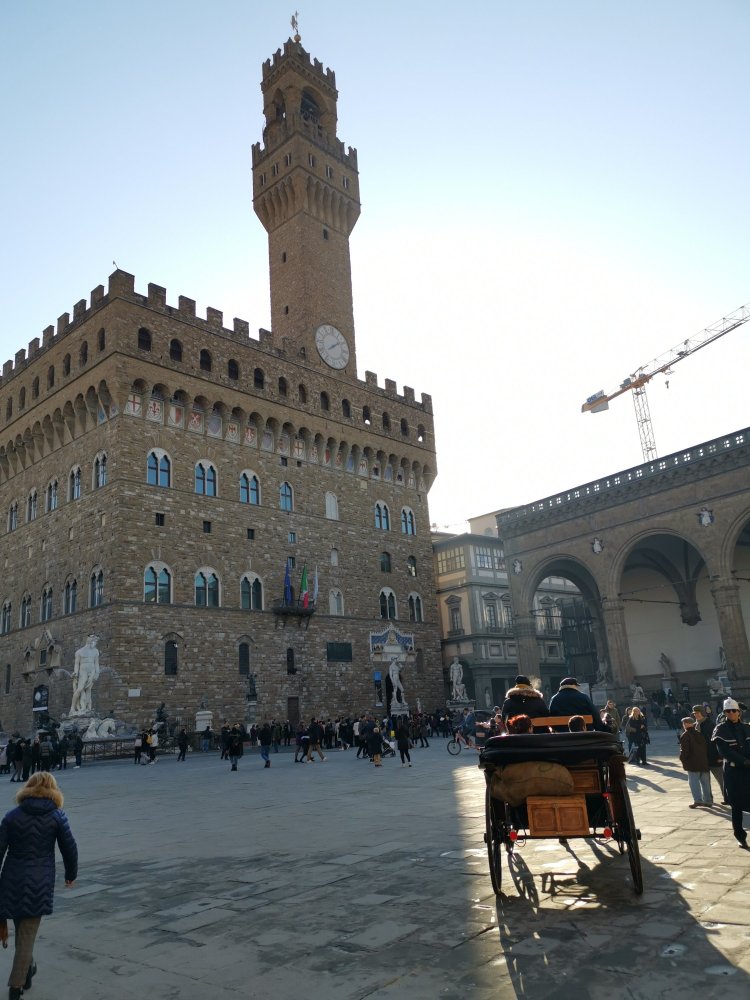
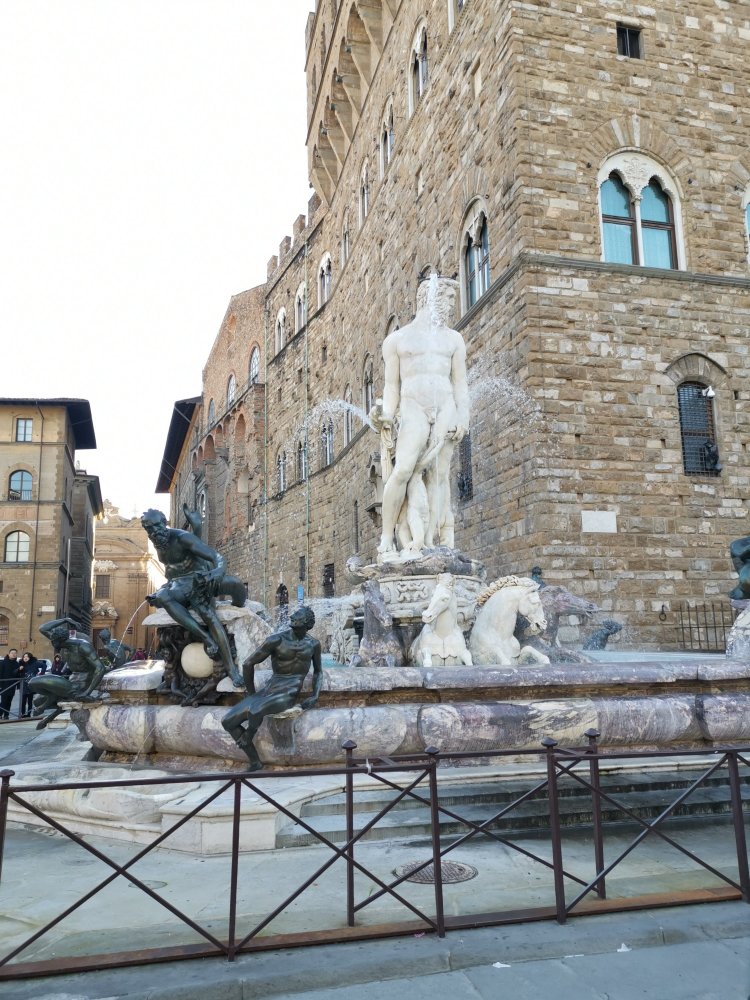
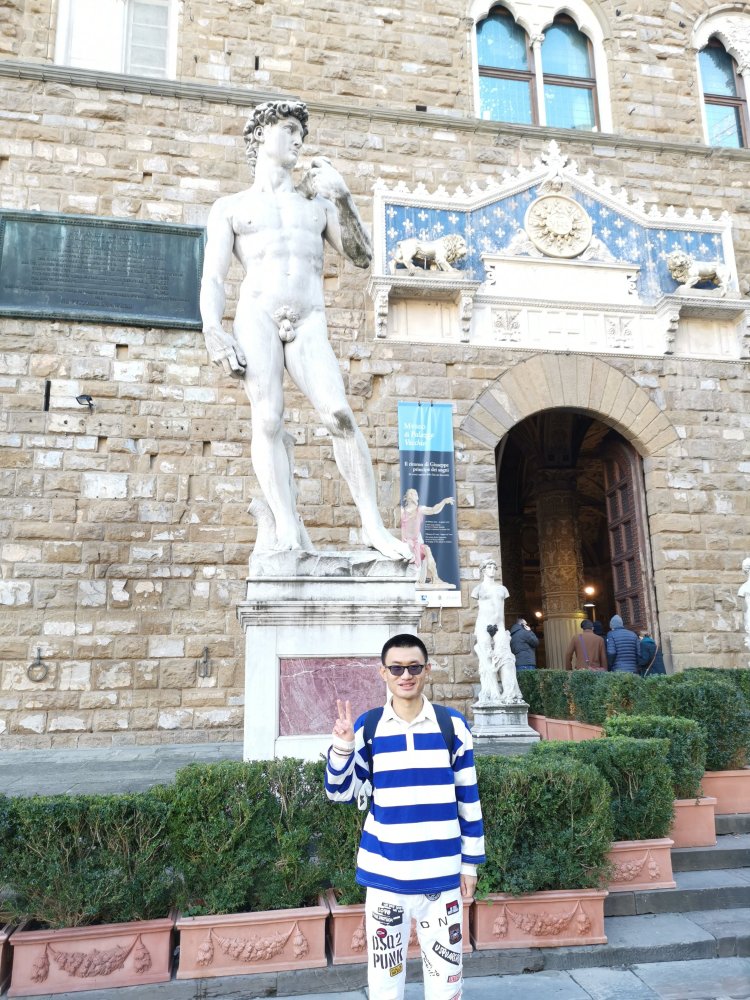
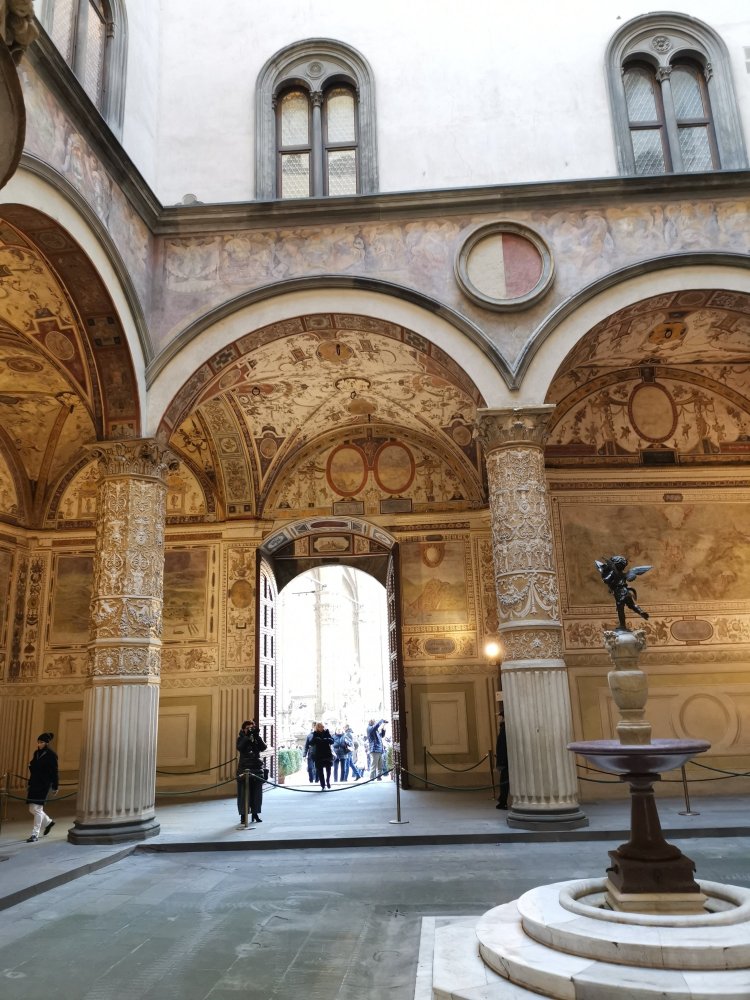
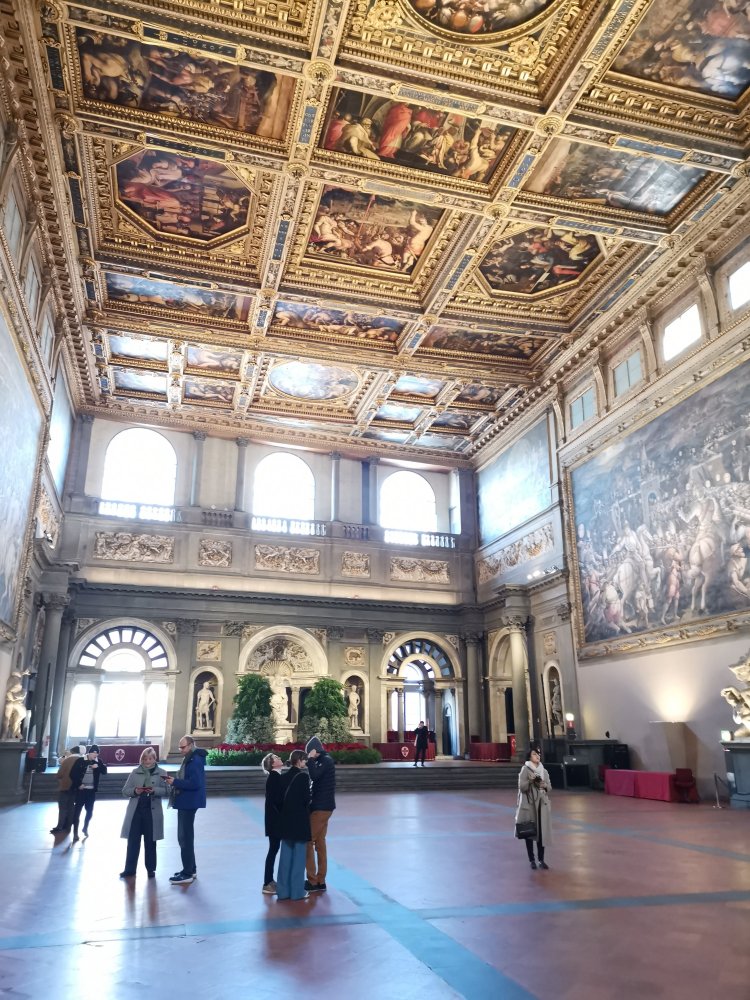
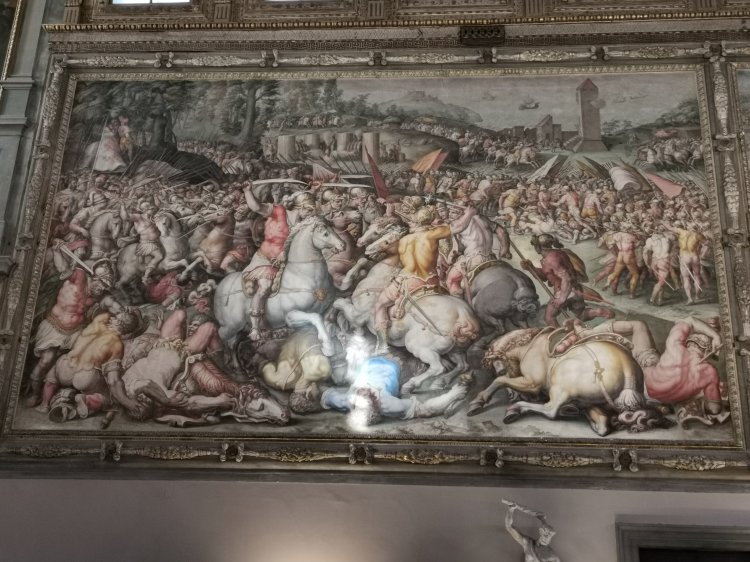


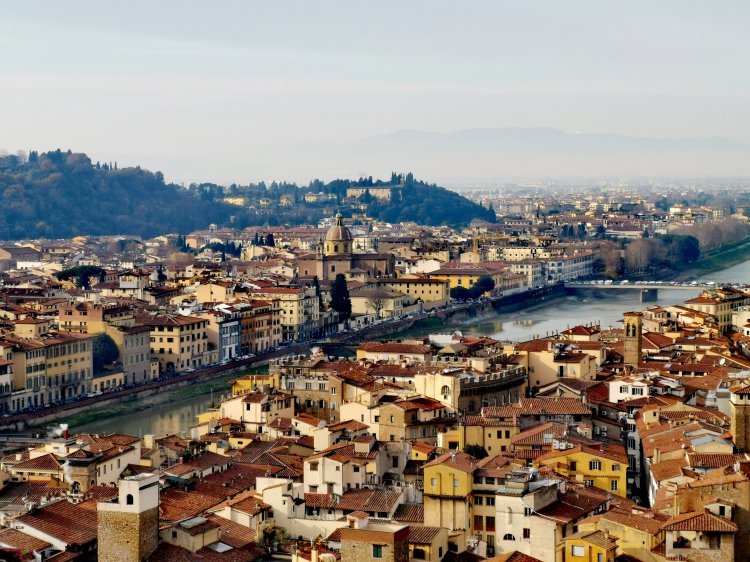
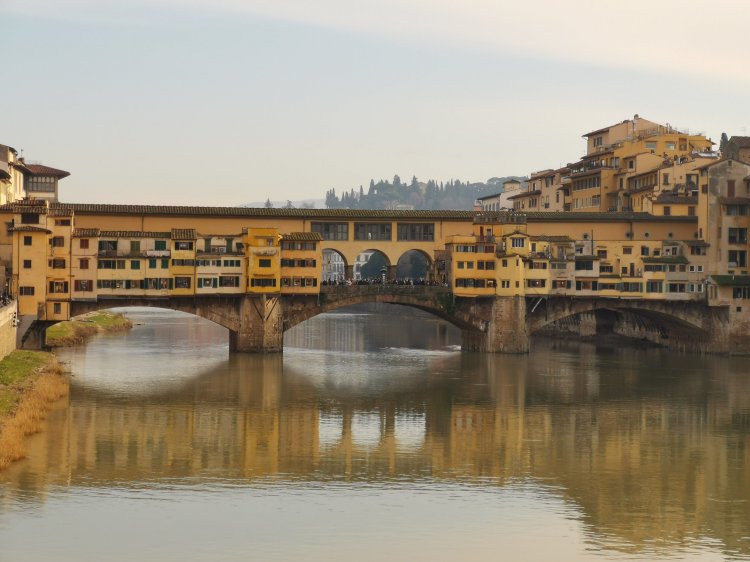
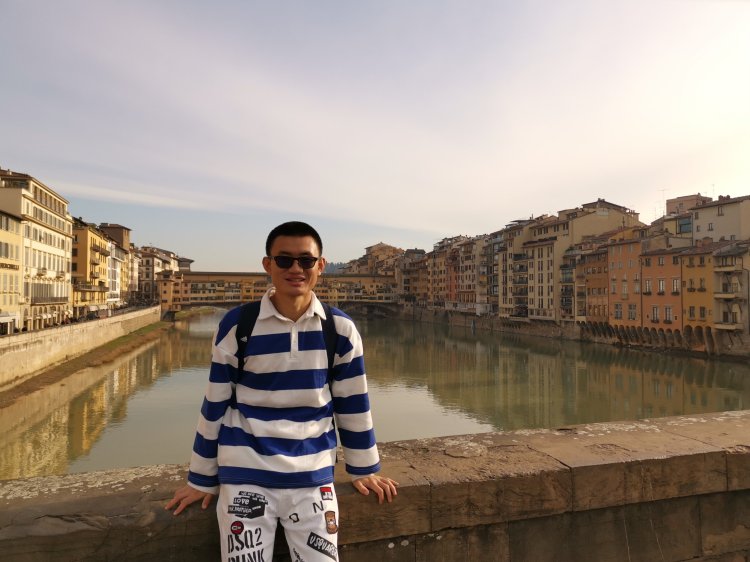

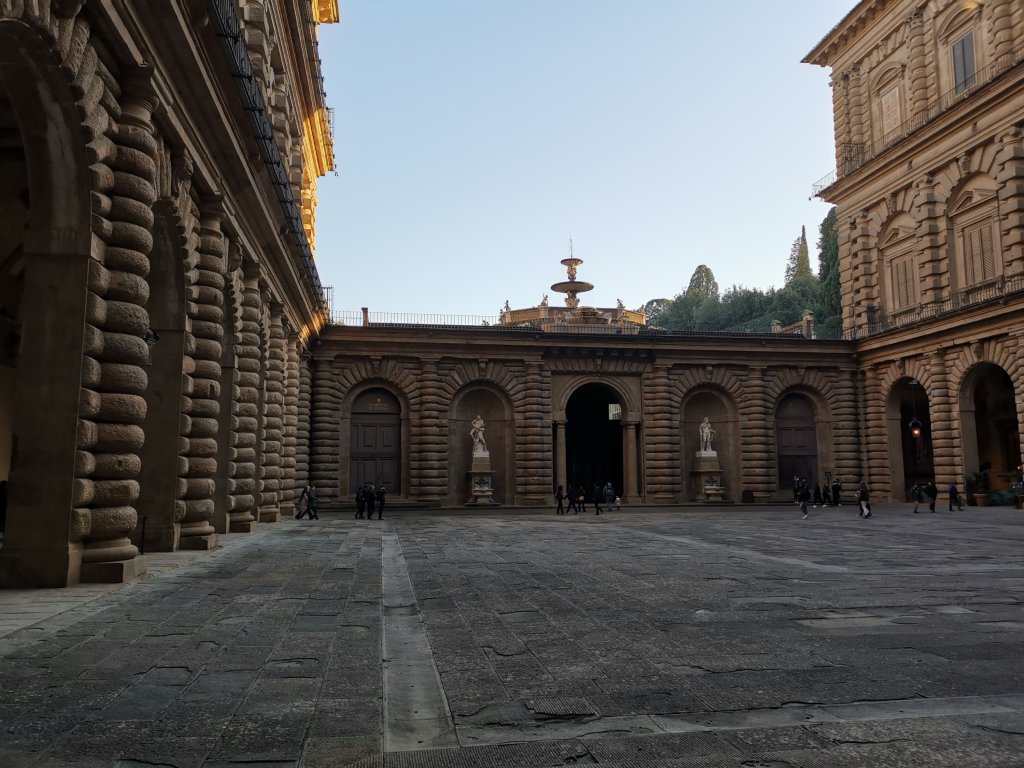
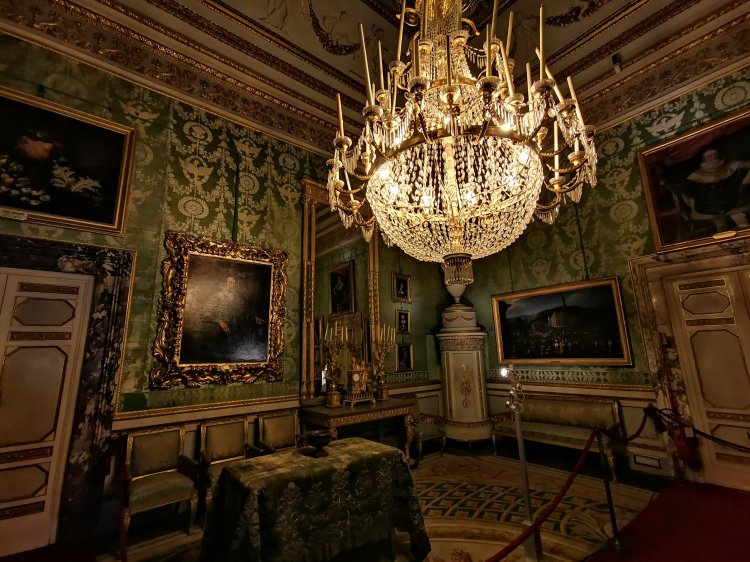


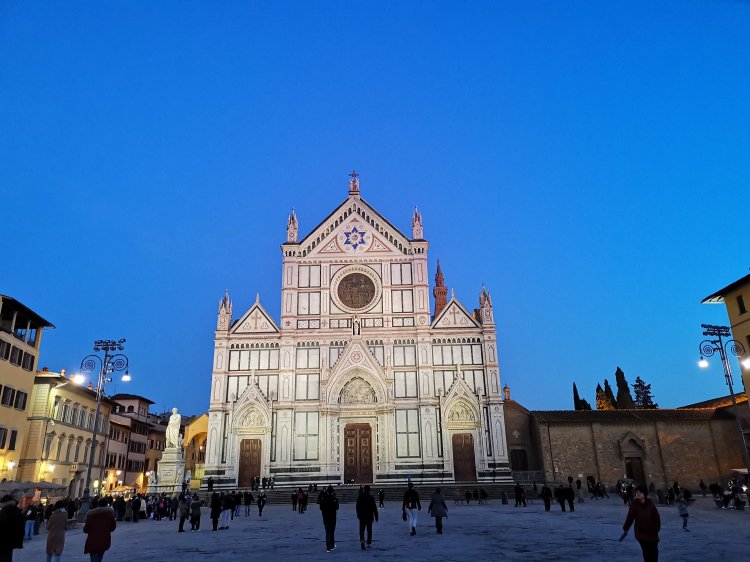
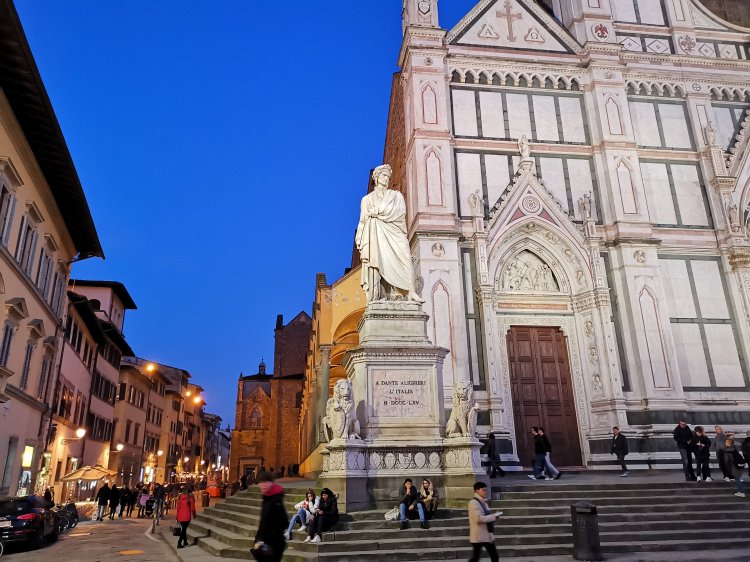


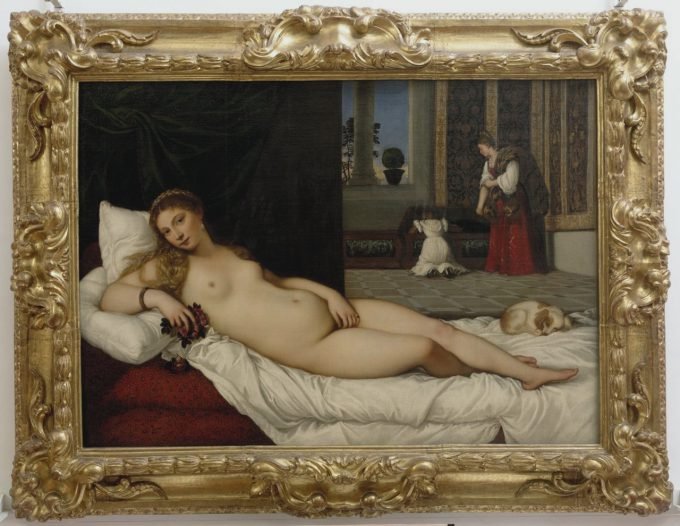


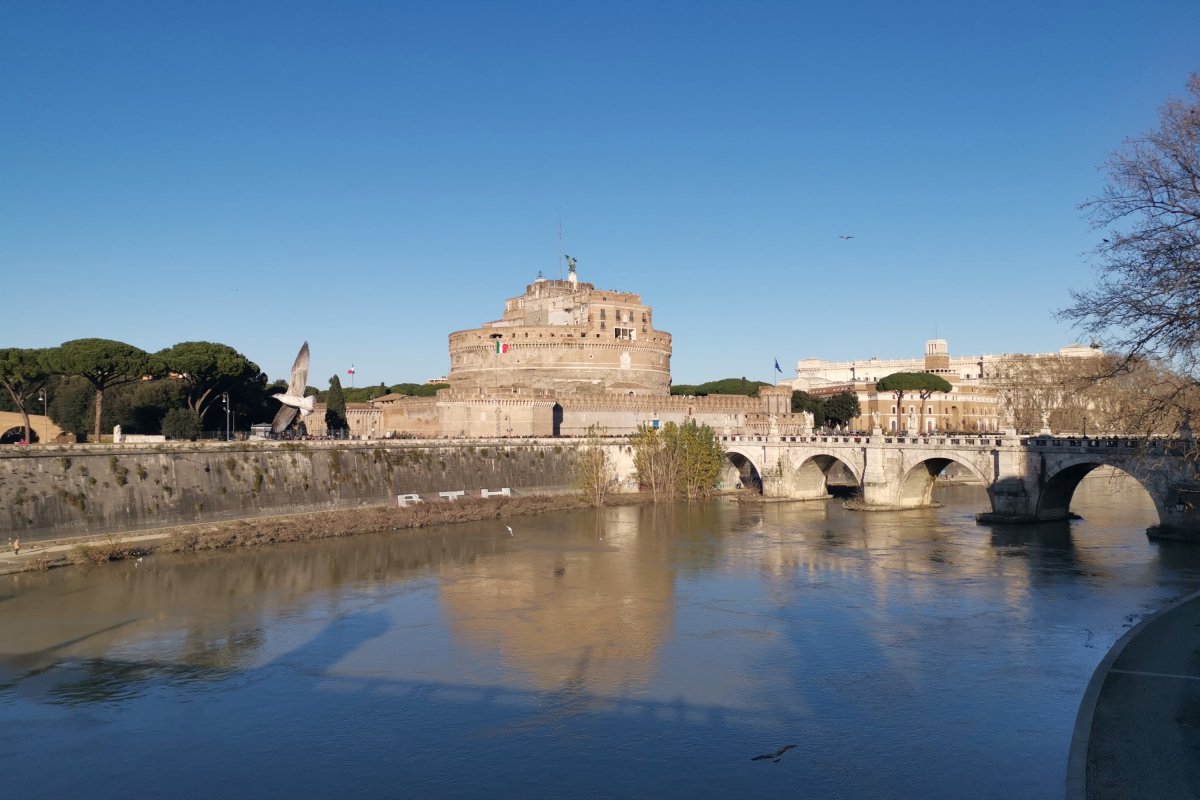
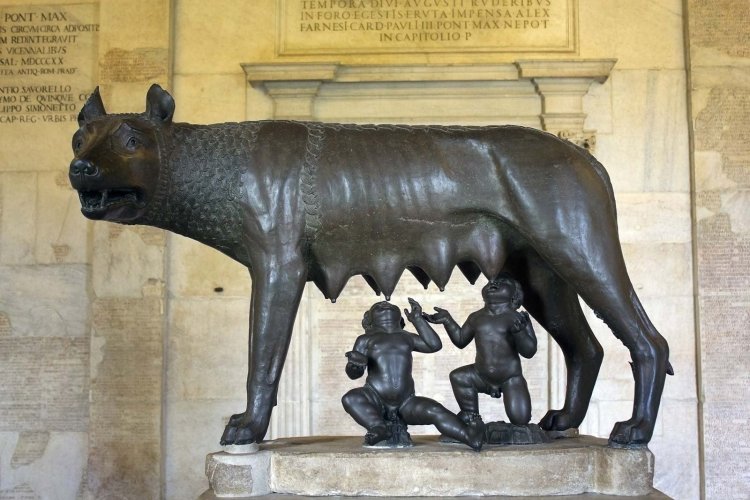
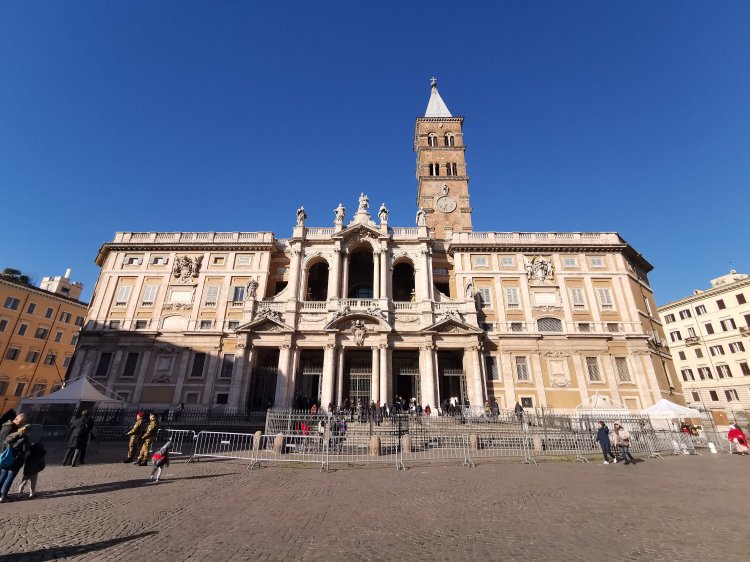


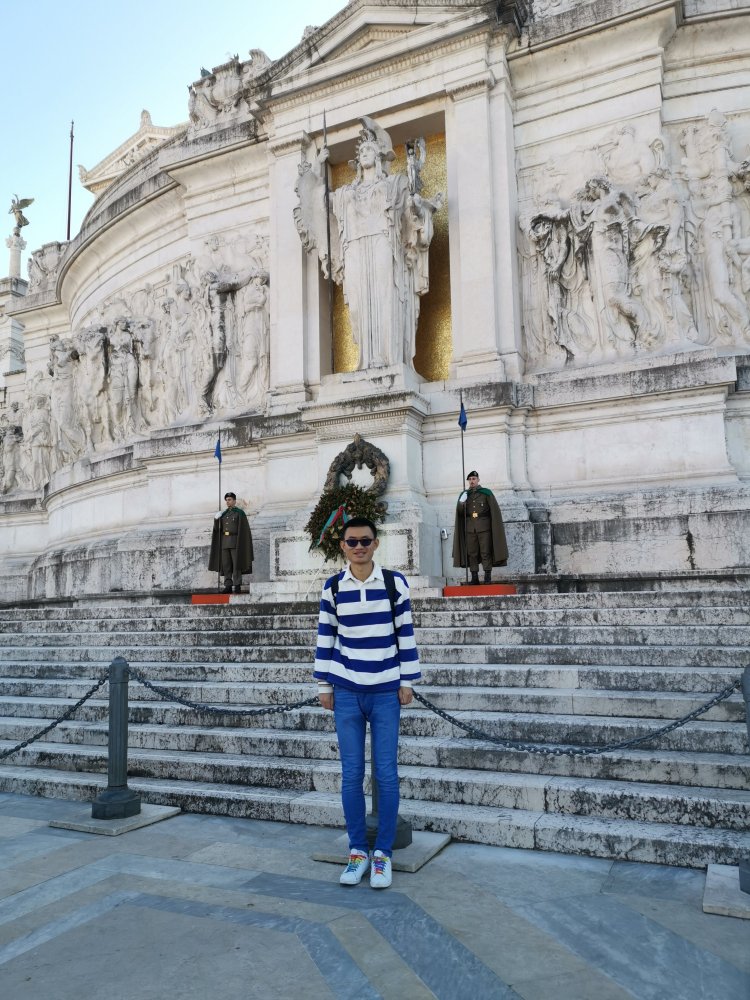
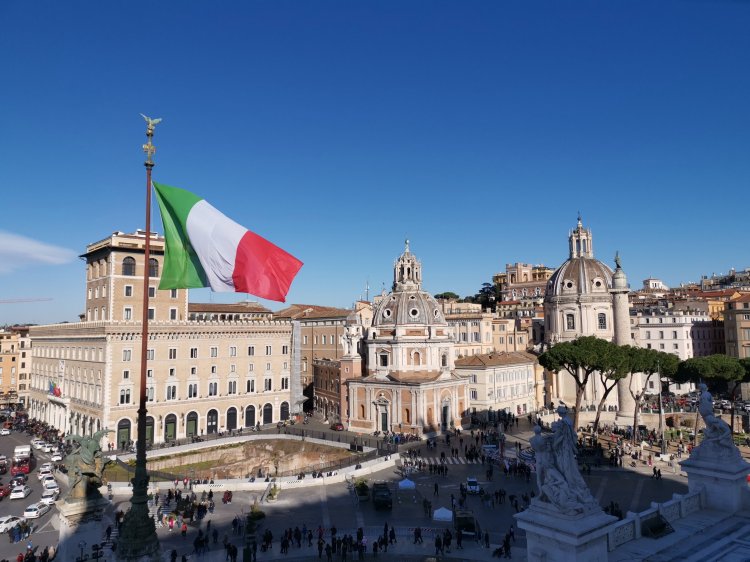


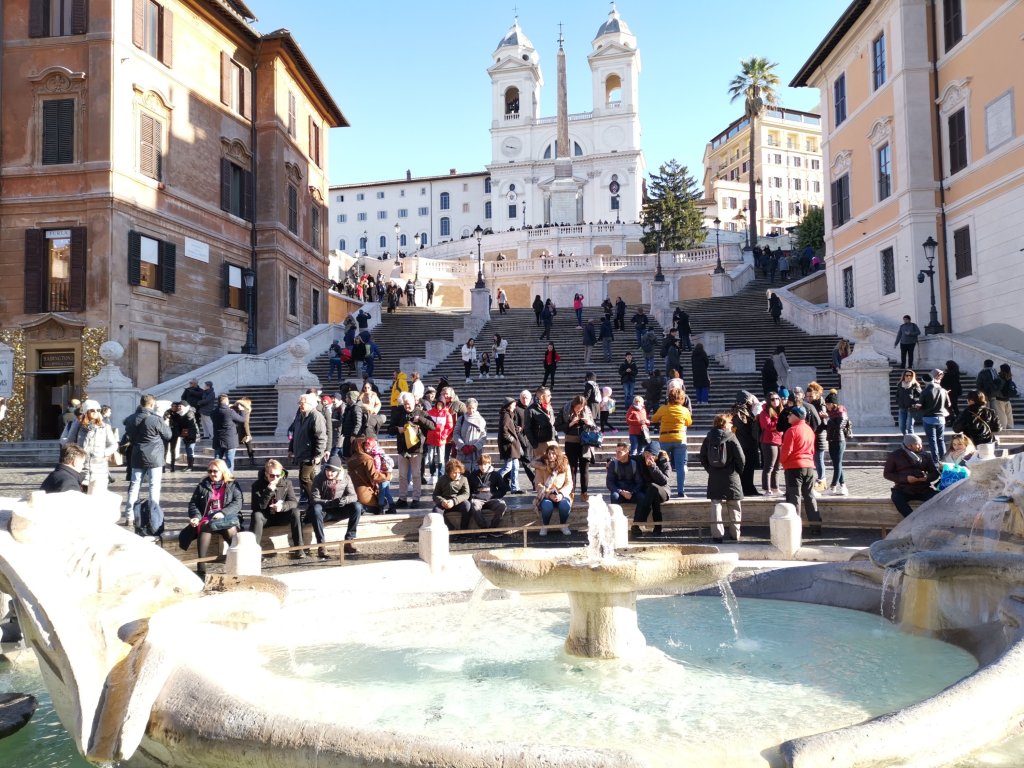
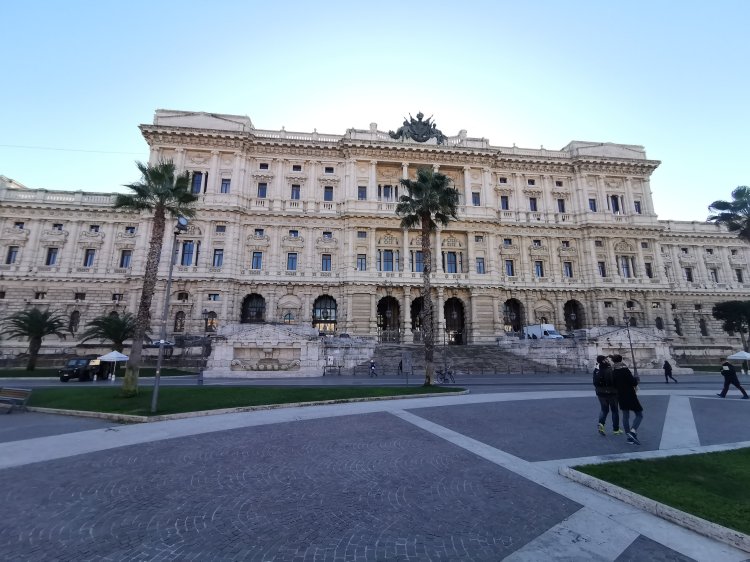


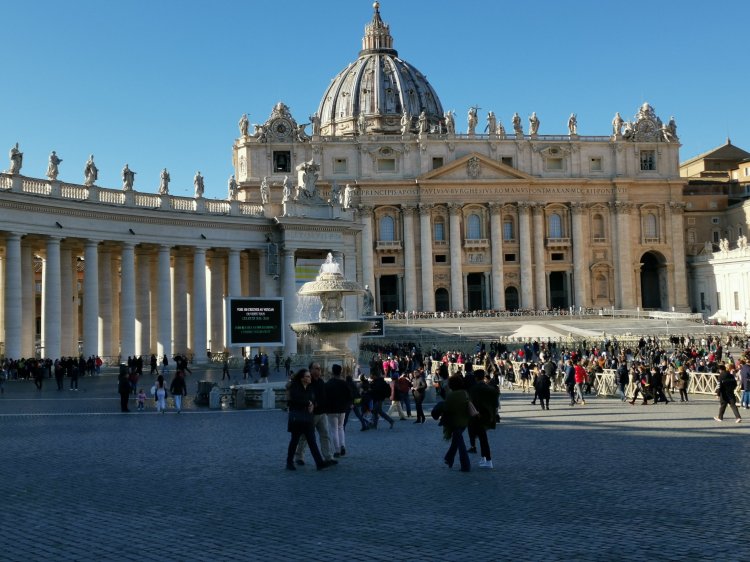

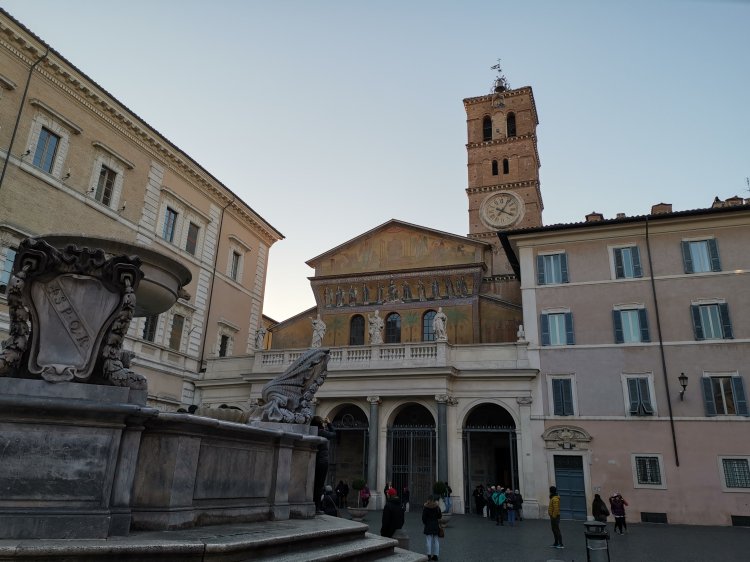


 Gone like the wind
