Fujian Tulou are traditional communal residences built by the Hakka and other Han Chinese people in the mountainous areas of Fujian Province. These large, earthen buildings are circular or square, designed to house multiple families, functioning both as homes and fortresses. Constructed between the 12th and 20th centuries, tulou structures are made from rammed earth, mixed with stones, bamboo, wood, and other natural materials. Their thick walls provide insulation and protection from bandits and natural disasters. Inside, the buildings are arranged around a central courtyard, with rooms for storage, cooking, sleeping, and socializing.
I visited the Nanjing area in the end of 2024. The village scene in this region is a picturesque blend of traditional architecture, lush nature, and communal rural life. Rolling hills and mountains surround the villages, covered with bamboo groves, pine forests, and terraced tea fields. Clear streams run through the valleys, beside narrow stone paths. Fog settles over the mountains in the early morning, creating a mystical, tranquil atmosphere.
Life in these villages follows the rhythm of nature. The air is filled with the scent of wood smoke, fresh soil, and steaming food. Stone-paved paths wind through the village, often lined with moss and wildflowers. Several tulous are grouped together, forming a cluster of earthen castles amidst the green backdrop.
My travel in Fujian was really refreshing for me. As I stepped away from the fast-paced, high-rise rhythm of life in Singapore, I felt a deep wave of relief and excitement wash over me. It was as if the noise, the deadlines, and the constant rush melted away the moment I arrived in this serene village. The tranquil rhythm of rural life: the slow mornings, the sound of roosters, the sight of villagers tending to their fields awakened something in me. I felt no longer tethered to my phone or the clock and found the meaning of life.
Hegui Lou is one of the most remarkable and unique tulou structures. It was my first tulou visited in this area. Built in 1732, Hegui Lou is a square-shaped building, with four stories and over 200 rooms. The name “Hegui” means “Harmony and Nobility”, symbolizing unity and high moral values of the clan. I was standing at the entrance set within thick rammed earth walls. The wooden door panels are thick and reinforced with iron studs and metal strips. Over the door, I found a solemn and ancient wooden plaque bearing its name as well as poetic couplets written on red scrolls.
What makes it especially unique is that it was built on a marshland, an uncommon choice for such heavy structures. Its foundation is made of wooden stakes, driven deep into the soft soil. The building’s rammed earth walls, more than a meter thick, have withstood floods, earthquakes, and wars for nearly 300 years. Above the entrance are some small observation windows, used historically to monitor approaching visitors or defend against intruders. Red lanterns hang along the eaves and add a splash of color and warmth to the austere and simple appearance.
Behind the towering earthen walls of Hegui Lou, at the edge of a gently sloping field, lies a lush patch of sugar cane. The tall, green stalks sway lightly in the breeze. The field is small but thriving, a reminder of the self-sufficient lifestyle the residents have upheld for generations. A local resident fed long stalks of sugar cane into a hand-cranked press. The machine groans slightly as the stalks are crushed, releasing a stream of cool, pale green juice.
I lived in the small town called Yun Shuiyao for two days. Its name, which translates to “Ballad of Cloud and Water”, perfectly captures the town’s dreamlike atmosphere. It is surrounded by lush green hills and rice paddies. The streets of Yunshuiyao are paved with smooth river stones, worn by time and footsteps. Traditional wooden houses line the narrow lanes and their dark tiled roofs and red lanterns show the town’s historic charm.
The most iconic feature of the town is the meandering river that flows gently through it, reflecting the sky and the trees on its calm surface. Along its banks, there are massive ancient banyan trees, some over 800 years old, with their gnarled roots sprawling across stone paths and their branches forming a canopy overhead. I really enjoyed the life here, listening to the soft murmur of the stream and the whisper of wind through bamboo. Time seemed to slow down here.
Yunshuiyao became well-known after it was featured in the Chinese romantic film “The Knot”. Scattered throughout Yunshuiyao are several well-preserved tulous, which have been home to generations of Hakka families. These earthen fortresses blend beautifully into the natural landscape, offering a sense of community, security, and tradition.
Huaiyuan Lou is the most well-preserved and architecturally representative tulou in Fujian Province. Built in 1905 during the late Qing Dynasty, it was constructed by the Jiang family, who were prosperous tea merchants and landowners. The name means ‘Cherishing Distant’ in Chinese. The structure is made with rammed earth walls, over 1 meter thick, supported by a wooden framework that has stood firm for over a century. There is only one heavily fortified gate connecting inside and outside.
It has two concentric rings. The outer ring is four stories high, with 32 rooms per floor, housing sleeping quarters and storage. The timber beams, columns, and staircases are arranged in concentric rings to create tiers of rooms stacked three to five stories high. The upper structures are capped with tiled, slightly upturned eaves, supported by a web of timber rafters. Rainwater is efficiently drained into the inner courtyard. Wooden columns are joined by horizontal beams using traditional mortise-and-tenon techniques without nails.
The inner ring is smaller and contains ancestral halls and communal spaces. Central to Hakka belief is the idea that deceased ancestors continue to watch over and protect their descendants. Showing respect through rituals ensures family prosperity and avoids misfortune. Ancestral hall with an altar, ancestral tablets, and painted couplets is the most important building. Wells, kitchens, and storerooms are placed in this area for communal use.
This is the panoramic view. The central courtyard is paved with cobblestones, where daily life and communal events unfold. The interior reflects a highly organized lifestyle, with rooms assigned by generation and seniority. Decorative wooden carvings, ancestral tablets, and red lanterns enhance the cultural richness of the space.
Unlike some older tulou, Huaiyuan Lou remains largely intact and still functions as a living residence. Residents still live in the building, maintaining traditional Hakka customs, such as ancestral worship, communal cooking, and shared farming. I was able to climb up the floors and see the local life. Outside wooden railings, freshly washed clothes are hung out to dry. Shirts, pants, and towels flap gently in the mountain breeze, swaying against the red backdrop of the wooden walls.
Along sunny spots, residents have laid out trays filled with vegetables like sliced radishes, chili peppers, and bamboo shoots to dry under the afternoon sun. The air is filled with a subtle mix of earthy, sun-baked scents. Homemade sausages or strips of cured meat are also strung up on wooden poles, slowly aging in the open air. It was really an interesting and unique trip to see the Hakka’s life that I have never experienced. The Hakka is a subgroup of the Han Chinese people with their own distinct language, culture, and traditions. They traced their roots to northern China, but over centuries, they migrated southward due to wars, famine, and social unrest. They settled mainly in southern provinces such as Guangdong, Fujian, and Jiangxi. Because they often arrived as migrants or newcomers, they were called “guest families” by local populations.
In the courtyard stands an ancient stone well, a silent witness to centuries of life unfolding within the earthen walls. The inside of well is surrounded by a simple stone curb, its surface now softened by a thick blanket of green moss. Tiny droplets of water glisten on the moss in the morning light. The well still provides clear and deep water to the local residents who lower a metal bucket on a rope, drawing water with a slow rhythm in the same way their ancestors did a hundred years ago.
I took two days to travel all the scenic areas. On the second day, I visited the Tianluokeng which is the most iconic and most photographed tulou sites. Located on a terraced hillside, the cluster is called the “Four Dishes and One Soup” because of its unique layout. One square tulou (the “soup”) sits in the middle. Surrounding it are four round tulous (the “four dishes”). There is a platform on the roadside for travelers to take photos.
Afterwards, I went down the staircases and visited them one by one. Built between the 15th and 20th centuries, these tulous with similar thick rammed-earth walls showcase the Hakka people’s communal living as well but they are smaller than the Huaiyuan Lou I visited the last day.
This cluster sits in a valley, surrounded by layer upon layer of rice terraces that climb the slopes of the green mountains. From above, the terraces look like rippling steps carved into the hillside. Traditionally, these terraces were cultivated with rice as the staple crop, sustained by ingenious irrigation systems that channel mountain spring water down through the fields.
In Hakka and Fujian villages, it’s very common to see foods being sun-dried for preservation. These colorful trays containing food are set out in courtyards and rooftop around tulou walls. Most of these foods are corn kernels which are golden yellow, often filling the whole tray, soybeans dried for making tofu, sweet potatoes which are sliced into thin pieces to make dried snacks, and scented tea leaves.
In late winter, when the air is crisp and less humid, families hang long strings of sausages across bamboo poles, or on wooden racks in open courtyards. The sight of these dark red sausages glistening in the sunlight is a hallmark of traditional Hakka villages. The sausage is made by fresh pork. The meat is mixed with salt, rice wine, soy sauce, sugar, and sometimes five-spice powder or peppercorns. The seasoned meat is stuffed into natural casings, then tied into uniform lengths. The sausages are hung outdoors to dry naturally for 1–2 weeks. Deeply savory with a balance of saltiness and gentle sweetness from rice wine and sugar.
The central square tulou called Buyunlou is the oldest structure of the cluster, built first by the ancestor of the family. Later generations expanded around it with round tulou. The square form is structurally simpler and sturdier to build, especially in earlier times when techniques were less advanced. Once wealth and skills grew, round tulou became more common. The square tulou in the middle acted like a fortified core, with the outer round tulou forming an additional layer of protection. Together, the cluster functioned almost like a miniature walled city.
In the afternoon, I took bus and continued the travel in the Taxia Village which is part of the Tianluokeng Scenic Area. It’s a well‑preserved example of Hakka culture and architecture. I enjoyed the scene of a “water town” combined with tulou architecture. When I walked among rural terrain, small bridges, cobblestones, I could see local everyday life.
The houses are constructed from blue-gray bricks, which age into a weathered, darker tone over time. Roofs are made with traditional gray clay tiles, sometimes glazed in deeper tones for water resistance. They are rectangular and one to two stories tall. Most of them are built closely along the stone-paved lanes or beside the winding stream. From a distance, I felt that the rooftops formed a soft ripple across the valley, framed by green mountains.
I visited one house compound belonging to Zhang Family. It has stone steps at door, small walled courtyards, and wooden window frames. It was built along the central stream, with bridges connecting them. Its layout includes gate, front hall, main sacrificial hall, with left-side and right-side chambers.
This is used as the clan shrine of the Zhang family, used for ancestor worship, clan ceremonies, rituals, and as a symbol of the Zhang clan’s history and status in the village. Built in the late Ming dynasty, over 400 years old. The gate is decorated with vivid motifs, notably “two dragons playing with a pearl”, inlaid with colored ceramic chips. Roof ridges, eaves, and parapets are ornate, with porcelain reliefs or ceramic decorations depicting legends.
One of the most striking features in front of the hall are the stone flagpoles rising from the stone slab near the pond. There are many of them and they are over 10 meters high. They are richly carved and serve as memorials to clan members who achieved official or civil/military ranks or otherwise made contributions. The latest family member carved on the pole is one student went overseas, studying in MIT.
During my trip, I found that the Hakka people have a culture deeply shaped by migration, resilience, and unity. Though historically considered “guests” , they forged strong, close-knit communities wherever they settled. At the heart of Hakka culture lies a powerful sense of clan. This isn’t just about bloodline but it’s a living, breathing system of values, rituals, and responsibilities. In every generation, Hakka people honor their ancestors through ancestral halls. Family histories are remembered. Even those who’ve migrated abroad trace their roots back to the clan village.
As night fell over Yunshui Yao, the village transformed into a quiet world. Lanterns glowed softly along cobbled paths, and the sound of flowing water echoed through the ancient alleys. The tulous stood silently in the moonlight, their thick earthen walls holding centuries of Hakka stories. In that stillness, I felt the heart of Hakka culture. It was a life rooted in simplicity and connection, so different from the pace I’m used to. This cultural journey of slower rhythm was more about experiencing a way of life that’s rare for me.
Rising gently from the waves of Xiamen’s coast, Kulangsu is an island where sea breezes carry the echoes of pianos and the scent of frangipani drifts through winding stone lanes. It is a place where cultures once met across the ocean, leaving behind villas with red-tiled roofs, colonial consulates, and quiet courtyards shaded by banyan trees. It is celebrated by UNESCO as a World Heritage Site for its rare tapestry of architecture and culture. From the European-inspired mansions of returning overseas Chinese to the fusion styles born of East and West, every building tells a story of global exchange in the 19th and early 20th centuries.
Kulangsu island is always a romantic place for travelers to explore. On December 27th 2024, the morning ferry skimmed across the waters of Xiamen, carrying me toward Nei Cuoao Ferry Point, the gateway to Kulangsu. As the city skyline softened behind me, the island slowly revealed its red rooftops and leafy hills, bathed in the gentle light of dawn. The sea breeze grew cooler, carrying with it a sense of anticipation—of slower rhythms, hidden gardens, and the music-filled streets waiting just beyond the pier.
After I arrived at the island in the morning, the first glimpse of it was the beach. Beach on Kulangsu is not the selling point of this island but it is still beautiful enough. It stretched like a pale ribbon along the edge of the island, its sand soft and fine beneath bare feet. The waves lap gently, leaving fleeting patterns of foam that glisten under the sun, while children’s laughter drifts across the breeze. Here the horizon was wide, the sea was calm, and the soft sand was a quiet comfort for travelers who came to rest by the water’s edge.
Automobile is not allowed on this island, so the only option is to walk along the sea slowly. This long curling bridge built on the sea seems to dance with the sea breeze, their arches tracing elegant curves above the tides. From the railing, I watched the waves rushing in from the horizon and breaking against the rugged cliffs below. Each crash of white foam is a rhythm, echoing like nature’s drumbeat against the stone, while the bridges carry me forward as if floating between sky and sea. It is a place where footsteps slow, and the vast power of the ocean meets the quiet beauty of human design.
Towering trees at the seaside rose like silent guardians of the island, their trunks weathered yet steadfast, their crowns heavy with shimmering green. Sunlight filtered through the leaves in shifting patterns, dappling the stone paths and courtyards below. When the sea breeze drifted inland, the branches swayed gently, whispering as if carrying stories of travelers long past. Looking up from below, the Sunlight Rock seems impossibly high, like a natural monument etched with shadows and light.
My travel route is from the Nei Cuoao Wharf in the west to the Sunlight Rock in the south, then to the Haoyue Park in the east, finally to the residence area in the central part. Sunlight Rock, the highest point on Kulangsu Island offers travelers both a natural wonder and a historic landmark. Its rugged cliffs are composed of granite, weathered over centuries into jagged yet graceful forms. From below, it appears almost vertical and looks very impressive.
Near the summit of Sunlight Rock, the Sunlight Temple is a serene retreat that seems to float between sky and sea. Its crimson walls and green-tiled roofs stand in gentle contrast to the rugged granite cliffs, while the incense smoke drifting from its altars adds a fragrant softness to the salty sea breeze. It is one of Kulangsu’s oldest religious sites, with roots tracing back to the Ming and Qing dynasties.
Inside the courtyard, carefully carved wooden beams and delicate statues reflect traditional Chinese temple artistry. Potted plants and small trees are carefully arranged along the stone pathways. Fragrant flowers peek from ceramic pots, and miniature bonsai trees twist gracefully and elegantly in the gentle breeze in this tranquil courtyard.
The path to the summit winds through lush vegetation, shaded by tall palm trees and clusters of banyans, with small resting spots offering glimpses of the surrounding sea. The red roof-tops are one of the most distinctive features of Kulangsu’s landscape. In the late 19th centuries, many Chinese merchants and families who had lived in Southeast Asia or Europe returned to Kulangsu. They brought with them Western architectural styles, where red-tiled roofs were common. Red clay tiles were durable and well-suited to the island’s humid, coastal climate. They shed rain efficiently and resisted the salty sea breeze better than thatched or flat roofs.
The rock is a commanding position, allowing visitors to gaze across the island and the surrounding sea. At the top, the sea breeze is strong and refreshing, and the panoramic view is really breathtaking. I could see clearly the undulating coastline of Xiamen, the sparkling waters surrounding Kulangsu, and the red-roofed villas dotted across the island all unfold beneath my feet. The sea of red rooftops is like a mosaic of history: a blend of Chinese tradition, overseas influence, and the island’s role as a hub of cultural exchange.
After going down from the top of Sunlight Rock, next I visited the Shuzhuang Garden which is one of the island’s most beautiful places. Here classical Chinese landscape design meets the island’s coastal beauty. It was built in 1913 by Lin Erjia, a wealthy overseas Chinese merchant, as a private seaside villa in memory of his father. This is the statue of the owner Lin Erjia.
The garden is famed for its clever use of space, following the traditional Chinese principle of “借景” (borrowing scenery). Pavilions, winding corridors, and moon gates frame the shifting views of the sea, distant islands, and the garden’s own bridges and rockeries. Every turn seems to reveal a new scene—quiet ponds reflecting the sky, bamboo groves whispering in the wind, or stone steps leading down to the shore where waves gently lap against the rocks. It seamed that I was placed in a flowing Chinese landscape painting.
In this limited area, it includes many artificial hills, winding paths, and groves of bamboo and pine which reproduce the feeling of mountain landscapes within a compact space. Small waterfalls, rockeries, and ponds complete the miniature world of hills and streams, inviting visitors to wander as if in nature itself.
From within Shuzhuang Garden, slender stone bridges curve outward like graceful arms reaching toward the sea. Their paths are never straight; instead, they twist and turn in gentle zigzags, following the classical garden tradition of slowing one’s pace and revealing scenery step by step. Low railings frame the edges, allowing the sound of waves and the salty breeze to flow freely across the walkway like spirits.
As I crossed the bridge, the view shifted constantly. One moment was framed by a round moon gate, the next opening wide to the endless horizon. The bridges seemed to hover between two worlds: behind me, the calm rockeries, bamboo groves, and pavilions of the garden; ahead, the vast, untamed sea which tide was high, and waves surged and crashed beneath the arches.
Walking through Shuzhuang Garden, I felt as if I had stepped into a living painting that slowly revealed itself with every turn. The zigzagging bridges drew me closer to the sea, and when the horizon suddenly appeared through a moon gate, it felt like a surprise being revealed. Standing on a bridge where the garden meets the ocean with Sunlight Rock at the backdrop, I felt that all noise and worry seemed to dissolve into the rhythm of the sea, leaving only a quiet joy.
The Piano Museum near the Shuzhuang Garden is the first of its kind in China. Opened in 2000, the museum reflects the island’s reputation as the “Island of Music” and its deep-rooted love for piano culture. The museum is housed in elegant garden pavilions surrounded by flowers and plants.
The hall displays more than a hundred pianos from around the world. Many of them are rare and antique instruments, some dating back centuries. Walking through the museum, I saw some famous pianos from the 18th century like Blüthner and Steinway & Sons. They are decorated with delicate carvings, and grand pianos once played in concert halls and noble salons. Each piece tells a story of craftsmanship, artistry, and the journey of music.
In the afternoon, I walked along the seaside of Kulangsu which felt alive with energy. The sea sparkled under the sun, waves rolling gently toward the stone promenade. At the far end, Xiamen’s skyline gleamed in the distance. Walking further along the curve of the shore, the huge statue of Zheng Chenggong came into view, standing tall on the rocks above the sea. His gaze was fixed firmly toward the horizon. Beneath him, the waves crashed against the cliffs, as if echoing his determination.
When I looked up at the statue, I imagined that he set sail from these shores in 1661, driving out the Dutch and reclaiming Taiwan, turning Xiamen into a stronghold of resistance and hope. I began to reminisce the history at the end of Ming Dynasty. Although fighting against Qing Dynasty all through his life, Zheng Chenggong gained high recognition from his enemy due to extraordinary loyalty and courage and after his death, the Kangxi Emperor of Qing praised him with the famous couplet:
“四镇多异心,两岛屯师,敢向东南争半壁。诸王无寸土,一隅抗志,方知海外有孤忠。”
The emperor’s words recognize Zheng as a singular figure of steadfast loyalty and daring, acting alone in defense of the Ming cause while much of the empire wavered. Zheng’s courage and strategic vision marked him as a “solitary loyalist” whose deeds would endure in history. Standing today on Kulangsu, gazing at his towering statue facing the sea, I felt the weight of his loyalty and the determination.
From the shores of Kulangsu, the view across the water feels like looking into another world. Beyond the gentle rhythm of waves and the red-tiled roofs of the island, Xiamen rises in shimmering glass and steel. Sleek high-rises and soaring towers stretch toward the sky. The contrast is striking. On one side, it’s Kulangsu’s quiet gardens, winding lanes, and echoes of history; on the other, it’s the bold skyline of a modern metropolis. It made me feel as though past and present are meeting in a single frame.
From the late 19th to early 20th century, luxurious villas and mansions in style like Mediterranean, Baroque, Rococo, and Art Deco were built on this island. Missionaries from Europe built churches, schools, and hospitals, adding Gothic spires, stained glass windows, and European-style chapels to the landscape. Meanwhile, traditional Chinese temples and gardens continued to flourish, preserving local spiritual and aesthetic traditions. Nowadays, Kulangsu retained most of its historic buildings. I wandered through the small lanes and wondered at the mixed cultures here.
‘Amoy Deco’ is the name given to a unique style that blossomed on this island during the early 20th century. It evolved as returning overseas Chinese merchants and students brought back Western influences, fusing them with Fujianese tradition. The name Amoy comes from the local Hokkien dialect pronunciation of Xiamen. Inspired by the global Art Deco movement, these buildings often feature streamlined facades, angular designs, and decorative motifs such as hexagonal patterns roof, symmetry, and zigzags. Unlike pure Western Art Deco, Amoy Deco integrates local craftsmanship, brick masonry techniques, and Chinese symbolic decorations. Wide verandas, open balconies, and shaded courtyards designed for ventilation in the humid subtropical climate.
Constructed in 1934, the Trinity Church was built jointly by three Christian congregations to cater to the growing number of worshipers on the island. The church showcases architectural influences rooted in Western ecclesiastical design like brick walls accented by cross motifs, arched windows and a steeply pitched white roof. Its first Sunday service in the renewed sanctuary was held in 2019, marking its restored role as a house of worship for the island’s community.
The Former British Consulate is a distinguished example of colonial architecture that reflects the island’s rich international heritage. The building is constructed from ancient Minnan red bricks and granite. The structure showcases a veranda style, which was prevalent in port cities during the 19th and early 20th centuries. In 1843, Xiamen opened to foreign trade, and the British government established a consular office on Kulangsu. Today, it has been repurposed and serves as the Kulangsu Historical and Cultural Exhibition Hall. This transformation allows visitors to explore the island’s rich history and the architectural heritage of its colonial past.
The Former Japanese Consulate stands as a testament to Kulangsu’s rich history as an international settlement. Constructed in 1879, it remains the only 19th-century embassy building still intact on the island. The building is primarily constructed using ancient Minnan red bricks and granite as well like most buildings in this island. The structure exhibits Victorian-style elements with a veranda-style layout, common in cities with open ports, and incorporates wood trusses, I-beams, and concrete slabs in its interior.
This building does not allow visiting inside so I could only take some photos surrounding it. Its façade, adorned with arched windows and a distinctive red-brick exterior, stands in contrast to the surrounding European-style buildings. Its well-preserved structure offers me a glimpse into the architectural diversity that characterizes the island.
In my opinion, the Huang Rongyuan Villa must be the most elegant and beautiful mansion in this island. The villa built in 1920 reflects a fusion of European classical style and Chinese aesthetics. Its massive granite columns and formal symmetry evoke Roman grandeur. Four giant Tuscan-style granite columns support a semi-circular portico. Rich ornamental details in column capitals, eaves, windows, balconies, and a rooftop adorned with grapevine motifs and balustrades really attract my eyes.
The villa stands within a lush courtyard, over 3,000 m² in size. In the courtyard, the garden is an exquisite fusion of Chinese and Western elements. One highlight is the use of traditional Chinese garden elements like Taihu rocks, winding paths, a pavilion, and a cloud-style rock wall. In contrast, the geometry and symmetry reflect Western villa gardens especially decorated with curved porch and grand Ionic columns. Now, it is home to the China Record Museum, preserving both architecture and musical heritage.
This Fanpo Mansion is celebrated for its rare blend of Chinese craftsmanship and European Rococo style. The gatehouse is particularly notable. It’s the tallest and largest on the island. Rococo influences surface in flourishes of curving lines and decorative sculptures. The gatehouse is crowned with a sculpture of two golden birds holding copper coins, symbolizing wealth and good fortune. The mansion was built in 1927 by a prosperous Chinese-Filipino entrepreneur, in honor of his mother, known as ‘Fan Po’. The exterior is composed of richly hued red bricks contrasted with white trims. The ground floor features a two-story red-brick cloister with graceful arches forming a shaded walkway. A set of elegant stairs ascends to the main entrance.
There are still some local residents in this island. I could even go to the second floor of the new residential house taking some photos. Life on Kulangsu may unfold under the gaze of countless tourists, but for its local residents, the rhythm is gentler, rooted in routines that have little to do with sightseeing. At dusk, when most tourists have left, the island grows peaceful. Residents stroll along the seaside promenade, and children chase each other under the glow of streetlamps.
Travel in this small island is tiring since I needed to continue walking up and down without rest. Chuncao Tang is situated on the cliff of Pen Holder Hill, offering expansive views of the surrounding landscape. Built in 1933, Chuncao Tang was designed by Xu Chuncao, the president of the Xiamen Construction Association. The villa resembles a Western-style nursing house. Its structure utilizes granite for the wall base, wall pillars, and corridor column. The villa includes a wide corridor outside the living room, providing a space for viewing and cooling off, enhancing the living experience with panoramic views of the surrounding area.
One of the most amazing buildings on this island must be the HSBC Bank Mansion. It is a three-leaf clover shaped English style villa, completed in 1876, and distinguished by its placement atop the cliff of Pen Holder Hill. I looked up at the high and straight cliff. This building sits solidly on a granite foundation anchored into the cliff’s rock. The mansion’s cliff-top location was purposefully chosen to offer sweeping sea views during both day and night. A colonnaded cloister runs alongside, opening to sea breezes and panoramic views of Xiamen’s Twin Towers and the iconic Bagua Mansion.
Before the sun set, the Bagua Mansion revealed itself like a beacon among Kulangsu’s green hills and tiled rooftops. Its bright red dome, rounded and regal, rose above the treetops, immediately catching my eyes. Against the soft sky and glittering sea, the dome shone with a warm glow in the winter chill, resting like a crown on the island’s outline. This distinct profile makes the mansion one of the most recognizable landmarks of Kulangsu. Founded in 1907, the Bagua Mansion was commissioned by Taiwanese businessman. Nowadays, the refurbished mansion became theOrgan Museum, housing Chinese most notable collections of pipe organs.
After eight hours of exploring this island on foot, my legs were utterly exhausted. Sauntering through the winding lanes was like stepping into a living museum, where each street and building tells a story of hybrid cultures and architectural fusion. Though time constraints meant I missed many remarkable structures, the glimpses I caught and these intricate details blending East and West made every step worthwhile. This UNESCO site is not just a place to see but a place to feel, where history and artistry coexist in the most vivid way.
Known as the starting point of the Maritime Silk Road, Quanzhou was one of the world’s busiest ports during the Song and Yuan dynasties. Even one thousand years ago, it is a multi-cultural city. Nowadays, Quanzhou’s streets echo with this unique cultural symphony. Within a few kilometers, traveler can find Buddhist temples, Taoist shrines, churches, and mosques. Due to its pivotal role as a maritime hub and a melting pot of global cultures, Quanzhou is often called “the Museum of World Religions. It was inscribed as a UNESCO World Heritage Site in 2021.
Quanzhou was the third stop of my Christmas 2024 journey through Fujian Province, following visits to Fuzhou and Wuyi Mountain. I spent two days exploring this historic city. My trip started from the Chaotian Gate in the south of city. Built during the Song dynasty, when Quanzhou was a flourishing maritime hub, this gate was once the primary entrance, through which envoys, merchants, and travelers passed, their ships anchored nearby in the busy harbor. The name “Chaotian,” meaning “Facing Heaven,” reflects its ceremonial role: it was traditionally used to greet imperial envoys and conduct ritual offerings to heaven and the sea. When I stood before Chaotian Gate, I easily imagined the scene centuries ago—caravans unloading goods, sails fluttering in the breeze, and languages from across Asia and the Middle East echoing through the air.
In the heart of Quanzhou’s old town center, I visited many ancient buildings. The white Clock Tower located on West Street is a distinctive and modern-looked structure built in 1934. Unlike the traditional ancient architecture around it, this tower showcases early 20th-century architectural design. The tower stands at 13.8 meters tall and is constructed from reinforced concrete. At the top of the tower, there are four round clocks, one on each side, allowing the time to be visible from multiple directions along the street. It is not only a building, but more like a time observer, silently witnessing the changing and flowing rhythm of the ancient city.
South of the Bell Tower on West Street, the street is lined with traditional Minnan (Southern Fujian) style buildings that beautifully blend regional craftsmanship with colonial-era influences, creating a unique streetscape. The buildings are predominantly two-level shop houses, raised on large white pillars that support the upper floors. These sturdy posts not only provide structural strength but also create a shaded arcade at street level, perfect for pedestrians and operations of small shops.
The walls feature red brick-lined windows and facades, a hallmark of Minnan architecture that brings warmth and texture to the buildings. The windows are framed with decorative wooden shutters or latticework, echoing the intricate patterns found in both Minnan and Southeast Asian architecture. The style closely resembles the Singaporean shop houses found in historic districts like Chinatown. This similarity highlights historical maritime trade connections and cultural exchanges between Fujian and Southeast Asia.
West Street is one of Quanzhou’s oldest and most charming thoroughfares. Here I wandered through a lively blend of tradition and experienced the dynamic energy of daily life. Lined with centuries-old shops, tea houses, and local eateries, the street buzzed softly with the mingling scents of fresh pastries and brewed tea. The ancient architecture here, a harmonious mix of southern Fujian style, reflected the city’s rich heritage. As I strolled along West Street, my eyes were naturally drawn to the skyline where two majestic towers rise side by side — the Kaiyuan Temple’s Twin Pagodas. These slender, towering structures, standing tall against the backdrop of blue sky, are iconic symbols of Quanzhou’s cultural and religious history. Their delicate brickwork and multi-tiered eaves cast graceful shadows over the surrounding streets, making the area solemn and poetic.
Kaiyuan Temple stands as one of the largest and most significant Buddhist temples in Fujian Province. Founded during the Tang Dynasty in 686 AD, it has witnessed over a millennium of spiritual devotion. Stepping into Kaiyuan Temple, I was embraced by an atmosphere of calm and reverence. The gentle scent of incense mingled with the soft chanting of prayers, creating a timeless space for reflection. Surrounding the temple, ancient stone lions and inscribed steles spoke of a rich history interwoven with the city’s vibrant maritime past.
The Main Hall, or Daxiong Baodian is the majestic centerpiece of Kaiyuan Temple and the focal point for worshipers. Inside, the hall houses the gold statue of Sakyamuni Buddha, the historical Buddha, seated serenely in the center. Surrounding the main statue are smaller figures of bodhisattvas and guardian deities, all carved or sculpted with delicate detail. The hall’s interior exudes a mystery aura, enhanced by soft natural light filtering through lattice windows, and the faint aroma of incense that lingers in the air.
Painted on an interior wall of the temple, this mural of Qilin is a rare and vibrant example of traditional religious art that has withstood the passage of centuries. The Qilin, often regarded as a benevolent and auspicious beast, is a composite creature with the body of a deer or horse, the scales of a dragon or fish, and a mane of fire. It symbolizes peace, virtue, and the arrival of a sage or enlightened ruler. What makes this mural especially striking is its brilliant use of color—tones of turquoise, cinnabar red, gold, and indigo still glimmer faintly despite age.
The Twin Pagodas of Kaiyuan Temple are the most iconic landmark of Quanzhou. Each pagoda stands over 40 meters tall, built during the Song Dynasty in the 13th century, replacing earlier wooden versions that were destroyed by fire. Crafted entirely of granite, the towers demonstrate remarkable engineering and aesthetic refinement. Delicate stone carvings of Buddhas, celestial beings, lotus patterns, and mythical creatures adorn the surfaces of both towers. Despite centuries of wind and rain, these details remain remarkably well preserved.
Beyond the grand halls and towering pagodas, there was a quieter world—a cluster of old temple buildings hidden in the greenery. Their weathered walls and wooden eaves were telling silent stories of centuries past. These structures, modest in scale but rich in character, were once home to monks and temple workers. Their moss-covered tiles, stone thresholds, and delicate wooden lattice windows reflect the elegance of traditional southern Fujian architecture. Time has softened the edges of these buildings: faded red doors, flaking paint, and ancient stone steps worn smooth by generations of footsteps. All are the silent testimony of vicissitude of life.
As I wandered through the old quarter of old Quanzhou, I came across charming two-story houses that seemed to capture the spirit of the city in a single glance. These buildings, made of brick, feature a unique blend of southern Fujian architecture, simple but full of taste of life. The first floor serves as a shop or family living space, its entrance marked by bright red lanterns hanging on the doorway. Above, the second-floor balcony burst into color. Clay pots and wooden planters overflow with blooming flowers—hibiscus, bougainvillea, orchids—cascading over the railings. At the top, a flat rooftop platform serves as an open-air terrace. Locals might use it to dry tea leaves or gather in the evening for conversation. This kind of life rhythm is neither fast nor slow, just like the temperament of Quanzhou city – leisurely, calm, showing the real way of local life.
In the Licheng District, there are many historical sites listed as UNESCO World Heritage Element which is a memory of the history. The site of Southern Clan Office is the official office overseeing Southern‑residing Song dynasty imperial clans based in Quanzhou. Established in the early 12th century, the office managed some 349 members of the imperial Zhao family who fled south during the Jin invasion. Now in the courtyard, stone steles and a sculpted statue stand as silent testaments to the site’s once majestic presence.
There is a small exhibition hall showcasing rich samples of excavated artifacts, 3D interpretive maps, and multimedia reconstructions. Beautiful vases and delicate lotus‑petal pattern bricks, and majestic looking beast‑face ridge tiles from the Song dynasty are displayed here. A large variety of ceramics with inscriptions such as “赵” on pottery bases, link them directly to the imperial clan. These findings strongly affirm the site’s status as a high‑level official administrative complex tied to both the imperial clan and maritime trade governance mechanisms of the Southern Song state.
It is an unknown archaeological site layered with quiet history. Its admission is free, and it has very few visitors, making it a peaceful stop for history enthusiasts. Here I had deeper understanding of how state institutions functioned during the Maritime Silk Road era, and how imperial families adapted to life far from the capital. Every stele and every piece of pottery bears a true trace of their lives during those turbulent times. This small site, although not renowned for its grandeur, quietly reveals a distant and complex history.
The Site of the Maritime Trade Office is another UNESCO heritage site. It was once the powerful nerve center of China’s official overseas trade during the Song and Yuan dynasties. This was no ordinary government office. It was China’s window to the maritime world, a place where Arab, Persian, Indian, and Southeast Asian merchants registered their ships, paid customs duties, exchanged goods, and interacted with Chinese officials. It witnessed the prosperity of Quanzhou as the “largest port in the East” and also embodied the integration of diverse civilizations on the Maritime Silk Road. Nowadays there are only some remaining excavated stone walls, water channels, and drainage systems.
Far away from the bustle of West Street, the Confucian Temple lie serenely in one corner. Acting as a civilization sanctuary, it is the city’s historical center of learning, moral cultivation, and scholarly reverence. Built originally during the Tang Dynasty and expanded in the Song and Ming periods, this temple is one of the oldest and best-preserved Confucian temples in Fujian Province. More than a religious space, the Quanzhou Confucian Temple in the history served as an educational and civic institution, where Confucian teachings guided the governance and values of society.
At the heart of the temple stands the Dacheng Hall, dedicated to Confucius, with statues and tablets honoring the great sage and his disciples. The hall is built in traditional southern Chinese style, with upturned eaves, carved beams, and tranquil courtyards. The courtyard is shaded by ancient pagoda trees which are symbols of scholarly virtue and integrity. These trees are often linked with success in the imperial examination system.
Walking through the Quanzhou Confucian Temple feels like stepping into a realm of quiet reverence. The symmetry of the architecture and the echo of footsteps in stone courtyards evoked a scholarly world of centuries past. In the center of Dacheng Hall, the solemn figure is the statue of Confucius. Carved with a calm, dignified expression, Confucius is depicted in traditional scholar’s robes, his hands gently clasped in front of his chest in the posture of respect and self-discipline. In the center upper plaque, the phrase 万世师表” means “The Eternal Model Teacher for All Time”. It reflects the deep respect and reverence that generations of Chinese people—especially scholars and officials—have held for Confucius.
The Chinese phrase “半城烟火半城仙” is a modern poetic description of Quanzhou, capturing its unique charm as a city where earthly life and spiritual heritage coexist in harmony. It means ‘Half a city of worldly bustle, half a city of sacred calm.’ As a major port in the Song-Yuan era, it was a global city, home to people of many religions, cultures, and trades. I walked through one historical street with centuries-old Buddhist pagoda, elegant mosque and shrine shrouded of incense smoke. Beliefs are not divided by East and West, and different cultures hold respect to each other.
The Qingjing Mosque was built in 1009 AD during the Northern Song Dynasty, it is the oldest extant Islamic mosque in China and a UNESCO-listed site. Unlike the wooden halls and eaves typical of Chinese religious structures, it is constructed primarily from white and gray granite in a style reminiscent of Middle Eastern Islamic architecture. This makes it visually and culturally distinct from the Buddhist and Daoist temples in the city. It is physical evidence of early Muslim communities in China, likely Yemeni or Persian merchants who settled in Quanzhou and assimilated into the local society during the Song and Yuan dynasties.
Embedded within the Qingjing Mosque’s courtyard wall, the imperial edict of the Yongle Emperor stands as a powerful symbol of the Ming dynasty’s recognition and protection of Islam in Quanzhou. Issued in the early 15th century, the edict praises the virtue and loyalty of the Muslim community in Quanzhou and commands officials to respect and safeguard their religious practices. This not only reflects the country’s recognition of the religious rights of ethnic minorities, but also demonstrates Quanzhou’s open-mindedness in the coexistence of diverse cultures and religions.
In Quanzhou, the most crowded temple must be the The Tonghuai Guandi Temple. It does not belong to any religion and is dedicated to Guan Yu, the legendary general from the Three Kingdoms era who was both loyal and courageous. Guan Yu is worshiped not only for his military prowess but more importantly for his unwavering loyalty, righteousness, and moral integrity. This temple perfectly captures the city’s unique mix of tradition and folk belief that stretches back through centuries.
Despite the centuries that have passed, the temple is always filled with curling incense smoke and steady streams of worshipers. People come here to seek strength in times of difficulty. Business owners and families burn incense to ask for protection and prosperity. The main building like red-painted walls, intricate wooden carvings, and a series of arched roofs adorned with ceramic dragons is beautiful. But the air was heavy with the scent of incense when I traveled here and the area in front of the temple was surrounded by devotees bowing before the altar and offering sticks of incense.
I continued to move to the Tianhou temple in the south of city. In Fujian province, for centuries, Mazu who is the Goddess of the Sea, has held a place of profound spiritual and cultural importance in the lives of the local people. Generations of their families lived by and through the sea. Mazu became their guardian deity. Even overseas, Fujianese migrants carried her image across oceans, building Mazu temples in Taiwan, Southeast Asia and Singapore. The Tianhou Temple is the sacred shrine dedicated to Mazu.
The temple is part of the UNESCO World Heritage site. At the heart of the temple, the statue of Mazu sits serene and dignified, often clothed in bright embroidered robes and wearing a crown of pearls. Flanking her are statues of her two loyal generals—Qianliyan and Shunfeng’er, said to help her see and hear everything happening across the seas. Red lanterns with many benedictory words line the eaves. Intricate stone carvings of dragons, phoenixes, and waves decorate the roof and doorways, evoking the temple’s connection to the ocean.
In just one day, I visited numerous temples, each representing a distinct religious tradition. Next, I arrived at the Chengtian Temple which is a quiet and historically rich Buddhist sanctuary. Unlike larger and crowded temples full of tourists, Chengtian Temple is tranquil and calm. Though it may not draw tourists in large numbers, Chengtian Temple remains a living temple, still functioning with monks, prayers, and rituals.
First built in the Song Dynasty, Chengtian Temple has undergone numerous reconstructions across the Yuan, Ming, and Qing dynasties. The name “Chengtian” (承天) literally means “receiving the mandate of Heaven” . As part of the UNESCO-listed heritage landscape, it shows how different religions coexisted peacefully in ancient Quanzhou. For the temple, there is nothing special but simple. The elegant layout follows traditional Chinese symmetry, with moss covered tiled roofs, historical wooden beams, and peaceful open courtyards. There is a small pagoda on top of the roof. It represents a connection between the earthly world and the spiritual realm and marks the temple as a sacred space where the divine and human meet.
The UNESCO World Heritage site “Quanzhou: Emporium of the World in Song-Yuan China” includes a total of 22 component sites like Kaiyuan Temple, Qingjing Mosque, and Tianhou Temple. Luoyang Bridge is one of them as well. Built during the Northern Song Dynasty, Luoyang Bridge is renowned for being the first stone bridge in China built over tidal waters. It was constructed using raft foundations and oyster reef technology. Workers placed oysters at the base of stone piers to bind the underwater structures together. This ecological method made the foundation resilient to tides, erosion, and currents.
When I walked across the bridge over 800 meters long, I noticed rows of stone piers standing steadily in the river. I could imagine its history of connecting the bustling port city with inland roads, facilitating the movement of goods, people, and ideas during the height of the Maritime Silk Road.
I stayed in Quanzhou for two days. My first day concentrated on the humanity heritages like old streets in the old city and my second day was on some natural scenes. Qingyuan Mountain in the north of city is a place where visitors come to reconnect with nature. It is also a spiritual landmark, a place where nature, history, and Daoist thought merge into quiet harmony. Daoism is about understanding how the world works and becoming one with it.
The Giant Stone Statue of Laozi is the mountain’s most famous feature. It was carved in the Song Dynasty. This makes Qingyuan Mountain a nationally significant site of Daoist worship and Laozi veneration. According to local legend and Daoist belief, Qingyuan Mountain is one of the places where Laozi, the ancient philosopher and founder of Daoism once visited, meditated, and eventually transcended the mortal world to become a Daoist deity. The inscription “老子天下第一” carved in front of the Laozi statue means “Laozi is the greatest under Heaven”. In Daoist tradition, Laozi is considered the origin of all wisdom, the one who taught the Dao—the Way that governs all things.
This mountain is not only spiritually important in Daoist tradition, but also celebrated for its natural beauty. The mountain was covered in lush vegetation like ancient cypress trees lining the stone paths and a mix of evergreen and deciduous trees. I climbed from bottom to top along this road using nearly 2 hours.
The mountain was dotted with weathered granite boulders, many of them engraved with ancient and durable calligraphy. These rocks were moss-covered, shaded by ferns and wildflowers. Natural springs bubbled from the mountain’s base and flowed gently through these rocks.
On this early morning, mist rolled over the mountain ridges, creating a dreamlike effect. The view from higher altitudes offered a glimpse of the city through drifting clouds, a striking contrast between the spiritual landscape and modern life. I could roughly see the outline of West Lake faraway. This shifting mist seemed to reflect the Daoist idea of impermanence, of the seen reality and unseen future constantly transforming.
In the afternoon, before I left, I took some time to visit the West Lake which is opposite to my hotel. Though not as famous as the West Lake in Hangzhou, it is still a beautiful, tranquil urban lake park that offers a peaceful escape and is infused with layers of historical charm. It is designed in the traditional Chinese garden style with curved stone bridges over calm water, lotus-filled ponds that bloom beautifully in summer, willow trees trailing their long branches into the lake, and graceful, poetic pavilions. The lake is far away from the city center, and I enjoyed a natural quietude.
The Quanzhou Museum opposite to the beautiful West Lake provides deep insights into the city’s maritime, religious, and cultural history, particularly during its golden age as a major port on the Maritime Silk Road. There are rich, immersive exhibitions suitable for history lovers, students, and general travelers.
There are collections of rare Nestorian Christian tombstones, Arabic inscriptions, and ancient epitaphs. Many pieces were unearthed from cemeteries of foreign communities who lived in medieval Quanzhou. The porcelain exhibitions are a highlight of the Maritime Silk Road displays, showcasing the city’s central role in ceramic trade and production during the Song and Yuan dynasties. Blanc de Chine (Dehua white porcelain) is famous for its smooth, ivory-white glaze and is exported widely to Southeast Asia and Europe.
Inside, there is a large-scale model of ancient Quanzhou city, offering visitors a panoramic and immersive view of how the city looked during its golden age in the Song-Yuan period. I could clearly see the sinuous city walls, towering main gates (like Chaotian Gate), crossing streets, and the two towers of Kaiyuan Temple and immersed in its old history.
During my trip I tasted the Minnan cuisine, which is especially representative of the southern Fujian region, including cities like Quanzhou, Xiamen, and Zhangzhou. It is known for its refined techniques, fresh ingredients, delicate flavors, and a touch of sweetness. The Four Fruit Soup is a cold dessert with four toppings like transparent jelly cubes, sweetened red beans, soft lotus seeds, and crisp Nata de coco. It is lightly sweetened and topped with condensed milk, taste not so saturated.
The Oyster omelette is one of the most iconic and beloved dishes in Minnan cuisine, widely enjoyed in Quanzhou as well as in Taiwan and parts of Southeast Asia like Singapore. It is a must-try street food that perfectly captures the flavors and textures unique to the coastal Fujianese palate. It a savory dish made with fresh oysters and eggs. Sweet potato starch slurry is mixed into the egg to give the dish a chewy texture. Chopped leafy greens or scallions are added. It is pan-fried on a flat griddle until crispy on the bottom and soft on top. A key part of the dish is the sweet-sour chili sauce that’s generously spooned over the omelette after it’s cooked. It can be a satisfying snack for a seafood lover like me.
Ginger Duck is a traditional and deeply flavorful dish of Minnan cuisine. It is made of aged ginger with stronger spiciness and tender duck meat. The dish is usually simmered in a clay pot over low heat, allowing the ingredients to infuse and develop a rich, savory broth. Sesame oil is used to stir-fry the ginger and rice wine is added, both for flavor and warmth. Herbs and spices like goji berries, red dates, star anise, and angelica root are included for their traditional medicinal value. The taste is nice, a bit warming, spicy and lightly sweet.
Exploring Quanzhou has been a deeply immersive journey. It felt like stepping into a living tapestry woven from centuries of history, culture, and spiritual harmony. Wandering through its ancient streets, majetic temples, and bustling markets, I sensed the city’s heartbeat pulsing with the stories of diverse peoples who once gathered here as traders or pilgrims. Quanzhou offers me a rare glimpse into a crossroads of world cultures — where Buddhism, Islam, Christianity, and Daoism coexist peacefully; where the legacy of the Maritime Silk Road still echoes in every stone bridge and mosque; where time slows down amidst verdant mountains and tranquil lakes.
In the quiet cradle of northwest Fujian lies a sacred land called Wuyi Mountain. This UNESCO World Heritage site is like a living poem, etched in cliffs and whispered by waters, where Taoist sages, Confucian scholars, and tea masters once walked in reflection. Wuyi is not only known for its breathtaking landscapes — crimson cliffs, emerald rivers, and cloud-kissed peaks — but for its legendary rock tea and the graceful balance between culture and nature. I spent three days in this beautiful place during my Christmas trip in 2024 and caught its most splendid moment from morning to evening using my camera.
As the first rays of morning pierced the veil of winter mist, the tea fields of Wuyi Mountain began to stir. The golden sun poured its light across the terraced slopes like warm honey. It spilled over the ridges with a quiet generosity, wrapping the emerald bushes in a soft glow. Shadows retreated behind stone ridges, and the winter chill that once clung to the earth began to ease. In that moment, under the golden winter sun, the tea fields breathe again — calm, green, and alive.
By midday, the sun stood high above its jade-carved ridges, the sunlight was no longer gentle, but bright and steady — like a lantern held by heaven itself. The mist of morning has melted away, revealing the full grandeur of the mountain’s contours. Below, the Nine-Bend Stream flowed with tranquil rhythm, its surface catching fragments of sunlight like broken mirrors. The river bends reflected the sky and mountain, turning blue and green into liquid silk. At this moment, the mountains basked in the warmth cozily.
As the sun began its descent behind the distant ridge lines, Xiannü Peak caught the day’s final light. Her gentle silhouette, carved with grace and quiet dignity, stood bathed in a golden radiance, as if she herself is aglow from within. Pale rose, soft gold, and lavender hues wrapped around her like flowing robes of silk. The surrounding peaks darkened, but Xiannü Peak remained luminous and serene, like a goddess suspended between heaven and earth.
I lived in the hotel not far away from the scenic area. From the streets of Wuyi City, the mountains rose not far away, their green silhouettes etched clearly against the sky. Standing on this bridge, I could easily catch sight of the rolling ridges and majestic cliffs. The boundary between city and mountain here feels soft.
It is really a sanctuary for the weary heart, a place where every breath feels lighter, every step slower. Here, the pace of life softens naturally. Even while walking along the quiet streets, relaxation comes easily. The sky stretched wide and endlessly blue, like a silk canopy unfurled above. The green peaks stood nearby, calm and ever-present. They seemed close enough to touch, always within sight, as if the mountains were quietly keeping company with the town below. As I strolled through the city, the scene was like a living painting—crystal-clear waters meandering through town, their surfaces shimmering under the sunlight, mirroring the sky and cliffs above. The river glided slowly, and its calm flow seemed to carry away every worry.
There are four major scenic spots in Wuyi Mountain: Tianyou Mountain, The One-Line Sky, Tiger Roaring Rock, and Xiannü Peak. Visitors can go to each place by buses connecting every scenic spot. The travel infrastructure in the area is perfect. Travelers can choose any ways they want like strolling quietly along the stream, direct buses, rugged mountain paths or a romantic trip of bamboo rafts.
Hailed as the most iconic peak of Wuyi Mountain, Tianyou Mountain — meaning “Heavenly Tour Peak” — is a place where the earth seems to merge with the sky. Rising to an elevation of about 408 meters, it is known as the “First Wonderland of Wuyi” and is a must-visit for those seeking the essence of Wuyi’s beauty. The mountain is straight and steep like a very tall wall raised in front of me.
The climb to the summit winds through 888 steep stone steps, ancient pines, and dramatic cliffs. Along the way, travelers are very tired but greeted by stunning views of emerald peaks and the famous Nine-Bend Stream curling gracefully below like a jade ribbon. As I ascended higher, the morning mist thinned, the beauty of Wuyi unfolded in my eyes gradually.
At the summit, the reward is breathtaking — a panoramic view of the entire Wuyi landscape. Tea fields ripple across the hills, the transparent and clear winding stream glistens like silk, and distant ridges stand in layered blues and greens. On clear days, the sky feels close enough to touch, and the clouds drift past at eye level, creating the sensation of walking through the heavens.
The tea terraces represent centuries of craftsmanship and culture of Wuyi. Layer upon layer, the terraces ripple across the slopes like emerald waves, following the curves of the mountains. Here, the famous rock tea grows and is nourished by the mineral-rich soil and the unique mountain mist that drifts through the air. The tea bushes cling to the rugged terrain, their deep roots reaching into cracks of ancient stone. In the early morning, the terraces were veiled in soft fog. As the sun rises, its light gradually melt away the mist, revealing glistening leaves covered with tiny dew droplets, shimmering under the golden glow.
Da Hong Pao is called the “King of Rock Teas”. The name Da Hong Pao, meaning “Big Red Robe,” originates from a centuries-old legend. It is said that during the Ming Dynasty, a scholar traveling to the imperial exams fell gravely ill while passing through Wuyi Mountain. Local monks brewed him tea from a special bush growing on the cliffs. After drinking it, he recovered miraculously, went on to excel in his exams, and became a high-ranking official. In gratitude, the emperor sent great red robes to cover the bushes that had produced the miraculous tea.
In this photo, the six mother trees of Da Hong Pao preserved in the red rails are regarded as national treasures. Due to their extreme rarity and cultural value, harvesting leaves from these ancient bushes has been strictly forbidden since 2006 to preserve them for future generations.
Wuyi Mountain is laced with countless winding paths, inviting travelers to explore its hidden corners. As I wandered through its serene valleys, it wasn’t just the towering cliffs and emerald waters that drew my gaze. Scattered across moss-covered walls and carved into the rugged cliffs are hundreds of stone inscriptions—some weathered and fading with time, others still strikingly vivid. These ancient etchings feel like whispers from the past. Walking past them, I felt as though I were retracing the footsteps of explorers like Xu Xiake, following the trails they once walked.
Winter is better time to visit Wuyi. Most of the evergreen trees—such as pine and bamboo—remain lush and steadfast, their deep green needles and leaves standing firm against the cool air. They blanket the slopes and line the streams. Some maples and sweet gum trees blush with lingering shades of amber, gold, and soft crimson, their leaves fluttering lightly in the wind. The colors are not as fiery as autumn.
I was heading towards the next destination. As sunlight filtered through the thin winter clouds, the mountain glowed with a quiet radiance—green pines, yellow flowers and golden-brown leaves weave a soft, peaceful tapestry. The air is fresh, cool, and still, and every step through the mountain feels like walking through an ink-wash painting, immersing into nature.
The One-Line Sky was the second scenic spot during my visit in Wuyi. It is a narrow gorge formed by the shifting and splitting of massive rock layers over countless years. It stretches for about 100 meters between two towering stone walls that lean so closely together that, in many parts, only a sliver of sky is visible overhead. I was really scary walking through it since the narrowest sections are barely wide enough for me to pass through, with only a faint band of light high above. The passage twisted and wound, revealing unexpected turns and I paused and looked up at the sliver of blue sky above. the air feels thick and cool. With every step deeper into the gorge, there was a growing sense of suffocation due to the overwhelming closeness of the space. The echo of footsteps reverberates eerily, amplifying the isolation.
I quickened my pace, drawn forward by the unspoken desire to escape the closing grip of the rocks. As I finally emerged from the tightest stretch, the gorge widened and light flooded back in. There is an undeniable sense of being safe and free as if the wideness and warmness of world has returned to me.
Among the many peaks that grace Wuyi Mountain, Xiannü Peak — also known as Fairy Maiden Peak stands out with its graceful beauty and timeless legend. Rising quietly by the riverbanks, this peak is famed for its elegant silhouette, said to resemble a celestial maiden wrapped in flowing robes, gazing softly over the landscape like a guardian.
Local legend tells of a celestial fairy who descended from heaven to help tame the floods and protect the people of Wuyi. She fell in love with the land and chose to remain, watching over the valleys and rivers below. Her spirit, as the story goes, became forever entwined with the mountain, her compassion and beauty eternally preserved in the stone.
I took a rest basked under the warm sunlight on the riverbanks to admire her from below. From this vantage point, the Fairy Maiden appears to watch over the winding Nine-Bend Stream , her reflection is visible in the shimmering waters. This must be the most iconic scene of Wuyi. On midday, when the sun cast clear shadows on the cliffs, her figure grew more distinct, standing tall and poised against the blue sky. In this quiet space, surrounded by mountains and clear stream, I simply sat — no rush, just basking in the sunlight. It felt as though the mountain itself was sharing its timeless serenity with me.
I enjoyed spending free time on the riverbank and looked at the bamboo rafts passing by one by one. The water here is as clear as glass, flowing gently over smooth stones and pebbles that glimmer beneath the surface like hidden jewels. In the quiet bends, the stream appears almost motionless, perfectly mirroring the surrounding cliffs, forests, and blue sky above. Lean closer and I could see right to the bottom—tiny fish dart between stones, leaves drift gracefully by, and the soft sands seems to glow with light.
For every traveler, drifting on a bamboo raft along the Nine-Bend Stream is an experience not to be missed on a journey through Wuyi. As the raft gently sets off from the riverbank, the world seems to quiet. The only sounds are the soft splash of water against bamboo and the occasional call of a distant bird echoing through the valley.
My trip of bamboo raft started in the very early morning with chill. The raft itself was simple — long bamboo poles lashed together, guided by a skilled boatman who stood at the stern, using a slender pole to steer. With each push, the raft glided smoothly over the crystal-clear waters, moving as effortlessly as a cloud drifting across the sky. The boatman paused halfway, allowing me to take beautiful photos while on the raft.
The scenery unfolded slowly, like a painting in motion. On both sides, towering cliffs rose steeply, their faces marked by ancient stone inscriptions and streaked with moss. Above, emerald peaks pierced the sky, some shrouded in mist, others basking in sunlight. Pine trees and bamboo groves leaned over the banks, their reflections swaying gently in the water below.
As the raft rounds each bend of the meandering stream, new vistas appeared—sometimes a narrow passage where cliffs almost touched. At that moment, I felt completely immersed in the landscape—half drifting, half dreaming. The mountain breeze brushed my face, carrying the faint scent of winter leaves. I enjoyed such a trip of around two hours. My boatman shared legends of the peaks like tales of immortals and lovers. As I glided along, there was no rush, only the soft rhythm of water and the endless unfolding of beauty.
Wuyi mountain is a perfect place for travelers to spend holidays. I enjoyed the moment when I walked alone the winding mountain path, surrounded by towering cliffs and whispering forests. The stone trail twisted ahead, empty and quiet—no voices, no footsteps, only the soft rustling of leaves and the distant murmur of water tumbling over rocks.
There were no other travelers in sight; it felt as though the entire mountain had been reserved just for me. With no one around, I unlocked my phone and switched on the music player. Soon, my favorite song filled my ears, wrapping me in its familiar melody. As the music played, every step seemed lighter, every turn in the path more magical. The rhythm of the song blended with the sounds of nature. In that moment, the whole world seemed to belong to me alone.
After ascending winding stone steps shaded by bamboo and ancient pines, I reached one ancient temple called Zhizhi An (止止庵), one of the mountain’s oldest and most secluded temples. Along the way, I could hear the sound of trickling springs and bird calls, as if leading me deeper into the mountain’s heart.
Unlike grand, ornate temples found elsewhere, Zhizhi An is modest, blending gracefully into its mountain setting. Its old stone walls are weathered and moss-covered. Built during the Song Dynasty, the temple has long been associated with Zhu Xi (朱熹), one of China’s most renowned Confucian scholars. It is said that Zhu Xi once practiced quiet meditation here, finding inspiration amid its peaceful surroundings.
When I arrived, I was greeted not by grandeur, but by quiet simplicity: a small courtyard framed by old trees and delicate pot plants, and I could smell the faint scent of incense drifting through the air. The tranquility here reminded me the name of this temple which means “Stop and Stop”—a phrase that speaks of halting both physical steps and restless thoughts. When I visited it, my travel in Wuyi would end soon and this will be my last stop of this journey in Wuyi.
Before I left, I tasted the local dishes in Wuyi Mountain. This region is close to the Jiangxi province and the food is quite spicy. The spicy bamboo shoots fried with sauerkraut is a dish that perfectly captures the bold, rustic flavors of the region. Fresh bamboo shoots, harvested from the thick groves surrounding the cliffs, are prized for their crisp texture. They are stir-fried together with local sauerkraut. The bamboo shoots soak up the rich, spicy flavors of dried chili peppers and fragrant oil, creating a satisfying contrast between crunchy, sour, and spicy. It pairs perfectly with a bowl of freshly steamed rice.
Wuyi Smoked Duck is one of the region’s most iconic dishes, known for its rich, smoky fragrance and tender meat. Every visitor should try it. The duck is first marinated with local spices and salt, then slowly smoked over a fire fueled by tea leaves, pinewood, and camphor branches—a method unique to the Wuyi region. The result is a beautifully bronzed duck with crisp skin and juicy, flavorful meat, infused with a subtle hint of tea and mountain herbs. It’s a dish that perfectly embodies Wuyi’s culinary style.
As a solo traveler, I found a rare kind of freedom here. Whether wandering the secluded mountain trails with only the sound of my footsteps or simply sitting by the river, letting the winter sun warm my face, I felt completely at ease. In Wuyi, there is no need to chase sights or rush between attractions. The beauty here is best savored slowly, like a fine cup of rock tea—letting the flavors unfold naturally, each moment revealing something new. For me, the best journeys are the ones where I can travel in my favorite rhythm and experience with my heart!
In the embrace of the majestic Jade Dragon Snow Mountain, Lijiang is perfect travel place where the past dances gracefully with the present. As a UNESCO World Heritage site, this ancient town is a living canvas of culture and history, with its cobblestone streets, winding alleys, and traditional wooden houses steeped in stories of centuries gone by. Lijiang’s charm is undeniable, its picturesque beauty capturing the hearts of all who wander its enchanting pathways.
For lovers, Lijiang is a dream come true. The town’s romantic allure is woven into the gentle flow of the canals, the blooming flowers, the soft glow of lantern-lit evenings, and the whispers of ancient melodies that linger in the air. Stroll hand-in-hand through the winding streets, where every turn reveals a new vista of beauty.
Lijiang is the historical homeland of the Naxi people, an ethnic minority whose culture is beautifully reflected in the town’s buildings. The Naxi people lived in Lijiang for more than one thousand years. Their houses typically include timber-framed structures with intricate carvings and flower-filled courtyards. The courtyards have sloped tiled roofs with upward-curving eaves reminiscent of Han Chinese design, but often adorned with local Naxi symbols like Dongba scripts and plum blossom. Carved wooden doors and lattice windows, showcases craftsmanship that passed down through generations.
Unlike the rigid grid systems seen in many ancient Chinese cities, Lijiang’s street layout follows the natural topography of the land. Its streets are designed to flow with the natural slope of the terrain and the course of its canal network. Winding alleys, gentle inclines, and interwoven pathways are cobbled with smooth, dark stone.
The environment in this town attracted me a lot. It is often described as the “Venice of the East”, owing to its intricate network of crystal-clear canals and over 300 small stone bridges. Water from the Jade Dragon Snow Mountain flows into the town, guided by an ingenious water management system dating back to the Yuan Dynasty.
The famous Big Stone Bridge spans one of the main canals that meander through the Ancient Town called Dayan, gracefully connecting the bustling market streets and quiet residential alleys. Built from finely chiseled gray stone, the bridge features a gentle and elegant arch that rises just enough to allow water and small boats to pass beneath. Stone slabs of the bridge have been polished by time and reflect the town’s poetic beauty and deep-rooted history.
In summer, Lijiang Ancient Town bursts into a quiet, poetic splendor, with flowers blooming like brushstrokes across its cobblestone streets. Hanging flower baskets overflow from carved wooden balconies and tea house windows. Potted blooms line the narrow stone alleys, framing doorways and open courtyards with bursts of color. Green vines and creepers climb gracefully along tiled roofs and traditional wooden beams. The brillant summer flowers of this city left me a deep impression of a living scroll of color and scent.
The canals that run through Lijiang become floral mirrors. Willows dip their green tendrils into the water, and wildflowers peek through the stone edges. Floating petals drift along the surface, carried by the mountain-fed streams that wind through the town like silver threads.
The streets are narrow, winding, but it’s the color that captures my heart first. Strings of bright red lanterns sway gently overhead, casting warm light in the evenings and glowing softly against aged wooden walls. Shopfronts are adorned with vivid Naxi embroidery, batik fabrics, and handwoven scarves in deep blue, scarlet, and purple. The handmade paper umbrellas are more than beautiful objects—they are icons of romance and tradition. The hand-carved bamboo frame is lightweight. A young woman holding a paper umbrella is a traditional image of grace and refinement, common in Naxi and Han aesthetics.
Sifang Street (四方街) is a living square where history, culture, and daily life converge in a graceful, harmonious rhythm. It was an open plaza which served as the center of commerce, social life, and cultural exchange for centuries. Roads from all directions meet here, making it the natural gathering point of the town. The surrounding two-story timber buildings with tiled roofs and carved eaves are classic Naxi architecture.
Historically, Lijiang was a vital hub on the Ancient Tea Horse Road, and the ancient city layout reflects its past as a trading center. Roads led toward gates and plazas that were once used for commerce transportations. The urban design ensured easy navigation and security while allowing for the smooth flow of goods and people. The Ancient Tea Horse Road was a vast network of trade routes that once linked the tea-growing regions of southwestern China with Tibet and eventually extended into India. Puer tea from Yunnan were traded out and strong Tibetan horses were traded to the Chinese for use in the military.
The big water wheel at the entrance of Lijiang Ancient Town is one of its most iconic landmarks—a symbol of tradition, harmony, and the town’s deep connection with water. It draws water from the flowing canals and uses the current to rotate continuously. Traditionally, water wheels were used in grinding grain or irrigation, and nowadays this big wheel in Lijiang is only symbolic. Visitors often take photos in front of the water wheel. It’s also a common backdrop for traditional Naxi dress photography and wedding shoots.
As I walked from the big water wheel, I entered the broad main street. It is a stone-paved roads, polished smooth over centuries by footsteps and time. The street is lined with a rich mix of traditional and contemporary experiences. There are tea houses with open balconies and live Naxi or modern music drifting into the air. Also everywhere there are shops selling handmade crafts, from silver jewelry and Dongba scrolls to embroidered scarves.
Unlike many ancient Chinese towns, Lijiang Ancient Town has no city wall. It is located in a relatively remote, mountainous region, protected by natural barriers like the Jade Dragon Snow Mountain and surrounding terrain. This reduced the need for defensive walls. The Naxi people, the main ethnic group of Lijiang, believe in openness, flow, and harmony with nature. This short section of wall called Guan Men Kou marked the entrance to the administrative and residential district of local government officials during the Ming and Qing dynasties.
It was connected to the Mu Residence (木府)—home of the Mu family, hereditary Naxi chieftains who ruled the region for centuries. The Mu Residence is often called the “Forbidden City of Lijiang” — a grand, elegant architectural complex that was once the political and cultural center of Lijiang Ancient Town. The whole ancient city of Lijiang is ticket free, but visitors need to pay 20 RMB yuans to visit this building.
The Mu clan governed Lijiang for over 470 years, from the Yuan dynasty (13th century) through the Ming and Qing dynasties. As imperial-appointed Tusi (local rulers), they enjoyed considerable autonomy while serving as intermediaries between the central government and local ethnic groups. This is the majestic central ceremonial hall, where the Mu rulers met guests and conducted administrative duties.
There is a tranquil garden with stone paths, bamboo groves, and koi ponds—perfectly illustrating harmony between architecture and nature. The layout and detail express Confucian order, Daoist balance, and Dongba spiritual heritage.
From the higher vantage points of Mu residence, I saw a rippling expanse of traditional, gray-tiled rooftops stretching in every direction. These rooftops are curved and upturned at the edges, reflecting classic Chinese architectural style. They are arranged tightly together, each with its own courtyard-centered home, forming a labyrinthine patchwork.
The panoramic view of the town in the sunny afternoon is overwhelming. Under the sunlight, golden light is cast across the rooftops, revealing layers of texture and age. The curved tiles, weathered by centuries of wind and rain, catch the light at different angles, creating a mosaic of shadows. The gray roof tiles reflect not just the light of the sun, but the light of a thousand yesterdays. In Lijiang, the clouds are rarely static. They move like dancers across the sky. Sometimes thunderous storm clouds rolling in from the mountains, suddenly turned the blue sky into a canvas of deep gray.
Snow Mountain Academy is a place for cultural exhibitions of preservation and promotion of Dongba culture. It has traditional Naxi and Han Chinese architecture with wooden pavilions with gracefully curved roofs and carved eaves and latticed windows, stone courtyards, and koi ponds. There are inscriptions of Dongba symbols and poetic couplets on the entrance.
Small pavilions scattered throughout Lijiang Ancient Town. They are typical Chinese architecture elements. They have intricate wooden latticework, carved with floral patterns like phoenixes and red columns and painted beams, with calligraphy quoting poetry. Many are open on all sides, allowing gentle breezes to pass through and refreshing the visitors.
In Lijiang, I always found this traditional water system called The Three-Eyed Well. It consists of three connected stone basins or wells that are arranged in a tiered system. Spring water flows from the uppermost well to the lowest. Top basin contains drinking water and is reserved strictly for drinking and cooking, ensuring the cleanest, freshest water being protected. Middle basin is used for washing vegetables and rice. The water comes directly from the top and flows out again, it remains relatively clean. The bottom level was used for washing clothes or cleaning items, where the water, now used multiple times, would finally exit the system.
Shuhe Old Town is one of the three old towns in Lijiang worthy of visit. It was one of the earliest Naxi settlements in the Lijiang area, dating back more than 1,000 years. It was once a vital stop on the Ancient Tea Horse Road, that linked Yunnan with Tibet. This town has lush greenery of cypress and camphor trees.
Shuhe retains its original village charm, with stone-paved lanes that wind through traditional Naxi courtyard homes. There are clear canals running through small stone bridges, fed by mountain spring water. In one unnoticed corner, I found some sculpted animal heads—of oxen, horses, dragons, and tigers. The twelve Chinese zodiac animal heads are sculpted with fine attention to detail. They represent the Chinese cultural heritage.
Water is the soul of Shuhe. The town is laced with fresh mountain springs and gentle canals, which flow from the nearby mountains and provide life to the land and people. The Qinglong River and a network of small canals run through the town, and water accumulated in the Nine Tripod Dragon Pool in this photo. The water is remarkably clear, with a deep jade-green hue, reflecting the sky and surrounding trees like a perfect mirror.
I enjoyed the feeling of walking along the cobbled street. The surface was smooth from centuries of footsteps, yet still retained the natural texture and rhythm of each stone. On sunny days, the cobblestones glisten softly. They were telling the long story of this city. These streets have guided caravans of horses, carried pilgrims and poets, and today, lead visitors like me.
Similar to the towns (Eguisheim) I have visited in France, the timber walls of old houses are adorned with an enchanting array of climbing plants and blooming flowers. Creeper plants and grapevines twist gracefully up stone and brick walls. The combination of floral color, carved window frames, and creeping green creates a storybook atmosphere.
The Baisha ancient town was a peaceful town in the north of Li Jiang. The town’s buildings are made of mud bricks, timber, and stone, featuring whitewashed walls, grey rooftiles, and Naxi-style wooden carvings. Unlike more commercial towns, Baisha retains an authentic, almost rustic character—every weathered beam and faded wall tells a story. It is less touristy, making it ideal for travelers seeking a more immersive experience.
Located at the foot of Jade Dragon Snow Mountain, this town is a place where time lingers gently and tradition breathes in every small lane. I felt unhurried and myself seemed to be wrapped in the cool breath of Jade Dragon Snow Mountain. The morning is tranquil, with soft light spilling across stone paths, roosters calling in the distance. Elderly Naxi women in traditional blue garments sit by doorways, chatting quietly beneath overhanging eaves.
I noticed some traditional houses of courtyard in this town. During the day, warm light and shadow dance across the walls, and in the evening, red lanterns cast a soft glow over the polished stones. The doorway features stone or brick inlays at the base, with engraved patterns of waves, clouds, and animals to ward off bad luck. Flower pots and stone lions are set up along the doorway. The paintings on wooden doors flanking the entrance represents the god of doorways and are designed to welcome good fortune and ward off evil. If traveller has free time, it is a good choice to stay in this town for several days experiencing the Naxi life here.
The UNESCO World Heritage Site of Lijiang Ancient Town consists of four key parts, three ancient towns Dayan, Baisha, and Shuhe, and the ancient water system called Black Dragon Pool. The park of Black Dragon Pool was the last place I visited in Lijiang. The pool is fed by springs from the foot of Elephant Hill and serves as the headwaters of Lijiang’s ancient canal system, which winds through Dayan Old Town. The elegant white marble bridge arcs across the water drew my attention. Towering in the horizontal of sky, the snow-covered ridges gleamed silver under the sun.
Surrounded by willows, cypress trees, and seasonal blooms, the park is a haven for travelers seeking tranquility. The greenery creates picturesque scenes against the backdrop of traditional architecture. The mirror-like surface reflects the majestic Jade Dragon Snow Mountain, creating a postcard scene.
There is a museum here displaying the Naxi script of Dongba characters. They are pictographs and ideographs—symbols that visually represent ideas, objects, and actions. Each symbol can represent a word, a sound, or a meaning. Although no one use these characters now, they are cultural heritage of this land, and were used to pass down religious stories and cosmology.
I have stayed in Lijiang for three days. As I took my final steps of the ancient town, the echoes of rushing water and soft chimes from wind bells lingered in my heart like the fading notes of an old melody. In these days, I lost time among the painted doorways, the fragrance of fresh flowers and the cobbled ancient streets. As I left, I carried the lingering memories with me like a lantern glowing softly long after the sun has set.
The Stone Forest, located in Yunnan Province, is a breathtaking natural wonder renowned for its towering limestone formations that resemble a vast forest made of stone. Formed over 270 million years ago through erosion and geological activity, this UNESCO World Heritage site is rich in history and culture. The local Sani people, a branch of the Yi ethnic group, add to the forest’s allure with interesting folklore. Exploring labyrinth-like pathways and dramatic rock pillars was really an extraordinary experience for every traveler.
The Stone Forest was classified as a UNESCO World Heritage site in 2007 because of its outstanding geological significance and unique karst landscape. It’s one of the world’s best examples of karst formations with limestone pillars shaped by millions of years of erosion and tectonic activity. The site is part of the South China karst, a vast region recognized for its exceptional biodiversity, intricate cave systems, underground rivers, and limestone features.
I visited this famous scenic point on May 19th, 2024, during my summer trip in Yun Nan. Upon arrival of the entrance, I was attracted by the numerous stones of different forms. Despite its rugged, rocky landscape, the Stone Forest is home to a rich variety of plant life that thrives in the crevices and soil within the limestone formations. Begonias, bamboos, and Yunnan Pine can be seen in every corner of this park.
All visitors need to cross one bridge on the Shilin Karst Lake. It is a tranquil and elegant lake which still waters create a mesmerizing mirror effect, reflecting the limestone pillars that surround it. The lake is fringed with unique rock formations, some of which seem to rise directly out of the water like natural sculptures. There are some viewpoints allowing visitors to wander along the shore, offering peaceful spots to rest.
During the Permian Period, the area that is now the Stone Forest was covered by a shallow tropical sea. Over millions of years, marine organisms like corals, shellfish, and algae thrived in this environment, leaving behind thick layers of limestone as they died and accumulated on the seabed. Due to tectonic movements, the seabed gradually rose above sea level, exposing the limestone deposits to air.
Karst landscapes are formed through a process of erosion, where soluble rocks, like limestone are gradually dissolved by water over long periods of time. The presence of soluble limestone is made primarily of calcium carbonate (CaCO3). Rainwater is slightly acidic due to dissolved carbon dioxide and forms carbonic acid (H2CO3), which chemically erode the rock. Over time, the acidity of rainwater or groundwater slowly reacts with the calcium carbonate, creating small cracks in the rock. Over long periods of time, the Karst landscape can evolve into a complex system of geological features, including limestone plateaus, sharp peaks, isolated columns, and underground caverns.
Many huge stones are composed of various layers of limestone, which have eroded over millions of years. This erosion has created unique shapes and textures, from sharp edges to smoother, rounded forms. The intricate patterns on the stone surfaces resemble layers of barky and natural folds, and some wrinkles. At times, I felt like an explorer uncovering hidden treasures, each new path revealing a different formation that sparked my imagination—some stones looked like a giant’s face, while others resembled delicate spires rising toward the sky.
Between the stone columns, there are small gaps, crevices, and caves, some of which visitors can explore. These openings form narrow passageways and hidden corners, creating a sense of mystery and discovery. Visitors can rest on the stone stools for a while when they felt tired. Over a long time, moss, lichen, and other small plants have grown on the stones, adding a touch of green to the monotonous grey and brown landscape.
The Major Stone Forest is the main and most famous scenic point, attracting numerous visitors. It is a labyrinth of jagged rock formations, shaped over millions of years by the forces of wind and water. The limestone pillars, some towering as high as 30 meters, stretch in all directions, creating a dense, maze-like environment where it’s easy to lose yourself in the twists and turns of the landscape.
The limestone spires are thin and elongated, resembling tall spikes. These formations reach upward, as though they are trying to touch the sky. Walking through these sections feels like wandering through a vast, jagged city of stone, with towering buildings rising up from the ground on all sides. The stone pathways can be uneven and rocky, so it’s important to wear sturdy, comfortable shoes for walking.
Narrow paths wind through the stone pillars, leading visitors on a journey of discovery. These winding routes allow me to get up close to the stones and appreciate their unique shapes and textures closely. Stone steps leading up to the top of stones, are worn smooth by countless visitors. I liked to think deeply during my trip. Walking through these paths in the labyrinth made me think the meaning of life. Our life is like a labyrinth and we are always looking for the exit which path is the journey of our life.
Sword Peak Pool is a beautiful, tranquil spot known for its stunning natural scenery and crystal-clear waters. The name refers to the shape of the surrounding peaks that resemble the sharp edge of a sword. It reflects the surrounding stone peaks, creating a picturesque view. It is a result of millions of years of natural erosion and geological processes.
The Stone Forest is interspersed with various smaller pools and streams that dot the landscape, each with its own charm. Some of these are tucked into crevices between rocks, while others sit in open clearings. I really marveled at these stone erected in the water, which silently create an almost fortress-like setting, giving the pond a hidden and mystical feel. It looks like an isolated environment far away from the mundane world.
The whole park of stone forest is super large, and most visitors only have time to visit the Major and Minor Stone Forest within one day. The Minor Stone Forest consists of a smaller yet equally intricate collection of karst limestone formations. Unlike the towering 30-meter pillars of the Major Stone Forest, the rock formations here are relatively shorter and more clustered together.
Unlike the more crowded Major Stone Forest, this area is quieter and less touristy, making it an ideal spot for visitors who prefer a more serene experience. The stones here are weathered into unusual shapes, resembling animals and mythical creatures, sparking the imagination of visitors. Every jagged rock peak with smooth, eroded surfaces tells a story of millions of years of natural sculpting. The scenes in this area have more greeneries and look more spacious and poetic.
The Minor Stone Forest is deeply connected to the Yi ethnic group, particularly the Sani people. This area is associated with local myths and legends, and some rocks are believed to be sacred, linked to ancient spirits and ancestors. Perhaps the most iconic rock is this stone which resembles a young woman in traditional Yi dress. According to local legend, it represents Ashima, a young and beautiful girl who fell in love with a man named Ahei, but their love was forbidden by Ashima’s family, who had arranged for her to marry a wealthier suitor. Desperate to be together, Ashima and Ahei fled and looked for their love. In the legend, Ashima was tragically turned into stone by the gods as a symbol of her devotion and sacrifice. Nowadays, the stone is a symbol of eternal love and unwavering faith which is rare in our society with fast rhythm.
The trip in the stone forest needs half days’ time. As the sun set and ligntened the towering limestone spires of the Stone Forest, it’s hard not to feel a sense of awe and wonder. It was indeed a wonderful place where the natural world and ancient myths came together. When I was on the way of leaving the park, I took with me more than just memories of the stunning landscape — also carried the echoes of legendary sad love stories touching my heart.
Wutai Mountain, located in central part of Shanxi Province, is one of the most revered Buddhist sites in the world and a UNESCO World Heritage Site. Known as the “Five Terrace Mountain” due to its unique topography of five flat peaks, it has been a center of Buddhist worship and pilgrimage for over a thousand years. The mountain is dedicated to Manjushri, the Bodhisattva of Wisdom, and is home to a series of ancient temples surrounded by stunning natural beauty.
Wutai Mountain is the transition stop in my voyage of Shanxi. It is not far away from Tai Yuan. I arrived at the entrance of this mountain at the noon of July 3rd,2024. The duration of this trip of pilgrim by bus is over two hours. It was a cloudy day, and from far view, the greenery of this mountain is shrouded by the white thick clouds which dim the sunlight.
I stayed for two days at the scenic spot center, Tai Huai Town from where the mountains stretch endlessly along the only road connecting outside. Their vastness is awe-inspiring, a tranquil realm where time seems suspended. The clouds drift and swirl as though the mountains are whispering secrets to the sky. The scene evokes a sense of mystery, where the boundless expanse of nature feels both humbling and infinite.
There are numerous temples in the scenic area of Wutai Mountain since it is too famous of Buddhism. At the first day, the weather in the mountain was bad, and I only visited some temples near the places I lived. The Nanshan Temple was located on the southern slopes of Wutai Mountain. It is one of the mountain’s most magnificent and historically rich temples. Originally constructed during the Yuan Dynasty, the temple was renowned for its unique architectural layout, which ascends in three tiers, symbolizing the Buddhist concept of spiritual elevation.
The White Tower in the Nanshan Temple is a striking and iconic structure that embodies the essence of Tibetan Buddhist architecture. Rising majestically within the temple complex, the tower is shaped like an inverted lotus, symbolizing purity and enlightenment in Buddhist tradition. Its smooth, white exterior contrasts beautifully with the surroundings, creating a serene and sacred ambiance. This kind of tower, known as a stupa, serves as a reliquary and is said to house sacred Buddhist relics. It is topped with decorative elements such as prayer flags or bronze finials.
The halls within the temple showcase classic Chinese architectural features, such as curved eaves, painted beams, and intricate wood carvings. Guarding the entrances to the temple are pairs of stone lions, symbols of protection and power in Chinese culture. Carved with meticulous detail, these lions represent balance and symmetry. At the heart of the temple courtyard stands a large incense burner, an essential feature of Buddhist temples. Made of bronze, the burner is adorned with the name of the temple, Buddhist symbols, and auspicious motifs. Pilgrims and visitors light incense sticks here, offering prayers and seeking blessings as fragrant smoke wafts upward.
The grey-colored old houses in the temple stand as quiet in the , weathered witnesses to centuries of history and devotion. These buildings, with their muted, stone-gray façades, blend seamlessly into the rocky terrain and lush pine forests surrounding. The old stone and brick walls, softened by time carry a serene, almost ethereal quality. The grey hues of the houses, worn by the winds and seasons, create a feeling of peaceful solitude, perfectly suited to the sacred atmosphere of the mountain. The steep, tiled roofs with their curves and edges softened by years of exposure to the mountain’s mist and rain. The tiles, some slightly chipped or moss-covered, tell a story of time’s quiet passage.
In front of these old simple houses, one monk rested quietly on wooden benches. His simple robes blend with the natural color palette of the temple. His faces are calm and contemplative. The monks in this temple are not in a rush; they move slowly, embracing the tranquility of their surroundings. The gentle rustling of the wind through the pine trees and the occasional chant or bell sound from the temple add to the mystery of the scene. Every element, whether man-made or natural, exists in perfect balance and harmony.
The first day in the mountain was rainy and I did not go to a lot of places due to the bad weather. Fortunately, the second day was sunny. I spent most of the time in traveling the temples in this mountain. This is a good point to take the photo including temples of different layers. The temples of Wutai Mountain are renowned for their unique layout, arranged in layers. The mountain’s sacred sites are distributed across its five main peaks—East, West, South, North, and Central. The temples like Shuxiang Temple and Tayuan Temple serve as main sites to the sacred journey. They are usually accessible at lower level. The higher layer of Wutai Mountain hosts some of the most significant temples, like Pusading Temple in the background of this photo. It is one of the highest-ranking monasteries on the mountain. These temples are situated along winding paths that ascend higher into the mountain, offering panoramic views of the landscape.
Shuxiang Temple is one of the most famous and significant temples in the area, renowned for its rich history and extraordinary cultural and spiritual importance. Its name, “Shuxiang,” translates to “Exquisite Image,” which reflects its dedication to Manjushri, the Bodhisattva of Wisdom, whose exquisite statues and imagery are a centerpiece of the temple.
Shuxiang Temple dates back to the Northern Wei Dynasty, making it one of the oldest temples on Wutai Mountain. Over the centuries, it has undergone several renovations and expansions. The main hall of the temple houses a grand, intricately carved statue of Manjushri riding a lion, symbolizing ultimate wisdom and fearlessness. The statue is surrounded by depictions of Buddhist deities and disciples. The statue is richly adorned with vibrant colors, dazzling gold leaf, and detailed features that reflect the artistic brilliance of the time.
Tayuan Temple is one of the most iconic and revered Buddhist temples in the area. Its history can be dated back to the Yuan Dynasty (1271–1368) and was later expanded during the Ming and Qing dynasties. Many people come to this temple to burn incense, show their devotions to Manjushri, symbolizing a prayer for wisdom, clarity, and enlightenment. Pilgrims hope to receive blessings for intellectual and spiritual growth.
The towering Great White Pagoda, standing over 50 meters is the defining feature of Tayuan Temple and the tallest structure on Wutai Mountain. The pagoda is built in the Tibetan stupa style, symbolizing the unity of heaven and earth. Its body is smooth and white, representing purity, and it is topped with a gilded spire adorned with delicate bronze ornaments. This white pagoda is the symbol of this mountain, which picture is really impressive in the travel brochure of Wutai Mountain. Unfortunately, when I arrived, it was under reparation.
This is the main hall of Tayuan Temple. It is a rectangular structure set on a raised stone platform. It is surrounded by a spacious courtyard, allowing pilgrims to gather and perform rituals such as incense burning. There are numerous tourists assembling here even in the early morning. The hall’s roof is a classic example of a hip-and-gable style. The curved eaves sweep upward at the corners. The ridges are adorned with decorative figures, such as dragons and phoenixes, believed to ward off evil and invite blessings. This hall houses a grand statue of Manjushri as well.
I arrived at the temple at 7 am and I was shocked that so many people came here to burn the first incense in the morning and knelt in front this hall in the photo to get the blessing. The first incense of the day is believed to be the most powerful and auspicious, as it symbolizes a fresh start and the first connection between the human and divine realms. Pilgrims and devotees wake up so early and cluster here to offer incense, hoping to be the first to receive blessings from the Manjushri.
The center area of Wu Tai Mountain hosts many temples. Luo Hou Temple is a Tibetan Buddhist temple surrounded by towering pine trees and enclosed by striking red walls. As one of the significant Tibetan Buddhist sites on the mountain, it embodies the deep influence of Tibetan Buddhism in this holy region. Tibetan Buddhism, commonly known as Lamaism, developed in Tibet and has unique practices and rituals distinct from Chinese Buddhism. The most prominent school of Tibetan Buddhism is the Gelug Sect, founded by the revered monk Tsongkhapa during the Ming Dynasty. Monks of the Gelug Sect traditionally wear yellow robes, which is why they are often referred to as the “Yellow Sect.” Luo Hou Temple has rich Tibetan architectural elements inside.
Prayer wheels are an integral part of Buddhist practice. They can be found in the Tibetan temples. These wheels, inscribed with sacred texts, mantras, and symbols, hold deep spiritual significance. They are made of bronze and wood, often adorned with intricate carvings and Buddhist imagery. Some larger ones are made of metal and stand on beautifully crafted pedestals. The most common mantra found on these wheels is “Om Mani Padme Hum”, a powerful Tibetan Buddhist chant associated with wisdom and compassion. Pilgrims turn the prayer wheels in a clockwise direction, following Buddhist tradition. This movement symbolizes the cycle of karma and spiritual purification.
This is the pavilion of ‘Doushuai’. In Chinese culture, Doushuai is known as Tuṣita in Sanskrit which is a heavenly realm where Bodhisattva resides before their final rebirth into the human world to attain Buddhahood. It holds great significance in Buddhist cosmology. It is one of the Six Heavens of the Desire Realm in Buddhist cosmology. This celestial realm is believed to be a place of bliss and enlightenment, where bodhisattvas cultivate wisdom before descending to the human world. This pavilion is dedicated to Maitreya Bodhisattva, the future Buddha who currently resides in Tuṣita Heaven. It is a multi-storied structure, a rare architectural feature in Buddhist temples, symbolizing the celestial nature of Tuṣita Heaven.
The tiered golden roof is adorned with dharma wheels, lotus motifs, and small golden pagodas, symbolizing wisdom and enlightenment. The curved eaves sweep upward in the traditional Chinese style. The golden tower is a small, gilded stupa. The Dharma Wheel is one of the most sacred symbols in Buddhism, representing the Buddha’s teachings and the path to enlightenment.
In the scenic spot of Wutai, Dai Luoding is one of the most important temples, known as the “Small Wutai” because it is home to five Manjushri Bodhisattva statues, symbolizing the five major peaks of Mount Wutai. It is a revered pilgrimage site where devotees come to worship, ascend the sacred steps, and seek wisdom from Manjushri Bodhisattva. Of course, visitors can choose cable car to the top, but it lost the sacred meaning.
It is situated on a small peak, offering a panoramic view of the surrounding temples and landscapes of Mount Wutai. It is regarded as a miniature version of the Five Terraces of Wutai, allowing pilgrims who cannot visit all five peaks to complete their worship in one place. Devotees believe that climbing Dai Luoding and worshiping the five Manjushri statues brings the same blessings as visiting all five mountain peaks. To reach the temple at the summit, I climbed the 108 steep stone steps, symbolizing the 108 afflictions in Buddhism that one must overcome to attain enlightenment. It was really an exhausting trip of spirits.
The Tianwang Hall is the first major hall that pilgrims encounter when they ascend the 108 sacred steps leading to the temple. It serves as the entrance to the sacred realm of Manjushri Bodhisattva. The Tianwang Hall follows a classic Chinese temple layout, with a grand double-eaved roof supported by intricately carved wooden beams. The roof ridges are adorned with mythical creatures and Buddhist symbols.
In front of the main hall, many Buddhists and pilgrims burn incense outside the hall and offer prayers in front of the Manjushri statues in the main hall. It is believed that circumambulating (walking around) the incense burner in prayer brings wisdom and enlightenment. incense burning is not allowed inside the halls. Many temple halls are constructed with ancient wooden architecture, making them highly flammable. The smoke from incense can damage murals, ancient statues, and wooden structures as well.
Standing atop Dai Luoding, I was greeted with a breathtaking panoramic view of Mount Wutai’s sacred landscape, where ancient temples, rolling peaks, and mist-covered valleys create a scene of profound serenity and spiritual grandeur. Although I have a bit fear of height, I still enjoy climbing to top of mountains. It will bring me a sense of conquest. From the elevated position of Dai Luoding, I could gaze down upon the cluster of ancient temples. During summer, the mountain comes alive with lush greenery and vibrant flowers. The surrounding pine trees, cypress groves, and meadows make the scene fresh and full of life. Whether admiring the golden temples below, the misty peaks beyond, or the ever-changing sky above, I could not help but feel a deep sense of cleansing of the soul.
In Wutai Mountain, I have seen many temples of Tibetan style. Mount Wutai is believed to be the bodhimaṇḍa (道场, sacred site) of Manjushri Bodhisattva. Manjushri is highly revered in both Han Chinese Buddhism and Tibetan Buddhism, making the mountain a common pilgrimage destination for both traditions. Tibetan Buddhists also consider it a sacred place where Manjushri appears in various forms.
During the Yuan Dynasty, Tibetan Buddhism (Lamaism) gained imperial support. The rulers built Tibetan-style temples on Mount Wutai to establish religious unity and strengthen ties with Tibetan Buddhist leaders. The Qing Dynasty actively supported Tibetan Buddhism to maintain control over Tibet, Mongolia, and other Tibetan Buddhist regions. Emperor Kangxi and Emperor Qianlong frequently visited Mount Wutai and ordered the construction of Tibetan-style temples like the Guanghua Temple in this photo to promote harmonious coexistence between Han and Tibetan Buddhists.
The colorful stupa is the symbol of Tibetan Buddhism temple. It has multiple layers stacked in a gradually tapering form, representing the spiritual ascent toward enlightenment. It is adorned with bright reds, yellows, blues, purple and greens, which symbolize the Five Wisdom Buddhas. The spire begins with a lotus-shaped base, symbolizing purity and spiritual awakening. Above the lotus base, the spire features thirteen golden rings, symbolizing the thirteen stages of Buddhist enlightenment. A golden umbrella-shaped structure sits atop the rings, signifying royal dignity. At the very top of the spire is a flaming jewel, representing the highest state of spiritual awakening.
I spent nearly one day in visiting most of the famous temples. Pusading temple was the last one visited in the afternoon. Perched on a high ridge overlooking the valley. During the Ming and Qing Dynasties, it became a Tibetan Buddhist monastery where Dalai Lamas and Panchen Lamas would stay when visiting Mount Wutai.
This mountain was intertwined with the legend of Lu Zhishen. The Wenshu Monastery in Pusading templeis is where he took refuge as a monk. He is my favorite characters from the classic Chinese novel Water Margin. He’s a man of contradictions — a powerful warrior with a tender heart. I admire his unwavering sense of justice and it is a great honor for anyone to have a friend like him.
Pusading Temple is famous for its dazzling golden-roofed halls of Manjushri, which shimmer in the sunlight, symbolizing divine imperial honor. The roofs are built in the Tibetan Buddhist style, featuring layered eaves and upturned corners, similar to the Potala Palace in Lhasa. Pair of deer is placed atop the main hall’s roof, these sacred symbols represent Buddha’s first sermon at Deer Park. The gold-plated tiles and finials symbolize spiritual enlightenment and the wisdom of Manjushri.
From the Hall of Manjushri, visitors can enjoy a breathtaking panoramic view of Mount Wutai’s temple-studded landscape. It was one of the most memorable experiences of my trip. From the terraces of Pusading, my eyes are drawn to the countless temples scattered across the mountain slopes. In the distance, Tayuan Temple’s Great White Stupa rises majestically, its pristine silhouette standing out among the temple clusters.
Looking beyond the temple complex, the vast five sacred peaks of Mount Wutai—stretch into the horizon, each bathed in golden sunlight under the blue sky. The rolling green valleys and deep ravines carve through the landscape. The distant echoes of Buddhist chants and the rhythmic ringing of temple bells float through the air, blending seamlessly with the gentle rustling of pine trees in the breeze.
For my trip in Wutai Mountain, I cannot help but feel a profound sense of reverence and awe. The golden stupa tops, endless mountain peaks, and tranquil monastic life create a view that is not only visually stunning but deeply spiritual. Whether bathed in morning light or embraced by twilight mist, the soothing scenes capture the essence of Buddhist devotion and the eternal beauty of nature, making it an unforgettable experience for all who visit.
The Yungang Grottoes stand as one of China’s most magnificent examples of ancient Buddhist art, carved into the sandstone cliffs near Datong in Shanxi Province. This UNESCO World Heritage Site, dating back to the 5th and 6th centuries during the Northern Wei Dynasty, showcases a remarkable fusion of art, religion, and cultural exchange. Comprising 45 main caves and over 51,000 intricate statues, the Yungang Grottoes reflect the early spread of Buddhism along the Silk Road, blending Indian, Central Asian, and traditional Chinese artistic styles. The towering Buddha statues, detailed reliefs, and carvings within these caves transport visitors back to an era of profound spiritual devotion and artistic achievement.
Set against a rugged natural backdrop, the grottoes not only capture the essence of ancient craftsmanship but also tell the story of a pivotal period in Chinese history when Buddhism flourished as a unifying force. The Northern Wei Dynasty (386–534 CE) was a pivotal period in Chinese history, marking a significant cultural and political transformation. Initially established by the Tuoba clan, a nomadic people of Xianbei origin, the dynasty later underwent a comprehensive process of Sinicization (adoption of Chinese culture) to consolidate its rule over a predominantly Han Chinese population. Over centuries, intermarriage between Xianbei and Han Chinese resulted in the genetic assimilation of the Xianbei people. The Xianbei were absorbed into the Chinese ethnic and cultural identity gradually.
The Yungang Grottoes are located near the city of Datong, in Shanxi Province. They are situated about 16 kilometers west of Datong’s city center, along the southern foothills of the Wuzhou Mountains. I visited this famous world cultural heritage by bus on July 6th, 2023. The public transport system in China is well established and most attractive sites are easily accessible by public transport. This is the entrance of this monument, a specially designed hall with ancient architectural style.
At the entrance, there is statue of Yun Yao. He was a key figure in the construction and artistic direction of the Yungang Grottoes during the Northern Wei Dynasty. As a prominent Buddhist monk, he played a leading role in promoting and overseeing the carving of the grottoes. The Yungang Grottoes were constructed as an imperial initiative under the Northern Wei Dynasty to demonstrate devotion to Mahayana Buddhism which was introduced to China via the Silk Road.
After the Northern Wei court officially embraced Buddhism, Yunyao was entrusted with the task of coordinating the creation of these massive cave temples. His influence is reflected in the grandeur and spiritual essence of the grottoes, as well as their intricate carvings and statues.
This is the example of one tower sculpture during the Northern Wei Dynasty. The Northern Wei Dynasty rulers used Buddhism to legitimize their authority, presenting themselves as Chakravartins (wheel-turning monarchs). Supporting Buddhism aligned the dynasty with divine and moral authority, reinforcing their position as rightful rulers.
The construction of pagodas became a significant expression of Buddhist devotion. Pagodas in this era were influenced by Indian stupa designs, but they gradually adopted a more vertical, multi-tiered structure to align with Chinese aesthetic preferences. Some pagodas had octagonal bases, a design seen as both practical and symbolic in Buddhist cosmology.
On the route towards the grotto, there is a small man-made lake, providing reflective surfaces that mirror the grottoes and surrounding cliffs. The lake is surrounded by gardens, walking paths, and wooden bridges, offering visitors picturesque spots for relaxation and photography. Pagodas, pavilions, and stone carvings are strategically placed near the water, enhancing the Buddhist cultural theme of the area.
The grottoes are carved directly into the sandstone cliffs along a stretch of approximately 1 kilometer. The cliff side is uneven and natural, but it has been transformed by the carved entrances, niches, and facades that house the caves, creating a dramatic visual effect. The grottos appear to rise from the mountain, with the larger caves recessed deep into the rock, while smaller niches dot the cliff face like a honeycomb.
As I moved closer to the wall, I could observe clearly many caves with stone reliefs and ornamental carvings, including niches housing small Buddha statues. These carvings highlight the spiritual significance of the grottoes and showcase a fusion of Indian, Central Asian, and early Chinese Buddhist art styles. The sandstone cliffs have been weathered over time, giving the exterior an aged look now.
There are more than 20 caves in this scenic area and travelers can go through them slowly one by one. The Linyan Temple Cave is the third cave. It is named after the temple that once existed in its vicinity. The main Buddha statue of 10 meters height in this cave is a central focus, flanked by smaller figures of bodhisattvas, disciples, and guardian deities. This statue looked friendly and seemed to say hi to all the visitors. The carvings display a transition in artistic style, blending Indian Gandharan influences with early Chinese Buddhist art. Unfortunately the color of the surface has been eroded severely.
The Cave 5 is a very impressive cave. It has a rectangular layout, with the main Buddha of height 17 meters seated at the center facing the entrance. The Buddha of Gandharan style is depicted in a serene, meditative posture, embodying compassion and enlightenment. Surrounding the main Buddha are several bodhisattvas, disciples, and heavenly kings carved into the walls, each symbolizing different aspects of Buddhist philosophy. The open space within the cave is designed to inspire awe, allowing me to fully absorb the spiritual and artistic significance of the Buddha statue. This is the highest and largest Buddha statue of the Yungang grotto.
The statues inside remain remarkably intact. The art style and the color combination really left me a deep impression. The ceiling was intricately decorated with lotus motifs and flying apsaras (celestial beings) in dynamic poses, symbolizing joy and divine presence. The cave walls are adorned with vivid bas-reliefs depicting Buddhist sutras and stories from the life of the Buddha, such as his enlightenment and teaching journeys.
It shows the exceptional craftsmanship, with innovations in stone carving and iconography. Techniques such as high-relief carving, detailed mural painting, and layered sculptural arrangements illustrate the advanced artistry of the period.
This is the entrance cave 6. There are some elaborate carvings adorning the entrances of the larger caves like cave 5 and 6. These carvings depict guardians and heavenly kings. The walls are painted with images of the Eighteen Arhats, nine on each wall, holding different instruments and standing among the sea of clouds. The guardians are often depicted with fierce expressions, dynamic postures, and ornate armor, contrasting with the calm demeanor of the Buddha. Cave 6 has been well-preserved compared to other caves in the complex, thanks to its relatively sheltered location.
The figure in the cave 6 is a large, seated statue of Shakyamuni Buddha, radiating an air of wisdom and compassion. The Buddha is depicted in the teaching mudra (gesture), symbolizing his role as a spiritual teacher who imparts the path to enlightenment. The bas-reliefs and carvings are extremely extraordinary. They cover nearly every surface of the cave, depicting key moments from the life of Shakyamuni Buddha. Bodhisattvas stand alongside the Buddha, symbolizing compassion and the aspiration to help all sentient beings achieve enlightenment. They are elaborately adorned with jewelry, crowns, and flowing robes, reflecting their role as semi-divine beings who bridge the human and celestial realms.
At the left side of this photo, it is a massive central pillar. Visitors walked around this pillar in admiration of the statues. They were carved on all sides of walls, richly decorated with scenes of Buddhist cosmology and stories. The reliefs depict dozens of stories about the life of Sakyamuni. They narrate the story of Siddhartha Gautama, a prince of the ancient Indian Sakya clan, who was born with extraordinary intelligence. He was deeply troubled by meaning of life, and decided to become a monk to look for personal liberation. He overcame all kinds of difficulties, defeating the demon army, and finally attained enlightenment and became the Sakyamuni.
The cave walls are covered with rows of small Buddha statues, known as thousand-Buddha motifs. These figures are arranged in orderly tiers, symbolizing the omnipresence of the Buddha and the infinite nature of his teachings. Each figure is meticulously carved, despite their small size, and their uniformity emphasizes the collective spiritual power of the Buddhist community.
The walls and ceilings of the cave feature numerous apsaras, or celestial beings, in mid-flight. These figures, often carved in dynamic poses, appear to float above the central statues, scattering flowers and playing musical instruments. In addition to apsaras, the cave features lokapalas (world protectors) and devas (celestial beings), depicted in graceful poses. For people who are interested in art of Buddhism, this place is really a treasure-house.
The Yungang Grottoes feature a wide array of niches, from tiny alcoves to large, open niches housing monumental statues. Early niches were influenced by Indian and Central Asian styles, emphasizing simplicity and symmetry. Later the niches evolved to include Chinese aesthetic elements, such as pagoda-inspired frames and detailed ornamentation. The integration of local culture led to unique styles, blending Indian iconography with Chinese craftsmanship. These niches are unique artist element. They are small but profound architectural and artistic features that encapsulate the spiritual essence of Buddhist devotion.
There are many colored Buddhist statues in the Yungang Grottoes. The statues were painted with natural pigments, including red and yellow ochres derived from iron oxide, white kaolin clay for highlights. azurite and malachite for blue and green tones. In that period, people could not manufacture dyes using chemical methods. Purple and gold are rare pigments, so they are not used so much in Yungang Grotto. In Chinese culture, red symbolized vitality and sacred energy, blue was associated with calmness and the infinite nature of the cosmos. Colors brought lifelike qualities to the statues, making them more relatable and engaging for devotees.
I have visited more than 20 caves and I will only highlight the caves with most impressive statues. Cave 13 is dedicated to Manjushri Bodhisattva, the embodiment of wisdom in Buddhism. The central figure is Manjushri which is often depicted riding a lion, representing the power of wisdom to overcome ignorance. The statue is elegantly proportioned, with a serene expression, intricately carved robes, and elaborate adornments that reflect the high artistic standards of the Northern Wei period. Due to the huge size of the main statue, the Bodhisattva’s raised right hand could not be suspended in the air, so the Yungang craftsmen “tailor-made” a four-armed warrior to hold up the huge arm. This design solved the problem of supporting the huge arm.
Several huge caves are exposed directly in air. Cave 19, known as the Baosheng Buddha Cave houses the second-largest Buddha statue in the entire complex. The Buddha statue of height 16.8 meter is colossal, with their serene faces and intricate details still visible despite centuries of exposure. It is carved directly into the cliff face. Exposed statues face greater risks of damage from natural elements and human activities. Efforts are ongoing to protect and preserve these cultural treasures, including stabilization of the cliff face and protective measures to prevent further degradation.
The most magnificent, iconic and representative statue must be the one in the cave 20. The seated Buddha is monumental, standing approximately 13.7 meters tall, with a serene expression. The Buddha’s face exudes tranquility and compassion, characterized by an elongated, oval shape, narrow eyes, and a slight smile. The both hands rest on the lap, symbolizing meditation and inner peace. The Buddha is framed by a carved halo (aureole) adorned with intricate patterns of lotus flowers and celestial motifs, symbolizing divinity and enlightenment.
This is the panoramic view of the Buddha statue. Flanking the central Buddha are smaller statues of disciples, depicted with detailed robes and jewelry. The robe is really an artistic marvel, with finely carved folds that flow naturally over the body, showcasing the sculptor’s attention to detail and mastery of stone-carving techniques. The cave appears as an extension of the rock itself, seamlessly blending human artistry with the natural world.
Walking through this area felt like stepping into a living history book. The moment I oberseved it, the grandeur of the carved cliff face took my breath away. Towering statues of serene Buddhas gazed down with an air of wisdom, their expressions calm yet commanding. It was as if the past was alive, speaking silently through these ancient masterpieces.
The artistic style of Cave 20 reflects a fusion of Indian Gupta influences (rounded faces, gentle expressions) and early Chinese aesthetics (elongated features, focus on symbolism). Its open structure allows natural light to illuminate the statues, creating dynamic shadows that enhance the sense of depth and divine radiance. Every visitor will take a memorable photo at the platform in front of the statues. Standing before the Grand Buddha was really a stunning experience, as its immense scale and intricate details create an overwhelming sense of spiritual awe. Human being looked so tiny at this moment.
In the west of cave 20, there are some small caves which were built in the later period of North Wei Dynasty. Many of them were not conserved very well. Unlike the earlier caves adorned with intricate reliefs and detailed carvings, the small caves often feature minimalist designs. Due to their smaller scale, many of these caves have suffered significant erosion and degradation over time. The sandstone of the Yungang Grottoes is inherently soft and porous, making the smaller caves particularly vulnerable to erosion. Some caves have small side niches or inscribed panels, but they lack the complex architectural elements and spatial divisions seen in earlier caves. The small caves reflect a localization of Buddhist art as the religion became more integrated into Chinese society.
There are totally 40 caves here and needs around 2 to 3 hours to finish all of them. At the heart of the cave 39 is a five-level stone pagoda carved entirely from the rock, symbolizing Mount Sumeru, the cosmic center in Buddhist cosmology. These pagodas are often multi-tiered with overhanging eaves, mimicking the design of wooden pagodas. The five levels represent spiritual ascension and the five elements in Buddhist philosophy: earth, water, fire, wind, and space. As I walked around it, I could see the miniature Buddha reliefs seated in niches. The delicate carvings and faded traces of paint really invited closer observation.
An upper-level platform allows visitors to explore the smaller caves after number 20 that is carved higher up along the cliff face. These caves were built as Buddhism spread and became more localized. Smaller caves catered to individual or small group meditation rather than grand communal ceremonies. The initial construction of the Yungang Grottoes involved significant state resources, reflecting the Northern Wei court’s commitment to promoting Buddhism. Over time, as the dynasty’s priorities shifted to the new capital Luo Yang, the scale of cave construction decreased, leading to smaller and simpler designs.
As my journey through the Yungang Grottoes came to an end, the overwhelming sense of wonder remained etched in my heart. Each cave and each statue told a story of the spread of Buddhism along the Silk Road, the political aspirations of the Northern Wei Dynasty, and the universal human pursuit of enlightenment. Beyond their artistic splendor, the Yungang Grottoes is also a symbol of resilience of Chinese culture, which have endured the ravages of time, weather, and human impact, still standing proudly as a UNESCO World Heritage Site for travellers from all around the world to visit.
Pingyao, located in Shanxi Province, China, is one of the best-preserved ancient walled cities in the country, with a history that spans over 2,700 years. Established during the Western Zhou Dynasty (1046–771 BCE), it rose to prominence during the Ming (1368–1644) and Qing (1644–1912) dynasties as a vital center for commerce and finance.
Famed for its well-preserved city walls, traditional courtyard houses and paved streets, Pingyao offers visitors a rare glimpse into ancient Chinese urban life. The city played a pivotal role in China’s financial history, becoming the epicenter of banking during the late Qing Dynasty. It was home to the country’s first bank, Rishengchang, which laid the foundation for modern banking in China.
Pingyao’s architectural layout, including its impressive city walls, ancient temples, government offices, and merchant residences, remains largely intact, reflecting the urban planning and aesthetics of old China. In 1997, it was designated a UNESCO World Heritage Site for its significant contribution to Chinese history and culture. Today, Pingyao stands as a living museum of China’s ancient civilization, drawing travelers who seek to immerse themselves in the rich tapestry of history and tradition. I travelled in this city on Juin 29,2023 and stayed here experiencing the life here for two days.
Pingyao’s ancient city walls are perhaps its most defining feature. It was the starting point of my trip. Constructed in 1370 during the Ming Dynasty, they stretch approximately 6 kilometers in length and stand about 10 meters high. The walls are punctuated by 72 watchtowers, which symbolize the 72 wise men in Confucian philosophy, and 3,000 battlements, representing the disciples of Confucius. The walls are made of rammed earth and faced with brick, forming an imposing defense system that still surrounds the old city. I was standing at the south gate of the city, wondering the old history of this city. There is an open space outside of the gate for taking photo.
Its 72 watchtowers are positioned at regular intervals along the perimeter. These towers were crucial to the city’s defense, serving as observation points from which guards could keep watch over the surrounding landscape and detect approaching threats. The number 72 representing the 72 wise disciples of Confucius. These watchtowers are small, square-shaped structures that protrude slightly from the wall, offering archers and soldiers a vantage point from which to observe and attack enemies without being exposed. Each watchtower is designed with arrow slits—narrow vertical openings in the walls that allow defenders to shoot arrows while remaining protected from incoming fire. The towers also provided storage for weapons and supplies during times of conflict.
The walls have six main gates—two on the east and west, one on the north, and one on the south—symbolizing the ancient belief in balancing the cosmos. This reflects the traditional Chinese view of a symmetrical and ordered universe. Each of the six gates is guarded by a gate tower that serves both as a defensive stronghold and a symbol of power. These towers are larger and more elaborate than the watchtowers, featuring multiple stories with sloping, tiled roofs and intricate wooden beams. The gate towers also serve as observation points and house weapons for defending the city entrances.
Along the top of the wall are battlements, which include crenelations (the alternating high and low sections along the wall’s edge). These crenelations are designed to give archers and soldiers cover as they moved along the top of the wall. The high sections of the battlements protected the defenders, while the gaps allowed them to fire arrows or projectiles at approaching enemies. Today, Pingyao’s city walls, along with its watchtowers, remain well-preserved. Visitors can walk along the top of the wall, providing panoramic views of the ancient city below and the surrounding countryside.
Pingyao’s street grid is a prime example of traditional Chinese urban planning, heavily influenced by Confucian principles and feng shui. The layout reflects harmony, order, and balance, both in terms of functionality and symbolic meaning. The overall street grid forms a rectangular pattern, with the city walls enclosing the grid and the four main city gates positioned in alignment with the cardinal directions—north, south, east, and west. This arrangement follows traditional Chinese feng shui principles, which emphasize the alignment of human structures with natural forces, such as wind and water, to maintain harmony and balance. The South Avenue also known as Mingqing Street, in this photo runs from the southern gate toward the city center, forming the main artery of the city.
The grid pattern of Pingyao’s streets also reflects the city’s historical role as a major commercial hub, especially during the Ming and Qing Dynasties. The main streets are lined with ancient shops, merchant houses, and businesses that once thrived during the city’s golden age of trade. At the heart of Pingyao’s grid layout is the Market Tower (Shilou), a tall and iconic structure located at the intersection of South Avenue and West Avenue. Every tourist will take a photo here. The Market Tower served as both a watchtower and a symbol of the city’s commercial prosperity. Its central position reflects the idea that commerce was the lifeblood of Pingyao, and the tower also offers an elevated vantage point from which guards could oversee the city’s activities. The streets radiating from the Market Tower were the busiest areas of the city, bustling with merchants, traders, and customers.
The street grid of Pingyao also reflects the Confucian social hierarchy that governed life in ancient China. The most important and wealthiest families typically lived in houses close to the main streets, while less prominent families lived in smaller alleyways farther from the city center. The north-facing homes along South Avenue were reserved for the wealthiest merchants and officials, reflecting their higher status in society. These residences are larger and more ornate, often featuring intricately carved woodwork and stone decorations. Smaller shops and homes for artisans, craftsmen, and lower-class families were located along the side streets and alleys, away from the main thoroughfares.
Traditional siheyuan (courtyard homes) dominate the residential areas of Pingyao. These homes feature a central courtyard surrounded by rooms on all four sides, with the main hall at the north facing south. The symmetry of the courtyard homes mirrors the Chinese cultural emphasis on family hierarchy and social order, with the head of the family occupying the northernmost rooms. Many of these homes are intricately designed with stone carvings, wooden beams, and painted murals. From the architectural elements, tourists could know some Chinese traditional culture. Many of the houses have been transformed into hostels so tourists can experience the lives here.
The old houses are built primarily from gray brick and wood, common materials in traditional Chinese architecture. The roofs are gabled, with elegant and curved eaves that sweep upward at the corners, which is a distinct feature of Ming and Qing architecture. The curved eaves are not only aesthetically pleasing but also serve a practical purpose by channeling rainwater away from the walls of the house.
Wooden beams and brackets are often intricately carved with floral patterns, mythical animals, or auspicious symbols like the dragon and phoenix, symbolizing wealth, protection, and good fortune. The doors and windows are often decorated with latticework, featuring intricate geometric or floral patterns. In many cases, the windows have red paper or wooden screens behind them, which adds a traditional Chinese aesthetic while providing privacy.
The facades of many of these houses are adorned with stone carvings that reflect the status and wealth of the families who once lived there. These carvings often depict scenes of daily life, religious motifs, or symbols of prosperity and longevity, such as cranes, peonies, and dragons. The doorways of these old houses are often framed with large stone lintels engraved with auspicious characters or symbols. The thresholds (the wooden bar across the entrance) are usually raised, which in Chinese culture is believed to prevent evil spirits from entering the house. High thresholds also represents the high social status. Stone lintels are horizontal architectural elements placed above doors or windows, designed to bear the load of the structure above them. In traditional Chinese architecture, especially in cities like Pingyao, stone lintels often served both a structural and decorative purpose.
When the dragon and phoenix are carved as round stone reliefs and placed on both sides of a doorway, they together represent a harmonious balance of yin and yang, the two complementary forces in Chinese cosmology. This balance is seen as essential for maintaining a harmonious home and ensuring a prosperous life for the inhabitants.
Dui lian (对联), or couplets, are traditional Chinese poetic inscriptions that are often written on the red papers and displayed on the both sides of doorways of homes, temples, and other important buildings. It is the traditional Chinese culture that is gradually forgotten by new generations.In Pingyao, I can find them on the doorways of many of the old houses. The content of dui lian often reflects the values, aspirations, and beliefs of the homeowner. They are traditionally written in classical Chinese and composed with strict attention to balance and symmetry in both meaning and tone. For example the dui lian in this photo represents prosperity and harmony of living in the houses for many years. If foreign tourists want to learn Chinese culture during the visit, it is important to learn Chinese character and the language first.
In the traditional old houses of Pingyao, the spaces above windows often feature paintings and poetry that serve both decorative and cultural purposes. These artistic elements reflect the aesthetic tastes, values, and intellectual pursuits of the homeowners, while also incorporating symbols meant to bring good fortune and harmony to the household. In ancient China, poetry and painting were considered the pinnacle of scholarly achievement and refined taste. The presence of these artistic elements above the windows of old houses in Pingyao indicates the cultural sophistication of the residents or owners. Displaying poetic couplets or paintings was a way for the homeowner to showcase their literary and artistic sensibilities, as these forms of art were deeply admired in traditional Chinese society.
The poem ‘Mansion in the Bamboo Forest’ in this photo is written by one of the great poets of the Tang Dynasty, Wang Wei.
Alone, I sit in the bamboo forest, Playing my zither, then humming along. Deep in the forest, no one knows I’m here, Only the bright moon comes to shine on me.
Wang Wei’s poetry often reflects his Buddhist beliefs, particularly in the idea of quiet reflection and the search for enlightenment through detachment from material concerns. The serene solitude of the bamboo forest, where he communes with nature and the moon, suggests an ideal state of meditative tranquility. The poem also touches on Taoist philosophy, which emphasizes living in accordance with nature and finding harmony in simplicity.
In Pingyao, I noticed that many of the old houses and shops throughout the ancient city still hang red lanterns as part of their traditional decor. These lanterns are typically placed above doorways or at the entrance to homes and shops or in courtyards. In Chinese culture, the color red is associated with good fortune, joy, and prosperity. Red lanterns are believed to attract good luck to the home and ward off misfortune. They are often hung during significant occasions, such as festivals, weddings, or the Lunar New Year, to invite happiness and success into the household.
The well-preserved attic architecture in the old houses of Pingyao reflects traditional Chinese design principles. The structural framework of attics in Pingyao’s old houses is primarily composed of wood, reflecting traditional Chinese timber construction techniques. The use of wooden beams, posts, and brackets was essential for building upper floors and attics, as timber was both sturdy and flexible, ideal for withstanding the weight of the roof and additional stories. Interlocking joinery techniques were used without nails, relying on precise carpentry to ensure the attic’s structural integrity. These techniques allowed for the natural expansion and contraction of wood, making the buildings more resistant to weather changes. It is one of the greatest innovations in the history of Chinese traditional architecture.
The roof structure often featured gabled roofs (硬山顶) or hipped roofs (悬山顶). The sloping roofs of traditional Chinese architecture created enough height for an attic space while maintaining the overall aesthetic harmony of the building. The eaves of the roof often extended outward from the attic, creating an overhang that protected the walls from rain and provided shade. In Pingyao’s old houses, these extended eaves were not only functional but also served as decorative elements, with elaborate carvings or tiled patterns beneath them. The use of decorative wooden brackets known as dougong (斗拱) is a prominent feature in the attics of traditional Chinese houses. These brackets were placed beneath the eaves or supporting the beams of the attic, helping distribute the weight of the roof while adding visual interest. In Pingyao’s old houses, dougong elements were often intricately carved with symbolic motifs such as dragons, flowers, or clouds, enhancing the attic’s aesthetic appeal and imbuing the architecture with cultural significance.
In some wealthier homes, the attic might include a small balcony or viewing platform extending from the upper floor. These platforms, often facing the courtyard, allowed residents to enjoy views of the surrounding landscape. In traditional Chinese society, the height of a building was often associated with social status. The inclusion of an attic or upper story was a sign of wealth and prestige, as not every family could afford to build multi-level homes. The attics of old Pingyao houses combine practical functionality with rich cultural symbolism and aesthetic beauty. Built using traditional Chinese timber construction techniques, these attics serve as important extensions of the home, providing additional space for storage and living.
Pingyao also boasts a wealth of temples and civic buildings for visit. Er Lang Temple, dedicated to the Chinese deity Er Lang Shen is a traditional Taoist temple. Er Lang Shen is a powerful deity in Chinese folklore, known as the God of Justice or a divine warrior. He is usually depicted as a man with three eyes, the third eye located in the middle of his forehead, symbolizing his spiritual insight and ability to see through deception. The main entrance to the Er Lang Temple features an ornate gate, flanked by stone lions which is a frequently used Chinese architecture element. Above the gate, there is a blue plaque with the temple’s name in traditional Chinese calligraphy.
The main hall of an Er Lang Temple houses a large statue of Er Lang Shen, often in a central position, surrounded by other deities or Taoist figures. Traditional Chinese temple architecture often includes a courtyard with side halls dedicated to other deities, including Taoist immortals, ancestral figures, or other protective gods. Inside the courtyard, a large incense burner is placed for worshipers to make offerings of incense. The burner is often made of bronze or stone, and feature intricate designs such as dragons. Such kind of incense burner can always be found in the Chinese temple.
Another traditional Chinese temple is the Chenghuang temple, dedicated to a deity responsible for protecting the city and its inhabitants. Such similar Temples of the City God can be found in many Chinese towns and cities but the temple in Pingyao is one of the most well-preserved and richly decorated examples of this type of temple, reflecting the importance of the City God in traditional Chinese urban life.
The temple’s entrance is called mountain gate. It is the first point of entry and often a symbol of the boundary between the secular world and the sacred realm. The gate is decorated with stone carvings or calligraphy. Guardian statues, often of deities or mythical creatures like turtle and snake stand by the entrance to ward off evil spirits and protect the sanctity of the temple.
A large incense burner is positioned outside the main hall. Worshipers place sticks of incense here while praying for protection, good fortune, and justice from the City God. Inside the main hall, there is an altar where offerings such as fruit, flowers, and paper money are placed before the City God. Like many traditional Chinese temples, the Chenghuang temple adheres to feng shui principles, ensuring that the flow of energy (which is called qi) is harmonious throughout the temple complex. The temple is typically oriented to align with the city’s key geographical features, such as rivers or mountains, to enhance its spiritual efficacy. The layout of the buildings, doorways, and altars is designed to ensure a balance of yin and yang, promoting health, harmony, and protection for the city’s inhabitants.
When I walked in the Chinese old cities or China towns all through the world, I can always see this kind of gate, called Paifang or Pailou, a traditional culture heritage. They are usually erected to serve as gateways marking the entrance to sacred or important spaces, such as temples and tombs. They are also commonly built in honor of historical figures or to celebrate events like military victories. The design of a Pai Fang include archways and multi-tiered structures with several roofed sections and pillars. The roof of the Pai Fang is often built in a traditional hip-and-gable (歇山顶) style, with upturned eaves, adding a graceful curve to the structure. These roofs can be made of glazed tiles or decorated with ceramic figurines of mythical animals like dragons or phoenixes. The Pai Fang’s pillars are an essential part of the structure. These pillars are often ornately carved with symbols of prosperity, longevity, or good fortune, such as dragons, cloud motifs, or auspicious plants. At the top of the Pai Fang, there is typically a horizontal plaque with an inscription, usually written in calligraphy.
The pai fang in the diagram above marks the entrance of the Confucian Temple. It is one of the oldest and largest surviving Confucian temples in China, reflecting the deep reverence for Confucian ideals in the region. It dates back to the Northern Wei Dynasty (386–534 AD) and has been expanded and renovated throughout the centuries. The layout of a Confucian temple also follows a central axis design, with buildings arranged symmetrically along this axis to symbolize balance and harmony, core principles of Confucian thought.
The Lingxing Gate is a symbolic gateway in Confucian temples. The gate is named after a star and symbolizes the connection between heaven and Confucian ideals. Passing through this gate signifies entering a place of elevated thought and moral instruction. The gate is typically constructed in an ornate style with wood carvings and painted beams that reflect the temple’s importance as a center of education.
The Dacheng Hall, or Hall of Great Accomplishment, is the central and most important building in the temple complex. It is dedicated to Confucius and his 72 disciples, who played a key role in spreading his teachings. The hall is often the site of ceremonies and sacrificial offerings made to honor Confucius. Many people think that Chinese don’t believe in any religions however the ideas of Confucius has affected Chinese for thousands of years and can be regarded as a religion. Confucius’s ideas laid the foundation for Confucianism, a system of thought that has profoundly shaped Chinese culture, politics, and education for over two millennia. His teachings focus on ethics, morality, social harmony, and the proper conduct of individuals within society. Confucius emphasized the importance of personal development through education and self-cultivation, as well as the need for a well-ordered society governed by virtuous leaders.
Inside the hall, there is a large statue of Confucius, along with smaller statues of his followers or tablets inscribed with their names. The statue often portrays Confucius seated in a dignified manner, symbolizing wisdom and authority. The hall is often ornately decorated with calligraphy, wood carvings, and paintings that reflect Confucian ideals such as filial piety (孝), benevolence (仁), and righteousness (义). In front of Confucius’ statue, there is an altar where offerings such as fruits, incense, and wine are placed. These offerings are part of the rituals that honor Confucius and show respect for his teachings.
The Minglun Hall, or Hall of Moral Enlightenment, is a key feature of many Confucian temples. This building is used for lectures, debates, and the study of Confucian classics. The hall is often designed with simple elegance, reflecting the Confucian values of moderation and practicality. Inside, scholars and students would gather to discuss the Five Classics and Four Books, foundational texts in Confucian thought. The Confucian temple also served as a school or academy for scholars in the ancient times. Students and officials would come to study the Confucian texts, discuss philosophy, and prepare for the Imperial Civil Service Examinations (科举), which were based on Confucian teachings.
In Chinese history, the Confucian Temple (Wen Miao) and the Temple of the Martial God (Wu Miao) are present in every ancient city. The Wu Miao in Pingyao is dedicated to Guan Yu, a legendary general from the Three Kingdoms period (220–280 AD) who has been deified as a symbol of loyalty, righteousness, and bravery in Chinese culture. The temple reflects the deep respect for Guan Yu as a martial deity who protects the people and upholds justice, making it an important cultural and religious site in Pingyao. The dui lian at the entrance is very famous which means Confucious and Guanyu are both saints who are born in the west and east of Tai Hang mountains and the saint of liberal art Confucious wrote the book ‘Chunqiu’ and the saint of martial art Guanyu read the book ‘Chunqiu’ .
Upon passing through the gate, visitors enter a spacious front courtyard, a common feature in Chinese temples. This open space serves both as a ceremonial area and a place for worshippers to gather before approaching the inner sanctum. The courtyard is usually lined with stone steles, statues, or altars where offerings of incense, fruits, and wine can be made to Guan Yu.
The main hall of the Wu Miao is dedicated to Guan Yu himself. Inside, a grand vivid statue of Guan Yu is the central focus of worship. The general is depicted in his traditional green martial attire. The hall features richly decorated beams, intricate wood carvings. Guan Yu is one of the most famous character in the novel of ‘The Romance of three kingdom’. In the novel his steadfast loyalty to his sworn brothers Liu Bei and Zhang Fei during the turbulent Three Kingdoms period made him a symbol of unwavering fidelity.
‘The Romance of three kingdom’ is well-known to every Chinese and also affect my life and values. It is my favorite book. In modern times, Guan Yu is also worshipped as a guardian deity of wealth and is revered by businesspeople for his loyalty and honesty. At the side hall, the statues of Zhang Fei and Zhao Yun are set up. Guan Yu and they are called Five Tiger Generals in the novel. These five legendary warriors were known for their incredible loyalty, martial prowess, and contributions to Liu Bei’s military campaigns. Their stories, popularized through “Romance of the Three Kingdoms,” have become an integral part of Chinese folklore.
Pingyao is very important in the Chinese history of finance. One of the most significant structures in the ancient city is the Rishengchang Draft Bank, founded in 1823, which was the first private financial institution in China. This building served as the precursor to modern banks, pioneering the use of draft remittances, allowing merchants to transfer large sums of money safely across China. The bank’s offices are laid out like a fortress, with thick walls and heavy doors for security, underscoring the importance of commerce in Pingyao’s history. Visitors do not need to pay anything visiting the old city but it is necessary to buy tickets for visiting this kind of museum.
Today, the Rishengchang Bank has been transformed into a museum, allowing visitors to explore the site where China’s first draft banking system began. The museum provides detailed displays about the bank’s history, operations, and the broader role it played in the development of commerce and banking in China. In the rooms, I could see the old ledgers, drafts, and accounting books used by the bank’s clerks and the traditional abacuses and tools used in money counting and accounting. Before I visited here, I have never known that this city has such an important status in the monetary system of Chinese history.
After I visited the residential houses and the religious buildings, I also visited the Pingyao County Government Office. It was built during the Northern Song Dynasty and in continuous use for nearly 600 years, it served as the administrative and judicial center of Pingyao County. The Xian Ya (county office) not only represents traditional Chinese governance but also offers valuable insights into the workings of local government, law enforcement, and the justice system during ancient China.
The Pingyao County Government Office was the official workplace of the county magistrate, who was the highest local official appointed by the imperial government. This magistrate was responsible for a variety of functions, including maintaining law and order, collecting taxes, administering justice, and managing public works within the county. The magistrate’s office was a crucial link between the central government and the local population.
One of the most notable parts of the Xian Ya is the Judicial Hall, where the magistrate presided over trials and administered justice. This hall was the core of the judicial functions of the office, where criminal cases, civil disputes, and other legal matters were heard. The hall is decorated with wooden plaques and couplets emphasizing justice, fairness, and the moral integrity expected of the magistrate. The magistrate’s seat, elevated to convey authority, was positioned in the center of the hall, with defendants and plaintiffs facing him. To the side of the Judicial Hall are displays of torture instruments and other tools used in the judicial process. Although harsh by modern standards, these instruments were common in the history of China and were used to extract confessions or enforce punishments.
Behind the judicial and administrative sections of the compound is the residential area where the magistrate and his family lived. This area is more private and secluded, reflecting the separation between the official’s public duties and personal life. The residential quarters are simple yet elegant, with traditional Chinese furniture, and garden spaces that offer a serene atmosphere for the magistrate to relax.
Along Pingyao’s main streets, the centuries-old merchant shops remain largely unchanged. Many of these buildings have been repurposed as museums, restaurants, or souvenir shops, but they retain the architectural features of traditional Chinese businesses like wooden facades, stone doorways, and intricate roof designs. These shops evoke the bustling trade atmosphere that once filled Pingyao’s streets. There are also some small alleys are often quiet, lined with old stone walls, creating an atmosphere that feels largely untouched by time. Walking through these alleys provides a deeper sense of the town’s structure, reflecting the urban planning and lifestyle of the past.
This is quite a meaningful trip for me. Nowadays most of the old buildings and traditions in China have been destroyed. However, I could know more deeply about Chinese history, culture, and old architectures through deploying the essence of this ancient city where time seems to stand still. The echoes of history reverberate through the stone-paved streets, the towers, and the alleys, all of which tell the story of Pingyao’s grandeur and its pivotal role in China’s past. Each step here has brought me closer to understanding the cultural and architectural heritage.
As I reflected on the quiet beauty of the courtyard houses, the intricate details of the pai fang, and the centuries-old traditions that still thrive in this town, I realized that Pingyao is more than just a destination—it’s a journey of immersing in the old ways of life which cultural influence of thousands of years is deeply rooted in every corner of this city. The well conserved city wall, the flicker of red lanterns, and the timeless elegance of the architecture will always leave an indelible mark on my memories.
Ayutthaya, the old capital of the Kingdom of Siam, stands as a testament to the grandeur and historical significance of Southeast Asia’s rich culture. Ayutthaya flourished as a major trading hub from the 14th to the 18th century, drawing merchants from all corners of the world. Today, the city is celebrated for its remarkable ruins and ancient temples, which have been meticulously preserved within the Ayutthaya Historical Park, a UNESCO World Heritage Site. Visitors to Ayutthaya are transported back in that glorious time as they explore the intricately designed wats, towering prangs, and serene Buddha statues that dot the landscape.
I took the train connecting Bangkok to Chiang Mai from Bang Sue Station in Bangkok to the Ayutthaya train station on December 4th, 2023. There is no highspeed train in Thailand. The speed of train is around 80-90km/ hour and each tram of the train has many open windows for ventilation. It is a short trip taking around 1.5 hours.
我于2023年12月4日从曼谷的Bang Sue 火车站乘坐连接曼谷到清迈的火车抵达大城府火车站。泰国没有高速火车。普通火车的速度约为每小时80-90公里,火车的每节列车都有许多开放式的通风窗口。这是一段大约需要1.5小时的短途旅行。
Ayutthaya train station is very small station. Upon arrival, visitors can easily access the historical sites, either by renting a bicycle, or hiring a tuk-tuk stopped in front of the station. Tuk-tuks are three-wheeled motorized vehicles, usually in green or red colors, and typically open-air. It is a popular and iconic mode of transportation in Ayutthaya, offering a convenient and enjoyable way to explore this historic park.
Ayutthaya Historical Park represents the history of the ancient city of Ayutthaya. Founded in 1350 by King U Thong, Ayutthaya swiftly became the capital of the Kingdom of Siam and one of the most prosperous cities in Southeast Asia. For over four centuries, it thrived as a political, economic, and cultural hub until its destruction by the Burmese army in 1767. After that, the capital was moved to Bangkok. This is the entrance of the park, and the visitors need to pay 200 Baht to visit four major attractions in this park.
Recognized as a UNESCO World Heritage Site in 1991, Ayutthaya Historical Park includes the ruins of this once-magnificent city, offering visitors a glimpse into its storied past. The park covers an area of approximately 289 hectares and includes a multitude of impressive temples, palaces, and monuments, reflecting a blend of various architectural styles influenced by different cultures such as Khmer, Sukhothai, and Lopburi.
The visual impact of my first sight of these relics was striking. The towering prangs and chedis, though weathered by time, stand majestically against the blue sky, their intricate details still visible despite centuries of exposure to the air. The golden hues of sunlight play on the ancient bricks and stone, casting long shadows that add to the sense of timelessness. I felt that I took a time machine and travelled back to the past.
The first place I visited was the Wat Mahathat, also known as the Temple of the Great Relic. It was a royal monastery and one of the most important temples in Ayutthaya. It was established during the reign of King Borommaracha I (1370-1388). It is characteristic of Khmer-style architecture.
The iconic Buddha head entwined in tree roots at Wat Mahathat caught my eyes immediately, a poignant symbol of the enduring spirit of the place. This unique feature originated during the Burmese invasion when the temple was destroyed, and the head fell to the ground, later embraced by the tree’s roots.
Each Buddha statue scattered throughout Ayutthaya Historical Park tells a story, reflecting different styles, periods, and the deep devotion of the people who created them. Ayutthaya style of Buddha statue combines elements of Sukhothai and Khmer styles. These statues often have a broad, smiling face and a distinctive flame-like finial atop the head. For me, the unique element of Buddhism was the most attractive point to be explored when travelling in Thailand.
The prangs of Ayutthaya are among the most distinctive architectural elements in the ancient city. These prangs are characterized by their tall, tower-like structure, often built on a square or rectangular base. The surfaces of prangs are often decorated with intricate stucco work, featuring floral patterns, mythical creatures, and scenes from Buddhist mythology.
The prangs of Ayutthaya are not just architectural wonders but also reflections of the rich cultural heritage and religious devotion of the Ayutthaya Kingdom. Wat Ratchaburana was one of the most impressive temple in this park. The prang at Wat Ratchaburana is one of the best-preserved in Ayutthaya. Wat Ratchaburana was established by King Borommaracha II in 1424 to honor his two elder brothers, Chao Ai Phraya and Chao Yi Phraya, who died in a duel for the throne.
大城府的高塔不仅是建筑奇观也是一种对Ayutthaya王国丰富文化遗产和宗教崇拜的传承。Ratchaburana寺庙是公园中最具有震撼力的寺庙之一。它的高塔也是这里保存最完好的。它是由Borommaracha 二世于1424年建立的,以纪念为了争夺王位决斗而死的两个哥哥Chao Ai Phraya和Chao Yi Phraya。
The prang is built in the traditional Khmer style, with a tall, tapering tower rising from a square base. It is adorned with stucco reliefs and ornamental details, showcasing the craftsmanship of the Ayutthayan artisans. The prang represents Mount Meru, the sacred mountain at the center of the universe in Hindu and Buddhist cosmology. It serves as a spiritual axis connecting the earthly realm with the heavens. Standing before this prang, I couldn’t help but feel a sense of awe and reverence. It dominates the landscape and serves as a visual and symbolic connection between the earthly and the divine.
The prang of Wat Ratchaburana is adorned with a multitude of statues and sculptural elements that drew my attention when I climbed up the brick steps. I could see clearly the statues of dvarapalas. These statues are typically depicted in a standing position, holding weapons such as clubs or swords. They serve as protectors of the temple, warding off evil spirits and guarding the sacred space within. There are statues of devatas (deities) and thewada (celestial beings). These figures are often portrayed in elegant, flowing attire, with serene expressions and graceful poses. Devatas and thewadas represent divine beings who inhabit the celestial realms.
Ayutthaya Historical Park is super large. The lake in the center of Ayutthaya Historical Park is a tranquil and adds a natural element to the ancient city’s landscape. Surrounded by lush greenery and dotted with historical ruins, it is a good place to have a rest or stroll.
The Ayutthaya Palace has been destroyed totally in the war. Now I could only see the remnants of Throne Halls and ruins of residential areas. The whole area is covered by weeds. Standing among the ruins of the Ayutthaya Palace, I felt a profound sense of awe at the grandeur and historical transition of the ancient kingdom. The remnants evoke reflections on the speedy passage of time and the cruelty of wars.
The Wat Phra Si Sanphet located within the palace grounds is well conserved fortunately. This temple served as the royal chapel. The temple was a central place for royal religious activities, highlighting the close connection between the monarchy and Buddhism.
位于宫殿区域内的Phra Si Sanphet寺所幸被完整保留。这座寺庙是皇家教堂,也是皇家宗教活动的中心地点,凸显泰国君主制与佛教之间的紧密联系。
Wat Phra Si Sanphet
Established in the 14th century during the reign of King Ramathibodi I, it was part of the royal palace complex. Its three large chedis, which still stand today, housed the ashes of three Ayutthayan kings. The three large chedis perfectly aligned is the most impressive and iconic architectures in this historic park. The chedis are bell-shape with intricate stucco reliefs. They are surrounded by smaller stupas and other structures.
The architectural style of Ayutthaya is affected by both Sukhothai and Khmer. The Sukhothai architectures are characterized by the small stupas which are typically bell-shaped or in the form of miniature chedis. These structures mirror the design of the larger chedis but on a more modest scale. The stupas often feature detailed stucco reliefs depicting lotus motifs, mythological creatures, and religious motifs.
Sukhothai is renowned for its elegant Buddha statues, characterized by a flame-like ushnisha (a protuberance on the top of the head symbolizing wisdom) and a serene, meditative expression. Ayutthayan Buddha statues often replicate the Sukhothai style, with smooth, flowing lines and a focus on the spiritual tranquility of the Buddha.
Some small stupas contain niches that once held votive tablets or small Buddha statues. These items were often placed as offerings or to gain spiritual merit. The small stupas are strategically placed around the larger chedis and main temple structures, contributing to the overall harmony and balance of the temple complex.
Visitors were able to take the time to closely inspect the small stupas scattered all around the historical park. Their intricate decorations and architectural details are best appreciated up close. They are typically bell-shaped, a common form in Thai Buddhist architecture. This shape symbolizes the union of heaven and earth. They have an octagonal base, representing stability and the foundation of the spiritual path. Intricate floral motifs, such as lotus flowers and vines, adorn the surfaces. The spire is typically multi-tiered, each tier representing the ascent through the realms of existence towards enlightenment. It often culminates in a small, gilded umbrella-like structure, symbolizing protection and honor.
Wat Phra Ram is another significant temple which was constructed in the late 14th century by King Ramesuan on the cremation site of his father, King U-Thong, the first king of Ayutthaya. The towering central prang is the most prominent feature of Wat Phra Ram. I could see many this kind of Khmer-style tower here. The influence of Khmer architecture on the architecture of Ayutthaya is profound in several key features within the Ayutthaya Historical Park. The Khmer Empire, which flourished in Southeast Asia from the 9th to the 15th centuries, left a lasting impact on the region.
Khmer architects often used sandstone and laterite in their constructions, materials that were also adopted in Ayutthayan architecture. These materials are durable and suitable for intricate carvings and large-scale structures. The stucco reliefs on the prang of Wat Phra Ram and other temples in Ayutthaya feature detailed carvings that echo the artistic style of Khmer bas-reliefs found at Angkor.
There is an artificial lake located adjacent to Wat Phra Ram. The calm waters of the lake create a stunning mirror effect, reflecting the nearby temples towers and greenery. The lake planted with blooming lotus flowers looked like the Western Lake of Hangzhou.
Walking through the trail covered with gravel, I could not help to contemplate the history of Thailand one thousand year ago. The first centralized country Sukhothai Kingdom was founded in 1238 by King Sri Indraditya, marking the beginning of what is considered the first independent Thai kingdom. Sukhothai was a mandala state, where the central power radiated outward, and local rulers paid tribute to the king. Sukhothai became a center for Theravada Buddhism, with the construction of numerous temples in this style.
In 1438, Sukhothai was officially annexed by the Ayutthaya Kingdom. Ayutthaya was founded in 1350 by King U Thong. The kingdom expanded through military conquests and alliances, eventually controlling much of present-day Thailand, Laos, Cambodia, and parts of Myanmar. Ayutthaya continued to promote Theravada Buddhism. Ayutthaya engaged in numerous conflicts with neighboring states, particularly Myanmar. These wars were a source of eventual downfall. In 1767, after years of intermittent warfare, Burmese forces captured and sacked Ayutthaya, leading to the kingdom’s collapse. The whole city was destroyed, and many buildings were ruined.
Wat Nok is one of the lesser-known temples in Ayutthaya. It has a quieter presence, often overlooked by the mainstream tourist trail. Unlike other temples, its main building is well conserved. It is enclosed by a wall, with a gate serving as the entrance. It includes a courtyard and a tranquil garden area. Visitors could know how the complete temple of Ayutthaya looked like after visiting it.
The last site visited was the Wat Chaiwatthanaram, which was built in 1630 by King Prasat Thong. It was constructed in honor of his mother and to commemorate his victory over the Khmer kingdom. It is a monument similar to the Arc de Triomphe and symbolizes the power and influence of the Ayutthaya Kingdom. Like the design of many temples in Ayutthaya, the central prang stands at 35 meters and is the most prominent feature of Wat Chaiwatthanaram. It is surrounded by smaller prangs and chedis. The three towers, standing majestically against the sky, inspired my appreciation for the historical and cultural achievements. There is a large piece of lawn behind the temple providing excellent panoramic photography opportunities, especially during sunset when the light enhances the details and colors.
Surrounding the central prang is a rectangular gallery lined with numerous Buddha statues. Most of the stuccos, bas-reliefs and architectures are well conserved. Continuous restoration and preservation efforts are undertaken by Thai government to maintain the structural integrity and aesthetic beauty of this temple. Such an impressive cultural heritage really needs people to protect it well in the long run.
My trip in Ayutthaya historic park lasted a whole day. As the sun dipped low, casting golden hues across ancient stones, Ayutthaya this mystical land seemed to whisper tales of old stories and, kings and temples. Through ruins vast where echoes of history resided, I returned back to train station in wonder. Beneath tall and grand prangs, I felt the pulse of this sacred land. The memories of this journey will linger and always be etched in my mind.
Haiphong is a bustling port city in northern Vietnam, known for its rich history, vibrant culture, and strategic significance. As one of Vietnam’s major industrial centers, Haiphong boasts a blend of colonial architecture and modern city development. Haiphong is also a gateway to the stunning Cat Ba Island and the UNESCO-listed Halong Bay, making it an essential stop for travelers exploring northern Vietnam.
I visited this city in 2019 because of a business trip. In January, Hai Phong experiences cool and relatively dry weather with temperature around 19 °C. The city had shorter daylight hours with a mix of sunny and cloudy days. Obviously, it is not a good period for travel. I lived beside of the Hai Phong Museum. This yellow building itself is an architectural landmark, reflecting colonial influences that were prevalent during the French occupation of Vietnam. It houses an extensive collection of artifacts, photographs, and documents that chronicle the history, culture, and social development of Hai Phong.
When I travelled in Vietnam, I noticed that many buildings constructed during the French colonial period like this in the photo were painted yellow. The color gave buildings a distinguished and stately appearance that perhaps aligned with French colonial tastes. The yellow paint often used was lime-based, which was durable and provided a protective layer against the tropical weather. It reflects sunlight well and helps in keeping the buildings cooler.
This building is a good example of the architecture of French colonial period as well. The station’s architecture retains colonial influences, characterized by its classic yellow facade and functional design. ‘Ga’ represents the meaning of train station in Vietnamese. It is close to the French word ‘Gare’ which means train station as well. Hai Phong Train Station serves as the terminus for several important rail routes, including the Hanoi-Hai Phong line.
Hai Phong lies along the coast of the Gulf of Tonkin and it serves as a gateway to several popular tourist destinations, including Halong Bay. I hired a private car which took me directly to the harbor of Halong Bay. There are multiple ticket counters where visitors can purchase tickets for various cruises and one day boat tours. The best way to experience the beauty of Halong Bay is by taking a cruise.
Halong Bay is a UNESCO World Heritage Site. It is renowned for its stunning natural beauty. The bay covers an area of approximately 1,553 square kilometers and features around 1,600 limestone islands and islets, many of which are topped with lush vegetation. The dramatic karst landscape, crystal-clear waters, and mysterious caves make Halong Bay a must-visit destination for travelers. It is so well-known for the tourists that even this day is super misty, many tourists still flock to the harbor and visit it by cruises.
In the morning, the temperature is a bit lower, and the dense mists block most of my view but I think it is important to keep a good mood during the travel. I chose to take a cruise of half day trip. When the boat left the harbor and entered into the bay, gradually I could see the clear shape of the mountains.
The mountains of Halong Bay, primarily composed of limestone karsts, create a stunning and unique landscape that has captivated visitors for centuries. These formations are the result of millions of years of geological processes, making Halong Bay one of the most extraordinary natural wonders in the world.
The karsts here are extremely similar to the scene of Guiling in China. Karst is actually a type of landscape that is characterized by distinctive landforms and features resulting from the dissolution of soluble rocks, such as limestone, dolomite, and gypsum. These kind of small rock mountains are often blanketed in dense tropical vegetation, including shrubs, ferns, and flowering plants. The greenery clinging to the rocky surfaces adds a layer of vibrant color to the gray and white limestone.
Karst landscape consists of rocks and mountains of different sizes and strange shapes. It is formed primarily through the process of chemical weathering. When rainwater, which absorbs carbon dioxide from the atmosphere to become slightly acidic, percolates through the ground, it reacts with the soluble rocks and gradually dissolves them. Over time, the continued dissolution of the rock leads to the development of caves and mountains.
These karsts are characterized by their steep, rugged peaks that rise abruptly from the emerald waters. Their shapes vary from slender spires to massive, rounded mounds, creating a varied and dynamic landscape. The mountains are always shrouded in mist, creating a mystical and almost surreal atmosphere. Although I don’t like the misty day, I have to admit that the mist weavings through the karsts are really special, enhancing the otherworldly beauty. The scenery here was like an ink brush painting created by Chinese painter Mi Fu.
The waters of Halong Bay are renowned for their striking emerald green color. This kind of hue is a result of the bay’s shallow depths, the reflection of lush vegetation, and the high content of phytoplankton in the water. The bay is always protected from strong winds and waves by the surrounding limestone karsts and islands. The tranquil water surface was mirror-like, reflecting the towering karsts, creating a mesmerizing visual effect.
There are many small islands in the Halong Bay. Dau Go Island is situated in the southwestern part of Halong Bay. It is accessible by boat and is often included in Halong Bay cruise itineraries. The cruise took around 6 hours including the time to travel around this island.
下龙湾有许多小岛。Dau Go 岛位于下龙湾西南部,可乘船前往,也被列入下龙湾游轮行程中。我乘坐的游轮旅游总共需要6个小时,其中包括绕岛游览的时间。
Dau Go Cave on this island is one of the largest and most historically significant caves in Halong Bay. It has significant historical importance. It is also named the “Cave of Wooden Stakes” because, according to legend, during the 13th century, General Tran Hung Dao hid wooden stakes in the cave. These stakes were later used in the famous Battle of Bach Dang River to defeat the invading Mongolian army by driving them into the riverbed to damage enemy ships. Dau Go Cave is well-lit with lights that highlight the most striking formations and impressive features of stalactites and stalagmites.
From the viewing platform, visitors can enjoy panoramic views of Halong Bay, including its emerald waters, surrounding islands, and iconic limestone karsts and took an unforgettable photo. Standing here, I really wondered at this kind of geological miracle.
Many rocks of unique shapes have become iconic symbols of the bay. These bizarre and unique rock formations are the result of complex geological processes over millions of year. The cruise took the visitors near the stone and stopped, leaving enough time to take photos. This is the Fighting Cock Rock. These twin rocks resemble two roosters facing off against each other. They are one of the most iconic images of Halong Bay and are often used in promotional brochures for the area.
This lonely stone is called Incense Burner. It is shaped like an incense burner, standing alone in the water, making it a striking sight against the backdrop of the bay. For most of the time of this trip, I was enjoying the landscape of the different rocks assembled in the bay which were the masterpiece of the nature.
The cruise provided visitors lunch as well. Vietnamese cuisine is close to Chinese food and is known for its fresh ingredients and special taste sauces. Rice is the most popular staple food and people prefer to use chop sticks. Fresh herbs like basil, mint, and lemongrass, along with vegetables such as bean sprouts, cucumbers, and lettuce, are essential for adding flavor and freshness. Fish Sauce known as nuoc mam, is a fundamental ingredient that adds a salty, savory depth to many dishes. Spring rolls and hotpot are the two popular dishes in Vietnam. It was a great pleasure to taste the local food together with viewing the beautiful sceneries outside of the windows.
The happy moments always passed extremely fast. The cruise returned back to the harbor in the afternoon. As my journey through Halong Bay came to a close, this serene bay with its unique charm have left a special mark on my heart. Each moment spent in this UNESCO World Heritage Site is a testament to the Earth’s unparalleled beauty and resilience. Visiting such a place of breathtaking natural wonders can be deeply restorative and spiritually uplifting.


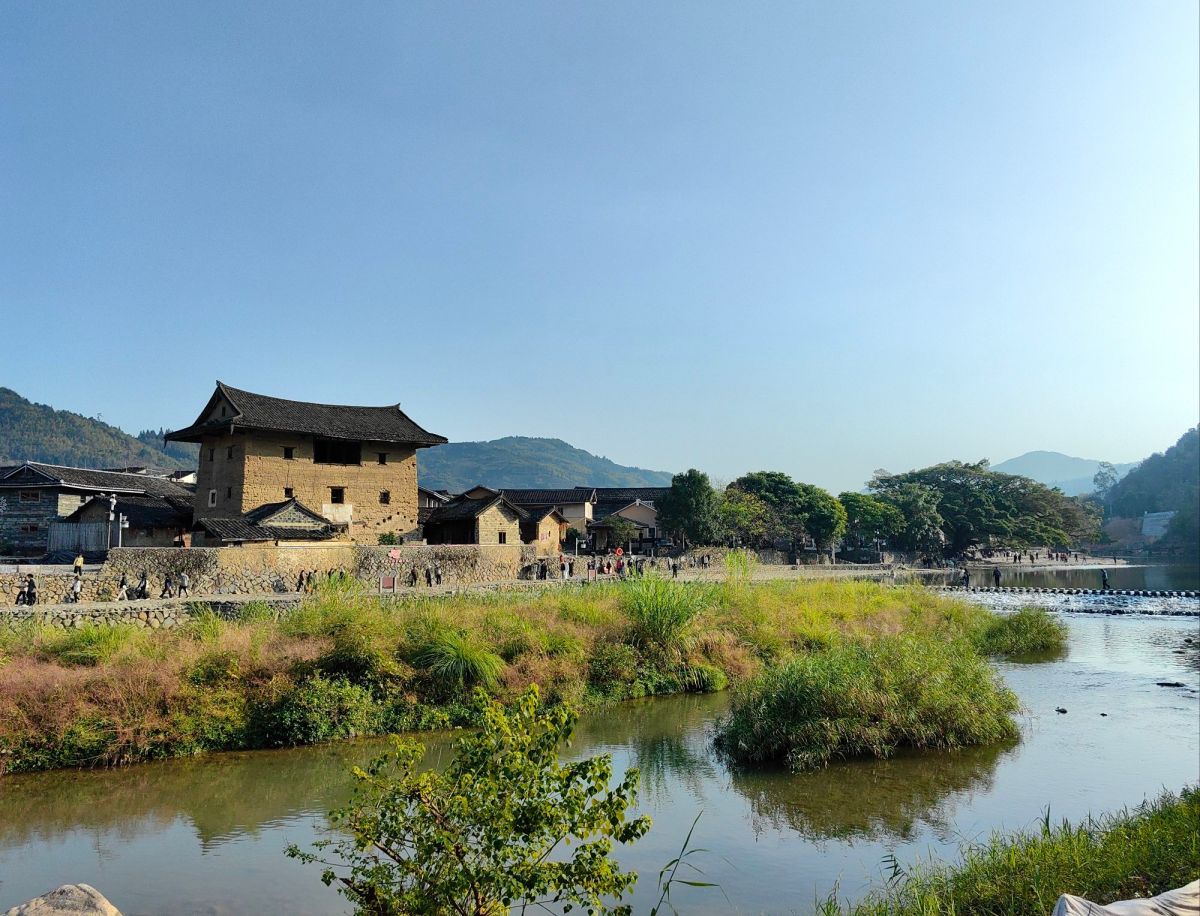
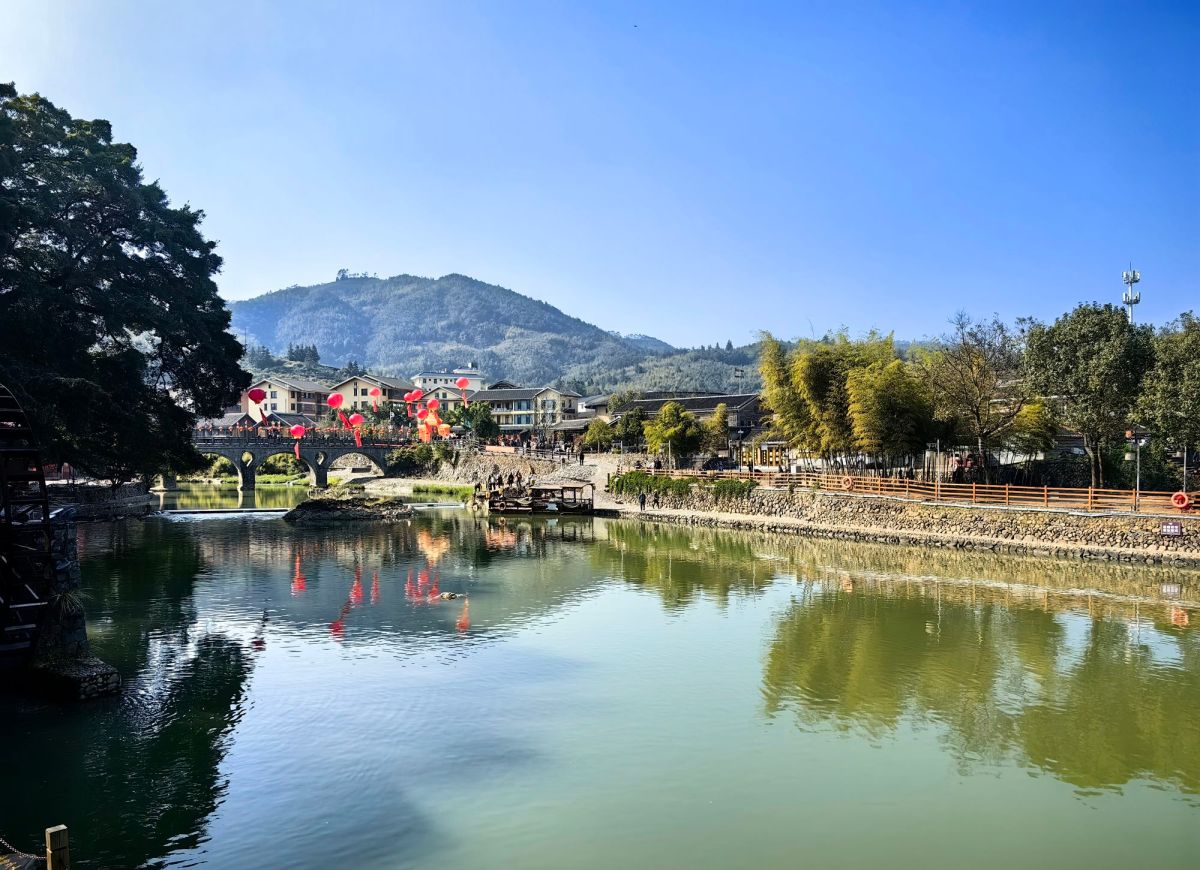

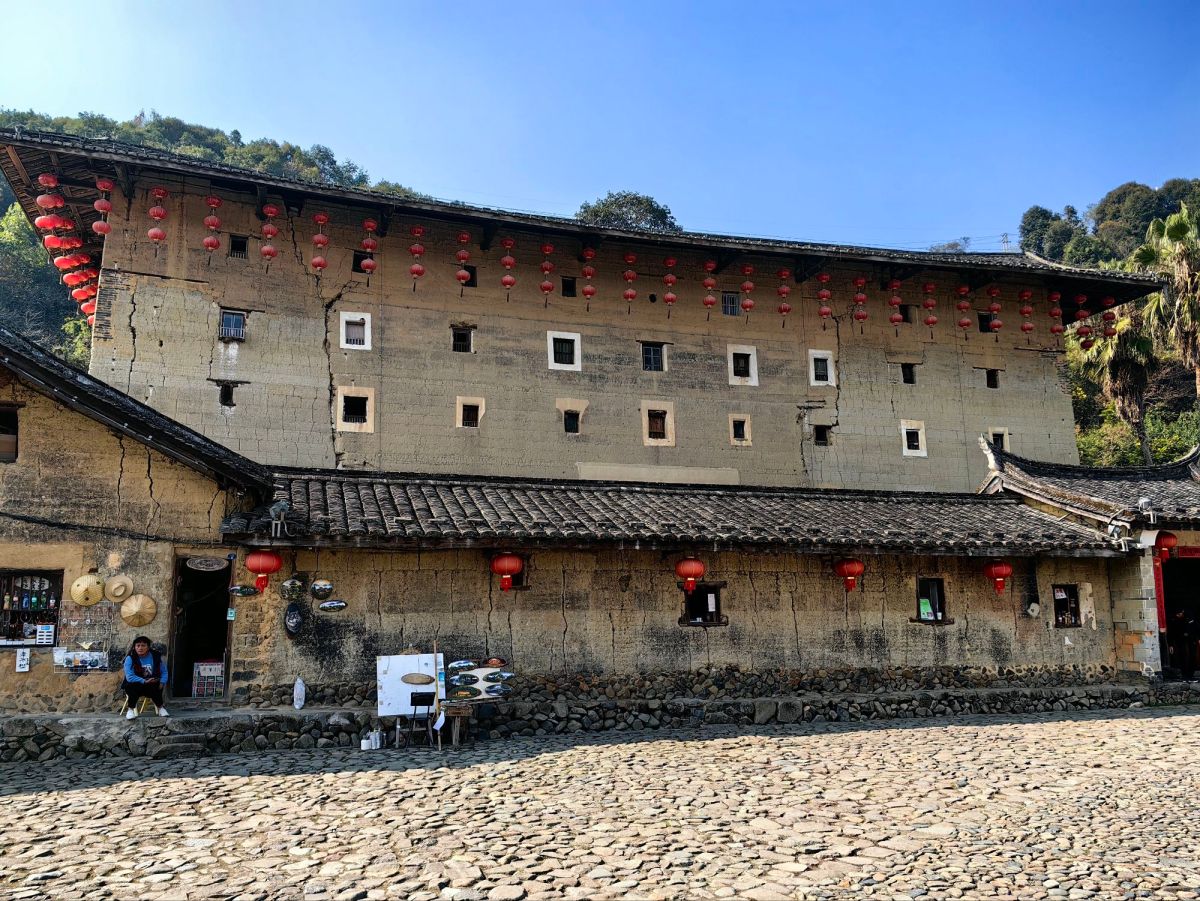


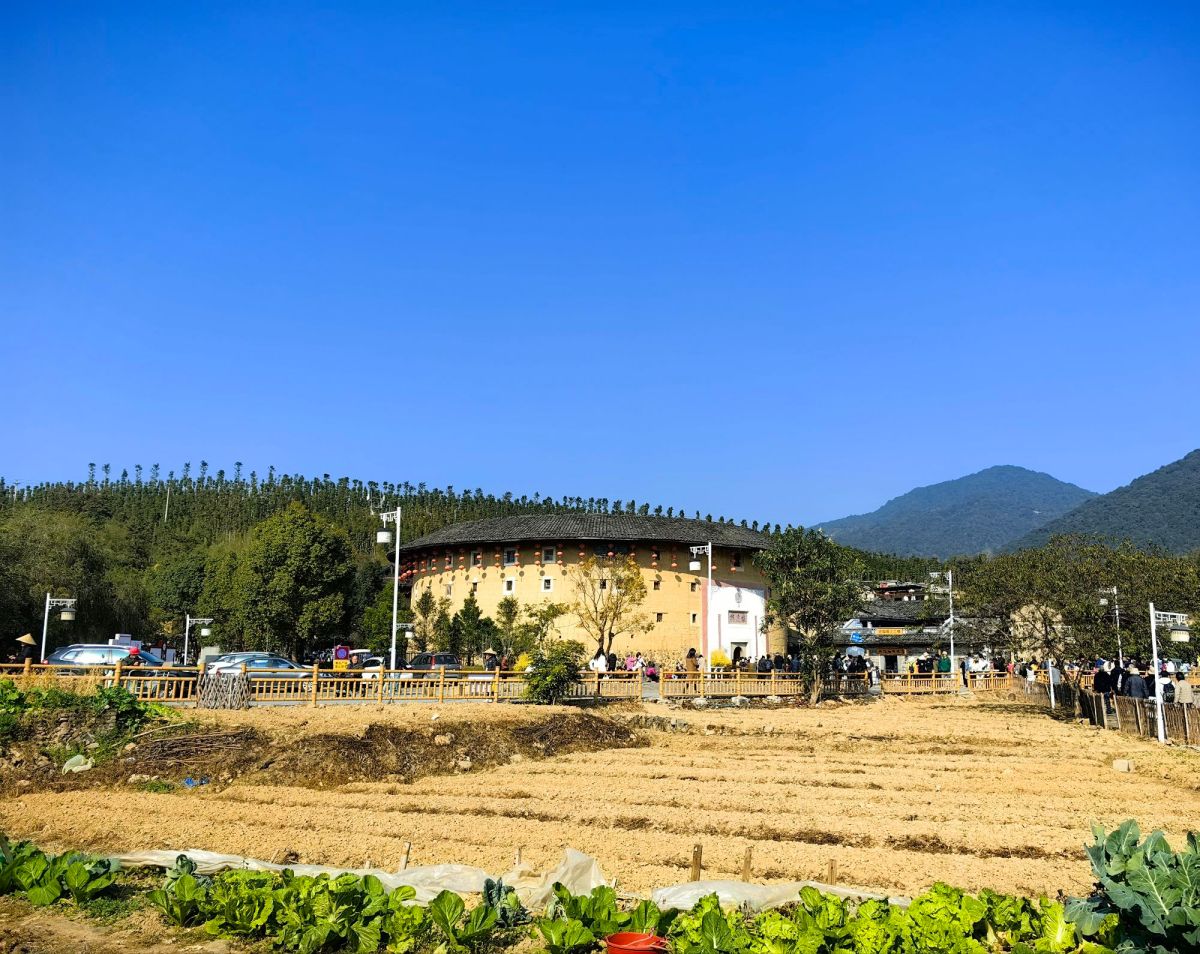
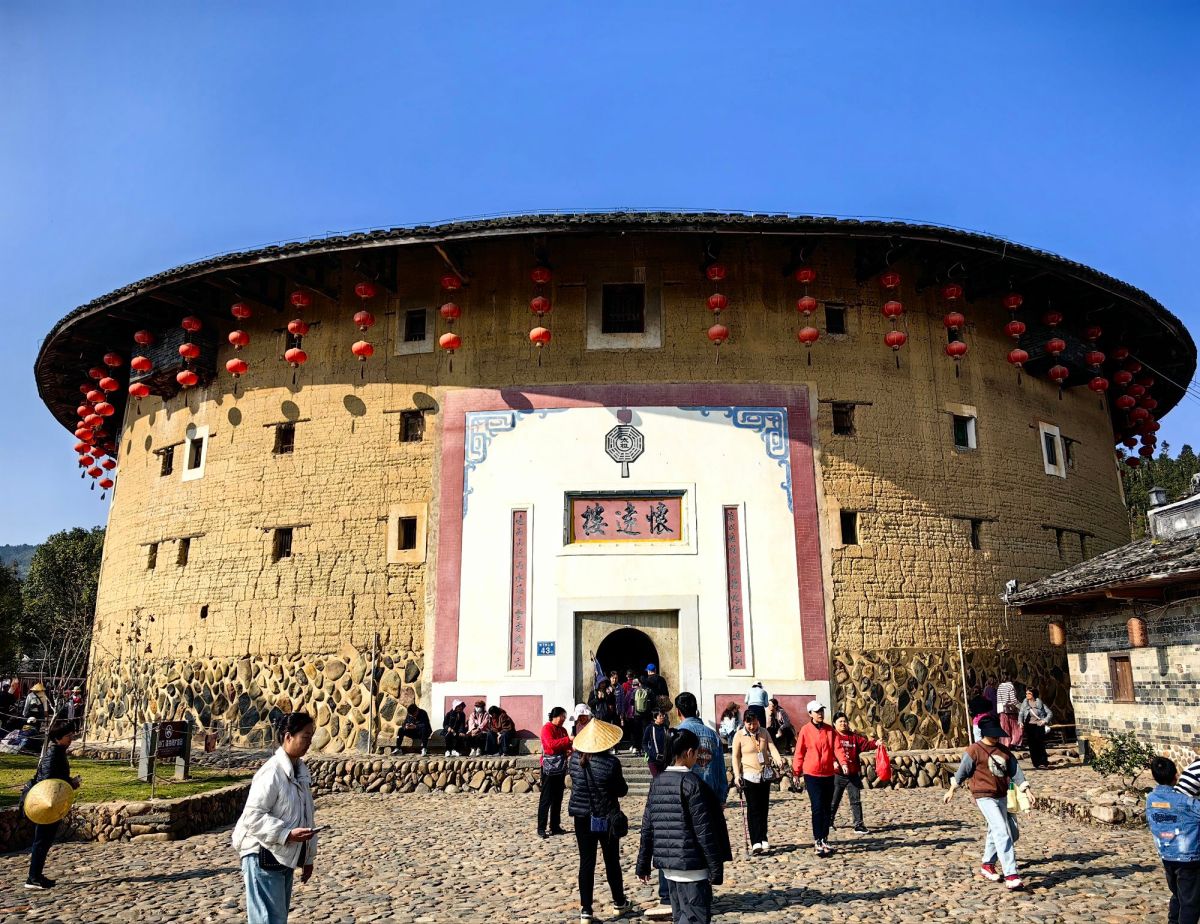


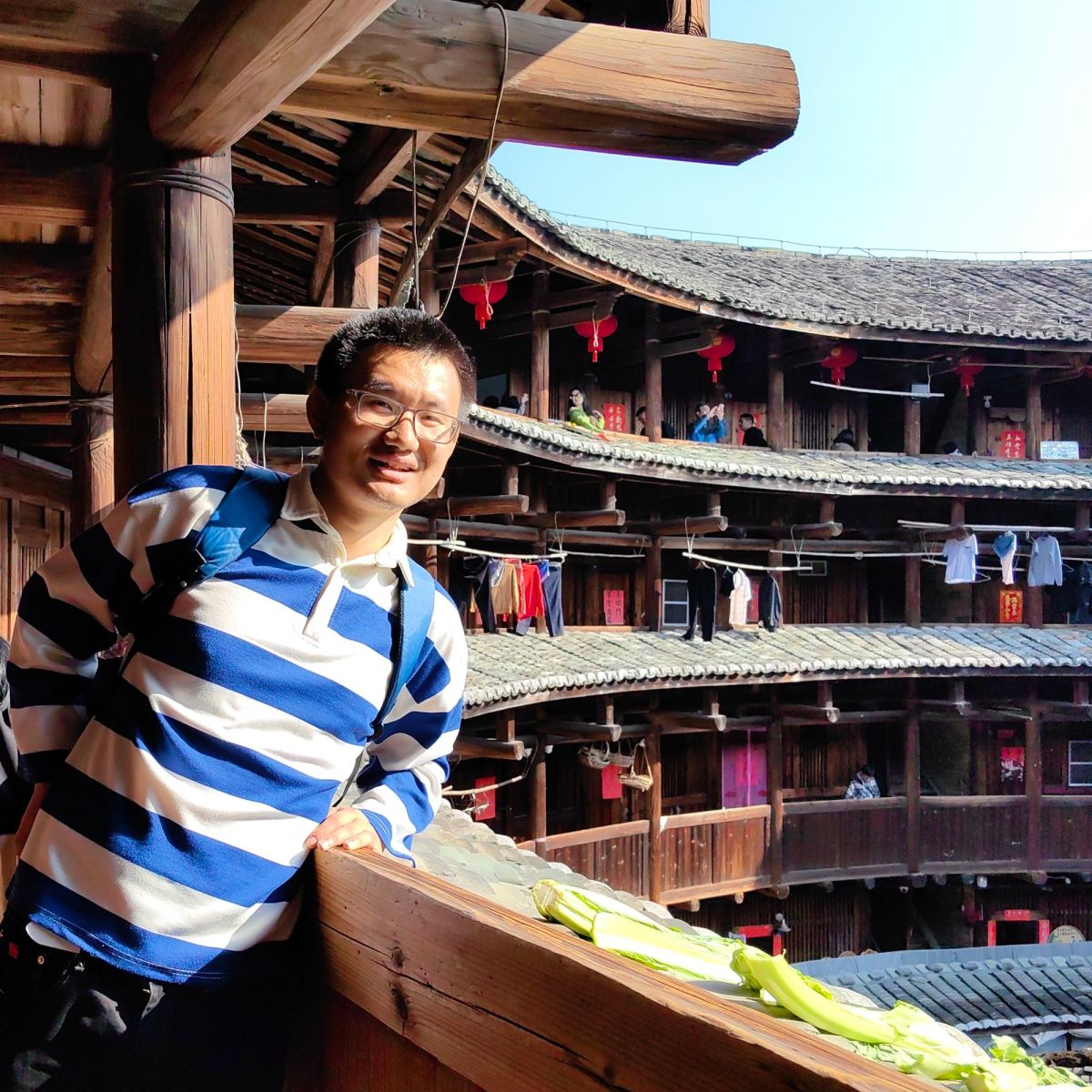


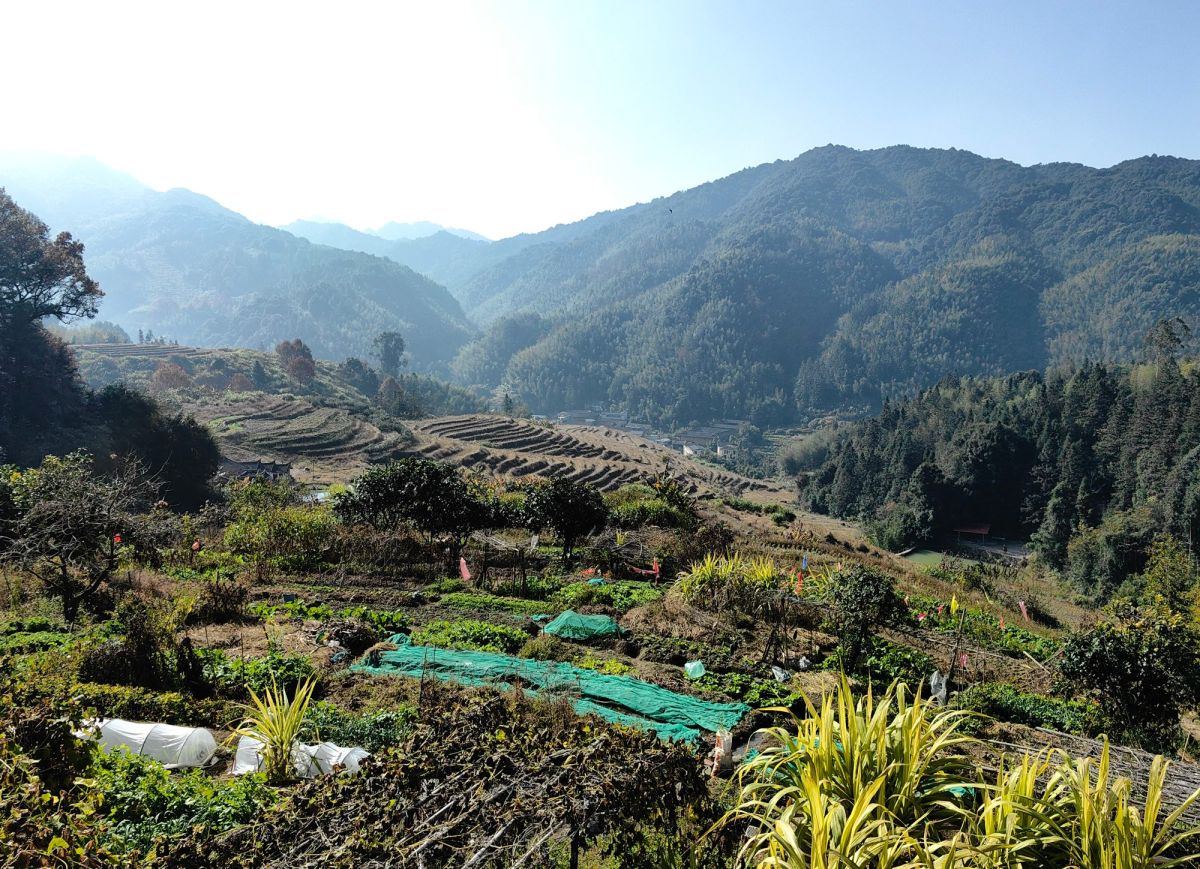
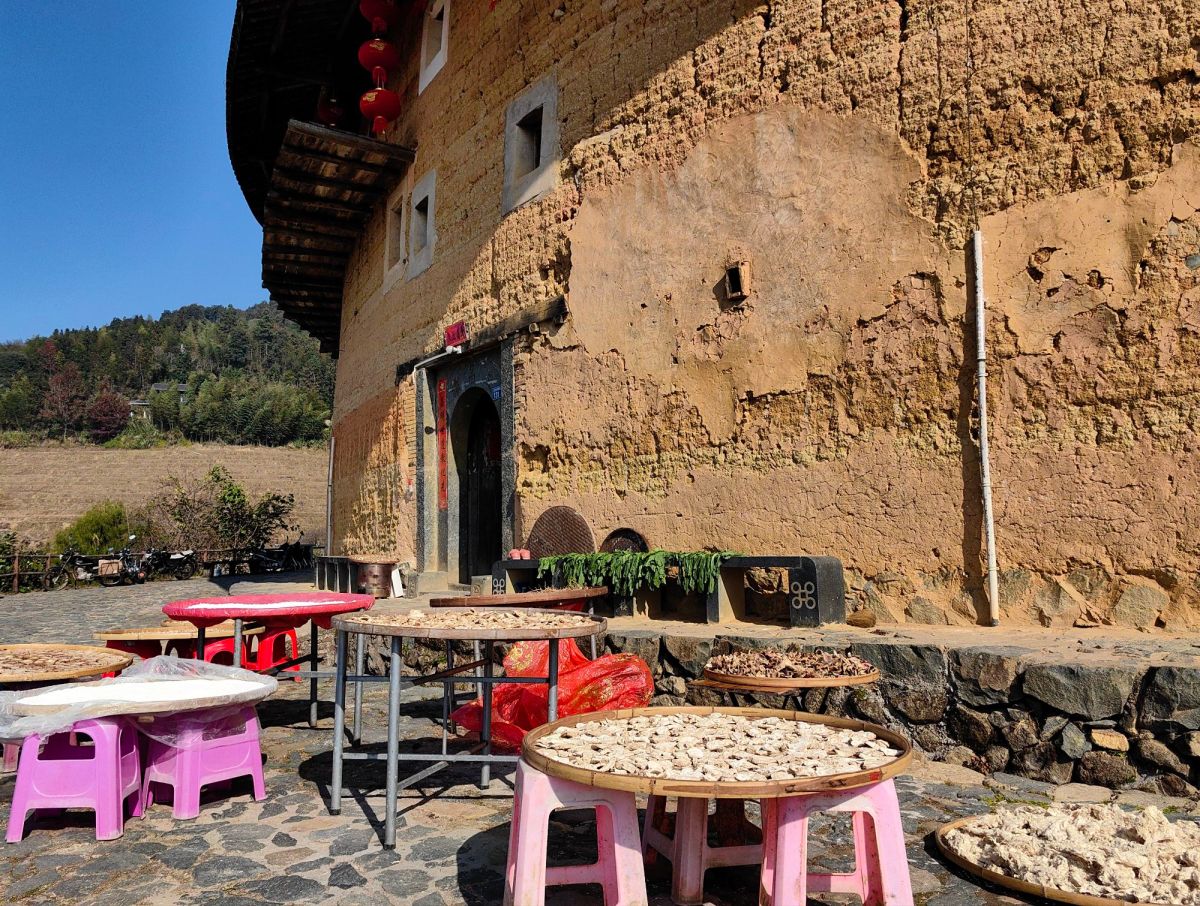


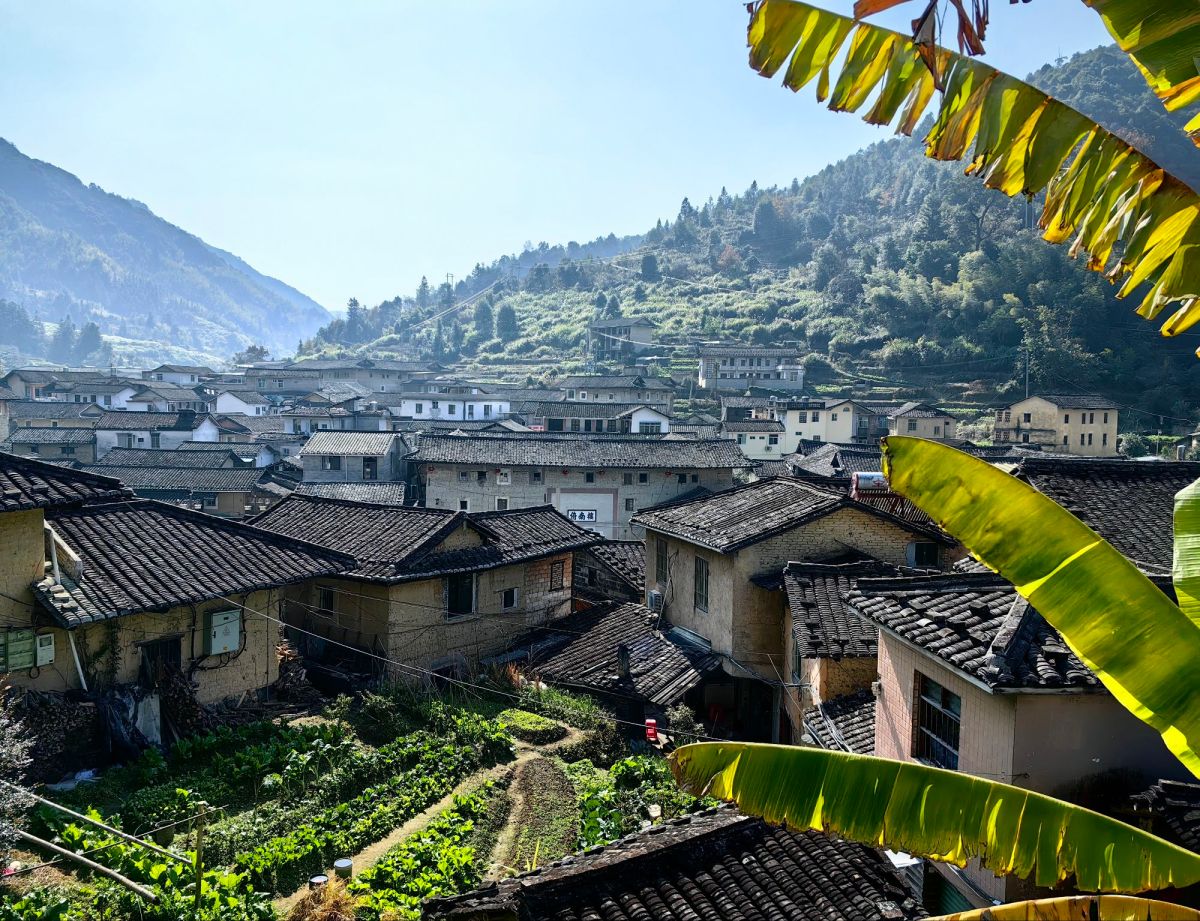
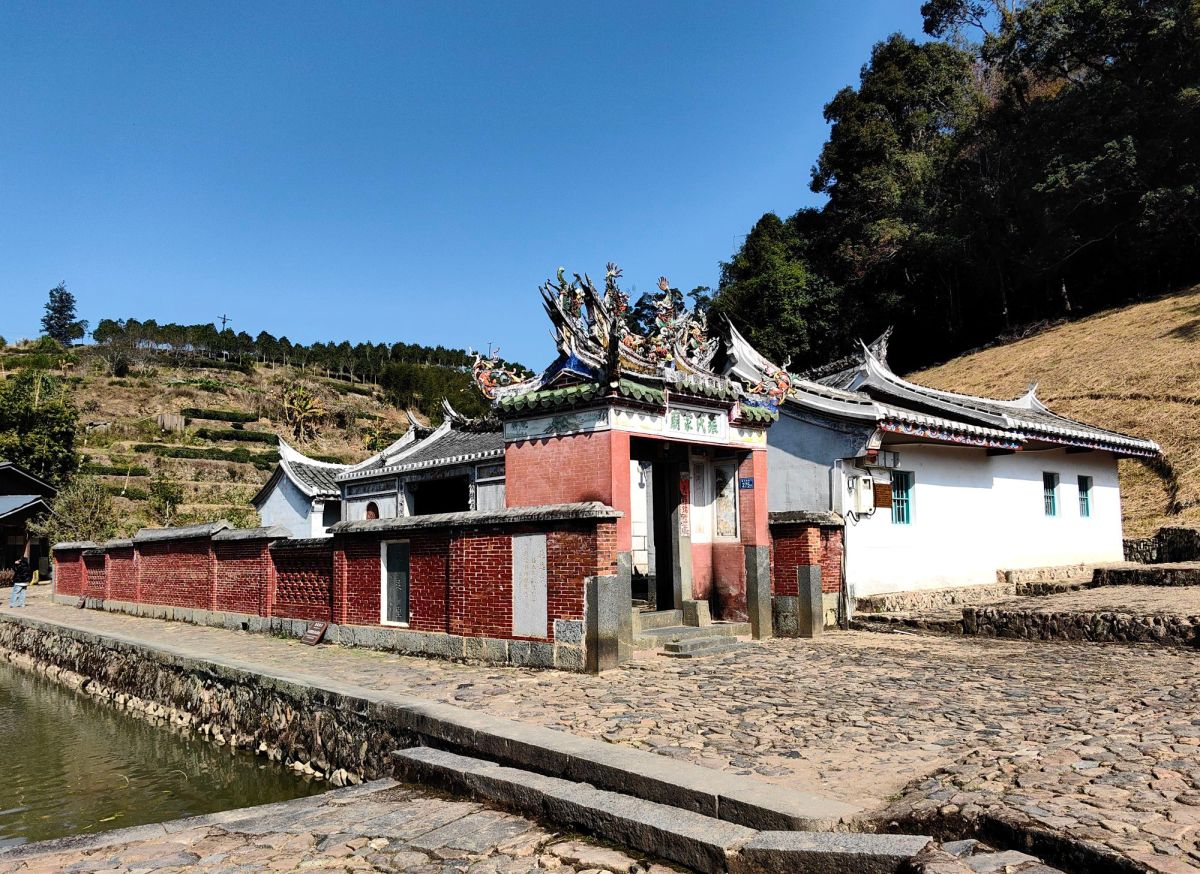
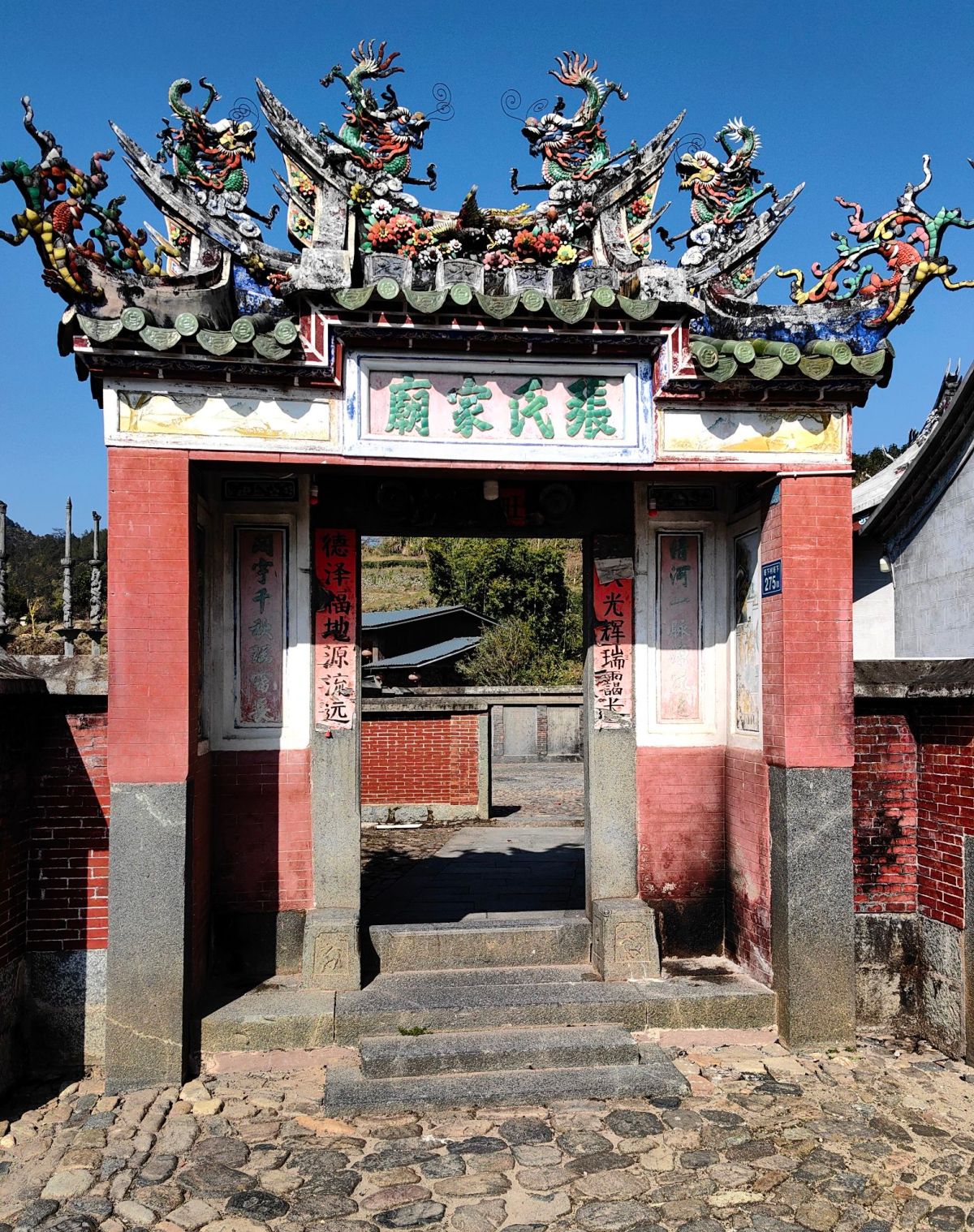


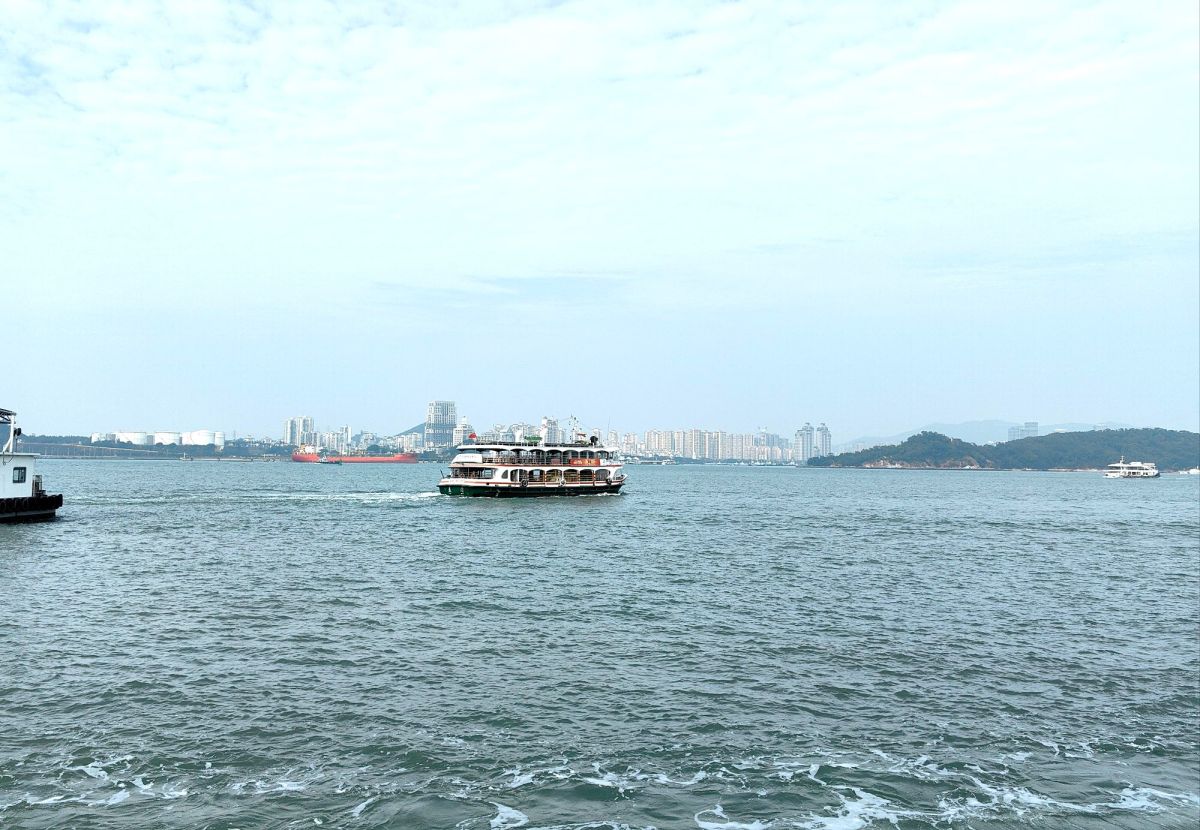


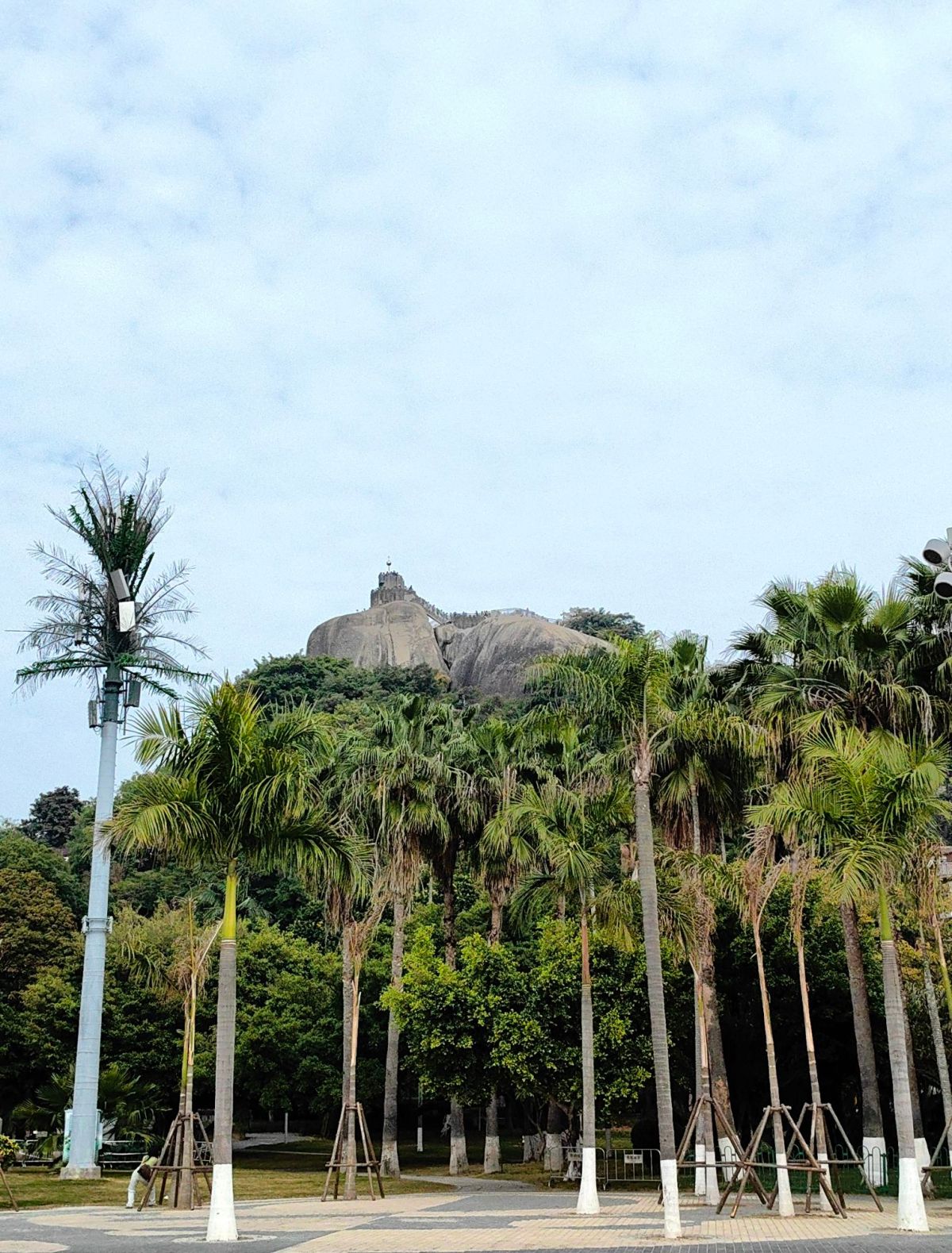

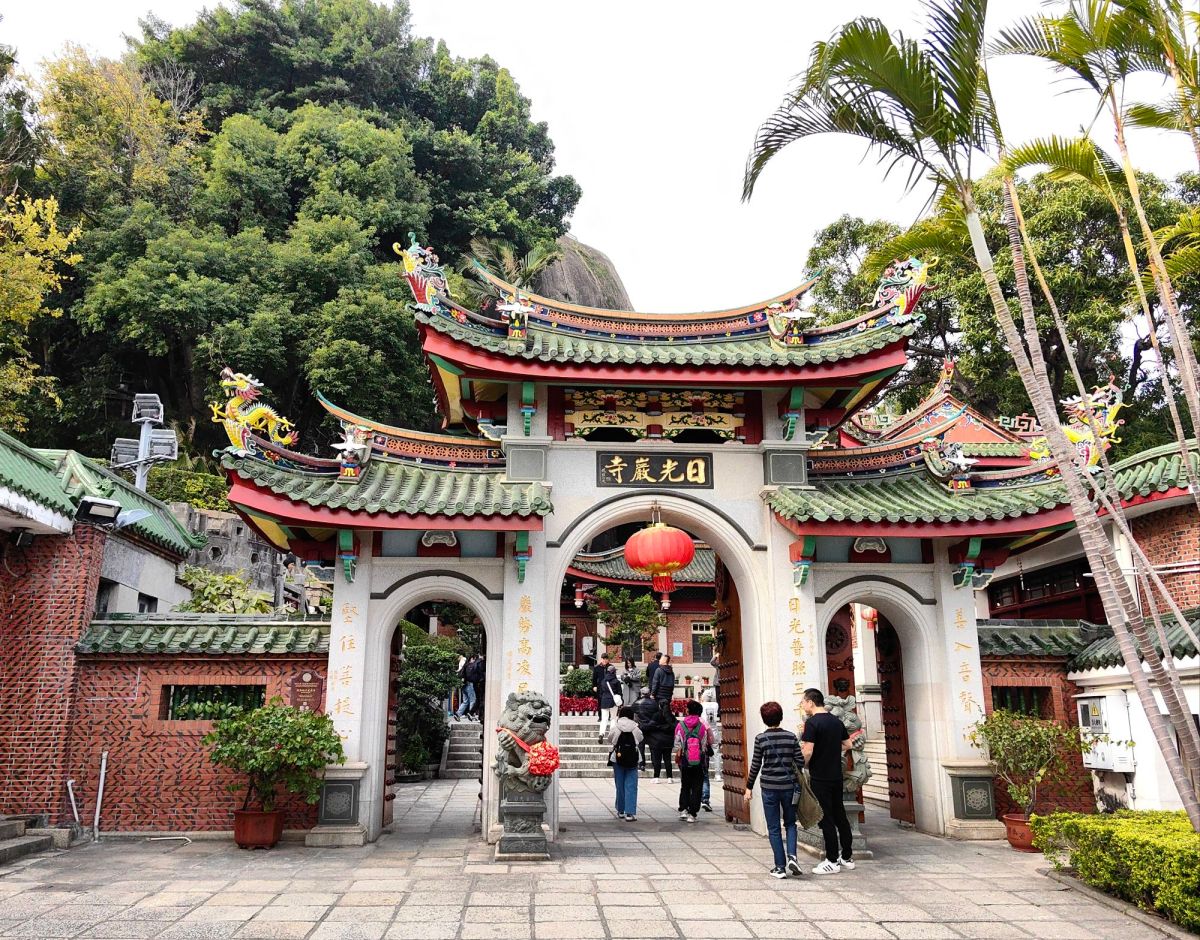


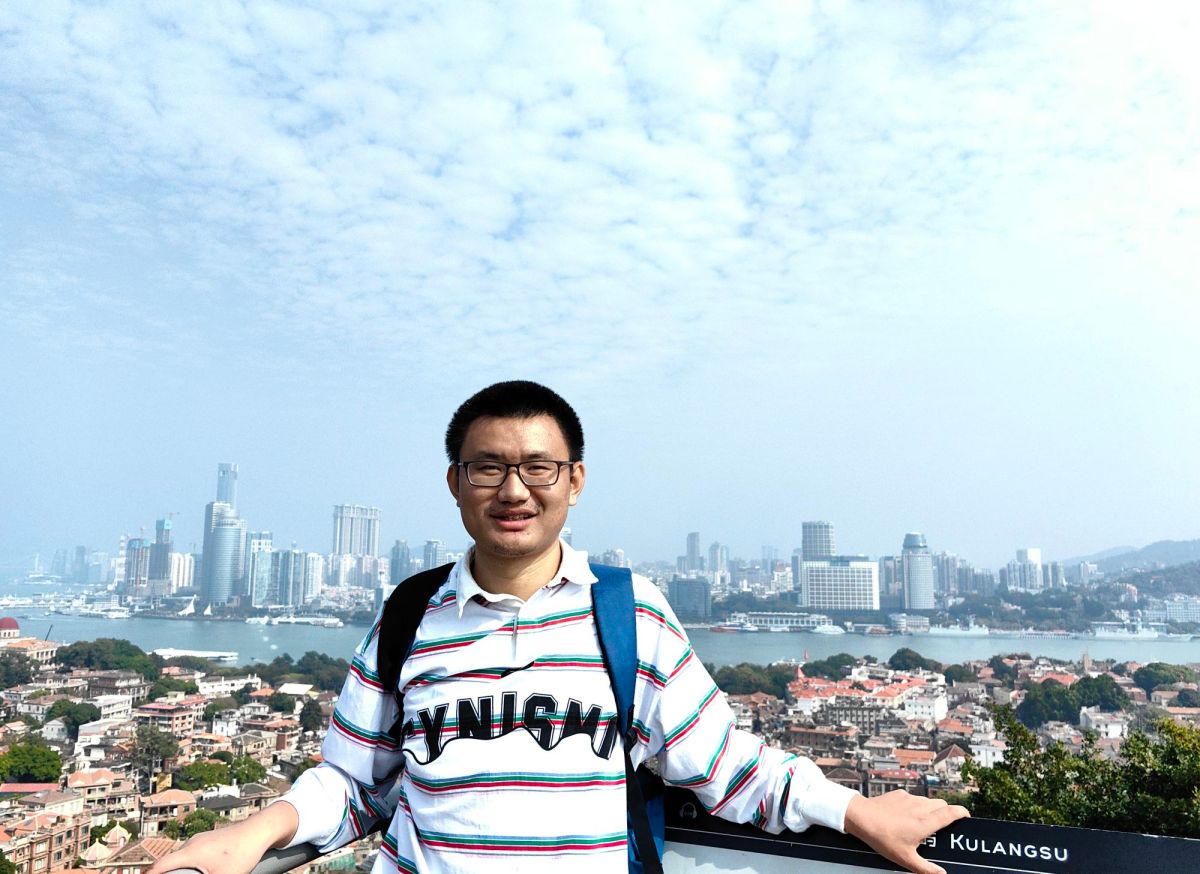


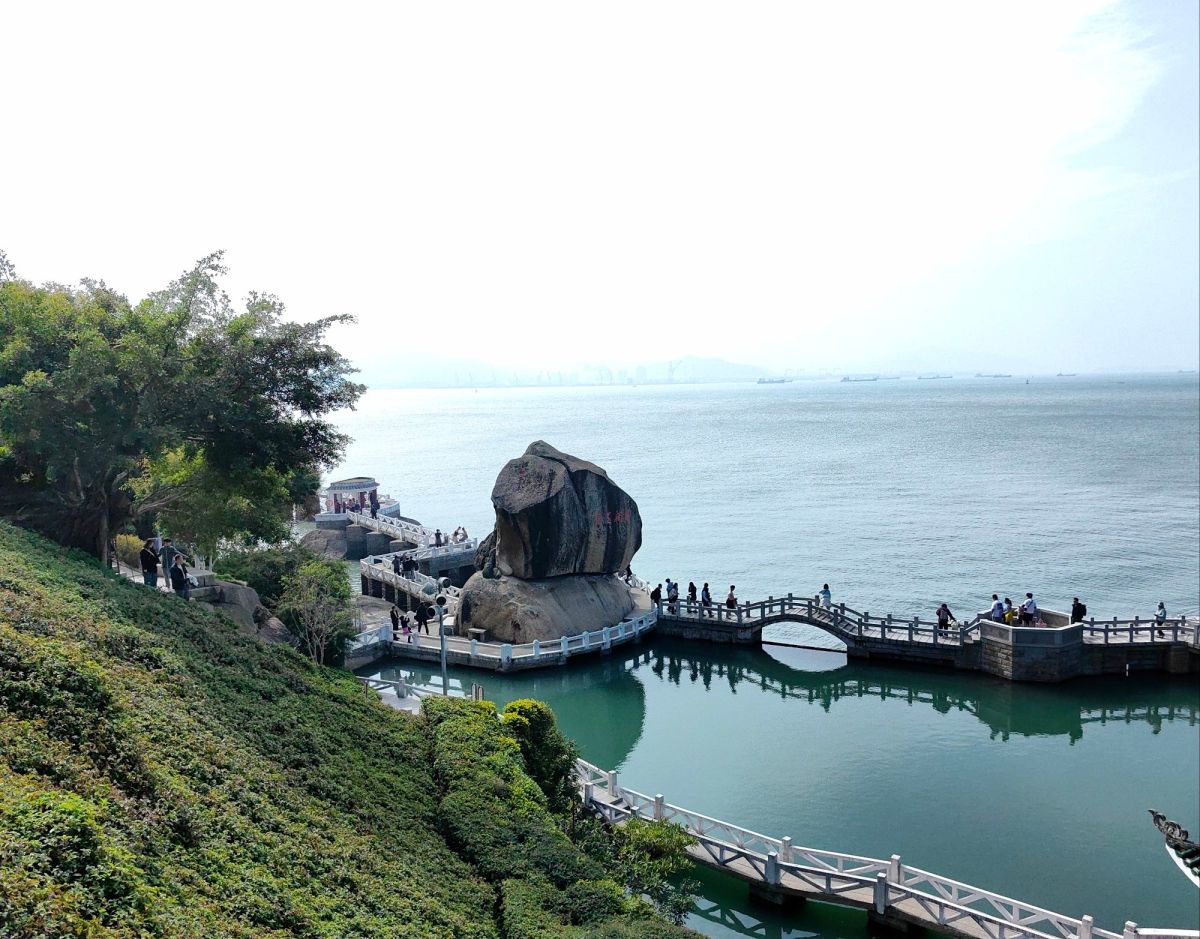
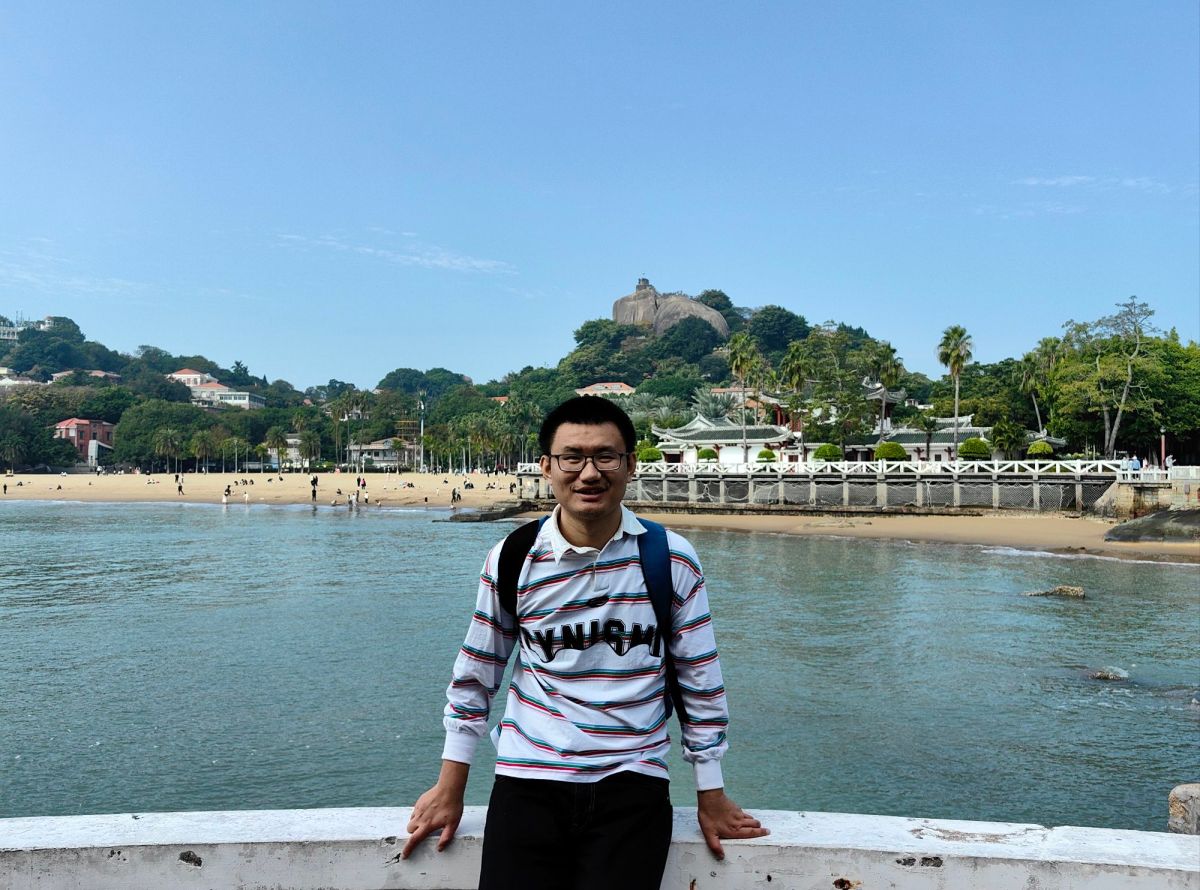


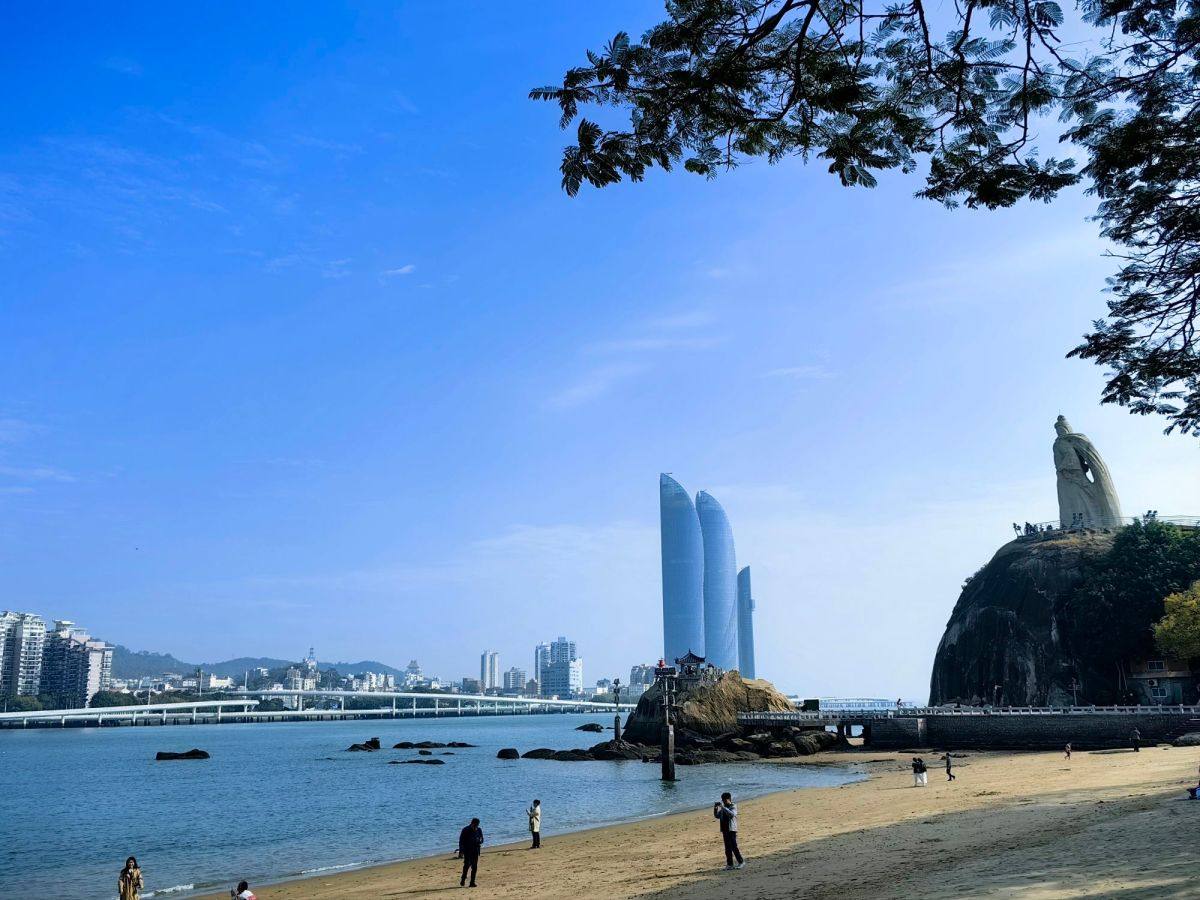


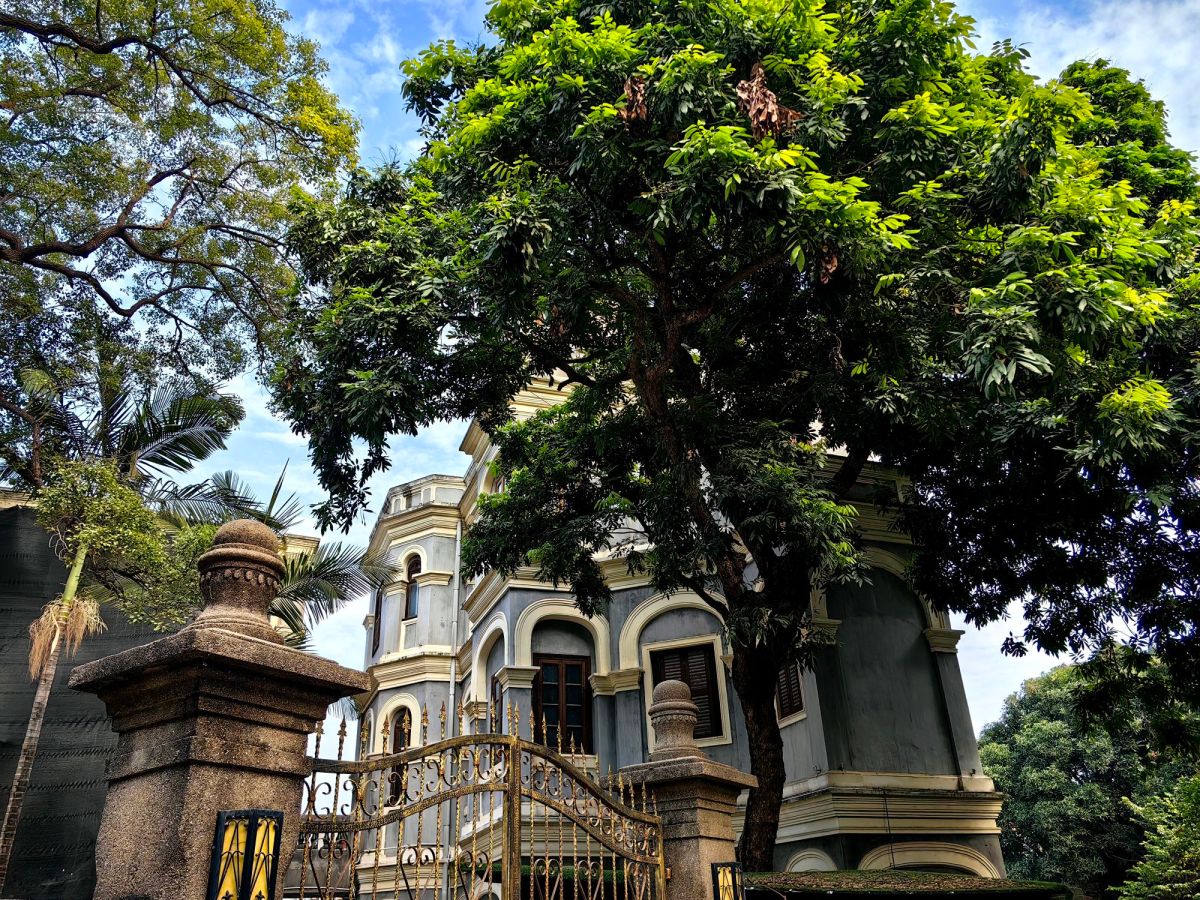

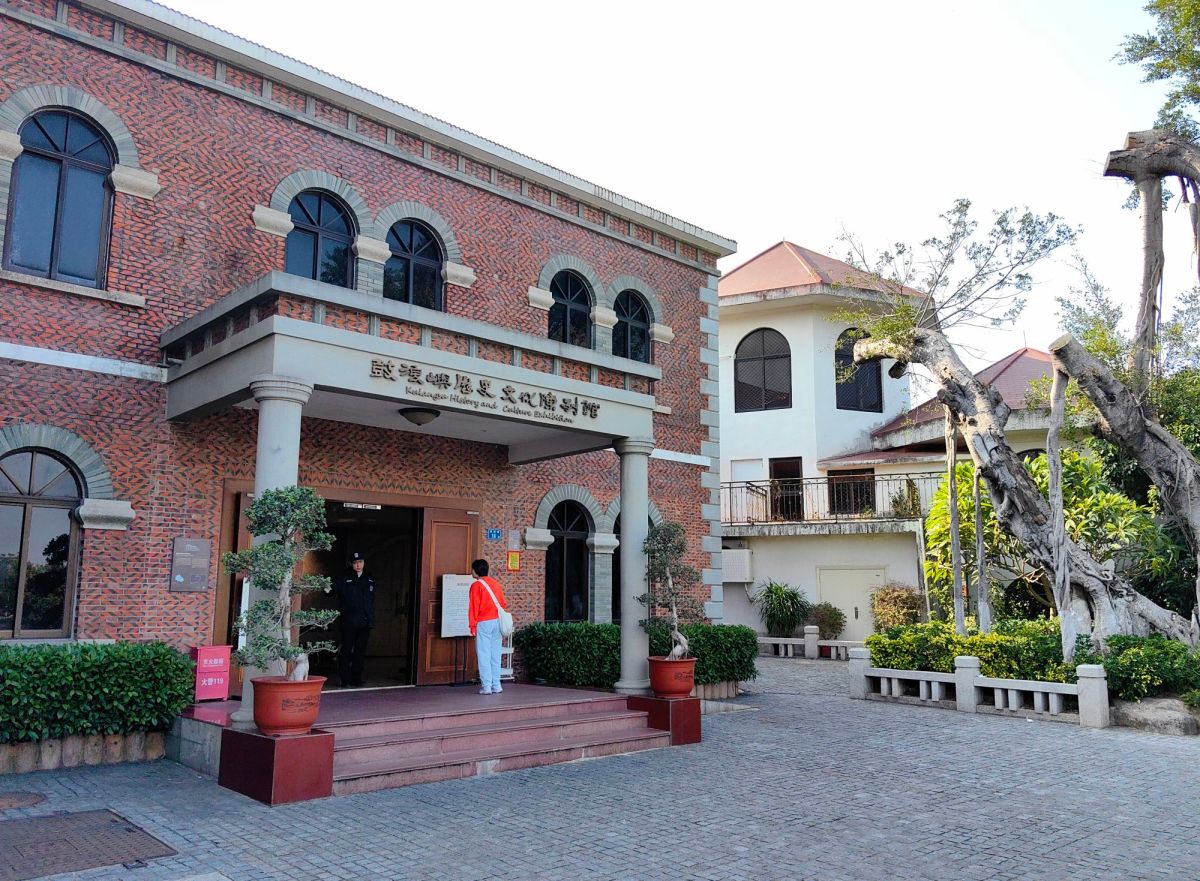
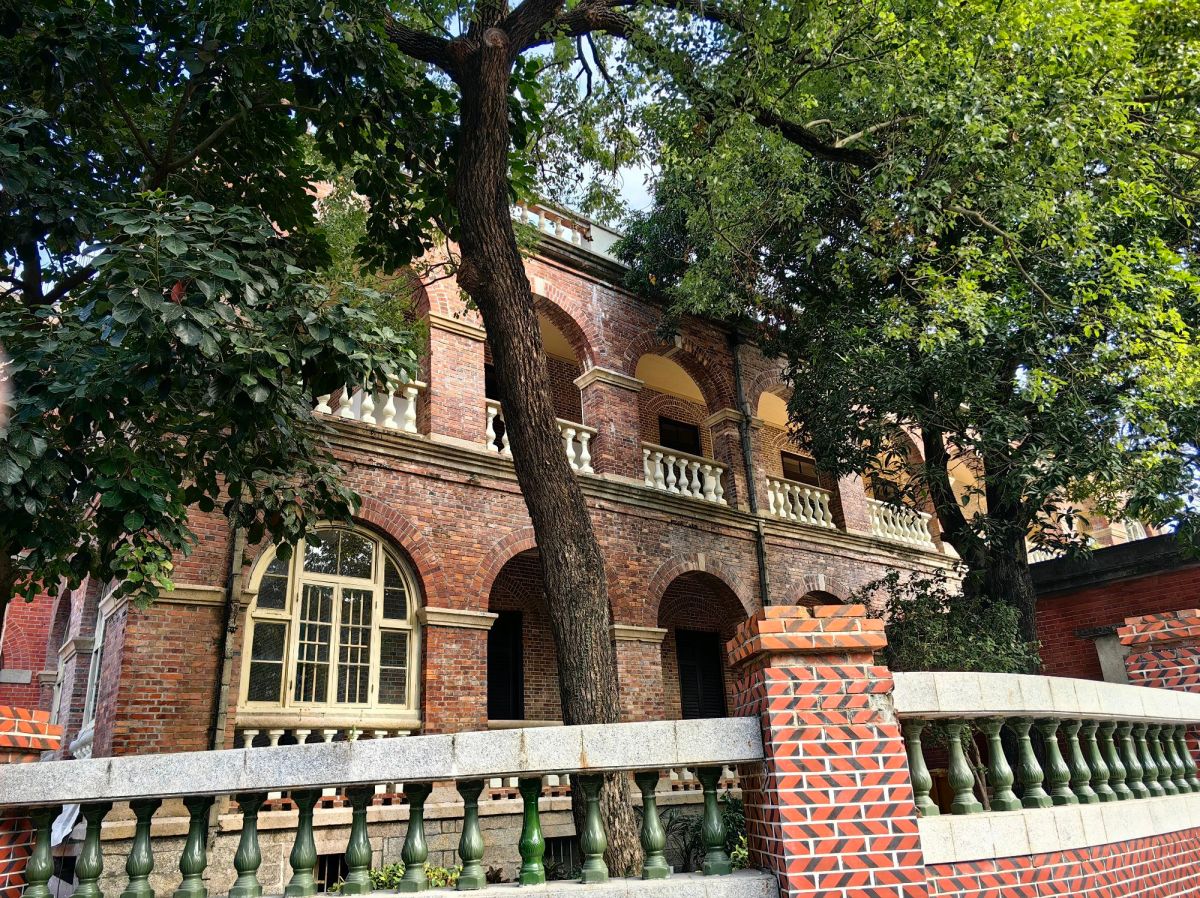
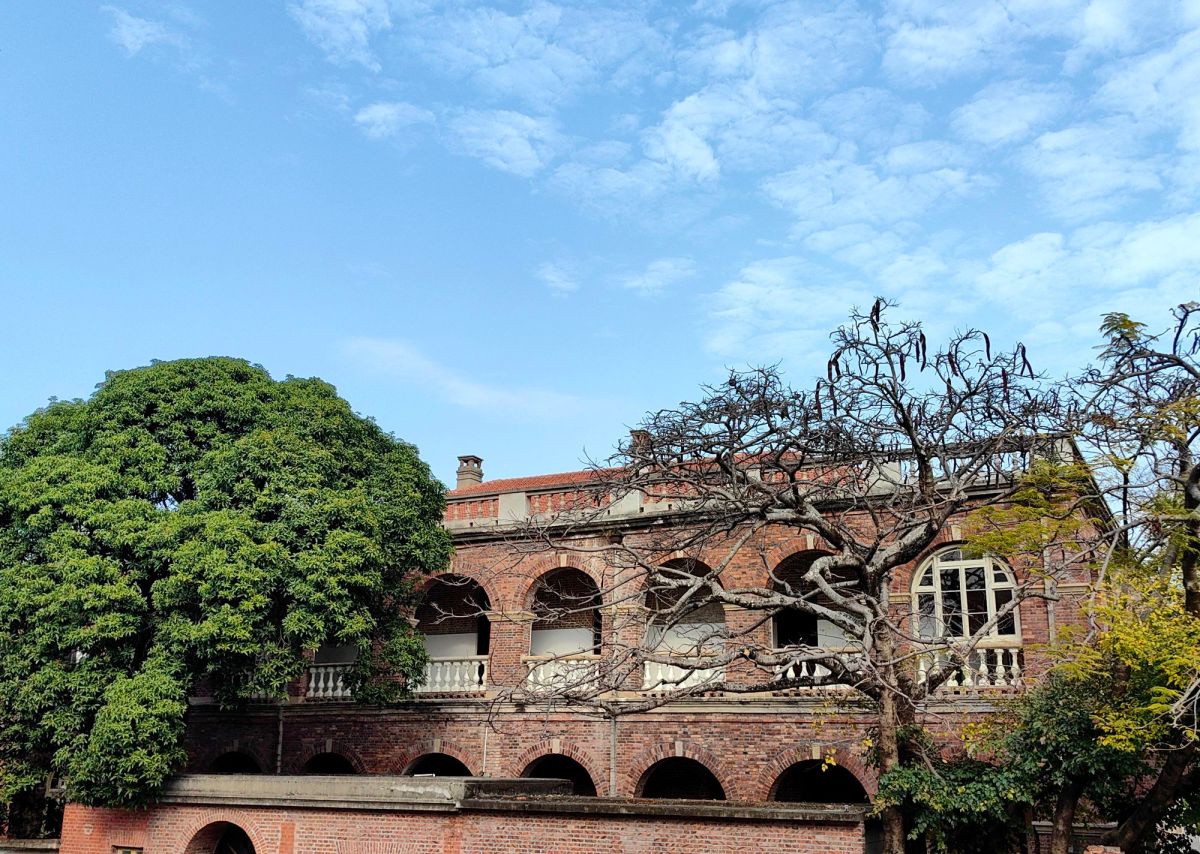
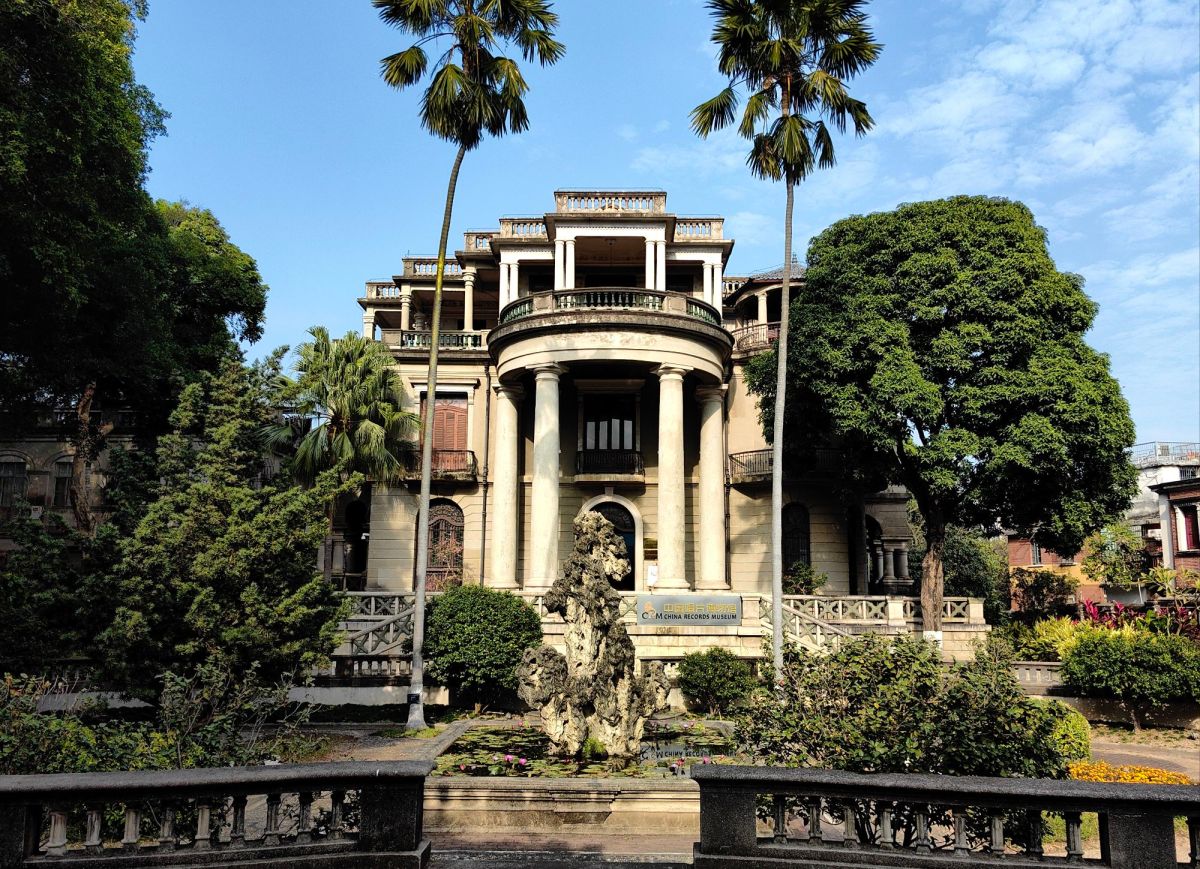


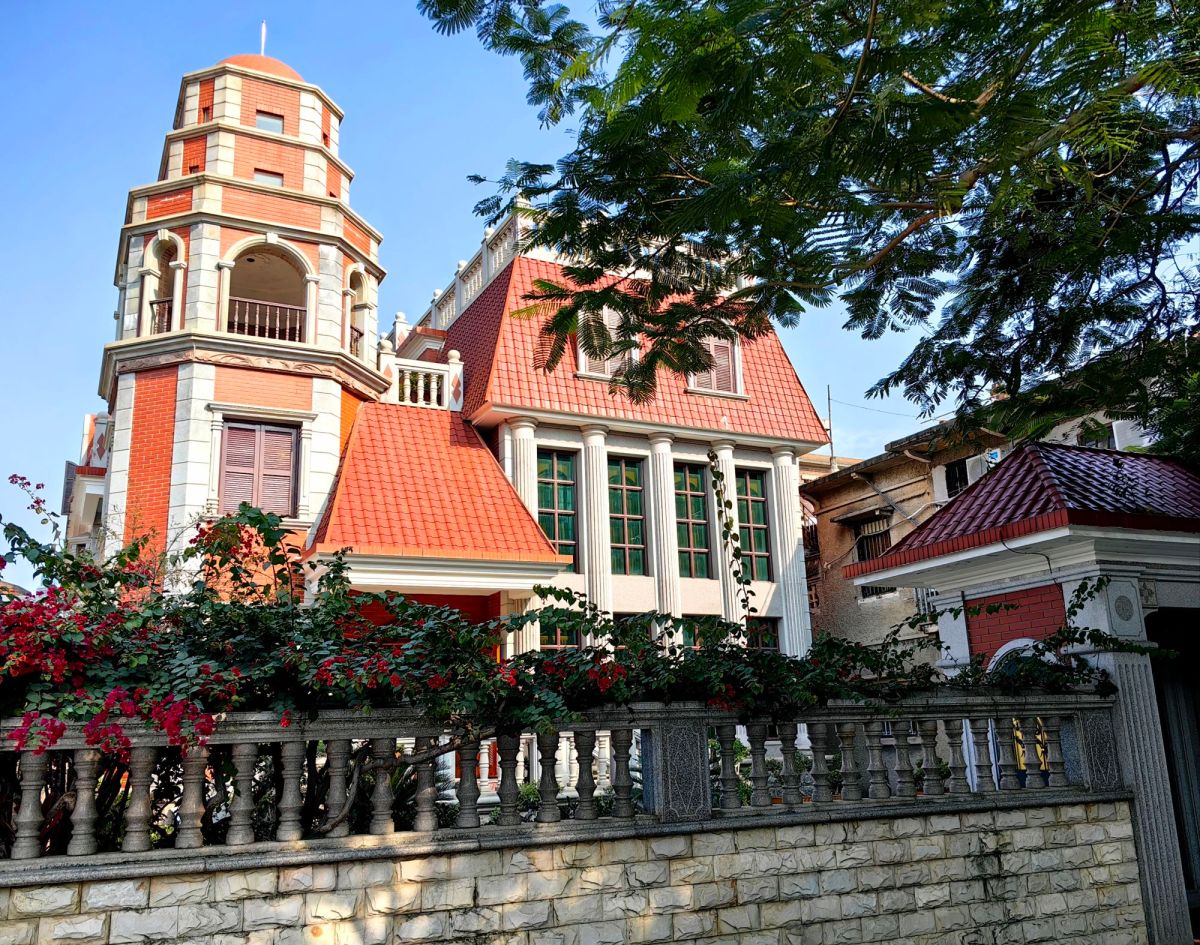


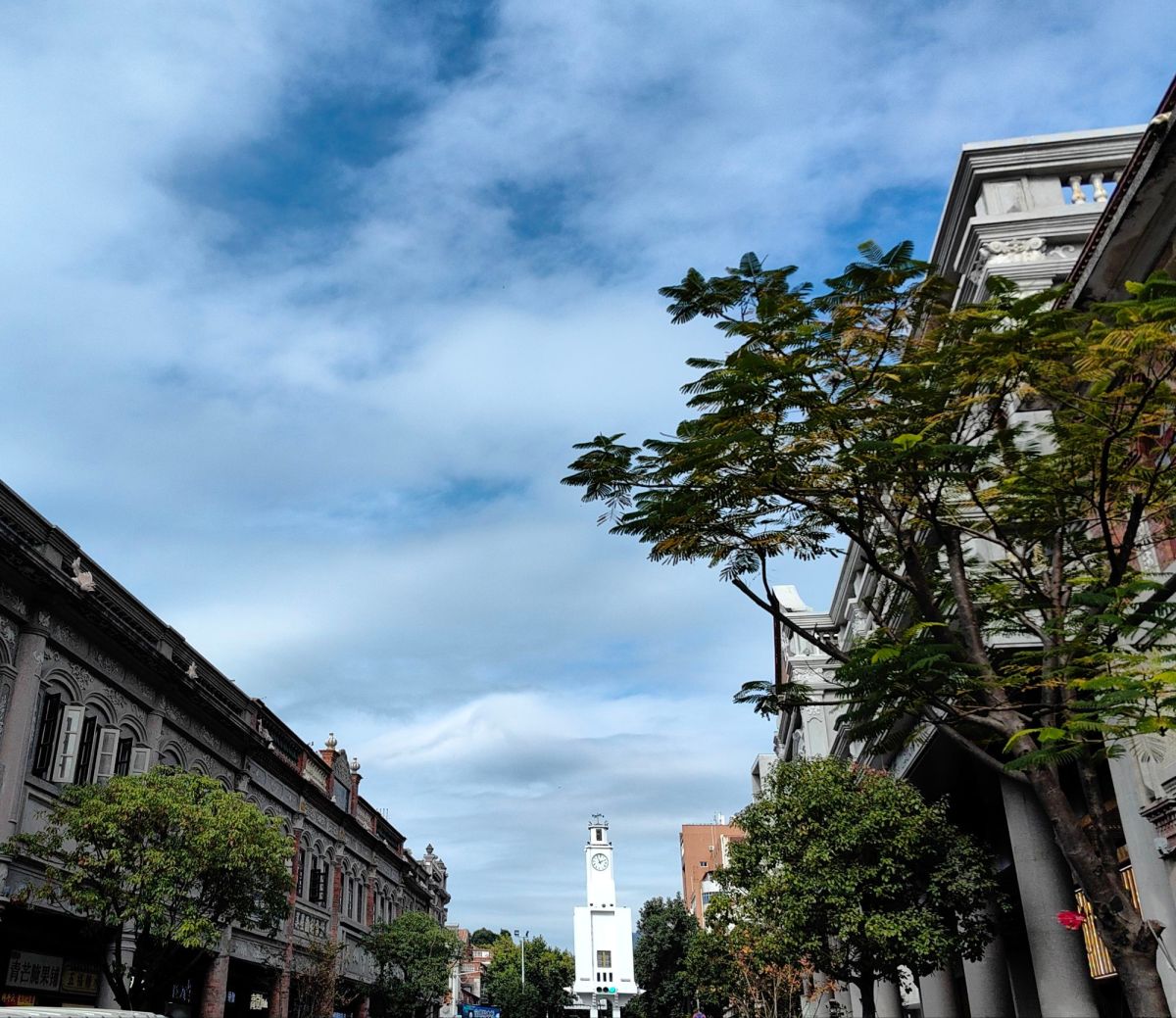

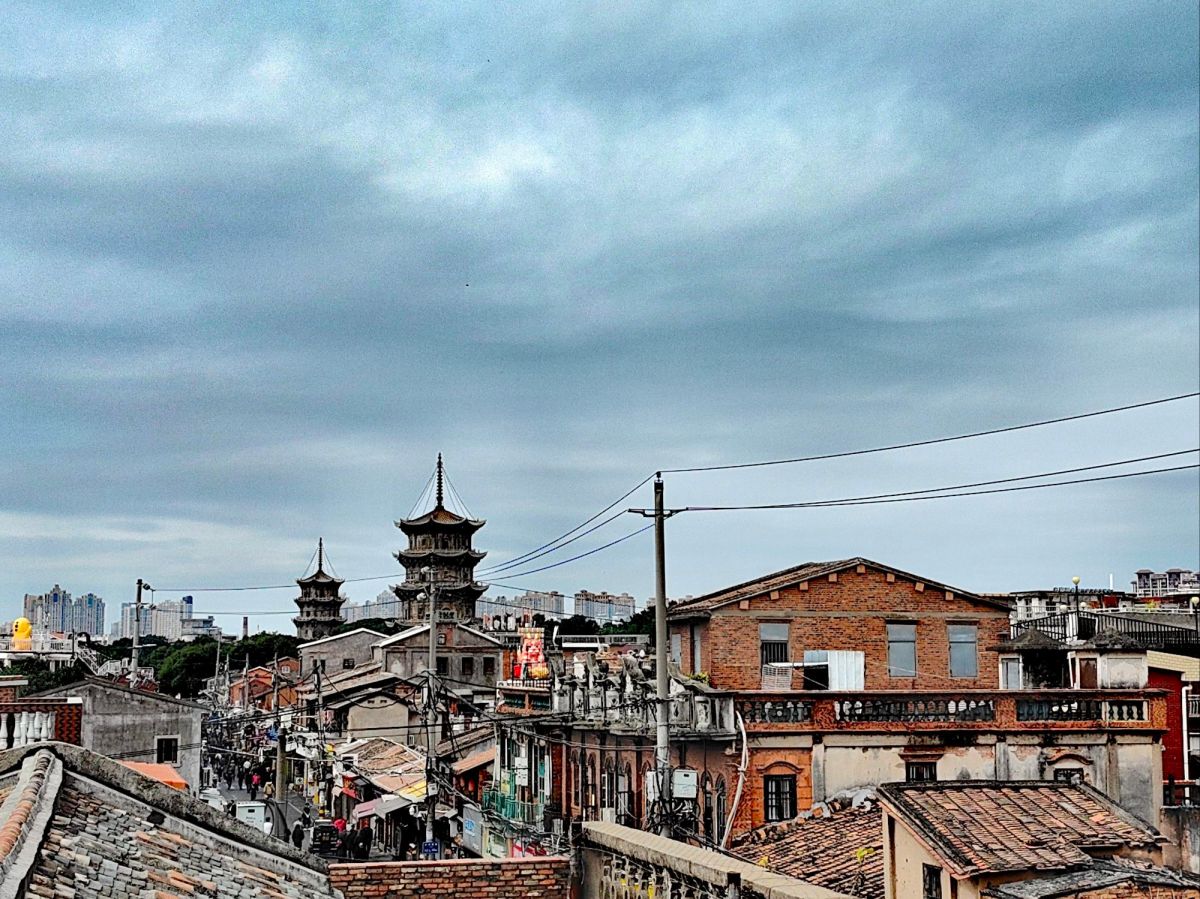


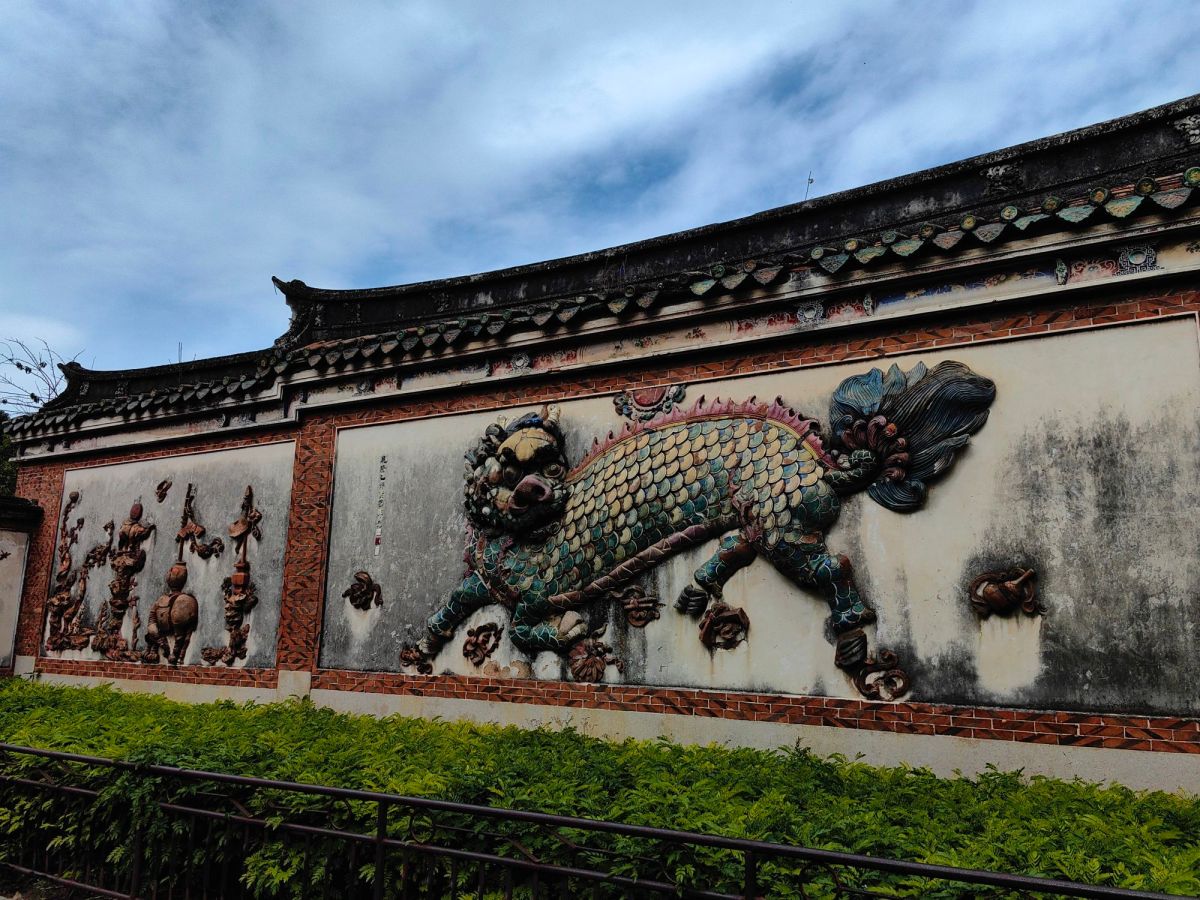
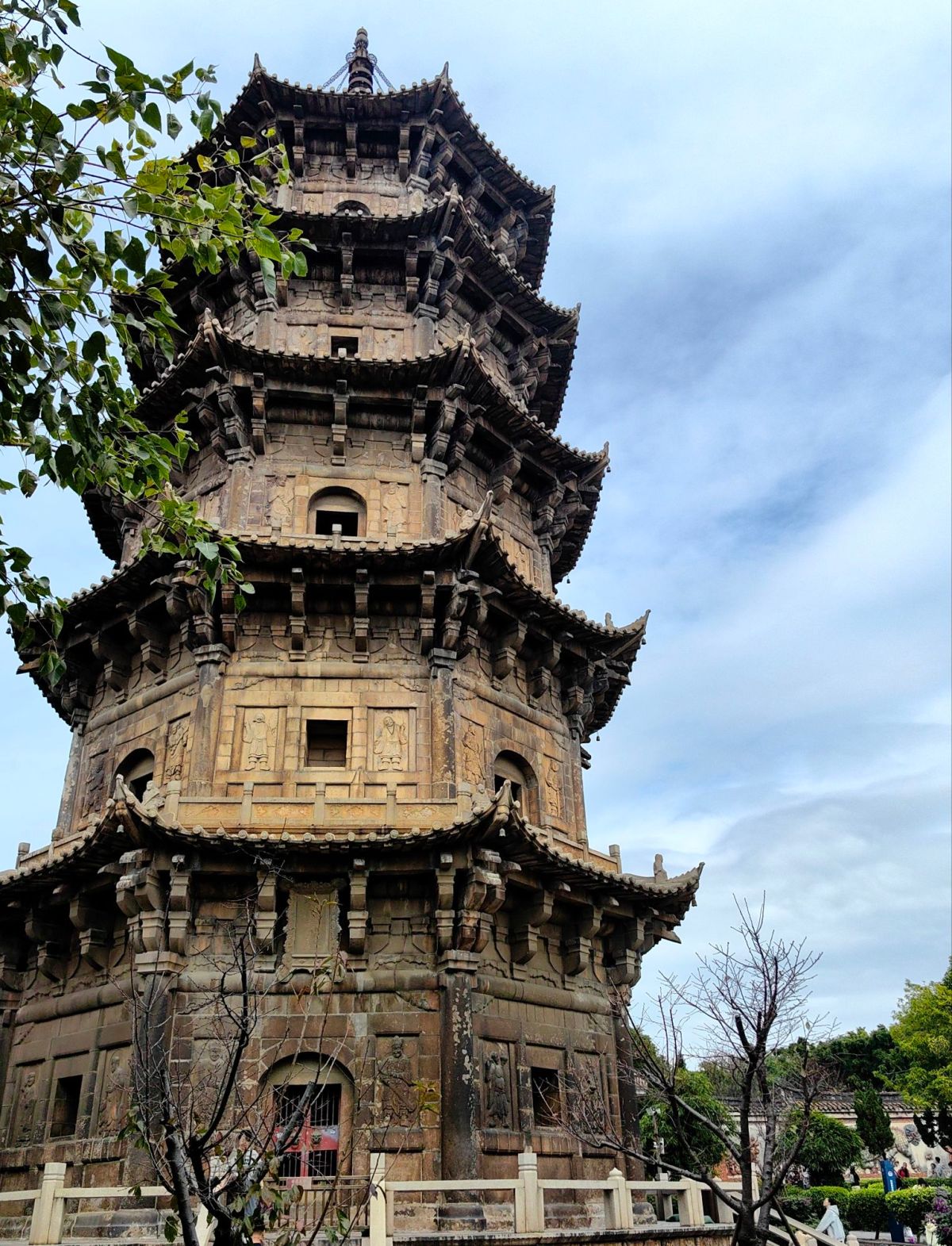
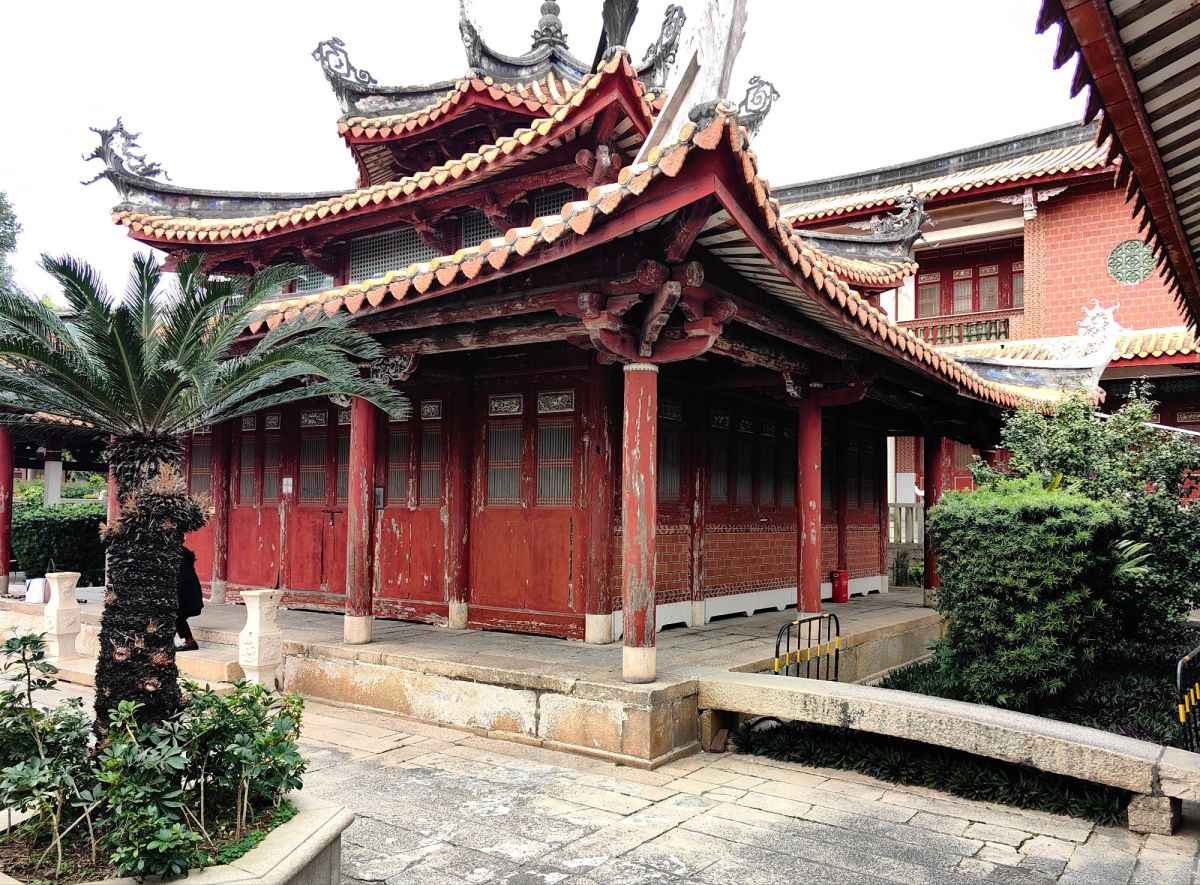

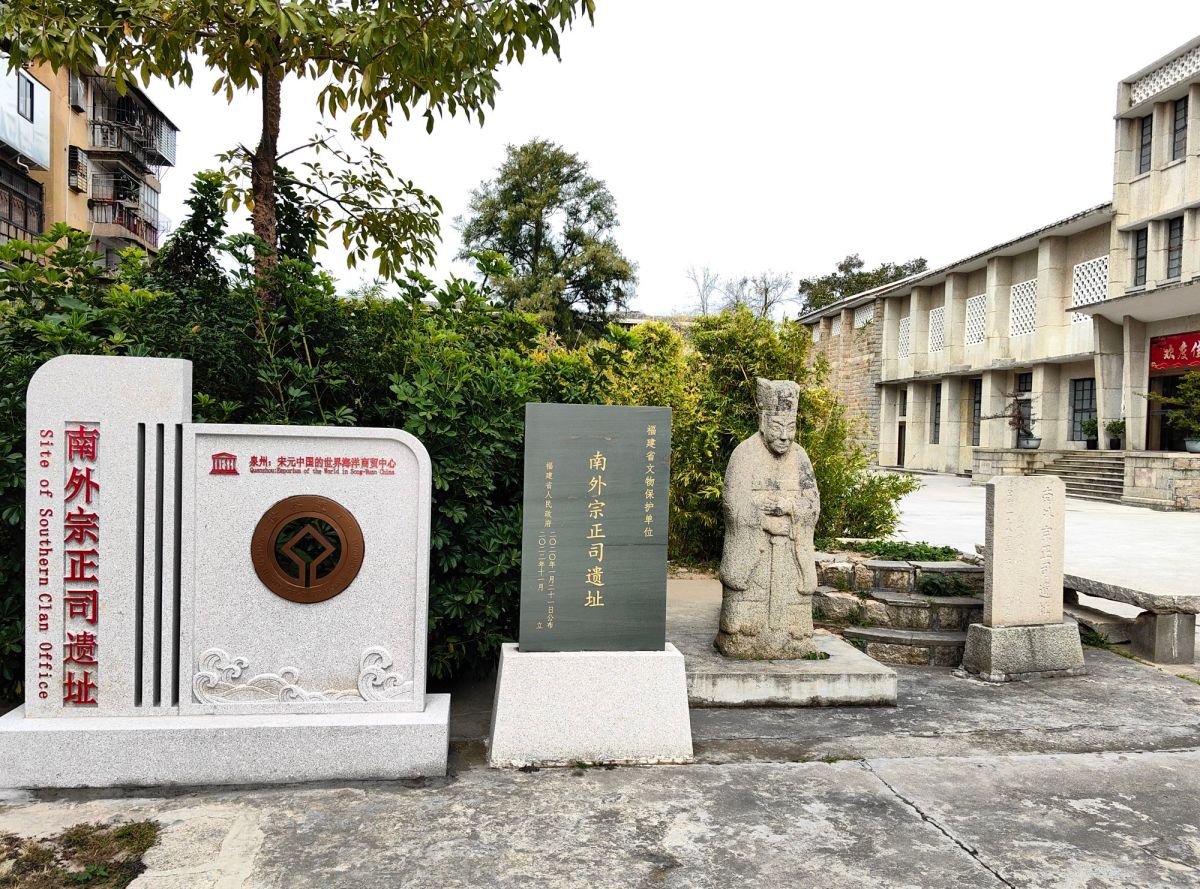
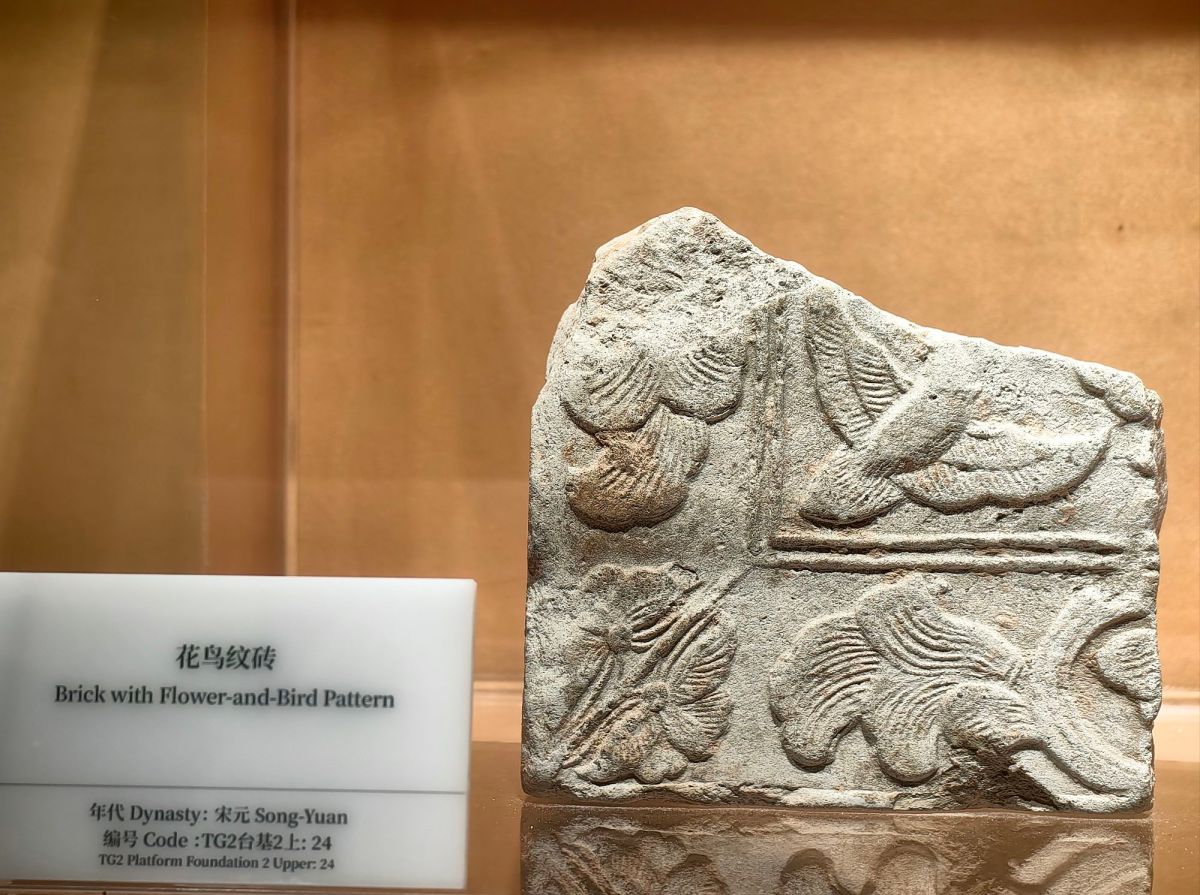

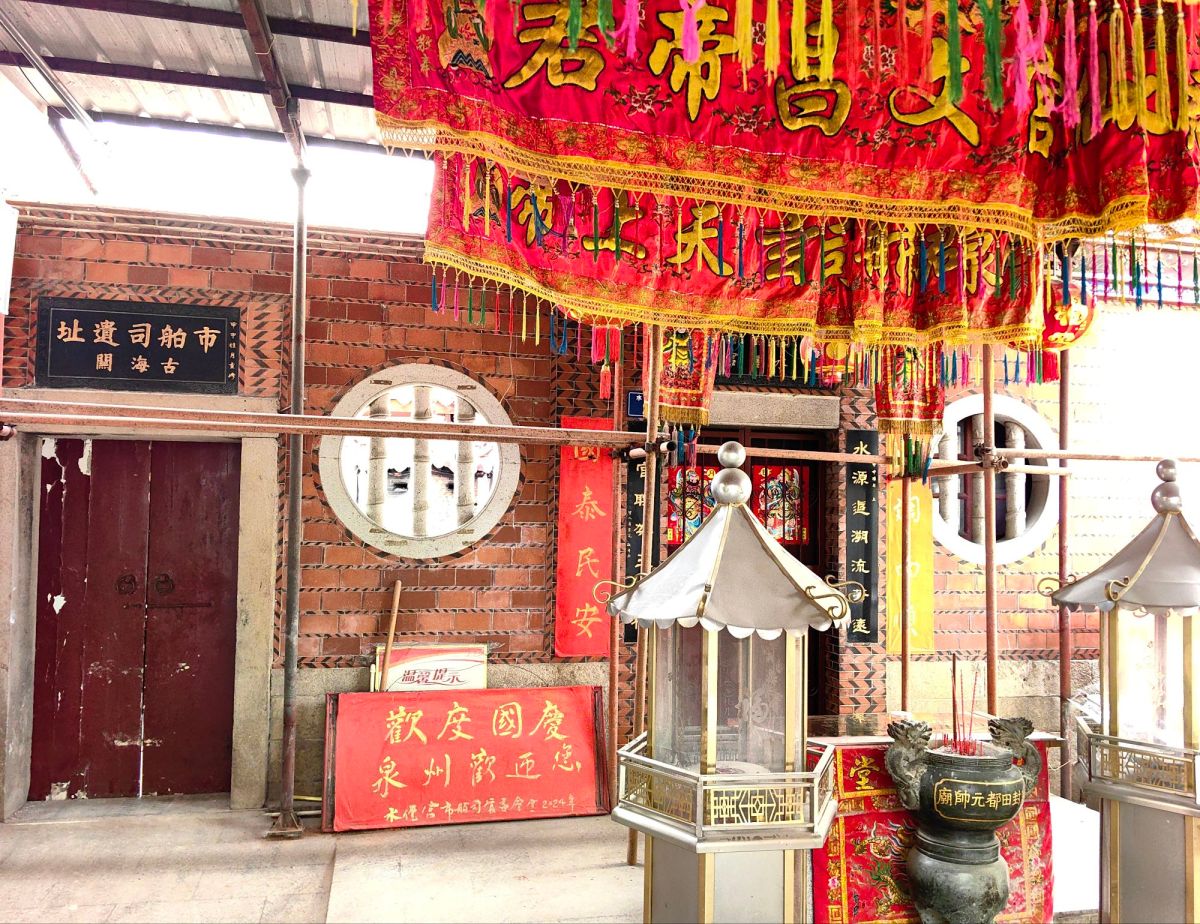

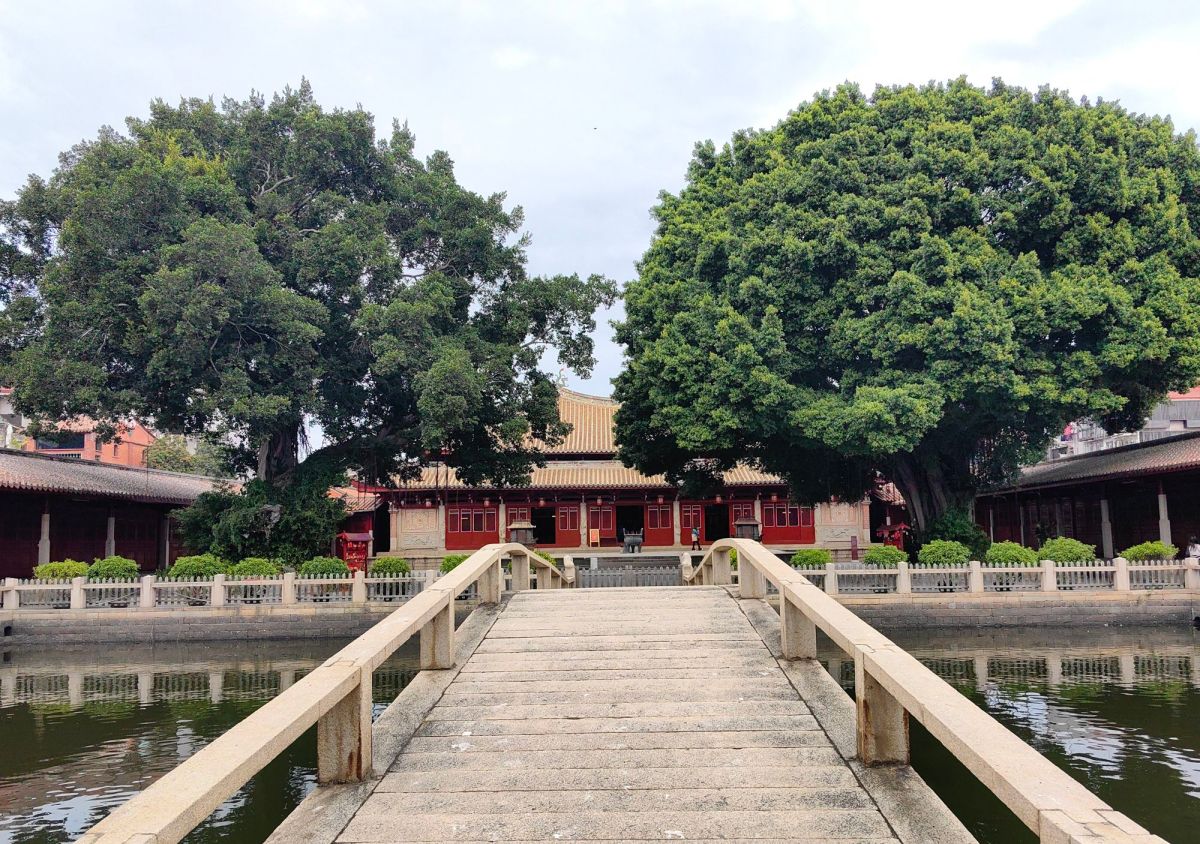
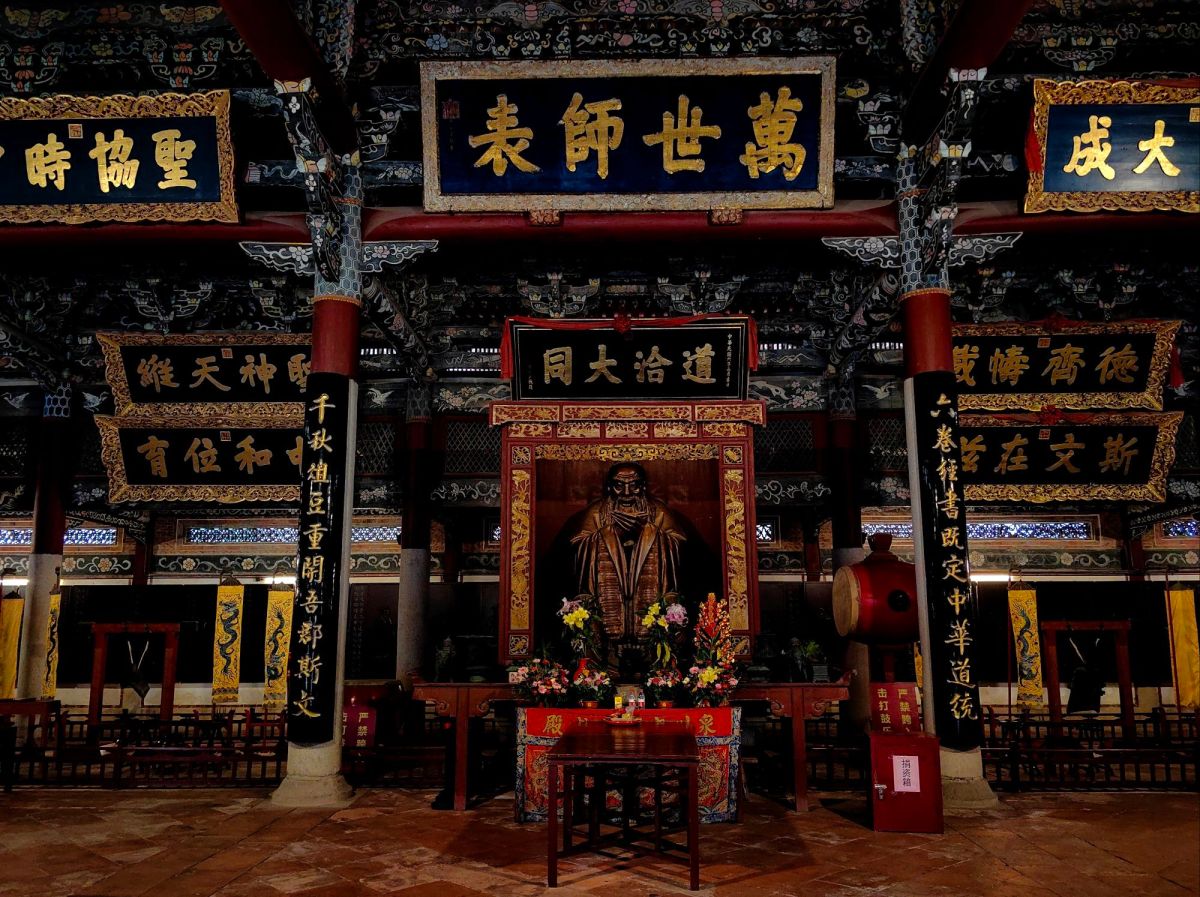
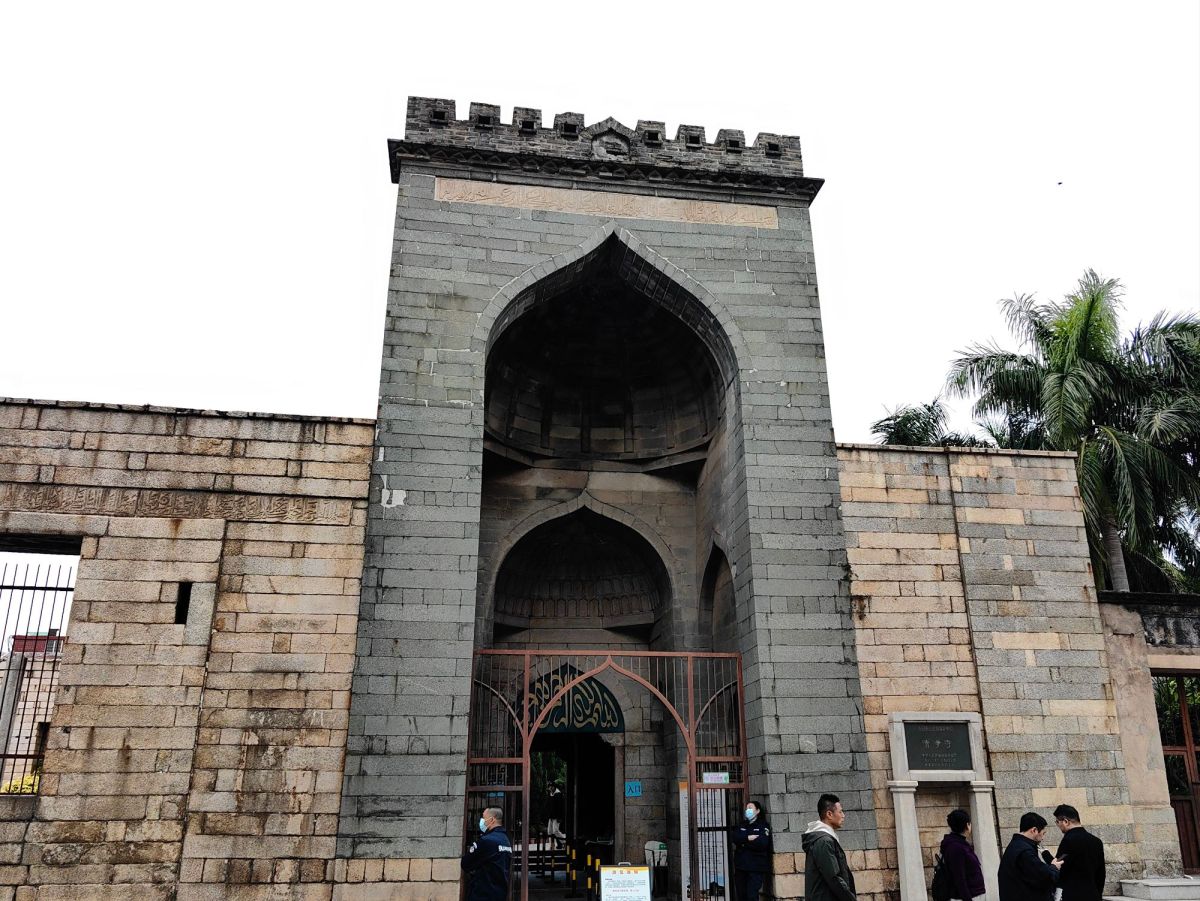


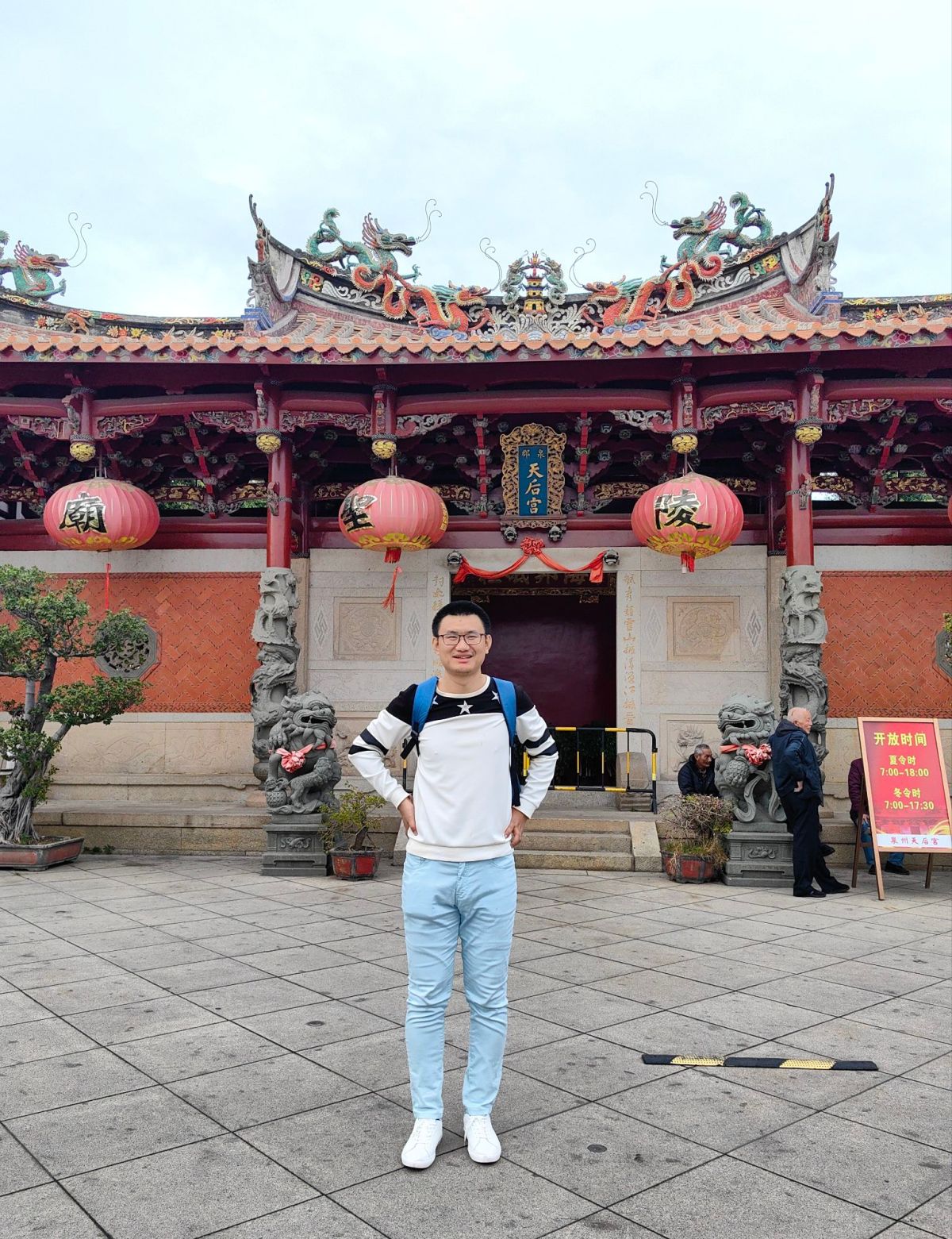
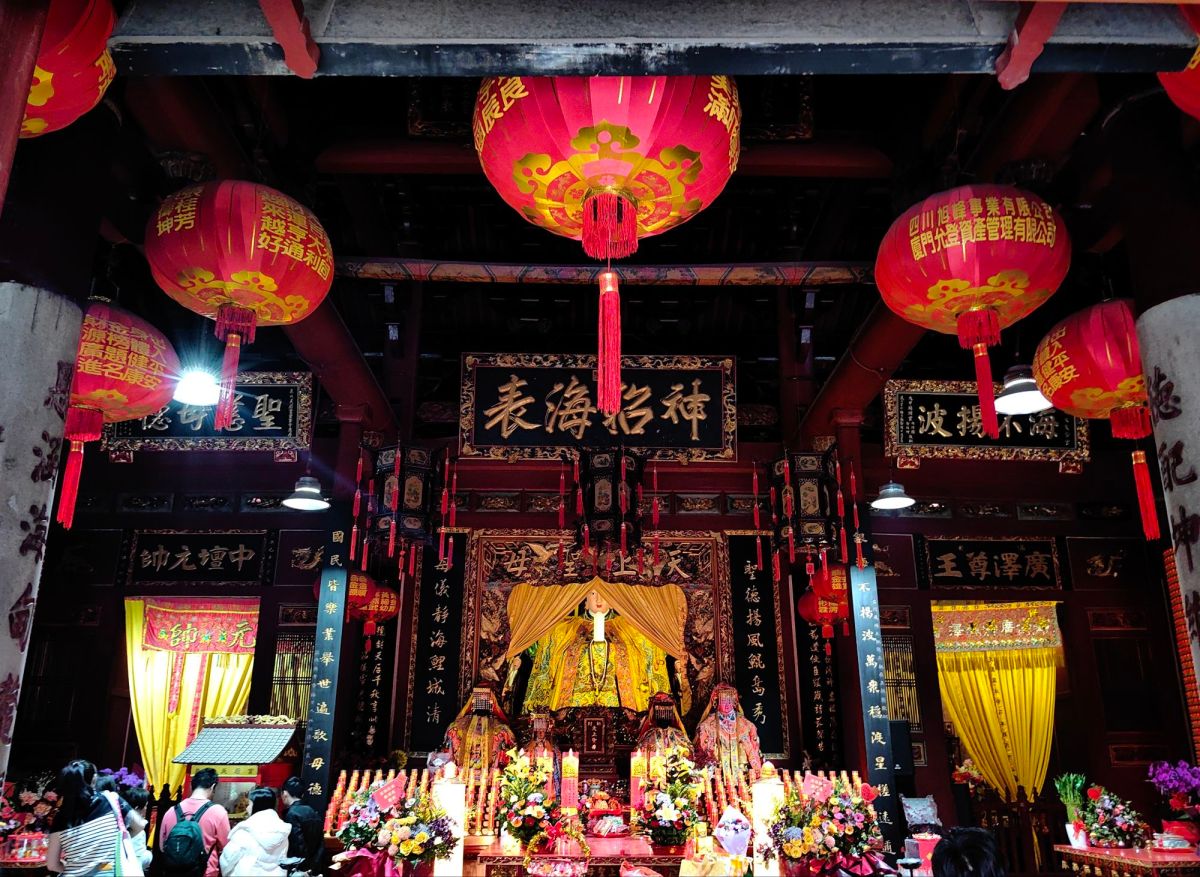


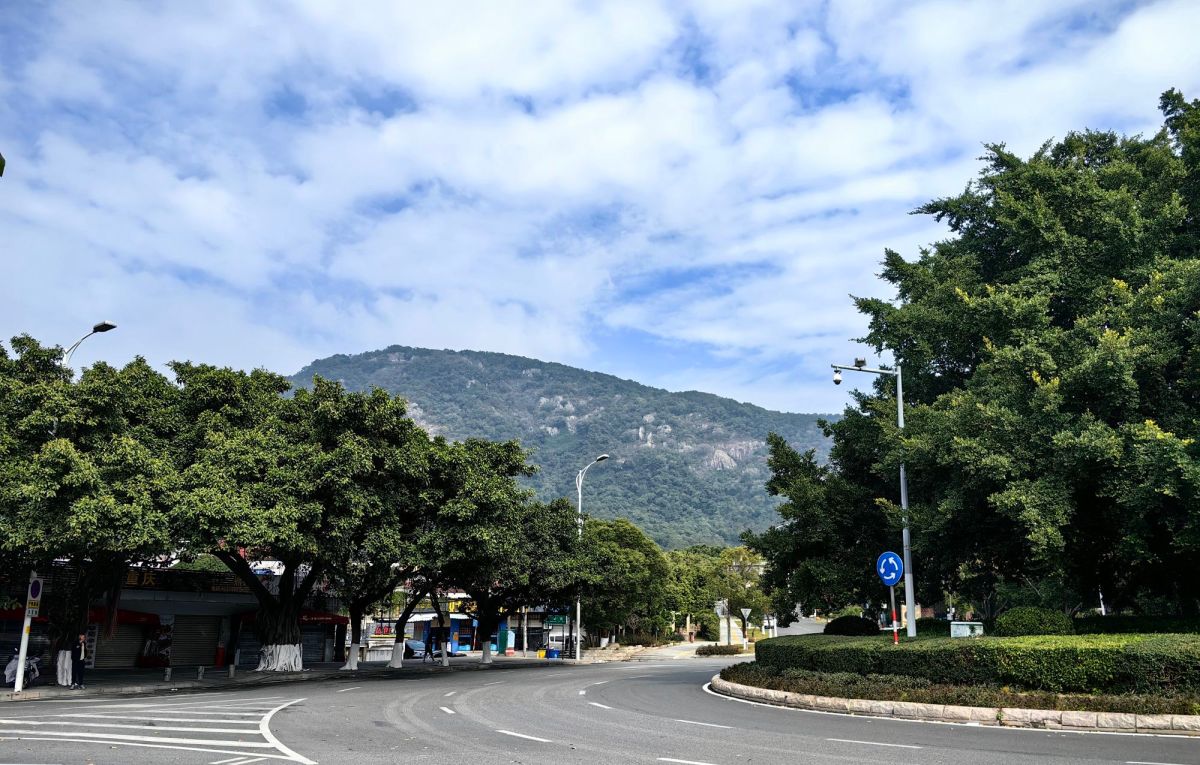


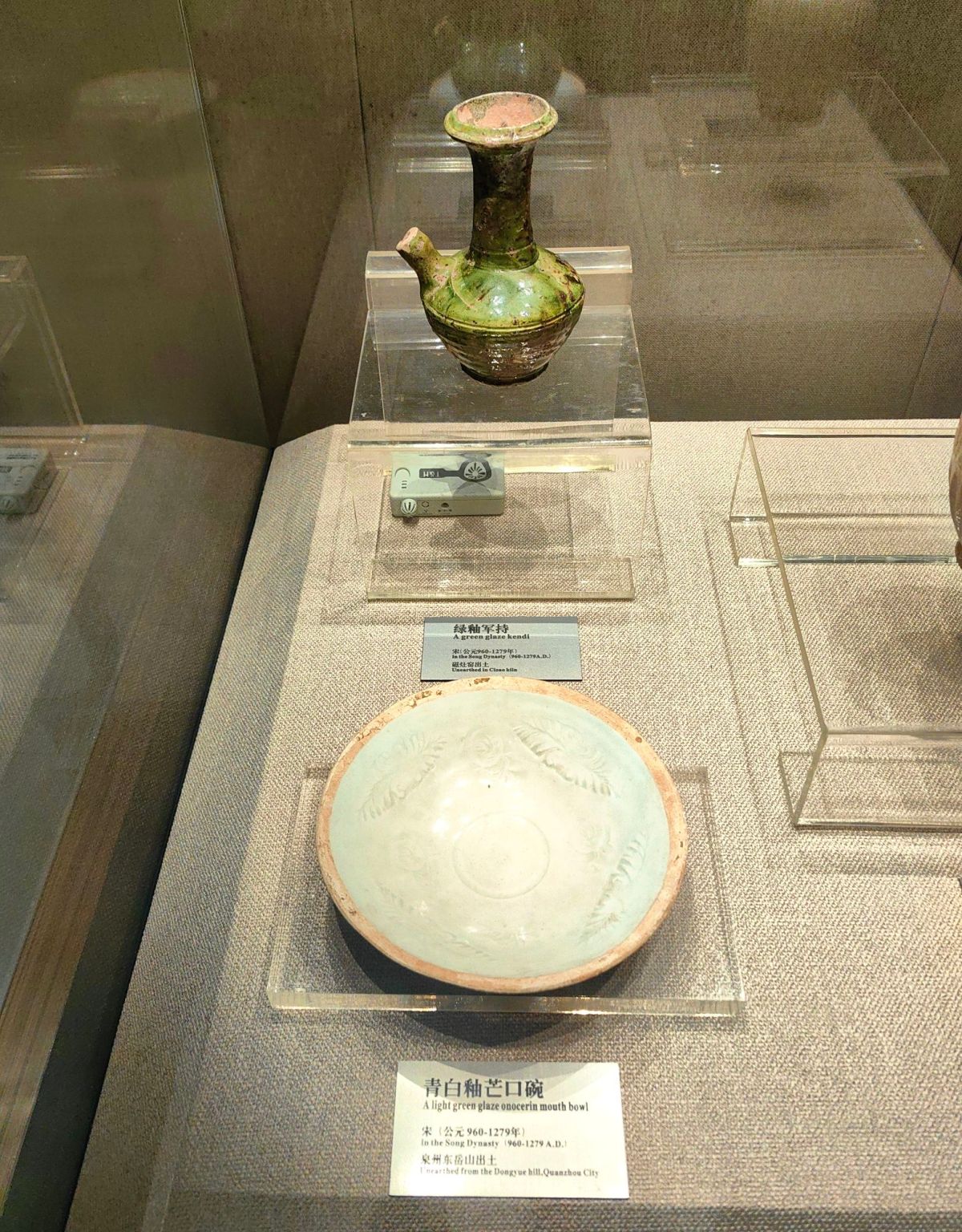




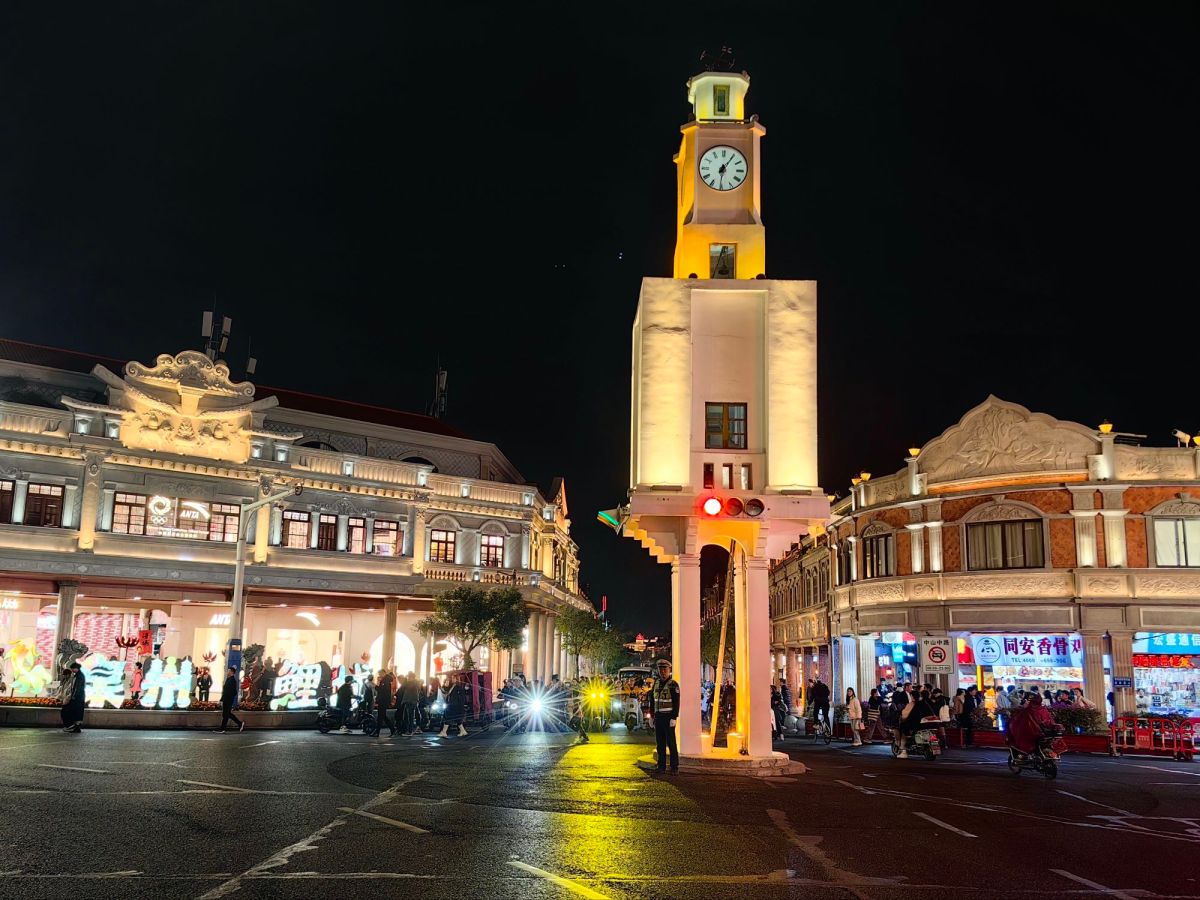


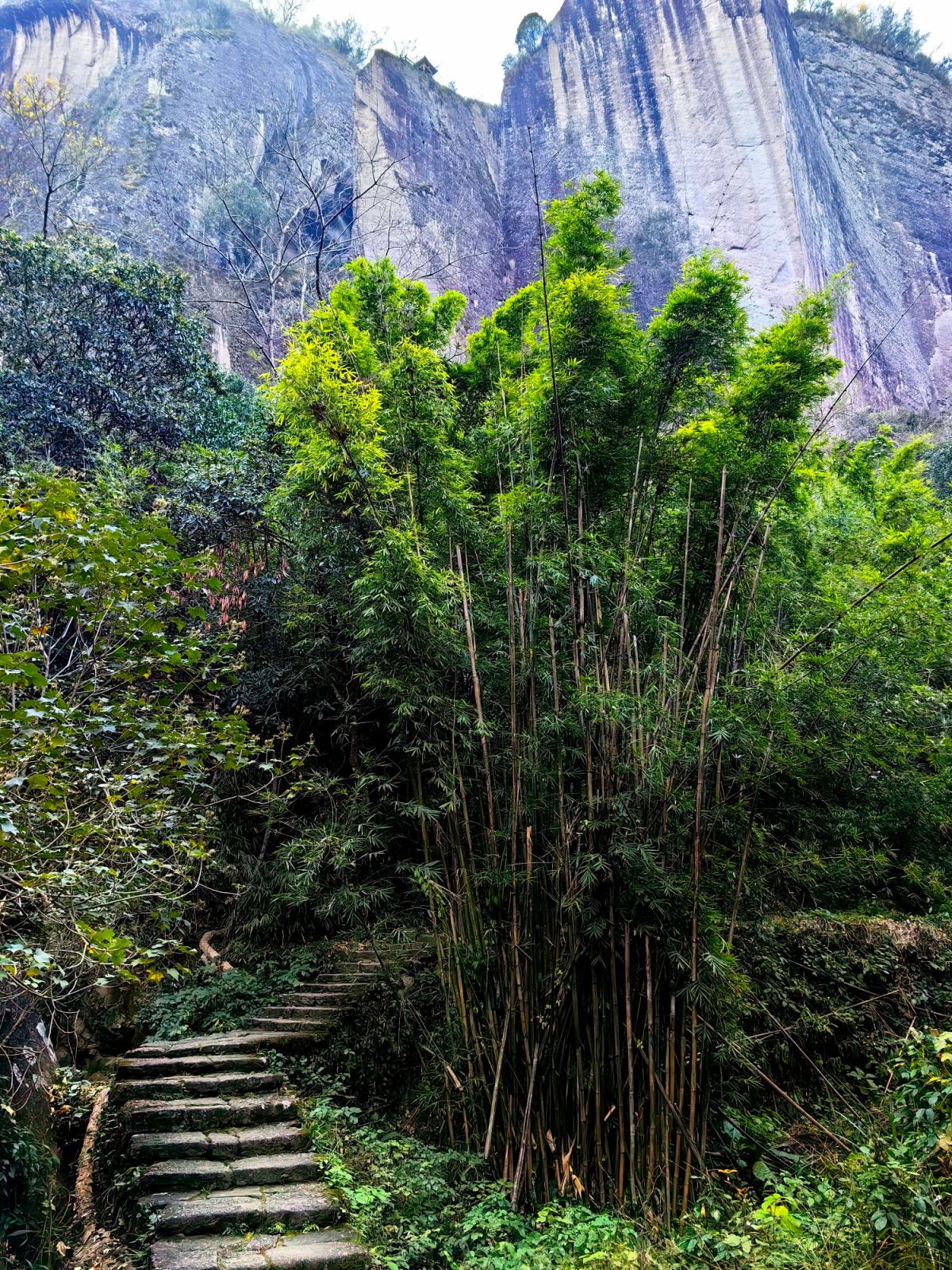

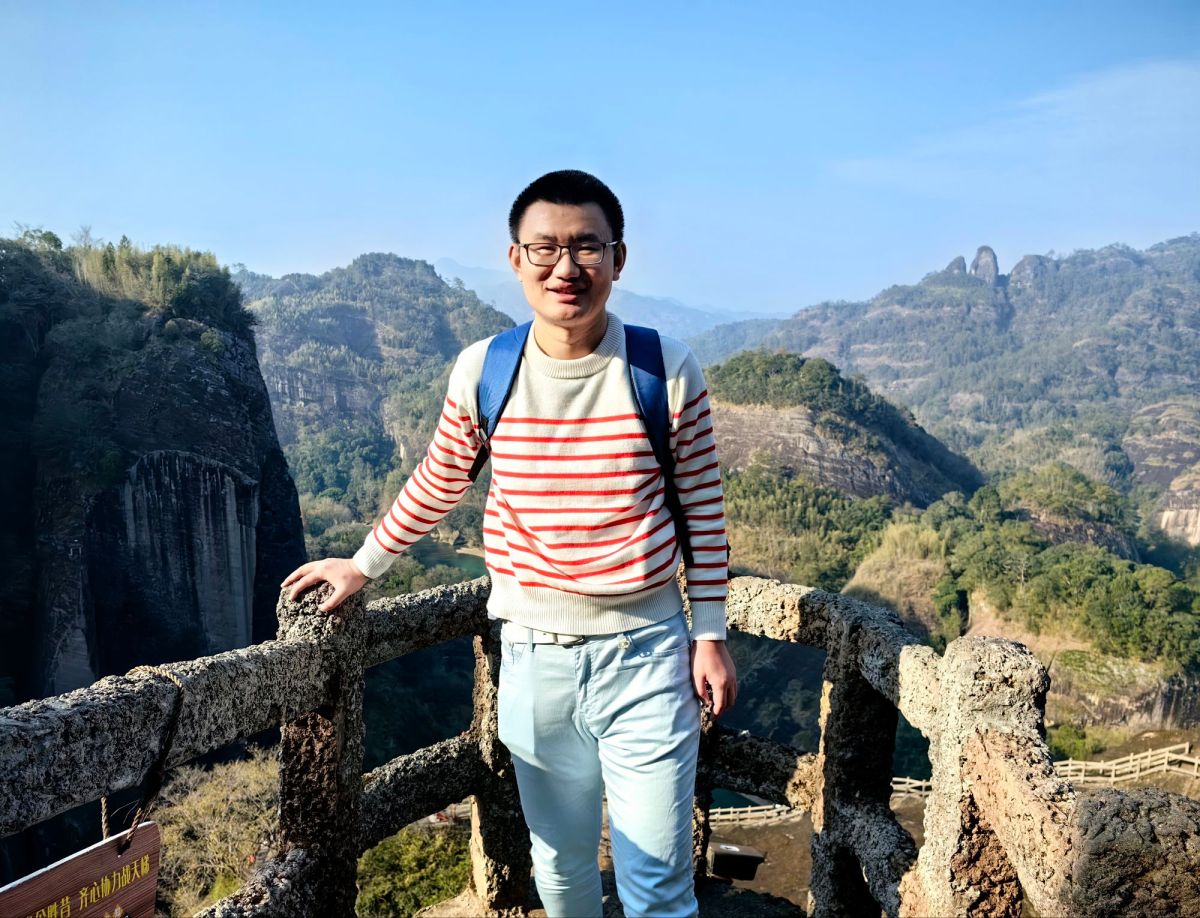

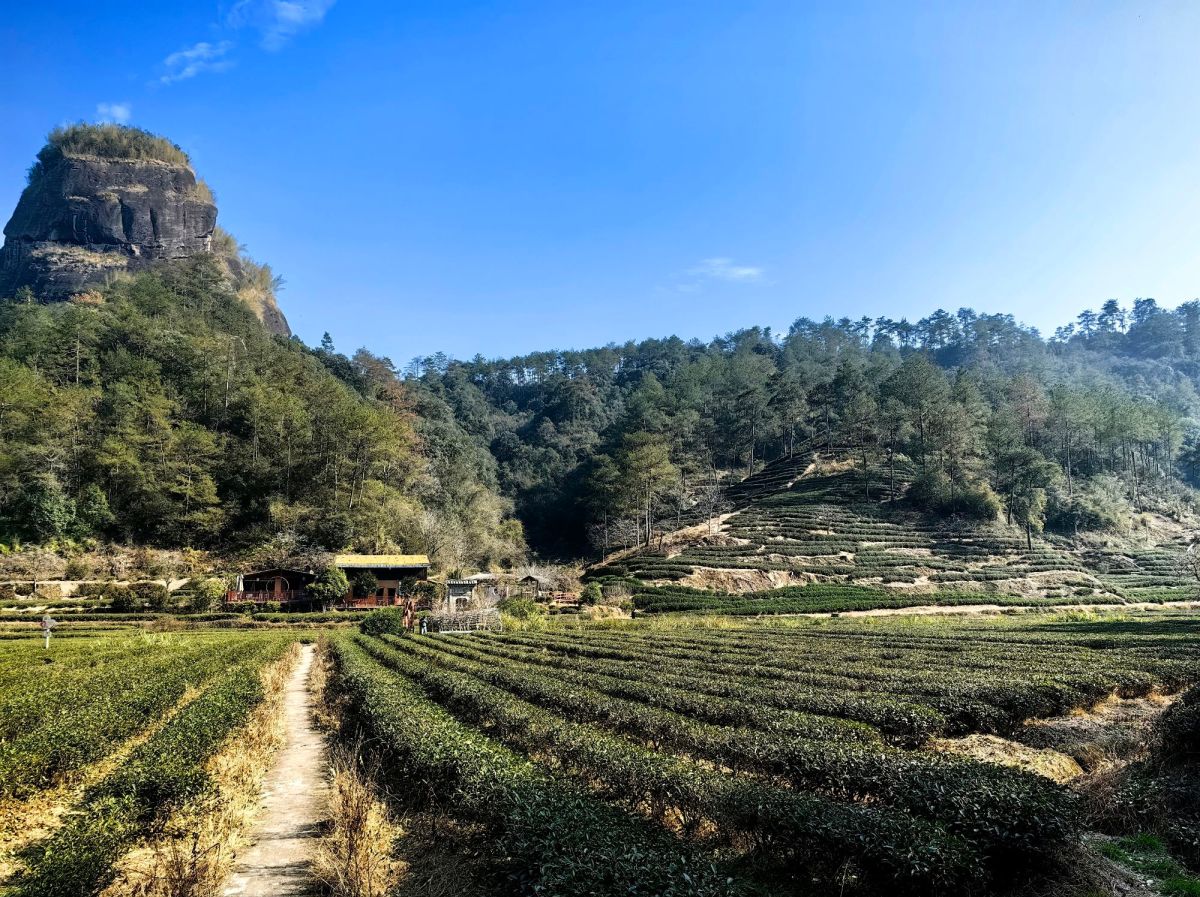
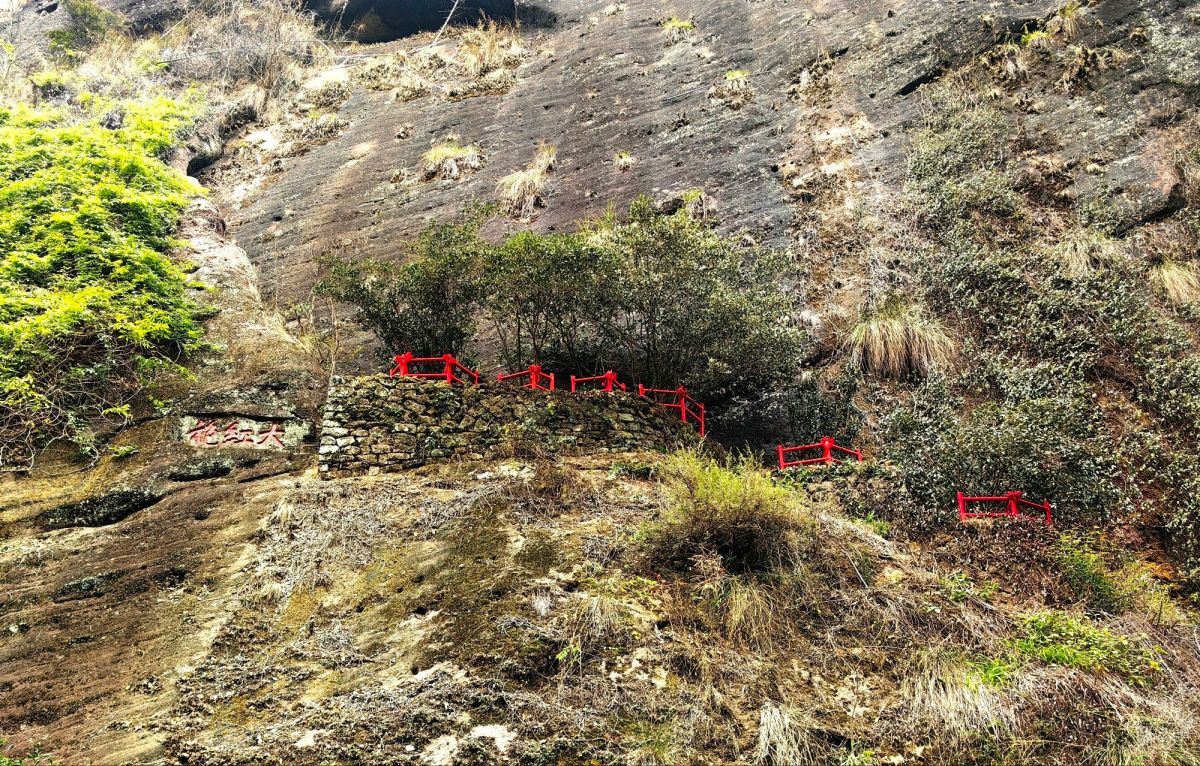

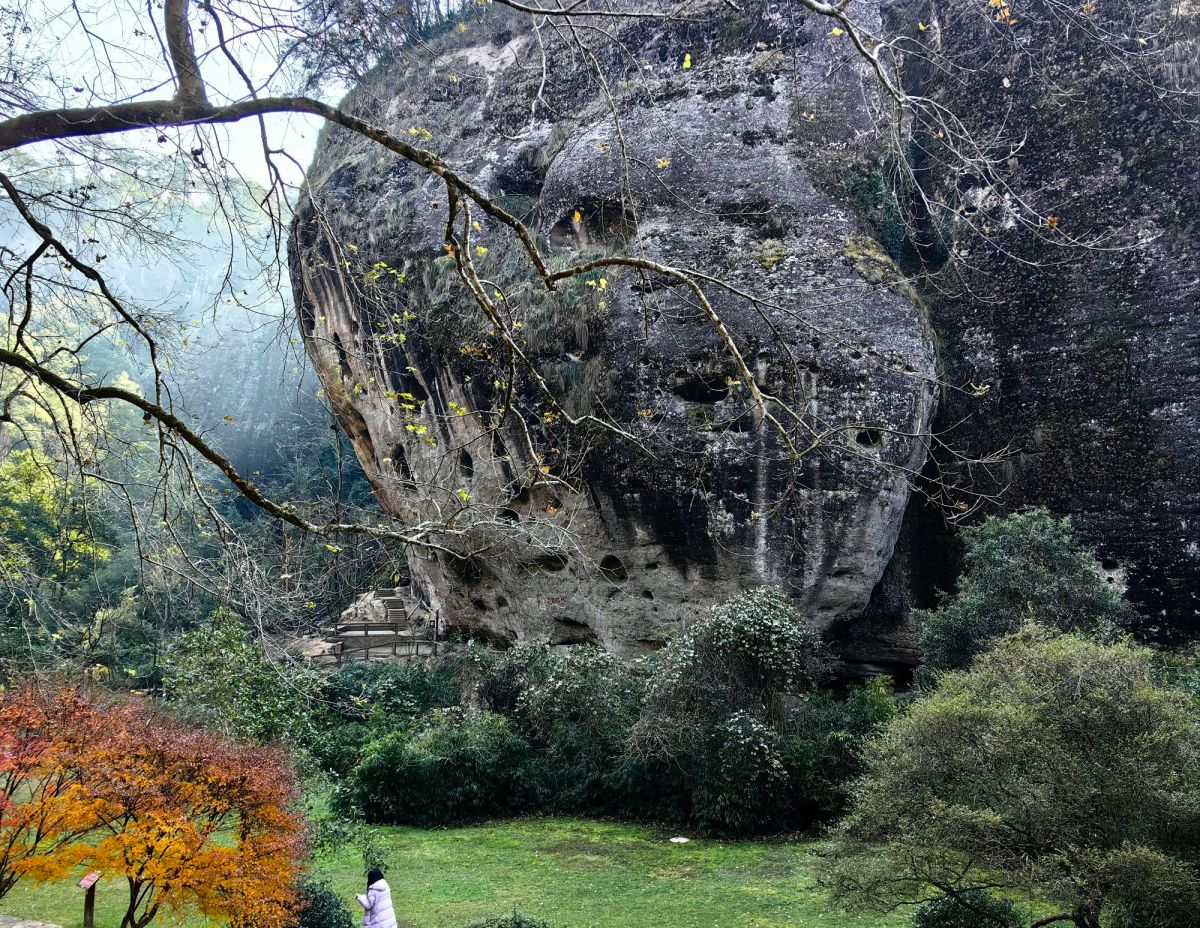


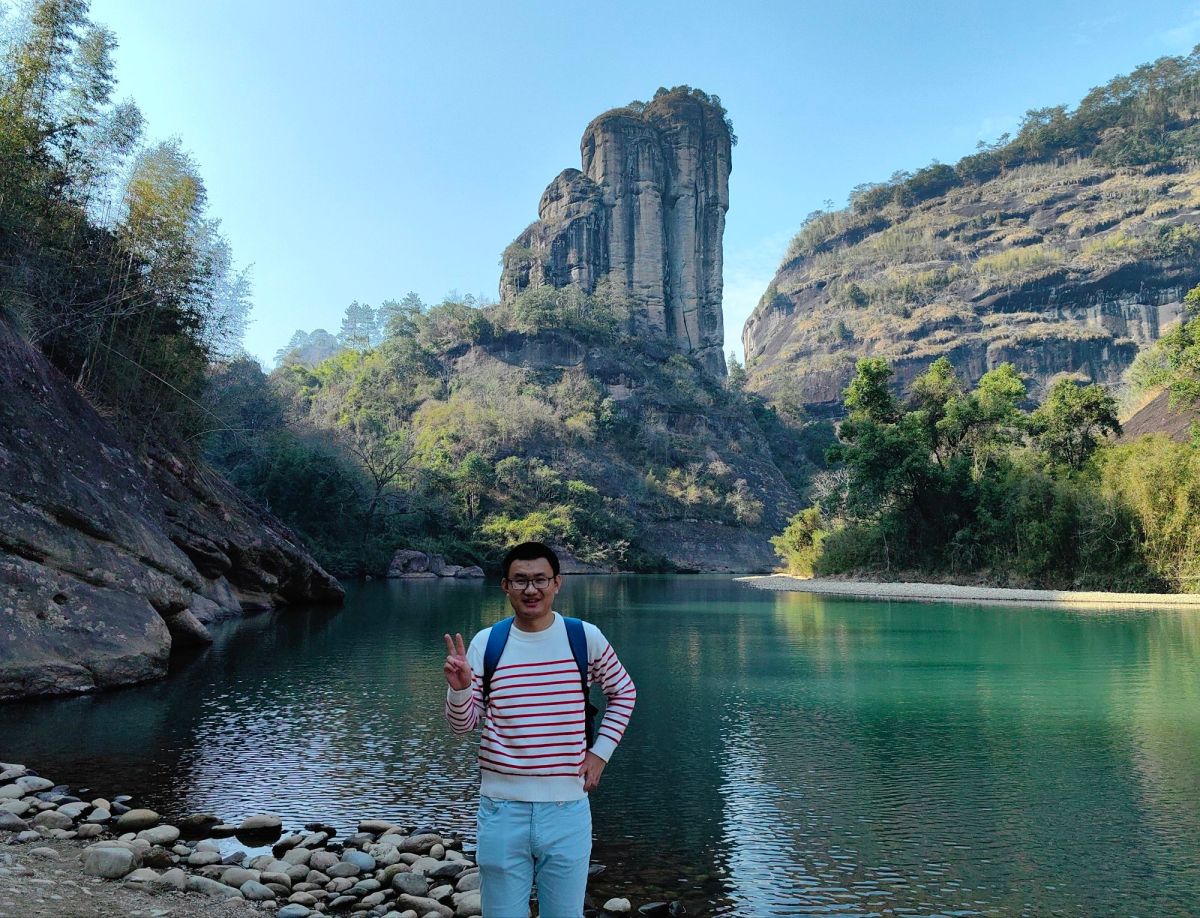


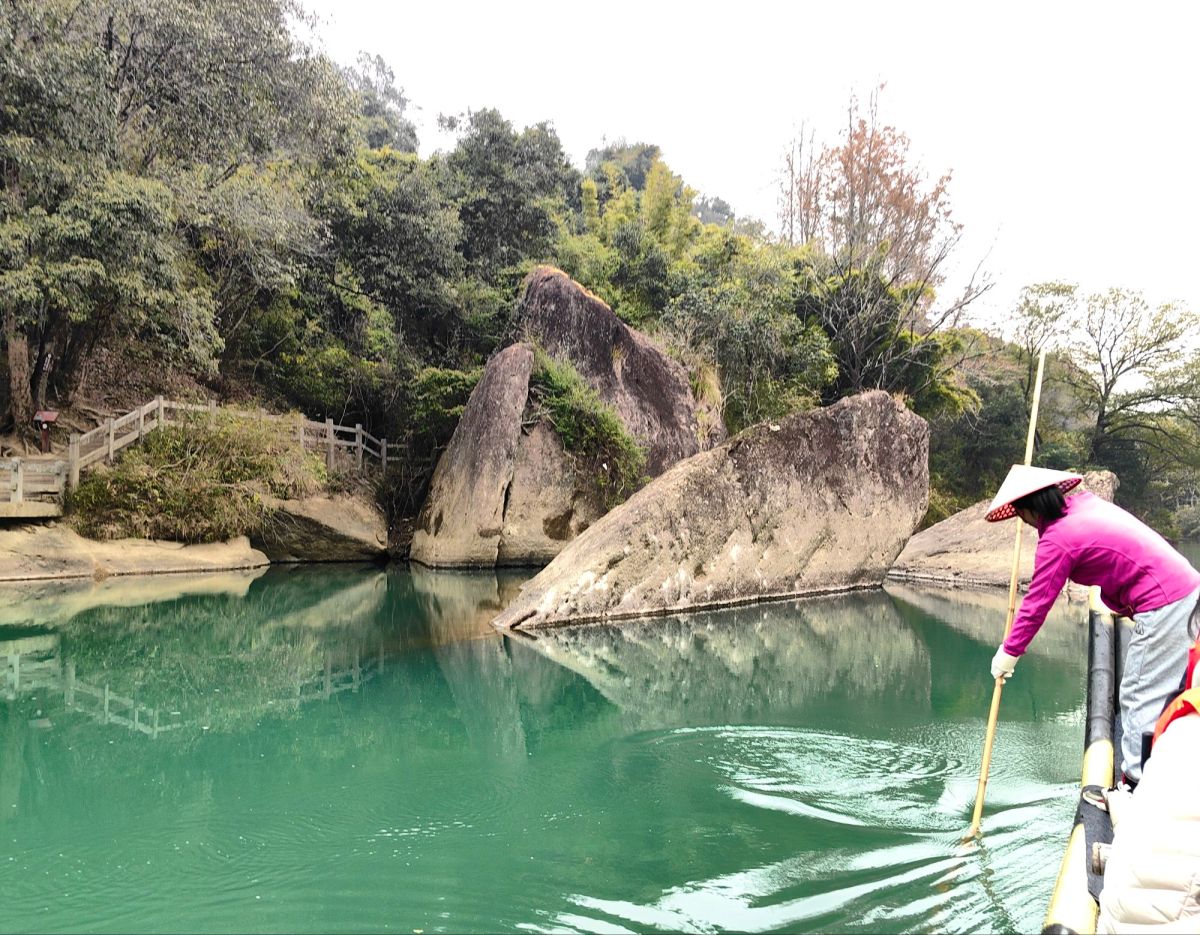


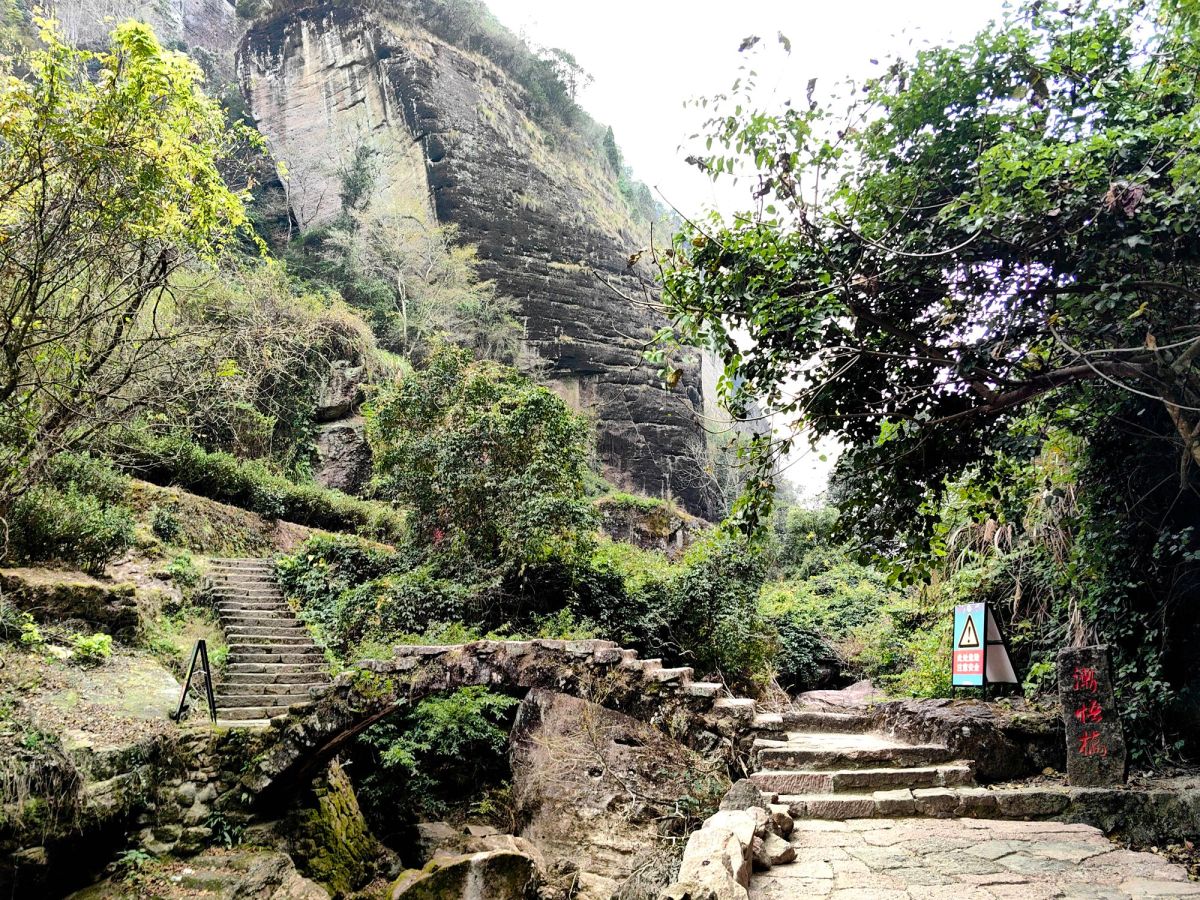


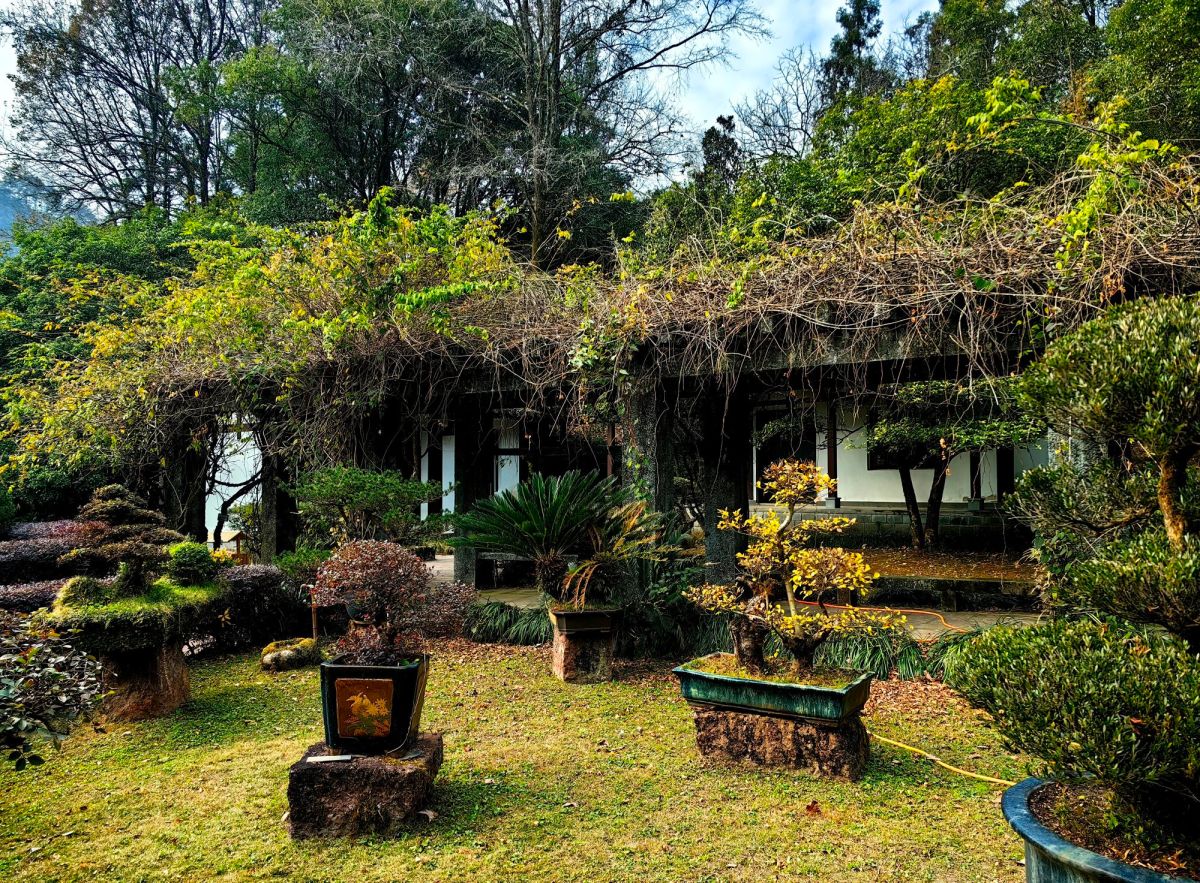
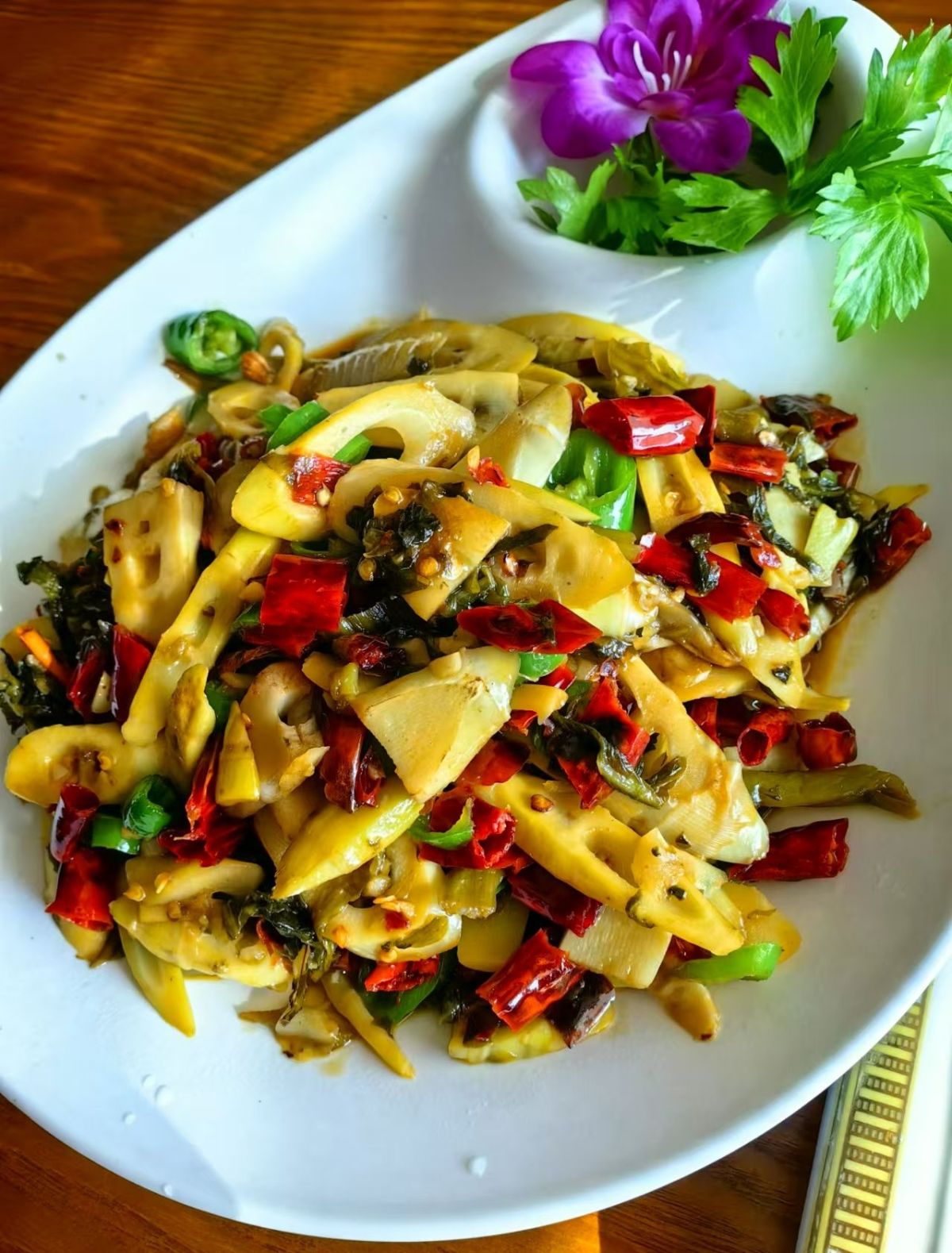

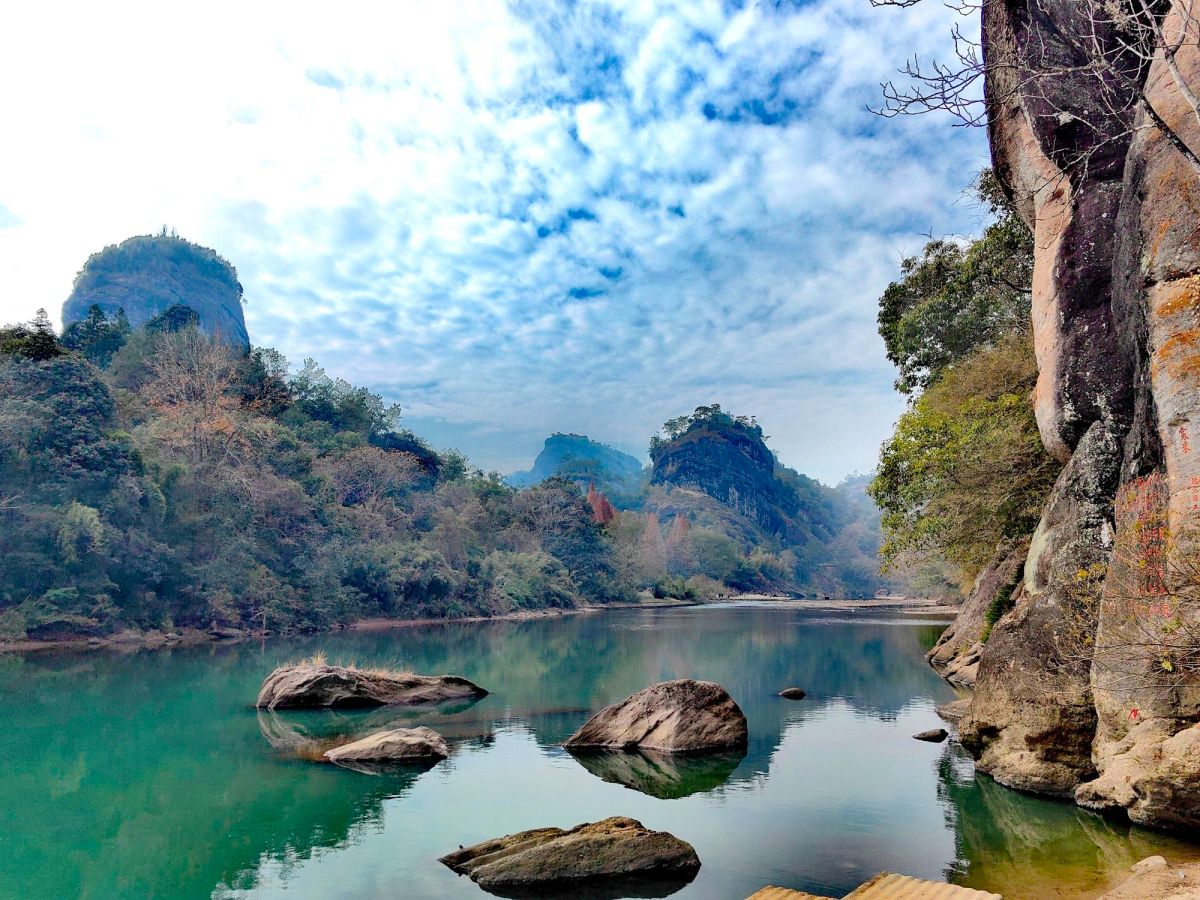


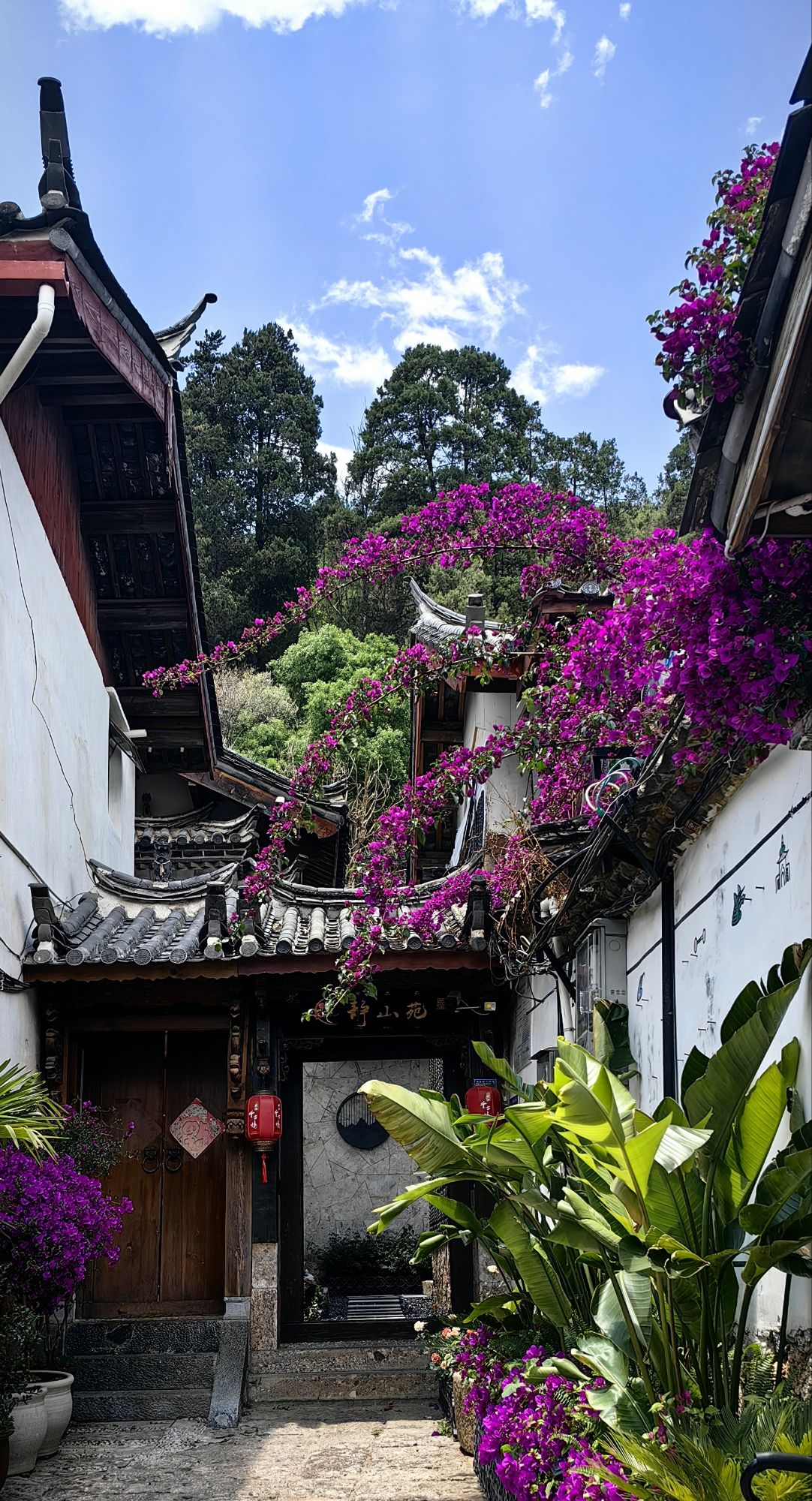


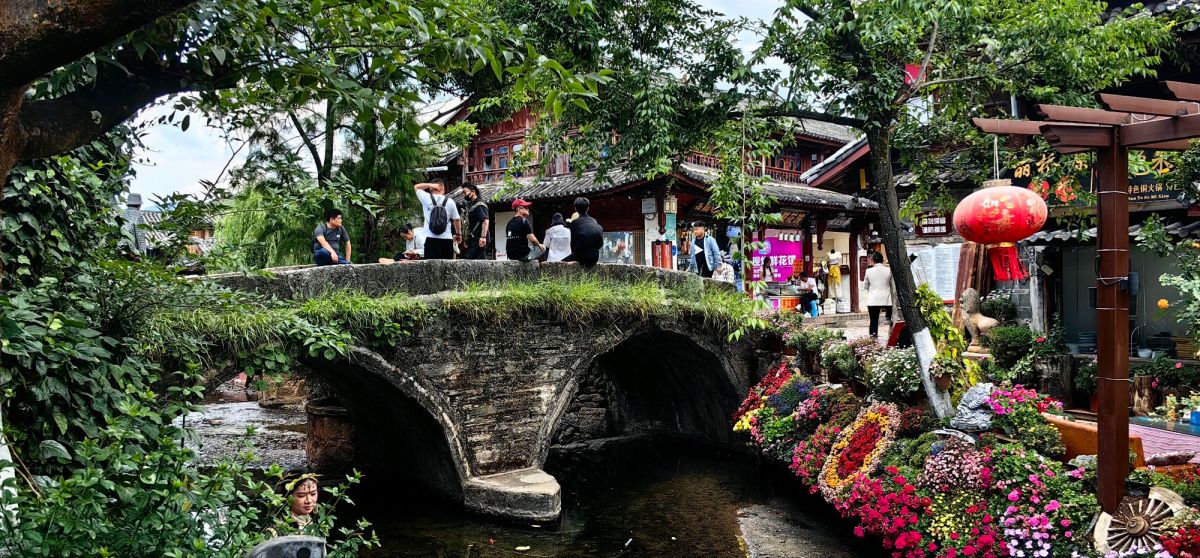


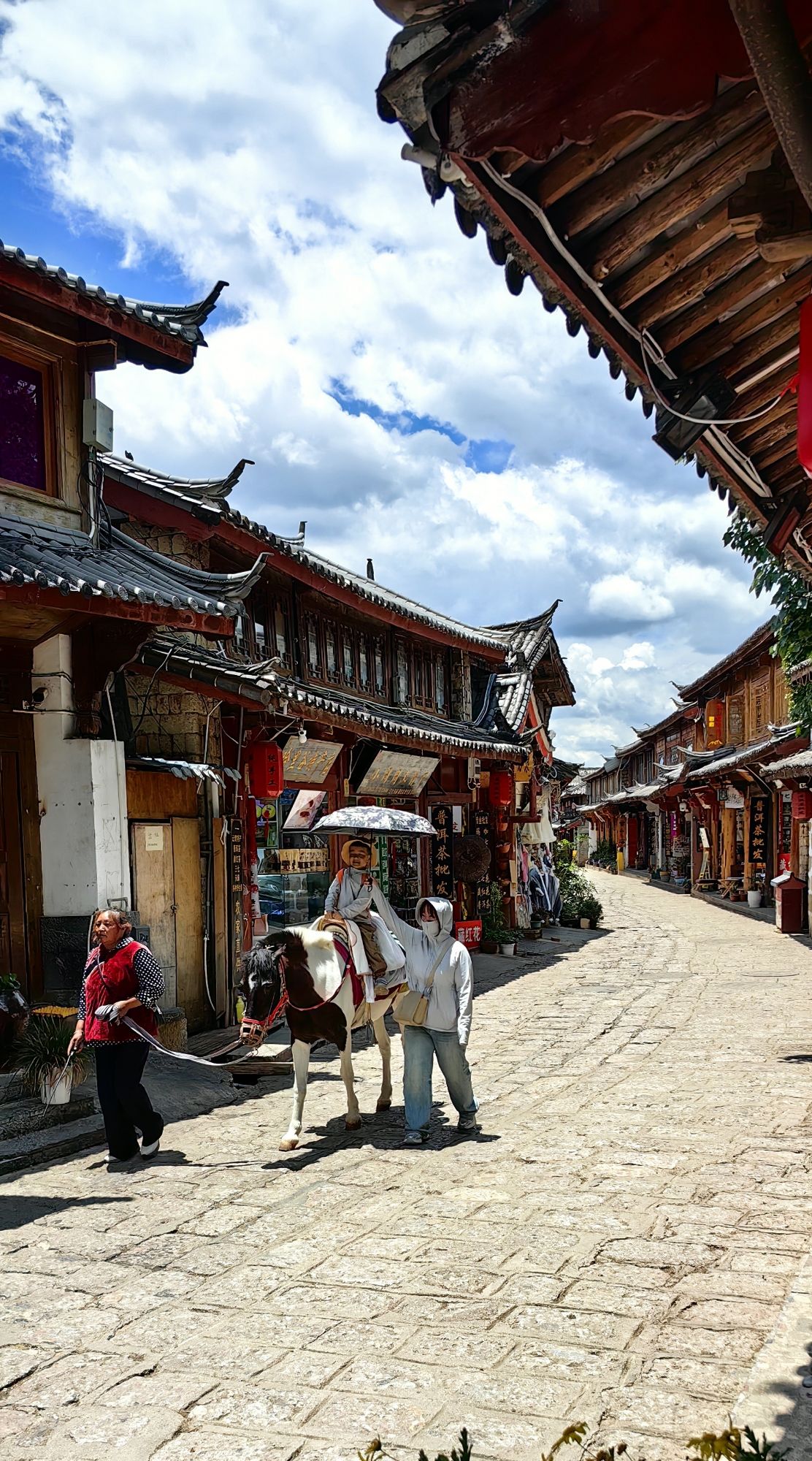
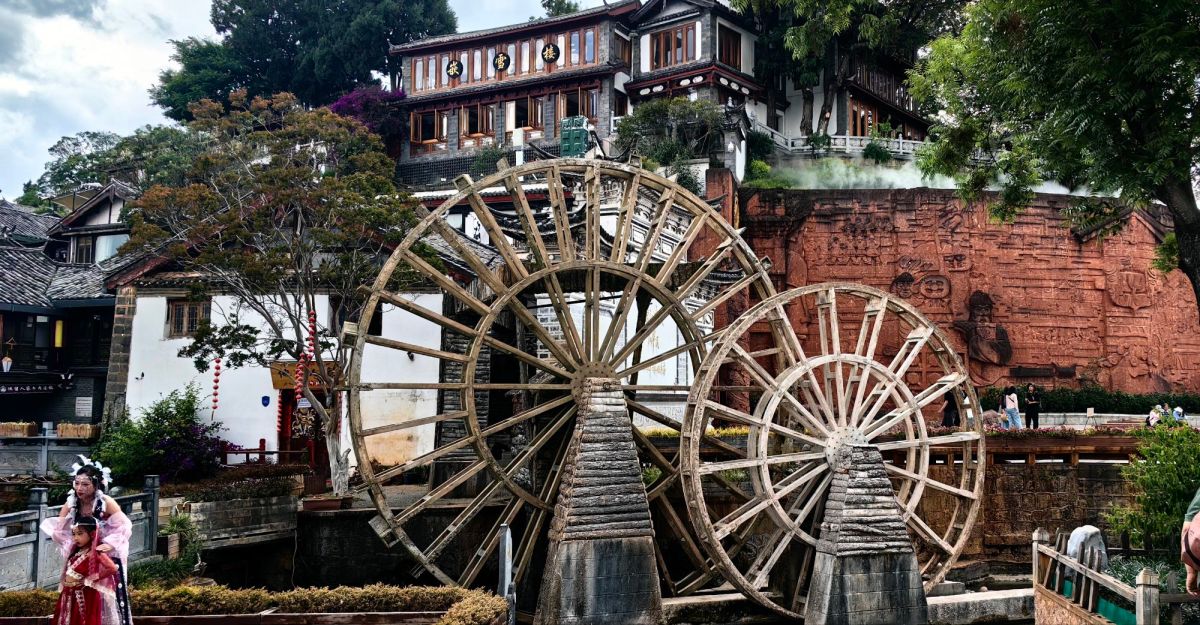
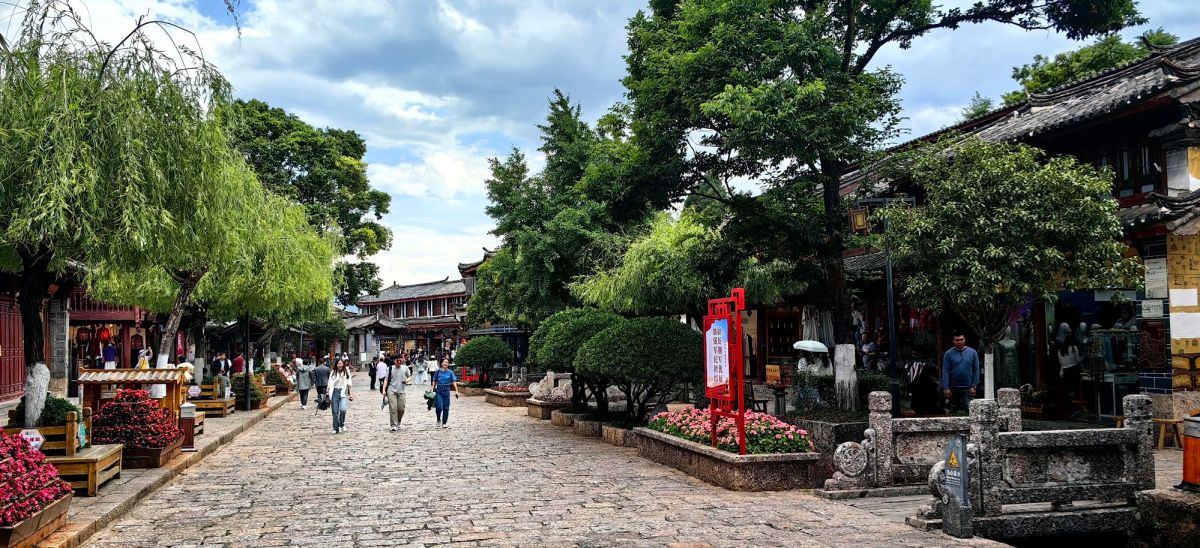
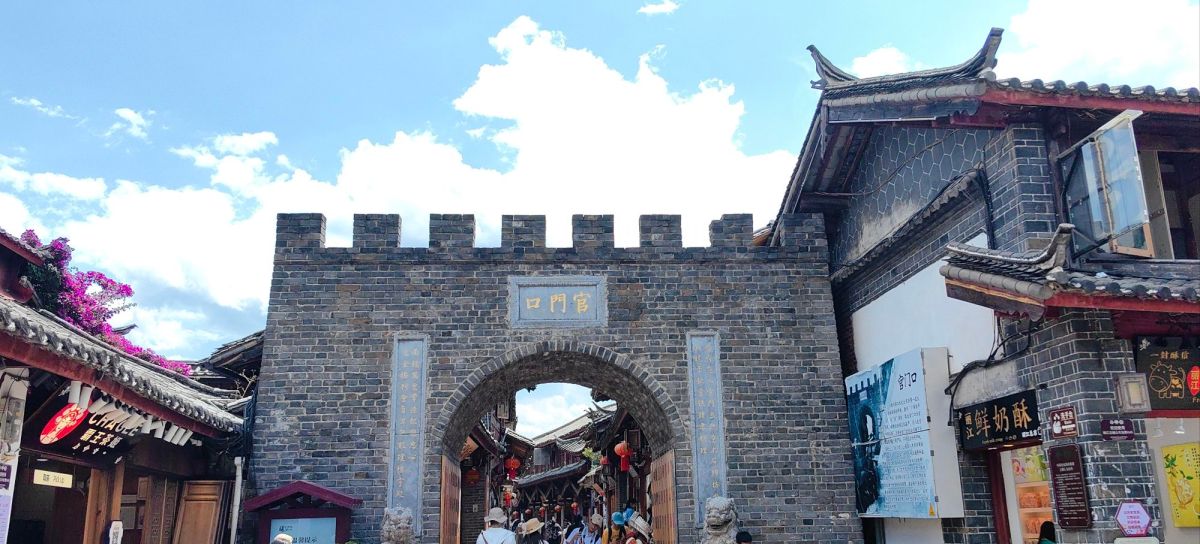
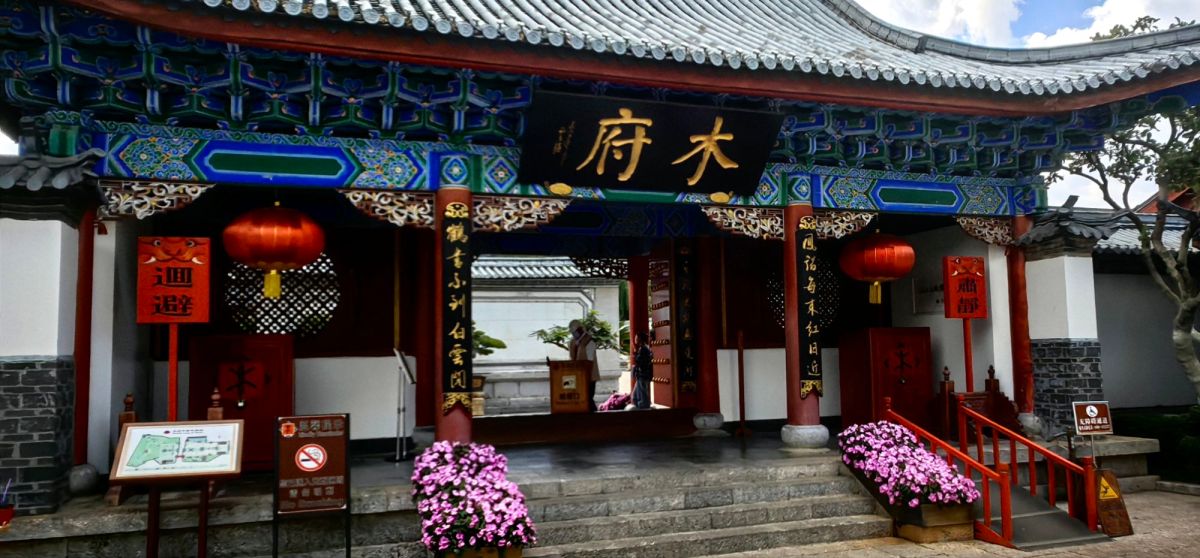
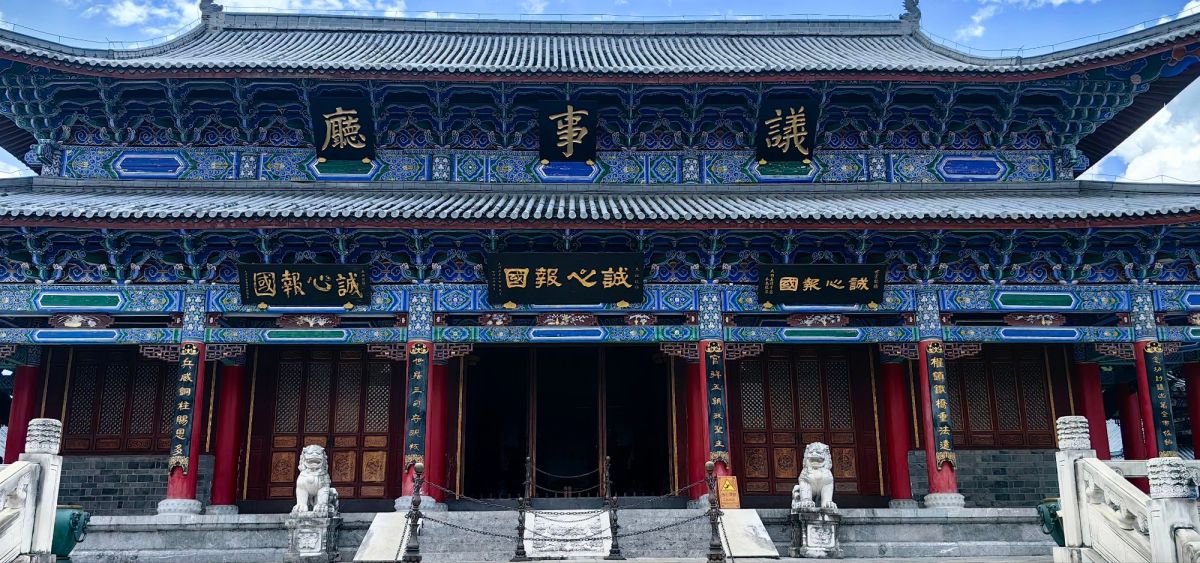


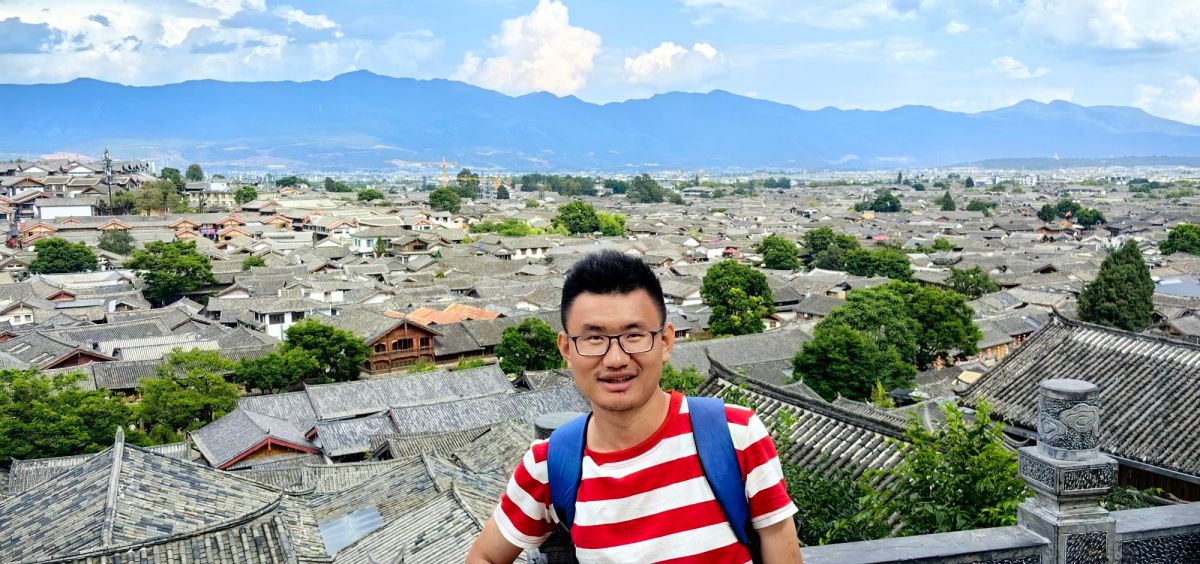
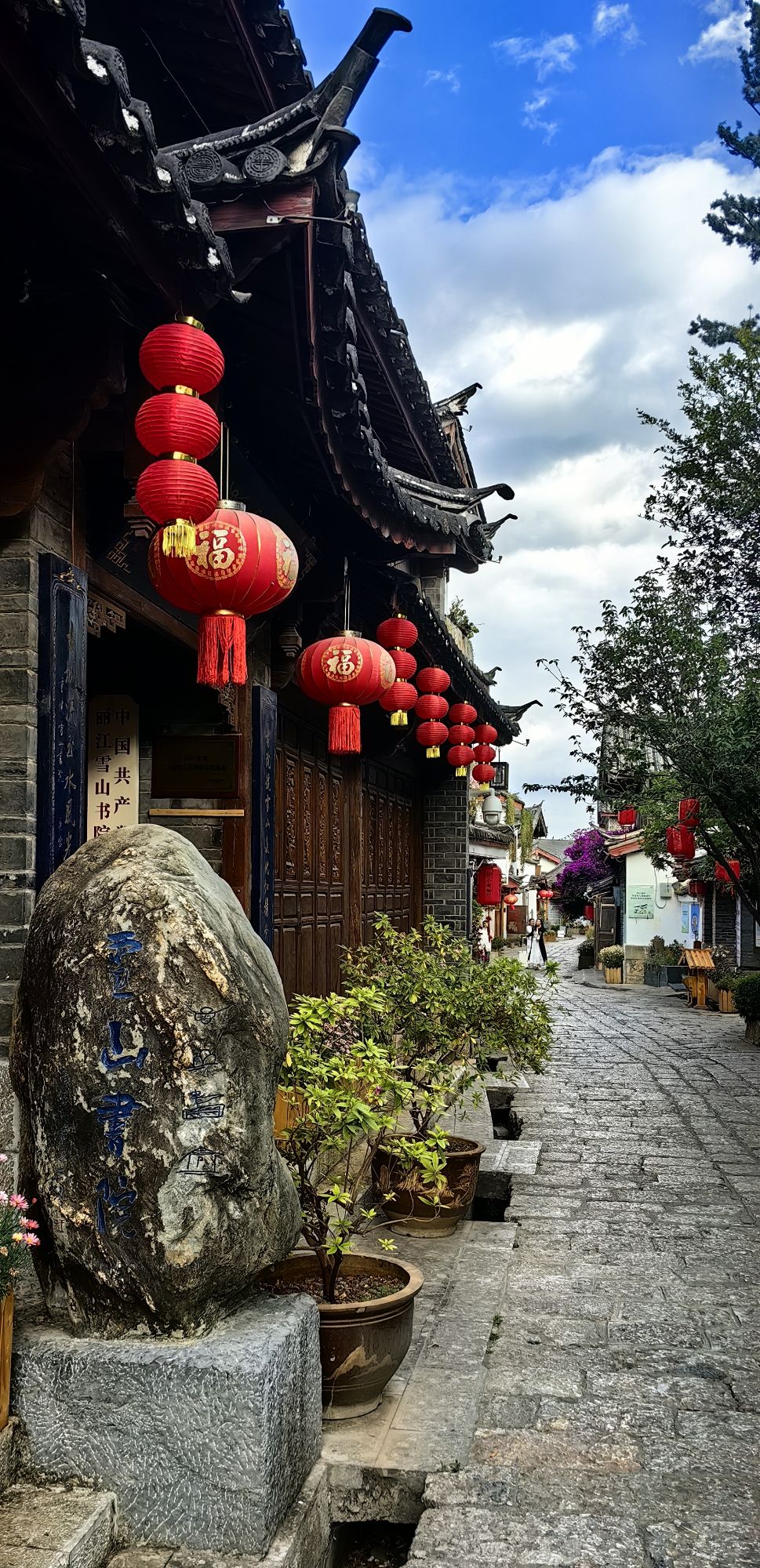

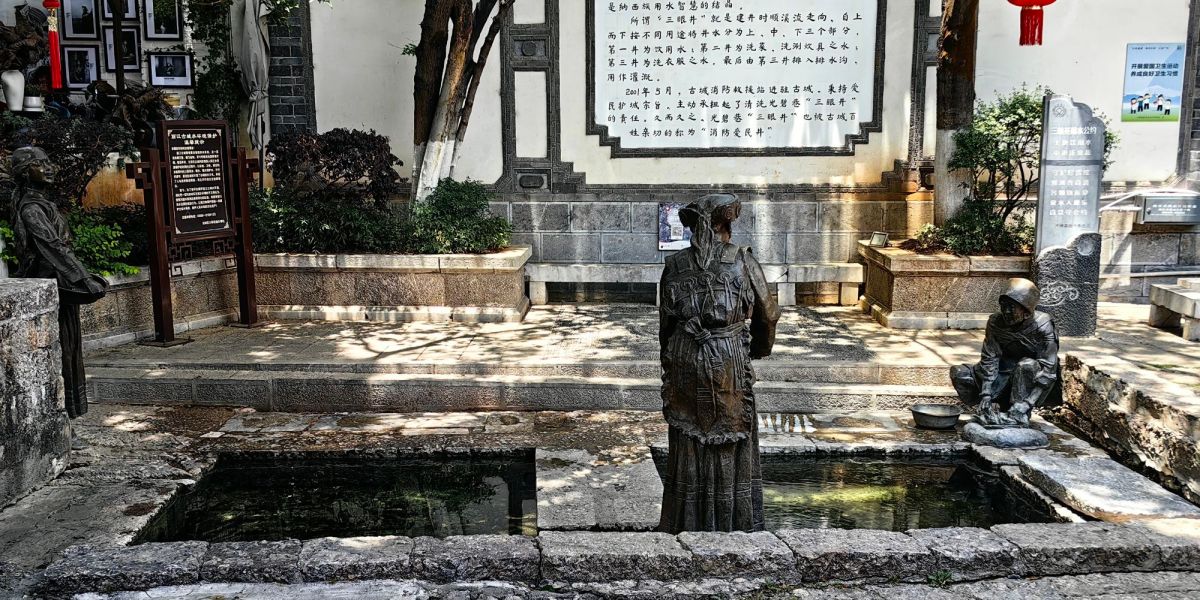
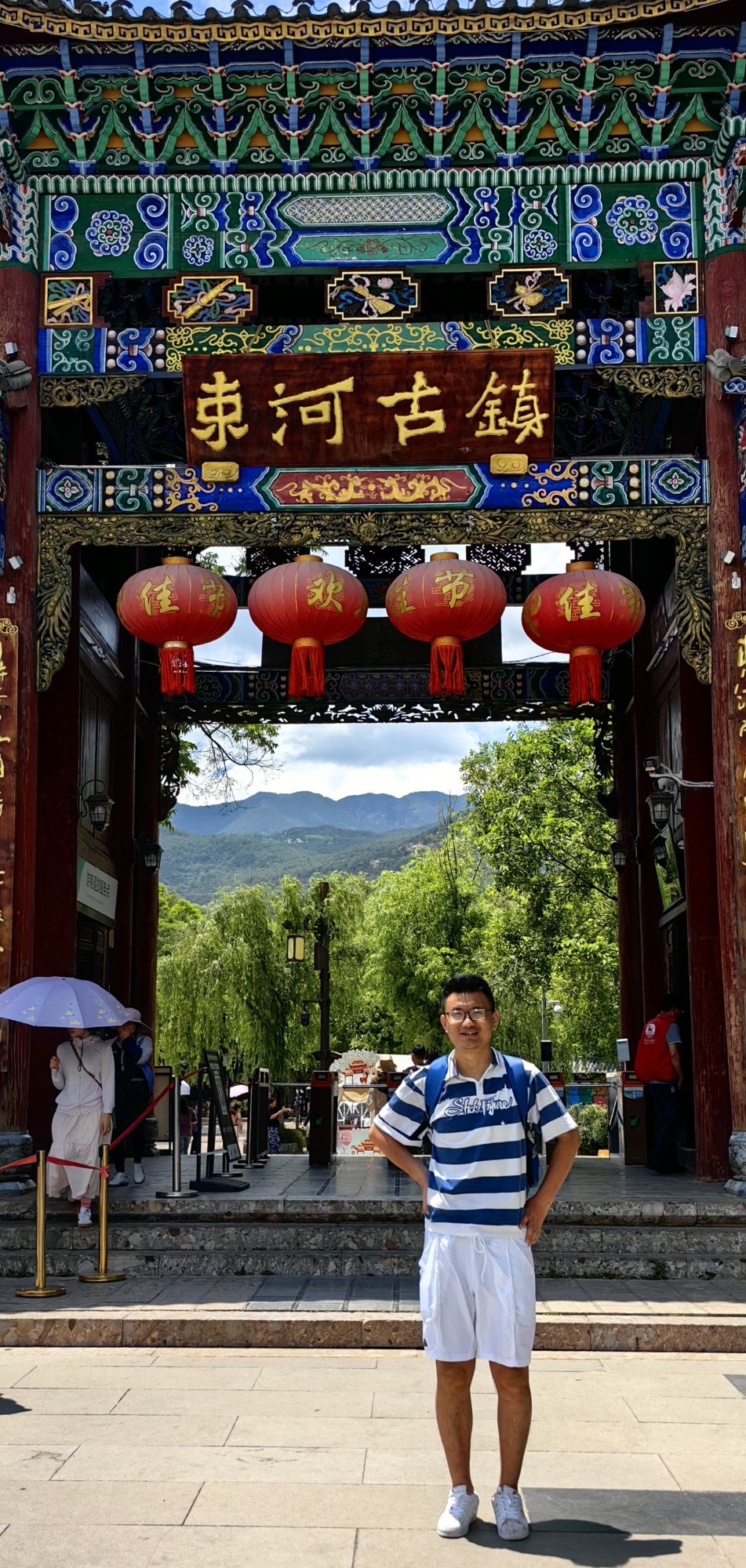

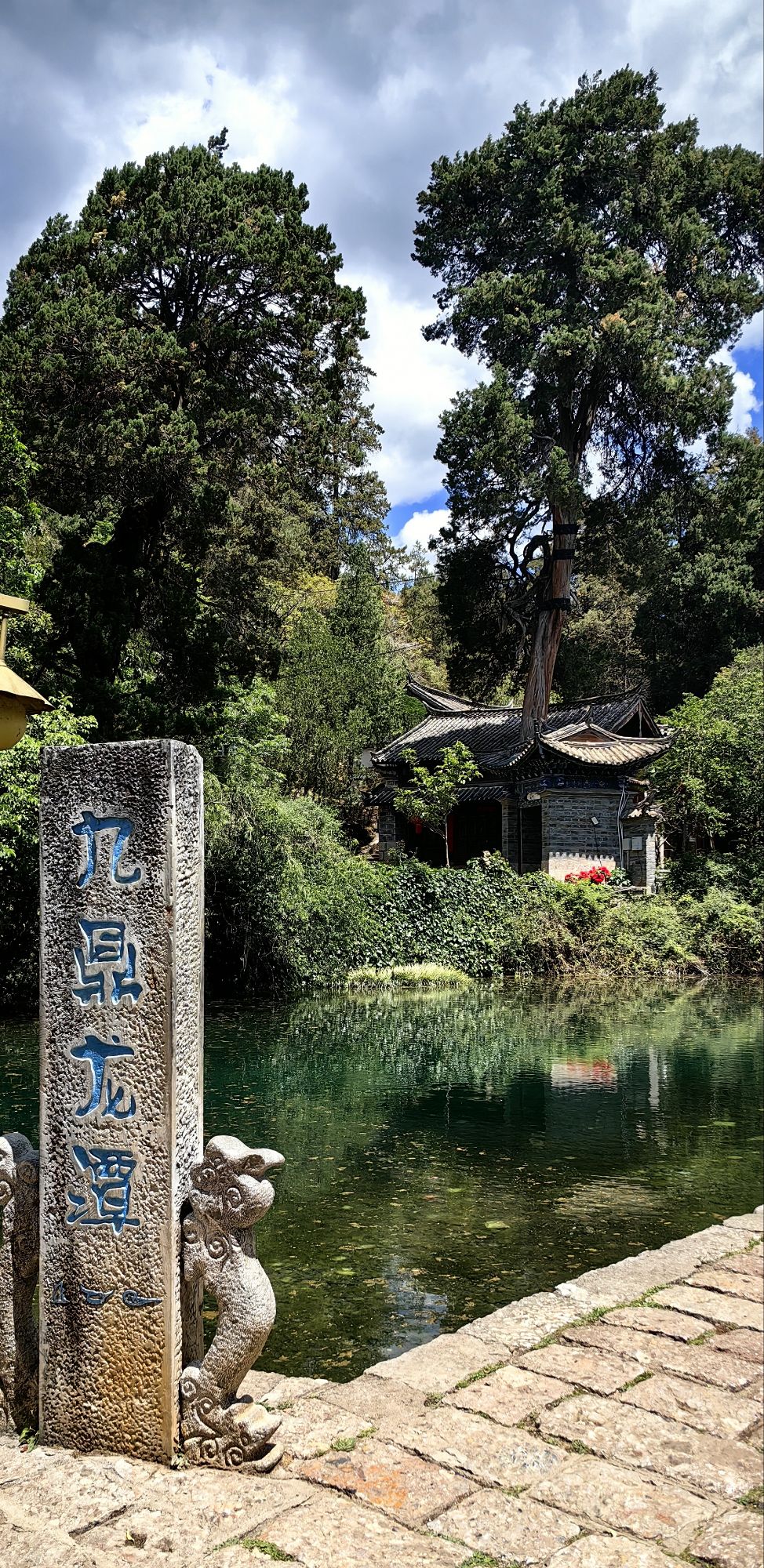
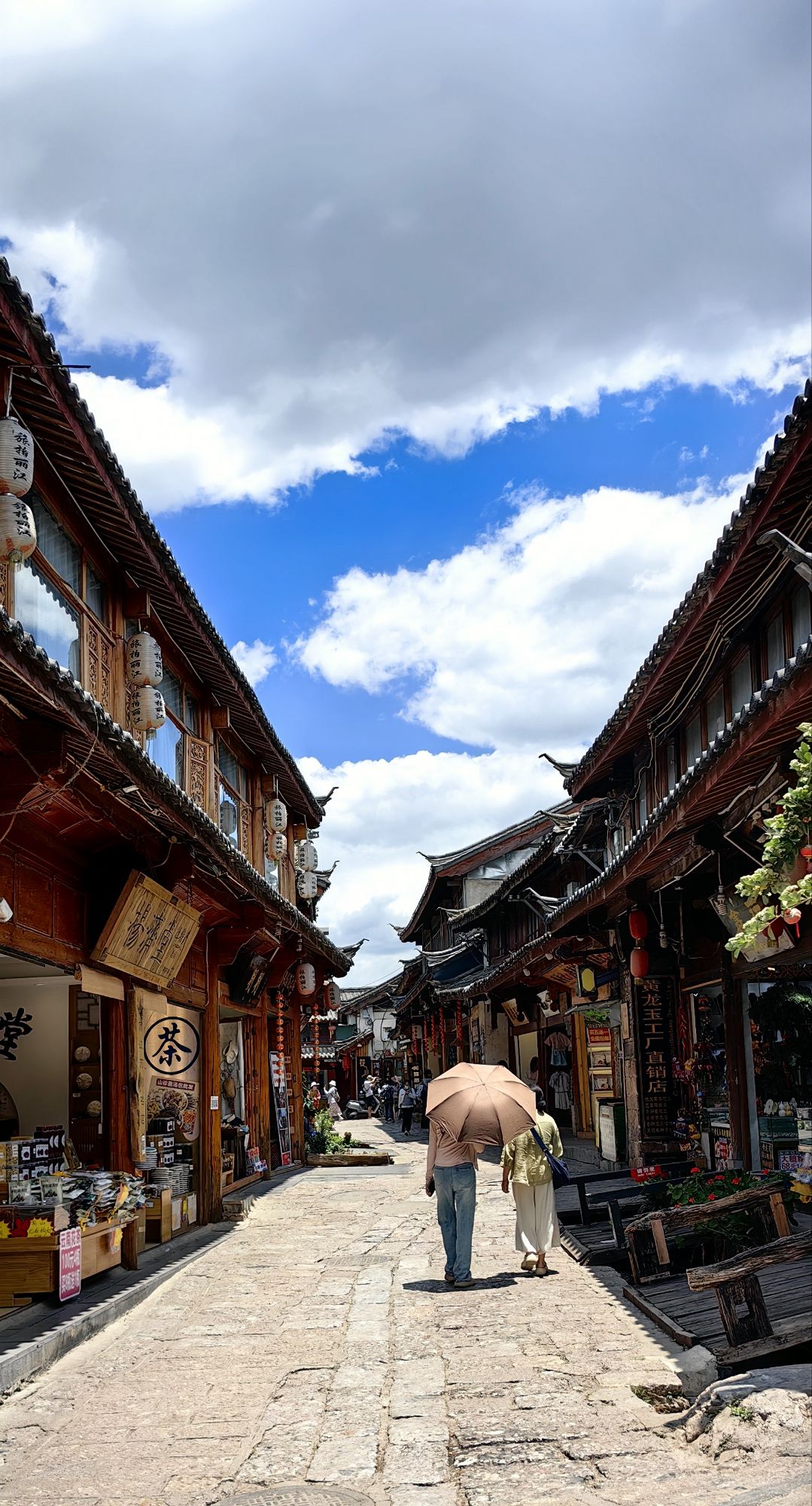
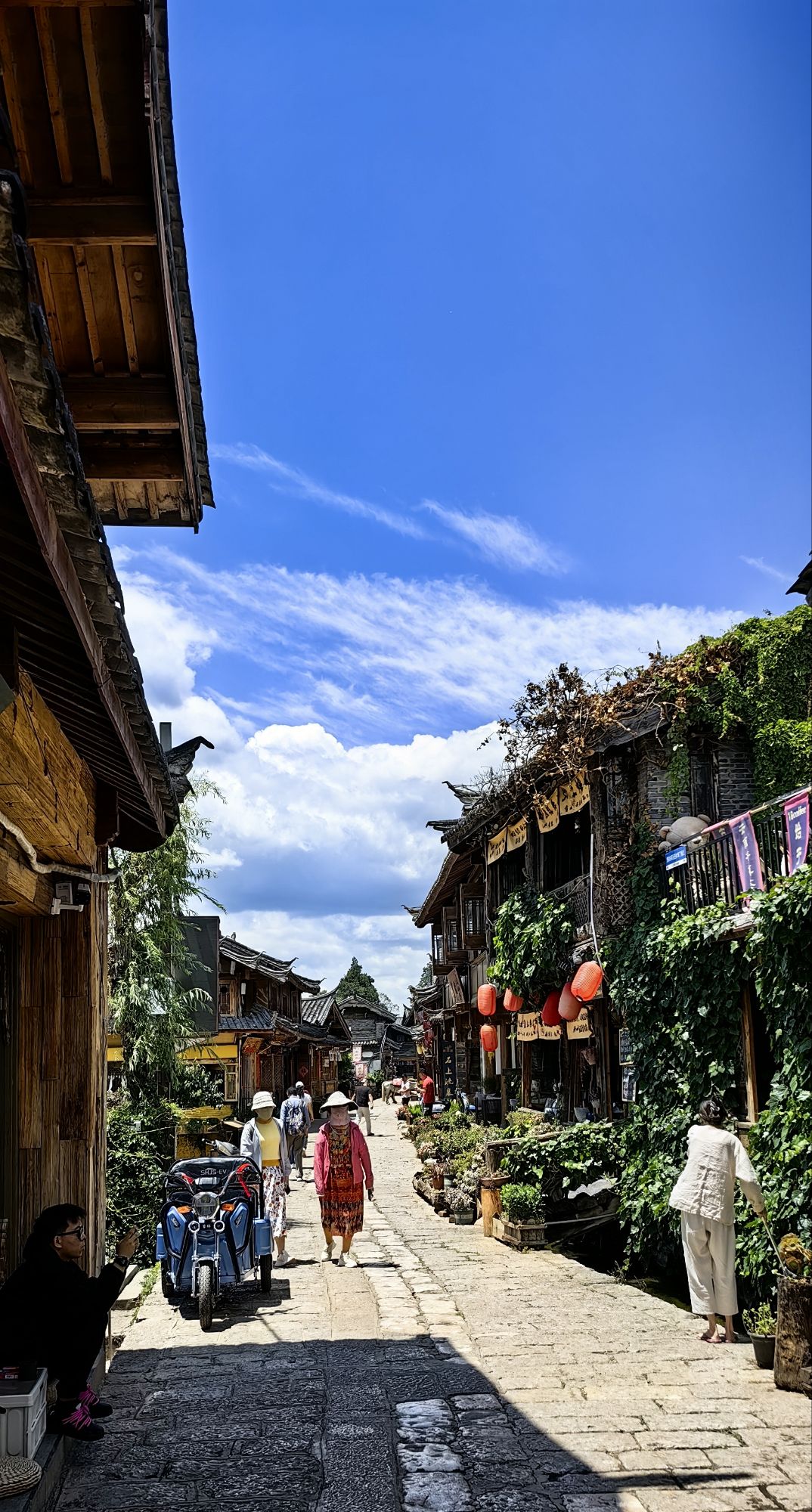

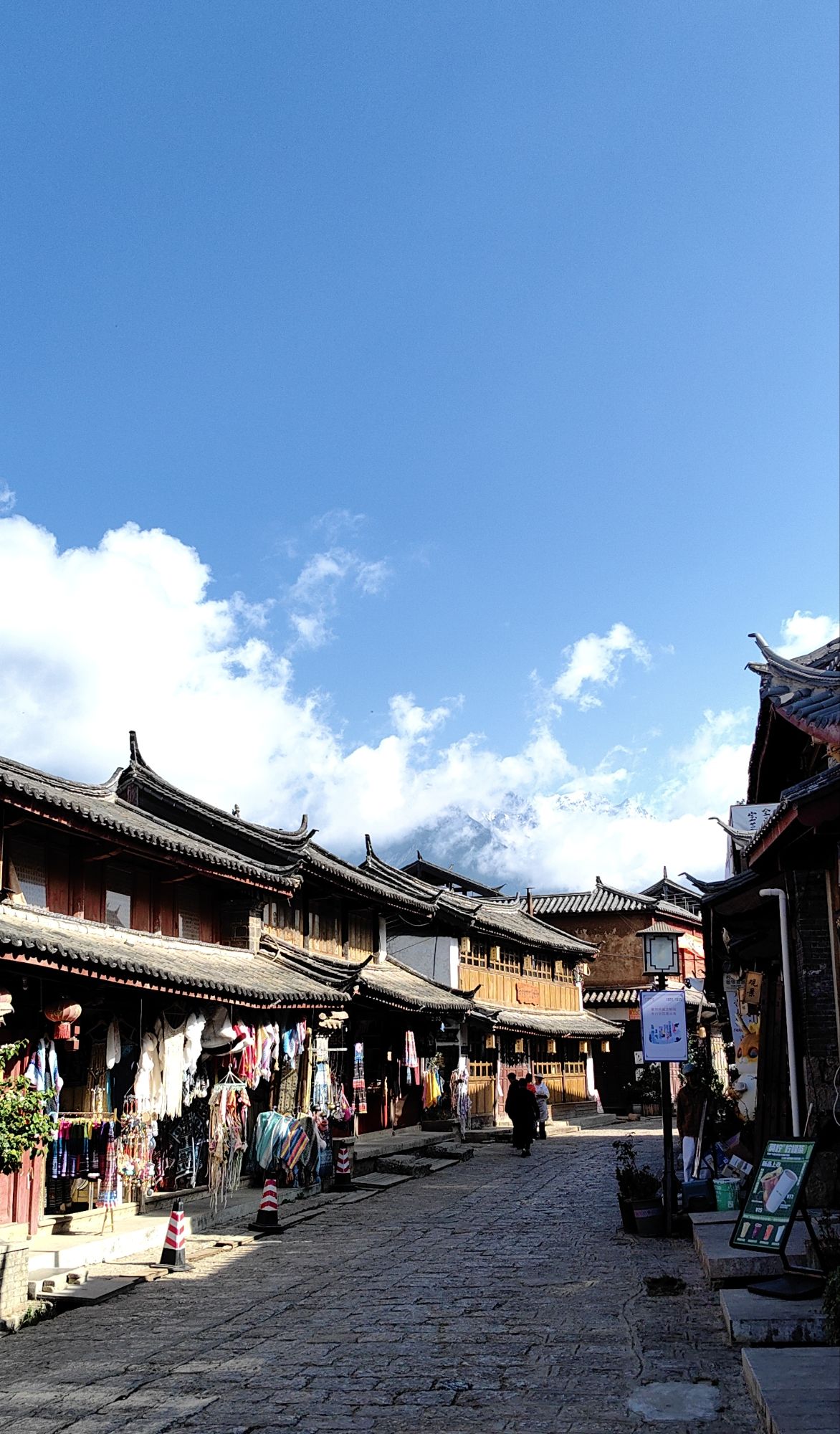
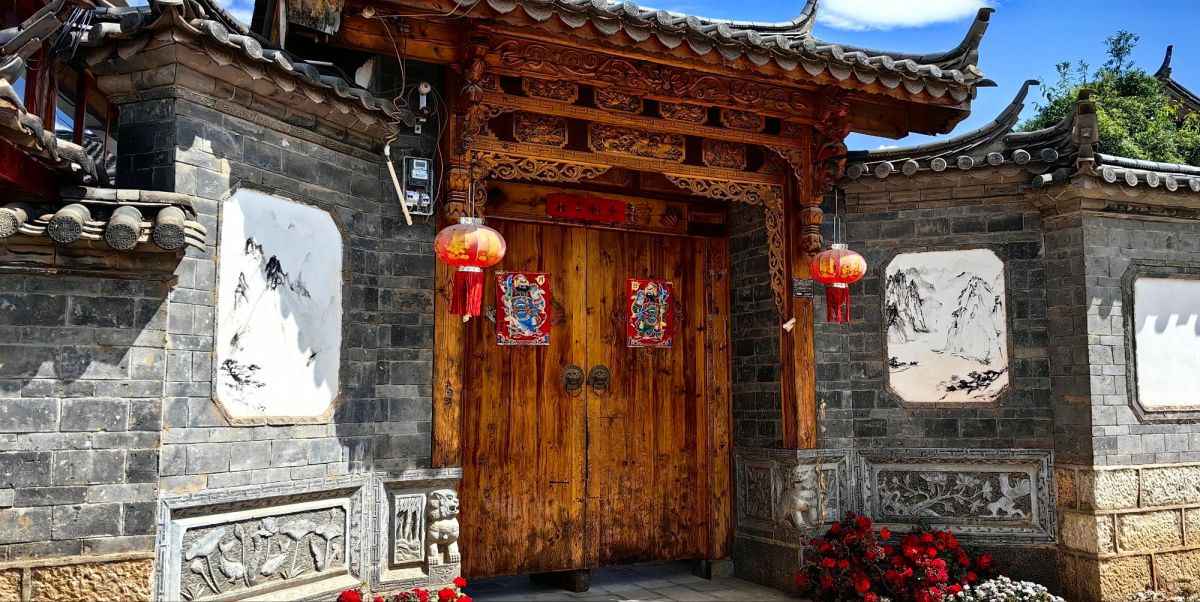











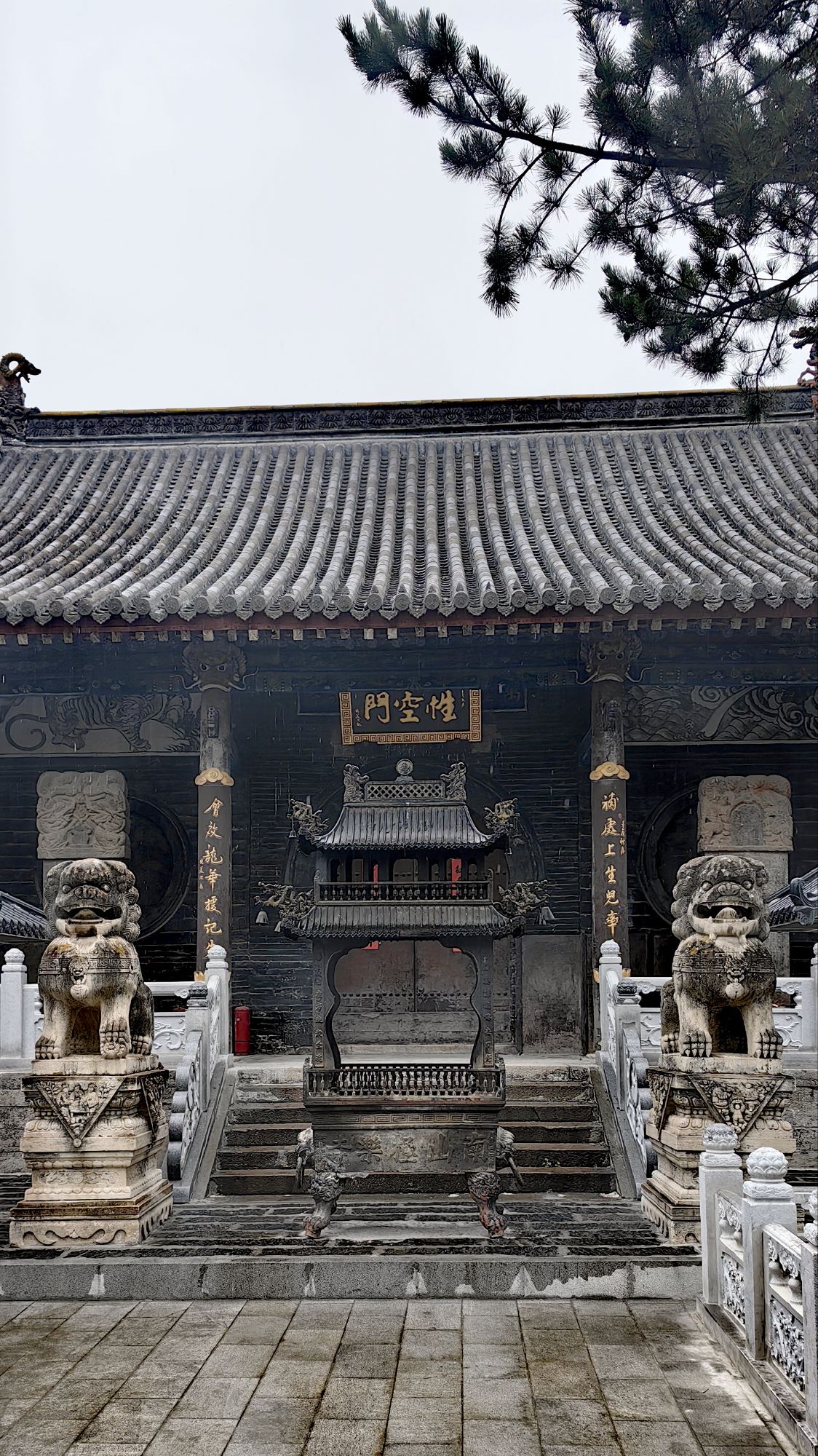
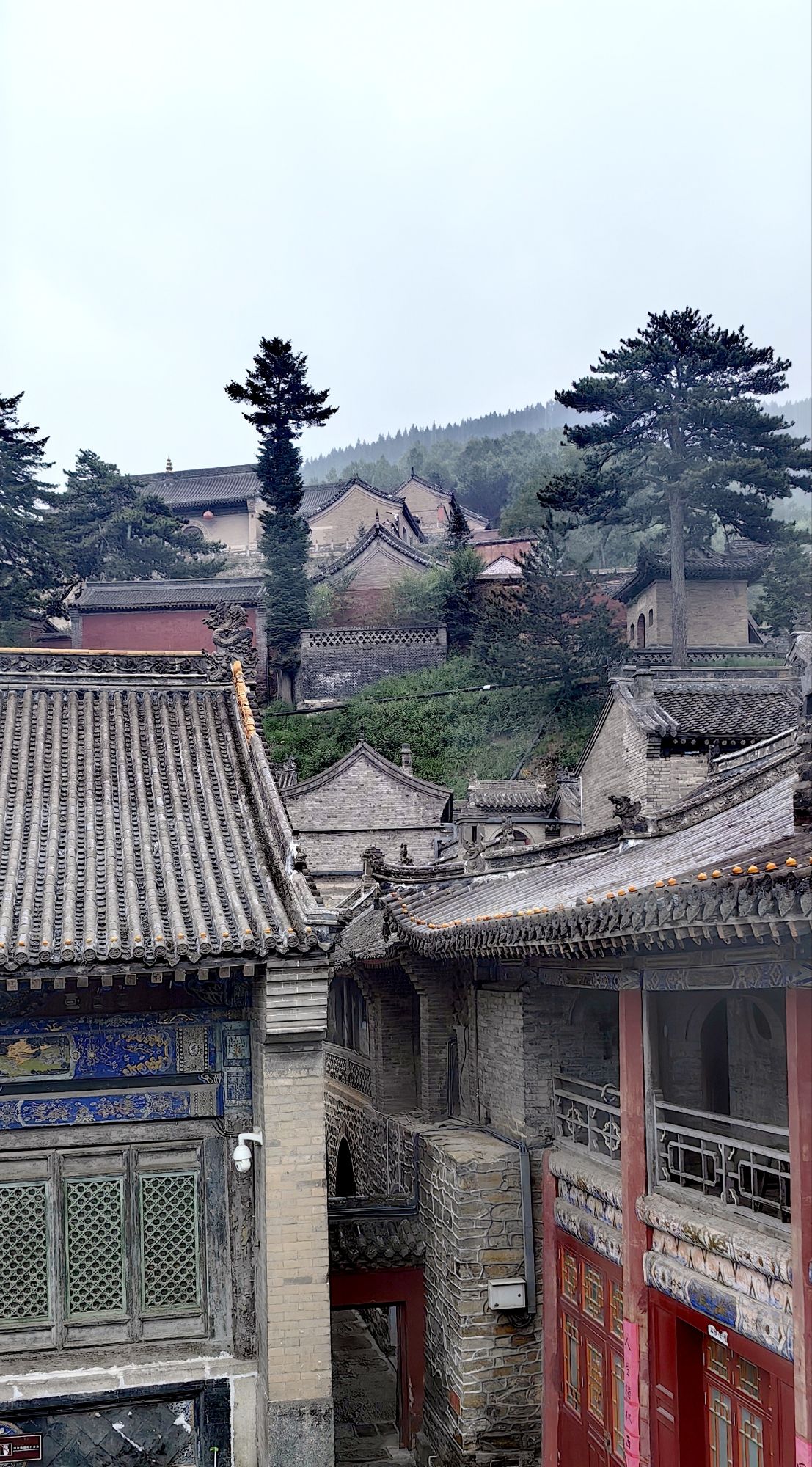

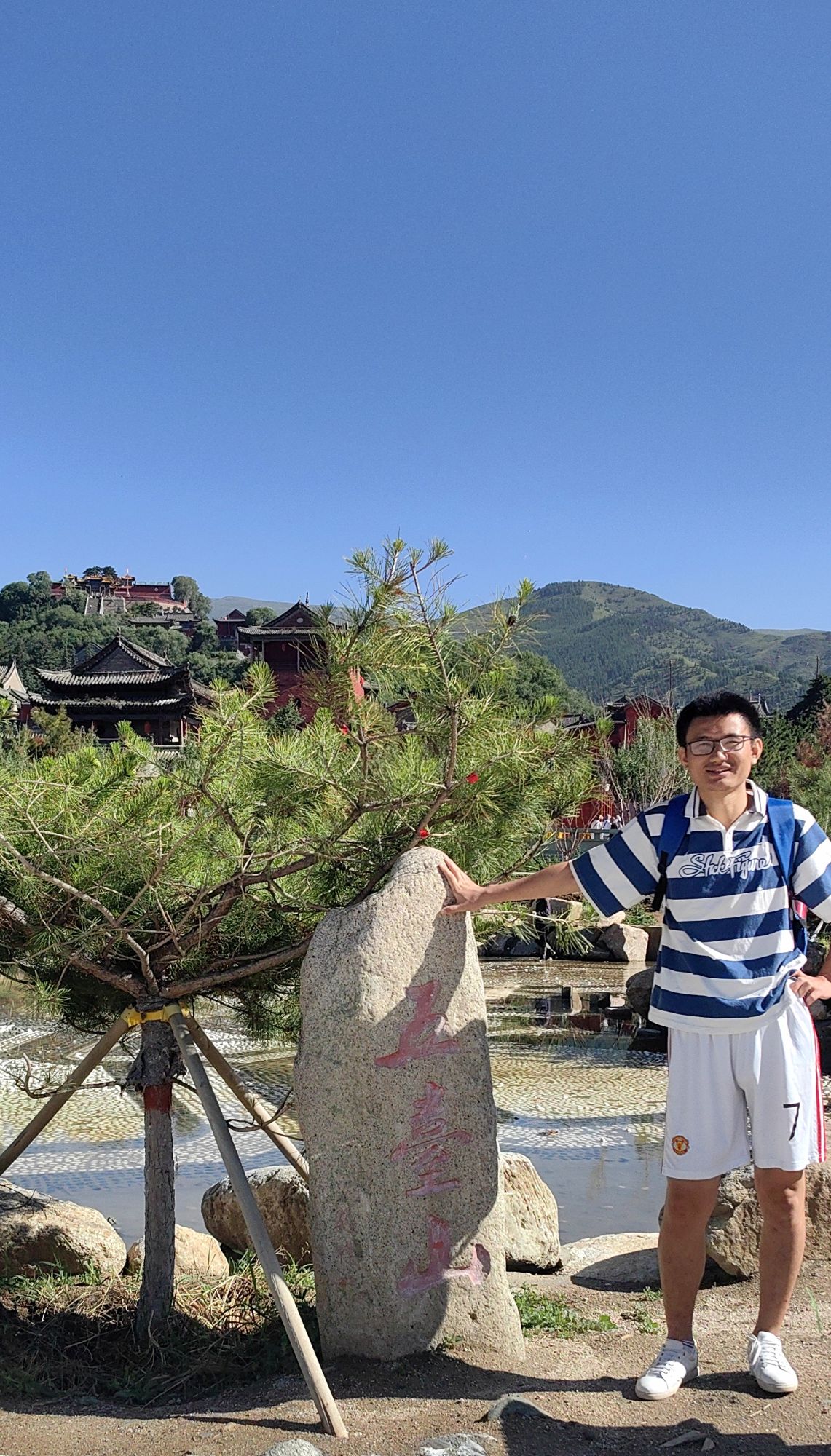
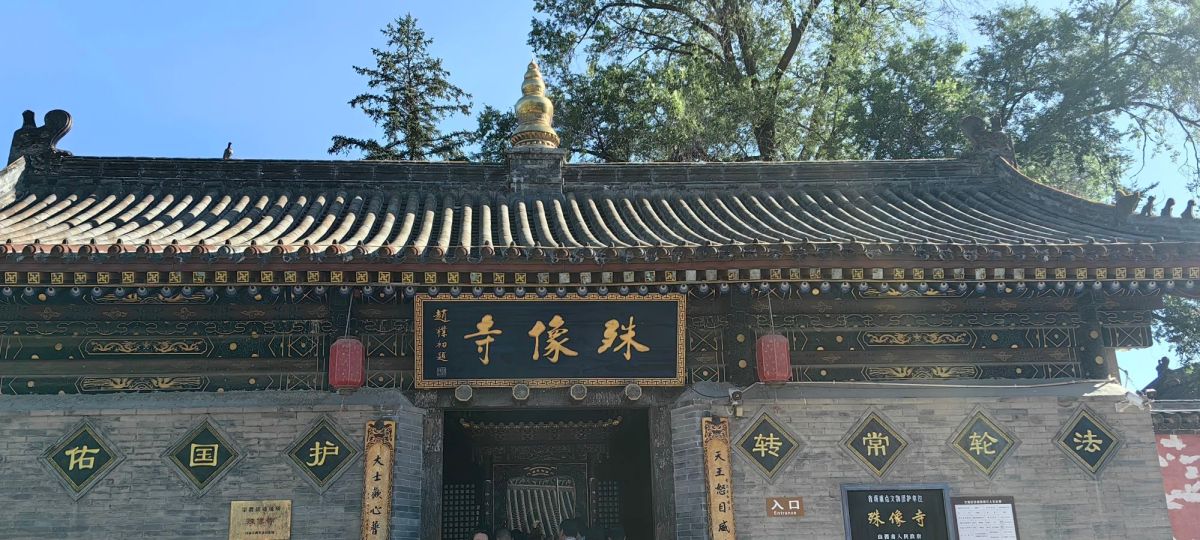

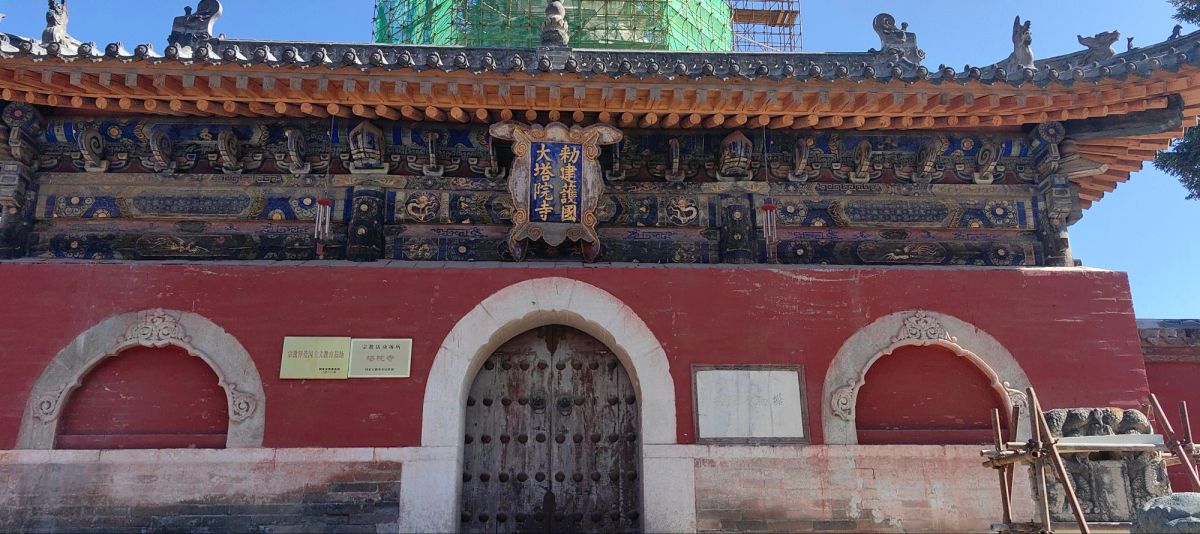


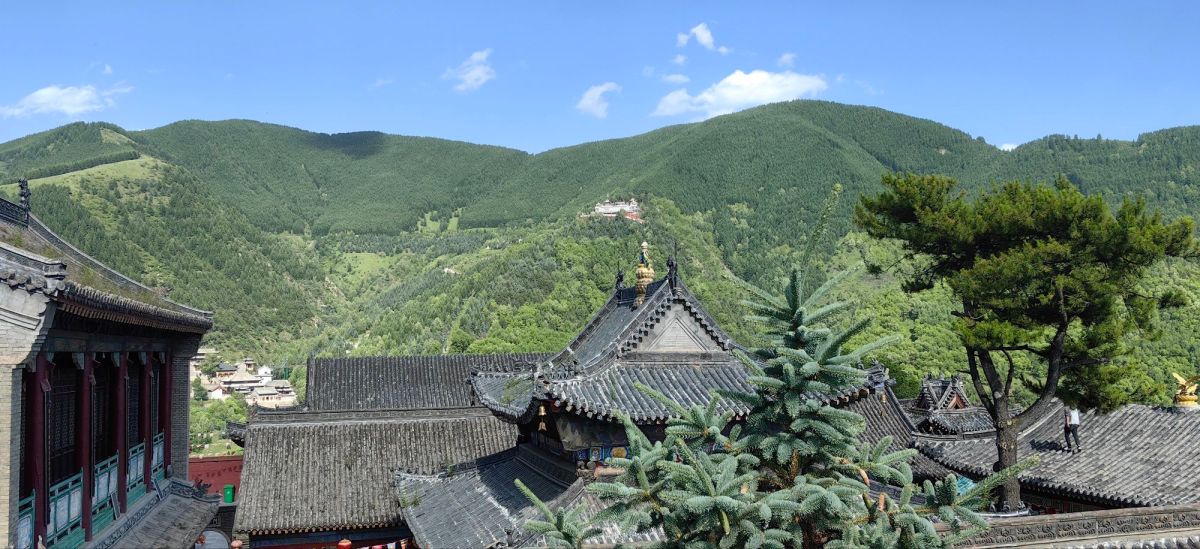





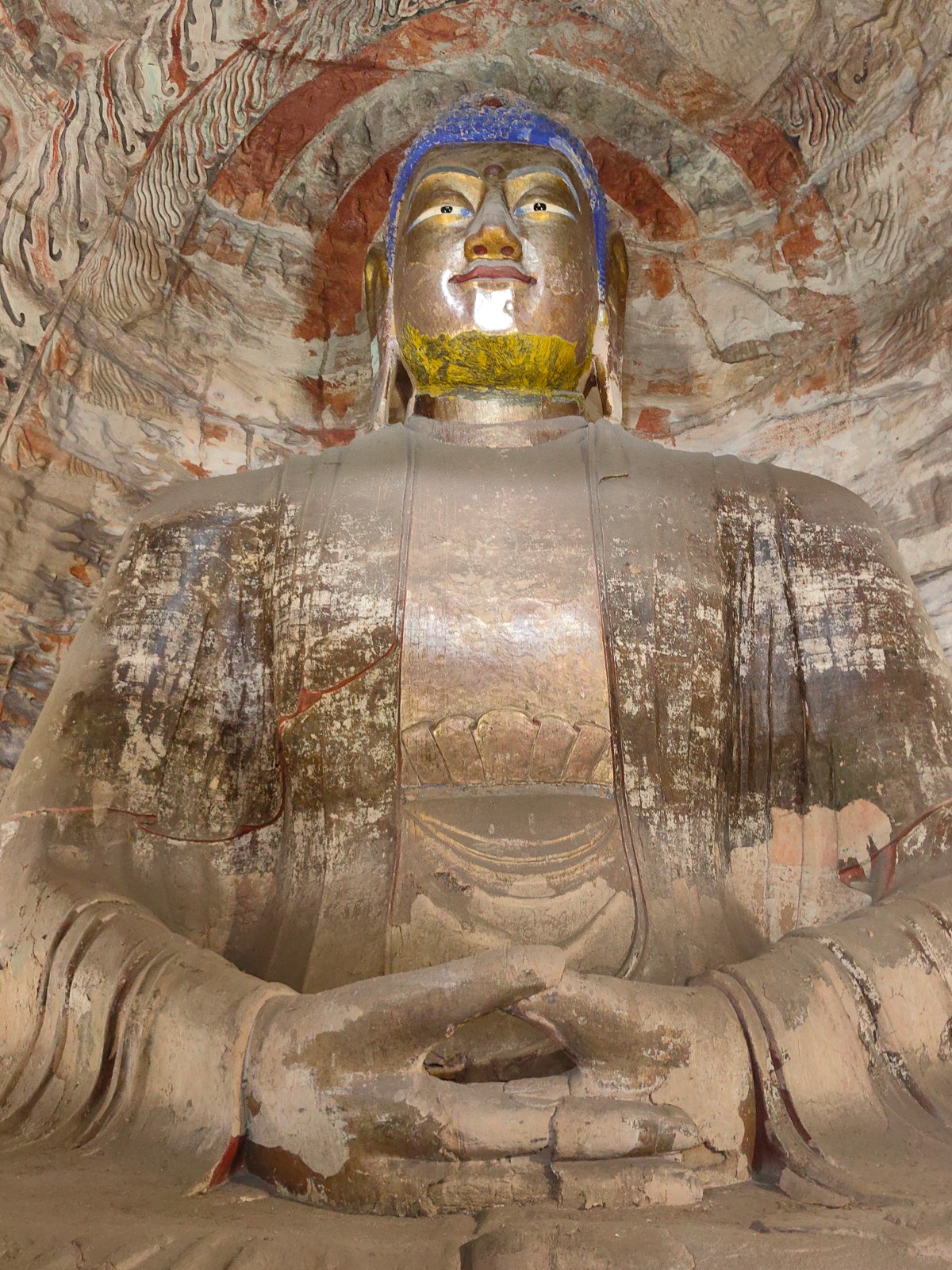
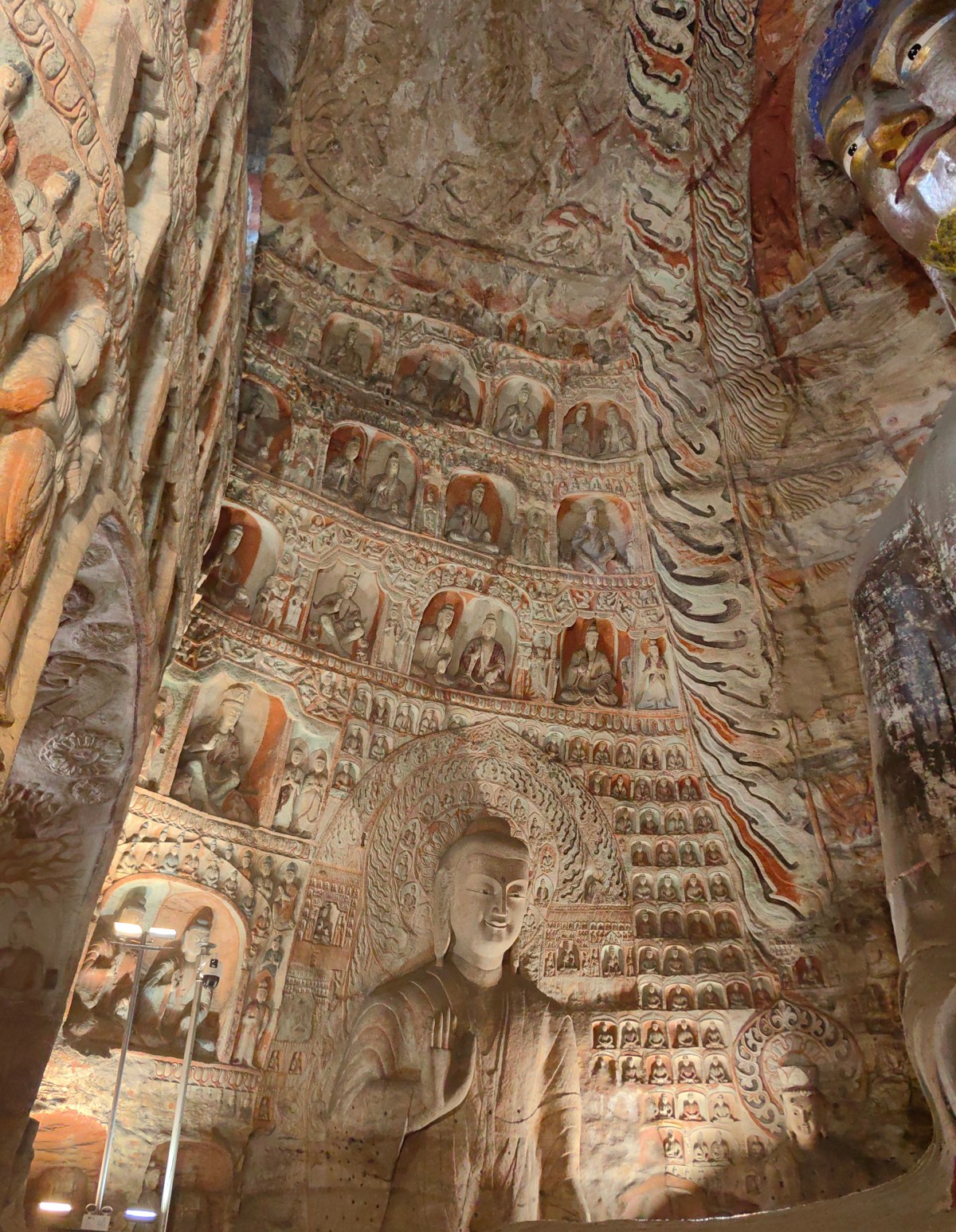

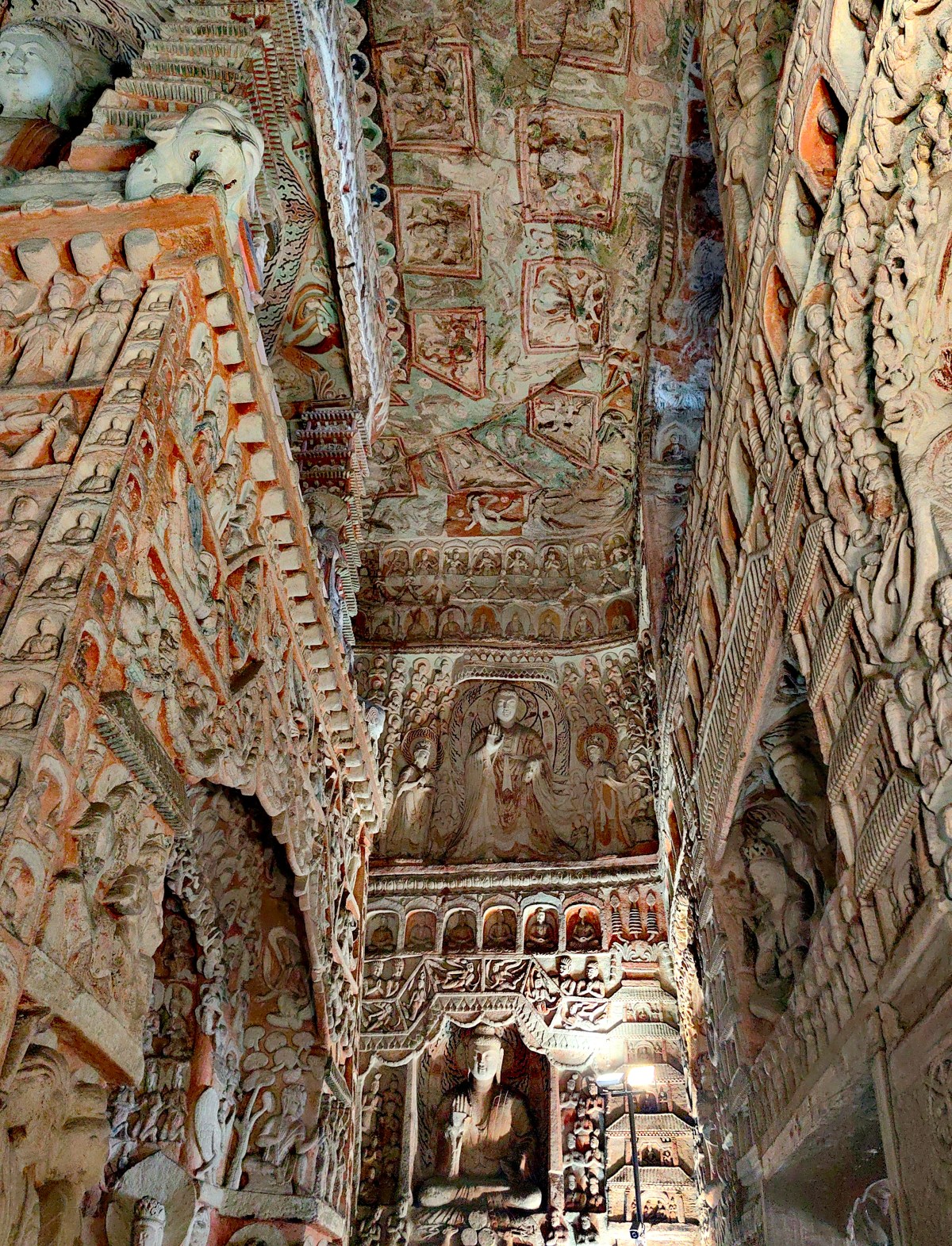

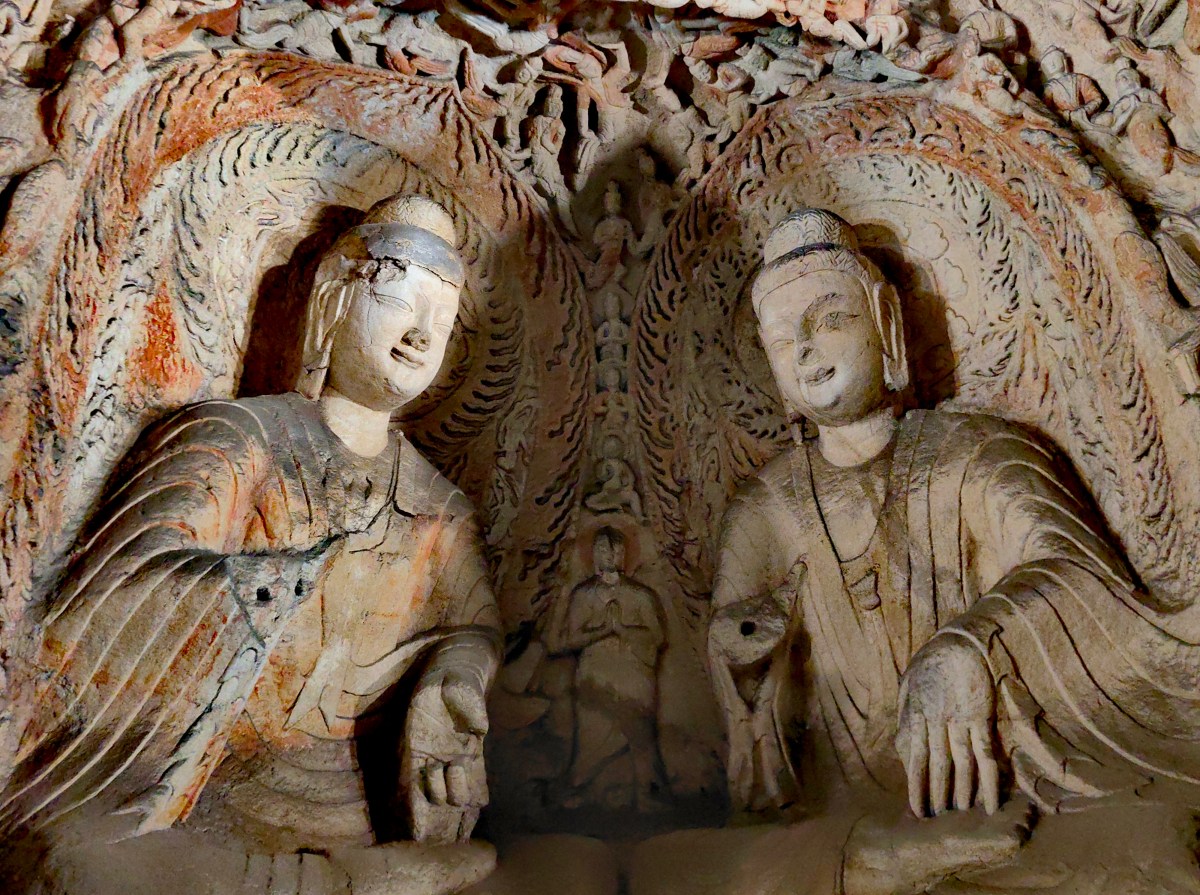




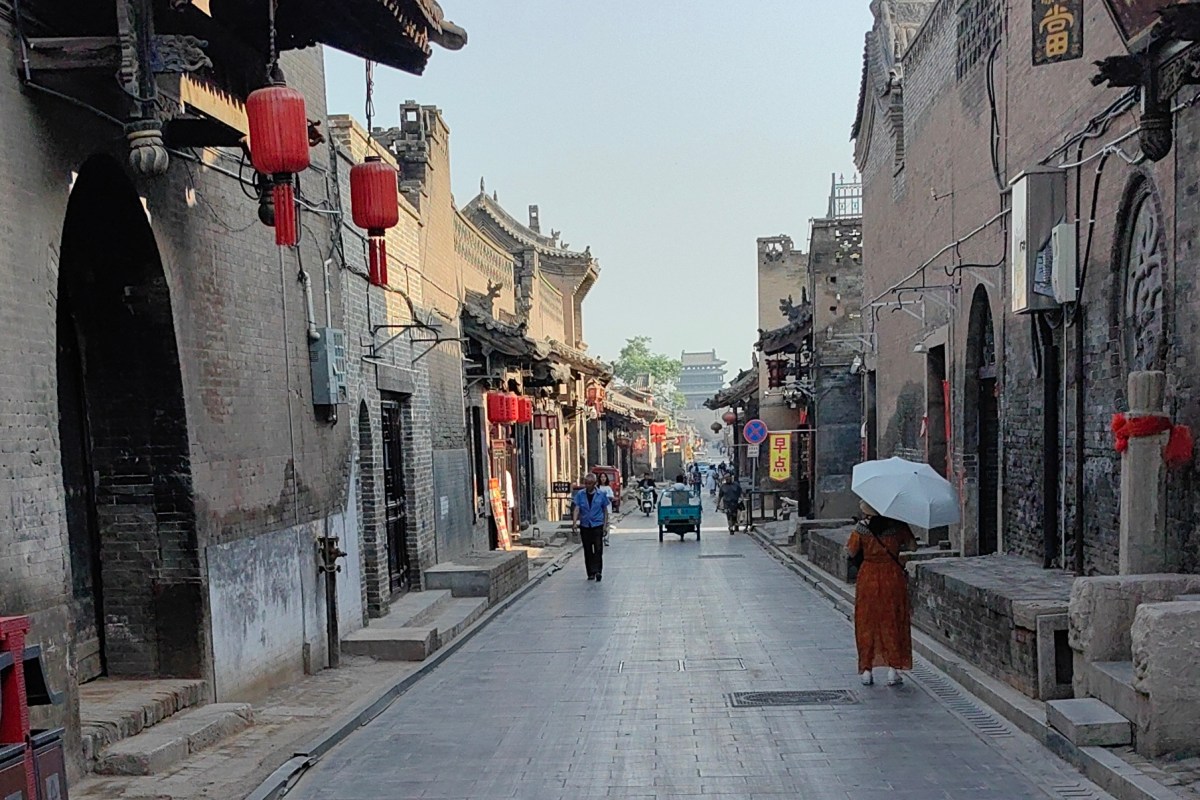


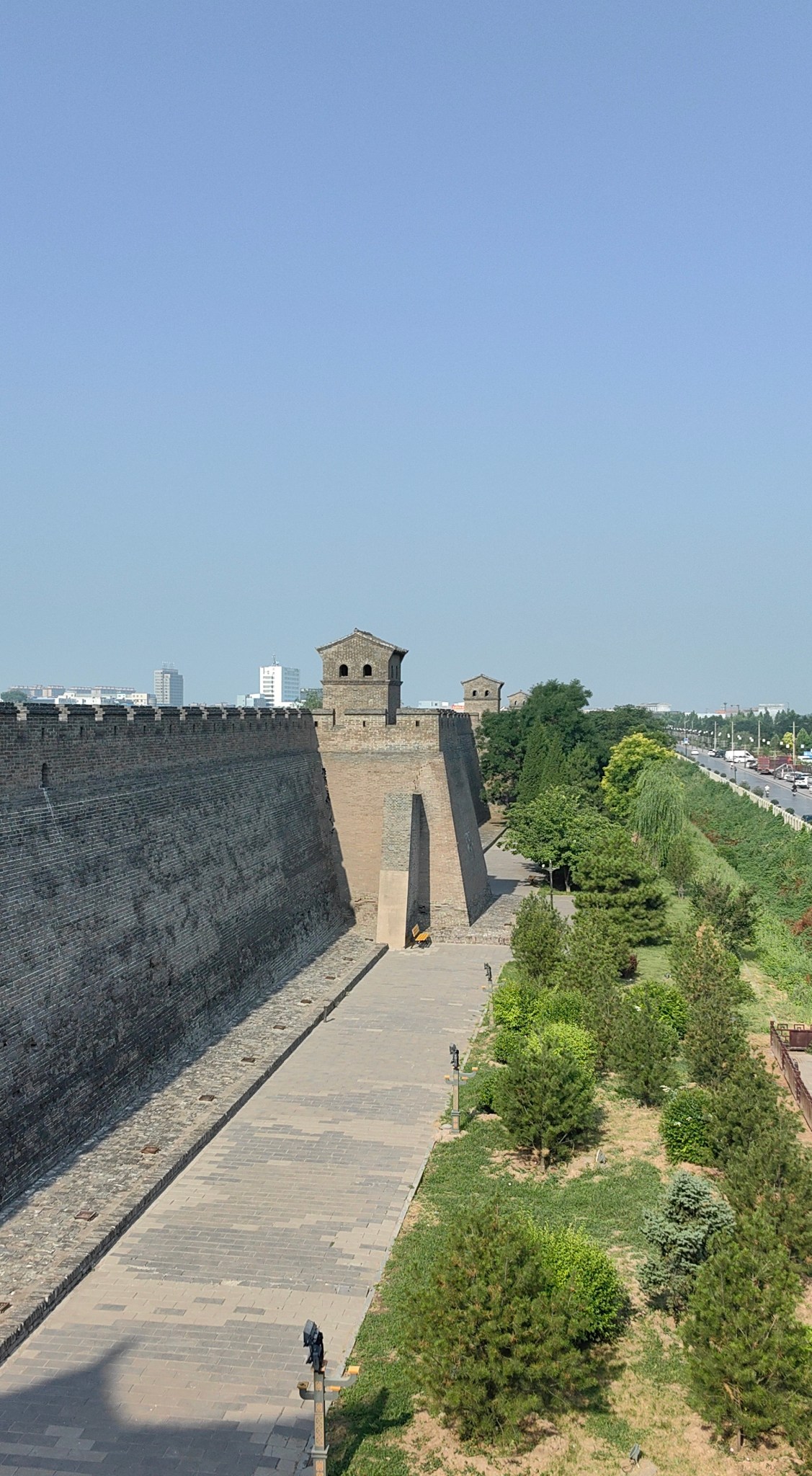


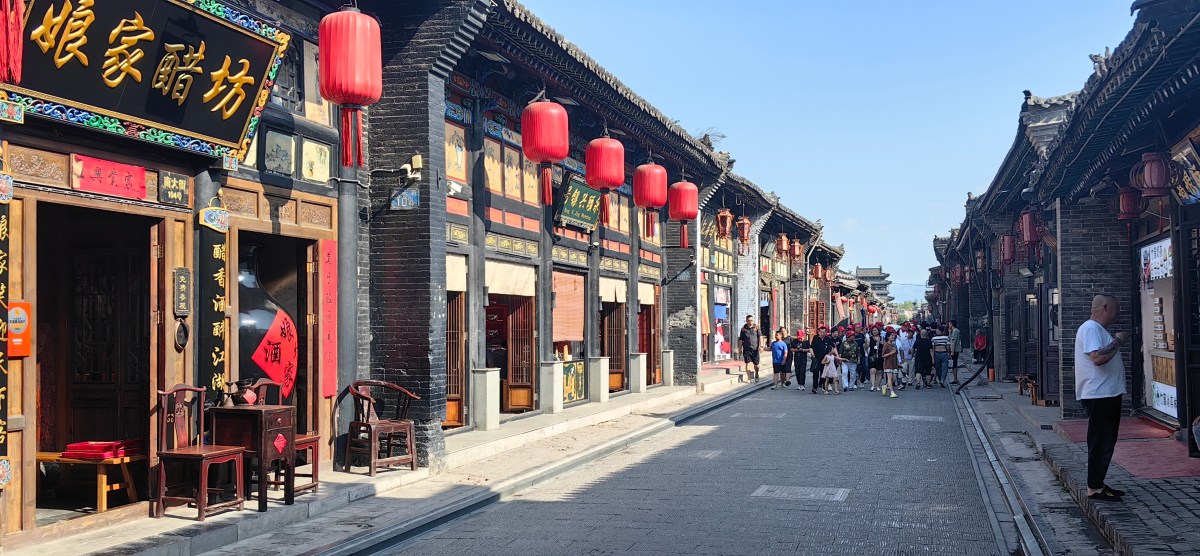


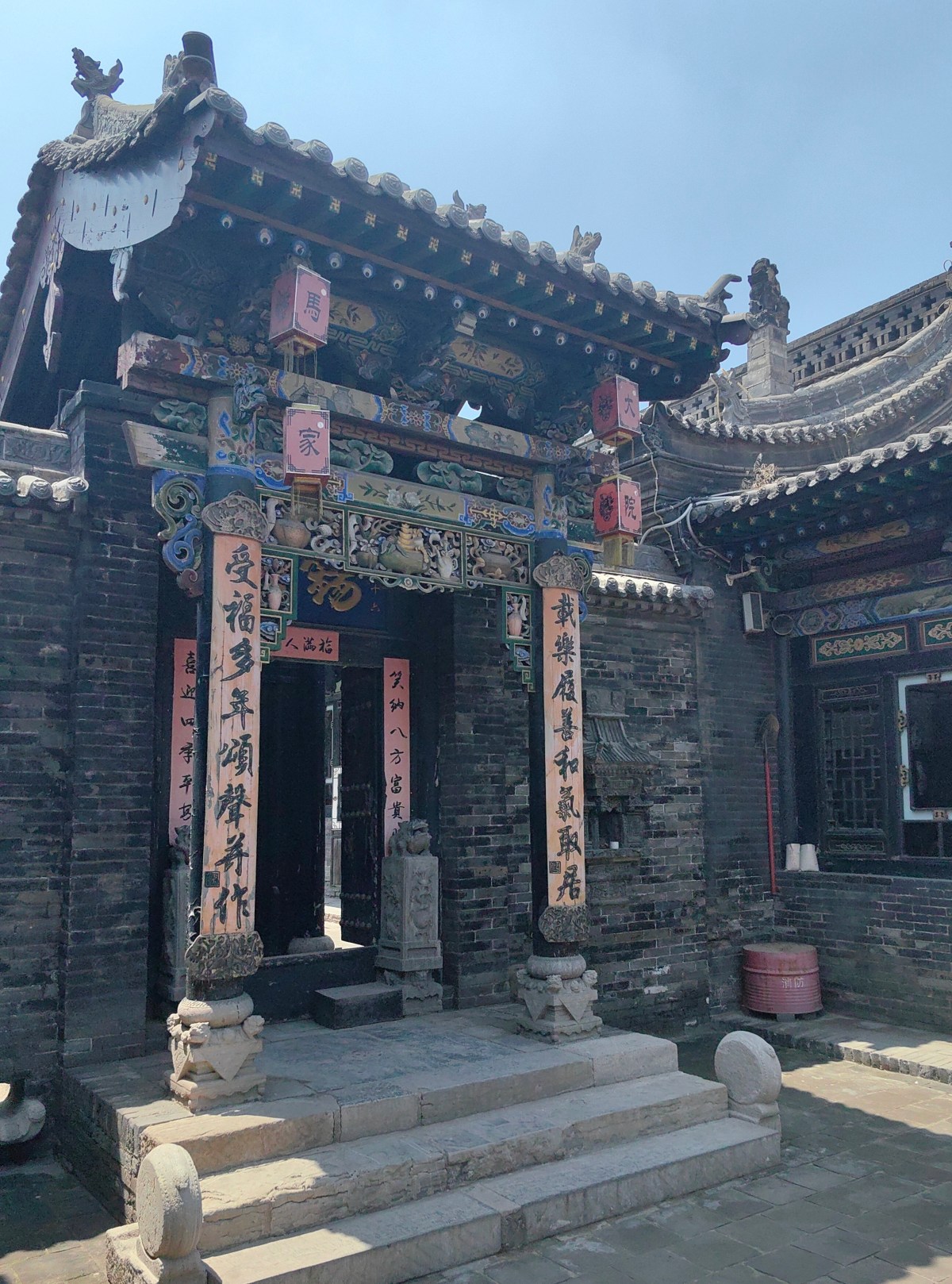


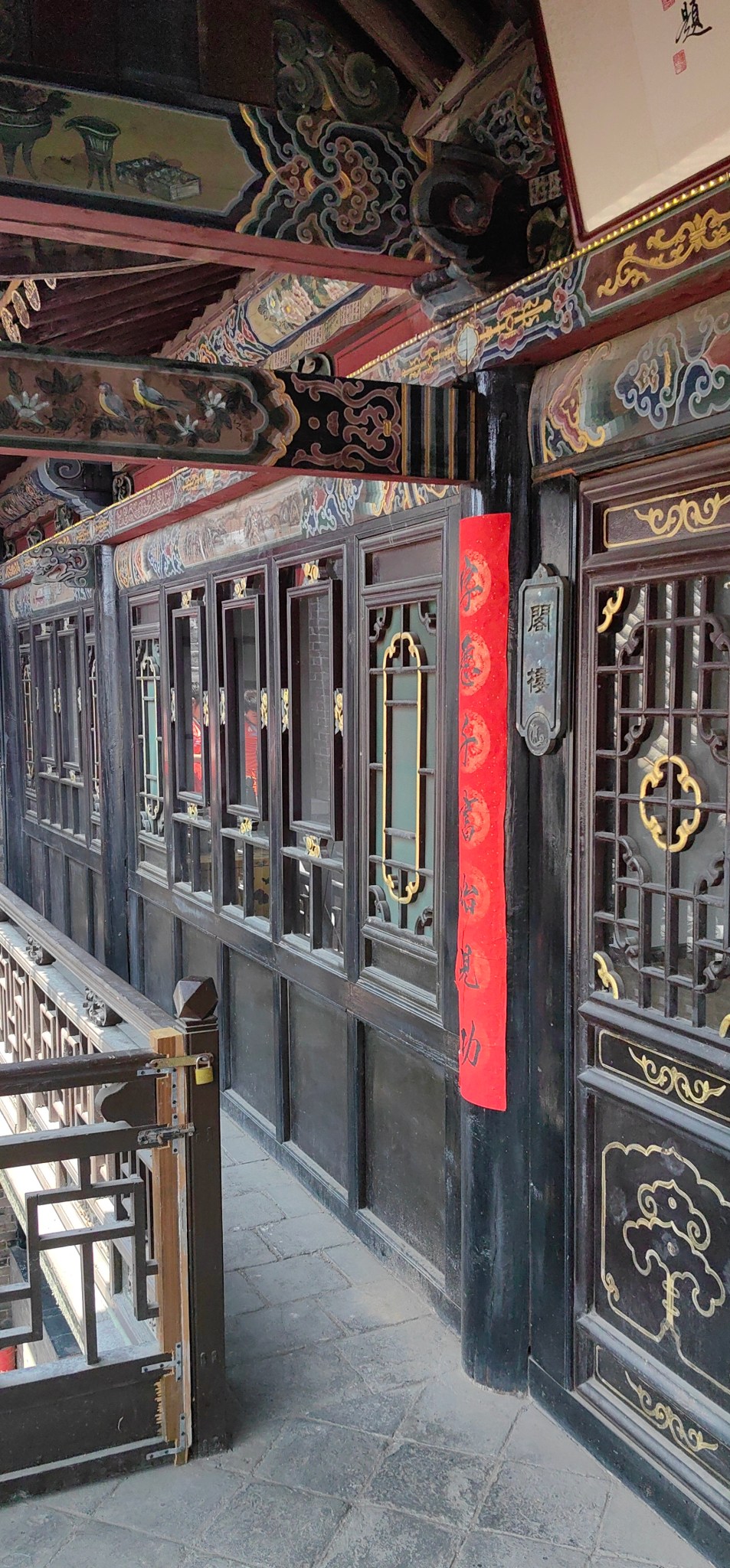
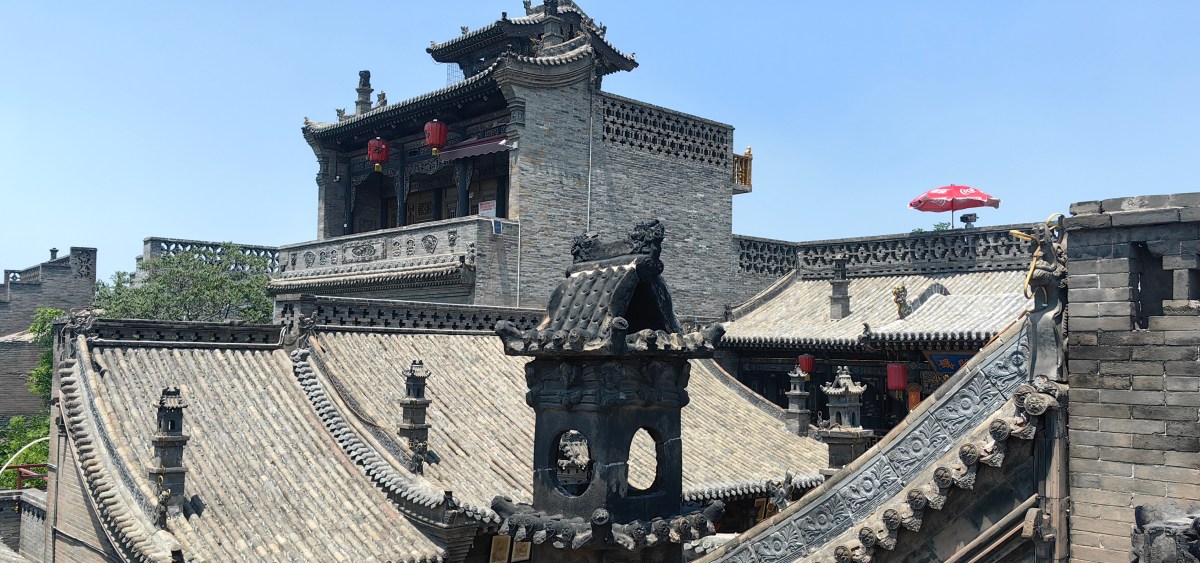
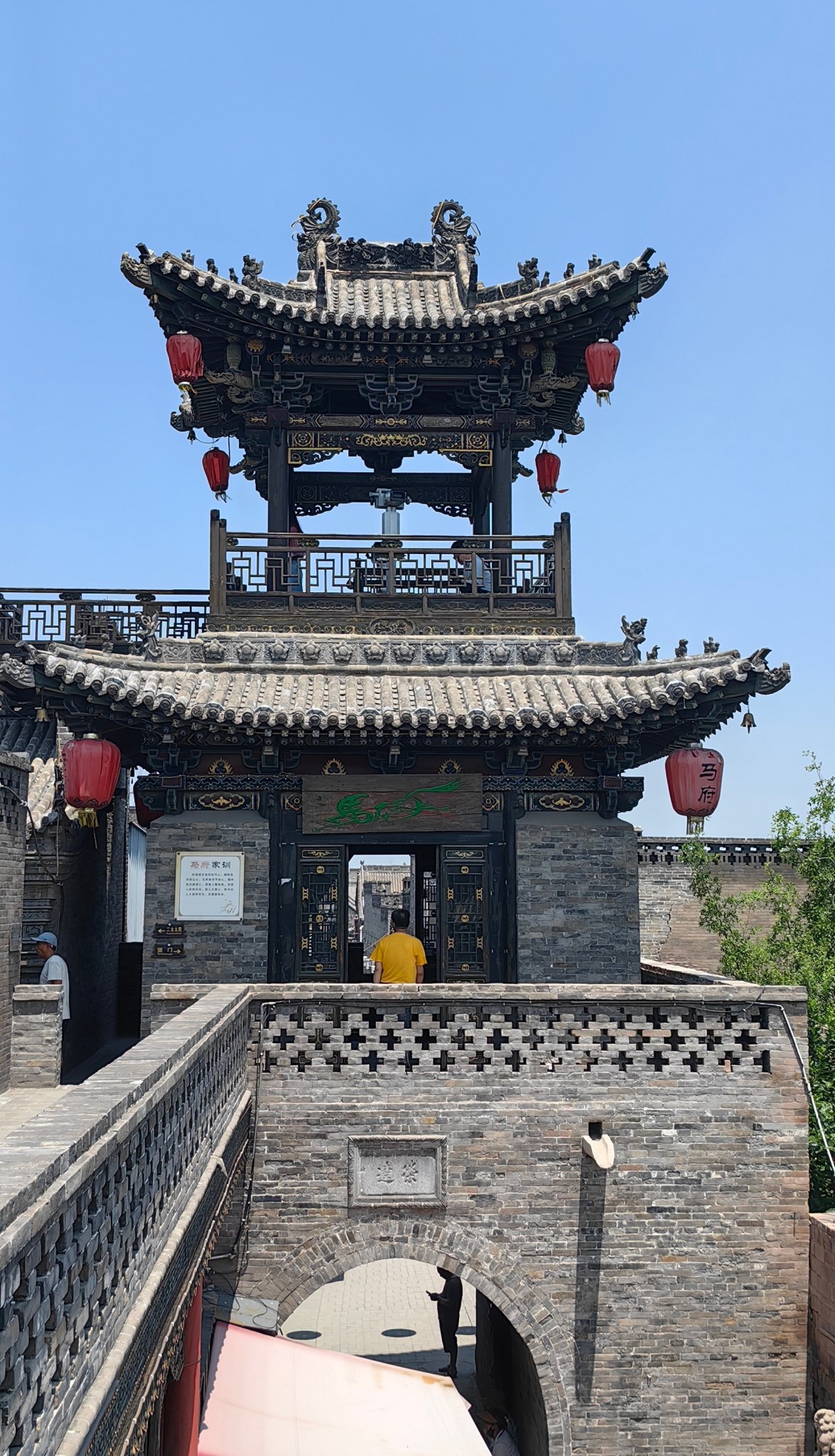
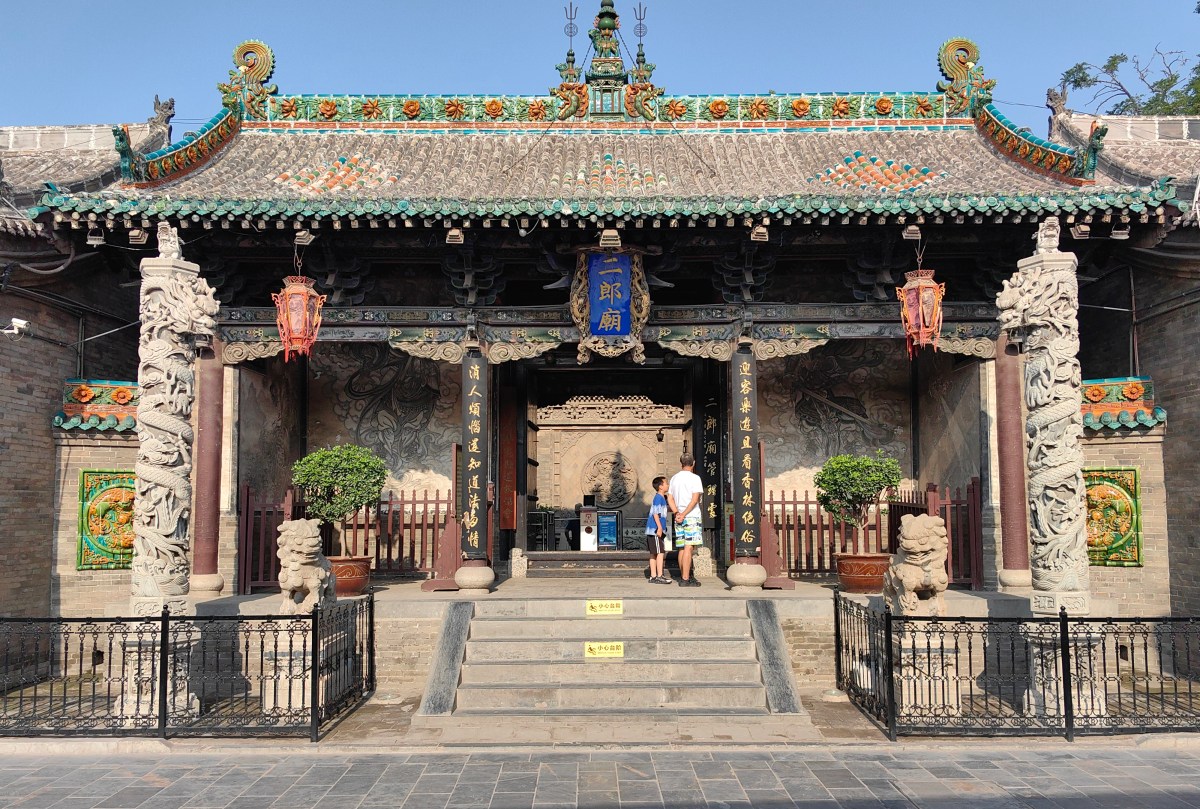

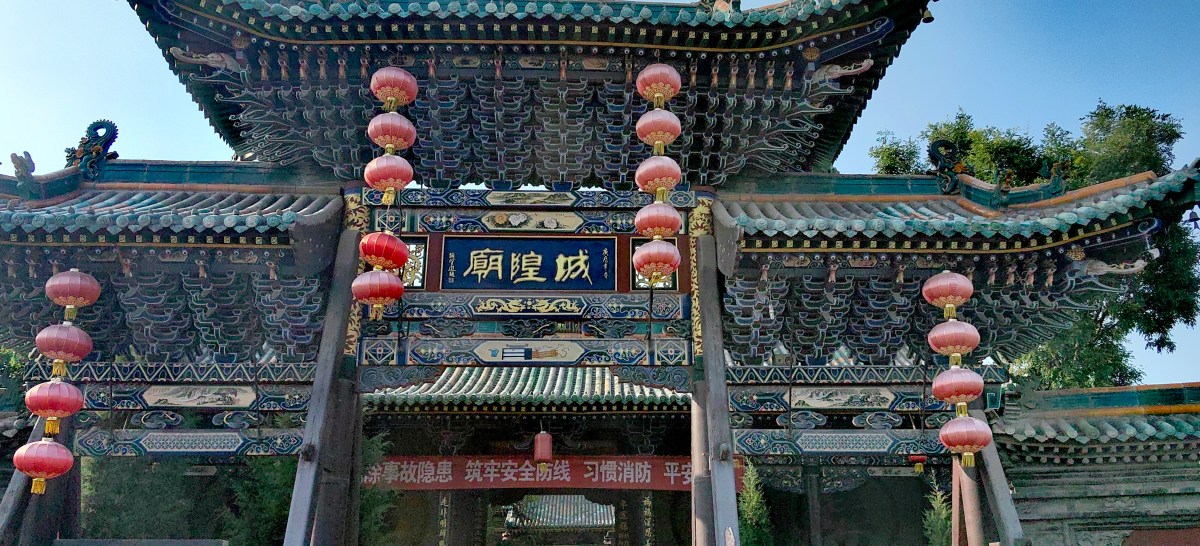


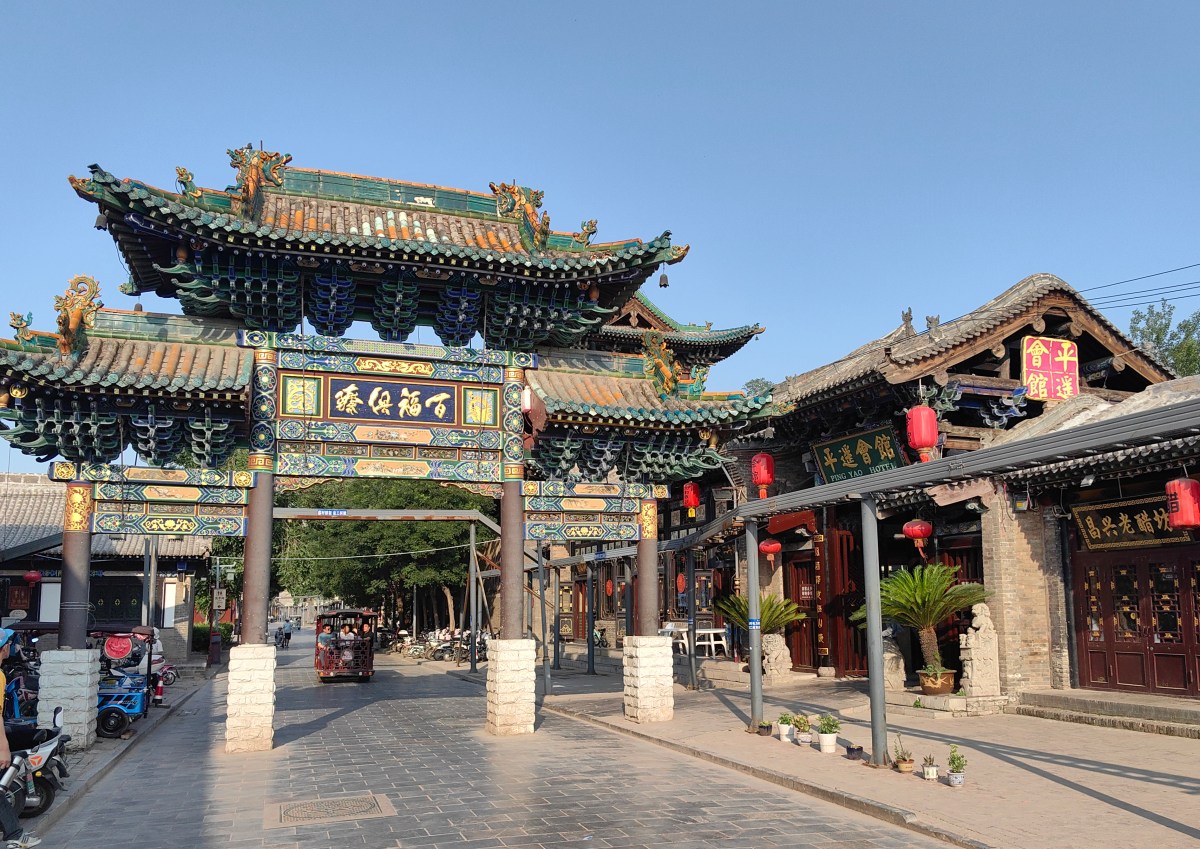

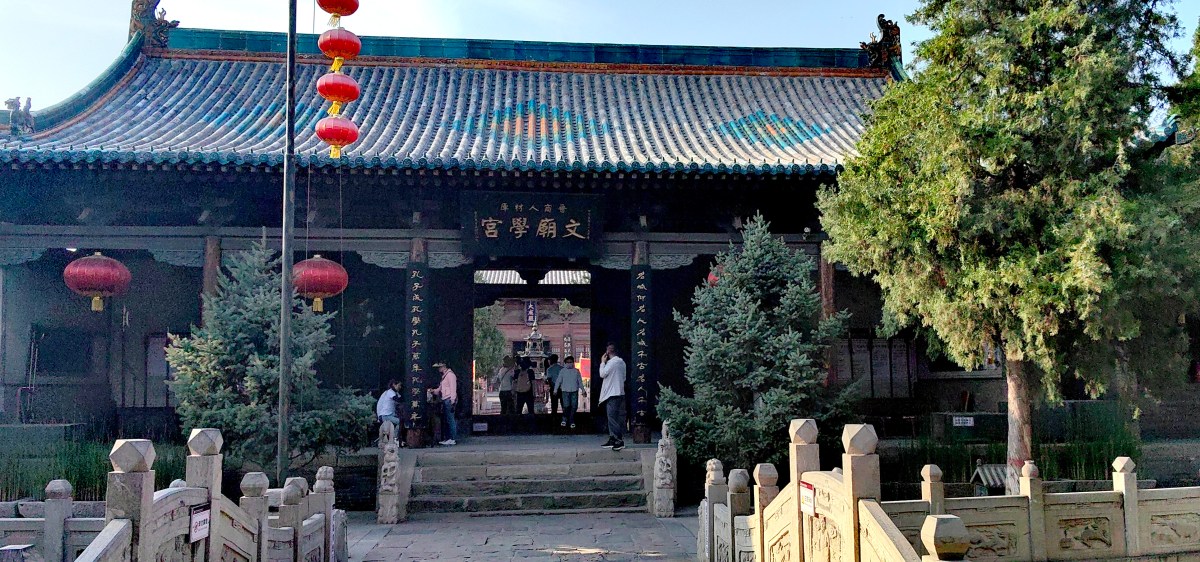


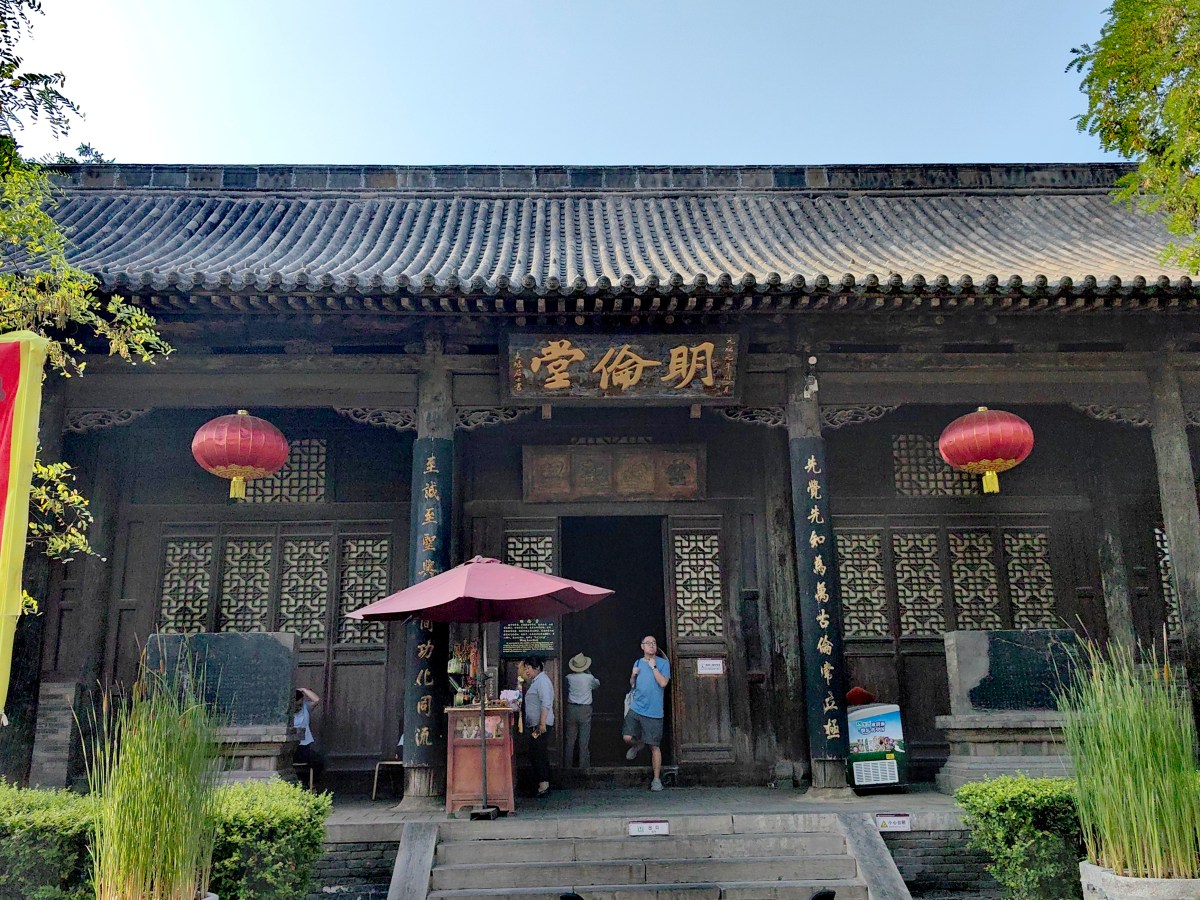


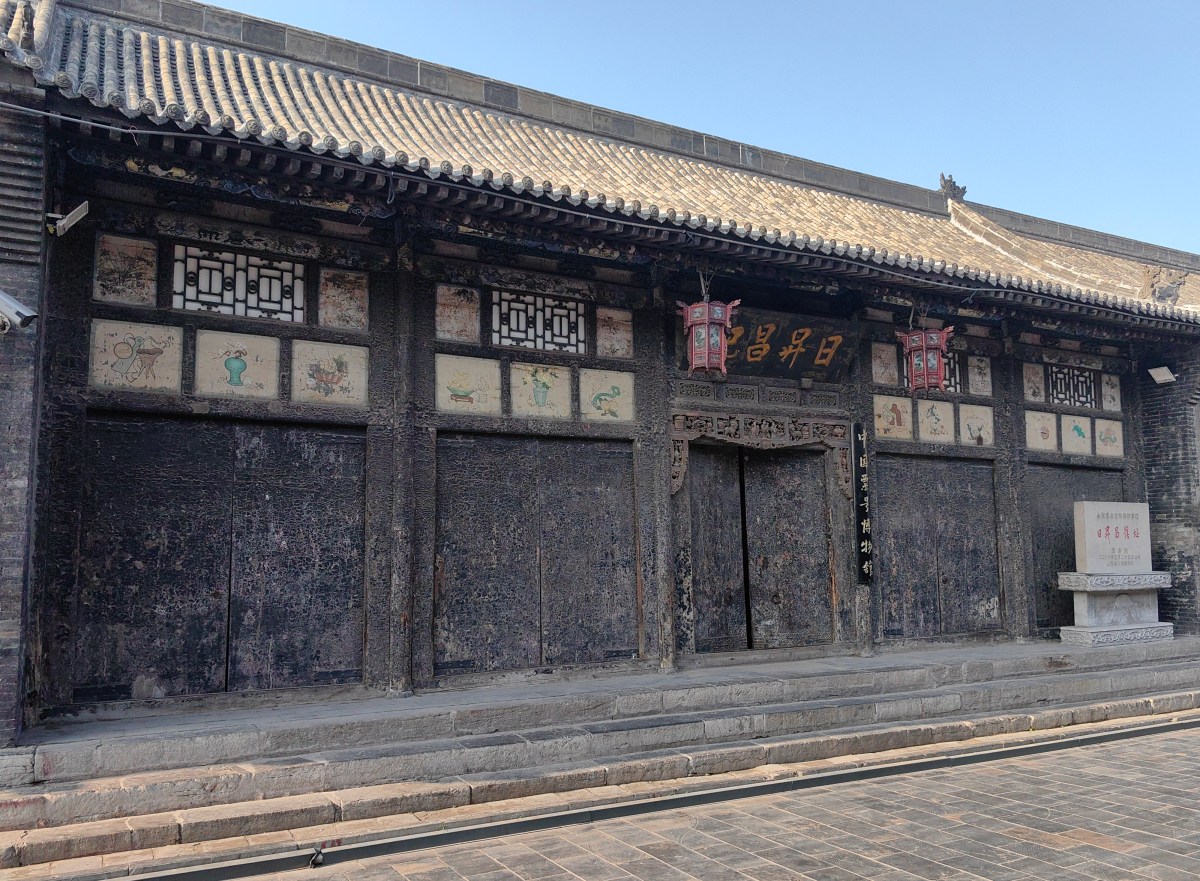
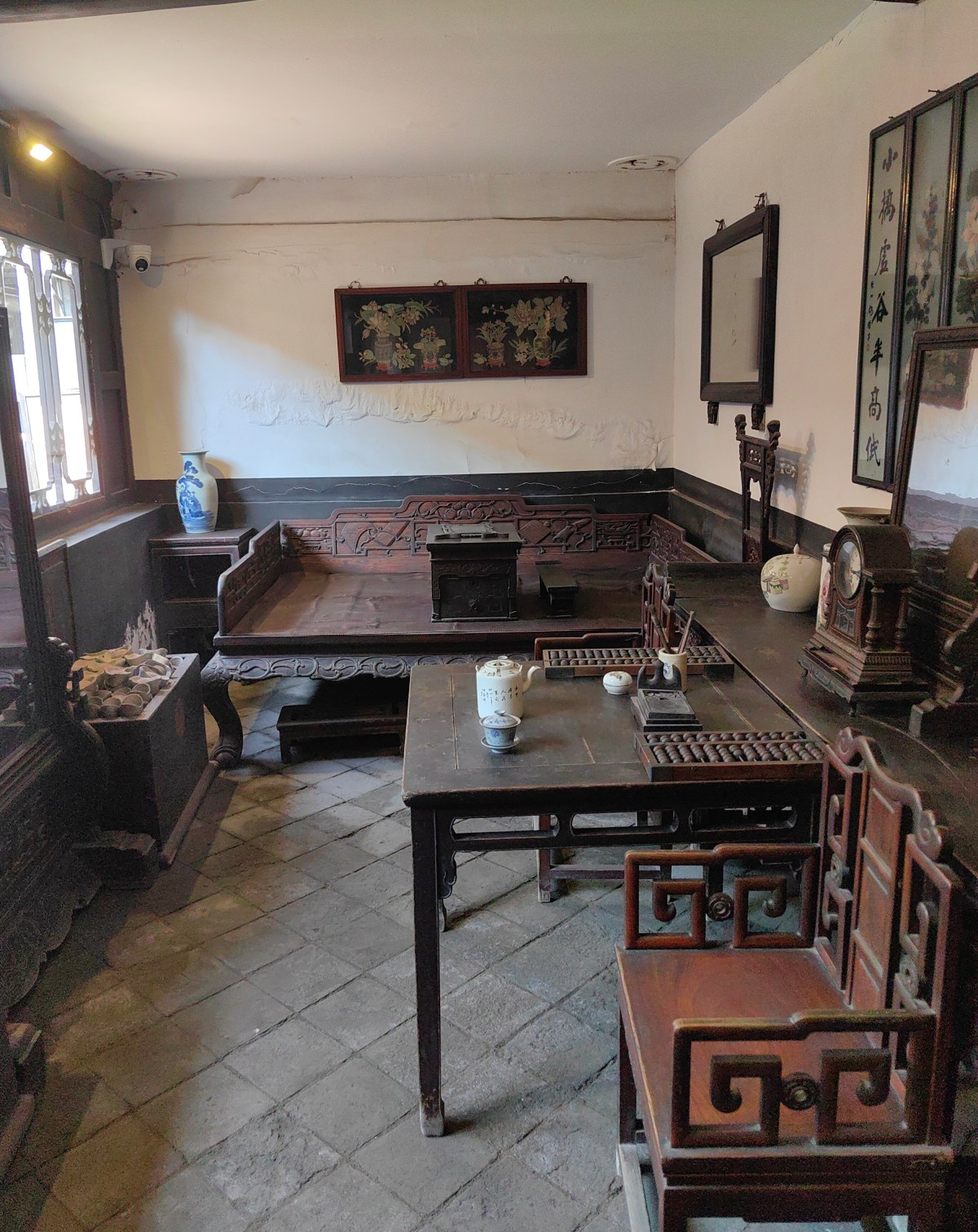

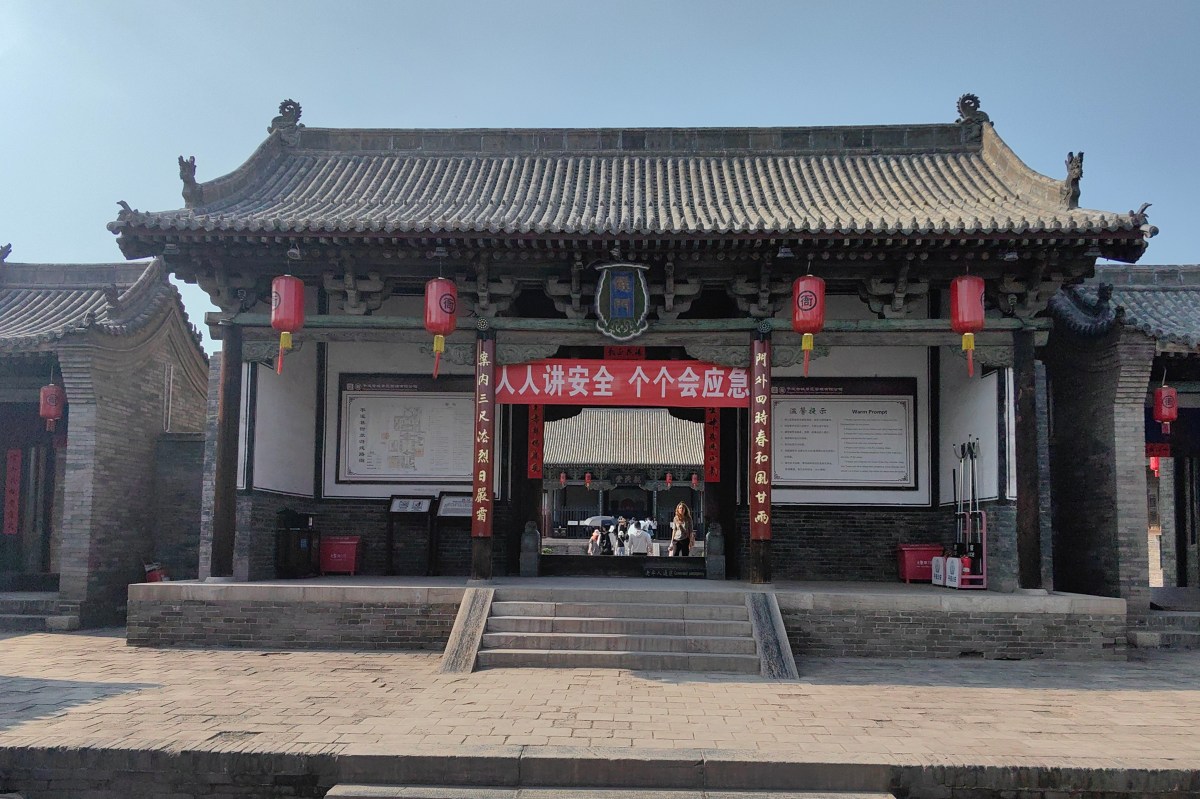

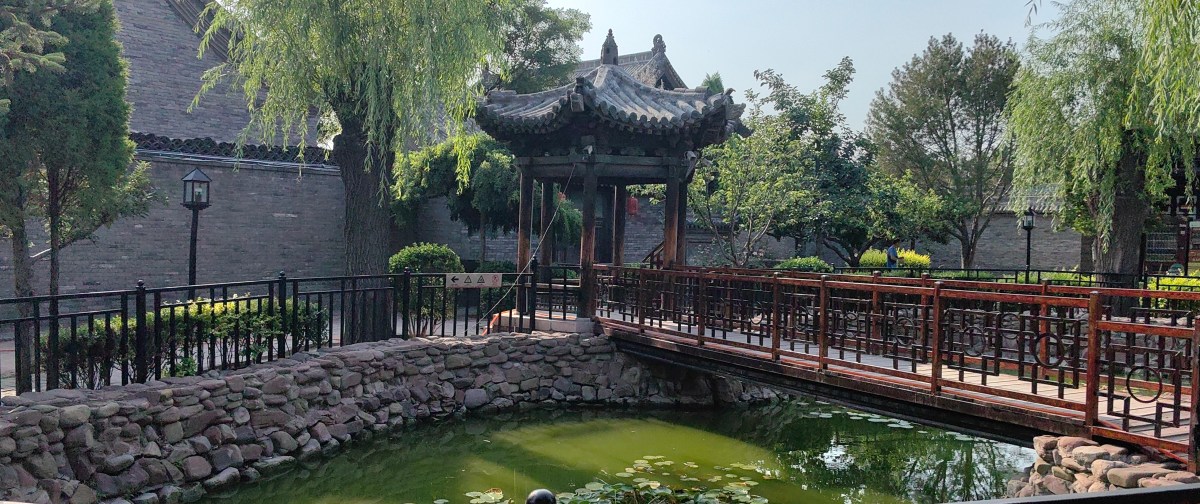
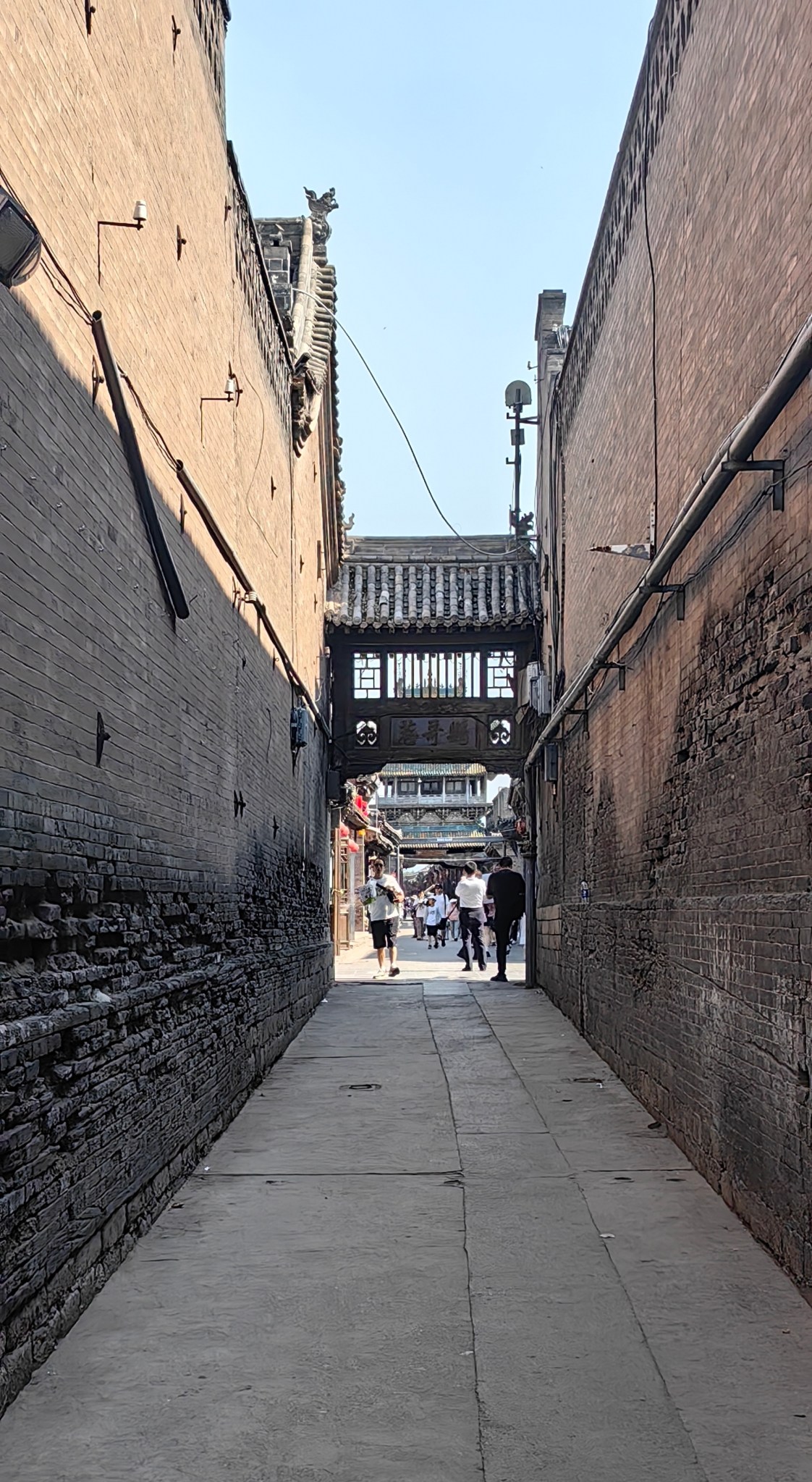


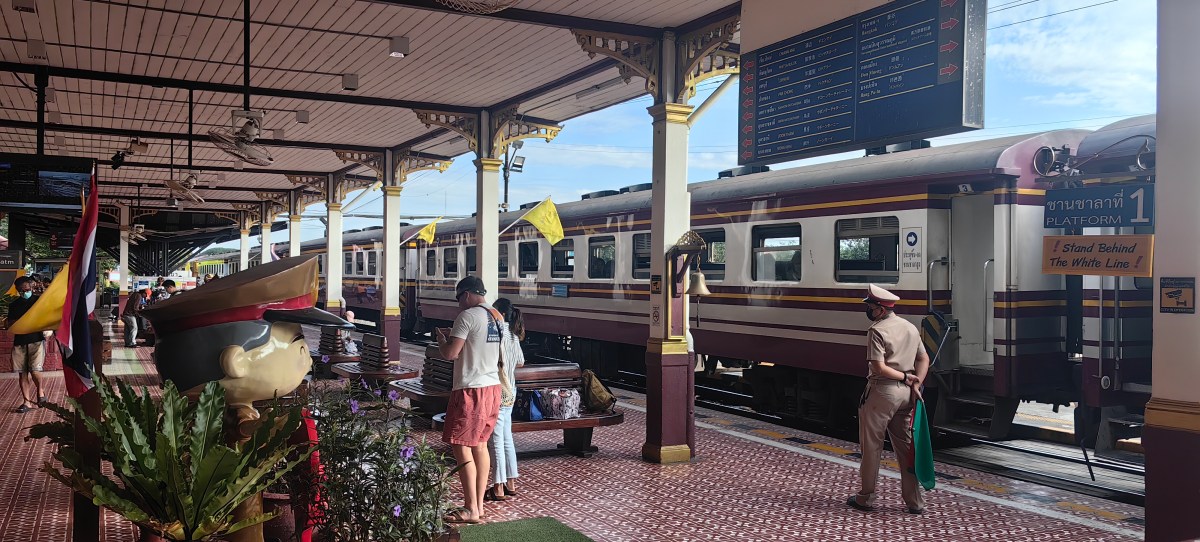


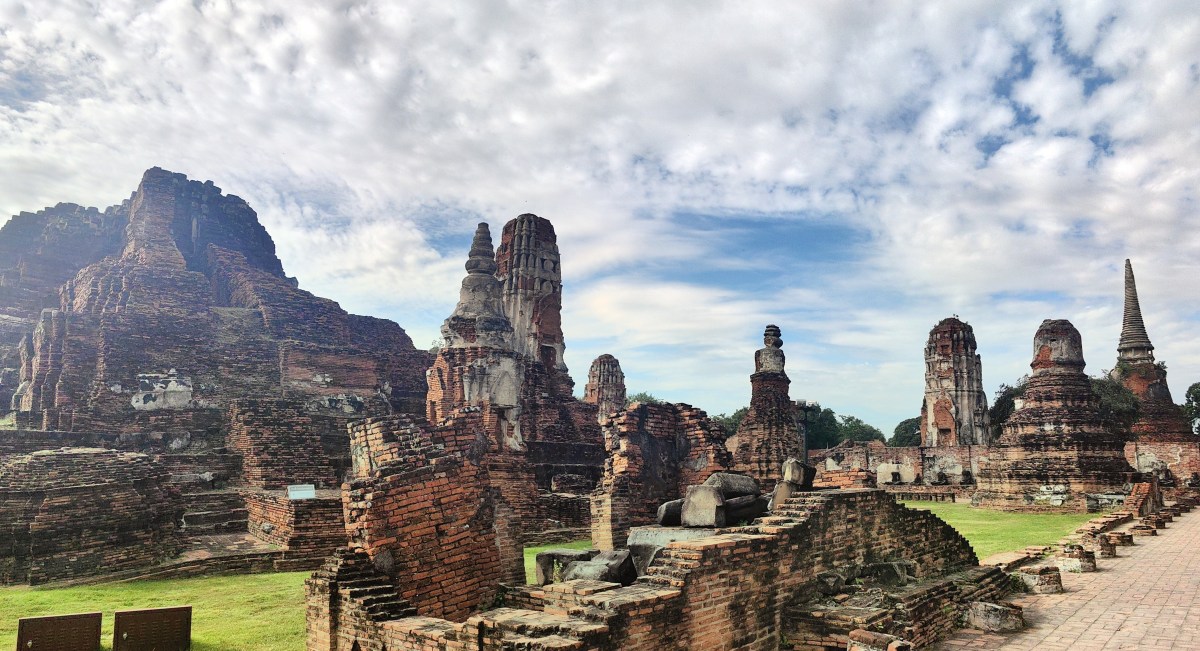






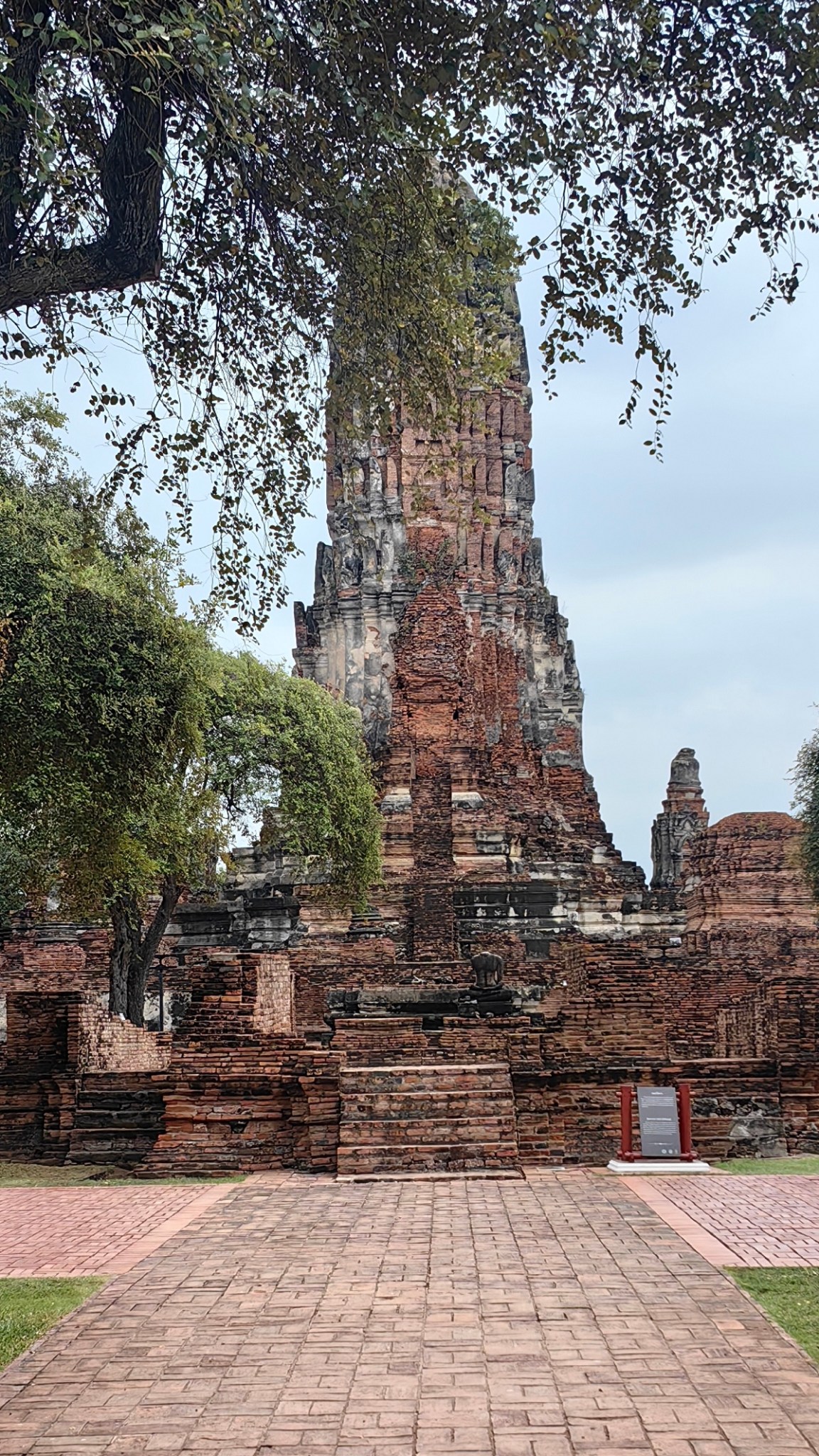


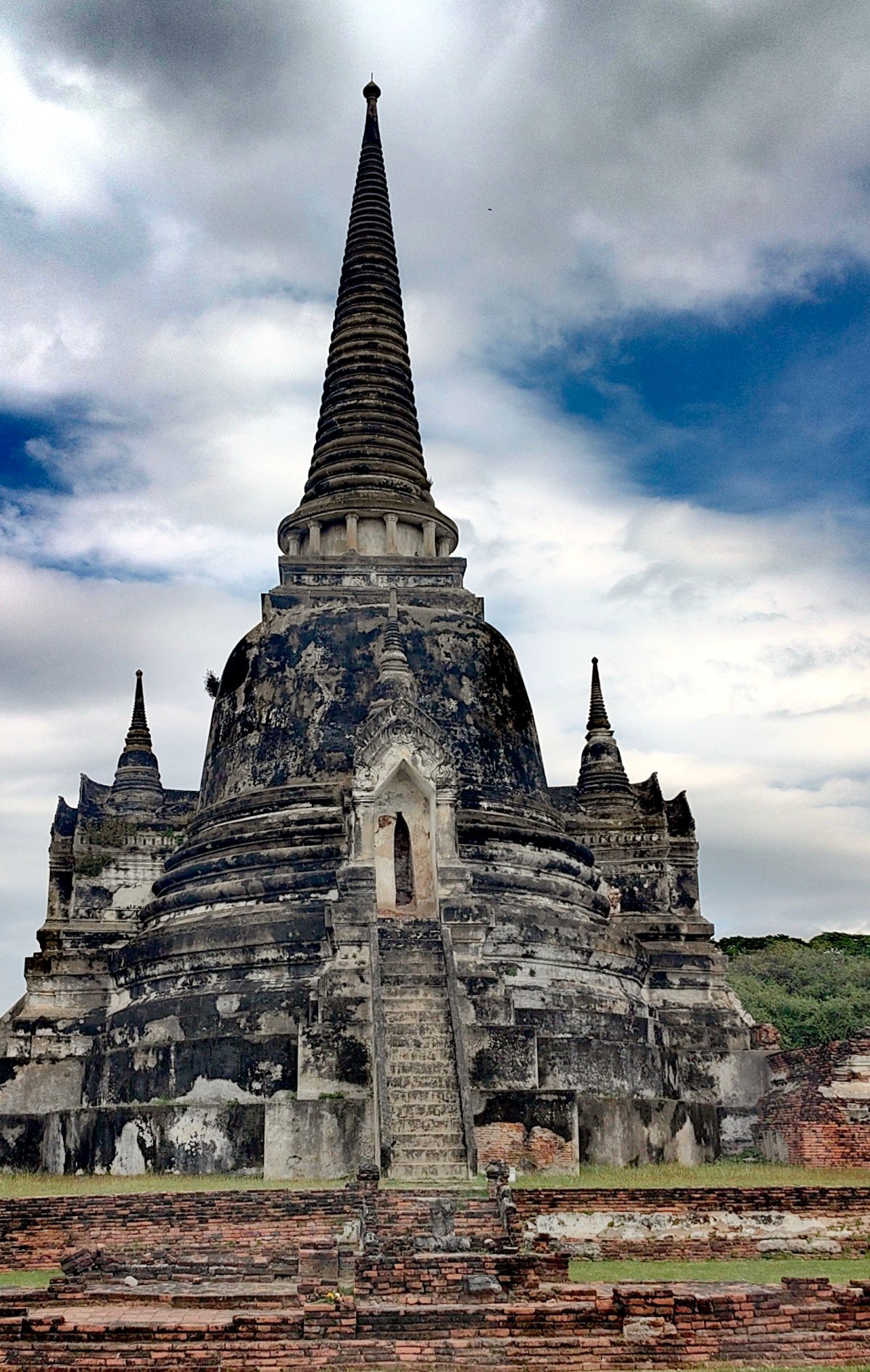
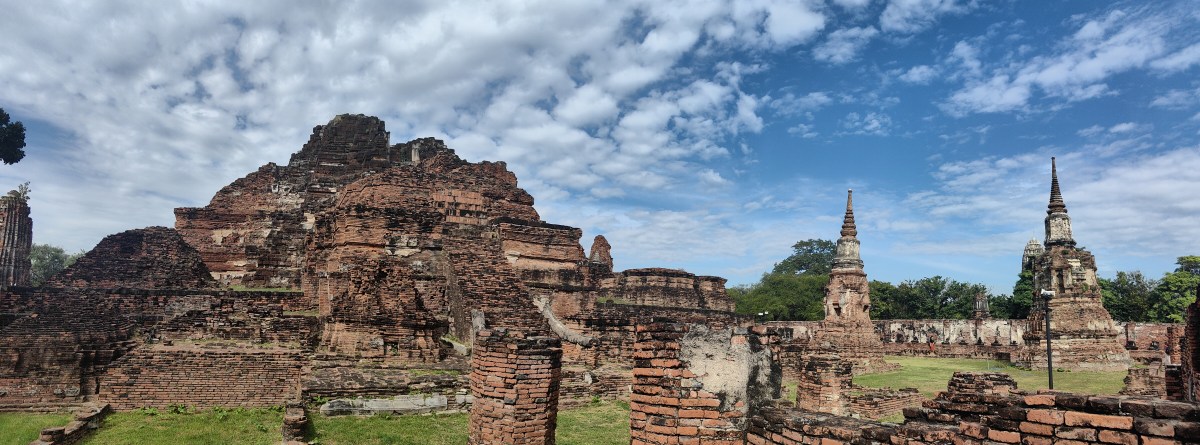
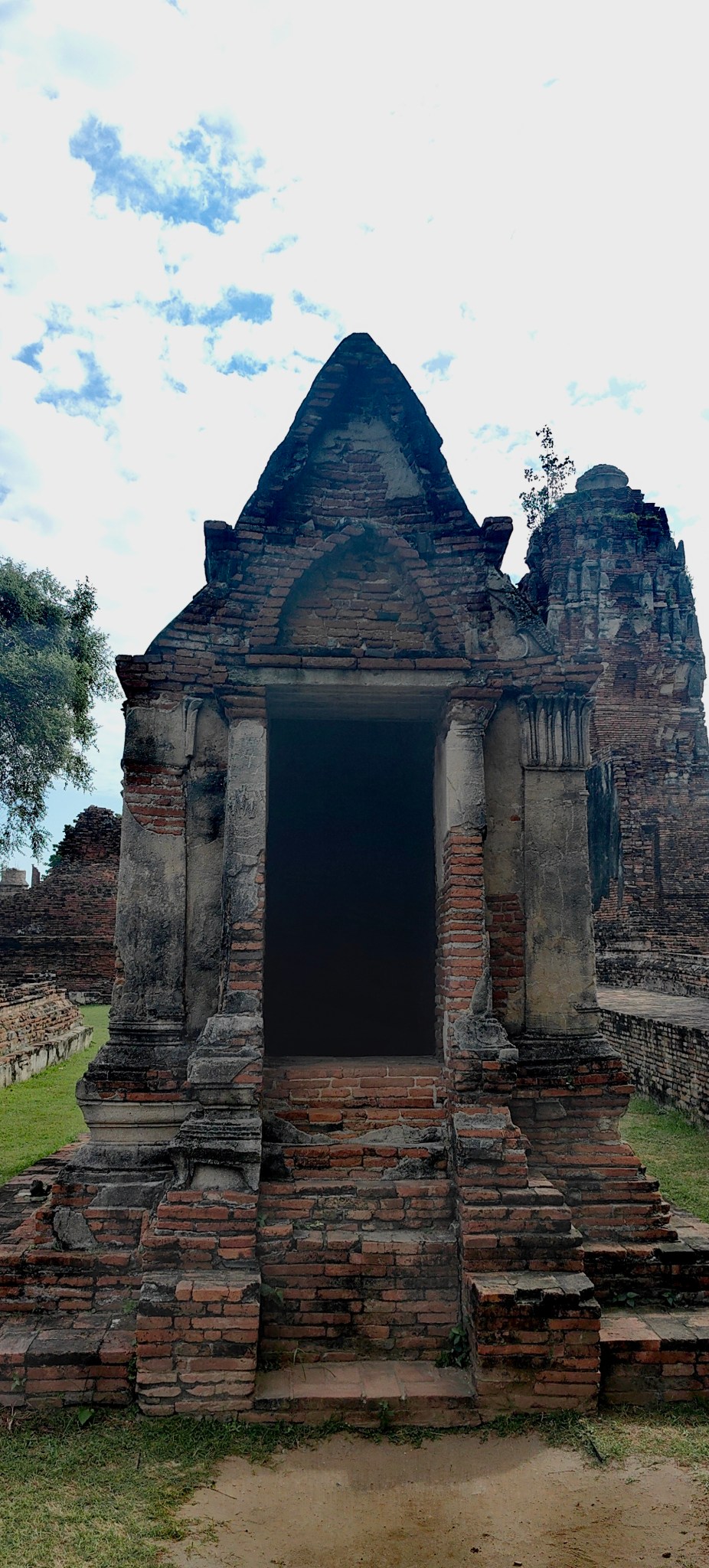
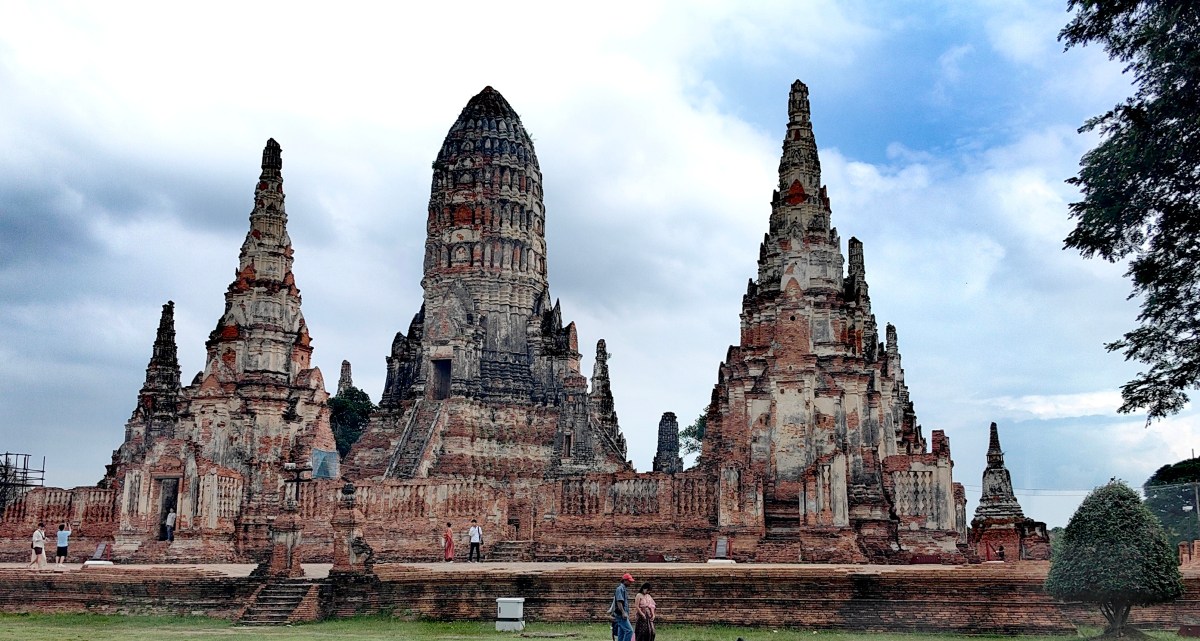


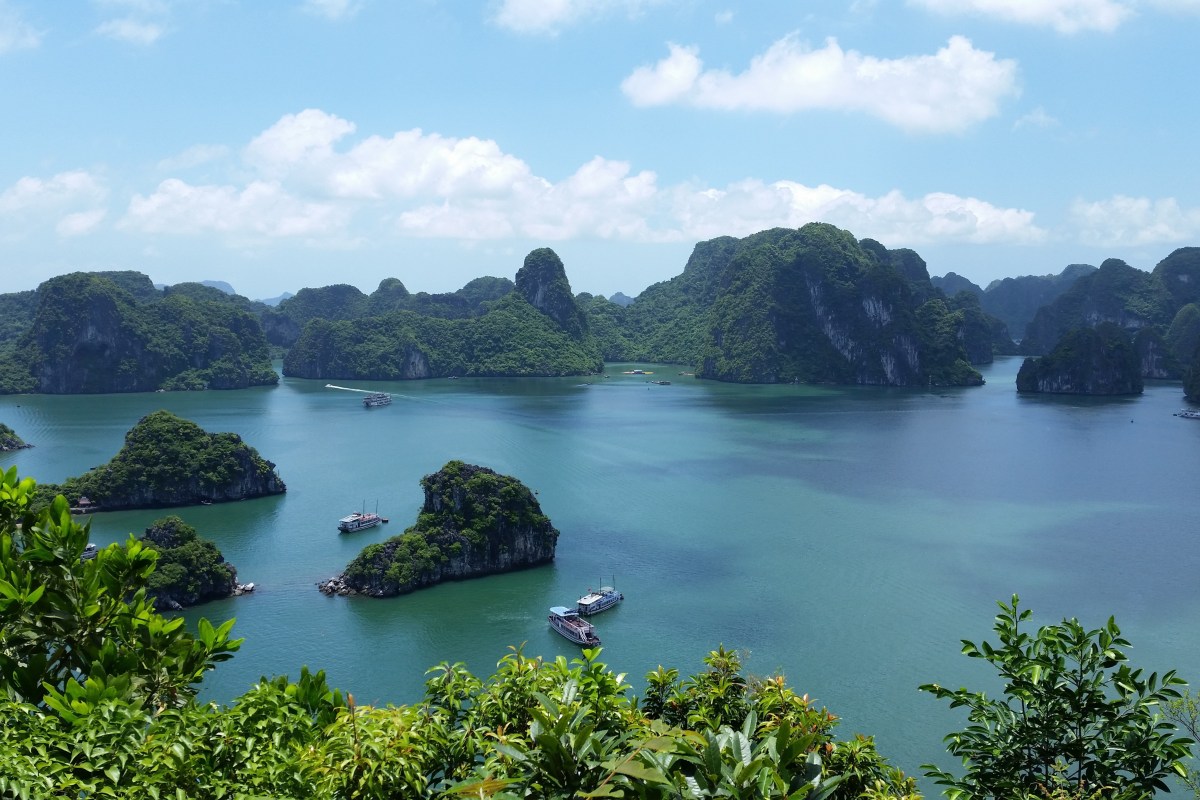


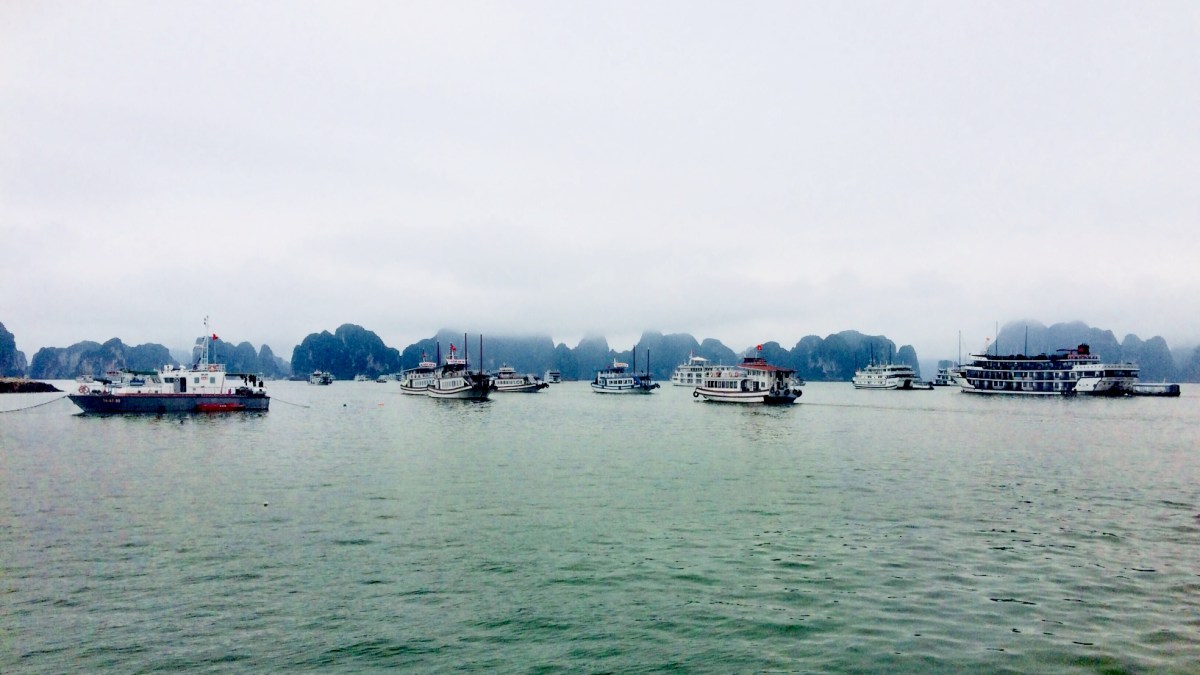






 Gone like the wind