Haiphong is a bustling port city in northern Vietnam, known for its rich history, vibrant culture, and strategic significance. As one of Vietnam’s major industrial centers, Haiphong boasts a blend of colonial architecture and modern city development. Haiphong is also a gateway to the stunning Cat Ba Island and the UNESCO-listed Halong Bay, making it an essential stop for travelers exploring northern Vietnam.
I visited this city in 2019 because of a business trip. In January, Hai Phong experiences cool and relatively dry weather with temperature around 19 °C. The city had shorter daylight hours with a mix of sunny and cloudy days. Obviously, it is not a good period for travel. I lived beside of the Hai Phong Museum. This yellow building itself is an architectural landmark, reflecting colonial influences that were prevalent during the French occupation of Vietnam. It houses an extensive collection of artifacts, photographs, and documents that chronicle the history, culture, and social development of Hai Phong.
When I travelled in Vietnam, I noticed that many buildings constructed during the French colonial period like this in the photo were painted yellow. The color gave buildings a distinguished and stately appearance that perhaps aligned with French colonial tastes. The yellow paint often used was lime-based, which was durable and provided a protective layer against the tropical weather. It reflects sunlight well and helps in keeping the buildings cooler.
This building is a good example of the architecture of French colonial period as well. The station’s architecture retains colonial influences, characterized by its classic yellow facade and functional design. ‘Ga’ represents the meaning of train station in Vietnamese. It is close to the French word ‘Gare’ which means train station as well. Hai Phong Train Station serves as the terminus for several important rail routes, including the Hanoi-Hai Phong line.
Hai Phong lies along the coast of the Gulf of Tonkin and it serves as a gateway to several popular tourist destinations, including Halong Bay. I hired a private car which took me directly to the harbor of Halong Bay. There are multiple ticket counters where visitors can purchase tickets for various cruises and one day boat tours. The best way to experience the beauty of Halong Bay is by taking a cruise.
Halong Bay is a UNESCO World Heritage Site. It is renowned for its stunning natural beauty. The bay covers an area of approximately 1,553 square kilometers and features around 1,600 limestone islands and islets, many of which are topped with lush vegetation. The dramatic karst landscape, crystal-clear waters, and mysterious caves make Halong Bay a must-visit destination for travelers. It is so well-known for the tourists that even this day is super misty, many tourists still flock to the harbor and visit it by cruises.
In the morning, the temperature is a bit lower, and the dense mists block most of my view but I think it is important to keep a good mood during the travel. I chose to take a cruise of half day trip. When the boat left the harbor and entered into the bay, gradually I could see the clear shape of the mountains.
The mountains of Halong Bay, primarily composed of limestone karsts, create a stunning and unique landscape that has captivated visitors for centuries. These formations are the result of millions of years of geological processes, making Halong Bay one of the most extraordinary natural wonders in the world.
The karsts here are extremely similar to the scene of Guiling in China. Karst is actually a type of landscape that is characterized by distinctive landforms and features resulting from the dissolution of soluble rocks, such as limestone, dolomite, and gypsum. These kind of small rock mountains are often blanketed in dense tropical vegetation, including shrubs, ferns, and flowering plants. The greenery clinging to the rocky surfaces adds a layer of vibrant color to the gray and white limestone.
Karst landscape consists of rocks and mountains of different sizes and strange shapes. It is formed primarily through the process of chemical weathering. When rainwater, which absorbs carbon dioxide from the atmosphere to become slightly acidic, percolates through the ground, it reacts with the soluble rocks and gradually dissolves them. Over time, the continued dissolution of the rock leads to the development of caves and mountains.
These karsts are characterized by their steep, rugged peaks that rise abruptly from the emerald waters. Their shapes vary from slender spires to massive, rounded mounds, creating a varied and dynamic landscape. The mountains are always shrouded in mist, creating a mystical and almost surreal atmosphere. Although I don’t like the misty day, I have to admit that the mist weavings through the karsts are really special, enhancing the otherworldly beauty. The scenery here was like an ink brush painting created by Chinese painter Mi Fu.
The waters of Halong Bay are renowned for their striking emerald green color. This kind of hue is a result of the bay’s shallow depths, the reflection of lush vegetation, and the high content of phytoplankton in the water. The bay is always protected from strong winds and waves by the surrounding limestone karsts and islands. The tranquil water surface was mirror-like, reflecting the towering karsts, creating a mesmerizing visual effect.
There are many small islands in the Halong Bay. Dau Go Island is situated in the southwestern part of Halong Bay. It is accessible by boat and is often included in Halong Bay cruise itineraries. The cruise took around 6 hours including the time to travel around this island.
下龙湾有许多小岛。Dau Go 岛位于下龙湾西南部,可乘船前往,也被列入下龙湾游轮行程中。我乘坐的游轮旅游总共需要6个小时,其中包括绕岛游览的时间。
Dau Go Cave on this island is one of the largest and most historically significant caves in Halong Bay. It has significant historical importance. It is also named the “Cave of Wooden Stakes” because, according to legend, during the 13th century, General Tran Hung Dao hid wooden stakes in the cave. These stakes were later used in the famous Battle of Bach Dang River to defeat the invading Mongolian army by driving them into the riverbed to damage enemy ships. Dau Go Cave is well-lit with lights that highlight the most striking formations and impressive features of stalactites and stalagmites.
From the viewing platform, visitors can enjoy panoramic views of Halong Bay, including its emerald waters, surrounding islands, and iconic limestone karsts and took an unforgettable photo. Standing here, I really wondered at this kind of geological miracle.
Many rocks of unique shapes have become iconic symbols of the bay. These bizarre and unique rock formations are the result of complex geological processes over millions of year. The cruise took the visitors near the stone and stopped, leaving enough time to take photos. This is the Fighting Cock Rock. These twin rocks resemble two roosters facing off against each other. They are one of the most iconic images of Halong Bay and are often used in promotional brochures for the area.
This lonely stone is called Incense Burner. It is shaped like an incense burner, standing alone in the water, making it a striking sight against the backdrop of the bay. For most of the time of this trip, I was enjoying the landscape of the different rocks assembled in the bay which were the masterpiece of the nature.
The cruise provided visitors lunch as well. Vietnamese cuisine is close to Chinese food and is known for its fresh ingredients and special taste sauces. Rice is the most popular staple food and people prefer to use chop sticks. Fresh herbs like basil, mint, and lemongrass, along with vegetables such as bean sprouts, cucumbers, and lettuce, are essential for adding flavor and freshness. Fish Sauce known as nuoc mam, is a fundamental ingredient that adds a salty, savory depth to many dishes. Spring rolls and hotpot are the two popular dishes in Vietnam. It was a great pleasure to taste the local food together with viewing the beautiful sceneries outside of the windows.
The happy moments always passed extremely fast. The cruise returned back to the harbor in the afternoon. As my journey through Halong Bay came to a close, this serene bay with its unique charm have left a special mark on my heart. Each moment spent in this UNESCO World Heritage Site is a testament to the Earth’s unparalleled beauty and resilience. Visiting such a place of breathtaking natural wonders can be deeply restorative and spiritually uplifting.
Luxemburg is a small country in the north of France. I took one day to visit it during my trip of Alsace and Lorraine in the autumn of 2020. I took the TER train from Metz and it only took one and half hours to arrive in the capital of this country, Luxemburg city. Luxembourg is one of the smallest sovereign states in Europe but it has amazingly one of the the highest GDP per capita in the world.
卢森堡是法国北部的一个小国。 我在2020年秋天阿尔萨斯和洛林的旅行中特意花了一天时间参观了它。我从梅斯乘坐TER火车,只用了一个半小时就到达了这个国家的首都卢森堡市。 卢森堡是欧洲最小的主权国家之一,但令人惊讶的是,它是世界上人均 GDP 最高的国家。
Luxembourg railway station
Although this country is extremely small, it has its own railways systems connecting many villages in the country. This train station has a typical German façade in the traditional Moselle Baroque Revival style. It was built at the beginning of 20th century. At that period, German architects preferred to build train stations with a clock tower and a triangle roof-top main building.
I visited the city in late autumn on foot and it was a gloomy and cold morning accompanied by gusts of bleak wind which blew off the frosty dews from twigs. The first view of the city was the tortuous Petrusse valley. I walked from the train station in the south towards the city area and must cross this valley. The leaves of trees in autumn had turned to mixed red and yellow. From faraway, the colorful forest in the valley looked like a polychrome decorating the skyline of the city. At the bottom of the valley, I could see the Skatepark clearly. The visitors could go to the bottom and have a hiking along the valley.
There are two bridges connecting to the center of the city. I was standing on one of the bridge and staring at the another bridge called Adolphe Bridge which was the city landmark. This bridge was inaugurated in 1903 and named after Grand Duke Adolphe, who reigned over Luxembourg from 1890 until 1905. Under the bridge, the wild profusion of vegetation is shrouded by the autumn mists.
Across the bridge Passerelle, I walked along the main avenue towards the historic center Haute Ville which means high city. This area is located at the top of a rock called ‘Bock’. In 963, Count Siegfried named the rocky promontory as the Bock, and established his residence there. Later, a small fort called Lucilinburhuc stood on this spot, and the word “Luxembourg” evolved from this name. Travelers will see this high rising gothic building with a tower first when they cross the bridge Passerelle. The Notre-Dame Cathedral was built in 1613 and the only cathedral in Luxembourg.
Opposite to the cathedral, it’s the famous square of constitution where all the visitors will come and take a photo. It has the beautiful monument “Gëlle Fra”, which includes a golden statue at the top and two bronze statues in below. It was built in 1923 to honor the Luxembourgish volunteer soldiers who fought alongside the French army during the war. Here we could find the Luxemburg national flag waving in the cold wind.
I was standing at the edge of the square and enjoyed one of the most imposing views of the city. At the background, the bronze top tower building was the The State Bank and Savings Fund of Luxemburg. Also we could see the familiar Adolphe bridge together with the deep Pétrusse River Valley covered by the giant trees. This is the symbolic scene that always appears at the postcard of Luxemburg.
In the quarter of High city, there are many historical administrative buildings. Place Guillaume II is the major city square where the town hall of Luxemburg is located at. This neoclassical style building flanked by two leonine sculptures is the city hall. Lion represents the city of Luxembourg, which is reflected on its coat of arms. The history of this square could be traced back to the French Revolutionary Wars in 1797. At that time the original monastery at this place is changed to this square after the visit of Napoleon. Luxemburg’s major language is French and German. Most of its place is named in French.
In the center of the square, it is the equestrian statue of Grand Duke William II who was the King of the Netherlands and the Grand Duke of Luxembourg from 1840 to 1849. The pedestal of the monument shows the coat of arms of the House of Orange-Nassau and of Luxembourg and the ones of the 12 cantons of Luxembourg.
In medieval time, Luxembourg was part of the medieval Kingdom of Germany, and later the Holy Roman Empire. It became a grand duchy in 1815 and half-independent state under the Netherlands. It gained full independence in 1867. The constitution of 1841 created the Assembly of Estates which formed the parliament of Luxemburg nowadays. Most of the administrative and legislative buildings of Luxemburg are located in this area not far from the Place Guillaume II. This building is the official residence of the Grand Duke of Luxembourg where he performs most of his duties as head of state of the Grand Duchy. It was first the city hall of Luxembourg from 1572 to 1795. After Luxemburg gained independence, it became the Grand Ducal palace. Now it is used to accommodate the foreign heads of state. There are two guards at the entrance.
In 19th century, the Chamber of Deputies of Luxemburg had no regular meeting place, so such a building was built in 1860 next to the Grand Ducal palace for the parliament meeting. The angels at the façade symbolize the legislative power, that is administrated by the Grand Duke in conjunction with the Chamber. The Chamber of Deputies is unicameral and contains 60 seats. Deputies are elected to serve five-year terms.
At the back of the Square Guillaume II, I could see the statue of Grand Duchess Charlotte which was designed by the French sculptor Jean Cardot. On 29th April 1990, the 2.75-metre high bronze statue was officially inaugurated in the presence of the Grand Ducal family to honor Grand Duchess Charlotte who ruled Luxemburg from 1919 to 1964 and was very popular with the Luxembourgers. She was from the House of Nassau-Weilburg which still ruled Luxembourg today which is a branch of the Nassau family from Netherlands.
The most beautiful part of this city must be this road called the scenic road which connects to the Grund quarter under the ‘Bock promontory’. It is praised as the most beautiful balcony of Europe by the Luxembourg writer Batty Weber. It runs along the Alzette valley on the ramparts built by the Spaniards and the French in the 17th century. The visitors could lean over the remnants of the historical walls to have a superb panoramic view of the valley of the Alzette and the houses of city district of Grund.
The Casemates Bock is a network of underground fortifications, built in the 18th century. The fortifications are recognized as a UNESCO World Heritage Site in 1994. The Bock itself is the rock on which the first castle stood, founded in 963. Luxemburg used to a military fortification which is important for both French and German. The fortress was of great strategic importance for the control of the left bank of the Rhine and the border area between France and Germany. The fortification is later expanded by Vauban, the famous French military engineer. The subterranean defensive passages were placed on different levels and reached down as far as 40 meters. These impressive defensive works conferred Luxembourg the name of “Gibraltar of the North”.
This is the black-and-white photo taken in 1867. The Fortress of Luxembourg at that time looks exactly the same with what I have seen now. It’s a miracle that it could be kept well for so long time.
After the dismantling of the fortress in 1867, 17 kilometers of the casemates were spared, left in good condition. The Bock casemates have been open to the public for visit from 1933. When I walked around the Grund, I always stopped a while and looked at these remnants above me closely. The embrasures (shooting holes) of canons are still kept on the walls. They represented the long history of this city as a strong fortification.
The Grund is one of Luxembourg City’s oldest neighborhoods. As far back as the 14th century, there is a hospice located in the building that now houses the National Museum of Natural History. All the houses in this area have rooftops made of caesious brick and tiles. They will bring our memories back to the medieval times.
The Grund is a lower part of the city and there are many small routes that connect the Haute Ville with the Grund. The Alzette is a small river winding through the Grund. It is a pleasure to walk along the river and deplore the historical buildings in the quarter. The long bridge at the back ground is a two-track railway viaduct towards France.
Everyone will notice this building firstly when they glimpse through the Grund from faraway. After the original Benedictine abbey was destroyed in 1543, the Neumünster Abbey was built in the Grund. For centuries, its buildings were used as a prison, but today they are the site of the Neumünster cultural and community center.
The Grund district is known for its quietness and its atmosphere of a small preserved village. It has a population of less than one thousand. It is quite suitable for travel. I preferred the old brick bridges over the river and some cobbled streets dated back to the 10th century. A gust of light wind whiffled through the trees and blew the yellow leaves into the babbling river. The houses perched at the highland were mirrored in the stillness of water. All the things are so silent except the whispers of winds. Here I could escape the hustle and bustle of the city center totally.
I was standing on one bridge and glanced at the surroundings. Their houses have the irregular shapes rooftops and equipped with chimneys but I am not sure whether these chimneys could be used or not today. The whole town was tranquil and there were only a few pedestrians passing by. Some Luxemburg local people were spending a leisure afternoon in the outdoors cafés at the riverside despite of the coolness of deep autumn.
The buildings along the river were similar to the houses of German style. For me I liked this kind of old town with small rivers. It was nice to see some ducks frolicking in the stream. I preferred to spend more time in the Grund than the Haut ville. It is more like a scene in a bucolic poetry.
In the old town, I could always find many remnants of the Luxembourg fortress. This is the second gate of Trier constructed in 1590 in order to defend the fortress. It was equipped with a moat and a drawbridge that connected with the upper city. Today the drawbridge no longer exists and in its place it is just a footbridge over the Rue de Treves.
The Three Towers are the remains of the old fortress of Luxembourg City as well. The square central tower dates from probably around 1200 while two circular flanking towers were added in the 14th century. They are one of the entrances to the old Town. From here I was leaving the old town and on my way back to the train station.
Before I left this city, I passed by this building accidently. Due to its historical façade, I thought it might be a museum or a school. However, it is actually a retirement sanatorium built in 1892. In 1853, Jean-Pierre Pescatore donated half a million francs to Luxembourg City to build it so this building was named by this philanthropist. It was really a great achievement, even today many old people still benefited from it.
It has been two years since I visited this city. I still conserved some memories of it, the colorful autumn leaves in the long valley, the undulations of ridges and hills, and the waving flags in the Constitution square. Luxemburg is indeed a small country but it still has many things to be explored as long as you have interests of old buildings and history. It’s a bit cold, cloudy, and misty in the autumn but the beautiful florid colors of fall foliage will bring unique charm to this city.
Amsterdam is the capital of Netherlands and it was my last stop in the trip of Netherlands in September 2020. The name of the city originates from The Dam on the River Amstel since the city developed from a small village on the river Amstel. The city owns numerous canals which form a UNESCO World Heritage site. There are so many water cities in the world that are compared with Venice but in my opinion, Amsterdam is the one which is most similar to Venice.
Firstly, I took train from Rotterdam to Amsterdam central station. This stylish train station is surrounded by canals and behind the station there is a big lake. It is an historical building, and was designed by Dutch architect Pierre Cuypers and opened in 1889. It is a Gothic and Renaissance Revival station building with two turrets and many ornamental details like stone reliefs. When I stepped out of the gate of the train station, I was shocked as I felt that I was in a harbor.
Opposite to the train station, there is a neo-Baroque and neo-Renaissance Roman Catholic church. This will be the first grand building to be noticed by the tourists when you just got off train. Above its rose window, there is sculpture of the patron saint of the city of Amsterdam placed in a niche. The church is located in the old city center of Amsterdam. Most of the old buildings and beautiful canals are distributed around this area.
The top of church has a iconic central dome, glowing with reflected gold under the sunset. This is the view of the church from the Oudezijds Voorburgwal, which is a famous street and canal. The canal is also lined with monumental stepped gable houses from the Dutch Golden Age. Here assembles the most traditional street view of Amsterdam. The famous Red Light District is located in the area as well. Bicycle is one of the most important transportation tools in Netherlands. Here along the streets or on the bridges, I could always find so many bicycles. For tourists it’s easy to rent a bicycle and visit the whole city as you want.
The urban plan of Amsterdam is different with other cities in the world. It consists of three main canals (Herengracht, Prinsengracht and Keizersgracht), which were digged in the 17th century. The interlocked canals form several concentric belts around the city intersected with small waterways and streets so travelers need to cross numerous bridges when they walked in the city center. These canals were listed as UNESCO World Heritage Site in 2010. It is recommended to take a boat tour to see the houses erected in the 17th and 18th centuries at the both sides of canal banks and observes the wild ducks’ frolic in water.
In Amsterdam, I have crossed so many bridges with different styles under my feet. Some bridges are even removable. The bridges and houses in this city are more modern than the ones in Venice. Additionally, I could still find many cars at the roadside of Amsterdam. In Venice, cars are totally not allowed to enter the city. When I immersed myself in the city, I can not stop to compare it with Venice. They have so many similarities.
It is a pleasurable experience to walk along the canals after dinner. At night, this area is quite crowded with tourists. There are a lot of night clubs, coffee shops, and restaurants for people to spend a meaningful night life. The night of September is a bit colder. When the streetlights are all lighted, it bring a sense of warmness to me. I took a note of the lamp posts of this city. Its appearance is simple not like the richly decorated baroque style in Paris.
Amsterdam is a city intertwined with modernity and history. Some historical buildings hide in the unimposing corners of the streets. The Oude Kerk in this picture which in English means Old Church is Amsterdam’s oldest building. The building was founded around 1213 and after the Reformation in 1578, it became a Calvinist church, which it remains today. The church is located in the Red Light district In the history it became home to the registry of marriages and stored the city archives and the most important documents.
阿姆斯特丹是一座现代与历史交织的城市。一些古老建筑隐藏在不起眼的街角中。 这张照片中的 Oude Kerk 在英文中的意思是老教堂,是阿姆斯特丹最古老的建筑。 该建筑始建于 1213 年左右,在 1578 年宗教改革之后到今日,它成为了一座加尔文主义教堂。该教堂位于红灯区,历史上曾是市政婚姻登记处,并存放着城市档案和最重要的文件。
The church has a high brick tower with a crown like tower top. It well preserved the history of the city. The church contains 2,500 graves under which are buried 10,000 Amsterdam citizens. When I walked around this area, there is one interesting thing. The prostitute windows displaying the coquet are directly opposite to the solemn and divine church and there is a Bronze statue in front of the Oude Kerk with inscription saying “Respect sex workers all over the world.” So in Amsterdam, ‘sex’ is a culture of the city as well and the travelers should try to get used to it. Amsterdam is called the capital of sex as well.
Another historical tower that left impression on me was the Munttoren tower. It stands on the busy Muntplein square, where the Amstel river and the Singel canal meet. Due to its perfect position, when I travelled in Amsterdam, I had passed by this tower and seen it for many times. Originally, It was part of Amsterdam’s medieval city wall built in 1480. Its name means Mint tower because the guard house on side of it was used to mint coins in the 17th Century. It has a symbolic clockwork with four clock faces and a carillon of bells made in 1668. The current carillon consists of 38 bells which chime every quarter of an hour. Every Saturdays, between 2 and 3 p.m., the Amsterdam city carillon player will give a live concert on the bells.
In the evening, when darkness had fallen, the lights of every house were lightened up and silence enwrapped the streets. At this moment, the stillness of canals was temporarily interrupted by the shuttling boats. I even noticed that some tourists were still in sprits to visit the city by boats at night. I believe definitely this would be a romantic experience for them.
Before the darkness reigned the city completely, I still had enough time to sit at the bench at the river bank and caught a glimpse of the landscape by riverside. I enjoyed the free time during the busy journey. Although I was extremely tired, I still preferred to stay longer in the pleasant environment and leave more imprints of this city in my memory. The beautiful scene along the canal really reminded me the night in the Saint Marc square in Venice. It was really superb!
When night approached finally, I needed to look for something to fill in my stomach. Pancake is a good choice definitely. I would like to mention the Dutch pancake which is a bit different with the American pancake. Dutch pancake is larger and much thinner than the thick and fluffy American pancakes. The traditional pancake is too sweet with toppings like bacon and cheese. For me I think Dutch pancake is better, its taste is modified and added with salmon, chives, onion and even peppers. The taste is more acceptable for Chinese.
Amsterdam is the capital of Netherlands so at its street corners, tourists could easily find some symbols representing this country. This statue of Queen Wilhelmina of the Netherlands was sculpted in bronze by Theresia R. van der Pant. Wilhelmina, who is the member of the House of Orange-Nassau, was the Queen of the Netherlands from 1890 until her abdication in 1948. During the invasion of the Netherlands in the second world war, Wilhelmina fled to Britain and took charge of the Dutch government-in-exile. She frequently spoke to the nation over radio and was regarded as a symbol of the resistance. This statue and the national flag of Netherlands represent the tenacious spirit of the country.
This is another national monument which is located opposite to the famous Dam square. A national Remembrance of the Dead ceremony is held at the monument every year on 4th May to commemorate Dutch fallen soldiers in the second World War. The cenotaph made of white travertine stone consists of a main pillar with four chained male figures. Two male sculptures at the both sides represent members of the Dutch resistance and a depiction of a woman with a child and doves flying above represents victory, peace, and new life.
Dam square is the well-known and most important locations in Amsterdam. It derives its name from its original function which acts as a dam on the Amstel River built in 1270. This is the place where you could always find scores of pigeons, busy tourists, and freestyle street performers. The building at the background is the royal palace. The original structure was built as a town hall in the seventeenth century. In history the square is at the water side and thousands of ships stopped here every day. It was a market place as well at that period. In 1808, Louis Bonaparte, the Emperor Napoleon’s brother, also King of Holland took the city hall on Dam Square as his Royal Palace. The bronze statue on the façade of the building represents peace.
After entering the entrance of the royal palace, visitors will see this grand Citizens’ Hall at first. The hall’s marbled floor is formed of world maps and star charts. The statues inspired by Romans and Greek mythology and the chandeliers in the hall are really magnificent. The plaster statue bearing a celestial globe on his shoulders is Atlas, the Titan in the revolt against the gods.
The architect Jacob van Campen designed this building as a miniature universe. The marble reliefs with the four elements and garlands of flora and fauna together make up the terrestrial microcosm. The four elements are earth, water, fire and air. The figure enthroned at the center of this universe is the Maid of Amsterdam which represents the city. Around her are four child-like small statues depicting the four elements. The two sculptures at her flanks represent the symbol of Wisdom, Minerva, and the symbol of strength, Hercules.
建筑师 Jacob van Campen 将这座建筑设计为一个微型宇宙。四种元素的大理石浮雕和动植物花环共同构成了地表世界。 这四大元素分别是地、水、风和火。位于这个宇宙中心的人物雕像是代表这座城市的阿姆斯特丹女神。她的周围是四个孩子般的小雕像,代表了四大元素。她两侧的两尊雕塑分别是代表智慧的密涅瓦和象征力量的大力神。
This is the gallery connecting the citizen’s hall and other rooms. The palace is now used mainly for entertaining and official functions, such as state visits, New Year receptions and other official occasions. The royal family did not live or work here. The arched ceiling of the building is really amazing. I think it may symbolize sky and the numerous delicately decorated reliefs represents the gods. The blue globe above the chandelier looks like earth.
All of the rooms in the palace had a specific function. This is one of the most famous rooms in the palace. It is called the Burgomasters’ Cabinet or Former Councilors Chamber. In this room, Amsterdam’s four ruling mayors met with a group of previous mayors who acted as a sort of advisory board. Two enormous paintings above the two fireplaces constantly remind them that a good mayor must be honest, incorruptible and steadfast. The large painting called ‘An elephant behind the curtains’ hangs above.
This painting created by Ferdinand Bol depicts this story. The Consul Caius Fabritius Luscinus had to negotiate the release of prisoners-of-war with King Pyrrhus in Greece. When Pyrrhus who wears a turban and crown couldn’t buy Fabritius off with gold and silver, he set a dangerous elephant onto him. Everyone in the painting was afraid, except Fabritius. He wears the white plumed helmet and fearlessly holds his ground.
In 1806, Napoleon Bonaparte made his brother Louis the first King of Holland. This room belongs to King Louis’ bedroom. He ordered this four-poster mahogany bed decorated with gilded bronze from the Jacob-Desmalter firm in Paris. It is shaped like a boat and is therefore called ‘boat bed’. The interior decoration of this room is a bit similar to the style of Versailles Palace. The gorgeous damasks, gilded clocks, crystal chandeliers mark the luxury of royal house.
On the ground floor of the Palace, it is the tribunal space which later served as the king’s chapel. When the building was still a town hall, this was where the death sentence was pronounced. The Tribunal was decorated elaborately with the marble works of sculptor elder Artus Quellinus who was the most important representative of the Baroque in sculpture in the Southern Netherlands. On the wall, there are four huge sculptures of offenders waiting to be hanged.
On Dam Square, there is a 15th-century church called New Church located next to the Royal Palace. There is a sun dial on the façade. Now, it is no longer used for church services but is used as an exhibition space. The church is also used for Dutch royal investiture ceremonies and royal weddings. As usual, I liked to sit at the benches in the square and look around the old buildings like the palace and the church. It is the heart of Amsterdam and represents the long history of this old city. Besides there were always so many doves flying over the square and left me deep impressions.
In the city center of Amsterdam, you can easily find such a big shopping mall as well to satisfy your desire of shopping. The Magna Plaza is a modern shopping mall but with a historical appearance. It was built in 1895–1899 in Neo-Gothic and Neo-Renaissance style. The stylish two towers reminded me of a castle or a cathedral however this building was the Amsterdam Post Office in the history. Due to the iconic pear shaped crowns on top of the towers the building is named as ‘pear burg’. Its façade is decorated with polychromatic brick and dimension stone.
Amsterdam is a great place to explore the Dutch art and culture of the Golden Age. You can find many museums in this city. Among them the most representative is the Rijksmuseum which is the national museum of the Netherlands. The museum was founded in The Hague in 1798 and moved to the current building which was first opened in 1885. When I visited Amsterdam, there was a temporary exhibition of the work of Caravaggio. This museum collects many masterpieces created by the greatest Dutch painters like Rembrandt and Vermeer.
This museum has a beautiful garden with blooming flowers and small fountains. Even you don’t want to visit the museum, you could still take a short break here. The Dutch architect Pierre Cuypers who also designed Amsterdam’s Central Station designed this garden. The garden consists of four parts. Each part has different style. This garden in this photo is in French-Classicist style.
这个博物馆还包括了一个美丽的花园,里面有盛开的鲜花和小喷泉。即使没有参观博物馆的兴趣,不妨在这里稍作休息。同时设计了阿姆斯特丹中央车站的荷兰建筑师 Pierre Cuypers 设计了这个花园。它由四个部分组成,每个部分都有不同的风格。这张照片中的这个花园是法国古典主义风格的。
The Gallery of Honor
The Gallery of Honor is an extended corridor displaying the masterpieces by the great artists of the seventeenth century. The cast iron beams are inscribed with the names of the famous painters of the age. Semi-circular arched wall sections display the coats of arms of the eleven provinces of the Netherlands and their respective capital cities. The section of the gallery displayed the most famous painting created by Rembrandt – The night watch. This painting is extremely large, up to 363 by 437 centimeters. It is famous for its colossal size, the dramatic use of light and shadow and the perception of motion in what would have traditionally been a static military group portrait.
著名的荣誉画廊是一条延伸的长走廊,它展示了十七世纪伟大艺术家的杰作。铸铁横梁上刻有当时著名画家的名字。半圆形拱形墙部分展示了荷兰十一个省及其各自首府的徽章。这部分的画廊展示了伦勃朗创作的最著名的画作—夜巡。这幅画非常大,足足有 363 厘米 x 437 厘米。它以其巨大的尺寸、对光影的巧妙使用以及对本是静态团体人物的动态描绘而闻名。
De Melkmeid
Another master piece in this museum is this oil-on-canvas painting called ‘The milk maid’ which was created by the famous Dutch artist Johannes Vermeer. It is regarded as “one of the museum’s finest attractions”. The painting shows a milk maid pouring milk into a earthenware container on a table. Vermeer employs light well to depict this woman with downcast eyes and pursed lips. Its artistic effect is similar to the ‘Mona Lisa’. People can not help to think what this woman is thinking when she prepares the food.
Behind the Rijksmuseum, there is a large piece of meadow. The museum square is used for mass events such as festivals, celebrations, and demonstrations. Three major museums including the Rijksmuseum, Van Gogh Museum, and Stedelijk Museum are located near this square. It is recommended to come here and visit the two most influential museums together.
For me Van Gogh is one of my favorite artist and the best artist and Van Gogh museum is a must-see during my trip in Amsterdam. I have visited Arles before where Van Gogh created most of his work in his life. These works will only be seen in this museum. The building of the museum was a very modern one designed by Gerrit Rietveld and Kisho Kurokawa.
The museum was opened in 1973 and has the largest collection of Van Gogh’s paintings and drawings in the world. At the first floor the sculpture of Van Gogh could be seen. Most of his self portrait was collected here. I remembered in one British science-fiction television program ‘Doctor Who’, Van Goh was invited to visit his art gallery in Museum Orsay. When he saw his paintings and heard the comments of himself from one art master :’ Van Gogh is the finest painter of all time. His command of color is the most magnificent. He transformed his pain of his tormented life into ecstatic beauty.’, he was so excited that he could not control his tears.
The whole life of Van Gogh was a tragedy. Although he created so many great works, no one recognized his talent during his lifetime. I believe if Van Gogh could revive and visit his museum in Amsterdam, he would be extremely excited and be proud of himself. The museum of Van Gogh indeed proved his value. This painting is called ‘The Langlois bridge’ created in Arles. The sky was grey when Van Gogh painted this bridge in Provence. This painting had left me deep impression because when I visited Arles, I passed by it as well. The bridge is famous for his painting and is well conserved until today.
One of his most famous paintings must be the ‘Sunflowers’. He created this series of paintings in Arles as well. There ware several versions of ‘Sunflowers’ conserved in the different museums in the world. Van Gogh has used a lot of yellow pigments in this painting. I believe he must be influenced by the golden sunflower fields in Arles.
The ‘Sunflowers’ is so famous that this museum has set a wall with background of sunflowers for visitors to take a picture and share it on Instagram. I think it is a good method to let more people know Van Gogh and his art works. The duplicate of this painting could be purchased in the museum as well which costs 200 euros.
When I left the Van Gogh museum and stepped on the meadow, there was a beam of sunlight shining the building in the opposite. The weather is always gloomy in Netherlands so I would feel happy when it’s a sunny day. Sun light will give hope to people who always live in darkness. I like such a large piece of greenery amid the crowded city. It makes the traditional city landscape not so monotonous and more beautiful.
I have spent totally three days in Amsterdam. This is really a memorable experience. I always like cultural and historical cities at water sides. Confucius had said that the clever person prefers water and the kind person prefers mountain. Before I left at last, I took this picture on one bridge. It could best represent this charming city, the peaceful canal, the arched bridge, the clean streets, and the colorful flowers, they looked so amazing under the pleasant morning sun light. I wish I could come here again in the future.
Before I visit Europe, in my mind, Netherlands is a distant country at the other end of the continent which is famous of tulip and windmill. I never imagine that one day I will have a chance to visit this wonder land like Alice visiting the world that exists in the imagination. Netherlands also means ‘lower country’ due to to its low elevation. Only about half of its land is above sea level. Canal and wetland spread over the whole country and this forms an unique idyllic landscape that you can not find in other places.
In September 2020, after I finished the trip in Brussels, I took the train towards Netherlands directly. My first stop is Dordrecht. It is a small city near Rotterdam. Actually urbanization in Netherlands has reached a high extent so there is not too much difference between city and rural area. The most common scene in the city of Netherlands is the interleaving of canals flowing through many small bridges.
I got off the train at the station of Dordrecht in this cool morning as it is the nearest place towards my dreamed destination Kinderdijk. This is my first time of visiting Netherlands so I was curious of every thing here. I didn’t stay a long time in Dordrecht but I still tried record what I had seen in my camera. There are not many high rise buildings in this city and most of the mansions and resident house look quite modern and new.
Next in a short while, I took the direct bus from Dordrecht to Kinderdijk and began this fantastic trip. The name Kinderdijk in Dutch stands for “Children dike”. The windmills of Kinderdijk are one of the best-known Dutch tourist sites. Tourists could rent boats to visit this village. It has been listed as a UNESCO World Heritage Site in 1997 since it represents the Dutch outstanding technology of handling water. From far away, their silhouettes against the sun light are really amazing, like the giants waving lance in the novel of Don Quixote.
Kinderdijk is a fascinating village with rural landscape of a total of nineteen 18th-century windmills. These ‘giants’ dancing in the wind are always the icon of Netherlands. These windmills are built to pump excess water into a reservoir from the polder and pump water from the reservoir into river when water level is low. Polder is a piece of low-lying land reclaimed from the sea. Its level will be below the surrounding water level in the long run due to the ground subsidence. As a result, it is a priority for Dutch people to get rid of water from the polder. Even today, this complex system composed of windmills, dykes, reservoirs, pumping stations are still used.
Among the 19 windmills, two of them are built as museum and open for visit. This Nederwaard Museum in the center of this photo was a wooden windmill built in 1738. If you observe closely, you could find the word ‘Anno 1738’ on the white plaque of the mill. You’ll feel like a time-traveler when you enter through the ancient small wooden gate and stare at those remaining black-and-white photos and items used by real miller families. In the creak of the antiquated wheel axis, everything here breathes the atmosphere of ages past.
Kinderdijk is situated in the Alblasserwaard polder at the south side of the river Lek. There is a visiting center at the entrance of the village. I walked along the canal from the entrance towards south. There is no need to buy any tickets if visitors just walk on the footpath at the both banks of the canal. 19 windmills are distributed evenly southwards. The distance between each windmill is quite large so I could just take picture with only one of them. Now I was standing at one small pier. It’s like a platform protruding from the path and is suitable for taking a perfect picture.
On the way, I met a group of local people riding bicycles. Unlike other countries, cycling is a very common mode of transport in the Netherlands. Dutch have built a vast network of cycle paths even in the villages around the country. In Kinderdijk, there are some small bridges connecting both banks. They are convenient for the bicycle riders and me as well to cross the canal.
The wide footpath is paved by bitumen flatly. It is well designed for both cyclists and pedestrians. On the road sides, reeds are planted and grow in exuberance. Here is a world away from the hubbub of city life and everything is so refreshing. The weather in Netherlands is not so good compared to the sunny Mediterranean coast. It has a typically moderate marine climate so in September, it is usually rainy everyday. I was fortune enough to see blue sky over this land on the day of my trip.
Dutch culture is closely interwoven with the water. It is easy to find small rivers or canals or ponds in the country. The local people like to walk at the riverside or shuttle back and forth in the canals on small boat. This kind of landscape is extremely close to the southeast of China at the side of Yangtze river. At the start of Autumn, numerous dead reed leaves fall all over the sandbar, and the shallow cold water flows and hits the bank silently.
Netherlands will give people an impression of a country with green, flat landscapes and grazing cows. Of course when I stepped on this land, I would know that such a porotype impression is 100% true. In the south of Kinderdijk, there is a large area of meadow where hundreds of cows live in. Cows do not like soggy meadows so it’s important to exclude the extra water and keep the meadow dry. The cows in Netherlands has a more free and better life as well. Based on statistic, 71 percent of Dutch dairy cows were allowed to graze in the meadow. They are fed by grass of high quality in this land. Holstein Friesians is one famous breed of dairy cattle that originates in Netherlands.
I definitely believe Kinderdijk is an heaven for animals. Many pieces of lands are reclaimed from the sea and lined out for raising livestock. One horse family was browsing on the meadow silently beside the sluiceway. Their territory is separated by the fences so that no one will disrupt their peaceful life. I like the idyllic landscape here. Every creatures could live well in harmony.
I gave a close-up shot to one of the horses browsing grass. Horse is one of my favorite animals because my Chinese zodiac belongs to horse. I believe that horses will bring luck to me but I did not have chance to observe closely at them before. It’s possible that this horse is the breed of The Dutch Warmblood. It is an athletic breed of competition horse with better stamina and courage.
I took around 2 hours to finish my trip in the country side of Kinderdijk. I seemed to gain endless energy from this magic land. Followingly, I walked around their residence area in Alblasserdam without any rest. The rural areas of Netherlands including their houses and streets really impressed me. These small canals which surfaces are interspersed with water lily pads extend to every corner of the neighborhoods. Small mansions with span-new walls and windows are lined up neatly along both banks.
The urban landscaping in the community is fantastic. There are always many trees, meadows, and water ponds. I love the cozy environment here. Under the umbrage of willows, I could tranquilly observe the ripples on the water, the frolics of swans, and overhear the whispers of the wind.
In the afternoon, I bade farewell to the windmills in Kinderdijk and headed towards my next destination Rotterdam. The public transport system in Netherlands is really convenient. Boat or called water bus is one main mode of transportation is well. In the water bus station Alblasserdam, travelers could take the waterbus No.20 towards Rotterdam Erasmusbrug. In Netherlands, you just need to buy one OV chipcard then you can go anywhere with just one card. It covers all the public transport like metro, bus, ferry, water bus and even train.
Lastly I would like to highlight that Kinderdijk is a really fantastic and worthy place to see the beautiful landscape of windmills but it is not the only one. Zaanse Schans is also one recommended place to see the similar scenery. As for which one is better, I could not make comments easily. It depends on your personal experience when you explore them by yourselves in reality. After that definitely like Alice you will find a new world that only existed in your dream before.
Brussels is the capital of European union and it is the first stop of my graduation trip in Low countries in September 2020. This was my first time of visiting Belgium and I had quite a high expectation of it. I took Flix Bus from Lille and it took around 1.5 hour to arrive at the city center of Brussel. When I was a child, I knew the legend story of the ‘Peeing Boy’. This time on my way, I really could not hold up the excitement in my heart.
Brussel is famous of its architecture art. When I walked around the central boulevards, I took notice of its buildings which were somewhat similar of Paris. The first one is the former Brussels Stock Exchange building built in 1873. It combines the neo-Renaissance and Second Empire architectural styles. The Ionic column and entablature decorated with bas-relief is always my favorite. There is one interesting point: the two monumental lion sculptures on each side of the main entrance’s staircase represent the two stock market trends “bull and bear”.
In each city of Belgium, the unique city square in the city center justifies the aesthetic wealth and highly successful blending of architectural and artistic styles that characterizes the culture and society of Low countries. The square in Brussel called Grand place has been a marketplace since the 12th century. It is an enclosed area and surrounded by guild houses and market halls, which are still mostly built of wood. It is highly recommended to have a drink at the cafeteria in the square and admire the splendid beauty at the same time. The square has been listed as a UNESCO World Heritage Site in 1998.
It is a cobbled rectangular market square, surrounded by Baroque guildhalls in the west and the city’s Town Hall in the south, and the Brussels City Museum in the north. In this picture, the neo-Gothic building with steep-sloping roof and spires is the King’s House in 1860 which houses the Brussels City Museum. It collects paintings, sculptures, and tapestries from medieval times. It is called the King’s house because the Holy Roman Emperor Charles V was crowned King of Spain in 1516. This building has a neoclassical arched portal and is decorated with the baroque style’s small elliptical oeil-de-boeuf windows. Many green-colored bronze statues are easy to be identified and have a stark contrast with the grey color of the main body.
This square is called the ‘Grand place’ but obviously it is not so large. At this moment, I was standing in the center of the square on the historical stone-paved ground. Usually this place is extremely crowded however during this special period of coronavirus, most tourists are forbidden to coming Europe and I seemed to be the only one existence here. Behind me, a number of guildhalls and a few private houses are reconstructed after the bombardment of 1695. Their stylish golden facades with their rich sculptural decoration including pilasters and balustrades and lavishly designed gables are based on my favorite Italian Baroque with some Flemish influences. I enjoyed the special feeling of standing or sitting in squares and looking around the old buildings like I have done it before in Venice, Paris, Florence etc. Feeling the culture of the city is the meaning of travel.
The tallest building in the square is the town hall which was built between 1401 and 1455. It is very large building and is difficult to take the picture of its whole appearance. I tried to zoom in and record the numerous small statues on the façade clearly in my camera. These statues represent the local nobility and saints. The most spectacular thing is the 96 meters tall tower and is capped by a 2.7 meters statue of Saint Michael slaying a demon. Saint Michael is the patron saint of the city.
When I was in the square, I was so busy in scrutinizing the every details of the buildings of different styles that I felt only two eyes were not enough for me. On the eastern side of the square, it’s one building close to French style, the House of the Dukes of Brabant. It is actually a set of seven guild-houses combined behind the same monumental façade and named after the nineteen busts of dukes of Brabant on the facade’s pilasters. It currently houses a restaurant and the square’s only hotel. Visitors could find the golden seals of the merchant trades that worked here centuries ago so it represents “Recovery of Trade and Industry.”
In the south east corner of the square, there is a block of houses named in French. The house with a golden statue of a rider mounting on a horse is named of L’arbre d’or which means the tree of gold. It is House of the Corporation of Brewers dated from 1698 and is now converted into a brewery museum. Another houses at the right side of the L’arbre d’or is named of Le Cygne which is a romantic name, means swan. However, in the history of 17th century, it was the House of the Corporation of Butchers. It is very famous because Karl Marx wrote the Manifesto of the Communist Party in this house.
The house at the rightest side is the Maison de l’Étoile which means the house of the star. At the archway of this houses towards the square, the monument of Everard t’Serclaes can be found on its wall. It was created in memory of Everard t’Serclaes, a Belgian hero, who led the local people dispelling the Flemish troops out of the city. He breathed his last breath and died in the Maison de l’Étoile. It is said that touching the hand of his statue brings good luck and health so don’t miss it when you visit Brussel.
上图最右边的房子是 Maison de l’Étoile,意思是星辰居。 在这栋房屋通往广场的拱门处,可以在墙上发现 Everard t’Serclaes 的纪念碑。 它是为了纪念英雄 Everard t’Serclaes 带领当地人民将佛兰德军队驱赶出城市。 他生前最后的弥留时刻就是在星辰居。 据说触摸他的雕像的手会带来好运和健康,所以访问布鲁塞尔时一定不要错过它。
The Royal Gallery of Saint Hubert
Brussel is good place of shopping as well. In the city center, there is one shopping arcades which is similar to the Galleria Vittorio Emanuele II in Milan. The Galleries Royal is a long gallery of two upper floors designed by Belgian architect Jean-Pierre Cluysenaer, and established in 1846 as a fashionable place for shopping and chocolate tasting. Belgium is very famous for its chocolate so around this area you can find many stores of the most prestigious Belgian chocolate brands for example Pierre Marcolini.
布鲁塞尔也是一个购物天堂。 在市中心,有一个类似于米兰维多利亚长廊的购物商场。 这个皇家画廊是由比利时建筑师让-皮埃尔·克鲁伊森纳设计的两层长廊,建于 1846 年,是游客购物和品尝巧克力的绝佳场所。 比利时以其巧克力而闻名天下,畅游此地遍寻例如 Pierre Marcolini等众多负有盛名的比利时巧克力品牌。
Here is the end of the gallery. We can find many Italian Renaissance architecture elements here, for example, the utilization of columns, pilasters, and entablatures as an integrated system. It has one arched glass-paned roof which allows sufficient sunlight coming in.
There are so many architecture master pieces in Brussels. However, when we talk about this city, the first impression will be this famous statue called Manneken Pis which means little pissing man. It is a naked little boy urinating into the fountain’s basin. The statue was designed by the sculptor Jérôme Duquesnoy and put in place in 1618. The Manneken Pis is located in the corner of one street, just a stone’s throw away from the Grand Place. It originates from the legend in the 14th century. Brussels was under siege by a foreign army who conceived of a plan to place explosive charges at the city walls. A little boy named Julianske happened to discover the plot. He urinated on the burning fuse and thus saved the city. Manneken Pis is dressed in different costumes and changed several times each week. It is an unique feature of this city. Honestly saying, at the first glance, I was a bit disappointed because the statue was too small and always surrounded by tourists…
After several hours’ walk, I decided to find a place to fill my stomach. This restaurant is called Nooedzee, Mer du Nord is a bit different with the usual ones. It has a very large blue name plaque with a symbol of fish on it so people will think that it is fish shop. All the tables are outside the store maybe because of coronavirus. Their menu is written in French on the blackboard by hands. People just order at the counter and tell them your names. Then the food is served based on your names. I tasted the fish soup with cheese, oyster with lemon and fried cod which is suggested by the staff. The food ingredient is extremely fresh but the amount is too small. Anyway this is my first taste in Belgium and it’s always imporatnt to keep a good mood..
几个时辰的奔波后,我决定找个地方大快朵颐一番。 这家名为Nooedzee, Mer du Nord的海鲜餐厅与通常的海鲜餐厅有些不同。它有一个很大的蓝色牌匾,上面有一个巨大的鱼的标志,路人们也许会误判它为鱼店。可能因为新冠疫情它所有的桌子都陈列在餐厅外面。 他们的菜单是用法语手写在黑板上的。 人们只是在柜台订购并告知店员你的名字。 然后根据姓名上菜。 我品尝了工作人员推荐的搭配奶酪的鱼汤、牡蛎和炸鳕鱼。 这里的食材确实非常新鲜,不过分量略少。 不管怎么,这是我在比利时的第一次的品尝, 保持好的心情才是最重要的。
The Place des Martyrs
In every city of Europe, there are many squares with hundred years history. You don’t need to look for them intentionally. When you pass by them occasionally, you will be amazed by their elegances. ThePlace des Martyrs is a historic square which name represents the martyrs of the September days of the Belgian Revolution of 1830. It symbolizes the sacrifice of 466 persons who died in the fights of September 1830 for the independence of Belgium from the United Kingdom of the Netherlands. This neoclassical square was designed in 1773. It is paved by cobble stone. Walking around the square, I could discover some monuments memorizing the heroes of Belgium.
Next, I was travelling along one street called Royale Street. There are many historical buildings relating to the creation of Belgium Kingdom and the royal family on this street. The first one is this high rising column that looks like Trajan’s Column in Rome. It commemorates the creation of the Belgian Constitution by the National Congress of 1830. It was erected between 1850 and 1859 according to a design by Joseph Poelaert. At the top of the column is a statue of Belgium’s first king Leopold I and at its base, the pedestal is surrounded by bronze statues personifying the four freedoms guaranteed under the Constitution including freedom of education, association, worship, and press. The tomb of the Unknown Soldier with an eternal flame lies at its foot. Brussel is the capital of Belgium so there will be some landmarks relating to government.
Neoclassical architecture is very popular in Belgium during the period of Austrian occupation in the mid-18th century and existed through periods of French and Dutch occupation, until the birth of Independent Belgium. This royal square is a typic neoclassical architecture and built between 1775 and 1782. The Governor of the Austrian Netherlands, Prince Charles Alexander of Lorraine proposed to build it like the Place Stanislas in Nancy so its design follows the Place Stanislas with a statue in the center of the rectangular and symmetrical square surrounded by pavilions in the corner. The statue represents Godfrey of Bouillon the leader of the First Crusade waving the standard.
During the period of constructing the Royal square, Brussels Park is another part of the urban project as well. It is formerly known as the Royal Park because it lies on the site of the gardens of the former Palace of Coudenberg. This entrance is directly opposite to the Royal Palace of Brussels. It has a monumental fountain.
The royal palace of Brussels is just in the south of royal square. This area is the location of old Coudenberg Palace, a very old palatial that dated back to the Middle Ages but was ruined in a fire. The new palace is built on its original site. It is the official palace of the King and Queen of the Belgians and houses the services of the Grand Marshal of the Court, the King’s Head of Cabinet, the Head of the King’s Military Household and the Intendant of the King’s Civil List. The Palace is also the location of receptions of foreign Heads of State during official visits. However the king and his family don’t live here. Their residence is in the Royal Palace of Laeken in northern Brussels.
This building has an impressive façade. Its main color is gray with classical decoration and its style especially the flat roof really looks like a French building. The entrance of the palace is free and it’s worth of visiting it that records the history of Belgium. I enjoyed the cozy environment in this area. There are many open spaces. I could walk around freely and take the pictures in the preferred angle.
In this old royal district, there are many museums. The most representative one is the Royal Museums of Fine Arts. It collects over 20,000 drawings, sculptures, and paintings, which date from the early 15th century to the present. The museum was founded in 1801 by Napoleon Bonaparte. On its façade, 4 sculptures of figures atop the four main piers represent 4 forms of arts: Music, Architecture, Sculpture, and Painting. The three rondels represent the greatest Belgian artist at that time: Rubens, Van Ruysbroek, and Jean de Bologne.
The museum is famous of collection of Early Netherlandish painting. This is one of the Netherlandish master piece drawn by Pieter Bruegel the Elder. The theme of this painting derives from one famous Greek mythology. In the story, Icarus flies with wings made by his father Daedalus who uses feathers secured with beeswax. However he ignores his father’s warnings and flies too close to the sun, melting the wax, and falls into the sea and drowns. In this picture, his legs can be seen in the water just below the ship.
When I continued to walk along the Royal street, I passed by one small garden and took a short break inside it. Opposite the garden, there is one cathedral called the Church of Our Blessed Lady of the Sablon. It was built in the 15th century with a Brabantine Gothic exterior and two Baroque chapels. Numerous small turrets and pinnacles make it different with other churches. In Europe, there are so many churches so most of time tourists could only pass by and leave a glimpse on them.
The urban design in the low countries is superb. Even in this limited space in the city center, there is one small garden with benches for people to rest. This small garden called Square of Petit Sablon was built in 1890. It is surrounded by a wrought-iron balustrade, decorated with 48 bronze statuettes which represent the ancient crafts once practiced in Brussels. There are ten statues decorating the rear of the park, illustrating the country’s celebrated scholars and humanists the 16th century. The statues of the Counts of Egmont and Hornes in the fountain symbolize the fight against Spanish tyranny in the 16th century. The pedestal is decorated with the coats of arms of their families. The travel in Brussel is interesting. I just walked slowly and stopped when I found the new attractive elements.
At the end of the Royal street, there is a huge building standing on the high land of 20 meters’ height. It was the Palace of Justice, built between 1866 and 1883. It was the largest building constructed in the world in the 19th century. It’s a court building including the Belgium’s supreme court of law. This magnificent building suffered heavy damage during World War II even today most part of it is under renovation. Its dome and façade is covered in scaffolding.
Even from far way, I could still distinguish this immense grey building with a large golden dome. Its style is a mixture of different styles. The interior of the building is decorated lavishly. It has a monumental marble staircase with Roman columns. The statues at the two flanks are Demosthenes, the famous orator of ancient Athens and Lycurgus, lawgiver of Sparta who established the military-oriented reformation of Spartan society.
Brussel is a large city with so many travel attractions that I had to take two days to visit them. My first day trip focuses on historical buildings in the city center. My second day trip includes some parks, gardens and private houses in the suburb. It was a sunny morning. Firstly, I visited this botanical garden. It’s an Italian garden with an orangery of a French geometry and a rotunda of French baroque style with dome and columns. The middle terrace in an Italian style, has a star-shaped rose garden and an Iris garden. I like this kind of green landscape interspersed in the crowded city.
In the east of city, there is a district of middle-class residential area. There are some gardens around this area. Marie Louise square is one of the elegant gardens with ducks swimming in the pretty tree-lined pond surrounded by greenery. A jet of fountain water comes out of a small island in the center of the pond. The garden is named by the French queen Marie-Louise, the wife of Napoleon.
There are numerous eclectic style mansions around the park. In front of the houses, there is a large surface of lawn decorated with bronze statues. I believe that the residents in these house must have a pleasant life every day when they open the window and face the greeneries and beautiful view outside.
Then I passed by a series of common resident houses of Art Nouveau style. Nouveau means new in French so it means new art or modern art. It was often inspired by natural forms such as the sinuous curves of plants and flowers. This house only has three floors. Each block is separated by a rail fence. Although the court yard is very small, there is still a small area left for planting roses. Green moss leaves marks on the upper step and the rose vine looks like a green curtain in the yard. The small balconies are designed in different forms and their walls are painted in different colors. This kind of house is more interesting compared with the monotonous high-rise condominiums in Asian countries.
Continuing towards the east of the city, at noon I arrived at another landmark of Brussels, the Cinquantenaire Park which means the Fiftieth Anniversary. It is comprised of a set of gardens dotted with monuments and museums and dominated by a U-shaped triumphal arch with three arches. At this moment, I was standing at the large esplanade in front the arch, a very good place of taking pictures.
The most notable building in the park is of course this arcade. At its top, there’s a bronze quadriga entitled of Brabant Raising the National Flag and several sculptures representing the major cities and province of Belgium like Antwerp, Liege, Namur… This monument was built in 1880 for the 50th anniversary of the independence of Belgium. The pedestal in both directions bears the inscription: “This monument was erected in 1905 for the glorification of the independence of Belgium”. (One direction is in French and another direction is in Dutch.)
In the suburb of Brussels, there are some Art Nouveau style private houses which are listed as World Heritage Site by UNESCO. They illustrate the outstanding local architecture arts to the utmost. The Stoclet Palace is a private mansion in the east of Cinquantenaire Park, very far away from the city enter. It was designed by the Austrian architect Josef Hoffmann for the Belgian financier Adolphe Stoclet between 1905 and 1911. It is built in the Vienna Secession style. I have never seen this kind of style before. The artistes of this style resigned from the Association of Austrian Artists in protest against its support for more traditional artistic styles. It is a kind of transition from Art Nouveau toward modernism. This house has a tower of stacked cubic forms with minimum ornament on the façade. Of course from my view I could not get its aesthetical value but it is listed as UNESCO heritage site in 2009 due to its influence on modernism in architecture. This house is still a private house owned by the Stoclet family and not open for visit.
Before I visited Belgium, the only private residence that I visited was the house designed by Gaudi. This time, I was standing in front if the house of Victor Horta’s former house and workshop. Horta was an excellent Belgian architect and designer, and one of the precursors of the Art Nouveau movement. Four of his designed houses in Brussels are listed in UNESCO World Heritage Site in 2000. Among the 4 houses, this museum is the most important with display of furniture, utensils and art objects designed by Horta. He has a great reputation of brilliant joining of the curved lines of decoration which can be expressed in his design of the balcony.
This is the living room of Horta’s house built in 1898. Horta is good at using steel frames , large windows, and skylights above stairways to bring light into the structures. His style is totally different with Gaudi. He prefers the single plain color theme in his design. The design like wooden floor, wooden door frame, and metallic doorknob is a bit closer to the modern interior decoration.
This is his bedroom. The wall and carpet is in dark blue which has a contrast with the yellow furniture. Horta is a great designer who designed large projects like Brussels central station. However all the furniture in his house like chairs and wardrobes are designed by him as well. Generally his room is arranged in relatively simple way. He like the big glass window that looks like a modern floor-to-ceiling window as well. Due to his great ideas of open floor plan, sunlight could come into the house easily and create a cozy environment.
Brussels is large city and it has a perfect urban development plan with a good transportation system as well. For tourists it is easy to travel all the sites that I mention above in two days. Belgian city is not so famous compared with France and Italy. But there are different elements like parks, museums, palaces, squares and private houses for you to explore the history of Belgium. The trip could also widen your visions especially if you have not any ideas of the Art Nouveau. So don’t miss it as your next travel destination after the coronavirus ends.
In the morning of September 10th, 2020, I was on my way back to France from Amsterdam. My planned trip was from Amsterdam to Antwerp, Ghent, Bruges, then Lille. In September, the weather in Low countries is usually rainy. I was really favored by the God that when I arrived at Antwerp, it was a sunny day with little breeze. I could bask in the warm morning sunlight freely when I just stepped out of the gate of station.
Antwerp station was one of the most beautiful train stations in the world. I was stunned by its elegant designs when I got off the train. The architecture style of the station is eclecticism. It knits together the materials of the past (stone and marble) and the present(metal and glass). It was constructed in 1895. Its façade combines the neo-classical architectural elements characterized by the simple geometric forms and the Doric columns and the neo-renaissance architectural elements characterized by order and symmetry.
The luxury design of the entrance hall of the station was really amazing. The staircase is decorated with marble balustrade like a Baroque palace. The big clock installed on the semi-circular glass panel is decorated with the gilded coat of arms of the city. There are many columns and arcades that makes me feel like that I was inside a renaissance building in Florence. The vast dome above the waiting room hall was designed by Louis Delacenserie and the vast (185 meters long and 44 meters high) iron and glass trainshed was designed by Clement van Bogaert. The principal designer Louis Delacenserie drew the inspiration from Lucerne Station in Switzerland. If I have a chance to visit Lucerne in the future, I will compare the difference and similarity of both stations firstly.
车站的入口大厅的豪华设计令人闻之瞠目。楼梯上装饰着大理石栏杆,宛如一座巴洛克式的宫殿。安装在半圆形玻璃面板上的大钟装饰着镀金的安特卫普城市徽章。众多柱子和拱廊仿佛将我置身于佛罗伦萨的一座文艺复兴时期的建筑中。 候车室大厅上方的巨大圆顶由 比利时建筑师Louis Delacenserie 设计,巨大的(185 米长和 44 米高)钢铁玻璃候车棚由 Clement van Bogaert 设计。 车站首席设计师 Louis Delacenserie 从瑞士的卢塞恩车站汲取灵感设计了本站。 愚以为若以后有机会去卢塞恩旅游,首先就会比较两个站的不同和相似处。
The most spectacular architecture of the hall is the 75-metre-high dome decorated with different types of marbles. The huge dome of the hall remind me of the Pantheon in Rome. At this moment, I felt like I was standing under the cupola of a cathedral.
Outside the train station, there is a district of China town. As a Chinese, I was excited to see this Chinese style golden Pagodepoort (which means pagoda gate or paifang) in the land out of China. The Chinese character on the gate means the Chinese market in Antwerp. Another traditional Chinese element is the pairs of stone lions at the gateway. Antwerp Chinatown’s archway was the second Chinatown archway in Europe.
Antwerp is famous of Flemish arts. The most well-known local painters are David Teniers and Peter Paul Rubens. Their statues in the city square of Antwerp are worshipped by visitors all around the world. Near the train station, the first statue that was seen immediately was the statue of David Teniers. He was a Flemish Baroque painter, born in Antwerp in 1610. He is an innovators of painting and remembered as the leading Flemish genre painter of his day. From this statue, I was walking towards a notable pedestrian street called Meir with many shops and historical sites and started my trip in Antwerp.
安特卫普以佛拉芒艺术而闻名世界。 当地最著名的画家是大卫·特尼尔斯和彼得·保罗·鲁本斯。 他们的雕像自然在安特卫普的城市广场上接收各地游客的膜拜。 火车站附近,第一眼映入眼帘就是大卫·特尼尔斯的雕像。 他是一位佛拉芒巴洛克风格画家,1610 年出生于安特卫普。他是巴洛克绘画的创新者,被世人铭记为引领潮派的佛拉芒流派画家。 从这座雕像出发,我走向一条名为 Meir 的有众多商店和历史遗迹的著名步行街,开启了我的安市之旅。
Paleis op de Meir
The historical city center is just in the west of the train station so it was convenient to visit all the monuments within few hours. The first famous building on this street is called palace in Meir. It is a beautiful rococo palace with three wings around a small courtyard. This building traced back to 18th century is used for reception of important rulers such as Napoleon Bonaparte, Willem I of the Netherlands and it is also used as the Belgian Royal House. Nowadays after so many years, it becomes a museum but when I arrived the museum was closed temporarily.
历史悠久的老城区就坐落于火车站的西边,几个小时以内就可方便地参观所有的古迹。 这条街上第一座著名的建筑叫做梅厄宫(Paleis op de Meir)。 这是一座美丽的洛可可式宫殿,三翼环绕着一个小庭院。 这座建于 18 世纪的建筑曾用于接待拿破仑·波拿巴、荷兰威廉一世等重要统治者,它也被用作比利时王室驻地。 如今时过境迁,它已经摇身一变成为了博物馆,遗憾的是,在我造访之日博物馆暂时关闭了。
Rubenshuis
Another well-known building in the Meir street is this ordinary-looking residential house. When we talked about the painting of Belgium, the painters that we can first remember must be Rubens and Van Dyck. Peter Paul Rubens is definitely the forever pride of this city. His house Rubenshuis not fat away from the royal palace is well preserved. Rubens purchased the house in 1610 and renovated it on the basis of designs by himself. After the renovations, the house had the outlook of an Italian palace, which reflected the unique artistic ideals of Rubens.
Rubens is regarded as the most influential artist of the Flemish Baroque tradition. His Baroque style painting emphasized on movement, color, and sensuality. He ran a big art workshop in Antwerp so he had very close relationship with this city. Most of his works are history painting which are conserved in the reception room of his house. This photo shows his self portrait. From these artworks, you could get the insights into his talent heart even after 400 years.
Through the entrance of the house, there is a Roman arch of triumph leading to a garden. This is the place where the artist, who acted as the official diplomatic role at the court of the Spanish Netherlands, grew his plants. Rubens designed everything of the house by himself based on Italian Renaissance palace architecture so we can find many elements of renaissance here. As an admirer of Renaissance building, I appreciated his design of Italian style which gave me a similar resonance.
Rubens created most of his works in this studio in the picture. There are many bas-reliefs and pillars on the façade of the studio. It looks like the palace in the street of Garibaldi in Genova. Outside the studio, it is the garden designed by Rubens based on his painting “Strolling in the Garden” . It’s an oasis of quiet in the bustling city. Rubens planted sunflowers, orange and fig trees in his garden. He could sit down at the window side and watch the shadows of garden in his spare time. After visiting this place, I think Rubens really had an admirable life. He could live in his own world leisurely and enjoyed the life in his own way. If you are interested in Flemish art or his life, Rubens house will definitely be a wonderful place to visit.
Rubens is so famous that his bronze statue is placed on the Groenplaats place since 1843. There are numerous bars, cafes and fast food restaurants around this historical square. It is recommended to have a cup of coffee here and stare at the high rising cathedral in the back of the square.
It is weird that Rubens’ figure is depicted as one Roman cavalry instead of a painter. He hold a sword around his waist and wore his iconic wide-brimmed hat and kept a gesture of fighting. There are several Latin words CIVI OLIM SUO – S.P. Q.A. – SUMPTIB. PUBL. ET PRIV. – P. – MDCCCXXXX on the base of the statue. It reminds me of the statues of Roman Emperors.
尤为奇怪的是,鲁本斯的形象被描绘成一位罗马骑士而不是画家。 他戴着标志性的宽檐帽,腰间手握一把剑,保持着战斗姿势。几个拉丁字母 CIVI OLIM SUO – S.P. Q.A. MDCCCXXXX 刻在雕像的底座上,不由得让我想起了罗马皇帝的塑像。
The Cathedral of Our Lady
In the photo above, it is the most famous church in Antwerp called The Cathedral of Our Lady. The church has a very tall bell tower, up to 123 meters. In Belgium, one of the special view points to be noticed by the travelers is the bell tower (belfry) in the city center. The belfry of this cathedral is included in the list of UNESCO World Heritage Sites however when I arrived, it was under restoration and forbidden to visitors.
It took totally 169 years to complete this church, from 1352 to 1521. It is really a miracle to build the highest building in the low countries at that time. It shows the ultimate gothic architecture art in the mean time. Also this church contains the superb Baroque art. Visitors could wander in this artistic mecca and focus on the magnificent large altar paintings by Rubens. On this photo, the painting in the choir above the main altar is called ‘The Assumption of the Virgin’. Rubens has a wonderful master of the colors in this painting.
Don’t forget that this church has an awesome dome. In the palace or church in Europe, the paintings on their ceilings always impress me. In the tower of this church, there is a huge circular painting on the ceiling as well. This beautiful painting’s diameter of 5.8 meters is created by Cornelis Schut. Its name is also ‘The Assumption of the Virgin’. Antwerp Cathedral is dedicated to the mother of Christ – the Virgin Mary so many artworks in the church is related with her. This painting depicts the story of Mary ascending into heaven.
Another stylish church in Antwerp is the St. Charles Borromeo Church. This church has a very beautiful façade of Baroque style. Rubens contributed a lot to the decoration and design of the church. It was built between 1615 and 1621 by the Jesuits. There are many small sculpture of Jesus and the saints in the niches on the façade. The emblem of the Jesuits ‘IHS’ etched on a crucifix was at a conspicuous position above the entrance. ‘IHS’ is called a ‘Christogram’ and is an ancient way of writing the word ‘Jesus Christ’. This emblem hold by angels was designed Rubens.
Rubens has designed the altar surrounded by black marble as well. There is a pulley system to hang religious paintings on the altar. The Antwerp Jesuits used this system to change paintings periodically. Nowadays the paintings will be changed on important days like Easter Monday and the Feast of the Assumption.
Behind the St. Charles Borromeo Church, there is a building with Dutch letters ‘stadsbibliotheek’. Many European languages are similar so I could roughly guess out the function of this building is city library. It is named after the Flemish writer Hendrik Conscience and the statue in this photo is him. Visitors could walk in freely and find out Antwerp’s history. Here there are more than 1 million collections of books about Dutch literature and the cultural history of Flanders.
The city center of Antwerp is steeped in history. In Belgium, another special viewpoint to be noticed by visitors is the triangle roof house in the grand squares. These old houses are the guild houses in medieval times. They are used by guilds for meetings historically. The Low Countries used to have guildhalls in every city, like Brussel, Antwerp, and Ghent.
If you want to look for the remnant of the sealed history, please move to the guild houses of Sint-Joris and de Valk that can be found in the Grote Market. It is a big square situated in the heart of the city quarter near the Scheldt river. It means Great Market Square. Historically many English merchants would come here and do business with merchants from the Hanseatic cities in north Germany. From the end of the fifteenth century, Antwerp overtook Bruges as the most prominent city of the Low Countries. This square is the most representative place of Antwerp. The city hall of Antwerp is located in this square.
In the center of square, there is a bronze statue of a man throwing a huge severed hand. The statue was designed by the Belgian sculptor Jef Lambeaux and inaugurated in 1887. This statue is tribute to the great soldier Silvius Brabo. According to legend, there was a giant who built a fortress along the Scheldt River. The giant forced passing boats to pay a toll, If the travelers refused, the giant would cut off one of their hands and tossed it into the river. When Brabo arrived, he dueled with the giant bravely and chopped off the giant’s hand, which he threw into the river just like the giant once did. The name of the city ‘Antwerpen’ in Flemish also means ‘hand throwing’.
When tourists continue walking towards west, there is a castle standing at the riverside of Scheldt. It was built between 1200 and 1225, which was Antwerp’s oldest building. At that period, Antwerp belongs to county of Flanders, which was subordinate to the king of France. The name Het Steen in Dutch stands for ‘The Rock’. In history, Het Steen became the museum of archeology and maritime history as well. At the entrance, there is a bas-relief of Semini, above the archway. Semini is the Scandinavian God of youth and fertility. In medieval time, people have realized the importance of fertility. More population means stronger strength for one country.
The museum of archeology and maritime history was moved to this building in the recent years. The Museum aan de Stroom was open in 2011. It was obvious a modern building which looked totally different compared to the old buildings in the city center. This postmodern Art Deco building was made of Indian red sandstone and curved glass panel. It collects mostly the maritime documents of international trade and shipping, art and culture work of the port of Antwerp.
近年来,考古和海洋历史博物馆搬到了途中这座建筑。 Museum aan de Stroom 博物馆于 2011 年开放。很明显,与市中心的古老建筑相比,这是一座完全迥异的现代风格的建筑。 这座后现代装饰艺术风格的建筑由印度红砂岩和弧形玻璃面板制成。 它主要收集了安特卫普港的国际贸易和航运、艺术和文化的海事文件。
When I arrived at the port of Antwerp, I was far away from the historical city center and there is nothing more special to mention. Antwerp is linked to the North Sea through the River Scheldt so it is one of the most important port in the world, second largest port in Europe. It is a quite influential city and is famous of diamond industry as well. For tourists who are interested in diamond, they can visit the diamond district in Antwerp.
However for me I just enjoyed a pleasant half day in the city area which was good enough. If people asked me about this city, I would tell them excitedly that in one summer morning, I have visited the house where Rubens had lived and walked through the alleys with many towers and the medieval court yards. Of course, no matter what happens, travel in a good mood is always the most important because the golden year does not come again and it is difficult to return to the morning of yesterday.
Time has passed fast. This is my first blog in the new year of 2022.Now due to the spreading of covid-19, I have to stay in Singapore but I always miss my trips in the last two years. During my graduation trip in 2020, I have visited many fairy-tale cities in Europe. Ghent is one attractive, ancient and splendid city in north Belgium which is a tale of the Flemish Region. It owns numerous medieval buildings that are now still well preserved and restored. The belfry and town hall, were listed by UNESCO as World Heritage Sites in 1999. Its name derives from Ganda, the Celtic word which means ‘confluence’.
I took the train from Antwerp and got off at the station Gent-Dampoort which was the nearest station to the city area. Illuminated by the warm sunlight of September, the River Leie reflected the silhouette of the colorful houses arranged orderly along the river side. This is my first glimpse of this ancient city. I will say I would love it at the first sight. In the first half of the 20th century, this section of riverside was known as a favorite place for numerous painters.
It is a pleasure to walk along the Scheldt and Leie Canals that surround the city center. The handrails on the river bank are decorated with beautiful flowers. The high rising ancient steeple-roofed castles just stand in the other side of water silently. This castle named Geeraard de Duivelsteen was built in the 13th century and was named after the knight Geeraard Vilain. It served as defense of the city’s port for hundreds years.
This castle has a grim and intimidating appearance. Through the centuries in the medieval time, it has been used as an arsenal, a monastery, and a bishop’s seminary. In 1623, it became a madhouse for the mentally ill people. This anecdote creates a quaint and eccentric atmosphere to this building with name of devil (Duivelsteen in Dutch means devil).
During my trip in Europe, I was always interested in the statues of celebrity because they usually represent one brilliant piece of story of the city. At the end of the canal, there was a bronze statue of Lieven Bauwens. He was a Belgian entrepreneur and industrial spy who brought a spinning mule and skilled workers to Belgium during the booming industrial revolution. He was largely respected by the Flanders because he started textile plants in Ghent in 1800 and promoted the textile industry in the area.
Most medieval buildings concentrate in the city center. Among them, the tallest is this Saint Bavo Cathedral. The construction of the Gothic church began around 1274. It has two high spires with height up to 89 meters. We can find the two interesting posters on the wall of entrance, stating: Lam gods is here. Van Eyck is here. The cathedral is noted for the famous religious art piece Ghent Altarpiece created by Hubert and Jan van Eyck. It is also called The Adoration of the Mystic Lamb.
In Flanders area, Dutch is the most language used. The Ghent Altarpiece is called Het Lam Gods in Dutch. The famous Flemish painters and brothers Hubert and Jan van Eyck completed this masterpiece in 1432. It consists of twelve interior panels which measures 5.2m x 3.75 m. It depicts the scenes of the God flanked by the Virgin Mary and John the Baptist. The central panel of the lower shows a religious ceremony of an adoration of the Lamb. Lamb of god is a title for Jesus that appears in the Gospel of John. In that part, John the Baptist sees Jesus and exclaims, “Behold the Lamb of God who takes away the sin of the world. So it is why the art piece is called Lamb Gods.
在佛兰德地区,荷兰语是使用最多的语言。 根特祭坛画在荷兰语中被称为 Het Lam Gods(就是海报里的Lam Gods)。 著名的佛兰德画家休伯特和扬·范·艾克兄弟于1432 年完成了这幅杰作。它由 12 个内部面板组成,尺寸为 5.2 米 x 3.75 米。 它描绘了上帝,和两侧的圣母玛利亚和施洗约翰。 下部的中央面板显示了崇拜羔羊的宗教仪式。 神的羔羊是约翰福音书中的对耶稣的称呼。 在那个章节,施洗约翰看到耶稣并感叹道:“看,神的羔羊,除去了世人的罪孽。这就是为什么这件艺术品被称为神的羔羊。
The Belfry
There are three medieval towers overlooking the old city center. Another extremely tall building is the belfry of Ghent. It is the symbol of the city, memorizing the city’s independence. In north France and Belgium, there are numerous bell towers with the similar style. They represent the architecture arts of Flanders and Wallonia under the influence of the former County of Flanders. The construction of the tower began in 1313. There is a gilded dragon installed at the top of the building in 1377. At medieval time, the ringing bell was to remind the citizens of Ghent of enemy or a battle won.
Now I was standing in the square of Sint-Baafsplein which was the heart of the city. In Europe, square is always the cultural and historical place for leisure and assembly. From this square, visitors could sit at the terrace of cafeteria and look up at the top of the bell tower. This is very popular place for tourists. There are some small shops selling postcard around the square. The gothic building adjoining the belfry is the Cloth Hall. It used to be the meeting place of the wool and cloth traders. It is really an amazing experience to sit in the square under the warm sun light peacefully and keep my eyes on the flowing fountain and the roaring trams passing by.
Under the belfry’s shade, the tourists could have a drink in front of the Gent theatre. Its façade contains some beautiful sculptures in the niche and some colorful frescos. The theatre NTGent is the home of the Royal Dutch Theatre. It is the ideal place for the classic music lover. In the center of the square, the fountain with the statue of Jan-Frans Willems is just in front of the theatre. As a cofounder of the Flemish Movement, Jan-Frans Willems opposed the government’s language policy in favor of the French-speaking people.
I enjoyed relaxingly walking around the city center with so many old buildings in this cozy afternoon. Without notice, I passed by their city hall where parked many bicycles. It is one historical monument of the city and reflects the brilliant history and evolution of the city starting from the late 15th century until present. It combines many architectural styles like Gothic ornaments and Renaissance design elements. It has a unique rooftop with many triangle windows. The city hall is indeed an impressive building but my attention was drawn by the man blowing bubbles. In the small cities in Europe, I could always see some people playing instruments leisurely or having fun in the street. The rhythm of carefree life style in these cities is totally different compared with the metropolis that I have lived.
Next I followed the track of tram and stepped on this arch stone bridge. I had to say that this city always gave me infinite surprise. Along the river bank, there was an amazing view close to the fairy-tale world that I always imagined in my mind. From the Saint Michael’s Bridge, I could see many stylish houses, the Ghent’s iconic bell tower and the massive Gothic church.
The history of this magnificent church called Saint Michael could be traced to 11st century. The construction of the current Gothic church started from 1440. Due to a series of delays and fund deficiency, the tower could not be finished. Until 1828, a flat roof was built over the unfinished tower. The church includes many paintings by Baroque artists like van Dyck. It was located at the west of the Saint Michael’s Bridge. Many boats passed through the bridge and arrived at the famous Graslei.
The most iconic view of Ghent must be the Graslei which is always displayed on postcard. Graslei is a vibrant quay in the right bank of river Leie. It’s a medieval port which history dated back to fifth century when Ghent was the center of the wheat trade in the County of Flanders. It is a well known landscape of the well preserved medieval houses with stepped gable and cafeteria. Most local people prefer to relax at the riverbank, dangling their legs over the quay comfortably and bask themselves in the pleasant sunlight. It is definitely a romantic experience to sit down here with the lover appreciating every detail of the city, isn’t it?
It is recommended to take a boat trip from the Graslei. Along the Leie River, you must admire the Flemish Renaissance buildings at the banks. Most of them are the guild houses in the medieval times. The canal in Ghent is not so long compared to the Grand canal in Venice so the boat trip usually takes just 40 minutes.
In the north of Graslei, there is a little bridge called Grasbrug. It’s an intersection of waterway here. Visitor could stand on the bridge at dusk and take the pictures of the appealing façade of the buildings along the Graslei. You could totally immerse yourself in this poetic ambiance of the misty scene.
Following the babbling river, next I stopped in front of one castle built at the river side. At its top I could find the yellow dragon flag of the Flanders county. The Gravensteen which means Castle of the Counts was a medieval castle dating from 1180. It was a unique castle with the style of Syrian crusader. It was the residence of the Counts of Flanders until 1353 and subsequently converted to prison and cotton factory. It is now a museum. The castle is fortified by an oval-shaped enceinte with 24 small round watch towers.
The castle overlooks this small square called Sint-Veerleplein. This square was a marketplace but also the site of executions and burnings of the victims of the Inquisition in the medieval time. Now visitors could have a rest in the cafés and taste the pancakes here. The architecture of the surrounding is quite exceptional.
Everyone will no doubt notice this extraordinary building with Neptune sculpture. It is the old fish market, built in 1689. The two reliefs at the gateway depict allegorically the two main rivers in the city, Scheldt (male) and Leie (female). In the city’s history, fishmongers sold their goods here. The old Ghent people seem to be reminiscent of their passes. The poster at the gate is an advertisement in Dutch saying: Toch zomerbar oude vismijn which means still the summer bar, the old fish market.
大家无疑都会注意到这座装饰有海王雕塑的神奇建筑。 这其实是旧鱼市,建于1689年。门口的两幅浮雕寓意着城市中的两条主要河流,Scheldt和Leie。 在根特的历史上,鱼贩在这里出售他们的商品。老根特人似乎很怀旧, 门口赫然可见的是荷兰语的广告:Toch zomerbar oude vimijn,意思是这里是夏日酒吧,曾经的老鱼市。
Kraanlei
Kraanlei is a riverbank at where the fish market is located. It took its name from a wooden crane (kraan). In the 16th century, it was used for unloading barges. At that time, the region of Flanders is one of the most prosperous in Europe. There are frequent commerce in the riverbank. Ghent is also called Mediaeval Manhattan during that period.
At Kranlei, there are two stylish baroque houses ‘The Flute Player’ and ‘the Seven Works of Mercy’. The two fresco decorated houses stand with each other. There is a red relief of flute player at the top of the gable of the house at right. For the house at left, only six paintings are created on the façade. They represent 7 compassionate acts in Catholic belief. It is said that since this was originally an inn, the fourth work (hosting the strangers) was done in the building itself.
Next I arrived at a large square which is not far away from the Kraanlei. Every Friday morning the square is filled with market stalls. It is a local tradition dating back to 1199 so this square is called Vrijdagmarkt which means Friday market in Dutch. In the center of square, it is the statue of Jacob van Artevelde. He was a Flemish statesman and political leader, known as The Wise Man and the Brewer of Ghent during the Hundred Years’ War. He was remembered due to his exploit of revitalizing the trade and industry of Ghent.
In Europe there is a pilgrims’ way leading to the shrine of the apostle Saint James in Santiago de Compostella, Spain. There are many churches dedicated to St James in different countries. They become meeting places for local residents and pilgrims on their way to Santiago de Compostella. This Saint James church in Ghent is one of them which history could be traced back to 11th century. This church contains many Baroque elements and art. It locates near the Vrijdagmarkt.
Except the old buildings, city parks in Ghent worth a visit as well. Most parks are in the south of the city. The King Albert Park was a neo-baroque park built on the former Gent-Zuid train station in 1930. After the death of King Albert I, it was officially called King Albert Park. In the center of square, it is the War memorial.
The last place I visited in Ghent is this Citadelpark which is extremely near the Gent-Sint-Pieters station. At the last moment, I just sat here cozily and waited for the arrival of the train. I enjoyed its relaxing environment, the white swans swimming in the lake and the doves pecking on the green grass. Ghent is not a well-known travel place but it has its unique charm and elegance that deserves to be explored by travelers. Even today I still immerse myself in the memory of this city full of aesthetic feeling. There is no need to look for its beauty specifically. Its pulchritude exists in every corner of the city.
Turin is the city in the south of mountain Alps. It is the last stop before I went back to France. Due to its proximity to the mountain, I could immediately feel the icy chill eating into my bone after I alighted at the Porta Nuova station. When I looked over the Alps mountain, I could perceive the bright morning sun light splattering on the leafs and feel the more fierce coldness from the mountain.
Menuet Luigi BoccheriniMuseo nazionale del Risorgimento
Turin is not a big city. Most of the attractions are in the north of the train station. This is the entrance of the museum of of the Italian Risorgimento. Risorgimento means the political and social movement that consolidates different states of the Italian peninsula into the single unified state in the 19th century. The museum actually is one part of the Palazzo Carignano from 1878. This is the picture of its façade.
This is the rear façade of the Palazzo Carignano. It used to be a private residence of the Princes of Carignano. This is a Baroque style building. From 1848 to 1861 the palace was used as the House of Deputies of the Subalpine Parliament.
This is the Egyptian museum which is close to the Palazzo Carignano. I don’t know why Turin exhibits the Egypt culture. It collects more than 30,000 ancient Egyptian antiquities, like the famous Bembine Tablet, books of the dead, and Papyrus Map. If you are a fan of ancient Egypte, this will be a superb place.
The most famous palaces in Turin are located at Piazza Castello. This is the façade of the Palazzo Madama. There is a scuplture representing the Sardinian troops, erected by Milanese exiles during the triumphant visit to Milan of Austrian Emperor Franz Joseph, 15 January 1857. It was the first Senate of the Italian Kingdom.
On the square, there is another palace, the Palazzo Reale di Torino, which entrance looks very common, not like a royal palace. It is a historic palace of the House of Savoy , a royal dynasty that was established in 1003 in the historical Savoy region. The House of Savoy-Carignano led the unification of Italy in 1861 and ruled the Kingdom of Italy from 1861 until 1946. In 1946, the building became the property of the state and was transformed into a museum. In 1997, it was listed on the UNESCO World Heritage Site.
This is the staircase connecting the entrance and the Hall of the Swiss guard. There are always many reliefs on the wall in the palace of Italy.
这是连接入口和瑞士卫队大厅的楼梯。意大利皇宫的墙上总是装饰着许多浮雕。
Hall of the Swiss guard
This is the place of transit and reception. The hall rise up two floors and is dominated by a monumental fireplace in polychrome marble and a large painting of the Battle Saint-Quentin by Palma the Younger to celebrate the victory of Emmanuel Philibert. The Battle of Saint-Quentin of 1557 was between the Kingdom of France and the Habsburg empire at Saint-Quentin in Picardy. A Habsburg Spanish force under Duke Emmanuel Philibert of Savoy defeated a French army under the command of Duke Louis Gonzaga and Duke Anne de Montmorency. In the 17th centuary, the room was known as the Hall of Saxon Glory.
这是客人中转和接待的地方,瑞士卫队大厅。大厅足足有两层楼高,占据大厅主位的是一个彩色大理石的壁炉和一幅为庆祝Emmanuel Philibert的胜利而创作的圣昆廷战役的巨画。1557年的圣昆廷之战是法兰西王国和哈布斯堡帝国在皮卡迪的战役。哈布斯堡王朝的西班牙军队在萨瓦的Emmanuel Philibert公爵领导下击败了Louis Gonzaga公爵和Anne de Montmorency公爵指挥的法国军队。在17世纪,这个房间被称为撒克逊人荣耀的大厅。
Chamber of the cuirassiers
Next is the chamber of the cuirassiers. It is called chamber of dignities but in the 17th century, the decoration is destroyed in a fire then the antechamber is named from the military order in charge of the its security, the cuirassier.
This is the most beautiful gallery in the palace. The scupltures of cavalry were standing orderly in two columns. There are many weapons of medieval times like spears, sabers, pistols, panoply of cavalry displayed in the glass-fronted board. We could learn some histories about the battles of medieval at that time.
This is the other gallery , Daniel Gallery designed by architect Carlo Emanuele Lanfranchi. The decoration here looks like the palace of Versaille with glittering crystal chandeliers and magnificant frescos on the dome.
There are many rooms in the palace. This is the most important room the throne room. It became the room of king from 1831. The color theme in the room is depressing due to the influence of gilded ceiling, red canvas, and the dark light. I don’t like it at all. It is like the scene of The masque of the red death by Edgar Allan Poe.
This room has the red color as well, quite monotonous. It was used to hold the wedding before but after some renovation work, it became the private audience room of the king.
This is the splendid ballroom. The function was fixed during the reign of king Carlo Alberto. Now it was still christmas period so there is a christmas tree. There is one piano that could autoplay music, quite amazing.
At the ground level, there is one chapel. Inside there is one Antonio Bertola Altar which houses the Holy Shroud which is a length of linen cloth bearing the negative image of a man. It was believed that the image depicts Jesus of Nazareth and the fabric is the burial shroud in which he was wrapped after crucifixion. The holy shourd was kept in the central urn from 1694 to 1993.
After the visit of the insides of palace, people could take fresh air at the garden behind the palace. The garden is not large but there is a beautiful fountain here.
参观宫殿后,游客可以在宫殿后面的花园里呼吸新鲜空气。花园不大,不过有一个美丽的喷泉。
Turin university
After I left the royal palace, I walked sluggishly around the area until I found this building. On the map, it shows that it is the Turin university but it looks like a palace or an art gallery. The design is similar with the gallery in Florence.
In Turin, it is easy to see the top of this building even far away. The tall building Mole Antonelliana is the landmark of this city. It was built in 1863. It now houses the Museo Nazionale del Cinema, and is believed to be the tallest museum in the world. The 2 euro coin use the pattern of this building as well.
On the way from train station to the royal palace, there is one small square Piazza San Carlo. There is a monument of Emmanuel Philibert, Duke of Savoy from 1553 to 1580. He was regarded as the hero of his family since he recovered the savoyard state invaded and occupied by France when he was a child and made Italian the official language in Piedmont.
On the square, there are two churches called San Carlo Borromeo and Santa Cristina. They mirror each other, really a strange idea of design.
广场上有两座教堂,分别叫圣卡洛·博罗密欧和圣克里斯蒂娜。它们互相对称互成镜像,真是一个奇怪的设计。
Consiglio Regionale del Piemonte – Palazzo Lascaris
This is another palace near the square. It is the regional council of Piemont area. It looks stylish with the ondulating balcony and the arching brim on the window.
This is the end of the trip in Italy for me. For all the tourists travelling between Italy and France, they need to use the tunnel of Fréjus. This fountain is built to memorize the workers who died in the construction.
When I left the fountain, it was late afternoon. I finished this unforgettable trip in Italy lasting 7 days and took the Flixbus back to France. On the way home, I could see the beautiful Alps mountain with snow on the summit among the clouds. It was the last day of 2019. Good luck in the upcoming 2020!
Pisa is a famous city in the west of Florence. It is well known in the world due to its leaning tower. In the Chistmas of 2019, I just took one hour train from Florence to visit this beautiful town during the christmas.
Caprice No. 24 For Solo Violin – PaganiniPonte Solfreno
The city straddles the Arno river. Along the river sides, I could see many old buildings that could be traced back to the medieval times. This is the picture I took on the bridge of Solfreno.
这座城市横跨阿诺河。沿着河边,可以看到许多追溯到中世纪的古老建筑。这是我在索尔弗雷诺桥上拍的照片。
Santa Maria della Spina
At the south bank of river, this small church could be found just near the bridge. It is the Santa Maria della Spina built round 1230 with the Pisan Gothic style. This church is extremely small, even lower than the common 4 level house. Compared with the huge church in Milan and Florence, it looks like a toy.
This is another bridge called Ponte di Mezzo. The fluttering flag in the wind is the flag of Tuscany. This is one of the two major bridges connecting both sides of the river.
这是另一座叫Mezzo的桥。风中飘扬的旗帜就是托斯卡纳的区旗。这是连接河流两岸的两座主要桥梁之一。
Piazza del Duomo
The most famous view points are in the square Piazza del Duomo. The square is dominated by four great religious edifices of medieval architecture: the Pisa Cathedral, the Pisa Baptistry, the Campanile, and the Camposanto Monumentale. In 1987, it was declared as a UNESCO World Heritage Site. This day is a sunny day in cold winter. At the center of square, I basked in the warm sun light at ease and gazed at the streaming crowds around the bell tower like the King of Tuscany browsing through his citizens.
Of course, all the people come here because of the leaning tower which construction could be traced to 1173. M The height of the tower is 55.86 metres from the ground on the low side and 56.67 metres on the high side with nearly 4 degree lean. From my view at the field, it toppled seriously, looks like falling down at any time. This tower is also famous for the story which was taught in the physics class when I was in high school. Galileo Galilei had dropped two cannonballs of different masses from the tower to demonstrate that their speed of descent was independent of their mass.
The Battistero di San Giovanni is a Roman Catholic ecclesiastical building in the square. The baptistery was designed by Diotisalvi, whose signature can be read on two pillars inside the building, with the date 1153. Its façade looks elegant with white columns and brown dome. There is an interesting small bronze scuplture on the top of the dome.
Cattedrale Metropolitana Primaziale di Santa Maria Assunta
This cathedral is the Pisa Cathedral. It is a notable example of Romanesque architecture, in particular the style known as Pisan Romanesque. It was built in in 1063. The interesting point of this church is the bronze griffin on the cathedral roof. It seems that the designers of the buildings in Pisa prefered to add some unique elements at the top.
On this square, I could see the city surrounded by the city walls. It is heard that the wall was built in 11 century. The walls were built to protect the cathedral and baptistery from assault of other city state. The visitors could climb on the walls and discover more beauties of this medieval city.
When I walked along the city wall, I found this Roman relic near the Porta a Lucca. It is the Baths of Nero, the only Roman remaining still standing in the city. The building on the picture is the laconicum, the dry sweating room.
There are some interesting buildings in Pisa as well that display the art of architecture in the region. This is a church near the roman relic in the picture above. Its name is Chiesa di Santa Caterina d’Alessandria. The design of the façade is similar with the one in Florence.
This is another church in the Piazza dei Cavalieri called Chiesa Nazionale di Santo Stefano dei Cavalieri which was built in 1565. The façade is similar with the house of Medici family in Florence with white marble column. The bulding has a sculpture on the top of the roof as well. Maybe it is the characteristic style of Tuscany.
This is the major building in piazza dei Cavalieri. It was built between 1562 and 1564. Now it becomes a school. There are some busts sitting in the niche on the wall of façade. The art of Italien sculpture is always so fantastic. The omniform sculptures are on every building in every place.
Italy is the country famous for the opera. The theater of Verdi is the theater built in 1865. It takes the name from the famous musician Guiseppe Verdi. When I passed the gate, I catched a glimpse of the posters. The opera to be played that day was the Swan lake.
Pisa is a small city and it only takes half day to finish the visit. At four o’clock , I took the train and returned to Florence. The station is decorated with Chistmas tree with still remaining the atmosphere of festival. Although the trip was not as amazing as the one in Florence, it was worth enough to see the old buildings here especially the famous leaning tower. Anyway I will always treasure every place that I have visited.
Milan was the first place of Italy I visited during the Christmas trip. Before I came here, the impression of the city lies in the abundance of luxury brands shops and fiery Milan Derby in San Siro. Until my arrival, I realized that it was also a gorgeous city combined with classical and artistic elements. It was the old capital of the Western Roman Empire, also collects larges amounts of works of Leonardo da Vinci.
Puccini – Tosca – E lucevan le stellePiazza del Duomo
I arrived at the city at Christmas night. The Piazza del Duomo was aswarm with frantical people celebrating Christmas. This is the main visiting point of Milan. Tonight, the focus of attention was the large Christmas tree with splendid colors. The large square was illuminated by the eye-dazzling lustre like daytime.
This is the stature of Victor Emmanuel II in the center of the square. He became the first king of a united Italy and was repected as the father of the country.
这是在广场中心维克托·伊曼努埃尔二世的雕像。他是统一的意大利的第一位国王,并被尊为国父。
Galleria Vittorio Emanuele II
On the square, even quite far away, I could also see the famous Galleria Vittorio Emanuele II which is the Italy’s oldest shopping mall with a four-story double arcade. The Galleria is named after Victor Emmanuel II. It was designed in 1861 and built by architect Giuseppe Mengoni between 1865 and 1877. The façade of the gallery is the magnificent triumphal arch, decorated with the colonnades.
In the glamorous gallery, the tall and fully decorated Christmas tree was silhouetted against the scintillating glass dome that highlights the ardent ambience of festival these days. The gallery had the large spans of the vaults and the ethereal effect of the entire glass canopy. It displayed numerous luxury brands shops of haute couture and jewelry in the arcades, showcase of the luxurious and glorious history of the city. Italians are the born talents of paintings and sculptures. Even on the wall of the shopping mall, I could still discover many reliefs of eagle shape and scuplture of Santa Maria.
Milan is an ancient city with long history. There are many old gates scattering in the different areas. Porta Venezia is one of the historical gates of the city. Its origins can be traced back to the medieval period but now it just stands tranquilly among the sparkling glims of the modern city, with the testimony of the vicissitude of life.
On the way back to hotel, I could see many streets with the luxury brands shops. Although it was the christmas night, those stores were still open. Shadows of pendent lamps flicked on the windows of the shops. The gaudy ornaments and garments displayed inside are telling us that it is indeed the capital of fashion.
After one night’s rest, I came here again to take the picture of this magnificant church, the famous Milan Cathedral. The cathedral took nearly six centuries to complete. It is the largest Gothic church in the world with the construction starting from 1386. It is the symbol of Milan, also the fourth largest church in the world.
The roof of the cathedral is renowned for the forest of openwork pinnacles and spires. In 1805, Napoleon Bonaparte, about to be crowned King of Italy, ordered the finish. Finally, after it was finished, a statueof Napoleon was placed at the top of one of the spires. The decoration is so fantastic that it is hard to describe it with simple words. When I was staring it at the bottom of its wall, I was just amazed at its imposing grandiosity and the tininess of myself.
Near the square opposite to the Vittorio Emanuele II gallery, the Royal Palace of Milan could be found. It was the seat of government in the middle ages but now served as a cultural center and it is home to international art exhibitions. Compared with the luxuirious palace in France, it was really too ‘plain’.
On the north entrance of the gallary of Vittorio Emanuele II. There is another museum displaying the art works of Filippino Lippi. It is the Palazzo Marino, a 16th-century palace located in Piazza della Scala. It has been Milan’s city hall since 9 September 1861. The palace was built for, and is named after, the Genoan trader and banker Tommaso Marino. The famous opera house Scala is also around the square.
There is another building attracting my attention due to its eight obvious outruding figures. Casa degli Omenoni is the name of the historic palace which was designed by sculptor Leone Leoni. He lived and worked there. It owes its name to the eight atlantes decorating its facade, termed “omenoni” (“big men” in Milanese). Actually I have no ideas of the meaning of these atlantes with different postures.
There are not only luxury shops but many old churches in Milan as well. The Basilica of San Lorenzo Maggiore church was originally built in Roman times and subsequently rebuilt several times over a number of centuries. It is one of the oldest churches in Milan. The statue in front of the church seems to be the emperor Auguste.
This is the side view of the church from the Basilicas park. It has the old towers and brick walls eroded by times.
这是在大教堂公园一侧的教堂的背面,古老的塔和被时间侵蚀的和砖墙。
Colonne di San Lorenzo
The Colonne di San Lorenzo is a group of ancient Roman ruins, located in front of the Basilica of San Lorenzo. In the 4th century, the columns were moved here, after removal from a likely 2nd century pagan temple or public bath house structure. These columns are similar with the ones in the temple of Rome.
Another church with very long history is the Basilica di Sant’Ambrogio, built by St. Ambrose from 379 to 386. Numerous martyrs of the Roman persecutions had been buried here. The first name of the church was in fact Basilica Martyrum. I have no knowledge about architecture but I found this building is different with other church. It has two bell towers and its entrance is an arched arcade. The main color style of the building is red instead of white.
Next one is the super famous Santa Maria delle Grazie which is a church and Dominican convent. It is a UNESCO World Heritage site due to the mural of The Last Supper by Leonardo da Vinci, which is in the refectory of the convent. This church is free to visit but the visit of the Last Supper is charged and needs to be appointed in advance. Because of this reason I could not see the painting in person. What a pity!
The mural painting is the one of the most well-known paintings in the world. It was finished by Leonardo Da Vinci in 1490 with dimensions of 700 cm × 880 cm. It was the scene of the Last Supper of Jesus with his apostles. The painting depicted vividly the consternation that occurred among the twelve apostles when Jesus announced that one of them would betray him.
Parrocchia di Santa Maria Segreta is a small catholic church. There is nothing special about it. I just took the picture because of several beautiful sculptures in the niche on the facade. All these churches actually are not far from each others. 1 hour walk is enough to visit all of them.
Arco della Pace is the triumphal arch at the entrance of Sforza Castle. It is at the gate of Sempione which origins could be traced back to a gate of the Roman walls. It’s a neoclassical triumphal arch, 25 m high and 24 m wide. There are some bronze sculptures of roman cavalries on the top of the arch.
Another symbol of Milan is the Sforza Castle that was built in the 15th century by Francesco Sforza, Duke of Milan. Later renovated and enlarged, in the 16th and 17th centuries it was one of the largest citadels in Europe. Rebuilt by Luca Beltrami from 1891 to 1905, it became city’s museums with many art collections.
In 1450, Francesco Sforza began reconstruction of the castle to turn it into his princely residence. In 1452 he hired architect Filarete to design and decorate the central tower, which was known as Torre del Filarete. After Francesco’s death, the construction was continued by his son Galeazzo Maria, under architect Benedetto Ferrini.
This castle has been used as the military fortress so now some of its defense systems are still kept.
This sculpture at the gate of the castle memorizes the great general Giuseppe Maria Garibaldi. He contributed greatly to the Italian unification and the creation of the Kingdom of Italy. He is considered one of the greatest generals of modern times and one of Italy’s “fathers of the fatherland” along with Camillo Benso, Count of Cavour, Victor Emmanuel II and Giuseppe Mazzini.
This is the street view that was randomly taken before I left. There are many old styles of trams in Milan so the electric cables are everywhere in the street.
这是我离开米兰前随便拍摄的街景。米兰有许多老式的电车,所以街道上到处都是电车的电缆。
Stazione Milano Centrale
I only stayed in Milan for 1 day so there are many places that I didn’t have chance to visit. There are so many museums in Italy that it is difficult to visit them one by one. This last photo is the Milan central station that looks quite beautiful, like a museum. I would take high speed trains from here to Firenze. Hopefully I could have chance to come here again and see The Last Supper next time.
Florence is the capital city of the Tuscany region. It is the birthplace of the Renaissance, and has been called the Athens of the Middle Ages. The historic centre of Florence is listed as a World Heritage Site in 1982. It is regarded as one of the most artistic city of the world in my eyes. You could find the David staring at faraway and the Venus emerging slowly from the Po river. This Christmas holiday , I finally visited this famous city to filfill my dreams.
When I just arrived at the station Firenze Santa Maria, it was at night already. The dome of the famous cathedrale Santa Maria del Fiore was immediately within my sight. Just within a few minutes’ walk, I could scrutinize the huge cathedrale from top to bottom. Although it was a cold winter night, large amounts of visitors flocked here and took pictures with the christmas trees in front of the church.
After one night’s rest, I started my trip from the Piazza San Marco because it was quite near my hotel. The convent on the picture is now the Museo Nazionale di San Marco; during the 15th century it was home to two famous Dominicans, the painter Fra Angelico and the preacher Girolamo Savonarola.
Florence is a small city but it owns many art galleries. Next I arrived at the Galleria dell’Accademia. It is an art museum known as the home of Michelangelo’s sculpture David. It was the first professional art academy in Europe. It keeps large amounts of sculptures finished by Michelangelo and a large collection of paintings by Florentine artists.
David is a marble sculpture created between 1501 and 1504 by the Italian artist Michelangelo. It was originally placed in a public square, outside the Palazzo Vecchio but was moved to the Galleria dell’Accademia in 1873, and replaced at the original location by a replica. It symbolizes the defence of civil liberties of the Republic of Florence.
Beside the gallery, it is the Palazzo Medici Riccardi. It is a Renaissance palace designed by Michelozzo di Bartolomeo for Cosimo de’ Medici, head of the Medici banking family, and was built between 1444 and 1484. The palace was inhabited by the members of the family until 1659, when Ferdinando II sold it to the Riccardi marquises.
At the south of the Palazzo Medici Riccardi, it is the symbol of Florence, the Cattedrale di Santa Maria del Fiore. It was built in 1296 in the Gothic style, designed by Arnolfo di Cambio and was completed by 1436, with the brown dome designed by Filippo Brunelleschi. The dome had a brillant colored decoration, even from far away, it could be recogonized easily. The design of the exterior of the basilica is special with polychrome marble geometric panels in various shades of green and pink, bordered by white. There is tall bell tower next to the cathedral. It is so tall that you have to look up to the sky and see the top. The whole cathedral is so large that it is impossible to take a full picture of it.
The bell tower represents the standard Gothic architecture designed by Giotto with rich sculptural decorations and its polychrome marble encrustations. It is 84.7 metres tall and has polygonal buttresses at each corner.
There was another church near the train station with the similar decoration. It is the Basilica di Santa Maria Novella, the first great basilica in Florence. Its name is taken by the train station.
Florence is a city that you will always find surprise in any place. After I walked through one huge arch, I arrived at one square Piazza della Repubblica. It was originally the site of the city’s forum; The square’s Giubbe Rosse cafe has long been a meeting place for famous artists and writers, notably those of futurism. Now you could still have a drink here. The porticos with the triumphal arch, called the “Arcone”, was designed by Micheli. The words on the Arc are L’ANTICO CENTRO DELLA CITTÀ DA SECOLARE SQUALLOREA VITA NUOVA RESTITUITO. It means the ancient centre of the city / restored from age-old squalor / to new life.
佛罗伦萨是一个你在任何角落都会感到惊奇的城市。穿过一个巨大的拱门后,我来到了共和广场。它最初是城市论坛的举办地;广场的朱比·罗西咖啡馆长期以来一直是著名艺术家和作家的聚会场所。你也可以像那些未来主义的艺术名流一样在这里喝一杯。凯旋门的门廊被称为“拱门” ,是由米凯利设计的。拱门上的文字是意大利语 L’ANTICO CENTRO DELLA CITTÀDA SECOLARE SQUALLOREA VITA NUOVA RESTITUITO。它的意思是古老的城市中心从旧时代的肮脏恢复到新的生活。
Orsanmichele
On the south side of the square, there is one church called Orsanmichele that was originally built as a grain market in 1337 by Francesco Talenti, Neri di Fioravante, and Benci di Cione. Between 1380 and 1404, it was converted into a church used as the chapel of Florence’s powerful craft and trade guilds. On the ground floor of the square building are the 13th-century arches that originally formed the loggia of the grain market.
Further south of the Orsanmichele, we could find another symbole of Florence, Piazza della Signoria, that is a L-shaped square in front of the Palazzo Vecchio. It records the long history of the Florentine Republic and is still the political focus of the city. On this square, there are some two wheel cabriolet for tourists to ride. For me, it was really amazing to see the real cariolet driven by horse.
The Fontana del Nettuno is situated on the Piazza della Signoria in front of the Palazzo Vecchio. It was built in 1565 and designed by Baccio Bandinelli and created by other collaborators. The bronze and marble sculptures are river gods, laughing satyrs and sea-horses emerging from the water. The scupltures in Italy could always impress me even if it is just a small one in the fountain.
The Palazzo Vecchio (“Old Palace”) is the town hall of the city. This massive, Romanesque, crenellated fortress-palace overlooks the square with its copy of Michelangelo’s David statue. Tourists like to take pictures here.
Going through the entrance, it was the first courtyard designed in 1453 by Michelozzo. The Putto with Dolphin on top of the basin is a copy of the original. This small statue was originally placed in the garden of the Villa Medici at Careggi.
This palace is famous for displaying arts in its hall and rooms. The Salone dei Cinquecento was a big hall built in 1494 by Simone del Pollaiolo. On the walls, there are large and expansive frescoes that depict battles and military victories by Florence over Pisa and Siena. The famous works were lost fom here, including the Battle of Cascina by Michelangelo and the Battle of Anghiari by Leonardo da Vinci. Even now no one knows where they are.
This is the picture Defeat of the Pisans at the Tower of San Vincenzo drawn by Giorgio Vasari displayed in Salone dei Cinquecento.
这是乔治·瓦萨里绘制的比萨人在圣文森佐塔的失败的画作,陈列在这个大厅里。
Room of Leo x
This is one of the room in the palace. Every room here has beautiful paintings and each painting has a story, there is one room is named after Jupiter and another room has the style of the four elements. There are too many rooms in the palace so I will not list all of them.
After I finished the tour of all the rooms, I could climb to the top of the tower of the palace and have the panoromic view of the city. Most of the houses in Florence were built with the red bricks. I could see clearly the Arno river and the bridges over the river. The old houses alongside the river are the testimony of the old history of this medieval city.
The oldest and most beautiful bridge in Florence is the Ponte Vecchio. It is a medieval stone closed-spandrel segmental arch bridge. There are some shops on the roof covered bridge and it makes the road too narrow so I would like cross the river through another bridge to avoid the crowd on the bridge.
The Ponte Santa Trìnita is another Renaissance bridge, the oldest elliptic arch bridge in the world, characterised by three flattened ellipses. Standing on this bridge, I can observe meticulously the whole structure of the beautiful Ponte Vecchio.
After I crossed the river, the next destination is the Palazzo Pitti. It dated from 1458 and was originally the town residence of Luca Pitti, an ambitious Florentine banker. The palace was bought by the Medici family in 1549 and became the chief residence of the ruling families of the Grand Duchy of Tuscany.
In the late 18th century, the palazzo was used as a power base by Napoleon and later served for a brief period as the principal royal palace of the newly united Italy. The palace was donated to the Italian people by King Victor Emmanuel III in 1919. It is now the largest museum in Florence. Here we could see many paintings of Raphael.
This is one room in the palace. In the Medici perod, it was the antechamber of the Grand Prince Ferdinando.
这是宫殿里的一个房间。在美第奇时期,它是费迪南多大王子的前厅。
Sala del Trono
It was the Audience room of the apartment of the Grand prince Ferdinando. From 1865, under the House of Savoy, it became the throne room. This is the seat of the King of Savoy.
This room used to be the music room of the apartment of the Grand Prince Ferdinando. In the 18th century, it was used as the dining room by the Lorraine family. The chandelier in this room was very spectacular. It was the only one thing that has survived from the Medici period.
I have spent much time in the palace Piti because there were so many things displaying. When I left it, the sun began to go down. The Piazzale Michelangelo is a good place to see the sun set since it is a high point in Florence. At this place, all the major land marks of the city could be seen without any obstructions.
On this high land, we could not only see the cathedral Sainta Maria del Fiore and palazzo Vechio, but also the bell tower of Badia Fiorentina. These are most obvious buidings. The Badìa Fiorentina is an abbey and now becomes home to the Monastic Communities of Jerusalem. It was said that Dante used to live near the area so I would like to see it.
When I went back to the north side of the river, the sun has started to go down and sky was aglow with sunset colours. The bridge was immersed slowly into the darkness.
当我回到河的北边时,太阳已经开始下山,余晖照红了天空。桥慢慢地浸入在黑暗之中。
Basilica di Santa Croce
After taking pictures at the high land, the night had come and I was on my way back. This is another famous church Basilica of Santa Croce. It buried the most illustrious Italians, such as Michelangelo, Galileo, Machiavelli, the poet Foscolo, the philosopher Gentile and the composer Rossini, so it is known also as the “Temple of the Italian Glories”.
On the square of Santa Croce, the statue of poet Dante Alighieri could be found next to Basilica of Santa Croce. It was built in 1865 by Italian sculptor Enrico Pazzi. Dante’s Divine Comedy is widely known as the most important poem of the Middle Ages.
When I went back to have dinner, I passed by the famous Galleria degli Uffizi. It was one of the most important Italian museums also one of the largest and best known in the world and holds a collection of priceless works, particularly from the period renaissance. There too many tourists here. It is recommended to book the ticket online before the visit.
One of the most famous work in the gallery is The Birth of Venus painted by the Italian artist Sandro Botticelli in the mid 1480s. It depicts the goddess Venus arriving at the shore after her birth, when she had emerged from the sea.
Another famous work The Venus of Urbino is painted by the Italian painter Titian. It depicts a nude young woman, representing the goddess Venus, reclining on a couch in the sumptuous surroundings of a palace.
The Loggia dei Lanzi is a building on a corner of the Piazza della Signoria adjoining the Uffizi Gallery. It consists of wide arches open to the street. Here there are many statues to be seen. If you are insterested in statues, this will be a great place.
Lastly on my way back to hotel,there was a square with fountains and scupltures. The square is named after the church of the Annunziata at the head of the square. In the center of the square, there is the bronze Equestrian statue of Ferdinando I. This would be my last place to visit in Florence before I went back back to hotel.
Generally, Florence is superb place for people who are interested in arts and the history of renaissance. Although I am not a big fan of arts, I still felt it worthy and I think that 2 days are not enough at all to visit all the famous museums. If I could come next time, I will visit the Uffizi Gallery and the Boboli garden that I missed this time. Due to the different reasons, I could not visit them, it was a pity for me.
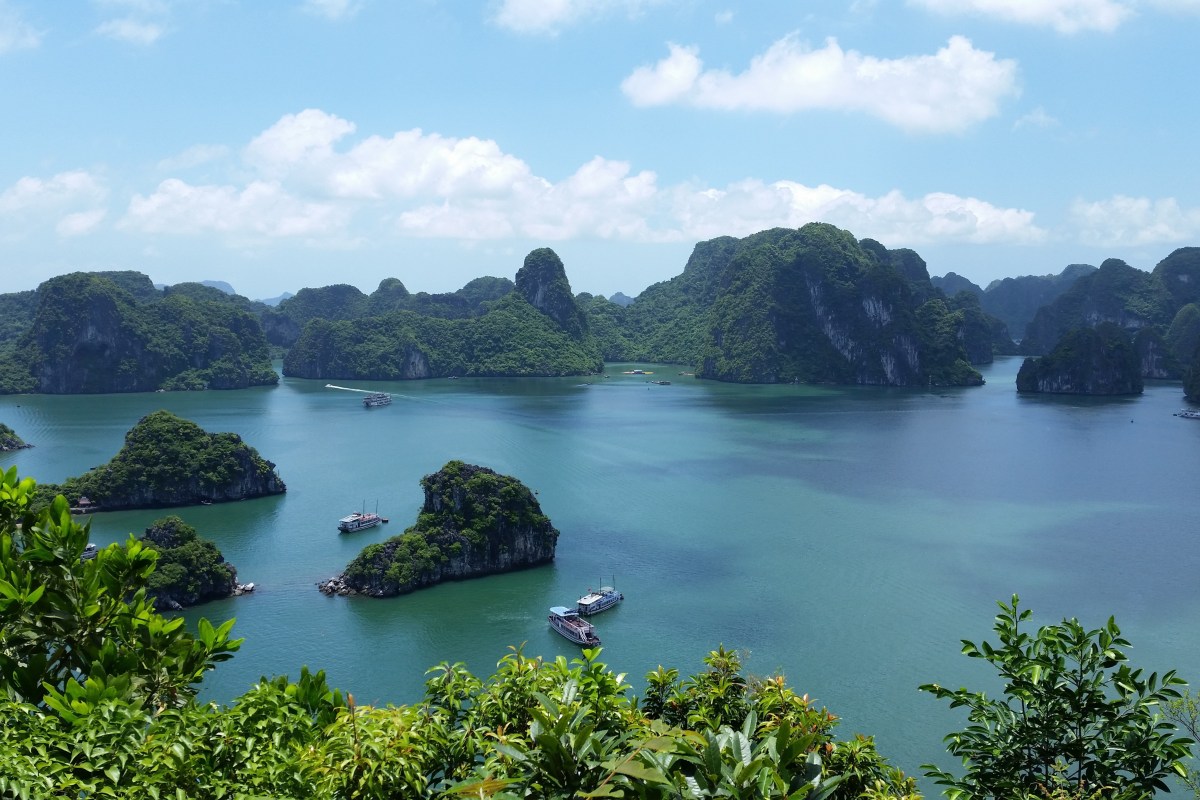


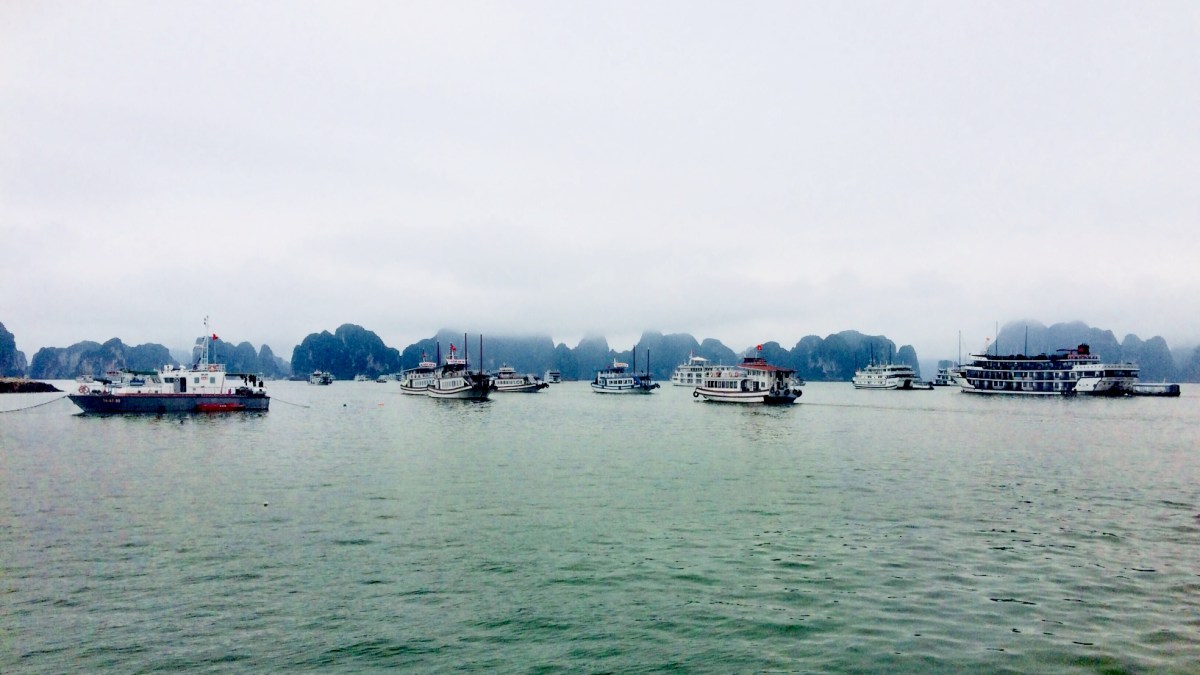
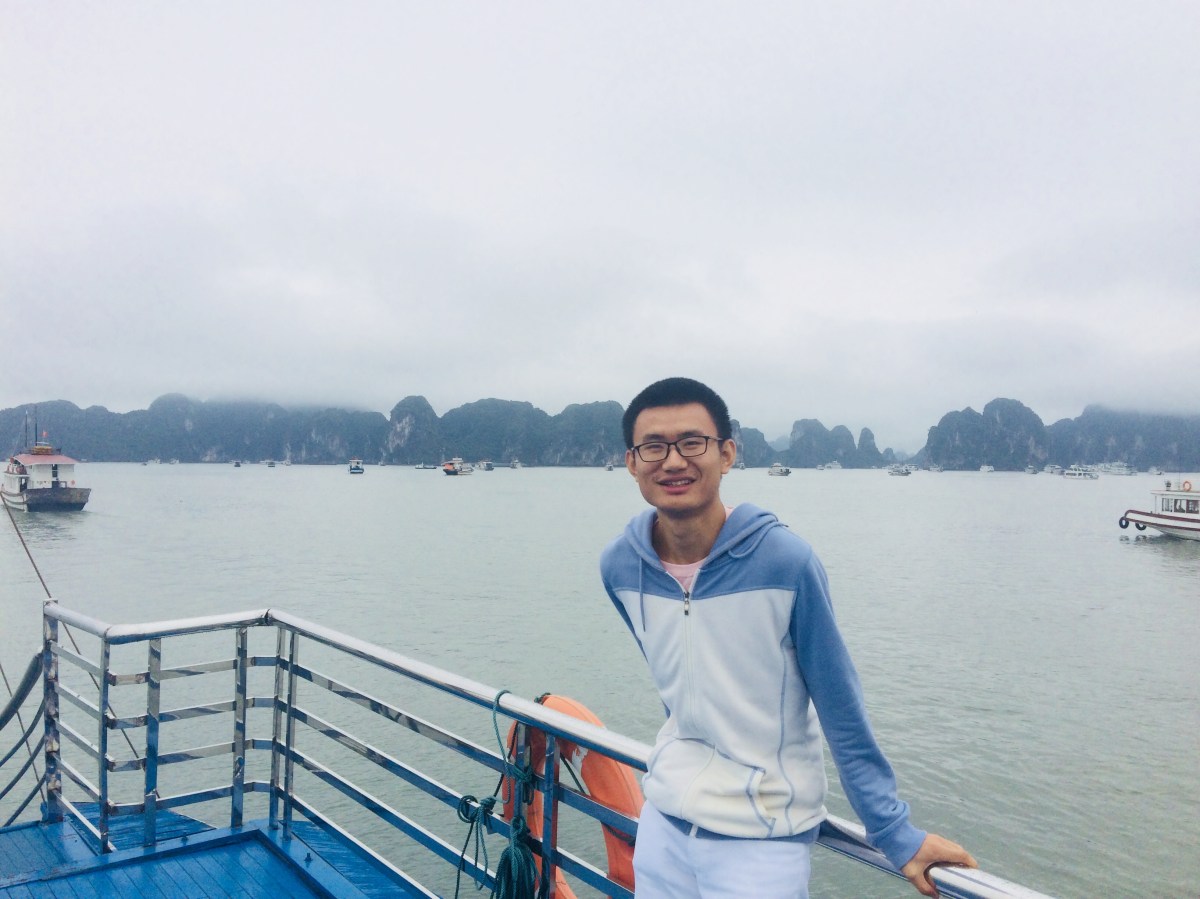


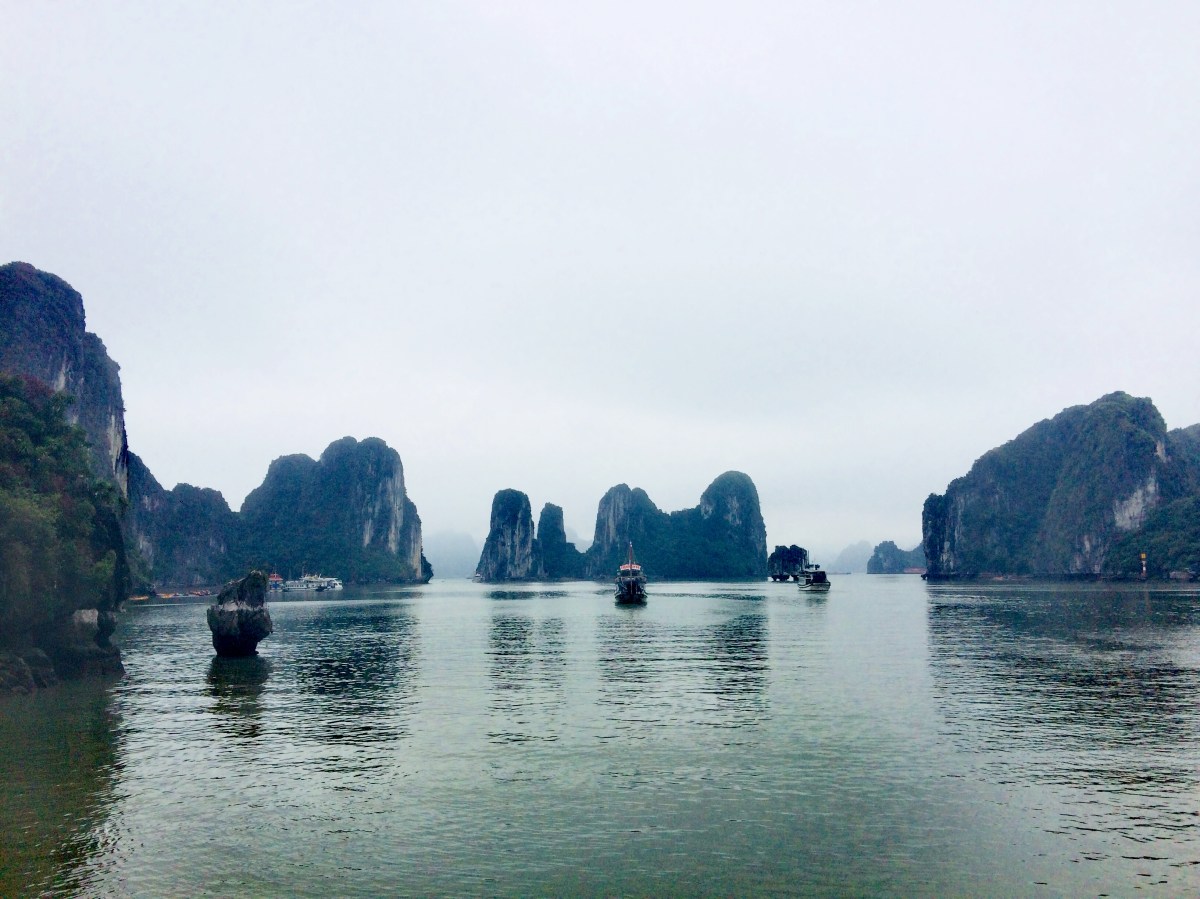


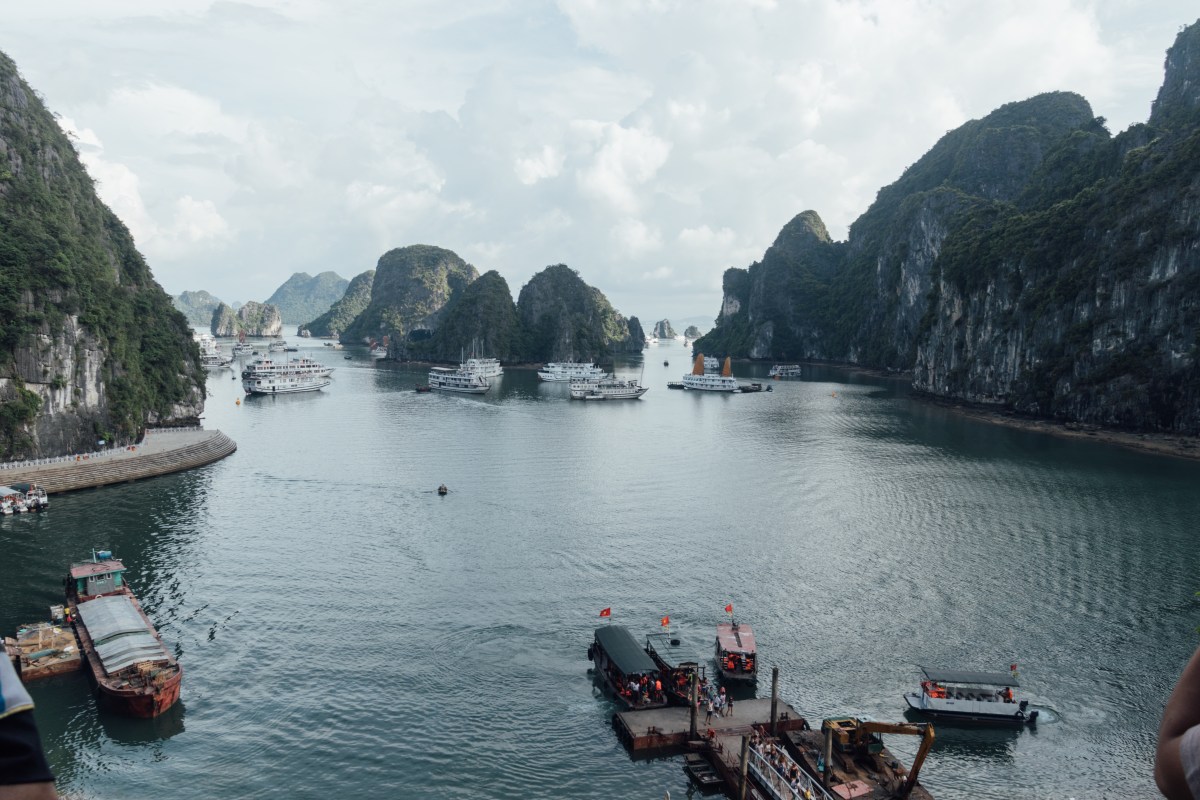


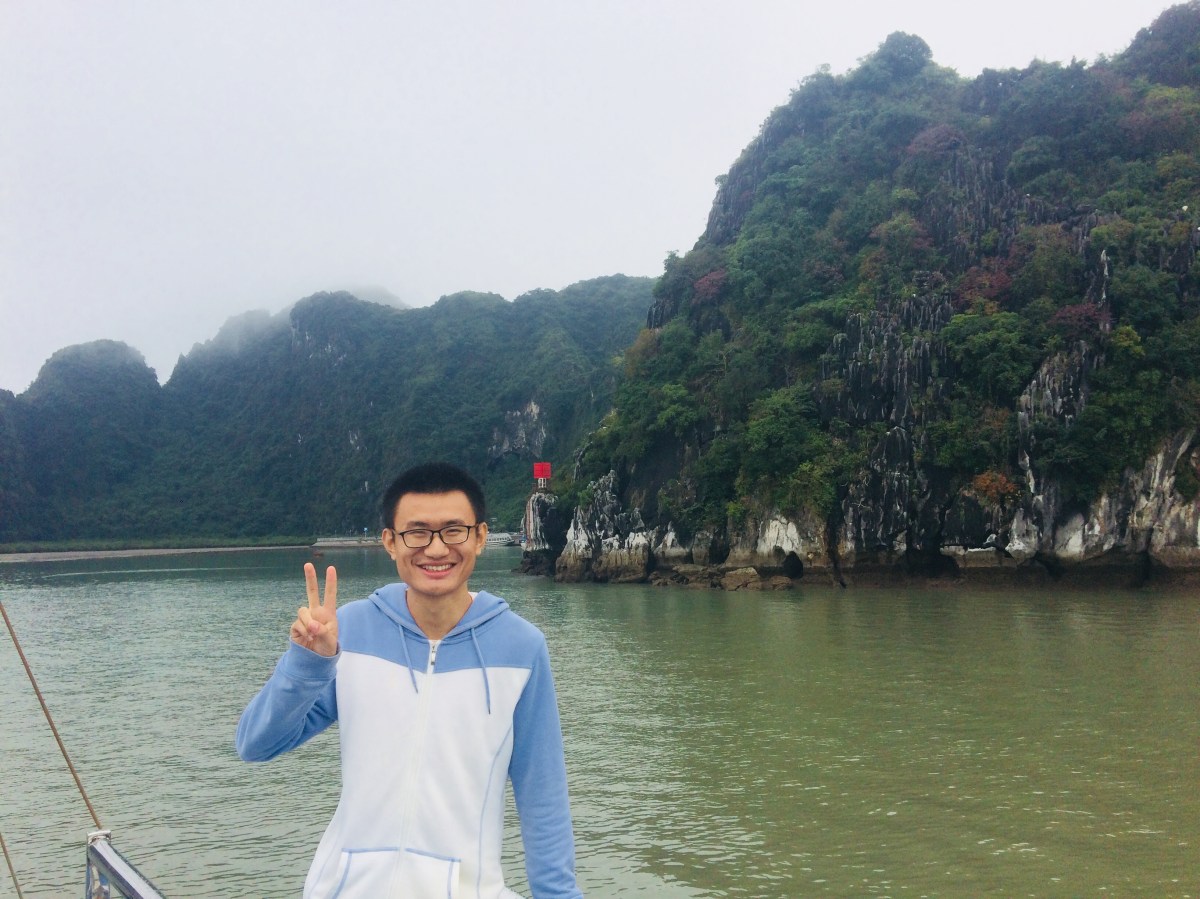
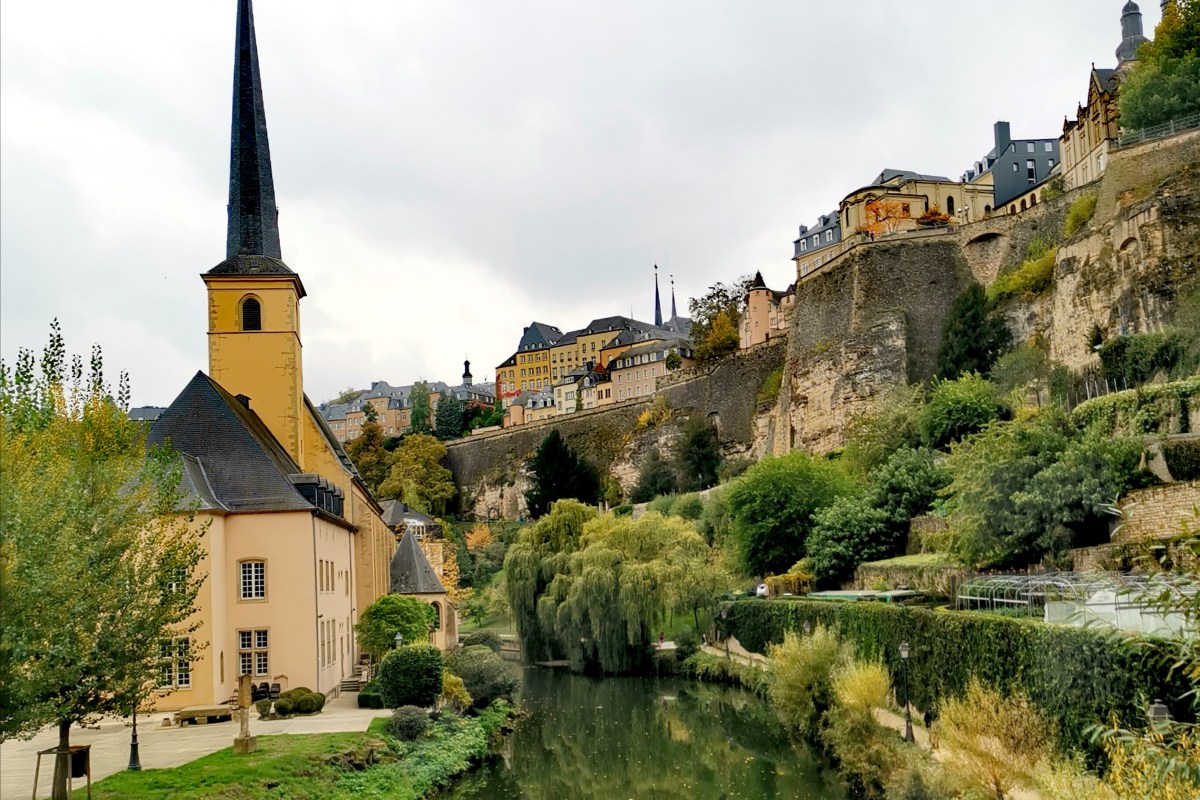


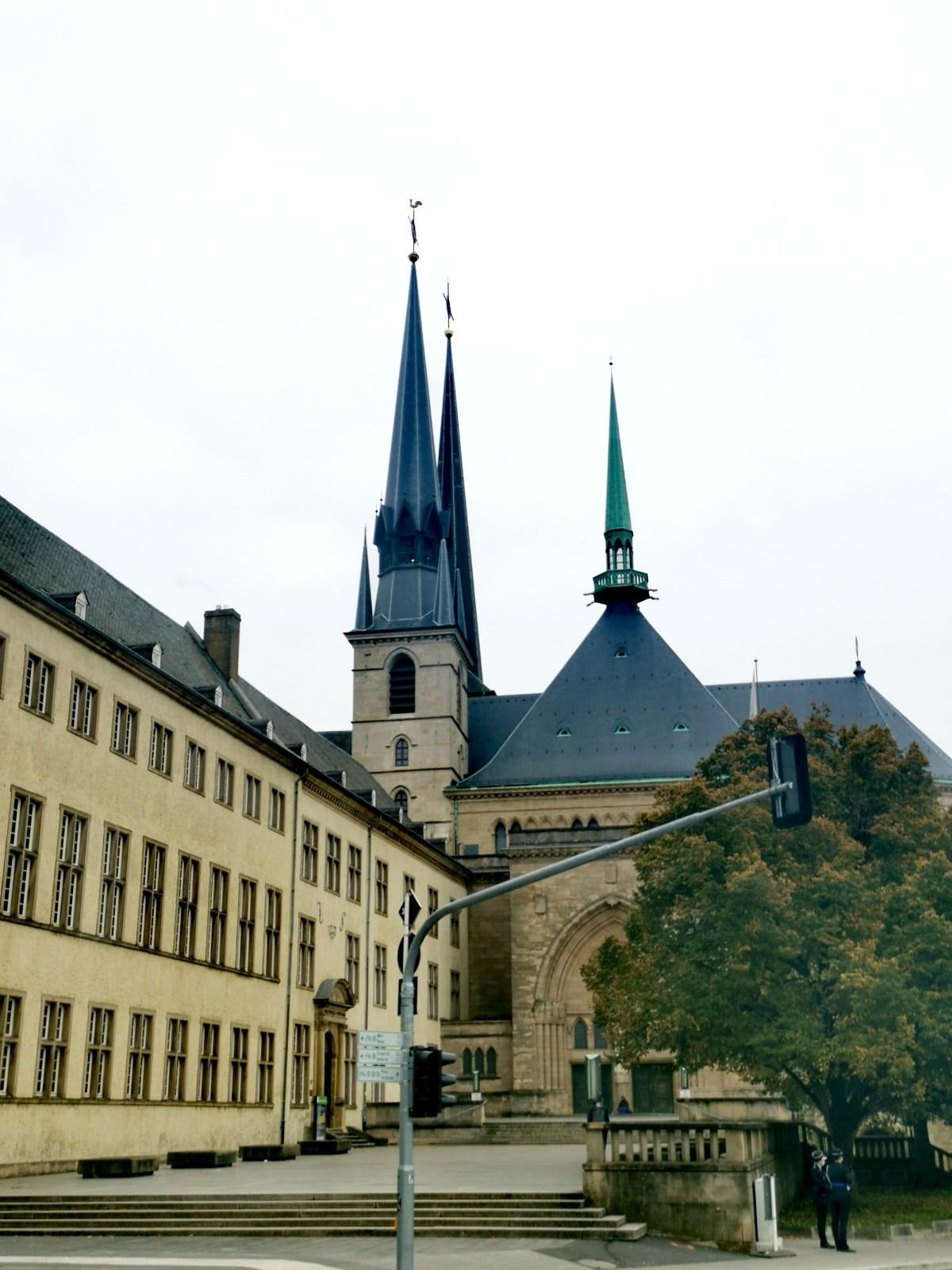


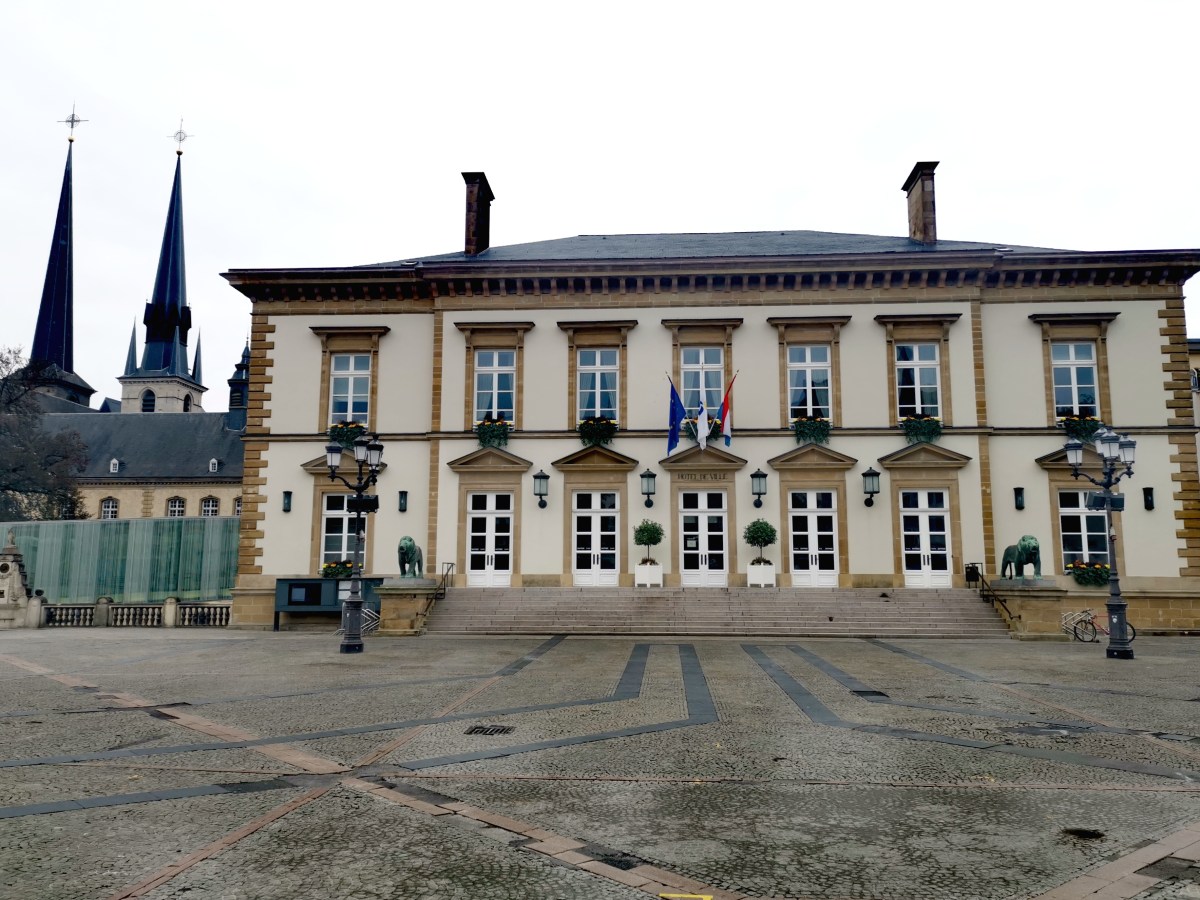

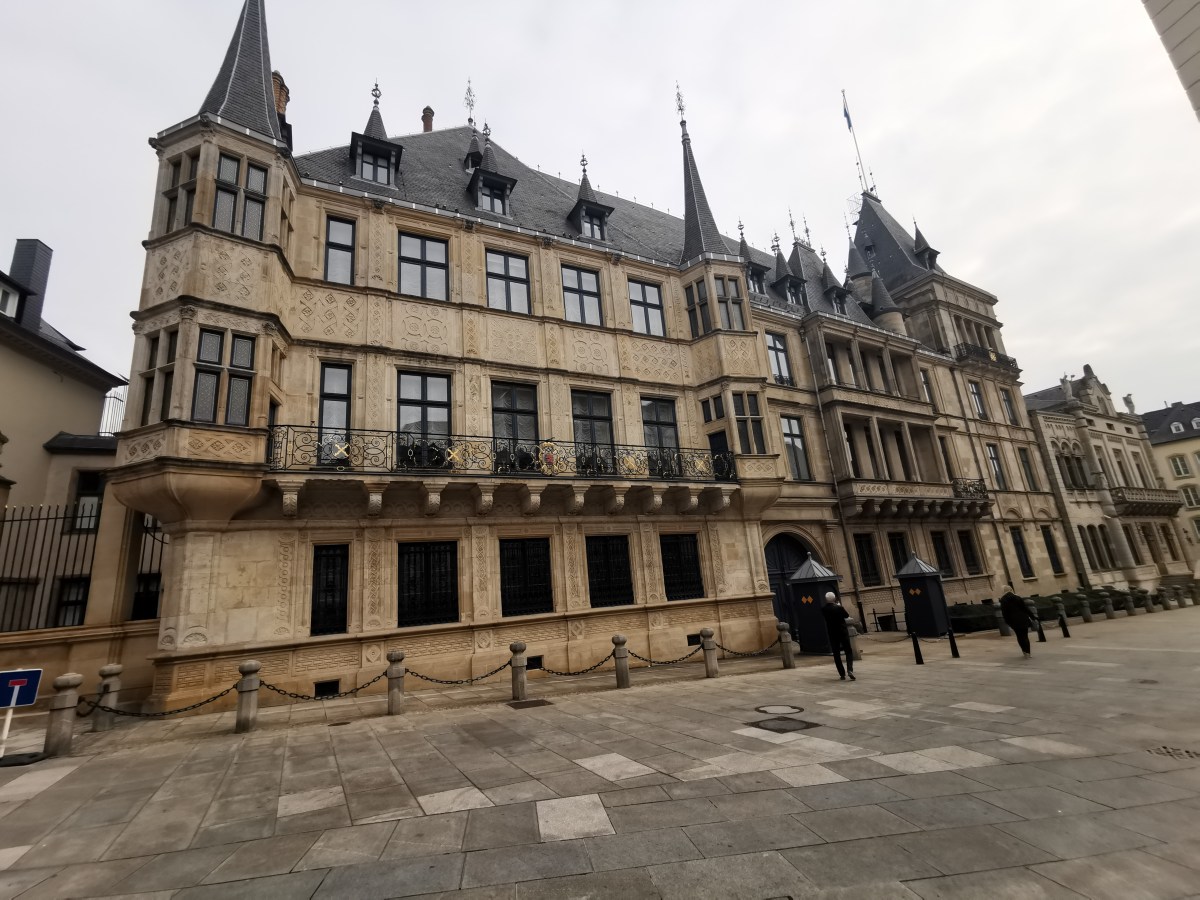

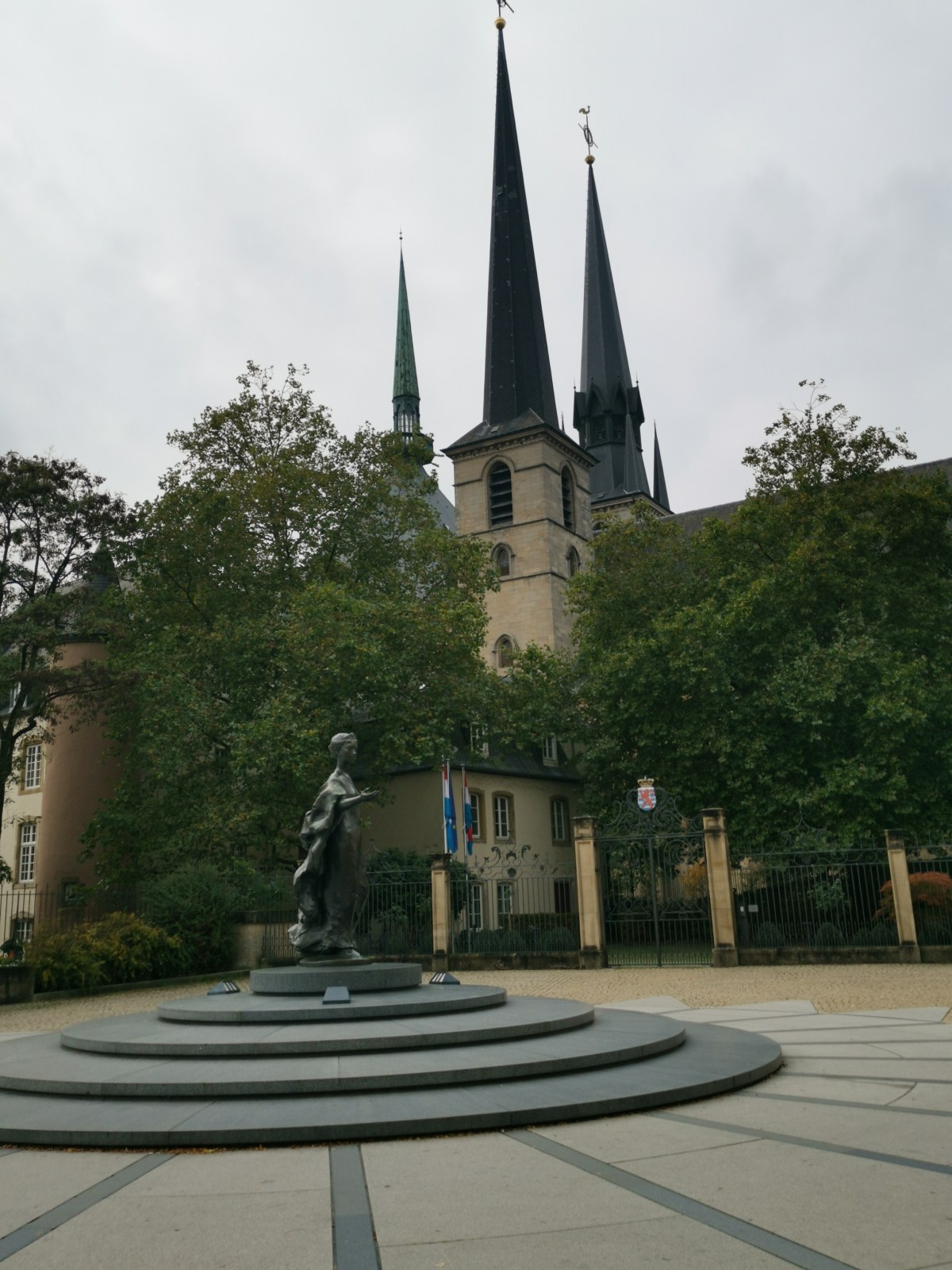
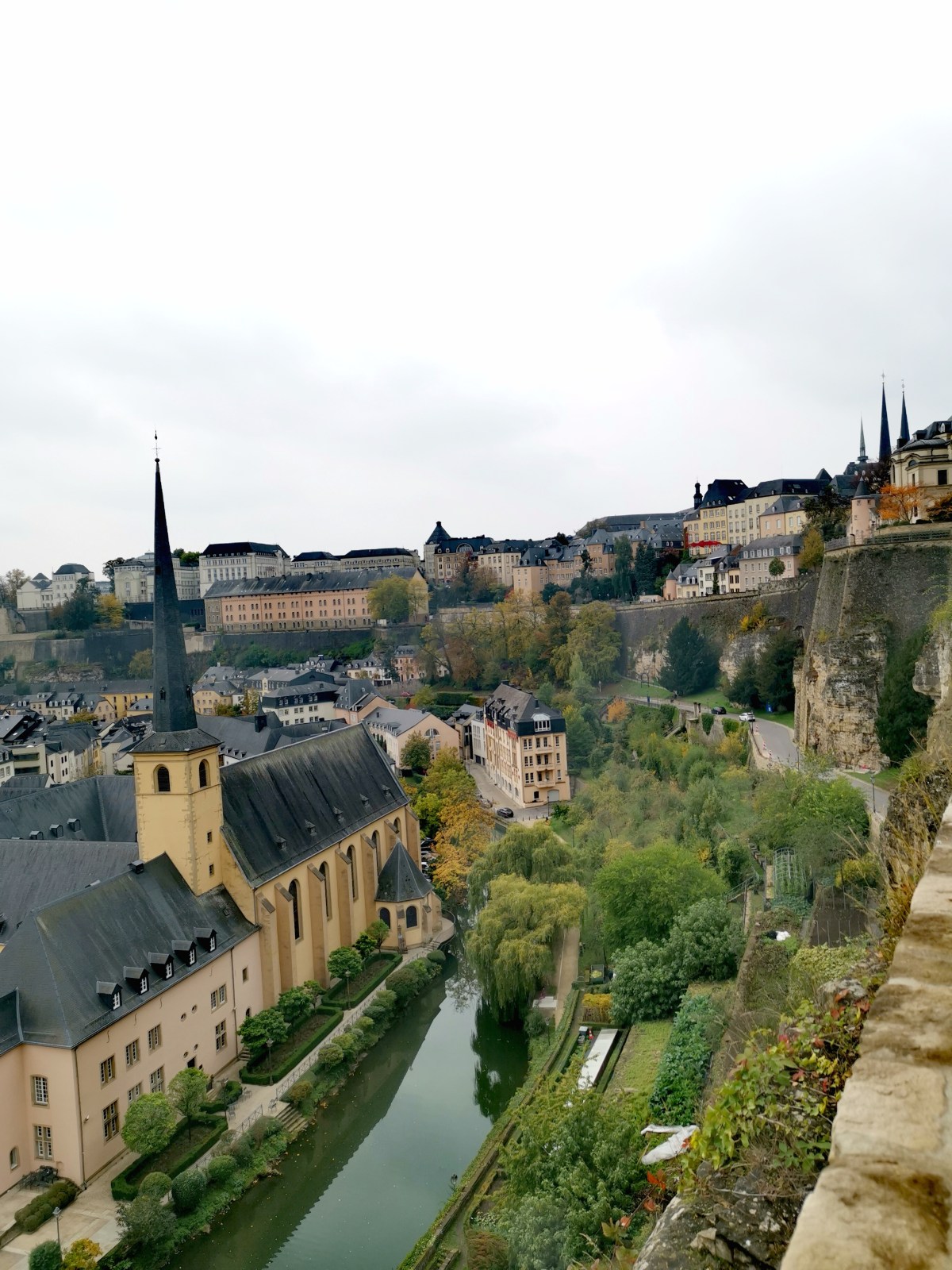
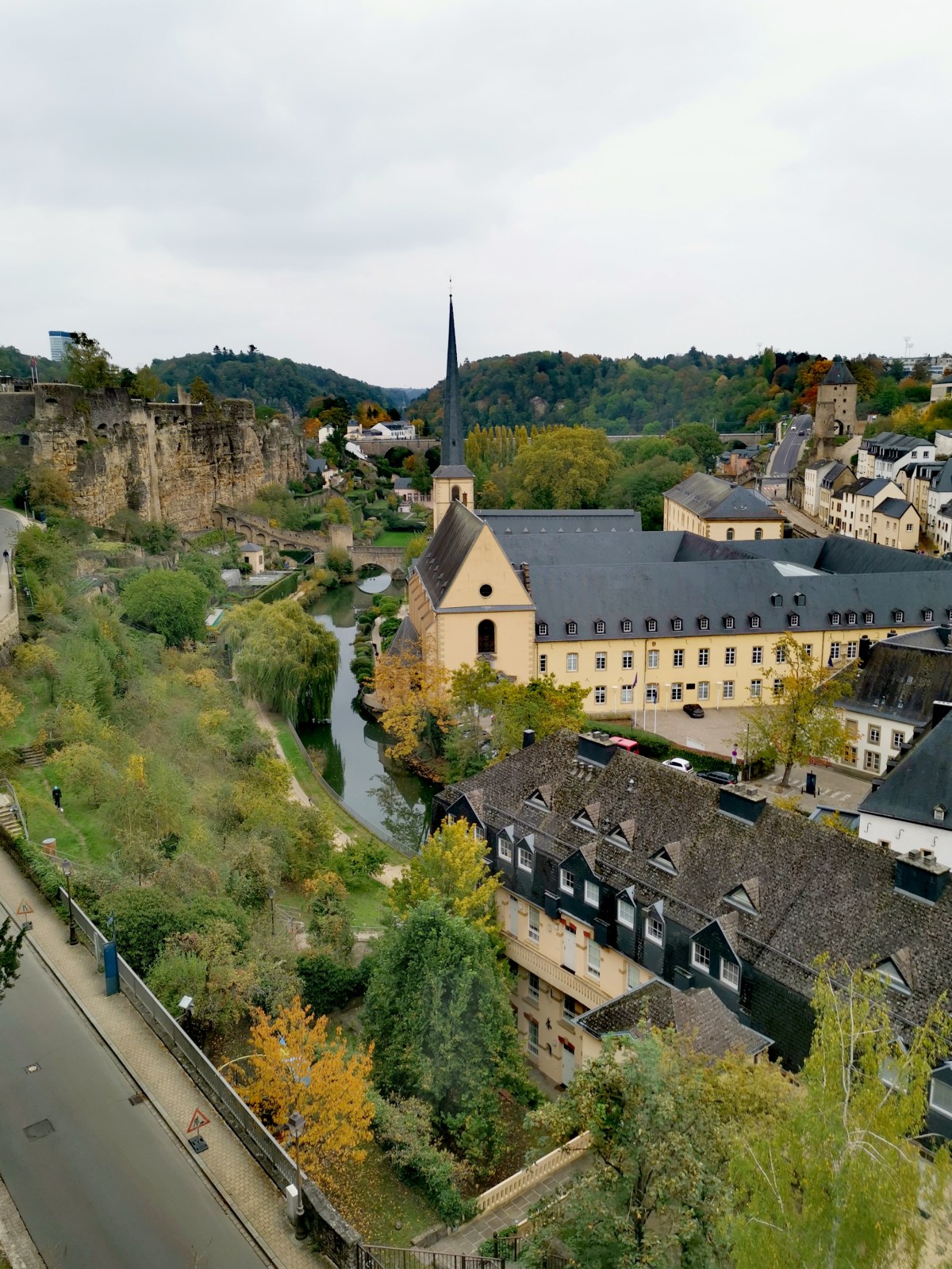
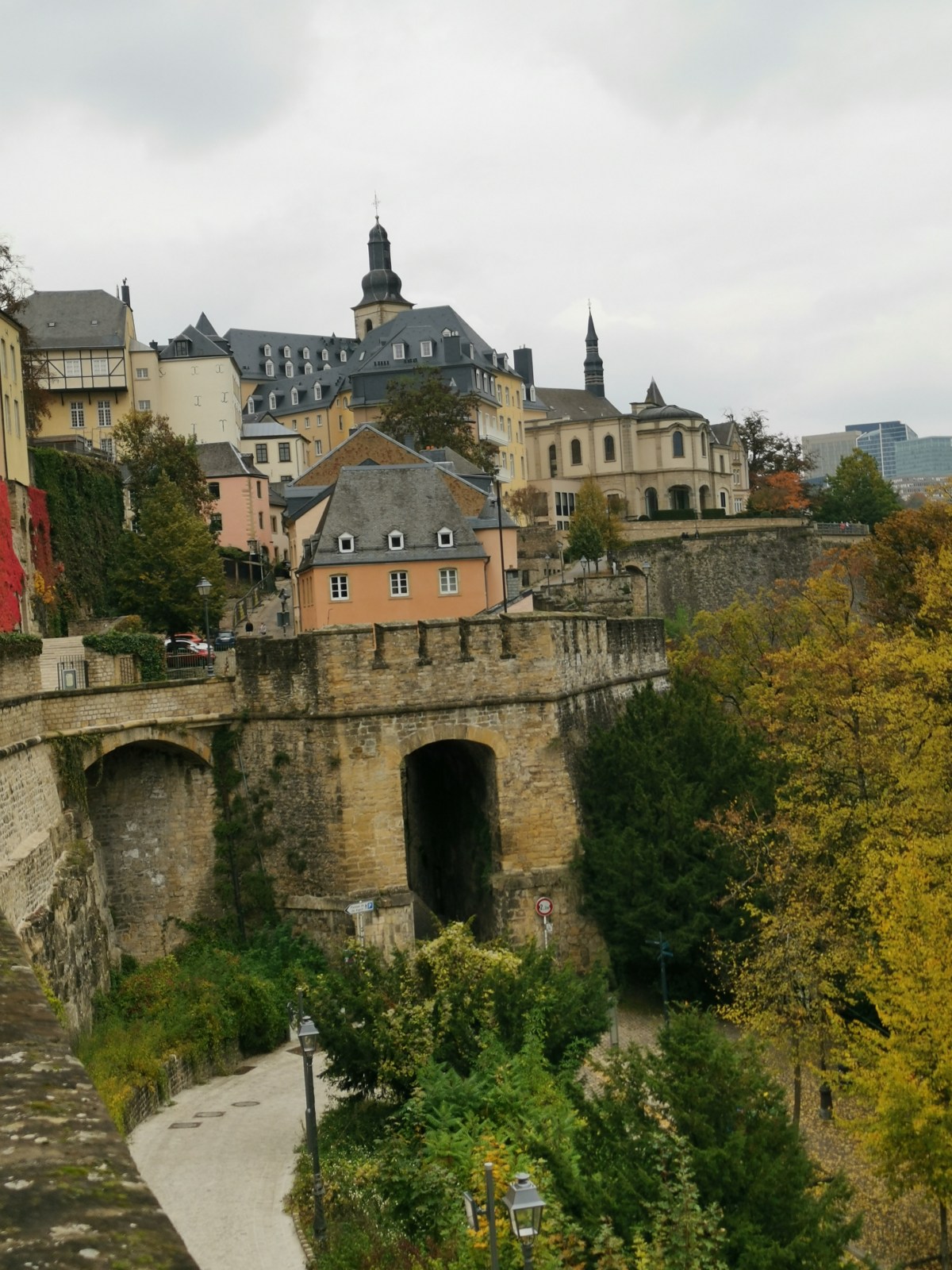
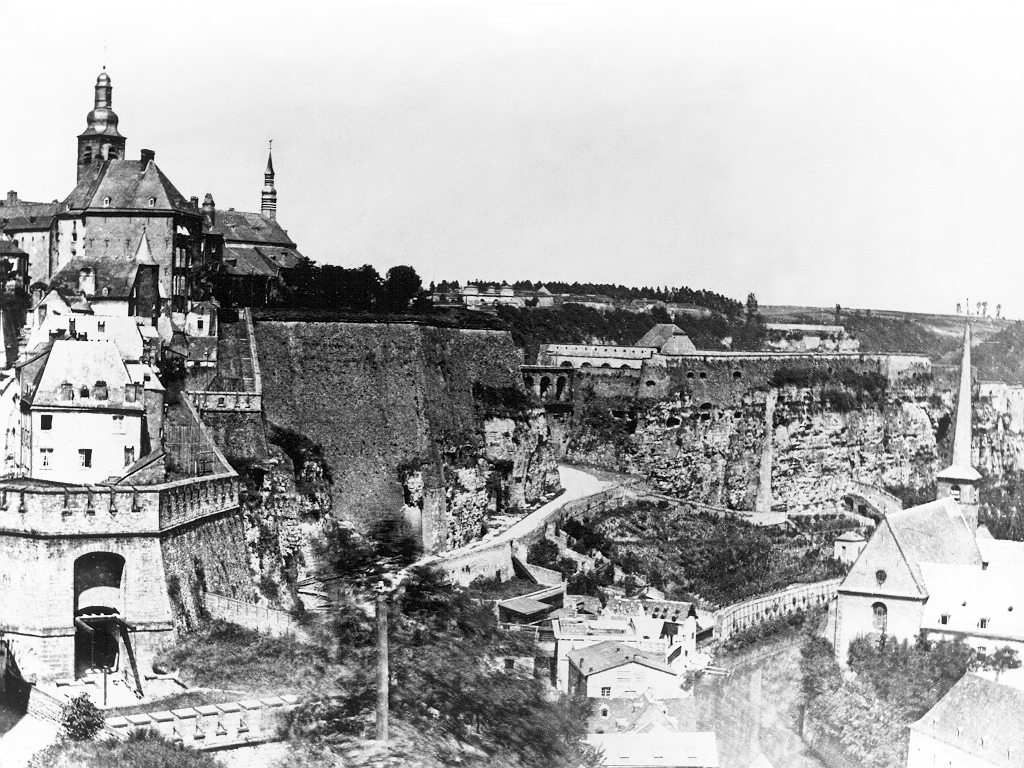


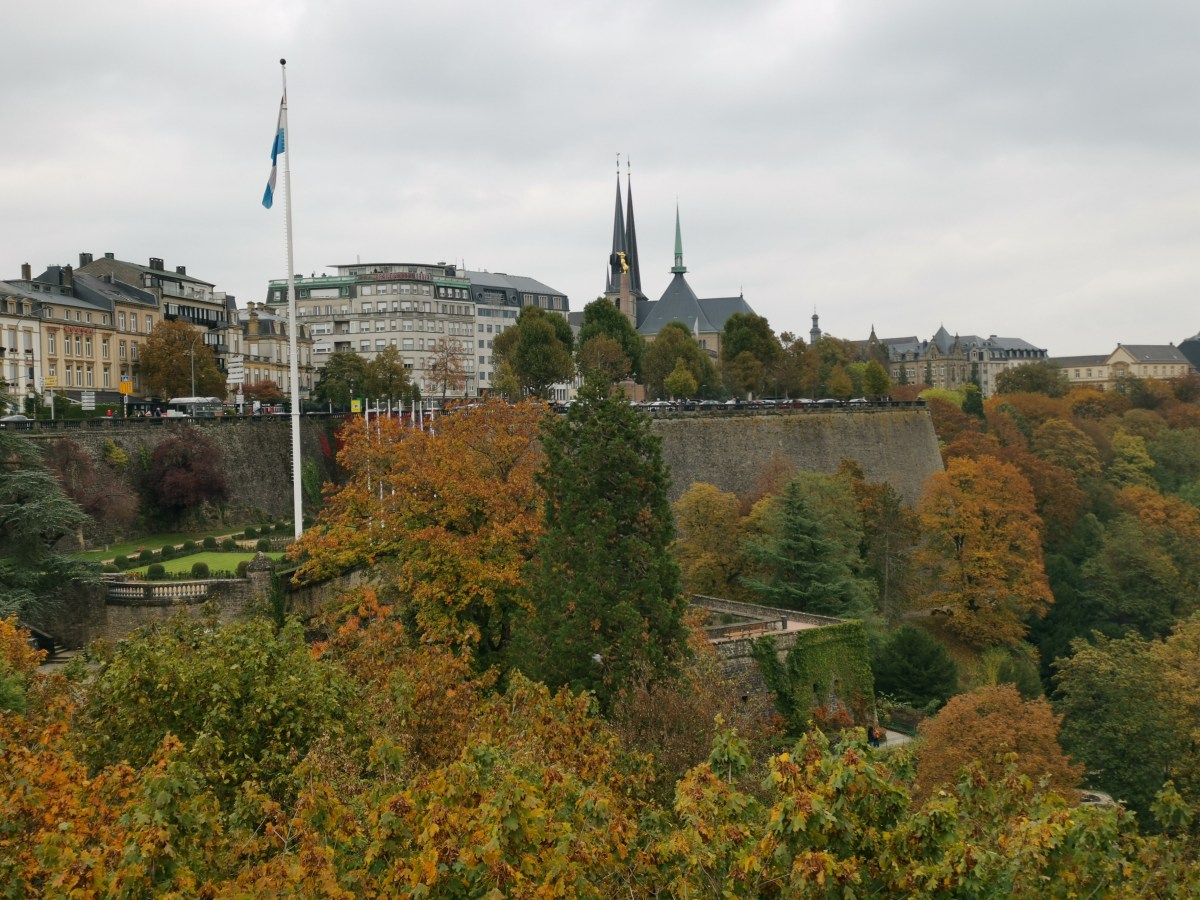
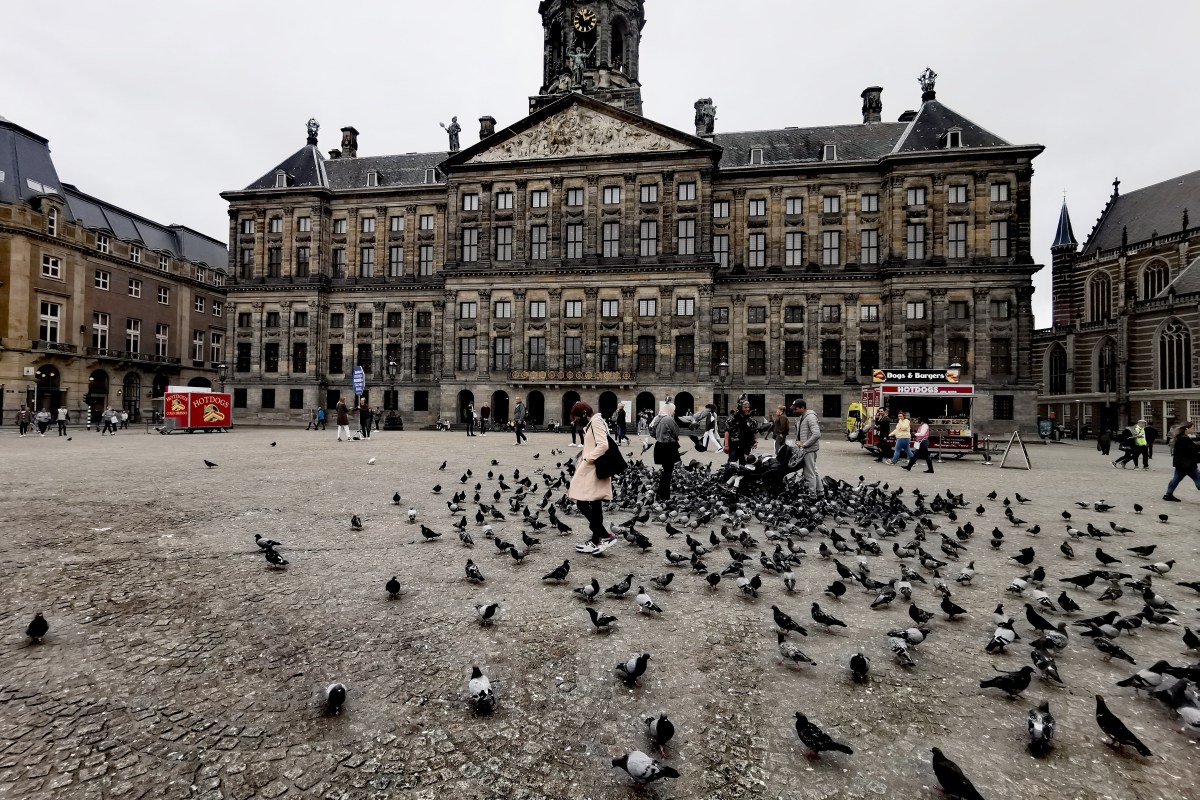


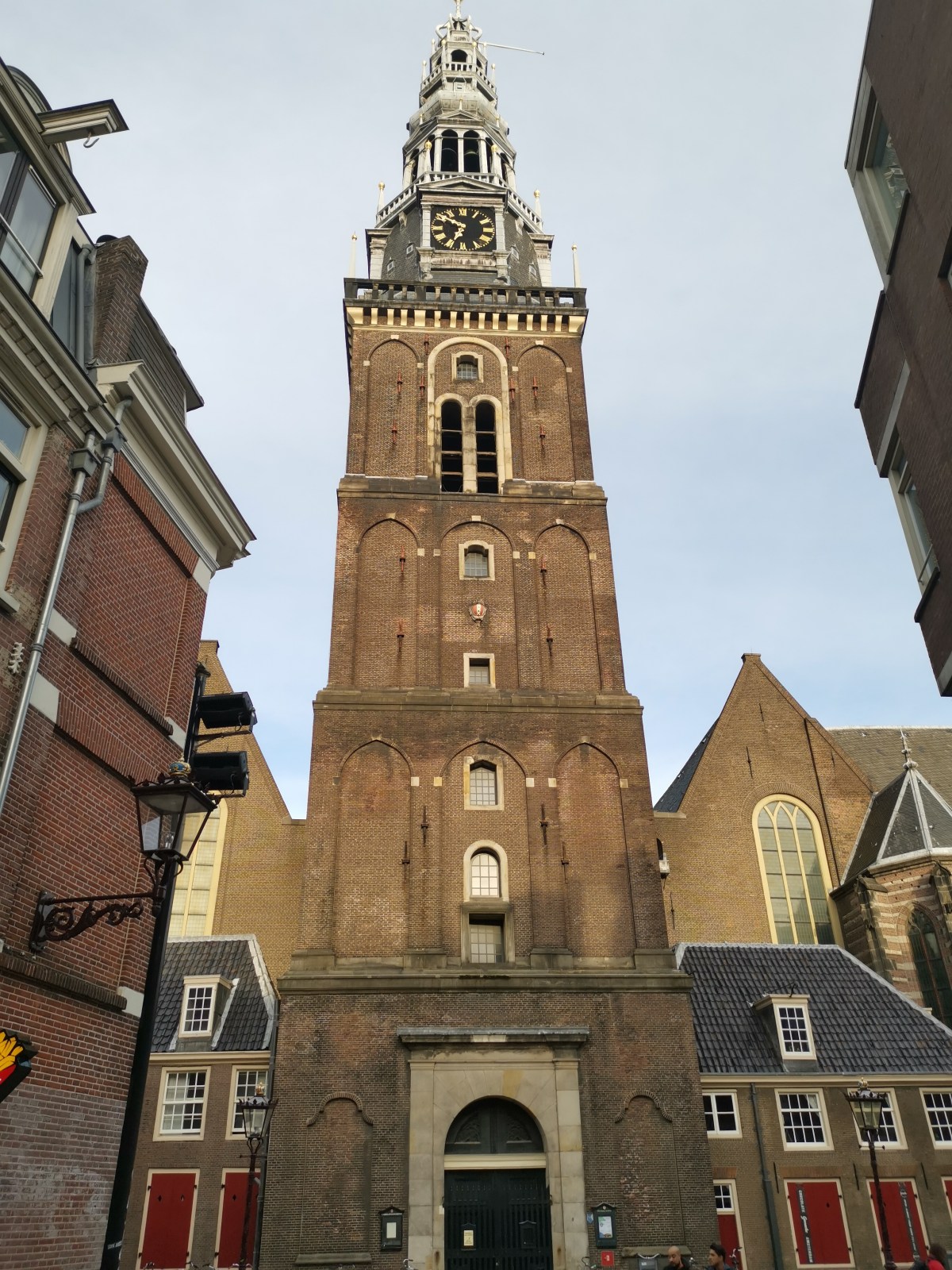
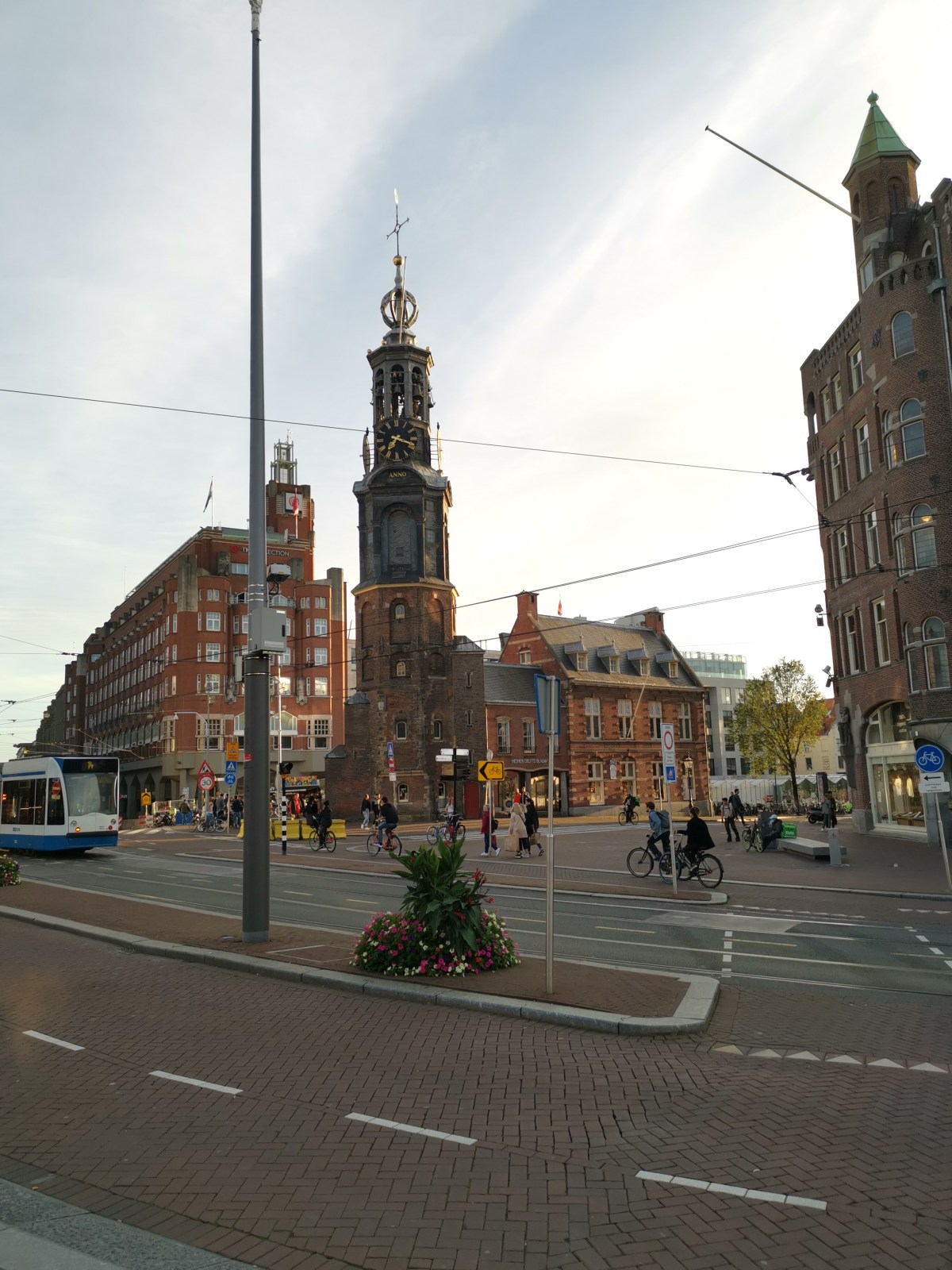
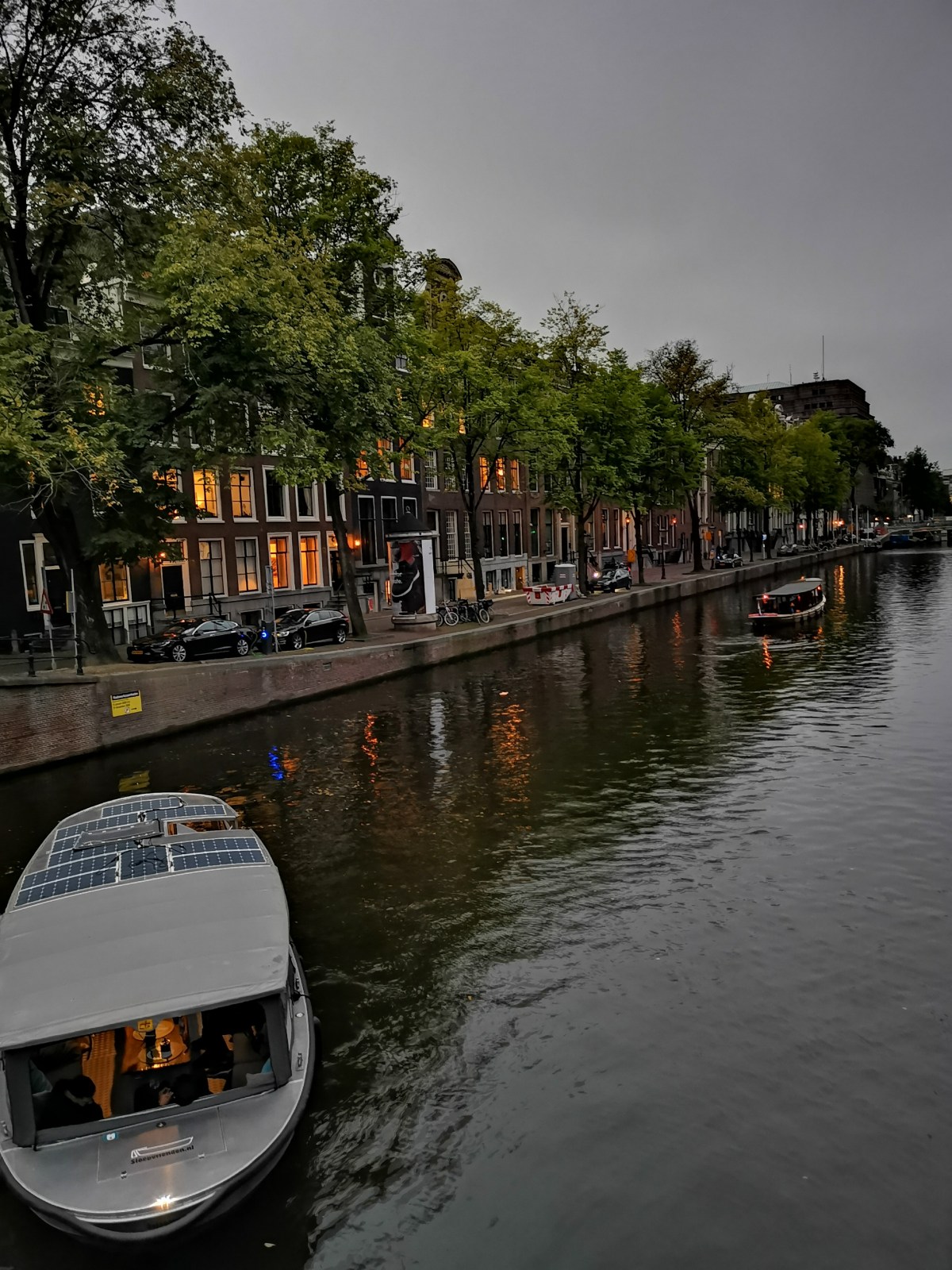


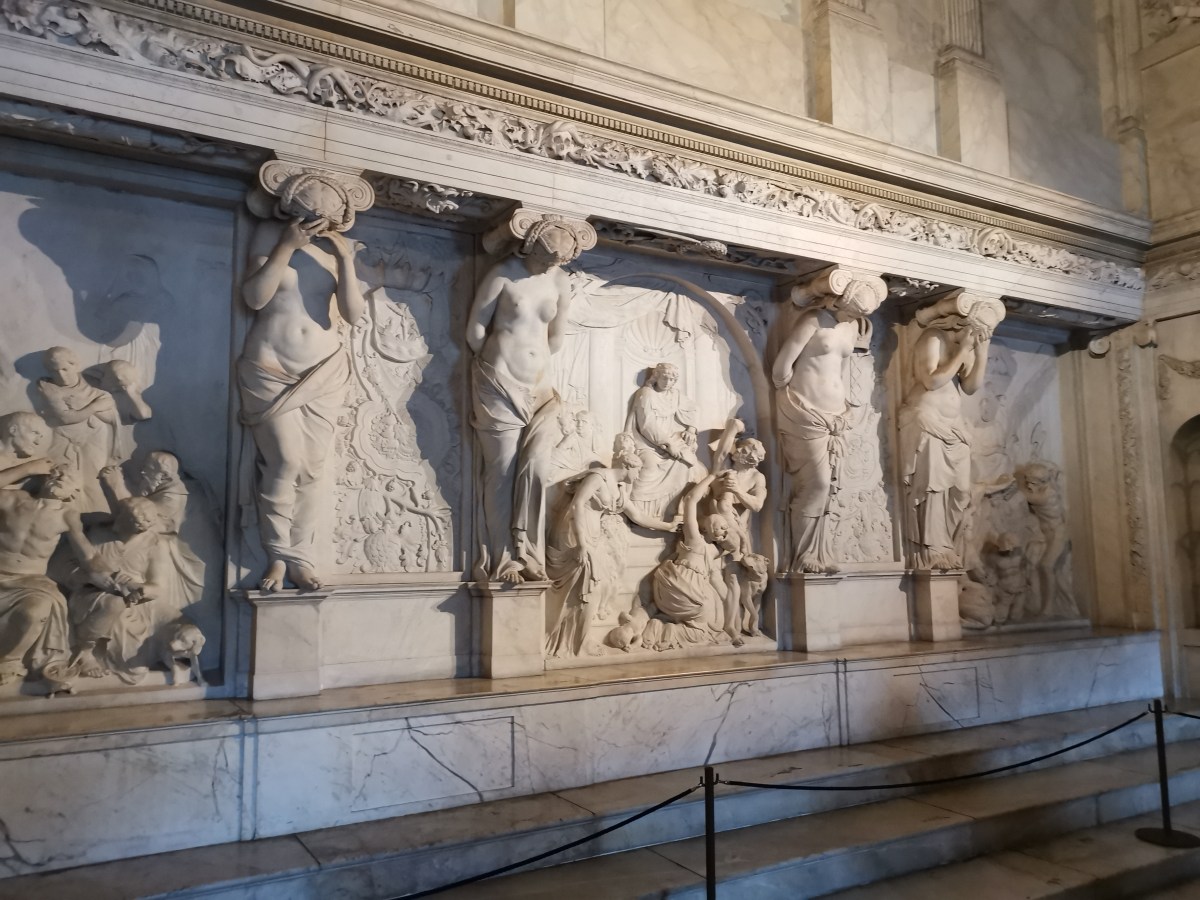


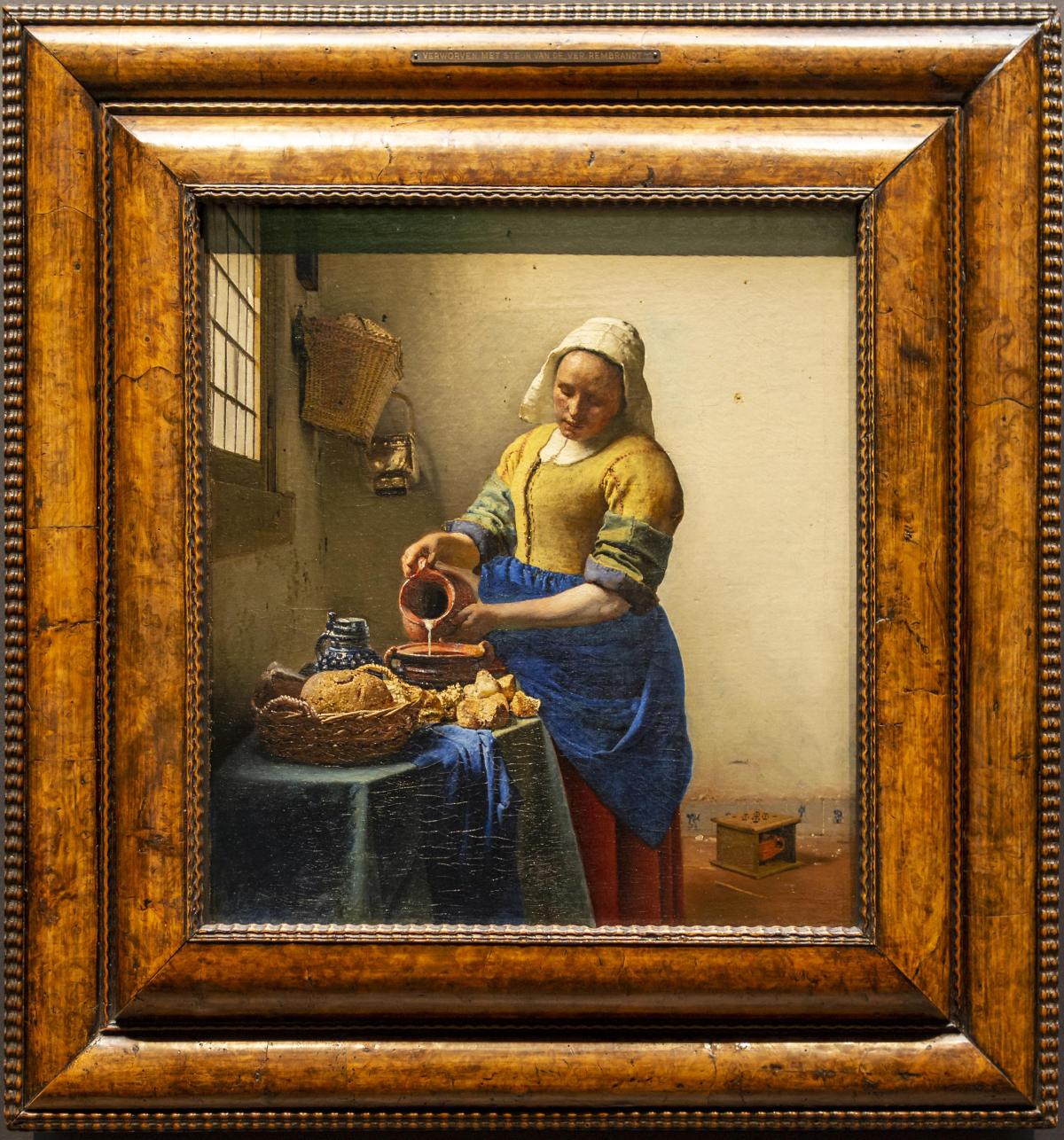


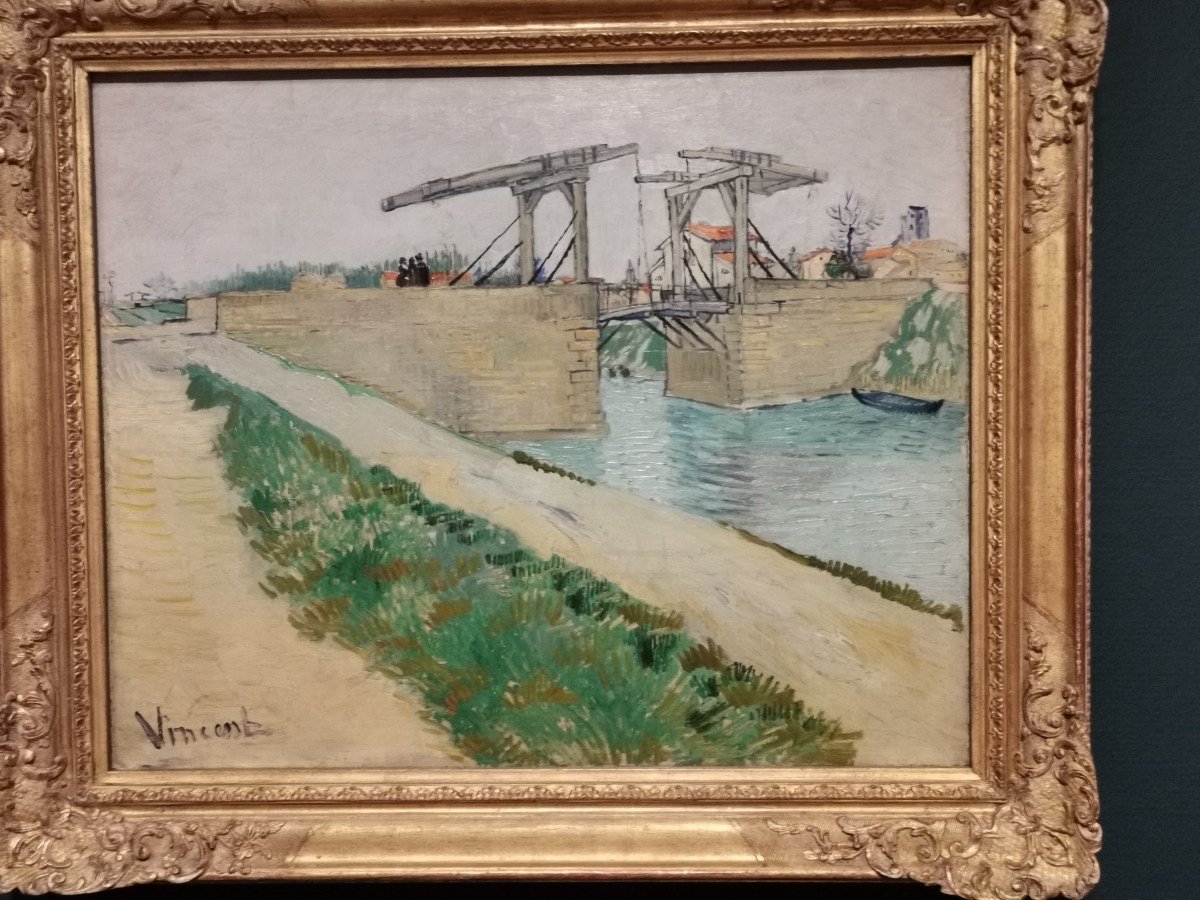

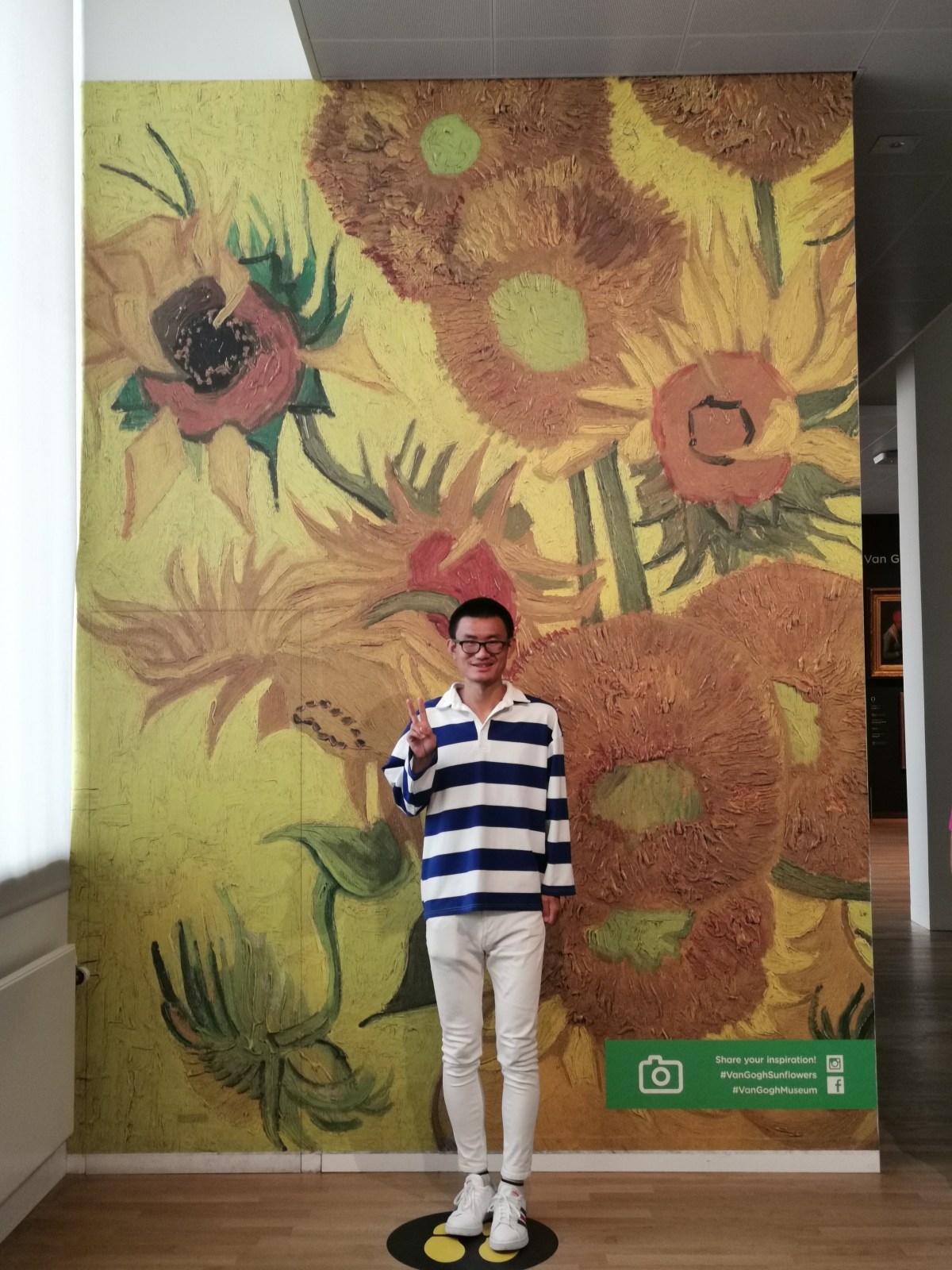


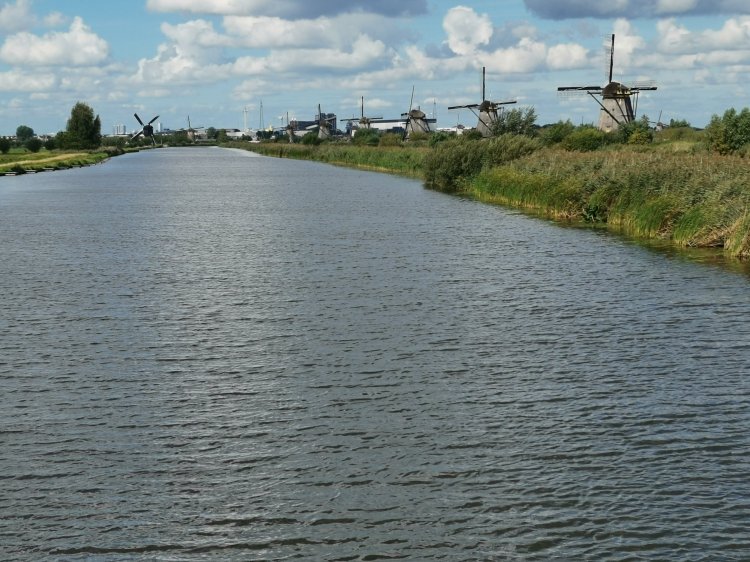


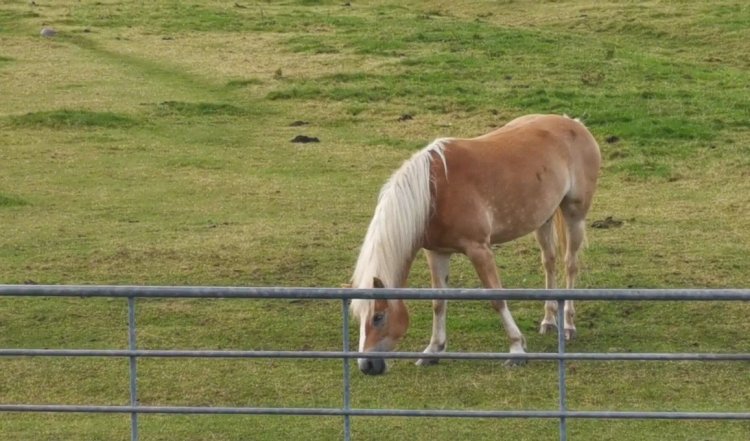


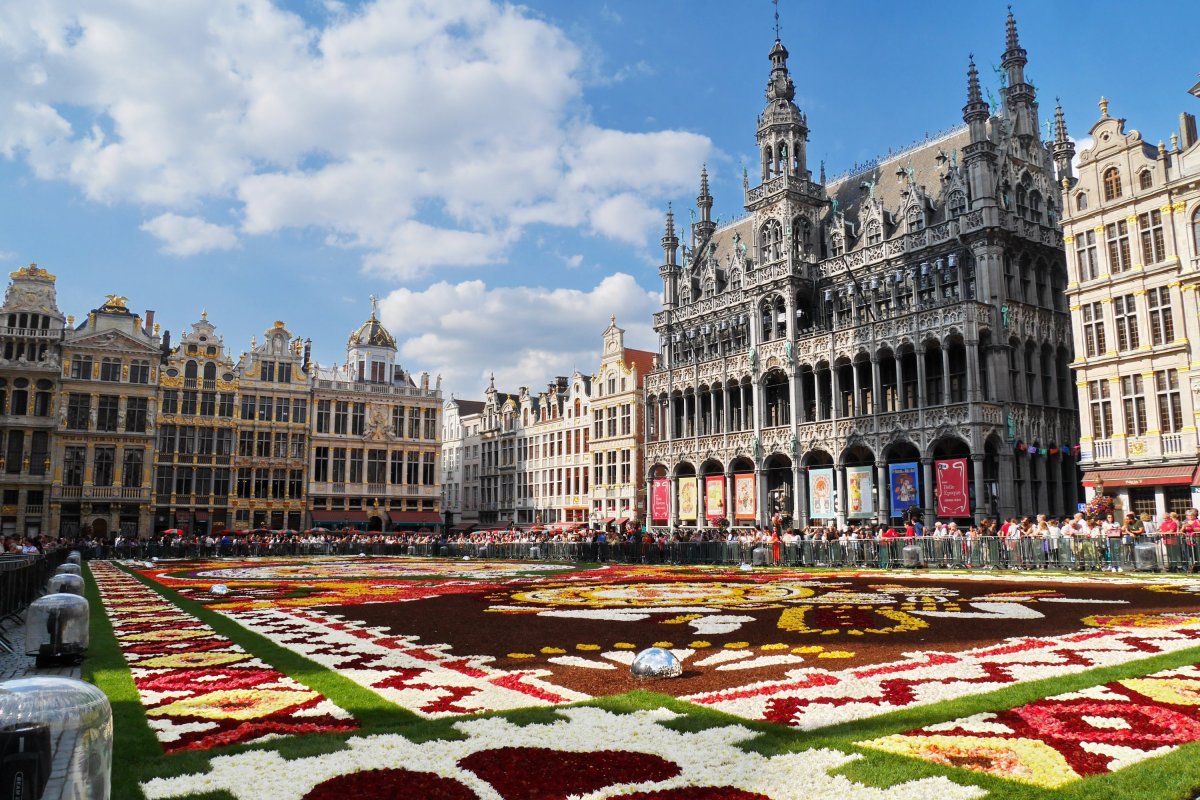
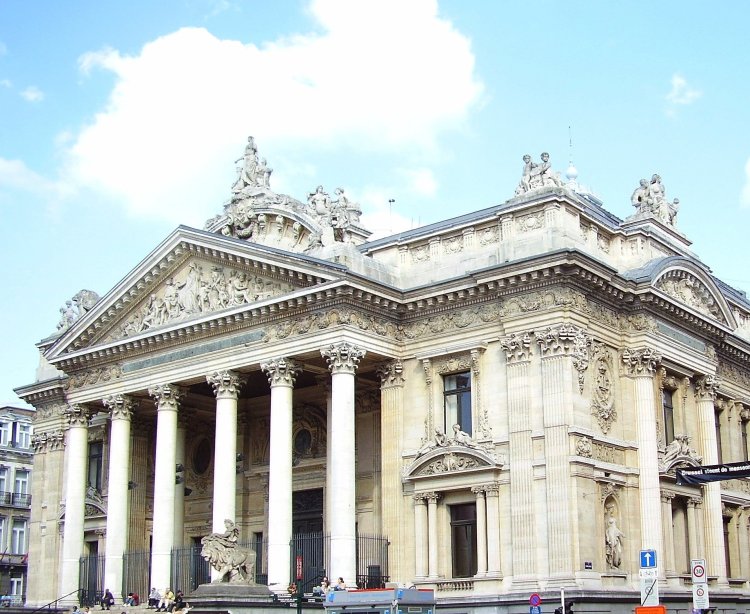
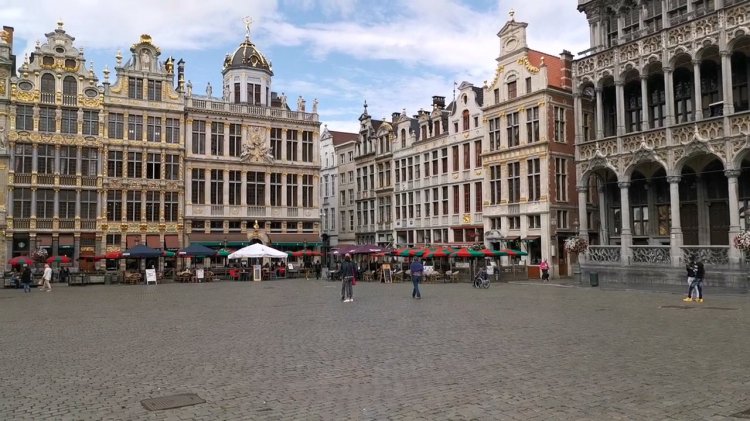
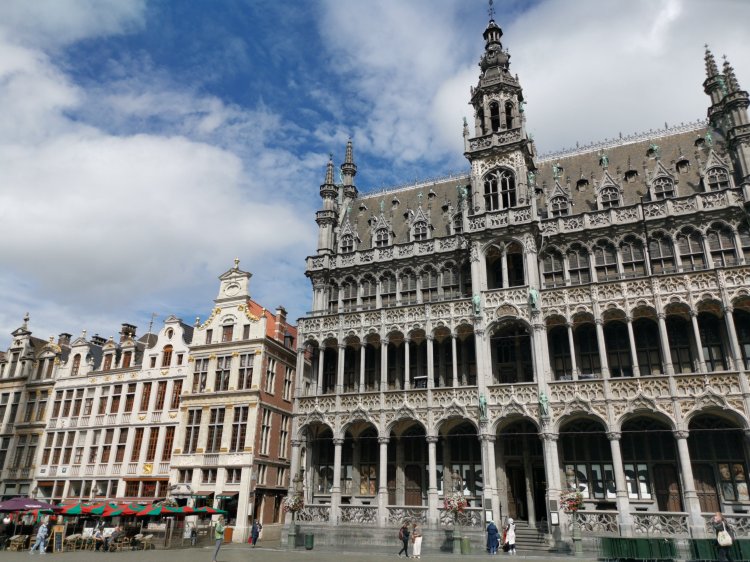
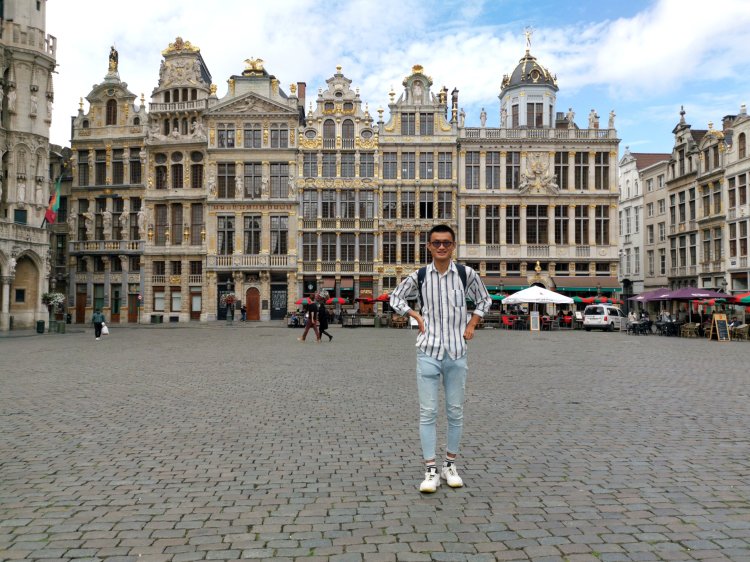


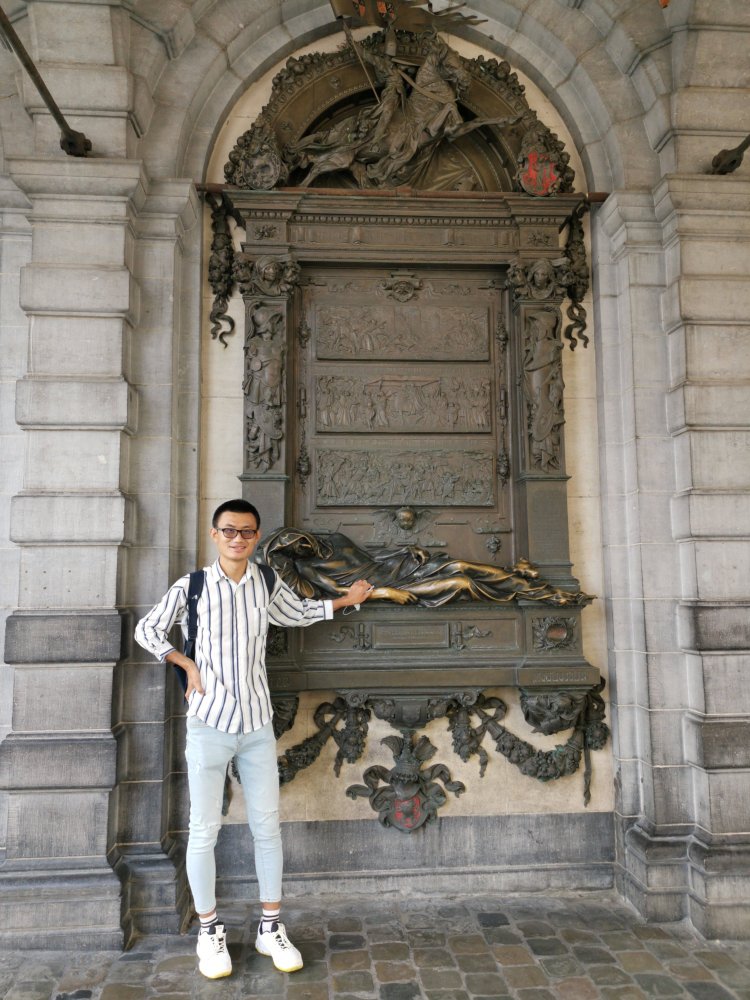

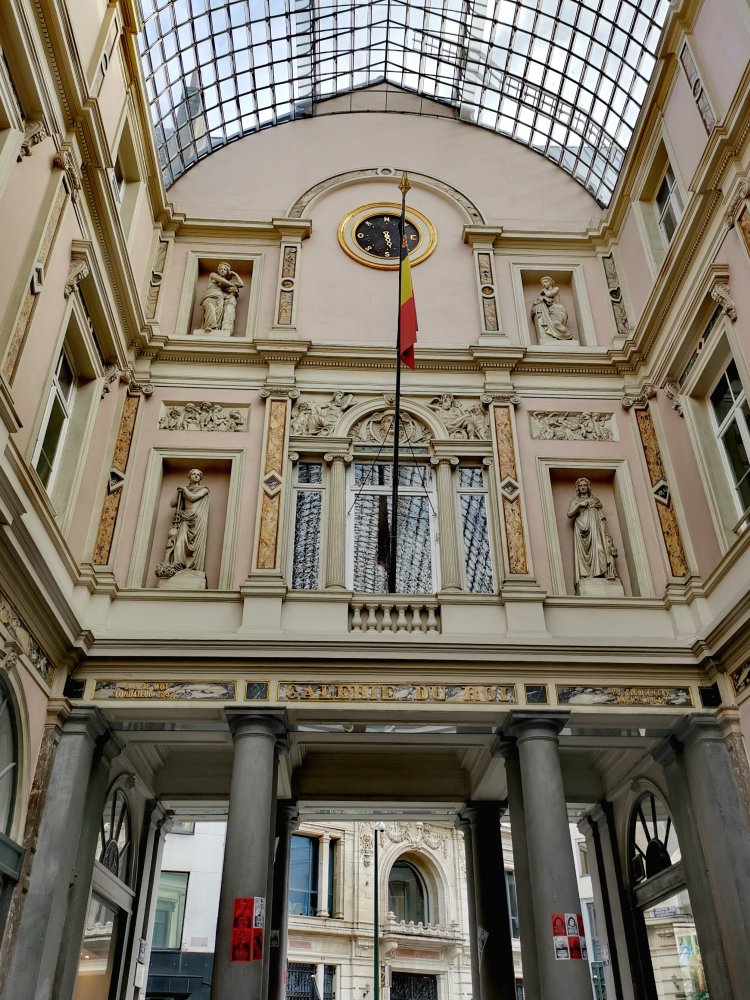

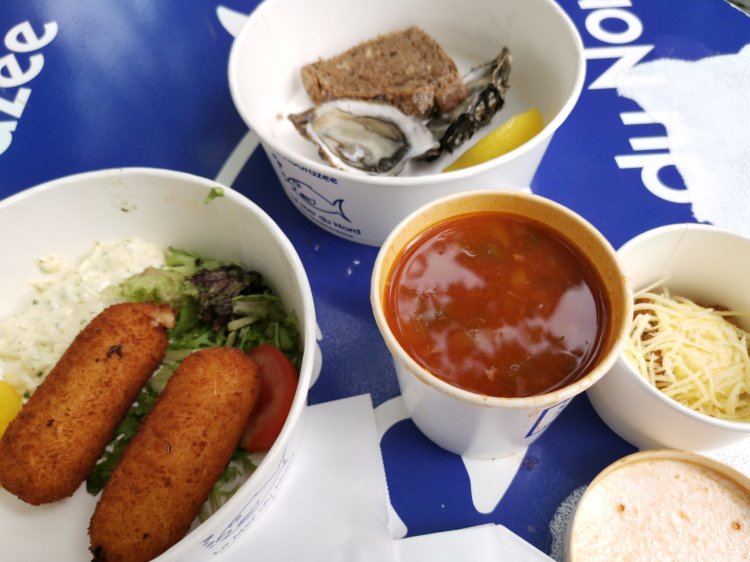
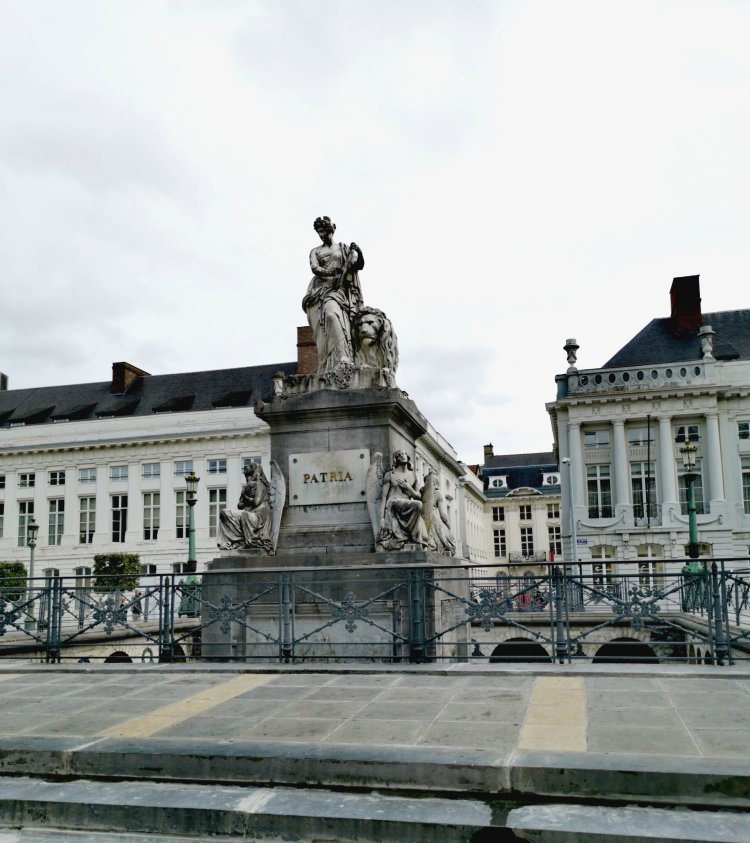

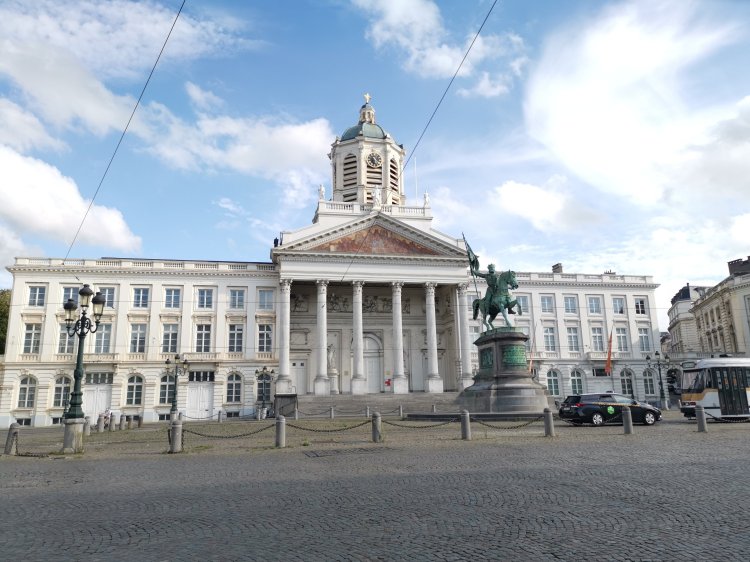
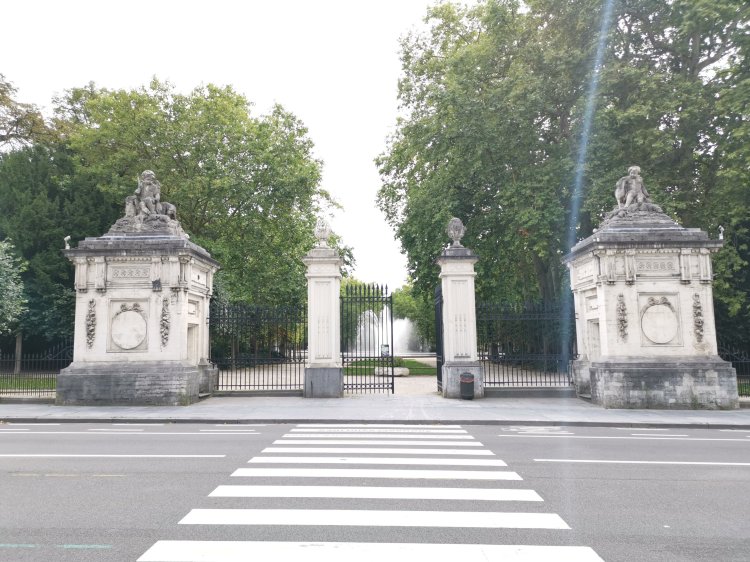
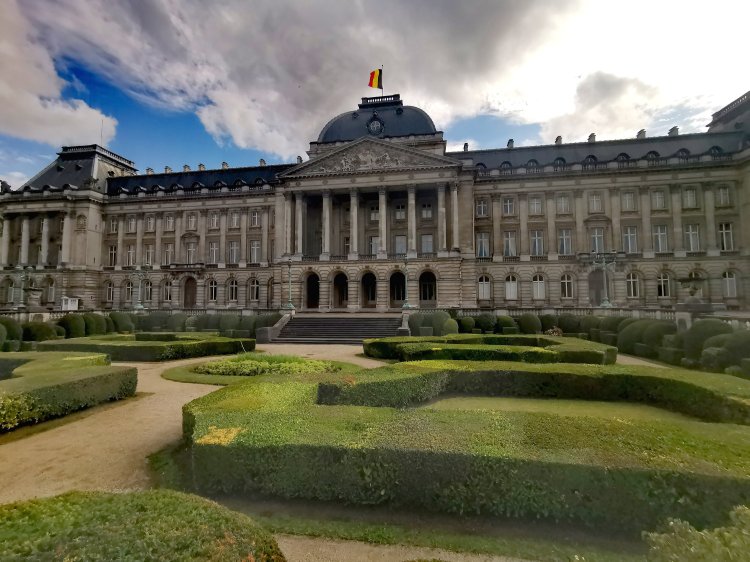
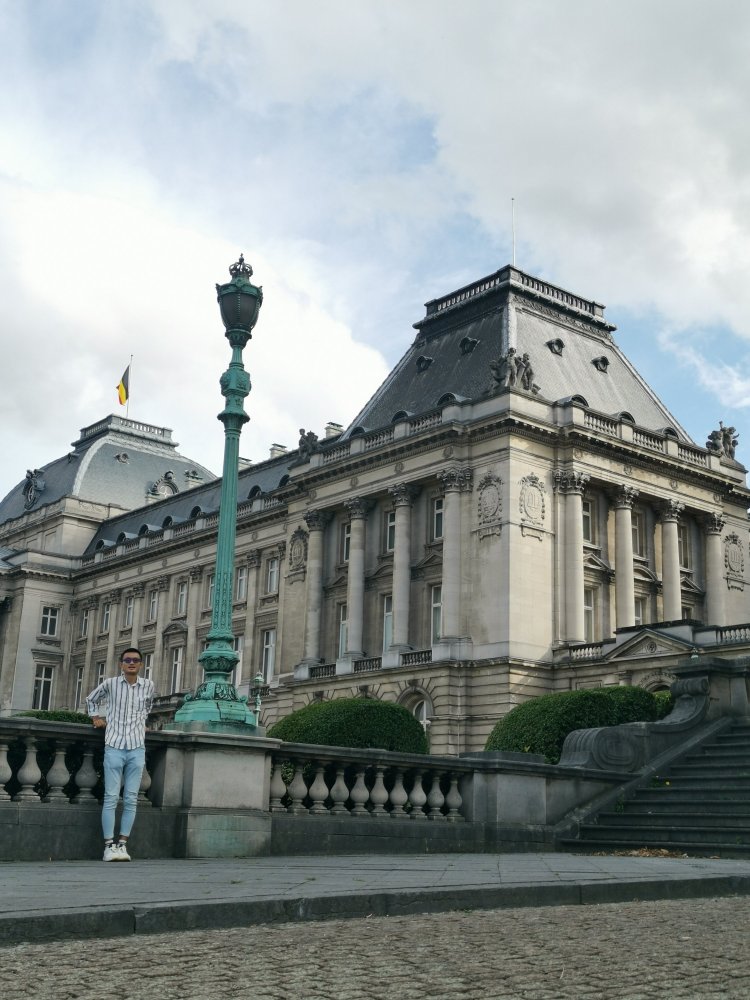

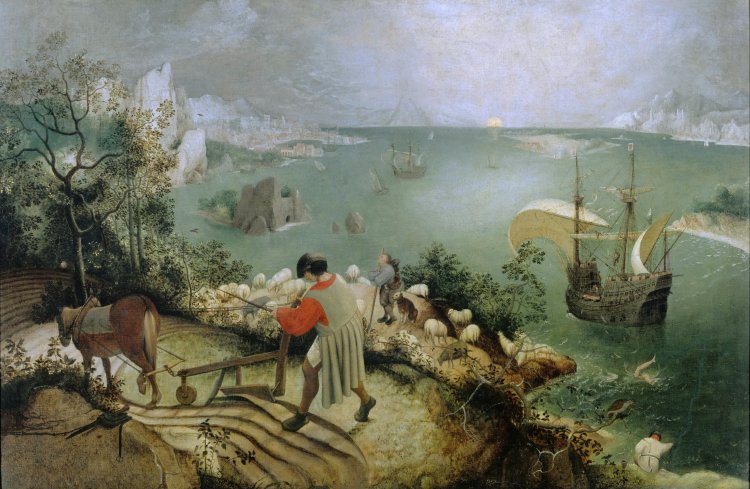
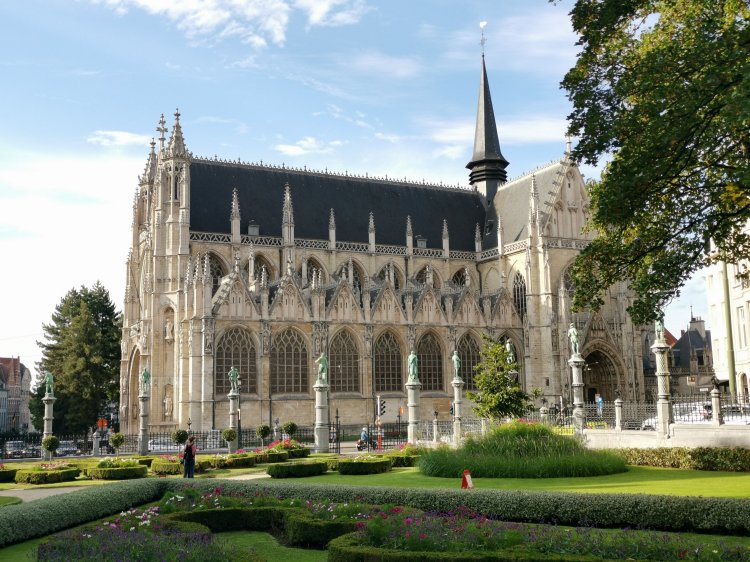


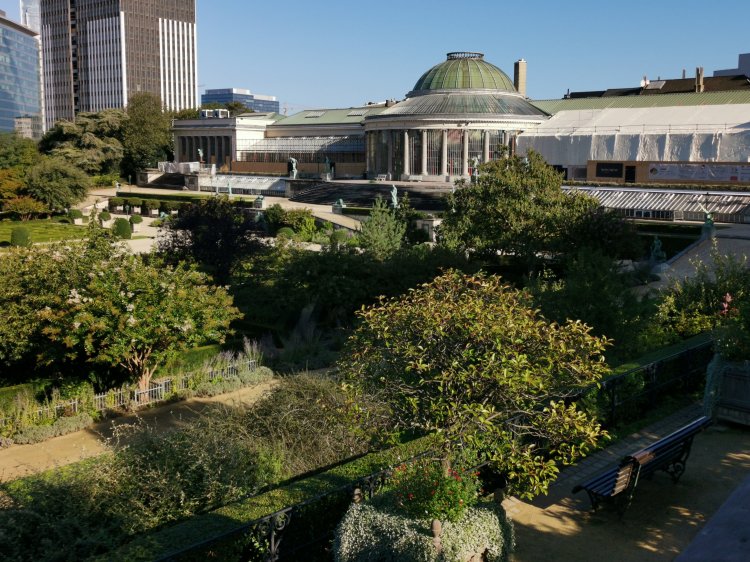


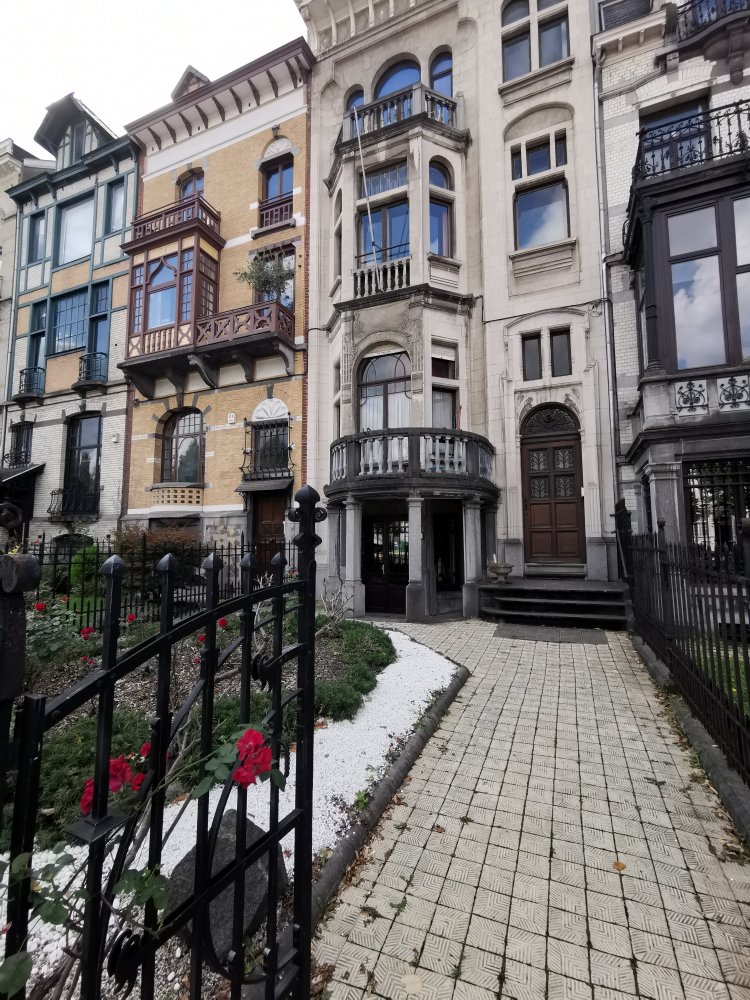


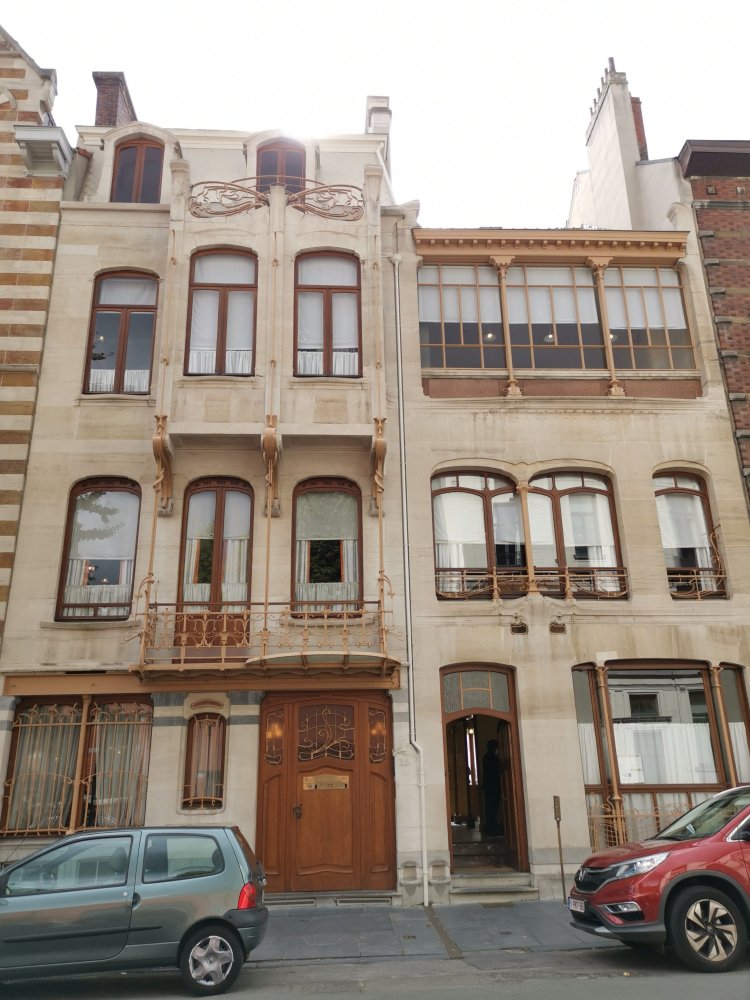


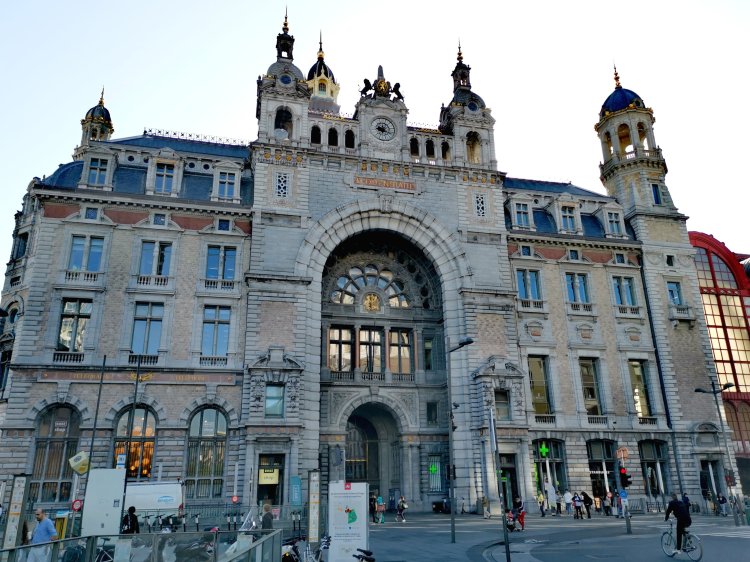

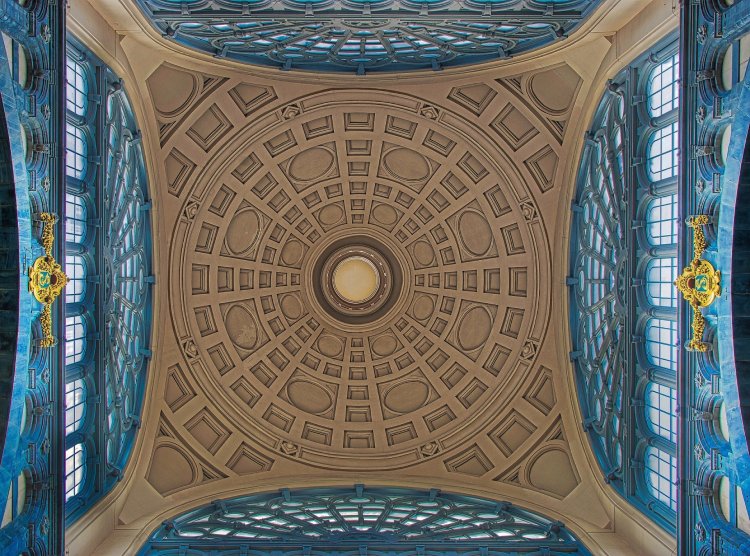


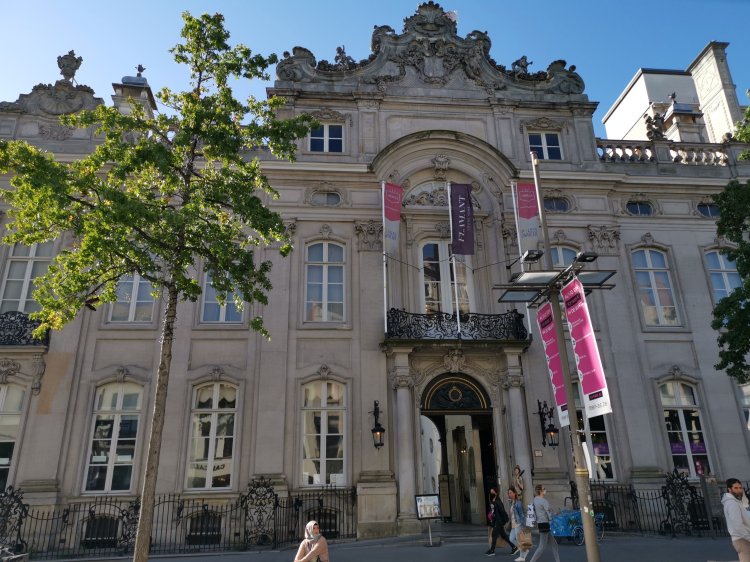
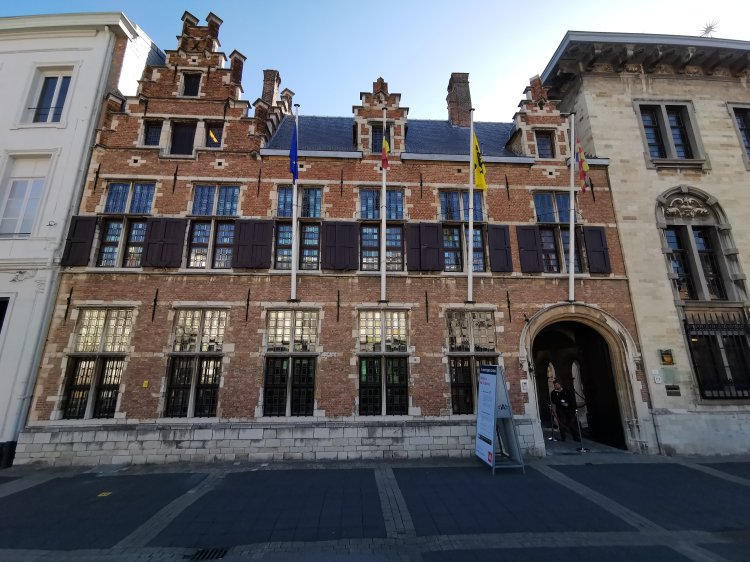
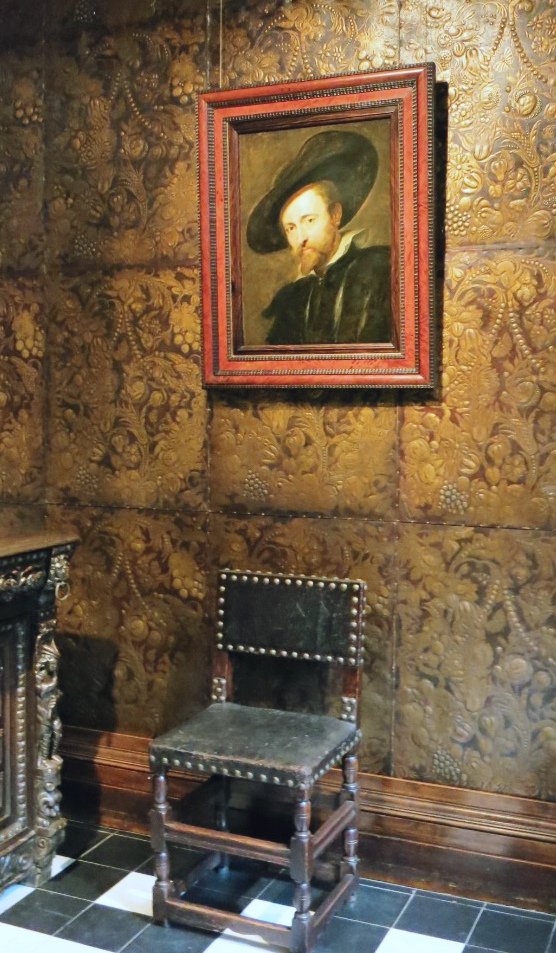
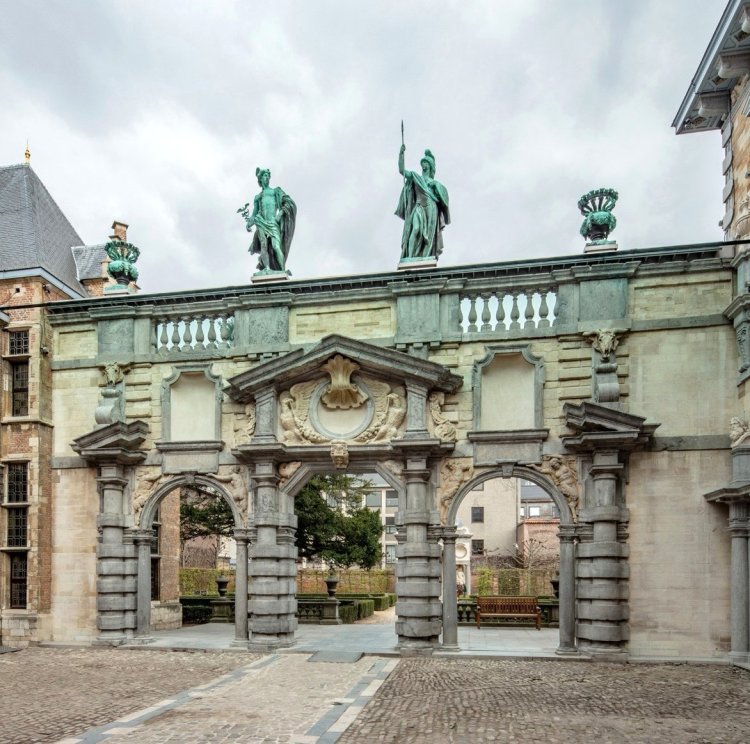


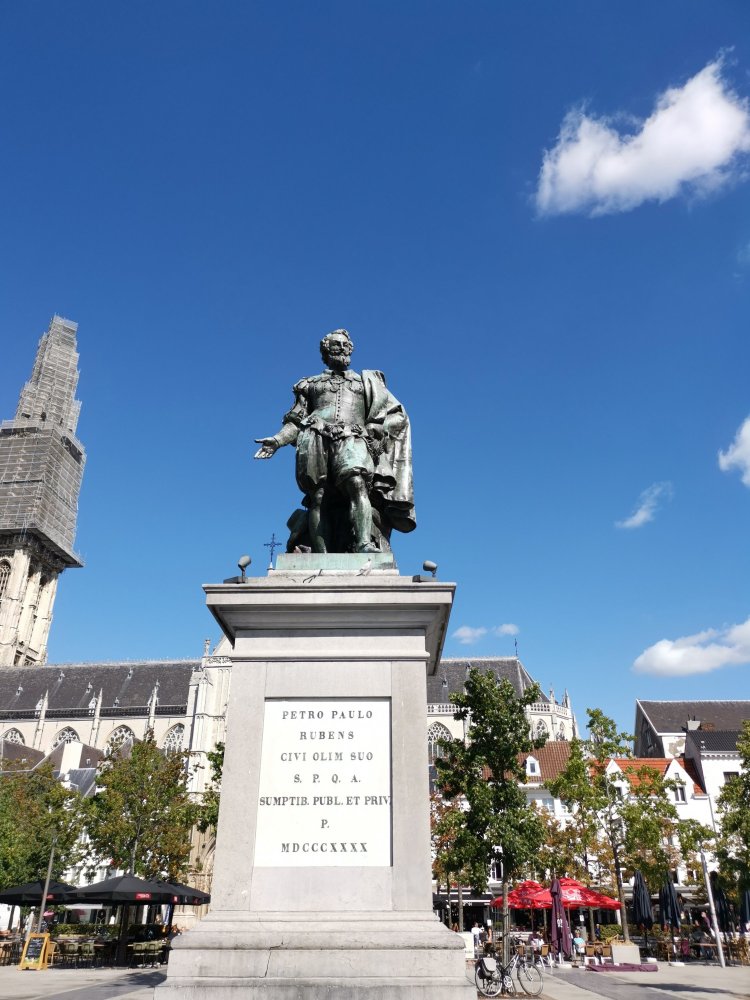


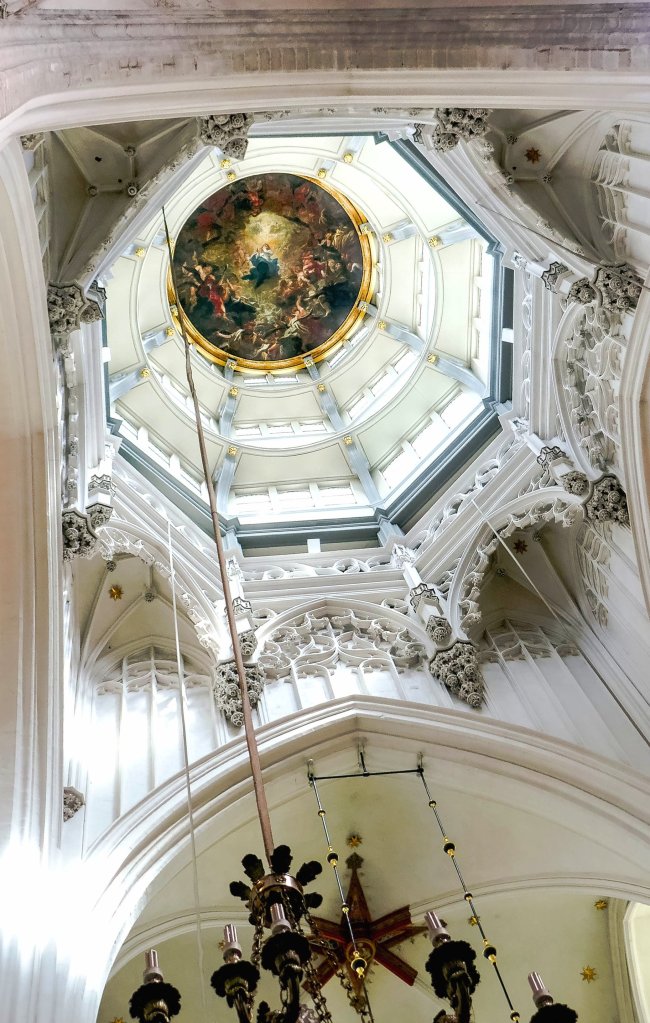


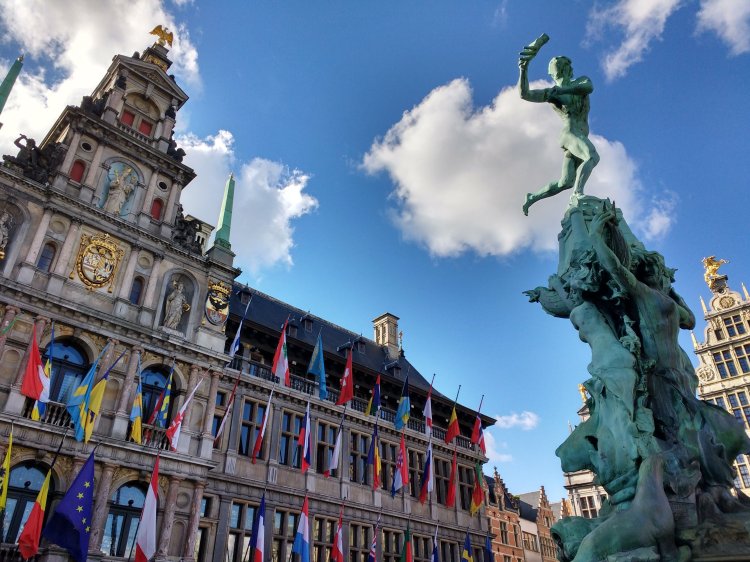

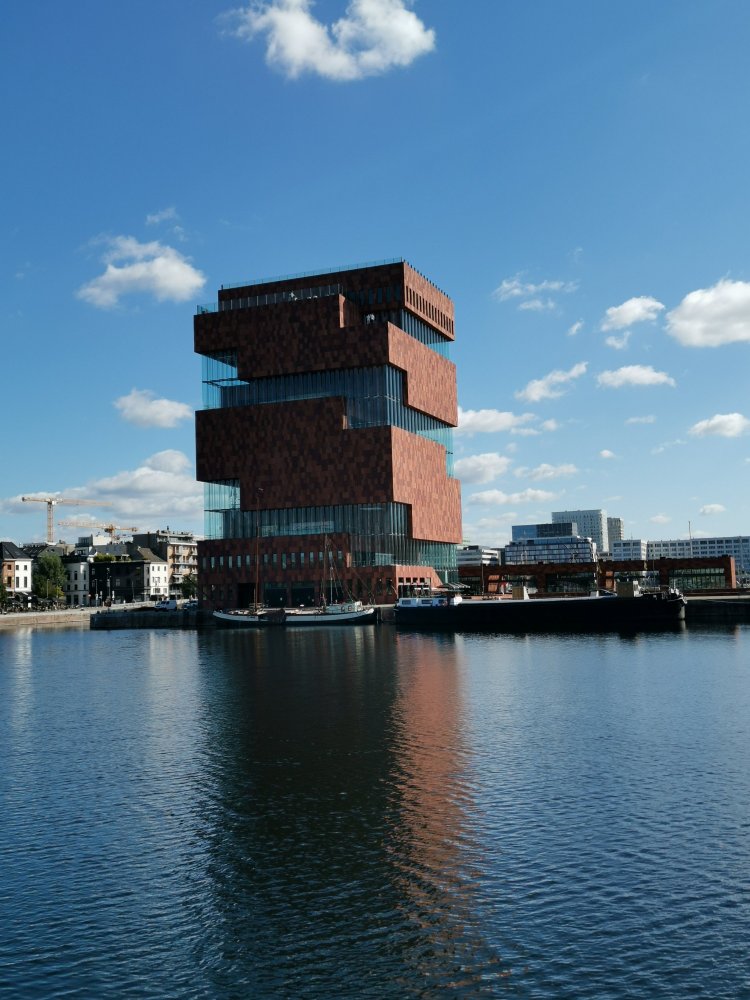
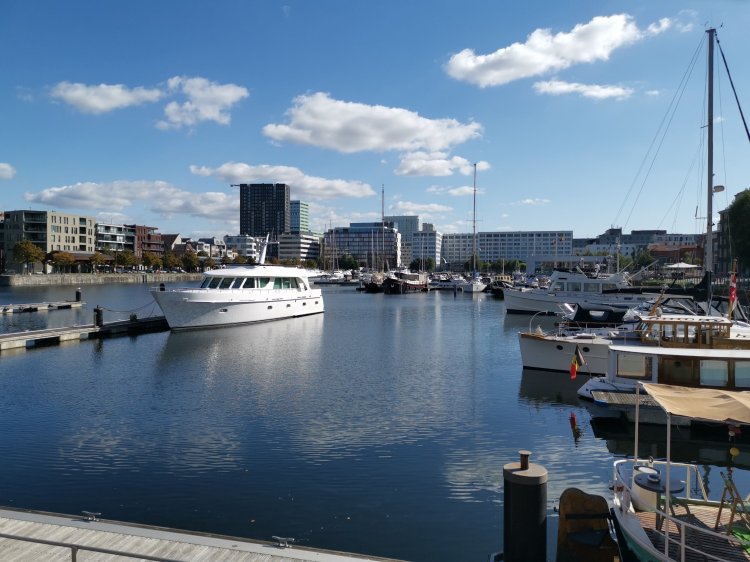


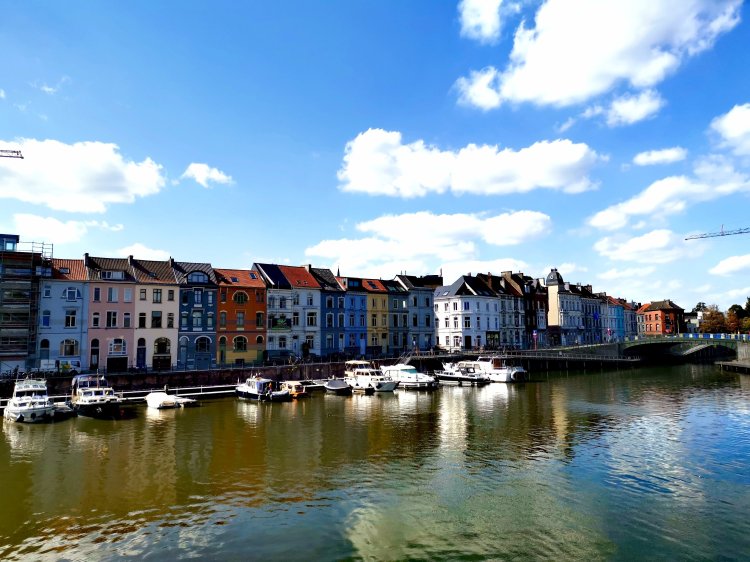


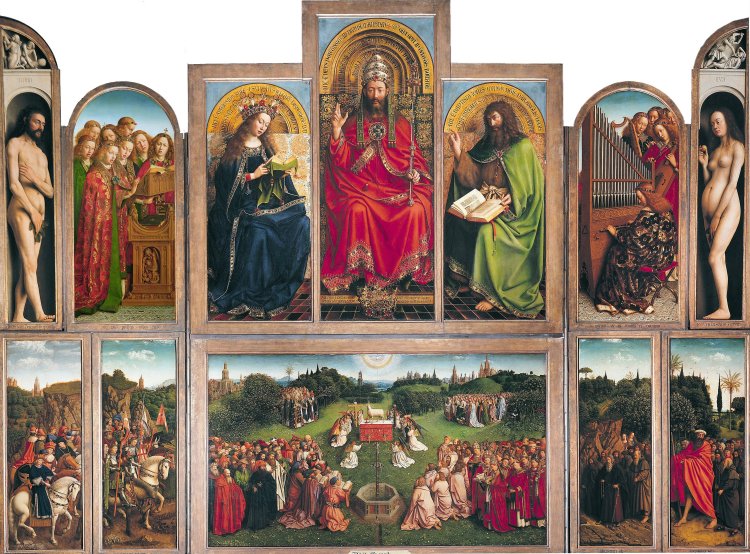


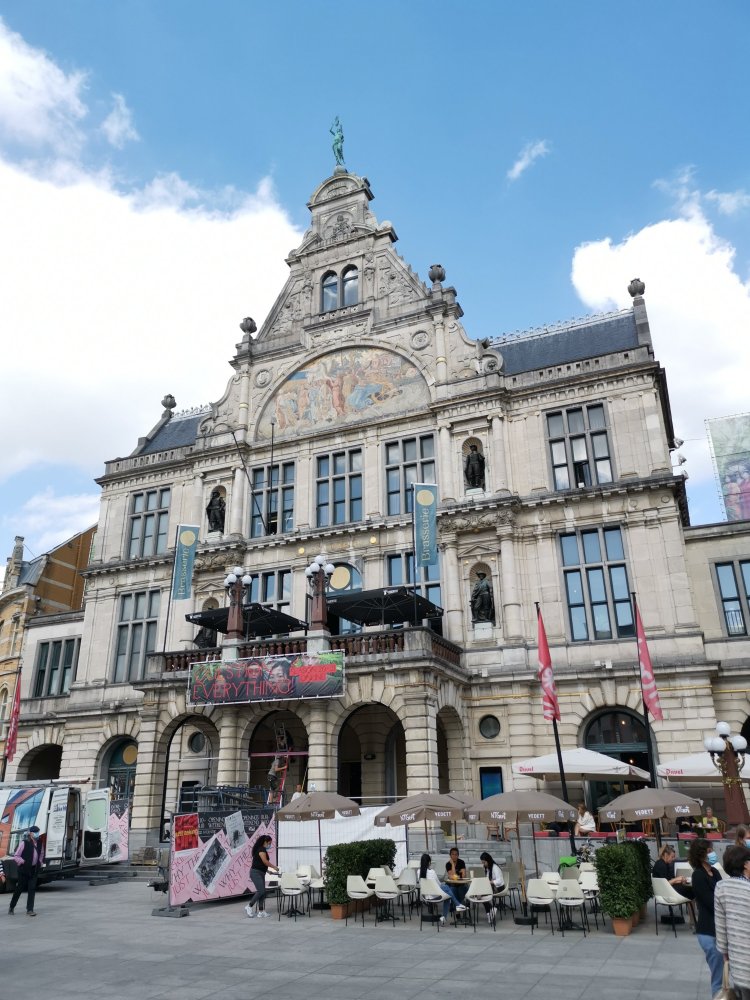


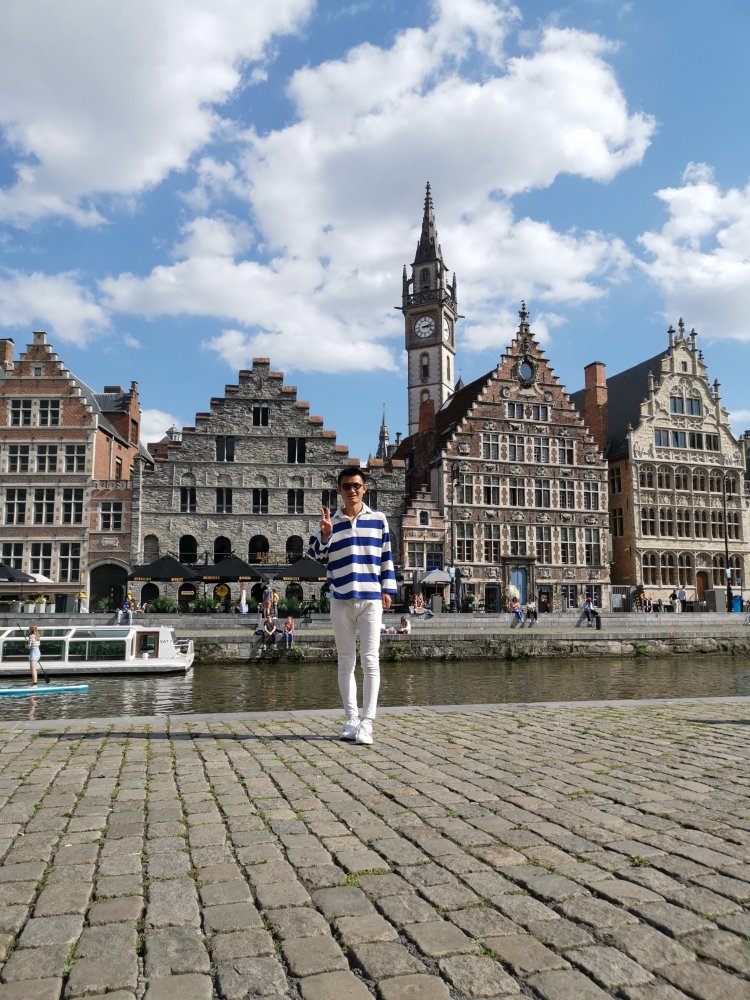


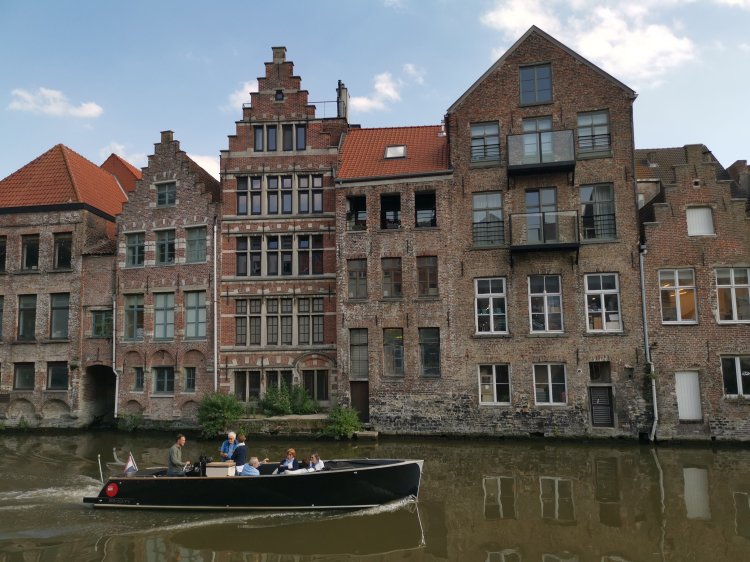
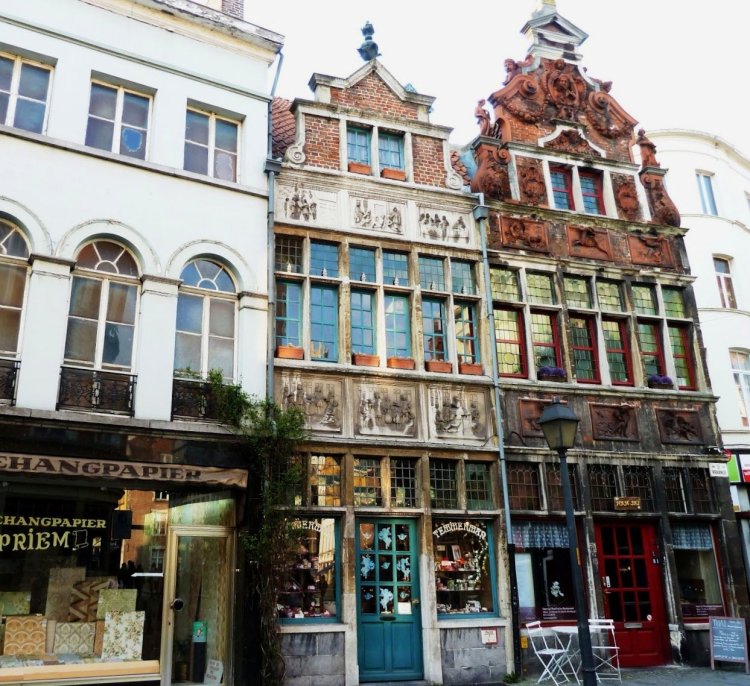
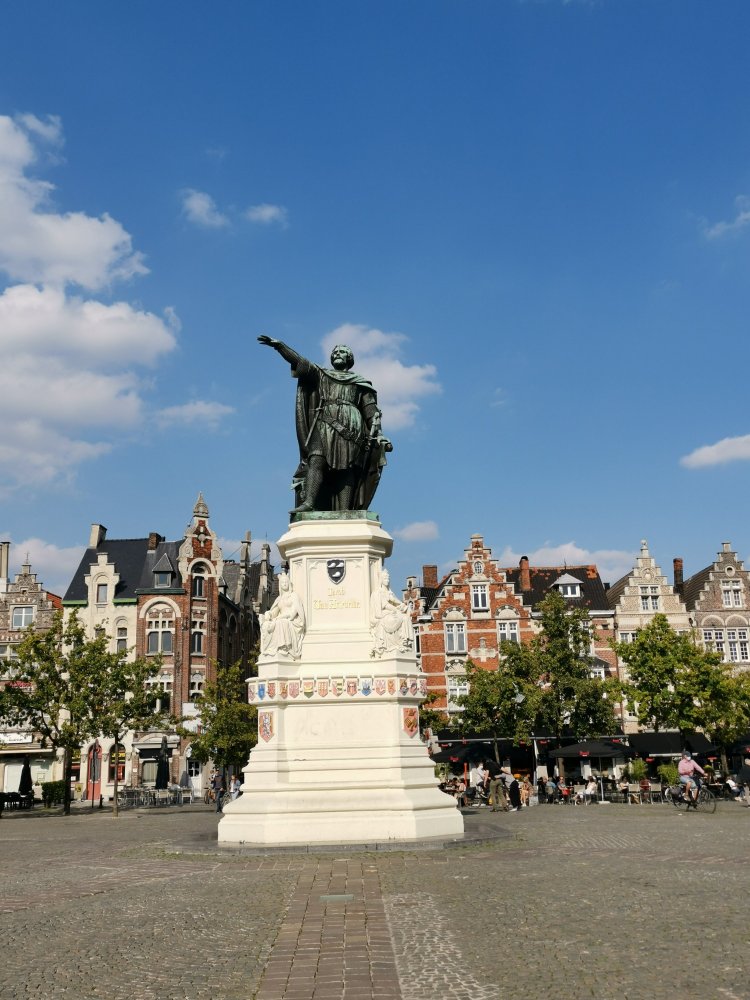
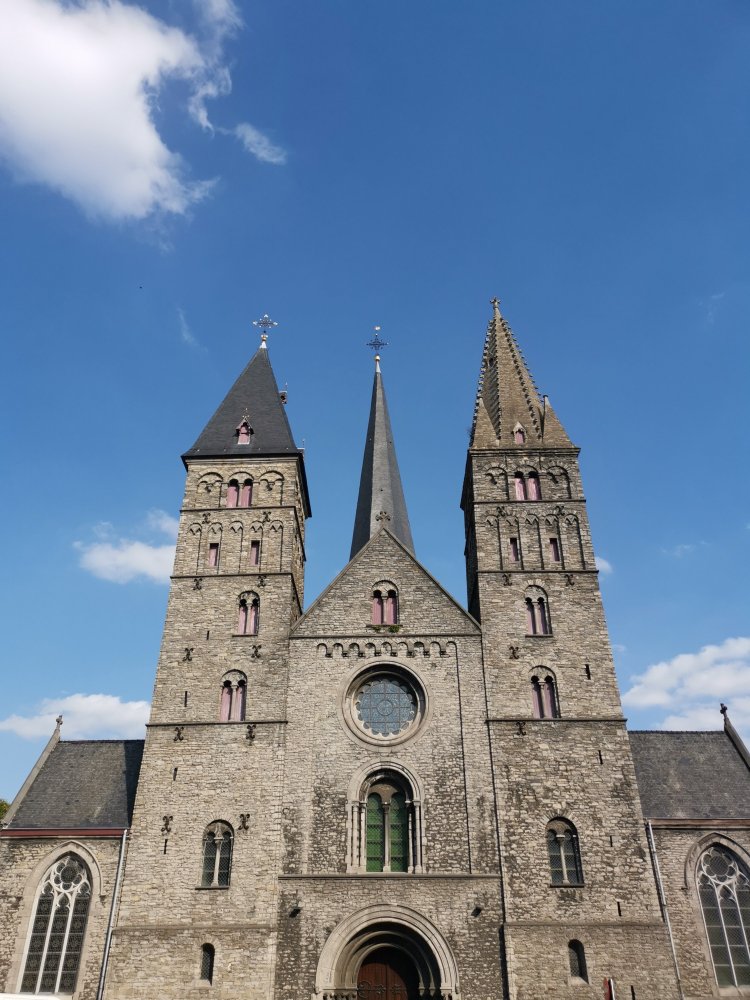
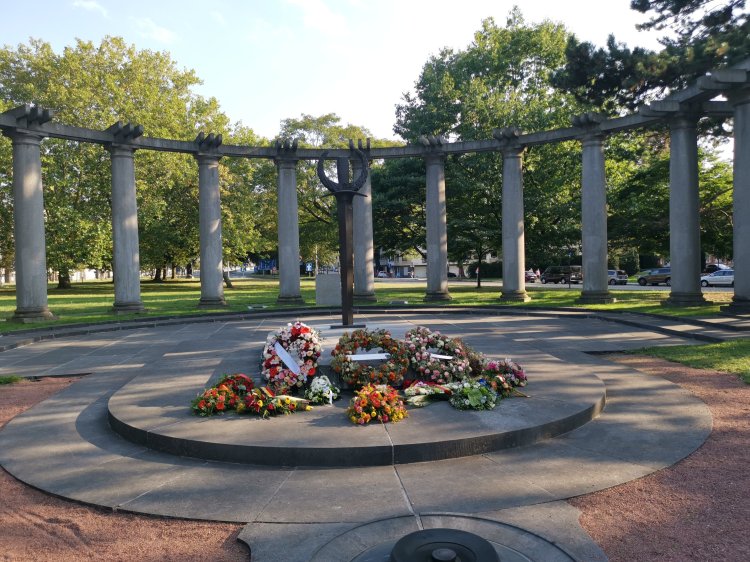
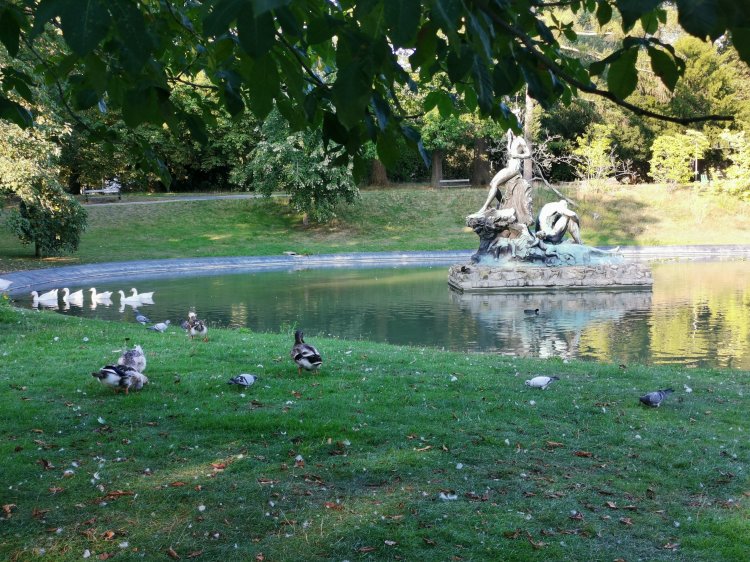

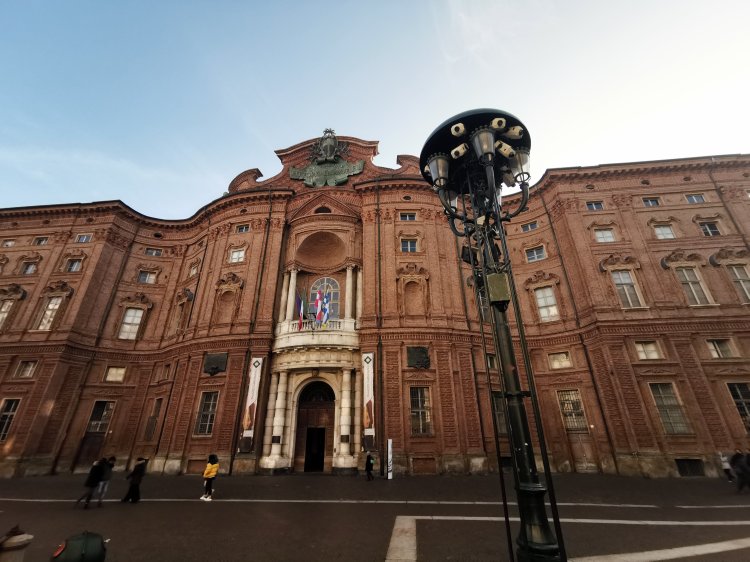


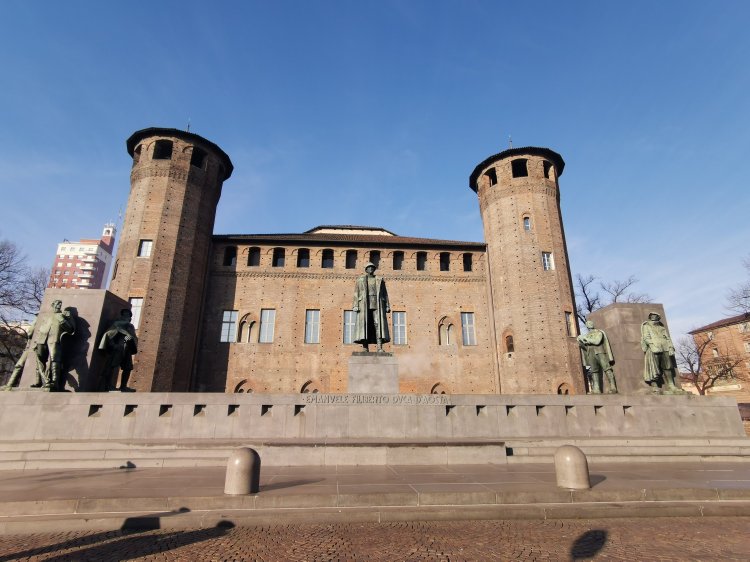


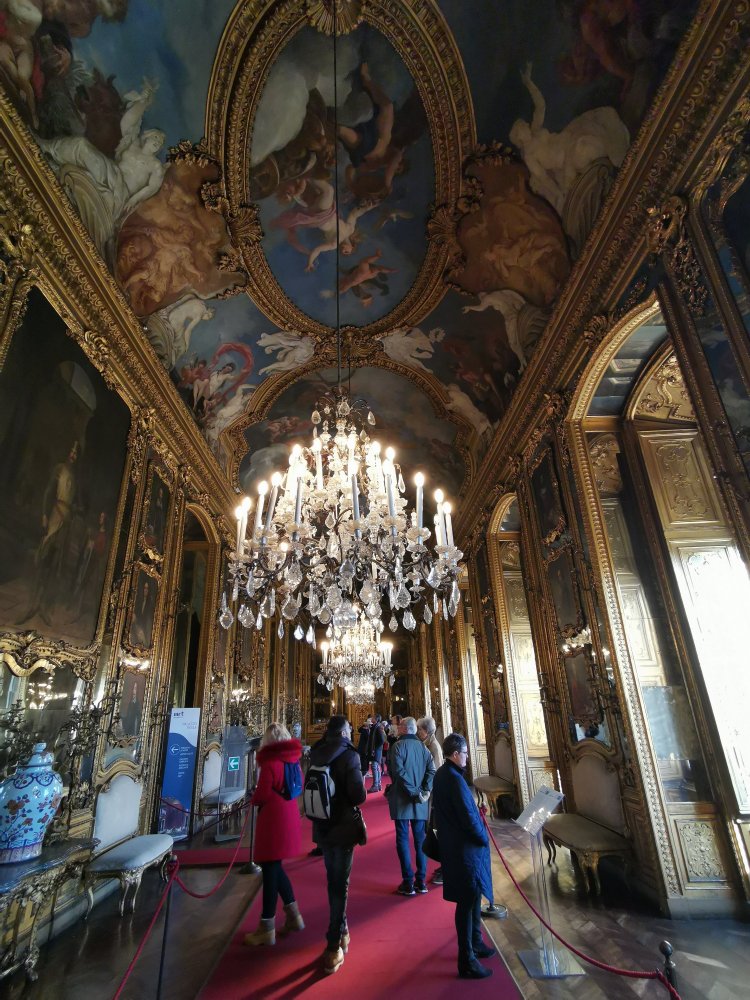


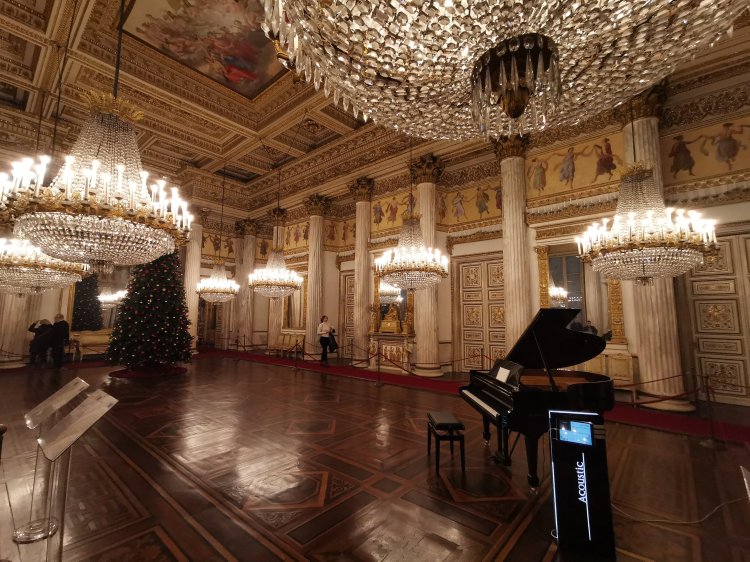
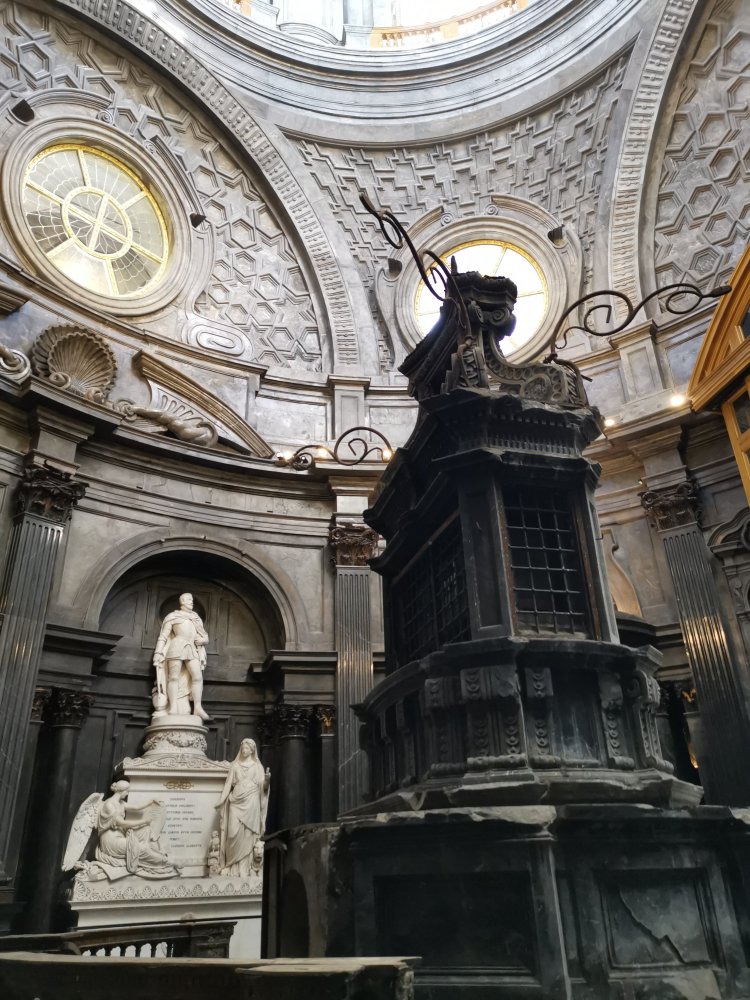
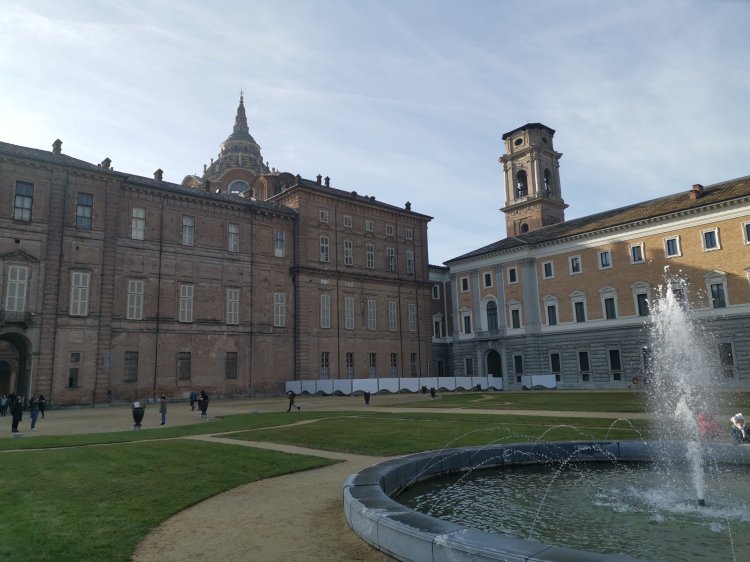


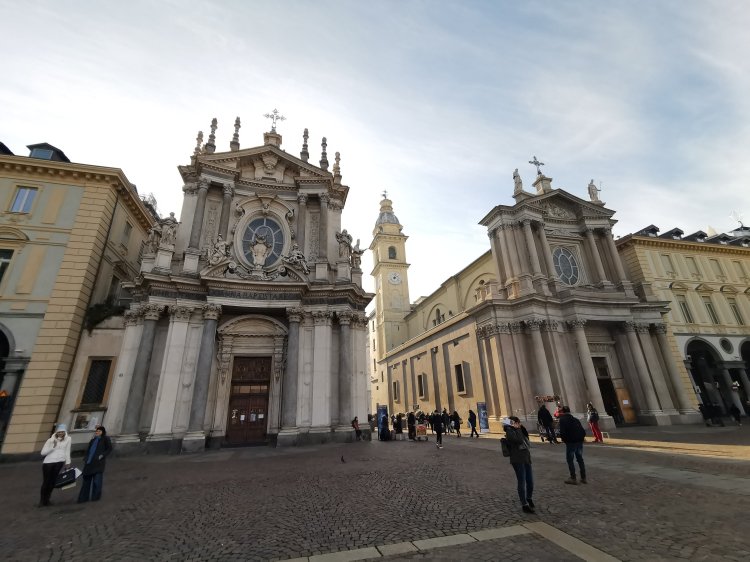


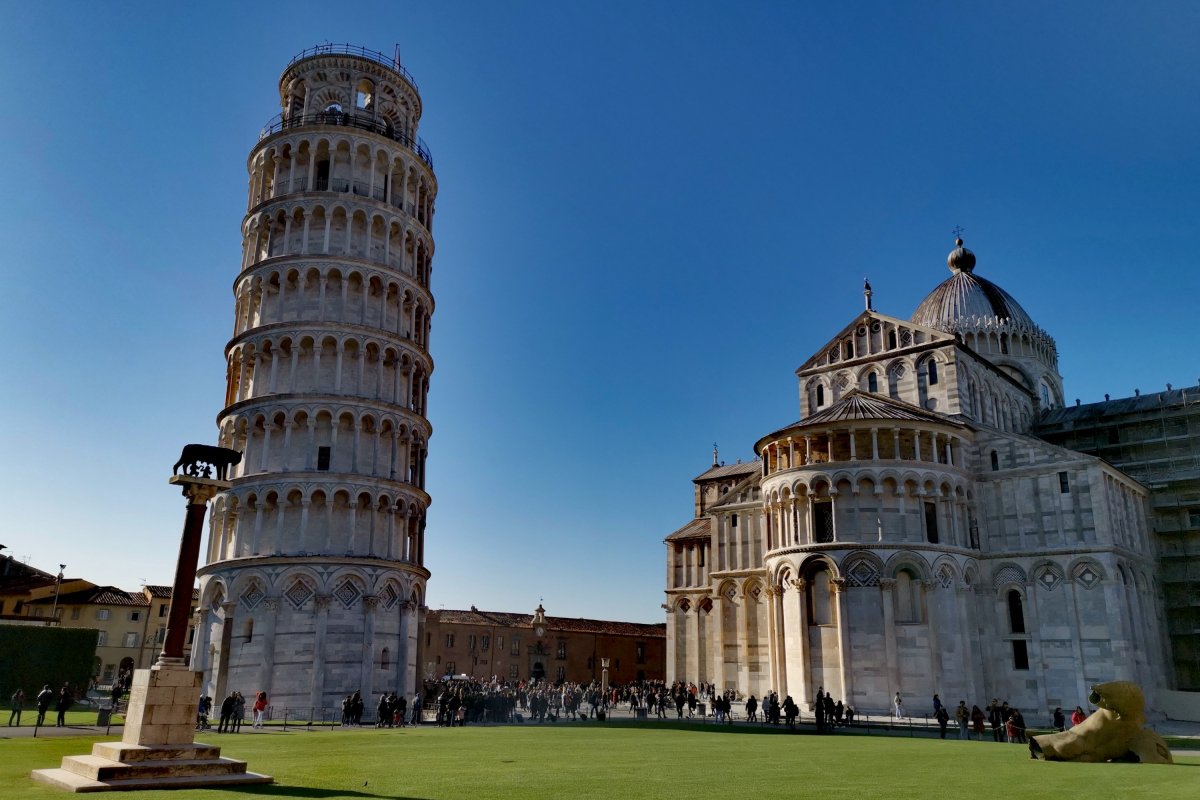


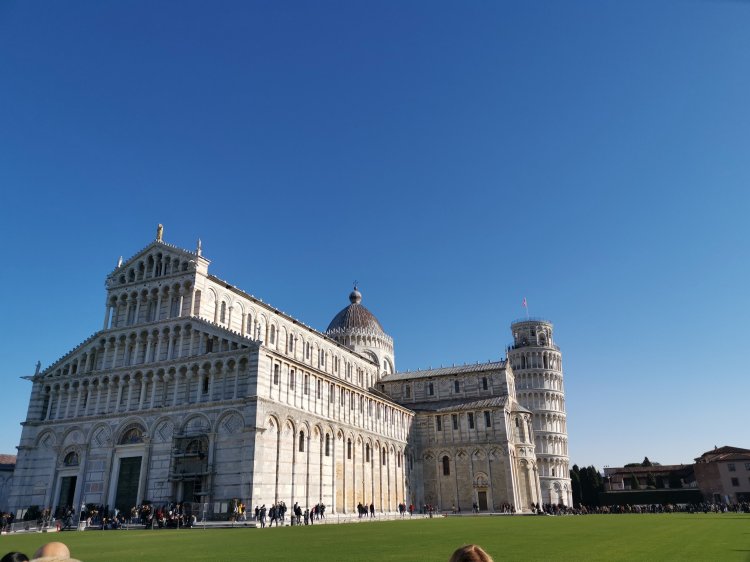


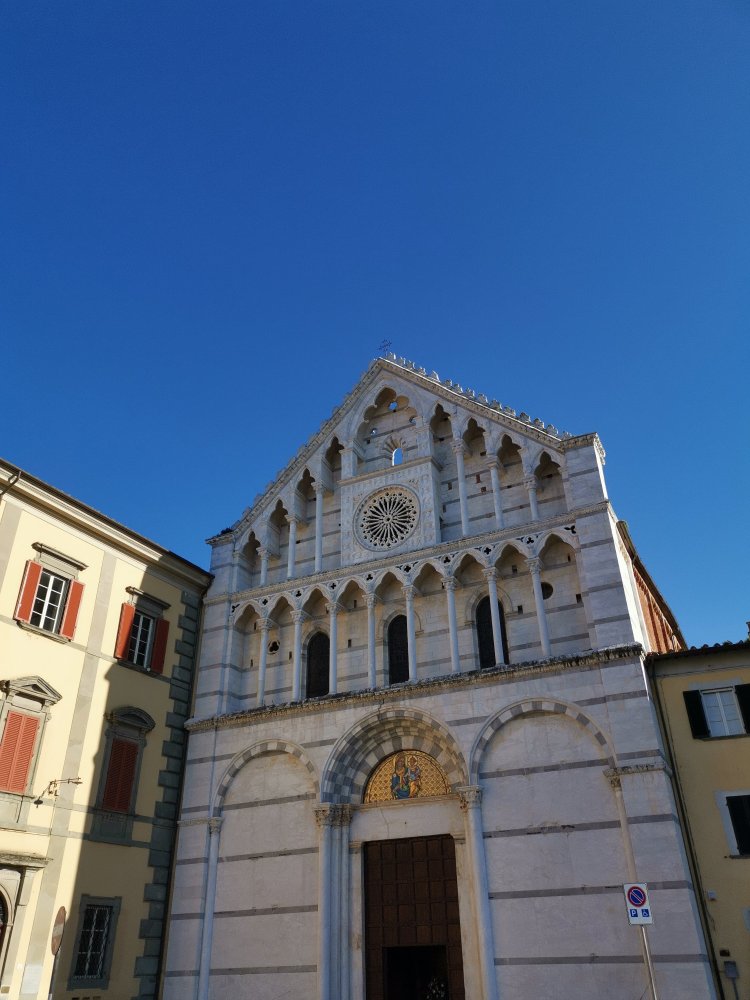
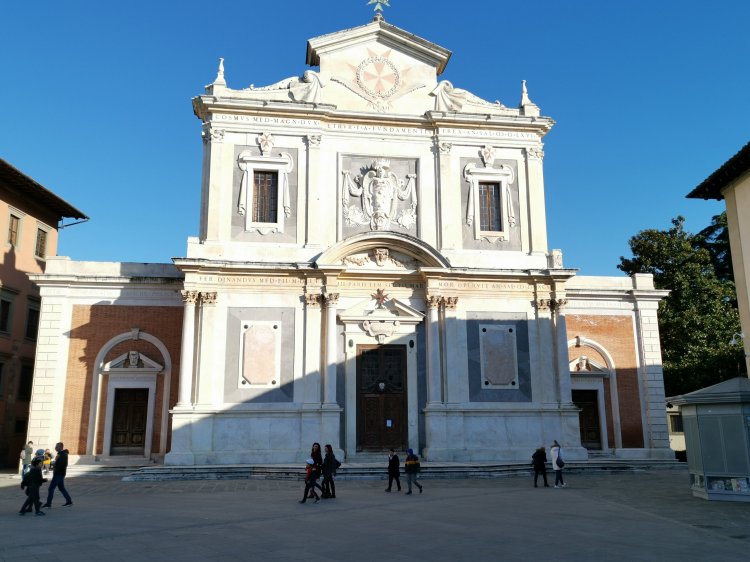

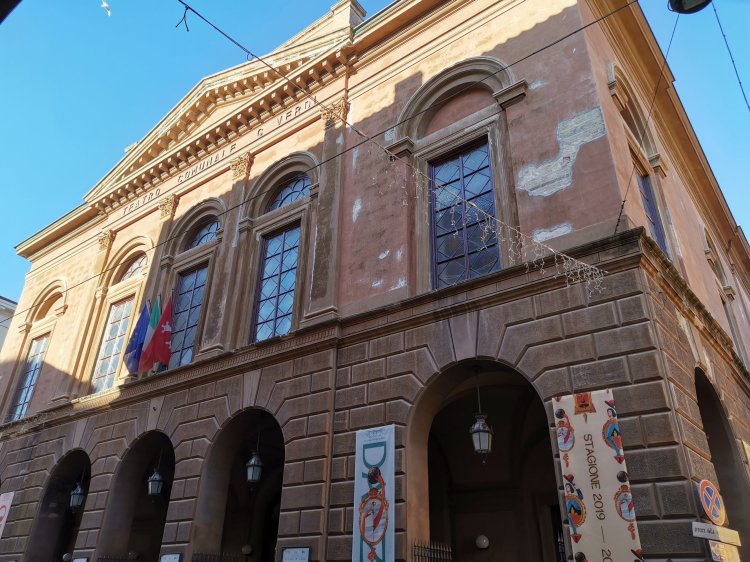
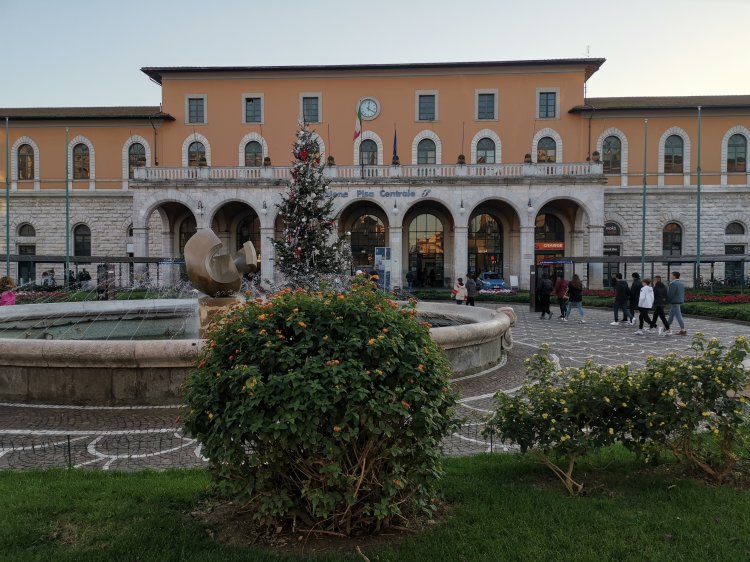

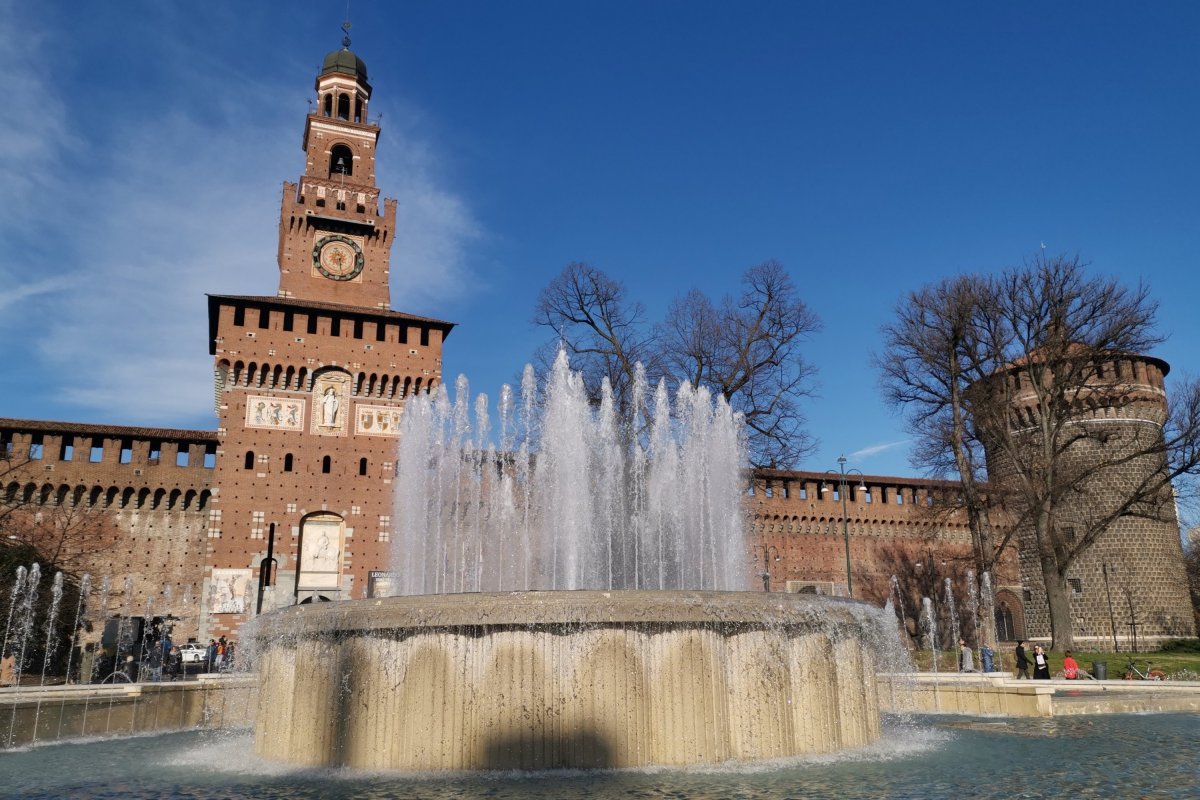








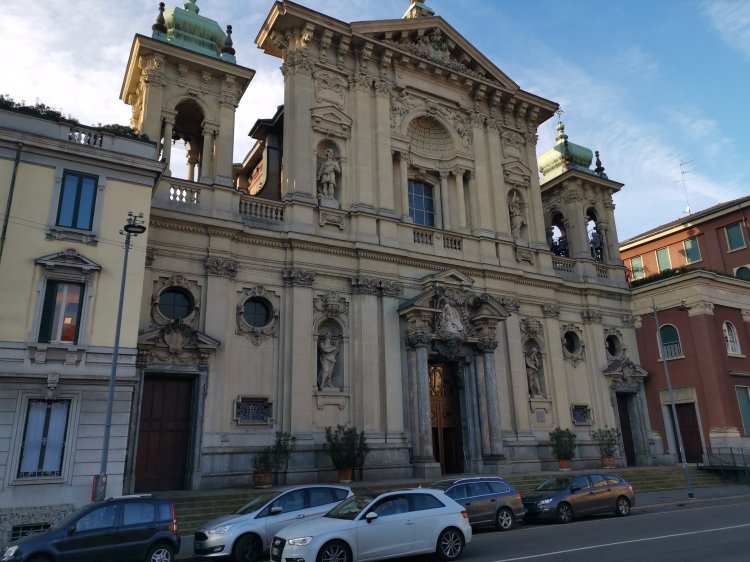
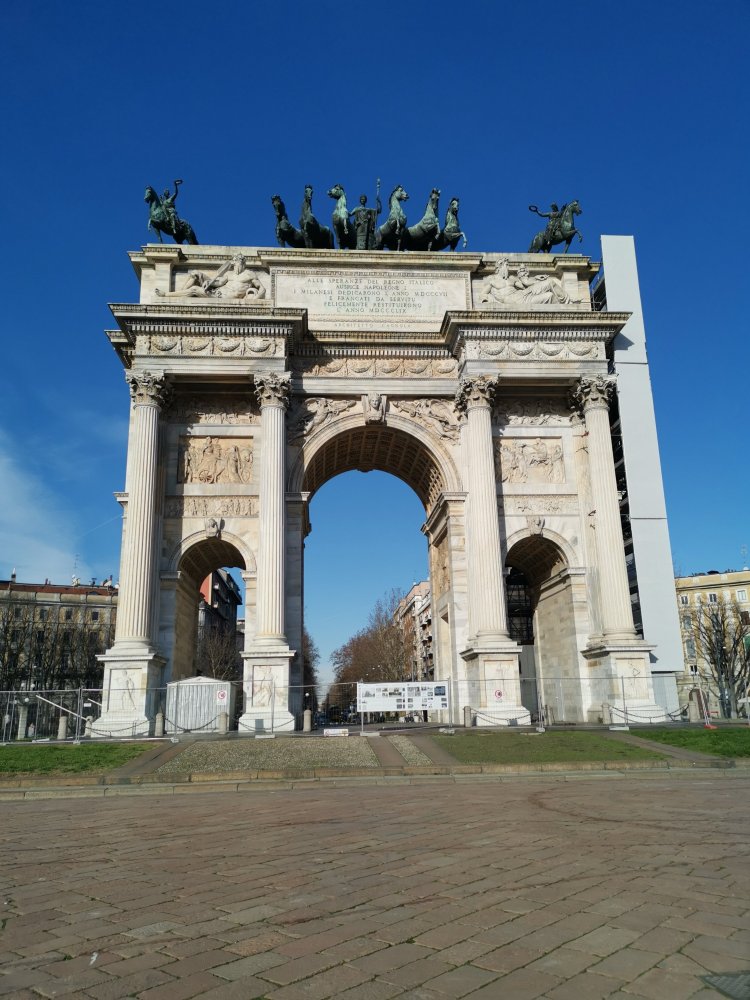


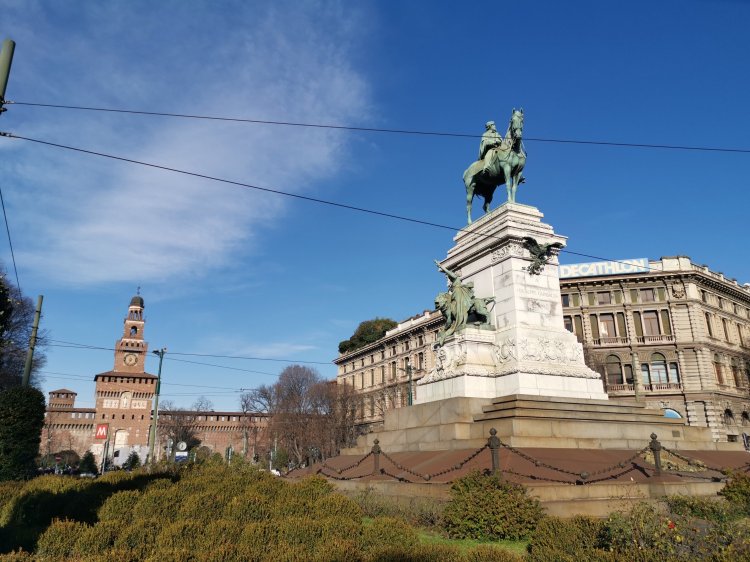
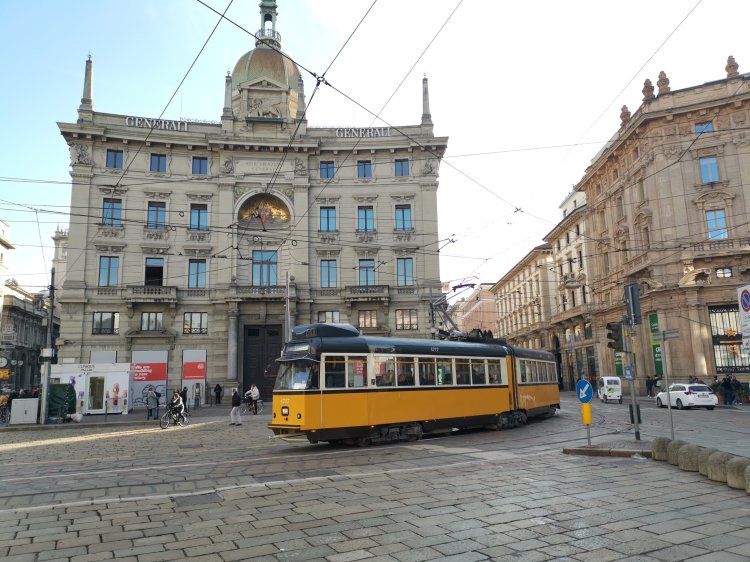
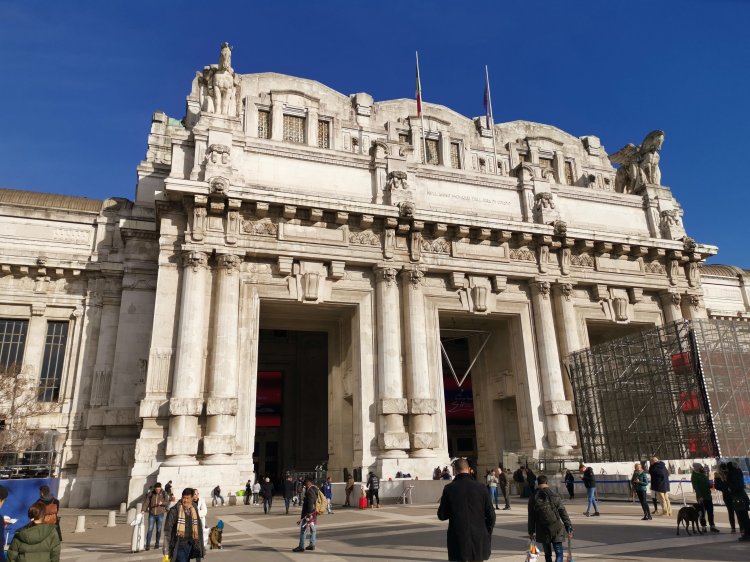


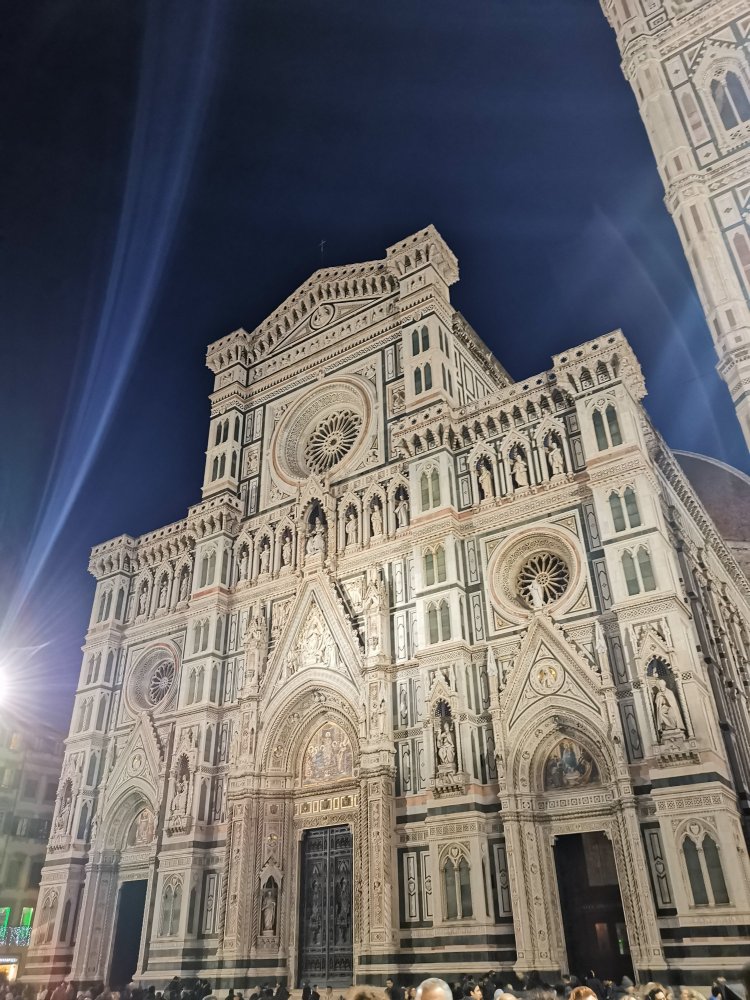

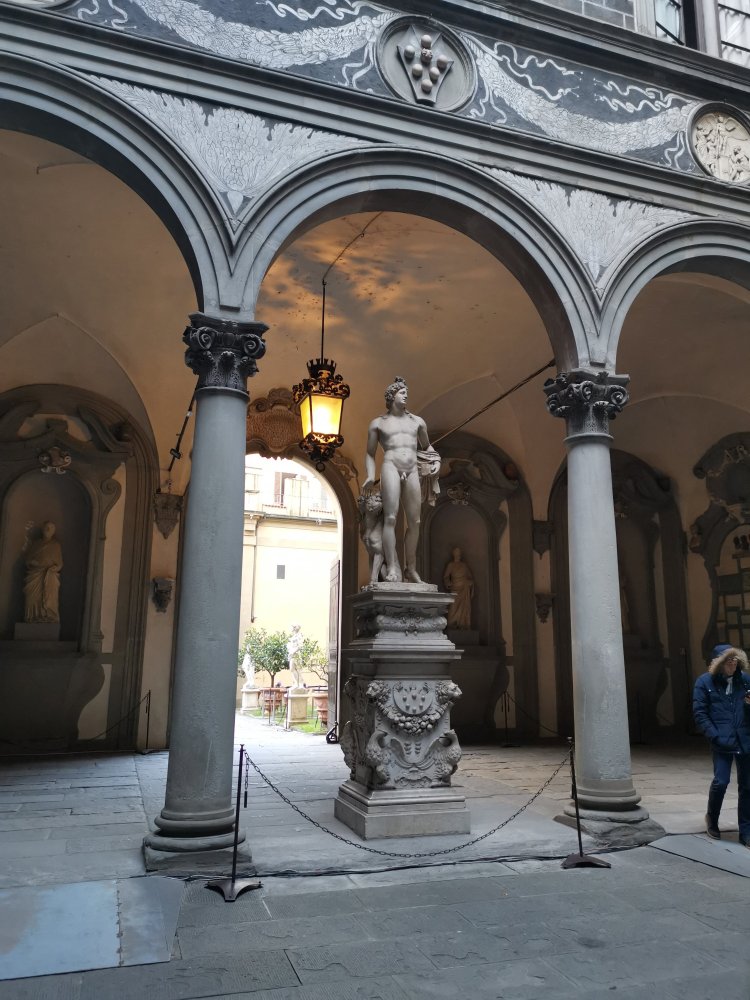
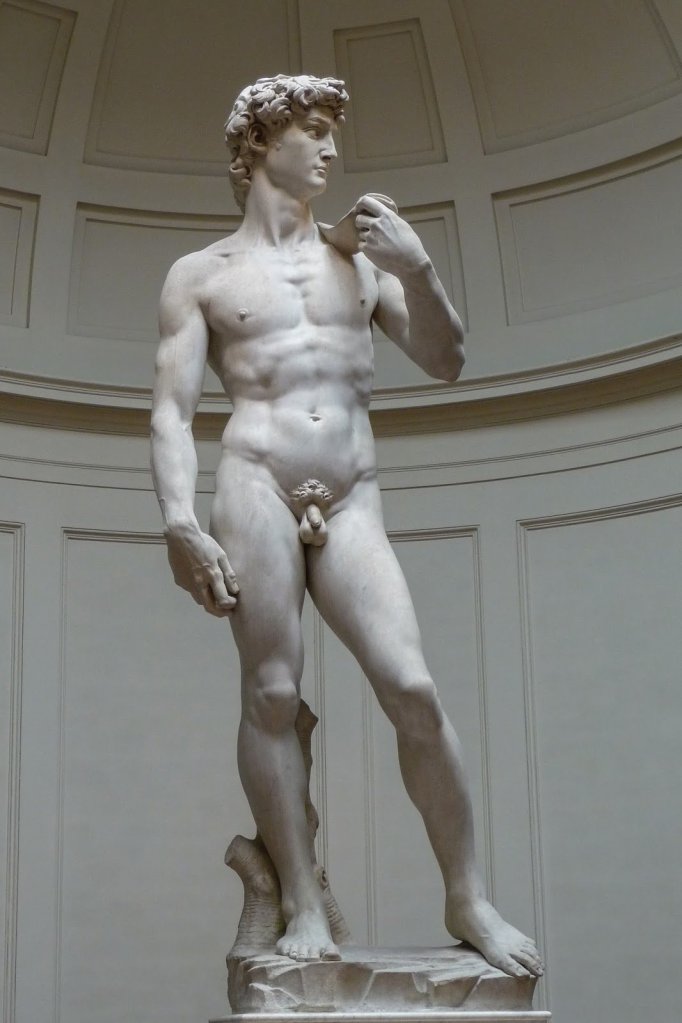


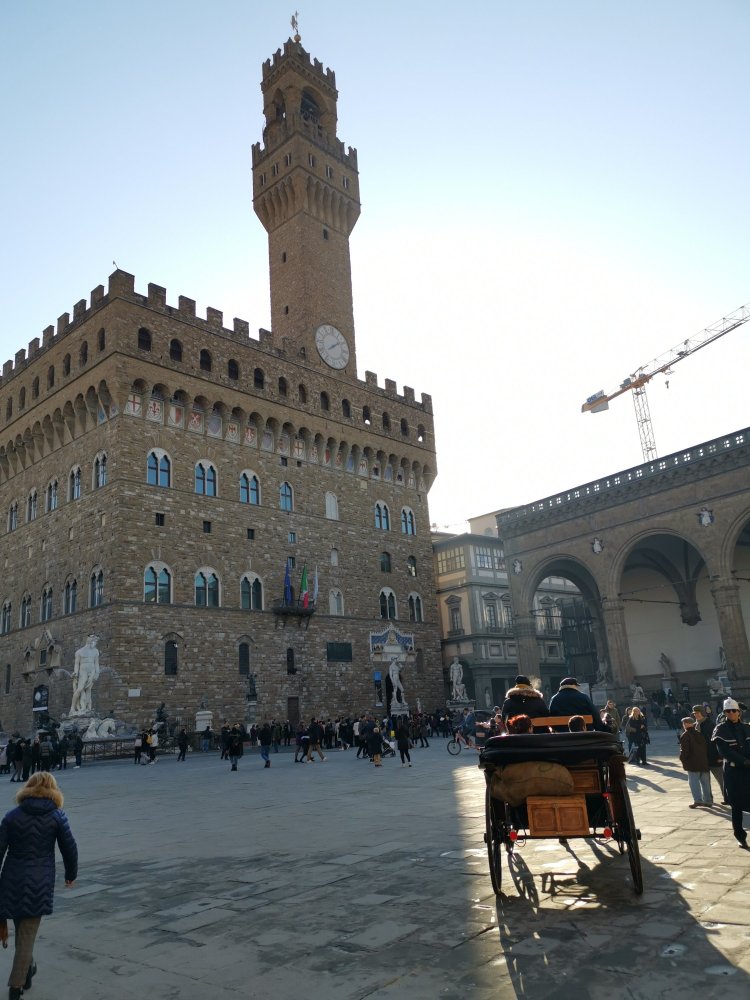
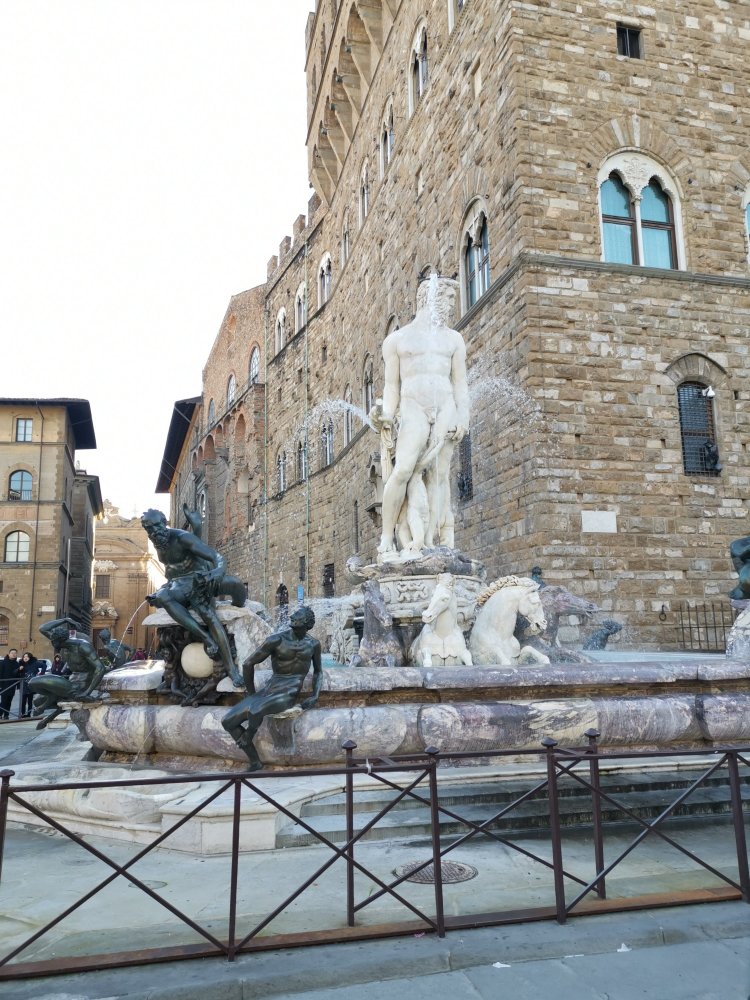
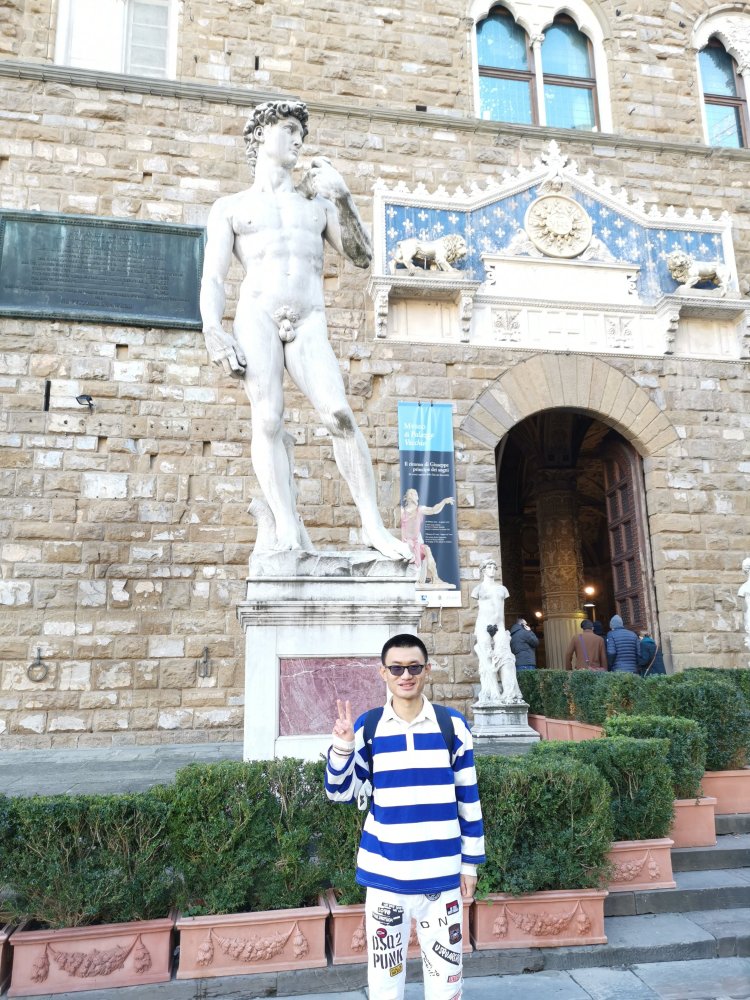
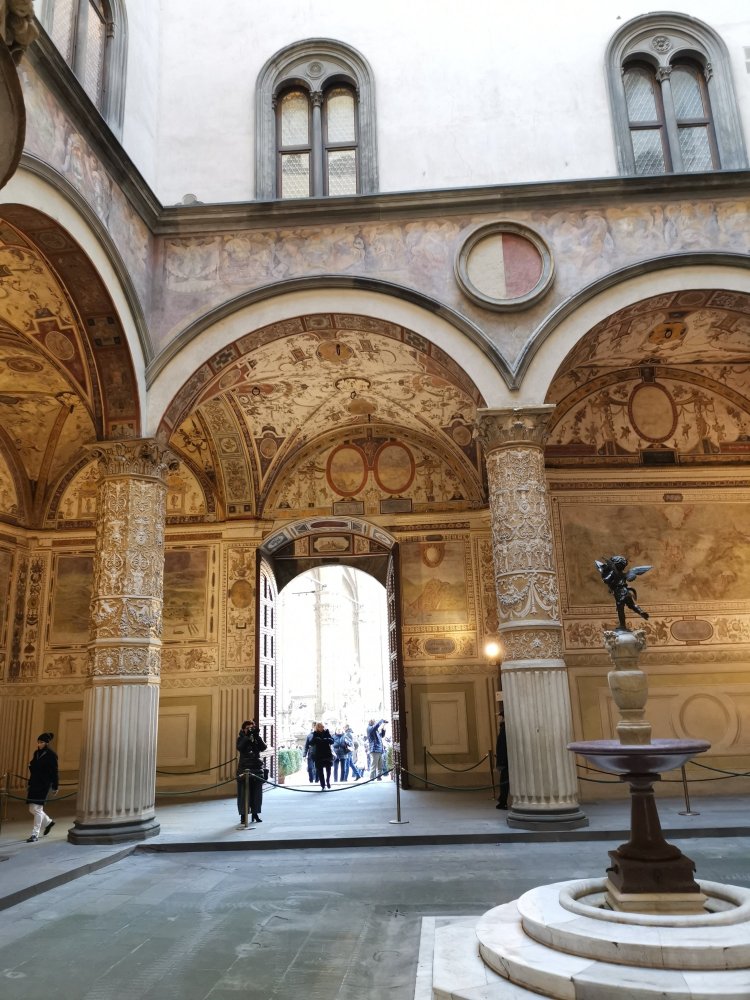
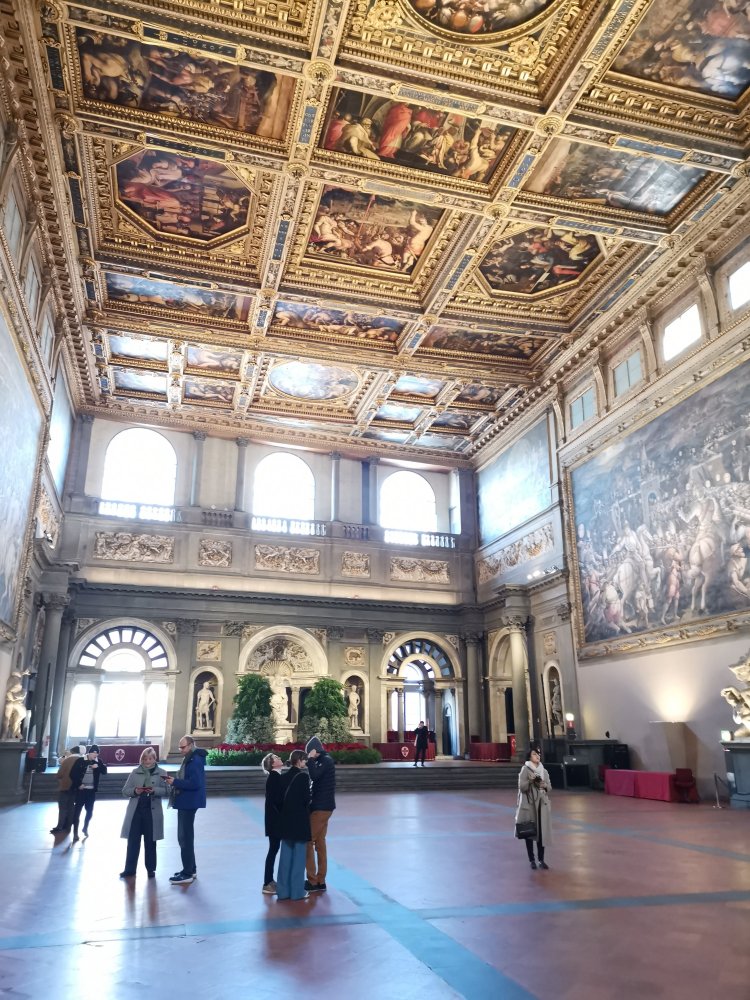
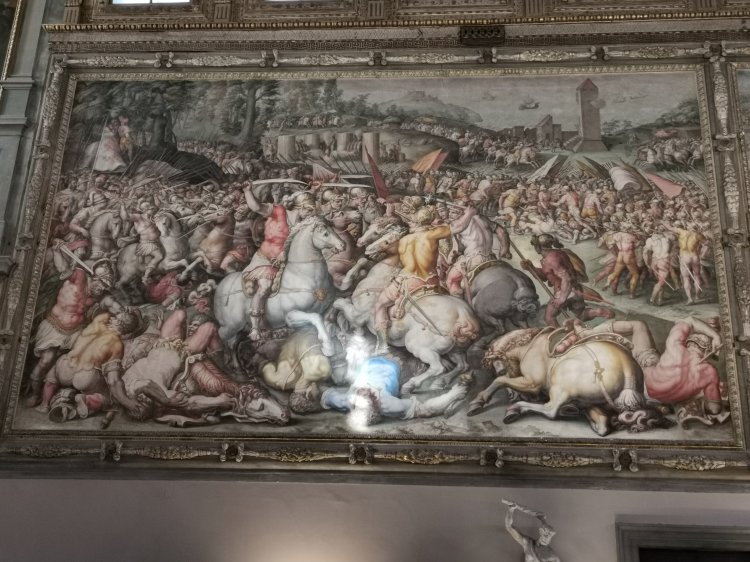


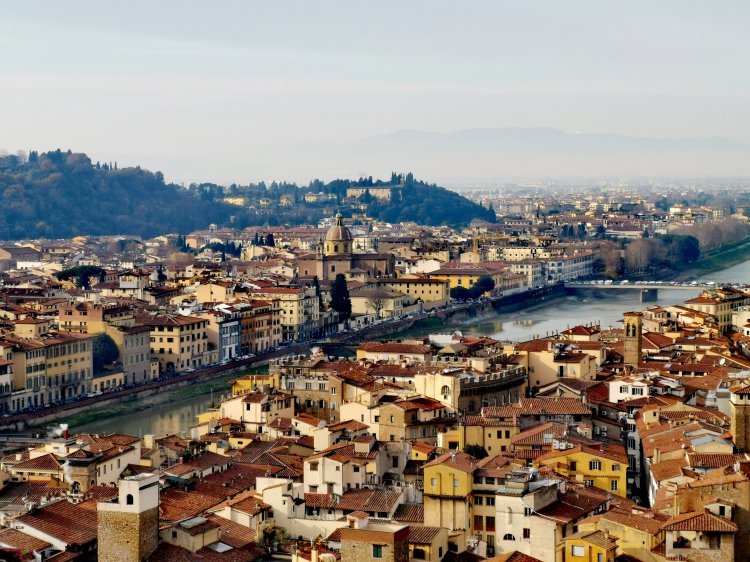
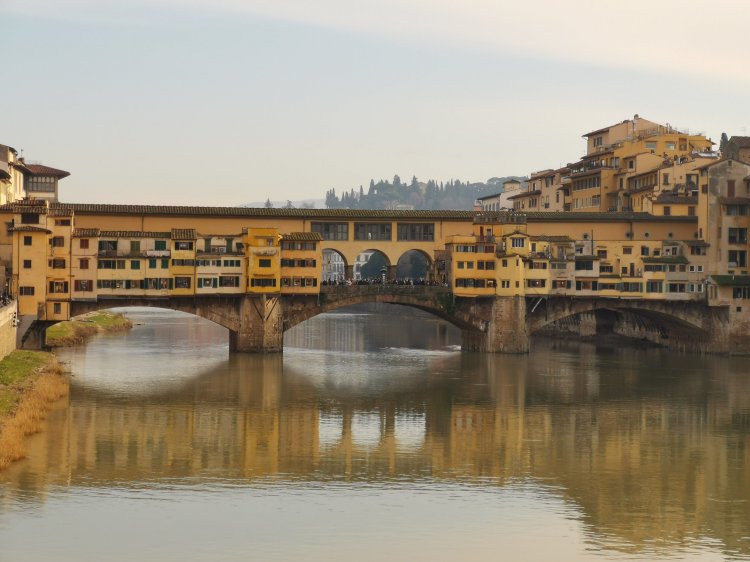
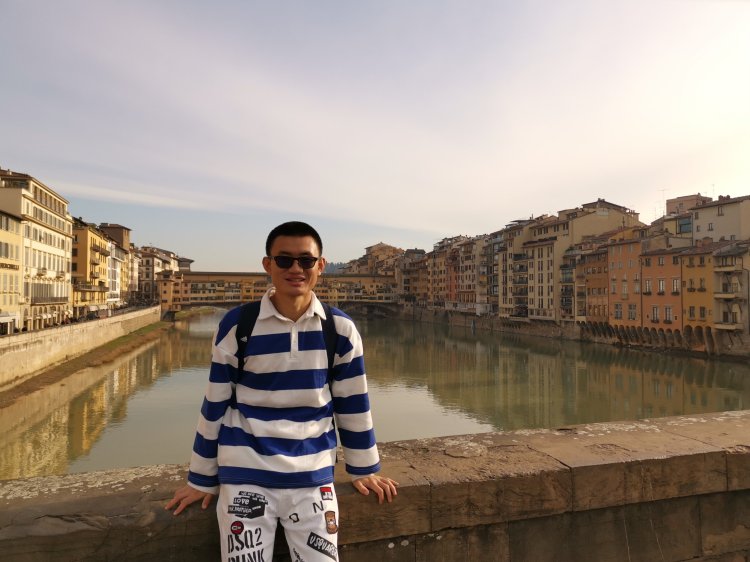

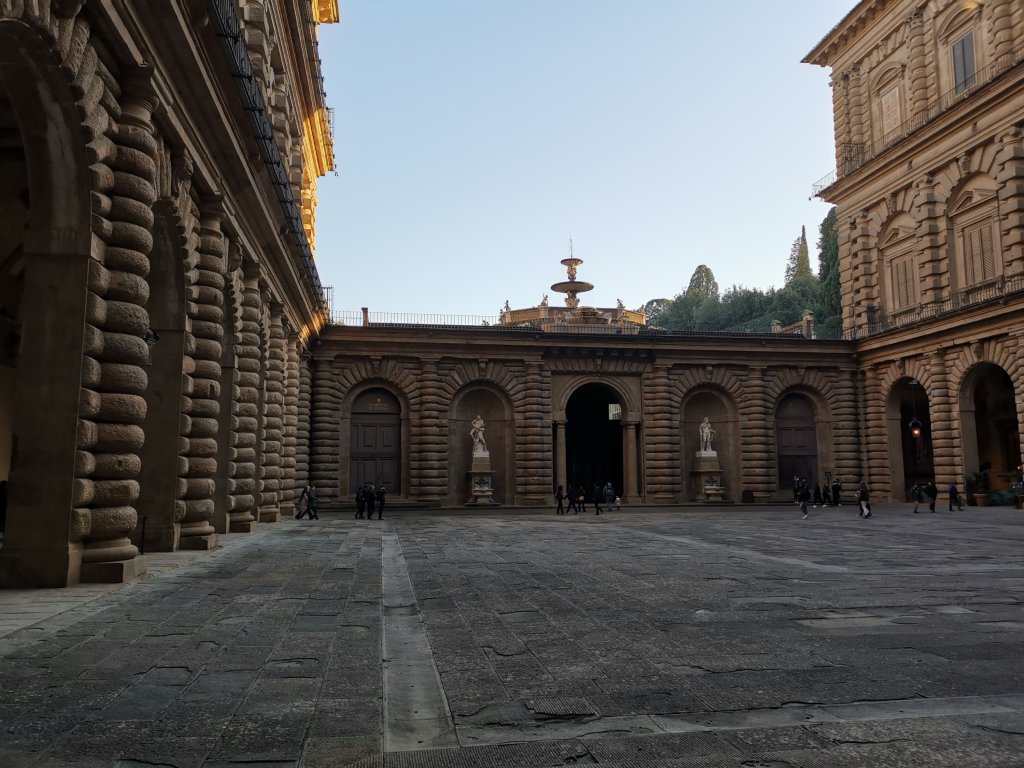
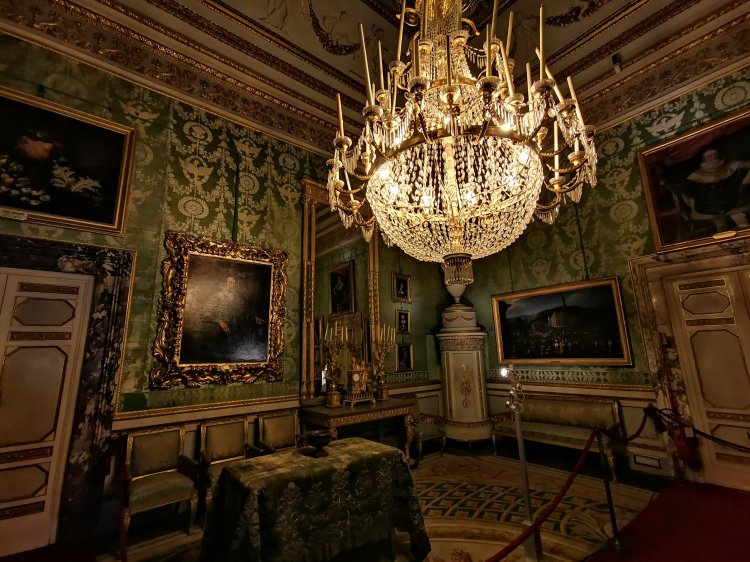


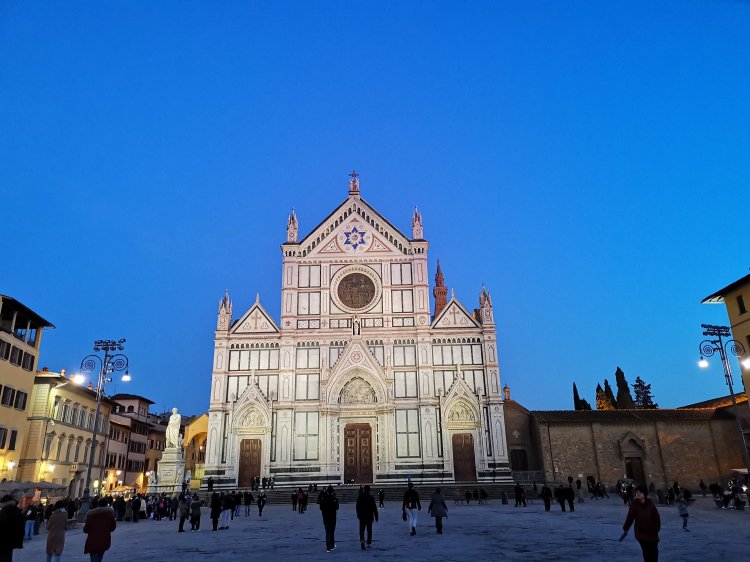
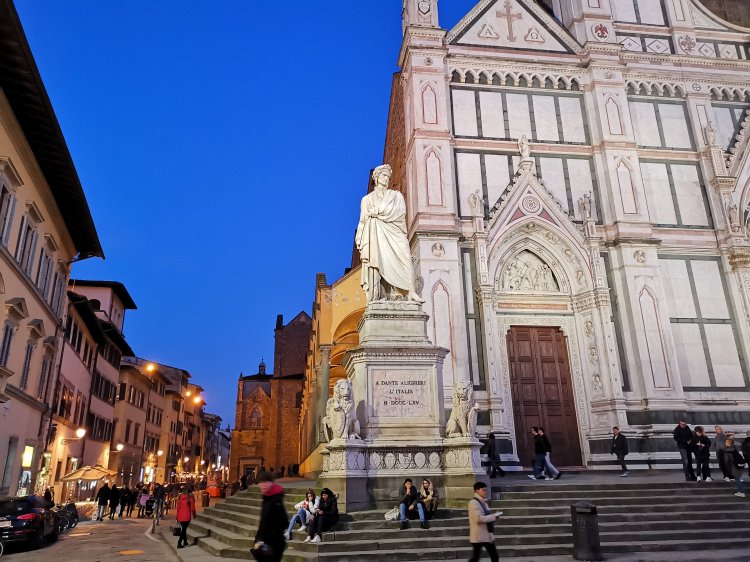


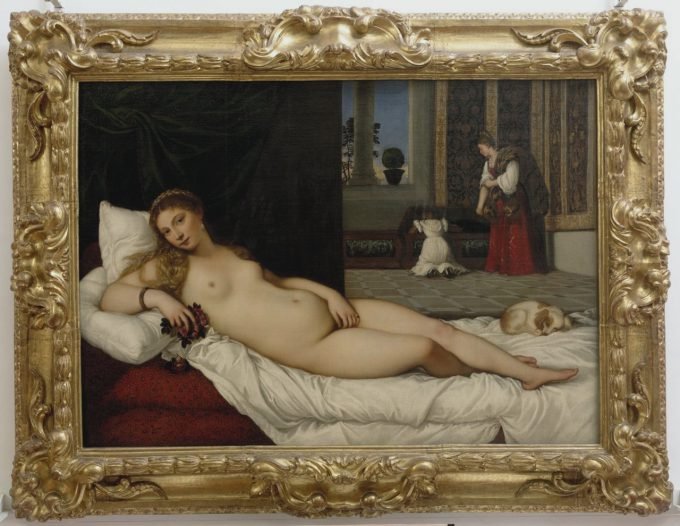


 Gone like the wind