Jade Dragon Snow Mountain or called Yulong is a breathtaking mountain located just north of Lijiang in Yunnan Province. Towering at 5,596 meters, it’s the southernmost snow-capped mountain in the Northern Hemisphere and a sacred peak in Naxi culture, often associated with the guardian deity Sanduo. The mountain is named for its resemblance to a jade dragon lying gracefully among the clouds.
In the sunny morning of June, standing on the charming cobblestone streets of Baisha Old Town, I could observe the majestic Jade Dragon Snow Mountain rising dramatically into the clouds. Beyond the tiled rooftops and faded murals of this ancient Naxi village, the sacred snow mountain showed its snow-covered peaks glowing in the sunlight. The journey from Lijiang to the mountain usually takes about 1.5 hours by bus, winding through scenic countryside and small villages. As I left the city behind, the snow-capped peaks began to dominate the horizon gradually.
As I arrived at the entrance of scenic spot and gazed upwards, the mountain emerged like a silent colossus, its jagged, snow-dusted peaks piercing through a veil of drifting mist. The clouds curled around the mountain’s flanks like flowing silk, revealing glimpses of gleaming ice and ancient rock. Sunlight filters through the clouds, casting a silvery glow on the snow-covered ridges. The contrast between the dark pine forests at the base and the glittering whiteness above is striking, heightening the sense that this is a place touched by the divine.
The snow mountain is not only known for its towering snow-capped peaks but also for its rich variety of scenic spots like Spruce Meadow, Blue Moon Valley, and Yak Meadow. Separate from the Glacier Park cable car towards the peak, the cable car at mid-level altitude leads visitors to forested trails and open meadows, where they can stroll under tall evergreens with the snowy peaks in the distance.
Spruce Meadow, is a serene alpine pasture nestled on the eastern slope of Jade Dragon Snow Mountain, about 3,240 meters above sea level. Surrounded by towering spruce trees and backed by the majestic snow-capped peaks, it is often described as a “natural oxygen bar”.
Spruce is a type of coniferous evergreen tree that belongs to the genus Picea. These trees are commonly found in cool or mountainous regions of the Northern Hemisphere. The tall and straight trees have sharp, four-sided needles that grow individually from the branches and keep their green needles year-round, making them a symbol of endurance and vitality.
This peaceful meadow holds deep cultural significance for the local Naxi people, who believe it to be a sacred land—a place where lovers pledge eternal devotion and spirits find peace. The area is shrouded in mystery mist. A wooden boardwalk allows me to wander gently through the forest and meadow, soaking in the crisp mountain air.
As I wandered through Spruce Meadow, it’s not just the towering spruces and misty mountain backdrop that captured my heart. It’s the quiet presence of the animals that call this alpine pasture home. Grazing cattle and gentle lambs moved slowly across the open fields, their dark silhouettes a peaceful contrast against the soft green of the grass and the distant silver peaks. I was totally immersed in the beaty of nature and forgot the elapse of time.
Life moves at a slower and more peaceful rhythm—not just for visitors, but for the local cattle that roam freely through the open fields and forest edges. These animals, often a mix of local mountain breeds and Tibetan yak hybrids, are well adapted to the high-altitude environment and cooler climate. These animals live in harmony with the land, tended by local Naxi herders who have practiced traditional grazing here for generations.
At the foot of Jade Dragon Snow Mountain, Blue Moon Valley is a place of breathtaking, otherworldly beauty. Its scene mixed of mountain and water is similar to Jiu Zhaigou. With its turquoise-blue glacial waters, terraced limestone pools, and surrounding forests, the valley looks like a scene lifted from a fairy tale—or a moonlit dream, which is exactly how it got its name.
The pure color of the water comes from the mountain’s glacial runoff. Water tumbles down a series of natural white stone steps, forming gentle waterfalls and quiet lagoons. The cleanness of the water is due to its content rich in calcium carbonate, which gives the pools their signature jade and sapphire hues, really mesmerizing.
On clear days, the lagoon reflects the sky like a mirror, creating a glowing crescent shape that resembles a blue moon resting in the valley. Its surface is so still and clear that it reflects clearly the surrounding forests and cliffs like a painting, creating a perfect blend of sky, mountain, and water. I really enjoyed the gentle sound of cascading water. The natural environment made me relax.
The astonishing sapphire hue of the water really captured my breath. It was so vivid and felt almost unreal. The color glowed under the sunlight, a deep, crystalline blue that shifted and shimmered with every ripple. It’s not the ordinary blue of lakes or rivers, but a gem-like brilliance, as if someone had poured liquid sapphire across the land, giving it eternal glory.
The calm water became a flawless mirror—so smooth and undisturbed like polished glass. What’s most striking was the sharp, almost surreal line that divides the reflection—the point where blue met green, where sky and forest kissed across the water’s face.
Walking around the lake was definitely an enjoyable trip like stepping into a living watercolor painting. A well-kept path wound gently along the shoreline, guiding me past a series of glacial-blue pools and cascading waterfalls. The only sounds were the soft murmur of water and the occasional rustle of wind through the trees. As I circled the lake, I passed some scenic viewing platforms where I could stop to take in the full grandeur of the valley and experience the miracle of the nature.
On the top of Jade Dragon Snow Mountain, Glacier Park offers one of the most thrilling and unforgettable encounters with alpine beauty. Reached via a dramatic cable car ride that lifts visitors to an altitude of 4,500 meters, the park is a realm of icy wonder—where jagged peaks pierce the clouds and ancient glaciers glisten under the open sky. Standing in this vast world of ice and snow, it feels like entering an isolated world. The surroundings are silent, with only the fresh air and the whistling cold wind. It reminded me of the lyric from’ Let it go’ : The snow glows white on the mountain tonight /Not a footprint to be seen/A kingdom of isolation.
玉龙雪山的山顶上,冰川公园为游客提供了最惊险刺激、最令人难忘的高山美景体验。乘坐缆车,游客将直达海拔4500米的冰川公园,这里宛如一片冰雪奇境——嶙峋的山峰直插云霄,古老的冰川在湛蓝的天空下闪闪发光。站在这片广袤的冰雪天地中,仿佛进入了一个人迹罕至的秘境,周围寂静无声,只有清冽的空气和呼啸的寒风。这一刻,我不禁想起了动画片《Let it go》中的歌词:“今夜山上积雪皑皑,不见一丝足迹,宛如与世隔绝的王国。”
Glacier Park
The landscape spread out in a vast expanse of white. Glacial formations, frozen crevices, and snow-covered cliffs create a powerful, otherworldly scene. The high altitude and low temperature make every step feel like a small triumph—and each pause offers breathtaking panoramic views of the surrounding peaks and valleys. Visitors of the park commonly experience high altitude sickness symptoms like dizziness and shortness of breath. It is recommended to carry a portable oxygen canister, which is widely available in Lijiang and at the mountain entrance and wear or rent a thick down jacket. It’s a place where we stand face-to-face with the irresistible power of nature.
As I descended from the towering heights of Jade Dragon Snow Mountain, I felt as though I was stepping out of a dream. This journey wasn’t just about breathtaking views or stunning photos—it was about the raw, humbling power of nature. The quiet reflections on sapphire waters and the clouds dance around the peaks both left me a deep impression. I could embrace nature closely. Standing in the shadow of the snow-capped ridges, I was reminded how small we are, and how deeply we can feel when nature opens its arms.
Between the misty peaks of Cangshan and the shimmering waters of Erhai, Dali is a place where time slows down, and nature whispers stories of the past. With its ancient town’s cobblestone streets and the scent of jasmine tea in the air, Dali exudes an eternal charm that captivates the wandering soul. Here, the mountains breathe tranquility, and the lake reflects the poetry of the blue sky. Whether strolling along Erhai’s shores, hiking Cangshan’s winding trails, or simply sipping tea in a sun-drenched courtyard, Dali invites travelers to embrace its leisurely rhythm, where every moment feels like a verse in a lyric poetry.
Dali has a mild, spring-like climate year-round due to its location on a plateau in Yunnan Province. I spent three days in this romantic and poetic city in May 2024. The spring of Dali has pleasant temperatures ranging from 10–22°C, with blooming flowers and clear skies. The day of my arrival was a cloudy day with occasional showers. My first destination is the Jinsuo Island where visitors can take the travel boat around the island. The photo taken in the cloudy day can not show the beauty and charm of this city at all.
Erhai Lake was veiled in soft mist that blurred the boundaries between water and sky. The lake’s vast expanse shimmered under the delicate drizzle, its surface rippling like silk brushed by the wind. As the mist thickened, the distant shores faded into a gloomy haze. In the background, Cangshan Mountain rose like a frozen ocean waves crashing against the sky. The interplay of mist and mountain created a shifting and alternating landscape, where peaks appeared and vanished like illusions.
In the afternoon, when the sun got rid of gloomy clouds and clear blue sky showed its bright face to the visitors, the Erhai was like a dream land. Under the golden embrace of the sun, Erhai Lake sparkled like a vast sapphire, stretching endlessly beneath the boundless blue sky. Its crystal-clear waters shimmered with gentle waves, reflecting the sunlight and blue sky like a mirror.
The photo was taken in the Erhai Park before the sun set. The horizon was painted with soft hues where the lake seems to meet the sky at the limit of earth. It created an illusion of infinity—a landscape where nature’s brilliance unfolded in its purest form. I always dreamed of visiting Dali. At this moment, what struck me most was how the landscape existing in my mind felt alive now.
When I walked on the promenade along the south of Erhai, I could enjoy the most beautiful scene of this city. Along the lake’s shores, colorful flowers bloomed in dazzling arrays, their petals swaying in the breeze like delicate strokes on a painter’s canvas. Cherry blossoms, azaleas, and wild daisies burst into color, the pink, purple, and yellow petals forming a striking contrast against the deep blue of Erhai.
Gazing at the opposite side of lake, Cangshan Mountain stood majestically in the distance, its towering peaks stretching toward the heavens like a guardian of Dali. Cloaked in emerald forests and rugged cliffs, the mountain exuded an air of grandeur and mystery, its ridges undulating like the ocean waves. As the sun set, golden light spilled over the peaks, casting long shadows. There is no doubt it is an iconic symbol of Dali’s natural beauty.
Spanning the shimmering waters of Erhai Lake, this sleek and elegant Xingsheng Bridge connects the two shores, offering breathtaking panoramic views of the surrounding landscape. Its streamlined structure and sturdy pillars reflect in the tranquil waters below, creating a mirror-like image. At dusk, golden hues bathe it in a warm glow, making it a stunning sight against the distant silhouette of Cangshan Mountain.
It was a short trip across the bridge to view the scenery along the both sides of Erhai. Traditional Bai-style pavilions and elegant lakeside buildings dot the shoreline, their white walls and dark-tiled roofs reflecting in the tranquil waters like an ink painting. As I stood on the bridge hearing the whisper of wind, I felt an unexpected sense of calm, as if the lake was inviting me to just be—no rush, no worries just the quiet rhythm of nature unfolding around me.
The Bai style pavilion has intricate wood carvings adorning its pillars, and delicate blue-and-white motifs. Beneath the pavilion, a young couple posed for a photograph, dressed in exquisite traditional Chinese attire. The woman wore a flowing hanfu, its silk fabric embroidered with delicate floral patterns, fluttering gently in the breeze. Her long sleeves draped elegantly and were adorned with pearls and gold filigree. The man, dressed in a dignified robe with intricate patterns, gazed at her with admiration. Dali is really a place where love lingers in the air, where romance is woven into the fabric of nature and tradition.
As the day faded, the sunset over Erhai was an unforgettable sight—flaming red and golden streaks reflected in the water, turning the lake into a glowing masterpiece. It was really a pleasant experience to go on a holiday at the lakeshore of Erhai. That was a memorable moment when I gazed at the expanse of Erhai, where fishing boats drifted lazily and gentle waves lap against the shores slowly. The soft wind, cool and refreshing, carries the delicate scent of the lake. When the darkness fell gradually, a sense of eternal tranquility washed over my heart and all the worries seemed to dissolve into the vast and open sky.
Dali is a place with rich history. The Ancient City stands as a testament to centuries of history, and culture. With its well-preserved architecture, and stone-paved streets, Dali is more than just a scenic town—it is a living chronicle of the past. Dali’s history dates back over 1,000 years, flourishing as the capital of the Nanzhao Kingdom. Later, the Dali Kingdom, ruled by the Duan family, continued this legacy, spreading Buddhism and fostering a golden age of art, philosophy, and architecture. In 1253 AD, the Mongols, conquered the Dali Kingdom, integrating it into the expanding Yuan Dynasty.
The ancient city is enclosed by brick walls. It is a masterpiece of traditional Bai architecture. The Bai ethnic group is one of China’s 56 officially recognized ethnic minorities, with a population of over two million. Renowned for their rich cultural heritage and deep connection to tea, the Bai people have lived in harmony with the stunning landscapes of Cangshan Mountain and Erhai Lake for centuries.
Dali thrived as a major stop on the Ancient Tea Horse Road, where merchants traded Pu’er tea and silk with Tibet and India. The Three-Course Tea Ceremony is a unique and deeply symbolic tradition of the Bai ethnic people in Dali. More than just a tea-drinking ritual, it embodies the philosophy of life, teaching that one must experience bitterness, sweetness, and reflection—just like the journey of life itself. The first tea is strong, bitter, brewed from local roasted tea leaves in an earthenware pot, symbolizing the hardships and struggles that everyone faces at the beginning of their journey. The second tea is brewed with walnuts, rock sugar, and milk, creating a creamy, sweet flavor, symbolizing the rewards of hard work—happiness, love, and the sweetness of life. The final tea is the most complex, made with honey, Sichuan peppercorns, and cinnamon, creating a mix of spicy, numbing, sweet, and bitter flavors, symbolizing life’s wisdom and reflections.
This is the relic of Taihe City which is the first capital of the Nanzhao Kingdom. During the Tang Dynasty, a powerful Bai leader named Piluo Ge united the tribes of Bai ethnic groups and established the Nanzhao Kingdom, choosing Taihe as its first capital. This marked the beginning of a golden age for the region, as Nanzhao developed into a formidable kingdom that engaged in trade. In the 750 AD, the Tang Dynasty launched a massive military campaign against Nanzhao, aiming to reassert Chinese control over Yunnan. The Tang army, led by the general Xianyu Zhongtong marched toward Taihe City. The harsh conditions, combined with Nanzhao’s effective tactics, led to heavy Tang casualties. After this battle, Nanzhao emerged as a fully independent kingdom, no longer under Tang influence.
The Nanzhao Dehua Stele is one of the most significant historical inscriptions in the Taihe city. It is 3.3 meters tall and 1 meter wide, featuring over 3,000 Chinese characters inscribed on a stone slab. The stele traces the history of the Bai people and the founding of the Nanzhao Kingdom. It emphasizes the divine right of Nanzhao’s rulers and their contributions to the stability of the region. It acknowledges the past conflicts between Nanzhao and the Tang but portrays Nanzhao as a loyal vassal state. The wording of the stele presents Nanzhao as a civilized and benevolent kingdom rather than a rebellious power. This reflects the political strategy of King Shilong, who sought to maintain diplomatic ties with the Tang while solidifying Nanzhao’s regional dominance.
Outside the city, the Three Pagodas of Chongsheng Temple, built over 1,000 years ago, stand as enduring symbols of Dali’s Buddhist heritage. When I was young, I enjoyed reading the martial arts novel written by Mr Jin Yong. In the novel Tianlong Babu, the Three Pagodas are not only a historical landmark but also a place of martial arts encounters. Dali is portrayed as a Buddhist kingdom, where the ruling Duan family possess the Six Meridians Divine Sword (六脉神剑), an extreme powerful martial art based on internal Buddhist energy. This martial art allows the user to project sword-like energy from their fingertips, capable of slicing through metal and stone. The script of this martial art is said to be stored in this temple. That is why I was so excited to visit it.
The Three Pagodas were built during the Nanzhao Kingdom as part of Chongsheng Temple, which was once the royal Buddhist temple of Dali. Despite earthquakes and wars, the Three Pagodas have stood for over 1,000 years, making them one of the most durable ancient structures in China. The Three Pagodas are arranged in a triangular formation. The central tower called Qianxun Pagoda is similar to the Giant Wild Goose Pagoda in Xi’an. It is made of bricks covered in white mud, giving it a bright, elegant appearance against the green Cangshan Mountain.
The two side towers were built about 100 years after Qianxun Pagoda. Unlike the main pagoda, these two have an octagonal shape and Bai ethnic architectural influences. They are slightly tilted due to centuries of natural shifting.
Inside the pagodas, archaeologists have discovered Buddhist scriptures, statues, and relics, revealing the deep spiritual connection between Dali and Buddhism. Ancient Bai people believed that dragons and evil spirits caused floods, so the pagodas were built to suppress them. Despite multiple earthquakes in Dali, the pagodas have survived, strengthening their reputation as a divine guardian of the region.
From the Three Pagodas, the view of green Cangshan Mountain immersed in a sea of clouds is a sight of breathtaking beauty. Standing tall in the distance, Cangshan’s emerald-green peaks rise above the mist, their rugged slopes veiled in layers of shifting clouds. The mist rolls like gentle ocean waves. The scene is one of serene grandeur, where nature and history blend seamlessly. When I gazed at the mountains shrouded by clouds, I could not stop to have a sense of awe.
The beautiful Cangshan must be another icon of this city. I can observe its grand and extended silhouette in every corner of Dali. Under the vast azure sky, it stands like a majestic guardian, draped in a robe of emerald green. Looking up, the sky is a boundless canvas of brilliant blue, where fluffy clouds drift lazily. The scene is a portrait of pure serenity and romance painted by Pierre-Auguste Renoir, as if nature itself has woven a love story between the sky and the mountains, where every leaf and every gust of wind sings a tender ballad of eternal beauty.
At the foot of Cangshan Mountain, white-walled, blue-tiled Bai-style houses stand in harmony with the surrounding lush greenery. Winding stone paths lead through the ancient villages, shaded by ancient camphor trees, their leaves whispering softly in the wind. Crystal-clear streams, fed by Cangshan’s pure mountain springs, weave through the fields, nourishing rice paddies and tea plantations. I aimlessly walked through the small trek and smelled the aroma of soil and experienced the tranquility of rural life.
At the end of the villages, the Longkan Wharf is a serene and picturesque spot on the western shore of Erhai Lake, just a short distance from Dali Ancient City. It is one of the best places to experience the tranquil beauty of Erhai.
At Longkan Wharf, the crystal-clear waters of Erhai Lake stretch out endlessly, mirroring the blue sky and drifting clouds. Traditional Bai-style pavilions and arched stone walkways extend gracefully over the water, offering spots to sit and watch the gentle ripples, white egrets gliding across the lake. Here, many couples wore wedding dress to take perfect photos representing their eternal loves.
It is recommended to spend one day in this old town Shuanglang if visitors spent multiple days in Dali. Known as the “Pearl of Erhai,” this ancient lakeside village is a blend of Bai ethnic charm, and stunning water landscapes, making it one of the most romantic destinations in Dali. It was my last stop in Dali.
I took the local bus towards the Shuanglang old town which is quite far from the city area of Dali. The scenery on the way reminded me of one Chinese poem ‘ 绿树村边合,青山郭外斜’. It combined a unique blend of natural beauty and cultural charm. Faraway, a small and traditional village nestled against the backdrop of rolling and green hills. The lush and dense greenery of the trees stretched along the edges of the village, their dense leaves shimmering in the sunlight, creating a green canopy.
Shuanglang is blessed with breathtaking views of Erhai Lake and Cangshan Mountain. The town’s white-walled, blue-roofed Bai-style houses line the waterfront, their reflections shimmering on the lake’s surface. Small stone alleys wind through the town, leading to hidden courtyards and tea houses. I enjoyed the atmosphere here. It is really a wonderful place where time slows down, and beauty lingers in every breeze.
The feeling in Dali especially alongside Erhai was really magnificent and unparalleled. Like Manarola, it was a dreamy escape where the sound of waves, the scent of blooming flowers, and the slow rhythm of village life create an atmosphere of romance and nostalgia. Whether I was watching the sunrise from a lakeside pavilion, exploring the charming alleys, or simply soaking in the peaceful elegance of Erhai, Dali is definitely a place that lingers in the heart long after I left.
The Stone Forest, located in Yunnan Province, is a breathtaking natural wonder renowned for its towering limestone formations that resemble a vast forest made of stone. Formed over 270 million years ago through erosion and geological activity, this UNESCO World Heritage site is rich in history and culture. The local Sani people, a branch of the Yi ethnic group, add to the forest’s allure with interesting folklore. Exploring labyrinth-like pathways and dramatic rock pillars was really an extraordinary experience for every traveler.
The Stone Forest was classified as a UNESCO World Heritage site in 2007 because of its outstanding geological significance and unique karst landscape. It’s one of the world’s best examples of karst formations with limestone pillars shaped by millions of years of erosion and tectonic activity. The site is part of the South China karst, a vast region recognized for its exceptional biodiversity, intricate cave systems, underground rivers, and limestone features.
I visited this famous scenic point on May 19th, 2024, during my summer trip in Yun Nan. Upon arrival of the entrance, I was attracted by the numerous stones of different forms. Despite its rugged, rocky landscape, the Stone Forest is home to a rich variety of plant life that thrives in the crevices and soil within the limestone formations. Begonias, bamboos, and Yunnan Pine can be seen in every corner of this park.
All visitors need to cross one bridge on the Shilin Karst Lake. It is a tranquil and elegant lake which still waters create a mesmerizing mirror effect, reflecting the limestone pillars that surround it. The lake is fringed with unique rock formations, some of which seem to rise directly out of the water like natural sculptures. There are some viewpoints allowing visitors to wander along the shore, offering peaceful spots to rest.
During the Permian Period, the area that is now the Stone Forest was covered by a shallow tropical sea. Over millions of years, marine organisms like corals, shellfish, and algae thrived in this environment, leaving behind thick layers of limestone as they died and accumulated on the seabed. Due to tectonic movements, the seabed gradually rose above sea level, exposing the limestone deposits to air.
Karst landscapes are formed through a process of erosion, where soluble rocks, like limestone are gradually dissolved by water over long periods of time. The presence of soluble limestone is made primarily of calcium carbonate (CaCO3). Rainwater is slightly acidic due to dissolved carbon dioxide and forms carbonic acid (H2CO3), which chemically erode the rock. Over time, the acidity of rainwater or groundwater slowly reacts with the calcium carbonate, creating small cracks in the rock. Over long periods of time, the Karst landscape can evolve into a complex system of geological features, including limestone plateaus, sharp peaks, isolated columns, and underground caverns.
Many huge stones are composed of various layers of limestone, which have eroded over millions of years. This erosion has created unique shapes and textures, from sharp edges to smoother, rounded forms. The intricate patterns on the stone surfaces resemble layers of barky and natural folds, and some wrinkles. At times, I felt like an explorer uncovering hidden treasures, each new path revealing a different formation that sparked my imagination—some stones looked like a giant’s face, while others resembled delicate spires rising toward the sky.
Between the stone columns, there are small gaps, crevices, and caves, some of which visitors can explore. These openings form narrow passageways and hidden corners, creating a sense of mystery and discovery. Visitors can rest on the stone stools for a while when they felt tired. Over a long time, moss, lichen, and other small plants have grown on the stones, adding a touch of green to the monotonous grey and brown landscape.
The Major Stone Forest is the main and most famous scenic point, attracting numerous visitors. It is a labyrinth of jagged rock formations, shaped over millions of years by the forces of wind and water. The limestone pillars, some towering as high as 30 meters, stretch in all directions, creating a dense, maze-like environment where it’s easy to lose yourself in the twists and turns of the landscape.
The limestone spires are thin and elongated, resembling tall spikes. These formations reach upward, as though they are trying to touch the sky. Walking through these sections feels like wandering through a vast, jagged city of stone, with towering buildings rising up from the ground on all sides. The stone pathways can be uneven and rocky, so it’s important to wear sturdy, comfortable shoes for walking.
Narrow paths wind through the stone pillars, leading visitors on a journey of discovery. These winding routes allow me to get up close to the stones and appreciate their unique shapes and textures closely. Stone steps leading up to the top of stones, are worn smooth by countless visitors. I liked to think deeply during my trip. Walking through these paths in the labyrinth made me think the meaning of life. Our life is like a labyrinth and we are always looking for the exit which path is the journey of our life.
Sword Peak Pool is a beautiful, tranquil spot known for its stunning natural scenery and crystal-clear waters. The name refers to the shape of the surrounding peaks that resemble the sharp edge of a sword. It reflects the surrounding stone peaks, creating a picturesque view. It is a result of millions of years of natural erosion and geological processes.
The Stone Forest is interspersed with various smaller pools and streams that dot the landscape, each with its own charm. Some of these are tucked into crevices between rocks, while others sit in open clearings. I really marveled at these stone erected in the water, which silently create an almost fortress-like setting, giving the pond a hidden and mystical feel. It looks like an isolated environment far away from the mundane world.
The whole park of stone forest is super large, and most visitors only have time to visit the Major and Minor Stone Forest within one day. The Minor Stone Forest consists of a smaller yet equally intricate collection of karst limestone formations. Unlike the towering 30-meter pillars of the Major Stone Forest, the rock formations here are relatively shorter and more clustered together.
Unlike the more crowded Major Stone Forest, this area is quieter and less touristy, making it an ideal spot for visitors who prefer a more serene experience. The stones here are weathered into unusual shapes, resembling animals and mythical creatures, sparking the imagination of visitors. Every jagged rock peak with smooth, eroded surfaces tells a story of millions of years of natural sculpting. The scenes in this area have more greeneries and look more spacious and poetic.
The Minor Stone Forest is deeply connected to the Yi ethnic group, particularly the Sani people. This area is associated with local myths and legends, and some rocks are believed to be sacred, linked to ancient spirits and ancestors. Perhaps the most iconic rock is this stone which resembles a young woman in traditional Yi dress. According to local legend, it represents Ashima, a young and beautiful girl who fell in love with a man named Ahei, but their love was forbidden by Ashima’s family, who had arranged for her to marry a wealthier suitor. Desperate to be together, Ashima and Ahei fled and looked for their love. In the legend, Ashima was tragically turned into stone by the gods as a symbol of her devotion and sacrifice. Nowadays, the stone is a symbol of eternal love and unwavering faith which is rare in our society with fast rhythm.
The trip in the stone forest needs half days’ time. As the sun set and ligntened the towering limestone spires of the Stone Forest, it’s hard not to feel a sense of awe and wonder. It was indeed a wonderful place where the natural world and ancient myths came together. When I was on the way of leaving the park, I took with me more than just memories of the stunning landscape — also carried the echoes of legendary sad love stories touching my heart.
Nestled in the heart of Yunnan Province, Kunming is a city where spring never fades away. Known as the “City of Eternal Spring” for its mild climate and blooming flowers year-round, this fascinating destination offers a perfect blend of natural beauty, rich history, and diverse culture. Beyond its scenic charm, Kunming is a gateway to Yunnan’s ethnic diversity, home to 26 ethnic minorities whose traditions and cuisine add a unique flavor to the city.
I arrived at the Kunming airport in the morning of 15th May 2024 and started my summer holiday in Yunnan province. Upon arrival, this skeleton of dinosaur displayed at the arrival hall drew my attention immediately. Yunnan is one of the richest places in China for dinosaur fossils. During the Jurassic and Cretaceous periods, Yunnan had a warm, humid climate with vast lakes, rivers, and lush vegetation. This environment provided an ideal habitat for dinosaurs to thrive. This is the model of skeleton of Lufengosaurus, one of China’s earliest known dinosaurs.
This was one photo of street view taken on the way to the Dianchi lake. There is one Chinese poem verse’ 春城无处不飞花 ‘ which means ‘Blossoms drift in every corner of the Spring City’ . It could best describe how Kunming’ street looks like. Kunming’s streets in spring and summer are a breathtaking sight, where blossoms cascade like pink falls, painting the city in soft and romantic hues. Lush trees, heavy with bougainvillea and jacarandas, line the sidewalks, their petals swirling gently in the breeze. When the wind stirs, a shower of petals flutters down, covering the ground in a delicate floral carpet.
Located on the northeastern shore of Dianchi Lake, Haigeng Park is one of Kunming’s most beautiful natural spots, offering stunning lake views, lush greenery, and a peaceful retreat from the city’s bustle. Often called “the lakeside garden of Kunming”, this park is famous for its willow-lined walkways, golden sunsets, and flocks of migratory seagulls in winter.
The park stretches along the edge of Dianchi Lake. Walking along its banks, visitors can enjoy reflections of the Western Hills lying beside the water. Dianchi Lake, often called the “Pearl of the Plateau”, is the largest freshwater lake in Yunnan Province. It is the most representative scene spot in Kunming. Huge amounts of visitors came here to take a perfect photo beside the lake. The deep blue of Dianchi Lake contrasts beautifully with the emerald green of Western Hills. Gentle waves ripple under the light breeze, and migratory seagulls soar between the lake and the hills. This is the most memorable memory in my trip of Kun Ming.
Shaded paths lined with weeping willows and vibrant flowers make Haigeng Park an ideal place for a leisurely stroll, jogging, or cycling. The gentle swaying of willow branches over the water adds a poetic charm. Across the shimmering waters of Dianchi Lake, it is the Western Hill rising on the opposite shore, their green slopes gently rolling like the silhouette of an elegant sleeping beauty resting beneath the sky.
Kun Ming is an ancient city full of history. I stayed here for three days. In the first day afternoon, I visited the Yunnan Military Academy which was one of China’s most prestigious military institutions during the late Qing Dynasty and early Republic of China. Founded in 1909, the academy played a crucial role in shaping modern Chinese military history, producing many influential military leaders who contributed to key historical events, including the Xinhai Revolution (1911), the War of Resistance Against Japan (1937-1945), and the Chinese Civil War.
Often referred to as the “Cradle of Generals”, the academy trained thousands of officers, including notable figures like Zhu De and Ye Jianying. This is the training ground of soldiers in the history. Today, the Yunnan Military Academy Museum preserves its rich history. The well-preserved European-style architecture, along with exhibitions of historical documents, weapons, and uniforms, offers visitors a glimpse into the military evolution of contemporary China.
Opposite to the Yunnan Military Academy, it is the Cui Lake which is one of Kunming’s most beautiful and historic parks. Often called the “Jade of Kunming”, this scenic lake is famous for its lush willow trees, lotus-covered waters, and flocks of migratory red-beaked seagulls in winter. Originally part of Dianchi Lake, Cui Lake was formed over centuries as water levels receded, leaving behind a collection of smaller interconnected lakes and ponds. During the Yuan and Ming Dynasties, it became a favored spot for scholars and poets, who often gathered here for inspiration. In the Qing Dynasty, Cui Lake was expanded and developed into a formal park with pavilions and gardens, further enhancing its beauty.
Stepping into Cui Lake Park, I was greeted by a scene of serene beauty. The emerald-green waters of the lake gently rippled under the breeze, reflecting the swaying weeping willows that line its banks. Their delicate branches trailed over the water, forming a natural curtain that dances with the wind. As I strolled along the stone bridges and wooden pavilions, I could find traditional bonsai trees and flowering plants arranged in elegant pots, showcasing the artistry of Chinese gardening. The cozy air was filled with the light fragrance of camellias and azaleas.
The gardens surrounding Cui Lake are not only famous for their serene landscapes and willow-lined pathways, but also for their exquisite traditional potted plants. These miniature landscapes, meticulously cultivated by skilled gardeners, reflect the elegance of Chinese horticulture and Kunming’s mild, spring-like climate that allows a rich variety of plant species to thrive. Lucky Bamboo is arranged in artistic formations, with intricate rock carvings, symbolizing peace, harmony, and prosperity.
In summer, lotus flowers bloom across the lake’s surface, their pink and yellow petals contrasting against the deep green leaves. I took this poetic photo with super macro lens. This kind of lotus is called Nelumbo lutea, also known as the American Yellow Lotus. It is a rare species of lotus with soft pale-yellow petals. In the quiet after the rain, dragonflies hover above the water. A light breeze stirs the willow trees along the shore, sending tiny ripples across the lake. The lotus remains a symbol of purity and resilience, standing gracefully in the water.
The birds hopped and fluttered across the park, pecking at the crumbs scattered by visitors. Some sat serenely beneath the willows, ruffling their feathers as they relaxed in the warmth of the sun. Their soft and rhythmic calls blended with the sounds of rustling leaves. There was a quiet beauty in watching the birds cozily eating together, as they were savoring the simple pleasures of life.
When I walked through the street of Kunming, I passed several ancient buildings which were not tourist sites but having some historic meaning. The Confucious temple was originally built during the Yuan Dynasty and later expanded in the Ming and Qing Dynasties. The Lingxing Gate serves as the grand entrance to the Confucius Temple, embodying both spiritual significance and architectural beauty. As the first structure one encounters when approaching the temple, this ornate gate symbolizes respect for knowledge, wisdom, and Confucian ideals. Lingxing originates from ancient Chinese astronomy, referring to a mythical star believed to govern wisdom and intellect.
Kunming’s Confucius Temple served as an important educational and ceremonial center, where scholars and students would gather to study Confucian classics and take imperial exams in the history. The temple reflects the deep respect for Confucianism, embodying principles of morality, discipline, and scholarly pursuit. Dacheng Hall in this photo is the main hall, dedicated to Confucius, features elegant wooden beams, golden inscriptions, and a solemn statue of the Confucius. Many girls studying in school came here to take beautiful photos wearing traditional Chinese clothes, characterized by wide sleeves, layered robes, crossed collars and delicate embroidery.
This monument near a simple street is very small but it recorded the most miserable and sore history for Chinese. Usually, people will not notice it even if pass by. However, I visited it purposely and took this photo. Everyone who is familiar with Chinese history will feel a stabbing pain in the chest when visiting this monument.
Three hundred years ago, the last Dynasty led by Chinese – Ming fell when the Manchu-led Qing Dynasty captured Beijing in 1644. However, remnants of the Ming loyalists like Zheng Chenggong, refusing to accept Qing rule, formed a series of Southern Ming governments across the south, with Zhu Youlang becoming one of the last claimants to the Ming throne. Finally, the military force of Qing pushed deep into Yunnan which was the last territory of Ming and the emperor Yongli was strangled with a bowstring near the Cui Lake, marking the end of the Ming imperial bloodline. This monument stands as a solemn reminder of the fall of the Ming Dynasty and the resistance against the Qing conquest in the 17th century. Afterwards, the whole China was under the control of Manchu until the revolution in 1911.
When I read this story, I felt a deep sorrow since Ming dynasty had controlled a larger piece of territory and how did they lose? I think that there are several reasons. Firstly, The Ming Dynasty had been facing serious internal problems by the early 17th century. Corruption, economic mismanagement, and factionalism of Donglin party weakened the central authority. Secondly, the Ming military was weakened seriously by inadequate funding since the central government could not collect enough tax from local authorities. Thirdly, the emperor Chongzhen was really a poor leader and could not believe candidly in his generals like Yuan Chonghuan and every prime ministers. Finally, the fall of the Ming was caused by a combination of internal decay, poor leadership, and external pressures. In contrast, the Qing were more unified, militarily superior, and able to rule the whole China.
Of course it is important keep a better mood during travel. Afterwards I got rid of the bad memory immersed in the history three hundred years ago and continued my travel of second day in the old town of Guandu. The earliest historical records of Guandu date back to the Nanzhao kingdom. Guandu acted as a ferry and also a linking point in the region. I liked the paifang at the entrance. It could best represent the Chinese culture. The roof is curved with eaves that flare upwards and the columns of the paifang are adorned with detailed carvings, depicting dragons.
When I arrived at the town in the morning, this historic building of unique style drew my attention. The Vajra Pagoda at Miaozhan Temple is really a historically significant Buddhist structure. The Vajra meaning “diamond” is a sacred symbol in Buddhism, represents indestructible strength and spiritual power. The Vajra Pagoda is over 700 years old. Its construction reflects the fusion of Han Chinese and Indian Buddhist architectural styles, which is spread along the ancient Tea Horse Road. The layout of the pagoda includes its central tower surrounded by smaller stupas.
Many restaurants in this old town sells the local delicacies and street food. Among them the most famous food must be Yunnan’s signature dish, crossing-the-bridge noodles.
古镇里有很多餐厅出售当地特色小吃。其中最著名的美食当属云南的招牌美食——过桥米线。
The dish’s poetic name comes from a heartwarming folk tale. Long ago, a scholar studied in seclusion on an island pavilion, preparing for the imperial exams. His wife brought him meals daily, but the food often turned cold by the time she crossed the bridge to reach him. One day, she discovered that boiling chicken fat could seal the heat of the broth. She carried the hot soup, noodles, and ingredients separately, assembling the dish on-site so her husband could enjoy a fresh, hot meal. Afterwards, the dish was called “Crossing-the-Bridge Noodles”, symbolizing love, dedication, and nourishment.’
The soul of the dish is the scalding broth, often made from chicken bones, pork bones, and ham, simmered for hours. Soft, silky rice noodles are served separately and added to the soup just before eating. A variety of ingredients like chicken, pork, fish, quail eggs, tofu skin, bean sprouts, spinach, Chinese chives, lettuce are served raw on small plates, ready to cook in the hot broth.
In the afternoon, I had a trek in the Western Hill Park. The park is a green paradise with dense forests, winding trails, and vivid wildflowers. This hill is not so tall. This kind of scenic paths made of wood wound through the forest, leading me to temples and caves uphill. It was a cloudy day, and the temperature is suitable for hike in the mountains.
Travelers can choose to take bus or walk towards the top of hill. However, if they take bus, they will miss the beauties along the hill way. For me, I tried to discover every point on the way. The Taihua Temple founded in Yuan Dynasty in the photo is a tranquil Buddhist sanctuary. Surrounded by ancient trees, blooming flowers, and misty mountain air, Taihua Temple offers visitors a serene escape from the city’s bustle.
Taihua Temple is famous for its beautiful courtyard gardens. Walking through the temple grounds feels like stepping into a living painting. Towering cypresses and pines, some over 600 years old, shade the stone pathways. Small pools with lotus flowers and koi fish add to the temple’s sense of tranquil harmony.
I enjoyed the gentle rustle of leaves and chirping of birds. When I gazed at the lotus in the pond, my minds were scattered like the droplets of rain sprinkled on the leaves. My brain was filled by one famous Chinese poetry: 骤雨过,似琼珠乱撒,打遍新荷。人生百年有几,念良辰美景,休放虚过。It means: After the sudden rain, like scattered jade pearls, beating upon the fresh lotus leaves. In a fleeting life of a hundred years, how many such moments remain? Treasure these beautiful times — let them not slip away in vain.
For me, travel is like a way of relaxation after tedious work. Treasure these beautiful moments on the way of travel and treasure what I have owned is so important.
Hidden among the ancient trees and serene courtyards of Taihua Temple, a cluster of weathered stupas rises quietly, their surfaces draped in soft green moss. Overhanging ancient pines and cypress trees filter the sunlight, casting a dappled glow on the stupas. Dewdrops after rain bead on the moss, shimmering like pearls. The moist air fills with the earthy fragrance of soil, stabbing my nose.
Perched high on the summit of Western Hills, the Dragon Gate is a breathtaking stone-carved grotto and archway. This was the destination of my trip. The path to Dragon Gate is an adventurous climb, with steep staircases and stone steps hugging the cliff. I took this memorable photo on the narrow passageways winding along the cliff, and behind me it was the inscription of two words Dragon Gate.
Stepping through the Dragon Gate feels like walking into the sky. The ledge juts out over the mountainside. Dianchi Lake at the bottom stretches out like a giant mirror, reflecting the changing hues of the sky. The landscape seems to merge with the horizon, making it feel as if I was standing at the edge of the world.
For my trip of third day, I visited this Yuantong temple which is the oldest and largest Buddhist temple in the city, with a history spanning over 1,200 years. I liked its tranquil atmosphere, ornate architecture, and harmonious integration with nature. Located in the city center, it is a nice place for relaxation.
Unlike many temples built on mountain peaks, Yuantong Temple sits at a low point. The landscape here left me a deep impression. A large pond with blooming lotus flowers surrounds the main hall, connected by stone bridges that lead visitors over the water. The temple courtyards are adorned with ancient trees, meticulously pruned bonsai, and stone lanterns. Like other places in Kunming, the temple is adorned with many beautiful flowers of different colors.
Yuantong Temple has blend of architectural styles, where traditional Chinese temple design meets the graceful elegance of Thai influences. This fusion reflects Yunnan’s historical connection with Southeast Asia through trade, religion, and cultural exchange. The intricate carvings on the walls and mutiple upward-curving eaves, resembling the multi-tiered roofs of Thai temples.
There is a natural rock formation located within the grounds of Yuantong Temple. Its poetic name means screen embracing the sunset. The Danxia-style cliffs behind the main hall serve as a natural backdrop, glowing in colorful hues as if the mountain itself is a celestial canvas capturing the changing colors of the sky. Danxia Landform is a kind of red sandstone formations shaped by millions of years of weathering and erosion, creating steep cliffs, layered ridges, and vivid colors. The landscape is extraordinary with the colors of nature blended seamlessly with the calm elegance of this temple.
The weather of Kun Ming is capricious, with clear skies turning into thunderstorms within minutes. Sometimes it is common to see the sky being split, with half bathed in golden light and half shadowed by drifting clouds. This photo was taken in the park of Daguan Tower which was the last scenic spot visited in Kun Ming.
The Daguan Tower is a historical pavilion standing proudly on the shores of Dianchi Lake. It was first constructed during the Kangxi reign in the Qing Dynasty. Sun Ranweng, a Qing Dynasty scholar, wrote a 180 characters couplet that immortalized the tower in Chinese literary history.
Couplet is a form of traditional Chinese literature, a pair of lines in poetry that usually rhyme and have the same or similar length and rhythm. This couplet is known as the first long couplet in the long history of 3000 years. It captures the grand scale of the landscape, while also reflecting on the rise and fall of previous dynasties — blending natural beauty of Kun Ming with historical contemplation.
The tower offers a sweeping view of the lake’s shimmering waters, with boats gliding across the surface. The gardens surrounding the tower are dotted with lotus ponds, which bloom in summer. Graceful willow trees hang over the stone-paved paths, their branches dipping into the water, creating a poetic atmosphere. It is a perfect place where poets mused, scholars sighed, and travelers pondered life’s impermanence.
As the sun set over Dianchi Lake, casting golden reflections on the water, and the Western Hills faded into soft silhouettes, it’s hard not to feel a gentle tug at the heart. Now when I write this blog, every photo is more like a souvenir of beauty and wonder of this extraordinary voyage. This is the meaning of travel, snapshot of every moment of passing with memorable photo. Kunming, with its blossoming flowers, ancient histories, and amazing landscapes, is a city that lingers in my soul long even after I have left.
Wutai Mountain, located in central part of Shanxi Province, is one of the most revered Buddhist sites in the world and a UNESCO World Heritage Site. Known as the “Five Terrace Mountain” due to its unique topography of five flat peaks, it has been a center of Buddhist worship and pilgrimage for over a thousand years. The mountain is dedicated to Manjushri, the Bodhisattva of Wisdom, and is home to a series of ancient temples surrounded by stunning natural beauty.
Wutai Mountain is the transition stop in my voyage of Shanxi. It is not far away from Tai Yuan. I arrived at the entrance of this mountain at the noon of July 3rd,2024. The duration of this trip of pilgrim by bus is over two hours. It was a cloudy day, and from far view, the greenery of this mountain is shrouded by the white thick clouds which dim the sunlight.
I stayed for two days at the scenic spot center, Tai Huai Town from where the mountains stretch endlessly along the only road connecting outside. Their vastness is awe-inspiring, a tranquil realm where time seems suspended. The clouds drift and swirl as though the mountains are whispering secrets to the sky. The scene evokes a sense of mystery, where the boundless expanse of nature feels both humbling and infinite.
There are numerous temples in the scenic area of Wutai Mountain since it is too famous of Buddhism. At the first day, the weather in the mountain was bad, and I only visited some temples near the places I lived. The Nanshan Temple was located on the southern slopes of Wutai Mountain. It is one of the mountain’s most magnificent and historically rich temples. Originally constructed during the Yuan Dynasty, the temple was renowned for its unique architectural layout, which ascends in three tiers, symbolizing the Buddhist concept of spiritual elevation.
The White Tower in the Nanshan Temple is a striking and iconic structure that embodies the essence of Tibetan Buddhist architecture. Rising majestically within the temple complex, the tower is shaped like an inverted lotus, symbolizing purity and enlightenment in Buddhist tradition. Its smooth, white exterior contrasts beautifully with the surroundings, creating a serene and sacred ambiance. This kind of tower, known as a stupa, serves as a reliquary and is said to house sacred Buddhist relics. It is topped with decorative elements such as prayer flags or bronze finials.
The halls within the temple showcase classic Chinese architectural features, such as curved eaves, painted beams, and intricate wood carvings. Guarding the entrances to the temple are pairs of stone lions, symbols of protection and power in Chinese culture. Carved with meticulous detail, these lions represent balance and symmetry. At the heart of the temple courtyard stands a large incense burner, an essential feature of Buddhist temples. Made of bronze, the burner is adorned with the name of the temple, Buddhist symbols, and auspicious motifs. Pilgrims and visitors light incense sticks here, offering prayers and seeking blessings as fragrant smoke wafts upward.
The grey-colored old houses in the temple stand as quiet in the , weathered witnesses to centuries of history and devotion. These buildings, with their muted, stone-gray façades, blend seamlessly into the rocky terrain and lush pine forests surrounding. The old stone and brick walls, softened by time carry a serene, almost ethereal quality. The grey hues of the houses, worn by the winds and seasons, create a feeling of peaceful solitude, perfectly suited to the sacred atmosphere of the mountain. The steep, tiled roofs with their curves and edges softened by years of exposure to the mountain’s mist and rain. The tiles, some slightly chipped or moss-covered, tell a story of time’s quiet passage.
In front of these old simple houses, one monk rested quietly on wooden benches. His simple robes blend with the natural color palette of the temple. His faces are calm and contemplative. The monks in this temple are not in a rush; they move slowly, embracing the tranquility of their surroundings. The gentle rustling of the wind through the pine trees and the occasional chant or bell sound from the temple add to the mystery of the scene. Every element, whether man-made or natural, exists in perfect balance and harmony.
The first day in the mountain was rainy and I did not go to a lot of places due to the bad weather. Fortunately, the second day was sunny. I spent most of the time in traveling the temples in this mountain. This is a good point to take the photo including temples of different layers. The temples of Wutai Mountain are renowned for their unique layout, arranged in layers. The mountain’s sacred sites are distributed across its five main peaks—East, West, South, North, and Central. The temples like Shuxiang Temple and Tayuan Temple serve as main sites to the sacred journey. They are usually accessible at lower level. The higher layer of Wutai Mountain hosts some of the most significant temples, like Pusading Temple in the background of this photo. It is one of the highest-ranking monasteries on the mountain. These temples are situated along winding paths that ascend higher into the mountain, offering panoramic views of the landscape.
Shuxiang Temple is one of the most famous and significant temples in the area, renowned for its rich history and extraordinary cultural and spiritual importance. Its name, “Shuxiang,” translates to “Exquisite Image,” which reflects its dedication to Manjushri, the Bodhisattva of Wisdom, whose exquisite statues and imagery are a centerpiece of the temple.
Shuxiang Temple dates back to the Northern Wei Dynasty, making it one of the oldest temples on Wutai Mountain. Over the centuries, it has undergone several renovations and expansions. The main hall of the temple houses a grand, intricately carved statue of Manjushri riding a lion, symbolizing ultimate wisdom and fearlessness. The statue is surrounded by depictions of Buddhist deities and disciples. The statue is richly adorned with vibrant colors, dazzling gold leaf, and detailed features that reflect the artistic brilliance of the time.
Tayuan Temple is one of the most iconic and revered Buddhist temples in the area. Its history can be dated back to the Yuan Dynasty (1271–1368) and was later expanded during the Ming and Qing dynasties. Many people come to this temple to burn incense, show their devotions to Manjushri, symbolizing a prayer for wisdom, clarity, and enlightenment. Pilgrims hope to receive blessings for intellectual and spiritual growth.
The towering Great White Pagoda, standing over 50 meters is the defining feature of Tayuan Temple and the tallest structure on Wutai Mountain. The pagoda is built in the Tibetan stupa style, symbolizing the unity of heaven and earth. Its body is smooth and white, representing purity, and it is topped with a gilded spire adorned with delicate bronze ornaments. This white pagoda is the symbol of this mountain, which picture is really impressive in the travel brochure of Wutai Mountain. Unfortunately, when I arrived, it was under reparation.
This is the main hall of Tayuan Temple. It is a rectangular structure set on a raised stone platform. It is surrounded by a spacious courtyard, allowing pilgrims to gather and perform rituals such as incense burning. There are numerous tourists assembling here even in the early morning. The hall’s roof is a classic example of a hip-and-gable style. The curved eaves sweep upward at the corners. The ridges are adorned with decorative figures, such as dragons and phoenixes, believed to ward off evil and invite blessings. This hall houses a grand statue of Manjushri as well.
I arrived at the temple at 7 am and I was shocked that so many people came here to burn the first incense in the morning and knelt in front this hall in the photo to get the blessing. The first incense of the day is believed to be the most powerful and auspicious, as it symbolizes a fresh start and the first connection between the human and divine realms. Pilgrims and devotees wake up so early and cluster here to offer incense, hoping to be the first to receive blessings from the Manjushri.
The center area of Wu Tai Mountain hosts many temples. Luo Hou Temple is a Tibetan Buddhist temple surrounded by towering pine trees and enclosed by striking red walls. As one of the significant Tibetan Buddhist sites on the mountain, it embodies the deep influence of Tibetan Buddhism in this holy region. Tibetan Buddhism, commonly known as Lamaism, developed in Tibet and has unique practices and rituals distinct from Chinese Buddhism. The most prominent school of Tibetan Buddhism is the Gelug Sect, founded by the revered monk Tsongkhapa during the Ming Dynasty. Monks of the Gelug Sect traditionally wear yellow robes, which is why they are often referred to as the “Yellow Sect.” Luo Hou Temple has rich Tibetan architectural elements inside.
Prayer wheels are an integral part of Buddhist practice. They can be found in the Tibetan temples. These wheels, inscribed with sacred texts, mantras, and symbols, hold deep spiritual significance. They are made of bronze and wood, often adorned with intricate carvings and Buddhist imagery. Some larger ones are made of metal and stand on beautifully crafted pedestals. The most common mantra found on these wheels is “Om Mani Padme Hum”, a powerful Tibetan Buddhist chant associated with wisdom and compassion. Pilgrims turn the prayer wheels in a clockwise direction, following Buddhist tradition. This movement symbolizes the cycle of karma and spiritual purification.
This is the pavilion of ‘Doushuai’. In Chinese culture, Doushuai is known as Tuṣita in Sanskrit which is a heavenly realm where Bodhisattva resides before their final rebirth into the human world to attain Buddhahood. It holds great significance in Buddhist cosmology. It is one of the Six Heavens of the Desire Realm in Buddhist cosmology. This celestial realm is believed to be a place of bliss and enlightenment, where bodhisattvas cultivate wisdom before descending to the human world. This pavilion is dedicated to Maitreya Bodhisattva, the future Buddha who currently resides in Tuṣita Heaven. It is a multi-storied structure, a rare architectural feature in Buddhist temples, symbolizing the celestial nature of Tuṣita Heaven.
The tiered golden roof is adorned with dharma wheels, lotus motifs, and small golden pagodas, symbolizing wisdom and enlightenment. The curved eaves sweep upward in the traditional Chinese style. The golden tower is a small, gilded stupa. The Dharma Wheel is one of the most sacred symbols in Buddhism, representing the Buddha’s teachings and the path to enlightenment.
In the scenic spot of Wutai, Dai Luoding is one of the most important temples, known as the “Small Wutai” because it is home to five Manjushri Bodhisattva statues, symbolizing the five major peaks of Mount Wutai. It is a revered pilgrimage site where devotees come to worship, ascend the sacred steps, and seek wisdom from Manjushri Bodhisattva. Of course, visitors can choose cable car to the top, but it lost the sacred meaning.
It is situated on a small peak, offering a panoramic view of the surrounding temples and landscapes of Mount Wutai. It is regarded as a miniature version of the Five Terraces of Wutai, allowing pilgrims who cannot visit all five peaks to complete their worship in one place. Devotees believe that climbing Dai Luoding and worshiping the five Manjushri statues brings the same blessings as visiting all five mountain peaks. To reach the temple at the summit, I climbed the 108 steep stone steps, symbolizing the 108 afflictions in Buddhism that one must overcome to attain enlightenment. It was really an exhausting trip of spirits.
The Tianwang Hall is the first major hall that pilgrims encounter when they ascend the 108 sacred steps leading to the temple. It serves as the entrance to the sacred realm of Manjushri Bodhisattva. The Tianwang Hall follows a classic Chinese temple layout, with a grand double-eaved roof supported by intricately carved wooden beams. The roof ridges are adorned with mythical creatures and Buddhist symbols.
In front of the main hall, many Buddhists and pilgrims burn incense outside the hall and offer prayers in front of the Manjushri statues in the main hall. It is believed that circumambulating (walking around) the incense burner in prayer brings wisdom and enlightenment. incense burning is not allowed inside the halls. Many temple halls are constructed with ancient wooden architecture, making them highly flammable. The smoke from incense can damage murals, ancient statues, and wooden structures as well.
Standing atop Dai Luoding, I was greeted with a breathtaking panoramic view of Mount Wutai’s sacred landscape, where ancient temples, rolling peaks, and mist-covered valleys create a scene of profound serenity and spiritual grandeur. Although I have a bit fear of height, I still enjoy climbing to top of mountains. It will bring me a sense of conquest. From the elevated position of Dai Luoding, I could gaze down upon the cluster of ancient temples. During summer, the mountain comes alive with lush greenery and vibrant flowers. The surrounding pine trees, cypress groves, and meadows make the scene fresh and full of life. Whether admiring the golden temples below, the misty peaks beyond, or the ever-changing sky above, I could not help but feel a deep sense of cleansing of the soul.
In Wutai Mountain, I have seen many temples of Tibetan style. Mount Wutai is believed to be the bodhimaṇḍa (道场, sacred site) of Manjushri Bodhisattva. Manjushri is highly revered in both Han Chinese Buddhism and Tibetan Buddhism, making the mountain a common pilgrimage destination for both traditions. Tibetan Buddhists also consider it a sacred place where Manjushri appears in various forms.
During the Yuan Dynasty, Tibetan Buddhism (Lamaism) gained imperial support. The rulers built Tibetan-style temples on Mount Wutai to establish religious unity and strengthen ties with Tibetan Buddhist leaders. The Qing Dynasty actively supported Tibetan Buddhism to maintain control over Tibet, Mongolia, and other Tibetan Buddhist regions. Emperor Kangxi and Emperor Qianlong frequently visited Mount Wutai and ordered the construction of Tibetan-style temples like the Guanghua Temple in this photo to promote harmonious coexistence between Han and Tibetan Buddhists.
The colorful stupa is the symbol of Tibetan Buddhism temple. It has multiple layers stacked in a gradually tapering form, representing the spiritual ascent toward enlightenment. It is adorned with bright reds, yellows, blues, purple and greens, which symbolize the Five Wisdom Buddhas. The spire begins with a lotus-shaped base, symbolizing purity and spiritual awakening. Above the lotus base, the spire features thirteen golden rings, symbolizing the thirteen stages of Buddhist enlightenment. A golden umbrella-shaped structure sits atop the rings, signifying royal dignity. At the very top of the spire is a flaming jewel, representing the highest state of spiritual awakening.
I spent nearly one day in visiting most of the famous temples. Pusading temple was the last one visited in the afternoon. Perched on a high ridge overlooking the valley. During the Ming and Qing Dynasties, it became a Tibetan Buddhist monastery where Dalai Lamas and Panchen Lamas would stay when visiting Mount Wutai.
This mountain was intertwined with the legend of Lu Zhishen. The Wenshu Monastery in Pusading templeis is where he took refuge as a monk. He is my favorite characters from the classic Chinese novel Water Margin. He’s a man of contradictions — a powerful warrior with a tender heart. I admire his unwavering sense of justice and it is a great honor for anyone to have a friend like him.
Pusading Temple is famous for its dazzling golden-roofed halls of Manjushri, which shimmer in the sunlight, symbolizing divine imperial honor. The roofs are built in the Tibetan Buddhist style, featuring layered eaves and upturned corners, similar to the Potala Palace in Lhasa. Pair of deer is placed atop the main hall’s roof, these sacred symbols represent Buddha’s first sermon at Deer Park. The gold-plated tiles and finials symbolize spiritual enlightenment and the wisdom of Manjushri.
From the Hall of Manjushri, visitors can enjoy a breathtaking panoramic view of Mount Wutai’s temple-studded landscape. It was one of the most memorable experiences of my trip. From the terraces of Pusading, my eyes are drawn to the countless temples scattered across the mountain slopes. In the distance, Tayuan Temple’s Great White Stupa rises majestically, its pristine silhouette standing out among the temple clusters.
Looking beyond the temple complex, the vast five sacred peaks of Mount Wutai—stretch into the horizon, each bathed in golden sunlight under the blue sky. The rolling green valleys and deep ravines carve through the landscape. The distant echoes of Buddhist chants and the rhythmic ringing of temple bells float through the air, blending seamlessly with the gentle rustling of pine trees in the breeze.
For my trip in Wutai Mountain, I cannot help but feel a profound sense of reverence and awe. The golden stupa tops, endless mountain peaks, and tranquil monastic life create a view that is not only visually stunning but deeply spiritual. Whether bathed in morning light or embraced by twilight mist, the soothing scenes capture the essence of Buddhist devotion and the eternal beauty of nature, making it an unforgettable experience for all who visit.
From 398 to 494 CE, Datong (known as Pingcheng) served as the capital of the Northern Wei dynasty. The dynasty, established by the Xianbei, a nomadic group from the northern steppes, chose Datong due to its strategic location, which provided a stronghold for military and administrative control. Pingcheng’s cosmopolitan atmosphere helped foster cultural integration between the nomadic Xianbei people and the settled Han Chinese population. Under the Northern Wei, Datong developed into a well-planned and fortified city. It holds numerous cultural and historical relics that showcase fully the grandeur of the dynasty.
The Mingtang, or “Hall of Light,” was a structure rooted in ancient Chinese cosmology, symbolizing the emperor’s divine authority as the “Son of Heaven”. It served as a ritual space for major ceremonies, including seasonal sacrifices, state proclamations, and imperial gatherings. The Mingtang was also a symbol of harmony between Heaven, Earth, and humanity. The building in the photo was a replica of the Mingtang located at the Mingtang relic park in Da tong.
In the context of famous poem ‘The Ballad of Mulan’, there is one sentence (归来见天子,天子坐明堂) describing Mulan meeting the emperor in the Mingtang after her victorious military service. Mulan is a well-known heroine portrayed as a devoted daughter who disguised herself as a man to take her elderly father’s place in the army of North Wei against the Rouran Khaganate. She is also the character in the Disney animated film. Mulan’s decision to join the army replacing his father exemplifies Confucian values of filial piety. Every Chinese student learnt this poem in the secondary school.
I visited this ancient city on July 7 2023 starting from the city wall. It was my last stop of my trip in Shanxi province. Datong served as the Northern Wei old capital and its city walls followed traditional Chinese fortification designs, influenced by earlier Han dynasty models. Like the walls of other cities, the walls were constructed using rammed earth. As I traveled around it, I found that they were equipped with watchtowers at regular intervals for surveillance and signaling and moats surrounding the walls to enhance defense.
The Wild Goose Pagoda on the southeast wall of Datong Ancient City is a remarkable structure. Although less well-known than its counterpart in Xi’an, this pagoda is an essential feature of Datong’s urban and spiritual history. Datong was a major center of Buddhism during the Northern Wei Dynasty. Pagodas like this were often built to enshrine Buddhist relics and scriptures. It is a multi-tiered tower, with diminishing levels as it rises, creating a tapered and elegant silhouette. It is weird that the tower is positioned on the city wall. I guess that it might act as a watchtower, providing a vantage point to monitor the surrounding area.
Datong’s current main gate, part of the city wall was rebuilt during the Ming Dynasty. The well-fortified dark colored sturdy city gate under the blue sky seemed to tell the story of thousand years. As the primary entrance to the Northern Wei capital, the gate would have symbolized the dynasty’s authority and connection to both the military frontier and the imperial heartland.
For history lover, the battle of Canhe Bei must be mentioned. It was a pivotal battle that took place in 395 CE between the Northern Wei and the Later Yan near Da Tong. The leader of North Wei Tuoba Gui used clever tactics to lure the Later Yan forces into a vulnerable position. He feigned a retreat, drawing the Yan forces into an ambush. The Northern Wei cavalry encircled and annihilated the Yan army. The Later Yan suffered a devastating defeat, with tens of thousands of soldiers killed or captured. The victory solidified the Northern Wei’s dominance and helped them unify northern China.
Entering the city wall, visitors can observe the paifang at Wuding Street at the first glimpse. Constructed from stone and wood, it was intricately carved, showcasing traditional Chinese craftsmanship. The paifang featured a three-tiered design, with one large central passage flanked by two smaller ones. The roof sections exhibit upturned eaves, characteristic of Chinese architecture, with decorative elements such as dragons, phoenixes, or floral motifs. The paifang reflects the Confucian values of reverence and respect in Chinese culture.
There are many historical buildings in the city center that represent the rich history of this city. One of the most iconic buildings must be the Kui Star Pavilion. In Chinese culture, the Kui star is a Taoist deity associated with scholarly success and is often depicted as a celestial figure helping students excel in the imperial examination system. This building was likely constructed during the Ming or Qing Dynasty. Da Tong was a city with a deep cultural and historical legacy. In ancient China, success in the civil service examinations was a pathway to social prestige. This building was built to inspire scholars preparing for the imperial exams.
The most famous architectural relics of this city must be the Nine-Dragon Screen. It is one of the only three existing Nine-Dragon Screens in China, alongside those in the Forbidden City and Beihai Park in Beijing. The Nine-Dragon Screen in Datong was constructed in 1392 CE, during the early Ming Dynasty, as part of a palace complex. It was built as a spirit screen to block evil spirits from entering through the main gate, as per traditional Chinese architectural principles. There are totally nine well decorated coiled dragons, each distinct in posture, expression, and color (yellow, blue, white, and green). The dragons are surrounded by clouds, waves, and mountains, symbolizing imperial power, prosperity, and good fortune in Chinese culture. People came here to take a photo and wish to obtain good fortune from the dragons.
The Drum Tower in this photo is a traditional Chinese structure historically used for public announcements, timekeeping, and ceremonial purposes. It was located exactly at the center of the old city and serves as the hub of this city. The Drum Pavilion is a multi-tiered wooden structure built atop a sturdy stone base. It features a rectangular base with a multi-eaved roof, reflecting the symmetry and balance of traditional Chinese architecture. A large ceremonial drum was traditionally housed on its upper level. Before the advent of modern clocks, the drum was used to signal the time of day in coordination with a bell tower so the combination of drum tower and bell tower can be found in every ancient Chinese city.
The Drum Tower East Street serves as a reflection of the traditional commercial and residential culture of this city. The street is part of Datong’s ongoing efforts to preserve and restore its historical core. Many traditional buildings have been renovated to showcase the architecture of past dynasties. There are many restaurants selling local food like cut noodles.
The shumai of Datong is a famous local delicacy that reflects the region’s rich culinary heritage. Unlike the Cantonese-style shumai commonly found in dim sum, Datong shumai has its own unique characteristics. As Datong was a crucial hub on the ancient Silk Road and a frontier city in northern China, its cuisine was influenced by a blend of Han Chinese and Mongolian flavors. The filling of Datong shumai is made from ground lamb or beef, often mixed with scallions, ginger, and various spices like cumin. The wrapper is made from thinly rolled wheat flour dough, soft yet strong enough to hold the juicy filling. The taste is savory and aromatic, with a balance of lamb’s natural flavor and the warmth of northern spices. The wrapper of Datong shumai is slightly thicker compared to Cantonese versions. It is often served with a side of famous Shanxi vinegar to enhance its flavor.
Datong is on the cold northern frontier of ancient China, so hotpot is a popular local food. The use of copper pots became widespread due to their durability and good heat conductivity. It has a round base and a chimney-style center, which is filled with burning charcoal. The outer ring of the pot holds the broth, while the chimney ensures consistent heat distribution, keeping the broth boiling steadily. The broth is made with lamb bones, ginger, and scallions for a light, aromatic flavor which is different with Sichuan hotpot. Lamb and beef is the star ingredient, reflecting the region’s northern and Mongolian culinary influence. A traditional dipping sauce accompanies the hotpot, typically made with sesame paste, fermented tofu, garlic, vinegar, soy sauce, and chili oil. Hotpot can be regarded as one of the most popular food in China. Almost everyone likes it.
In the city center around the Drum tower, there is one pedestrian zone which is concentrated around the central axis of the city. It is designed for foot traffic only. The street is lined with restored Ming and Qing-style buildings, featuring gray brick facades, tile roofs, and traditional wooden carvings. Decorative elements like red lanterns, stone pavements, and paifang gates evoke the charm of ancient Datong. Landmarks like the Huayan Temple and Shanhua Temple are within walking distance of the zone.
This is the entrance of Huayan temple. The temple was originally constructed during the Tang Dynasty (618–907 CE) but has undergone multiple reconstructions and renovations over the centuries. It was built to promote the Huayan school of Buddhism, which is based on the teachings of the Huayan Sutra, one of the most influential texts in Chinese Buddhism. As a major site for Buddhist practice and study, the temple has played a significant role in promoting the spread of Buddhism in northern China.
Upon entering the temple complex, I first step into the main courtyard, which is an open space surrounded by various buildings and halls. The courtyard is an important part of the temple’s layout, providing a serene space for pilgrims to gather, meditate, and prepare for their religious practices. It is rectangular and spacious, offering a clear line of sight to the main hall. The area is paved with stones, and paths lead from one building to another. The layout adheres to the traditional Chinese principle of symmetry, with the most significant structures placed along a central axis. This space makes me feel at ease. It includes many green plants and the warm cozy sunlight under the blue sky was reassuring.
The Hall of Universal Light, is an important structure within Huayan Temple in Datong. It is located after the main entrance and before reaching the central halls like the Main Hall . The hall is dedicated to the worship of Bodhisattvas, and it emphasizes themes of light, wisdom, and the spreading of Buddhist teachings. The name “Universal Light” symbolizes the enlightenment that can guide all beings toward the path of liberation.
The Bell Tower and Drum Tower are two typical architecture elements of Chinese temple. They create a balanced and harmonious structure within the temple layout. It is located on an elevated platform to enhance its presence and acoustics, ensuring the sound of the bell carries across the temple grounds. In every Chinese temple, I can always catch sight of a small bell under the eave of temple hall. The small bell is often associated with the spiritual function of warding off evil spirits and bringing blessings to the temple. Passing through temple halls, I could hear the soft and delicate ringing of these small bells in the wind. Hopefully they will bring good luck to me.
The Mahavira Hall was built during the Liao Dynasty, serving as the main hall of this temple. It is a real treasure, one of the largest surviving Liao-era wooden structures in China. Built using traditional timber-frame construction, the hall demonstrates advanced engineering techniques, including bracket sets for structural stability.
The hall houses numerous clay sculptures, crafted with exceptional detail. The clay sculptures are the most remarkable and well-preserved examples of ancient Buddhist art from the Liao (907–1125 CE) and Jin (1115–1234 CE) dynasties. The sculptures depict Buddhist deities, including the Vairocana Buddha, bodhisattvas, and arhats. The surfaces were finished with brightly colored paints and gold leaf, although much of the original coloring has faded over time.
The walls are adorned with vivid frescoes depicting Buddhist cosmology, celestial realms, and moral teachings. These paintings use vibrant colors and intricate designs, reflecting the artistic sophistication of the Liao and Jin dynasties. Through their vivid storytelling, the frescoes served to educate visitors about Buddhist teachings and moral values. Although I did not believe in Buddhism, I still stood in front of the wall, trying to understand the stories of these frescoes.
They are the statues of the Five Buddhas placed in the hall. They represent different aspects of enlightenment and cosmic wisdom. The Five Buddhas, also known as the Five Tathagatas were influenced by the Five Wisdom Buddhas in Mahayana Buddhism during the reign of North Wei Dynasty. At that period, the imperial court adopted Buddhism as the state religion, with significant support from Emperor Xiaowen who was one of the most transformative rulers in Chinese history. His reign is marked by a significant reform movement, known as the “Sinicization Reforms”, which aimed to integrate the Xianbei nomadic culture into the dominant Han Chinese culture.
The emperor encouraged the Xianbei elite to adopt Han Chinese names, dress, language, and marriage customs. The use of the Chinese language in official documents and court proceedings became mandatory. Confucian ideals of governance and ethics replaced traditional Xianbei tribal customs as the official guiding principles of the state. As a result, Datong was transformed from a nomadic center into a Han-style city. Afterwards, many traditional buildings like Confucius Temple and Guandi Temple (in this photo) were constructed in line with Chinese architectural principles.
I walked through the ancient streets and historic buildings for over three hours. The last temple visited was the Shanhua Temple, one of China’s most important surviving examples of Liao and Jin dynasty Buddhist architecture. It was known for its well-preserved wooden structures, exquisite sculptures, and tranquil ambiance. The temple was originally built during the Tang Dynasty but was significantly reconstructed during the Liao Dynasty. Initially named Kaiyuan Temple during its Tang origins, the temple was later renamed Shanhua Temple during the Liao period, symbolizing the spread of Buddhist teachings.
In every Chinese temple, I can always find the sculpture of the heavenly guardians at the entrance. They are often depicted as Lokapalas (Four Heavenly Kings), each overseeing one of the four cardinal directions. The guardians are depicted with fierce, intimidating expressions and wear intricately detailed armor, emphasizing their martial prowess and invincibility. Each guardian holds symbolic weapons, representing their unique powers. These colored and intricate sculptures were lively vivid and showed me the Liao and Jin Dynasty craftsmanship.
In the Mahavira Hall (also known as the Main Hall), there are many impressive statues. The central statue of Sakyamuni is depicted in a meditative pose, symbolizing peace, wisdom, and enlightenment. Above the Sakyamuni statue, it is a caisson which is an octagonal wooden ceiling that is painted and decorated. This is a very traditional decoration of Chinese architectures.
This is the interior of the Sansheng Hall which architecture follows traditional Chinese Buddhist temple design. The walls of the hall are adorned with paintings or murals depicting scenes from the Buddha’s life, important teachings, or Buddhist cosmology. The color scheme is warm and golden, with reds, yellows, and earth tones creating a sense of reverence and sanctity. In addition to the Buddha statues, there are statues of Vairocana, Manjusri and Samantabhadra, depicted in compassionate poses, emphasizing the compassionate and universal nature of Buddhist teachings. This kind of hall features painted colorful beams and high ceilings with ornate, carved wooden supports that exemplify classical Chinese craftsmanship.
Some steles are mounted on the sidewalls of the hall near the columns that support the structure. These steles are important for preserving the history and culture of the temple. Inscriptions often commemorate the temple’s founding, its patrons, and the religious figures associated with it. They also record significant events in the life of the temple, such as renovations or notable pilgrimages.
In this temple, there were many statues of devatà, that drew my attention. They are translated as “the Heavenly Kings” or “Celestial Deities” like Eight Heavenly Generals (八部天龙) or Vajra Kings. They are important figures in the temple’s representation of Buddhist cosmology. These celestial beings are typically depicted in Chinese Buddhist temples to symbolize the protection of the Buddhist law and the universe. They have ferocious faces, elaborate armor, and warrior regalia, reinforcing their protective roles. These statues are often made of wood and bronze and gilded or painted in bright colors to reflect their divine status.
There is a traditional Chinese garden in the courtyard of Shanhua Temple. It includes a combination of natural features such as trees, rocks, and water, alongside carefully placed man-made structures. The garden is filled with a variety of trees, shrubs, and plants, some of which are centuries old. These trees provide shade and enhance the temple’s tranquil atmosphere. The use of evergreen trees is common in traditional Chinese gardens, symbolizing endurance and longevity. The use of rocks and stone formations is a key characteristic of Chinese gardens, and the Shanhua Temple garden is no exception.
There are many temples in Datong. Most of them were built during the Liao dynasty and some of them can be dated back to North Wei Dynasty. The Xuankong Temple located at the suburb in this picture was built in that period and has been expanded and renovated over the centuries. It is built into a sheer cliff face and consists of wooden platforms, halls, and narrow walkways supported by wooden beams and stilts. This construction allows the temple to appear as though it is suspended in mid-air, offering spectacular views of the surrounding landscape.
As the capital of the Northern Wei, Datong became a center of political and economic activity gradually. The city’s layout, planning, and infrastructure were influenced by the need to support a capital of such significance. Although the city’s appearance has changed over time drastically, walking through its ancient streets still evokes a sense of historical depth.
The travel in this ancient city is quite meaningful for me. On one hand, it was a relaxing tour that relieved my fatigue accumulated in the work. On the other hand, I felt deeply immersed in the culture and history of the Northern Wei Dynasty. The awe-inspiring Yungang Grottoes, the serene temples, and the city’s ancient architecture have offered a vivid connection to the region’s rich past. Walking through these historic sites, I’ve gained a greater understanding of the Northern Wei’s influence, and the experience has left me with a lasting appreciation for the glorious historic legacy of this ancient dynasty.
The Yungang Grottoes stand as one of China’s most magnificent examples of ancient Buddhist art, carved into the sandstone cliffs near Datong in Shanxi Province. This UNESCO World Heritage Site, dating back to the 5th and 6th centuries during the Northern Wei Dynasty, showcases a remarkable fusion of art, religion, and cultural exchange. Comprising 45 main caves and over 51,000 intricate statues, the Yungang Grottoes reflect the early spread of Buddhism along the Silk Road, blending Indian, Central Asian, and traditional Chinese artistic styles. The towering Buddha statues, detailed reliefs, and carvings within these caves transport visitors back to an era of profound spiritual devotion and artistic achievement.
Set against a rugged natural backdrop, the grottoes not only capture the essence of ancient craftsmanship but also tell the story of a pivotal period in Chinese history when Buddhism flourished as a unifying force. The Northern Wei Dynasty (386–534 CE) was a pivotal period in Chinese history, marking a significant cultural and political transformation. Initially established by the Tuoba clan, a nomadic people of Xianbei origin, the dynasty later underwent a comprehensive process of Sinicization (adoption of Chinese culture) to consolidate its rule over a predominantly Han Chinese population. Over centuries, intermarriage between Xianbei and Han Chinese resulted in the genetic assimilation of the Xianbei people. The Xianbei were absorbed into the Chinese ethnic and cultural identity gradually.
The Yungang Grottoes are located near the city of Datong, in Shanxi Province. They are situated about 16 kilometers west of Datong’s city center, along the southern foothills of the Wuzhou Mountains. I visited this famous world cultural heritage by bus on July 6th, 2023. The public transport system in China is well established and most attractive sites are easily accessible by public transport. This is the entrance of this monument, a specially designed hall with ancient architectural style.
At the entrance, there is statue of Yun Yao. He was a key figure in the construction and artistic direction of the Yungang Grottoes during the Northern Wei Dynasty. As a prominent Buddhist monk, he played a leading role in promoting and overseeing the carving of the grottoes. The Yungang Grottoes were constructed as an imperial initiative under the Northern Wei Dynasty to demonstrate devotion to Mahayana Buddhism which was introduced to China via the Silk Road.
After the Northern Wei court officially embraced Buddhism, Yunyao was entrusted with the task of coordinating the creation of these massive cave temples. His influence is reflected in the grandeur and spiritual essence of the grottoes, as well as their intricate carvings and statues.
This is the example of one tower sculpture during the Northern Wei Dynasty. The Northern Wei Dynasty rulers used Buddhism to legitimize their authority, presenting themselves as Chakravartins (wheel-turning monarchs). Supporting Buddhism aligned the dynasty with divine and moral authority, reinforcing their position as rightful rulers.
The construction of pagodas became a significant expression of Buddhist devotion. Pagodas in this era were influenced by Indian stupa designs, but they gradually adopted a more vertical, multi-tiered structure to align with Chinese aesthetic preferences. Some pagodas had octagonal bases, a design seen as both practical and symbolic in Buddhist cosmology.
On the route towards the grotto, there is a small man-made lake, providing reflective surfaces that mirror the grottoes and surrounding cliffs. The lake is surrounded by gardens, walking paths, and wooden bridges, offering visitors picturesque spots for relaxation and photography. Pagodas, pavilions, and stone carvings are strategically placed near the water, enhancing the Buddhist cultural theme of the area.
The grottoes are carved directly into the sandstone cliffs along a stretch of approximately 1 kilometer. The cliff side is uneven and natural, but it has been transformed by the carved entrances, niches, and facades that house the caves, creating a dramatic visual effect. The grottos appear to rise from the mountain, with the larger caves recessed deep into the rock, while smaller niches dot the cliff face like a honeycomb.
As I moved closer to the wall, I could observe clearly many caves with stone reliefs and ornamental carvings, including niches housing small Buddha statues. These carvings highlight the spiritual significance of the grottoes and showcase a fusion of Indian, Central Asian, and early Chinese Buddhist art styles. The sandstone cliffs have been weathered over time, giving the exterior an aged look now.
There are more than 20 caves in this scenic area and travelers can go through them slowly one by one. The Linyan Temple Cave is the third cave. It is named after the temple that once existed in its vicinity. The main Buddha statue of 10 meters height in this cave is a central focus, flanked by smaller figures of bodhisattvas, disciples, and guardian deities. This statue looked friendly and seemed to say hi to all the visitors. The carvings display a transition in artistic style, blending Indian Gandharan influences with early Chinese Buddhist art. Unfortunately the color of the surface has been eroded severely.
The Cave 5 is a very impressive cave. It has a rectangular layout, with the main Buddha of height 17 meters seated at the center facing the entrance. The Buddha of Gandharan style is depicted in a serene, meditative posture, embodying compassion and enlightenment. Surrounding the main Buddha are several bodhisattvas, disciples, and heavenly kings carved into the walls, each symbolizing different aspects of Buddhist philosophy. The open space within the cave is designed to inspire awe, allowing me to fully absorb the spiritual and artistic significance of the Buddha statue. This is the highest and largest Buddha statue of the Yungang grotto.
The statues inside remain remarkably intact. The art style and the color combination really left me a deep impression. The ceiling was intricately decorated with lotus motifs and flying apsaras (celestial beings) in dynamic poses, symbolizing joy and divine presence. The cave walls are adorned with vivid bas-reliefs depicting Buddhist sutras and stories from the life of the Buddha, such as his enlightenment and teaching journeys.
It shows the exceptional craftsmanship, with innovations in stone carving and iconography. Techniques such as high-relief carving, detailed mural painting, and layered sculptural arrangements illustrate the advanced artistry of the period.
This is the entrance cave 6. There are some elaborate carvings adorning the entrances of the larger caves like cave 5 and 6. These carvings depict guardians and heavenly kings. The walls are painted with images of the Eighteen Arhats, nine on each wall, holding different instruments and standing among the sea of clouds. The guardians are often depicted with fierce expressions, dynamic postures, and ornate armor, contrasting with the calm demeanor of the Buddha. Cave 6 has been well-preserved compared to other caves in the complex, thanks to its relatively sheltered location.
The figure in the cave 6 is a large, seated statue of Shakyamuni Buddha, radiating an air of wisdom and compassion. The Buddha is depicted in the teaching mudra (gesture), symbolizing his role as a spiritual teacher who imparts the path to enlightenment. The bas-reliefs and carvings are extremely extraordinary. They cover nearly every surface of the cave, depicting key moments from the life of Shakyamuni Buddha. Bodhisattvas stand alongside the Buddha, symbolizing compassion and the aspiration to help all sentient beings achieve enlightenment. They are elaborately adorned with jewelry, crowns, and flowing robes, reflecting their role as semi-divine beings who bridge the human and celestial realms.
At the left side of this photo, it is a massive central pillar. Visitors walked around this pillar in admiration of the statues. They were carved on all sides of walls, richly decorated with scenes of Buddhist cosmology and stories. The reliefs depict dozens of stories about the life of Sakyamuni. They narrate the story of Siddhartha Gautama, a prince of the ancient Indian Sakya clan, who was born with extraordinary intelligence. He was deeply troubled by meaning of life, and decided to become a monk to look for personal liberation. He overcame all kinds of difficulties, defeating the demon army, and finally attained enlightenment and became the Sakyamuni.
The cave walls are covered with rows of small Buddha statues, known as thousand-Buddha motifs. These figures are arranged in orderly tiers, symbolizing the omnipresence of the Buddha and the infinite nature of his teachings. Each figure is meticulously carved, despite their small size, and their uniformity emphasizes the collective spiritual power of the Buddhist community.
The walls and ceilings of the cave feature numerous apsaras, or celestial beings, in mid-flight. These figures, often carved in dynamic poses, appear to float above the central statues, scattering flowers and playing musical instruments. In addition to apsaras, the cave features lokapalas (world protectors) and devas (celestial beings), depicted in graceful poses. For people who are interested in art of Buddhism, this place is really a treasure-house.
The Yungang Grottoes feature a wide array of niches, from tiny alcoves to large, open niches housing monumental statues. Early niches were influenced by Indian and Central Asian styles, emphasizing simplicity and symmetry. Later the niches evolved to include Chinese aesthetic elements, such as pagoda-inspired frames and detailed ornamentation. The integration of local culture led to unique styles, blending Indian iconography with Chinese craftsmanship. These niches are unique artist element. They are small but profound architectural and artistic features that encapsulate the spiritual essence of Buddhist devotion.
There are many colored Buddhist statues in the Yungang Grottoes. The statues were painted with natural pigments, including red and yellow ochres derived from iron oxide, white kaolin clay for highlights. azurite and malachite for blue and green tones. In that period, people could not manufacture dyes using chemical methods. Purple and gold are rare pigments, so they are not used so much in Yungang Grotto. In Chinese culture, red symbolized vitality and sacred energy, blue was associated with calmness and the infinite nature of the cosmos. Colors brought lifelike qualities to the statues, making them more relatable and engaging for devotees.
I have visited more than 20 caves and I will only highlight the caves with most impressive statues. Cave 13 is dedicated to Manjushri Bodhisattva, the embodiment of wisdom in Buddhism. The central figure is Manjushri which is often depicted riding a lion, representing the power of wisdom to overcome ignorance. The statue is elegantly proportioned, with a serene expression, intricately carved robes, and elaborate adornments that reflect the high artistic standards of the Northern Wei period. Due to the huge size of the main statue, the Bodhisattva’s raised right hand could not be suspended in the air, so the Yungang craftsmen “tailor-made” a four-armed warrior to hold up the huge arm. This design solved the problem of supporting the huge arm.
Several huge caves are exposed directly in air. Cave 19, known as the Baosheng Buddha Cave houses the second-largest Buddha statue in the entire complex. The Buddha statue of height 16.8 meter is colossal, with their serene faces and intricate details still visible despite centuries of exposure. It is carved directly into the cliff face. Exposed statues face greater risks of damage from natural elements and human activities. Efforts are ongoing to protect and preserve these cultural treasures, including stabilization of the cliff face and protective measures to prevent further degradation.
The most magnificent, iconic and representative statue must be the one in the cave 20. The seated Buddha is monumental, standing approximately 13.7 meters tall, with a serene expression. The Buddha’s face exudes tranquility and compassion, characterized by an elongated, oval shape, narrow eyes, and a slight smile. The both hands rest on the lap, symbolizing meditation and inner peace. The Buddha is framed by a carved halo (aureole) adorned with intricate patterns of lotus flowers and celestial motifs, symbolizing divinity and enlightenment.
This is the panoramic view of the Buddha statue. Flanking the central Buddha are smaller statues of disciples, depicted with detailed robes and jewelry. The robe is really an artistic marvel, with finely carved folds that flow naturally over the body, showcasing the sculptor’s attention to detail and mastery of stone-carving techniques. The cave appears as an extension of the rock itself, seamlessly blending human artistry with the natural world.
Walking through this area felt like stepping into a living history book. The moment I oberseved it, the grandeur of the carved cliff face took my breath away. Towering statues of serene Buddhas gazed down with an air of wisdom, their expressions calm yet commanding. It was as if the past was alive, speaking silently through these ancient masterpieces.
The artistic style of Cave 20 reflects a fusion of Indian Gupta influences (rounded faces, gentle expressions) and early Chinese aesthetics (elongated features, focus on symbolism). Its open structure allows natural light to illuminate the statues, creating dynamic shadows that enhance the sense of depth and divine radiance. Every visitor will take a memorable photo at the platform in front of the statues. Standing before the Grand Buddha was really a stunning experience, as its immense scale and intricate details create an overwhelming sense of spiritual awe. Human being looked so tiny at this moment.
In the west of cave 20, there are some small caves which were built in the later period of North Wei Dynasty. Many of them were not conserved very well. Unlike the earlier caves adorned with intricate reliefs and detailed carvings, the small caves often feature minimalist designs. Due to their smaller scale, many of these caves have suffered significant erosion and degradation over time. The sandstone of the Yungang Grottoes is inherently soft and porous, making the smaller caves particularly vulnerable to erosion. Some caves have small side niches or inscribed panels, but they lack the complex architectural elements and spatial divisions seen in earlier caves. The small caves reflect a localization of Buddhist art as the religion became more integrated into Chinese society.
There are totally 40 caves here and needs around 2 to 3 hours to finish all of them. At the heart of the cave 39 is a five-level stone pagoda carved entirely from the rock, symbolizing Mount Sumeru, the cosmic center in Buddhist cosmology. These pagodas are often multi-tiered with overhanging eaves, mimicking the design of wooden pagodas. The five levels represent spiritual ascension and the five elements in Buddhist philosophy: earth, water, fire, wind, and space. As I walked around it, I could see the miniature Buddha reliefs seated in niches. The delicate carvings and faded traces of paint really invited closer observation.
An upper-level platform allows visitors to explore the smaller caves after number 20 that is carved higher up along the cliff face. These caves were built as Buddhism spread and became more localized. Smaller caves catered to individual or small group meditation rather than grand communal ceremonies. The initial construction of the Yungang Grottoes involved significant state resources, reflecting the Northern Wei court’s commitment to promoting Buddhism. Over time, as the dynasty’s priorities shifted to the new capital Luo Yang, the scale of cave construction decreased, leading to smaller and simpler designs.
As my journey through the Yungang Grottoes came to an end, the overwhelming sense of wonder remained etched in my heart. Each cave and each statue told a story of the spread of Buddhism along the Silk Road, the political aspirations of the Northern Wei Dynasty, and the universal human pursuit of enlightenment. Beyond their artistic splendor, the Yungang Grottoes is also a symbol of resilience of Chinese culture, which have endured the ravages of time, weather, and human impact, still standing proudly as a UNESCO World Heritage Site for travellers from all around the world to visit.
Taiyuan, the capital of Shanxi Province in northern China, is a city with a rich history, stretching back over 2,500 years. As a vital political, economic, and military hub, Taiyuan has played a crucial role in the defense of northern China throughout history. Known as “Dragon City,” it was a strategic stronghold during many dynasties, guarding the northern borders and serving as a key trading center due to its strategic position along the Fen River.
Historically, Taiyuan has been an essential city for both defense and industry. Its location—surrounded by mountains with access to fertile plains—made it ideal for military fortifications and agriculture. During the Tang Dynasty, Taiyuan was the birthplace of the dynasty’s founder, Emperor Li Yuan, and thus held immense symbolic importance as the “cradle” of the Tang. This the bronze statue of Emperor Li Shimin, also known as Emperor Taizong of the Tang Dynasty, accompanied by several of his loyal generals like Yuchi Gong who served as Li Shimin’s personal guard and became a legendary figure in Chinese folklore, sometimes represented as a door god in Chinese culture. Li Shimin, renowned for his military prowess and strategic brilliance, was instrumental in establishing and expanding the Tang Dynasty, which became one of China’s most prosperous and influential dynasties.
Taiyuan is a fascinating blend of the ancient and the modern. I visited it during my summer trip in July 2023. Nearly all the buildings in this city looked very modern. However, tourists can still explore some historical relics, such as the Jinci Temple and Twin Pagoda Temple, which offer a glimpse into its past, while the city’s industrial areas and modern infrastructure reflect its ongoing role in China’s development.
The Jinci Park is a renowned cultural and historical attraction located in the outskirts of Taiyuan. It is centered around the Jinci Temple, an ancient complex that dates back more than 1,400 years, but the park extends beyond the temple itself, encompassing a vast area of beautiful gardens, historic structures, and natural landscapes. The place with large history meaning is quite meaningful for Chinese history fans. I visited it from the southern part of the park.
TheTemple of Duke Wen of Jin was located here. Duke Wen of Jin was a prominent ruler of the Jin State during the Spring and Autumn Period. It was a chaotic period, and China has not become un unified country. There were many small states, and Jing was one of the powerful states. Duke Wen’s life was marked by adversity. After a prolonged exile caused by internal political struggles, he eventually returned to the Jin State and reclaimed his throne with the support of loyal allies. Under his leadership, Jin became a dominant power. His victory in the Battle of Chengpu (632 BCE) against the State of Chu solidified his position, earning him widespread respect as one of the five most powerful king during the Spring and Autumn Period.
The temple reflects a combination of ancient Chinese architectural traditions. While its original construction dates back many centuries, the current structures have undergone restorations during later dynasties, including the Ming and Qing dynasty. The temple’s design embodies classical Chinese aesthetics, with wooden halls, intricately carved beams, and tiled roofs. Within the temple, visitors can find stone tablets and inscriptions that recount the life and achievements of Duke Wen. These texts provide invaluable insights into the political and military strategies that defined his reign.
Xia Sheng Si also known as the Temple of the Earthly Birth, is a lesser-known site. This temple is unique in its dedication, focusing on the spiritual connection between the divine and the mortal realm, particularly in relation to the Earthly Mother or local deities believed to oversee human life and nature. In ancient Chinese beliefs, temples like Xia Sheng Si are often built to honor deities responsible for fertility and agriculture. The two stone lions at the gate are a common feature in Chinese architecture and are iconic symbols of protection. When I passed by, I touched them for good luck, as they were believed to bring blessings and ward off misfortune.
The central hall of Xia Sheng Si contains statues and tablets dedicated to the Earthly Mother or local guardian deities. These figures are typically depicted as benevolent protectors of the land and people. While Jinci Temple primarily honors the Holy Mother of the Jin State, Xia Sheng Si complements this by focusing on the nurturing aspects of nature and its direct influence on human life.
The Bell Tower in Xia Sheng Si exemplifies traditional Chinese architecture, featuring multi-tiered, wooden structure with upturned eaves. It is a high platform, elevating the bell to a prominent position where its sound can travel across the temple grounds. This kind of architecture can be seen in every Chinese temple.
Beyond its historical structures, the Jinci Park is known for its lush gardens, tranquil ponds, and shaded pathways. The centerpiece of the garden is a large, calm lake reflecting the surrounding trees, pavilions, and blue sky. The lake called nine dragons is fed by the Spring of the Immortals, a natural spring that has flowed continuously for centuries. The crystal-clear water symbolizes purity and life, an important theme in traditional Chinese gardens. Willows line the lake’s edge, their long branches gracefully dipping into the water, creating a poetic and serene scene.
The garden is filled with ancient cypress and pine trees, some of which are over a thousand years old, providing shade and adding to the historical ambiance.
园内古柏古松遍布,有的树龄逾千年,遮阴蔽日,更增添了历史气息。
Lake of nine dragons
Scattered throughout the garden are elegant pavilions and gazebos, offering places for visitors to rest and take in the scenic views. Winding stone pathways lead visitors through the garden, encouraging a leisurely pace to fully appreciate its beauty. Artificial rockeries, a staple of Chinese garden design, add texture and depth to the landscape. These rocks, carefully arranged, mimic the appearance of natural mountain formations and symbolize stability and endurance.
The Tang Garden is a beautifully divided landscaped area inspired maybe by the sophisticated garden styles of the Tang Dynasty. The Tang-inspired pavilions within the garden are characterized by their intricate wooden carvings and upturned eaves. Rockeries, bamboo groves, and flowering plants are frequently used in this garden.
The Tang Dynasty is often regarded as a golden age of Chinese culture. The garden includes a serene pond and small stone bridges and steppingstones cross the pond, invites visitors to pause and enjoy the tranquil scenery from different vantage points. Walking along the garden’s stone paths, I could admire the lotus flowers up close, hear the gentle rustle of leaves, and watch koi fish weaving through the submerged stems. The large, emerald-green leaves float gracefully on the surface. Despite growing in muddy water, the lotus emerges clean and beautiful, symbolizing the ability to remain untainted by worldly impurities. So, lotus is revered in Chinese culture and often associated with purity and many poems drew inspiration from lotus flowers.
Lingyun Ge is a towering structure that offers panoramic views of the surrounding landscape. is a multi-tiered wooden pavilion with an imposing yet graceful presence. Its name, “Soaring Clouds,” suggests its lofty position and the feeling of elevation one experiences when climbing it. The structure features intricately carved beams, colorful murals, and decorative eaves, showcasing the craftsmanship of traditional Chinese architecture. It was historically used as a place for scholars, monks, and visitors to draw inspiration from nature and create poetry here.
In ancient Chinese garden, travelers can always see this kind of loft building with a tunnel at the ground level, which allows for pedestrian passage beneath the structure. It is a two-story brick loft, constructed using traditional Chinese masonry techniques. The upper floors feature small, lattice windows and ornamental brickwork. Positioned along a main pathway, it acts as a transition point, guiding visitors to the main gate of Jingci temple.
In front of the main gate of Jingci Temple, there is an array of bridges constructed from gray or white stone, with elegantly carved balustrades and decorative patterns. The intricate carvings of auspicious symbols, such as dragons and phoenixes are believed to bring good fortune and spiritual protection. The bridges are positioned directly in front of the temple’s main gate, creating a sense of grandeur and symmetry. The similar design can be seen in the Tiananmen square.
The Jinci temple origins date back to the Western Zhou Dynasty (11th century BCE – 771 BCE), although much of its current structure reflects later periods, including the Northern Wei, Tang, Song, and Ming Dynasties. Originally built to honor Shuyu which is the founding ruler of the ancient Jin State, Jinci served as a shrine dedicated to the Holy Mother of Jin later. This is the main hall of this temple. It is one of the few surviving Song Dynasty wooden structures in China, making it an invaluable resource for studying ancient Chinese architecture and construction techniques.
The dragon carvings on the columns of the Hall are extraordinary examples of Song Dynasty artistry. The dragons are carved in high relief, giving them a three-dimensional, lifelike appearance. Each dragon appears to be in motion, coiling around the columns with an energetic sense of power. Their claws, depicted with sharp, grasping talons, clutch at the columns. The dragons’ faces are particularly expressive, with fierce eyes, flaring nostrils, and open mouths revealing sharp teeth and long, curling tongues.
The placement of the dragon carvings on multiple columns creates a sense of balance and harmony within the hall. In Chinese mythology, dragons are believed to control rivers and rain. Their carvings in the Hall of the Holy Mother highlight the temple’s connection to water, particularly the nearby Spring of the Immortals, which nourishes the complex.
Inside the hall stands a life-sized clay statue of the Holy Mother, honored as a protective deity and matron of the ancient Jin State. The statue is made of painted clay, a medium that allowed for fine detailing and vibrant coloration. Her robes are elaborately adorned with flowing patterns and textures, reflecting the high status of her divine role. These sculptures made in Song Dynasty are celebrated for their lifelike appearance and intricate details.
Flanking the Holy Mother are 42 life-sized attendant statues, each with a distinct role and character. These attendants include officials, warriors, and maidens. The statues are renowned for their realism, a hallmark of Song Dynasty sculpture. The artists paid meticulous attention to facial expressions, body proportions, and the texture of garments. Though the colors have faded over time, traces of red, gold, blue, and green paint still remain. The intricate designs on the robes and accessories demonstrate the high level of Chinese craftsmanship one thousand years ago.
Jinci Temple is famous for three wonders: Maid Statues in the Hall of the Holy Mother, The Spring of the Immortals, and the Twin Cypress Trees. They are the unique cultural treasure. In this picture, one of the two ancient cypress trees stand near the Hall of the Holy Mother. It is estimated to be over 3,000 years old, making them some of the oldest trees in China. Now both trees are so old that they need a metallic pole to support them. These trees are seen as symbols of eternal life. They have survived countless historical events, embodying the resilience of Chinese civilization.
This is the pavilion of the famous Spring of the Immortals. It is a natural spring that has been continuously flowing for over a thousand years. Its name suggests that drinking its water can bring longevity. The water is clear, cool, and pure, feeding the surrounding ponds and streams within the temple complex during thousands of years.
The stone bridge that spans the central fishpond in front of the Hall of the Holy Mother is called Yuzhao Feiliang in Chinese which means Flying Bridge Over the Fishpond. It is named “Flying Bridge” because of its innovative design: the bridge is supported by piers and extends out in a cross-shape, connecting the four cardinal directions. This gives the impression of the bridge “flying” over the water. It is an outstanding example of Song Dynasty engineering. The innovative cross-shaped layout is rare in traditional Chinese architecture.
Apart from the three wonders, I visited other notable ancient architectures. The Water Mirror Terrace is an elevated stone platform for performing operas. It is now an important venue for activities during the Jinci Temple Fair. There is a plaque on the front and side with the four characters “Three Jin Famous Springs”. The west side (back) is a stage with a single-eaved curved roof. The east side is a double-eaved hip roof from the Ming Dynasty. There are eight water tanks under the stage. Every two of them are buckled together to form four groups of “large speakers”, which is a way for the ancients to increase the volume when performing.
In this picture the Golden Figures Terrace is a stone terrace and an intriguing and historically significant feature. Its name derives from the presence of metal statues on the terrace. These figures were cast in bronze or covered in gold leaf in the Song Dynasty. Some historical experts suggest that the statues may have commemorated notable military figures or ancestors of the Jin State, emphasizing the importance of loyalty and heritage in Chinese culture.
This kind of archway is an important feature in Chinese architecture. The Duiyue Archway is constructed in the traditional Chinese memorial archway style with stone as its primary material. The archway is richly decorated with carved reliefs, including motifs of dragons, clouds, and lotus flowers. The calligraphy on the plague attributed to skilled artists of the Ming Dynasty. The archway is carefully positioned to align with the temple’s main axis. The term duiyue conveys a sense of offering deep respect, particularly toancestral spirits. In Chinese, “Dui” means to repay; “Yue” means to promote. The two words combined together mean “repaying and promoting the merits of ancestors”
The main character of the temple Tang Shuyu was the younger son of King Wu of Zhou. According to historical accounts, he was granted the land of Tang (modern-day Shanxi) as a fiefdom for his loyalty and contributions to the Zhou court. He was credited with establishing the State of Jin, which later became a powerful force in northern China. The shrine and even the whole Jingci temple was built to honor Tang Shuyu. It has been a site of ancestral worship and ritual offerings for centuries.
I traveled in this place for a whole afternoon. The old temple and towers of Jinci were enveloped by profuse greenery of pine and cypress trees. The gentle rustle of leaves, the soft chirping of birds, and the sound of flowing water created a meditative atmosphere. The enchanting environment here was really attractive for me, reminiscent of Jiangnan’s poetic charm.
Tai Yuan is modern city and there are not so many ancient architectures in the city center which appears a bit boring. This is the landscape of the Fen River, known as the “Mother River of Shanxi”. It is the second-largest tributary of the Yellow River and holds immense historical, cultural, and economic significance for the region. Flowing through Taiyuan, the river traverses the city from north to south, creating a scenic corridor. There are many high rising apartments along the riverbank, marking the quick progress of modernism of cities in China.
In the evening, when the darkness has fallen, I visited the Bell tower pedestrian street. It was extremely crowded. It was designed to reflect Taiyuan’s historical charm, with buildings showcasing traditional Chinese architectural elements such as upturned eaves and red lanterns. Numerous restaurants and food stalls lined the street, serving a mix of traditional Shanxi dishes.
Enjoying delicious local food is always important for travelers. Shanxi cuisine is famous for noodles. Kaolaolao is a signature dish of Shanxi Cuisine. It is a type of steamed noodle roll, made by rolling thin strips of dough of oat flour into spirals or small hollow cylinders. Once steamed, the Kaolaolao has a soft, chewy texture. It is served together with minced garlic, aged vinegar, and spicy oil.
Shanxi cuisine is also renowned for its rich flavors and unique use of aged vinegar. The combination of tender beef of original taste and aromatic aged vinegar creates a balance of savory and tangy flavors that exemplifies the culinary art of the region. Made from sorghum, barley, and peas, the vinegar undergoes a lengthy aging process, often for several years, which gives it its distinct flavor profile—rich, mellow, and slightly sweet with a tangy kick. Travelers must try it when traveling in Shanxi province.
This was the Bell Tower on this street which was initially constructed during the Ming Dynasty. It is a multi-tiered wooden structure built on a solid stone foundation. Its design follows the traditional Chinese architectural style. The roof is covered with green-glazed tiles, and the tower is adorned with red pillars and ornamental brackets, giving it an imposing appearance. It acts as a hub for community activities and many people assemble in this area at night.
Tai Yuan was only a transit stop of my trip in Shanxi province, and I stayed for one day in this city. Before I left, I visited the Yongzuo Temple, which is one of Taiyuan’s most iconic historical sites. Located southeast of the city, this temple is famed for its two towering pagodas that stand as a testament to the architectural and cultural achievements of the Ming Dynasty.
The temple was originally built during the reign of Emperor Wanli in the late Ming Dynasty. It was named Yongzuo Temple, symbolizing the emperor’s hope for eternal peace and prosperity. Over the centuries, the temple has served as a center for Buddhist worship and cultural activities.
The Twin Pagodas, built entirely of bricks and standing approximately 54 meters tall, are octagonal in shape and have 13 stories each. Both pagodas exhibit classic Chinese architecture, characterized by their elegant proportions, intricate brick carvings, and flying eaves. The pagodas were originally constructed to house Buddhist scriptures and as a way to bring blessings to the land. They symbolize the balance of duality in Buddhism and are seen as guardians of the temple.
The towers narrow as they ascend, creating a visually pleasing silhouette on the lake of Twin Pagoda Temple Park. Although Taiyuan is an industrial city, there are many parks built in the city to create a serene environment for people to have a rest in the weekend. The park is filled with ancient cypress trees, pine groves, and flower gardens. Traditional Chinese Pavilions are scattered throughout the park. In the morning, many local people come here to have a physical exercise.
This ancient city of thousands years history is a treasure of history and culture. From the grandeur of Jinci Temple, with its serene gardens and legendary springs, to the towering elegance of the Twin Pagoda Temple, every corner of Taiyuan tells a story of legacy. Although it is not a city famous of tourism, I think it is worthy to visit this city considering its pivotal role of Northern Gate in China’s history.
In the 2000 years history, Tai Yuan has always become the important town to fiercely resist the invasion from enemies like the Huns, Khitan-led Liao Dynasty, the Jin Dynasty, the Mongols, the Manchus and the Japanese in the second world war. There were many bloody combats happening here. Now the epics and heroes can only be found in the history book. May the spirit of Taiyuan’s ancient charm and heroism stay with every Chinese eternally.
Situated in the heart of Shanxi Province, the Qiao Family Compound is a stunning testament to China’s rich cultural and architectural heritage. Built during the Qing Dynasty, this huge estate once belonged to the influential Qiao family, a symbol of wealth, power, and status in 18th-century China. With its intricate courtyards, beautifully carved woodwork, and grandiose halls, the compound offers a glimpse into the lifestyle of a prosperous merchant family in the Qing Dynasty. Often referred to as “the finest folk house in North China,” the Qiao Family Compound has not only preserved centuries of history but has also become a popular destination for travelers seeking to immerse in the grandeur of traditional Chinese culture.
I visited this historical site on July 1st 2023 during my summer trip in Shan Xi. This place is far away from the city and the travelers can only choose taxi to get there. At the entrance of the Qiao Family Compound, there is an iconic feature that immediately captivates my eyes with its traditional Chinese design and symbolic meaning. The pai fang reflects the wealth and prestige of the Qiao family during the Qing Dynasty. Made of stone and intricately carved with traditional motifs such as dragons, phoenixes, and auspicious symbols, it shows the family’s deep connection to Chinese culture.
Surrounding the entire Qiao Family Compound is a high, solid brick wall that adds to the estate’s fortification. In ancient China, these walls were essential not just for privacy, but also for security, protecting the household from intruders. The walls of the Qiao Family Compound are thick and sturdy, made from gray bricks, which were common materials in northern China due to their strength and durability. In traditional Chinese architecture, the placement and design of entrances, as well as certain protective elements, play a crucial role in symbolizing status, ensuring good fortune, and warding off evil. There is a small stele engraved with “泰山石敢当” (“Taishan Stone dares to be”). This inscription, which refers to the legendary protective power of Mount Tai, is believed to suppress negative forces and ward off evil spirits. On the other hands, most of the courtyard doors in Shanxi compounds are positioned in the southeast corner. This design aligns with Feng Shui principles, where the southeast is considered an auspicious direction, allowing the home to “capture sunlight” or “grab sun,” ensuring warmth and prosperity.
Every visitor will see this wall when entering the entrance. The screen wall called zhaobi (照壁)in Chinese, is an essential architectural feature in traditional Chinese buildings. It is located directly in front of the gate of the Qiao Family compound. The wall is placed to block the view from the outside, ensuring that those entering do not immediately see into the private areas of the home. It is also believed to block negative energy and prevent evil spirits or bad fortune from entering the home. We can see an inscribed calligraphy with characters that express blessings, such as 福 (fortune) on the wall. It presents wealth preservation.
I was standing at the entrance and to take this photo. The compound has a typical north-south orientation, with the main entrance facing south, adhering to traditional Chinese Feng Shui principles. The layout is symmetrical and organized into six large courtyards connected by smaller courtyards and passageways. The design of the compound follows Confucian principles, reflecting hierarchy and status. The central axis and main courtyard were reserved for the highest-ranking family members. Each courtyard is enclosed by walls, giving it a sense of privacy and protection.
Most traditional houses in Shanxi adopt a symmetrical layout. The main house is always the tallest and most spacious structure in the compound. The main house is where the most important family members reside. The main house is almost always south-facing, which is considered the ideal orientation in traditional Chinese architecture. A south-facing house maximizes exposure to sunlight, particularly during the colder months, which helps to keep the house warm. The wing houses flank the main courtyard on both sides and are smaller and lower in height compared to the main house. These houses are left for the younger generations, servants, or less important family members.
All traditional houses or courts in China have a special character at the doorway which is called door god. They serve as protective deities placed on doors to guard homes from evil spirits and misfortune. The most common representations of Door Gods are Qin Shubao and Yuchi Jingde, two famous generals from the Tang Dynasty who were deified due to their loyalty and bravery in protecting the emperor. For a wealthy family like the Qiaos, the craftsmanship of these Door Gods would have been of high quality, and the figures would likely be designed with great attention to detail, reflecting the family’s affluence and dedication to cultural heritage.
In traditional Chinese architecture, particularly in grand estates like the Qiao Family Compound, plagues (or plaques) are inscribed with auspicious phrases, moral teachings, or family mottos. These plaques are most times prominently displayed in key locations such as entrance gates, main halls, or ancestral rooms, serving both decorative and didactic purposes. The phrase “毋不敬” (wú bù jìng) can be found on a plaque in this courtyard. Its purpose would be to remind family members and visitors to always act with respect and reverence.
Above the lintel of one courtyard, there is a special plaque carved from a whole piece of walnut wood. The shape of the plaque is a lotus leaf, which symbolizes the pursuit of elegance by the Qiao family. The lotus leaf has curled edges and clear veins. The two characters “Hui Fang” are inscribed on it, which means that virtuous people gather together.
When I travelled in the courtyards, I noticed that there were always many swallows hovering in the sky. The design of courtyards, with open central spaces and surrounding buildings, creates a sheltered environment where swallows can nest safely. The walls and eaves of the buildings provide ideal spots for swallows to build their nests. The courtyards, with their gardens and water features, attract a variety of insects, which are the primary food source for swallows. The natural abundance of food in the form of insects makes these courtyards a favorable environment for swallows to return to year after year. In Chinese tradition, swallows are seen as symbols of good luck, happiness, and prosperity. Seeing swallows building nests in a home or courtyard is believed to bring good fortune and positive energy to the family.
Entering the house, I could see clearly the furniture used at the Qing Dynasty. The furniture in this grand estate was carefully designed to reflect the family’s wealth, status, and adherence to Confucian ideals. The primary material used for furniture in the Qiao Compound was high-quality hardwood, such as rosewood, red sandalwood, and huanghuali (a rare and valuable wood from the Hainan region). These types of wood were prized for their durability, beauty, and rich grain patterns. The armchairs were some of the most important pieces of furniture in traditional Chinese homes. Their high backs and grand design symbolized authority and were often used by the family elders or important guests. Square tables were used for a variety of purposes, from dining to playing chess. These tables were designed with clean lines and sometimes featured intricately carved aprons or legs. They were placed in the center of rooms or courtyards for gatherings. Traditional furniture was often adorned with intricate inlays made of materials like mother-of-pearl, jade, marble, or ivory. These inlays often depicted nature scenes, animals, or auspicious symbols and were considered a sign of luxury. Lacquered surfaces were used to protect the wood and give the furniture a glossy, polished appearance. The lacquer was a deep red or black, and sometimes decorated with gold leaf or painted motifs. In traditional Chinese interiors, furniture was arranged according to principles of symmetry and Feng Shui. Rooms were designed to be orderly, with furniture placed to ensure a balanced flow of energy.
In the Qiao Family Compound, I can find many traditional Chinese decorative details which are totally different from what I have seen in Europe. In this picture, brick carving of turtle back pattern on the wall is a process of carving intricate designs, patterns, or images directly into bricks. The bricks are made of gray or black fired clay and are carefully shaped and carved by skilled craftsmen. Brick carvings are commonly found above doorways, especially at the main entrance of the compound and other wall panels. The motifs in brick carvings found in the Qiao Family Compound are rich in symbolism, derived from Chinese mythology, folklore, and Confucian values. Most of the intricate designs are carved by hand using specialized tools. These carvings not only serve as decorative elements but also carry cultural and symbolic meanings, reflecting the wealth, status, and values of the family.
The doors in traditional Chinese architecture, especially in grand family compounds are carefully designed. Doors are often composed of two large hinged panels, usually made of solid wood, such as mahogany or rosewood. These panels are decorated with carved patterns or reliefs. The door frame, typically made of wood, is thick and heavy. The lintel (horizontal beam above the door) is inscribed with auspicious phrases or patterns meant to bring good fortune to the household. Traditional Chinese doors must have a high threshold preventing water or dust from entering the courtyard. A small, curved eave is placed above the doorway to protect it from rain and sunlight.
In traditional Chinese houses, potted plant is one frequent used decorative element. Potted plants are arranged symmetrically in courtyards, doorways or along pathways to create a sense of harmony and balance. Potted plants are often planted in clay, stone, or porcelain pots. These containers might feature intricate designs, such as blue-and-white porcelain patterns or hand-painted scenes of nature, further enhancing the aesthetic appeal of the plants. Bamboo, Pine and Plum blossoms are the most common plants used by the scholars.
Stone carving is another significant decorative and architectural feature in traditional Chinese buildings. This picture is a typical showcase of stone carving in the courtyards. The doorways feature intricate stone carvings on the lintel (an horizontal beam above the door). These carvings depict auspicious symbols like dragons and phoenixes. Carvings of guardian lions are placed at the both sides of the main entrance. These carvings symbolize strength and protection, warding off evil spirits and ensuring the safety of the home and its inhabitants.
Courtyard walls include carved stone panels depicting scenes from nature, such as pine trees, plum blossoms, and cranes, which symbolize longevity and renewal. These panels not only enhance the visual appeal of the walls but also serve to balance the energy within the space according to Feng Shui principles. The stone panels are embedded into the exterior walls or side walls of the compound, creating beautiful focal points within the outdoor spaces.
The artistry of stone carving is a highly skilled craft, involving several techniques to achieve different visual effects and textures. Relief carving is the most common technique used in stone panels. In bas-relief, the images or motifs are slightly raised from the background, creating a subtle, elegant effect. Whether depicting nature, mythology, or abstract patterns, the carved stone panels add a layer of sophistication and cultural depth to the architecture, showcasing the artistry and cultural richness of traditional Chinese estates.
For the traditional architecture design, colorful painting cannot be ignored. The colorful paintings found on the lower part of the eaves in traditional Chinese architecture are known as caisson paintings. These paintings are designed to enhance the overall beauty and visual appeal of the structure. The eaves, being the lower edge of the roof and often visible to visitors and residents, provide a perfect canvas for artisans to showcase their intricate designs and vibrant colors. Cloud motifs, peonies, birds and flowers often swirling or stylized in abstract forms, are common in eave paintings. The vibrant colors used in eave paintings are derived from mineral pigments, which are long-lasting and resistant to weathering.
In Chinese palaces, houses or gardens, railings and balustrades are important architectural elements. The designs carved into the railings and balustrades often carry deep symbolic meanings, representing prosperity, protection, harmony, and other auspicious elements. These symbols serve to bring good fortune to the household and reflect the cultural values of the family. Marble or limestone is commonly used for balustrades in this photo. Their ends include decorative elements such as dragon heads, cloud patterns, or lotus flowers, all of which carry auspicious meanings.
Chinese calligraphy is another form of Chinese culture as well. Opposite the main gate of the new courtyard at the Qiao Family Compound stands a brick-carved zhaobi. The wall is 3.10 meters high and 3.13 meters wide, with an exquisitely crafted open pavilion on top. The pavilion features a single-sloped roof and beautifully detailed Ming-style columns. The central part of the wall displays a 128-character inscription in clerical script (隶书). The inscription is the text of the “Shěngfēn Zhēn” (Admonition of Self-Restraint), a philosophical passage carved into brick. The content of the text is taken from the Songwenjian (宋文鉴), a literary anthology compiled by the Southern Song Dynasty philosopher and scholar Lü Zuqian. The passage illustrates the natural laws that govern all things by listing examples of natural phenomena.
One of the rooms is used to display Chinese calligraphy and traditional Chinese tools. On the table, the abacus was a vital tool in traditional Chinese business, particularly for calculating profits, losses, and handling complex financial transactions. The Qiao family, being wealthy merchants, must have relied heavily on the abacus for their day-to-day operations. I was holding a writing brush with a right hand. The writing brush is a traditional Chinese tool used for calligraphy and painting, with a history spanning thousands of years. The tip of the writing brush is typically made from animal hair, such as goat and wolf. The handle is crafted from bamboo or wood. Nowadays, the writing brush remains a treasured symbol of Chinese culture and continues to be used by artists and calligraphers.
The most valuable treasure in the Qiao’s compound is this mirror of ‘Rhinoceros gazing at the moon’. A bronze mirror in Chinese tradition serves as a tool for self-reflection and purification. Mirrors were often placed in prominent areas of wealthy households to protect against bad fortune and invite positive energy. The mirror features detailed bronze casting and engraving techniques, showcasing the artistry of Chinese metalwork during the era.
Apart from the interior decorations, I noticed one statue of Empress Dowager Cixi in one room. The Qiao family were wealthy merchants who made their fortune through trade, including tea, silk, and medicinal herbs. By the late Qing Dynasty, the family had amassed significant wealth and influence, becoming one of the most prominent merchant families in China. Due to their wealth and social standing, the Qiao family had connections with influential political figures in the Qing court, including Empress Dowager Cixi, who was the de facto ruler of China during the latter part of the 19th century. According to local legends, Empress Dowager Cixi is said to have stayed at the Qiao Family Compound during her retreat to Xi’an in 1900. This occurred during the Boxer Rebellion, when foreign forces captured Beijing, forcing Cixi and the Guangxu Emperor to flee the capital. During my trip here, I can know more knowledge and history at that period.
In the modern China, traditional drama is a form of art that gradually is forgotten by people. Only in this kind of old house, we can find this kind of drama stage which is designed in the traditional Chinese architectural style, featuring a raised platform with a roof supported by elaborately carved wooden columns. Traditional Chinese opera, known as Xiqu (戏曲), was a vital part of Chinese culture, and it was often performed during celebrations, festivals, and religious ceremonies. The Qiao family would invite professional opera troupes to perform for guests and family members, particularly during important holidays. The drama stage still kept its original form and visitors can watch the performance here.
Before I left, I visited the last attraction site, the garden. The traditional Chinese garden design prioritizes harmony with nature and creating a serene, secluded space amidst the grandeur of the estate. Stone pathways, small rockeries, bonsai plants, and small waterfall can always be seen here. Small pavilions within the garden offered me a place to rest and enjoy the surroundings, a spot for me to take in the garden’s serene beauty and look at the family’s cultural heritage.
The visit of the Qiao Family compound took me around 3 hours since it was really large. As I reached the end of our journey, I really immersed in the grandeur of traditional Chinese architecture which is totally different from what I have seen in Europe. Walking through its courtyards and halls has offered a glimpse into the life of an elite merchant family during the Qing Dynasty. It was a journey of real eye-opener, into the heart of Chinese culture, where tradition, art, and philosophy converge to create a lasting legacy.
Pingyao, located in Shanxi Province, China, is one of the best-preserved ancient walled cities in the country, with a history that spans over 2,700 years. Established during the Western Zhou Dynasty (1046–771 BCE), it rose to prominence during the Ming (1368–1644) and Qing (1644–1912) dynasties as a vital center for commerce and finance.
Famed for its well-preserved city walls, traditional courtyard houses and paved streets, Pingyao offers visitors a rare glimpse into ancient Chinese urban life. The city played a pivotal role in China’s financial history, becoming the epicenter of banking during the late Qing Dynasty. It was home to the country’s first bank, Rishengchang, which laid the foundation for modern banking in China.
Pingyao’s architectural layout, including its impressive city walls, ancient temples, government offices, and merchant residences, remains largely intact, reflecting the urban planning and aesthetics of old China. In 1997, it was designated a UNESCO World Heritage Site for its significant contribution to Chinese history and culture. Today, Pingyao stands as a living museum of China’s ancient civilization, drawing travelers who seek to immerse themselves in the rich tapestry of history and tradition. I travelled in this city on Juin 29,2023 and stayed here experiencing the life here for two days.
Pingyao’s ancient city walls are perhaps its most defining feature. It was the starting point of my trip. Constructed in 1370 during the Ming Dynasty, they stretch approximately 6 kilometers in length and stand about 10 meters high. The walls are punctuated by 72 watchtowers, which symbolize the 72 wise men in Confucian philosophy, and 3,000 battlements, representing the disciples of Confucius. The walls are made of rammed earth and faced with brick, forming an imposing defense system that still surrounds the old city. I was standing at the south gate of the city, wondering the old history of this city. There is an open space outside of the gate for taking photo.
Its 72 watchtowers are positioned at regular intervals along the perimeter. These towers were crucial to the city’s defense, serving as observation points from which guards could keep watch over the surrounding landscape and detect approaching threats. The number 72 representing the 72 wise disciples of Confucius. These watchtowers are small, square-shaped structures that protrude slightly from the wall, offering archers and soldiers a vantage point from which to observe and attack enemies without being exposed. Each watchtower is designed with arrow slits—narrow vertical openings in the walls that allow defenders to shoot arrows while remaining protected from incoming fire. The towers also provided storage for weapons and supplies during times of conflict.
The walls have six main gates—two on the east and west, one on the north, and one on the south—symbolizing the ancient belief in balancing the cosmos. This reflects the traditional Chinese view of a symmetrical and ordered universe. Each of the six gates is guarded by a gate tower that serves both as a defensive stronghold and a symbol of power. These towers are larger and more elaborate than the watchtowers, featuring multiple stories with sloping, tiled roofs and intricate wooden beams. The gate towers also serve as observation points and house weapons for defending the city entrances.
Along the top of the wall are battlements, which include crenelations (the alternating high and low sections along the wall’s edge). These crenelations are designed to give archers and soldiers cover as they moved along the top of the wall. The high sections of the battlements protected the defenders, while the gaps allowed them to fire arrows or projectiles at approaching enemies. Today, Pingyao’s city walls, along with its watchtowers, remain well-preserved. Visitors can walk along the top of the wall, providing panoramic views of the ancient city below and the surrounding countryside.
Pingyao’s street grid is a prime example of traditional Chinese urban planning, heavily influenced by Confucian principles and feng shui. The layout reflects harmony, order, and balance, both in terms of functionality and symbolic meaning. The overall street grid forms a rectangular pattern, with the city walls enclosing the grid and the four main city gates positioned in alignment with the cardinal directions—north, south, east, and west. This arrangement follows traditional Chinese feng shui principles, which emphasize the alignment of human structures with natural forces, such as wind and water, to maintain harmony and balance. The South Avenue also known as Mingqing Street, in this photo runs from the southern gate toward the city center, forming the main artery of the city.
The grid pattern of Pingyao’s streets also reflects the city’s historical role as a major commercial hub, especially during the Ming and Qing Dynasties. The main streets are lined with ancient shops, merchant houses, and businesses that once thrived during the city’s golden age of trade. At the heart of Pingyao’s grid layout is the Market Tower (Shilou), a tall and iconic structure located at the intersection of South Avenue and West Avenue. Every tourist will take a photo here. The Market Tower served as both a watchtower and a symbol of the city’s commercial prosperity. Its central position reflects the idea that commerce was the lifeblood of Pingyao, and the tower also offers an elevated vantage point from which guards could oversee the city’s activities. The streets radiating from the Market Tower were the busiest areas of the city, bustling with merchants, traders, and customers.
The street grid of Pingyao also reflects the Confucian social hierarchy that governed life in ancient China. The most important and wealthiest families typically lived in houses close to the main streets, while less prominent families lived in smaller alleyways farther from the city center. The north-facing homes along South Avenue were reserved for the wealthiest merchants and officials, reflecting their higher status in society. These residences are larger and more ornate, often featuring intricately carved woodwork and stone decorations. Smaller shops and homes for artisans, craftsmen, and lower-class families were located along the side streets and alleys, away from the main thoroughfares.
Traditional siheyuan (courtyard homes) dominate the residential areas of Pingyao. These homes feature a central courtyard surrounded by rooms on all four sides, with the main hall at the north facing south. The symmetry of the courtyard homes mirrors the Chinese cultural emphasis on family hierarchy and social order, with the head of the family occupying the northernmost rooms. Many of these homes are intricately designed with stone carvings, wooden beams, and painted murals. From the architectural elements, tourists could know some Chinese traditional culture. Many of the houses have been transformed into hostels so tourists can experience the lives here.
The old houses are built primarily from gray brick and wood, common materials in traditional Chinese architecture. The roofs are gabled, with elegant and curved eaves that sweep upward at the corners, which is a distinct feature of Ming and Qing architecture. The curved eaves are not only aesthetically pleasing but also serve a practical purpose by channeling rainwater away from the walls of the house.
Wooden beams and brackets are often intricately carved with floral patterns, mythical animals, or auspicious symbols like the dragon and phoenix, symbolizing wealth, protection, and good fortune. The doors and windows are often decorated with latticework, featuring intricate geometric or floral patterns. In many cases, the windows have red paper or wooden screens behind them, which adds a traditional Chinese aesthetic while providing privacy.
The facades of many of these houses are adorned with stone carvings that reflect the status and wealth of the families who once lived there. These carvings often depict scenes of daily life, religious motifs, or symbols of prosperity and longevity, such as cranes, peonies, and dragons. The doorways of these old houses are often framed with large stone lintels engraved with auspicious characters or symbols. The thresholds (the wooden bar across the entrance) are usually raised, which in Chinese culture is believed to prevent evil spirits from entering the house. High thresholds also represents the high social status. Stone lintels are horizontal architectural elements placed above doors or windows, designed to bear the load of the structure above them. In traditional Chinese architecture, especially in cities like Pingyao, stone lintels often served both a structural and decorative purpose.
When the dragon and phoenix are carved as round stone reliefs and placed on both sides of a doorway, they together represent a harmonious balance of yin and yang, the two complementary forces in Chinese cosmology. This balance is seen as essential for maintaining a harmonious home and ensuring a prosperous life for the inhabitants.
Dui lian (对联), or couplets, are traditional Chinese poetic inscriptions that are often written on the red papers and displayed on the both sides of doorways of homes, temples, and other important buildings. It is the traditional Chinese culture that is gradually forgotten by new generations.In Pingyao, I can find them on the doorways of many of the old houses. The content of dui lian often reflects the values, aspirations, and beliefs of the homeowner. They are traditionally written in classical Chinese and composed with strict attention to balance and symmetry in both meaning and tone. For example the dui lian in this photo represents prosperity and harmony of living in the houses for many years. If foreign tourists want to learn Chinese culture during the visit, it is important to learn Chinese character and the language first.
In the traditional old houses of Pingyao, the spaces above windows often feature paintings and poetry that serve both decorative and cultural purposes. These artistic elements reflect the aesthetic tastes, values, and intellectual pursuits of the homeowners, while also incorporating symbols meant to bring good fortune and harmony to the household. In ancient China, poetry and painting were considered the pinnacle of scholarly achievement and refined taste. The presence of these artistic elements above the windows of old houses in Pingyao indicates the cultural sophistication of the residents or owners. Displaying poetic couplets or paintings was a way for the homeowner to showcase their literary and artistic sensibilities, as these forms of art were deeply admired in traditional Chinese society.
The poem ‘Mansion in the Bamboo Forest’ in this photo is written by one of the great poets of the Tang Dynasty, Wang Wei.
Alone, I sit in the bamboo forest, Playing my zither, then humming along. Deep in the forest, no one knows I’m here, Only the bright moon comes to shine on me.
Wang Wei’s poetry often reflects his Buddhist beliefs, particularly in the idea of quiet reflection and the search for enlightenment through detachment from material concerns. The serene solitude of the bamboo forest, where he communes with nature and the moon, suggests an ideal state of meditative tranquility. The poem also touches on Taoist philosophy, which emphasizes living in accordance with nature and finding harmony in simplicity.
In Pingyao, I noticed that many of the old houses and shops throughout the ancient city still hang red lanterns as part of their traditional decor. These lanterns are typically placed above doorways or at the entrance to homes and shops or in courtyards. In Chinese culture, the color red is associated with good fortune, joy, and prosperity. Red lanterns are believed to attract good luck to the home and ward off misfortune. They are often hung during significant occasions, such as festivals, weddings, or the Lunar New Year, to invite happiness and success into the household.
The well-preserved attic architecture in the old houses of Pingyao reflects traditional Chinese design principles. The structural framework of attics in Pingyao’s old houses is primarily composed of wood, reflecting traditional Chinese timber construction techniques. The use of wooden beams, posts, and brackets was essential for building upper floors and attics, as timber was both sturdy and flexible, ideal for withstanding the weight of the roof and additional stories. Interlocking joinery techniques were used without nails, relying on precise carpentry to ensure the attic’s structural integrity. These techniques allowed for the natural expansion and contraction of wood, making the buildings more resistant to weather changes. It is one of the greatest innovations in the history of Chinese traditional architecture.
The roof structure often featured gabled roofs (硬山顶) or hipped roofs (悬山顶). The sloping roofs of traditional Chinese architecture created enough height for an attic space while maintaining the overall aesthetic harmony of the building. The eaves of the roof often extended outward from the attic, creating an overhang that protected the walls from rain and provided shade. In Pingyao’s old houses, these extended eaves were not only functional but also served as decorative elements, with elaborate carvings or tiled patterns beneath them. The use of decorative wooden brackets known as dougong (斗拱) is a prominent feature in the attics of traditional Chinese houses. These brackets were placed beneath the eaves or supporting the beams of the attic, helping distribute the weight of the roof while adding visual interest. In Pingyao’s old houses, dougong elements were often intricately carved with symbolic motifs such as dragons, flowers, or clouds, enhancing the attic’s aesthetic appeal and imbuing the architecture with cultural significance.
In some wealthier homes, the attic might include a small balcony or viewing platform extending from the upper floor. These platforms, often facing the courtyard, allowed residents to enjoy views of the surrounding landscape. In traditional Chinese society, the height of a building was often associated with social status. The inclusion of an attic or upper story was a sign of wealth and prestige, as not every family could afford to build multi-level homes. The attics of old Pingyao houses combine practical functionality with rich cultural symbolism and aesthetic beauty. Built using traditional Chinese timber construction techniques, these attics serve as important extensions of the home, providing additional space for storage and living.
Pingyao also boasts a wealth of temples and civic buildings for visit. Er Lang Temple, dedicated to the Chinese deity Er Lang Shen is a traditional Taoist temple. Er Lang Shen is a powerful deity in Chinese folklore, known as the God of Justice or a divine warrior. He is usually depicted as a man with three eyes, the third eye located in the middle of his forehead, symbolizing his spiritual insight and ability to see through deception. The main entrance to the Er Lang Temple features an ornate gate, flanked by stone lions which is a frequently used Chinese architecture element. Above the gate, there is a blue plaque with the temple’s name in traditional Chinese calligraphy.
The main hall of an Er Lang Temple houses a large statue of Er Lang Shen, often in a central position, surrounded by other deities or Taoist figures. Traditional Chinese temple architecture often includes a courtyard with side halls dedicated to other deities, including Taoist immortals, ancestral figures, or other protective gods. Inside the courtyard, a large incense burner is placed for worshipers to make offerings of incense. The burner is often made of bronze or stone, and feature intricate designs such as dragons. Such kind of incense burner can always be found in the Chinese temple.
Another traditional Chinese temple is the Chenghuang temple, dedicated to a deity responsible for protecting the city and its inhabitants. Such similar Temples of the City God can be found in many Chinese towns and cities but the temple in Pingyao is one of the most well-preserved and richly decorated examples of this type of temple, reflecting the importance of the City God in traditional Chinese urban life.
The temple’s entrance is called mountain gate. It is the first point of entry and often a symbol of the boundary between the secular world and the sacred realm. The gate is decorated with stone carvings or calligraphy. Guardian statues, often of deities or mythical creatures like turtle and snake stand by the entrance to ward off evil spirits and protect the sanctity of the temple.
A large incense burner is positioned outside the main hall. Worshipers place sticks of incense here while praying for protection, good fortune, and justice from the City God. Inside the main hall, there is an altar where offerings such as fruit, flowers, and paper money are placed before the City God. Like many traditional Chinese temples, the Chenghuang temple adheres to feng shui principles, ensuring that the flow of energy (which is called qi) is harmonious throughout the temple complex. The temple is typically oriented to align with the city’s key geographical features, such as rivers or mountains, to enhance its spiritual efficacy. The layout of the buildings, doorways, and altars is designed to ensure a balance of yin and yang, promoting health, harmony, and protection for the city’s inhabitants.
When I walked in the Chinese old cities or China towns all through the world, I can always see this kind of gate, called Paifang or Pailou, a traditional culture heritage. They are usually erected to serve as gateways marking the entrance to sacred or important spaces, such as temples and tombs. They are also commonly built in honor of historical figures or to celebrate events like military victories. The design of a Pai Fang include archways and multi-tiered structures with several roofed sections and pillars. The roof of the Pai Fang is often built in a traditional hip-and-gable (歇山顶) style, with upturned eaves, adding a graceful curve to the structure. These roofs can be made of glazed tiles or decorated with ceramic figurines of mythical animals like dragons or phoenixes. The Pai Fang’s pillars are an essential part of the structure. These pillars are often ornately carved with symbols of prosperity, longevity, or good fortune, such as dragons, cloud motifs, or auspicious plants. At the top of the Pai Fang, there is typically a horizontal plaque with an inscription, usually written in calligraphy.
The pai fang in the diagram above marks the entrance of the Confucian Temple. It is one of the oldest and largest surviving Confucian temples in China, reflecting the deep reverence for Confucian ideals in the region. It dates back to the Northern Wei Dynasty (386–534 AD) and has been expanded and renovated throughout the centuries. The layout of a Confucian temple also follows a central axis design, with buildings arranged symmetrically along this axis to symbolize balance and harmony, core principles of Confucian thought.
The Lingxing Gate is a symbolic gateway in Confucian temples. The gate is named after a star and symbolizes the connection between heaven and Confucian ideals. Passing through this gate signifies entering a place of elevated thought and moral instruction. The gate is typically constructed in an ornate style with wood carvings and painted beams that reflect the temple’s importance as a center of education.
The Dacheng Hall, or Hall of Great Accomplishment, is the central and most important building in the temple complex. It is dedicated to Confucius and his 72 disciples, who played a key role in spreading his teachings. The hall is often the site of ceremonies and sacrificial offerings made to honor Confucius. Many people think that Chinese don’t believe in any religions however the ideas of Confucius has affected Chinese for thousands of years and can be regarded as a religion. Confucius’s ideas laid the foundation for Confucianism, a system of thought that has profoundly shaped Chinese culture, politics, and education for over two millennia. His teachings focus on ethics, morality, social harmony, and the proper conduct of individuals within society. Confucius emphasized the importance of personal development through education and self-cultivation, as well as the need for a well-ordered society governed by virtuous leaders.
Inside the hall, there is a large statue of Confucius, along with smaller statues of his followers or tablets inscribed with their names. The statue often portrays Confucius seated in a dignified manner, symbolizing wisdom and authority. The hall is often ornately decorated with calligraphy, wood carvings, and paintings that reflect Confucian ideals such as filial piety (孝), benevolence (仁), and righteousness (义). In front of Confucius’ statue, there is an altar where offerings such as fruits, incense, and wine are placed. These offerings are part of the rituals that honor Confucius and show respect for his teachings.
The Minglun Hall, or Hall of Moral Enlightenment, is a key feature of many Confucian temples. This building is used for lectures, debates, and the study of Confucian classics. The hall is often designed with simple elegance, reflecting the Confucian values of moderation and practicality. Inside, scholars and students would gather to discuss the Five Classics and Four Books, foundational texts in Confucian thought. The Confucian temple also served as a school or academy for scholars in the ancient times. Students and officials would come to study the Confucian texts, discuss philosophy, and prepare for the Imperial Civil Service Examinations (科举), which were based on Confucian teachings.
In Chinese history, the Confucian Temple (Wen Miao) and the Temple of the Martial God (Wu Miao) are present in every ancient city. The Wu Miao in Pingyao is dedicated to Guan Yu, a legendary general from the Three Kingdoms period (220–280 AD) who has been deified as a symbol of loyalty, righteousness, and bravery in Chinese culture. The temple reflects the deep respect for Guan Yu as a martial deity who protects the people and upholds justice, making it an important cultural and religious site in Pingyao. The dui lian at the entrance is very famous which means Confucious and Guanyu are both saints who are born in the west and east of Tai Hang mountains and the saint of liberal art Confucious wrote the book ‘Chunqiu’ and the saint of martial art Guanyu read the book ‘Chunqiu’ .
Upon passing through the gate, visitors enter a spacious front courtyard, a common feature in Chinese temples. This open space serves both as a ceremonial area and a place for worshippers to gather before approaching the inner sanctum. The courtyard is usually lined with stone steles, statues, or altars where offerings of incense, fruits, and wine can be made to Guan Yu.
The main hall of the Wu Miao is dedicated to Guan Yu himself. Inside, a grand vivid statue of Guan Yu is the central focus of worship. The general is depicted in his traditional green martial attire. The hall features richly decorated beams, intricate wood carvings. Guan Yu is one of the most famous character in the novel of ‘The Romance of three kingdom’. In the novel his steadfast loyalty to his sworn brothers Liu Bei and Zhang Fei during the turbulent Three Kingdoms period made him a symbol of unwavering fidelity.
‘The Romance of three kingdom’ is well-known to every Chinese and also affect my life and values. It is my favorite book. In modern times, Guan Yu is also worshipped as a guardian deity of wealth and is revered by businesspeople for his loyalty and honesty. At the side hall, the statues of Zhang Fei and Zhao Yun are set up. Guan Yu and they are called Five Tiger Generals in the novel. These five legendary warriors were known for their incredible loyalty, martial prowess, and contributions to Liu Bei’s military campaigns. Their stories, popularized through “Romance of the Three Kingdoms,” have become an integral part of Chinese folklore.
Pingyao is very important in the Chinese history of finance. One of the most significant structures in the ancient city is the Rishengchang Draft Bank, founded in 1823, which was the first private financial institution in China. This building served as the precursor to modern banks, pioneering the use of draft remittances, allowing merchants to transfer large sums of money safely across China. The bank’s offices are laid out like a fortress, with thick walls and heavy doors for security, underscoring the importance of commerce in Pingyao’s history. Visitors do not need to pay anything visiting the old city but it is necessary to buy tickets for visiting this kind of museum.
Today, the Rishengchang Bank has been transformed into a museum, allowing visitors to explore the site where China’s first draft banking system began. The museum provides detailed displays about the bank’s history, operations, and the broader role it played in the development of commerce and banking in China. In the rooms, I could see the old ledgers, drafts, and accounting books used by the bank’s clerks and the traditional abacuses and tools used in money counting and accounting. Before I visited here, I have never known that this city has such an important status in the monetary system of Chinese history.
After I visited the residential houses and the religious buildings, I also visited the Pingyao County Government Office. It was built during the Northern Song Dynasty and in continuous use for nearly 600 years, it served as the administrative and judicial center of Pingyao County. The Xian Ya (county office) not only represents traditional Chinese governance but also offers valuable insights into the workings of local government, law enforcement, and the justice system during ancient China.
The Pingyao County Government Office was the official workplace of the county magistrate, who was the highest local official appointed by the imperial government. This magistrate was responsible for a variety of functions, including maintaining law and order, collecting taxes, administering justice, and managing public works within the county. The magistrate’s office was a crucial link between the central government and the local population.
One of the most notable parts of the Xian Ya is the Judicial Hall, where the magistrate presided over trials and administered justice. This hall was the core of the judicial functions of the office, where criminal cases, civil disputes, and other legal matters were heard. The hall is decorated with wooden plaques and couplets emphasizing justice, fairness, and the moral integrity expected of the magistrate. The magistrate’s seat, elevated to convey authority, was positioned in the center of the hall, with defendants and plaintiffs facing him. To the side of the Judicial Hall are displays of torture instruments and other tools used in the judicial process. Although harsh by modern standards, these instruments were common in the history of China and were used to extract confessions or enforce punishments.
Behind the judicial and administrative sections of the compound is the residential area where the magistrate and his family lived. This area is more private and secluded, reflecting the separation between the official’s public duties and personal life. The residential quarters are simple yet elegant, with traditional Chinese furniture, and garden spaces that offer a serene atmosphere for the magistrate to relax.
Along Pingyao’s main streets, the centuries-old merchant shops remain largely unchanged. Many of these buildings have been repurposed as museums, restaurants, or souvenir shops, but they retain the architectural features of traditional Chinese businesses like wooden facades, stone doorways, and intricate roof designs. These shops evoke the bustling trade atmosphere that once filled Pingyao’s streets. There are also some small alleys are often quiet, lined with old stone walls, creating an atmosphere that feels largely untouched by time. Walking through these alleys provides a deeper sense of the town’s structure, reflecting the urban planning and lifestyle of the past.
This is quite a meaningful trip for me. Nowadays most of the old buildings and traditions in China have been destroyed. However, I could know more deeply about Chinese history, culture, and old architectures through deploying the essence of this ancient city where time seems to stand still. The echoes of history reverberate through the stone-paved streets, the towers, and the alleys, all of which tell the story of Pingyao’s grandeur and its pivotal role in China’s past. Each step here has brought me closer to understanding the cultural and architectural heritage.
As I reflected on the quiet beauty of the courtyard houses, the intricate details of the pai fang, and the centuries-old traditions that still thrive in this town, I realized that Pingyao is more than just a destination—it’s a journey of immersing in the old ways of life which cultural influence of thousands of years is deeply rooted in every corner of this city. The well conserved city wall, the flicker of red lanterns, and the timeless elegance of the architecture will always leave an indelible mark on my memories.
Doi Suthep is a mountain located in Northern Thailand, just a short distance from the city of Chiang Mai. It stands at an elevation of about 1,676 meters above sea level and is part of the Doi Suthep-Pui National Park, a protected area known for its rich biodiversity, lush forests, and stunning viewpoints. Hiking to Doi Suthep is highly recommended when visiting Chiang Mai. It offers breathtaking views of lush forests, cascading waterfalls, and panoramic vistas over the ancient city.
My trip started from the Chiang Mai university which is located at the foot of Doi Suthep mountain. It has well-maintained gardens, tree-lined walkways, and lakes, creating a peaceful atmosphere. With Doi Suthep as a backdrop, the campus feels like a retreat from the busy city, offering stunning views of the surrounding mountains and forests. The air is fresher, and the abundance of greenery gives it a tranquil, almost park-like environment that is perfect for study and relaxation.
One of the most picturesque spots on the campus is its iconic Ang Kaew Reservoir, a serene lake bordered by trees and walking paths. It’s a popular spot for visitors, providing breathtaking views of Doi Suthep in the background. The reflection of the surrounding greenery on the lake’s calm waters creates a tranquil atmosphere perfect for a peaceful stroll. I arrived at the lakeside at around 9 am. Many people walked around the lake.
Adding to the charm of the campus are several fountains scattered throughout the grounds. These fountains, particularly the ones near the main entrance and academic buildings, bring a refreshing and calming presence to the university’s environment. Combined with the abundance of trees, plants, and flowers, they contribute to the feeling of being immersed in nature.
People usually take this road to Doi Suthep, which is known as Route 1004. It is a winding and scenic journey that starts from Chiang Mai university and ascends the mountain toward the famous Wat Phra That Doi Suthep. The road is paved in good condition. The length of the road is around 9km which is a challenge to most hikers especially in such a hot weather. Of course, tourists can choose to take cars up the mountain.
I took around 3 hours to walk to the summit. There are several viewpoints and temples along the road which make the trip no so boring. Wat Sri Soda is a serene Buddhist temple located at the base of Doi Suthep mountain. It is surrounded by greenery, making it a peaceful retreat away from the busier parts of Chiang Mai. It is a wonderful stop for those interested in exploring lesser-known temples in Chiang Mai, as well as for hikers looking to start the scenic trek up Doi Suthep.
我花了大约3个小时步行到山顶。沿路有几处观景点和寺庙,一路游览下来旅途就不会特别无聊。Wat Sri Soda 是一座宁静的佛教寺庙,位于素帖山脚下。它周围绿树成荫,是远离清迈繁华地区的一处宁静的休憩地。对于那些有兴趣探索清迈那些鲜为人知的寺庙以及想要开始徒步攀登素帖山的徒步旅行的徒步旅行者来说,这是一个绝佳的驻足点。
Huay Kaew Waterfall
Huay Kaew Waterfall is a delicate and easily accessible waterfall located near the base of Doi Suthep mountain. The waterfall consists of multiple small cascades tumbling over rocks and boulders, with pools of water forming at various points. I could dip my feet in the cool water and relax by the stream. Though not very large, it is tranquil and provides a break from the city’s heat.
The waterfall doesn’t plunge in one dramatic drop but rather consists of several smaller cascades that flow down the rocks, creating a series of small falls. The stream weaves its way down the mountain, and small paths and trails run alongside parts of the watercourse. These pathways without many people are often used by hikers or visitors exploring the nearby area. Huay Kaew Waterfall is also the starting point for some of the more adventurous hikes up Doi Suthep, including the Monk’s Trail, which leads to Wat Pha Lat.
Wat Pha Lat, also known as “Monastery at the Sloping Rock,” was originally built as a resting point for pilgrims making the journey up the mountain to the revered Wat Phra That Doi Suthep. Legend has it that it was one of the spots where a sacred white elephant rested while carrying the Buddha’s relic up Doi Suthep, a significant event that led to the construction of Wat Phra That Doi Suthep at the mountain’s summit.
In my opinion, it was one historic temple really worth a visit. If the tourists took the car directly up towards the summit, they would have no such a chance to visit it. Wat Pha Lat is nestled deep in the jungle, surrounded by towering trees, bamboo groves, and the soothing sounds of a nearby stream. Its hidden location gives it a mystical, peaceful atmosphere that feels far removed from the hustle and bustle of the city.
The temple’s architecture blends harmoniously with the natural landscape. Its structures, including a beautiful Buddha statue, meditation pavilions, and a stone chedi (stupa), are scattered along a hillside overlooking the valley below. Many of the temple buildings and shrines are adorned with intricate carvings and statues that have been weathered by time.
Unlike many of the grand and golden temples in Bangkok, the unique Lanna-style architecture in this temple blends harmoniously with the surrounding jungle. The temple grounds are filled with beautiful stone pathways and staircases that wind through the jungle. The use of stone gives the temple a natural, earthy feel. Many of these pathways are lined with Buddhist statues, such as serene Buddhas and mythical creatures like nagas.
Wat Pha Lat features several small pagodas which are typical in Buddhist temple design. These structures are often adorned with delicate carvings and designs, including lotus motifs and floral patterns. Though modest in size, they stand as symbols of spiritual significance and are important elements of the temple’s layout.
Scattered around the temple grounds are open-air pavilions where monks and visitors can sit in quiet reflection. Unlike more monumental temples, Wat Pha Lat’s architecture serves to complement the forested environment, offering a serene space for meditation, reflection, and quiet spiritual practice.
It was an excruciating journey from mountain bottom to the top under a scorching sunlight. Fortunately, there are some viewpoints along the road for visitors to have a short break and get a panoramic view of Chiang Mai city. The blue sky is exceptionally clear which is dotted by white clouds. Some vendors will sell grilled pork or chicken skewers, marinated in a mix of Thai herbs and spices or fried sausages and coconuts at these places. It was really a necessary supply of food and drink for hikers like me after walking more than two hours.
I continued to walk upwards until I saw this waterfall. It was very close to the destination of this journey – Wat Phra That Doi Suthep. Rap Sadet is a beautiful, multi-tiered waterfall with several cascades that flow down rocks and boulders into small pools. The waterfall isn’t very tall but has a gentle and serene flow. It is surrounded by thick forest and lush vegetation, and there are no tourists here. The dense greenery, the sound of the cascading water, and the cooler mountain air make it a refreshing escape from the heat of Chiang Mai.
Wat Phra That Doi Suthep is one of the most iconic and revered temples in Thailand. The temple is an important pilgrimage site for Thai Buddhists, particularly during religious holidays. There are so many tourists here. Before visiting it, tourists must climb up this super high steps. The 306-step staircase is lined with intricately decorated naga figures that symbolize protection. It is believed that climbing the staircase is part of the spiritual journey.
The central feature of Wat Phra That Doi Suthep is the golden chedi, which is visible from many parts of Chiang Mai. The chedi is covered in gold leaf and shines brightly in the sunlight, making it a striking symbol of the temple. It enshrines the sacred Buddha relic, and worshippers walk around it in a clockwise direction as part of their prayers.
The temple’s architecture is a prime example of Lanna-style design, with intricately carved wooden structures, golden umbrellas, and detailed murals depicting the life of the Buddha. The roofs are adorned with gold and red, typical of Northern Thai temple design. Throughout the temple grounds, I can find statues of Buddha, shrines, and small pagodas, all contributing to the sense of reverence. Large bronze bells are located throughout the temple grounds, which visitors can ring for good luck.
Founded in 1383, Wat Phra That Doi Suthep has a rich history linked to the legend of a sacred white elephant. According to the legend, the elephant carried a holy relic of the Buddha to the top of Doi Suthep and stopped at the site where the temple now stands, indicating that this was the place to build the temple. The relic is said to be enshrined in the temple’s central chedi. Wat Phra That Doi Suthep is a symbol of Chiang Mai’s religious and cultural heritage. It is not only an architectural marvel but also a deeply spiritual site that draws tourists seeking to connect with Thai Buddhist culture.
This temple is not the summit of this mountain. If visitors continue further up the road, they will reach Bhubing Palace, a royal residence known for its beautiful gardens, and eventually Doi Pui Village. After visiting this temple, I took a songthaew (shared taxi) back down to the city since I didn’t have enough energy to continue hiking. As the one day journey to Doi Suthep comes to an end, the golden glow of Wat Phra That Doi Suthep fades into the soft hues of dusk. Such a trip is really exhausting but mentally refreshing. The journey may be over, but the memory of this experience will always linger.
这座寺庙并不是这座山的顶峰。如果游客继续沿着这条路往前走,他们将到达以美丽花园而闻名的皇宫蒲屏宫,并最终到达 Doi Pui 村。参观完这座寺庙后,由于没有足够的精力继续徒步旅行,我只能乘坐双条车(一种共乘的出租车)返回市区。随着前往素帖山的一日游结束,远眺素帖山的金色光芒逐渐消失在黄昏的柔和色调中。这样的旅行躯体着实疲惫,但精神上却很放松。这次旅程也许已经结束,但旅行的经历却将弥留在脑海中永远挥之不去。



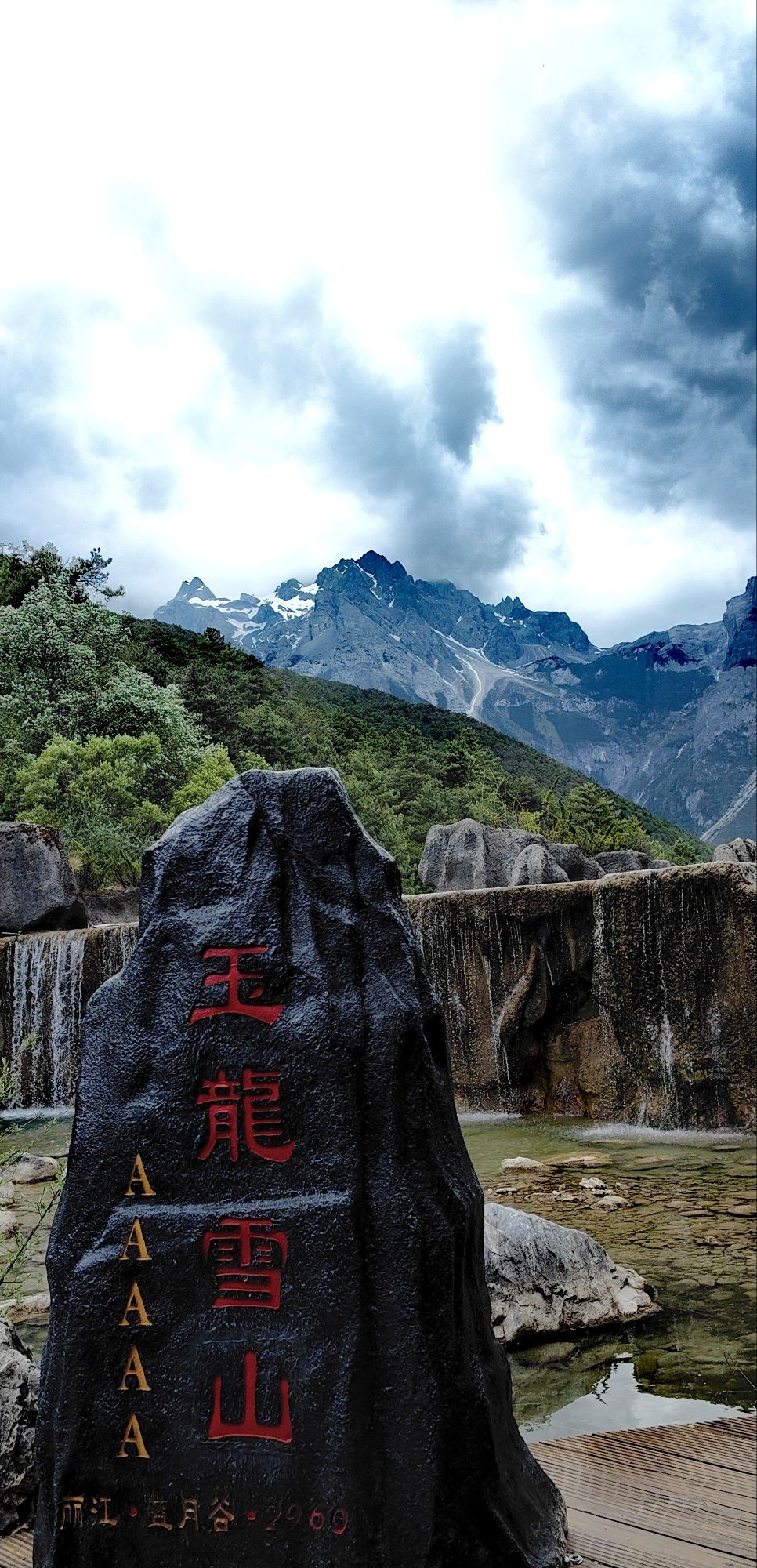


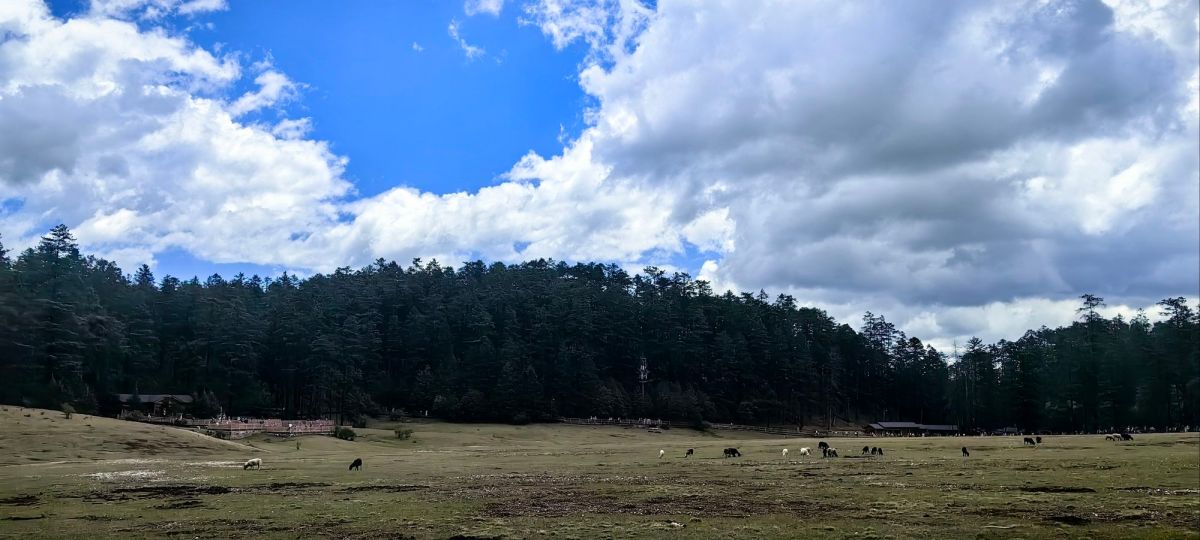


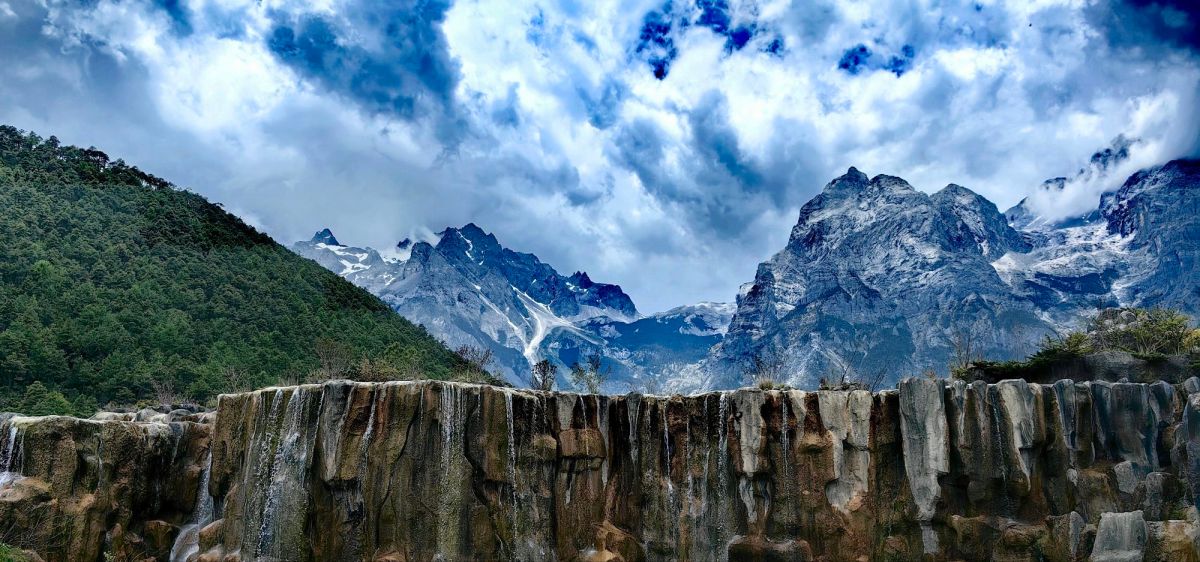


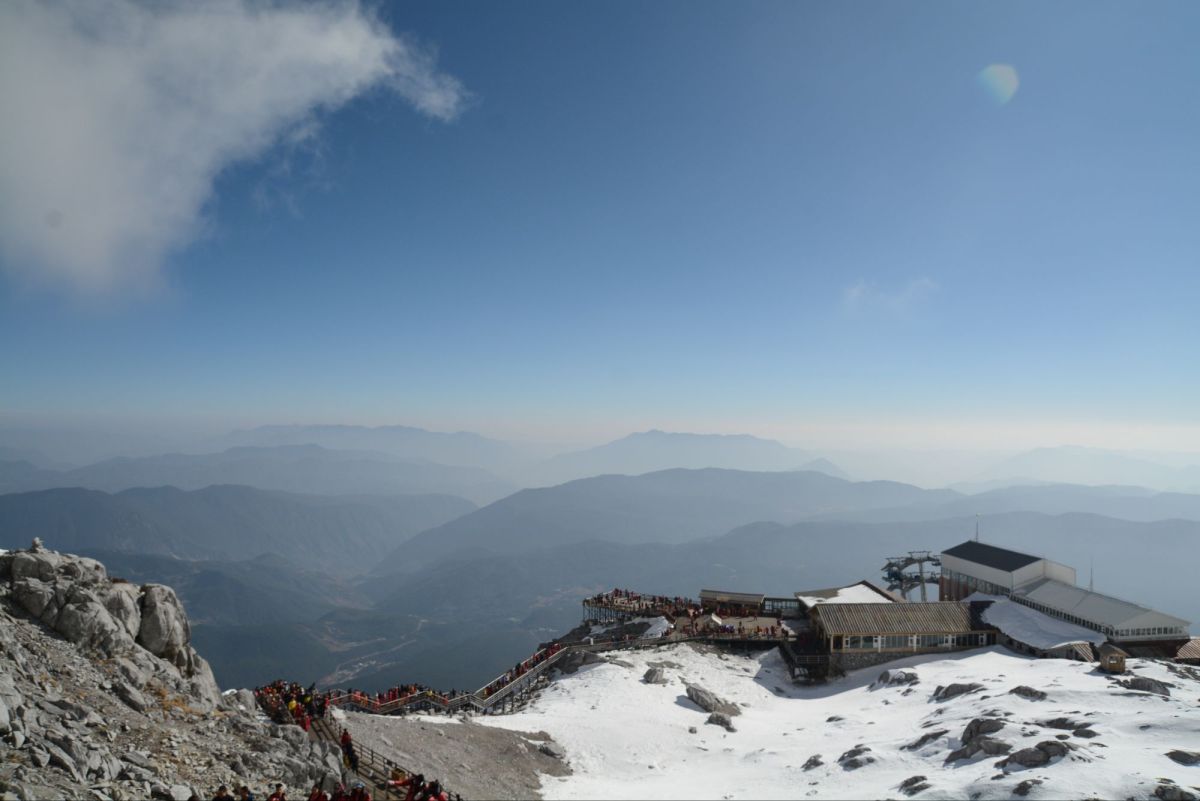





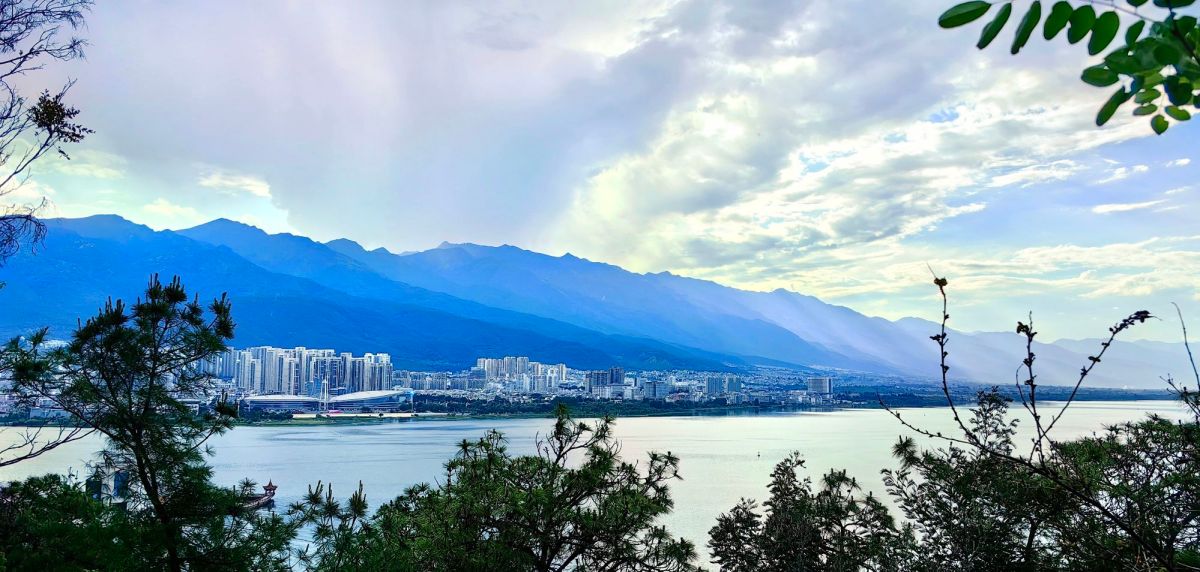
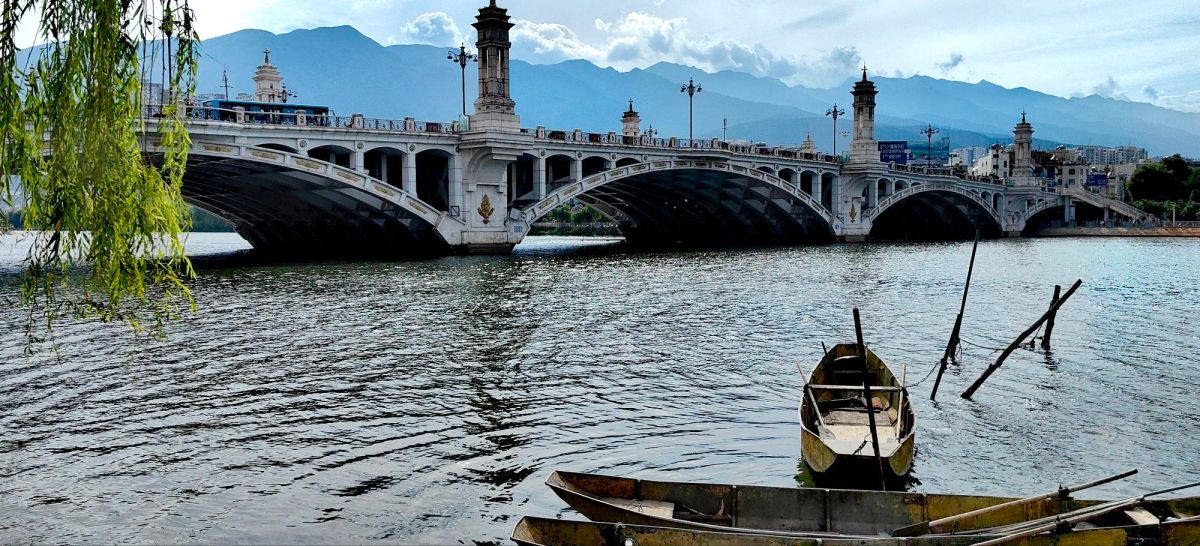


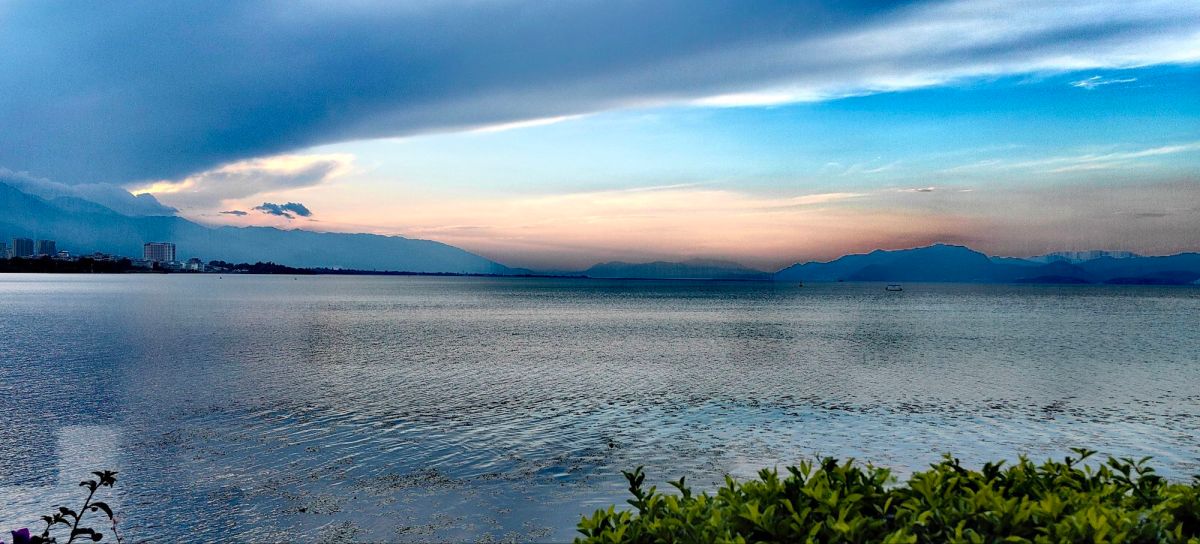
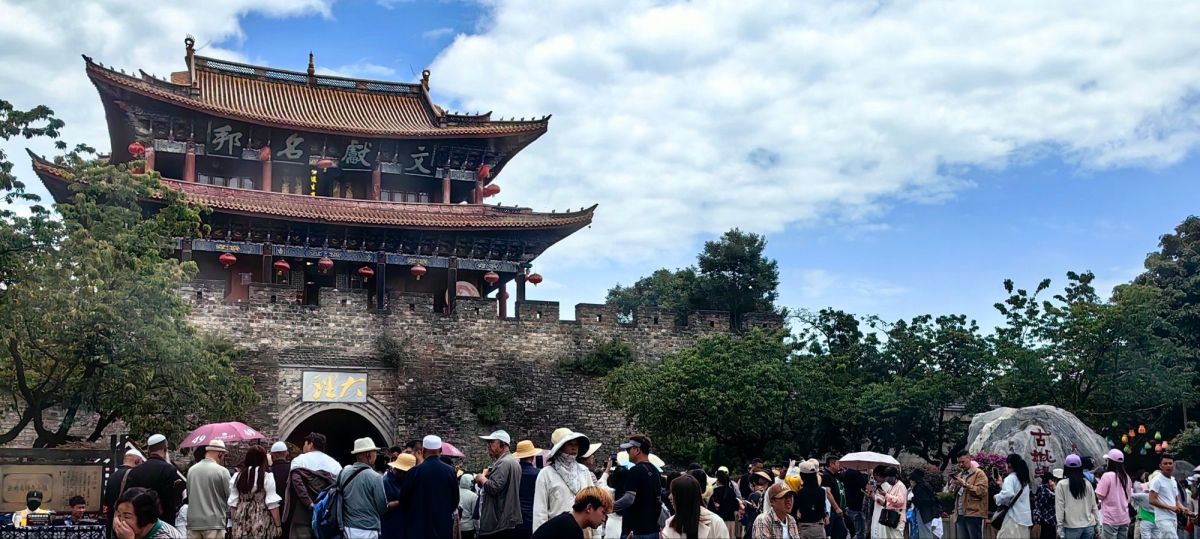


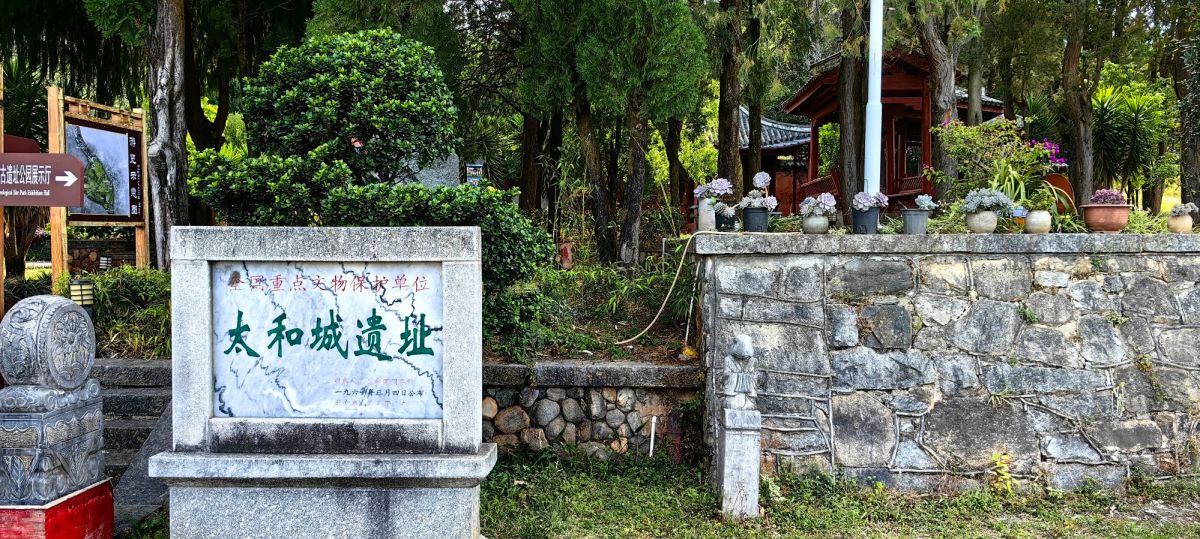


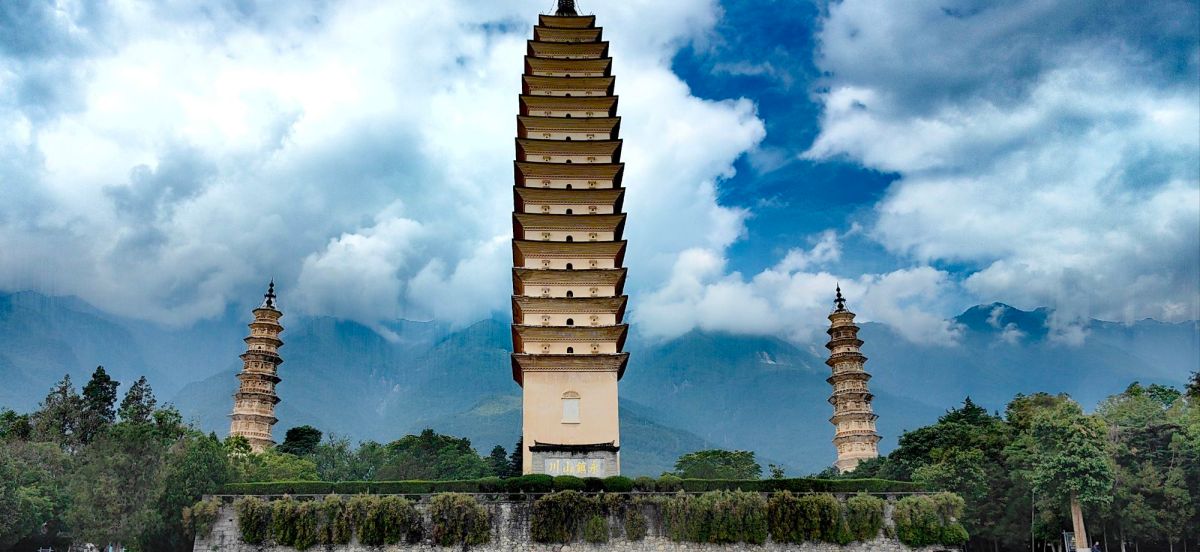


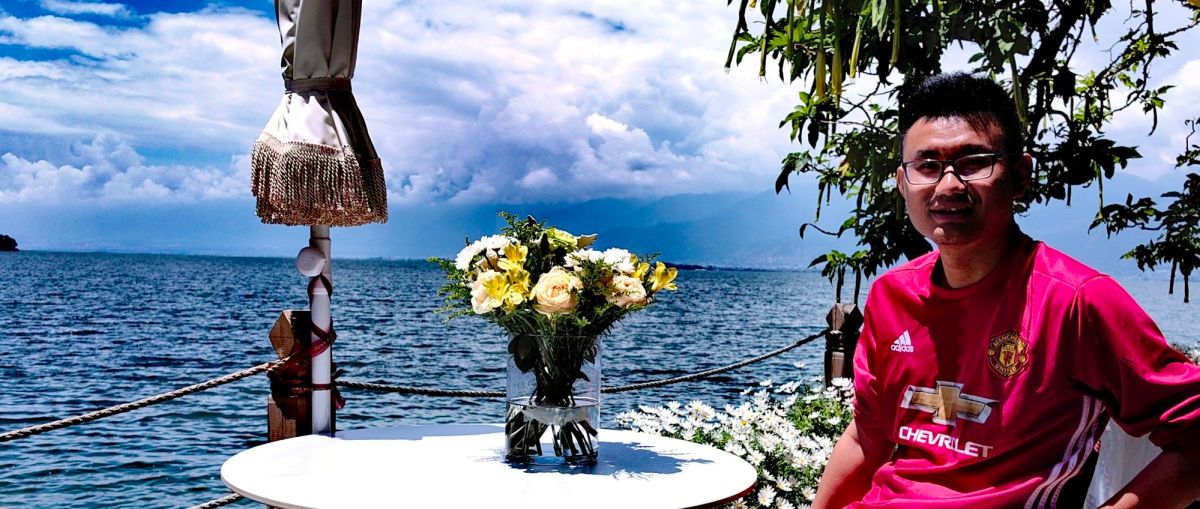
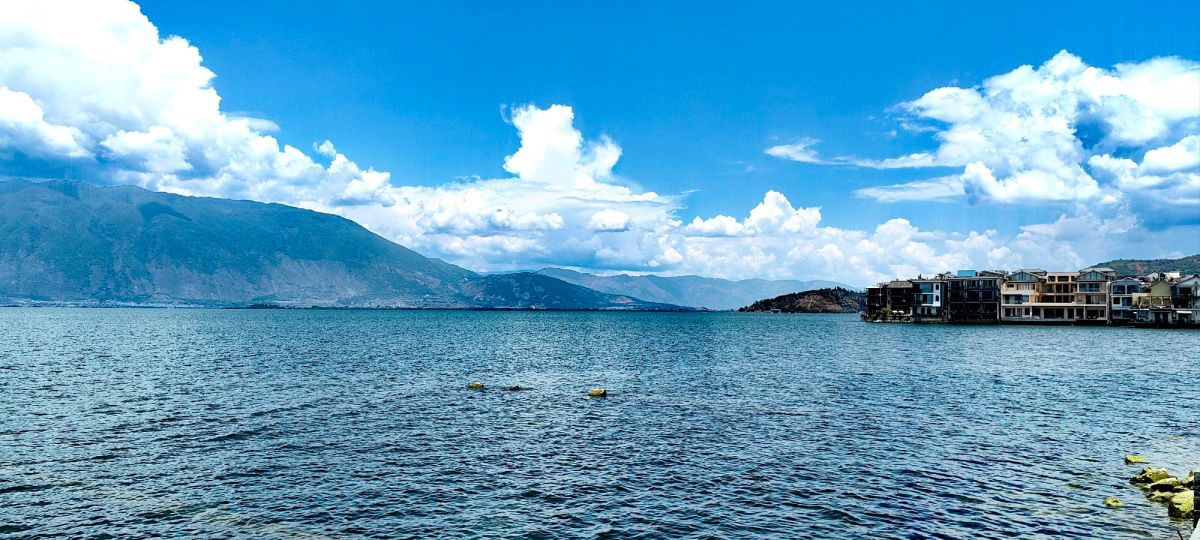


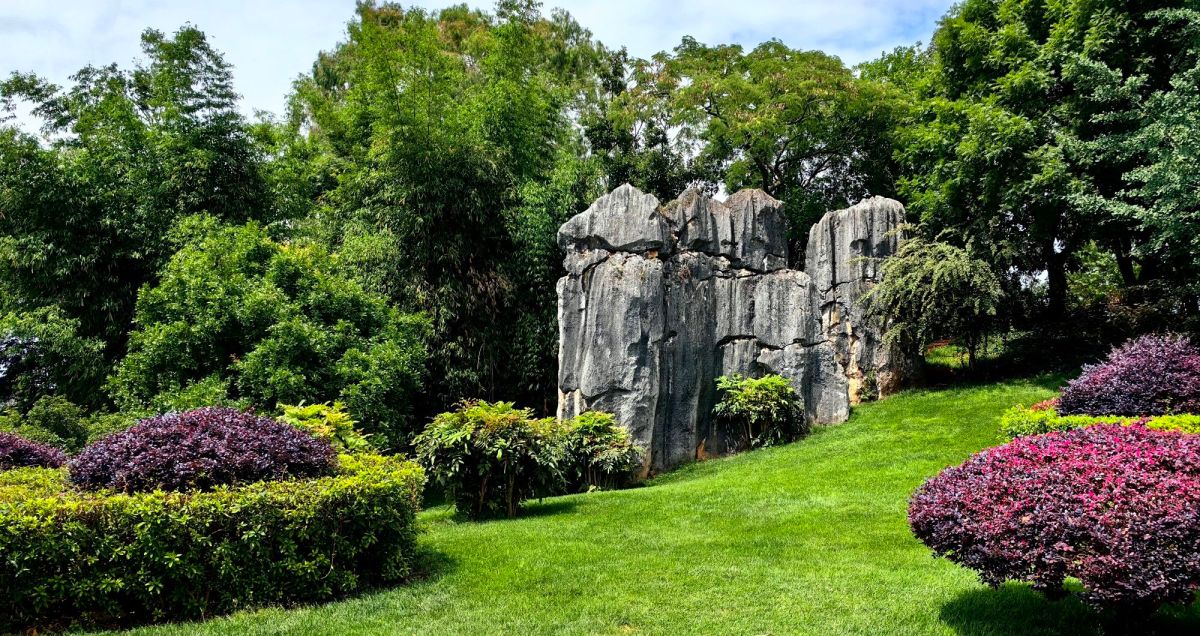

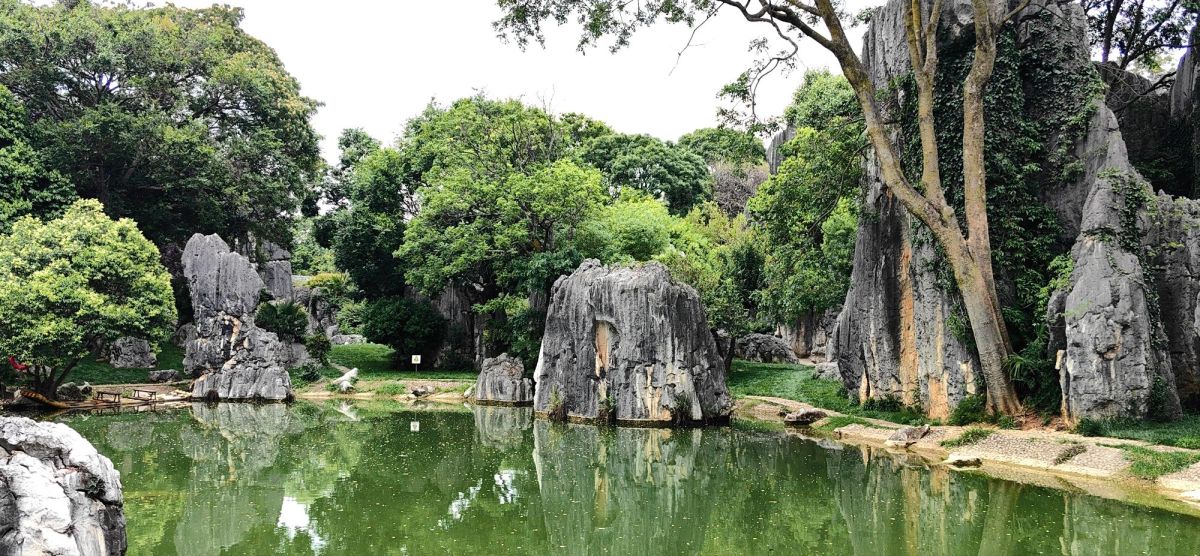


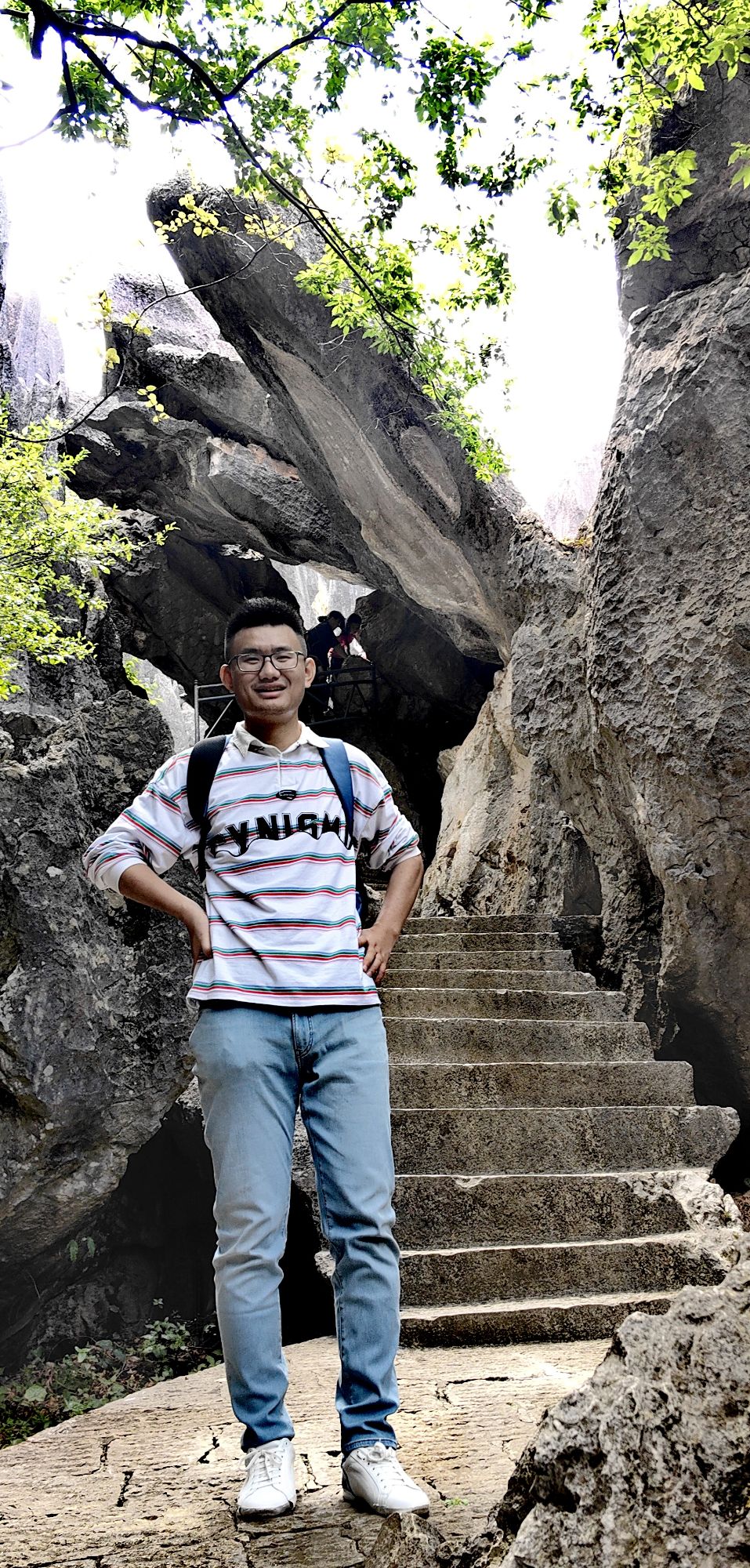
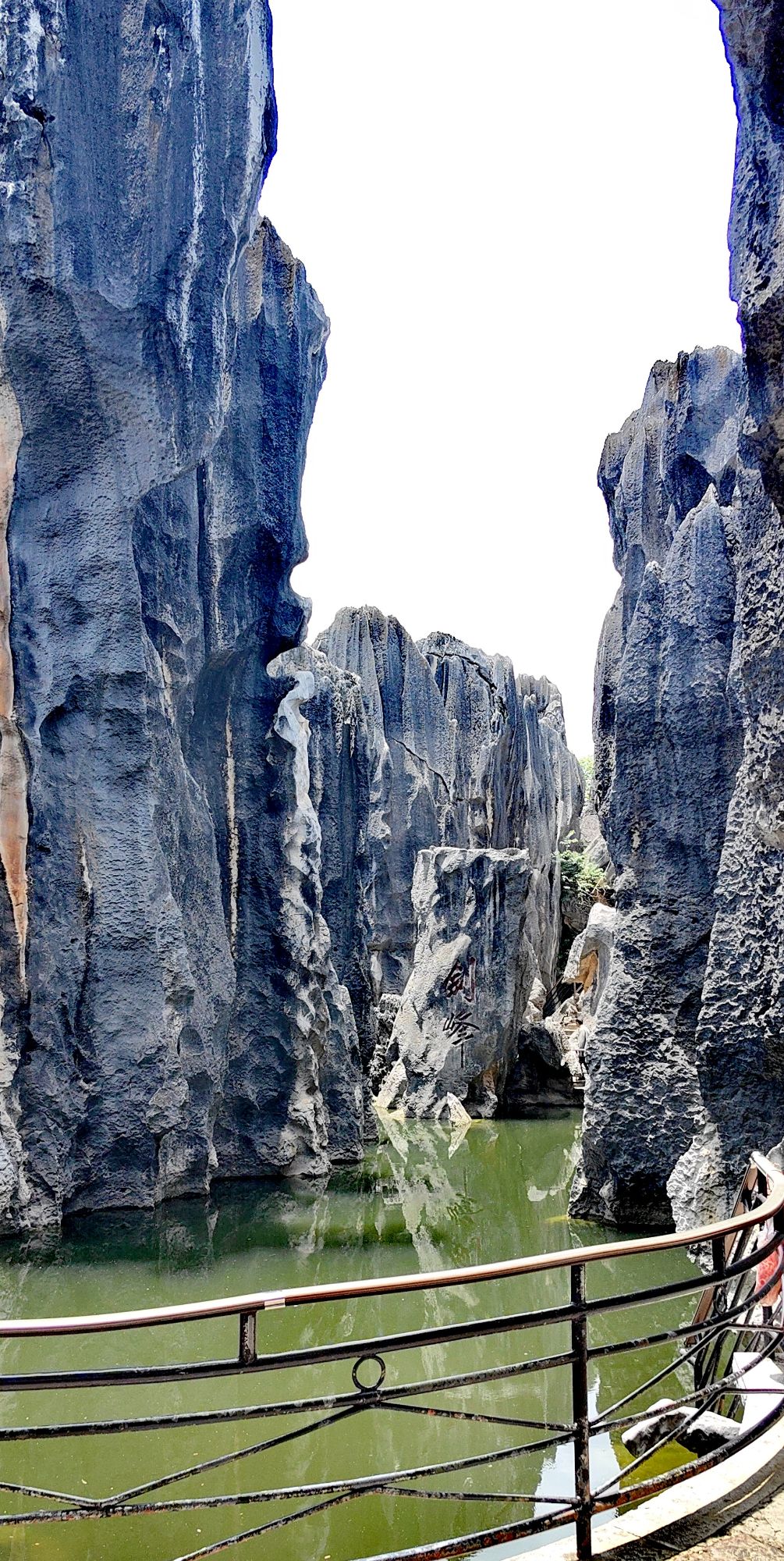


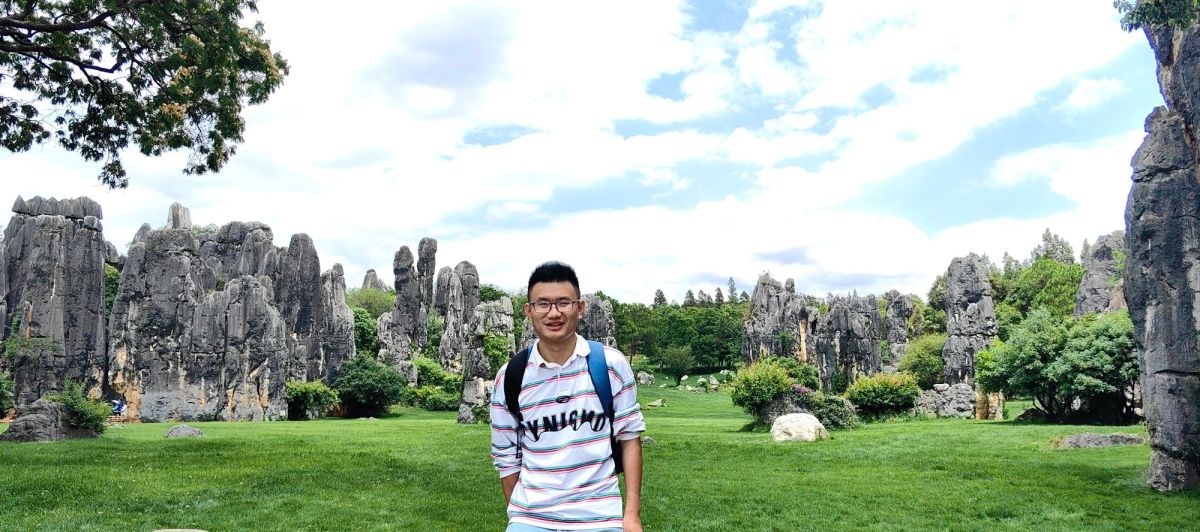


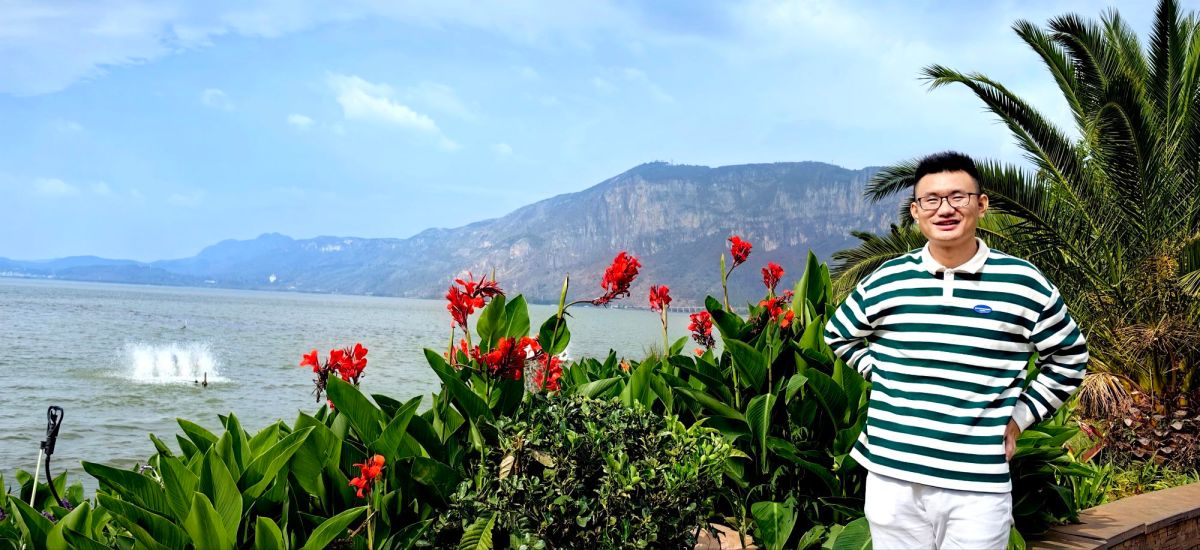


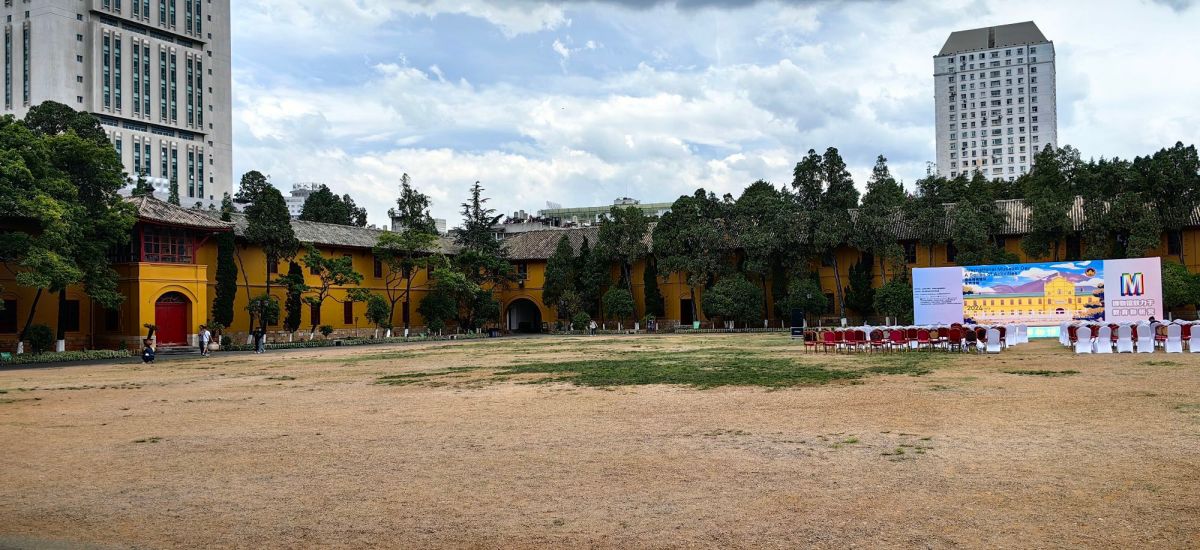
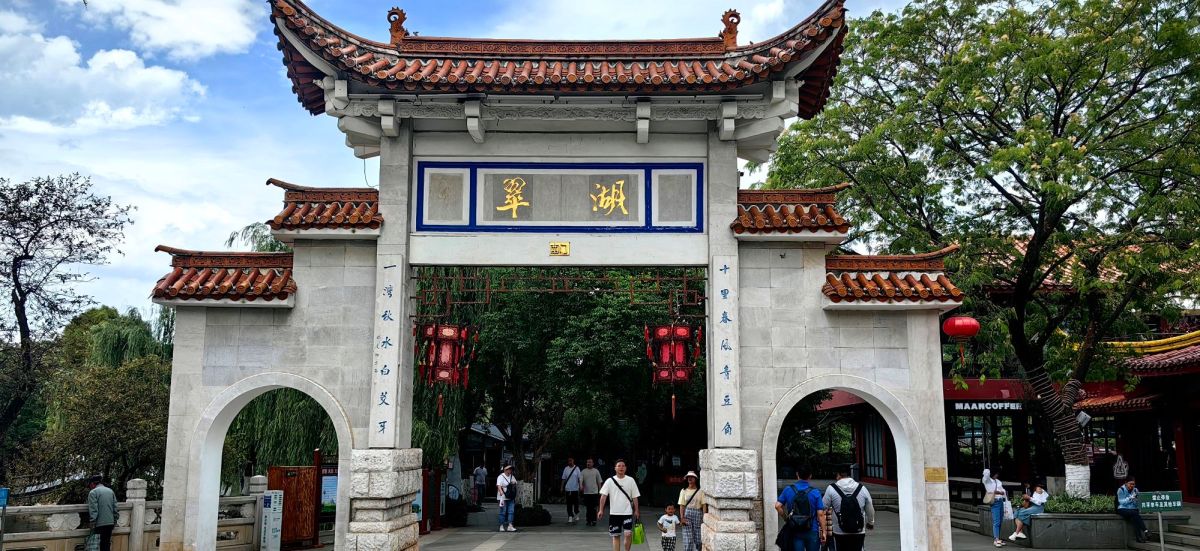

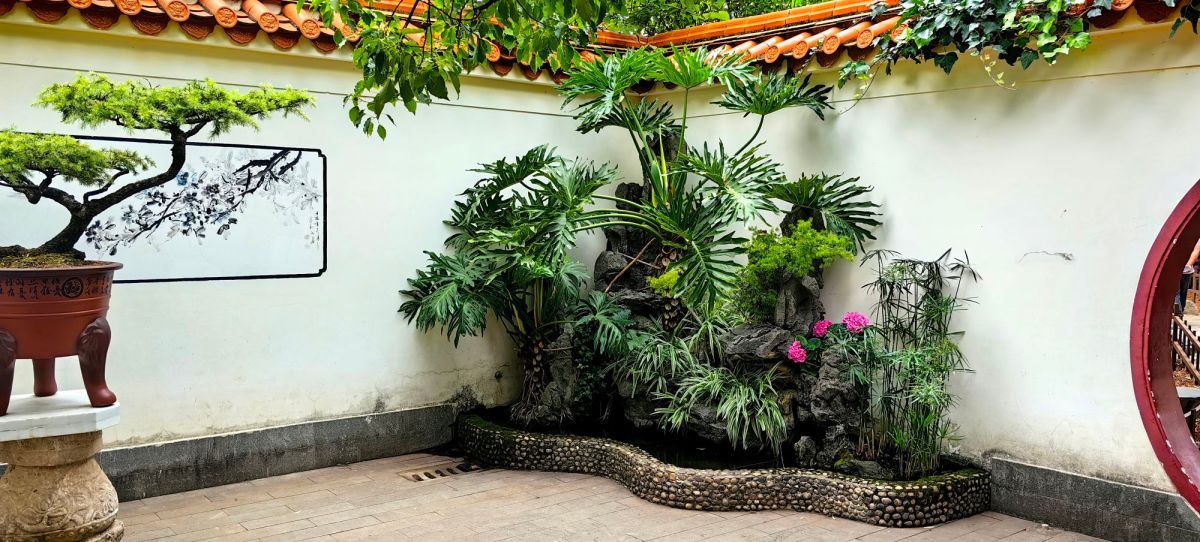

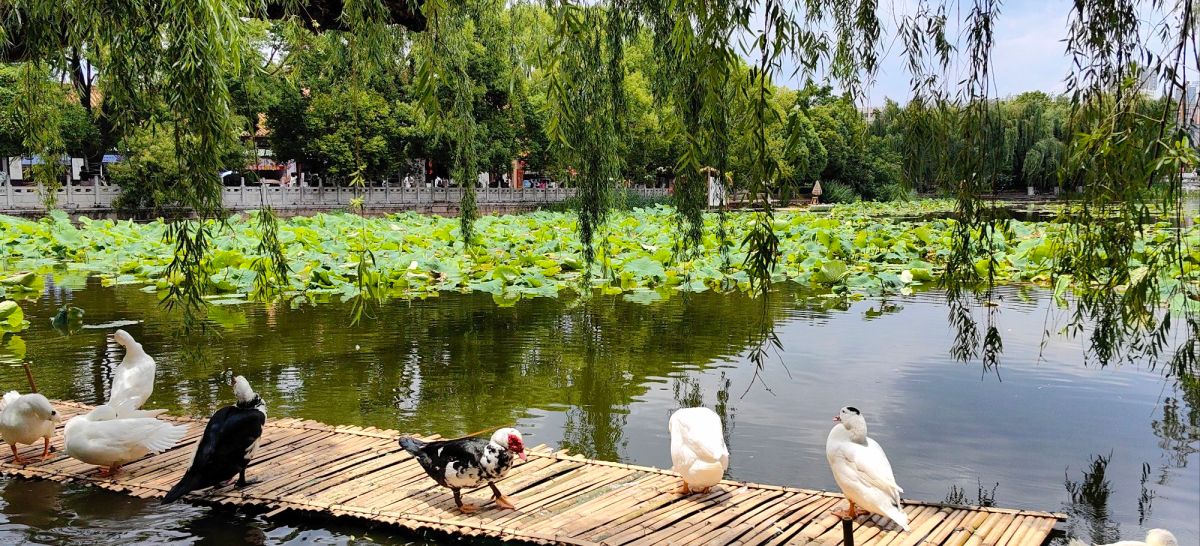
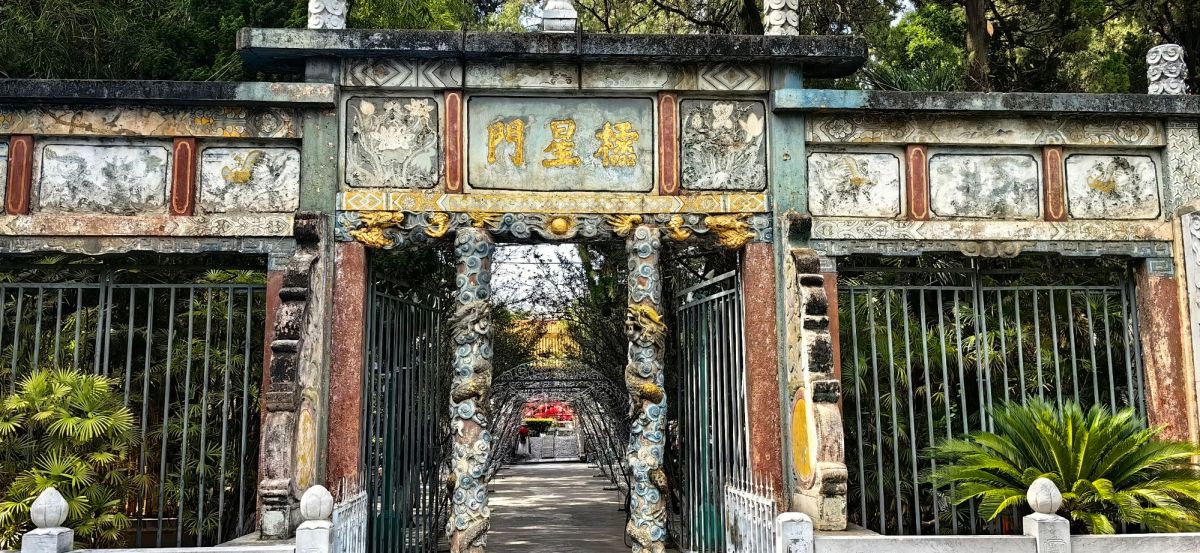
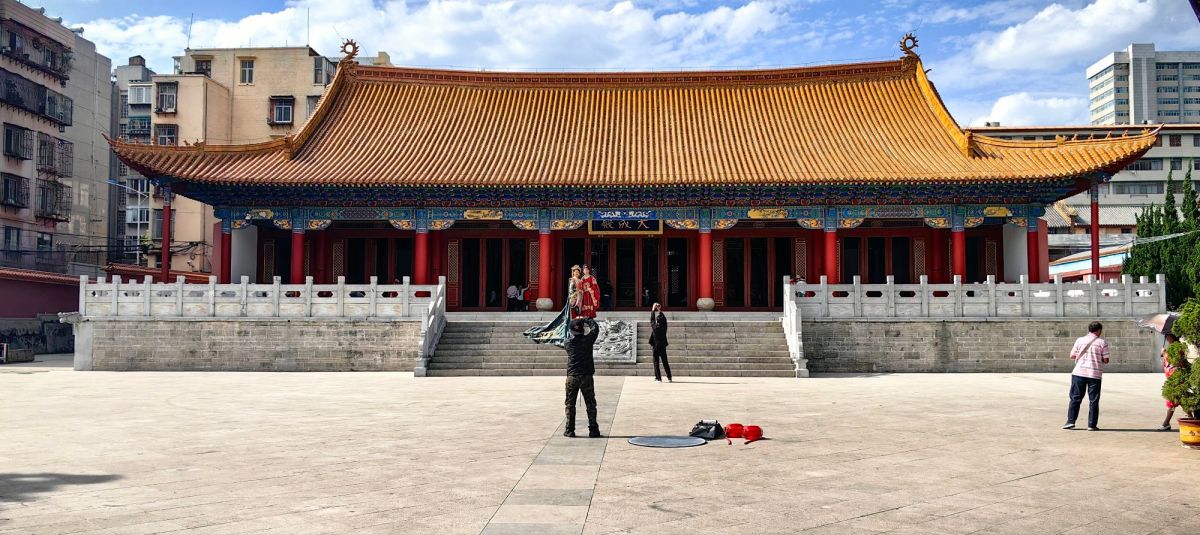


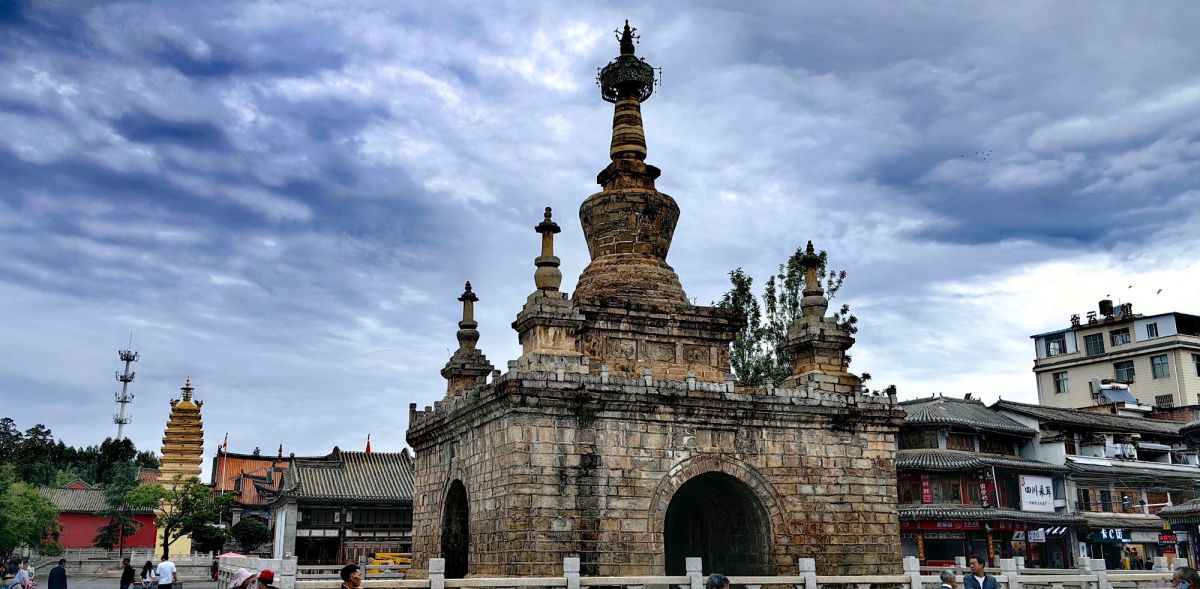

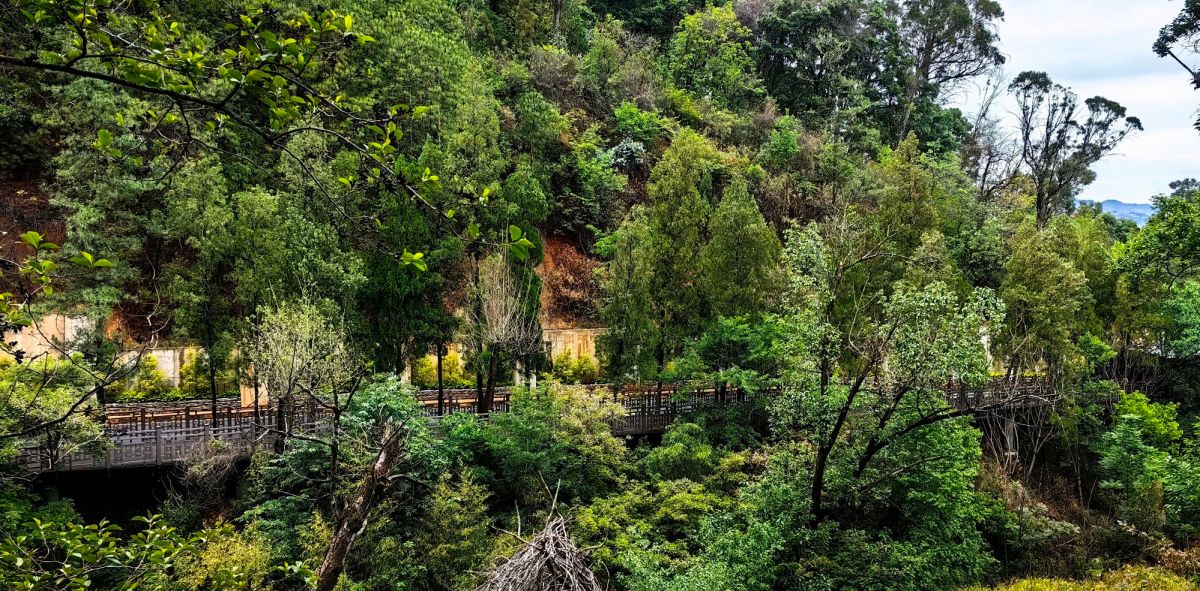


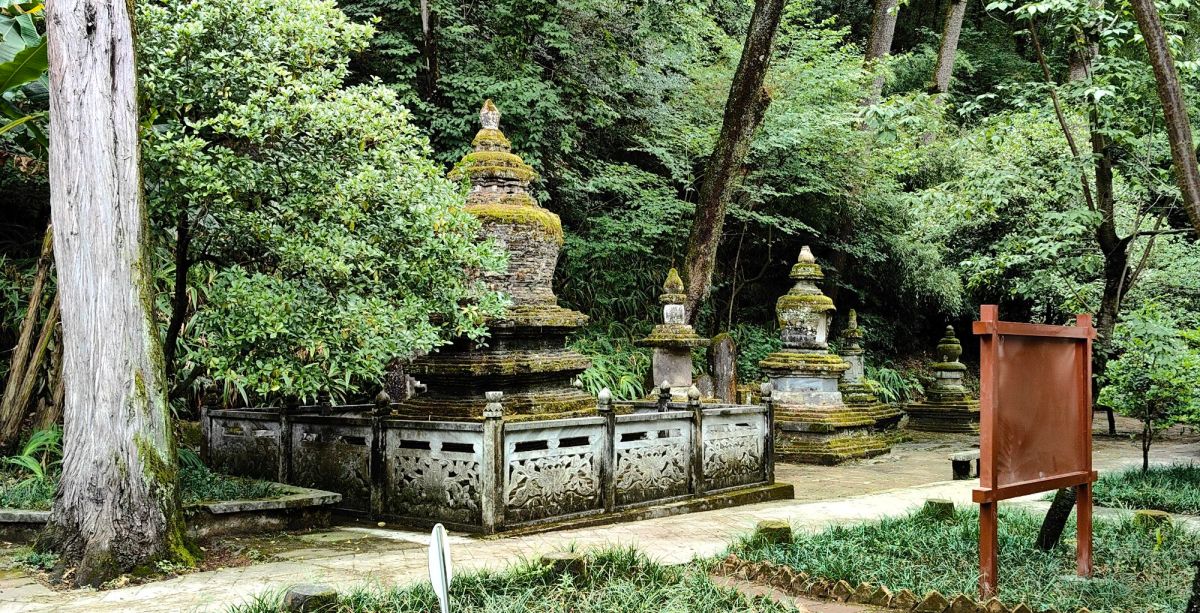
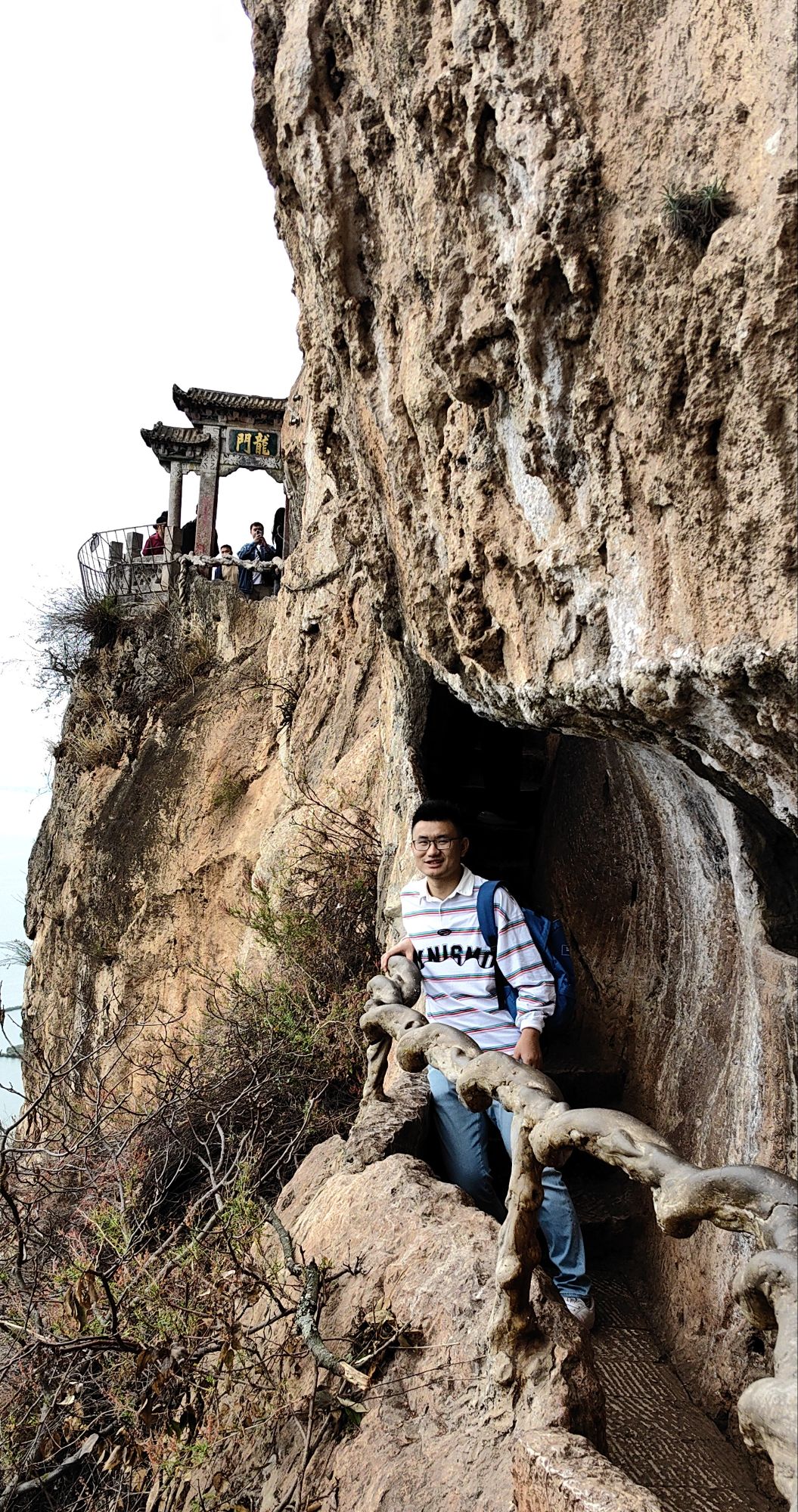


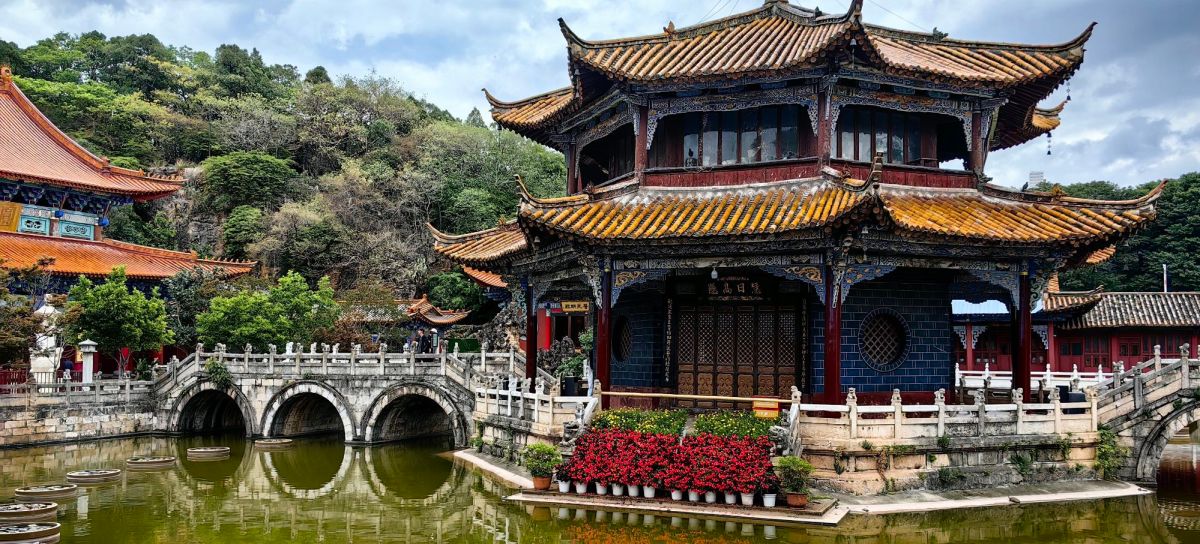

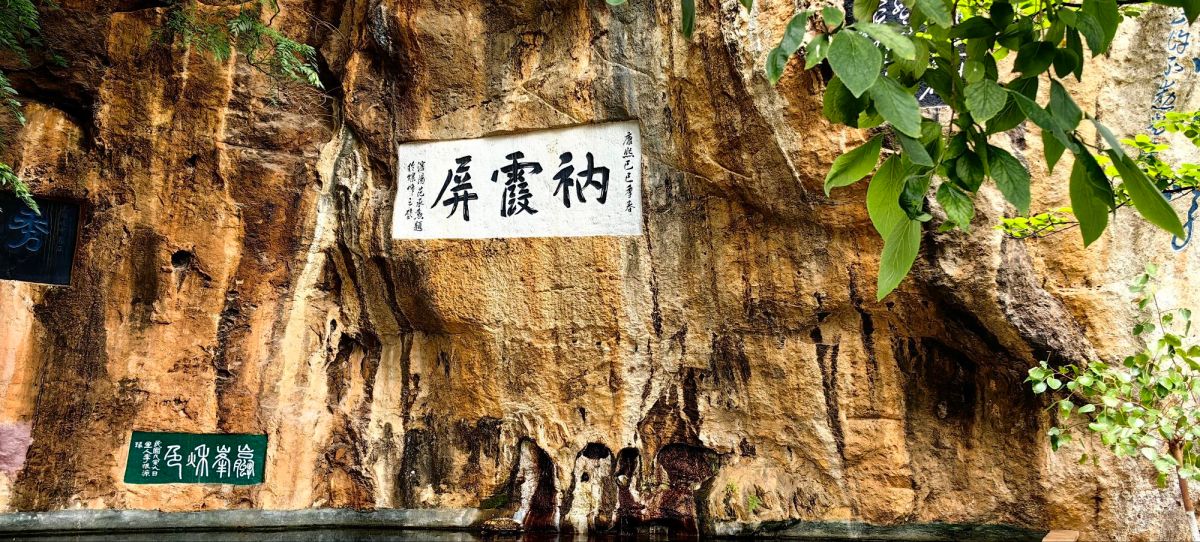





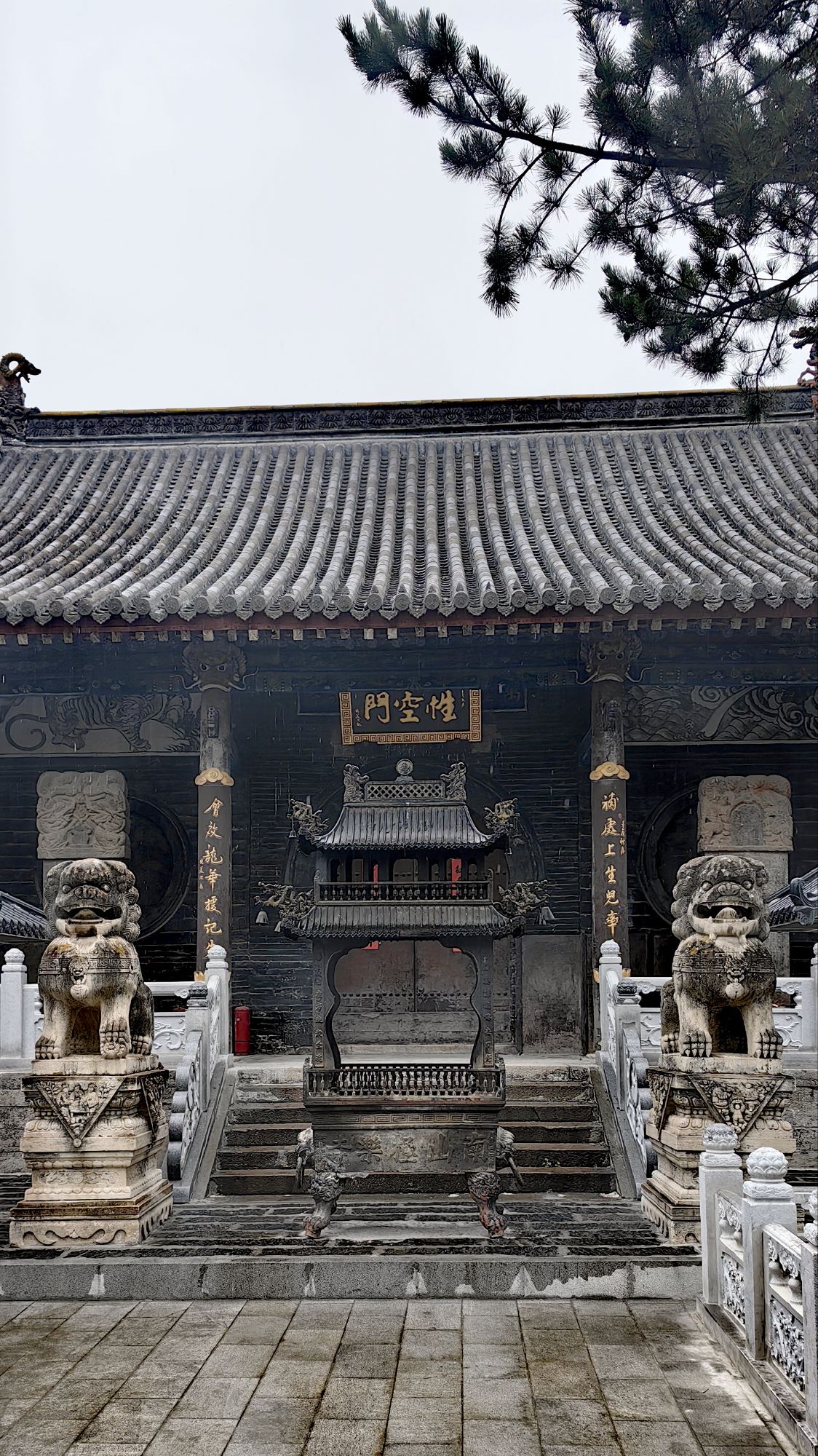
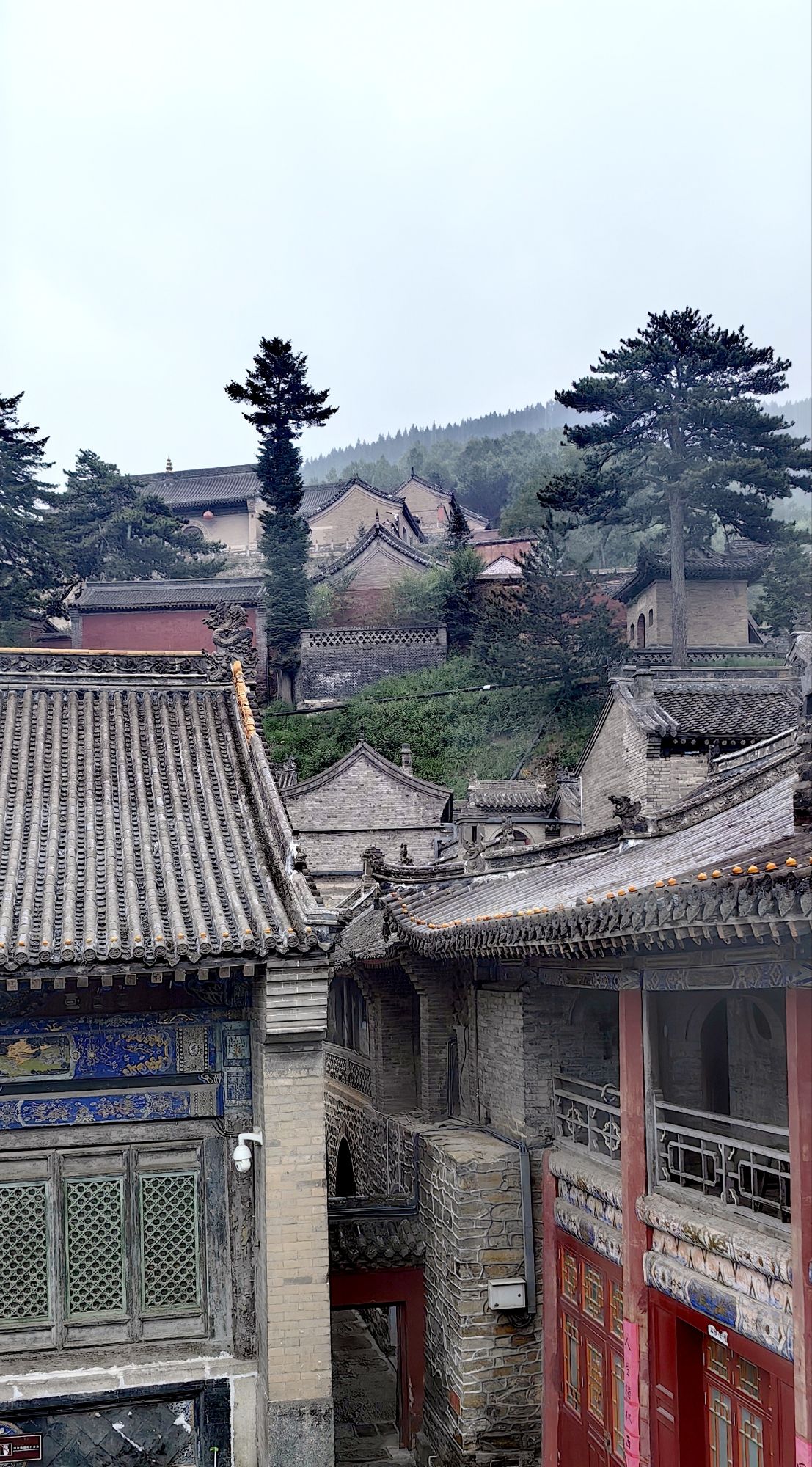

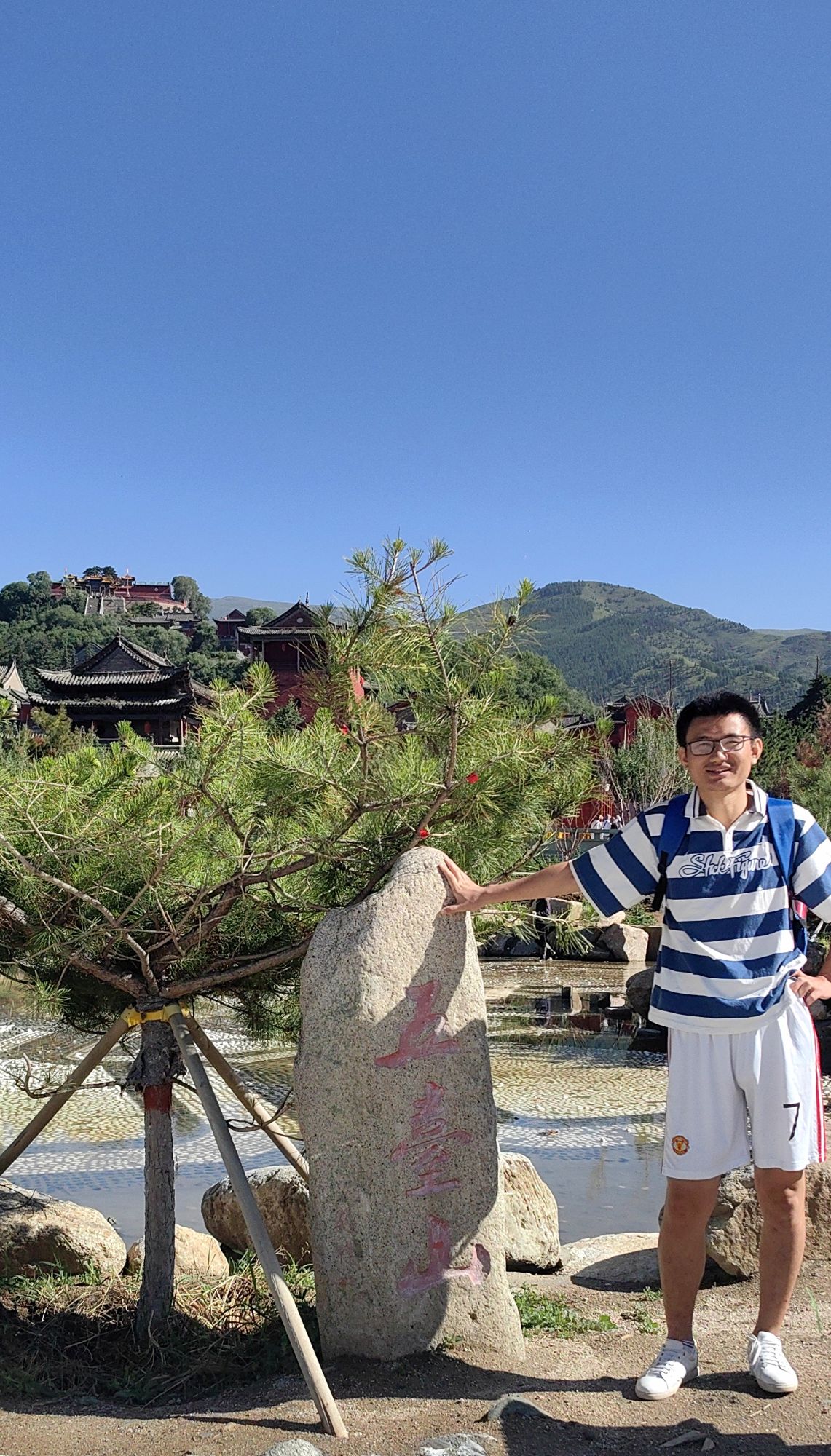
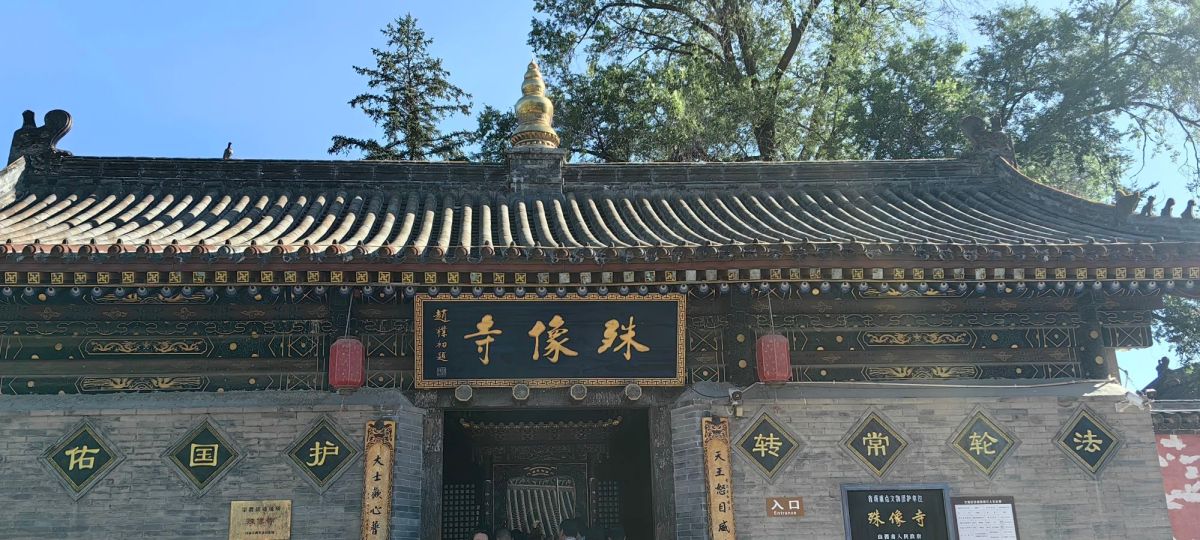

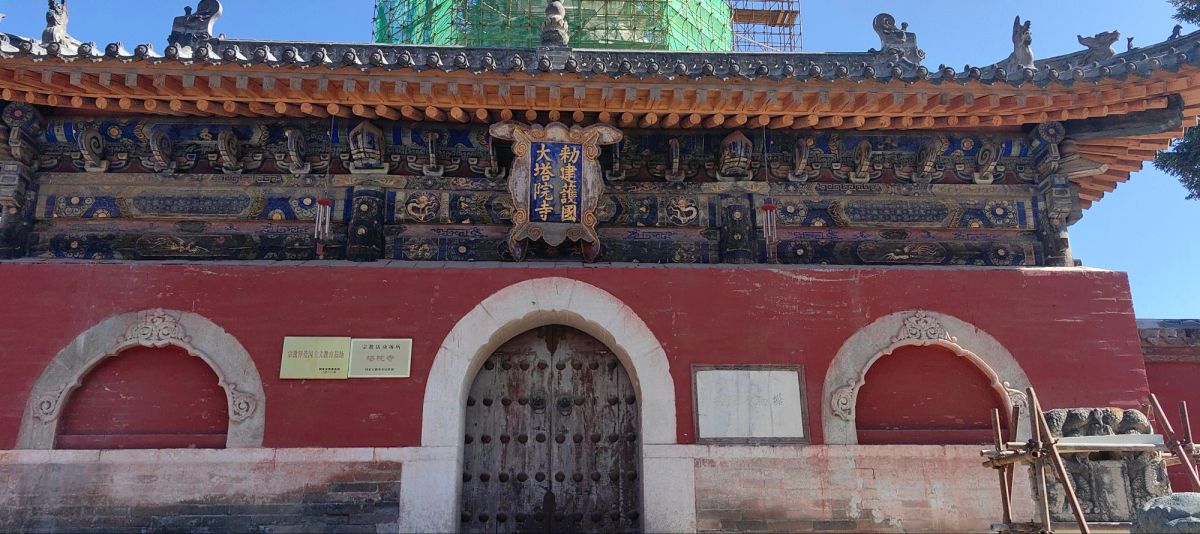


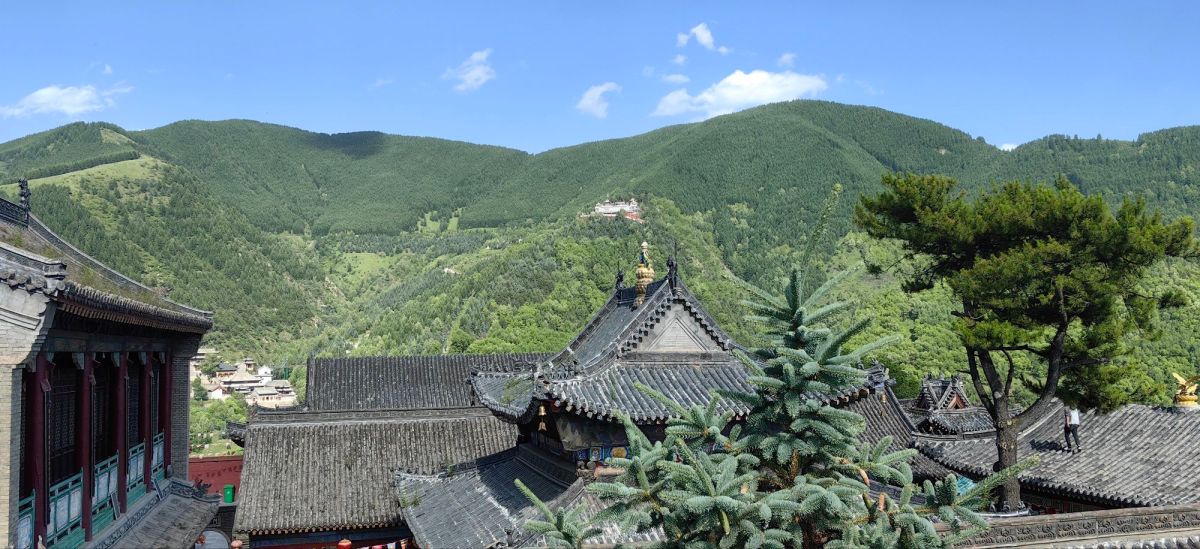
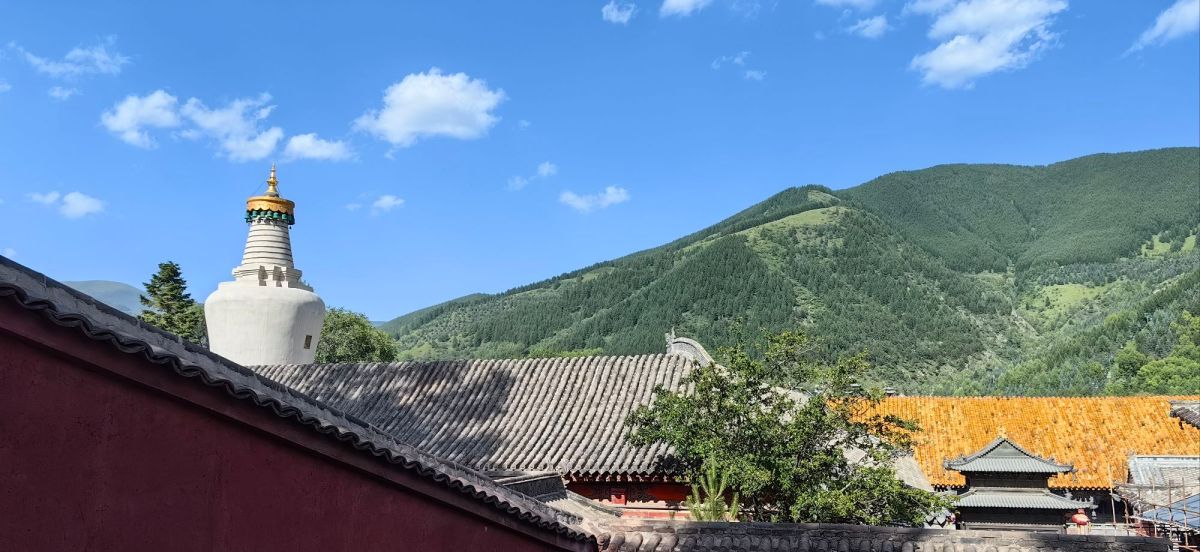

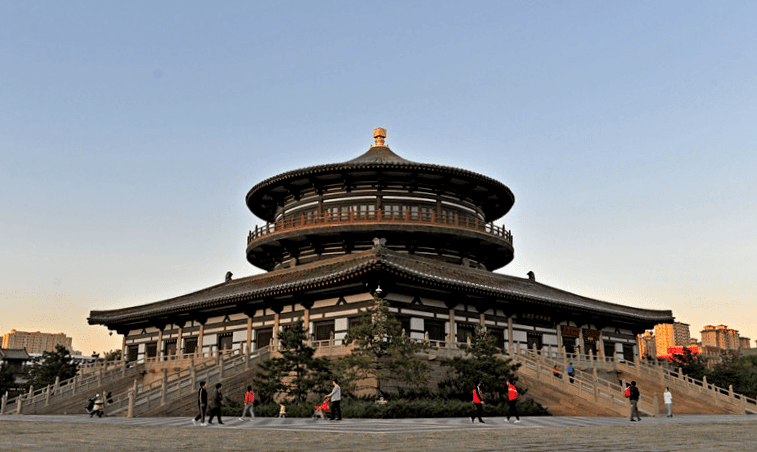
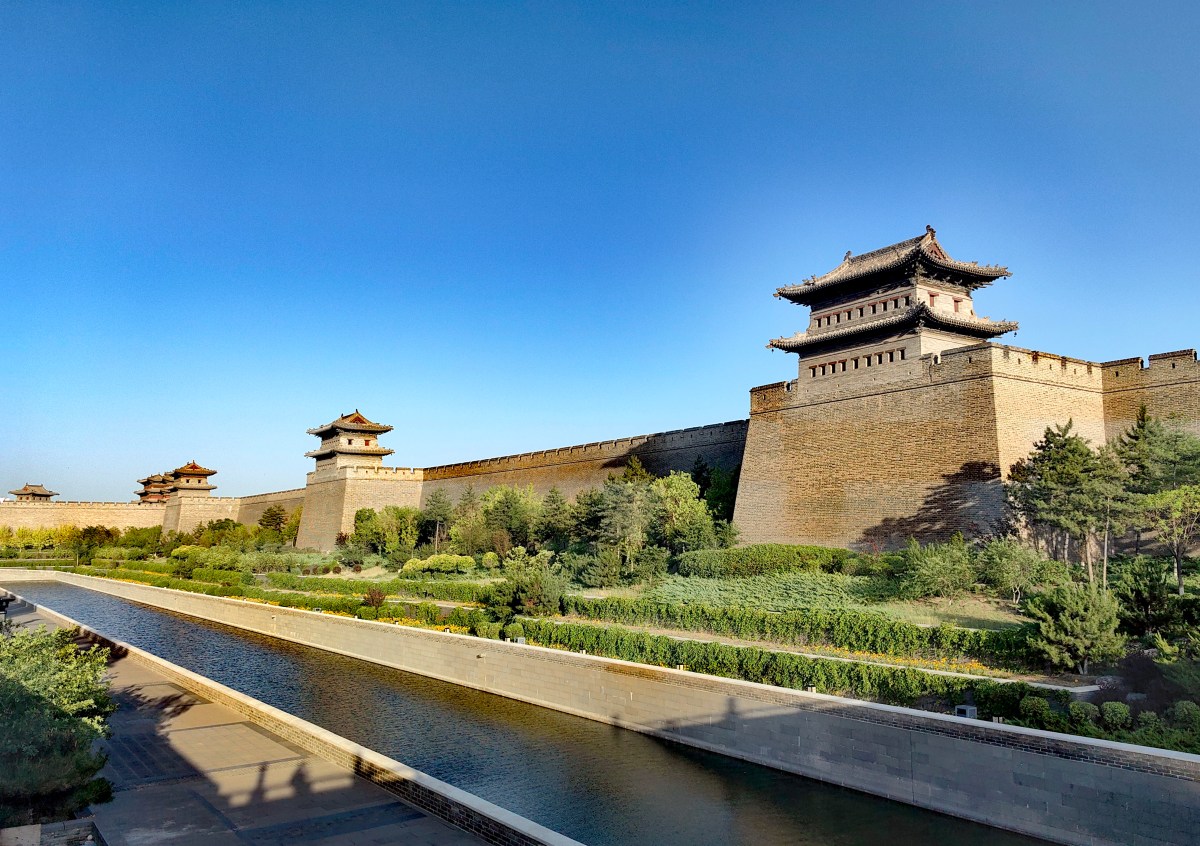

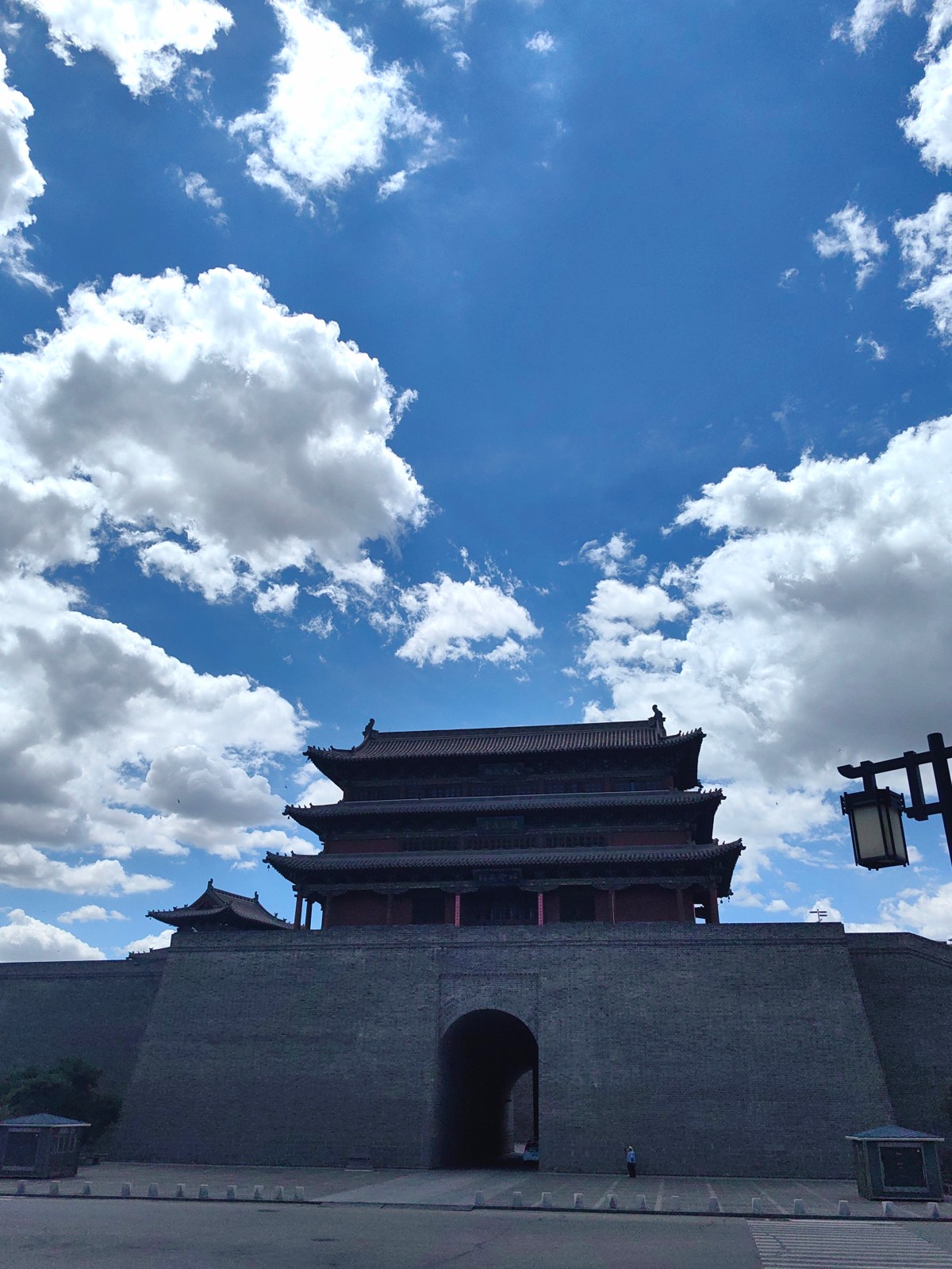
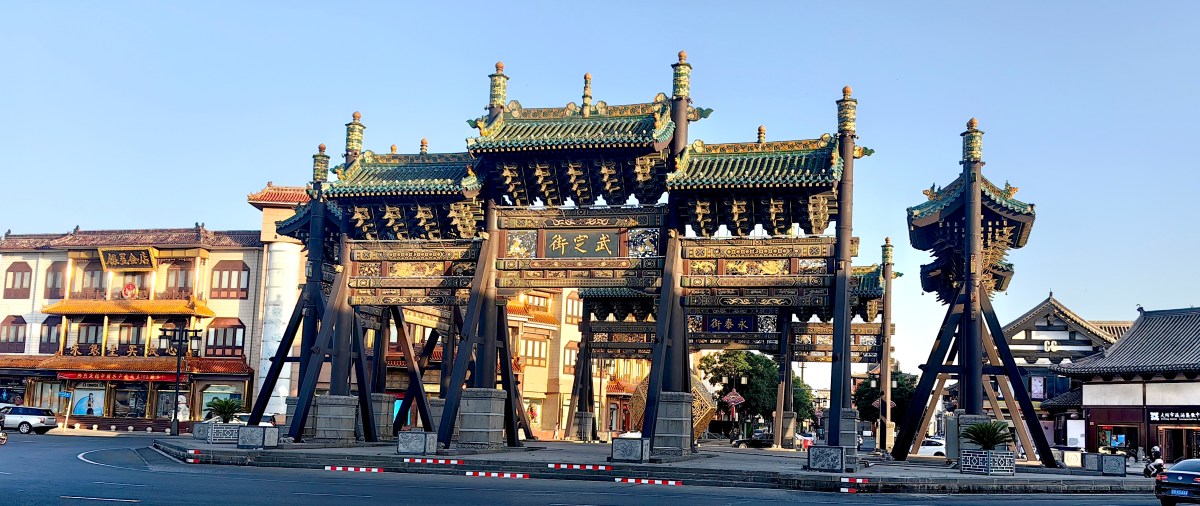


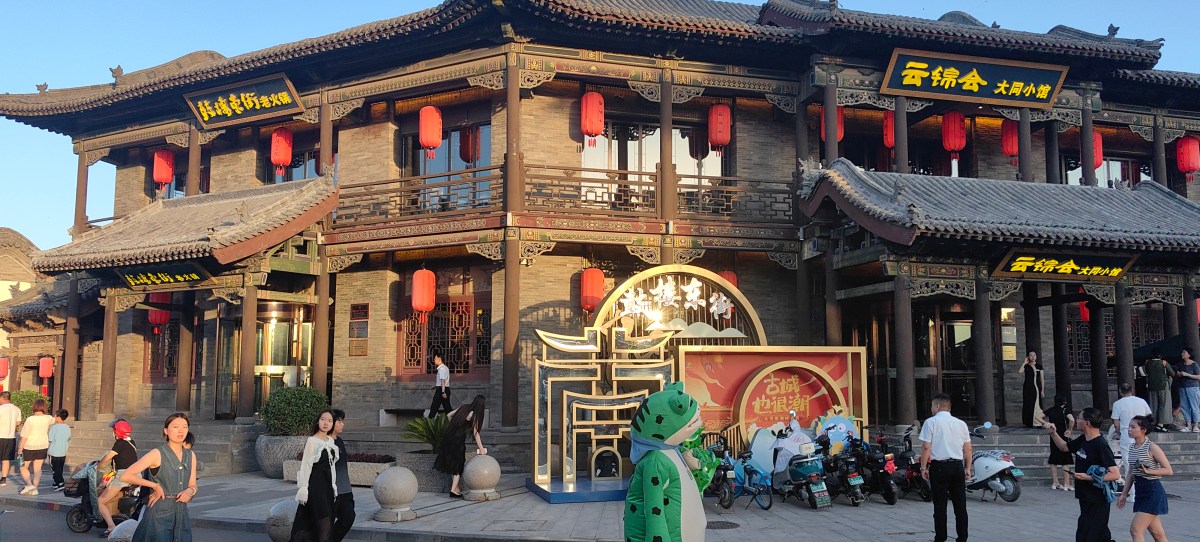

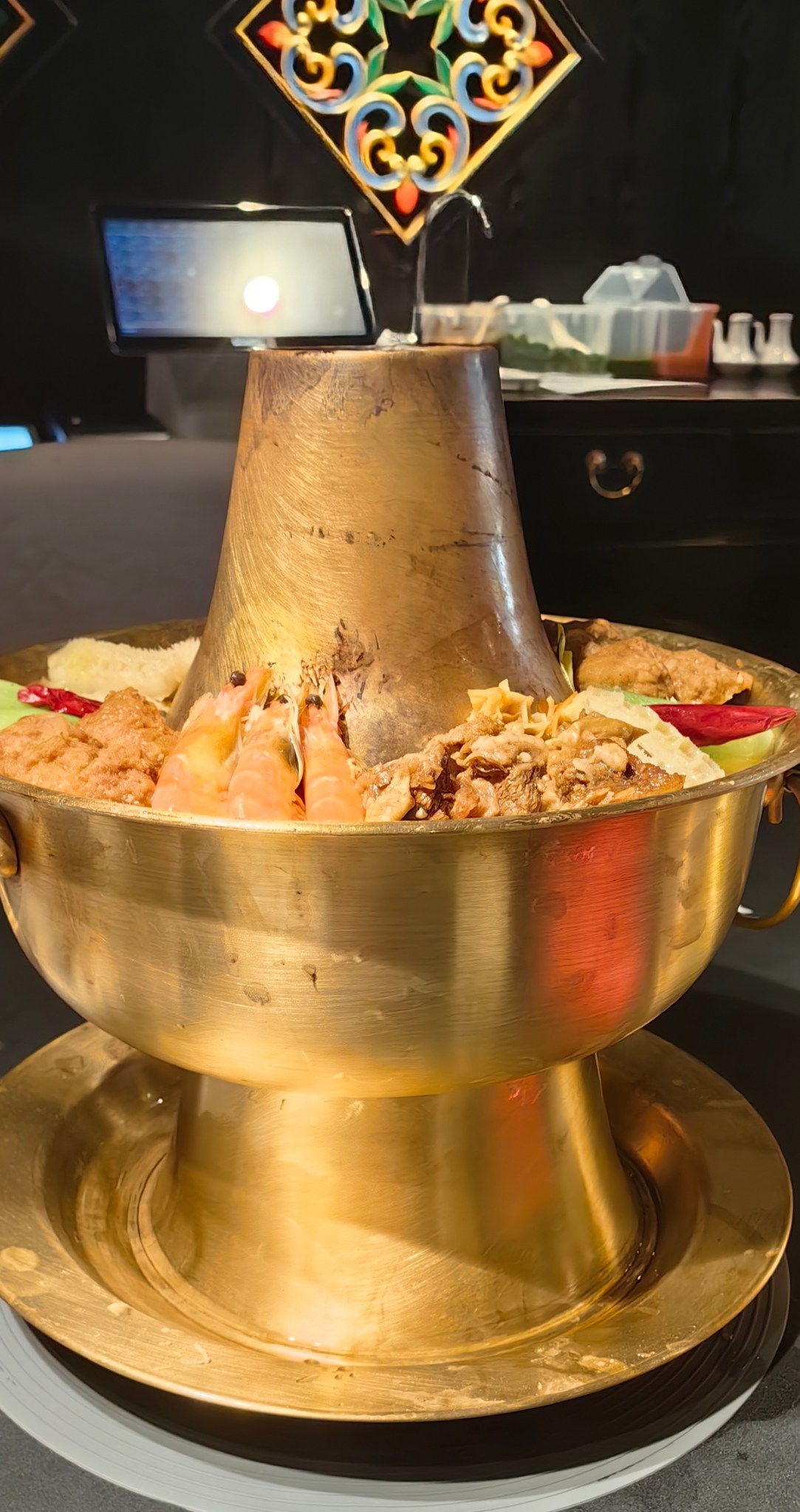


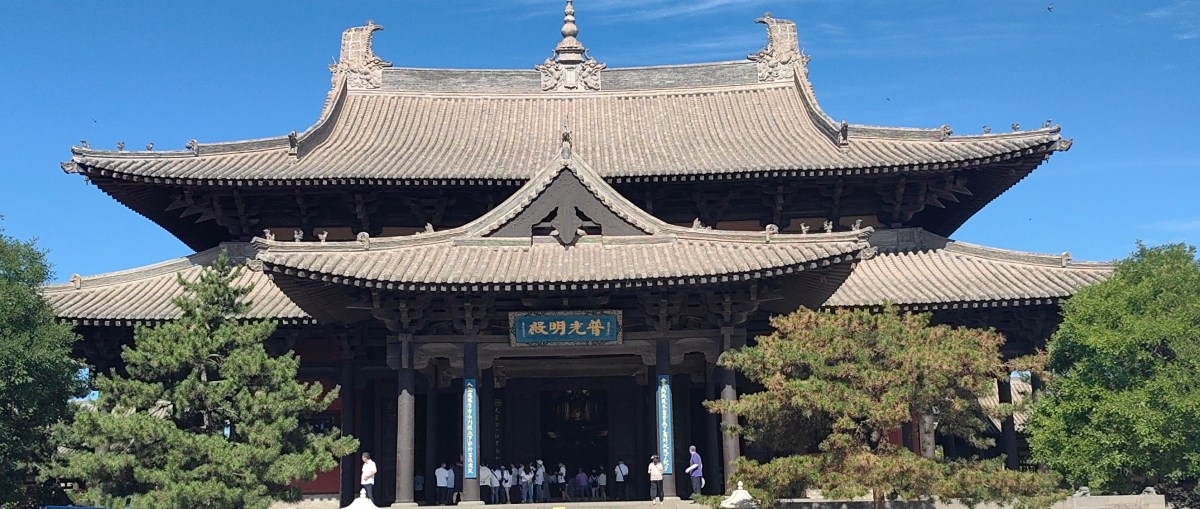
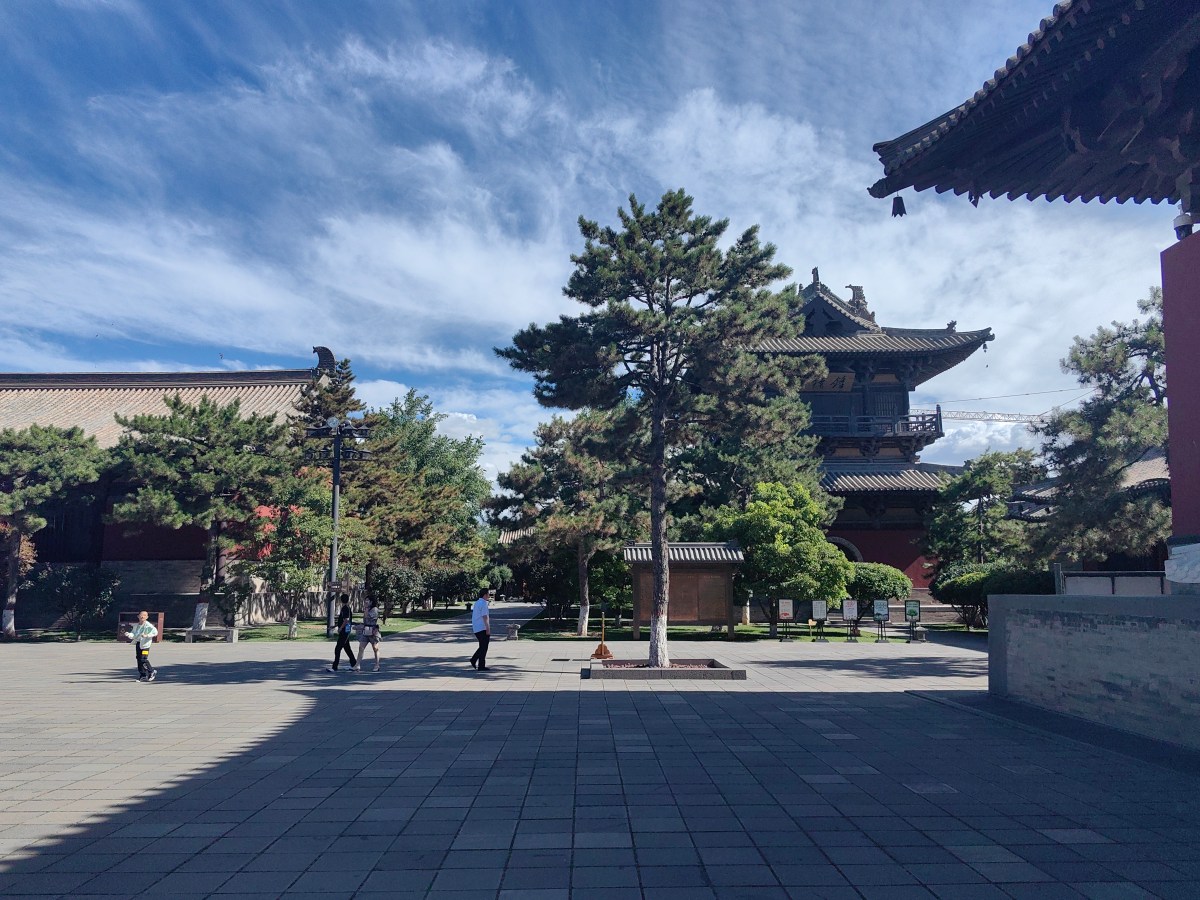


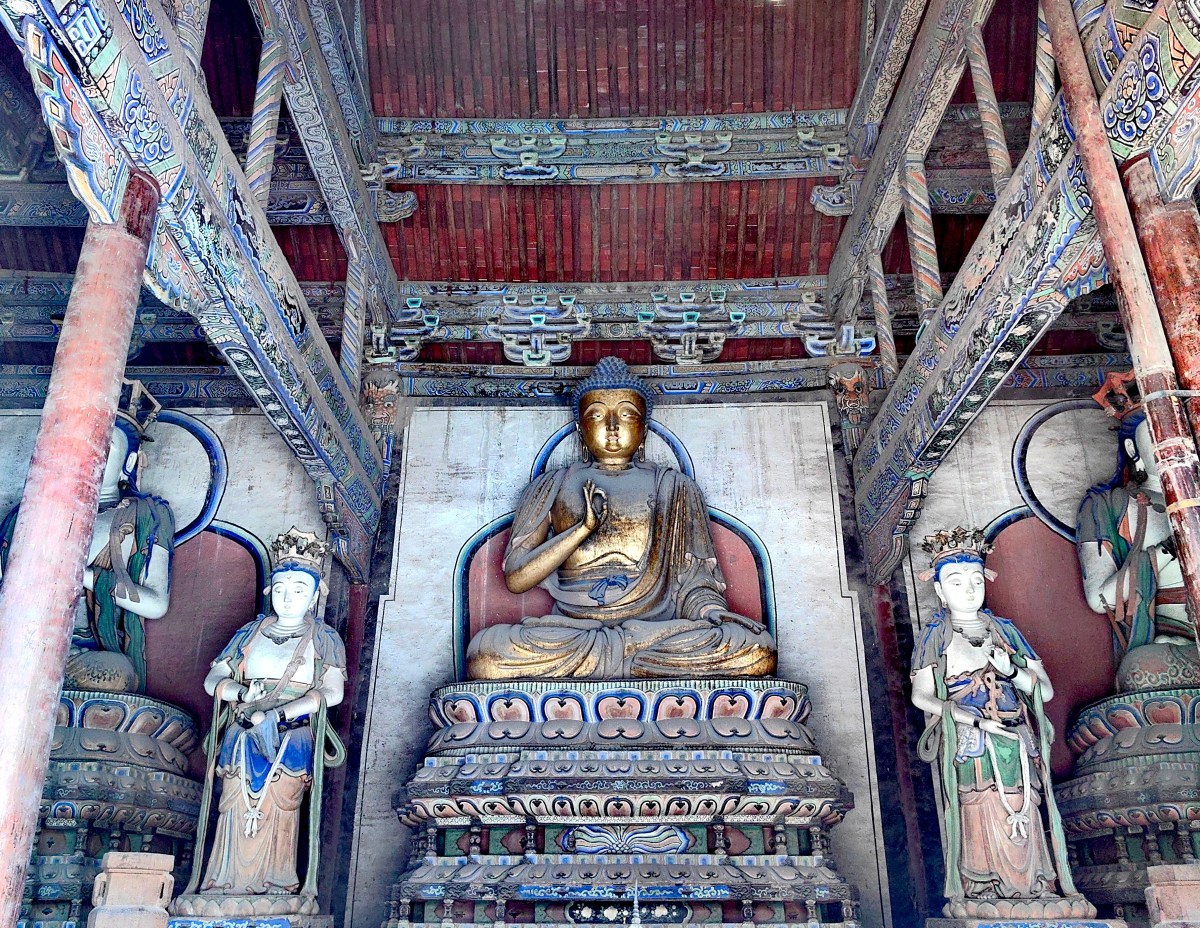
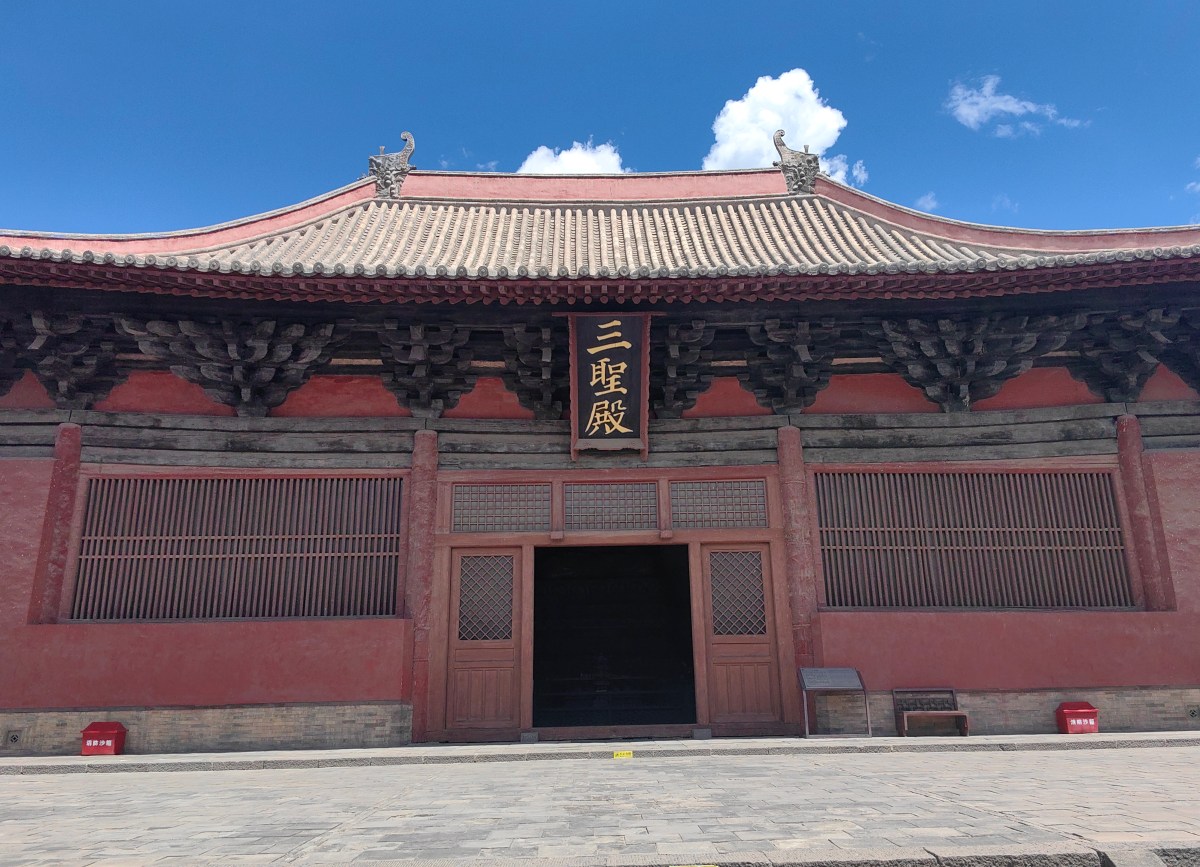
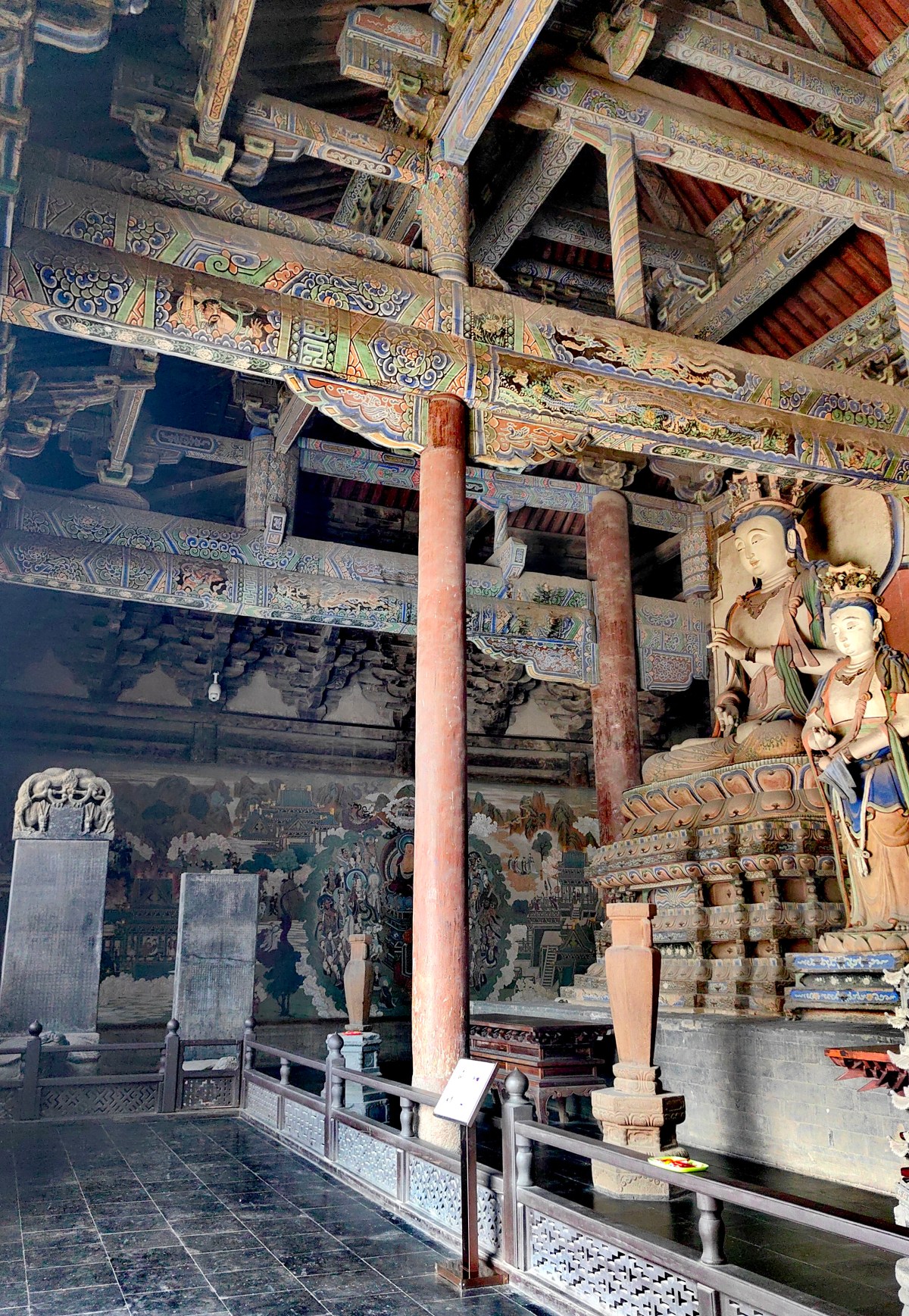
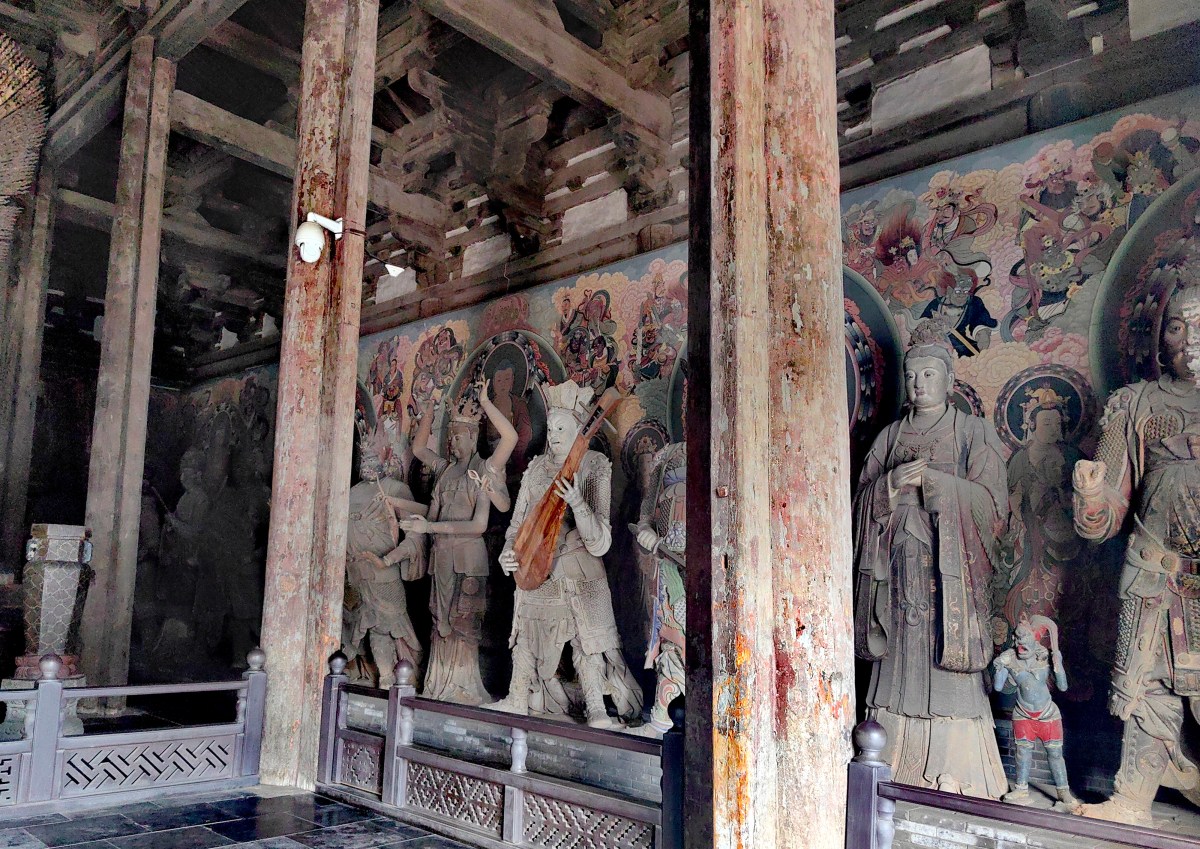


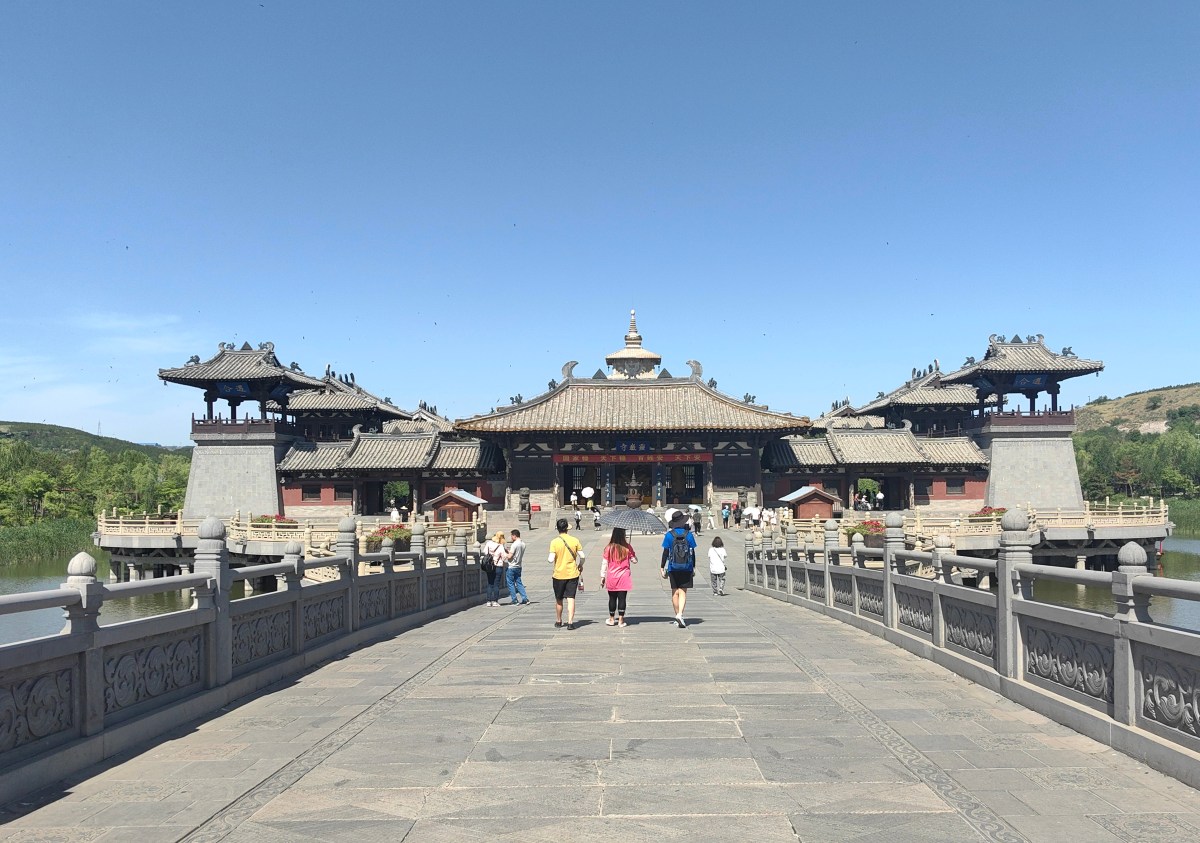
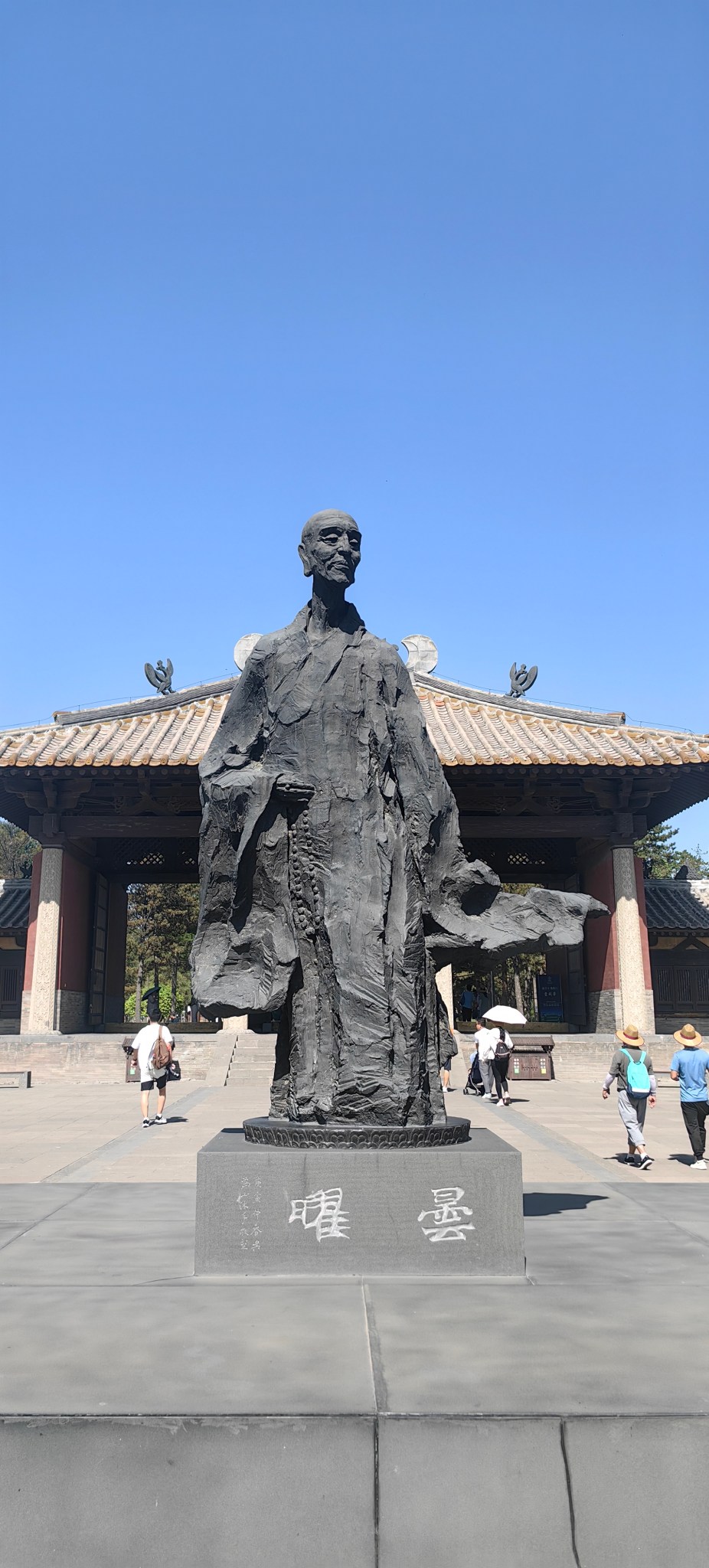


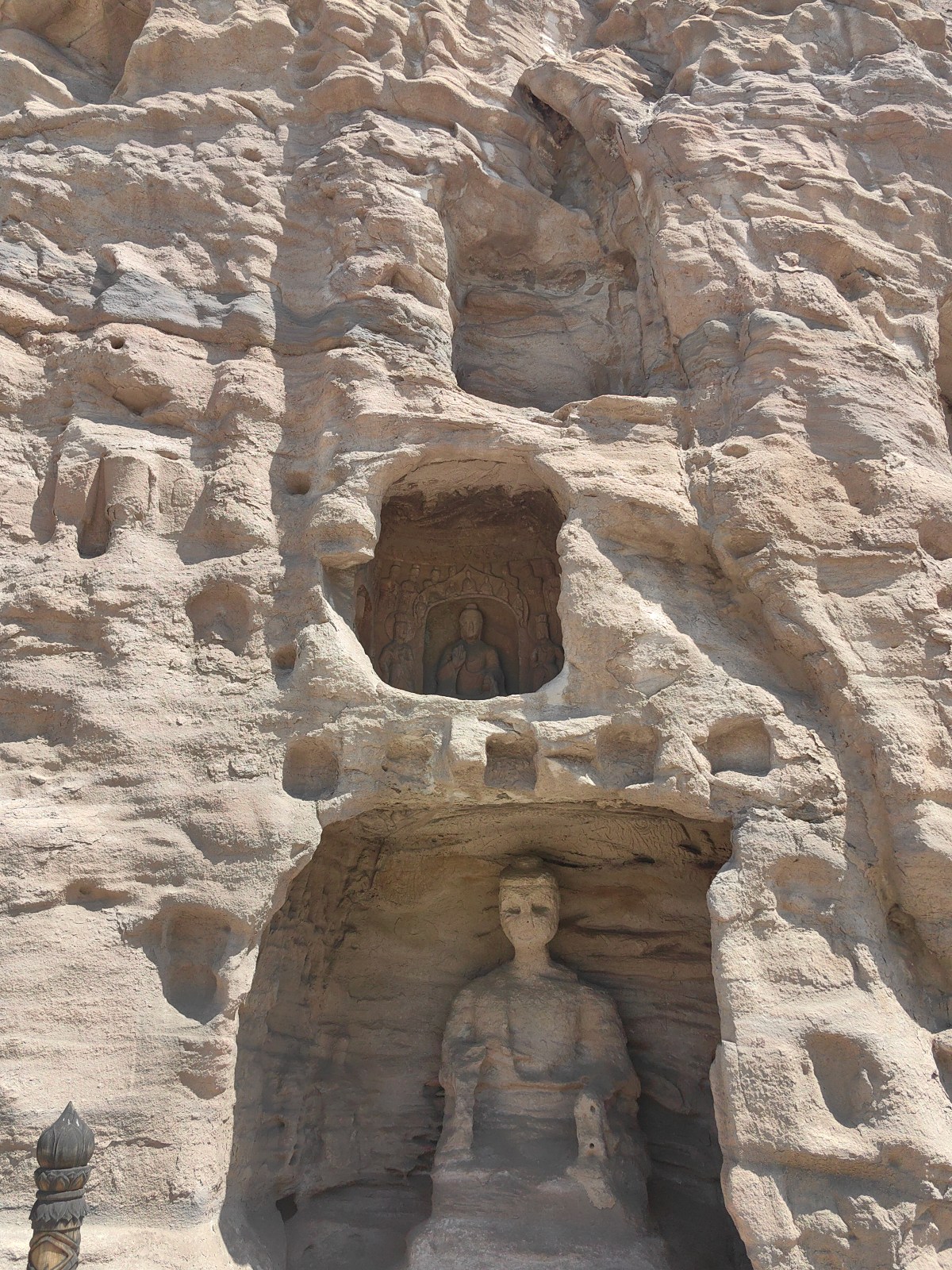

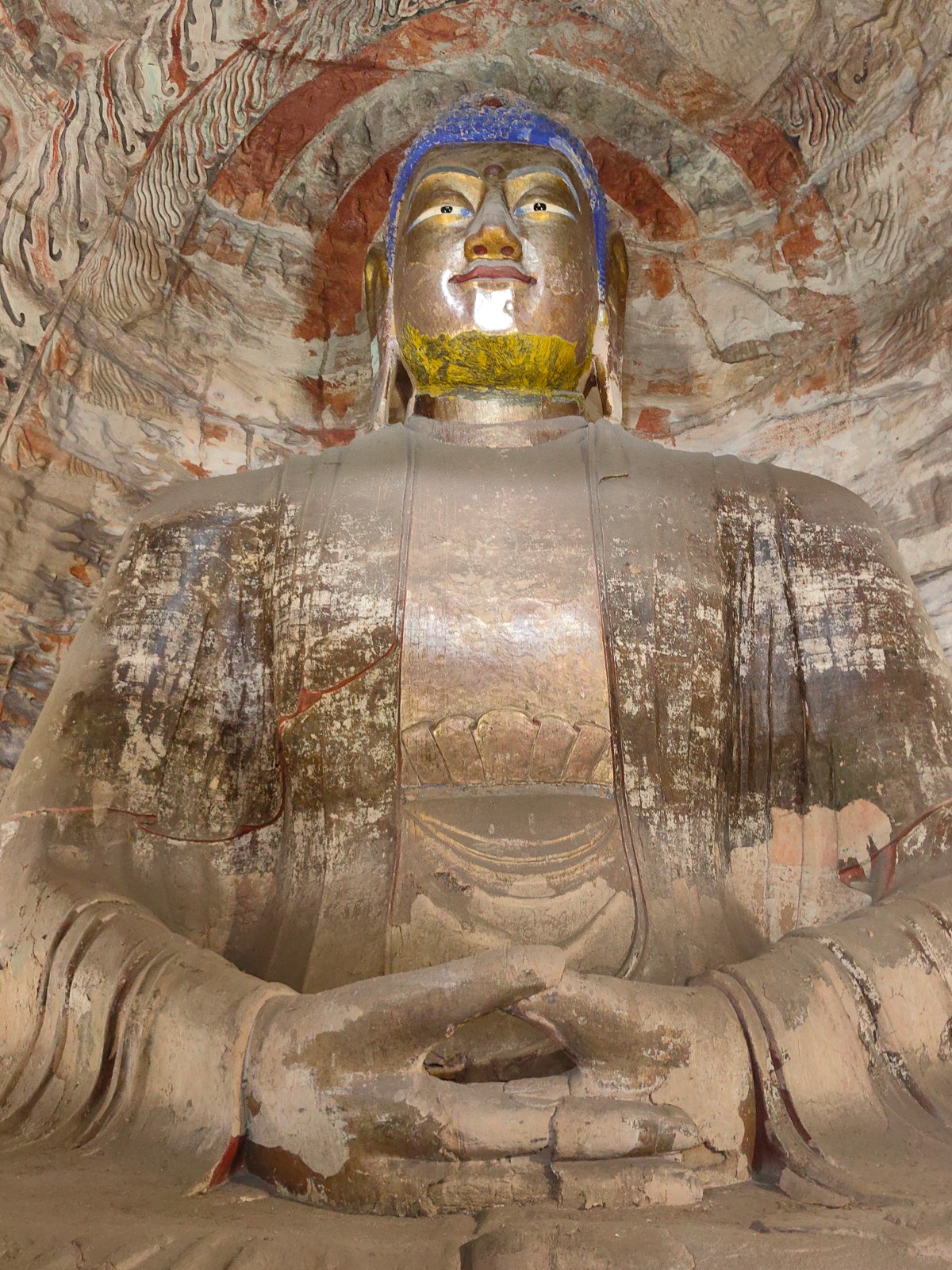
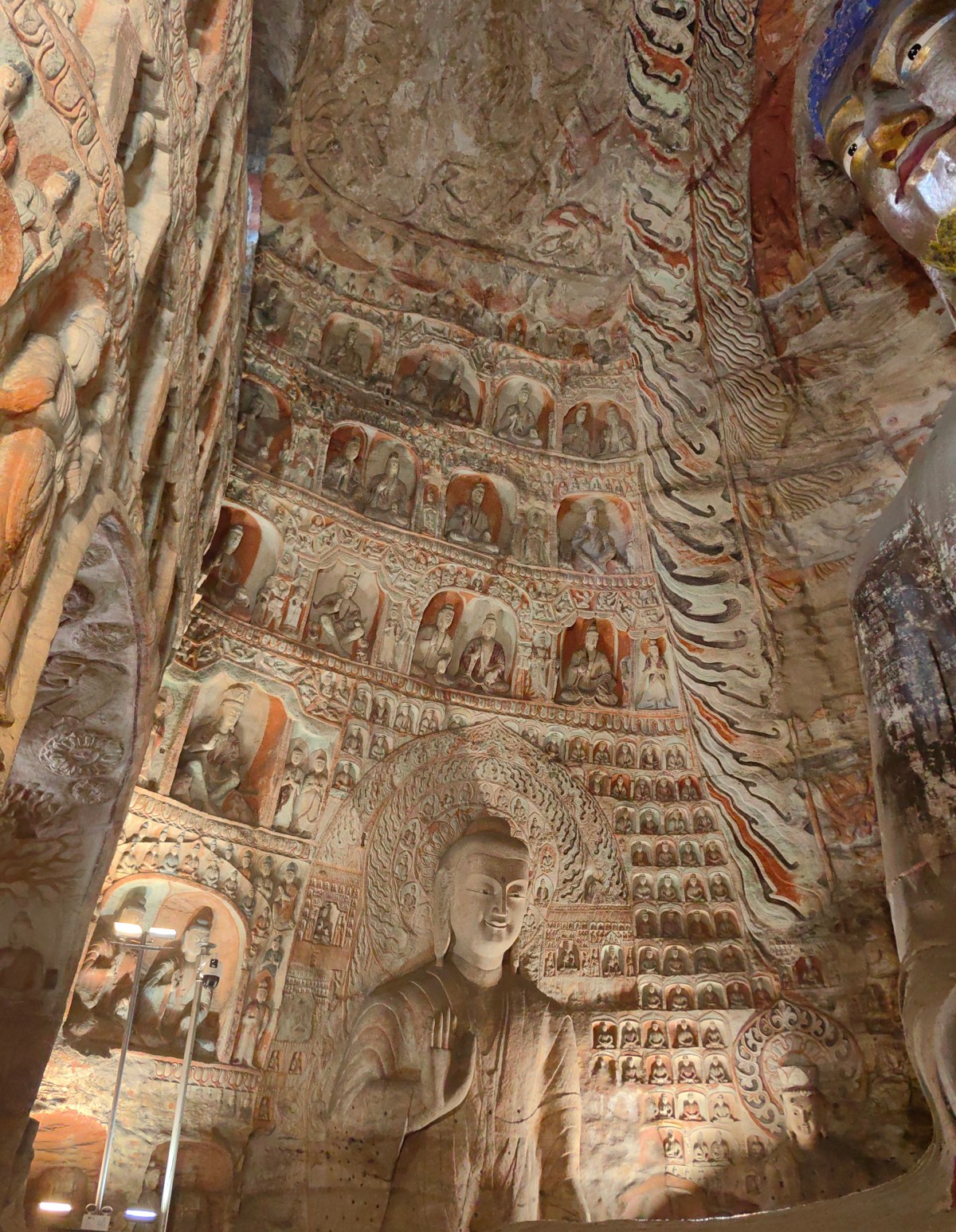

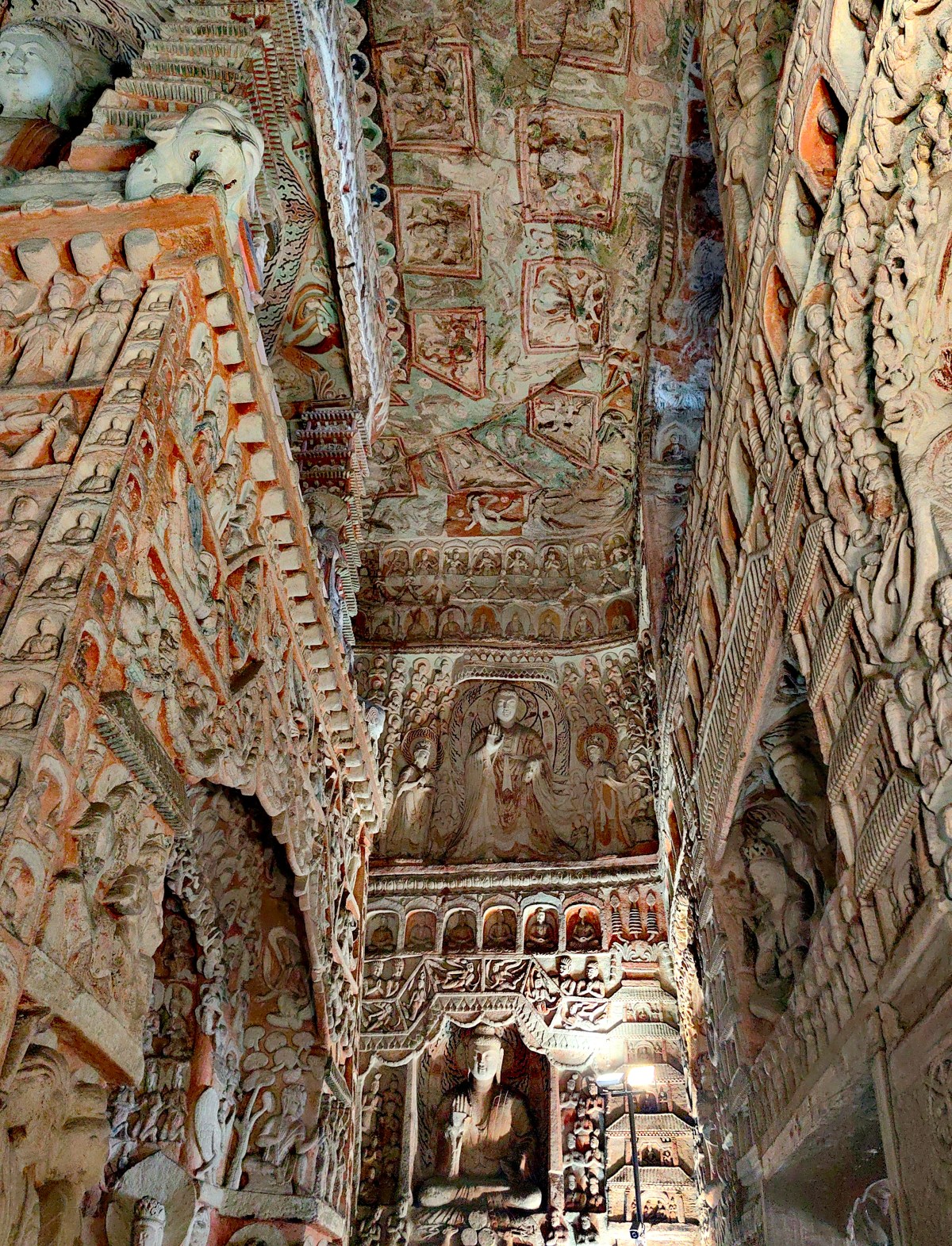

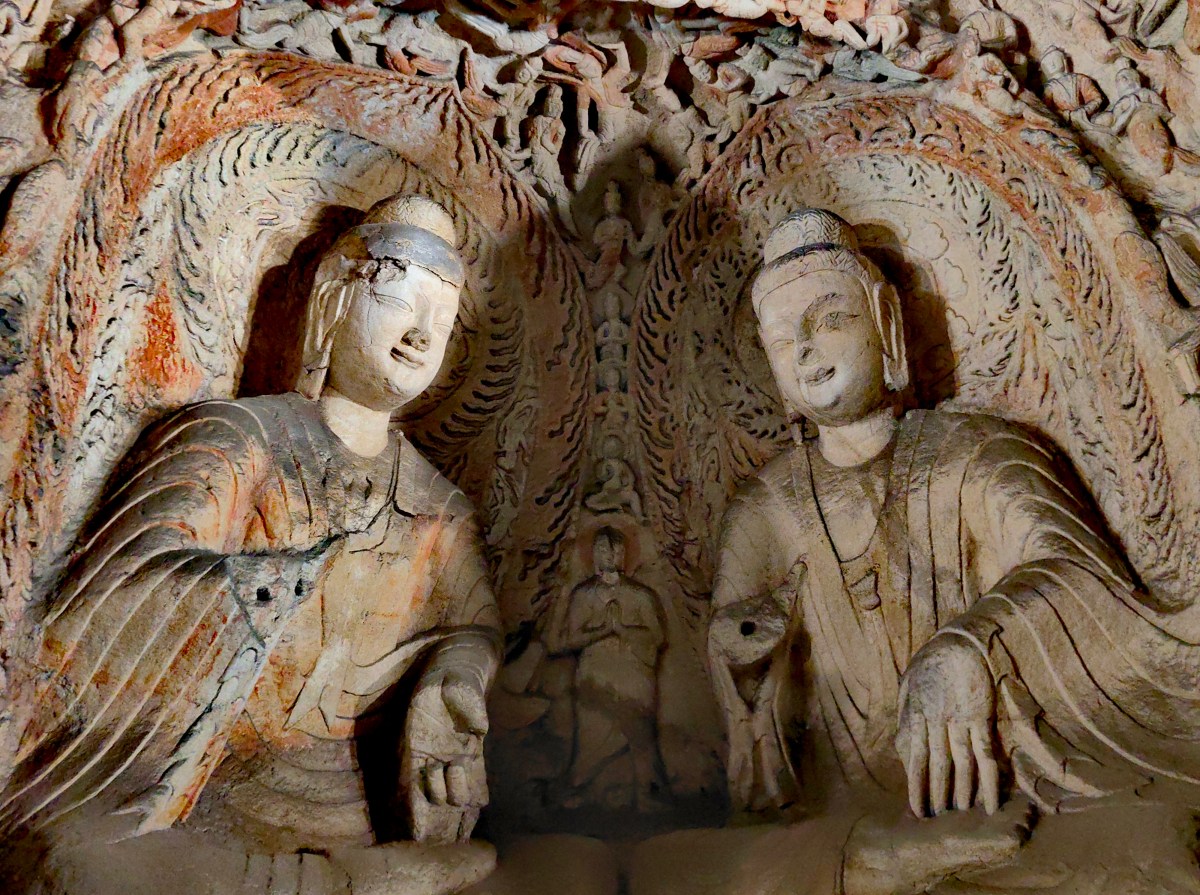


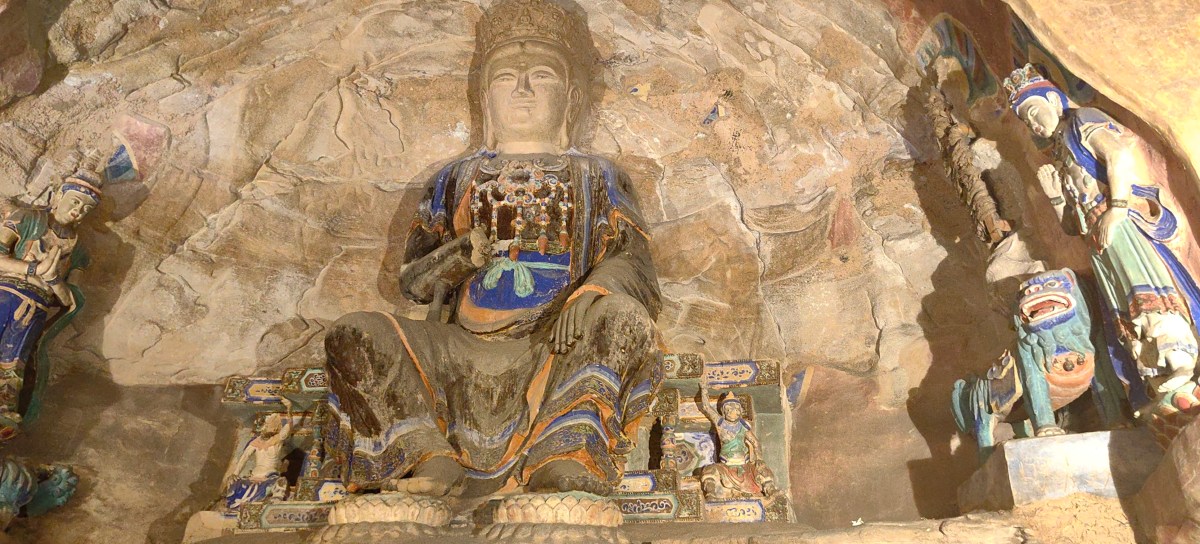
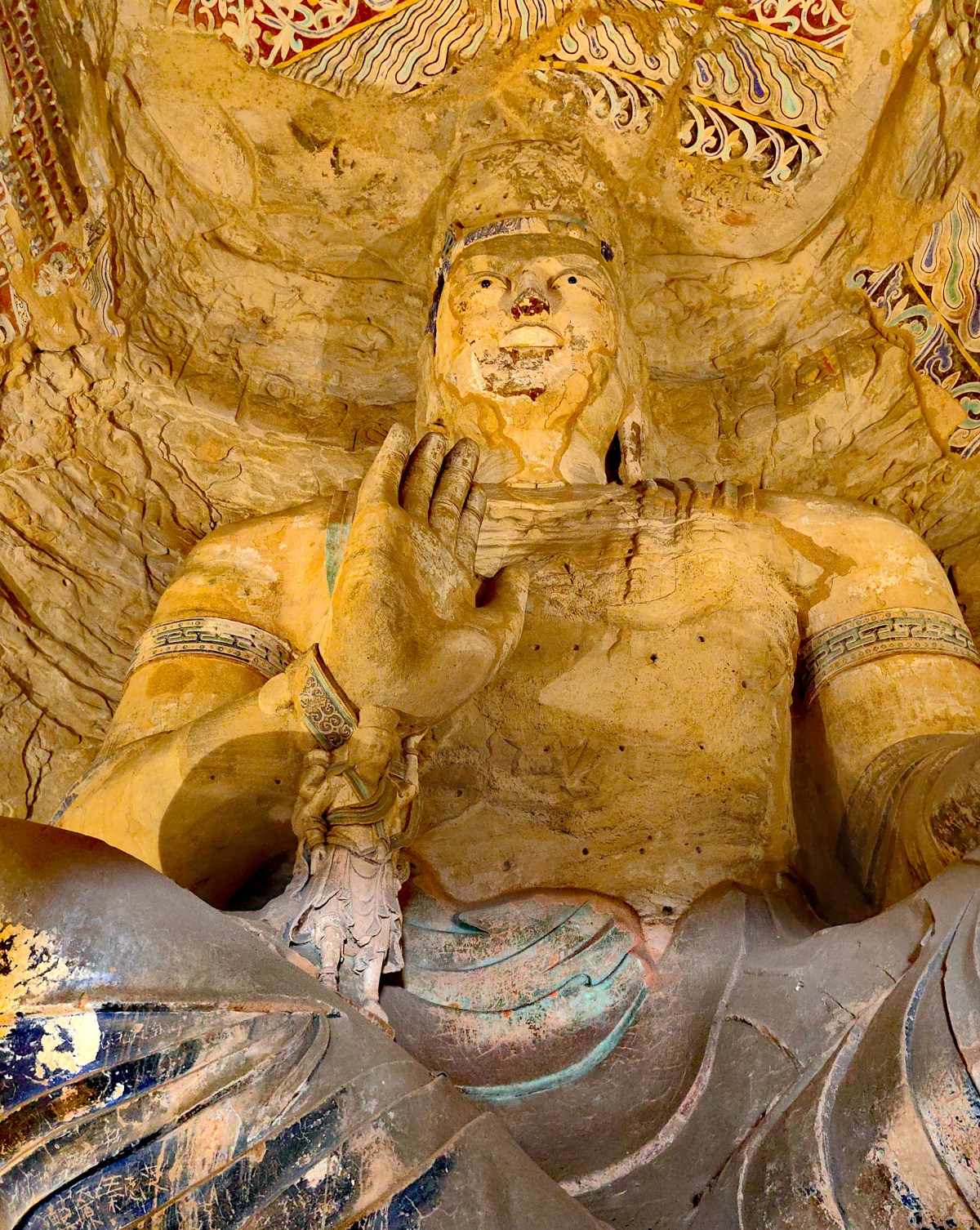
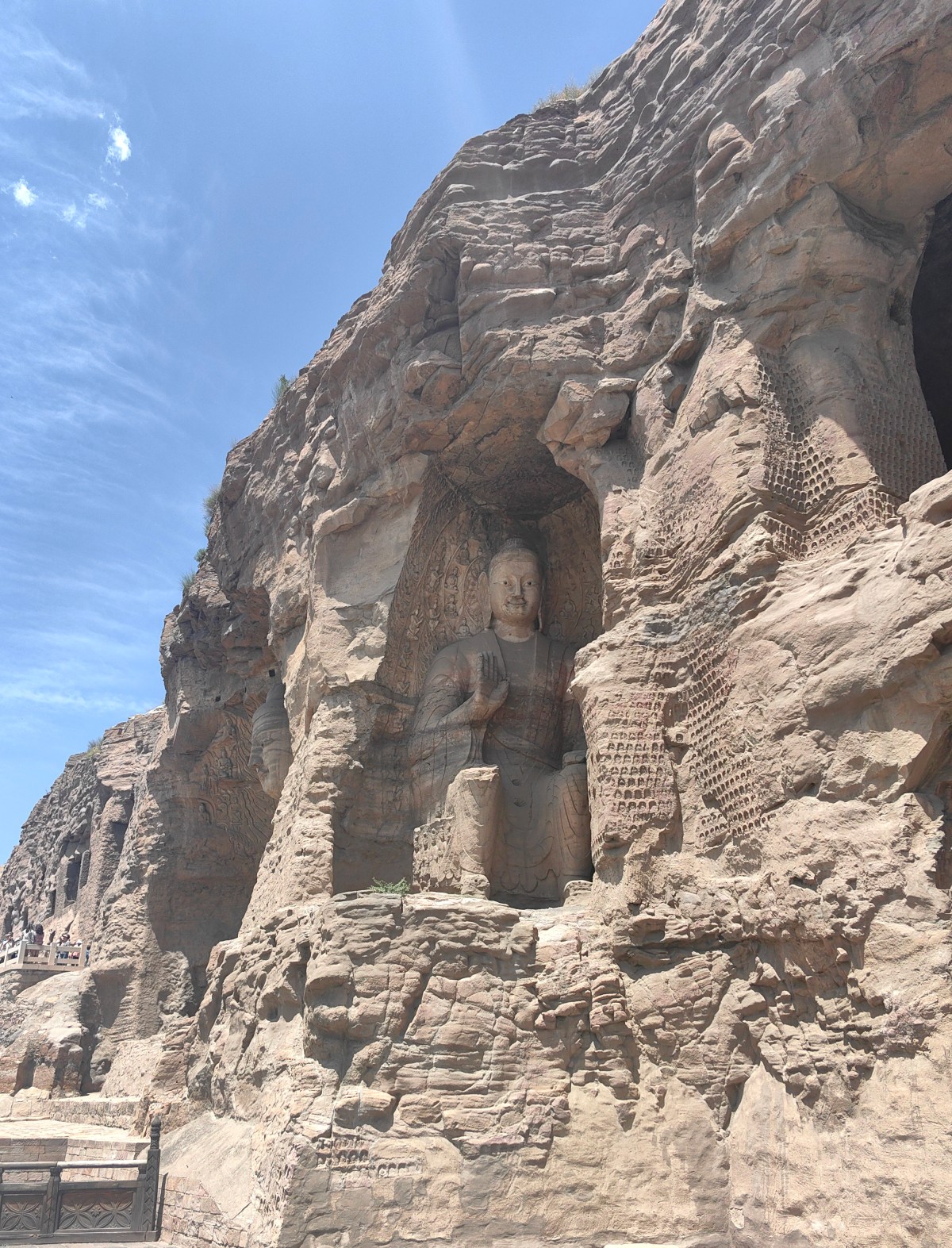
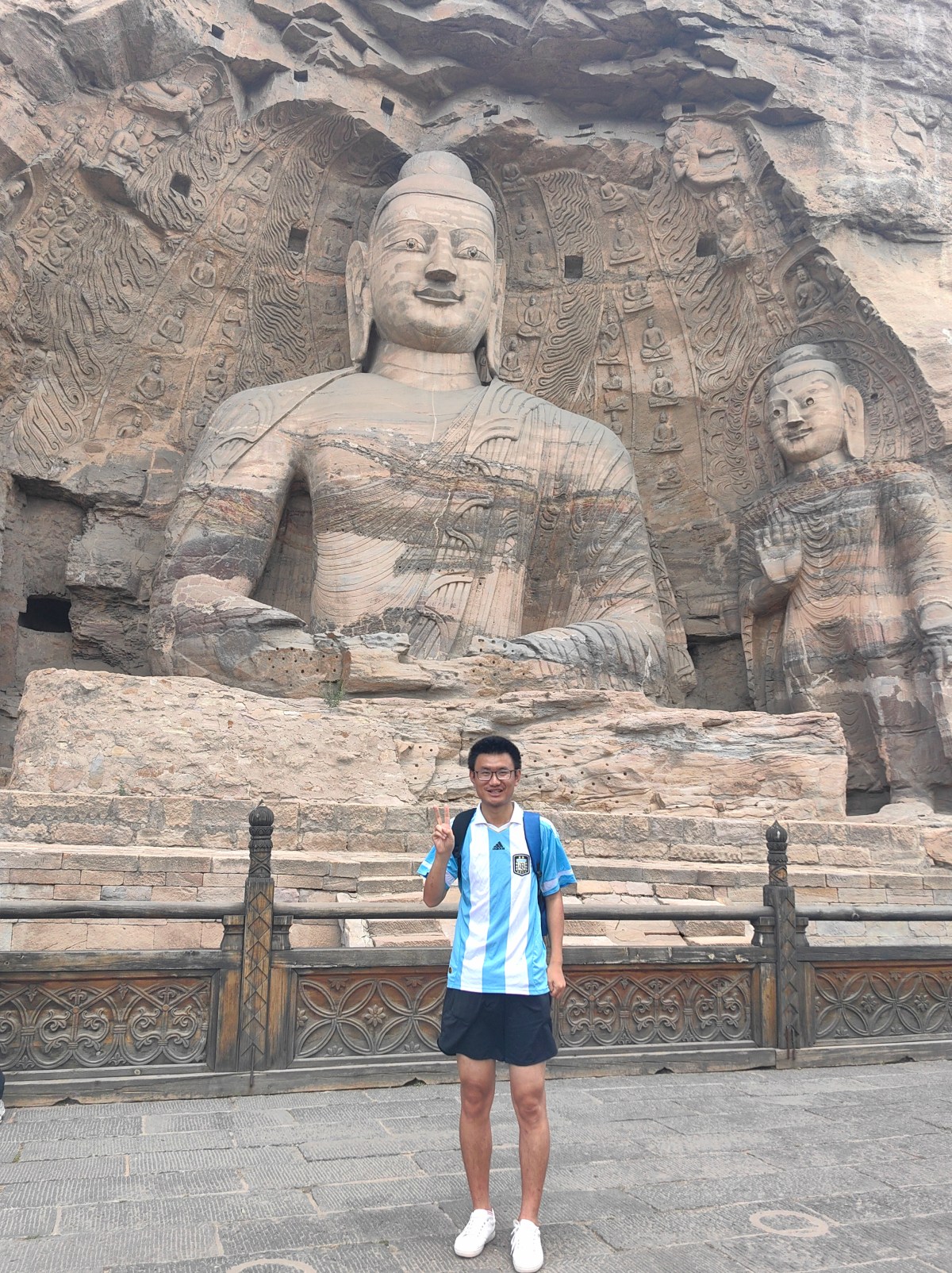
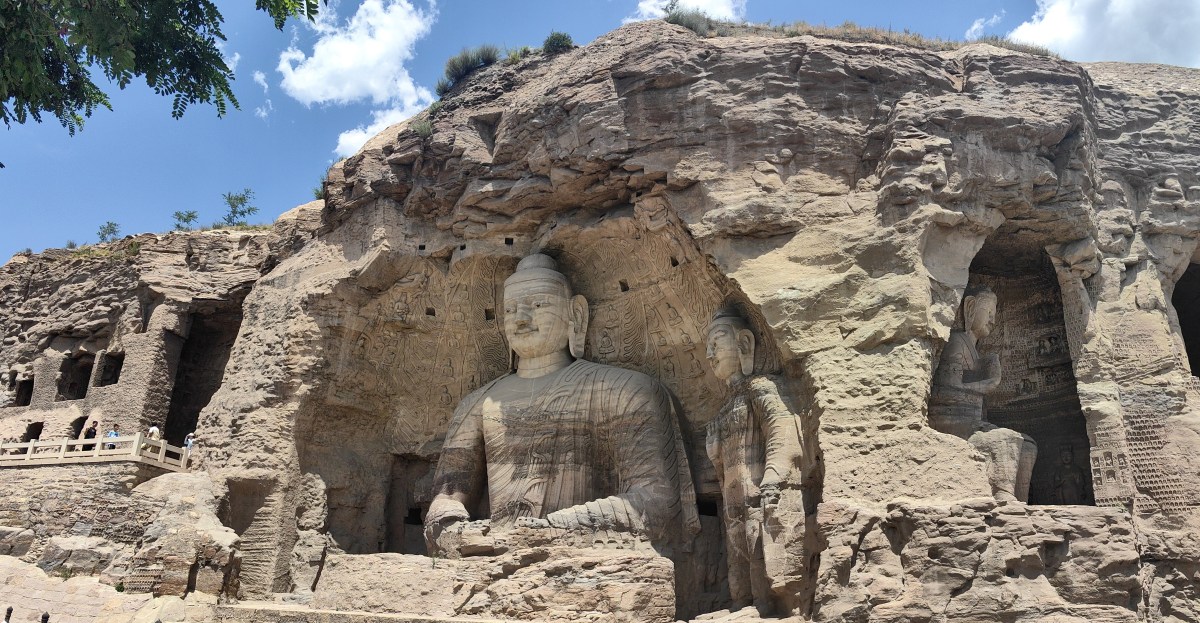
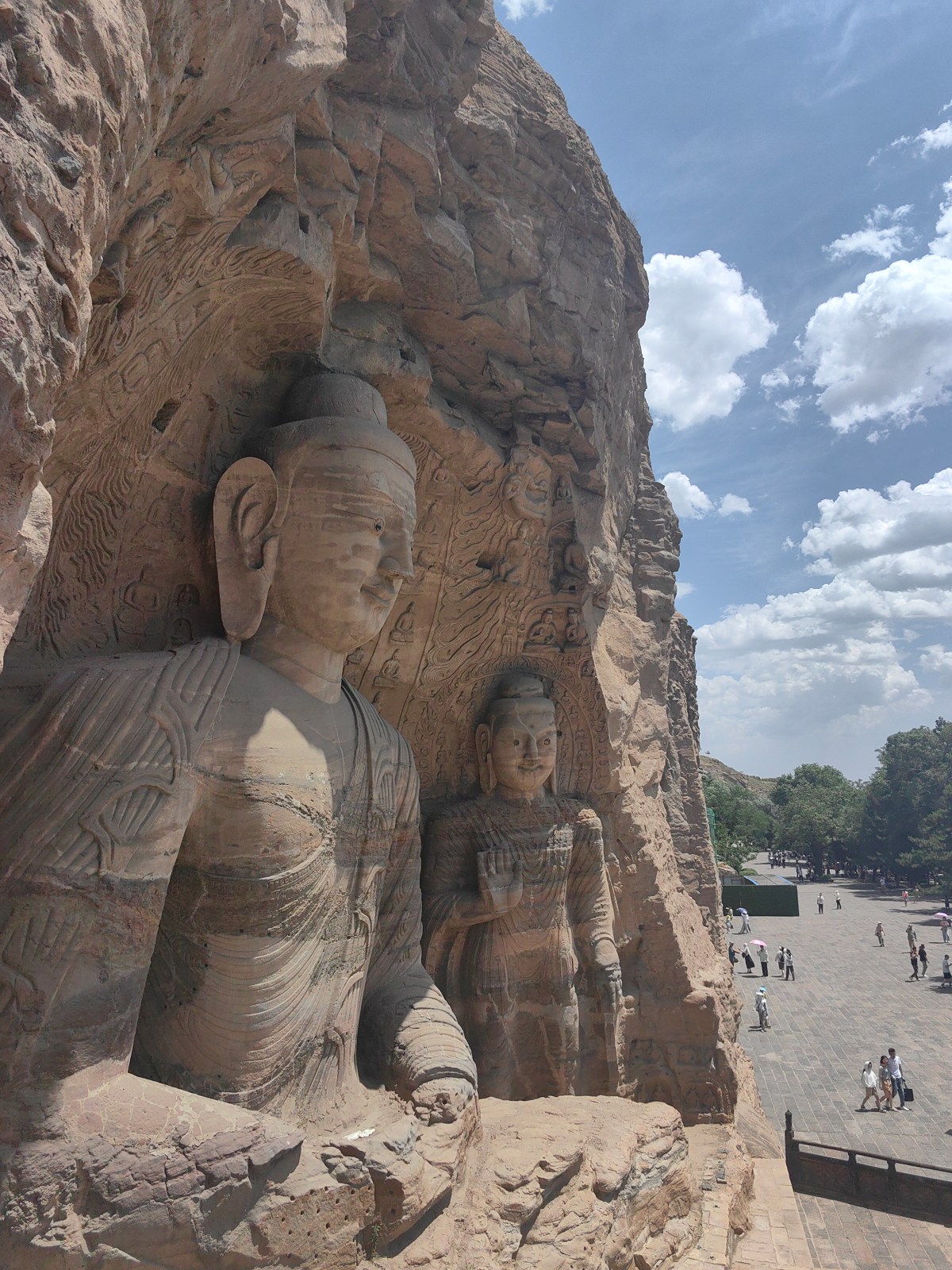
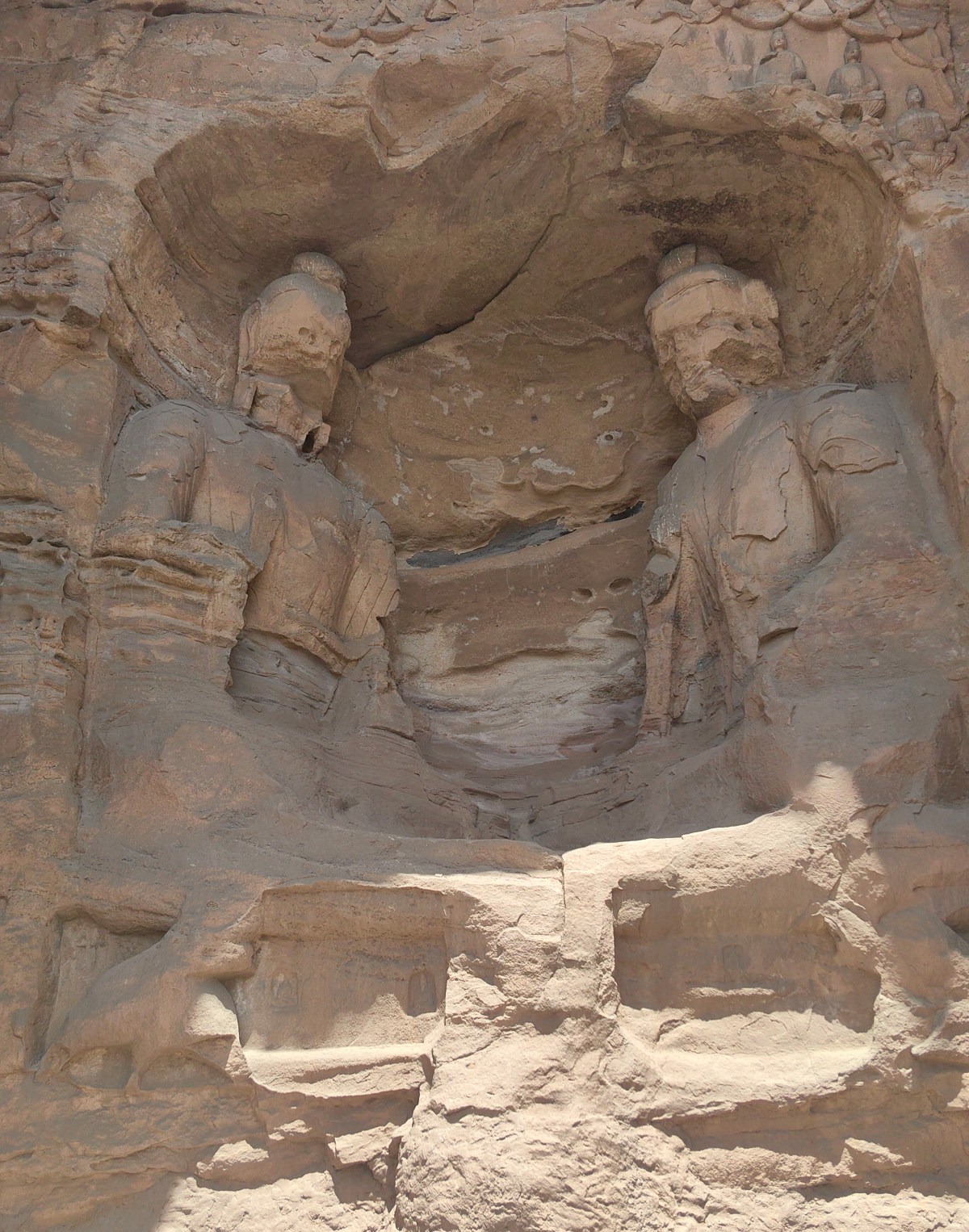
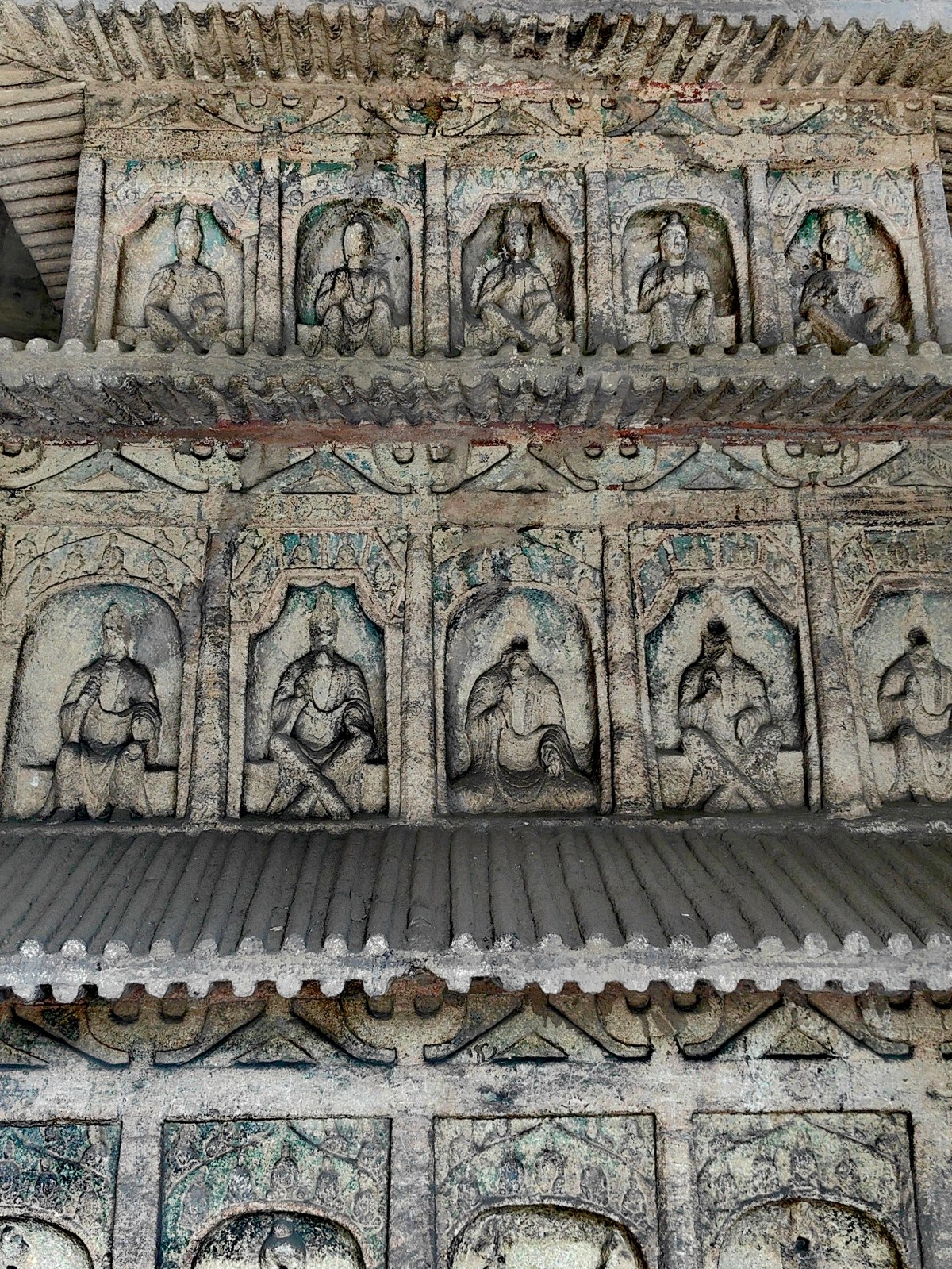


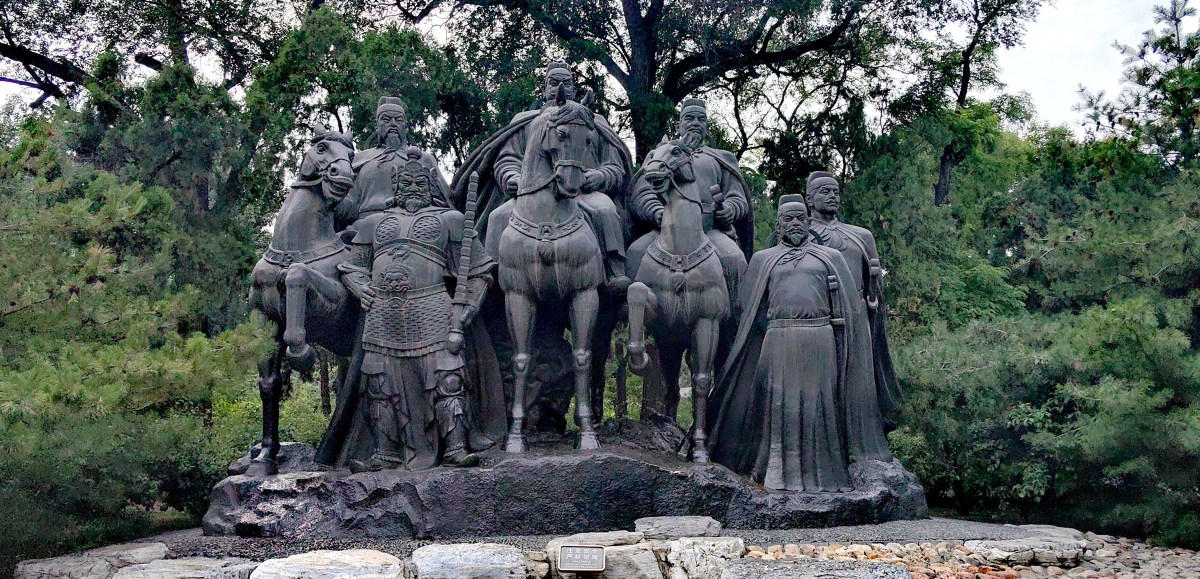


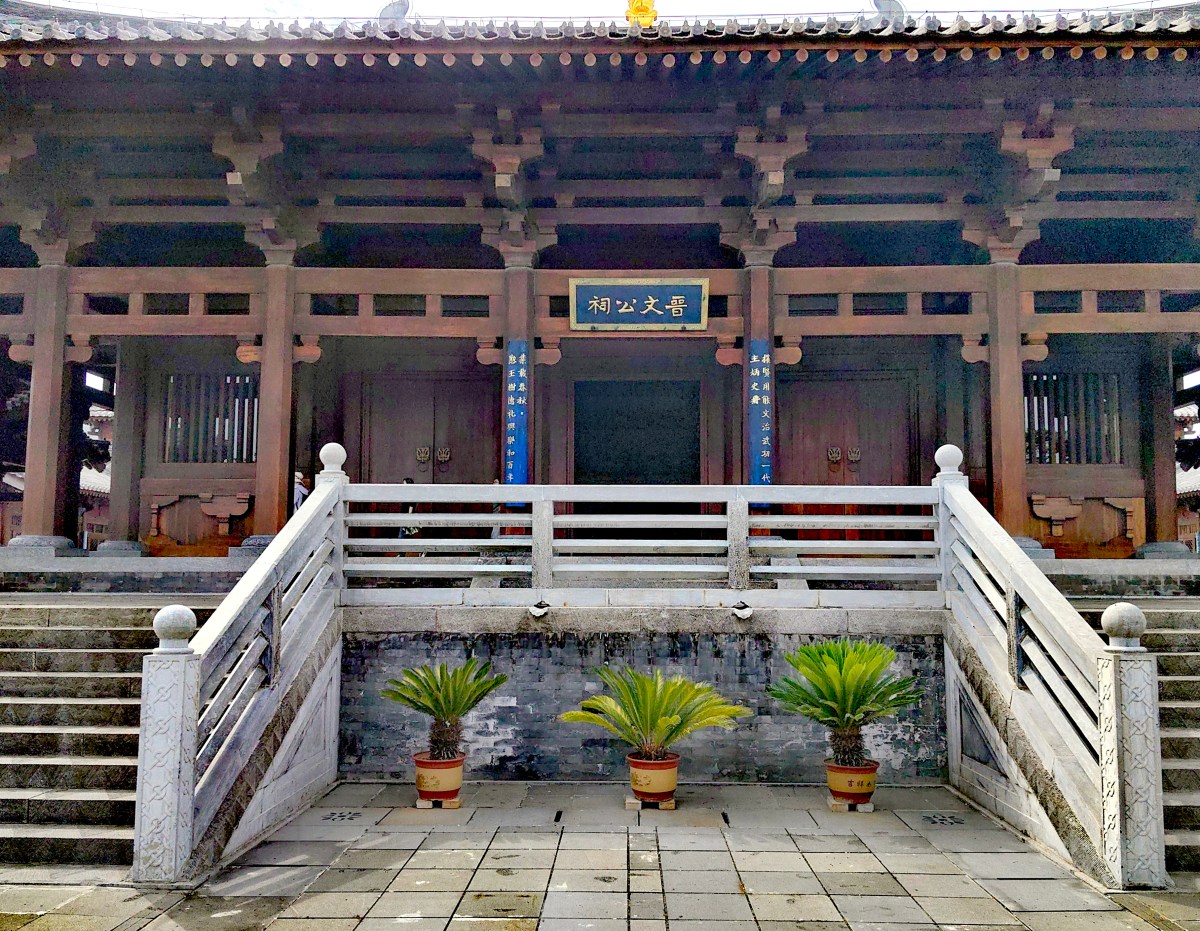
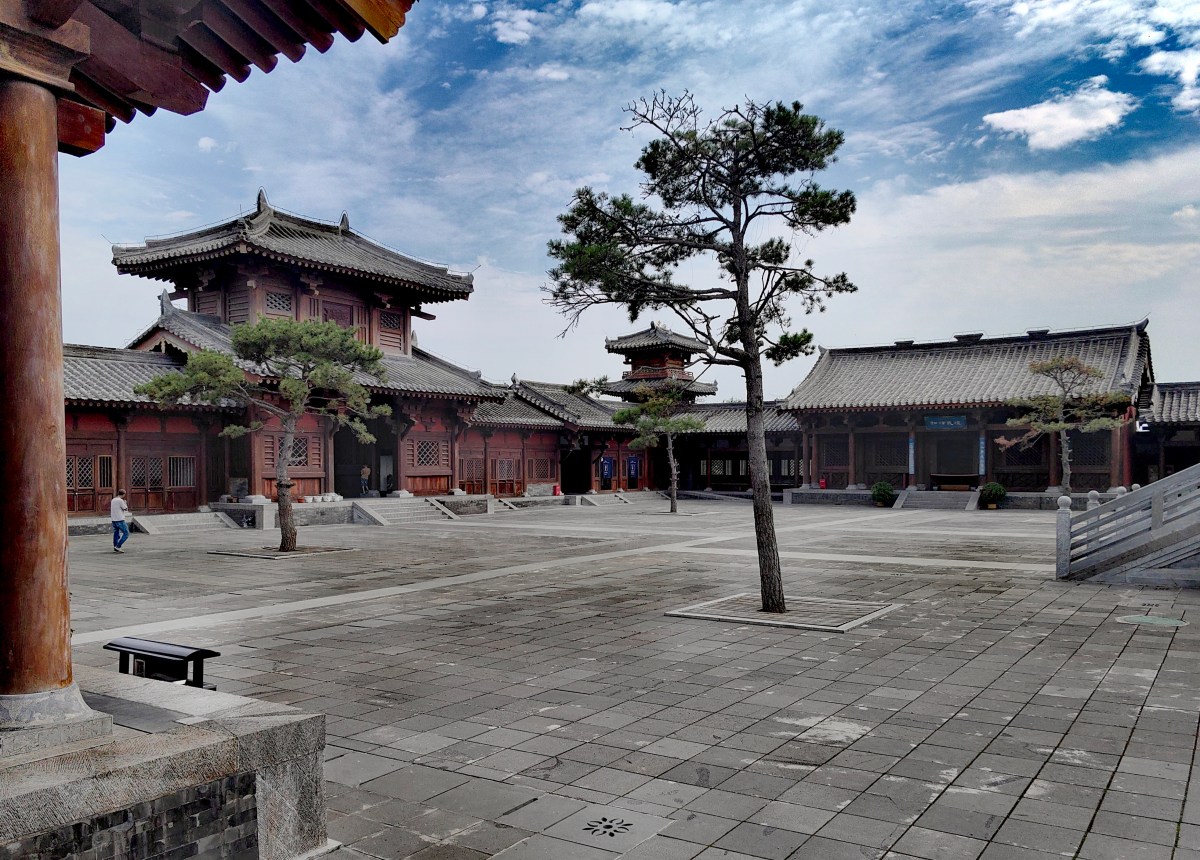

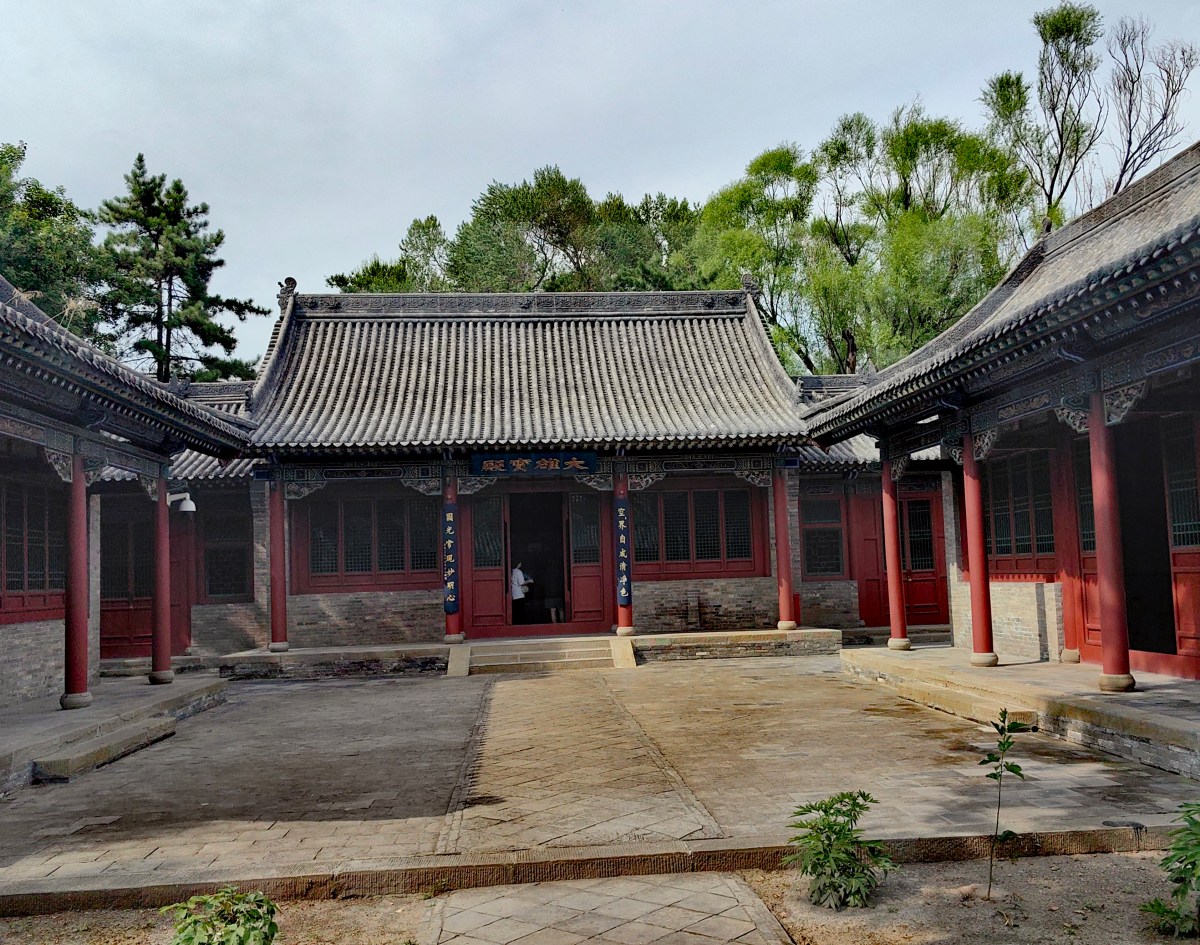


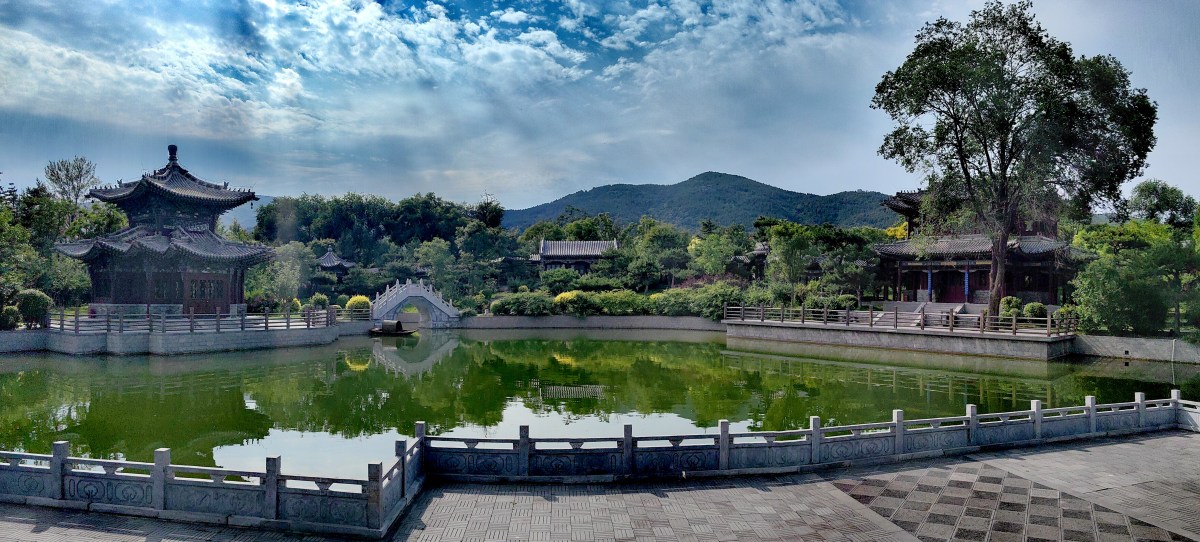
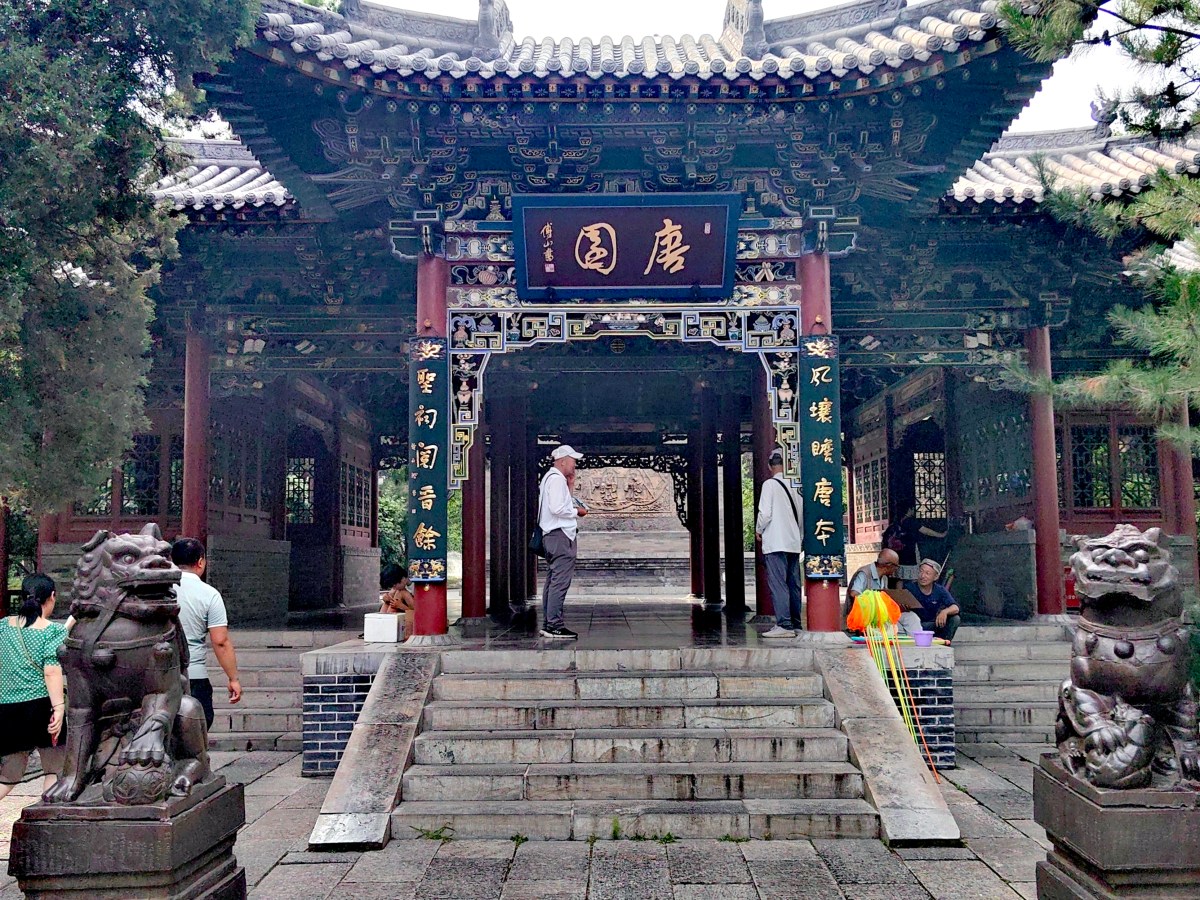


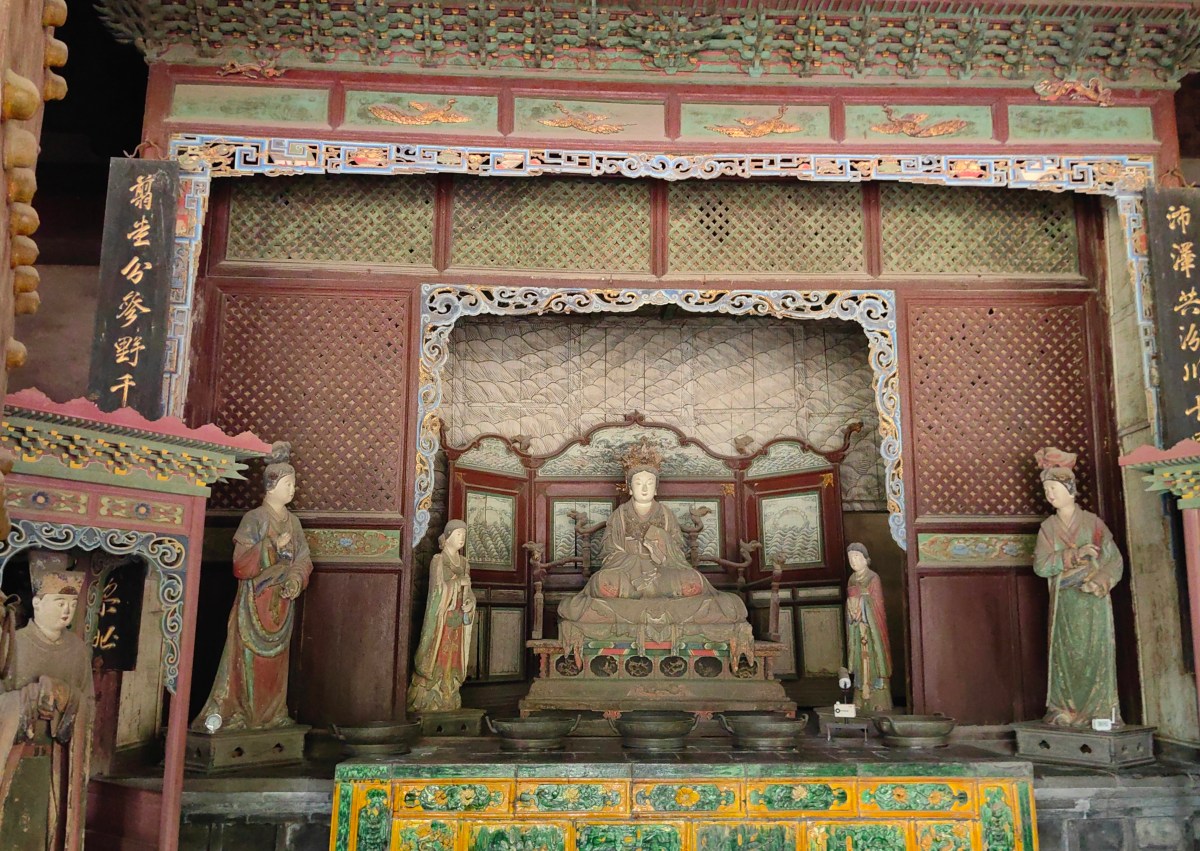


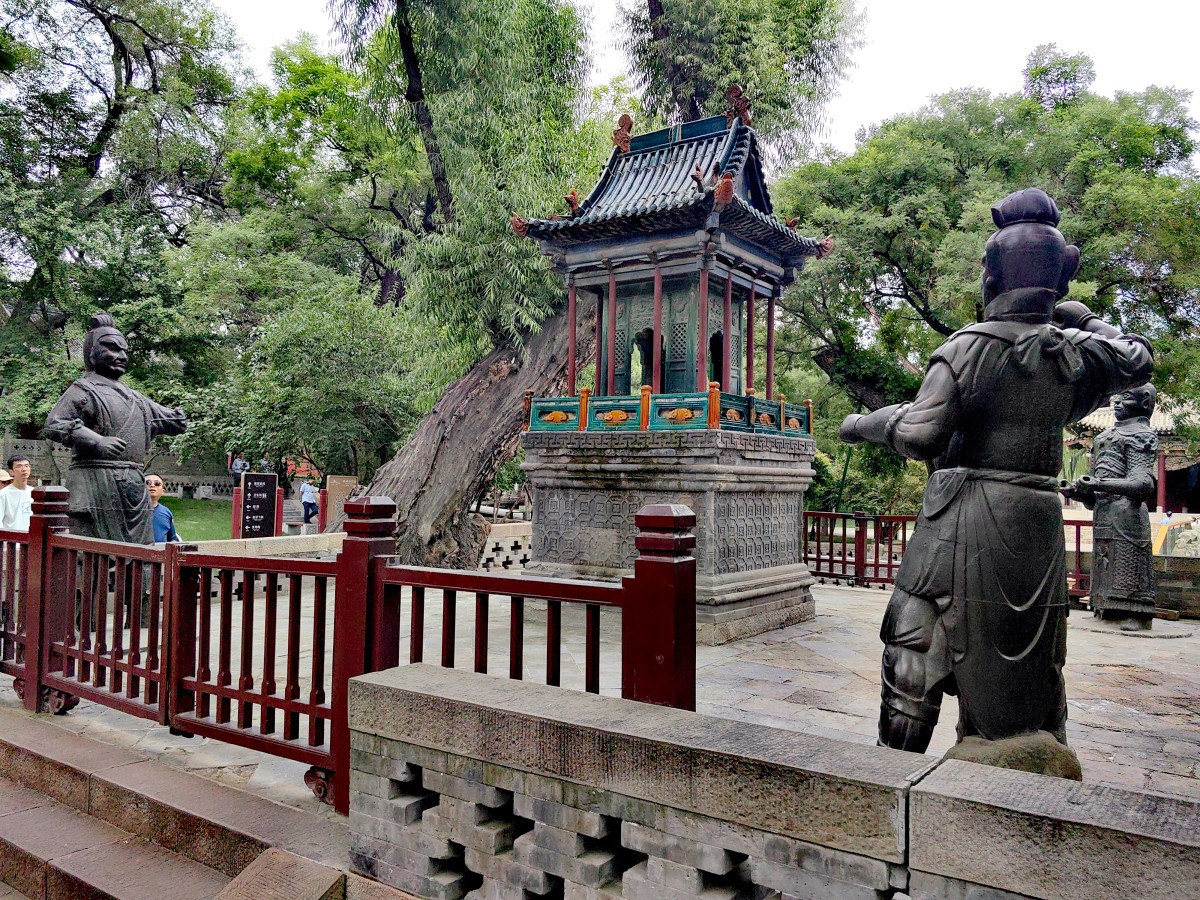

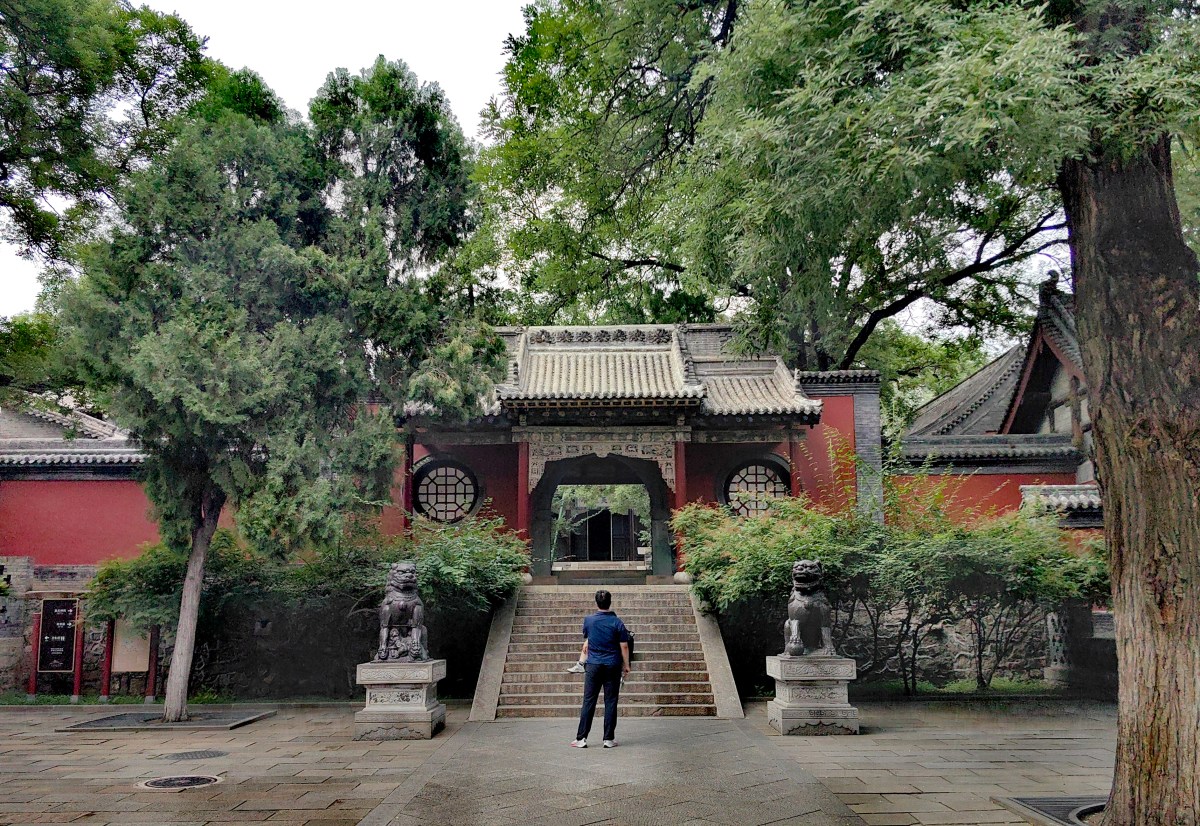
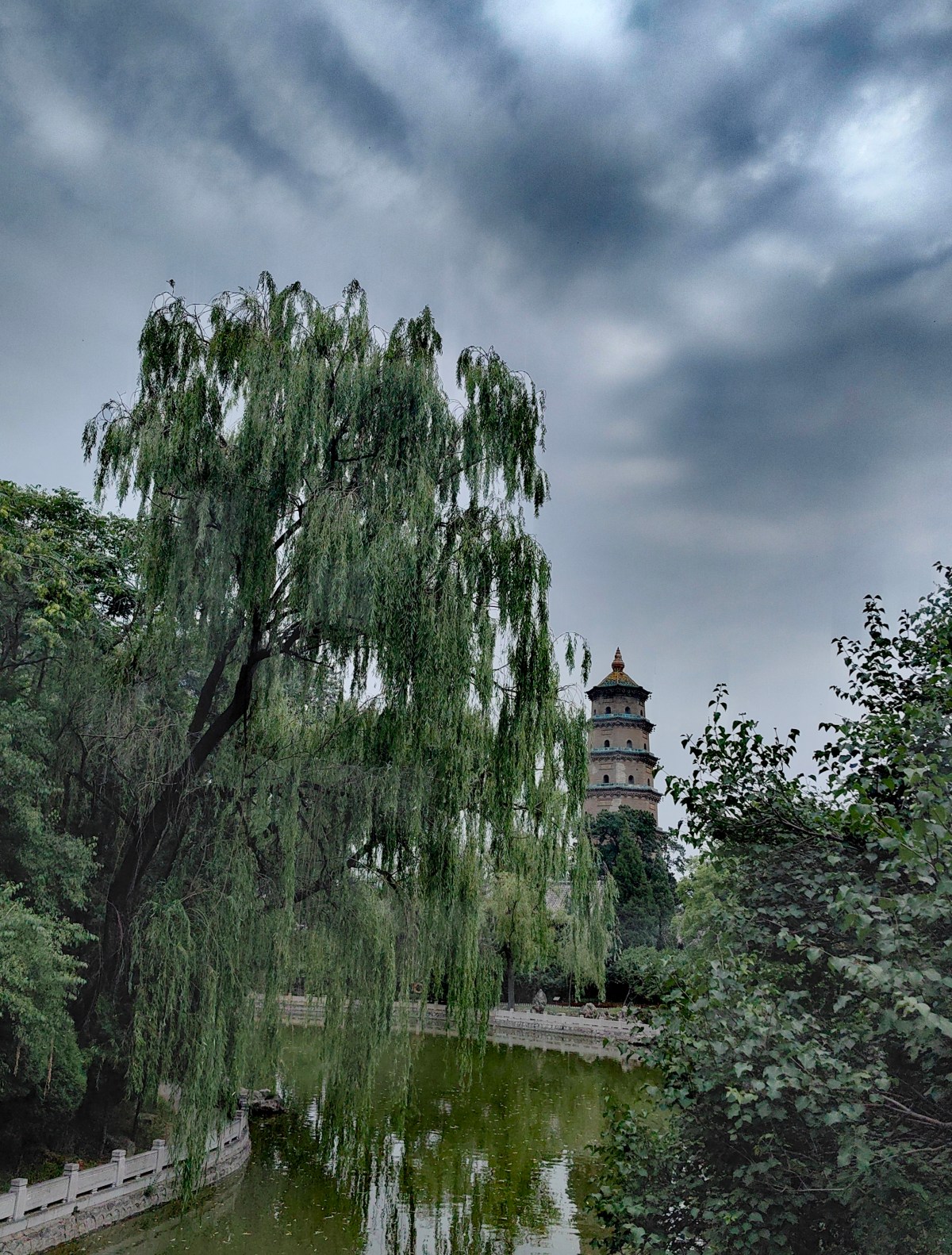

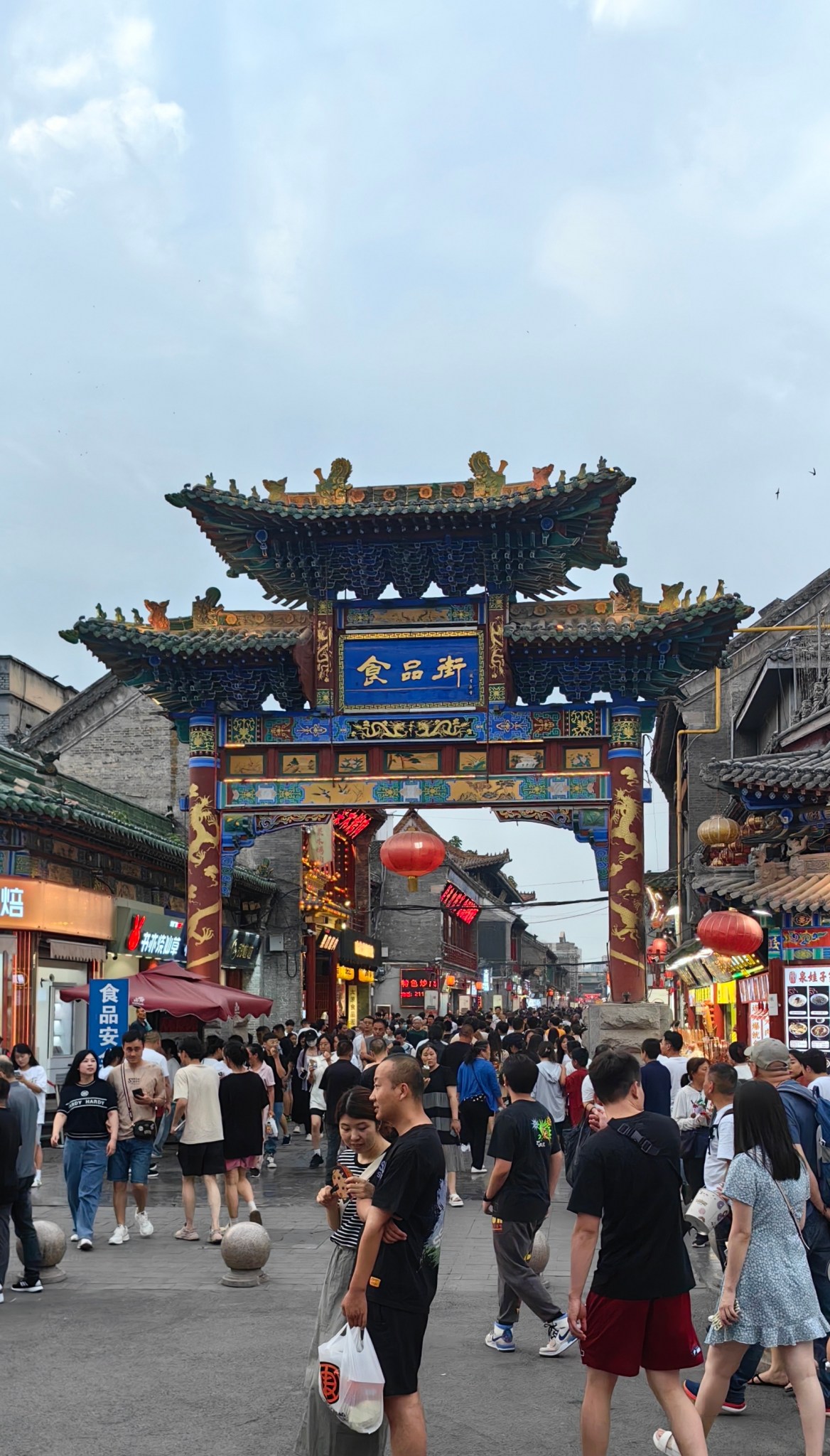


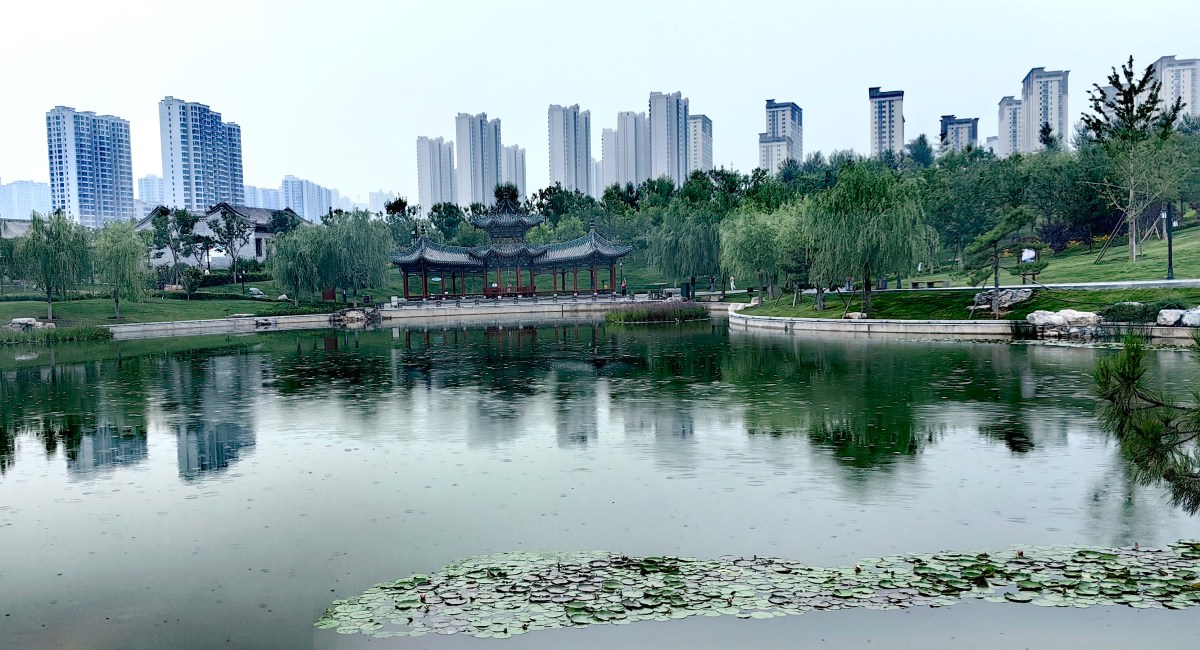

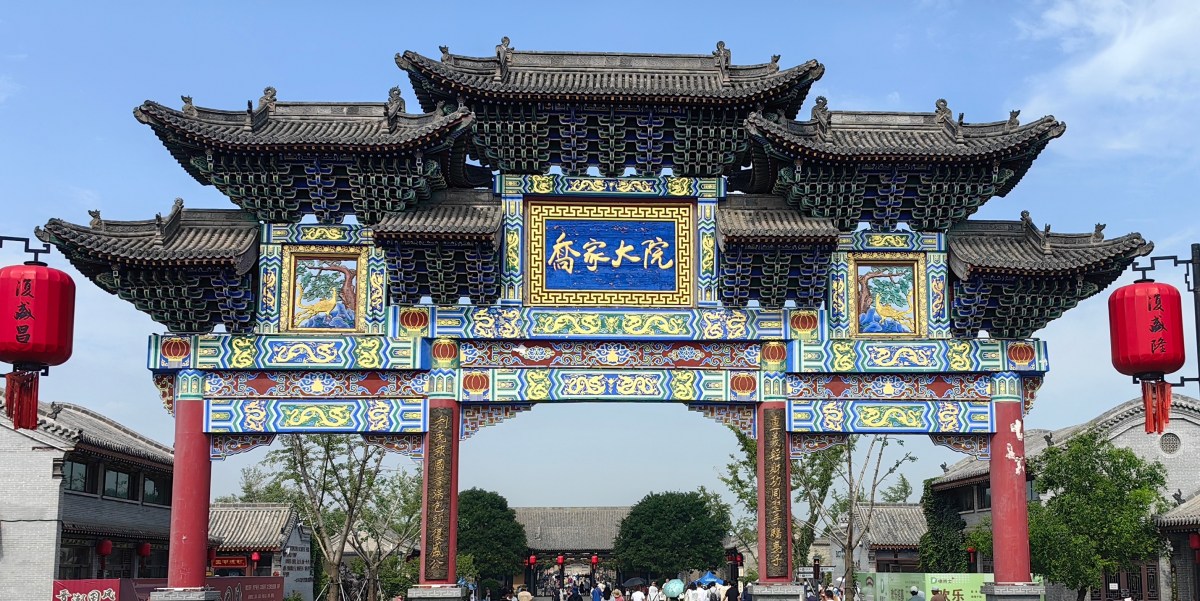
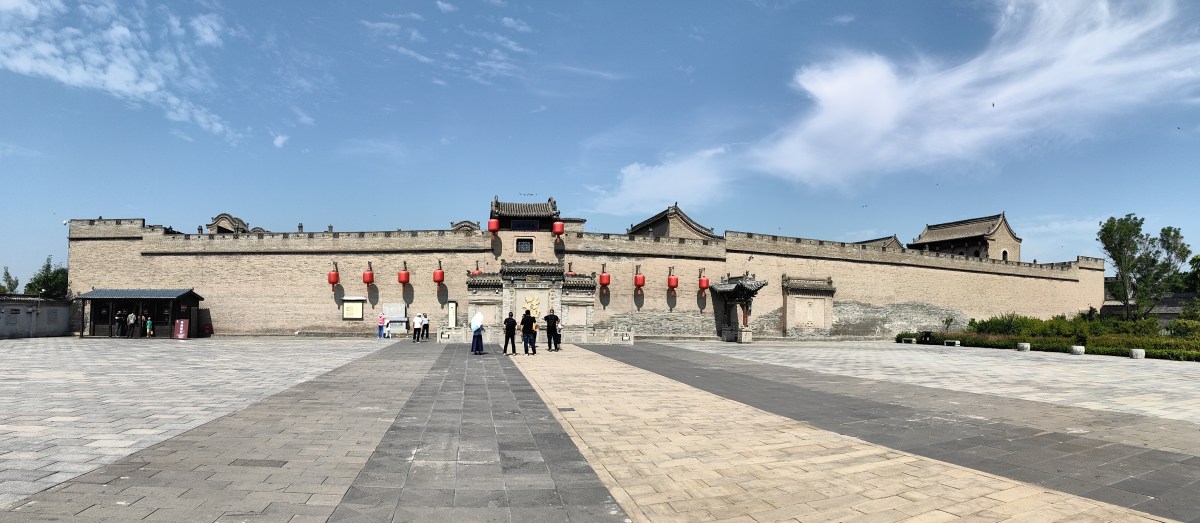

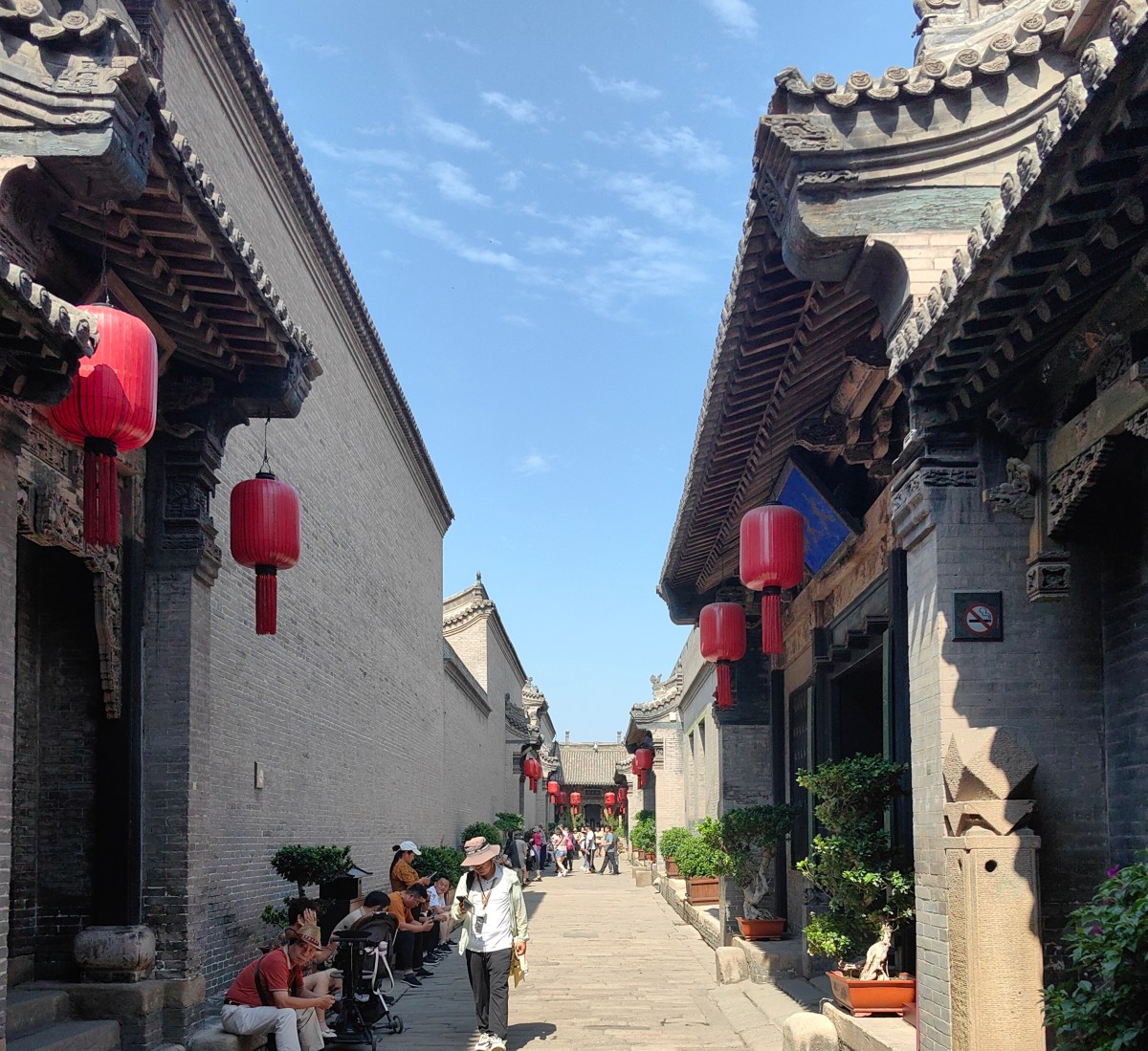


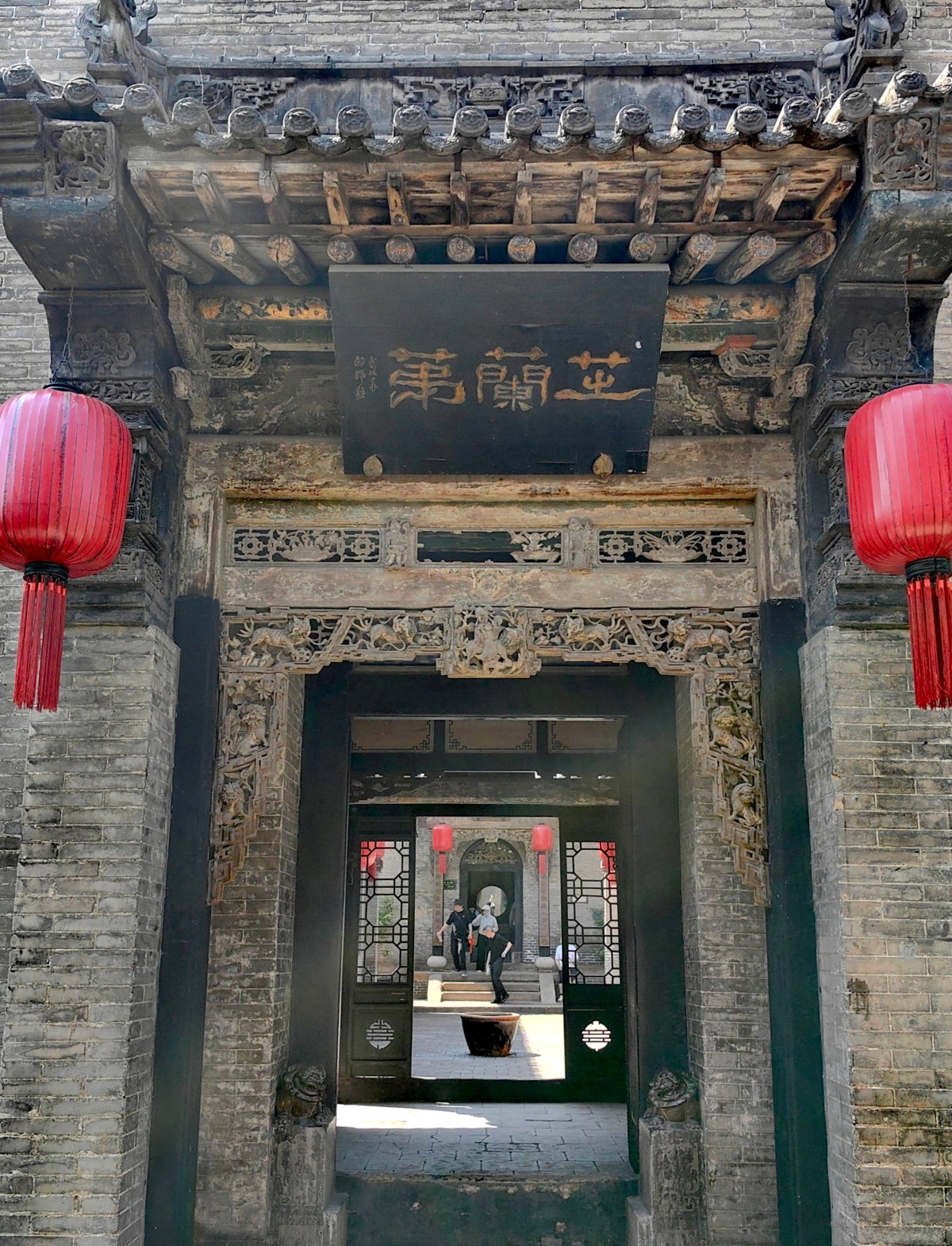
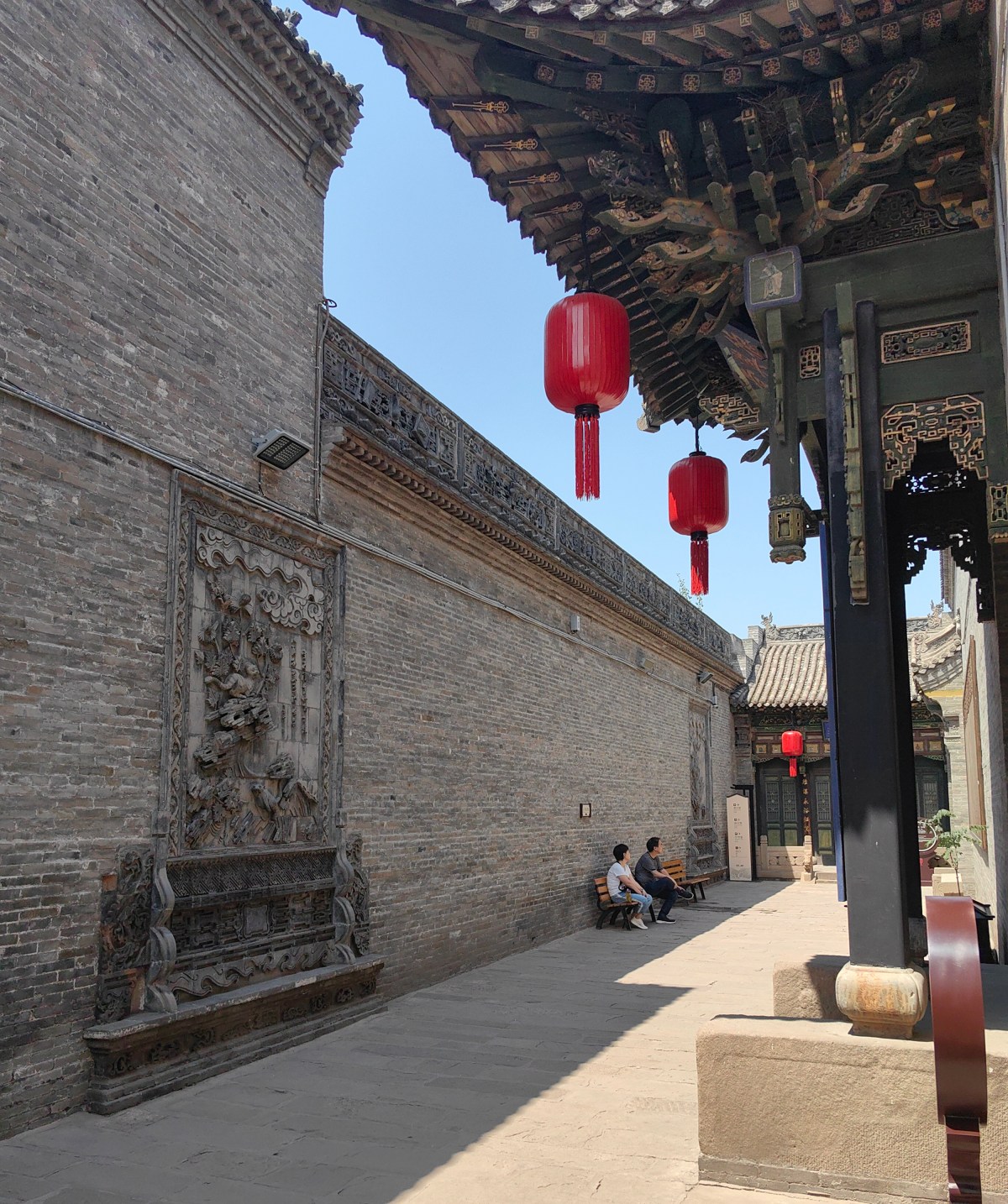
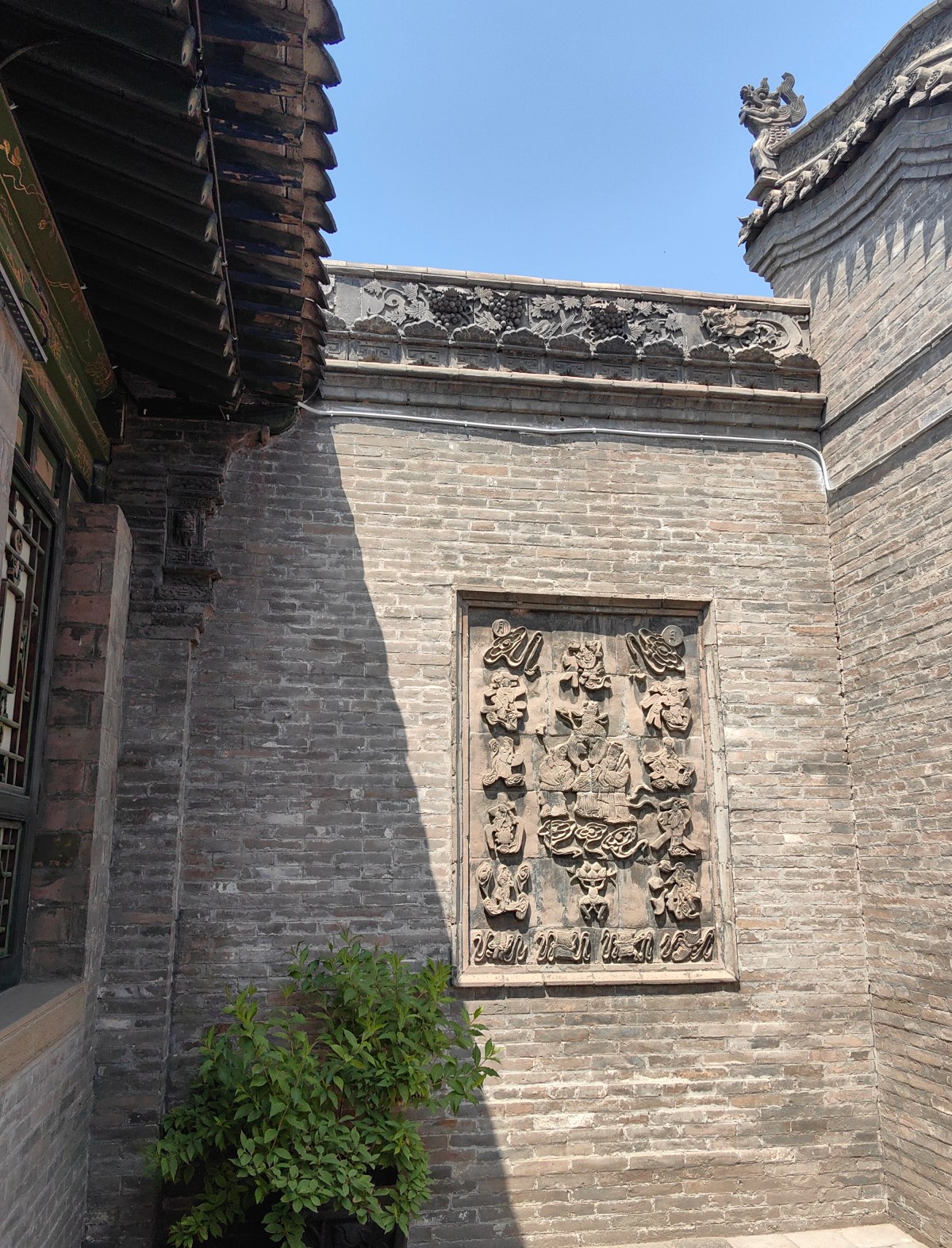

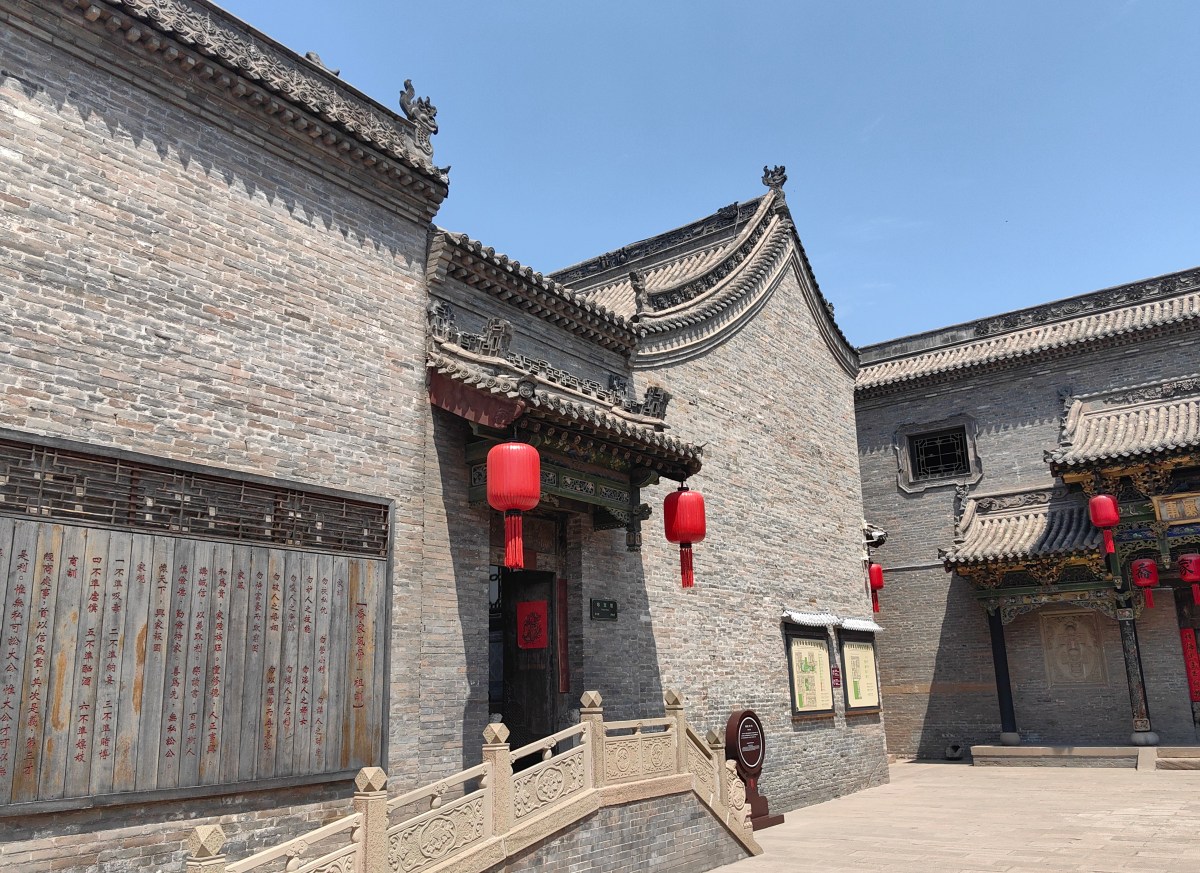
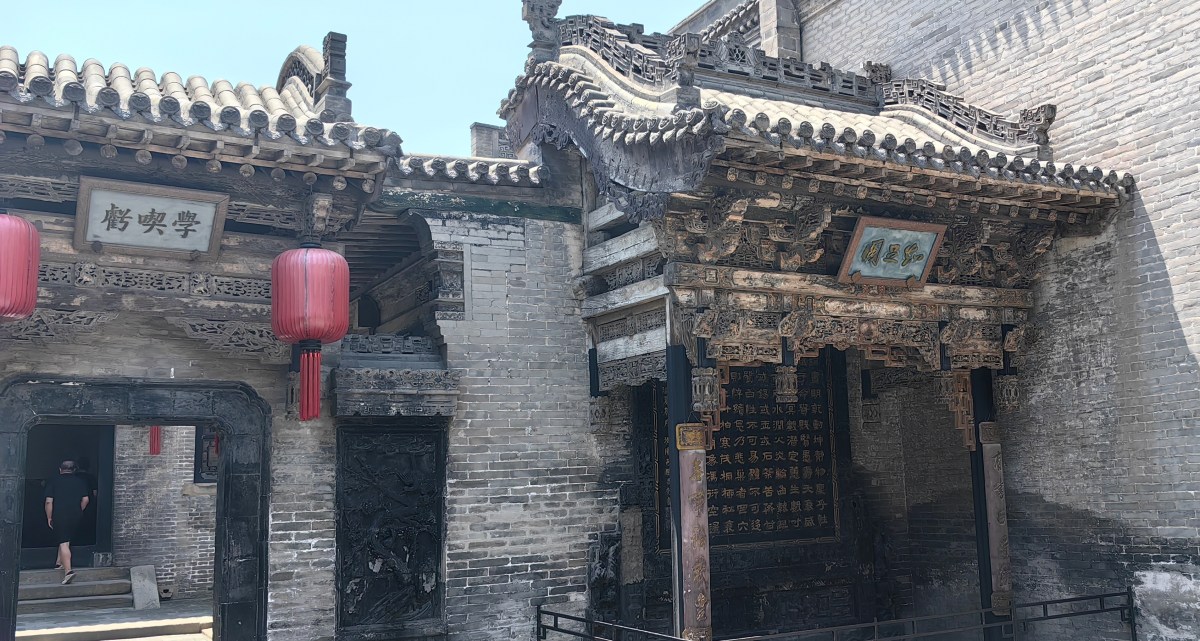
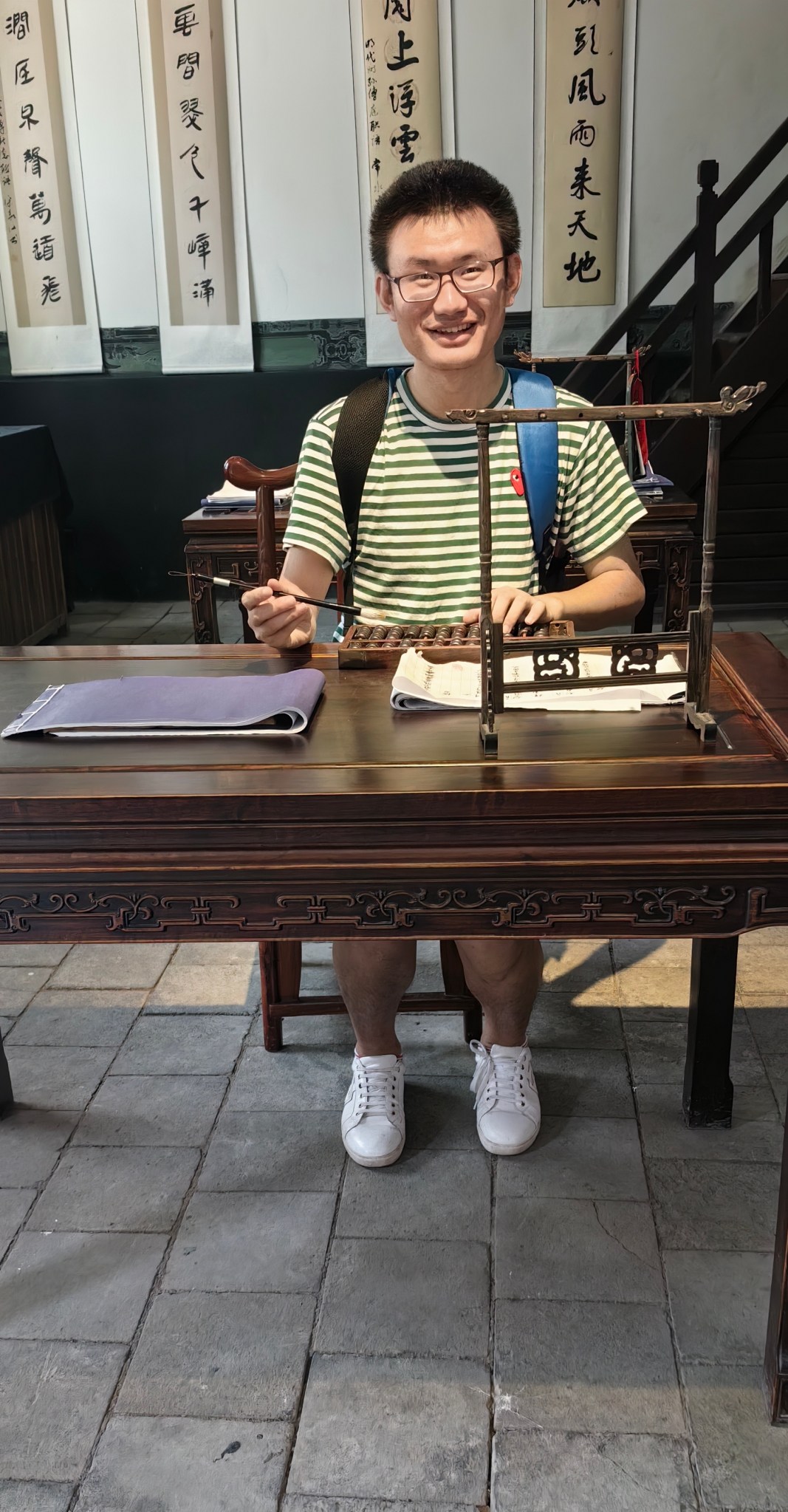

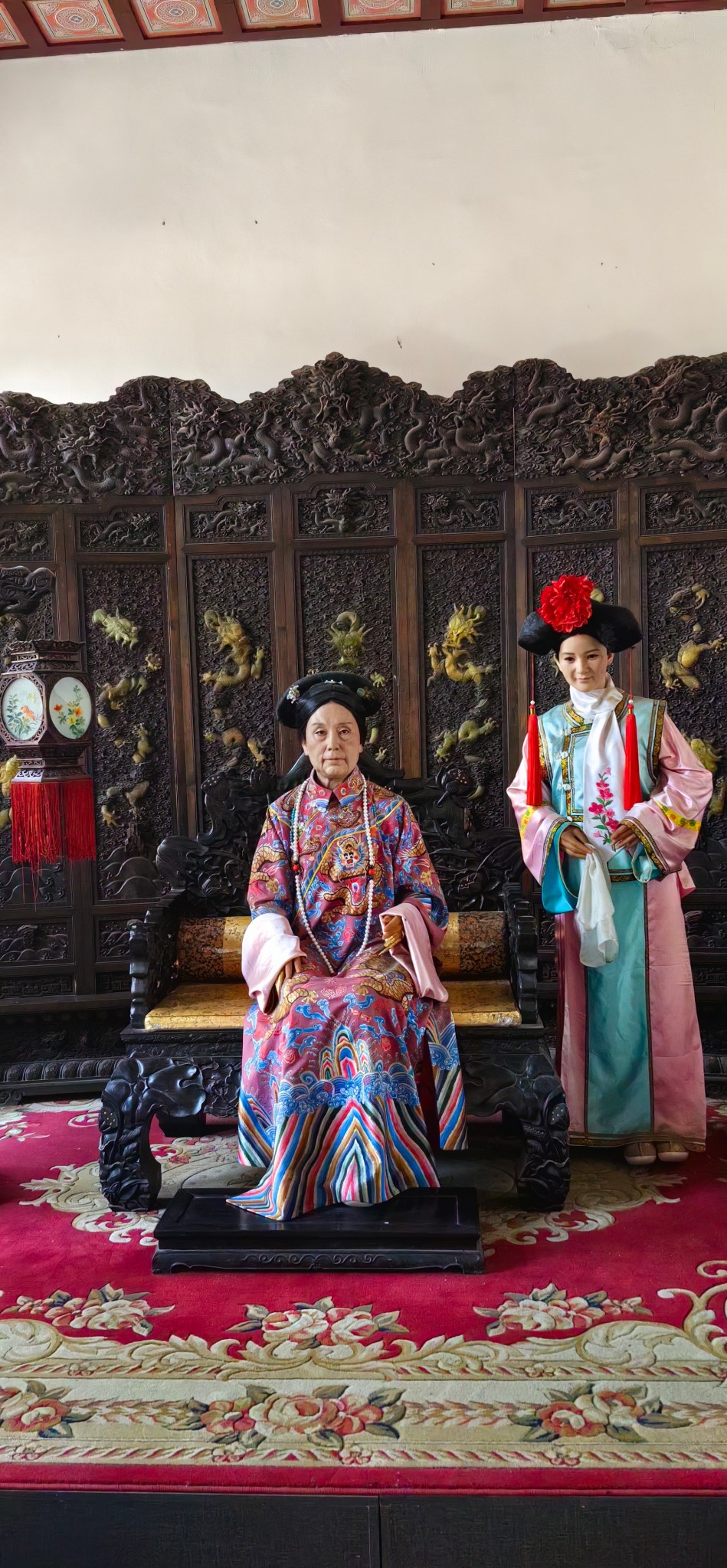
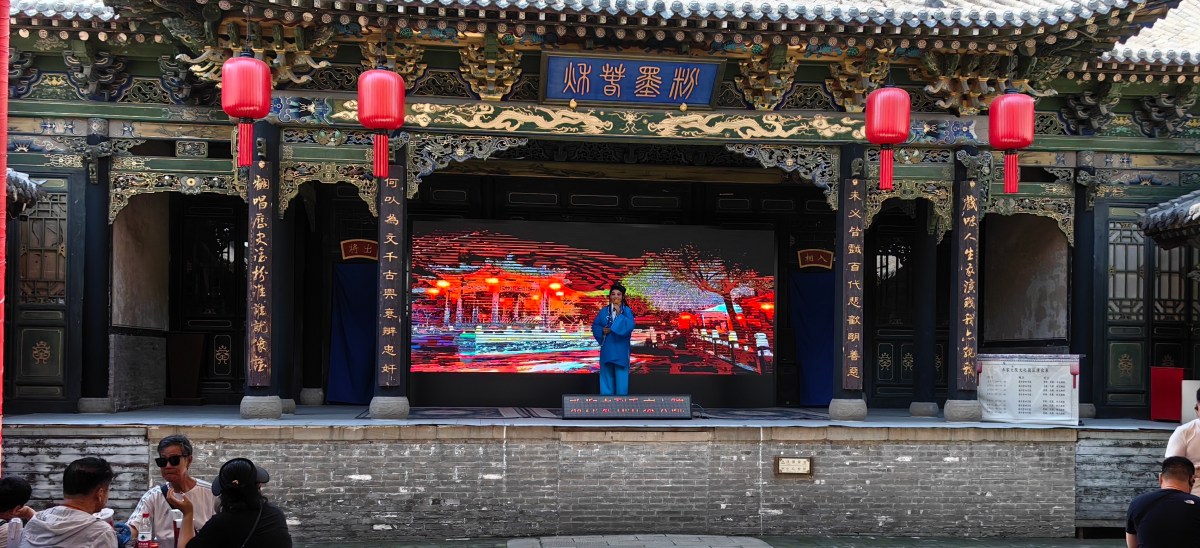


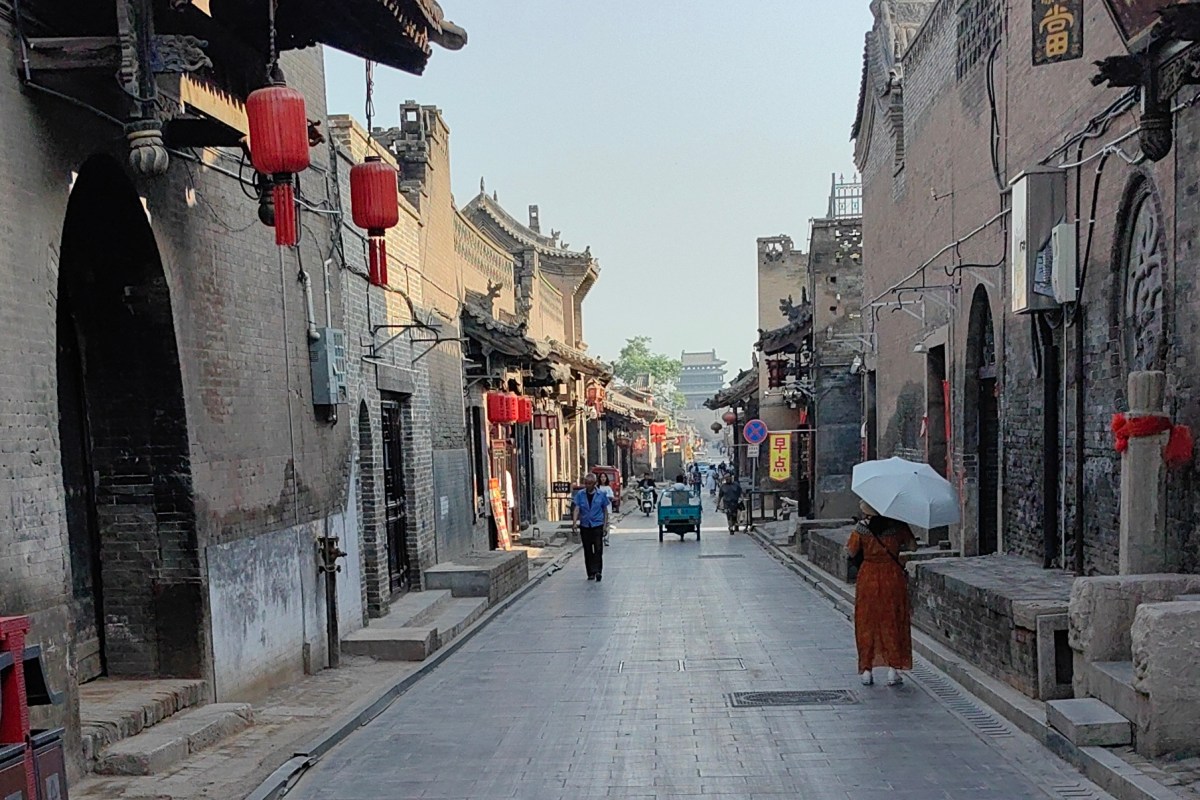


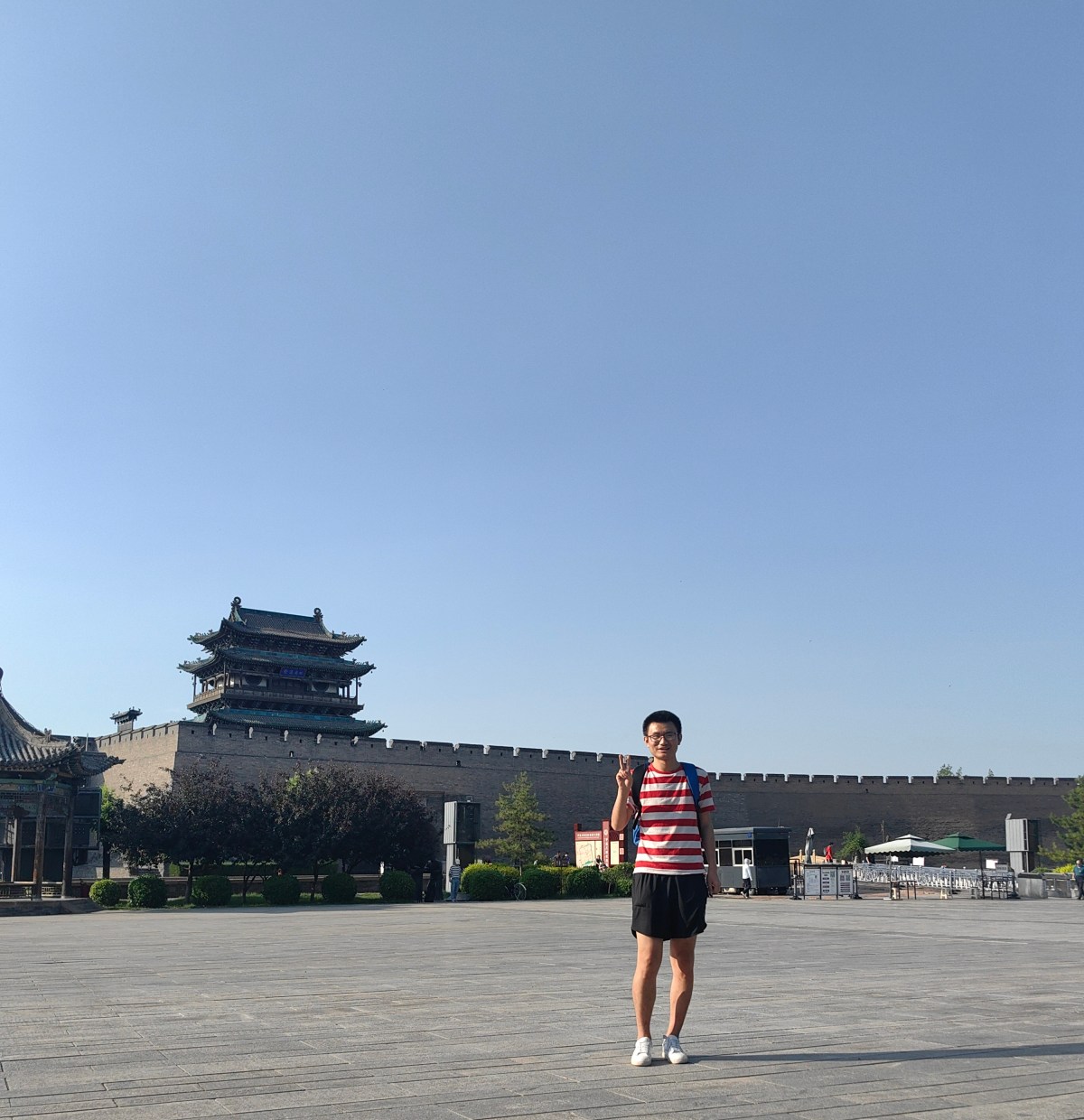
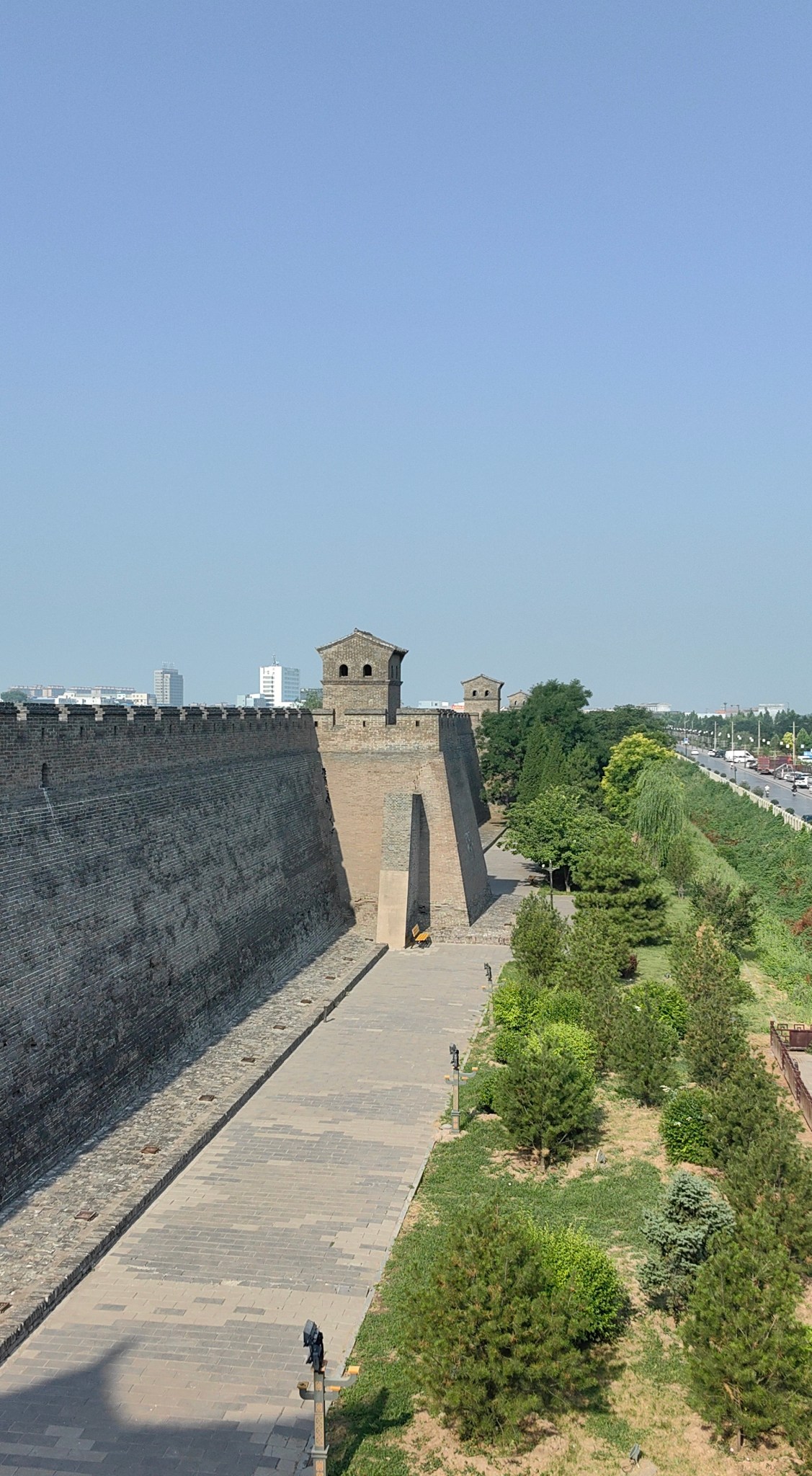


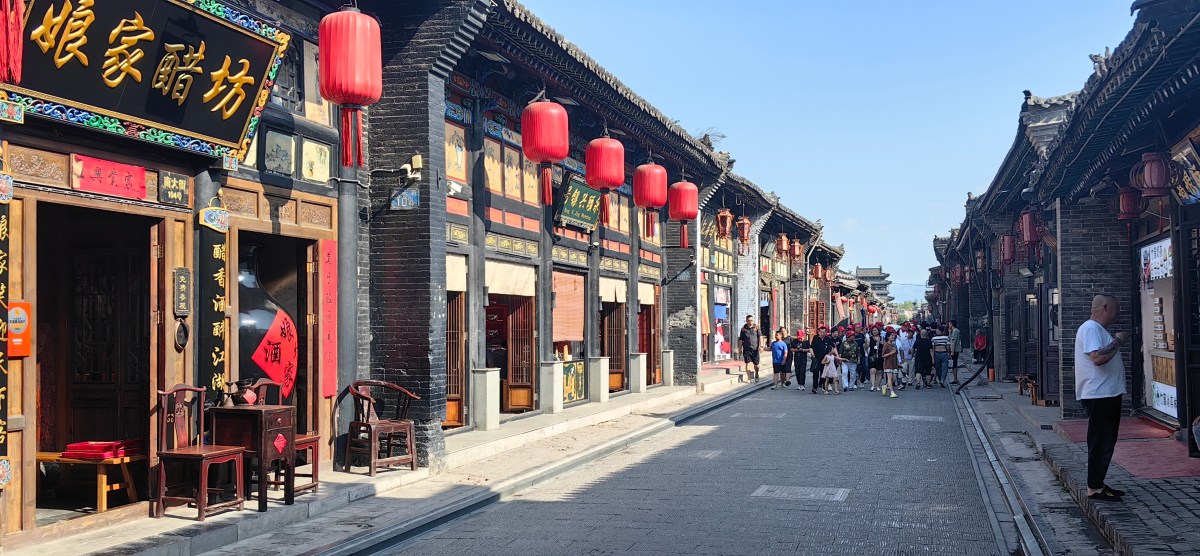


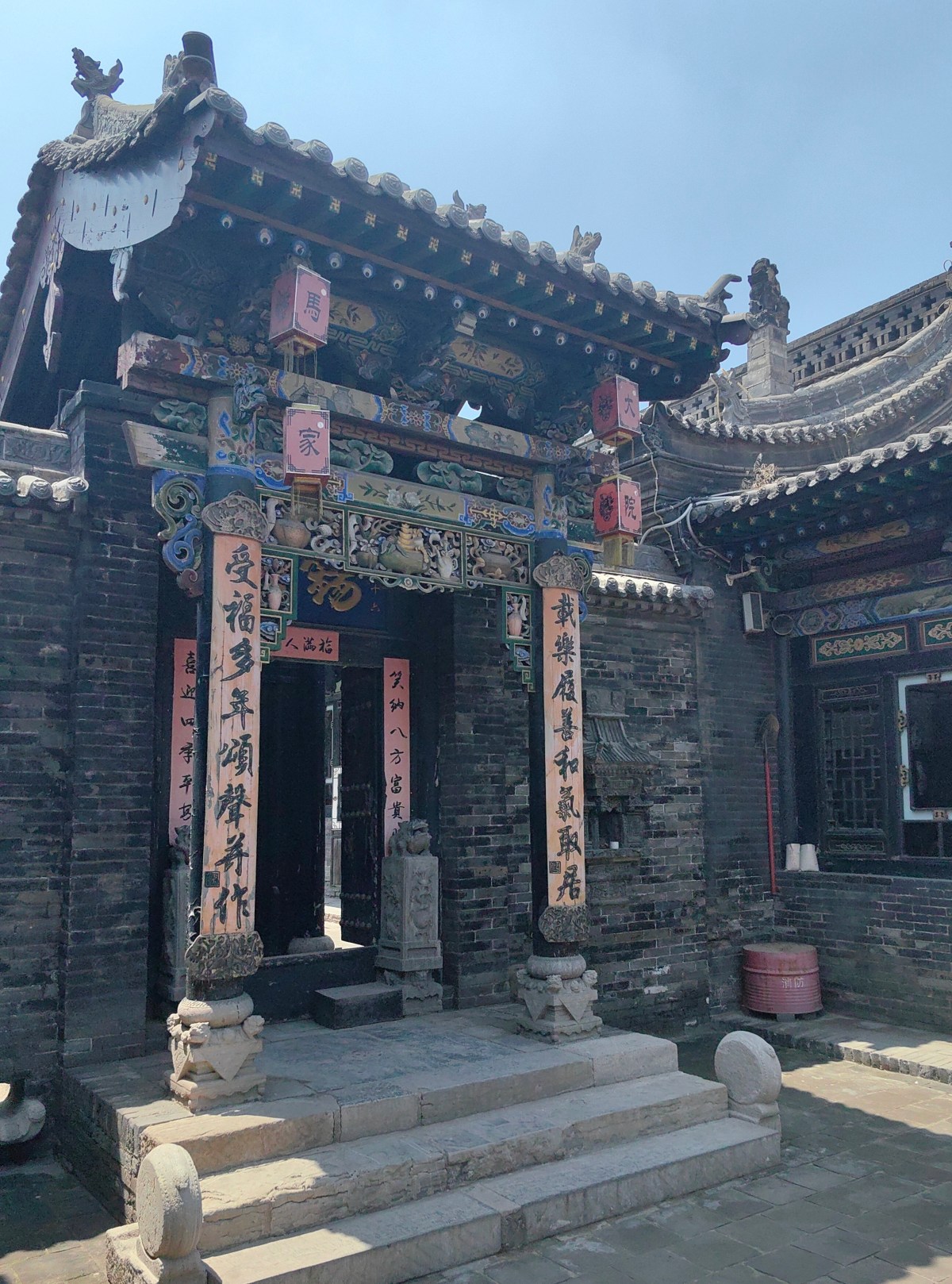


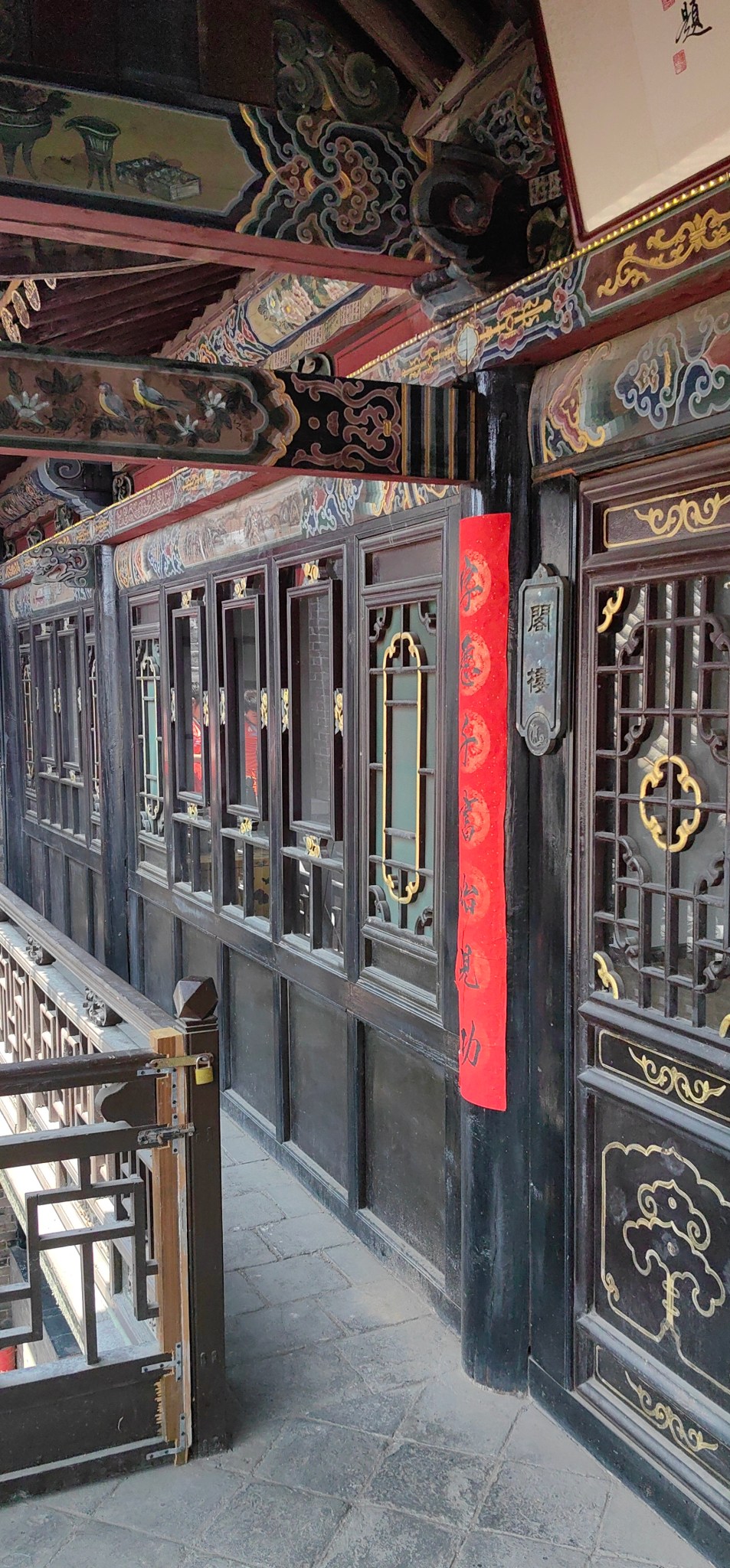
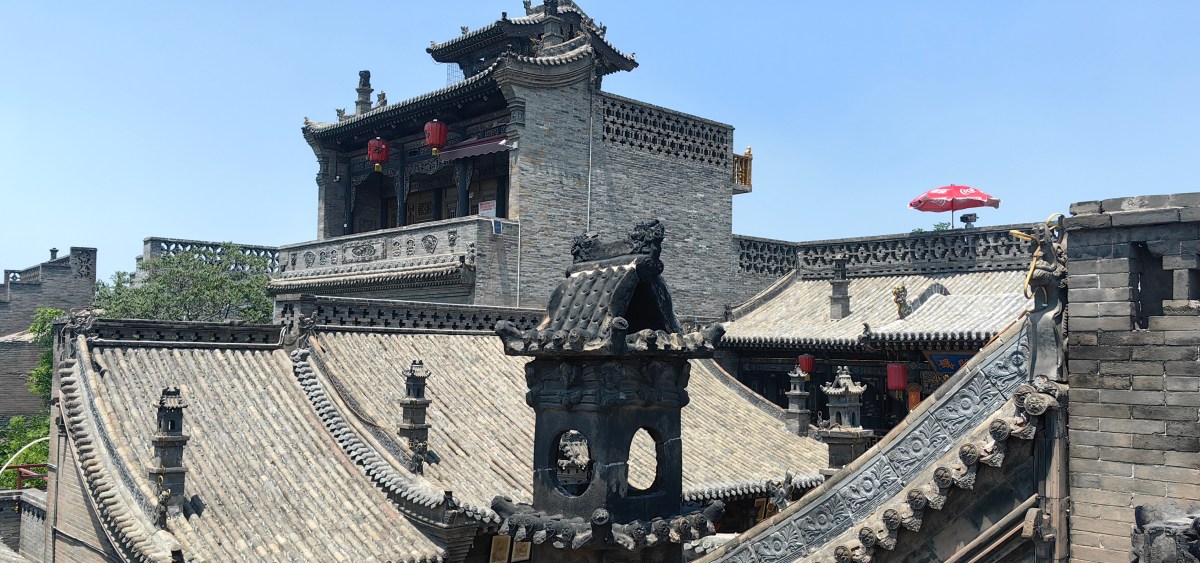
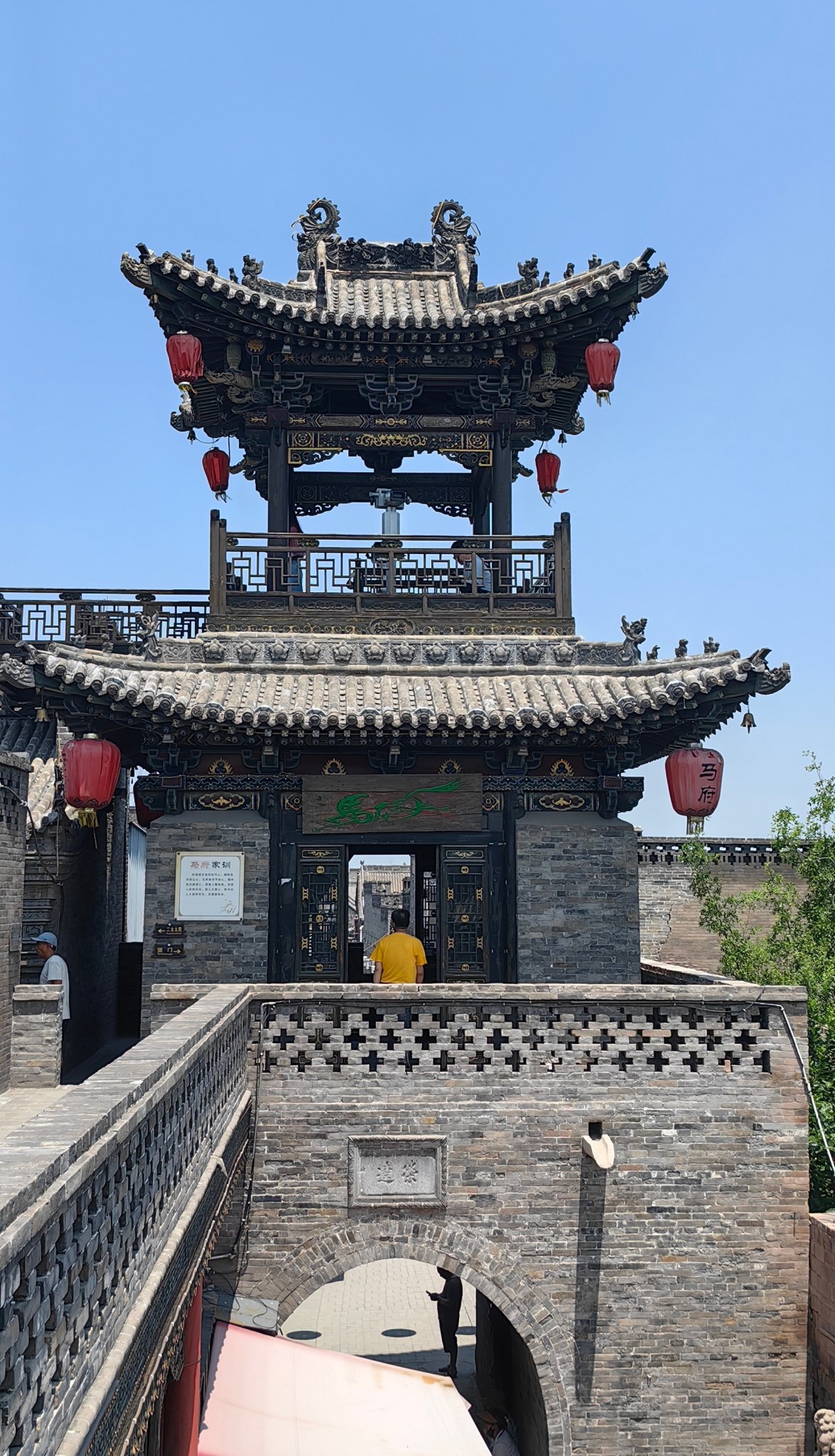
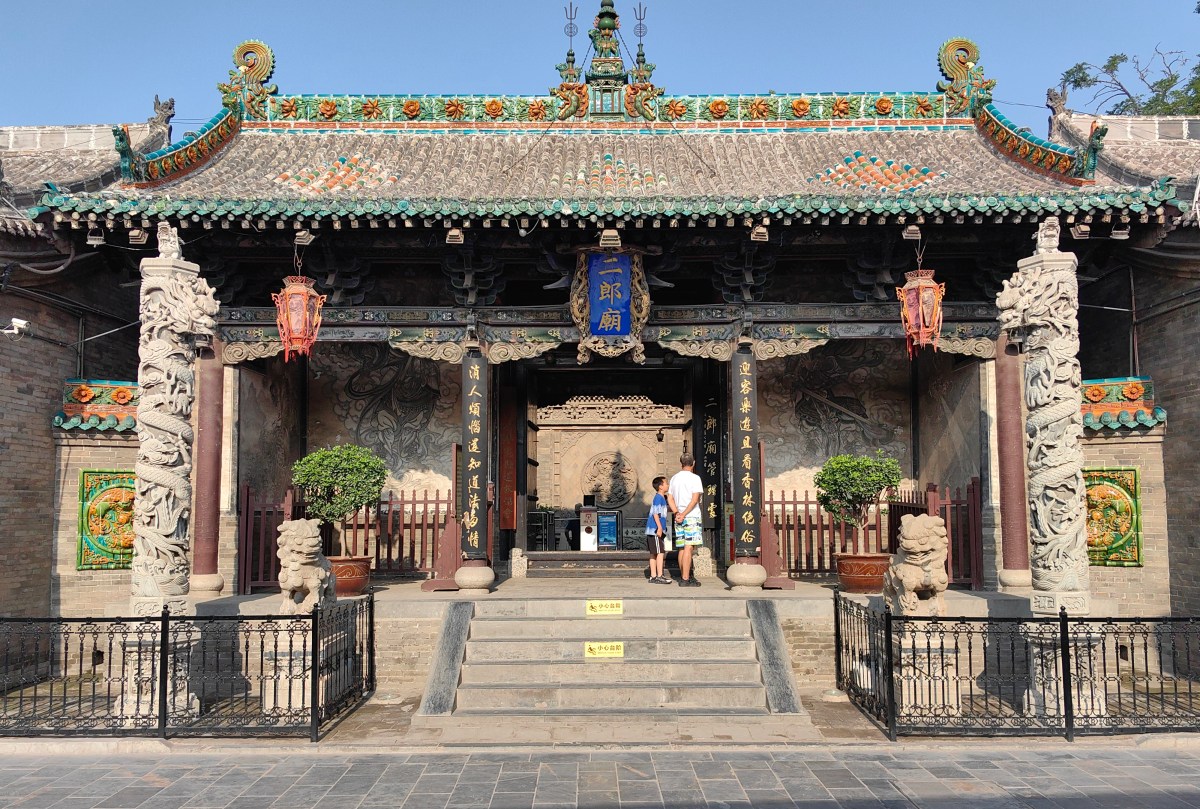

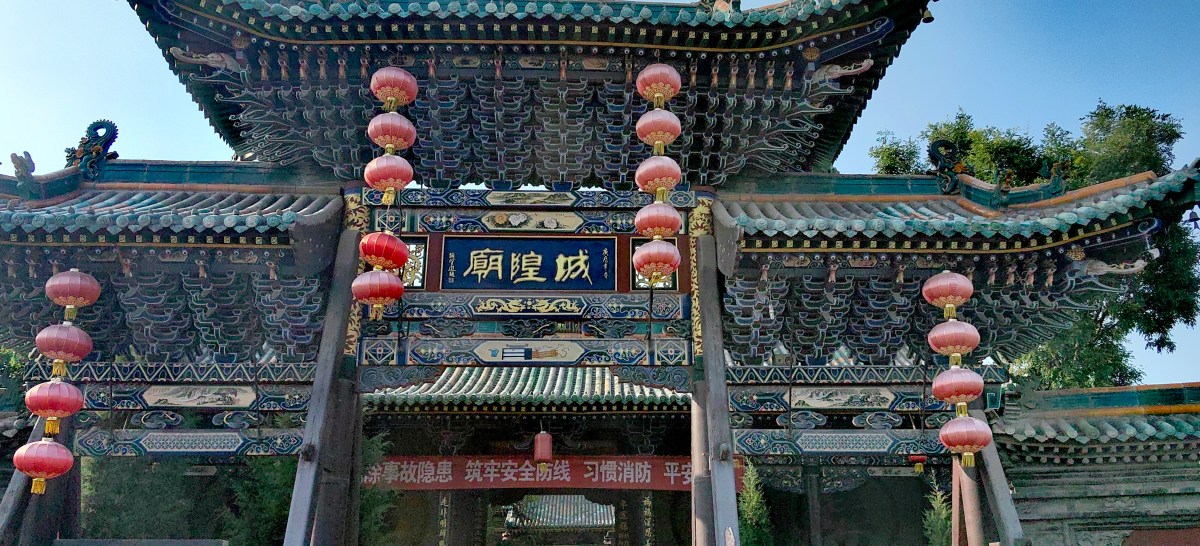


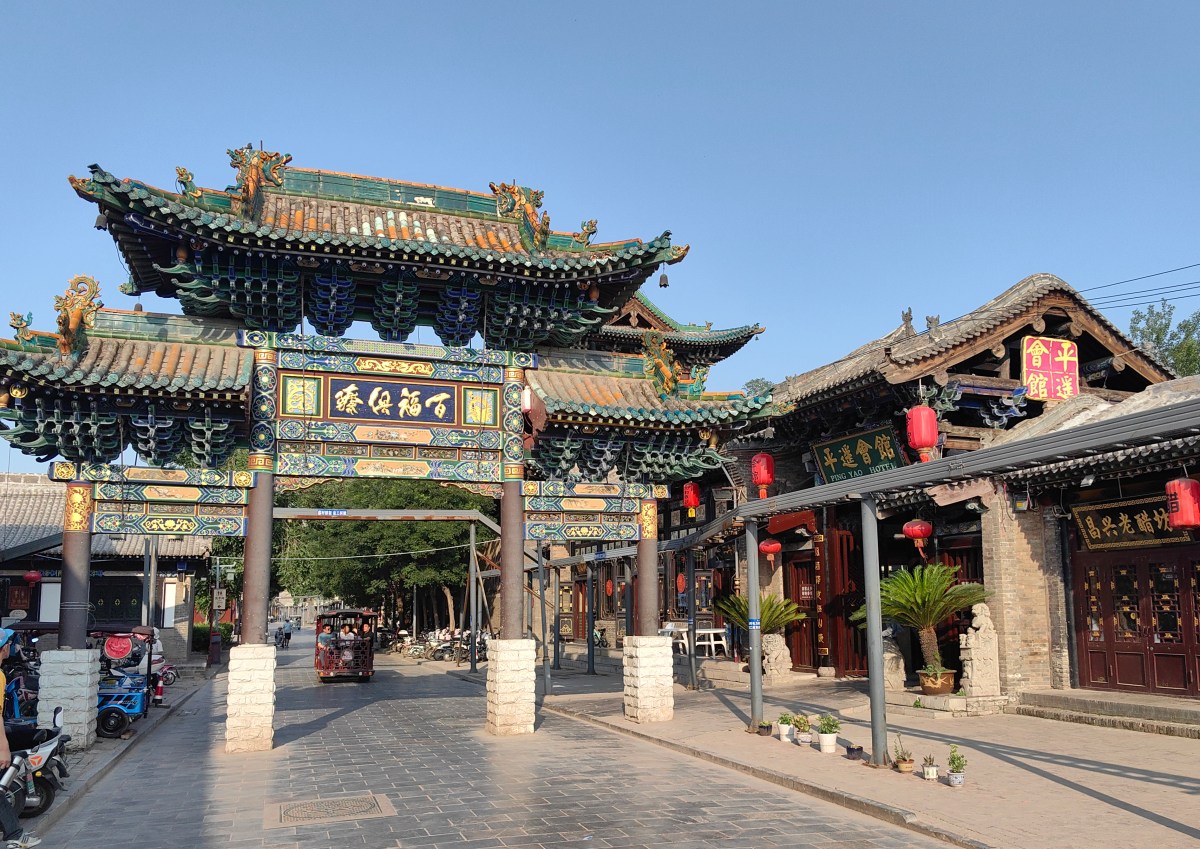

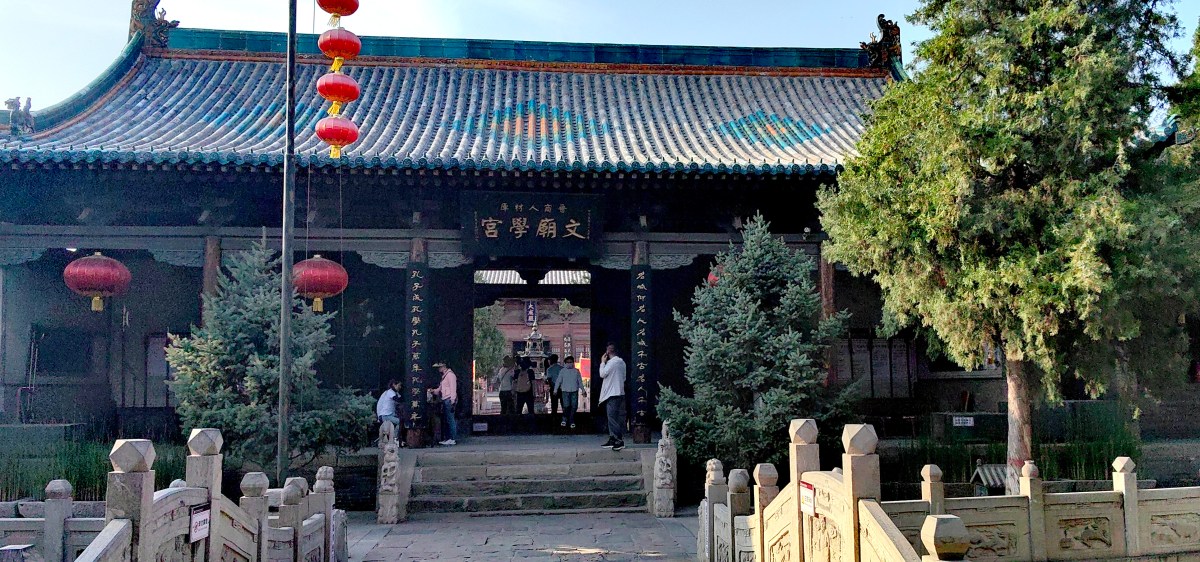


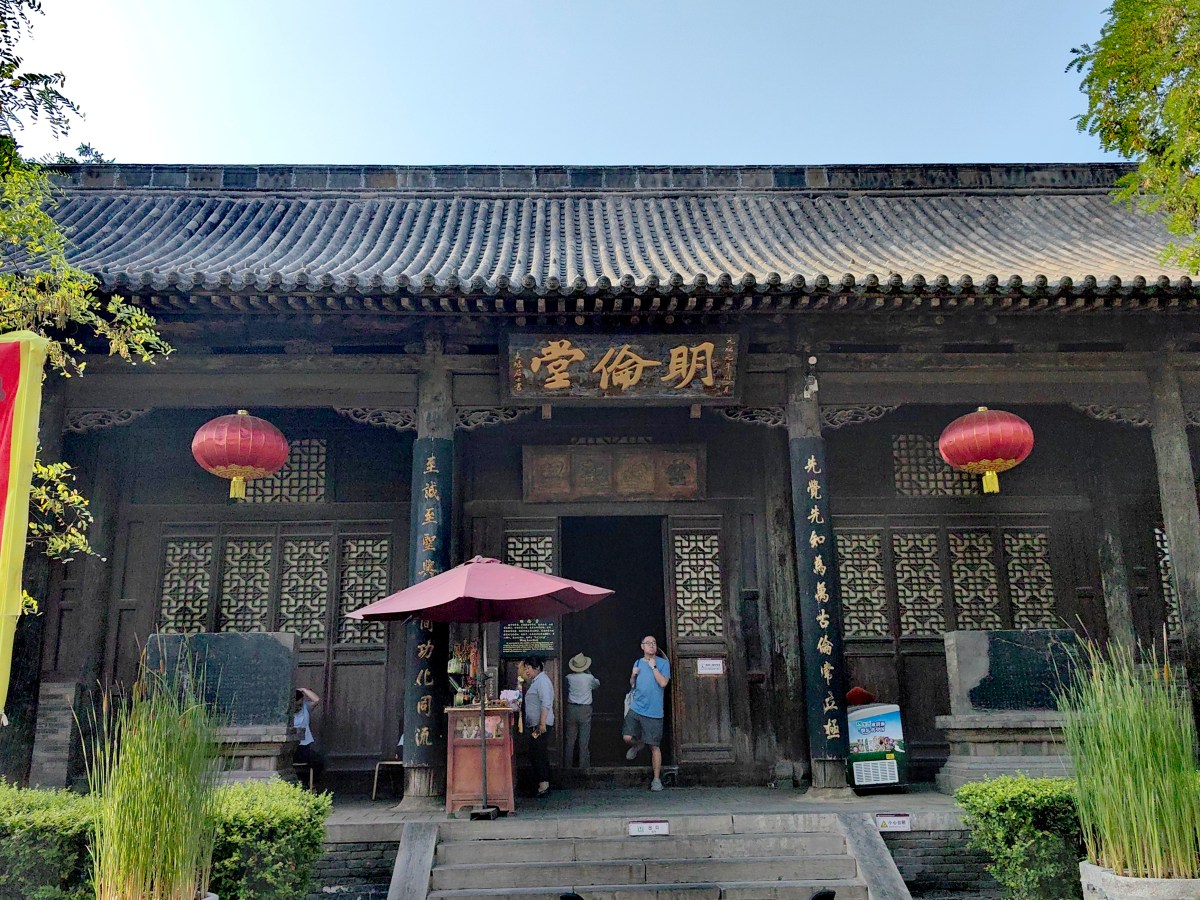


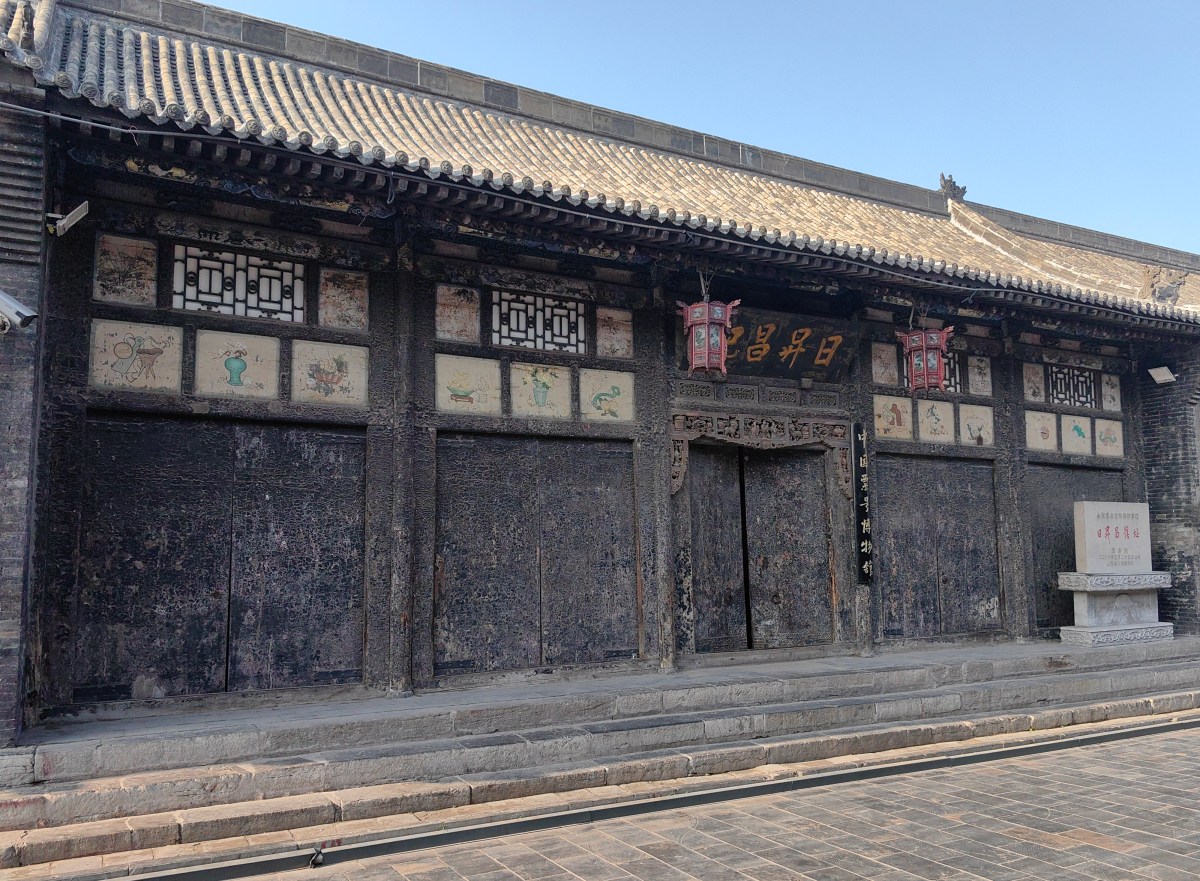
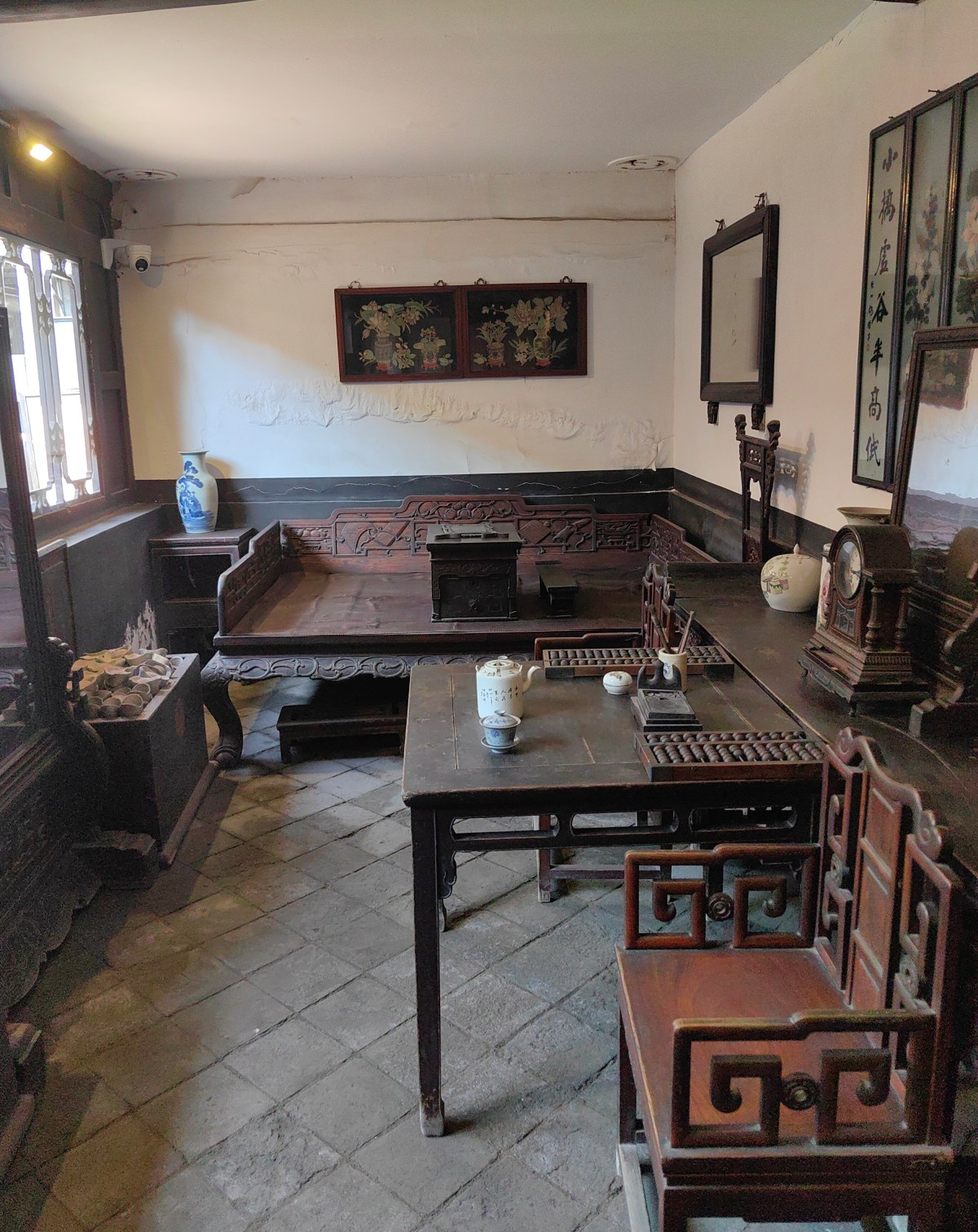

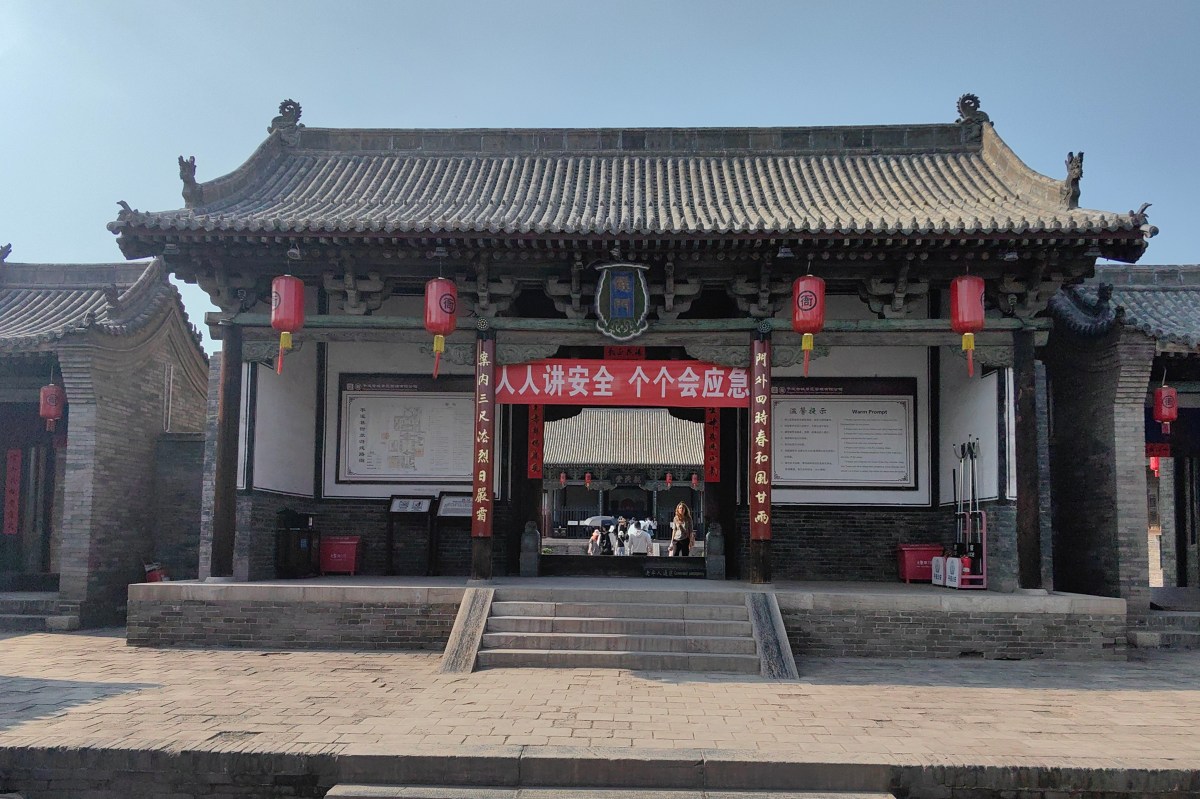

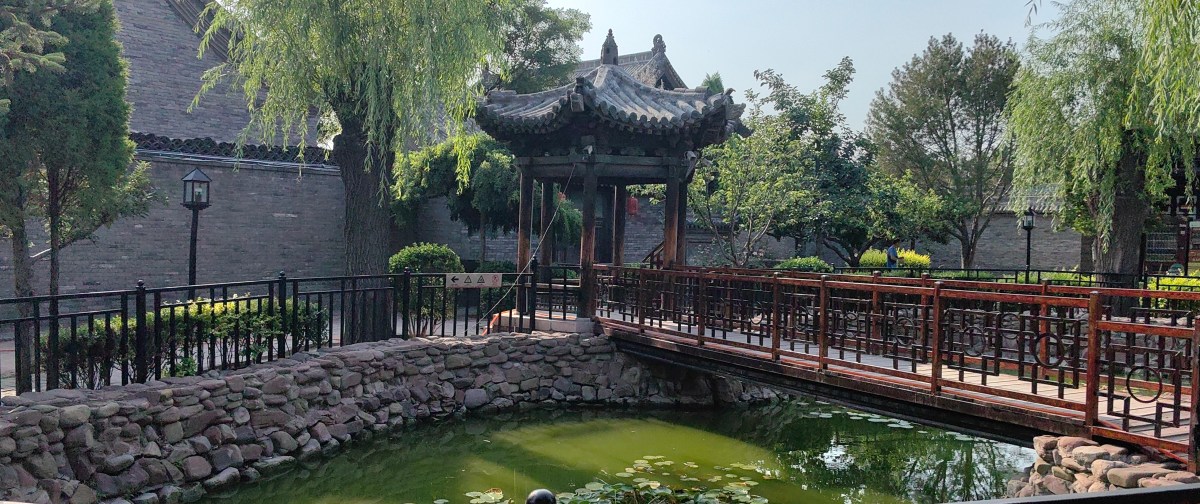
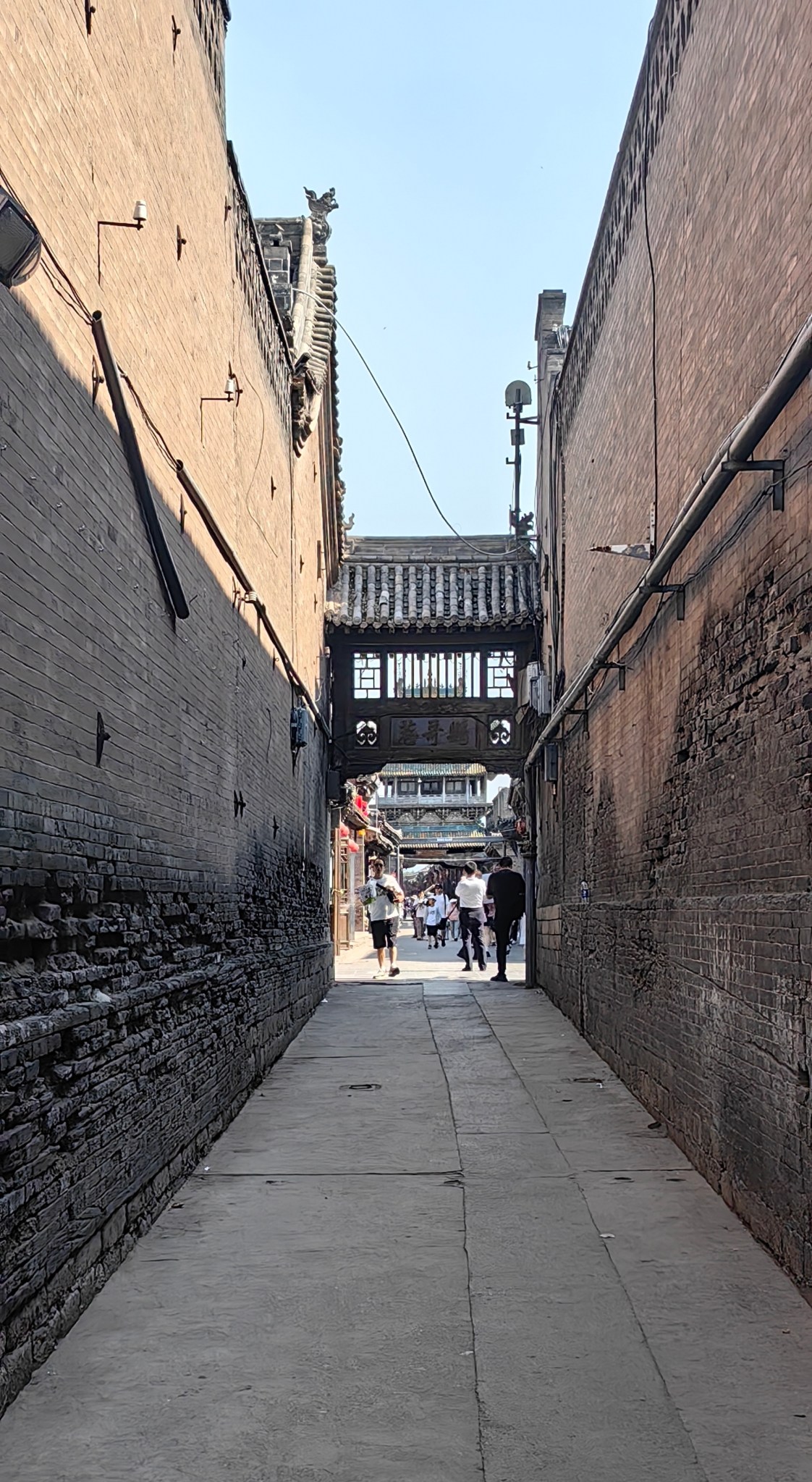



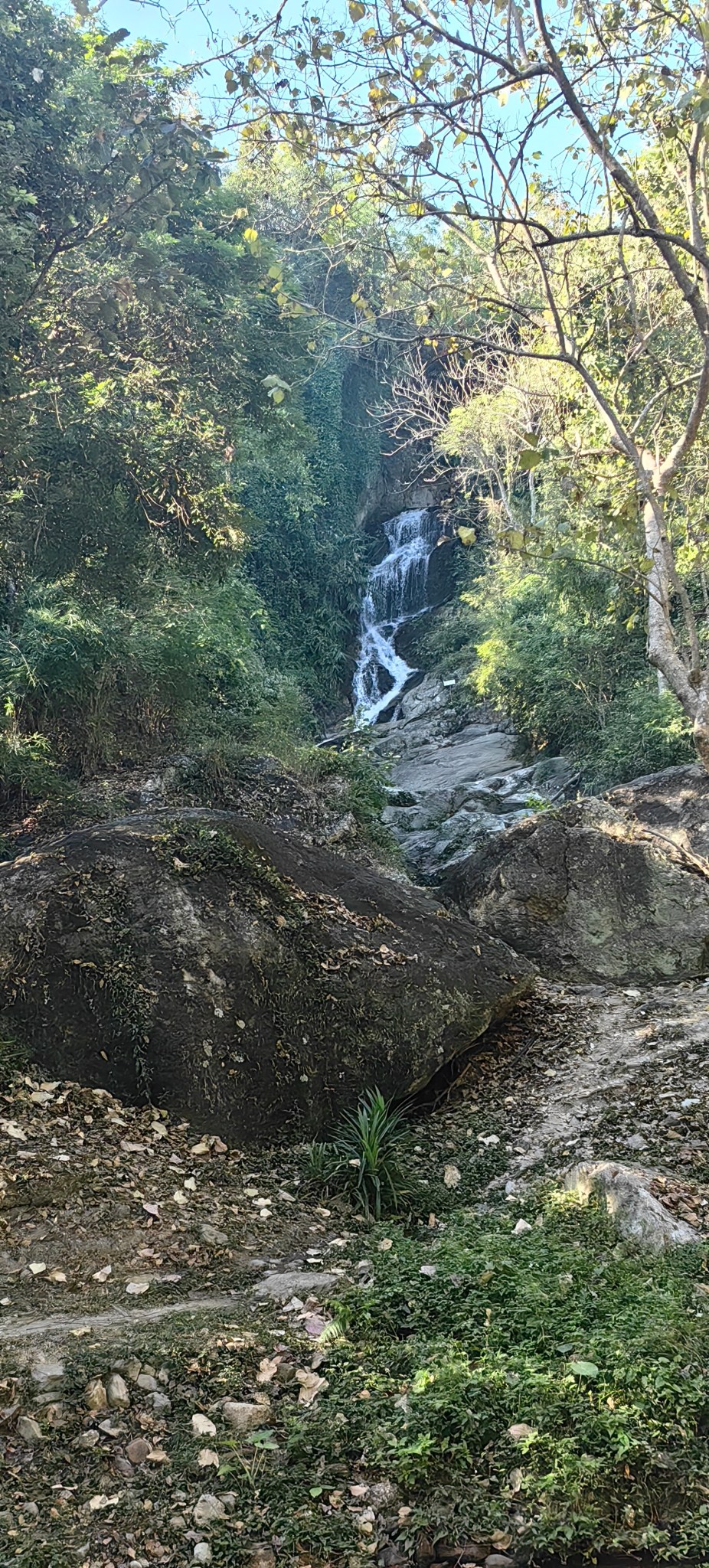

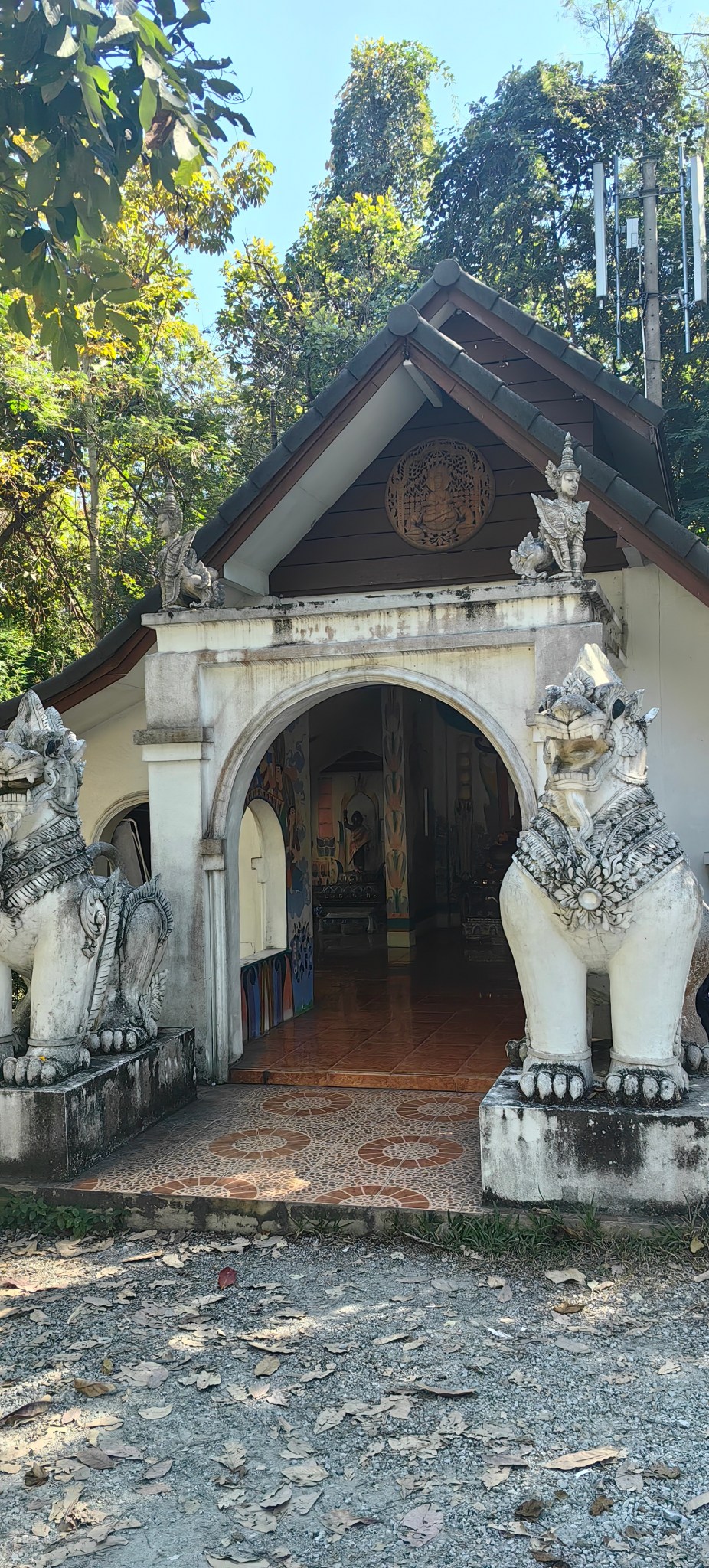
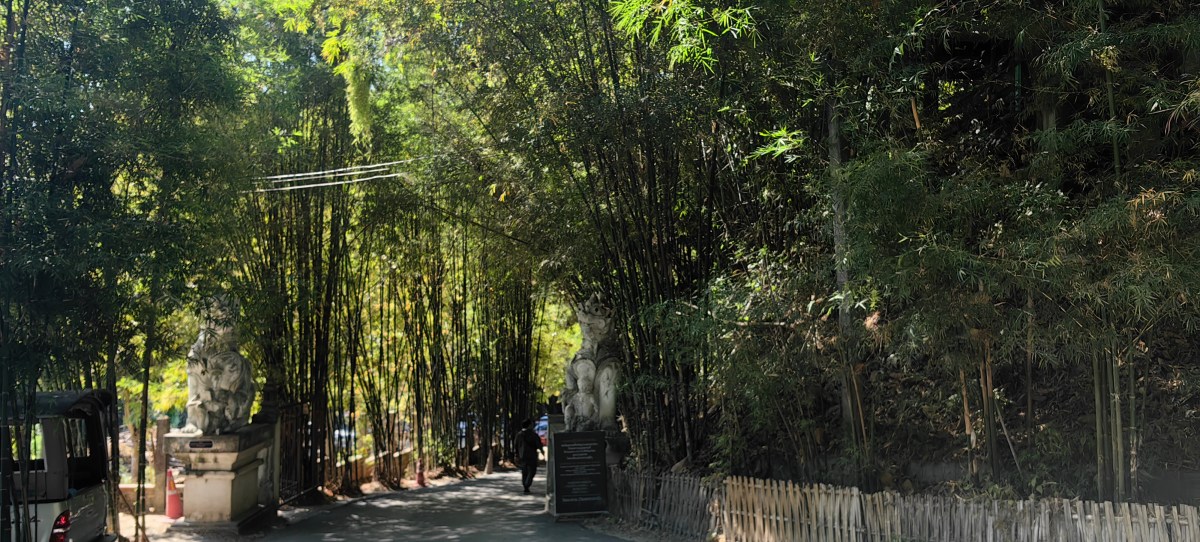
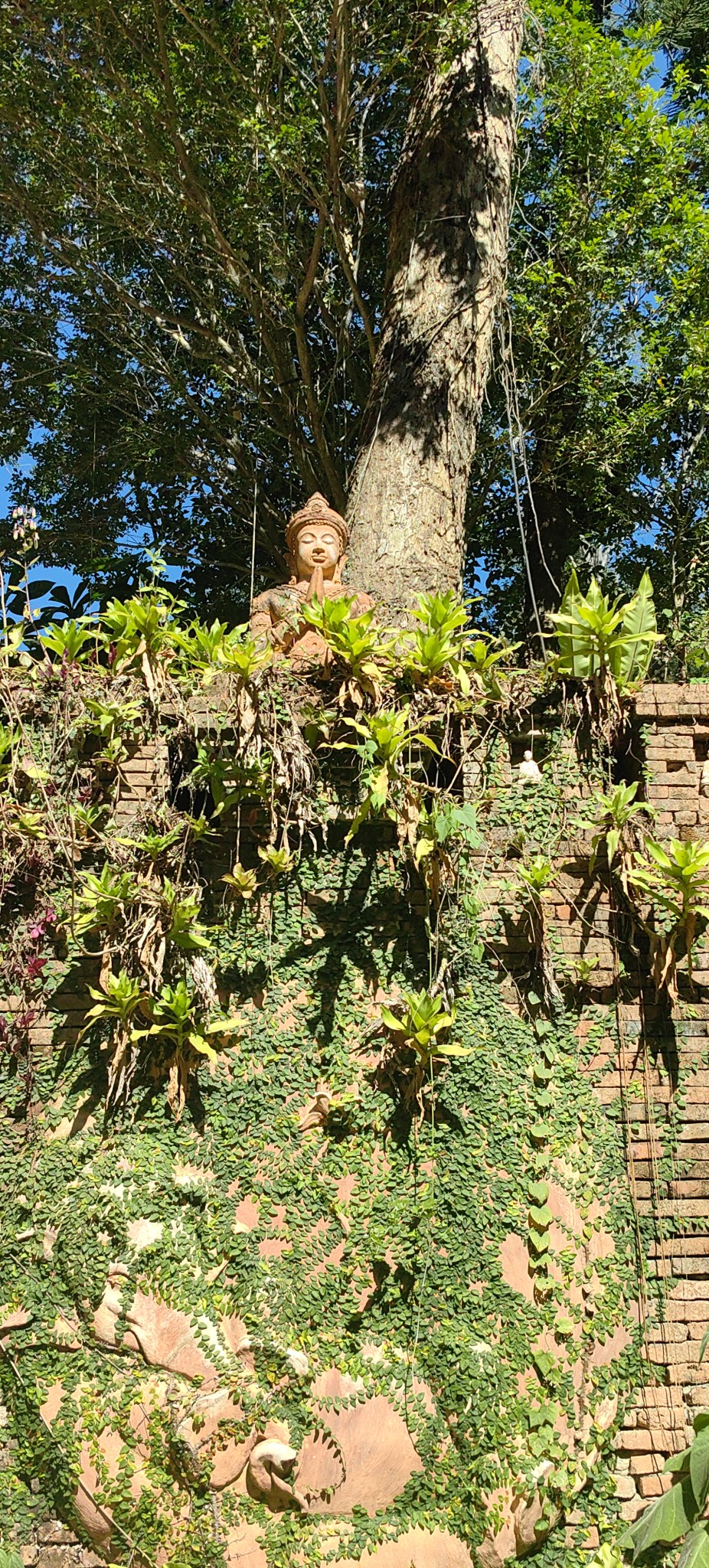

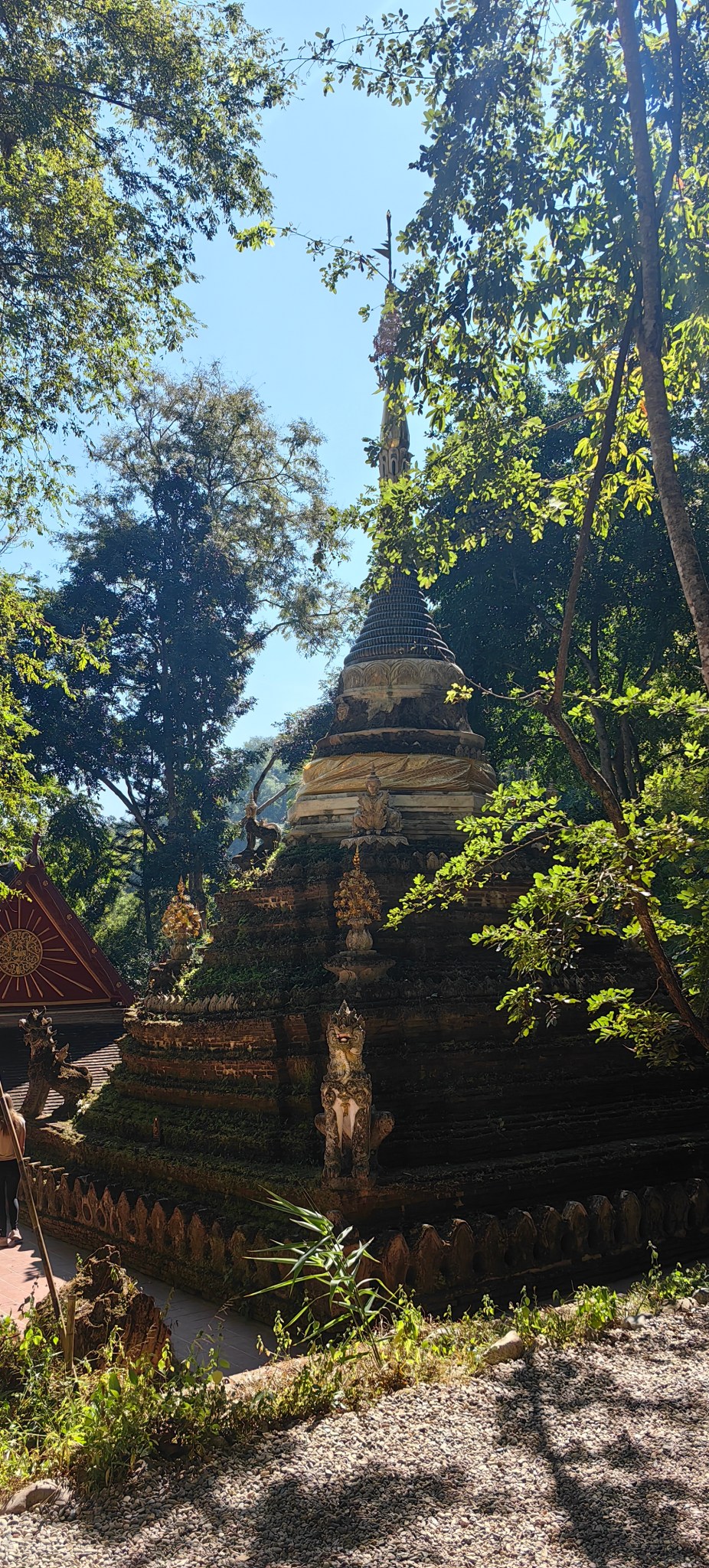
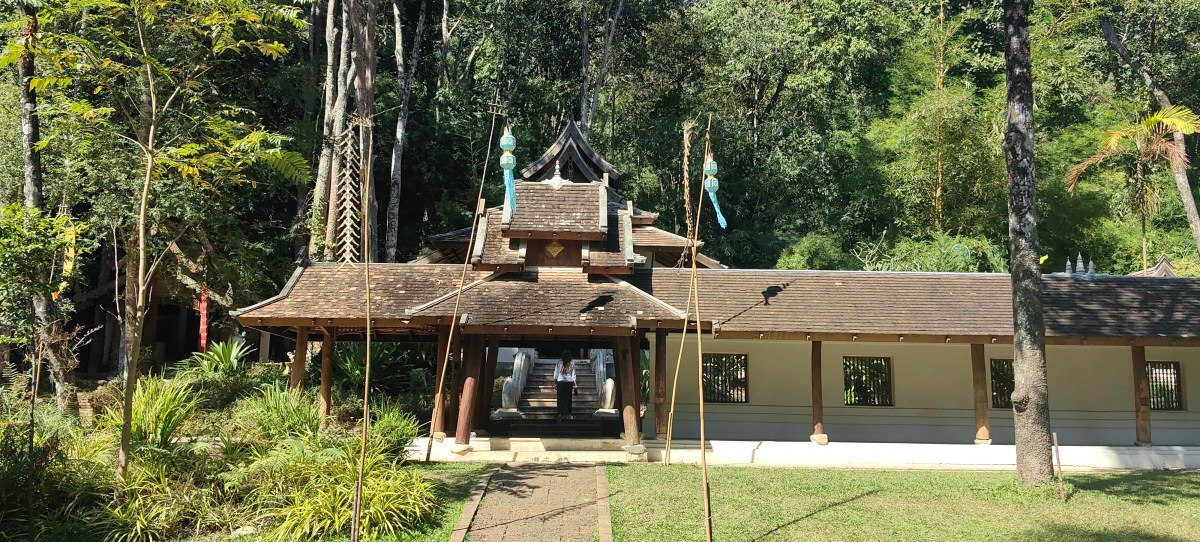


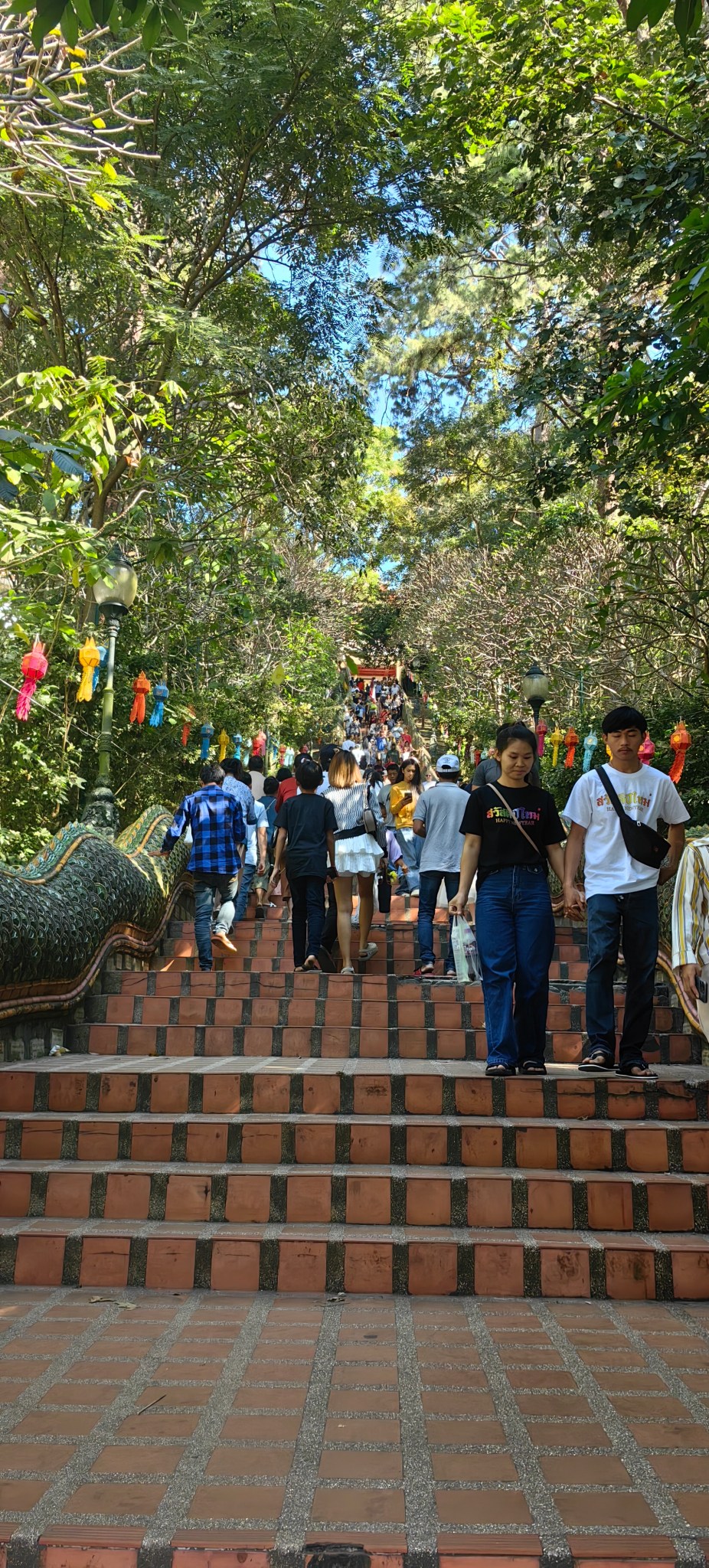

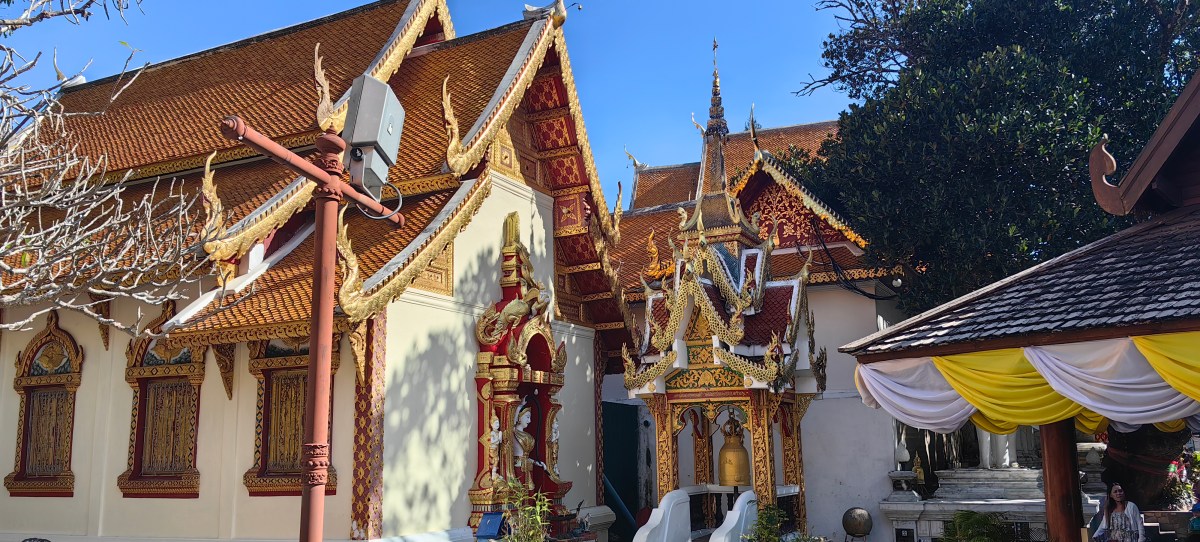

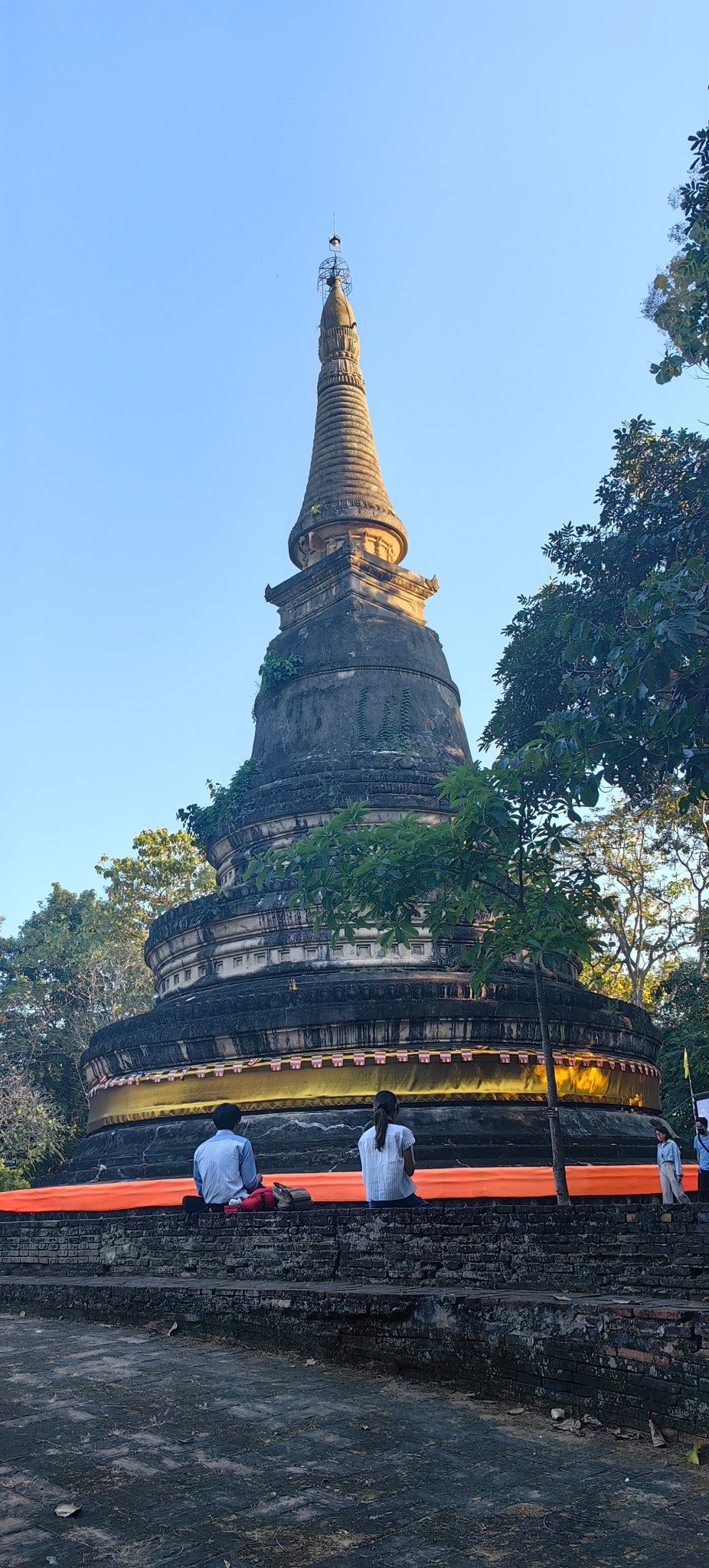
 Gone like the wind